1. Imperfect Harmony: A Wabi Sabi Interior Design Approach
Wabi Sabi interior design embodies a profound shift in the pursuit of perfection, embracing instead the inherent beauty found in life’s natural imperfections. This ancient Japanese philosophy creates serene sanctuaries by incorporating weathered textures, organic materials, and gentle aging into the design. The approach honors the passage of time by thoughtfully curating elements that convey the stories of wear, use, and natural transformation. Earthy materials such as reclaimed wood, handmade ceramics, and stone surfaces serve as focal points that anchor spaces in a sense of groundedness. The design palette draws inspiration from nature’s muted tones, incorporating soft grays, warm beiges, and gentle earth pigments that subtly shift throughout the day, creating a captivating visual experience. By embracing the beauty of imperfection, Wabi Sabi design encourages mindful living through the creation of uncluttered environments where each chosen piece serves both functional and emotional purposes.

As an Amazon Associate I earn from qualifying purchases.
2. Timeless Beauty: Honoring Imperfection in Interior Design
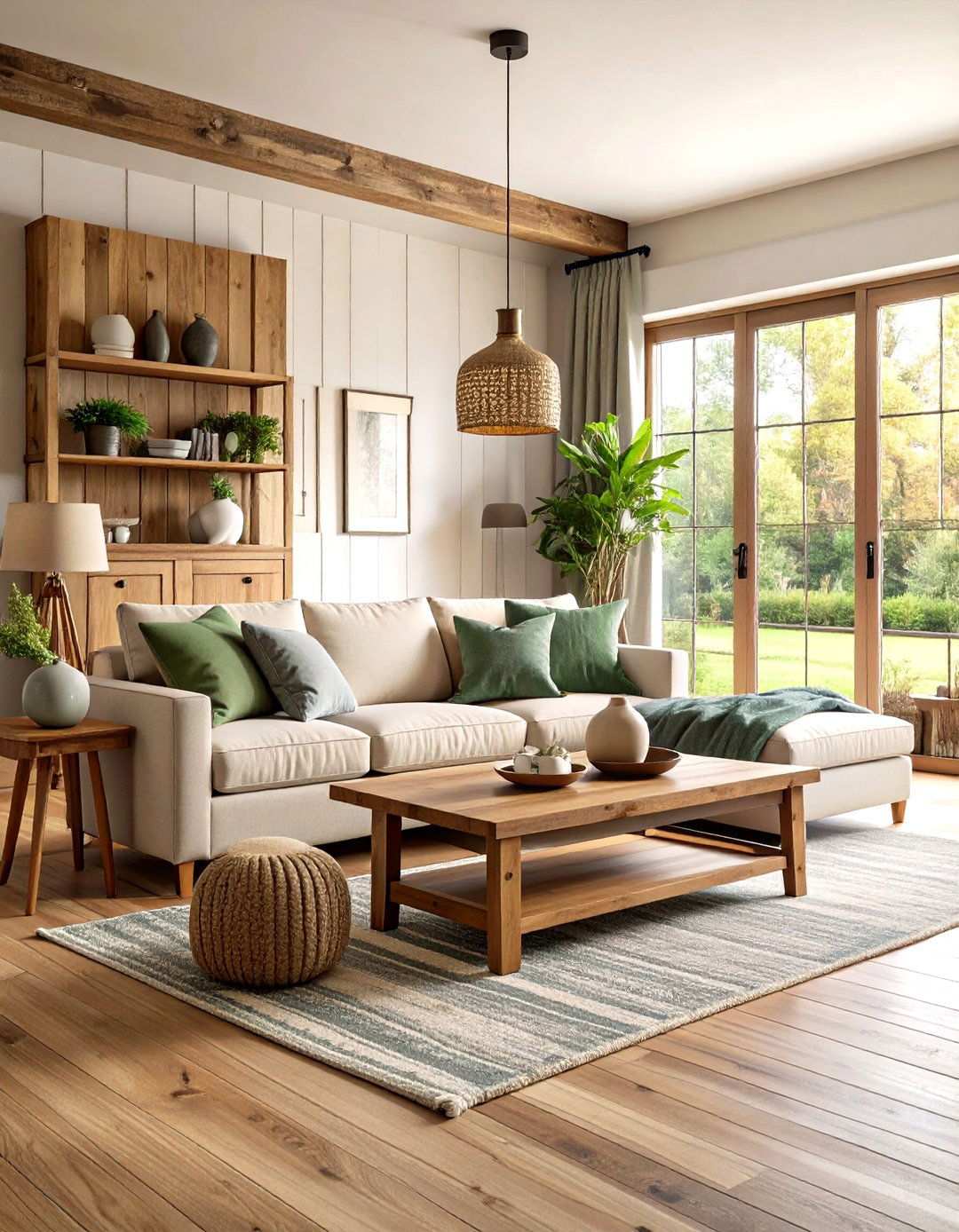
A weathered wood living room exemplifies the natural aging process through reclaimed timber coffee tables, driftwood accent walls, and vintage wooden beams. This serene space features a low-profile linen sofa in warm sand tones, paired with naturally aged oak side tables showcasing handmade ceramic vessels. Soft wool throws in muted gray and sage green drape casually over seating, while wide-plank reclaimed flooring showcases decades of gentle wear patterns. The arrangement celebrates asymmetry by incorporating mismatched wooden stools and an organically shaped coffee table that proudly displays its knots and imperfections. As natural light filters through unadorned windows, it highlights the wood grain variations and subtle color changes that develop over time, creating a visually captivating atmosphere. Does your current furniture tell the story of time’s gentle passage through your daily life, or is it time to introduce a touch of Wabi Sabi’s timeless beauty?
3. Nature-Inspired Oasis Bathroom
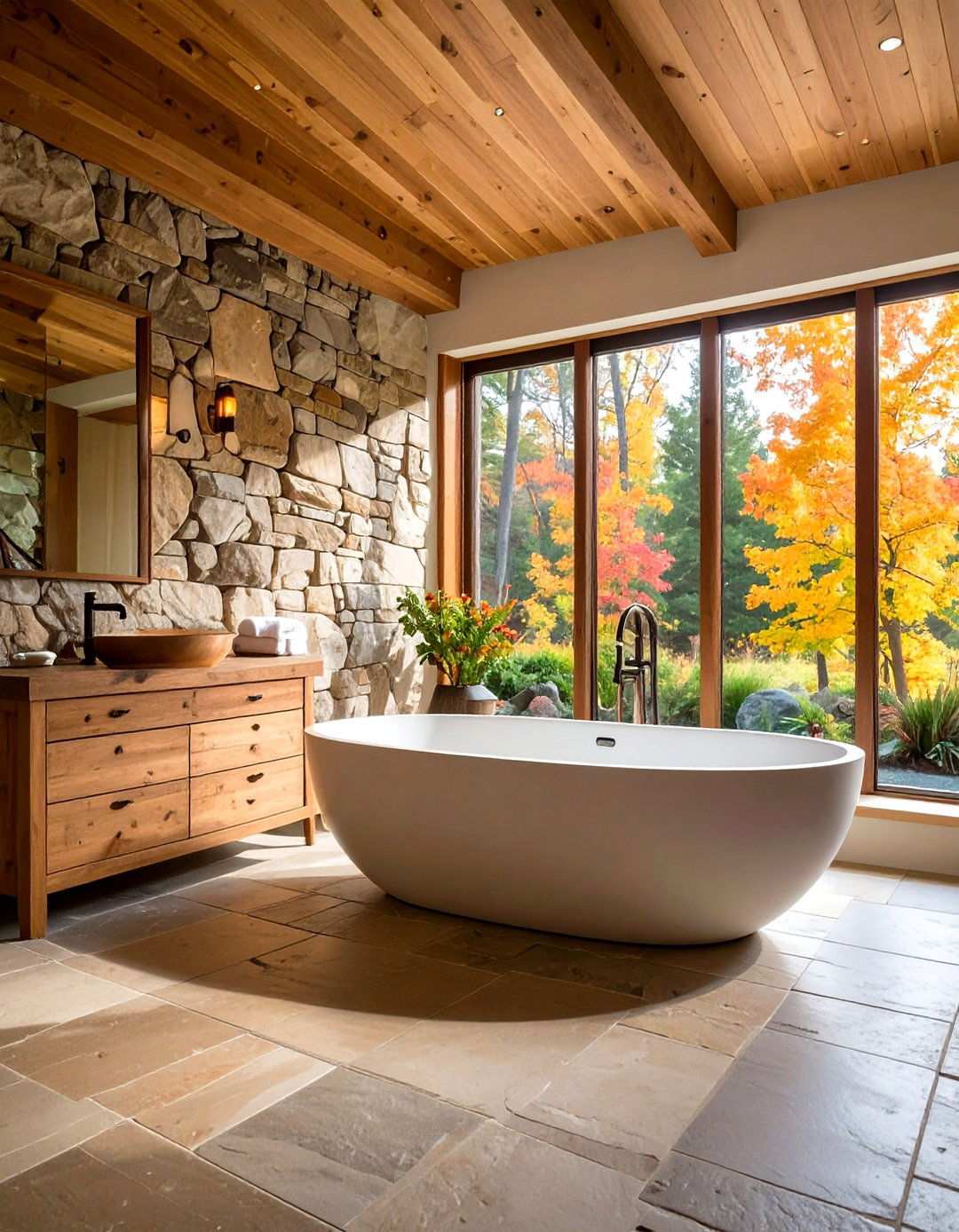
Elevate your bathroom into an immersive retreat where the allure of natural materials and textures harmonize to evoke a sense of serenity and connection with the earth. A show-stopping centerpiece is a freestanding soaking tub carved from a single, naturally formed stone block, situated beneath a skylight that subtly adjusts the ambiance throughout the day. The dynamic interplay of natural river rock accent walls against the rich, subtle variations of limestone flooring creates a captivating visual narrative. A reclaimed barn wood vanity provides a sturdy base for a hand-hammered copper vessel sink, which develops a one-of-a-kind patina over time. The sensory experience is completed with natural fiber bath mats and organic cotton towels in soothing beige tones. How can incorporating natural stone elements into your bathroom transform your daily bathing rituals into moments of introspective contemplation?
4. Calming Retreat Bedroom
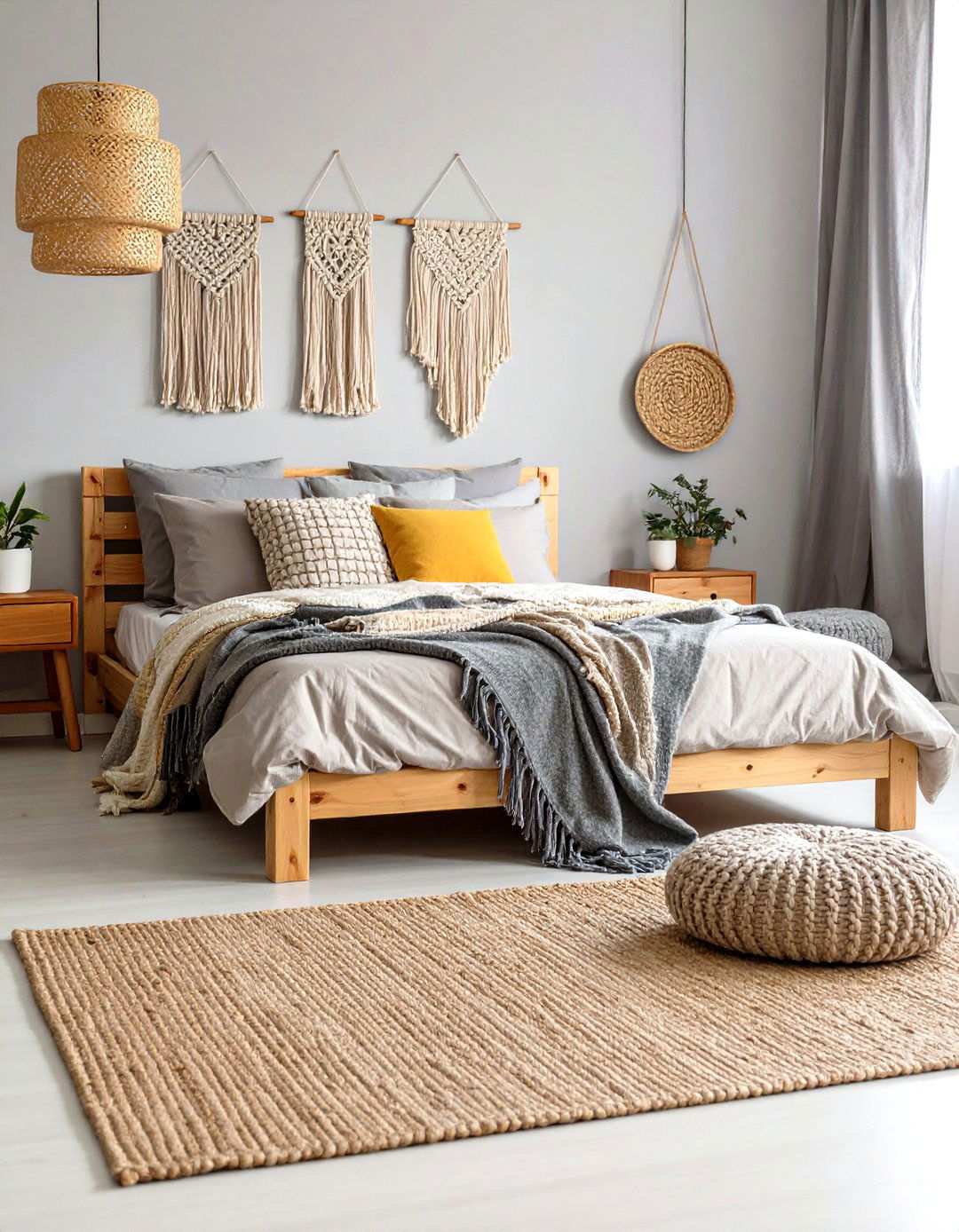
Design a serene bedroom sanctuary through an expertly layered approach of neutral textiles that nurture relaxation and foster restful sleep. The soothing atmosphere is achieved through a combination of organic linen bedding in soft oatmeal and gentle gray, paired with a handwoven wool blanket showcasing subtle color variations resulting from natural dyeing processes. Floor cushions draped in raw silk and hemp provide comfortable seating options around a low wooden platform bed crafted from unfinished cedar, allowing for a tranquil retreat. Jute rugs with loose weaves add textural depth, while bamboo window shades filter natural light throughout the day, creating a peaceful ambiance. The space also celebrates the beauty of handcrafted traditions through undyed wool and natural cotton wall hangings that add a touch of warmth and character. By embracing the Japanese concept of finding beauty in simplicity, this bedroom creates a haven for rest and rejuvenation.
5. Artisanal Dining Experience
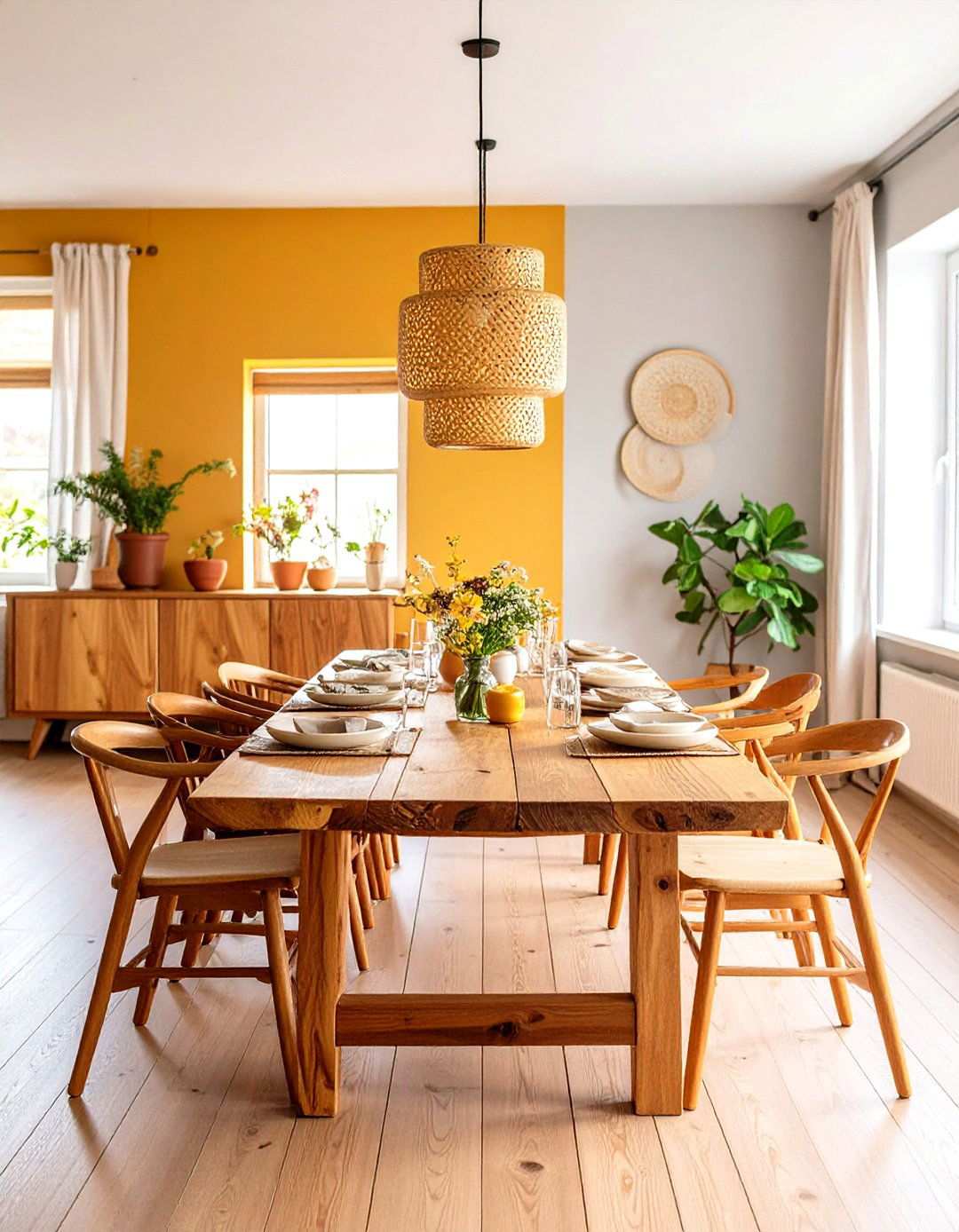
Create a unique dining space that honors the art of sharing meals through the thoughtful integration of organic shapes, natural materials, and handcrafted elements that make every gathering feel truly special. At the heart of the space is a live-edge dining table where the natural form of the wood determines the seating arrangement, paired with mismatched wooden chairs showcasing distinct grain patterns and aging characteristics. Handmade ceramic dinnerware in earthy glazes adds a touch of rustic sophistication to the table, while linen napkins in soft sage and ochre tones bring a sense of warmth and coziness. A pendant light made from woven bamboo casts organic shadow patterns across the space, while potted herbs and seasonal branches infuse the air with fragrance and life. Open wooden shelving displaying serving pieces that celebrate imperfection and craftsmanship completes the space, creating a true artisanal dining experience.
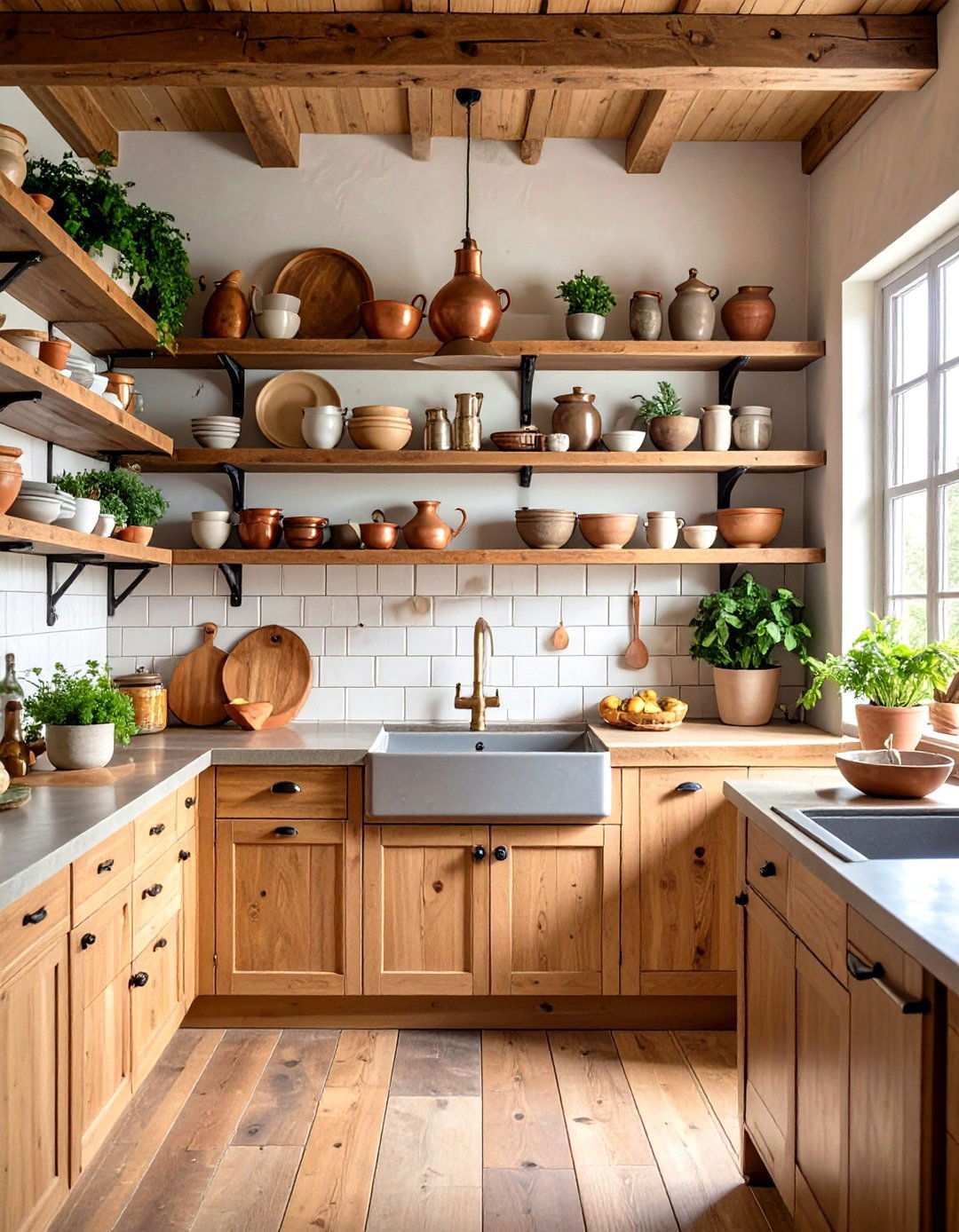
6. The Art of Plant-Focused Spaces
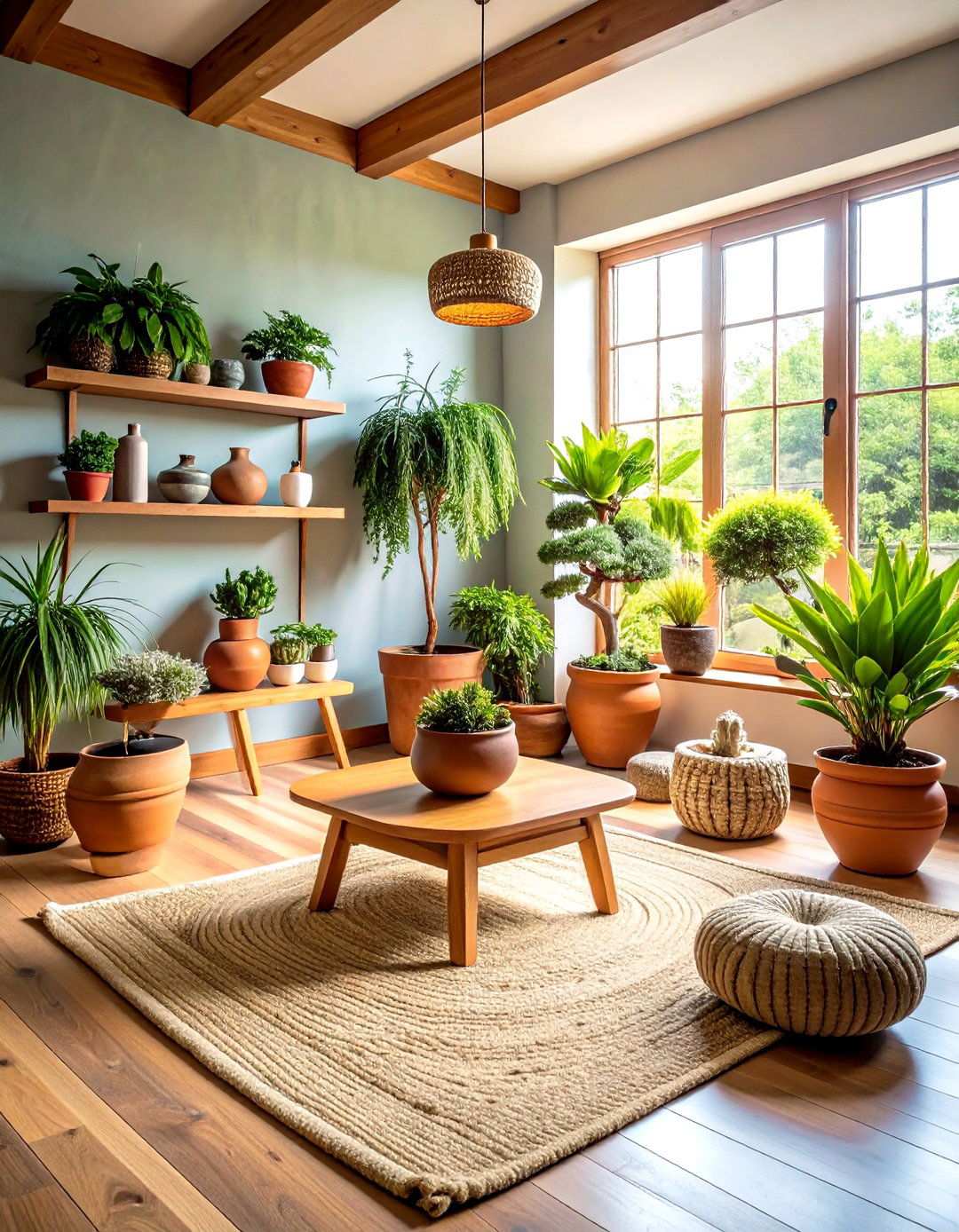
Transforming a corner into a contemplative oasis, carefully chosen plants create a dynamic living installation that evolves in sync with seasons and growth cycles. A thoughtfully curated selection of planters, crafted from unglazed terra cotta, showcases unique color variations resulting from the firing process and water stains from regular use, each one a testament to the passage of time. For quiet reflection, a simple wooden stool or meditation cushion provides seating, while natural fiber mats define the space without imposing rigid boundaries. The chosen plants, slow-growing varieties like snake plants and peace lilies, embody the patience required for organic development. As natural light from nearby windows creates changing shadow patterns throughout the day, the earthy scents and textures engage multiple senses. Does devoting space to plant contemplation fundamentally alter our perception of growth and seasonal changes?
7. Honoring the Structural Heritage
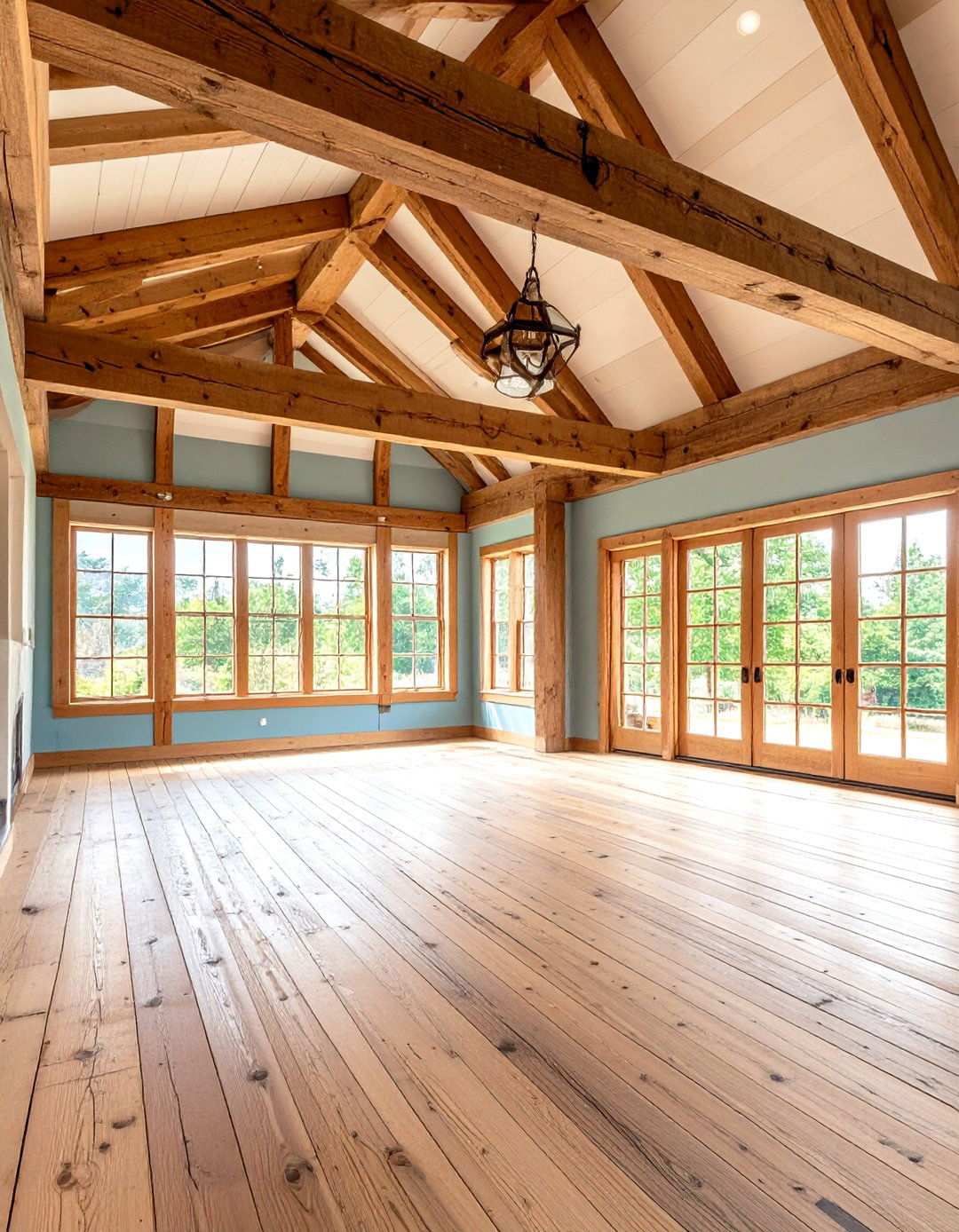
Celebrate the craftsmanship that defines a space by exposing natural wooden beams that tell the story of traditional techniques and architectural heritage through their visible joints and weathered surfaces. The original timber framing, with mortise and tenon joinery, proudly displays the marks of hand tools and traditional building methods passed down through generations. The natural plaster walls, with their slight irregularities and color variations, complement the dark wood tones, while wide-plank floors reveal centuries of gentle wear and foot traffic. By positioning furniture with restraint, the architectural bones remain the focal point, with low-profile seating and minimal decorative elements that respect the space’s inherent character. Natural materials like wool rugs and linen curtains soften the strong geometric lines while maintaining the overall aesthetic of honest construction and material integrity.
8. Aging with Character
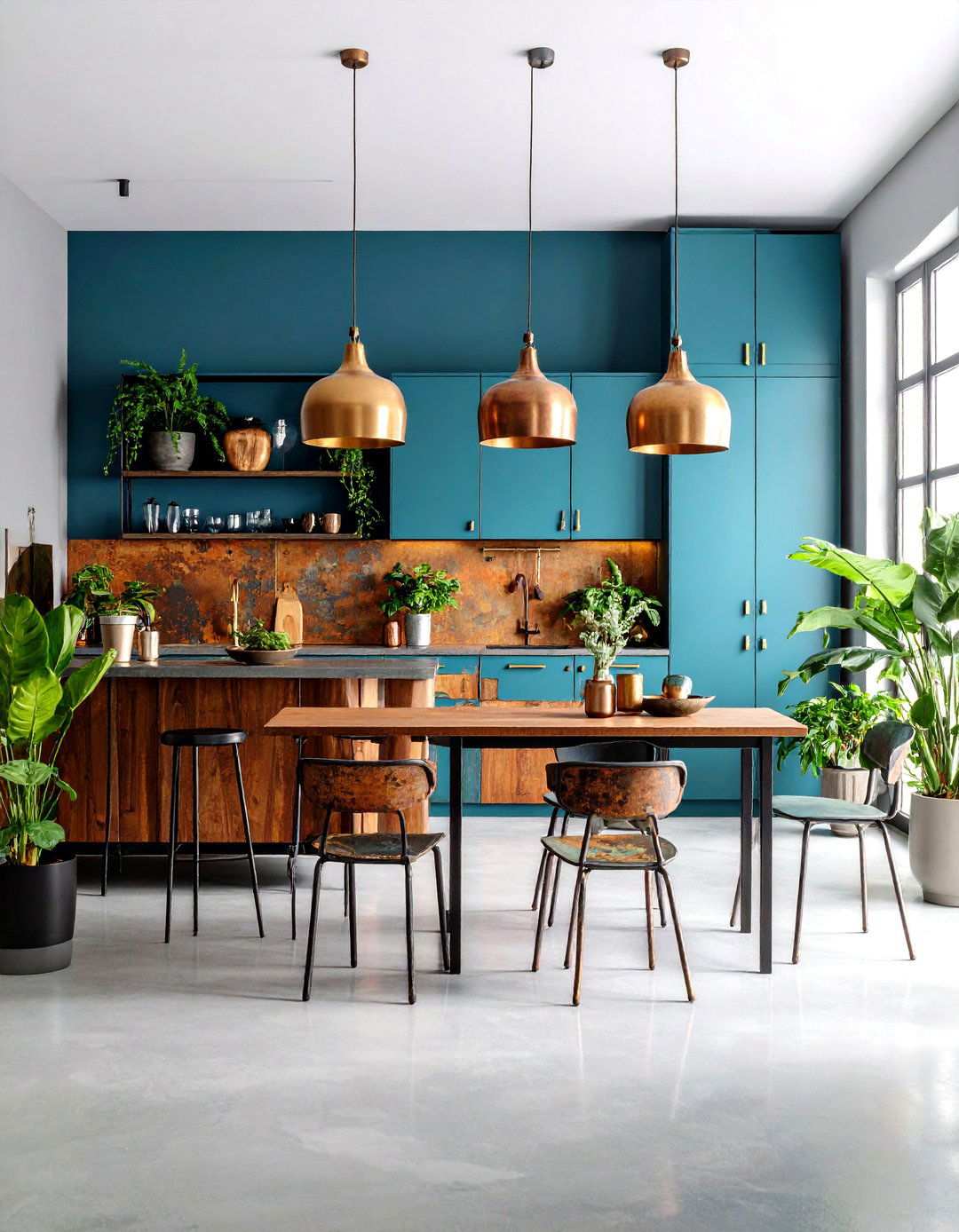
Incorporate metal elements that develop their own unique character through natural oxidation processes, creating accents that become more beautiful with age and environmental exposure. The design features copper light fixtures that transition from bright penny color to deep verdigris green, while brass hardware on wooden cabinets develops warm golden patina from daily handling. Iron plant stands and candleholders display rust patterns that create organic textures and color variations, paired with weathered steel accent tables that celebrate industrial materials in domestic settings. These metal elements contrast beautifully with natural wood and stone surfaces, creating visual interest through the interplay of organic and manufactured materials. By selecting pieces that age gracefully, rather than deteriorating over time, the goal is to create a space that develops character and becomes a timeless reflection of its history.
9. Illuminated Landscapes
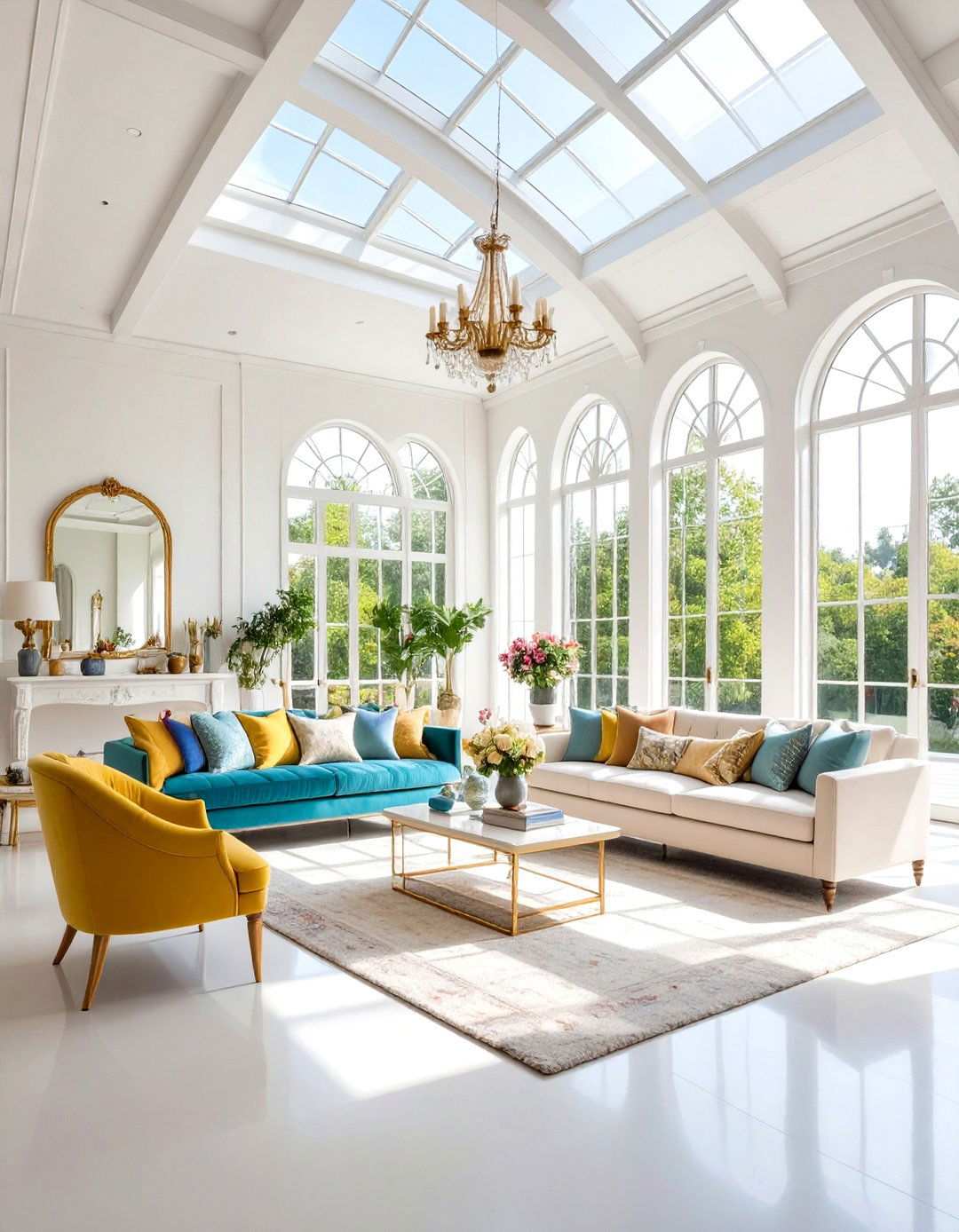
Craft spaces that revel in the ever-changing beauty of natural light, using an airy approach that minimizes window treatments and cleverly positions mirrors to amplify the impact of illumination patterns. Expansive windows, free from adornments, frame captivating views of the outdoors, while clerestory windows bring in warm, diffused light that bathes interior spaces in a soft, ethereal glow. Walls painted in soothing shades of white and gray help reflect and soften harsh sunlight, creating an effortless transition from morning to evening. Strategically placed mirrors, adorned with weathered frames or natural edges, not only amplify available light but also add an organic touch through their unique, imperfect surfaces. The arrangement of furniture is carefully considered to optimize natural illumination, with reading areas and work surfaces thoughtfully positioned to take full advantage of the optimal light conditions. How does witnessing the daily dance of natural light influence your perception of time’s passage and the ebb and flow of the seasons?
10. Workspace Heritage
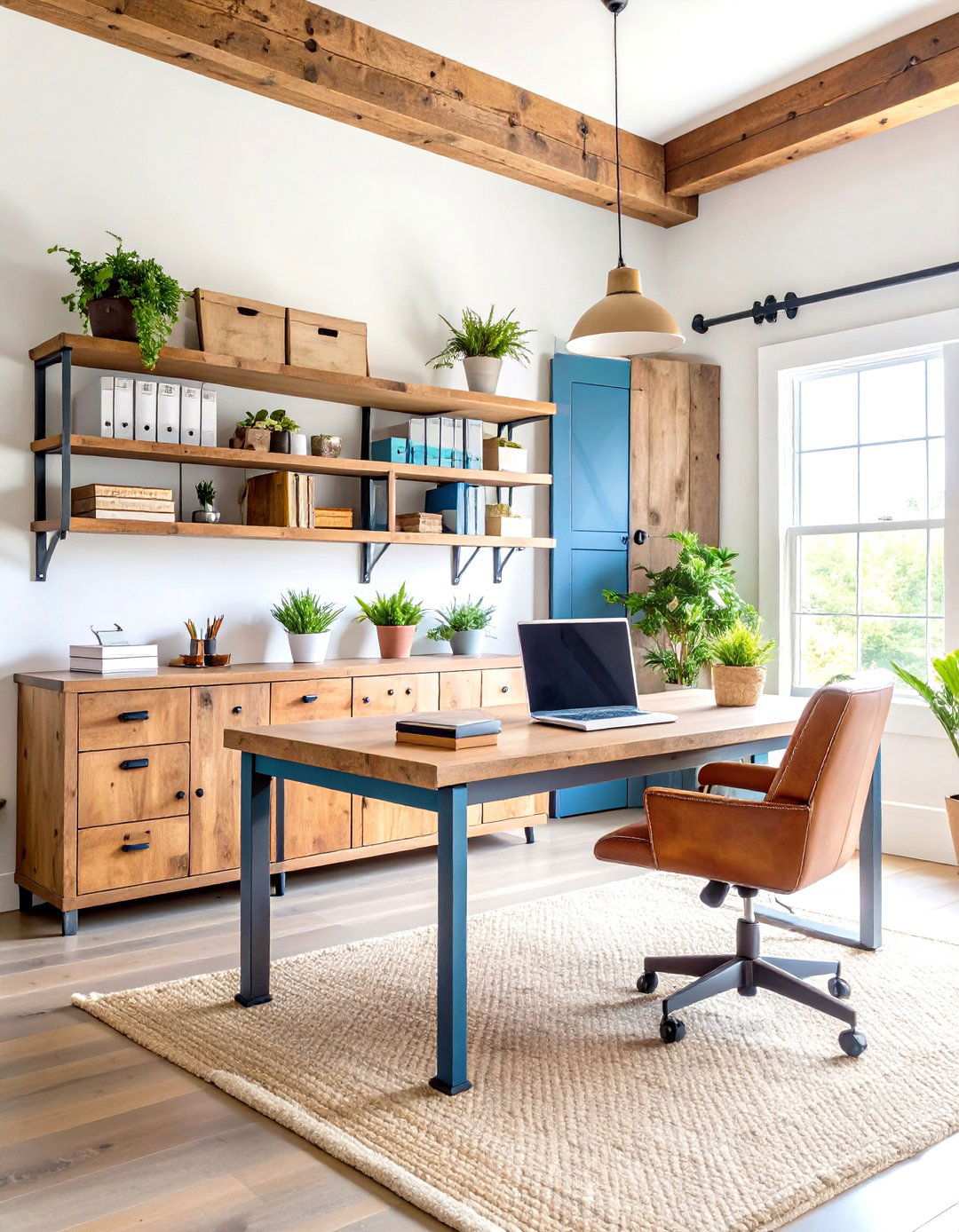
Create a functional yet inspiring home office that celebrates the stories of the past through the use of reclaimed materials, each with its own unique history and character. A stunning wooden desk, crafted from repurposed barn doors, boasts original hardware marks and paint traces that tell tales of a bygone era. The desk is supported by industrial pipe shelving, which holds books and supplies with a nod to the industrial heritage of the past. A vintage wooden filing cabinet, with its original finish intact, provides a beautiful blend of form and function, while a chair featuring a combination of reclaimed wood and natural leather adds a touch of warmth and character. Placed thoughtfully near a window, the chair takes full advantage of natural light during work hours, while cork boards made from natural cork bark and wooden desktop organizers crafted from fruit crates maintain the sustainable and historically conscious aesthetic of the space.
11. The Beauty of Imperfection
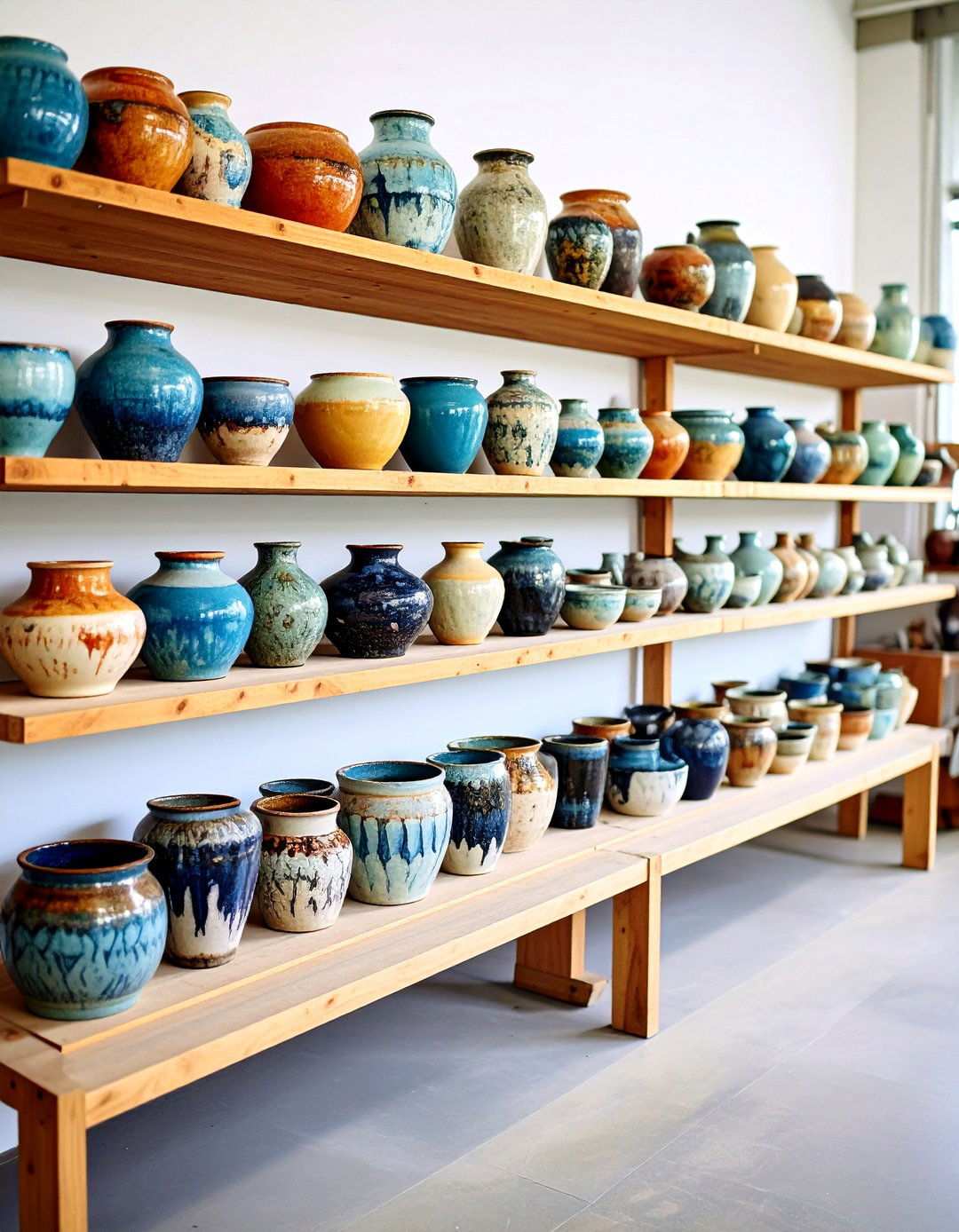
Transform your living space into a vibrant gallery for handmade ceramics, celebrating the unique beauty found in firing accidents, glaze irregularities, and the human touch in creation processes. The collection includes an array of vessels, each with its own distinct character, featuring uneven rims, color variations from flame paths during firing, and crackling glazes that create organic patterns impossible to replicate artificially. Simple wooden shelves, carefully designed to allow each piece to shine individually, create a sense of visual harmony through their shared imperfections. These functional and aesthetically pleasing ceramics serve as more than just decorative pieces – they hold flowers, store everyday items, or simply exist as sculptural elements that catch and reflect light in intriguing ways. Groupings are carefully arranged using organic principles, rather than rigid symmetry, with pieces chosen for their intuitive relationships, rather than size or color matching. Over time, these collections grow slowly, carefully curated through personal connections with individual makers.
12. Imperfections that Define
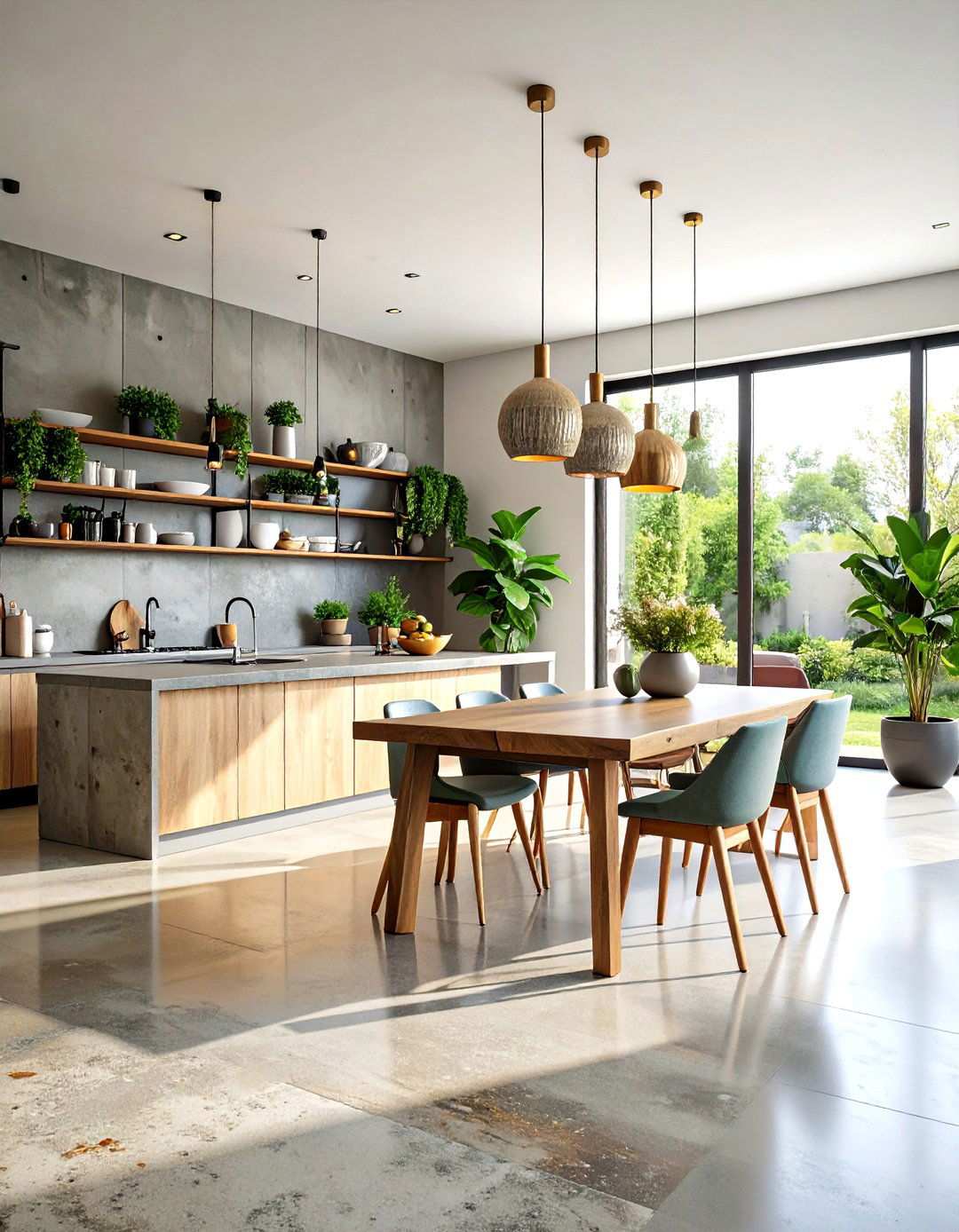
Celebrate the authenticity of raw concrete elements by embracing their natural imperfections. This approach results in surfaces that not only display the material’s utilitarian beauty but also its honest expression. Incorporate concrete countertops that showcase aggregate patterns, and floors that exhibit slight color variations and subtle wear marks. Hand-troweled walls reveal texture variations that catch light in unique ways, while concrete planters develop a beautiful patina over time, complete with mineral stains and moss growth. This blend of industrial materials and organic textures creates a harmonious balance that adds depth and character to a space. The passage of time only enhances the beauty of these concrete surfaces, as they develop a unique character through water stains, minor chips, and the natural aging process.
13. Branching Out
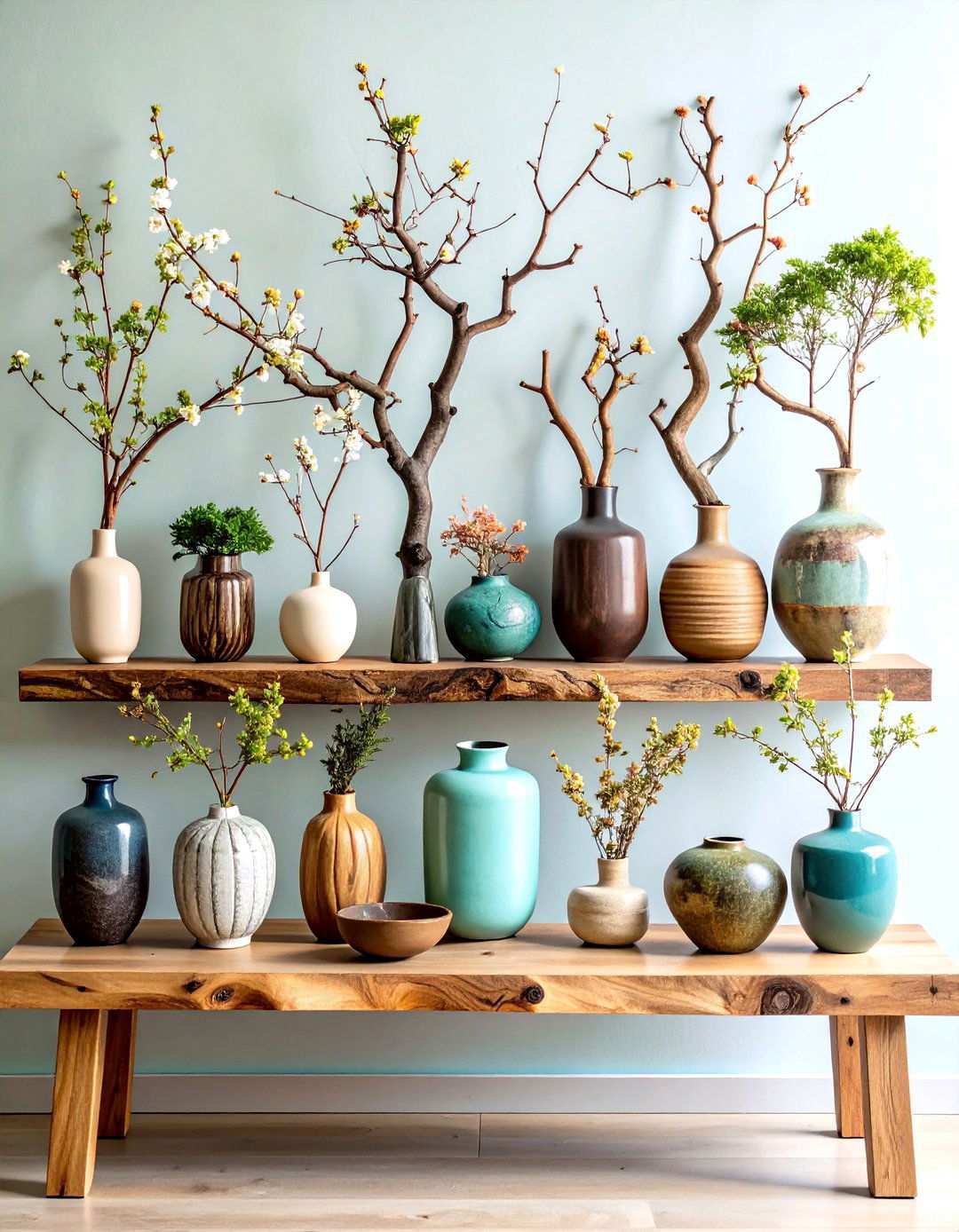
Indoor landscapes can be transformed by incorporating seasonal branches and natural findings that change with the year’s rhythms and cycles. This practice involves selecting branches that exhibit interesting textures, unusual shapes, or seasonal characteristics like budding leaves or seed pods. By placing these natural sculptures in simple ceramic or wooden vessels, you can appreciate their inherent beauty without the need for additional adornment. The displays evolve with the seasons, reflecting the ever-changing conditions of the outdoors and the natural world. By carefully positioning each branch to showcase its unique qualities, you can create a visual harmony that celebrates the beauty of nature. Bringing seasonal elements indoors can help you stay connected to the natural world and its rhythms, inspiring a sense of wonder and appreciation for the world around us.
14. The Hand of the Craftsman
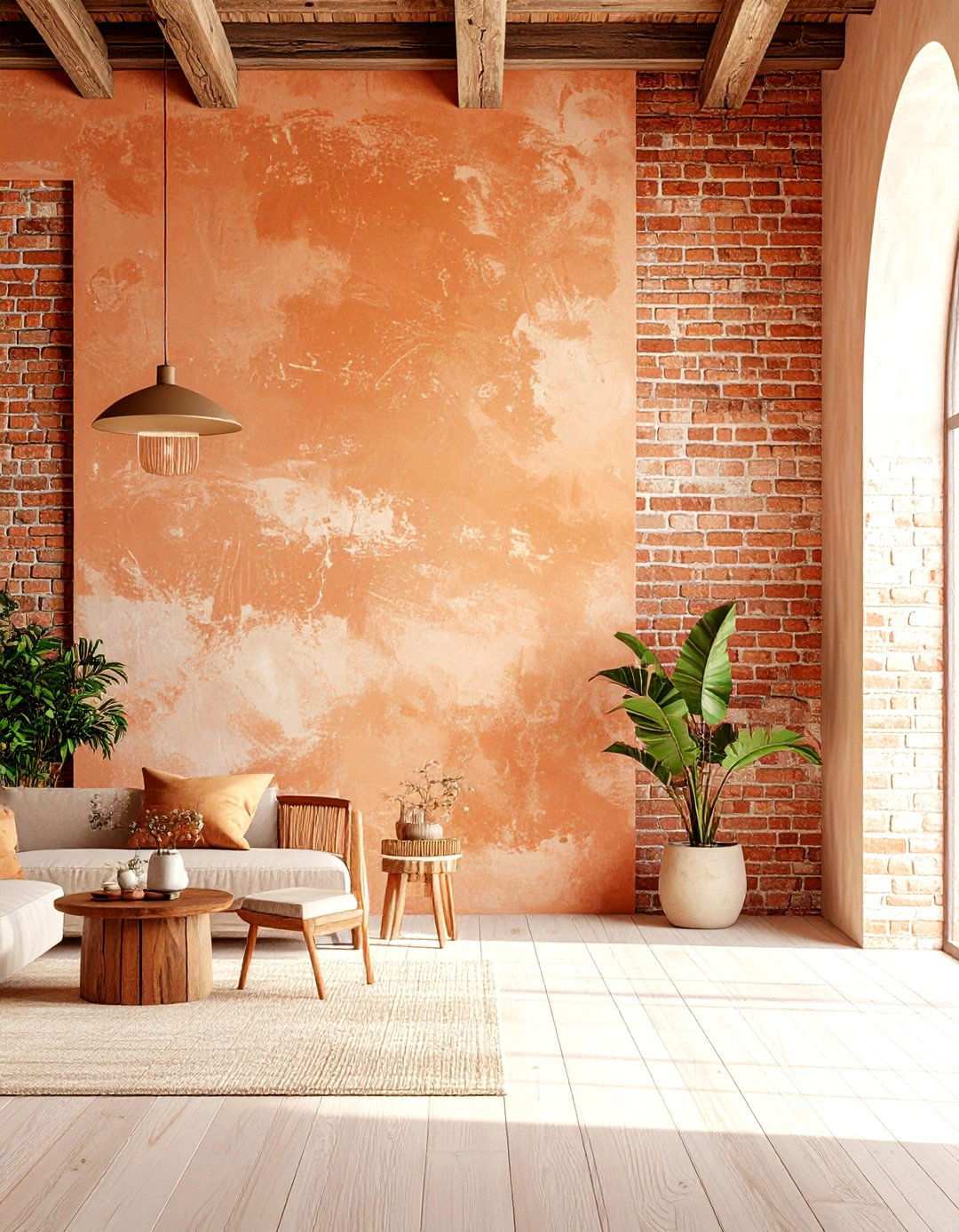
Develop wall surfaces that showcase the human touch through natural plaster techniques, limewash applications, and other organic finishing methods that celebrate imperfection. This approach can include tadelakt plaster, which is hand-burnished with stone to create subtle color variations. Limewash, on the other hand, produces cloudy, atmospheric effects that change with different lighting conditions. Clay plaster exhibits brush marks and natural color variations from earth pigments, paired with areas of exposed brick or stone that provide textural contrast. Over time, these wall treatments develop a unique character through settling, minor cracking, and natural aging, adding depth and visual interest to a space. The surfaces invite close examination and touch, rewarding viewers who appreciate the subtle nuances of handmade finishes that machine-made alternatives cannot replicate.
15. Evolving Roomscapes
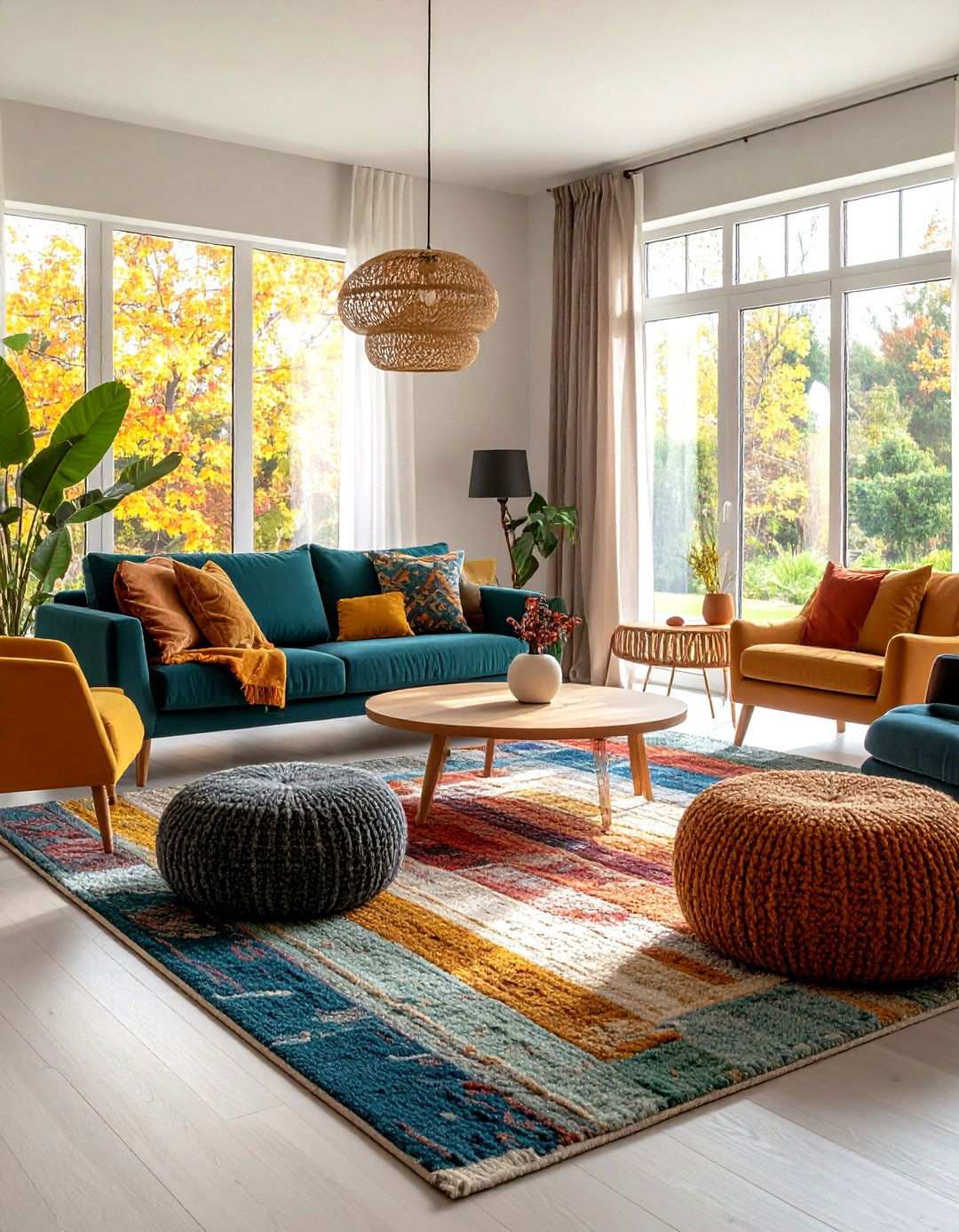
Design living areas that unfold naturally, rather than adhering to strict symmetry. This approach involves placing seating zones around organic focal points, such as fireplaces or windows, while maintaining conversation distances and navigating traffic flow. A harmonious blend of furniture styles, heights, and materials creates a visual rhythm through repetition rather than uniformity, allowing each piece to express its individual character. To achieve this look, rugs define spaces without rigid boundaries, occasionally overlapping or positioned off-center to evoke a sense of organic growth. By trusting visual balance over mathematical precision, you can create inviting spaces that feel intuitively designed.
16. Patina of Time
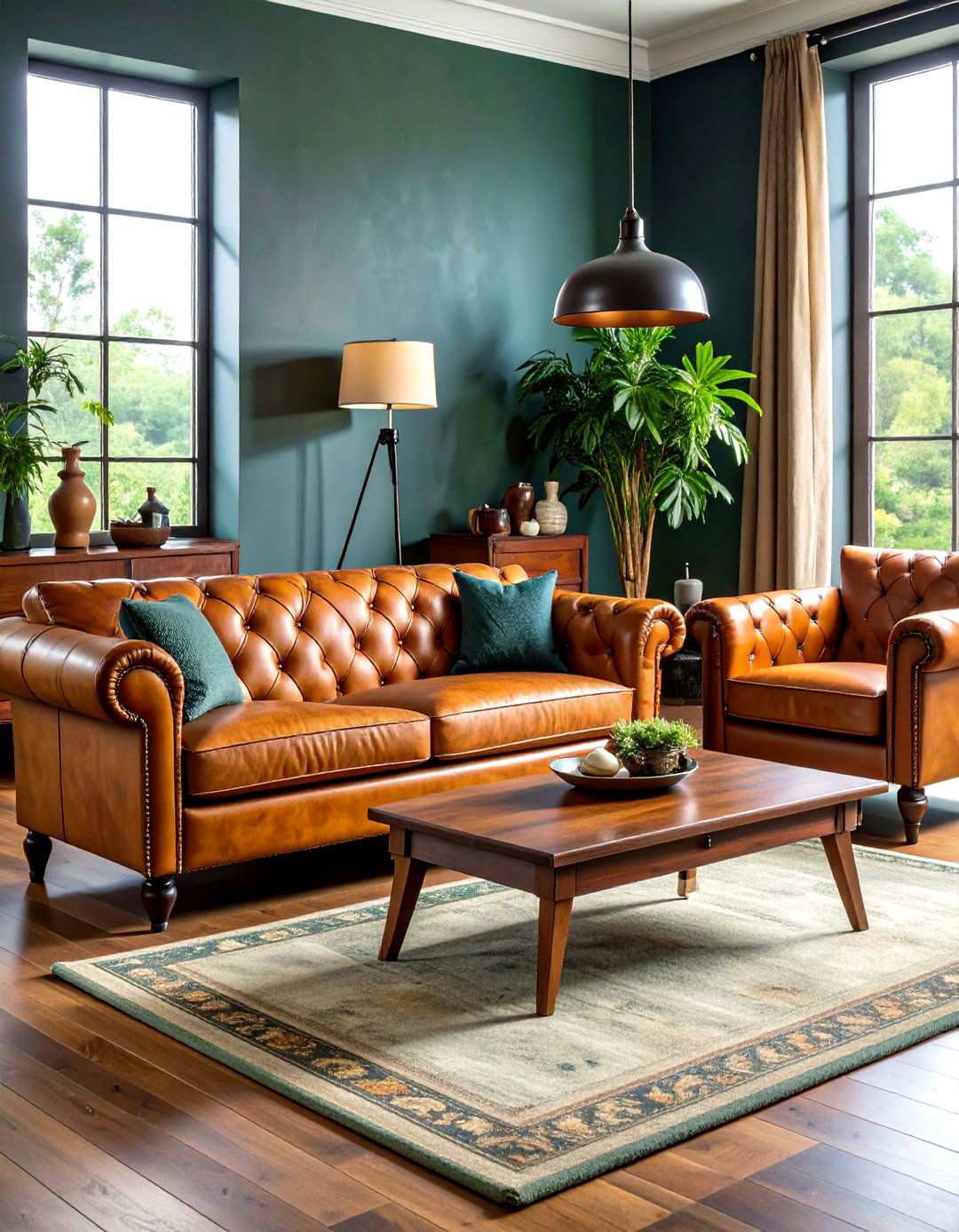
Incorporate leather furniture that develops a unique personality over time, showcasing the natural aging process that yields a rich patina and softness. When selecting leather pieces, focus on full-grain leather with natural markings and surface variations, paired with simple construction that highlights the material’s inherent quality. As users sit and interact with these pieces, comfortable wear patterns emerge, while small scratches and scuff marks add character rather than detracting from the overall value. The leather color evolves subtly through handling and exposure to light, creating authentic variations that cannot be replicated artificially. To maintain their beauty and comfort, these pieces require simple cleaning and conditioning, which preserves their natural characteristics while allowing them to continue aging. Consequently, they become increasingly beautiful and inviting over time.
17. Textures and Tactile Appeal
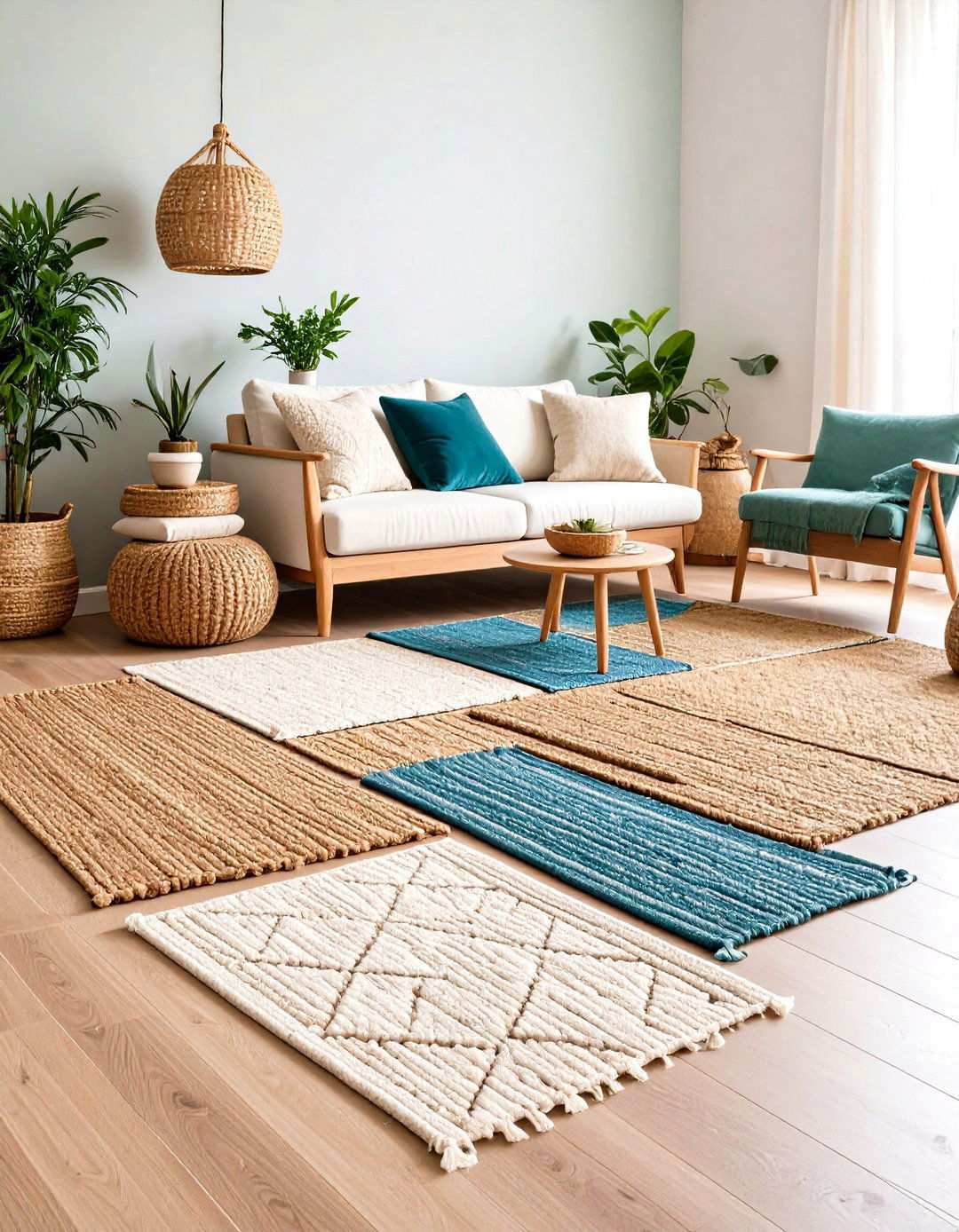
Integrate natural fiber rugs and mats that add textural interest while showcasing the authentic expression of plant-based materials in their woven and knotted forms. This can include jute rugs with loose weaves that display natural color variations, sisal mats with coarse textures that develop traffic patterns, or wool rugs with irregularities from hand-spinning and natural dyeing processes. Hemp runners provide durable pathways that soften with wear, while bamboo mats bring geometric patterns created through natural fiber arrangement. As these floor coverings age, they develop character through daily use while maintaining their structural integrity and natural beauty. By layering these elements, you can create depth and visual interest while enjoying practical benefits like sound absorption and surface protection.
18. Honoring the Natural Beauty of Wood
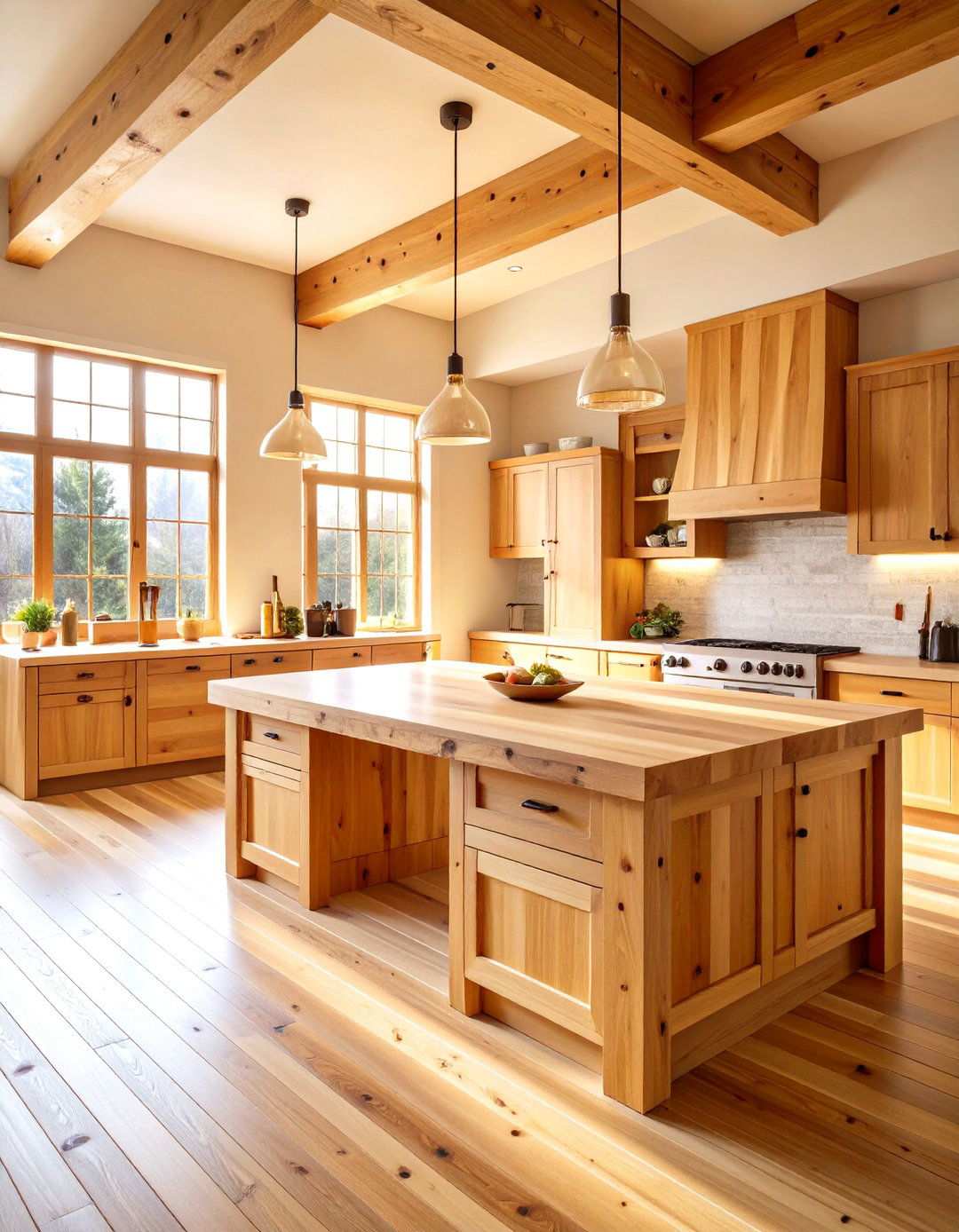
Wood’s inherent character and texture can be celebrated in its unadorned state, revealing the unique story of each tree through furniture and architectural elements that showcase its natural grain patterns, knots, and surface variations without excessive processing or protective coatings. Live-edge countertops preserve the tree’s original shape, while rough-sawn lumber displays the saw marks and natural texture from milling processes, highlighting the craftsmanship behind each piece. Furniture featuring mortise and tenon joinery leaves these traditional woodworking techniques visible, acknowledging the strength and durability that comes from such connections. As the wood develops its own protective patina through handling and environmental exposure, it creates surfaces that feel warm and inviting to touch. Natural oils occasionally refresh the wood without obscuring its inherent characteristics, and minor dents and scratches become an integral part of the material’s narrative, rather than requiring repair or refinishing.
19. Harnessing the Power of Soft Lighting
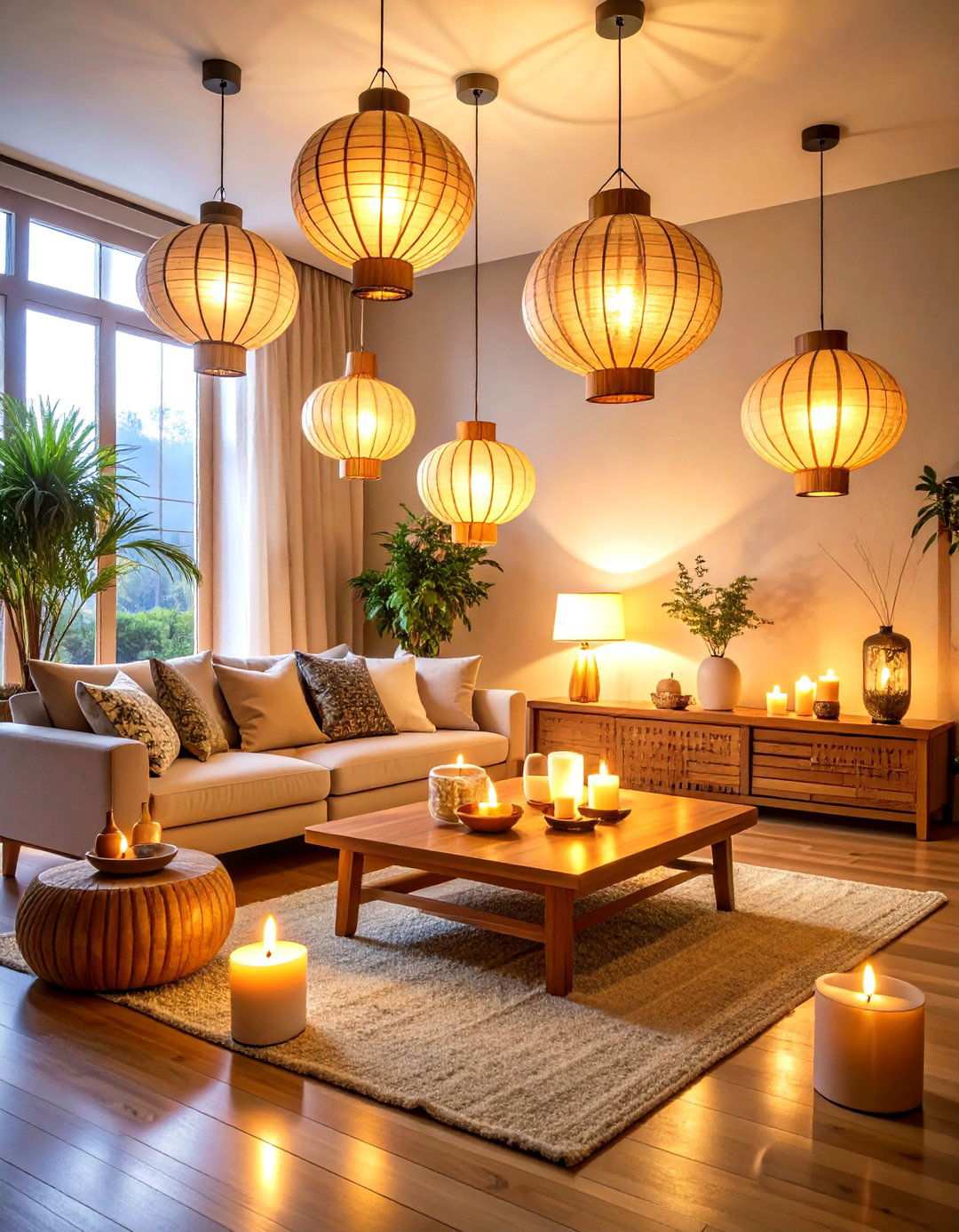
Designs that mimic natural illumination patterns can be achieved through warm, diffused sources that minimize harsh contrasts and artificial color temperatures, creating environments that feel relaxing and contemplative. Paper lanterns cast soft, even light while displaying natural fiber textures, paired with wooden table lamps that create intimate pools of illumination, drawing people into a sense of calm. Candles provide a flickering light that connects to human traditions of fire-based illumination, while salt lamps contribute warm amber tones and air purification benefits, fostering an atmosphere that promotes well-being. Natural materials like bamboo, rice paper, and untreated wood are used to create light fixtures that age beautifully while maintaining their functionality, allowing them to become a part of the space over time. By adjusting artificial lighting to follow natural patterns, it’s possible to influence one’s sense of time and seasonal awareness in a profound way.
20. Bringing the Calming Effects of Water into Interiors
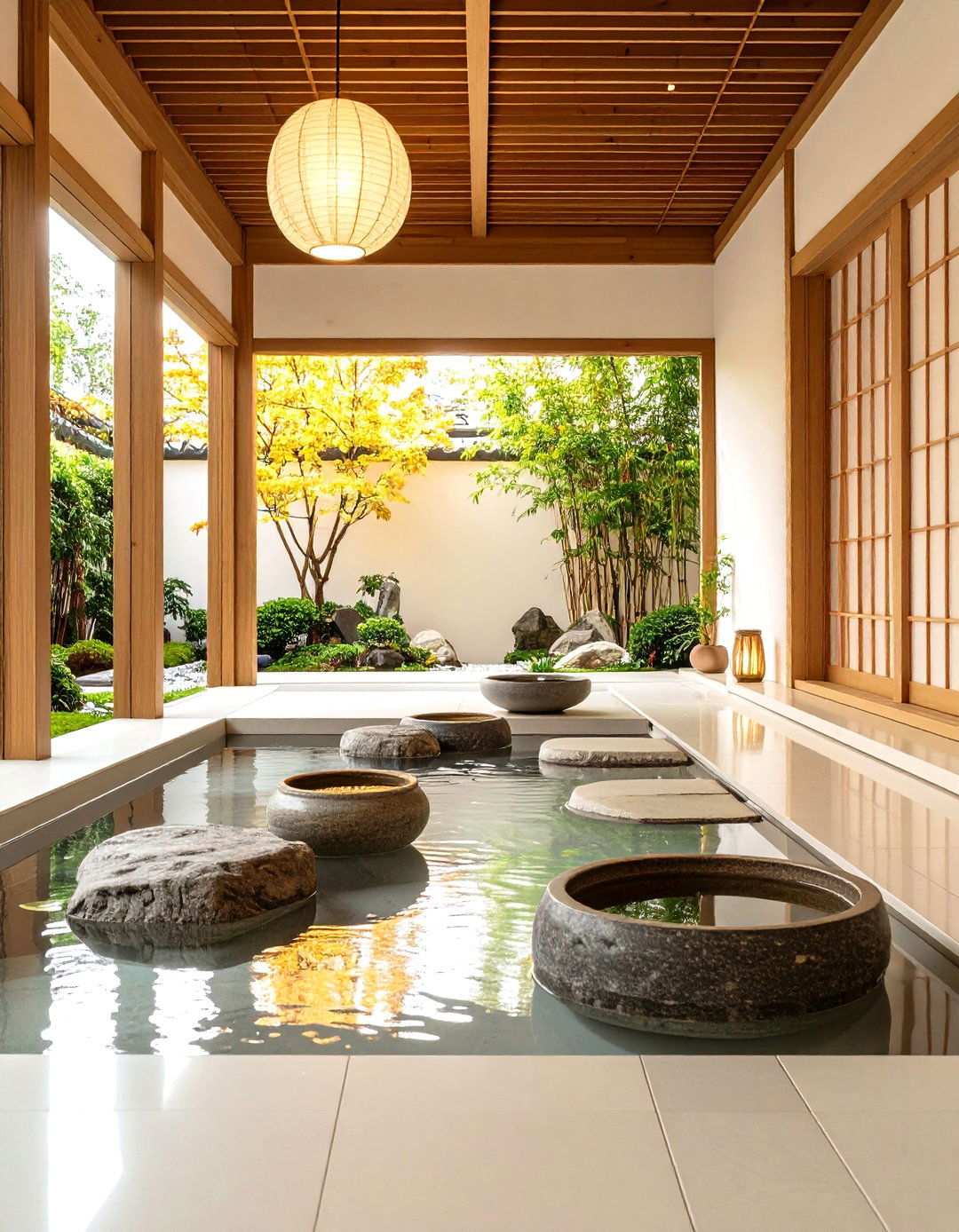
Incorporating simple water elements can bring the soothing sounds and reflective qualities of natural water systems into interior environments through minimalist design approaches, creating micro-environments that support contemplation and stress reduction. Stone basins with gentle water circulation create subtle sounds that mask urban noise while providing visual focal points that change with light conditions, adding visual interest to a space. Bamboo fountains use traditional Japanese design principles to create rhythmic water sounds, while ceramic vessels collect rainwater or hold floating seasonal elements like leaves or flowers, adding a touch of natural beauty to a room. These water features require minimal maintenance, providing maximum sensory impact, and create dynamic visual effects that change throughout the day as lighting conditions shift, reflecting light and surrounding elements in a mesmerizing display.
21. Heritage Textile Exhibitions

Incorporate vintage textiles into contemporary living spaces to create a poignant connection to the past while adding warmth and character. The collection features handcrafted blankets, intricately embroidered linens, and heirloom quilts that showcase masterful craftsmanship and generations of family use. Display methods are designed to preserve the textiles’ fragility while highlighting their intricate details and design elements. By rotating the display, homeowners can appreciate different pieces throughout the seasons and prevent excessive light exposure, allowing for a harmonious balance between preservation and enjoyment.
22. The Art of Imperfection
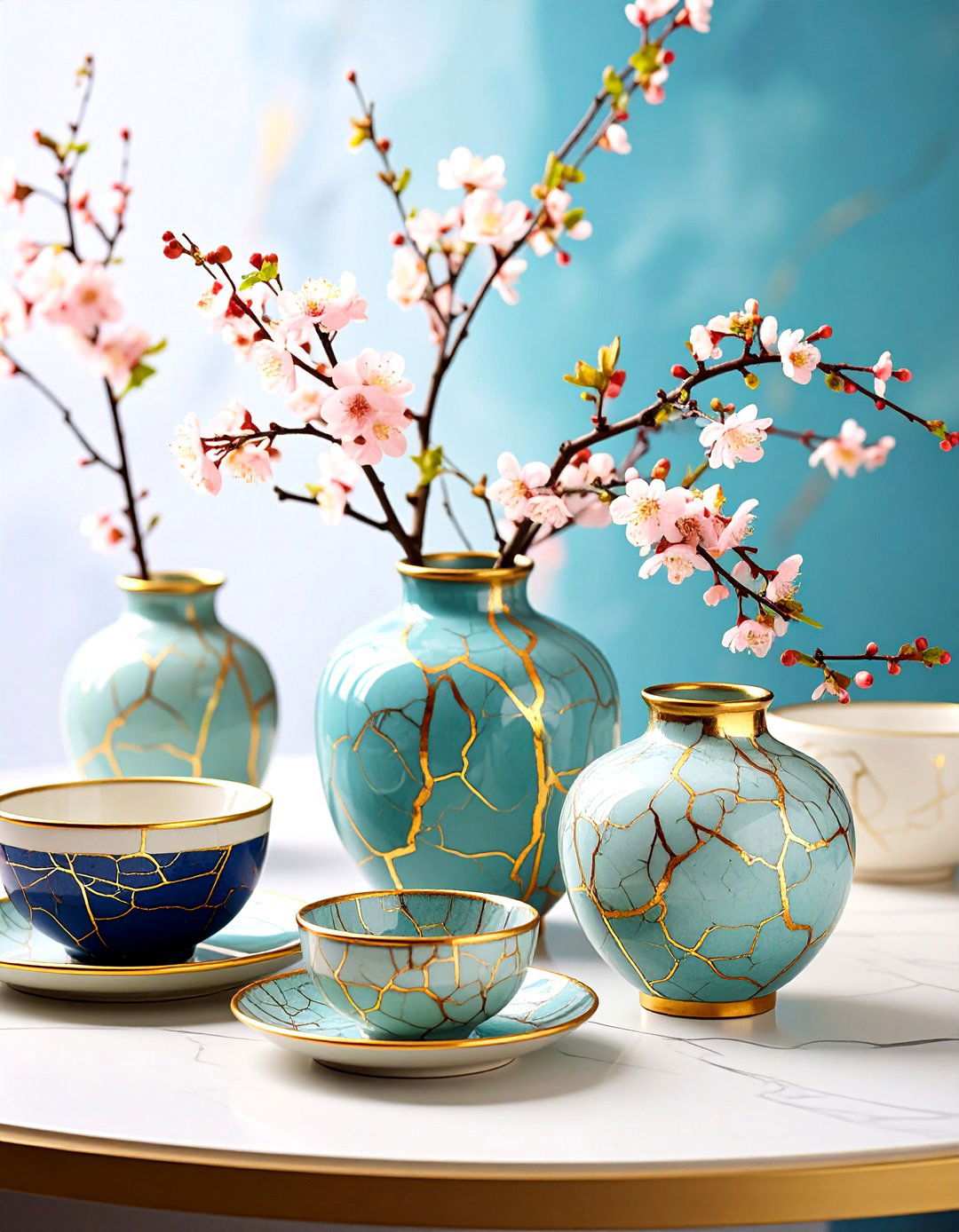
Celebrate the beauty of imperfection by embracing the Japanese art of kintsugi, where cracks and breaks in ceramics and other objects are highlighted rather than hidden. This philosophy involves using precious metals like gold, silver, or copper to fill cracks, creating visible seams that become decorative elements more beautiful than the original state. The approach extends to furniture repair, where patches and mends become design features rather than corrections to be concealed. By adopting this mindset, homeowners can cultivate patience, acceptance, and a deeper appreciation for the unique stories and memories that come with each piece. In doing so, they create one-of-a-kind conversation pieces that symbolize sustainability, mindfulness, and the beauty of life’s imperfections.
23. Sanctuaries of Serenity
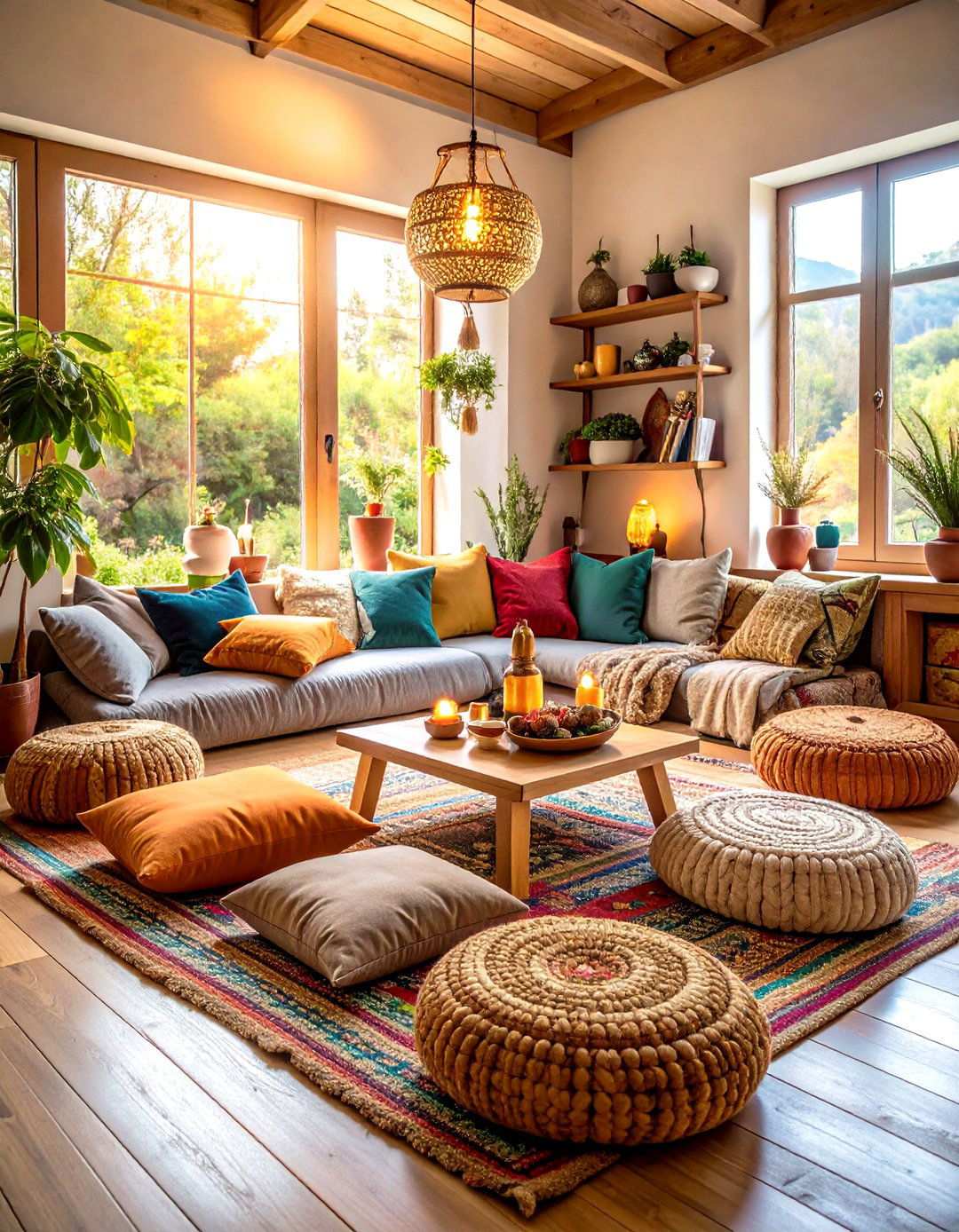
Design tranquil spaces that foster mindfulness and inner calm by thoughtfully selecting materials and arranging the environment to promote a sense of serenity. A meditation nook might feature a handcrafted floor cushion made from natural materials like buckwheat hulls, paired with a warm and cozy hand-woven wool blanket. Simple wooden shelves can hold meaningful objects like smooth stones, small plants, or handmade ceramics that inspire contemplation. Natural light from nearby windows casts a gentle glow that changes throughout the day, while sound-dampening materials create an acoustic sanctuary for meditation or reading. By carefully curating the space, homeowners can create an environment that encourages regular use and deepens mindfulness awareness, inviting moments of quiet reflection into their daily lives.
24. Unique Paper Artistry
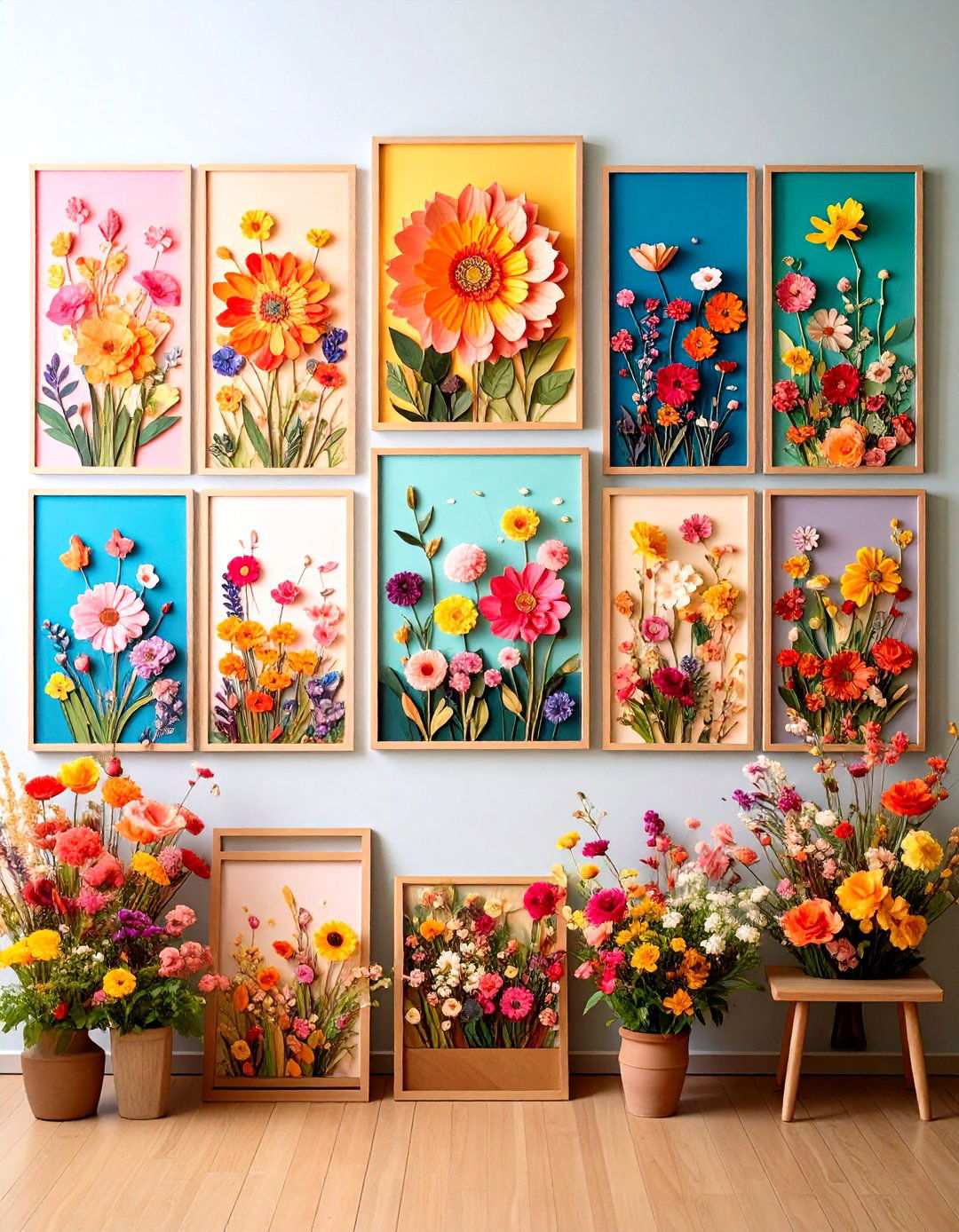
Elevate your wall spaces with a collection that harmoniously blends traditional craftsmanship with modern aesthetics. This series celebrates the beauty of handmade paper art, where each piece is imbued with the organic essence of natural plant fibers and the subtle nuances of earthy color palettes. The papers’ textures boast visible inclusions such as flower petals, leaves, or grass fragments, skillfully embedded during the sheet formation process, adding an extra layer of depth to each piece.
Framing these delicate artworks requires a thoughtful approach, one that respects the papers’ handmade qualities while safeguarding them from environmental harm. By opting for simple wooden frames or mounting techniques, the focus remains on the paper’s inherent beauty, rather than overshadowing it. As the papers are treated with natural dyeing processes, they exhibit a captivating array of subtle color variations, which shift and change with the lighting conditions throughout the day, creating an ever-evolving visual experience.
The connection to traditional crafts is palpable, yet this collection also shines a light on the contemporary makers who are dedicated to preserving the ancient knowledge of papermaking. By embracing organic principles, the display arrangements of these artworks eschew rigid grid patterns in favor of varied sizes and spacings, creating a visually dynamic flow that invites the viewer to explore and engage with the pieces.