1. Timeless Stucco Elegance
Spanish-style home exteriors seamlessly blend ancient traditions with modern practicality, crafting homes that exude a sense of timelessness and livability. These distinctive designs cleverly combine centuries-old architectural elements with contemporary functionality, resulting in residences that feel both authentic and adaptable to the demands of modern living. By incorporating stucco walls, terracotta tile roofs, and ornate metal accents, Spanish exteriors effectively blur the lines between indoor and outdoor spaces, creating inviting courtyards, patios, and covered outdoor areas that foster a deep connection with nature.

As an Amazon Associate I earn from qualifying purchases.
Characterized by a rich cultural heritage, Spanish architecture draws inspiration from Spain’s Moorish and colonial past, incorporating diverse regional influences that beautifully adapt to various climates and landscapes. From classic colonial revivals to innovative reinterpretations, Spanish-style exteriors offer a wealth of design possibilities for creating homes that showcase character, charm, and a deep appreciation for craftsmanship and natural materials. Whether you’re planning a comprehensive renovation or seeking inspiration for exterior updates, these design ideas highlight the transformative potential of traditional Spanish elements, which can elevate any home into a serene retreat that celebrates the beauty of outdoor living spaces.
Timeless Stucco Elegance
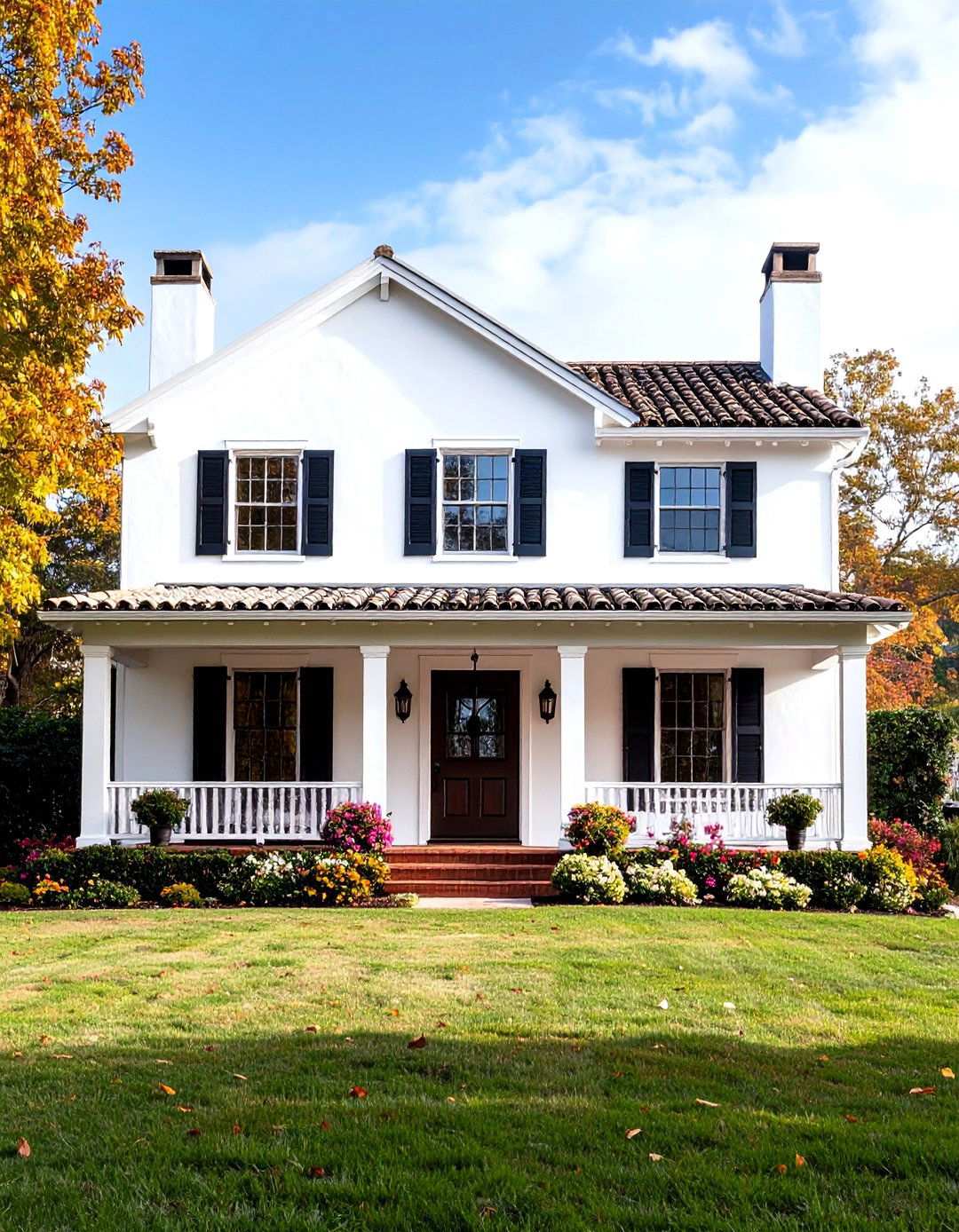
The cornerstone of authentic Spanish colonial design is the white stucco wall, a testament to centuries of architectural tradition that not only adds visual appeal but also serves a functional purpose by reflecting sunlight and keeping interiors cool during hot summer months. What sets a home’s stucco finish apart from more ordinary exteriors? The answer lies in selecting the ideal texture and applying expert techniques that create depth and character. Modern stucco applications can achieve sleek, smooth finishes reminiscent of Santa Barbara’s signature style or more textured surfaces that add visual interest. Pair white stucco with dark wood shutters, intricately wrought metal hardware, and terracotta accents to complete the classic look. This enduring approach pairs beautifully with red tile roofs, creating the perfect backdrop for vibrant gardens and architectural details that define the essence of Spanish-style living.
2. Timeless Terracotta Barrel Tile Roofs
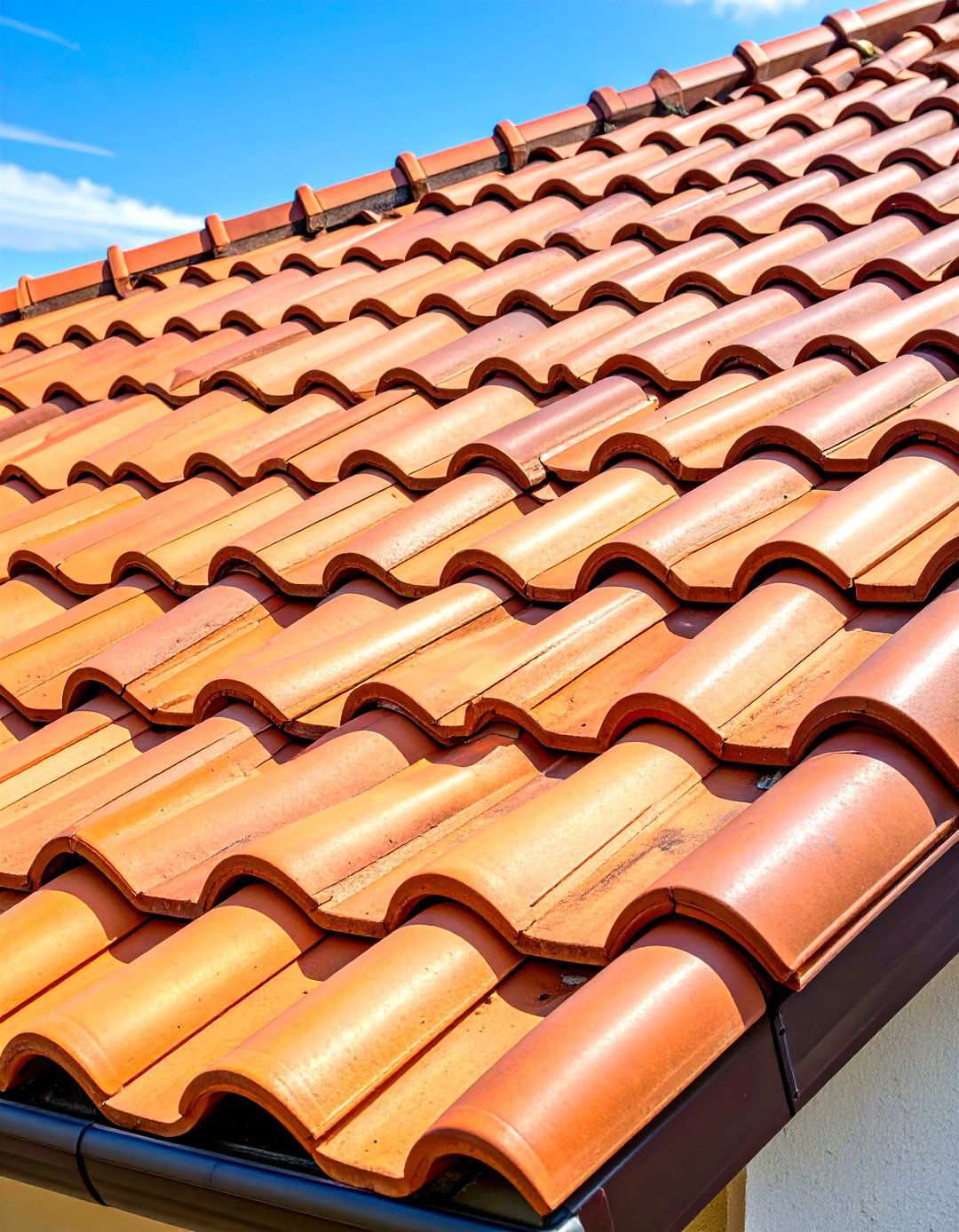
For centuries, terracotta barrel tiles have been a defining feature of Spanish home design, imparting a distinctive curved flair that has become synonymous with Mediterranean architecture. What sets these S-shaped tiles apart is their exceptional durability and weather-resistance, coupled with the beautiful shadow lines they create, which add a tactile quality to rooflines that’s hard to replicate. While traditional clay tiles remain a timeless choice, modern alternatives offer composite materials that convincingly replicate the authentic look while providing improved performance and easier installation. The extensive color palette, spanning classic terracotta hues to aged browns and weathered grays, as well as custom blends, ensures that barrel tile roofs can seamlessly complement any exterior aesthetic. Moreover, the interlocking design of these tiles offers superior drainage and insulation properties. By opting for either authentic handmade tiles or contemporary composites, homeowners can instantly imbue their property with Spanish character while enjoying lasting protection and timeless beauty that boosts property value.
3. Ornate Wrought Iron Balcony Details
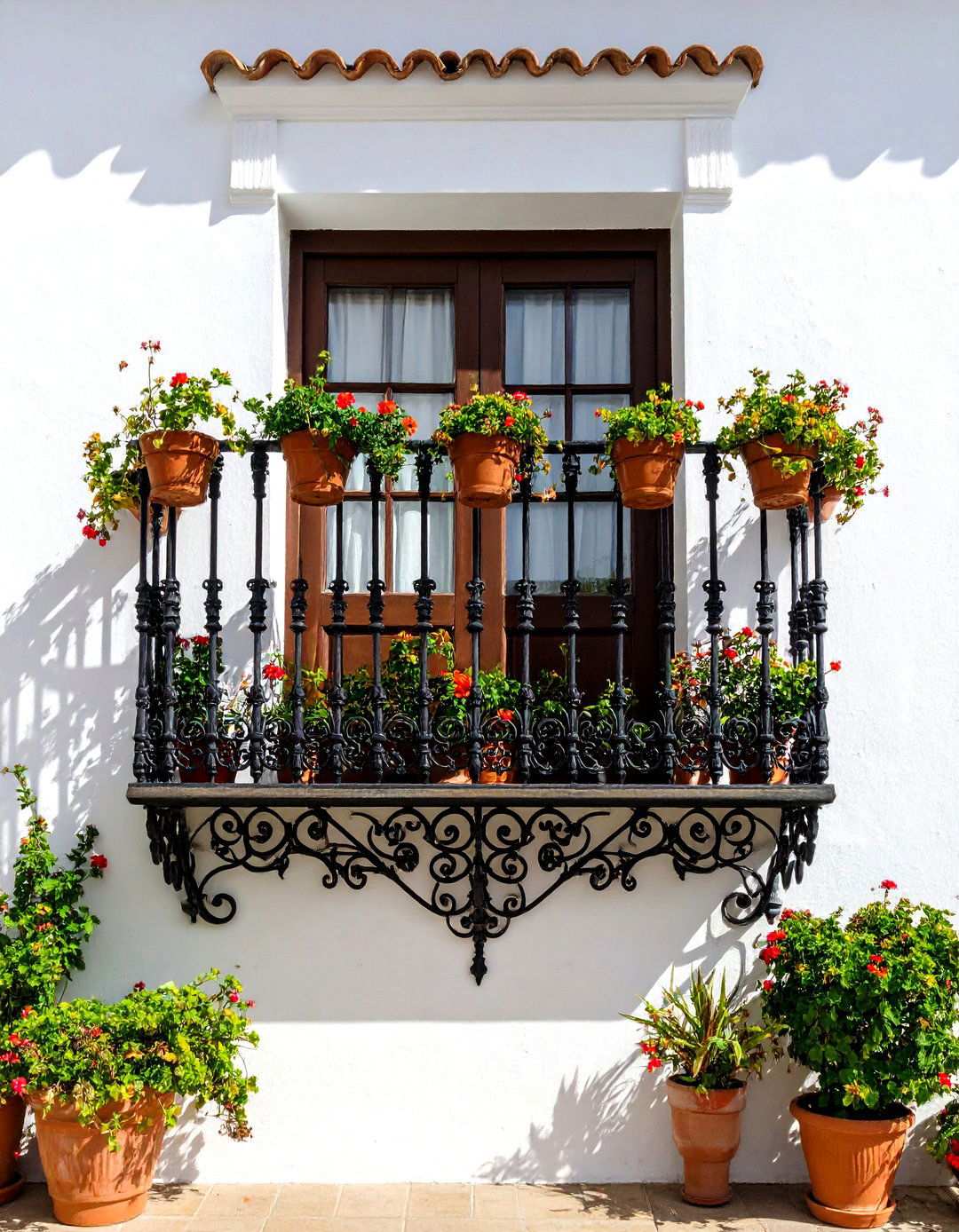
Wrought iron balconies possess the uncanny ability to elevate a Spanish home’s exterior, transforming a simple facade into a breathtaking sight that seamlessly blends elegance with practicality. These intricate handcrafted elements not only showcase traditional metalworking techniques but also provide secure outdoor spaces that extend living areas, effectively blurring the lines between indoors and outdoors. Can ornate ironwork truly transcend mere decoration and become the defining feature of a property? Spanish-style balconies boast an array of scrollwork, geometric patterns, and botanical motifs that are testament to centuries of craftsmanship traditions. Today, homeowners can choose from authentic hand-forged options or quality reproductions that capture the same aesthetic appeal. Juliet balconies work beautifully for windows and doors, while full balconies create expansive outdoor rooms perfect for savoring morning coffee or relaxing in the evening. Powder-coated finishes in matte black, aged bronze, or custom colors ensure longevity while maintaining the authentic appearance, thereby working in harmony with stucco walls and tile roofs to create a cohesive Spanish character.
4. Arched Entrances
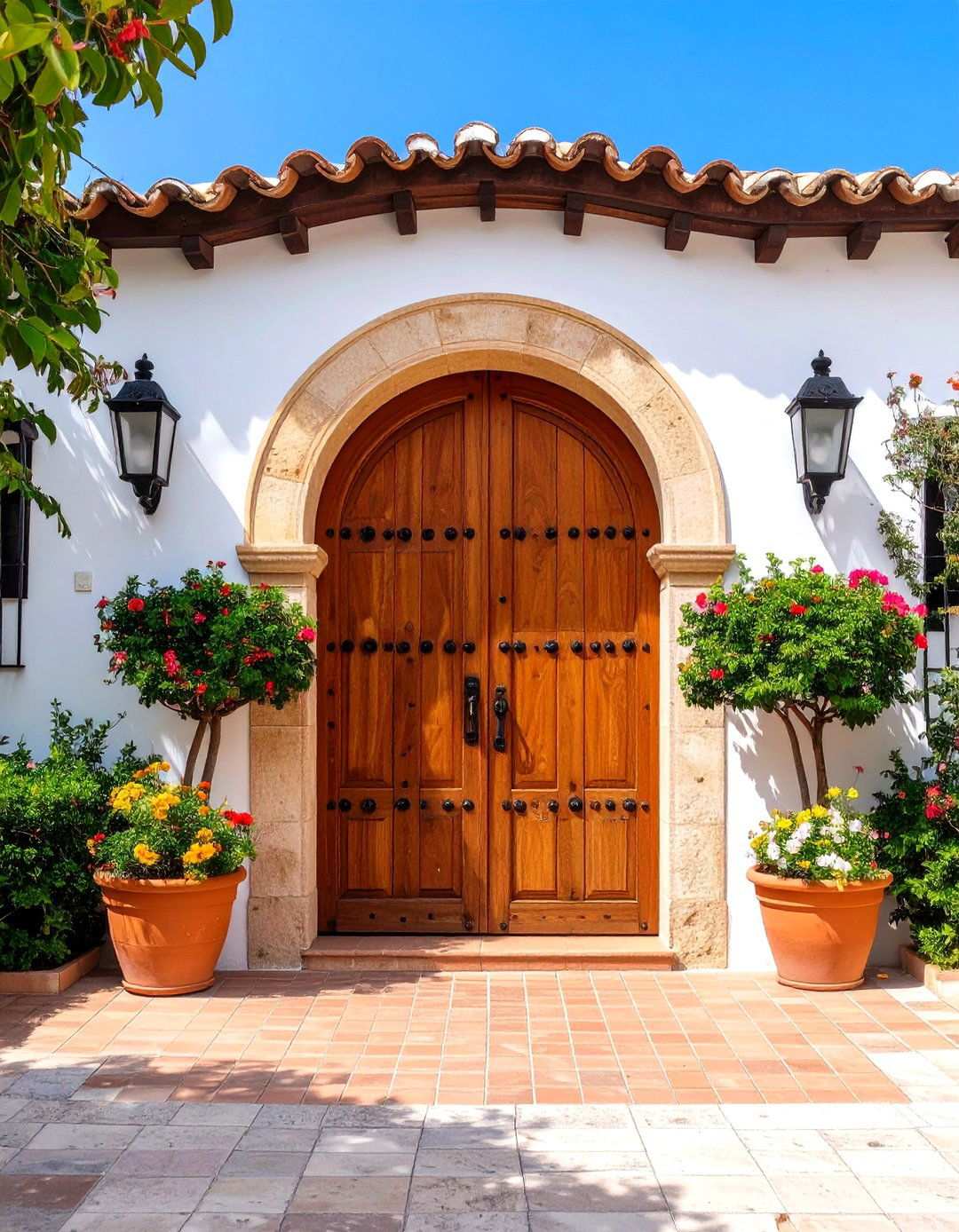
Elegant arched doorways transport visitors into a world of romance and architectural elegance, effortlessly setting the tone for a home’s exterior aesthetic. The fluid curves of these curved openings skillfully soften harsh lines, imbuing the space with a flowing, organic feel reminiscent of Mediterranean architecture. As visitors approach your home, what emotional resonance do these sweeping arches evoke? To replicate the beauty of true arches, modern alternatives offer arched trim applications and decorative surrounds that achieve a remarkably similar visual effect. Ranging from natural stone and stucco to precast concrete elements that mimic handcrafted details, the materials used to create these arches offer diverse options for achieving the desired look. Complementing arched openings beautifully, heavy wooden doors with iron hardware add a touch of sophistication, while integrated lighting highlights architectural details, bringing the space to life as evening falls. To create a dramatic approach that celebrates the timeless charm of Spanish architectural traditions, consider incorporating multiple arches in covered porches or entry sequences.
5. Private Oasis Gardens
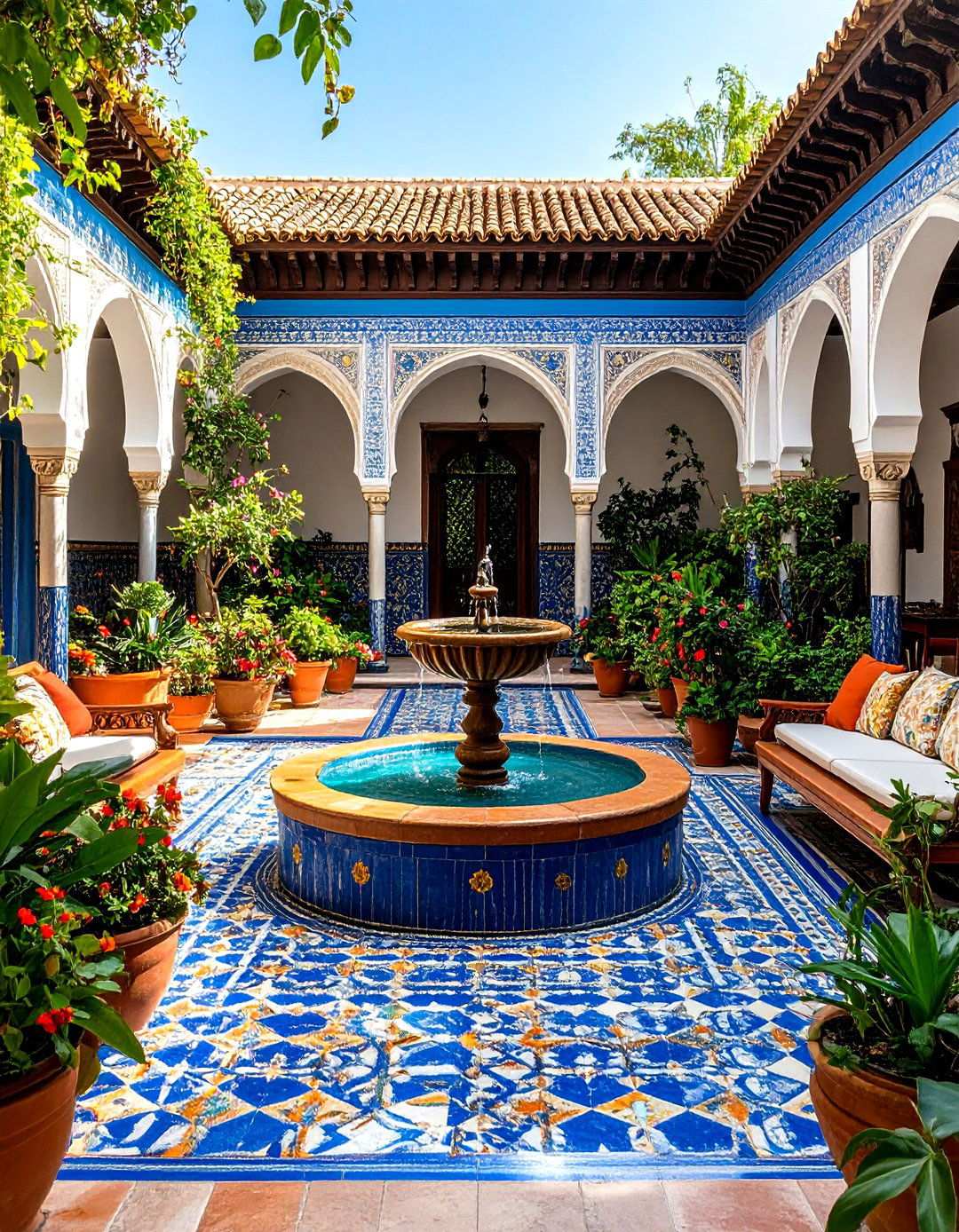
Central courtyards embody the essence of Spanish living philosophy, seamlessly integrating nature into daily life while maintaining a sense of seclusion and comfort. These enclosed gardens serve as serene outdoor retreats where families gather, entertain, and indulge in year-round outdoor living. How can a thoughtfully designed courtyard become the crowning jewel of your home? Traditional Spanish courtyards boast stunning features like fountains, vibrant tiles, and lush plantings that create a refreshing microclimate on warm days. Design elements such as flagstone or tile flooring, built-in seating, and pergolas provide filtered shade, while plant selections focus on drought-tolerant species like bougainvillea, citrus trees, and Mediterranean herbs that thrive in warm climates. The soothing sounds of water features and the resulting humidity benefit both plants and comfort, creating a haven that’s both functional and beautiful. Modern interpretations of courtyard gardens adapt these concepts to various lot sizes and architectural styles, preserving the fundamental character of Spanish outdoor living traditions.
6. Mission Style Bell Towers
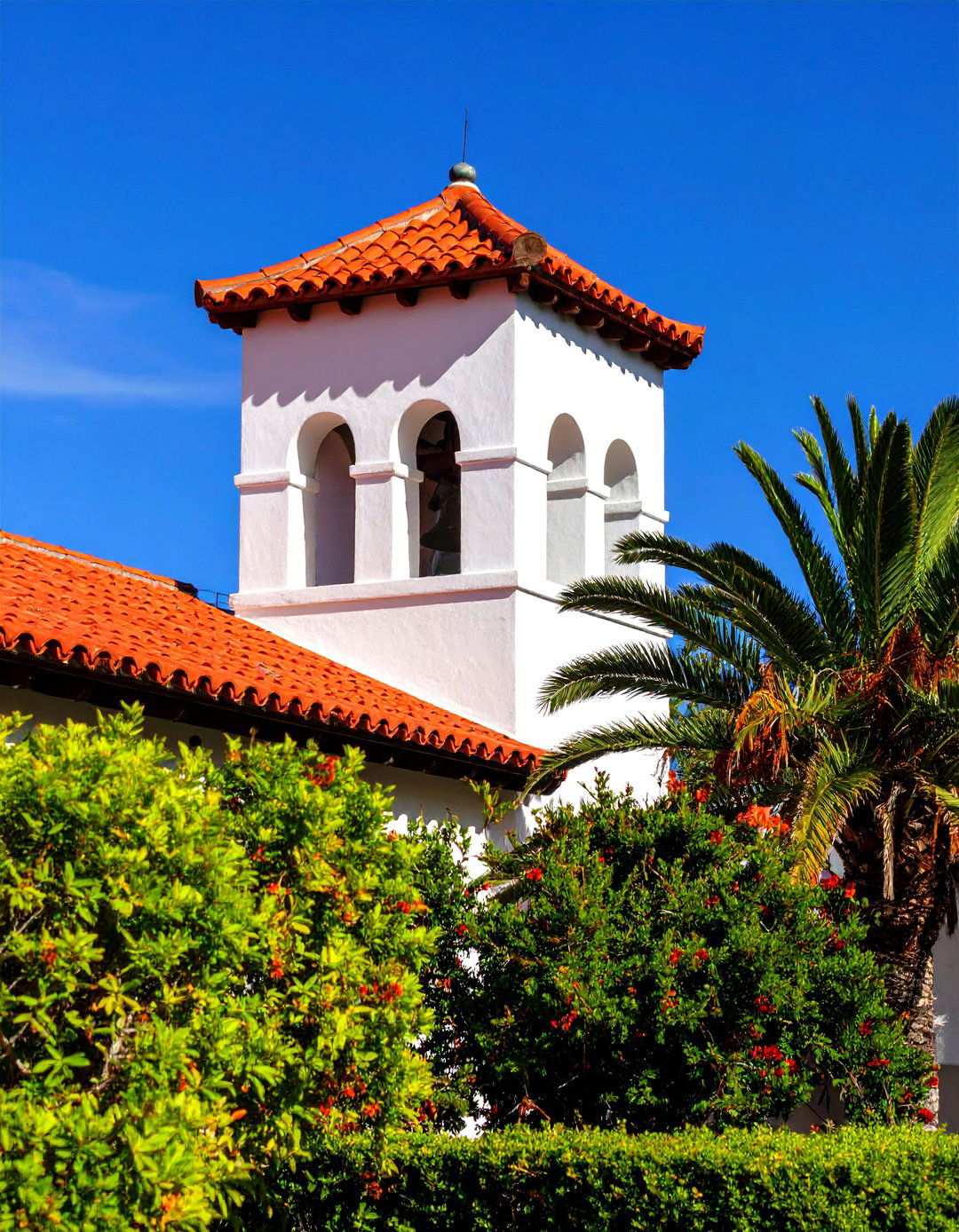
Mission-style bell towers inject a sense of vertical grandeur and spiritual essence into Spanish home exteriors, forging a unique visual identity that pays homage to California’s storied mission history. As striking silhouettes, these architectural elements command attention while offering a canvas for creative design innovation. Can a thoughtfully crafted tower element become the crowning glory of your home’s exterior? Classic mission-style towers often boast rounded arches, stucco construction, and crimson tile caps that harmonize seamlessly with main rooflines. Contemporary reinterpretations might house essential systems, such as lighting or ventilation, or serve as standalone decorative elements that elevate the overall aesthetic. Scale and proportion remain paramount for successful integration with existing architecture, making it essential to consider towers at strategic locations, such as entry points, corners, or courtyard walls, where they can define spaces and imbue authenticity. Traditional bell tower designs complement single-story homes with ease, while modern adaptations can be tailored to various architectural scales, creating a unique personal statement that honors the traditions of Spanish design.
7. Hand-Painted Ceramic Tiles
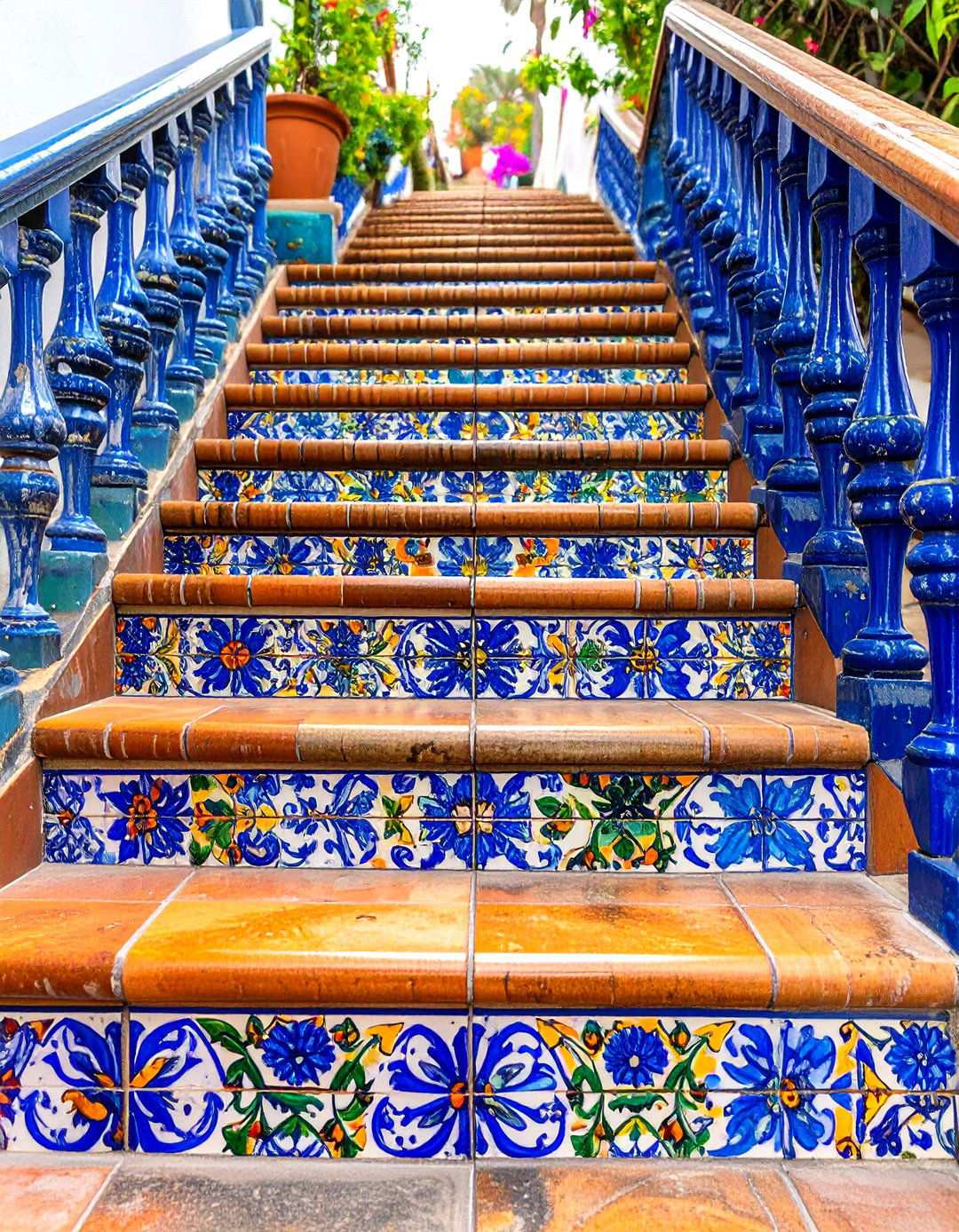
Hand-painted ceramic tiles inject a burst of vibrant color and artistic flair into Spanish exteriors, transforming utilitarian surfaces into captivating showcases of traditional craftsmanship. These colorful accents pay tribute to the rich ceramic heritage of Spain and Mexico, adding a touch of personality to architectural features. Where can decorative tiles have the most dramatic visual impact on your home’s exterior? Timeless applications include stair risers, fountain surrounds, address markers, and accent bands that break up large stucco surfaces. Authentic Talavera and Spanish ceramic tiles often feature botanical motifs, geometric patterns, and rich colors, including cobalt blue, emerald green, and terracotta orange. Modern installations offer both authentic handmade options and high-quality reproductions that provide similar aesthetic appeal with improved durability. Consider using tiles to highlight architectural features, create decorative borders, or develop artistic focal points that reflect your personal style while honoring the Spanish design legacy.
8. Desert Landscape Harmony
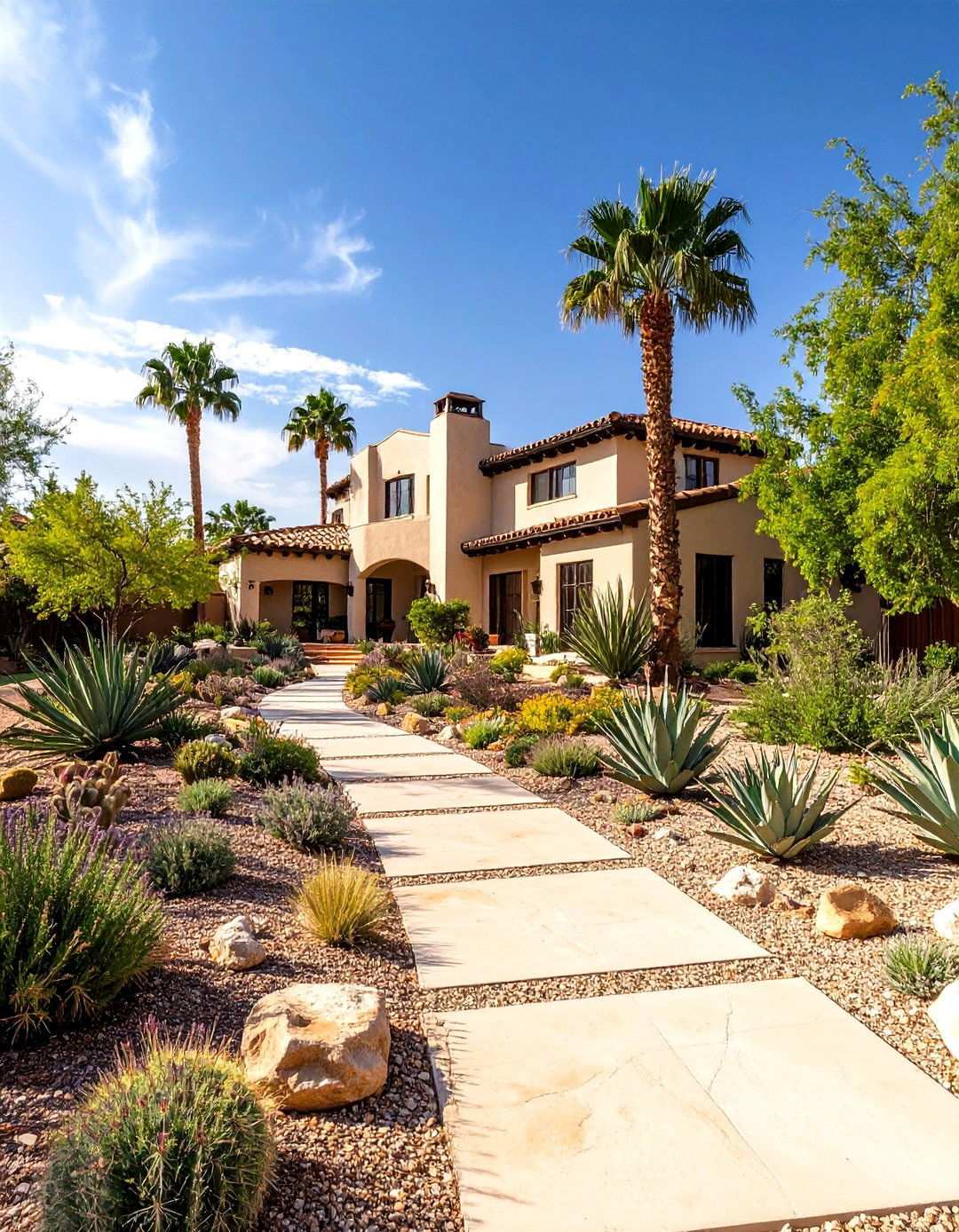
The blending of desert landscaping and Spanish architecture yields a seamless fusion, reflecting the natural beauty of arid climates while minimizing the need for precious water resources. This approach not only pays homage to environmental stewardship but also celebrates the authentic essence of regional character. What role can desert flora play in harmonizing with, rather than overpowering, Spanish architectural elements? Well-designed desert landscapes often incorporate drought-resistant plants such as agaves, palms, and succulents, arranged in organic groupings that mimic the area’s natural landscape. Incorporating hardscaping elements like decomposed granite pathways, natural stone walls, and gravel areas adds texture and visual depth to the outdoor space. A palette of earthy tones, silvery foliage, and seasonal blooms perfectly complements stucco walls and tile roofs. Strategically placing larger trees or palms creates shaded areas and introduces vertical elements, lending depth to the landscape. By combining plants in a thoughtful and artistic manner, modern desert landscaping creates breathtaking outdoor environments that demand minimal upkeep while supporting the local ecosystem.
9. The Allure of Water Features
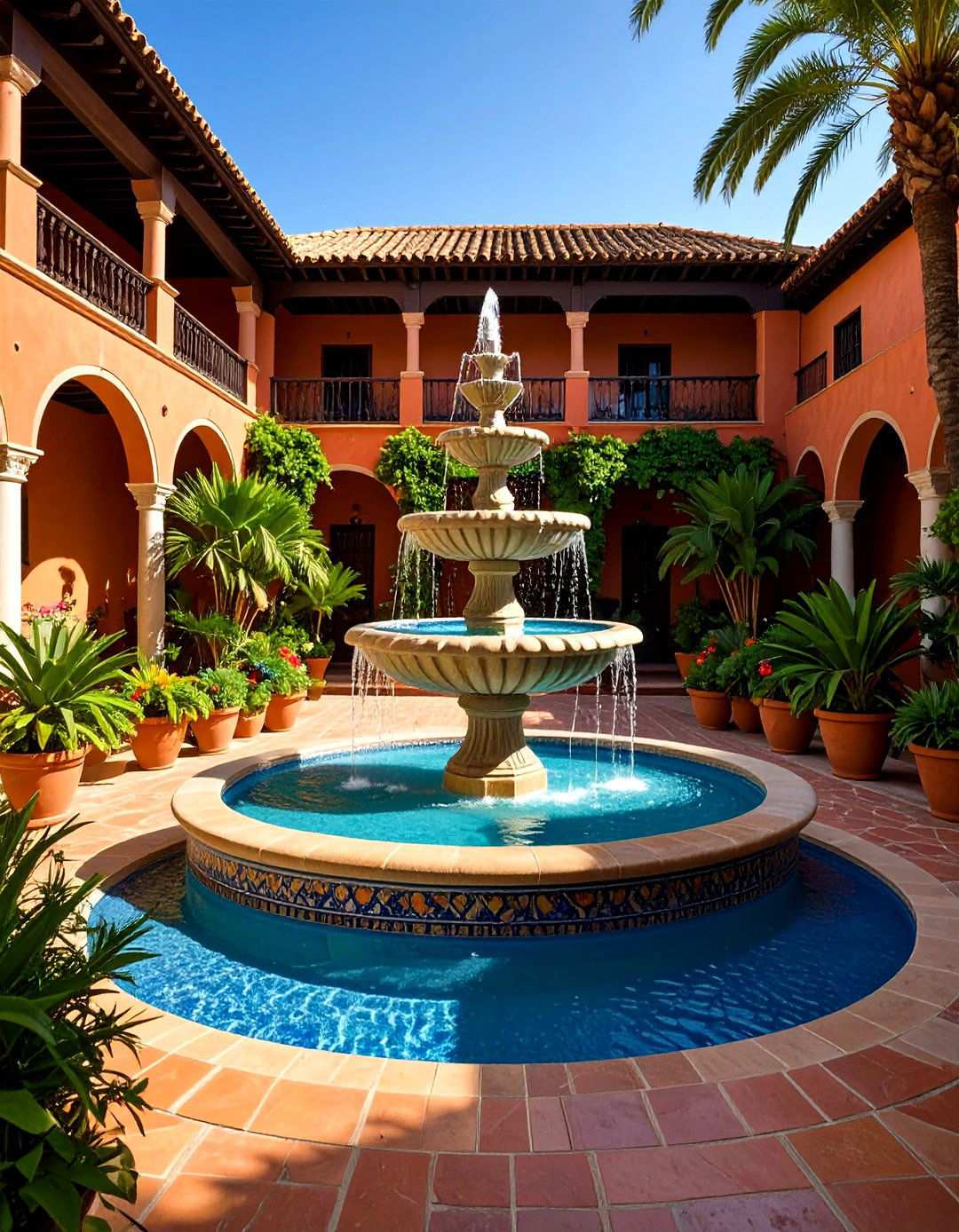
Water features are a staple of Spanish exterior design, providing a cooling respite and soothing ambiance that elevates outdoor living spaces while serving as captivating focal points. These water elements draw inspiration from centuries of Islamic and Mediterranean garden traditions. What transformative power does water possess when integrated into your outdoor environment? Traditional Spanish fountains often incorporate ceramic tiles, natural stone construction, and simple geometric forms that blend seamlessly with architectural styles. Wall-mounted fountains can be particularly effective in courtyards and patios, while freestanding designs can anchor garden spaces or serve as a striking entryway feature. Modern options for water conservation, such as recirculating systems, allow for continuous operation while minimizing water waste. By incorporating lighting, fountain enjoyment can be extended into the evening hours, creating a dramatic display of water and light. The surrounding plant life benefits from the increased humidity, softening the edges of hardscaping and lending a lush, verdant feel to the space. Whether simple or elaborate, fountains bring life and movement to outdoor spaces, establishing a genuine connection to Spanish heritage.
10. Reimagined Spanish Heritage
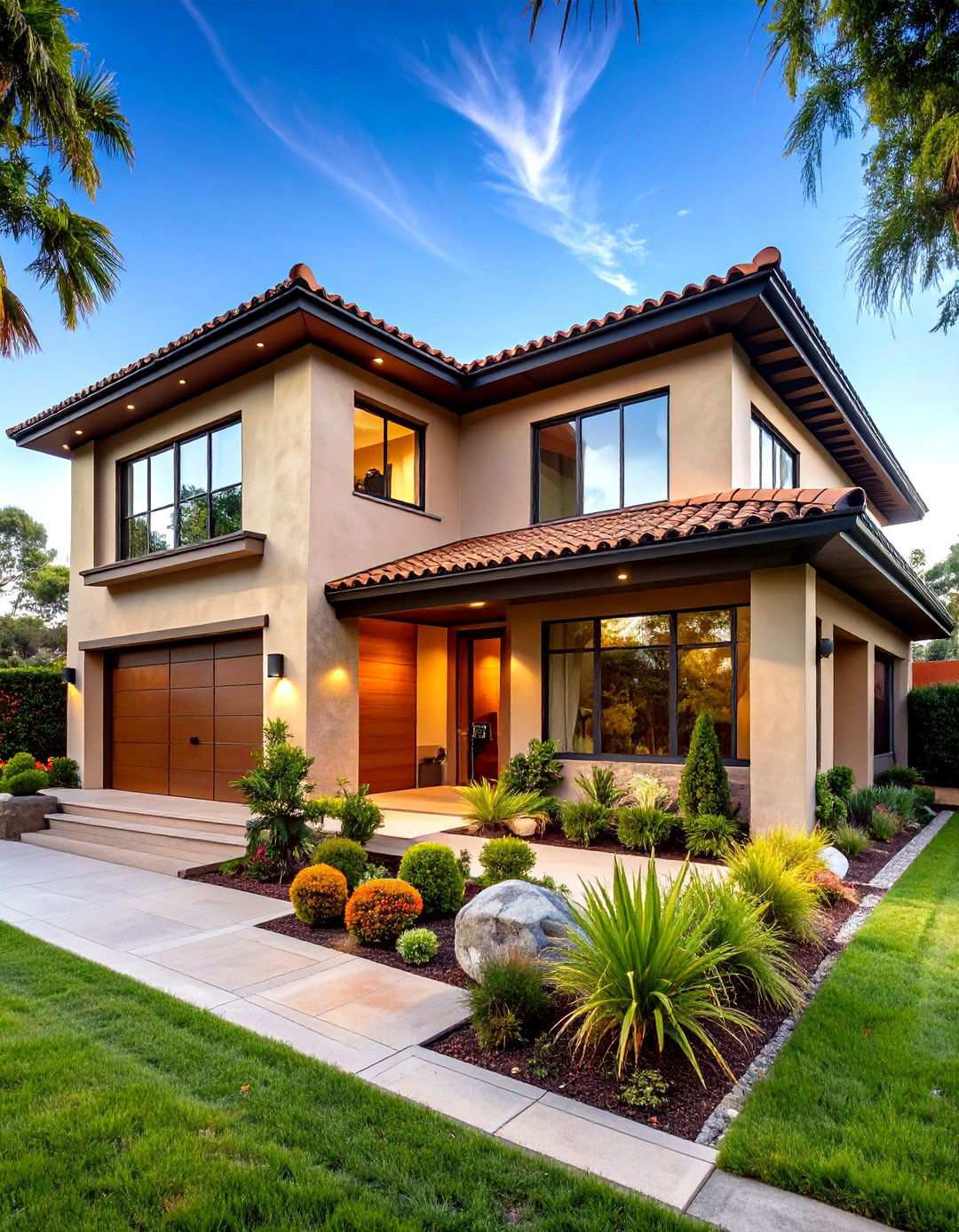
Innovative Spanish revival design redefines traditional elements to suit modern lifestyles, fusing authentic details with cutting-edge materials and contemporary needs. This forward-thinking approach enables homes to celebrate heritage while embracing contemporary functionality. Can the essence of traditional Spanish design be revitalized in today’s architectural landscape? Modern interpretations of classic elements feature clean, minimalist lines, expansive windows, and simplified details while retaining the Spanish aesthetic through stucco walls, tile roofs, and an emphasis on seamless indoor-outdoor living. Contemporary materials include advanced composite roof tiles, energy-efficient glazing, and high-performance stucco systems that enhance durability and energy efficiency. Neutral color palettes often feature bold accent colors strategically placed to add visual interest, moving away from traditional earth tones. Outdoor spaces now incorporate modern amenities like integrated lighting, sound systems, and contemporary furnishings while honoring the Spanish tradition of effortless indoor-outdoor living. This evolution ensures Spanish style remains relevant for contemporary families while paying homage to architectural heritage.
11. Timeless Earth-Tone Exteriors
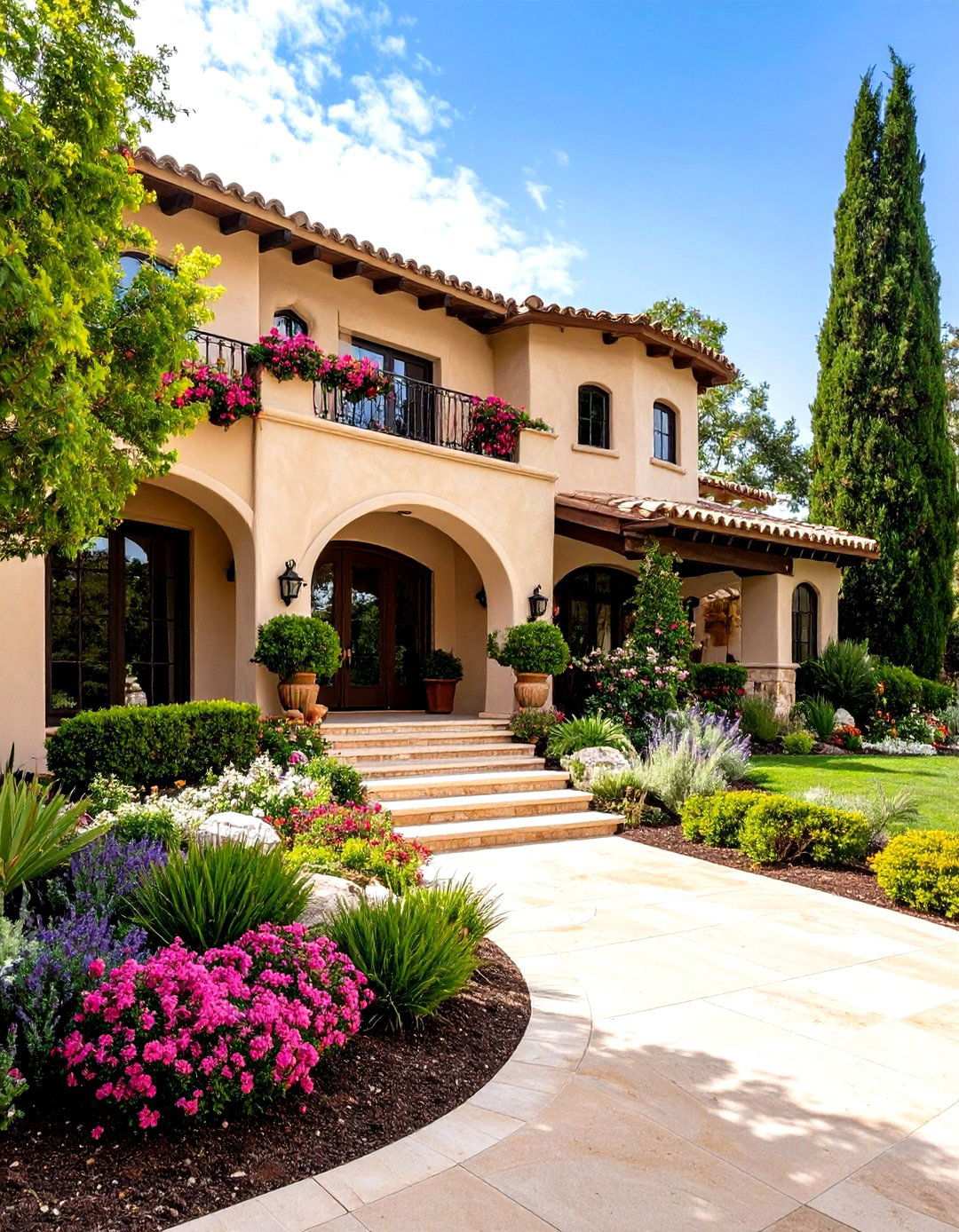
Warm, inviting earth-tone stucco finishes create harmonious exteriors that blend seamlessly with surrounding natural landscapes while establishing authentic Spanish character through color and texture. These organic hues draw inspiration from the natural pigments historically used in Spanish construction. Which earth tones will best complement your home’s architectural features and integrate with its surroundings? Popular choices include warm beiges, soft tans, muted terra cottas, and sage greens that work beautifully with Spanish tile roofs and natural stone accents. Modern stucco systems offer a wide range of color options, including integral pigments and applied finishes, to create long-lasting, weather-resistant exteriors. Texture variations from smooth to heavily textured surfaces add visual interest and complement diverse architectural styles. To achieve a cohesive exterior palette, consider how natural light affects chosen colors throughout the day and seasons. Successful earth-tone applications create beautiful, timeless exteriors that feel connected to their surroundings and maintain property value over time.
12. Elevating Outdoor Living
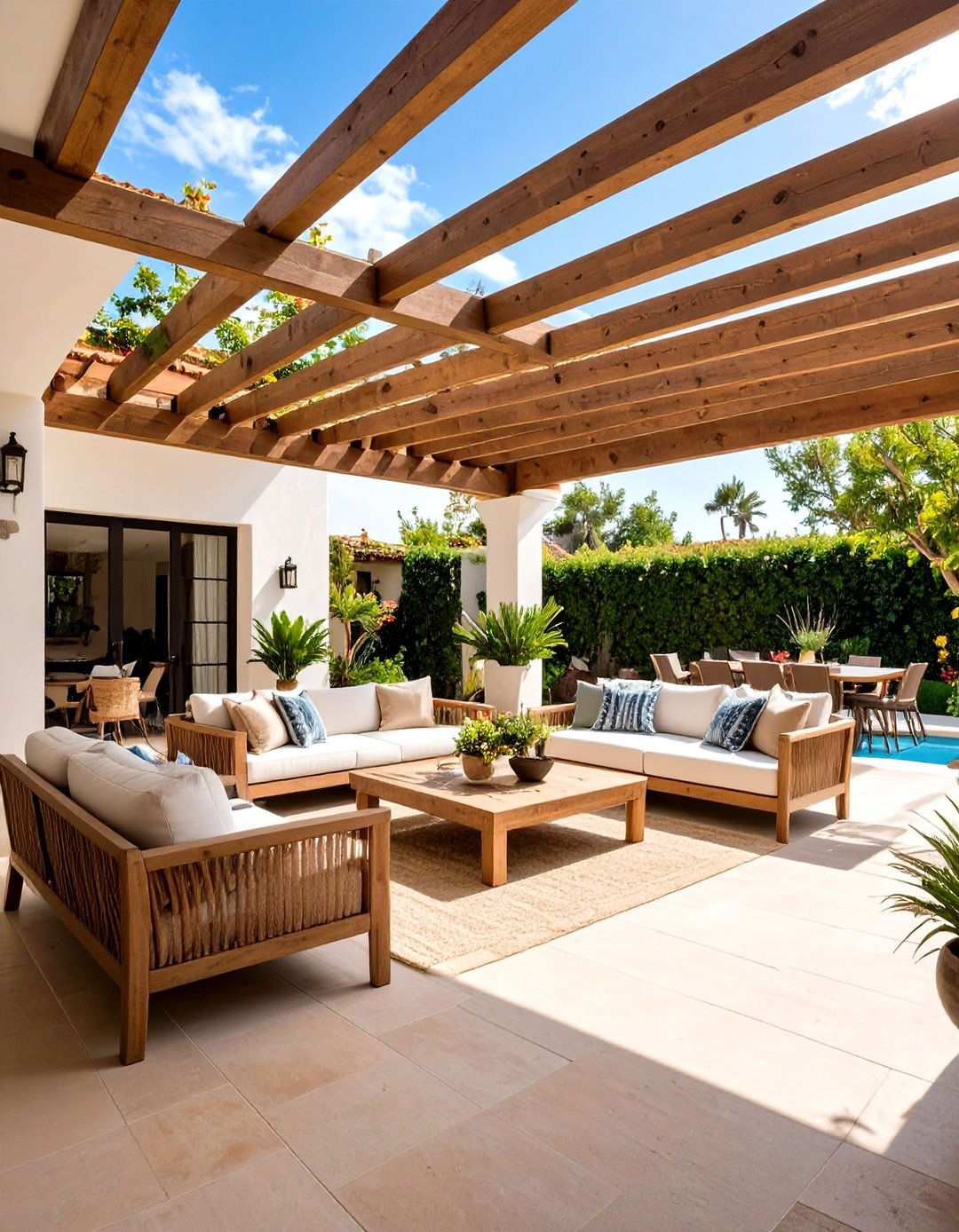
Outdoor living spaces in Spanish homes are elevated by the incorporation of pergola-covered patios, which strike a perfect balance between providing partial shade and maintaining the open-air feel that defines the Mediterranean lifestyle. These structures create distinct outdoor rooms that are ideal for dining, entertaining, and relaxation, transforming unused areas into cherished living spaces. The versatility of pergolas lies in their ability to seamlessly integrate with existing architecture, while offering a range of design considerations, including beam spacing for optimal shade, integration with existing buildings, and provisions for climbing plants that provide additional coverage. Additionally, the choice of materials, such as traditional timber construction or modern alternatives, including engineered lumber, metal systems, and composite materials, offers improved durability with authentic appearance. With a wide range of furnishing options, including built-in seating and moveable furniture, lighting, fans, and outdoor heating, pergolas can extend the usability of outdoor spaces throughout the seasons. Whether attached to homes or freestanding in gardens, these structures embody the essence of Spanish living philosophy.
13. Harmonizing Textures
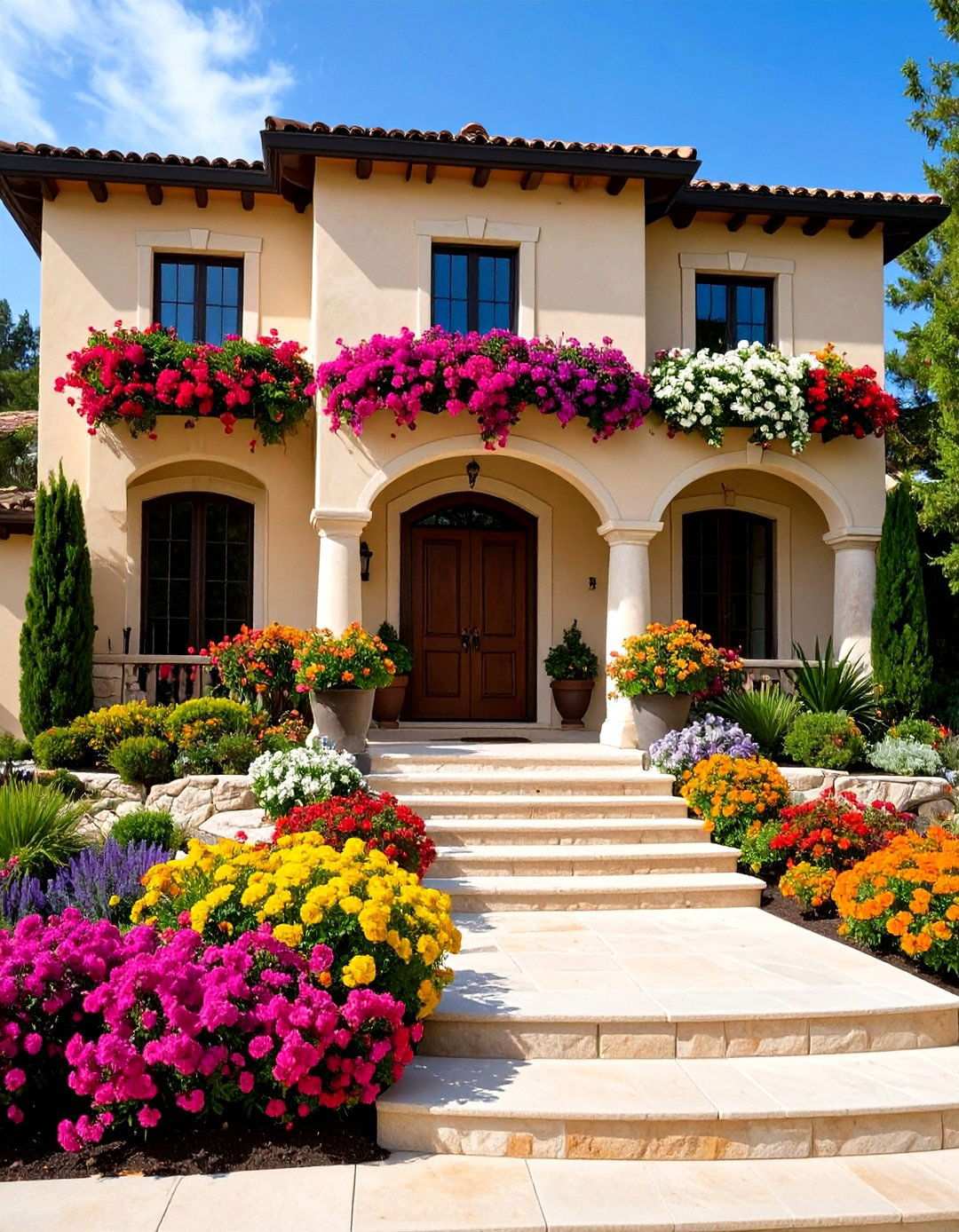
The combination of stone and stucco is a hallmark of traditional Spanish architecture, creating rich textural contrasts that add depth and character to exteriors while referencing timeless building methods. This pairing of materials not only celebrates craftsmanship but also provides practical benefits. When natural stone meets smooth stucco surfaces, a visually striking effect emerges, with natural stone working beautifully for foundations, accent walls, columns, and architectural details that provide a beautiful contrast with stucco surfaces. Regional stone varieties, such as limestone or sandstone, are popular choices that complement local landscapes, and can be applied in various techniques, including full stone walls, wainscoting effects, and strategic accents around windows and doors. To achieve harmonious relationships between stone and stucco selections, careful color coordination is essential. Modern applications might combine cultured stone products with high-performance stucco systems, offering improved efficiency and reduced maintenance. The interplay of different textures as light catches and reflects them throughout the day creates dynamic visual effects that enhance architectural character while providing lasting beauty and authentic Spanish appeal.
14. Decorative Window Grilles: A Blend of Function and Artistry
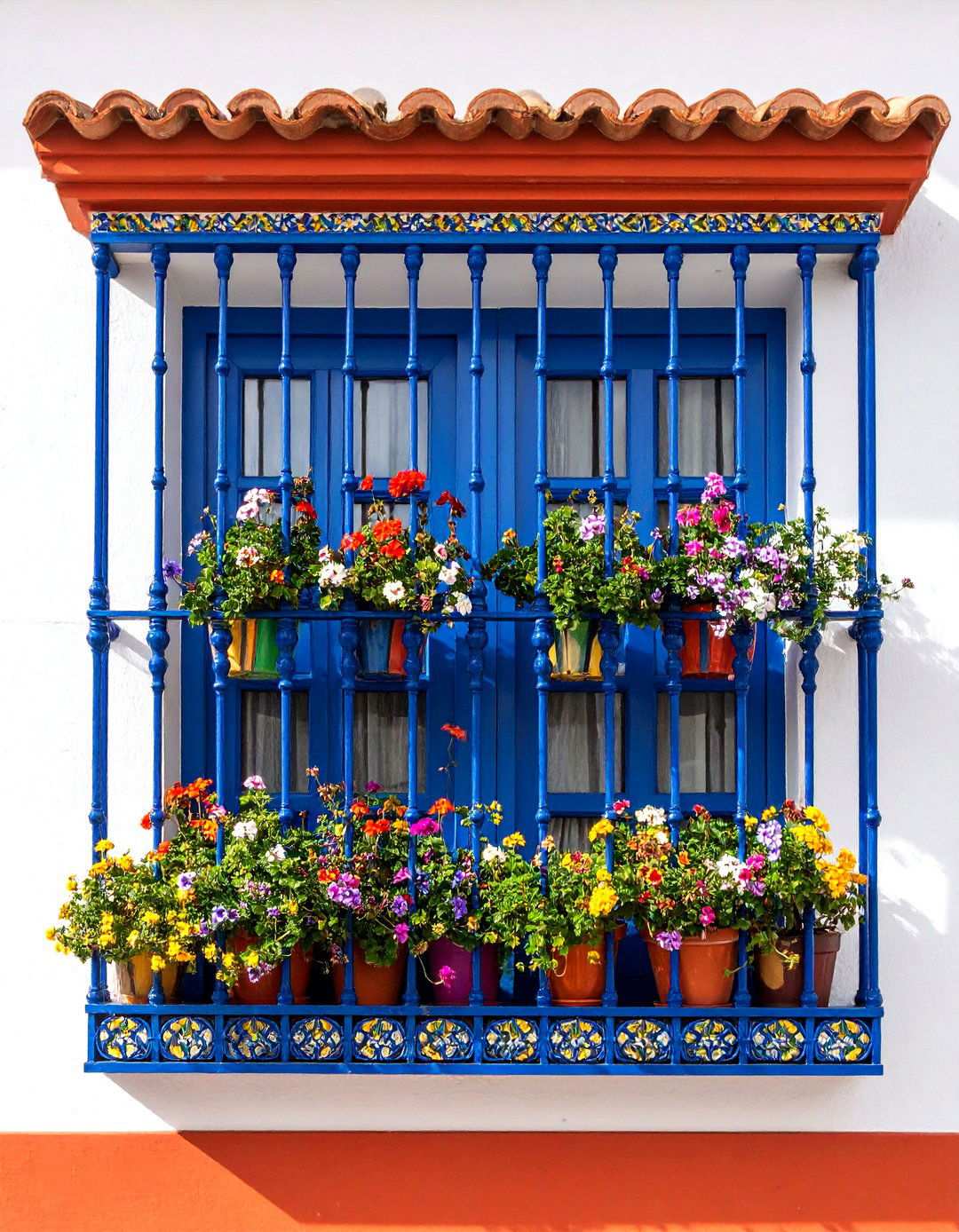
Combining functionality and artistic expression, ornate window grilles provide a unique opportunity to elevate the aesthetic of Spanish exterior design. By incorporating decorative elements, these protective features transform ordinary windows into striking architectural focal points. The question arises: how can security elements be seamlessly integrated into beautiful design features rather than mere utilitarian necessities? Traditional Spanish window grilles showcase intricate metalwork, featuring a range of motifs such as scrollwork, geometric patterns, and botanical motifs that reflect centuries of metalworking expertise. Modern installations now offer a mix of custom wrought iron and high-quality reproductions that not only capture the authentic appearance but also boast enhanced performance. Design options include hinged grilles for convenient access, fixed installations for maximum security, and decorative applications that prioritize aesthetic appeal. Various finishes are available, ranging from classic black to custom colors that harmoniously complement exterior color palettes. To ensure that grilles enhance rather than overwhelm window openings, careful consideration must be given to proportion and scale. Effective installations strike a balance between security requirements and visual appeal, maintaining the open and welcoming character that is synonymous with Spanish design philosophy. Investing in quality metalwork represents a lasting investment that not only enhances beauty but also increases value.
15. The Emotional Impact of Mediterranean Color Palettes
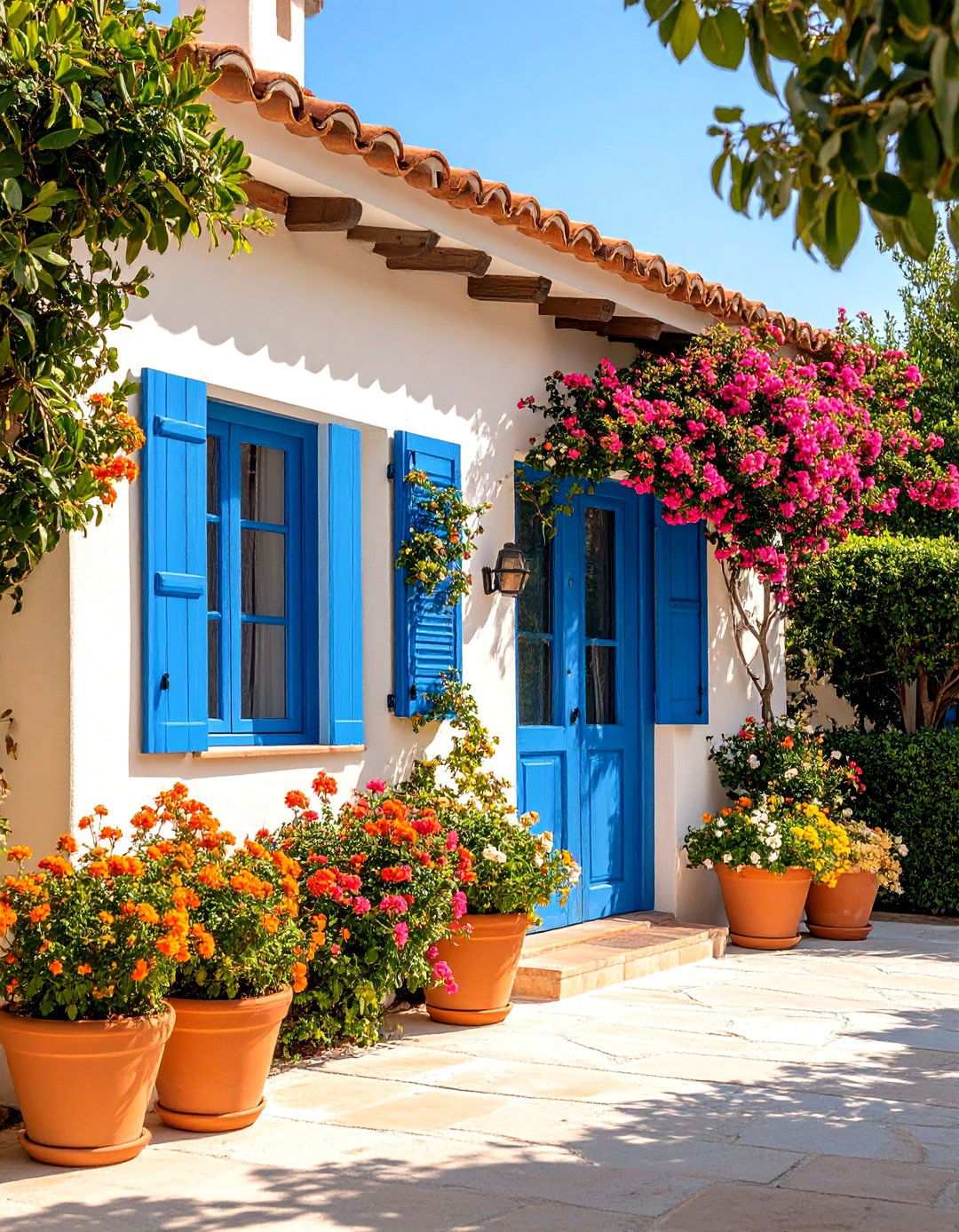
Mediterranean color palettes have the power to evoke strong emotional responses in both residents and visitors, capturing the essence of coastal regions and celebrating Spanish architectural heritage. These carefully curated combinations draw inspiration from natural landscapes and cultural traditions, resulting in sophisticated and cohesive exterior schemes. What are the emotional undertones of thoughtfully chosen Mediterranean colors? Traditional palettes typically feature warm earth tones, weathered whites, and accent colors inspired by the sea, sky, and local vegetation. Some popular combinations include cream stucco paired with terracotta roof tiles, soft yellow walls accompanied by blue shutters, and sage green accents complemented by natural stone details. Modern interpretations might take a bolder approach, embracing deeper, more saturated colors or contemporary neutrals while still maintaining the essence of Mediterranean spirit. When selecting a color scheme, consideration should be given to how colors interact with natural light, architectural details, and landscape elements. Effective color schemes create harmonious relationships between all exterior elements, while also expressing personal style. The use of high-quality paint systems ensures that the beauty and vibrancy of the color scheme are maintained over time, while also protecting underlying surfaces from weather and wear.
16. Bringing the Outdoors In
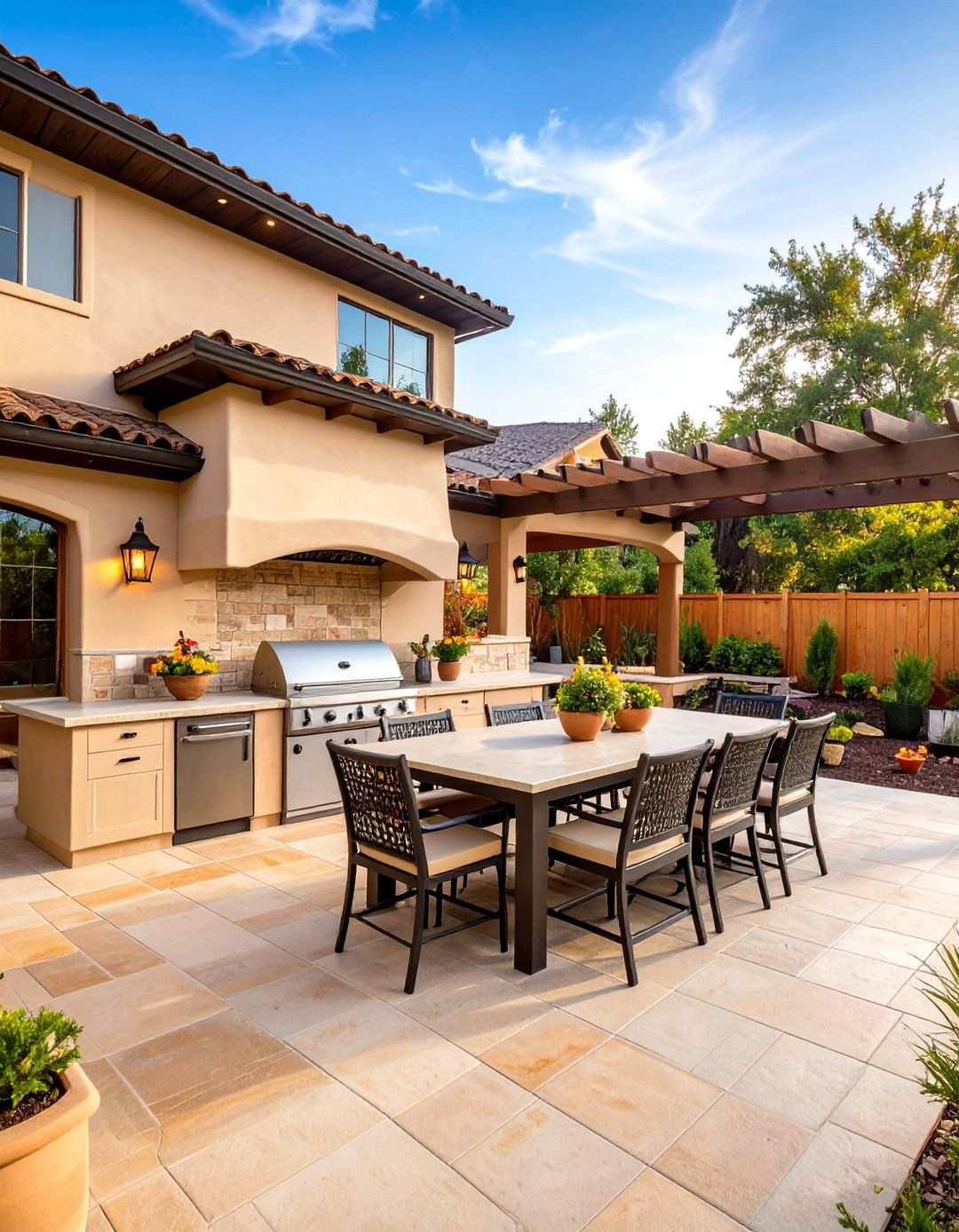
Outdoor kitchens embody the essence of Spanish living philosophy, seamlessly merging indoor and outdoor spaces to create inviting environments that foster year-round gatherings. By extending the home’s footprint into the garden or patio, these installations transform outdoor areas into vibrant living spaces that become the heart of family life. Could an outdoor kitchen become your family’s go-to spot for casual meals and special occasions? Characterized by stucco construction, tile countertops, and ornate wrought iron details, Spanish-style outdoor kitchens complement home architecture with elegance and sophistication. Essential components include built-in grills, prep areas, storage solutions, and seating that accommodate both relaxed meals and formal entertaining. To ensure seamless functionality, designers must consider weather protection, utility hookups, and integration with existing outdoor spaces. Traditional materials such as natural stone, handmade tiles, and rustic wood evoke authentic Spanish charm, while modern amenities like refrigeration, sound systems, and sophisticated lighting extend usability into the evening hours. Whether a simple cooking area or an elaborate outdoor room, these spaces celebrate the Spanish tradition of gathering outdoors while catering to the needs of modern families.
17. Integrating Nature into Architecture
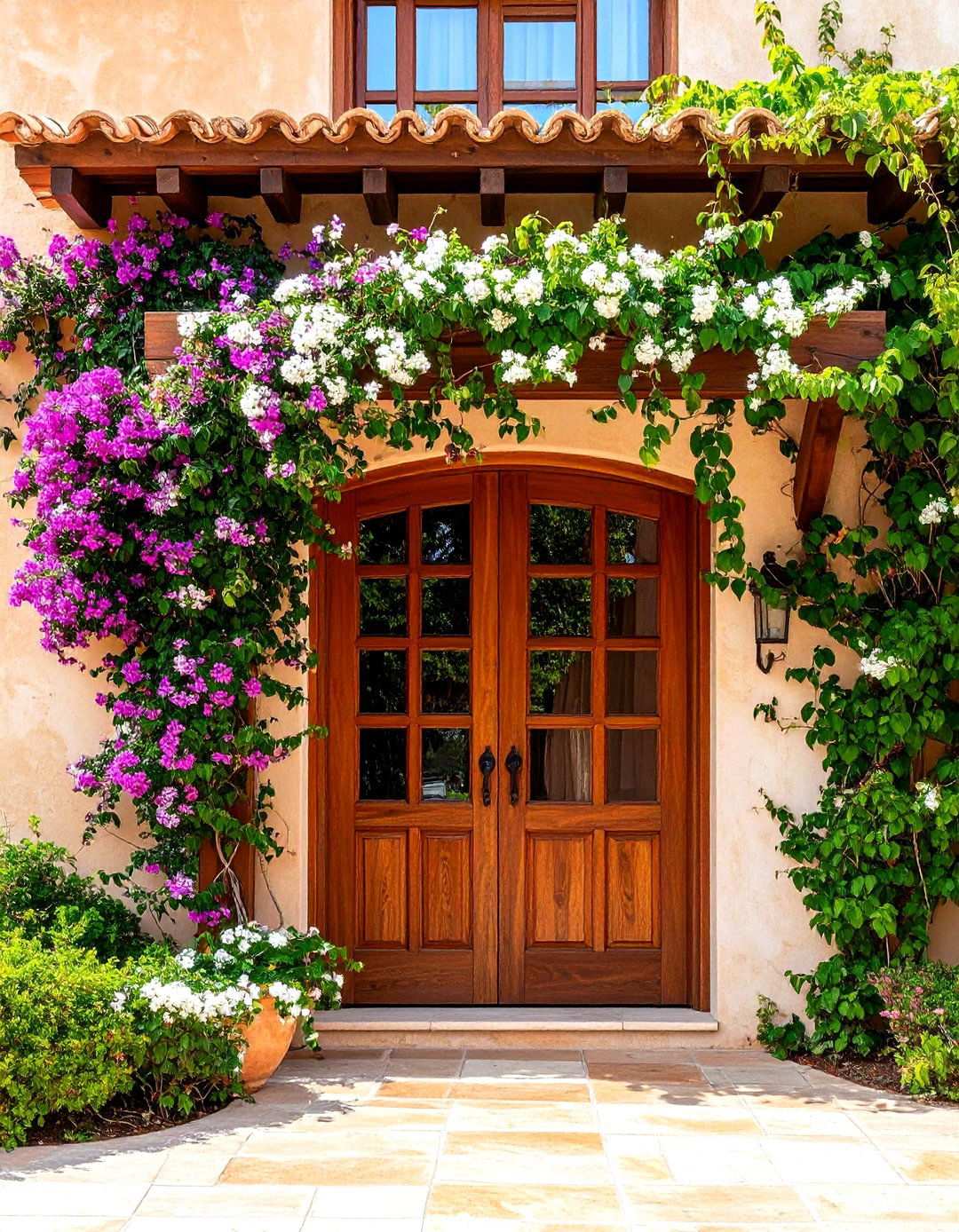
Climbing vines play a pivotal role in softening Spanish home exteriors, while creating living walls that change with the seasons and provide natural cooling effects. These organic elements add a touch of romance and authenticity, bridging the gap between architecture and landscape. What enchanting transformations occur when buildings become an integral part of the natural environment? Popular choices for Spanish homes include vibrant bougainvillea, climbing roses, fragrant jasmine, and lush grape vines, which thrive in warm climates and provide beautiful flowers or foliage. Support systems, such as trellises, wire frameworks, and architectural elements, are designed to accommodate plant growth and provide a sturdy foundation for these verdant additions. To ensure long-term success, designers must consider mature plant size, seasonal characteristics, and maintenance requirements. Strategically placing climbing vines around windows, doorways, and walls creates a seamless transition between built and natural environments. Modern installations may incorporate irrigation systems and architectural supports to promote healthy plant growth while protecting building surfaces. Whether used to cover entire walls or provide accent elements, climbing vines bring life and movement to Spanish exteriors, establishing connections with traditional Mediterranean garden design.
18. Enchanted Garden Pathways
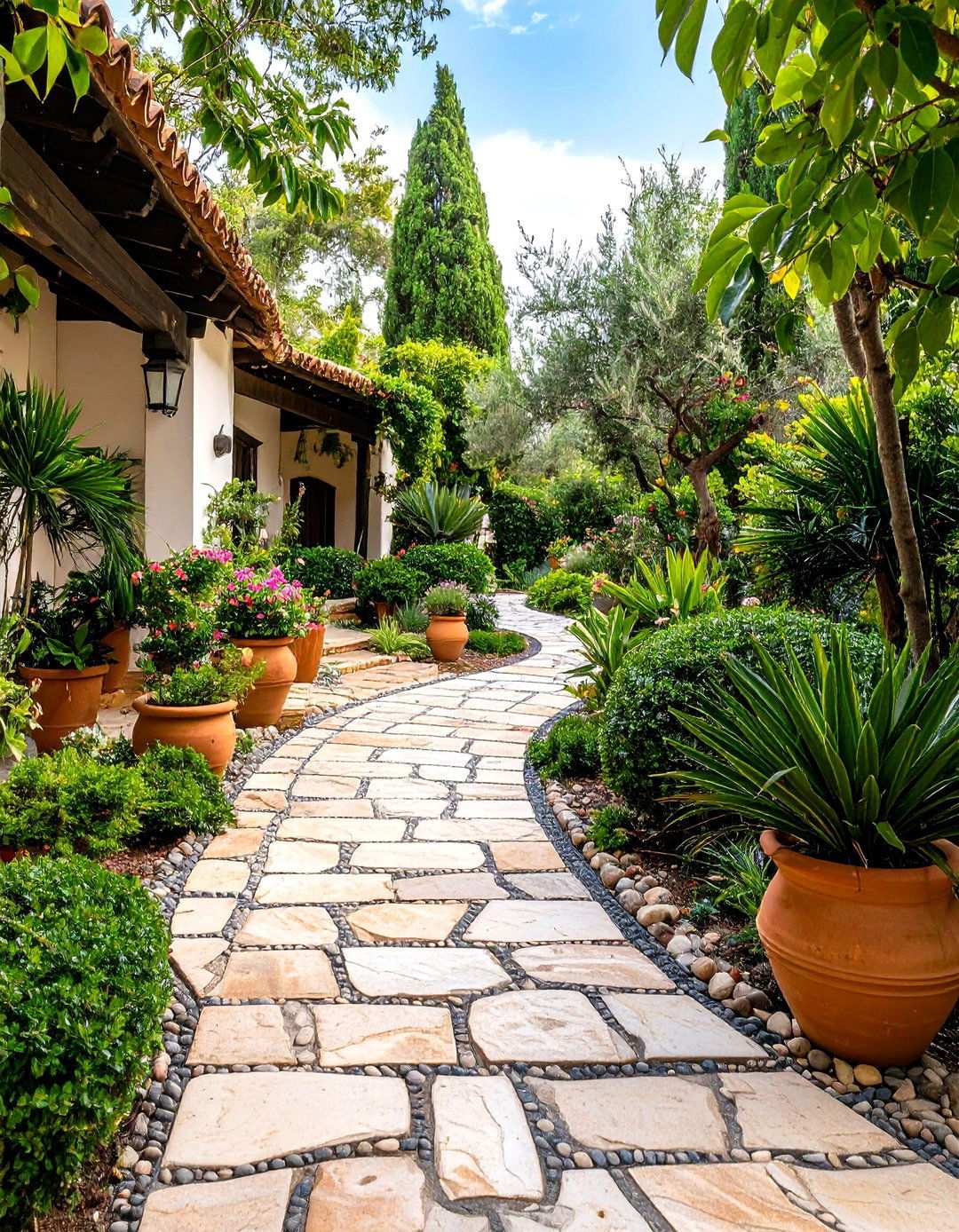
A thoughtful design for Spanish garden pathways can turn ordinary outdoor spaces into captivating experiences, guiding movement and fostering discovery. By incorporating rhythm and organization, these functional elements become beautiful features that create a sense of wonder. How can well-planned pathways transform gardens into enchanting destinations? The traditional Spanish approach features natural stone, handcrafted tiles, or brickwork laid in patterns that harmonize with architectural styles. Contemporary alternatives, such as concrete pavers, decomposed granite, and cutting-edge materials, achieve similar aesthetic effects with enhanced durability. Effective design elements include curves that spark curiosity, varying widths that accommodate diverse uses, and material transitions that define spaces. Finishing touches come from edging details using plants, stones, or decorative borders. Consider how pathways bridge different outdoor areas while offering opportunities for garden viewing and outdoor living. By incorporating lighting, pathways become even more usable while highlighting landscape features during twilight hours. Whether formal or naturalistic, well-designed pathways elevate both functionality and beauty while upholding Spanish design principles.
19. Timeless Wood Beam Accents
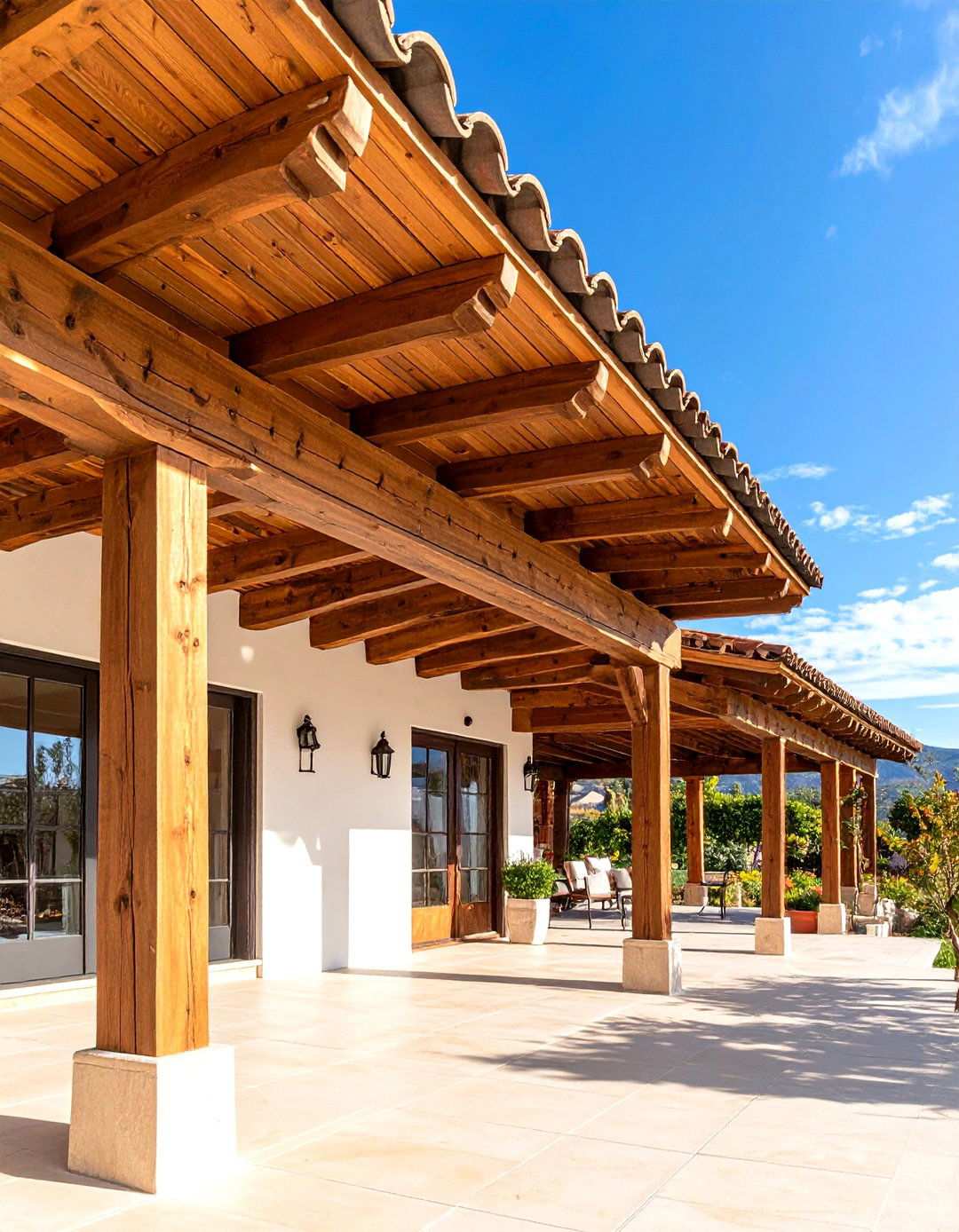
Rustic wood beam accents bring warmth and authentic charm to Spanish exteriors, paying homage to traditional construction methods and craftsmanship traditions. These structural elements become decorative features that amplify architectural interest. What visual impact do exposed wooden elements create against stucco walls and tile roofs? Traditional applications feature exposed roof rafters, porch beams, and decorative elements surrounding windows and doors. Wood species selections often favor darker tones like walnut, aged oak, or reclaimed materials that provide rich contrast with light-colored stucco. Modern installations might utilize engineered lumber or composite materials that replicate authentic appearance with improved performance and reduced maintenance. Finishing options include natural stains, weathered effects, and protective coatings that ensure longevity. Design considerations include proportion, placement, and integration with existing architectural elements. Whether structural or purely decorative, wooden beam accents create focal points that celebrate traditional craftsmanship while adding texture and visual interest to Spanish home exteriors.
20. Elevating Staircase Style
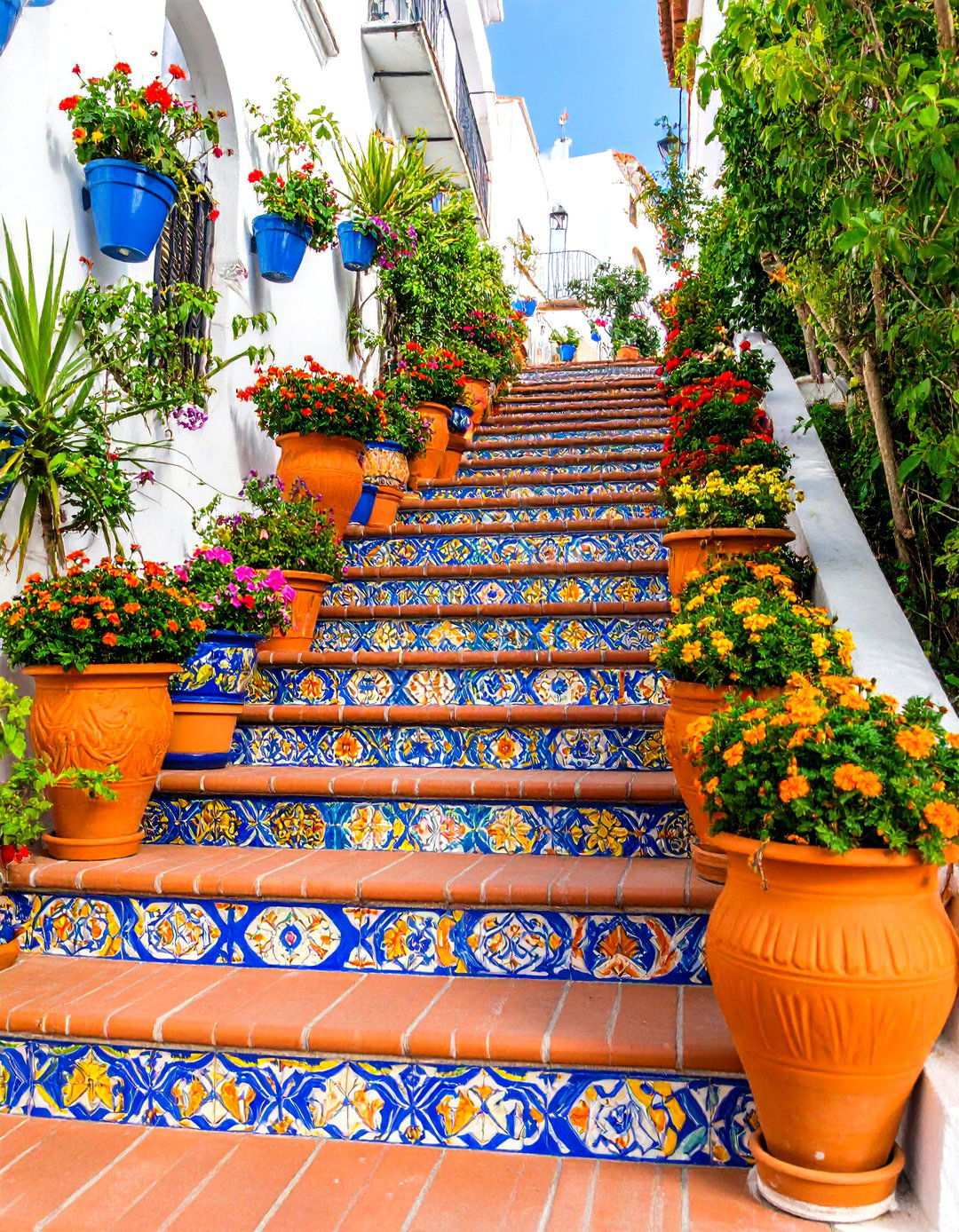
By incorporating tiled staircase risers, homeowners can elevate functional elements into stunning architectural features that showcase exquisite ceramic artistry. These unique applications celebrate the rich tile-making traditions of Spain and Mexico, adding a touch of cultural authenticity to exterior spaces. What sets ordinary stairs apart from breathtaking architectural statements lies in the creative use of tile. Hand-painted ceramic tiles, for instance, work beautifully for outdoor staircases, featuring intricate botanical motifs, geometric patterns, and vibrant colors that create visual interest. With modern installations offering both authentic handmade options and quality reproductions, homeowners can enjoy similar aesthetic appeal with improved durability. To ensure a successful tile application, consider factors such as slip resistance, weather resistance, and color coordination with overall exterior schemes. Effective installation techniques guarantee proper adhesion and longevity in outdoor environments. To create a sense of rhythm and visual movement, consider using different patterns or colors for each riser. Whether featuring traditional Talavera designs or contemporary interpretations, tiled stair risers add a touch of authentic Spanish character while transforming utilitarian features into artistic statements that elevate overall exterior beauty and property value.
21. Creating First Impressions
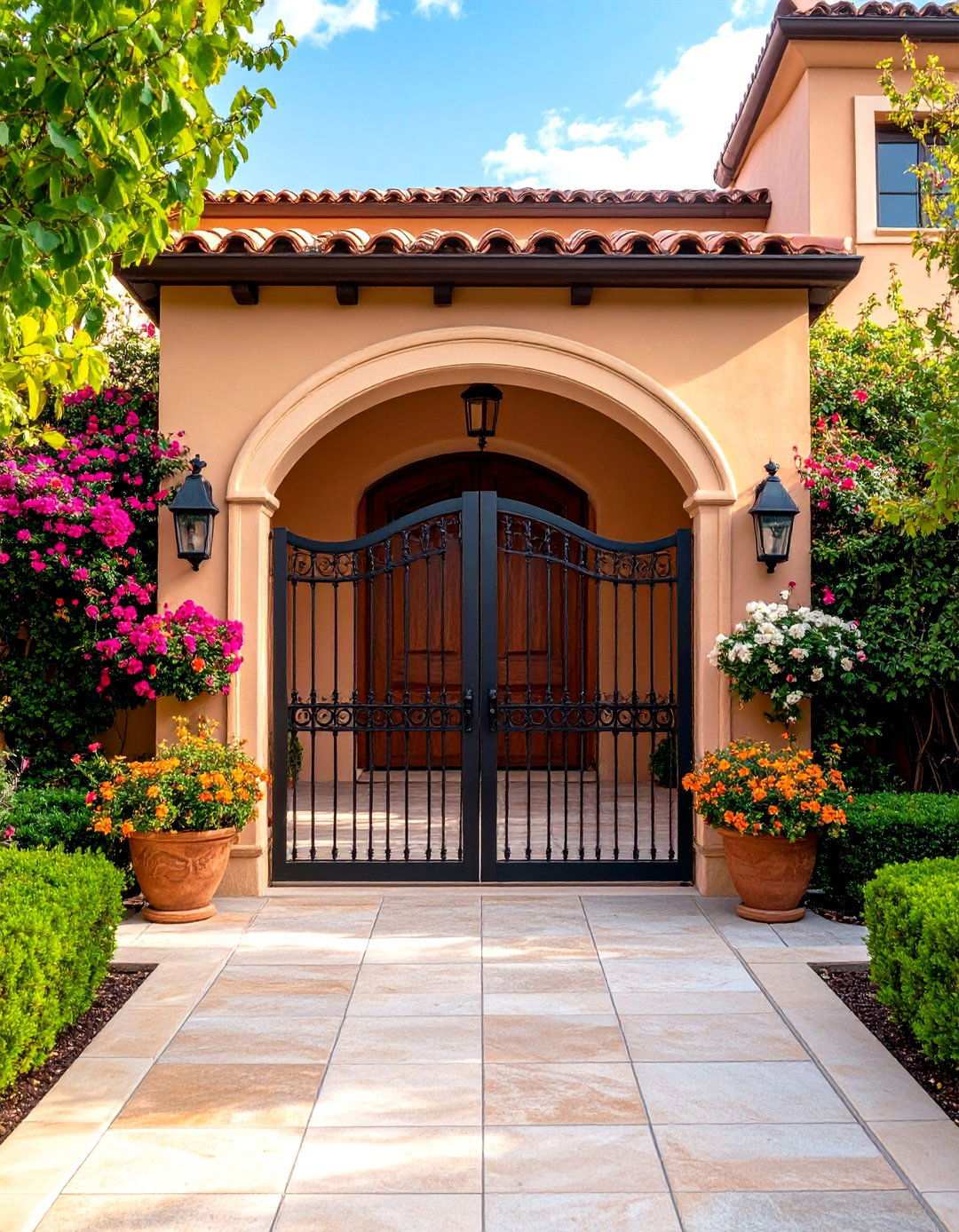
Enclosed entry courtyards create dramatic arrival experiences that set the tone for the rest of the home, while providing privacy and establishing Spanish character through thoughtful spatial design. These transitional spaces beautifully bridge the divide between public and private realms. What sense of anticipation and welcome do enclosed courtyards create for visitors approaching your home? Traditional Spanish entry courtyards feature walls, gates, and plantings that create intimate spaces while maintaining security and privacy. Design elements such as decorative paving, water features, and seating areas make entries feel like outdoor rooms that invite relaxation and socialization. Modern interpretations of courtyard concepts adapt to various lot sizes and architectural configurations while preserving essential character. The selection of materials, including natural stone, decorative tiles, and authentic finishes, creates cohesive design schemes that enhance the overall aesthetic appeal. Effective lighting design ensures safety while highlighting architectural features and plantings during evening hours, further emphasizing the beauty of these transitional spaces. Whether grand or intimate, enclosed entry courtyards establish Spanish architectural character while providing beautiful transitions between street and home that enhance both security and aesthetic appeal while creating memorable first impressions.
22. Contemporary Spanish Design
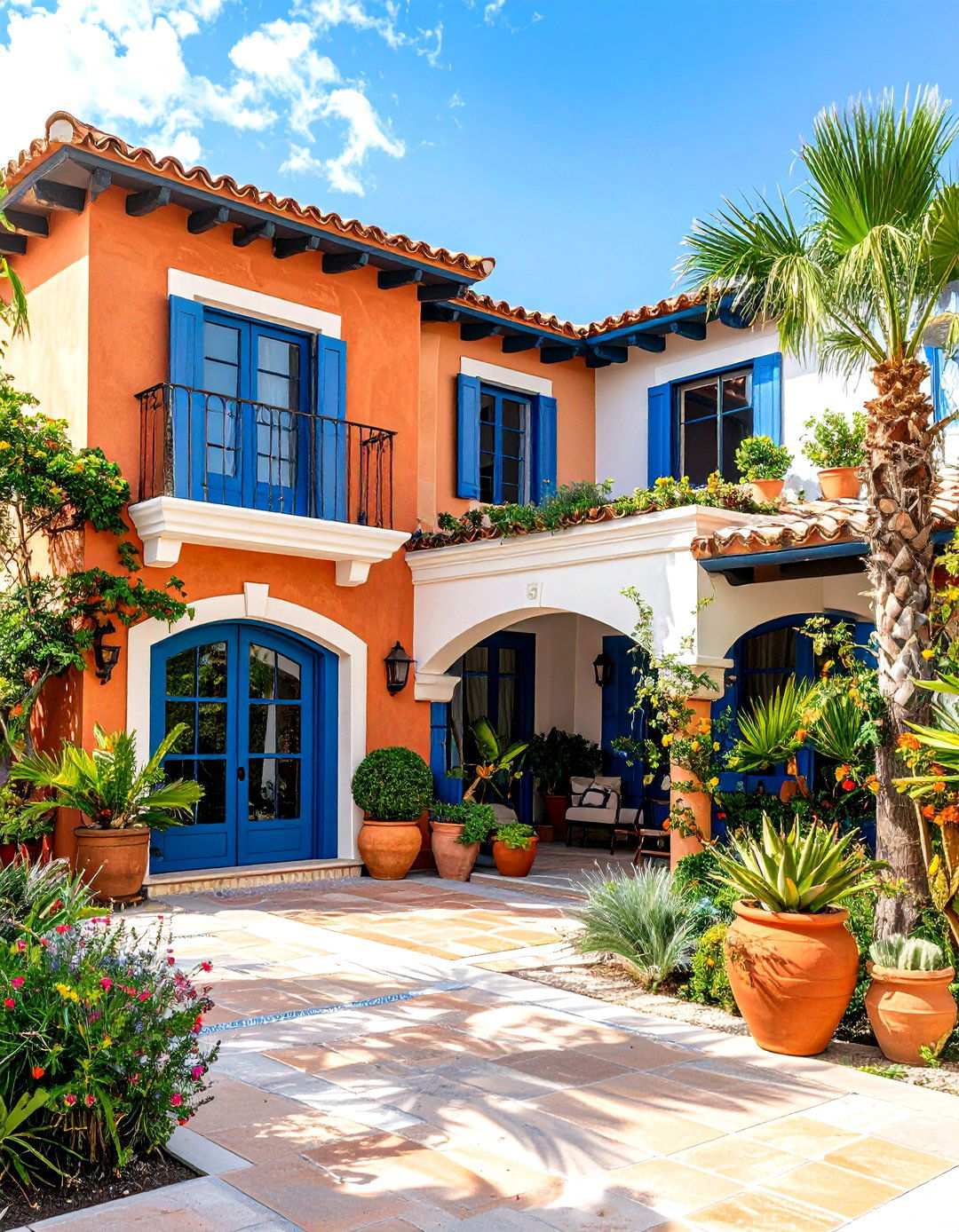
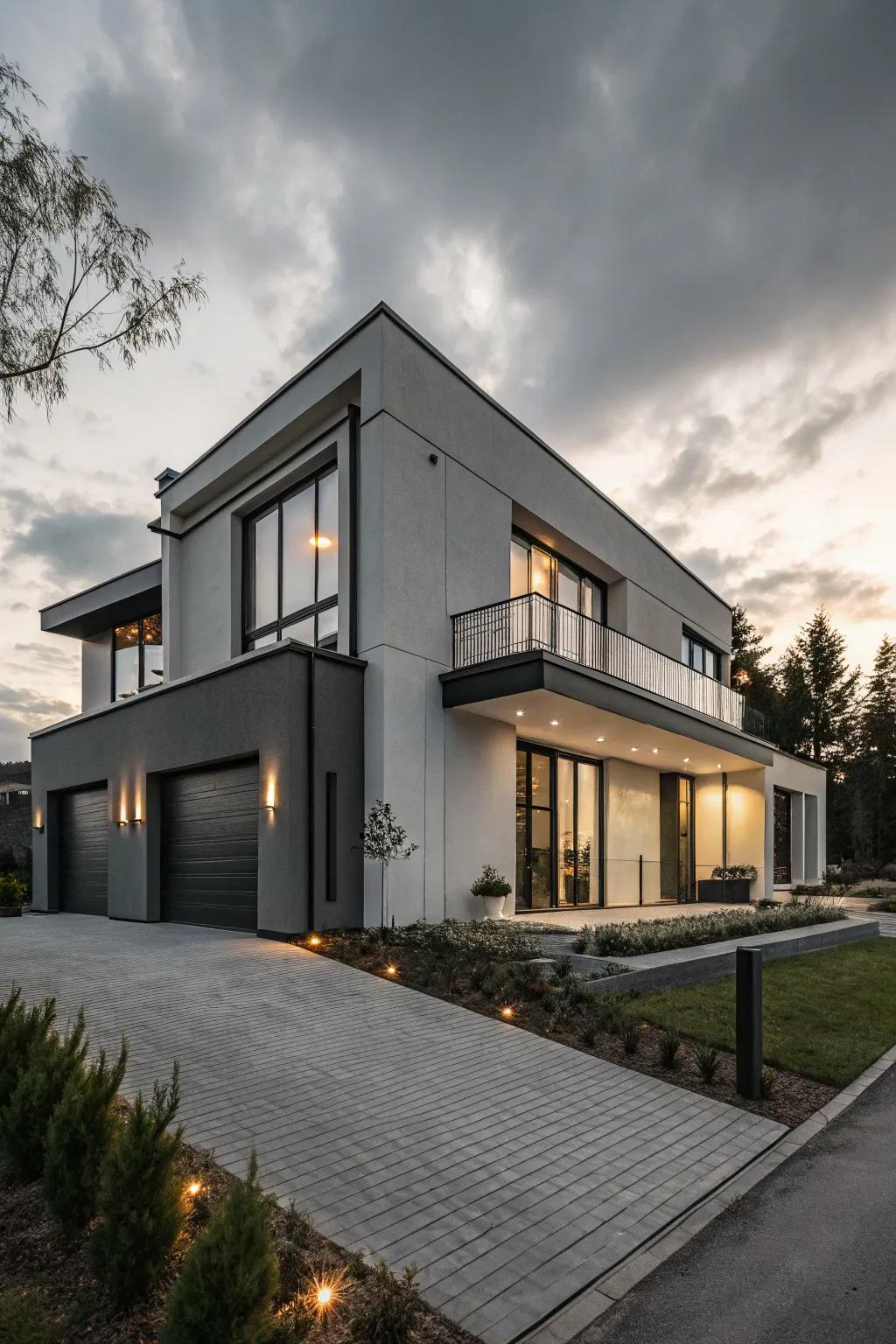
Modern Spanish architecture skillfully reinterprets timeless elements to resonate with contemporary tastes, fostering innovative approaches that pay homage to heritage while catering to the demands of modern living. By embracing this evolution, Spanish design traditions remain relevant and fresh. Characteristic features of contemporary Spanish design include streamlined details, expansive windows, and clean lines, all while preserving essential elements like stucco walls, expansive outdoor living spaces, and the incorporation of natural materials. Neutral or bold color palettes often replace traditional earthy tones, creating a visually appealing contrast. Additionally, modern materials such as high-performance stucco systems, energy-efficient windows, and eco-friendly building products contribute to improved efficiency and durability. Thoughtfully integrated outdoor spaces incorporate modern amenities while maintaining the indoor-outdoor living philosophy inherent to Spanish design. Landscape design may feature architectural plantings and contemporary materials alongside traditional elements, creating a unique fusion of styles that celebrates cultural heritage.
23. Moroccan Influence Elements
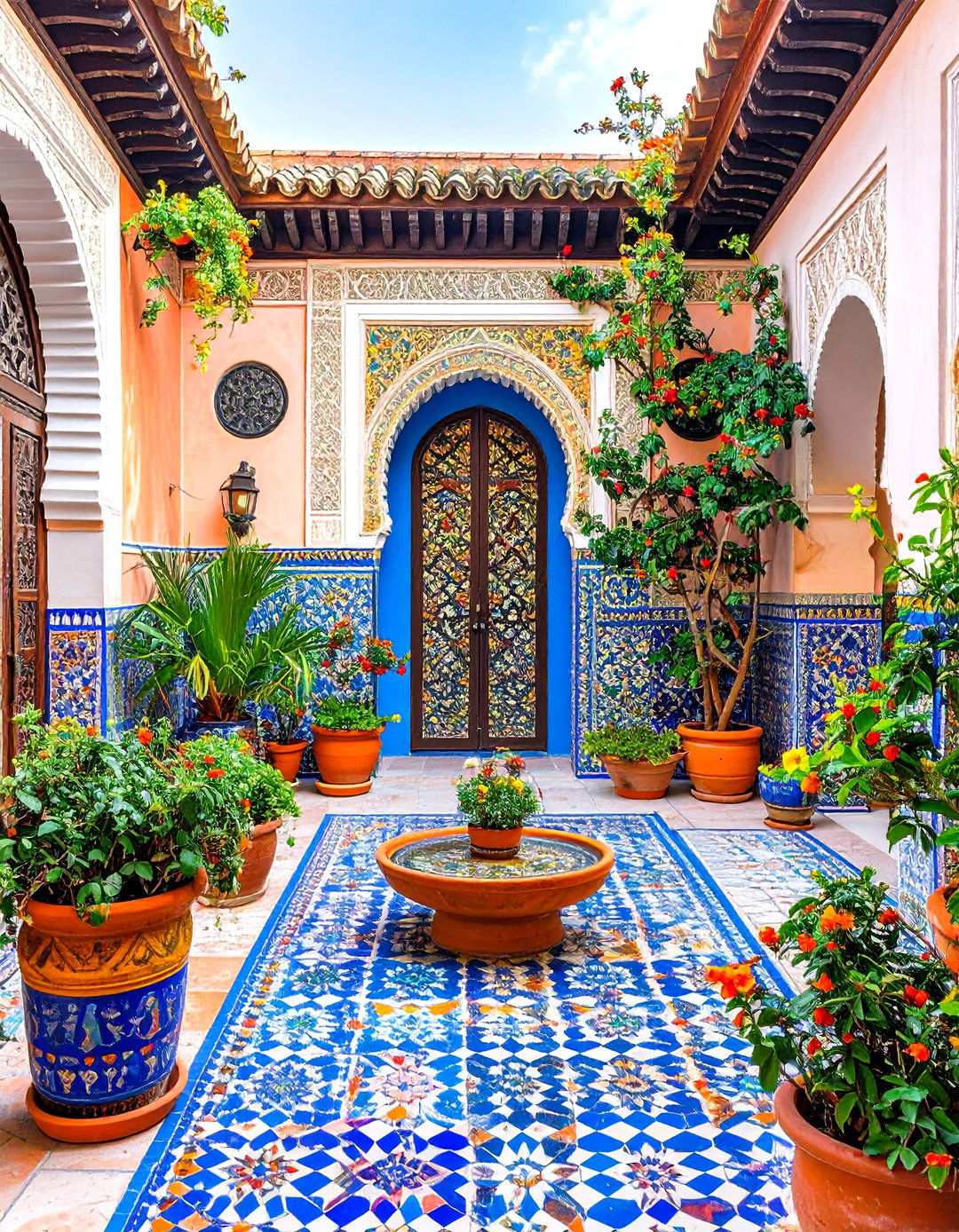
Incorporating Moroccan elements brings an air of mystery and cultural sophistication to Spanish exteriors, drawing from the rich historical connections between Spanish and Islamic design traditions. These ornate features not only add unique character but also honor the shared architectural heritage of both cultures. What’s more, the incorporation of Moroccan-inspired details injects an element of surprise and intrigue into traditional Spanish design. Authentic elements include intricate geometric tile patterns, horseshoe arches, carved details, and rich color combinations that create an atmosphere of visual drama. Modern applications may take the form of decorative screens, accent walls, or water features that thoughtfully incorporate Islamic design principles. Material selections feature natural stone, handmade tiles, and authentic finishes that create sophisticated and nuanced effects. Color palettes often incorporate rich jewel tones like deep blues, emerald greens, and rich browns alongside traditional Spanish earth tones, creating a visually stunning contrast. Effective lighting design can highlight decorative elements while creating dramatic shadows and effects, elevating the overall aesthetic of the space. Whether used as subtle accents or bold statements, Moroccan-influenced features add depth, cultural sophistication, and personal expression to Spanish exteriors, setting them apart from conventional approaches.
24. Capturing the Essence of Spanish Colonial Architecture
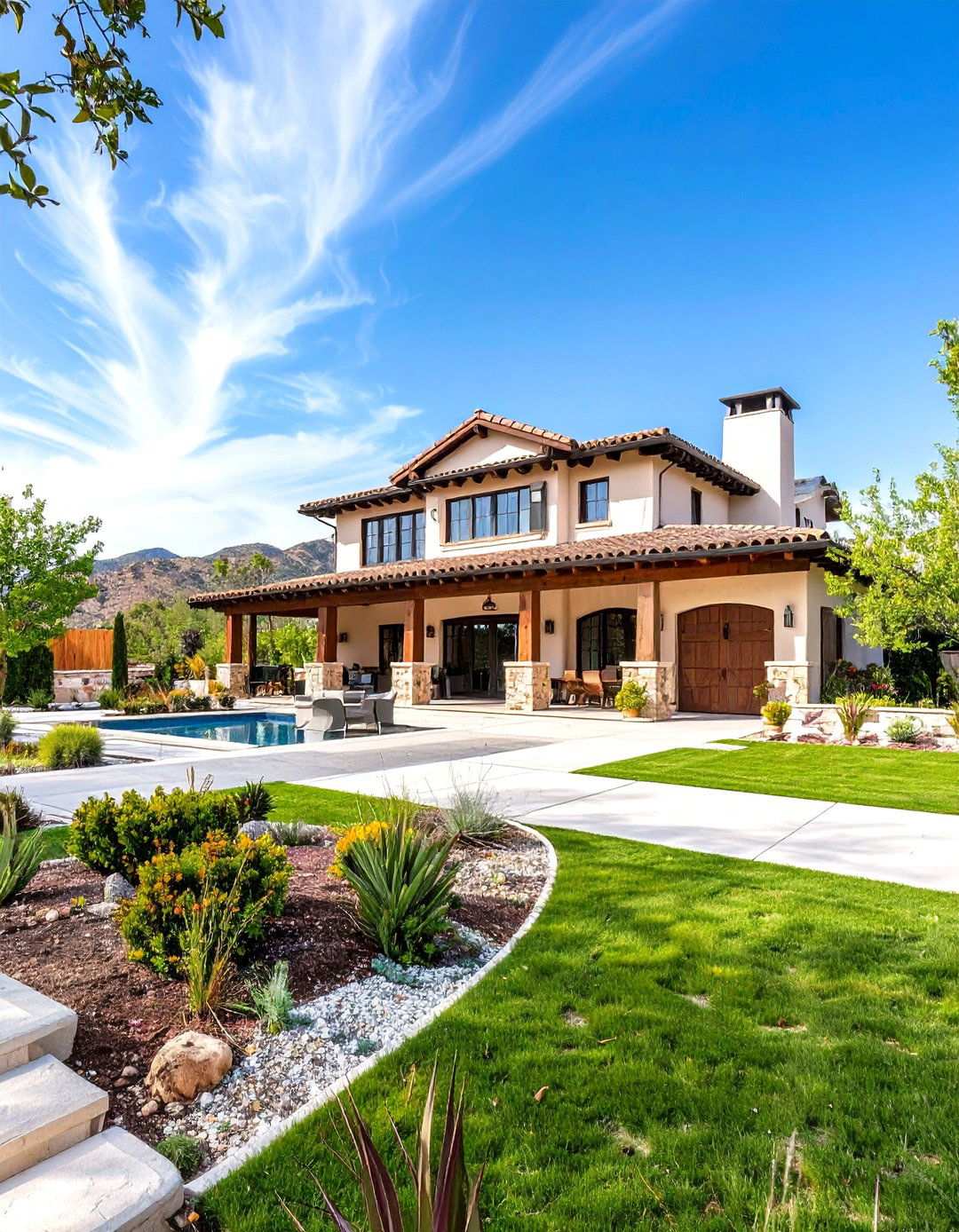
Hacienda style exteriors evoke the grandeur of Spanish colonial architecture, fostering an affinity between indoor and outdoor spaces. By embracing the rich heritage of Spanish land grants and rural traditions, these expansive designs create a sense of lasting permanence and effortless elegance. What sets hacienda-inspired design apart is its ability to seamlessly integrate outdoor living areas with the surrounding landscape, resulting in a harmonious balance between nature and built space. Traditional hacienda elements such as long, low profiles, covered porches, and courtyards skillfully organize interior and exterior spaces, establishing a strong connection between the two.
In modern interpretations, these concepts are adapted to contemporary lot sizes while maintaining their essential character. The use of natural materials like stone, heavy timber, and authentic stucco finishes gives hacienda-inspired exteriors a substantial and enduring appearance. By incorporating native plants, water features, and outdoor living areas, landscape design plays a vital role in supporting year-round entertaining and family life. Ultimately, hacienda-inspired exteriors create a distinctive character through thoughtful planning, authentic materials, and a focus on outdoor living that harmoniously blends Spanish colonial heritage with contemporary functionality and lasting beauty.