1. Timeless Brick Surround Design
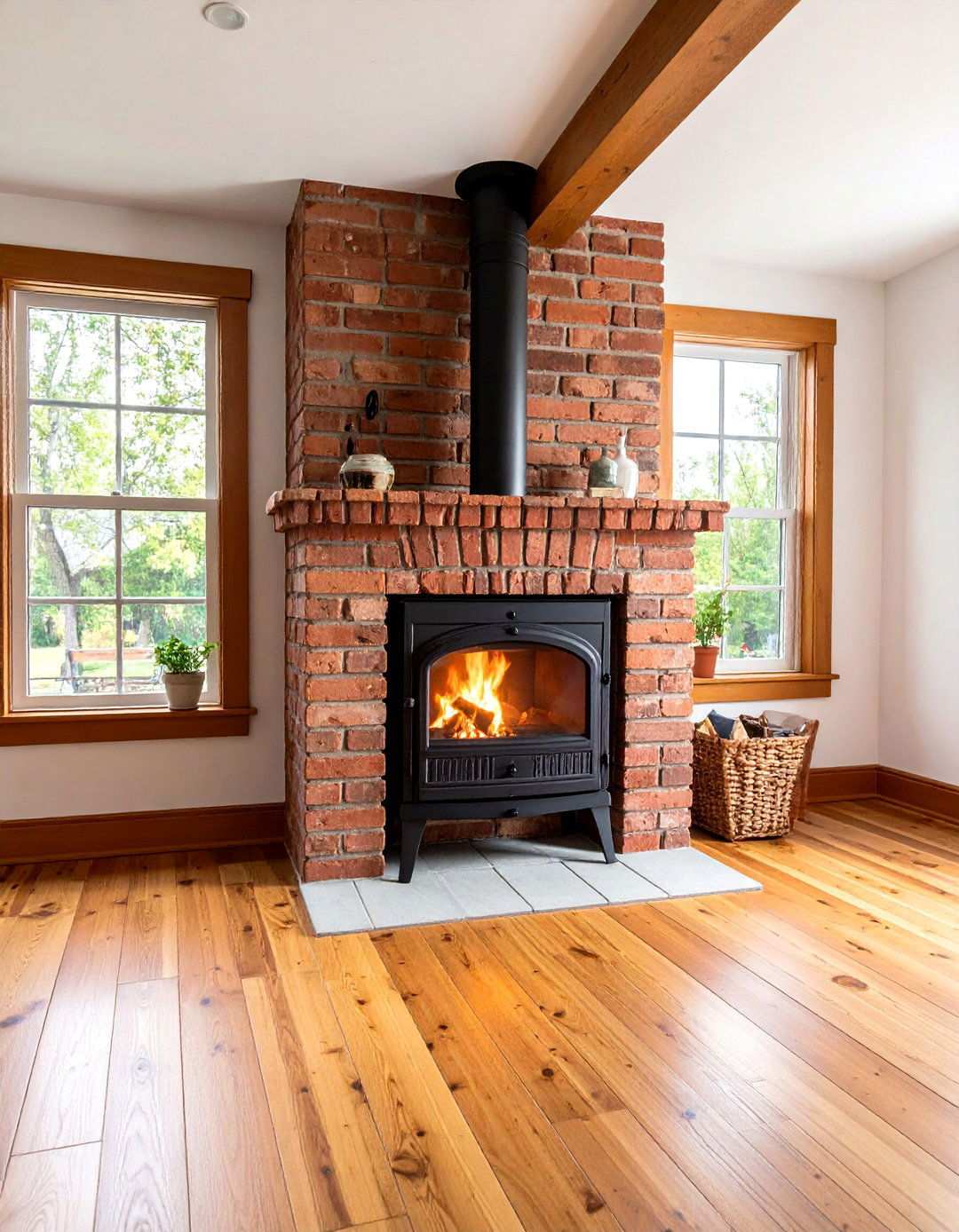
A brick surround is a tried-and-true way to imbue your wood stove area with a sense of warmth and character that transcends fleeting design trends. By choosing classic red or earth-toned bricks, you can create a cohesive look that effortlessly pairs with either vintage or contemporary stoves. The inherent texture and nuanced color variations of brick not only add visual interest but also contribute to its exceptional heat retention properties. This classic design typically involves extending the brick hearth pad around the stove base, with walls rising up to form a comprehensive surround. For an added touch of authenticity and eco-friendliness, consider incorporating reclaimed bricks into your design. By accentuating the mortar joints with contrasting colors, you can draw attention to the brick pattern and create a charming, cottage-like ambiance that never falls out of favor.

As an Amazon Associate I earn from qualifying purchases.
2. Dramatic Natural Stone Installation
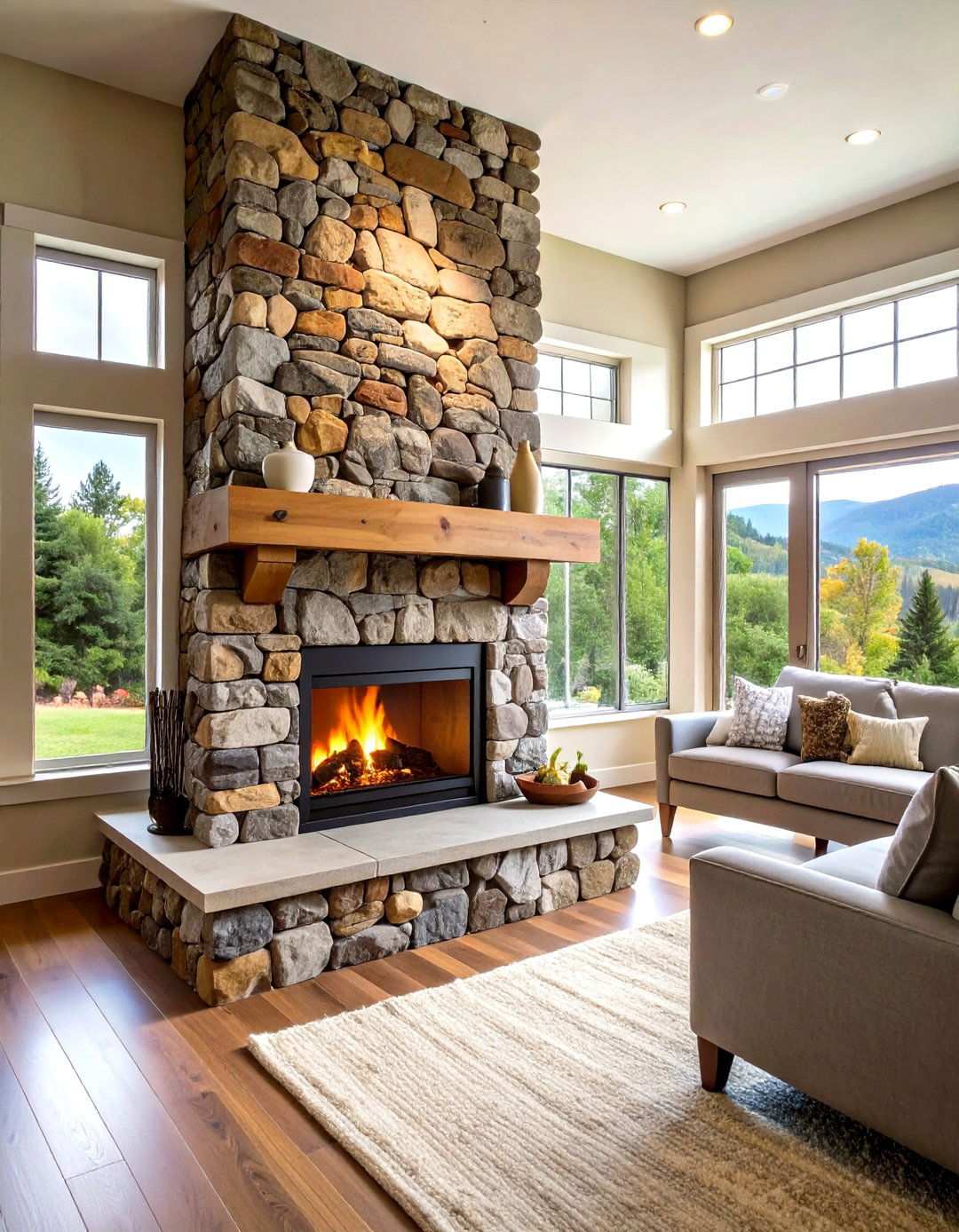
A well-executed natural stone stacking design can single-handedly transform your space into a breathtaking mountain retreat, with your wood stove serving as the pièce de résistance. By leveraging varying sizes of fieldstone, limestone, or sandstone pieces arranged in an organic, dry-stack pattern, you can emphasize the natural beauty and texture of the stones. The stones can rise from floor to ceiling, creating a dramatic backdrop that draws the eye and makes your stove the focal point of the room. Each stone’s unique shape and coloring contributes to a one-of-a-kind installation that cannot be replicated. The thermal mass of stone also provides excellent heat storage and gradual release, making your heating system more efficient. To complete the wilderness retreat aesthetic, pair your stone installation with rustic wood beams overhead and earth-toned furnishings.
3. Elevating Ambiance with Polished Granite
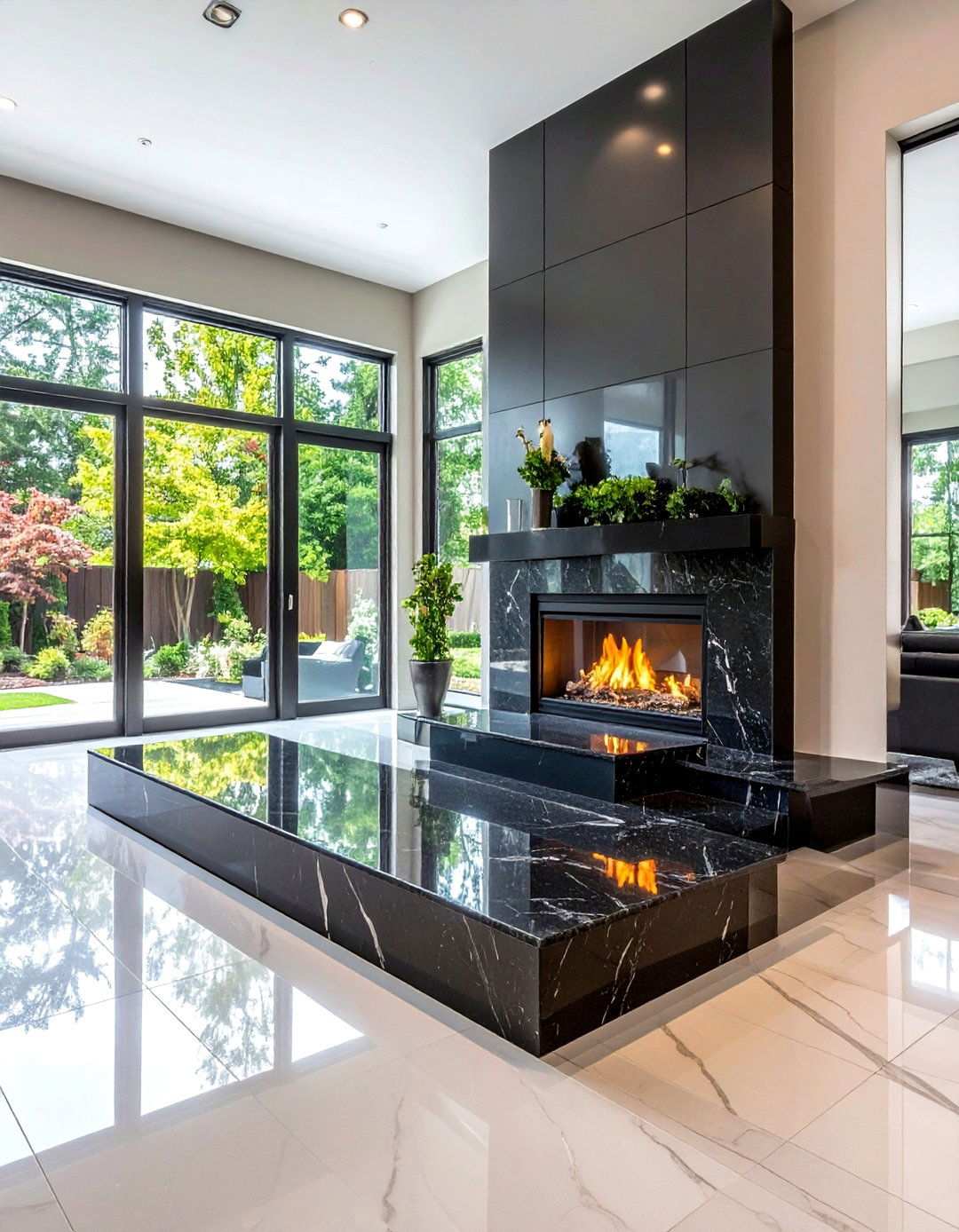
Opt for the extraordinary by incorporating a polished granite slab into your wood stove area, elevating the space to a realm of sophisticated elegance. This approach involves a single, substantial granite piece that not only serves as a hearth but also makes a statement, typically extending generously around the stove footprint. You can choose from a variety of dramatic black tones, warm gray shades, or striking patterns that perfectly complement your interior color palette. The smooth, polished granite surface skillfully reflects light while providing a durable, easy-to-clean foundation that effortlessly withstands high temperatures. Custom edge treatments can be tailored with bullnose, beveled, or straight cuts to match your preferred aesthetic. This design excels in modern and transitional spaces where clean lines and premium materials take center stage.
4. Farmhouse Charm Revitalized
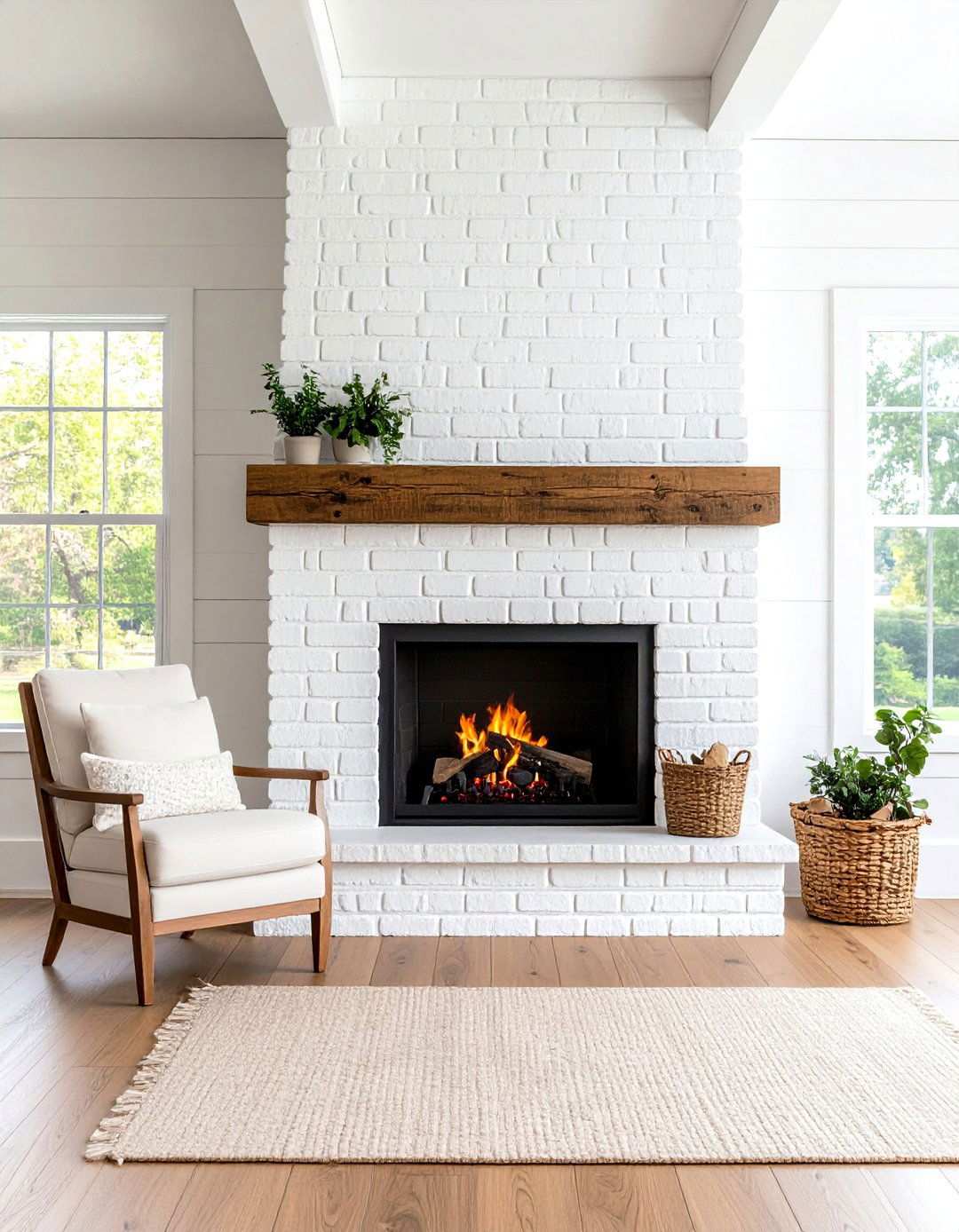
Imagine the perfect harmony of rustic charm and modern sophistication achieved by pairing whitewashed brick surrounds with rustic wood elements. This design takes traditional red brick and reinvents it with a fresh coat of white or cream paint, resulting in a lighter, more contemporary feel while maintaining the texture and character that makes brick so appealing. The painted brick provides a neutral backdrop that allows decorative elements like vintage tools, seasonal displays, or family photographs to shine. When combined with reclaimed wood mantels and shiplap wall treatments, this approach strikes the perfect balance between rustic authenticity and modern livability. The whitewashed finish also helps reflect heat and light, making even the smallest spaces feel more open and inviting.
5. Poured Concrete: A Minimalist Masterpiece
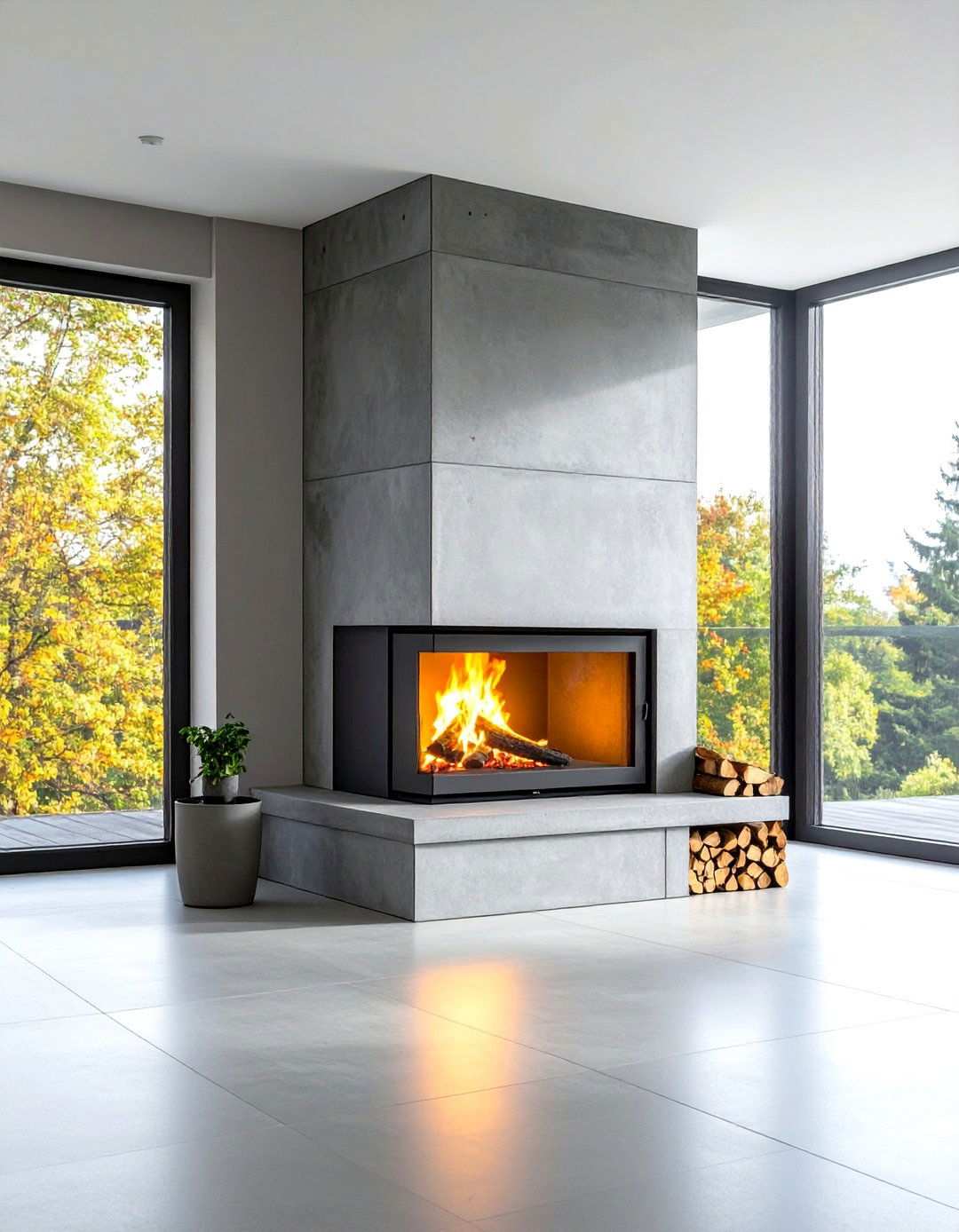
Step into the future with a poured concrete surround that embodies clean, minimalist design principles while providing exceptional durability and heat resistance. This contemporary approach typically features smooth, seamless surfaces in neutral grays or charcoals that create a striking contrast with the warm tones of wood and fire. The poured concrete can be crafted into geometric shapes, including raised platforms, built-in seating, or sculptural elements that serve both functional and artistic purposes. Integral color options allow for customization to match your existing palette, while polished finishes add a touch of sophistication. This design pairs beautifully with modern furnishings, large windows, and open floor plans where architectural elements make bold statements without overwhelming the space.
6. Elevating Ambiance: Ceramic Tile Herringbone Patterns
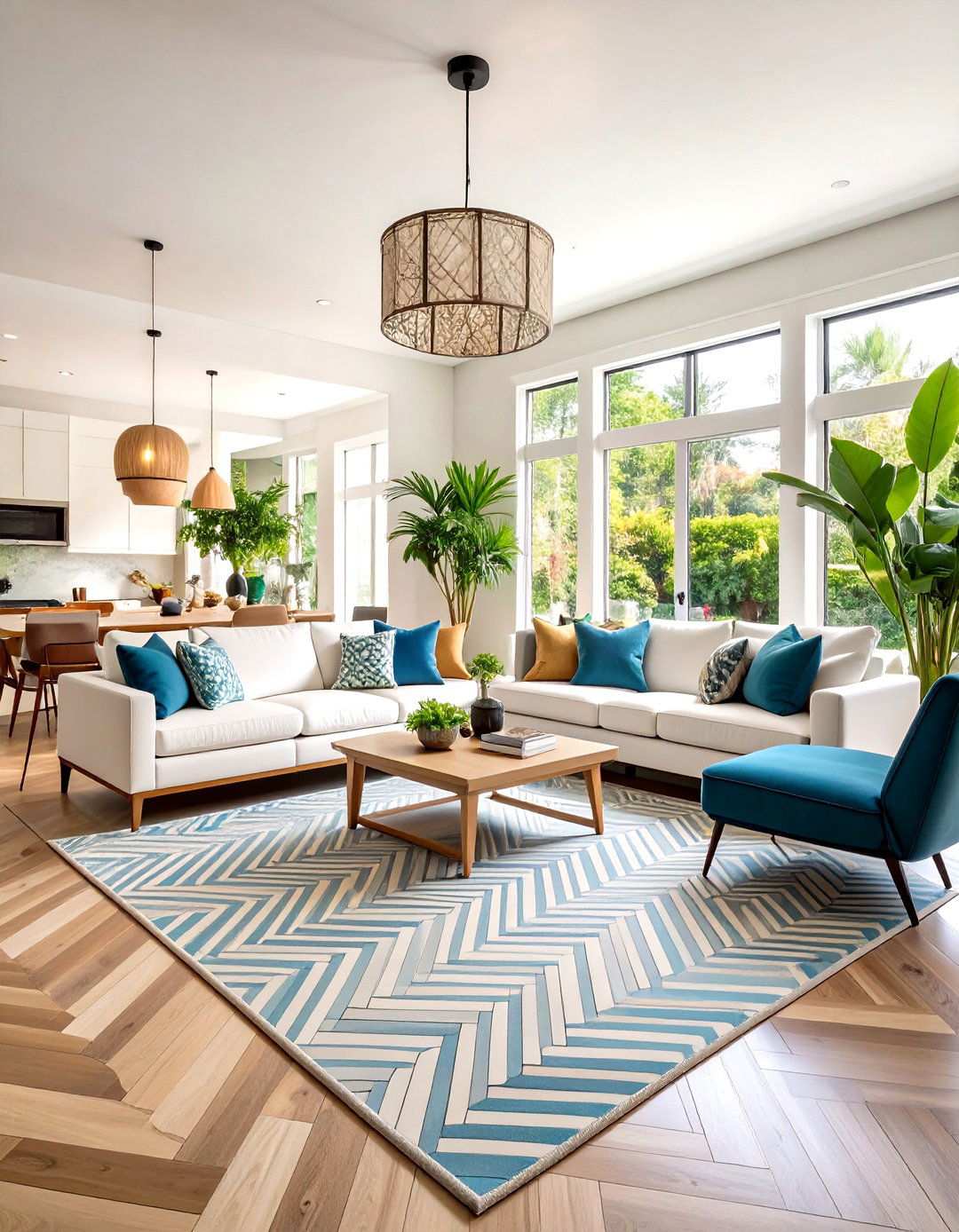
A herringbone tile pattern can significantly enhance the aesthetic appeal of your wood stove surround by introducing dynamic visual movement and a sophisticated touch. This timeless installation technique involves arranging rectangular ceramic tiles in a zigzag formation, creating a striking visual flow while maintaining an air of orderliness. Neutral subway tiles in whites and grays offer a classic, versatile option, while bold colors can be chosen to complement your home’s décor. The herringbone pattern is particularly well-suited for freestanding stoves, where the wall treatment becomes a focal point. Ceramic tiles not only provide a clean and durable surface but also offer practical benefits, such as easy maintenance and heat resistance. Grout lines can be accentuated with contrasting colors to emphasize the pattern, adding a touch of architectural flair without overwhelming the space.
7. Elevation and Elegance: Raised Slate Platforms
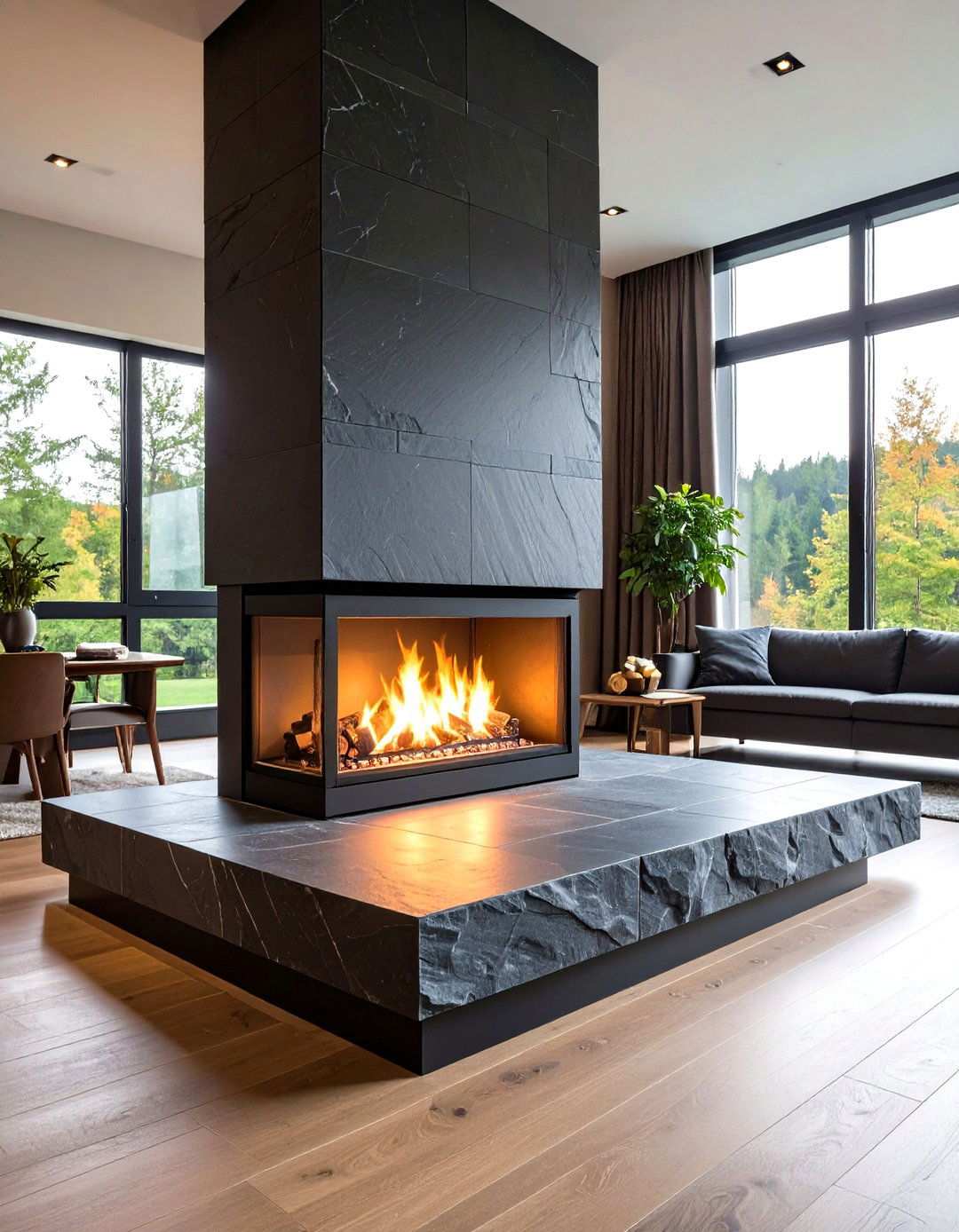
Elevating your wood stove to a raised slate platform creates a majestic and visually striking focal point in your living space. This design involves arranging dark gray or black slate tiles in large format squares or rectangles to create a raised platform several inches above floor level. The elevated position makes fire tending a breeze, while also defining the stove area from the surrounding living space. Natural slate tiles offer excellent heat resistance and develop a beautiful patina over time, effectively concealing ash and soot. The platform edges can be finished with matching slate or contrasting materials like wood or metal trim, adding a touch of sophistication. This approach is particularly well-suited for open floor plans, where visual separation helps define functional zones.
8. Stacked Stone Veneer: A Textured Marvel
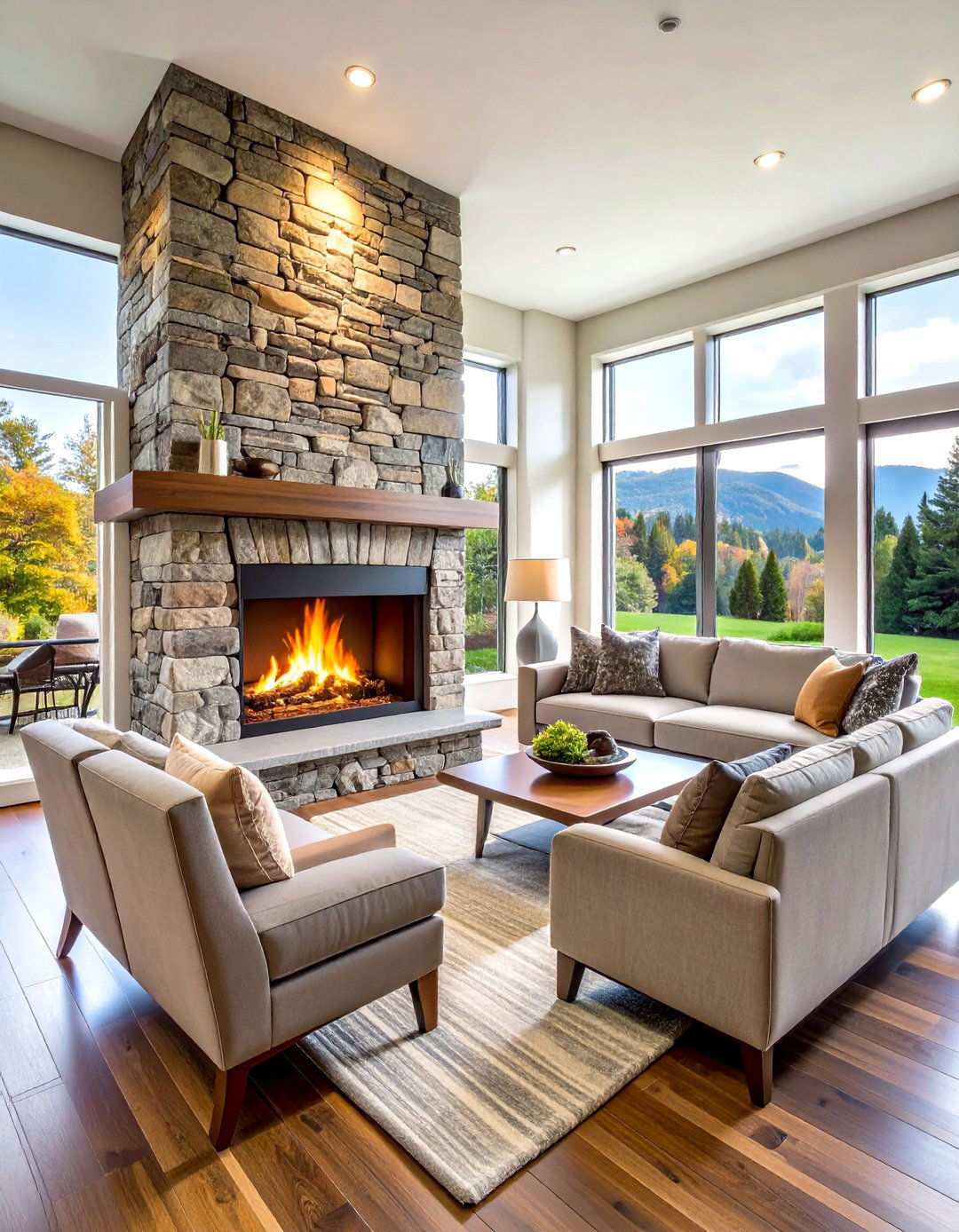
Transform your wood stove area into a stunning architectural feature using lightweight stacked stone veneer, which replicates the authentic look of natural stone without the structural complications. These manufactured panels mimic the appearance of dry-stacked fieldstone or quarried stone, weighing significantly less than solid materials. Installation directly over existing walls creates a dramatic texture and visual depth, making your stove area the room’s focal point. Color options range from warm earth tones to cool grays, allowing for coordination with existing décor elements. The three-dimensional surface of stacked stone veneer creates interesting shadow patterns throughout the day, adding depth and visual interest. Pair with suitable lighting fixtures to highlight the texture and create a cozy ambiance during evening hours.
9. Industrial Metal Panel Treatment
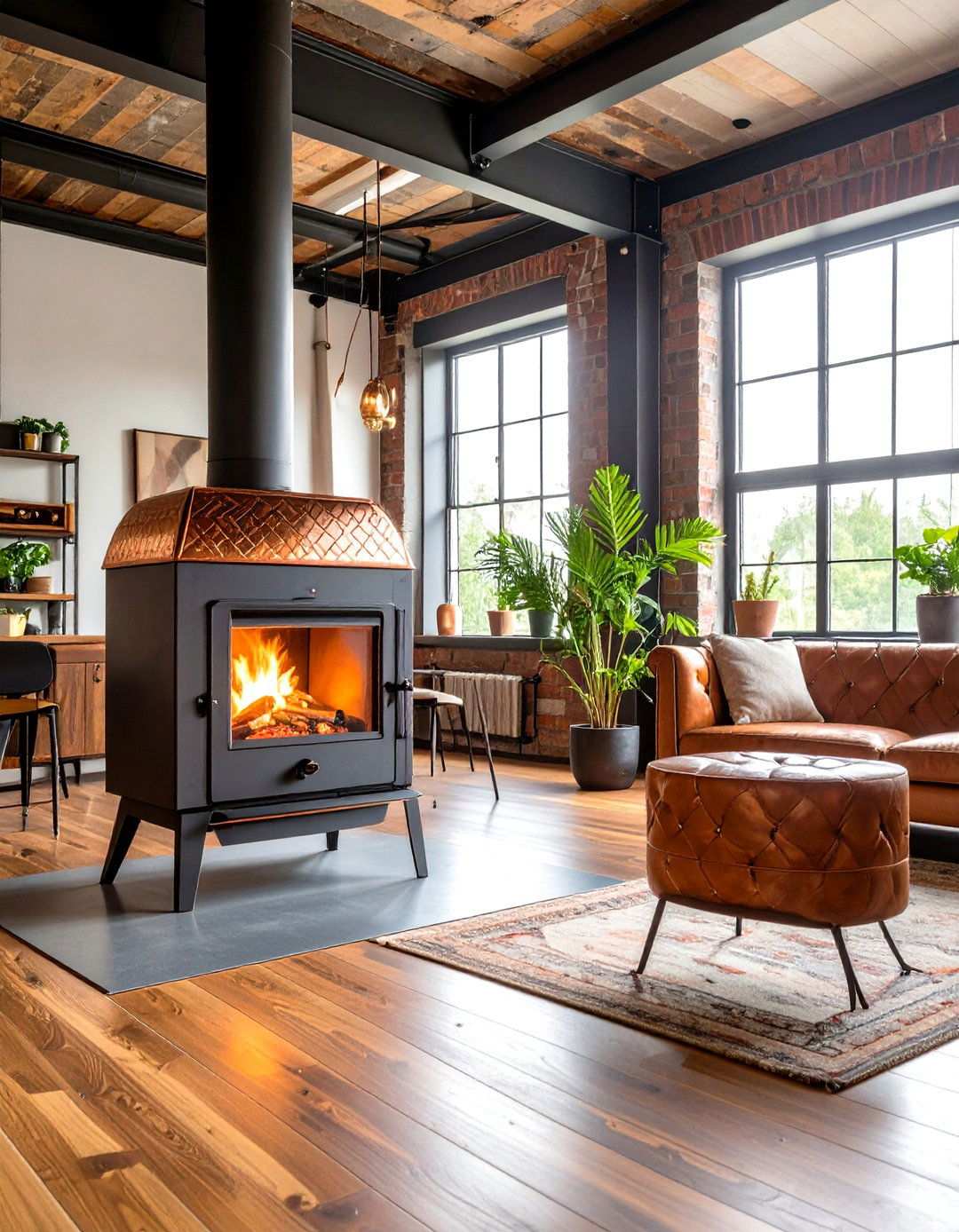
The allure of industrial aesthetics lies in its ability to seamlessly blend opposing design elements. Pairing sleek metal panel surrounds with traditional wood stove warmth creates a striking contrast that showcases the beauty of contrasting materials. Modern designers are increasingly incorporating steel, copper, or aluminum panels arranged in geometric patterns that exude clean lines and sophistication. As metal surfaces develop unique patinas over time, they add an element of character and visual interest to the installation. This design proves particularly effective in converted lofts, modern cabins, or contemporary homes where mixing warm and cool materials creates a sophisticated aesthetic. Combining industrial metal panel surrounds with concrete floors and exposed ceiling elements elevates the space to complete industrial sophistication.
10. Mosaic Tile Artistic Feature
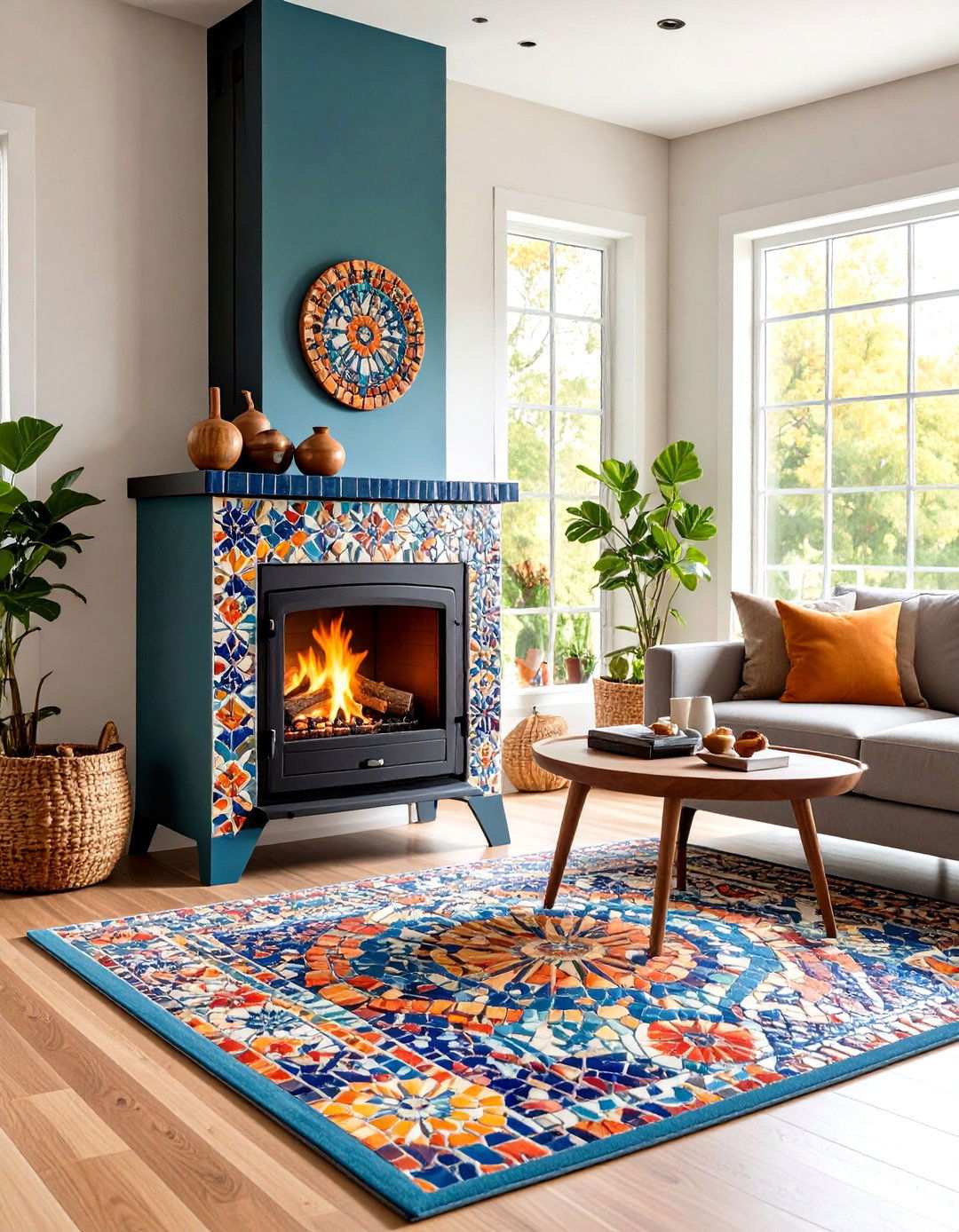
The versatility of mosaic tile work allows homeowners to transform their wood stove surround into a stunning piece of functional art. This approach involves arranging small ceramic, glass, or stone tiles in decorative patterns that reflect individual style and complement interior design. Geometric patterns, nature motifs, or abstract designs can be incorporated to create truly unique installations that serve as conversation pieces. The small tile format enables curved applications and detailed work that larger tiles cannot accommodate. By using heat-resistant materials, homeowners can ensure longevity and safety while providing endless creative possibilities. Professional installation ensures proper spacing and adhesion for lasting beauty. This design works particularly well as accent areas behind freestanding stoves or as hearth treatments that extend artistic elements throughout the room, adding a touch of elegance to the space.
11. Reclaimed Wood Accent Wall
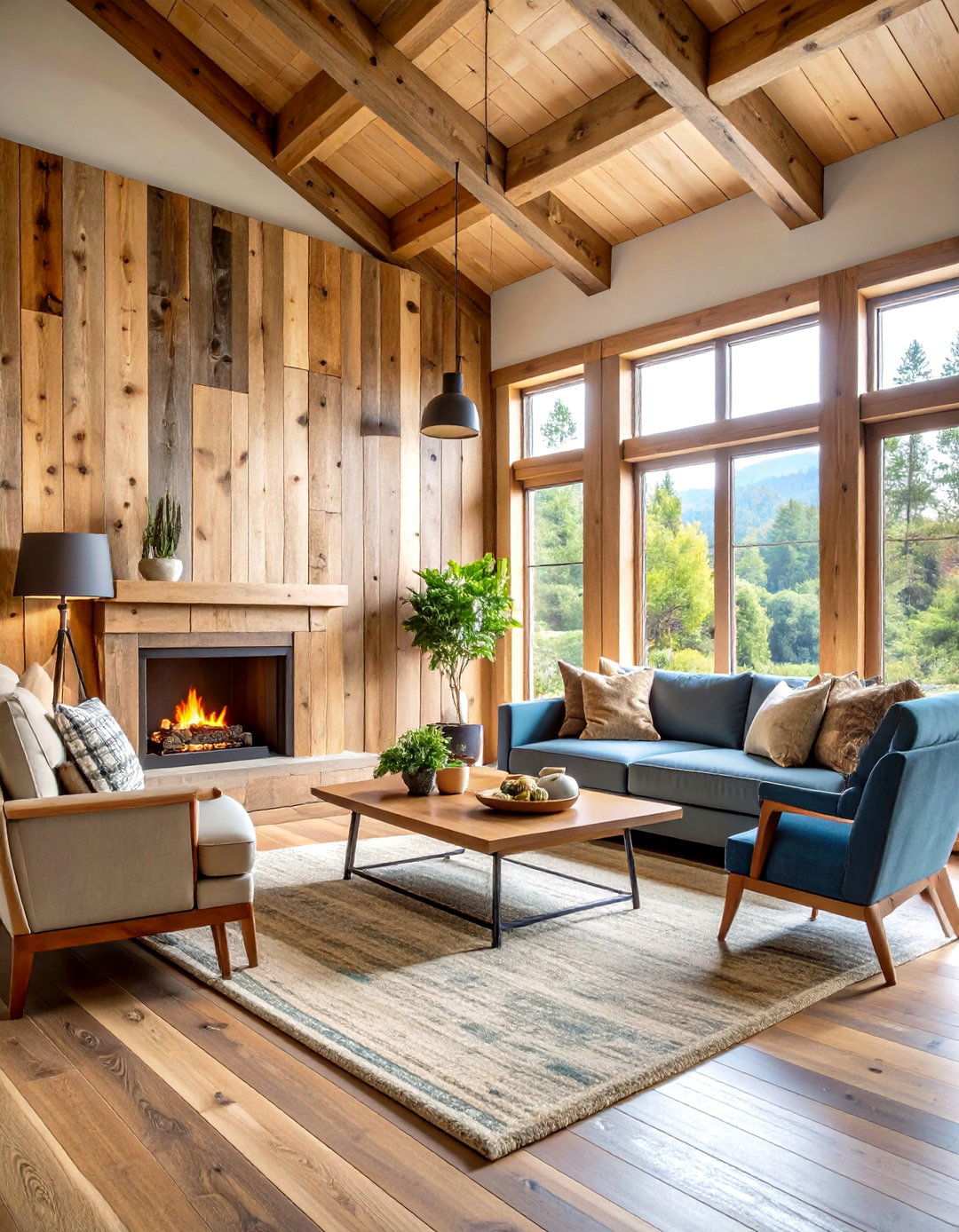
Rustic elegance can be achieved by framing your wood stove with reclaimed wood accent walls that exude authentic, weathered beauty. This design uses salvaged barn wood, old fence boards, or reclaimed flooring arranged in horizontal, vertical, or mixed patterns that emphasize natural grain and aging characteristics. Each piece tells its own story through nail holes, saw marks, and weather-induced patina that cannot be replicated with new materials. To ensure safe and effective installation, the wood must be properly treated and positioned at safe distances from heat sources. Combined with appropriate fire-resistant backing materials, this approach brings warmth and character that complements the natural appeal of wood burning, creating a cozy, cabin-like atmosphere that invites relaxation and gathering.
12. Large Format Porcelain Installation
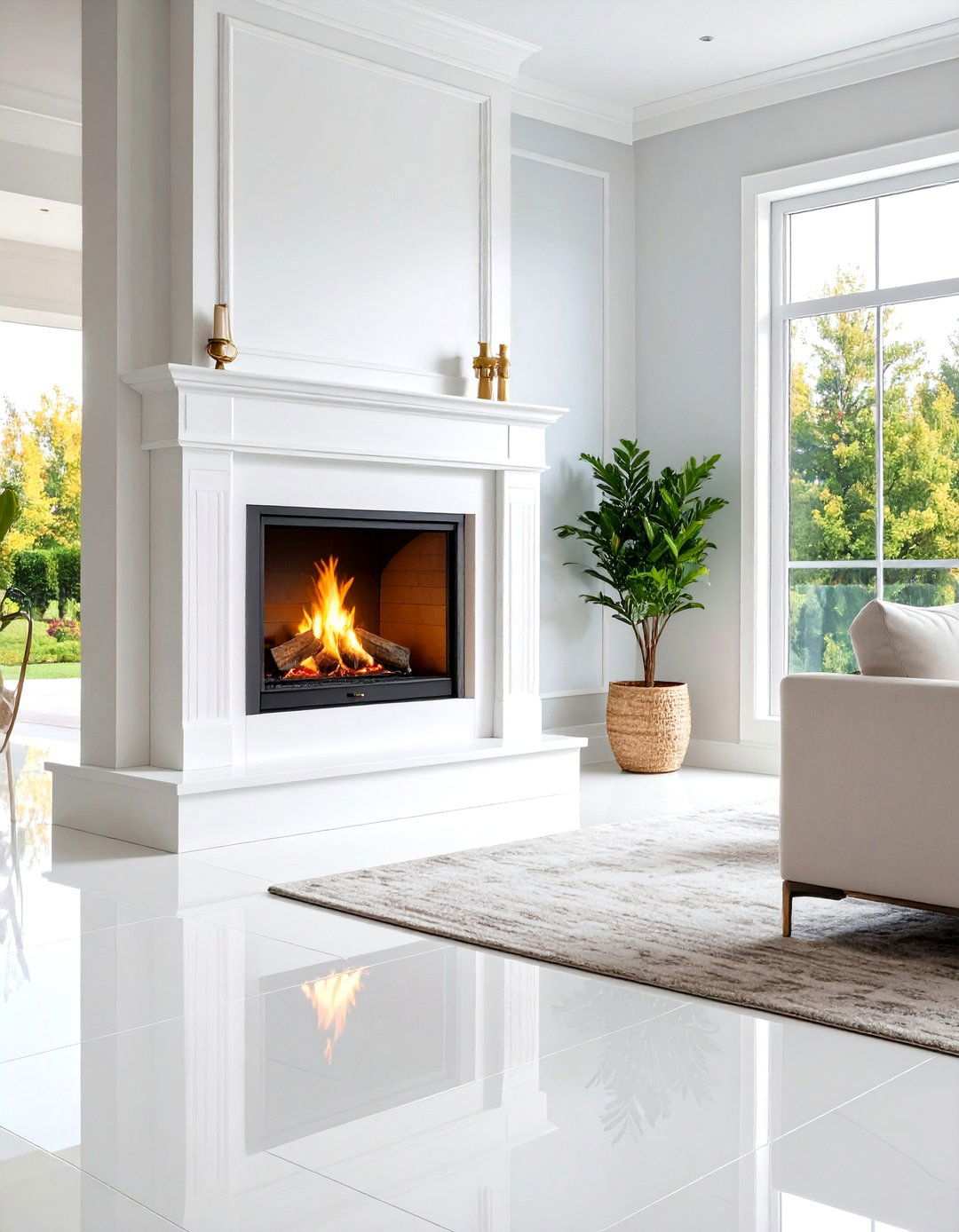
When it comes to crafting seamless and sophisticated wood stove surrounds with minimal maintenance needs, large format porcelain tiles offer numerous benefits. These oversized tiles, usually measuring 24 inches or more in size, create expansive surfaces with fewer grout lines, making them easier to clean and maintain a streamlined appearance. Advanced manufacturing techniques enable the realistic reproduction of natural materials such as marble, concrete, or wood grain, while also providing superior heat resistance and durability. To ensure a successful installation, careful planning and professional expertise are essential for handling the large and heavy tiles properly. The end result is a surface that appears almost seamless, exuding modern elegance that complements contemporary settings. Available in a wide range of colors from neutral whites and grays to bold statement hues, these tiles offer timeless appeal and versatility in any decor scheme.
13. Corner Stone Hearth Configuration
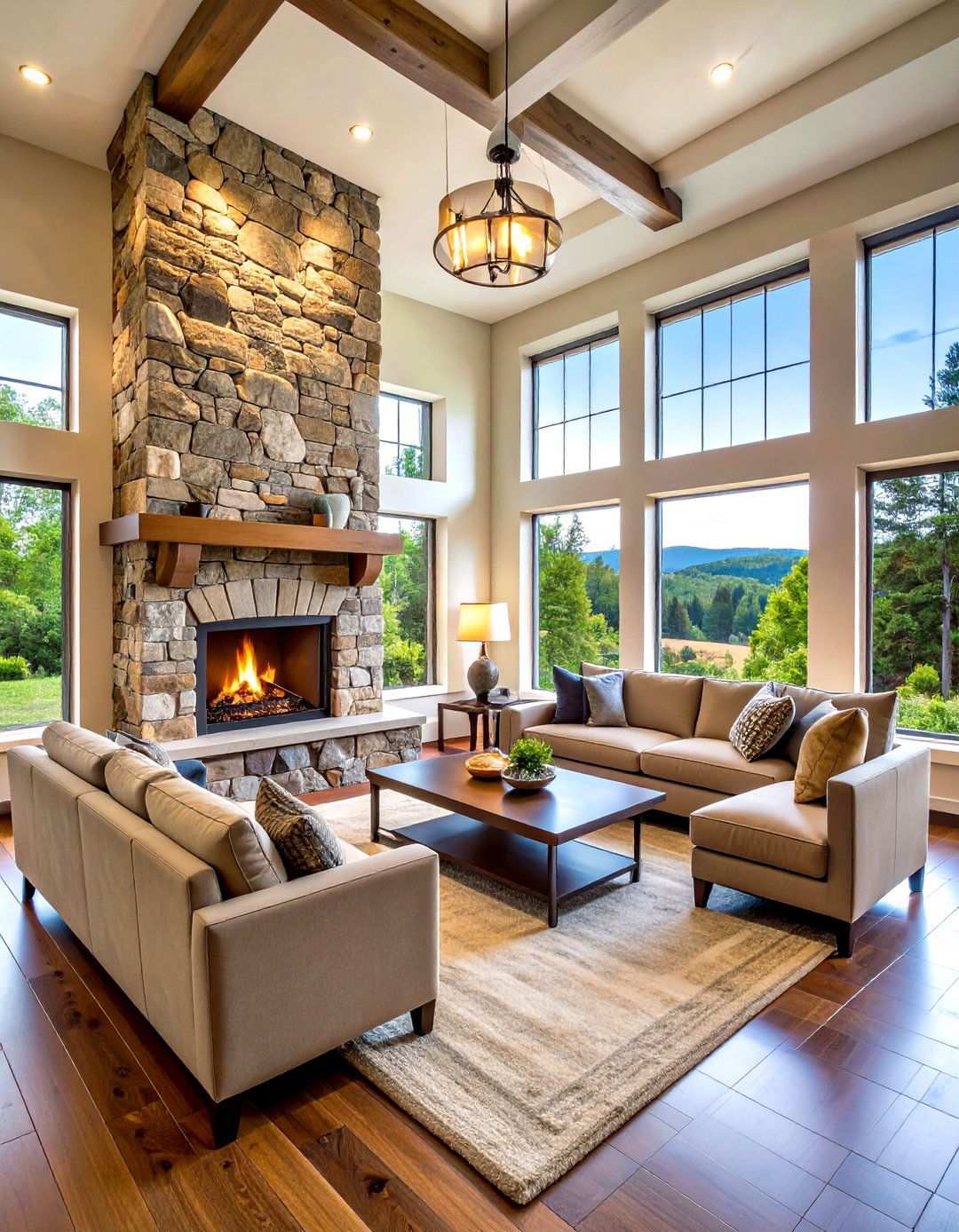
Maximizing a wood stove’s heating efficiency and creating an intimate gathering space can be achieved through a strategic corner installation. By placing the stove diagonally in room corners, stone or brick surrounds can extend along both intersecting walls, allowing heat to distribute into multiple areas while utilizing space efficiently in smaller rooms. The use of natural fieldstone, manufactured stone veneer, or traditional brick creates a dramatic backdrop that can extend from floor to ceiling. Additionally, built-in wood storage, decorative niches, or seating areas can be incorporated into the design to create a cozy nook for furniture arrangement. The corner placement makes the stove area feel like a natural gathering spot, making this approach particularly well-suited for great rooms or open floor plans.
14. Mixed Material Contemporary Blend
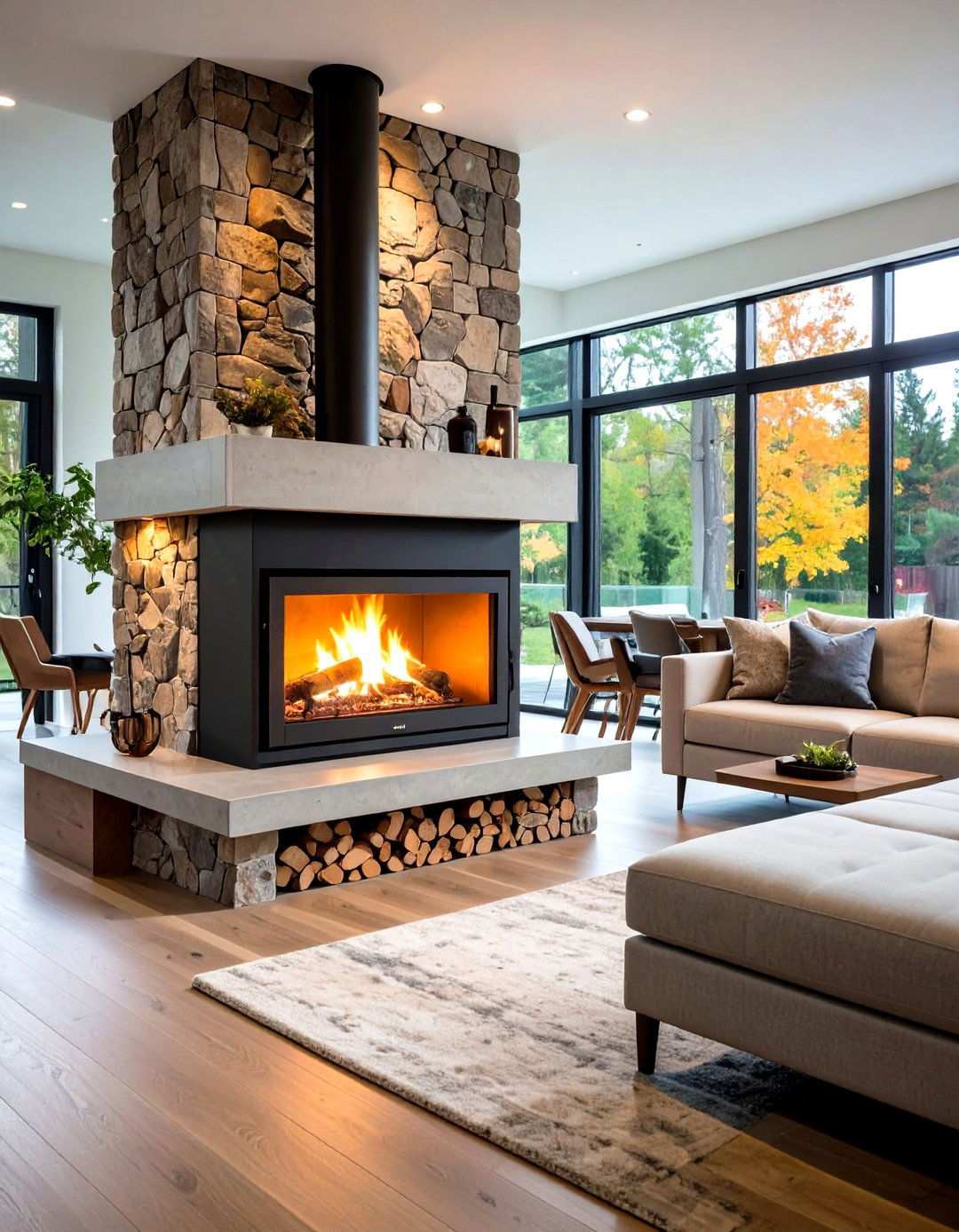
Creative combinations of materials can produce stunning contemporary wood stove surrounds that showcase multiple textures and finishes, elevating the space with visual interest. This approach might bring together smooth concrete, rough stone, sleek metal, and warm wood, as well as polished tile and textured brick, to create a unique and captivating design. The key to success lies in maintaining visual balance while generating interesting contrast that draws attention without overwhelming the space. Professional design consultation helps ensure proportional relationships and successful material transitions. By coordinating colors and textures, disparate elements can be tied together, allowing each material to contribute its unique characteristics. This design philosophy works particularly well in modern homes where bold architectural elements make statements, resulting in sophisticated focal points that reflect current design trends while maintaining timeless appeal.
15. A Timeless Allure: Classic White Subway Tiles
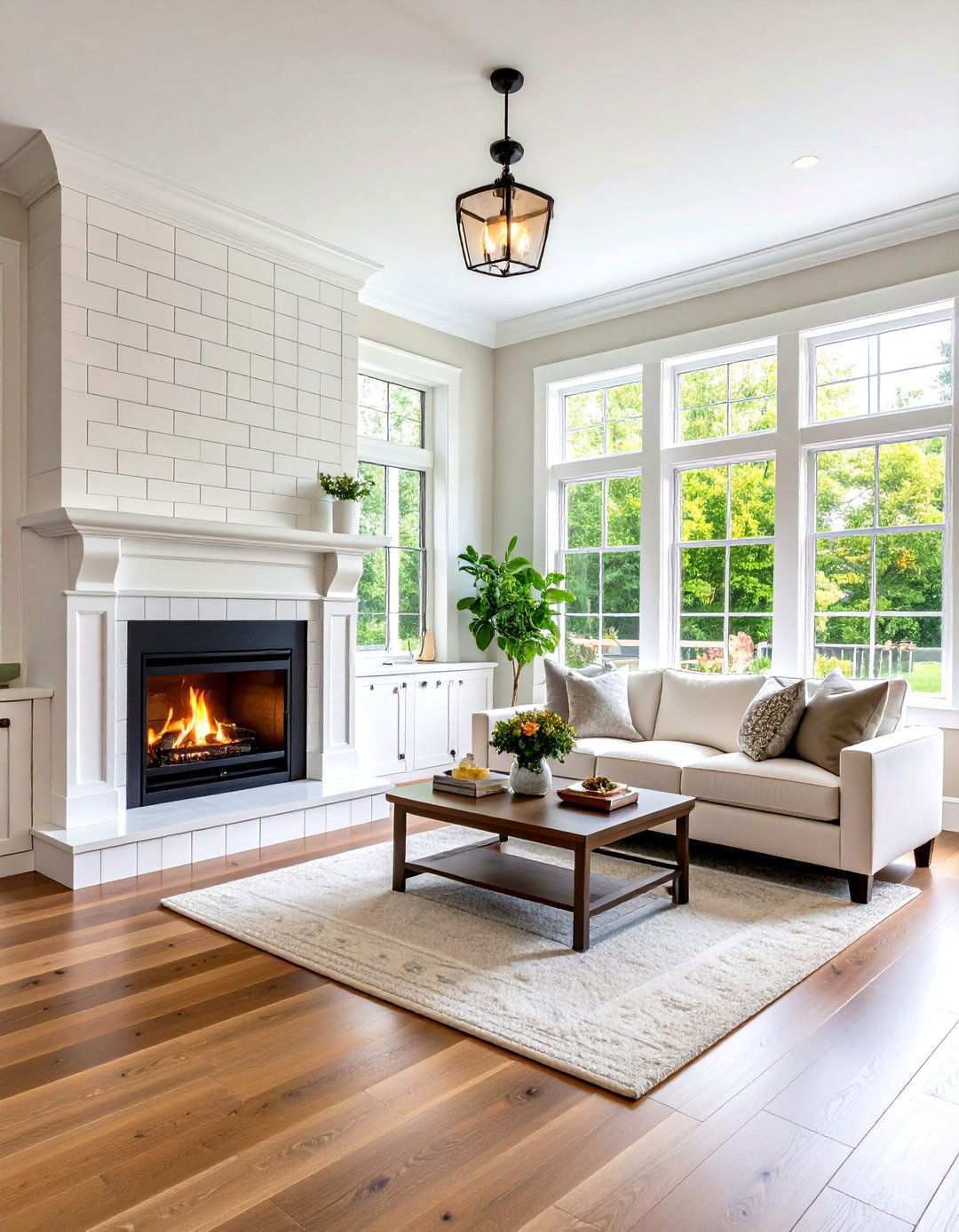
There’s something undeniably captivating about traditional running bond patterns created by white subway tiles arranged in a classic arrangement around your wood stove. This enduring design typically employs rectangular ceramic tiles measuring 3 by 6 inches, installed in offset rows to produce a clean and orderly appearance. The smooth, glazed surfaces of these tiles beautifully reflect light while providing low-maintenance upkeep and excellent heat resistance. By keeping grout lines narrow and white, or highlighting them with gray or black for added definition, you can achieve a seamless look that perfectly complements your surroundings. This timeless design effortlessly blends into both traditional and contemporary settings, serving as a neutral backdrop that allows your furnishings and accessories to take center stage. The classic proportions and clean lines of this design ensure it remains current, unaffected by shifting trends.
16. Captivating the Essence of Rustic Living
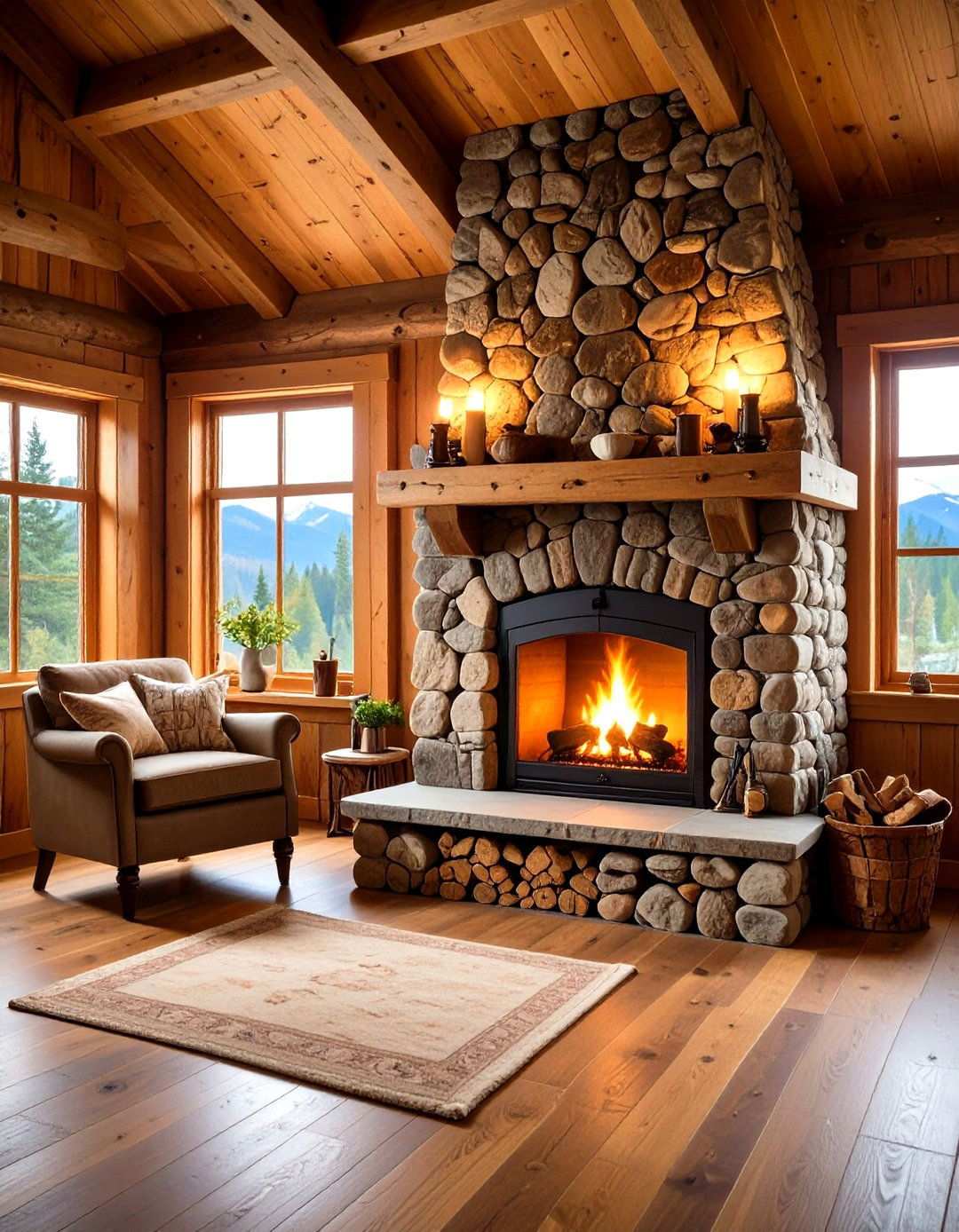
Authentic fieldstone surrounds offer a unique way to bring the beauty of the outdoors directly into your home. By utilizing locally sourced stones of varying sizes and shapes, you can create a design that accentuates their natural characteristics while providing sturdy, heat-resistant barriers. Each installation becomes a one-of-a-kind masterpiece due to the individual stones’ variations in color, texture, and size. Achieving a proper fit and stability in an installation like this requires skilled craftsmanship, but the end result is an organic, natural appearance that makes fieldstone so appealing. By keeping mortar joints narrow for a tight, fitted appearance or emphasizing them with contrasting colors, you can create a design that truly captures the essence of rustic outdoor living. This approach works beautifully in log homes, rustic cabins, or anywhere you want to emphasize your connection with natural materials and outdoor environments.
17. Seamless Transitions: The Art of Flush Floor Integration
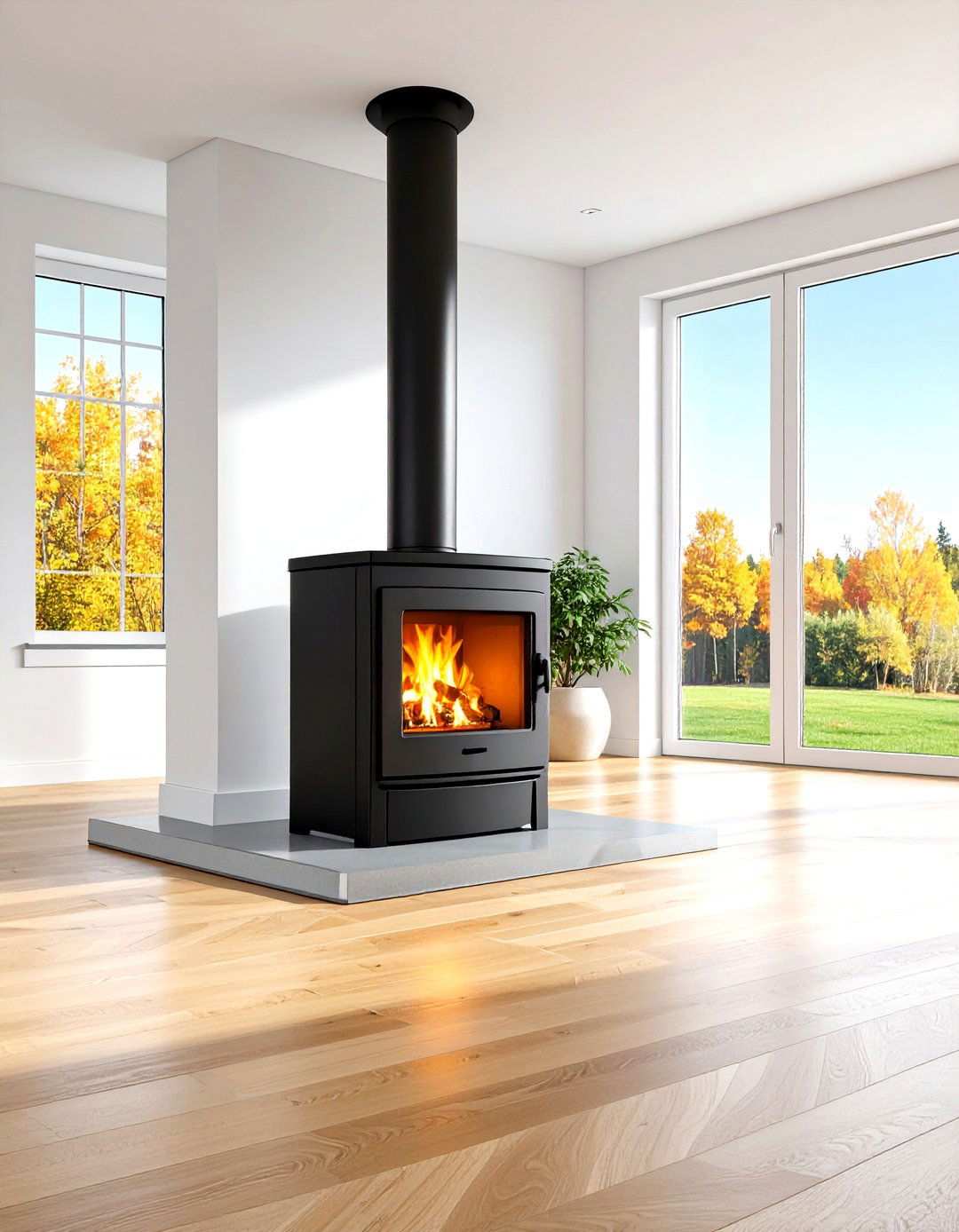
Imagine creating seamless transitions that make your wood stove appear to elegantly float above the surrounding flooring materials. This sophisticated design integrates the hearth pad directly into surrounding flooring, creating continuous surfaces that enhance room flow and spatial continuity. Professional installation typically involves removing existing flooring in hearth areas and installing fire-resistant materials flush with surrounding surfaces. By using tile, stone, or concrete to create subtle definition while maintaining visual continuity, you can achieve a clean, modern appearance that emphasizes architectural sophistication over traditional hearth prominence. This design works particularly well in open floor plans where uninterrupted sightlines enhance spatial perception, and the lack of raised edges reduces tripping hazards.
18. Exquisite Marble Surround Installation
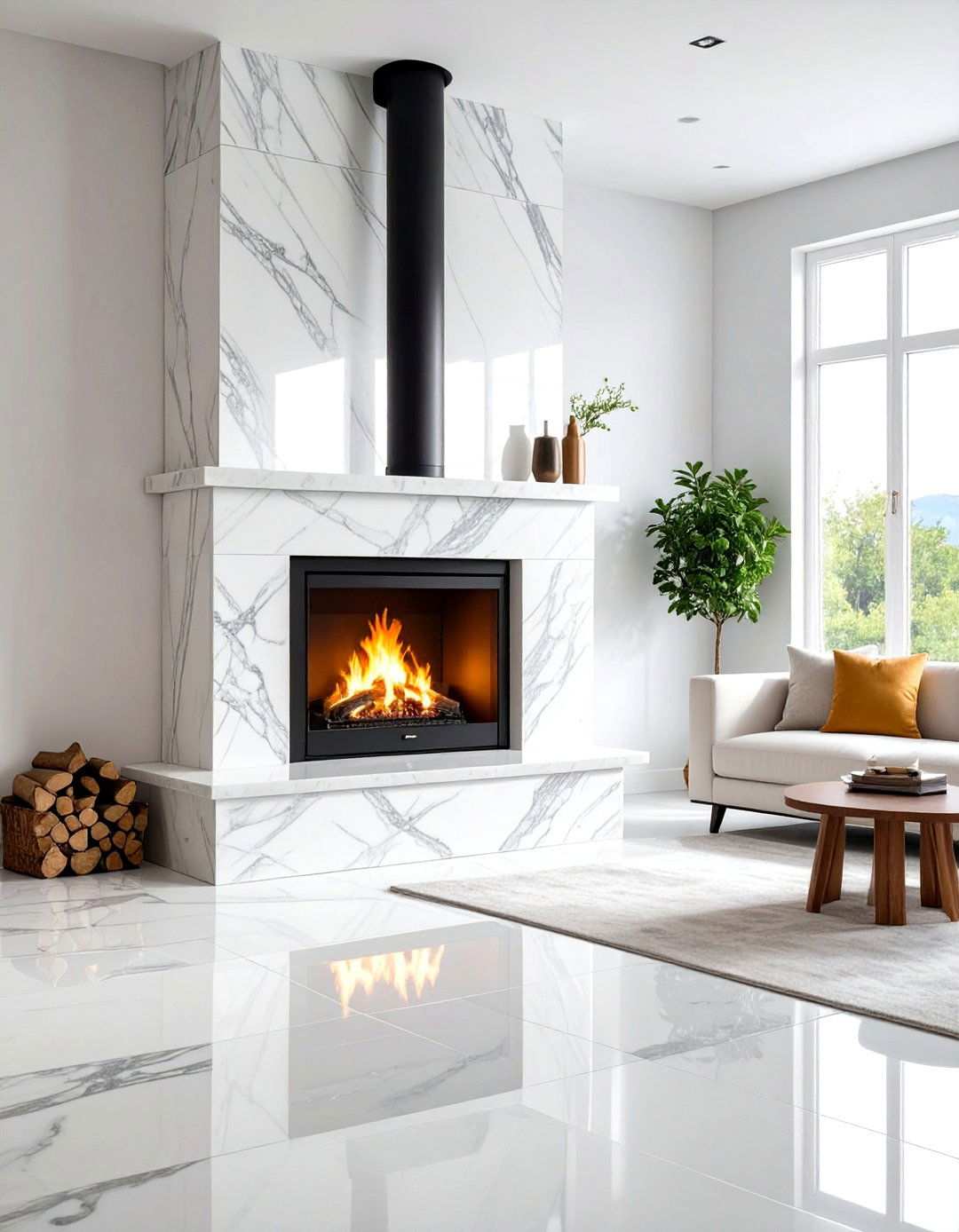
Imagine elevating your wood stove area into a stunning centerpiece, reminiscent of luxurious homes, with a marble installation that exudes refinement and sophistication. By incorporating expertly chosen marble slabs or tiles, you can showcase the natural beauty of the stone, with its distinctive veining and color nuances. The cool, smooth surfaces of marble provide an elegant contrast to warm wood and fire, while also offering excellent heat resistance and durability. Customized edge treatments enable you to complement your preferred style, ranging from sleek straight cuts to elaborate molded profiles. A professional installation ensures the proper support for heavy materials, while achieving seamless joints and precise alignment. Each marble installation is unique, bringing timeless elegance that enhances property value and leaves a lasting impression on guests and family members.
19. Revitalizing Painted Brick Approach
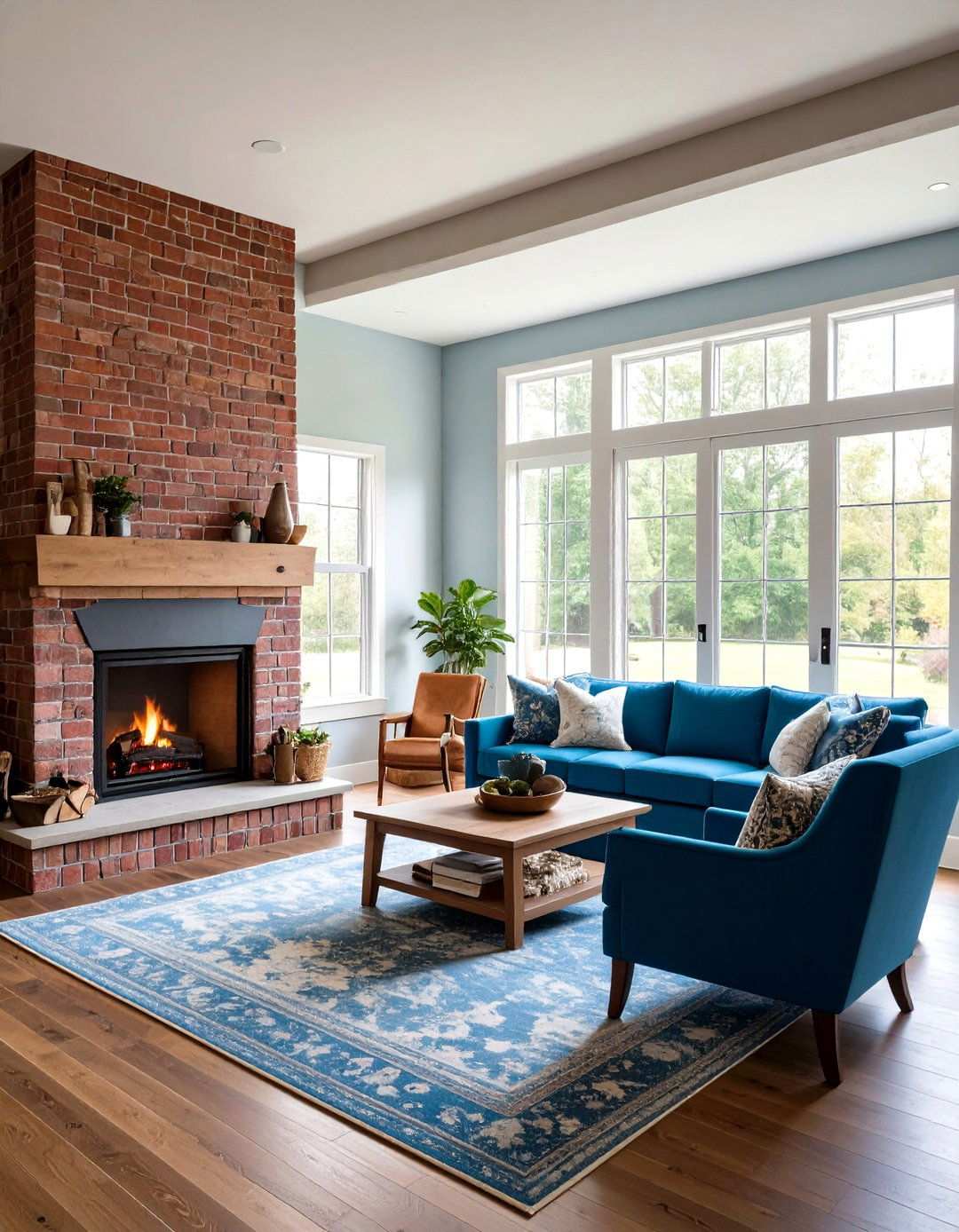
Consider transforming your existing brick surrounds into modern, eye-catching features using heat-resistant paint that updates tired surfaces without the need for expensive demolition. This budget-friendly solution allows for dramatic color changes that effortlessly complement your current decor, while maintaining the texture and character that makes brick so appealing. Preparation involves a thorough cleaning process and the application of a suitable primer to ensure proper paint adhesion. You can select from a wide range of color options, from classic whites and neutrals to bold statement hues that create striking focal points. The painted surfaces are easier to maintain than natural brick, and you can even change the color as your design preferences evolve. This technique works particularly well when updating older installations or creating cohesive color schemes throughout rooms. A professional consultation ensures the selection of the right paint for high-heat applications.
20. Artistic Geometric Tile Pattern Design
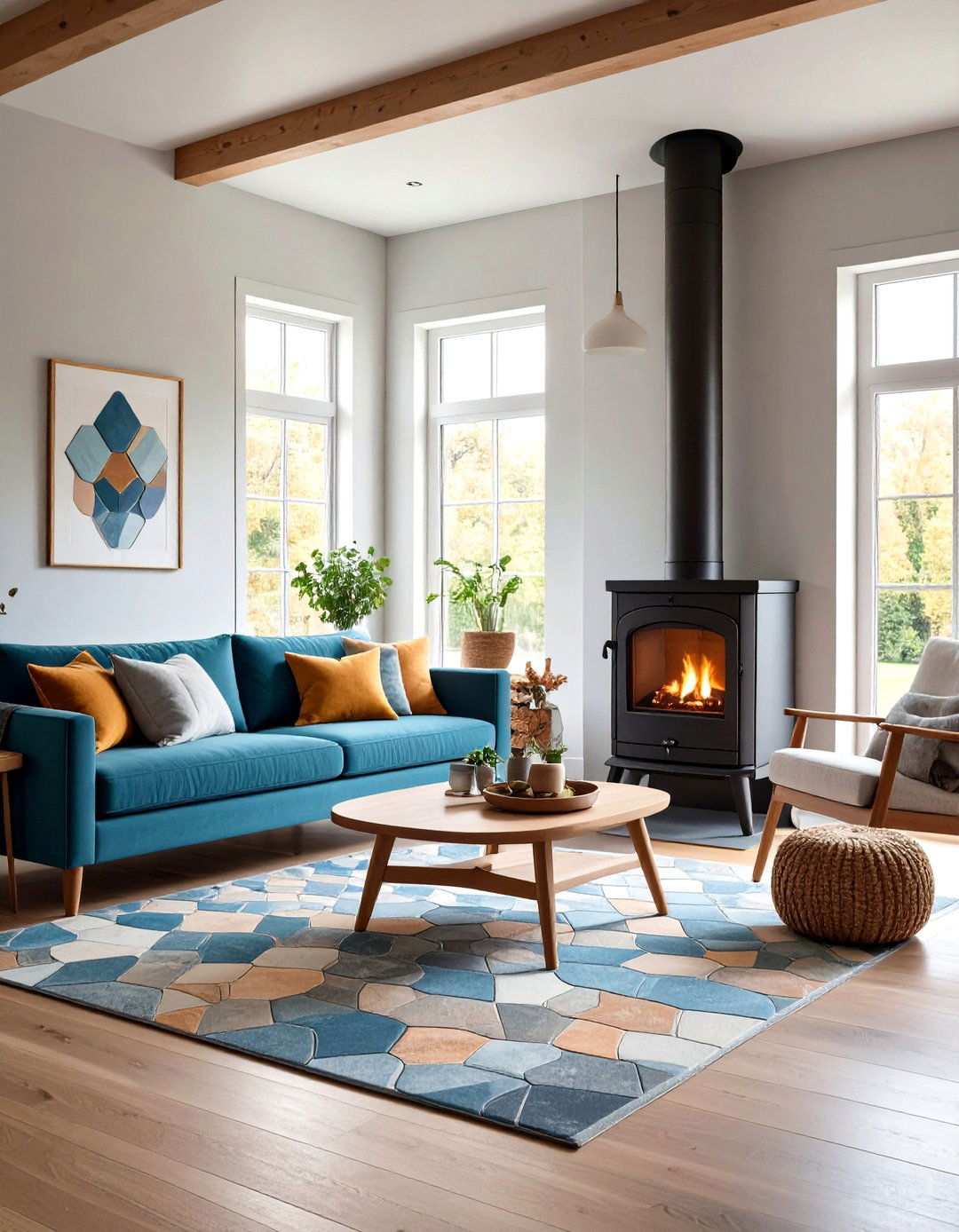
Geometric tile patterns can add a touch of visual drama to your wood stove surround when carefully planned layouts create sophisticated focal points. This contemporary approach uses square, hexagonal, or diamond-shaped tiles arranged in repeating patterns that emphasize mathematical precision and artistic composition. The color combinations can create subtle tonal variations or bold contrasts that make strong design statements. The regular, repeating patterns provide a sense of visual rhythm while maintaining an orderly appearance that works well in modern settings. Professional layout planning ensures pattern alignment and proper spacing for a successful installation. These designs work particularly well behind freestanding stoves, where the wall treatment becomes prominent. To enhance pattern visibility and create dramatic shadow effects during evening hours, consider the placement of lighting to draw attention to your beautiful tile design.
21. Enhanced Functionality through Built-In Storage
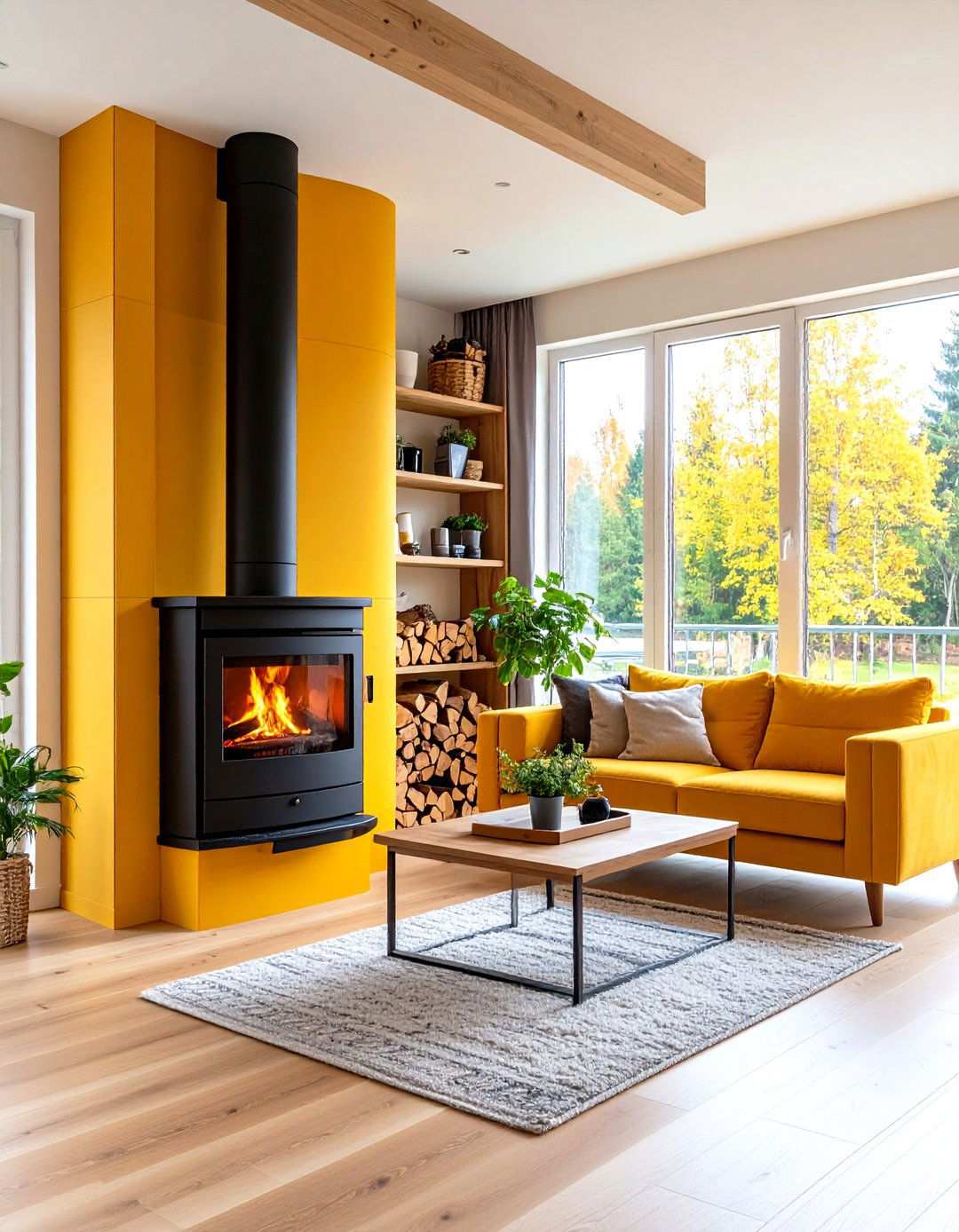
Transforming your wood stove surround into a functional furniture piece that organizes firewood, tools, and accessories is a thought-provoking approach. By incorporating niches, shelves, or cabinets directly into surround construction, you can create convenient storage while maintaining a clean and integrated appearance. It’s essential to choose materials that coordinate with surrounding elements and provide suitable clearances from heat sources to prevent overheating and ensure safe usage. Proper ventilation is also crucial for wood storage areas to prevent moisture buildup and pest problems. Consider dedicating specific storage hangers or compartments for tools, allowing for easy access during fire tending. This design excels in smaller spaces where efficient organization becomes a necessity. By enlisting the help of a professional, you can ensure safe clearances while maximizing storage capacity and maintaining visual appeal.
22. Radiant Glass Tile Surfaces
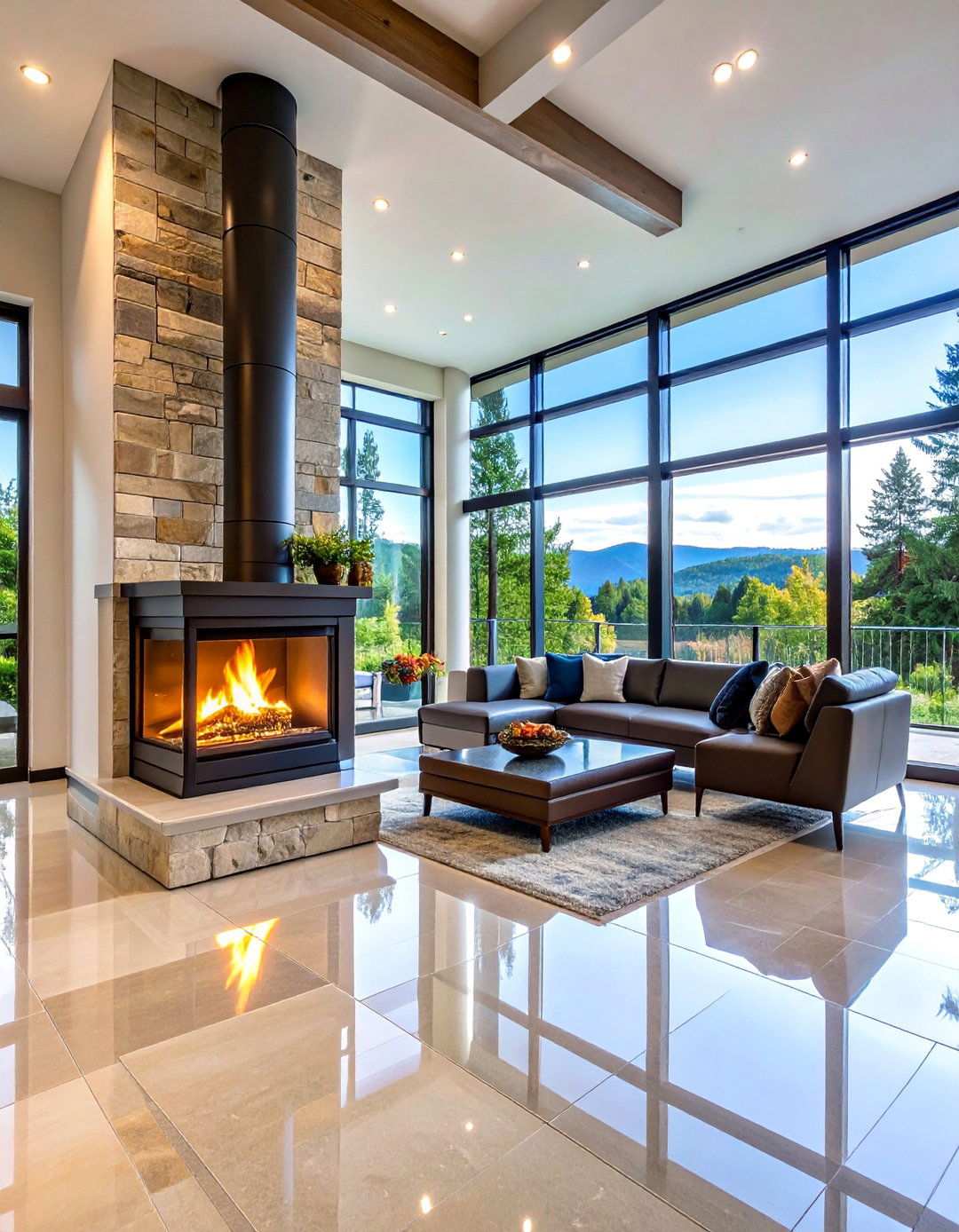
Glass tile surrounds offer an opportunity to create luminous, reflective surfaces that amplify light and add sophistication to your wood stove area. These specialty tiles use tempered glass construction, providing exceptional heat resistance while creating brilliant, jewel-like surfaces. The reflective properties of glass tiles help distribute both natural and artificial light throughout the room, creating visual depth and movement. A wide range of color options is available, from clear and frosted varieties to bold colors that make striking design statements. The smooth surfaces of glass tiles require minimal maintenance, providing contemporary elegance that works well in modern interiors. To ensure lasting beauty, it’s essential to hire a professional for installation, who will properly select adhesives and ensure correct spacing. Consider coordinating with lighting fixtures to maximize the reflective benefits and create dramatic evening ambiance when the stove provides primary illumination.
23. Exposed Aggregate Concrete for Unique Textures
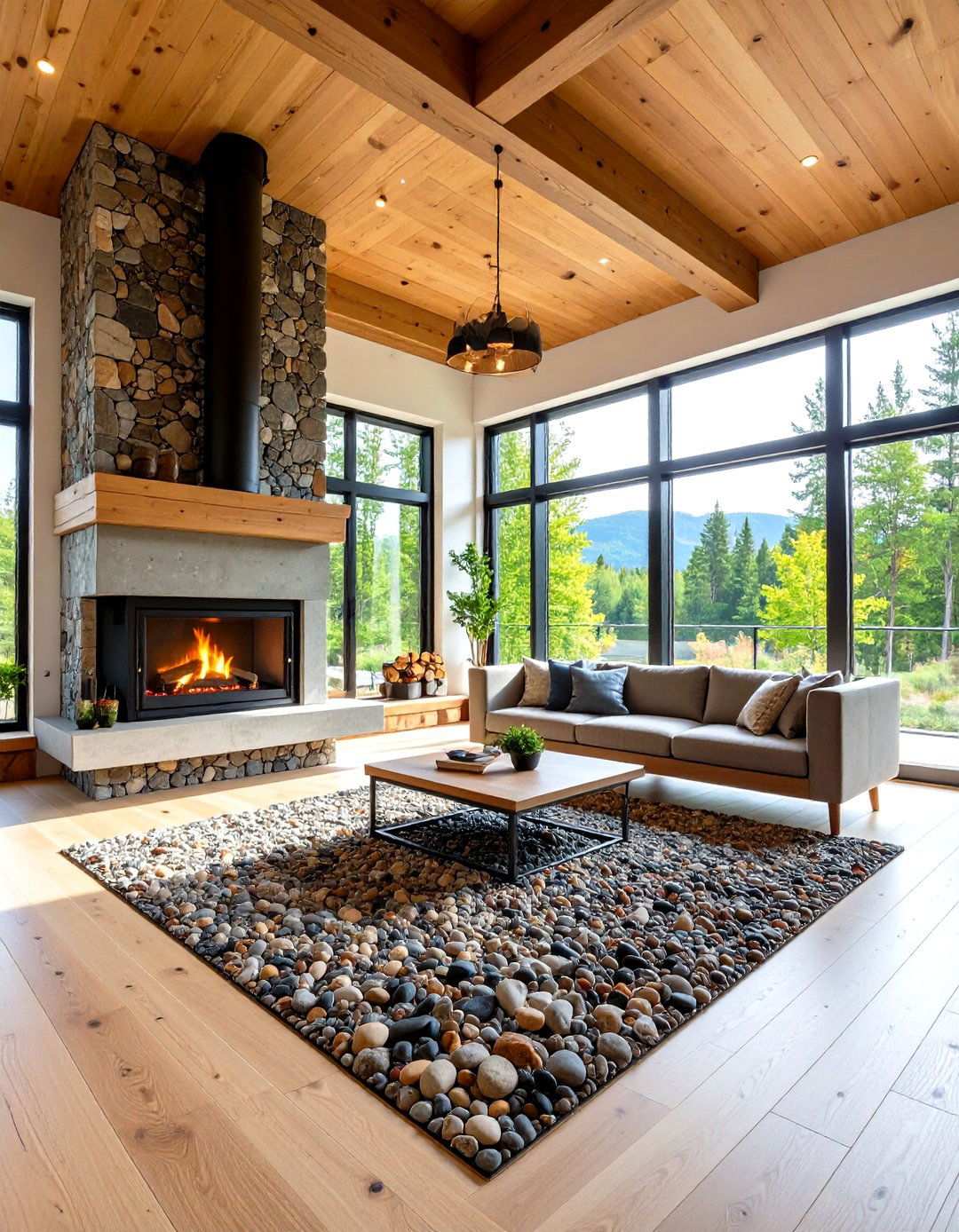
Exposed aggregate concrete can provide both durability and visual interest for wood stove surrounds that emphasize natural materials and contemporary design. This specialty concrete technique reveals decorative stone aggregates embedded in the surface, creating textured finishes that combine smooth cement with colorful pebbles or crushed stone. The manufacturing process allows for customization of aggregate types, sizes, and colors to match existing design elements. The resulting surfaces provide excellent heat resistance while creating unique textures that cannot be achieved with other materials. This approach works particularly well in modern or industrial settings where concrete elements make architectural statements. The thermal mass properties of exposed aggregate concrete help store and gradually release heat, improving heating efficiency. By hiring a professional for installation, you can ensure proper concrete mixing, placement, and finishing for optimal appearance and longevity.
24. Embracing Heritage with Elevated Hearth Platforms
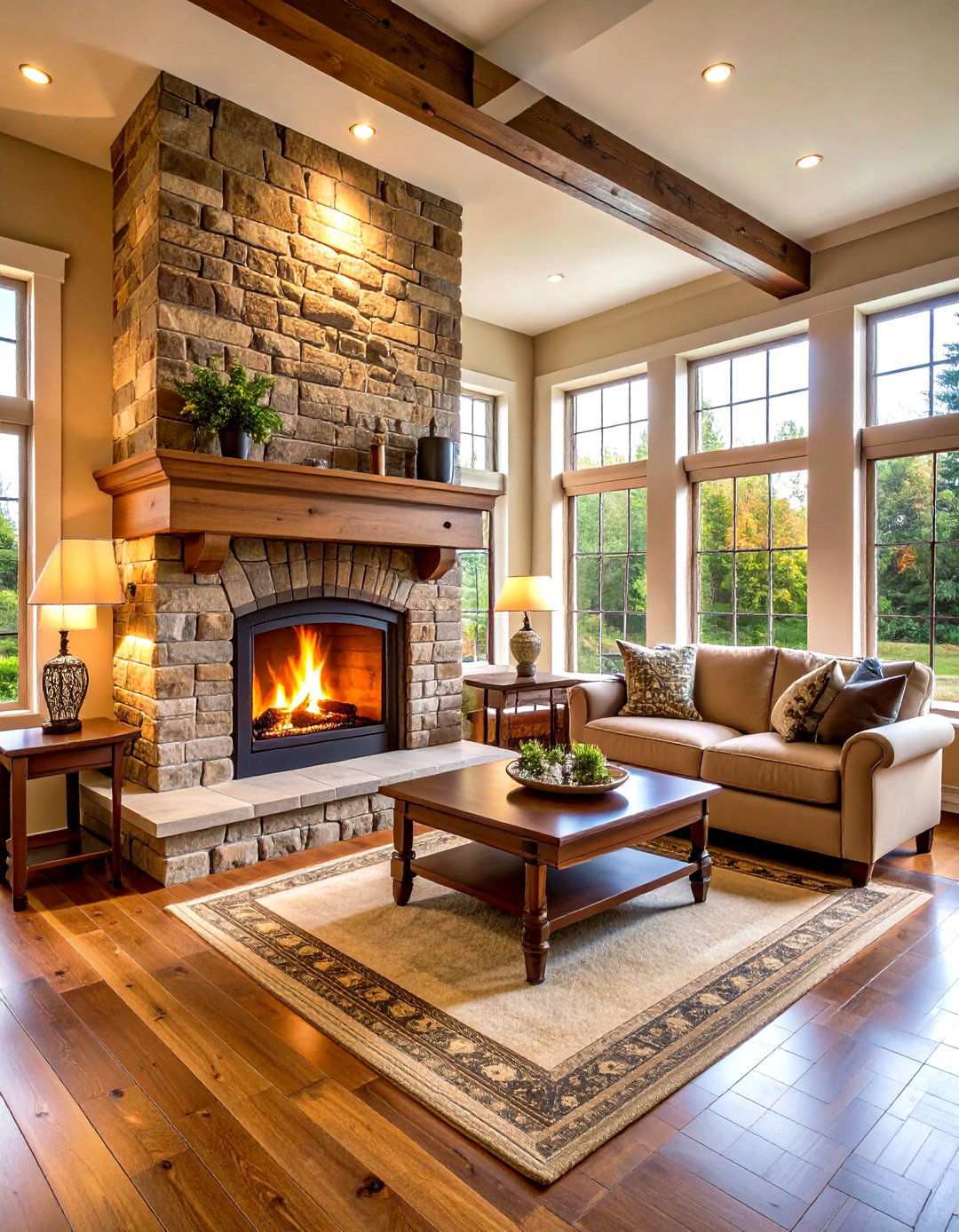
A traditional raised hearth platform offers an enduring charm that seamlessly blends classic wood stove designs with modern safety necessities. By elevating the stove to a height of 6 to 18 inches above floor level, using materials such as brick, stone, or tile, homeowners can create a clear visual distinction between the heating and living areas. This thoughtful design not only facilitates easy fire tending but also presents a unique opportunity for seating during social gatherings, adding to the overall ambiance of the space. The elevated platform enables the stove area to become the room’s natural focal point, while the materials selected can either blend harmoniously with the surrounding elements or provide striking contrasts that underscore the hearth’s significance. Furthermore, the traditional aesthetic can be enhanced with decorative details such as edging, contrasting materials, or cleverly integrated lighting, ensuring that the design not only honors the past but also meets contemporary safety standards and building regulations.