1. Unlocking the Potential of Neglected Spaces
Transforming underutilized areas of your garden into breathtaking outdoor retreats necessitates a thoughtful approach, coupled with the right plant selections. Shade gardens offer a unique chance to craft serene, cool environments that serve as tranquil sanctuaries during the sweltering summer months. Unlike sun gardens, which rely heavily on vibrant blooms, shade gardens excel through the interplay of diverse foliage textures, subtle color variations, and creative design elements that harmoniously blend together. The key lies in understanding various shade types, ranging from the dappled light filtering through tree canopies to the deep shade cast by buildings or dense evergreen trees. By successfully incorporating multiple layers of plants, from ground-covering mosses and ferns to mid-level shrubs and overhead canopy trees, shade gardens can create depth and visual interest throughout the growing season.

As an Amazon Associate I earn from qualifying purchases.
2. Captivating Combinations for Woodland Environments
Crafting lush woodland environments begins with pairing hostas and ferns to create dramatic foliage contrasts. The broad, sculptural leaves of hostas provide bold focal points, while delicate fern fronds add elegant movement and fine texture. Japanese painted ferns with their silvery-purple coloring complement blue-green hosta varieties beautifully, producing a striking visual effect. Consider combining ‘Halcyon’ hostas with Athyrium ‘Godzilla’ to showcase striking size differences. Ostrich ferns can create a natural screen behind smaller hosta clumps, while maidenhair ferns weave between hosta bases for ground-level interest. This combination thrives in partial to full shade with consistent moisture, requiring minimal maintenance once established for years of reliable garden performance.
3. Moss Garden Ground Cover Designs
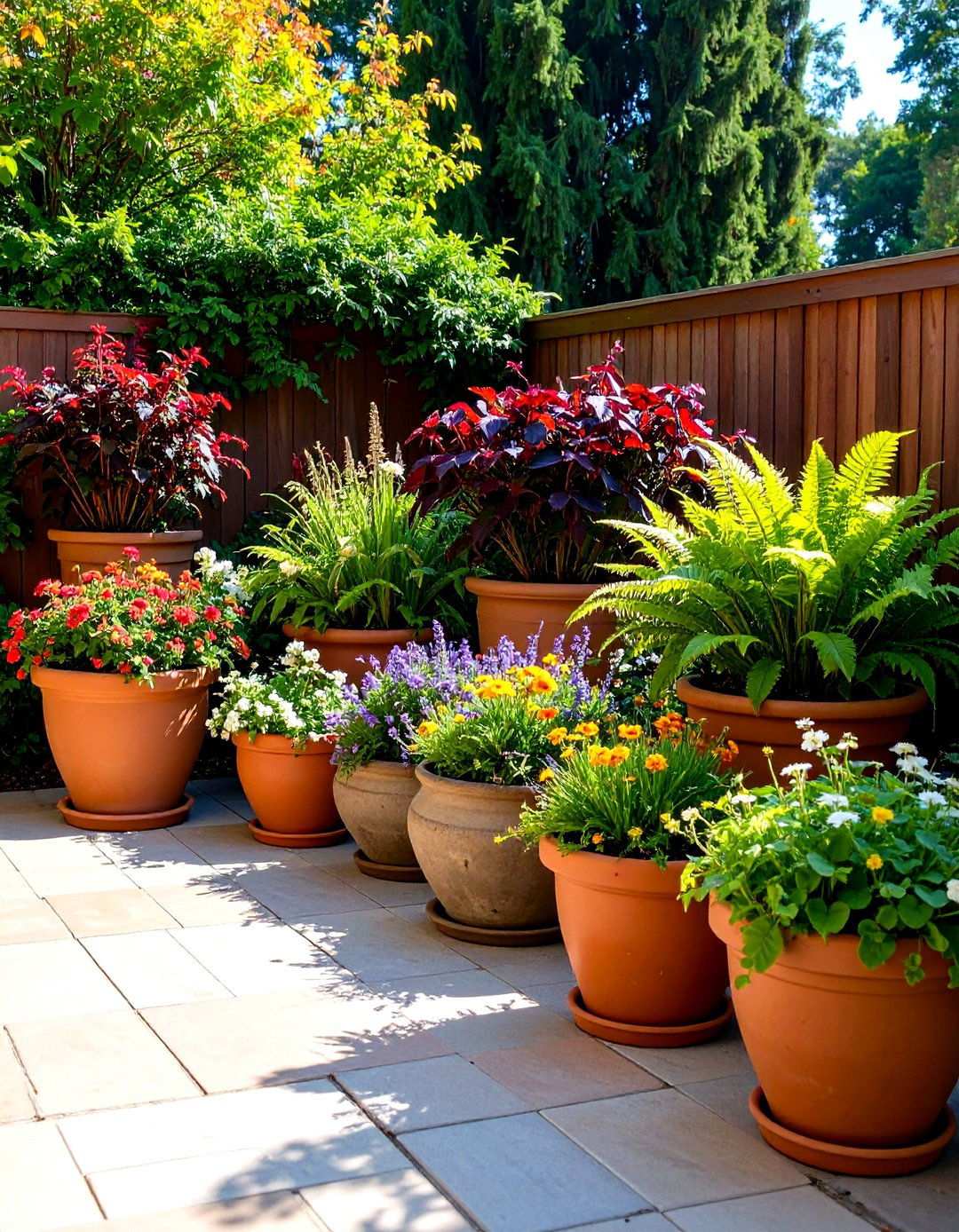
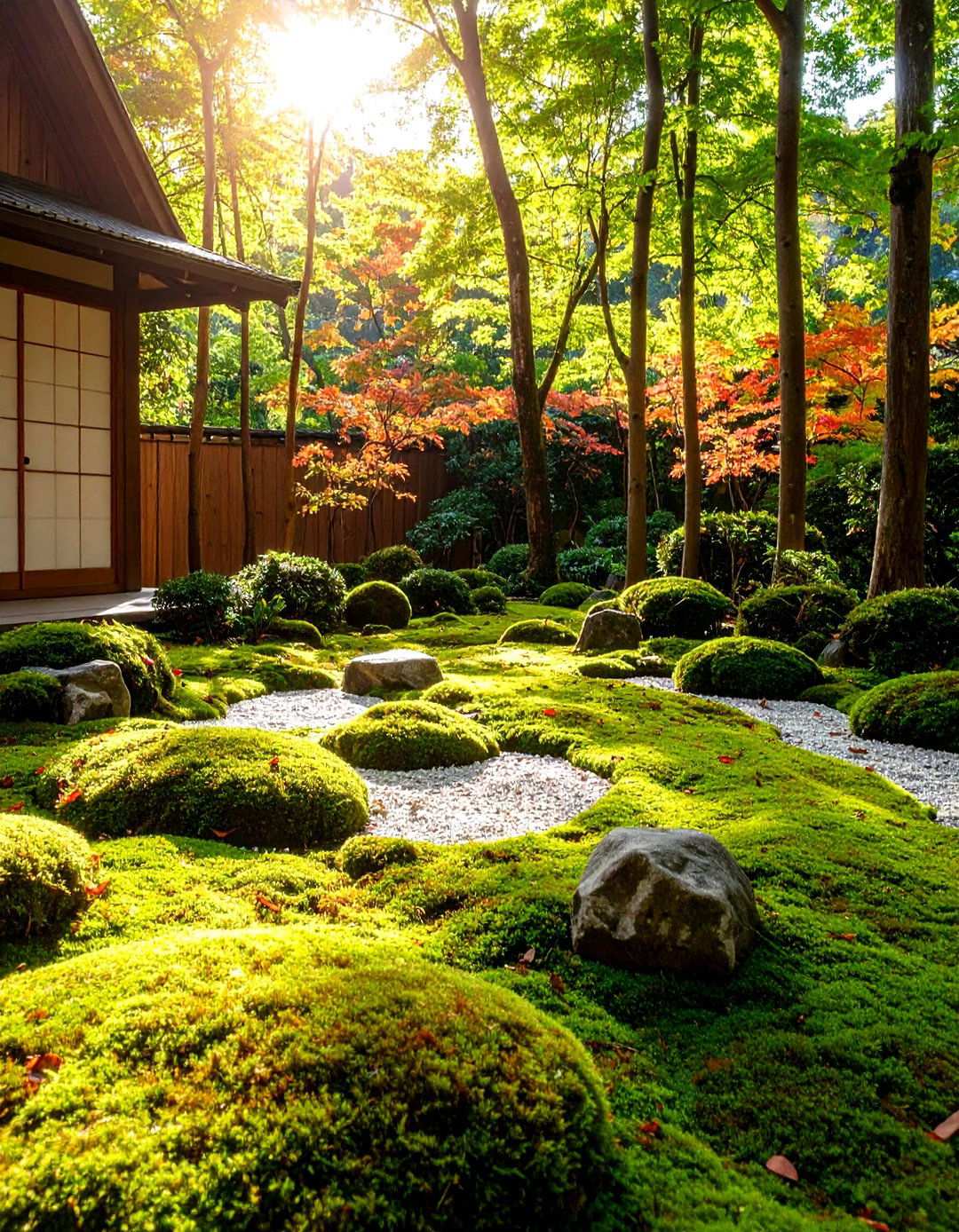
Moss has the power to create a soft, velvety carpet effect in shaded garden spaces, providing a low-maintenance ground cover solution that establishes quickly in damp, acidic soil conditions. Different moss species offer varying textures and growth patterns, from cushion moss forming dense mounds to sheet moss spreading across flat surfaces. By maintaining consistent moisture through misting systems or regular watering, you can encourage natural moss establishment. Moss thrives between stepping stones, around tree bases, and in areas where traditional grass struggles. The soft, pillow-like appearance creates peaceful, meditative spaces while requiring no fertilization or regular mowing, making it an environmentally sustainable choice for challenging shade areas.
Unveiling the Potential of Container Shade Gardens
By leveraging the versatility of container gardening, you can unlock the full potential of shade gardening and create dynamic displays that evolve with the seasons. To start, select large containers that strike a perfect balance between retaining moisture and ensuring adequate drainage for healthy plant growth. Combine a mix of trailing begonias, upright coleus, and cascading ferns to craft visually striking arrangements that boast varying heights and textures. The addition of caladiums brings a burst of vibrant foliage colors, while impatiens provide a constant stream of blooms throughout the summer months. Strategically position your containers to create focal points, fill in empty corners, or brighten up dark entryways. For renters or gardeners who want to experiment with different plant combinations without making long-term commitments, this approach offers unparalleled flexibility.
4. Embracing the Serenity of Japanese-Style Zen Shade Gardens
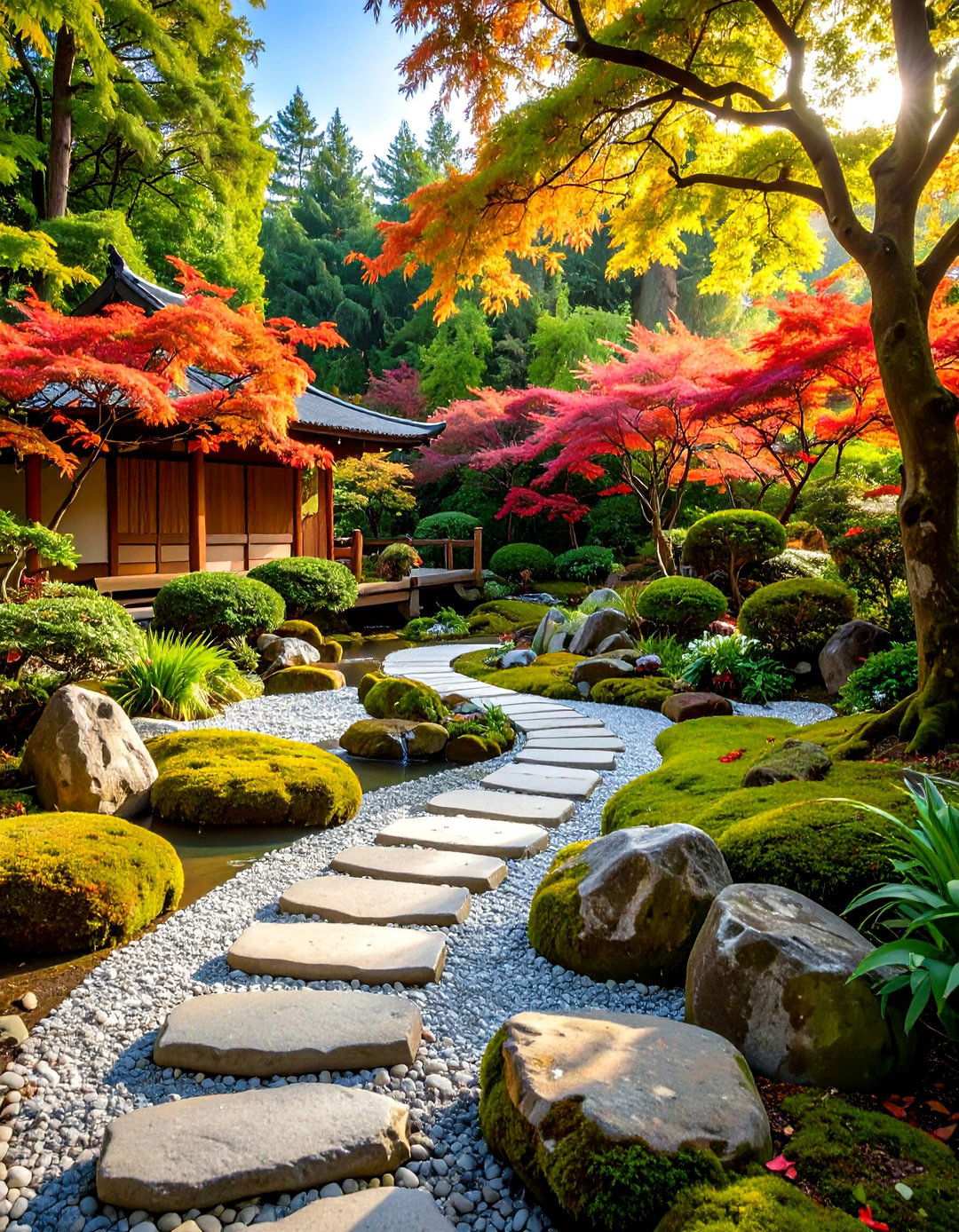
Drawing inspiration from traditional Japanese garden principles, you can create serene and contemplative shade spaces that exude simplicity, balance, and a deep connection to nature. At the heart of these designs are Japanese maples, often paired with understated hostas and Japanese forest grass to create subtle yet striking color gradations. Incorporate traditional elements like bamboo water features, stone lanterns, and gravel pathways that complement rather than compete with the plantings. To maintain the essence of these gardens, practice selective pruning and judicious plant placement to avoid overcrowding. Use moss as a living mulch around key plants to create an aged appearance that is characteristic of Japanese aesthetics. By incorporating natural stone arrangements and weathered wooden elements, you can craft a space that promotes mindfulness and invites quiet reflection in the midst of a busy modern lifestyle.
5. Elevating Shade Borders with Astilbe Perennial Gardens
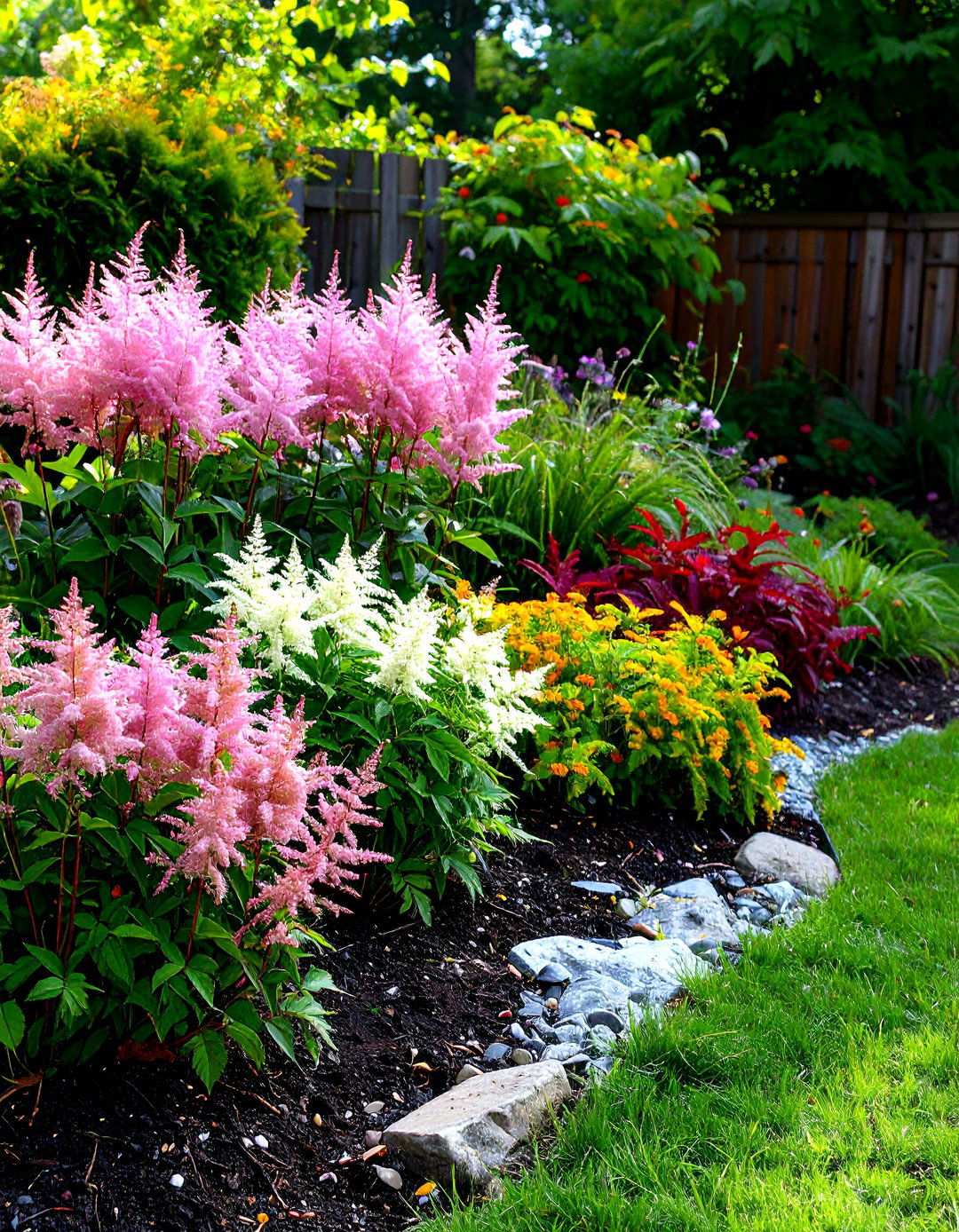
Why settle for dull and uninspired shade borders when you can create a kaleidoscope of color and texture with astilbe? These reliable perennials produce an array of feathery plume flowers in shades ranging from white and cream to pink, red, and purple throughout early to mid-summer. To maximize the impact of these stunning blooms, plant different varieties that offer extended bloom periods, such as the early-flowering ‘Deutschland’, the mid-season ‘Fanal’, and the late-blooming ‘Superba’. The ferny foliage of astilbe remains attractive long after the flowers have faded, providing structural interest through the fall. By mass planting astilbe, you can create dramatic impact, while individual clumps work well as accent plants among hostas and ferns in mixed perennial borders. With astilbe, you can thrive in moist, humus-rich soil with partial shade protection from the hot afternoon sun.
6. Harmonious Integration of Water Features
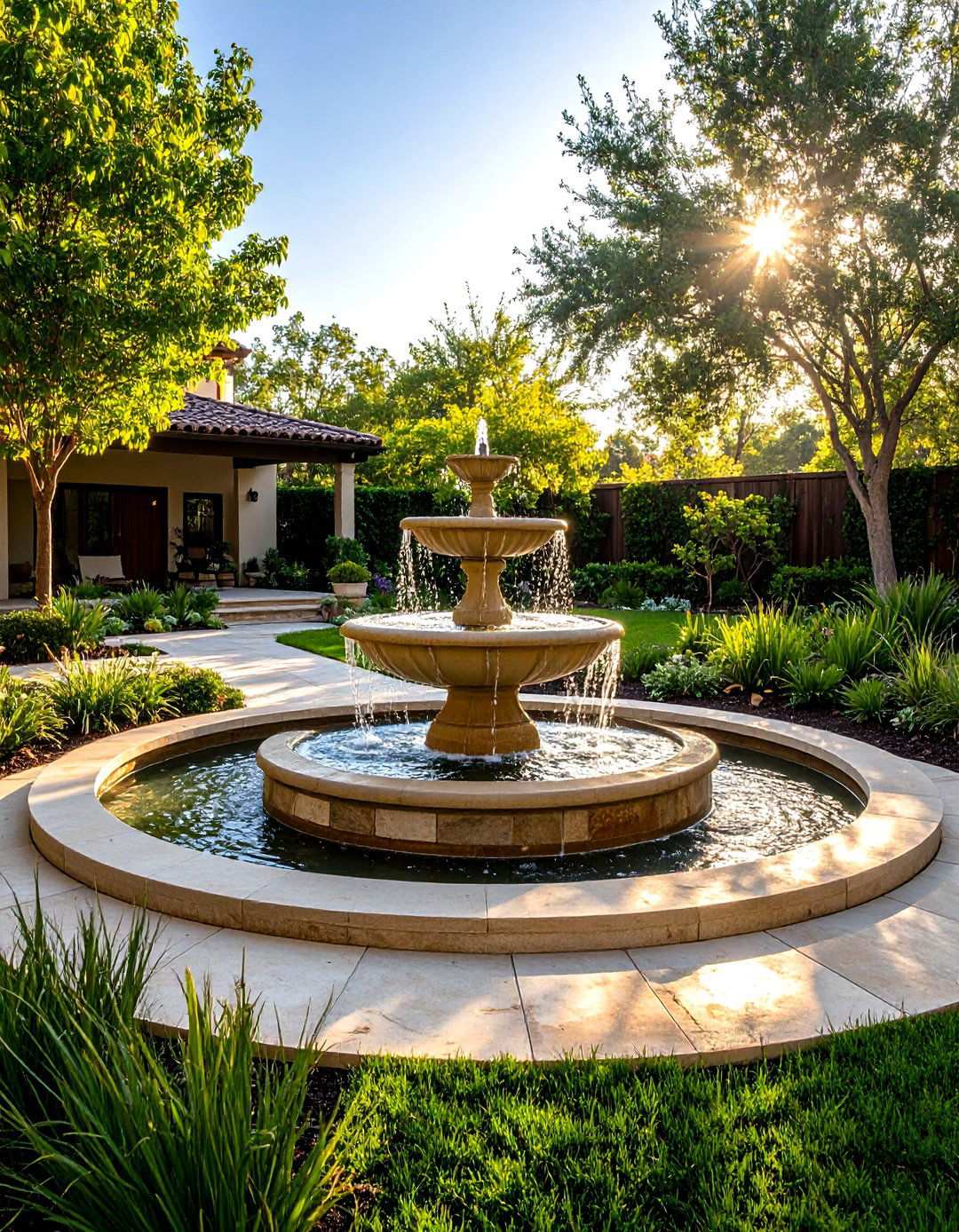
Creating a serene atmosphere in shade gardens can be achieved by incorporating water features that stimulate the senses. These dynamic elements can transform an ordinary space into a captivating experience through the soothing sounds of running water, movement, and the way light dances across the water’s surface. By strategically placing water features, such as small fountains, bubbling rocks, or recirculating streams, in areas where filtered light creates sparkling effects, you can enhance the visual appeal of your garden. The surrounding plants will also benefit from increased humidity and a cooler microclimate, which can lead to improved health and vigor. When selecting water features, consider naturalistic designs using stacked stones or formal options with contemporary materials that blend harmoniously with your garden style. Moreover, solar-powered pumps can eliminate the need for electrical installation while providing an eco-friendly and sustainable water feature solution. Water features can be particularly effective in Japanese-style gardens, woodland settings, or as focal points in container arrangements, creating tranquil retreats that engage multiple senses and provide a sense of calm.
7. Breathtaking Foliage Displays of Coral Bells
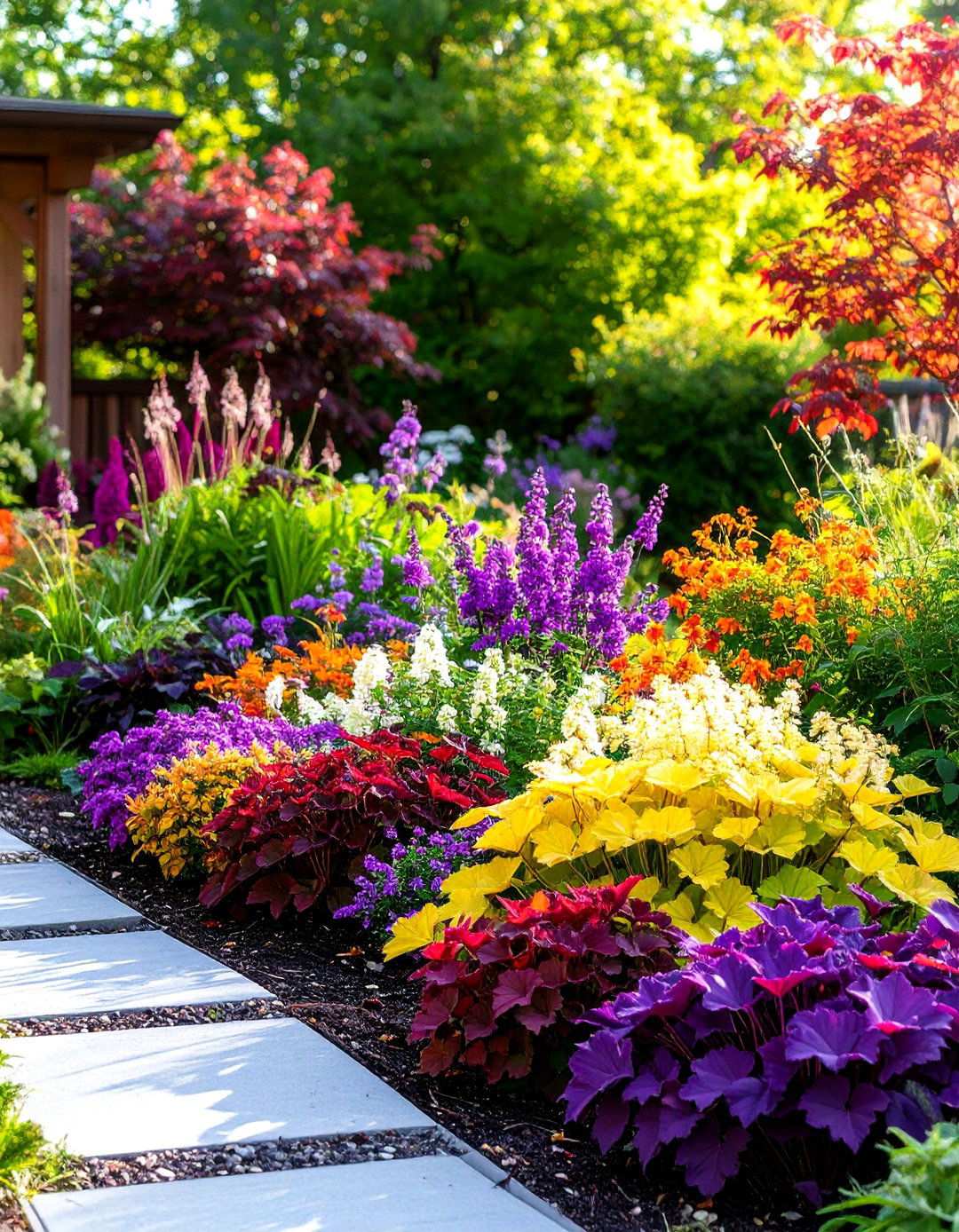
Coral bells have revolutionized shade gardening with their vast array of foliage colors, ranging from vibrant chartreuse and orange hues to deep purples and near-black varieties. These adaptable perennials can thrive in various shade conditions, providing year-round interest through their evergreen or semi-evergreen habits in milder climates. To create a dramatic effect, combine contrasting colors like ‘Palace Purple’ with golden ‘Lime Rickey’. The delicate flower spikes that appear in late spring add an extra layer of visual interest above the colorful leaf mounds. To optimize their performance, plant coral bells in well-draining soil with organic matter amendments. These versatile plants work exceptionally well as edging plants, mixed border components, or mass plantings that create living tapestries. Their compact size makes them perfect for small spaces, while their drought tolerance reduces maintenance requirements once established.
8. Inviting Pathways and Stepping Stones in Woodland Settings
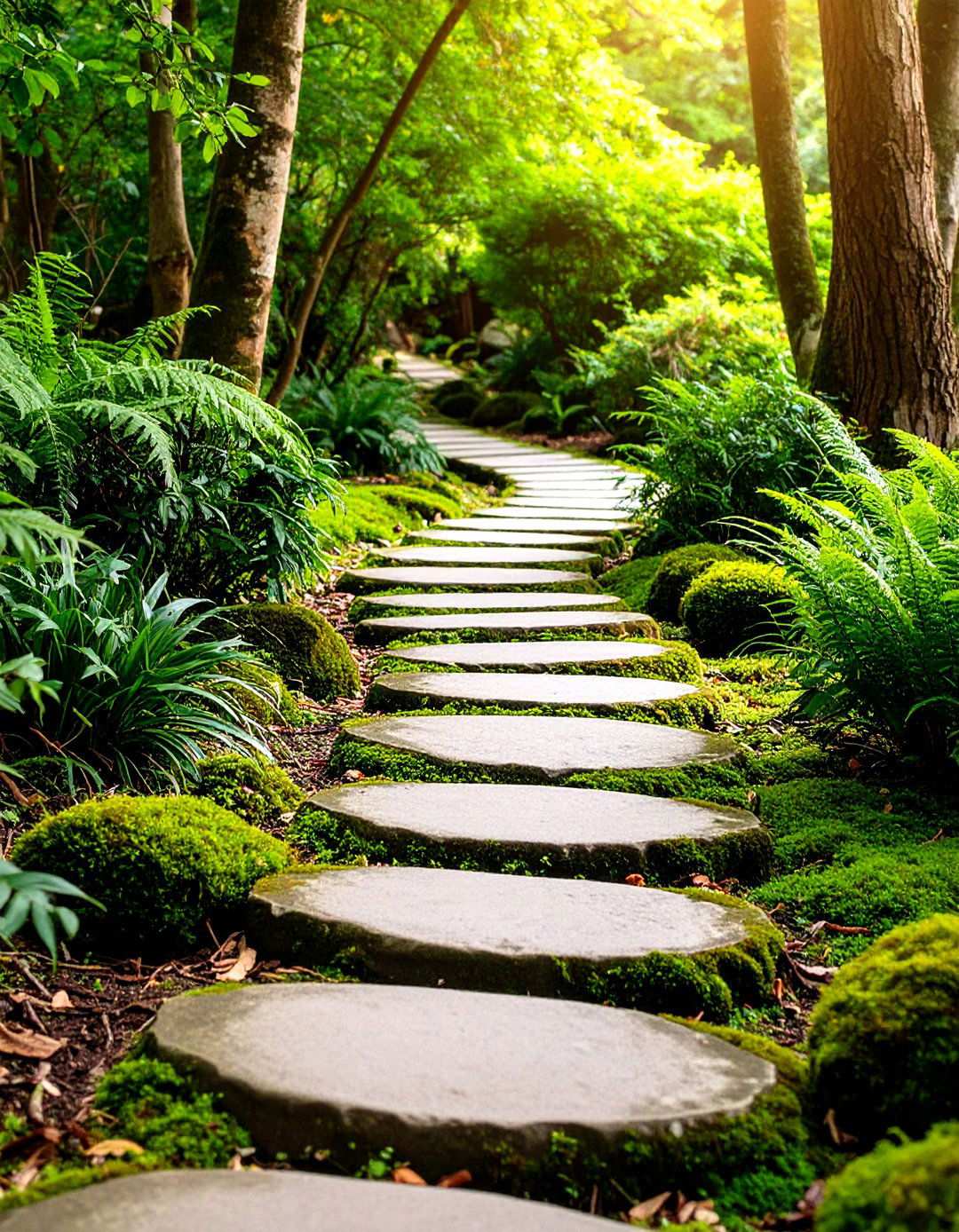
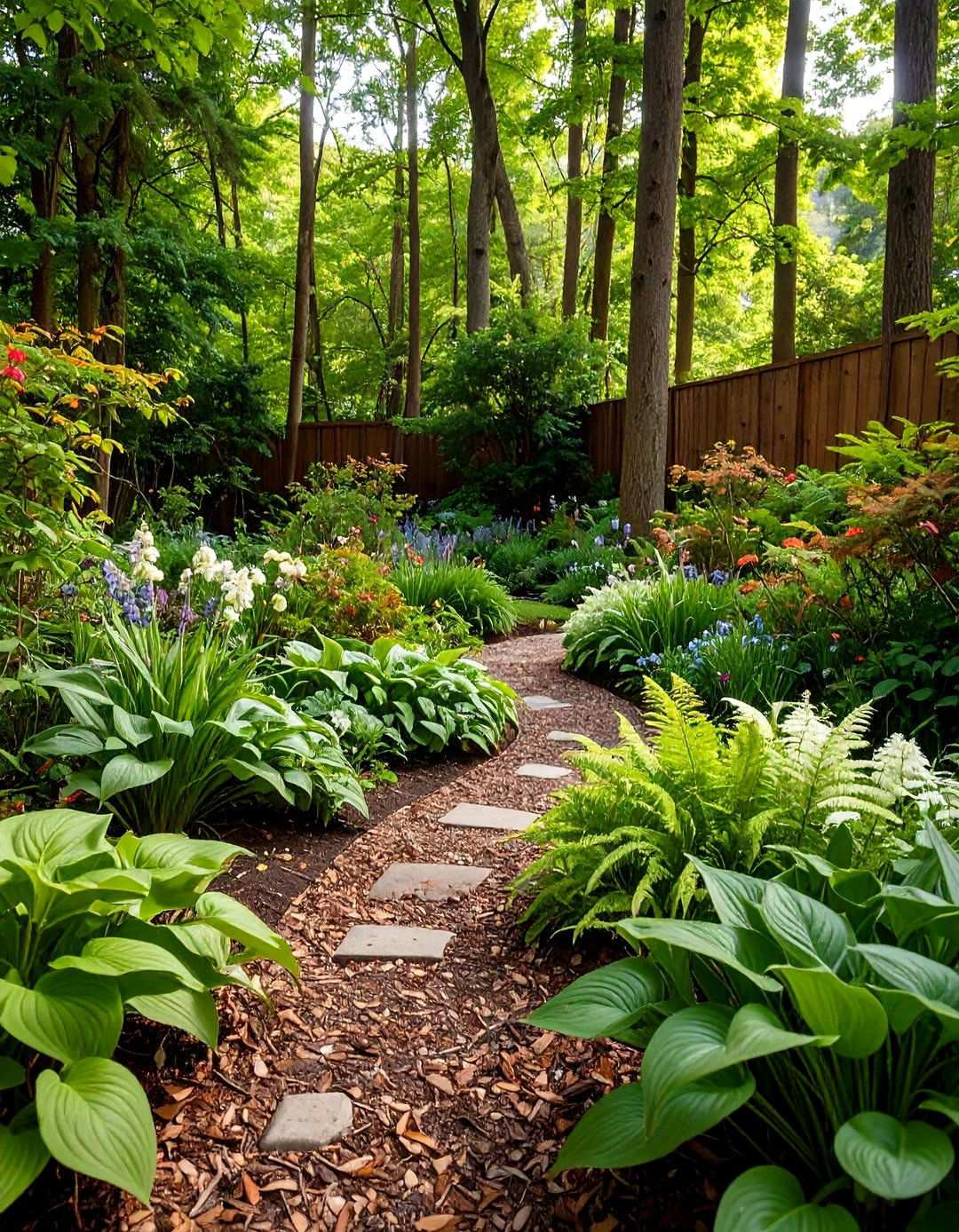
Can your shade garden benefit from inviting pathways that draw visitors deeper into the space? Woodland paths can create structure and accessibility while protecting delicate plants from foot traffic. By using natural materials like bark chips, wood rounds, or flagstone, you can complement surrounding vegetation without competing for attention. Stepping stones allow moss and small plants to grow between gaps, softening hard edges and creating naturalistic appearances. To create a sense of anticipation and encourage exploration, curve pathways to reveal garden features gradually. When designing pathways, consider their width carefully, making them wide enough for comfortable passage but narrow enough to feel intimate. To add an extra layer of visual interest, border pathways with low-growing plants like ajuga, lamium, or wild ginger that can tolerate occasional foot traffic while defining route edges clearly.
9. Cultivating Authentic Woodland Environments
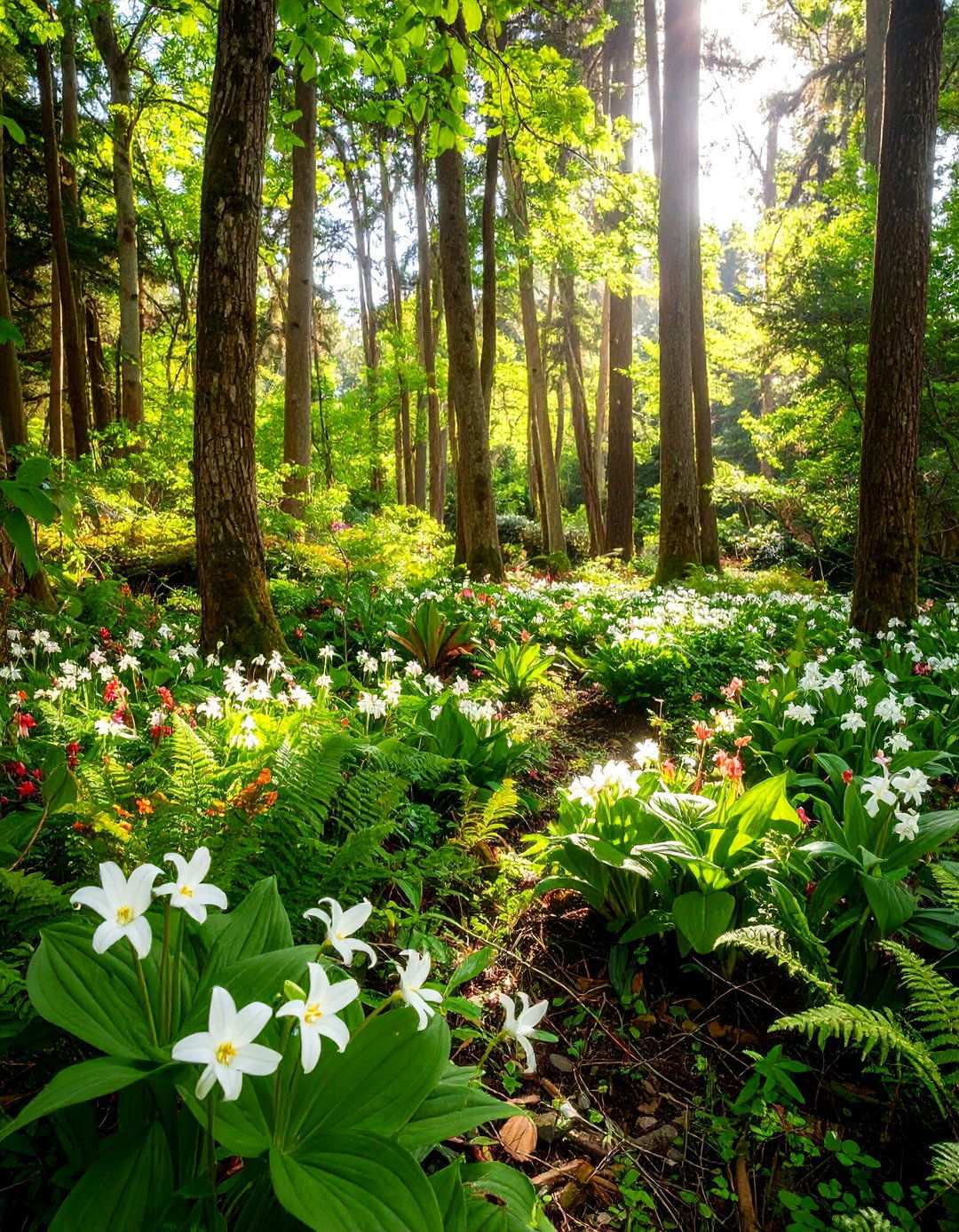
For a low-maintenance and wildlife-friendly shade garden, look to native plant communities that thrive in woodland understory conditions. Research indigenous species tailored to your region, focusing on plants that have adapted to local soil and climate conditions. Early risers like bloodroot, trillium, and wild ginger bring vibrant colors to the garden in spring before tree leaves unfurl. Meanwhile, ferns like Christmas fern and lady fern provide striking structural elements throughout the growing season. Native alternatives often outperform exotic species in challenging conditions, offering a food source for beneficial insects and birds. By grouping plants with similar moisture and light requirements, you can create natural-looking communities that reduce fertilizer and pesticide needs, while celebrating local ecological heritage and biodiversity.
10. Crafting a Year-Round Visual Tapestry
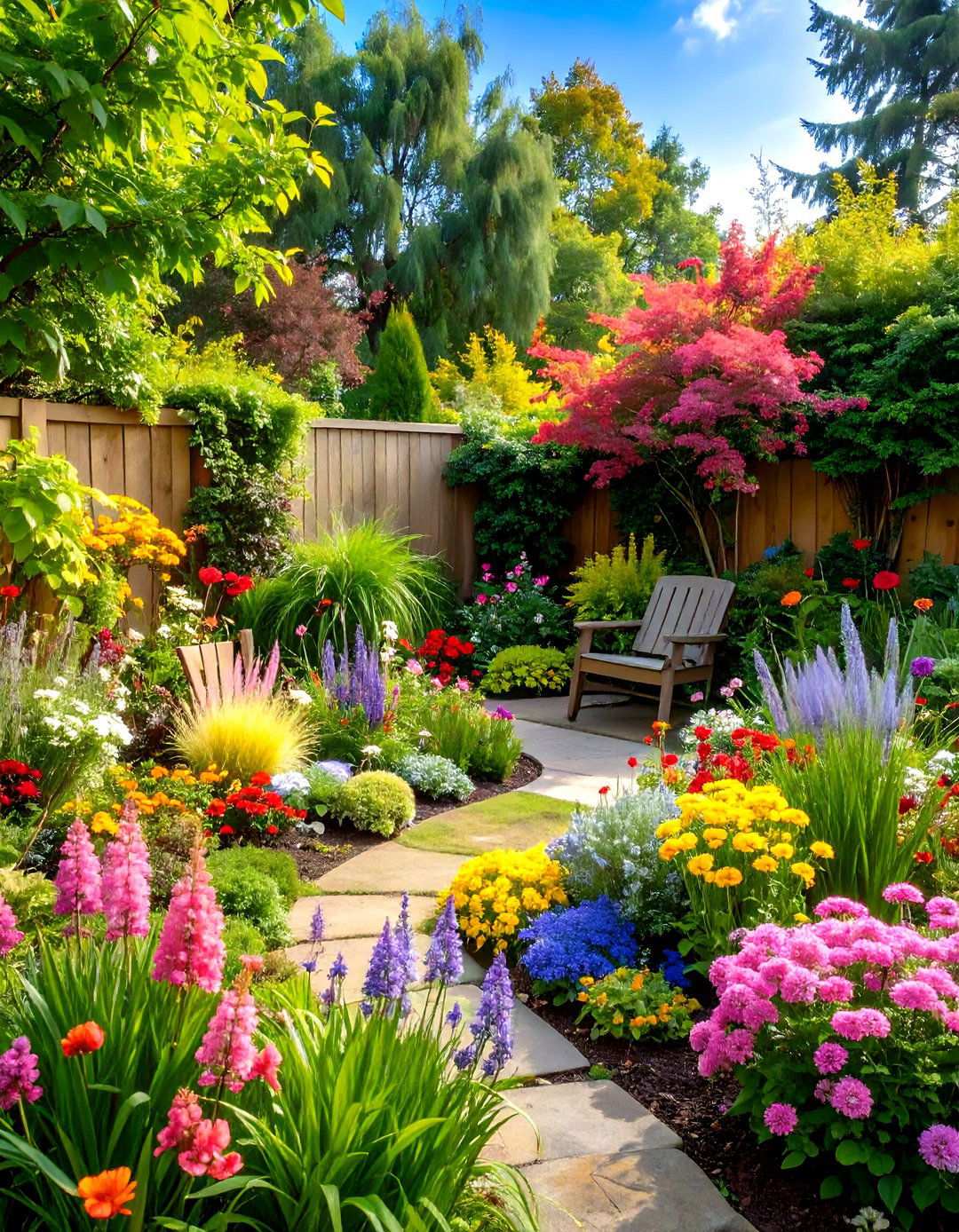
To ensure your shade garden remains visually appealing throughout all four seasons, strategic plant selection is key. By incorporating a diverse range of plants with varied bloom times, foliage colors, and structural elements, you can create a dynamic year-round display. Spring bulbs like daffodils and crocuses set the tone with early color, while perennials like astilbe and begonias take center stage in summer. As fall arrives, deciduous plants like Japanese maples and coral bells showcase their vibrant foliage colors. Winter interest comes from evergreen plants like ferns, persistent seed heads, and striking architectural features like ornamental grasses or small trees with attractive bark. By planning for succession blooming and incorporating decorative elements like containers, garden art, or architectural features, you can create consistent focal points that remain captivating through seasonal changes.
11. Elevating Shade Gardens with Begonias
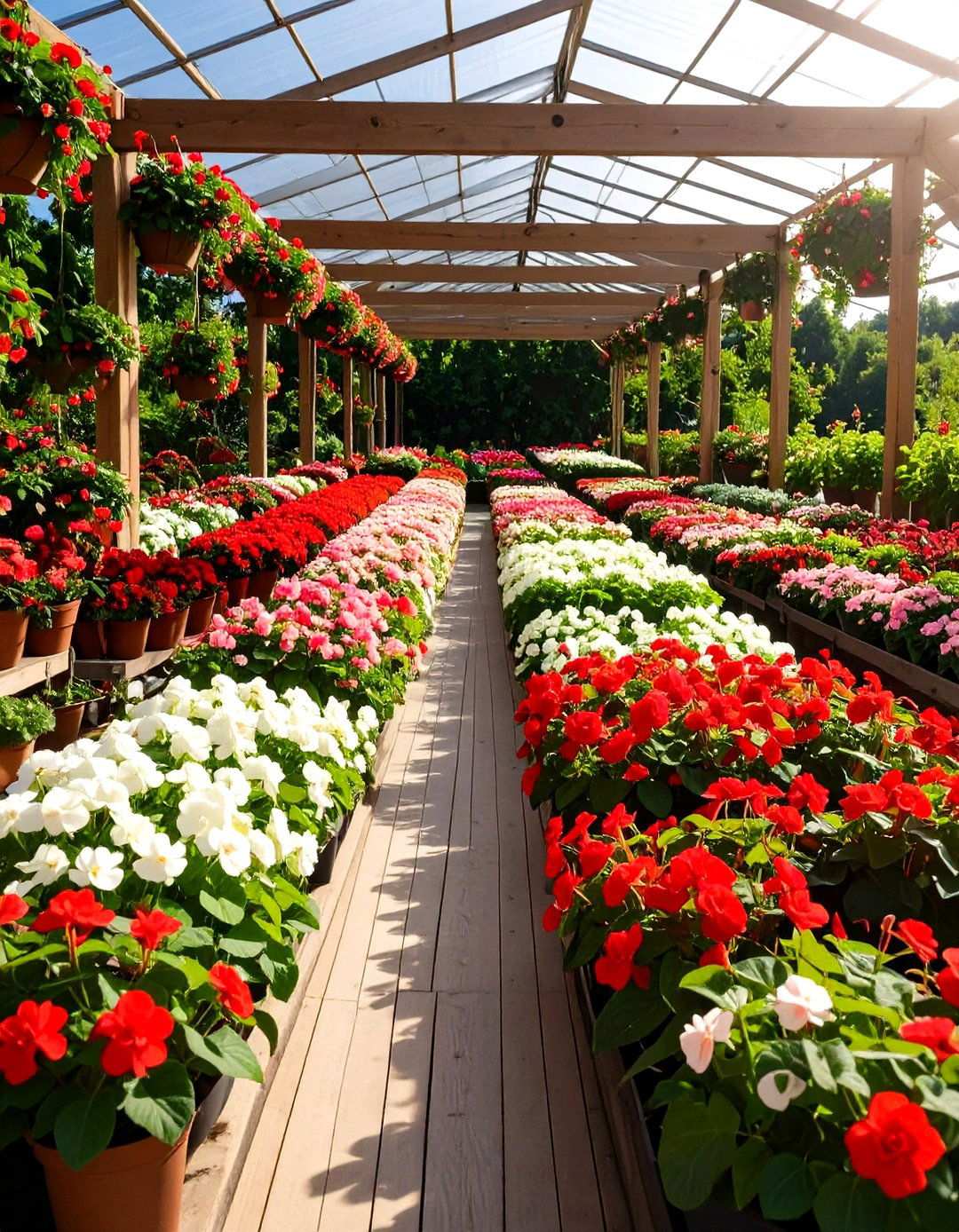
Begonias offer a reliable way to add vibrant color to shade gardens where many flowering plants struggle to perform well. Wax begonias provide continuous blooms in a range of colors, accompanied by glossy green or bronze foliage that remains attractive all season. Their dramatic presence makes them a great choice for mixed plantings, where they can be paired with other plants like coleus and ferns. For a more striking display, consider tuberous begonias, which produce double flowers in an array of colors that are perfect for containers or hanging baskets. To ensure optimal performance, plant begonias after the soil has warmed in late spring, and maintain consistent moisture levels to avoid waterlogged conditions. By combining begonias with caladiums, coleus, and other shade-loving plants, you can create dynamic color combinations that thrive in partial to full shade conditions throughout the summer months.
12. Multiplying Canopy Layers for a Thriving Shade Garden
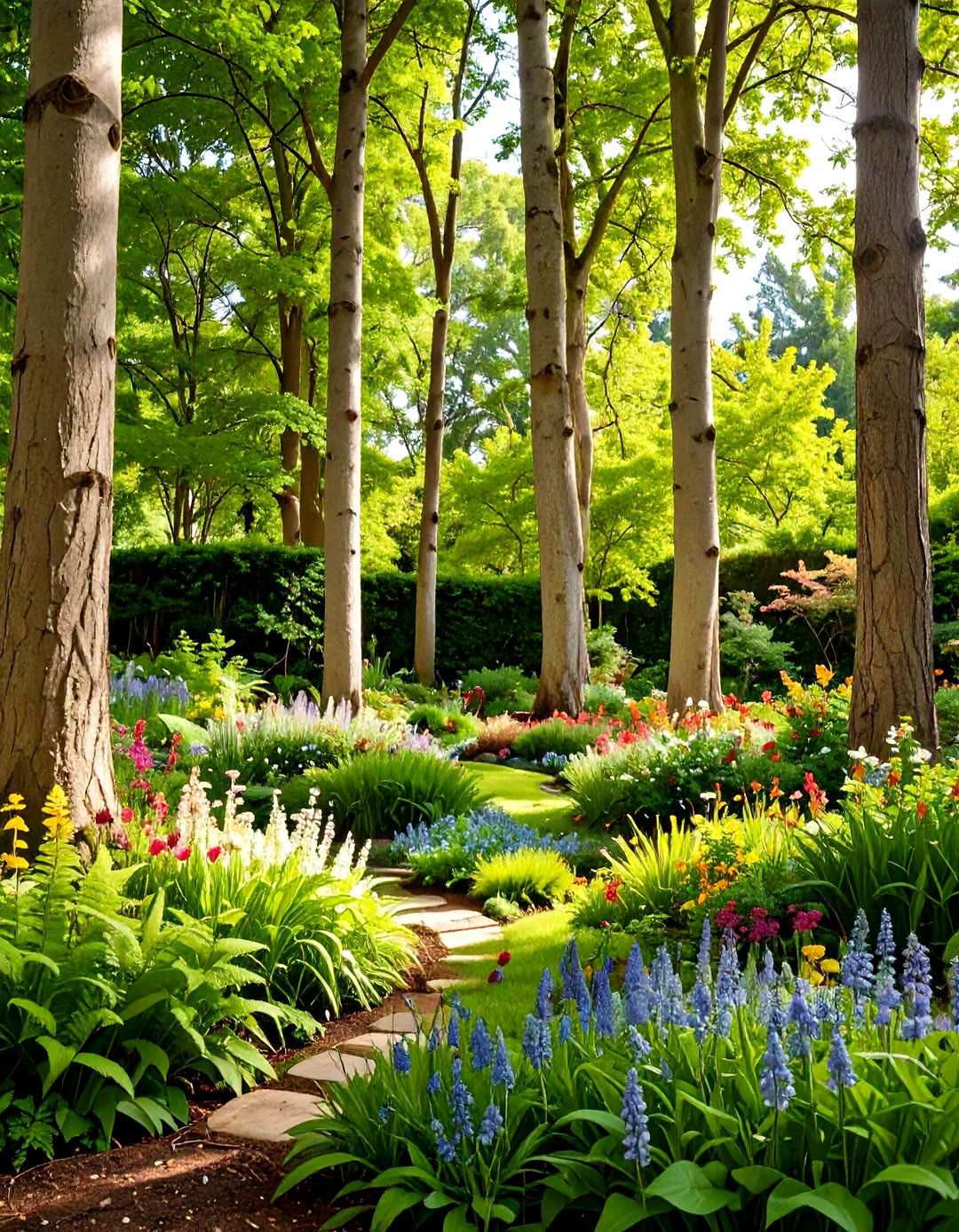
By incorporating multiple canopy layers, gardeners can replicate the complexity of a natural forest ecosystem within a shade garden. Elevated trees such as oaks or maples serve as primary shade-providing structures and offer habitats for local wildlife. Mid-tier trees, including dogwoods, redbuds, or Japanese maples, bring a kaleidoscope of seasonal colors and varying heights to the garden. Meanwhile, shrub layers comprised of rhododendrons, hydrangeas, or native azaleas bridge gaps between trees and lower-lying plantings, while ground-level plants like ferns, hostas, and wildflowers thrive in deep shade conditions. This layered approach fosters diverse microclimates within a single garden space, supporting a wide range of plant species and providing a haven for birds, beneficial insects, and small mammals. The result is a naturalistic woodland environment that exudes beauty and ecological balance.
13. Ground Covers with a Twisted Twist
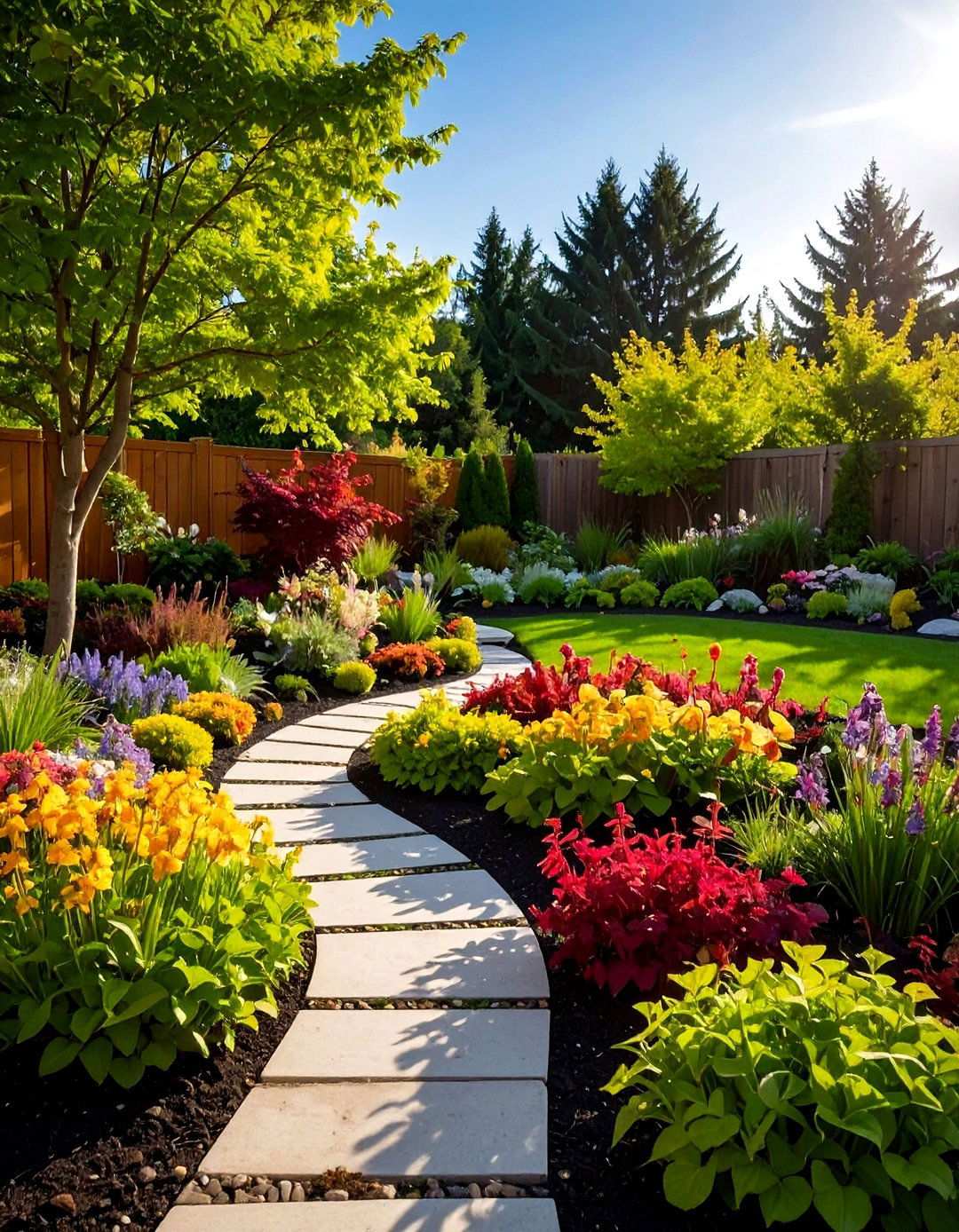
Why opt for traditional grass in shaded areas when heuchera and tiarella offer stunning ground cover alternatives that add an artistic flair to your garden? These related plants form vibrant, intricately patterned mats of foliage in a variety of colors and patterns, punctuated by delicate flower spikes in the spring. Heuchera boasts bold, eye-catching leaf colors that range from lime green to deep burgundy, while tiarella provides intricate leaf patterns and fragrant white blooms. Both plants spread gradually to form dense, weed-suppressing carpets that require minimal maintenance once established. What’s more, they tolerate dry shade conditions better than many other options, making them ideal for low-maintenance garden designs. Combine different varieties for a tapestry effect or mass single cultivars for a dramatic statement. These versatile plants work just as well in formal borders as they do in naturalistic woodland settings.
14. Designing Seating Areas that Invite Relaxation
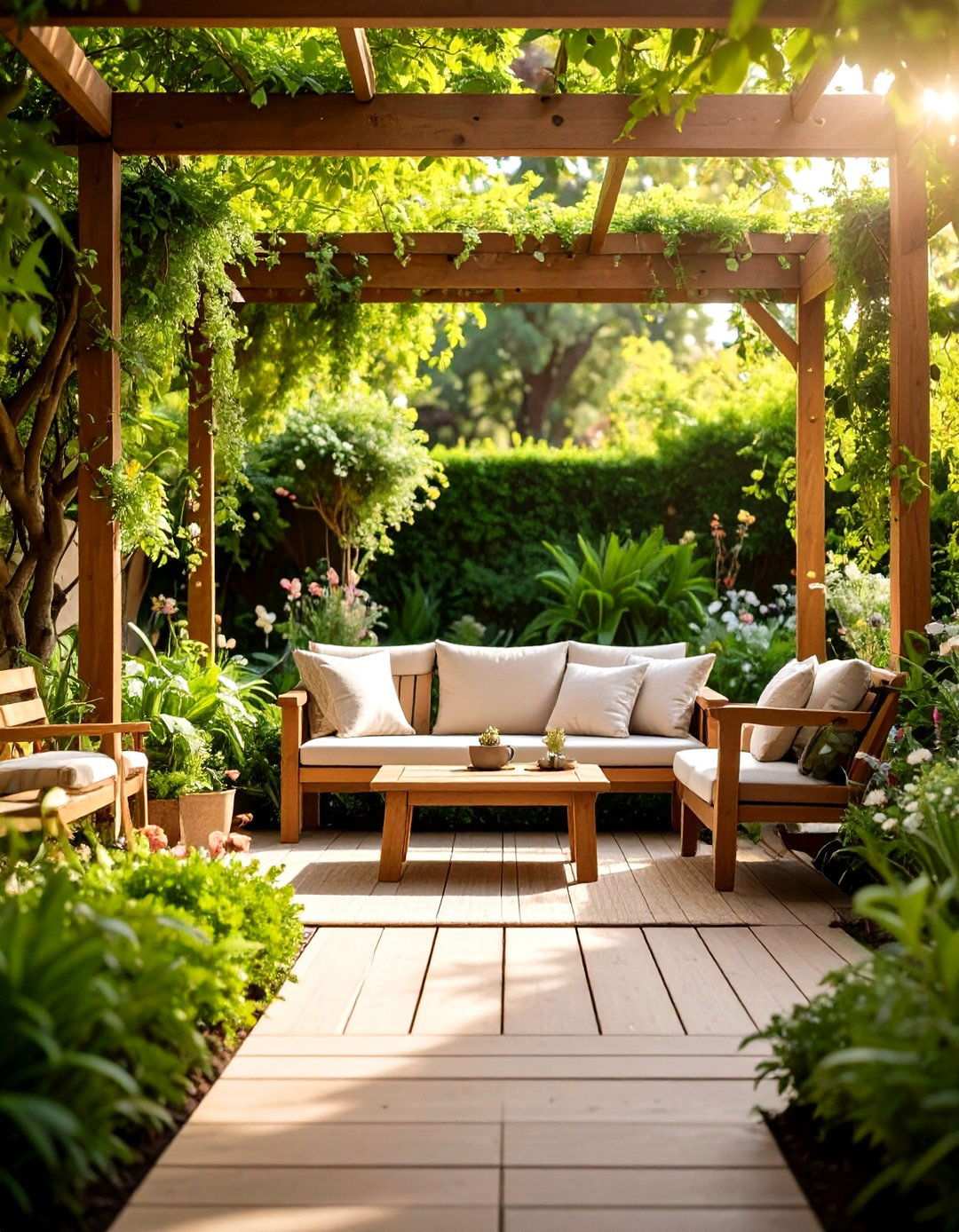
Shade gardens can be transformed into inviting outdoor living rooms by strategically placing seating areas that encourage relaxation and garden appreciation. Choose materials that weather gracefully, such as teak, cedar, or metal furniture, which develops a beautiful patina over time. Position seating to take advantage of garden views while ensuring comfortable access via established pathways. Create intimate spaces using natural screening from shrubs or decorative elements like trellises adorned with climbing plants. Add tables for beverages or reading materials to make the space truly functional for extended enjoyment. Consider built-in options like stone benches or wooden platforms that seamlessly integrate with garden design. As the sun sets, evening lighting extends usability while creating a magical ambiance that makes the space perfect for evening gatherings or solitary contemplation. These dedicated spaces transform gardens from mere visual displays into active living environments for entertainment or quiet reflection.
15. Variegated Foliage Combination Gardens Elevate the Drama
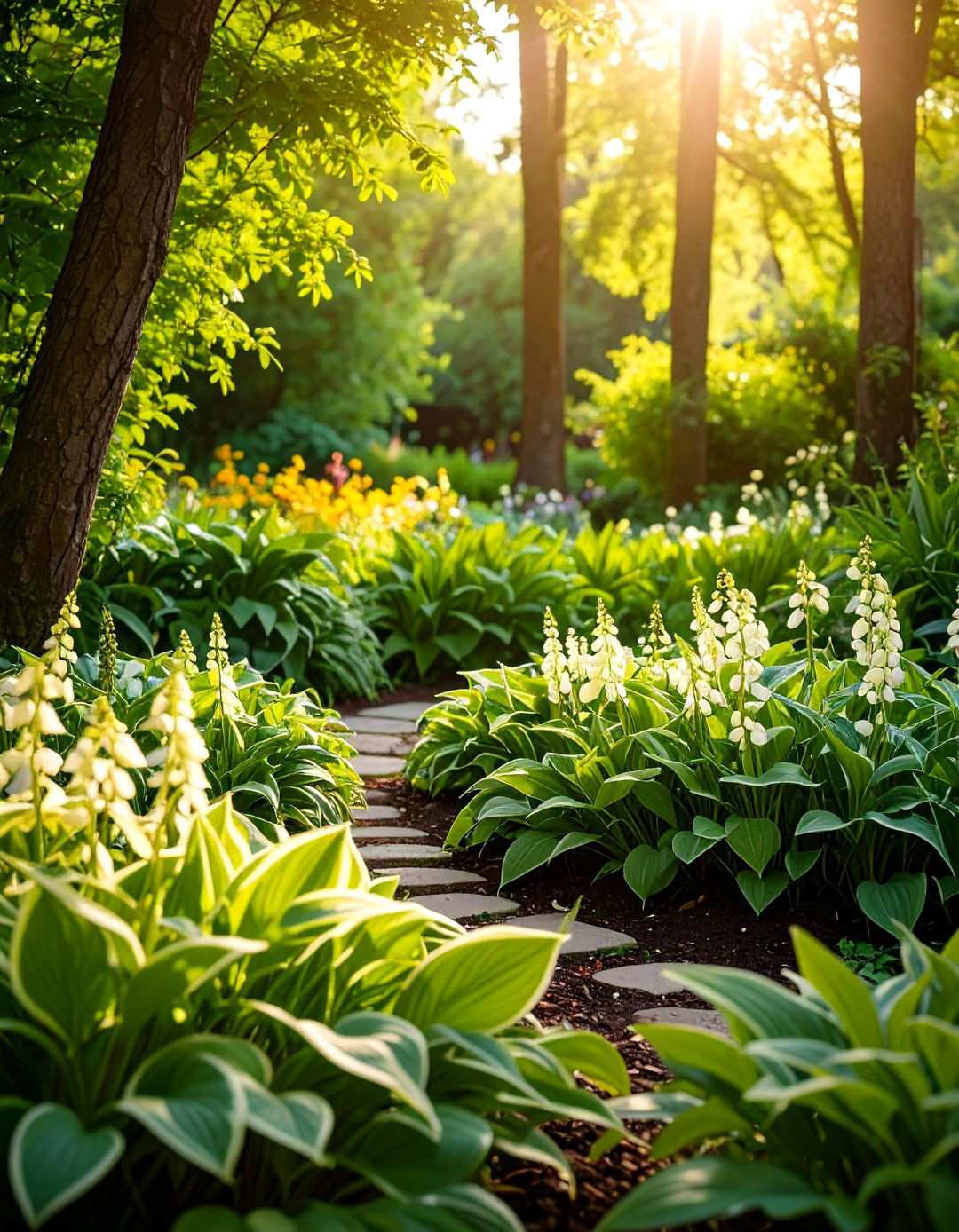
Variegated plants inject a burst of energy into shade gardens, illuminating the space with vibrant foliage patterns that dance in response to the surrounding light. Hosta varieties like ‘Patriot’, with their striking white edges, or ‘Sum and Substance’, boasting chartreuse centers, serve as showstoppers in mixed plantings, adding a touch of drama to the overall aesthetic. Pair these statement pieces with variegated Solomon’s seal, lamium, or pulmonaria to create layered effects by combining plants of varying heights and growth habits. To prevent overwhelming the senses, balance variegated specimens with solid green companions, allowing the contrasting textures to harmonize in a visually appealing way. By incorporating plants with creamy, white, or yellow markings, you can brighten even the darkest corners, where flowers may struggle to thrive. The beauty of variegated foliage lies in its ability to maintain interest throughout the growing season, unlike fleeting flowers that bloom briefly before fading. This thoughtful approach yields sophisticated color schemes without relying too heavily on flowering plants, while adding light and movement to the static shade environment.
16. Transforming Shade into Rain Gardens of Beauty
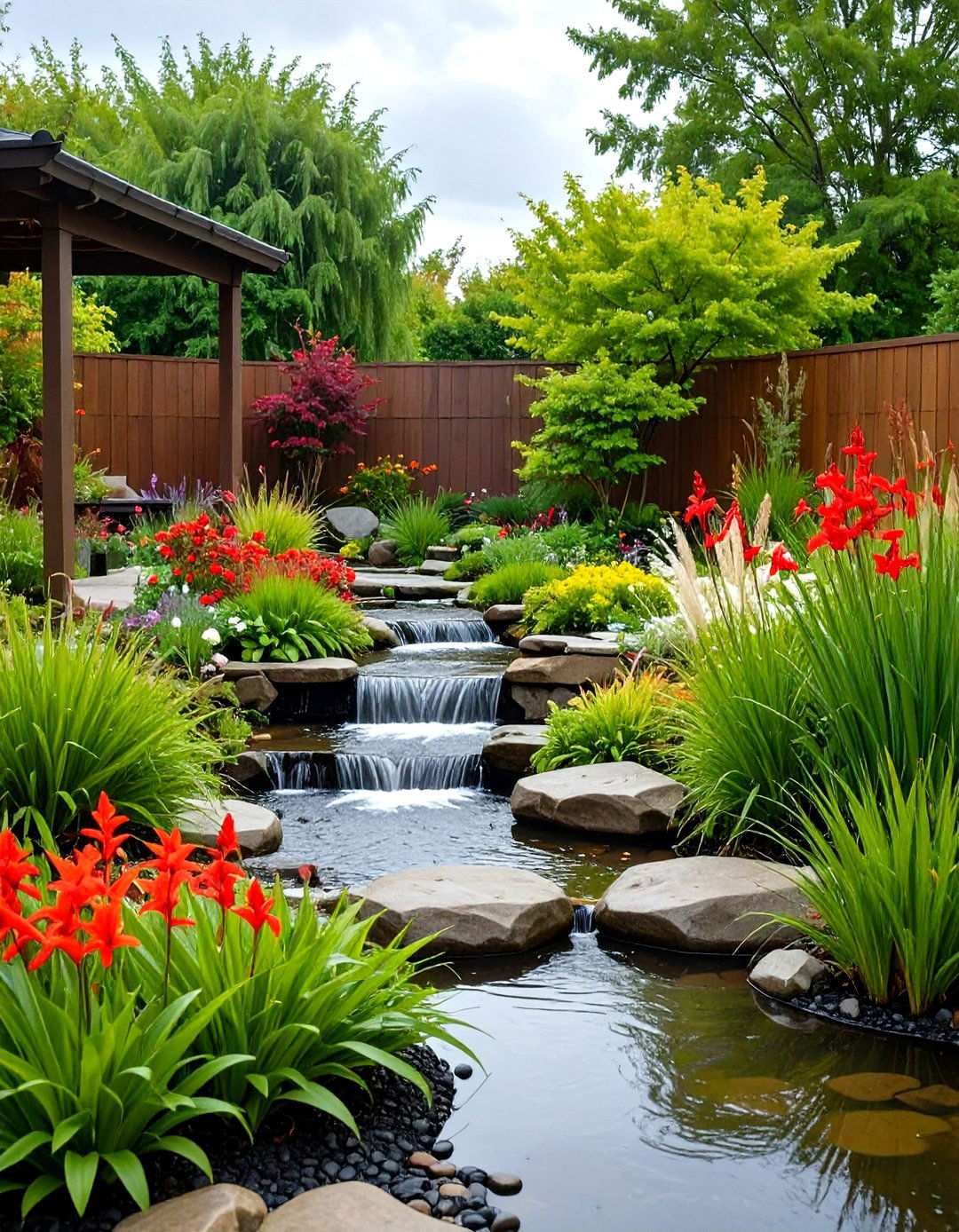
Why not convert your shaded low-lying areas into stunning rain gardens that not only manage stormwater but also create a haven for local wildlife? Many shade-loving plants thrive in periodically wet conditions, making them an ideal choice for rain garden applications. Native sedges, cardinal flower, and monkey flower are perfectly suited to tolerate both wet and dry periods, while providing seasonal color and drawing attention to the garden’s natural beauty. Astilbe and ligularia excel in moist shade conditions, boasting dramatic foliage and flowers that add an extra layer of interest to the rain garden. When designing your rain garden, remember to create gentle slopes that direct water flow toward the planted areas, preventing erosion in the process. Incorporate rocks or logs to provide structural interest and wildlife habitat, while also reducing runoff, filtering pollutants, and creating diverse plant communities that support beneficial insects and birds. By embracing the beauty of rain gardens, you can demonstrate your commitment to environmental stewardship while solving common landscape drainage problems through sustainable design solutions.
17. Vertical Gardening with Climbing Vines: Adding Height and Drama
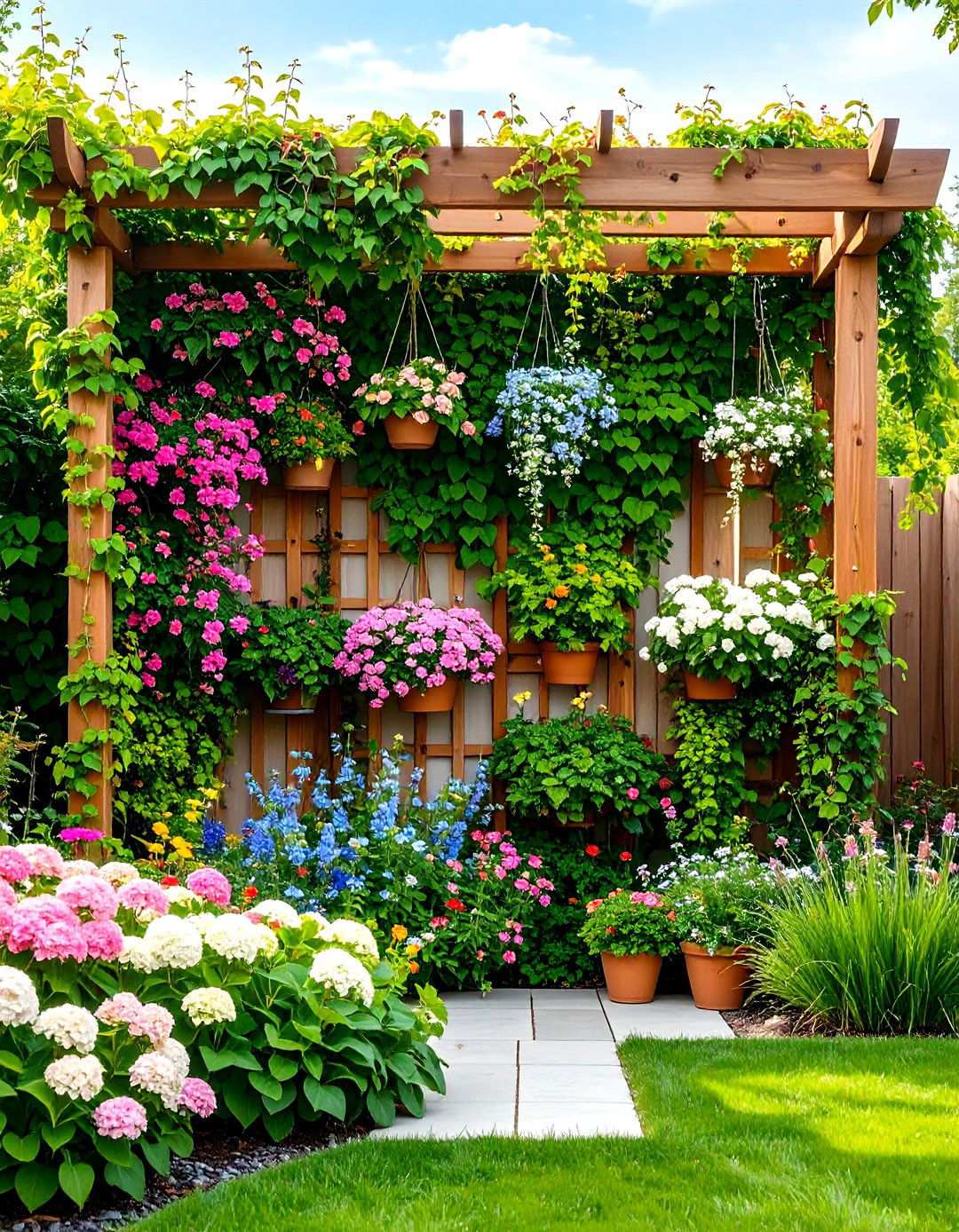
Vertical gardening is an excellent way to maximize planting space in small shade areas, while also adding important height dimensions to your garden design. Shade-tolerant climbing vines like English ivy, climbing hydrangea, or Virginia creeper can transform walls, fences, or trellises into attractive focal points, featuring vibrant foliage and seasonal interest. If you’re looking for quick coverage and seasonal flowers in partially shaded locations, consider annual vines like cardinal climber or moon vine. Before planting, make sure to install sturdy support structures, ensuring they can withstand the weight of mature vine growth. As you plan your vertical garden, consider maintenance requirements, as some vigorous vines may need regular pruning to prevent overwhelming nearby plants. By using vines to screen unsightly views, provide privacy, or create living walls that improve air quality, you can transform flat surfaces into dynamic garden features. Combine climbing plants with ground-level plantings for a complete coverage that will elevate your garden design to new heights.
18. Integrating Natural Stone Elements
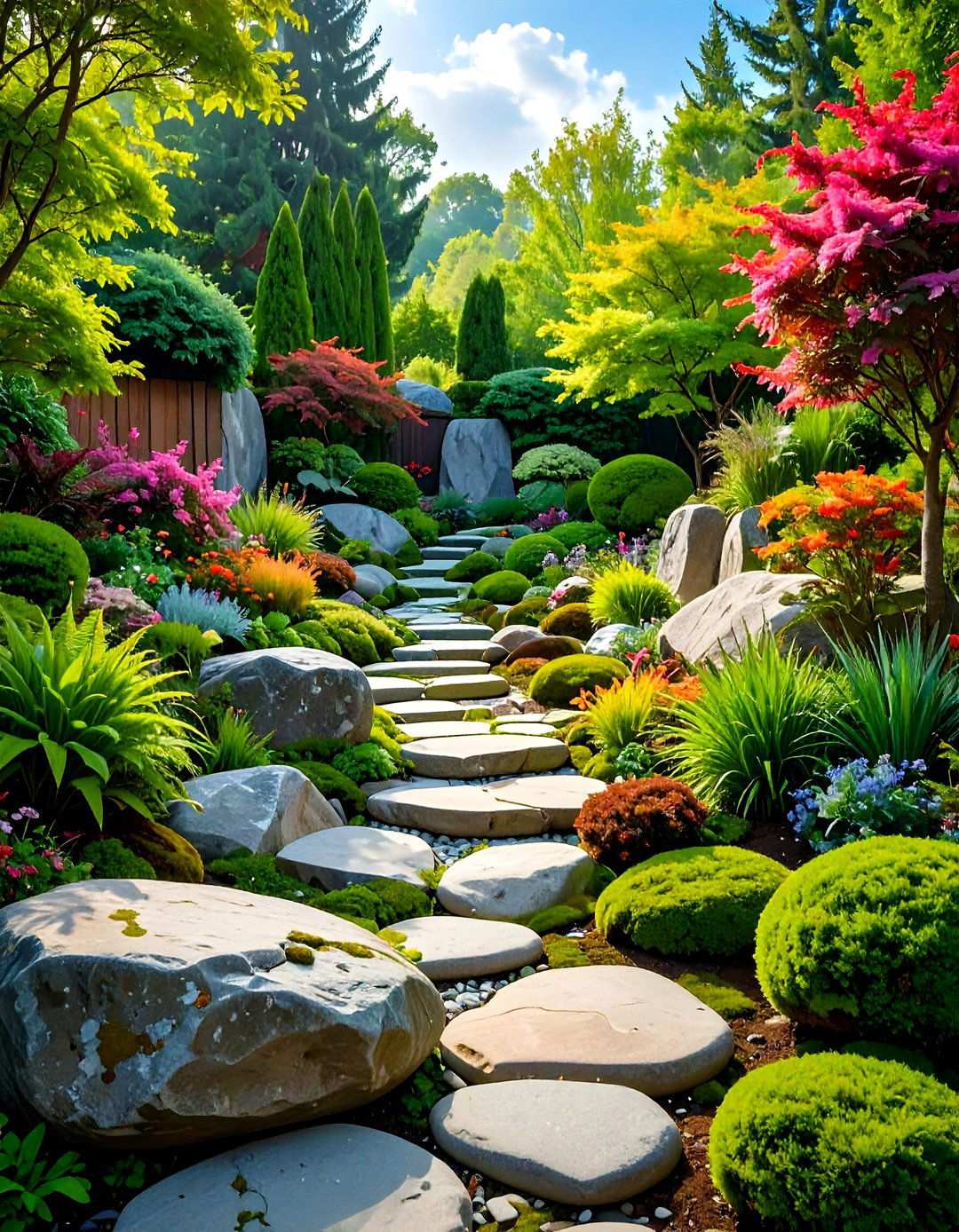
A well-designed shade garden benefits significantly from the incorporation of natural stone elements, which provide a sense of permanence and visual weight that beautifully complements softer plant textures. Strategically placed boulders can create distinct focal points and serve as natural habitats for mosses and small ferns that readily colonize rock crevices. Flagstone pathways and patios not only offer functional surfaces but also harmonize with the surrounding landscape by embracing natural materials. Rock walls, in turn, offer ideal conditions for trailing plants to thrive while defining garden spaces or tackling slope-related challenges. To ensure seamless integration, opt for local stone materials that naturally blend in with the surrounding landscape character. By carefully positioning rocks to appear as if they’ve been naturally placed, you can adhere to the principles of natural stone placement observed in wild environments. These enduring features provide year-round structure, creating microclimates that benefit surrounding plants through thermal mass effects and wind protection.
19. Effective Screening with Shade-Tolerant Plants
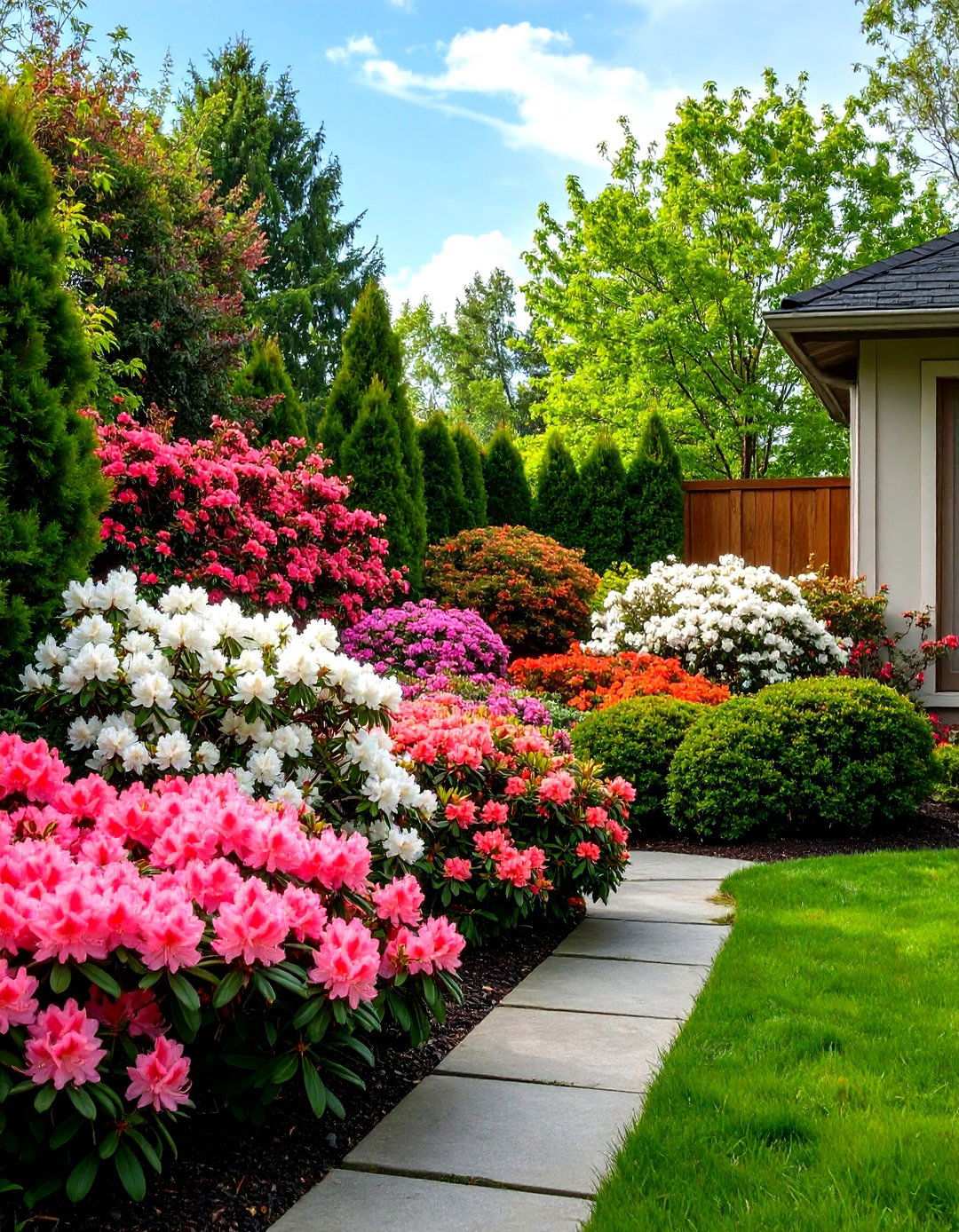
Shade-tolerant plants are an excellent choice for creating effective privacy screens that not only add beauty to garden perimeters but also provide valuable habitat for local wildlife. Evergreen shrubs such as rhododendrons, mountain laurel, or boxwood offer year-round screening with the added bonus of seasonal flowers. Deciduous options like viburnum or native elderberry offer a dynamic combination of flowers, berries, and changing foliage while maintaining privacy during the peak outdoor activity seasons. To create visually appealing and functional screening, layer different plant heights to avoid monotonous walls of vegetation. Include some flowering species to attract beneficial pollinators while maintaining the essential function of providing privacy. When selecting screening plants, carefully consider their maintenance requirements and mature sizes to avoid potential overcrowding problems. By strategically placing these plants, you can filter out unwanted views while framing desirable garden vistas, creating intimate outdoor spaces that feel secluded and private.
20. The Art of Textural Contrast
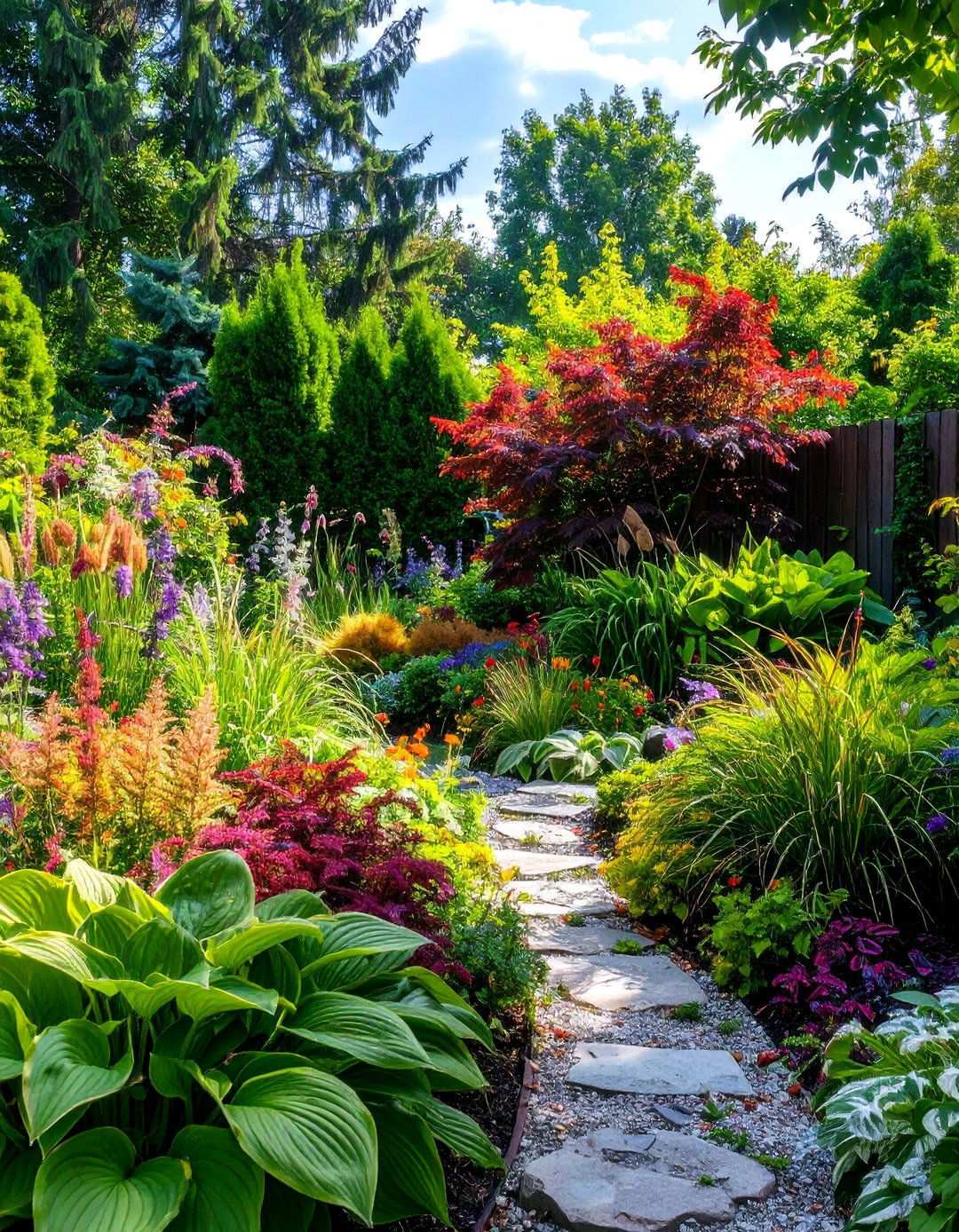
Combining plants with contrasting leaf textures is a sophisticated approach to creating shade garden designs that remain engaging and visually appealing without relying on flowers. A striking combination can be achieved by pairing broad-leaved hostas with fine-textured astilbe foliage. Adding ornamental grasses like Japanese forest grass introduces movement and linear elements that beautifully contrast with rounded plant forms. Including ferns with various frond shapes, from simple to highly divided, adds textural variety to the design. Smooth-leaved plants like bergenia create a beautiful contrast with fuzzy lamb’s ear or textured coral bell foliage. This approach to garden design emphasizes structure and form over color, resulting in refined compositions that work well in both formal and naturalistic settings. Textural combinations provide visual interest throughout the growing seasons while requiring minimal maintenance compared to color-dependent designs that need constant replanting and seasonal updates.
21. Naturalizing Delights
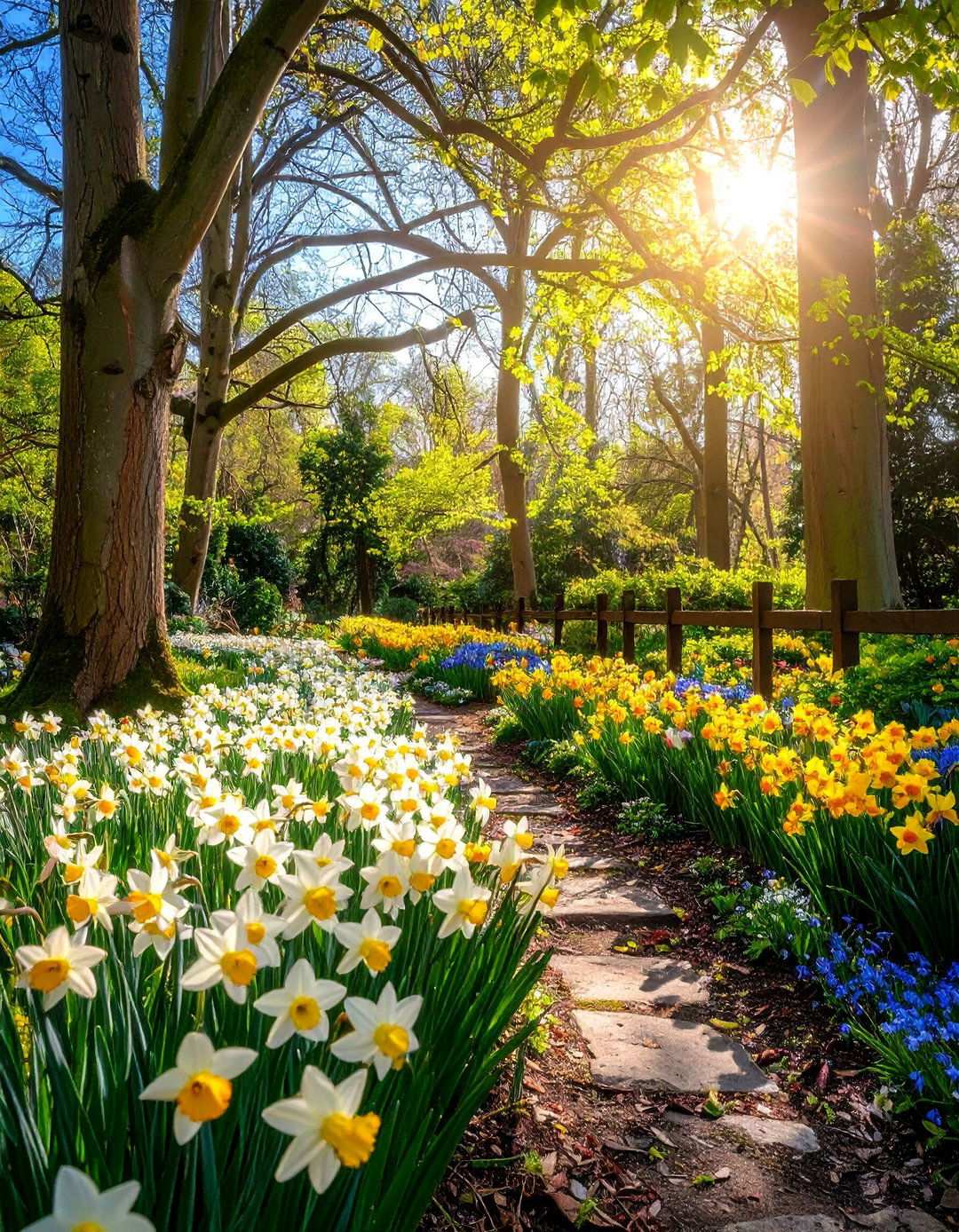
Witness the enchanting spectacle of spring bulbs thriving beneath deciduous trees, their vibrant displays a testament to nature’s effortless elegance. Early-blooming bulbs seize the opportunity of pre-leaf sunlight to establish and flourish before the tree canopy casts its full shade, creating a captivating display of color and texture. Over time, daffodils, crocuses, and snowdrops spread across the landscape, their natural progression yielding increasingly stunning results with minimal maintenance. For a more authentic appearance, plant bulbs in loose, informal drifts rather than rigid rows. Select varieties specifically adapted to partial shade conditions that will reliably return year after year. Permit the foliage to die back naturally, allowing it to nourish bulb development for future seasons. Pair early bulbs with later-emerging perennials like hostas, which will conceal declining bulb foliage with their fresh growth. This thoughtful approach not only provides early-season color but also fosters self-sustaining plant communities that thrive throughout the seasons.
22. Seamless Transitions
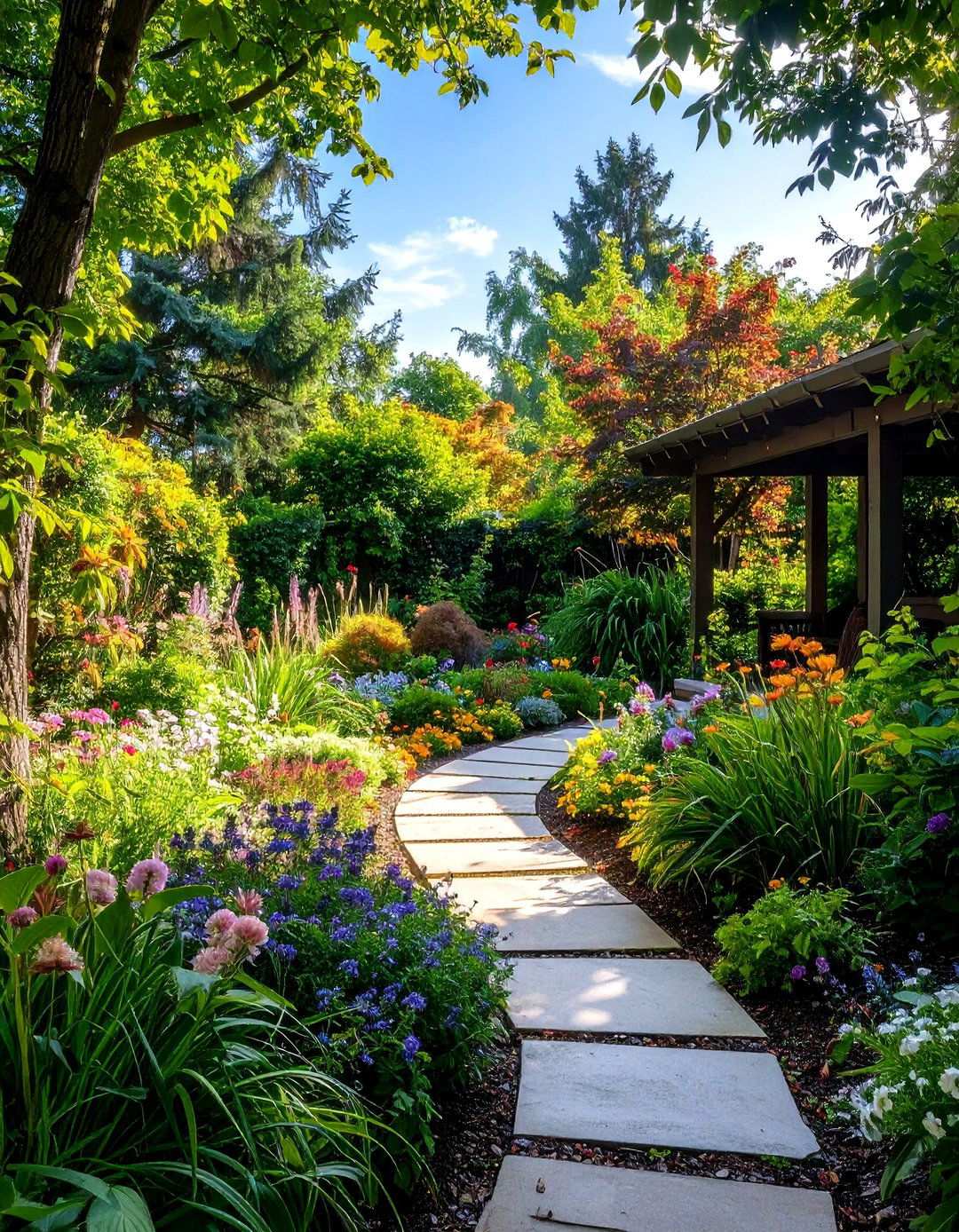
The areas where open spaces meet deep shade demand careful consideration to create a harmonious visual flow between different garden environments. By selecting plants that can adapt to varying light conditions as trees leaf out and seasonal shade patterns change, you can create a seamless transition zone. Partial shade perennials, such as heuchera, astilbe, and Japanese painted ferns, are ideal for these areas, as they can thrive in changing conditions throughout the growing season. Incorporate flowering shrubs that bloom before trees fully leaf out to add early-season interest. Design these areas to feel organic and natural, using curved edges and gradual plant height transitions to create a sense of continuity. These woodland edge gardens often receive more moisture and have richer soil than fully exposed areas, supporting diverse plant communities that provide a haven for wildlife while creating beautiful transitional spaces.
23. Structured Elegance
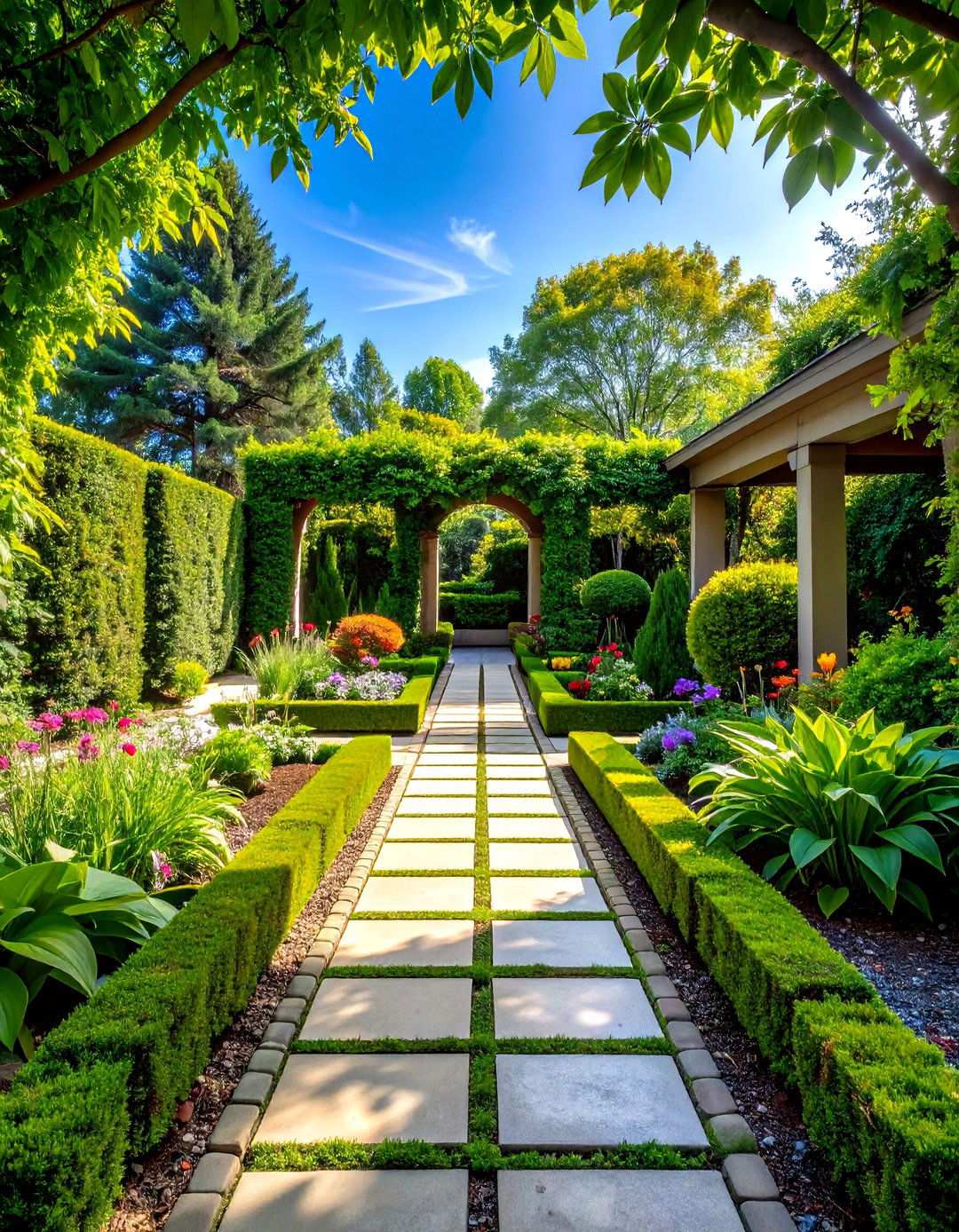
Contrary to popular perception, formal shade gardens can be a stunning and harmonious choice for low-light conditions, employing geometric patterns and symmetrical plantings to create a sense of order and sophistication. Box hedging provides a permanent structure that can withstand considerable shade under mature trees, while repetitive plant patterns with hostas, ferns, or coral bells establish a rhythm and sense of balance. Incorporate architectural elements like obelisks, urns, or formal water features as focal points to add depth and visual interest. Maintain clean edges and precise plant placement through regular maintenance and careful plant selection, choosing plants with strong structural qualities and reliable performance rather than fleeting flower displays. This approach works particularly well in urban settings or formal landscape contexts where structure and refinement are valued above naturalistic woodland appearances.
24. Enriching Shade Gardens with Wildlife Habitat
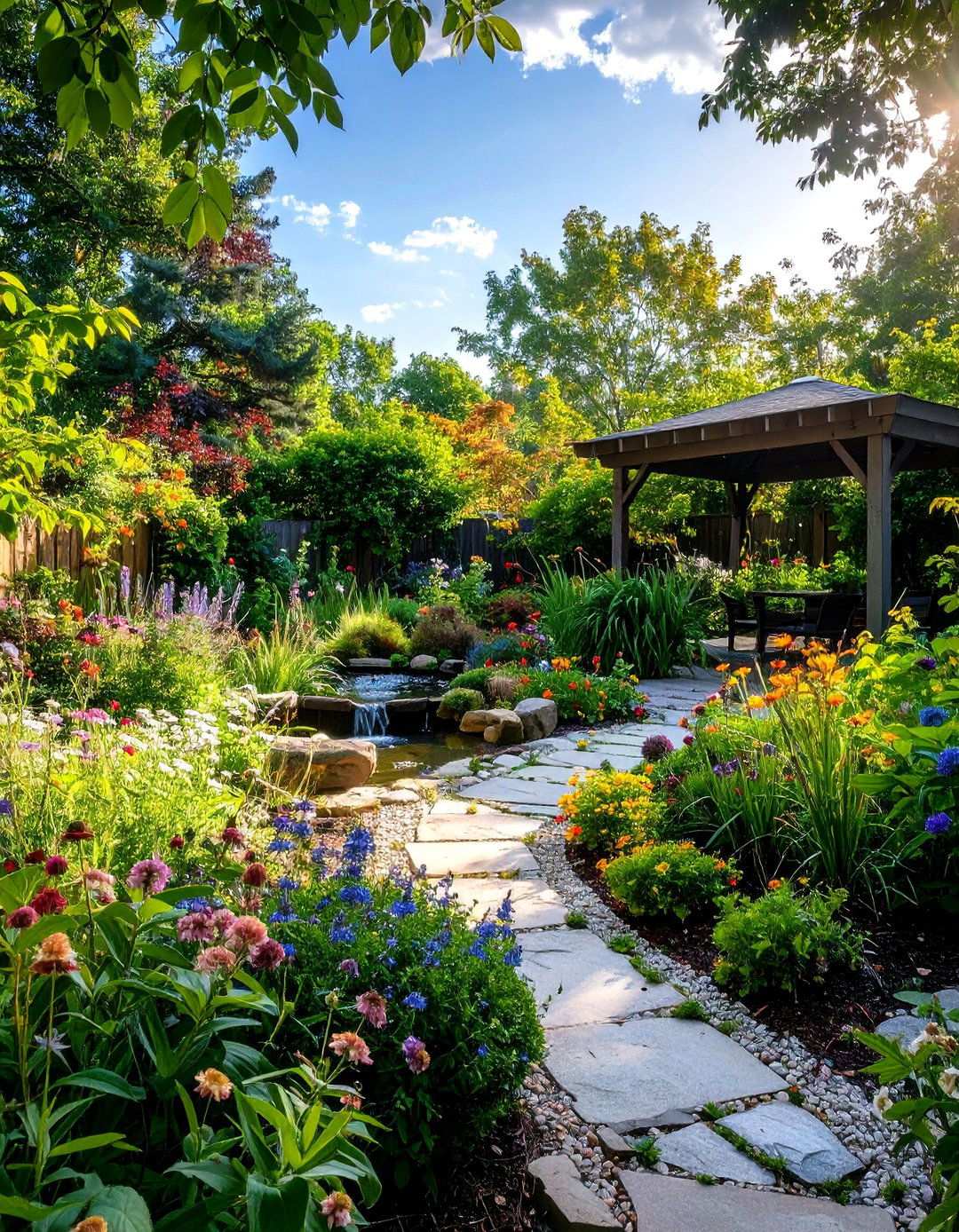
A well-designed shade garden can be a vibrant ecosystem that nurtures local wildlife all year round. By incorporating native plants, you can create a thriving community that supports insects, birds, and small mammals alike. Berry-producing shrubs such as elderberry, spicebush, and native viburnums are ideal for attracting birds during their migratory and winter phases. These shrubs serve as a valuable food source, supplementing the birds’ diets with essential nutrients. In contrast, native wildflowers like wild ginger, bloodroot, and trillium provide a haven for specialized butterfly and moth species, showcasing the intricate relationships within these ecosystems. Beyond these plants, consider adding water sources such as small ponds, fountains, or shallow dishes to cater to the diverse needs of wildlife. By leaving some areas with minimal management, incorporating brush piles or leaf litter, you can create sheltered habitats for beneficial insects and small creatures. This thoughtful approach not only fosters biodiversity but also offers a peaceful retreat for humans, providing a perfect blend of environmental benefits and personal enjoyment.