1. Transforming School Buses into Year-Round Gardening Havens
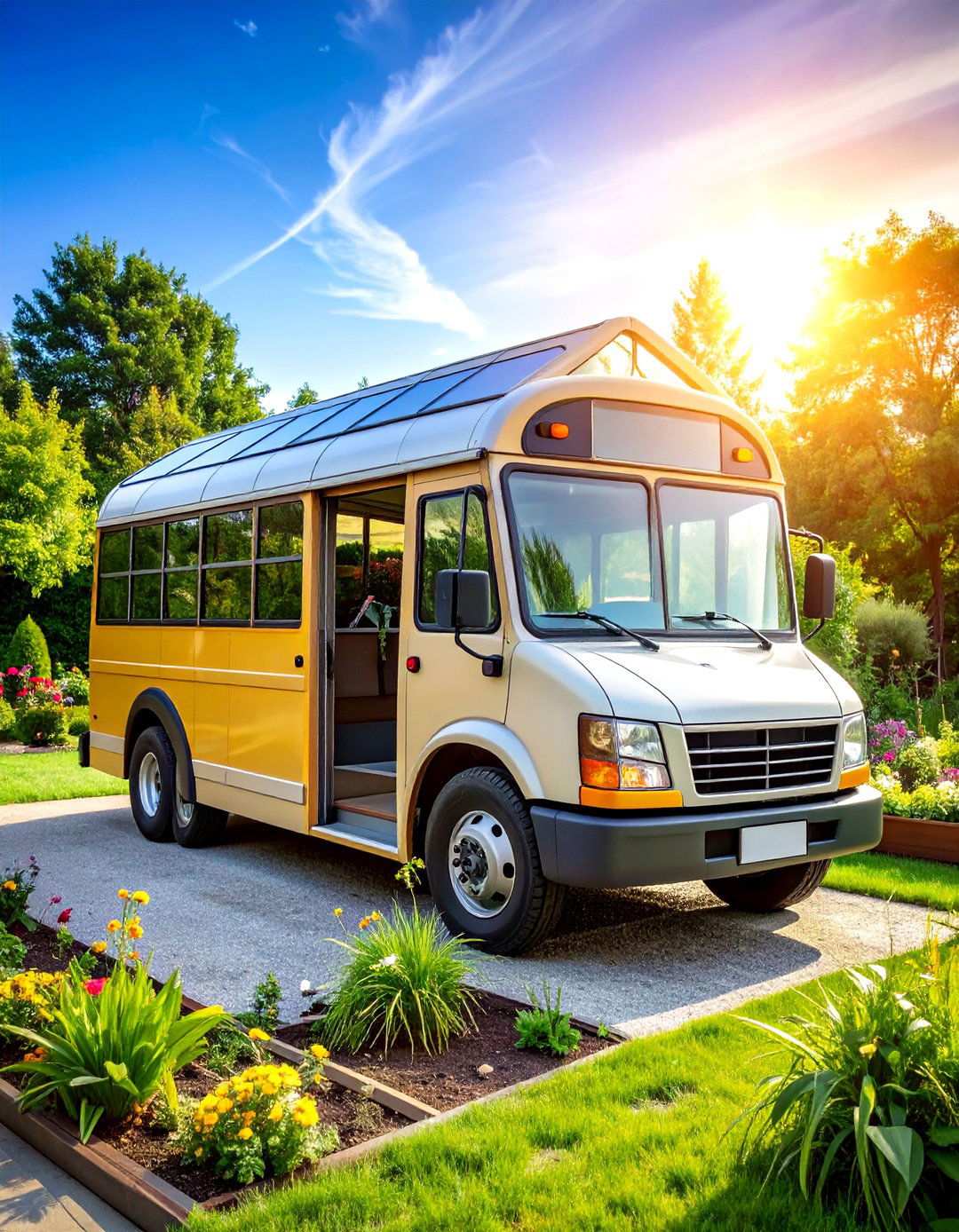
Renovating school buses into greenhouses represents a groundbreaking approach to cultivating crops in a controlled environment. This innovative solution empowers gardeners to cultivate their favorite plants 365 days a year, shielding them from harsh weather conditions and fostering optimal growth. By repurposing retired vehicles, gardeners can access eco-friendly and affordable greenhouse solutions that provide superior insulation, ample growing space, and unique design possibilities. Whether you’re a seasoned gardener or a beginner, school bus greenhouses can be tailored to suit various gardening styles and budgets, from straightforward roof removal projects to complex aquaponic systems.

As an Amazon Associate I earn from qualifying purchases.
2. Maximizing Space and Flexibility in Mobile School Bus Greenhouses
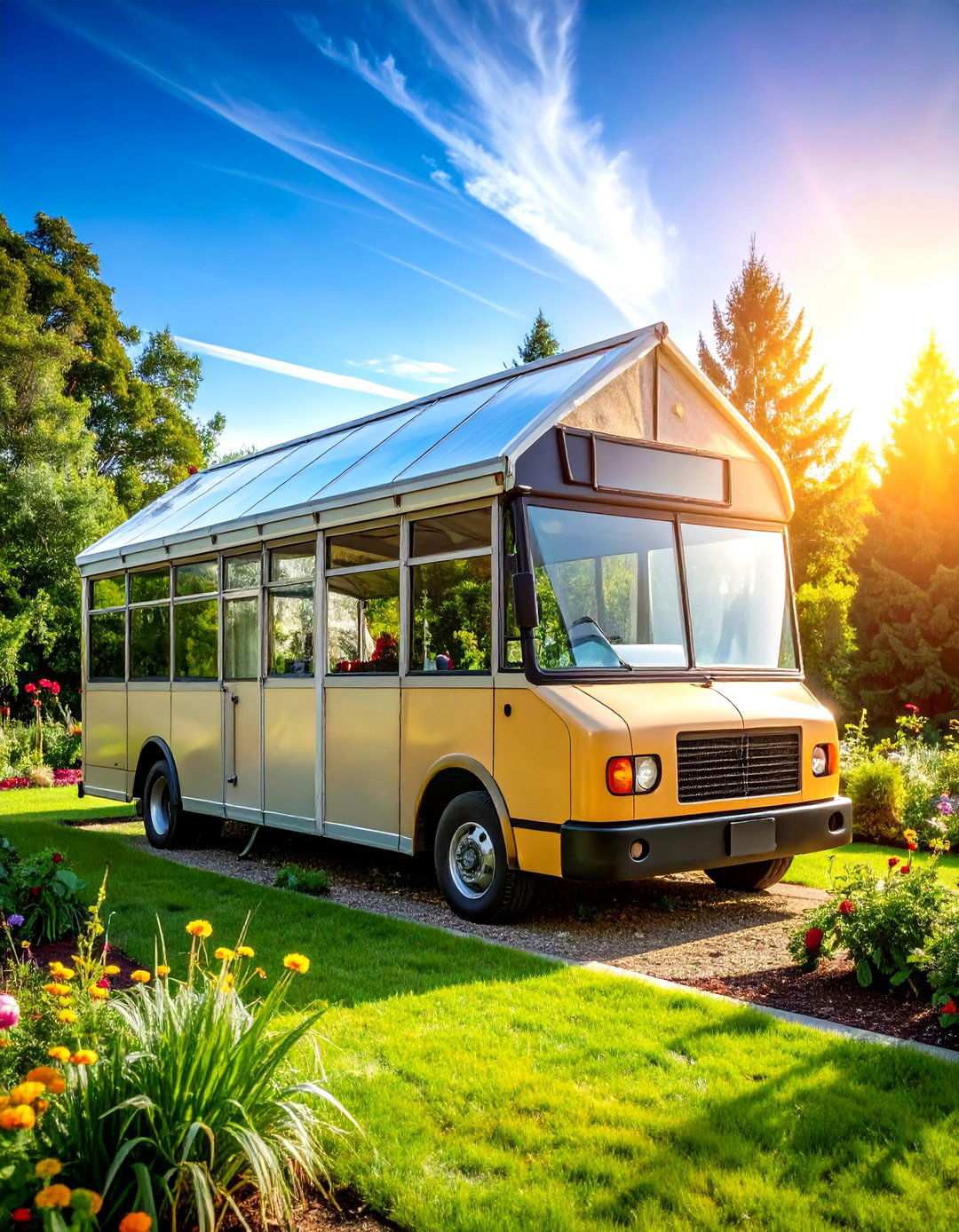
A mobile school bus greenhouse retains its original drivetrain, allowing gardeners to relocate their growing operation seasonally or as needed. This versatile design features skylights strategically cut into the roof for maximum natural light exposure, while preserving the structural integrity of the vehicle. Removable growing benches are secured during transport to ensure a seamless experience. The mobile nature of this greenhouse enables gardeners to track optimal sun patterns, attend farmers’ markets, or avoid severe weather conditions. Interior modifications include lightweight aluminum growing benches, portable water storage systems, and flexible ventilation openings that promote healthy plant growth. Temperature control relies on passive ventilation through opening windows and skylights, reducing the need for permanent heating systems. With proper drainage modifications, the original floor can be utilized for watering runoff, making this design an attractive option for market gardeners, educational programs, and seasonal growers who require flexibility in their greenhouse location.
3. School Bus Greenhouse with Partial Skylight System
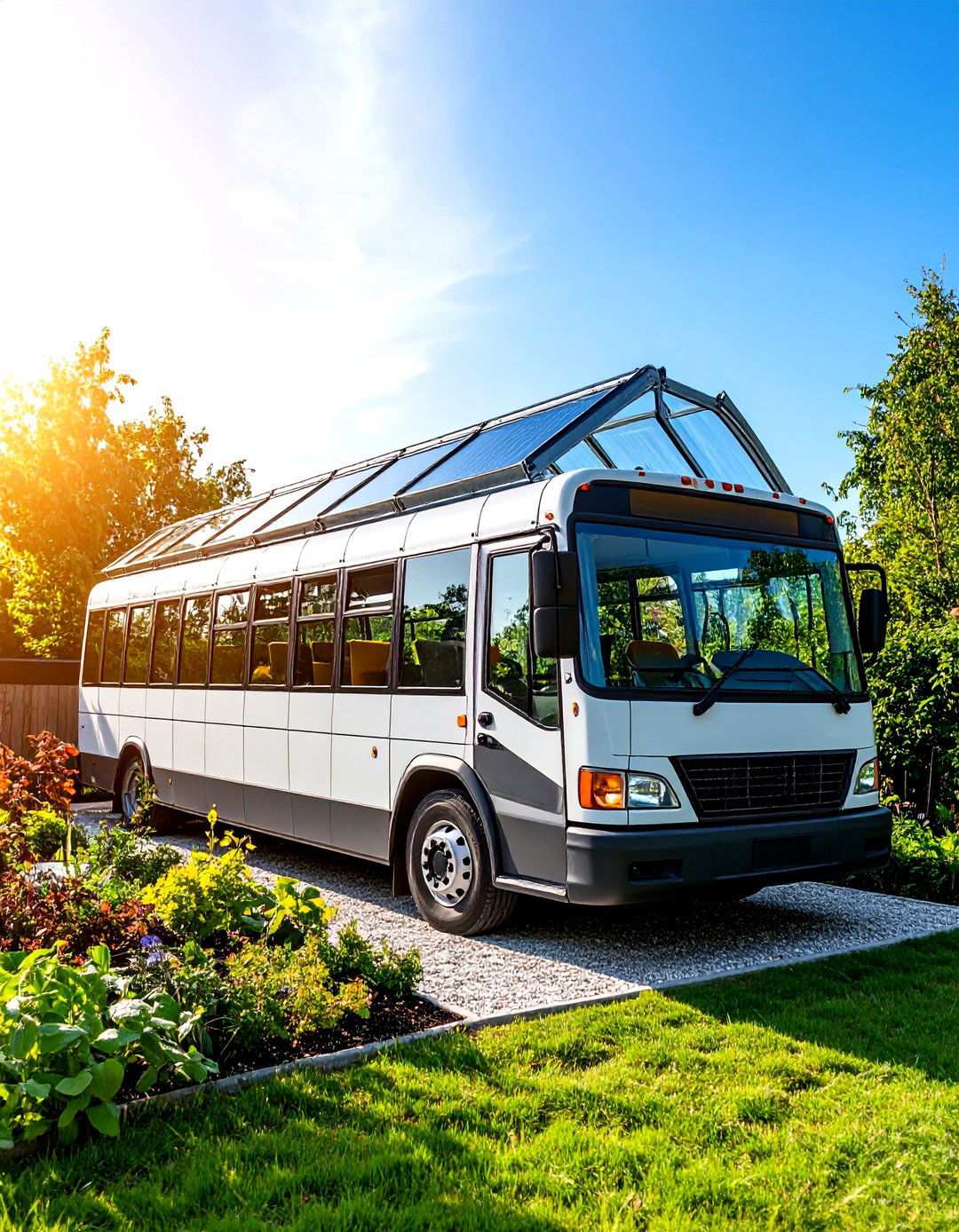
A judicious use of skylights can strike an ideal balance between letting in copious amounts of natural light and preserving the structural integrity of a school bus. By replacing select roof sections with transparent materials, gardeners can create an inviting atmosphere while benefiting from reduced construction complexity and retained structural strength. This thoughtful approach typically involves the installation of three to four skylights positioned between roof ribs, providing excellent illumination while keeping most of the original metal roof intact for weather protection. Polycarbonate or tempered glass skylights not only offer durability but also ensure excellent light transmission, making them a popular choice for this setup. The remaining roof sections can be utilized for supporting hanging baskets, irrigation lines, and ventilation equipment. Original windows supplement natural ventilation, and the partially covered design lends itself to better temperature control than complete roof removal. Furthermore, installation costs remain moderate while delivering significant growing improvements, making this design an attractive option for gardeners seeking enhanced light conditions without extensive modifications or those operating in areas with severe weather conditions requiring extra structural protection.
4. Hydroponic School Bus Greenhouse with NFT Systems
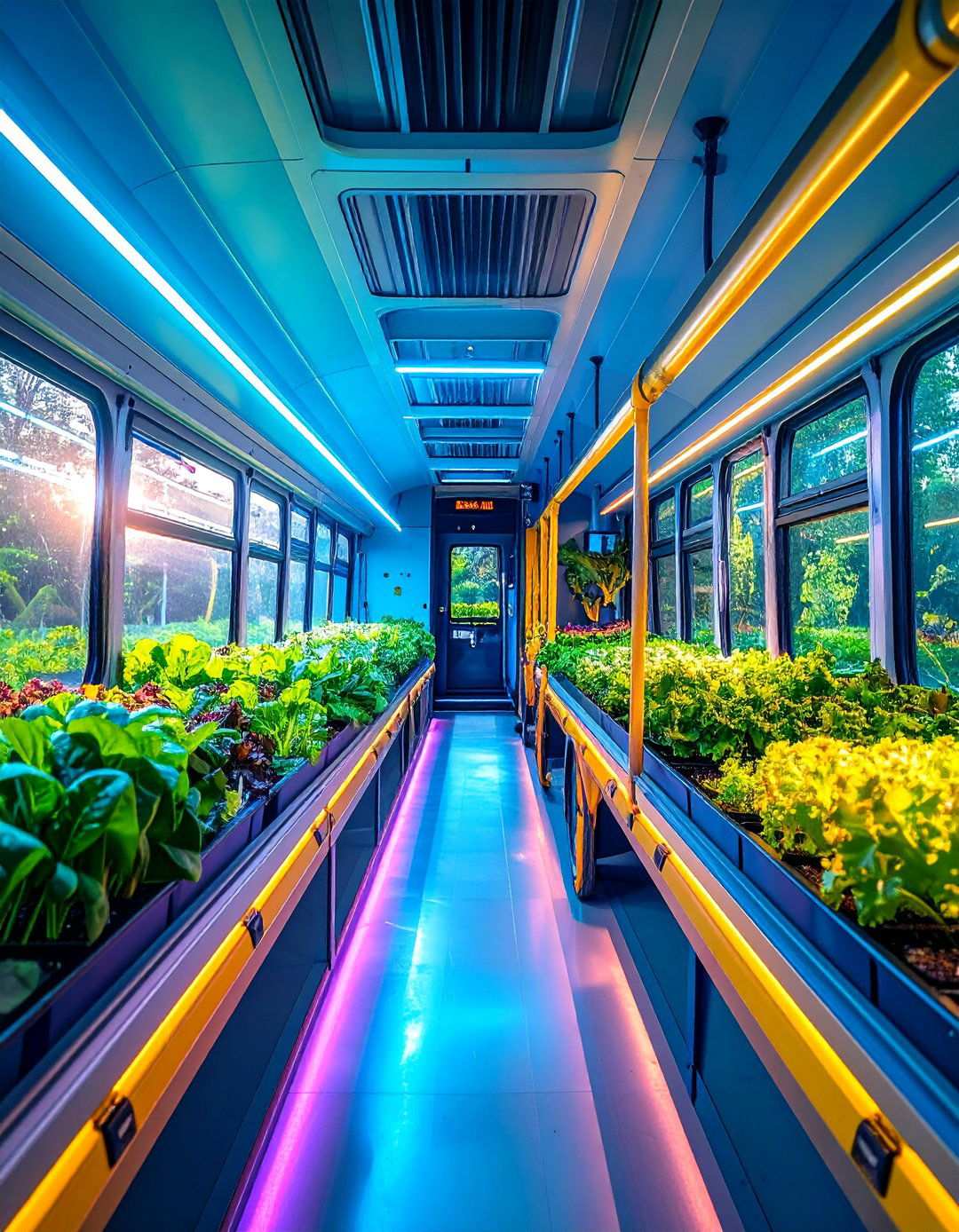
Nutrient Film Technique systems transform school bus interiors into thriving, soil-free growing environments with precise nutrient control. A custom-built approach involves designing growing channels that run along both sides of the bus interior, utilizing the natural aisle for maintenance access. Water pumps circulate nutrient solutions through PVC channels, providing constant root zone nutrition. Strategically positioned reservoir tanks under seating areas maximize space efficiency while maintaining system capacity. LED grow lights supplement natural light through skylights or window modifications, ensuring optimal growing conditions. The enclosed environment allows for year-round production regardless of weather conditions, making it an ideal setup for commercial microgreen production, herb cultivation, or educational demonstrations of modern growing techniques. By automating feeding schedules with timer-controlled systems and monitoring equipment tracking pH and nutrient levels, gardeners can achieve maximum yields in minimal space with this high-tech approach.
5. Innovative Aquaculture and Hydroponics Integration in a School Bus Greenhouse
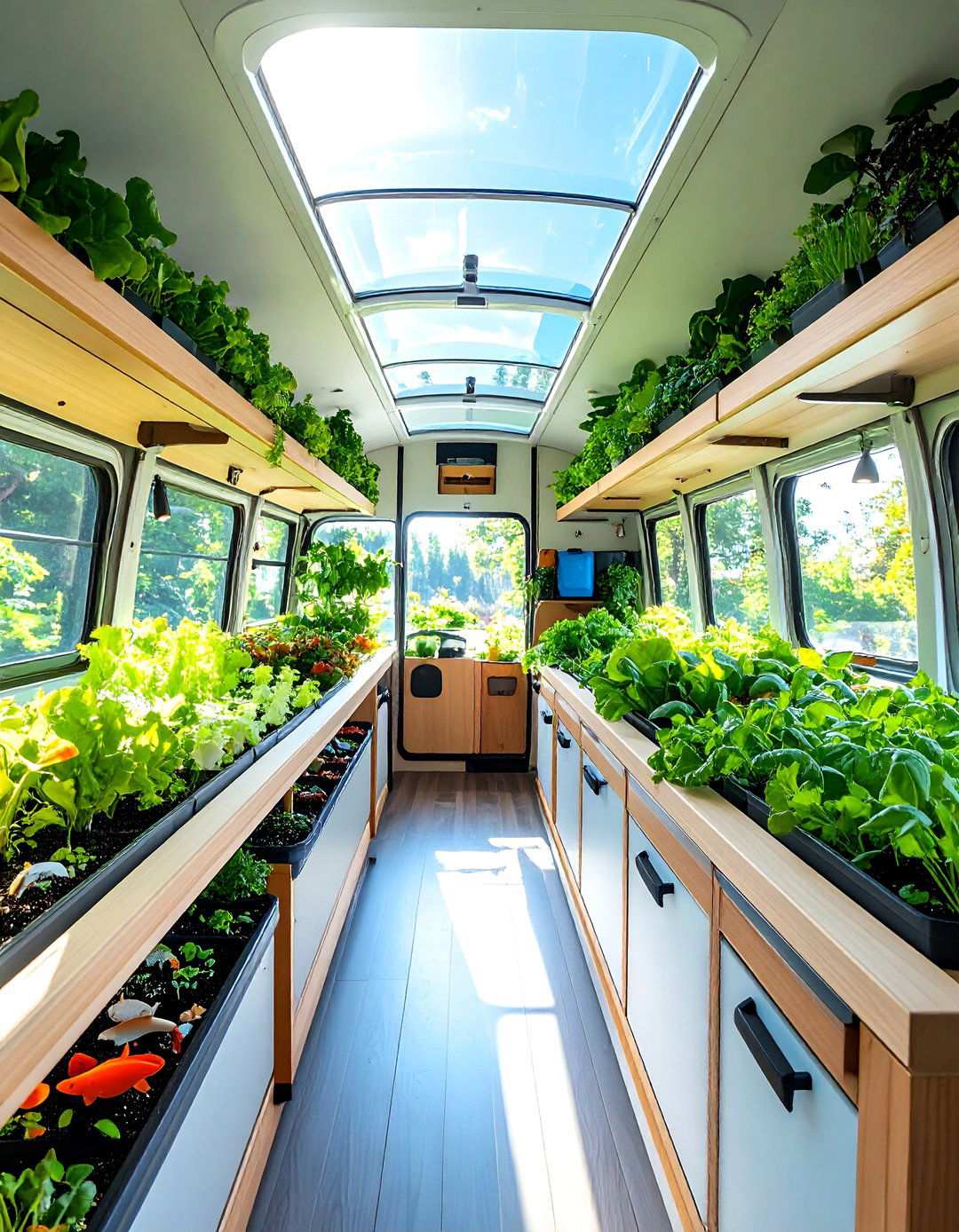
A cutting-edge approach to sustainable agriculture integrates aquaculture and hydroponics within a repurposed school bus, fostering a symbiotic relationship between fish and plant cultivation. The rear section is dedicated to large fish tanks, while the remaining interior space is allocated to thriving growing beds. The natural waste produced by fish serves as a nutrient-rich fertilizer for plants, which in turn filter the water to maintain optimal fish health. This enclosed ecosystem regulates temperatures, creating a stable environment that benefits both aquatic and terrestrial life. A custom-designed plumbing system circulates water between fish tanks and growing beds, utilizing energy-efficient pumps to minimize energy consumption. Strategically placed skylights provide natural illumination while allowing for precise climate control. The selection of hardy fish species, such as tilapia, is paired with leafy greens and herbs to create a productive and resilient system. This dual-purpose setup not only yields protein and vegetables but also showcases eco-friendly agricultural practices. As a result, it has become a sought-after educational tool for schools and community centers, while homesteaders appreciate its ability to produce multiple crops while minimizing external inputs.
6. Maximizing Plant Growth Potential in Converted School Bus Greenhouses
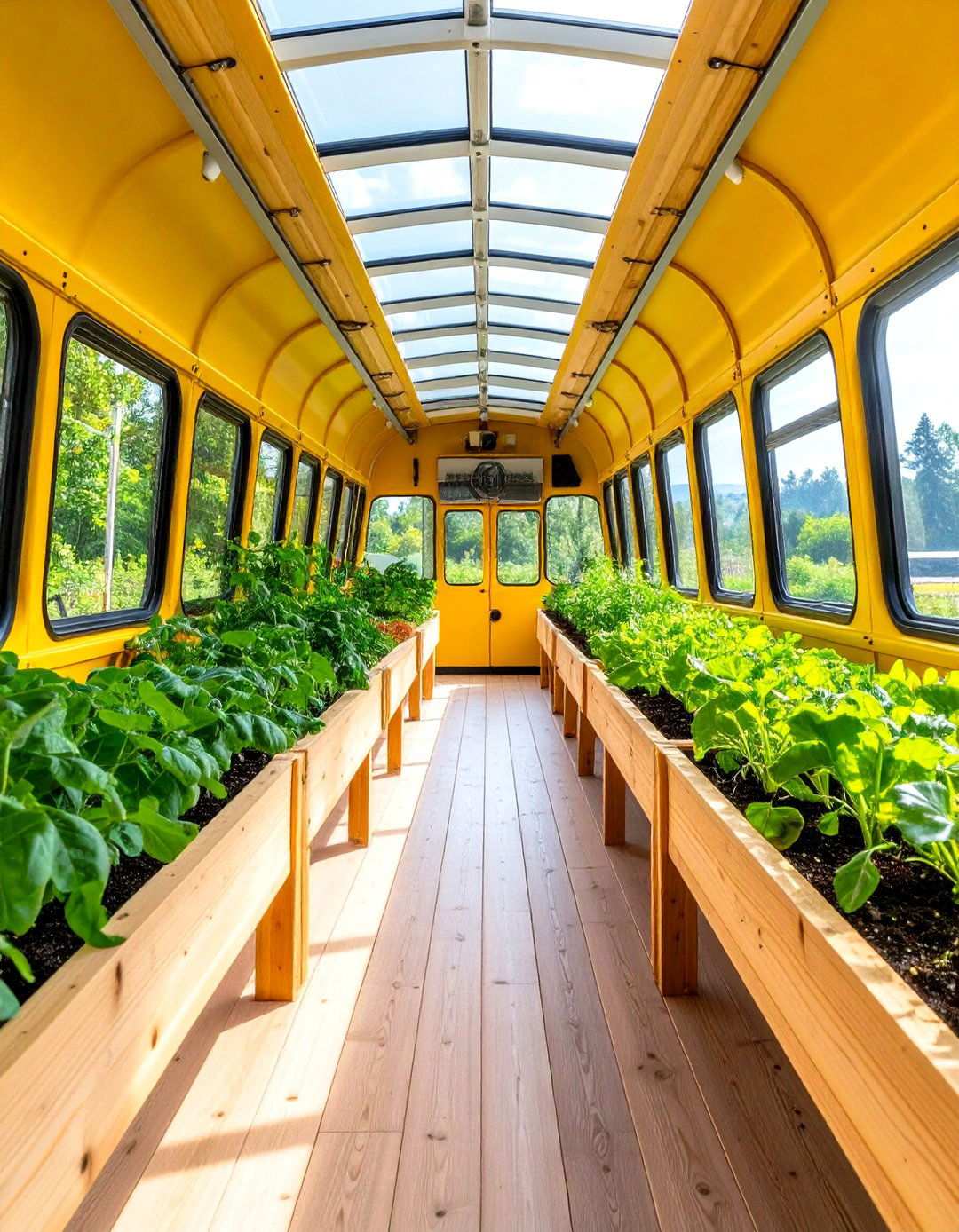
Transformed school buses now serve as ideal locations for raised bed growing systems, offering optimal growing conditions and maximizing available space. Custom-designed growing beds elevate the cultivation medium to comfortable working heights, reducing strain on gardeners during maintenance activities. The versatility of these beds allows for various crop types and growing methods to thrive within the bus interior. In addition to improved growing conditions, proper drainage systems prevent water damage while maintaining optimal soil moisture levels. The elevated design of the beds enhances root zone drainage and allows for precise control over the soil mixture, catering to the specific needs of different plant species. Ample walkways between beds facilitate easy access for planting, maintenance, and harvesting activities. Integrated irrigation systems efficiently deliver water to each growing zone, minimizing waste and ensuring maximum crop yields. Under-bed storage areas accommodate tools, supplies, and seasonal equipment, making the most of the available space. This traditional approach to growing appeals to gardeners who prefer soil-based cultivation methods while optimizing the bus’s interior space for productive use and comfortable operation.
7. School Bus Greenhouse with Automated Climate Control
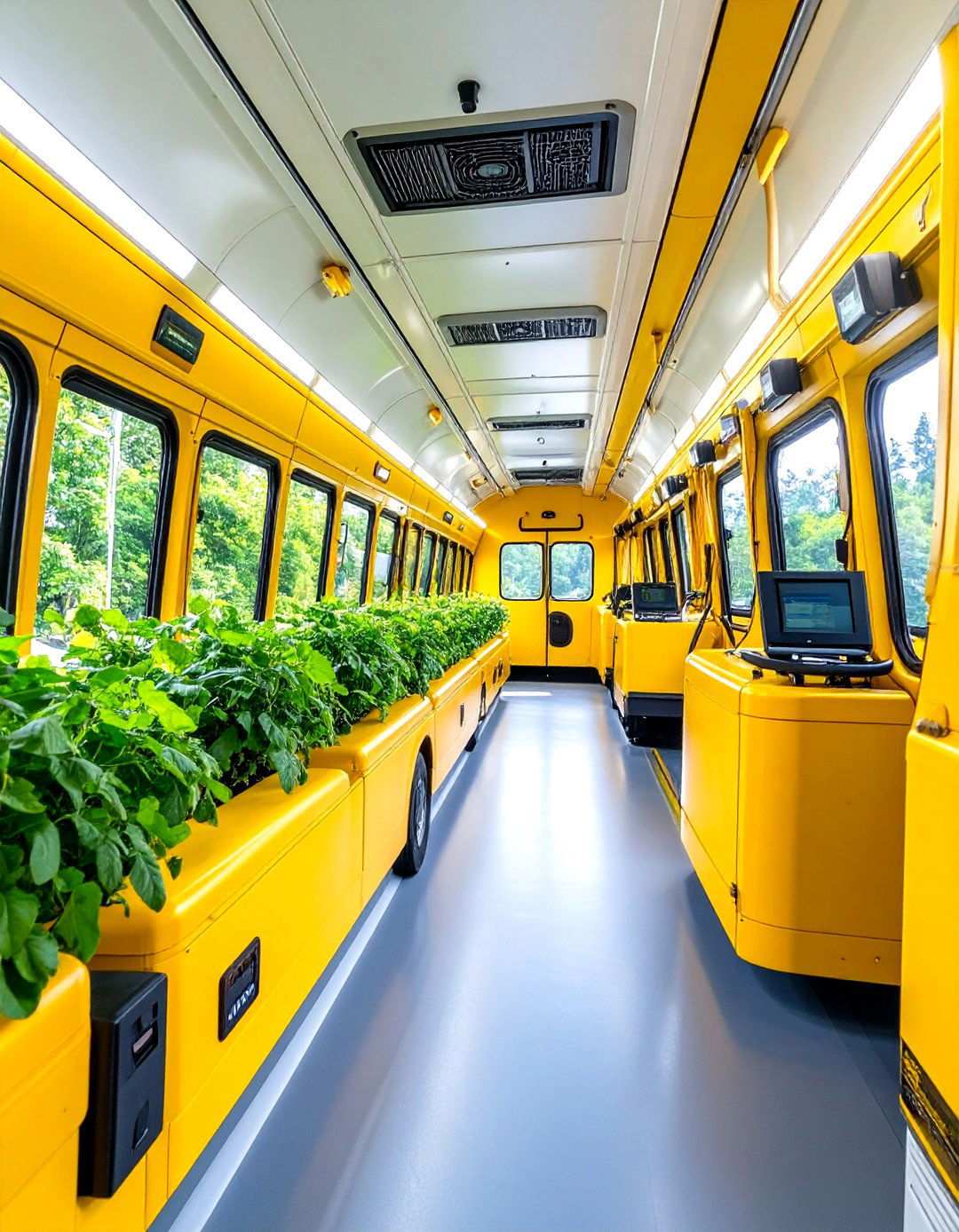
Effortless cultivation is achieved through cutting-edge automation systems within converted school bus greenhouses. These sophisticated environments utilize sensor networks to constantly monitor parameters such as temperature, humidity, light levels, and soil moisture, ensuring optimal growing conditions are consistently met. Advanced computer-controlled systems operate ventilation fans, heating elements, irrigation pumps, and lighting systems according to pre-programmed parameters, eliminating the need for manual adjustments. Remote monitoring capabilities empower growers to check conditions and make adjustments from anywhere, guaranteeing continuous growth. Integrated backup power systems ensure seamless operation during power outages, safeguarding the delicate balance of environmental conditions. Data logging tracks the evolution of environmental conditions and plant performance over time, enabling growers to refine their strategies and optimize their greenhouses. Furthermore, the integration of weather stations adjusts settings based on external conditions, fine-tuning the system for maximum efficiency. This advanced approach enables growers to achieve consistent yields while minimizing labor requirements, making it an attractive solution for commercial growers and hobby gardeners alike. The system’s sophistication also makes it suitable for research applications and educational demonstrations of modern agricultural technology, providing a valuable resource for those seeking to learn and innovate.
8. School Bus Greenhouse with Solar Power Integration
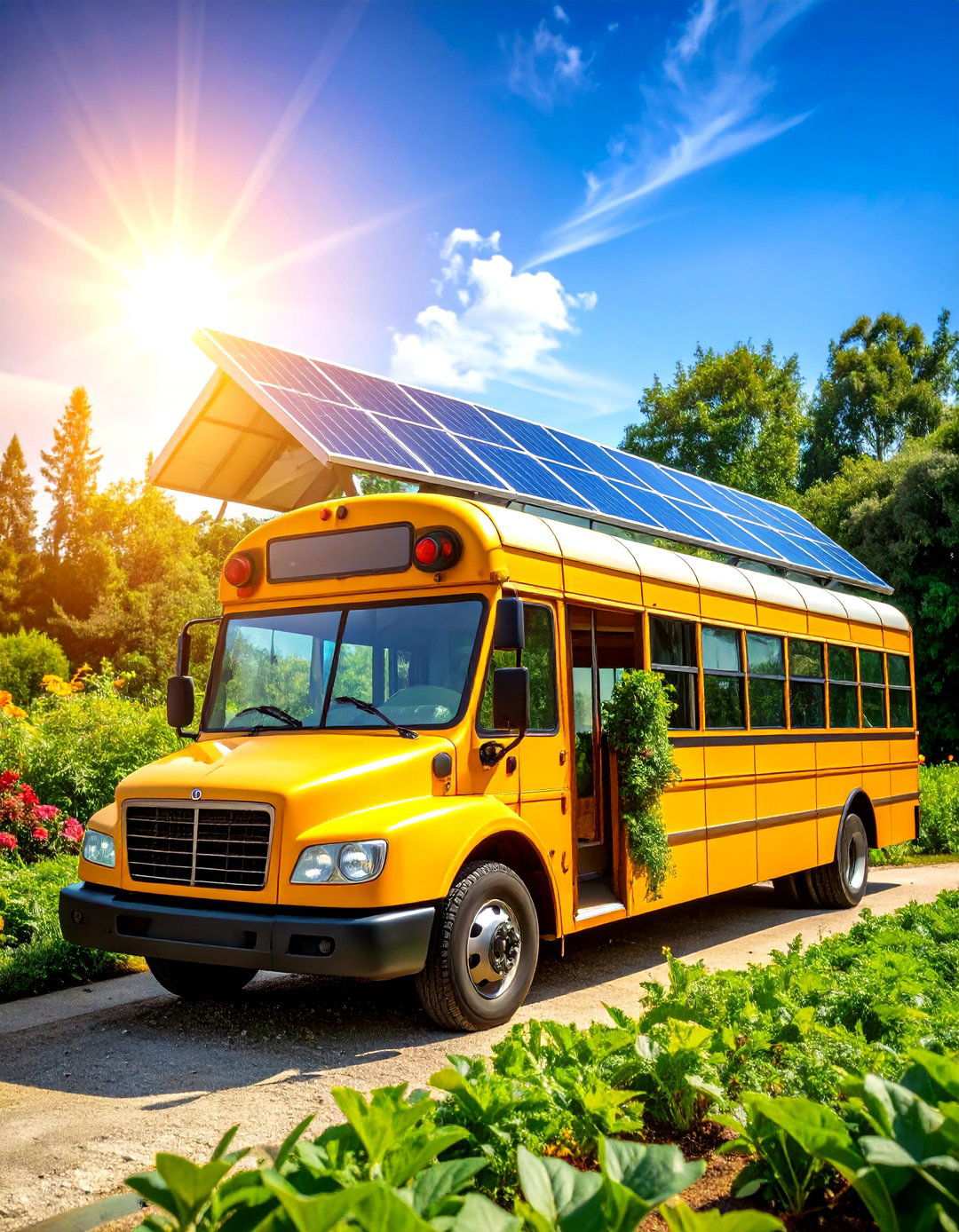
Renewable energy is harnessed through solar panel arrays in off-grid school bus greenhouses, powering all electrical systems. Strategically positioned roof-mounted panels generate energy for ventilation fans, irrigation pumps, LED grow lights, and monitoring equipment, eliminating the need for external power sources. Robust battery storage systems ensure continuous operation during periods of low sunlight and nighttime hours, guaranteeing uninterrupted growth. Energy-efficient design minimizes power consumption while maintaining optimal growing conditions, resulting in significant cost savings over time. Solar-powered ventilation provides consistent air circulation without reliance on the grid, while LED lighting systems extend daylight hours for improved plant growth using stored solar energy. Efficient power management is achieved through the use of charge controllers and inverters, distributing power throughout the system with precision. This sustainable approach appeals to environmentally conscious growers and remote locations without access to electrical power, offering a resilient and eco-friendly solution for greenhouse operation. The self-sufficient design enables greenhouse operation anywhere with adequate sunlight, making it an ideal solution for rural properties, educational institutions, and demonstration projects focused on renewable energy applications.
9. Repurposing School Buses as High-Tech Greenhouses
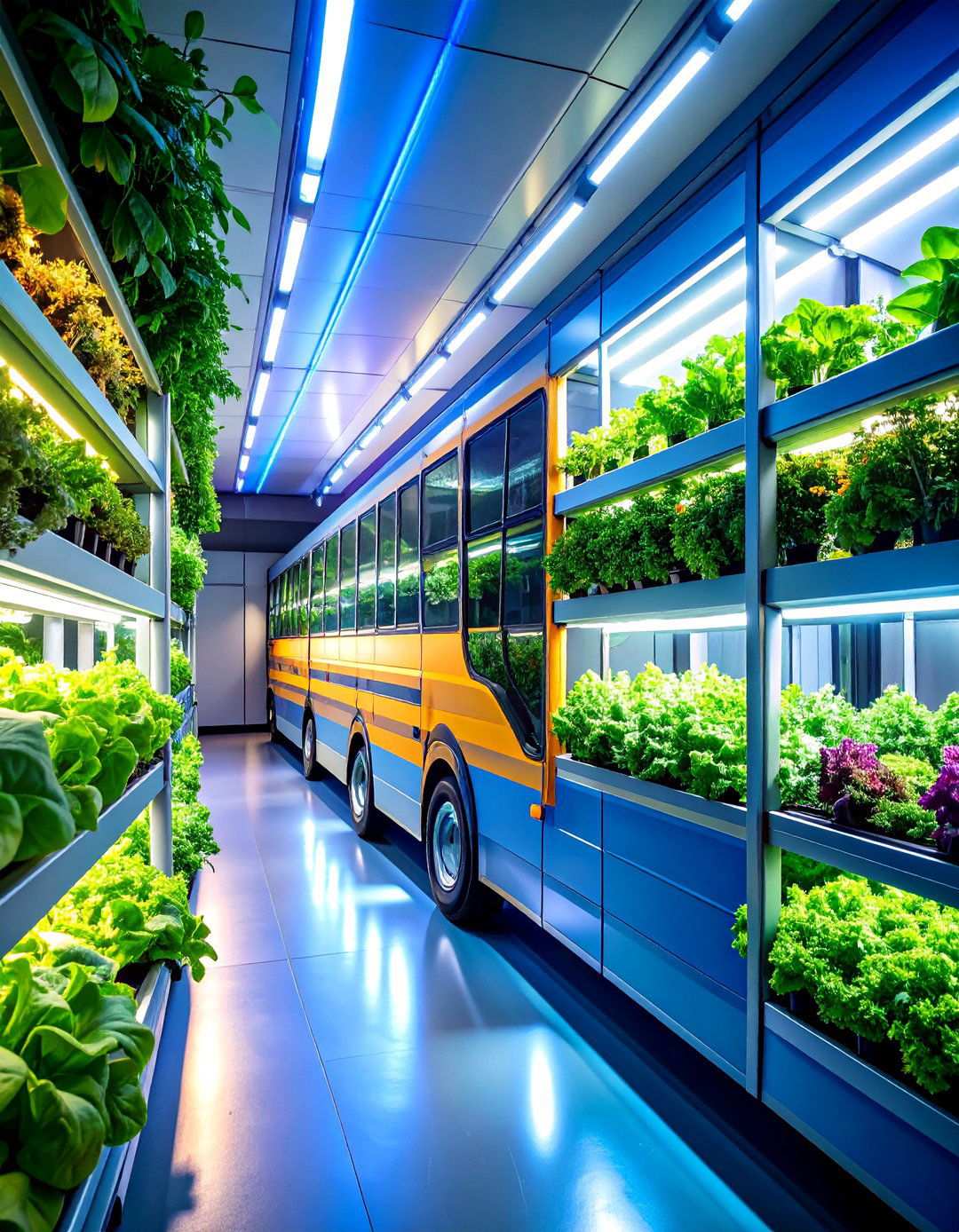
By repurposing school buses as high-tech greenhouses, growers can unlock the full potential of these converted spaces. Multi-story growing systems make the most of the bus’s vertical space, with tiered platforms supporting multiple levels of LED-lit growing areas. Hydroponic or aeroponic systems precision-feed plants at each level, eliminating waste and maximizing yields. In contrast to traditional horizontal layouts, these vertical systems can triple or quadruple the growing space, making them a game-changer for urban farmers, commercial producers, and educational institutions. Automated watering systems ensure each level receives the right amount of nutrients, while climbing plants are supported by vertical structures that reach the modified ceiling area. Specialized crops like strawberries thrive in vertically stacked tower systems scattered throughout the interior. Maintenance platforms provide safe access to upper growing levels, while the entire setup showcases the benefits of space-efficient growing techniques.
10. Adapting School Bus Greenhouses to the Seasons
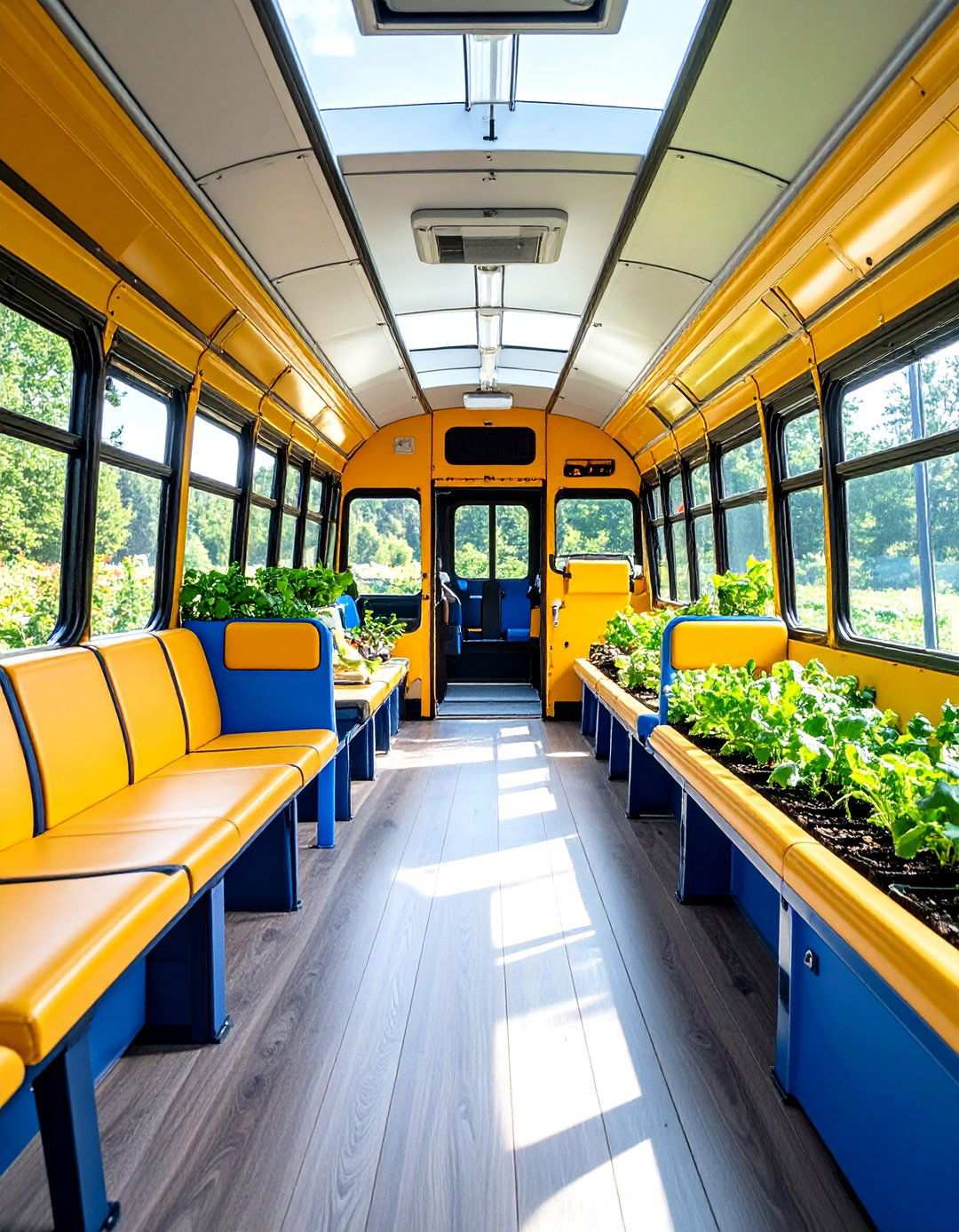
Seasonal crop rotation is a key feature of converted school bus greenhouses, allowing growers to adapt to changing seasonal demands and optimal growing conditions. Modular growing systems can be easily rearranged to accommodate different crops throughout the year. In the spring, growers focus on seedling production, utilizing heated propagation areas and adjustable ventilation to create the ideal environment. Summer setups prioritize heat-loving crops, with maximum ventilation and shading systems ensuring optimal growing conditions. As the seasons change, growers can modify their setups to accommodate cool-season vegetables, using adjusted heating and lighting systems to create the perfect environment. Winter operations involve intensive growing methods, with supplemental lighting and heating systems allowing for year-round productivity. Storage areas for seasonal equipment and supplies facilitate quick changeovers between setups, making it easy to adapt to changing conditions. By embracing seasonal flexibility, market gardeners can enjoy a diverse and thriving crop selection throughout the year.
11. Optimizing Resource Management with Composting Integration
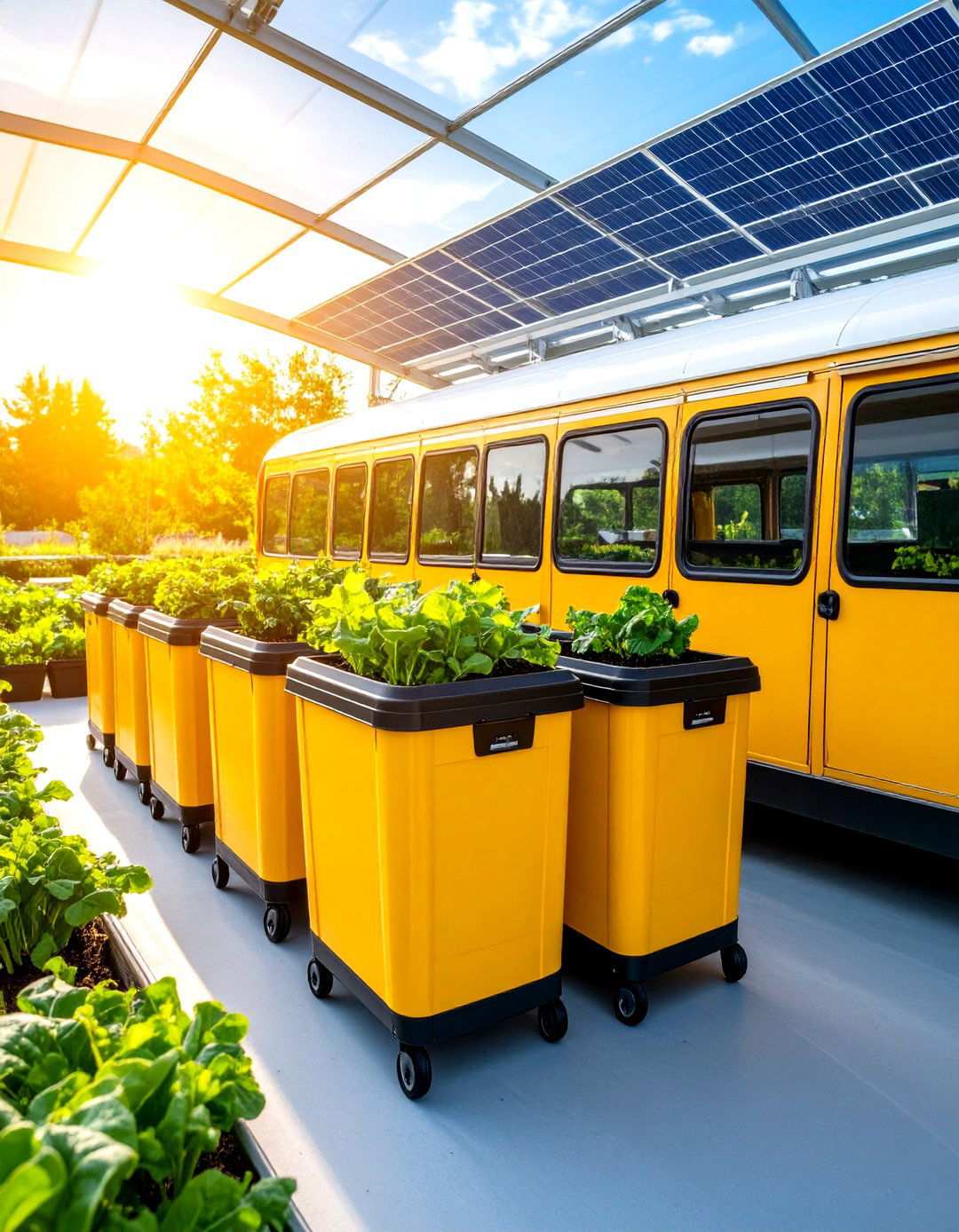
Composting systems have become a crucial component in maximizing resource efficiency within school bus greenhouses. By recycling organic waste, these systems provide a natural source of fertilization for the plants, promoting healthy growth and development. Strategically positioned composting bins at the rear of the bus process kitchen scraps, garden waste, and organic materials, generating heat through decomposition that supplements the greenhouse heating during cooler months. The finished compost is then used to enrich the growing medium throughout the interior of the greenhouse, creating a self-sustaining ecosystem. Effective ventilation systems are implemented to manage composting odors while maintaining optimal air quality for plant growth. A three-bin system can provide continuous compost production, with materials at different stages of decomposition, ensuring a consistent supply of nutrient-rich fertilizer. Furthermore, worm composting bins offer an efficient solution for processing organic waste in smaller spaces, while monitoring temperature levels ensures optimal composting conditions and safety. By adopting this sustainable approach, homesteaders can significantly reduce external inputs and demonstrate circular growing principles. Moreover, educational programs can showcase the benefits of sustainable growing practices and natural nutrient cycling within closed-loop systems.
12. Harnessing Rainwater Potential for Sustainable Operations
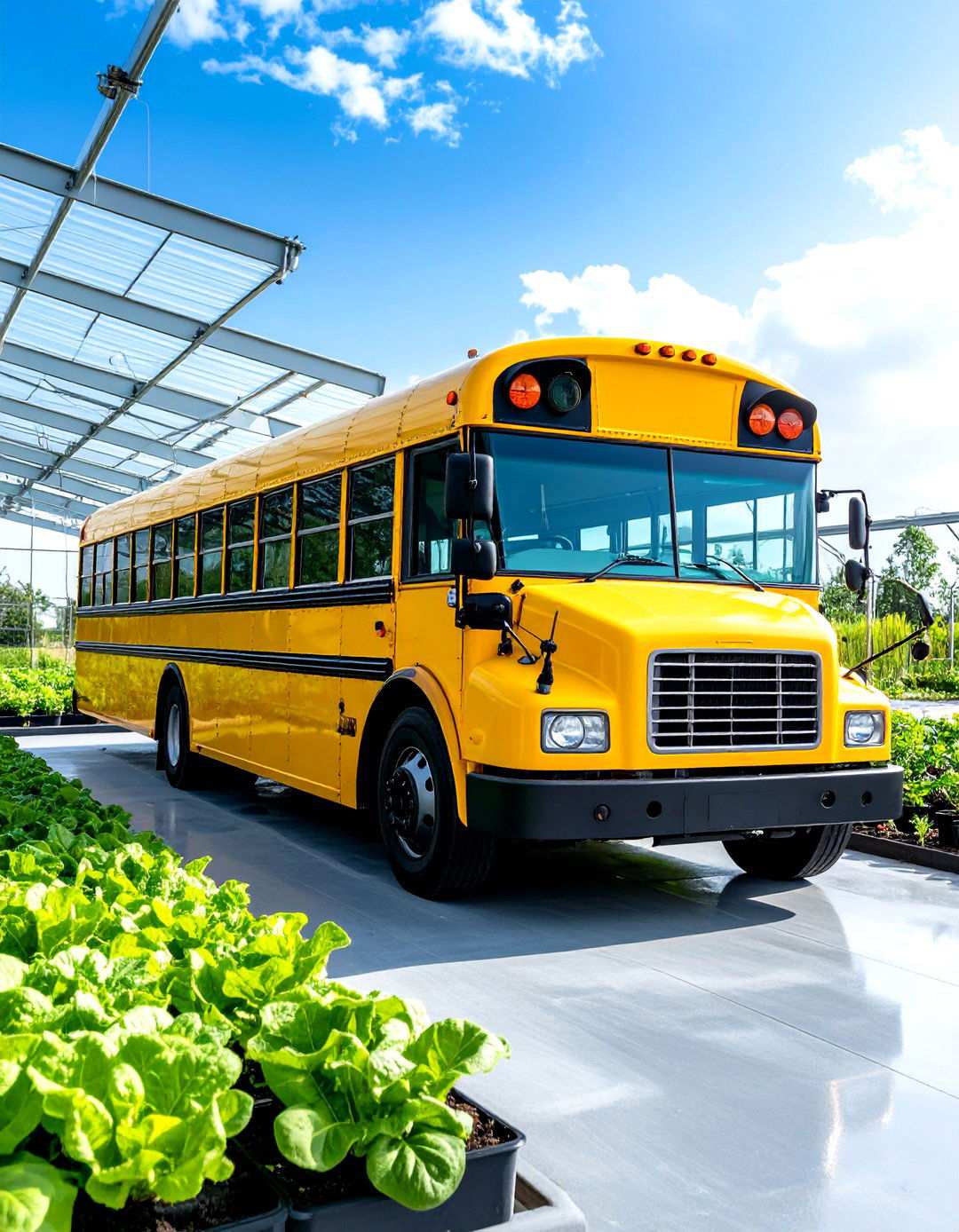
Rainwater collection systems have become an essential component in reducing the environmental footprint of school bus greenhouses. By utilizing natural precipitation, these systems provide a sustainable source of irrigation for the greenhouse operations, minimizing the reliance on external water sources. The gutters and downspouts are designed to channel roof runoff into storage tanks positioned strategically around the perimeter of the greenhouse. Filtration systems are implemented to remove debris and contaminants from the collected water before storage, ensuring a clean and safe water supply for the plants. Gravity-fed distribution systems eliminate the need for pumping, maintaining consistent water pressure throughout the growing areas. Storage capacity calculations are conducted to ensure an adequate water supply during dry periods, while overflow systems manage excess water during heavy rainfall events. Regular water quality testing ensures that the collected water is suitable for plant irrigation and food crop production. Distribution networks can deliver collected water efficiently throughout the growing areas, reducing operating costs and demonstrating sustainable resource management. In rural locations, this approach provides a reliable source of water, while in urban areas, it reduces municipal water consumption and promotes environmental stewardship principles among communities.
13. Repurposed School Bus Transformed into a Medicinal Herb Production Facility
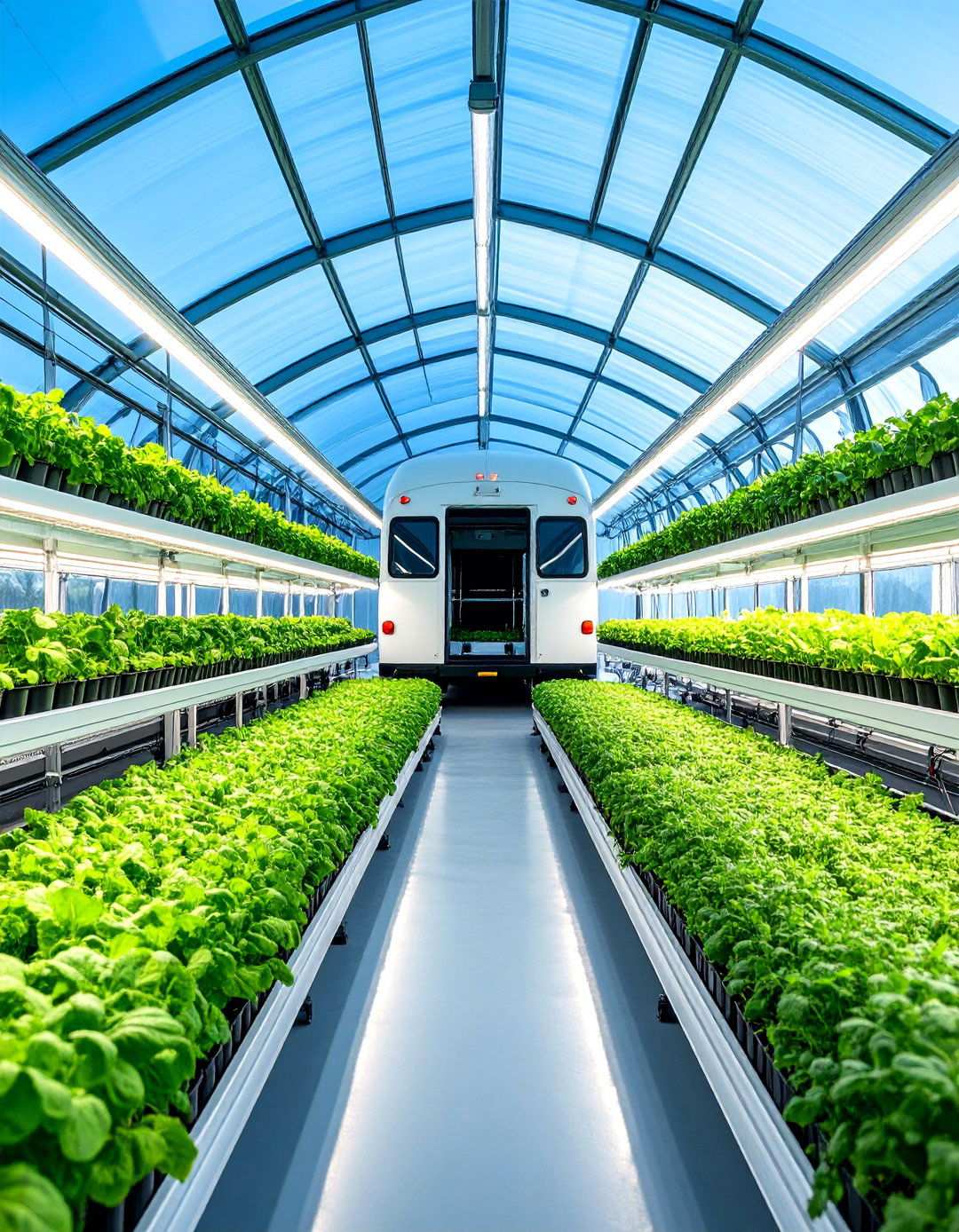
A cutting-edge approach to herb cultivation involves repurposing school buses to create state-of-the-art medicinal herb production facilities. Advanced climate control systems carefully regulate temperature and humidity levels, creating a precisely controlled environment that caters to the specific needs of sensitive herb varieties. Specialized drying and processing areas expertly prepare harvested herbs for storage and utilization, while organized growing zones separate different herb families based on their unique cultural requirements and harvesting schedules. By incorporating essential oil production equipment, aromatic herbs can be transformed into valuable products. The controlled environment ensures the preservation of herb quality and potency, while integrated pest management practices prevent contamination and maintain organic growing standards. A sophisticated harvest timing system ensures that medicinal plants are collected at their peak potency. Moreover, a well-designed storage system preserves dried herbs properly for long-term use. This innovative approach caters to the needs of alternative medicine practitioners, culinary professionals, and educational programs, providing consistent quality while extending the growing season for temperature-sensitive varieties and enabling the production of herbs that are typically unavailable locally.
14. Leveraging School Bus Greenhouses for Efficient Seed Starting Operations
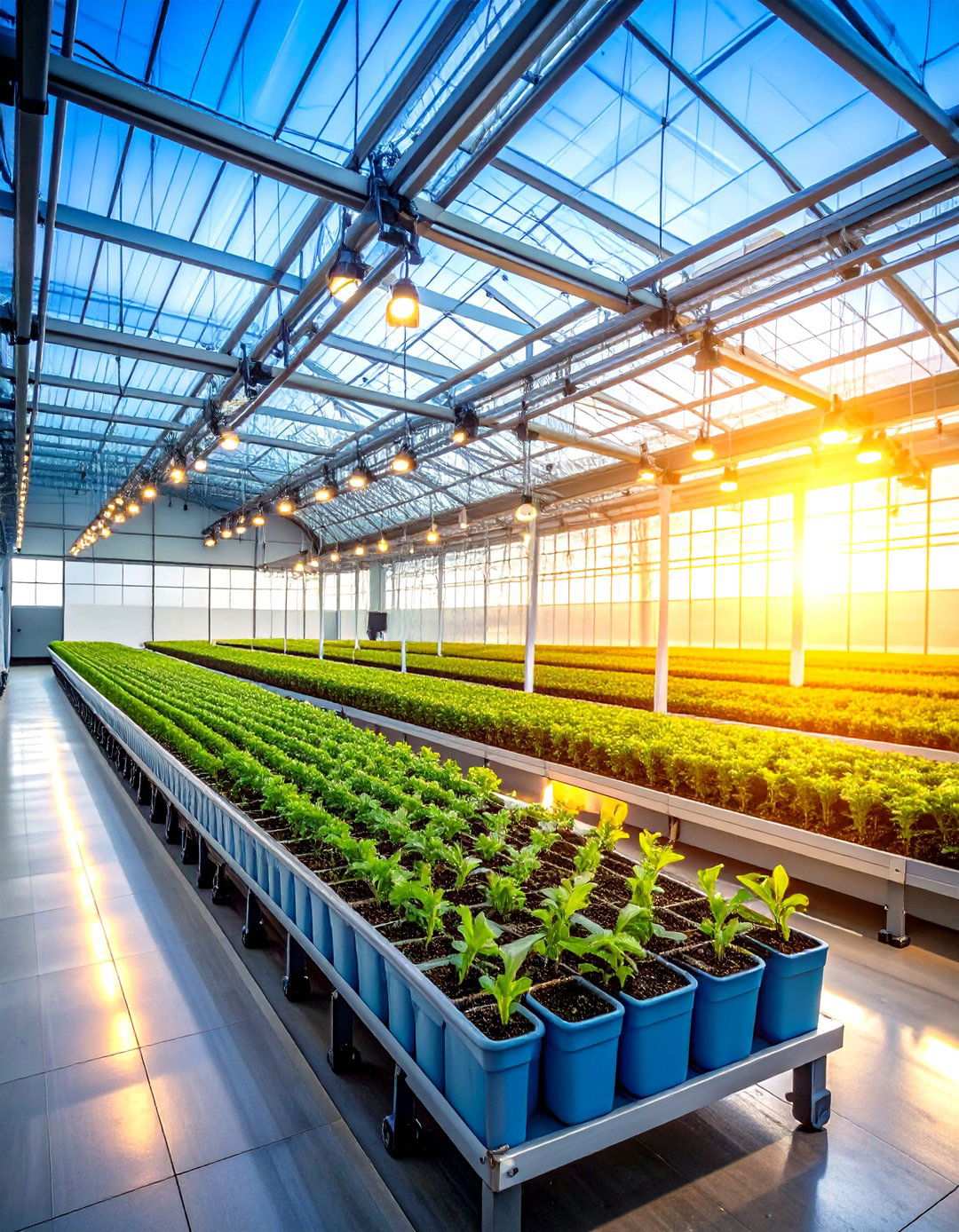
Expert seed starting operations make the most of school bus greenhouses to produce seedlings efficiently and facilitate plant propagation. Heated propagation areas create optimal germination temperatures for diverse seed varieties, while gentle misting systems provide delicate moisture without disturbing the soil or seeds. Adjustable lighting systems accommodate different photoperiod requirements for various plant species, and temperature zones allow for the simultaneous germination of seeds that require different thermal conditions. Transplanting areas provide ample space for potting up seedlings as they develop, while hardening-off zones gradually acclimate plants to outdoor conditions before transplanting. Inventory systems track seed varieties, germination rates, and production schedules efficiently, enabling precise control over the seed starting process. This specialized approach benefits market gardeners, landscapers, and nursery operations, ensuring consistent germination rates while extending the growing season. Educational programs also reap the benefits of reliable seedling production for teaching purposes and community garden distributions.
15. Redefining Agricultural Spaces: Mushroom Cultivation in School Bus Greenhouses
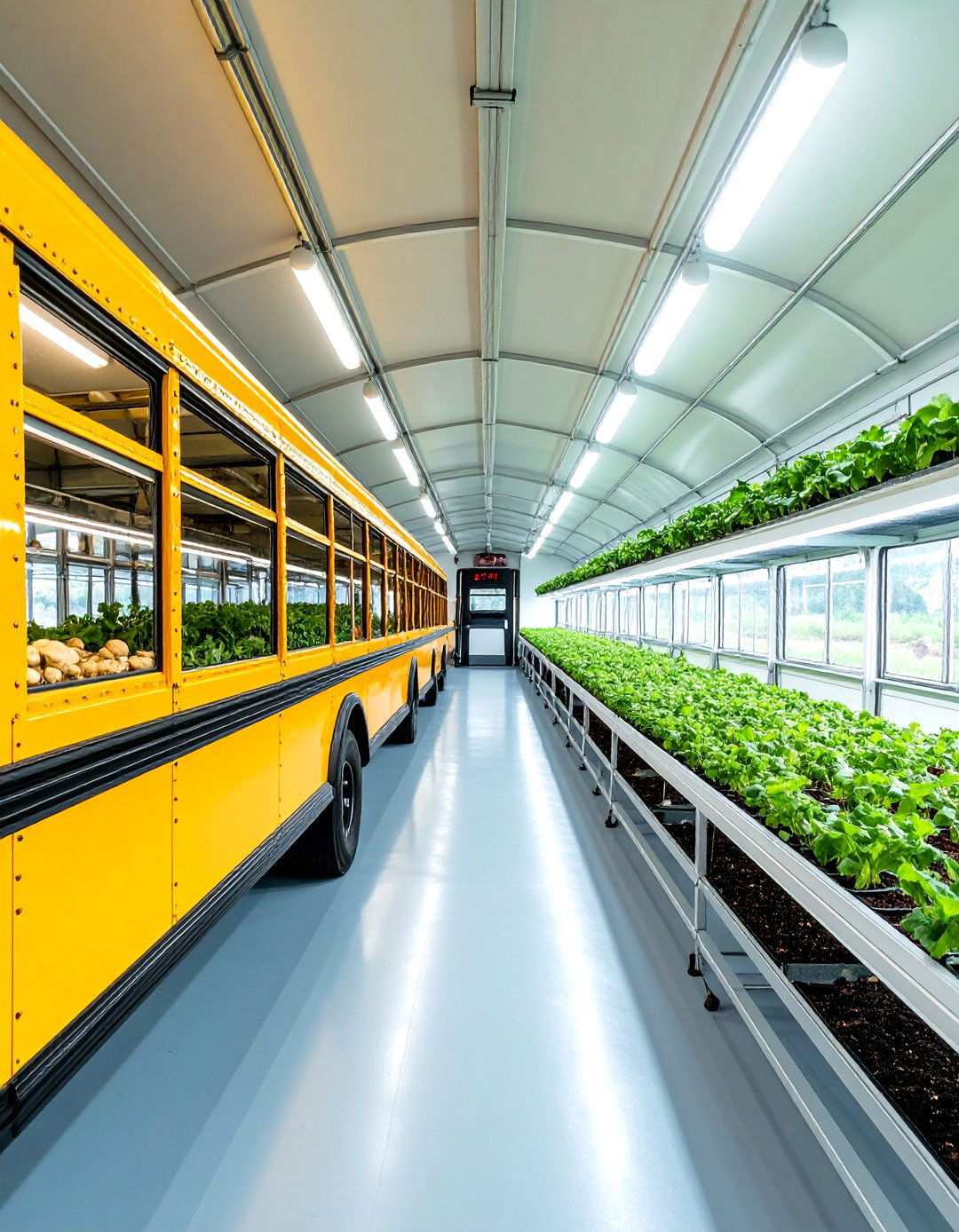
Innovative approaches to mushroom cultivation are transforming school bus interiors into cutting-edge growing facilities. By replicating the precise conditions required for different mushroom varieties, growing chambers within these greenhouses ensure optimal fungal production. Strategically designed shelving systems maximize available space while facilitating the air circulation necessary for healthy mushroom growth. A crucial component of the process, substrate preparation areas meticulously process growing materials for inoculation with mushroom spawn, guaranteeing contamination-free conditions. Robust sterilization equipment and climate control systems work in tandem to maintain the precise environmental conditions necessary for mushroom development. Harvesting and processing areas are designed for efficient mushroom preparation, while specialized ventilation systems manage air quality and prevent external contamination. This pioneering application of alternative growing methods showcases the potential for year-round food production, unaffected by external weather conditions. Commercial operations benefit from consistent yields, while educational programs highlight sustainable protein production and innovative agricultural practices.
16. Fostering a Pollinator Haven: Integrating School Bus Greenhouses with Native Gardens
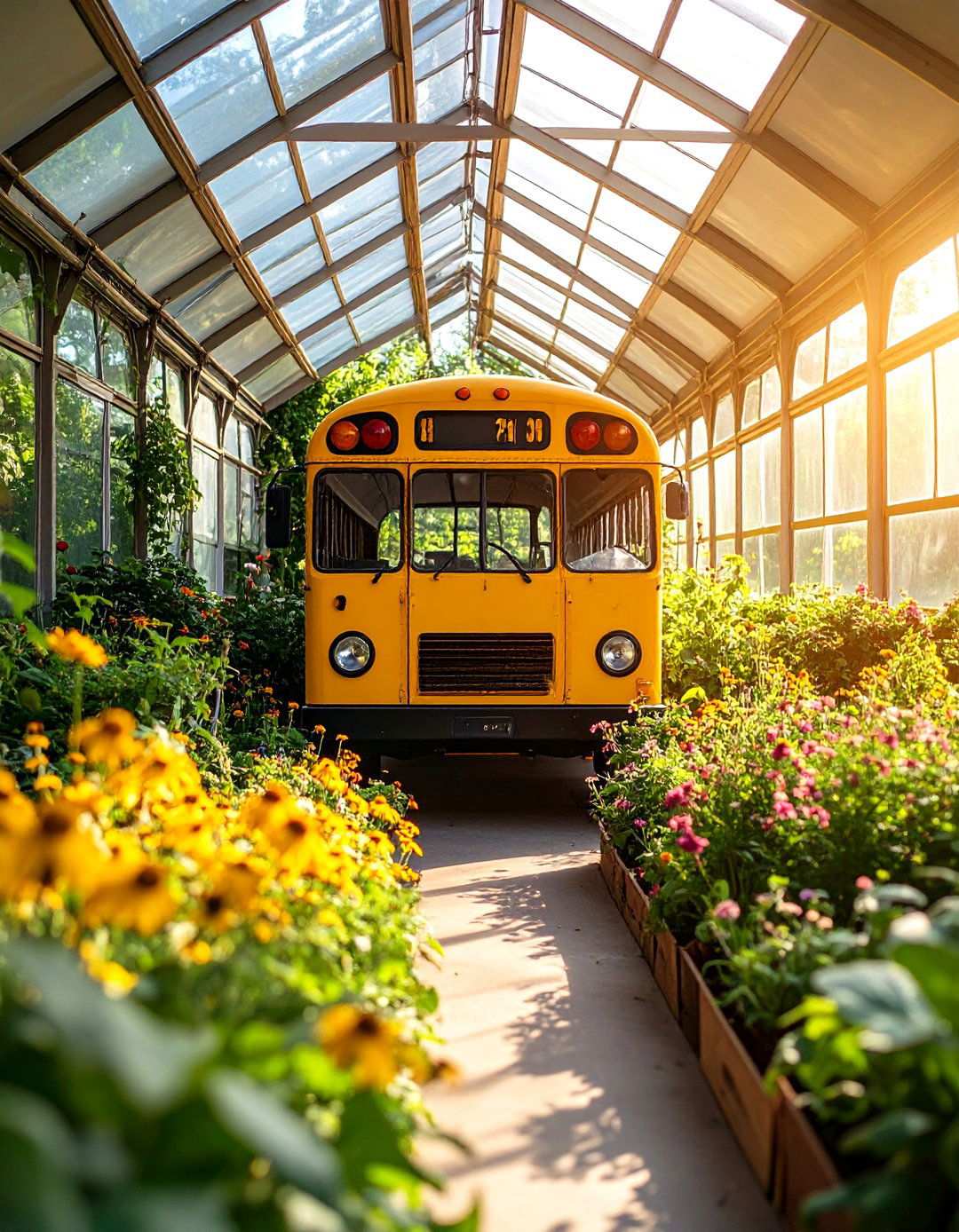
By integrating pollinator-friendly plants into school bus greenhouse ecosystems, beneficial insects become an integral part of the growing environment. Native flowering plants provide a constant source of nectar, supporting a wide range of pollinators throughout the extended growing seasons. Bee-friendly herbs and flowers not only attract pollinators but also offer valuable crops for harvest. Butterfly gardens within the greenhouse structure showcase native species, supporting local pollinator populations and fostering a deeper understanding of their importance. Integrated pest management relies on the natural services provided by beneficial insects, eliminating the need for chemical treatments. By providing nesting sites and overwintering protection within the greenhouse, pollinator habitat areas support the health and well-being of these vital insects. Native plant propagation not only supports habitat restoration but also serves as an educational tool for students. Seasonal flowering sequences ensure a continuous supply of nectar and pollen, supporting pollinators throughout the growing seasons. This holistic approach to growing demonstrates the potential for sustainable and environmentally conscious agricultural practices.
17. Harnessing Nature's Power in School Bus Greenhouses
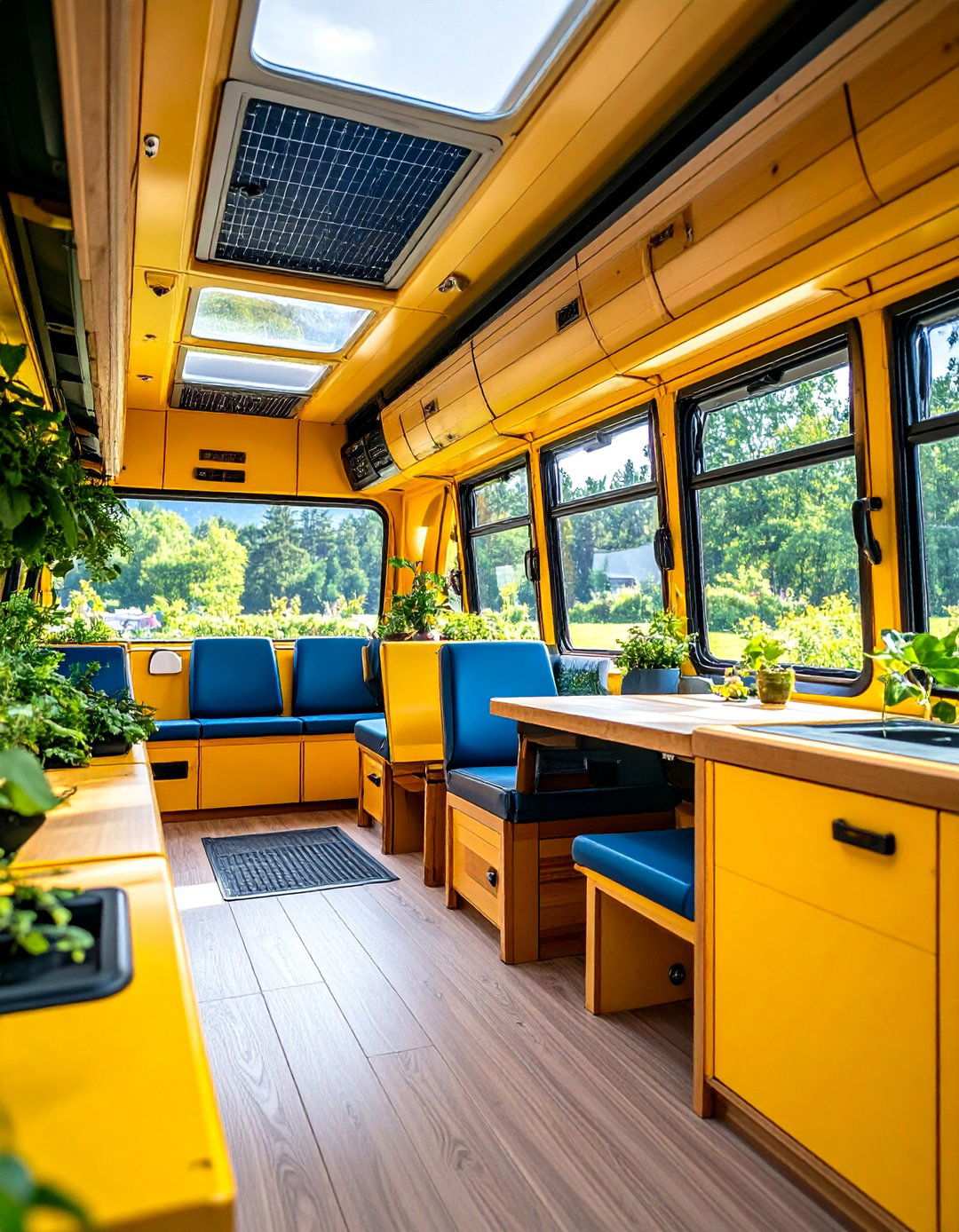
School bus greenhouses utilize innovative ventilation systems that tap into the natural forces of the environment, leveraging passive solar principles to regulate temperature without relying on electrical power. These systems incorporate automatic vent openers that respond to temperature fluctuations by opening and closing vents in response to thermal expansion, ensuring optimal air circulation. Adjustable louvers provide precise control over ventilation levels, allowing for tailored growing conditions across the seasons. Thermal mass materials store and release heat, moderating temperature fluctuations between day and night, while insulated panels provide additional protection during extreme weather events. The natural convection systems used in these greenhouses circulate air efficiently without the need for mechanical fans or electrical power, making them an ideal choice for off-grid applications. By adopting a passive solar design approach, growers can maximize natural heating and prevent overheating on sunny days, all while reducing operating costs and maintaining optimal growing conditions. This approach also enables educational programs to demonstrate sustainable growing techniques and natural climate control principles.
18. Maximizing Space in School Bus Greenhouses with Living Wall Systems
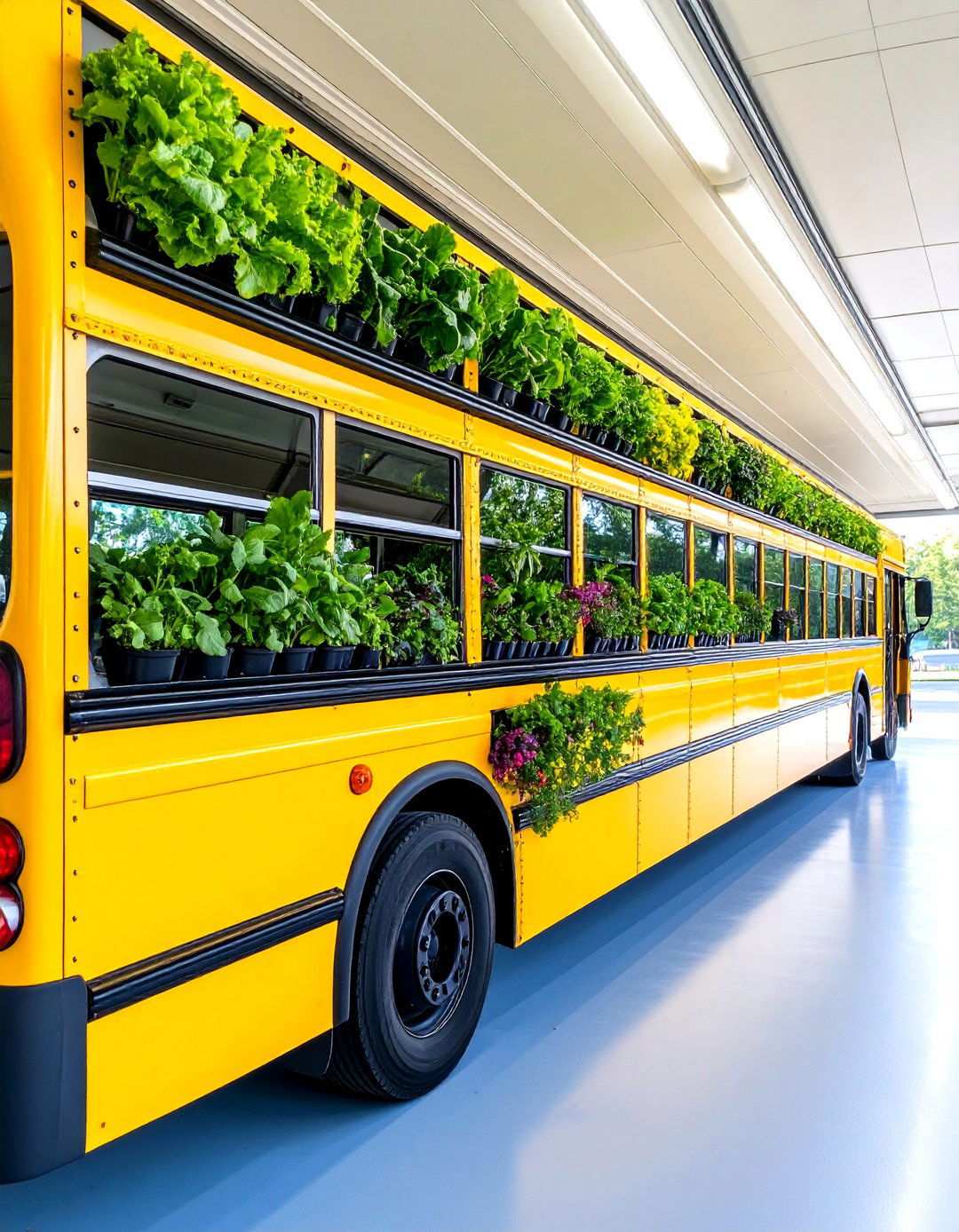
Living wall systems transform the interior surfaces of school buses into thriving vertical gardens, providing maximum growing density and creating visually appealing environments. Modular growing panels attach to the interior walls, supporting a diverse range of plant varieties in compact spaces. These systems are equipped with efficient irrigation systems that deliver water and nutrients to all growing zones throughout the vertical installation. Structural modifications are made to support the additional weight loads from soil, plants, and water systems, ensuring the stability and longevity of the bus. Plant selection focuses on varieties that thrive in vertical growing conditions and interior light levels, while automated feeding systems maintain consistent nutrition for plants at different wall positions and heights. Effective drainage systems manage excess water, preventing damage to the bus structure and interior surfaces. This intensive growing method maximizes production while creating a visually appealing environment, making it an ideal choice for urban applications, demonstration projects, and commercial operations. The living wall approach combines food production with aesthetic appeal, offering a unique solution for growers seeking to increase yields and create a visually striking environment.
19. Reimagining School Bus Greenhouses with Earth's Natural Resources
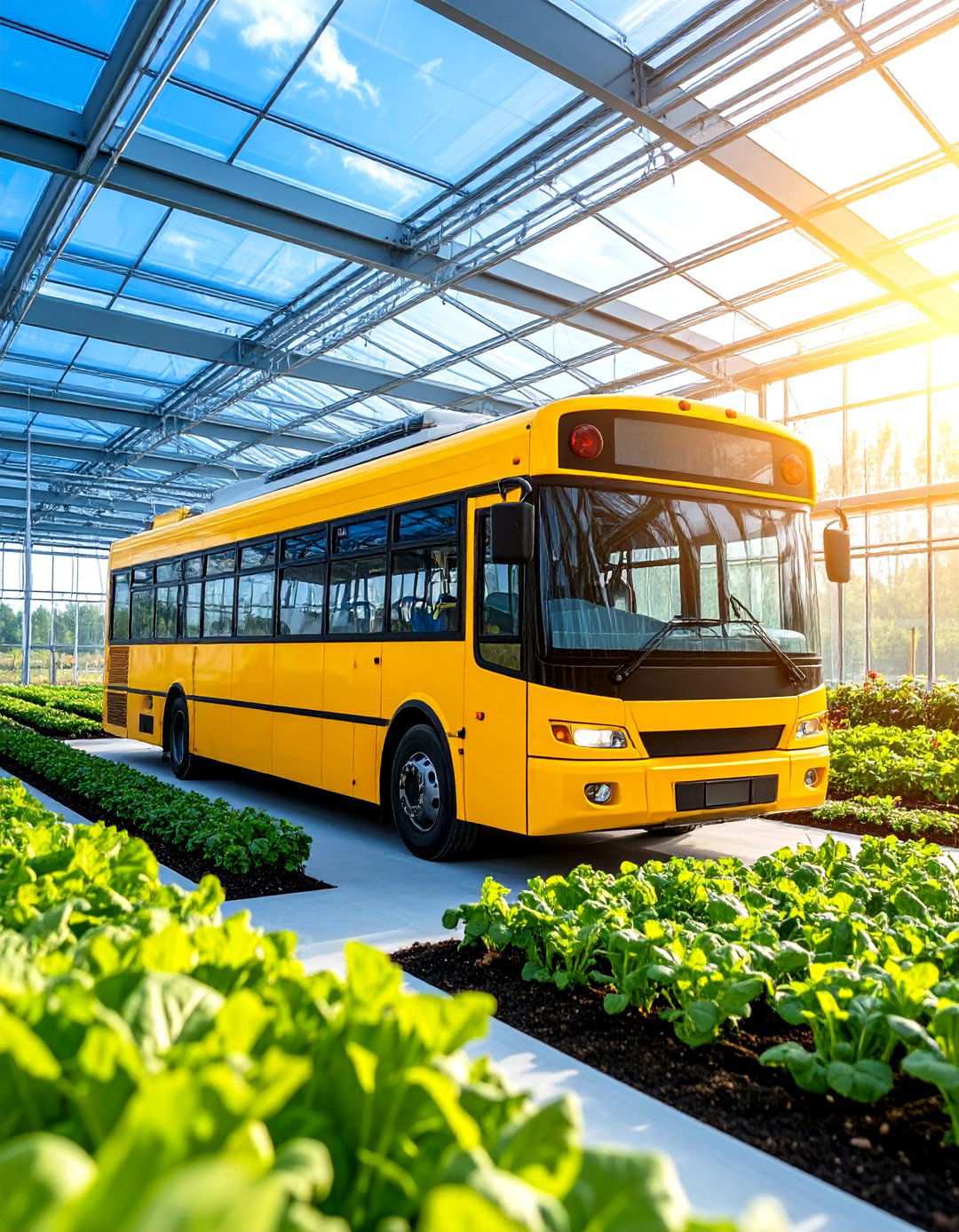
Harnessing the earth’s stable temperature has revolutionized climate control in school bus greenhouses. By leveraging geothermal heating systems, growers can enjoy consistent heating and cooling with minimal reliance on electrical energy. The intricate network of underground piping systems efficiently transfers thermal energy between the earth and the interior of the greenhouse, creating a stable microclimate for optimal plant growth. To further optimize performance, thermal mass integration stores and distributes geothermal energy throughout the growing space. In extreme weather conditions, backup heating systems kick in to ensure a reliable climate control system. Energy monitoring systems track efficiency and optimize performance across different seasons, while ground loop installation requires careful sizing and professional execution for optimal performance. This environmentally friendly approach not only reduces operating costs but also provides precise temperature control, making it an attractive option for environmentally conscious growers. Furthermore, rural installations can benefit from a consistent energy source, while educational programs can showcase renewable energy applications and sustainable growing techniques for long-term environmental stewardship.
20. School Bus Greenhouses Empowered by Intelligent Water Management
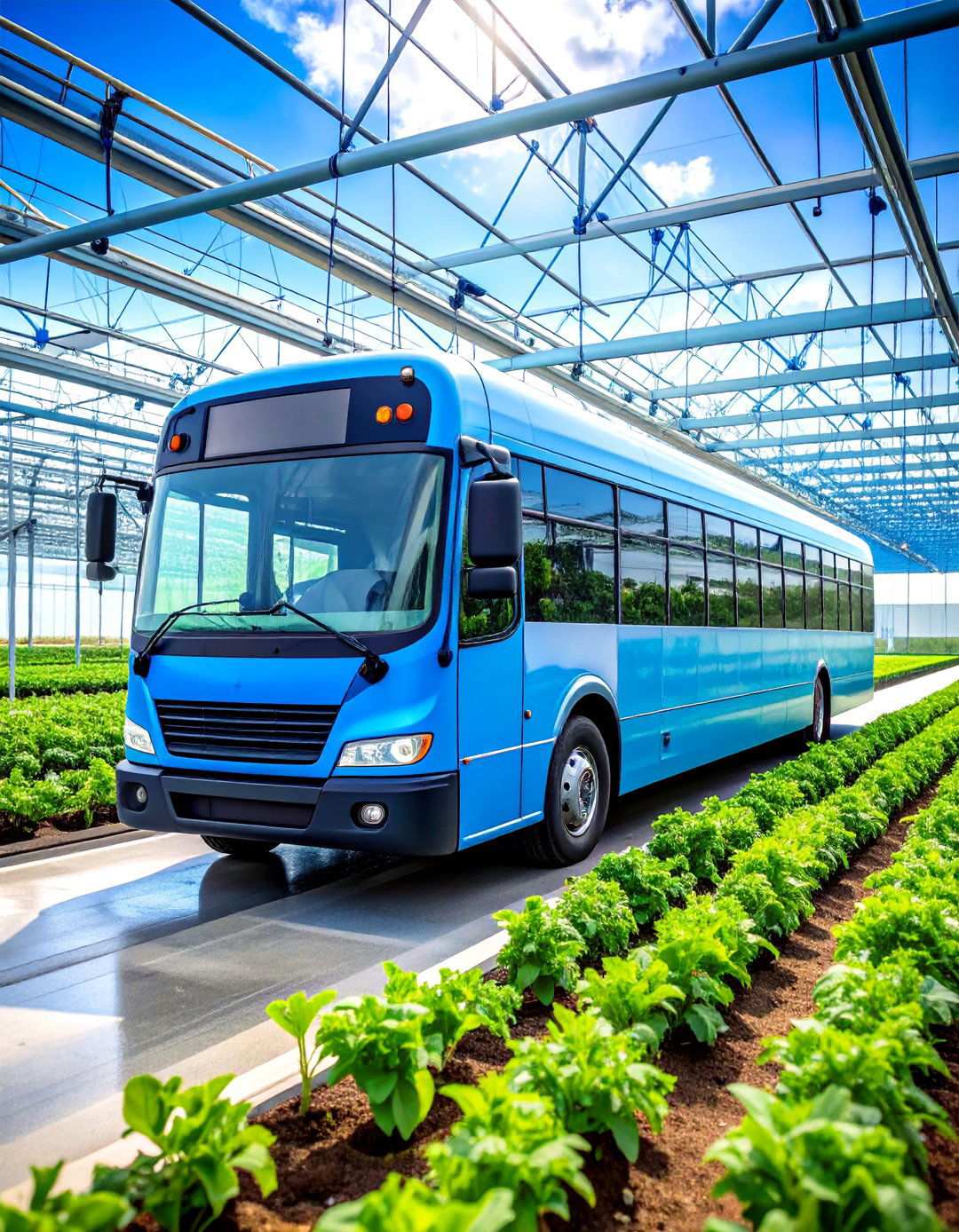
The integration of smart irrigation technology has transformed water conservation in school bus greenhouse operations. Soil moisture sensors continuously monitor growing medium conditions, triggering irrigation only when plants require water, thereby minimizing water waste. Weather station integration adjusts watering schedules based on atmospheric conditions and seasonal changes, ensuring that crops receive the right amount of water at the right time. With zone-specific controls, precise amounts of water are delivered to different crops based on individual requirements. Nutrient injection systems add fertilizers automatically to irrigation water, providing optimal plant nutrition. Leak detection systems protect the greenhouse structure from damage while preventing water waste. Remote monitoring capabilities enable growers to manage irrigation from mobile devices anywhere, allowing for real-time adjustments to optimize plant growth. Data logging tracks water usage patterns and plant response, enabling continuous system optimization. This precision approach not only maximizes growing efficiency but also minimizes resource consumption, making it an attractive option for commercial operations seeking to reduce labor costs and ensure consistent plant care. Educational programs can also benefit from this technology by demonstrating modern agricultural principles and water conservation practices for sustainable growing practices.
21. Redefining Sustainable Aquaculture in Repurposed School Buses
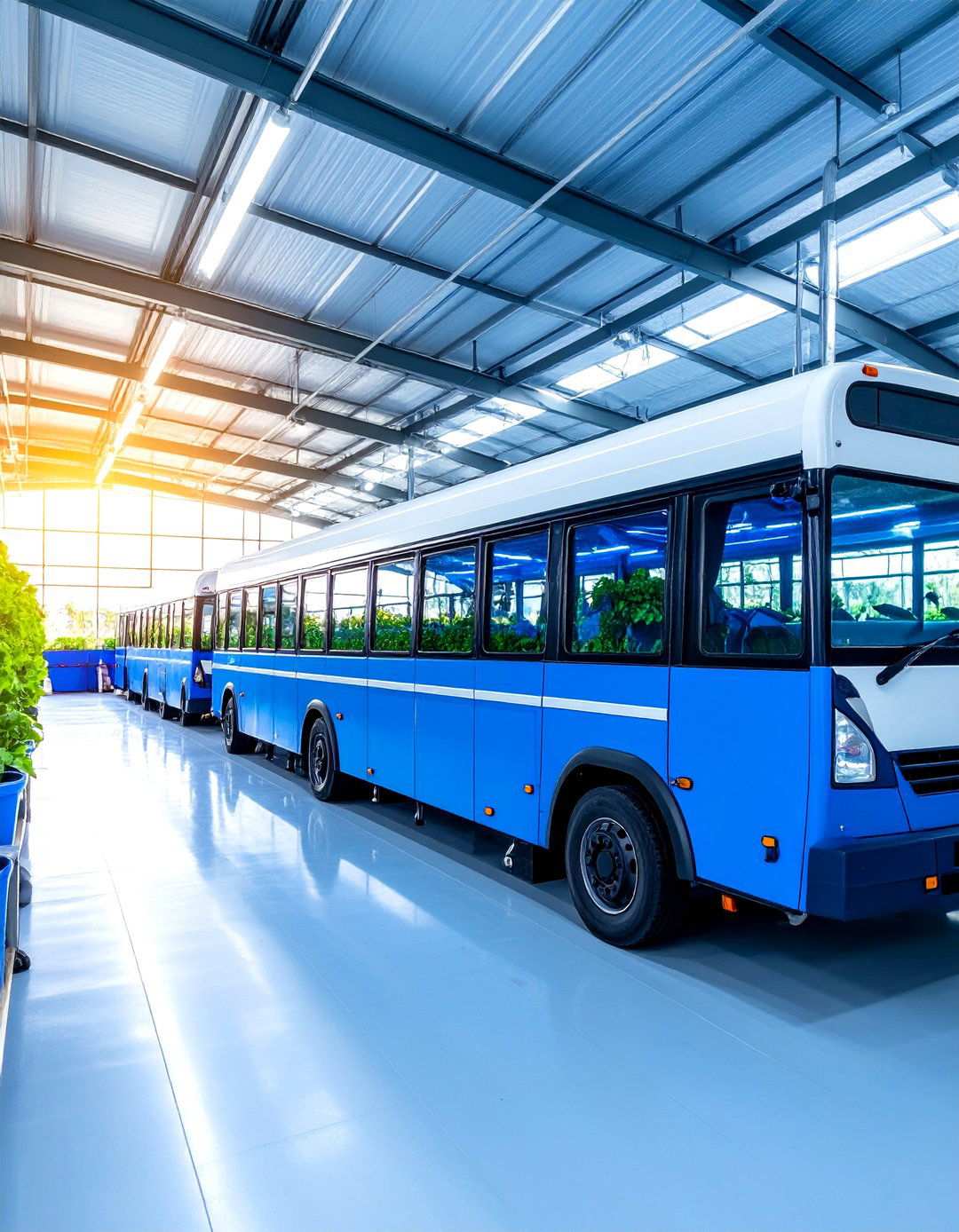
By leveraging the unique characteristics of school buses, innovative aquaculture systems are being developed to optimize fish production while maintaining optimal water quality. Multi-tank systems are designed to support a range of fish species at various stages of development, enabling efficient production cycles and minimizing waste. Advanced water filtration and recycling systems are integrated to ensure a consistent supply of high-quality water, while temperature control systems guarantee optimal thermal conditions for specific fish species year-round. Precision feeding systems deliver targeted nutrition while minimizing waste, and the built-in harvest and processing areas enable seamless market preparation. Continuous breeding programs ensure a steady supply of healthy fish, while water quality monitoring systems prevent disease and mortality issues. This holistic approach not only provides a sustainable source of protein but also offers a living laboratory for educational programs focused on aquaculture principles.
22. Maximizing Microgreen Production in Repurposed School Buses
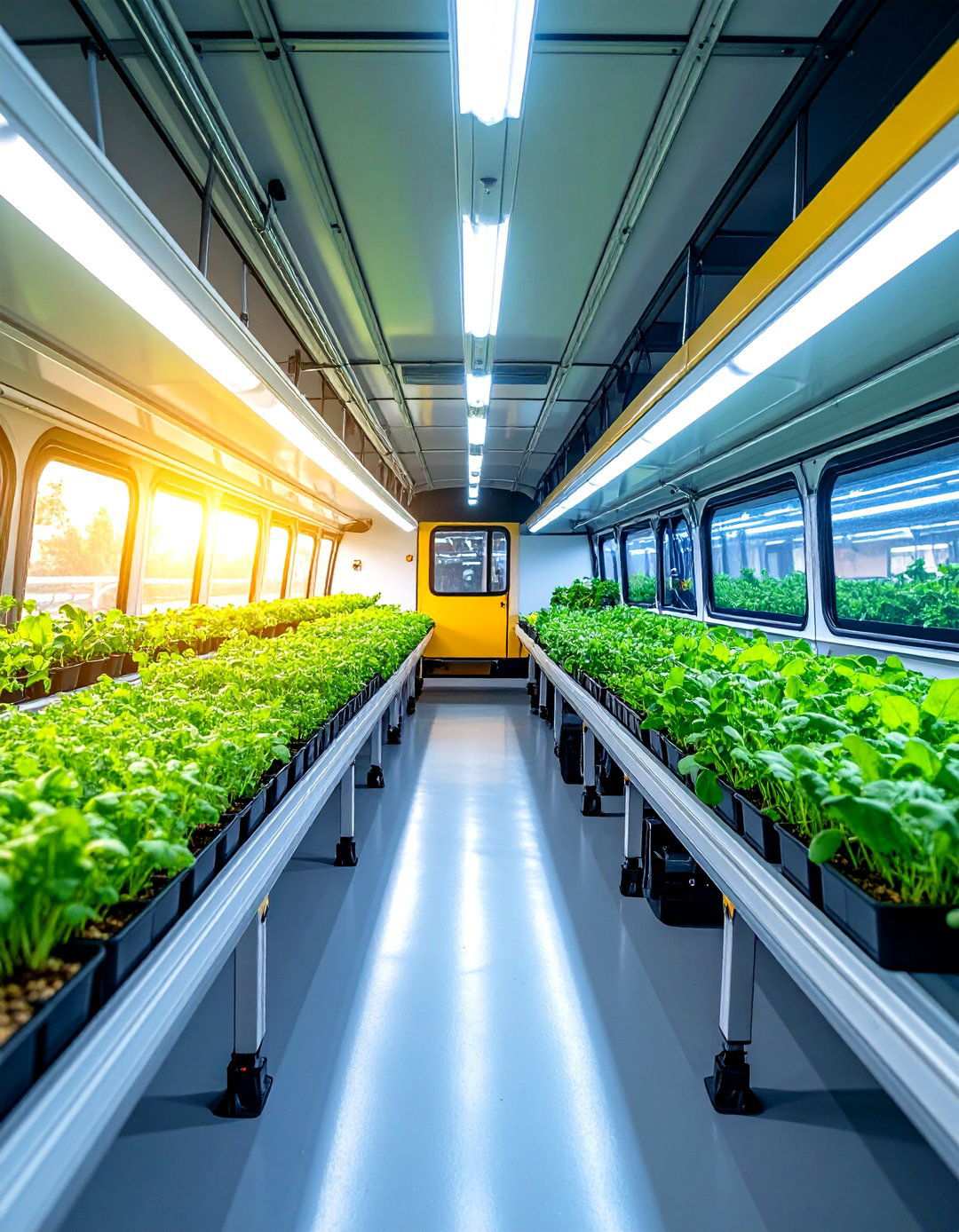
By repurposing school buses as microgreen production facilities, growers can maximize yields in minimal space while maintaining precise control over growing conditions. Multiple growing trays are strategically arranged to enable continuous production cycles with staggered planting schedules, ensuring a steady supply of fresh microgreens. Specialized growing mediums provide optimal conditions for quick germination and rapid growth, while precision lighting systems ensure uniform growth and maximum nutritional content. Advanced climate control systems maintain ideal temperature and humidity levels for various microgreen varieties, while harvesting equipment enables efficient collection of mature microgreens at peak quality and nutrition. Packaging areas prepare products for market distribution, and storage systems preserve harvested microgreens for extended shelf life. This high-value crop production caters to the demands of restaurants, health food stores, and direct market sales, while the controlled environment ensures consistent quality and enables year-round production regardless of external weather conditions.
23. Cultivating Knowledge in Mobile Greenhouses
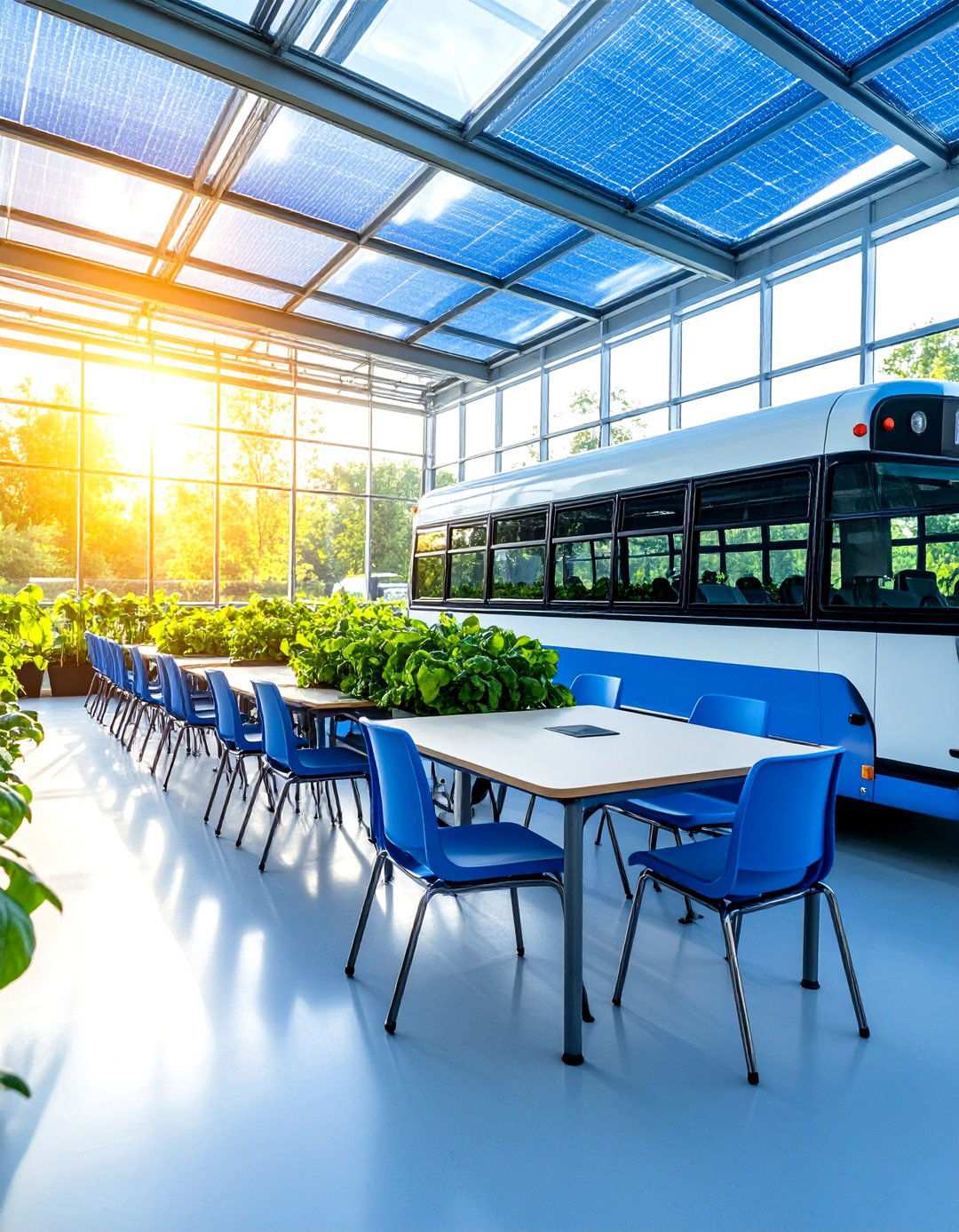
Transformative learning stations within mobile school bus greenhouses create immersive educational environments for students to explore agricultural and environmental science. Various zones showcase distinct cultivation techniques and scientific principles, fostering a deeper understanding of plant biology and environmental relationships. Interactive displays and educational materials enable students to grasp complex concepts such as photosynthesis, while hands-on activities in designated work areas encourage experimentation and skill-building. By integrating data collection and scientific observation, students develop essential skills in research and record-keeping, preparing them for future careers in agriculture and environmental science. Furthermore, seasonal curriculum integration ensures that greenhouse activities align with academic year schedules and learning objectives, providing students with a comprehensive and engaging educational experience.
24. Nurturing Community Gardens through Collaborative Greenhouses
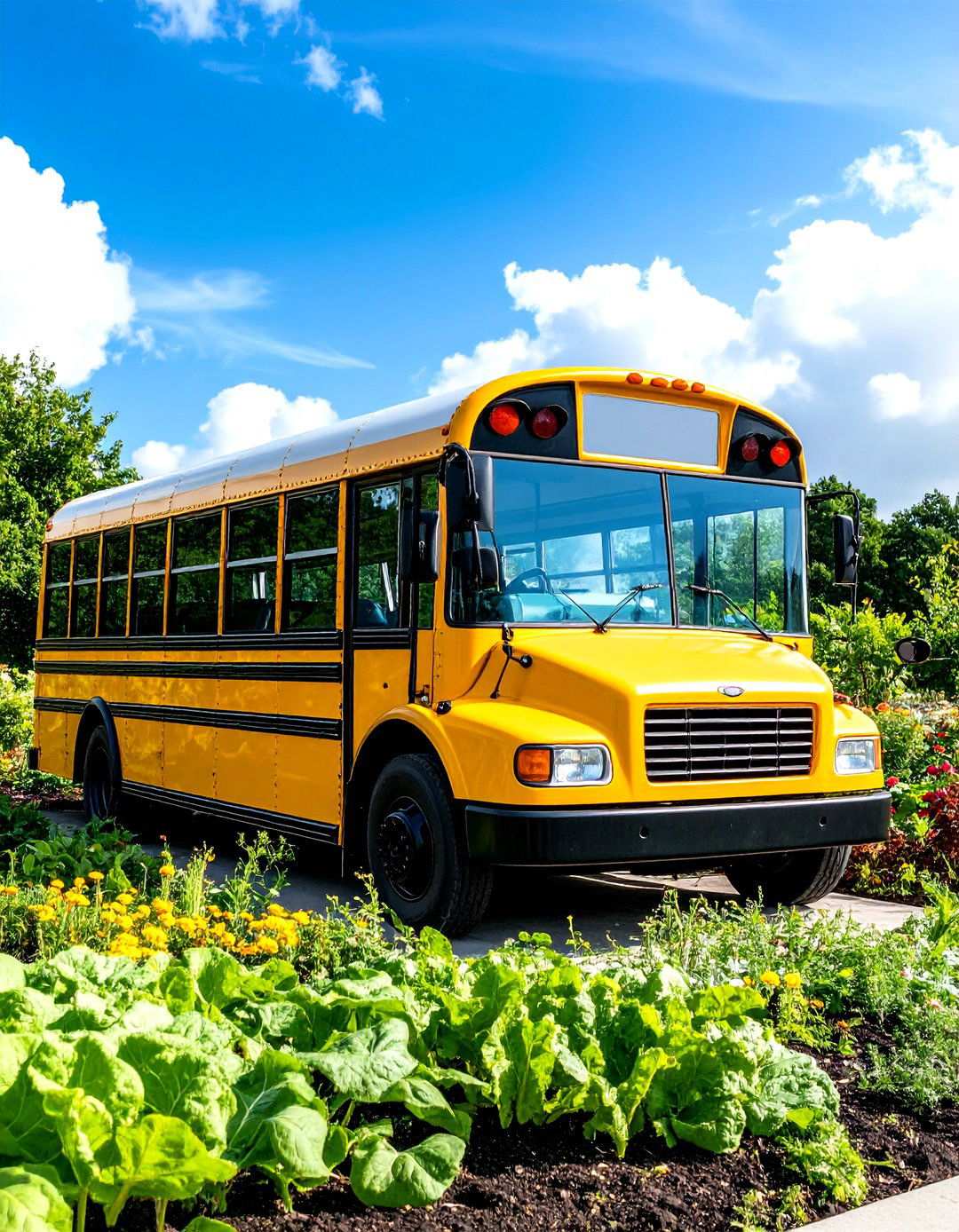
Integrating school bus greenhouses with community garden programs creates a shared resource model that optimizes equipment usage and reduces maintenance costs among multiple garden participants. By providing a hub for educational programs, community gardeners with varying experience levels and growing interests can access knowledge and resources to enhance their gardening skills. Tool libraries and seed libraries serve as valuable assets, offering shared equipment and heritage varieties while promoting seed saving and community seed exchanges. Community events and workshops utilize the greenhouse space to foster social connections, celebrate cultural diversity, and promote cooperative growing principles. Volunteer coordination systems facilitate maintenance, harvesting, and educational activities among community members, demonstrating the power of collaborative community development through agricultural activities and shared resource models.