1. Harmonious Integration of Water Features
Transforming your outdoor space into a serene oasis that harmoniously blends with nature’s tranquility is achievable with a well-designed pond landscape. Whether you have a spacious backyard or a cozy patio, thoughtful integration of water features into your existing landscape creates a seamless fusion of form and function, while also supporting local wildlife. Today’s pond enthusiasts can choose from a diverse array of styles, from sleek, modern designs that incorporate geometric shapes to organic, natural settings that evoke the serenity of woodland streams. Whether you opt for raised installations for easier maintenance, container water gardens for smaller spaces, or elaborate in-ground features with cascading waterfalls, each design approach offers unique benefits, from creating peaceful meditation spaces to establishing vibrant ecosystems that attract birds, butterflies, and beneficial insects. The key to success lies in striking a balance between aesthetics and functionality, selecting elements that complement your home’s architecture, available space, and personal aesthetic preferences while considering practical factors like sunlight exposure, drainage, and accessibility for ongoing care.

As an Amazon Associate I earn from qualifying purchases.
2. Blending Nature with Architecture
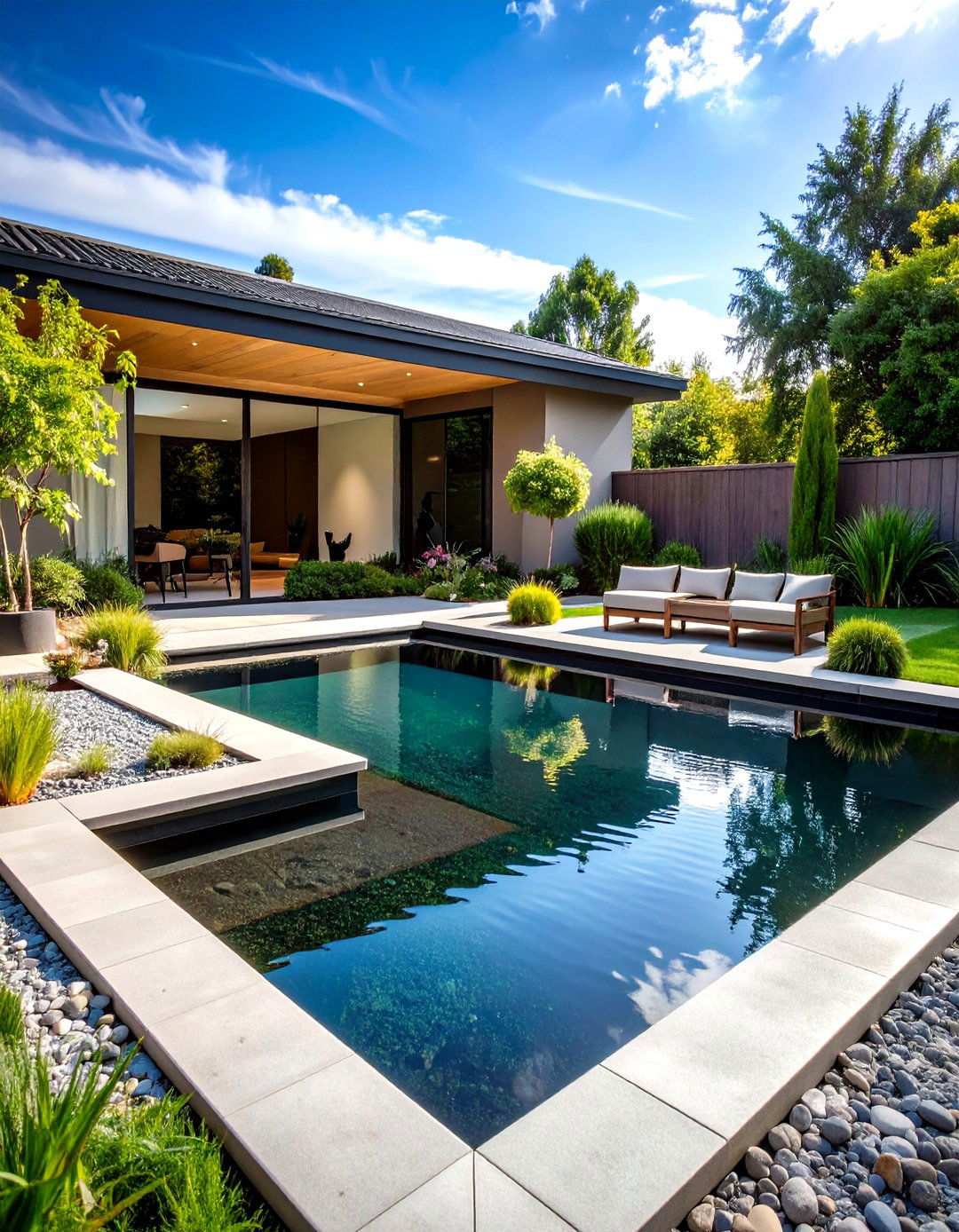
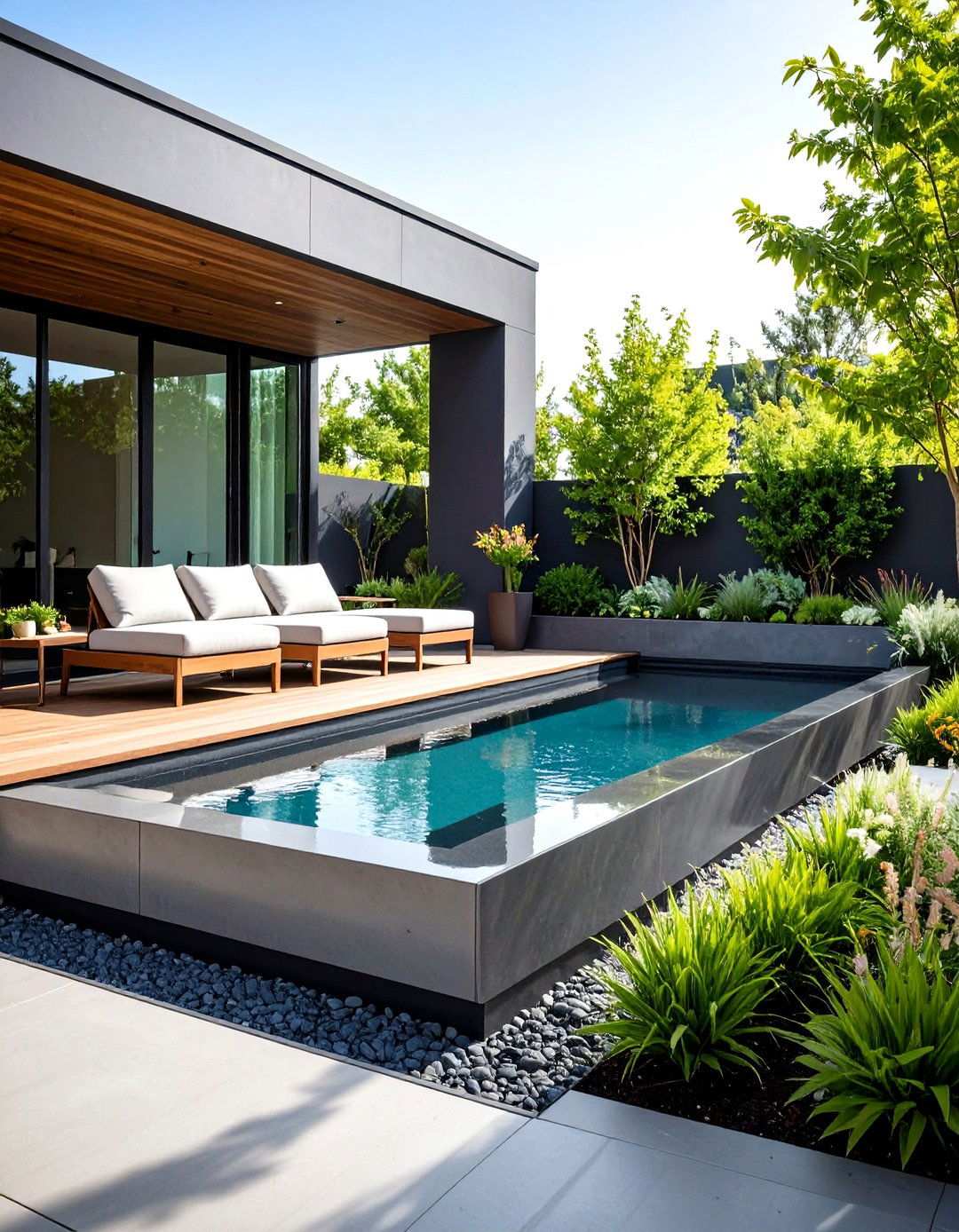
Modern rectangular pond installations can create striking architectural focal points that perfectly complement contemporary home designs. These geometric water features utilize clean lines, smooth concrete or steel edging, and precise proportions to achieve a sophisticated, minimalist aesthetic. Dark-colored liners enhance the mirror-like surface quality, reflecting surrounding architecture and sky formations beautifully. Strategic placement near patios or outdoor seating areas maximizes visual impact while creating serene gathering spaces. Floating stepping stones arranged in linear patterns provide functional pathways across the water surface, adding an element of functionality to the design. By selecting structural varieties like ornamental grasses or single specimen aquatic plants, you can maintain the clean design integrity without overwhelming the geometric composition, creating a harmonious balance between form and function.
3. Rustic Elegance of Natural Stone Waterfall
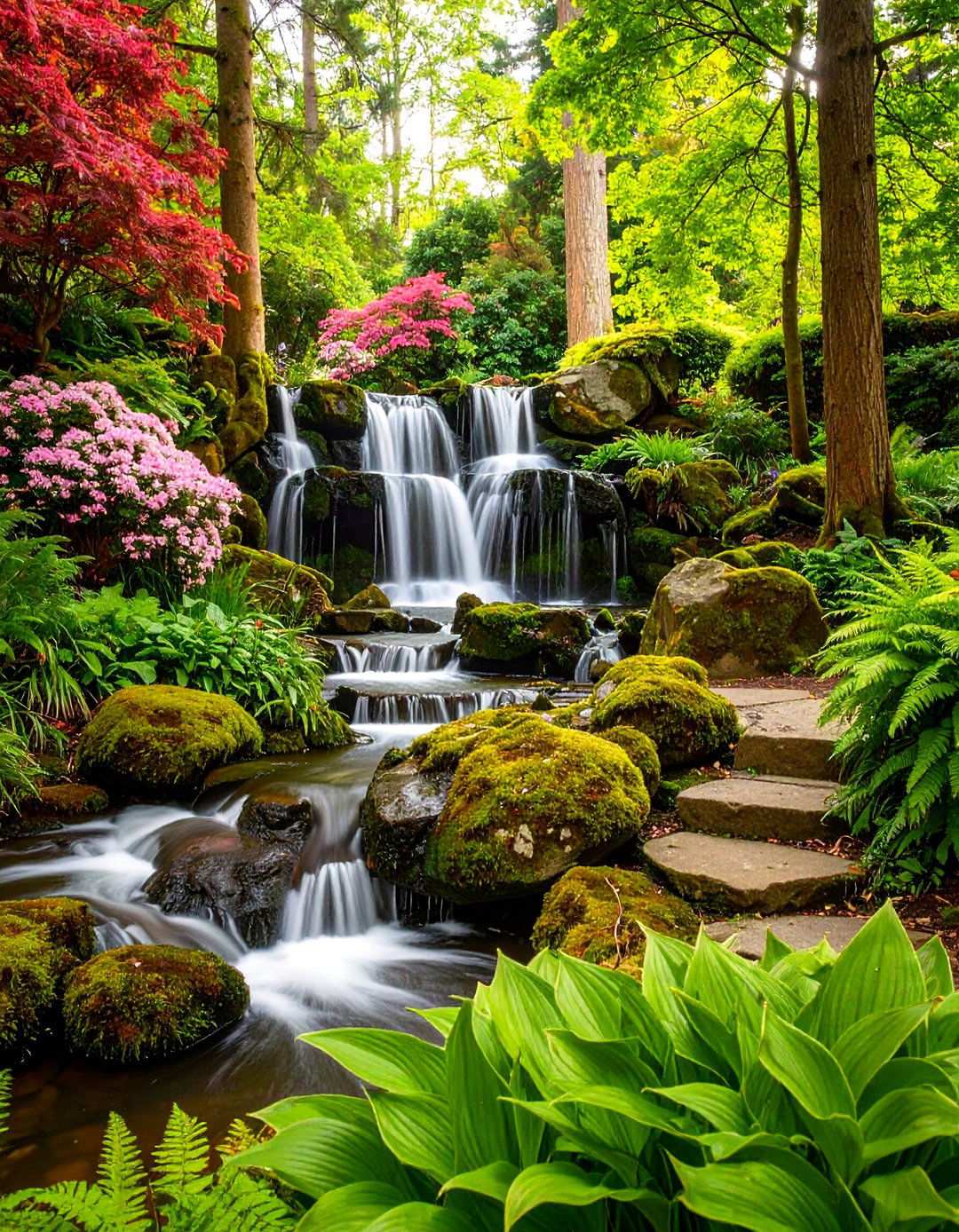
Rustic stone waterfall designs bring the serenity of mountain streams directly into residential landscapes through carefully constructed rock formations and cascading water features. Multiple tiers of natural stone create gentle pools that overflow into lower levels, generating soothing water sounds throughout the garden space. By selecting native stone, you can harmonize with regional geology while supporting authentic natural appearances. Strategic boulder placement conceals pumping equipment and creates varied depths for aquatic plant cultivation, adding an element of functionality to the design. Surrounding plantings of moisture-loving perennials like hostas, ferns, and astilbe soften harsh stone edges while establishing woodland garden atmospheres. Organic layouts follow natural contours rather than rigid geometric patterns, encouraging wildlife habitat development and creating immersive nature experiences, allowing you to connect with nature on a deeper level.
Contemporary Water Features with Elevated Style
Cutting-edge water feature installations built with stone, brick, or concrete walls seamlessly integrate accessibility with striking landscape statements. Elevated above-ground positioning streamlines maintenance responsibilities while providing inviting seating areas along sturdy constructed edges. The use of modern materials like polished concrete, weathered steel, or frameless glass panels fosters a strong connection with existing hardscape elements, reflecting contemporary architectural sensibilities. Integrated lighting systems beautifully illuminate water surfaces during evening hours, allowing for extended enjoyment periods. Discreet built-in filtration systems remain hidden within structural walls, maintaining a clean and uncluttered aesthetic. These designs thrive in urban settings where ground excavation proves challenging, while offering a safe and elevated water feature experience for families with young children, thereby reducing the risk of accidental submersion.
4. Zen-Inspired Water Gardens for Serenity
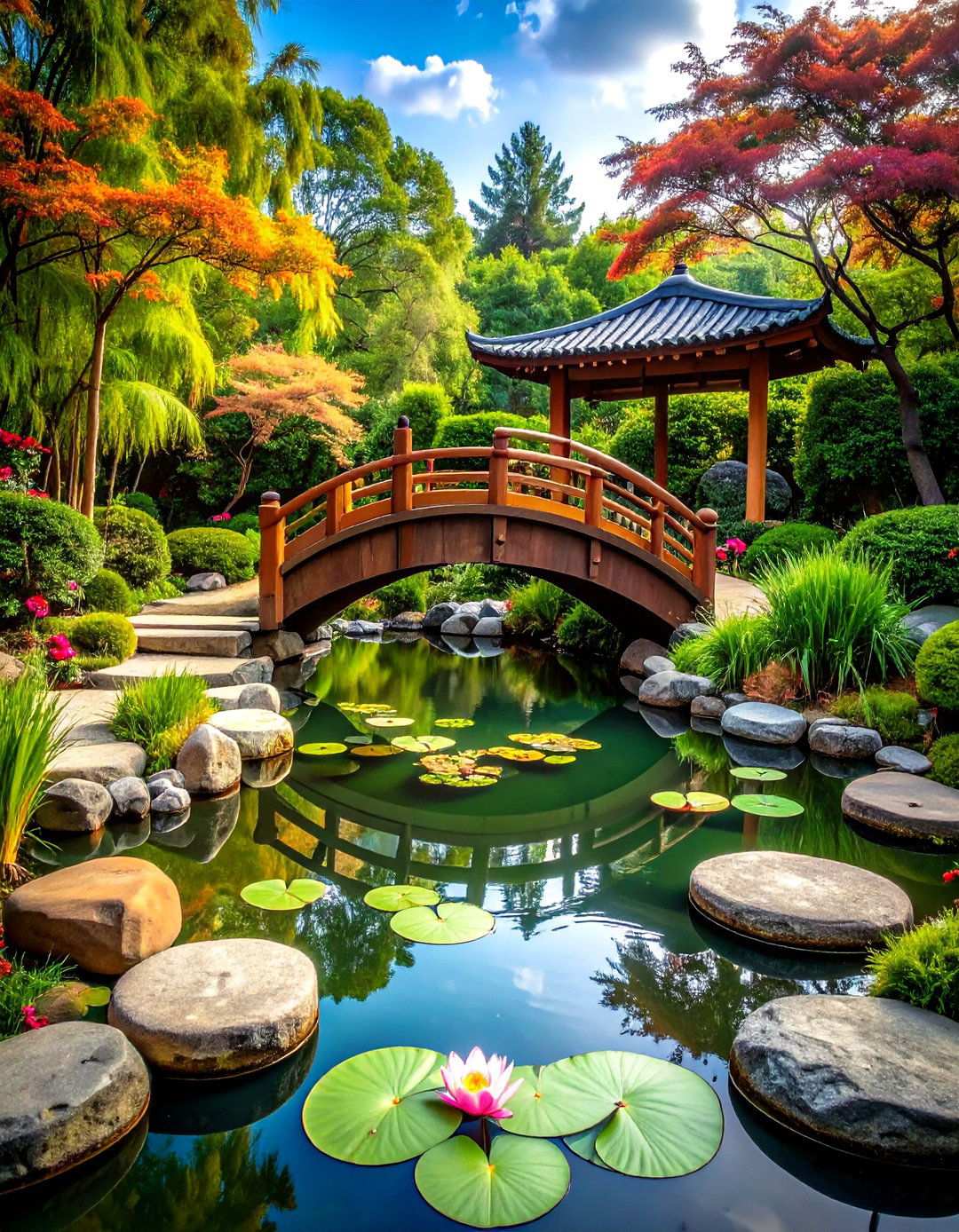
Incorporating minimalist Japanese-inspired pond designs emphasizes tranquility through carefully balanced compositions of water, stone, and select plant materials. Simple geometric shapes like perfect circles or gentle curves create captivating focal points within broader zen garden settings. Smooth river stones, bamboo accents, and single specimen plantings maintain a serene and uncluttered appearance. Traditional elements include arched wooden bridges, stone lanterns, and carefully pruned evergreen shrubs that provide year-round visual interest. Water lilies and lotus flowers add seasonal beauty while maintaining cultural authenticity. Gravel pathways, moss-covered stones, and strategic negative space encourage contemplative experiences, creating a peaceful atmosphere that supports meditation and relaxation practices while honoring traditional Japanese garden aesthetics.
5. Versatile Container Water Gardens for Any Space
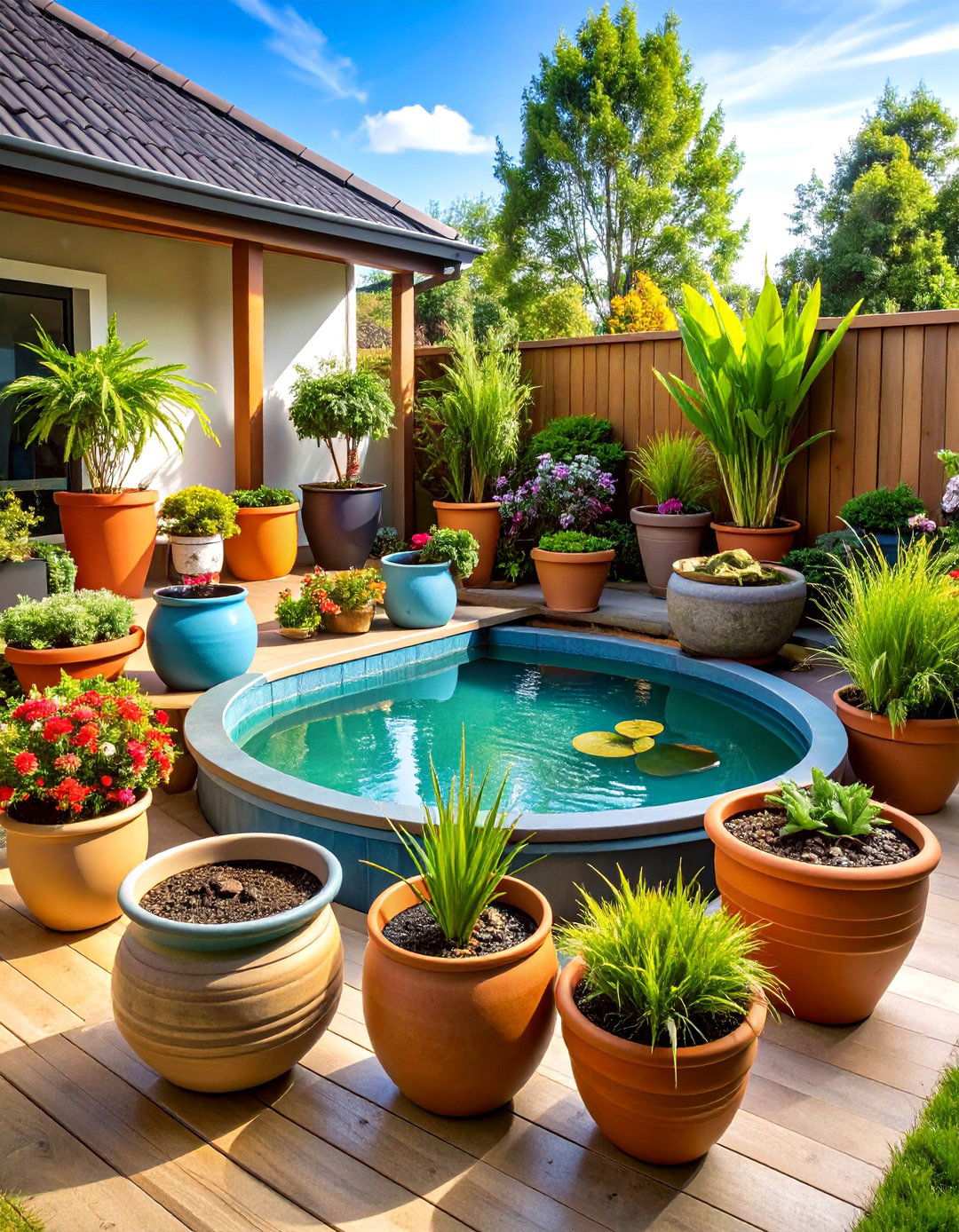
Portable container pond systems offer adaptable landscaping solutions perfect for patios, balconies, or frequently changing garden designs. Large ceramic pots, repurposed barrels, or purpose-built vessels can accommodate complete aquatic ecosystems within compact footprints. Multiple containers of varying heights create dynamic visual arrangements while supporting diverse plant combinations. Glazed pottery prevents water seepage while offering attractive color choices that complement existing décor themes. Small recirculating pumps maintain water movement and prevent stagnation without requiring complex installation procedures. Seasonal container arrangements allow for easy plant changes, winter storage, and relocation based on sunlight patterns or entertainment needs. These versatile water gardens bring pond enjoyment to renters, urban dwellers, or gardeners preferring low-commitment landscape features that adapt to changing circumstances.
6. Serene Oasis for Koi
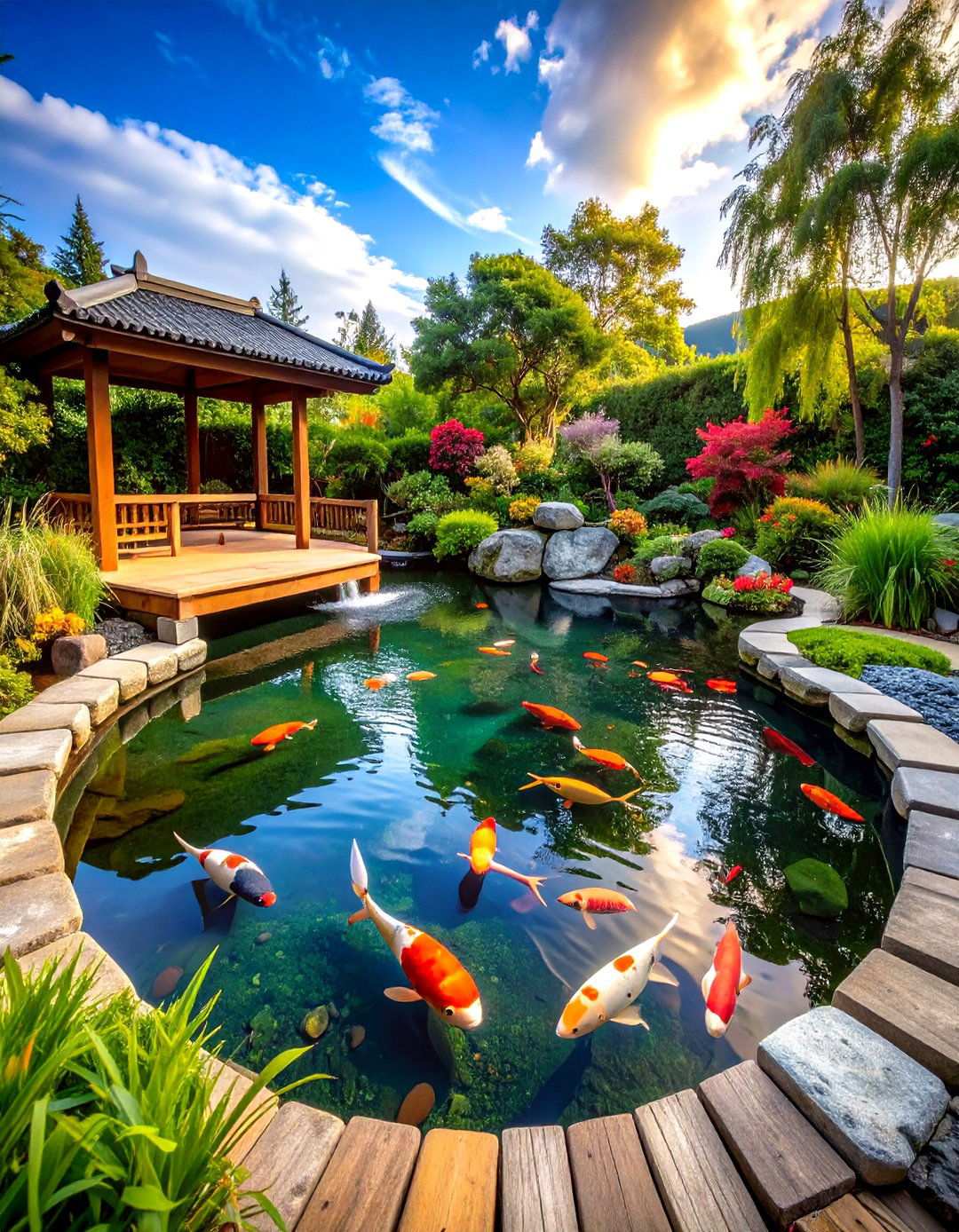
Tailored koi pond designs focus on creating an idyllic environment for aquatic life and visual enjoyment through cutting-edge filtration systems, carefully considered depth requirements, and strategically placed observation areas. Pristine water showcases vibrant fish collections while advanced biological filtration ensures optimal water quality conditions, providing a healthy and thriving ecosystem. The inclusion of deeper zones stabilizes water temperature and protects against predators, while shallow viewing areas allow for intimate fish observation and interaction. The use of smooth-sided construction minimizes the risk of injury to valuable fish populations, and integrated aeration systems guarantee adequate oxygen levels throughout all seasons. Thoughtfully designed stone or concrete borders provide stable edges for comfortable fish feeding and maintenance access. Overhead protection options, such as decorative bridges or pergola structures, offer shade while deterring aerial predators. By creating a bespoke environment, these designs foster healthy fish communities and establish engaging outdoor entertainment spaces.
7. Whimsical Prairie Pond Setting
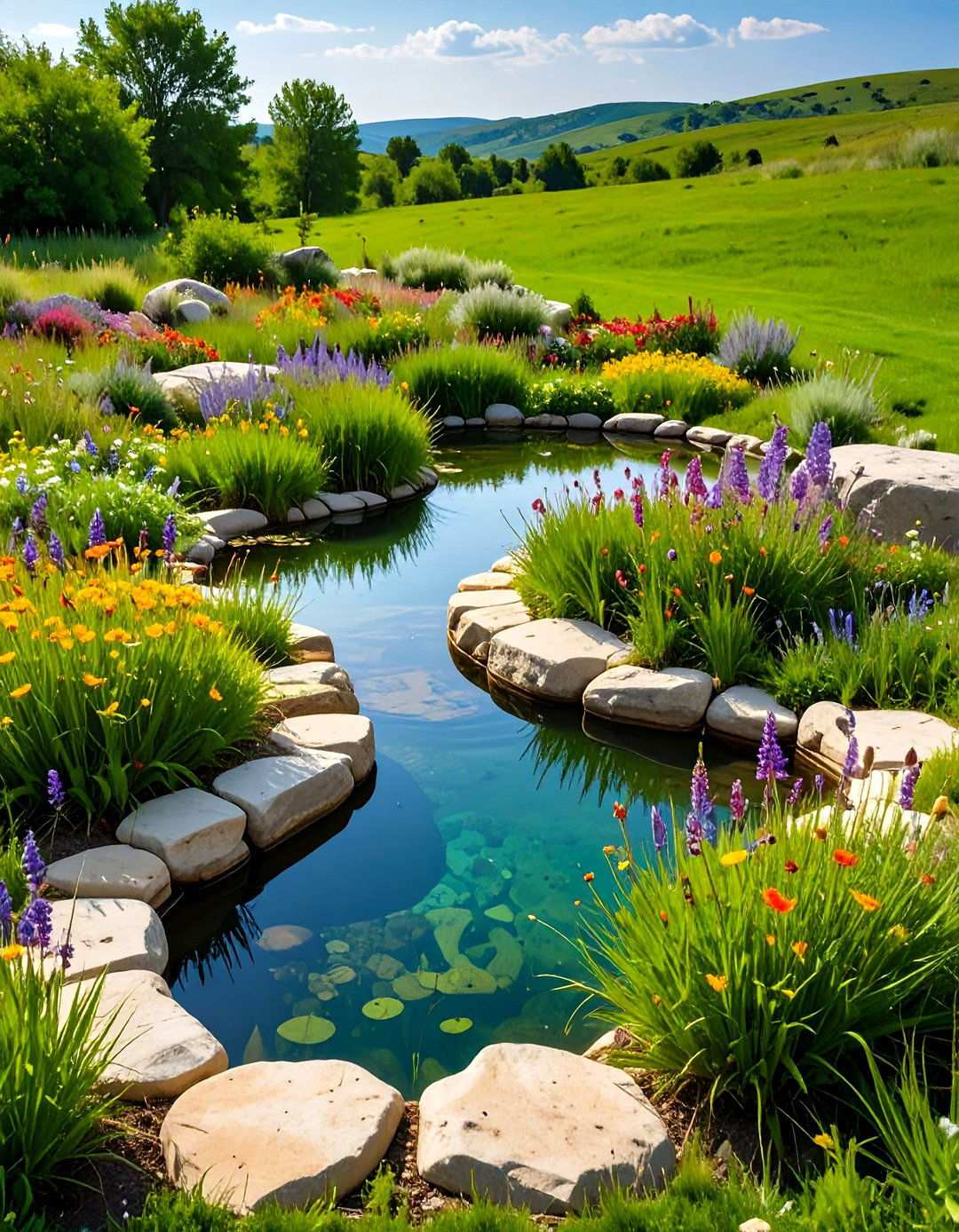
Naturally inspired pond installations surrounded by native wildflower plantings establish authentic prairie or meadow ecosystems that support local wildlife populations and foster a sense of connection with nature. Irregular organic shapes mimic natural water bodies while encouraging diverse bird, butterfly, and beneficial insect visitation. The selection of indigenous plant species requires minimal maintenance while providing dynamic seasonal color changes and habitat diversity. Shallow entry zones allow wildlife access, while deeper central areas support the cultivation of aquatic plants. The seamless integration of natural stone edges into surrounding meadow plantings creates gradual transitions between water and terrestrial environments. These eco-friendly designs contribute to local biodiversity while reducing maintenance requirements through native plant adaptations. The seasonal interest created by wildflower blooms in spring and autumn seed head displays provides a vital food source for wildlife throughout the winter months.
8. Timeless English Garden Pond
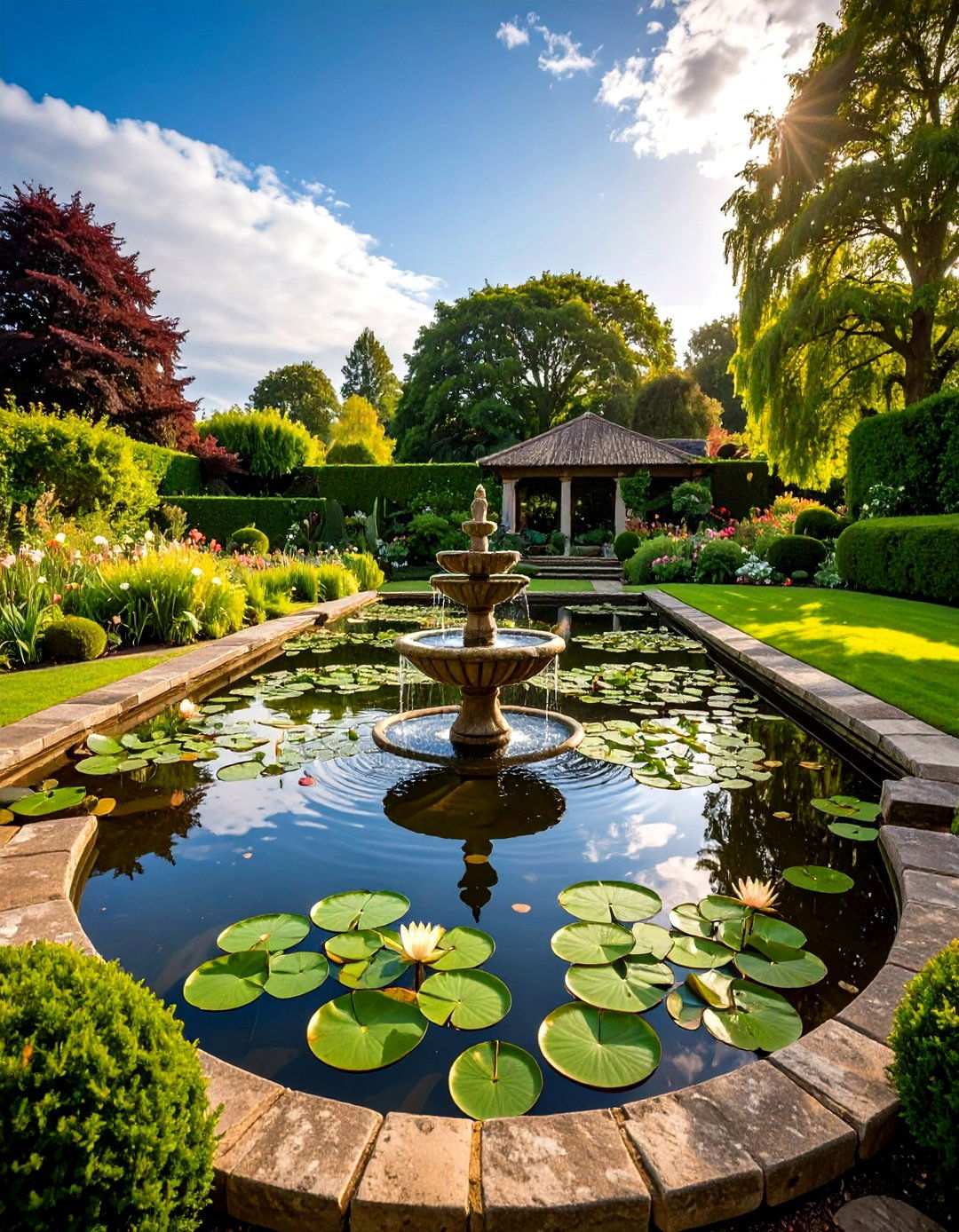
Elegant English garden pond designs incorporate symmetrical layouts, refined plantings, and traditional materials that beautifully complement historical landscape styles. Rectangular or oval shapes with precise stone coping create elegant foundations for formal garden settings, exuding sophistication and refinement. Structured aquatic plant arrangements feature water lilies, iris, and ornamental rushes positioned according to classical design principles, creating a visually stunning display. Surrounding perennial borders showcase a curated selection of cottage garden favorites like roses, lavender, and boxwood hedging, which frame water features beautifully. Traditional materials including natural limestone, aged brick, or weathered teak maintain authentic period aesthetics, adding depth and character to the design. Central fountain features or sculptural elements add vertical interest while maintaining a sophisticated appearance. These timeless designs beautifully complement Georgian, Victorian, or Colonial architecture, creating refined outdoor entertainment spaces that honor traditional gardening heritage.
9. Modern Glass-Edge Water Feature
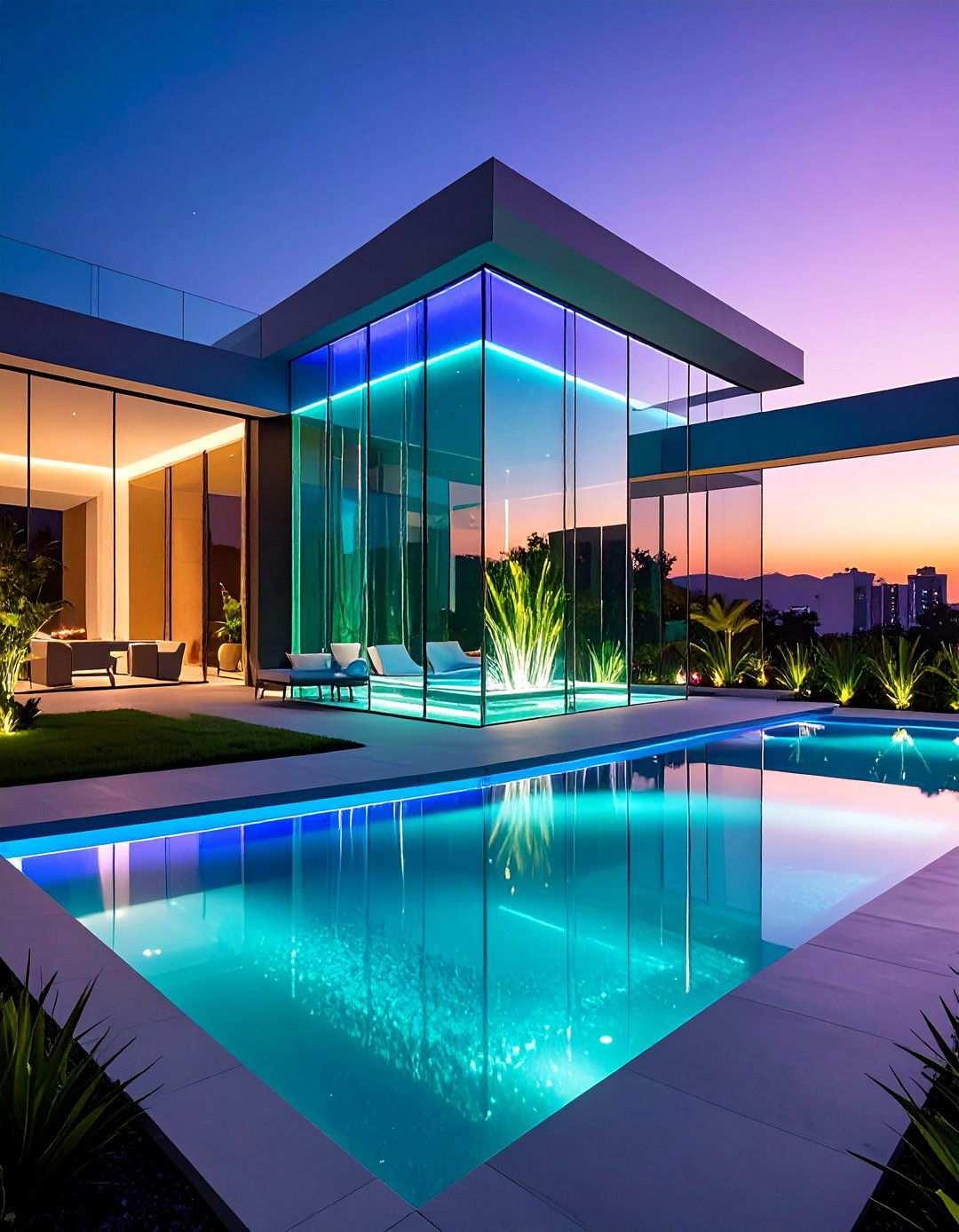
The incorporation of frameless glass panels into contemporary pond designs creates a striking visual effect that blurs the boundaries between the water feature and its surroundings, offering an unparalleled opportunity for underwater viewing. By utilizing structural glass installation, designers can create a safe and secure barrier while maintaining uninterrupted sightlines into the aquatic environment. The use of crystal-clear construction materials allows modern architectural themes to shine while creating the illusion of a floating water surface. Advanced LED lighting systems integrated into the glass structure illuminate the underwater world during the evening hours, creating a mesmerizing display of light and color. When paired with minimalist landscaping that emphasizes clean lines and geometric plantings, transparent design elements can create a truly unique aesthetic experience. These cutting-edge installations are particularly well-suited for urban settings where space limitations require creative solutions, and advanced engineering ensures that structural integrity is never compromised.
10. Cottage Garden Stream Design
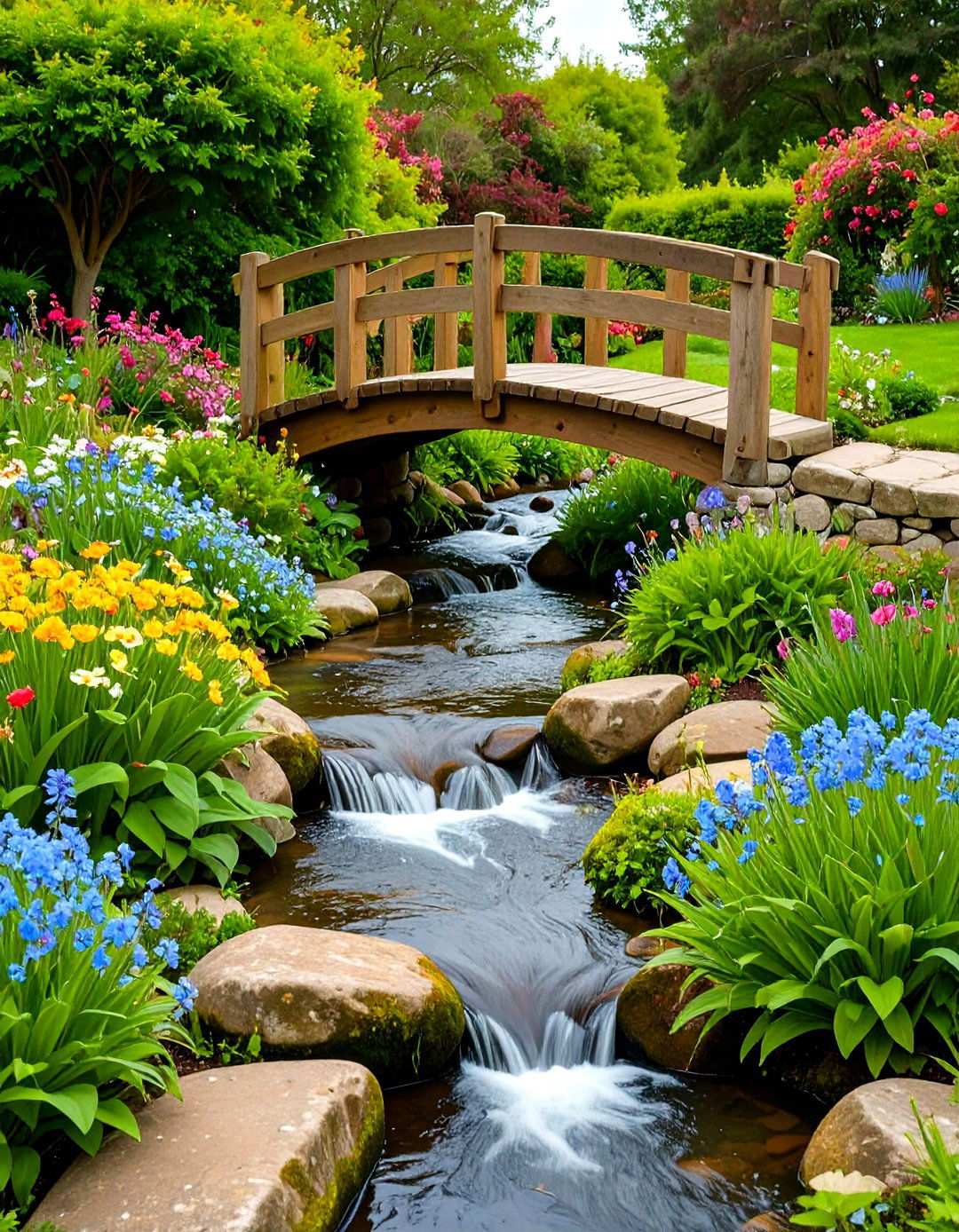
A meandering stream feature winding its way through an established cottage garden setting can create a charming water element that enhances the informal planting scheme and adds a sense of whimsy to the overall landscape design. By following the natural contours of the landscape, the gentle curves of the stream create a series of small pools and basins that provide habitat for a variety of plants and micro-organisms. The strategic placement of rustic stone and varied stream widths generates a diverse range of water sounds and micro-environments that support specialized plant communities. Traditional cottage plants such as primrose, forget-me-nots, and creeping thyme thrive in the moist conditions found along the stream, creating a vibrant tapestry of color and texture. Wooden bridges, stepping stones, or ford crossings provide functional access while maintaining the whimsical character of the garden, and these romantic water features complement established perennial borders, herb gardens, and vegetable plots, attracting beneficial wildlife in the process.
11. Desert Oasis Pond Landscape
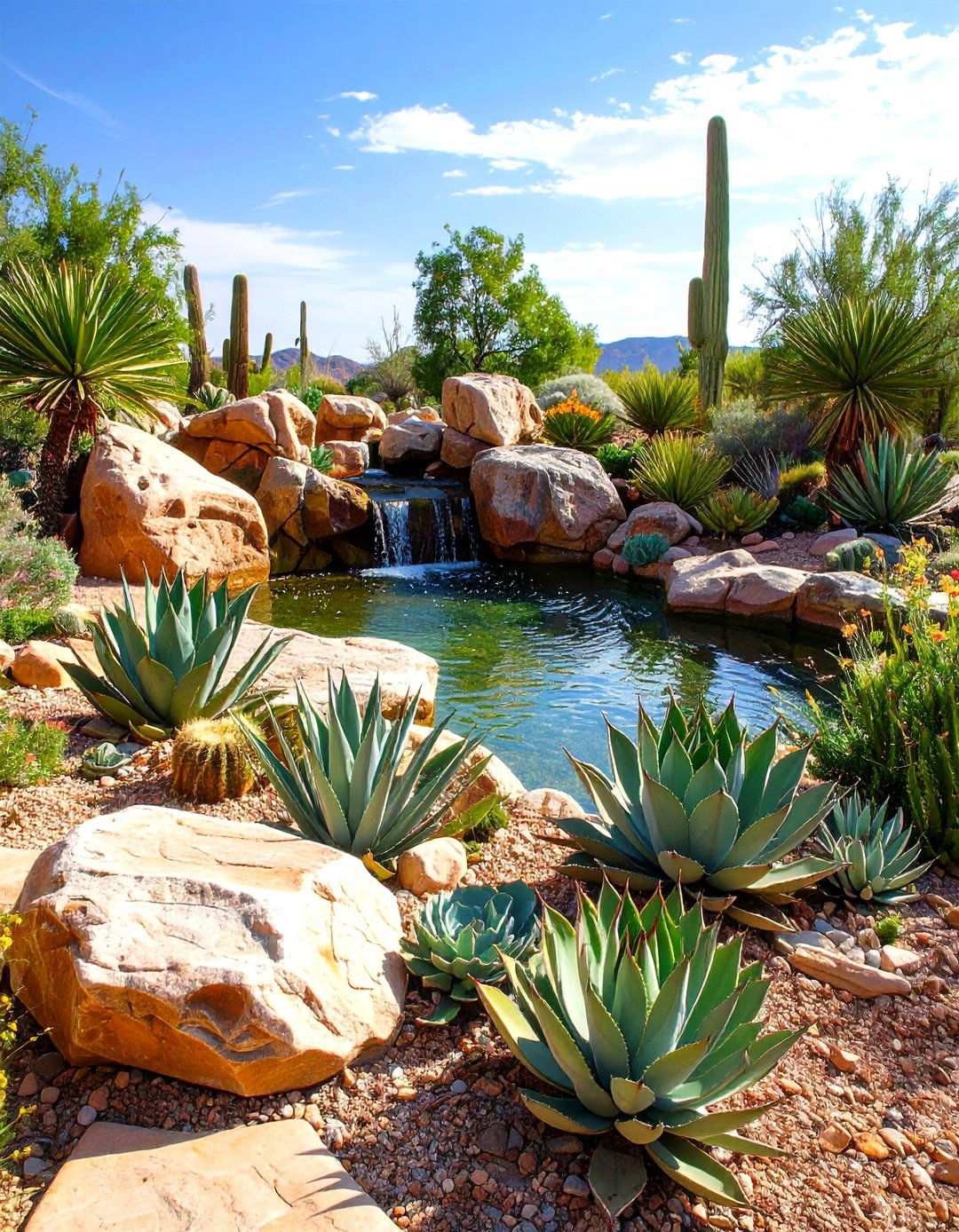
Drought-tolerant pond designs that combine water conservation principles with xerophytic plant selections can create stunning desert-inspired landscapes that thrive in even the most challenging environments. By strategically placing water features to maximize evaporation control, designers can support heat-sensitive areas within broader succulent gardens, creating a unique and visually striking landscape. Natural boulder formations and decomposed granite surfaces complement the arid landscape theme while providing thermal mass for temperature moderation. Desert-adapted plants such as agave, palo verde, and desert willow create an authentic southwestern aesthetic around water features, and efficient recirculating systems minimize water waste while maintaining adequate circulation for plant and wildlife support. These specialized designs work exceptionally well in water-restricted regions where traditional pond landscaping proves impractical, and dramatic seasonal contrasts include spring wildflower displays and winter structural interest from architectural succulent forms that thrive in challenging environments.
12. Captivating Tropical Oasis Water Features
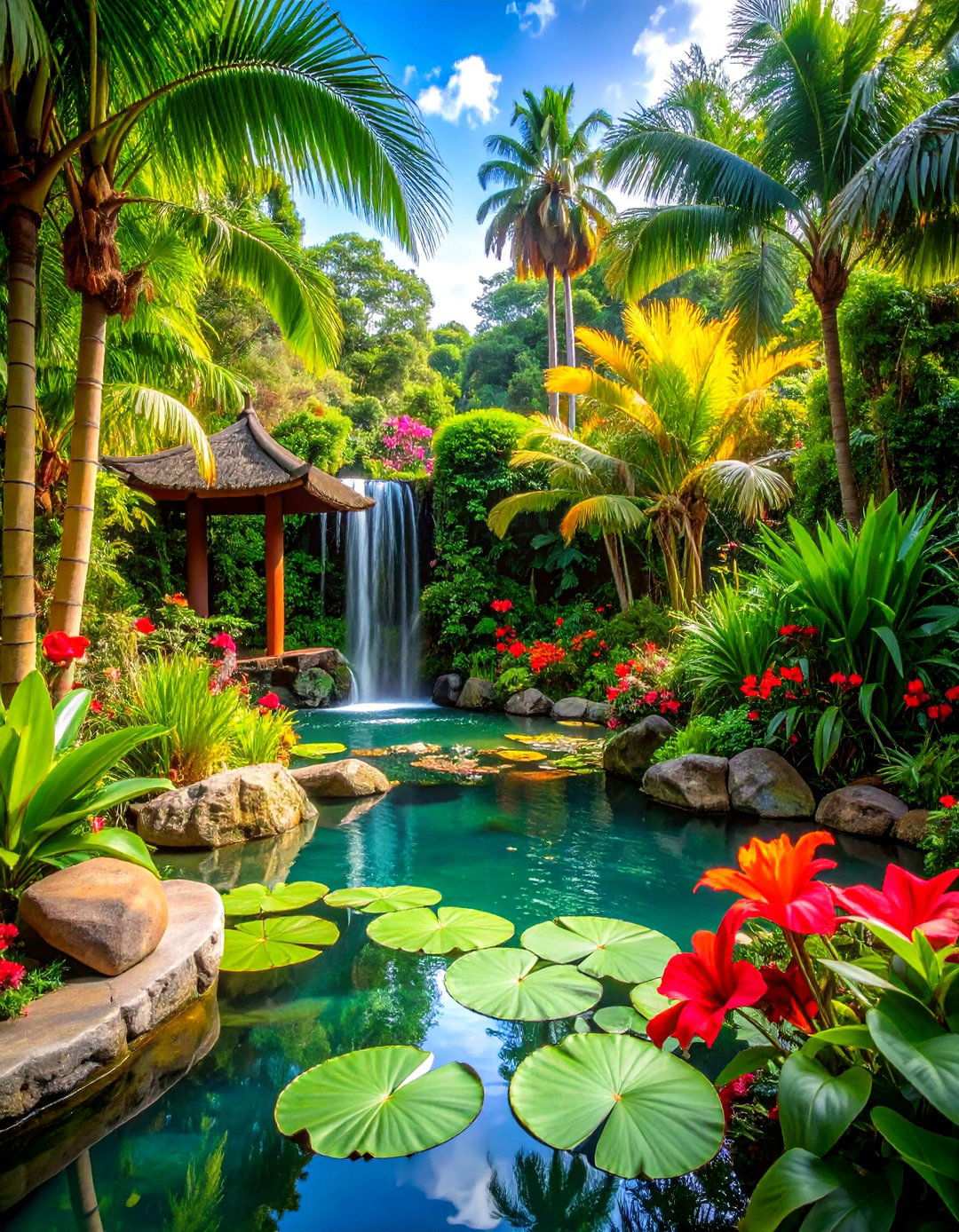
Majestic tropical water gardens transport visitors to exotic resort destinations through striking foliage displays, sun-loving plant collections, and immersive landscape experiences. Lush elephant ears, banana plants, and towering tree ferns create dense jungle-like environments around serene water features. Vibrant blooms from hibiscus, bird of paradise, and tropical water lilies provide a kaleidoscope of colors that burst into flower year-round in favorable climates. Artisanal stone work, weathered bamboo accents, and rustic thatched structures perfectly capture the essence of tropical retreats while offering practical shade and seclusion. As water cascades through lush plantings, it cools the surrounding air, boosts humidity, and fosters tropical plant growth. These enchanting designs turn ordinary backyards into idyllic escapes that seamlessly blend entertainment and relaxation. Cold-climate gardeners can replicate these tropical wonders by employing container-grown specimens during the summer months, paired with clever winter protection strategies.
13. Whimsical Miniature Fairy Garden Ponds
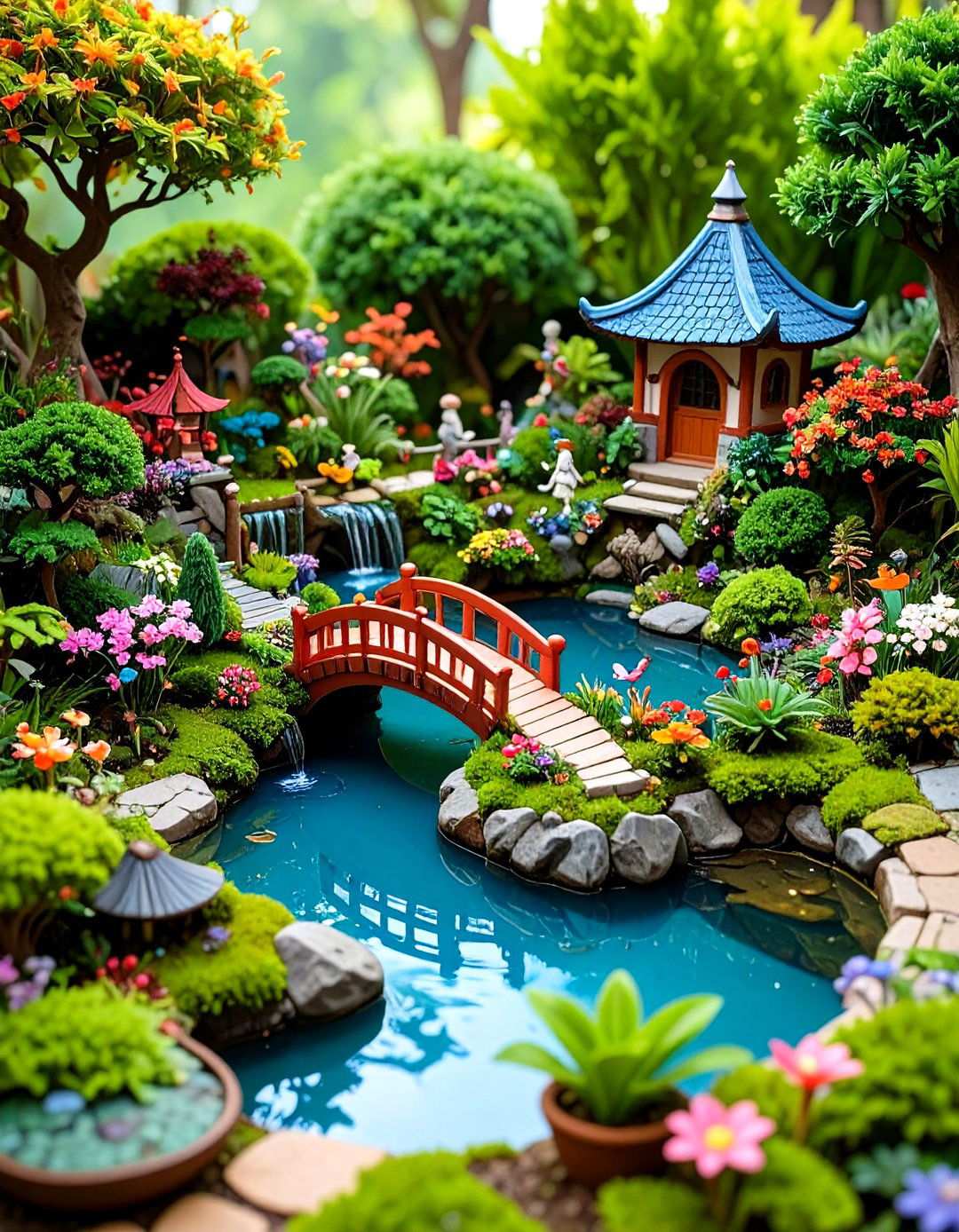
Charming small-scale water features, ideal for compact spaces or kids’ garden areas, weave a spell of enchantment and wonder. Delicate water features crafted from repurposed containers, ornate baskets, or bespoke miniature ponds provide the perfect habitat for specialized dwarf plant collections. Whimsical accessories like miniature bridges, tiny figurines, and intricately designed structures spark imagination and storytelling. Dainty plants such as baby tears, miniature ferns, and dwarf water lilies maintain a sense of scale while offering authentic pond experiences. By situating these captivating installations near play areas or along winding garden paths, children are encouraged to explore and discover the wonders of nature. These low-maintenance wonders bring immense delight to young visitors, and with the addition of seasonal decorations and themed accessories, they become a canvas for creative expression, all while supporting thriving aquatic ecosystems that nurture beneficial insects and small wildlife.
14. Alpine-Inspired Pond Oasis
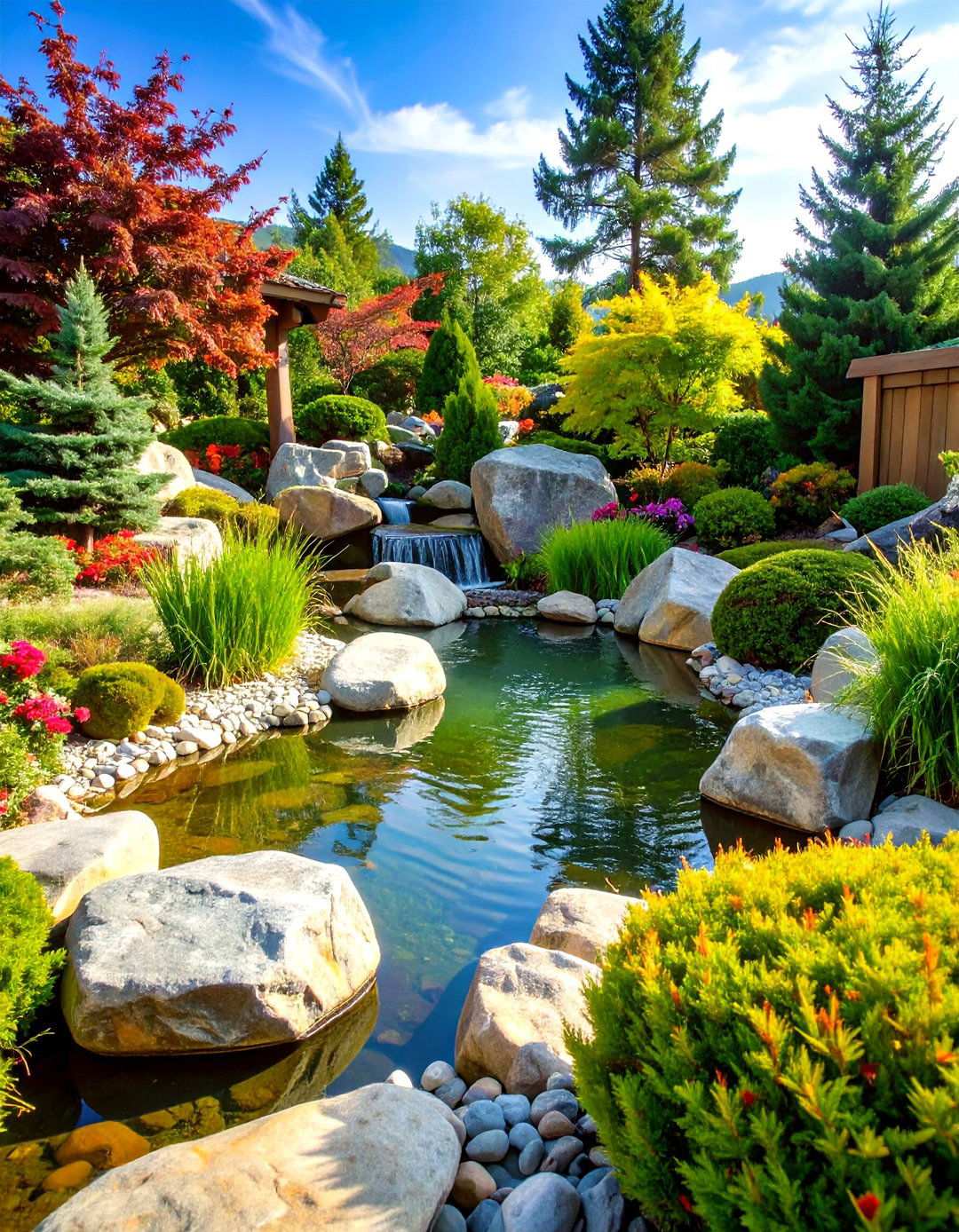
Captivating alpine pond designs transport viewers to breathtaking high-altitude environments through the strategic placement of rugged boulders, native coniferous trees, and cold-water fish populations. Majestic granite or limestone formations create a sense of serenity by surrounding crystal-clear water features with a natural rock garden setting. Evergreen selections like dwarf spruce, juniper, and native pines bring authenticity to the landscape while providing year-round visual interest. Cold-hardy fish species thrive in deeper pond areas, while shallow rocky zones support specialized alpine plant communities that flourish in these unique conditions. Natural gravel beaches and stone pathways provide access for wildlife while maintaining an authentic wilderness ambiance. These rugged designs beautifully complement mountain home architecture, celebrating regional natural beauty. Seasonal snow accumulation and ice formation add a touch of winter wonder, creating dramatic landscape experiences that transform throughout the year.
15. Timeless Victorian Garden Fountains
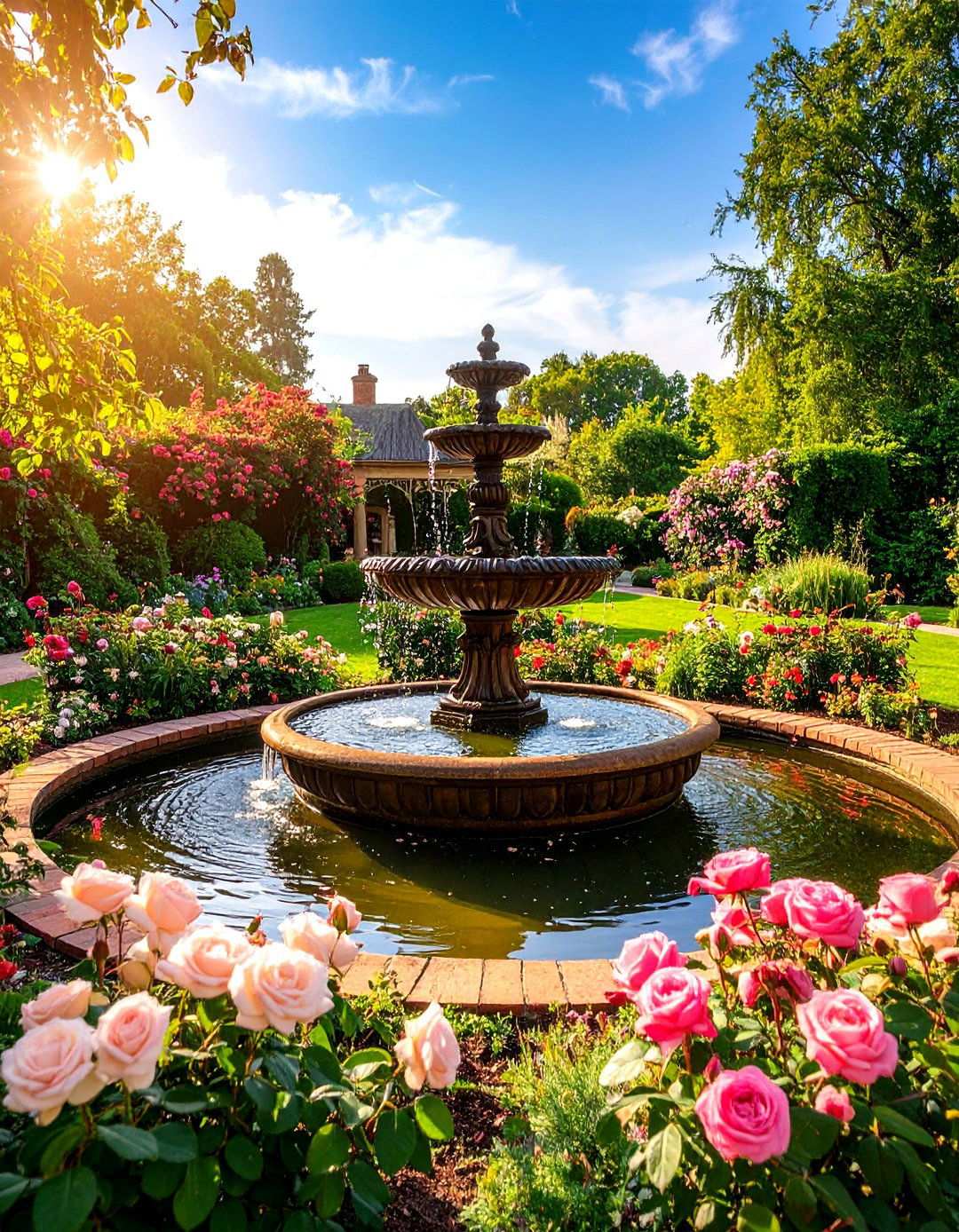
Elegant Victorian-era pond designs pay homage to historical garden styles by incorporating ornate fountains, decorative ironwork, and period-specific plant selections. Central fountain features with tiered basins create striking focal points that provide continuous water circulation throughout pond systems. Intricate cast iron or carved stone elements add an air of sophistication while maintaining authentic historical character. Traditional plantings include fragrant herbs, heritage roses, and formal bedding displays that evoke the classic sensibilities of the Victorian era. Decorative edging materials like ornate brick patterns, carved stone coping, or wrought iron railings enhance the period’s authentic charm. These refined installations work particularly well with historical home restorations or formal garden settings that honor traditional landscape design principles. Seasonal bedding changes and meticulous maintenance preserve the meticulously manicured appearances that define Victorian garden aesthetics.
16. Cultivating Mindfulness: Meditative Pond Designs
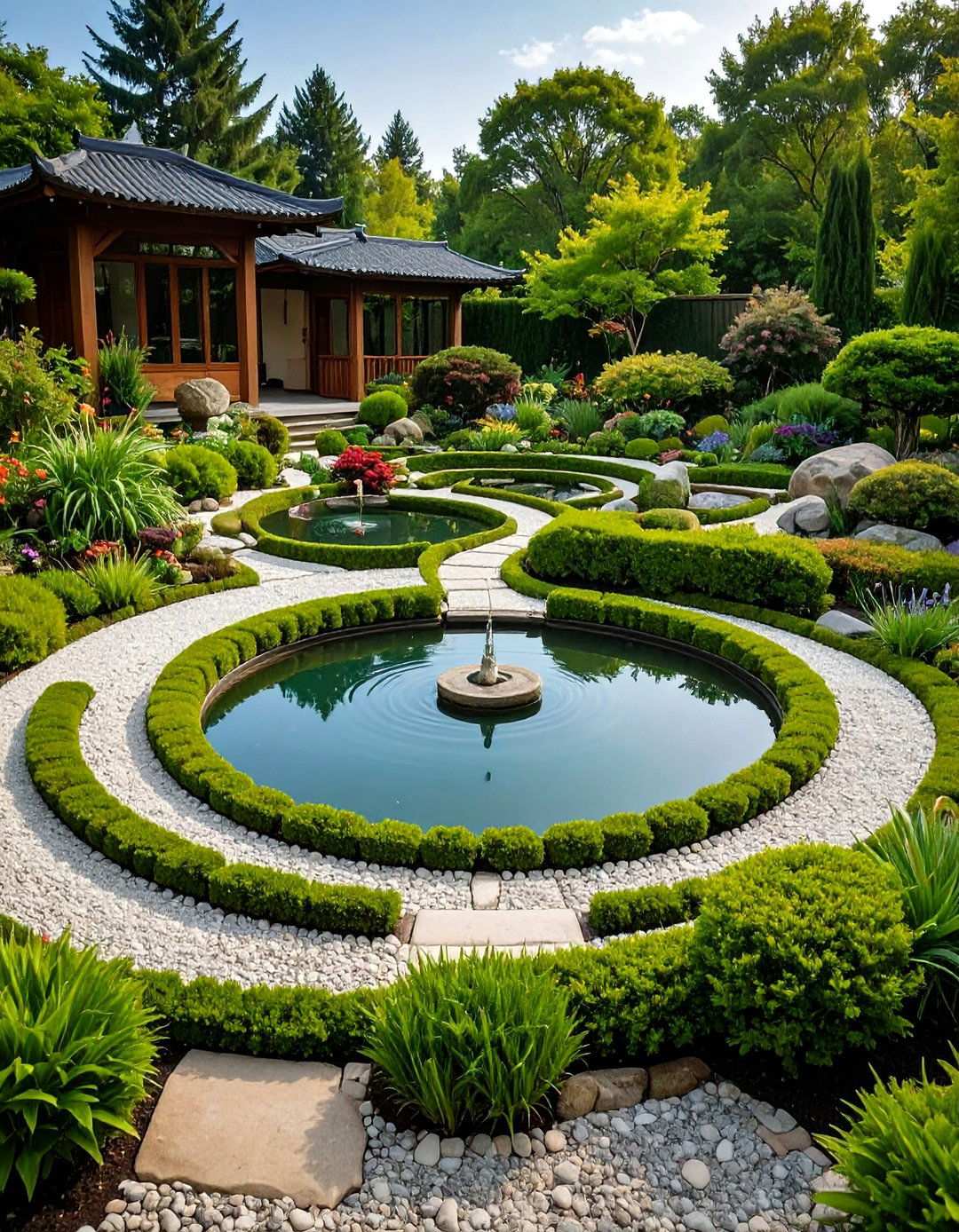
Meditation labyrinths integrated with serene pond environments offer immersive experiences that harmonize the calming properties of water with mindful movement practices. Central water features serve as anchor points for labyrinth pathways, fostering a sense of calm and inviting reflection. By incorporating simple geometric shapes and selecting plants that emphasize texture and form, these designs maintain a clear focus on meditation without distractions. The judicious use of local materials, such as stone and native grasses, creates a seamless fusion between constructed and natural elements. These contemplative spaces support both individual reflection and group meditation practices, as well as therapeutic garden applications. As the seasons unfold, the ever-changing landscape of the pond provides a unique opportunity for contemplation, underscoring the importance of simplicity in cultivating mindful awareness and inner peace.
17. Integrating Edibility: Aquatic Garden Ponds
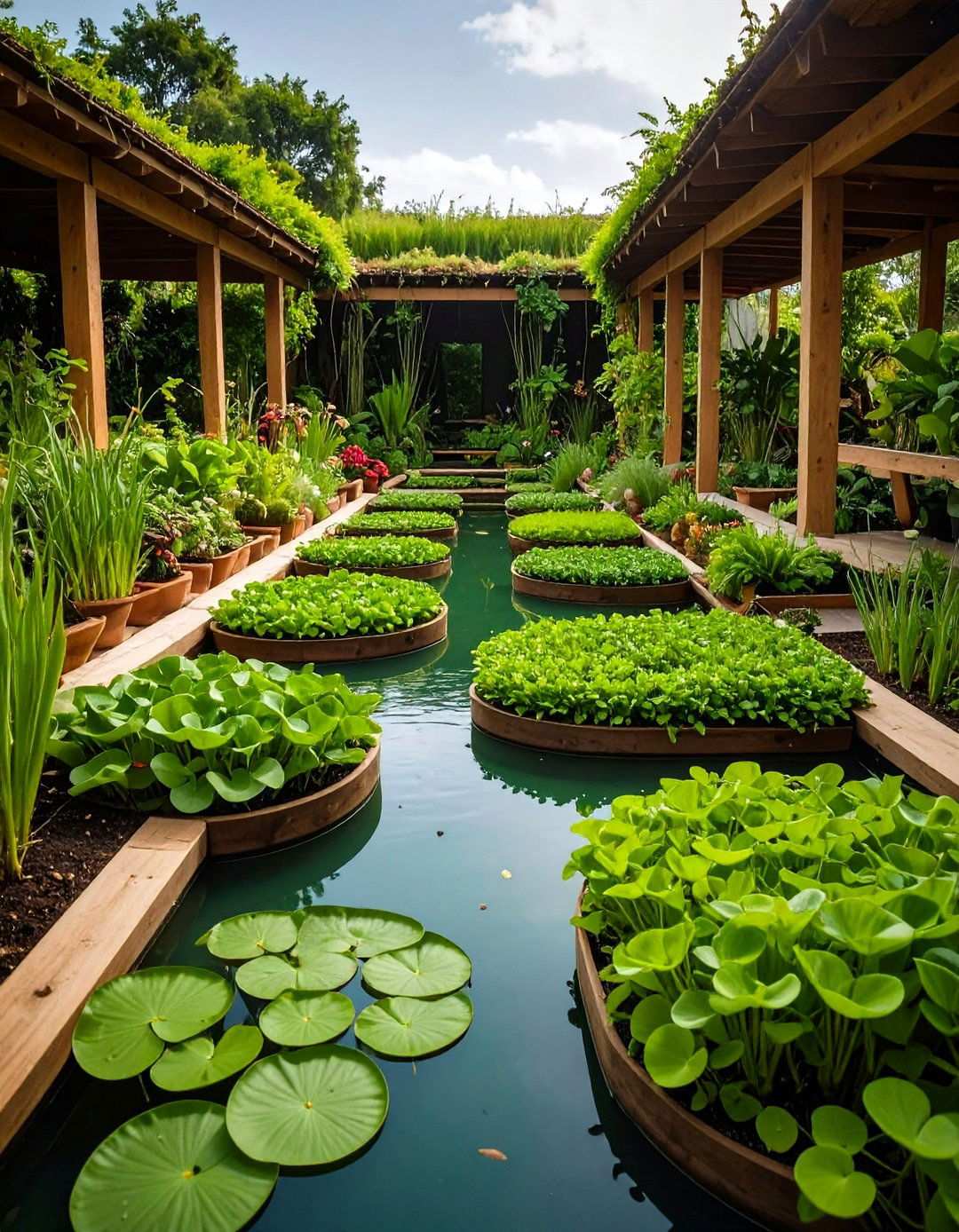
Innovative pond designs blend water features with edible plant cultivation, creating functional landscapes that embody sustainable food production. Aquatic vegetables like watercress and lotus roots thrive in pond environments, providing a steady supply of fresh produce throughout the growing seasons. Specialized planting zones accommodate diverse growth requirements while maintaining visually appealing arrangements. By harnessing the natural power of beneficial bacteria and plant uptake, these designs utilize biological filtration systems to maintain optimal water quality without chemicals. Integrated fish populations like goldfish or koi offer a dual benefit of pest control and nutrient-rich fertilizer for plant growth. These permaculture-inspired designs not only create stunning outdoor spaces but also provide a platform for education, teaching children about aquatic ecosystems, food production, and environmental stewardship through hands-on garden experiences that foster a deeper connection between food consumption and natural systems.
18. Innovative Rooftop Pond Solutions
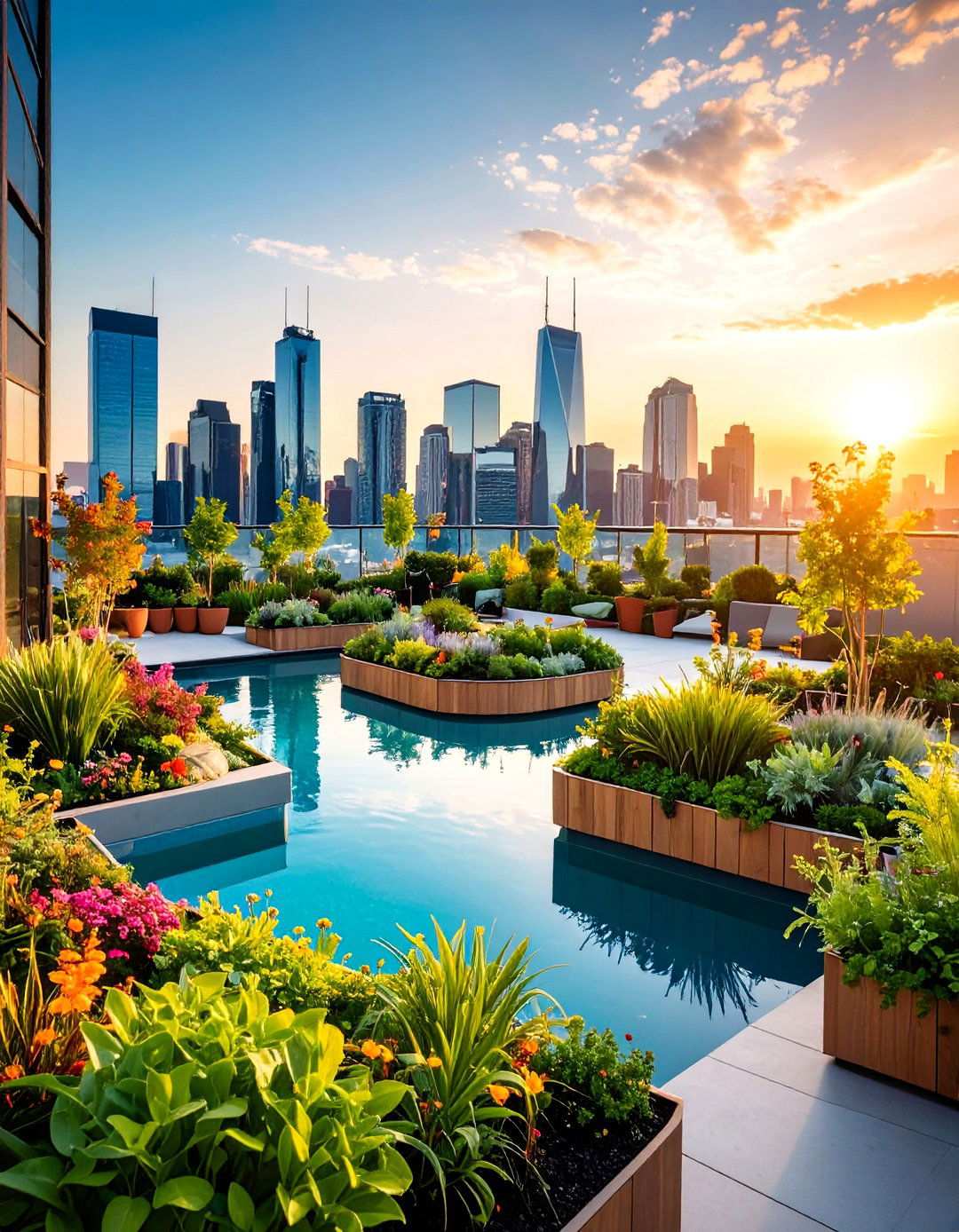
Rooftop environments pose distinctive challenges, such as limited soil depth, weight restrictions, and exposure to the elements, which necessitate specialized pond designs. By incorporating lightweight materials, such as fiberglass containers, expanded clay substrates, and stone alternatives, these designs minimize structural loads while maintaining an attractive aesthetic. Carefully selected plants, along with protective barriers, ensure successful establishment in the face of harsh rooftop conditions. Efficient drainage systems prevent water damage, while recirculating systems mitigate weight concerns and maintenance requirements. These forward-thinking installations transform underutilized urban spaces into valuable outdoor retreats that support local wildlife corridors. Strategically placed installations maximize urban views while creating private havens above bustling city streets. Adaptable seasonal strategies, including wind protection and insulation, extend pond enjoyment throughout the year, even in challenging urban weather conditions.
19. Illuminated Pond Landscapes at Night
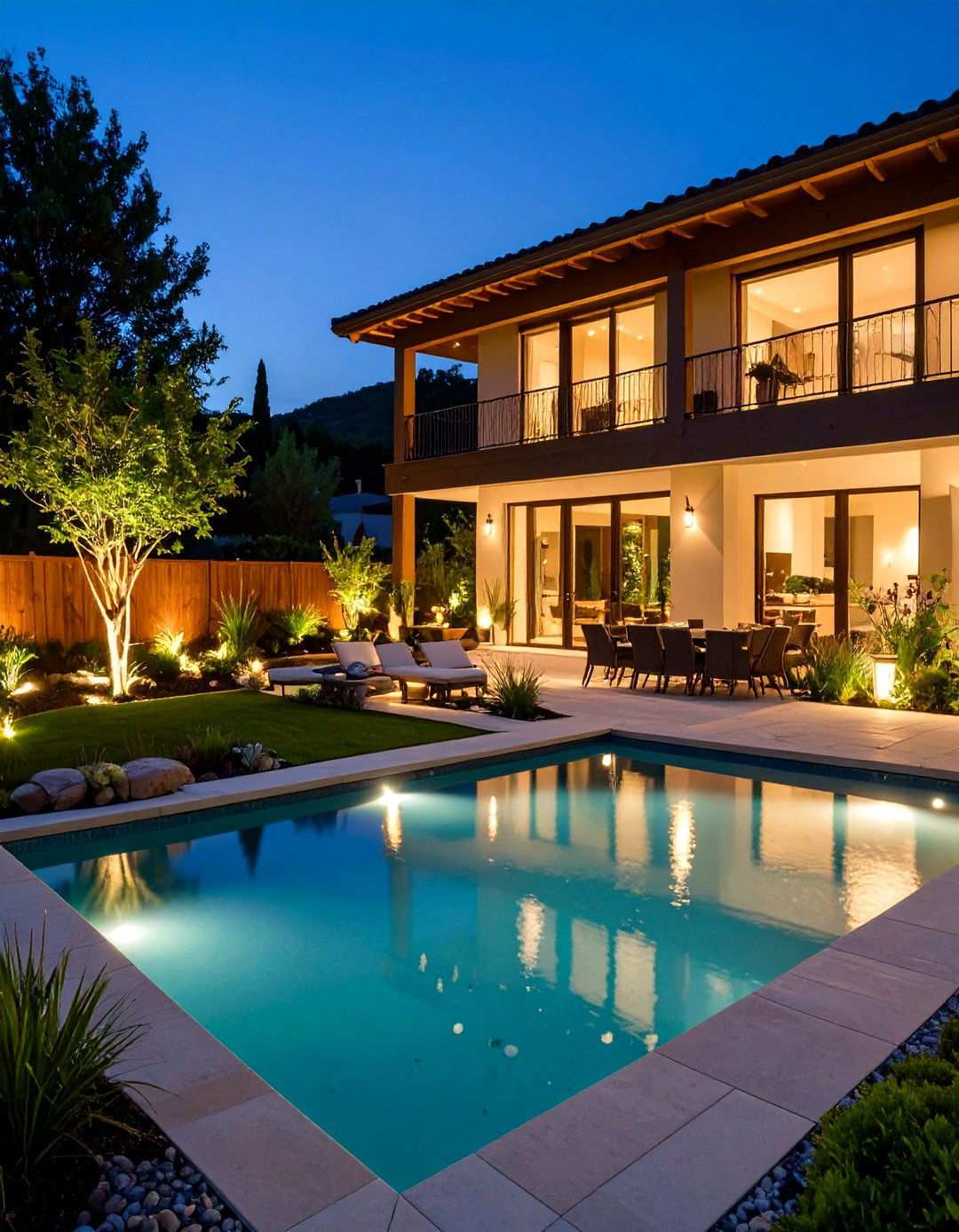
Dramatic lighting schemes transform pond landscapes into captivating evening entertainment venues through strategic illumination of water features, plantings, and architectural elements. Underwater LED systems highlight the movement of aquatic life and the forms of aquatic plants, while colored lighting options create mood-specific atmospheres for various occasions. Perimeter lighting along pathways, seating areas, and plant groupings extends pond enjoyment into the nighttime hours while ensuring safety around water features. Solar-powered lighting options provide a sustainable illumination solution without the need for complex electrical installations. Programmable systems allow for seasonal adjustments and special event lighting that adapts to changing needs. These illuminated landscapes create enchanting outdoor spaces perfect for evening gatherings, romantic dinners, or quiet nighttime contemplation. Energy-efficient LED technology minimizes operational costs while delivering maximum visual impact, transforming ordinary pond features into extraordinary landscape showpieces.
20. Winter Interest Pond Design Strategies
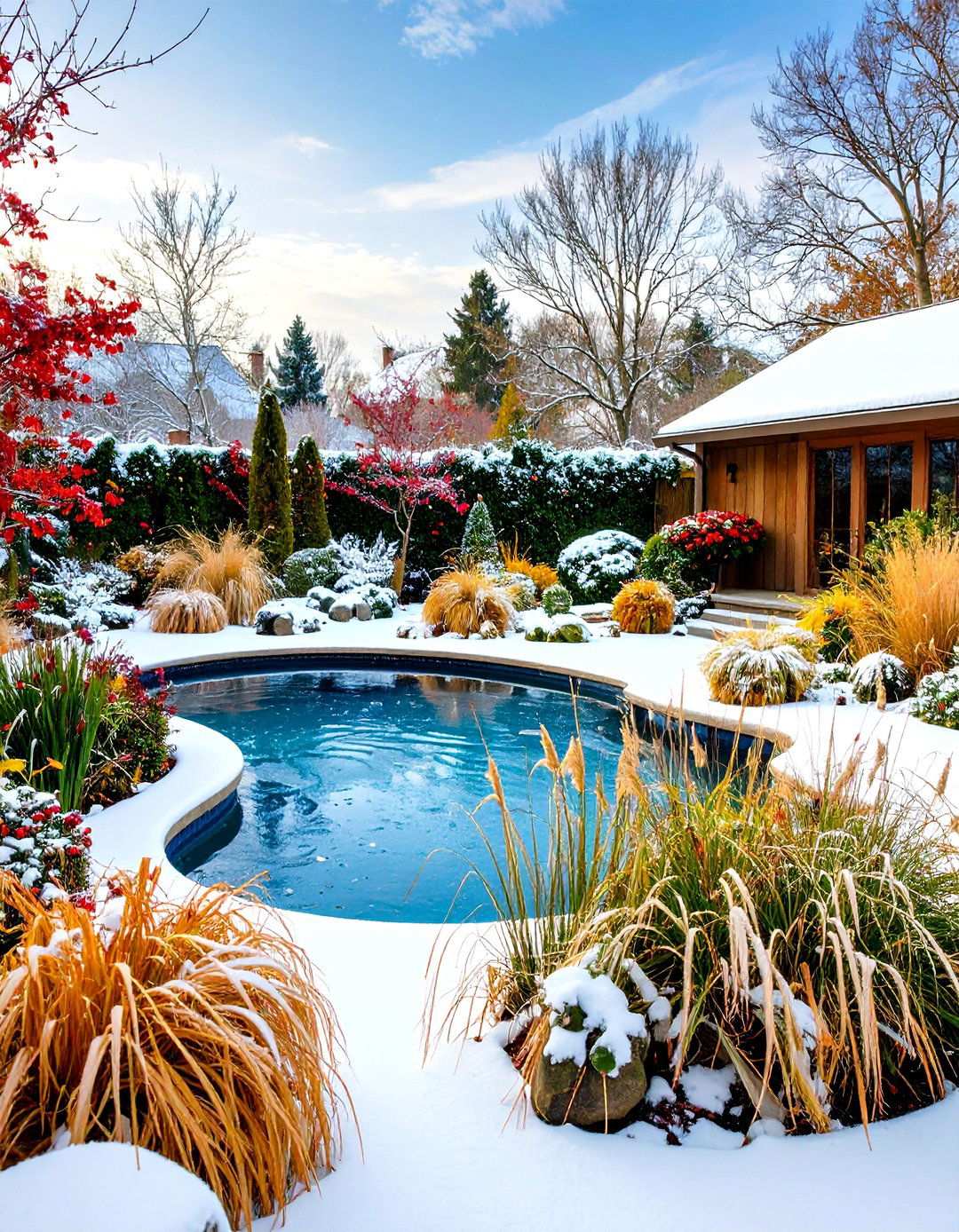
To maintain a visually appealing landscape year-round, four-season pond designs integrate evergreen plantings, distinctive architectural elements, and durable construction materials that withstand harsh winter conditions. Incorporating hardy plant species, such as winterberry holly and ornamental grasses, provides a kaleidoscope of color and texture when deciduous plants go dormant. Additionally, pond heaters or aerators prevent complete ice formation, supporting local wildlife during extreme weather. Strategic placement of structural elements like bridges, stone walls, and carefully crafted plantings captures winter sunlight while offering protection from wind for both plants and users. By incorporating these design elements, landscape investments can deliver long-term value, extending enjoyment beyond the warmer months. Winter wildlife attraction is further enhanced by providing unfrozen water sources that support local bird populations during periods of challenging weather.
21. Children's Discovery Pond Design Inspiration
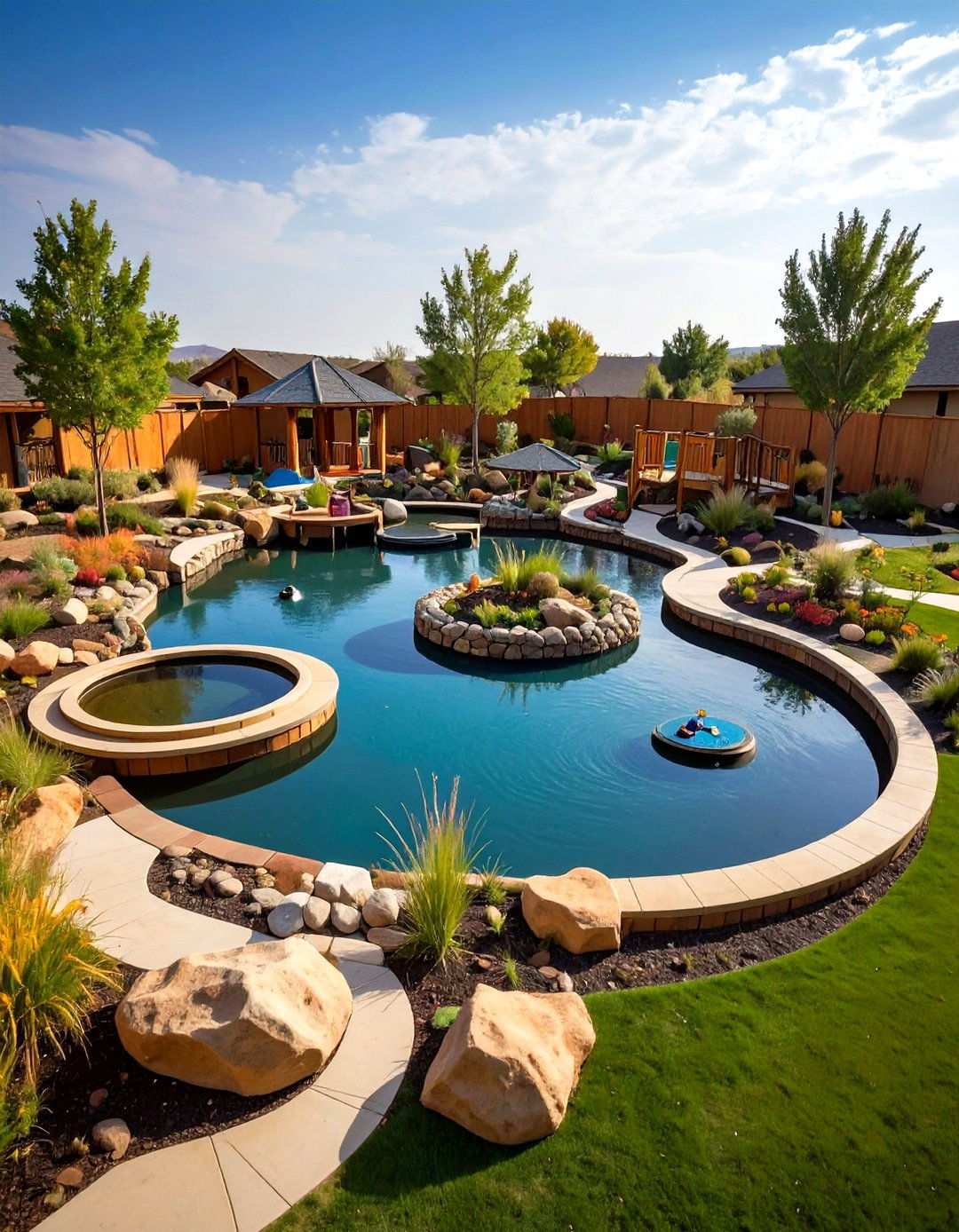
Engaging outdoor learning environments can be created through safe, educational pond designs that foster children’s exploration of aquatic ecosystems while sparking environmental awareness and scientific curiosity. By incorporating shallow depths, gentle slopes, and secure barriers, designers can ensure a safe and enjoyable experience for supervised exploration and hands-on learning. Integrated observation platforms, magnifying stations, and educational guides encourage in-depth ecosystem investigation, while hardy plant and fish selections withstand occasional disturbance, providing ongoing educational opportunities about life cycles, food webs, and environmental relationships. Seasonal programming, including activities like tadpole raising, plant propagation, and wildlife observation, connects children with natural processes, fostering a deeper appreciation for the environment. These interactive installations not only support outdoor education but also create beautiful landscape features that families can enjoy together, teaching children the value of environmental stewardship and responsibility.
22. Butterfly Habitat Pond Garden
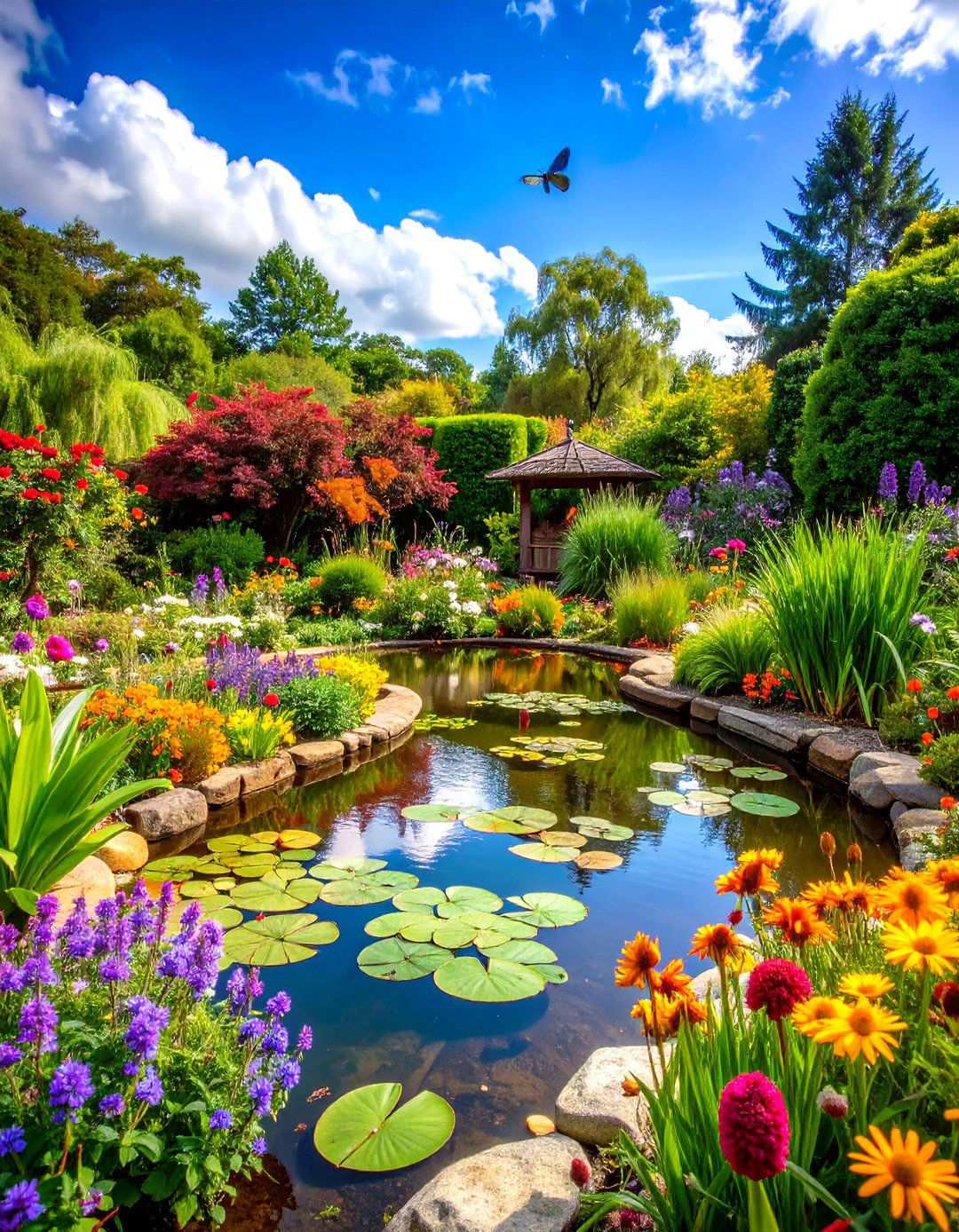
A specially designed pond garden provides a haven for butterfly populations by incorporating host plants, nectar sources, and breeding habitats that attract a diverse range of lepidoptera species throughout the growing season. Shallow muddy areas serve as essential mineral deposits, while diverse native plantings offer a constant food source for adult butterflies and caterpillar development. Protected microclimates near water features create a conducive environment for butterfly reproduction and overwintering survival, with seasonal blooming sequences ensuring a continuous supply of nectar from early spring to late autumn. These ecological installations not only contribute to the conservation of declining butterfly populations but also create colorful, dynamic landscape features that change throughout the seasons. Visitors can learn about butterfly life cycles and conservation needs through educational signage and identification resources, while integrated seating areas provide comfortable observation opportunities in a pesticide-free environment that protects sensitive butterfly populations.
23. Therapeutic Healing Garden Pond
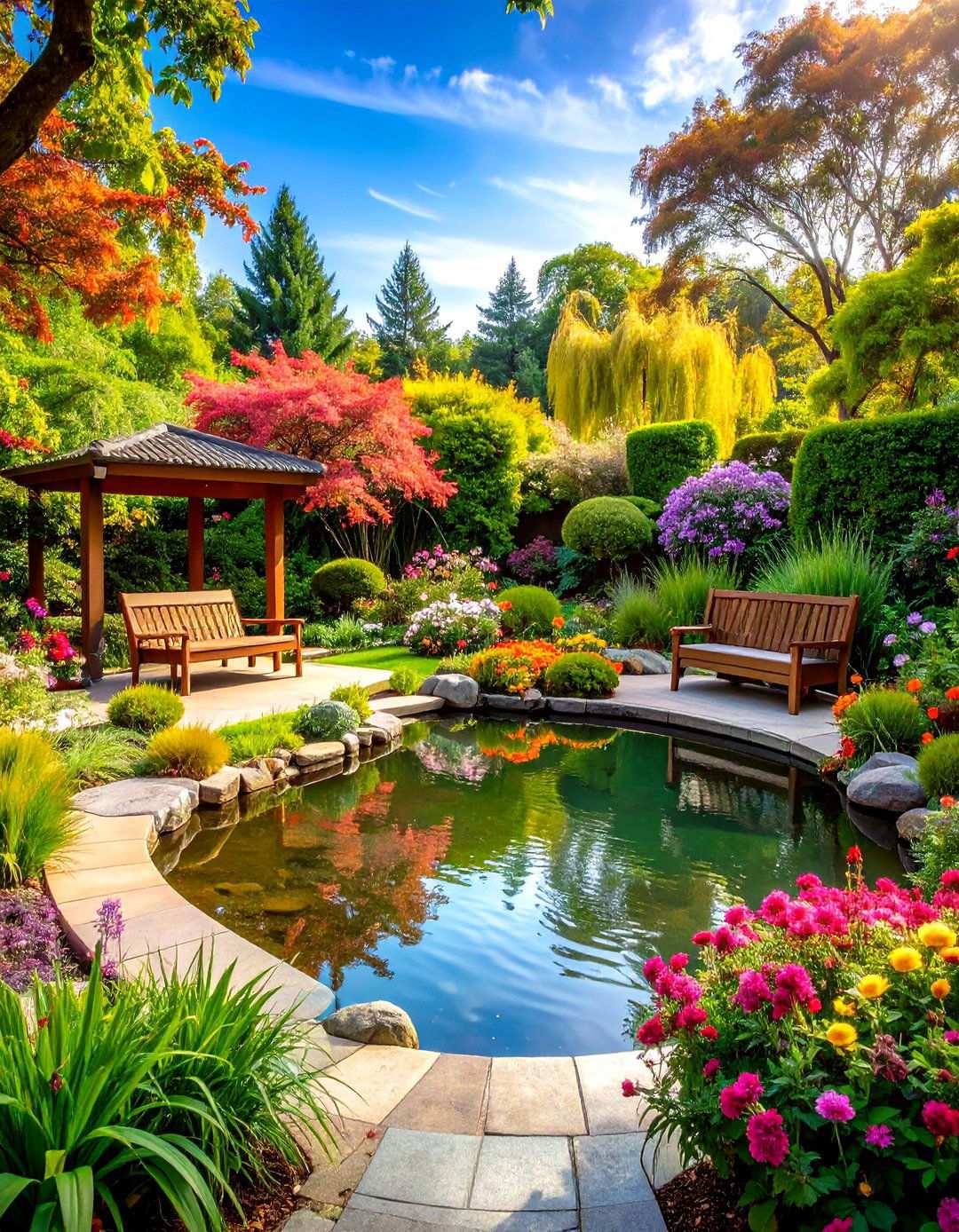
Restorative pond designs are carefully crafted to support physical healing, stress reduction, and emotional well-being through a thoughtful incorporation of therapeutic elements and accessibility features. By applying universal design principles, these installations ensure wheelchair accessibility, comfortable seating at appropriate heights, and safe navigation around water features. Aromatic plantings, soothing water sounds, and varied textures come together to provide multi-sensory experiences that support different therapeutic goals, while raised planters enable individuals with mobility limitations to interact with the garden while maintaining a connection with natural processes. These specialized installations are often found in medical facilities, senior communities, and private residences, where healing environments play a crucial role in recovery and well-being. Seasonal interest maintains positive psychological benefits throughout the year, while low-maintenance designs minimize the care burden on users. By selecting plants and layouts based on research-backed principles, these installations optimize therapeutic benefits while creating beautiful outdoor spaces that promote healing and relaxation.
24. Rainwater Harvesting Ponds with a Purpose
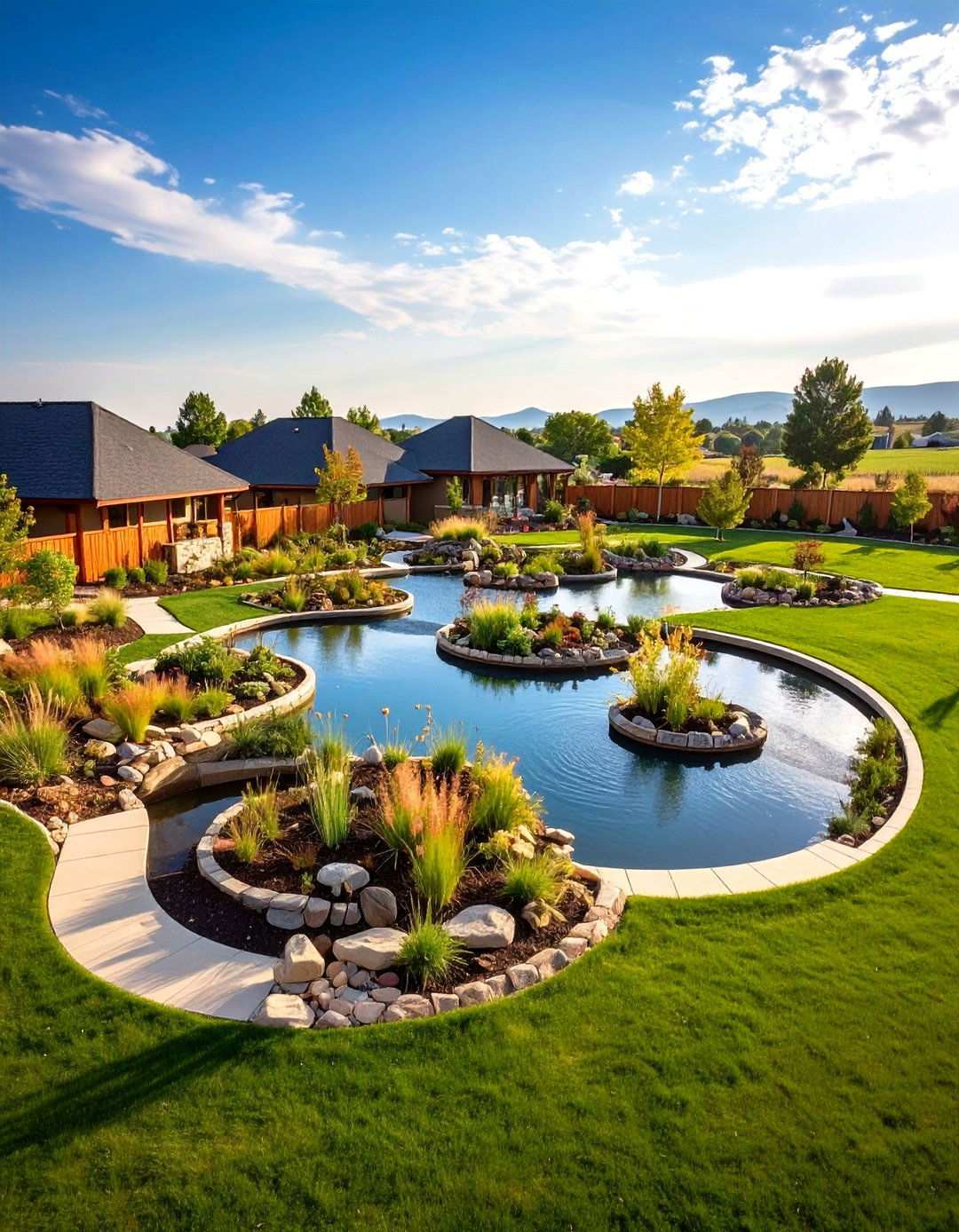
Eco-friendly pond designs seamlessly blend stormwater management with landscape aesthetics, harnessing the power of bioswales, native plants, and water-saving techniques. By leveraging natural depressions, these innovative systems capture rainfall runoff, preventing erosion and safeguarding local waterways from pollution. This multi-faceted approach not only showcases sustainable landscape practices but also reduces municipal stormwater burdens.
Native plant communities take center stage, filtering pollutants and providing a haven for beneficial wildlife species. The clever design of overflow systems directs excess water to adjacent landscape areas during heavy precipitation events, ensuring that every drop counts. As a result, these environmentally conscious installations serve as living laboratories, teaching watershed concepts, pollution prevention, and environmental stewardship through visible demonstration projects. By integrating with existing landscape features, these systems create harmonious connections between functional and ornamental garden elements. Ultimately, long-term environmental benefits include replenishing groundwater, creating habitats, and demonstrating responsible landscape management practices that safeguard our precious natural resources.