1. Grounded Elegance: The Sage Green and Brown Color Combination
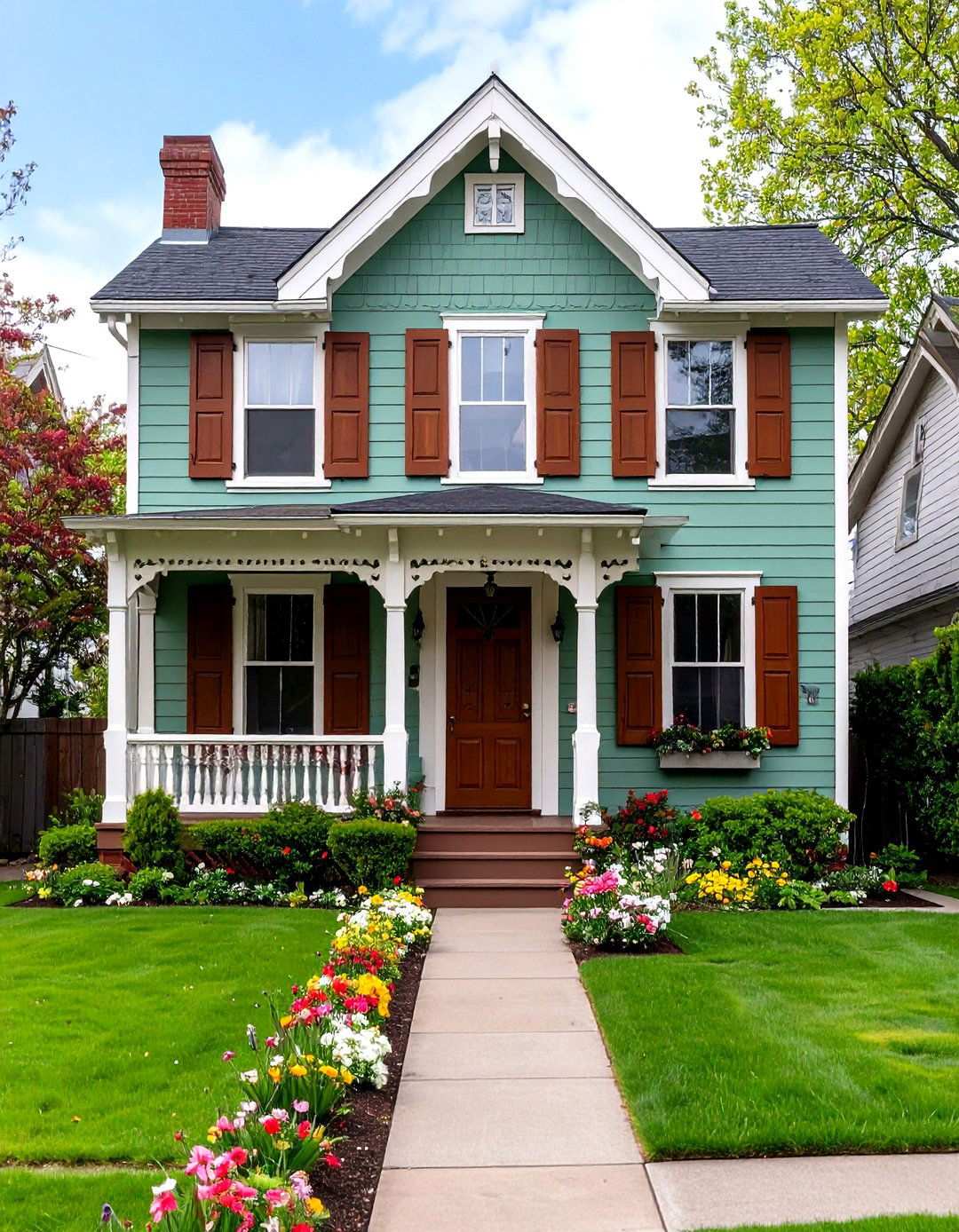
When it comes to exterior home design, sage green houses with brown trim represent a harmonious and enduring color palette that effortlessly blends sophistication with comfort. This earthy combination creates a naturally soothing aesthetic that not only grounds homes but also lends an air of elegance. The muted tones of sage green serve as a serene backdrop that beautifully complements the surrounding environment, while brown trim adds warmth and definition to architectural features. Whether you prefer the clean lines of modern farmhouse design or the intricate details of Victorian architecture, this versatile color scheme seamlessly adapts to various home styles. From rustic cottage charm to contemporary sophistication, sage green and brown combine to create visual depth that elevates curb appeal without overwhelming the eye. The beauty of this combination lies in its earthy undertones, which feel organic and welcoming. These inspiring ideas showcase how different shades, textures, and applications of sage green with brown trim can transform any home exterior into a stunning focal point that embodies both style and tranquility.

As an Amazon Associate I earn from qualifying purchases.
2. Classic Colonial Proportions
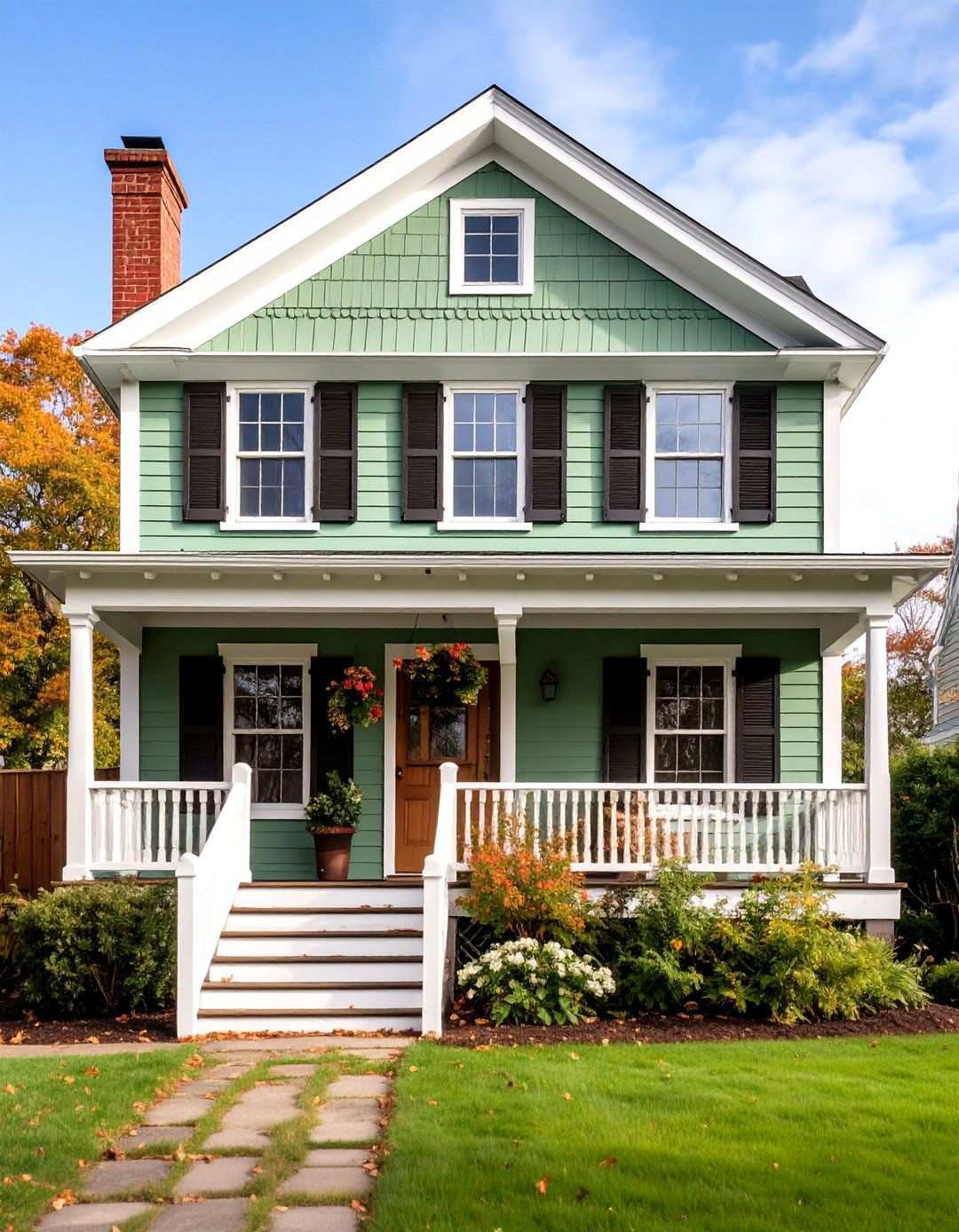
The traditional colonial style finds its perfect match in sage green siding paired with rich brown window trim and door surrounds. This timeless combination expertly highlights the symmetrical architecture that defines colonial homes, with brown trim creating crisp lines around evenly spaced windows. The warm brown accents on shutters and front door establish a welcoming focal point, while sage green siding provides a sophisticated neutral backdrop. White porch railings and architectural details add brightness that keeps the color scheme balanced and fresh. This approach works particularly well for two-story colonials where the brown trim can unify upper and lower levels while emphasizing the home’s classic proportions and traditional charm. By incorporating sage green and brown, homeowners can create a visual narrative that honors the colonial style’s heritage while feeling modern and inviting.
3. Timeless Allure of Modern Farmhouse Siding
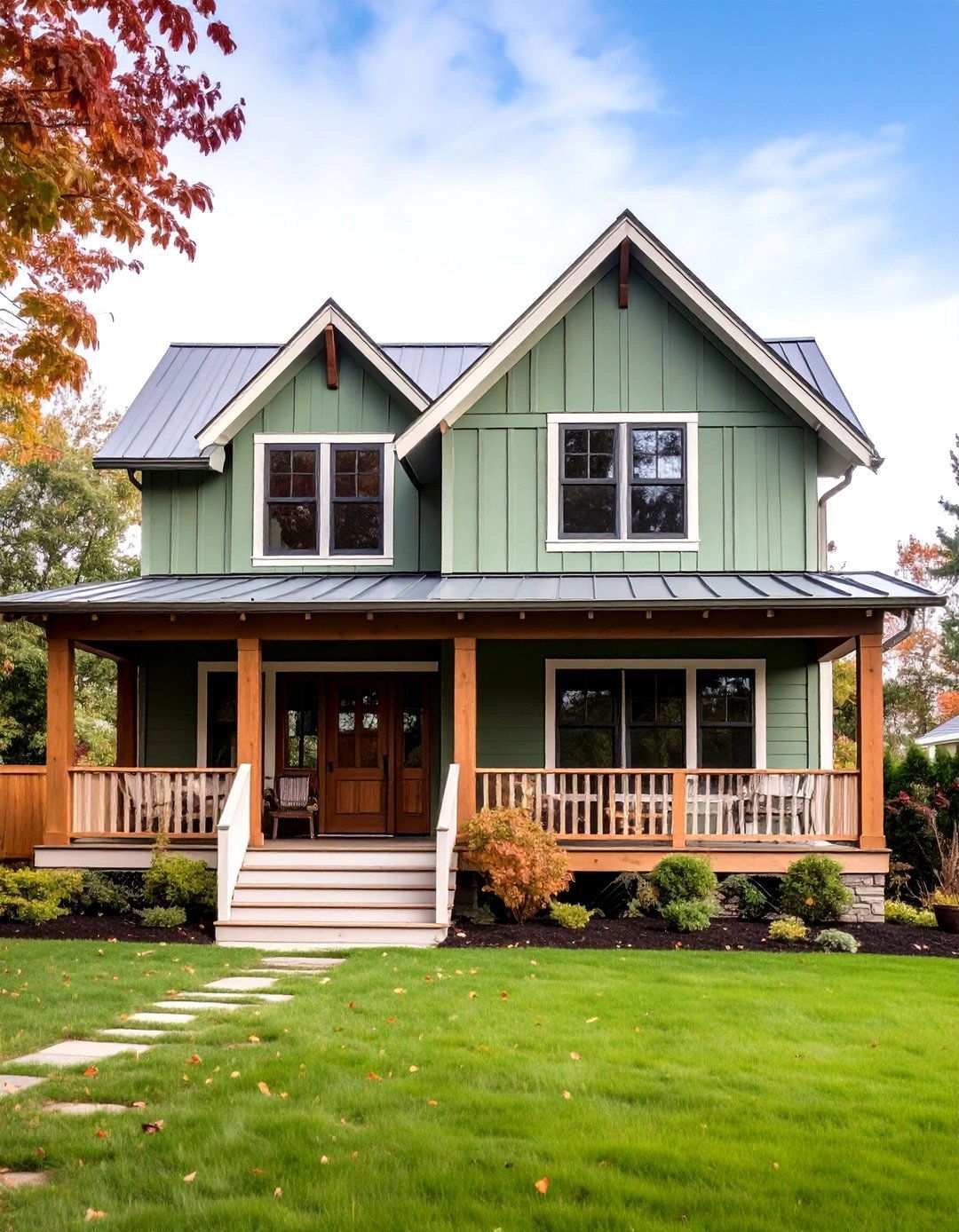
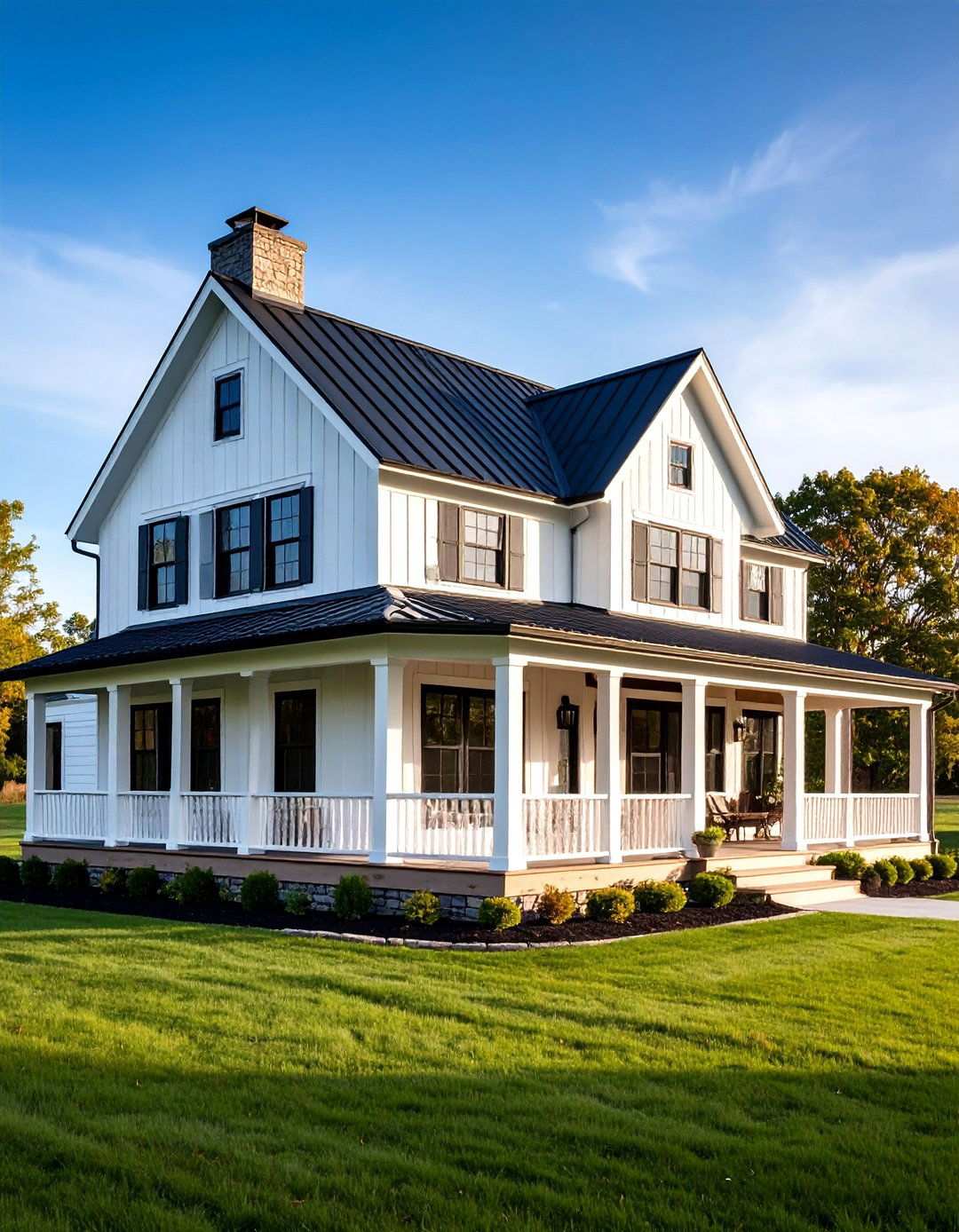
The modern farmhouse aesthetic relies heavily on the striking combination of sage green board and batten siding with rich brown trim, yielding a unique blend of rustic charm and contemporary sophistication. This design choice creates a striking visual effect, thanks to the vertical lines of the board and batten siding, which add depth and texture to the exterior. Meanwhile, the brown trim on windows, doors, and rooflines serves as a clean definition that adds a level of sophistication to the overall design. Complementary brown metal roofing introduces an industrial touch that thoughtfully balances the traditional siding material. Furthermore, wide front porches supported by sturdy brown columns create inviting outdoor spaces that beautifully extend the home’s appeal. This harmonious blend works particularly well for open-concept homes, where the exterior color scheme flows seamlessly into interior design elements.
4. Authentic Expression of Craftsman Bungalow Architecture
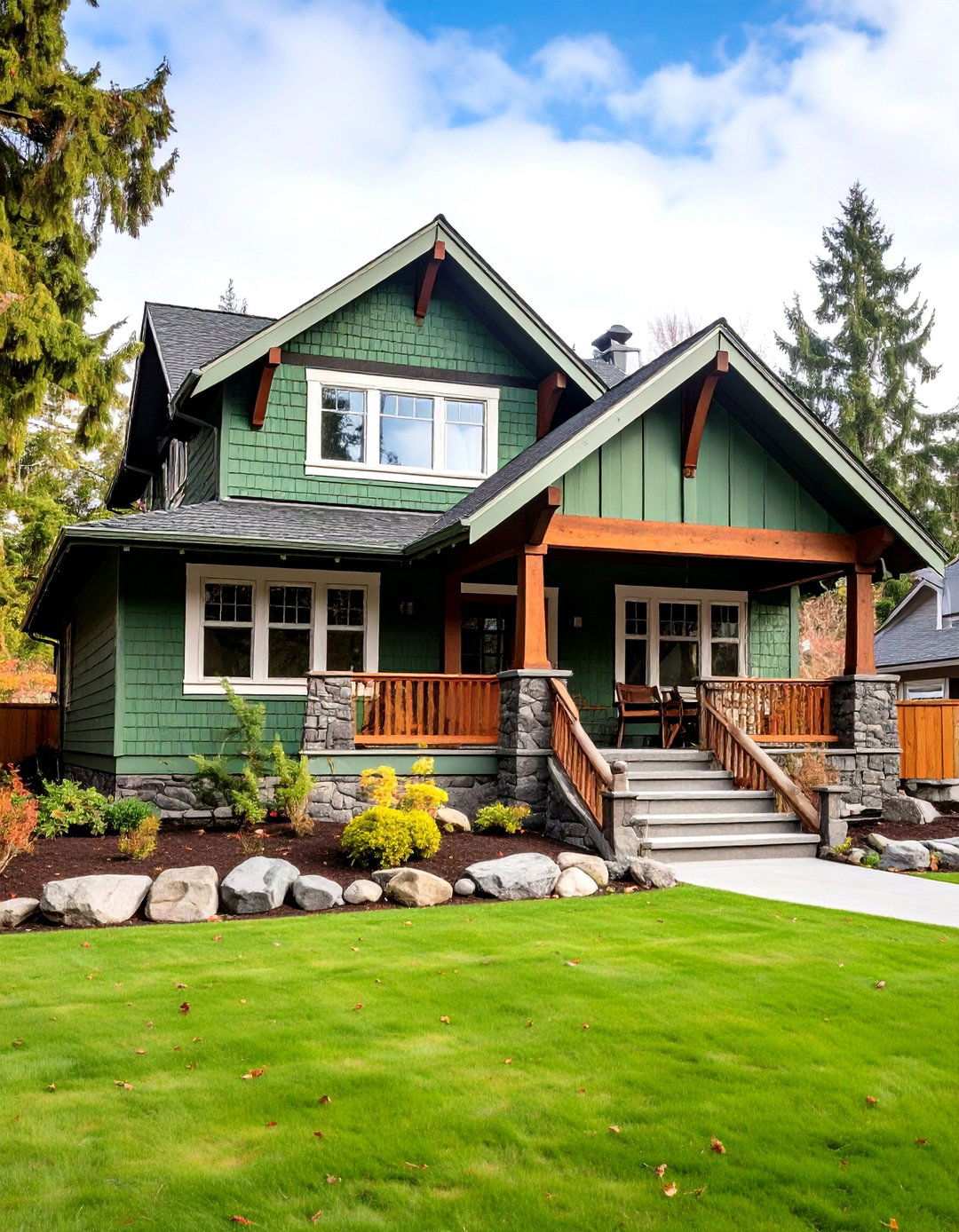
Craftsman bungalows proudly showcase their handcrafted details through the use of sage green siding, which is perfectly complemented by warm brown trim on exposed beams, window casings, and porch columns. The low-pitched rooflines and wide eaves characteristic of this style are skillfully emphasized through the use of brown-stained wood elements, highlighting the home’s connection to natural materials. Adding texture and visual weight to the overall design is a stone foundation or accent wall in coordinating earth tones. Additionally, tapered columns and decorative brackets painted or stained in rich brown create architectural interest while maintaining the style’s emphasis on honest materials and quality craftsmanship that defines the Arts and Crafts movement.
5. Unifying Brown Roofing with Sage Green Ranch House
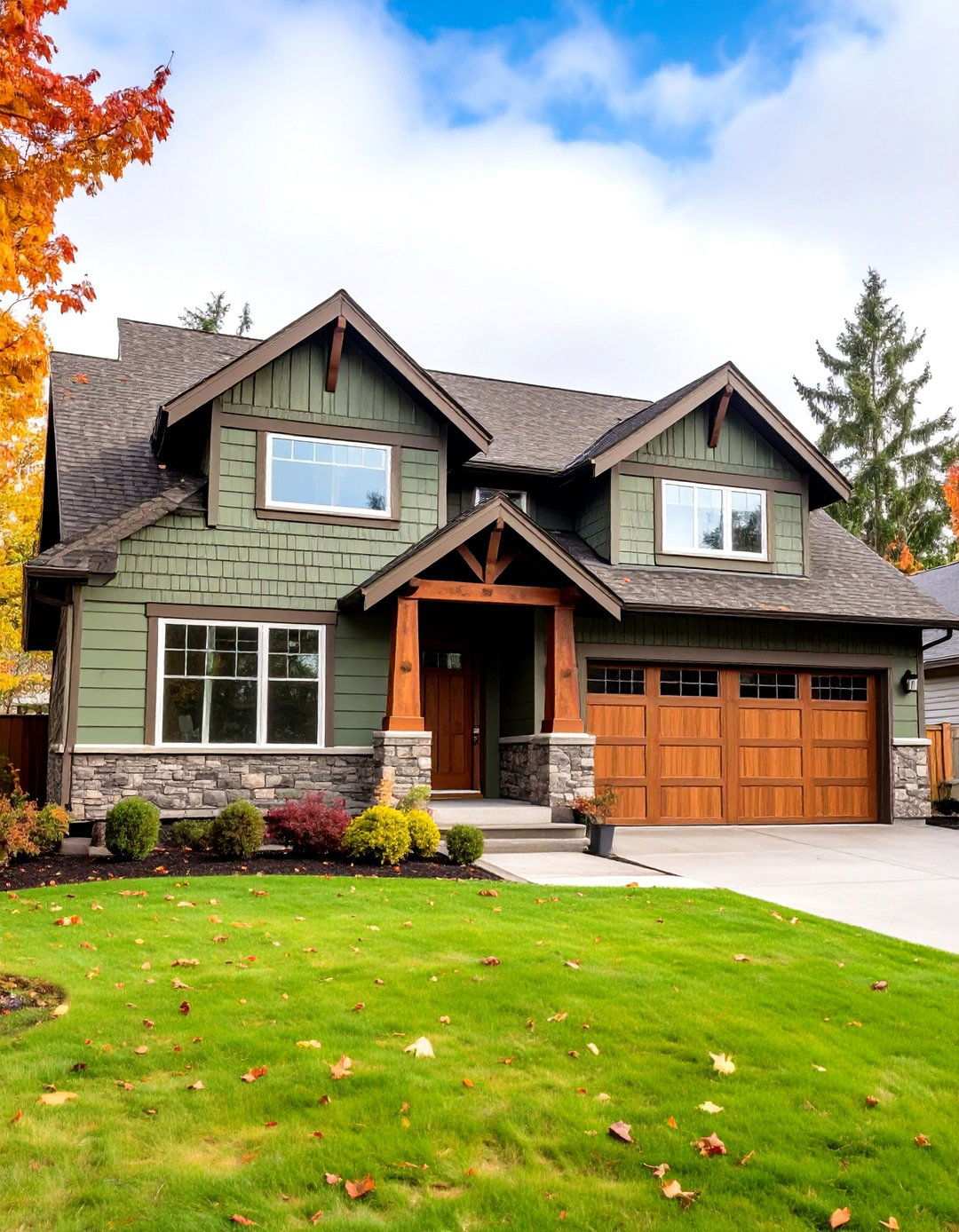
When considering a sage green ranch house, many homeowners are drawn to the idea of incorporating brown roofing to create a cohesive look. The horizontal lines of ranch architecture pair beautifully with sage green siding and rich brown asphalt or metal roofing, which creates a grounding effect that adds a sense of stability to the design. Extending the roofline color while maintaining clean lines is the addition of brown gutters and downspouts. Window trim in matching brown tones unifies the design while adding definition to the long facade typical of ranch homes. Garage doors painted in coordinating brown create visual continuity, while landscaping with natural stone and native plants enhances the earthiness of this timeless color combination.
6. Whimsical Charm of English Cottage Brown Stone Accents
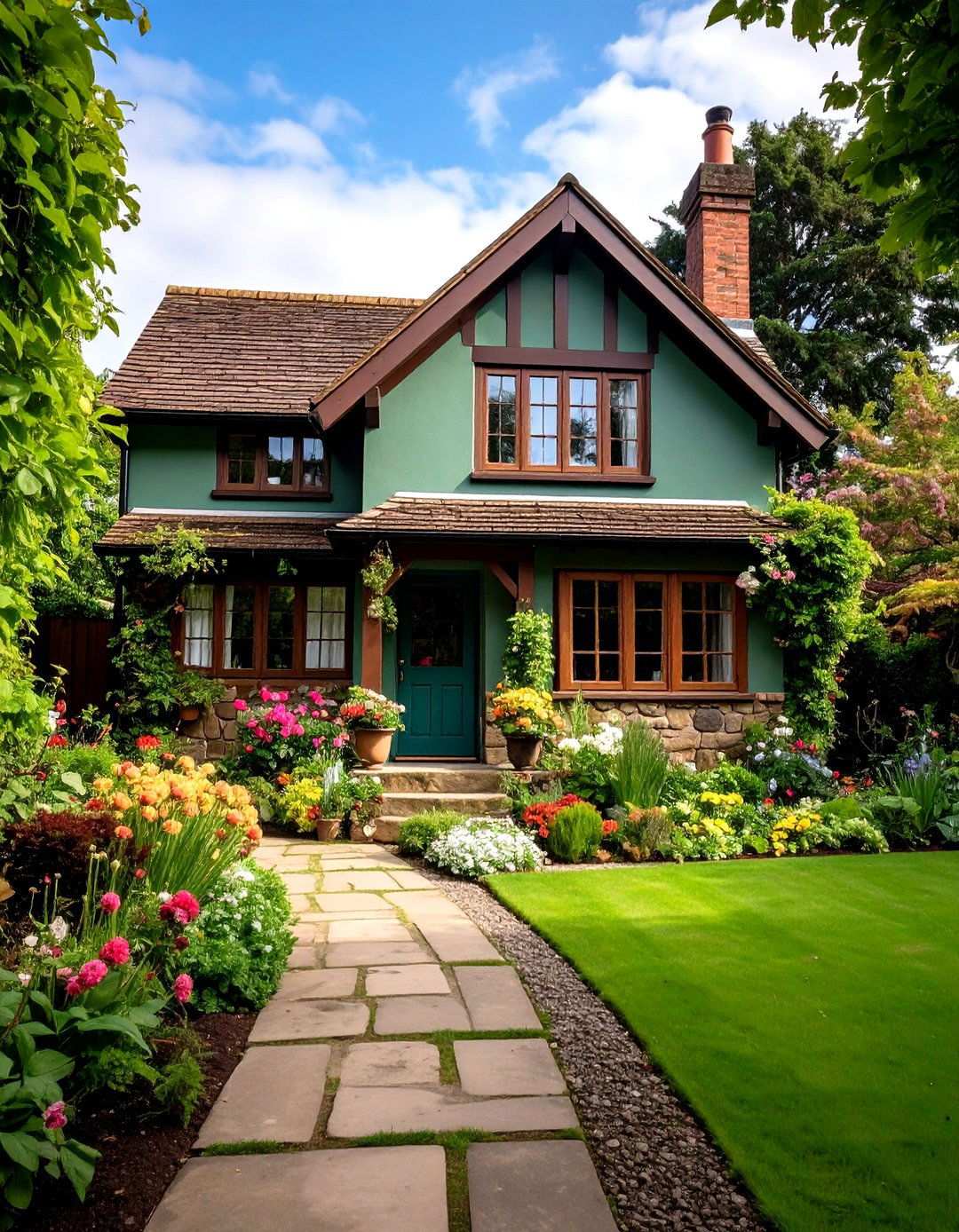
English cottage charm is expertly captured through the combination of sage green stucco or siding with natural brown stone accents around foundations, chimneys, and garden walls. The irregular textures and varied brown tones in natural stone create organic visual interest that complements the soft sage green backdrop. Arched doorways and windows outlined in brown stone add architectural character, while climbing vines and cottage gardens enhance the romantic appeal. Multi-paned windows with brown frames reference traditional English design while allowing natural light to highlight interior spaces. This thoughtful approach creates a timeless aesthetic that feels both sophisticated and approachably cozy.
7. Contemporary Split Level Design Evolution
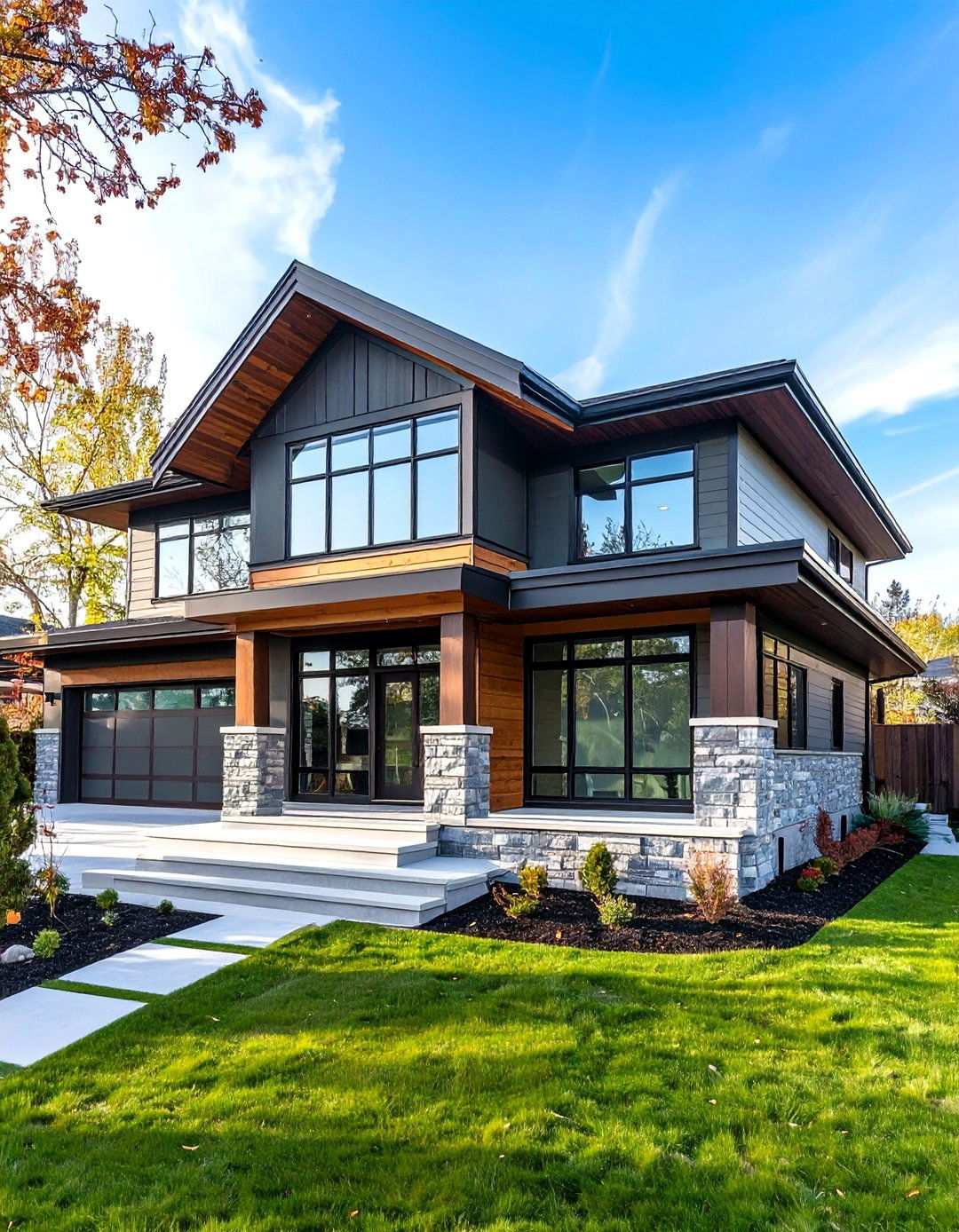
Contemporary split-level homes showcase their versatility through the strategic combination of sage green fiber cement siding with sleek brown aluminum trim. The latter emphasizes the clean lines and geometric forms characteristic of modern design, while the sage green contributes a calming influence that offsets potential starkness. The judicious placement of large picture windows, often framed in brown, serves as a focal point, drawing the eye while simultaneously highlighting interior spaces. A flat or low-pitched roofline in matching brown tones, meanwhile, reinforces the home’s horizontal emphasis, creating a sense of visual harmony. The minimalistic landscape design, with architectural plants and hardscaping in natural materials, further enhances the refined color scheme.
8. Traditional Cape Cod Revival
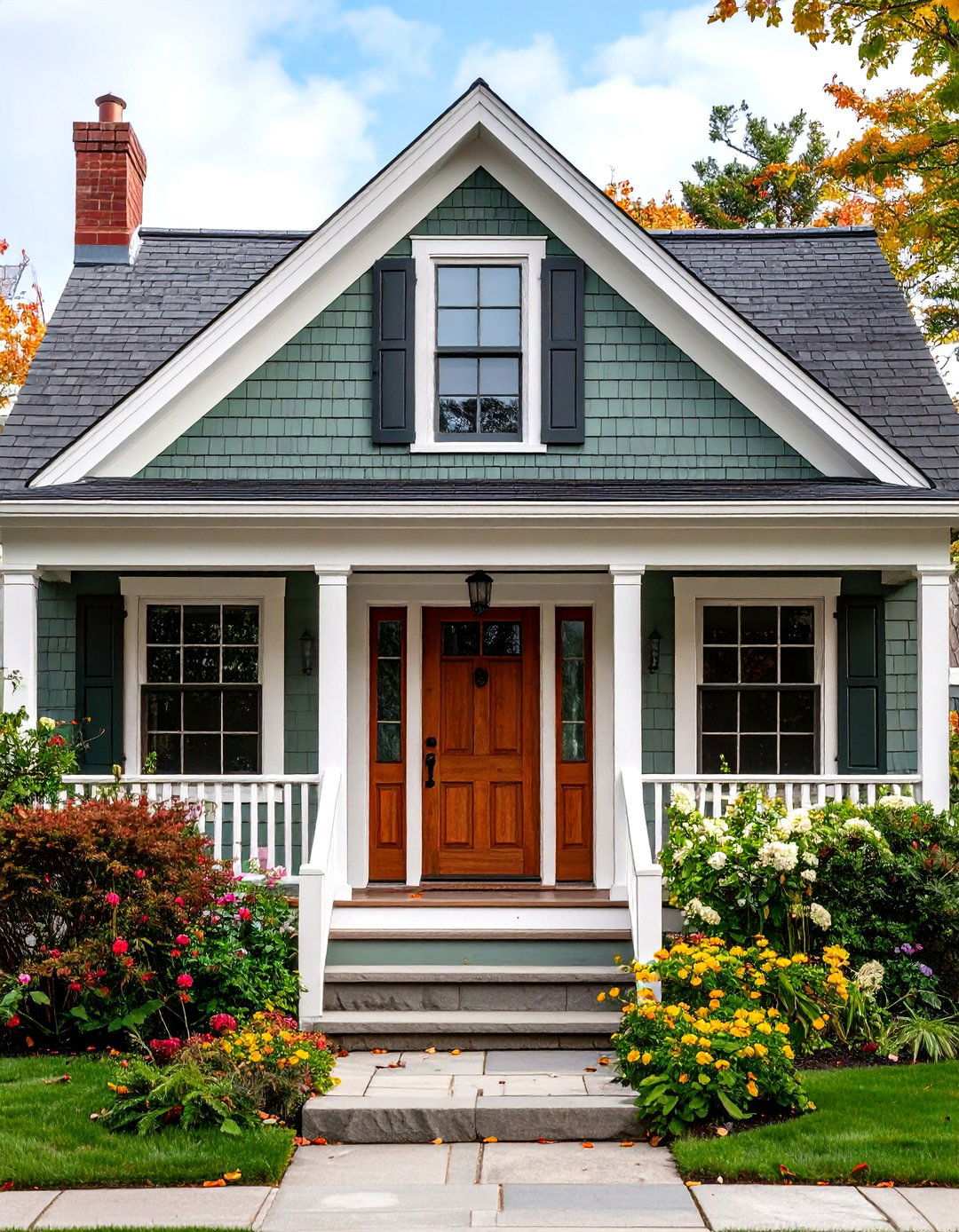
The classic Cape Cod architectural style achieves a fresh, modern interpretation through the pairing of sage green cedar shingles or clapboard siding with rich brown front doors and storm doors. This simple, symmetrical facade provides the perfect backdrop for the sophisticated color combination, allowing the brown door trim and window casings to create definition without overpowering the modest scale of the home. White corner boards and foundation trim add a touch of brightness, maintaining an overall balance and cheerfulness to the scheme. Meanwhile, dormer windows with brown trim introduce visual interest to the roofline, while also maintaining consistency with the rest of the design. The result is a classic American style that feels both historically authentic and thoroughly contemporary.
9. Mediterranean Stucco Revival
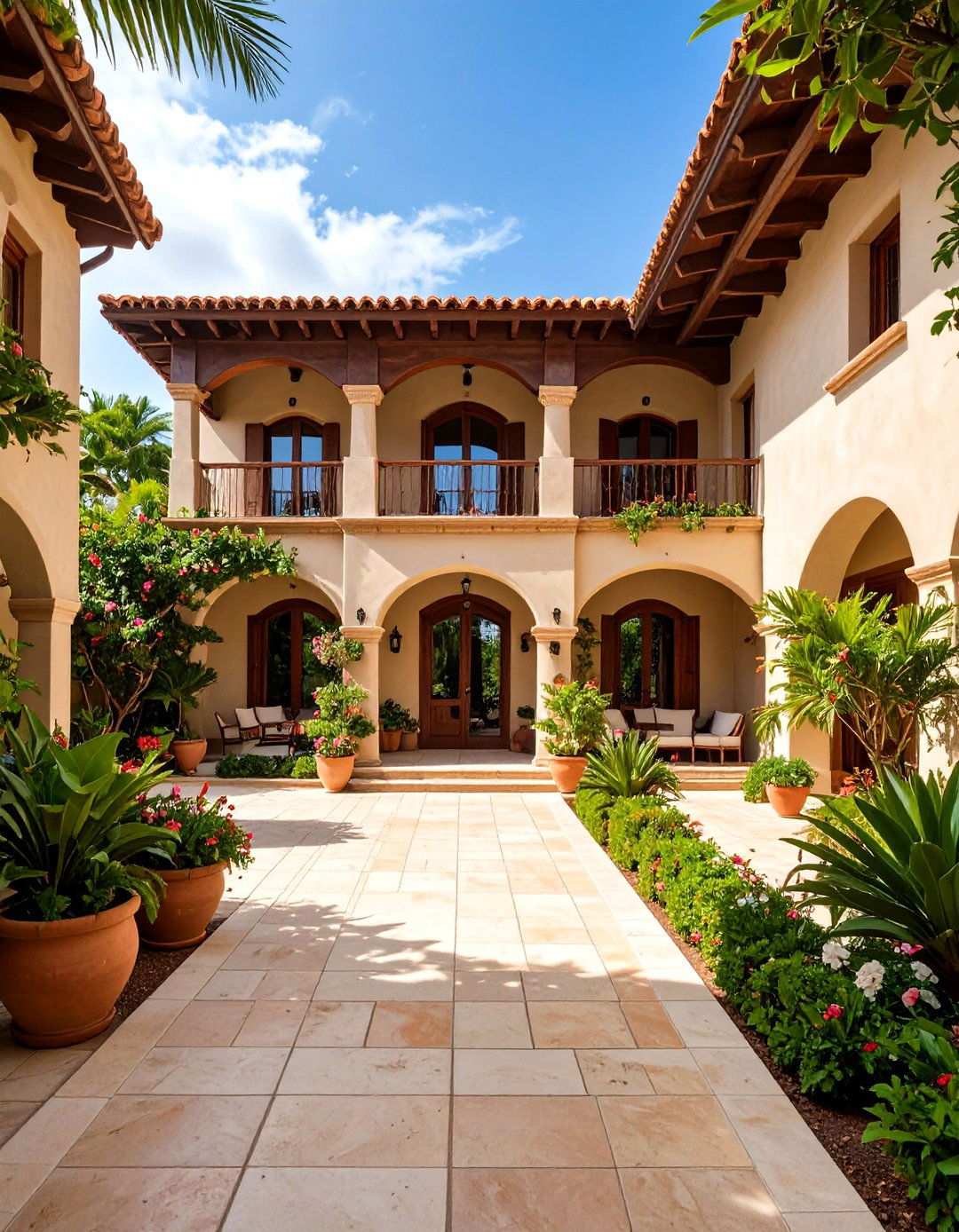
Mediterranean-inspired homes showcase their timeless appeal through the combination of sage green stucco walls with rich brown wood trim around arched windows and doorways. The terra cotta roof tiles in warm brown tones complement the sage green walls while paying homage to traditional Mediterranean architecture. The incorporation of wrought iron details in dark brown adds authenticity and visual texture to balconies and window grilles, while exposed wooden beams stained in coordinating brown tones create a seamless connection between interior and exterior spaces. These thoughtful design elements extend the color scheme into outdoor living areas, celebrating the Mediterranean lifestyle with courtyards and patios featuring brown stone or tile flooring.
10. Scandinavian Minimalist Aesthetic
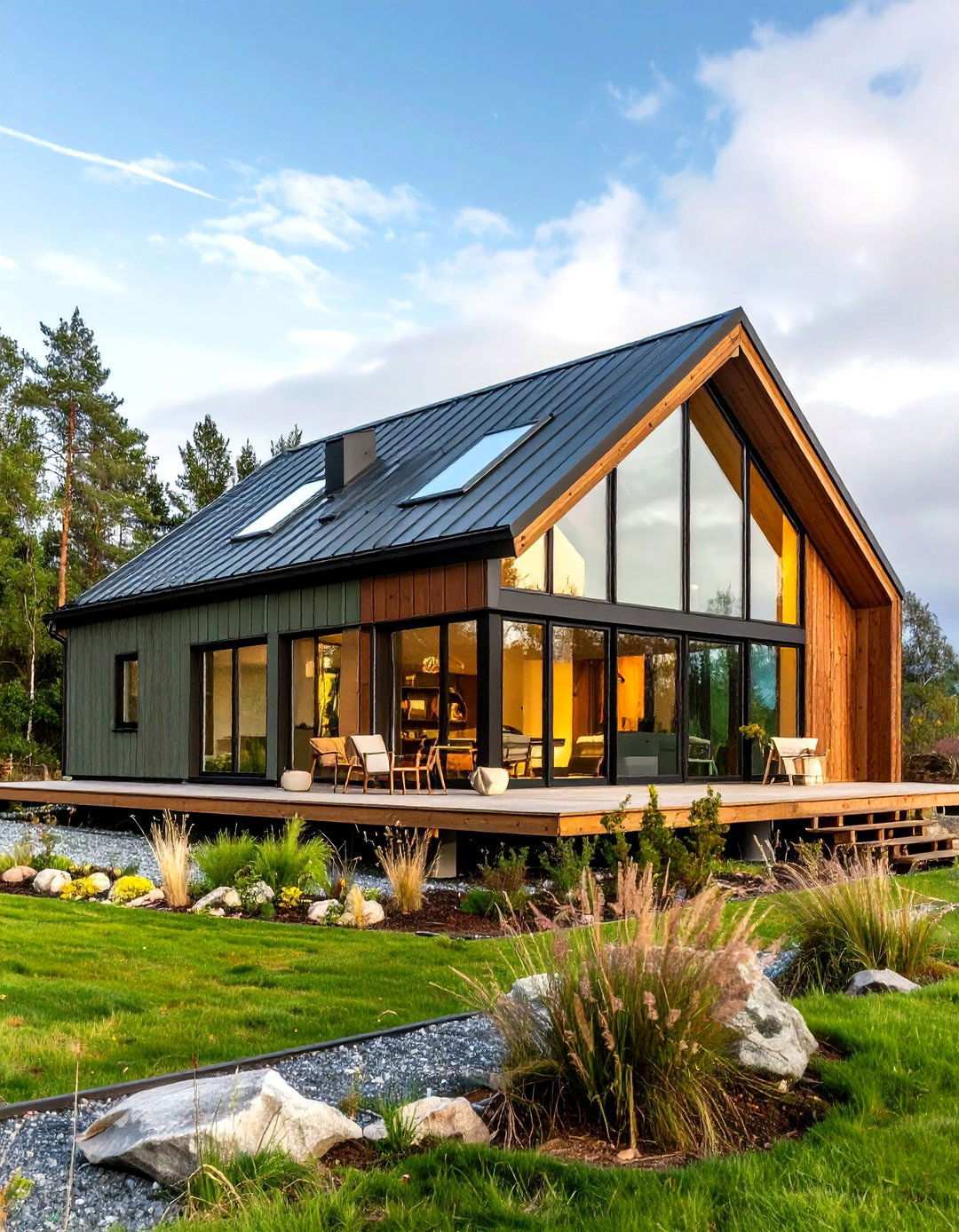
By embracing simplicity and clean lines, minimalist design can effectively incorporate sage green and brown for a maximum impact. Scandinavian-inspired homes feature sage green vertical siding paired with clean brown trim, which emphasizes the beauty of simple geometric forms and functional design. Large windows with brown frames maximize natural light while creating strong horizontal and vertical lines that define the facade. Metal roofing in subtle brown tones maintains the clean aesthetic while providing practical weather protection. Minimal decorative elements allow the quality of materials and craftsmanship to shine through, creating serene and uncluttered exteriors that feel sophisticated and naturally comfortable.
11. Evoking the Past with Brown Timber Framing
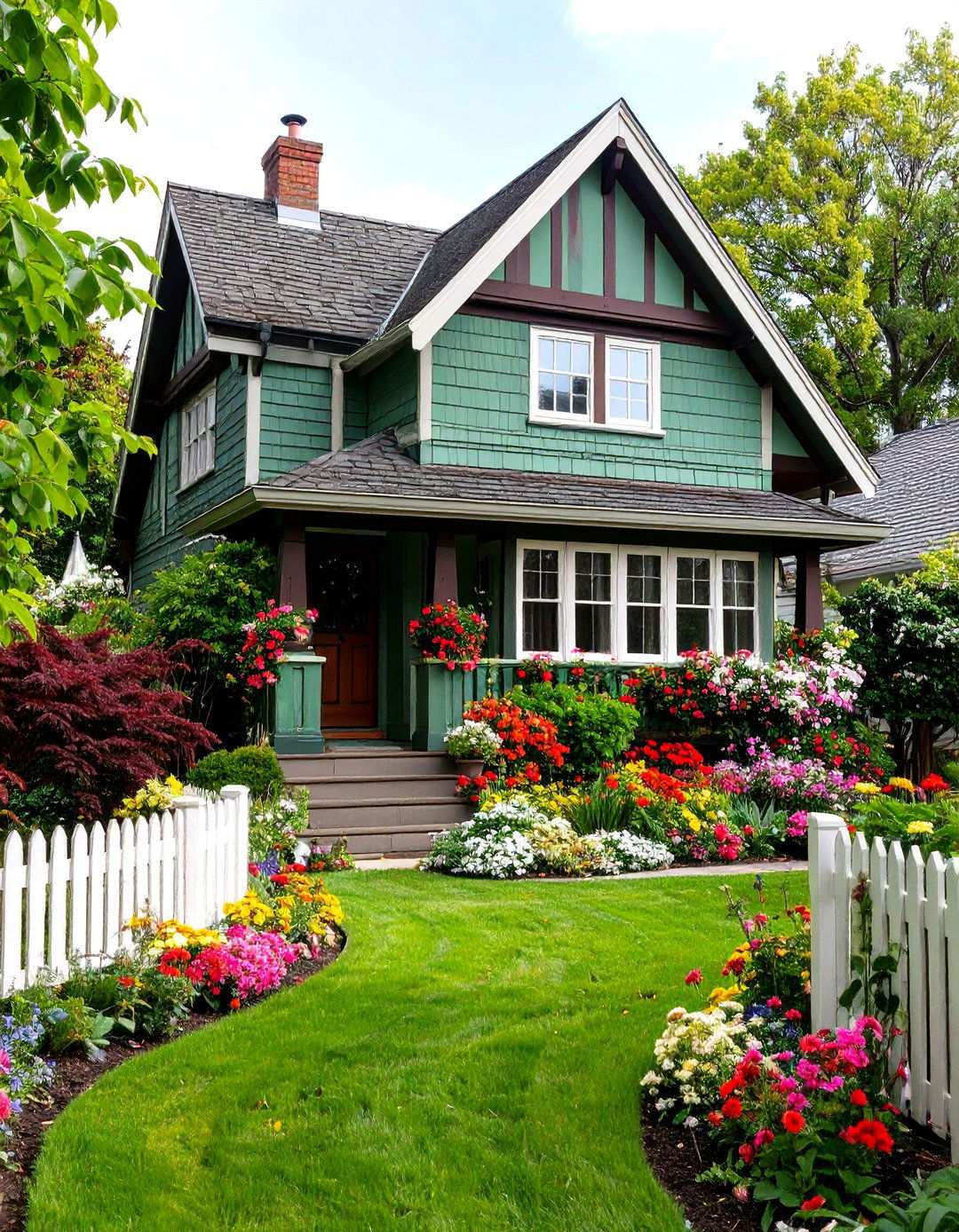
Authentic Tudor Revival architecture relies on deliberate design choices, such as sage green stucco or siding paired with dark brown timber framing, to evoke the spirit of medieval English construction. This aesthetic is characterized by a striking contrast between smooth, muted surfaces and textured brown timber, which creates a visual narrative that defines the style. Steep rooflines in brown slate or composite materials not only provide weather protection but also maintain historical accuracy. The incorporation of casement windows with brown frames and ornate hardware adds a touch of period authenticity, elevating the home’s storytelling potential. Brown brick or stone chimneys serve as anchor points, breaking up the roofline and drawing the eye to these focal features.
12. Prairiescapes in Sage and Brown
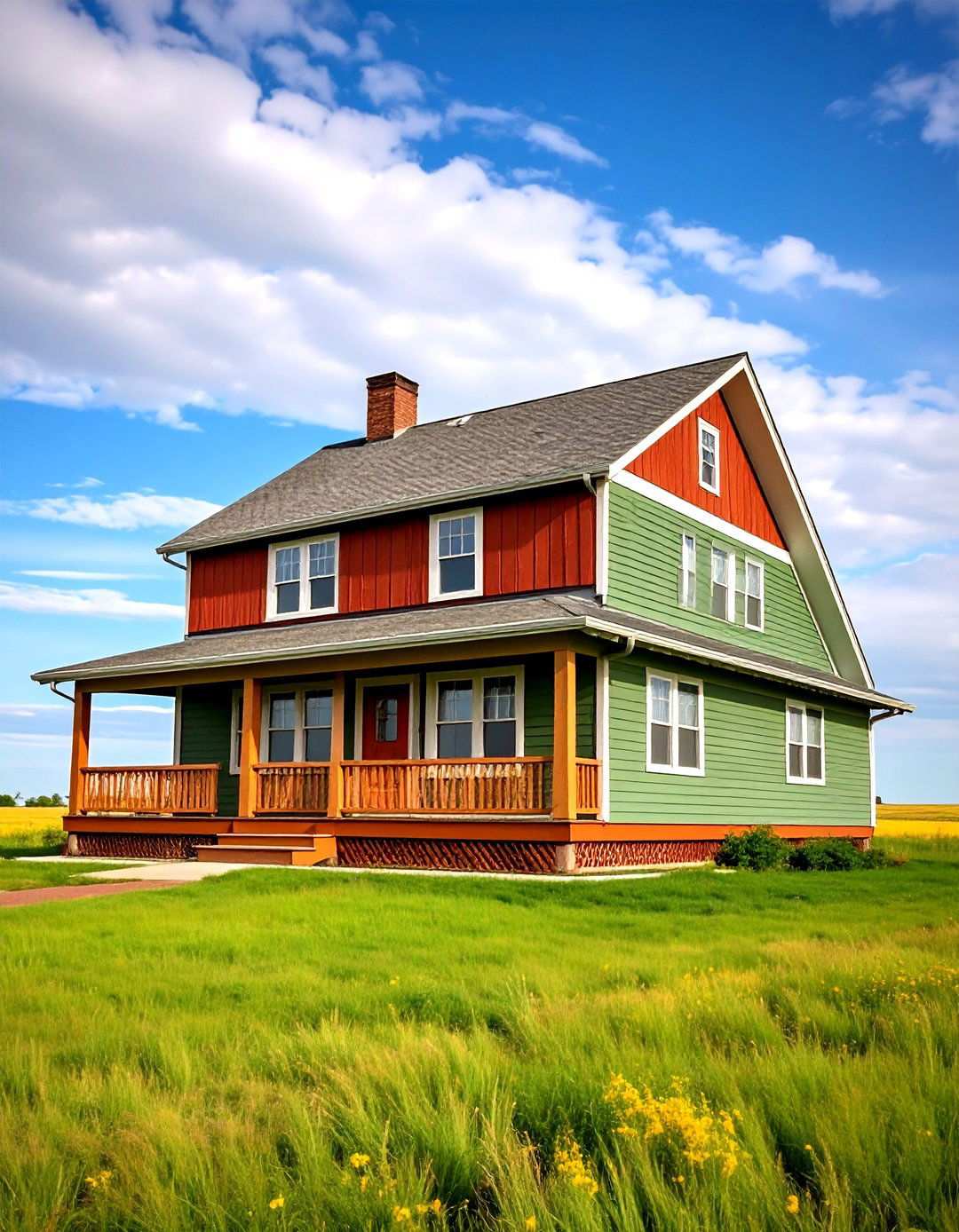
Prairie School architecture celebrates the horizontal emphasis characteristic of this style by combining sage green lap siding with brown trim, which accentuates the long, low lines that define the aesthetic. The use of wide eaves and deep overhangs stained in rich brown creates dramatic shadows that add depth and nuance to the facade. Art glass windows with brown frames pay homage to Frank Lloyd Wright’s influence while filtering natural light into interior spaces, showcasing the fluid connection between indoors and outdoors. Natural stone foundations in earthy brown tones serve as a visual bridge between the home and its surroundings, reinforcing the style’s emphasis on integration with the landscape. Built-in planters and architectural details in coordinating brown maintain the seamless transition between building and site.
13. Capturing Log Cabin Charm
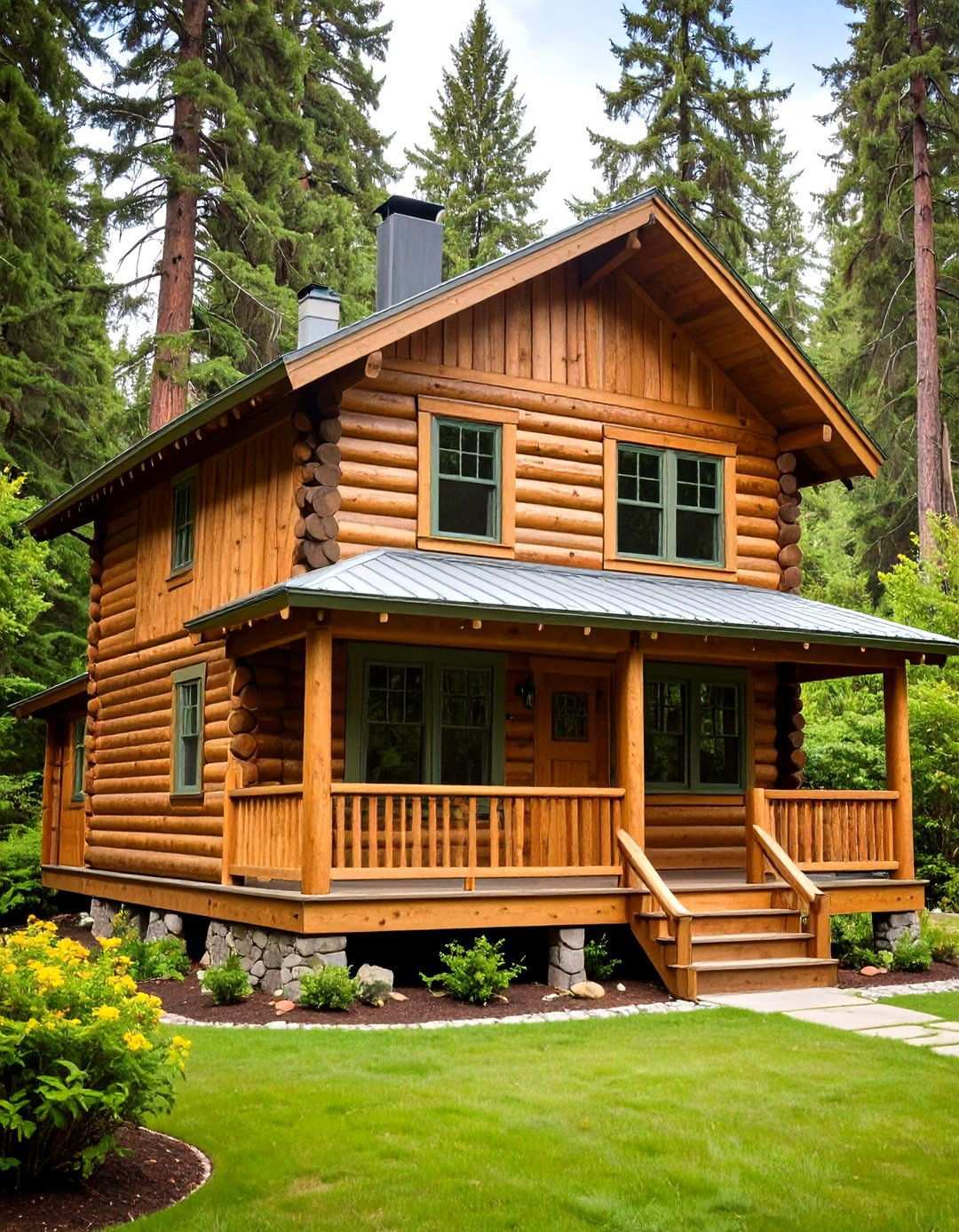
The synergy between sage green and brown is a winning combination for log cabin appeal, as it captures the essence of rustic charm. The natural beauty of log construction stained in warm brown tones is perfectly complemented by sage green chinking, trim, and accent elements, which highlight the home’s authentic character. Brown metal roofing provides durable weather protection for mountain or forest settings, while large covered porches with brown log posts create inviting outdoor living spaces that blend seamlessly into the surrounding environment. Stone chimneys and foundations in complementary earth tones add visual weight and authenticity, reinforcing the cabin’s connection to its natural setting. This thoughtful combination celebrates traditional craftsmanship while feeling refreshingly contemporary.
14. Streamlined Sophistication in Art Deco
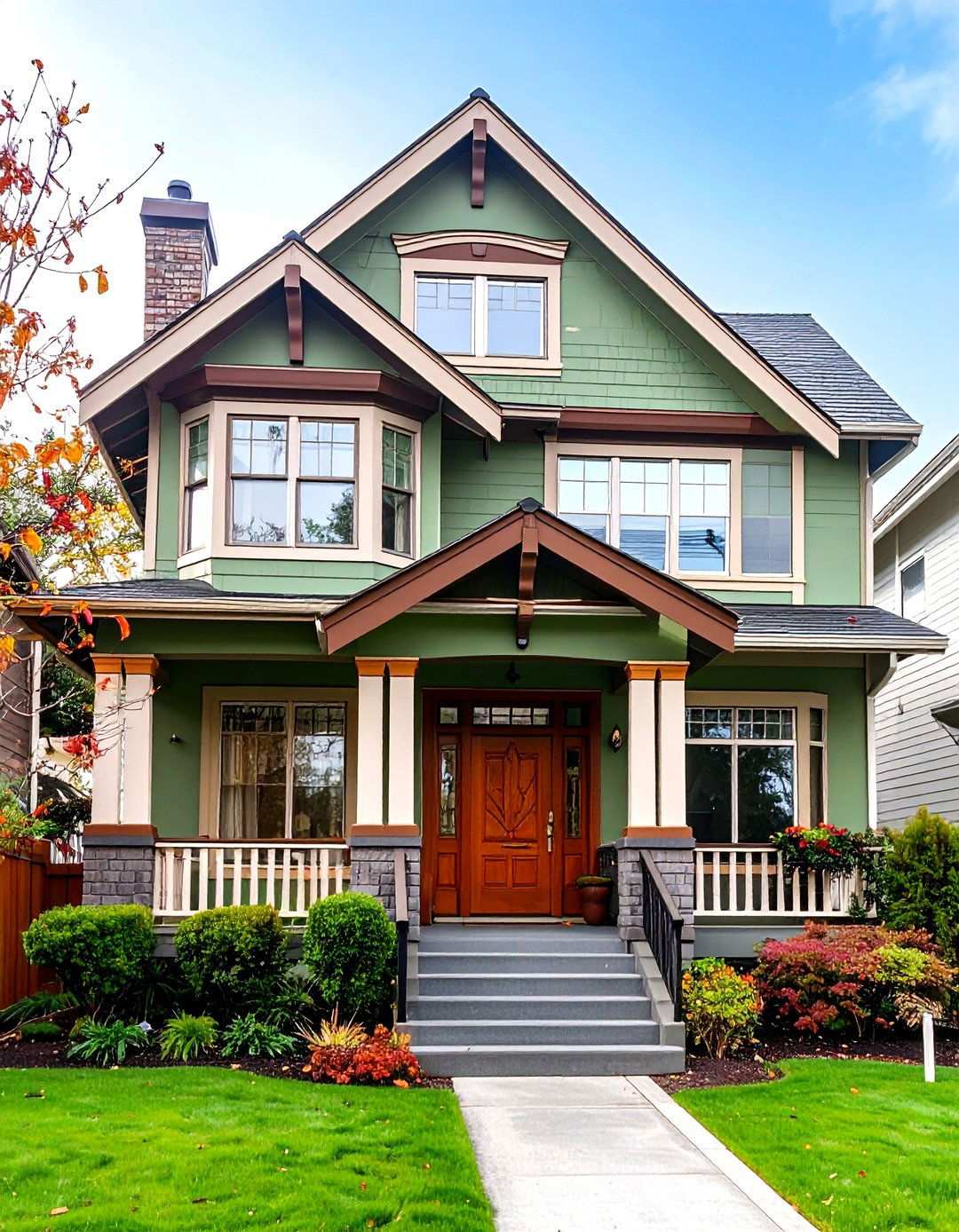
Art Deco-inspired homes showcase sage green stucco or smooth siding with brown trim, which emphasizes the style’s characteristic geometric patterns and streamlined forms. The use of curved corners and horizontal banding in rich brown creates the flowing lines that define this architectural movement, imbuing the home with a sense of fluidity and modernity. Windows arranged in horizontal ribbons with brown frames maximize views while maintaining the facade’s emphasis on movement and clean lines. Decorative elements such as stylized sunbursts or chevron patterns in brown add visual interest without overwhelming the home’s sophisticated aesthetic. This approach creates a harmonious balance between historical significance and contemporary style.
15. Elegant Proportions and Classic Sophistication
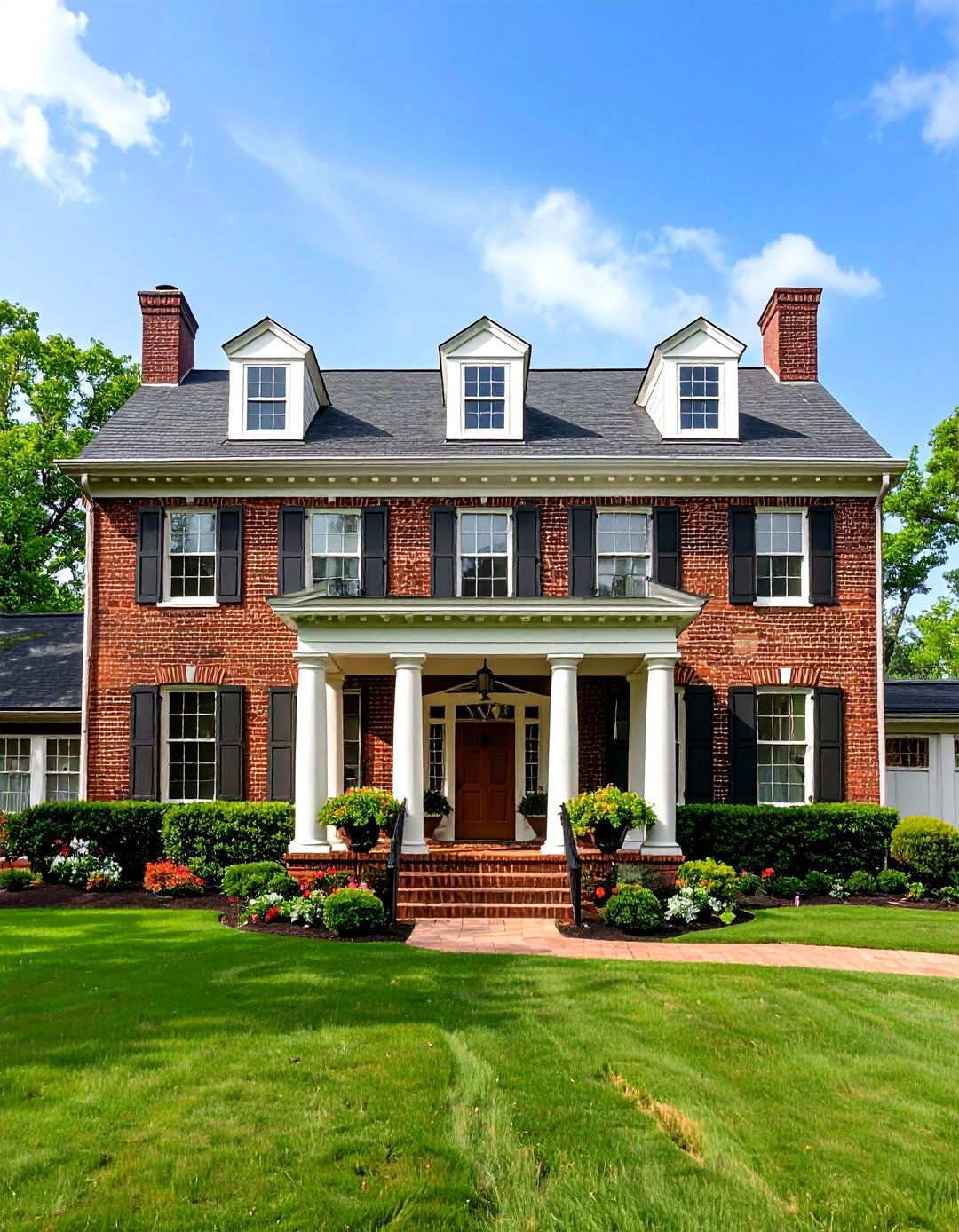
The Georgian architectural style presents a refined aesthetic through the judicious combination of sage green brick or siding with brown trim. This harmonious marriage of colors emphasizes the style’s mathematical proportions and classical details, imbuing the facade with a sense of formal beauty. Symmetrical window placement, defined by brown casings, creates a rhythmic pattern that adds depth and visual interest. Meanwhile, columned porticos and doorway surrounds in brown contribute to the grandeur of the design while preserving the restrained elegance that is quintessential to Georgian architecture. The thoughtful incorporation of dentil molding and other classical details, painted in coordinating brown, adds a layer of architectural richness without overwhelming the home’s dignified character. This timeless design fusion not only pays homage to historical precedents but also feels suitably sophisticated for contemporary luxury living.
16. Reviving the Adobe Spirit
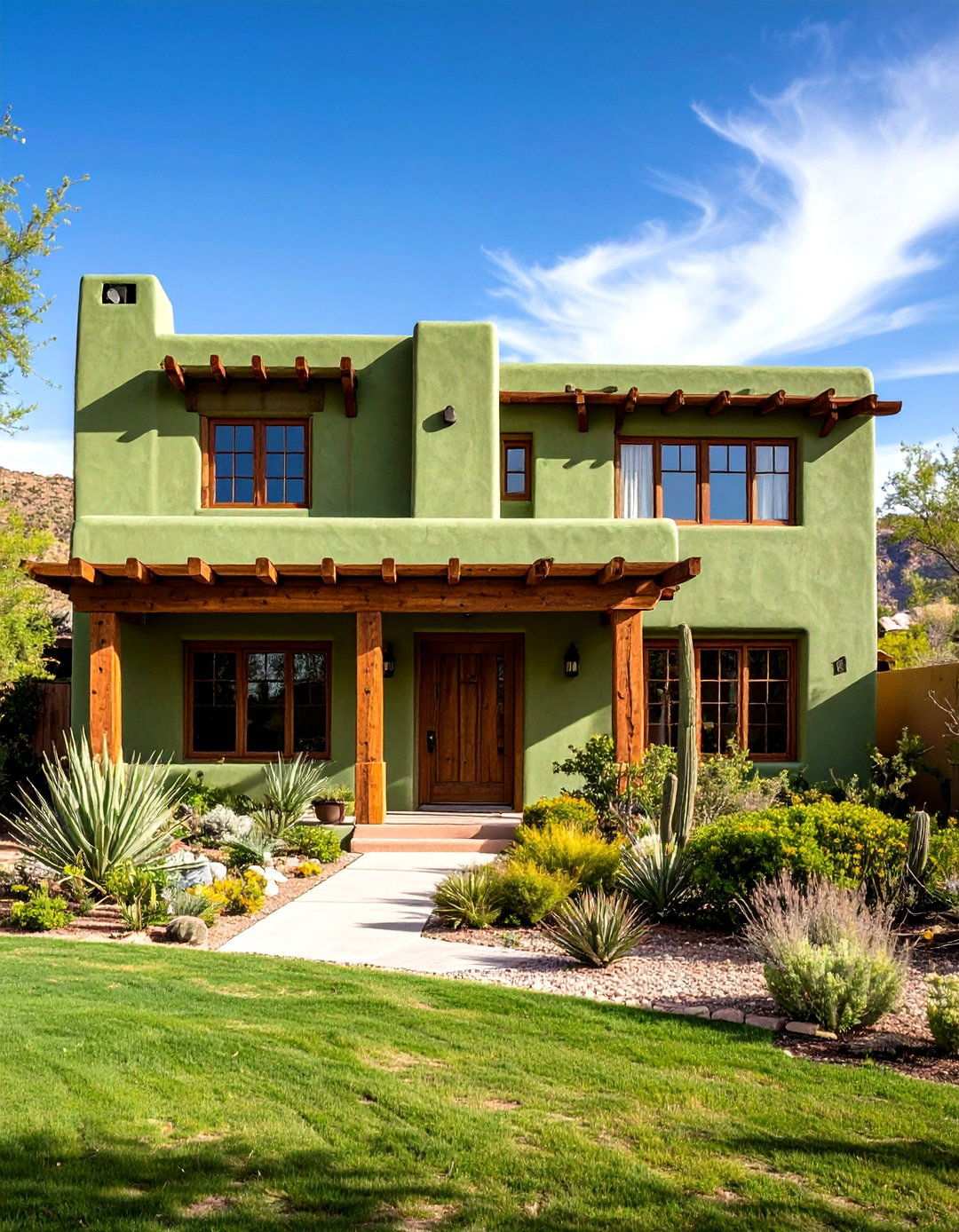
Adobe Revival architecture captures the essence of traditional Southwestern construction methods through the use of sage green stucco walls, complemented by brown vigas and trim. Exposed wooden beam ends protruding from walls create an authentic textural contrast, injecting a sense of history and authenticity into the design. The characteristic profiles of the style are maintained through the use of flat roofs with brown parapets, which also accommodate modern building systems. Arched doorways and windows outlined in brown add a touch of elegance, softening the angular forms of the adobe structure. The extension of the interior color scheme into outdoor spaces through courtyards and portales with brown ceiling beams celebrates the desert lifestyle and cultural heritage, creating a seamless transition between indoors and outdoors.
17. Ornate Details and Exuberance
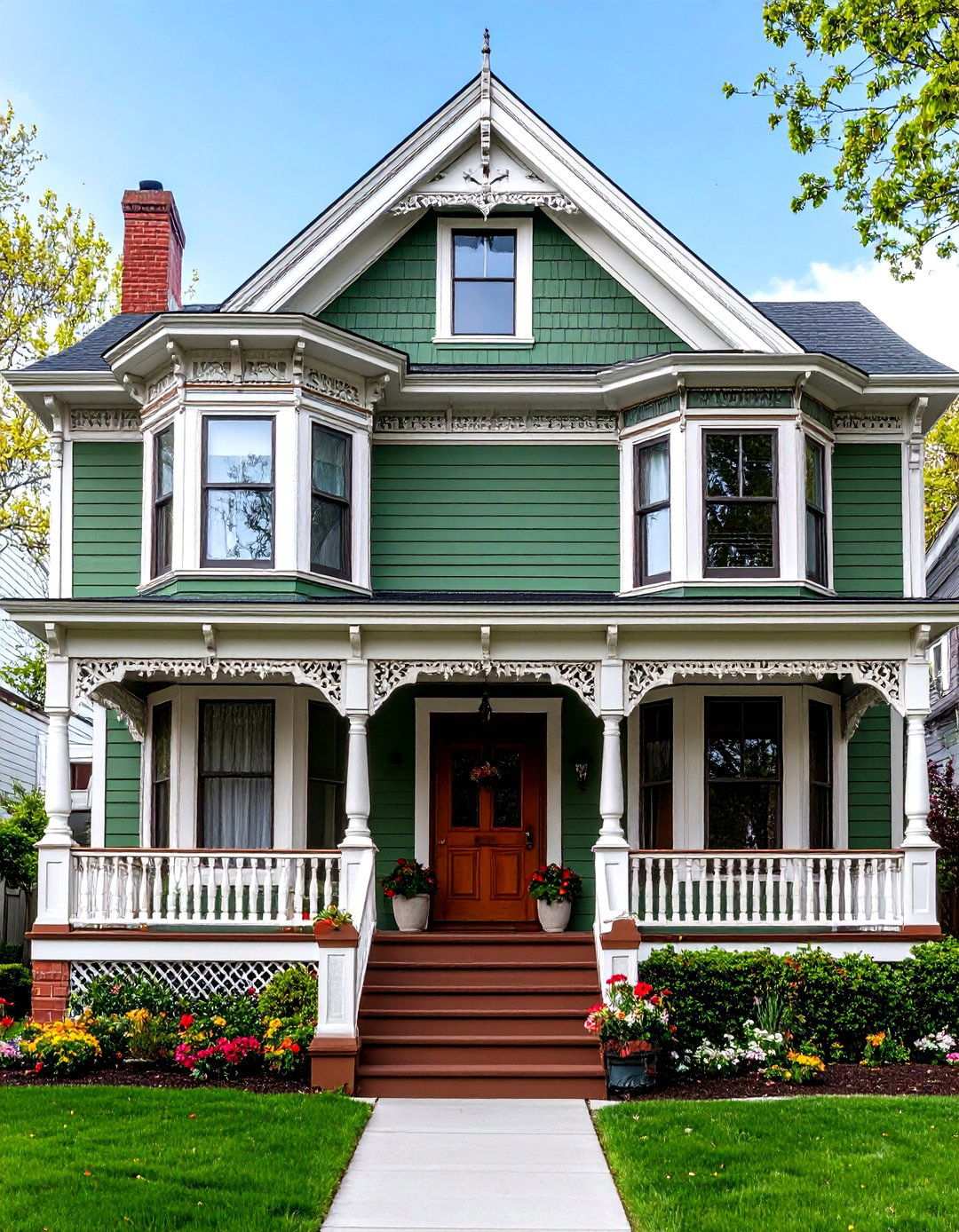
Queen Anne Victorian homes are renowned for their ornate detailing, which is beautifully showcased through the combination of sage green siding and intricate brown gingerbread trim. This distinctive feature of the style emphasizes the era’s love of decorative excess, resulting in a truly unique and eye-catching design. Bay windows and turrets, accentuated by brown trim, gain prominence, drawing attention to these distinctive architectural features. Wraparound porches with brown spindles, brackets, and railings create inviting outdoor spaces that extend the home’s living area. The complex roof lines and dormers trimmed in brown add visual interest, defining the Queen Anne style and creating homes that feel like true architectural treasures, celebrating craftsmanship and individual expression.
18. Modern Minimalism with a Twist
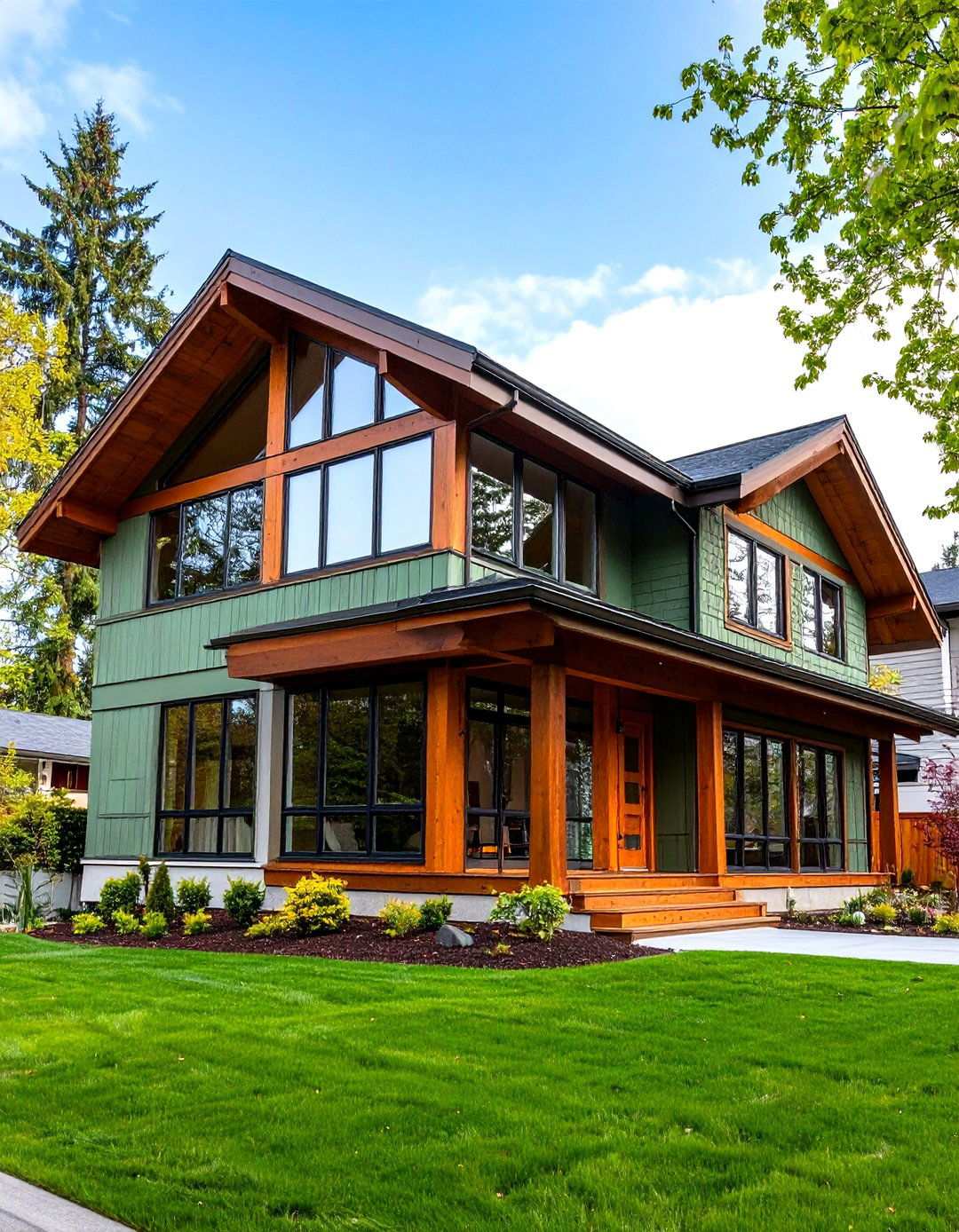
While often associated with more subdued color schemes, mid-century modern design can indeed work well with sage green and brown. Post-and-beam construction showcases the beauty of sage green siding, paired with exposed brown structural elements that highlight the style’s emphasis on honest material use. Floor-to-ceiling windows with brown frames create a seamless transition between interior and exterior spaces, bringing nature indoors while maintaining the period’s focus on transparency. The clean geometric lines of flat or shed roofs with brown fascias are perfectly balanced by the large roof overhangs characteristic of the style. The integration of landscape through brown decking and outdoor structures extends the architectural vocabulary into garden spaces, creating a harmonious blend of indoors and outdoors.
19. Elegant Seaside Residences
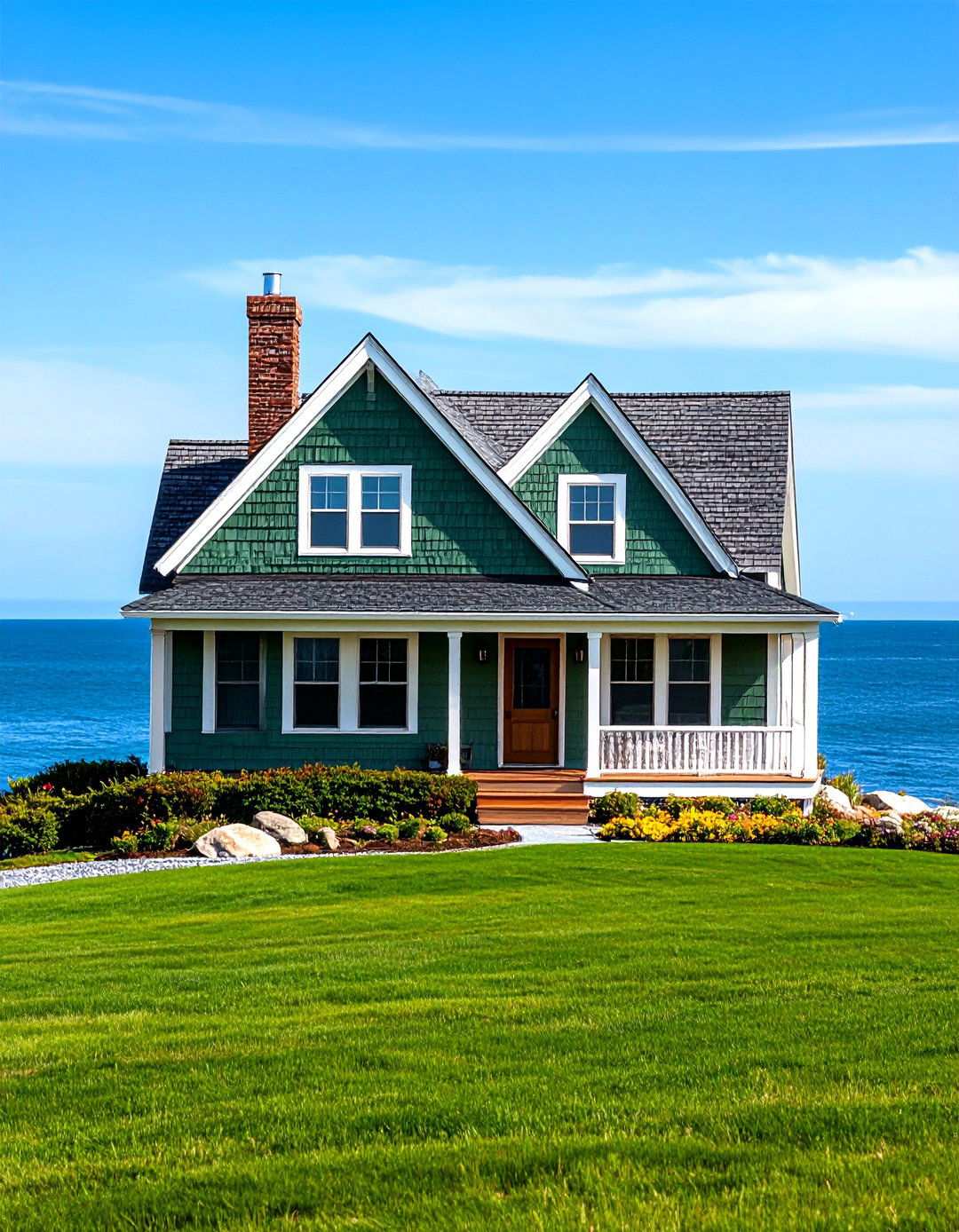
Sage green cedar shingles and naturally weathered brown trim evoke coastal sophistication in American architectural design. Complex rooflines with multiple dormers and gables trimmed in brown create the picturesque irregularity characteristic of Shingle Style homes. Expansive porches and verandas with brown columns and railings provide inviting outdoor spaces that capture ocean breezes. The combination of bay windows, eyebrow dormers, and brown trim adds a charming, eclectic touch to these seaside residences, imbuing them with a sense of elegance and effortless coastal living.
20. Refined Elegance of the Past
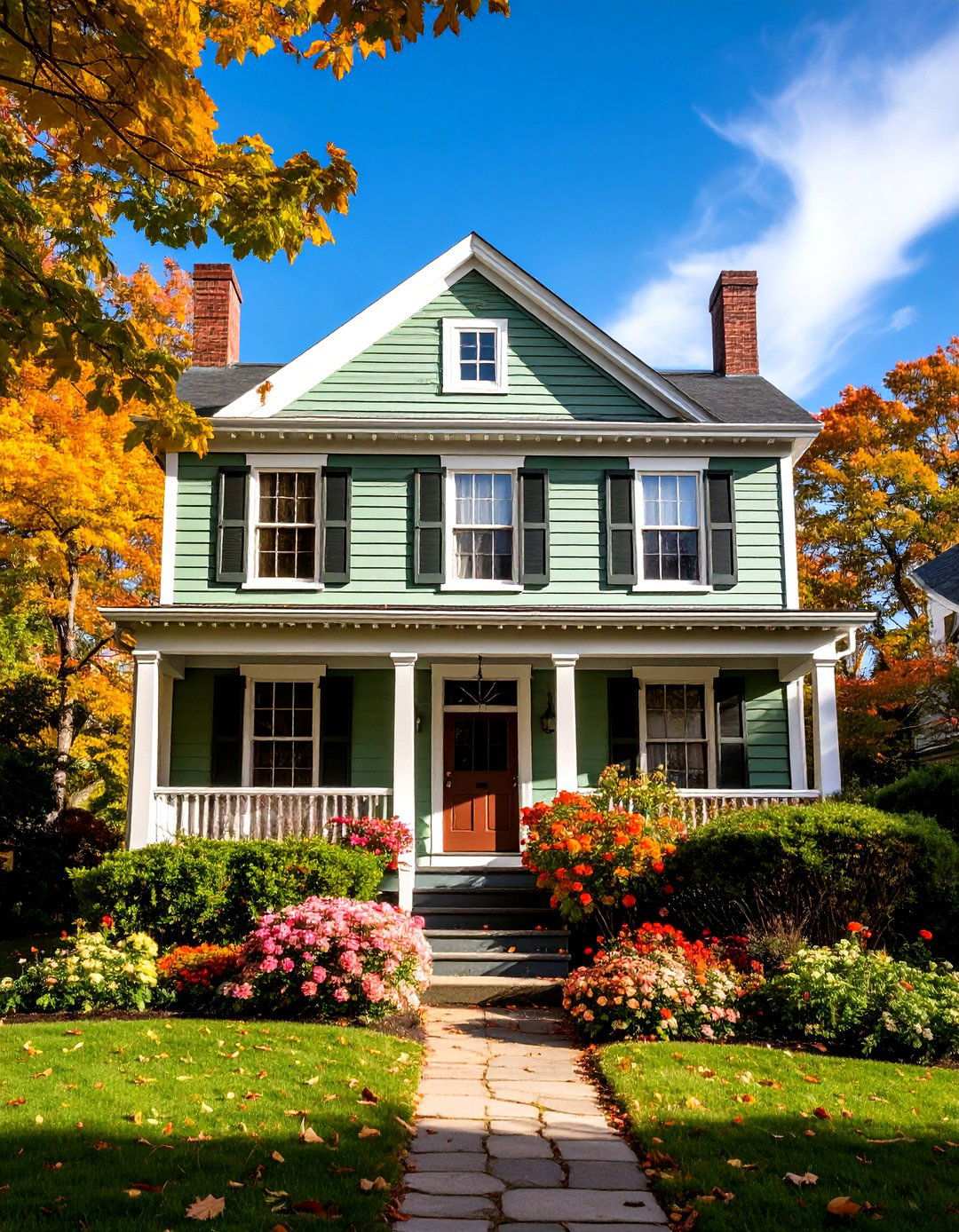
Federal period architecture showcases refined elegance through the subtle interplay of sage green clapboard siding and brown trim. The delicate proportions and classical details of this style are emphasized by brown casings framing fanlights and sidelights around front doors. Symmetrical facades with brown window trim create a sense of mathematical precision, a hallmark of Federal design. Decorative swags, garlands, and other neoclassical details painted in brown add a touch of sophistication without overwhelming the style’s restrained character. By adhering to historically accurate principles, homeowners can create residences that honor American architectural heritage while feeling remarkably suited to contemporary living.
21. Classically Inspired Homes
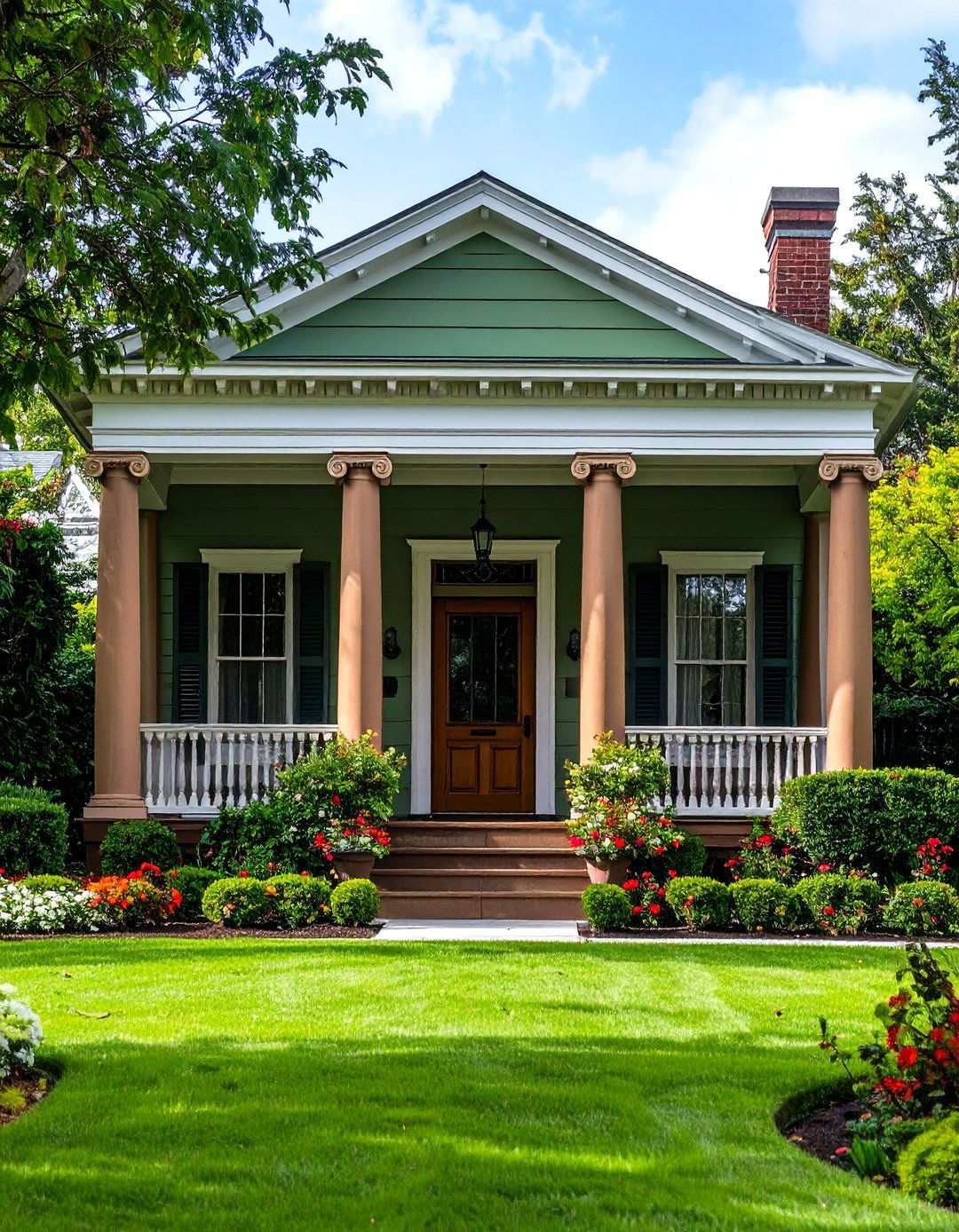
Greek Revival architecture embodies classical grandeur through the combination of sage green siding and brown columns and trim, which evoke the timeless beauty of ancient temple construction. Full-height columns supporting triangular pediments create a monumental character that defines this style. Brown trim around windows and doors maintains classical proportions while providing essential weather protection. Dentil molding and other classical details painted in brown add architectural richness that supports the temple-front composition. This approach creates homes that feel both historically significant and surprisingly livable for modern families, marrying tradition with practicality.
22. Dramatic Presence of the Past
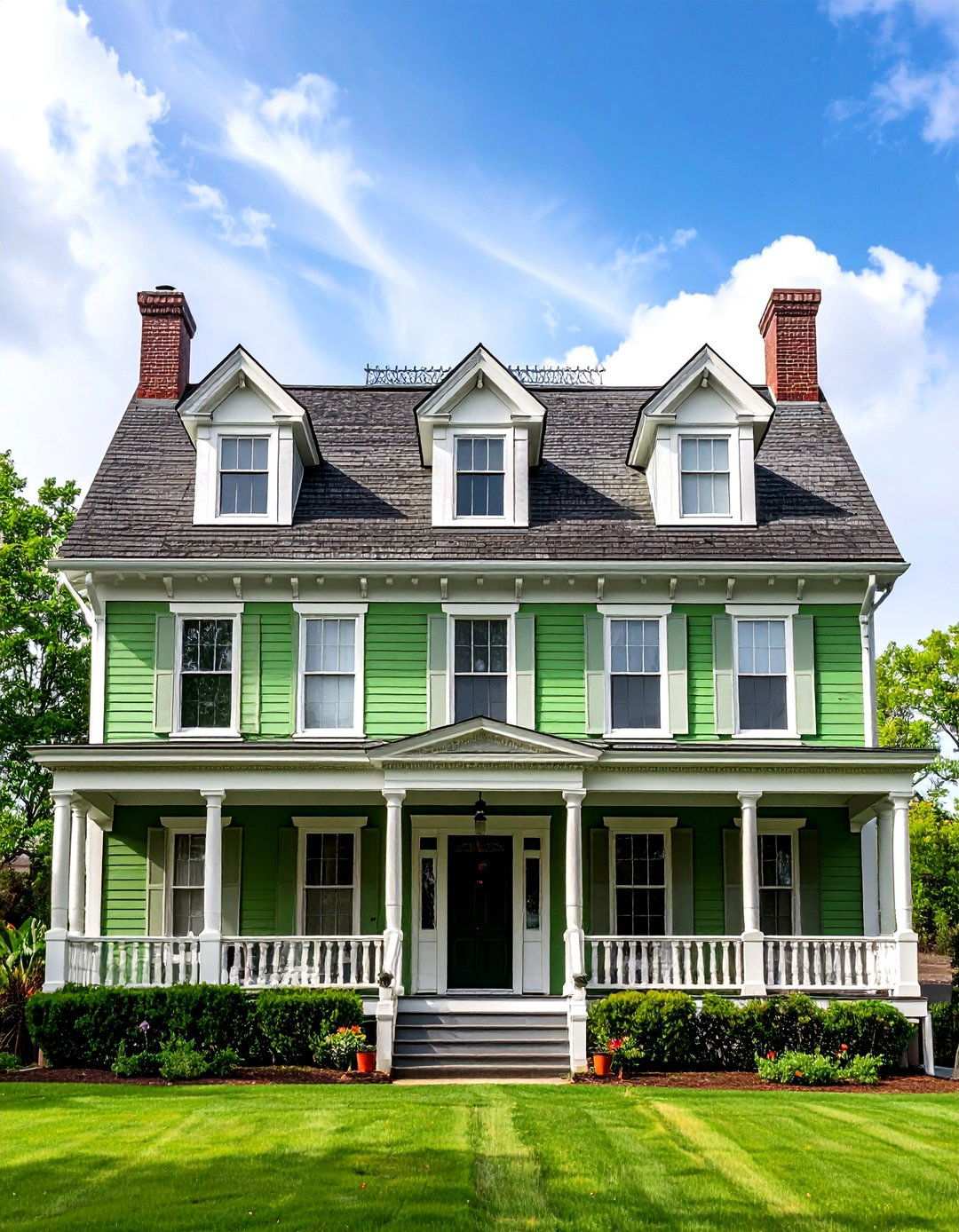
Second Empire architecture gains dramatic presence through the pairing of sage green siding with brown mansard roofs, a distinctive feature of this 19th-century style. Dormer windows projecting from the mansard roof create additional living space while adding vertical emphasis to the composition. Brown trim around windows and doors provides definition while maintaining the style’s formal character. Iron cresting and other decorative elements in dark brown add the ornamental flourishes that complete the Second Empire aesthetic. By embracing the sophistication of this style, homeowners can create residences that feel both historically authentic and surprisingly practical for contemporary living.
23. Timeless Colonial Revival Elegance
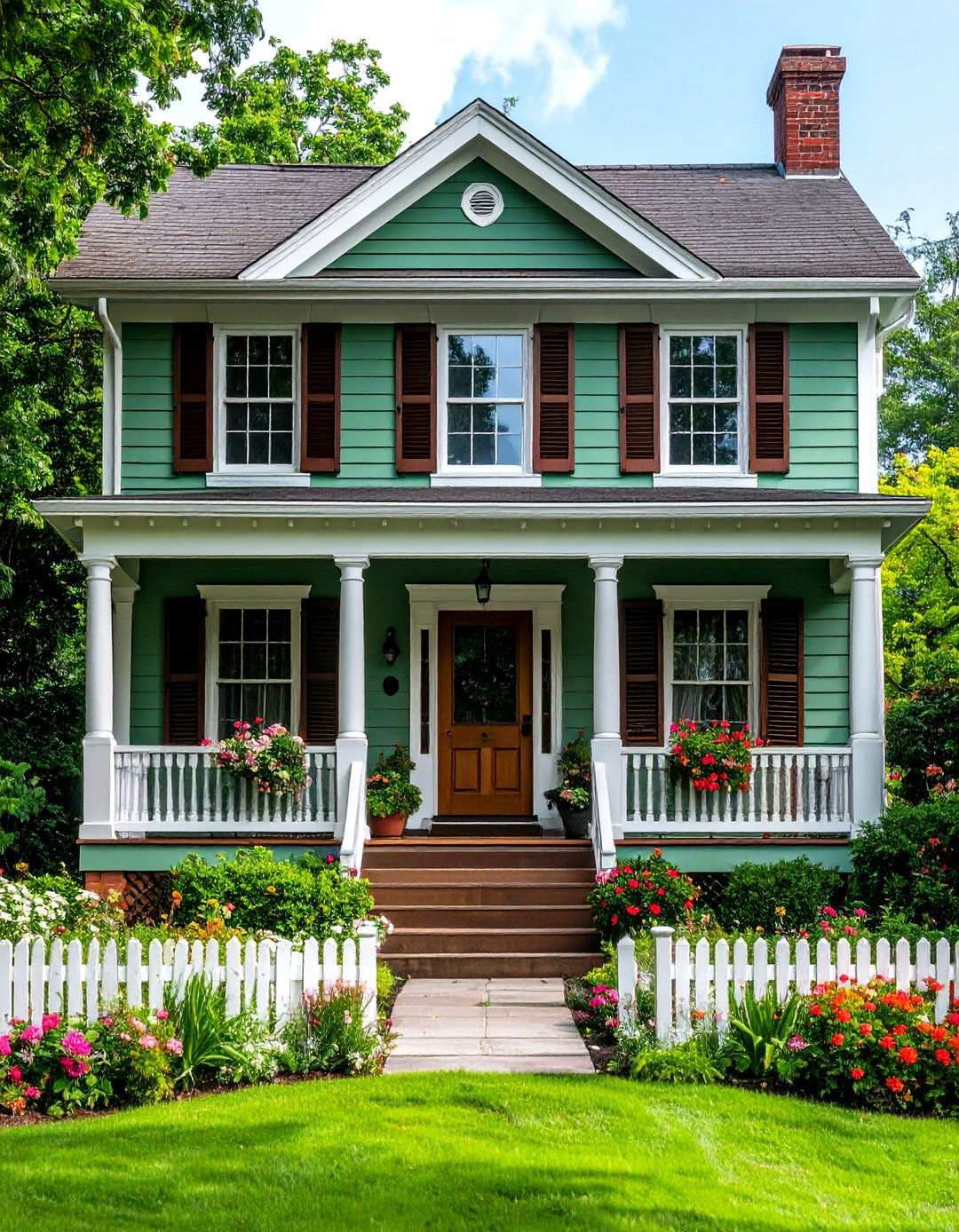
Colonial Revival homes pay homage to traditional American roots through a distinctive palette that perfectly balances earthy tones. Sage green siding paired with rich brown trim skillfully evokes the style’s rich history, drawing inspiration from the nation’s earliest architectural achievements. Expansive front porches, flanked by sturdy brown columns, create inviting outdoor spaces that seamlessly blend with the interior living area. The thoughtful incorporation of brown shutters and window trim not only nods to the style’s historical precedents but also provides practical weather protection. A symmetrical facade with a centered doorway masterfully achieves the classical balance that defines Colonial Revival design, creating a sense of harmony and serenity.
24. Modern International Style Interplay
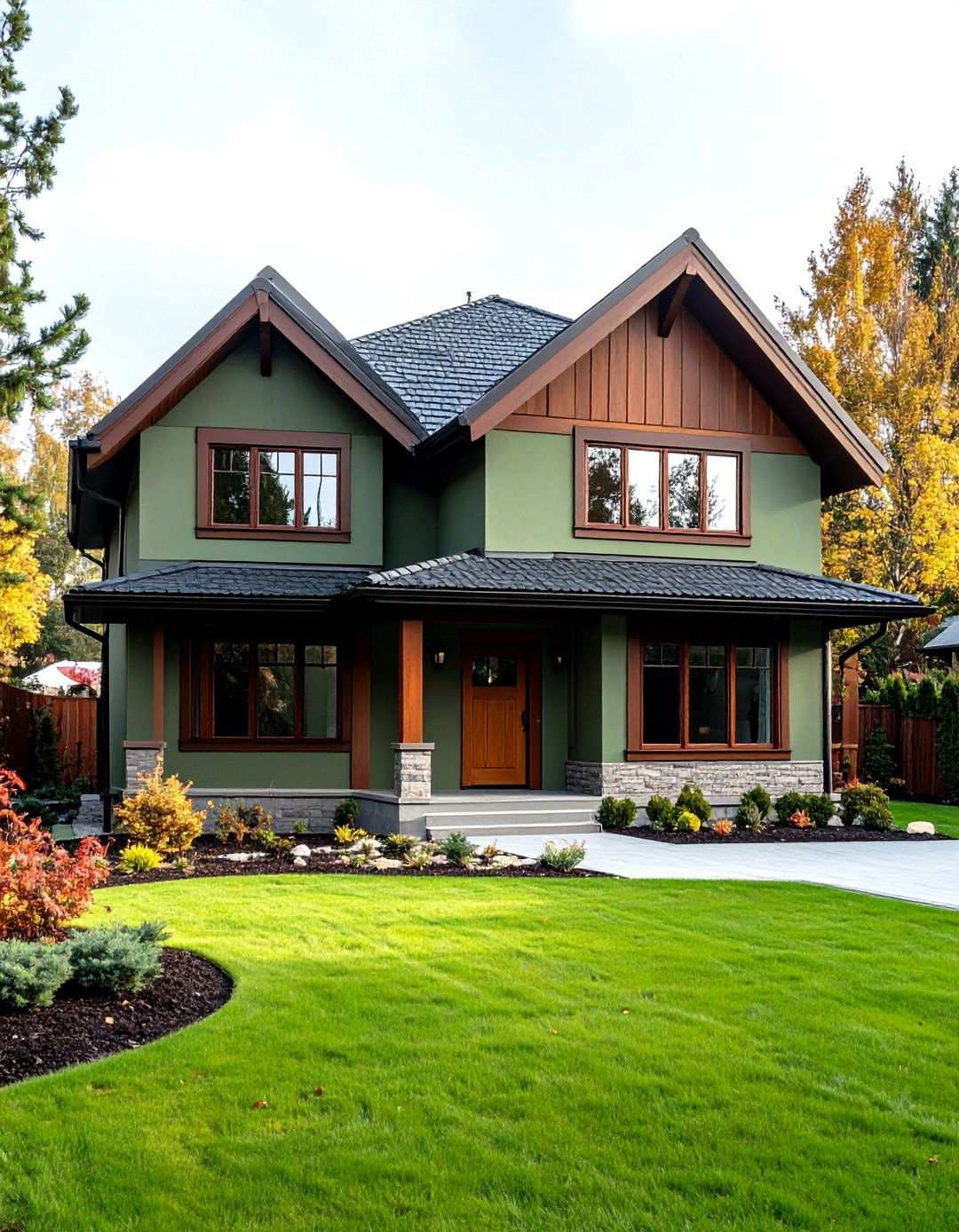
International Style architecture is reinvented with a warm and inviting twist through the strategic combination of sage green stucco walls and carefully positioned brown accents. These carefully chosen accents subtly soften the style’s inherent modernist restraint, imbuing the space with a sense of approachability. Horizontal lines are emphasized by ribbon windows boasting brown frames, which also provide an abundance of natural light. Deliberately applied brown trim around flat roofs and building corners adds visual definition without compromising the style’s characteristic clean lines. The restrained use of decorative elements allows the quality of materials and precise proportions to take center stage, generating visual interest through understated elegance. This sophisticated approach skillfully demonstrates how sage green and brown can coexist and thrive within the most rigorously modern architectural contexts.