1. Harmonious Landscapes: The Timeless Allure of Natural Stone Pathways
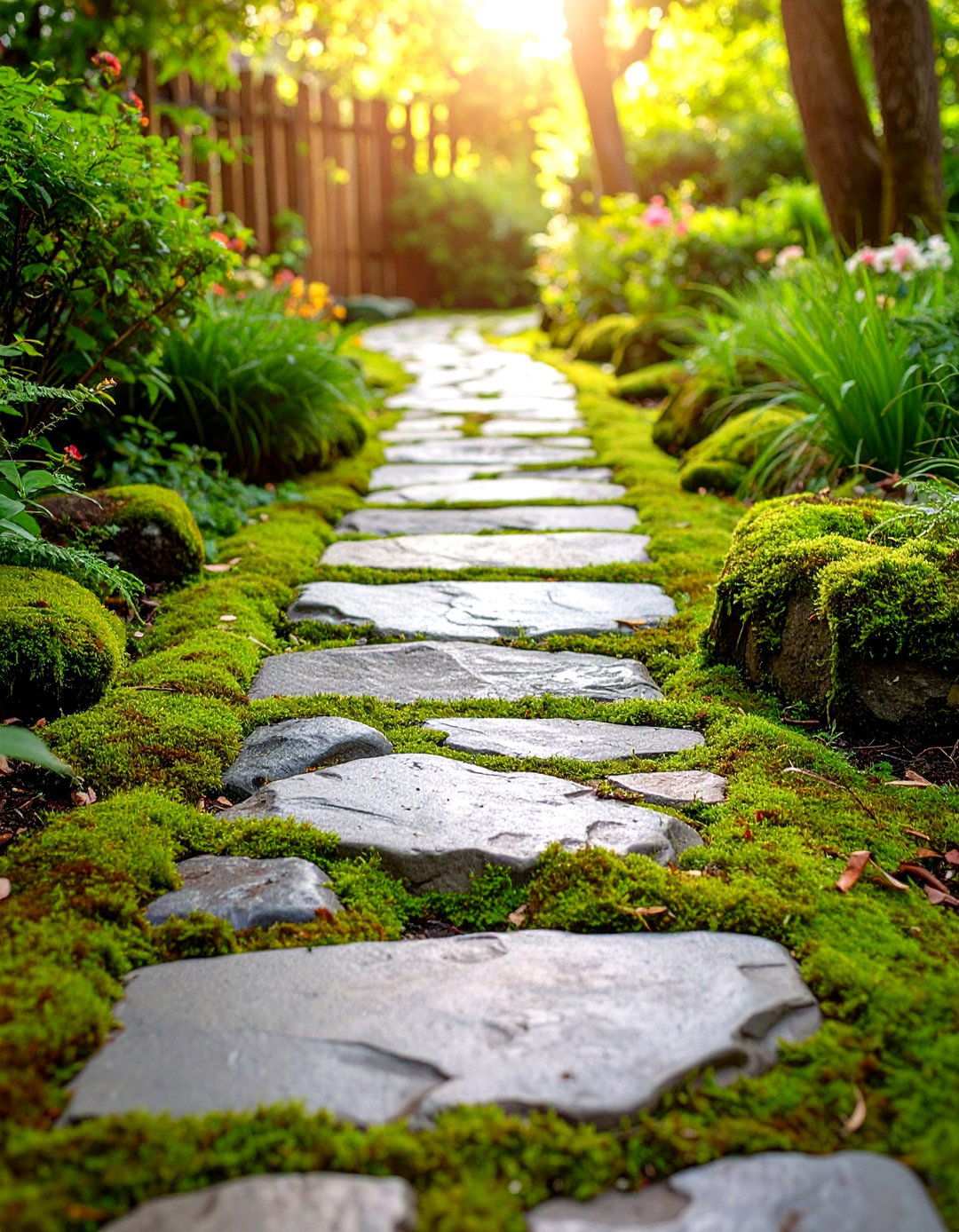
Rustic landscaping has a unique ability to weave together disparate elements, creating an immersive experience that celebrates the beauty of the outdoors. One of the key elements that make this style so compelling is its emphasis on the imperfections of natural materials. Weathered wood, for instance, develops a patina over time that is both charming and resilient. Similarly, natural stone pathways offer a chance to create winding routes through gardens that evolve and change with the seasons.

As an Amazon Associate I earn from qualifying purchases.
When selecting stones for a pathway, consider the varied textures and shapes on offer. Flagstone, fieldstone, and river rock all bring unique characteristics to the table, from the rugged, split faces of fieldstone to the smooth, rounded edges of river rock. By incorporating stones of varying sizes and shapes, you can create an organic pattern that guides visitors through different garden zones. A key aspect of successful pathway design is the importance of drainage and stability. A gravel base provides a solid foundation, while intentional gaps between stones allow for ground cover plants or decorative pebbles to thrive. The neutral colors of natural stone complement a wide range of garden palettes, providing year-round structure and a sense of continuity. When paired with native plantings, natural stone pathways create seamless transitions between hardscape and landscape elements, softening hard edges and inviting the eye to wander.
2. Captivating Outdoor Ambiance with Rustic Fire Pit Spaces
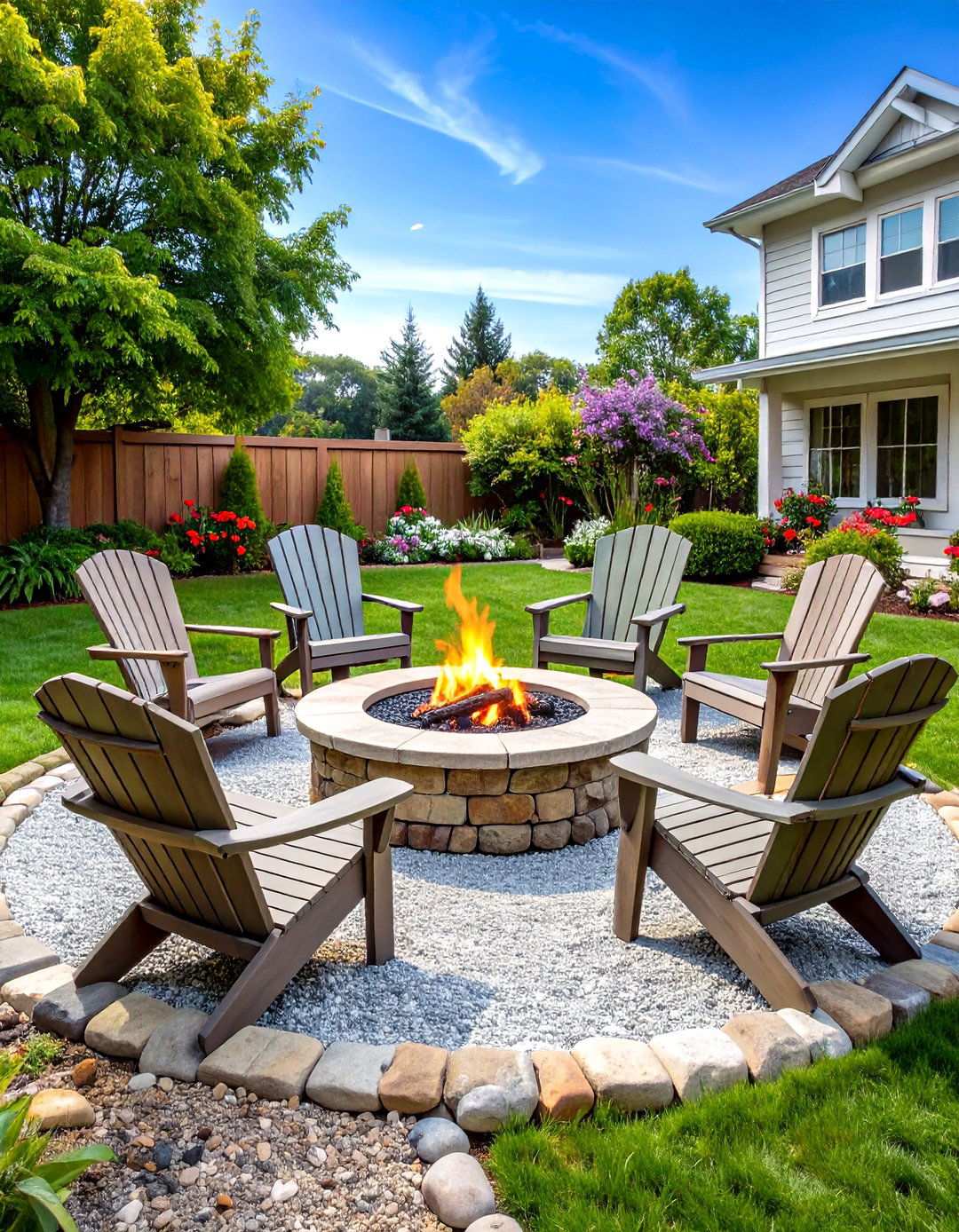
Envision a serene setting where loved ones gather around a crackling fire, transforming your evening gatherings into unforgettable experiences. The allure of a stone circle fire pit lies in its ability to effortlessly blend into the surroundings, exuding a primitive charm that’s both functional and warm. By incorporating natural fieldstone or stacked river rock, you can create durable fire rings that become a focal point of your outdoor living area. It’s essential to maintain a safe distance from structures and ensure proper ventilation for a fire pit to operate safely. For an inviting ambiance, surround the fire pit with plush seating options, such as weathered wood benches, Adirondack chairs, or stone seating walls, perfect for intimate conversations. Gravel or decomposed granite surfaces are ideal flooring choices, as they drain well and prevent mud formation during rainy seasons. To amplify the ambiance after dark, consider adding string lights overhead or solar-powered pathway lighting. The soft glow of the flickering flames creates a natural draw for people to come together, while providing warmth on cooler months, making your outdoor spaces usable throughout multiple seasons.
3. Reimagining Outdoor Spaces with Reclaimed Wood Pergola Structures
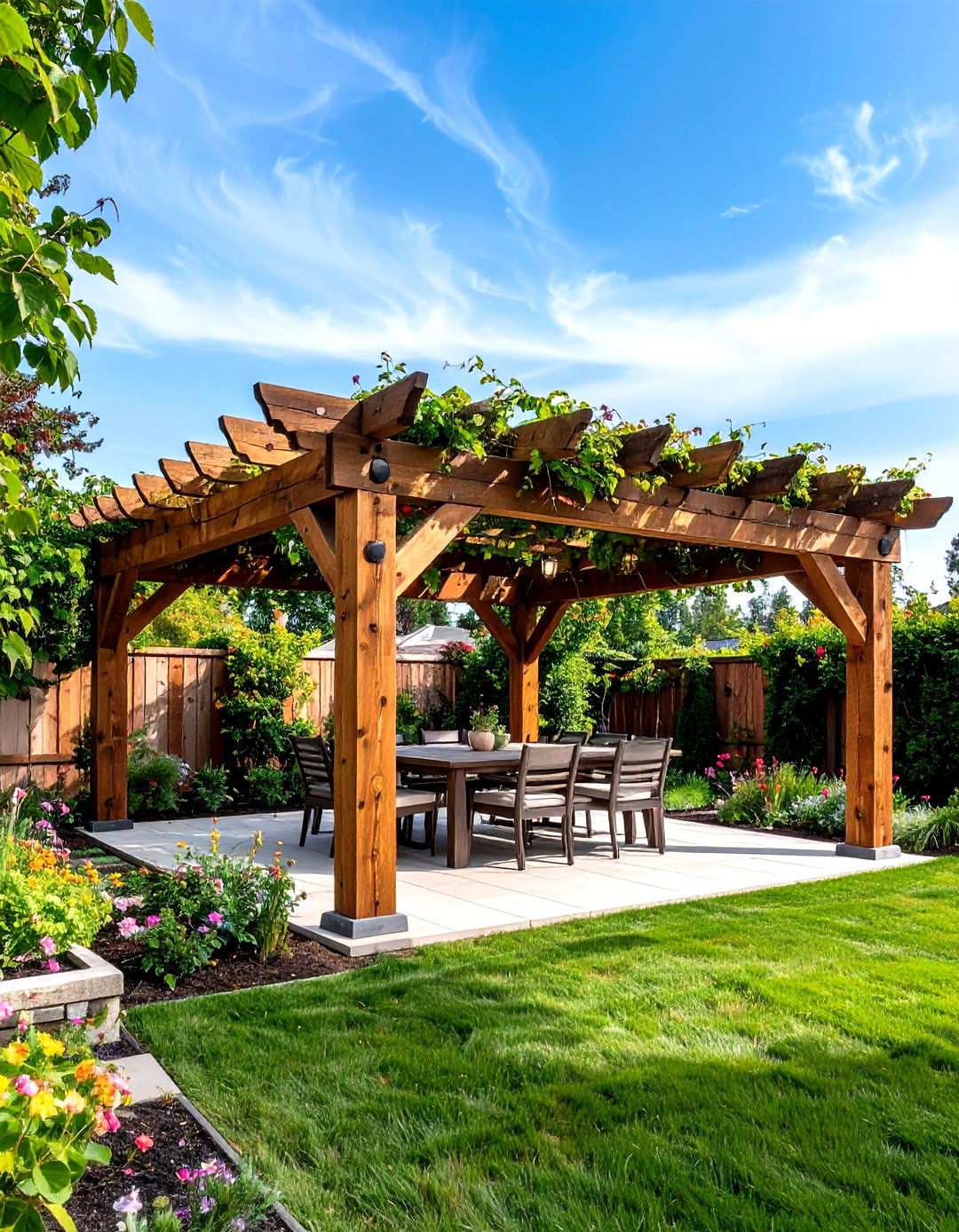
Weathered barn wood and reclaimed timber can be repurposed to create stunning overhead structures that provide filtered shade while supporting climbing plants, elevating your outdoor space into a tranquil retreat. The unique character of these pergolas is deeply rooted in the aged wood grain patterns and natural weathering process, which commercial lumber cannot replicate. During installation, concrete footings are typically used for stability, with crossbeams creating intricate shadows that dance across the surroundings throughout the day. Time will transform these bare structures into lush canopies as climbing vines like wisteria, grapevines, or clematis take hold. The rustic appeal emanates from the visible joint construction and unfinished surfaces that celebrate the natural beauty of imperfections. To further enhance the period charm, consider incorporating vintage hardware and traditional joinery techniques. These structures work beautifully above patios, walkways, or garden entrances, effectively creating defined outdoor rooms. Regular maintenance involves occasional cleaning and checking for structural integrity, although reclaimed wood often proves more durable than its new counterparts due to its slower growth rates and denser grain structure.
4. Timeless Elegance with Natural Stone Water Features
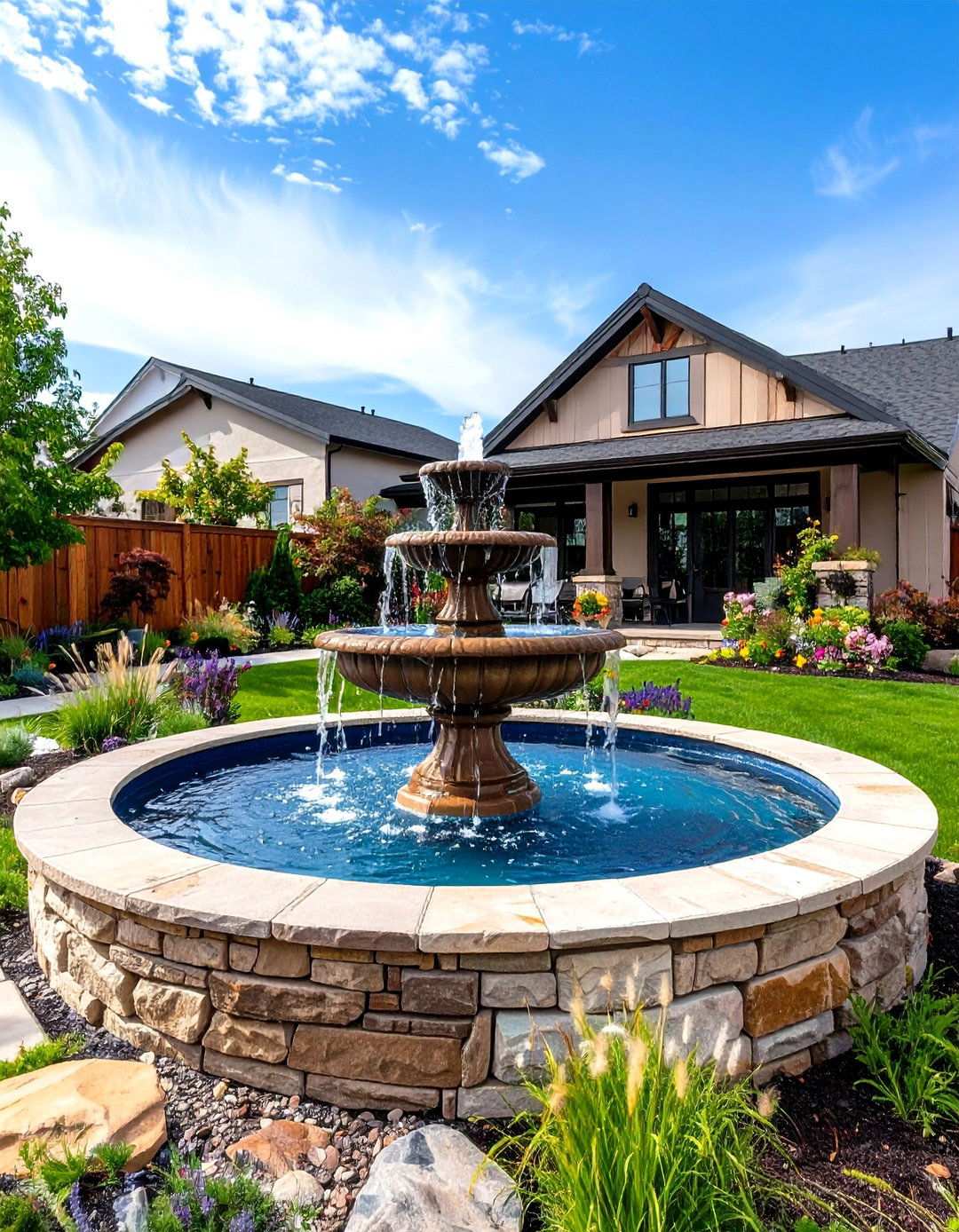
Serenity-inducing water sounds and a haven for local wildlife await in garden settings, thanks to the installation of fieldstone fountains and rock-lined streams. Natural stone brings a unique thermal mass property, enabling water temperature regulation while creating ledges for beneficial insects and birds to thrive. From simple, understated bubbling rocks to elaborate, multi-tiered waterfalls, the design possibilities of natural stone water features are endless, limited only by space and budget considerations. For reliable operation, ensure that your feature is equipped with circulation pumps, filtration systems, and electrical connections. The organic, irregular shapes of natural stone give rise to captivating water flow patterns reminiscent of mountain streams or woodland springs. Take the opportunity to incorporate native aquatic plants in shallow areas, not only enhancing ecosystem benefits but also providing natural filtration. To achieve visual cohesion throughout your landscape design, select stone that harmonizes with existing hardscape elements. When winter arrives, protect your pumps from freezing temperatures while allowing ice formation to create a visually striking seasonal display. By incorporating natural stone water features into your outdoor space, you can significantly boost property value while creating year-round focal points.
5. Rustic Elegance in Raised Garden Bed Systems
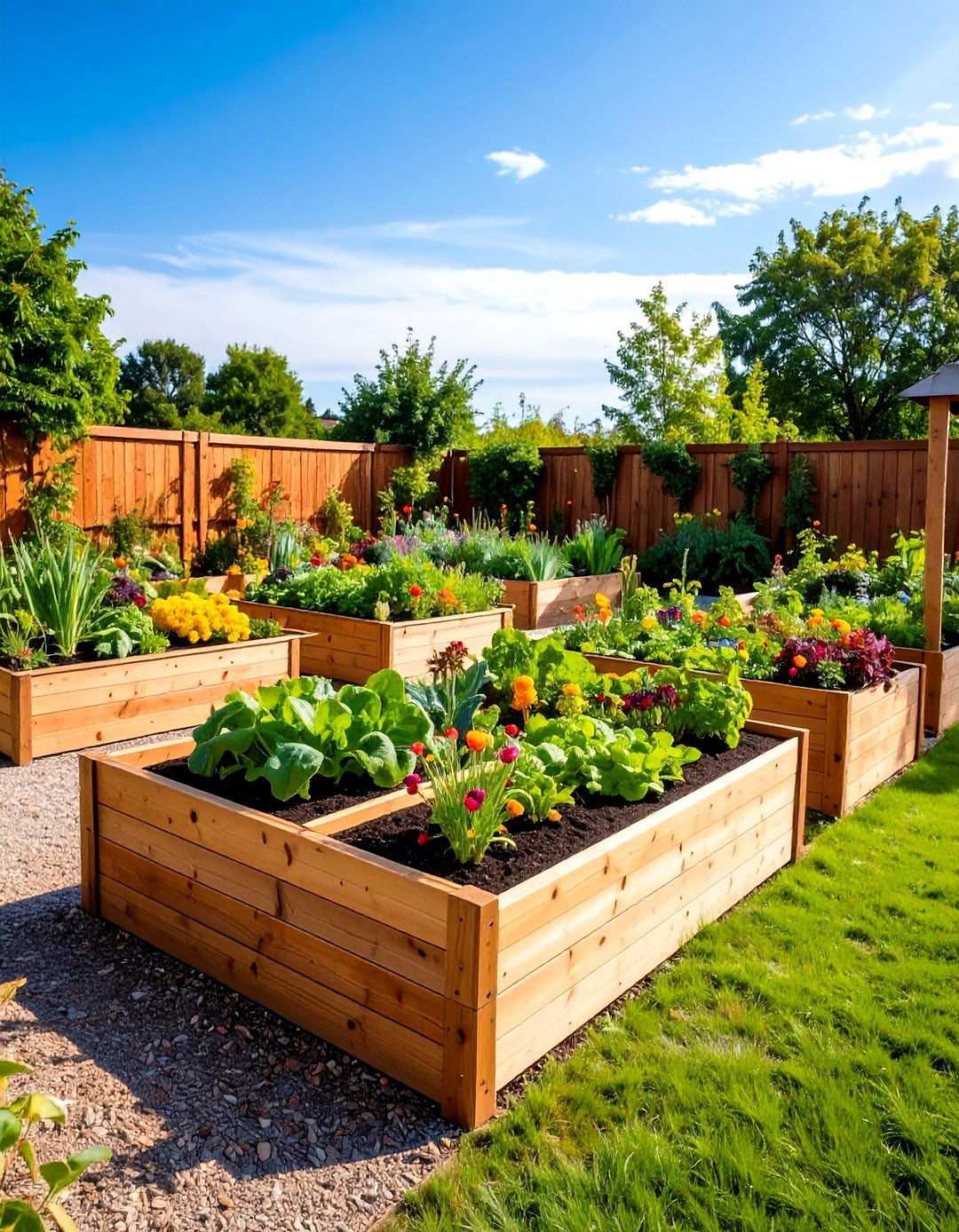
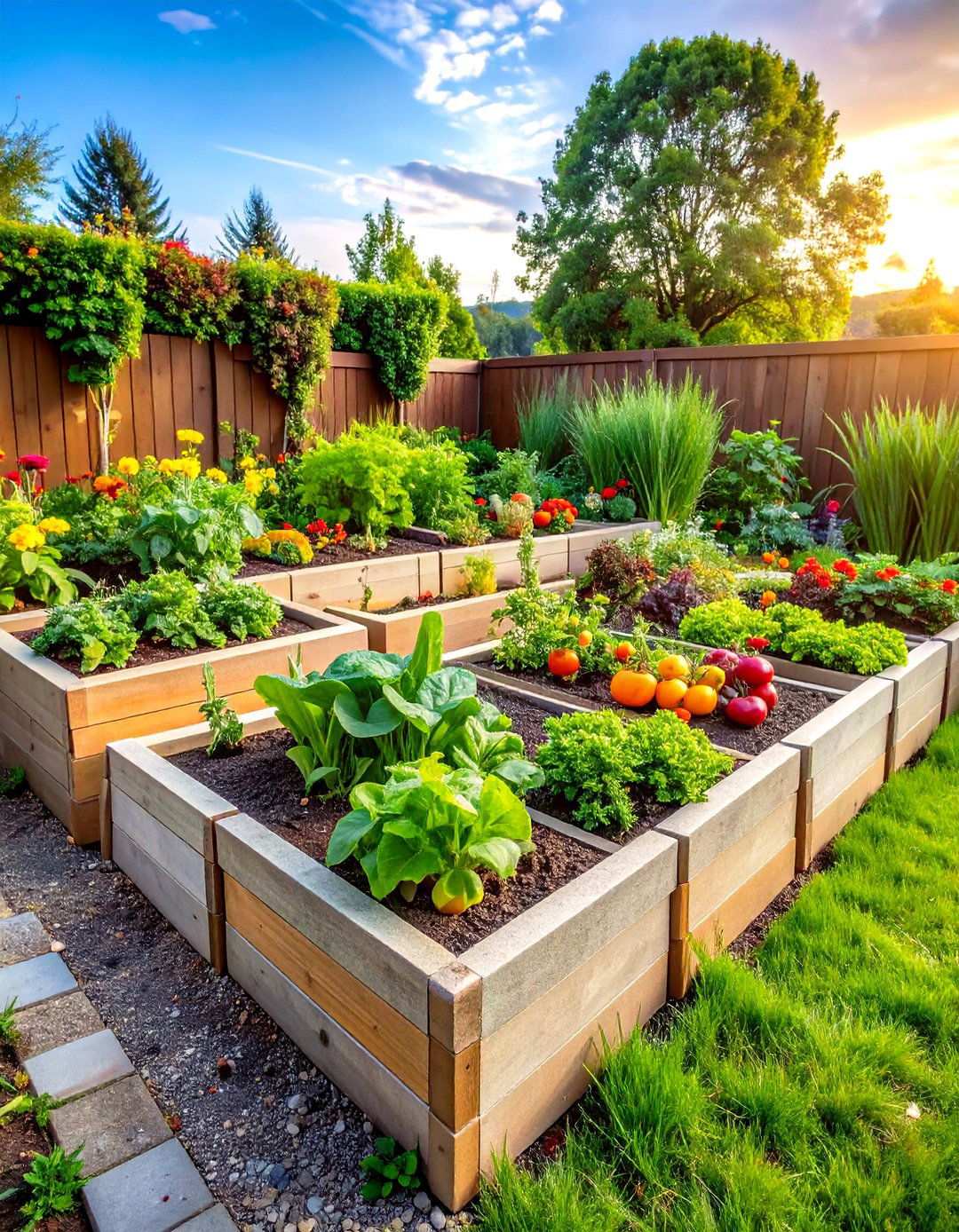
Elevated planting areas crafted from cedar planks and natural stone revolutionize vegetable gardening by improving drainage and reducing maintenance demands. As you consider your new raised bed system, take a moment to ponder which crops would thrive in this new environment. These structures protect plants from the negative impacts of soil compaction while providing better pest control and easier harvesting access. Proper construction of raised bed systems involves securing corner connections that can withstand the pressure of soil and the elements over multiple growing seasons. The flexibility in height accommodates different plant root systems, while also reducing back strain during garden maintenance activities. Over time, natural materials develop a beautiful silver-gray patina that blends seamlessly with surrounding landscape elements. By incorporating drip irrigation systems within bed construction, you can efficiently manage water resources. Strategically placing raised bed systems maximizes sun exposure while organizing garden spaces through geometric bed arrangements. With their versatility and space-efficient design, raised bed systems are particularly well-suited for herb gardens, cutting flower plots, or intensive vegetable production in limited space situations, making them an ideal choice for urban and suburban applications.
6. Weathered Wood Fence Installations
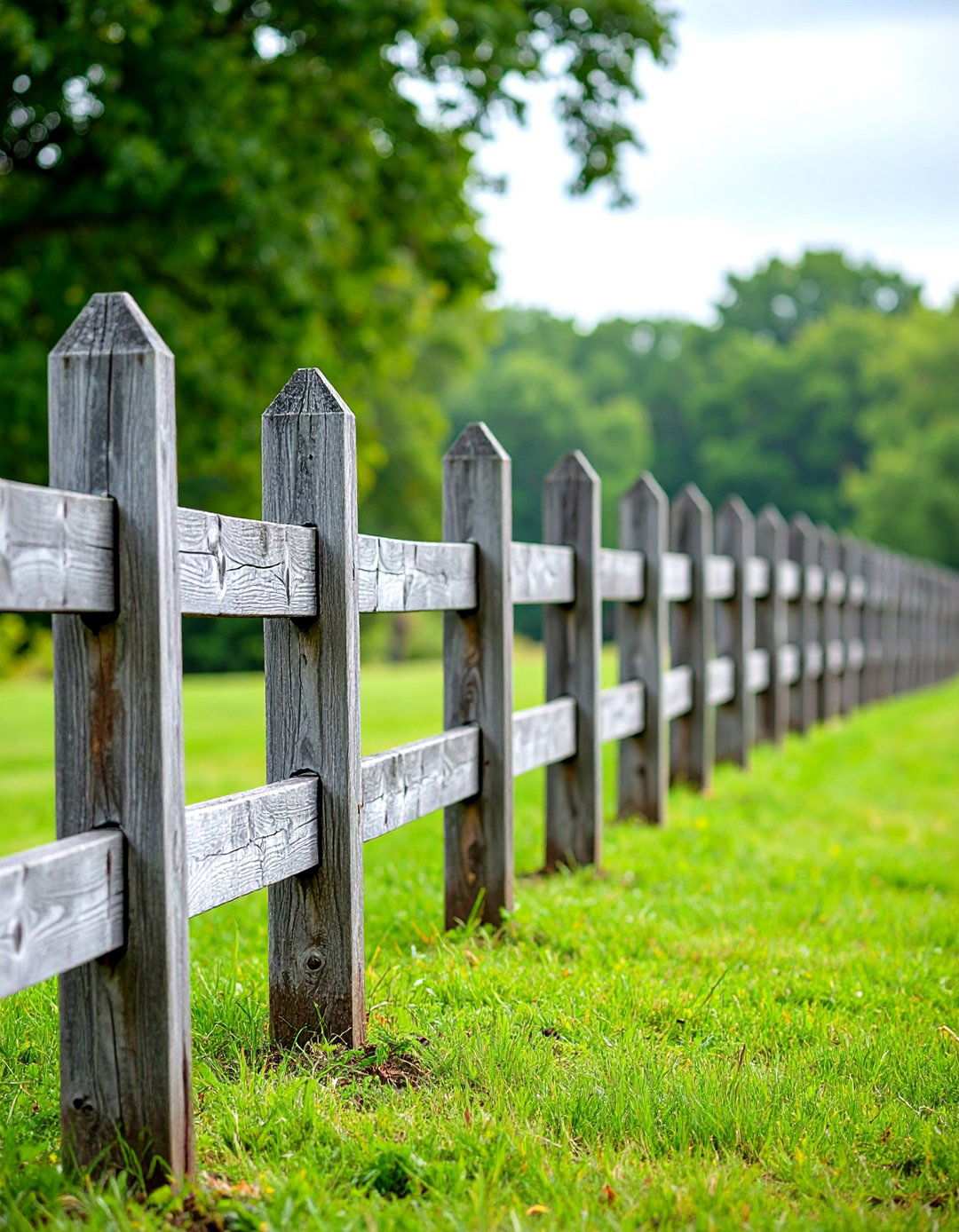
Weathered wood fences, crafted from naturally aged lumber, skillfully strike a balance between defining property boundaries and allowing an unobstructed view of the surroundings. Over time, these fences develop a beautiful silver-gray patina that effortlessly complements any garden color palette without the need for periodic repainting. Classic construction techniques involve intricate mortise-and-tenon joints or straightforward rail-and-post assemblies that take into account the natural movement of wood. The undeniable charm of these fences comes from the visible wood grain patterns, natural knots, and slight imperfections that machine-cut lumber often lacks. To ensure long-term stability, installing concrete footings in areas prone to frost heave or high winds is crucial. Furthermore, leaving gaps between boards allows for air circulation and visual lightness, creating a more open and airy feel rather than a solid, obstructive screen. These fences are particularly well-suited for defining garden rooms, safeguarding vegetable plots from deer, or serving as a backdrop for perennial borders. Natural woods like cedar and locust provide excellent rot resistance without the need for chemical treatment, making them environmentally responsible options.
7. Stone Fire Pit Circle Designs
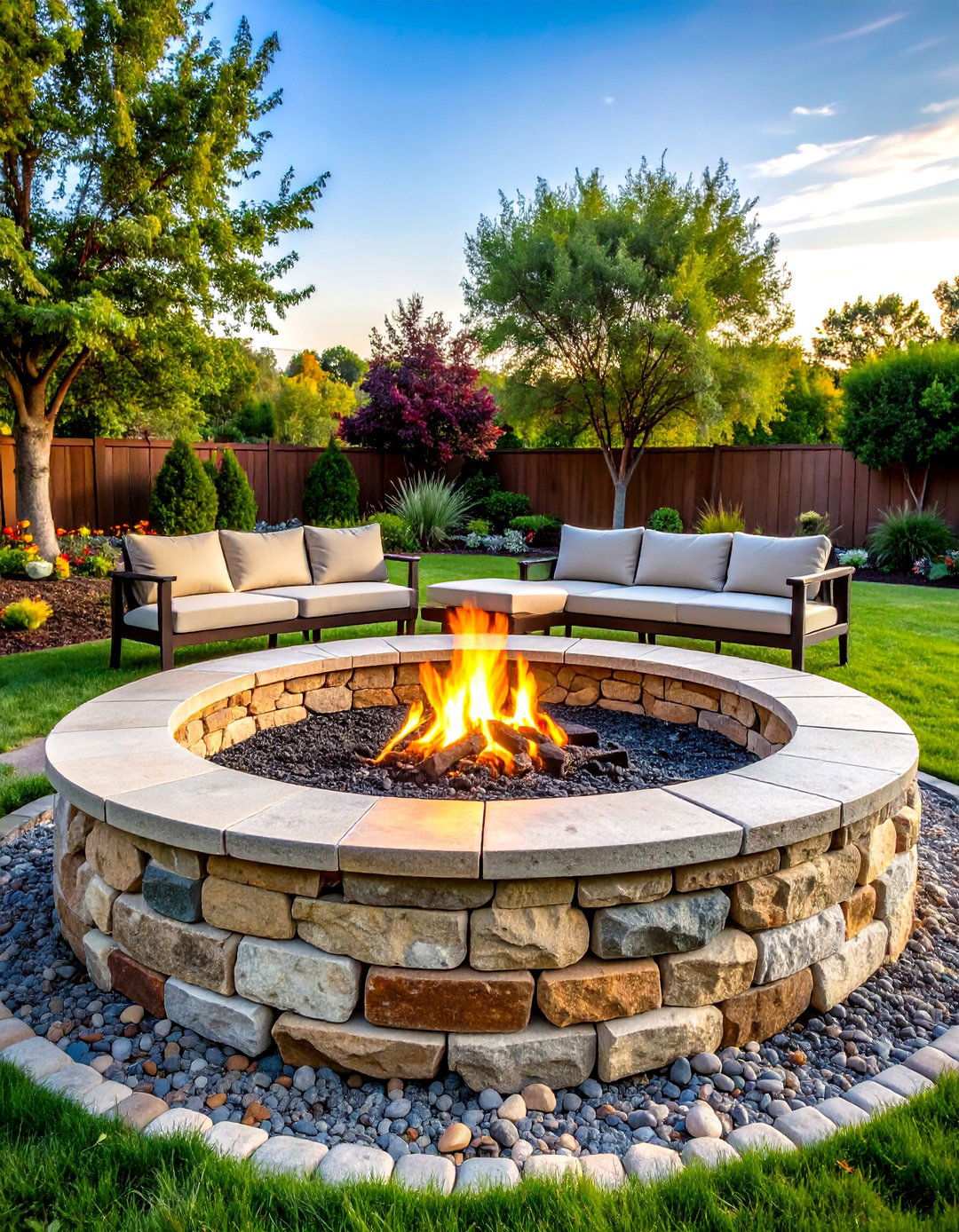
A circular arrangement of stones creates a cozy gathering space using native fieldstone or quarried blocks to provide a permanent outdoor heating solution. The timeless appeal of circular fire features connects modern homeowners with ancient gathering traditions while offering contemporary comfort. Effective construction demands the use of fire-rated materials and proper drainage to prevent water accumulation during rainy periods. The selection of stones significantly impacts both appearance and heat retention, with denser materials storing warmth longer after the fire has burned down. To enhance the experience, consider incorporating built-in seating ledges around the perimeter, eliminating the need for additional furniture. Gravel bases provide excellent drainage while preventing vegetation growth that could create fire hazards during dry seasons. The circular shape encourages conversation and fosters natural social dynamics, making these features ideal for family gatherings or entertaining friends. These central focal points work well in larger landscape designs or as destination areas connected by stone pathways through garden spaces.
8. Harmonious Integration of Outdoor Kitchen Spaces
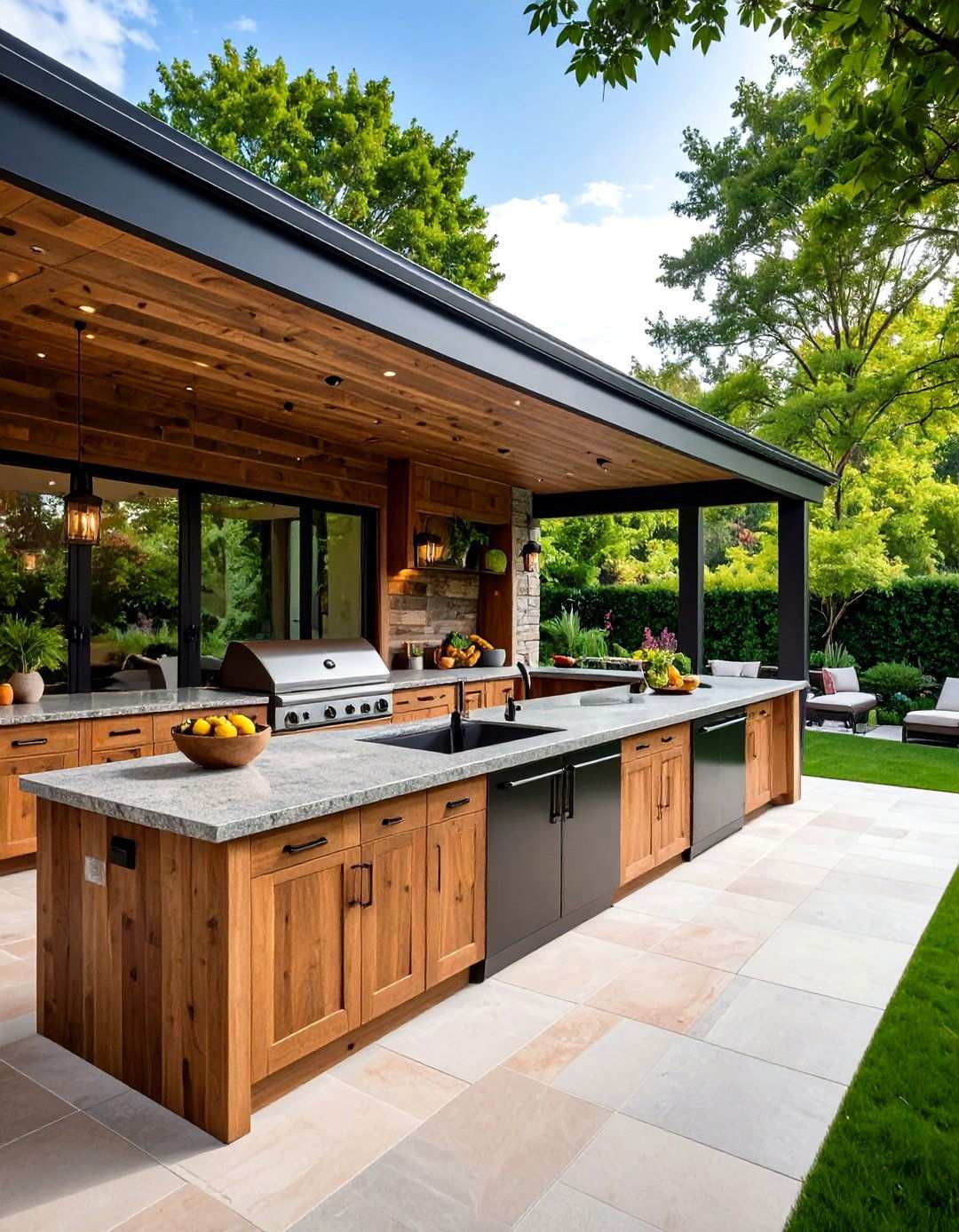
Rustic outdoor kitchens seamlessly merge with their surroundings, thanks to the use of natural stone countertops and weathered wood cabinetry. Imagine elevating your outdoor entertainment experience with a cooking area that effortlessly blends into the garden environment. These installations typically feature grills, prep surfaces, and storage solutions crafted from materials that can withstand the elements. Stone serves as an excellent heat-resistant material for areas adjacent to grills, developing an attractive patina over time that adds to its charm. Effective planning involves incorporating essential utilities such as gas lines, electrical connections, and a water supply to ensure convenience and safety. Weathered wood elements require periodic maintenance but bring a warmth and character that metal or plastic alternatives cannot replicate. Consider complementing your outdoor cooking space with pizza ovens, smokers, or outdoor refrigeration for a comprehensive cooking experience in your garden setting. Strategically positioning these kitchens near pergolas or under roof extensions provides weather protection during meal preparation, creating a seamless transition between indoor and outdoor spaces.
9. Sustainable Fieldstone Retaining Wall Systems
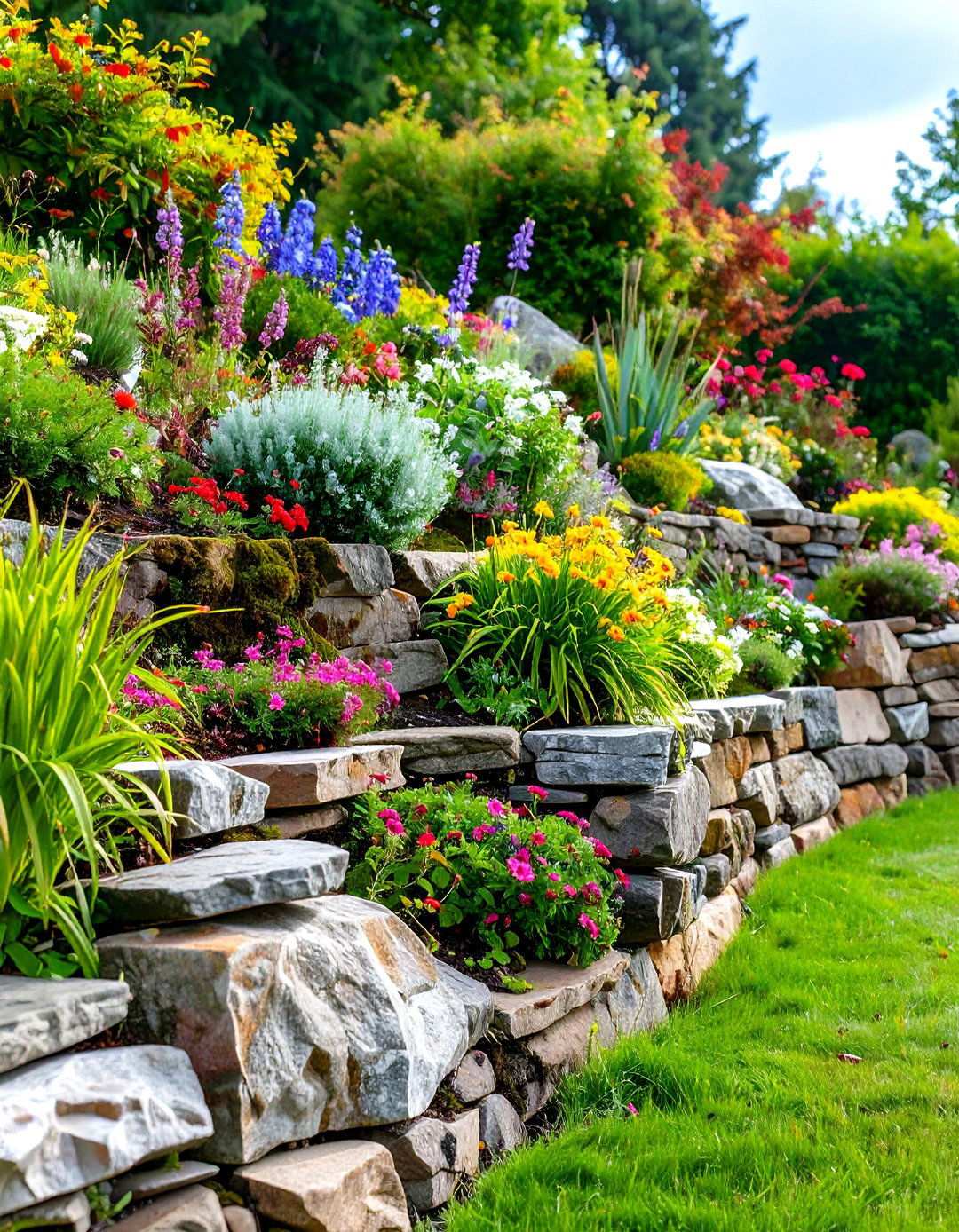
Fieldstone and boulder walls not only provide functional slope stabilization but also add visual interest to challenging terrain situations. These structures offer opportunities for terraced planting while preventing erosion on hillside properties, making them an ideal solution for properties with uneven terrain. Effective construction involves incorporating drainage systems behind walls to prevent water pressure buildup that could compromise the structure’s integrity. When selecting natural stone, consider the local geology to achieve an authentic regional appearance and optimal weather resistance. The irregular shapes of fieldstone create an organic wall profile that blends with natural landscape contours better than manufactured blocks. Consider incorporating planting pockets within wall construction for cascading perennials or alpine plants that soften the hard edges. These walls work particularly well for creating level planting areas on slopes while providing backdrop elements for garden displays. In cases where the wall height exceeds four feet or the soil conditions are unstable, it’s essential to consult with an engineer to ensure proper installation and prevent any potential issues. The natural aging process creates a unique visual appeal over time, with moss growth and weathering adding character to the wall’s appearance.
10. Elegant Wooden Garden Arbors
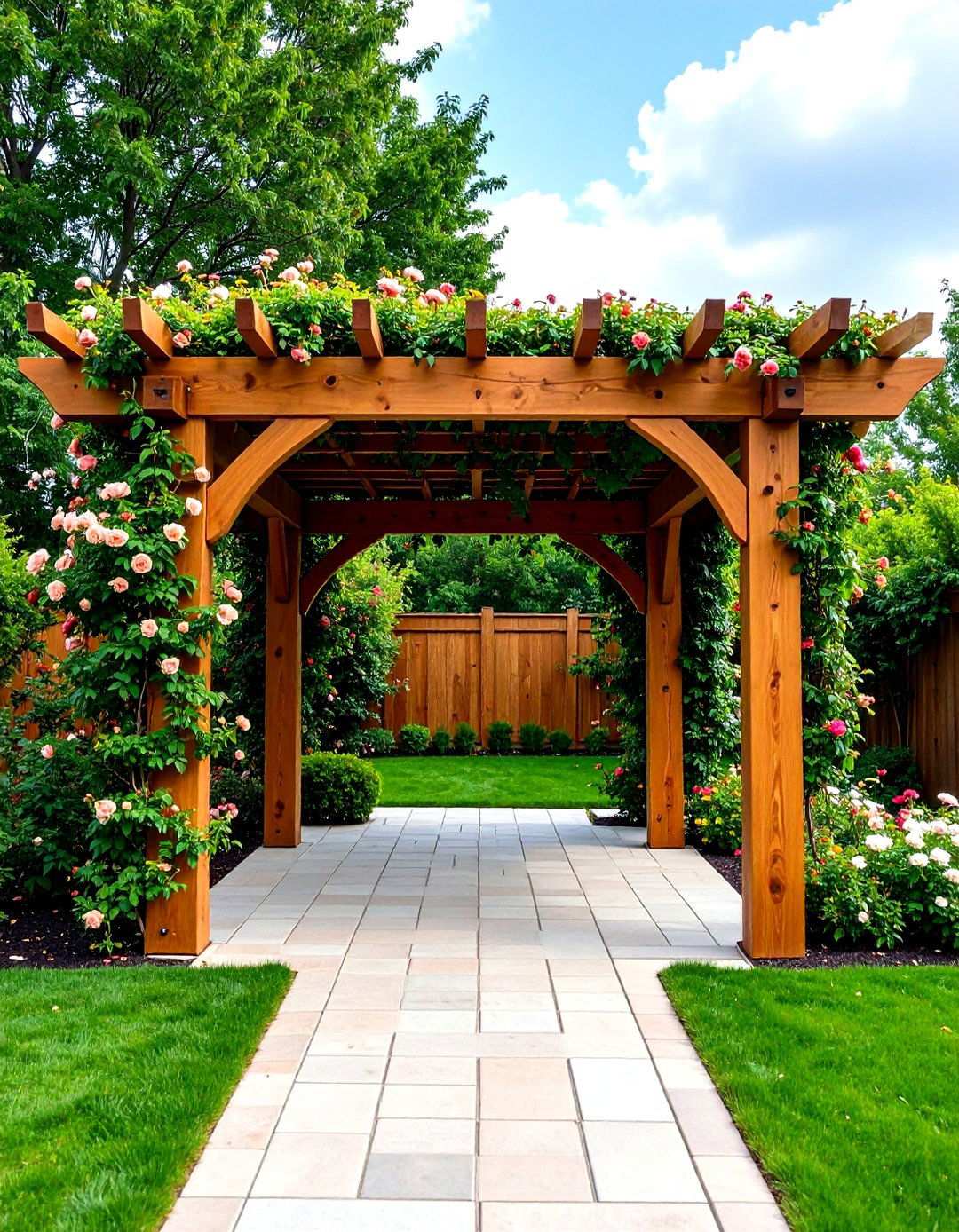
A beautifully crafted wooden garden arbor can serve as a charming transition between garden spaces, while also showcasing an assortment of climbing plants throughout the seasons. Traditional methods of construction often employ mortise-and-tenon joinery, resulting in durable structures that eschew metal fasteners or brackets. The vertical elements of these arbors offer robust support for heavy vines, while also creating overhead canopies that provide shade and seasonal interest. To ensure a stable foundation, it’s essential to install concrete footings, which will prevent settling or leaning during periods of high wind. For added convenience, consider incorporating bench seating within the arbor design, creating inviting rest stops along garden pathways. As the natural wood ages, it develops a silvery-gray patina that harmoniously complements any garden color scheme without necessitating regular maintenance. These structures are particularly effective at property entrances, between garden rooms, or over pathway intersections, where vertical elements can help define spatial relationships. By adding climbing roses, clematis, or flowering vines, bare wood frameworks can be transformed into living sculptures that provide seasonal color and fragrance for garden visitors throughout multiple seasons.
11. Gravel Fire Pit Gatherings
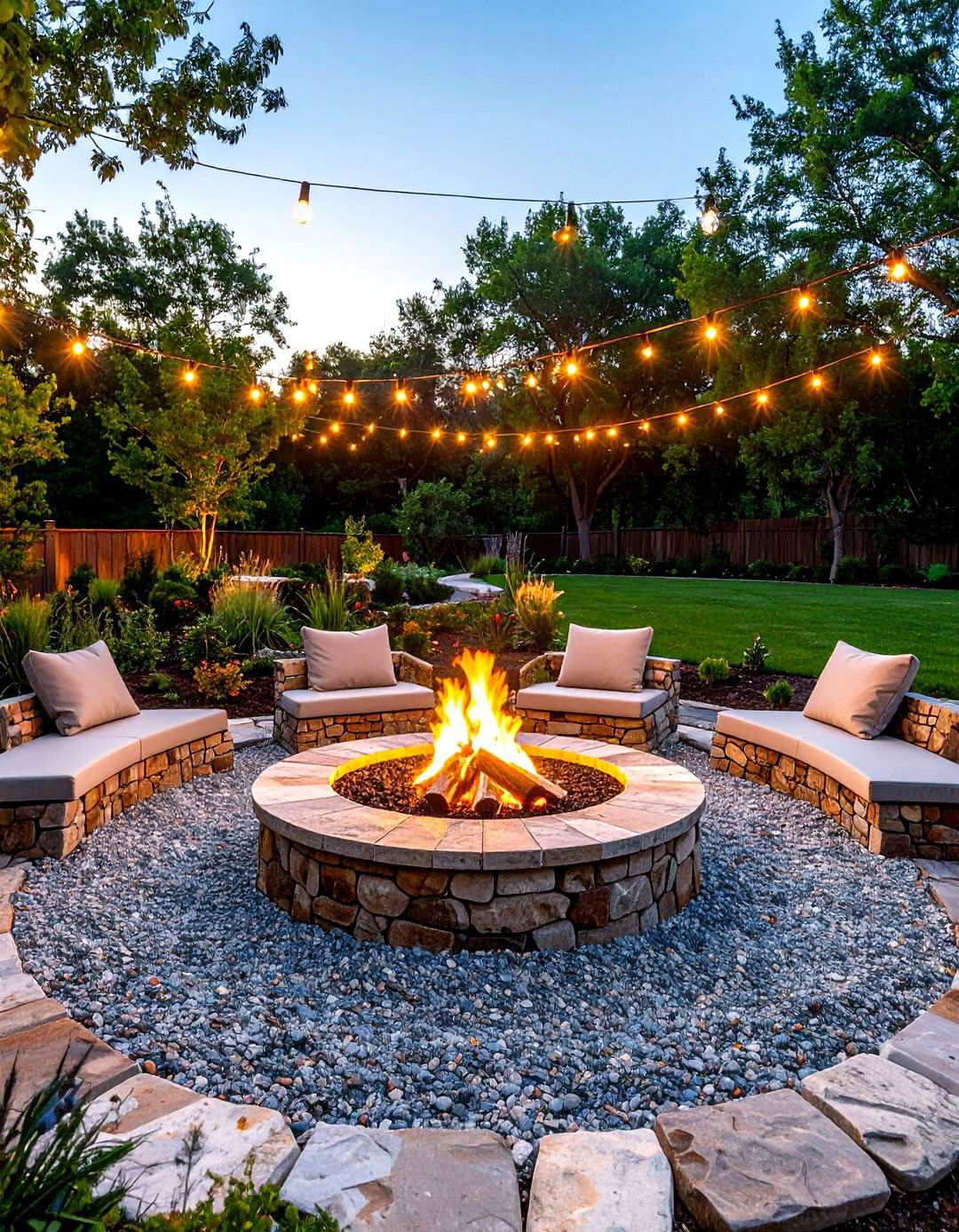
The incorporation of decomposed granite and pea gravel around fire features can create a stable and visually appealing surface, while also ensuring superior drainage during wet weather periods. A rustic gravel area can elevate the ambiance of outdoor gatherings, offering a unique and inviting atmosphere that encourages social interaction. These materials boast superior fire safety compared to organic mulches, while maintaining a natural appearance and texture. To maintain a neat appearance, it’s essential to install edge restraints to prevent gravel migration and weed barrier fabric for low maintenance. The neutral colors of the gravel complement stone fire rings, providing a striking contrast against surrounding plantings for visual definition. For added convenience, consider incorporating larger decorative stones or boulders as seating elements, which require minimal maintenance compared to wooden furniture. These areas are well-suited to informal landscape designs, where natural materials create cohesive themes throughout garden spaces. The gravel surfaces accommodate various seating arrangements, while providing stable footing for guests during evening gatherings. As the materials age, they develop a weathered appearance that requires only occasional raking to maintain a neat appearance, making them practical choices for busy homeowners seeking low-maintenance outdoor living spaces.
12. Blending Stone Pathways with Nature
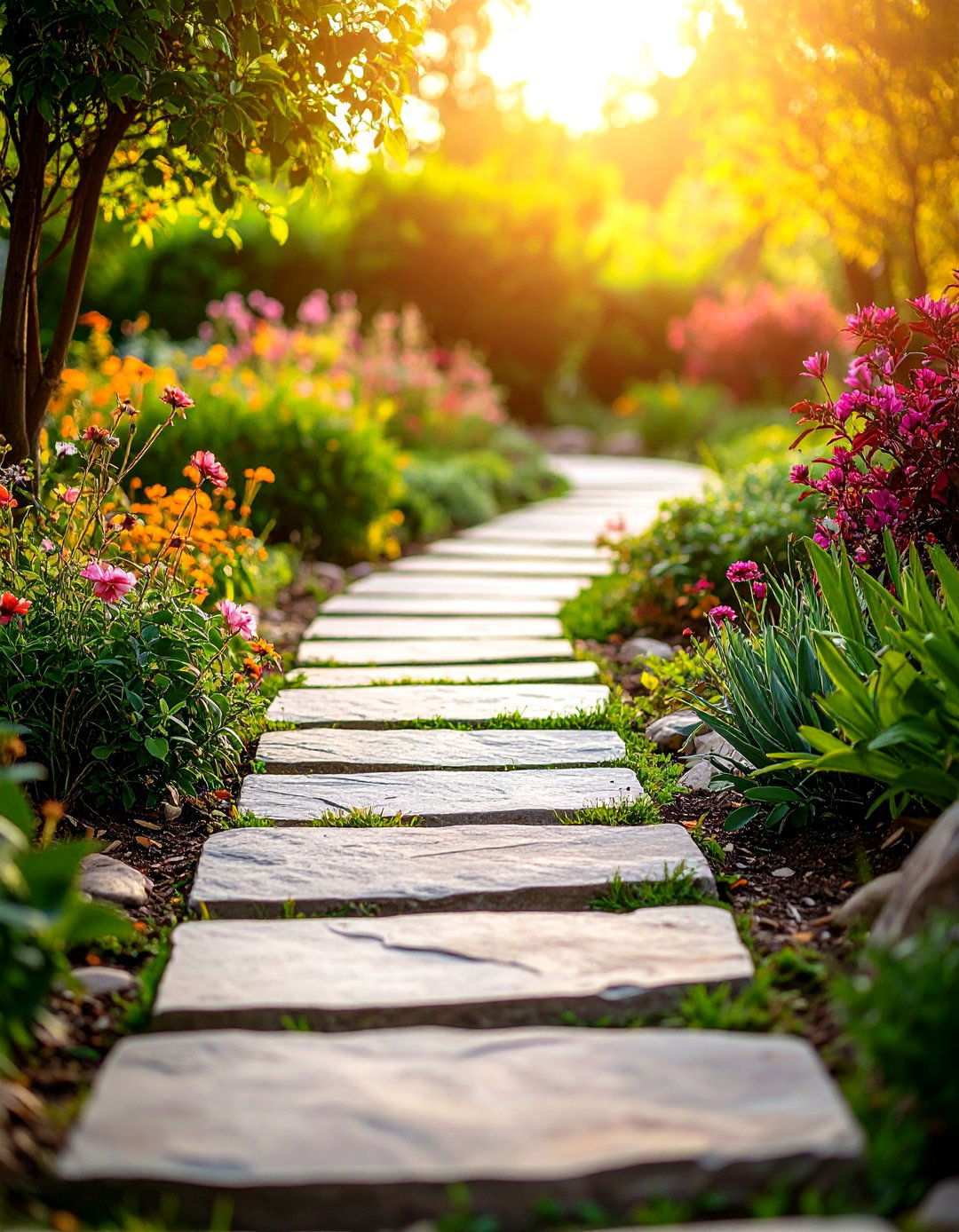
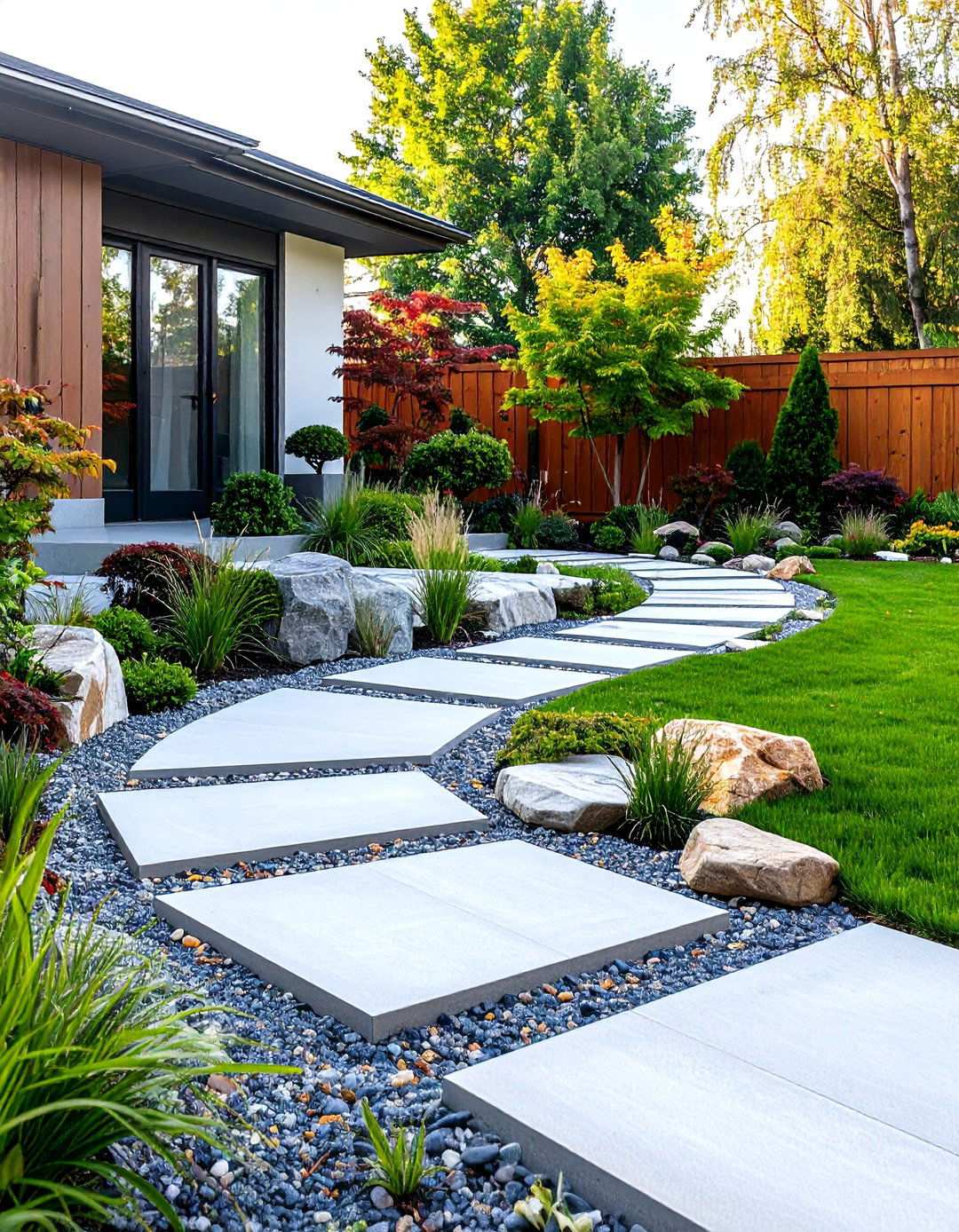
Informal walkways crafted from large flagstone pieces seamlessly integrate with garden beds, allowing plants to grow between stepping surfaces for a natural and effortless look. By accommodating natural walking patterns, these pathways provide dry footing during wet seasons when soil becomes treacherous and muddy. Effective spacing ensures comfortable navigation by individuals of varying heights, taking into account the average stride length of family members and guests. The organic patterns created by the irregular shapes of natural stone enhance garden charm while providing practical circulation routes. Minimal excavation and sand leveling are required for installation, resulting in stable surfaces that resist frost heave in cold climates. A mix of stone sizes can be used to add visual interest, while maintaining consistent thickness for safety and comfort during use. These paths are particularly well-suited for perennial borders, woodland gardens, or naturalized areas where formal walkways would seem out of place. As they age, these pathways develop a soft, moss-covered appearance that softens their edges while maintaining functionality for decades with minimal maintenance requirements.
13. Creating Serenity with Rustic Water Features
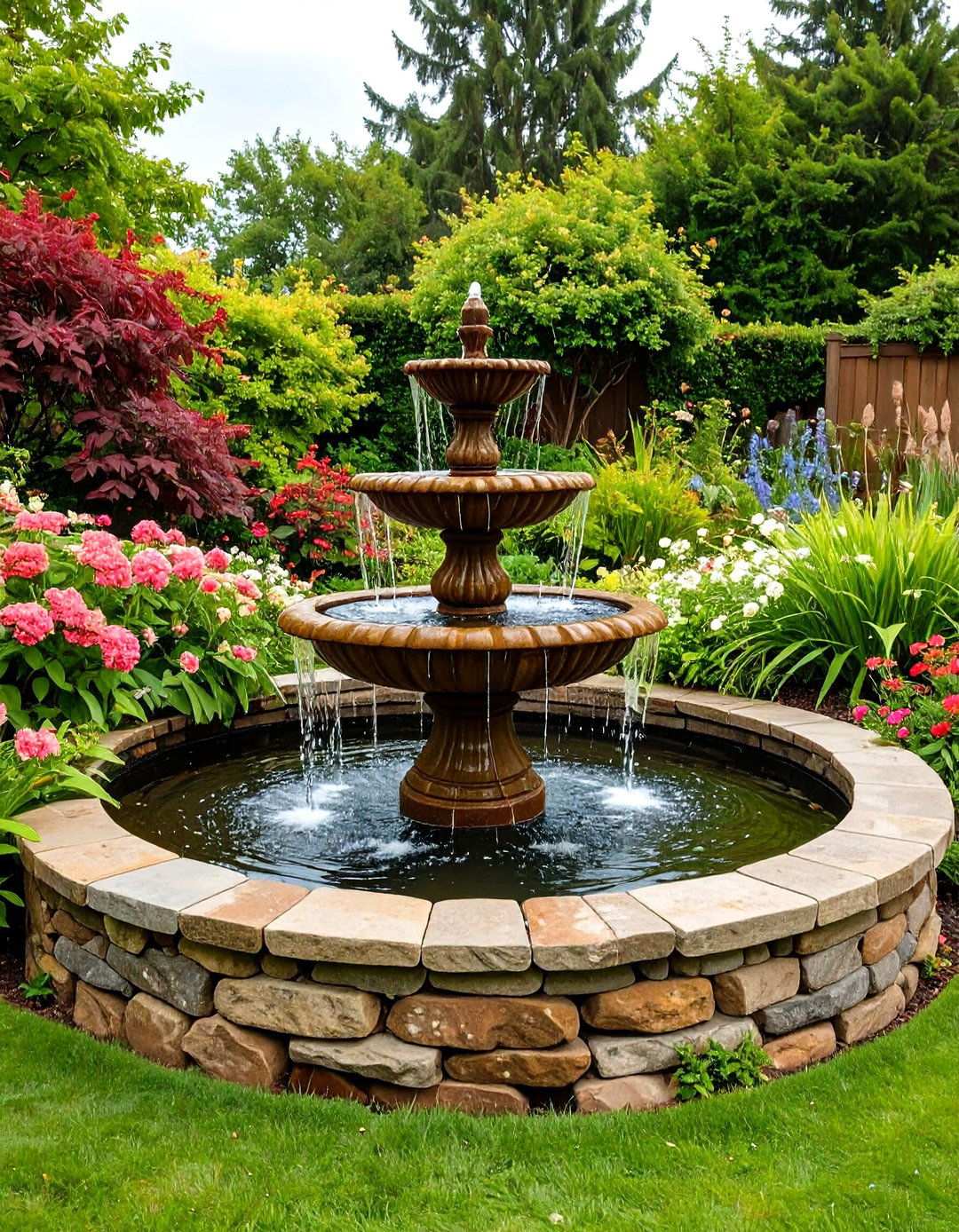
Natural stone and copper elements come together to create captivating water displays that provide a soothing ambiance and attract beneficial wildlife to garden spaces. Envision the peaceful sounds of water enhancing your outdoor retreat and creating a sense of tranquility. These water features can range from simple, elegant urn fountains to elaborate tiered designs, depending on available space and budget considerations. Proper installation requires careful attention to electrical connections and circulation systems, ensuring continuous operation throughout the growing seasons. The combination of aged copper and weathered stone develops an attractive patina over time, adding to the visual appeal of these features. Consider incorporating surrounding plantings that benefit from the increased humidity and occasional splash irrigation from the fountain operation. These features work particularly well as focal points in courtyard settings or as destination elements along garden pathways, creating a sense of calm and relaxation in outdoor living spaces. Natural materials, such as stone and copper, require minimal maintenance compared to manufactured alternatives, while providing superior weather resistance and a unique charm that enhances the overall ambiance of your garden.
14. Weathered Wood Planters: A Natural Fit for Outdoor Spaces
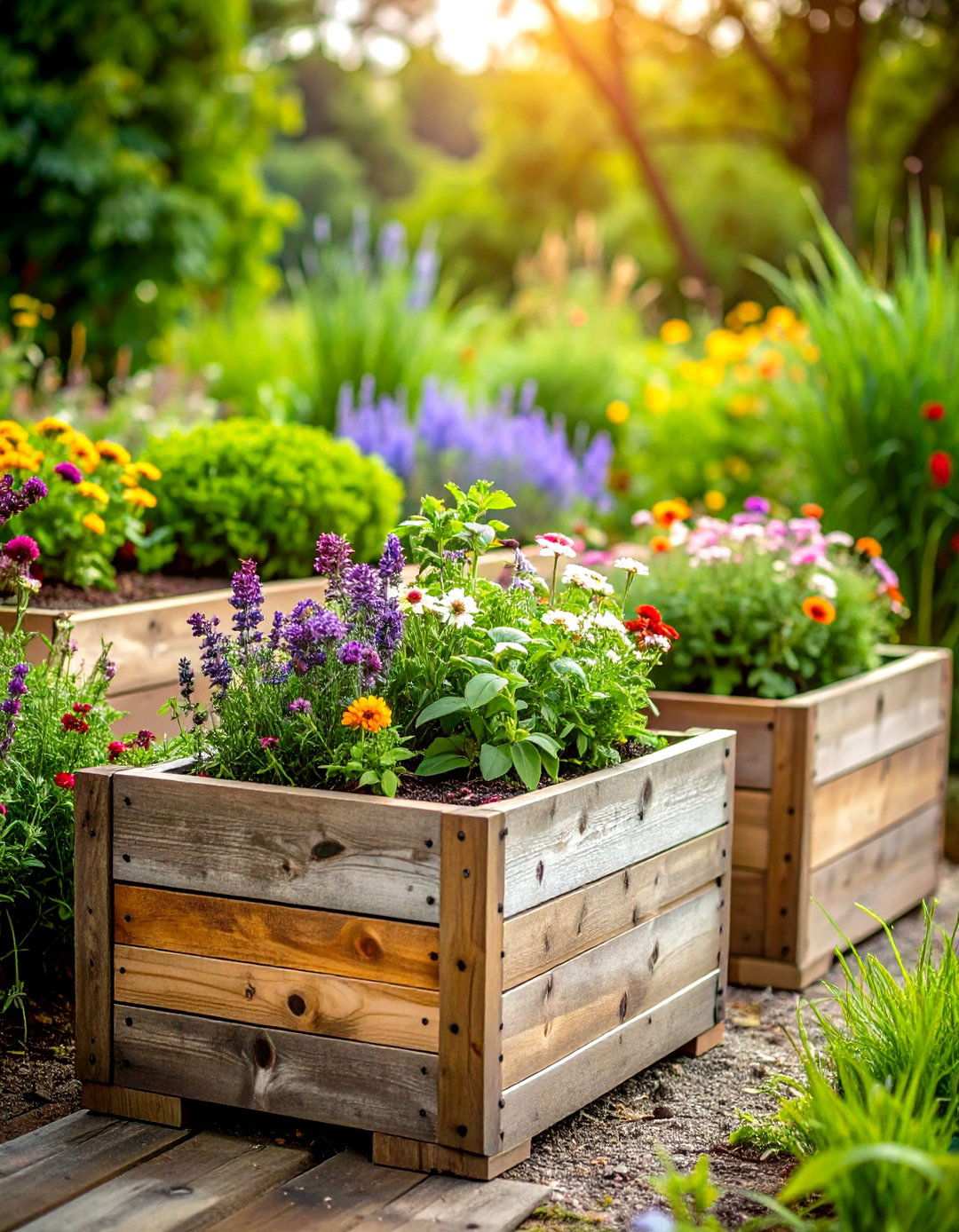
Weathered wood planters, crafted from reclaimed barn wood and cedar planks, bring a touch of rustic charm to garden settings. As these planters weather over time, they develop a unique character that’s both visually appealing and functional. By incorporating drainage holes and liner materials, these containers ensure plants thrive while protecting the wood from moisture damage. The versatility of weathered wood planters lies in their ability to accommodate a wide range of plant types and growing requirements, making them perfect for herb gardens, seasonal flower displays, or small vegetable plots in areas with challenging soil conditions. With their natural aging process, these planters eliminate the need for regular maintenance, such as painting or staining, and instead develop attractive silver-gray surfaces that blend seamlessly into the surrounding landscape.
15. Natural Stone Seating Walls for Enhanced Garden Experiences
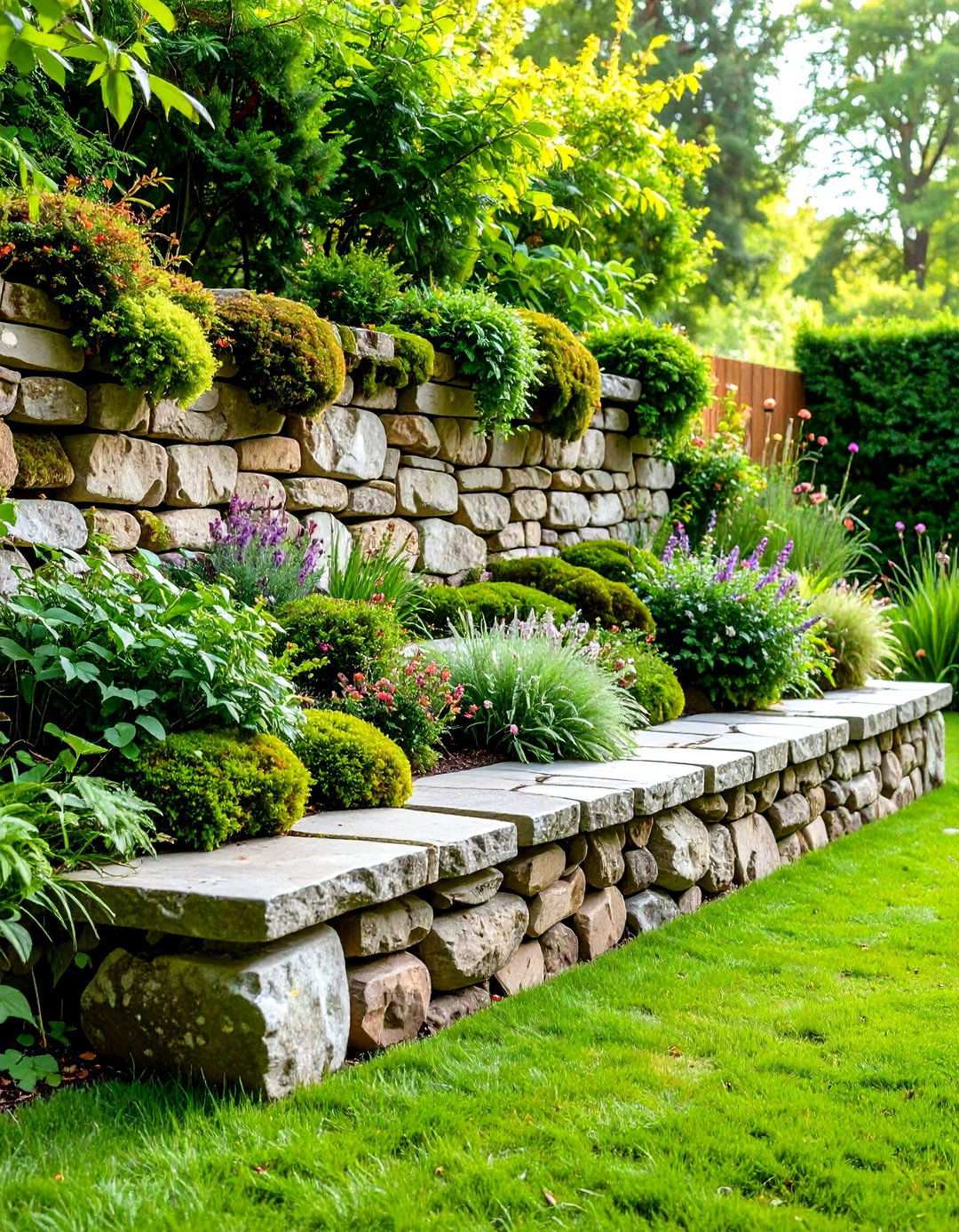
Natural stone seating walls, constructed from fieldstone and limestone, offer a dual-purpose solution for garden design. Not only do they provide permanent seating areas, but they also help define outdoor living spaces for entertaining. Properly constructed stone walls feature level surfaces and comfortable seating heights that cater to family members and guests of varying sizes. The thermal mass of stone provides natural temperature regulation, ensuring that these seating areas remain comfortable during diverse weather conditions. To further enhance comfort, consider incorporating back rests or arm details into the design. Fieldstone and limestone walls work particularly well around fire pits, along pathways, or as borders between different garden areas, where vertical elements can enhance spatial definition. By selecting natural stone that complements existing hardscape materials, landscape designers can create visually cohesive garden designs that will withstand the test of time and weathering.
16. Enchanting Garden Entrances
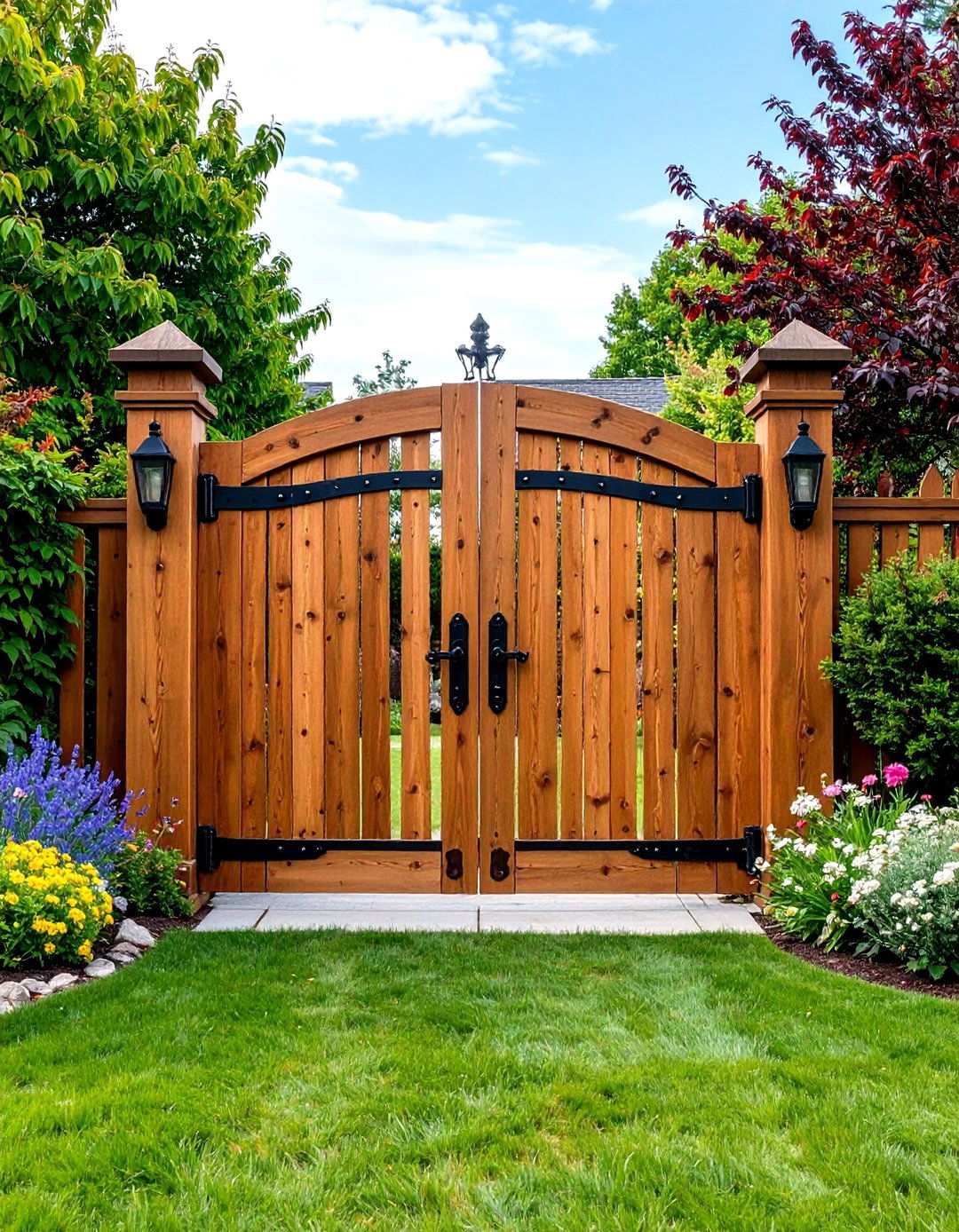
Rustic garden gates, crafted from reclaimed wood and complemented by wrought iron hardware, create captivating entrances that warmly welcome visitors while safeguarding garden spaces and outdoor areas. Traditional craftsmanship involves intricate mortise-and-tenon joints and hand-forged hardware that yields long-lasting installations imbued with authentic period charm. The rustic allure stems from the patina that develops over weathered surfaces, natural wood imperfections, and antique-style hardware, which become increasingly attractive with time. To ensure a durable installation, sturdy posts and reliable hinges must be chosen to accommodate the natural movement of wood during seasonal changes. Thoughtfully incorporating decorative elements, such as carved details or wrought iron accents, can elevate the visual appeal while maintaining functional operation. These gates are particularly well-suited for property entrances, dividing garden rooms, or serving as focal points along fence lines where vertical elements create striking landscape punctuation. As the natural aging process unfolds, regular maintenance requirements are eliminated, and the gates develop a beautiful silver-gray finish that harmoniously complements any garden color scheme. Strategically placing these gates creates inviting transitions while providing necessary security for enclosed garden areas.
17. Dramatic Outdoor Fireplace Features
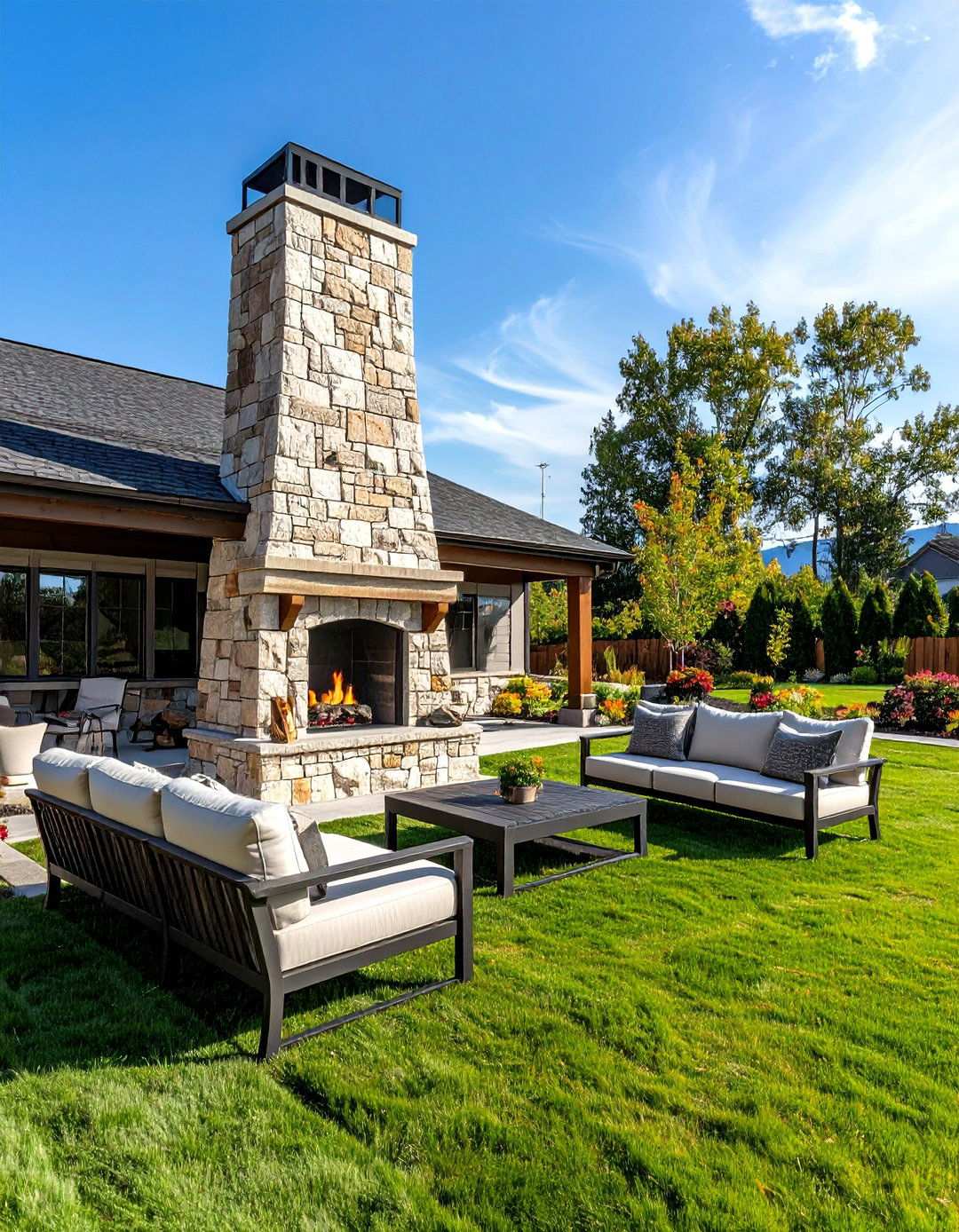
Natural fieldstone and river rock create imposing vertical elements that provide warmth and ambiance for outdoor living spaces throughout multiple seasons, allowing for cherished moments to be created around a rustic outdoor fireplace. These structures necessitate professional installation, including proper foundations, flue systems, and fire-safe clearances, to ensure reliable operation. The substantial stone construction offers exceptional heat retention while creating impressive focal points that anchor seating arrangements. Effective design incorporates adequate ventilation and spark screens for safety while maintaining an authentic rustic appearance. Consider incorporating seating walls or adjacent structures that complement the fireplace materials for cohesive outdoor room designs. These features work particularly well as endpoints for patios or as central elements in larger landscape compositions, where vertical structure enhances spatial organization. When selecting natural stone, local geology should be taken into account to ensure authentic regional character while ensuring proper fire resistance. The aging process allows moss growth and weathering that enhances visual appeal while maintaining structural integrity for generations of family enjoyment.
18. Harmonious Garden Pathways
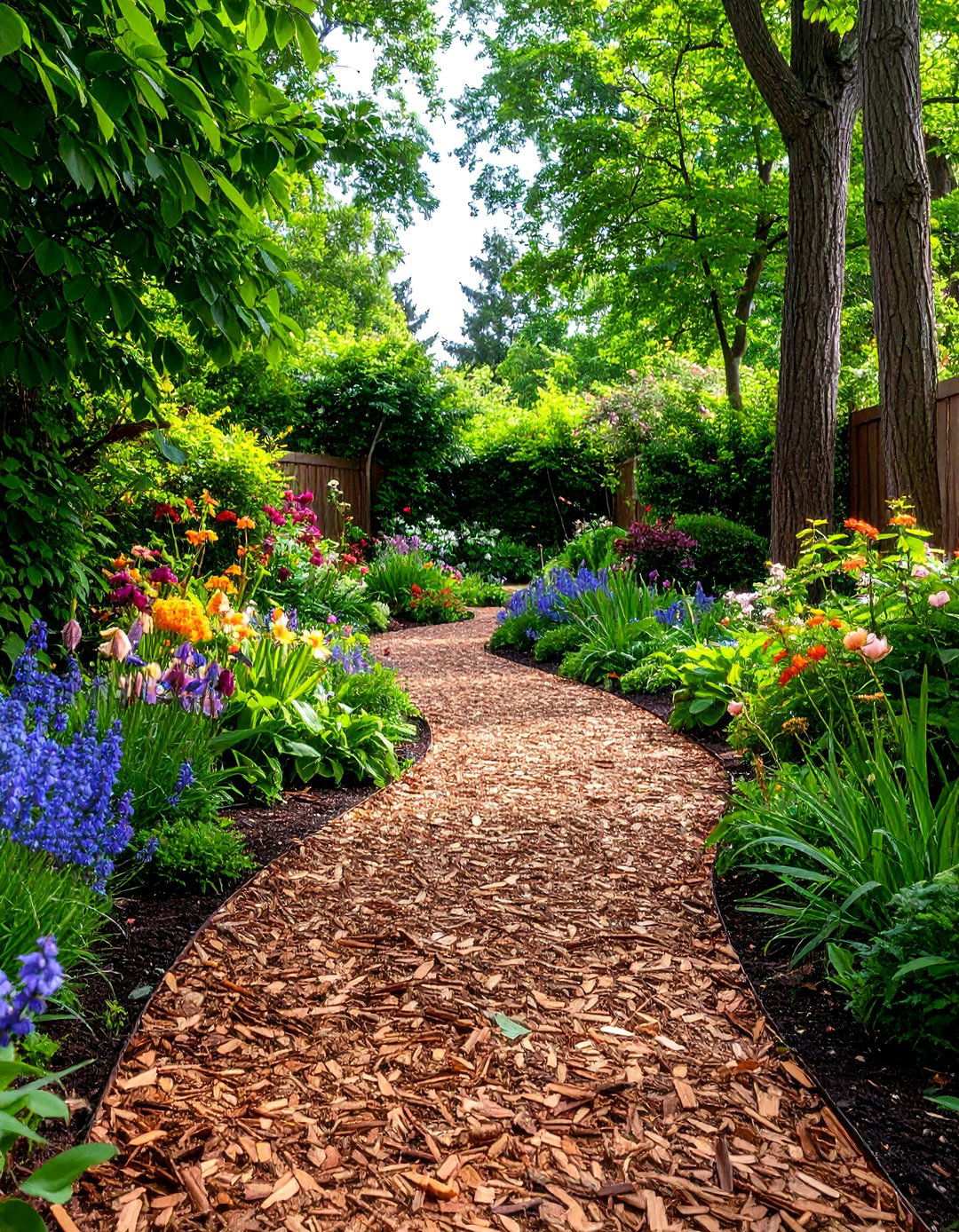
Organic wood chips and shredded bark create serene walking surfaces throughout garden areas, while also providing exceptional moisture retention that nurtures the surrounding plant life. These eco-friendly materials develop a rich tapestry of colors and textures over time, enriching the soil as they gradually decompose and contribute nutrients. Effective implementation involves securing the materials with edge restraints to prevent them from migrating into lawn areas during heavy rainfall events. The natural aesthetic of these pathways beautifully complements woodland gardens, shade plantings, or informal landscape designs where organic elements enhance the garden theme. By varying mulch types and colors, you can add visual interest while maintaining a consistent depth for a comfortable walking experience and effective weed suppression. These pathways thrive in naturalized areas, under tree canopies, or between garden beds, where formal walkways might appear too rigid. Periodic replenishment is necessary as decomposition occurs, but these materials offer superior plant benefits compared to their inorganic counterparts. By strategically placing these pathways, you can accommodate natural circulation patterns while providing dry footing during wet seasons when the soil becomes muddy and difficult to navigate.
19. Timeless Stone Border Installations
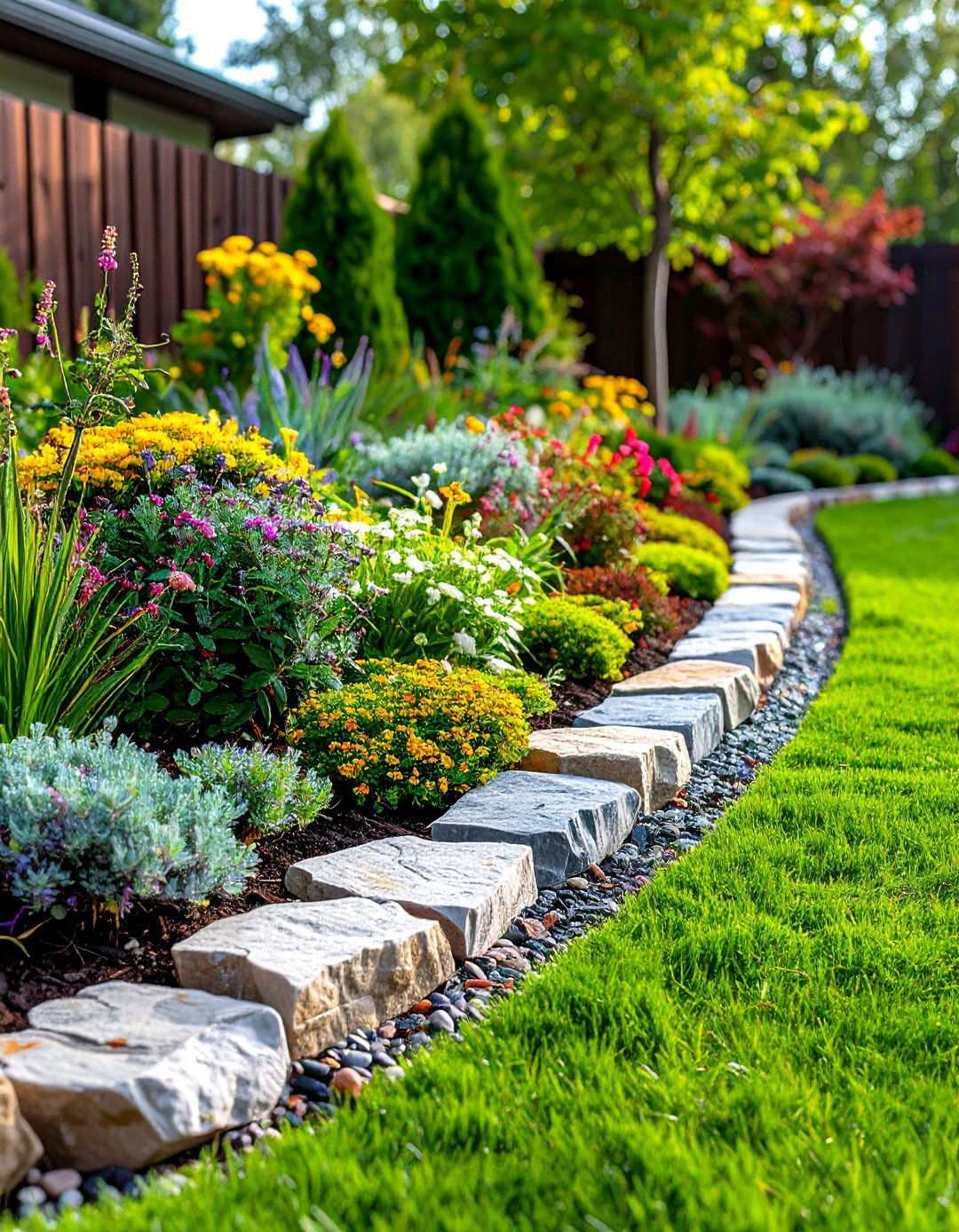
Natural fieldstone and river rock create defined boundaries between lawn areas and garden beds, while also providing attractive transitions that require minimal upkeep. These installations effectively prevent grass encroachment into planting areas, while creating visual separation that enhances garden organization and appearance. Proper installation involves secure placement that resists frost heave and mower damage during routine lawn maintenance activities. The irregular shapes of natural stone create organic edge profiles that blend seamlessly with natural landscape contours, outperforming manufactured alternatives. By varying stone sizes, you can add visual interest while maintaining a consistent height for effective grass barriers and mowing ease. These borders work particularly well along curved bed edges, around trees, or defining island plantings, where flexible materials can accommodate organic shapes. As the natural aging process unfolds, moss growth and weathering soften the appearance while maintaining functional effectiveness for decades. Strategic placement guides foot traffic while protecting delicate plantings from accidental damage during garden maintenance and outdoor activities.
20. Weathered Wood Benches: A Natural Oasis in Your Garden
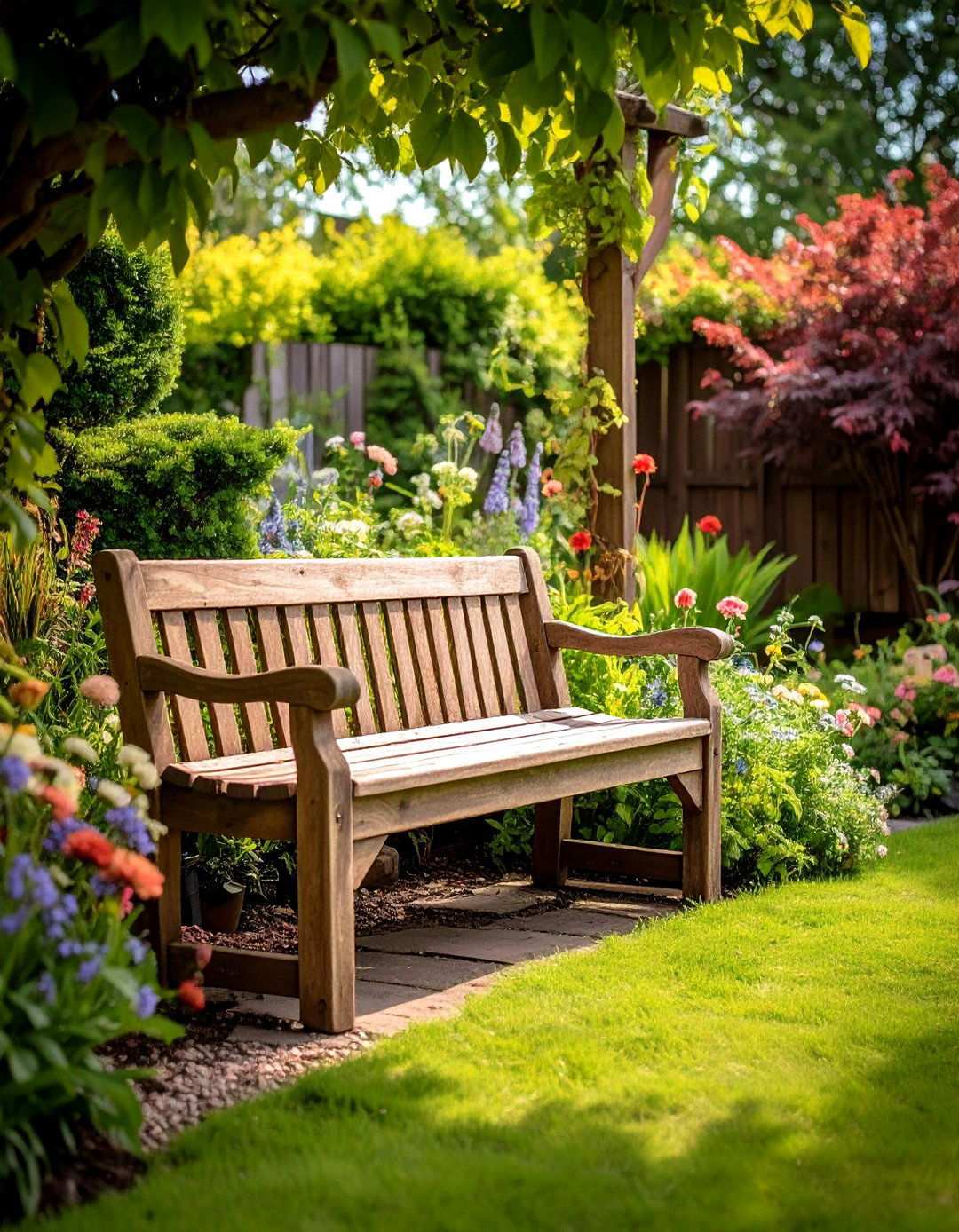
A weathered wooden bench can become a tranquil retreat in your garden, where the beauty of natural wood and the surroundings blend seamlessly together. By incorporating reclaimed lumber and natural wood slabs, these installations provide a unique blend of comfort and character that develops over time. Strategically placed along pathways, these benches create inviting focal points that not only rest the weary soul but also enhance the garden’s allure and functionality. Traditional craftsmanship techniques, such as mortise-and-tenon joints or simple bracket assemblies, allow for natural wood movement during seasonal changes, while the visible wood grain patterns, natural edge details, and weathering process create a distinctive, rustic appeal. As the seasons change, the bench’s surface texture evolves, much like the garden itself, and its unique silver-gray hue develops, complementing any color scheme without the need for frequent painting or staining.
21. Serene Water Features: A Natural Haven for Wildlife and Beauty
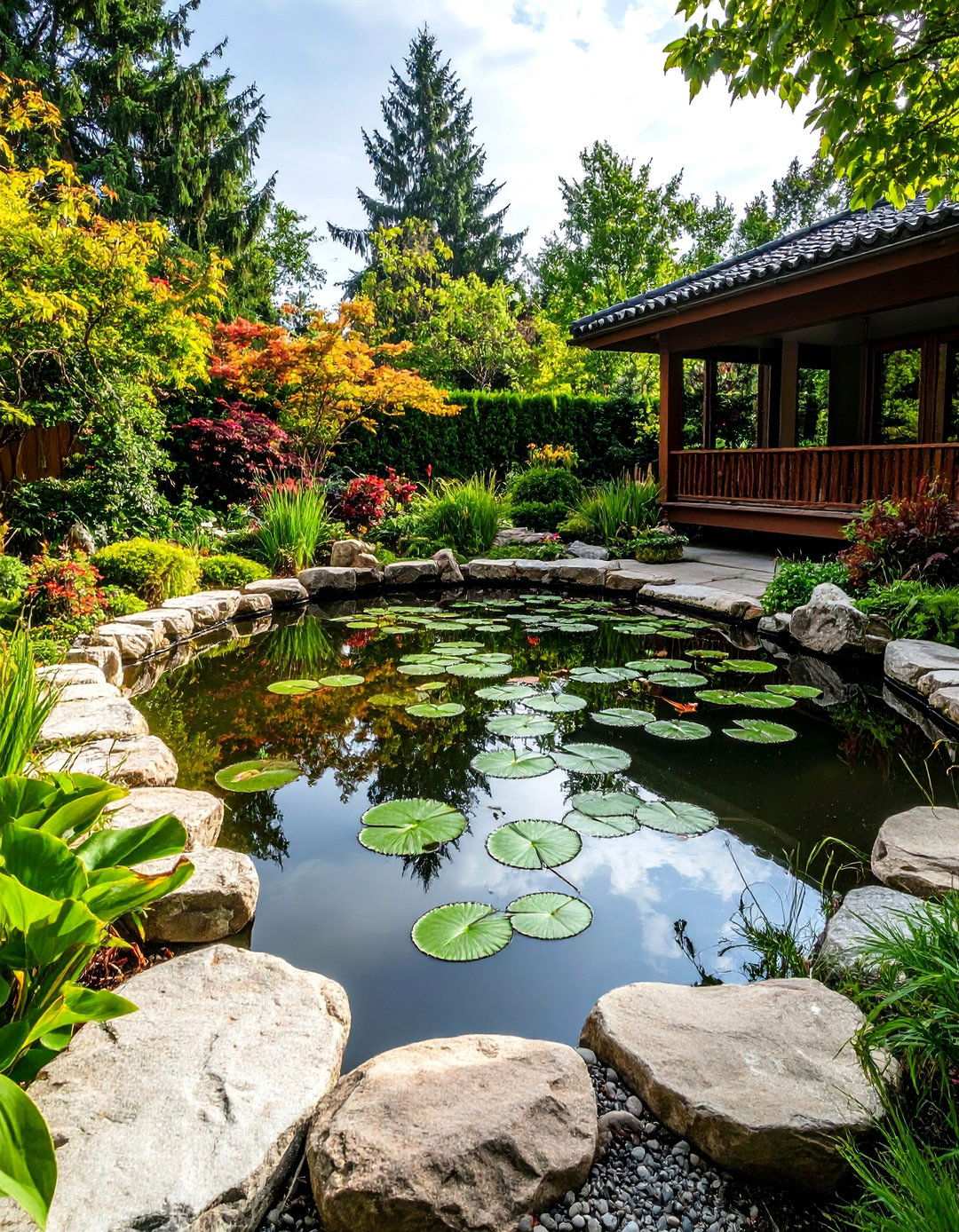
A stone-lined water garden can be a serene focal point in your garden, providing a tranquil atmosphere and serving as a habitat for beneficial wildlife and aquatic plants. These features can range from compact container ponds to elaborate ecosystem installations, depending on the available space and maintenance preferences. Constructing a natural pond requires careful consideration of liner systems, filtration equipment, and circulation pumps designed for continuous operation throughout the growing seasons. The irregular shapes of natural stone create organic pond profiles that blend harmoniously with the surrounding landscape contours, resulting in an authentic appearance. When designing your water feature, consider incorporating shallow areas for wildlife access and deeper zones for fish habitat or aquatic plant cultivation. As a destination feature along garden pathways or a central element in courtyard settings, these ponds work particularly well, with the soothing sounds of water enhancing the ambiance. In contrast to manufactured alternatives, natural materials require minimal maintenance while providing superior weather resistance and authentic character, ultimately contributing to a healthier and more biodiverse garden ecosystem.
22. Enhancing Garden Boundaries with Fieldstone
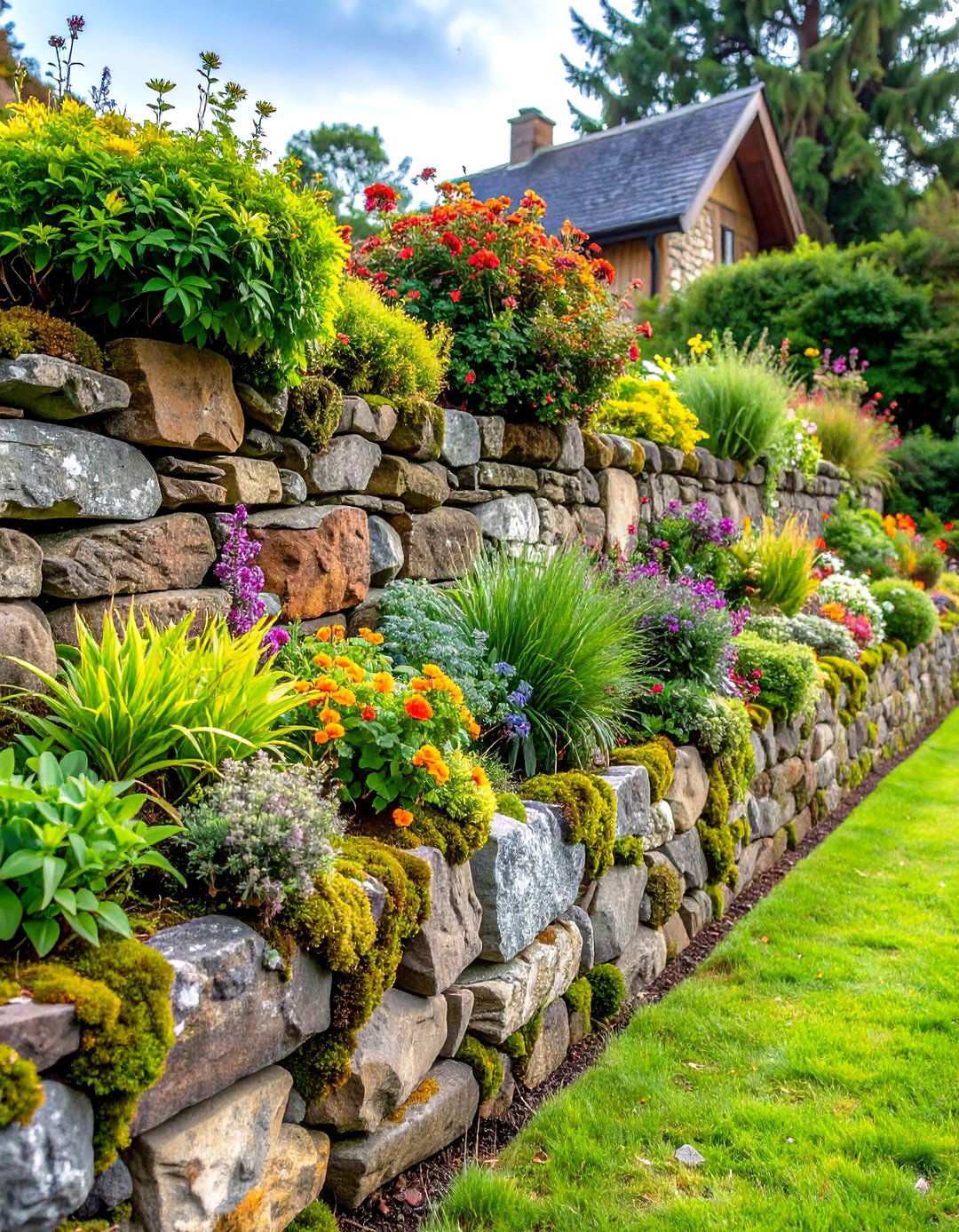
Fieldstone garden borders offer a harmonious blend of functionality and aesthetics, creating a seamless transition between garden spaces while providing essential windbreak protection and a striking backdrop for perennials. By incorporating these installations, you can define your garden’s layout and create inviting spaces for alpine plants and cascading perennials to flourish. Effective construction relies on stable foundations and proper drainage to safeguard against frost damage during harsh winter months. Fieldstone’s organic appearance effortlessly complements any garden style, providing a durable structure that requires remarkably little upkeep over the years. For added visual interest, consider implementing varied wall heights while maintaining structural integrity through thoughtful construction techniques. Fieldstone walls excel as property boundaries, garden room separators, or backdrop elements for flower borders where vertical structure optimizes spatial organization. As these walls mature, they develop a captivating patina through moss growth and weathering, enhancing their visual appeal while retaining their functionality. Strategically positioning these walls creates microclimates that benefit specific plants while shielding delicate garden specimens from harsh winds and weather conditions.
23. Rustic Outdoor Dining Environments
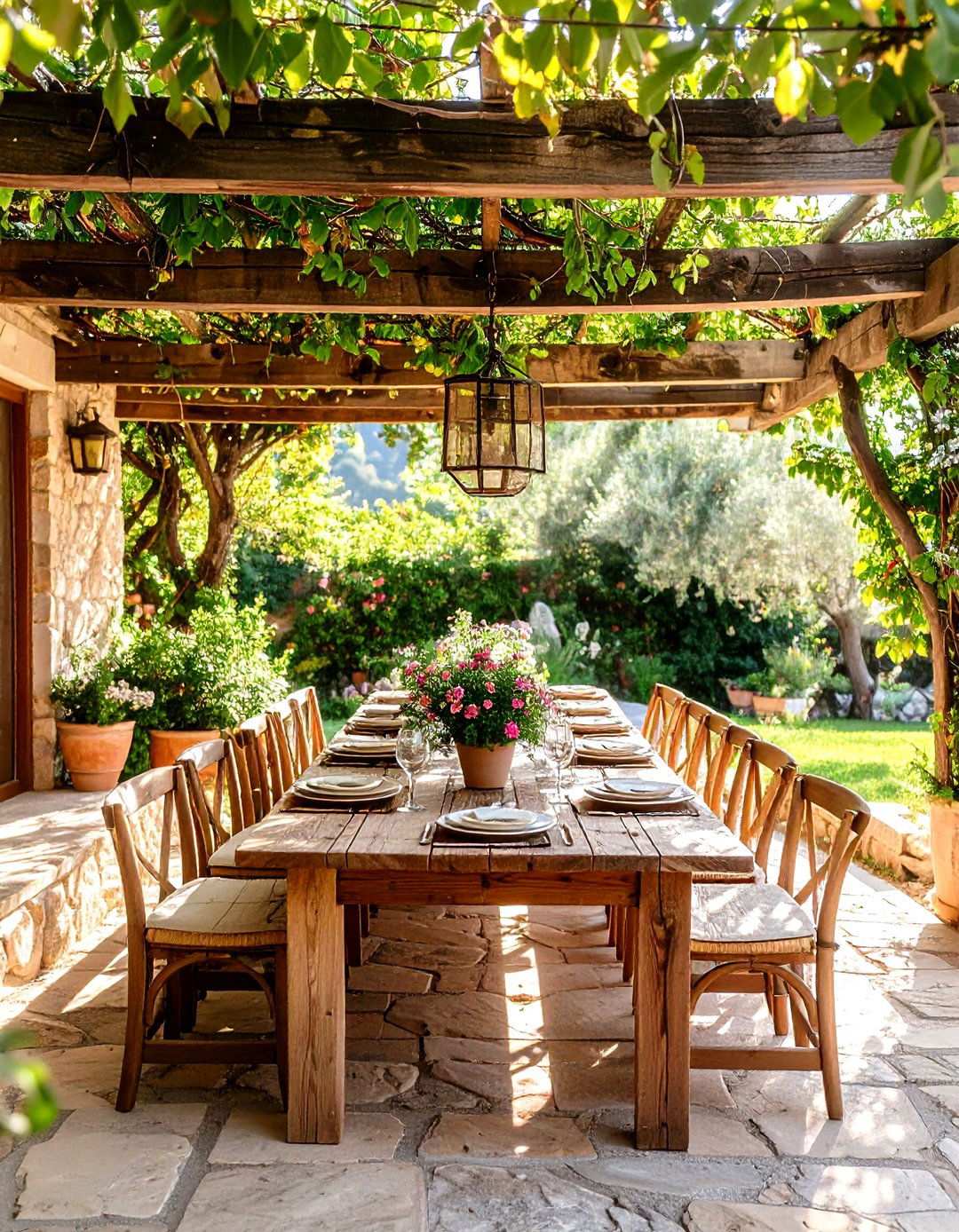
Weathered wood and natural stone combine to create enchanting spaces for outdoor dining that harmoniously blend with garden settings and natural surroundings. How might rustic dining furniture elevate your outdoor entertaining experiences? These installations typically incorporate seating solutions crafted from weather-resistant materials that develop an attractive patina over time. When planning, consider factors such as sun exposure, prevailing winds, and convenient access to indoor kitchens for seamless meal service. The synergy between natural materials creates a cohesive theme that seamlessly blends with surrounding landscape elements, exuding authentic rustic charm. To further enhance these spaces, consider incorporating overhead structures like pergolas or pavilions that provide weather protection during meal times. Rustic dining areas work particularly well near outdoor kitchens, adjacent to herb gardens, or situated to take advantage of garden views and seasonal interest throughout the year. The natural aging process imbues these surfaces with character, requiring minimal maintenance compared to manufactured alternatives that may fade or deteriorate under weather exposure.
24. Sculpting Slopes with Natural Stone Elegance
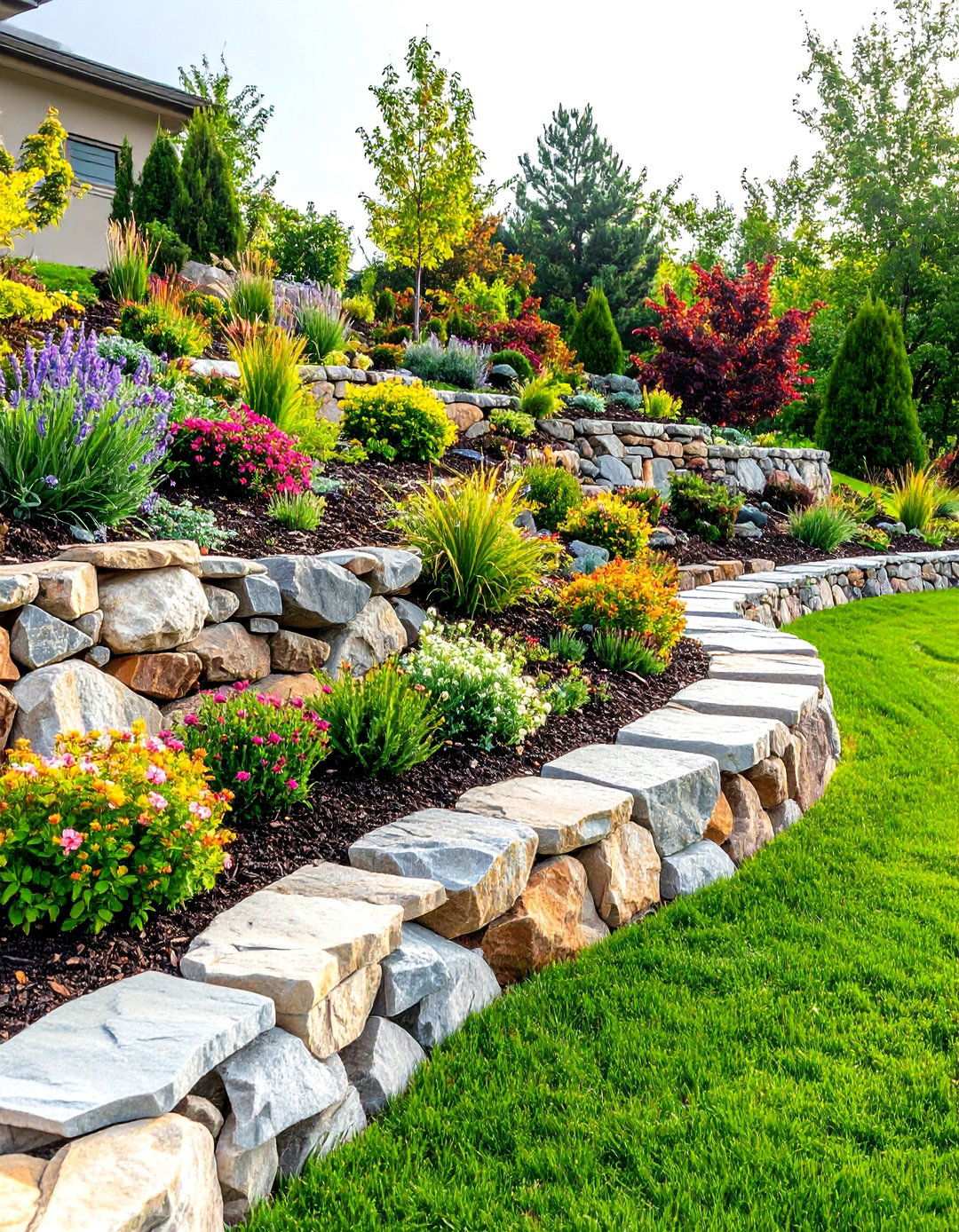
Imposing boulder and fieldstone walls not only provide slope stabilization but also introduce striking vertical elements to complex terrain and hillside properties. By incorporating these structures, property owners can craft terraced gardens that mitigate erosion and create level planting areas on steep slopes. Effective construction necessitates engineered drainage systems and stable foundations that can withstand soil pressure and weather exposure over extended periods of use. The stately stone construction serves as a striking focal point for large-scale garden compositions, offering both functional slope management and impressive landscape features. To amplify visual appeal, consider incorporating planting ledges and crevice gardens within wall construction, showcasing an array of plant species and textures. These systems prove particularly well-suited for creating dramatic amphitheater seating areas, tiered vegetable gardens, or striking backdrop elements where scale and permanence significantly enhance landscape impact. As natural materials require minimal upkeep, they provide superior weather resistance and authentic character that evolves beautifully with age. By strategically placing these structures, property owners can harmonize with natural terrain while unlocking opportunities for innovative planting solutions and one-of-a-kind garden environments that celebrate topographical challenges.