1. Crafting a Harmonious Haven
Designing a captivating small front yard requires a thoughtful approach that maximizes every available square foot. Compact outdoor spaces present a unique opportunity to make bold statements without compromising on maintenance or budget. Whether you’re working with a narrow strip or a modest suburban plot, a well-planned landscaping strategy can transform your entrance into an inviting showcase that boosts curb appeal and property value. From low-maintenance rock gardens to lush cottage-style plantings, various design themes offer comprehensive solutions that address layout, plant selection, hardscaping materials, and seasonal interest. These all-encompassing landscaping ideas focus on creating cohesive outdoor environments that balance functionality with visual impact, ensuring your small front yard becomes a distinctive feature that reflects your personal style while requiring minimal upkeep throughout the seasons.

As an Amazon Associate I earn from qualifying purchases.
2. Minimalist Oasis
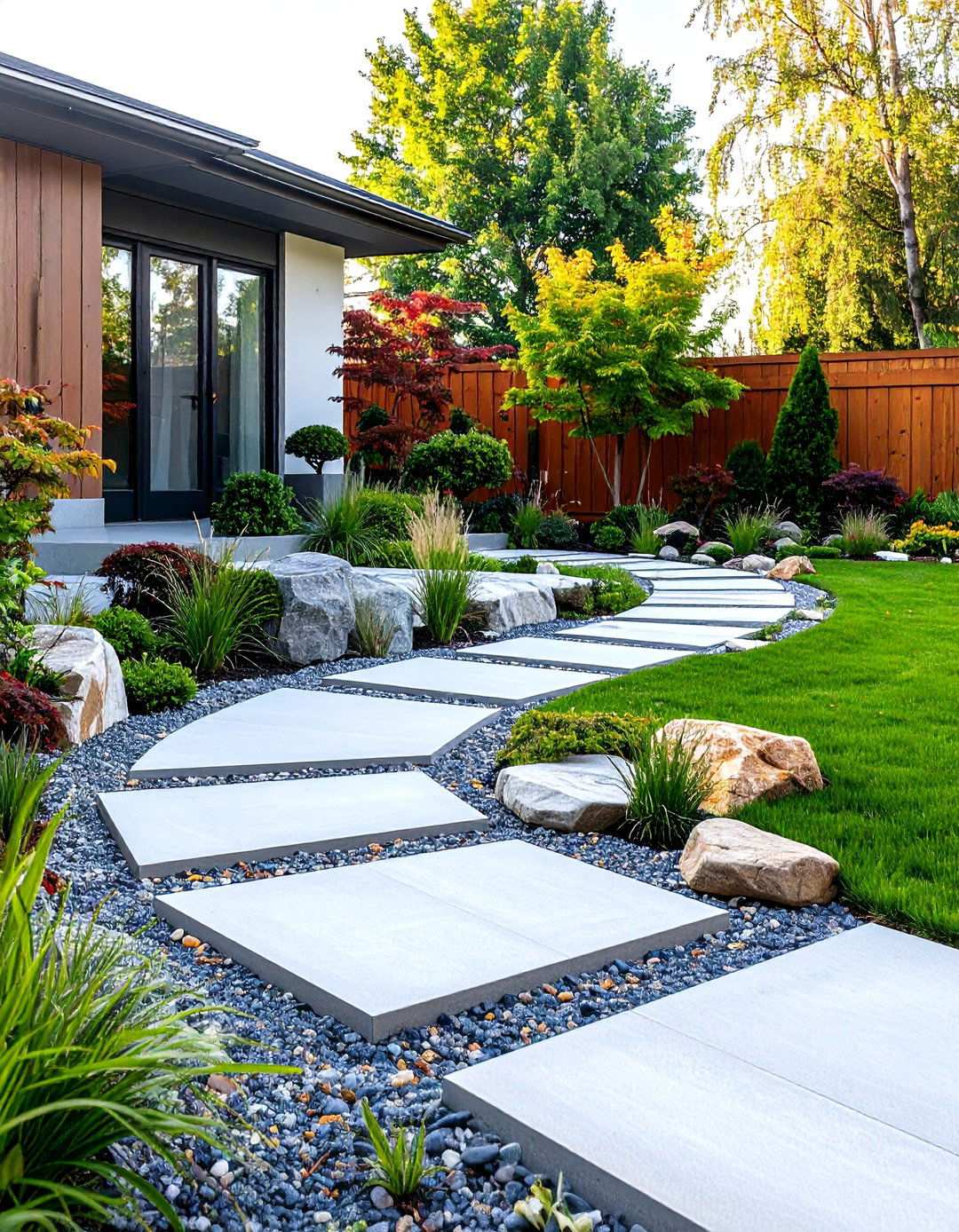
Elevate your small front yard into a serene focal point with a modern minimalist design. This design theme relies on clean lines, purposeful plant placement, and a thoughtful selection of hardscaping materials. Large concrete pavers arranged in geometric patterns create a sense of order, while smooth river stones and architectural grasses like fountain grass or blue fescue add texture and visual depth. Strategically placed specimen plants, such as ornamental Japanese maples or sculptural agaves, serve as visual anchors without overwhelming the space. Gravel mulch replaces traditional lawn areas, eliminating mowing while providing excellent drainage and allowing low-growing groundcover like creeping thyme to fill gaps between pavers. The overall color palette remains neutral, with gray, white, and green tones that allow architectural elements of your home to take center stage while maintaining year-round structure and sophistication.
3. Water-Conserving Mediterranean Retreat
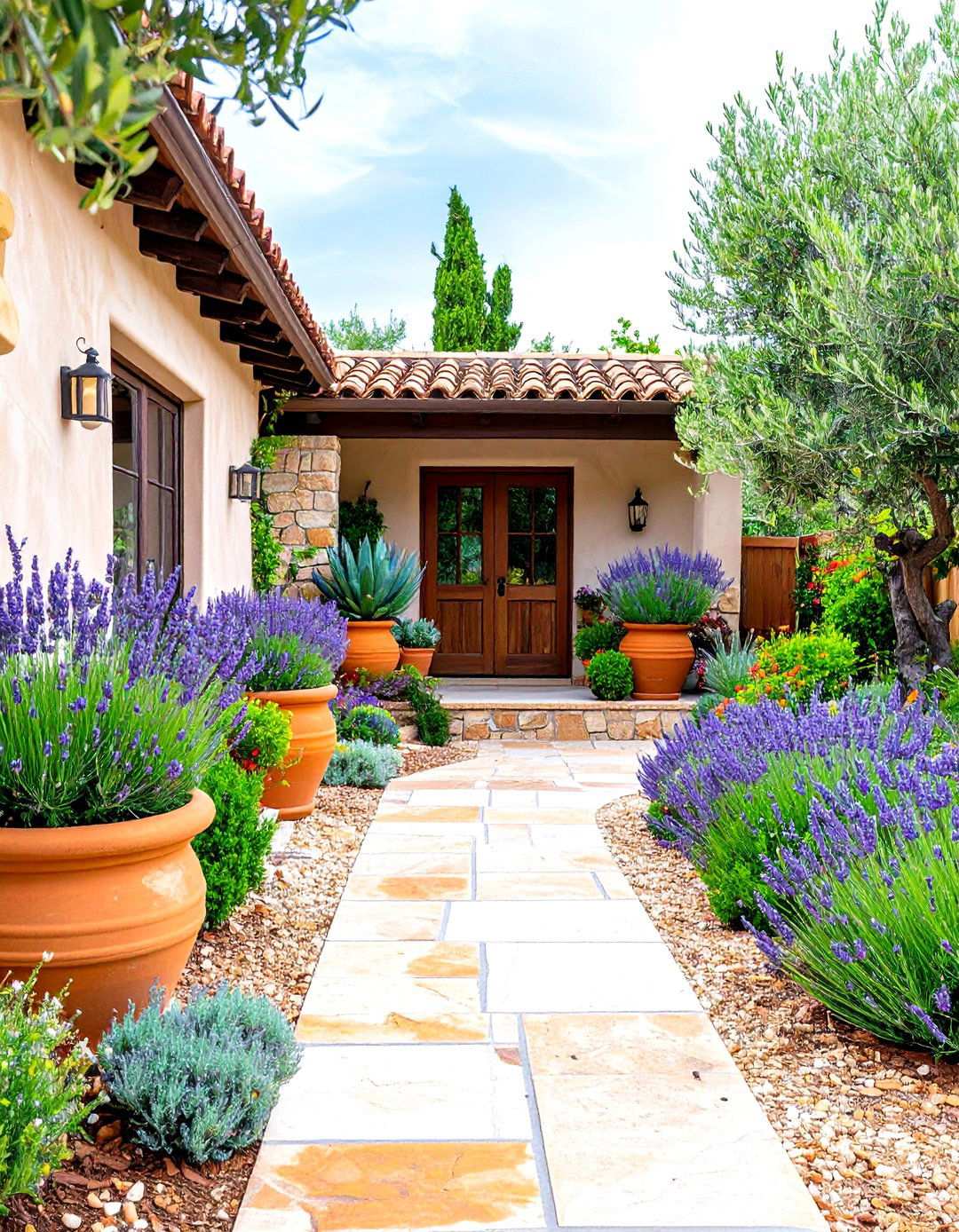
Imagine a front yard that effortlessly thrives on minimal water while boasting undeniable charm. By integrating drought-resistant plants with weathered hardscaping, a Mediterranean retreat landscape embodies the essence of water-wise gardening. Meandering pathways and inviting seating areas are crafted from earthy terra cotta and natural stone pavers, while oversized ceramic planters showcase striking architectural succulents like agaves and ornamental grasses. Mature olive trees, fragrant lavender, and rosemary provide a structural framework, complemented by vibrant drought-resistant perennials such as salvia, lantana, and California poppies. Strategically applied decomposed granite or gravel mulch minimizes water consumption while imbuing the space with a cohesive desert-inspired ambiance. To ensure efficient water use, built-in irrigation zones are seamlessly integrated, accompanied by decorative pottery as focal points and thoughtfully curated plant combinations that deliver a kaleidoscope of color and texture throughout the year, all without requiring excessive maintenance or frequent watering.
4. Transformed Front Yards with Container Gardens
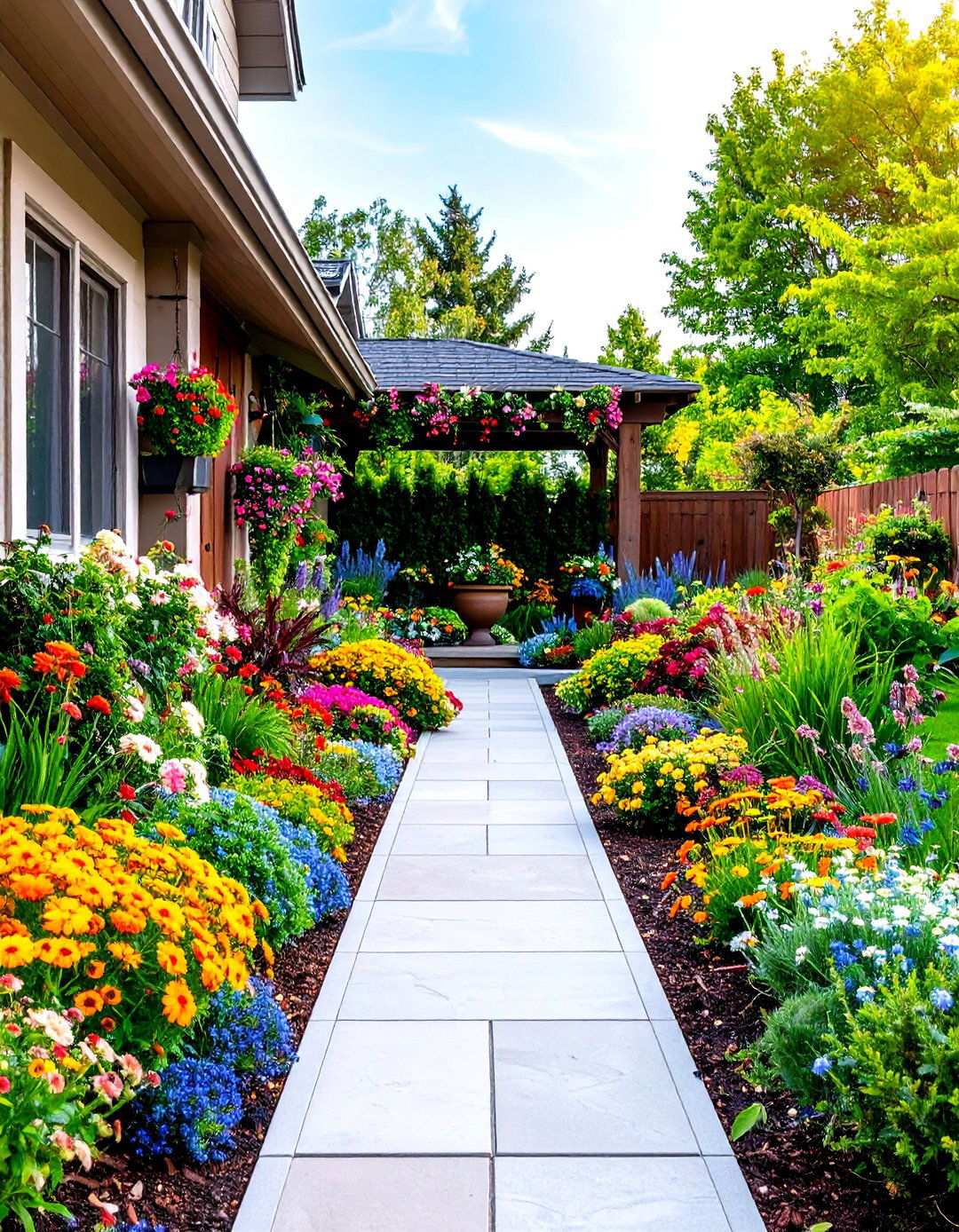
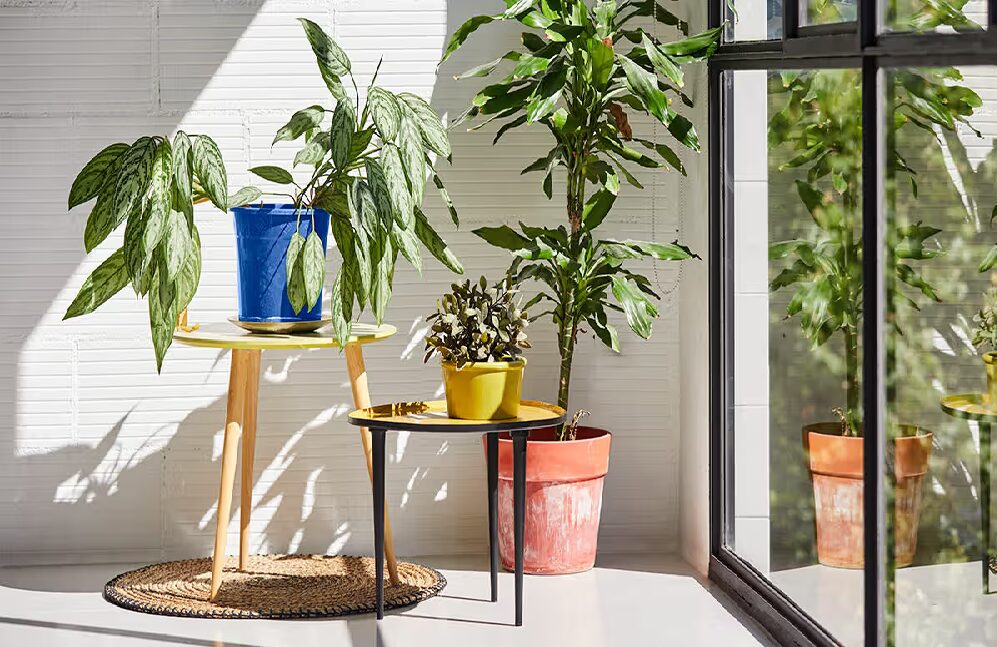
Container gardens can single-handedly turn compact spaces into lush oases, showcasing the boundless potential of creative design. By harnessing the versatility of varied planters, a container garden wonderland optimizes small front yards by creating layers, zones, and seasonal flexibility. This comprehensive design approach expertly combines large statement urns, medium-sized decorative pots, and small accent containers, arranged in harmonious groupings that command visual attention. Tall containers near the entrance showcase small trees or large perennials, while medium pots display seasonal flowers and trailing plants. Window boxes under front windows extend the garden vertically, planted with herbs, succulents, or colorful annuals. The true beauty of this system lies in its adaptability, allowing containers to be rearranged for parties, seasonal changes, or plant replacement. To maintain cohesion, use matching or coordinated pot styles, and include automatic drip irrigation for effortless maintenance. Plant combinations might include dwarf fruit trees, ornamental grasses, and cascading flowers that create year-round interest.
5. Harmonious Rock Gardens
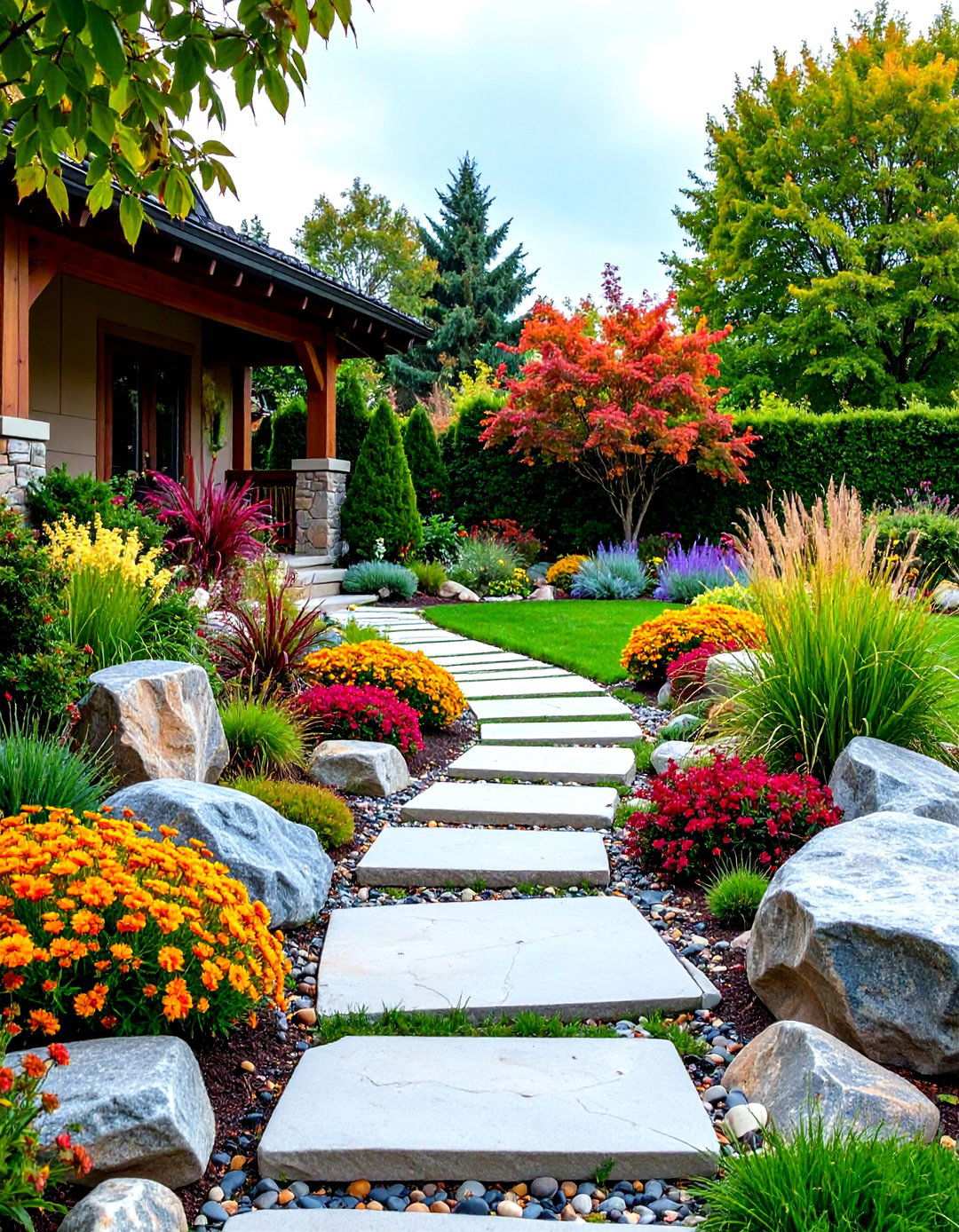
Unlock the potential of your challenging front yard with a carefully crafted rock garden retreat. This innovative approach transforms difficult growing areas into breathtaking landscape features, leveraging a variety of stone types and drought-resistant plants to create a visually stunning oasis. By incorporating large boulders as anchor points, medium-sized rocks for structure, and smaller stones for pathways and mulch, you can establish a comprehensive design that showcases the beauty of natural stone. Plant selection focuses on hardy varieties that thrive in rocky conditions, including sedums, ornamental grasses, native wildflowers, and dwarf conifers. Strategic elevation changes using mounded soil and carefully placed rocks allow for proper drainage while highlighting your plant collections. The design includes inviting pathways using flat stepping stones, secluded seating areas carved into rock arrangements, and thoughtful plant placement that mimics the natural beauty of mountain environments. This approach is particularly well-suited for sloped sites, areas with poor soil, or regions with water restrictions, providing year-round structure and requiring minimal maintenance once established.
6. Vertical Oasis: Maximizing Wall Space
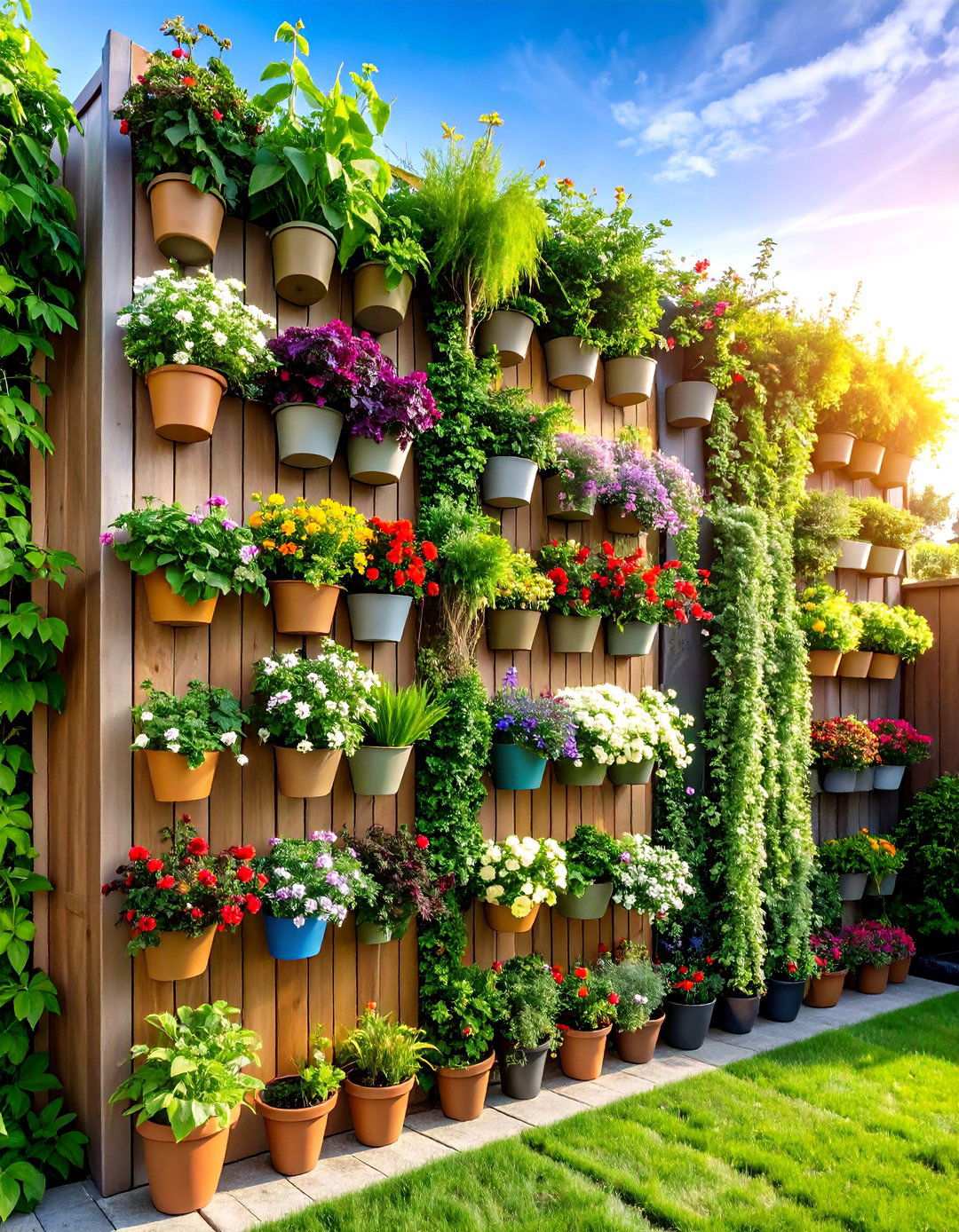
Why rely on traditional garden spaces when walls offer a wealth of growing opportunities? A vertical garden living wall takes full advantage of small front yard spaces by utilizing fence panels, trellises, and wall-mounted planters to create lush greenery where traditional gardens can’t fit. This complete design theme combines climbing plants, wall-mounted containers, and tiered planting systems to create layers of vibrant vegetation. By installing sturdy trellis panels against existing fences or walls, and then planting climbing vines like clematis, jasmine, or edible varieties like grape vines or climbing beans, you can create a dramatic focal point. Wall-mounted pocket planters can be used to showcase herbs, succulents, or small flowering plants, while larger containers at ground level anchor the composition with small trees or substantial perennials. Integrated drip irrigation systems make maintenance a breeze, and removable containers allow for seasonal rotation. This approach is perfect for narrow spaces, urban lots, or areas where ground space is limited but vertical space is abundant.
7. Prairie Wildflower Meadow
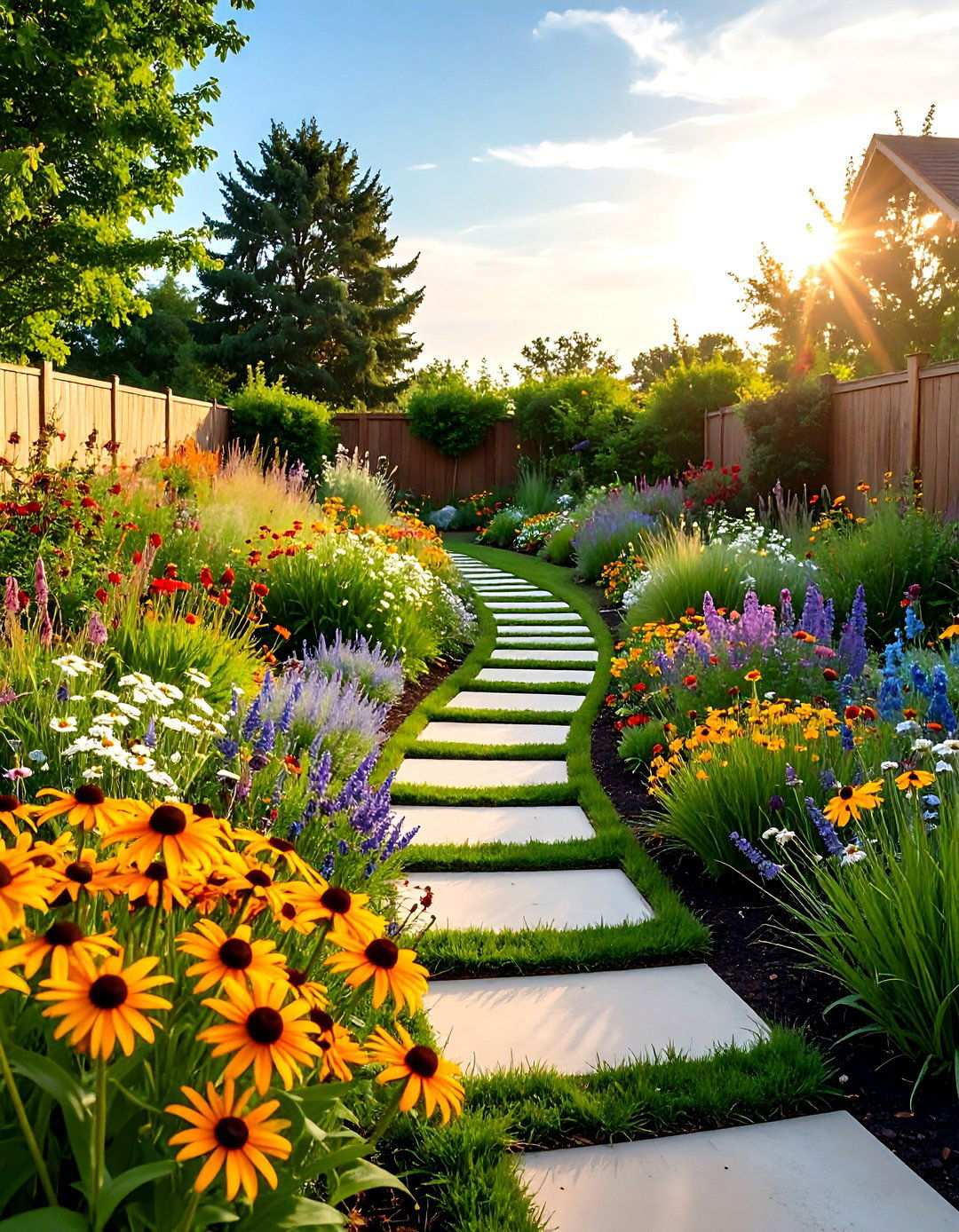
Imagine stepping into a serene landscape that harmoniously merges with the surrounding environment, supporting local wildlife and transforming with the seasons. A prairie wildflower meadow is an innovative way to bring a touch of nature to your front yard, utilizing native plants that demand minimal upkeep once established. This comprehensive design seamlessly replaces traditional lawns with drought-resistant native grasses and wildflowers, which burst into bloom throughout the growing season. Begin by planting a foundation of bunch grasses such as little bluestem or buffalo grass, then interspersing regional wildflowers like black-eyed Susan, purple coneflower, and native lupines. Meandering pathways created with mowed strips or stepping stones will guide you through the meadow, culminating in a welcoming entrance to your home. This holistic approach is characterized by seasonal interest, from the delicate seed heads of winter, the early spring emergence of new growth, the vibrant blooms of summer, and the kaleidoscope of autumn colors. By adopting this design, you’ll significantly reduce water consumption, eliminate the need for regular mowing, provide a habitat for beneficial insects and birds, and craft a distinctive landscape that seamlessly integrates your home with its surroundings.
8. Succulent Sculpture Garden
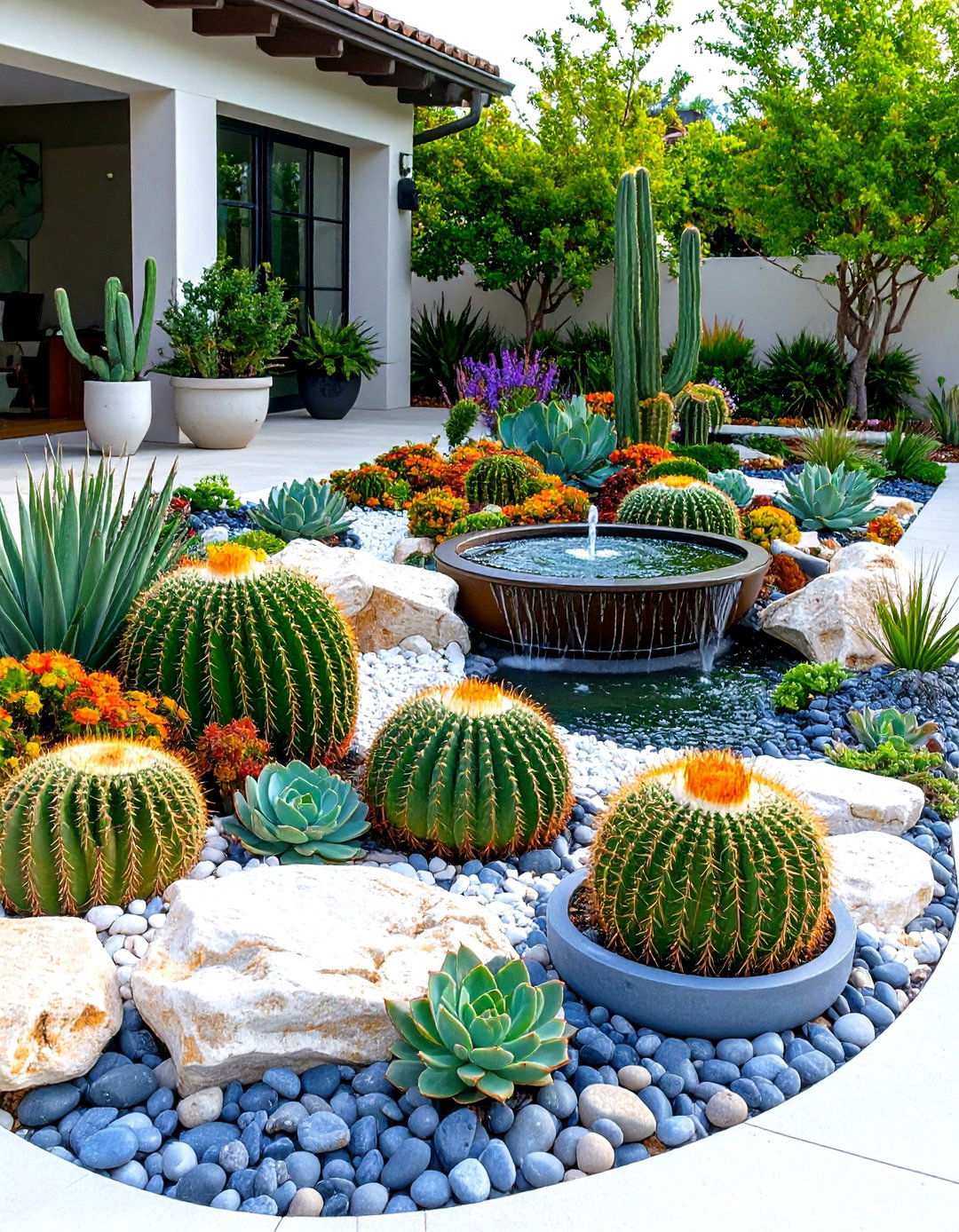
Envision your front yard as an outdoor art gallery, where sculptural plants and hardscaping converge to create a captivating contemporary landscape. A succulent sculpture garden masterfully combines the architectural forms of succulents with artistic hardscaping elements to produce a visually striking design. This comprehensive design features large specimen succulents, such as barrel cacti, century plants, and tree aloes, arranged as living sculptures throughout the space. Strategically placed colored gravel in complementary tones creates defined planting zones and pathways, while boulders add a natural contrast to the geometric plant forms. Metal or concrete planters showcase smaller succulent collections, and modern water features provide subtle sounds and gentle movement. Subtle lighting highlights specimen plants in the evening, casting dramatic shadows and extending visual impact beyond daylight hours. Plant selections focus on varieties that provide year-round structure, unusual textures, and occasional dramatic bloom displays, ensuring minimal water and maintenance while delivering maximum visual impact in even the smallest spaces.
9. Timeless Elegance through Balanced Landscapes
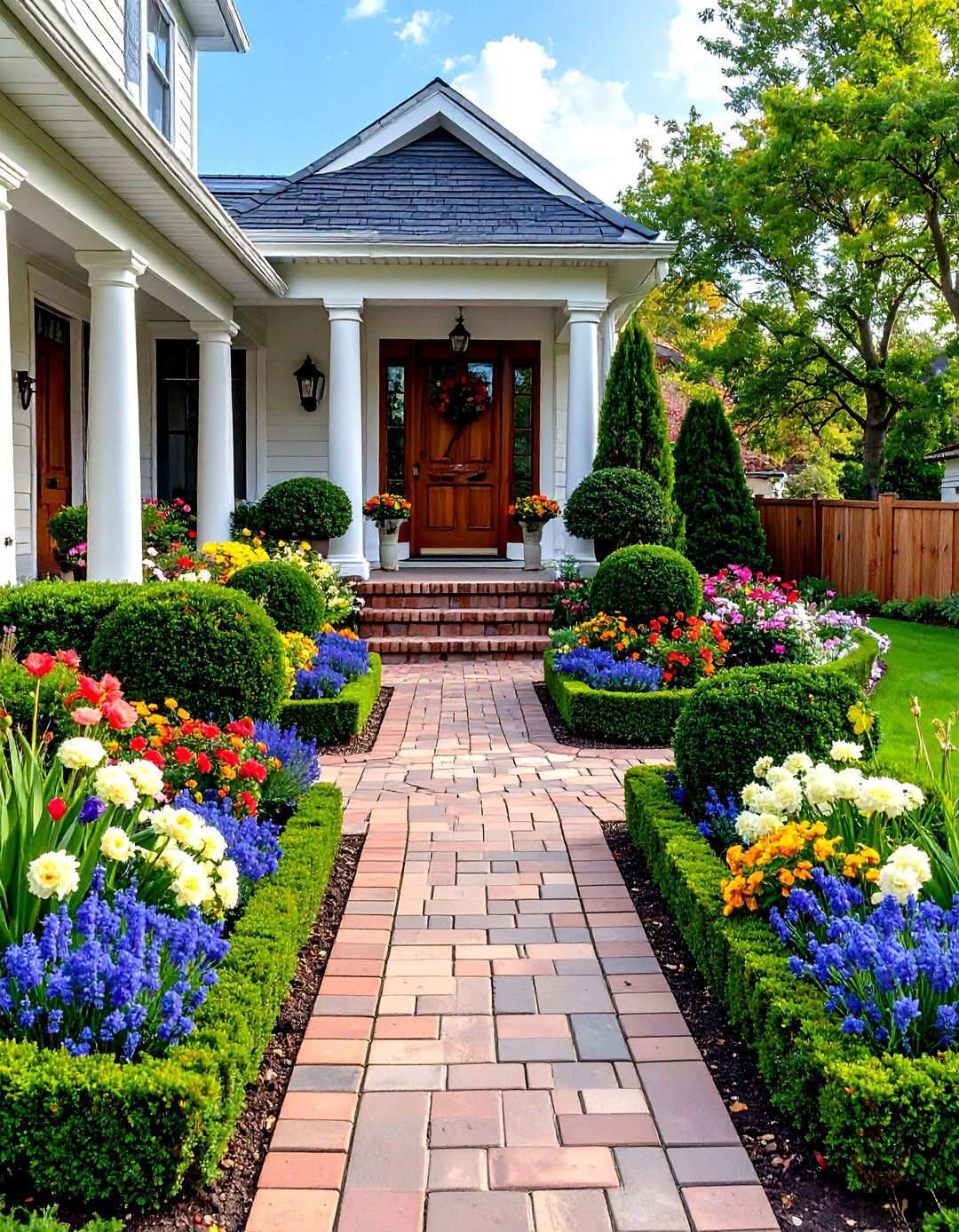
A well-crafted formal symmetrical design can elevate your small front yard into a masterpiece of timeless elegance. By embracing classical garden principles, you can create landscapes that exude sophistication and refinement. This complete design theme centers around a central axis, which serves as a visual anchor, drawing the eye towards the front door. The carefully balanced plantings, geometric patterns, and traditional materials used in this design create a sense of harmony and order. Boxwood hedges, with their lush greenery, provide structure and year-round interest, while seasonal flower beds inject vibrant colors into the geometric framework. Central focal points, such as urns, small fountains, or specimen trees, anchor the composition, with perfectly matched plantings on either side. The use of brick or stone pathways not only defines walking areas but also emphasizes the formal layout, while carefully trimmed edges maintain crisp lines. This design approach works particularly well with traditional home styles, creating a sense of permanence and stability. Regular maintenance ensures that hedges remain trimmed and edges sharp, but the underlying structure remains constant throughout the seasons, providing reliable beauty that enhances property value and neighborhood appeal.
10. Serene Outdoor Environments
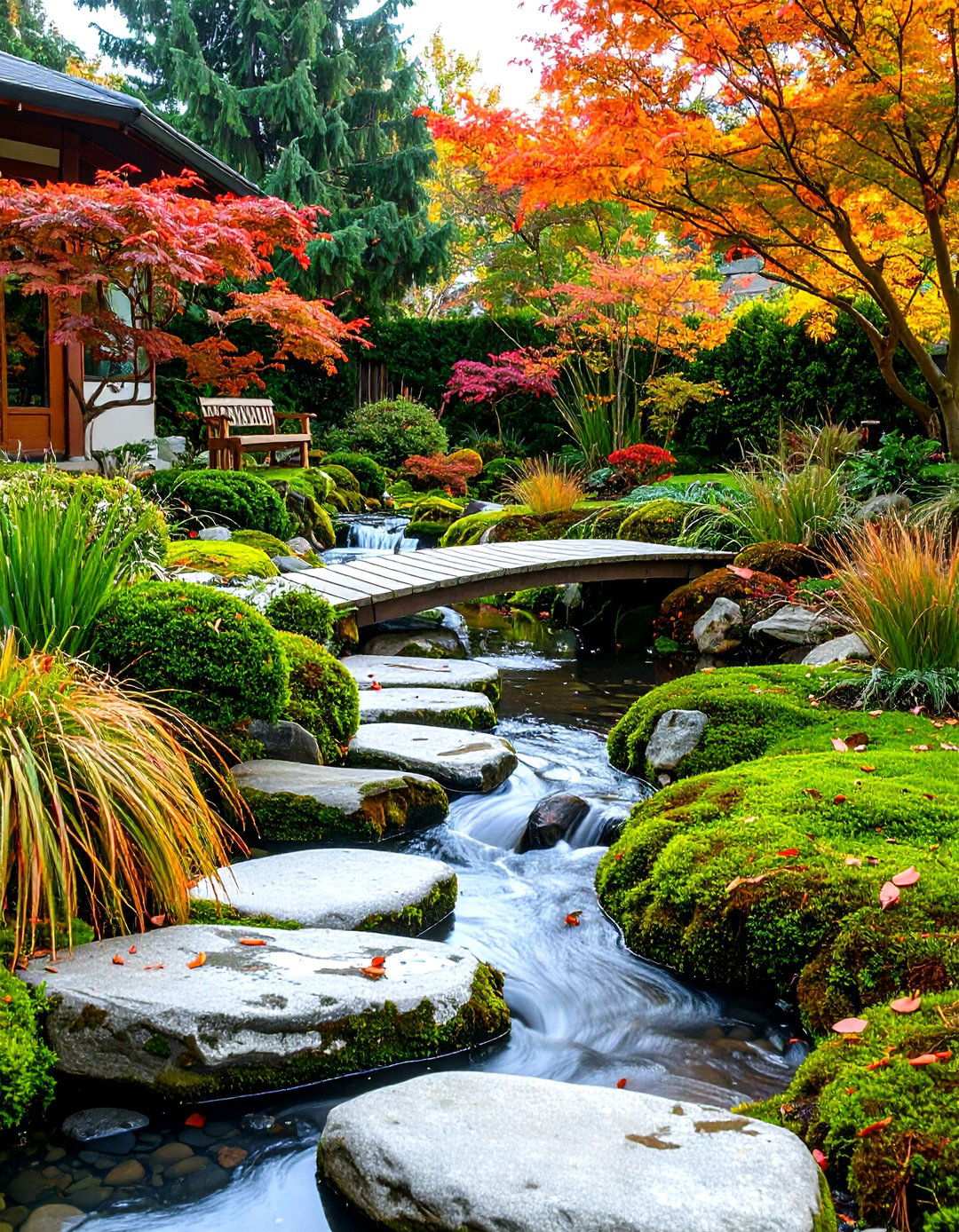
Imagine your front yard as a peaceful retreat that calms the spirit and delights the senses. A Japanese-inspired tranquil space can achieve this by incorporating elements of traditional garden design into small areas. This complete design combines carefully placed stones, pruned evergreens, and subtle water features to create harmony and balance. A small dry creek bed using river stones serves as a winding path, leading visitors toward the entrance. Specimen plants like Japanese maples, ornamental grasses, and moss create layers of texture and seasonal interest, adding depth to the design. Simple wooden or bamboo fencing provides a natural backdrop, while a single bench or large stone offers a contemplation spot. The design emphasizes natural materials, asymmetrical balance, and the principle of borrowed scenery, which connects your small space to larger landscape views. Plant maintenance focuses on careful pruning to maintain shape and character, while stone elements require minimal care but provide year-round structure and beauty.
11. Cultivating Harmony: Edible Landscapes that Thrive
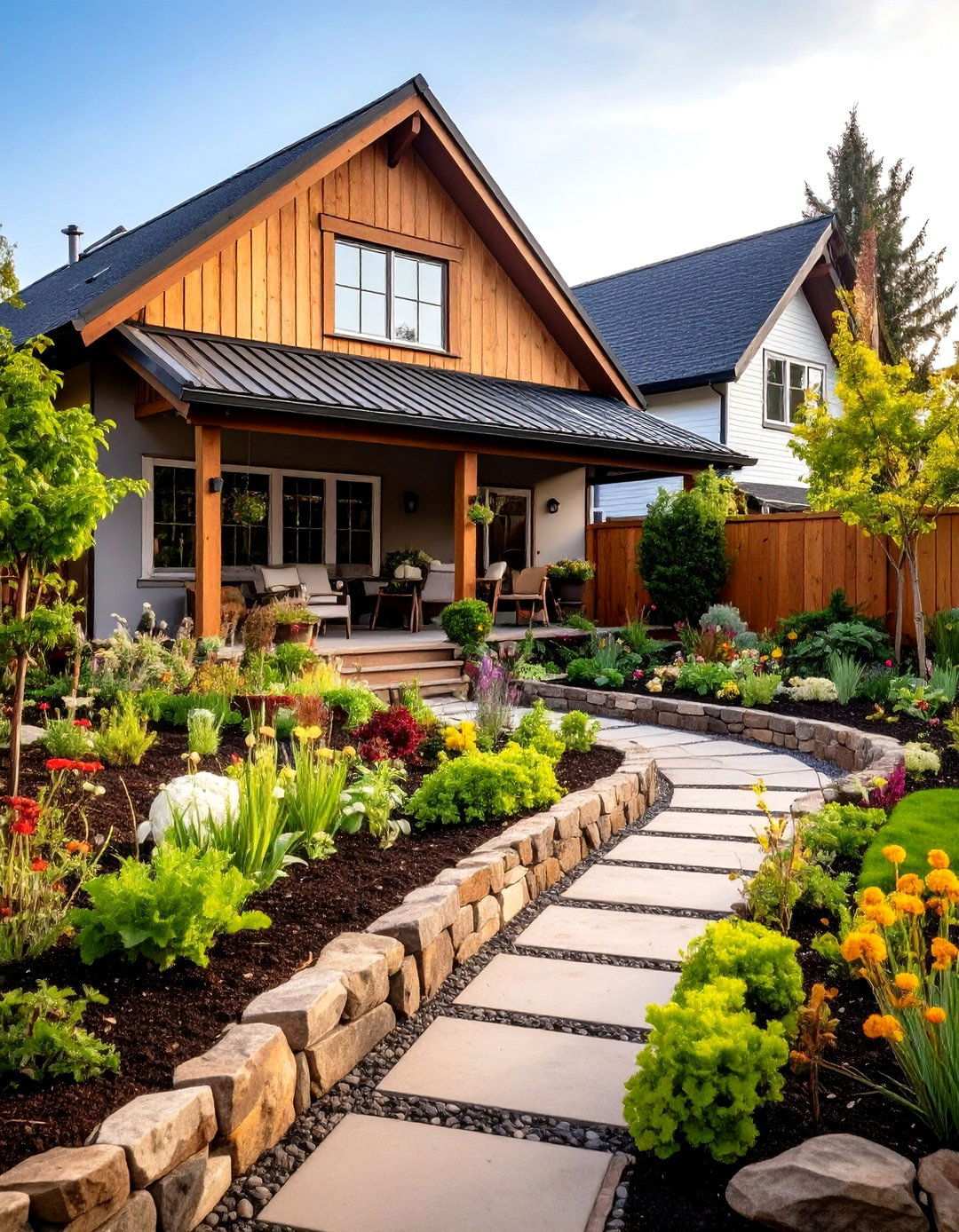
Imagine a front yard that embodies both creativity and practicality – a space where the senses come alive and the soul finds nourishment. An edible landscape kitchen garden seamlessly integrates productive growing spaces with beautiful curb appeal, turning small front yards into vibrant havens that feed both body and spirit. By incorporating a diverse array of fruits, herbs, and decorative vegetables within a cohesive landscape design, these gardens provide an abundance of fresh produce while showcasing a visually stunning display. Raised beds, adorned with attractive stone or wood borders, are carefully arranged to create a visually appealing layout that showcases seasonal vegetables by height and color. Dwarf fruit trees serve as striking specimen plants, while releasing fragrant scents from nearby herb gardens that waft through the air. Perennial edibles like asparagus, rhubarb, and berry bushes offer a sense of structure and seasonal interest, complemented by the constant rotation of annual vegetables in the beds to ensure a continuous harvest. Climbing edibles like beans and peas are supported by trellises, adding a touch of verticality to the space. This thoughtfully designed system also includes efficient irrigation and attractive mulching to maintain a neat appearance throughout the growing season.
12. Harmonizing Ecosystems: Rain Garden Water Management
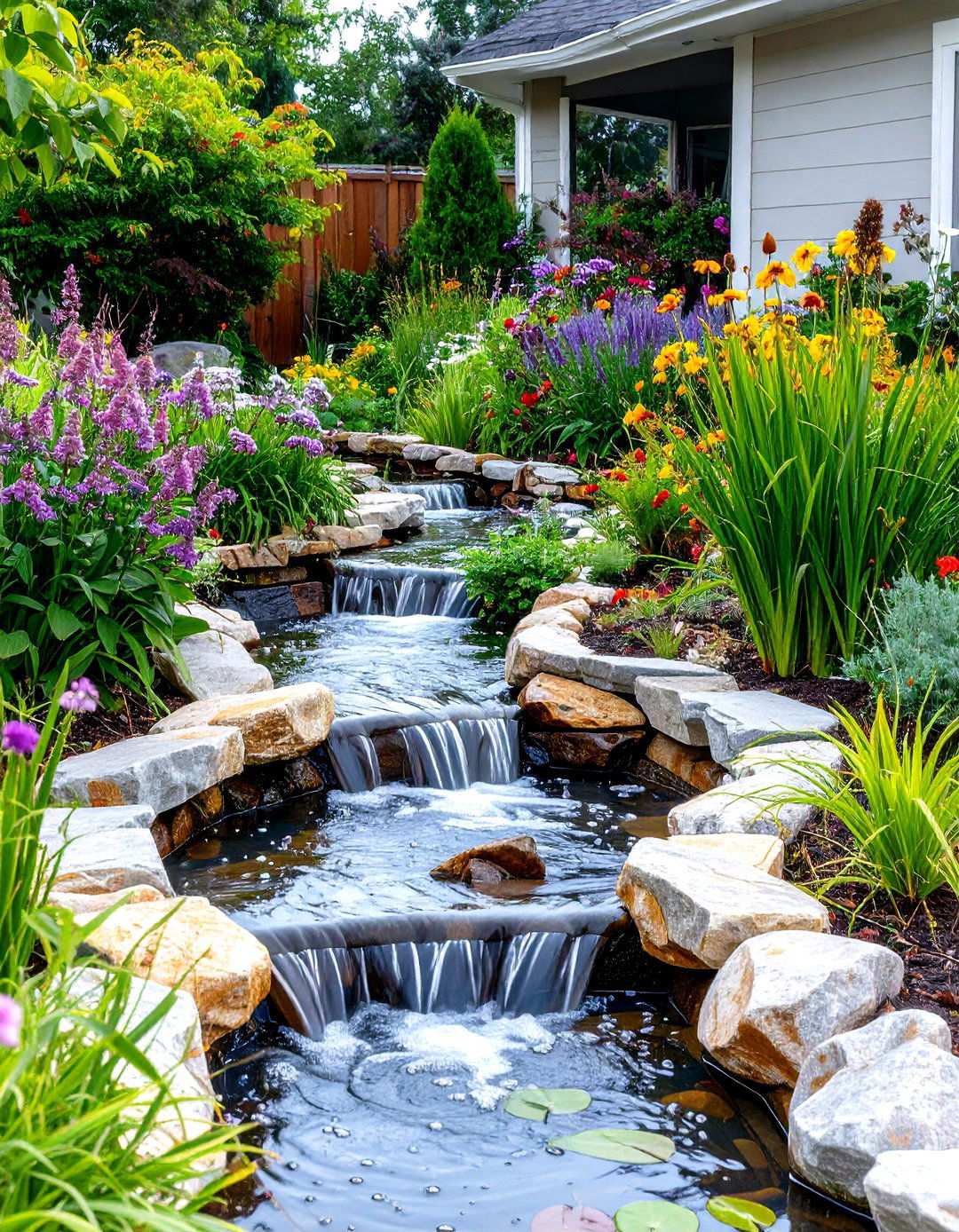
Why not turn your front yard into a solution for neighborhood water management issues while creating a breathtaking landscape? A rain garden water management system transforms small front yards into functional landscapes that skillfully capture, filter, and gradually release stormwater runoff. This comprehensive design features shallow depressions planted with water-tolerant native species that effortlessly thrive in both wet and dry conditions. By strategically grading the yard to direct roof and driveway runoff into the planted basins, the water is naturally filtered by plants and soil before entering the storm system. A variety of plant species, including sedges, native irises, swamp milkweed, and others, are carefully selected to handle periodic flooding while providing a constant display of year-round beauty. Stone borders define the rain garden edges, preventing erosion, while overflow areas are designed to handle extreme weather events. This approach not only reduces neighborhood flooding but also improves water quality, creates a haven for wildlife, and often qualifies for municipal rebates or incentives. The design also incorporates pathways around wet areas and strategically incorporates plants that provide four-season interest, making this practical solution a true masterpiece of harmony and function.
13. Enchanted Shade Sanctuaries
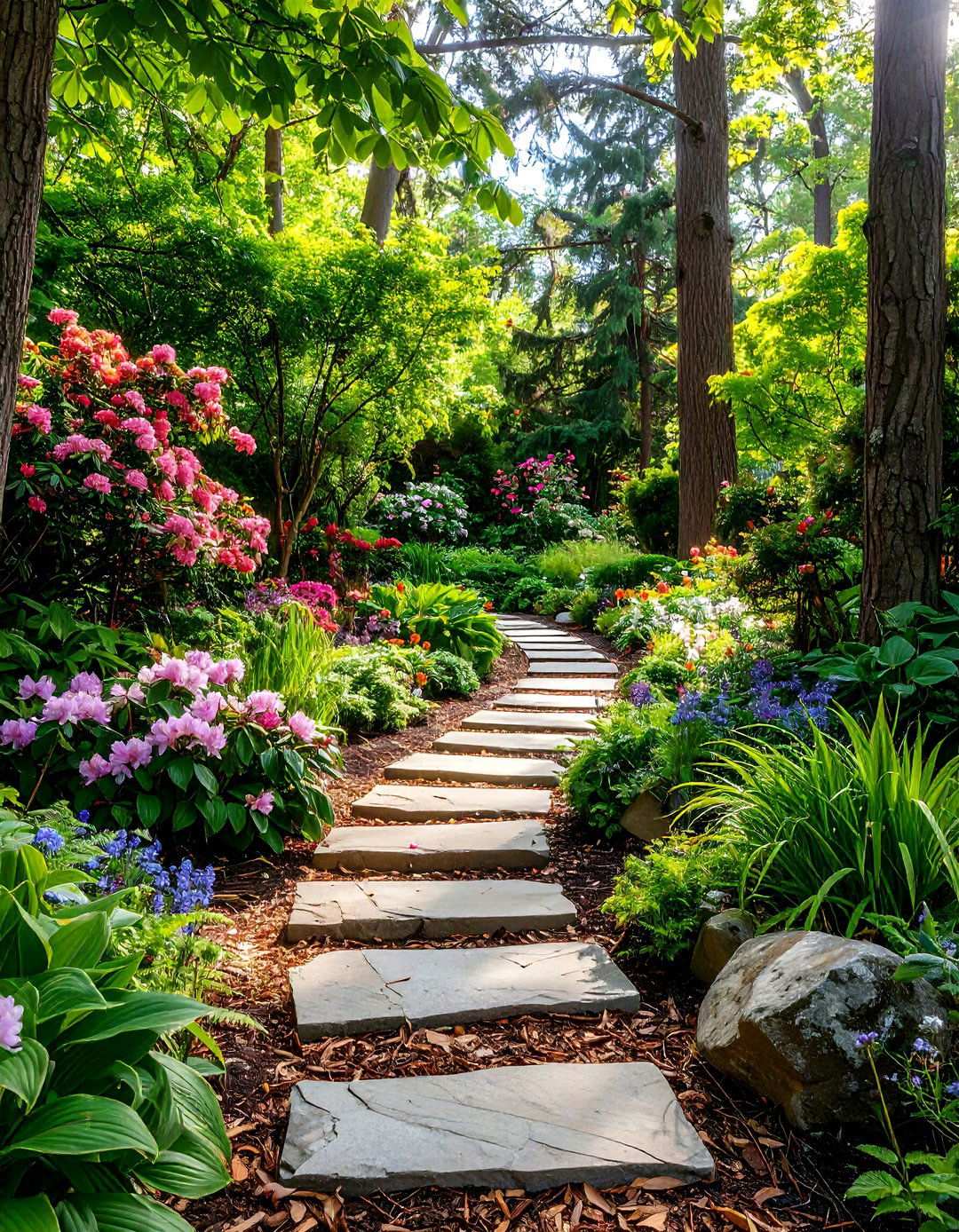
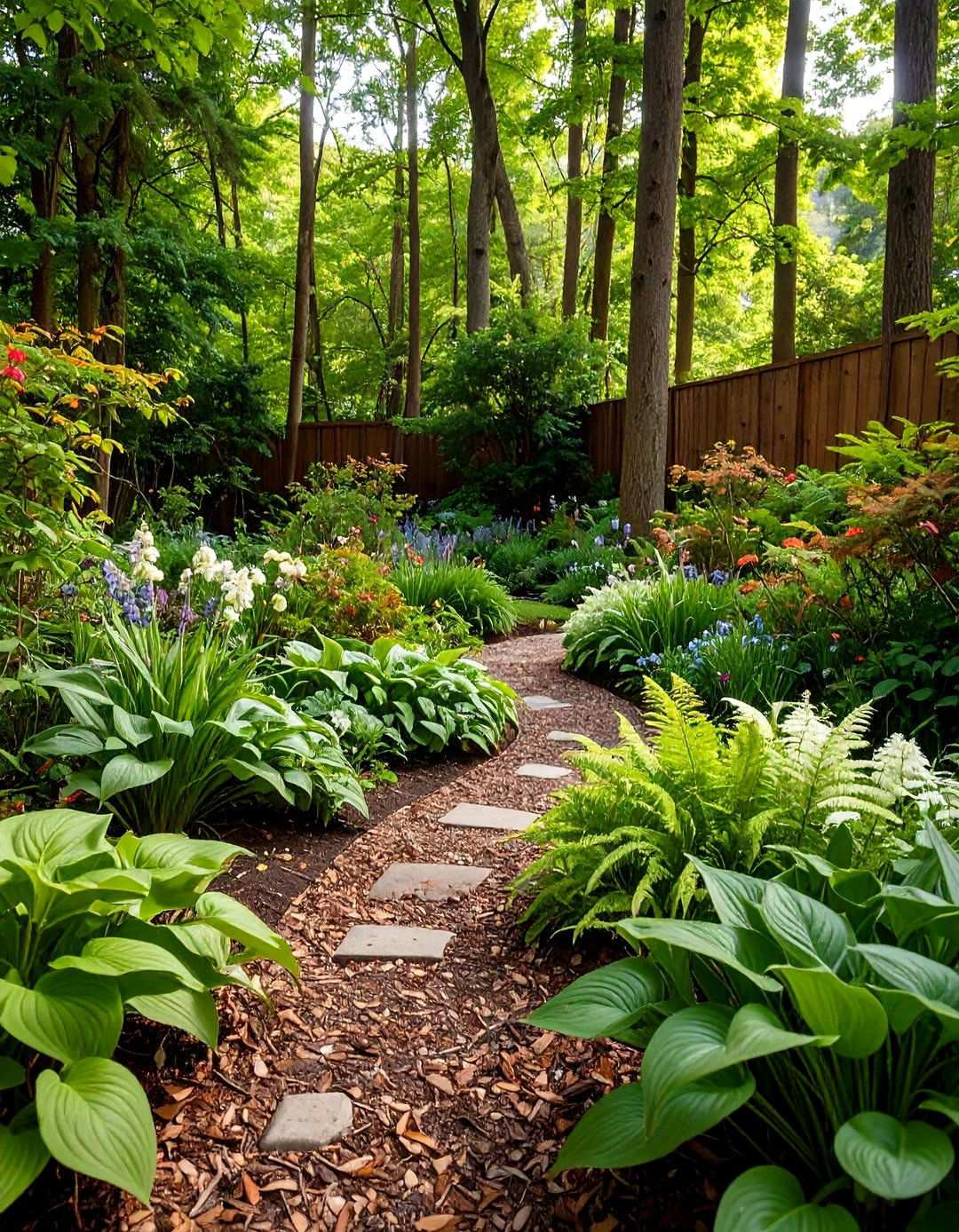
What wonders can be achieved in the often-neglected areas of our gardens where sunlight is scarce? By embracing the beauty of shade-loving plants, an enchanting woodland retreat can be crafted, reminiscent of the mystical forest floors that inspire us. This cohesive design celebrates the diversity of plants that thrive in low-light conditions, creating layered compositions that provide a constant display of natural beauty. Towering specimen plants such as rhododendrons, camellias, or native understory trees serve as the foundation, their seasonal blooms adding splashes of color to the landscape. Meanwhile, ground-level plants like hostas, ferns, and wild ginger weave together to form lush, textured carpets that invite exploration. Meandering pathways of mulch or stepping stones weave through the planted areas, while carefully placed seating areas allow for contemplative moments amidst nature’s serenity. The design incorporates a range of seasonal interest, from the early spring blooms of trilliums and bloodroot to the vibrant autumn hues of native trees and shrubs. Artfully placed stone features, water elements, and decorative accents add visual intrigue without requiring direct sunlight, resulting in a cool, inviting retreat that feels worlds away from urban chaos.
14. Dynamic Grass Landscapes
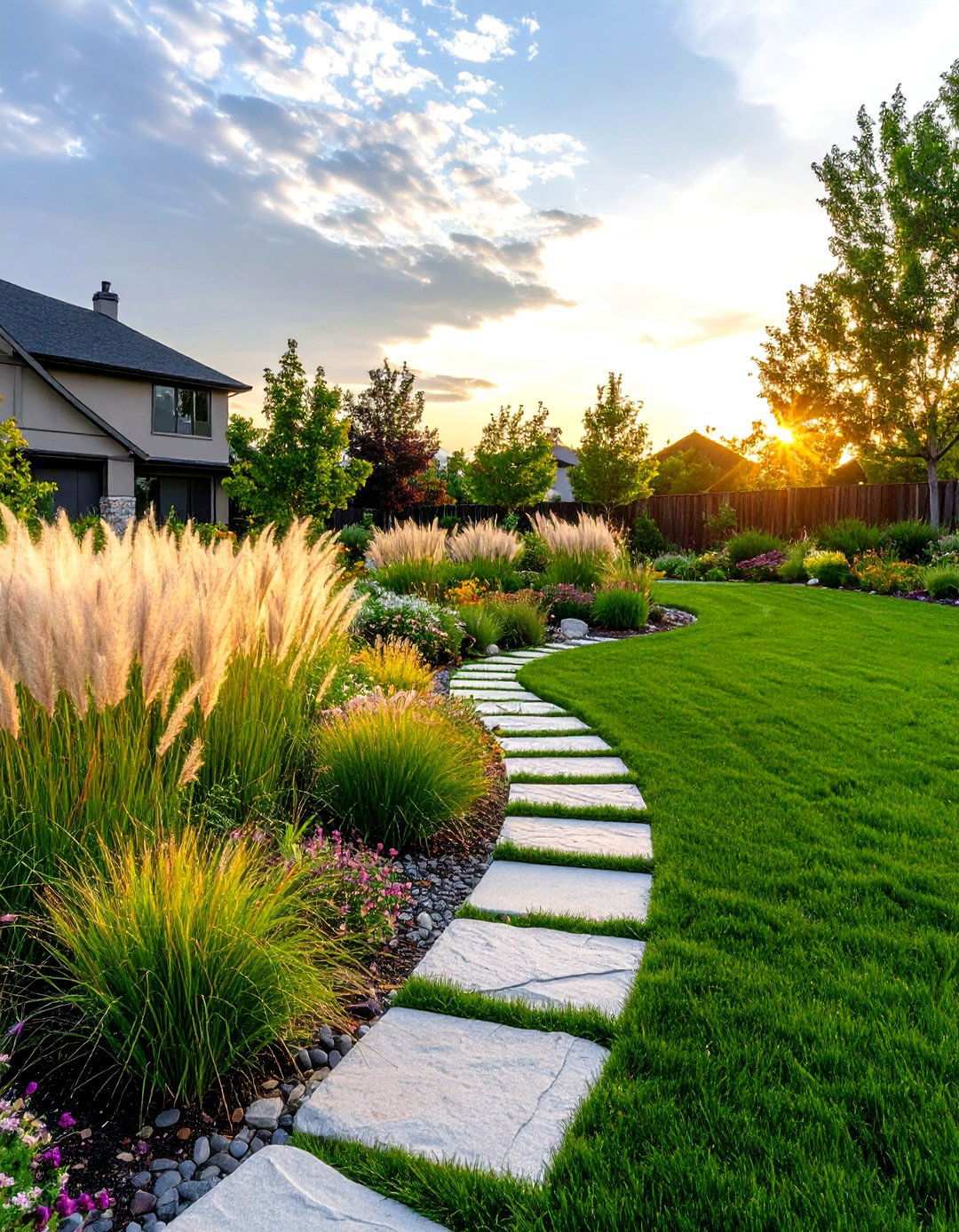
Have you discovered the captivating potential of ornamental grasses to create movement, texture, and year-round beauty with minimal upkeep requirements? An ornamental grass prairie design harnesses the dynamic beauty of various grass species, crafting flowing, naturalistic landscapes that evolve dramatically with the seasons and weather. This comprehensive theme combines striking focal grasses like maiden grass or feather reed grass with medium-height varieties such as fountain grass and low-growing sedges, creating a captivating tapestry of texture and color. The design responds to the gentlest breeze, providing a dynamic display of movement and visual interest throughout the year. Seasonal flowering perennials like asters, goldenrod, and native lupines add vibrant accents among the grasses, while meandering stone pathways provide a serene route through the planted areas. The seed heads of the grasses offer winter interest and a vital food source for birds, while the spring emergence creates a fresh, vibrant green growth. This low-maintenance approach requires minimal watering once established, eliminates the need for frequent replanting, and provides a haven for beneficial insects and wildlife. The ever-changing movement and seasonal shifts create landscapes that are never static, always in a state of gentle transformation.
Monochromatic Masterpiece: Single-Color Gardens
A single-color palette can have a profound impact on the visual appeal of a garden. By focusing on variations of one color family, you can create sophisticated and cohesive landscapes that feel larger and more unified than their multi-colored counterparts. This design approach allows you to create a sense of continuity, making the garden feel more intentional and designed. For instance, a moon garden can be achieved by combining white flowers and silver foliage, while a cool and sophisticated atmosphere can be created with blue and purple tones. On the other hand, warm yellows and oranges can evoke a sunny and cheerful ambiance. To maintain visual interest, incorporate a mix of textures and plant forms, including foliage plants in coordinating tones that provide backdrop and structure. By extending the color theme through seasonal bulbs, perennials, and annuals, you can ensure a vibrant display of color throughout the growing year.
Desert Oasis: Modern Water-Conscious Landscaping
Imagine a front yard that celebrates the beauty of arid environments while requiring minimal maintenance and water usage. A desert modern landscape combines contemporary design principles with drought-adapted plants to create stunning outdoor spaces perfect for water-conscious gardening. This design approach features architectural succulents, ornamental grasses, and sculptural cacti arranged in geometric patterns that add depth and visual interest. Colored gravel in warm tones serves as a versatile tool for creating planting zones and pathways, while large boulders provide natural contrast and visual anchors. To add a touch of modern flair, incorporate materials like corten steel planters, concrete pavers, and glass mulch. By strategically placing plants with bold forms, unusual textures, and occasional spectacular blooms, you can create a clean and uncluttered aesthetic that is perfect for hot, dry climates and contemporary home settings. Furthermore, subtle grade changes and strategic plant placement can create microclimates and visual interest, making this design approach an ideal choice for those who want a low-maintenance yet striking landscape.
17. Elevating Your Garden with a Perennial Border Cottage Collection
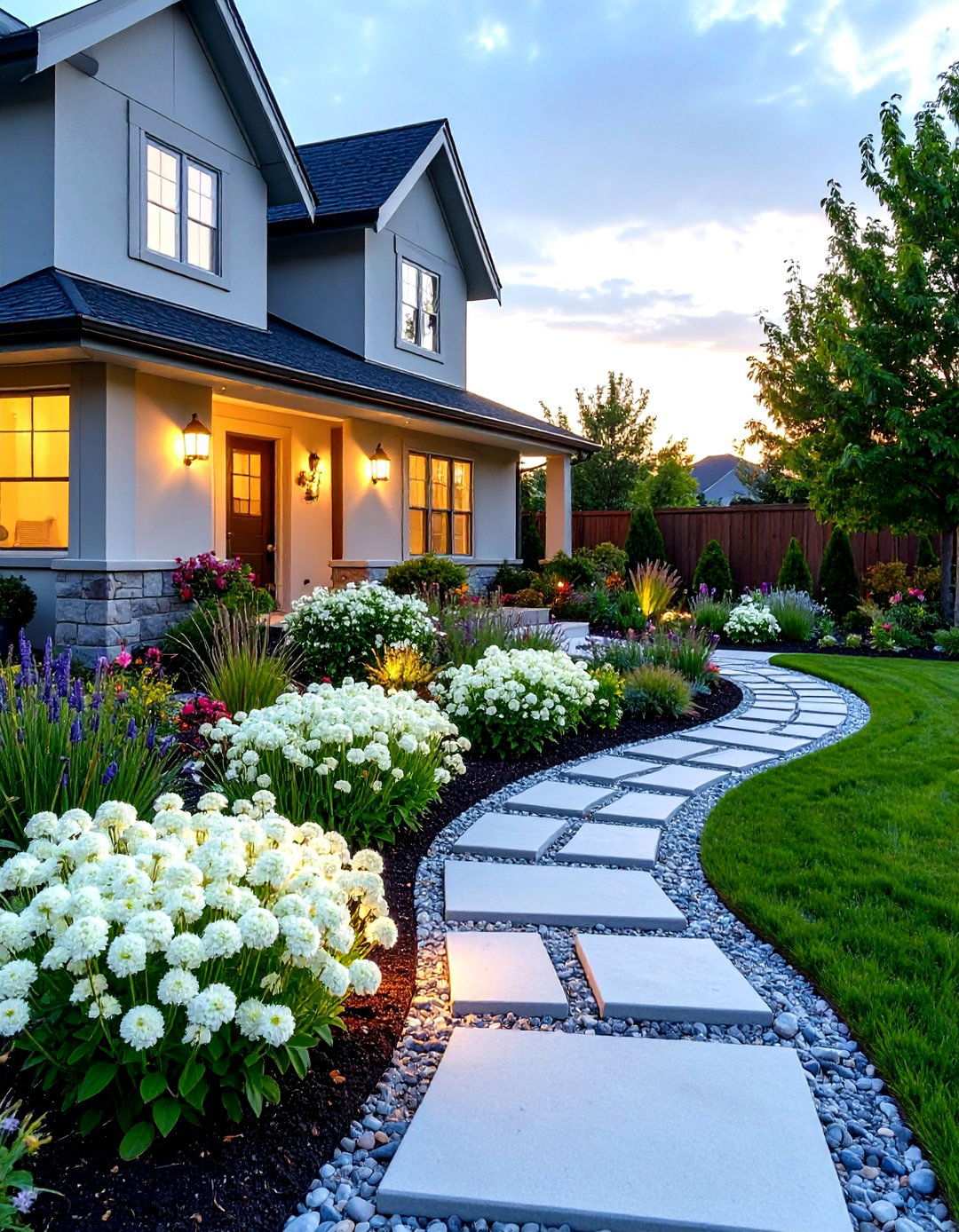
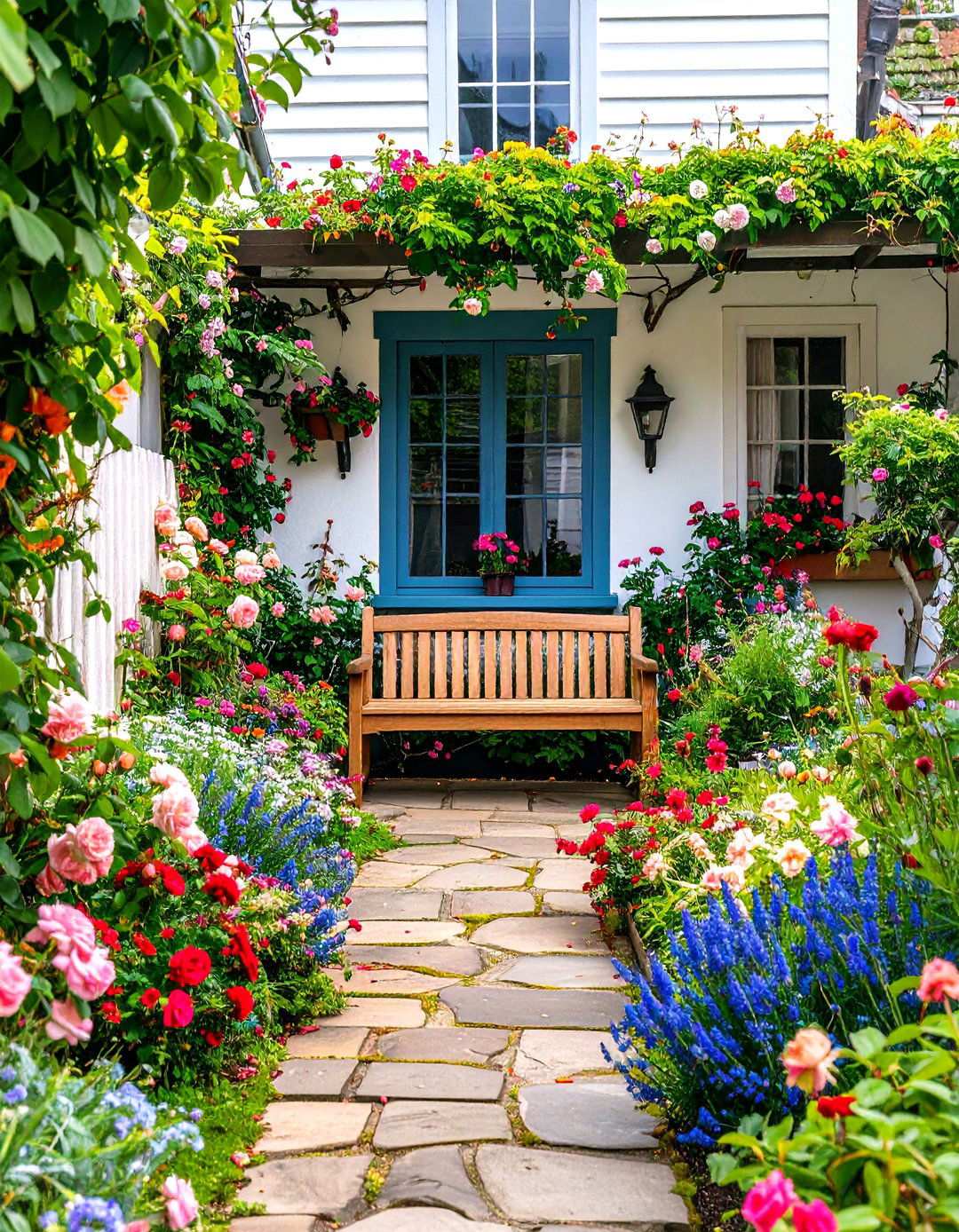
Carefully designed perennial borders can supply a cascade of beauty over the years, gradually reducing maintenance requirements. By curating plants that return each year and grow more stunning with time, a perennial border cottage collection brings abundant flowering displays to your garden. This comprehensive design thoughtfully layers perennials by height, bloom time, and color to keep your garden visually appealing throughout the growth cycle. The robust framework is formed by tall plants such as delphiniums, hollyhocks, and joe-pye weed, while medium-height varieties like echinacea, rudbeckia, and phlox add midsummer color. Low-growing edge plants including lamb’s ear, coral bells, and creeping phlox provide soft transitions and foliage interest. The incorporation of spring bulbs for early color and seasonal annuals for extended bloom periods further enriches the design. Access to the garden is provided by pathways made of brick, stone, or mulch, making it easier to maintain and appreciate the beauty of your garden. Although this approach demands an initial investment in quality plants, it yields increasing returns as perennials mature and spread, giving birth to lush gardens that improve with age while requiring less frequent replanting.
18. A Fresh Perspective on Foundation Plantings
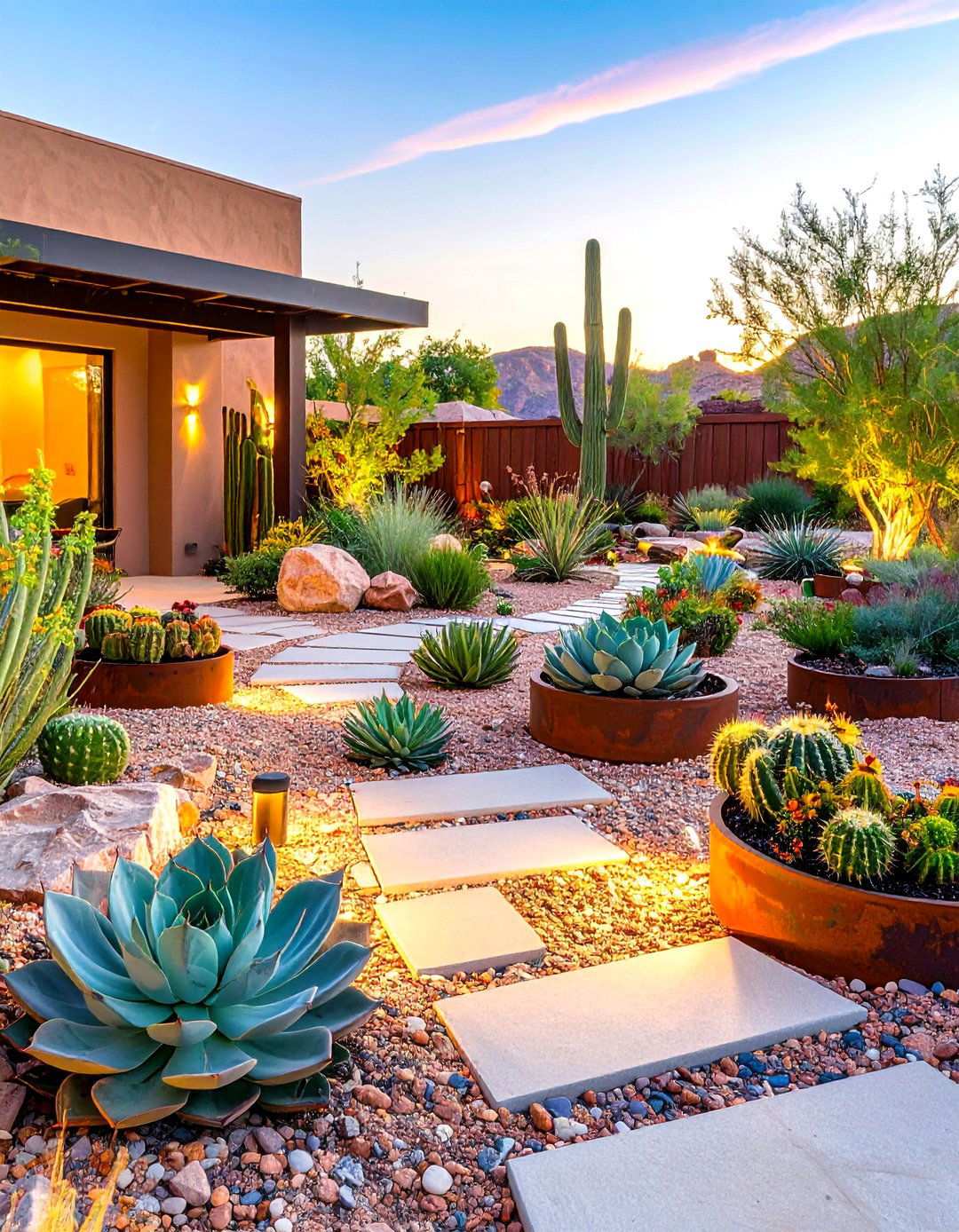
Updating your foundation plantings might be the most impactful way to revamp your home’s exterior appeal. A foundation planting refresh comprehensively reimagines the landscape surrounding your house, creating cohesive designs that complement architectural features and provide year-round beauty. This thorough approach involves removing outdated or overgrown shrubs, replacing them with thoughtfully chosen plants that won’t outgrow their spaces. Layered plantings include tall background shrubs, medium-height flowering plants, and low-growing ground covers that create depth and seasonal interest. The incorporation of plants with varied foliage colors and textures ensures visual appeal even during non-bloom periods, while seasonal accents provide rotating color displays. The addition of hardscaping elements such as decorative mulch, edging materials, and strategic lighting enhances the overall composition. Plant selections consider mature sizes, maintenance requirements, and seasonal characteristics to ensure the landscape remains attractive and manageable for years to come. This approach provides immediate visual impact while establishing plantings that will continue to enhance your home’s appearance over time.
19. Seasonal Bulb Display Garden
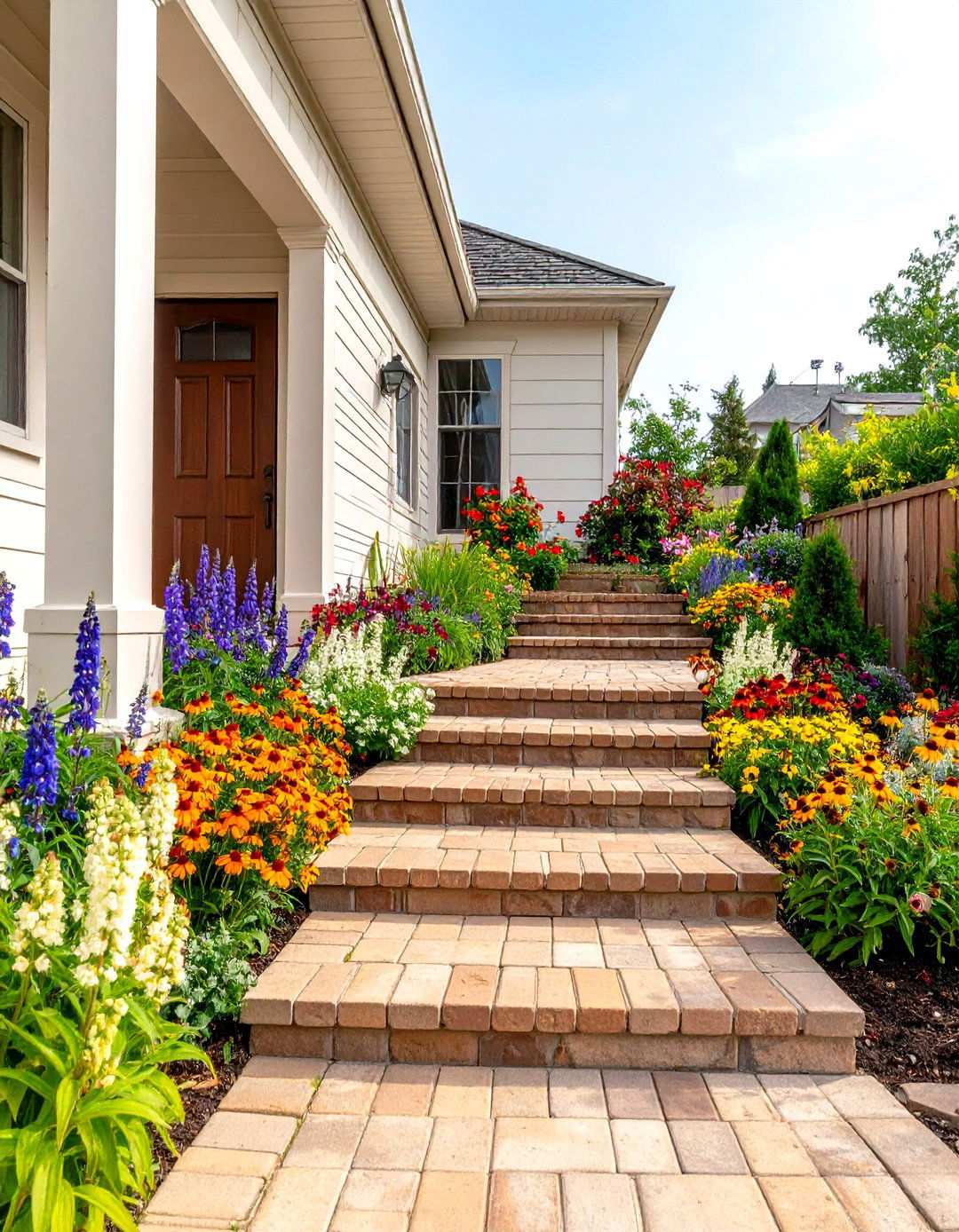
Imagine a front yard that transforms into a vibrant spectacle of color each spring, with a gentle maintenance routine that allows you to enjoy the beauty without the hassle. A seasonal bulb display garden achieves this magic by incorporating a diverse palette of bulb varieties in naturalistic groupings and precise patterns. As early spring bulbs like crocuses and snowdrops take center stage, they’re soon followed by a succession of blooms from daffodils, tulips, and ornamental onions, creating a mesmerizing display that unfolds over several weeks. Summer bulbs like lilies and gladiolus continue the show, while autumn-blooming colchicum adds a delightful surprise at the end of the growing season. The garden’s design incorporates companion plants such as ornamental grasses, compact shrubs, and ground covers that provide a structural backbone while the bulb foliage recedes. Meandering pathways invite you to pause and appreciate the ever-changing tapestry of colors, textures, and scents. This approach demands some initial effort during the fall planting season, but the rewards are well worth it – as the bulbs naturalize and multiply, the garden becomes a stunning, low-maintenance haven that will delight you for years to come. The key to success lies in proper drainage, soil preparation, and plant spacing, which ensures healthy bulb performance and yields increasingly impressive displays over time.
20. Urban Contemporary Courtyard
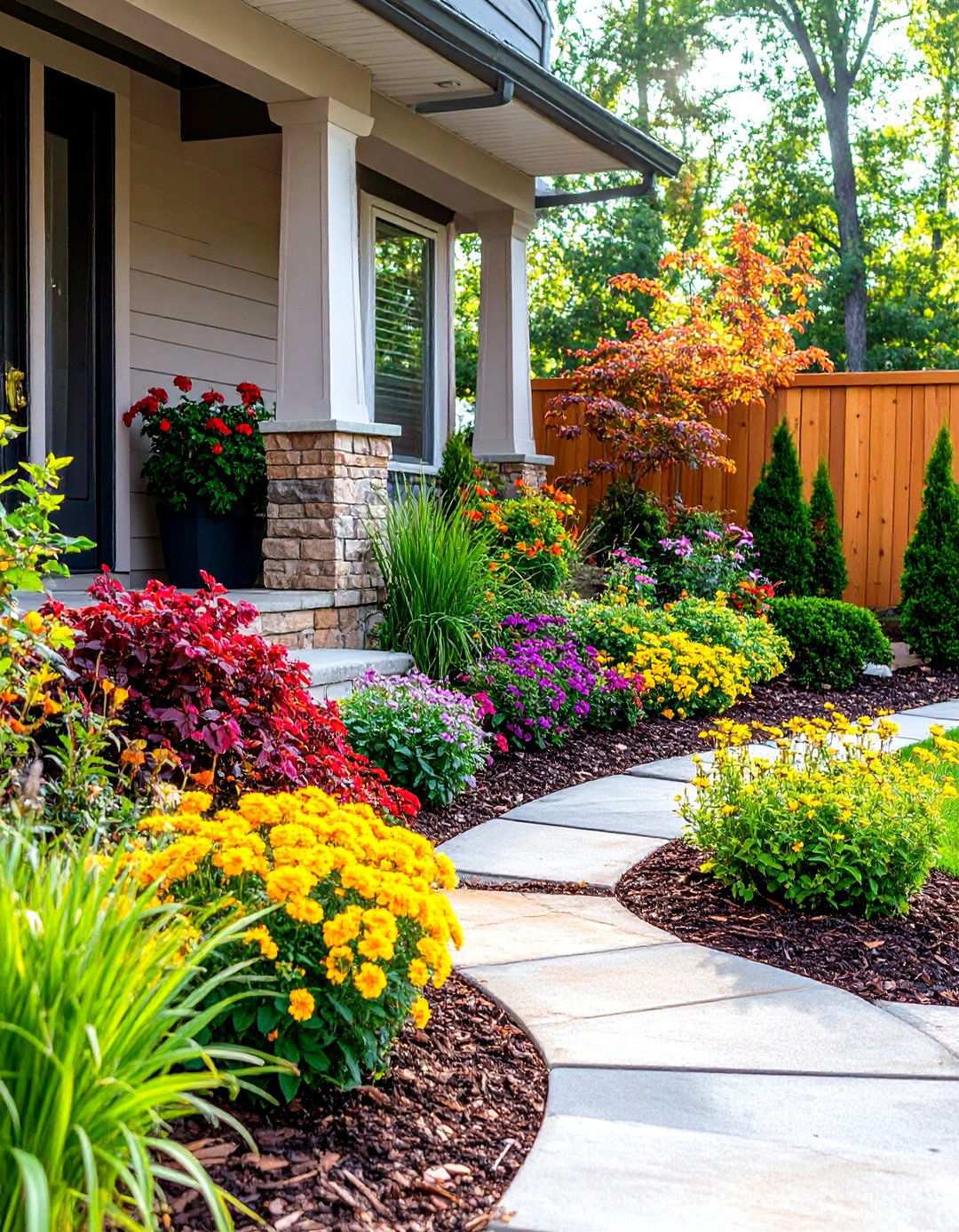
In urban environments where space is at a premium, how can small front yards be transformed into sophisticated outdoor living areas that rival their larger counterparts? An urban contemporary courtyard design achieves this feat by harnessing the power of modern materials, carefully selected plants, and multi-functional elements. By creating outdoor rooms using sleek screens, planters, and seating areas, this approach provides a sense of seclusion and functionality that’s hard to find in smaller spaces. Clean-lined planters are home to architectural plants like bamboo, ornamental grasses, and small trees, which expertly screen without overwhelming the space. Paved areas made from cutting-edge materials create inviting entertainment spaces and reduce maintenance requirements, while integrated seating invites you to linger and unwind. The design incorporates water features, outdoor lighting, and weather-resistant furniture that extends the usability of your outdoor space far beyond daylight hours. By focusing on plant varieties that provide structure, seasonal interest, and low maintenance requirements, this approach turns utilitarian front yards into sleek, functional extensions of your indoor living space. The result is a seamless fusion of form and function that perfectly captures the essence of urban living, where every square foot must work in harmony to create a beautiful, functional outdoor oasis.
21. Unleashing the Power of Native Plants
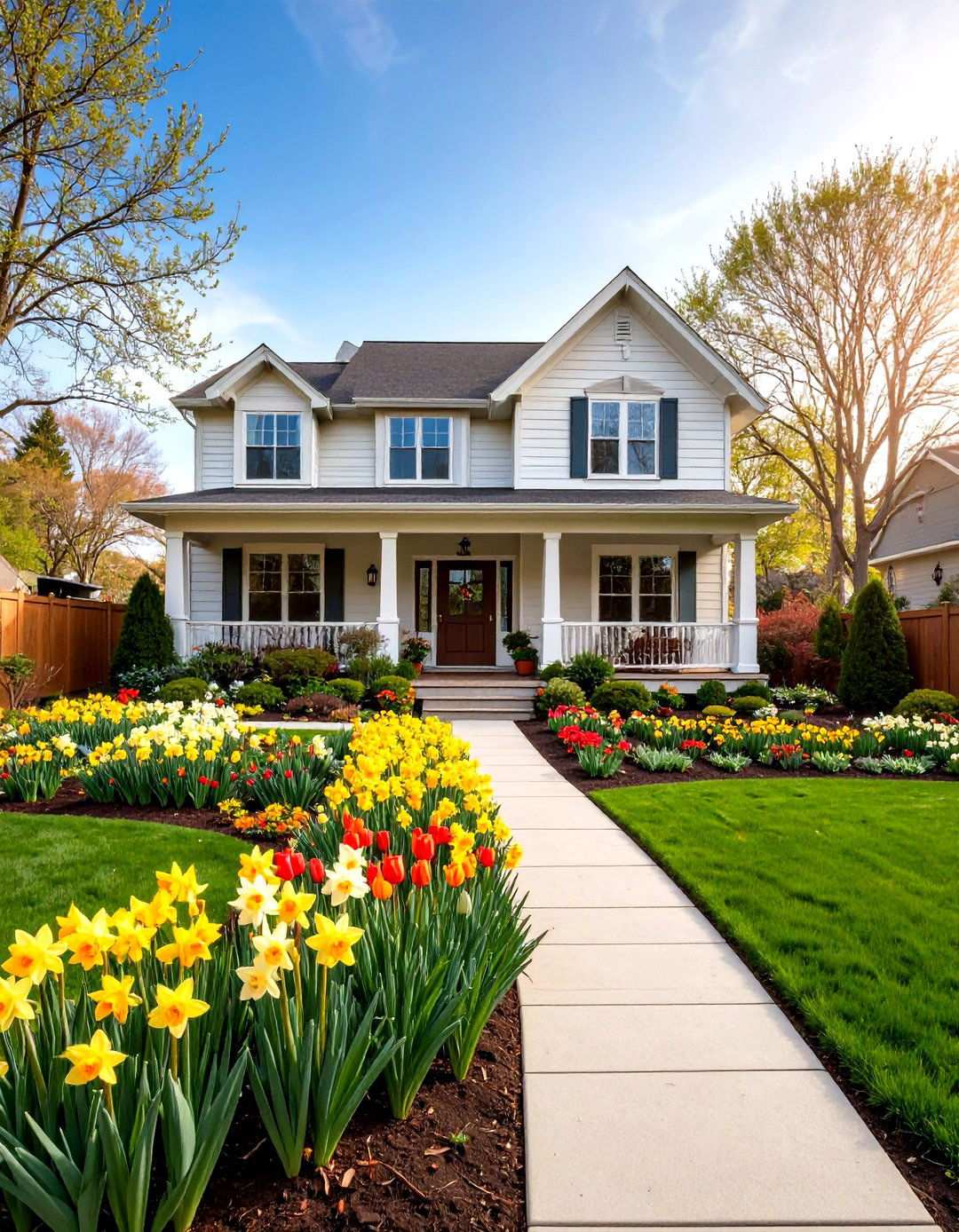
Imagine transforming your small front yard into a thriving ecosystem that supports local wildlife while minimizing maintenance. By embracing native plant wildlife habitat design, you can create a haven for birds, butterflies, and beneficial insects that flourishes in your region’s unique conditions. This holistic approach integrates native trees, shrubs, and perennials that have adapted over time to thrive without the need for supplemental watering or fertilizing. Plant selections prioritize species that provide essential resources for pollinators, birds, and butterfly larvae, such as nectar-rich flowers, seed-producing plants, and host plants. By recreating natural environments through layered vegetation, your front yard becomes a dynamic tapestry of canopy trees, understory shrubs, and ground-level plants, offering diverse habitat opportunities for local wildlife. Observation pathways and water features enable you to appreciate the beauty of wildlife activity while providing drinking and bathing opportunities for birds and beneficial insects. As a result, your front yard actively contributes to the health of your local ecosystem, reducing chemical inputs and eliminating the need for exotic plant maintenance.
22. Elevating Sloped Front Yards
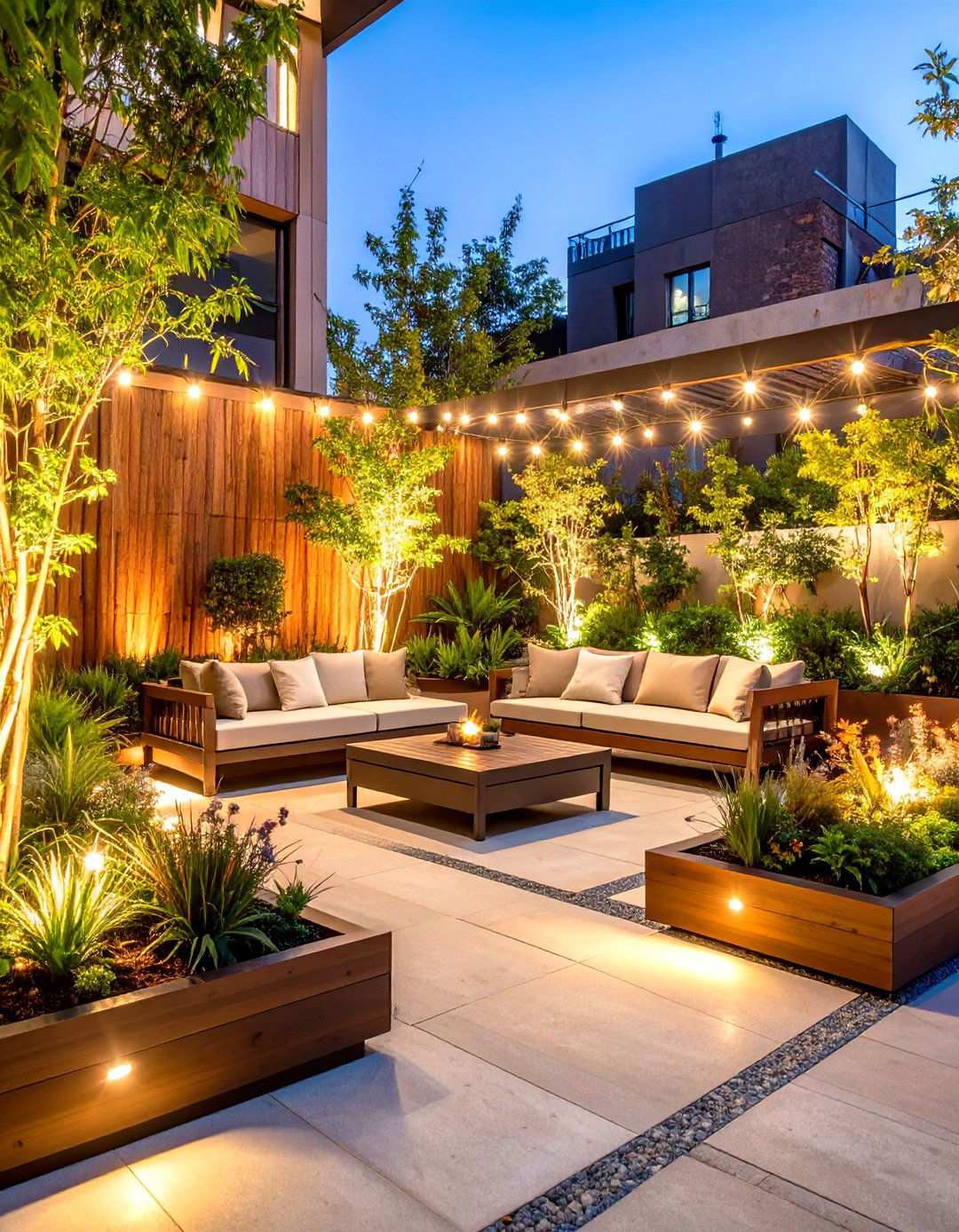
Can challenging sloped front yards be transformed into stunning terraced landscapes that prevent erosion while maximizing planting opportunities? A terraced slope solution design offers a creative approach to revitalizing difficult sites, combining retaining walls, strategic grading, and thoughtful plant selection to achieve functional beauty. This comprehensive approach employs multiple levels of flat planting areas, created using stone, timber, or concrete retaining walls that adapt to sloped terrain. Each terrace is designed to showcase a unique theme or functional area, such as ornamental displays, herb gardens, or low-maintenance ground covers. Connective pathways and steps ensure safe access for maintenance and enjoyment, while proper drainage systems prevent water damage and direct runoff to planted areas that benefit from additional moisture. Plant selections focus on varieties that provide erosion control, seasonal beauty, and an appropriate scale for each terrace level. By transforming problematic slopes into distinctive landscape features, you can create multiple growing zones, prevent soil erosion, and add visual interest through elevation changes and varied planting opportunities.
23. Mastering the Art of Year-Round Landscaping
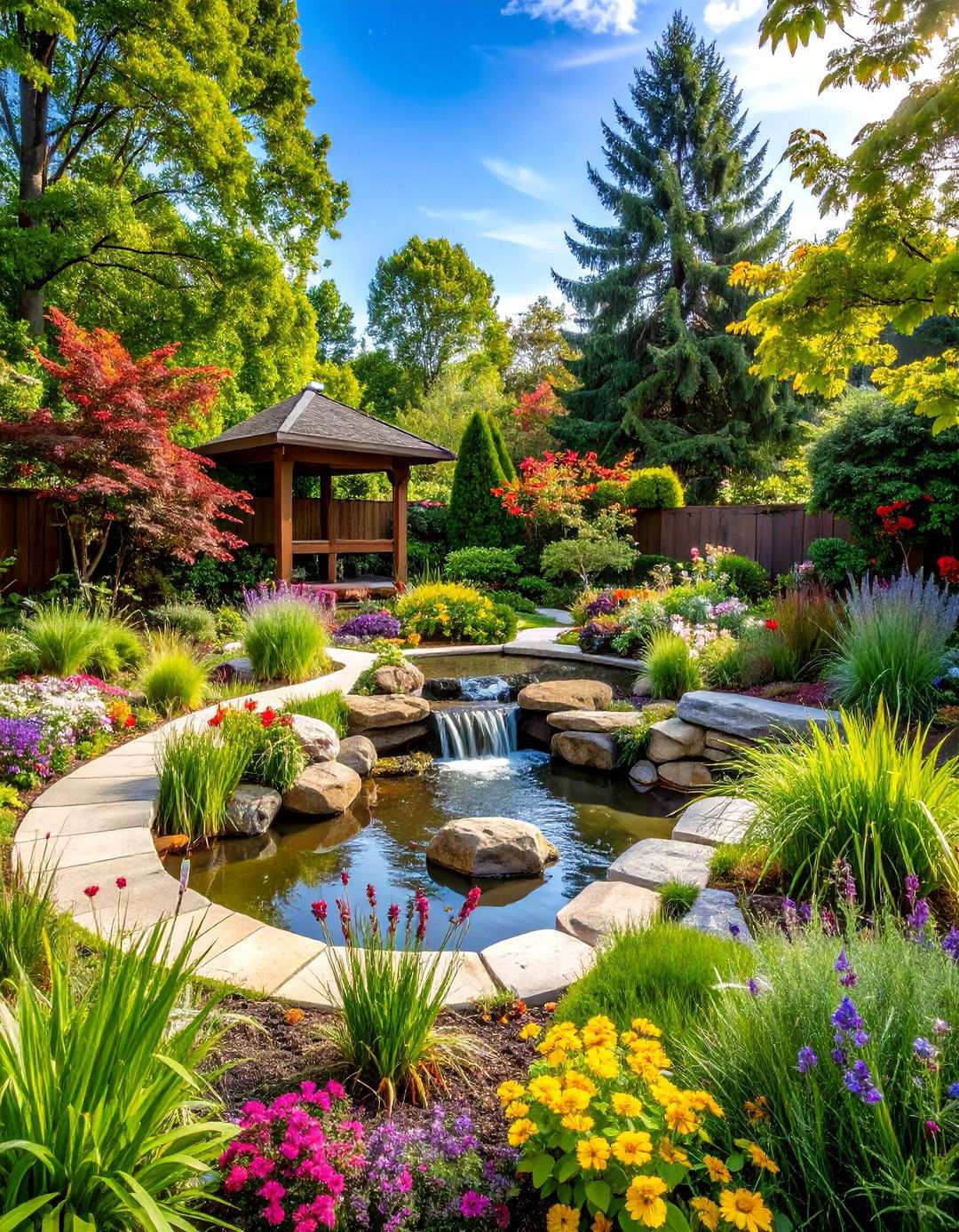
Effective landscape design extends beyond just aesthetics. A thoughtful approach considers the ever-changing seasons and creates a visually appealing display that captivates the senses throughout the year. By incorporating a diverse range of plants and features, you can ensure your front yard remains a stunning haven, even in the depths of winter. This holistic approach includes a strategic mix of spring-flowering trees and bulbs, vibrant summer perennials, the kaleidoscope of autumn foliage and fruit, and the structural beauty of evergreens and ornamental grasses during the dormant seasons. Plants with intriguing bark textures and persistent berries add visual interest, while architectural forms provide a year-round display of beauty. Hardscaping elements, such as intricately designed stone features, water features, and outdoor lighting, serve as focal points that remain captivating, regardless of the season. Seasonal container plantings rotate through the year, injecting fresh color and seasonal themes that perfectly complement the permanent landscape structure. Achieving this level of harmony requires meticulous plant selection and placement, carefully considering how each element contributes to the overall composition at different times of the year.
24. Crafting a Scented Oasis
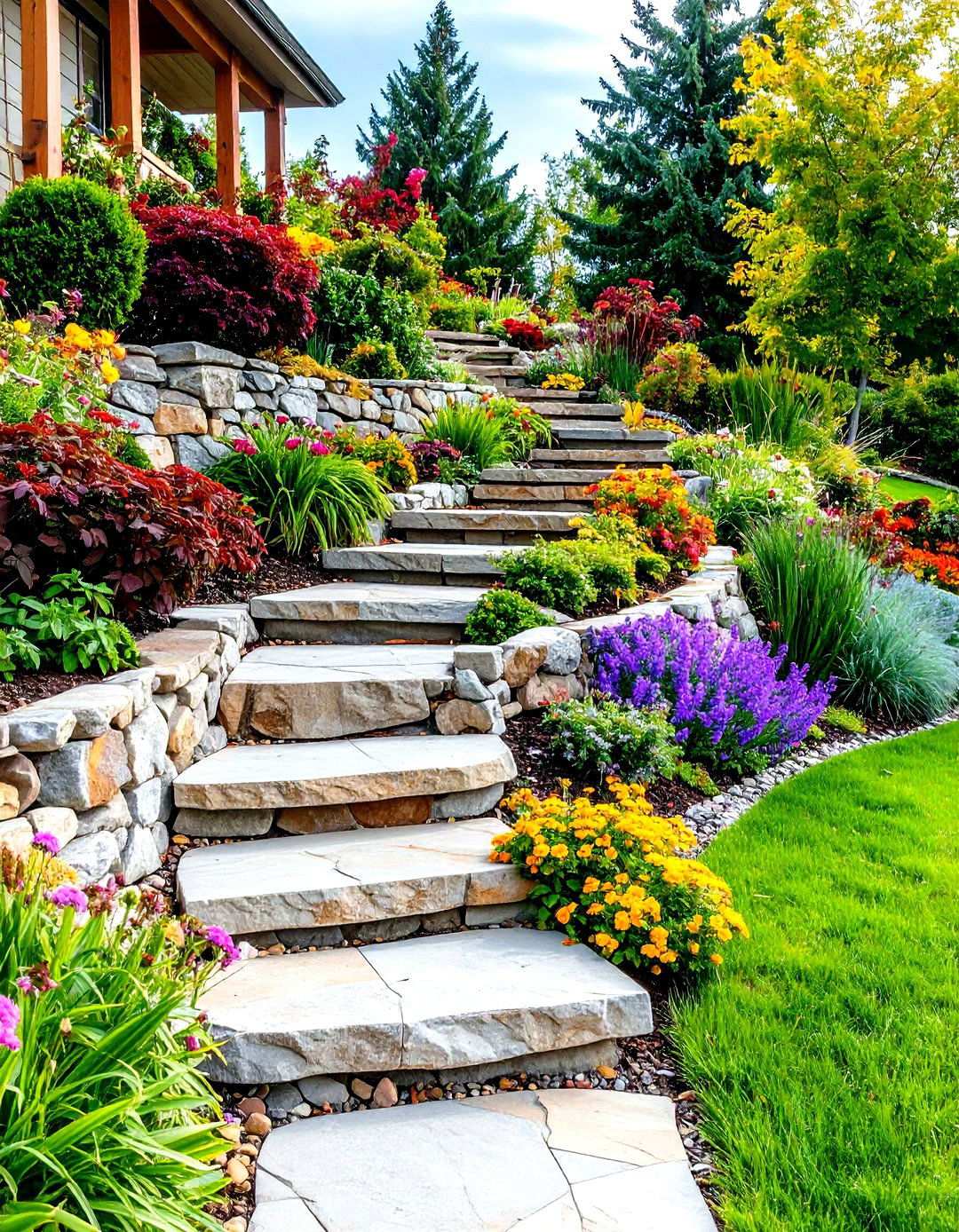
Your front yard can be a haven that delights the senses, transporting visitors to a world of tranquility and beauty. A fragrance garden sensory experience design weaves aromatic plants throughout the landscape, creating layers of scent that shift and evolve with the seasons and time of day. By thoughtfully positioning fragrant plants along pathways and near seating areas, you can create a truly immersive experience that invites visitors to linger and appreciate the beauty of scent. This comprehensive approach includes a diverse selection of plants that release fragrance through different mechanisms, such as the intoxicating blooms of roses and jasmine, the herbaceous charm of lavender and mint, and the woody allure of cinnamon trees. Evening-fragrant plants like four o’clocks and moonflower add an enchanting dimension to the experience, while herbs like rosemary and thyme release their fragrance when gently touched. The layout is carefully designed to create distinct scent zones, allowing each fragrance to be savored individually, thereby elevating the sensory experience of your front yard and creating lasting memories for visitors.