1. A Legacy in Stone: Traditional Hacienda Style Architecture
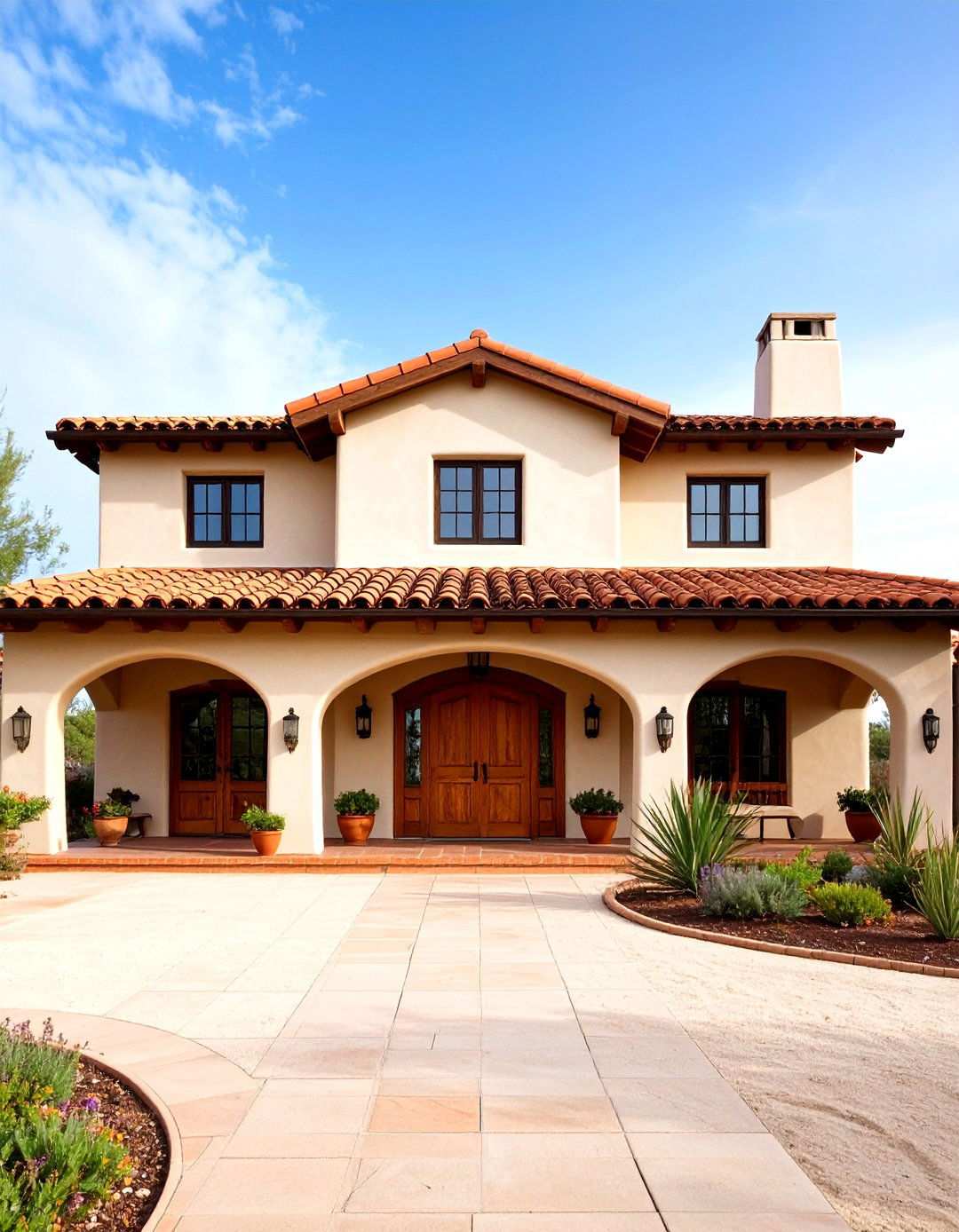
Imagine stepping into a majestic estate that echoes the storied past of Mexico’s colonial era. Traditional hacienda style homes embody the quintessence of Mexican architectural grandeur, with expansive single-story layouts that seamlessly merge with the surroundings. Thick adobe walls and distinctive red tile roofs provide a striking backdrop to these sprawling homes, while courtyards serve as the heart of the residence, inviting relaxation and socialization. The emphasis on horizontal lines creates a harmonious balance between indoor and outdoor spaces, as covered corridors with elegant arches connect seamlessly with the surrounding environment.

As an Amazon Associate I earn from qualifying purchases.
Authentic hacienda homes reveal their rich history through exposed wooden ceiling beams, massive fireplaces with rustic mantels, and stone or tile floors that remain cool even in the warmest weather. Dramatic entrances are created by large wooden doors with intricate iron hardware, while small windows ensure comfortable temperatures while maintaining a sense of security and seclusion. The result is a beautiful fusion of tradition and tranquility, perfect for those seeking a connection to Mexico’s storied past.
2. Enduring Elegance: Spanish Colonial Revival Design
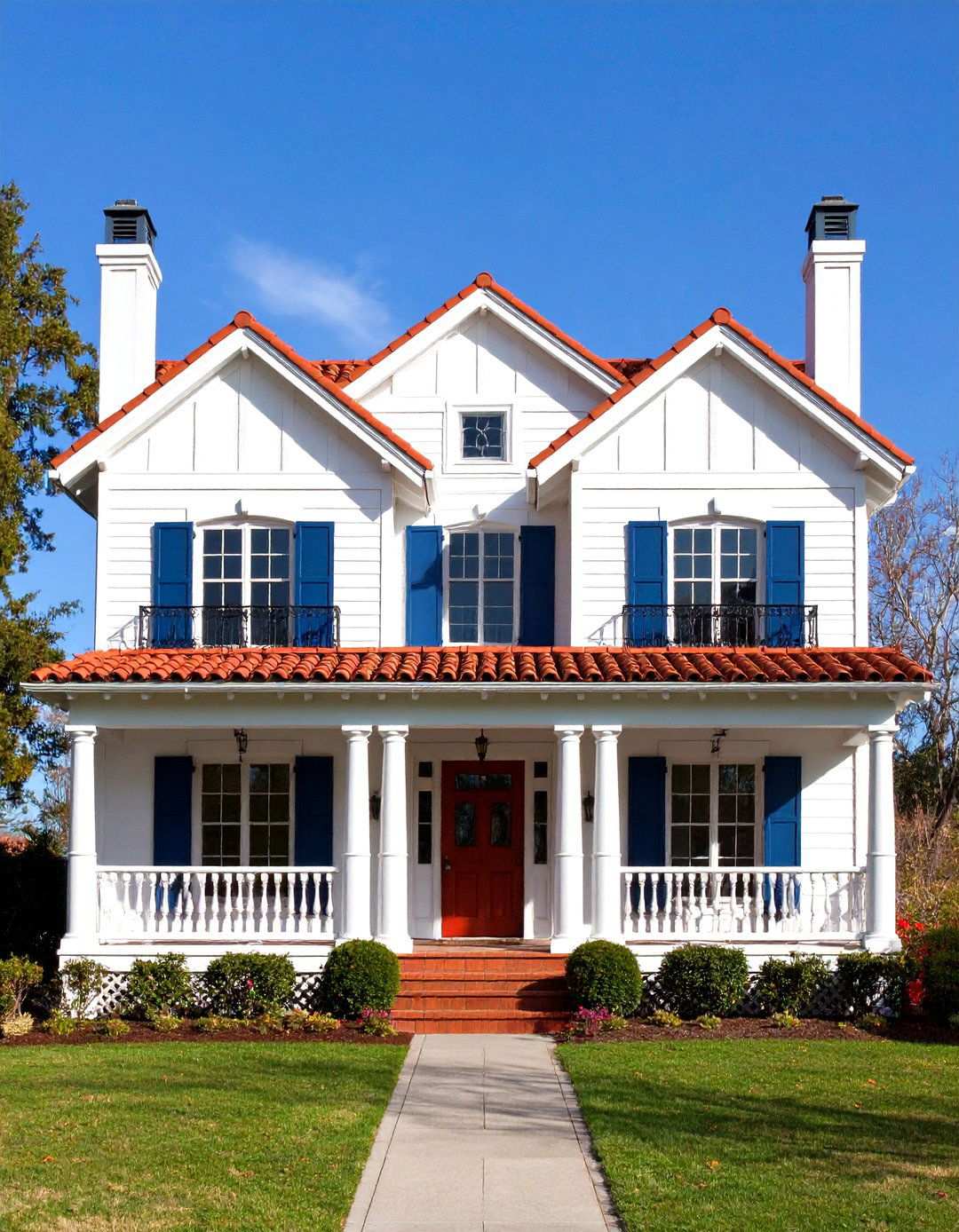
What makes Spanish Colonial Revival homes instantly recognizable across Mexico? This timeless style features a striking visual impact created by white stucco walls contrasting against vibrant red barrel tile roofs, a combination that has captivated the imagination of people for centuries. Characteristic arched windows and doorways add a touch of elegance to otherwise geometric facades, while wrought iron details on balconies and gates provide both beauty and security. Interior spaces typically include exposed ceiling beams, decorative tile work, and built-in niches for displaying artwork or cherished family heirlooms.
The design emphasizes symmetry and proportion, with rooms arranged around central patios or courtyards. Modern interpretations often incorporate larger windows and updated floor plans while maintaining the essential aesthetic elements that define this beloved architectural tradition throughout Mexico and beyond. Whether seeking a classic, timeless look or a contemporary twist, Spanish Colonial Revival design offers endless possibilities for creating beautiful, functional homes that reflect the essence of Mexican culture.
3. Modern Adobe Homes: Where Tradition Meets Innovation
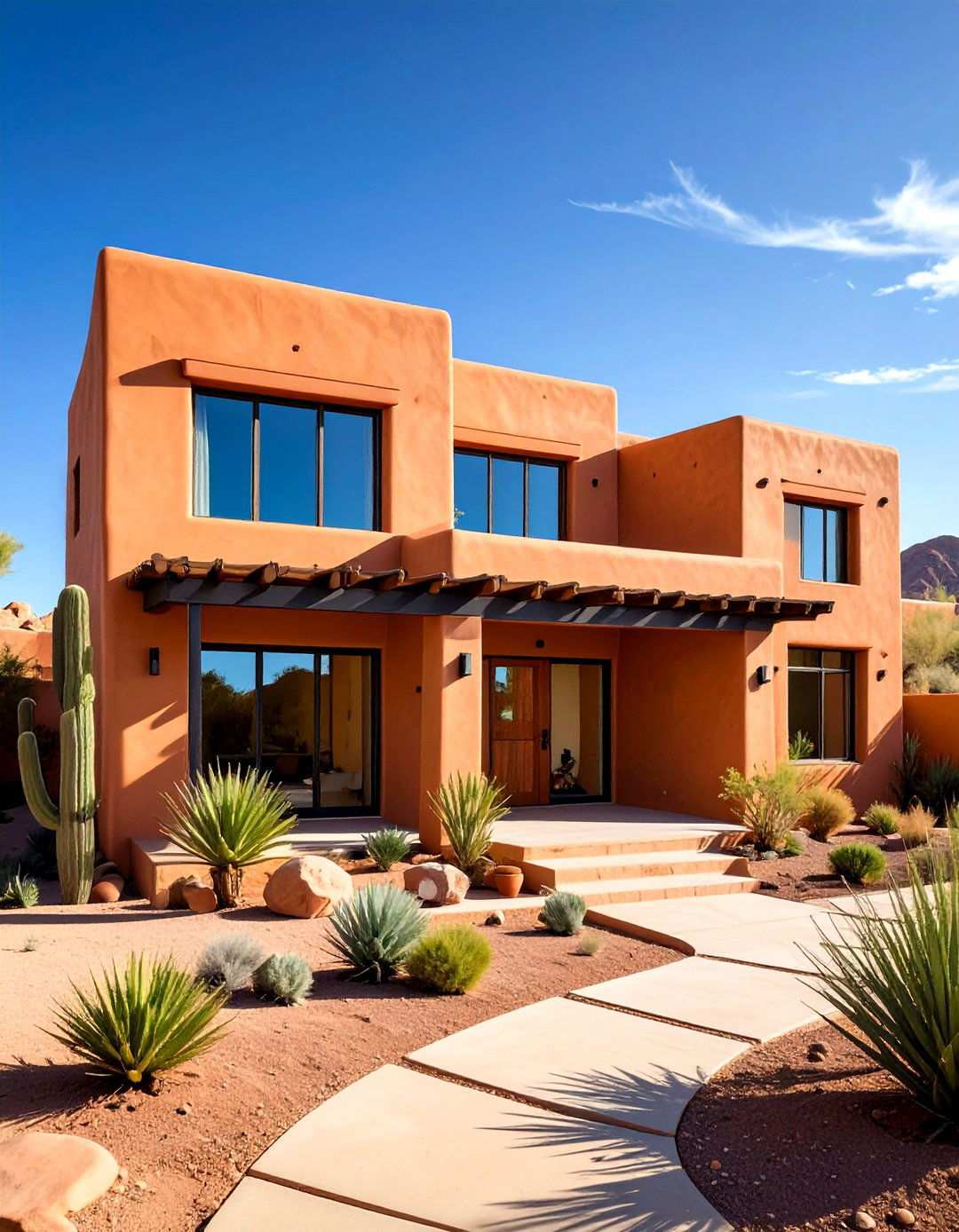
Incorporating ancient building techniques into contemporary architecture is a brilliant approach to sustainable living. Modern adobe construction seamlessly blends traditional Mexican building methods with cutting-edge design and materials. Sun-dried clay bricks, a hallmark of this style, possess remarkable thermal mass, regulating interior temperatures and reducing the need for artificial cooling systems. The clean lines, minimalist aesthetic, and tactile textures of modern adobe homes make a striking contrast to the earthy, organic feel of the material itself. To enhance earthquake resistance, architects now integrate steel reinforcement and robust foundations into traditional adobe building techniques. The thick walls of these homes create serene, peaceful interiors while fostering a deep connection to Mexico’s rich architectural heritage. With the incorporation of expansive windows, sliding glass doors, and open floor plans, modern adobe homes offer a refreshing departure from traditional construction.
4. Seamless Transitions Between Indoors and Outdoors
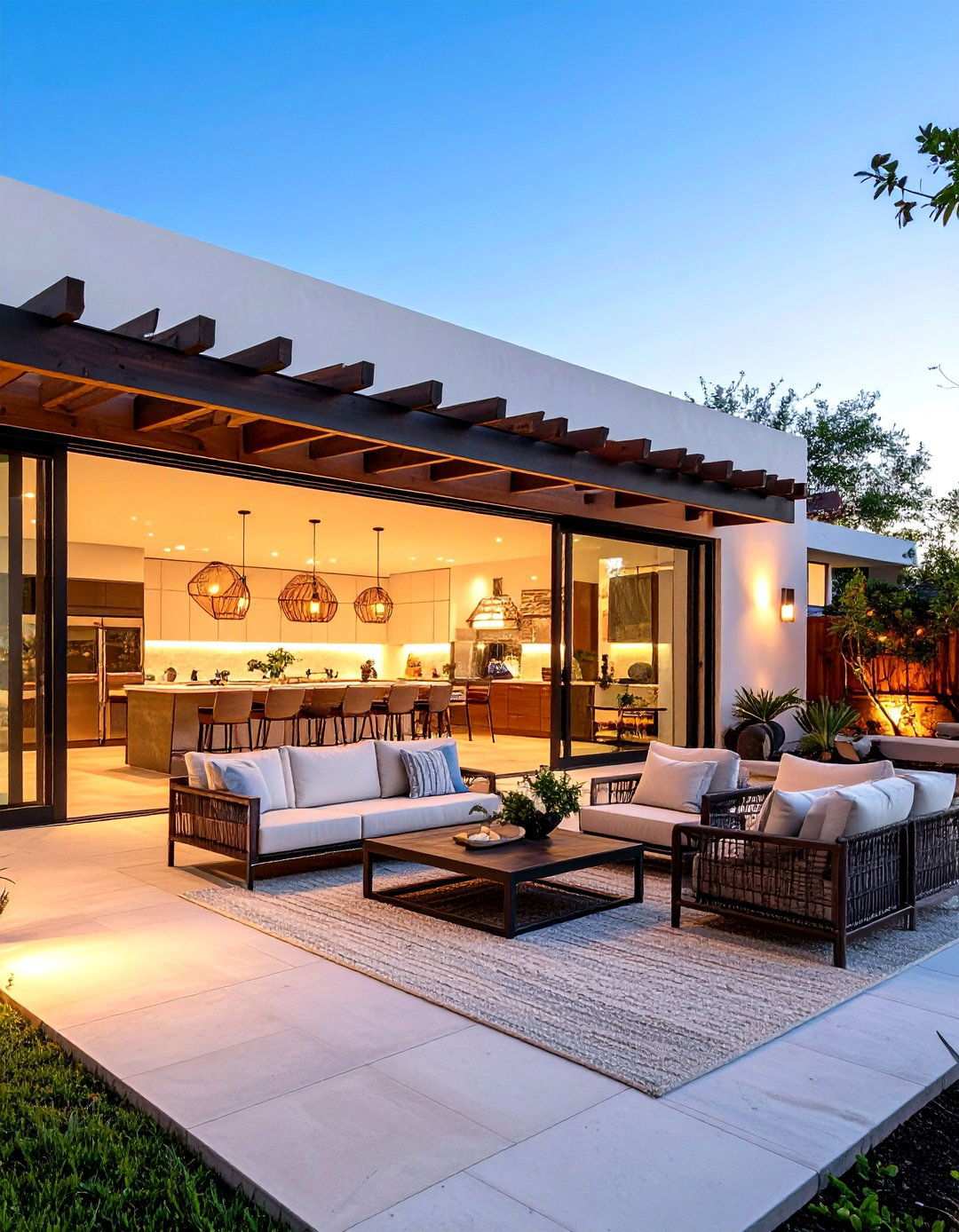
Mexican homes exude a sense of harmony with their surroundings due to the intuitive indoor-outdoor living concept. This design philosophy perfectly complements the country’s pleasant climate and strong emphasis on family gatherings and community. The result is a fluid transition between interior living spaces and exterior areas, thanks to sliding glass doors, retractable walls, and covered terraces that effectively dissolve boundaries. Living areas seamlessly merge with patios, complete with outdoor kitchens, dining spaces, and inviting seating areas. Strategically positioned pergolas and ramadas provide shade while allowing cooling breezes to circulate freely. The thoughtful design often includes multiple outdoor rooms, catering to different activities and fostering a sense of connection to the surrounding natural landscape.
5. The Energetic Power of Vibrant Color Palettes
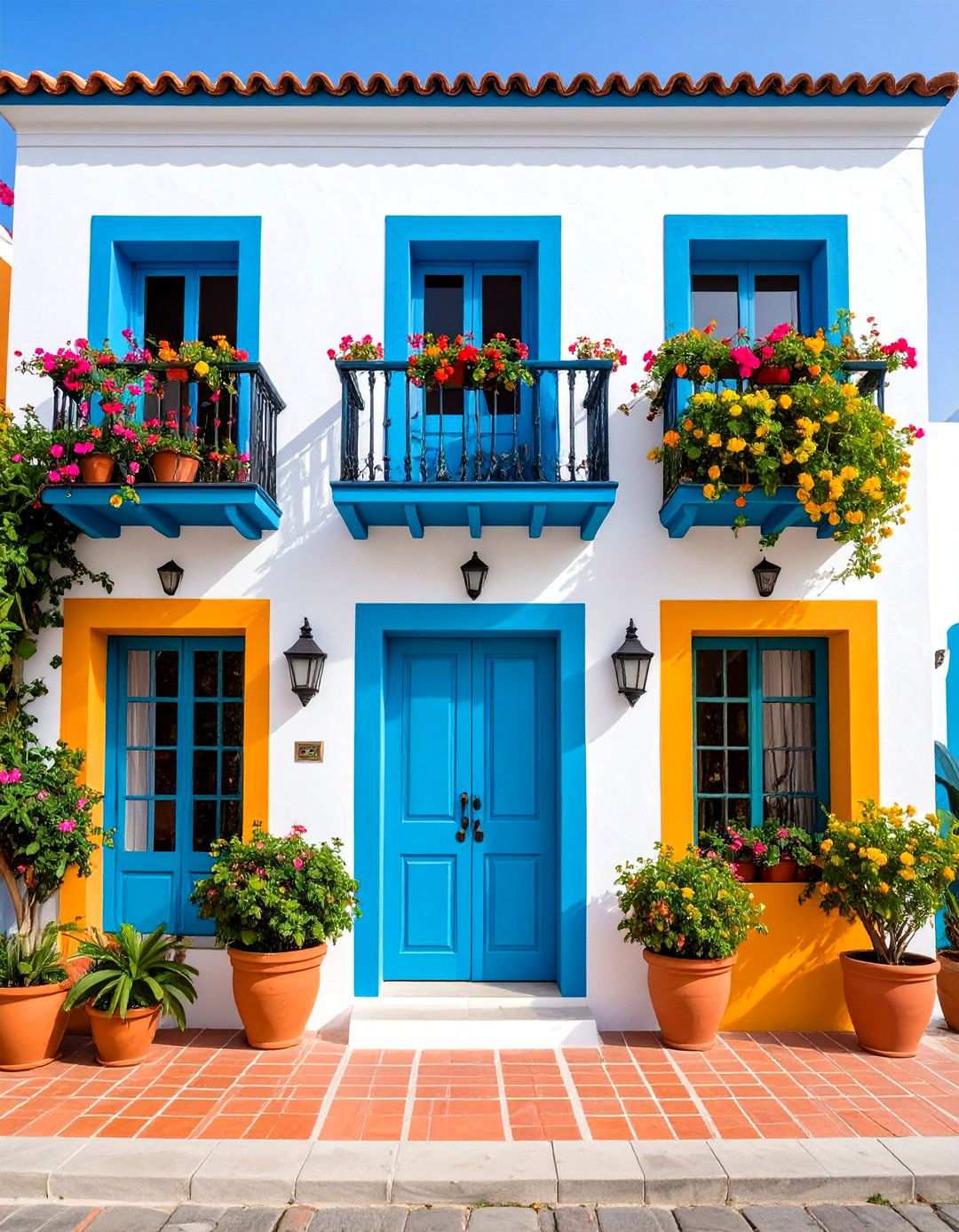
Mexican homes are renowned for their joyful, uplifting atmosphere, and it’s largely due to the bold, vibrant color palettes that celebrate the country’s rich cultural heritage and breathtaking natural beauty. Traditional Mexican colors, such as terracotta orange, turquoise blue, golden yellow, and magenta pink, often paired with crisp white walls, create an instantly recognizable aesthetic. These colors draw inspiration from native textiles, tropical flowers, desert sunsets, and Caribbean waters, adding a layer of depth and authenticity to the design. Modern interpretations often use these bold hues as accent colors while maintaining more subdued base tones for a sophisticated, refined look. Color placement becomes a crucial consideration, with exteriors featuring dramatic single-color statements and interiors using vibrant tones strategically to create visual interest without overwhelming the living spaces.
6. The Timeless Allure of Talavera Tile Design
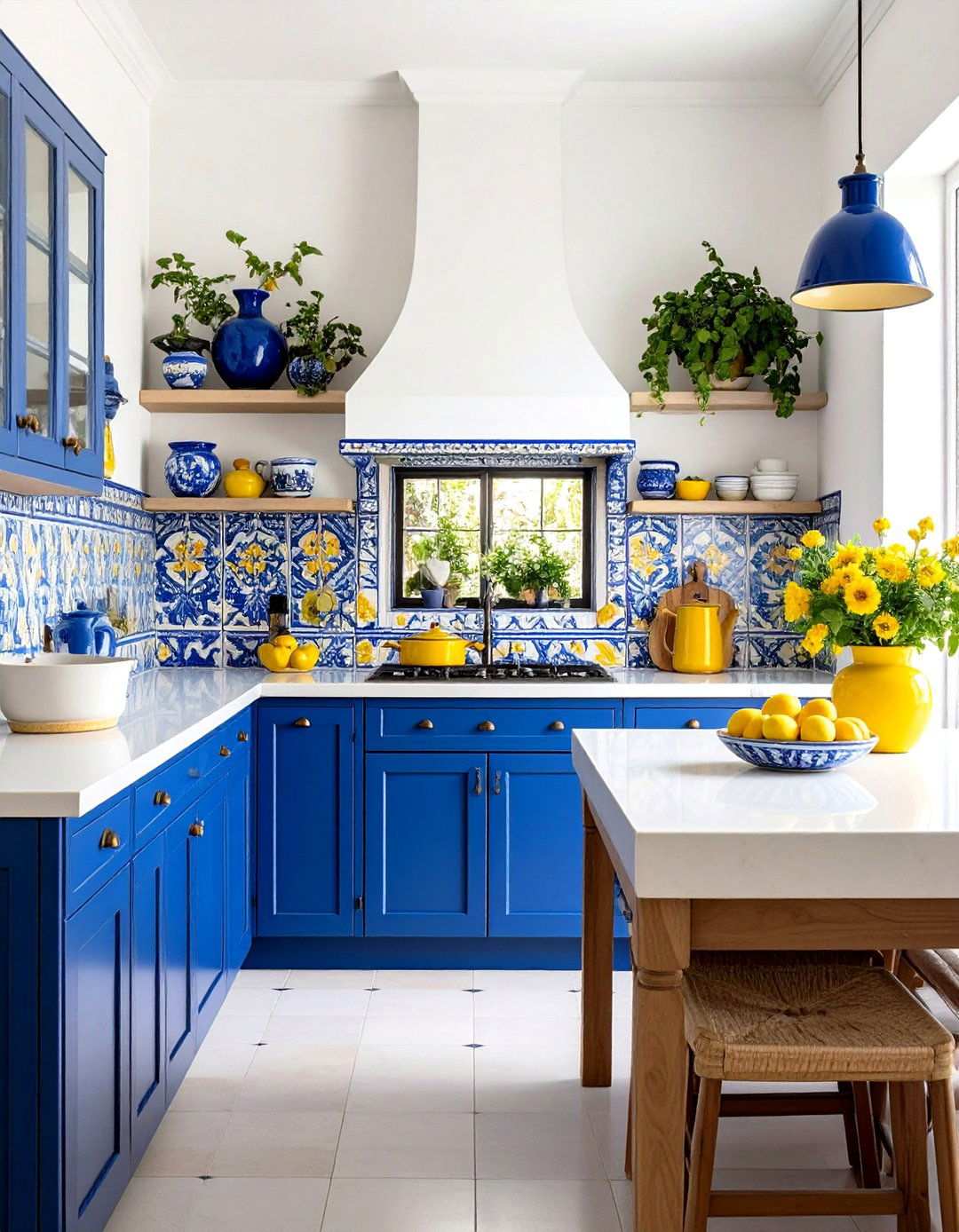
The allure of Talavera pottery lies in its rich artistic heritage, with hand-painted tiles showcasing intricate patterns in a palette of cobalt blue, golden yellow, earthy green, and warm terracotta hues. These ceramic masterpieces originate from Puebla, where artisans have honed their craft over centuries, resulting in pieces that are both highly prized for their quality and deeply rooted in cultural tradition. When incorporated into home design, Talavera tiles add visual interest and character, making them ideal for kitchen backsplashes, bathroom accent walls, stair risers, and fountain details. Each tile’s unique, hand-painted nature creates organic variations that add authenticity and charm, while modern applications often use these tiles sparingly as accent pieces, allowing their intricate patterns to serve as functional artwork. Authentic Talavera tiles are crafted using specific clay and traditional firing techniques, making genuine pieces valuable investments in both beauty and cultural significance.
7. The Warmth of Exposed Wooden Ceiling Beams
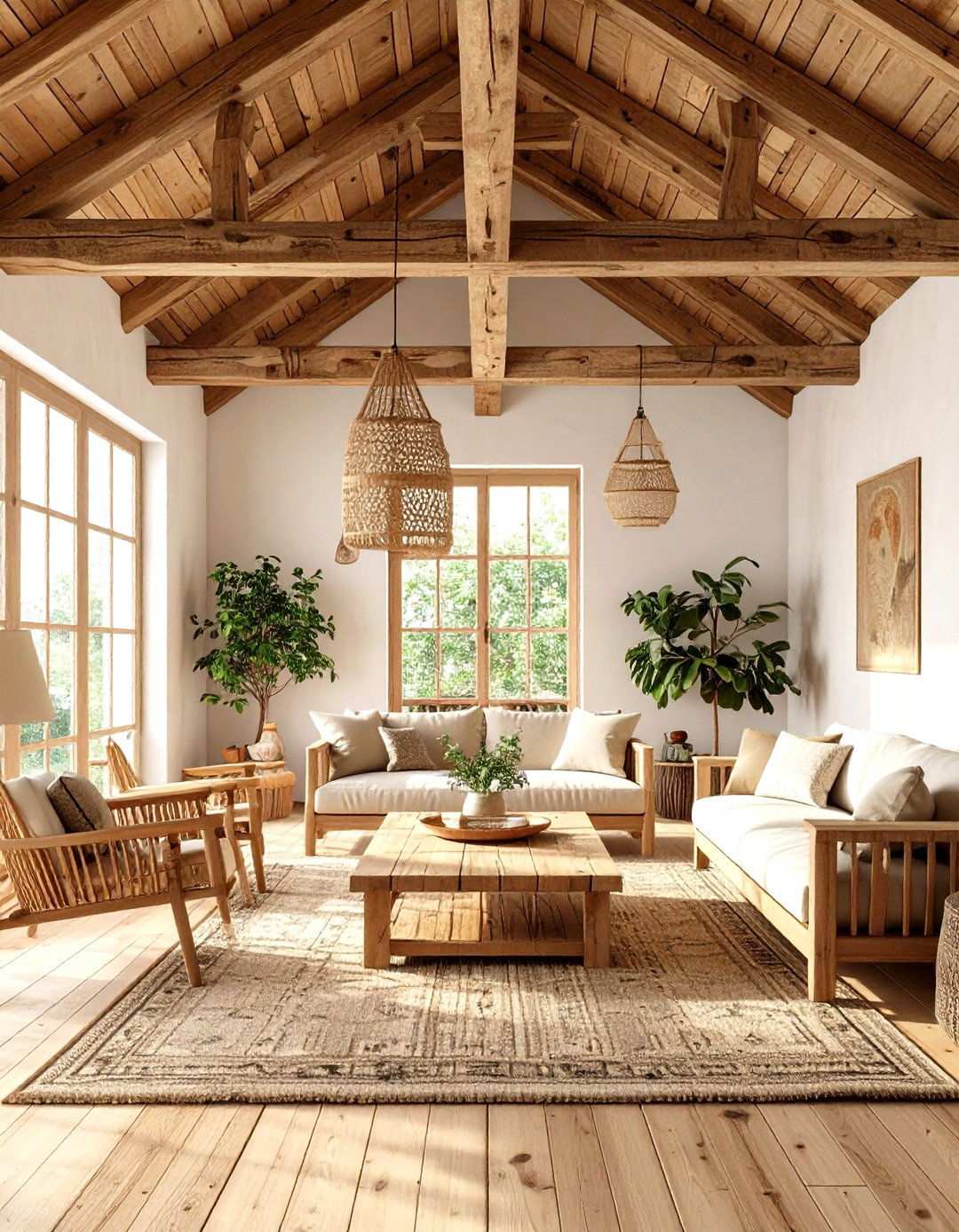
Exposing ceiling beams can be a simple yet effective way to create a warm, inviting atmosphere reminiscent of traditional Mexican architecture. Wooden vigas, often carved from local pine, oak, or mesquite trees, add a touch of history and authenticity to any interior space. When left with natural finishes, these massive timber beams showcase the wood’s inherent beauty, creating a sense of warmth and texture that’s hard to replicate with modern materials. In modern homes, vigas are often used in living rooms, dining areas, and bedrooms to create visual interest and establish a clear connection to Mexican design traditions. Depending on the home’s construction needs, these beams can be either structural or decorative, and contemporary applications might feature lighter-colored woods or even painted beams to complement modern color schemes while maintaining the rustic character that makes this element so appealing.
8. Creating Intimate Courtyard Garden Sanctuaries
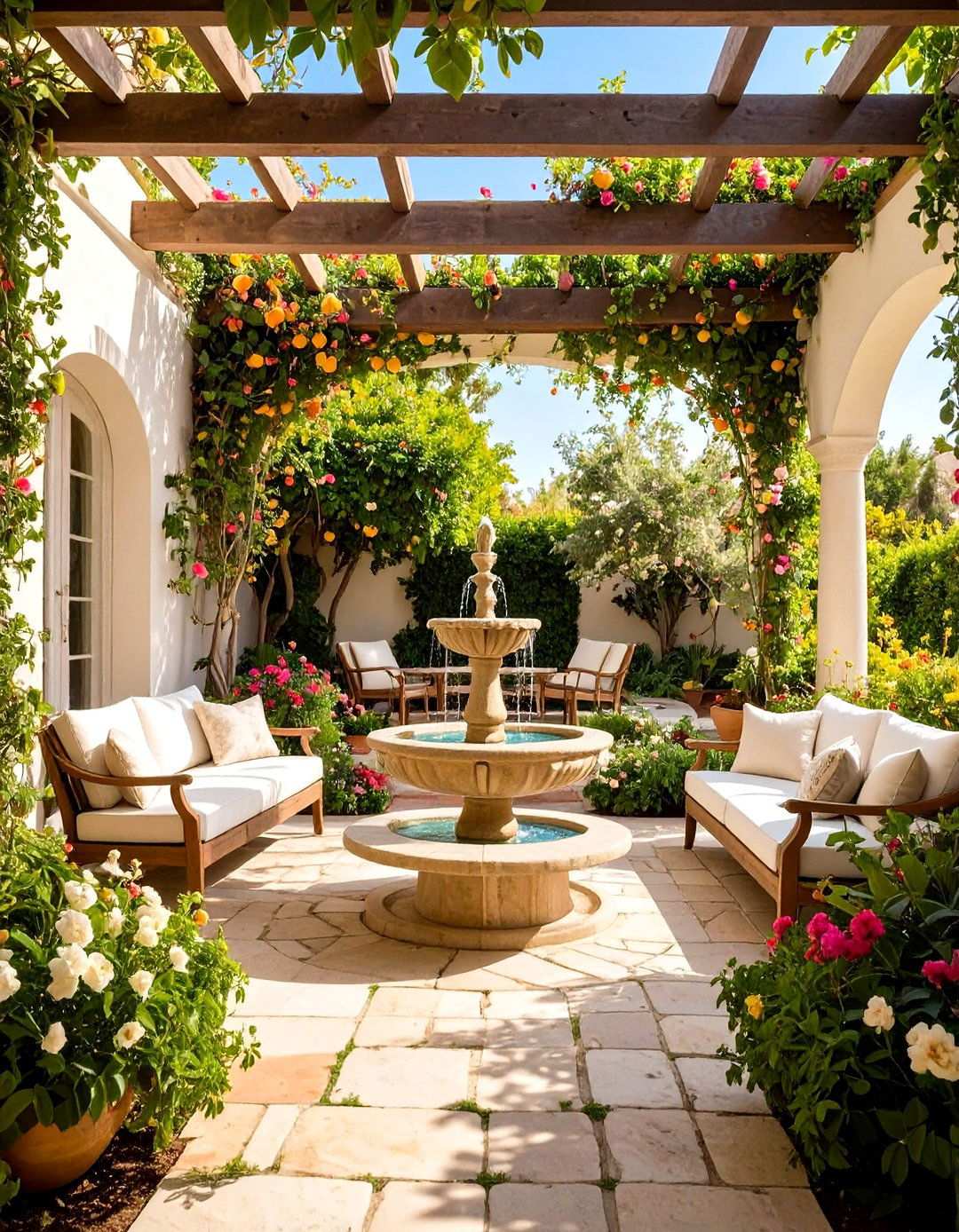
For those seeking a private outdoor retreat that feels like a secret garden, Mexican courtyard gardens offer the perfect solution. These intimate spaces, often enclosed or semi-enclosed, feature fountains or water elements as focal points, surrounded by lush plantings that might include native agave, colorful bougainvillea, fragrant citrus trees, and aromatic herbs. Stone or tile pathways connect different garden zones, providing practical circulation routes, while seating areas under shade trees or pergolas offer comfortable spots for relaxation or informal dining. The courtyard design creates microclimates that feel cooler and more comfortable than surrounding areas, providing a sense of seclusion from neighboring properties. These spaces adapt equally well to urban and rural settings, making them a versatile solution for homeowners seeking a peaceful outdoor retreat.
9. Harmonious Integration with Nature
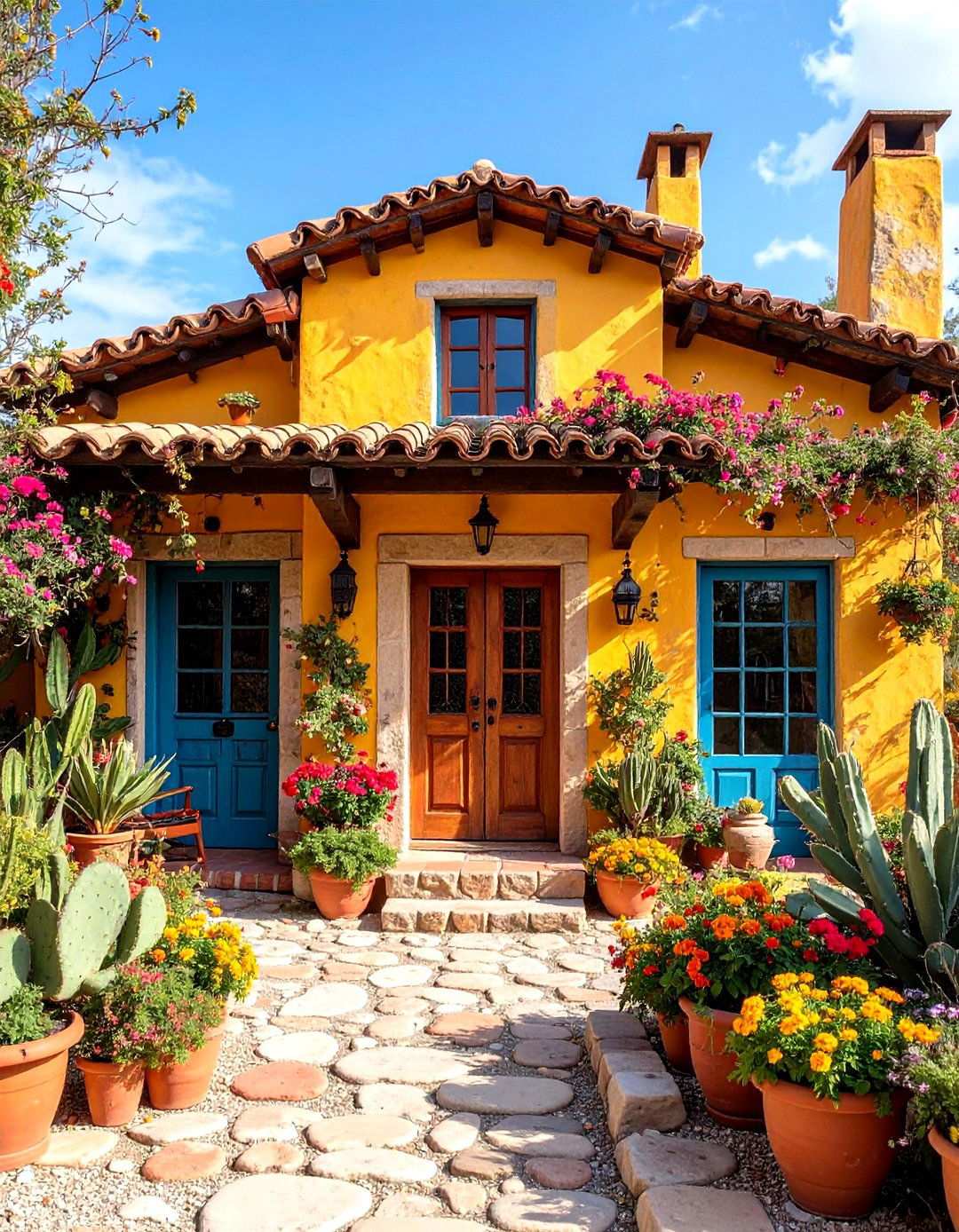
The essence of Mexican homes lies in their profound connection to the earth, a connection that’s deeply rooted in the extensive use of natural materials that celebrate Mexico’s rich geological diversity and time-honored building traditions. By embracing the beauty of cantera stone, limestone, travertine, and volcanic rock, Mexican architects create stunning facades, interior accents, and outdoor hardscaping elements that develop unique patinas over time while requiring minimal maintenance. Locally sourced woods, such as pine, cedar, or tropical hardwoods, bring warmth and organic texture to a space, while clay roof tiles, available in a range of colors, provide weather protection while contributing to the distinctive Mexican silhouette. The strategic combination of multiple natural materials creates rich textural contrasts while maintaining harmony with the surrounding landscape, making for a truly immersive experience. By thoughtfully incorporating these materials, modern homes can highlight their natural beauty and authentic character.
10. Elevating Architecture with Wrought Iron
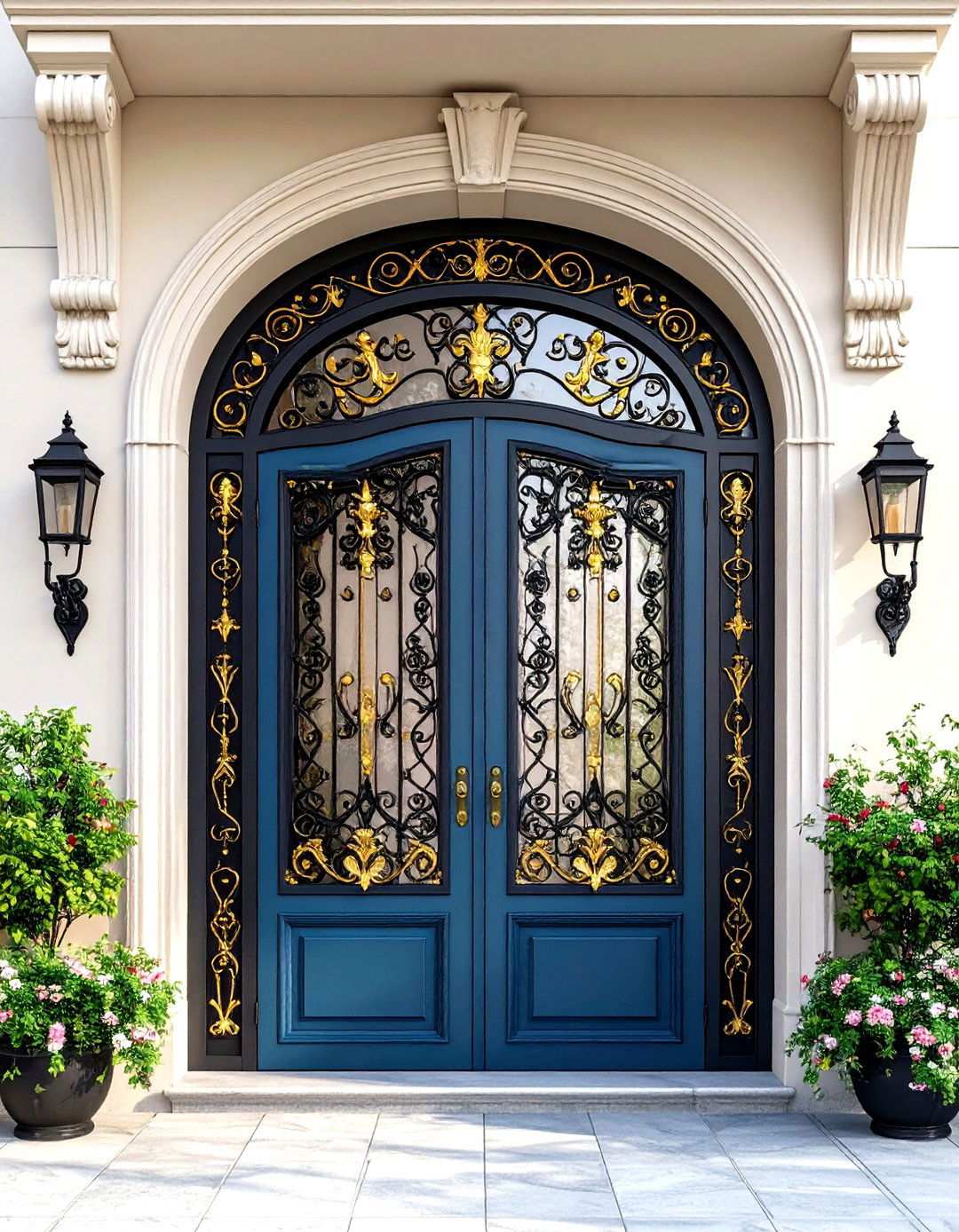
What sets Mexican homes apart from others is their ability to transform ordinary architectural elements into works of art, thanks to the exceptional craftsmanship of Mexican wrought iron. This skillful art form elevates functional elements like gates, window grilles, balcony railings, and light fixtures into decorative masterpieces, each one a testament to the skill and creativity of the artisans who craft them. Traditional patterns, such as scrollwork, floral motifs, geometric designs, or religious symbols, add an extra layer of cultural authenticity and visual interest to a space. Modern applications of wrought iron often simplify traditional patterns for a cleaner, more contemporary aesthetic while maintaining the handcrafted quality that makes wrought iron so unique. Whether used as chandeliers, table bases, stair railings, or decorative wall art, quality wrought iron pieces become family heirlooms that improve with age and proper maintenance, adding warmth and character to both interior and exterior spaces.
11. Redefining Space with Open Floor Plans
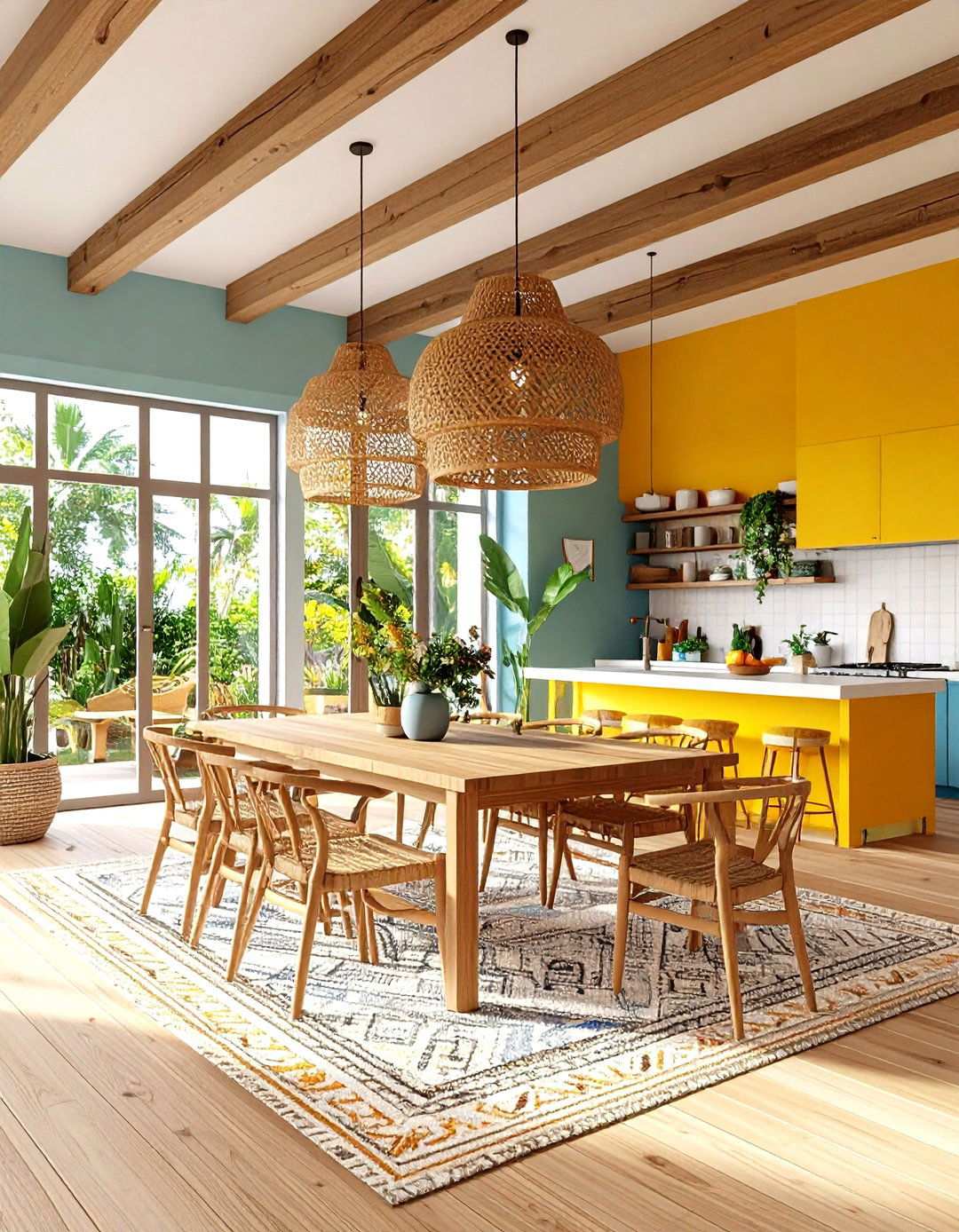
In recent years, Mexican design has increasingly turned to open floor plans as a way to reflect contemporary lifestyles while maintaining connections to traditional design elements. By combining kitchen, dining, and living areas into flowing, multifunctional environments, these spaces create the perfect setting for family interaction and entertaining. High ceilings with exposed beams create a sense of grandeur, while large windows and doors maintain strong connections to outdoor spaces. Rather than traditional room divisions, designated zones within the open space are defined by furniture arrangement, ceiling height changes, or decorative elements, making for a flexible and adaptable environment. This approach maximizes natural light, improves air circulation, and creates the perfect balance between openness and intimacy, allowing for a seamless transition between public and private spaces.
12. Authentic Mexican Style Foundations
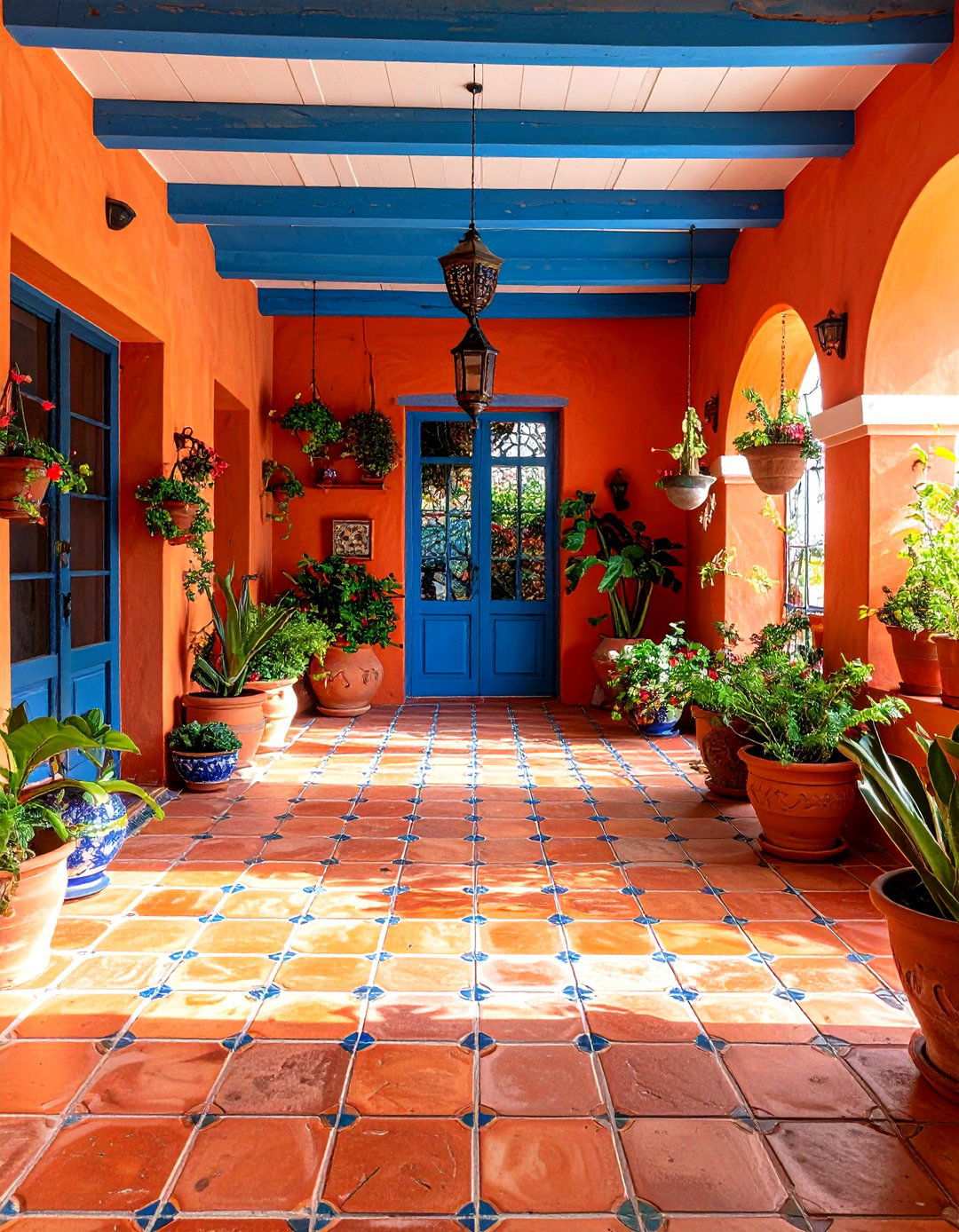
Handmade Saltillo tiles embody the essence of authentic Mexican style, rooted in the region’s rich cultural heritage. These natural clay tiles from Coahuila State, Mexico, offer an unparalleled combination of beauty, durability, and unique character variations. Each tile boasts a distinct personality, showcasing a range of color nuances, textures, and subtle imperfections that make every floor a true one-of-a-kind masterpiece. The warm terracotta tones effortlessly blend with any color scheme, creating a perfect harmony while providing a cool, comfortable surface underfoot. This versatility is further enhanced by the tile’s adaptability to both interior and exterior applications, seamlessly merging indoor and outdoor spaces. By incorporating modern sealing techniques, the natural beauty of these tiles is preserved, while their organic charm is subtly accentuated. As they mature, Saltillo tiles develop rich patinas that add depth and character to their already-distinctive appearance.
13. Alluring Guest Retreat Options
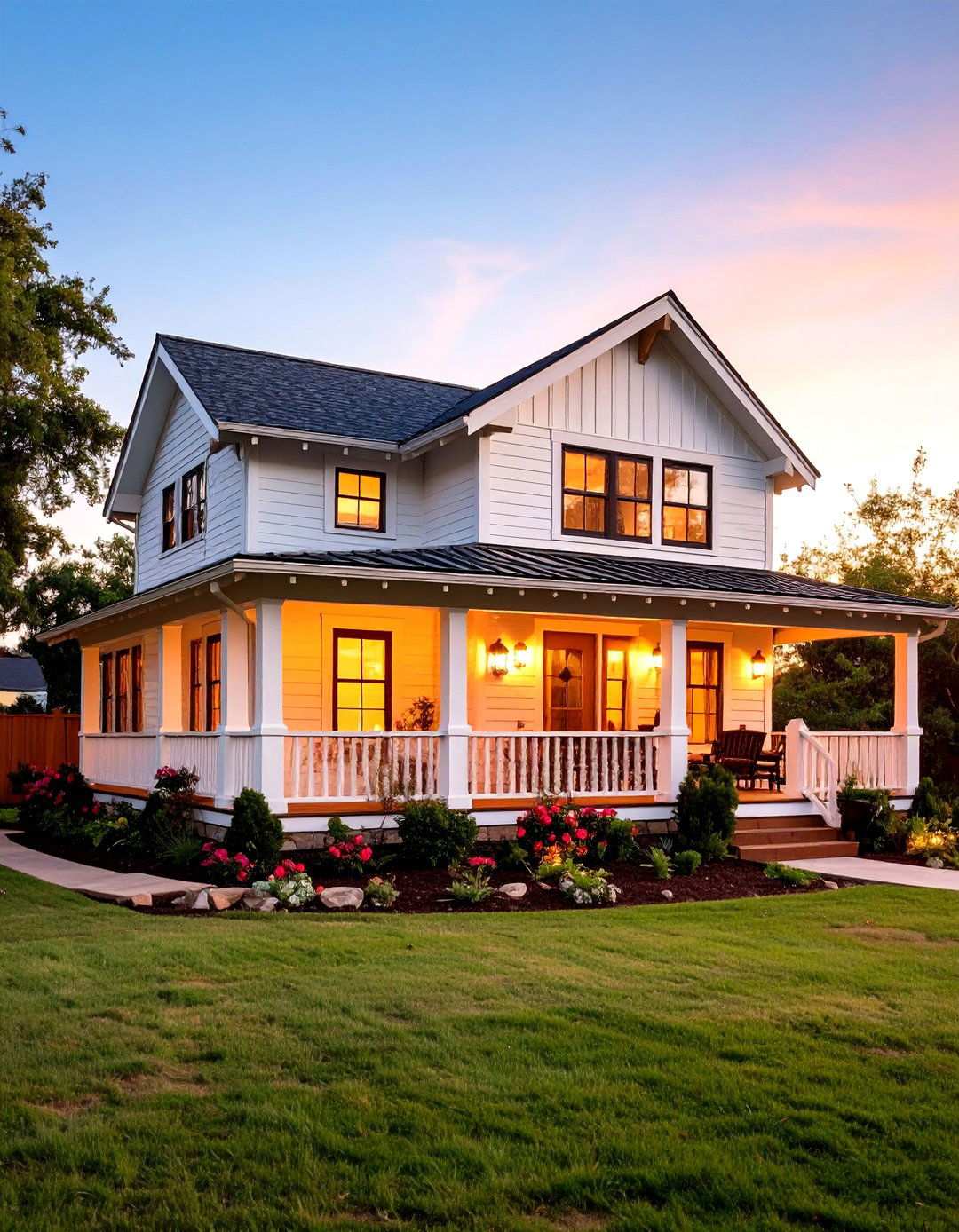
A charming casita guest house can be a highly appealing addition to any property, providing a unique solution for guests, rental income, or family members seeking their independence. These compact, yet comfortable dwellings typically feature a well-appointed bedroom, bathroom, and kitchenette, all nestled within a harmonious floor plan. Traditional casita architecture mirrors the main house’s design elements on a smaller scale, fostering a sense of visual cohesion across the property. Features such as covered porches, small courtyards, or garden areas create inviting, private outdoor spaces that allow guests to unwind and connect with nature. Contemporary casitas often incorporate modern amenities while thoughtfully maintaining the authentic, traditional character that defines Mexican architecture. By providing a separate, private structure, casitas not only enhance the property’s value but also offer a welcome respite for both hosts and guests, particularly in warm climates where outdoor living is an integral part of the living experience.
14. Embracing Earthen Charm
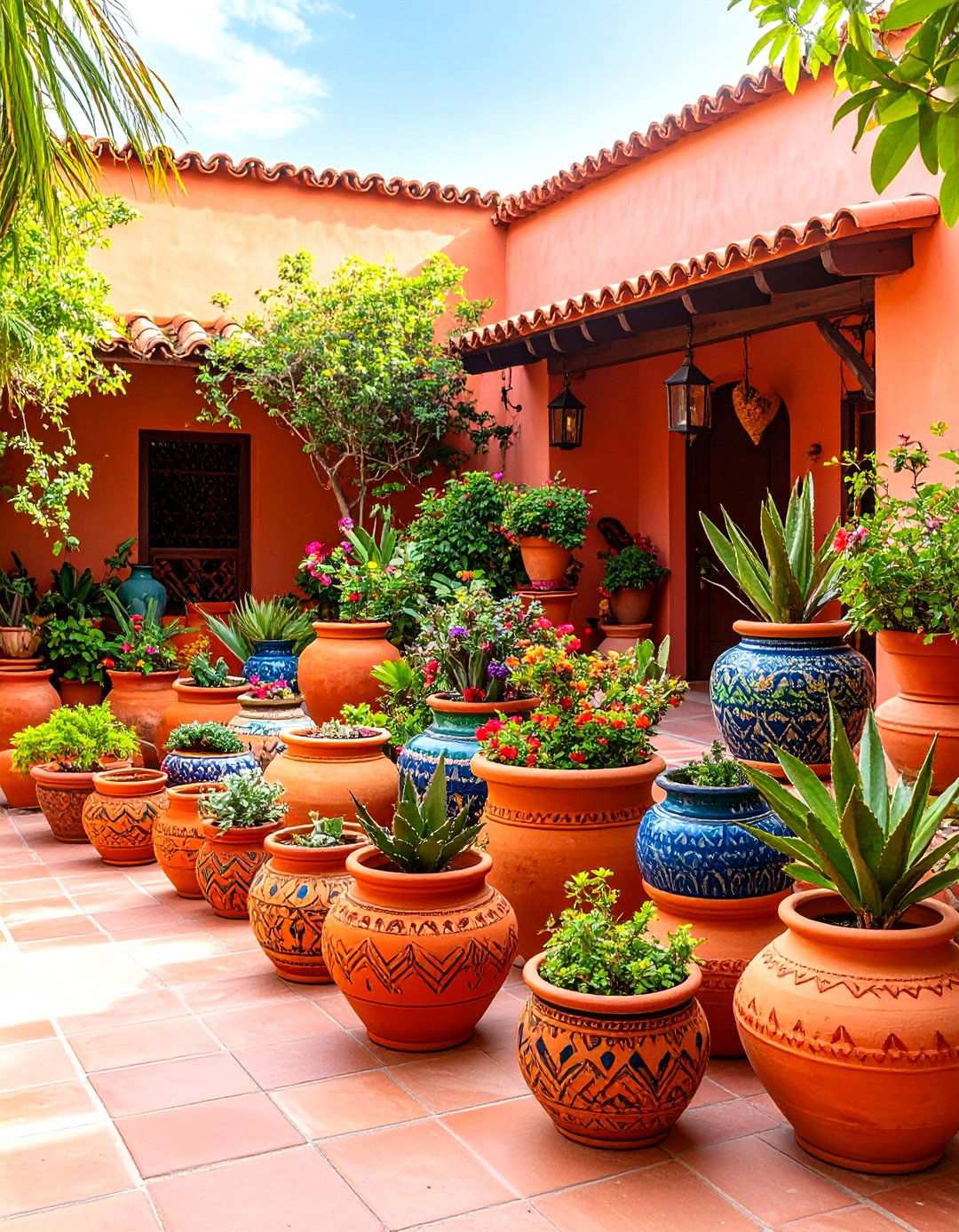
Handcrafted pottery pieces have an undeniable place in Mexican design, reflecting a rich artistic heritage that spans centuries. Traditional Mexican pottery, encompassing an array of functional and decorative items, embodies the country’s long-standing tradition of artistic expression. Terracotta planters in diverse shapes and sizes make perfect vessels for succulents, tropical plants, or herb gardens, bringing warmth and organic flair to interior and exterior spaces alike. The earthy tones of terracotta complement natural stone and wood elements, skillfully blending with geometric architectural lines to create visually stunning contrasts. Each pottery piece boasts unique color and texture nuances, testament to its handmade origins and the artisan’s skill. Contemporary interpretations of terracotta pottery may feature sleeker lines or innovative glazes while maintaining the fundamental essence that makes clay pottery so captivating. These pieces develop beautiful patinas over time, requiring minimal maintenance while adding depth and character to any space.
15. Harmonizing with Desert Landscapes
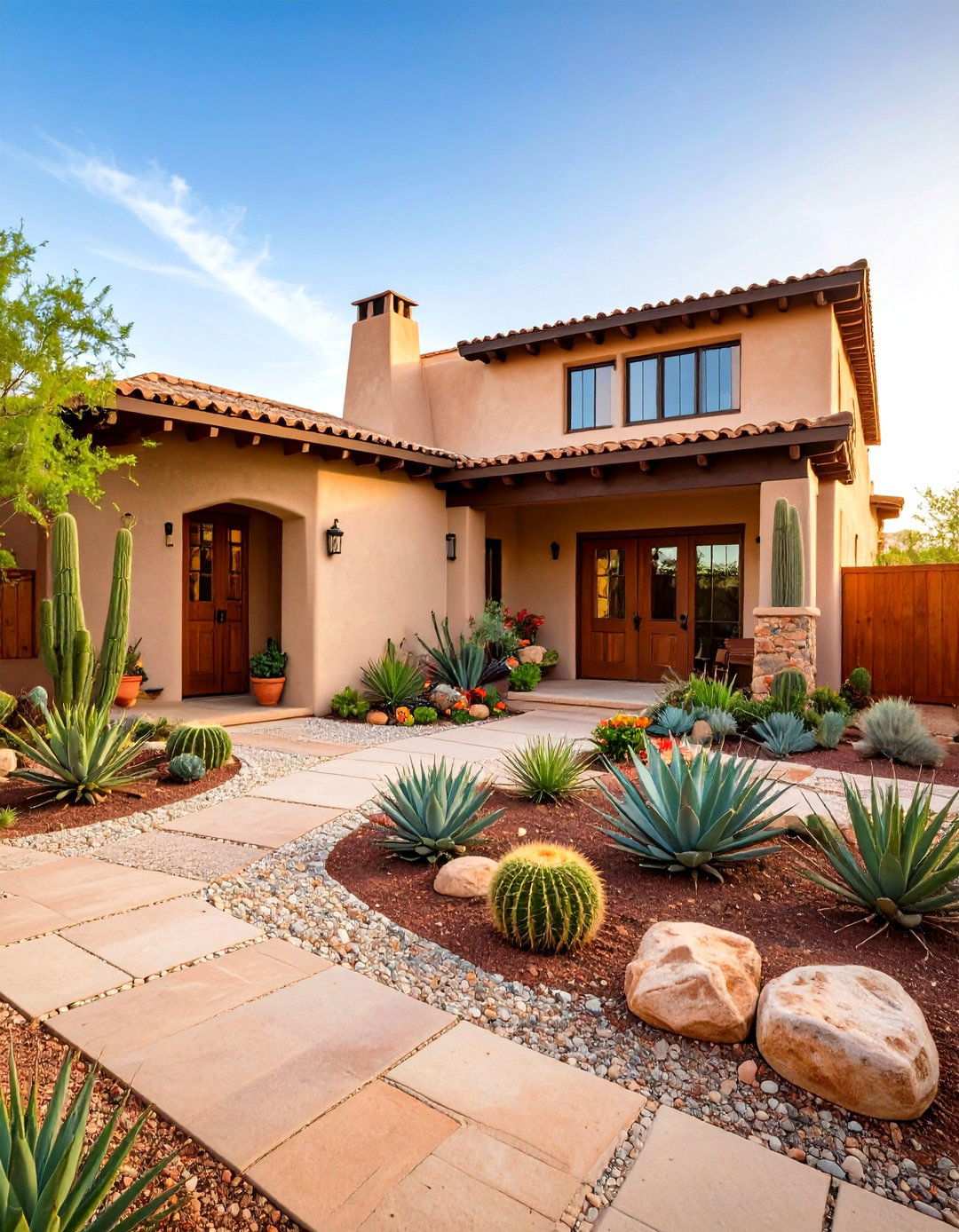
The dramatic beauty of Mexico’s desert landscapes can be seamlessly incorporated into your home’s design, creating a harmonious fusion of indoors and outdoors. By embracing desert landscaping principles, homeowners can create sustainable, low-maintenance outdoor spaces that celebrate the unique character of arid environments. Native plants like agave, barrel cactus, palo verde trees, and desert willow provide a structural framework, injecting vibrant color and seasonal interest into the landscape without excessive water requirements. Rock gardens, gravel pathways, and stone retaining walls form functional hardscaping that complements the natural terrain, allowing the landscape to dictate the design rather than imposing a formal layout. The strategic incorporation of water features, such as small fountains or reflecting pools, not only provides cooling effects but also creates wildlife habitats while using water efficiently. By balancing wild, natural areas with more controlled spaces near the house, desert landscaping creates breathtaking environments that reflect regional character while minimizing maintenance and environmental impact.
16. Timeless Charm of Traditional Fireplaces and Chimineas
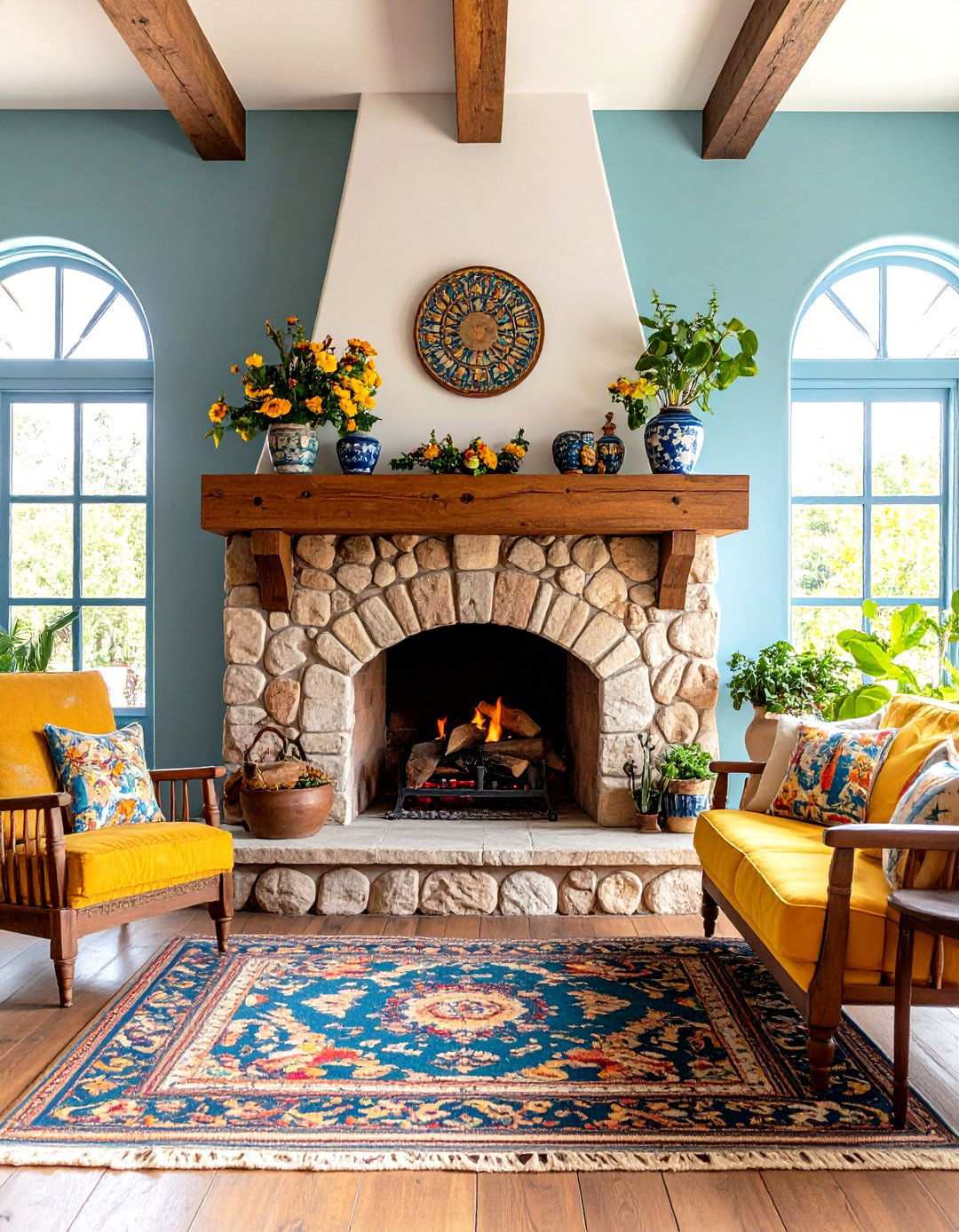
There’s something undeniably captivating about gathering around a crackling fire on a crisp autumn evening. Traditional Mexican fireplaces and chimineas serve as captivating focal points for both interior and exterior spaces, providing not only warmth but also practical cooking capabilities. Indoor fireplaces often boast impressive stone or adobe construction, paired with rustic wooden mantels and striking decorative tile surrounds that add a touch of elegance. Exterior chimineas, whether classic clay or sleek modern metal versions, extend the outdoor living season, transforming spaces into inviting gathering spots. Contemporary fireplace designs thoughtfully blend innovative materials like steel and glass with the timeless essence of traditional Mexican styles. As natural hubs for social interactions, fire features foster meaningful conversations and connections with loved ones. To ensure safety, consider factors such as adequate ventilation, fire-resistant materials, and sufficient clearances from combustible surfaces. By incorporating these essential elements, homeowners can enjoy both functional comfort and atmospheric allure throughout the year.
17. Harmonious Balance of Minimalist Mexican Design
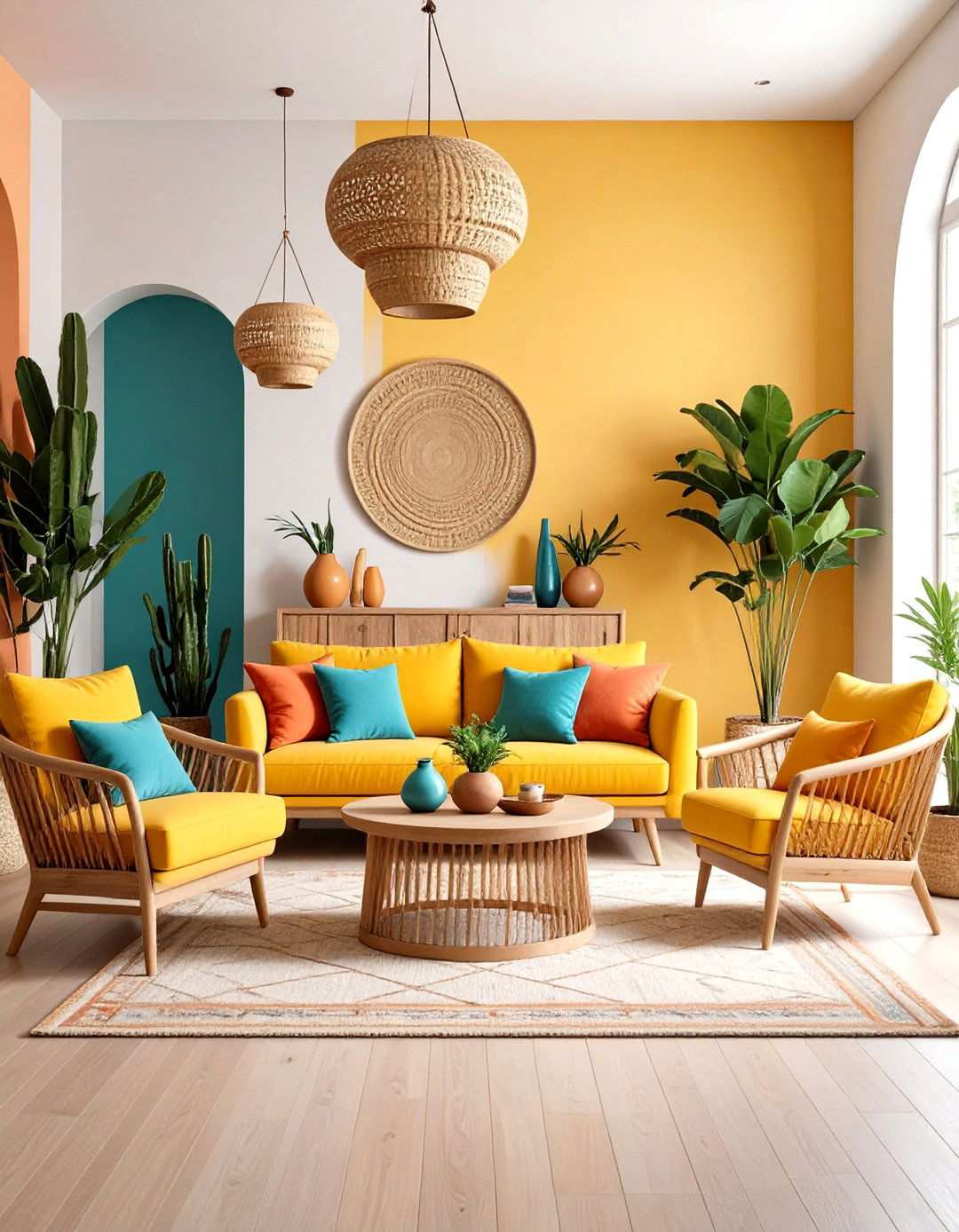
What happens when traditional Mexican design principles are skillfully integrated into sleek, modern aesthetics? Contemporary minimalist Mexican style elegantly strips away ornate excess, preserving the essence of natural materials, seamless indoor-outdoor connections, and warm, inviting color palettes. By embracing clean lines, open spaces, and streamlined forms, these designs create serene, uncluttered environments that still exude authentic Mexican charm. When selecting materials, quality takes precedence over quantity – think a single statement wall in hand-painted tiles rather than elaborate patterns throughout. Color palettes often focus on soothing neutrals paired with deliberately chosen bright accents, rather than bold colors dominating every space. Furniture choices favor understated, expertly crafted pieces that showcase natural wood, supple leather, or polished metal finishes. This approach yields sophisticated spaces that seamlessly blend modern sensibilities with the timeless warmth and character of Mexican design, making it both appealing and livable.
18. Rooftop Oasis and Al Fresco Entertainment
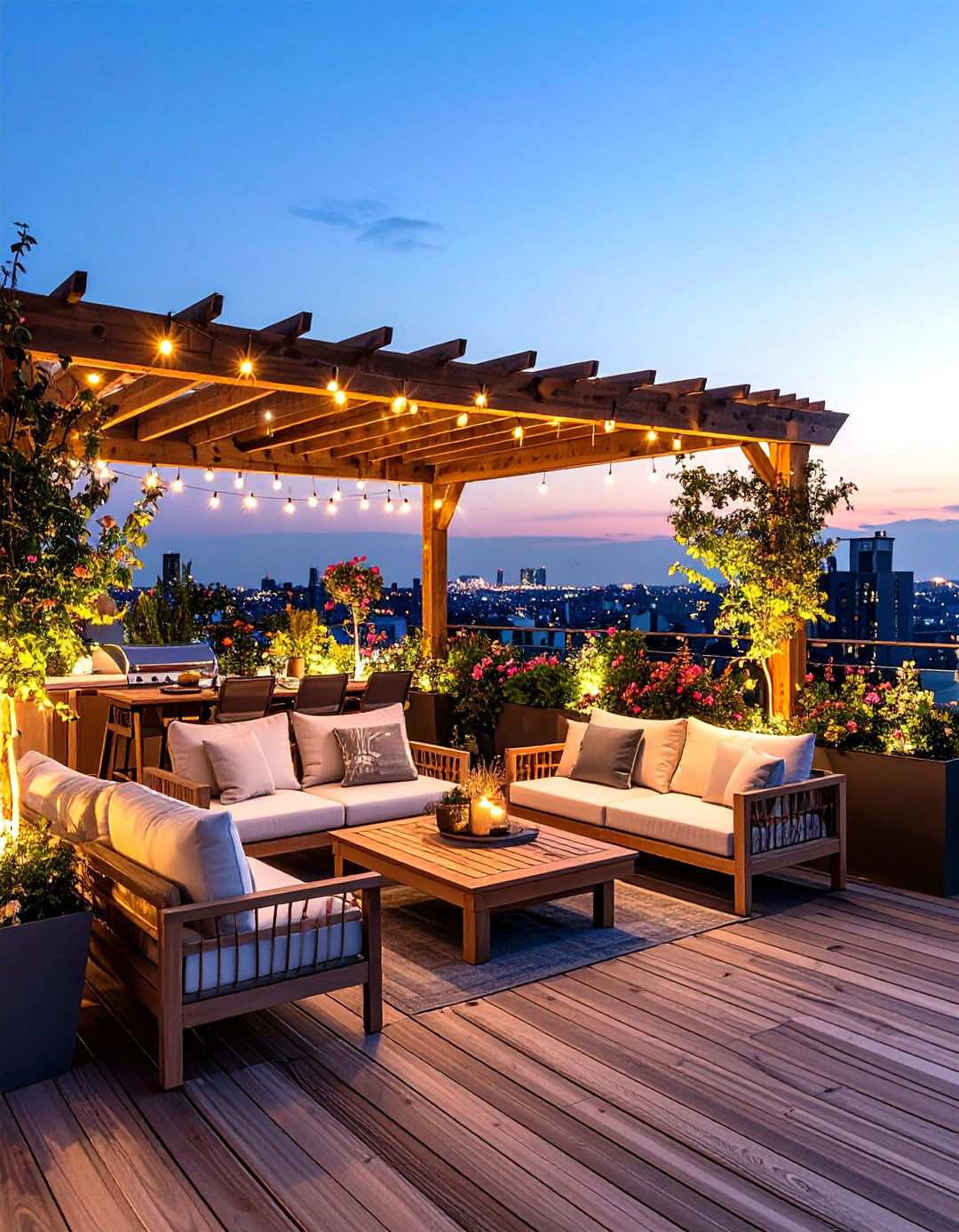
Imagine transforming your rooftop into a vibrant gathering space that showcases Mexico’s rich cultural heritage. By repurposing underutilized space, you can create an extraordinary outdoor room with breathtaking views and endless possibilities for entertaining. Elevated spaces often feature beautiful pergolas or shade structures that filter the intense sun’s rays while allowing refreshing breezes to circulate freely. Outdoor kitchens equipped with traditional pizza ovens or modern grills allow for al fresco dining experiences that celebrate Mexico’s renowned culinary traditions. Comfortable seating areas might include plush built-in benches with colorful cushions, rustic wooden tables, and perhaps hammocks for relaxing afternoon siestas. Container gardens with native plants add pops of color and fragrance while requiring minimal water and maintenance. As the sun sets, evening lighting creates enchanting atmospheres for dinner parties or quiet relaxation under star-filled skies. Rooftop spaces work particularly well in urban settings where ground-level outdoor space may be limited, but rooftop access unlocks a world of possibilities.
19. The Art of Authentic Textiles
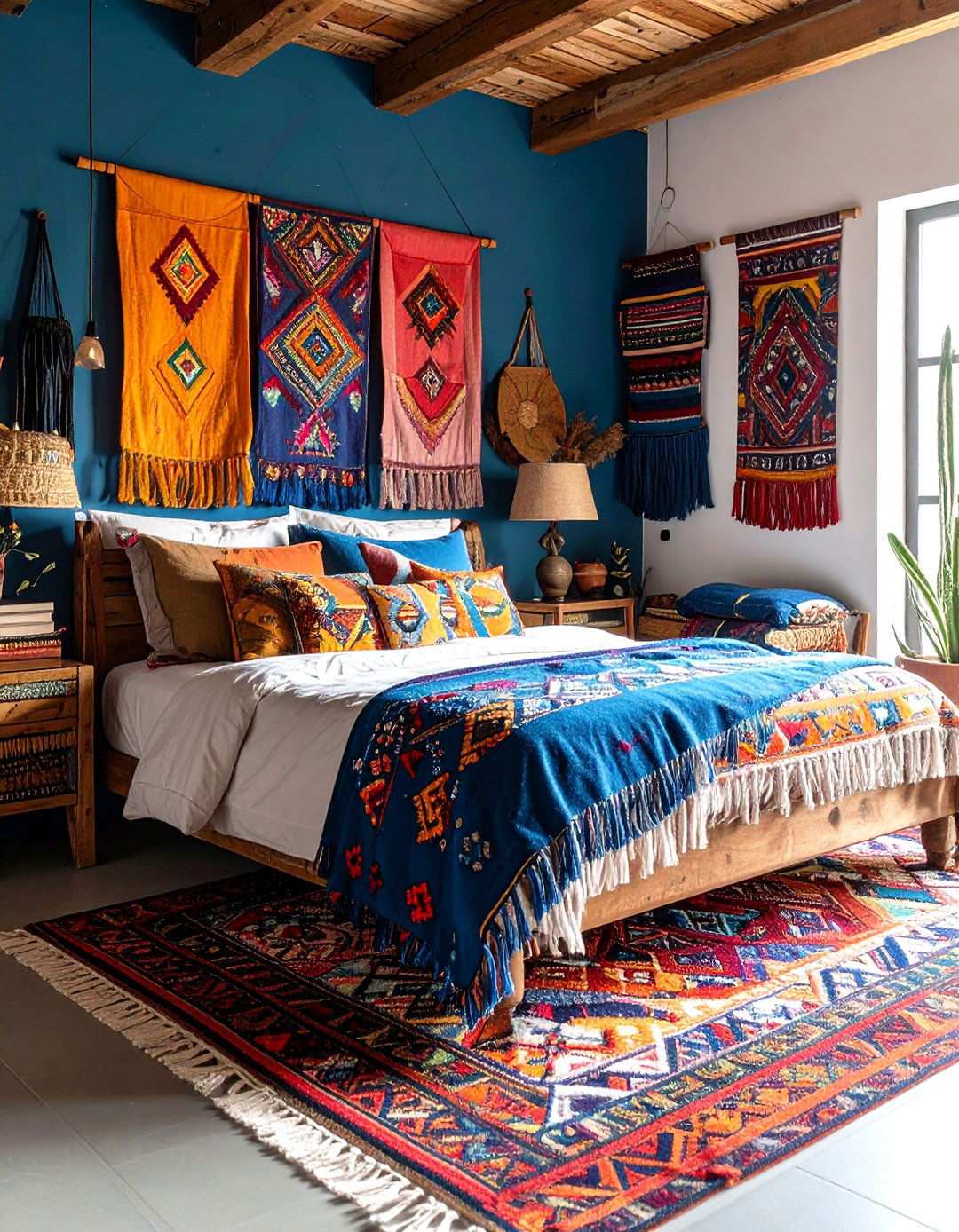
How do traditional textiles contribute to the authentic charm of Mexican interiors? Handwoven textiles bring a wealth of color, pattern, and cultural richness to any interior space through their intricate designs and vibrant hues. From Otomi embroidery to Oaxacan weavings and Chiapas textiles, each regional tradition offers a unique perspective on nature, spirituality, and community celebration. Modern applications of these timeless textiles might include throw pillows, wall hangings, table runners, or upholstery fabrics that add texture and visual interest. The handmade quality of these textiles creates subtle variations that machine production simply cannot replicate, ensuring each piece is a one-of-a-kind treasure. Natural fibers like cotton and wool provide durability while feeling soft and comfortable against the skin. Contemporary designers often pair traditional textiles with modern furniture to create eclectic spaces that honor Mexico’s heritage while meeting the demands of modern living. These elements work particularly well in neutral color schemes, where their vibrant patterns can serve as stunning focal points.
20. Harmonious Water Features and Fountains
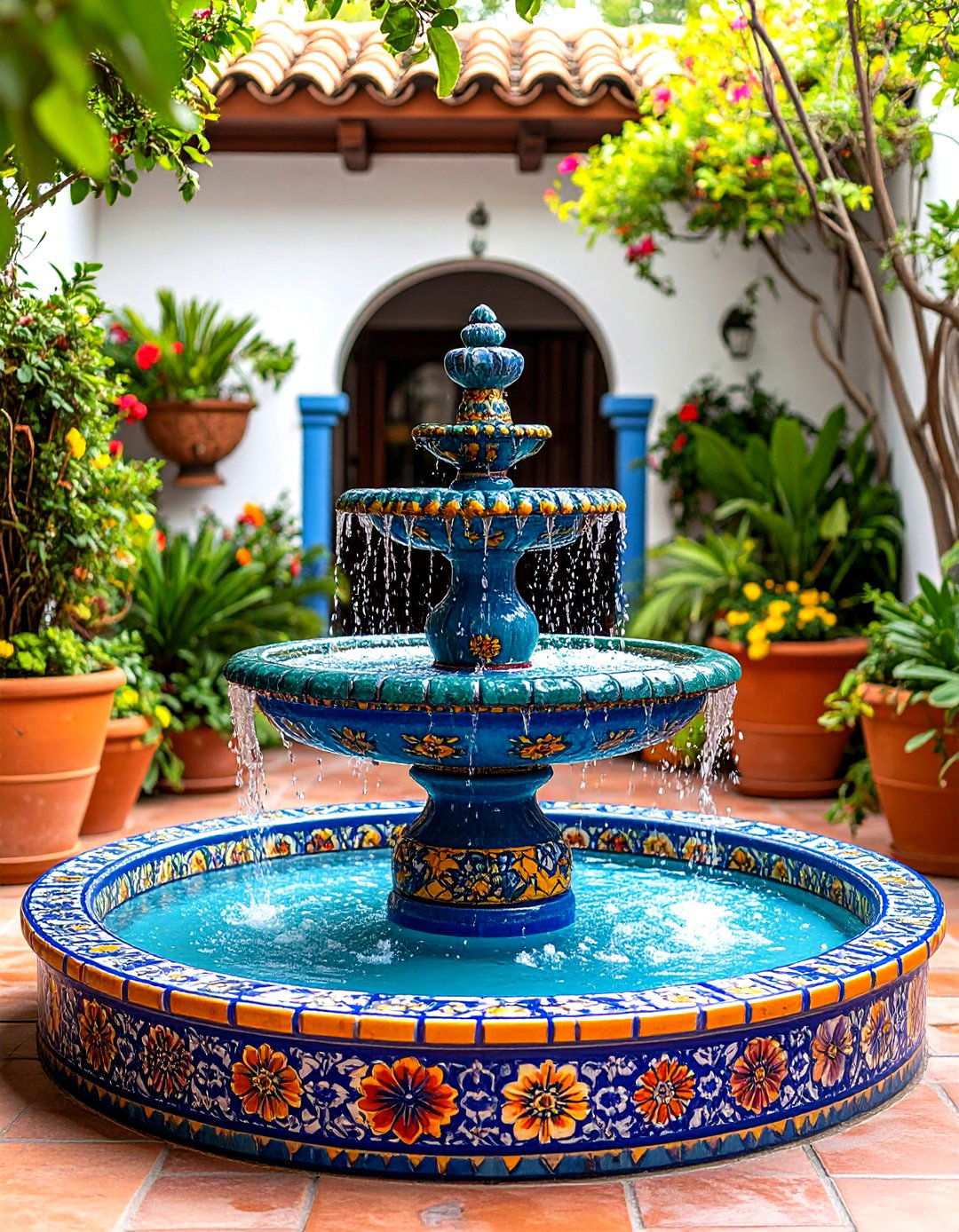
The soothing sound of flowing water can elevate outdoor spaces significantly. In Mexican design, water features are a staple, ranging from simple wall fountains to elaborate courtyard installations that foster a sense of calm and tranquility. The traditional use of Talavera tile surrounds creates visually stunning backdrops for water features while infusing authentic Mexican charm into the design. Modern interpretations might incorporate natural stone, sleek metals, or geometric forms, all while retaining the cooling effects and acoustic benefits of water features. These installations thrive in enclosed courtyards, where the sound of water creates a sense of seclusion, masking urban noise and distractions. To ensure their longevity, it’s essential to consider proper filtration, pump systems, and protection from freezing temperatures in colder climates. When executed effectively, water features can become a significant asset to properties, serving as focal points that enhance the overall design and aesthetic appeal. Additionally, the evaporation and air movement caused by water features can lead to a genuine reduction in surrounding temperatures.
21. Blending Tradition with Sustainable Practices
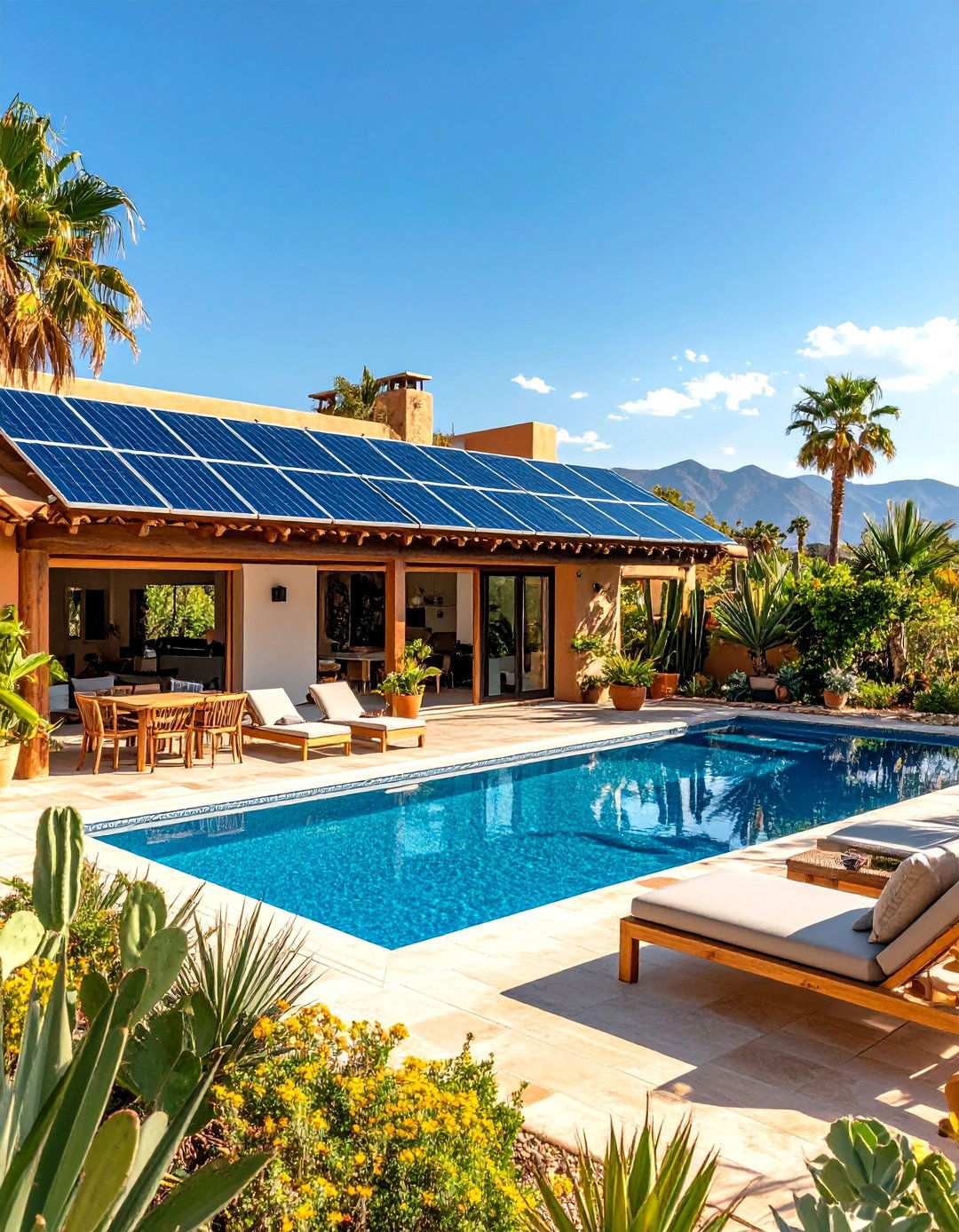
Mexican building techniques have long been rooted in eco-friendly principles, and contemporary design is increasingly embracing these practices to minimize environmental impact. By seamlessly integrating eco-friendly elements into traditional designs, architects and homeowners can strike a beautiful balance between sustainability and authenticity. Solar panels, often cleverly disguised within traditional tile roofs, provide a renewable source of energy without compromising the visual appeal of the property. Rainwater collection systems effectively capture and store precipitation for irrigation and non-potable uses, reducing the demand on municipal water supplies. Native plant landscaping not only conserves water but also provides a haven for local wildlife, showcasing the potential for coexistence between nature and architecture. The strategic use of natural building materials like adobe, stone, and locally sourced wood minimizes environmental impact while offering excellent thermal performance. By harnessing the principles of passive solar design, homes can maximize natural heating and cooling, significantly reducing energy consumption. As a result, modern Mexican homes can achieve impressive sustainability metrics while preserving the warmth and character that defines this architectural style.
22. Crafting a Mexican-Inspired Kitchen Oasis
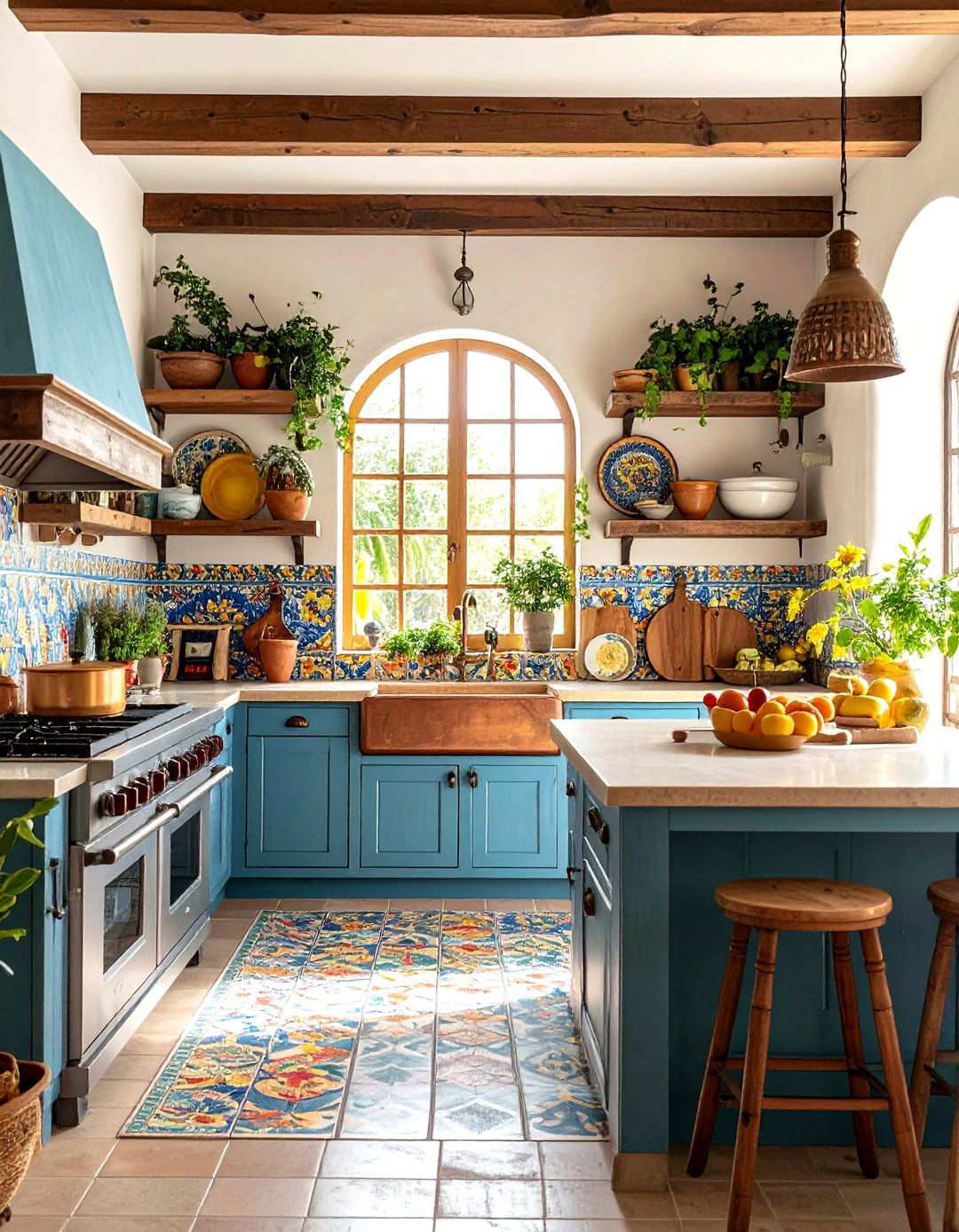
What makes a Mexican-style kitchen a true haven for culinary enthusiasts? It’s not just about aesthetics; it’s about creating a space that celebrates cooking as a social activity while incorporating authentic materials and design elements that elevate both form and function. One standout feature is the hand-painted tile backsplash, which not only adds visual drama but also protects walls from splatters and spills. Meanwhile, natural stone countertops provide a durable and age-proof work surface that only gets better with time. For a touch of warmth and personality, exposed wooden shelving can display an assortment of colorful pottery and serving pieces, keeping essentials within easy reach.
23. Translating Mexican Design Elements into a Peaceful Bedroom Sanctuary
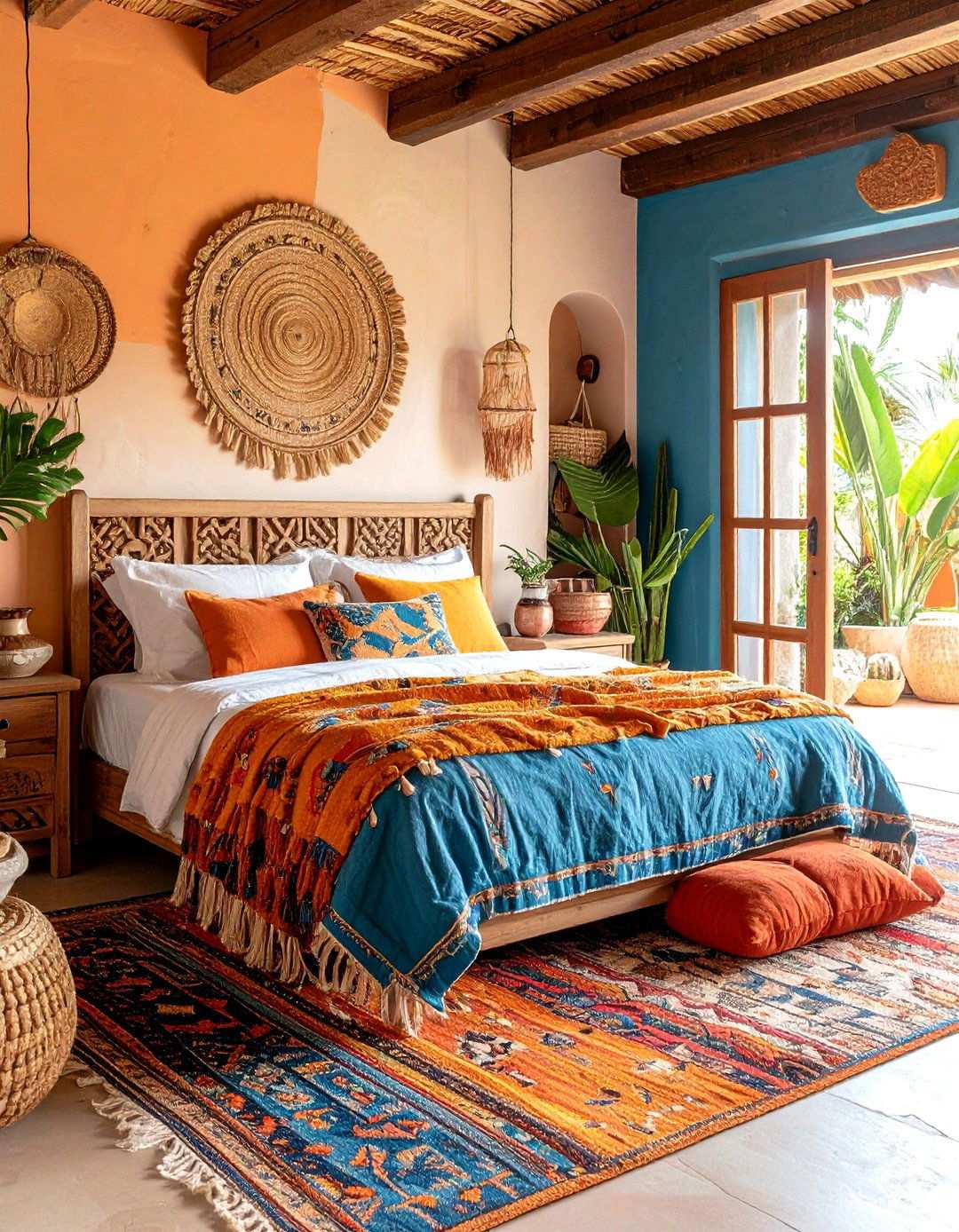
How can a bedroom become a serene retreat that honors Mexican design traditions? The key lies in striking a balance between comfort and cultural authenticity through the judicious use of materials, colors, and furnishings. Natural fiber textiles like cotton and linen are perfect for warm climates, providing breathable comfort and a soft touch to hard surfaces. Wooden furniture with intricate, traditional carvings adds visual interest without overwhelming small spaces. A thoughtful color palette often features soothing earth tones, which can be accentuated with brighter hues through artwork, throw pillows, or decorative objects. To maximize floor space in compact rooms, built-in niches can be used to display personal treasures.
24. Capturing the Essence of Mexico's Beachside Elegance
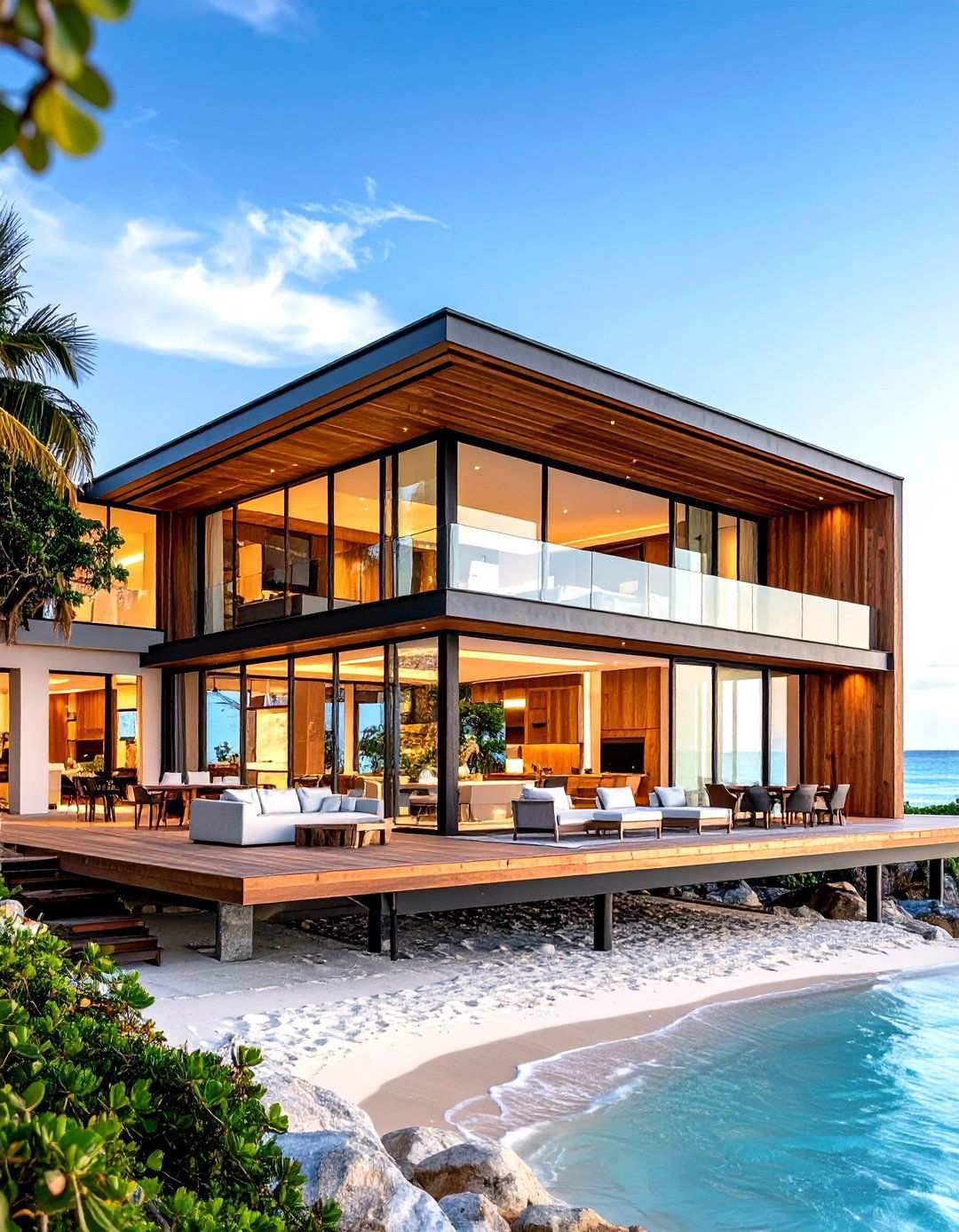
Imagine a coastal retreat that embodies the laid-back sophistication of Mexico’s stunning beaches. Modern Mexican beach house design masterfully blends indoor and outdoor living, thanks to expansive glass walls, covered terraces, and elevated structures that showcase breathtaking ocean views while safeguarding against the fury of storms. Durable natural materials such as teak, stone, and bamboo are expertly chosen for their ability to withstand the corrosive effects of salt air, while gradually developing a patina that complements coastal environments. A thoughtfully curated color palette draws inspiration from the ever-changing hues of sand, sea, and sky, with soft blues, warm whites, and natural wood tones evoking a sense of serenity and connection to the surroundings. By embracing open floor plans, these homes cleverly harness the cooling effects of ocean breezes and provide flexible spaces that cater to both family activities and entertaining. As an added bonus, outdoor showers, plunge pools, and sunset-viewing decks seamlessly extend the living areas beyond conventional boundaries. Modern amenities, cleverly concealed within traditional forms, create an atmosphere of refined comfort that is quintessentially Mexican. By incorporating hurricane-resistant construction techniques, homeowners can rest assured that their coastal retreat is both safe and securely rooted in the light, airy ambiance that makes beach living so alluring. Furthermore, many of these homes proudly feature sustainable elements such as solar power and rainwater collection, which significantly reduce the environmental footprint of the property.