1. Elevating Your Yard: Natural Stone Terraced Retaining Walls
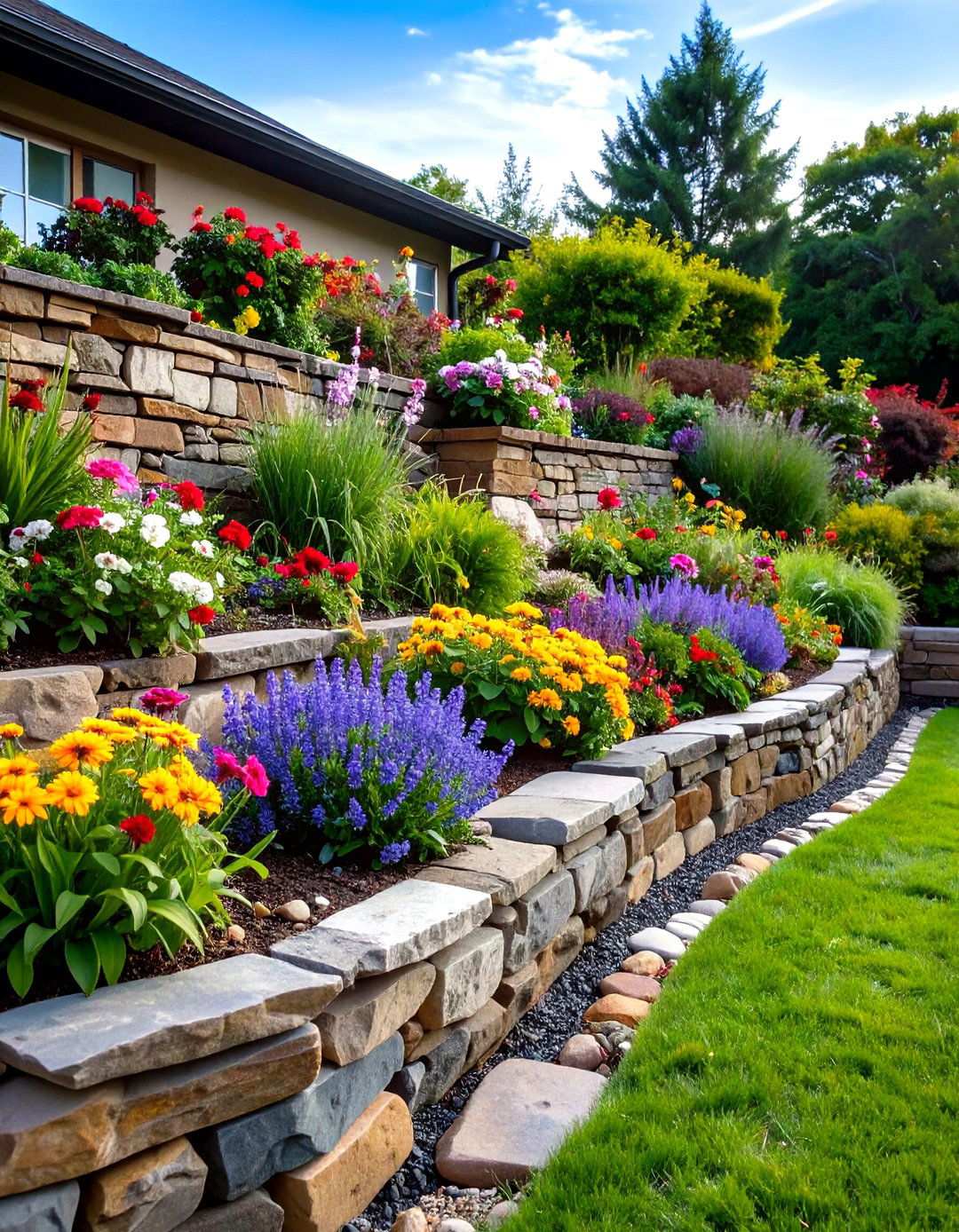
Natural stone terraced retaining walls can be a game-changer when it comes to transforming sloped backyards into beautiful and functional outdoor spaces. By incorporating multiple stone walls of varying heights, these structures create an array of distinct planting zones and flat areas that work in harmony with the natural terrain. The irregular shapes and earthy tones of natural fieldstone, limestone, or sandstone bring organic beauty to the landscape, which only improves with age. Each terrace level can be designed to serve a specific purpose, whether it’s a lower level for vegetable gardens, a middle section for ornamental plants, or an upper area for seating or entertaining. The dry-stacked construction method allows for proper drainage while maintaining the structural integrity of the wall, and optional joints can be added for enhanced stability in areas prone to heavy rainfall or freeze-thaw cycles.

As an Amazon Associate I earn from qualifying purchases.
2. Modern Concrete Block Retaining Walls: A Bold Design Statement
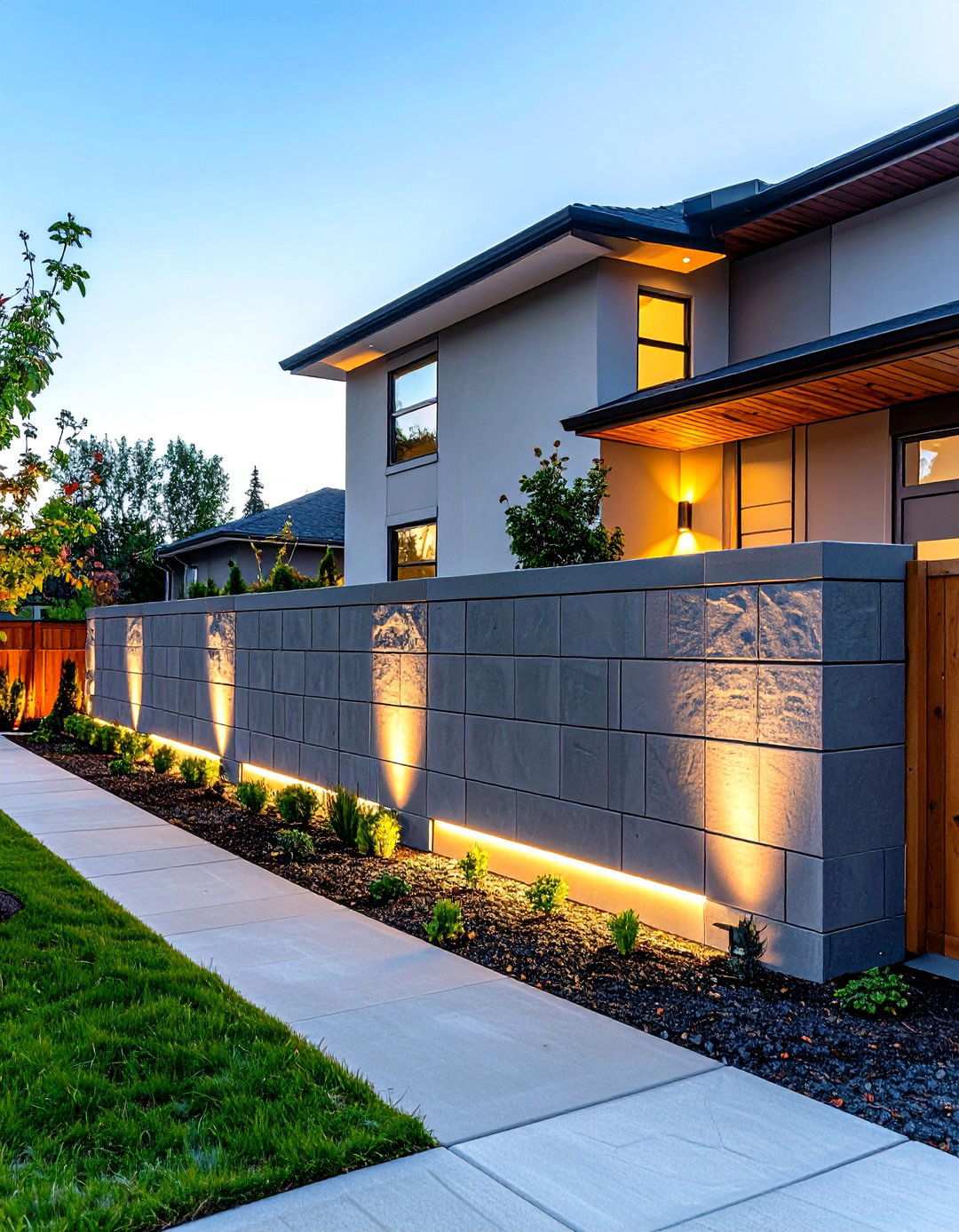
For a clean and modern look, contemporary concrete block retaining walls are an excellent choice. These structures feature interlocking blocks in neutral colors like charcoal, gray, or beige, creating a sophisticated visual effect that complements modern home designs. The modular design allows for creative patterns and textures, from smooth-faced blocks to those with split-face finishes that add dimensional interest. To ensure long-term stability, these walls often incorporate built-in drainage systems and geogrid reinforcement. The flat tops of these walls can be designed with cap stones for finished edges or integrated planters for a softer, more natural look. Additionally, strip lighting can be incorporated between block courses for dramatic nighttime illumination that highlights the wall’s architectural features.
3. Timber Retaining Walls Blend Nature with Functionality
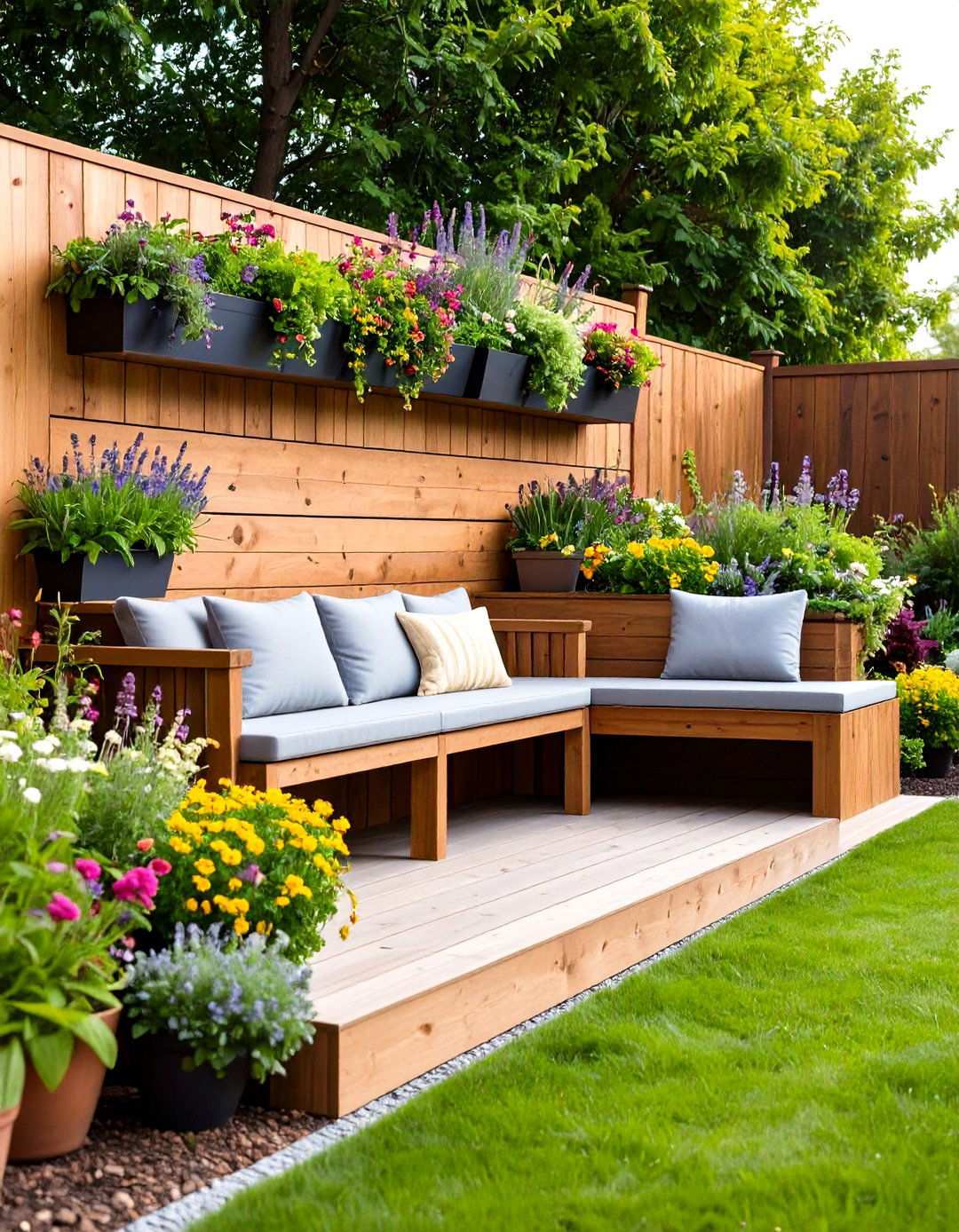
When integrating seating areas into timber retaining walls, the result is a harmonious balance of natural warmth and practical functionality. The use of pressure-treated lumber, cedar, or composite materials creates sturdy structures that seamlessly blend with garden design. By incorporating wider top sections, these walls can serve as inviting bench seating areas, perfect for taking in garden views or relaxing outdoors. Raised planting beds within the wall can showcase a vibrant array of flowers or the unique textures of aromatic plants, complementing the natural beauty of the wood’s grain patterns and rich colors. This style of wall design can suit any landscape aesthetic, from rustic to modern, and boasts exceptional longevity due to the drainage achieved through gravel backfill and weep holes. Regular staining or sealing also helps maintain the wood’s appearance and protects it against moisture and UV damage.
4. Industrial-Chic Gabion Retaining Walls Provide Versatility
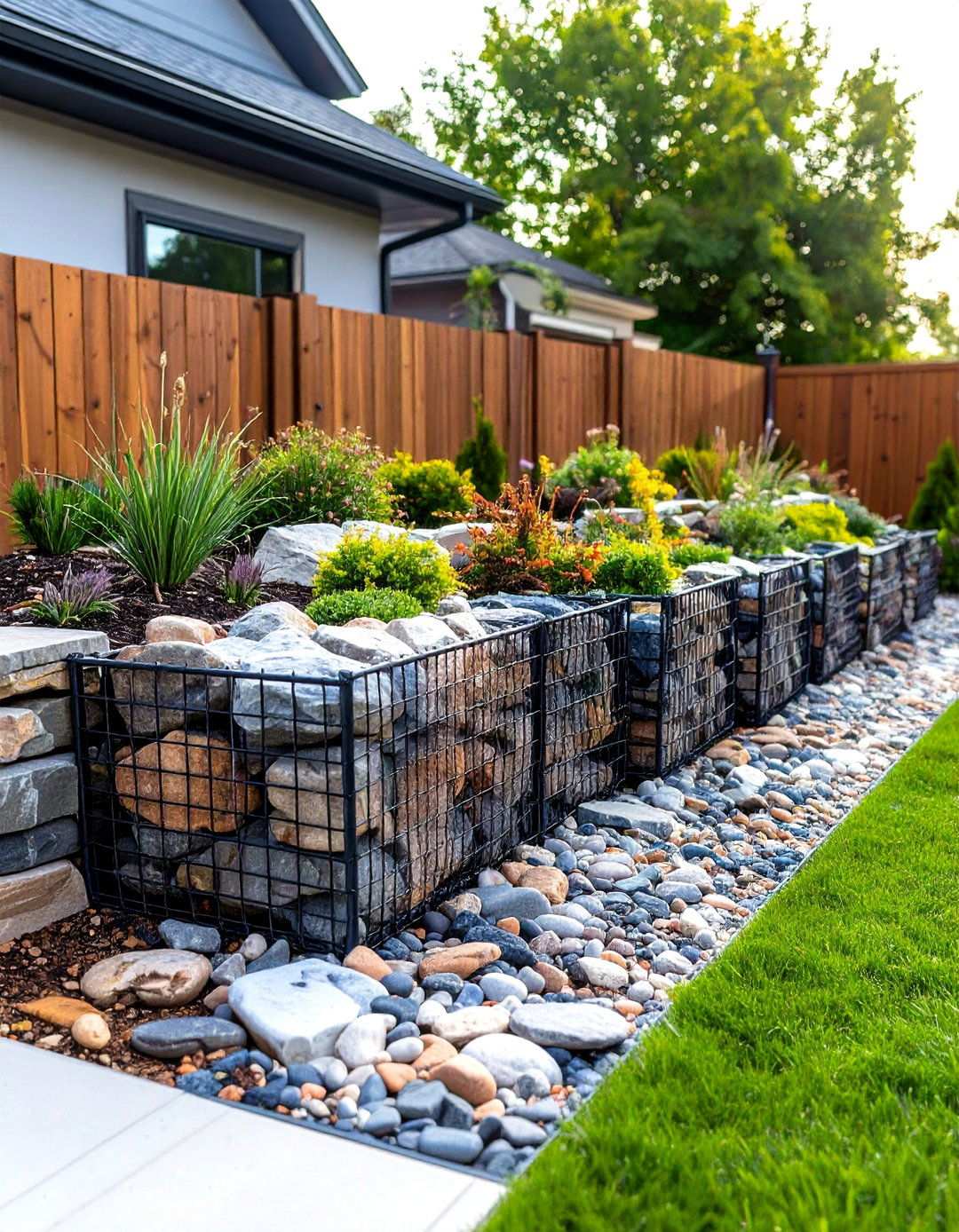
Gabion retaining walls exude an industrial design aesthetic while delivering excellent drainage and structural integrity. The wire mesh baskets filled with stones, concrete chunks, or recycled materials create visually striking barriers that effectively handle water flow. The metal framework provides robust structural support, allowing water to pass through freely and preventing hydrostatic pressure. This design also enables a wide range of selection options, from uniform river stones for a clean appearance to mixed materials for an eclectic, artistic look. The spaces between stones provide natural habitat for beneficial insects and small animals, making gabion walls an excellent choice for modern landscapes that feature steel and glass architecture. With proper installation and foundation preparation, these walls require minimal maintenance.
5. Curved Stone Retaining Walls Create a Harmonious Blend of Form and Function
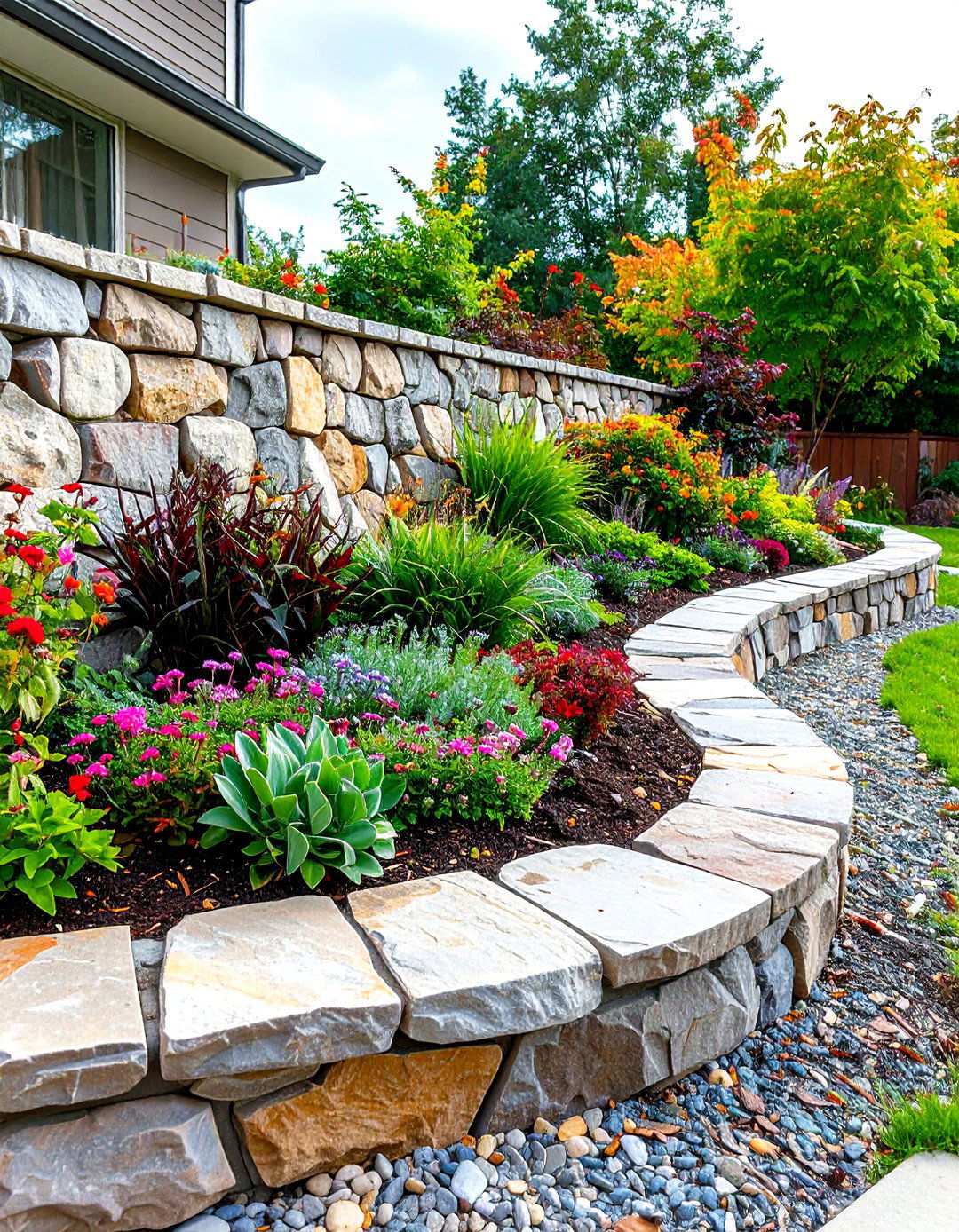
Curved stone retaining walls are a masterful blend of form and function, creating flowing, organic shapes that soften harsh slope transitions while maximizing planting opportunities. By following the natural contours of the landscape, curved designs create intimate garden pockets and visual interest from multiple viewing angles. The curved structure also distributes lateral soil pressure more effectively than straight walls, often requiring less stone material. Planting pockets within the wall structure support cascading plants, creeping groundcovers, and small perennials that soften the hardscape, while varying heights create dynamic visual rhythms and provide multiple microclimates for diverse plant selections throughout the curved landscape.
6. Crafting a Natural Ambiance with Railroad Tie Retaining Walls
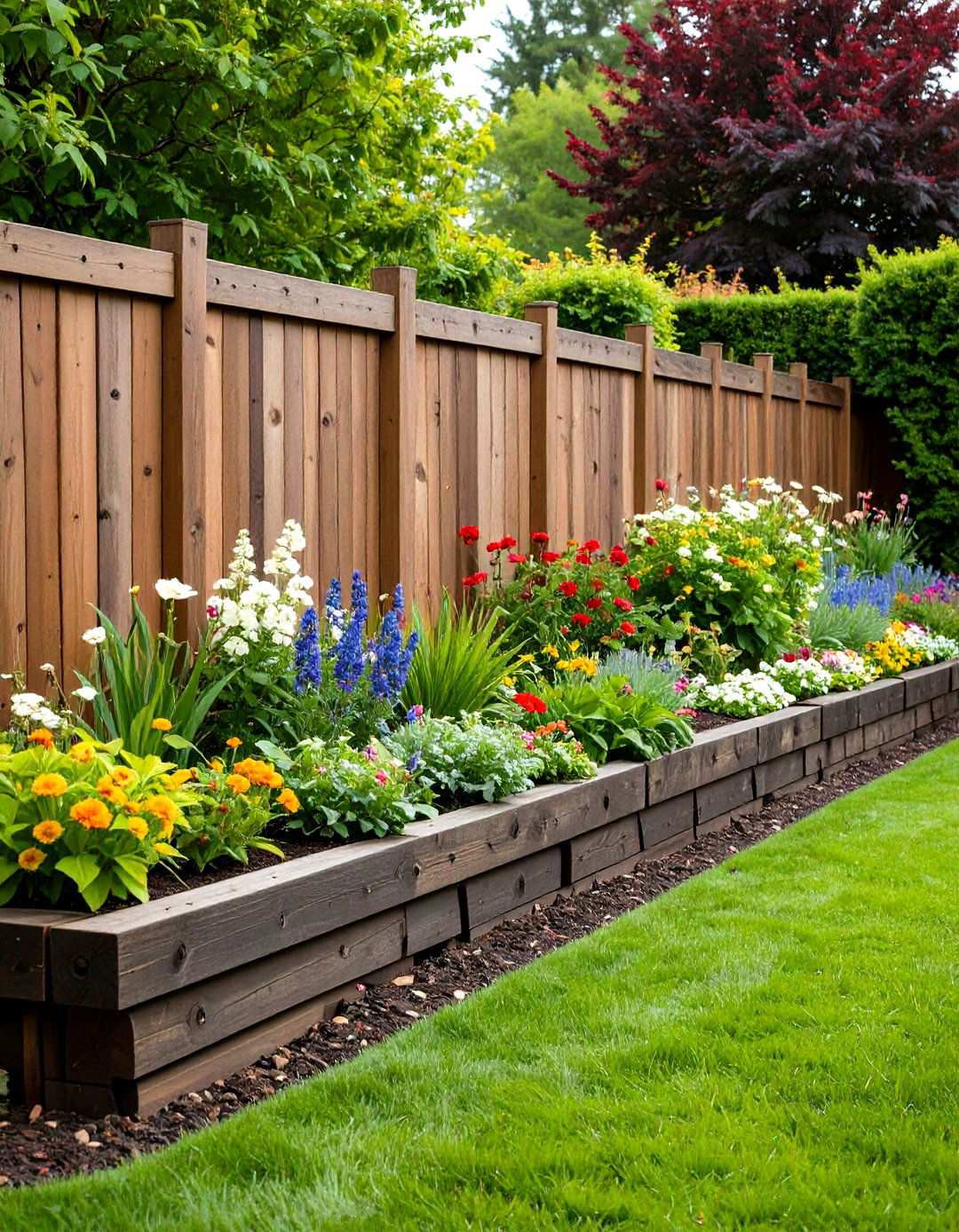
Sloped landscapes can be transformed into serene and rustic settings with the use of railroad tie retaining walls. These heavy timber structures not only provide cost-effective soil retention but also offer a unique, weathered appearance that complements cottage gardens, woodland settings, and informal landscapes. By stacking railroad ties with rebar anchors, homeowners can create substantial barriers that resist soil erosion and provide a sense of natural charm. The mass and weight of railroad ties also ensure excellent resistance to soil instability, while French drain systems with gravel backfill ensure proper water flow and prevent structural damage from splitting or insect damage. Regular inspections are crucial to maintaining the integrity of these time-tested retaining solutions.
7. Engineered Precision in Precast Concrete Panel Retaining Walls
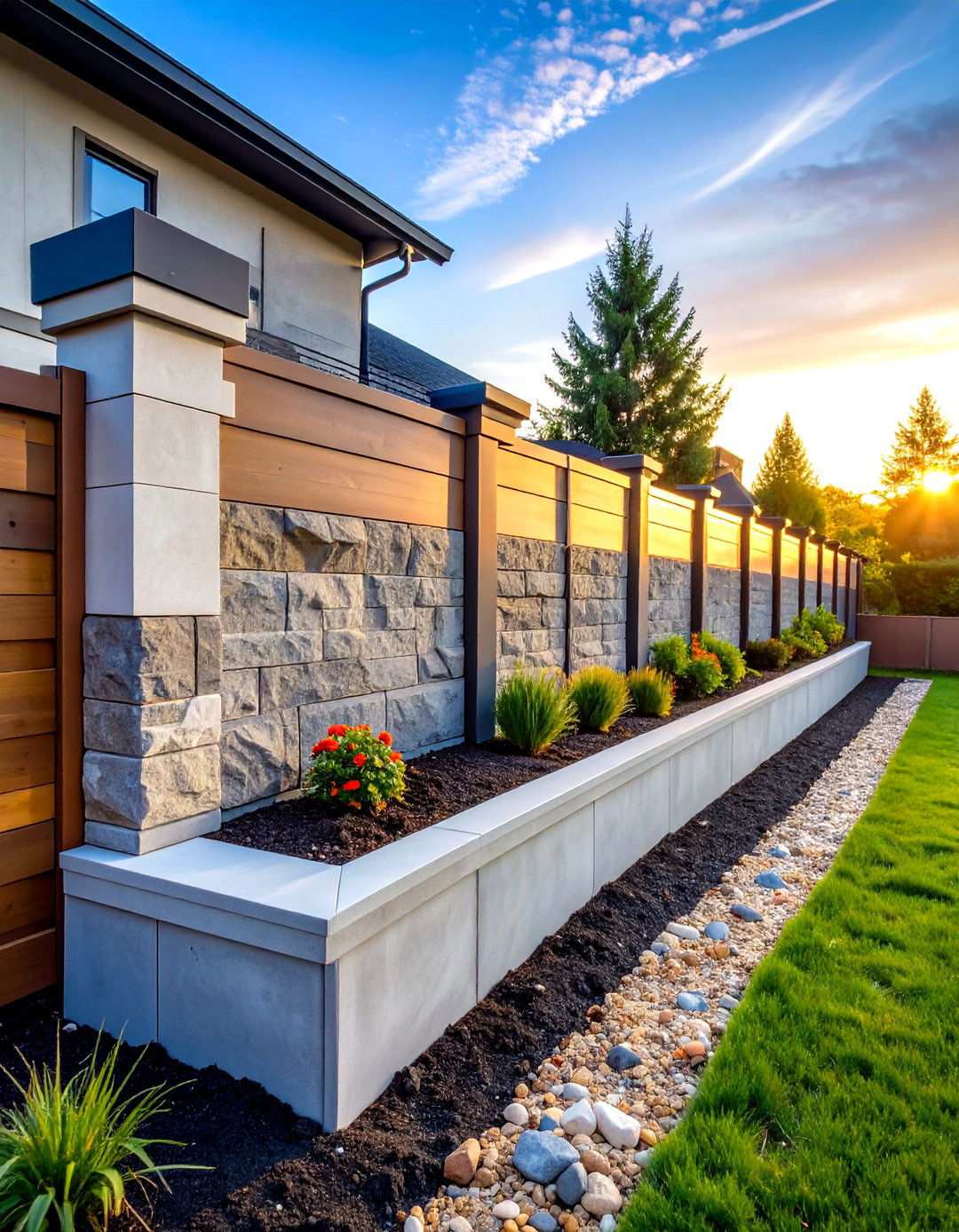
For challenging slopes, precast concrete panel retaining walls offer a superior combination of engineered precision and consistent quality. Factory-manufactured panels arrive ready for installation, ensuring uniform dimensions and structural integrity that surpasses hand-built walls. These panels feature a range of surface textures, from smooth contemporary finishes to textured patterns that mimic natural stone or wood. The efficiency of precast concrete panel retaining walls makes them a cost-effective solution for larger projects requiring substantial height or concrete construction. With excellent durability against weather extremes and minimal ongoing maintenance, these walls can incorporate architectural details like decorative caps, integrated lighting systems, or recessed planting areas that soften the engineered appearance with natural vegetation elements.
8. Dynamic Landscape Features with Living Retaining Walls
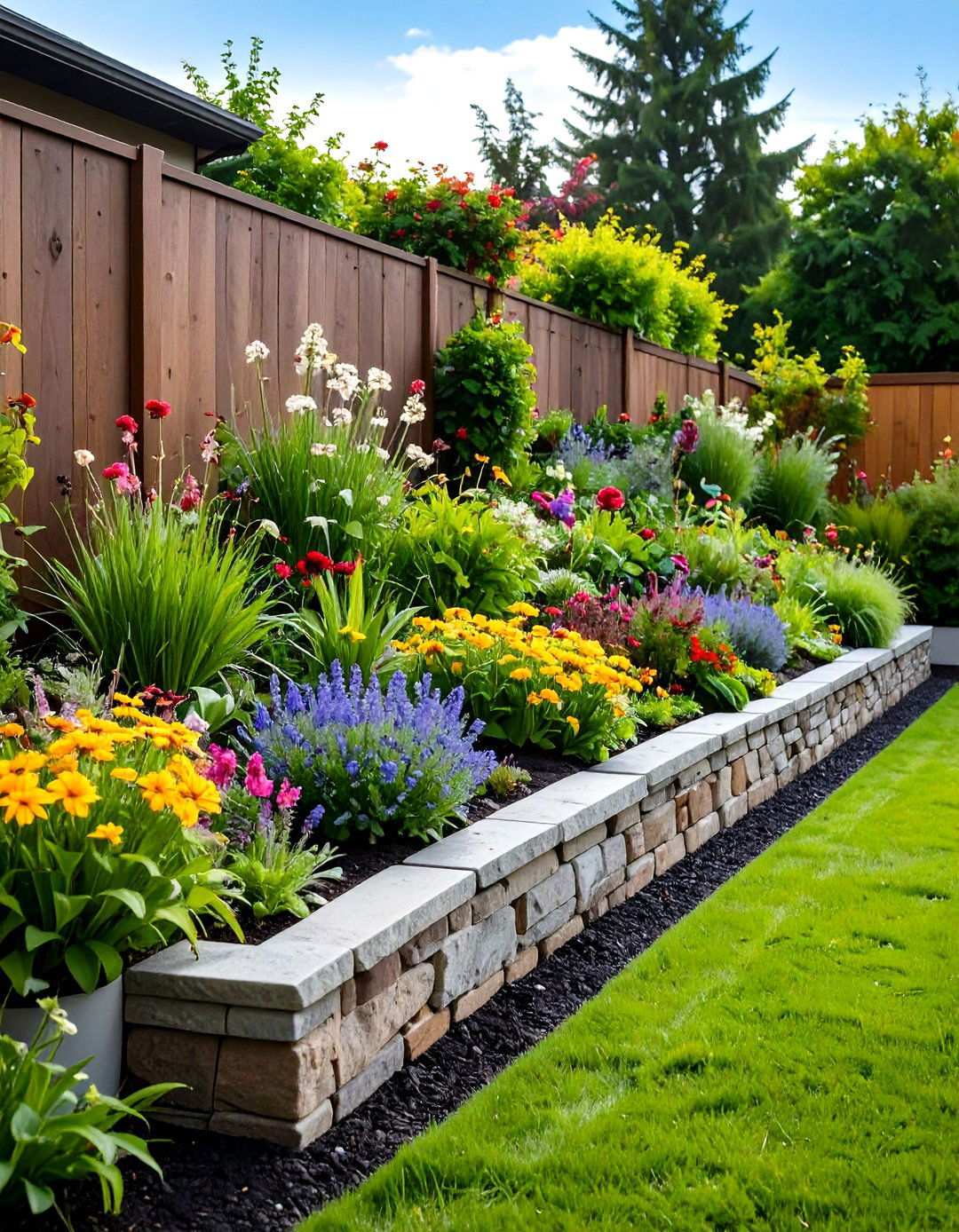
Living retaining walls combine structural functionality with abundant planting opportunities, creating green barriers that change with the seasons. By incorporating built-in planting pockets, terraced growing areas, and integrated irrigation systems, homeowners can support diverse plant life and create a lush, inviting atmosphere. Concrete construction provides the structural stability required for these walls, while planting areas soften the hardscape and provide natural cooling, air purification, and habitat for beneficial insects. Effective drainage design prevents water damage to structural elements while maintaining adequate moisture for plant growth, creating dynamic landscape features that evolve throughout the growing seasons.
9. Interlocking Block Retaining Walls with Sophisticated Finishing Options
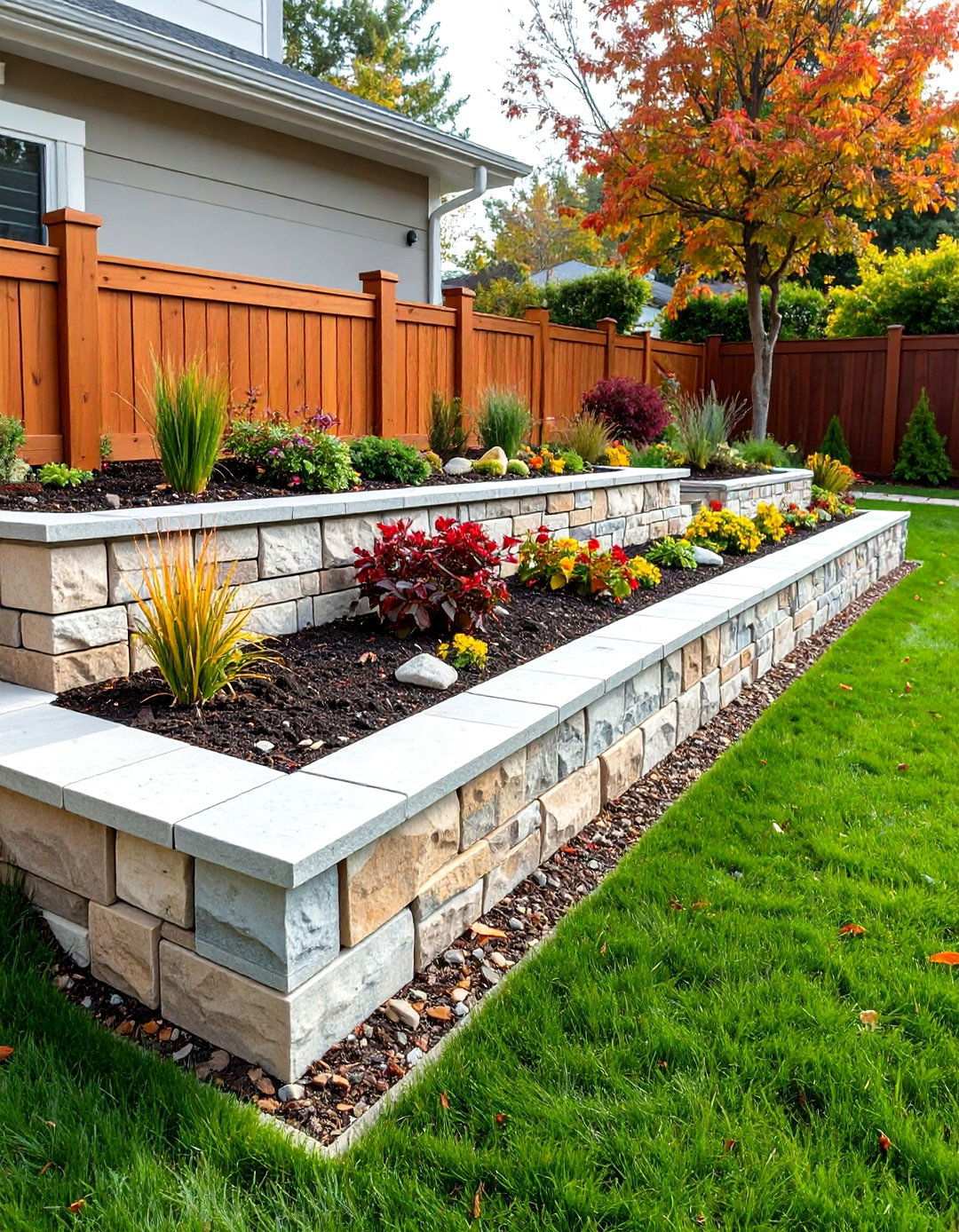
Engineered stability meets aesthetic appeal in interlocking block retaining walls, which boast a range of finishing options that cater to diverse architectural styles. The primary wall structure utilizes precisely manufactured blocks that fit together securely without mortar, allowing for some flexibility during ground movement while maintaining stability. Decorative caps in contrasting colors or materials like natural stone, precast concrete, or composite materials provide finished appearances that complement various architectural styles. Moreover, these caps can extend beyond the wall face to create small ledges for decorative objects or lighting systems, often incorporating curves and angles easily. This versatility makes them an ideal choice for complex slope base preparation and backfill materials ensure long-term performance in various soil conditions and climate extremes.
10. Boulder Retaining Walls that Mimic Nature
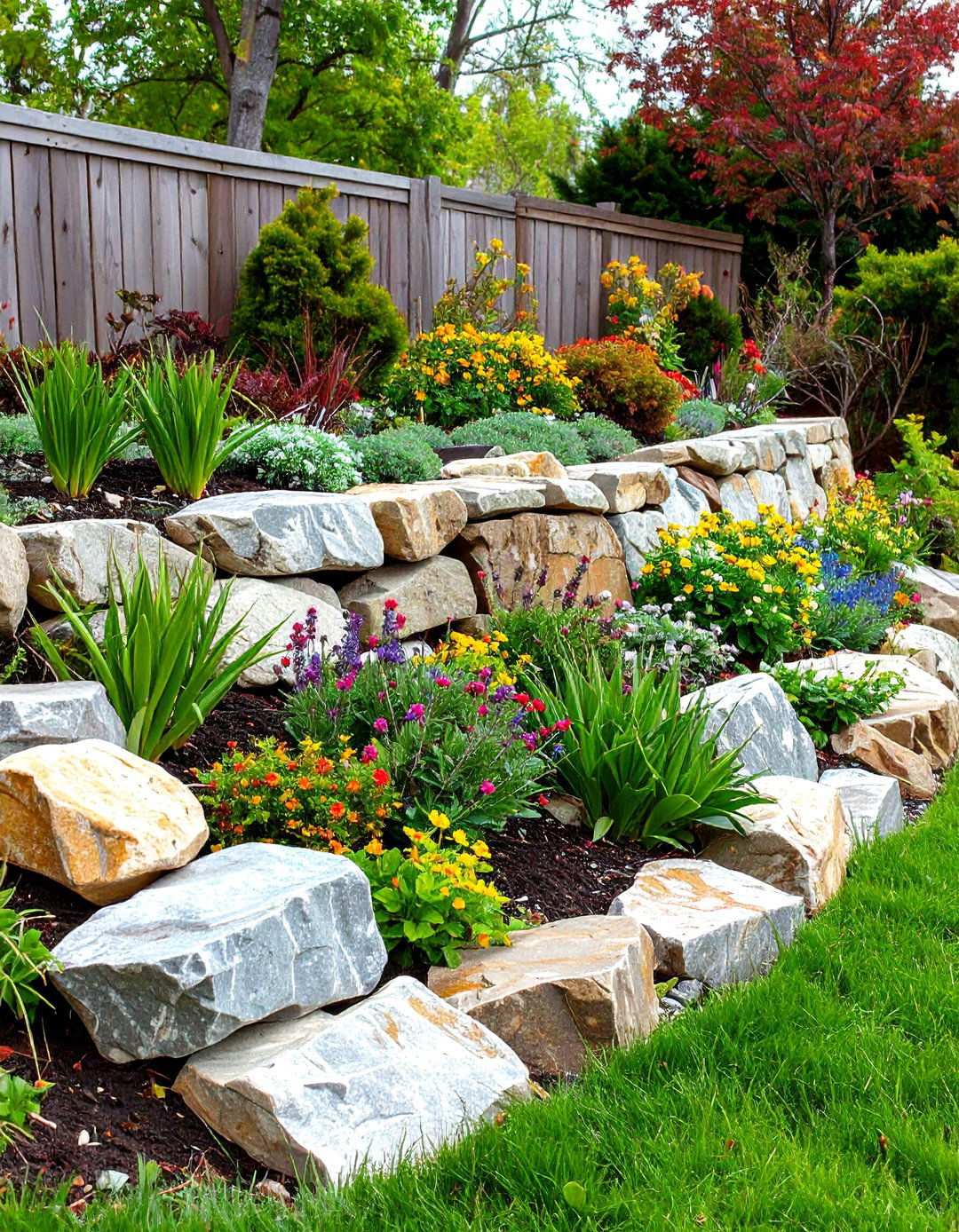
Boulder retaining walls harness the power of large natural stones to create imposing barriers that appear naturally placed within the landscape. Typically weighing several hundred pounds each, these massive stones provide substantial soil retention through their sheer mass and careful irregular shapes and sizes create organic, sculptural appearances that blend seamlessly with their surroundings. This approach requires heavy equipment, but the end result is an extremely durable structure that improves with age as vegetation grows around and between stones, filling gaps and creating planting pockets for alpine plants, succulents, or other rock garden plants. Boulder walls work particularly well in naturalistic landscape designs where the goal is creating features that appear naturally occurring rather than obviously constructed.
11. Stepped Concrete Retaining Walls that Integrate Dynamic Water Features
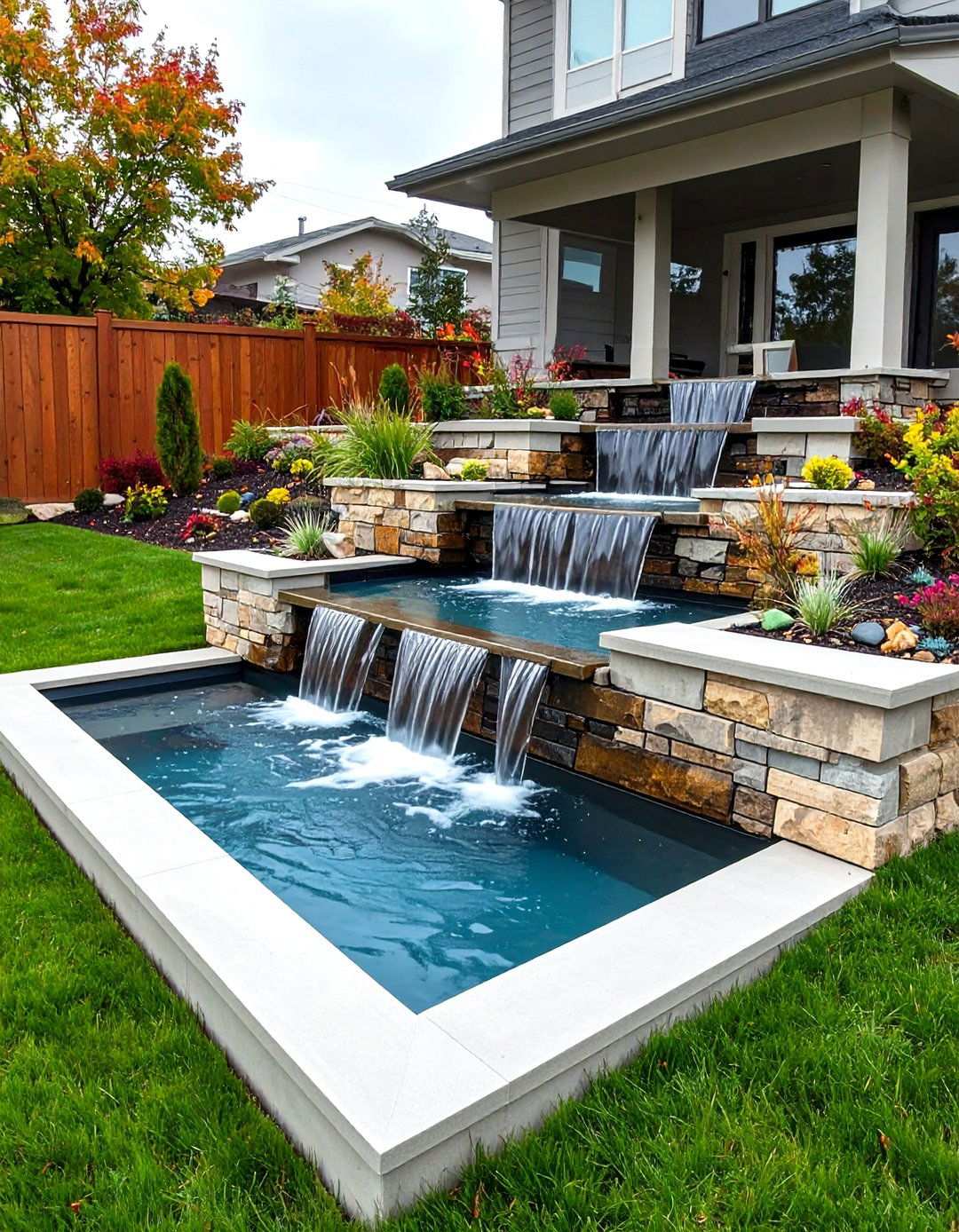
Stepped concrete retaining walls seamlessly integrate water features to create captivating landscape focal points while managing slope. The stepped design allows water to cascade from level to level, creating soothing sounds while naturally aerating the water. This construction provides durability and design flexibility for incorporating water channels, pools, and functional or decorative water features. A recirculating pump can be used to create a dynamic display of water movement, which can be highlighted with integrated lighting around the water feature. Furthermore, the stepped design creates multiple planting zones with different sun exposure and moisture levels, supporting diverse plant communities throughout the retaining wall structure.
12. Dry Stack Stone Retaining Walls for Optimal Drainage
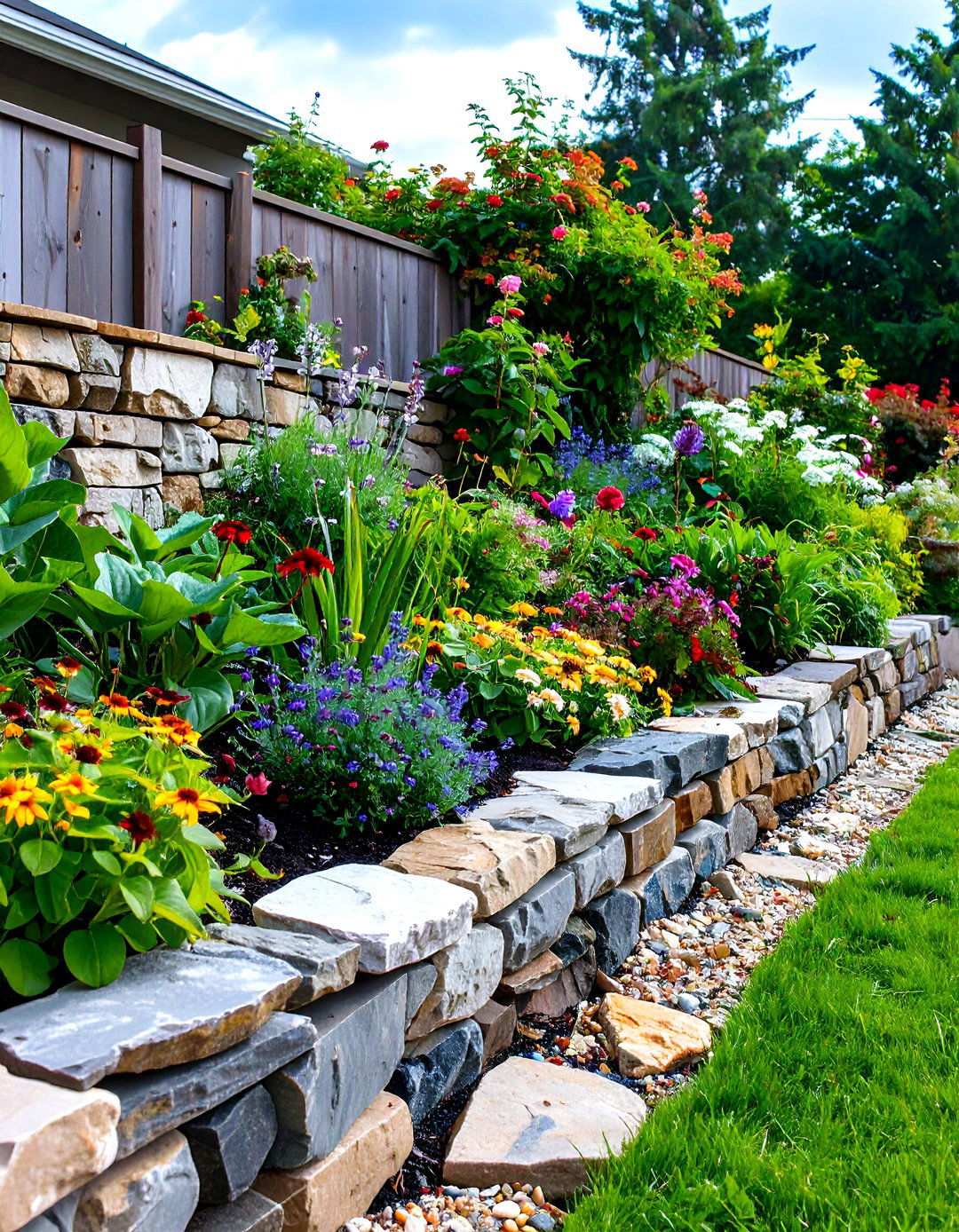
Natural stone retaining walls constructed without mortar not only showcase the beauty of the material but also ensure excellent drainage. By incorporating gravity and precise construction, these walls prevent the buildup of hydrostatic pressure that can destabilize mortared stone materials. The clever use of flat stones carefully fitted together, with larger stones at the base and smaller ones towards the top, allows water to pass through freely. This construction technique also supports the growth of small plants that can thrive in the soil-filled spaces between stones. Weathered stone develops a beautiful patina over time, adding character to the wall. In regions with severe freeze-thaw cycles, dry stack stone walls prove to be a reliable option as they are less prone to cracking due to the absence of rigid mortared joints.
13. Modular Concrete Solutions for Complex Slopes
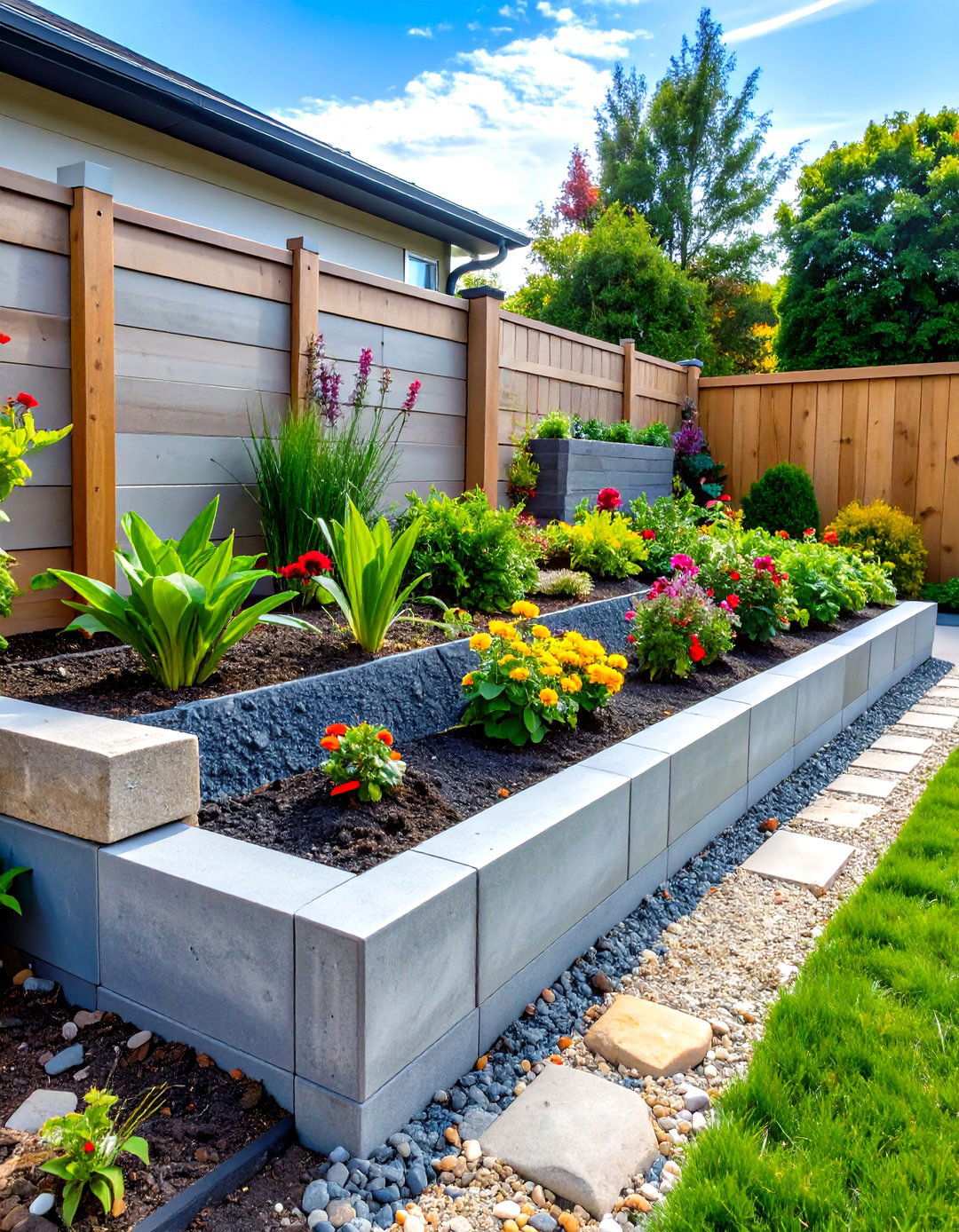
For steep slopes that require substantial height, modular concrete retaining wall systems offer a practical and engineered solution. These systems comprise precisely manufactured units that interlock securely, providing a strong and stable structure. The modular approach simplifies installation while ensuring consistent quality, allowing for design flexibility in both straight and curved configurations. The surface textures and colors of the units can be customized to match various architectural styles and landscape designs. Geogrid reinforcement layers are often incorporated into the system, extending into the backfill to create mechanically stabilized earth structures capable of retaining significant loads. Built-in design provisions prevent water pressure from building up behind the wall, making it suitable for supporting heavy loads above, such as driveways, patios, or other hardscape features.
14. Segmental Retaining Walls with LED Illumination
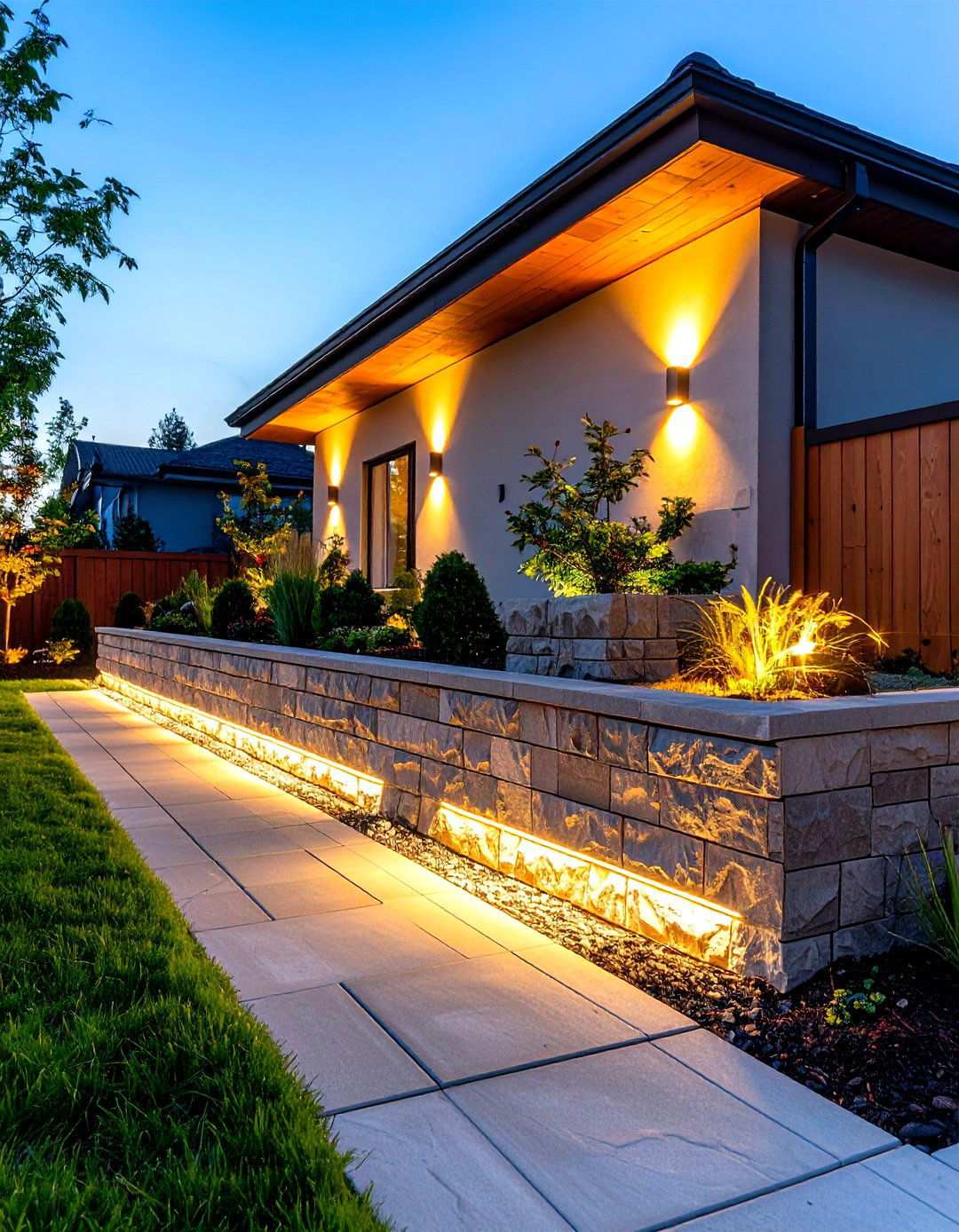
By integrating LED lighting systems into segmental retaining walls, property owners can create dramatic nighttime focal points while showcasing the wall’s texture and geometry during the day. Segmental blocks stack without mortar, allowing for easy integration of low-voltage lighting systems between courses or within specially designed strip lights, step lights, or accent fixtures. These lighting elements can highlight the wall’s aesthetic appeal while providing safety illumination for adjacent walkways. Programmable LED lighting systems can be adjusted to match various occasions or seasons, adding an extra layer of visual interest to the landscape. The energy-efficient LED technology provides long-lasting performance with minimal maintenance, transforming utilitarian retaining walls into stunning landscape art pieces that enhance property value while providing essential slope stabilization.
15. Enhancing Sloped Terrain with Terraced Garden Retaining Walls
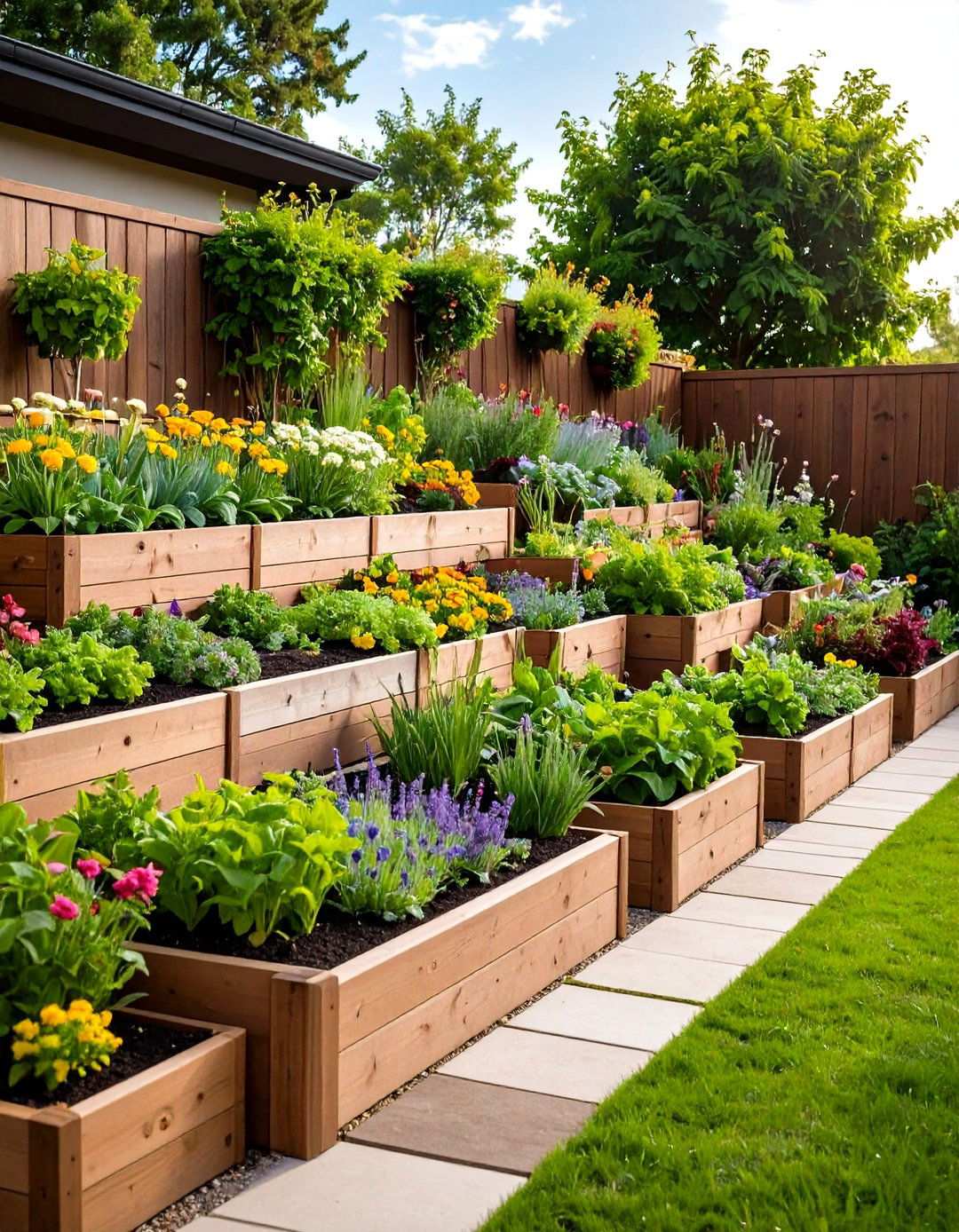
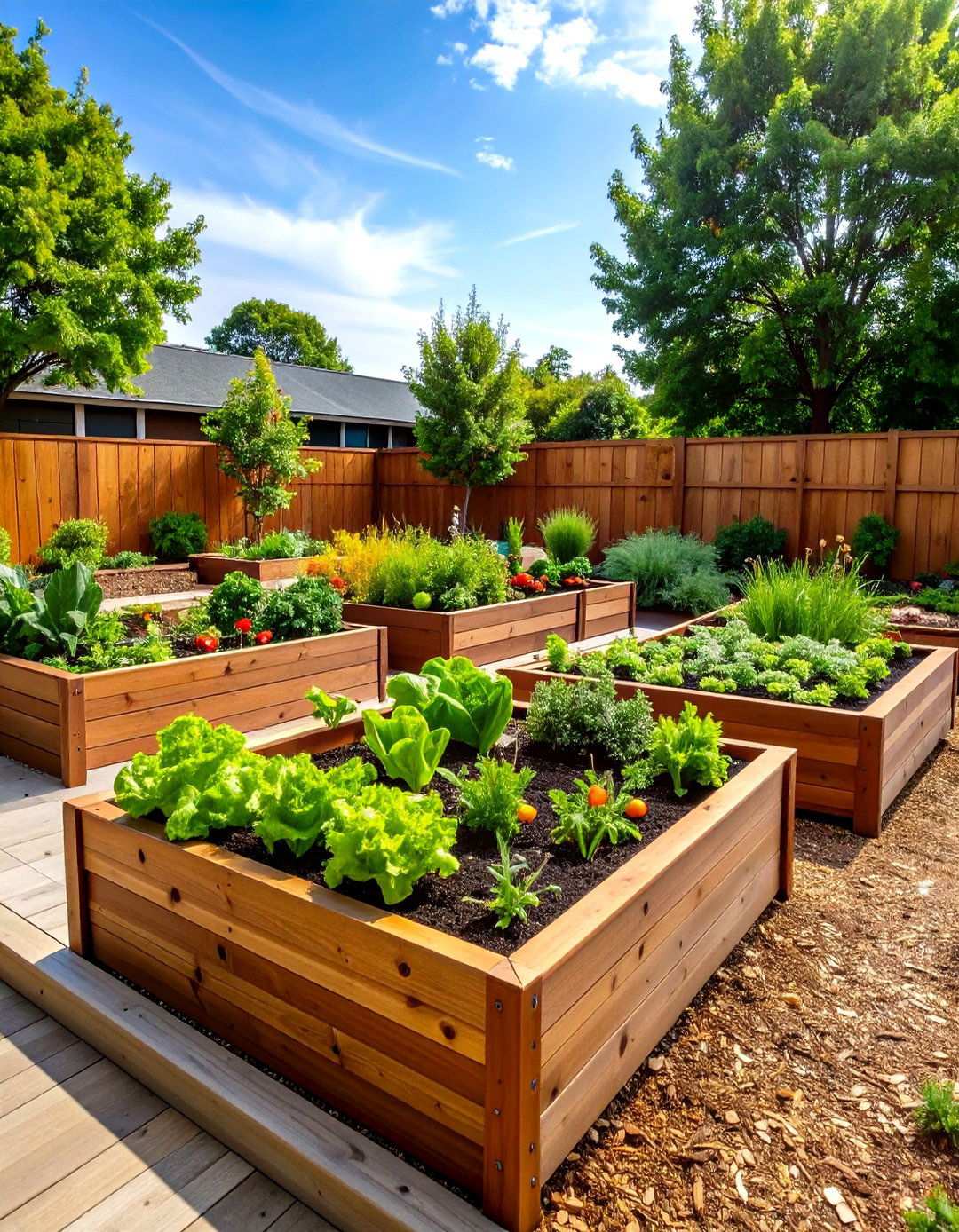
Maximizing garden space on uneven terrain is a challenge many gardeners face, but terraced garden retaining walls offer a solution by creating multiple levels for planting. This approach not only boosts the aesthetic appeal of the garden but also provides accessible features for raised beds, which improve soil drainage and simplify maintenance by reducing the need for bending. The versatility of terraced garden walls lies in their ability to accommodate various plant types, from herbs and vegetables in the upper areas to ornamental flowers in the middle sections and larger shrubs or small trees in the lower areas with deeper irrigation systems.
Terraced garden walls can be constructed using a range of materials, from natural stone to timber or concrete blocks, depending on the desired garden style. This flexibility allows gardeners to choose a material that suits their needs and budget. By transforming unusable slopes into productive garden spaces, terraced garden walls prevent erosion and create a visually appealing landscape feature that can be enjoyed for years to come.
16. Reinforced Concrete Retaining Walls for Architectural Sophistication
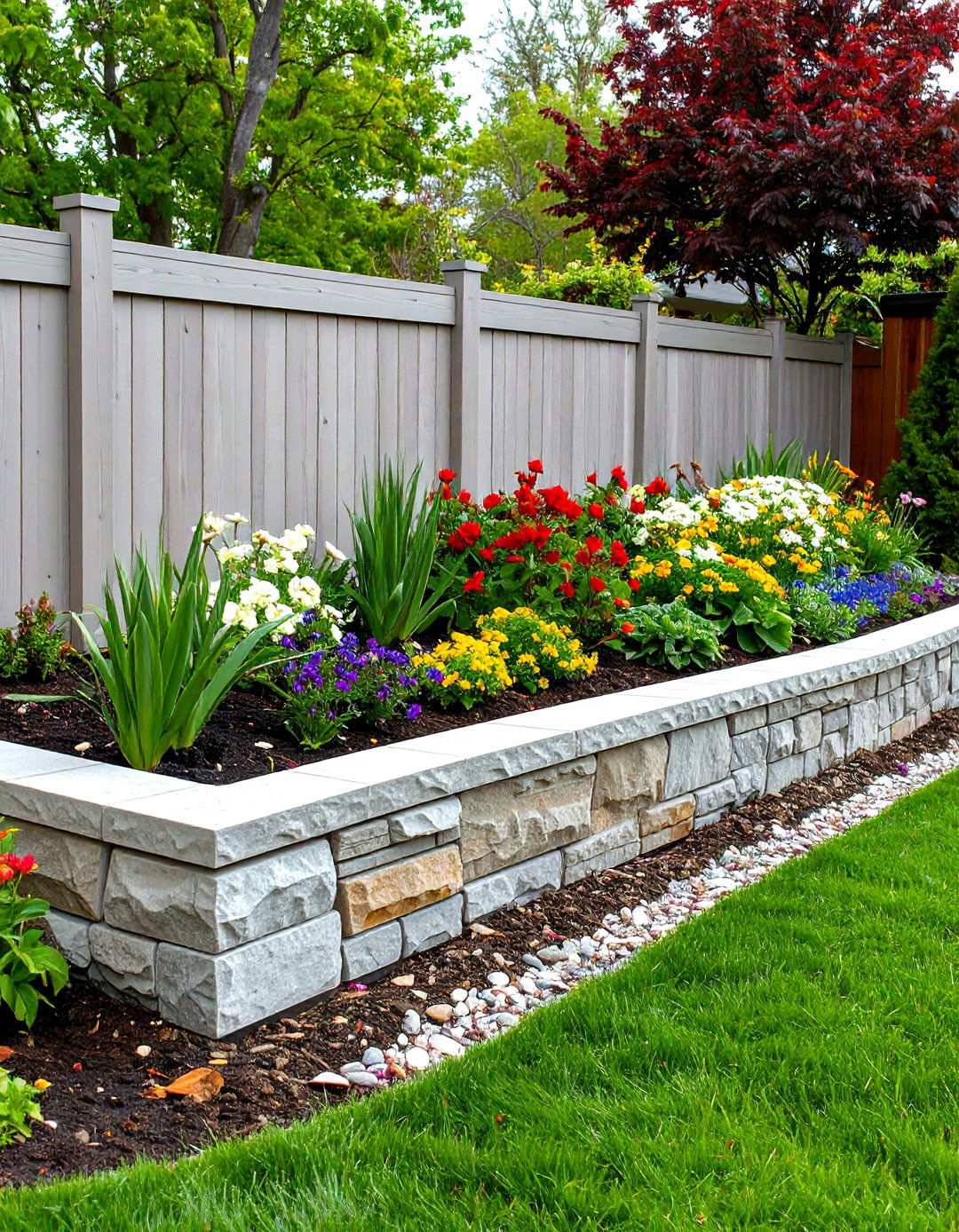
Reinforced concrete retaining walls offer a unique blend of structural strength and architectural sophistication, making them an ideal choice for gardeners who want to create a visually striking landscape feature. The integrated design details and surface reinforcement within the concrete provide exceptional strength for retaining significant soil loads. Treatments such as exposed aggregate finishes, stamped patterns that mimic stone or brick, or smooth troweled surfaces can be used to add visual interest to the wall.
Beyond their functional benefits, reinforced concrete retaining walls can also incorporate modern details like integrated planters, recessed panels, decorative caps, or relief patterns. These features not only add visual appeal but also provide additional functionality, such as housing electrical conduits for lighting or irrigation systems. The monolithic construction of reinforced concrete walls offers excellent durability and weather resistance, making them a popular choice for complex shapes, angles, and integrated features that would be difficult to achieve with modular systems.
17. Hybrid Stone and Timber Retaining Walls: A Unique Aesthetic Appeal
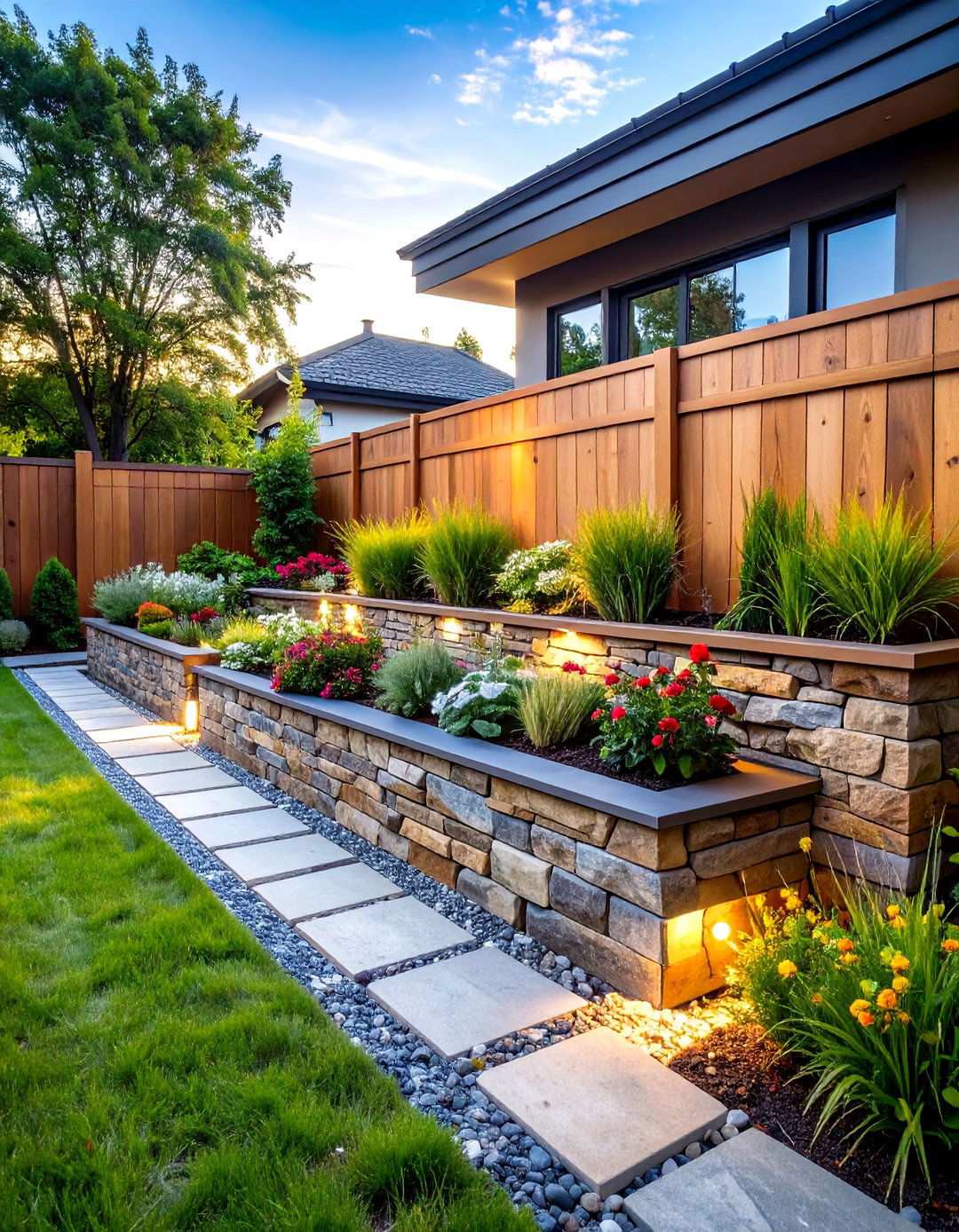
Hybrid retaining walls that combine stone and timber materials offer a unique aesthetic appeal while utilizing the best properties of both design elements. The stone base of the wall provides durability and water resistance, while the timber sections above offer warmth and natural beauty. This combination allows for cost savings compared to all-stone construction while creating distinctive visual interest through the contrast of materials.
The hybrid stone and timber wall also offers excellent drainage and long-term stability, thanks to the stone foundation. The timber upper sections can incorporate features like integrated seating, planter boxes, or decorative flashing, adding to the wall’s functionality and visual appeal. By combining stone and timber materials, gardeners can create a wall that works particularly well in transitional landscape styles that bridge formal and informal design elements, complementing both traditional and contemporary architecture.
18. Engineered Excellence in Cantilever Concrete Retaining Walls
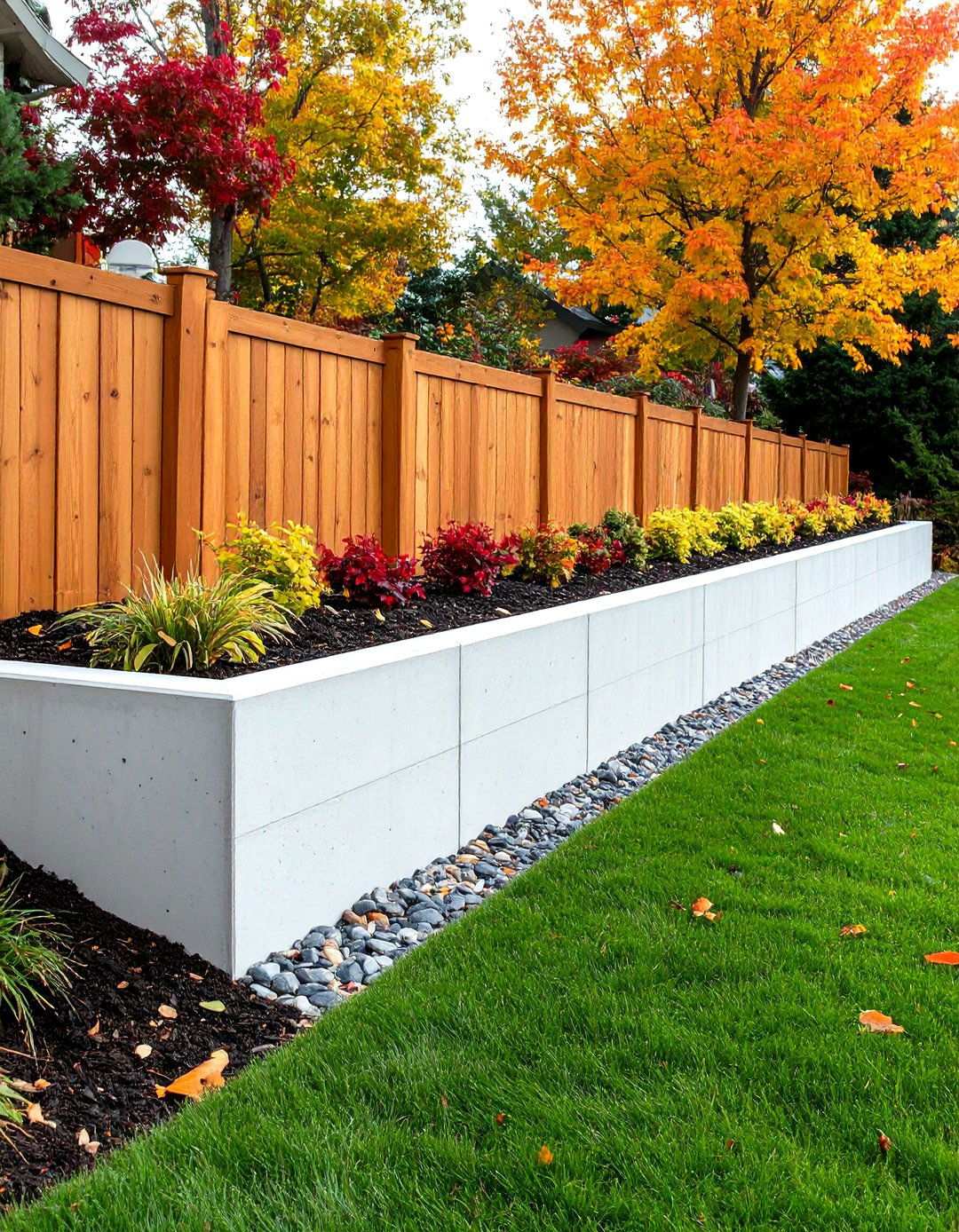
When it comes to efficiently retaining soil with minimal material usage, cantilever concrete retaining walls offer a compelling solution. By harnessing the weight of the soil on the heel to counterbalance lateral soil pressure, these structures are capable of withstanding significant loads while maintaining a sleek, modern appearance. The clean lines and smooth concrete surfaces of these walls perfectly complement contemporary architecture, and they can be finished with a variety of textures or integral colors to suit individual tastes. However, it’s essential to note that cantilever concrete retaining walls require professional engineering design and construction to ensure optimal performance. Despite this, their long-term benefits make them an attractive option for many projects.
Their slender profiles not only maximize usable space behind the drainage design but also prevent water pressure from building up, which can compromise the structural integrity of the wall. What’s more, the inclusion of weep holes and suitable backfill materials serves to further enhance the durability of these walls. As a result, cantilever concrete retaining walls are particularly well-suited for areas where space is limited and maximum retention height is required.
19. Cellular Confinement and Geocell Reinforced Retaining Walls
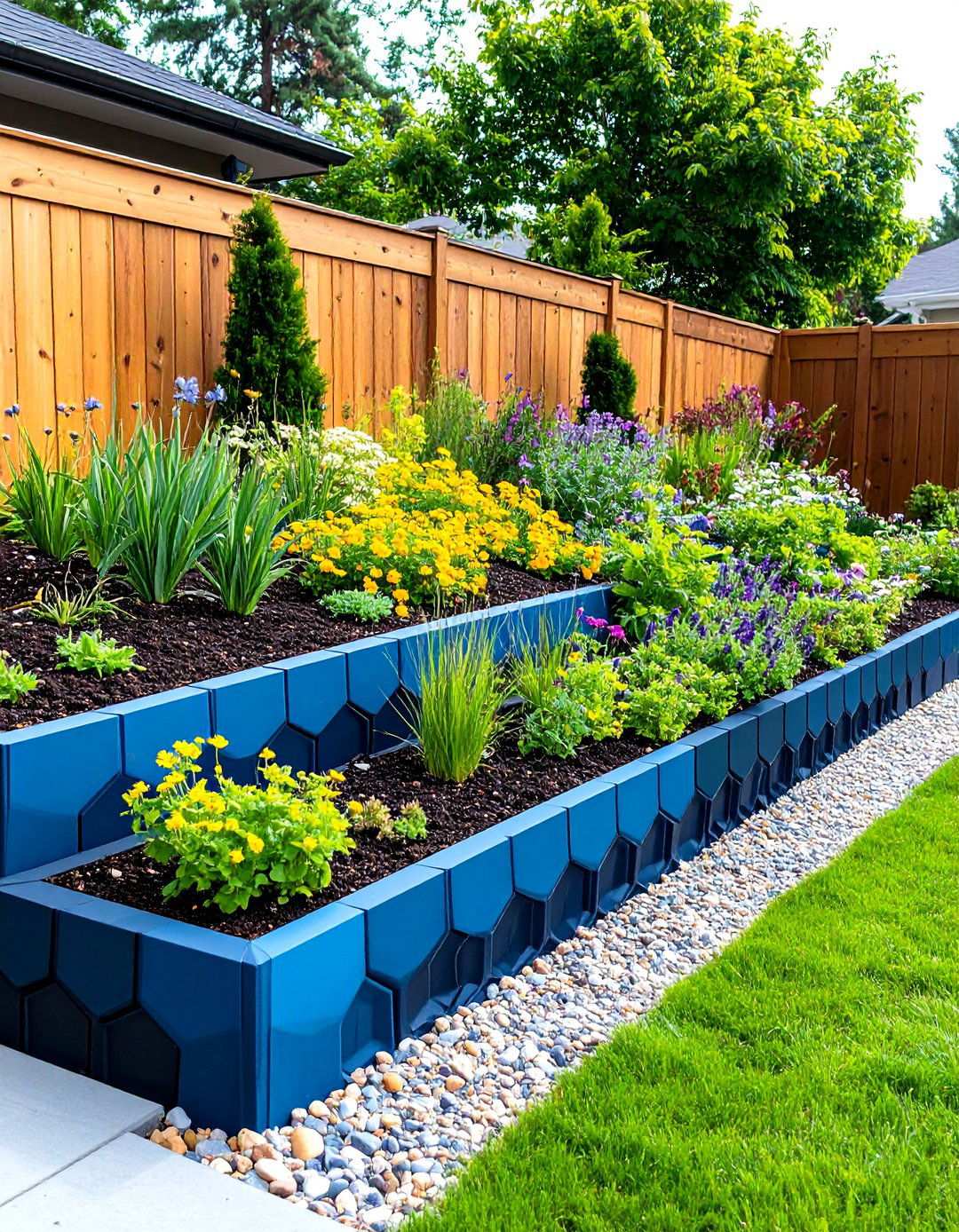
Geocell reinforced retaining walls represent a cutting-edge approach to slope stabilization, leveraging cellular confinement technology to create stable barriers using local fill materials. This innovative system retains its natural three-dimensional honeycomb structure while confining soil, gravel, or other fill materials to produce a robust and long-lasting barrier. One of the standout features of geocell reinforced retaining walls is their ability to accommodate significant slope systems, making them an excellent choice for large areas where traditional wall construction would be impractical. What’s more, the versatility of this system allows cells to be filled with various materials to achieve different aesthetic effects, from natural soil supporting vegetation to decorative stone for a more formal look.
Geocell reinforced retaining walls also boast several practical advantages, including reduced requirements for heavy equipment, making them suitable for areas with limited accessibility. Furthermore, their flexible system accommodates ground movement without structural failure, making them an ideal solution for areas with unstable soils or seismic activity. On the flip side, this system may require additional materials and labor to achieve the desired results, which can impact overall project costs.
20. Precise Precision and Design Flexibility in Precast Keystone Retaining Walls
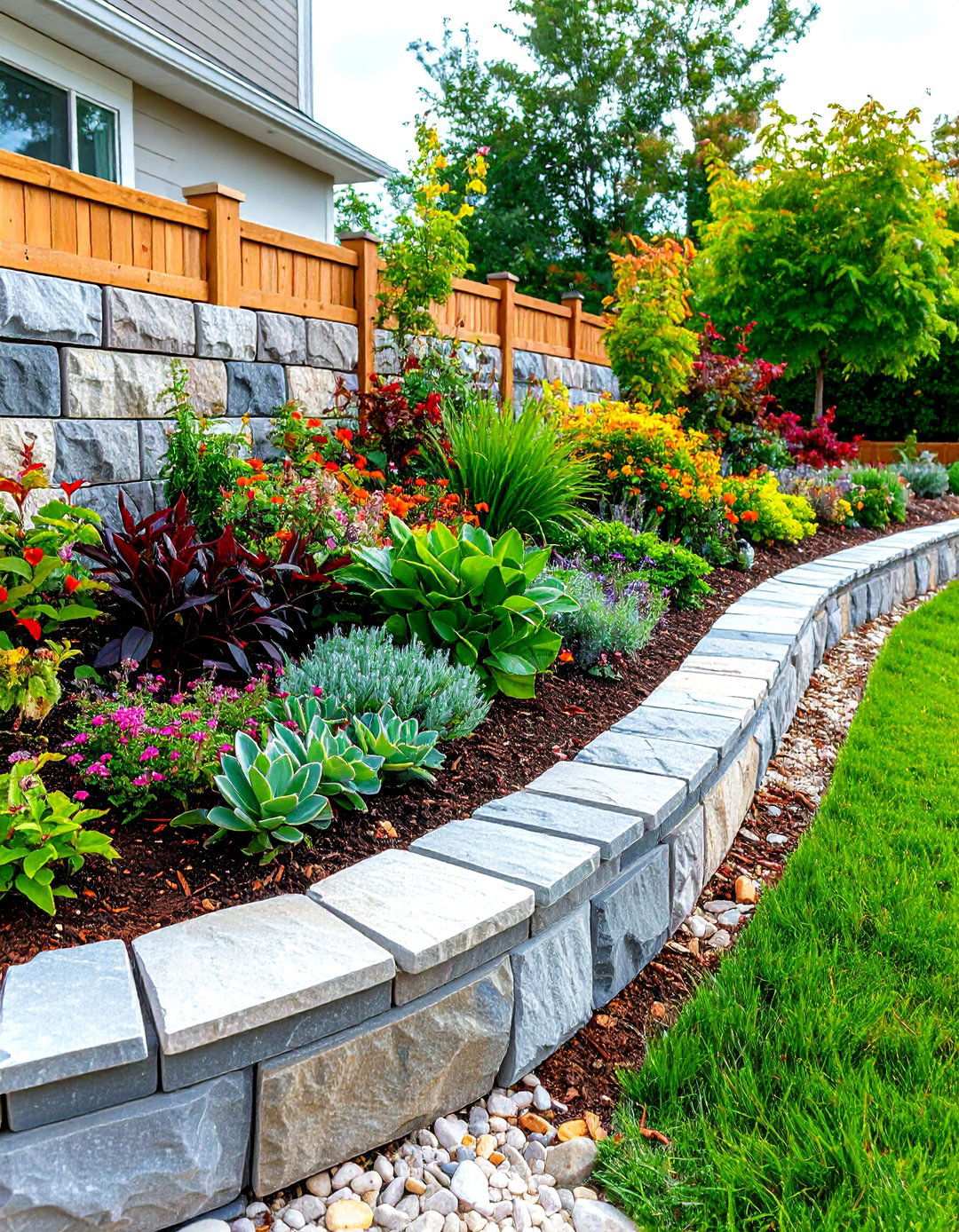
Precast keystone retaining walls offer a unique blend of engineered precision and design flexibility, allowing for the creation of complex curved installations that follow the natural contours of the landscape. The wedge-shaped blocks used in this system naturally accommodate radius construction, enabling the creation of gentle curves or tight radius turns without the need for complex cutting or shaping. Keystone design also creates automatic setback as the wall rises, providing inherent stability without the need for complex engineering or additional structural support. This approach not only simplifies the construction process but also enhances the overall aesthetic appeal of the finished wall.
In addition to their design flexibility, precast keystone retaining walls also offer a high degree of customization, with color options and surface textures available to complement a wide range of architectural styles and landscape designs. The system’s ability to accommodate both straight and curved sections within the same wall provides design flexibility for complex base preparation and backfill, while also ensuring long-term stability and durability. What’s more, precast keystone retaining walls can be integrated with other landscape features like steps, planters, or water features to create comprehensive hardscape designs that perfectly blend function and form.
21. Versatile Living Wall Solutions with Integrated Gardening
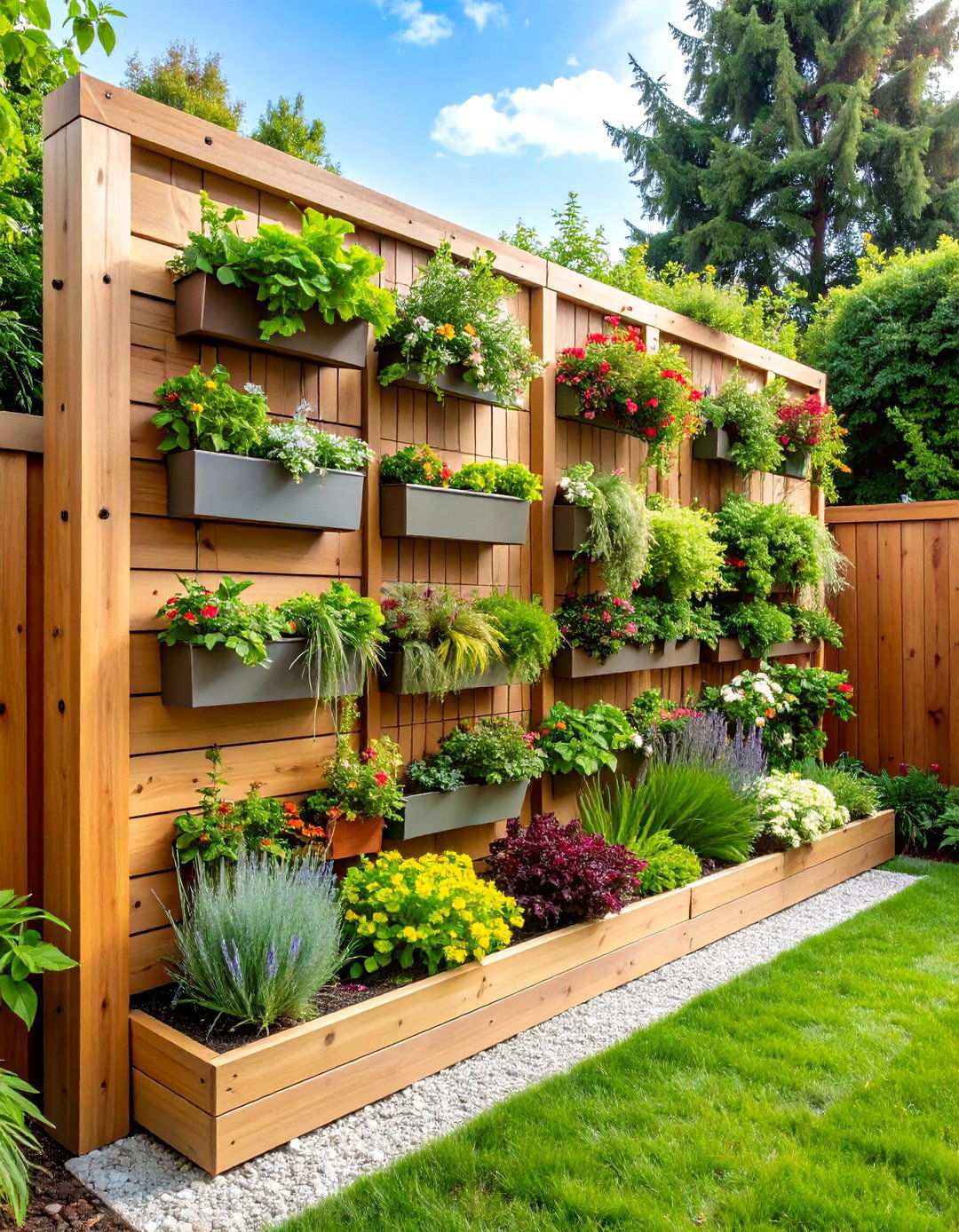
Living wall retaining systems seamlessly merge structural integrity with the allure of vertical gardens, generating green barriers that offer a multitude of environmental advantages beyond the functionality of soil wall retention these innovative systems incorporate growing medium containers, meticulously designed irrigation systems, and plant support mechanisms that enable diverse plant communities to flourish various planting options, including groundcovers, perennials, small shrubs, and vines, can thrive depending on the structural design and growing medium irrigation ensures consistent moisture delivery to all living elements, providing natural cooling, air purification, and vital wildlife habitats while subtly softening the visual impact of retaining walls require more maintenance than traditional hard landscaping solutions but their unique aesthetic appeal and environmental benefits justify the additional care requirements, making them a worthwhile investment for environmentally conscious property owners.
22. Economical Mechanically Stabilized Earth Barriers
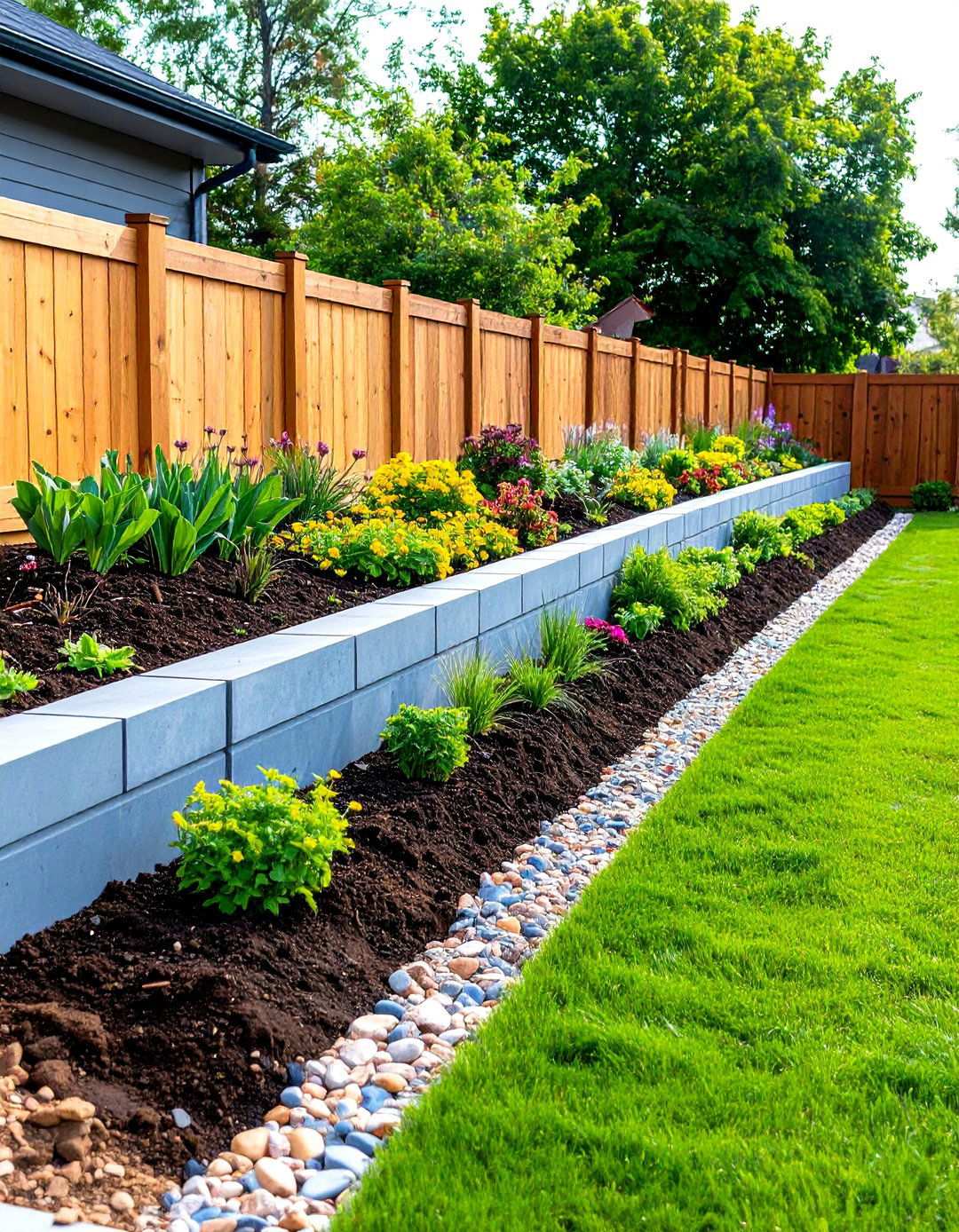
Mechanically stabilized earth retaining walls utilize geosynthetic reinforcement layers to create stable, cost-effective barriers for significant height by combining specially designed facing units with geogrid or geotextile reinforcement extending into the soil mass behind the wall, a reinforced soil zone is created that acts as a gravity structure, providing superior stability with relatively lightweight facing options facing units can include precast concrete panels, segmental blocks, or even vegetated surfaces for natural systems excel in situations requiring walls taller than conventional gravity walls can practically reach, as the reinforced zone requires less excavation than traditional concrete walls, reducing construction costs and environmental impact proper design and engineering ensure that specific soil conditions and loading requirements are met.
23. Efficient Soldier Pile Systems with Integrated Lagging
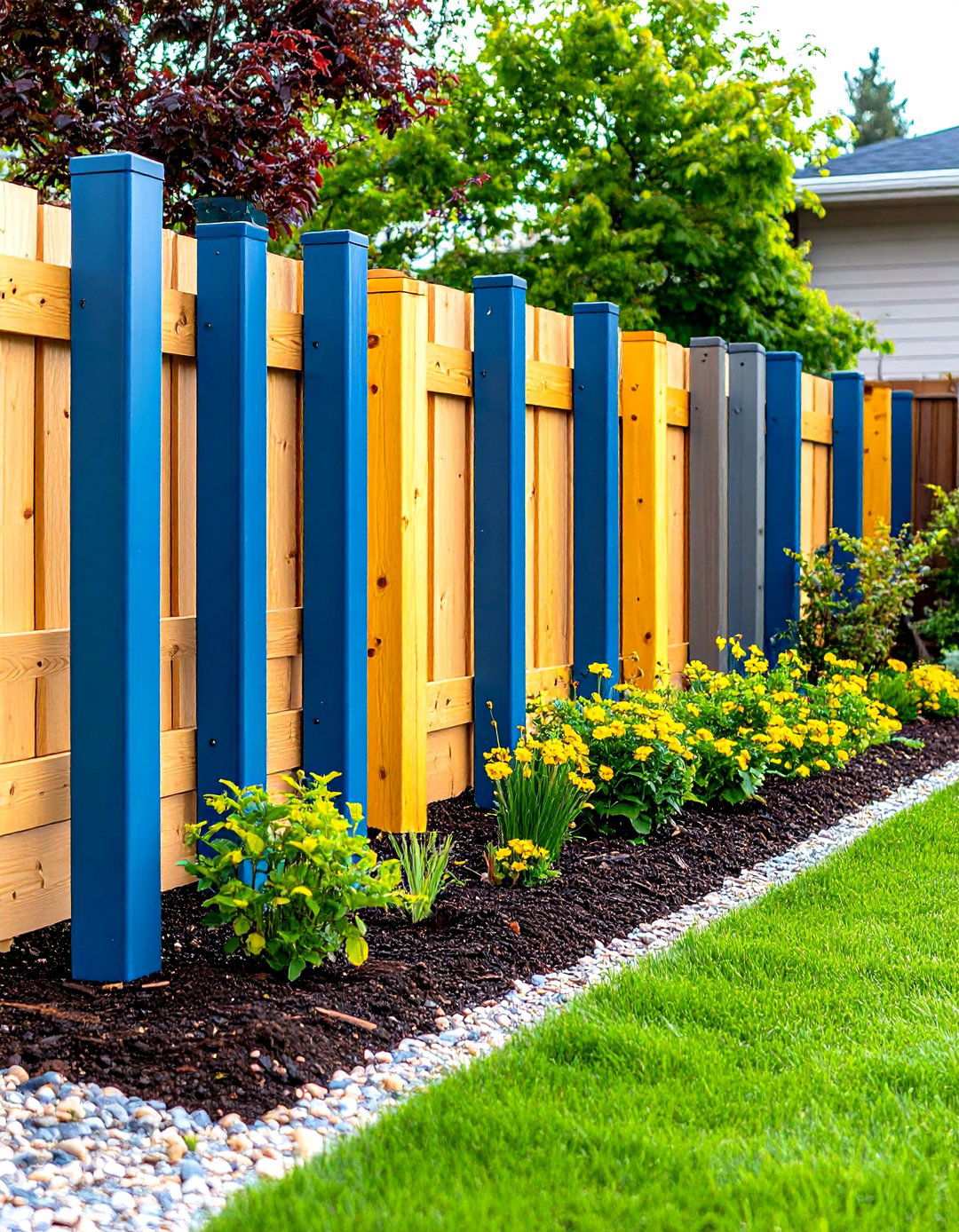
Soldier pile retaining walls utilize vertical steel or concrete piles with horizontal lagging boards to create effective barriers in challenging soil conditions vertical piles, driven or drilled into stable bearing material, provide primary structural support while horizontal lagging spans between piles to retain the system works particularly well in areas with limited working space or where deep excavation is necessary various materials can be used for lagging, including timber planks, precast concrete panels, or steel plates, depending on aesthetic preferences and structural requirements the system allows for easy integration of utilities and drainage, with excavations proceeding from top to bottom as excavation proceeds, making it suitable for situations where full-height excavation isn’t possible careful selection of pile spacing and lagging ensures adequate soil retention and structural performance.
24. Tailored Retaining Solutions with Enhanced Support Systems
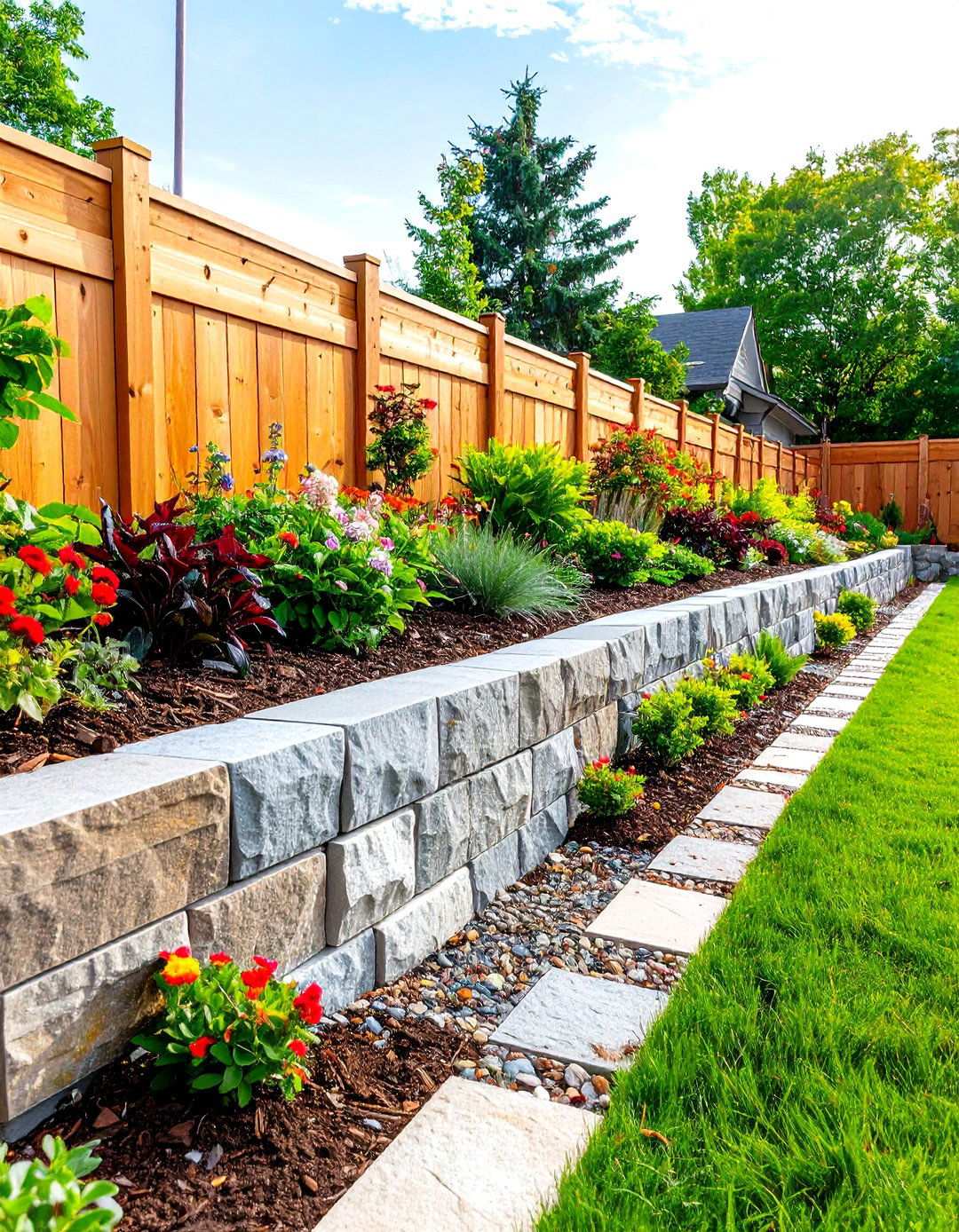
In situations necessitating extreme height or demanding soil conditions, anchored retaining walls coupled with tieback systems emerge as viable alternatives to conventional gravity walls. These structures feature walls constructed from diverse materials like concrete, steel, or timber, which connect to soil anchors or rock anchors extending deep into stable substrates behind the retained soil system. The incorporation of tieback systems permits the creation of tall, slender wall profiles that effectively conserve space while delivering superior support. Depending on the specific requirements, anchors can be either passive, relying on friction and bearing, or active, featuring tensioned systems during installation to provide immediate load-bearing capacity. To implement anchored retaining walls, specialized equipment and expert knowledge are essential; however, these systems can accommodate extreme conditions, including poor soils, high water tables, or significant surcharge loads, making them an effective option for scenarios demanding maximum space efficiency.