1. Breathe Life into Blank Walls with Vertical Oasis Displays
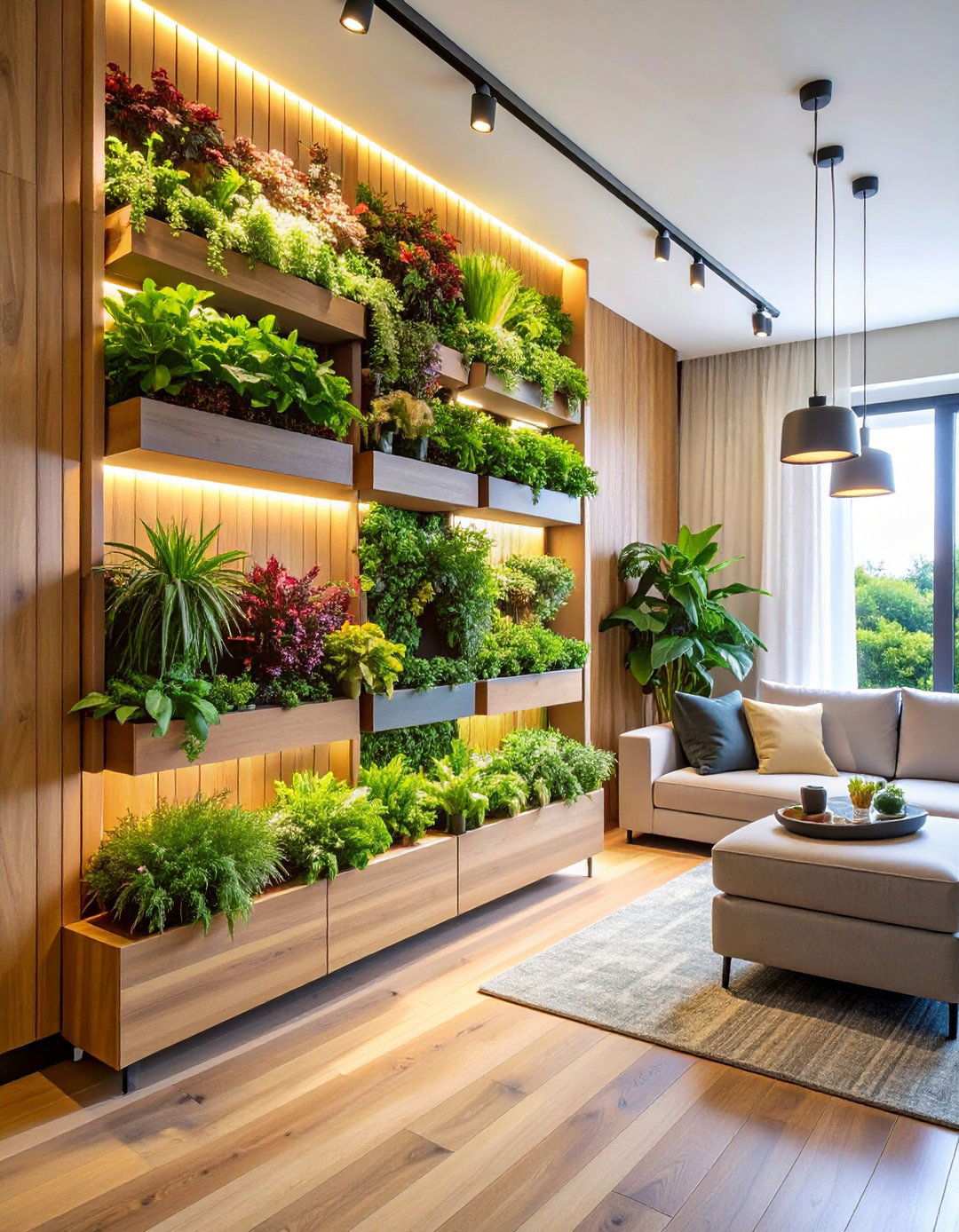
Transform ordinary walls into extraordinary living spaces with floor-to-ceiling plant installations that not only conserve space but also add a touch of serenity to your surroundings. These living wall systems can be tailored to accommodate various plant species, from delicate ferns to vibrant bromeliads, creating an ever-changing tapestry of textures and colors throughout the seasons. The key to success lies in professional mounting systems that ensure a balance between drainage and support, along with automated irrigation that simplifies maintenance and keeps plants thriving. By incorporating grow lights, you can create a lush oasis even in areas with limited natural light, making it an ideal solution for indoor spaces.

As an Amazon Associate I earn from qualifying purchases.
2. Macrame Masterpieces: Hanging Plant Displays that Enchant
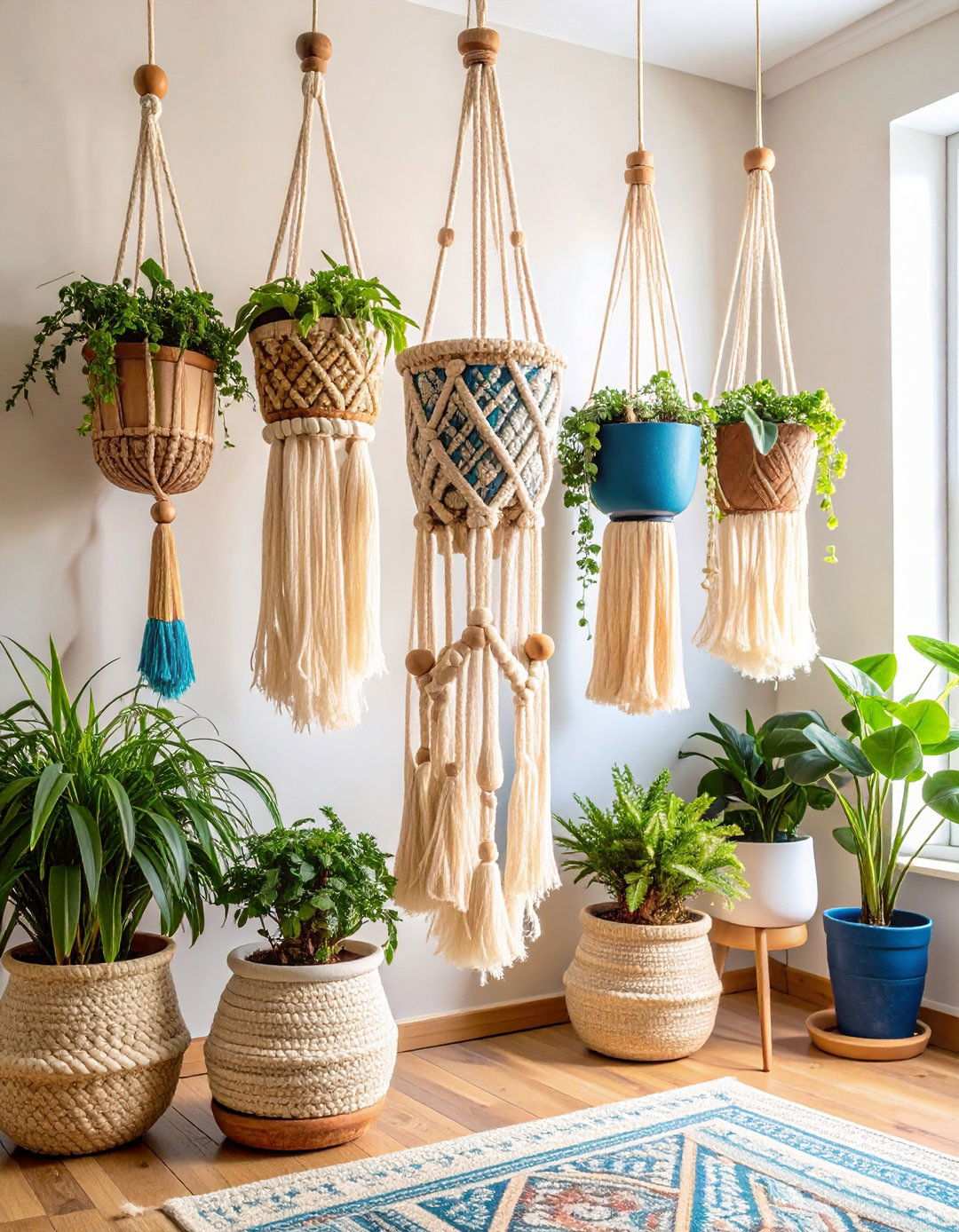
Step into a world of bohemian chic with handcrafted macrame hangers that elevate your plant displays to new heights. These timeless pieces serve as a perfect canvas for showcasing trailing plants like spider plants, trailing jade, and devil’s ivy, which seem to dance in the air as they cascade from ceiling-mounted hooks. The beauty of macrame lies in its versatility – layer different hanger lengths to create a visually appealing rhythm, and mix pot sizes to add depth and interest to your display. Whether you’re looking to create a peaceful retreat or add a touch of whimsy to your living space, macrame hangers offer a unique solution that complements any decor style. By grouping multiple hangers near windows, you can create intimate plant alcoves that invite contemplation and serenity, while natural cotton rope adds a touch of warmth and coziness to your space.
3. Sustainable Display Spaces for Exotic Plants
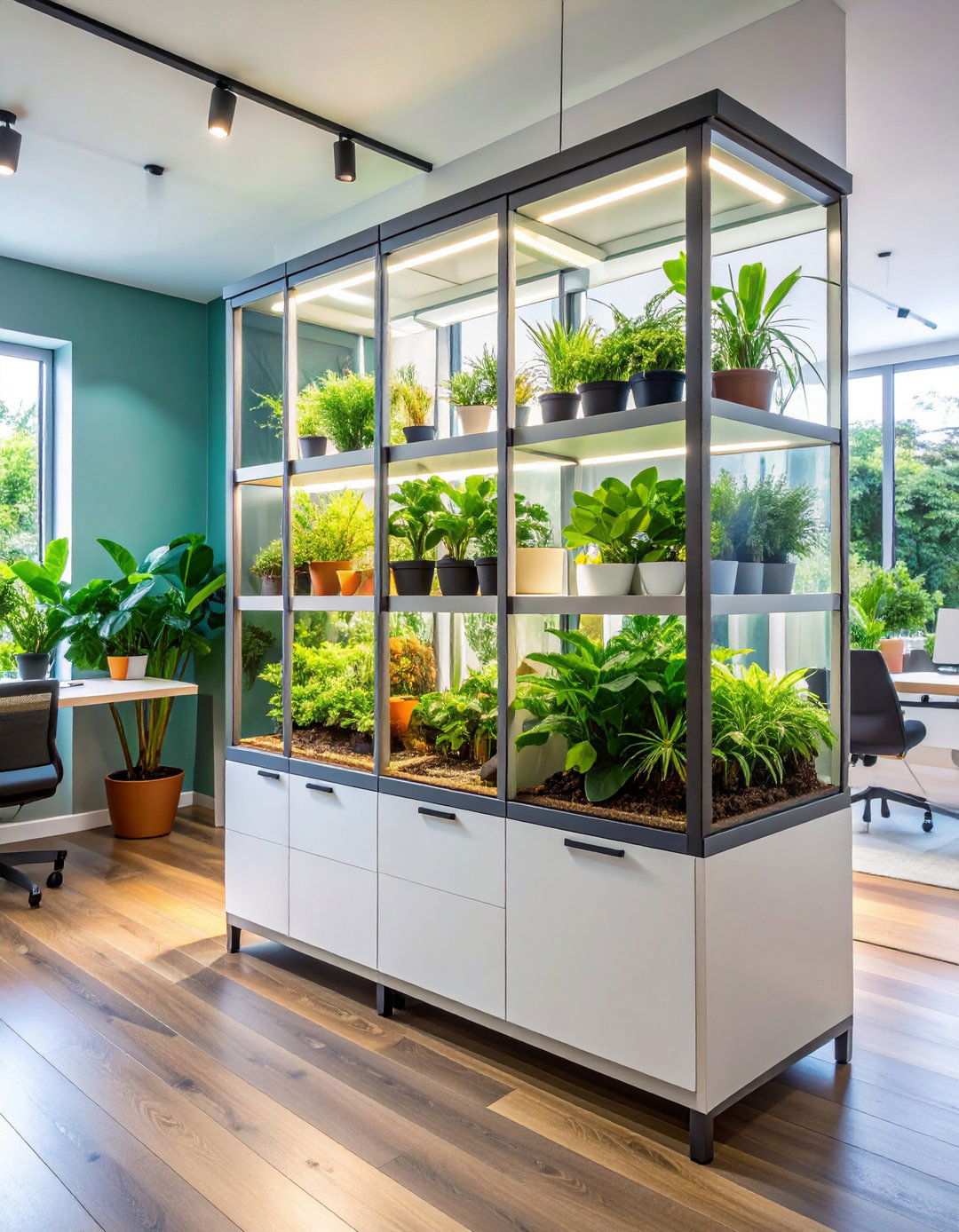
Modified glass cabinets offer an ideal setting for showcasing rare and delicate plants by mimicking their natural habitats with carefully controlled temperature and humidity levels. These bespoke miniature greenhouse systems cater to the specific requirements of tropical specimens, ferns, and other specialty plants that often struggle in standard household conditions. Equipped with built-in ventilation systems, LED grow lights, and humidity controls, these displays provide perfect microclimates, allowing you to showcase your prized plant collection. By incorporating temperature and moisture monitoring, you can ensure consistent growing conditions throughout the year. Multiple shelf levels not only maximize growing space but also create visually striking layers, transforming plant care into an engaging hobby.
4. Serene Botanical Bedrooms
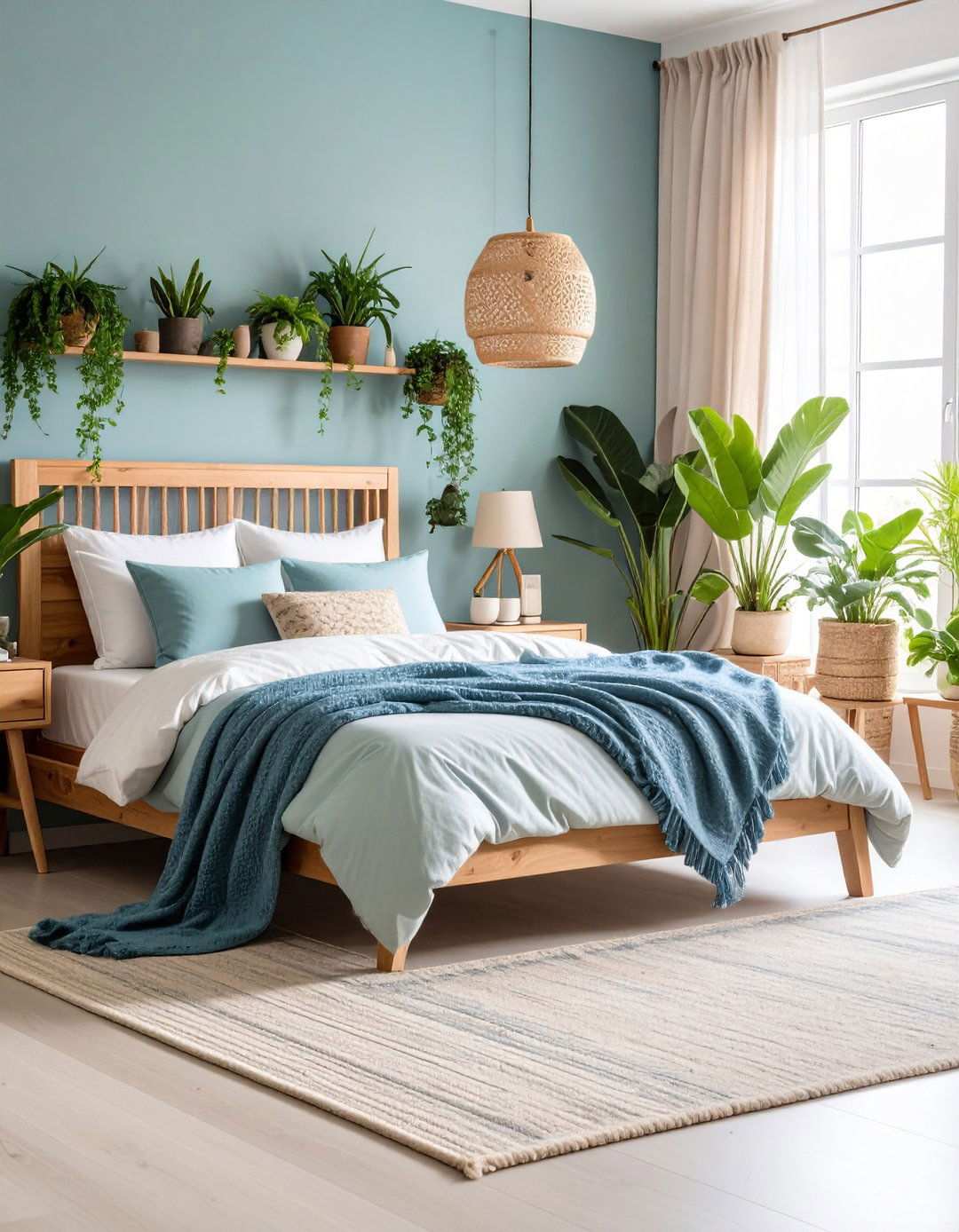
Transform your sleeping spaces into tranquil botanical sanctuaries where air-purifying plants work in harmony to promote restful sleep and create serene, spa-like atmospheres. Strategically positioning plants like snake plants, peace lilies, and orchids around bedrooms maximizes oxygen production during nighttime hours. To complement the living elements, incorporate botanical-themed bedding, natural fiber rugs, and wooden furniture, which will enhance your connection to nature while promoting a restful night’s sleep. Waking up surrounded by gentle greenery can be a truly invigorating experience. Consider using hanging planters above headboards to create dramatic focal points without consuming precious floor space. By choosing low-maintenance varieties that thrive in standard bedroom lighting conditions, you can enjoy the health benefits of indoor plants while maintaining a peaceful sleep environment.
5. Lush Tropical Office Environments
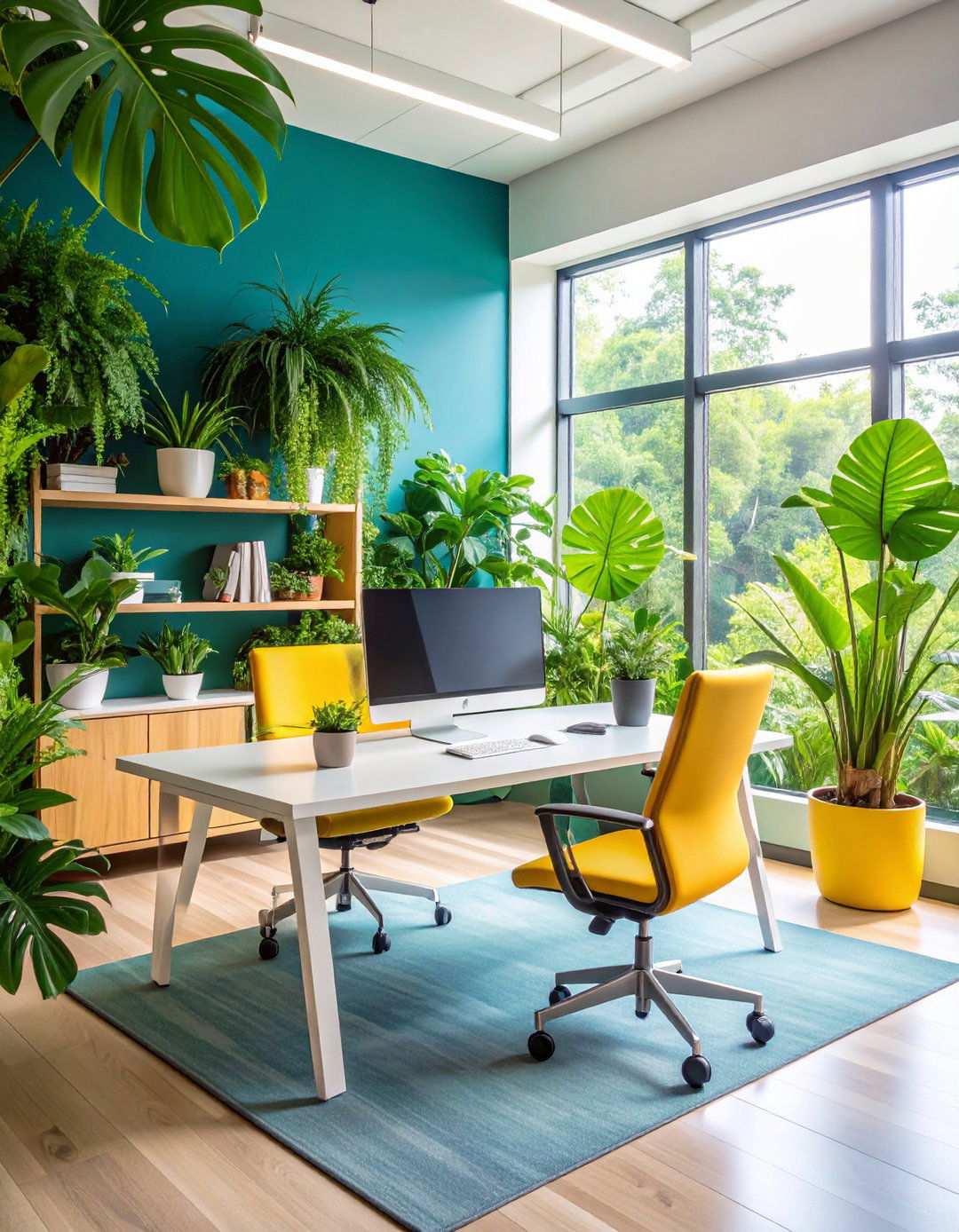
Create productivity-boosting office spaces filled with lush tropical plants that not only reduce stress but also improve air quality and mental clarity during work hours. Large floor plants like monstera deliciosa and fiddle leaf figs can establish dramatic backdrops, while smaller desk plants provide intimate green companions. Studies have consistently shown that plants can increase concentration and creativity significantly, making them an essential component of a well-designed workspace. By strategically placing plants to receive adequate light, you can ensure they thrive without blocking computer screens or compromising workspace functionality. Consider incorporating rolling plant stands for flexibility in rearranging your green office layout. By combining various textures from broad-leafed plants to delicate ferns, you can create dynamic environments that energize rather than distract from important tasks.
6. Terrarium Treasures on Display
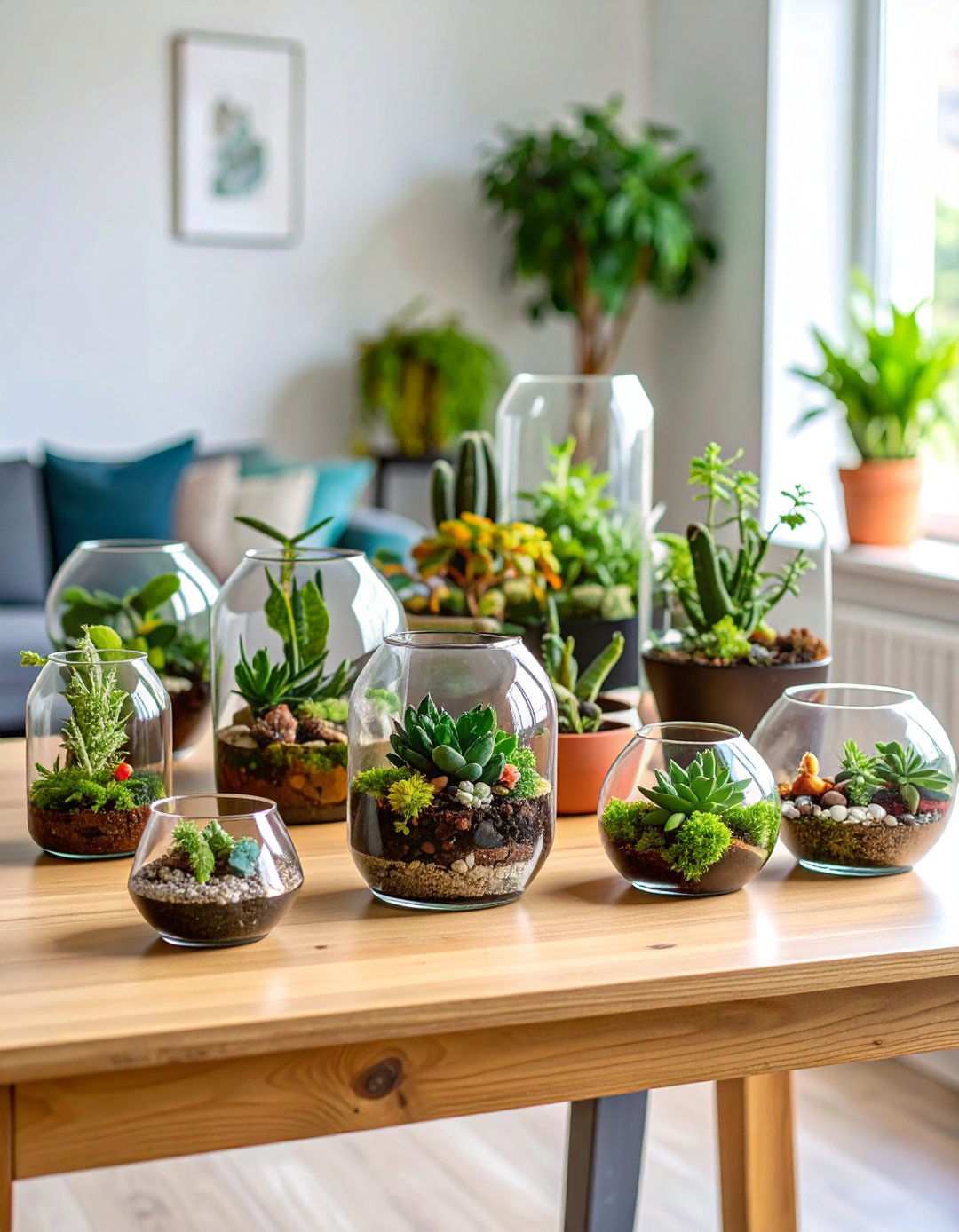
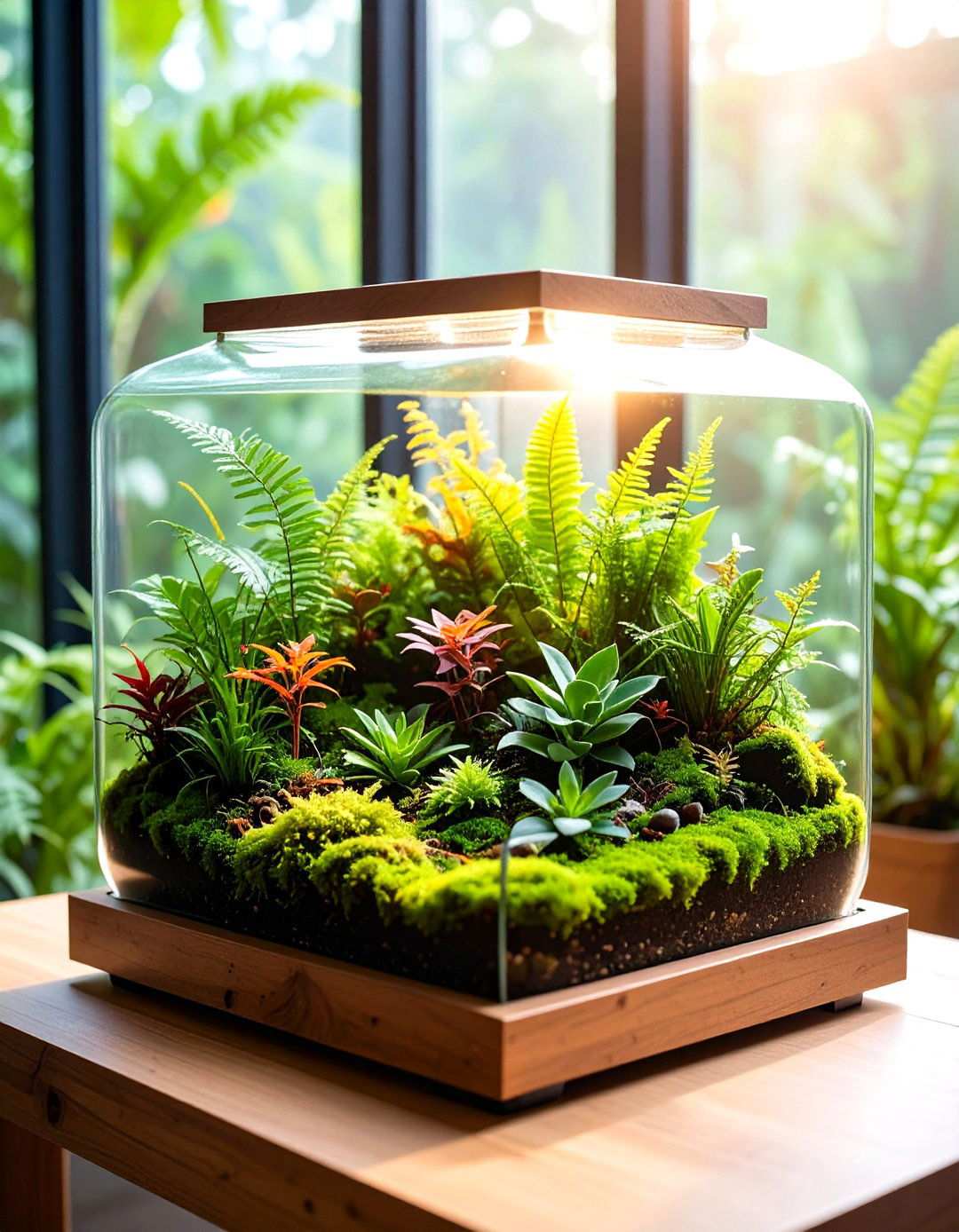
Miniature glass containers have become a canvas for showcasing a diverse array of plant communities that thrive in low-maintenance environments. These self-sustaining ecosystems support a wide range of moisture-loving plants, from delicate ferns to exotic tropical species, creating unique living dioramas that captivate the imagination. By arranging multiple terrariums of varying sizes, you can create visually striking tabletop landscapes that bring the outdoors in. Consider the allure of these self-contained plant worlds, where the boundaries between nature and art blur. Closed terrariums maintain higher humidity levels, perfect for plants like succulents and air plants, while open systems allow for more flexible plant choices. The creative possibilities for container selection, from vintage fishbowls to geometric glass shapes, add a touch of artistic flair to these captivating displays. By incorporating terrariums into your home decor, you can bring botanical interest to areas where traditional plants might struggle to thrive.
7. Specimen Plant Showstoppers
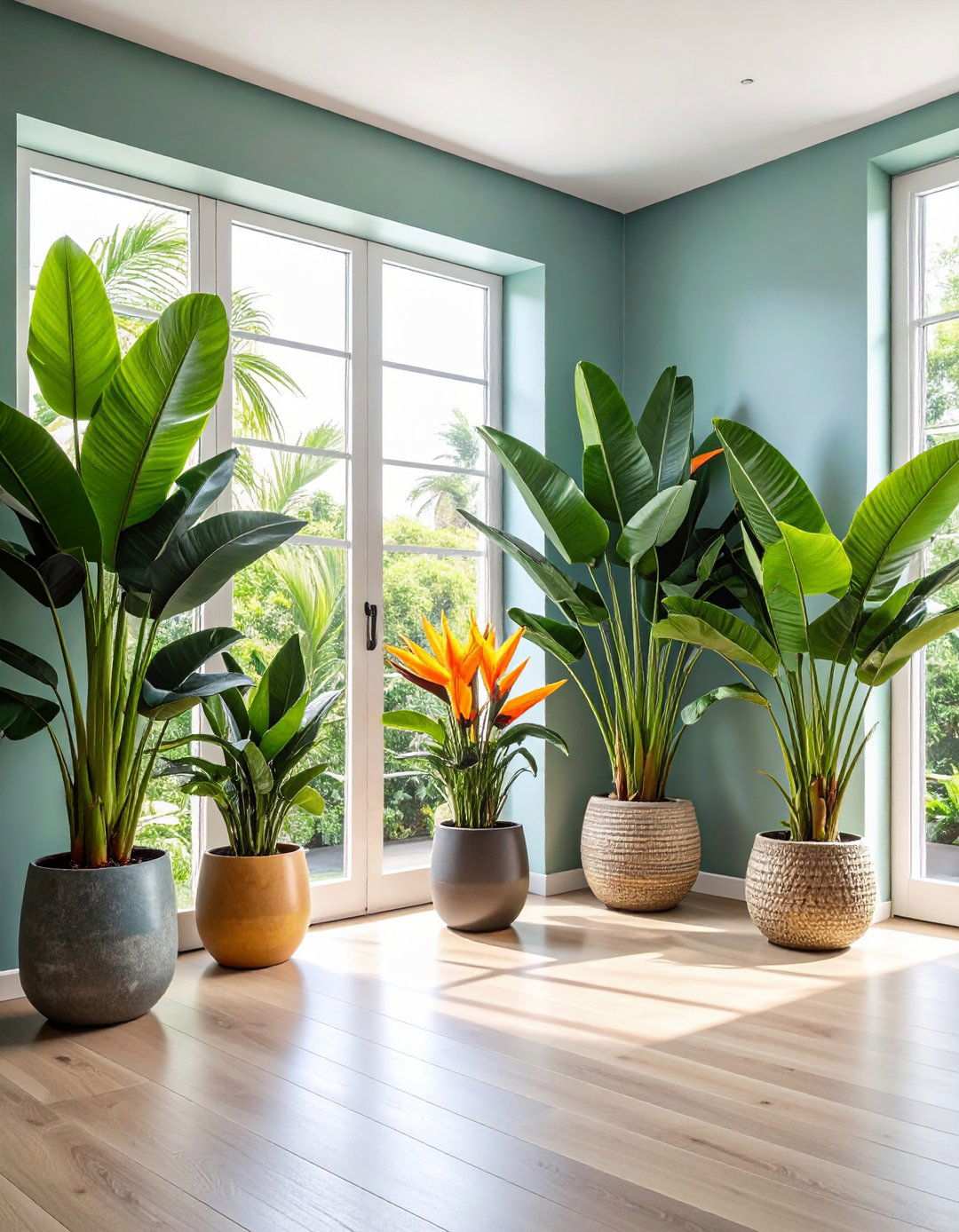
Large, statement plants have the power to command attention and anchor room layouts with their impressive scale and architectural presence. Dramatic focal points can be created using oversized specimen plants like bird of paradise, rubber trees, or mature palms, which instantly transform empty corners or spacious room areas into visually striking spaces. To complement these giants, choose planters that enhance rather than compete with the beauty of the plants. Consider the potential impact of a magnificent specimen plant in your home. Proper lighting is essential for healthy growth, while strategic placement maximizes visual drama. By layering smaller complementary plants around the base of the specimen, you can create lush groupings that add depth and texture to the space. These living sculptures serve as natural room dividers, adding vertical interest and organic shapes to geometric interior spaces.
8. Window Garden Masterpieces
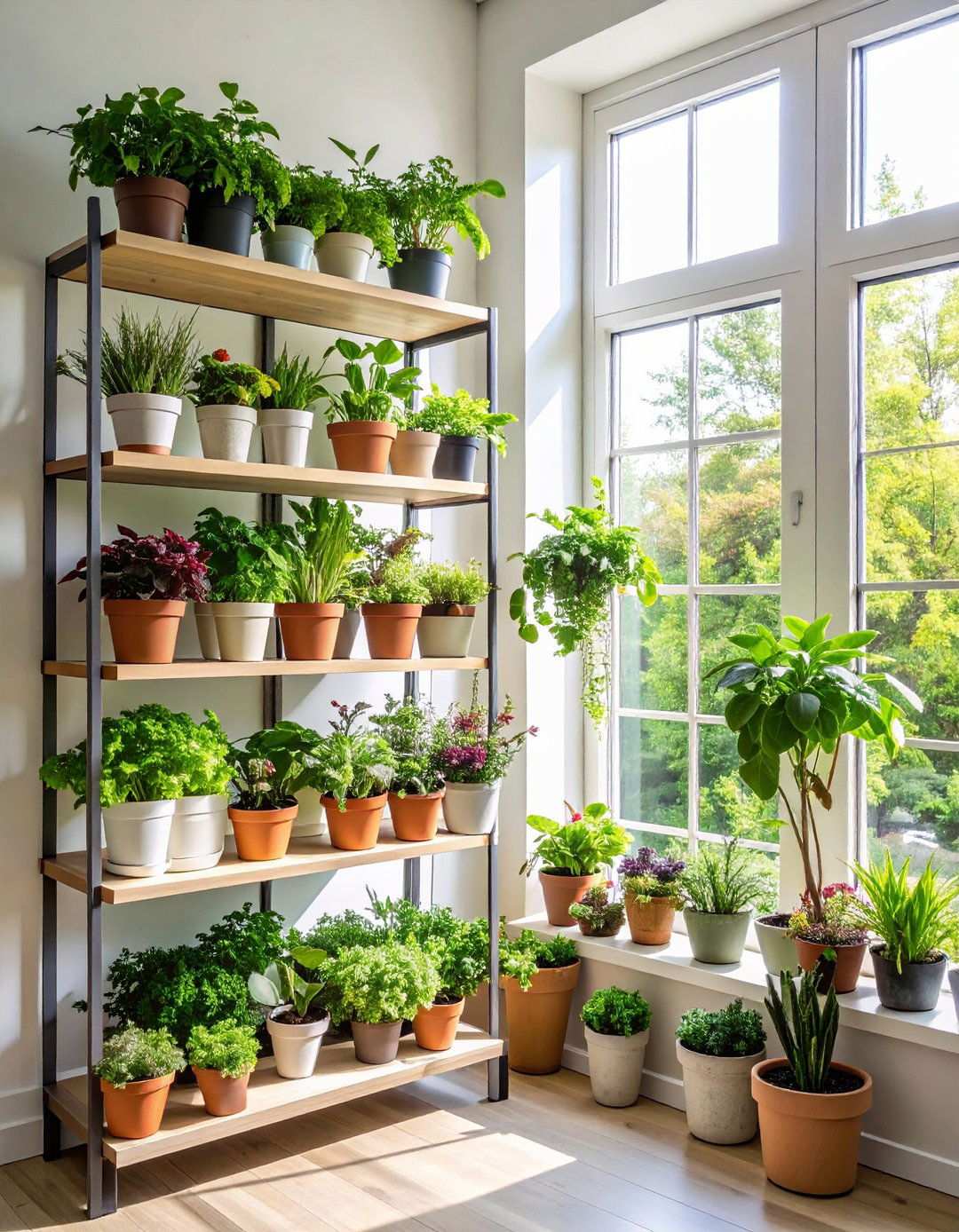
By creating tiered plant displays across windowsills and surrounding areas, you can maximize natural light exposure and celebrate a diverse array of plant species. Install floating shelves at varying heights to accommodate plants with different light requirements, creating stunning silhouettes against window backdrops. Seasonal plant rotations keep displays fresh and interesting throughout the year, allowing you to experiment with new combinations and tell different stories through your windows. Consider the dynamic interplay of morning and afternoon light patterns when positioning plants, and mix flowering varieties with foliage plants for year-round color and texture. These dynamic arrangements frame outdoor views while bringing garden beauty indoors, creating seamless connections between interior and exterior spaces.
9. Transforming Bathrooms into Enchanted Oases
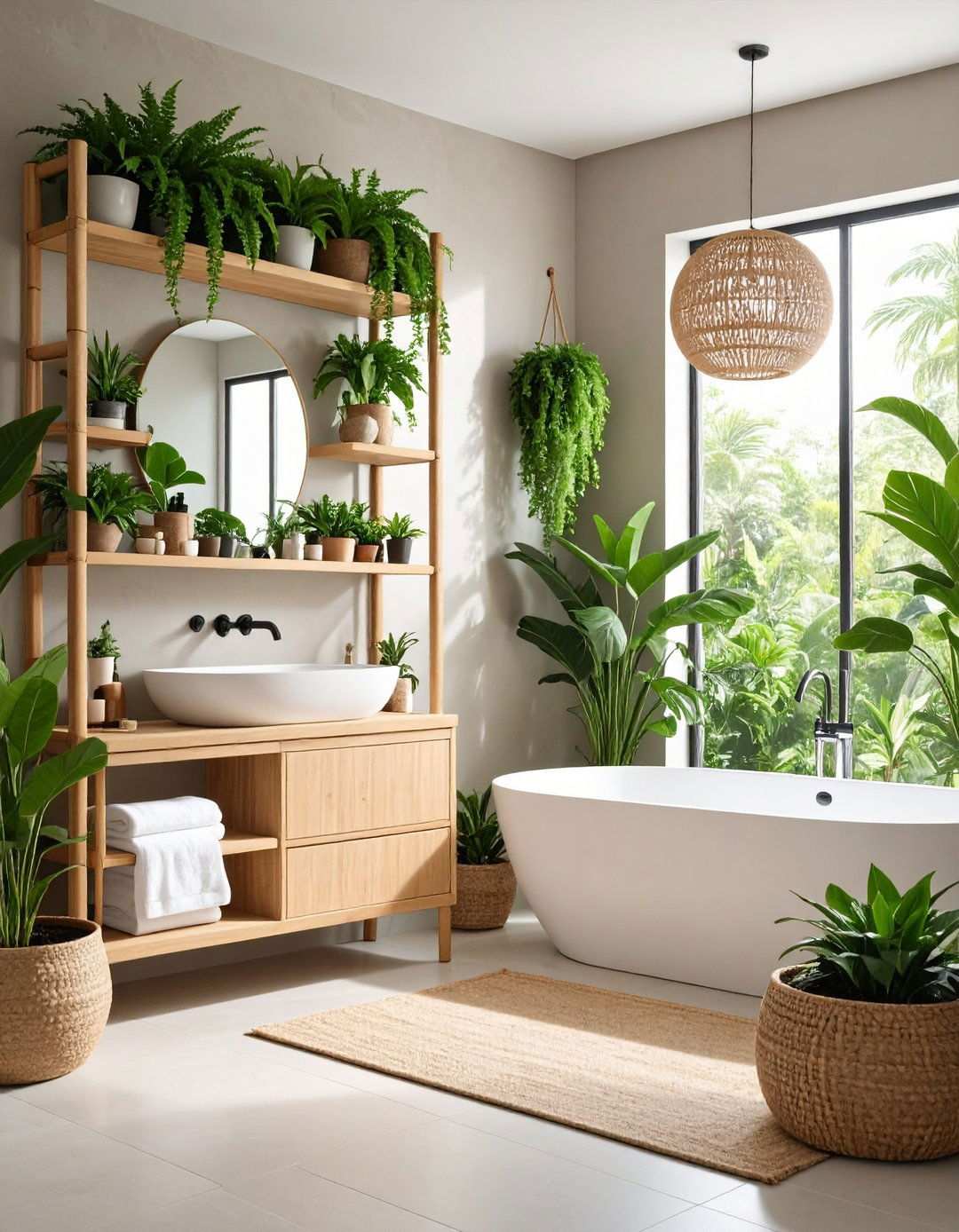
Bathrooms can be transformed into idyllic retreats where moisture-loving plants flourish, creating a serene ambiance that elevates daily routines. The unique combination of bathroom humidity and natural light makes it an ideal environment for plants like Boston ferns, air plants, and orchids, which not only purify the air but also add a touch of luxury to the space. By utilizing vertical space with hanging planters and wall-mounted displays, you can create a tranquil atmosphere without disrupting daily activities. Imagine starting your day surrounded by lush greenery – it’s a simple yet effective way to boost your mood and energy levels. To complement your plant displays, consider incorporating natural materials like bamboo shelving and rattan baskets, which not only provide practical storage but also add warmth and texture to the space.
10. Elevating Kitchen Spaces with Fresh Herb Gardens
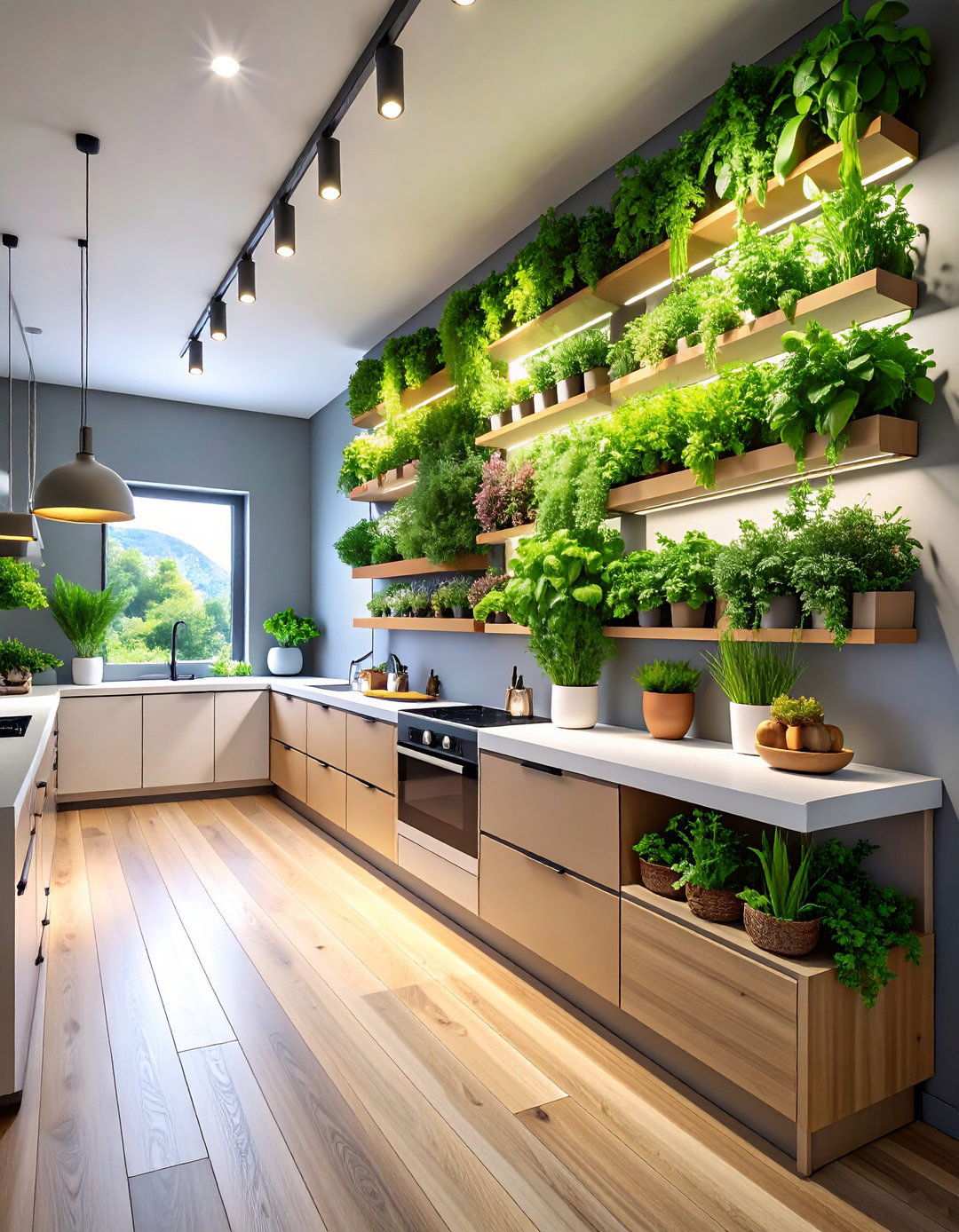
Kitchen spaces can be transformed into vibrant and functional areas by incorporating vertical herb gardens that provide an abundance of fresh culinary ingredients at your fingertips. Wall-mounted planting systems offer a convenient way to grow herbs like basil, parsley, thyme, and many others, right where you need them most – near your cooking station. These innovative displays not only add a pop of color to your kitchen but also inspire creativity in the culinary world. Imagine being able to choose the perfect herbs to complement your cooking style, and having the flexibility to rotate seasonal herbs to maintain a continuous harvest. To ensure the longevity of your herb garden, make sure to incorporate proper drainage systems that protect your walls while promoting plant health.
11. Creating Cozy Retreats with Personalized Plant Corners
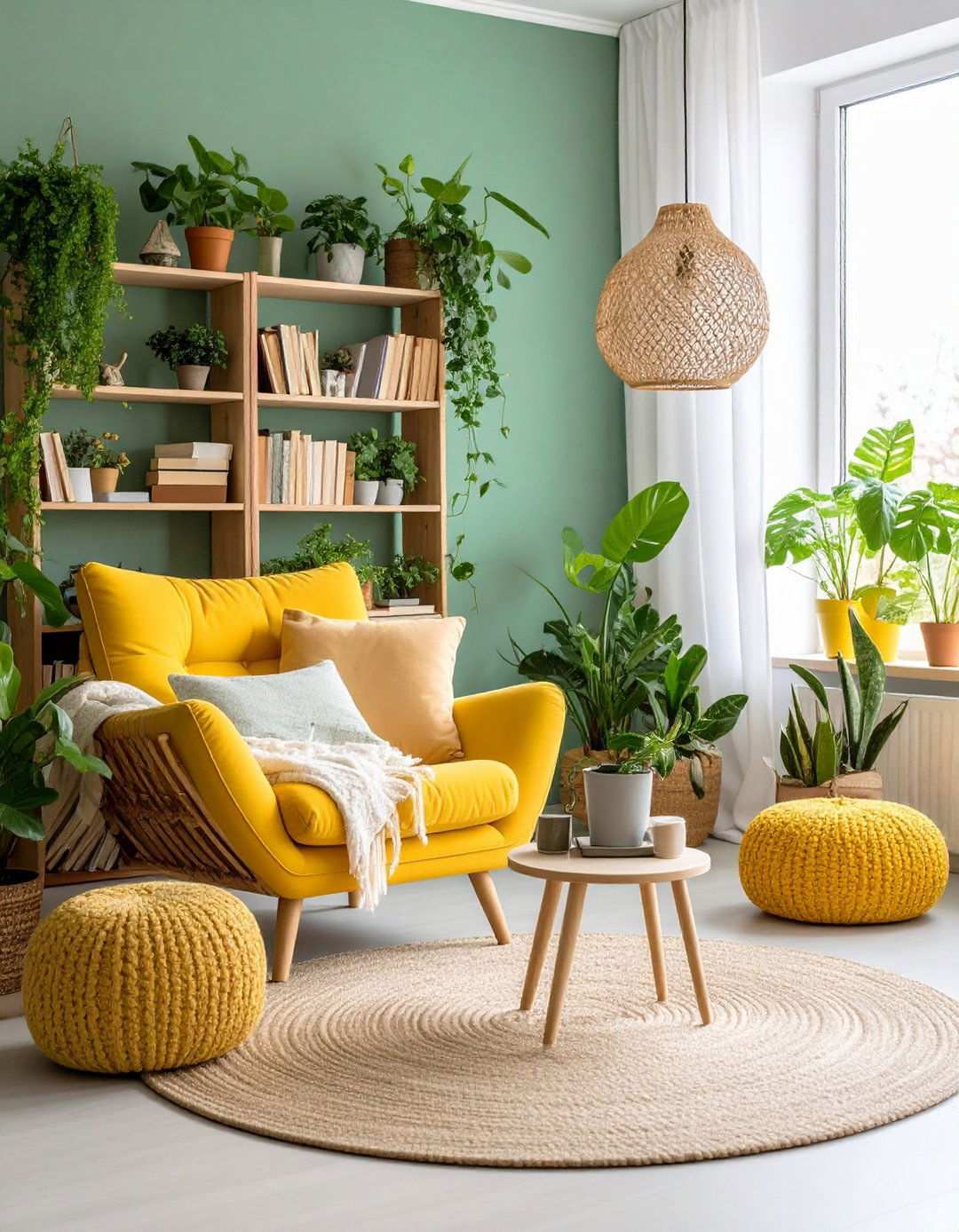
Reading nooks can be transformed into intimate, library-like atmospheres by carefully curating a selection of plants that thrive in reading light conditions. By combining floor plants, side table displays, and hanging varieties, you can create a green boundary around your favorite reading chair, providing a sense of seclusion and calm. Plants have a profound impact on air quality, and the gentle rustling sounds and fresh fragrances they produce can be incredibly soothing during reading sessions. To enhance your reading experience, choose low-maintenance varieties that add visual interest without distracting from your reading focus. Consider incorporating plants with unique textures and colors that complement the atmosphere of your reading nook, creating a truly personal sanctuary that offers the perfect escape from busy household activities.
12. Elevating the Art of Simplicity
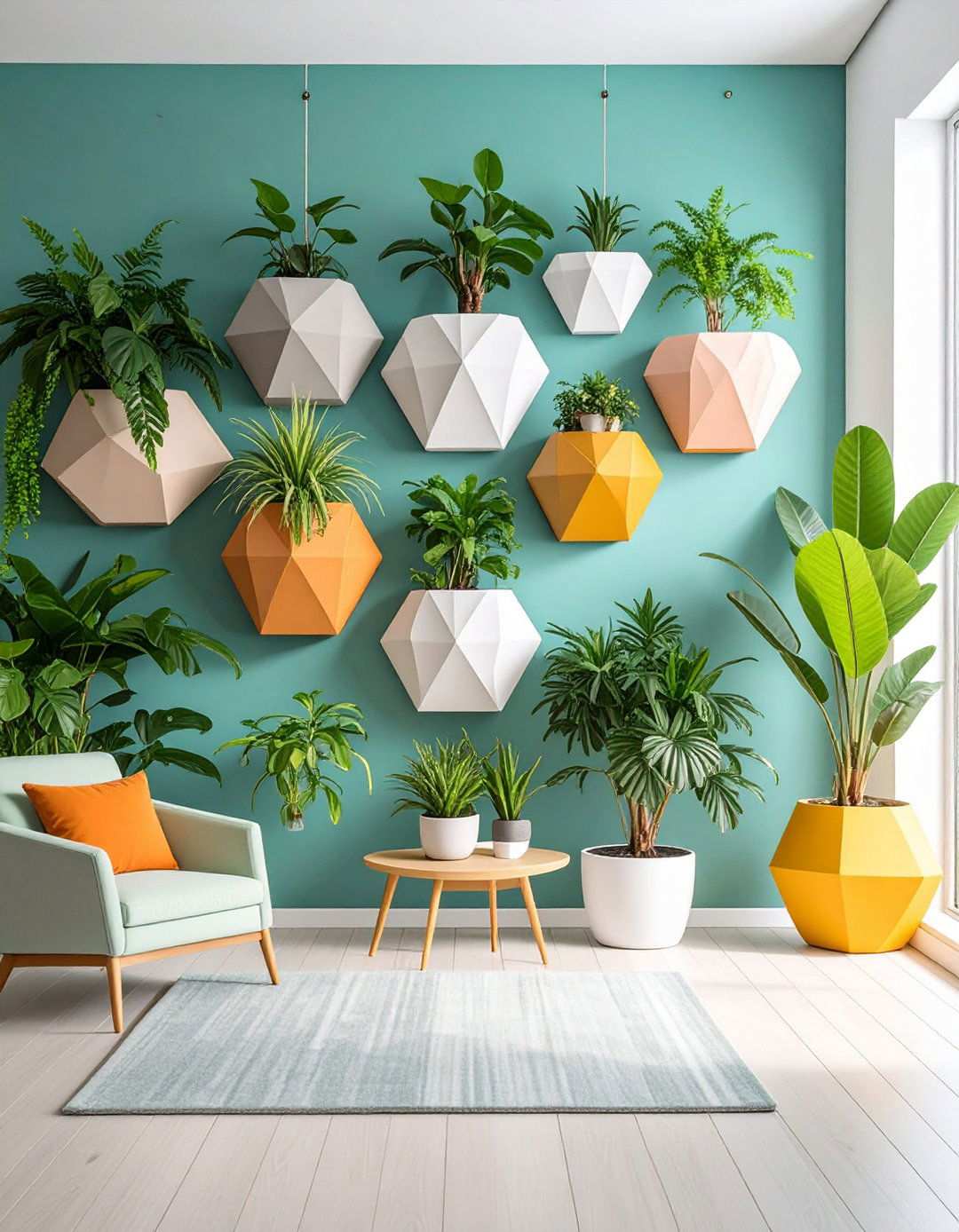
Simplify your space’s visual landscape with a carefully curated selection of plants in coordinating containers, allowing the beauty of nature to shine through unobstructed. By using identical planters in geometric patterns or showcasing single-variety plants in graduated sizes, you can achieve a sleek, streamlined aesthetic that exudes sophistication. The use of neutral-hued containers not only eliminates visual distractions but also enables each plant to take center stage, showcasing its unique characteristics. By adopting a more minimalist approach, you can create a sense of tranquility in your space, allowing each plant to receive the attention it deserves. To maintain a sense of cohesion, select plants with similar care requirements, making maintenance a breeze. The understated elegance of white or natural containers perfectly complements minimalist interiors, creating a harmonious atmosphere that celebrates simplicity.
13. Weaving a Tapestry of Texture and Color
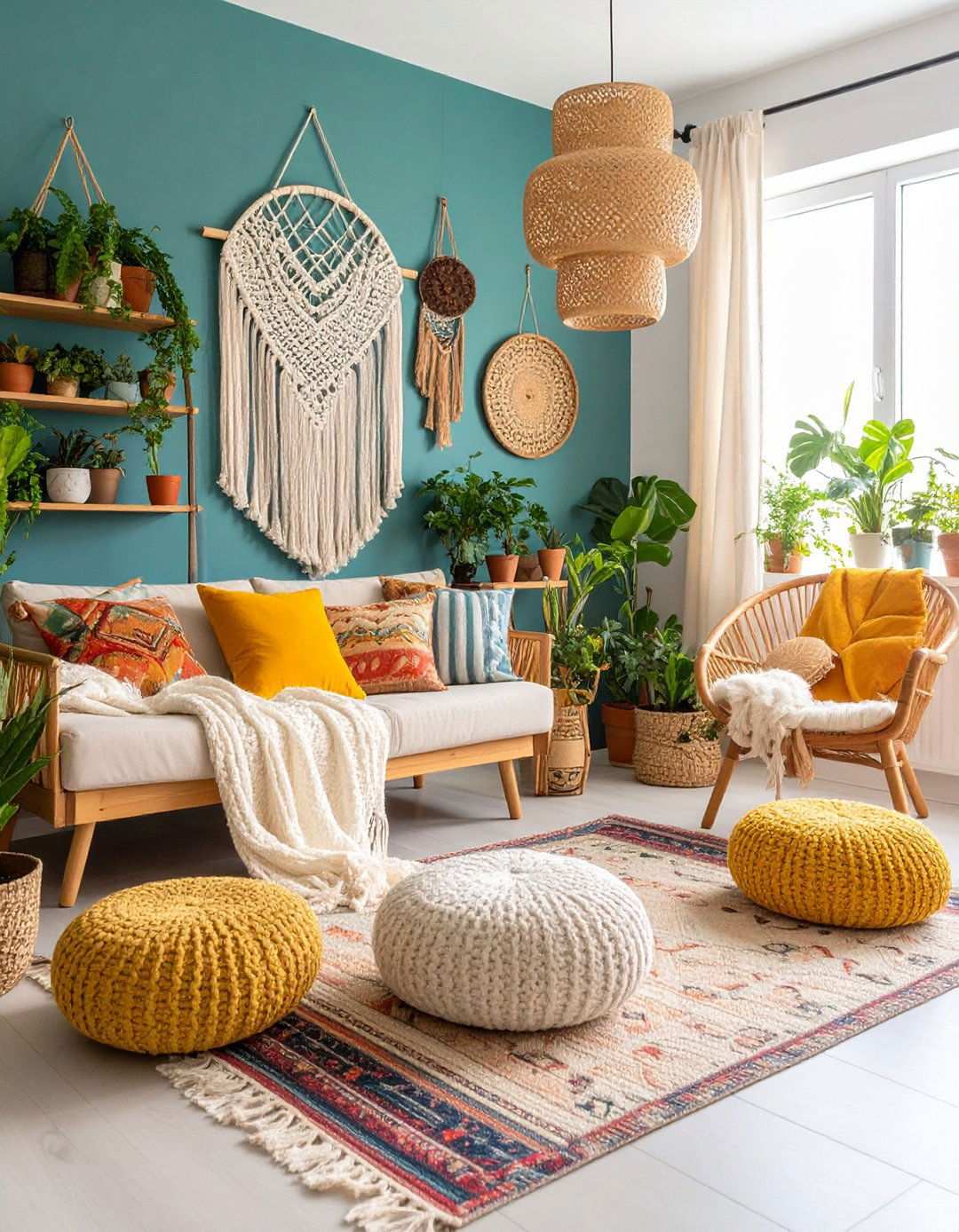
Create a vibrant, eclectic environment by combining diverse plants, textures, and natural materials, celebrating the beauty of abundance and creative expression. Mix and match macrame hangers, woven baskets, vintage pots, and treasured collectibles to add a bohemian touch to your living space. Blend trailing plants with upright varieties, incorporating colorful flowers and unusual specimens to create a visually striking display. What personal treasures would you showcase in your plant-filled sanctuary? By incorporating natural fiber rugs, wooden furniture, and earth-toned accessories, you can add warmth and personality to your space, creating a cozy atmosphere that invites exploration and discovery. Don’t be afraid to mix and match plants from different regions and growth habits to create interesting contrasts, reflecting your unique personality and style.
14. Bringing the Outdoors In
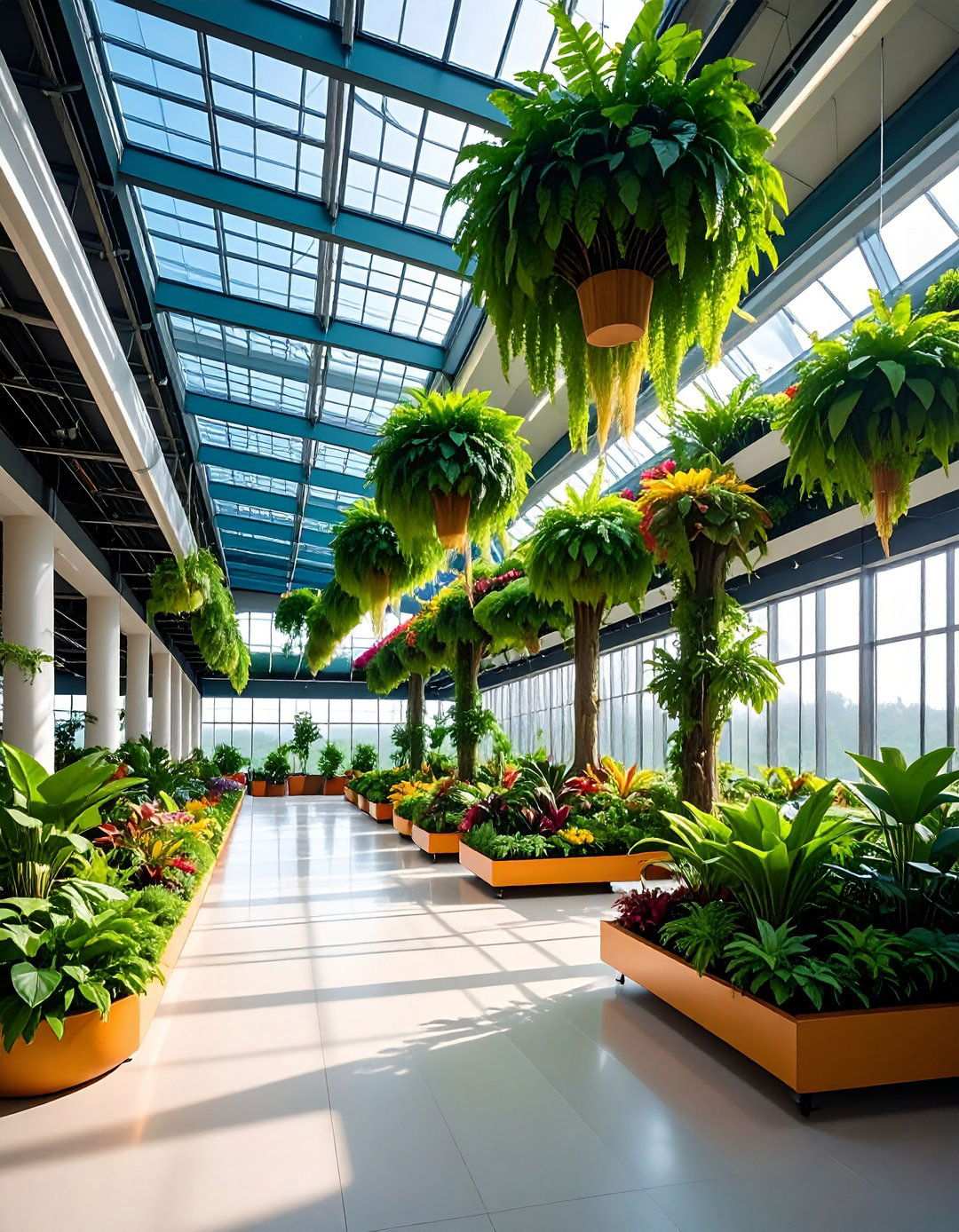
Create an immersive indoor forest experience by combining multiple large plants to establish a canopy effect, providing natural cooling and dramatic scale within your interior space. By grouping different tree species, such as ficus varieties, palms, and large-leafed tropical plants, you can simulate the sights and sounds of an outdoor woodland environment. Strategic grouping creates inviting pathways through your indoor forest, maximizing visual impact and creating a sense of wonder. Imagine strolling through your own personal indoor woodland, surrounded by the sights and sounds of nature. Varying the heights and textures of your plants creates a natural rhythm, while ensuring adequate space for healthy growth. When planning your arrangement, consider the changing seasons and growth patterns to create a dynamic, ever-evolving environment that connects you to the natural world, regardless of the weather outside.
15. Air Plant Installation Artistry
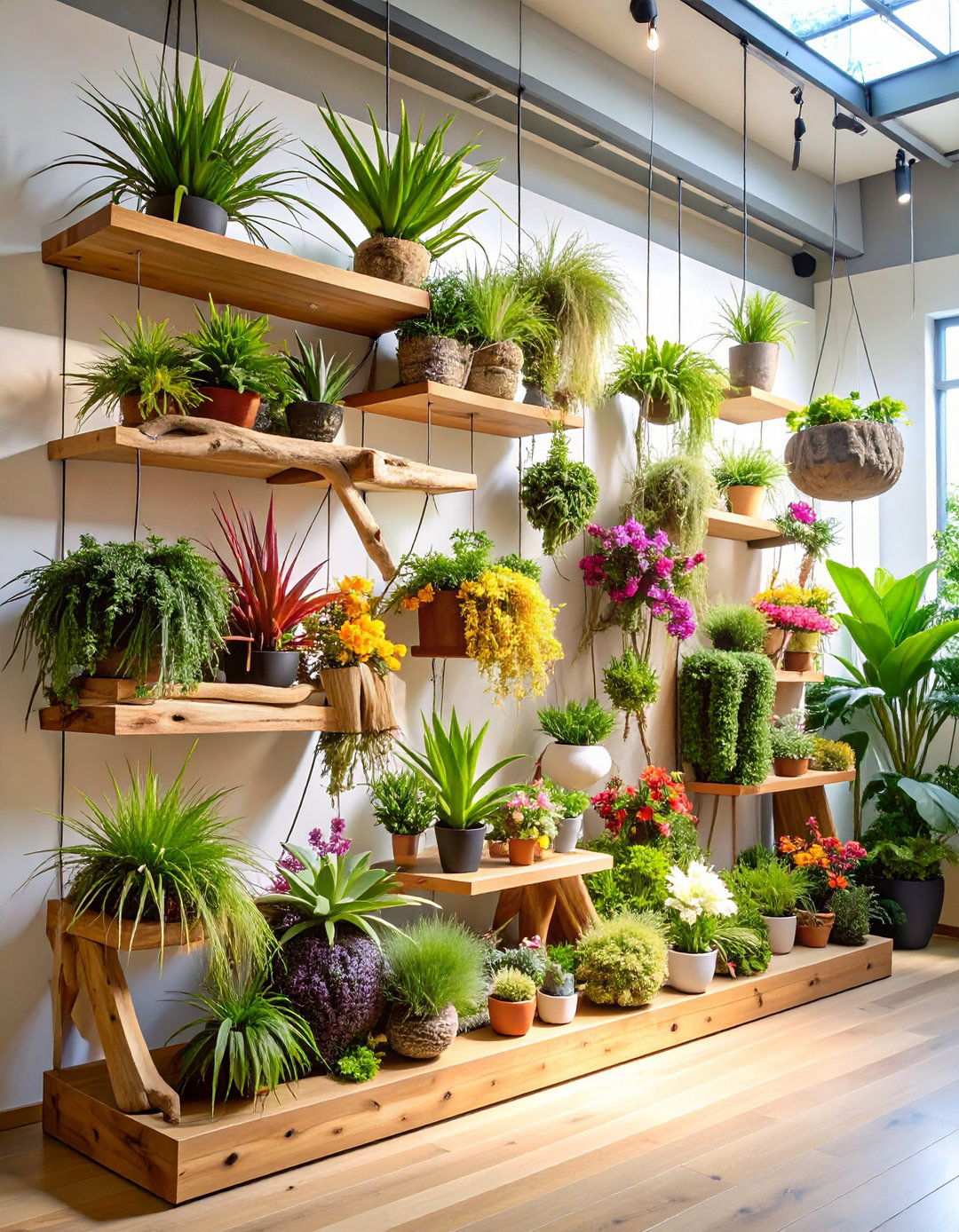
Create stunning displays by suspending tillandsia varieties, which thrive without soil, in mid-air. These unusual plants defy gravity, adding an otherworldly touch to living spaces. Use driftwood, wire frames, or glass orbs to mount air plants, creating floating garden effects that shatter traditional plant display expectations. As these epiphytes absorb moisture and nutrients from the air, they require minimal maintenance. Where would the beauty of weightlessness make the most dramatic impact on your decor? For optimal health, mist regularly and provide bright, indirect light. Consider using magnetic systems, fishing line suspension, or artistic wire sculptures to create unique mounting options that showcase nature’s incredible adaptability and diverse growing strategies.
16. Succulent Desert Oasis Gardens
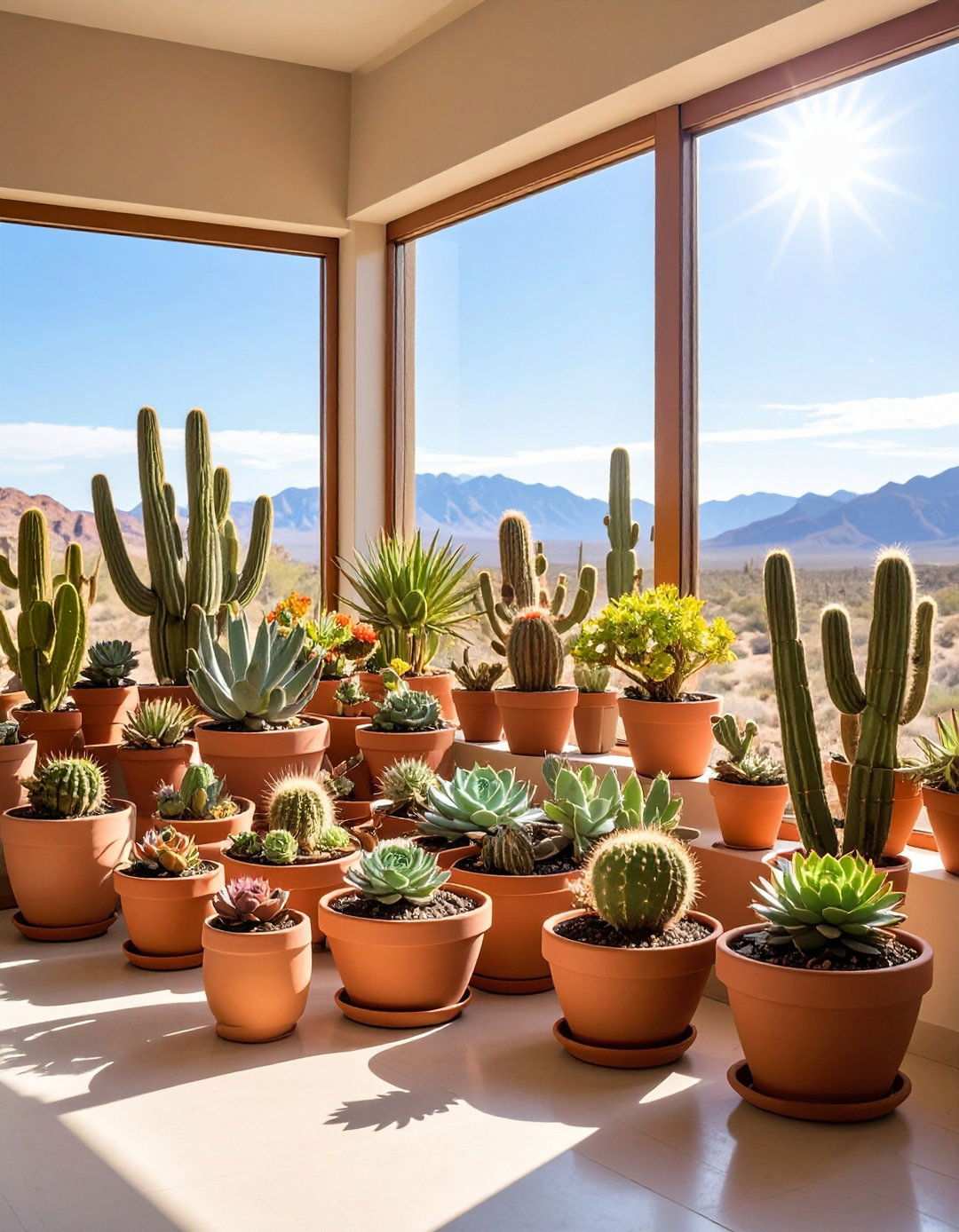
Design low-maintenance gardens using a variety of succulent species that create striking arrangements while tolerating drought and minimal care. Combine echeveria rosettes with tall columnar cacti for dynamic desert-inspired displays that showcase the diversity of these resilient plants. Terra cotta containers and sandy growing mediums complement natural aesthetic preferences, adding to the desert theme. How would the beauty of the desert adapt to your indoor environment? Group plants with similar water and light requirements for simplified care routines, and include interesting rocks, sand, and decorative elements to enhance the desert theme. These displays provide year-round color and texture, teaching appreciation for plants adapted to challenging environments and perfect for sunny windows and low-maintenance lifestyles.
17. Tropical Retreat Spaces
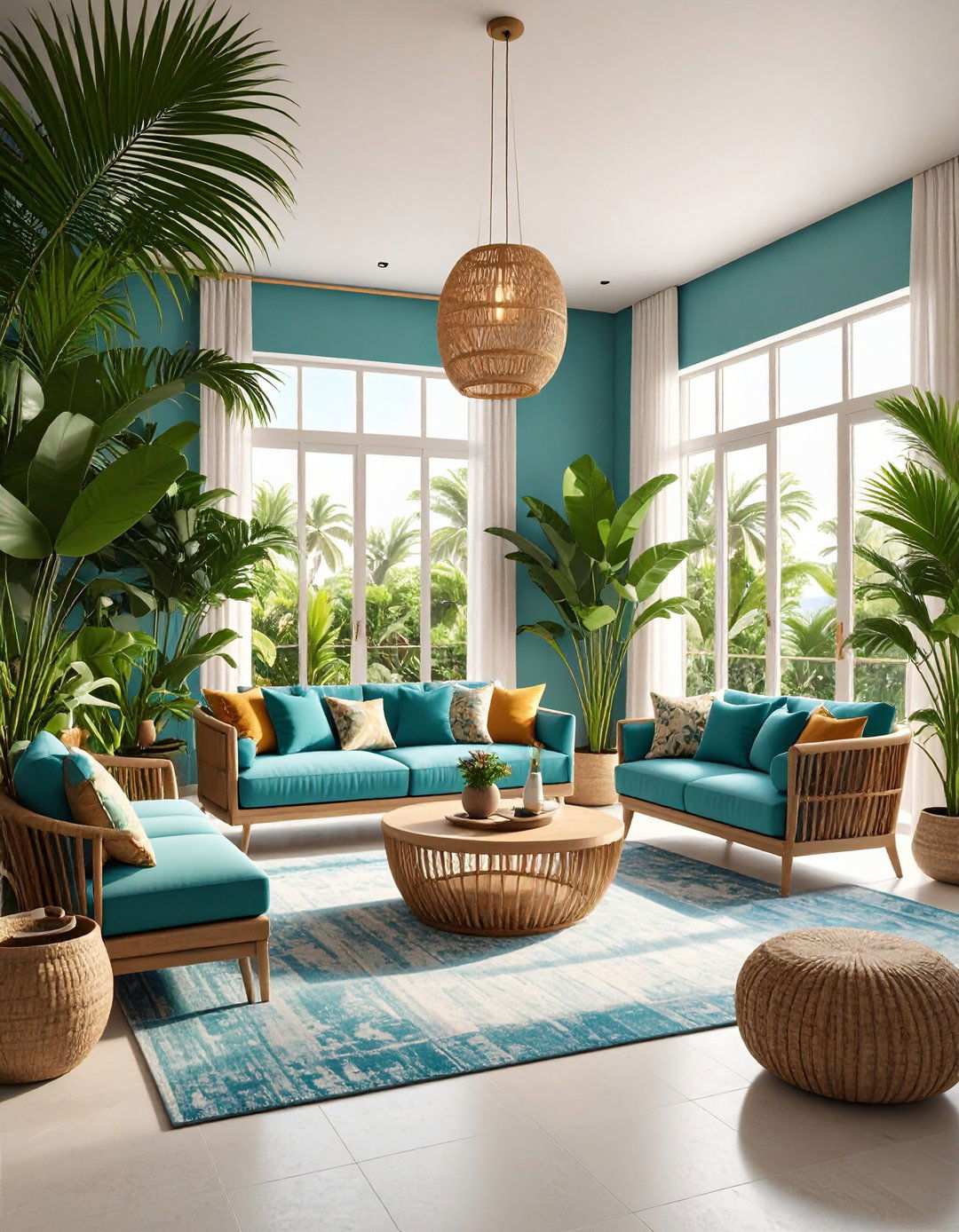
Escape to a lush paradise by incorporating large-leafed plants, flowing water features, and warm lighting, which transport occupants to exotic vacation destinations. Use palms, banana plants, and colorful flowering varieties alongside natural materials like bamboo and rattan furniture to create immersive environments. Humidity systems support tropical plant requirements, creating comfortable microclimates. What destination would inspire your daily tropical retreat? Layer plants at different heights to simulate rainforest canopy effects, and include ground covers and climbing varieties to create a sense of depth. Consider the tropical fragrance of flowering plants like jasmine or gardenias. These environments provide mental vacation experiences, surrounding occupants with beneficial negative ions and improved air quality throughout the seasons.
18. Scandinavian Plant Styling Systems
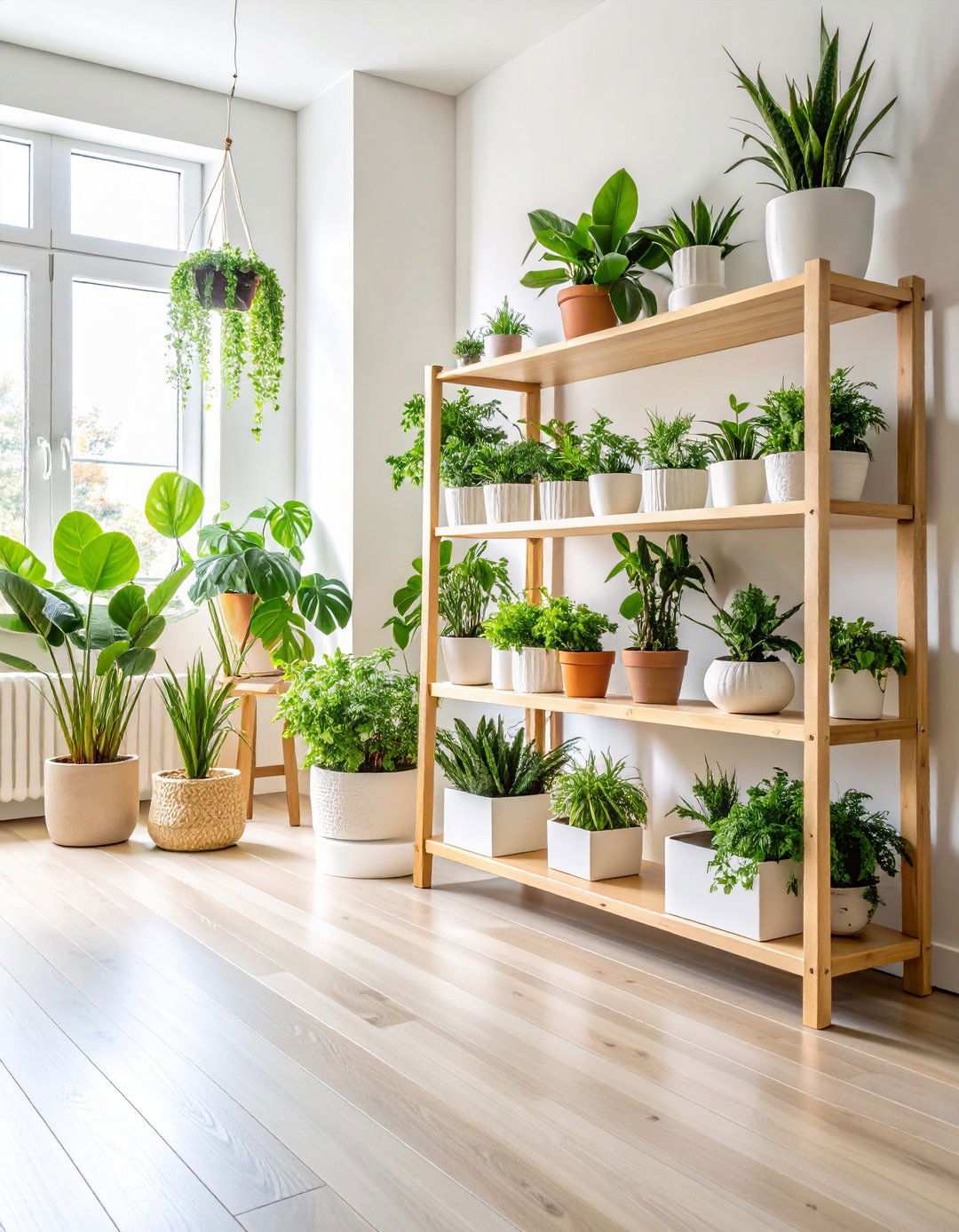
Effortlessly blend the elegance of Nordic design with strategically placed plants that prioritize simplicity, functionality, and a connection to nature. Emphasize minimalist aesthetics by incorporating light woods, white containers, and carefully curated plants that harmonize rather than overwhelm clean, airy interiors. Focus on the architectural beauty of plants and their natural forms, rather than creating an abundance of displays. Which spaces in your serene environment would benefit most from the subtle beauty of plants? Opt for plants with unique shapes, such as fiddle leaf figs or architectural succulents, which serve as living works of art. By optimizing natural light, you can support both the health of your plants and the principles of Nordic design. These refined approaches showcase how plants can elevate minimalist environments while maintaining the essential simplicity and calm that defines the Scandinavian lifestyle.
19. Industrial Plant Loft Displays
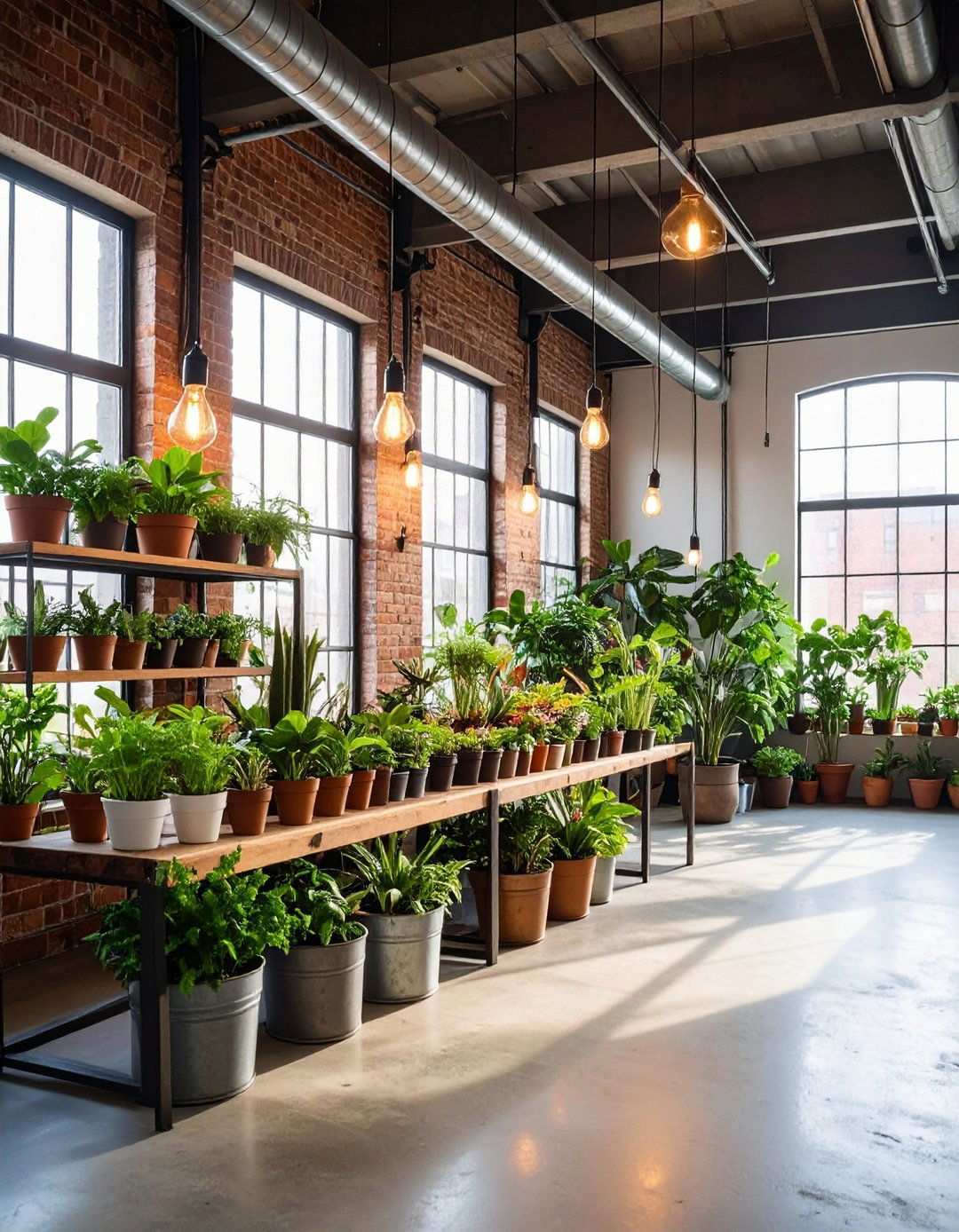
Fusing urban edge with natural elements, metal containers, exposed piping systems, and dramatic plant varieties create a striking contrast that complements raw, industrial aesthetic preferences. Large plants in galvanized containers or concrete planters establish a dynamic tension between hard materials and soft, organic plant forms. Consider using climbing plants on metal trellises or industrial pipe systems to add a touch of organic movement to your space. How would the addition of natural elements soften the hard edges of your urban environment? Edison bulb grow lights not only provide functional plant support but also add a touch of atmospheric lighting to your space. Choose plants that thrive in urban conditions while injecting color and life into concrete and steel environments. These contemporary displays demonstrate the potential for nature and industry to come together in thoughtfully designed partnerships.
20. Cottage Garden Indoor Sanctuaries
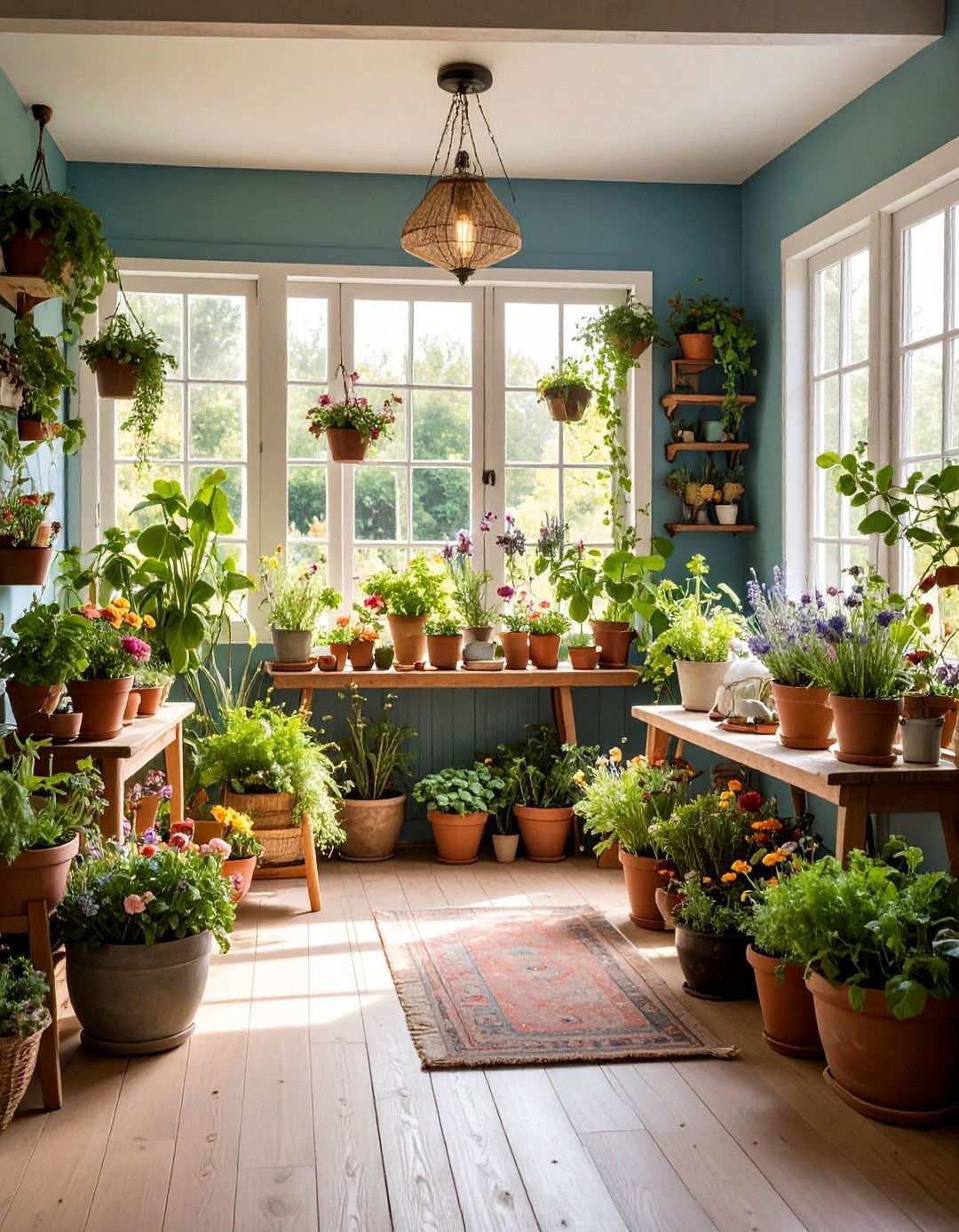
Recreate the charm of an English garden indoors by combining flowering plants, herbs, and vintage containers that evoke a romantic, pastoral atmosphere throughout your living spaces. Blend roses, lavender, and cottage-style plants in weathered pots and vintage vessels to suggest the beauty of an outdoor garden. Layer different textures and heights to create abundant, natural arrangements that invite the eye to wander. What memories of a cottage garden would inspire your indoor sanctuary design? Incorporate climbing varieties on decorative trellises and seasonal flowering plants for changing displays that keep your space fresh and engaging. Vintage furniture and soft fabrics complement your plant choices while creating cozy, welcoming environments that celebrate traditional gardening beauty. These nostalgic displays celebrate the joy of gardening while providing year-round access to the beloved aesthetic of a cottage garden, regardless of outdoor growing conditions or seasonal limitations.
21. Modern Plant Gallery Exhibitions
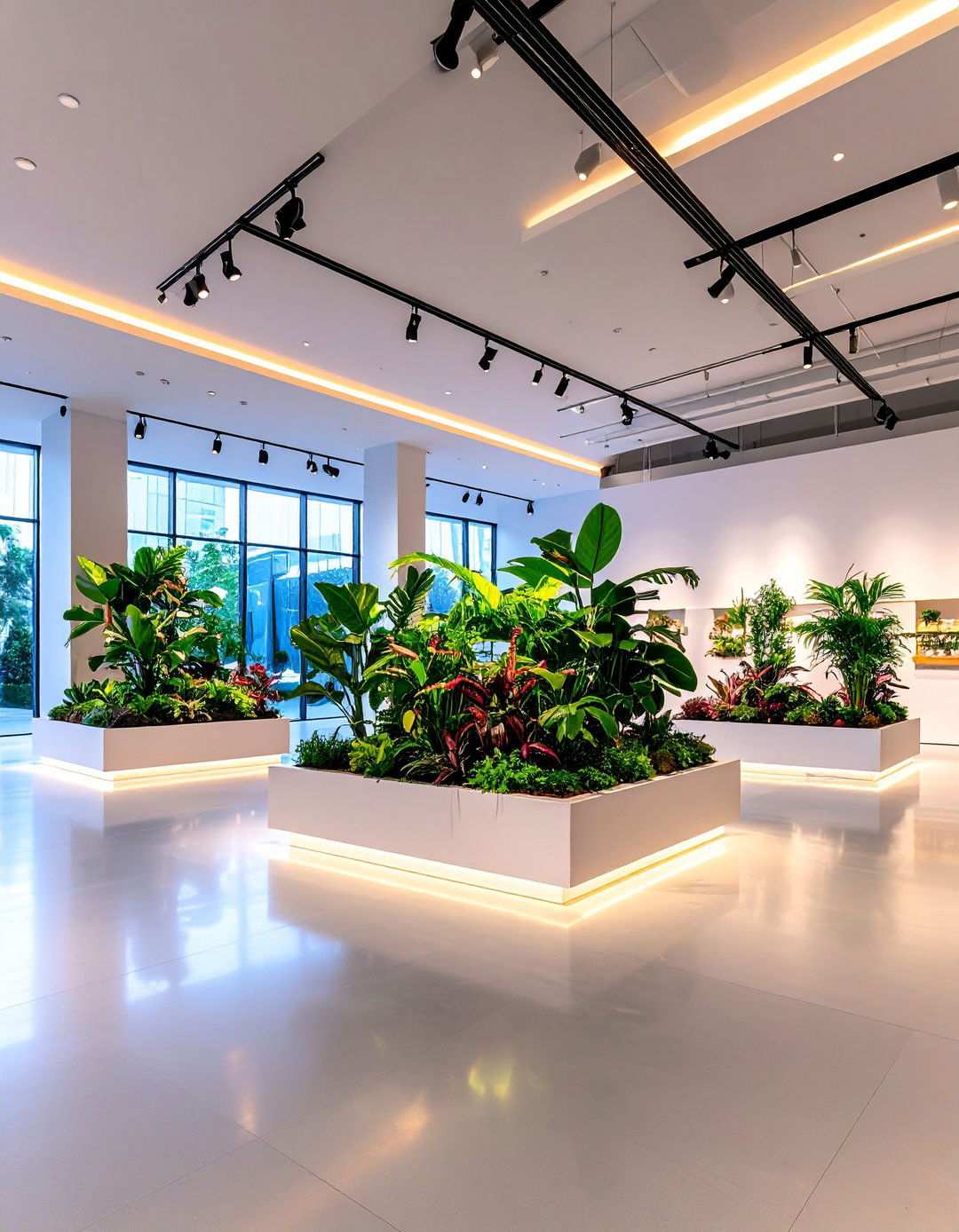
Elevate your space into a sophisticated plant gallery by showcasing plants as stunning works of art, carefully curated to capture the essence of contemporary design. Geometric containers and strategic lighting come together in a harmonious union, mirroring the presentation methods found in esteemed museums. Plants on floating shelves or pedestals take center stage, highlighting their unique beauty and creating a sense of drama through strategic spotlighting. By accentuating plant architecture and leveraging dramatic shadow effects, you can transform your favorite plants into breathtaking art installations. Select specimens with striking forms or intriguing characteristics that demand special attention and presentation. A neutral background allows the vibrant colors and textures of your chosen plants to take center stage, creating a truly immersive visual experience that celebrates the natural world in all its glory.
22. Zen Meditation Plant Gardens
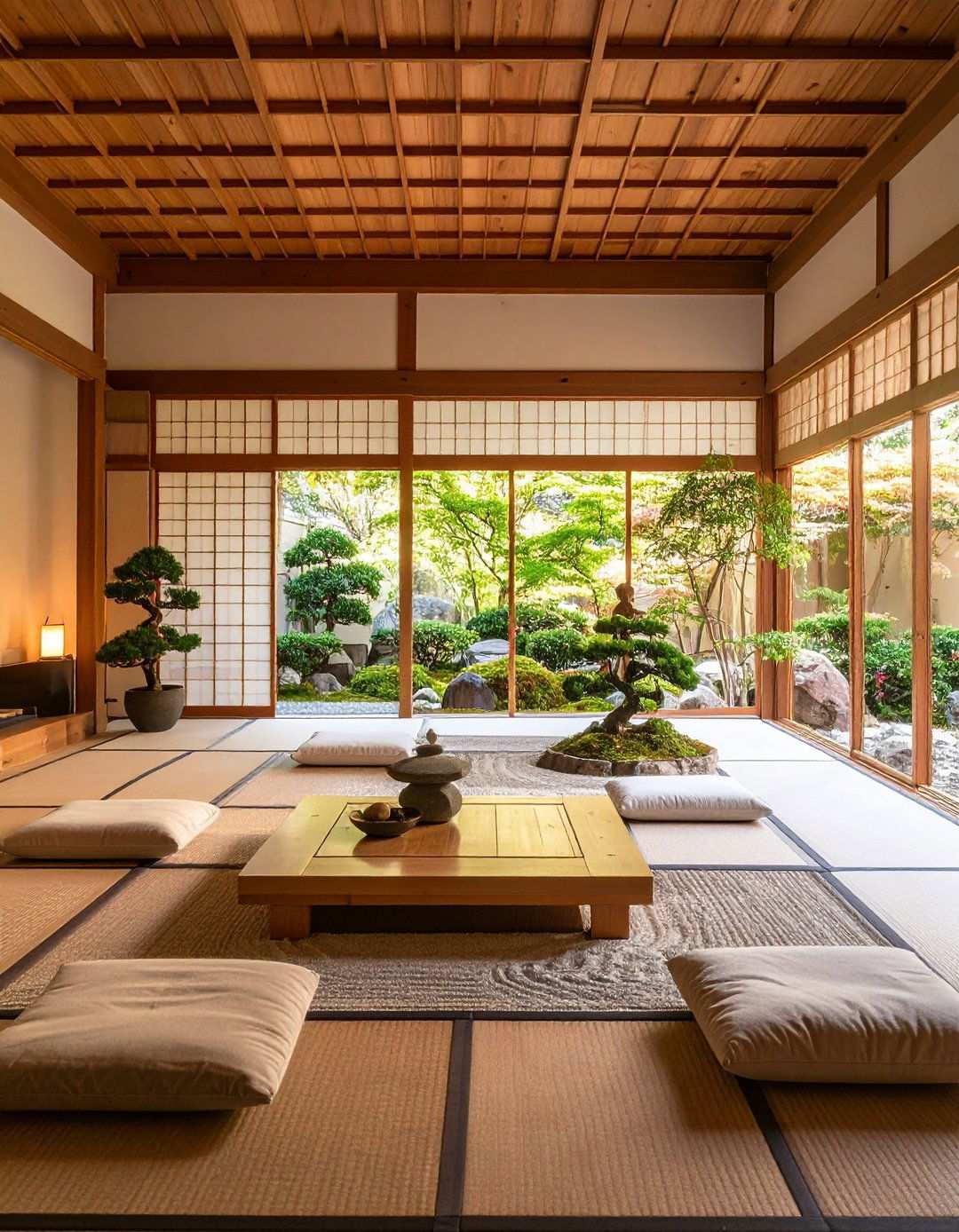
Create serene spaces that foster peace and mindfulness by thoughtfully selecting plants that promote tranquility and contemplation. Incorporate plants like bamboo, bonsai trees, and simple green varieties that complement rather than distract from the meditative experience. Arrange elements according to the principles of feng shui to ensure optimal energy flow. Where would the soothing energy of your plant sanctuary best enhance your daily meditation practice? Natural materials like river rocks, sand, and wooden elements blend harmoniously with your plant choices, creating an environment that is both calming and balanced. Gentle water features add a soothing soundtrack while supporting plant humidity requirements, creating a haven for stress relief and spiritual renewal through mindful plant appreciation.
23. Plant Propagation Station Laboratories
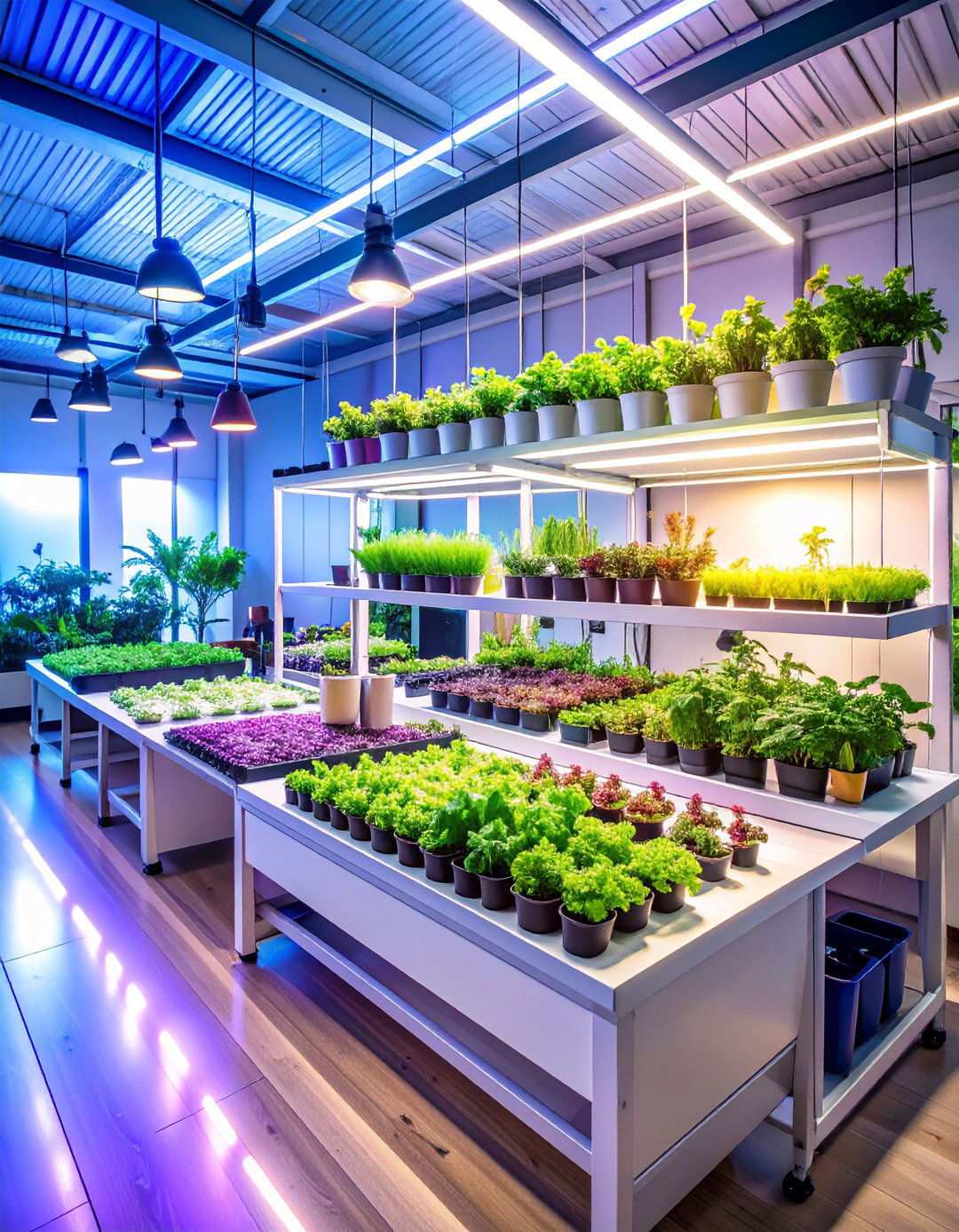
Designate dedicated areas for plant reproduction activities, incorporating specialized equipment and growing systems that support cutting propagation, seed starting, and plant development projects. Include propagation stations, grow lights, and organized storage for gardening supplies and developing plants throughout various growth stages. Create workspace areas for potting and plant care activities, where you can nurture your plants from seed to maturity. What new plants would you love to grow from your existing favorites? Glass containers showcase the intricate root development of your cuttings and seedlings, providing optimal growing conditions and a clear view of their progress. Include reference materials and tools for successful plant multiplication projects, making it easier to learn and master the art of plant propagation. These functional spaces combine hobby activities with home decoration, offering a unique opportunity to explore plant biology and expand your plant collection through personal propagation efforts.
24. Dynamic Plant Displays: Embracing the Seasons
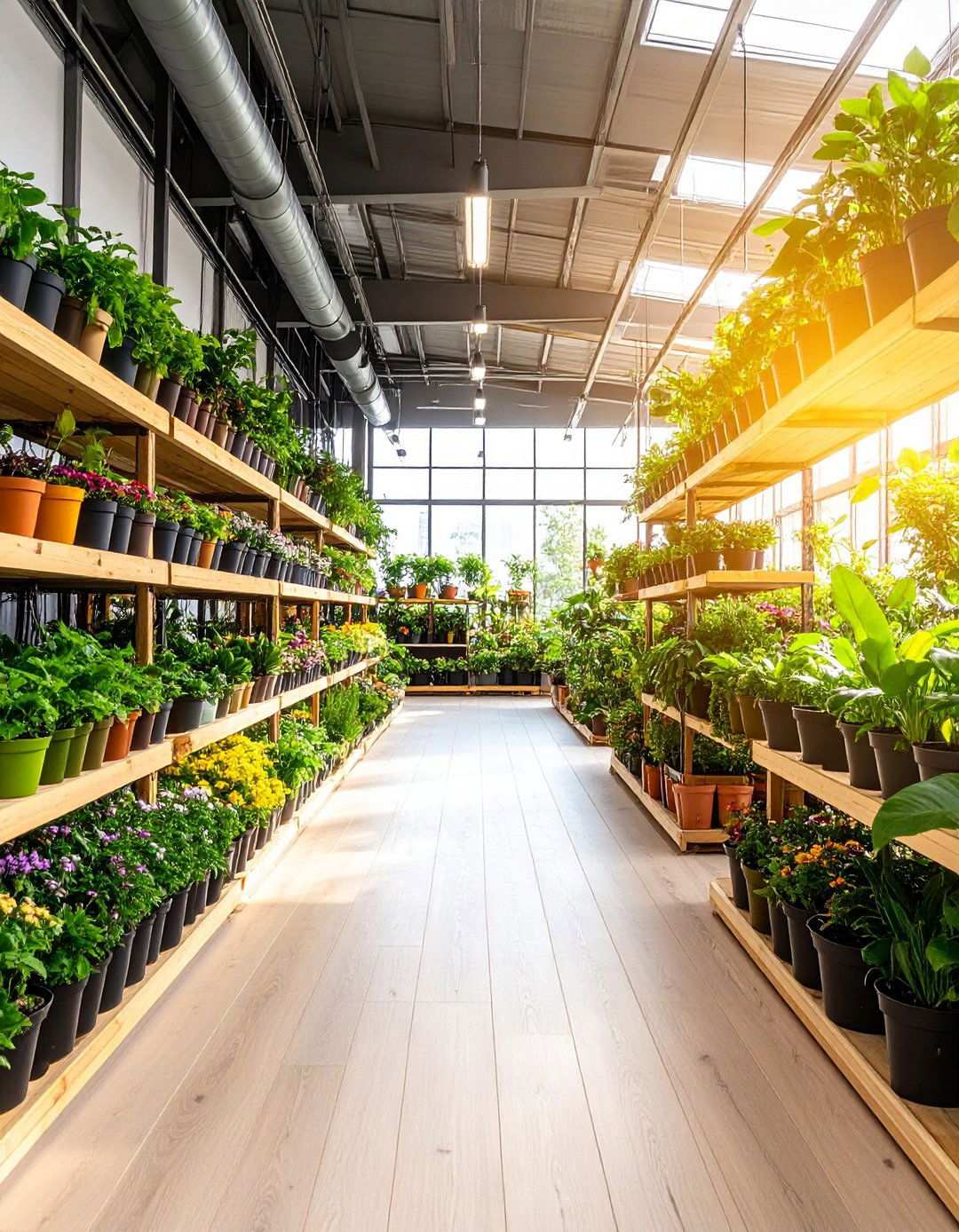
Create adaptable systems that seamlessly integrate changing plant displays throughout the year, honoring the ebb and flow of seasonal growth patterns and flowering cycles. As the seasons shift, design spaces that effortlessly adjust to accommodate varying plant sizes and needs. Incorporate movable planters and adjustable shelving to enable hassle-free rearrangement and optimize your indoor environment. By reflecting the natural cycles outdoors, how can you make your indoor spaces a vibrant extension of the ever-changing world?
Store plants in ideal conditions when they’re not in season, while showcasing the current seasonal stars prominently. Take the opportunity to capture the story of plant growth and seasonal transformations through photography, allowing you to appreciate the beauty of natural cycles and plant development patterns throughout the year. By embracing dynamic approaches to plant displays, you can keep your indoor spaces fresh, engaging, and steeped in a deeper appreciation for the natural world.