1. Serenity in a Landscape: Japanese Zen Garden with Pine Bonsai
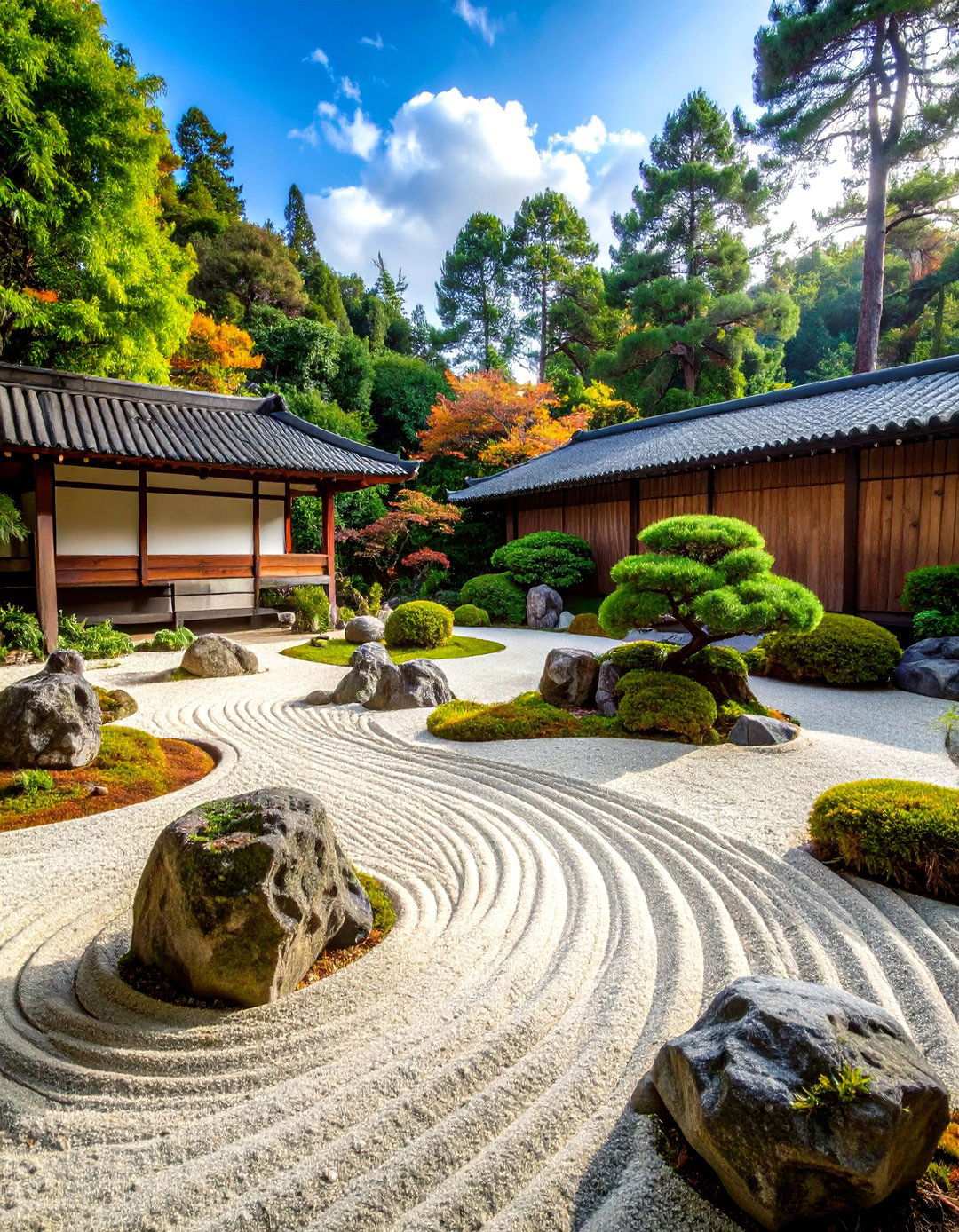
Imagine strolling through a tranquil oasis that embodies the essence of Japanese Zen gardens. By incorporating carefully crafted pine bonsai specimens alongside traditional elements, you can transform your outdoor space into a serene retreat. Inspired by the principles of Zen Buddhism, these dry landscape gardens feature meticulously raked sand and rocks that evoke the tranquility of ponds, streams, and islands. A majestic pine bonsai takes center stage on a simple wooden or concrete pedestal, surrounded by an intricate pattern of gravel that invites contemplation and mindfulness.

As an Amazon Associate I earn from qualifying purchases.
The gentle ambiance is further enhanced by stone lanterns that cast a warm glow, while bamboo fencing provides a sense of seclusion. Weathered rocks, carefully arranged to resemble mountains and islands, add depth and texture to the landscape. The flowing lines of the sand, expertly crafted to mimic the movement of water, create a soothing visual experience that encourages you to slow down and appreciate the beauty of your surroundings.
2. A Grand Entrance: Large Pine Centerpiece for Front Yard
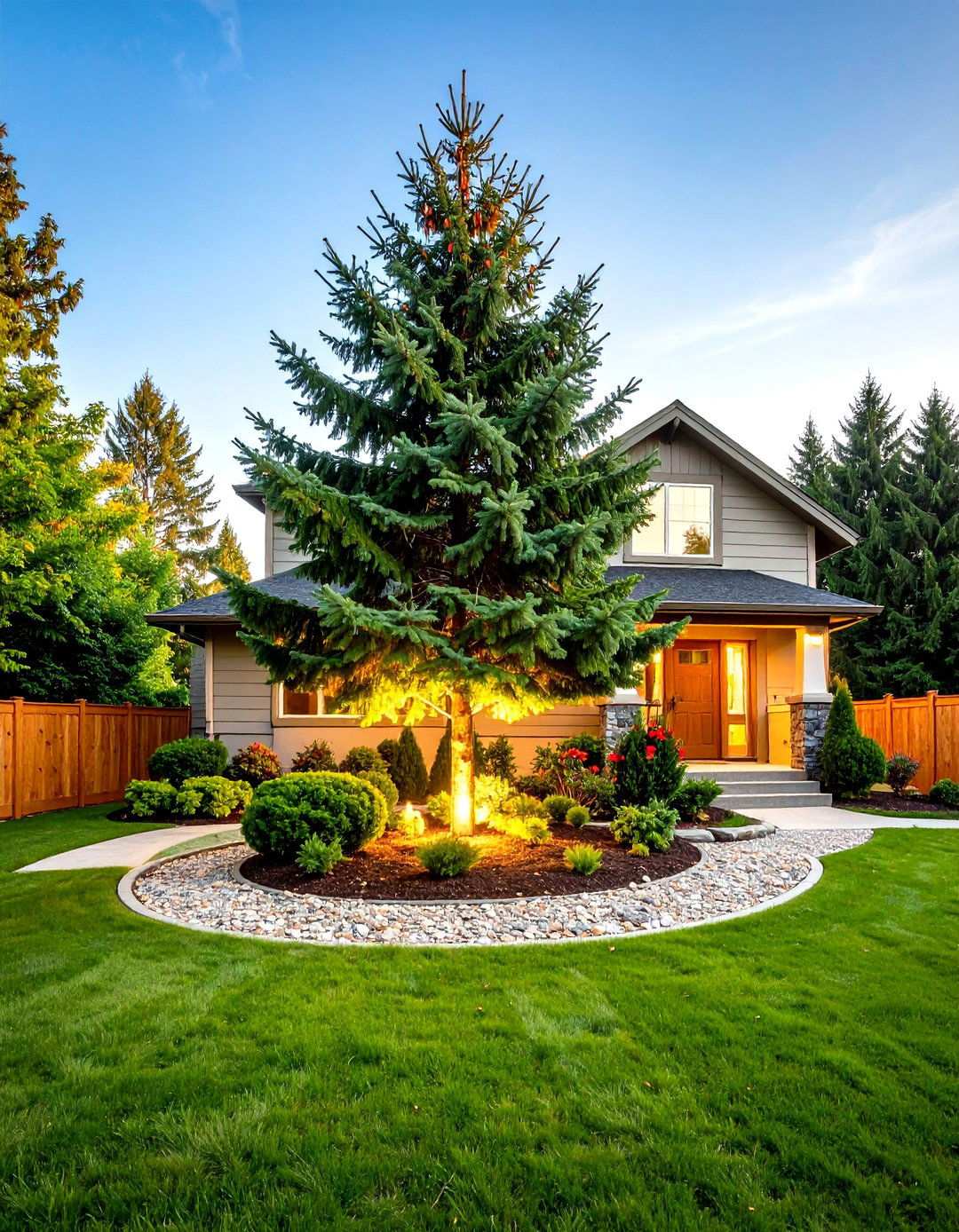
Create a stunning focal point in your front yard by planting a single large pine tree as the crowning glory of your landscape design. These majestic specimens serve as show-stopping centerpieces that command attention, elevating your property’s curb appeal to new heights. To add depth and visual interest, surround the large pine with a selection of smaller pines and evergreens, carefully chosen to create a harmonious balance of textures and hues.
As the seasons change, the understory of the pine canopy provides a haven for shade-tolerant plants like hostas and ferns, which thrive in the dappled light. Meandering mulched pathways invite exploration, while strategically placed lighting highlights the pine’s architectural form during the evening hours. This thoughtful design approach will make your property a standout in the neighborhood, showcasing your personal style and attention to detail.
3. Compact Elegance: Dwarf Pine Container Garden
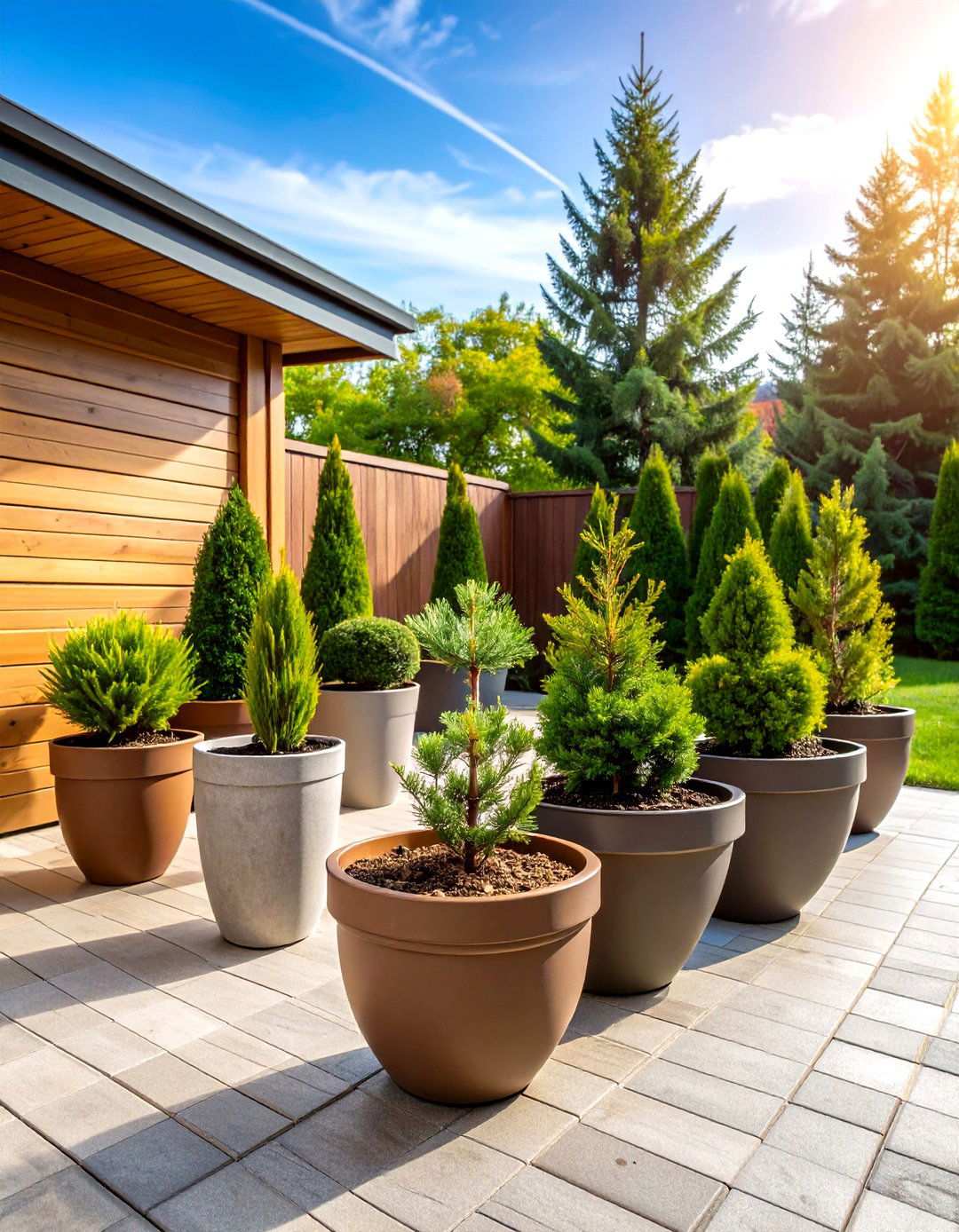
Bring a touch of sophistication to your patio or balcony with a dwarf pine container garden, expertly crafted to provide year-round beauty and minimal maintenance. Dwarf conifers, such as mugo pines, dwarf Alberta spruce, or compact hinoki cypress, are ideal for container plants, growing slowly and thriving in pots for years before being transferred to flourish in gardens. By selecting a variety of pot sizes and arranging them at different heights using plant stands or wooden crates, you can create a visually striking display that adds depth and interest to your outdoor space.
The compact size of these specimens makes them perfect for small spaces, balconies, or as seasonal decorations that can be moved indoors during harsh weather. With their slow-growing nature and low maintenance requirements, you can enjoy the beauty of your dwarf pine container garden without the hassle of constant pruning and upkeep.
4. Pine Screens and Natural Barriers
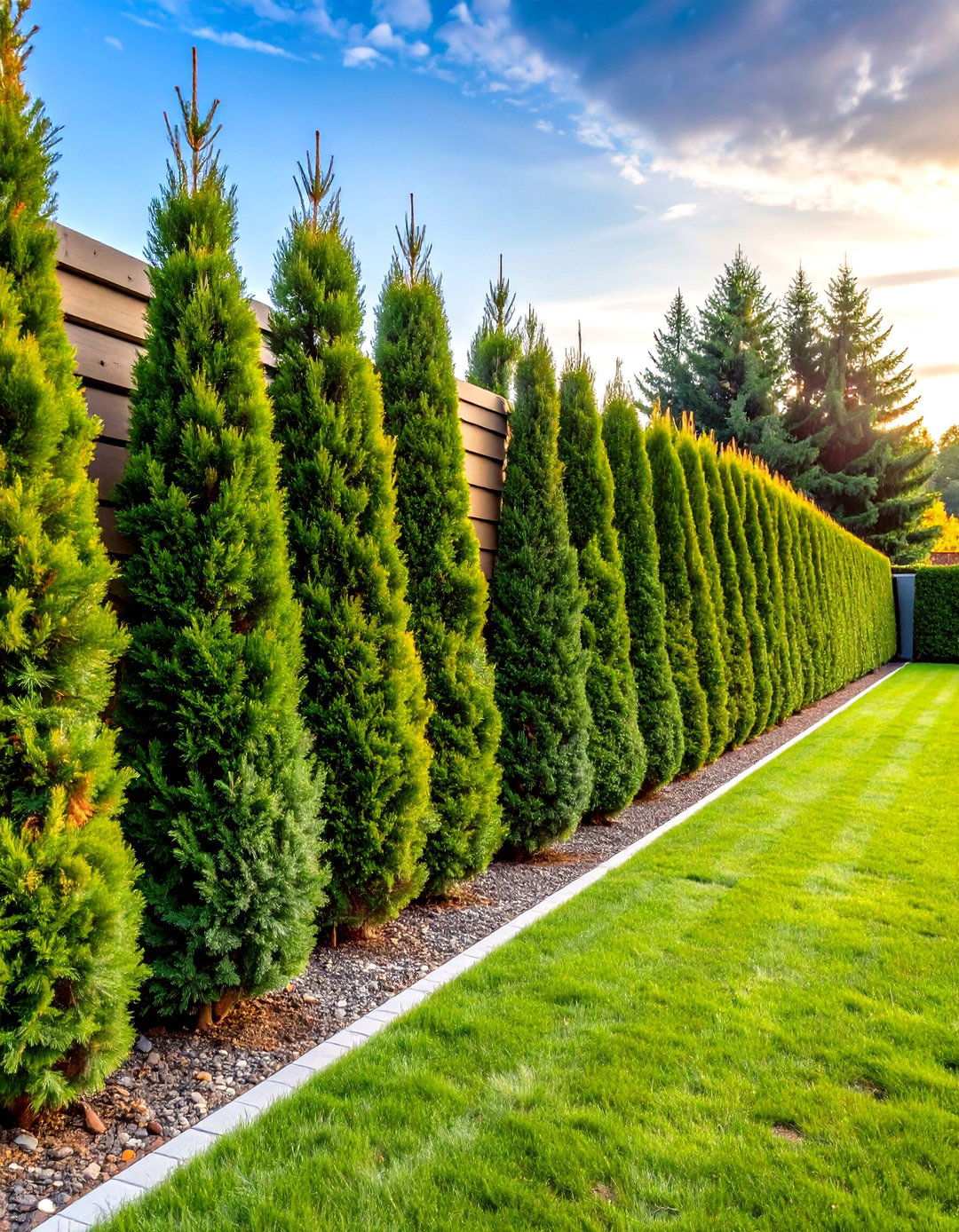
Strategically planted pine trees create an effective barrier against unwanted views and harsh winds. A staggered arrangement of multiple rows of trees and shrubs provides a robust defense, with spacing based on their mature diameter. Incorporate faster-growing varieties such as Austrian pine and Eastern white pine in staggered double rows, spaced 8-12 feet apart for optimal coverage. The dense, evergreen foliage blocks out distractions while reducing noise pollution, resulting in a tranquil atmosphere. By mixing different pine species, you can prevent total loss from pests or diseases, creating a thriving barrier that provides year-round protection and significantly increases property value.
5. Rock Gardens Featuring Pine Trees
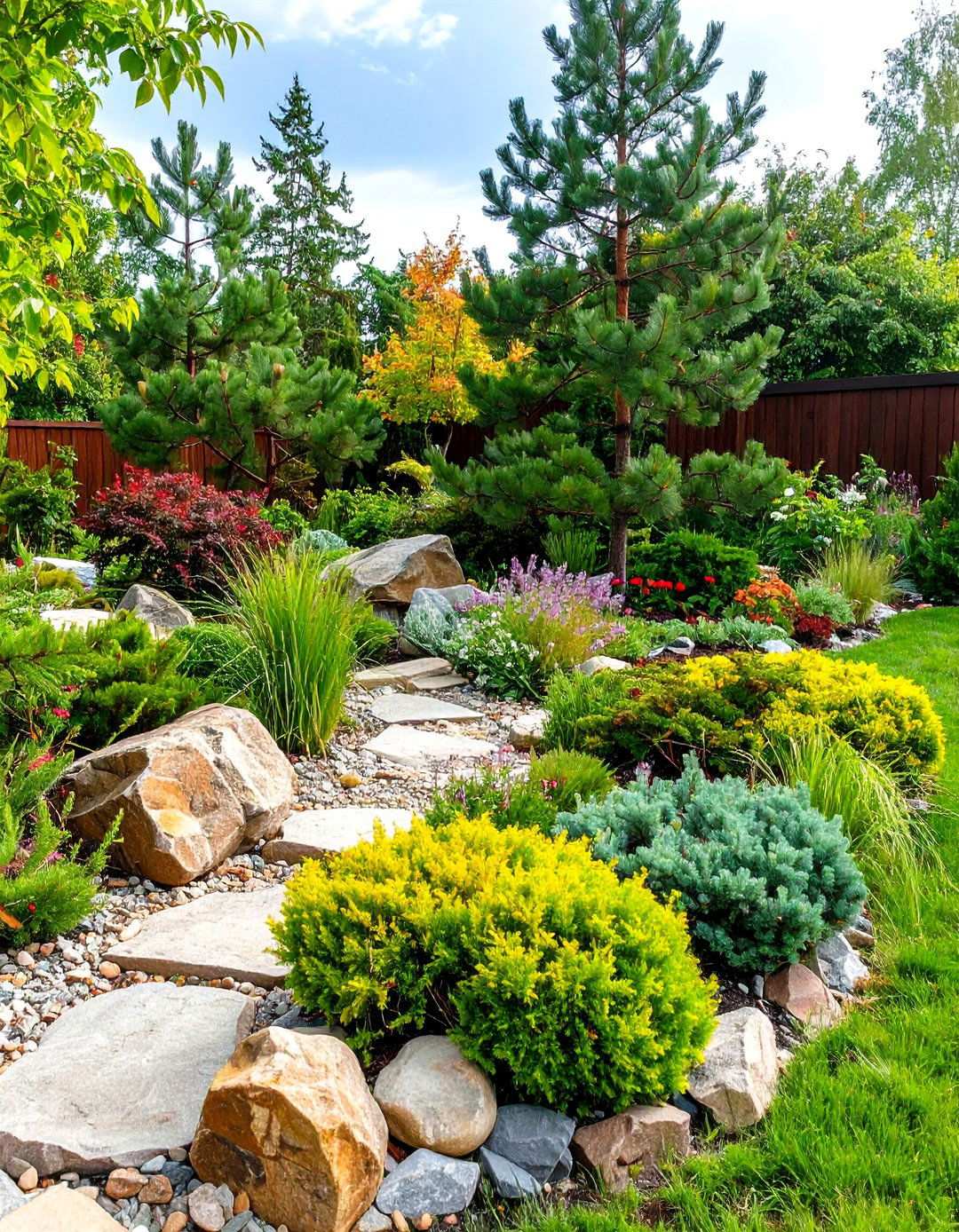
Integrate pine trees into naturalistic rock gardens, combining their evergreen beauty with geological interest. Rock gardens possess a unique, rustic charm that pine trees elevate by blending natural tree beauty with rocky elements. Incorporate drought-tolerant pine varieties such as pinyon pine or bristlecone pine among boulders and stone arrangements. The rocky terrain provides excellent drainage that pines prefer, while the evergreen foliage creates a striking contrast with gray stone surfaces. Filling the spaces between rocks with alpine plants, succulents, and ornamental grasses produces a mountain meadow atmosphere that requires minimal irrigation and maintenance throughout all seasons.
6. Pine Tree-Lined Walkways
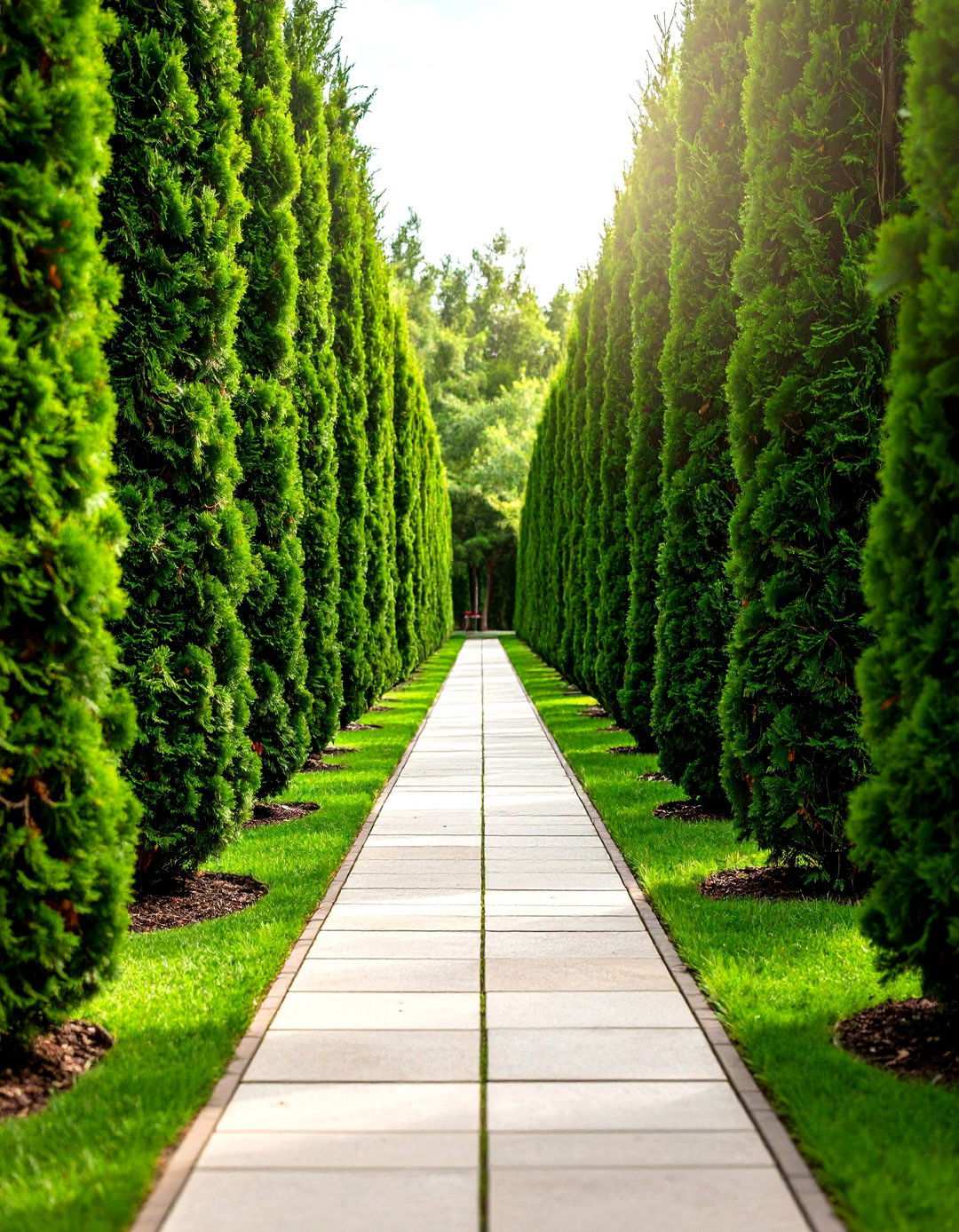
Guide visitors through your landscape by planting pine trees along walkways and garden paths. Lining walkways with pine trees ensures areas are constantly full of new life and lush color, while spacing trees 2-3 feet apart creates a cohesive, inviting look. Use columnar varieties like pencil point juniper or dwarf Alberta spruce for narrow paths, spacing them evenly to create rhythm and movement. The evergreen presence provides year-round structure and visual interest, while their consistent form maintains clean sight lines. Underplanting with groundcovers or seasonal flowers softens the hardscaping and adds color variation throughout the growing season.
7. Elevated Pine Displays in Planters
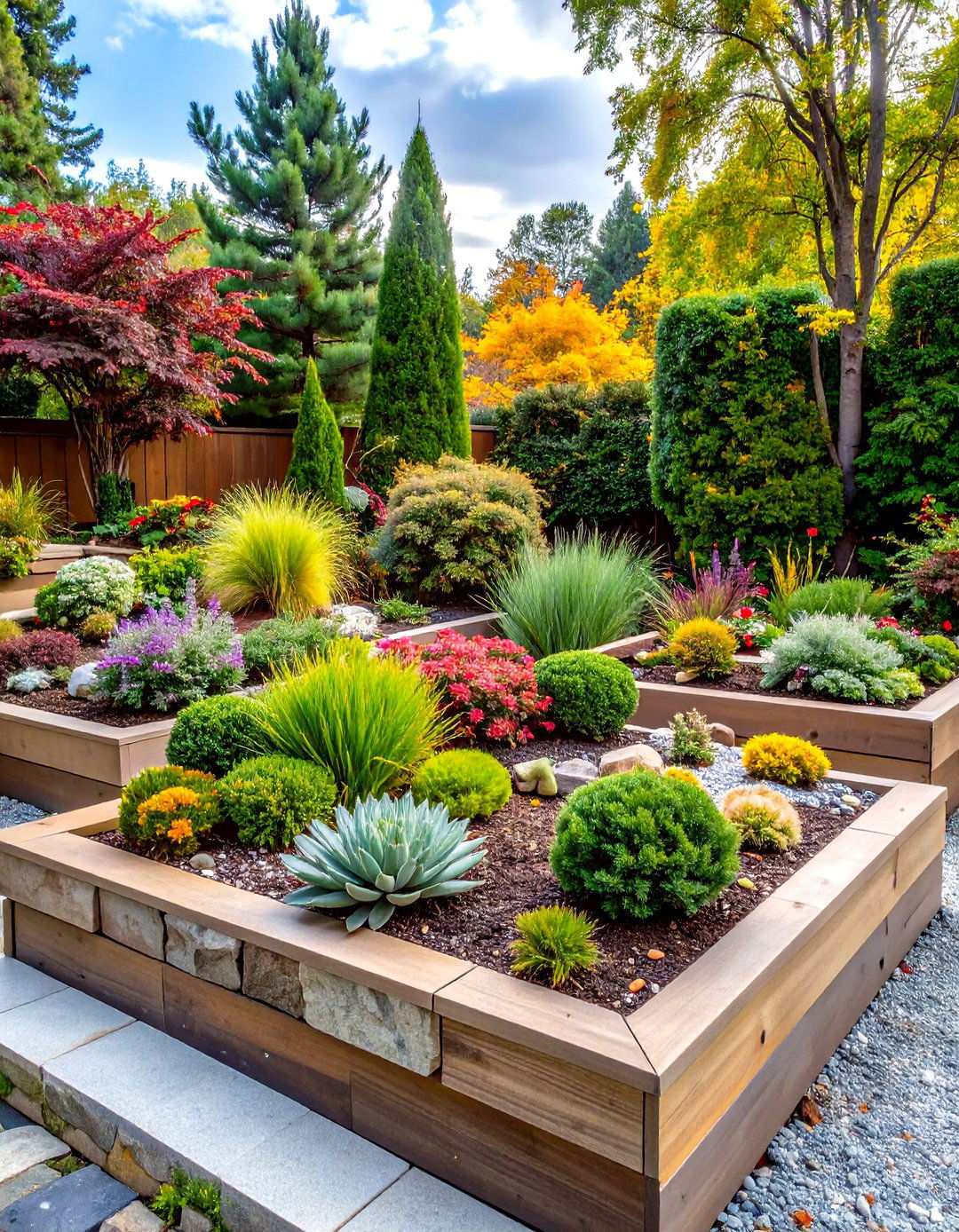
Elevate your pine specimens by planting them in raised planters or garden beds for enhanced visual impact. Planting pine trees in raised containers brings more emphasis to the tree, making for stunning displays and great use of space. Construct raised beds using natural stone, timber, or decorative concrete blocks, filling them with well-draining soil perfect for pine cultivation. The elevated position improves drainage while creating a focal point that draws attention upward. Surrounding the pine with complementary plantings that cascade over the planter edges, and incorporating seasonal elements like decorative stones or drought-tolerant perennials, results in year-round appeal.
8. Crafting Pine Grove Clusters
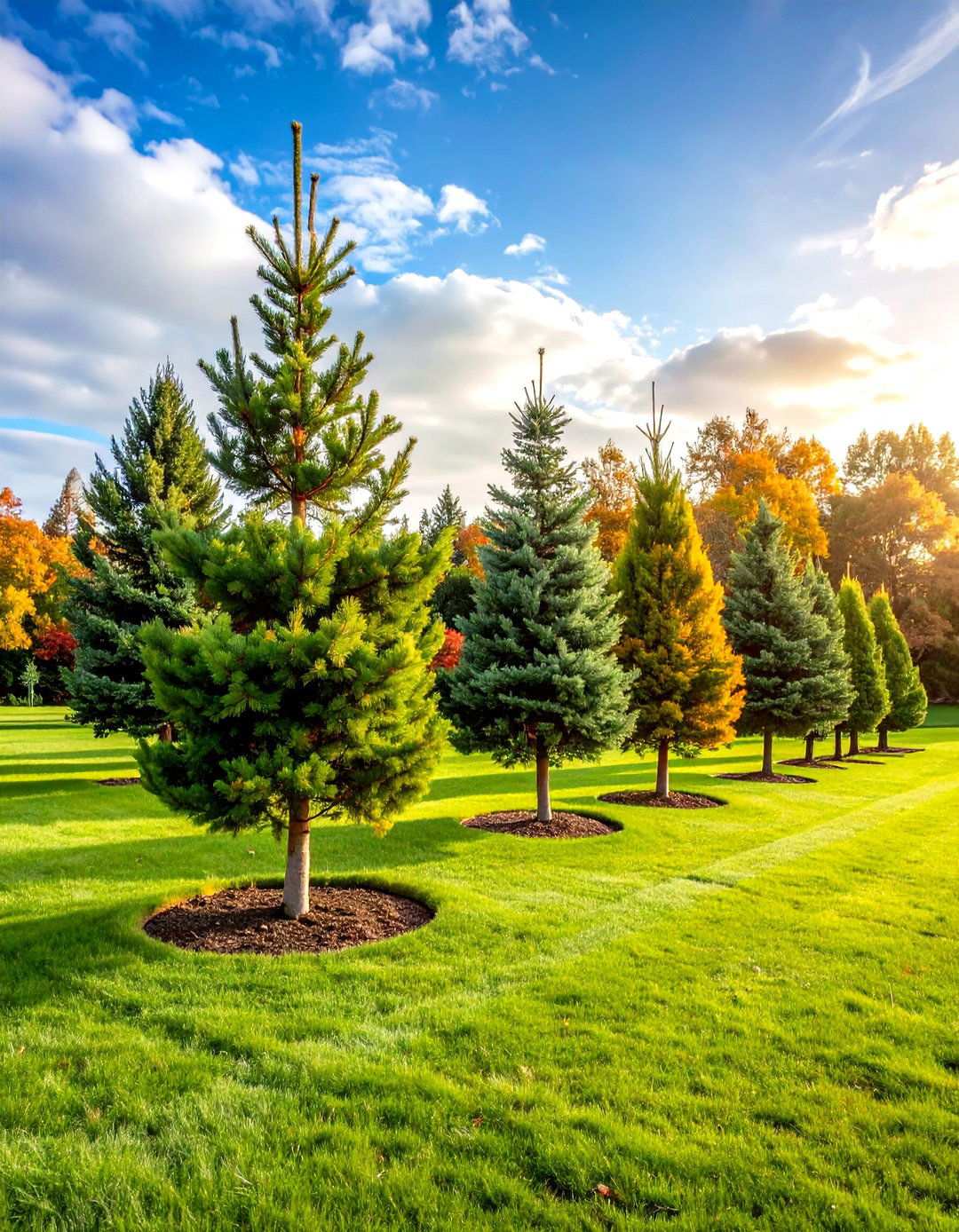
Achieve dramatic visual effects by carefully grouping 3-5 pine trees of varying heights together in select locations within your garden. By combining trees of different heights, you create visually striking arrangements that draw attention to unique shapes and textures, strategically positioned for maximum impact. To add depth and interest to the landscape design, choose pine species with contrasting forms, such as combining upright Austrian pines with weeping varieties and compact mugo pines. These clusters, situated near entryways, garden corners, or as island features in larger lawns, serve as natural gathering points that anchor the overall landscape composition.
9. Revitalizing Under-Pine Shade Gardens
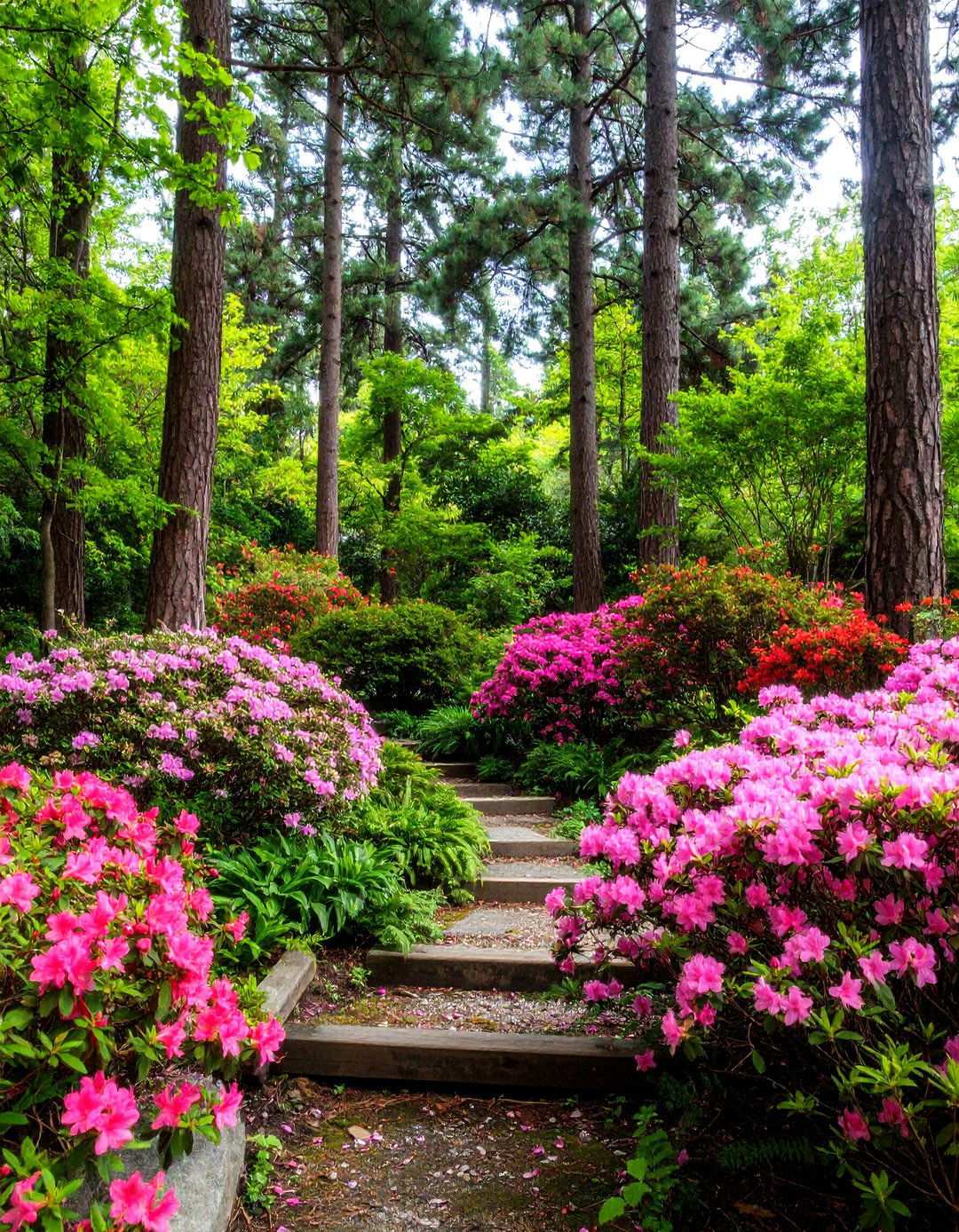
Transform the challenging area beneath existing pine trees into a lush and vibrant shade garden by selecting acid-tolerant plants. As pine needles fall and mix with soil, they create acidic conditions, while evergreen trees cast continuous shade, making it difficult to landscape. To create a thriving environment, choose plants like azaleas, rhododendrons, and hydrangeas, whose flower colors intensify in acidic soil. Add yarrow for its feathery foliage and butterfly-attracting blooms, and incorporate ferns and hostas for textural contrast. Regularly clearing fallen needles and amending soil with organic matter will create optimal growing conditions for this unique microenvironment, showcasing the adaptability of nature.
10. Pine Tree Seasonal Displays

Design dynamic seasonal presentations by utilizing pine trees as evergreen backdrops for changing decorative elements. With pine trees providing a constant visual interest, you can transform your landscape with seasonal ornaments or lights, creating festive atmospheres that evolve with the seasons. During the winter holidays, string warm white lights throughout pine branches and hang natural decorations made from pinecones and evergreen boughs. As spring arrives, hang baskets of flowering plants, while summer brings opportunities for colorful garden flags or wind chimes. Fall decorations can include harvest-themed elements that complement the pine’s natural colors, creating an ever-changing landscape that celebrates each season’s unique beauty.
11. Captivating Pine Landscape Miniatures
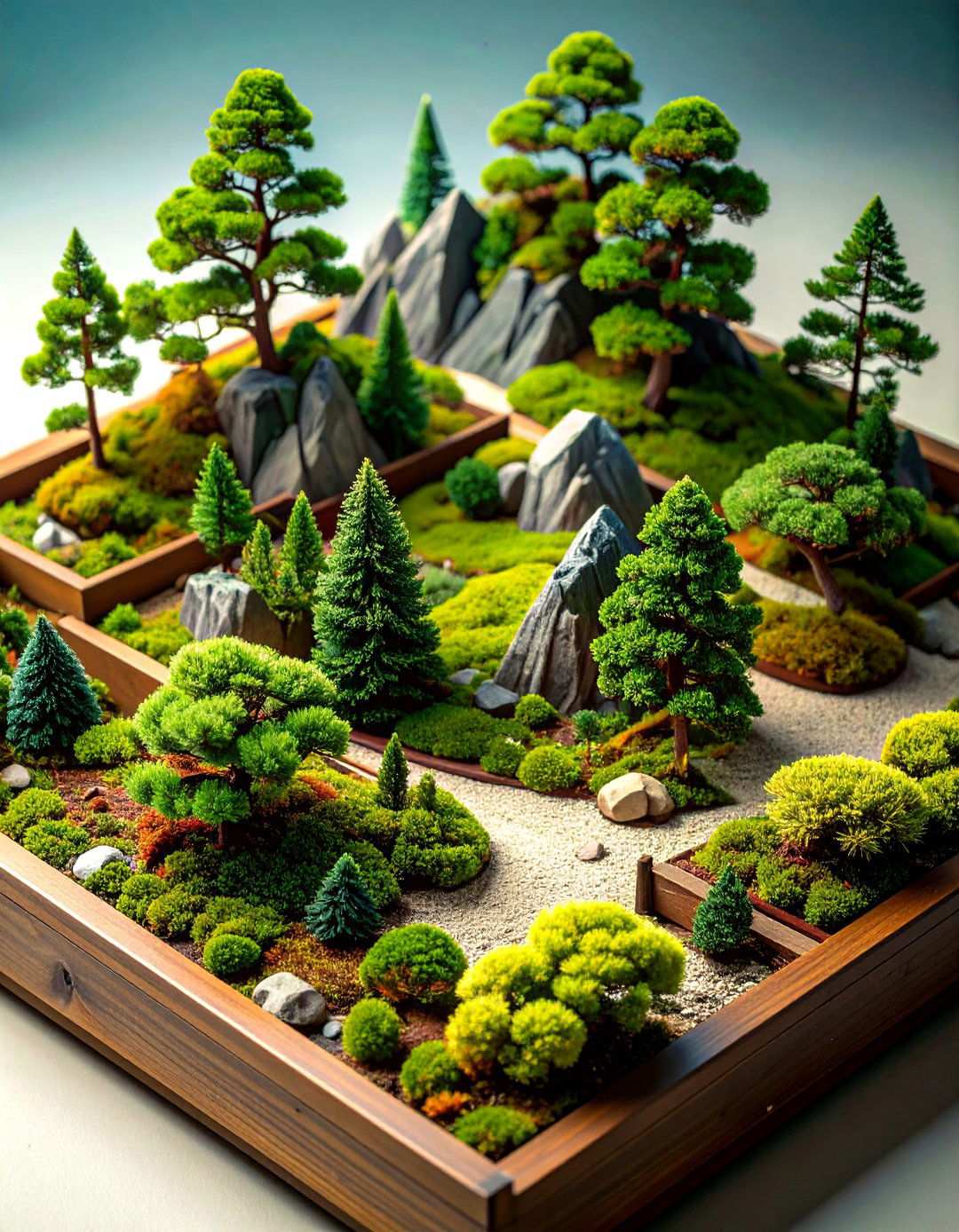
Design an alluring miniature landscape by skillfully combining small pine varieties to recreate a scaled-down natural scene. Dwarf mugo pine stands out as an ideal choice for containers and compact garden landscapes, given its adaptability and moderate growth of 3-5 feet in height and width. Strategically position pine trees of varying sizes to evoke a sense of depth, employing perspective principles to create a convincing illusion of distance. Introduce delicate pathways crafted from fine gravel, miniature bridges, and small decorative elements such as pagodas or figurines to further enhance the scene. This charming living diorama finds a perfect home in raised beds, large containers, or dedicated garden sections, offering year-round visual interest that subtly evolves with the seasons and tree growth patterns.
12. Multifunctional Pine Plantings for Habitat and Protection
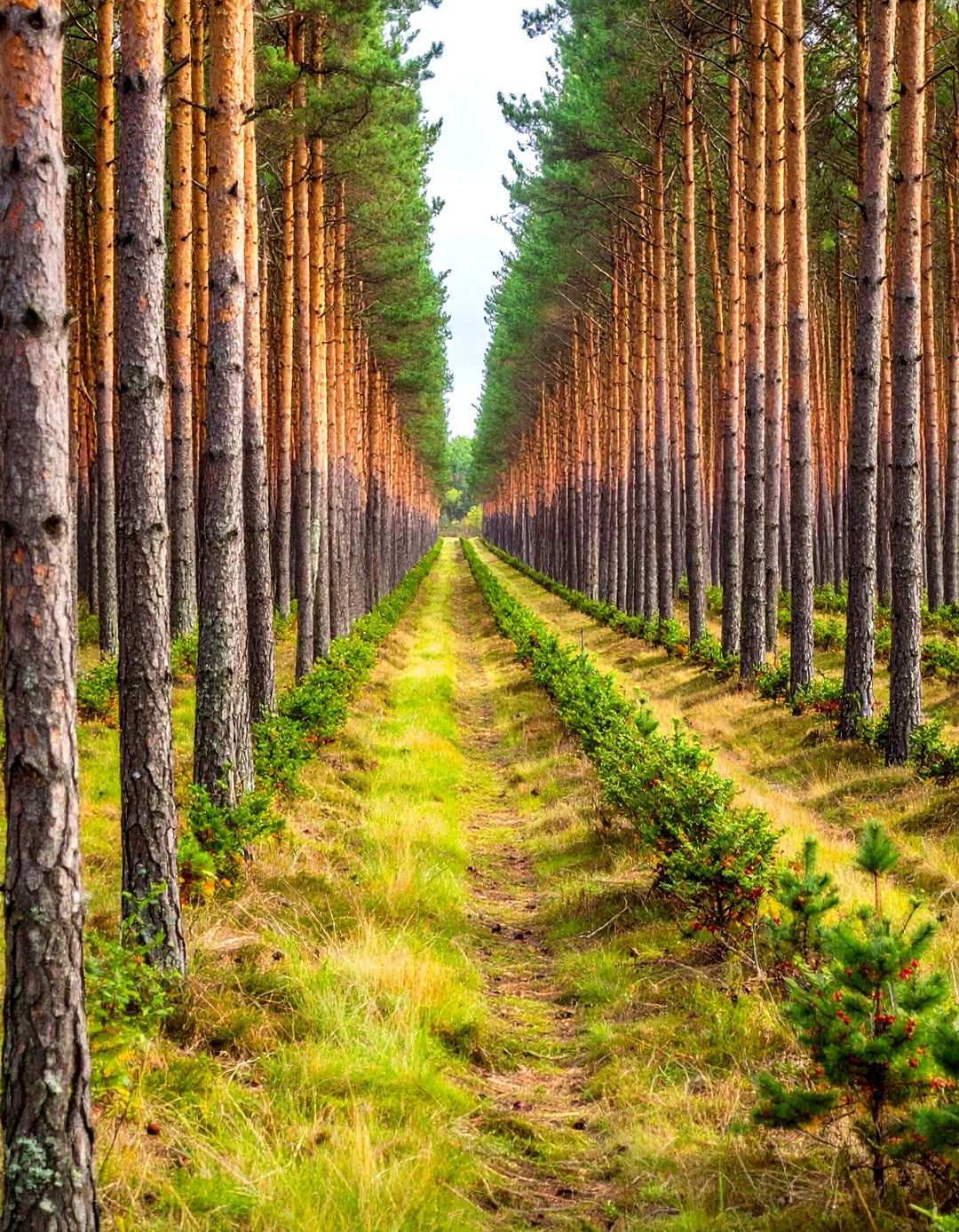
Develop a versatile pine planting that seamlessly integrates habitat creation and windbreak functionality. Pine trees not only provide essential shelter and food sources for local wildlife but also serve as effective windbreaks, shielding properties from harsh weather and strong winds. By strategically planting native pine species in staggered rows, you can create a diverse landscape that caters to various wildlife needs. Incorporate berry-producing shrubs between the pines to offer a vital food source, while leaving some areas less maintained to accommodate ground-dwelling creatures. This evergreen haven protects birds during the cold winter months, while the corridor design enables wildlife to roam freely across your property, fostering an ecological asset that contributes to local biodiversity.
13. Elegant Pine Allée Designs for Formal Landscapes
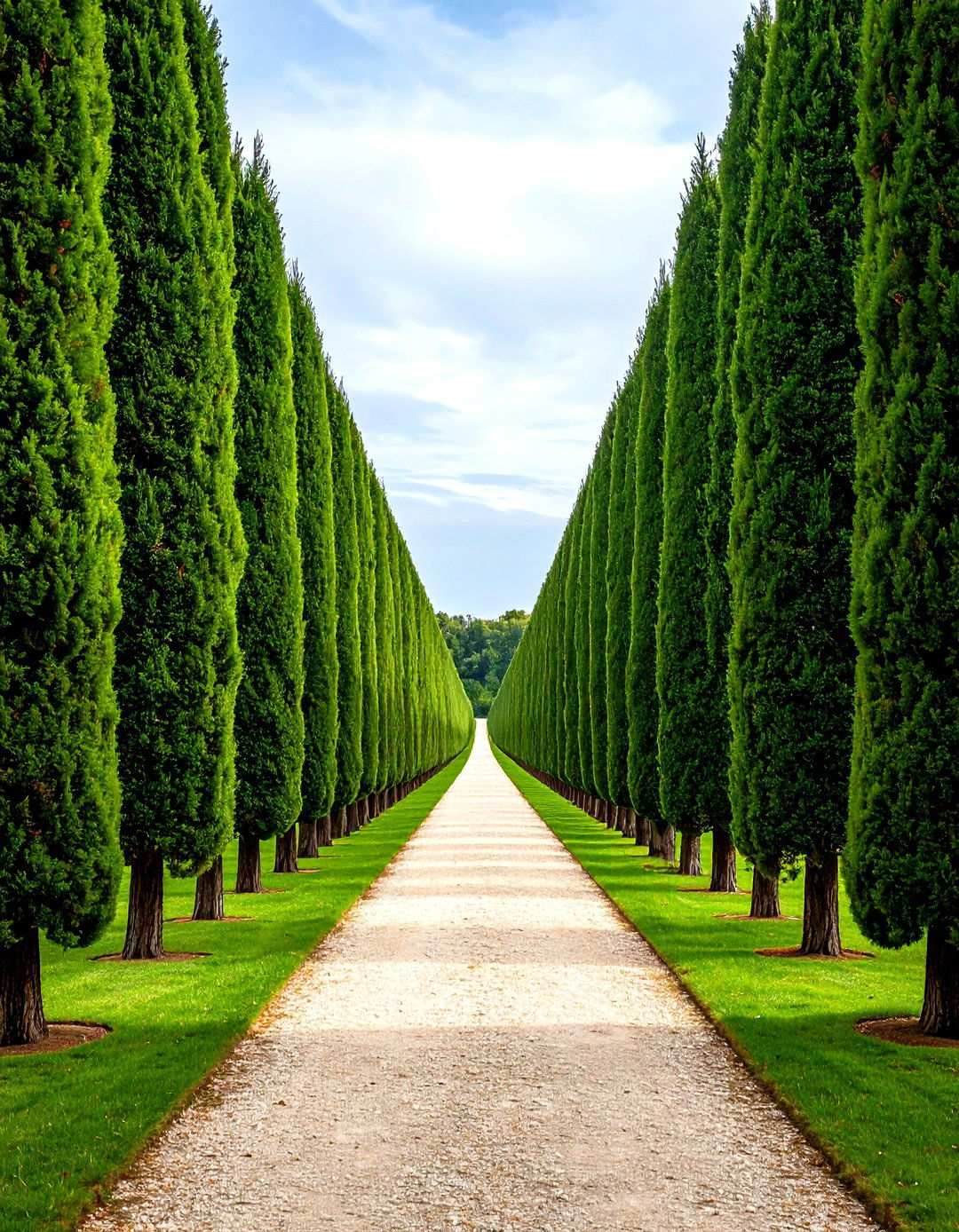
Craft an imposing formal garden feature using pine trees thoughtfully planted in perfectly aligned rows to create a classic allée. Austrian pine varieties boast columnar growth habits, making them an excellent fit for formal landscaping applications, thanks to their dense, compact branching patterns. Select uniform pine specimens and plant them in straight lines with precise spacing to create a grand entrance or dramatic pathway through your property. The symmetrical arrangement exudes a sense of order and sophistication, while the evergreen nature ensures a year-round display of formality. Consider underplanting with formal hedging or maintaining a simple ground plane with well-manicured grass or gravel paths that accentuate the architectural quality of the pine colonnade.
14. Harmonious Balance of Pine and Water
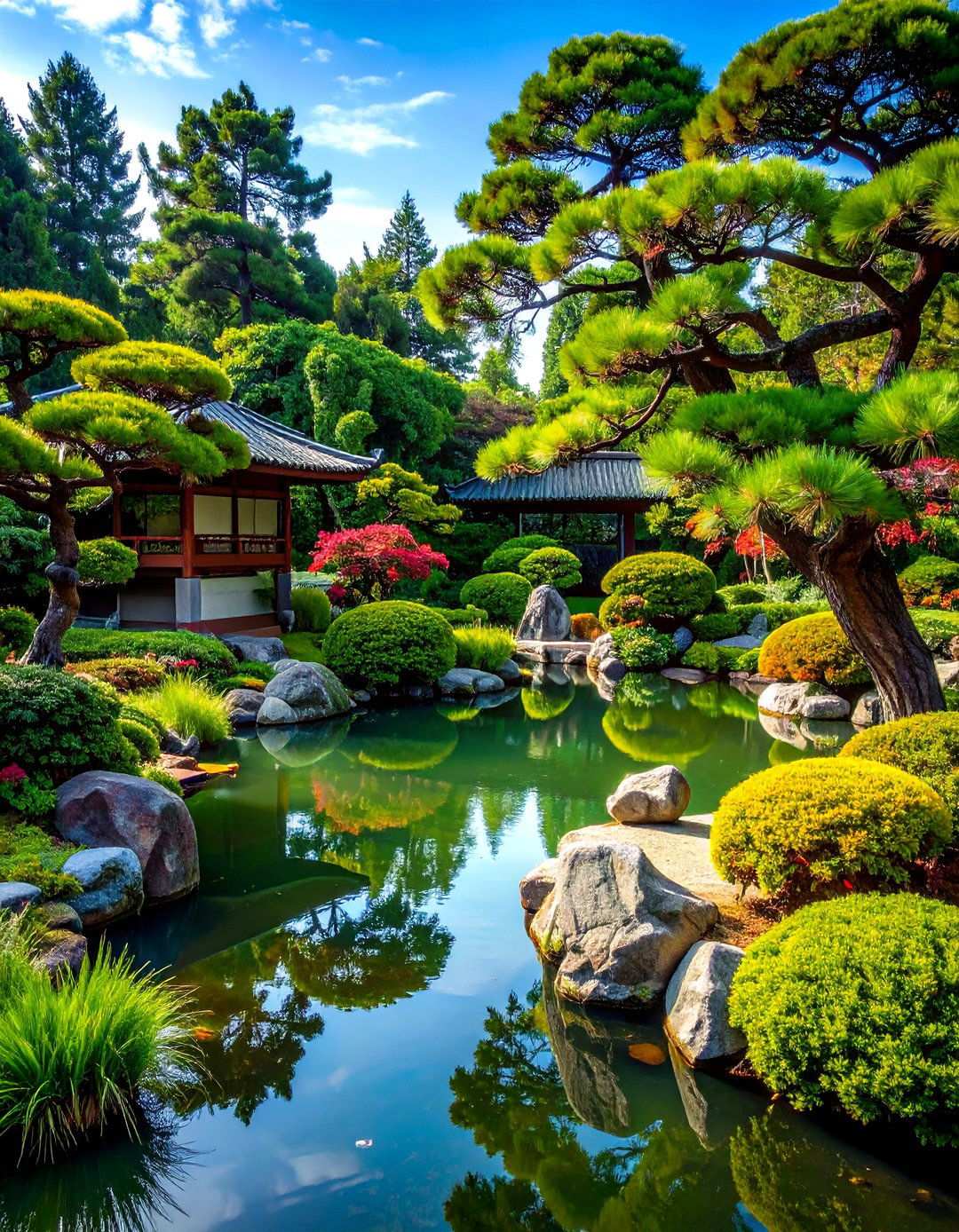
Achieving a perfect blend of pine and water elements can lead to tranquil landscape combinations that maximize the benefits of both features. A small pond is an excellent choice to pair with pine trees, as the soft blue hues of the water beautifully complement the lush green of the pines. Strategically positioning pines around pond perimeters or stream banks creates an aesthetically pleasing reflection of their evergreen foliage in the still water. The lush foliage of pine trees provides a year-round backdrop for water features, while the falling needles can be effectively managed through thoughtful placement and regular maintenance. To complete the serene atmosphere, consider incorporating aquatic plants and koi fish, which can create a meditative space that combines the calming effects of both water and the presence of evergreen trees.
15. Pine Trees as Natural Erosion Control
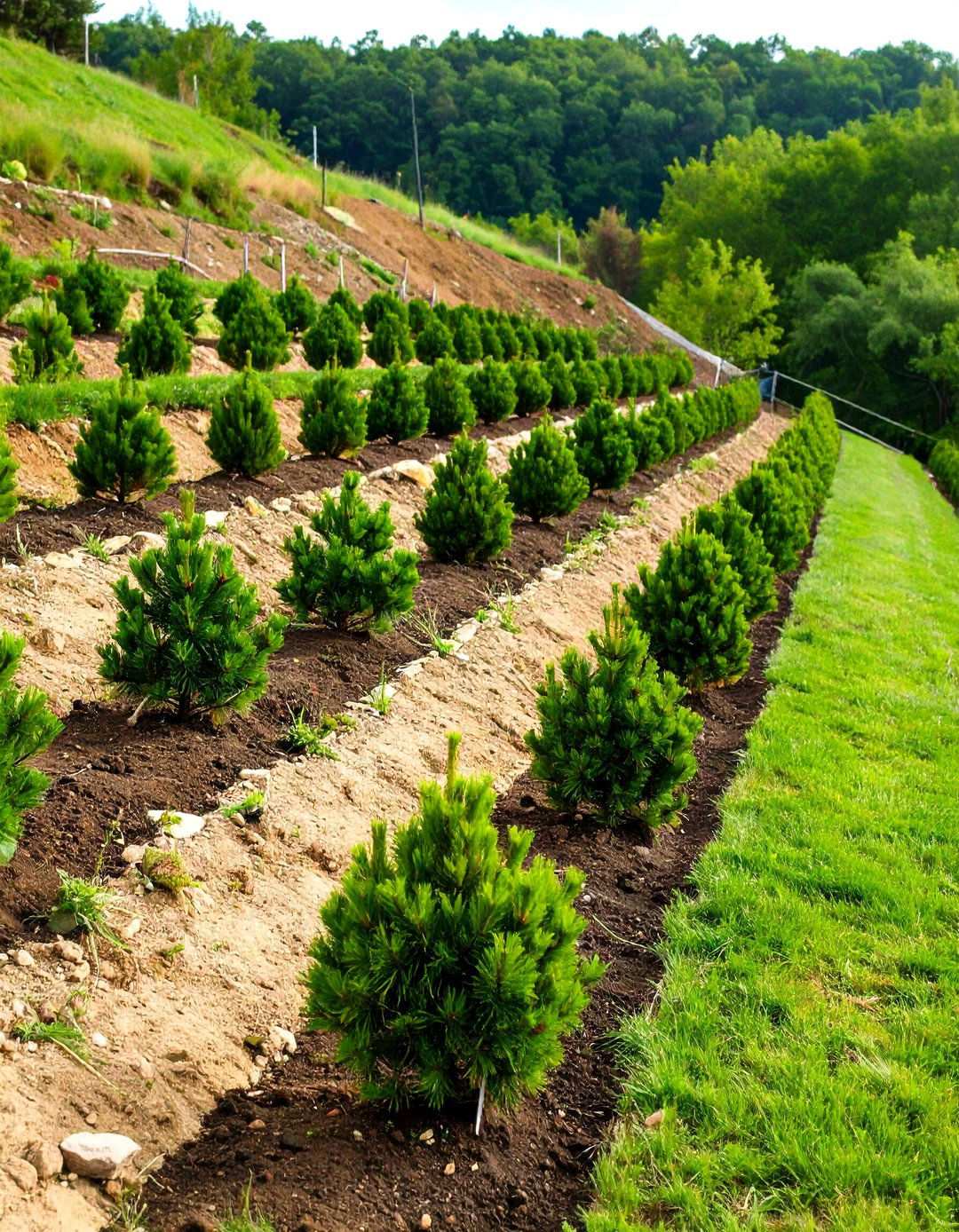
Pine trees can be leveraged to prevent erosion while creating visually appealing sloped landscape solutions. Dwarf mugo pine is particularly effective as a natural ground cover on slopes and areas prone to erosion, thanks to its extensive root system that helps stabilize the soil. Planting pines at strategic intervals across slopes, combining different sizes, can create visual interest while maximizing soil stabilization. The evergreen coverage provided by pine trees prevents seasonal erosion during heavy rains or snowmelt, requiring minimal maintenance in challenging-to-reach areas. Supplementing with other slope-appropriate plants, such as ornamental grasses and groundcovers, can work symbiotically with pine root systems to create a comprehensive erosion control solution that is both functional and stunning.
16. Artistic Display of Pine Bonsai
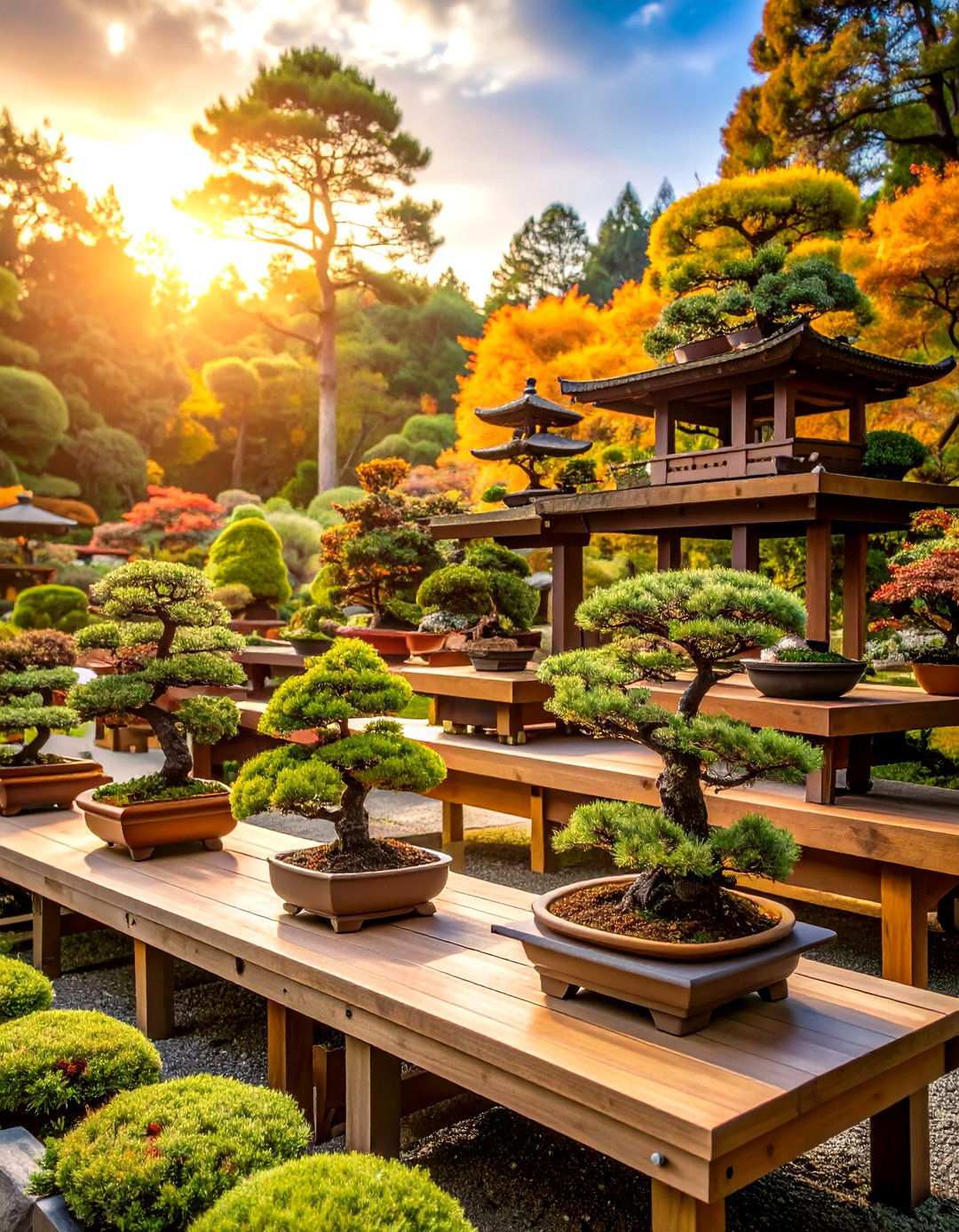
A dedicated space can be designed to showcase pine bonsai collections using traditional Japanese display principles, resulting in a breathtaking display. Bonsai gardens often feature wide benches with smaller trees placed at the periphery and larger trees in the middle, sometimes on crates or tables to create depth and visual interest. Constructing tiered display benches or platforms can showcase pine bonsai at varying heights, allowing each specimen to be viewed from multiple angles. A simple and neutral background should be used to emphasize the artistic forms of the pine bonsai. Proper lighting should be included for evening viewing, and weather protection elements like overhangs or glass roofing can maintain display quality while protecting valuable specimens from harsh environmental conditions.
17. Emphasizing Pine Tree Beauty
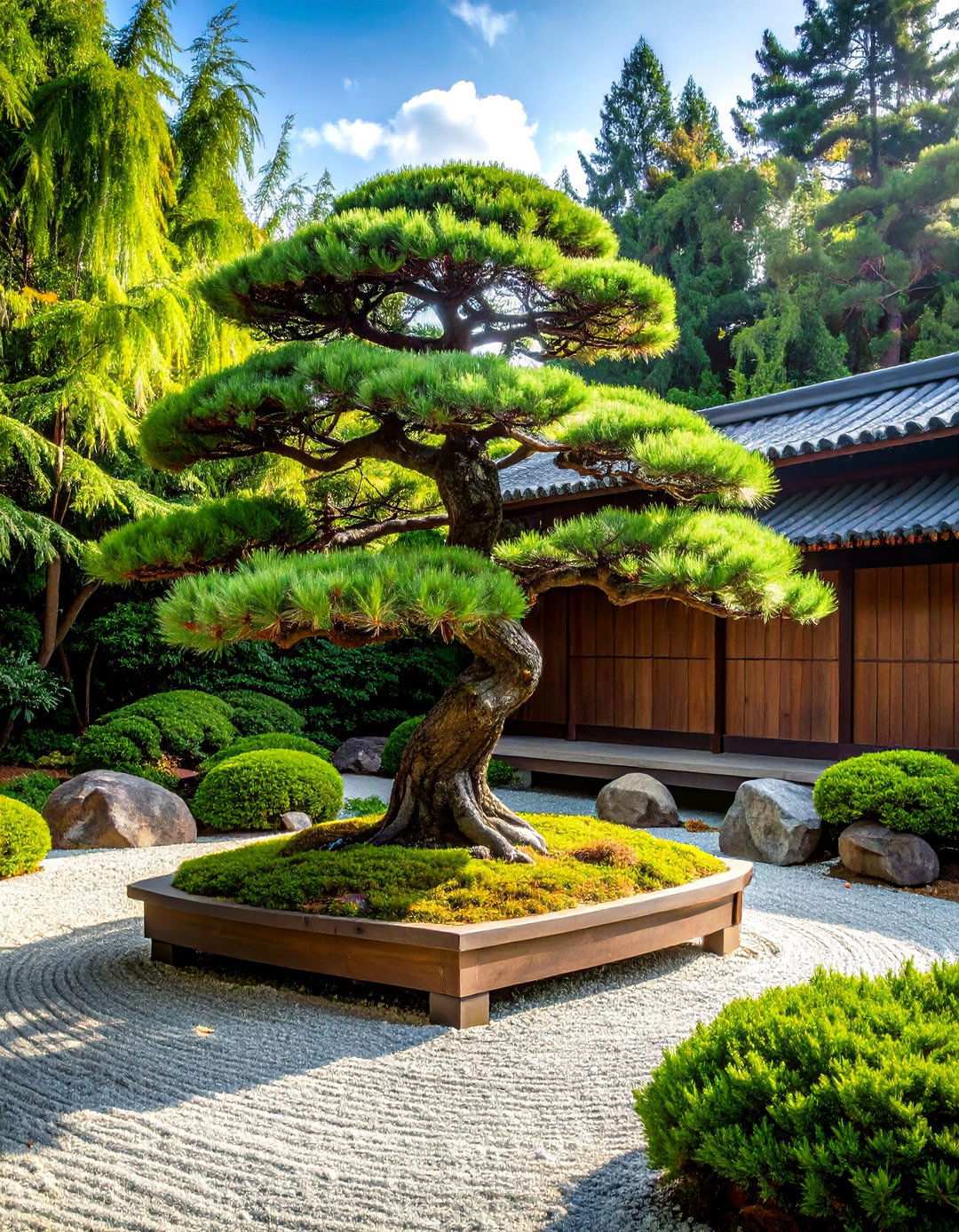
Elevate the visual appeal of your outdoor space by incorporating exceptional pine trees as sculptural elements within carefully curated landscape settings. The Uncle Fogy weeping jack pine, with its compact stature and weeping trunk, brings an air of refinement and poise to garden beds. Strategically position specimen pines in prominent locations where their unique forms can be appreciated from multiple angles, creating a sense of drama and visual interest. By surrounding these living sculptures with uncluttered, understated groundcovers or mulched areas, you emphasize their natural architecture and create a harmonious balance between form and surroundings. Thoughtful lighting can further highlight the intricate patterns and textures of the pine’s trunk and branches, transforming these natural artworks into captivating focal points that provide year-round landscape appeal.
18. Pine Tree Meditation Oasis
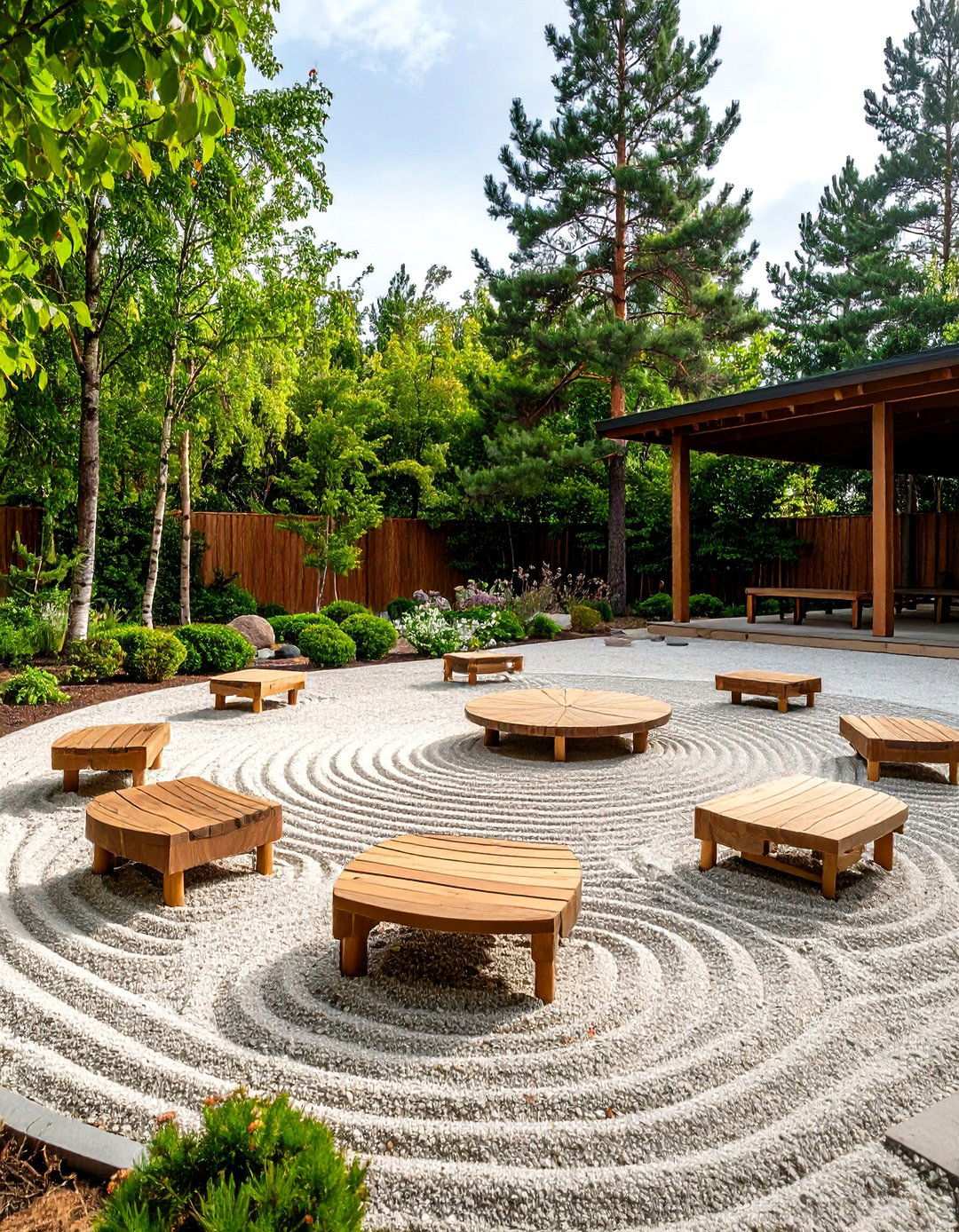
Design a serene and secluded space for contemplation and meditation by arranging a circle of pine trees, creating an intimate, enclosed environment that fosters a sense of calm and connection to nature. Inspired by the serene beauty of Zen gardens, this tranquil retreat is separated from the outside world by carefully placed walls, fences, or formal hedging. Plant pines in a circular or spiral pattern, leaving the center open for seating or gathering areas, and add simple, elegant seating like stone benches or wooden platforms. The evergreen walls provide a natural barrier against external distractions, while the simple, maintained ground plane – such as raked gravel or carefully manicured grass – serves to underscore the peaceful atmosphere of this natural sanctuary.
19. Pine Tree Courtyard Design
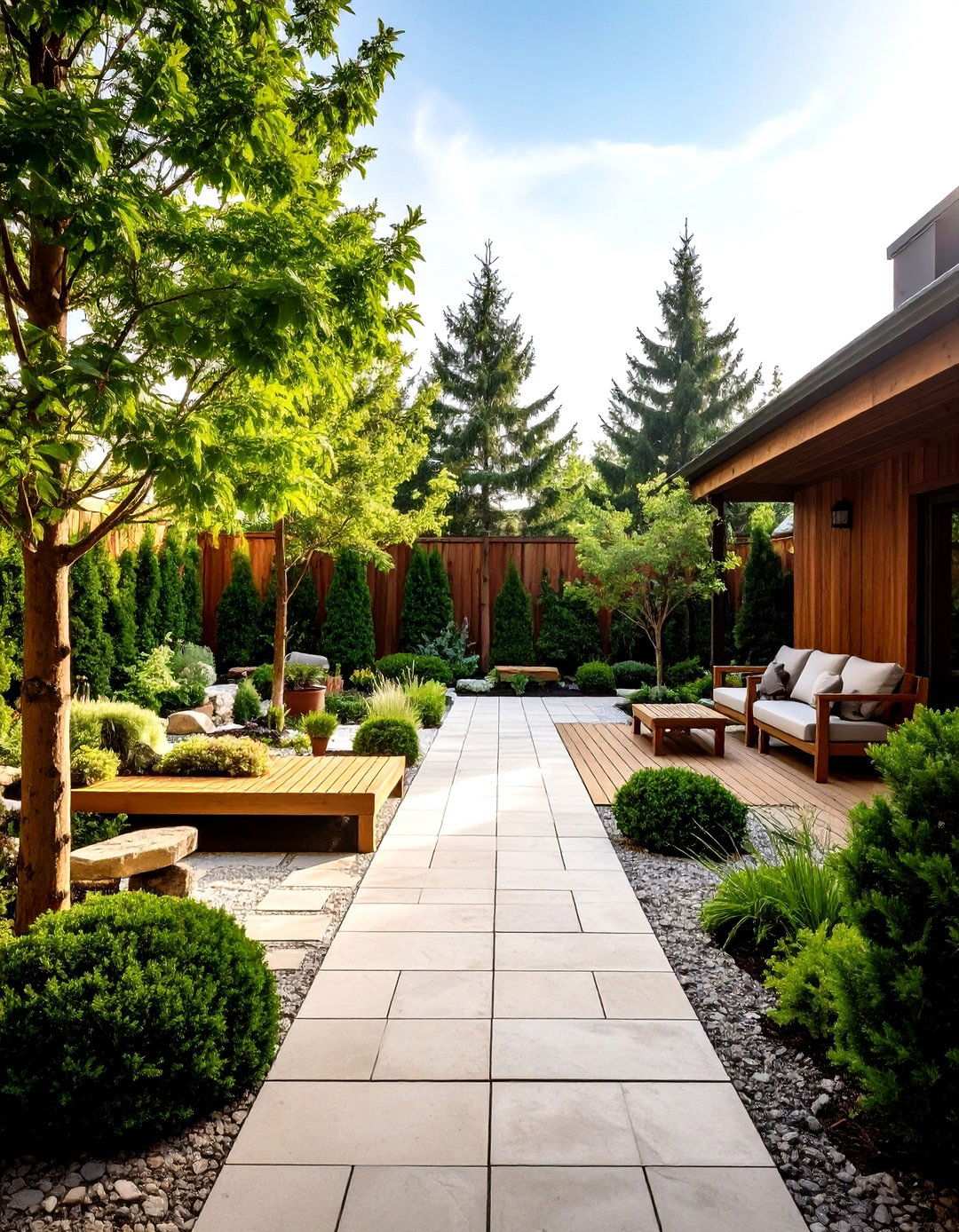
Revitalize enclosed courtyard spaces by incorporating pine trees as structural elements that provide year-round beauty and a sense of seclusion. Dwarf conifers, with their compact growth habit, are perfect for courtyard environments where they bring consistency and interest to garden beds season after season. Select pine varieties that are well-suited to the confined space, positioning them to create natural room divisions and intimate seating areas. The evergreen presence ensures that the courtyard remains an attractive haven throughout all seasons, while the enclosed nature intensifies the pine fragrance and creates a unique microclimate. By incorporating complementary hardscaping elements like stone pathways, decorative planters, or water features that work harmoniously with the pine plantings, you can create sophisticated, inviting outdoor spaces that are perfect for relaxation and recreation.
20. Crafting Pine Entrance Gateway Design

Create a lasting impression with pine tree entrances that serve as natural gateways, welcoming visitors to your property. Large pine trees exude grandeur and presence, while smaller varieties add a touch of whimsy to residence entrances, skillfully blending softscape and hardscape elements. Strategically plant matched pairs of pines on either side of driveways or walkways, selecting varieties that will mature harmoniously with the entrance size. The symmetrical placement of these evergreen giants conveys a sense of formality, while their year-round presence ensures beauty and tranquility. To further enhance the entrance, underplant with seasonal blooms or ornamental grasses that harmonize with the pine gateway structure, crafting inviting entries that establish your property’s unique character and significantly boost curb appeal.
21. Elevating Pine Rooftop Container Systems
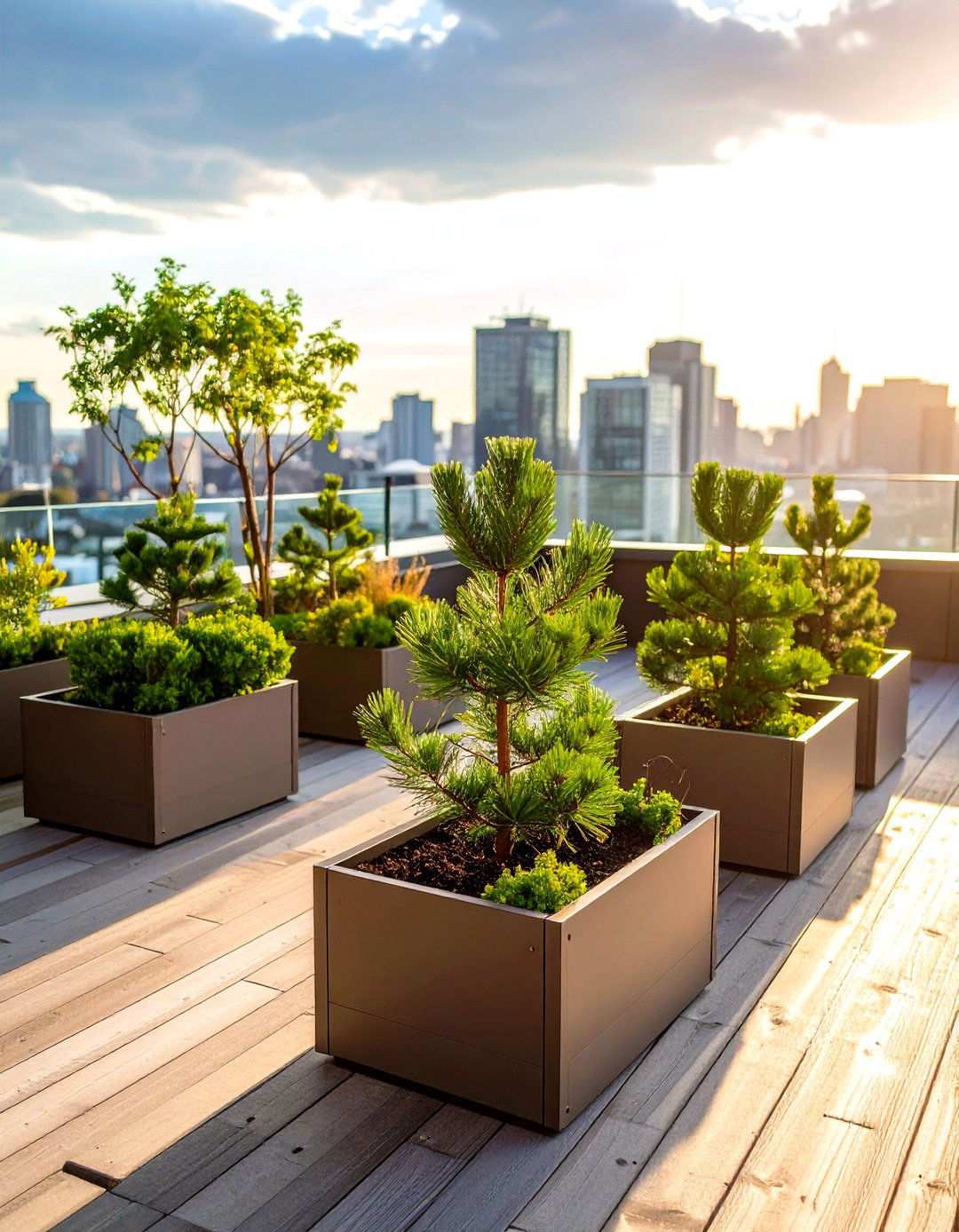
Revolutionize urban landscaping by adapting pine cultivation for rooftop gardens and elevated spaces using cutting-edge container systems designed to thrive in harsh conditions. Dwarf conifers exhibit remarkable resilience in containers, adapting better than balled and burlap plants to the rigorous demands of container environments. When selecting pine varieties for rooftop cultivation, prioritize wind-resistant specimens and utilize large, heavy containers that provide stability in windy rooftop conditions. The flexibility of these container systems allows for seasonal rearrangement and protection during extreme weather events. To ensure optimal plant health, incorporate automated irrigation systems that efficiently manage the rooftop environment’s challenging conditions, where plants can quickly dry out. By incorporating elevated pine gardens, urban dwellers can create serene green oases while enjoying improved air quality and enhanced privacy screening in densely populated areas.
22. Designing Pine Therapeutic Garden Spaces
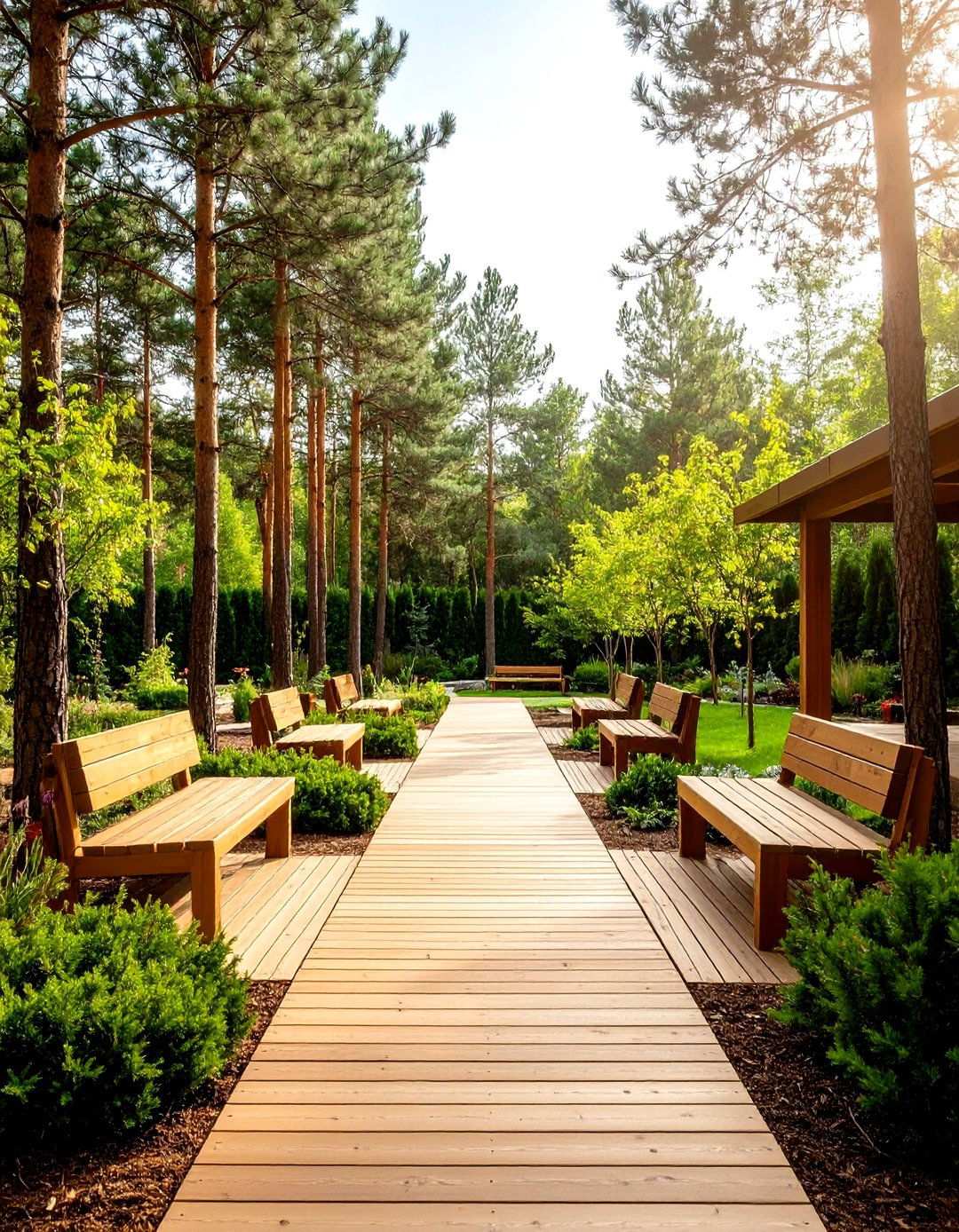
Incorporate the therapeutic benefits and calming aromatic properties of pine trees into healing garden designs, creating serene spaces that promote wellness and rejuvenation. Pine trees boast one of the most refreshing aromas, with strolls through pine-filled areas offering revitalizing and refreshing experiences. Strategically position pines throughout therapeutic spaces to allow users to fully appreciate their natural fragrance during walking meditation or quiet contemplation. The evergreen stability provided by pine trees offers psychological comfort for users dealing with stress or recovery situations. To facilitate close interaction with pine specimens, incorporate accessible pathways, while also adding comfortable seating areas where the therapeutic benefits of pine presence can be fully experienced. By carefully integrating pine trees into your design, you can create spaces that serve both aesthetic and wellness functions in healthcare settings, memorial gardens, or private retreats.
23. Pine Espalier: Mastering Vertical Growth
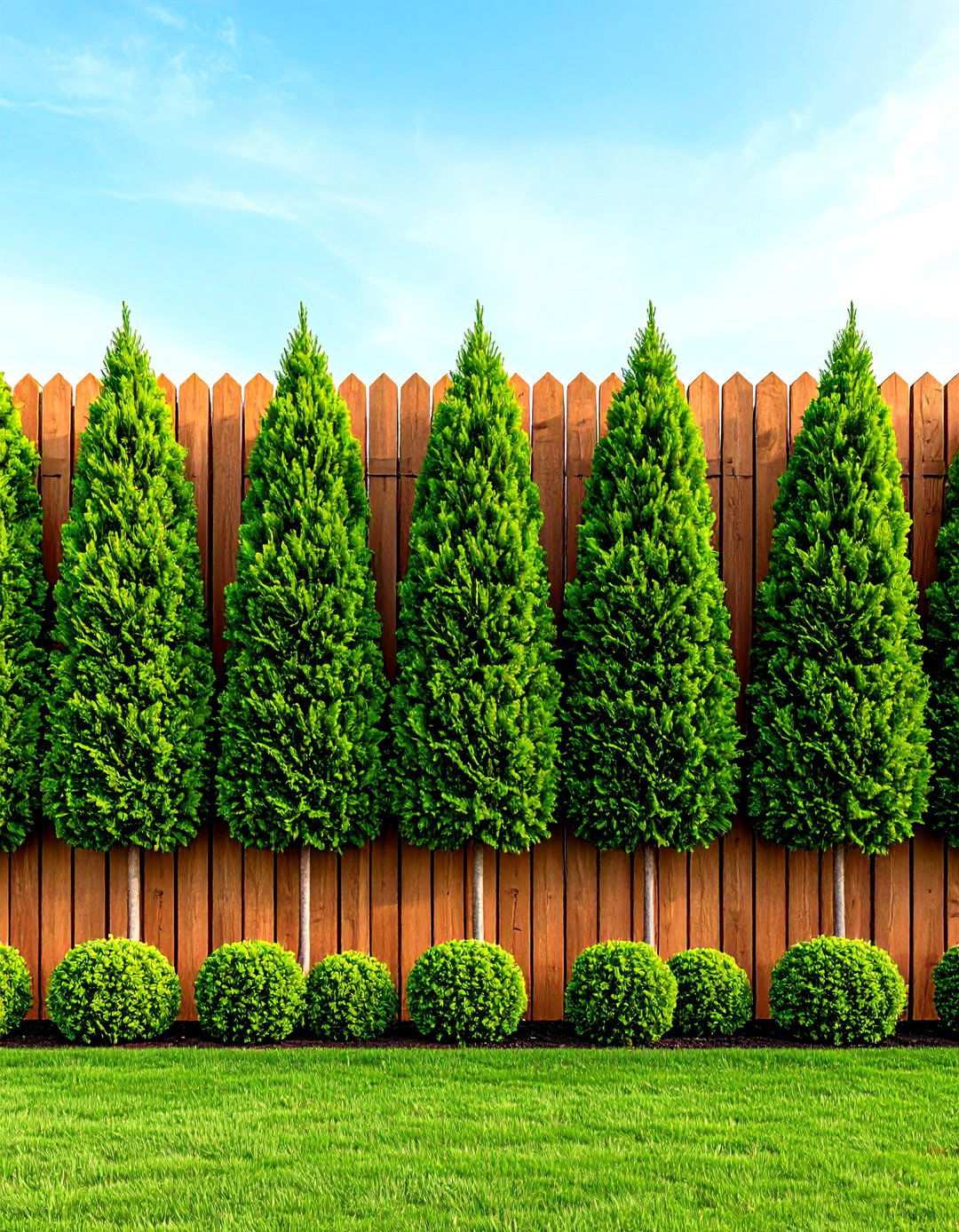
By training pine trees against walls or fences, homeowners can unlock a wealth of creative possibilities for their yard landscaping. With careful pruning and shaping, pine shrubs can be transformed into stunning living art pieces that not only enhance their surroundings but also provide a sense of classic elegance. To achieve this, it’s essential to select flexible young pine specimens that can be gradually trained to grow in geometric or artistic patterns against support structures. This technique is particularly well-suited for small areas, where it can help maximize growing space while creating unique focal points that showcase the intersection of horticultural skill and artistic expression.
The process of training pine trees through espalier techniques requires dedication and regular maintenance, but the end result is well worth the effort. By carefully pruning and shaping their branches, homeowners can create spectacular living sculptures that not only provide much-needed privacy screening but also demonstrate the remarkable adaptability and beauty of pine trees in even the most constrained spaces.
24. Pine: A Year-Round Display of Elegance
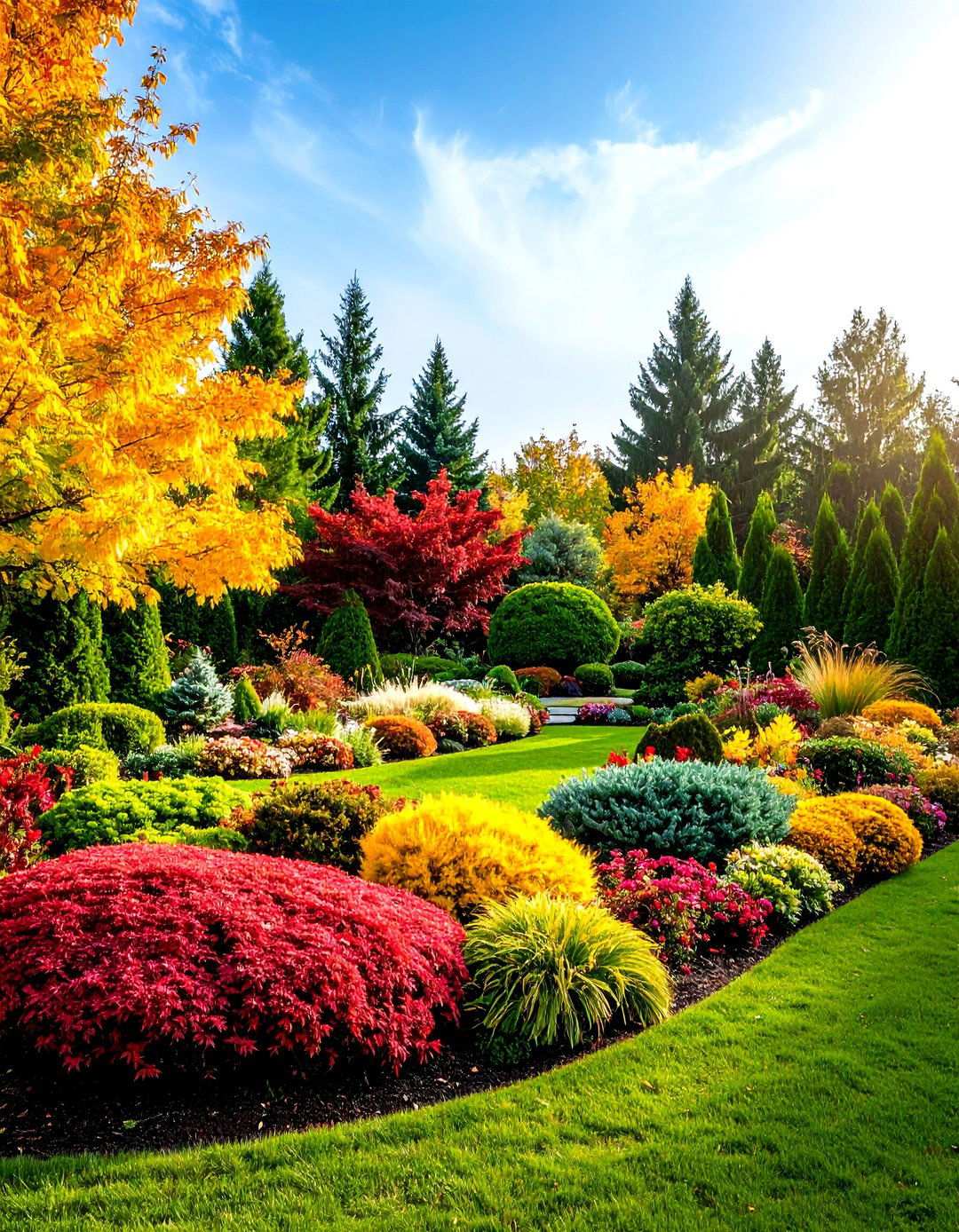
For garden enthusiasts, creating displays that showcase the year-round beauty of pine trees is a true art form. By carefully planning seasonal enhancements and companion plantings, it’s possible to create dynamic, ever-changing displays that celebrate the unique characteristics of pine trees. Hardy pine varieties, in particular, thrive in local climates, providing a reliable and stabilizing presence that can be built upon through strategic seasonal planting. By positioning pines as permanent backbone elements, homeowners can then rotate seasonal plantings to complement and enhance their evergreen presence throughout the year. From the emergence of spring bulbs around pine bases to the strategic use of lighting and evergreen arrangements in winter, the possibilities for creative expression are endless. This approach not only maintains constant visual interest but also celebrates the enduring beauty of pine trees in even the most changing of landscape compositions.