1. Enchanting Pink Oasis
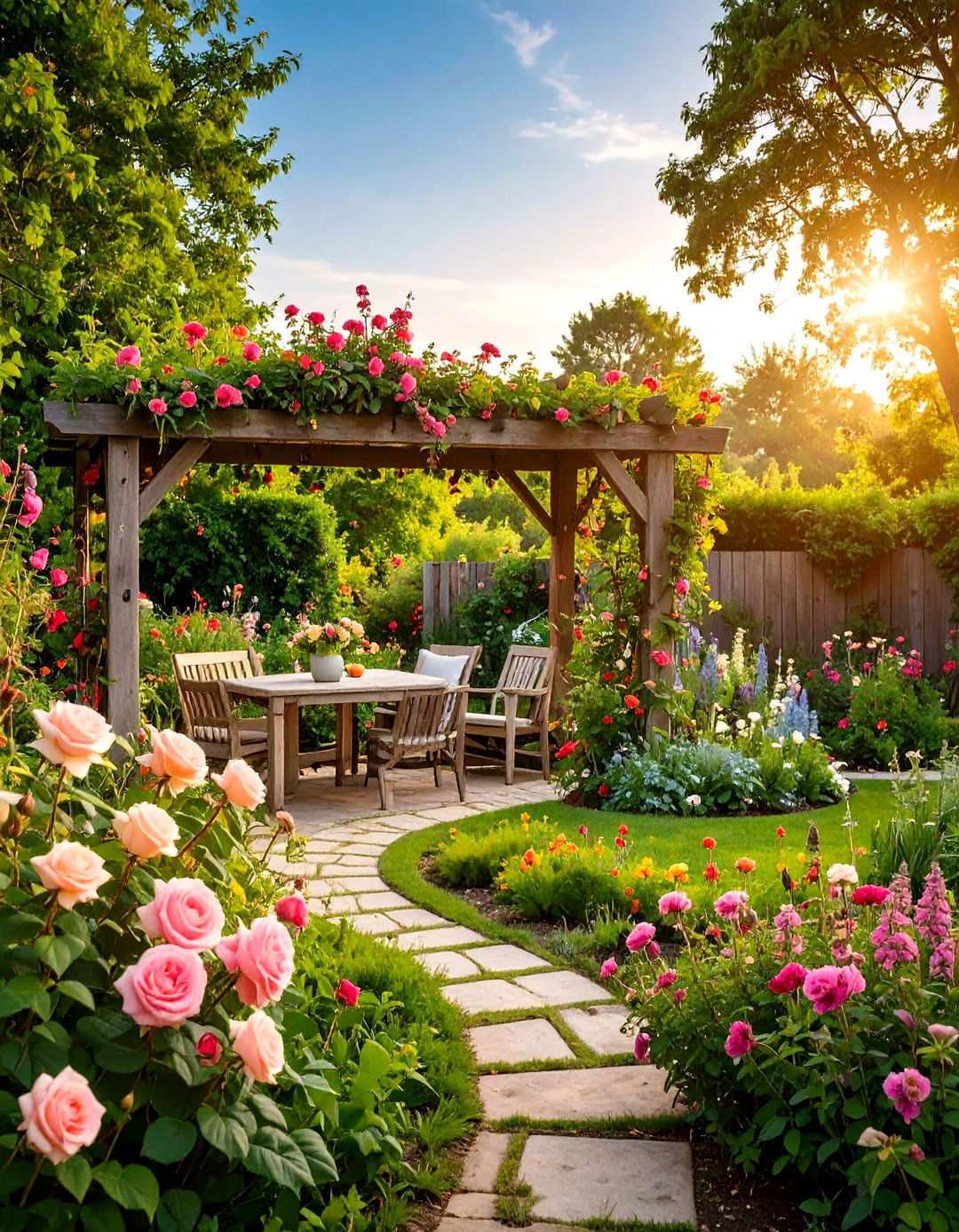
A beautifully designed pink garden can be a true showstopper, captivating the senses with its vibrant colors and romantic ambiance. From soft pastel hues to bold magenta shades, pink garden designs offer endless possibilities to transform your outdoor space into a captivating oasis. Whether you prefer a delicate, ethereal look or a bold, statement-making design, a pink garden can accommodate every style preference while creating a stunning visual impact throughout the growing season.

As an Amazon Associate I earn from qualifying purchases.
2. Whimsical Cottage Garden Delight
Cottage gardens are renowned for their charming, informal style, and a pink cottage garden is no exception. Design your whimsical pink haven with climbing roses cascading over arbors, pink hollyhocks providing a dramatic backdrop, and sweet-scented pinks (Dianthus) edging pathways, creating a fragrant and visually appealing experience. Include a variety of pink blooms, such as peonies, foxgloves, and old-fashioned roses like ‘Enchantress’, with their densely packed velvety petals. Layer different plant heights with low-growing pink alyssum, mid-height pink campanulas, and towering pink delphiniums, adding depth and texture to your design. Complete the storybook charm with weathered wooden gates, curved pathways, and vintage garden accessories, creating a dreamy escape that feels both timeless and effortlessly romantic.
3. Modern Pink Border Design
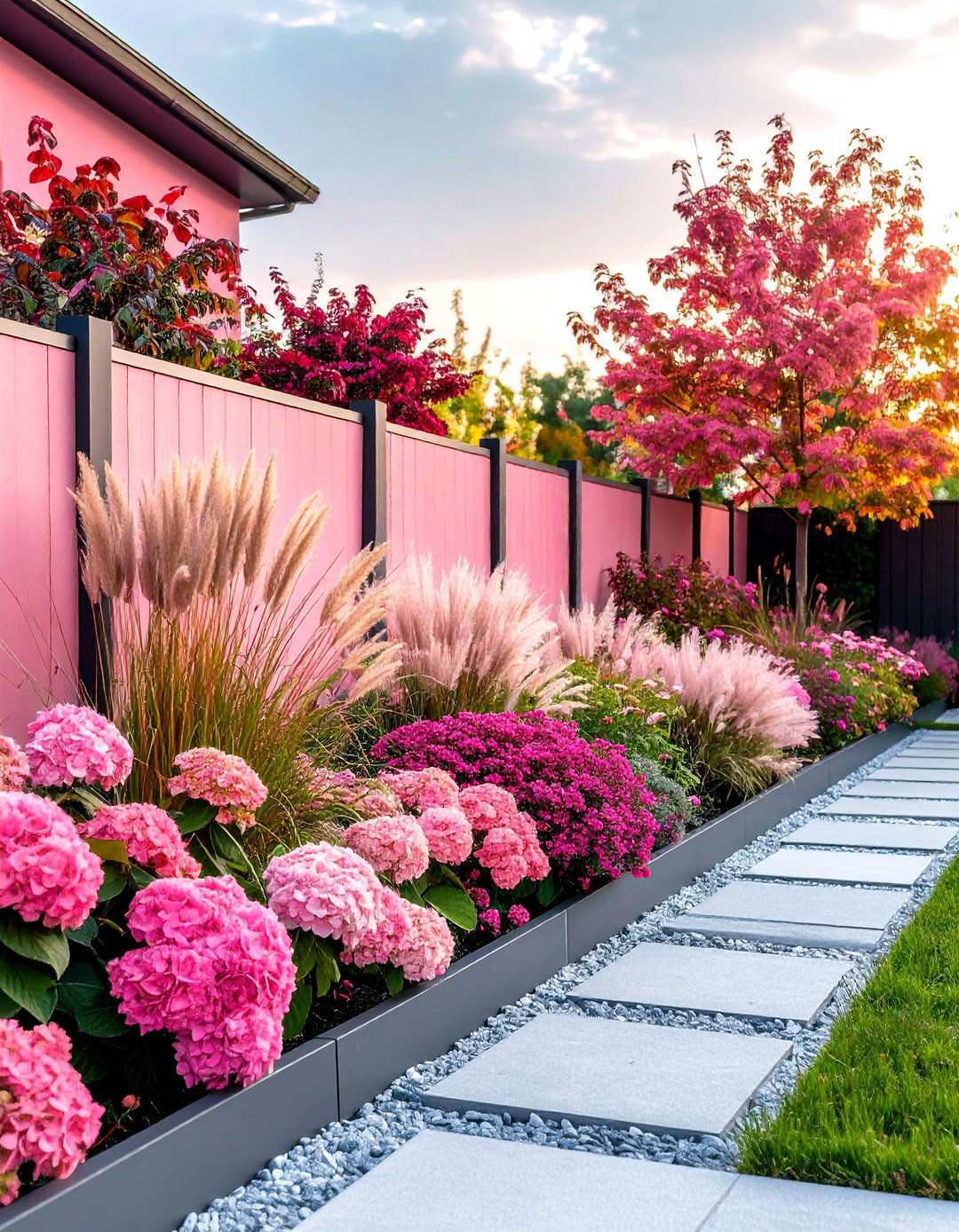
A monochromatic garden design featuring a single color can create breathtaking color contrast when mixing different shades of pink. Create a sophisticated contemporary border using various pink shades from dusty rose to magenta. Plant ornamental grasses like pink muhly grass alongside pink hydrangeas, rose-colored sedums, and coral bells with pink foliage, adding movement and texture to your design. Include architectural plants with interesting forms, such as spiky pink alliums and rounded pink globe amaranth, providing visual interest and drama. Use clean lines with steel or concrete edging, and incorporate modern hardscaping materials to create a sleek and contemporary look. Add structural evergreen elements like boxwood spheres to provide year-round interest, creating a calm yet visually striking display perfect for contemporary landscapes.
Harmonious Hues in Pink Container Gardens
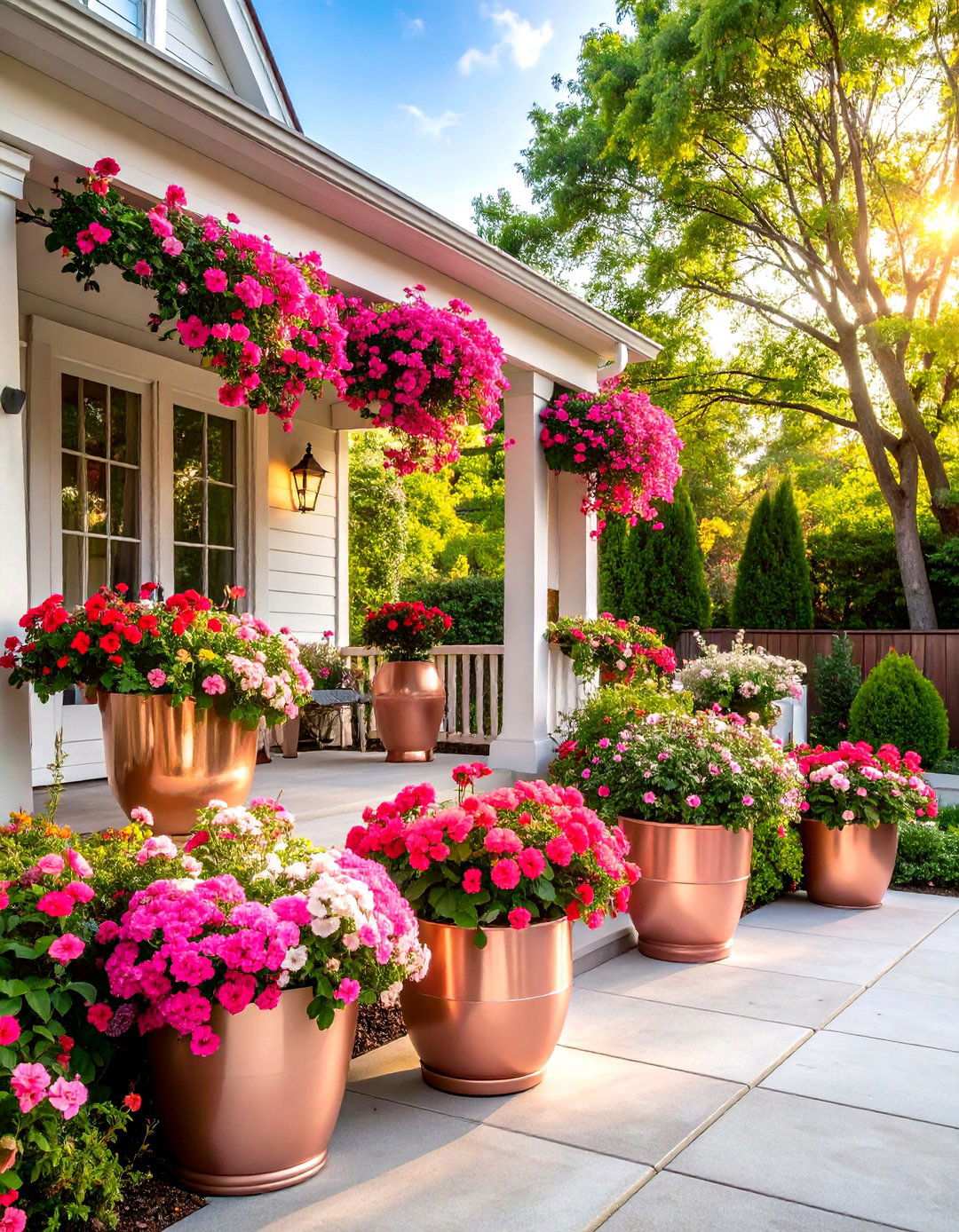
Unifying various shades of pink within a monochromatic color scheme creates visually striking container arrangements that can be effortlessly achieved. To cultivate this look, arrange a diverse array of containers at different elevations, each filled with complementary pink-hued plants. Incorporate cascading pink petunias in hanging baskets, compact pink begonias in mid-sized pots, and larger pink geraniums in planters. Incorporating rose gold or neutral-toned containers allows the pink blooms to be the focal point. Add pink sweet potato vine for a cascading effect and pink-leafed coleus for an added dimension of foliage interest. By strategically placing containers in an asymmetrical manner on patios, porches, or garden corners, you can easily rearrange displays seasonally, making this design particularly well-suited for small spaces, apartment balconies, or areas where ground planting is not feasible. This design provides instant color and charm, elevating any space it’s placed in.
4. Dramatic Vertical Displays in Pink Hanging Gardens
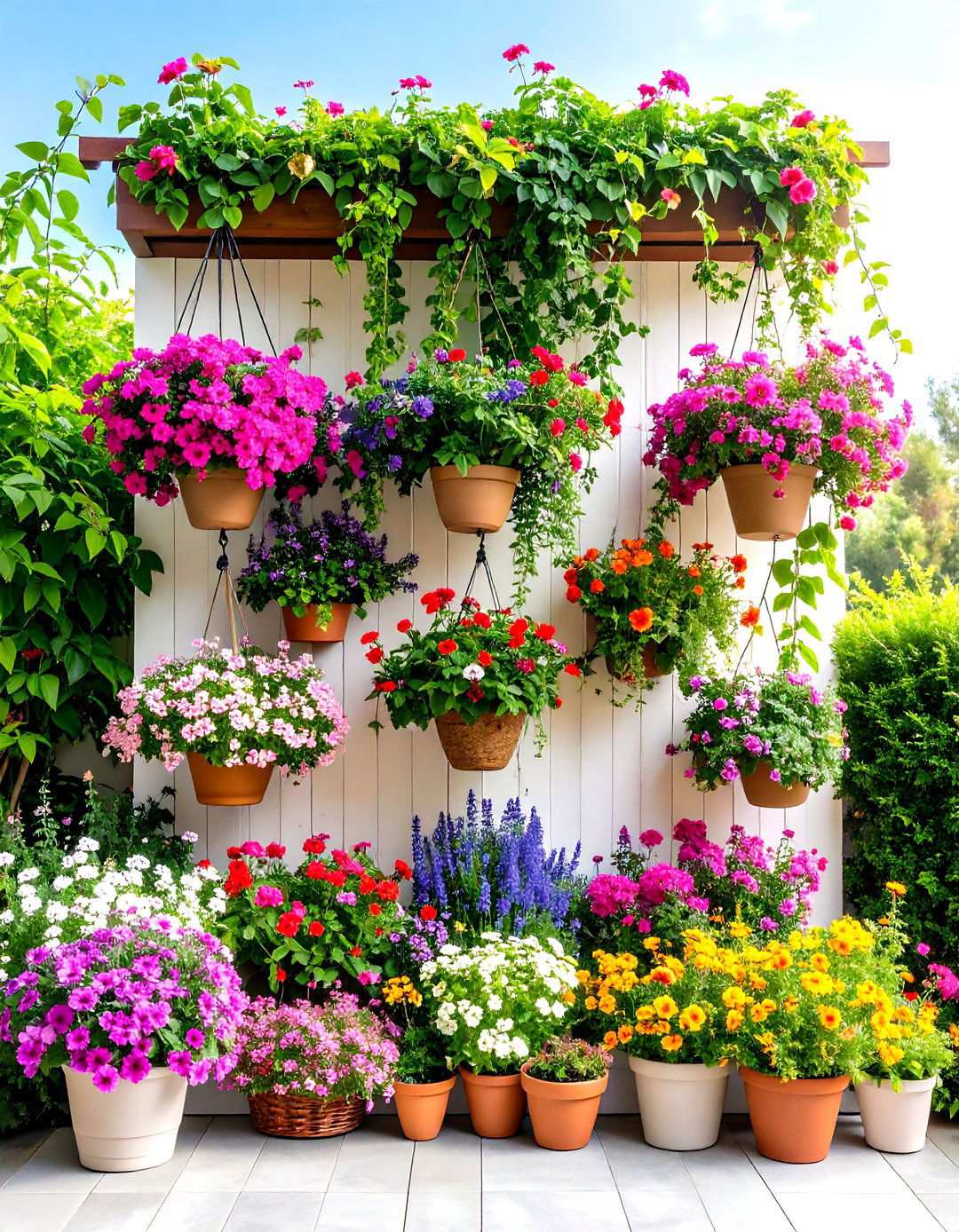
Vertical gardening effectively maximizes space while hanging baskets add instant allure at eye level, drawing attention to areas that might otherwise be overlooked. By installing tiered hanging systems using shepherd’s hooks at varying heights, you can create visually striking displays filled with cascading pink flowers. Choose trailing varieties like pink calibrachoa, pink bacopa, and pink ivy geranium that spill elegantly over basket edges. Add pink mandevilla vines climbing up trellises or obelisks for a dynamic vertical element. Include wall-mounted planters with pink impatiens for shaded areas, creating a seamless transition between different light conditions. Create living walls using pink-flowering plants in pocket planters or repurposed pallets, taking full advantage of vertical space while showcasing pink blooms at multiple levels. This design is perfect for small gardens, balconies, or areas looking to add height and visual interest.
5. Serenity in Pink Shade Garden Sanctuaries
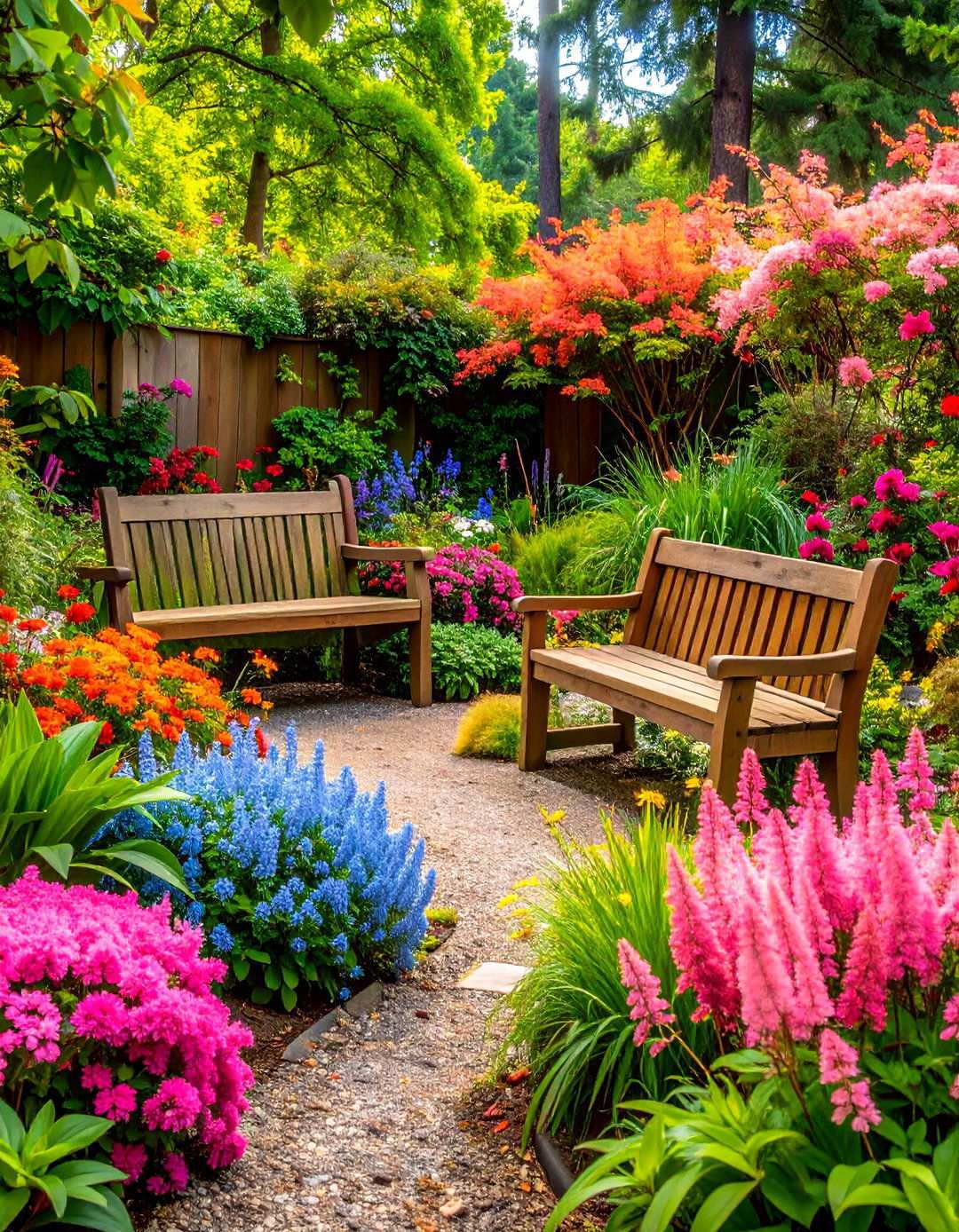
Shade-loving plants can transform shaded areas into lush woodland gardens, with astilbe adding a pop of color and texture to these often-neglected spots. By incorporating pink-flowering plants that thrive in shaded conditions, you can create vibrant displays that are just as captivating as their sunny counterparts. Plant pink astilbe with feathery plumes, coral bells with pink-tinged foliage, and pink-flowering begonias for continuous color and interest. Add pink caladiums for tropical foliage interest and pink impatiens for reliable blooms. Incorporate pink azaleas and rhododendrons for structural elements and spring color, adding depth and dimension to your design. Create meandering paths using natural materials like wood chips or stepping stones, inviting visitors to explore and discover the beauty of your shaded oasis. Add rustic benches or garden ornaments to create peaceful meditation spots, proving that shaded areas can be just as serene and inviting as sunny spaces, showcasing the softer, more subtle beauty of pink.
6. Whispers of Romance in a Pink Rose Garden
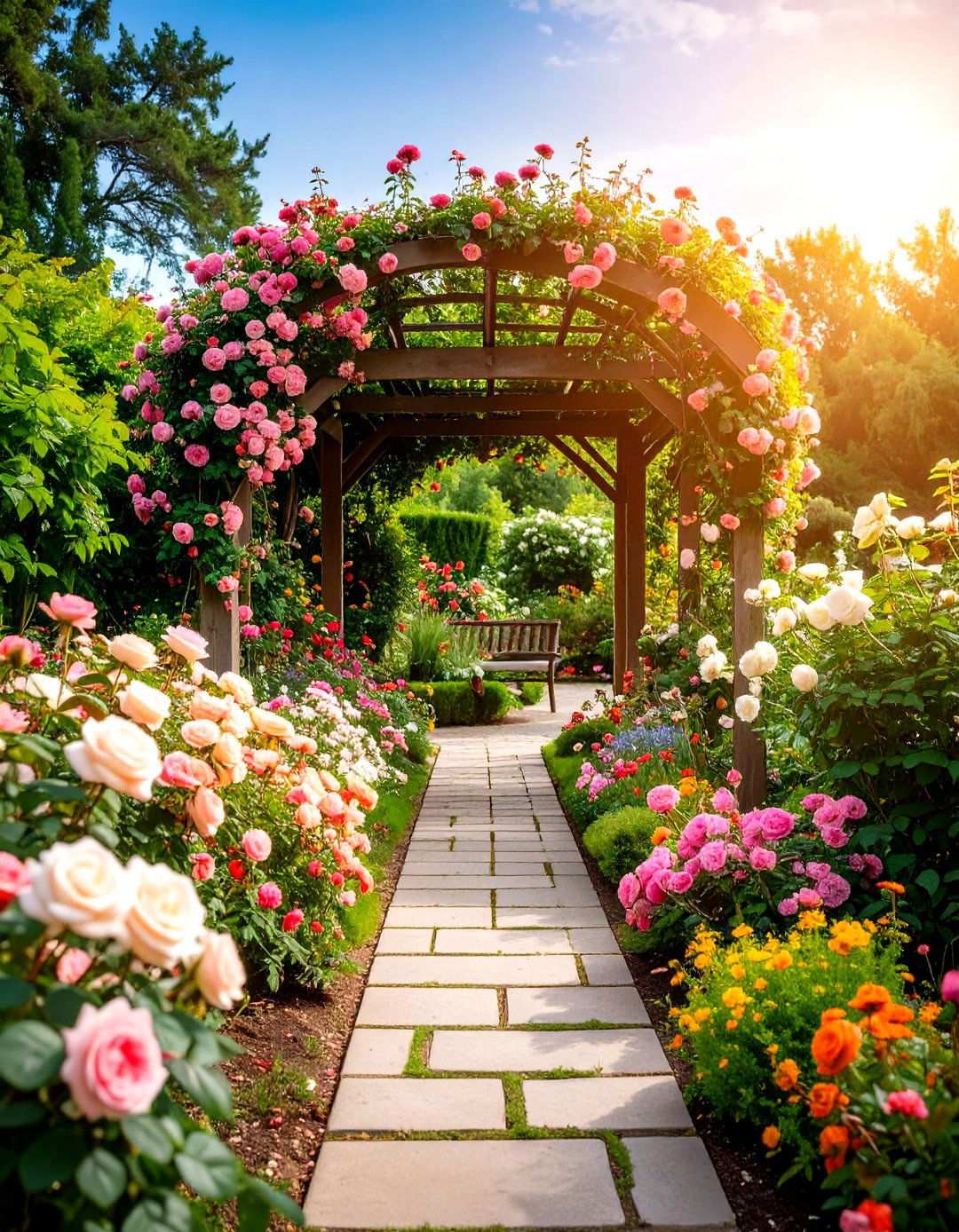
A classic cottage garden look is elevated by the inclusion of romantic roses, which pair beautifully with clematis and numerous summer-blooming perennials. Design a dedicated rose garden showcasing a diverse array of pink rose varieties, ranging from soft blush hues to rich, velvety roses. Incorporate climbing roses on arbors and trellises, shrub roses for borders, and miniature roses in containers to create a visually appealing display. Surround rose bushes with complementary pink perennials like pink lavender, pink catmint, and pink garden phlox, which add a delicate touch and fragrance to the garden. To extend the blooming period, train pink clematis vines to climb through larger roses. Design the garden with either formal or informal layouts, featuring curved or geometric beds, and include inviting seating areas amidst the most fragrant varieties. This timeless design honors the elegance of the pink rose, creating enchanting garden rooms filled with continuous blooms, intoxicating scents, and a sense of romance that provides a bounty of cut flowers throughout the growing season.
7. A Natural Haven in the Pink Prairie Wildflower Meadow
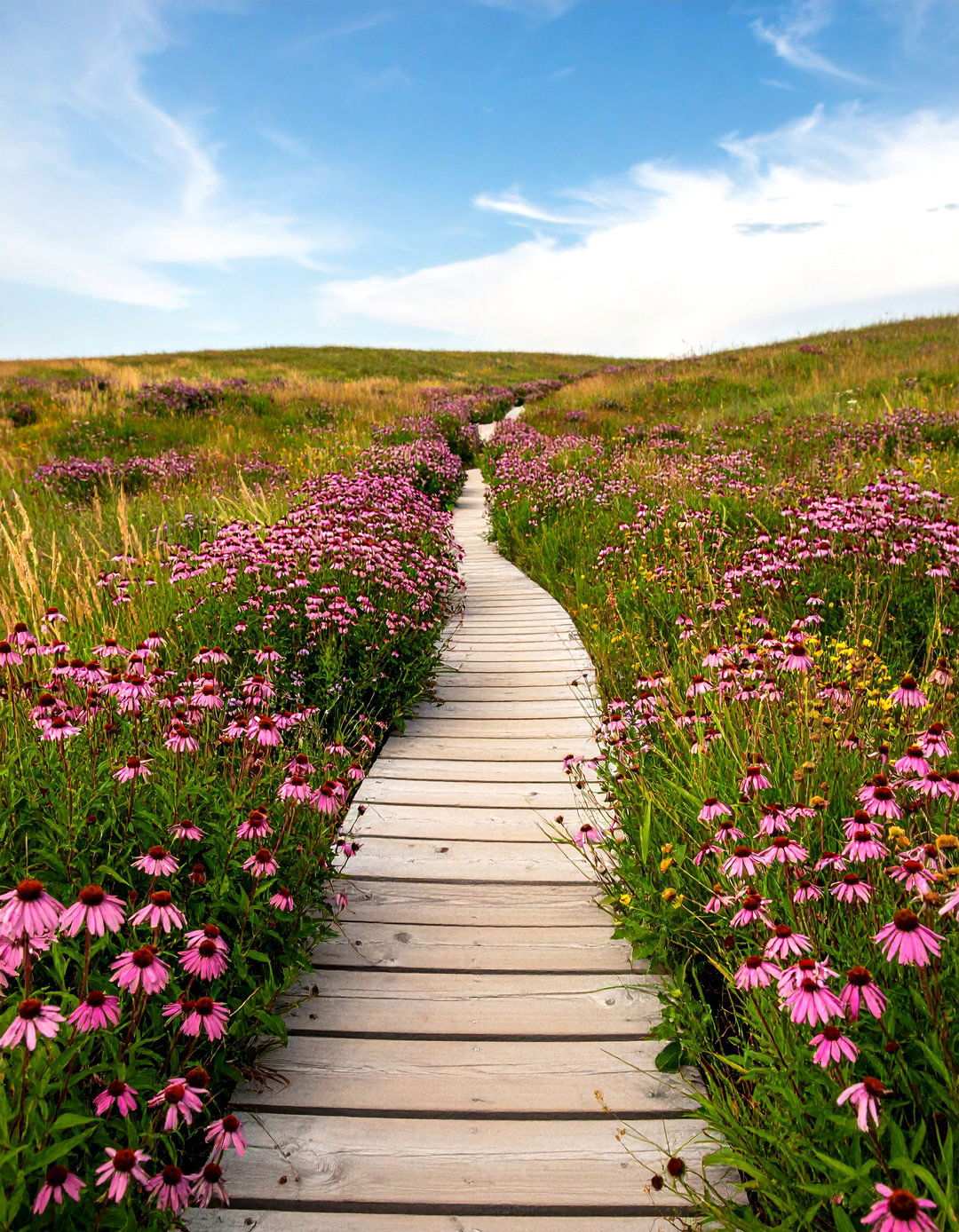
American garden styles often incorporate native plants and indigenous materials to create distinctive, naturalistic plantings. Establish a lush meadow featuring native pink wildflowers tailored to your region’s specific climate. Plant a variety of native wildflowers, including purple coneflowers (Echinacea), pink wild bergamot, native pink asters, and pink milkweed, which provide a haven for butterflies. Add ornamental grasses like little bluestem, which display a stunning pink-purple hue during autumn. Incorporate seasonal pink bulbs like wild onions or native lilies to add an extra layer of visual interest. Create winding paths through the meadow using mowed strips or natural materials, allowing visitors to meander through the landscape and connect with nature. This low-maintenance design not only supports local wildlife but also provides seasonal interest from spring through fall, creating a serene and peaceful atmosphere in the midst of a bustling landscape. As the meadow matures, it will require minimal intervention, making it an ideal choice for larger spaces or gardeners who value eco-friendliness and the beauty of unstructured natural beauty.
8. Serenity in a Pink Zen Garden
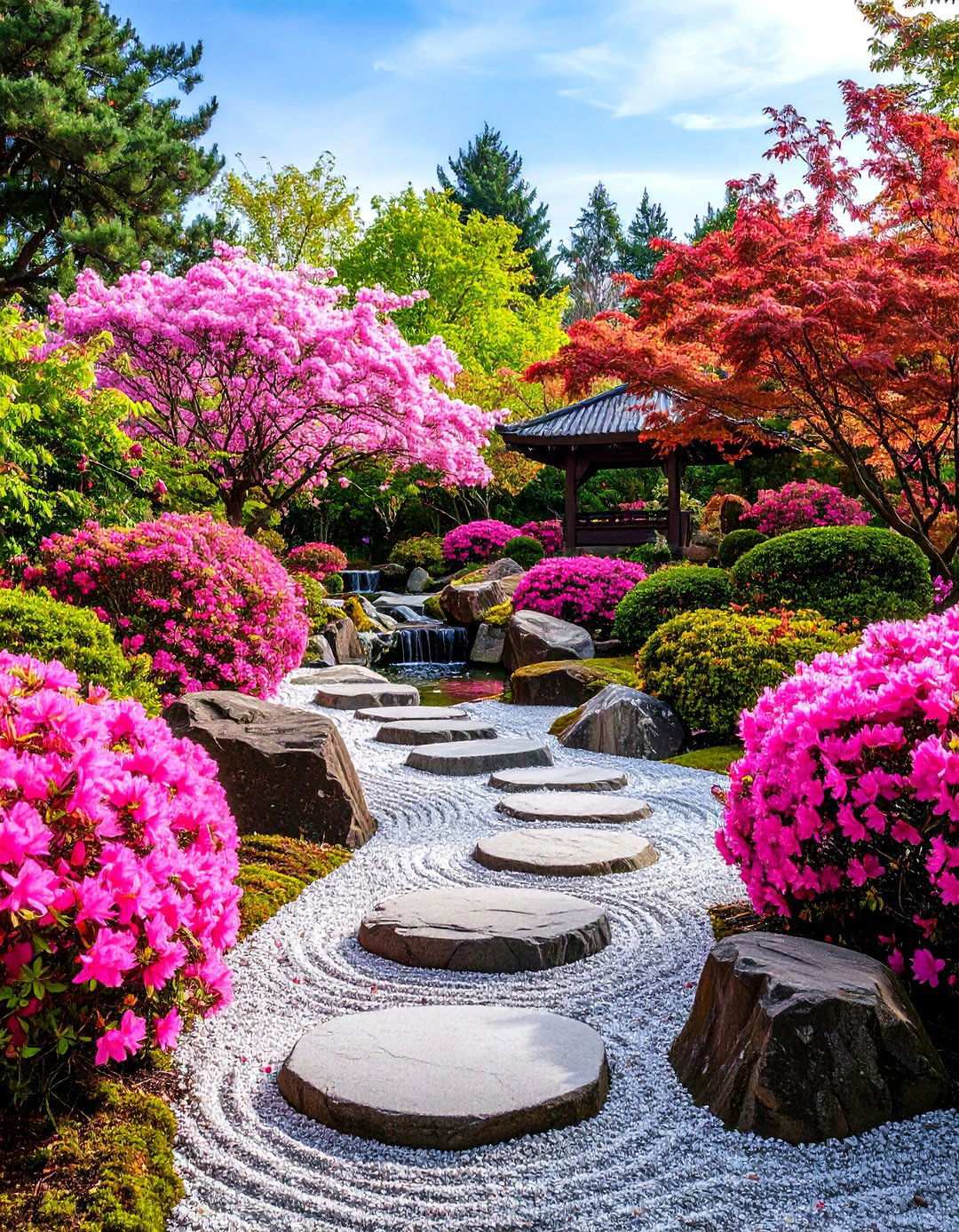
Zen gardens emphasize the importance of tranquility and harmony, often incorporating carefully pruned plants and traditional Japanese design elements. Create a peaceful oasis featuring pink-flowering plants with Asian garden aesthetics, carefully crafted to evoke a sense of calm and serenity. Include pink azaleas pruned into natural mounds, pink Japanese maples for seasonal interest, and pink cherry trees for dramatic spring displays. Add pink lotus or water lilies to reflecting pools, and plant pink astilbe near water features, where the gentle ripples of the water will amplify their beauty. Use gravel paths, stepping stones, and carefully placed boulders as structural elements, creating a sense of balance and harmony in the garden. Include a simple wooden bench for contemplation and perhaps a small bamboo fountain for soothing sounds, inviting visitors to linger and unwind in the peaceful atmosphere. This design celebrates the beauty of simplicity, balance, and natural elegance, creating a tranquil retreat that incorporates pink elements in a manner that enhances the serene atmosphere, perfect for meditation and stress relief.
9. Timeless Beauty: Pink Perennial Border Display
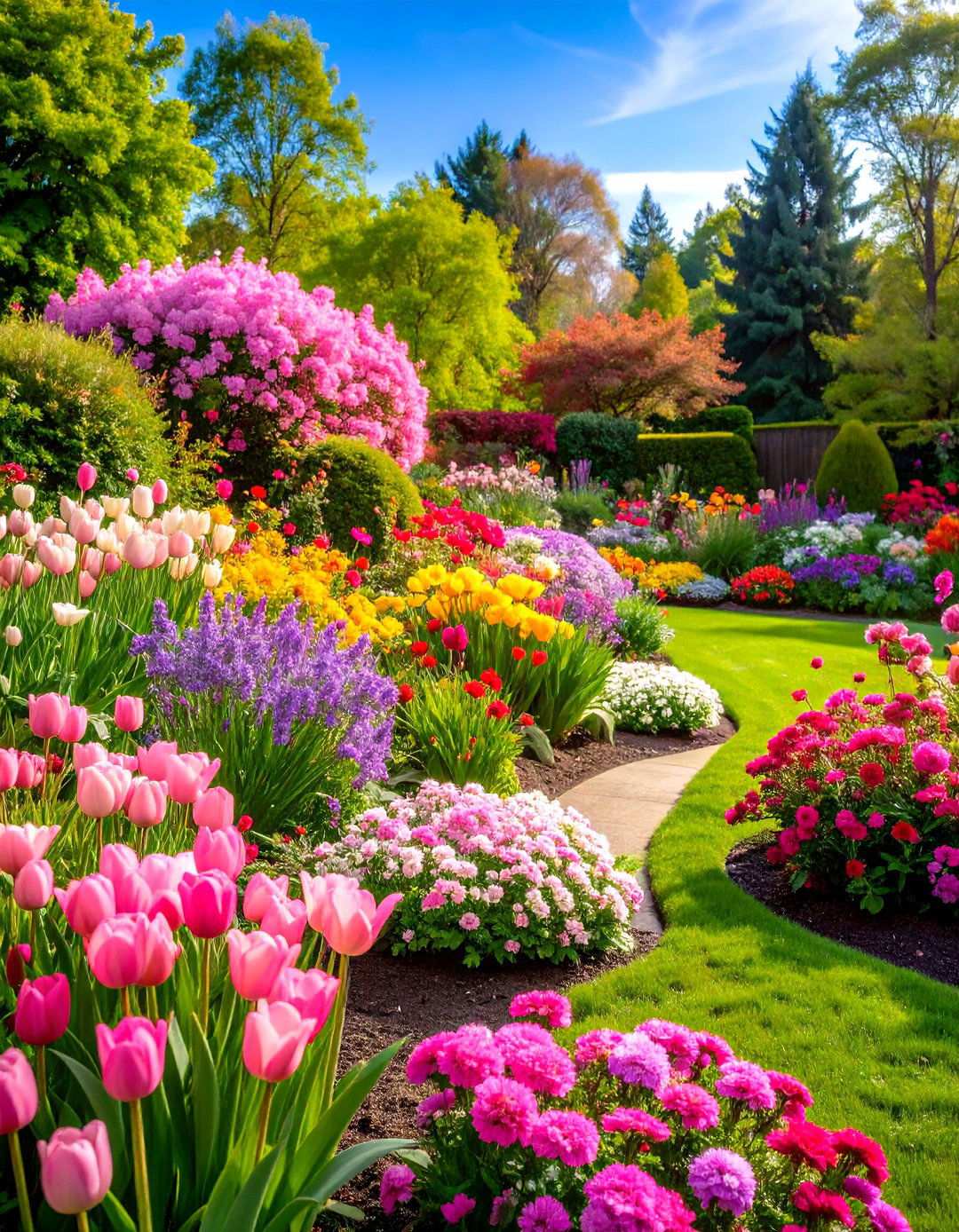
A pink perennial border can be a stunning focal point in any garden, featuring a harmonious blend of flowers like veronica, liatris, and garden phlox. Design a long-lasting perennial border that showcases pink blooms throughout the seasons by layering early-blooming flowers like tulips and daffodils, followed by mid-season showstoppers like peonies and iris. As the summer months arrive, add pink phlox, bee balm, and coneflowers to the mix, while late-season asters and Japanese anemones add a pop of color in the autumn. Plant these flowers in masses of three or five for a dramatic impact, using varying heights from front to back to create depth and interest. Adding ornamental onions (Alliums) and coral bells for foliage color will elevate the design, providing a sustainable display of pink blooms for years to come. This thoughtfully designed border will also attract beneficial insects and provide a consistent seasonal progression of pink colors throughout the growing year.
10. Desert Oasis: Pink Mediterranean Garden Style
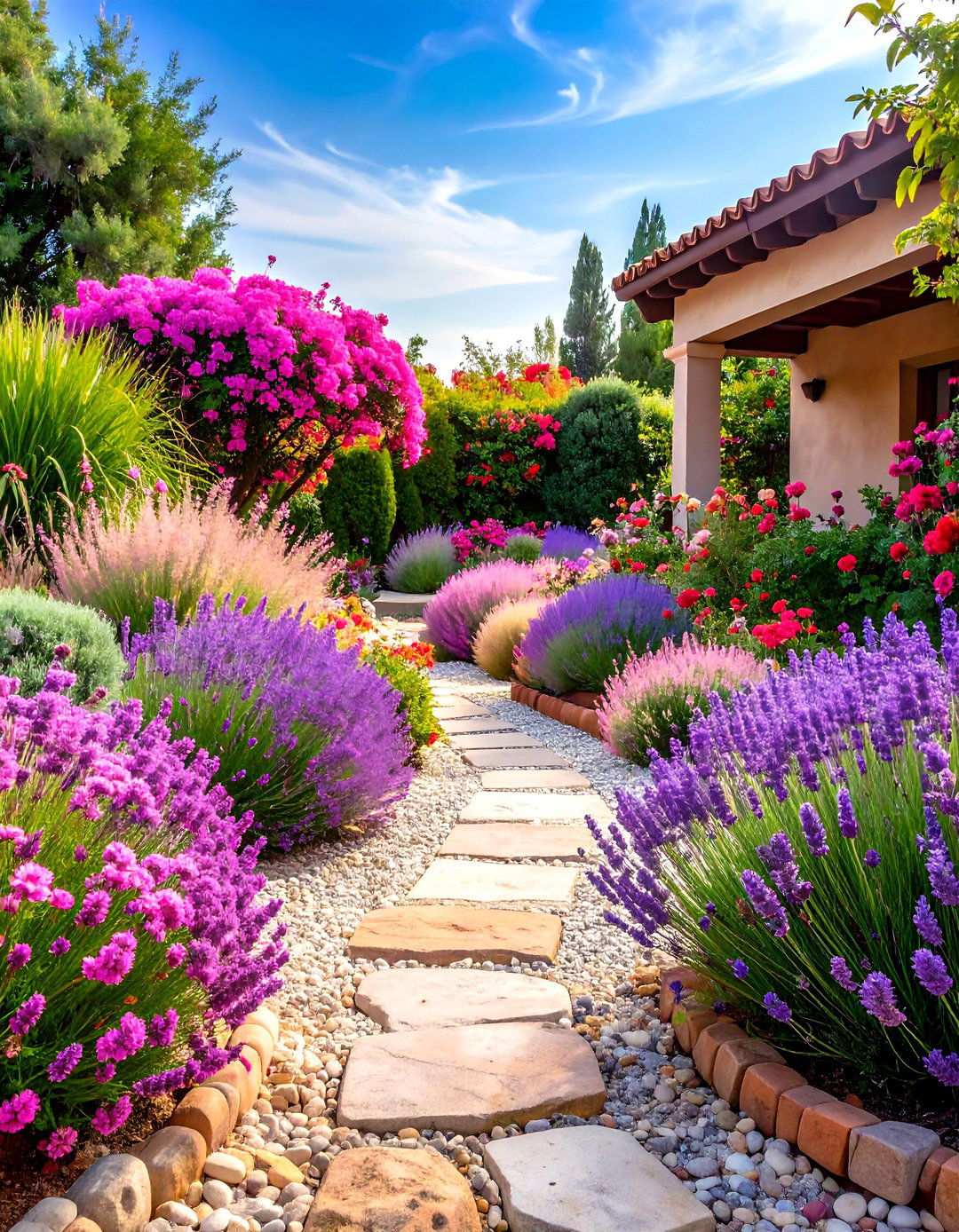
Mediterranean-style borders often feature a mix of low-growing, silver-foliaged plants and bold, textured elements. Create a drought-tolerant garden that thrives in dry, sunny conditions by incorporating pink flowers that are well-suited to these conditions. Plant pink rockrose, Mediterranean spurge, and a variety of lavender species that produce pink blooms. To complement these flowers, add silver-leaved plants like dusty miller and artemisia, which will create a striking contrast with the pink hues. For added structural interest, include pink oleander and bougainvillea, which will provide vibrant color and a sense of drama. Use gravel mulch, terracotta containers, and natural stone pathways to complete the look, and don’t forget to incorporate herbs like oregano and thyme for a culinary touch. This water-wise design is perfect for xeriscaping or Mediterranean climate gardens, providing a beautiful and sustainable landscape that requires minimal maintenance.
11. Whispers of Scent: Pink Fragrant Garden Paradise
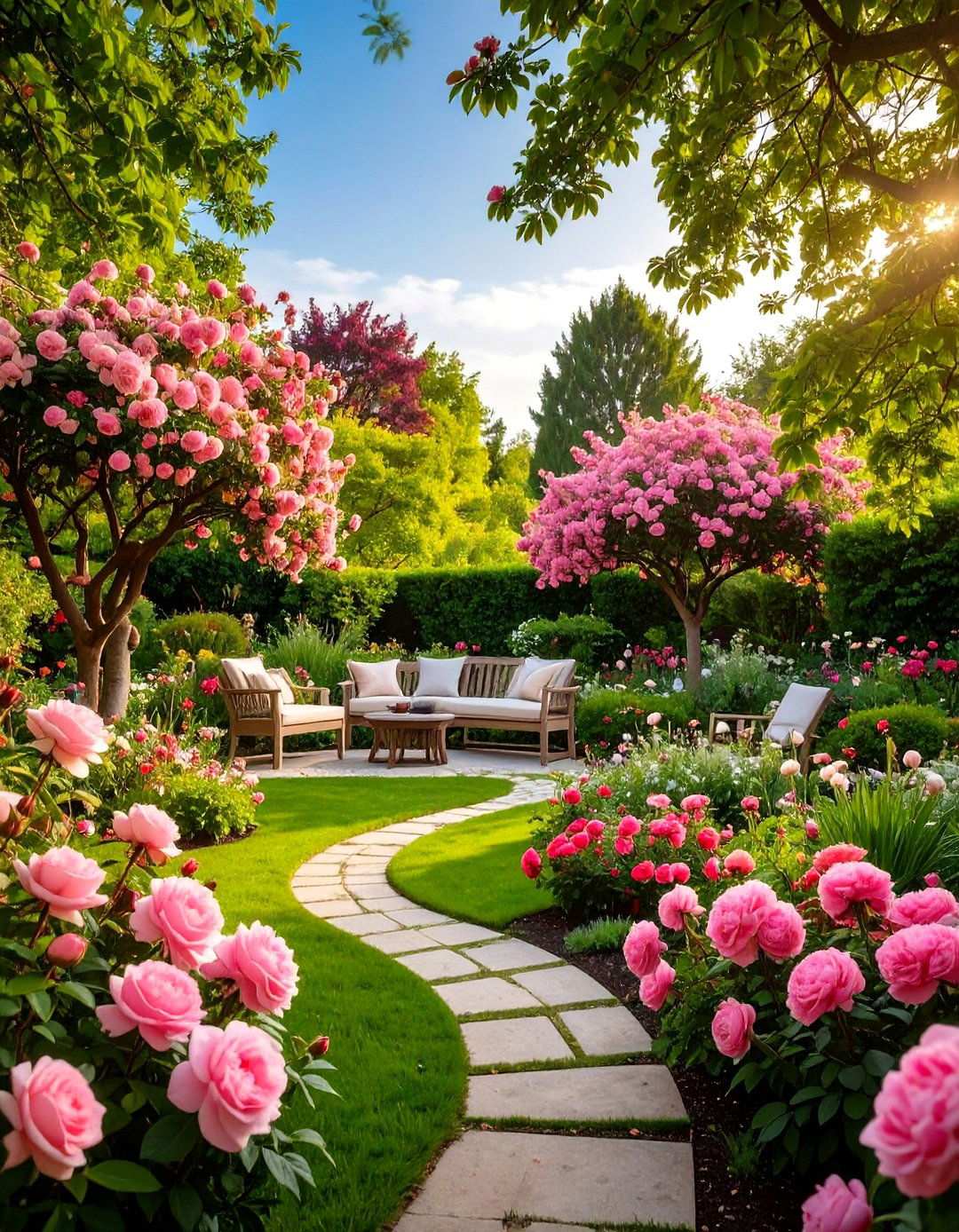
Certain flowers, like pinks (Dianthus), are renowned for their intoxicating fragrance and are often a staple in cottage garden designs. Design a sensory garden that focuses on pink flowers with exceptional fragrance by incorporating sweet-scented roses, fragrant peonies, and clove-scented garden pinks near seating areas and pathways. Add a touch of whimsy with pink sweet peas on supports, fragrant honeysuckle vines, and pink evening primrose for a nighttime scent experience. For an intense perfume, incorporate pink jasmine, and for a citrusy scent, add pink mock orange to the mix. Create intimate spaces where fragrance can be best appreciated by using enclosed areas or windbreaks to concentrate scents. This design will engage multiple senses, creating memorable garden experiences where the beauty of pink flowers combines with intoxicating fragrances, perfect for evening relaxation or areas where people gather frequently to enjoy nature’s aromatic gifts.
12. Unleashing Vibrant Charm in Woodland Gardens
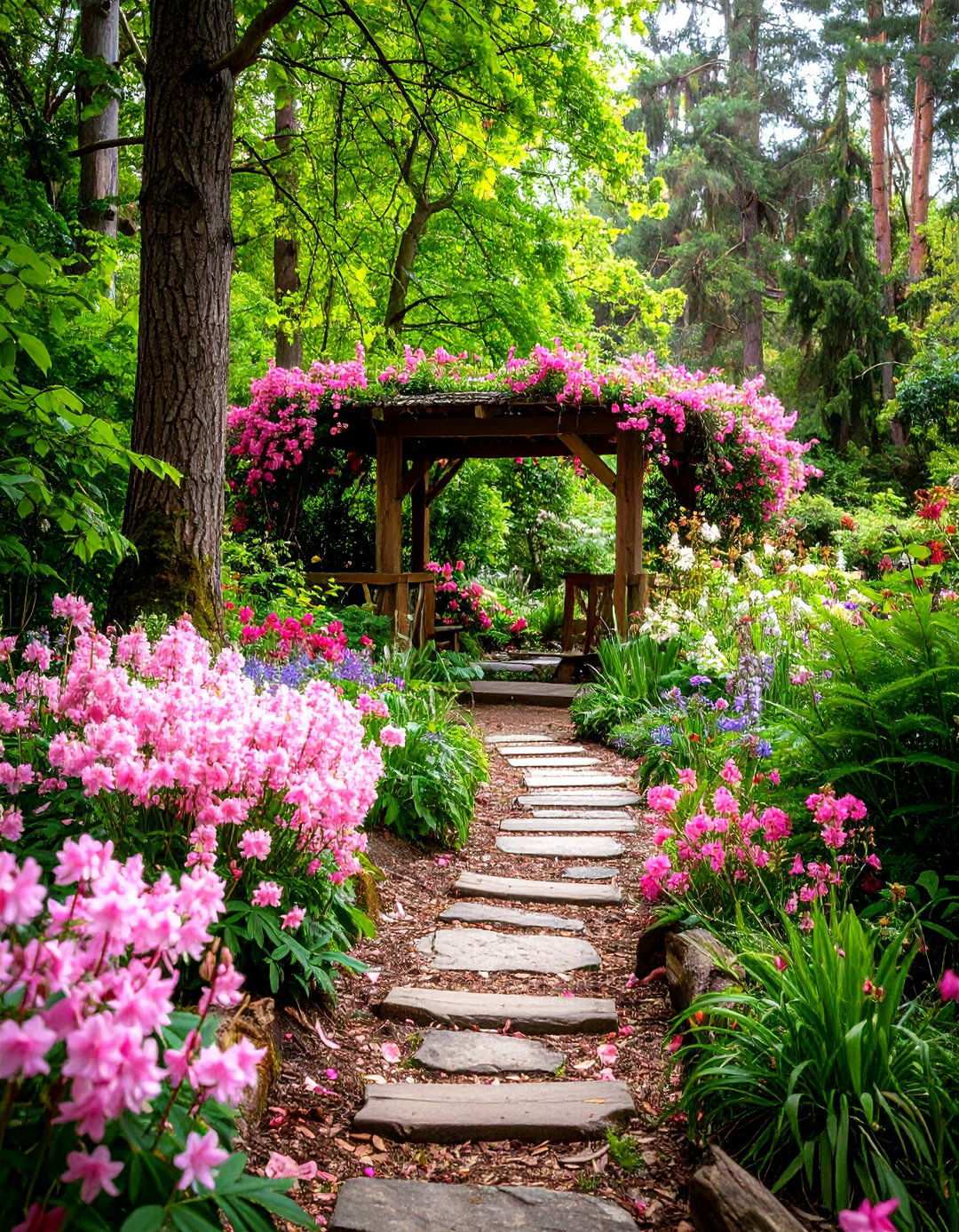
Woodland gardens are the perfect haven for shade-loving plants, such as delicate ferns and majestic hostas, which create an enchanting, low-maintenance retreat. Seamlessly transition from the forest to a garden by incorporating pink plants that thrive in dappled shade. Plant vibrant pink bleeding hearts, delicate pink astilbe, and charming pink coral bells along woodland edges. Incorporate stunning pink flowering dogwood trees and vibrant pink azaleas for an explosion of color in the spring. Add naturalized pink wild ginger, dainty pink trilliums, and other native woodland wildflowers for organic appeal. Create winding bark chip pathways and incorporate fallen logs as natural seating areas, adding an element of whimsy to the space. Incorporate ferns and hostas with pink-hued foliage for an intriguing textural contrast. This thoughtfully designed landscape effortlessly bridges the gap between natural and cultivated spaces, supporting local wildlife while presenting serene pink accents in unspoiled settings that grow more captivating with time.
13. Serene Water Features in Pink Oasis
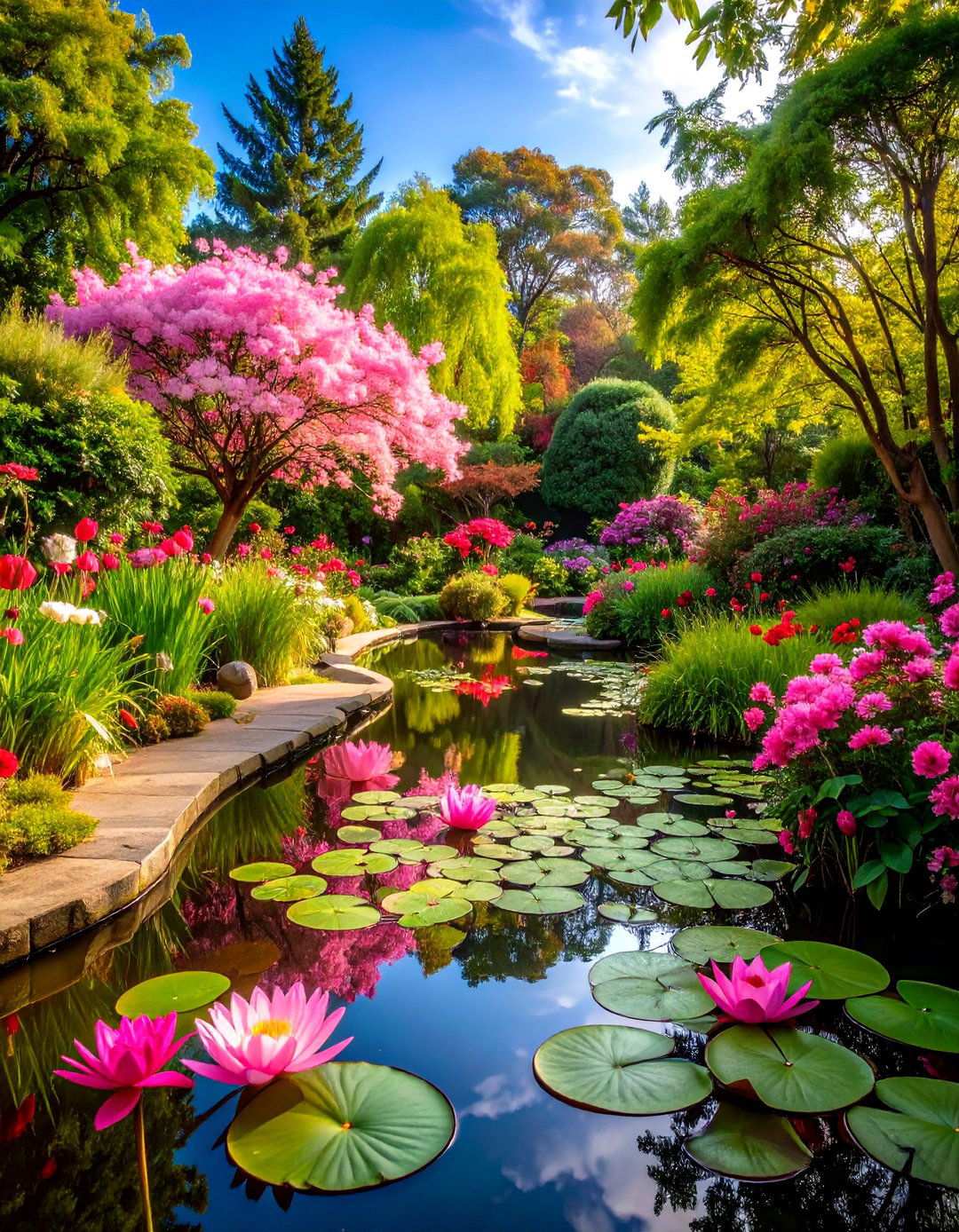
Water features in gardens create an otherworldly ambiance with their large, rounded leaves and striking visual impact. Design a water-focused garden that showcases pink aquatic and moisture-loving plants. Create a serene pond or water feature planted with beautiful pink water lilies and stunning pink lotus flowers. Surround the water feature with bog plants like delicate pink astilbe, vibrant pink cardinal flower, and elegant pink Japanese iris. Incorporate pink flowering rush and pink arrowhead for dynamic vertical interest in shallow water. Add pink primula and pink rodgersia near water edges, creating a visually appealing tapestry. Create peaceful seating areas overlooking the water feature, and include a small bridge or stepping stones for easy access. This thought-provoking design creates tranquil environments where the pink reflections in water double the visual impact while providing a habitat for beneficial wildlife and soothing soundscapes from moving water features.
14. Harvesting Abundant Pink Blooms in Cutting Gardens
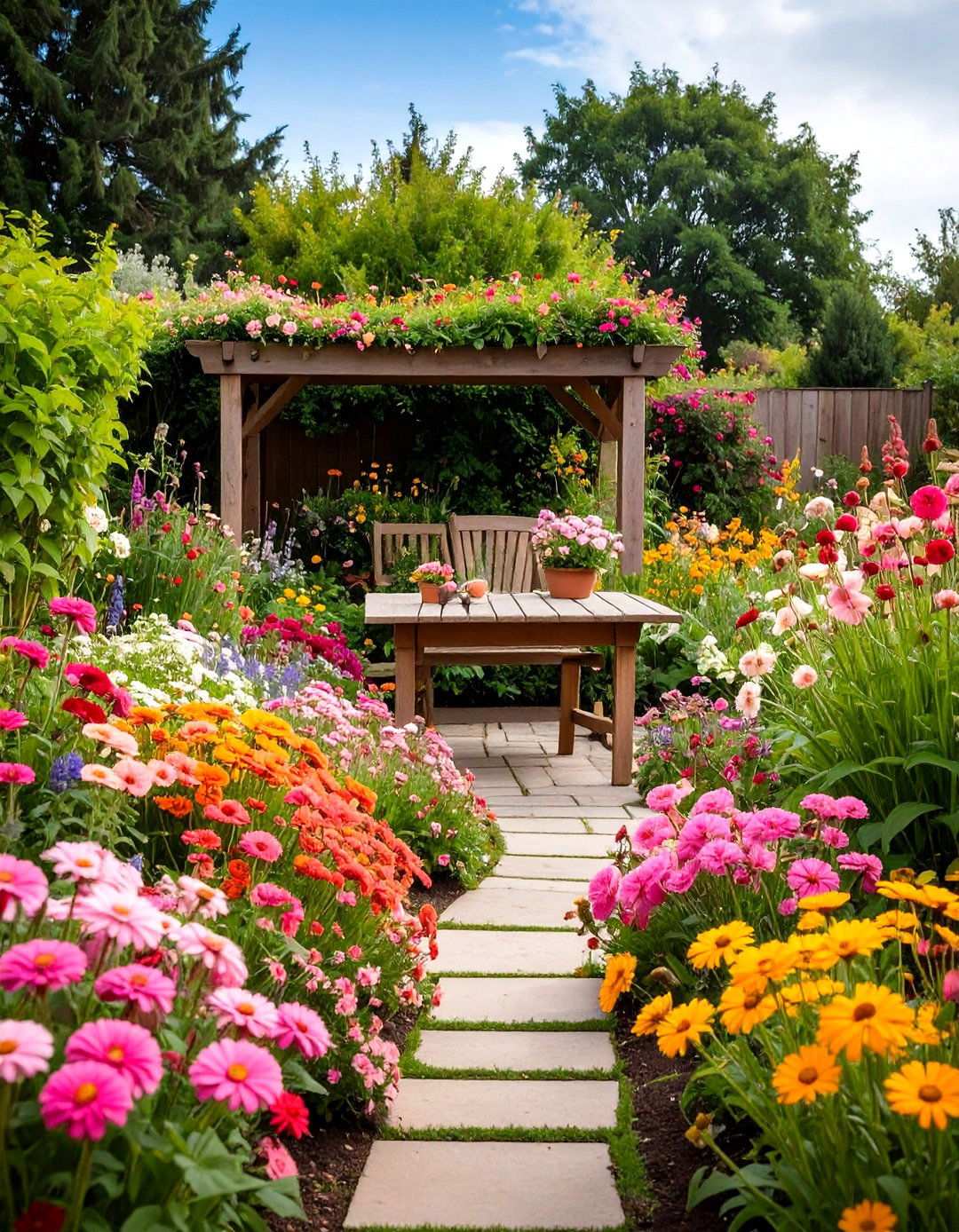
Pink flowers make lovely cut flowers and are perfect for creating engaging garden displays with plenty of visual interest. Design a productive garden specifically for harvesting pink flowers for indoor arrangements. Plant rows or blocks of vibrant pink zinnias, delicate pink cosmos, towering pink sunflowers, and showy pink celosia for easy cutting. Incorporate tall pink gladiolus, striking pink snapdragons, and elegant pink delphiniums for dramatic stems. Add dainty pink sweet peas and whimsical pink nasturtiums for charming arrangements. Plant pink dahlias and pink chrysanthemums for autumn bouquets that exude warmth and elegance. Create wide pathways for effortless access with wheelbarrows or baskets, and include a potting bench or work area for conditioning flowers. This functional design provides an abundance of pink blooms specifically grown for cutting, ensuring a continuous supply of fresh flowers for indoor enjoyment while maintaining attractive garden beds that can also serve as ornamental elements in the landscape.
15. Vibrant Pink Oasis for Monarchs
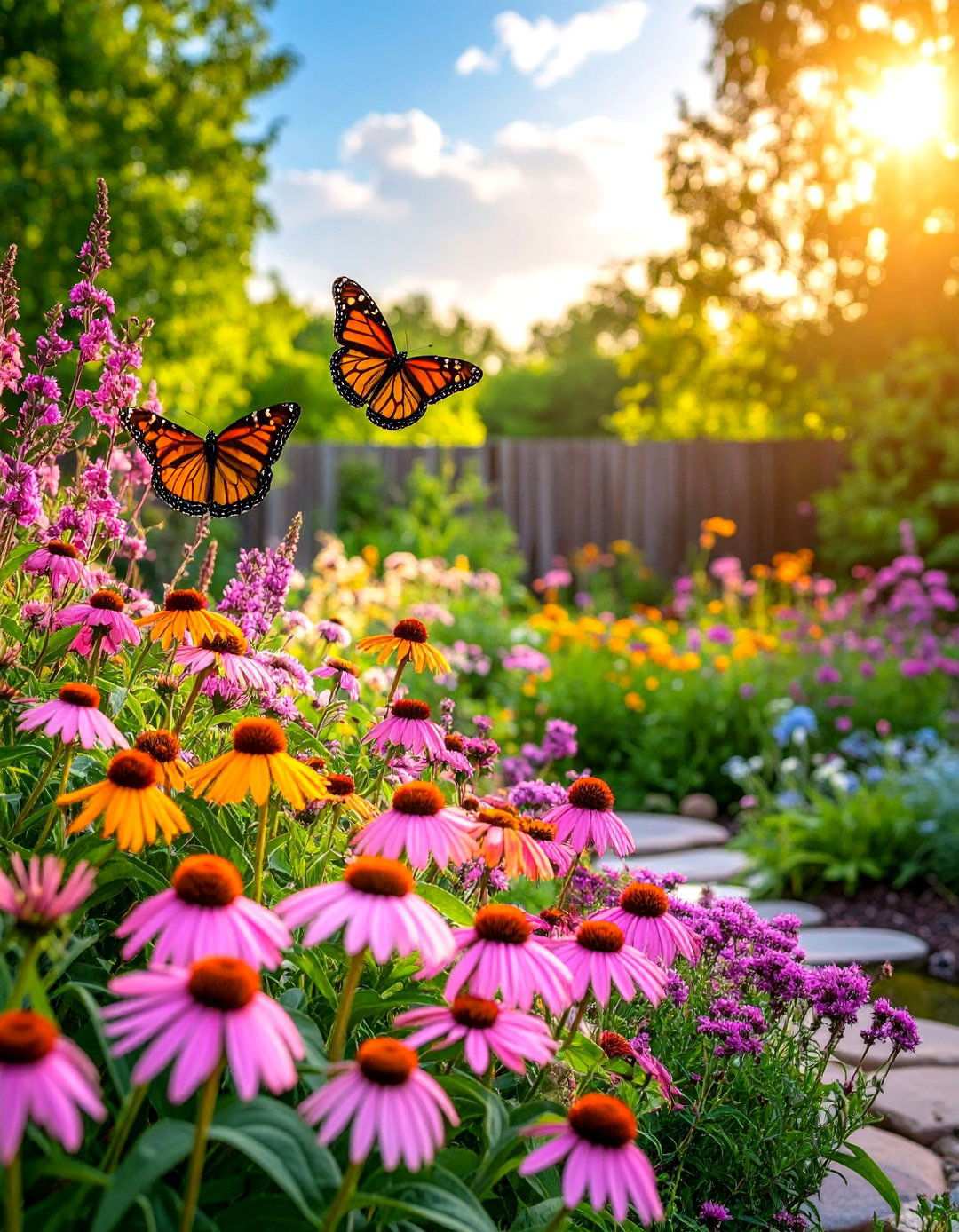
Intrigued by the allure of butterflies, gardeners often create vibrant spaces that cater specifically to these winged wonders. Incorporating pink flowers and plants that produce nectar-rich clusters can be particularly alluring. Incorporate pink butterfly bush (Buddleia), which forms dense clusters of flowers that support monarchs and other species. Add pink coneflowers (Echinacea) and pink bee balm for continuous nectar sources, while including pink milkweed varieties essential for monarch reproduction. Don’t forget pink phlox for summer blooms and pink asters for fall nectar when other sources become scarce. Establish sunny, protected areas with shallow water sources and flat stones for butterfly basking, and incorporate host plants like pink flowering native plants for butterfly larvae. This carefully designed oasis supports butterfly populations while offering a kaleidoscope of pink hues, creating living gardens that adapt to the ever-changing migration patterns of butterflies and provide endless opportunities for wildlife observation and environmental education.
16. Drought-Tolerant Pink Rock Garden Masterpiece
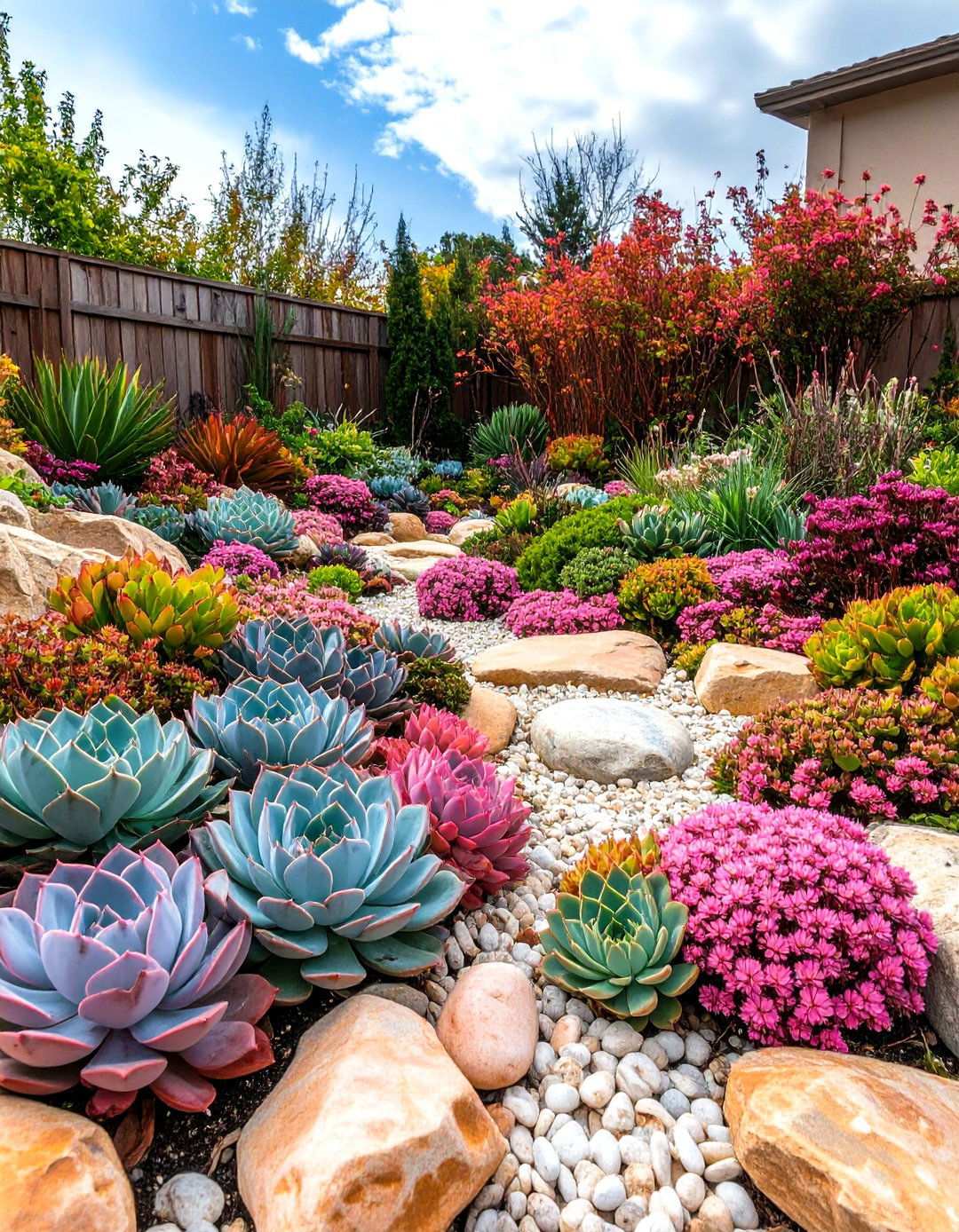
In contemporary landscaping, striking visual statements can be achieved through monoculture container groupings that feature plants of similar color and texture. Consider designing a low-maintenance rock garden that showcases pink-flowering and pink-toned succulents. Plant pink-flowering sedums, which produce delicate blooms, combined with pink echeveria varieties and pink-toned hens and chicks (Sempervivum). Incorporate larger pink-flowering cacti like prickly pear with vibrant pink blooms, and add pink flowering ice plant for ground cover and pink-toned agave for architectural interest. Create layered terraces using natural stone walls, incorporating decorative rocks and boulders to add visual depth. Use gravel mulch in complementary colors and ensure excellent drainage to create a thriving oasis that can withstand sunny, well-drained locations while providing unique textures and forms that set it apart from traditional pink gardens, making it perfect for modern landscapes, xeriscaping, or gardeners seeking unusual plant combinations with minimal maintenance requirements.
17. Exquisite Pink Herb Garden Delight
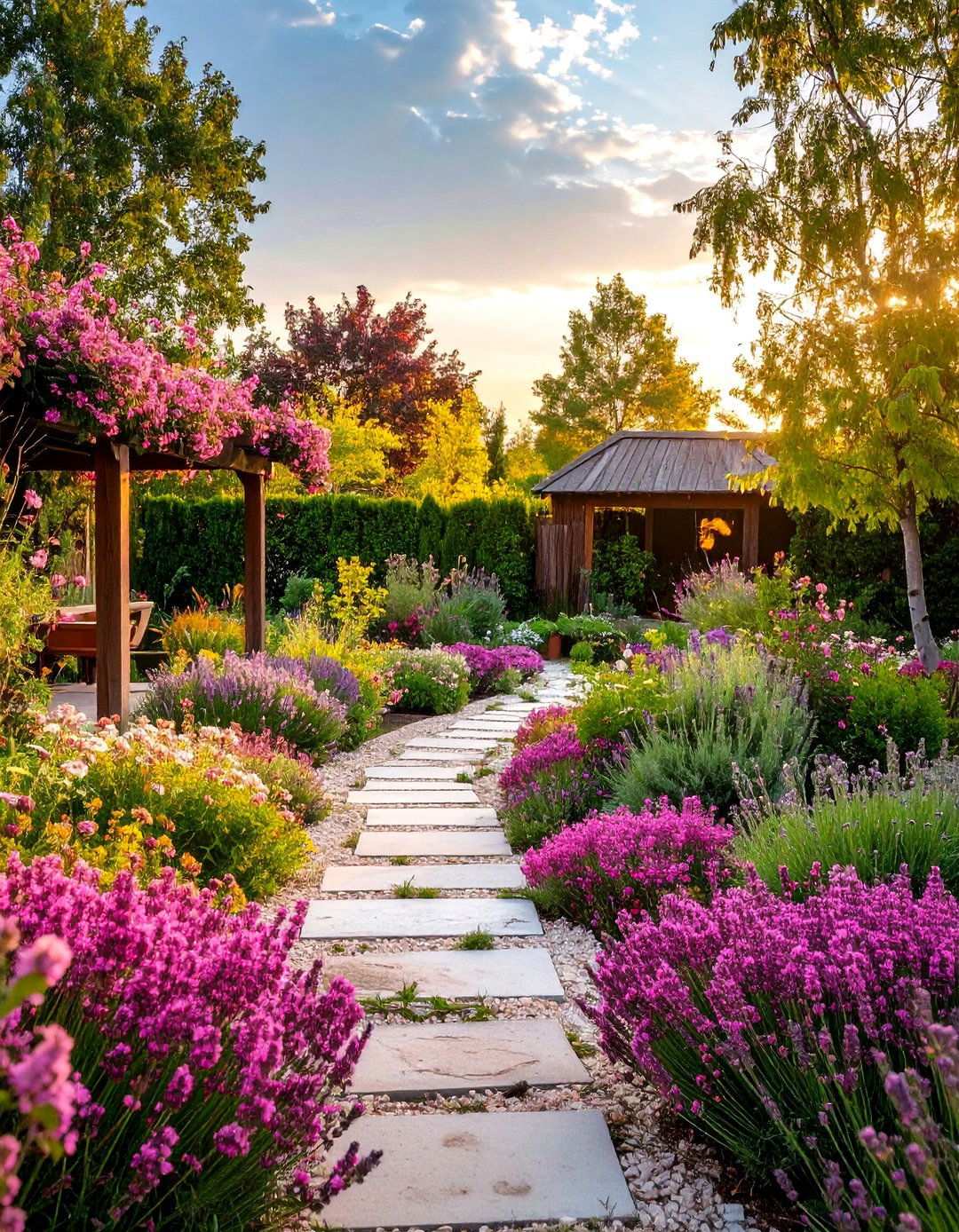
Many herbs boast colorful foliage and flowers that not only add visual appeal but also offer a wealth of culinary possibilities. Combine functional herbs with ornamental pink flowers in practical garden beds that serve multiple purposes. Plant pink-flowering oregano, pink-flowered thyme varieties, and pink chive blossoms alongside traditional herbs like basil and rosemary. Incorporate pink-flowering bee balm for tea, pink-flowered lavender for culinary use, and pink nasturtiums for edible flowers. Add pink-flowering rosemary varieties where hardy and pink-flowered sage species, which offer a fragrant and flavorful addition to any dish. Create structured beds with geometric patterns or informal cottage-style plantings, and include pathways for easy harvesting and perhaps a small seating area for enjoying the fragrances of these herbs. This thoughtfully designed garden provides both culinary ingredients and ornamental beauty, creating a space that serves multiple purposes while maintaining aesthetic appeal and offering opportunities to explore cooking with flowers and flavored herbs throughout the growing season.
18. Vibrant Springtime Blooms
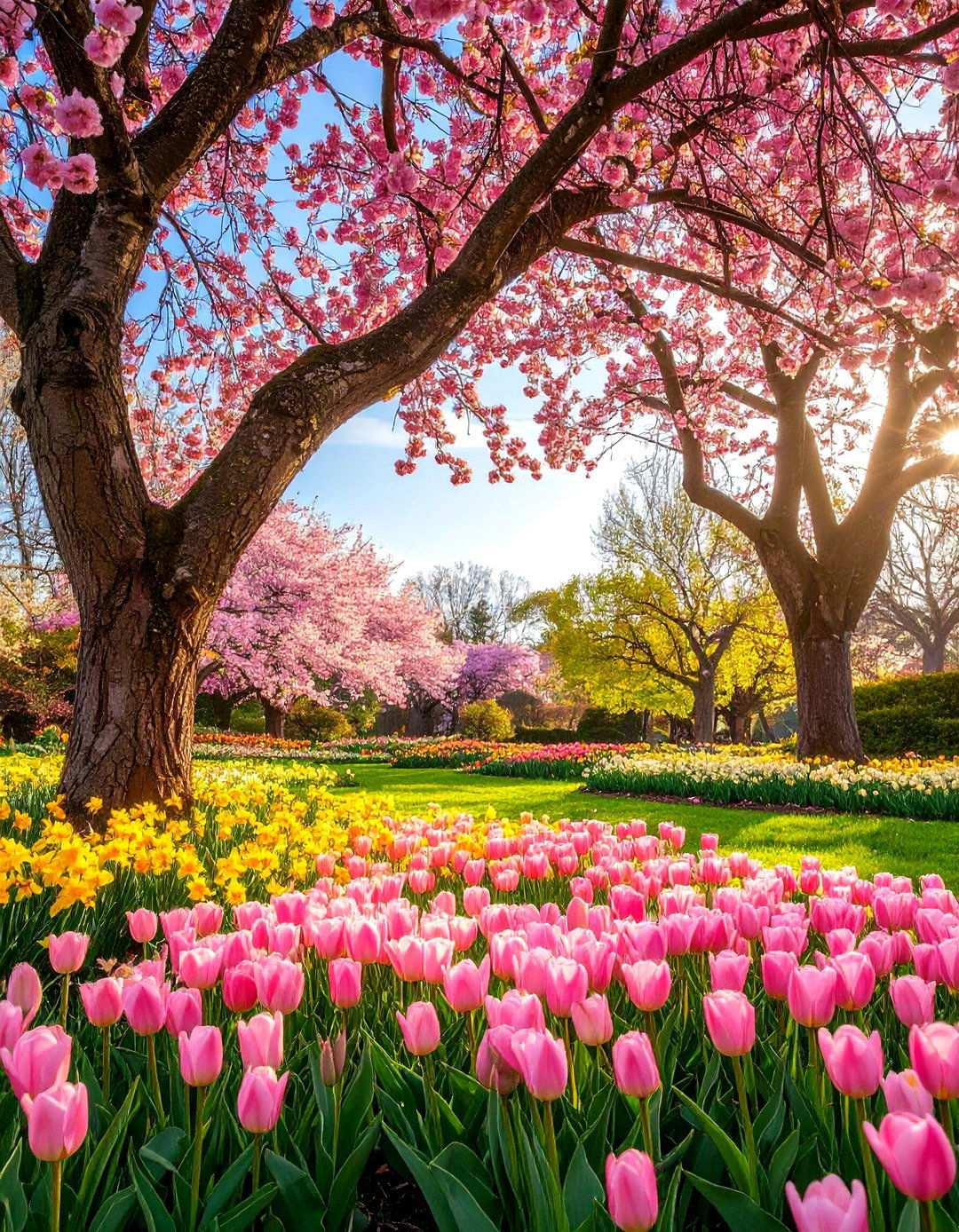
The advent of spring brings a kaleidoscope of colors to gardens across the globe, with pink being a particularly striking hue. By incorporating an array of pink flowering bulbs, you can create a breathtaking display that will captivate the senses from early to late spring. To achieve this, start by planting early pink crocuses and snowdrops, which will be followed by daffodils and hyacinths as the season progresses. Mid-season tulips in various forms, from single to double, will add a touch of drama, while late-blooming alliums provide structural interest. To add some visual intrigue, incorporate pink fritillarias and camassia for their unique textures. Planting bulbs in natural drifts rather than formal rows will create a more organic look, while incorporating areas with different bloom times will prolong the color display. To add an extra layer of interest, consider interplanting with pink flowering trees like cherry or redbud to create a stunning overhead canopy. This thoughtful design will not only provide breathtaking spring displays but also require minimal maintenance after establishment.
19. Whimsical Victorian Garden Enchantments
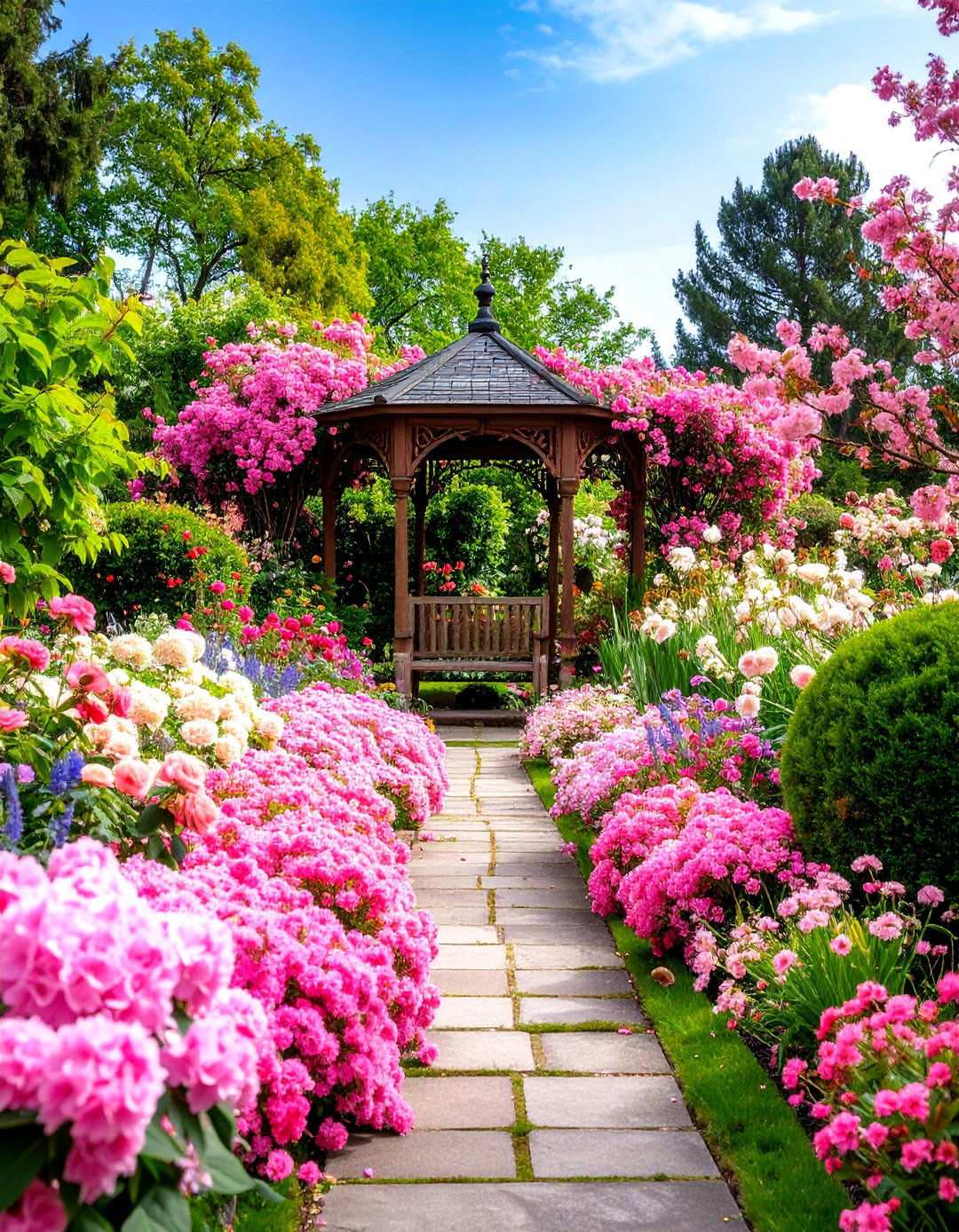
Victorian-era gardening is renowned for its softer, pastel hues and romantic, lush settings. To create a charming Victorian-inspired garden, focus on using pink flowers in structured beds to evoke a sense of elegance and sophistication. Geometric patterns created with pink bedding plants like begonias, impatiens, and petunias will add visual interest, while trained pink roses and pruned pink flowering shrubs will enhance the formal ambiance. Ornate garden features like pink flowering vines on decorative trellises and pink flowers in elaborate urns or planters will further emphasize the garden’s period charm. To complete the look, create formal pathways using brick or stone with pink flower borders and incorporate period-appropriate garden furniture, such as a gazebo or pergola covered in pink climbing roses. This intricately designed garden will showcase pink flowers in a historically-inspired setting, requiring regular maintenance to maintain its elaborate beauty.
20. Organic Prairie Border Elegance
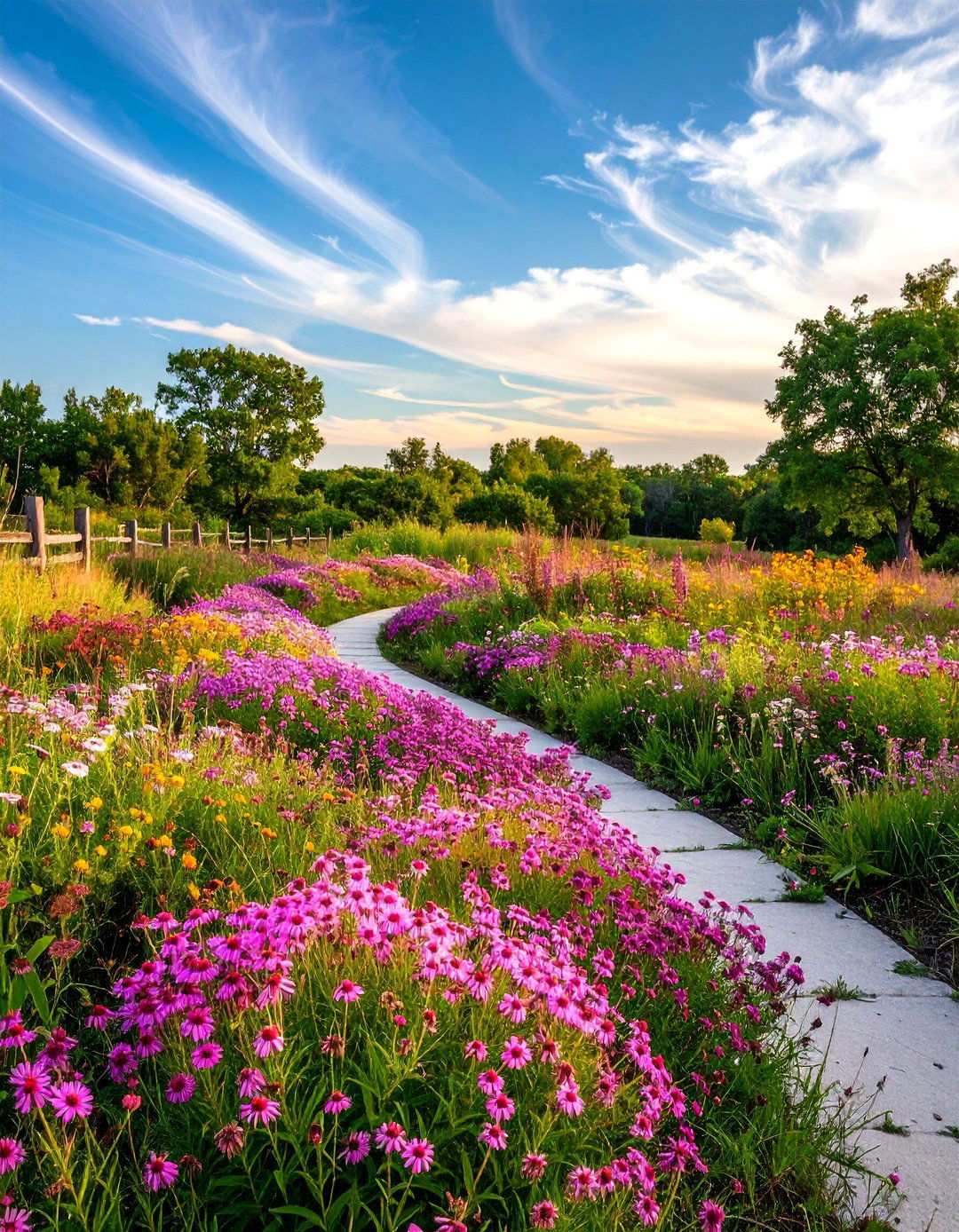
Prairie-style gardens are characterized by their naturalistic curves and flowing, organic groupings with vertical interjections. To create a stunning prairie border, design curved beds that mimic the natural ecosystem using pink native plants. Mix pink native asters, wild bergamot, and prairie phlox with ornamental grasses to create a visually appealing combination. Vertical accents can be added with pink coneflowers, blazing star (Liatris), and wild lupines. To extend the blooming seasons, incorporate native pink spring ephemeral wildflowers and fall-blooming plants. Use naturalistic planting patterns with irregular drifts and varying densities to create a sense of movement and fluidity. Informal pathways that curve through the plantings will invite exploration, while natural seating areas will encourage relaxation. This ecological design not only provides low-maintenance pink color in naturalistic settings but also supports native wildlife, making it an ideal choice for sustainable landscaping approaches.
21. Elegant Formal Parterre Designs in Soft Pink
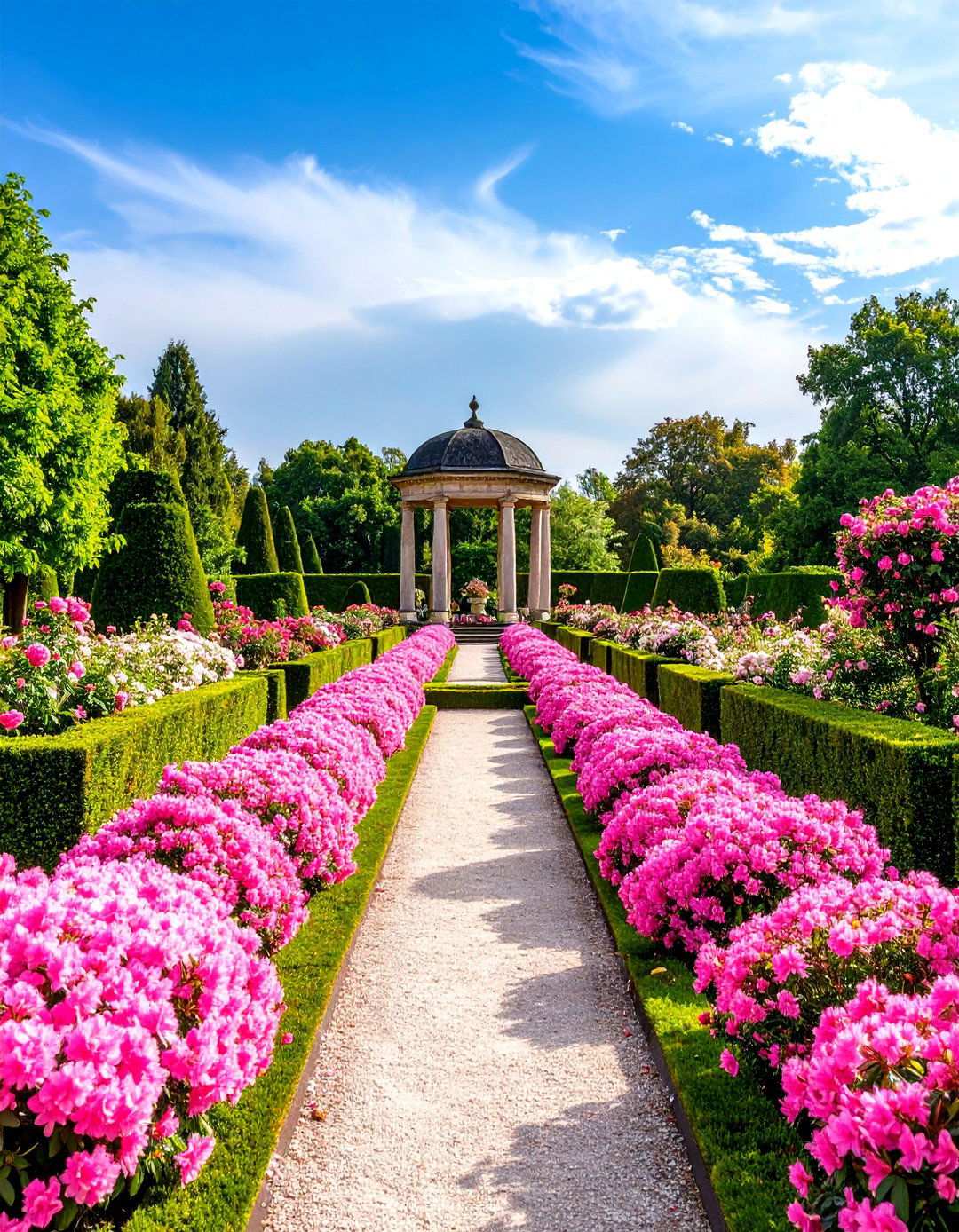
Formal gardens have long been characterized by their emphasis on symmetry, clean lines, and geometric patterns. Creating a sophisticated formal garden with pink flowers requires careful planning and attention to detail. To achieve this look, design symmetrical beds edged with low hedging, filled with pink flowers arranged in intricate patterns. Place pink roses at the center, surrounded by pink annuals like begonias or impatiens in precise arrangements. Incorporate pink topiary forms and pink flowering standards to add vertical elements, while formal pathways made of fine gravel or brick add a touch of elegance. Complete the design with formal water features or statuary as focal points, and maintain crisp edges and precise plantings throughout. This traditional approach demands regular maintenance but yields breathtaking pink displays that showcase gardening expertise and design precision, perfect for formal landscapes or gardens where architectural elements harmonize with structured planting schemes.
22. Pink Container Gardens in a Greenhouse or Conservatory
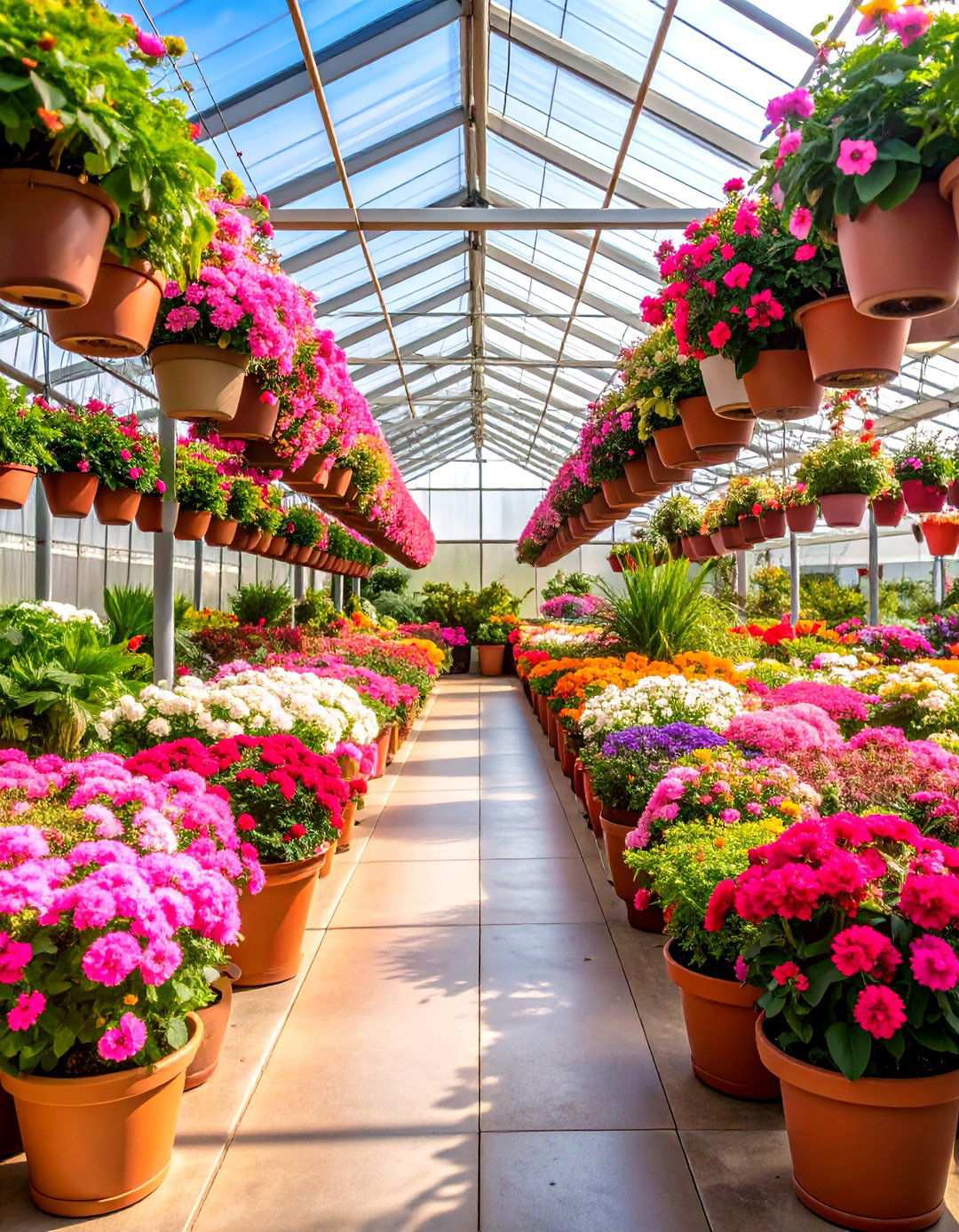
Transform a greenhouse or conservatory into a vibrant pink paradise by utilizing containers at multiple levels. Arrange benches and shelving to showcase a variety of pink flowering plants year-round. Include tender pink plants like geraniums, fuchsias, and begonias that thrive in protected environments. Add pink flowering houseplants and tropical pink flowers like hibiscus and bougainvillea to the mix. Create seasonal displays by changing containers as plants reach peak bloom, and include trailing pink plants in hanging baskets and architectural pink plants in large floor containers. Provide comfortable seating for enjoying the protected pink paradise, regardless of the weather outside. This controlled environment design extends the pink garden season indefinitely, offering luxurious indoor gardening opportunities and year-round color, regardless of climate or season.
23. Whimsical Pink Children's Gardens
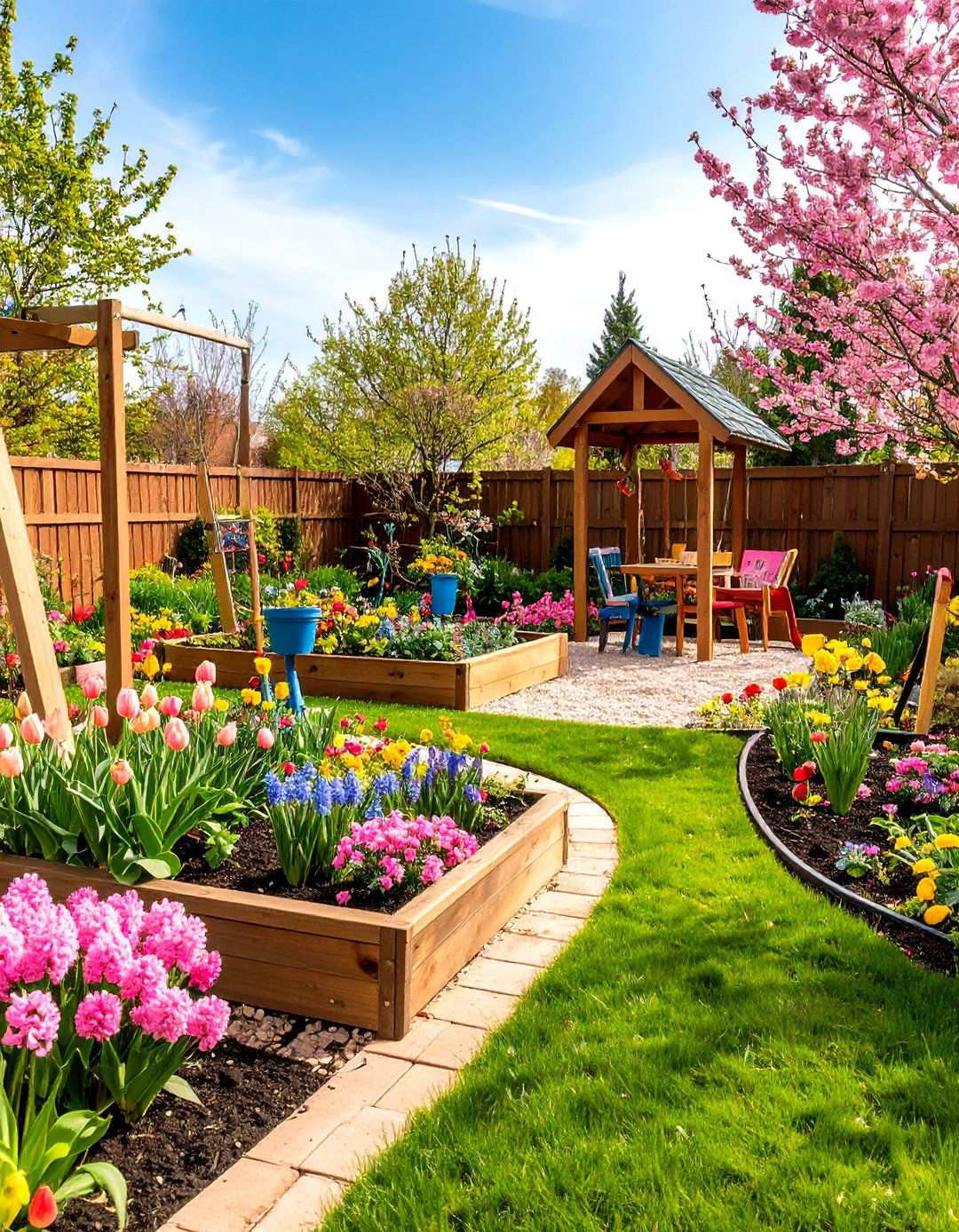
Vertical gardening and container arrangements can create engaging spaces that encourage children to participate in gardening. Design an interactive garden space featuring pink flowers that captivate children’s senses and curiosity. Plant fast-growing pink flowers like zinnias, sunflowers, and cosmos that children can start from seed. Incorporate pink flowers with interesting textures like lamb’s ear and flowers that attract butterflies for wildlife observation. Create raised beds at child-friendly heights and include small tools and watering equipment. Add pink flowering vines on child-sized structures and feature pink flowers in themed containers or unusual planters. Include educational elements like plant labels with fun facts and areas for pressing flowers or creating crafts. This educational design introduces children to gardening while creating magical pink spaces that inspire wonder and environmental awareness.
24. Whispering Petals Under the Moonlight
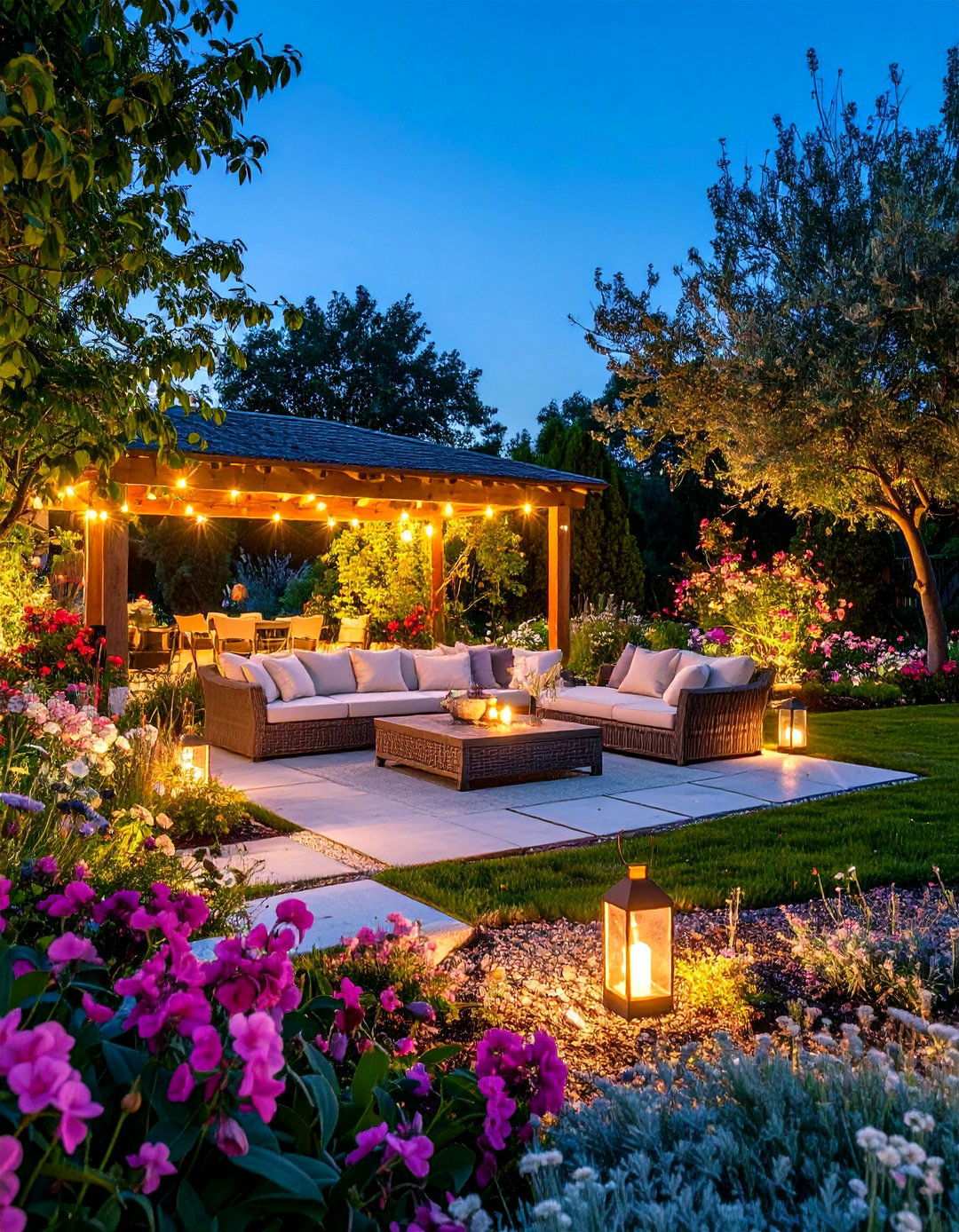
Designing a twilight garden that unfolds its magic during the evening hours is a true delight. By pairing evening-scented flowers with pale blooms that radiate a soft glow in low light, you can create a captivating atmosphere that’s perfect for relaxation and entertainment. To craft such an enchanting space, consider incorporating pink flowers that bloom in the evening, like pink evening primrose, moonflowers, and four o’clocks, which unfurl their petals as the sun sets.
To further enhance the ambiance, include fragrant pink flowers like jasmine, honeysuckle, and nicotiana, whose intoxicating scents will fill the air as the stars begin to twinkle. For added visual allure, incorporate pink flowers with silvery foliage that will reflect the moon’s gentle light, creating a mesmerizing dance of color and texture. Strategically place subtle lighting to highlight the pink blooms, and don’t forget to create inviting seating areas where you can unwind and appreciate the evening’s fragrance from the comfort of indoors. This romantic garden design seamlessly transitions from daylight to moonlight, showcasing the ethereal beauty of pink flowers in all their glory.