1. Sophisticated Elegance in Olive Green
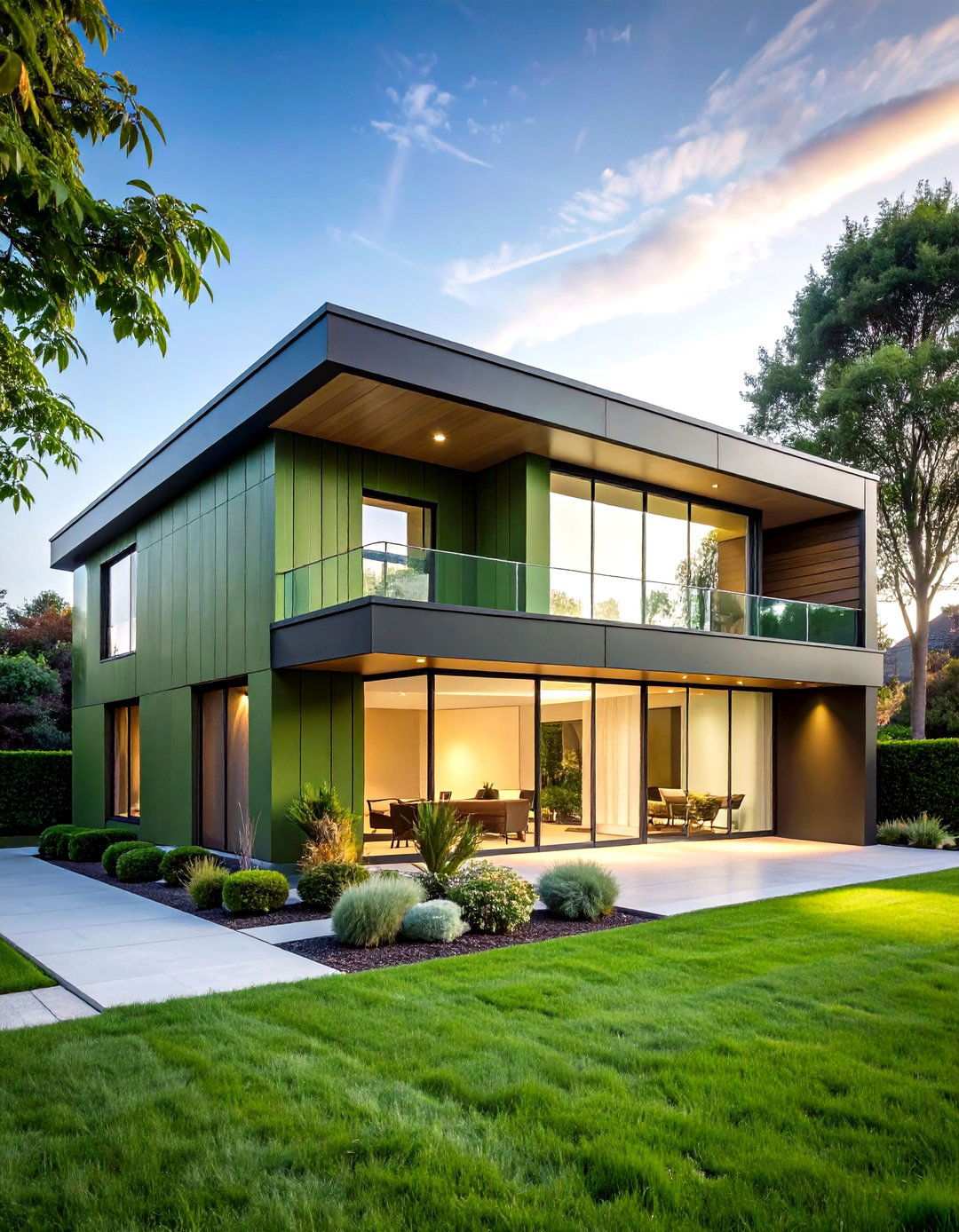
A well-designed olive green house exterior exudes a seamless blend of style and nature-inspired sophistication. This versatile color palette effortlessly adapts to diverse architectural styles, from modern and sleek to traditional and elegant. The earthy undertones of olive green create a serene atmosphere that harmonizes beautifully with the surrounding landscape, while its rich tones maintain visual interest throughout the changing seasons. Unlike bold primary colors that can overwhelm, olive green strikes a balance between striking statement and refined neutrality, allowing architectural features to take center stage.

As an Amazon Associate I earn from qualifying purchases.
Whether you’re planning a comprehensive exterior renovation or seeking fresh color inspiration, olive green offers a boundless canvas for creating a welcoming and stylish home facade that stands out from the crowd. From modern minimalist designs to classic Craftsman styles, this timeless color palette seamlessly integrates with various architectural elements, ensuring a cohesive and visually appealing exterior design.
2. Elegant Minimalism in Olive Green
For homeowners seeking a sleek and contemporary exterior, a modern minimalist olive green facade is an excellent choice. This design approach emphasizes clean lines, smooth surfaces, and geometric precision, creating an instant visual impact. By pairing flat or horizontal siding panels in rich olive tones with large glass windows and minimal ornamentation, the sophisticated color serves as a perfect backdrop for architectural elements like steel accents, concrete features, and streamlined rooflines. The result is a timeless aesthetic that never looks outdated, while maintaining strong curb appeal.
3. Classic Craftsman Olive Green Style
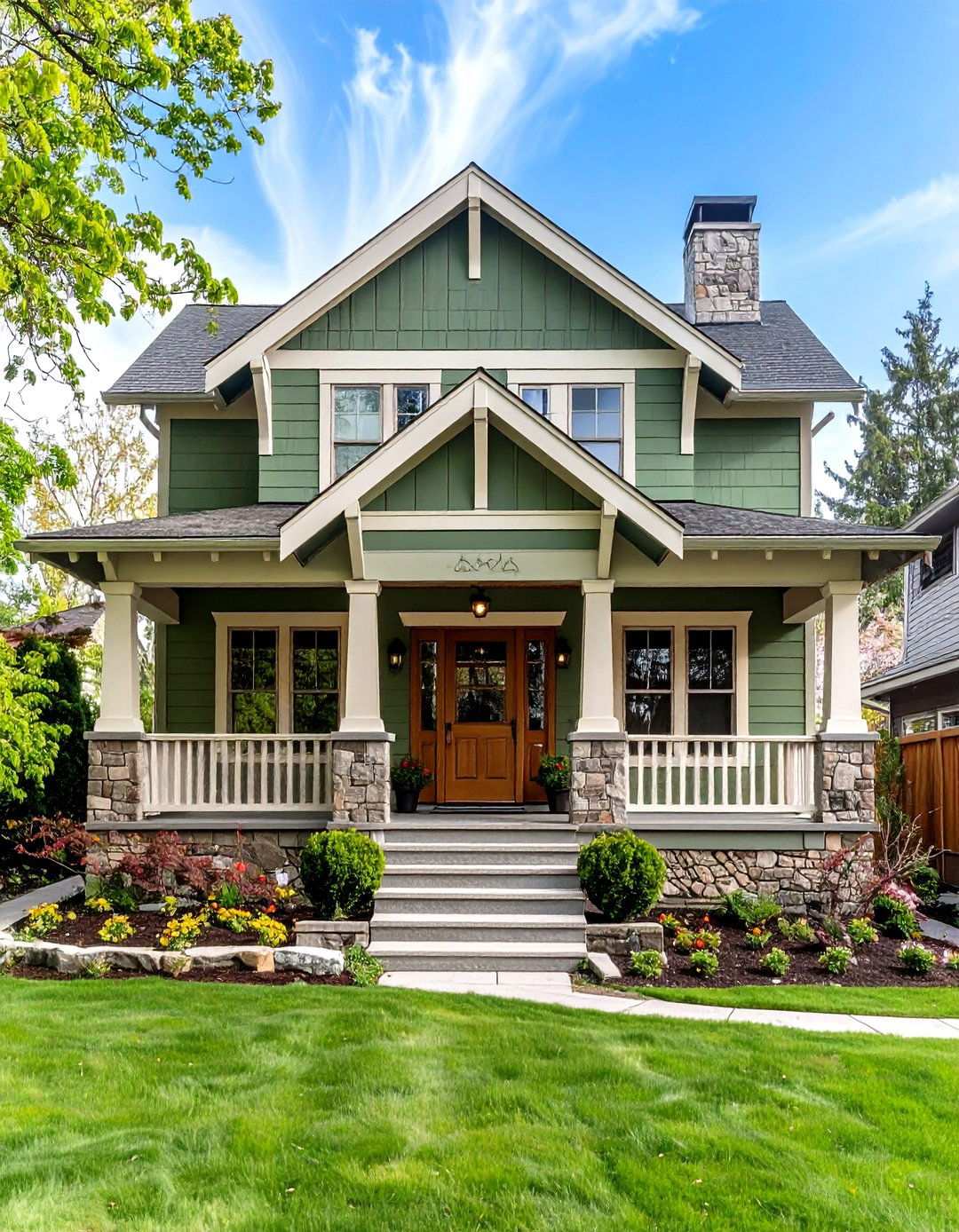
The classic Craftsman style finds new life when paired with olive green siding that emphasizes natural materials and handcrafted details. This design features wide front porches supported by tapered columns, exposed rafter tails, and mixed materials including stone foundations and wood trim elements. Olive green enhances the Craftsman’s connection to nature while providing a sophisticated alternative to traditional brown or tan color schemes. Built-in planters, decorative brackets, and multi-pane windows gain prominence against the rich green backdrop. The earthy tone complements natural wood stains and copper accents perfectly. Landscape integration becomes effortless as the color naturally blends with garden elements and mature trees surrounding the property.
Elevating Tudor Revival with Olive Green Accents
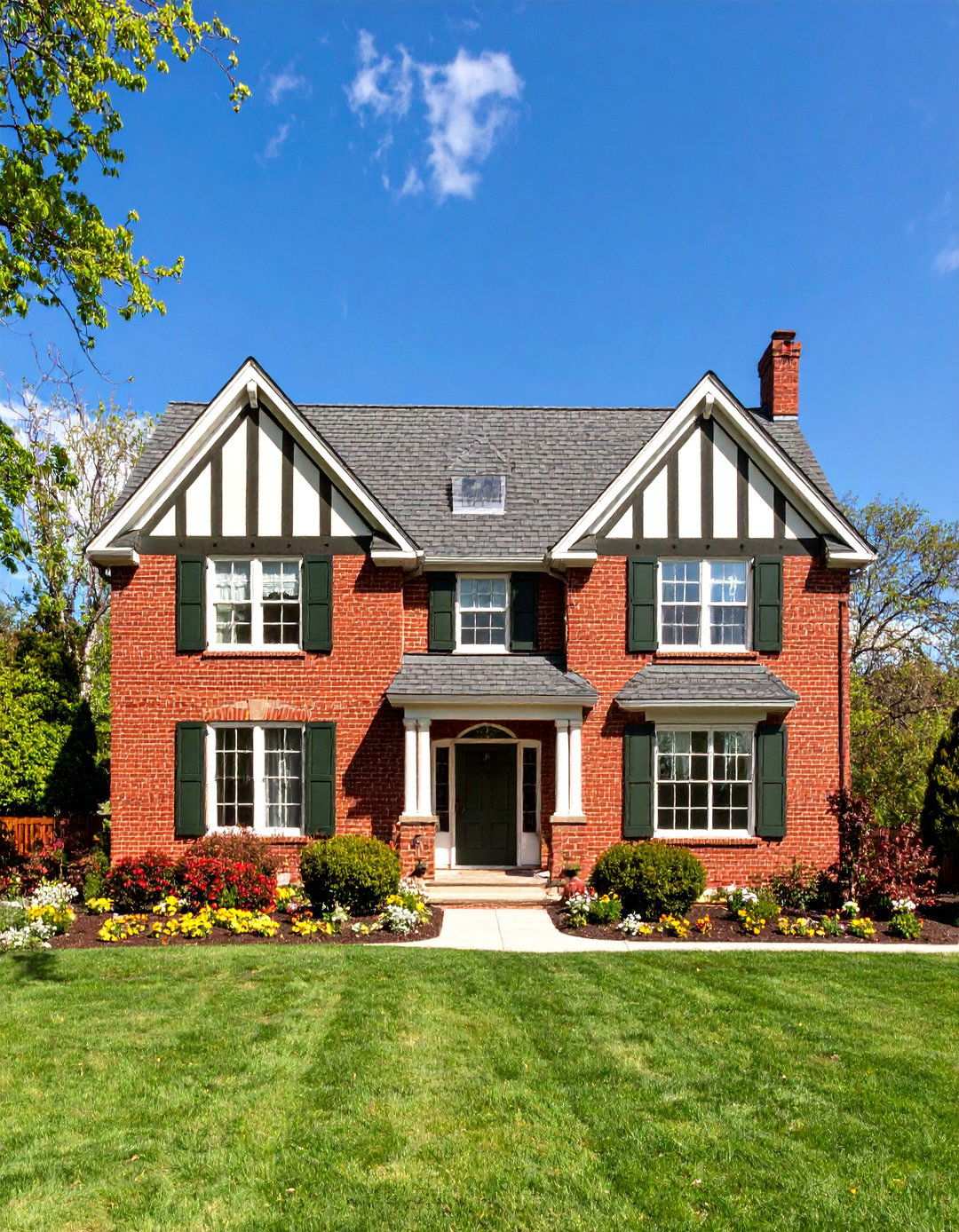
Tudor revival homes, characterized by their half-timbering, steeply pitched roofs, and decorative stonework, can undergo a captivating transformation when infused with olive green accents. This architectural style’s traditional beauty is enhanced by the unexpected yet harmonious color choice. The olive green hue works exquisitely on window shutters, front doors, or trim elements, maintaining the style’s medieval essence while showcasing a modern twist. The striking contrast created by red brick exteriors and olive green accents is further complemented by natural stone foundations, which provide a soothing background of earthy tones. Arched doorways and diamond-pane windows are elevated by the sophisticated color selection, resulting in a visually stunning whole that honors tradition while embracing contemporary trends.
4. Victorian Elegance through Olive Green Accents
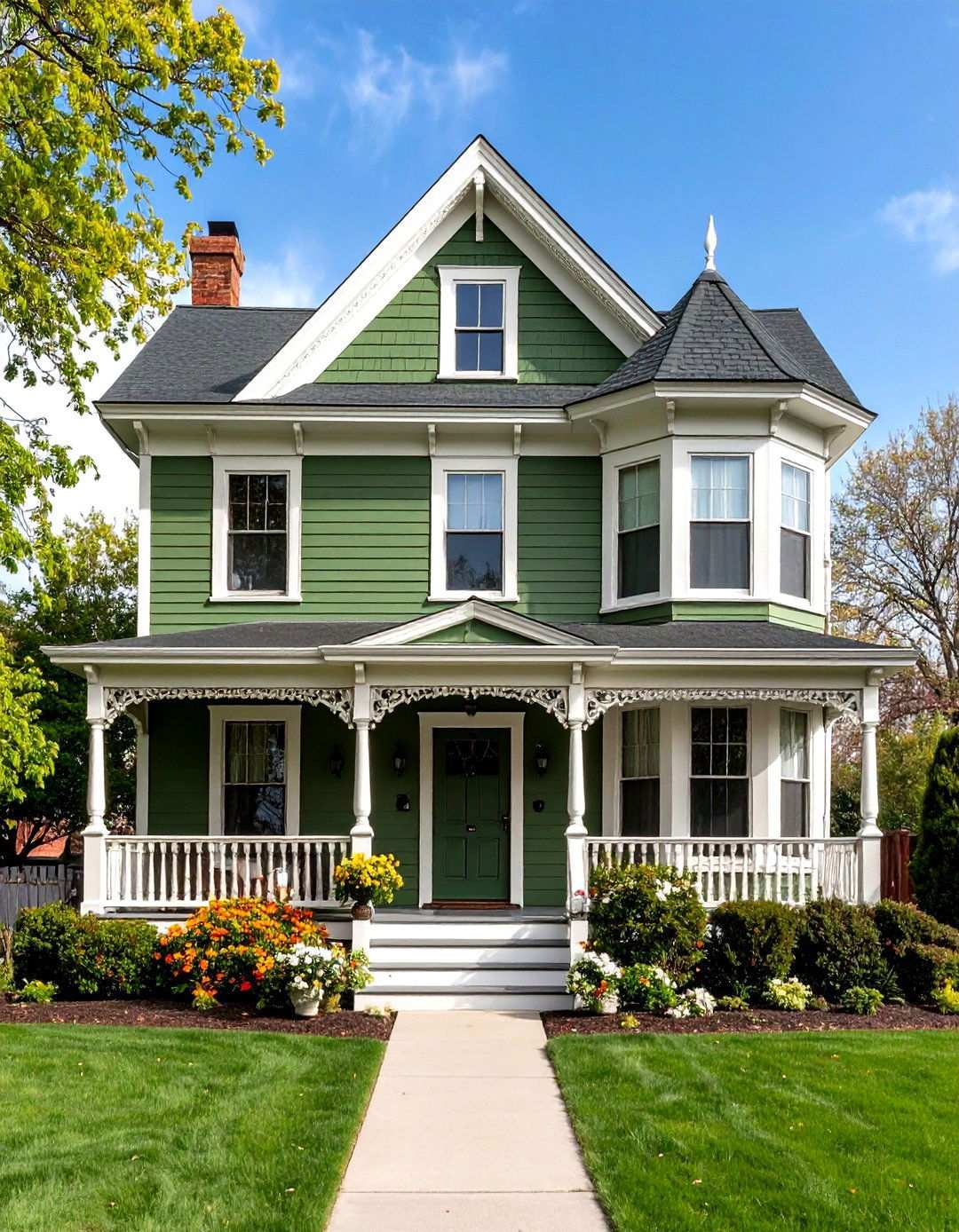
Victorian architecture, renowned for its ornate details and complex color palettes, seamlessly incorporates olive green as a key component. The style’s characteristic grandeur is amplified by the sophisticated presence of olive green, which is perfectly at home amidst the intricate trim, bay windows, and gingerbread details. Traditional Victorian color schemes often featured a medley of three or more related shades, making olive green an authentic and fitting choice for body color, accent trim, or decorative elements. The strategic use of olive tones on wraparound porches, tower features, and elaborate brackets results in a visually striking display of elegance and attention to architectural detail. The color pairs exquisitely with cream trim, burgundy accents, and natural wood details, creating a harmonious balance of old-world charm and modern sophistication.
5. Farmhouse Charm through Olive Green Accents
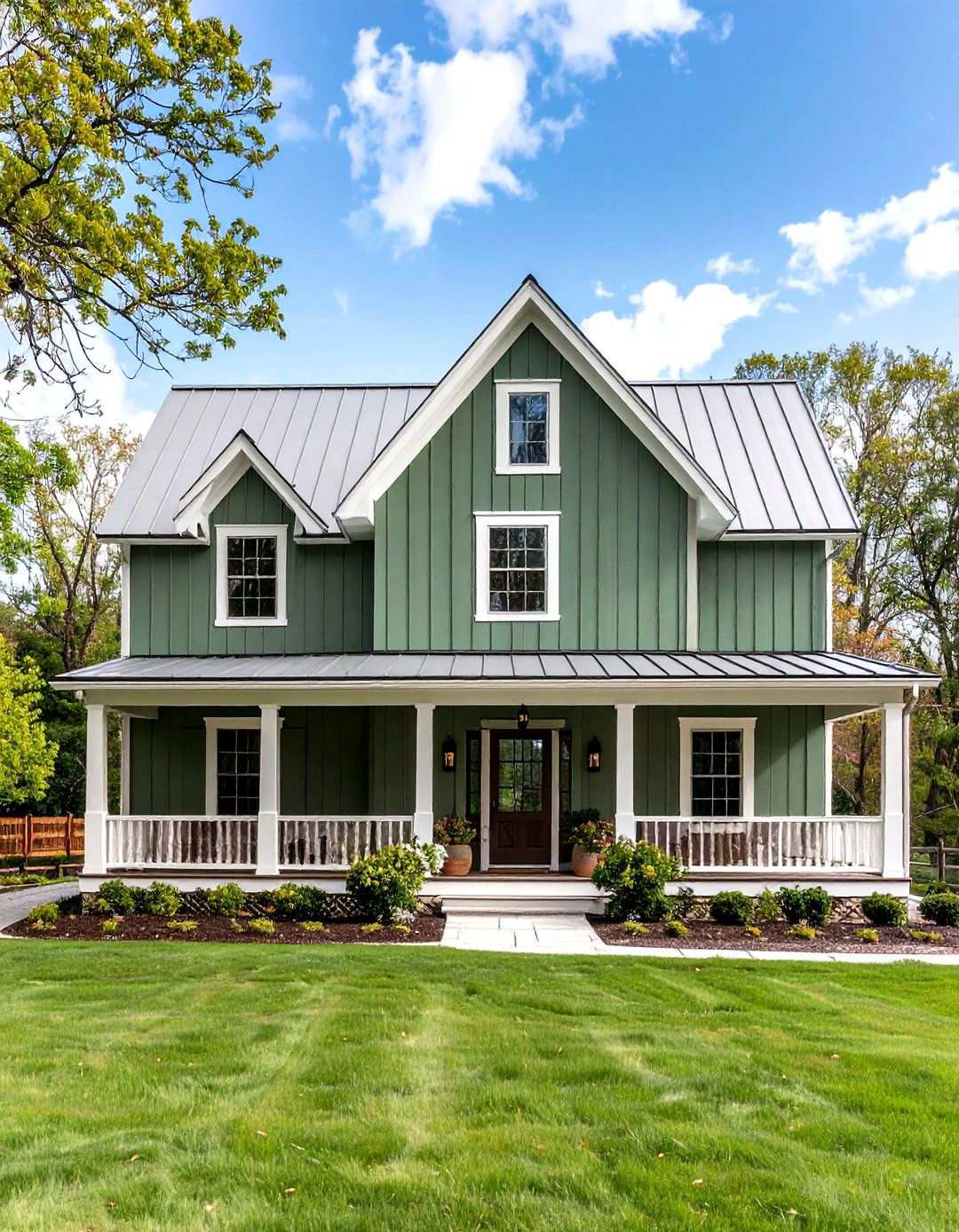
A farmhouse exterior that combines rustic charm with olive green sophistication invites the viewer to step into a world of natural beauty and warmth. This design style, characterized by its emphasis on practical beauty through board and batten siding, metal roofing, and generous front porches, can be elevated by the strategic use of olive green. The earth-inspired qualities of the color make it an ideal choice for farmhouses, complementing rural settings and agricultural landscapes. White trim provides a classic contrast, while black window frames add a modern touch, resulting in a visually appealing whole that showcases the natural beauty of the surrounding environment. The color works equally well on new construction and historic farmhouse renovations, offering versatility for various regional styles and personal preferences.
6. Olive Green Oasis: A Mediterranean Dream
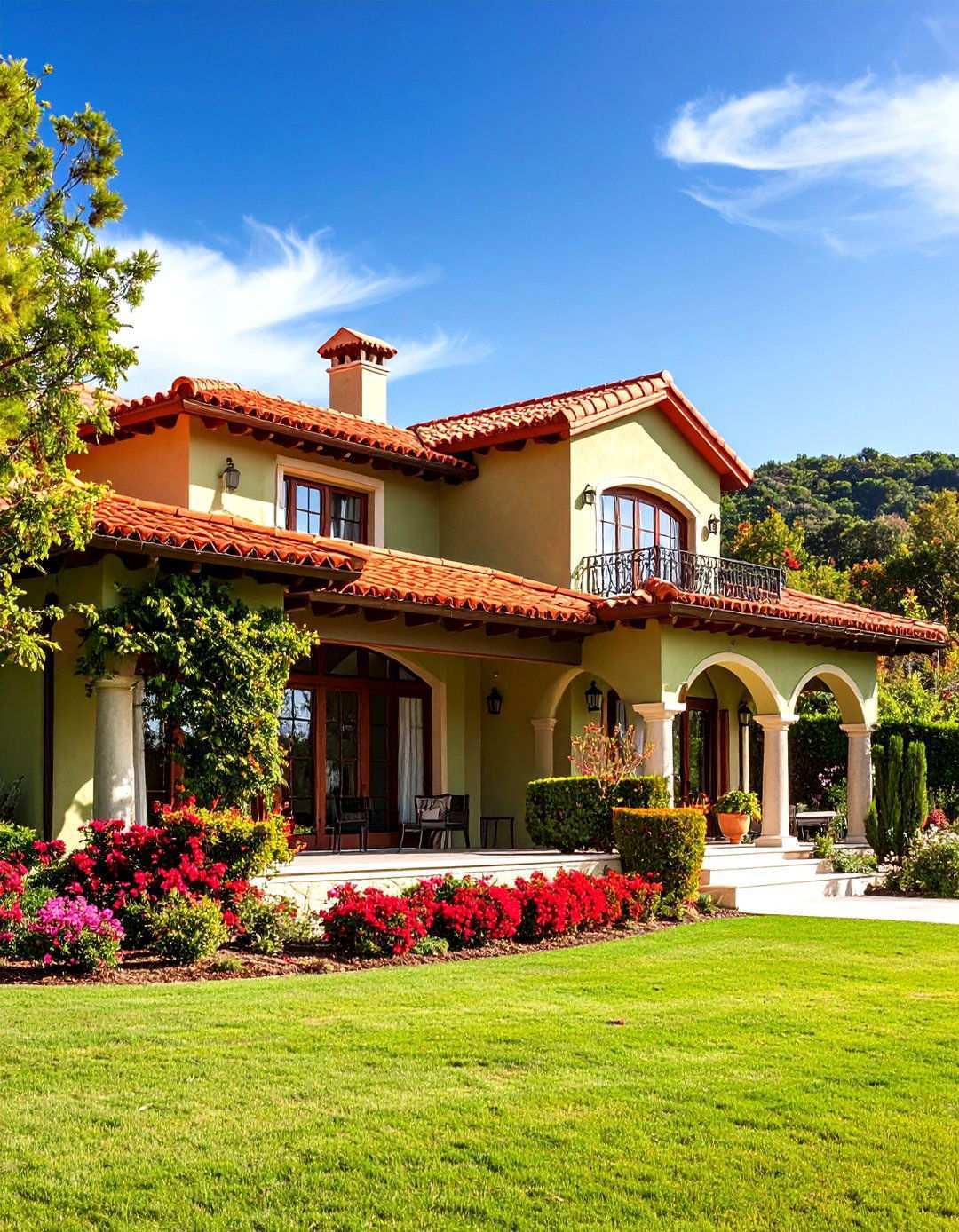
Mediterranean architecture finds its perfect match in olive green exteriors that transport us to the sun-kissed landscapes of Southern Europe. This captivating style seamlessly blends stucco walls, red tile roofing, and wrought iron details with olive green accents that create a warm, inviting atmosphere. The soothing color beautifully complements terra cotta accents, natural stone features, and courtyard-style layouts that define Mediterranean design. Arched windows, decorative tiles, and outdoor living spaces gain visual cohesion through the olive green palette, which also harmoniously integrates with Mediterranean plants like lavender, rosemary, and olive trees. The result is an exterior that exudes both luxury and relaxation, perfectly suited to entertaining and indoor-outdoor living.
7. Modern Twist on Board and Batten
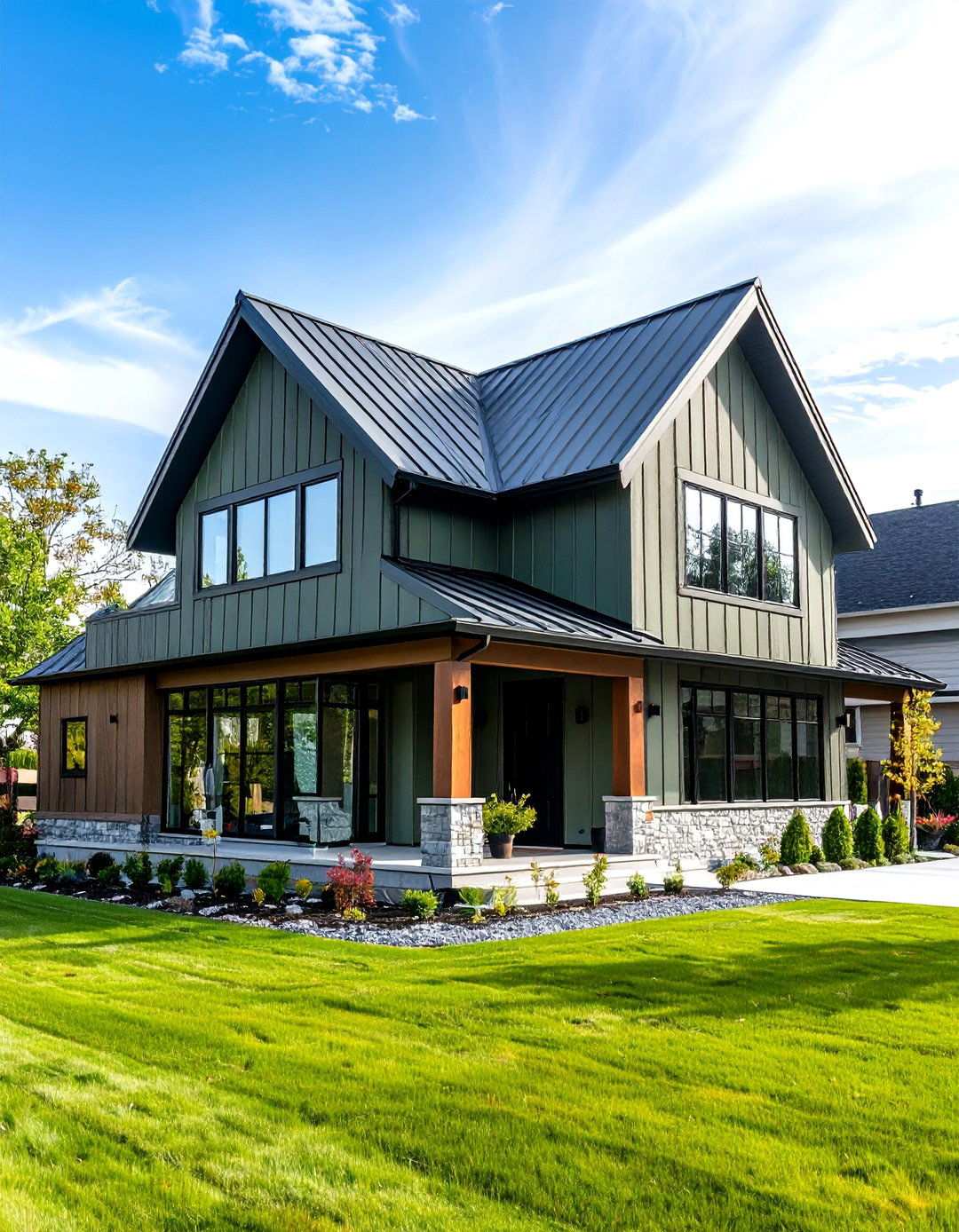
Board and batten siding can look fresh and modern while maintaining its timeless charm when paired with olive green. Contemporary interpretations of this classic siding style use the rich green hue to create striking vertical lines that emphasize height and architectural proportion. The color adds depth and sophistication to the textural contrast between board and batten elements, creating a visually appealing effect. By using wide spacing between battens, bold shadow lines are created, which are further enhanced by the olive green tone. This stylish approach works beautifully on single-story ranch homes, two-story contemporary designs, and mixed-material exteriors. Metal roofing, large windows, and minimal trim details complement the clean lines while olive green provides warmth and visual interest. The result is an exterior that feels both modern and approachable.
8. Elevated Rustic Charm with Olive Green
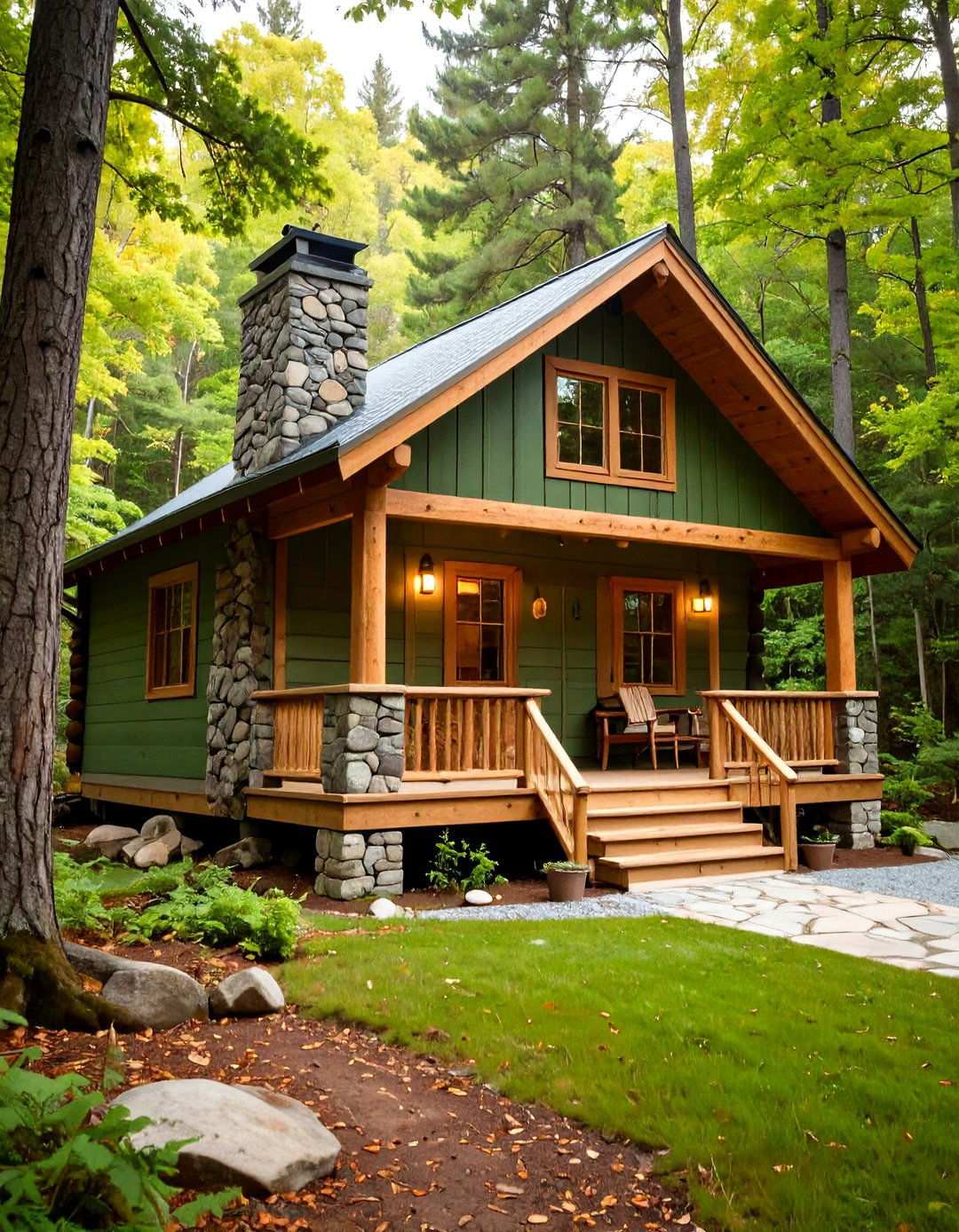
Rustic cabin exteriors gain a sophisticated edge with olive green treatments that pay homage to natural settings while offering refined color choices. This design style emphasizes natural materials like log construction, stone foundations, and wood shake roofing, which are beautifully complemented by olive green accents or full exterior coverage. The color enhances the cabin’s connection to forest environments while providing a more polished appearance than traditional brown stains. Covered porches, stone chimneys, and rustic hardware gain prominence against the rich green backdrop. Wildlife-inspired decorative elements and natural landscaping create seamless transitions between architecture and surrounding wilderness. The sophisticated color choice elevates rustic design without sacrificing its authentic, down-to-earth character that appeals to nature lovers.
9. Olive Green's Coastal Charm
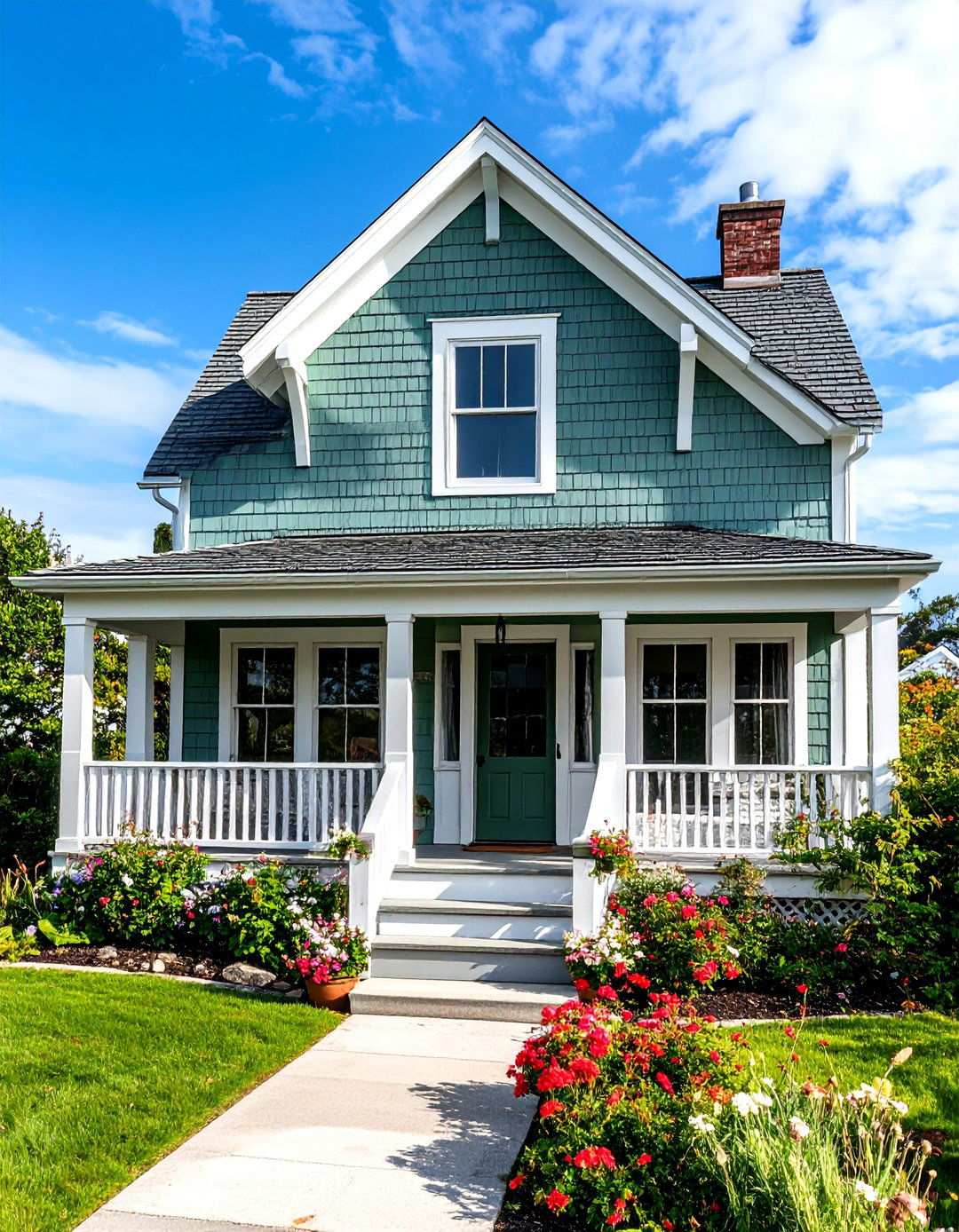
By incorporating olive green into your coastal cottage design, you can seamlessly transition from a traditional beach house aesthetic to a more sophisticated look. This captivating color scheme pairs perfectly with weathered textures, generous windows, and relaxed proportions to create a serene and inviting atmosphere. Imagine your home evoking the tranquil essence of the seaside, while maintaining a year-round sense of refinement and elegance. Olive green’s natural color inspiration not only complements beach settings but also harmonizes beautifully with woodland environments. With this palette, shingle siding, white trim, and wraparound porches take on a fresh, revitalized look, while nautical-inspired hardware, casual furnishings, and native coastal landscaping add to the overall coastal charm. Window boxes, picket fencing, and outdoor shower areas bring the cottage aesthetic to life, all while maintaining refined visual appeal.
10. Industrial Elegance with Olive Green
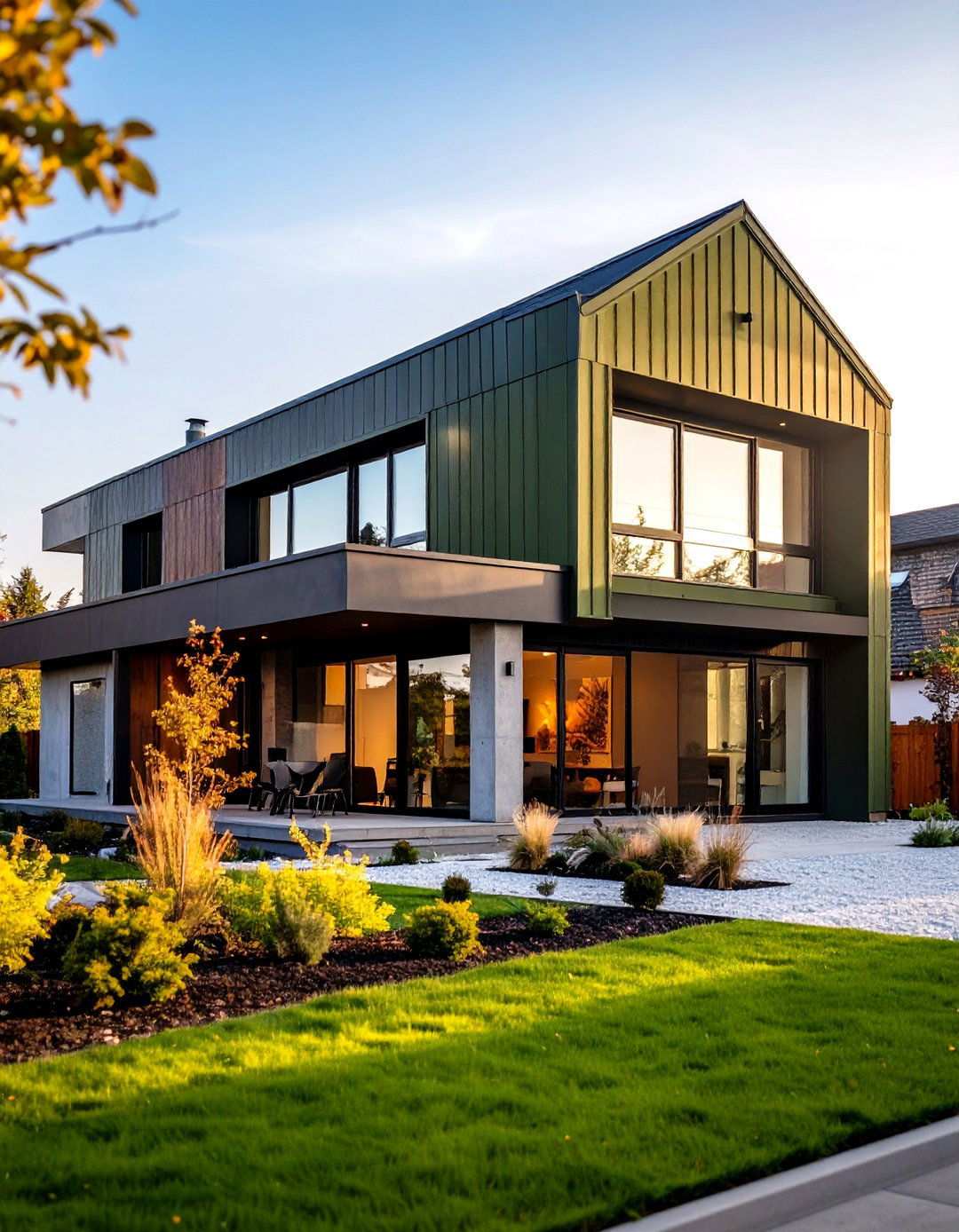
The unlikely pairing of industrial design elements and olive green exteriors yields a harmonious fusion of contrasting styles. This modern approach combines materials like corrugated metal, exposed steel, and concrete with olive green accents that soften the industrial aesthetic, infusing it with warmth and sophistication. Characterized by large windows, flat rooflines, and minimal ornamentation, this style showcases olive green as a refined counterpoint to raw materials. The color proves particularly effective on mixed-material exteriors, where different textures and surfaces create visually appealing contrasts. Urban loft conversions, contemporary additions, and new construction projects can benefit from olive green’s unique ability to bridge industrial functionality with residential warmth, resulting in an exterior that feels both cutting-edge and inviting.
11. Nature-Inspired Scandinavian Design
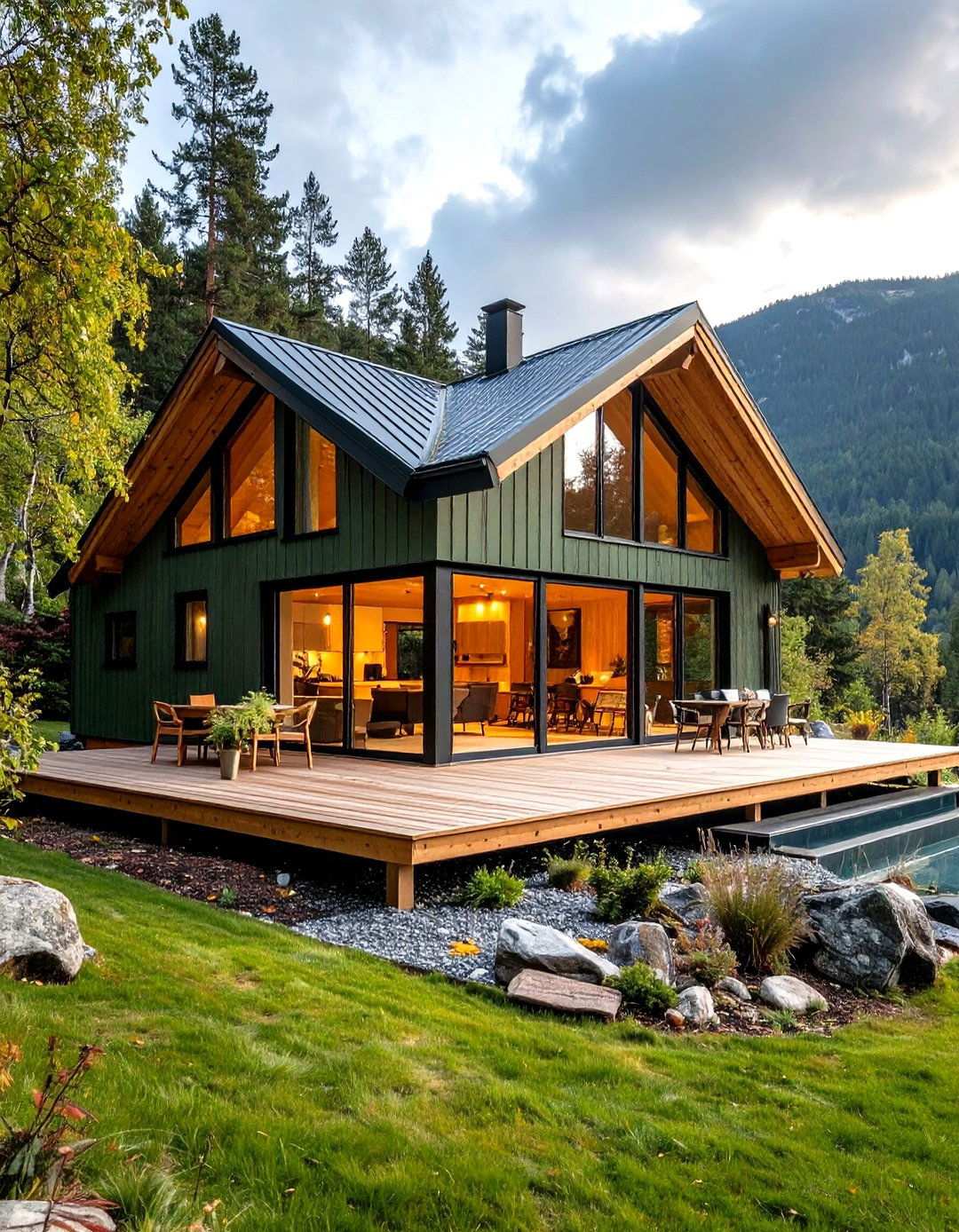
For those who appreciate simplicity, functionality, and natural materials, Scandinavian design offers a compelling approach to incorporating olive green. By embracing the color as part of their nature-inspired palette, Scandinavian designers create calm, uncluttered exteriors that feel both modern and timeless. The emphasis on clean lines, large windows, and minimal decoration allows olive green to take center stage, highlighting its sophisticated tones. Natural wood accents, white trim, and simple geometric forms complement the color perfectly, while flat or low-pitched roofs, horizontal siding, and expansive glass areas further enhance the style’s connection to Nordic landscapes. The result is an exterior that exudes serenity, sophistication, and effortless style, all while maintaining a strong sense of curb appeal.
12. Elevating Classic Charm
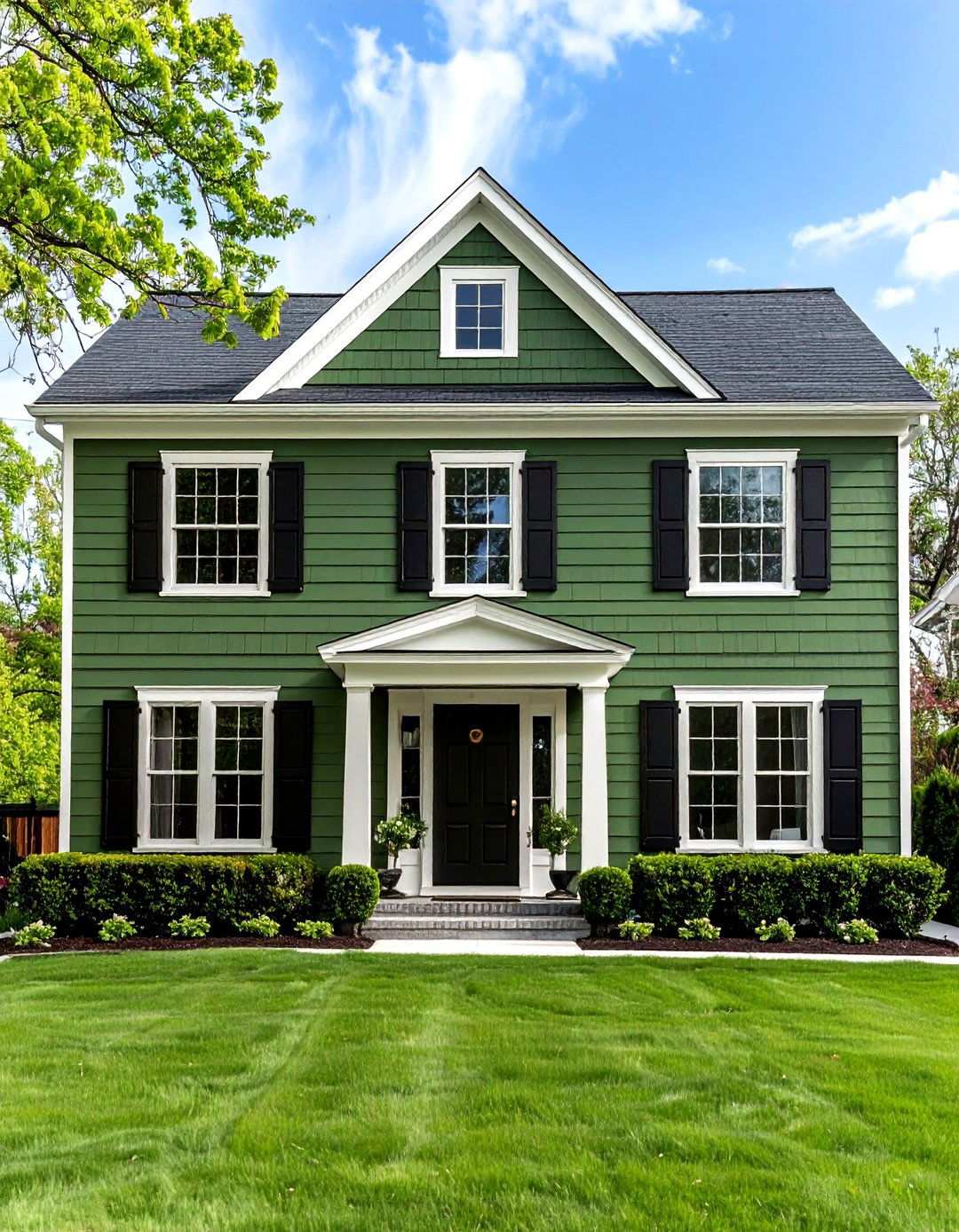
Olive green hues bring refined sophistication to traditional horizontal lap siding, highlighting its classic proportions and timeless appeal. For centuries, lap siding has been a staple in American homes, providing both weather protection and visually appealing exteriors. What’s more, olive green’s unique affinity with lap siding results from its ability to emphasize horizontal lines while introducing depth and visual interest to the classic profile. White trim, black shutters, and traditional window styles complement the sophisticated color choice, making it suitable for various traditional architectural styles.
13. Enhancing Natural Texture
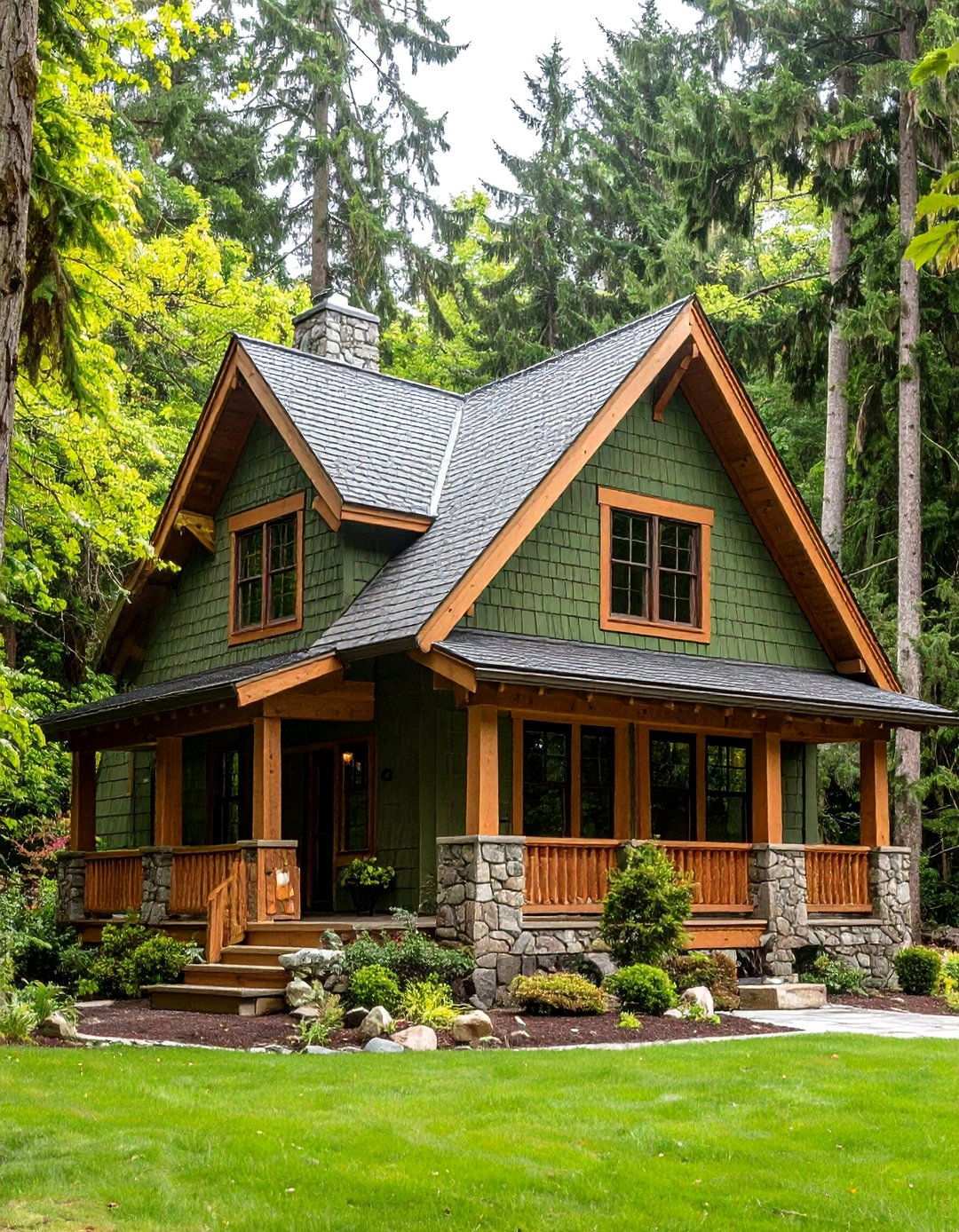
Wood shake siding’s organic character is beautifully accentuated by olive green finishes that emphasize its rustic charm. This siding style gains visual interest through its irregular surfaces and shadow lines, which are further enhanced by rich olive tones. Olive green not only complements the natural texture of shake materials but also provides a more refined appeal than natural wood stains. When combined with other materials like lap siding or board and batten, the textural contrast becomes more pronounced, with olive green highlighting the shake’s three-dimensional qualities. Natural stone accents, copper gutters, and wood trim elements work harmoniously with olive shake siding to create exteriors that exude both rustic and polished charm.
14. Blending Elegance and Timelessness
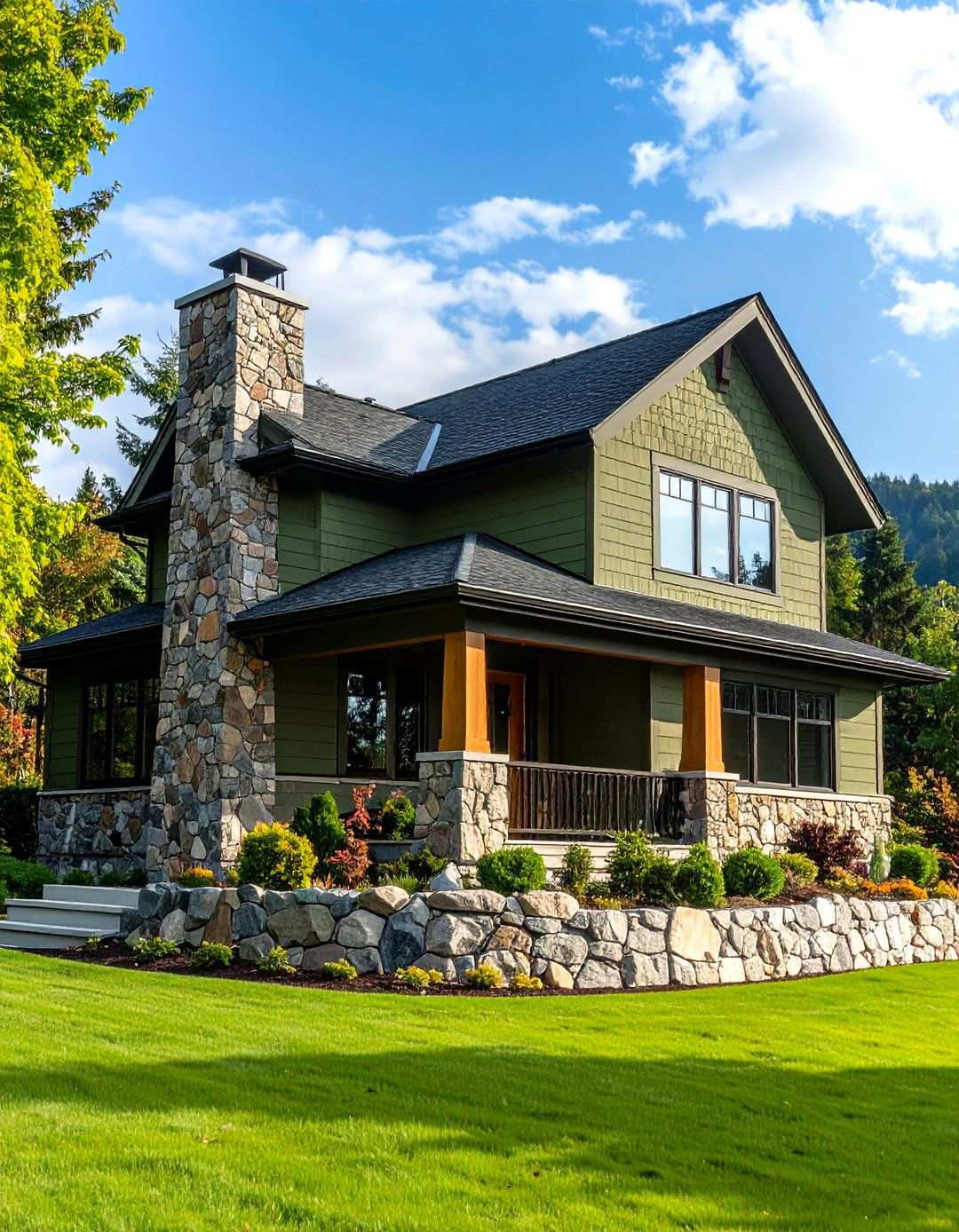
The union of natural stone and olive green siding creates a striking visual partnership that combines the permanence and texture of stone with the warmth and sophistication of olive green painted or manufactured siding. This design approach creates a natural harmony through an earth-tone palette, which provides visual contrast through different textures and surfaces. Stone chimneys, foundation walls, and accent features gain prominence against olive green backgrounds, resulting in a visually stunning combination that works beautifully across various architectural styles, from rustic cabins to contemporary homes. The natural color palette ensures that the exterior feels grounded and connected to its landscape setting while maintaining sophisticated appeal that never looks dated.
15. Olive Green's Timeless Elegance
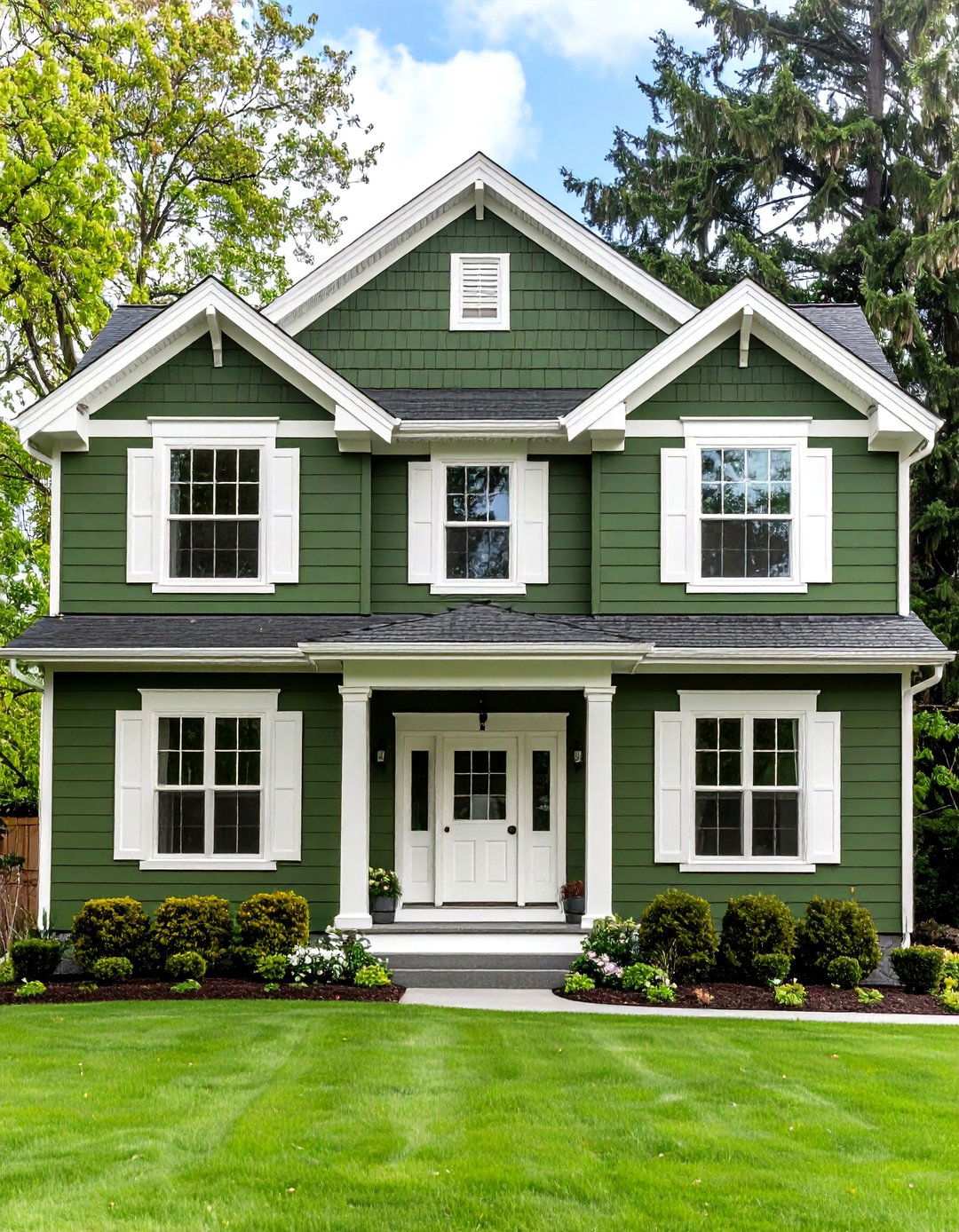
For generations, the classic pairing of olive green siding with crisp white trim has captivated homeowners and architects alike. This enduring combination not only enhances architectural details but also provides a clean, sophisticated contrast that transcends multiple architectural styles and regional preferences. By placing white window trim, door frames, and decorative elements against a rich olive background, the design creates visual clarity and emphasizes the craftsmanship that goes into creating a beautiful exterior. The subtle contrast between the two colors also highlights proportion, symmetry, and the intricate details that might otherwise be lost amidst a monotone facade. To add depth to the palette, consider incorporating black or dark green shutters, which maintain the clean, classic aesthetic while injecting a touch of sophistication. This approach ensures strong curb appeal, providing a refreshing alternative to more common neutral color schemes that often lack personality and visual interest.
16. Unifying Olive Green
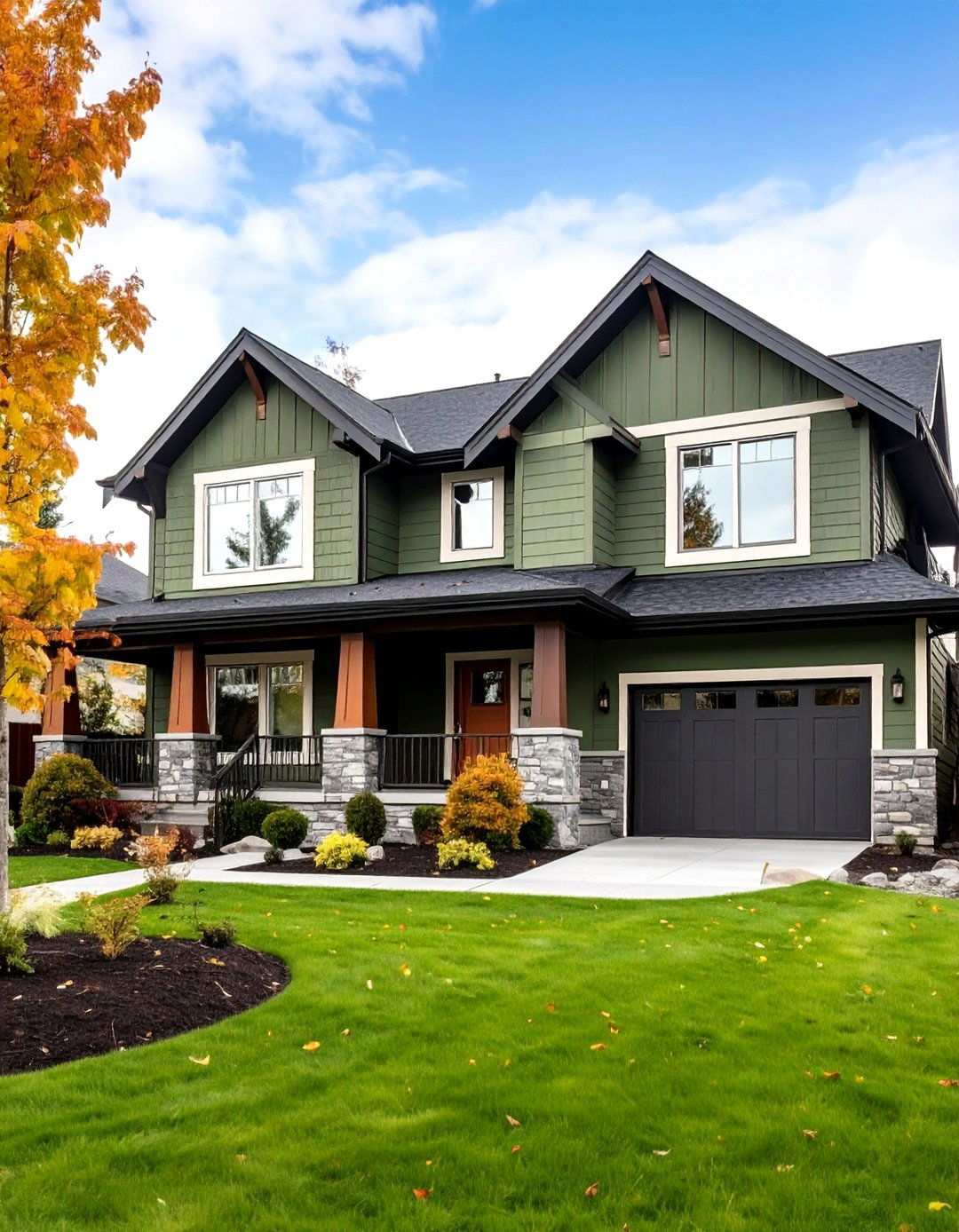
Multi-story homes often struggle to achieve visual cohesion, especially when featuring varied architectural elements and proportions. However, olive green treatments can help bridge this gap, creating a sense of continuity across different levels. By harnessing the unifying power of color, this design approach ties together complex rooflines, varied window sizes, and mixed materials that characterize many contemporary homes. As olive green provides consistency, it allows different textures and materials to maintain their individual character, resulting in a more harmonious and visually appealing exterior. White trim helps define different levels and architectural transitions, further emphasizing the design’s cohesion. This approach works particularly well on homes with additions, bump-outs, and varied massing, helping to create a sense of intentionality and sophistication rather than accidental complexity.
17. Integrating Garage Spaces with Olive Green
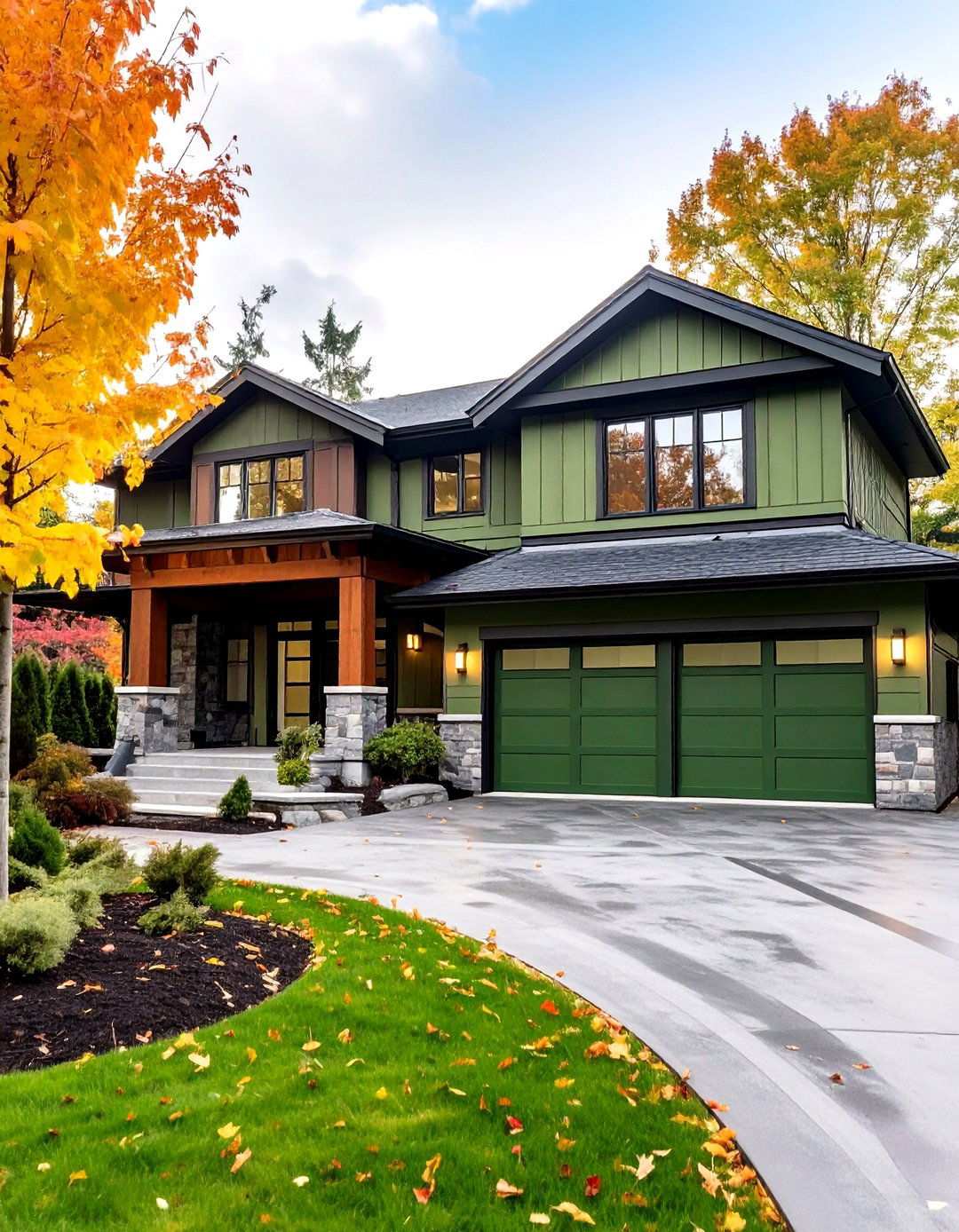
Attached garages often present design challenges that can be beautifully resolved through olive green treatments that seamlessly integrate these utilitarian spaces into cohesive exterior compositions. By transforming garage doors and surrounding elements into architectural assets, this approach maintains their functional requirements while enhancing the overall design. The olive green color helps garages blend with the main house architecture, creating a sense of unity and visual appeal. Modern garage door styles in coordinating colors, complementary hardware, and thoughtful trim treatments further elevate the design, resulting in exteriors where garage spaces feel intentional and attractive. The outcome is improved curb appeal, a more sophisticated street presence, and enhanced property values that contribute to a more attractive neighborhood.
18. Blending Boundaries with Earthy Tones
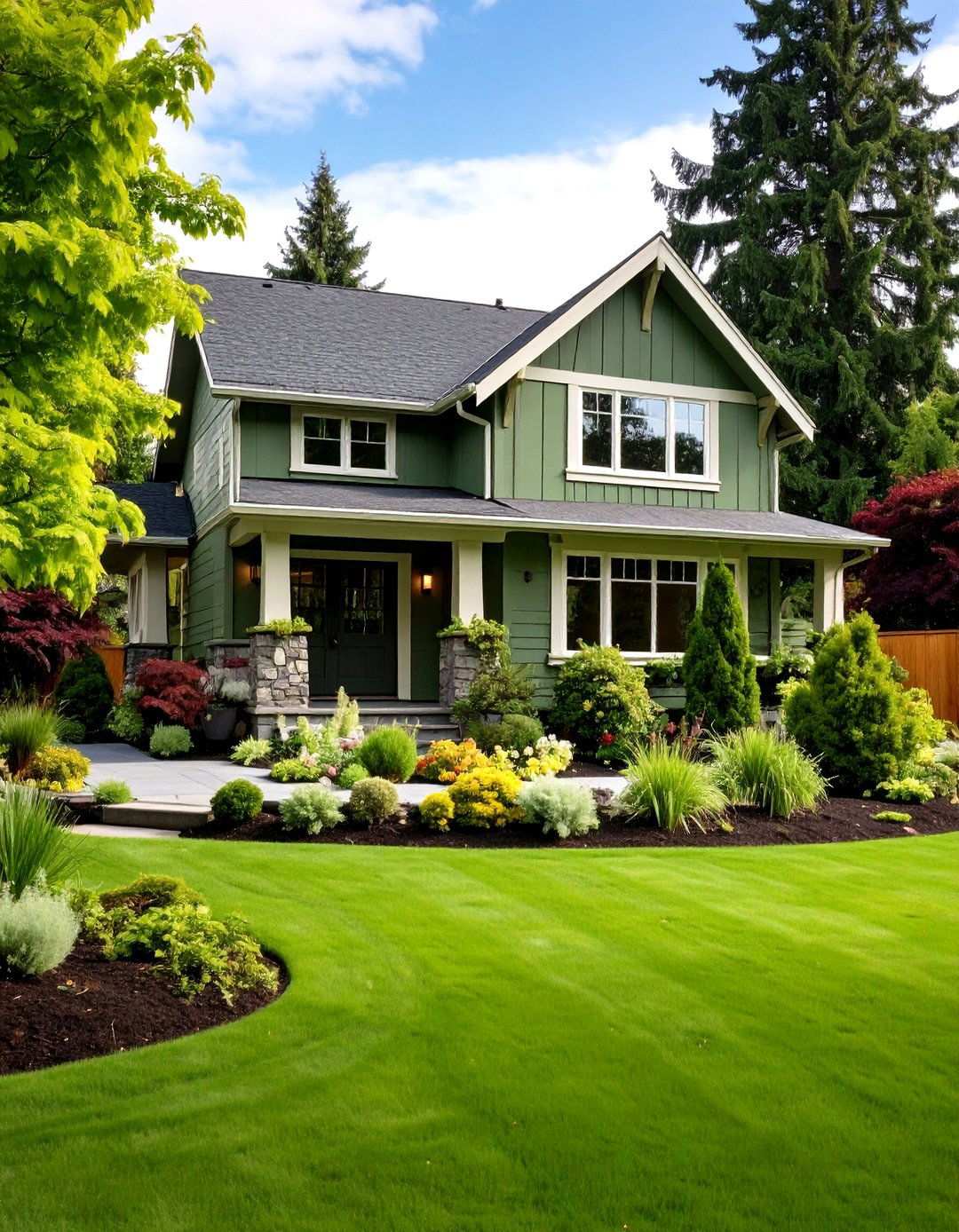
Earthy olive green exteriors break down the boundaries between architecture and its surroundings, creating a seamless connection that elevates both built and planted environments. By embracing a design philosophy that prioritizes harmony over competition, homeowners can create a visual balance that enhances the natural beauty of their landscapes. This approach takes cues from the earth itself, as olive green effortlessly complements a range of plant materials, seasonal changes, and natural features that define residential landscapes. Mature trees, foundation plantings, and garden elements come together in perfect harmony, thanks to the natural qualities of olive green. The color shines particularly well in woodland settings, rural environments, and established neighborhoods where landscape integration is crucial. Does your exterior color blend with or clash against your garden’s natural beauty? Olive green offers a practical solution for homeowners seeking to celebrate the intersection of architecture and nature.
19. Symbiotic Relationships between Wood and Olive Green
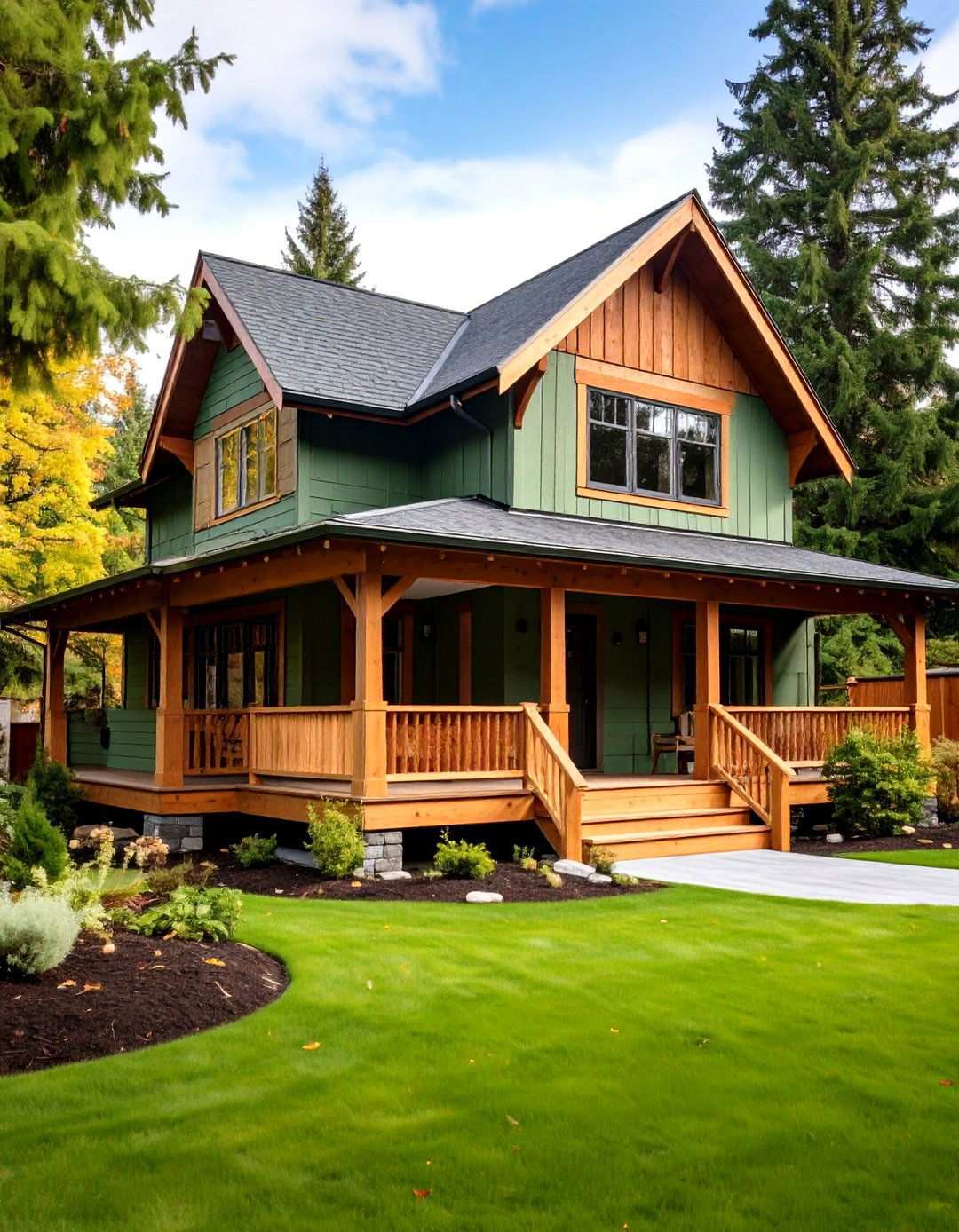
When natural wood elements pair with olive green exteriors, the result is a harmonious union that emphasizes the connection between architecture and natural materials. This design approach combines the warmth and texture of wood with the sophisticated depth of olive green finishes, creating a visual dialogue that elevates both partners. Wood trim, siding accents, and architectural details take center stage against olive backgrounds while retaining their organic character. The timeless earth-tone palette is perfectly complemented by cedar, pine, and other wood species, making it an ideal choice for a range of design styles, from contemporary to rustic. Outdoor living spaces, entry features, and decorative elements reap the benefits of this natural material pairing, resulting in an exterior that feels both refined and deeply rooted in the natural world.
20. Softening the Urban Landscape with Olive Green
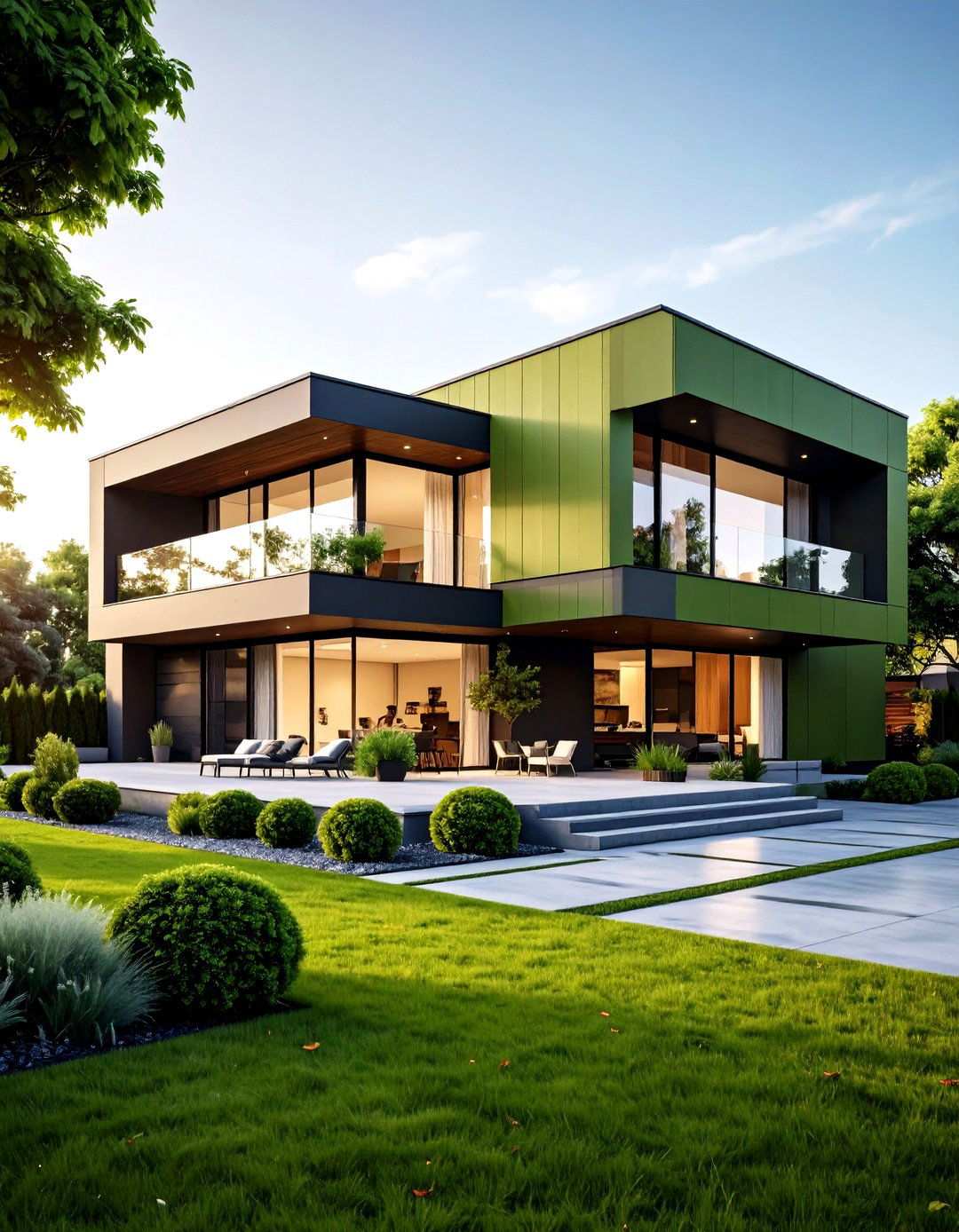
In urban residential design, olive green emerges as a sophisticated alternative to stark modern color schemes that can feel cold or institutional. This style combines contemporary architectural elements with warmer color choices that humanize geometric forms and industrial materials, creating a more approachable and inviting atmosphere. Large windows, flat roofs, and minimal ornamentation characterize urban contemporary design, where olive green brings a touch of warmth and neighborhood compatibility to the urban landscape. The color deftly pairs with concrete, steel, and glass elements, softening their potentially harsh appearance and creating a more welcoming environment. Mixed-use neighborhoods, infill construction, and urban renovation projects benefit from olive green’s unique ability to feel both current and approachable, resulting in contemporary architecture that exudes visual appeal and a sense of community.
21. A Verdant Take on Prairie Style
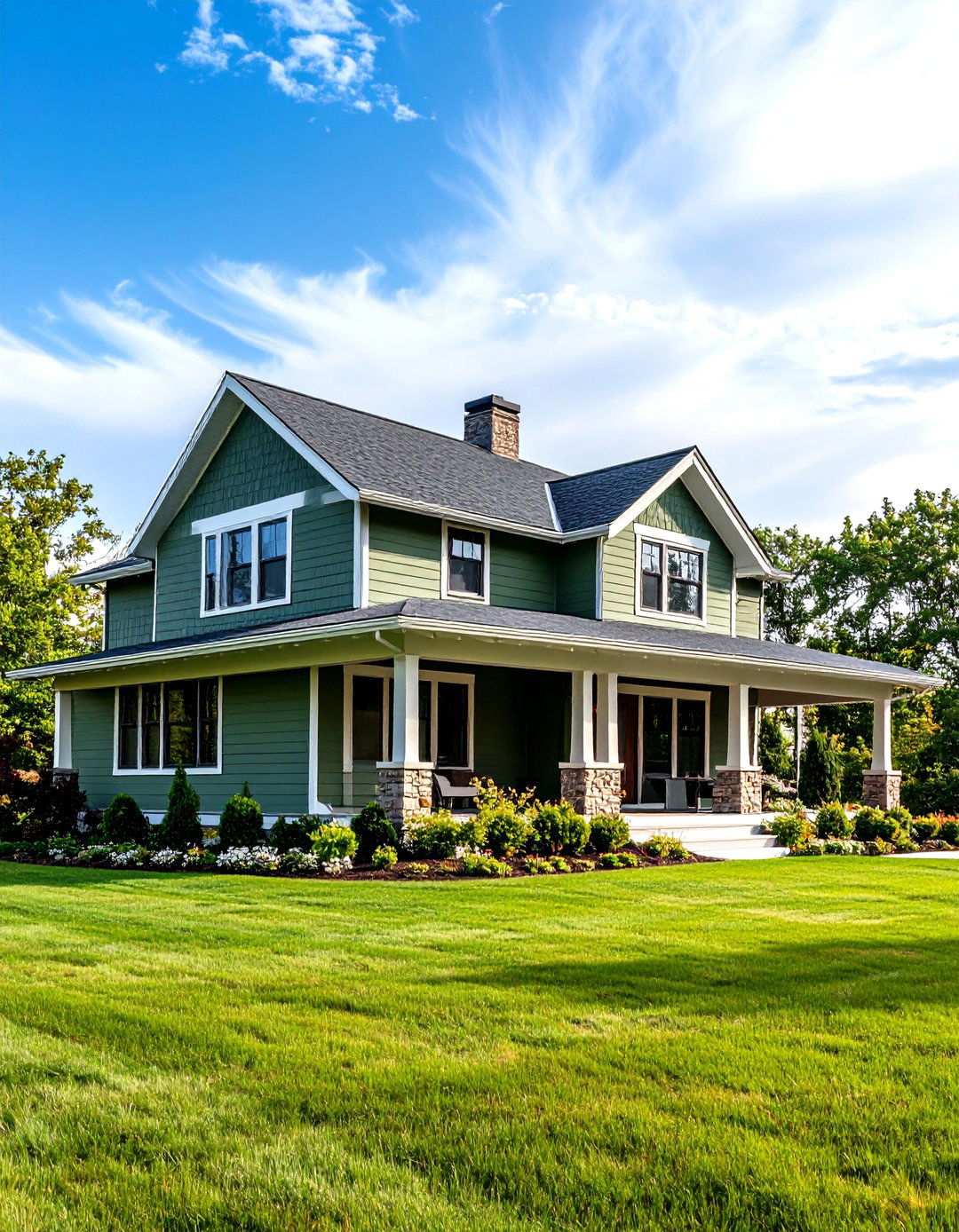
Prairie style architecture exudes a sense of serenity, perfectly encapsulated by olive green exteriors that skillfully blend horizontal lines, natural materials, and seamless integration with the surrounding landscape. This design philosophy, deeply rooted in the American Midwest and the visionary work of Frank Lloyd Wright, celebrates the beauty of low-pitched roofs, expansive overhangs, and bands of windows that create a powerful horizontal emphasis. Olive green masterfully complements these characteristics, adding sophisticated color depth that harmoniously blends with the style’s earthy color palette. The judicious use of natural stone, wood trim, and copper accents in conjunction with olive green siding or stucco creates a visually striking contrast that elevates the style’s organic architecture. Art glass windows, decorative piers, and integrated planters take center stage against the rich olive backdrop, unifying complex architectural compositions and imbuing them with a sense of balance and harmony.
22. A Fresh Perspective on Colonial Revival
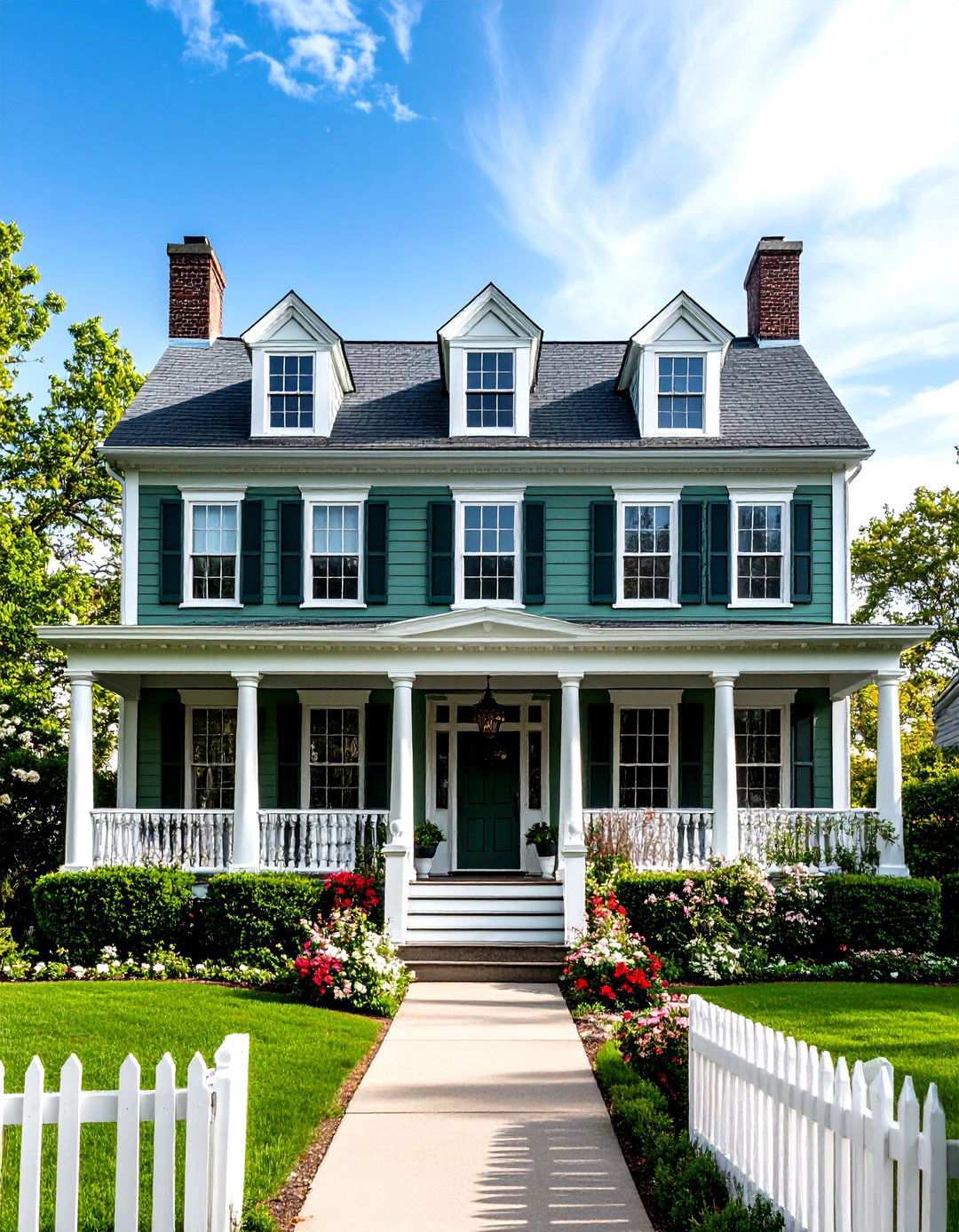
Colonial Revival architecture, with its symmetrical facades, multi-pane windows, and classical details, has been reimagined in a bold new light through the incorporation of olive green color schemes. These innovative interpretations of traditional American design elements bring a fresh, contemporary appeal to this timeless style. For homeowners seeking to honor their home’s traditional roots while infusing it with a modern twist, olive green offers a compelling solution. By adding rich color depth, it enhances rather than overwhelms classical proportions, creating a striking visual contrast that feels both authentic and sophisticated. White trim, black shutters, and traditional hardware maintain the style’s unmistakable character, while the updated color palette imbues it with a sense of freshness and vitality. The harmonious combination of brick chimneys, dormers, and covered entries with olive green siding creates exteriors that feel both timeless and memorable.
23. Elevating the Ranch Style with Olive Green
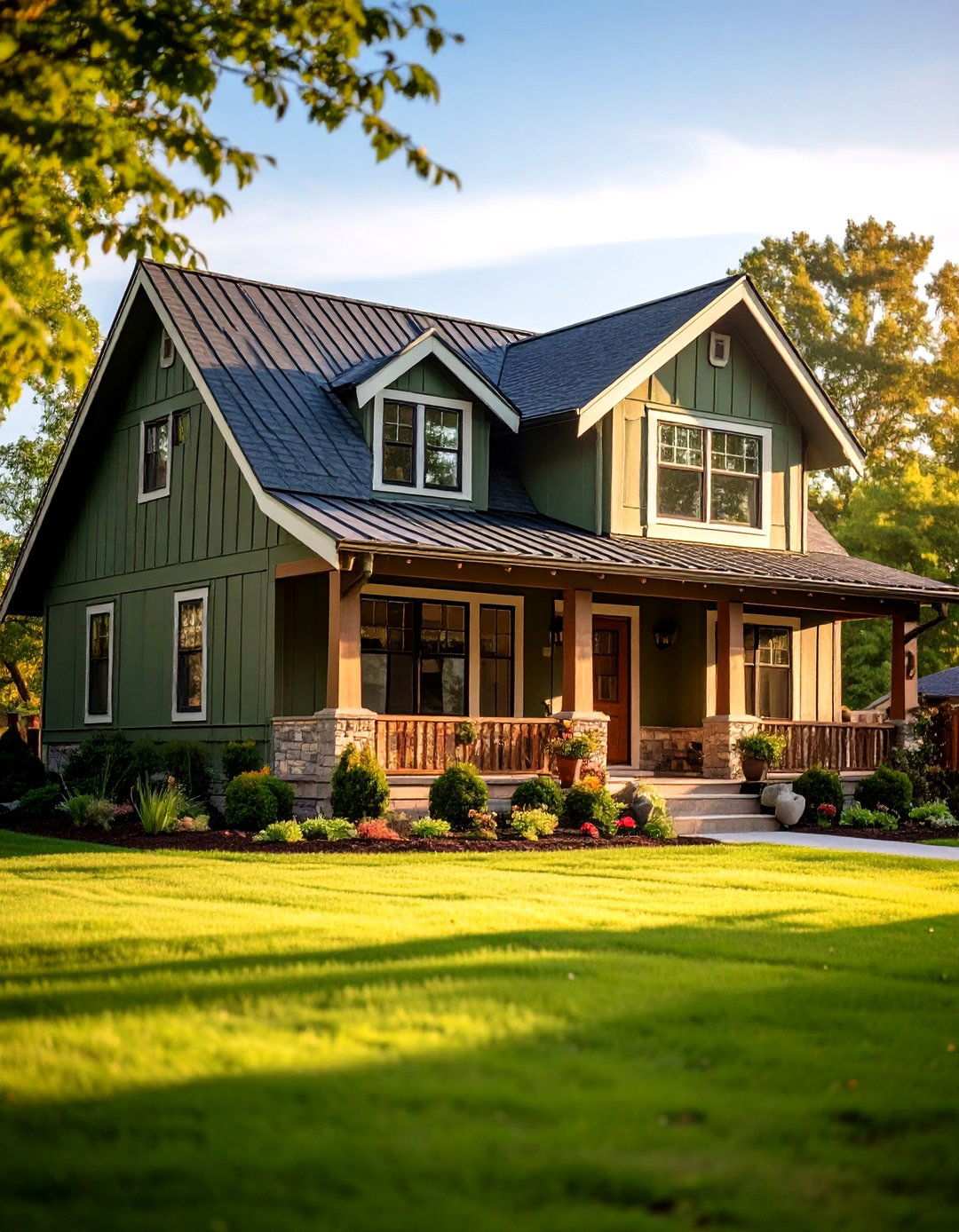
Single-story ranch homes, once characterized by their plain facades, are transformed into architectural statements through the judicious application of olive green treatments. This color update skillfully enhances the style’s horizontal proportions while adding visual interest to what was once a relatively simple design. The sophisticated green adds depth and personality, elevating the style from ordinary to extraordinary. Large windows, covered entries, and attached garages are unified by thoughtful olive green applications, creating a sense of cohesion and visual appeal that was previously lacking. The harmonious integration of natural landscaping, decorative screening, and outdoor living spaces with the earthy color palette results in a ranch architecture that feels both updated and sophisticated, while maintaining its comfortable, approachable character that appeals to modern families.
24. Olive Green Architectural Solutions for a Greener Tomorrow
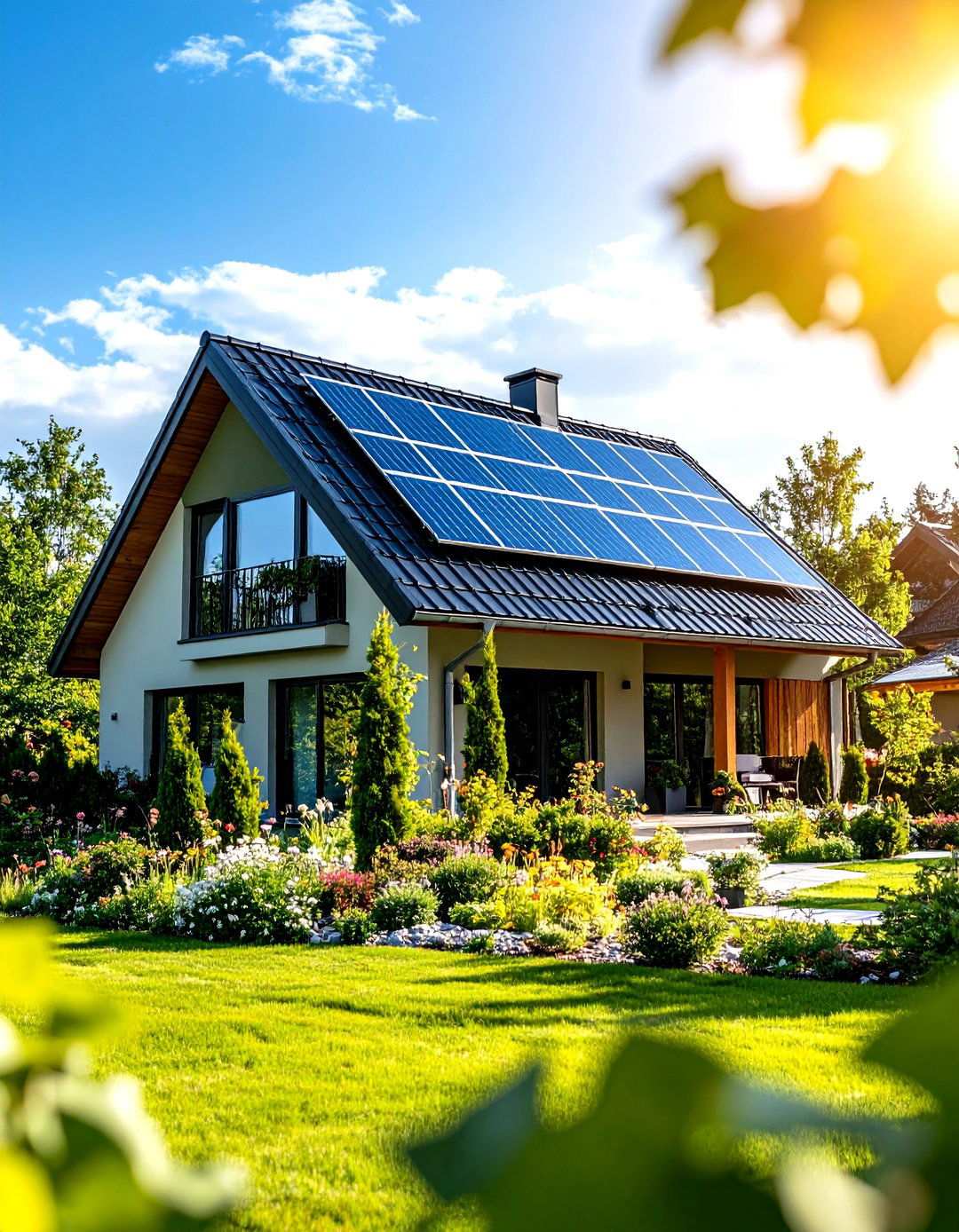
By integrating olive green exteriors into sustainable building practices, environmentally conscious design can thrive. This holistic approach brings together innovative color choices and green building techniques that not only minimize environmental harm but also enhance long-term performance.
A synergy exists between solar panels, rainwater collection systems, and native landscaping, which work seamlessly with olive green treatments to support overarching sustainability goals. Moreover, the strategic use of this color can contribute to energy efficiency by reflecting heat while maintaining visual appeal. The thoughtful incorporation of reclaimed materials, low-maintenance finishes, and durable construction methods perfectly complements the earth-inspired palette. Ultimately, the result is a testament to the fact that architectural excellence and environmental responsibility can coexist in harmony.