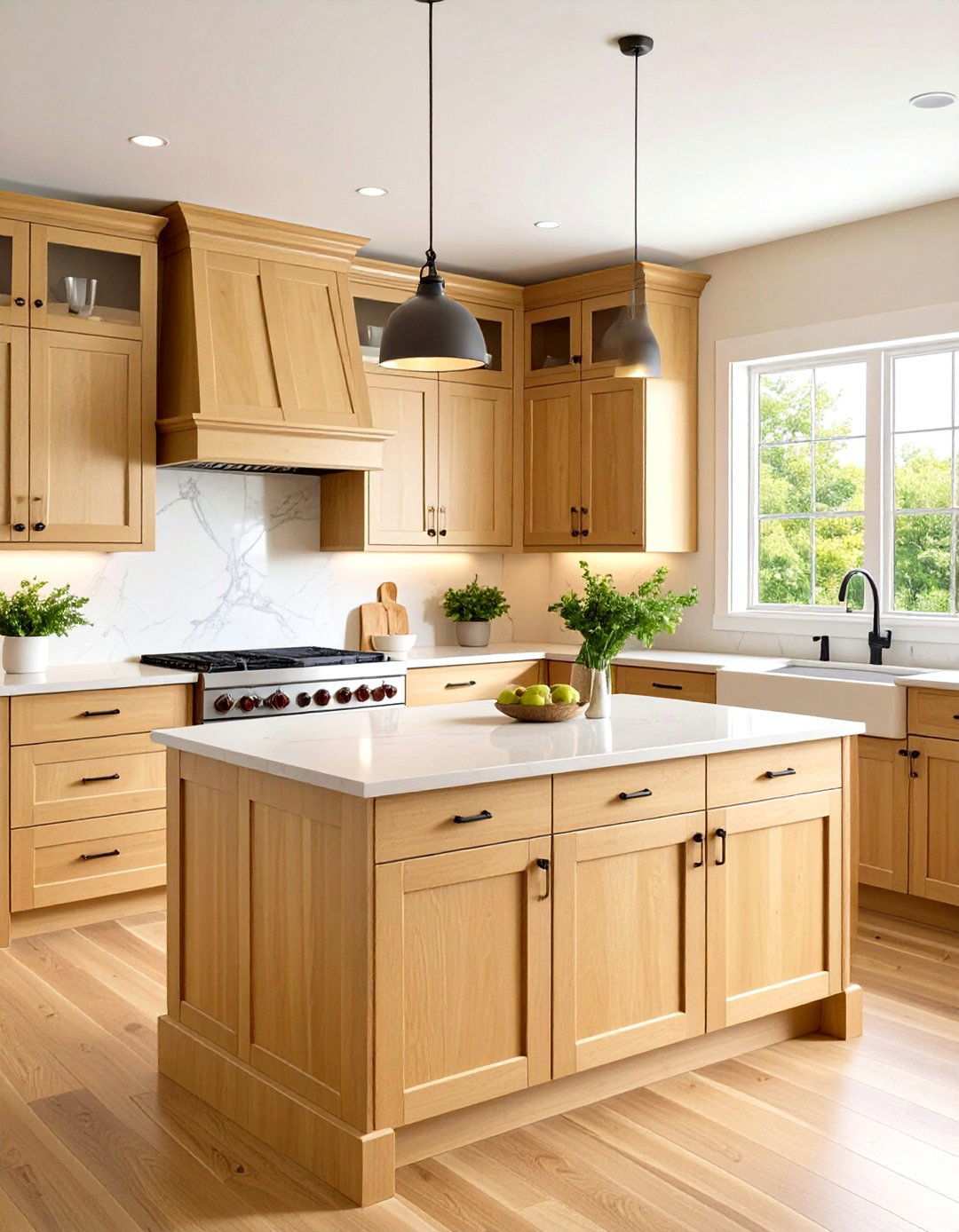
1. Harmonious Hues and Simple Elegance in Open Kitchen Living Room Spaces
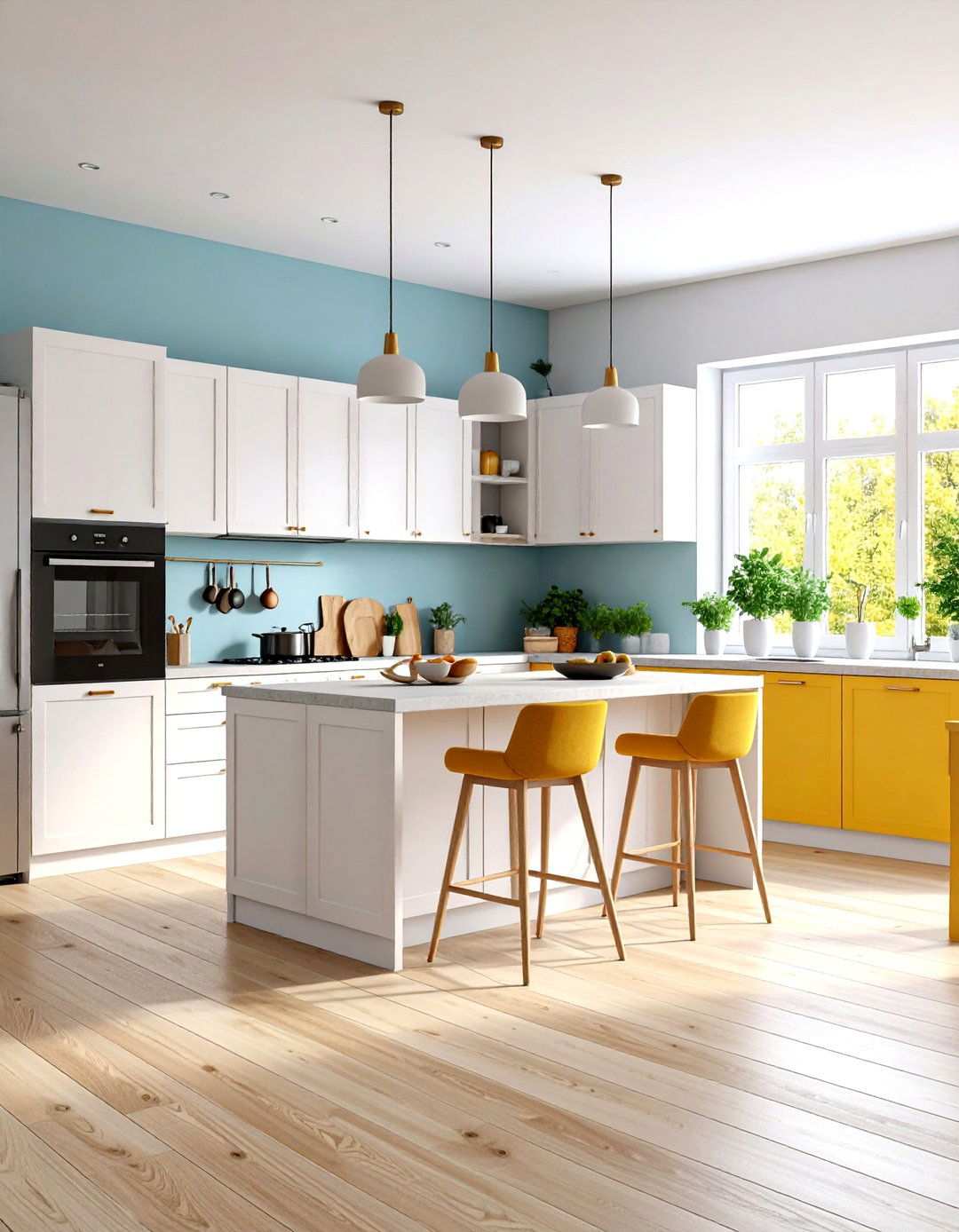
As we approach 2025, open kitchen living room designs are shifting towards a more inviting atmosphere with a focus on earthy tones, organic materials, and innovative storage solutions. This trend reflects our growing desire for homes that exude both sophistication and coziness, where cooking becomes an integral part of the entertainment experience rather than a solitary activity.

As an Amazon Associate I earn from qualifying purchases.
2. Industrial Chic: Where Exposed Elements Meet Modern Living
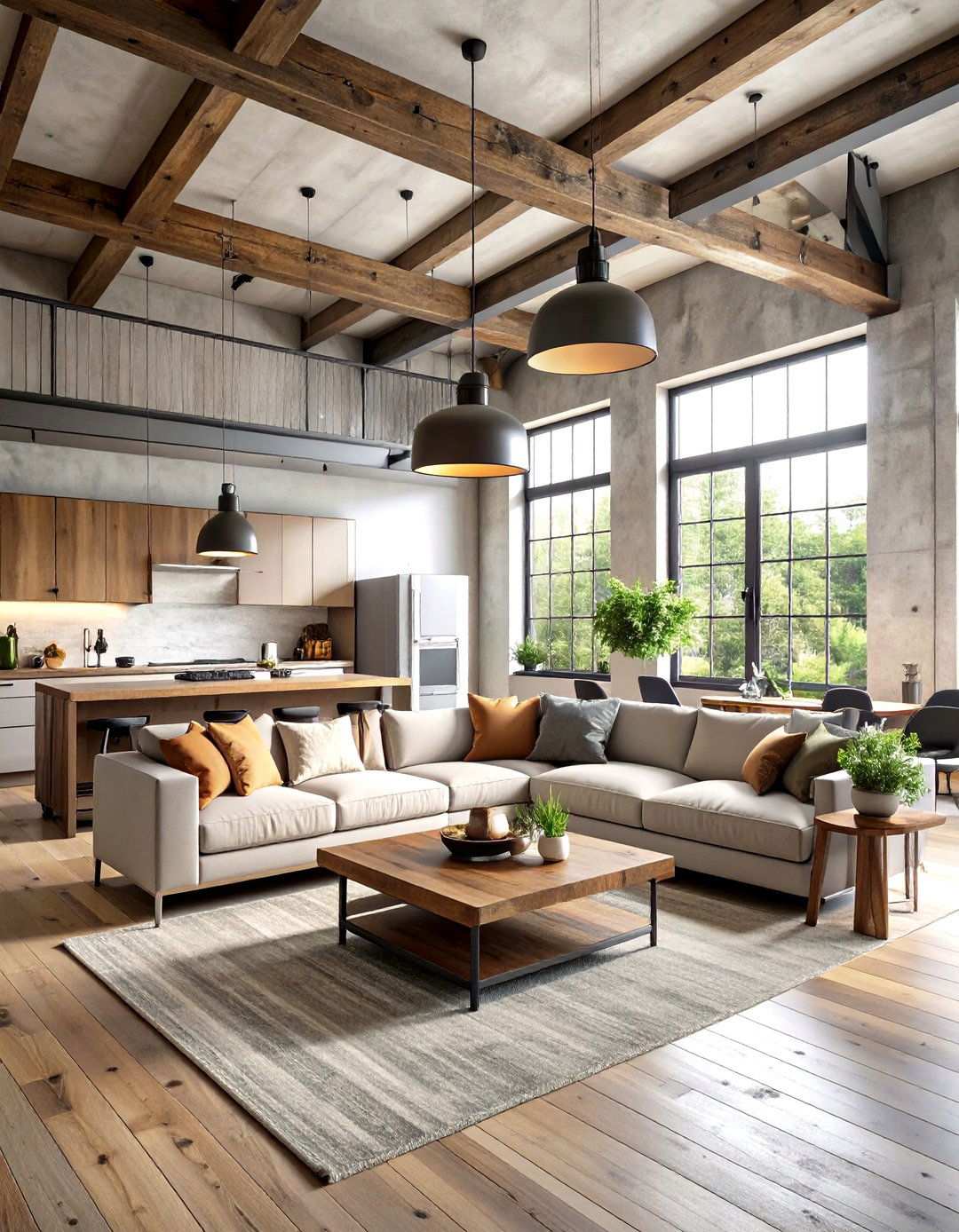
Imagine a space where exposed beams and concrete textures create a striking backdrop for contemporary living. Industrial style open kitchen living rooms boast a unique blend of visually separated zones without traditional walls, using materials like metal accents and raw finishes to guide the eye effortlessly. This design approach infuses small apartments and urban lofts with instant character while maintaining clear sightlines between functional areas, creating an edgy yet refined atmosphere.
3. Elevated Experiences: The Intersection of Technology and Open Kitchen Living Spaces
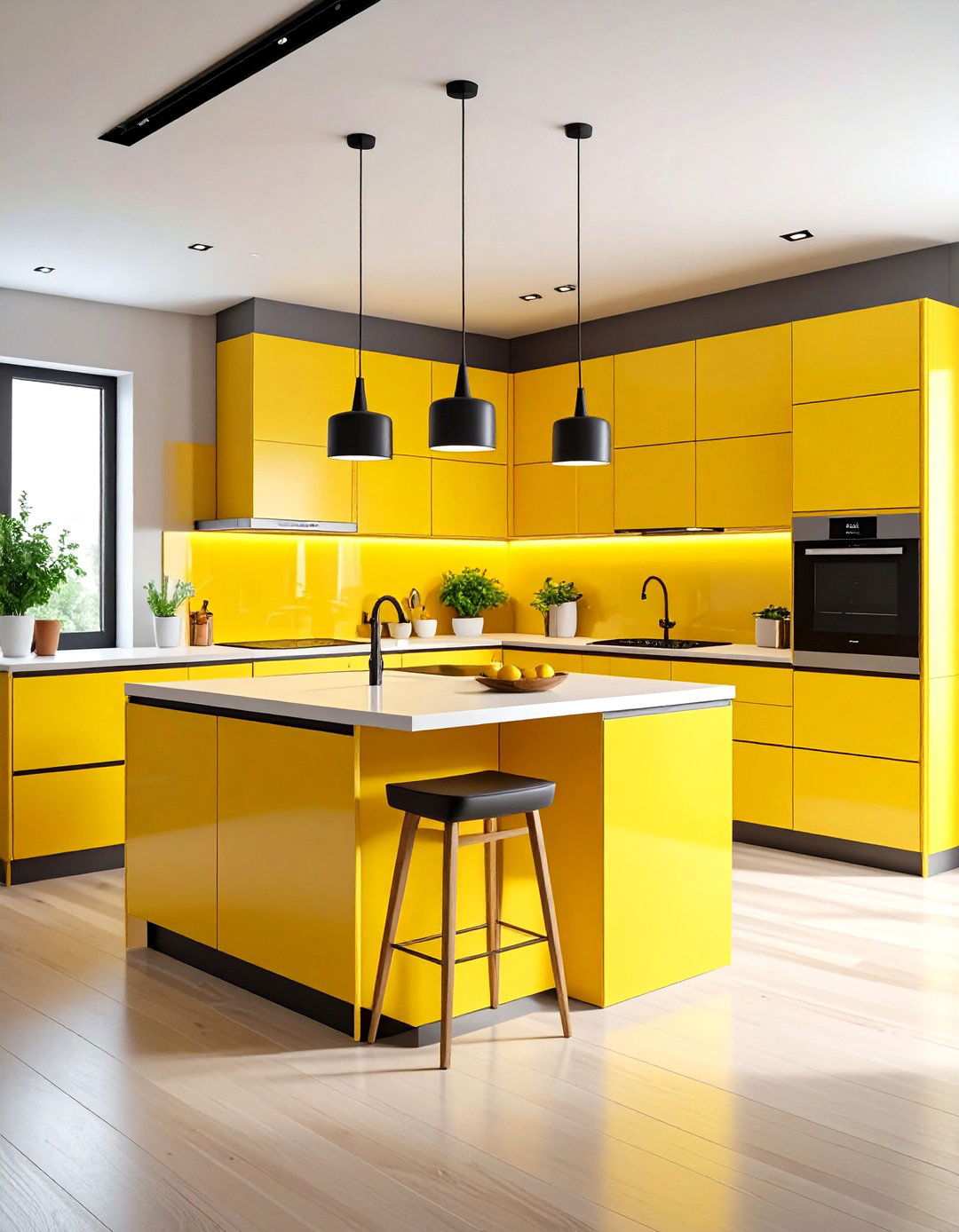
The integration of smart technology is revolutionizing the way we cook and entertain in our homes. Tech-enabled spaces are embracing app-controlled lighting, voice-activated appliances, and concealed induction cooktops that seamlessly blend into the dining room floor plan. This futuristic design works perfectly for those who value ease and efficiency, elevating the cooking experience without compromising on style. By controlling the entire kitchen from a smartphone, multitaskers can effortlessly manage their space while entertaining guests in the adjacent living area, creating a harmonious balance of convenience and contemporary design.
4. Crafting Warmth with Authentic Materials in Open Kitchen Design
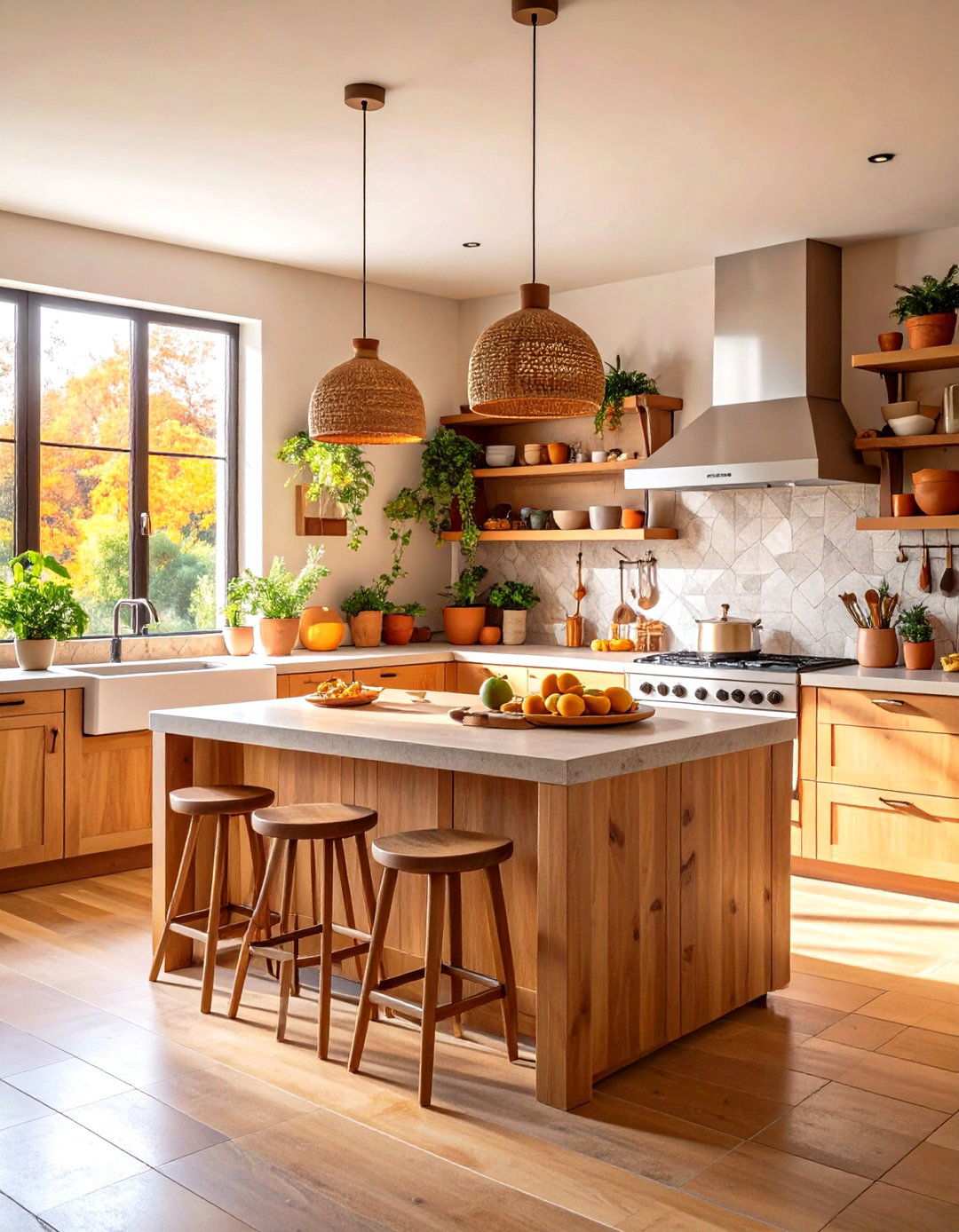
Organic textures like wood, terracotta, and stone are becoming a defining feature of modern open-plan interior design, fostering an inviting atmosphere that bridges the gap between indoors and outdoors. By incorporating elements like clay tiles, reclaimed wood beams, and natural stone countertops, homeowners can add depth and character to their layouts. This approach is particularly effective for countering the often sterile feel of contemporary kitchens, resulting in spaces that feel both sophisticated and welcoming. By embracing these natural materials, individuals can create a visual narrative that weaves together the various areas of their home, perfect for hosting family gatherings and intimate dinner parties.
5. Exploring the Potential of Double Island Kitchen Living Room Layouts
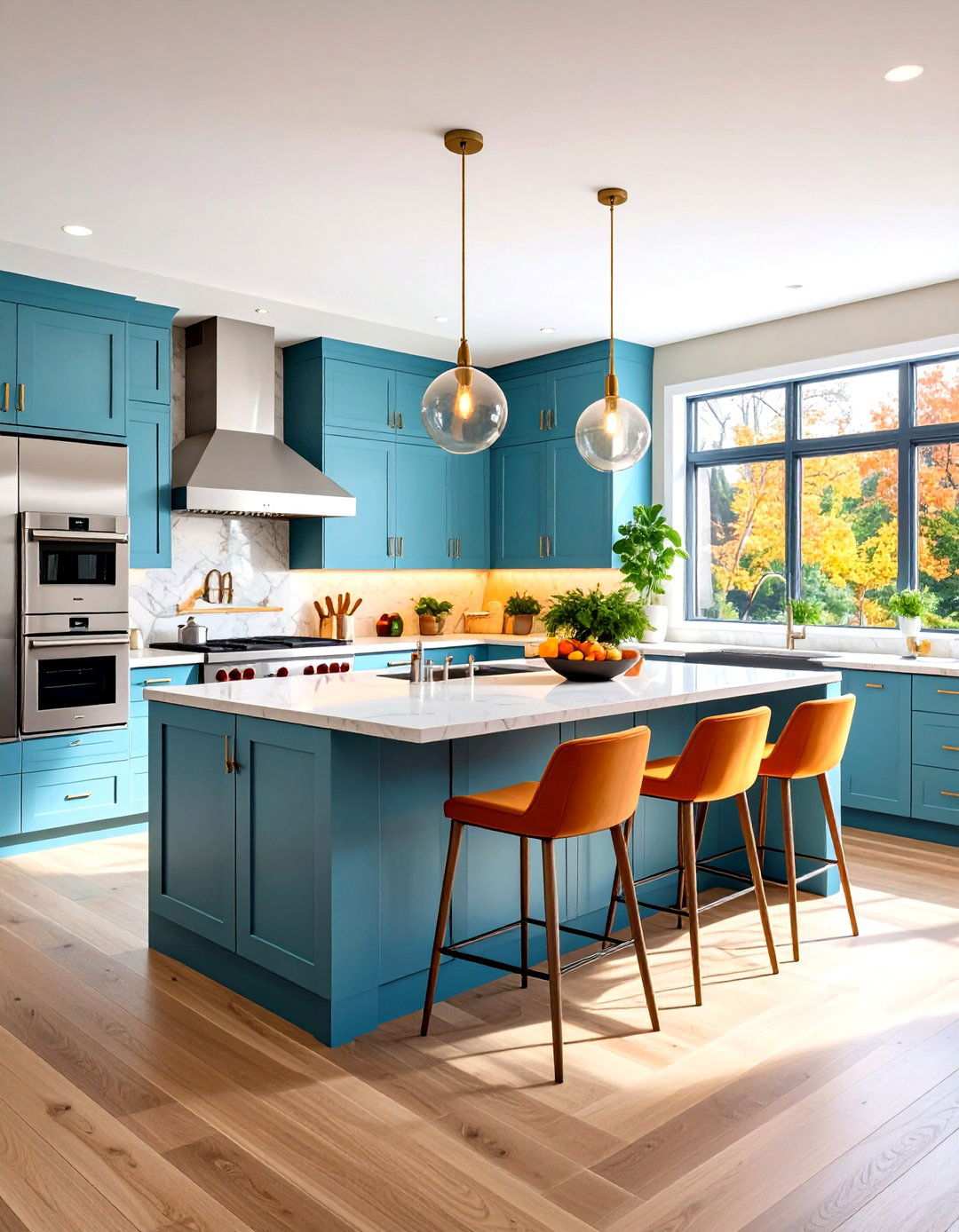
In larger homes and luxury apartments, the double island layout has emerged as a popular concept for optimizing both cooking and entertaining functions. By separating meal preparation from socializing, this design approach maintains a visual connection throughout the space while providing ample counter space, storage, and seating options. One island can serve as a hub for food preparation and sink area, while the second island functions as a casual dining space or beverage station. This setup allows homeowners to create a functional yet visually appealing space without the need for walls, ideal for busy households and frequent entertainers.
6. Maximizing Style in Compact Apartment Open Kitchen Living Room Designs
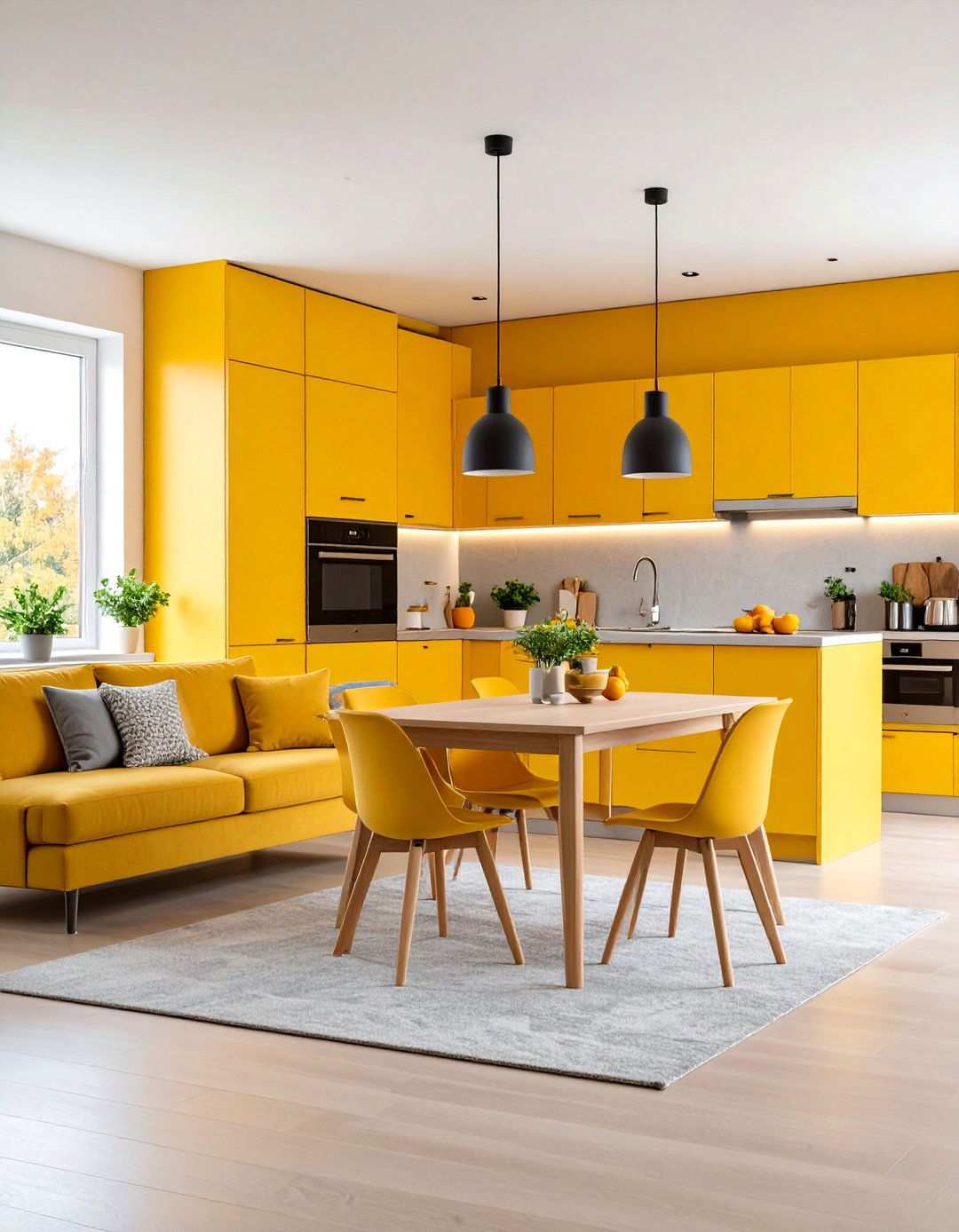
Living in a small apartment doesn’t necessitate sacrificing elegance or functionality. By incorporating clever design solutions such as foldable dining tables, sofa-storage combinations, and movable kitchen islands, individuals can create dynamic spaces that adapt to changing needs. These innovative ideas transform small areas into efficient open-plan environments that optimize every available square foot. Effective space planning involves selecting items that seamlessly integrate into the interior design while supporting one’s lifestyle, proving that small spaces can be just as sophisticated and comfortable as their larger counterparts.
7. Bringing Coastal Serenity into Your Home with Inspired Kitchen Living Room Spaces
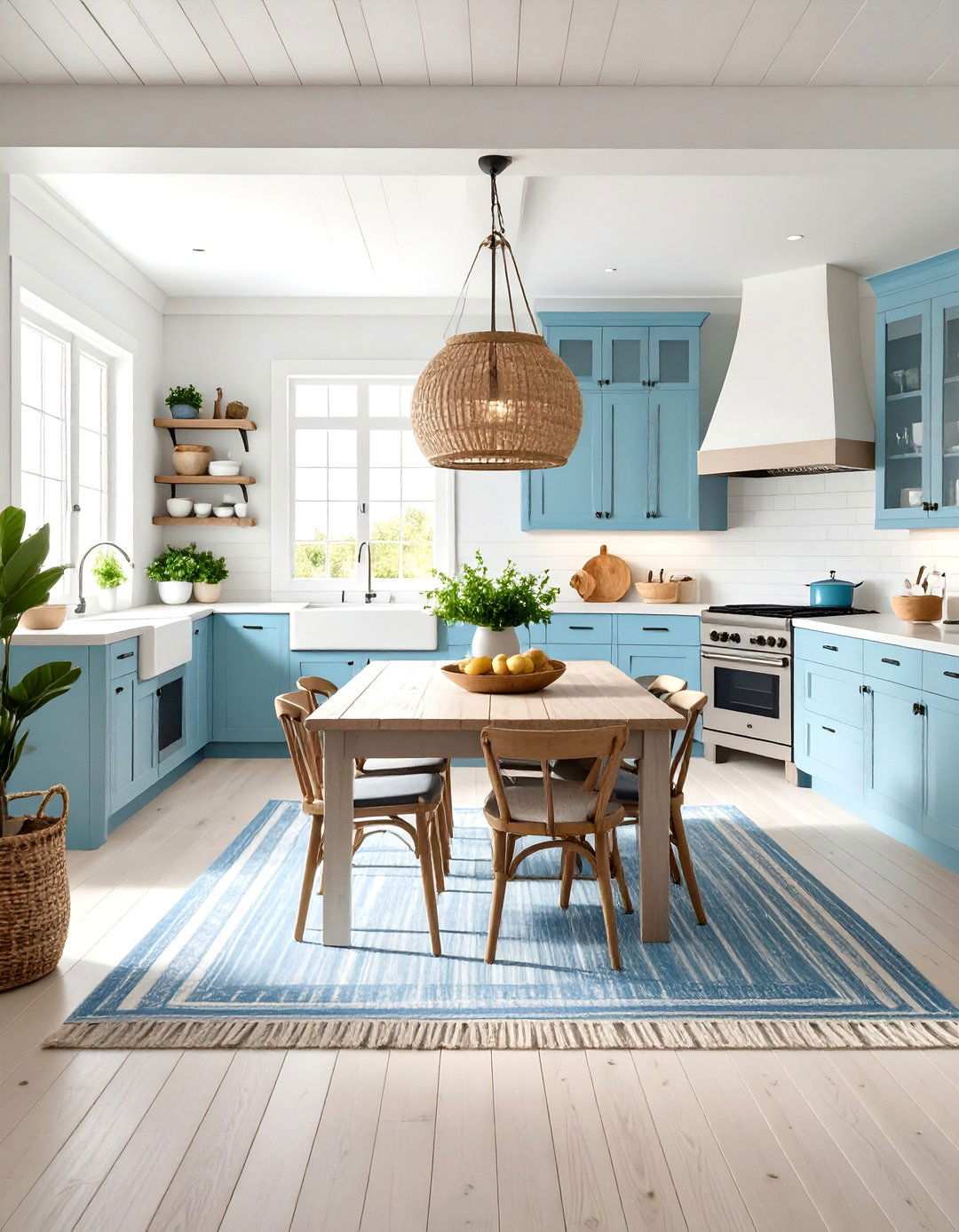
The calming influence of beach house aesthetics can be a powerful antidote to the stresses of daily life. Homes inspired by coastal design often feature open floor plans that emphasize light, space, and tranquility. By incorporating elements like whitewashed walls, sky-blue paint colors, and natural fiber rugs, homeowners can create a refreshing atmosphere that feels like a permanent vacation. Indoor-outdoor flow is a defining characteristic of this style, achieved through large windows and sliding doors that connect interior spaces to outdoor areas. Weathered wood finishes, rope details, and nautical accessories complete the look, resulting in a sophisticated and timeless aesthetic that transcends themed design.
8. Reviving Vintage Charm in Modern Open Kitchen Living Rooms
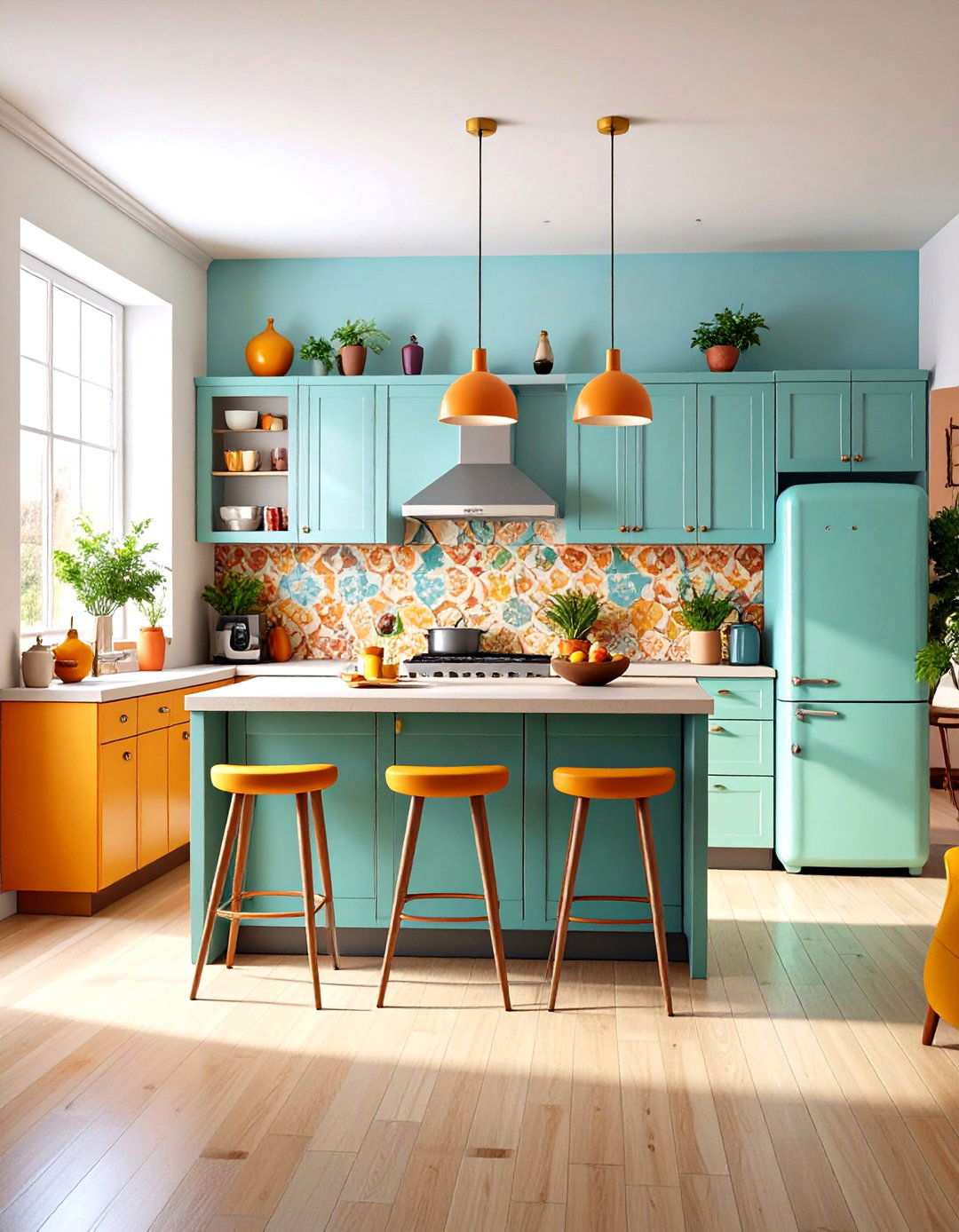
Open floor plans can now bring together the warmth of nostalgia and the functionality of contemporary design. This trend, characterized by colorful tile backsplashes, rounded furniture, and eclectic lighting fixtures, skillfully blends retro vibes with modern kitchen living room ideals. In mid-century apartment remodels, this design style particularly shines, uniting nostalgia with practical function. Aesthetic elements like geometric patterns, bold color combinations, and furniture with curved edges soften the overall look, while modern finishes on vintage-inspired appliances strike a perfect balance between past and present. By showcasing colorful dishware and accessories on open shelving, homeowners can double their decorative elements throughout the integrated space.
9. Cozy Built-in Dining Nooks for Modern Kitchen Design
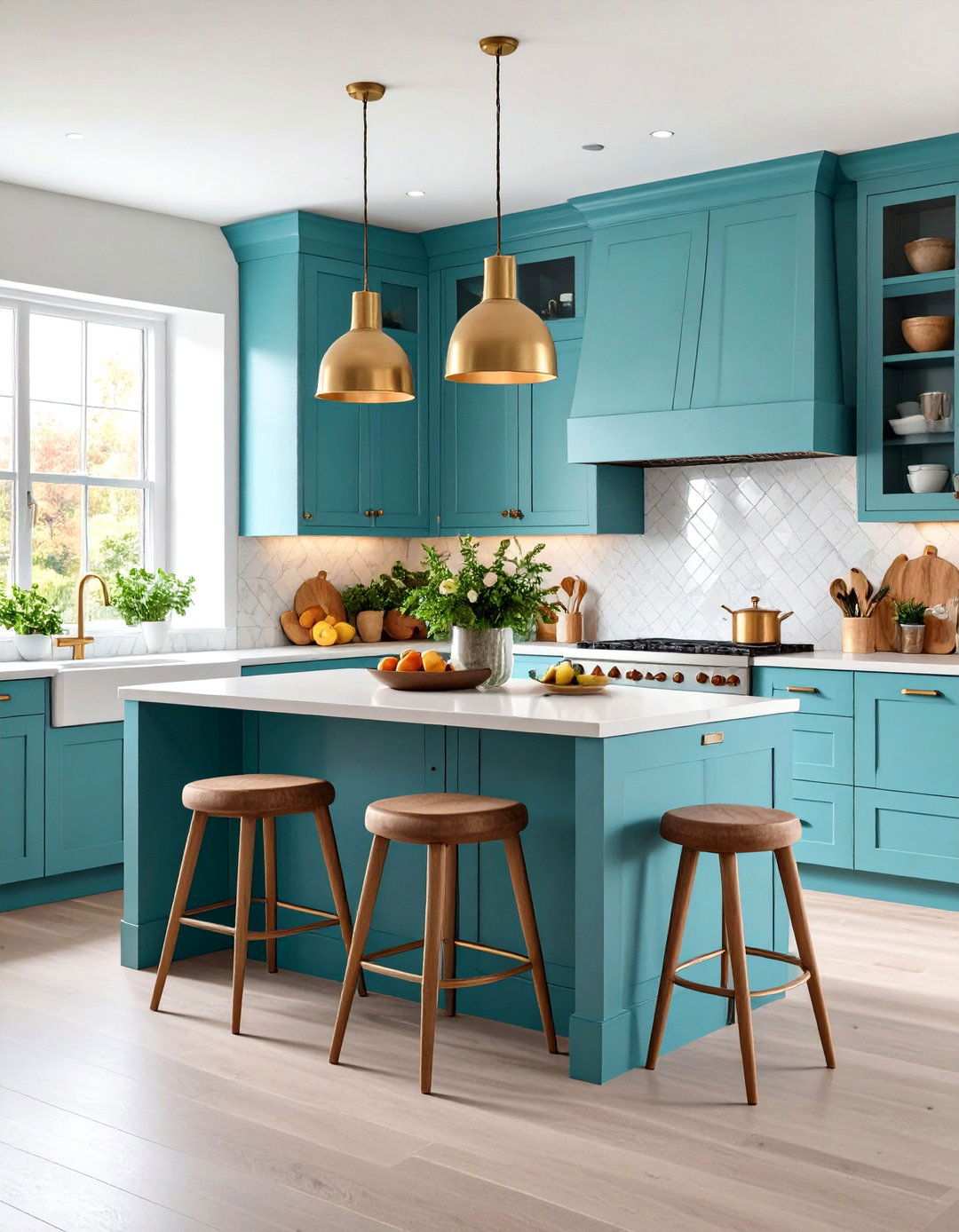
Dedicated dining spaces are no longer necessary for intimate family meals; instead, built-in dining nooks can provide a snug and inviting atmosphere. Many homeowners are now embracing clever arrangements that nestle dining areas between kitchen and living spaces, making excellent use of awkward corners or underused walls. These built-in solutions work fantastically in small apartments, offering the perfect blend of intimacy and space efficiency. Custom banquette seating with storage underneath not only provides comfort and function but also defines the zone within the larger open concept. Bold paint colors or textured upholstery add an extra layer of visual interest, while the built-in design creates a sense of permanence and intentionality.
10. Defining Open Spaces with Statement Lighting
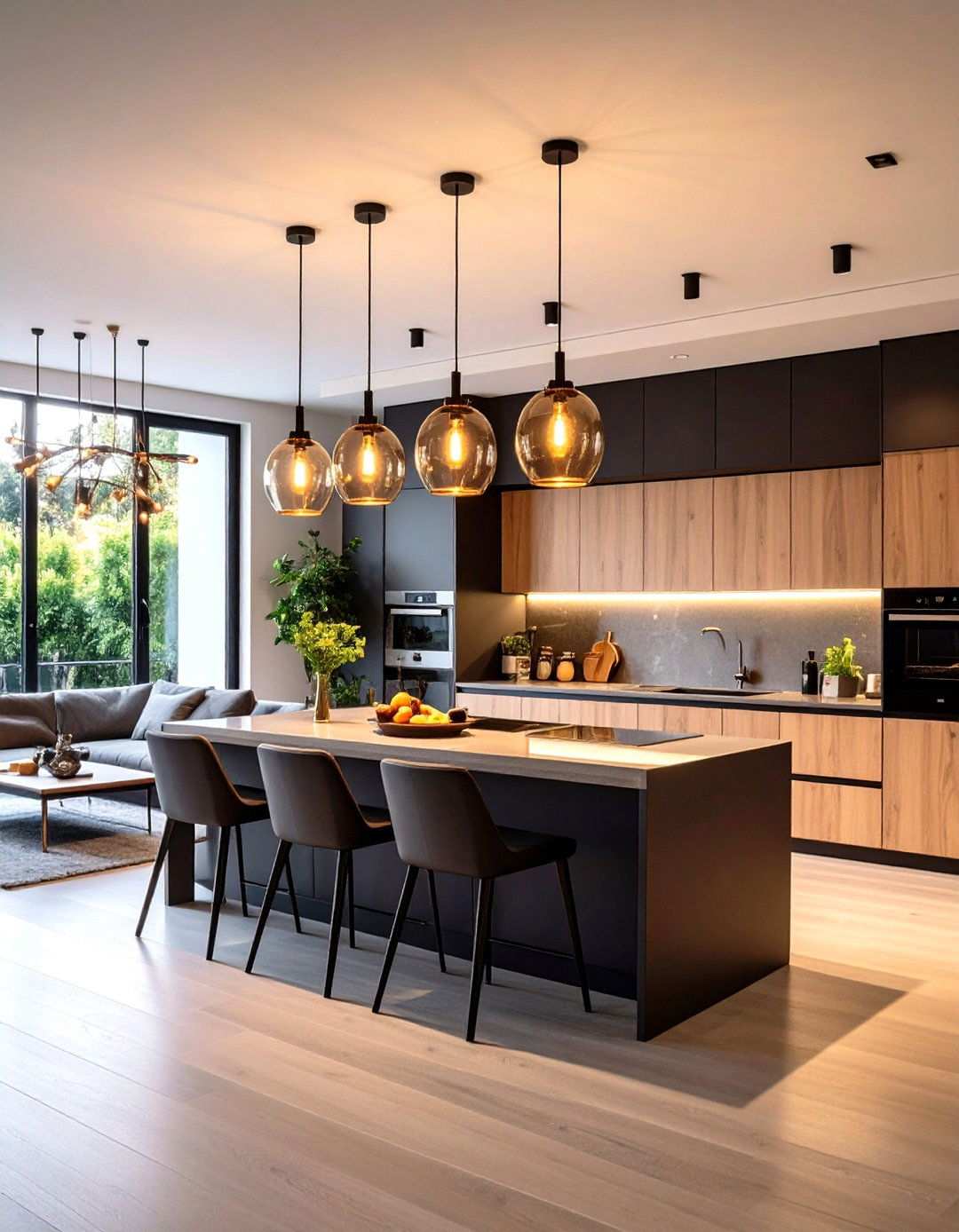
Bold lighting choices can completely transform and define an open living space. Oversized pendants above kitchen islands, sculptural chandeliers in dining areas, and track lighting in lounges help visually separate functions without the need for walls. This approach enables each zone to maintain its unique character while contributing to the overall design harmony. Statement lighting serves as functional art, providing necessary illumination while creating focal points that draw the eye and establish mood. By selecting the right fixtures, homeowners can create spaces that feel more intimate during dinner parties or bright and energetic for morning coffee and newspaper reading.
11. Blending Rustic Charm with Modern Amenities in Open Kitchen Living Rooms
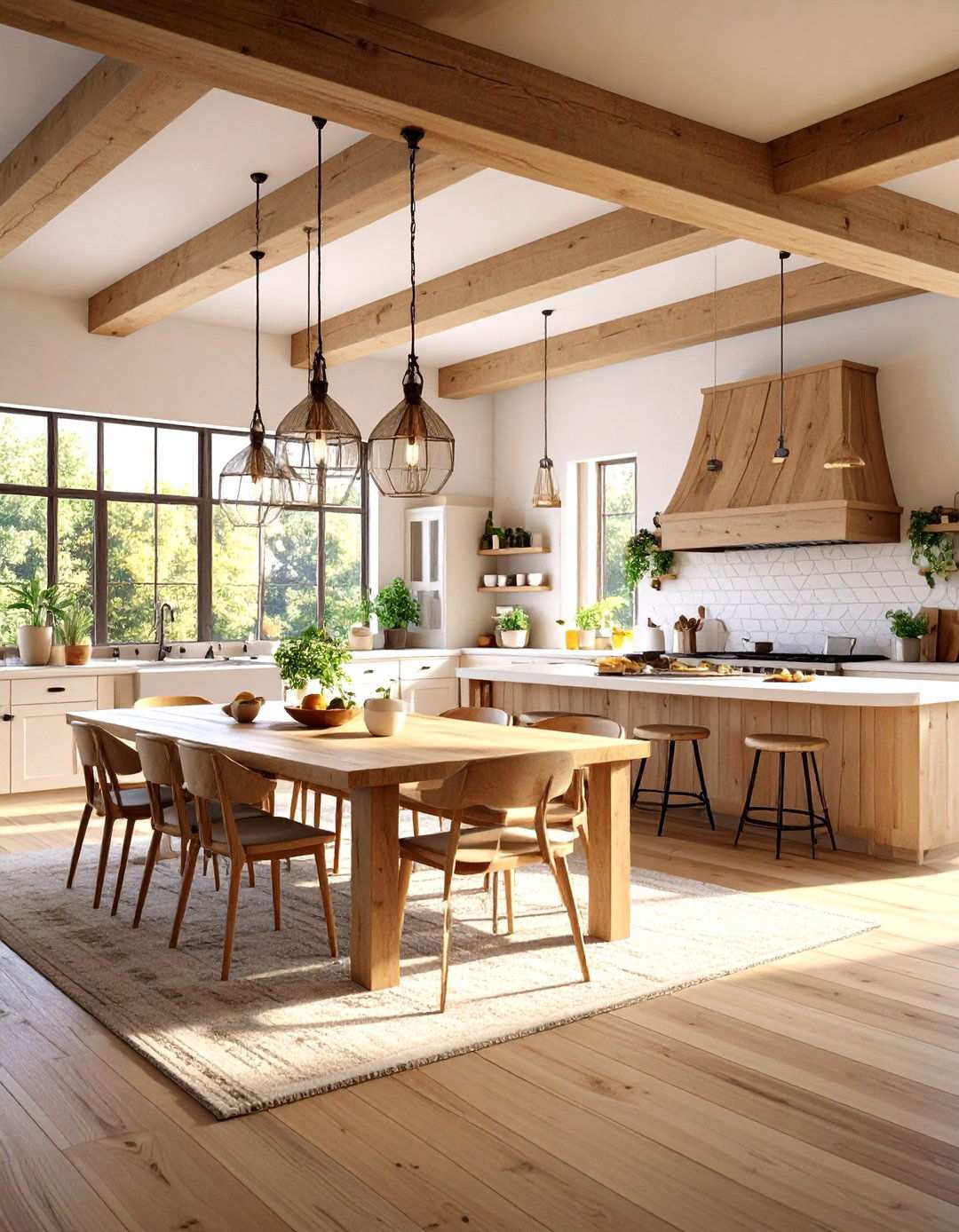
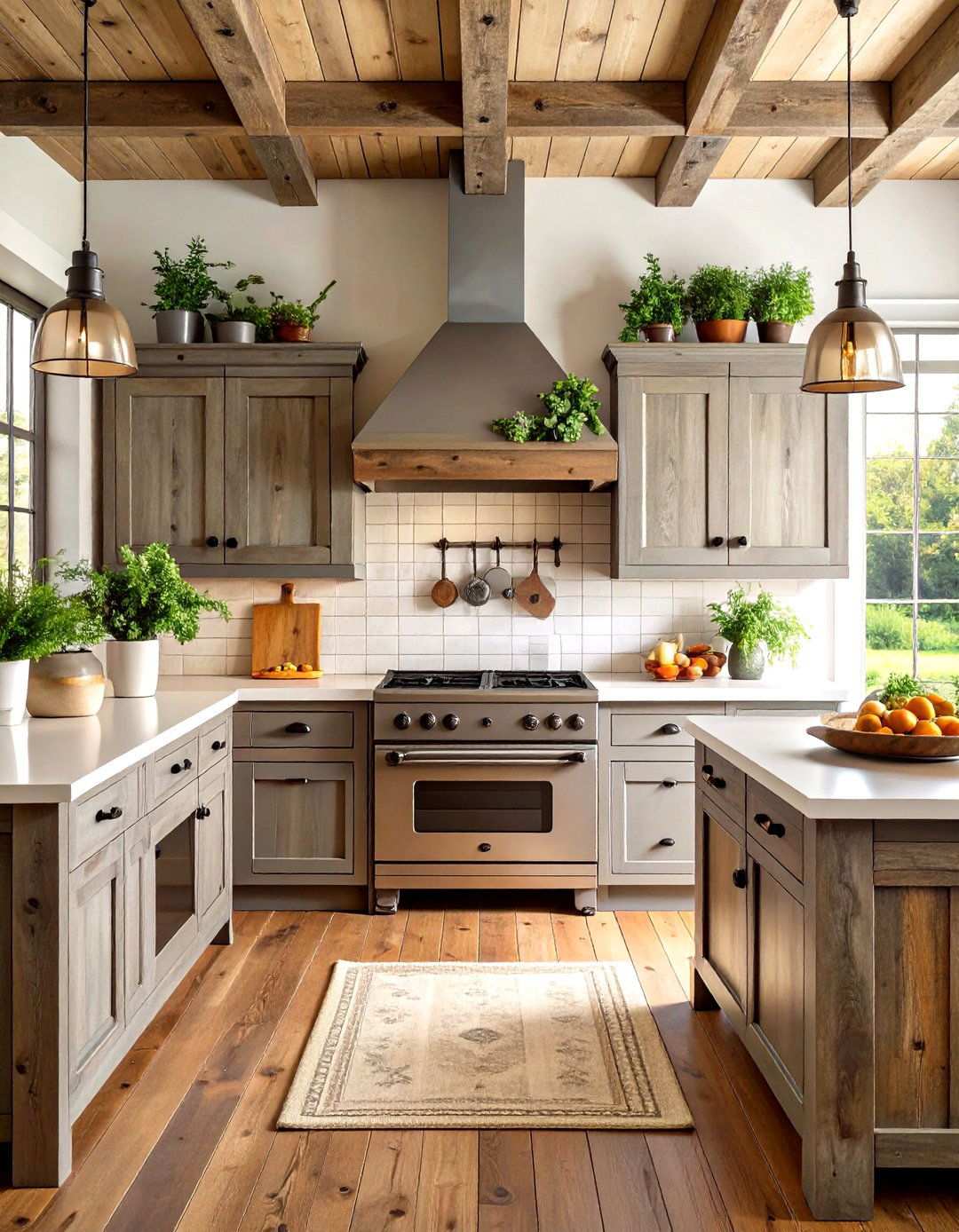
In today’s open floor plans, contemporary amenities and rustic charm can seamlessly come together. Modern farmhouse design skillfully combines the warmth of traditional rural aesthetics with clean, contemporary lines and updated functionality. Exposed ceiling beams, reclaimed wood accents, and vintage-inspired fixtures create character, while modern appliances and sleek countertops provide convenience. This style particularly shines in open concepts, bridging the gap between formal and casual living, making spaces feel both sophisticated and comfortable. Natural materials like stone and wood help define different zones while maintaining visual continuity throughout the integrated space, making it perfect for families who value both style and practicality.
12. Harmonious Single-Tone Open Kitchen Design
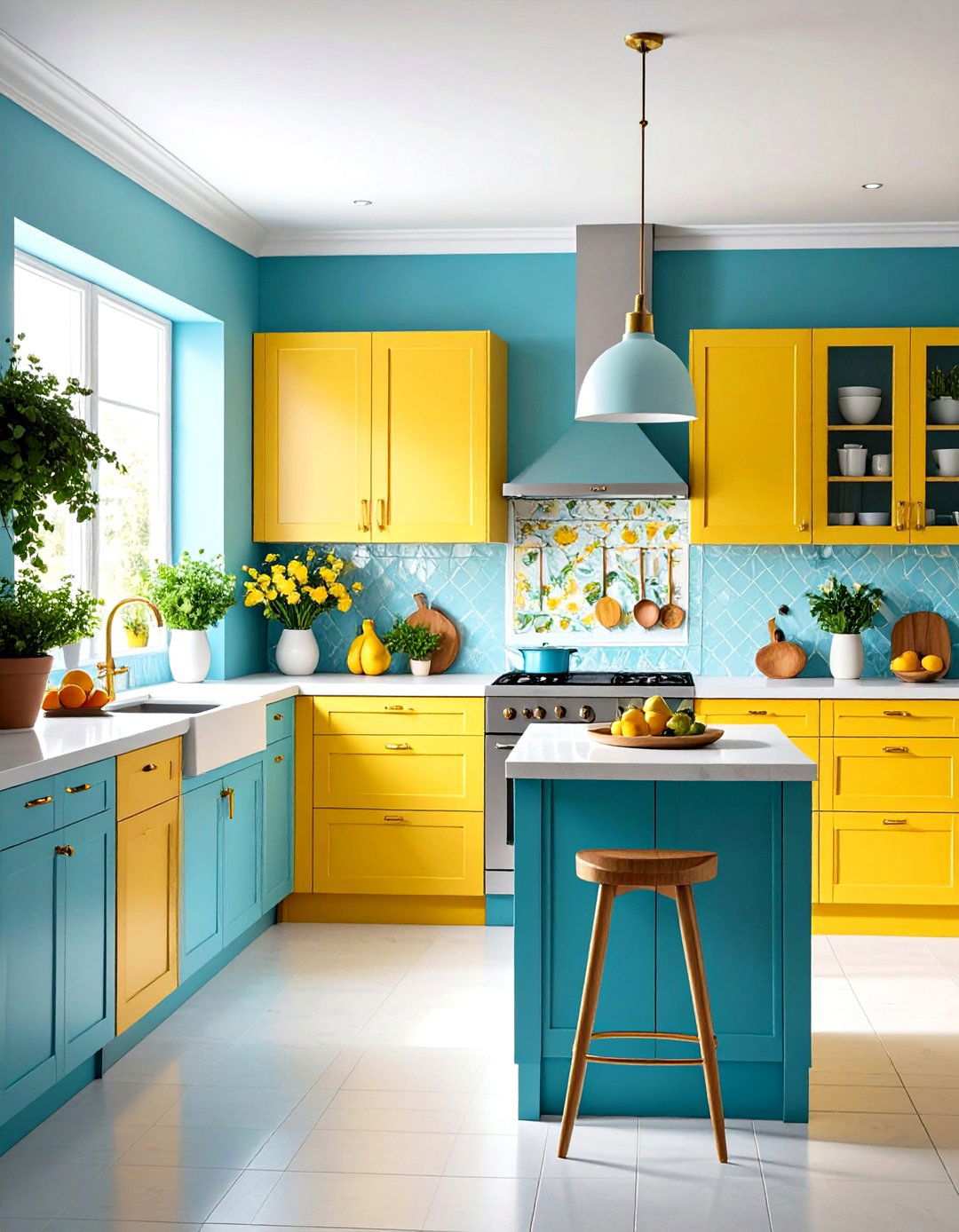
When you commit to a single color family throughout your open space, a sense of sophisticated unity emerges, accompanied by the visual interest of texture and material variations. This approach is particularly effective in smaller spaces, where the inclusion of multiple colors might lead to a chaotic atmosphere. By selecting a base color and exploring its various shades, tints, and tones across walls, cabinetry, furniture, and accessories, you can create a cohesive and intentional design that showcases your advanced design sensibility. Moreover, the incorporation of natural materials and varied textures prevents the space from feeling flat or boring, while strategically placed accent pieces add just enough contrast to maintain visual engagement and personality.
13. Layered Open Kitchen Living Room with Elevated Spaces
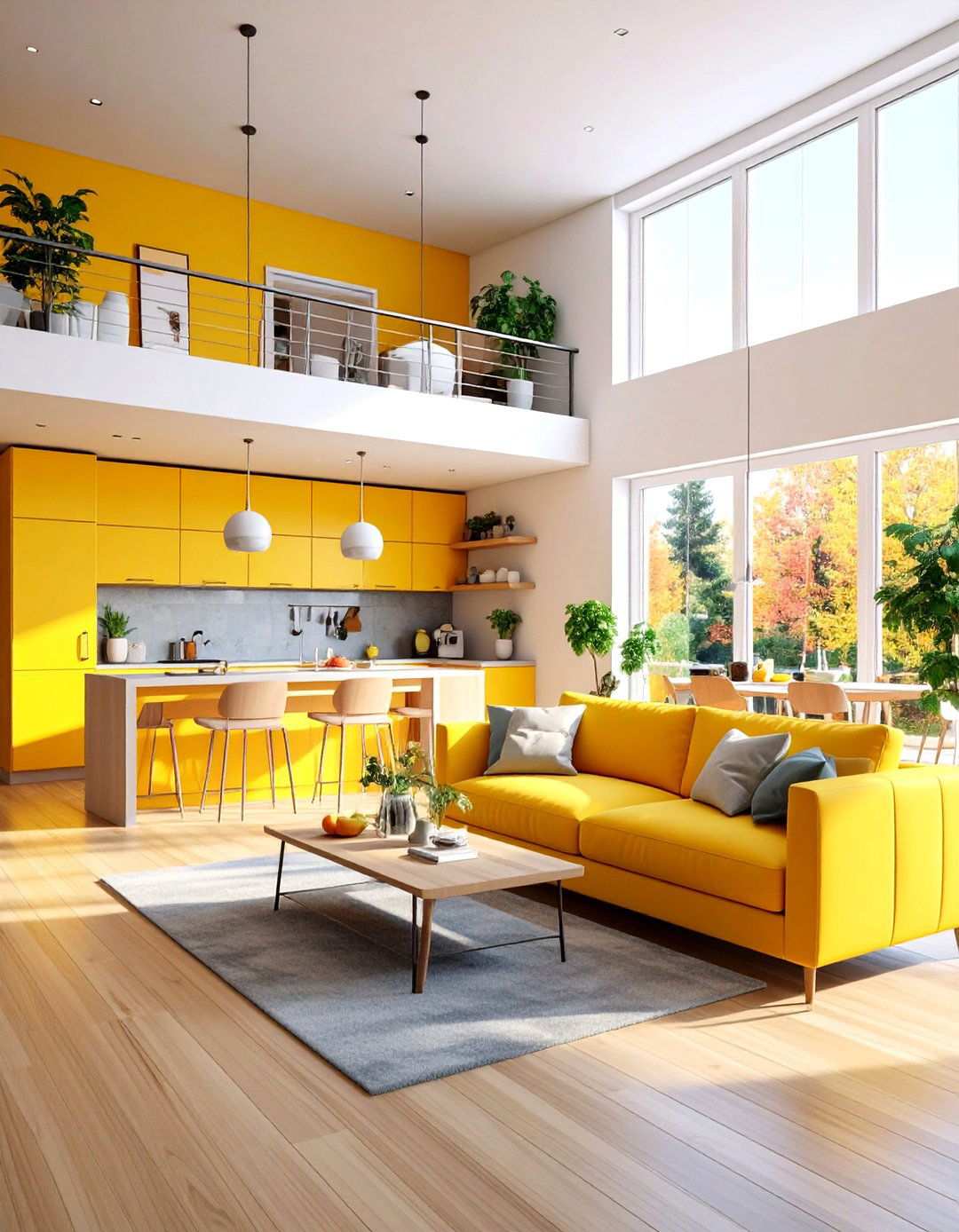
Could different floor levels be the key to adding dramatic interest and naturally defining separate zones in your open kitchen living room? Multi-level designs use elevation changes to create distinct areas without walls, often incorporating conversation pits or raised kitchen platforms. This approach is highly effective in homes with existing architectural features or during renovations where structural changes are possible. A sunken living area can feel intimate and cozy while remaining visually connected to the kitchen above, thanks to the careful attention to lighting and material transitions. Steps or platforms create natural boundaries while maintaining the open feel that makes these layouts so appealing.
14. Artistic Expression in Open Kitchen Living Rooms
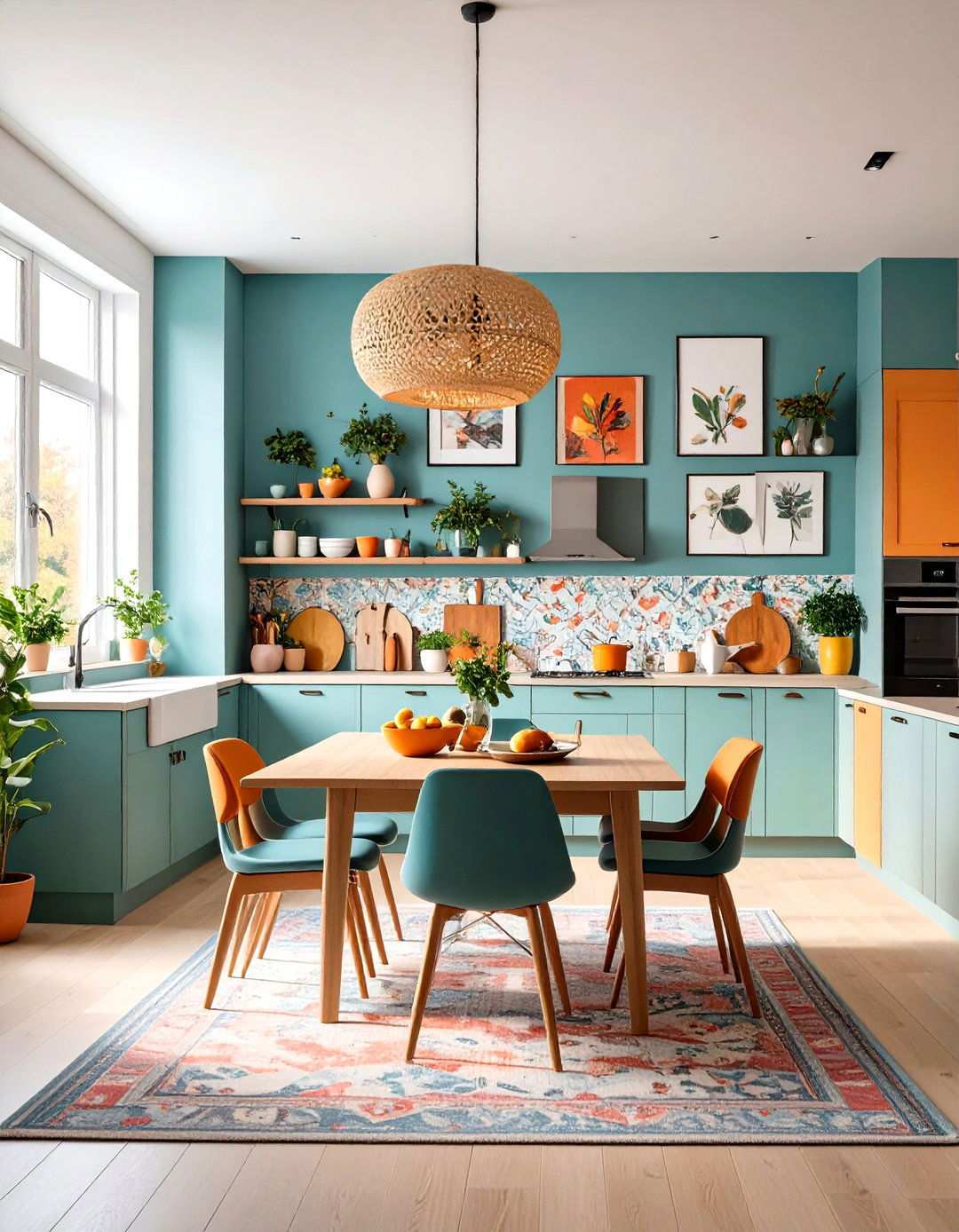
Why not turn your open kitchen living room into a canvas for artistic expression? Gallery walls can serve multiple purposes, providing visual interest while helping to define different zones within the larger space. Carefully curated artwork can tie together color schemes and establish the overall mood of your home. By mixing family photos, original art, and interesting prints, you can create a personalized collection that reflects your taste and travels. The key to success lies in maintaining visual balance while allowing each piece to contribute to the overall composition, resulting in a space that feels both sophisticated and deeply personal.
15. Elevating Open Concept Design with Hidden Storage
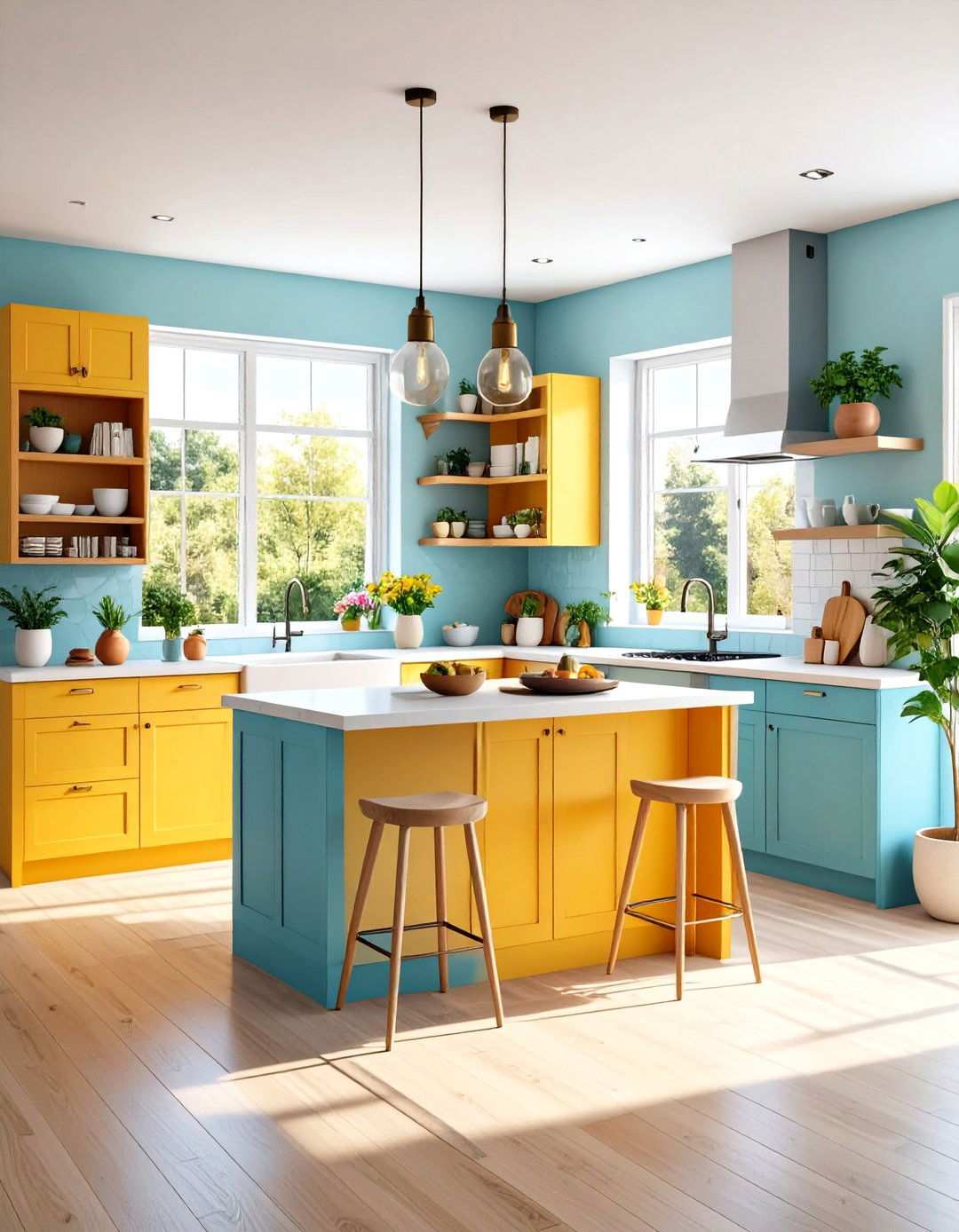
Effective open concept design requires a delicate balance between style and functionality. By incorporating hidden storage solutions, you can maintain the clean lines and aesthetic appeal of your space while ensuring that all daily needs are met. From built-in cabinets that stretch upwards to kitchen islands with intelligent interior organization systems, the key is finding solutions that blend seamlessly into the overall design. Consider multi-functional furniture pieces, such as storage ottomans or lift-top dining benches, which serve both purposes and eliminate visual clutter. By embracing organized and efficient spaces, you can create a harmonious synergy between beautiful design and practical living in modern homes.
16. Bold Color Statements in Open Spaces
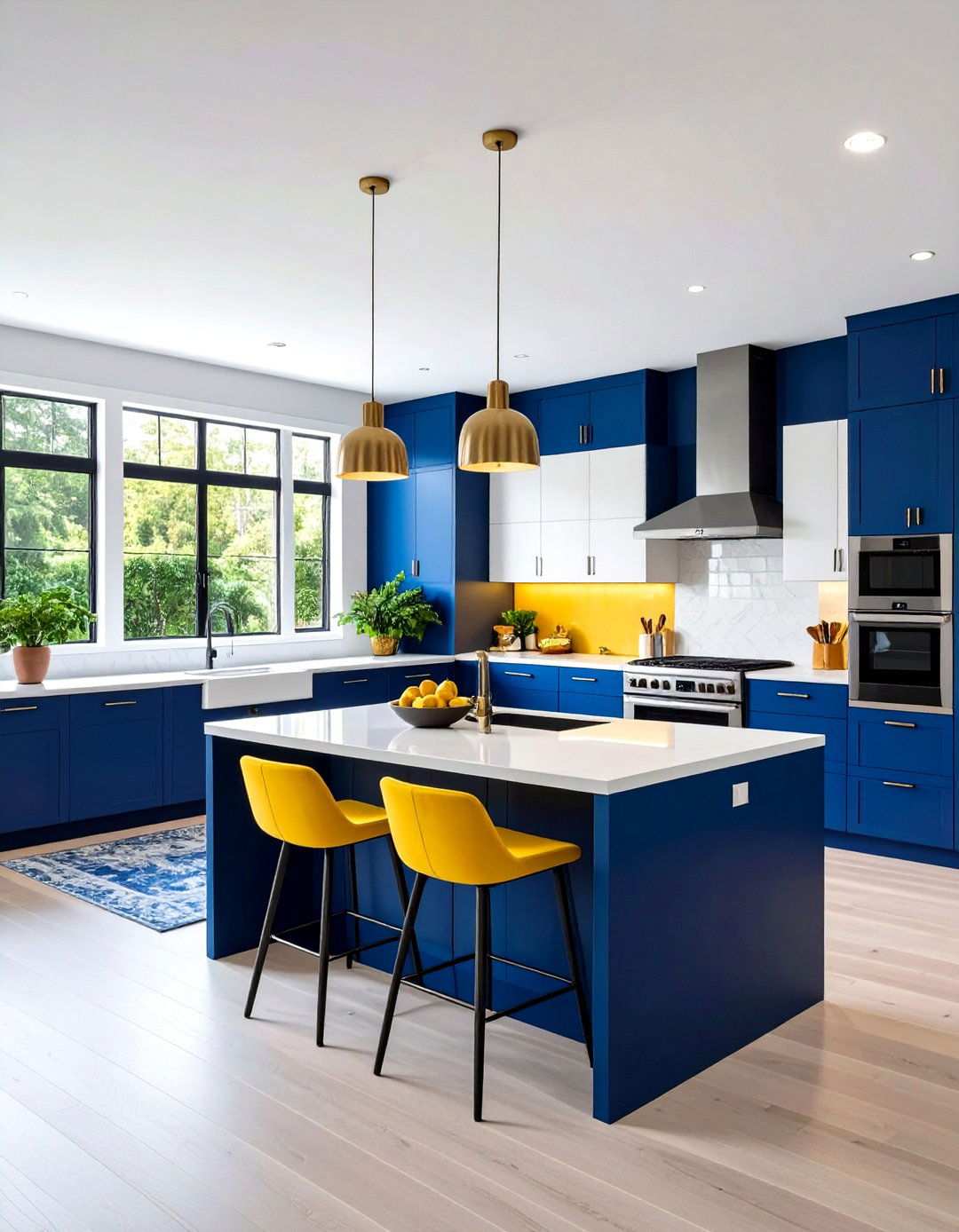
When it comes to making a dramatic impact in your open space, bold color choices can be a game-changer. Color blocking is a technique that uses saturated hues to define different zones, injecting personality and visual excitement into your space. This approach is particularly effective when you want each area to have its own distinct character while remaining part of the cohesive whole. Consider painting the kitchen island a deep, rich blue while keeping surrounding cabinets crisp and white, or use vibrant accent walls to create a statement in the living area. The secret to success lies in balancing bold choices with neutral elements to prevent visual overwhelm and maintain a sophisticated edge.
17. Harnessing Natural Light in Open Spaces
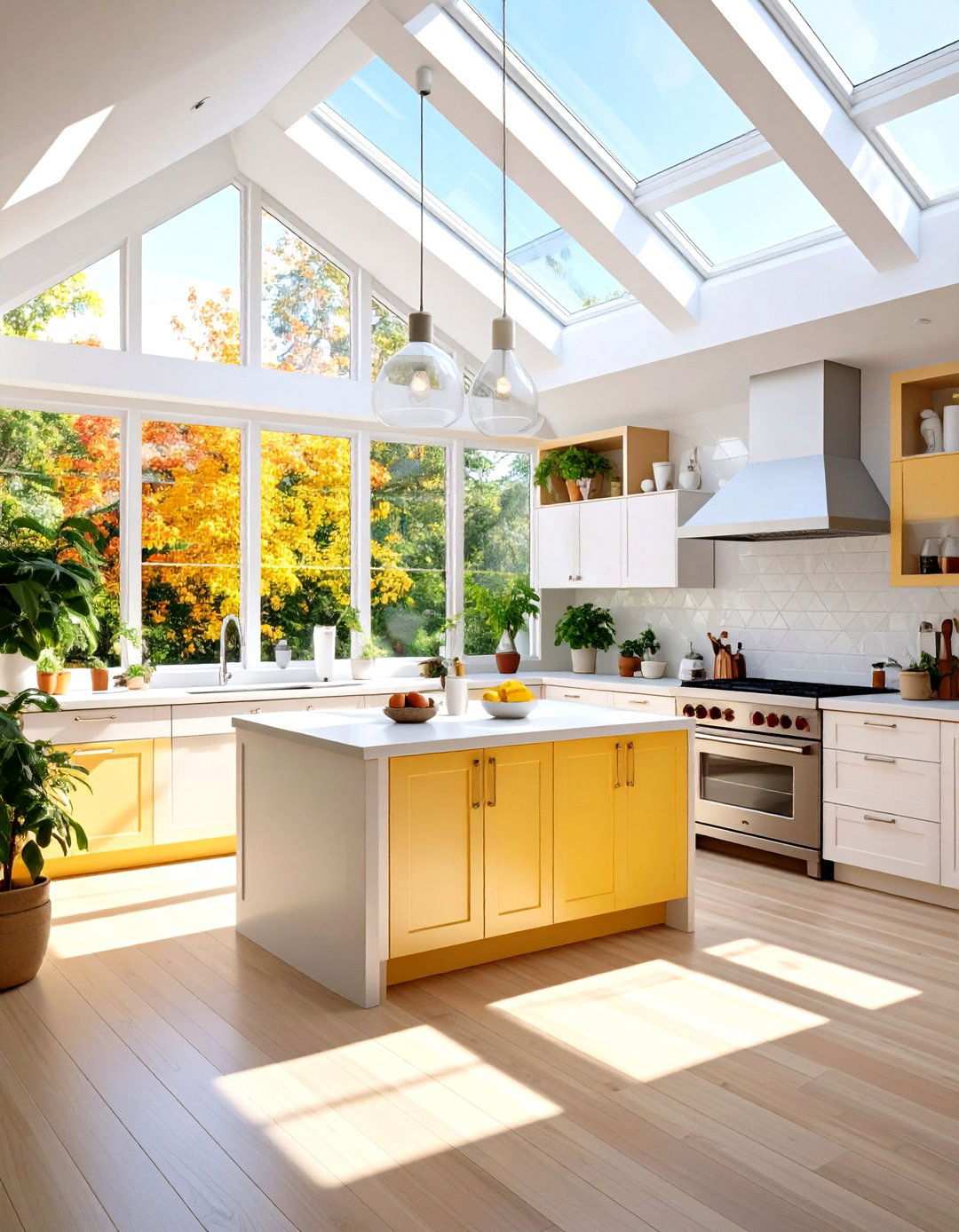
Imagine a space where every surface is designed to capture and reflect available sunlight, creating a sense of brightness and airiness. Natural light maximization is an effective approach that uses strategic placement of reflective surfaces, light-colored materials, and glass elements to illuminate your space. By incorporating large windows, skylights, and glass cabinet doors, you can ensure that both cooking and living areas are bathed in natural light, reducing the need for artificial lighting. Mirror backsplashes, glossy countertops, and metallic accents bounce light throughout the space, while white or cream color schemes amplify the brightness. This approach makes even modest spaces feel larger and more luxurious, while also reducing energy costs and creating a connection to the outdoors that enhances daily living.
18. Softening the Sharp Edges of Modern Kitchen Design
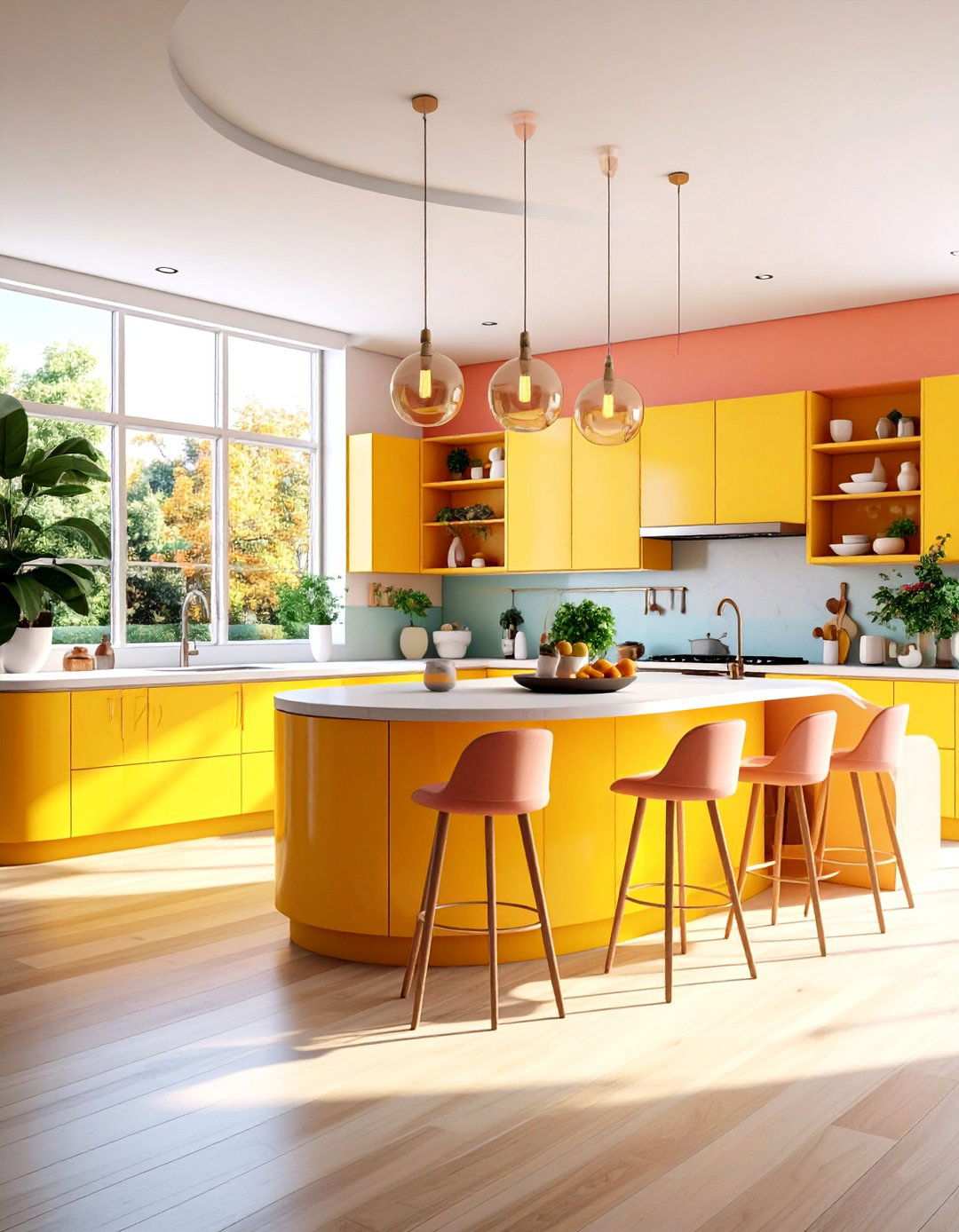
By incorporating rounded edges and organic curves, the typically angular nature of kitchen design can be transformed into a more harmonious, flowing space. Curved kitchen islands, rounded countertop edges, and circular seating arrangements work together to create a more natural feel within open concepts. This design approach has the added benefit of softening the industrial aspects of modern appliances, making spaces feel warmer and more inviting. By embracing curves, homeowners can maintain a clean, contemporary aesthetic while creating a more welcoming atmosphere. Whether through furniture selection, architectural details, or custom millwork, incorporating curves can add visual interest and depth to modern open living spaces.
19. Finding the Perfect Balance with a Peninsula Layout
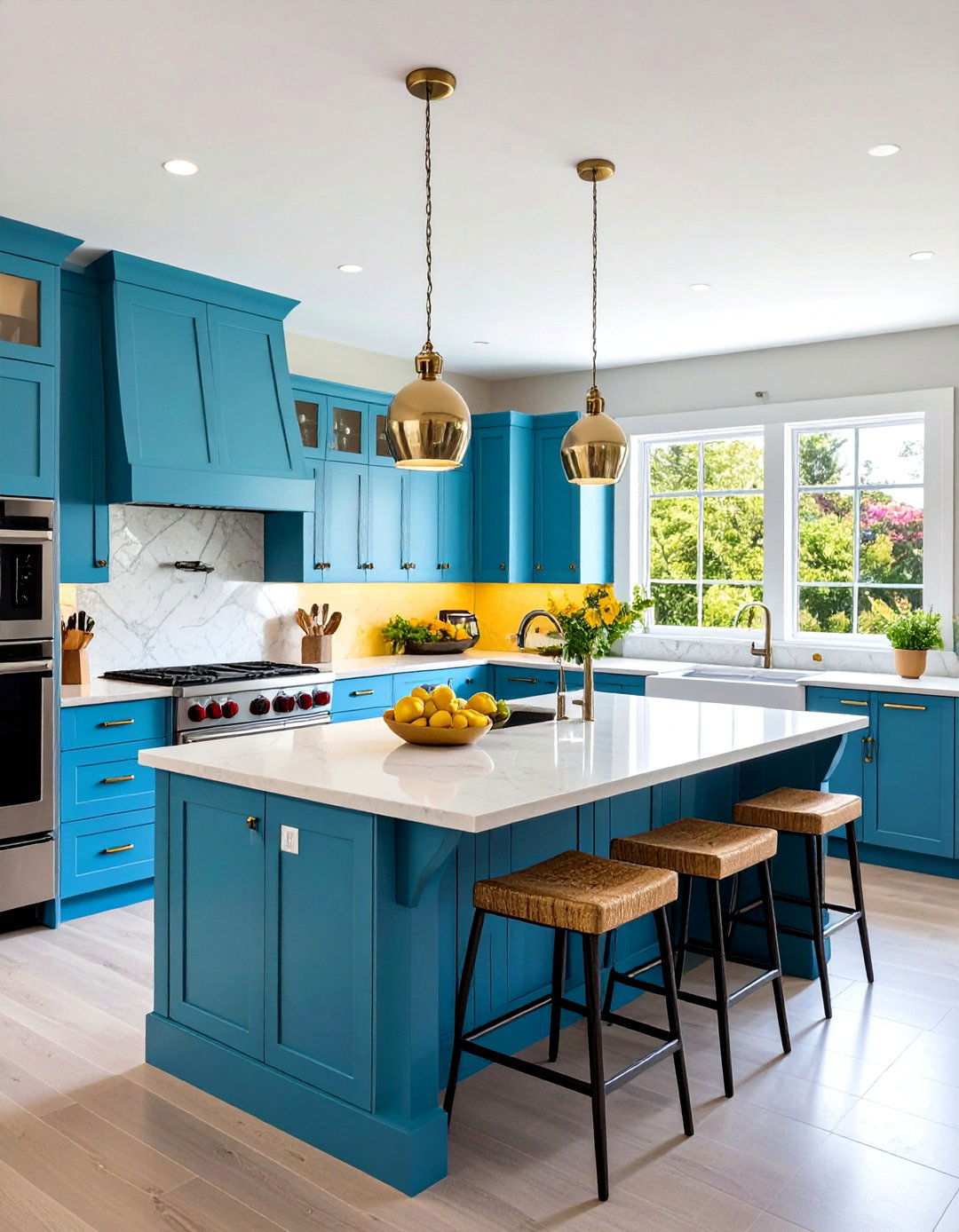
A peninsula can be the ideal solution for homeowners seeking to balance the benefits of open concept living with the need for defined workspaces. This layout offers many advantages of kitchen islands, including additional counter space, storage, and casual seating, without requiring as much floor space. As a result, peninsula layouts are particularly well-suited to medium-sized open areas. By housing the sink, cooktop, or additional prep space, the peninsula can effectively define the boundary between kitchen and living areas while providing bar-height seating for quick meals or homework sessions. This layout is especially effective in homes where full islands might impede traffic flow, making it an attractive option for homeowners who value open concept living.
20. The Power of Contrast in Two-Tone Cabinetry
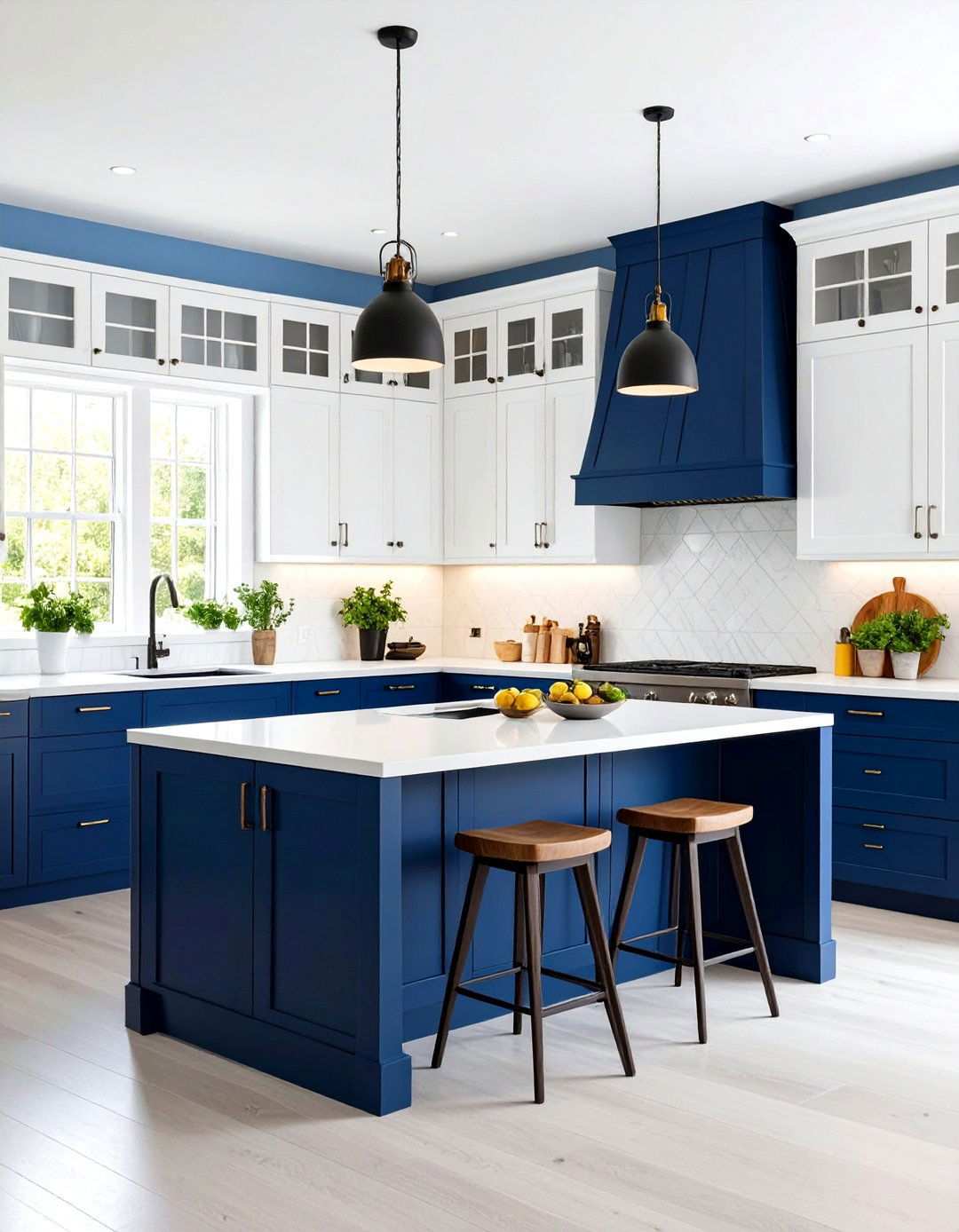
Strategic contrast can add depth and visual interest to a kitchen design, and two-tone cabinetry is a unique way to achieve this effect. By using different colors or finishes on upper and lower cabinets, or between perimeter cabinets and islands, homeowners can create a sophisticated, layered look within their open concepts. This approach allows for the incorporation of both light and dark elements while maintaining balance throughout the space. Consider pairing white upper cabinets with deep navy lowers, or natural wood uppers with painted base cabinets. The contrast created by two-tone cabinetry helps define the kitchen zone and provides opportunities to tie into colors used throughout the adjacent living areas, resulting in a cohesive yet dynamic overall design.
21. Open Shelving Display Kitchen Living Room
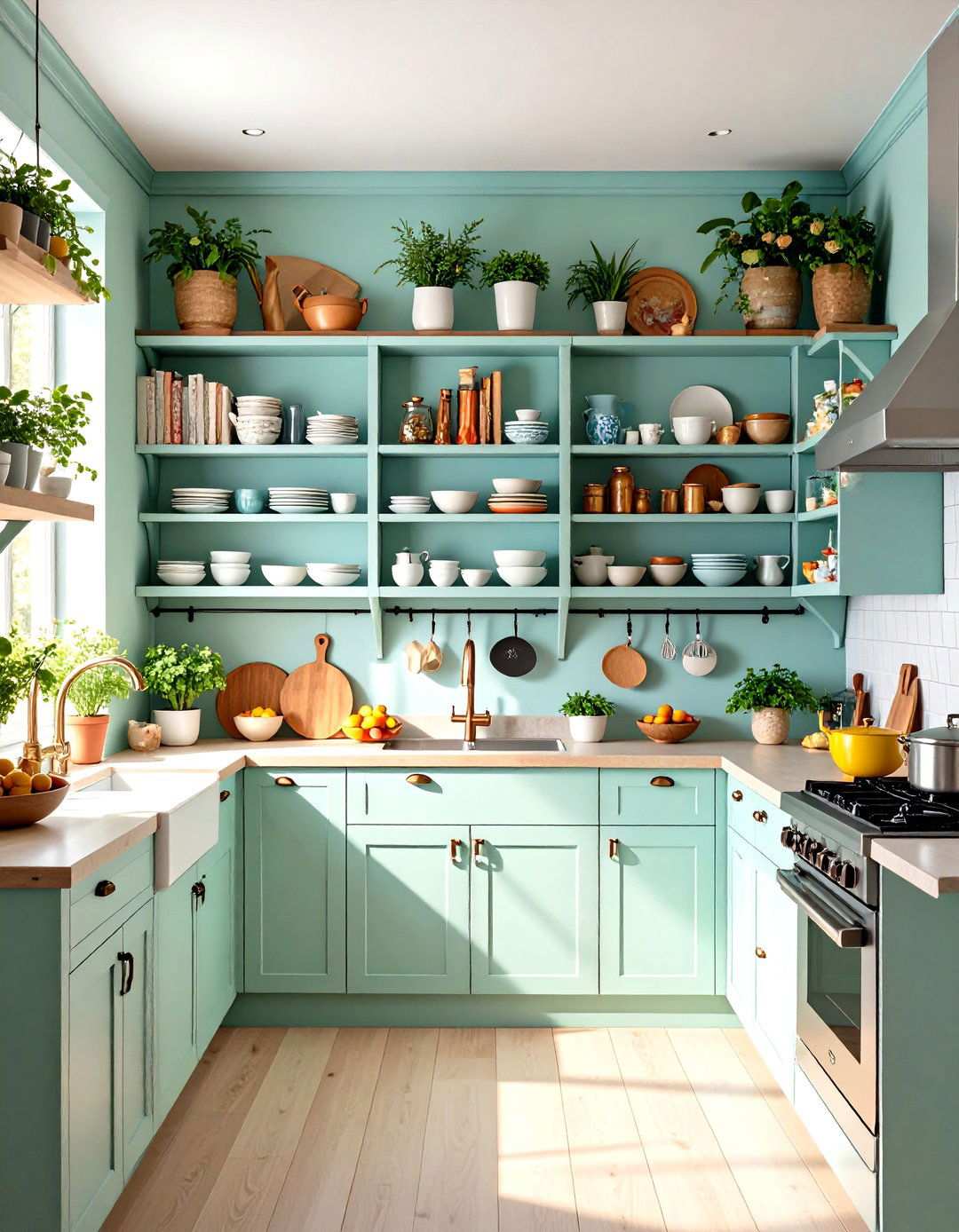
Elevate your open concept kitchen by reimagining storage as a design statement. By replacing upper cabinets with open shelving, you create a visually appealing display area that highlights treasured dishware, cookbooks, and decorative accents. This approach dissolves the boundaries between kitchen and living spaces, allowing you to inject personality and color into the room. The key to success lies in curating your shelving display with intention, balancing the visual weight of your everyday objects to maintain an organized, cohesive appearance that enriches your home’s aesthetic.
22. Mixed Metal Accent Open Kitchen Design
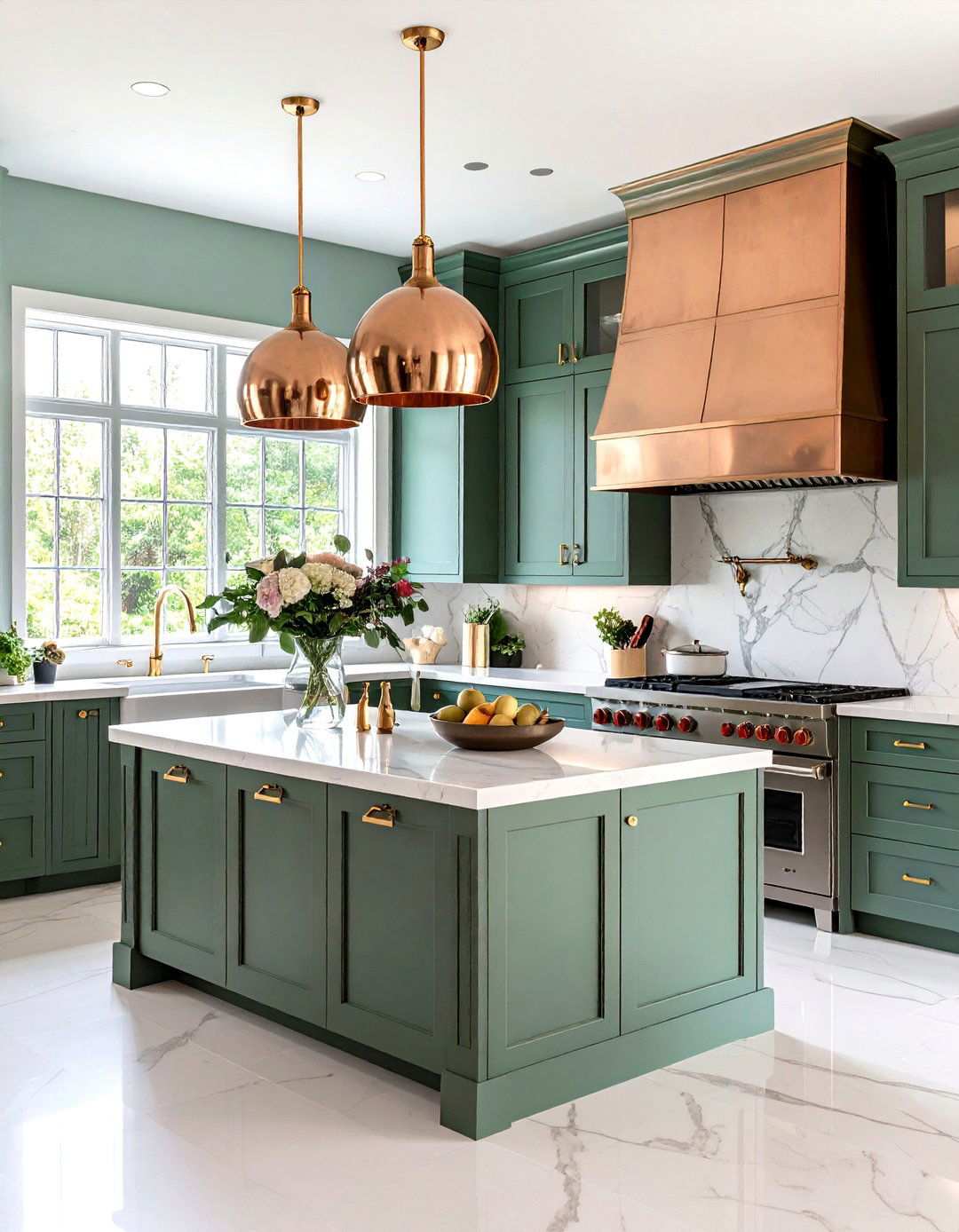
Creating a sophisticated open space requires more than just matching elements – it demands a thoughtful blend of contrasting materials. Mixed metals add depth and visual interest, preventing the monotony of a single-metal scheme. To achieve this look, combine rich, warm brass cabinet hardware with sleek, modern stainless steel appliances and copper pendant lights to craft a collected, layered appearance. The secret to success lies in selecting metals that harmonize rather than clash, typically pairing one warm and one cool tone while maintaining balanced proportions throughout the space. This approach allows for greater flexibility in fixture and accessory choices, yielding a more dynamic, personalized aesthetic.
23. Window Wall Open Kitchen Living Room
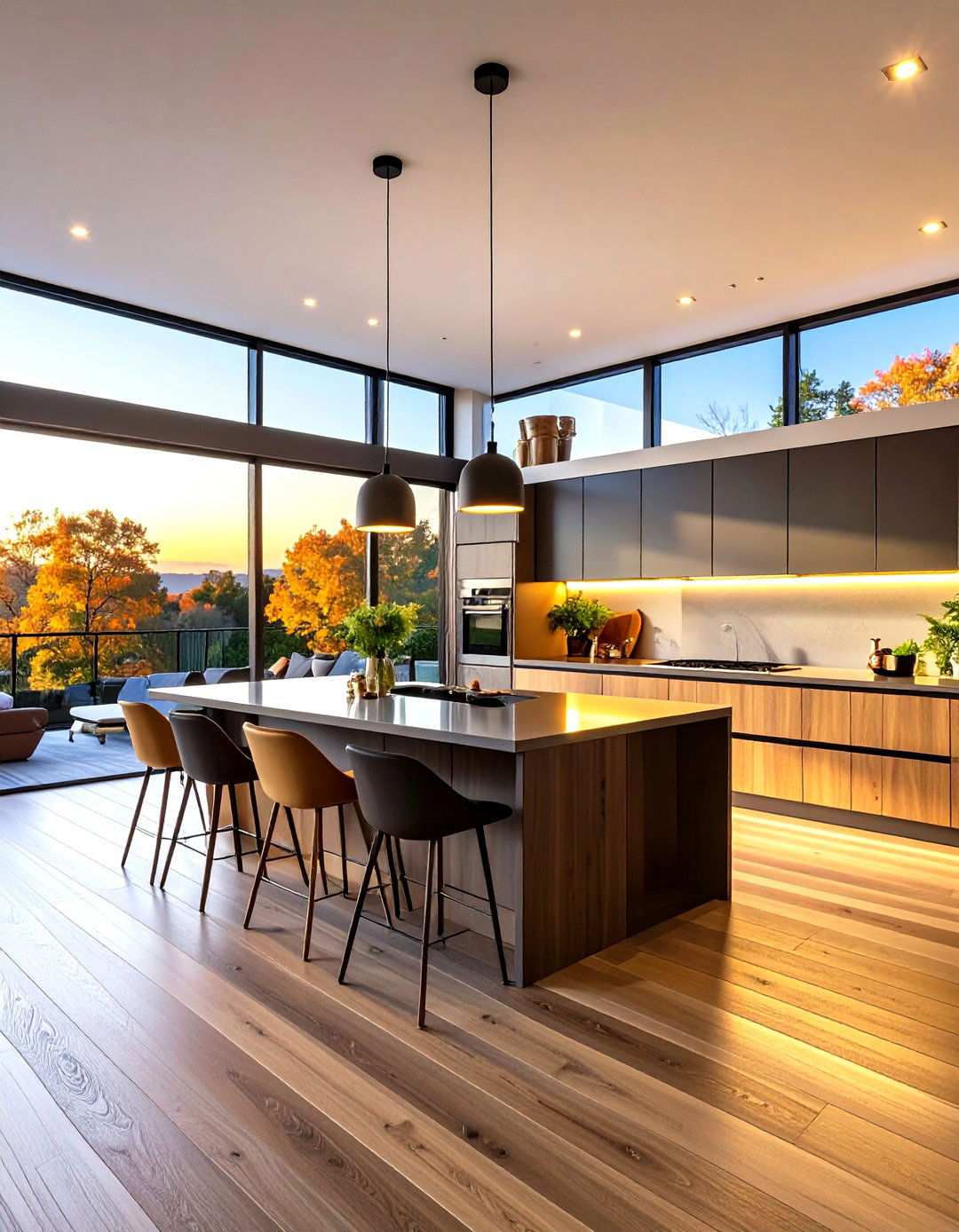
Transform your open concept into an indoor-outdoor oasis with floor-to-ceiling windows that blur the boundaries between interior and exterior spaces. Window walls maximize natural light while fostering a strong connection to the outdoors, making your home feel larger and more in tune with nature. This approach excels in open concepts, where it enhances the sense of spaciousness and provides breathtaking views from both cooking and living areas. However, large expanses of glass require careful consideration of privacy, glare, and temperature control. Strategic furniture placement and judicious window treatments help mitigate these practical concerns while preserving the dramatic impact of expansive views, ultimately creating a seamless transition between indoors and outdoors.
24. Evolving Spaces with Dynamic Furniture Configurations
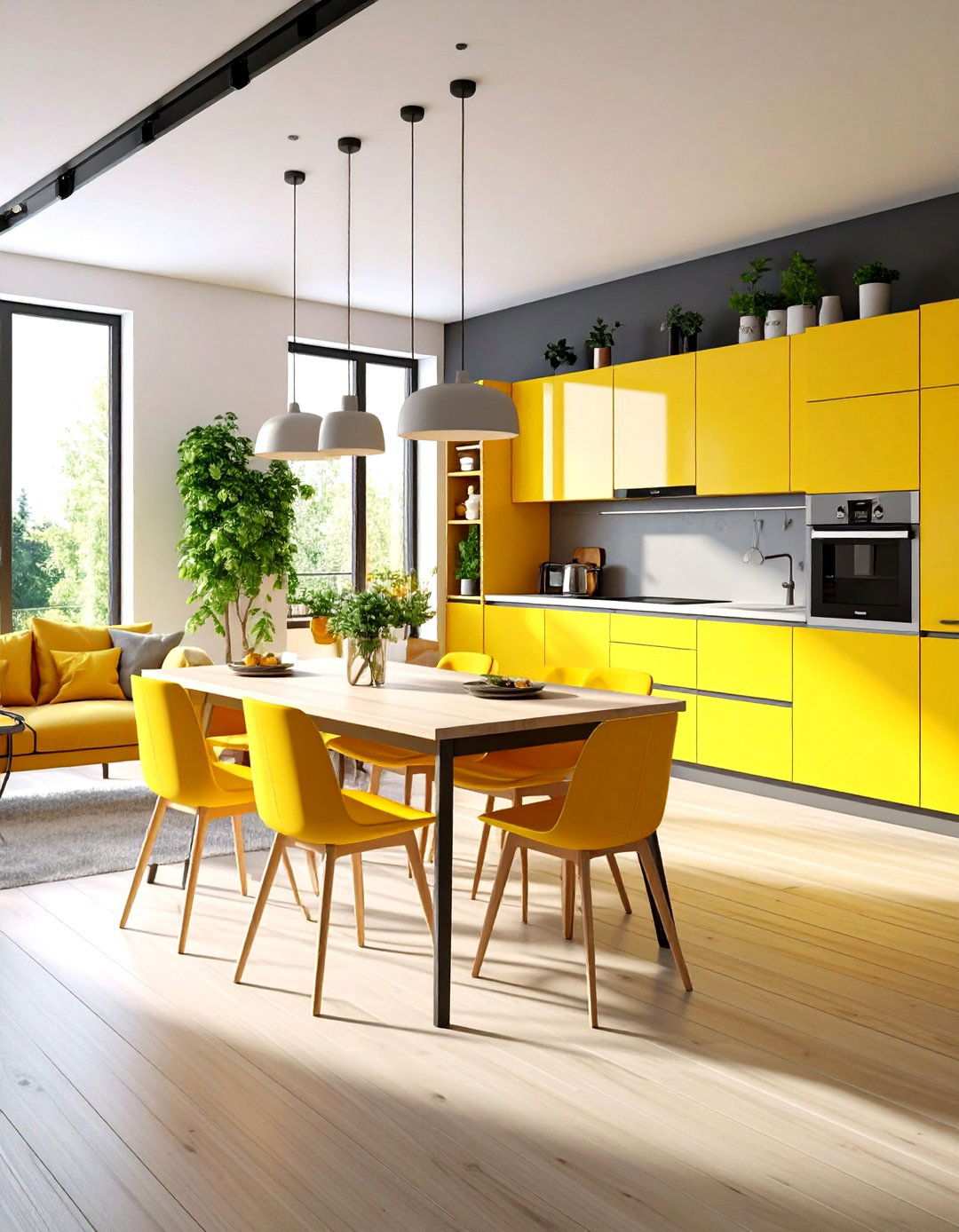
The concept of open-plan living can sometimes be a double-edged sword, where the desire for fluidity and flexibility is at odds with the need for dedicated spaces. However, the latest advancements in modular furniture offer a compelling solution to this conundrum. By incorporating moveable and adaptable pieces, homeowners can effortlessly transform their open spaces from morning routines to evening gatherings. This approach not only caters to the ever-changing needs of modern lifestyles but also creates a unique opportunity for self-expression and creativity in home design.
Incorporating rolling kitchen carts, extendable dining tables, and modular seating systems can significantly enhance the functionality of a smaller open-plan space. These pieces serve multiple purposes, allowing homeowners to make the most of their available floor space. Furthermore, quality casters, lightweight materials, and thoughtful proportions ensure that even the most dynamic furniture configurations do not compromise the overall aesthetic of the space.