1. Maximizing Space in Studio Apartments
Studio apartments offer a unique opportunity to redefine the boundaries of home design, forcing us to think creatively about how we use every available square foot. These compact spaces, typically ranging from 300 to 600 square feet, have gained popularity among urban dwellers seeking efficient, low-maintenance living options. To successfully transform a studio apartment, it’s essential to adopt multifunctional design principles that seamlessly integrate living, sleeping, dining, and working areas. By leveraging clever storage solutions, strategic vertical space utilization, and thoughtful room division techniques, we can create the illusion of separate spaces within a single room. From retractable beds to multifunctional room dividers, modern studio apartments can achieve remarkable functionality without sacrificing style. Whether you’re choosing to downsize or facing the need to do so, these design strategies will help you optimize every inch while creating a comfortable, organized, and visually appealing home that appears larger than its actual footprint.

As an Amazon Associate I earn from qualifying purchases.
2. Innovative Storage Solutions for Studio Apartments
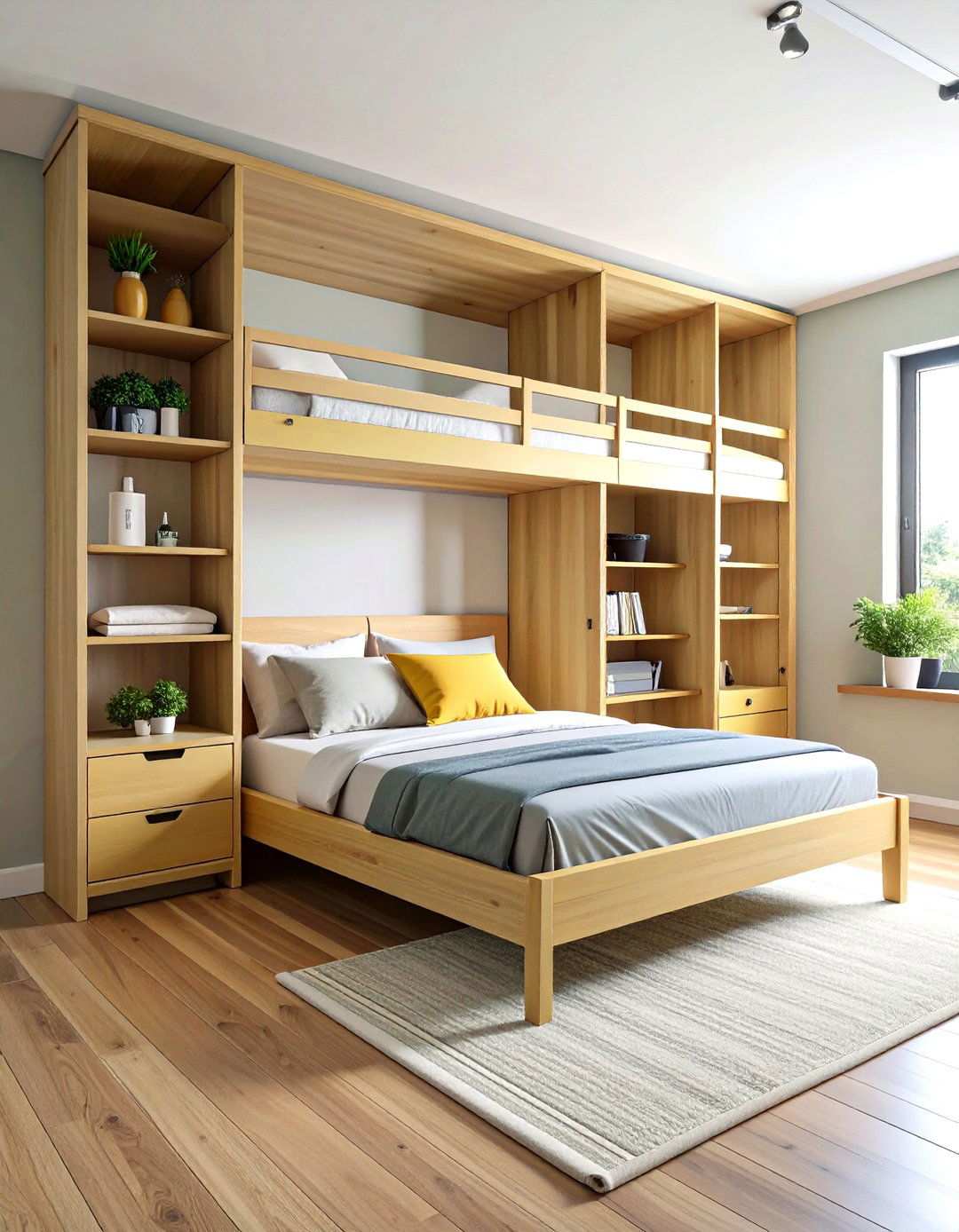
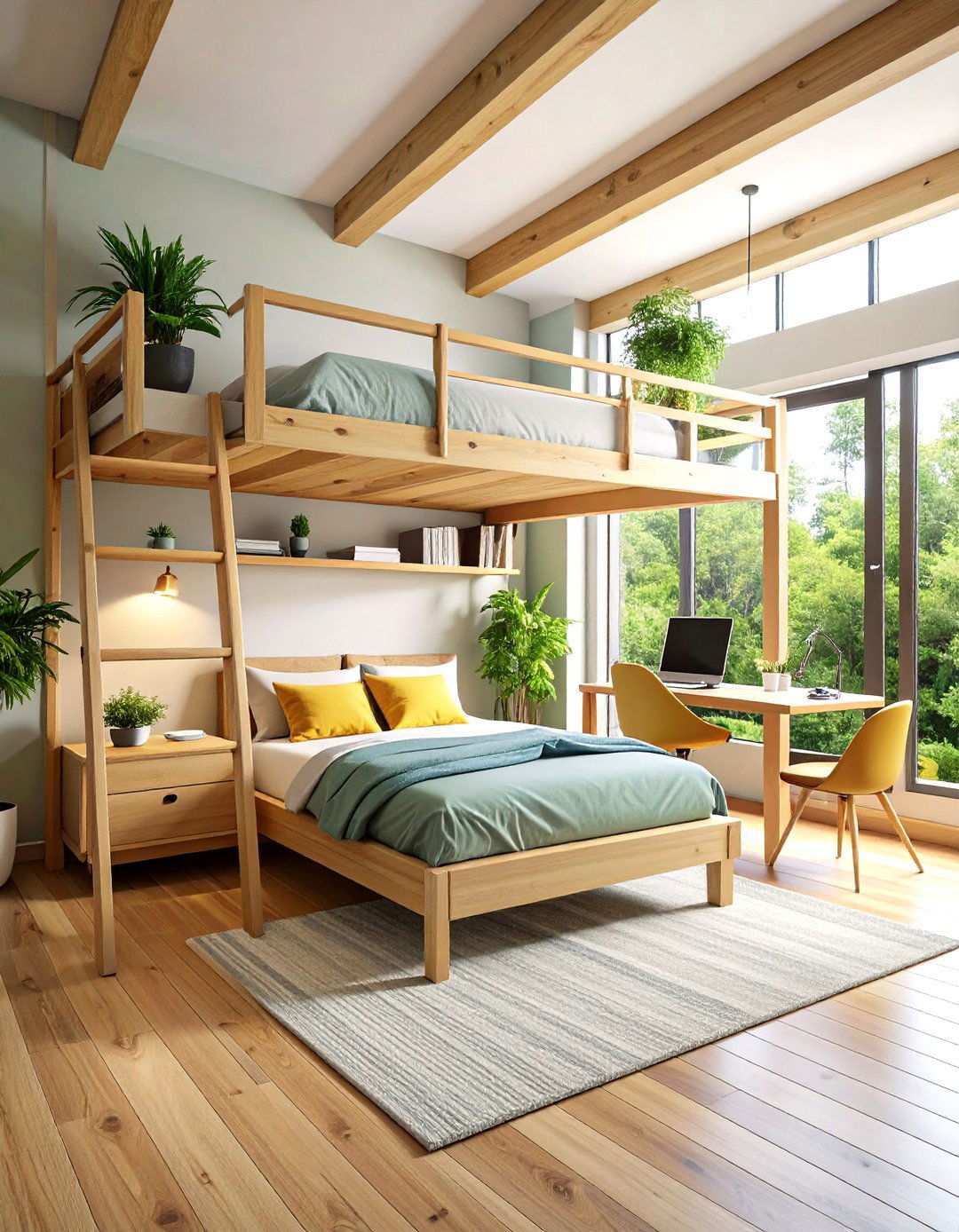
Traditional bedroom furniture often takes up valuable floor space in studio apartments, making it feel cramped and claustrophobic. A loft bed design offers a groundbreaking solution by repurposing vertical space to create distinct functional zones. Positioning a raised sleeping platform frees up the entire floor area beneath for a workspace, living area, or additional storage. This approach effectively doubles your usable space while maintaining an unobstructed view throughout the apartment. To ensure stability and comfort, install sturdy support beams and ensure adequate headroom above the bed. The space beneath becomes a versatile zone perfect for a desk, reading nook, or entertainment center. Adding curtains around the sleeping area provides a sense of privacy while maintaining an open and airy feel throughout the space.
3. Elegant Room Separators
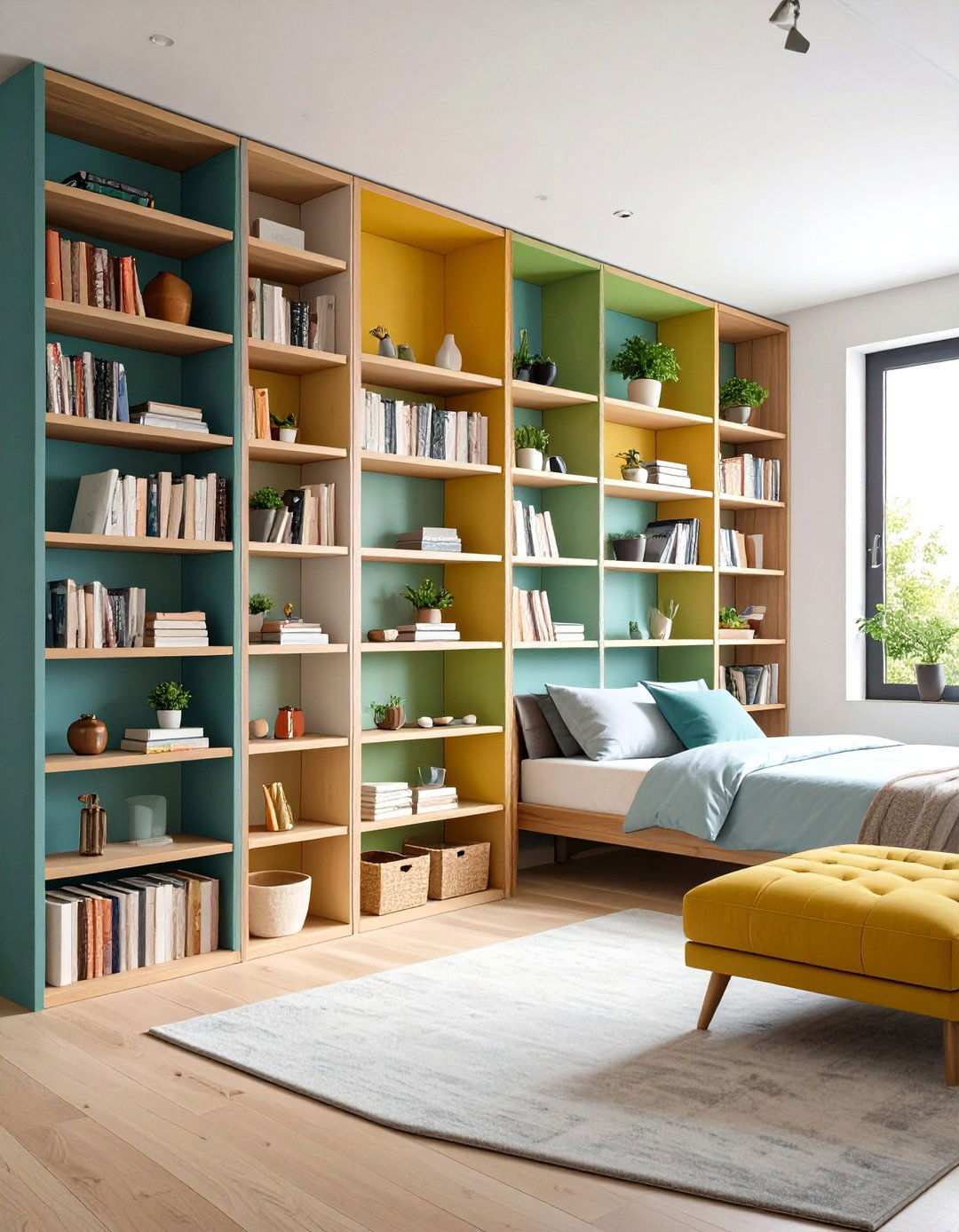
To establish distinct areas within your studio without sacrificing the flow of natural light, consider utilizing open shelving units as room dividers. These sophisticated separators not only define separate zones but also maintain visual continuity, creating a sense of harmony throughout your space. By positioning tall, open bookcases strategically, you can separate sleeping areas from living spaces while allowing sunlight to filter through, creating a warm and inviting atmosphere. The open design not only provides essential storage for books, plants, decorative items, and everyday essentials but also prevents the space from feeling claustrophobic. By incorporating shelving units with varied compartment sizes, you can create visual interest and add depth to your studio design.
4. Adaptable Curtain Solutions
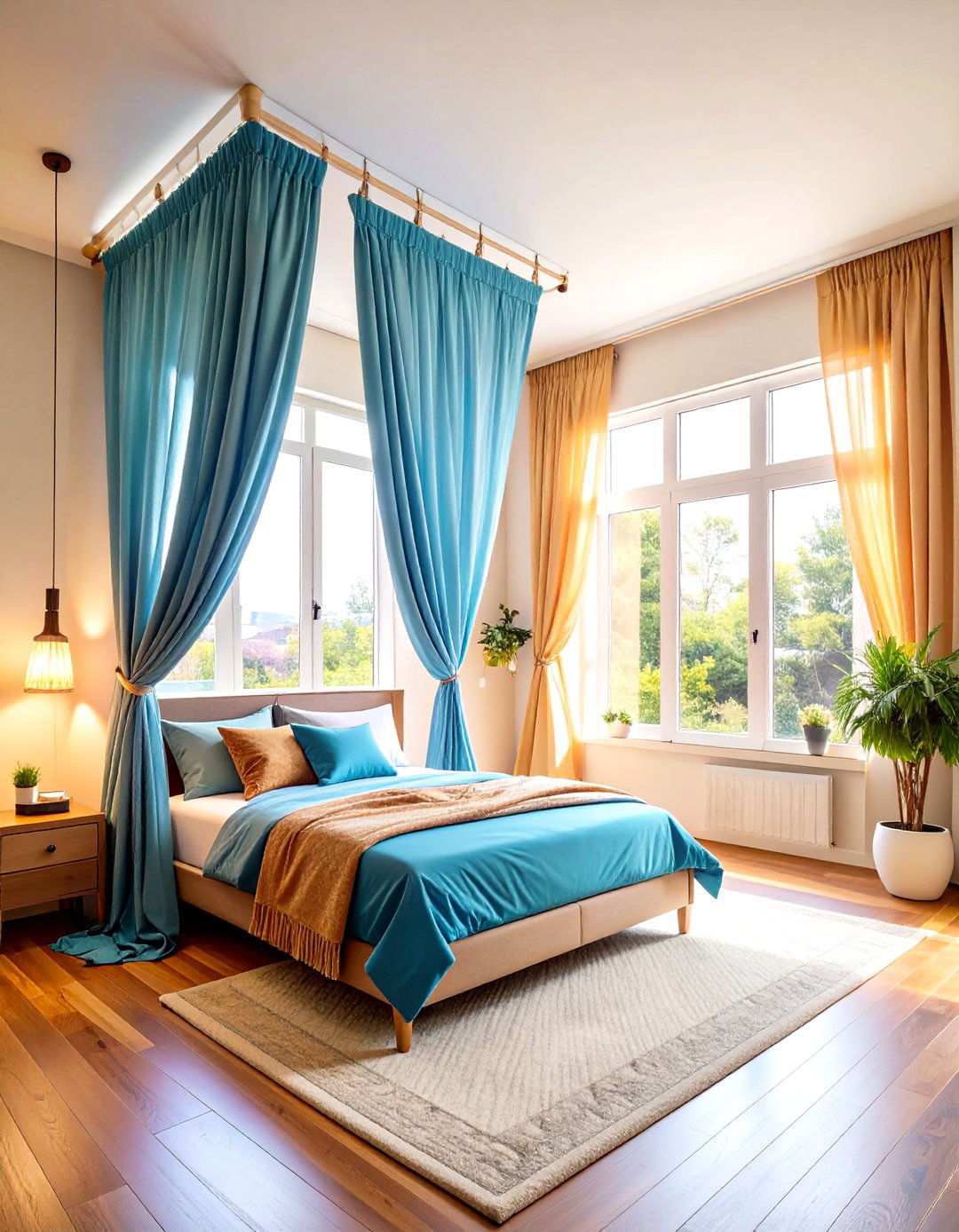
Imagine being able to create instant privacy and room separation with a flexible and easy-to-implement solution. Curtain partition systems offer a versatile approach to dividing studio spaces, allowing you to maintain the option for complete openness. By installing ceiling-mounted tracks, you can enable curtains to slide smoothly across different areas of your apartment, creating a seamless transition between spaces. Choose fabrics that complement your decor style, ranging from sheer materials that filter light to heavier fabrics that provide complete privacy. This adaptable system works particularly well for creating a bedroom enclosure that can be opened during the day to maximize space and create a sense of fluidity. By layering different curtain weights and colors, you can add texture and visual depth to your studio design, making it feel more sophisticated and thoughtfully designed.
5. Space-Affirming Furniture Layout
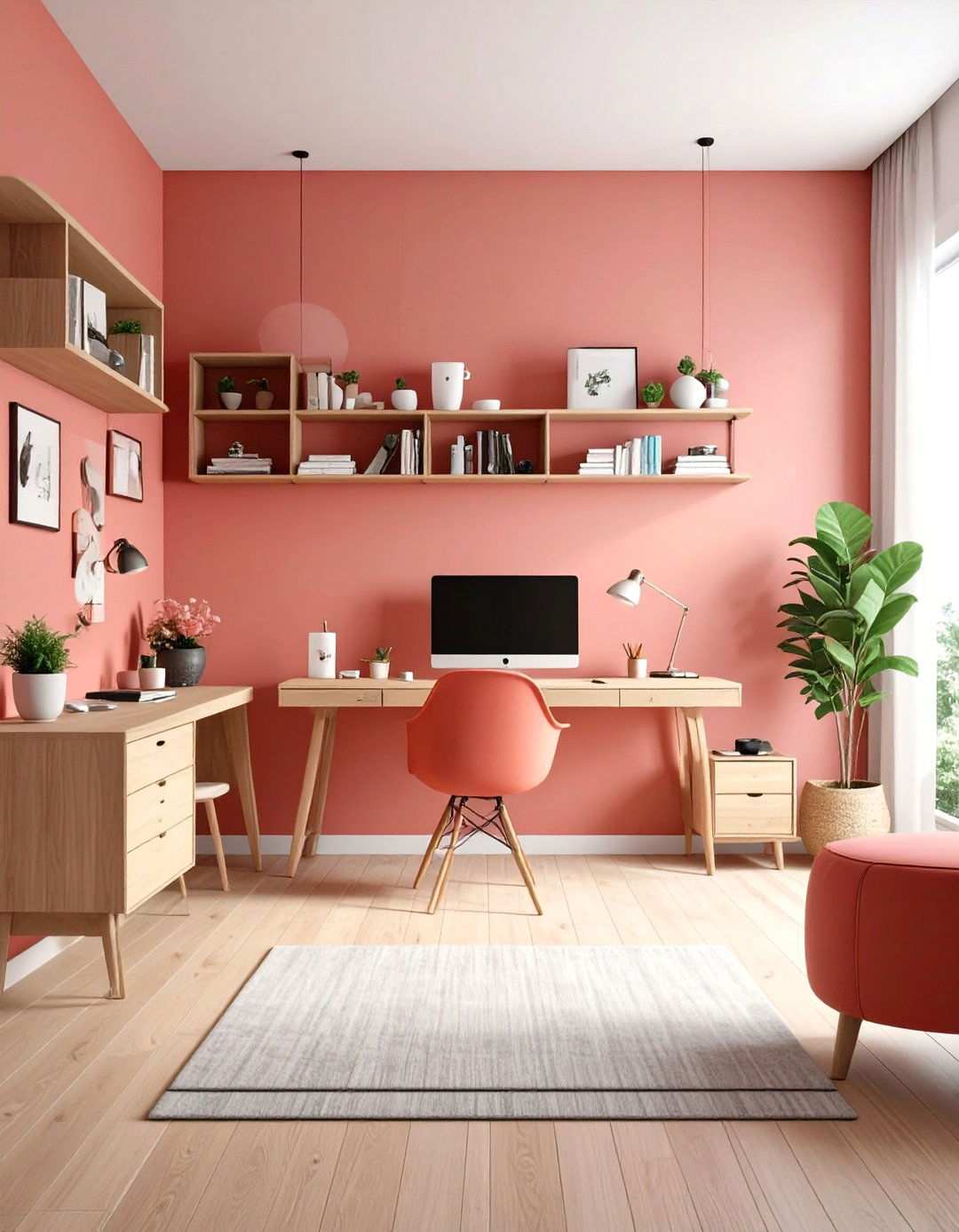
Why settle for bulky furniture that can make your studio feel cramped and cluttered? By incorporating floating furniture designs, you can create an illusion of expanded space and an airy atmosphere. Mounting desks, nightstands, and entertainment units directly to walls keeps floor space clear, allowing for easy movement and cleaning. This approach not only creates the perception of a larger room but also enhances the overall sense of well-being and calmness. When choosing furniture, opt for pieces with clean lines and minimal profiles to maximize the floating effect. Adding under-cabinet lighting to your floating furniture can create ambient illumination that further enhances the weightless appearance, making even small studios feel surprisingly spacious and well-organized.
6. Harmonious Color Schemes
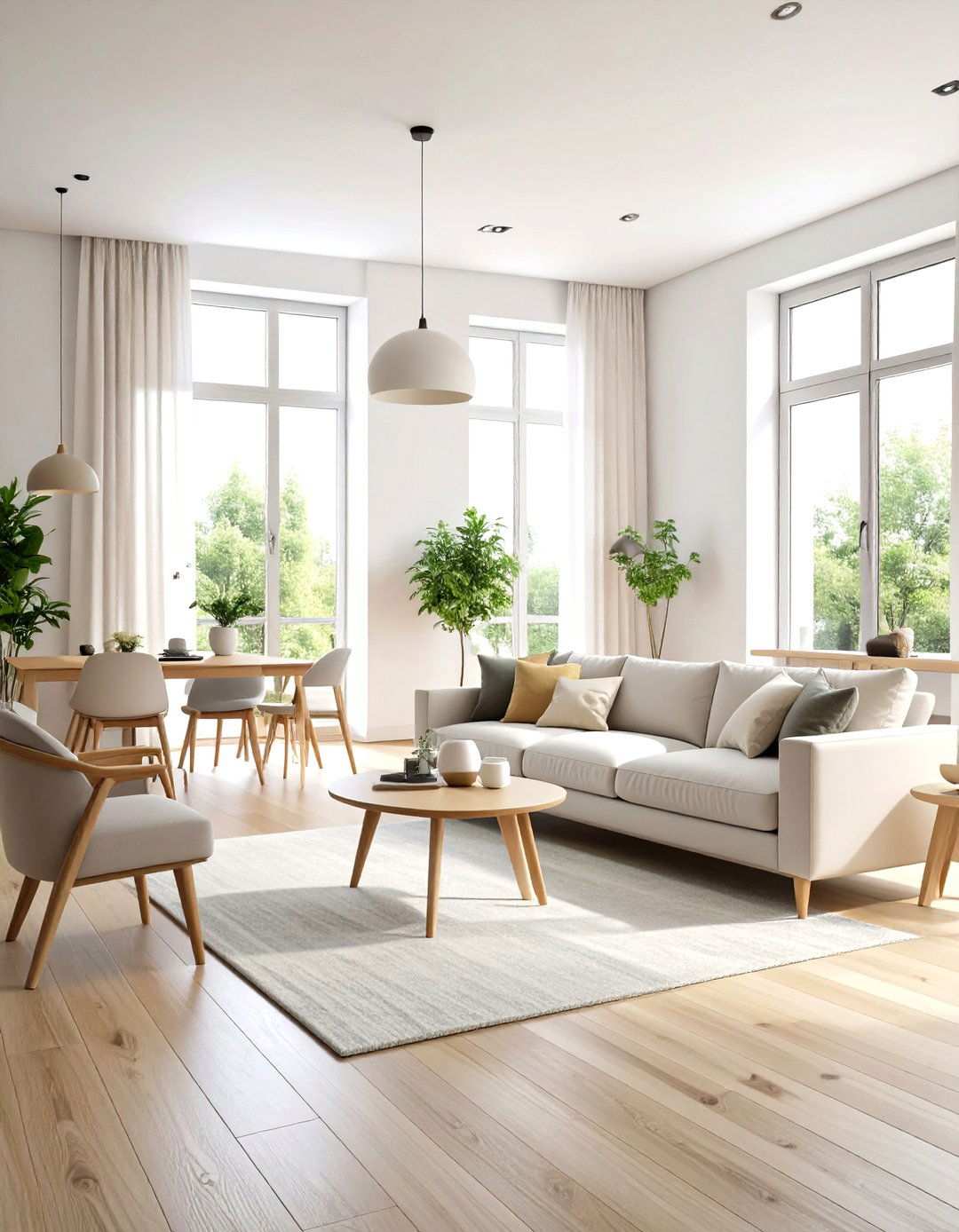
Can a single color palette truly make your studio feel larger and more sophisticated? A monochromatic design scheme can create visual cohesion that makes small spaces appear more expansive and thoughtfully designed. By selecting one base color and using various shades, tones, and textures throughout your studio apartment, you can create a sense of visual harmony that eliminates color competition. Light colors like whites, creams, and pale grays reflect maximum light and create an airy feeling, making your studio feel more spacious and inviting. Layering different textures in your chosen color family through fabrics, finishes, and materials can add depth without visual clutter, creating a serene and hotel-like atmosphere that feels both calming and luxurious despite the compact size.
7. Capturing the Edgy Sophistication of a Converted Warehouse Space
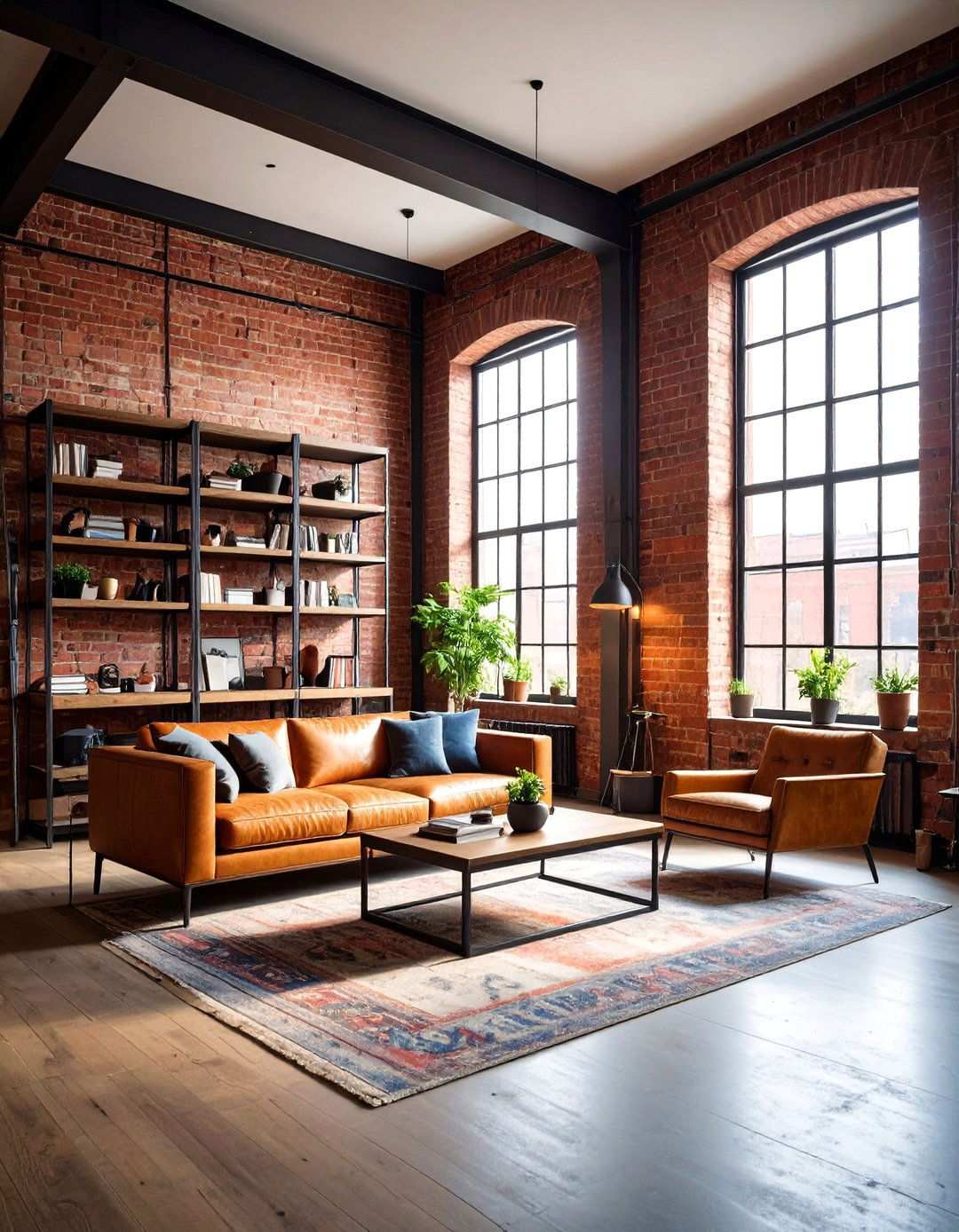
Industrial loft design has a unique ability to turn your studio into a converted warehouse space, complete with an edgy sophistication that’s hard to resist. By embracing raw materials, exposed elements, and utilitarian aesthetics, you can create a character-rich space that’s full of urban charm. Incorporating metal shelving, exposed brick or concrete walls, and industrial lighting fixtures is a great way to achieve this look, while galvanized steel storage units and vintage factory-inspired furniture can help you maximize both style and function. The industrial aesthetic works particularly well with high ceilings and large windows, which are commonly found in converted loft buildings. To balance out the hard industrial elements, add some warm wood accents and soft textiles, and you’ll be left with a space that still feels like a warehouse, but with a bit of warmth and personality.
8. Creating Distinct Living Zones in a Studio Without Walls
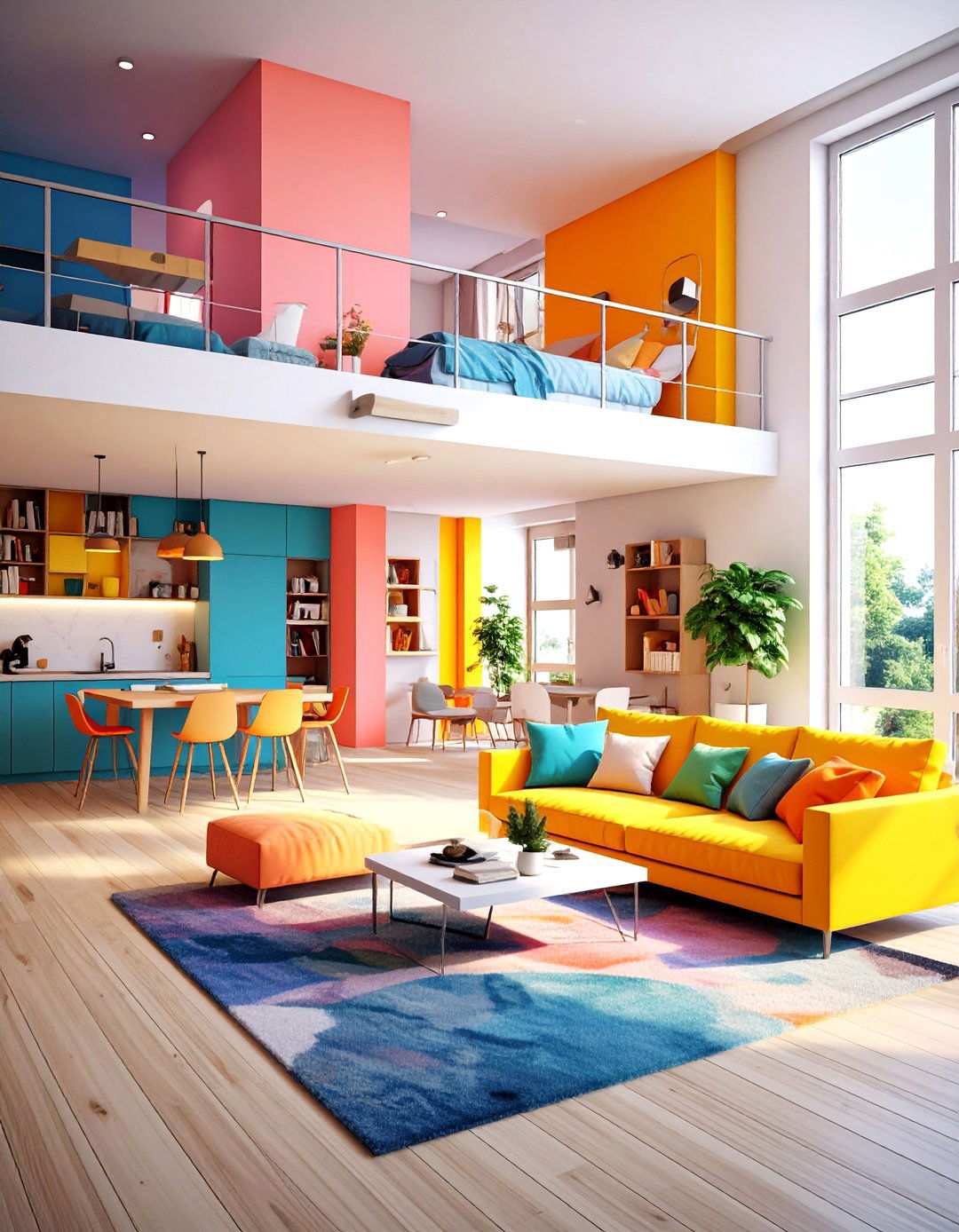
When it comes to creating separate living areas in a studio, traditional walls just aren’t necessary. Multi-level platform design is a great way to define different functional areas while maintaining a sense of visual flow throughout the space. By building or installing platforms at varying heights, you can designate areas for sleeping, dining, and lounging. The elevation changes will naturally separate activities, making it feel like you have multiple rooms without the need for physical barriers. Use the space beneath the platforms to hide storage compartments or built-in drawers – it’s a great way to add functionality to your space. This approach is especially well-suited for studios with high ceilings, where the vertical dimension can accommodate multiple levels. To enhance the distinct zone feeling, add area rugs and different lighting for each platform level.
9. How Simplicity Can Create the Illusion of More Space
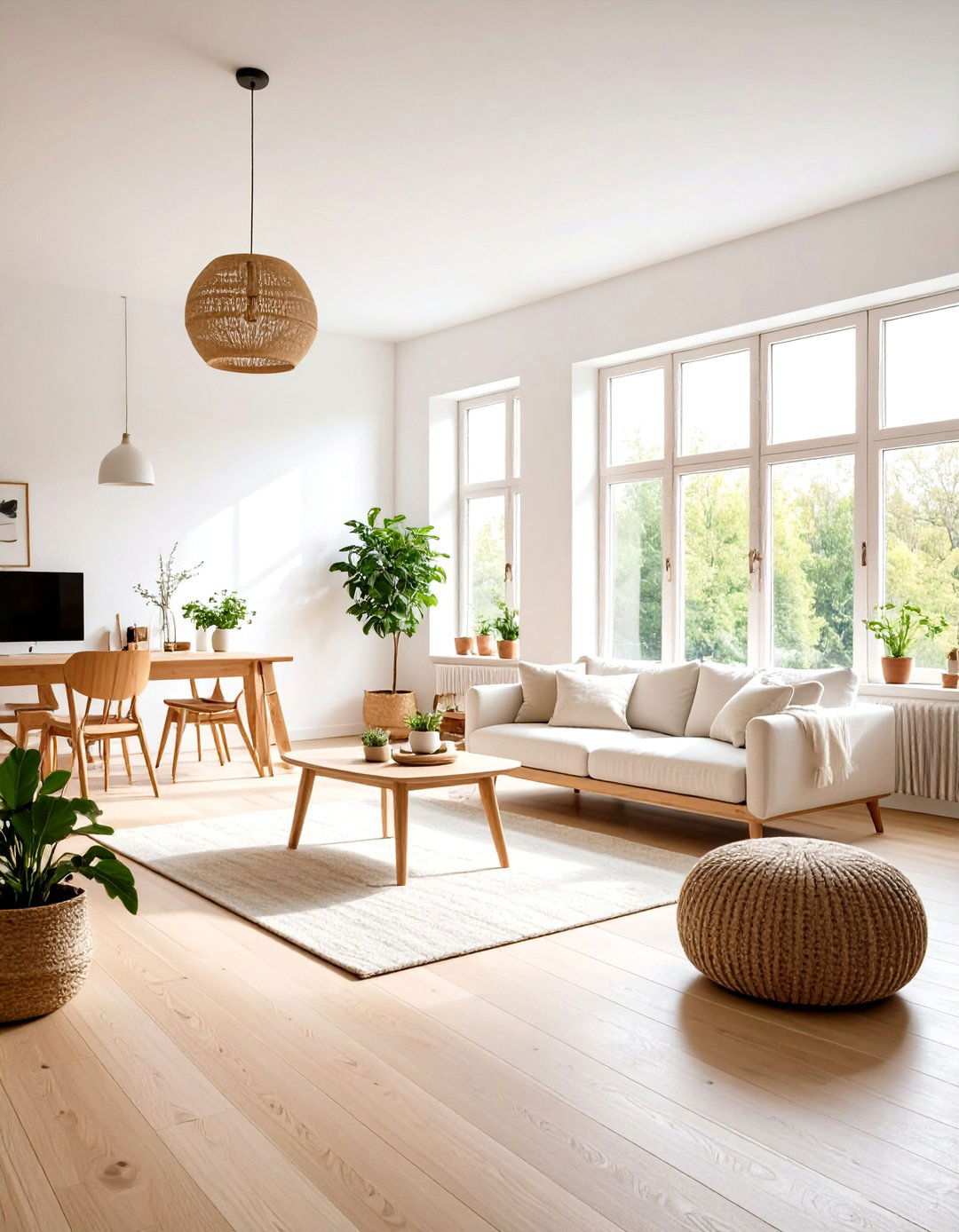
Scandinavian minimalist design is all about simplicity, and it’s a great way to create the illusion of more space and better functionality in your studio apartment. By focusing on clean lines, natural materials, and functional furniture with built-in storage capabilities, you can create a space that feels larger than it actually is. Choose a neutral color palette dominated by whites and light woods to maximize natural light reflection, and incorporate hygge elements like cozy textiles and warm lighting to create a sense of comfort within the minimalist framework. Every piece of furniture should serve multiple purposes, and maintaining the aesthetic of effortless simplicity is key. Adding natural textures and plants can bring warmth to your space without cluttering the clean, organized environment that makes small spaces feel larger.
10. Using a Single Piece of Furniture as Both Bedroom and Living Room
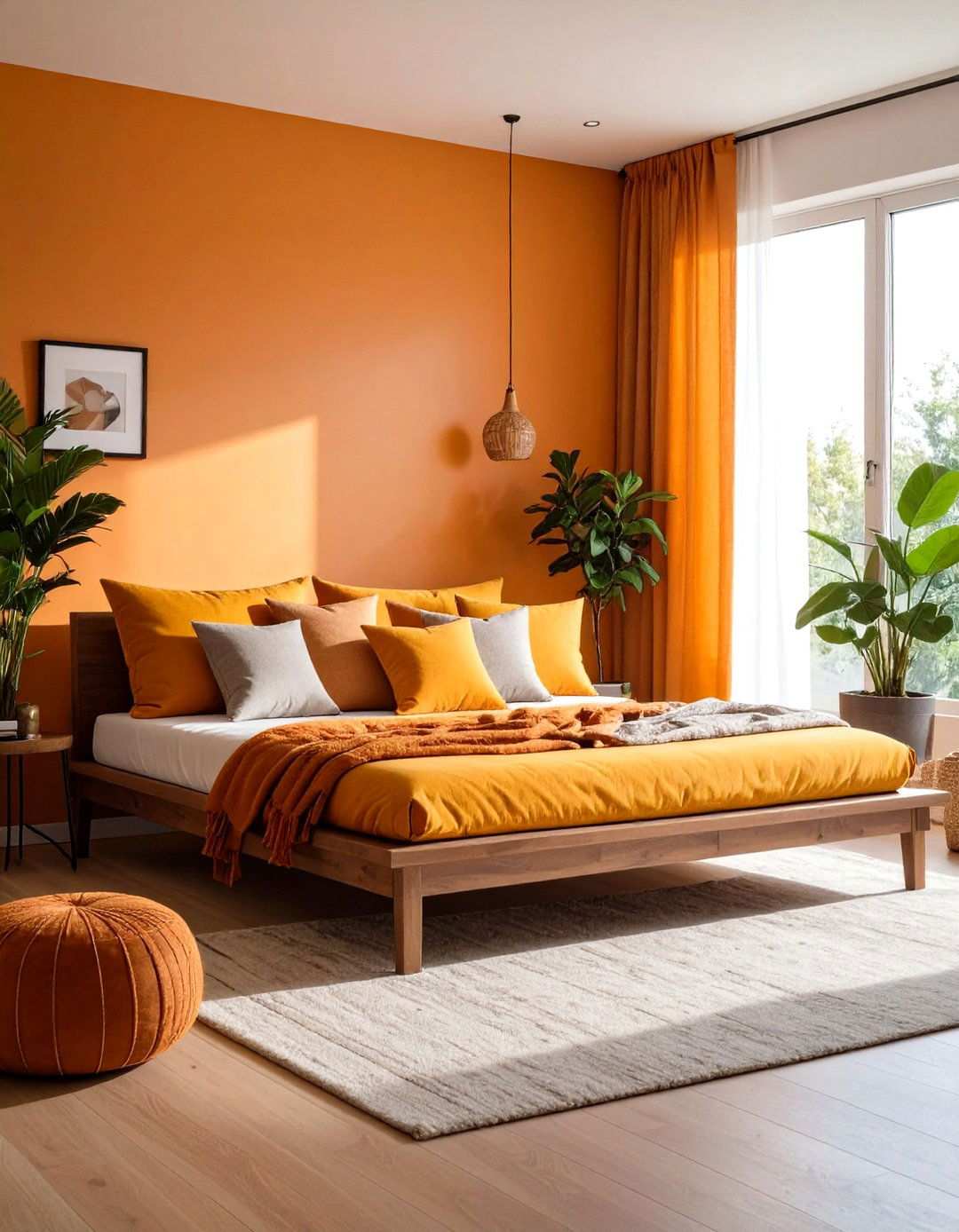
With a bit of creativity, one piece of furniture can successfully serve as both bedroom and living room. Daybed designs, in particular, provide comfortable seating during the day and transform into sleeping space at night. Position a daybed against a wall with plenty of pillows and throws to create a lounge-like atmosphere for entertaining, and choose styles with built-in storage drawers or trundle beds for additional functionality. This approach works particularly well in studios where dedicating space to a traditional bed seems wasteful. To complete the living room aesthetic, add a coffee table and area rug, and the daybed becomes the focal point of your studio, providing the flexibility to accommodate overnight guests.
11. Kitchen Peninsula Layout
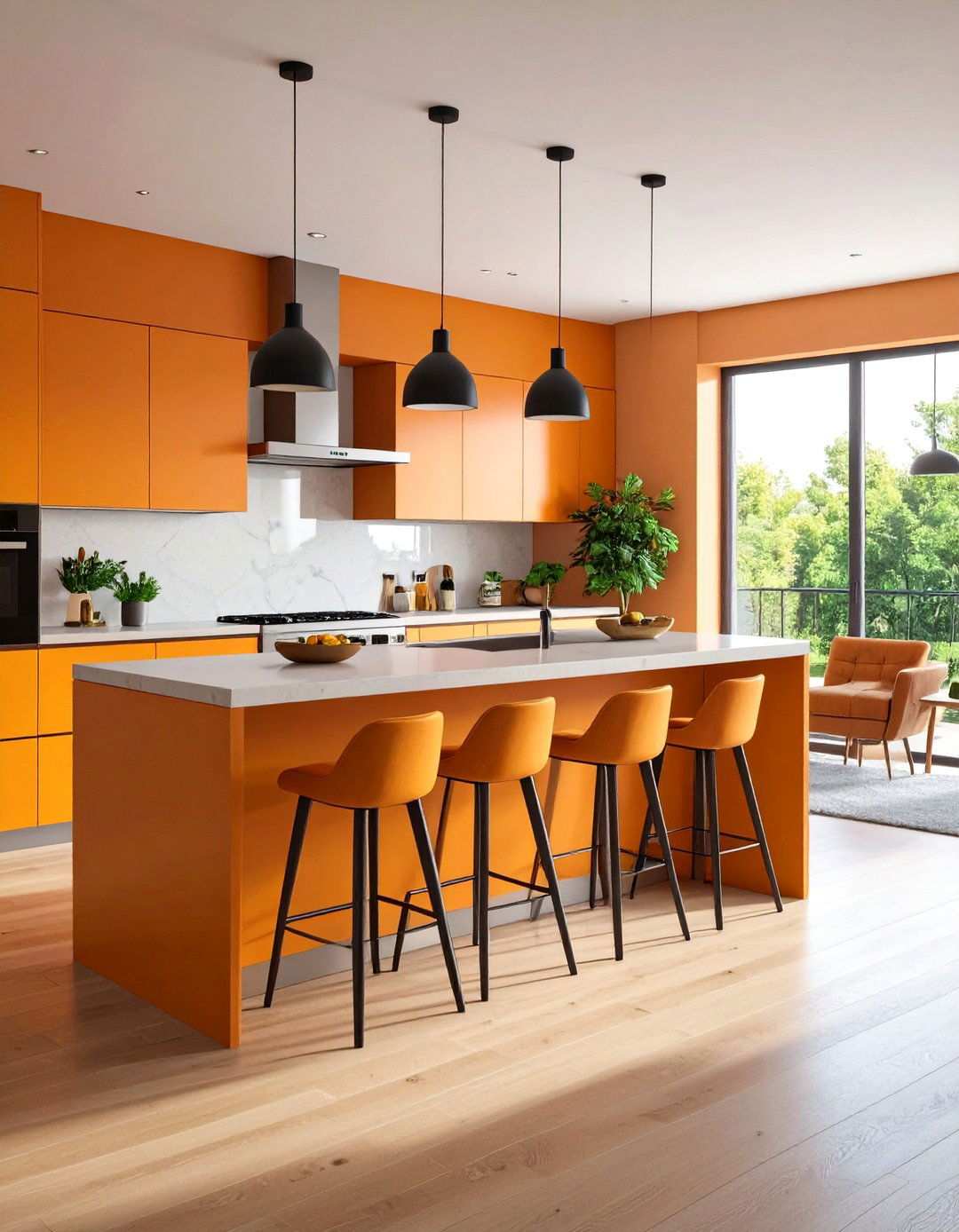
By extending your kitchen’s functionality into the main living area, you can create a seamless transition between cooking and relaxation. A kitchen peninsula not only provides additional counter space but also acts as a natural divider between the kitchen and the rest of the studio. This layout is particularly well-suited for rectangular studios where the kitchen occupies one end, as it creates a clear visual separation between the two spaces. Installing pendant lighting above the peninsula serves to define the space and provide focused task lighting for food preparation. With its versatility, a kitchen peninsula can easily double as a workspace for laptops or other projects, making it a highly functional feature that maximizes the studio’s potential.
12. Built-In Storage Walls
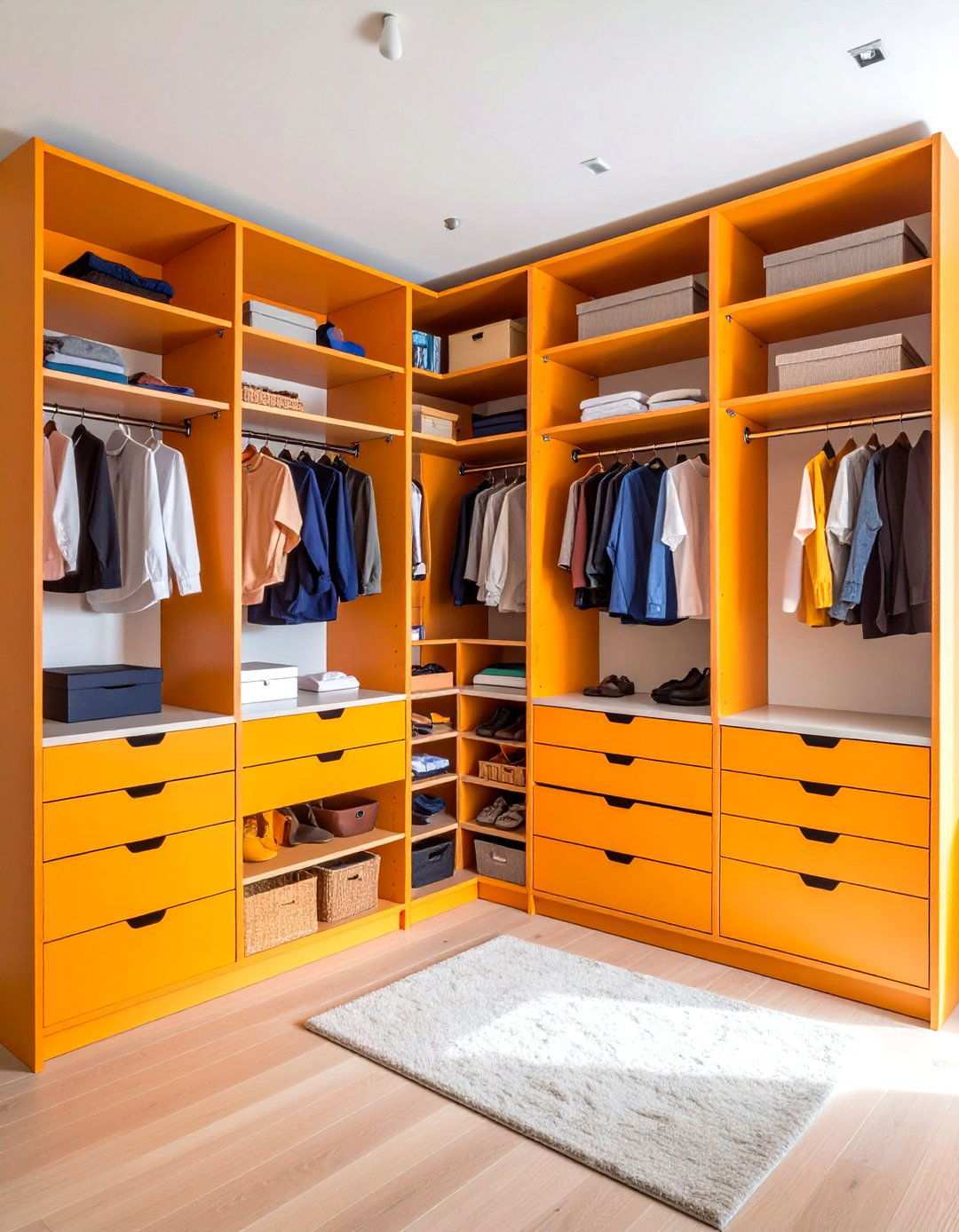
Maximizing storage capacity in a compact studio requires creative solutions that don’t compromise on living space. Built-in storage walls are an excellent approach to achieving this balance, as they create floor-to-ceiling organization systems that utilize every inch of vertical space. By designing custom storage units that cater to your specific needs, you can incorporate a range of features, including closet space, shelving, and hidden compartments. These systems can be expertly integrated around doorways, windows, or entire walls to optimize storage capacity. A combination of open shelving for display items and closed storage for personal belongings creates a seamless, well-planned appearance that makes even the smallest studios feel spacious and organized.
13. Bohemian Textile Layers
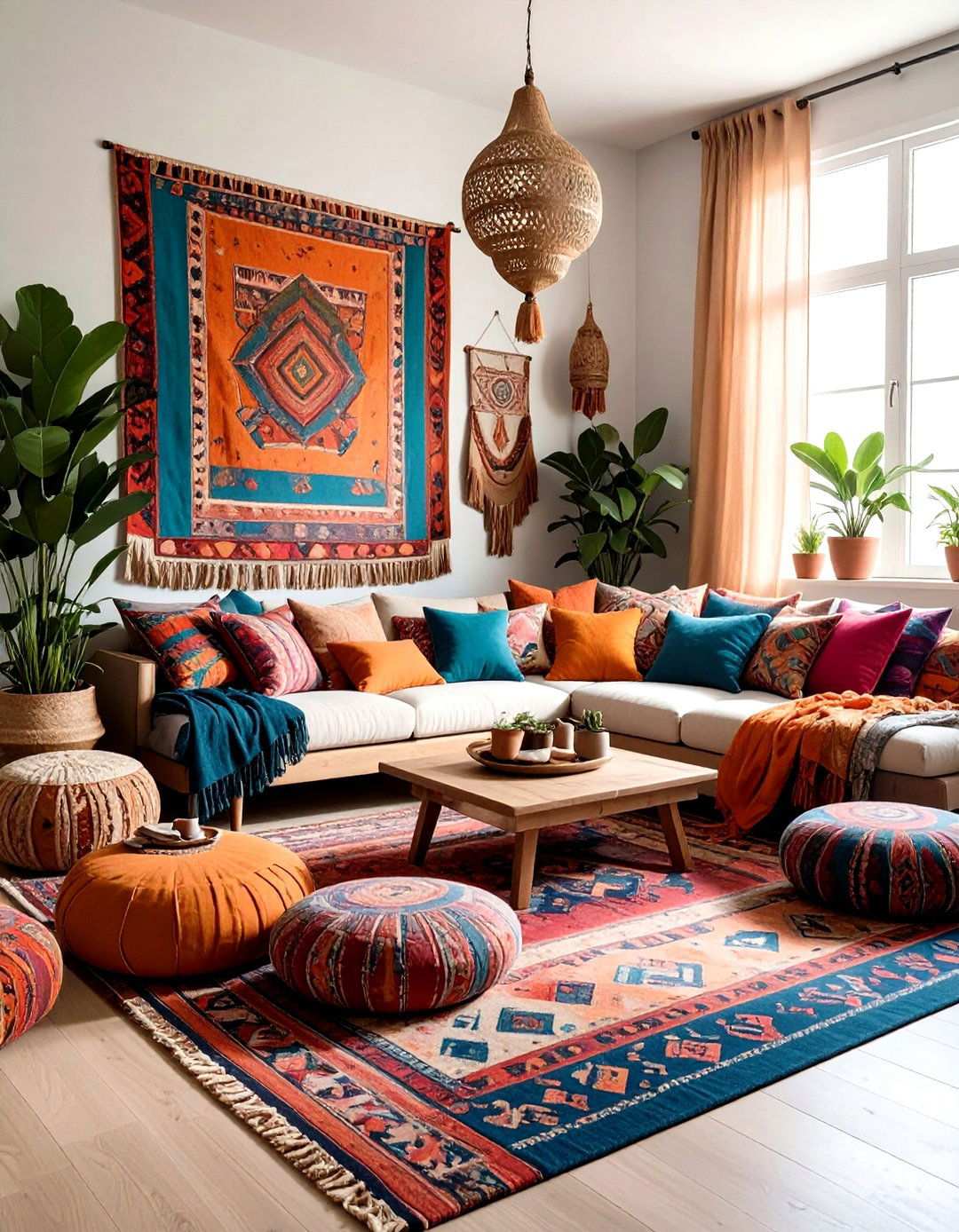
While it may seem counterintuitive, abundant textiles and patterns can actually contribute to making a small studio feel more spacious and inviting. Bohemian design celebrates layered textiles, rich colors, and eclectic patterns to create cozy, personalized spaces that reflect the owner’s artistic personality. By using tapestries, rugs, and curtains to define different areas within your studio, you can add warmth and texture to the space. The key to success lies in balancing bold patterns with solid colors and varying textures to create visual interest without overwhelming the space. Incorporating floor cushions and poufs provides flexible seating options that can be easily rearranged to suit your needs, making this approach particularly well-suited for creative individuals who value functionality and self-expression.
14. Glass Partition Walls
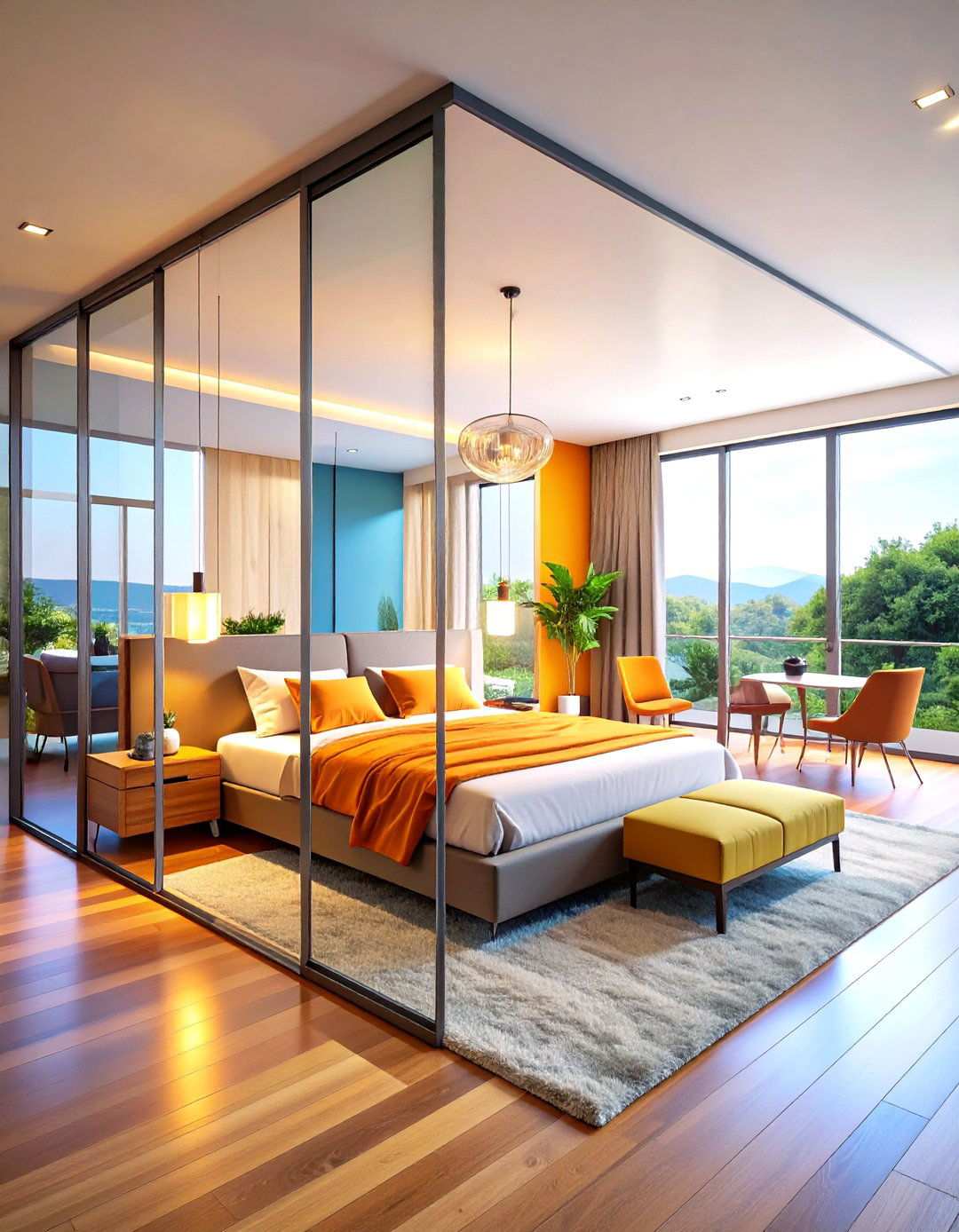
In studios where natural light is plentiful, creating separate rooms without sacrificing openness can be a significant challenge. Glass partition walls offer a brilliant solution by providing visual separation while maintaining the sense of spaciousness that makes studio living comfortable and bright. By installing floor-to-ceiling glass panels, you can create a bedroom enclosure that doesn’t block light flow, allowing the natural light to continue to illuminate the space. Frosted or textured glass options provide the added benefit of privacy while still allowing light transmission. This solution is particularly well-suited for studios with ample natural light, as it preserves the sense of openness while creating the psychological benefit of separate rooms.
15. Elevating Your Space with Modular Furniture
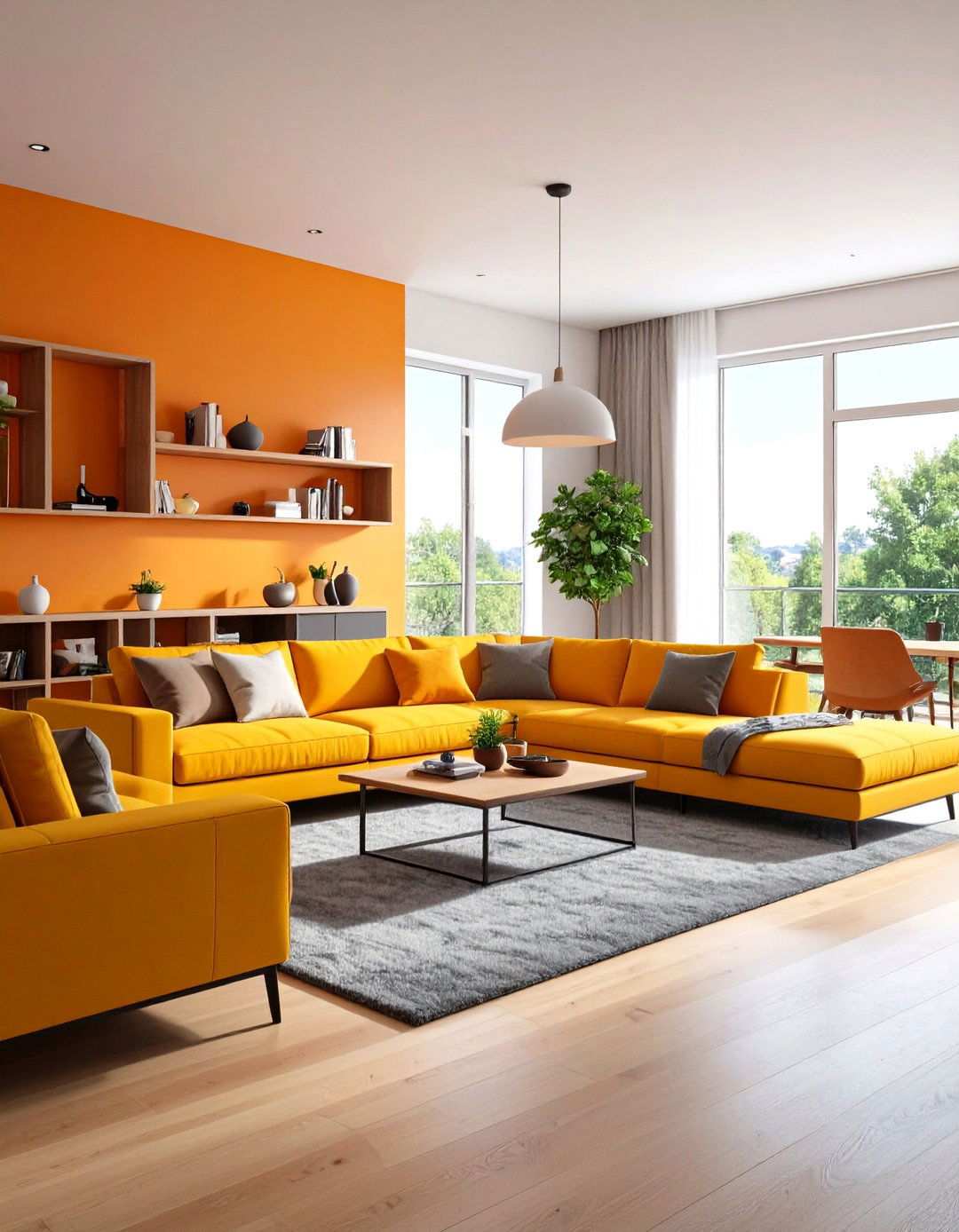
A key aspect of optimizing your studio is finding furniture that can adapt to various activities and entertaining needs throughout the day. Modular furniture systems excel in this area, offering flexibility through pieces that can be reconfigured to suit different purposes. For instance, choose sectional seating that can be arranged as a sofa, separated into individual chairs, or combined into a larger seating area for guests. Modular storage cubes that stack, separate, or rearrange also provide the means to meet changing needs, allowing you to quickly transform your studio from a quiet workspace to an entertainment area for friends. This modular approach enables you to experiment with different layouts until you find what works best for your lifestyle.
16. Streamlining Your Workspace with Wall-Mounted Desks
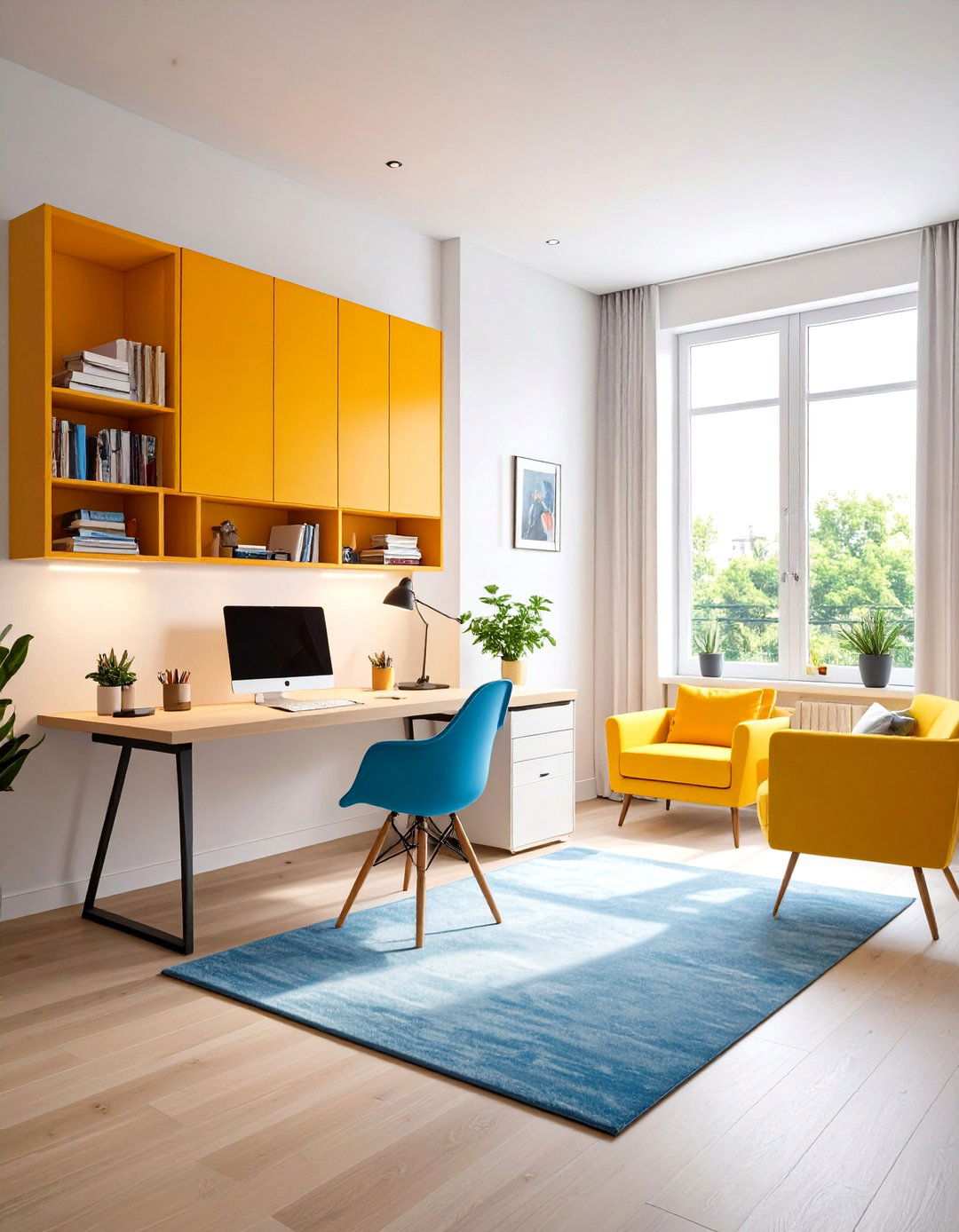
Creating a productive workspace without sacrificing precious floor space is a pressing concern for many studio dwellers. Fortunately, wall-mounted desk designs offer a complete office solution that folds away when not in use. By installing a fold-down desk, you can transform any wall into a temporary workspace for laptops, paperwork, or creative projects. Supplement your desk with built-in storage for office supplies and personal items above or beside the desk surface. This setup is particularly well-suited for remote workers who need occasional office space without having furniture dominate their living area. Incorporating task lighting and a comfortable stool that tucks completely under the desk when folded up adds to the overall efficiency of this solution.
17. Unlocking the Potential of Under-Stair Storage
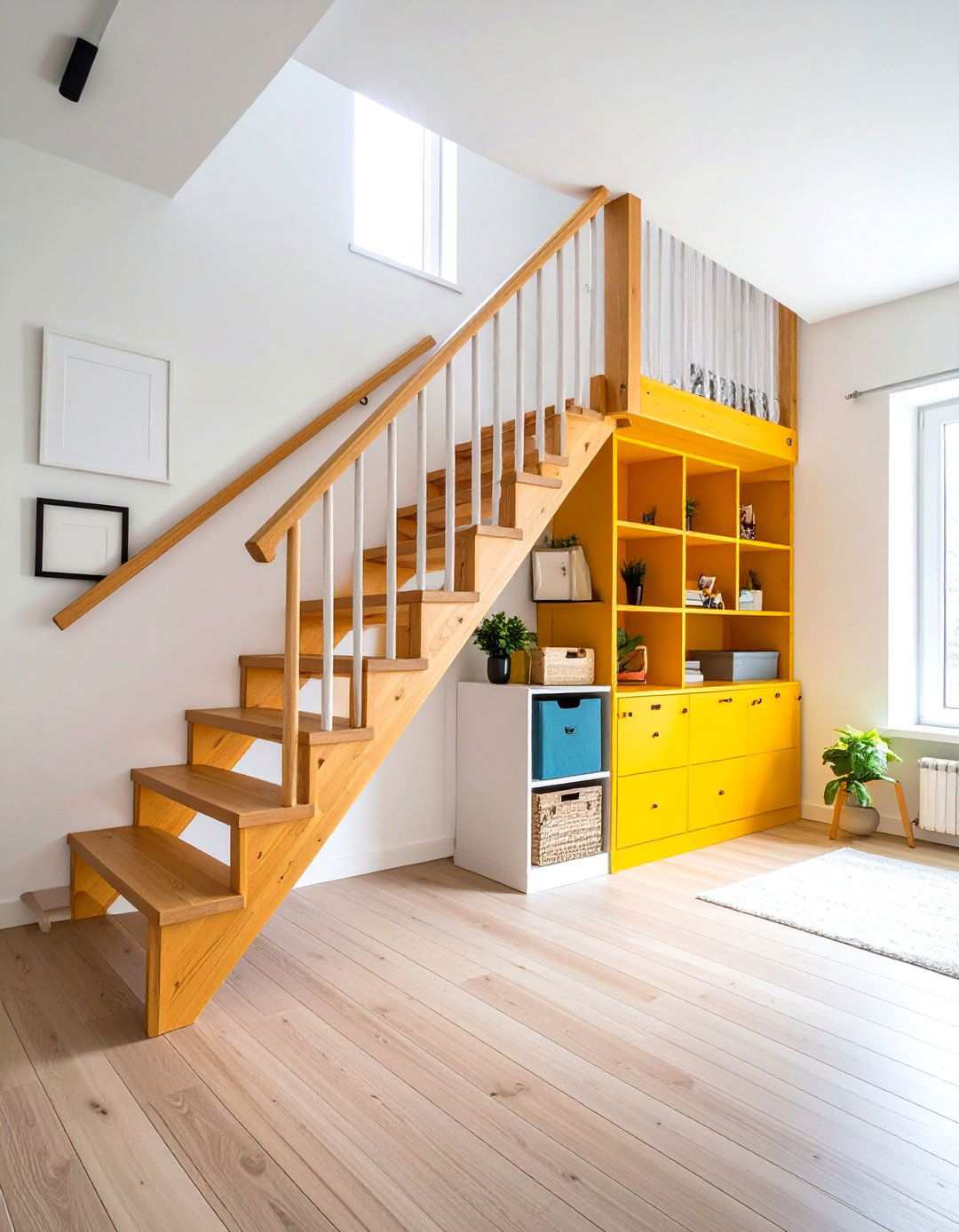
Rather than letting valuable space under staircases go to waste, why not transform it into an essential storage area? Under-stair storage solutions can turn awkward spaces into highly functional organization systems. By installing custom drawers, shelving, or even a small closet in the triangular space beneath stairs, you can make the most of this often-overlooked area. Use it for storing seasonal items, shoes, cleaning supplies, or rarely used belongings. The key to maximizing this irregular shape is with custom-fitted storage solutions that make every inch usable. To further enhance accessibility, consider adding lighting inside storage areas. This approach is particularly effective in loft-style studios or two-level spaces where stairs connect different areas.
18. Expanding Your Studio with Strategic Mirror Placement
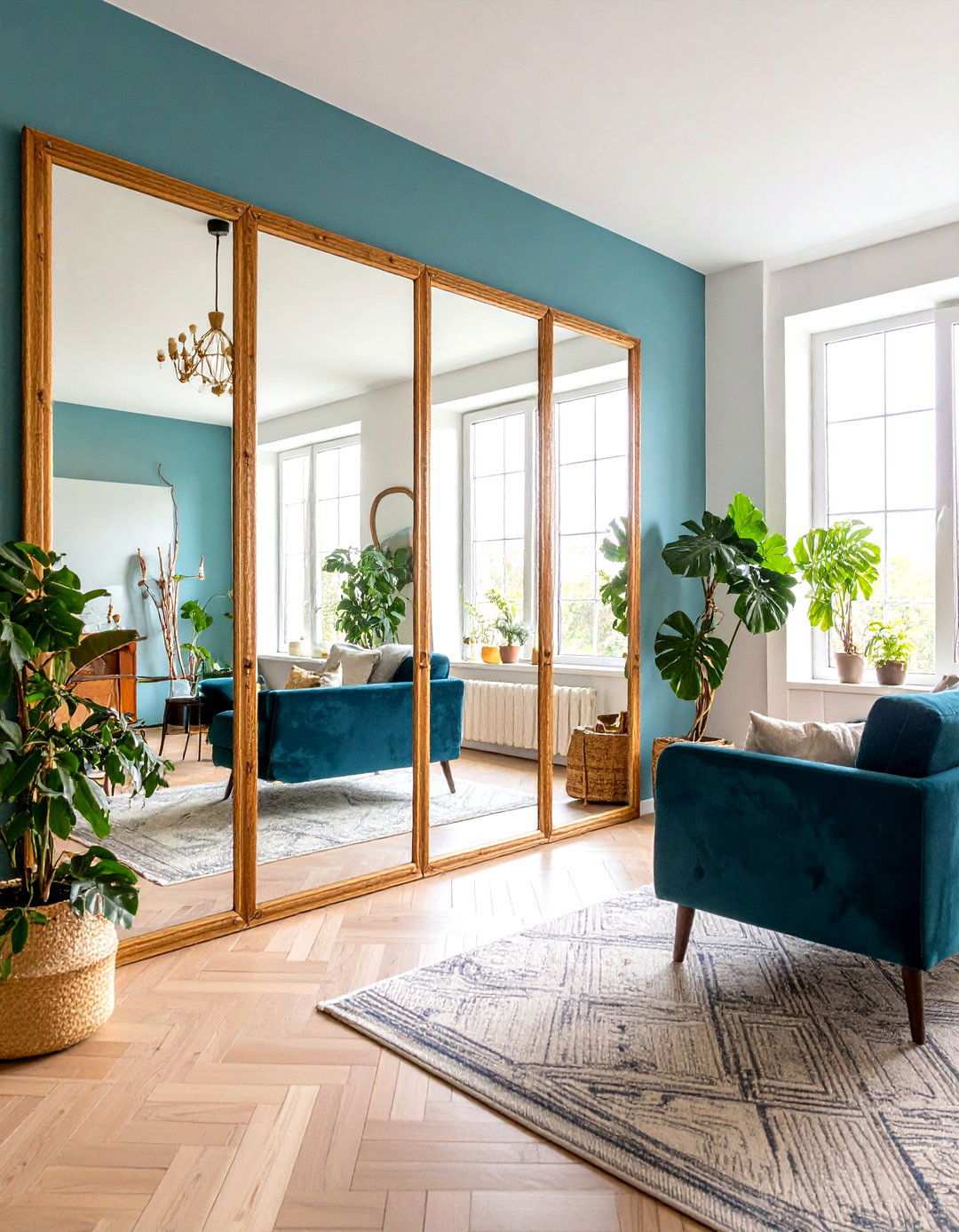
Doubling the apparent size of your studio without construction or major renovations is achievable through strategic mirror placement. This technique creates the illusion of expanded space and enhances natural light throughout your apartment. By installing large mirrors on walls opposite windows, you can reflect outdoor views and multiply available light. Mirrored closet doors or sliding panels provide both functional storage and visually doubled space. The reflection creates depth and dimension that makes even the smallest studios feel more spacious. When choosing mirrors, consider frames with interesting designs to add decorative elements while serving the practical purpose of space expansion. Position mirrors to reflect the most attractive areas of your studio, creating a visually appealing and expansive atmosphere.
19. Crafting Cozy Dining Spaces
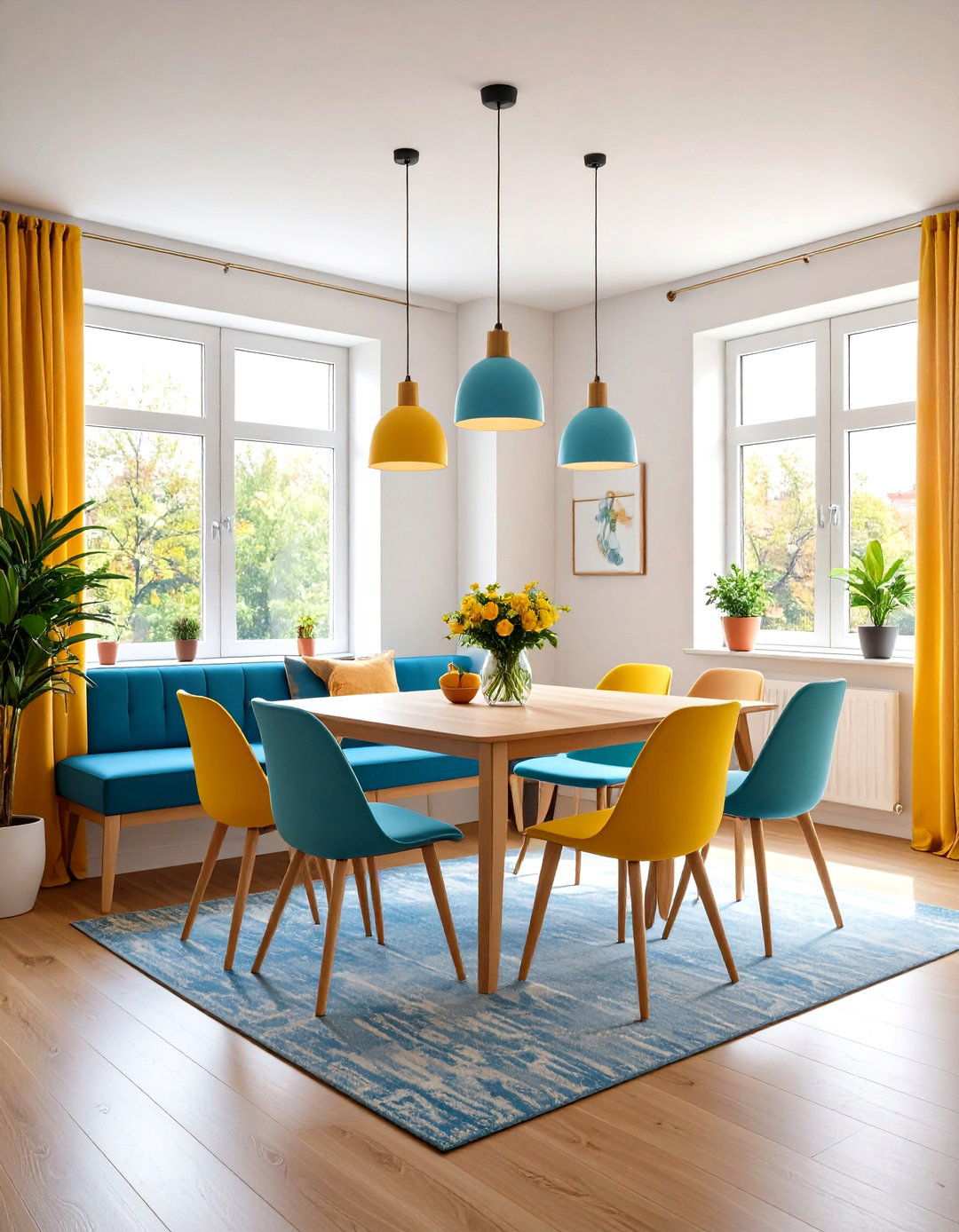
Even in the smallest studio apartments, it’s possible to create a functional dining area that feels intimate and inviting. One effective way to achieve this is by utilizing corners or wall spaces to create a compact dining nook. By incorporating a small banquette with storage underneath and a compact table, you can enjoy comfortable dining without encroaching on other essential functions. This approach is particularly well-suited for corners where traditional furniture might not fit efficiently. To further enhance the ambiance, consider installing overhead lighting specifically designed for the dining area, which will not only create a cozy glow but also help define the space. As a bonus, the nook can serve as a peaceful retreat for meals while providing additional seating for guests when needed.
20. Modular Wall Solutions
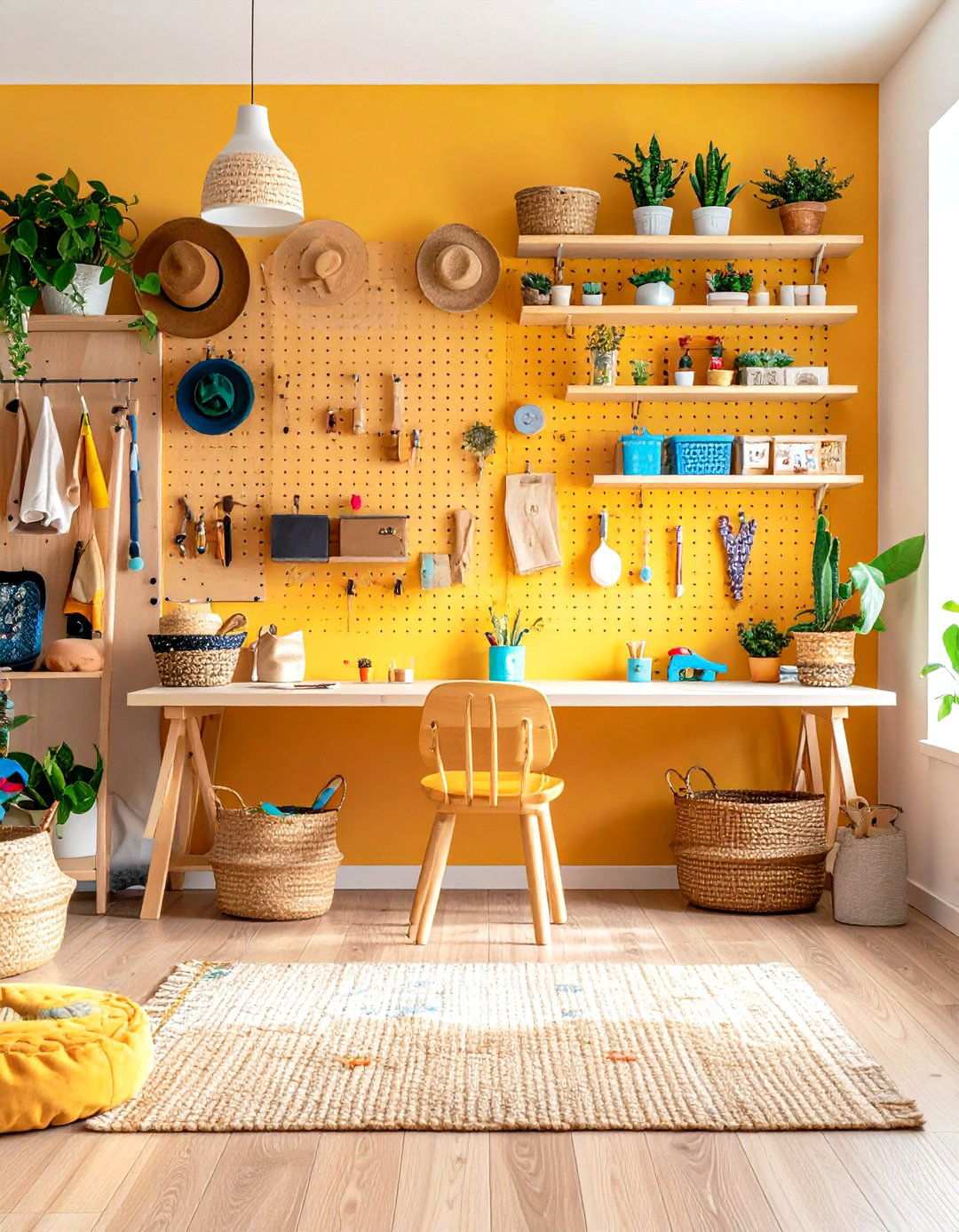
Imagine having one wall that not only stores your belongings but also adds visual interest to your studio. Pegboard organization systems offer a flexible, customizable storage solution that adapts to your evolving needs. These systems can be installed in various areas, such as kitchens for cooking utensils, bedrooms for accessories, or work areas for tools and supplies. The modular design allows you to rearrange hooks, shelves, and containers as needed, ensuring that your storage remains functional and clutter-free. To further integrate your pegboard with your studio’s aesthetic, choose a color that complements your decor or paint it to match your walls. By keeping your belongings visible and accessible, you’ll maintain an organized, intentional appearance that makes small spaces feel well-managed rather than cluttered.
21. Space-Saving Separations
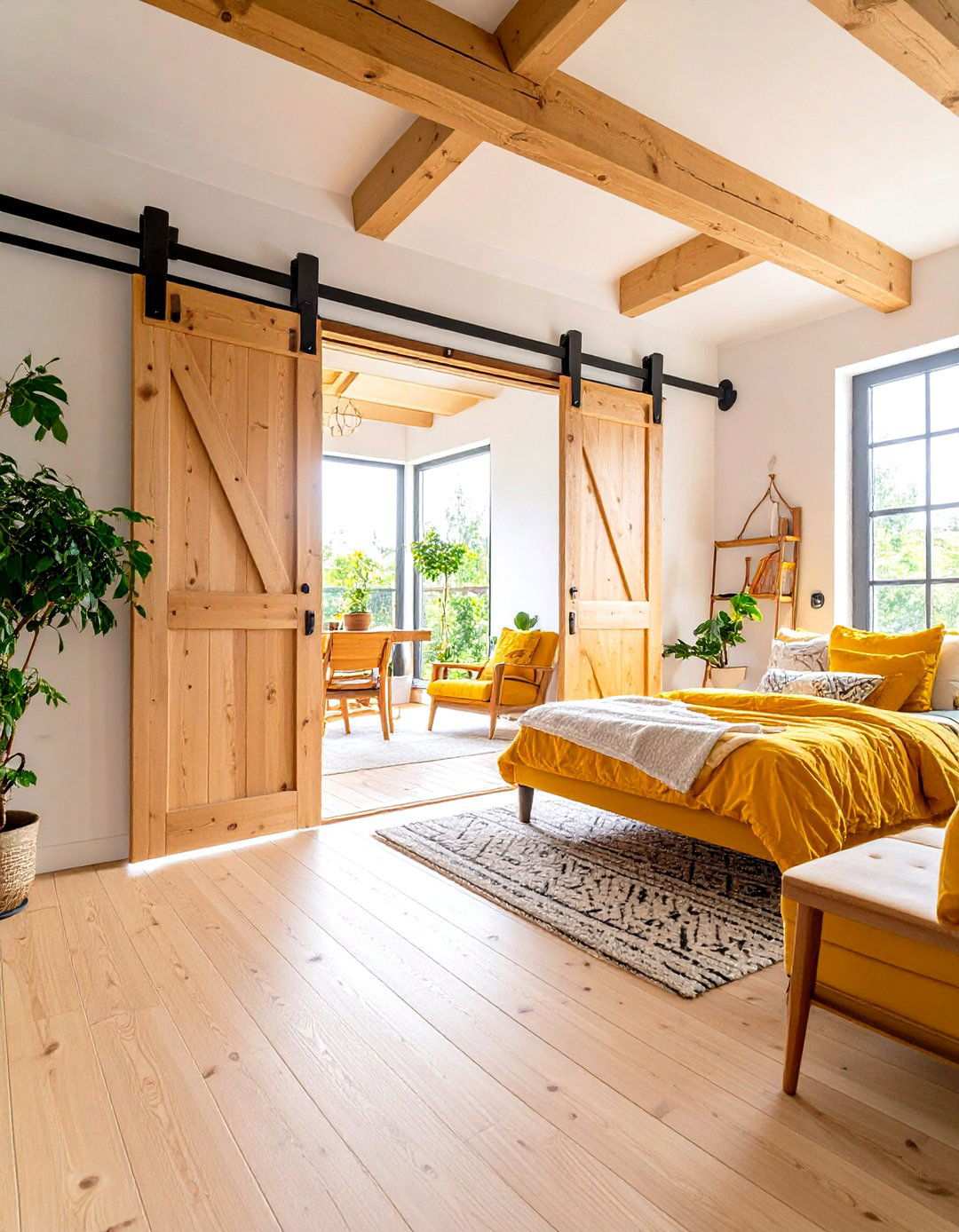
Traditional swinging doors often require significant floor space, but what if you could create separate spaces without sacrificing valuable real estate? Sliding door systems provide a space-efficient solution that offers both privacy and separation. By installing barn-style doors, Japanese-inspired panels, or modern sliding systems, you can separate sleeping areas from main living spaces while maintaining the option for complete openness. The sliding doors eliminate the swing radius required by traditional doors, making them an ideal solution for studio living. To further enhance your design, choose materials and styles that complement your overall aesthetic while providing the functional separation you need for comfortable studio living.
22. Indoor Green Oasis
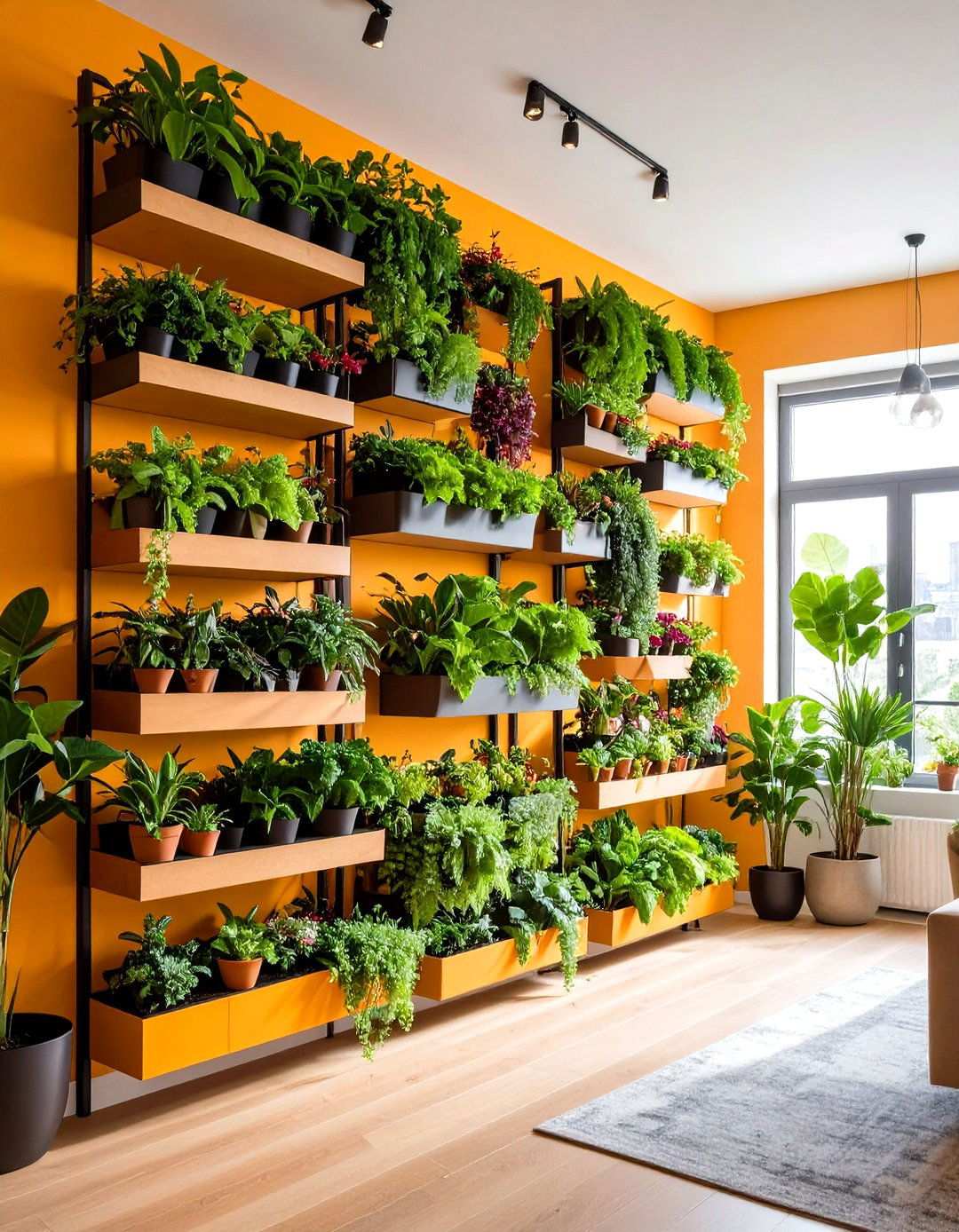
Why sacrifice valuable floor space in your compact studio to bring nature indoors? Vertical garden systems create living walls that not only purify the air but also add natural beauty to your space without requiring floor area. By installing wall-mounted planters, hanging systems, or climbing plant supports, you can create green focal points that serve as a natural room divider. This approach works particularly well near windows where plants receive adequate light. To add visual variety and texture, include a mix of trailing and upright plants. Vertical gardens can improve air quality, create a fresh, organic atmosphere, and make small spaces feel more connected to nature.
23. Discreet Storage Solutions for Seating Areas
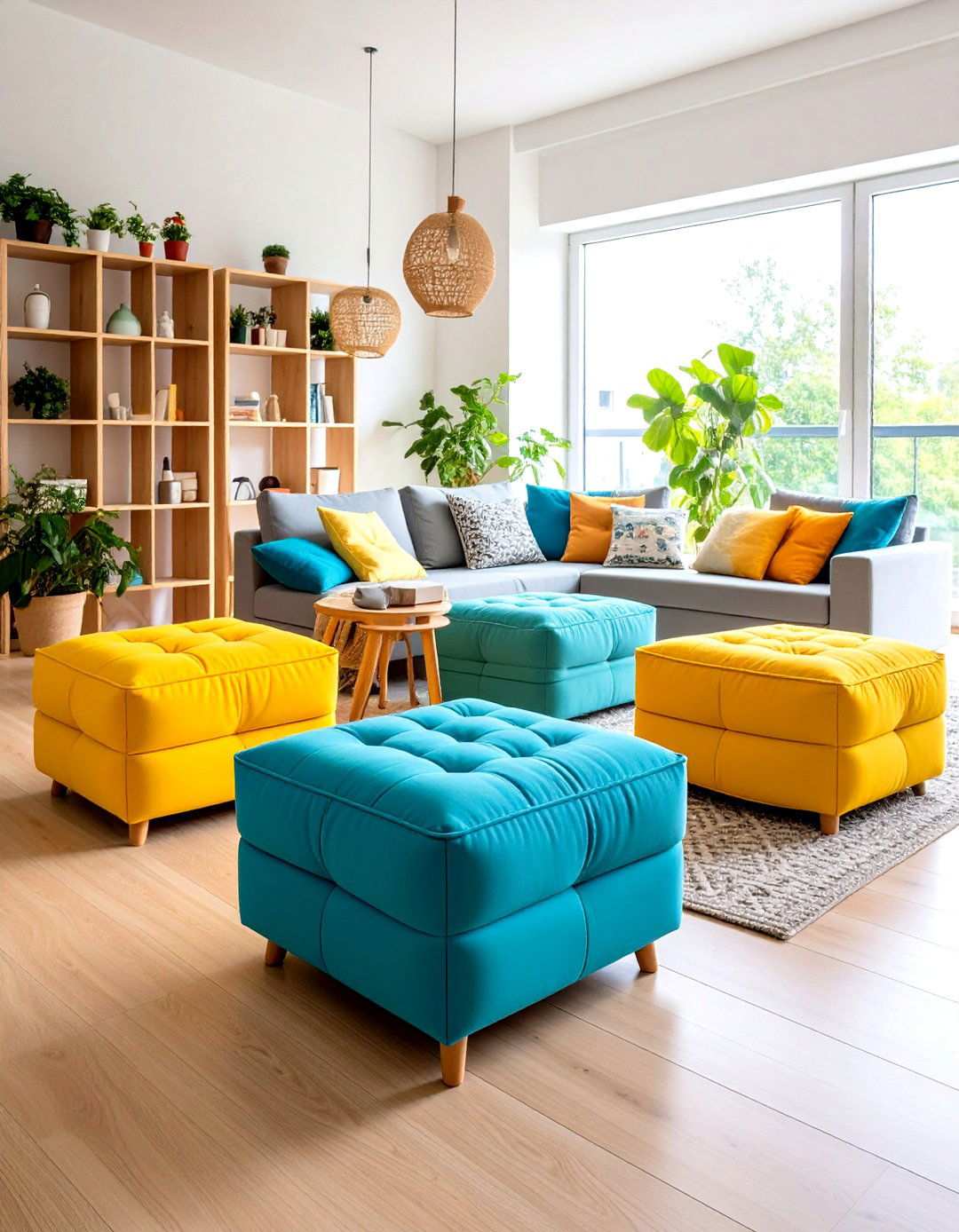
Imagine your seating providing an unexpected benefit: concealing your belongings to maintain a clutter-free atmosphere. Discreet storage ottomans serve as comfortable seating that opens up to reveal spacious storage compartments. Strategically place these multi-functional pieces throughout your studio to create additional seating while keeping items like blankets, seasonal clothing, or personal belongings out of sight. Given their dual functionality, hidden storage ottomans are ideal for compact spaces where every piece must fulfill multiple roles. Choose ottomans in a style and fabric that perfectly complements your overall design aesthetic while meeting your storage needs. To create flexible seating arrangements that can be easily rearranged for various activities, consider grouping multiple ottomans together.
24. Unlocking Ceiling Space for Unconventional Storage
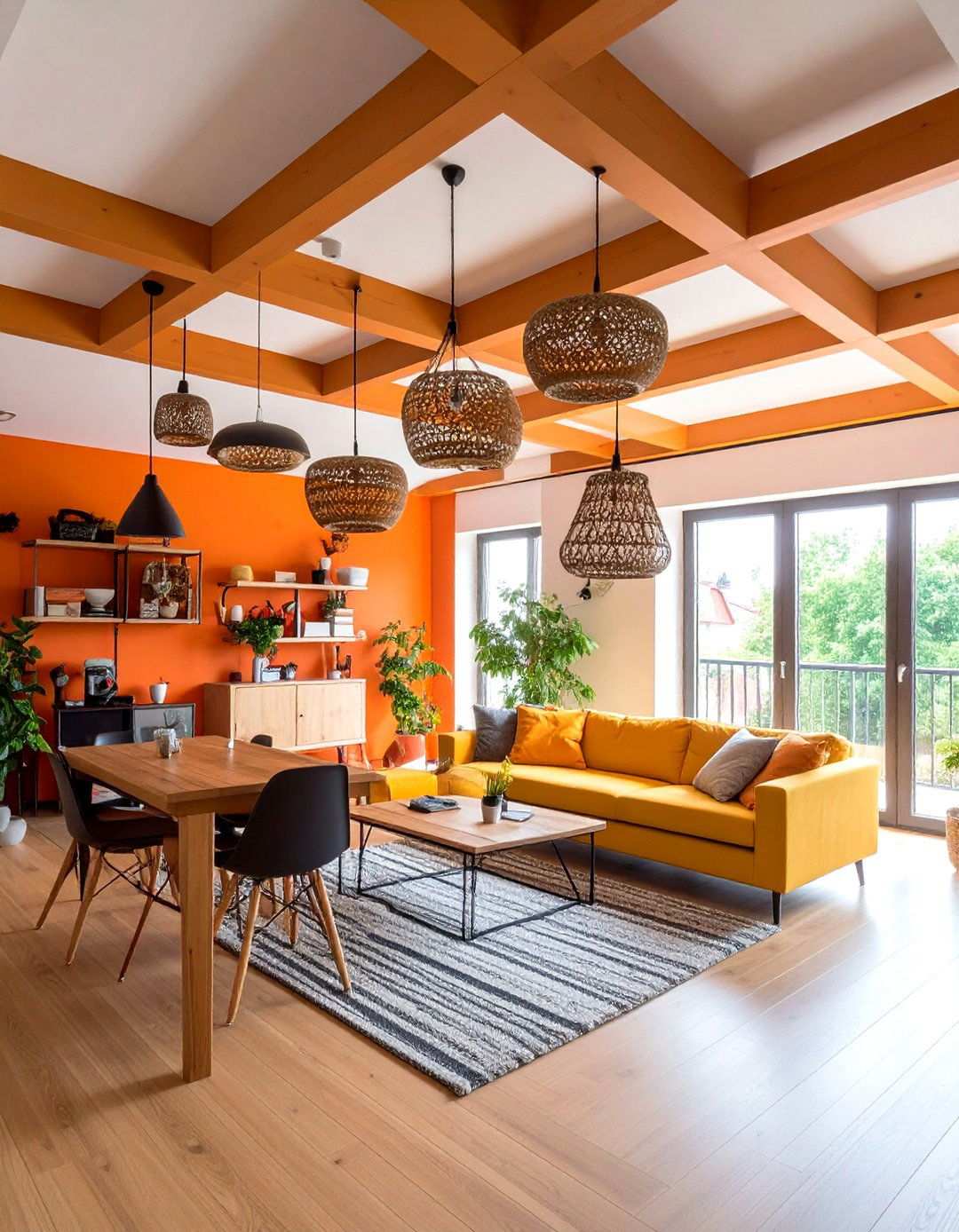
How can you make the most of the often underutilized ceiling space in your studio? Ceiling-mounted storage systems cleverly exploit the vertical space above head level for storing less frequently used items. By installing overhead nets, hanging baskets, or suspended shelving, you can accommodate seasonal decorations, luggage, or bulky items. This approach is particularly effective in studios with high ceilings where the overhead space is often left unused. Incorporate pulley systems or adjustable height mechanisms to ensure easy access to stored items when needed. The key is striking a balance between keeping the visual impact minimal and maximizing storage capacity in what would otherwise be wasted space. This solution is particularly well-suited for items that you need to store but don’t access on a regular basis.