1. Sun-Kissed Ombre Transformations
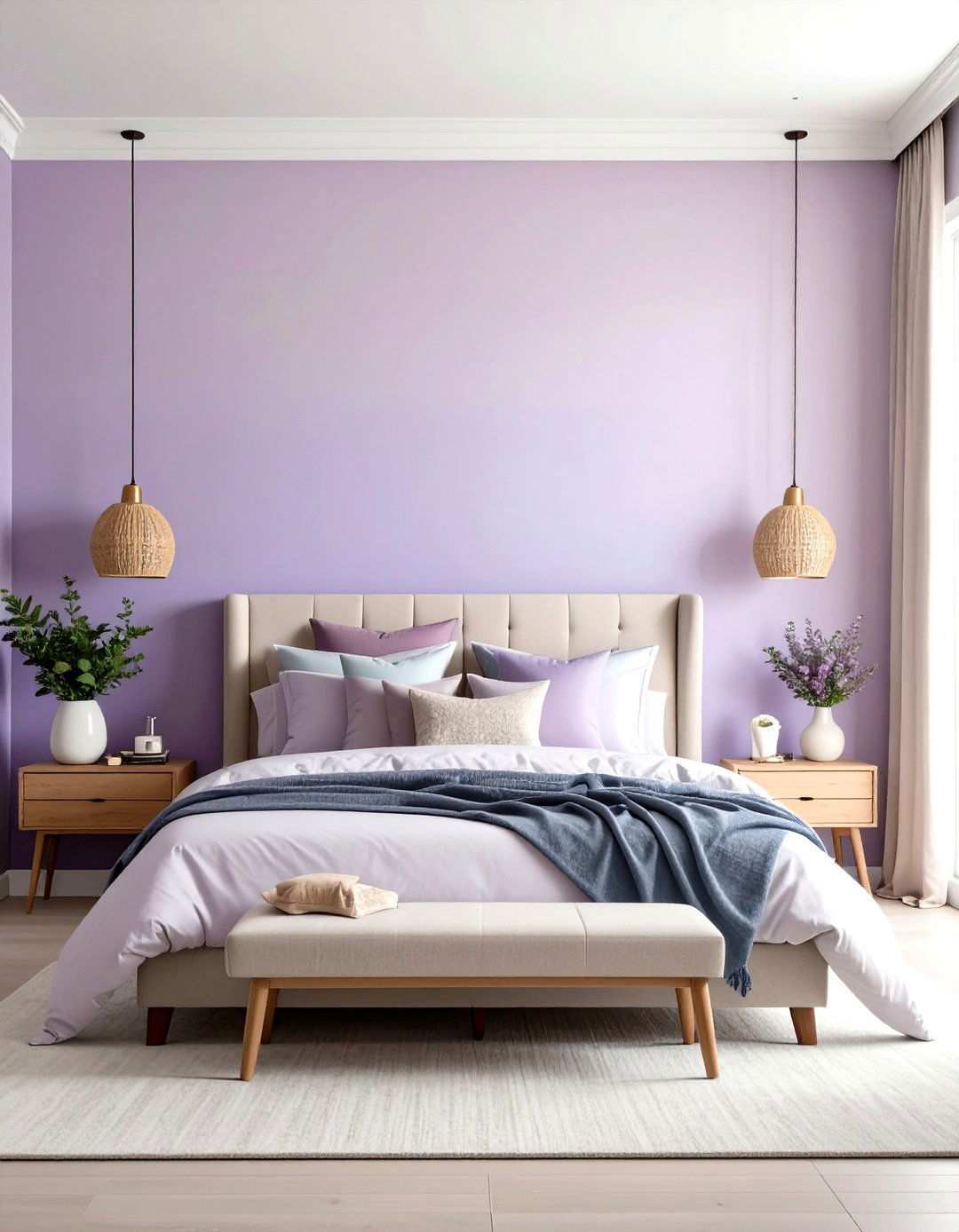
Imagining a breathtaking sunset within the confines of your home is now a reality thanks to the captivating magic of ombre painting. This unique technique masterfully blends colors in a harmonious dance of light and dark, imbuing your walls with an enchanting depth that’s simply impossible to replicate with a single solid hue. For a serene ambiance in your bedroom, consider adopting ombre walls that transport you to a world of tranquility and peace. To achieve this breathtaking effect, select three paint colors that belong to the same family, such as soft lavender gradually transitioning into deep plum, or gentle sage seamlessly merging with forest green. The secret to ombre’s allure lies in blending colors while the paint is still wet, using a combination of a damp sponge and a dry brush to create smooth, nuanced transitions. Embracing the inherent imperfections in this technique allows you to tap into the beauty of organic, cloud-like patterns that elevate any space with an air of sophistication and make it appear larger and more vibrant.

As an Amazon Associate I earn from qualifying purchases.
2. Bold Color Blocking Revival
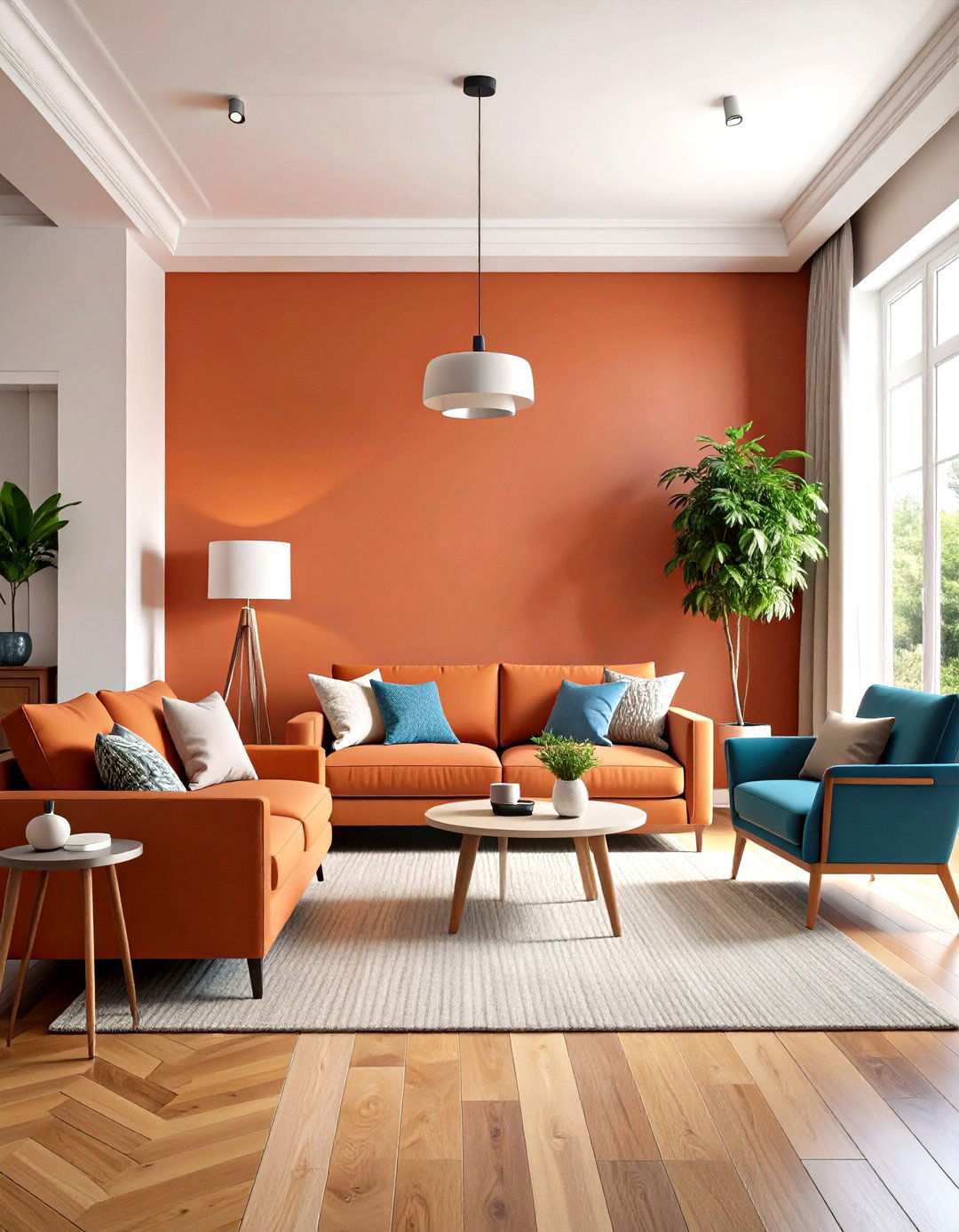
Why settle for ordinary walls when modern color blocking technology can instantly transform your living space into a stunning visual masterpiece? This cutting-edge technique involves dividing walls into distinct sections using bold, contrasting colors to create a dynamic visual effect and define separate areas within a room. By strategically painting with darker shades on the bottom and lighter tones above, you can create the illusion of higher ceilings while adding architectural flair to plain walls. To create a truly striking combination, consider pairing warm terracotta with crisp white or navy blue with soft cream. The optimal placement of the division line typically falls around 47 inches from the floor, but feel free to adjust this according to your room’s unique proportions and furniture arrangement to craft customized focal points that perfectly complement your interior design style.
3. Elevate Your Walls with Geometric Stencil Patterns
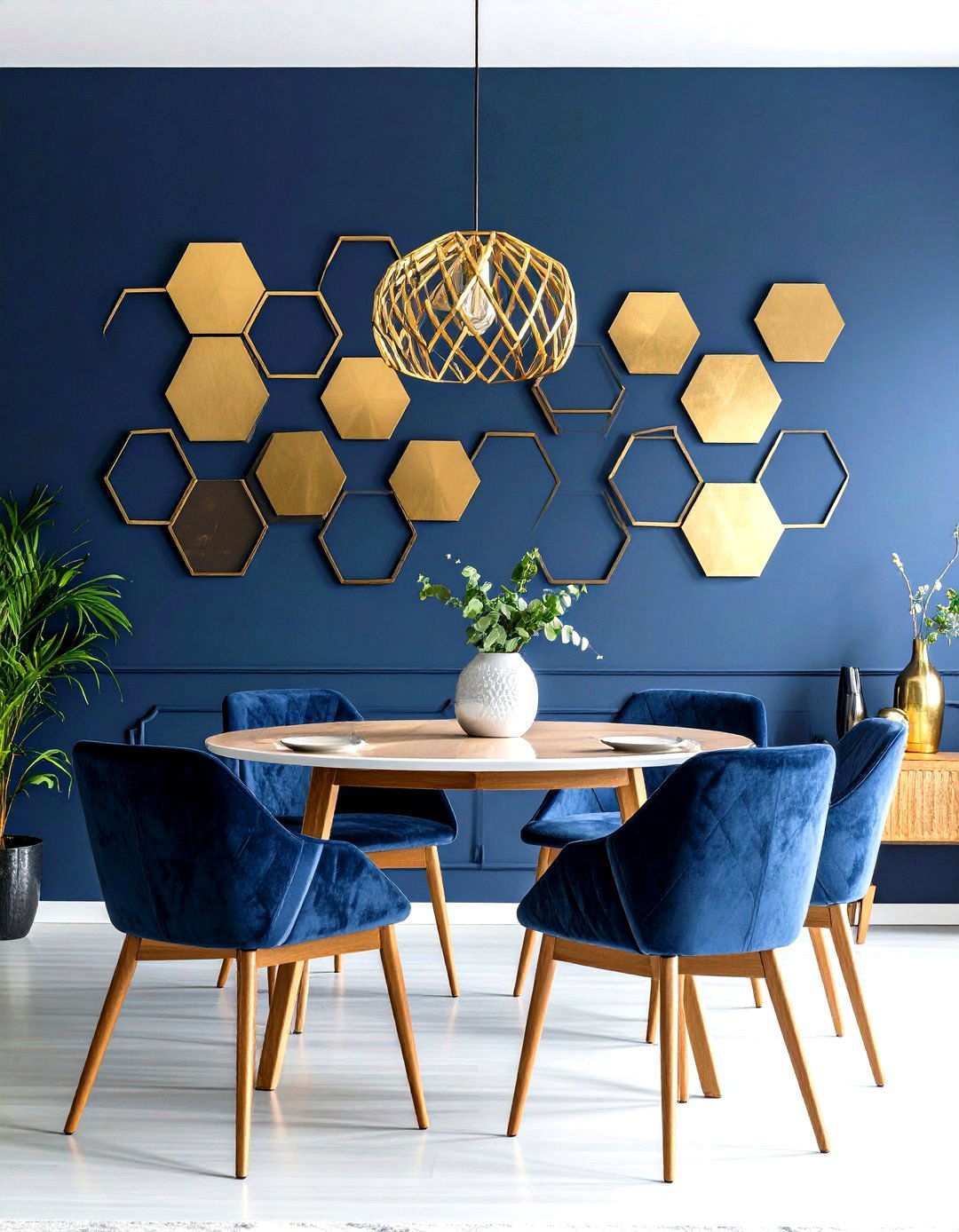
Turn blank walls into striking focal points with geometric stencils that effortlessly replicate the look of high-end wallpaper at a fraction of the cost. Trendy geometric patterns such as hexagons, triangles, or abstract shapes infuse modern flair while allowing for exceptional design flexibility. Are you looking to make a compact space feel more expansive? Vertical geometric patterns can create a sense of verticality, whereas horizontal designs tend to make spaces appear wider. Choose between metallic paints for opulent accents or stick to monochromatic schemes for understated refinement. One of the advantages of stencils is their reusability and removability, making them an ideal choice for renters or those who prefer to update their decor frequently. Combine different geometric patterns for complex, high-end walls that are almost too beautiful to touch.
4. Bringing Texture and Depth with Textured Sponge Painting
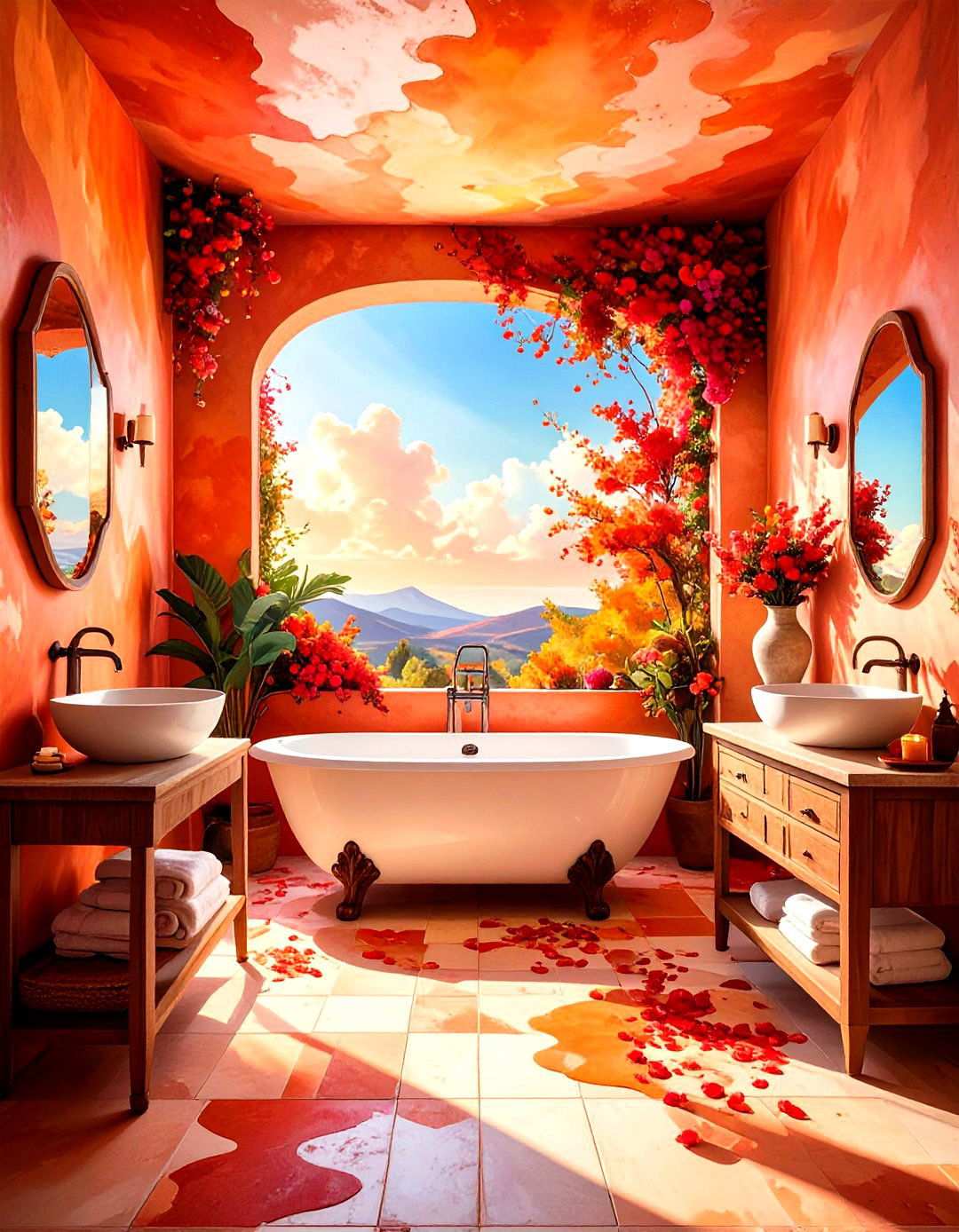
Add organic, natural charm to your walls with textured sponge painting techniques that create a sense of depth and visual interest. This forgiving method works particularly well for covering imperfections while producing sophisticated layered effects. By dabbing a secondary color over your base coat using a natural sea sponge, you can achieve cloud-like textures or stone-like finishes. Warm, earthy tones such as terracotta over cream can evoke a Mediterranean ambiance, whereas cool grays over white achieve a modern, minimalist look. The random nature of sponge painting ensures that no two areas will look identical, creating a truly unique, handcrafted appeal. This technique particularly shines in intimate spaces like bathrooms and powder rooms where you want to add luxury without overwhelming the area with busy patterns or bold colors.
5. Making Striped Walls Work
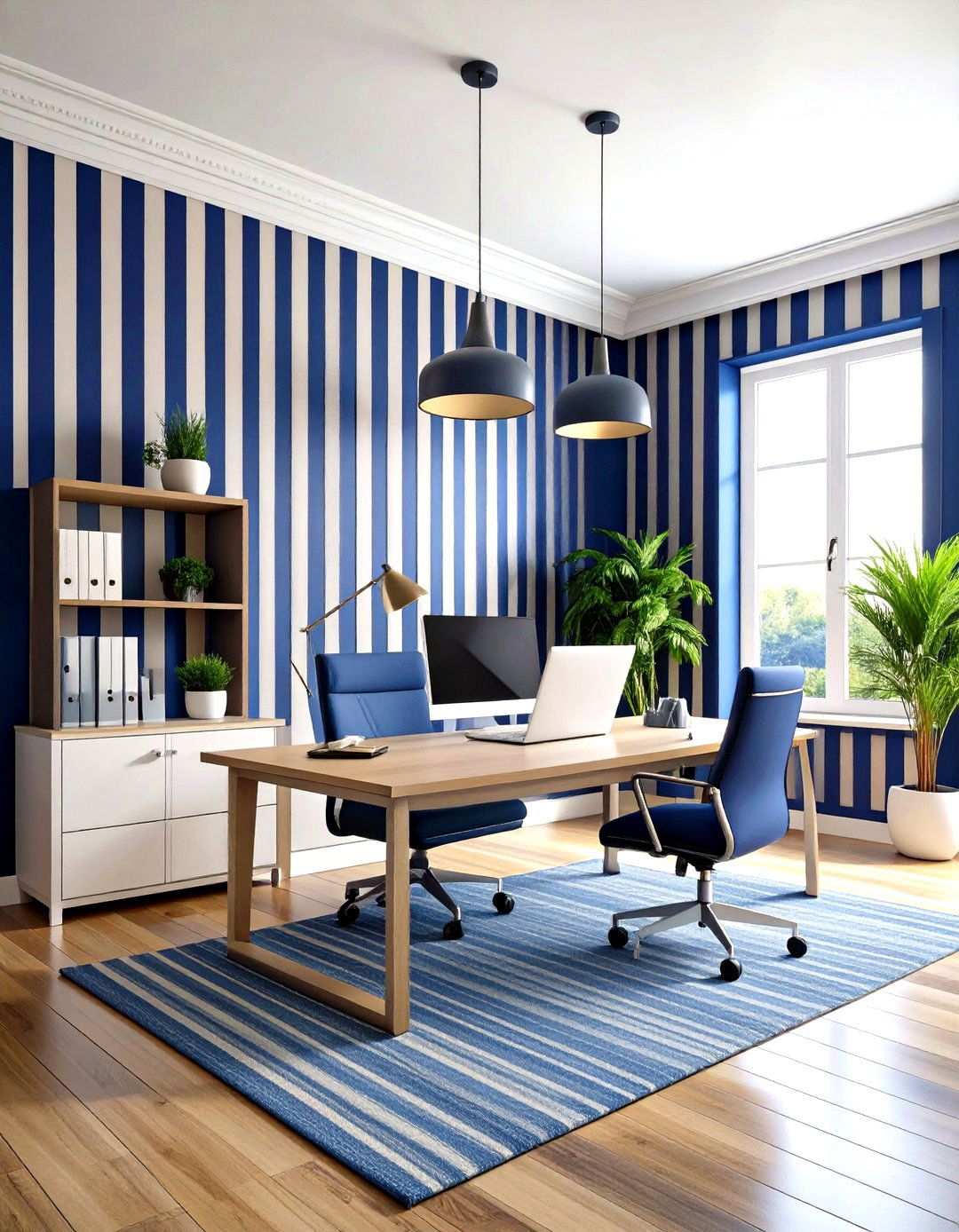
Can striped walls create the illusion of a taller and more spacious room? Absolutely, and it’s a timeless technique that works in any room! Vertical stripes can create a sense of verticality, while horizontal stripes tend to make rooms feel wider and more expansive. This classic method can be used in nurseries with playful multicolored stripes or in sophisticated dining rooms featuring tone-on-tone variations. Use painter’s tape to achieve crisp, professional lines, and consider varying stripe widths for added visual interest. Subtle color variations such as different shades of gray can create understated elegance, whereas bold contrasts like navy and white make dramatic statements. Remember to remove tape while the paint is still slightly wet to achieve perfectly clean edges that look professionally applied.
6. Elevating Ambiance with Metallic Accents
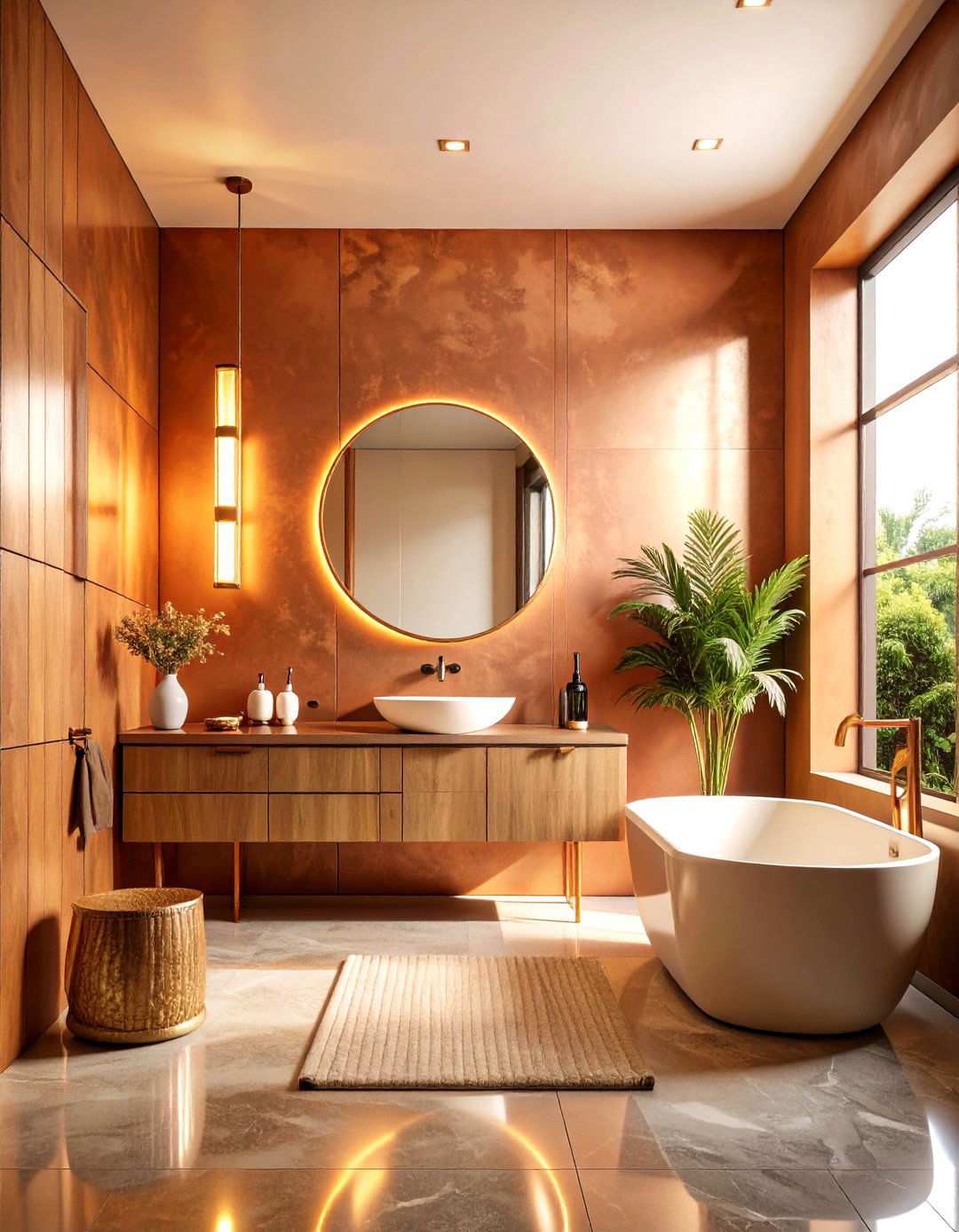
Infuse your living space with a touch of glamour and sophistication by incorporating metallic paint features that skillfully reflect light. Metallic paint finishes in gold, silver, copper, or bronze can be effectively utilized to draw attention to architectural details, create eye-catching accent stripes, or add a luxurious sheen to textured techniques. To create a stunning focal point, consider painting just one wall with metallic paint, thereby setting the stage for artwork or statement furniture to take center stage. Copper tones blend beautifully with modern farmhouse aesthetics, while gold brings a warm, inviting ambiance to traditional settings. Silver and pewter pair perfectly with contemporary design schemes, resulting in a sleek, modern appearance. By applying metallic paints over textured base coats, you can achieve sophisticated depth and dimension, or use them sparingly as accent details within larger painted designs to add visual interest. The reflective quality of metallic finishes has the added benefit of creating the illusion of brighter, more spacious rooms.
7. Combining Functionality with Style: Chalkboard Paint
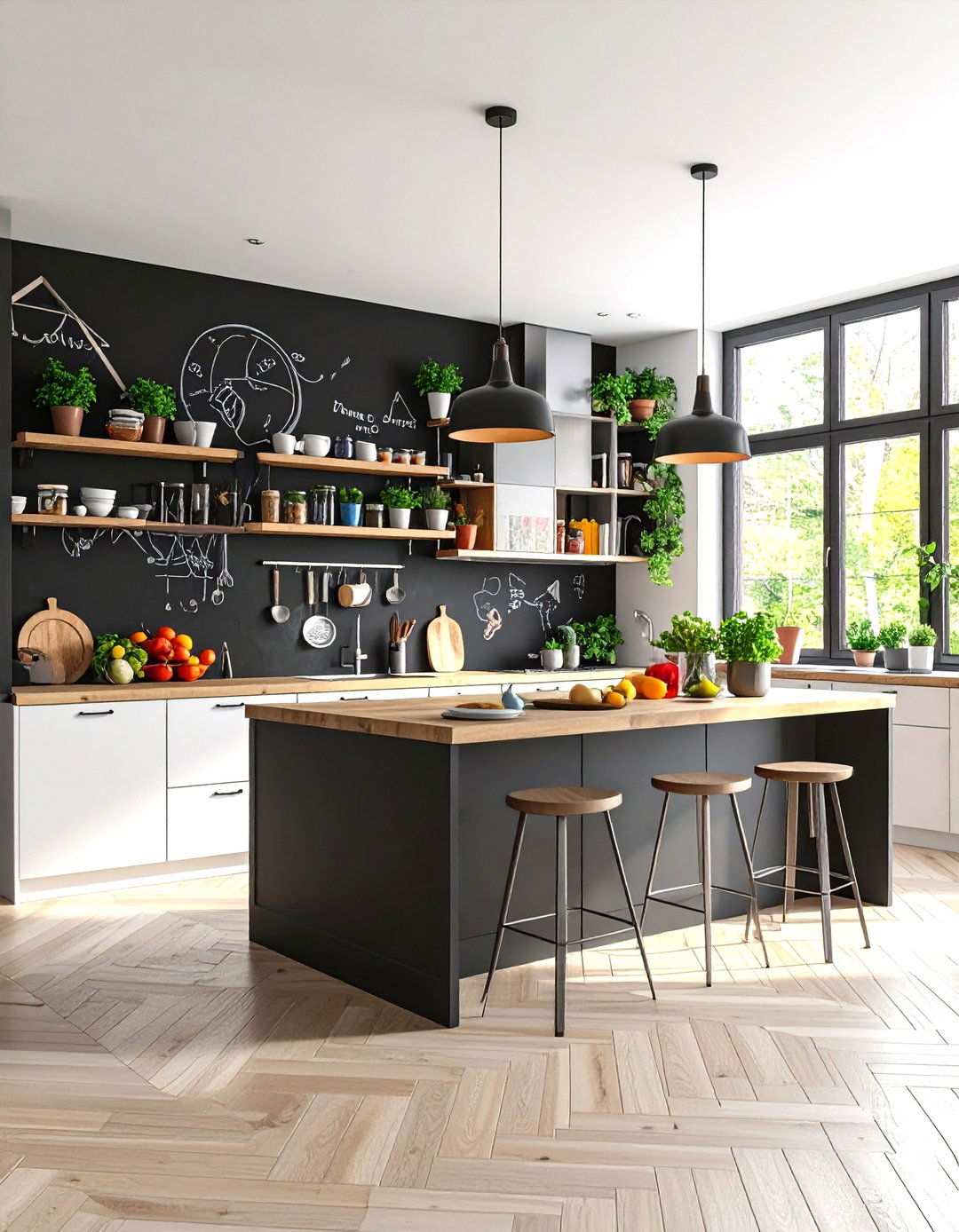
Incorporating chalkboard paint into your wall design is a practical and stylish solution that works wonders in a variety of settings. In kitchens, it can serve as a convenient space for grocery lists and meal planning, while in children’s rooms, it fosters creativity and self-expression. Home offices can benefit from this versatile finish, perfect for brainstorming sessions and idea generation. To add visual interest, create geometric chalkboard sections within larger painted walls, or dedicate entire accent walls to this practical finish. Modern chalkboard paints come in a range of colors beyond the traditional black, including deep green, navy, and even magnetic formulations. To add a touch of sophistication, frame chalkboard sections with contrasting paint colors or decorative molding. This technique offers a perfect blend of visual appeal and functionality, making it an ideal choice for busy families seeking beautiful, liveable spaces.
8. The Art of Color Washing: Achieving Elegant Translucency
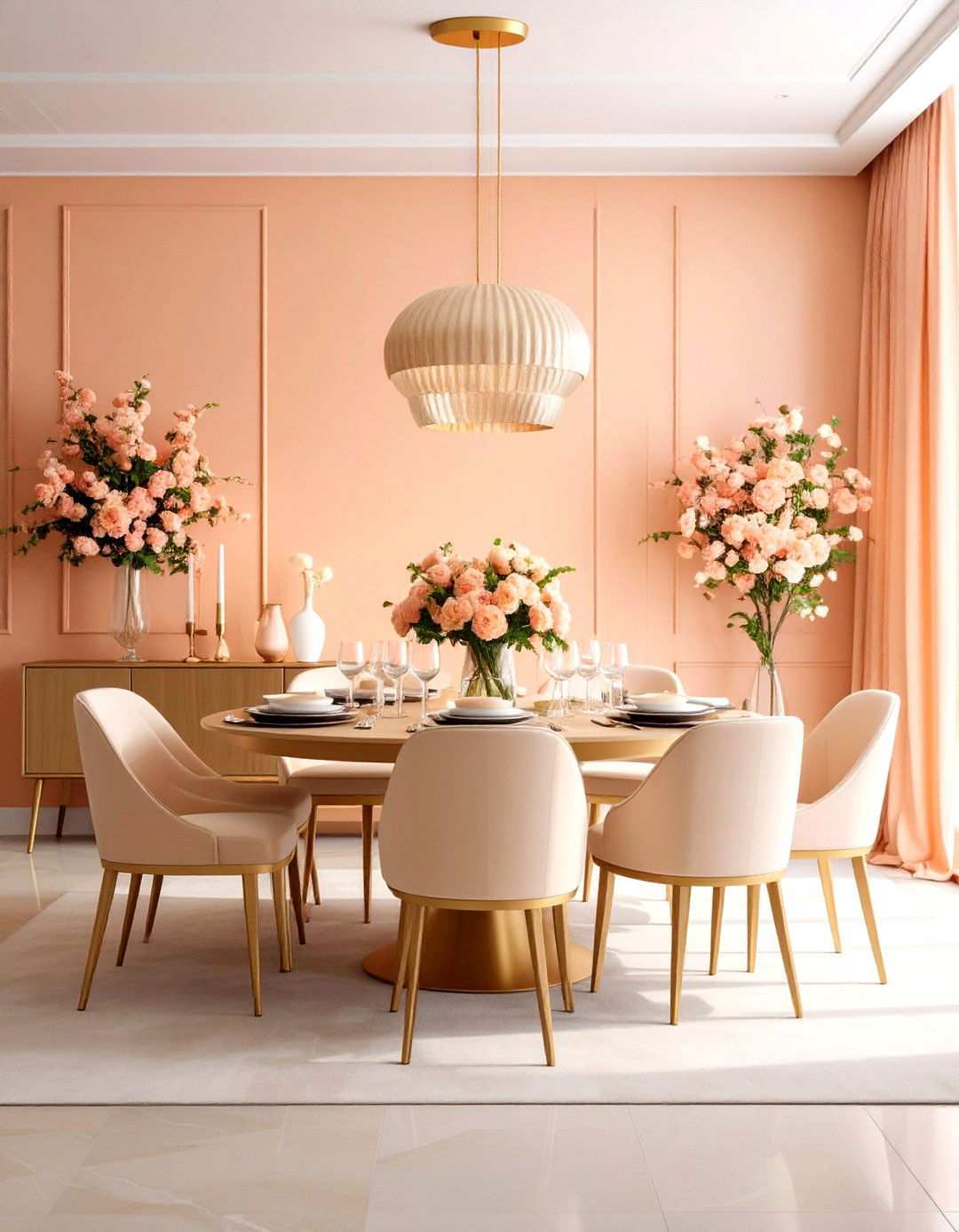
Discover the beauty of color washing, a refined painting technique that creates soft, translucent layers reminiscent of watercolor paintings. This method involves applying a glaze or diluted paint over a base color using various tools like brushes, cloths, or sponges to achieve subtle, blended effects. Color washing is particularly well-suited for formal dining rooms and bedrooms where a touch of elegance is desired. Warm colors like peach or gold over cream bases create inviting, cozy atmospheres, while cool blues or greens over white achieve serene, spa-like environments. The technique’s forgiving nature allows natural wall imperfections to add character rather than detract from the overall appearance, making it an excellent choice for DIY enthusiasts seeking professional-looking results.
9. Dynamic Diagonal Designs
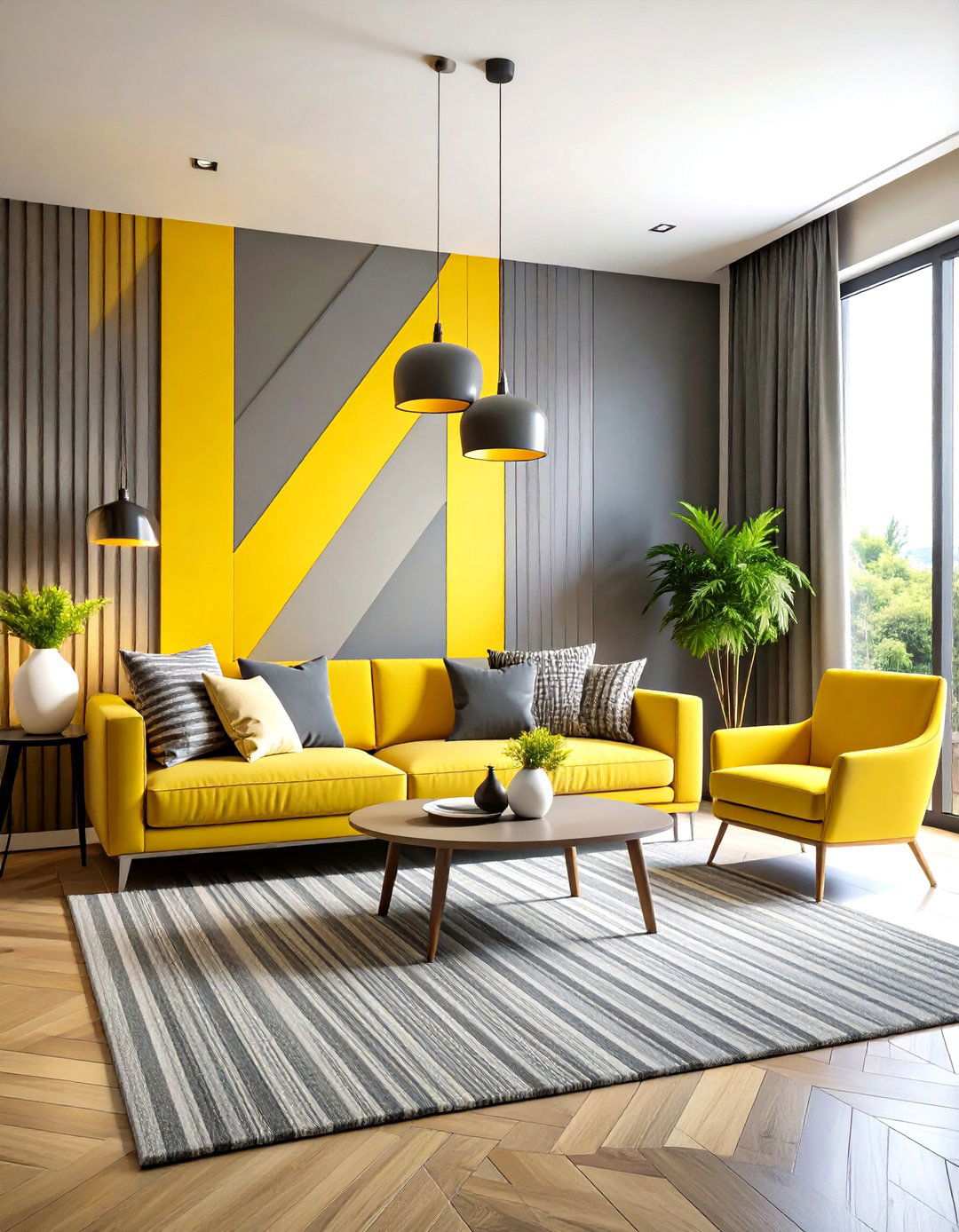
Elevate your space with bold, movement-driven diagonal painting designs that break free from traditional lines and inject energy into any room. By incorporating diagonal patterns, you can create the illusion of larger spaces and add visual interest, making your room a true showstopper. Think of painting vibrant stripes across a statement wall or crafting angular color blocks that stretch from floor to ceiling. This innovative technique is particularly well-suited for modern homes and contemporary spaces where design conventions can be pushed to their limits. Pair bold color combinations like rich turquoise and deep charcoal for a modern masterpiece, or opt for subtle tone-on-tone approaches for understated sophistication. What kind of impression do you want to leave on your visitors? Diagonal designs ensure your space will be remembered and leave a lasting impression.
10. Authentic Faux Brick
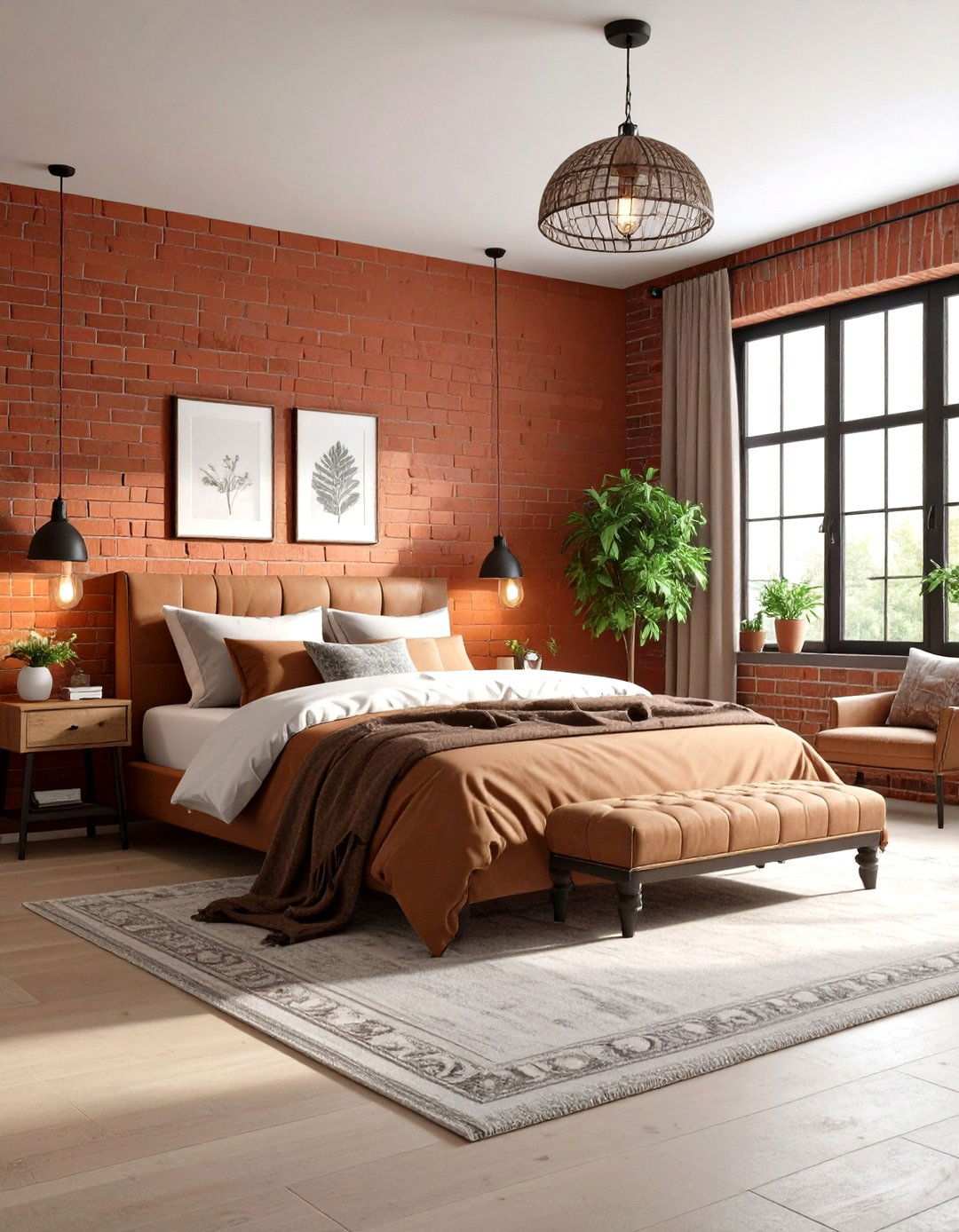
Bring the rustic charm of exposed brick into your home without the hefty price tag or structural changes through skillful faux brick painting techniques. This approach is a perfect fit for industrial-style interiors, cozy reading nooks, or any space where you want to add warmth and texture. Begin with a base color representing mortar (typically a muted gray or soft cream), then use a brick-shaped sponge or stencil to add realistic brick colors in various shades of terracotta, sienna, and golden brown. Layer colors for authentic depth and variation, just like aged real brick. Finish with a matte sealant to prevent an unnatural sheen. This technique shines particularly behind beds, where it can serve as a headboard alternative, or in dining rooms where you want to create an intimate, tavern-like atmosphere.
11. Ethereal Watercolor Wash
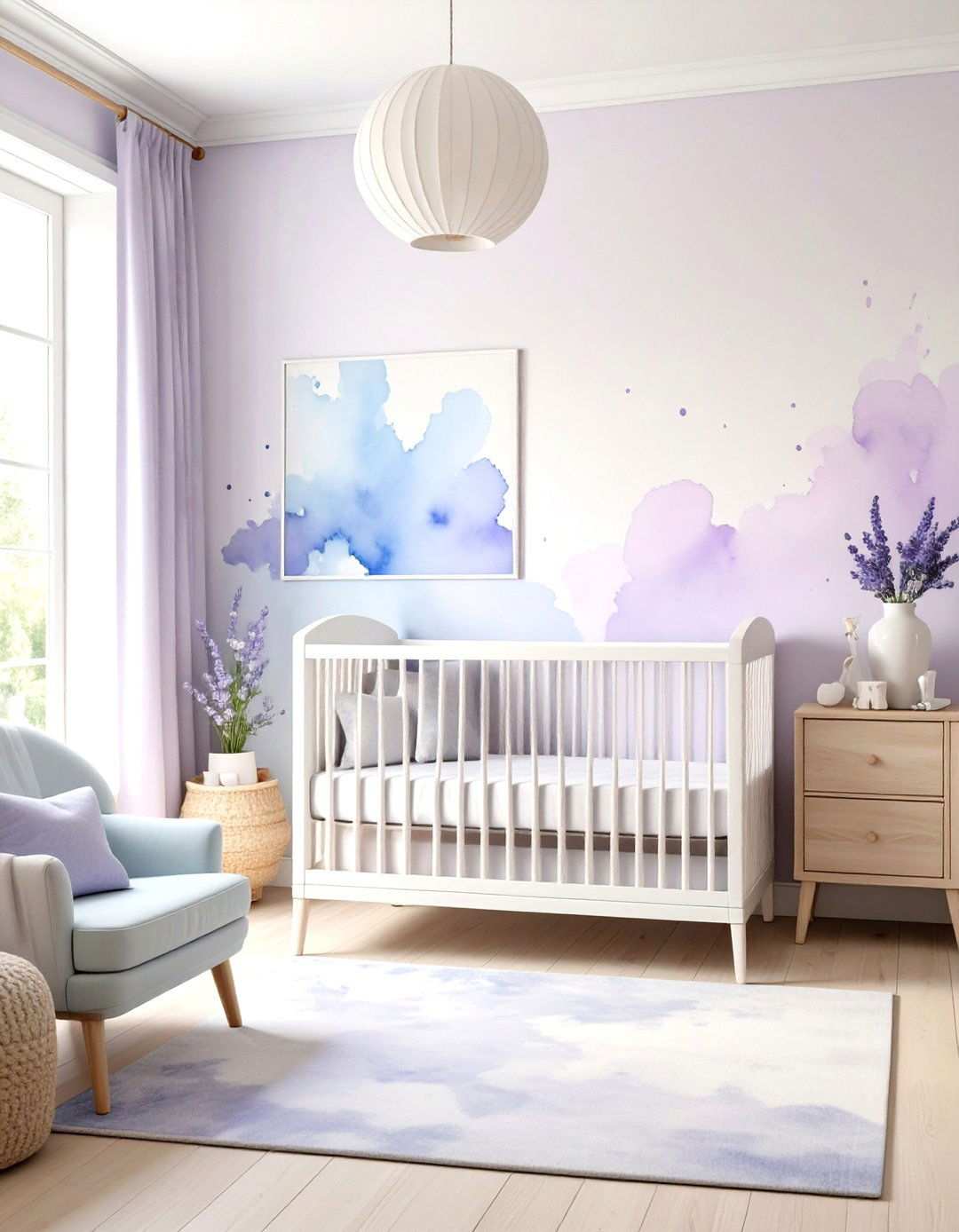
Transport yourself to a world of artistic beauty with watercolor wash techniques that bring the essence of fine art into your living space. This delicate painting method uses diluted paints applied in flowing, organic patterns that mimic the subtle nuances of watercolor paintings. Soft pastel hues work beautifully in bedrooms and nurseries, while deeper jewel tones create sophisticated effects in living areas. The key to achieving seamless transitions lies in working quickly with wet paint and blending colors before they dry. Multiple thin layers build depth and complexity without overwhelming the space. This technique pairs beautifully with minimalist decor, allowing the walls themselves to serve as the primary artistic element. Consider using this approach behind floating shelves or in powder rooms for maximum impact.
12. Elevating Interior Design with Stenciled Borders
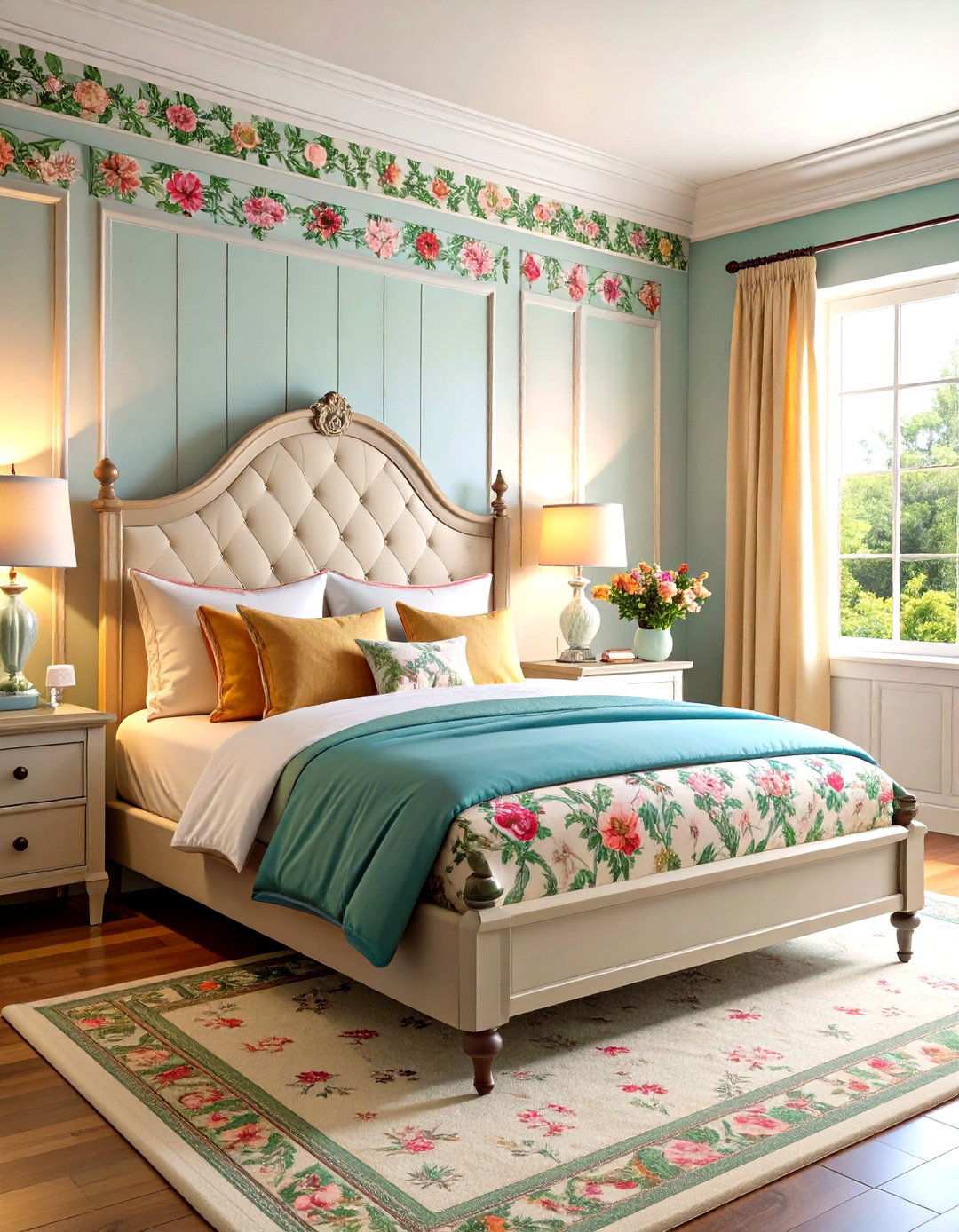
Stenciled borders have the power to infuse rooms with a sense of architectural flair and visual significance. By incorporating decorative borders, you can define spaces and imbue your home with character, all without the need for expensive molding or wainscoting. Painted borders can be strategically positioned at chair rail height, along ceiling lines, or around windows and doors, effectively framing architectural features. Traditional and cottage-style homes often pair well with floral patterns, while modern interiors are complemented by geometric designs. Meanwhile, Moroccan-inspired patterns can add an air of exotic elegance to dining rooms and bedrooms. When selecting colors, aim for a palette that coordinates with your overall aesthetic while providing enough contrast to ensure the border stands out distinctly. This versatile technique enables you to add bespoke detailing that perfectly harmonizes with your personal style and the architectural character of your home.
13. Mastering the Art of Monochromatic Tones
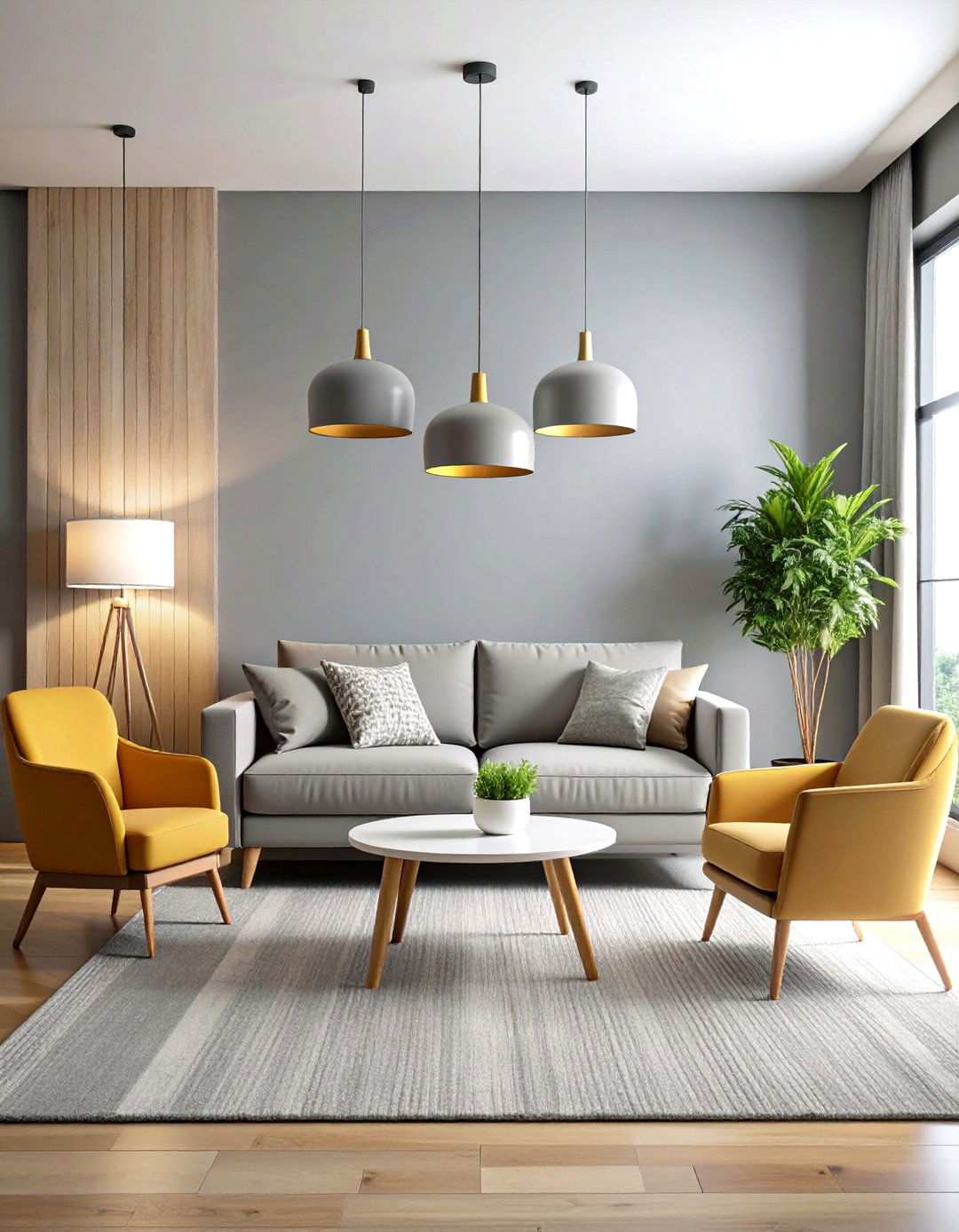
Monochromatic color schemes have a way of creating sophisticated spaces that exude depth and refinement without overwhelming the senses. This approach is particularly well-suited for small areas where you desire a bold color impact without the visual clutter that often accompanies it. To achieve this look, paint walls in varying intensities of the same hue – think light gray, medium gray, and charcoal – thereby introducing subtle architectural interest. For added textural contrast, vary finishes between matte, satin, and semi-gloss within the monochromatic palette. This thoughtful approach yields calming, cohesive environments that allow furniture and artwork to take center stage. Blues, for instance, can evoke a spa-like serenity, while greens promote tranquility. Meanwhile, warm browns create cozy, grounding atmospheres perfect for relaxation and contemplation.
14. Woven into Sophistication: Polka Dot Feature Walls
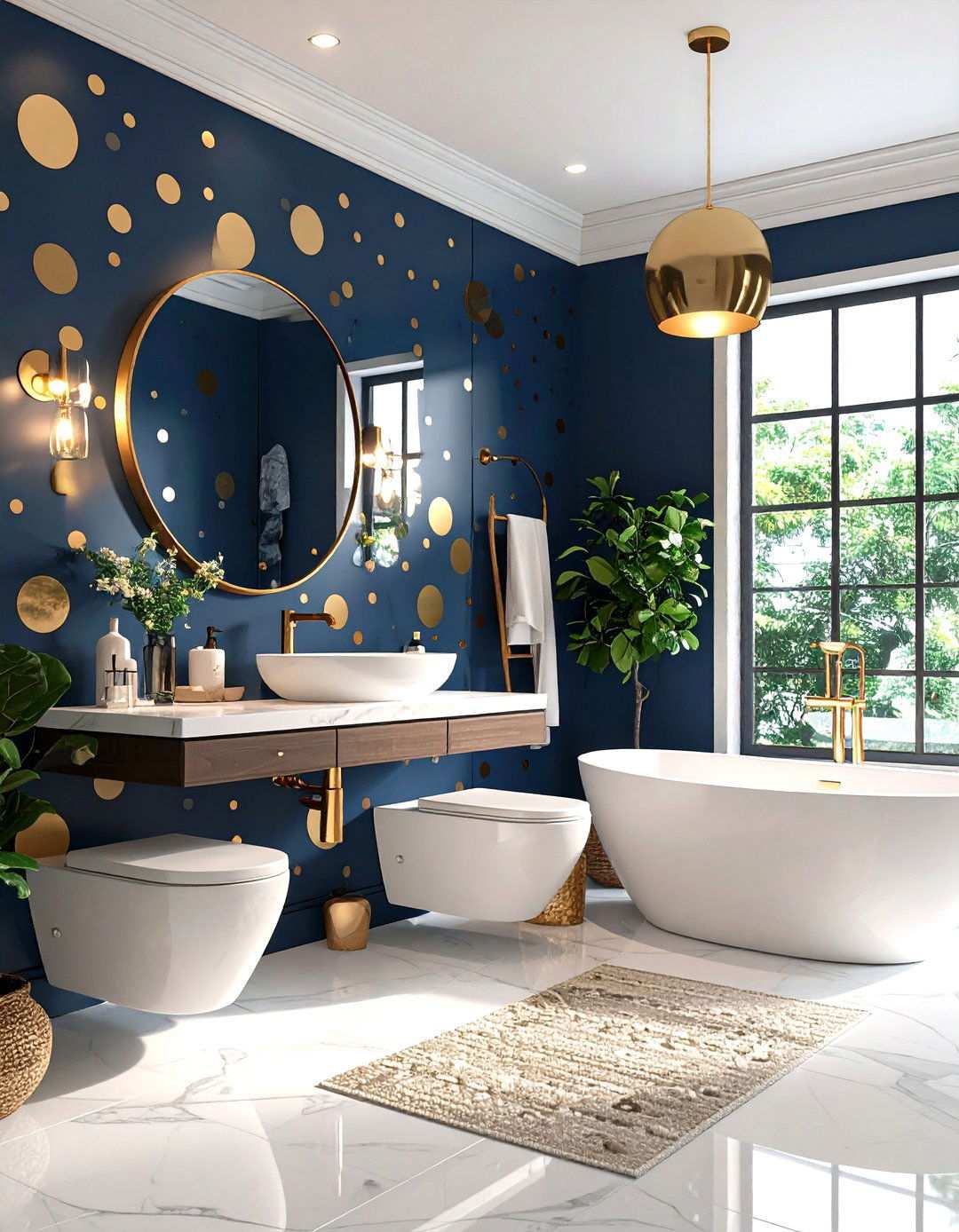
Polka dots are often associated with children’s rooms, but when executed with the right color combinations and scale, they can elevate any space to a level of playful sophistication. A large, metallic gold polka dot pattern applied over a deep navy background creates a glamorous accent wall perfect for powder rooms or dressing areas. Alternatively, subtle tone-on-tone dots can add texture without overwhelming the space, while carefully planned dot arrangements can draw attention to specific areas or create visual flow between spaces. To ensure consistent sizing and spacing, use circular stencils or templates. The key to success lies in restraint – typically, one accent wall receives the polka dot treatment while other walls remain solid. By employing this approach, you can add personality and whimsy to your space while maintaining overall design sophistication and adult appeal.
15. Creating Dimensional Art Installations
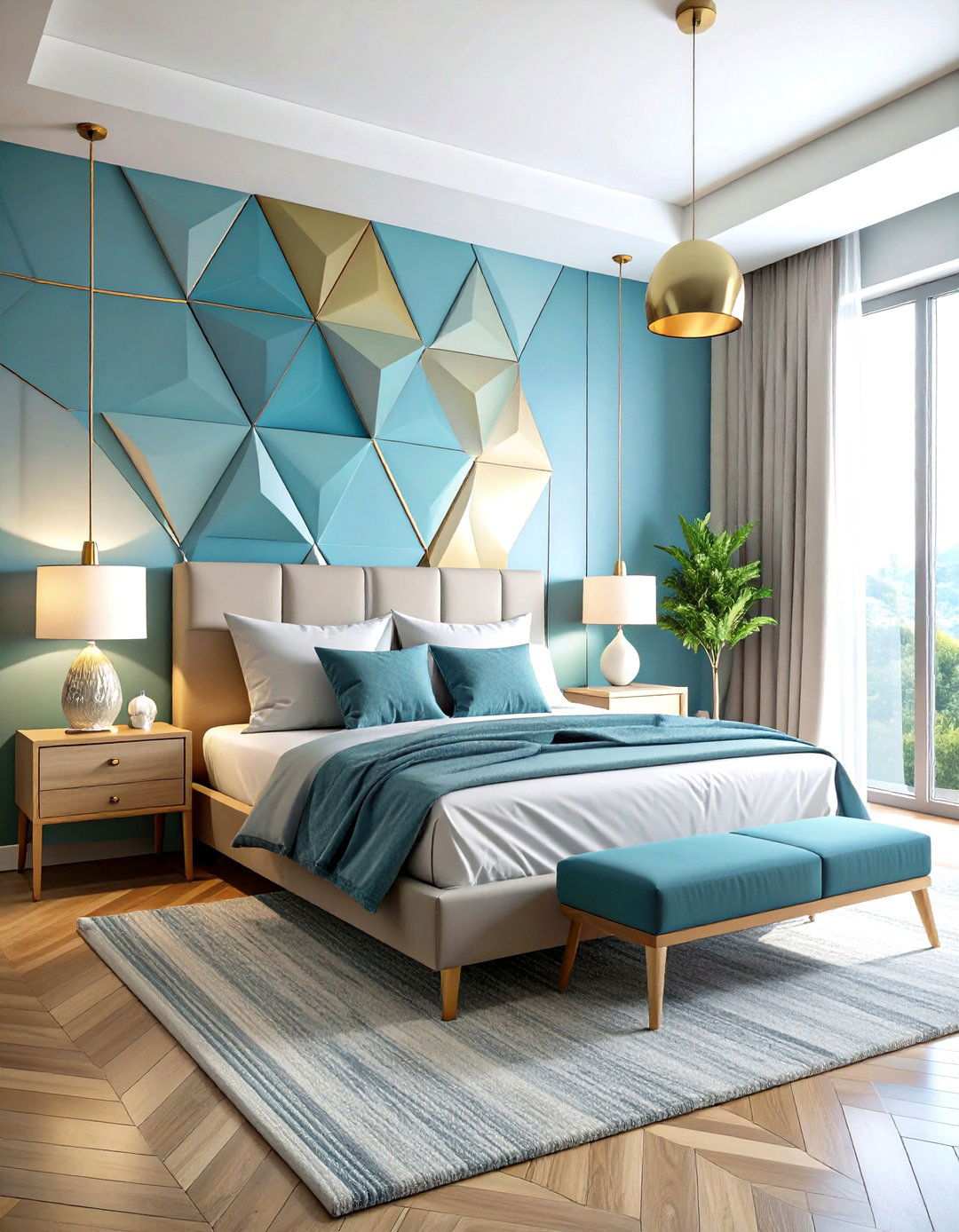
Design modern art installations directly onto your walls by combining layered geometric shapes in harmonious color palettes. This method involves painting intricate patterns of overlapping shapes, such as triangles, circles, hexagons, and other geometric forms, to build visually striking compositions. Begin with a lighter base layer and gradually build up with darker colors to achieve depth and dimension. To ensure cohesion with your room’s existing aesthetic, carefully select colors that complement the existing palette while maintaining sufficient contrast between each shape. This approach is particularly effective in areas where the wall serves as a focal point, such as behind beds, sofas, or in dining areas. By incorporating angular shapes and bold colors, modern spaces can reap the benefits of a contemporary look, while traditional spaces might opt for curved forms and muted tones to achieve a more understated appearance. The end result is a unique piece of custom wall art that is perfectly tailored to your specific space.
16. Textured Surfaces Through Rag Rolling
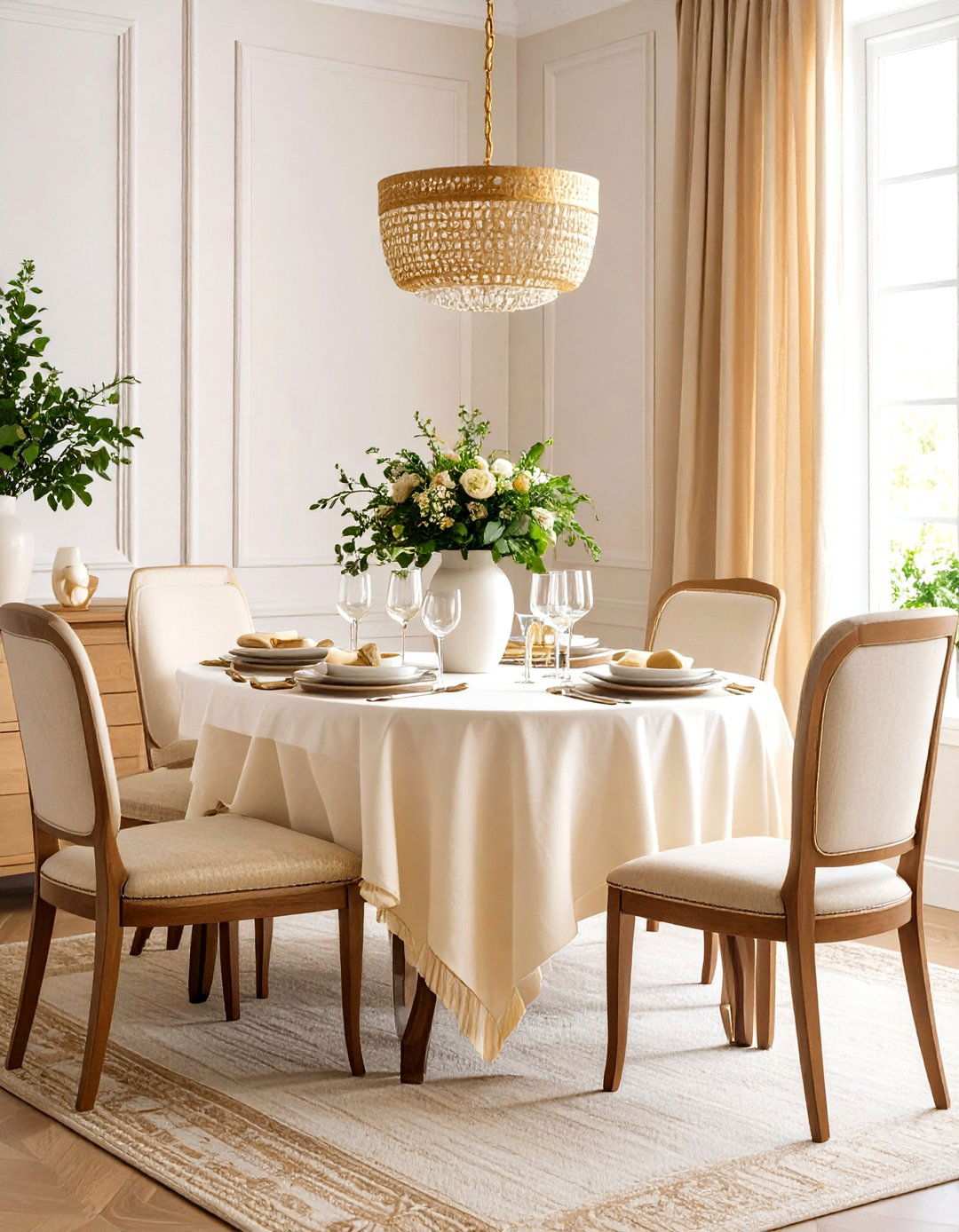
Achieve a touch of old-world charm and sophistication by incorporating rag rolling techniques to add depth and visual interest to any wall surface. This flexible method involves gently rolling fabric or paper in wet paint to create random, organic patterns that add character without requiring any artistic expertise. To achieve the desired effect, carefully select complementary colors for subtle results or contrasting hues for a more dramatic appearance. Rag rolling works particularly well in traditional and transitional interiors where a subtle texture is desired without overwhelming the space with pattern. The technique naturally creates variations across the wall surface, resulting in an authentic, handcrafted appeal that is both unique and visually striking. Warm color combinations like golden hues over creamy whites can create a cozy, inviting atmosphere, while cooler palettes can achieve a more contemporary, spa-like ambiance. This method also effectively camouflages wall imperfections while adding significant visual appeal to your space.
17. Expanding Color Horizons with Ceiling Extensions
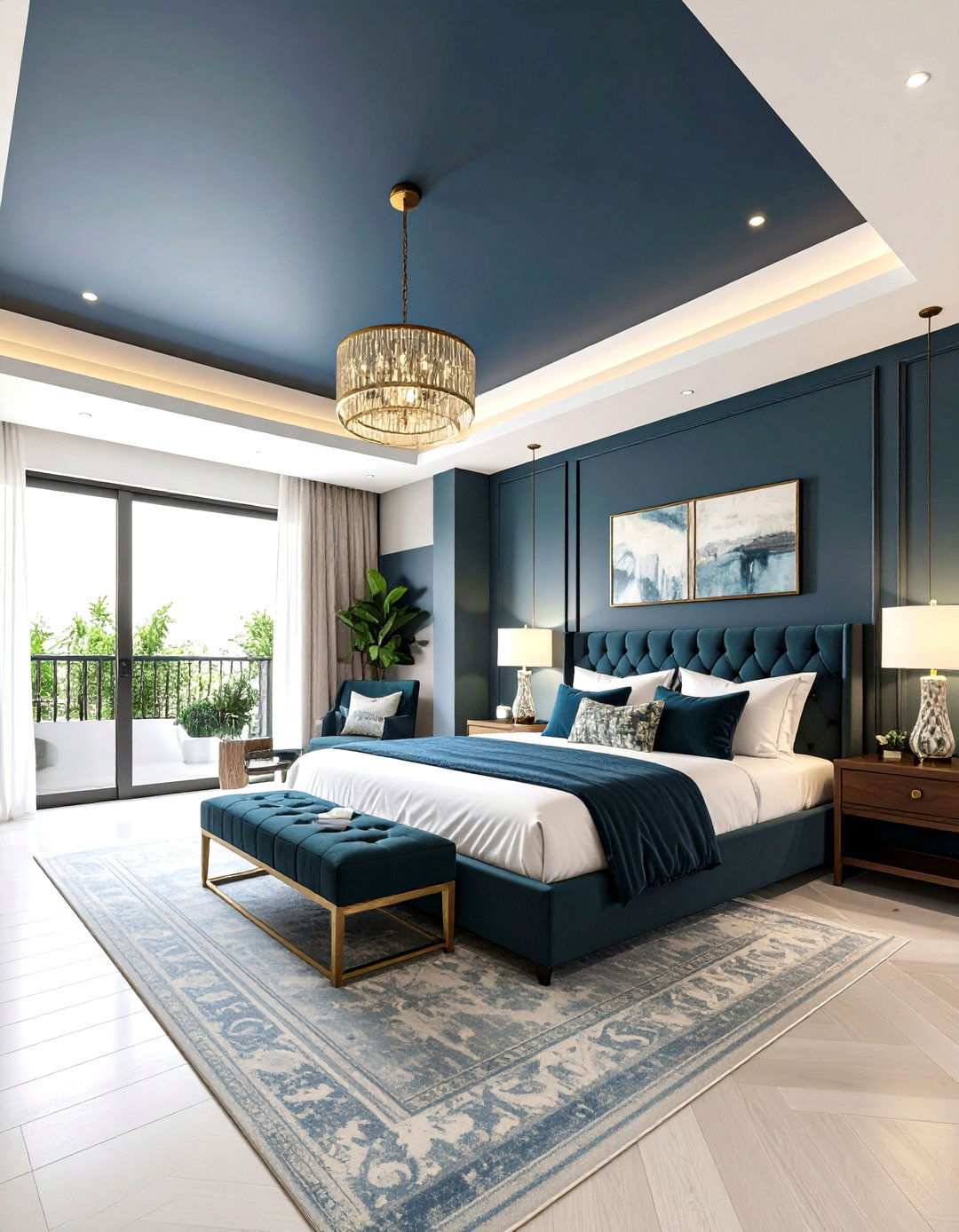
Why stop at painting walls when extending hues onto ceilings can dramatically transform room proportions and atmosphere? This on-trend technique involves bringing wall colors partially or completely onto ceiling surfaces to create cohesive, enveloping environments that draw the eye upwards. Dark colors brought onto ceilings can create an intimate and cozy ambiance in large rooms, while light colors can create airy, expansive sensations. Consider painting the ceiling the same color as one accent wall, or bring color just a few inches onto the ceiling around the room’s perimeter. This approach is particularly effective in bedrooms where a cocoon-like atmosphere is desired, or in dining rooms where an intimate ambiance can enhance the dining experience. By extending color onto the ceiling, you can create architectural interest and visual sophistication that elevates the overall aesthetic of your space.
18. Elevating Interior Spaces with Strie Linear Textures
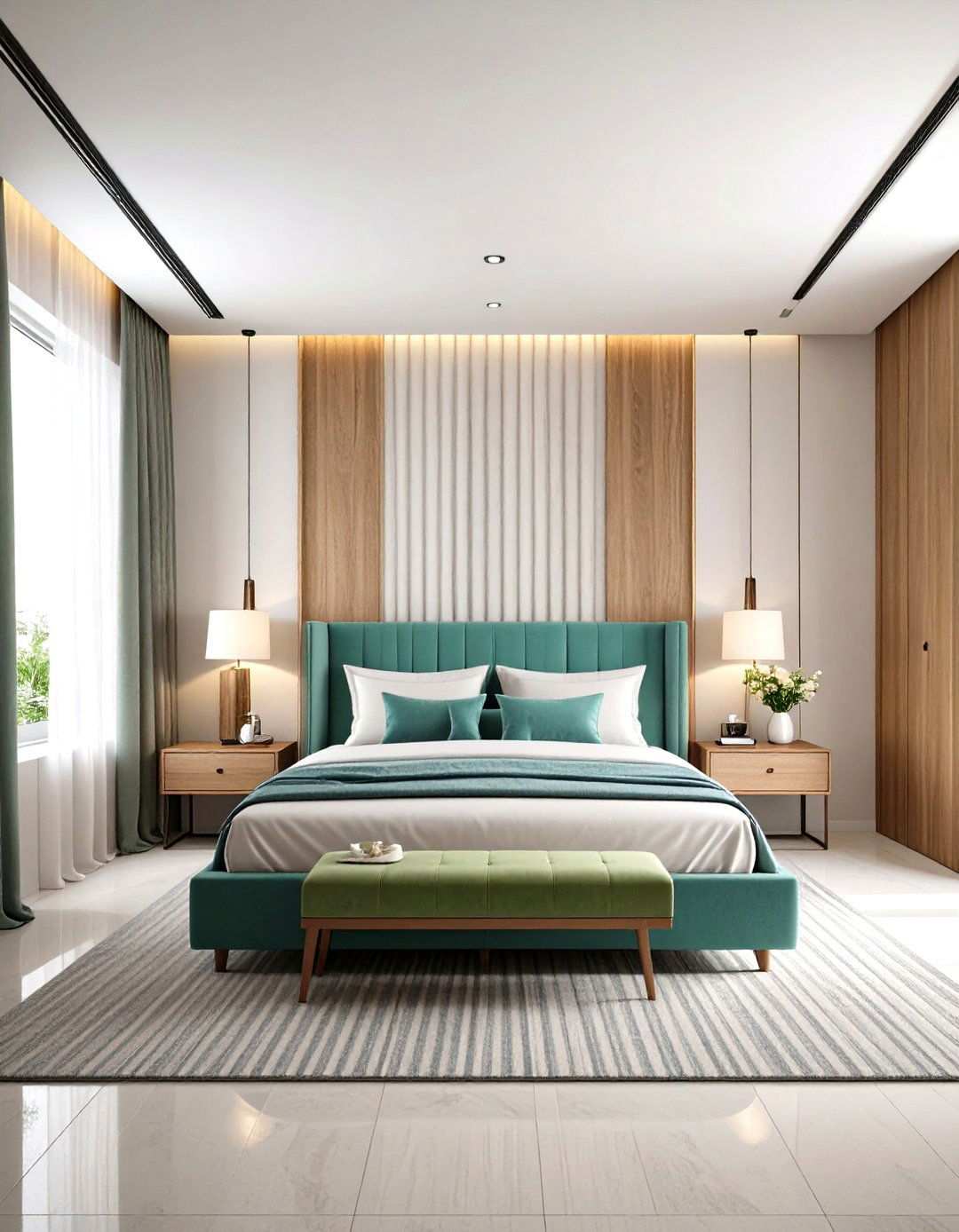
Achieve a sense of understated luxury by incorporating strie painting techniques that produce elegant, linen-like textures reminiscent of exclusive fabric wallcoverings. This method involves using a dry brush to drag through wet paint, creating fine, vertical lines that add subtle sophistication to any interior space. Strie works particularly well in formal areas like dining rooms and master bedrooms where a touch of refined elegance is desired. Neutral color schemes showcase the texture’s linear pattern best, allowing it to add interest without competing with the room’s furnishings and artwork. Strie complements traditional and transitional design styles beautifully, adding textural depth that enhances the overall aesthetic without overwhelming it. The vertical orientation of the texture naturally creates the illusion of higher ceilings while providing a sophisticated backdrop for furniture and decorative accessories. Mastering this technique requires steady hand movements and consistent pressure to produce professional-looking results.
19. Transforming Walls into Art with Bold Geometric Murals
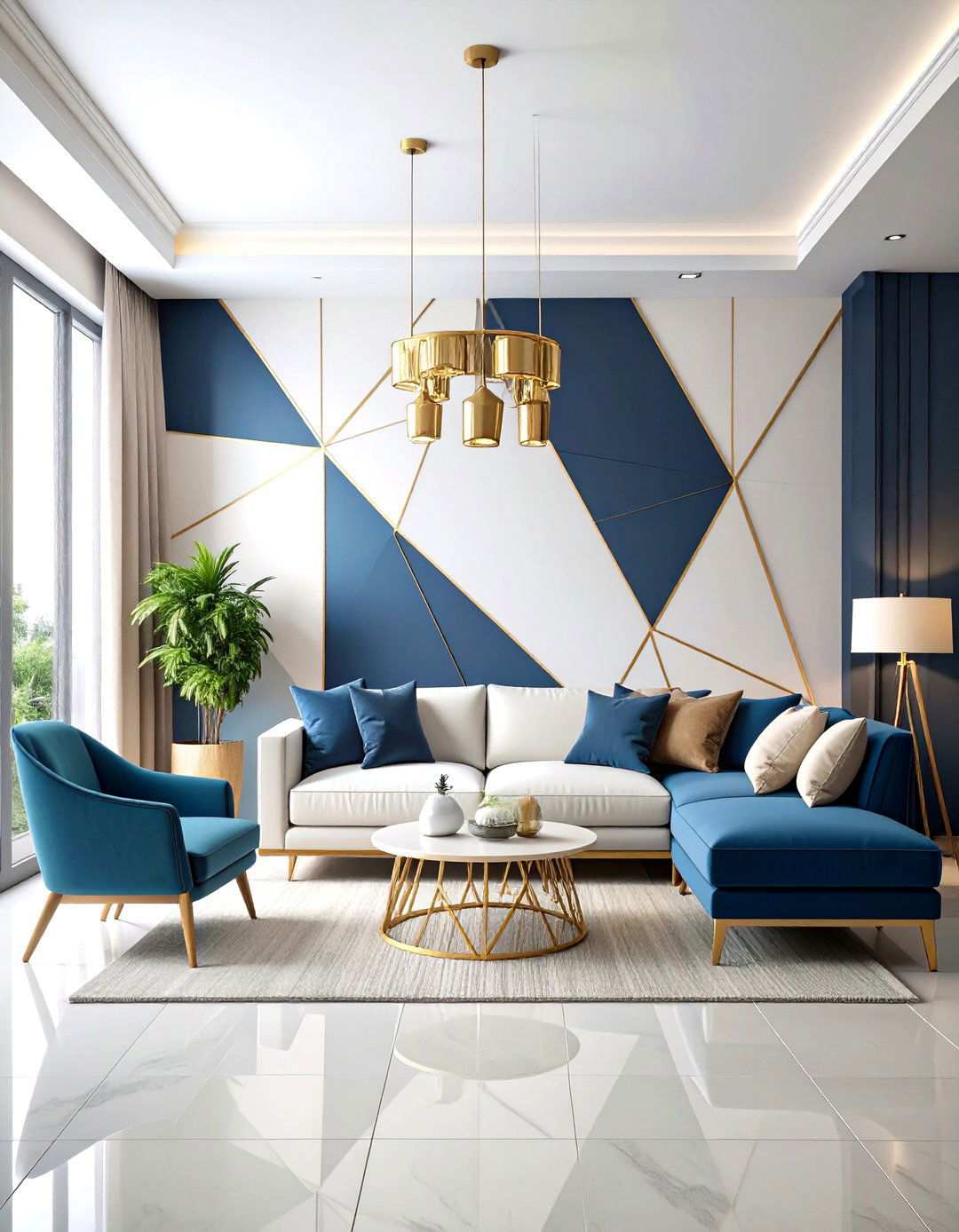
Take your room’s design to the next level by transforming entire walls into stunning geometric murals that serve as the room’s primary artwork and focal point. This ambitious technique involves planning and executing large-scale geometric compositions using multiple colors and shapes arranged in balanced, visually pleasing configurations. Start with simple shapes like triangles and rectangles, then add complexity through overlapping and color variation. Modern color palettes featuring navy, blush, and gold create sophisticated combinations that add a touch of glamour, while bright primaries energize children’s spaces and creative areas. Careful planning and attention to detail ensure proper proportions and color balance across the entire wall surface. This approach particularly suits contemporary and modern interiors where bold artistic statements enhance the overall design. The result creates custom artwork perfectly scaled and coordinated with your specific room and decor.
20. Bringing Timeless Elegance with Damask Stencil Patterns
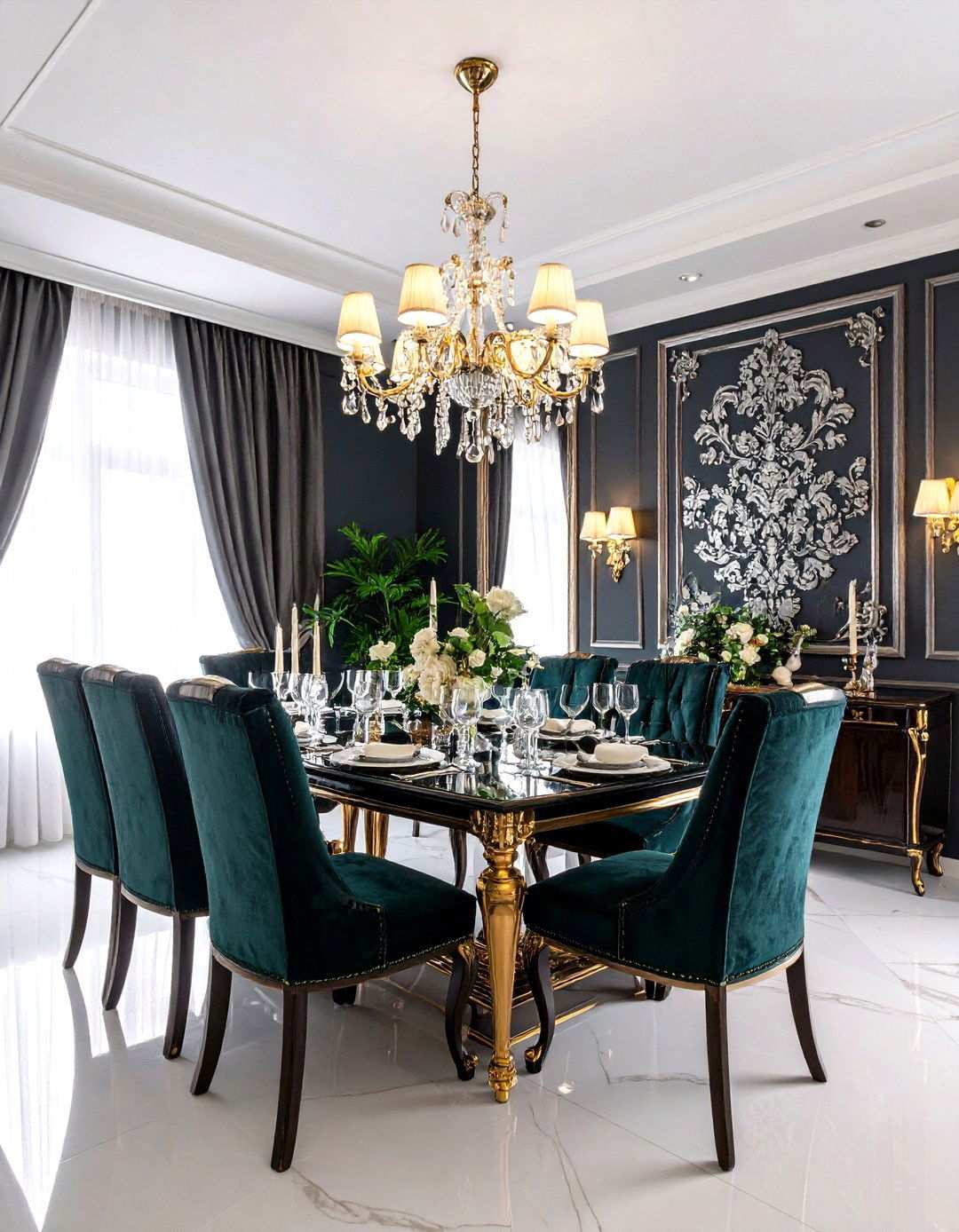
Add a touch of European sophistication to your walls by incorporating ornate damask stencil patterns that create luxurious ambiance reminiscent of high-end wallpapers. These intricate designs work particularly well in formal dining rooms, master bedrooms, and powder rooms where dramatic impact is desired. Choose metallic paints for glamorous effects, or use tone-on-tone applications for subtle sophistication. The repetitive nature of damask patterns creates visual rhythm while the ornate details add texture and depth. Dark backgrounds with lighter pattern colors create dramatic, intimate atmospheres perfect for evening entertaining. Lighter backgrounds with darker patterns offer more versatile, liveable results. This technique requires patience and precision but delivers professional, designer-quality results that significantly elevate any interior space’s perceived value and aesthetic appeal.
21. Elevating Wall Surfaces with Herringbone Patterns
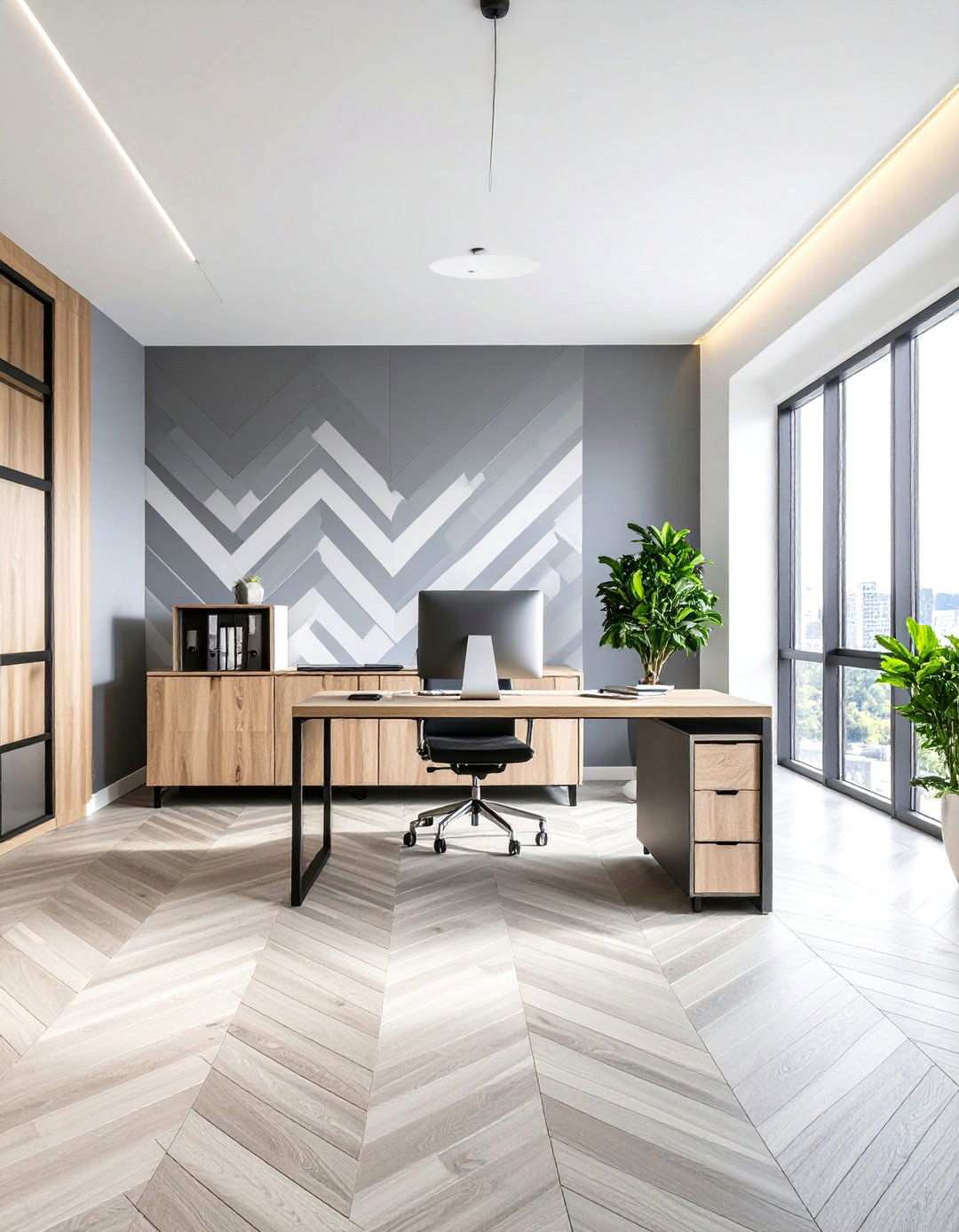
Infuse your space with a sense of sophistication and visual dynamism through herringbone pattern painting, a technique that emulates the luxury of expensive tile or hardwood installations. By crafting zigzag patterns using rectangular shapes arranged in alternating directions, you can achieve a contemporary style that’s sure to make a statement. This method typically involves employing stenciling or taping techniques with precision, allowing for the creation of clean, geometric lines that add architectural interest to any wall surface. When paired with a neutral color palette like gray and white, herringbone patterns exude understated elegance, while bold contrasts create a dramatic, attention-grabbing effect. This design approach works particularly well as accent walls in modern and transitional interiors, where geometric interest is desired without overwhelming the space.
The directional nature of herringbone patterns naturally draws the eye upward, creating the illusion of higher ceilings and adding sophisticated detail that complements contemporary furnishings and clean-lined architectural elements. By incorporating this pattern into your design, you can create a sense of visual flow that’s both captivating and cohesive.
22. Contemporary Color Dipped Effects
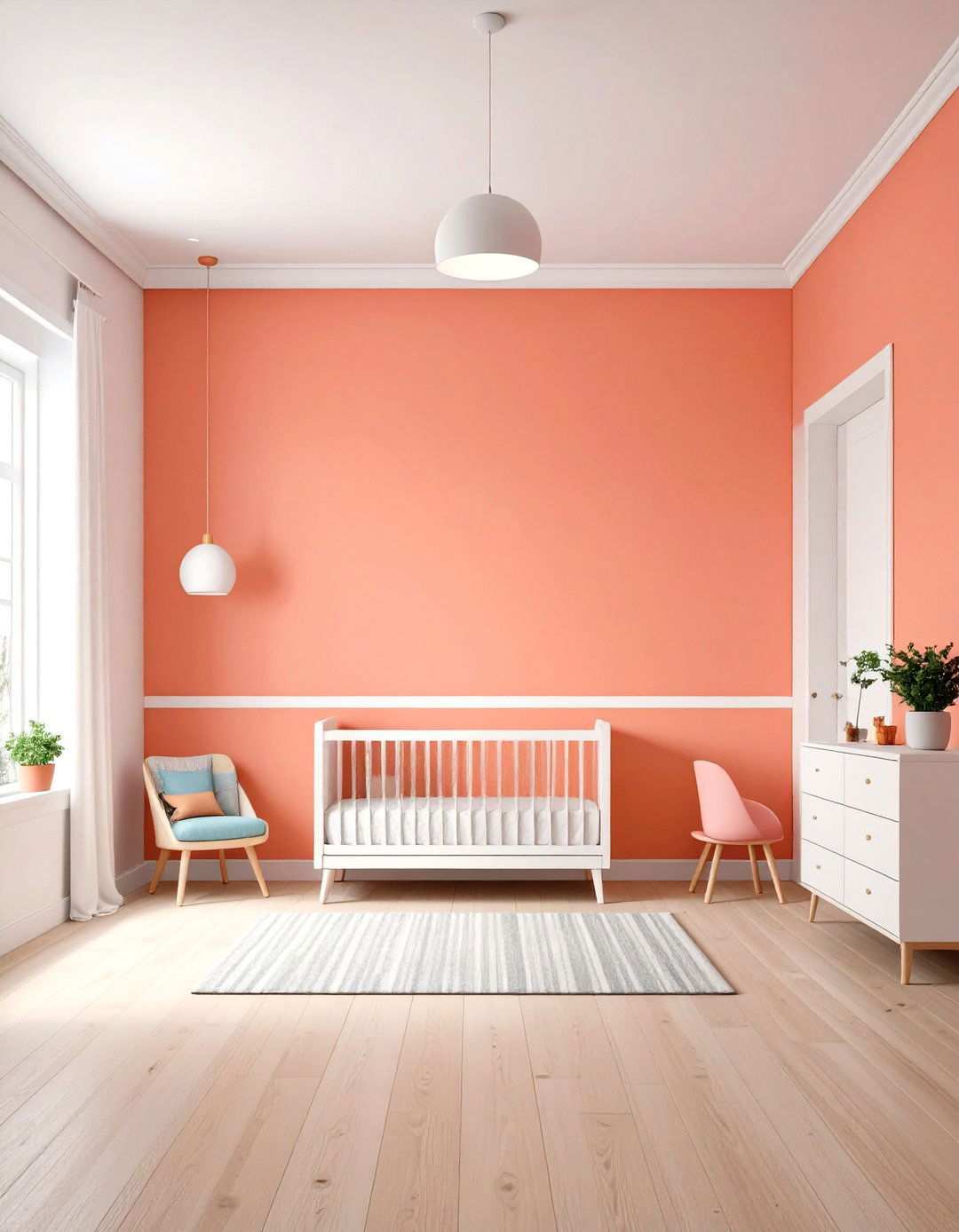
Unlock modern, artistic appeal through color dipped painting techniques that create the illusion of walls partially submerged in paint. This contemporary approach involves painting the lower portion of walls in bold colors while leaving upper sections in contrasting or neutral tones, creating clean, horizontal divisions reminiscent of modern art. This design technique works particularly well in children’s rooms, creative spaces, and contemporary interiors where playful sophistication is desired. Consider dipping walls in energizing colors like coral, teal, or sunny yellow for mood-boosting effects that add a touch of whimsy to your space. The clean lines and unexpected color placement create visual interest while maintaining overall design coherence, making it the perfect solution for those who want to experiment with bold colors in a controlled, manageable way.
23. Transporting Spaces with Moroccan Tile Patterns
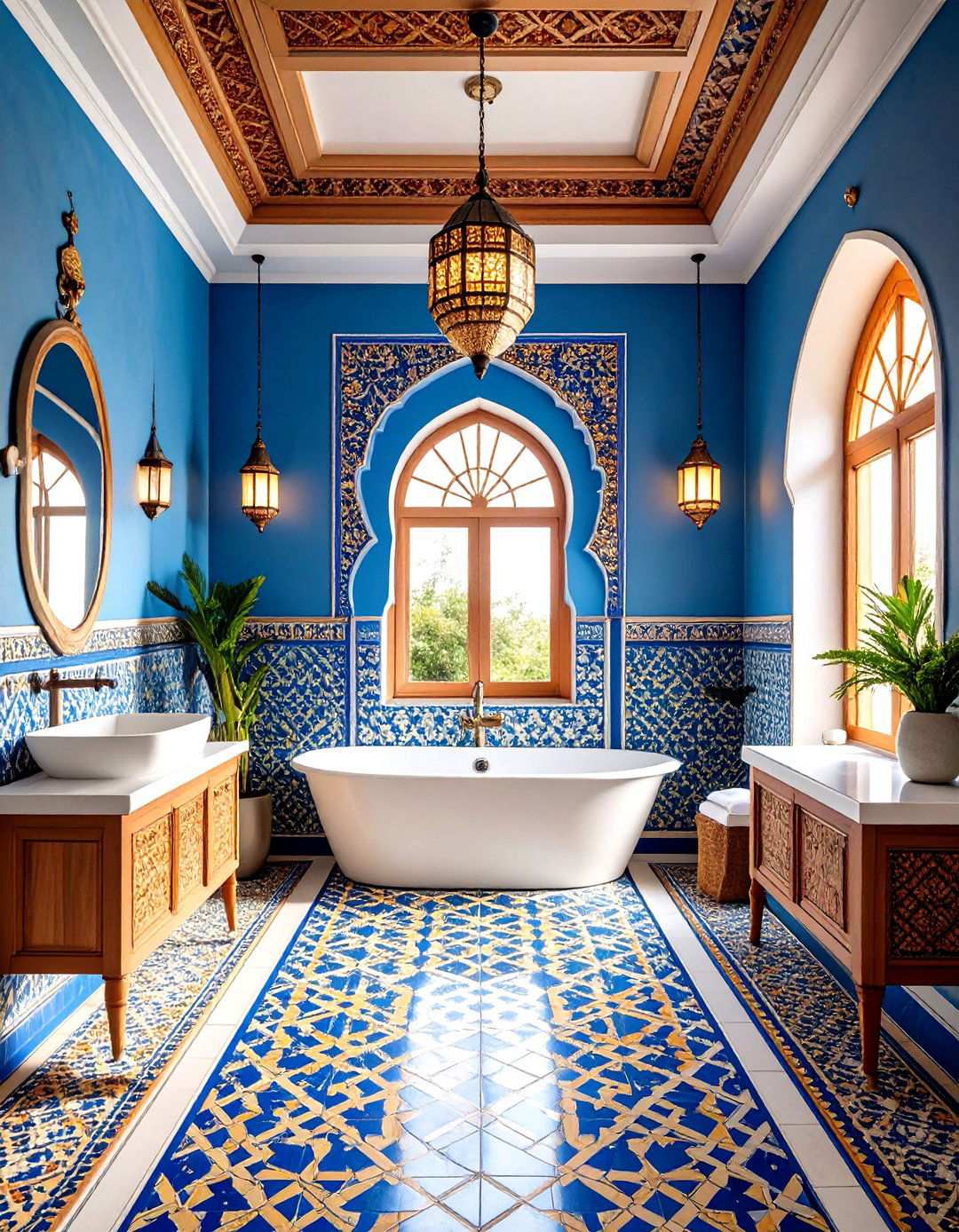
Transport your space to exotic destinations using painted Moroccan tile patterns that create intricate, mesmerizing designs without expensive ceramic installations. These geometric patterns feature interlocking shapes and repeated motifs that add cultural richness and visual complexity to any wall surface. Traditional color palettes featuring deep blues, warm terracottas, and rich greens create authentic atmospheric effects, while modern interpretations using contemporary colors adapt the patterns for current interiors. This design technique works beautifully in powder rooms, dining areas, and bedrooms where dramatic accent walls enhance the overall design. The mathematical precision of Moroccan patterns creates calming, meditative effects, while the intricate details reward close inspection. By employing careful stenciling techniques, you can achieve professional results that significantly elevate the perceived sophistication and cultural depth of your interior spaces.
24. Translating Emotion into Space
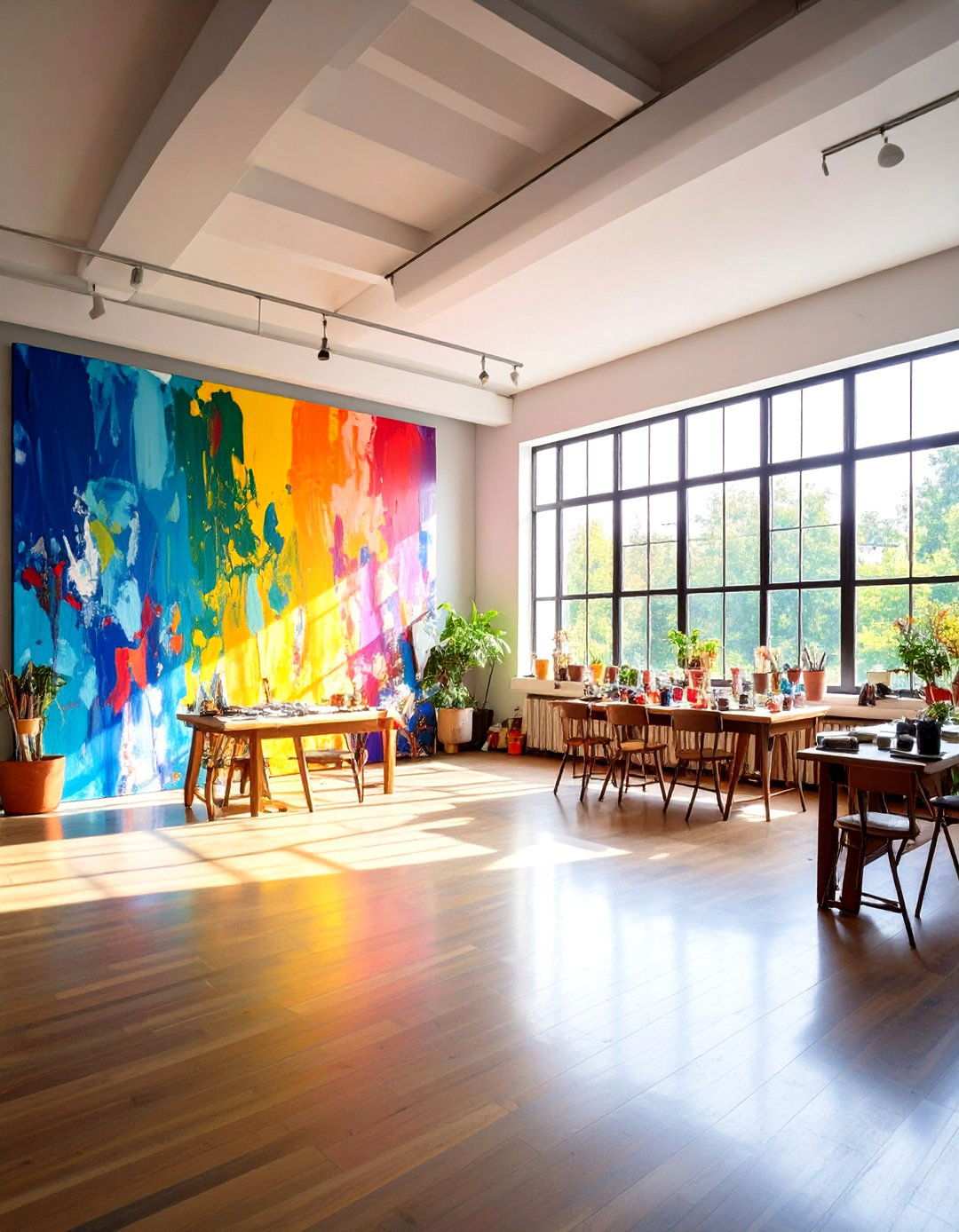
Infuse your living area with a unique canvas of creative expression by introducing abstract brushstroke walls that redefine your space as a dynamic art gallery. This liberating technique involves applying paint in sweeping, expressive gestures, evoking movement, energy, and distinctive artistic flair. Unlike rigid geometric patterns, abstract brushstrokes proudly celebrate the beauty of spontaneity and personal creativity, ensuring that no two walls ever share the same visual identity. Select colors that harmonize with your room’s existing palette while providing sufficient contrast to define each brushstroke distinctly. This innovative approach is particularly well-suited to creative spaces, contemporary interiors, and areas where personal expression is valued above traditional decoration. By layering multiple colors for depth or sticking to monochromatic schemes for understated elegance, you can create a custom wall art piece that accurately reflects your personal style while injecting significant visual interest and conversation-starting appeal into the space.