1. Building a Foundation with Calming Neutrals
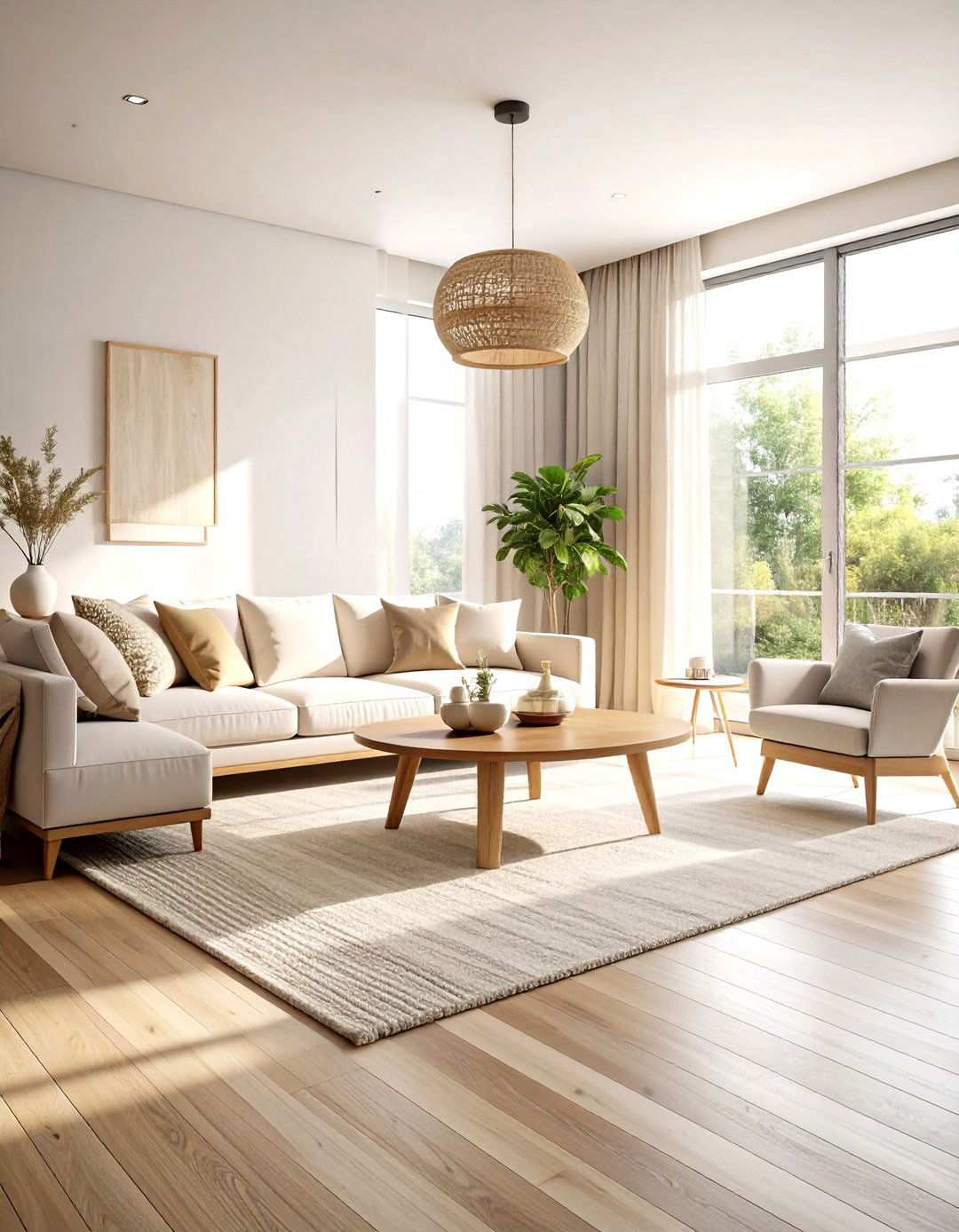
Minimalist apartment living requires a thoughtful approach to design, where every element serves a purpose and contributes to a serene atmosphere. A well-chosen neutral color palette provides the foundation for this aesthetic, creating an airy and spacious feel that makes even the smallest areas feel expansive. Soft whites, warm beiges, and gentle grays work in harmony to reflect natural light throughout the day, resulting in an inviting and calming environment that’s perfect for unwinding. To add depth and interest, experiment with different shades within the same color family, allowing you to create a sophisticated and layered look. By incorporating textural elements like linen curtains, wool rugs, and matte paint finishes, you can prevent your space from feeling sterile and impersonal.

As an Amazon Associate I earn from qualifying purchases.
2. Maximizing Function with Versatile Storage
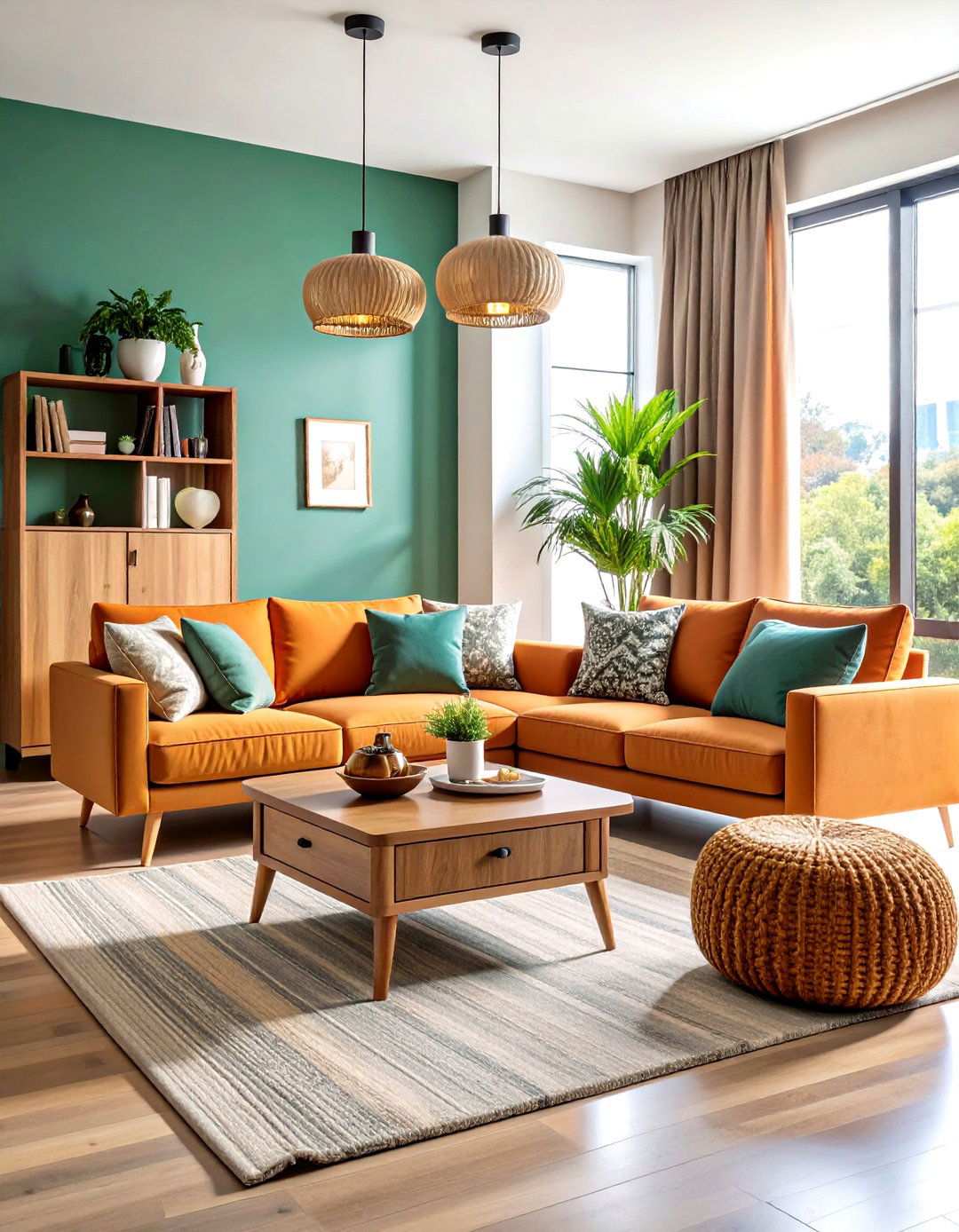
Incorporating multifunctional furniture into your minimalist apartment design can be a game-changer, as it combines style with practical storage solutions that keep your space organized and clutter-free. Ottoman benches with hidden compartments, for instance, not only provide a place to sit but also store blankets and other items out of sight. Similarly, coffee tables featuring built-in drawers keep essentials like remote controls and magazines within easy reach while maintaining a clean and minimalist look. Bed frames with integrated storage eliminate the need for bulky dressers in small bedrooms, freeing up space for more important things. By investing in quality multifunctional furniture, you can reduce clutter and maximize your space efficiency without sacrificing aesthetic appeal.
3. Elevating Space with Vertical Storage Solutions
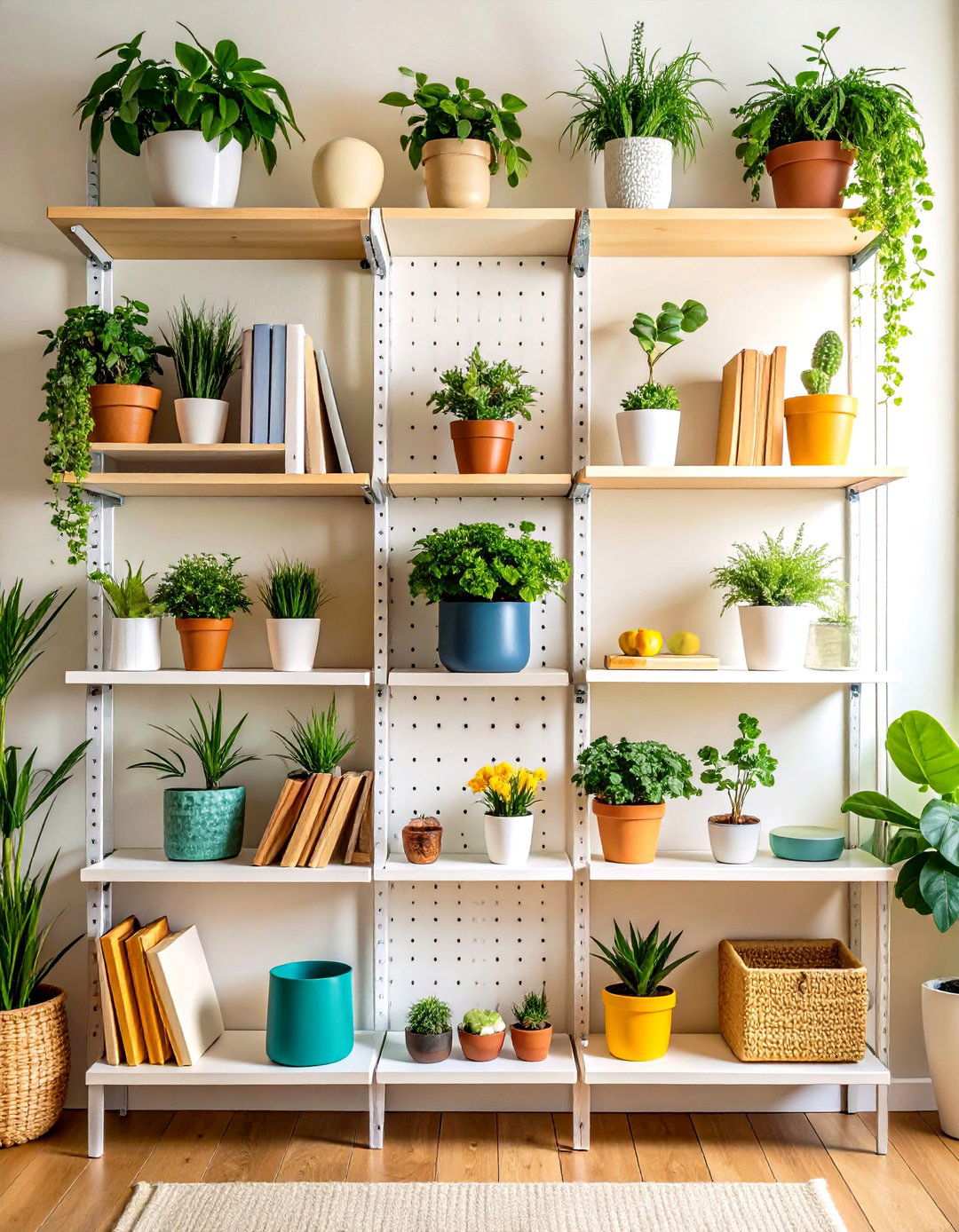
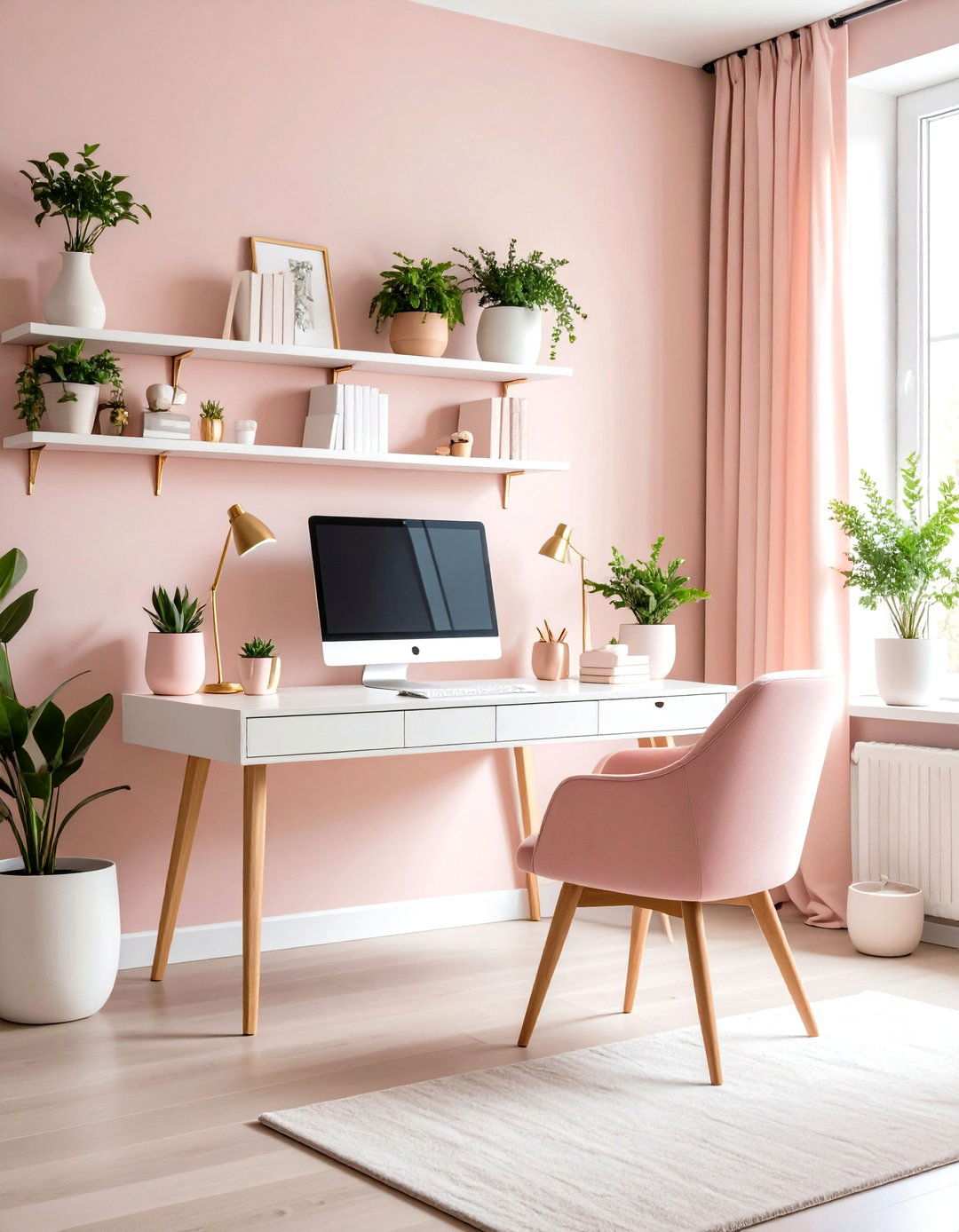
Don’t let unused wall space hinder your storage needs; instead, turn it into a functional haven that complements your minimalist style. By installing vertical storage systems, you can transform empty walls into a visually appealing organization hub while maintaining a streamlined aesthetic. Mixing floating shelves at varying heights adds visual interest to your space while showcasing treasured books, plants, and decorative pieces. Wall-mounted cabinets expertly conceal items, preserving clean lines, while pegboard systems in kitchens expertly organize cooking utensils and tools. Tall, narrow bookcases create a sense of verticality, drawing the eye upward and making ceilings appear higher. By installing storage solutions that reach toward the ceiling, you maximize every square inch and create better traffic flow throughout your apartment.
4. Monochromatic Harmony
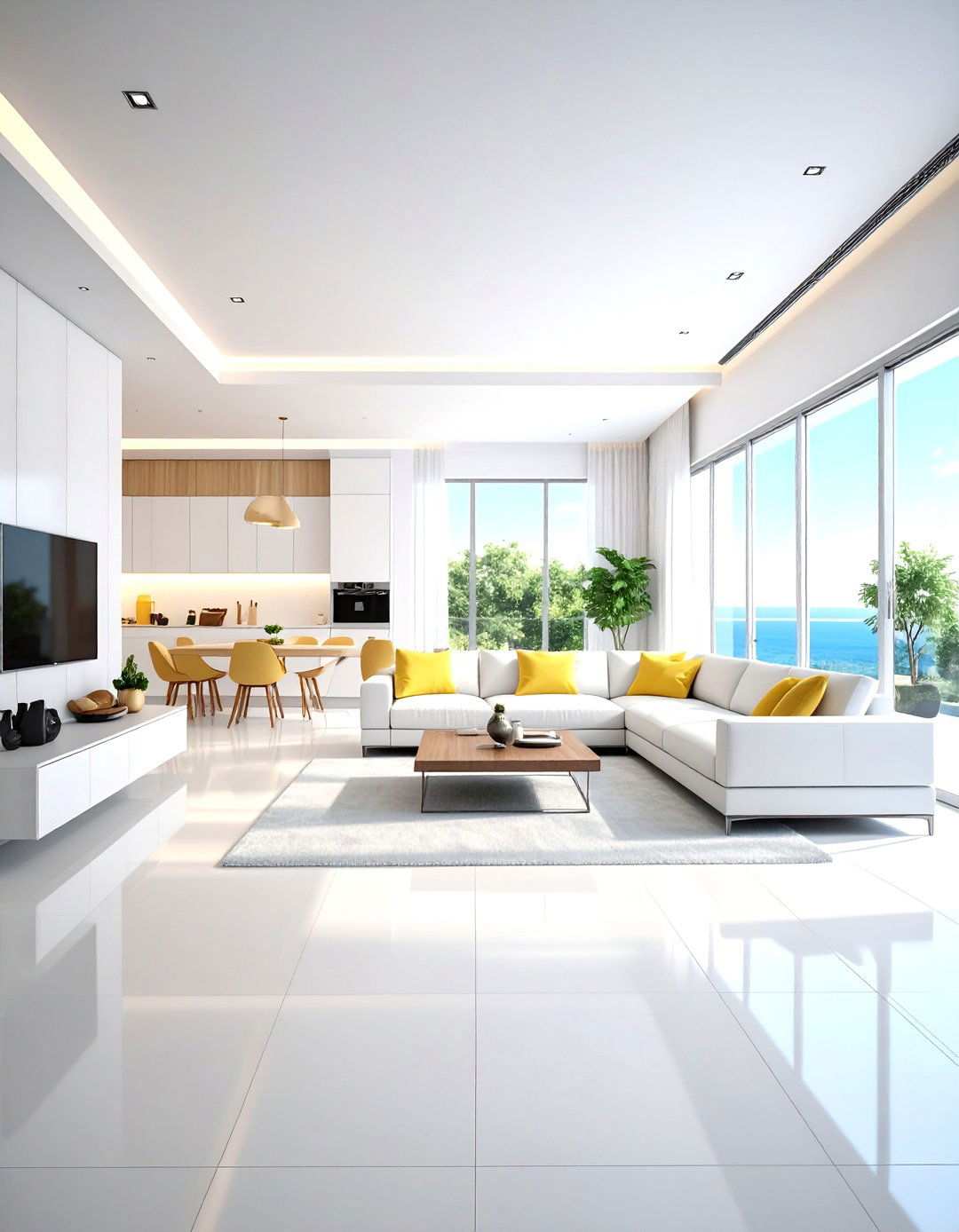
Achieving a sophisticated look while maintaining minimalist simplicity is effortlessly accomplished with a monochromatic color approach. Select a primary color and explore its various shades, tints, and tones to create a cohesive visual experience throughout your apartment. All-white schemes can create a feeling of freshness and spaciousness, while soft gray palettes exude modern elegance. For a warm and inviting atmosphere, consider beige and cream combinations. To add depth, incorporate different textures within your chosen color family through fabrics, finishes, and materials. By layering varying surface treatments like matte, glossy, and textured elements, you can create visual interest within your space. This design strategy ensures visual cohesion while preventing spaces from appearing flat or monotonous, making decorating decisions easier as everything naturally coordinates within your established palette.
5. Illuminating Minimalism with Strategic Lighting
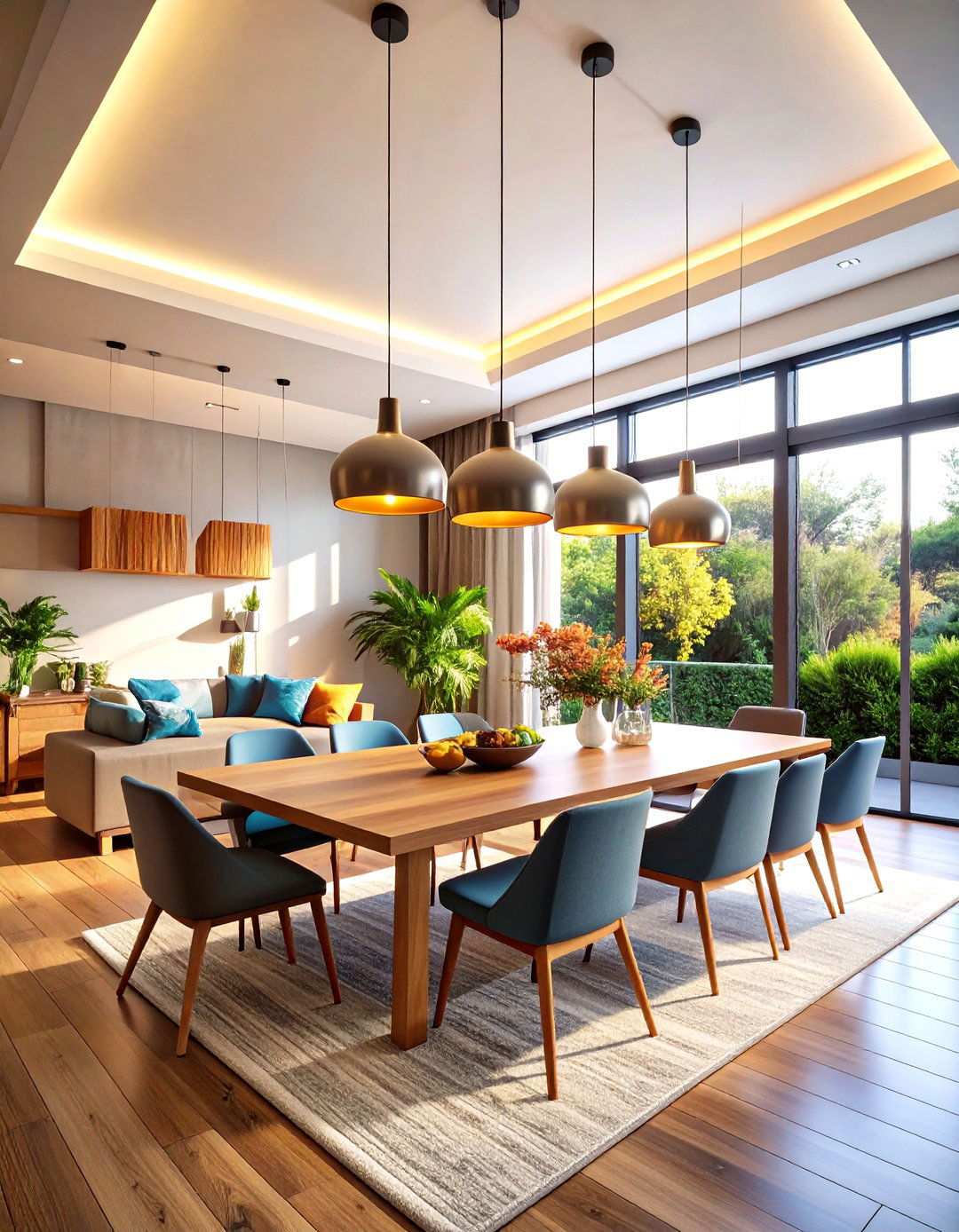
Effective lighting plays a vital role in elevating minimalist apartments by creating ambiance while serving functional needs. Replace bulky lampshades with sleek pendant lights featuring geometric shapes and clean lines to add a stylish touch. Recessed ceiling lights provide general illumination without visual clutter, while wall sconces save floor space while adding architectural interest. To maximize natural light, keep window treatments simple with sheer curtains or blinds that allow daylight to pour in. LED strip lights hidden behind floating shelves create dramatic accent lighting, while table lamps with simple bases complement minimalist furniture without overwhelming surfaces. By layering different light sources, you can create depth and warmth while maintaining the uncluttered aesthetic essential to minimalist design.
6. Optimizing Space in Open Floor Plans
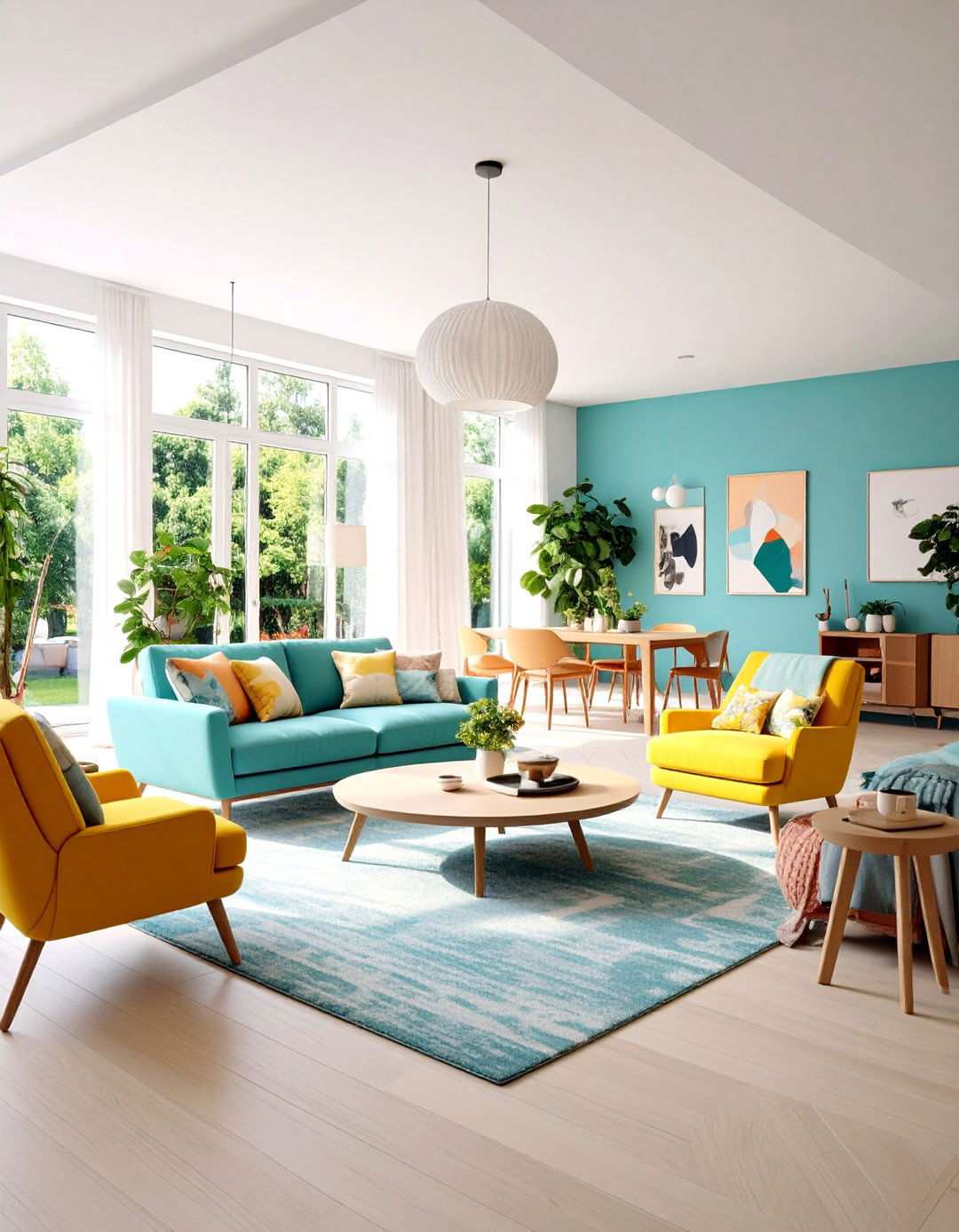
Maximizing your apartment’s potential requires deliberate space planning. By removing unnecessary walls and barriers, open floor plans create seamless transitions between living areas. Arrange furniture to establish zones without disrupting visual flow or natural light. Strategically place area rugs to define functional spaces within larger rooms, while keeping pathways clear and furniture simple to maintain a sense of spaciousness. Low-profile furniture preserves open views while serving essential functions. Arrange seating to encourage conversation while maintaining a clean and uncluttered appearance. Thoughtful furniture placement can create intimate spaces within larger areas without sacrificing the overall sense of openness that makes minimalist apartments feel larger and more inviting.
7. Discreet Storage Solutions
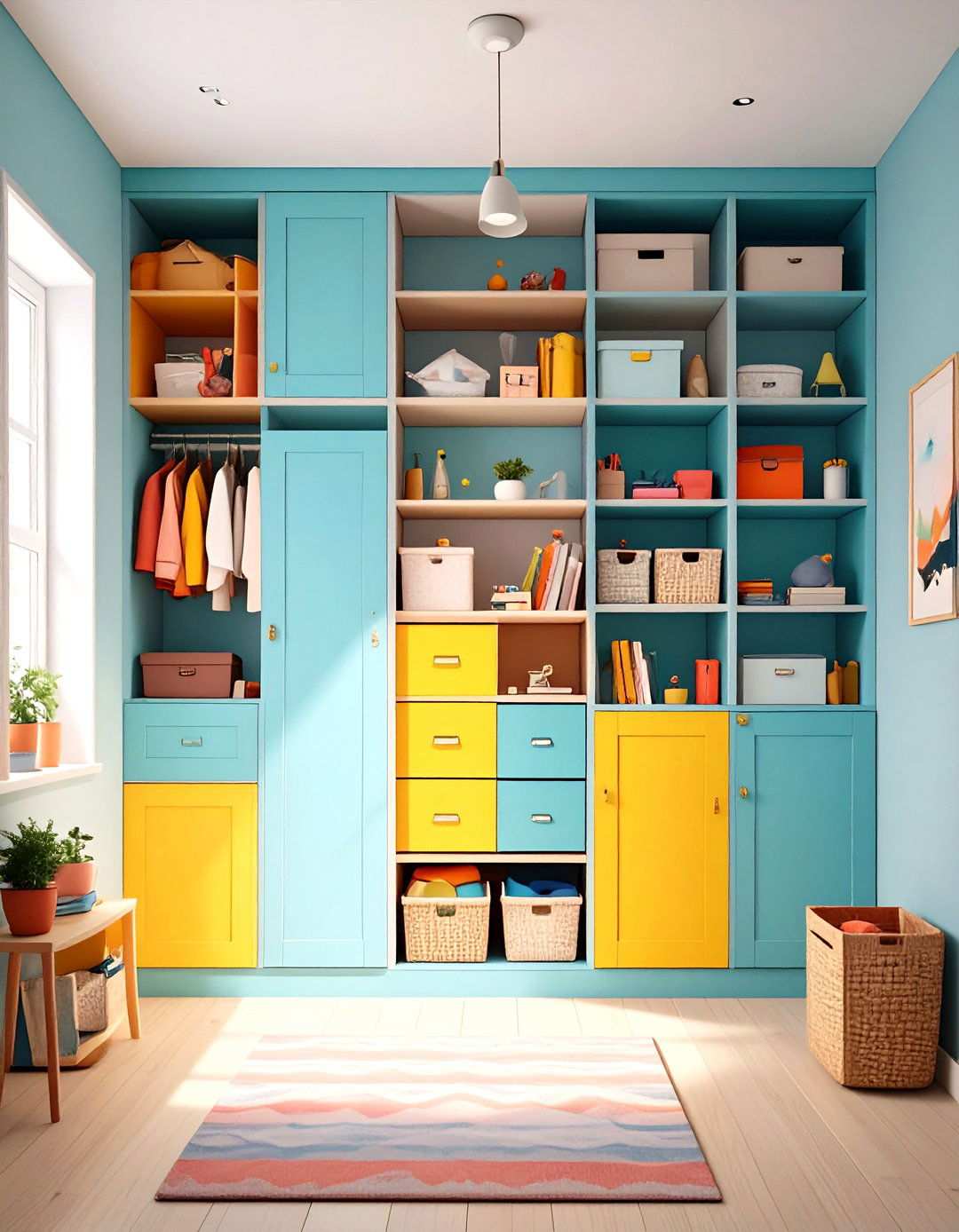
Effective storage is crucial in maintaining minimalist aesthetics while accommodating necessary belongings. Built-in cabinets disguised as wall panels keep items organized, yet invisible, blending seamlessly into the surrounding environment. Under-stair storage transforms awkward spaces into functional areas, maximizing vertical space. Ottomans and storage benches with hollow interiors hide seasonal items and linens, maintaining a clutter-free appearance. Behind-door organizers optimize closet efficiency without creating visual clutter, while ceiling-mounted storage tracks in bedrooms keep hanging clothes at a comfortable height. False drawer fronts conceal organizational systems in kitchens and bathrooms, providing a sense of calm and serenity. Pull-out drawers beneath seating utilize otherwise wasted space, ensuring everything has a designated place while maintaining the clean, uncluttered appearance fundamental to minimalist design principles.
8. Enhancing Spaces with Natural Materials
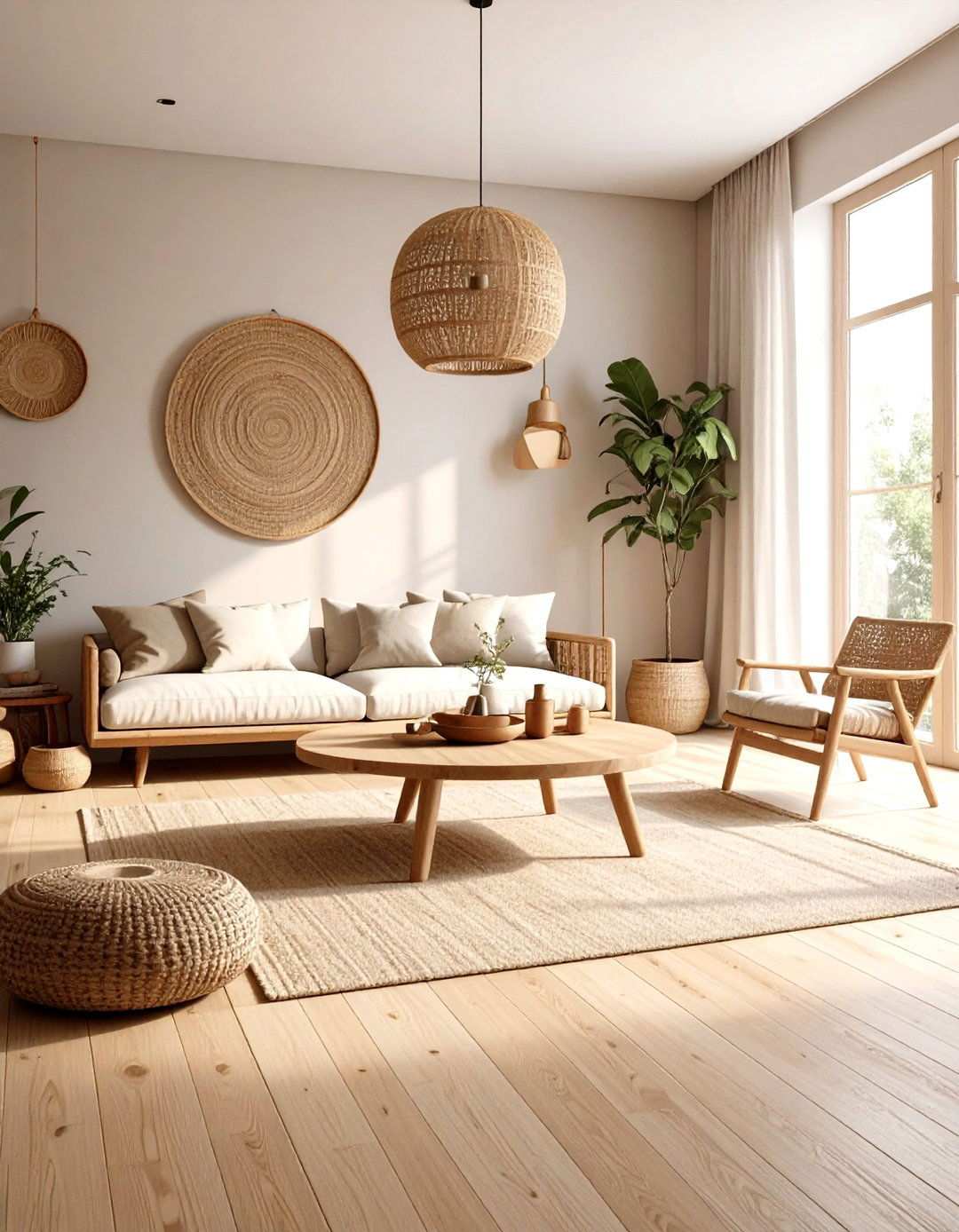
Incorporating natural materials can transform a sterile space into a warm and inviting sanctuary. Wood, stone, and organic fibers add warmth and texture to minimalist apartments without compromising clean aesthetics. Light oak floors provide a foundation, while bamboo accessories offer sustainable style options. Natural linen fabrics soften hard surfaces through cushions and window treatments, introducing a sense of coziness. Stone accent walls create focal points using earth-friendly materials, adding depth and visual interest. Jute rugs define areas while adding organic texture underfoot, creating a sense of connection to the natural world. Cork surfaces provide functional bulletin boards with natural appeal, promoting calm and well-being. By incorporating natural elements, minimalist spaces are transformed from feeling cold or impersonal to warm and welcoming, maintaining the sophisticated simplicity that defines this design approach.
9. Effortless Technology Integration
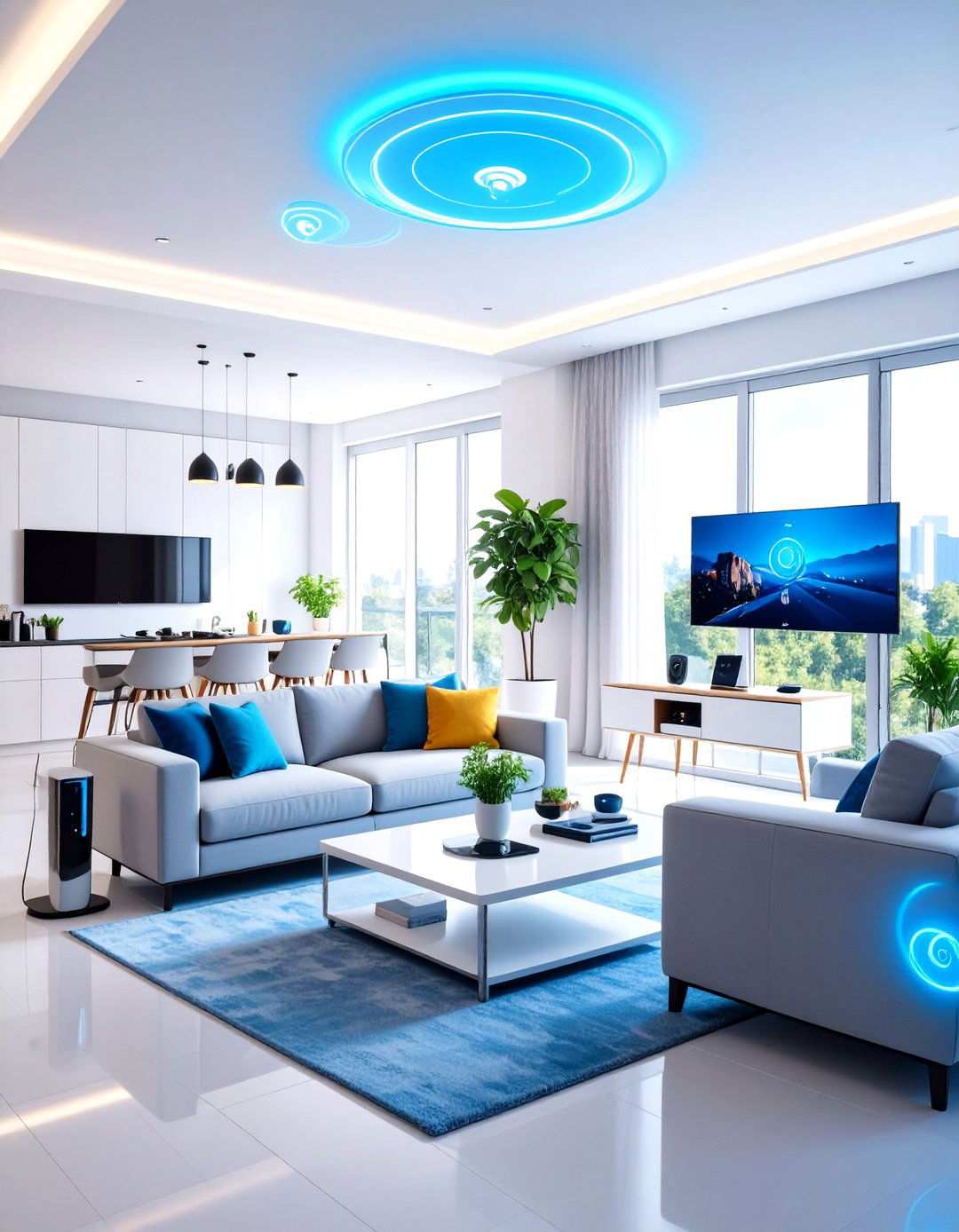
Sophisticated minimalist apartments expertly combine technology with design to elevate functionality without disrupting the visual harmony. Inbuilt wireless charging stations eliminate clutter by seamlessly integrating charging points into furniture. Sleek wall panels control lighting, temperature, and security with intuitive interfaces. Hidden cable management ensures a clutter-free appearance by concealing electronics behind clean surfaces. Wall-mounted flat-screen televisions retract into the wall when not in use, creating a seamless visual experience. High-quality audio is provided by built-in speakers, which take up minimal floor space. Voice-controlled devices minimize the need for physical controls, creating a more streamlined living environment. Smart storage systems track inventory and offer suggestions for improving organization, ensuring that technology seamlessly supports daily life while upholding the uncluttered aesthetic that defines minimalist living.
10. Refined Clothing Organization
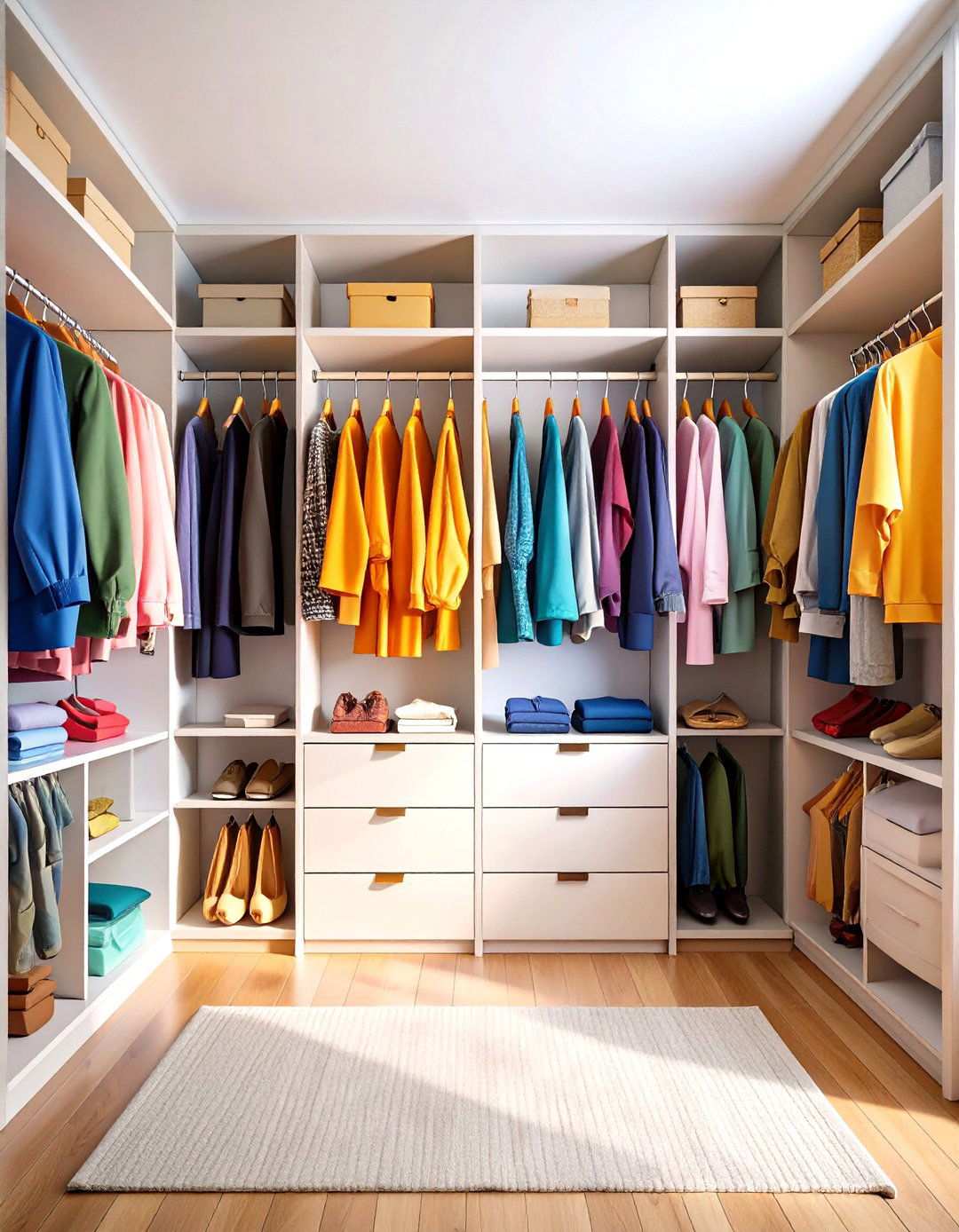
Streamlined clothing organization underpins minimalist living and simplifies daily routines by promoting efficient management of personal belongings. Thoughtfully curated open closets showcase a carefully edited wardrobe, creating a sense of order and harmony. Uniform hangers foster a sense of visual consistency while maximizing space efficiency in closets. Seasonal rotation ensures that only relevant, weather-appropriate items are easily accessible, streamlining decision-making processes. Adhering to the principle of quality over quantity, individuals prioritize versatile, well-made pieces that form the foundation of their wardrobe. Drawer dividers separate undergarments and accessories into designated spaces, maintaining organization and reducing clutter. Shoe storage systems keep footwear organized and easily accessible, while jewelry organizers prevent tangles and display pieces attractively. By embracing a capsule wardrobe, individuals can reduce decision fatigue and ensure that everything coordinates beautifully, supporting minimalist principles while creating functional and aesthetically pleasing storage solutions.
11. Biophilic Design Elements in Action
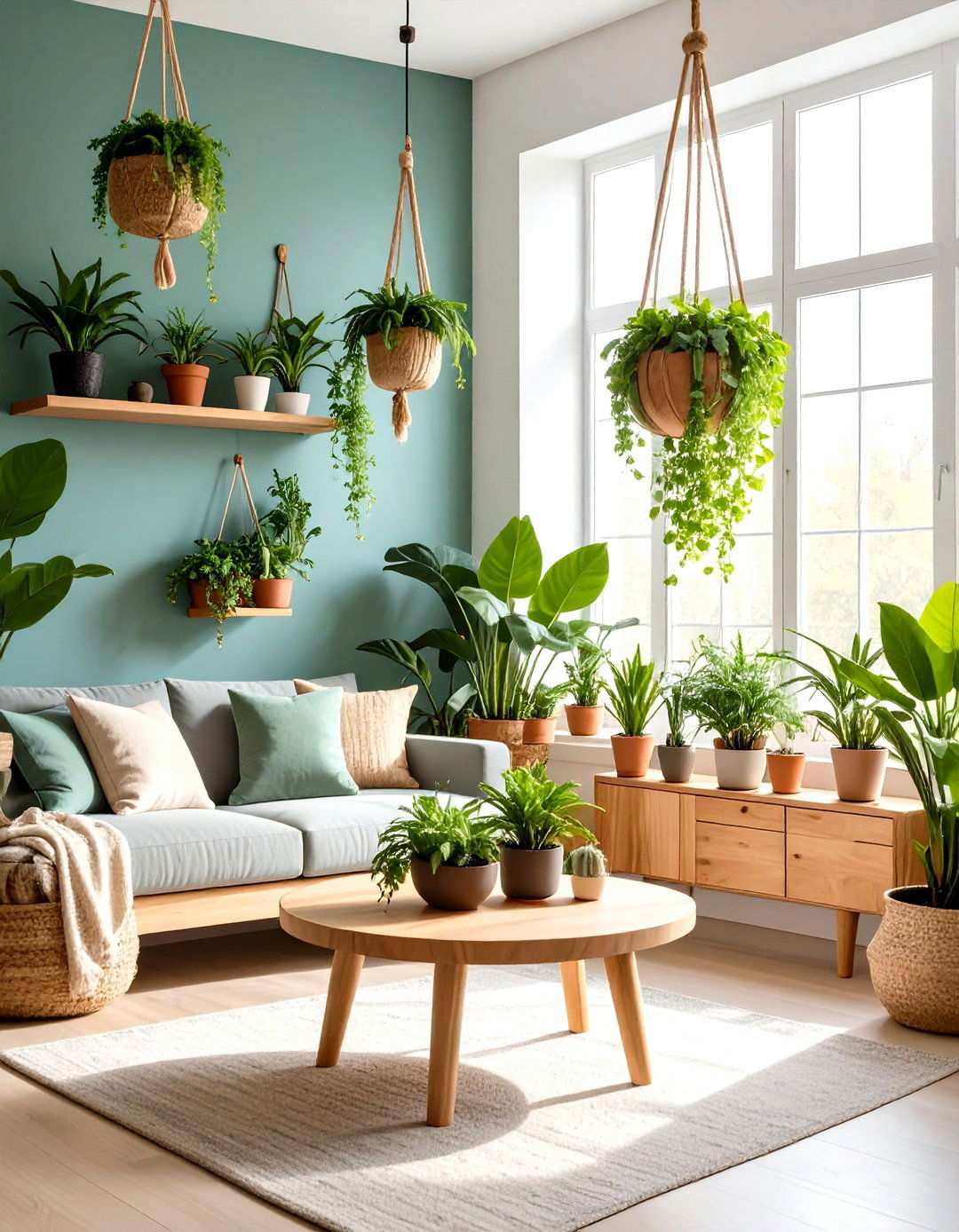
The strategic incorporation of living plants and natural elements transforms minimalist apartments into vibrant spaces that promote well-being and enhance the overall living experience. Thoughtfully placed plants add life to the space without creating clutter when selected carefully. Low-maintenance plants like snake plants and pothos thrive in low-light conditions, naturally purifying the air. Hanging planters conserve floor space while adding greenery at eye level, creating a sense of connection to the natural world. Window herb gardens provide fresh ingredients while fostering a sense of connection between cooking and nature. Natural wood planters complement minimalist aesthetics better than colorful ceramic pots, creating a harmonious visual balance. Moss walls create dramatic focal points using living materials, adding organic interest to the space. Air plants require minimal care, making them an ideal choice for those looking to incorporate green elements into their minimalist apartment design. By incorporating these biophilic design elements, individuals can reduce stress and improve air quality while maintaining the clean, organized appearance that defines successful minimalist apartment design.
12. Redefining Space with Versatile Room Dividers
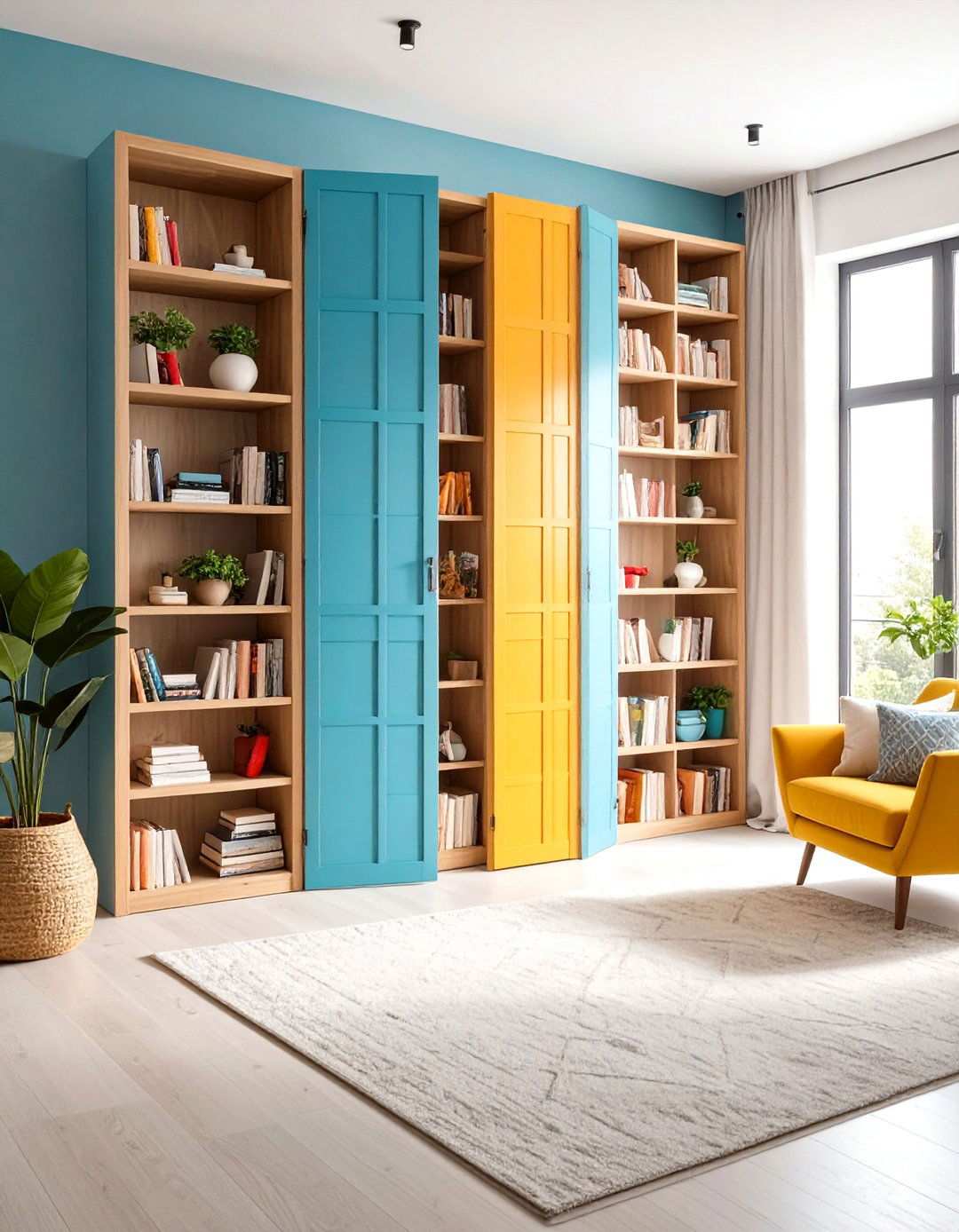
Creating a seamless flow between open spaces can be a challenge, especially in minimalist apartments. That’s where versatile room dividers come in, defining areas while maintaining the visual connection that’s essential to this design style. Sliding panels offer the perfect blend of functionality and aesthetics, disappearing completely when not in use and providing instant privacy when needed. Bookshelf dividers take it to the next level by combining storage with separation, creating a functional and stylish solution for open-plan living. Curtain systems add a soft, filtered touch to the space, defining areas without blocking the light. Folding screens inject a touch of architectural flair while providing temporary separation, perfect for changing needs and layouts. Glass partitions strike a balance between openness and definition, creating distinct zones without sacrificing visual flow. Plant walls serve as a dual-purpose solution, not only dividing spaces but also incorporating biophilic elements that bring the outdoors in. Furniture arrangements can also create natural boundaries, using the existing layout to define areas without physical barriers. These creative solutions offer the perfect blend of flexibility and functionality, preserving the spacious feeling that’s at the heart of minimalist design.
13. Streamlined Kitchens for Effortless Living
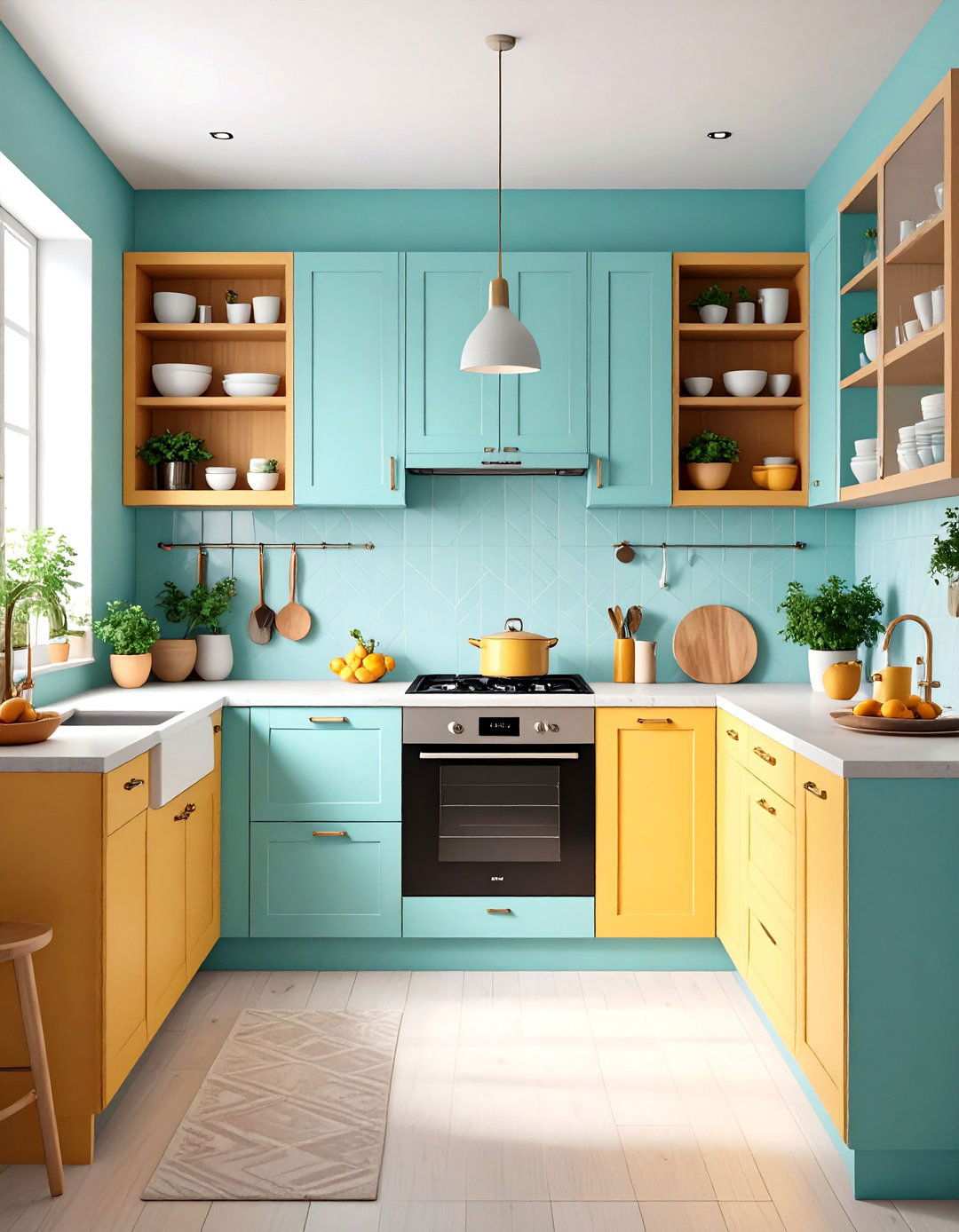
Streamlined kitchens are the epitome of minimalist design, where every element works in harmony to create a seamless and efficient cooking experience. Handle-free cabinets are a game-changer, creating smooth surfaces that emphasize horizontal lines and add to the overall sense of calm. Integrated appliances blend seamlessly with cabinetry, creating a unified aesthetic that’s both stylish and functional. Open shelving takes center stage, showcasing beautiful dishes and encouraging mindful ownership of kitchenware. Magnetic knife strips eliminate the need for bulky counter blocks, keeping tools accessible and within reach. Hidden storage solutions keep small appliances out of sight, freeing up counter space and maintaining a sense of calm. Single-basin sinks with sleek faucets emphasize simplicity over complexity, creating a clean and uncluttered look. Neutral backsplashes extend cabinet colors, protecting walls while maintaining a sense of continuity. Under-cabinet lighting provides task illumination without the need for pendant fixtures, adding to the overall sense of efficiency and ease. By combining these elements, minimalist kitchens become not only beautifully designed but also functional and easy to use.
14. Embracing Eco-Conscious Design Choices
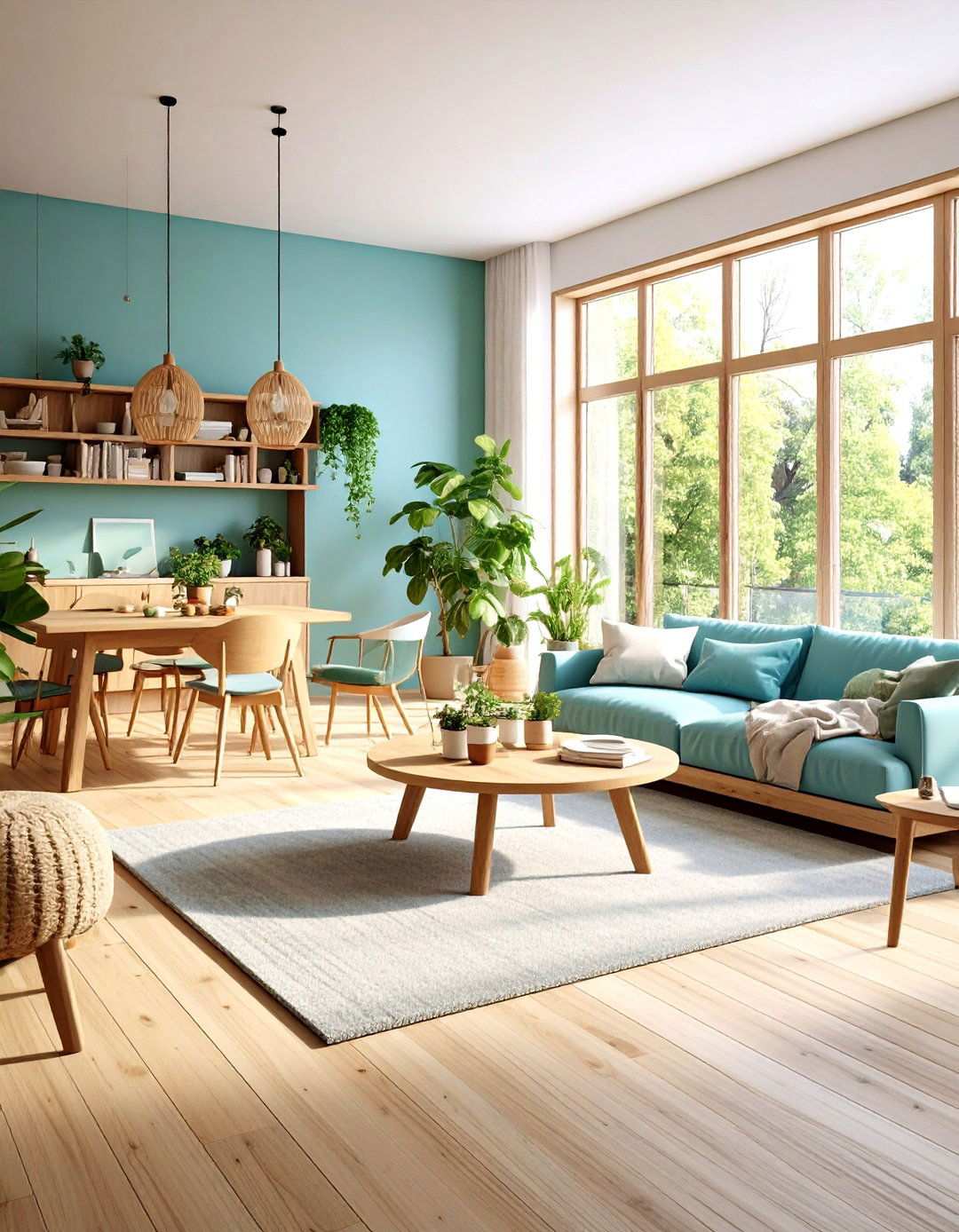
Making sustainable choices is at the heart of minimalist design, and embracing eco-conscious materials is a great way to reduce the environmental impact of your space. Reclaimed wood adds a touch of character and history to a room, preventing waste from construction projects and creating a unique narrative. Bamboo flooring is another great option, providing durability with rapid renewable growth cycles that support a more circular economy. Recycled glass surfaces offer a beautiful and functional alternative to traditional materials, reducing waste and supporting sustainable practices. Low-VOC paints protect indoor air quality while maintaining color integrity, creating a healthier living environment. Natural fiber rugs add warmth and texture to a space without the use of synthetic materials, reducing the carbon footprint of your home. Cork flooring provides comfort underfoot while supporting sustainable harvesting practices, creating a unique and eco-friendly solution. Vintage furniture pieces reduce consumption and add unique character to a space, creating a one-of-a-kind aesthetic that’s both stylish and sustainable. By making conscious material choices, you can align your personal values with your design aesthetic, creating a healthier and more sustainable living environment.
15. Elevating Dining Spaces in Small Apartments
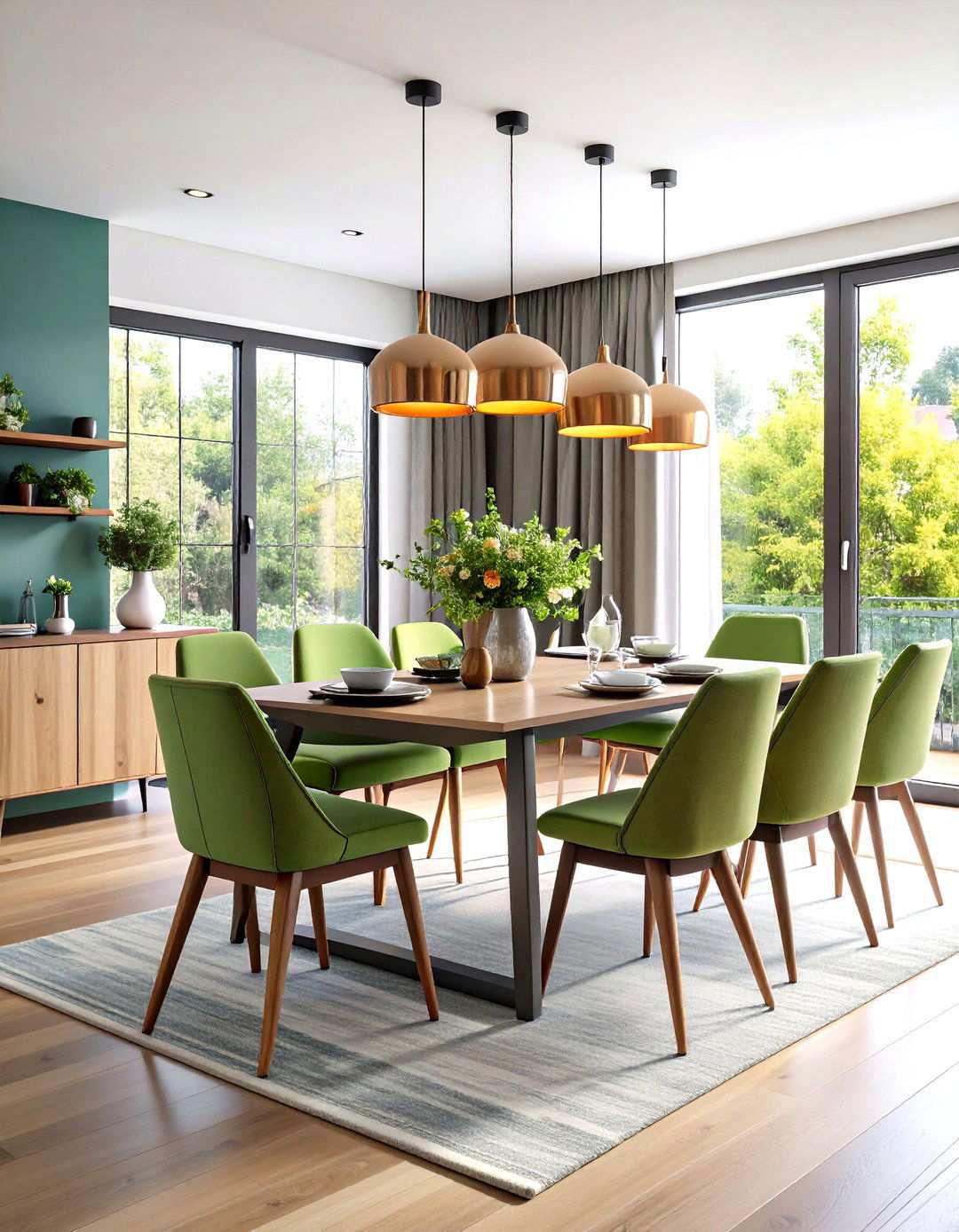
Efficient use of space in compact apartments can create functional dining areas without sacrificing style. A key component of minimalist living, wall-mounted drop-leaf tables offer the perfect solution for creating temporary dining surfaces. These space-saving designs enable seamless transitions from formal dining to casual meal prep, all while maintaining a clutter-free atmosphere. Built-in banquette seating is another clever solution for maximizing corner spaces, as it not only provides ample seating but also conceals storage compartments underneath. Extendable tables are ideal for accommodating guests while remaining compact for daily use, ensuring that every apartment can effortlessly adapt to various dining scenarios. Furthermore, stackable chairs store efficiently while providing comfortable seating when needed, making them an essential component of modern, minimalist living spaces.
16. Unlocking Spacious Bathroom Design
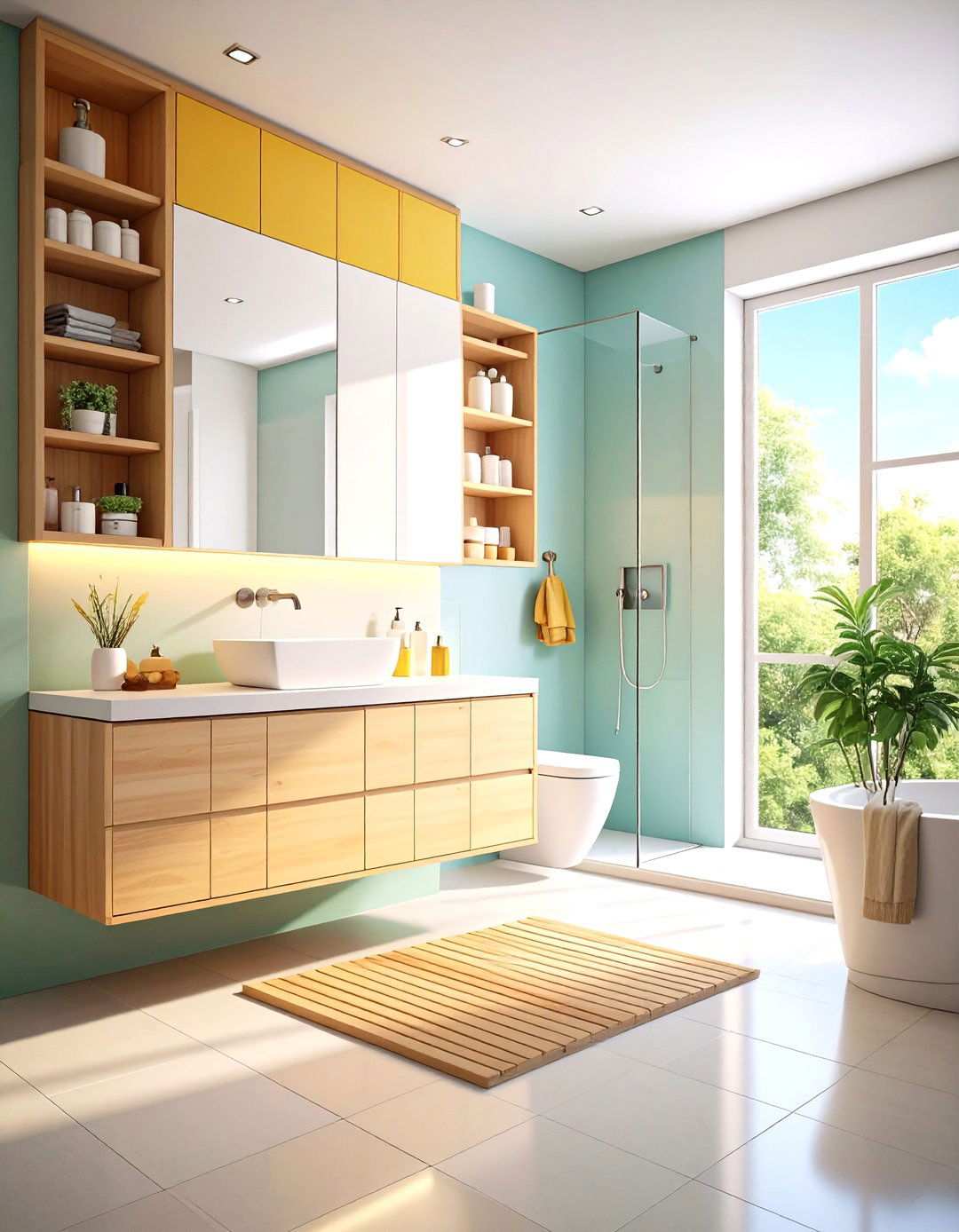
Transform your small bathroom into a serene oasis with the perfect blend of functionality and minimalist aesthetics. Over-toilet cabinets are a masterclass in vertical space utilization, effortlessly adding storage without compromising the room’s openness. Floating vanities, on the other hand, create a sense of floor space while providing essential storage solutions. Shower caddies offer a convenient way to organize toiletries without the need for permanent installations, while medicine cabinets cleverly hide daily necessities behind sleek mirror surfaces. Under-sink organizers maximize awkward plumbing spaces, and towel ladders provide storage while adding a touch of architectural interest vertically. Corner shelving systems, meanwhile, expertly utilize previously wasted space, resulting in bathrooms that remain clutter-free while accommodating all necessary items for daily routines in aesthetically pleasing, highly functional arrangements.
17. Crafting Serene Bedrooms for Restful Sleep
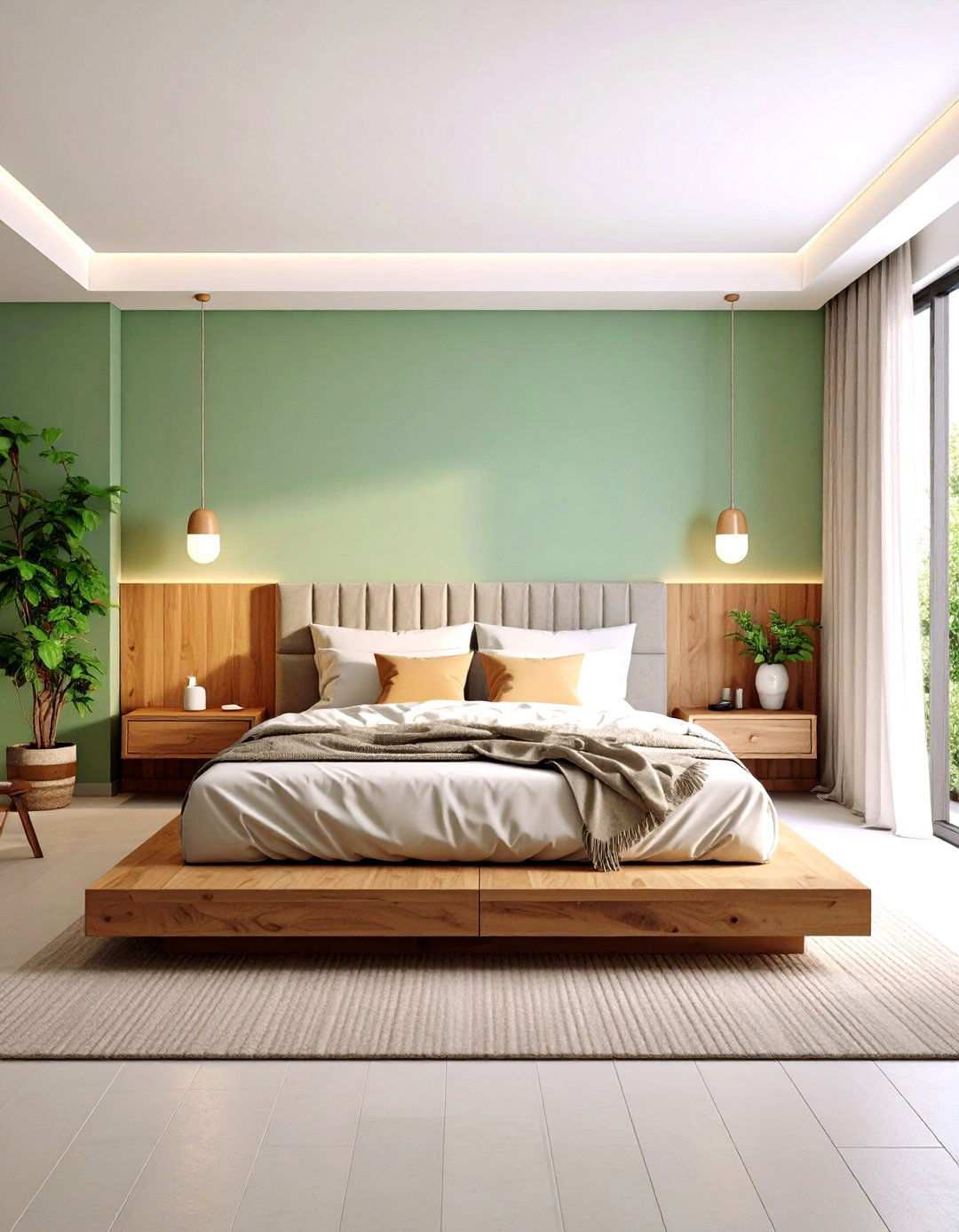
Minimalist bedroom design is all about creating an atmosphere that promotes restful sleep and eliminates visual distractions. Platform beds with clean lines serve as striking focal points without overwhelming the space, while nightstands with single drawers provide essential storage while maintaining simplicity. Blackout curtains ensure quality sleep while maintaining streamlined window treatments, and under-bed storage contains seasonal items without visible clutter above floor level. Wall-mounted reading lights save bedside table space while providing functional illumination, and soft neutral bedding creates hotel-like luxury through quality fabrics and simple styling. Furthermore, minimal artwork adds personal touches thoughtfully, contributing to bedrooms that serve as true retreats from daily stress while supporting healthy sleep habits.
18. Setting the Tone with Entryway Organization
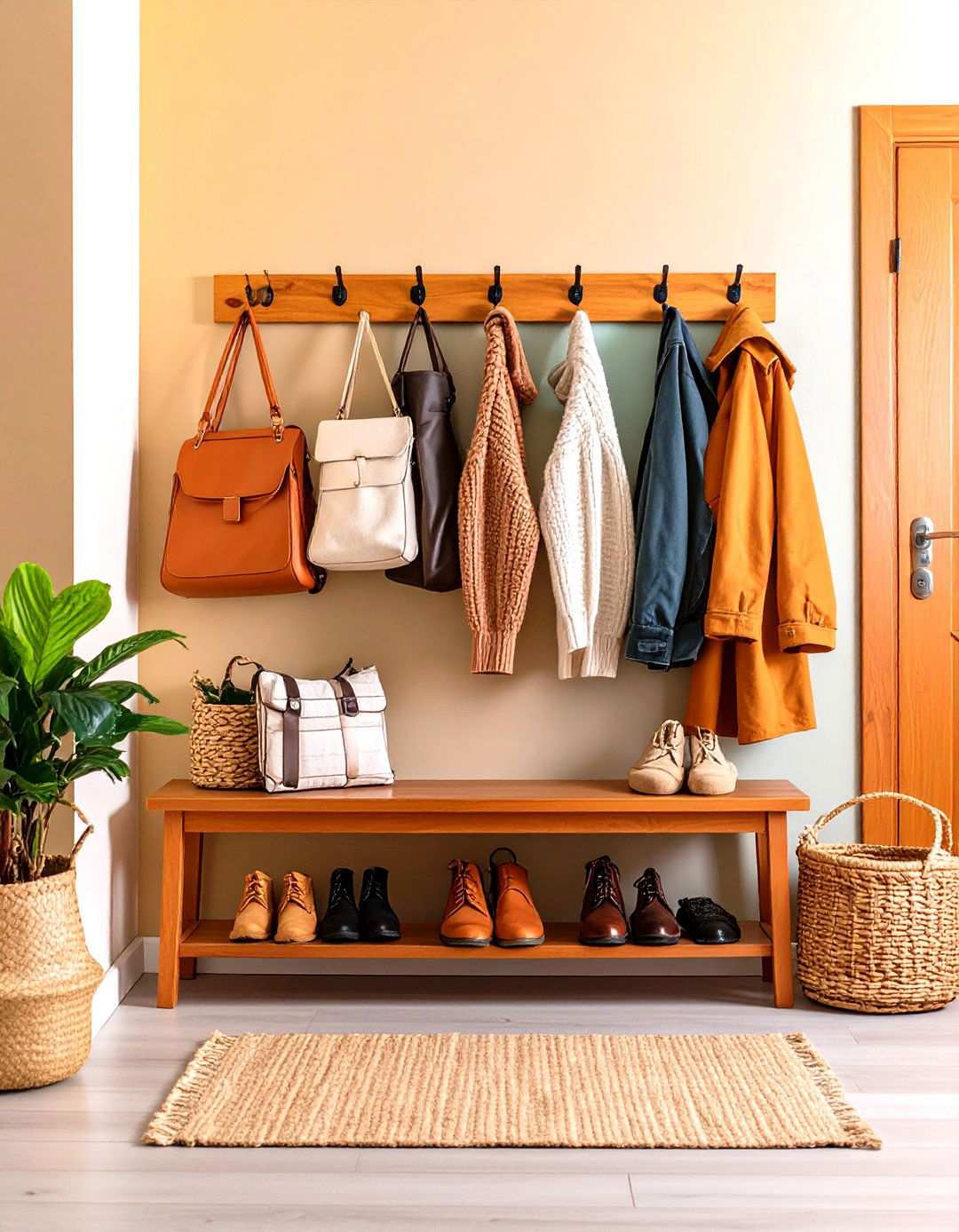
A well-organized entryway sets the stage for a life of minimalist elegance. By keeping clutter at bay, you create a seamless transition from the outside world into your home. To achieve this, consider incorporating wall-mounted hooks to keep coats and bags tidy without taking up valuable floor space. A shoe storage bench is a practical solution that provides seating while concealing footwear, keeping your entryway clean and clutter-free. A mail organizer prevents paper accumulation, while a key bowl offers a designated spot for daily essentials. For rainy days, an umbrella stand keeps wet gear contained, and a mirror placement can create the illusion of a larger space while serving a functional purpose. Finally, a floor mat protects your interior surfaces and defines the entry zone, all while maintaining the sleek aesthetic that defines minimalist design.
19. Harnessing the Power of Window Treatment Simplicity
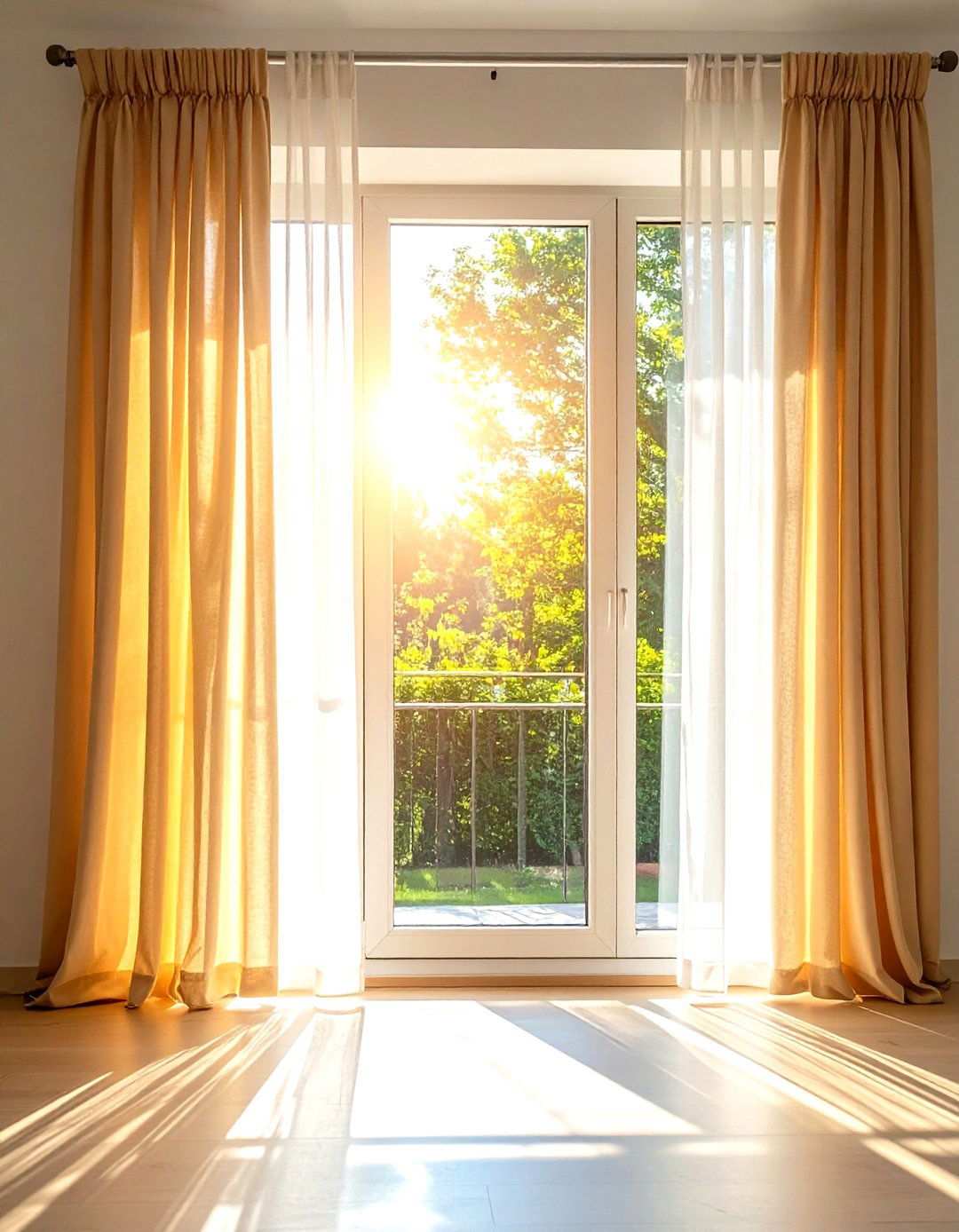
Clean and unobtrusive window treatments are essential for maximizing natural light while preserving a sense of intimacy and minimalist style. Sheer curtains filter light softly, creating an airy and open feel, while Roman shades provide privacy when needed, disappearing from view when raised. Blinds with thin slats offer precise light control, maintaining clean lines and a clutter-free appearance. Floor-to-ceiling panels can make windows appear larger, adding a touch of drama to your space. Neutral colors ensure that treatments blend seamlessly with your walls, avoiding visual interruptions. Cordless options eliminate dangling elements that can create a cluttered appearance, while natural fabrics like linen add texture and support organic material choices. By choosing these treatments, you can frame your views beautifully while maintaining the uncluttered aesthetic that makes minimalist spaces feel spacious and peaceful.
20. Artful Display in Minimalist Spaces
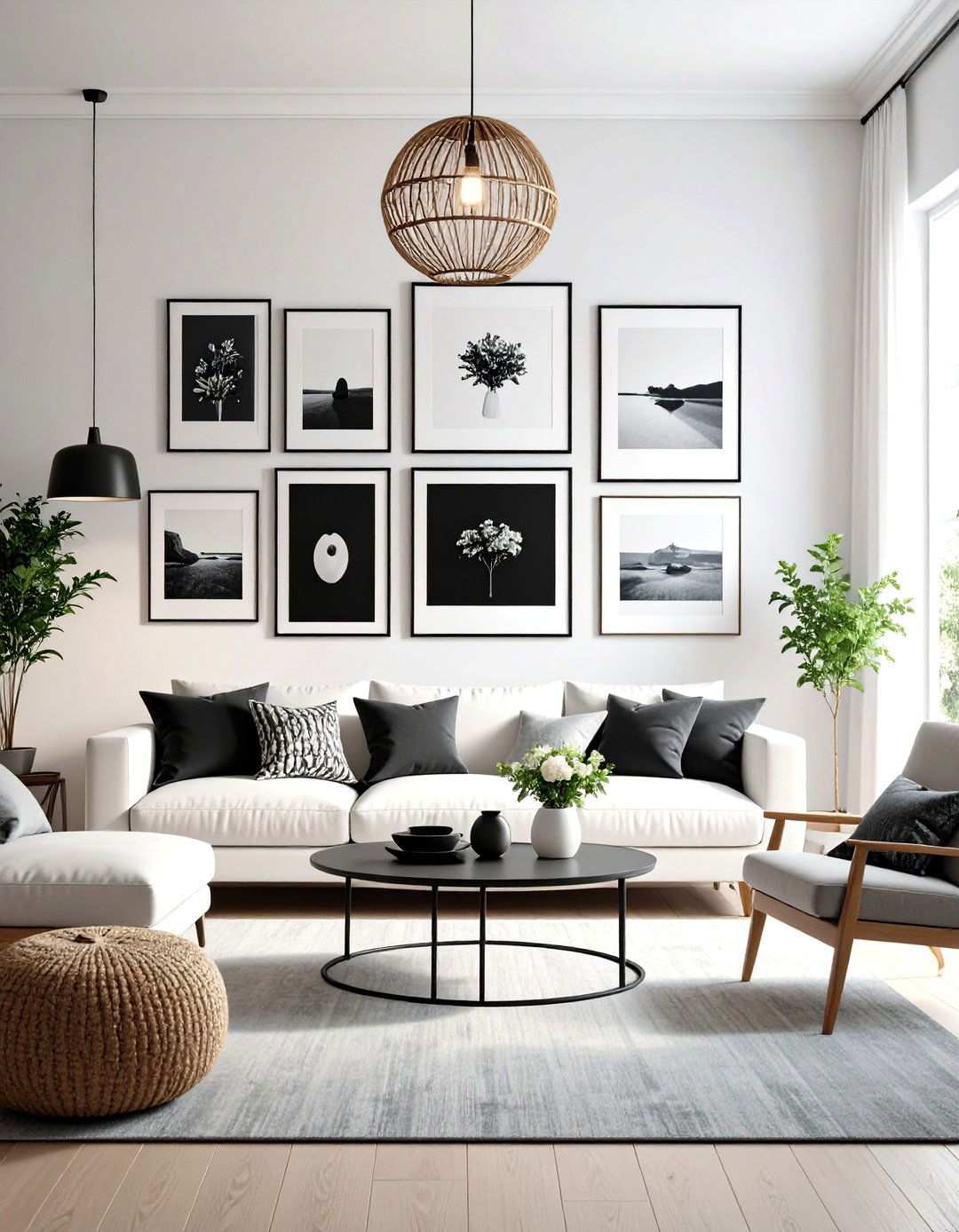
Thoughtfully displayed art can add personality to your space while staying true to minimalist principles through careful curation. A well-coordinated gallery wall tells a story, maintaining visual balance and creating a sense of harmony. Large single artworks can create dramatic focal points without overwhelming the space, while black and white photography complements neutral color schemes with sophistication. Abstract pieces introduce color subtly, maintaining a contemporary aesthetic. Floating frames eliminate visual weight, showcasing artwork beautifully, while sculpture displays add three-dimensional interest, supporting minimalist forms. Proper lighting highlights artwork, creating ambiance throughout your space, and rotating displays keep interiors fresh, preventing overwhelming accumulation. By employing these strategies, you can ensure that art enhances rather than clutters your minimalist space, reflecting your personal taste and creating inspiring environments.
21. Elevating Closet Efficiency
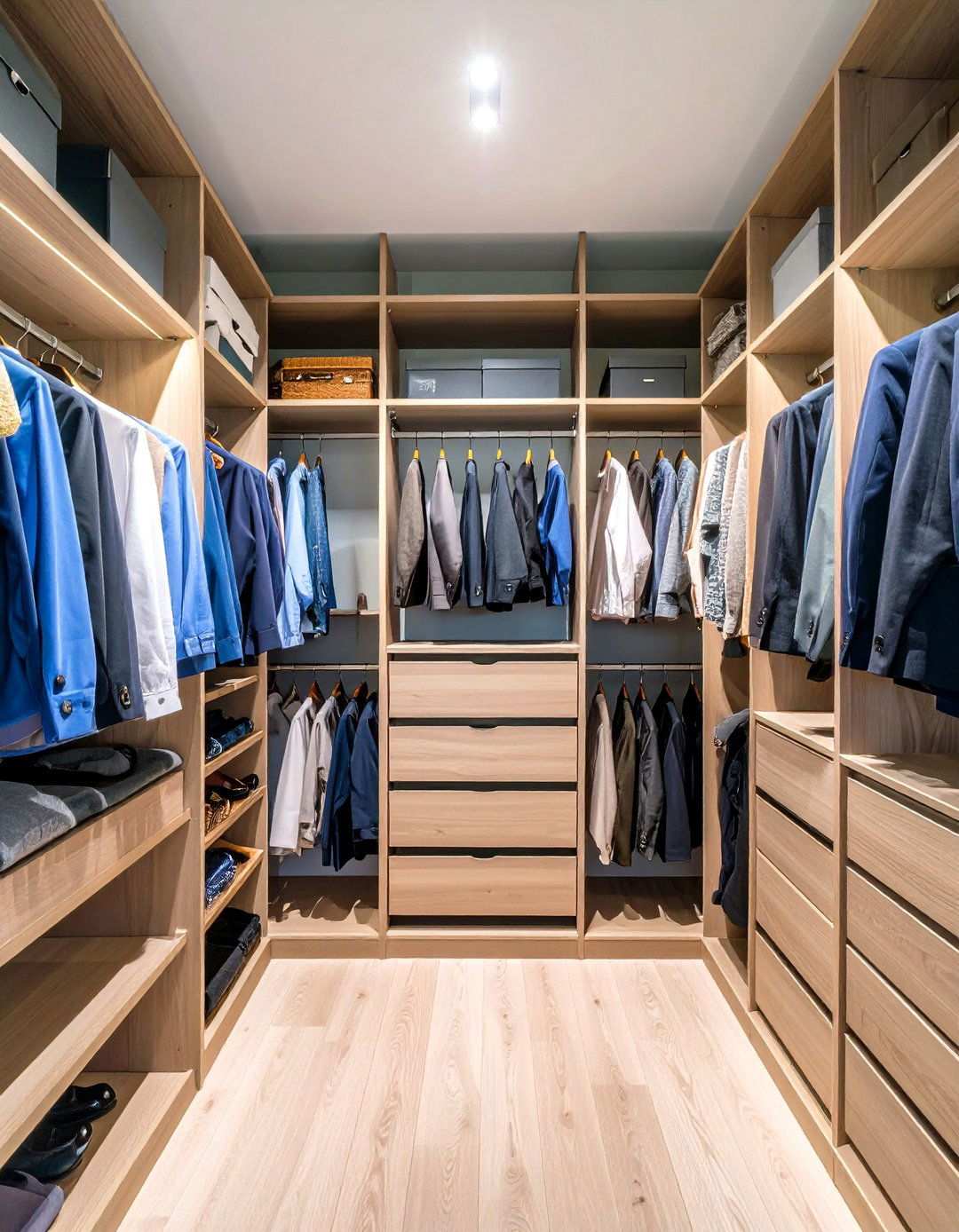
Effective minimalist living hinges on optimizing every square inch of available space, including closets. By embracing clever storage solutions, you can create a harmonious blend of functionality and aesthetics. Double hanging rods are a game-changer, as they significantly increase storage capacity without compromising accessibility. To prevent sweater stacks from toppling, consider investing in shelf dividers. Meanwhile, vacuum storage bags compress seasonal items, safeguarding them from dust and ensuring they remain in pristine condition. Over-door organizers, often overlooked, offer a brilliant opportunity to repurpose typically underutilized space for accessories and small items. Incorporating cedar elements not only protects natural fibers but also infuses your closet with a pleasant, natural aroma. Uniform hangers contribute to a visually cohesive space, while maximizing hanging capacity. By implementing shoe organizers, you can prevent clutter from accumulating on the floor and safeguard your footwear investments. These thoughtful techniques ensure that your closet becomes a haven for organized living, perfectly in line with the core principles of minimalist apartment design.
22. Multifaceted Living Spaces
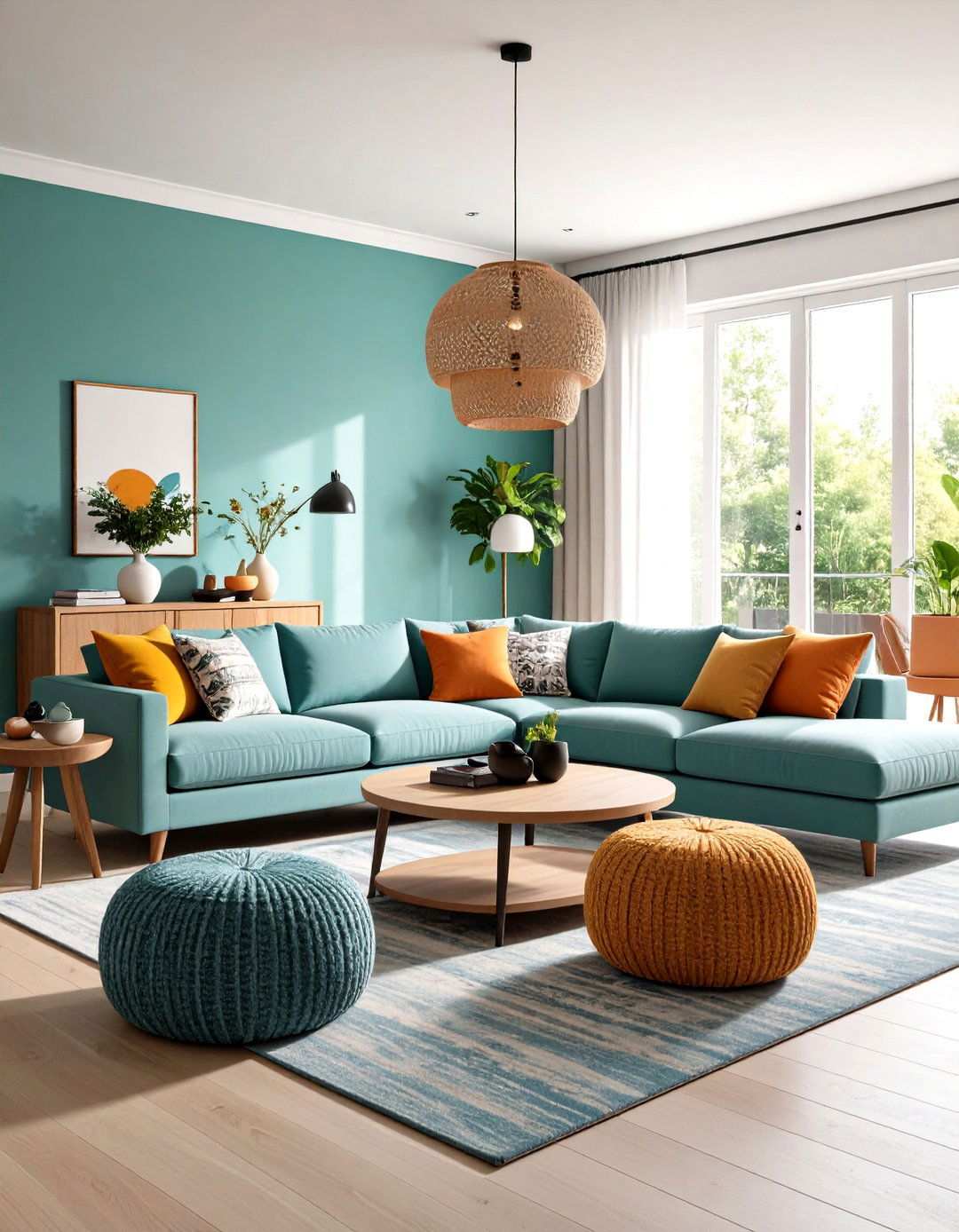
In minimalist living, thoughtfully designed living rooms serve as more than just a space for relaxation; they’re hubs for social interaction and daily activities. By incorporating multi-purpose furniture, you can create a seamless blend of form and function. Sectional sofas not only define seating areas but also provide ample space for guests. Storage ottomans, cleverly disguised as coffee tables, conceal blankets and games, keeping your space clutter-free. Media consoles serve as a centralized hub for electronics, while also providing a sleek surface for displaying cherished items. Reading nooks, thoughtfully situated in corners, create intimate retreats that foster relaxation and quiet contemplation. Floor cushions, though often unobtrusive, offer flexible seating options and can be compactly stored when not in use. Side tables with built-in storage contain remote controls, while also supporting beverages and books. Area rugs define conversation zones, adding warmth and texture underfoot. By incorporating these thoughtful arrangements, you can create a living room that seamlessly balances functionality and aesthetics, embodying the principles of excellent minimalist apartment design.
23. Seamlessly Integrated Technology
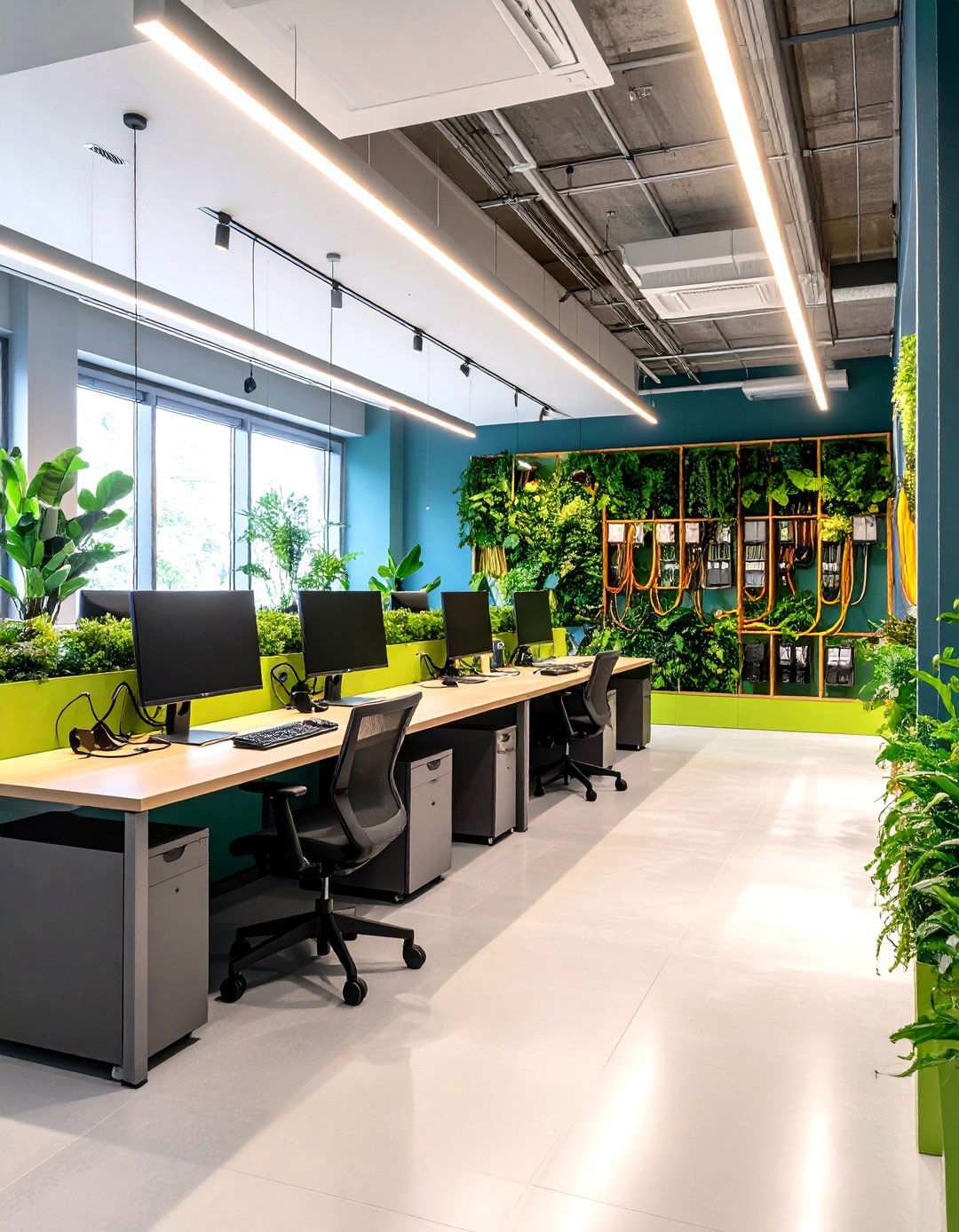
A minimalist living space demands a harmonious coexistence of technology and aesthetics. Hidden cable systems are a crucial element in achieving this balance, as they maintain a clean, uncluttered appearance while efficiently supporting modern technology needs. Cable trays under desks organize computer wires, keeping them accessible and out of sight. Wall-mounted cord covers run cables along baseboards, protecting them from damage and adding a touch of understated elegance. Wireless technology reduces physical connections, freeing you from the constraints of cables while maintaining device functionality. Charging stations consolidate power needs, preventing clutter from accumulating on countertops. Smart power strips control multiple devices, reducing standby power consumption and minimizing the environmental impact of your technology. Cable boxes expertly conceal router equipment, ensuring that your wireless signal strength remains uncompromised. Desk grommets allow cables to pass through surfaces, maintaining a clean appearance and preserving the visual integrity of your space. By embracing these solutions, you can ensure that technology enhances rather than detracts from your minimalist apartment, supporting modern connectivity needs while maintaining the organized aesthetic that defines successful contemporary apartment living.
24. Harmonizing Spaces Across Seasons
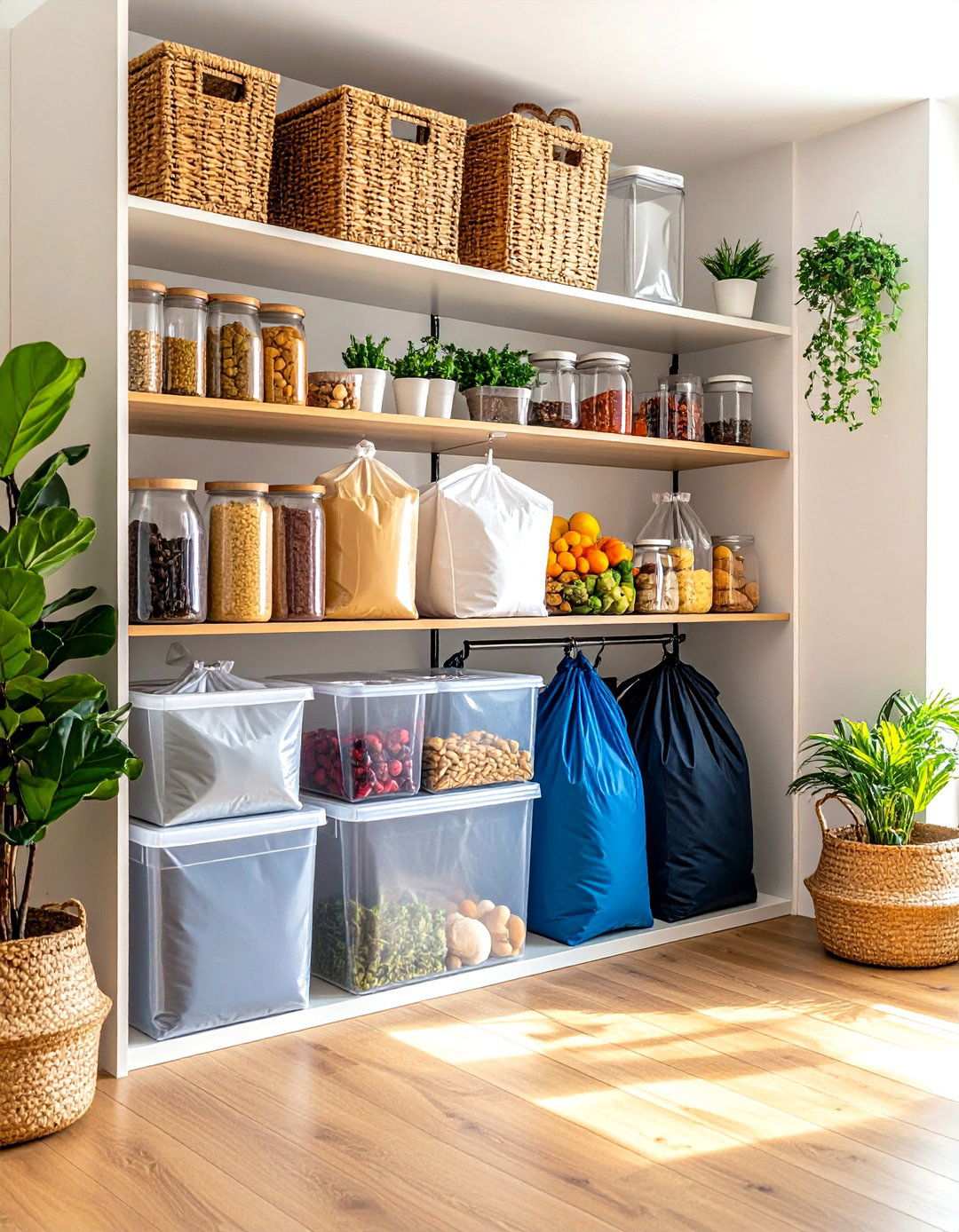
A seamless transition from one season to another hinges on effective storage strategies that preserve minimalist aesthetics while adapting to changing weather needs. To achieve this balance, consider utilizing vacuum bags that compress bulky winter items, shielding them from damage during storage. By repurposing under-bed containers, off-season clothing can be discreetly stowed away, making optimal use of often overlooked space.
Closet rotation systems enable the effortless display of current items while safely storing unused pieces, maintaining a curated look. Alternatively, relocating seasonal items to basements or attics keeps clutter at bay and frees up living space. For larger, seasonal items, renting storage units can provide a convenient solution, unencumbering apartments and freeing up valuable space. Strategically employing clear containers helps maintain organization systems and facilitates easy identification of contents throughout the transition periods. Furthermore, dedicated systems for holiday decoration storage prevent clutter accumulation and safeguard cherished items, allowing for a clutter-free living environment throughout the year.