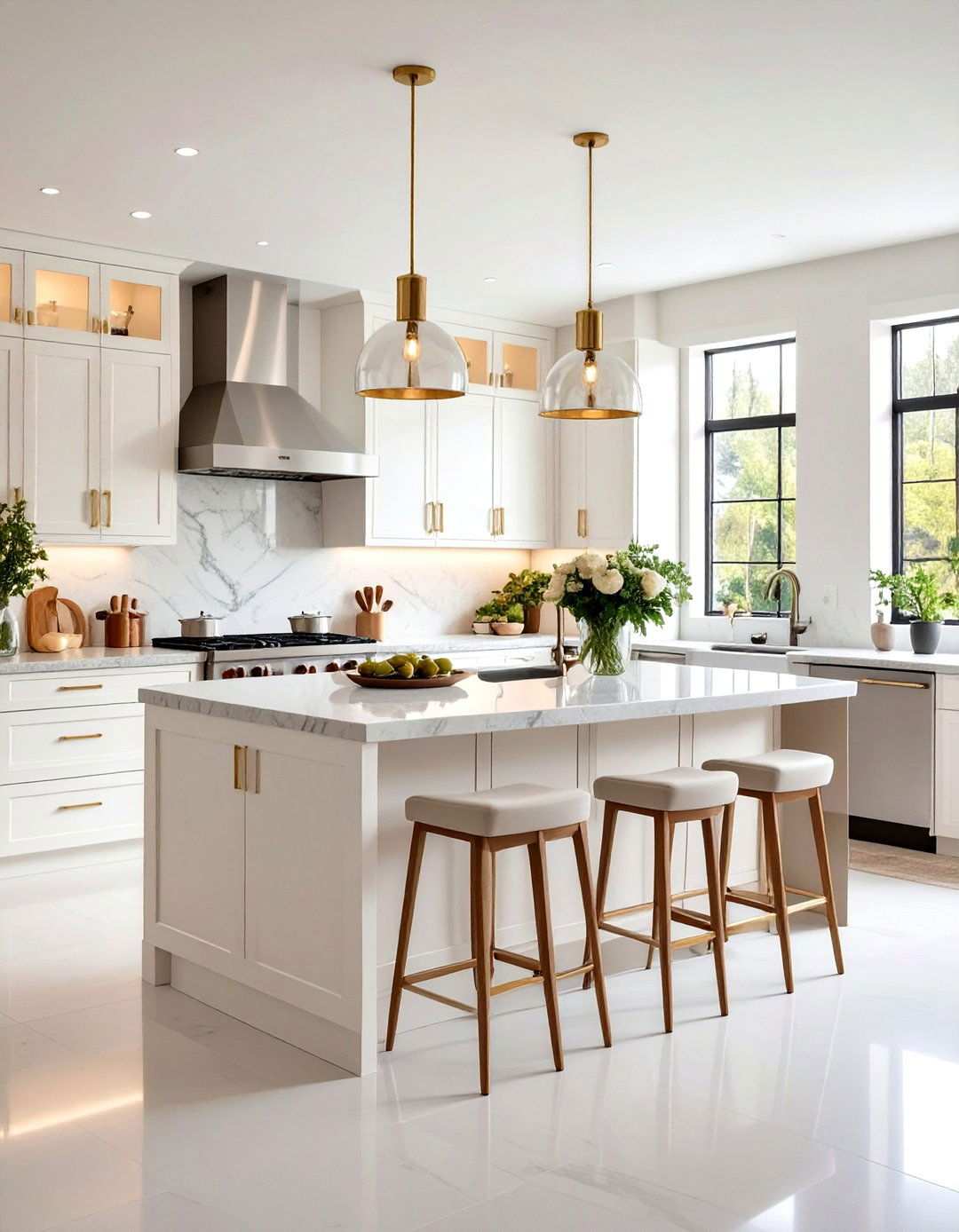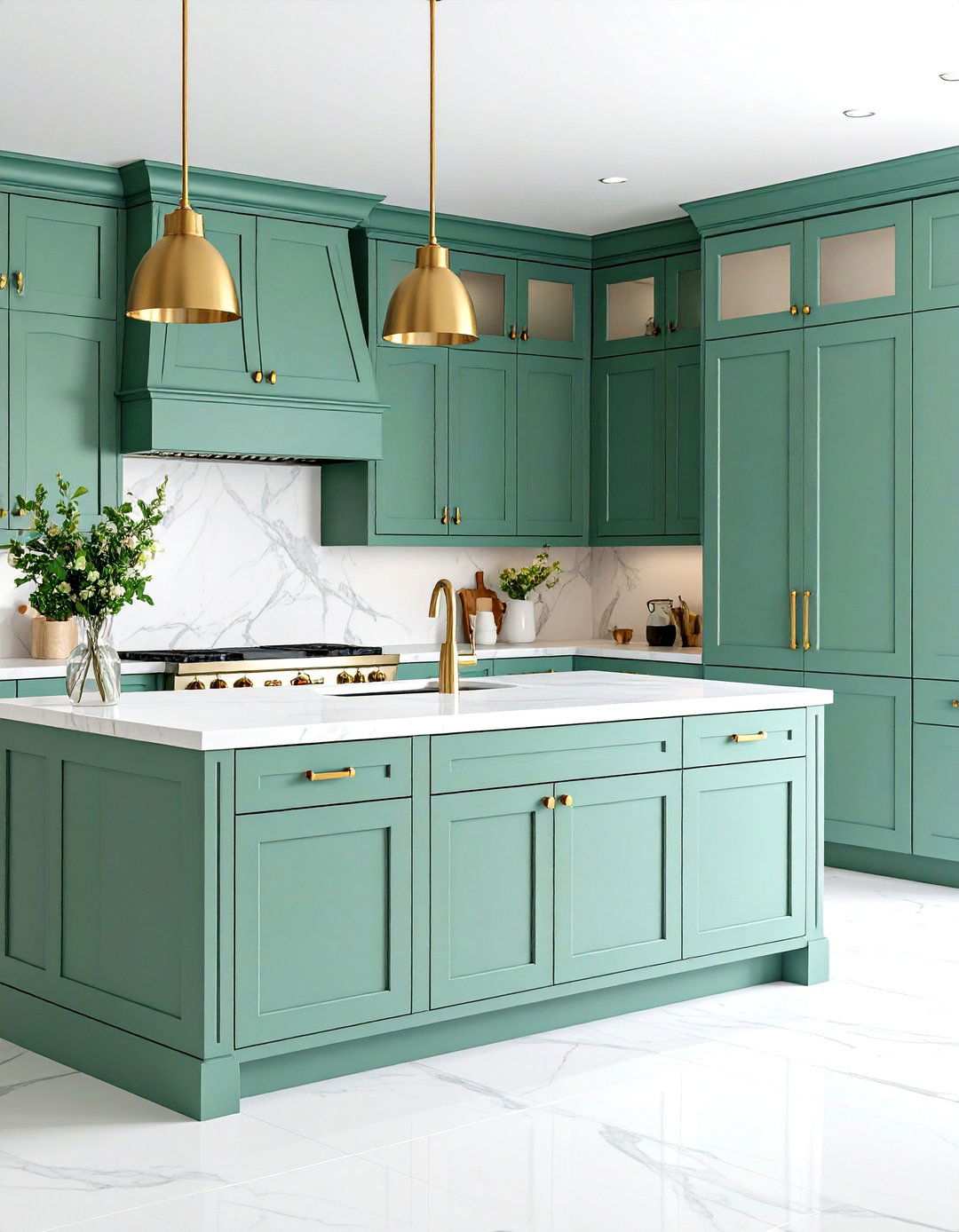
1. The Art of Concealed Elements
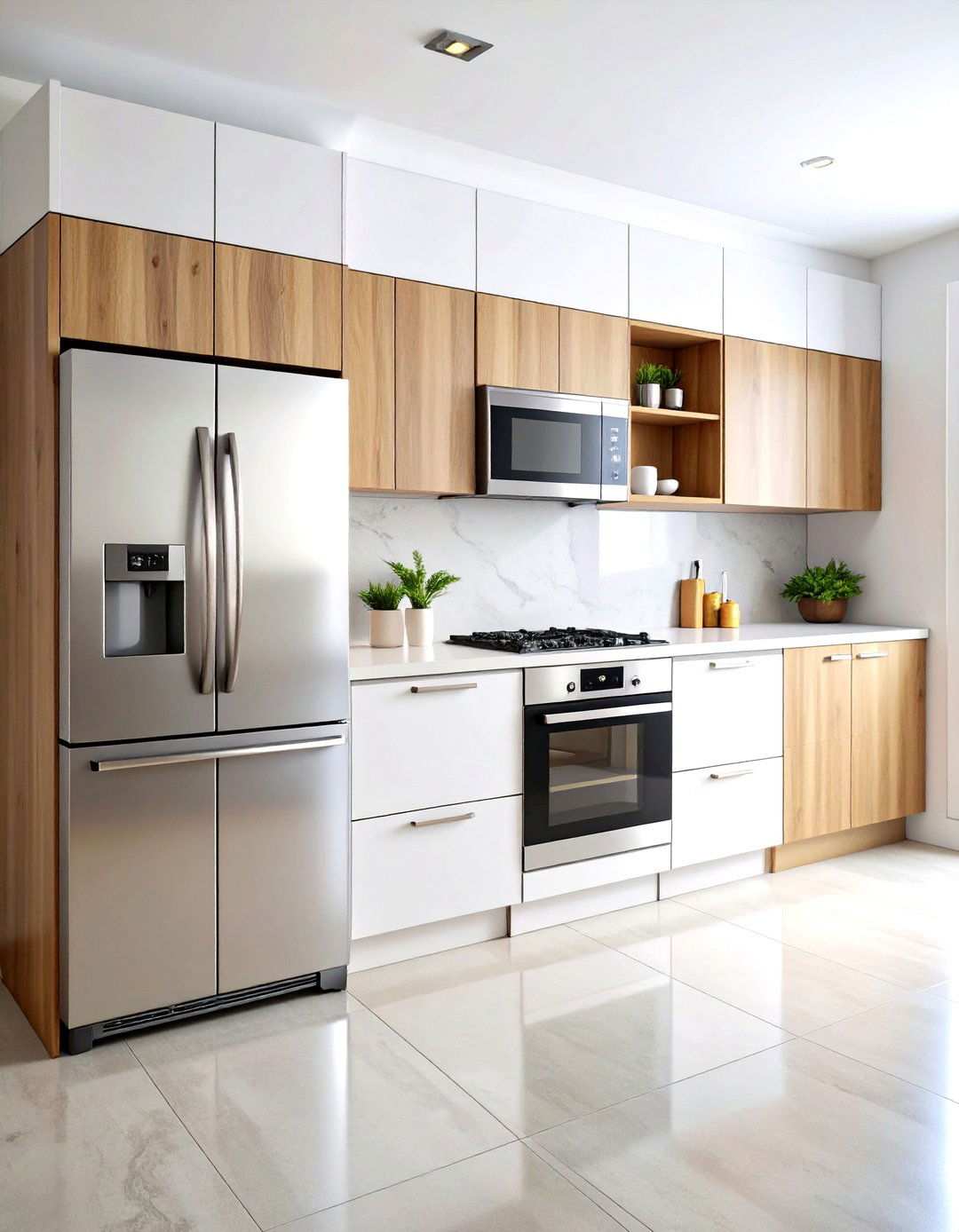
In the quest for a seamless and serene cooking environment, minimalist kitchens rely on the strategic concealment of functional components. By integrating appliances and storage solutions behind custom cabinetry or cleverly designed compartments, we can create a space where every element serves a purpose without compromising aesthetics. This design philosophy encourages a harmonious balance between functionality and style, making each element a thoughtful contributor to the overall ambiance. From refrigerators and dishwashers to microwaves and coffee makers, appliances can be seamlessly integrated into the surrounding cabinetry, eliminating visual clutter and creating a clean, unobtrusive appearance.

As an Amazon Associate I earn from qualifying purchases.
To take this concept to the next level, consider the use of appliance garages with roll-up doors or sliding panels. These innovative solutions allow you to hide kitchen essentials like blenders and toasters when not in use, while maintaining accessibility and organization through internal electrical outlets and pull-out shelves. By concealing these functional components, you can create a kitchen where technology serves your needs without compromising the clean, uncluttered appearance that defines true minimalist design.
2. The Dramatic Impact of Waterfall Countertops
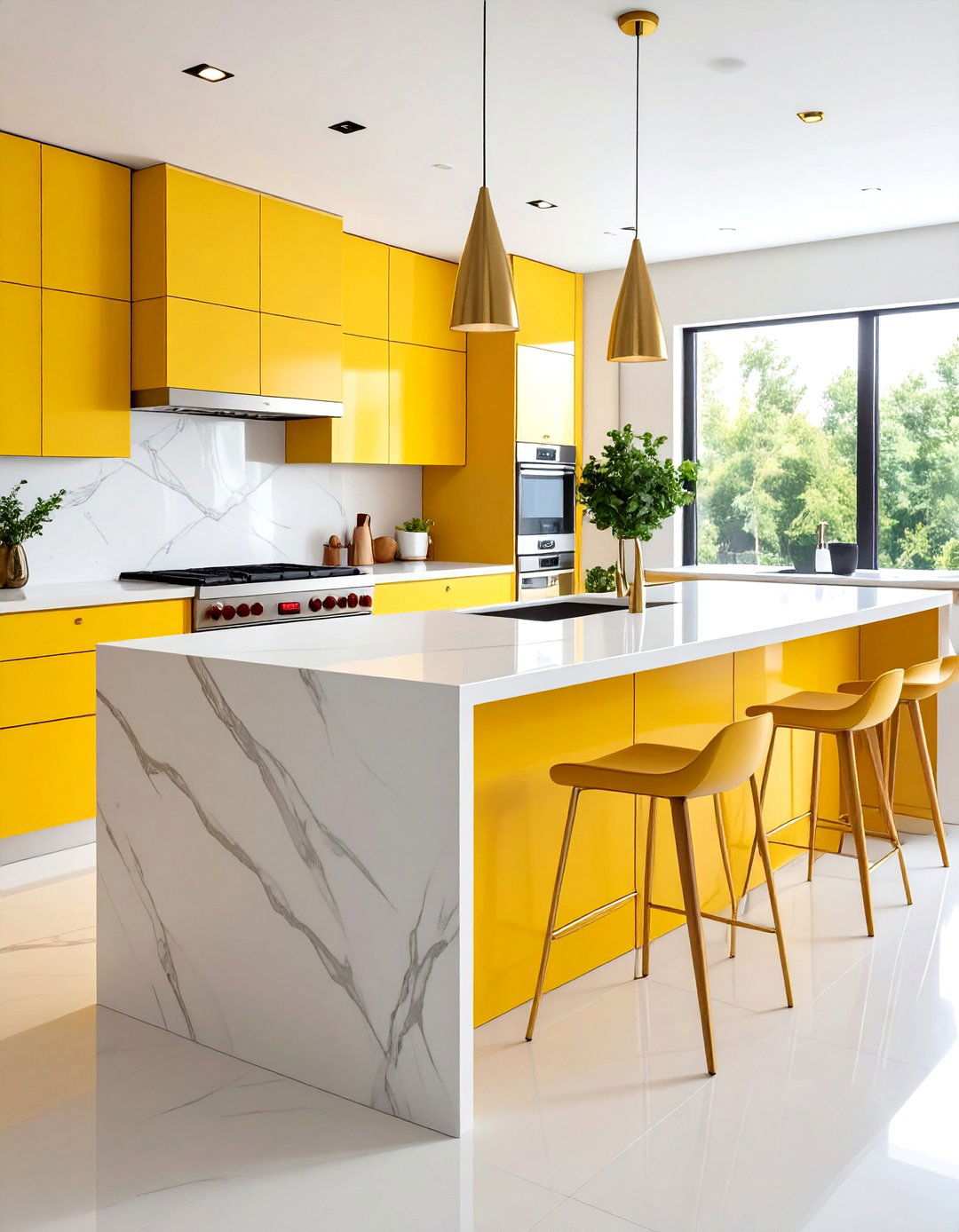
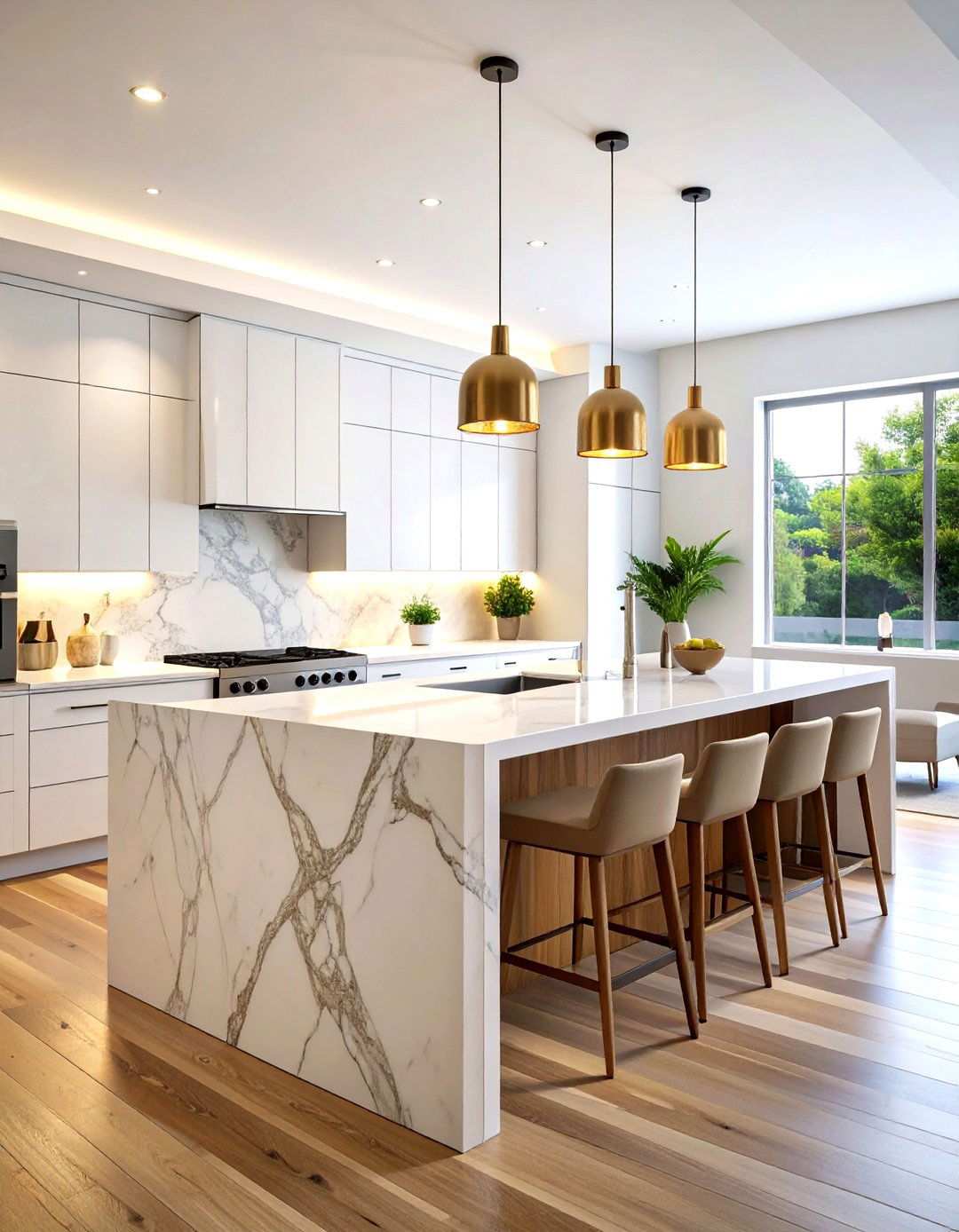
Waterfall kitchen islands are a masterclass in subtle yet striking design, where a single, unbroken surface creates a sense of visual flow and architectural interest. By eliminating traditional cabinet ends and replacing them with sleek vertical surfaces, these designs draw the eye downward, adding weight and drama to the space without the need for decorative elements. When selecting materials for your waterfall island, consider the beauty of subtle veining or solid colors to maximize impact. Integrated seating areas maintain the streamlined appearance while providing functional dining space, while hidden storage remains accessible through handle-free cabinet doors.
Does your current kitchen island feel bulky and outdated? This sophisticated approach can transform ordinary islands into sculptural centerpieces that anchor the entire room, creating a sense of cohesion and flow that’s both stylish and functional. By embracing the simplicity and elegance of waterfall kitchen islands, you can create a space that feels both welcoming and sophisticated, where every element contributes to a harmonious balance of form and function.
3. Elevating Kitchen Storage Potential
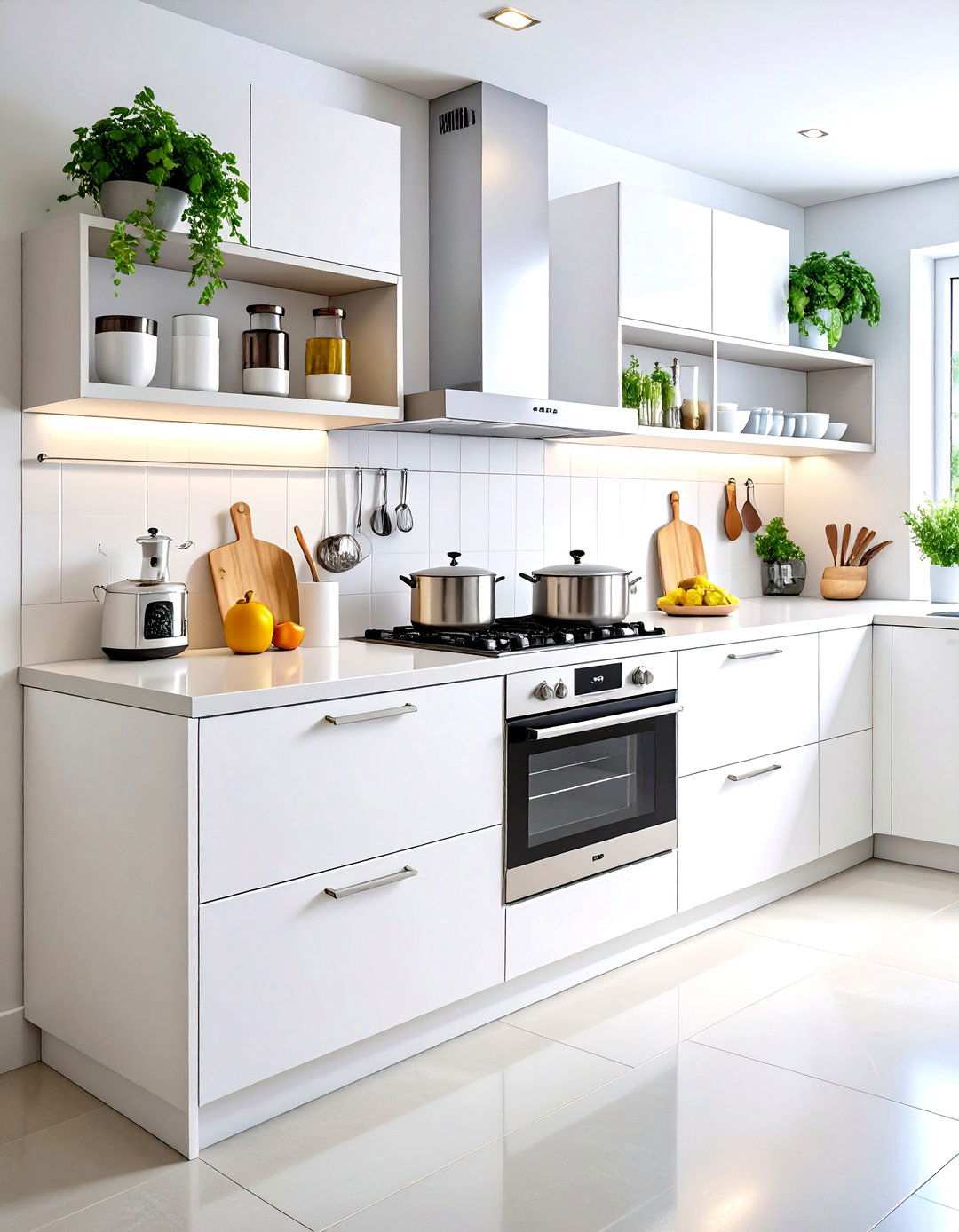
Unlock the full potential of your cabinets with ingenious storage solutions that bring order to often-overlooked spaces. By incorporating clever pull-out systems, you can gain effortless access to frequently used items, such as pots, pans, and small appliances, stored in lower cabinets. Vertical pull-out pantries, meanwhile, cleverly utilize narrow spaces between appliances, converting previously underutilized areas into valuable storage zones. Corner cabinets can benefit from rotating lazy Susan systems or magic corner units that eliminate the frustration of hard-to-reach areas. Furthermore, installing pull-out waste and recycling bins keeps unsightly containers hidden yet easily accessible. Spice rack drawers organize seasonings in clear view while maintaining a clean and streamlined kitchen countertop. These smart storage solutions work in harmony to create a kitchen where every item has its designated place, and every place remains perfectly organized. By embracing intelligent storage, you can enjoy a kitchen that’s both functional and beautiful.
4. Rethinking Upper Cabinets with Floating Shelves
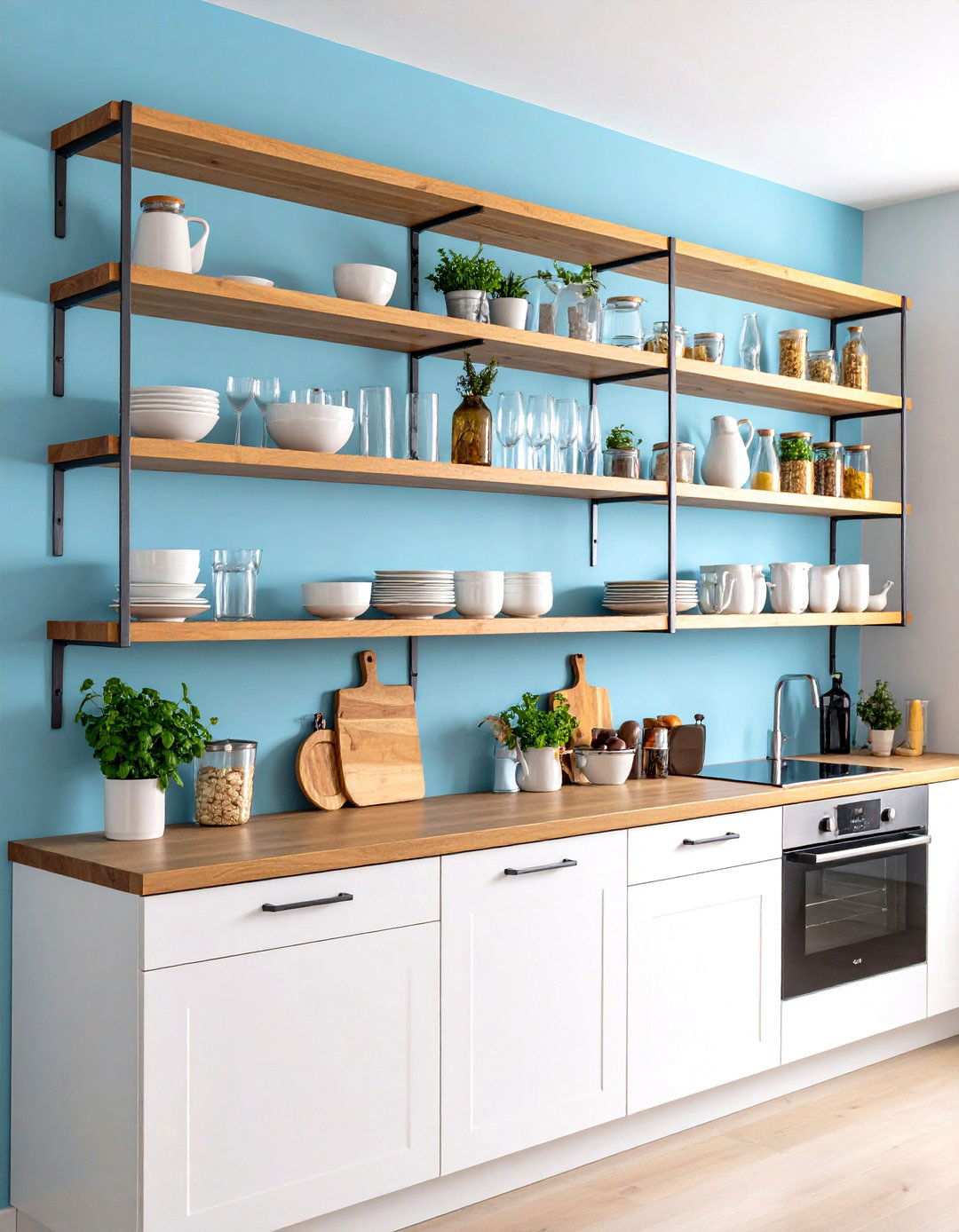
Replace traditional bulky upper cabinets with sleek floating shelves that create an airy, open atmosphere while showcasing curated collections of dishes and glassware. Thick wooden shelves provide a warm contrast against white or neutral walls, while metal brackets add an industrial touch to contemporary spaces. Position shelves at comfortable heights that balance storage and visual appeal, ensuring daily-use items remain easily accessible. Group similar items together – white dishes, clear glassware, or natural wood bowls – to maintain visual cohesion. Limit the number of displayed items to avoid cluttered appearances, and rotate seasonal pieces to keep the look fresh. Under-shelf lighting not only illuminates contents but also adds ambient warmth to evening cooking sessions. By adopting this approach, you can reduce visual weight compared to traditional upper cabinets while maintaining essential storage for frequently used items.
5. Streamlining Kitchen Sinks with Integrated Systems
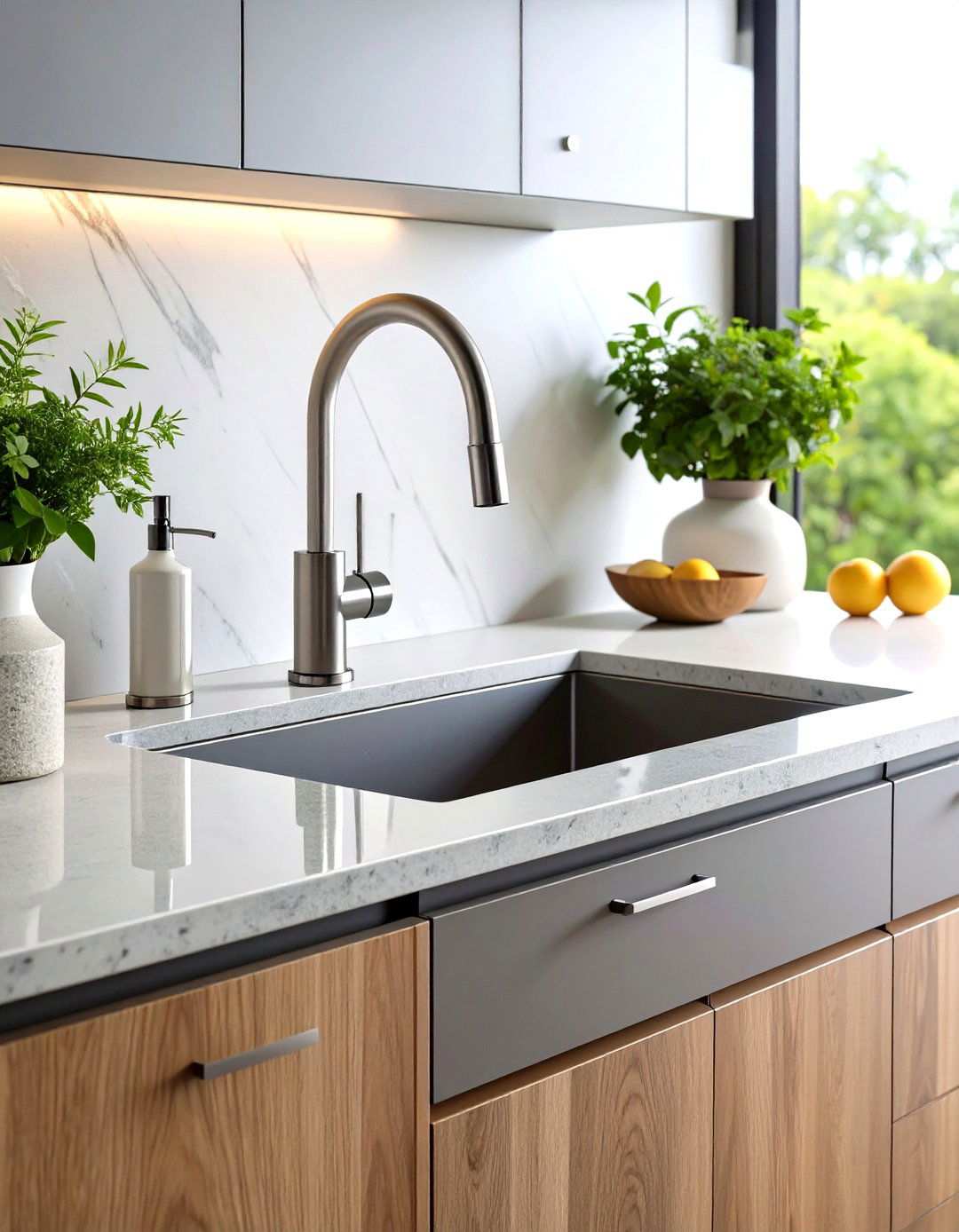
Achieve a minimalist aesthetic by seamlessly integrating sinks into countertop surfaces, eliminating traditional rim installations. Undermount sinks create a clean transition between counter and basin, while integrated solid surface sinks appear as if carved from the same material as surrounding counters. Choosing single-bowl designs over divided sinks maximizes workspace and maintains visual simplicity. Position faucets with care to complement the streamlined aesthetic – wall-mounted or deck-mounted options with clean geometric forms work best. Consider workstation sinks with integrated cutting boards and colanders that slide seamlessly within the basin perimeter. Concealing garbage disposals and soap dispensers beneath counters eliminates surface clutter, resulting in a preparation area that feels cohesive and purposeful, where every element contributes to the overall design harmony.
6. Effortless Cabinet Solutions
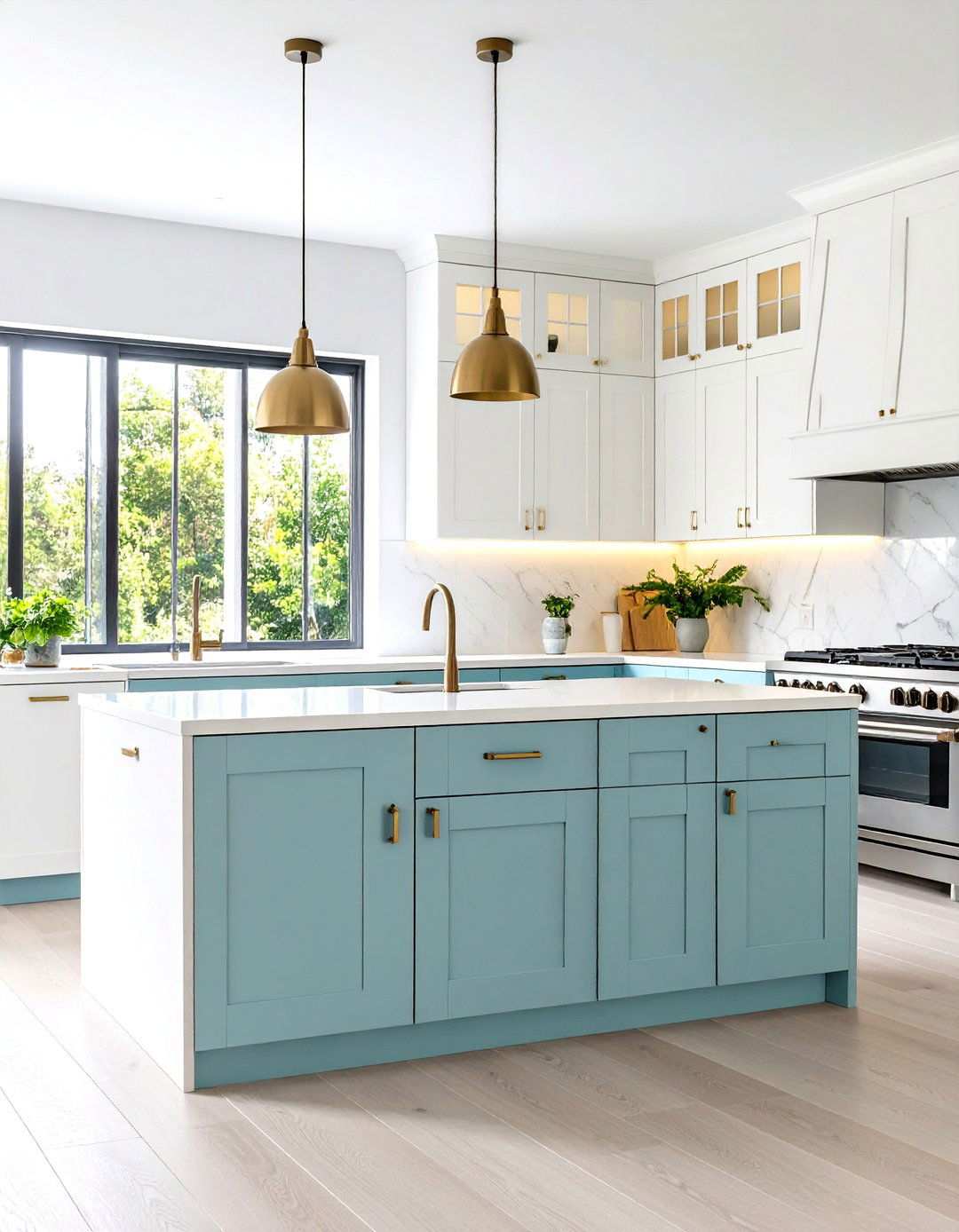
Streamline your kitchen design with touch-to-open mechanisms and concealed finger pulls that preserve the sleek appearance of cabinet surfaces. Touch-latch systems enable doors and drawers to swing open with minimal effort, eliminating the need for prominent handles or knobs. Recessed grip channels subtly integrated into cabinet edges provide tactile access without disrupting the aesthetic. These solutions craft a sense of continuity in cabinet runs, emphasizing clean lines and geometric shapes. By selecting mechanisms with soft-close features, you can achieve a serene kitchen ambiance characterized by gentle, quiet operation. The consistent spacing between cabinet doors becomes a design element in itself, creating subtle shadow lines that add visual intrigue without embellishment. This approach demands precision during installation but yields a minimalist aesthetic where cabinetry appears as a cohesive, sculptural entity rather than separate storage units.
7. Elevating Natural Beauty
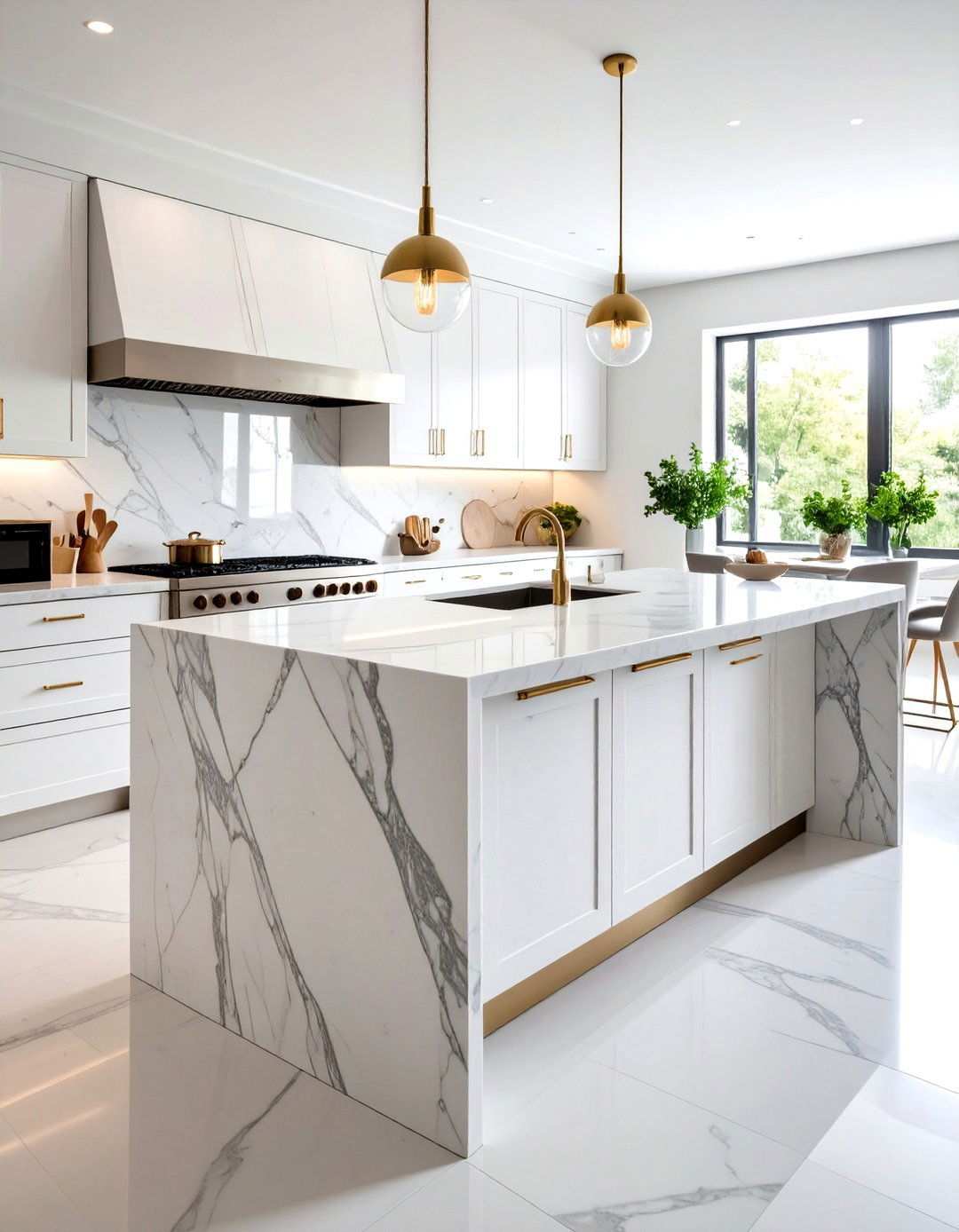
Emphasize the beauty of natural materials with stone countertops that serve as both functional surfaces and design statements. Marble varieties like Carrara or Calacatta offer understated veining that brings movement to minimalist spaces without overwhelming them. Granite provides durability with sophisticated speckled patterns that harmonize with neutral color schemes. Concrete countertops deliver an industrial edge with customizable finishes ranging from smooth to lightly textured. For a more tactile, natural appearance, consider honed finishes over polished surfaces, allowing the stone to age gracefully. Book-matched stone slabs create mirror images across islands or breakfast bars, showcasing the material’s inherent beauty. Waterfall edges extend countertop materials down cabinet sides, creating seamless surfaces that eliminate traditional edge treatments. Will your aesthetic be drawn to the timeless elegance of marble or the modern edge of concrete?
8. Strategically Illuminated Spaces
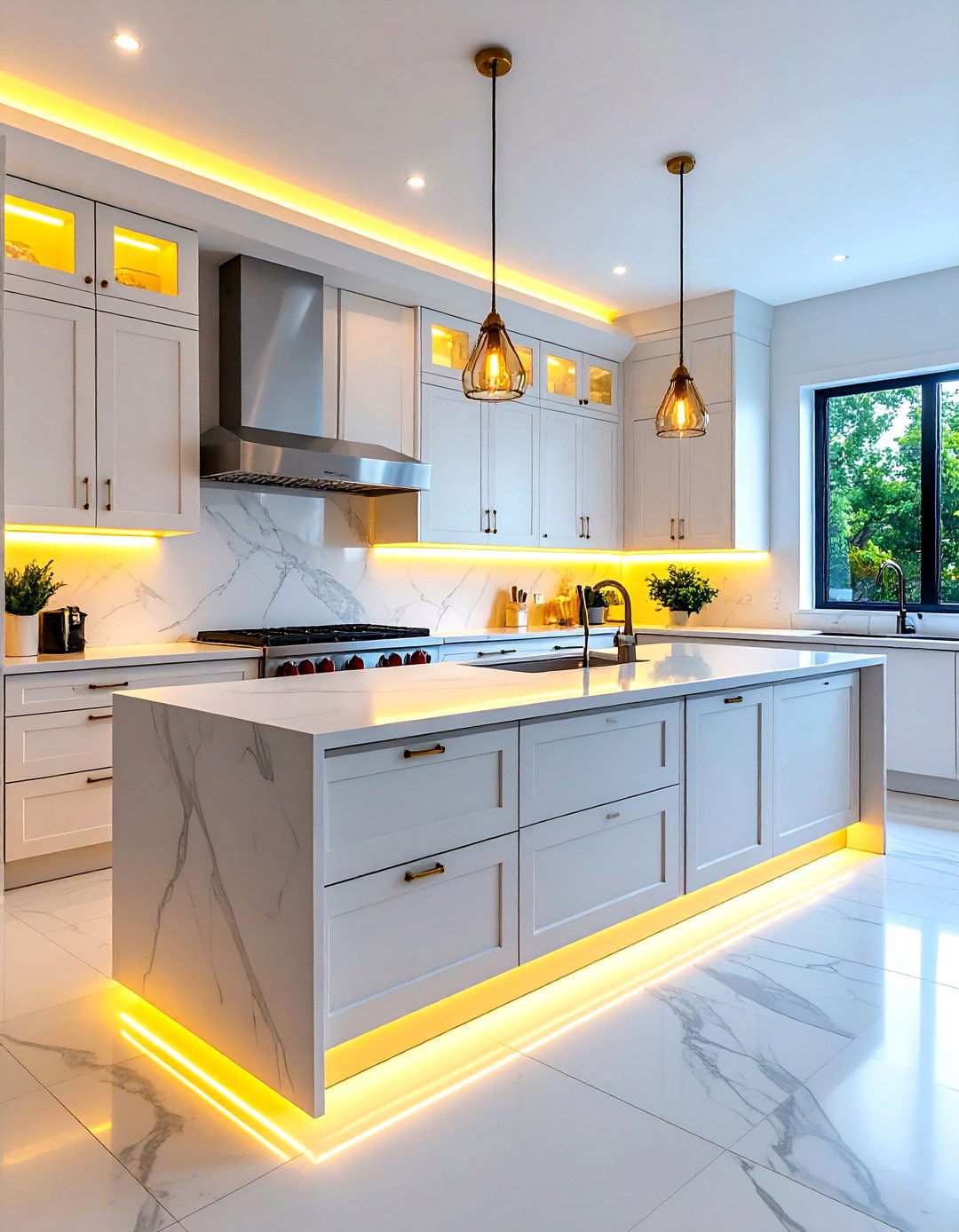
Enhance workspaces with discreet LED strip lighting that provides task illumination without cluttering the design. Install lights beneath upper cabinets to eliminate shadows on countertop work areas while maintaining the clean aesthetic of handle-free cabinetry. Opt for color temperatures between 2700K and 3000K for warm, inviting light that complements natural materials. Dimmable systems enable adjustment from bright task lighting during food preparation to subtle ambient lighting during entertaining. Integrate lighting controls into wall switch plates or smart home systems for seamless operation. Consider illuminating inside glass-front cabinets to showcase dishes and glassware as decorative elements. Toe-kick lighting beneath base cabinets adds subtle floor illumination that enhances the floating appearance of cabinetry while providing gentle navigation lighting during evening hours.
9. Elevating Upper Cabinets with Curated Display
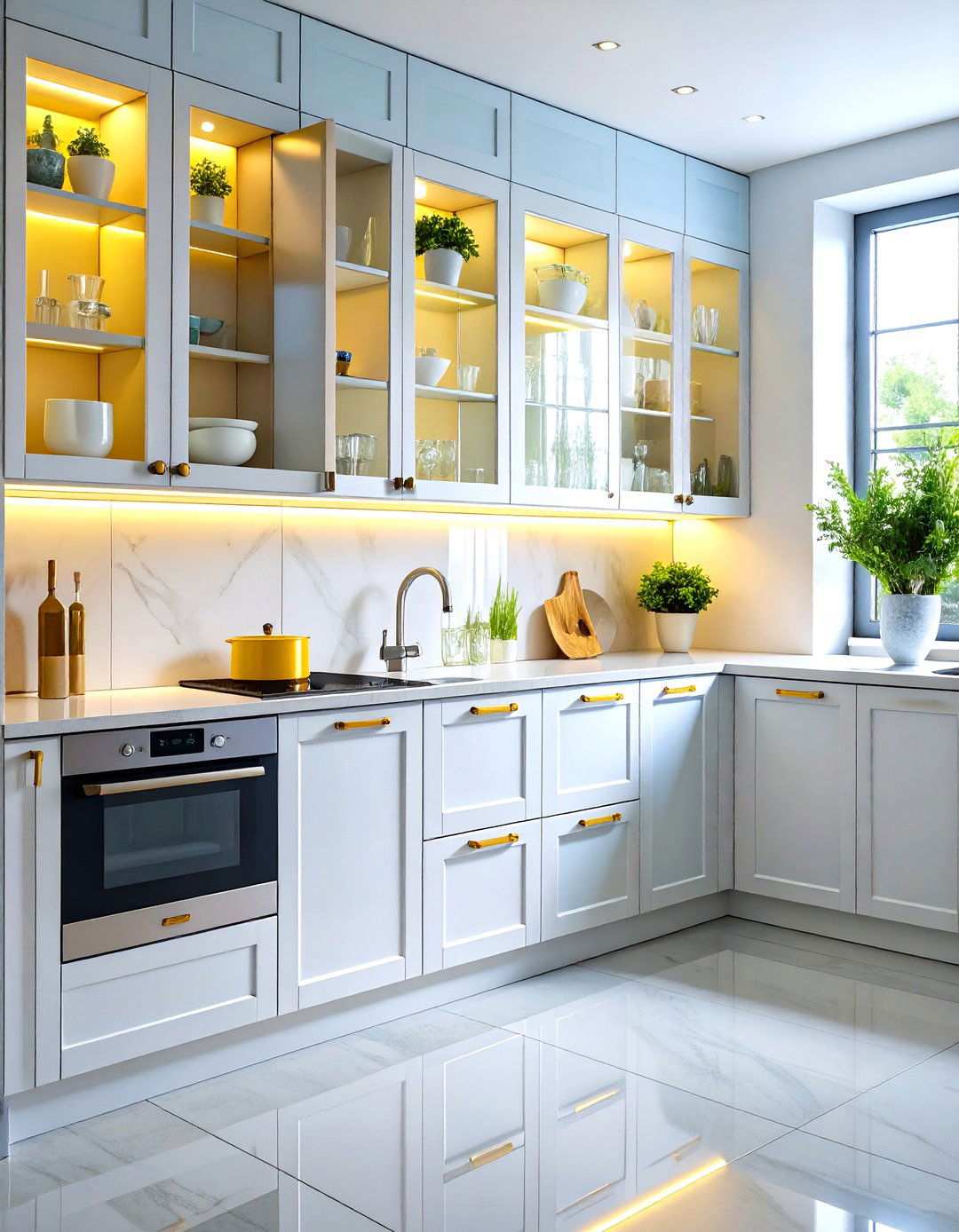
Transform upper cabinets into stunning display cases by installing clear or frosted glass doors that perfectly balance aesthetics and functionality. To create visually appealing groupings, select items with harmonious colors and materials, such as white ceramic dishes, clear glassware, or natural wood serving pieces. Frosted glass doors subtly conceal contents while still allowing gentle light transmission, giving a hint of the beautiful items stored within. Internal cabinet lighting is a game-changer, transforming these displays into warm, inviting features that add depth and visual interest to evening spaces. When curating contents, remember to keep things minimal and well-organized, treating each cabinet as a small, carefully crafted gallery space rather than a storage compartment. Consider removing some shelves to create taller display areas for statement pieces like vases or serving platters, adding personality to minimalist kitchens while maintaining a clean aesthetic through thoughtful curation and organization.
10. Creating Seamless Visual Flow with Backsplash Extensions
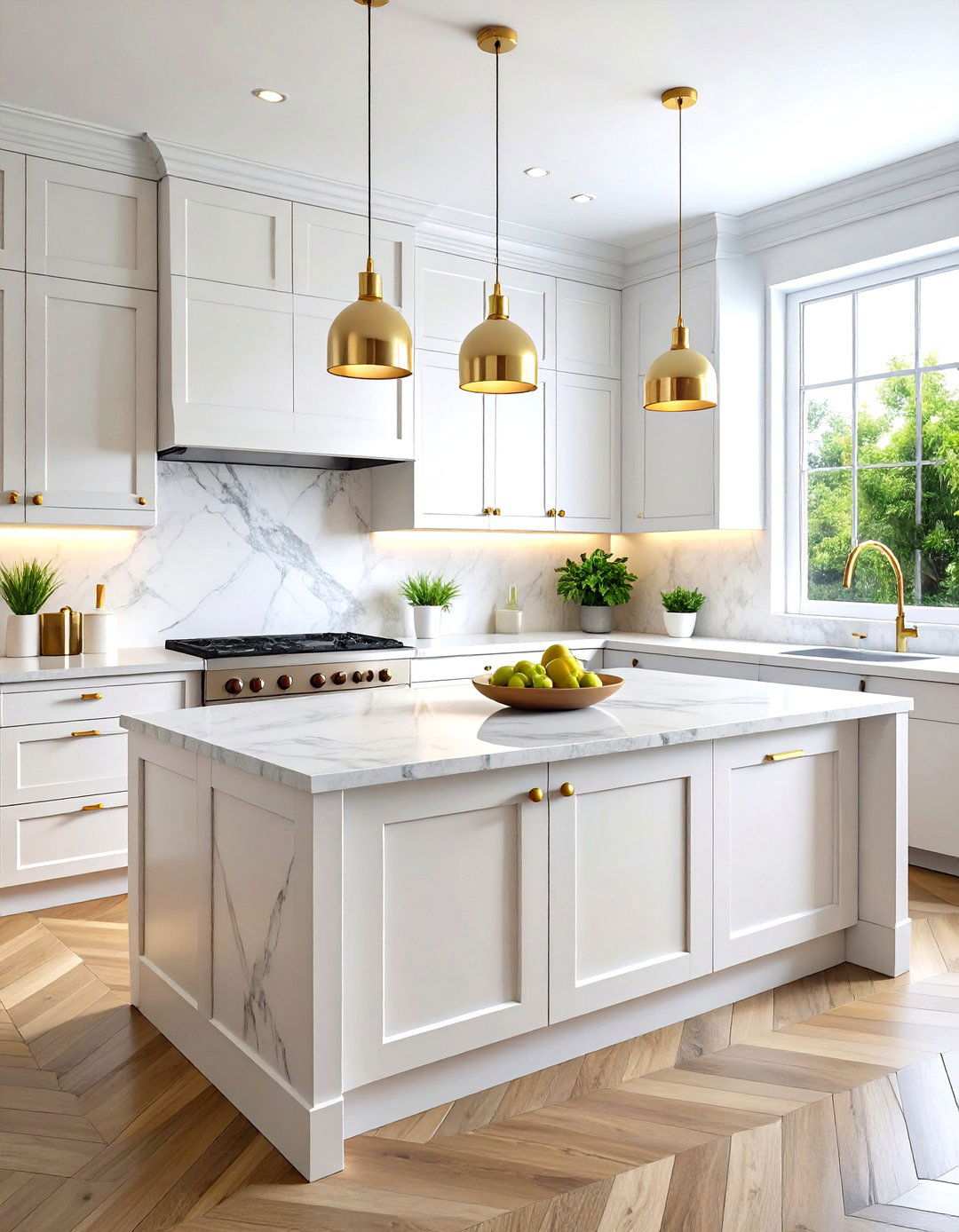
Achieve the look of a single, uninterrupted surface by extending countertop materials up walls as backsplashes, eliminating the visual break between horizontal and vertical planes. By using large-format marble or quartz slabs that continue seamlessly from counter to wall, you can create mirror images that emphasize natural stone patterns and add visual interest. This technique not only reduces material variety but also maximizes visual impact through careful stone selection and placement. To minimize grout lines that can disrupt the clean aesthetic, consider using large-format tiles or slabs. For an even more dramatic effect, extend materials to ceiling height behind ranges or sinks, creating subtle focal points that add depth to the space. Alternatively, choose complementary materials like natural stone counters paired with glass backsplashes that share similar color tones, ensuring visual continuity while maintaining durability in high-moisture areas.
11. Designing Multi-Functional Kitchen Islands
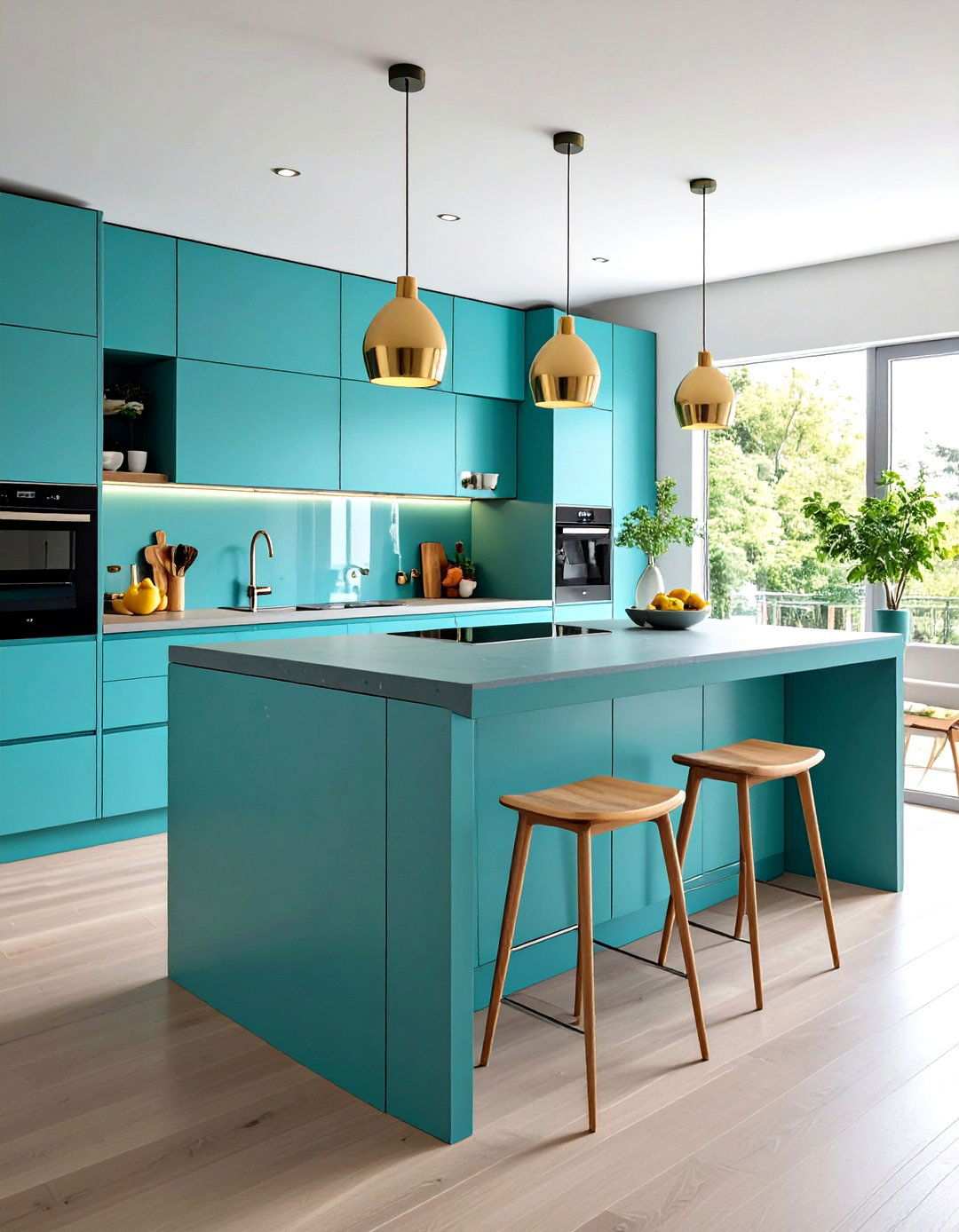
Create efficient and stylish kitchen islands that serve as cooking stations, dining areas, and storage hubs without compromising minimalist aesthetics. To achieve this, integrate cooktops or prep sinks into island surfaces, creating work triangles that keep cooking tasks centralized. This clever design also makes it easy to add built-in wine storage, appliance drawers, and hidden trash compartments, maximizing functionality while maintaining clean exterior lines. Consider extending counter heights on one side to create breakfast bar seating that eliminates the need for separate dining furniture. To keep surfaces clean and provide power for small appliances, incorporate pop-up electrical outlets that disappear when not needed. By incorporating different countertop levels for various tasks – standard height for prep work and bar height for casual dining – you can create a highly functional and visually appealing kitchen island that meets your needs.
12. Hidden Storage Solutions
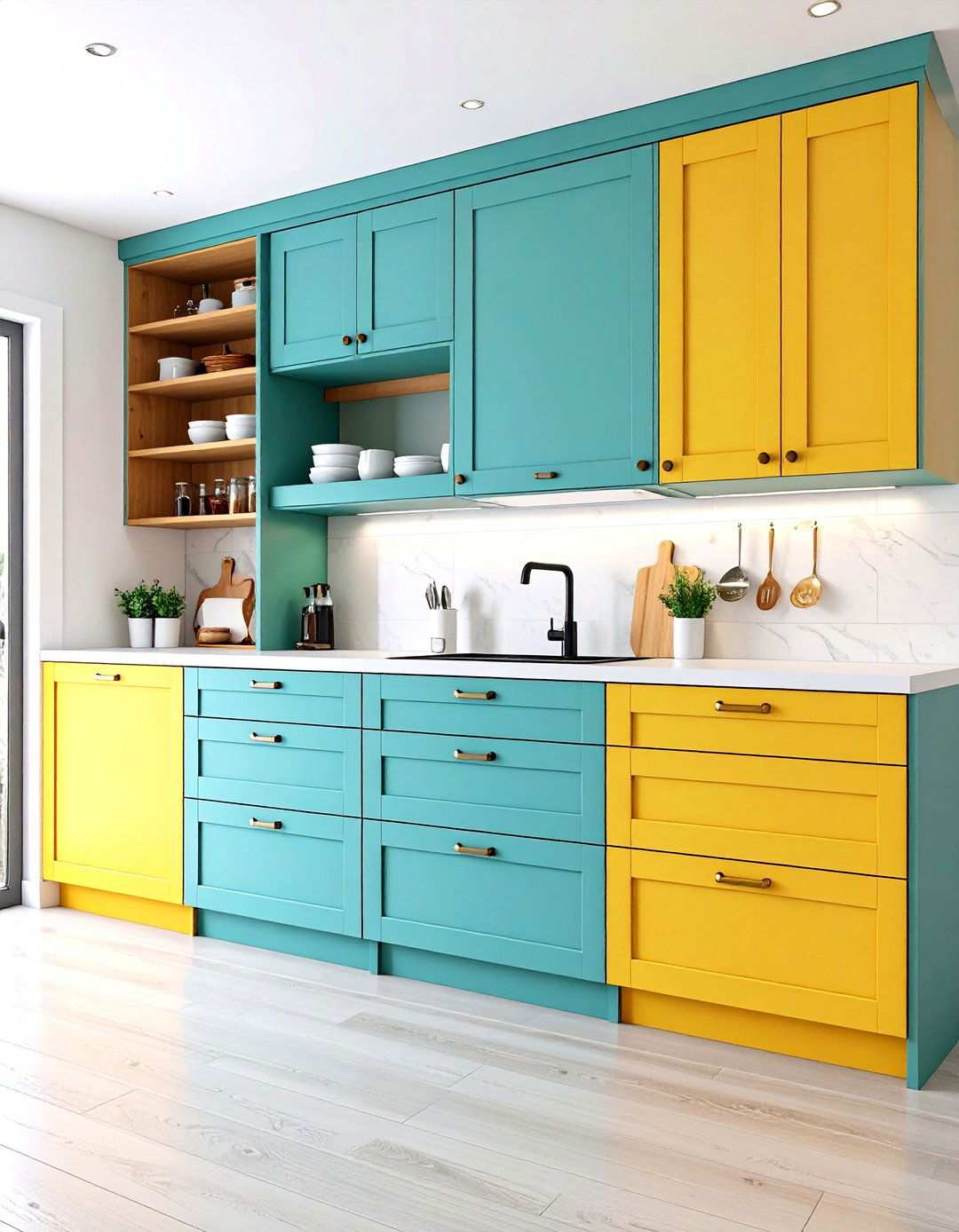
Achieving a seamless kitchen aesthetic while maximizing storage capacity has become increasingly possible with the introduction of floor-to-ceiling pantry cabinets concealed behind sliding pocket doors. These innovative systems not only eliminate door swing clearance but also provide instant access to an expansive, organized storage space. The adjustable shelving units can accommodate everything from small spices to large appliances, allowing homeowners to adapt the storage system to their evolving needs. Installing electrical outlets within the pantry allows for the creation of hidden coffee stations or appliance storage areas, which fade into the background when not in use. Furthermore, the incorporation of soft-close mechanisms ensures a smooth, quiet operation that harmonizes with the serene kitchen atmosphere. The interior lighting system is designed to activate automatically when the doors open, illuminating the contents without the need for switches or visible fixtures, thereby maintaining the illusion of a continuous wall surface while revealing a surprisingly spacious storage capacity, all within a compact footprint comparable to traditional walk-in pantries.
13. The Art of Monochromatic Design
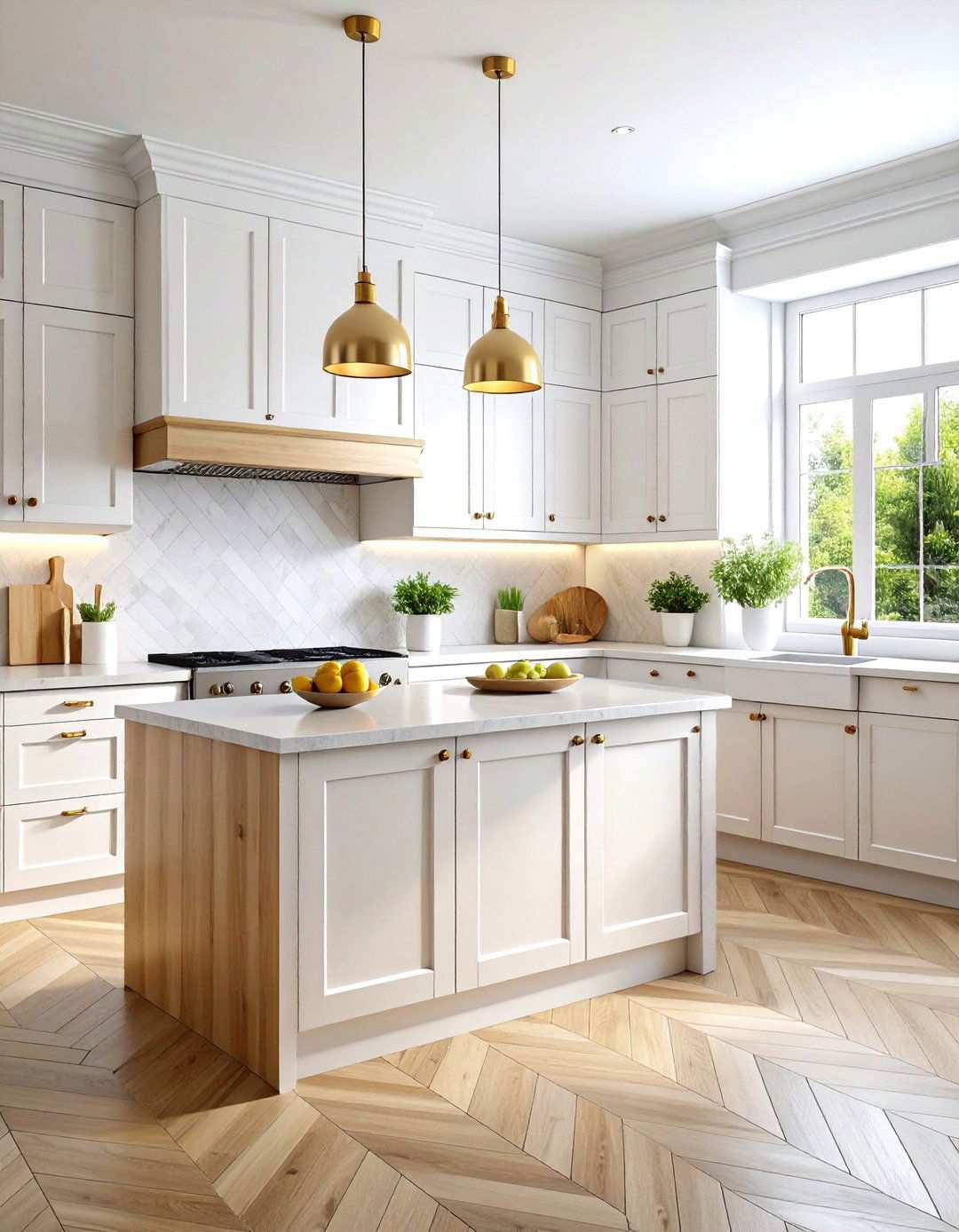
Creating a visually harmonious kitchen space can be achieved through the deliberate selection of a monochromatic color palette, which emphasizes texture and form over decorative elements. An all-white scheme can result in a bright, airy space where natural materials, such as wood and stone, contribute subtle contrast through texture rather than color. Alternatively, homeowners can explore the versatility of warm gray tones, ranging from light cabinet finishes to dark countertop materials, to create a sense of depth through subtle variations within the same color family. For a more dramatic look, black and white combinations offer striking contrast while maintaining graphic simplicity, exemplified by white cabinets paired with black countertops and stainless steel appliances. Natural wood tones can also be used as accent colors to warm neutral palettes without disrupting the visual cohesion, adding a touch of warmth to the space without sacrificing its serene simplicity. The key to success lies in incorporating various textures and finishes within the chosen color range, thus preventing monotony and maintaining the characteristic calmness of minimalist design.
14. Maximizing Vertical Space
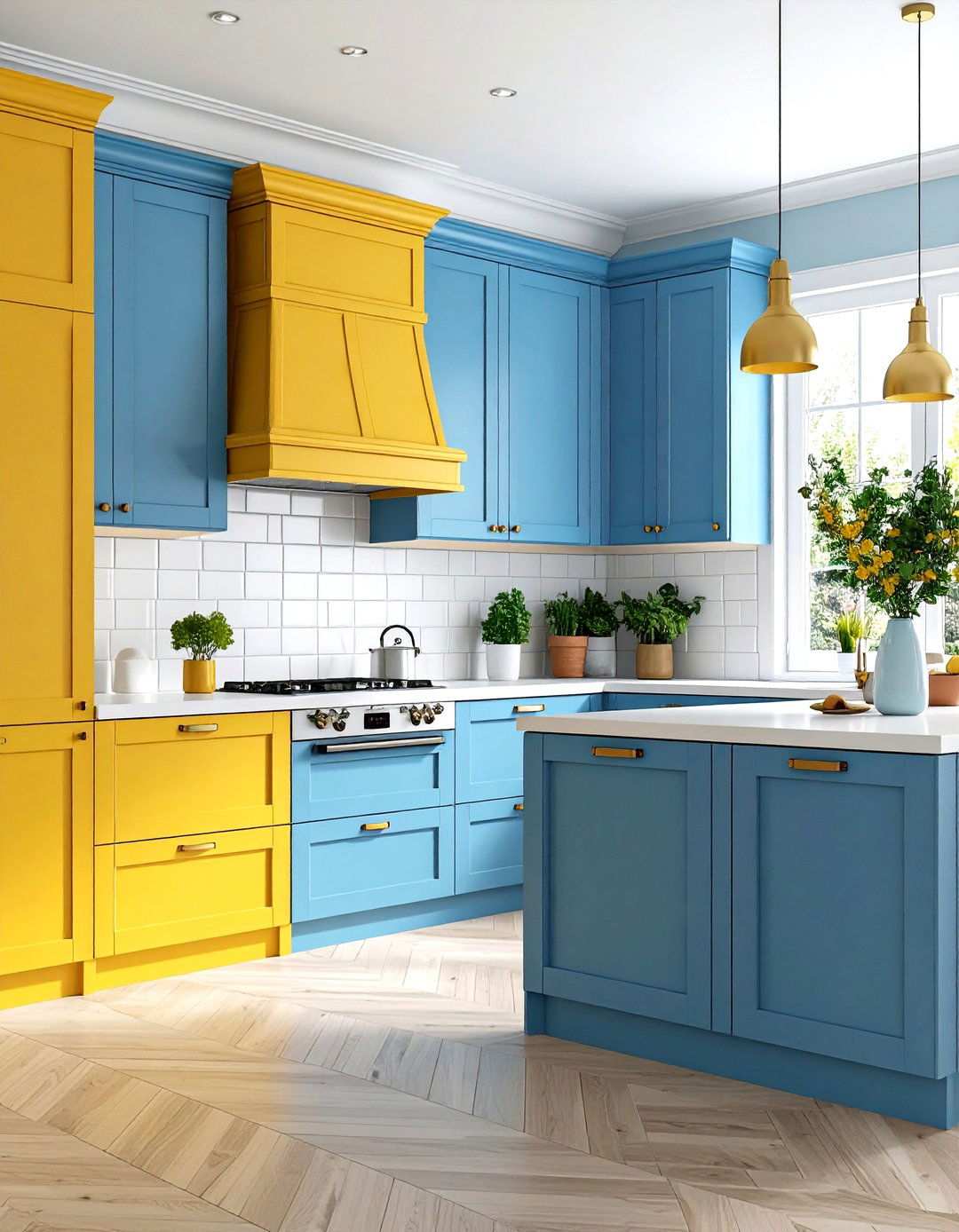
Utilizing the full wall height with floor-to-ceiling storage systems is an effective way to maximize capacity while maintaining sleek proportions. Tall pantry cabinets provide an extensive storage area without consuming additional floor space, and their vertical emphasis can make ceilings appear higher. Installation of upper cabinets that extend to ceiling height eliminates dust-collecting gaps and creates impressive storage walls. Homeowners can consider incorporating ladder systems or pull-down shelves for safe and convenient access to high storage areas. Vertical dividers within cabinets can efficiently organize items like cookie sheets, cutting boards, and serving trays. Open vertical slots accommodate frequently used items like cookbooks or tablets at comfortable viewing heights, further enhancing the kitchen’s functionality. By incorporating crown molding, the transition between cabinetry and architectural elements can be seamlessly integrated, demonstrating that minimalist design doesn’t require sacrificing storage—it demands more thoughtful organization and planning.
15. Elevating Kitchen Organization with Magnetic Solutions
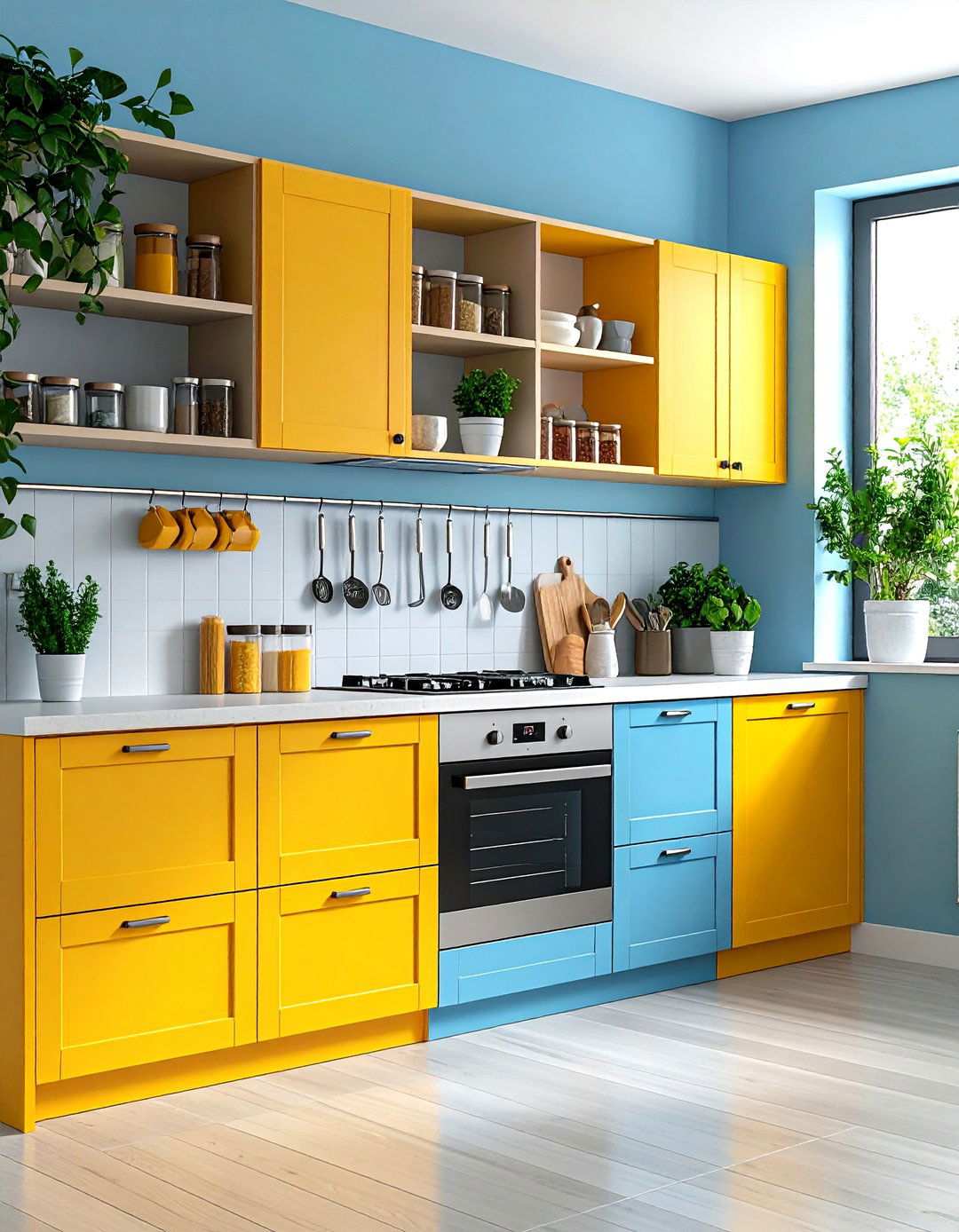
Innovative magnetic storage systems can transform kitchen organization by keeping essential tools easily accessible while maintaining sleek counter surfaces. Magnetic knife strips installed beneath upper cabinets or on backsplashes offer a safe and visible storage solution for cutting tools. Spice containers with magnetic bases can be attached to refrigerator sides or concealed metal panels within cabinets, providing a convenient and space-saving storage option. Magnetic pot racks can be integrated into range hoods or wall-mounted systems, keeping cookware organized and on display as a beautiful piece of functional art. Consider incorporating magnetic hooks for utensils, measuring cups, and other frequently used tools, especially in small kitchens where counter and drawer space is limited. The result is a clean and organized visual effect, with tools appearing to float against surfaces rather than cluttering traditional storage areas. Does your current kitchen storage system effectively balance accessibility and visual order?
16. Seamless Ventilation Integration through Concealed Range Hoods
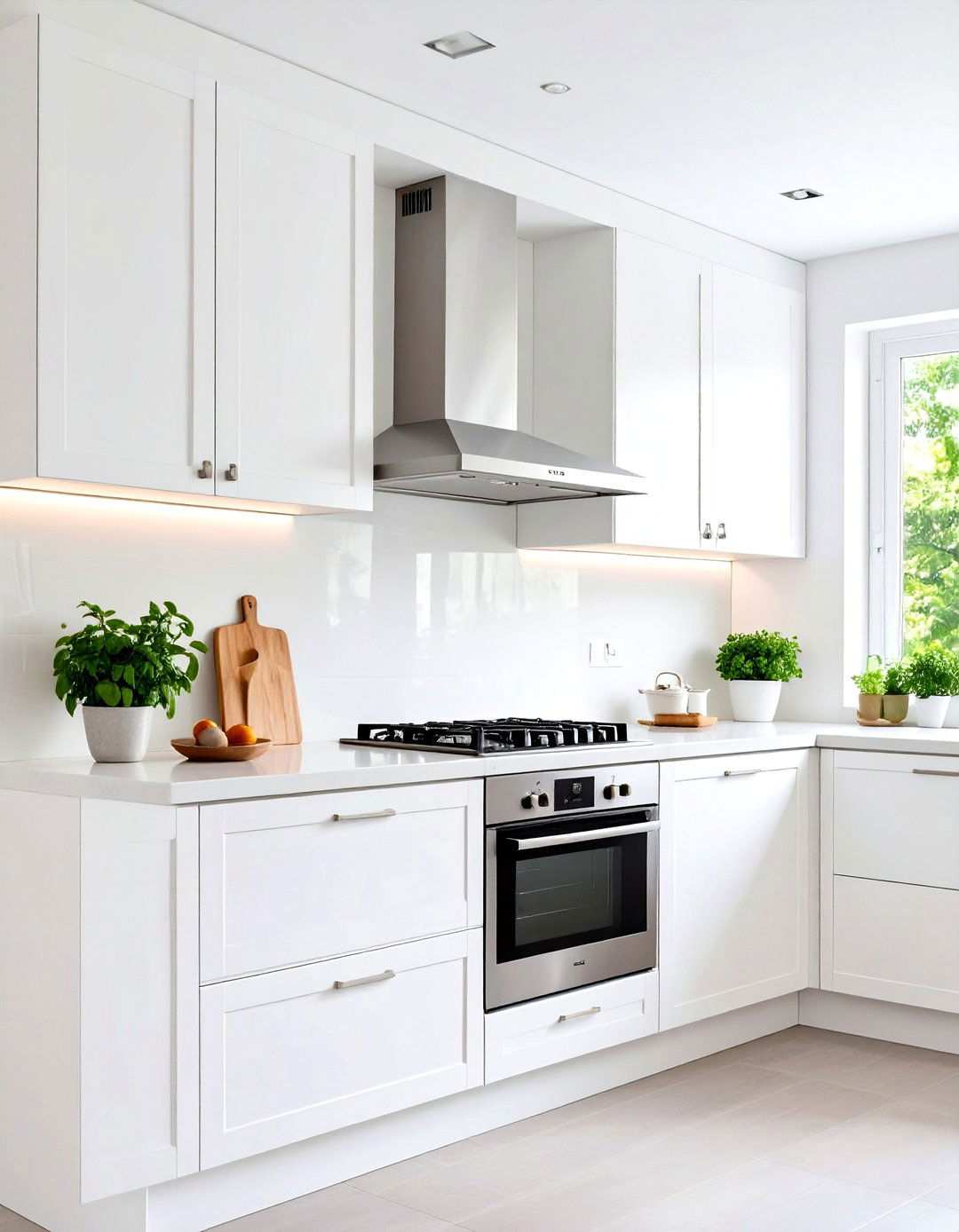
Incorporating ventilation systems into cabinetry or ceiling structures can eliminate bulky range hoods that disrupt clean sight lines. Built-in downdraft systems rising from countertops adjacent to cooktops provide effective ventilation while remaining completely hidden when not in use. Ceiling-mounted exhaust systems with minimal profiles blend seamlessly into white or light-colored ceilings. Custom range hood covers match surrounding cabinetry exactly, creating the appearance of continuous upper cabinet runs. Interior lighting within concealed hoods offers task illumination over cooking surfaces without visible fixtures. Consider designing range hoods as architectural elements – sleek geometric forms in stainless steel or custom materials that complement rather than compete with the overall design. The goal is to maintain effective ventilation while ensuring the range area integrates harmoniously with surrounding elements, rather than dominating the space.
17. Enhancing Kitchen Dynamics with Sliding Element Integration
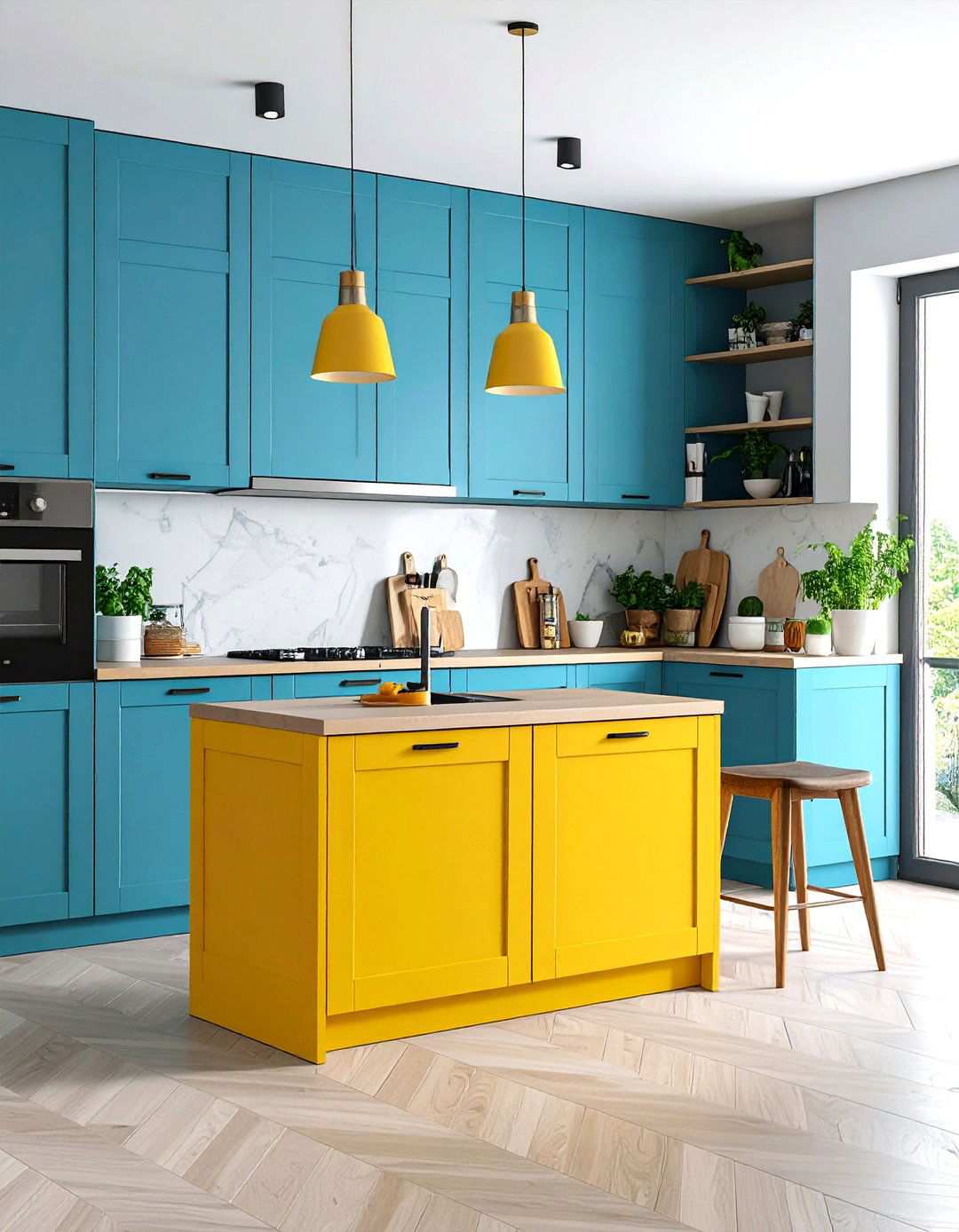
Incorporating sliding doors, panels, and storage elements can revolutionize kitchen layouts by saving space and adding dynamic functionality. Sliding pantry doors eliminate swing clearance while providing access to hidden storage areas, making them ideal for narrow galley kitchens or around islands where traditional doors might interfere with traffic flow. Cabinet doors that slide rather than swing open work particularly well in spaces where traditional doors might be cumbersome. Consider sliding cutting board systems that extend work surfaces when needed, then disappear completely when not in use. Sliding spice racks within cabinets maximize organization in narrow spaces, while glass sliding doors on upper cabinets provide dust protection while maintaining visibility of contents. These systems require precision installation but deliver impressive space efficiency and visual interest through their mechanical simplicity and smooth operation.
18. Industrial Touches for Timeless Elegance
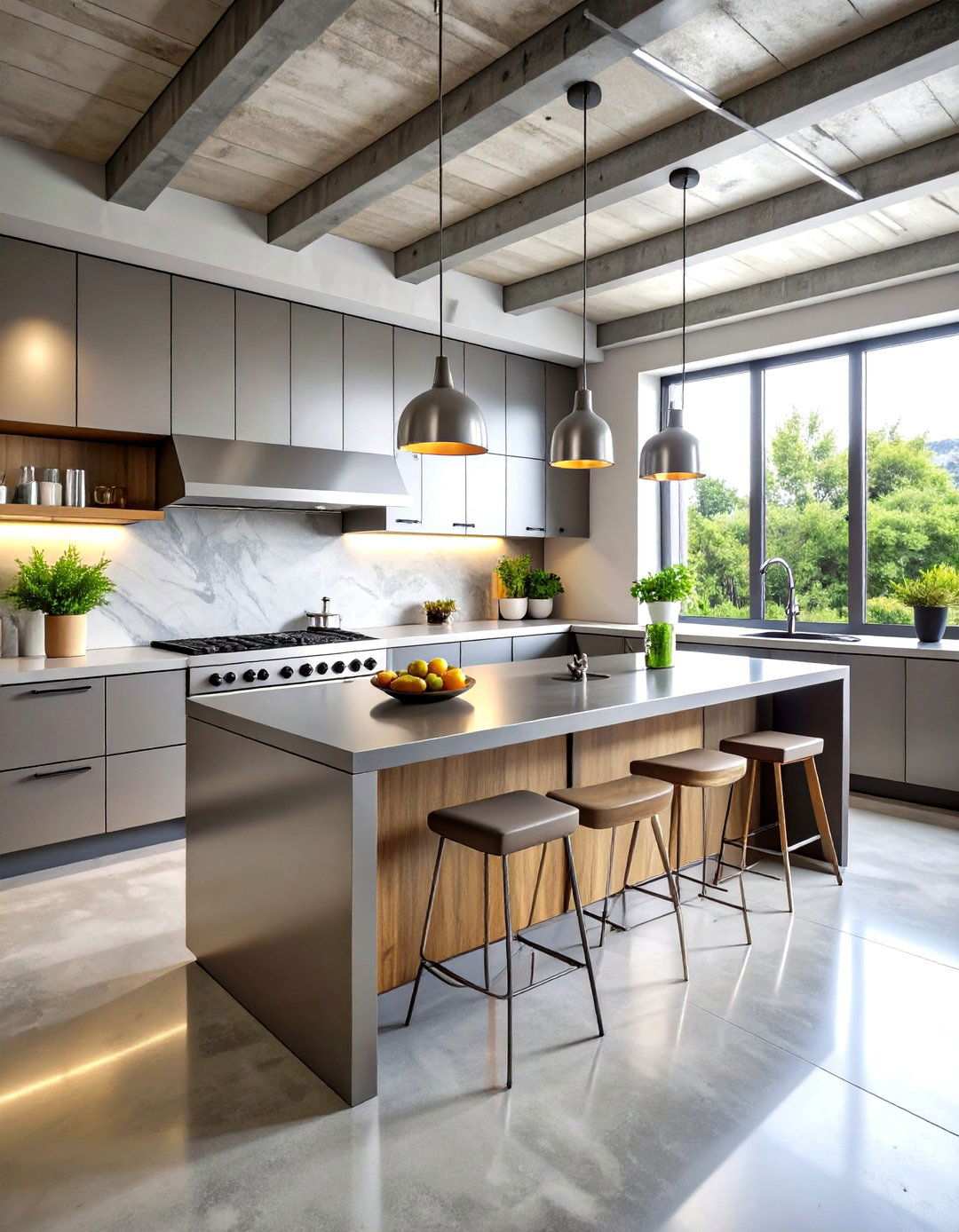
Elevate your home’s aesthetic with industrial accents that add a raw edge without overpowering the space. By incorporating stainless steel, concrete, and exposed structural components, you can achieve a striking balance between minimalist warmth and industrial sophistication. Stainless steel countertops bring a level of professionalism and ease of maintenance to your home, making them an ideal choice for kitchen environments. Meanwhile, concrete floors with radiant heating offer a unique blend of thermal mass and industrial charm, ensuring a comfortable underfoot experience. Exposed ceiling beams, ductwork, or structural elements can be beautifully integrated into the design scheme when finished and presented thoughtfully. For a more subtle approach, incorporate metal cabinet hardware in brushed or matte finishes to add a touch of industrial flair without overwhelming the space. By choosing industrial elements that harmonize with your minimalist design principles, you can create a space that exudes both functionality and clean lines.
19. The Art of Open Shelving
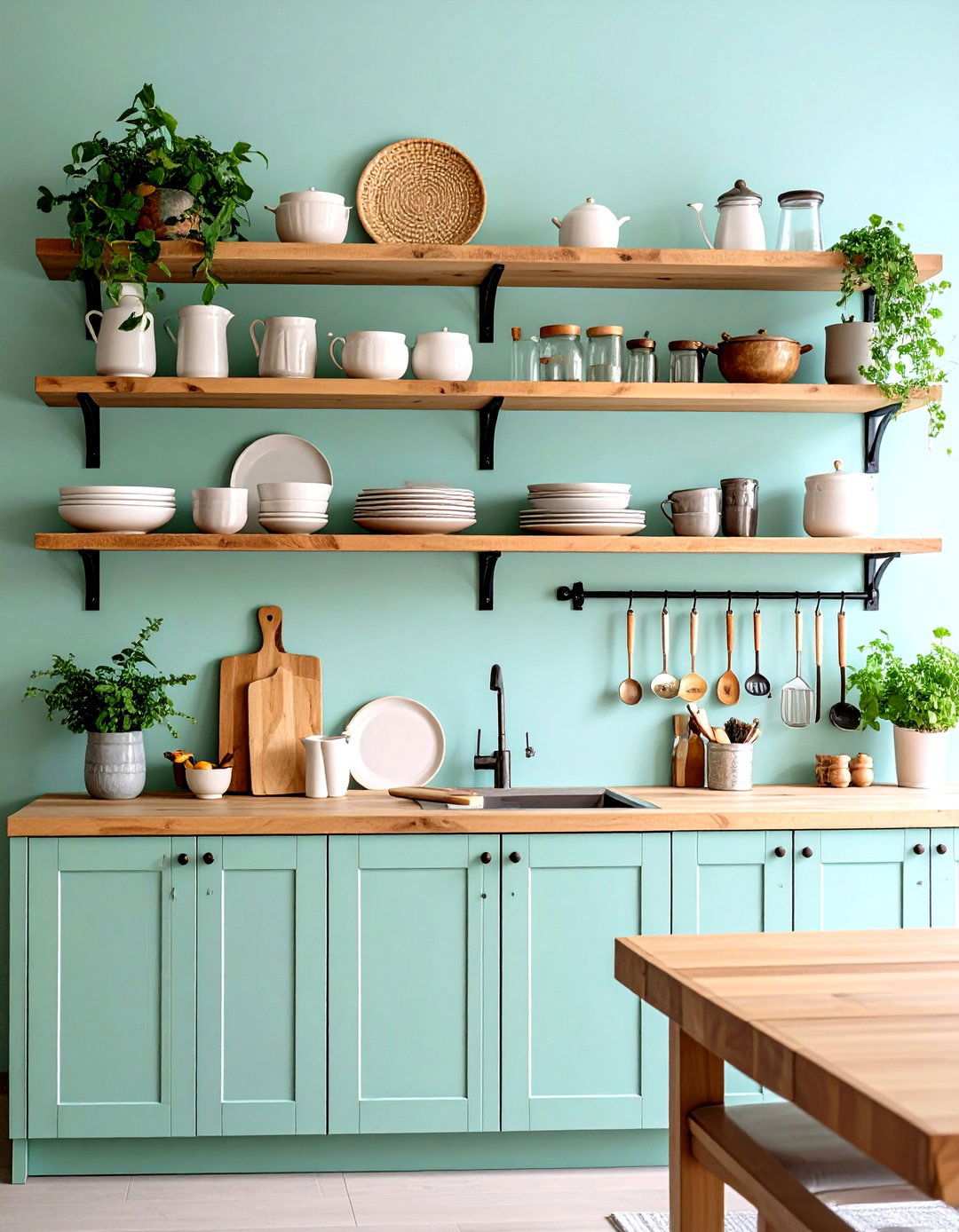
Create a sense of breathing room in your space by strategically placing open shelving that showcases curated collections while maintaining storage functionality. Thick wooden shelves against a crisp white backdrop provide warmth and natural texture without overwhelming the minimalist aesthetic. Metal brackets in simple, geometric forms complement industrial accents while supporting substantial weight loads. To avoid clutter, limit the number of displayed items and group similar objects together, leaving ample space between them. Consider seasonal rotation of displayed pieces to maintain visual interest without permanent clutter. By balancing open shelving with closed storage, you can create a harmonious blend of display areas and concealed organization. Lower open shelves can be used to display frequently used items, while upper shelves showcase decorative pieces that add personality to your space. This approach requires discipline, but the reward is a space that feels open, accessible, and personally curated rather than sterile or institutional.
20. Corner Solutions for Efficient Living
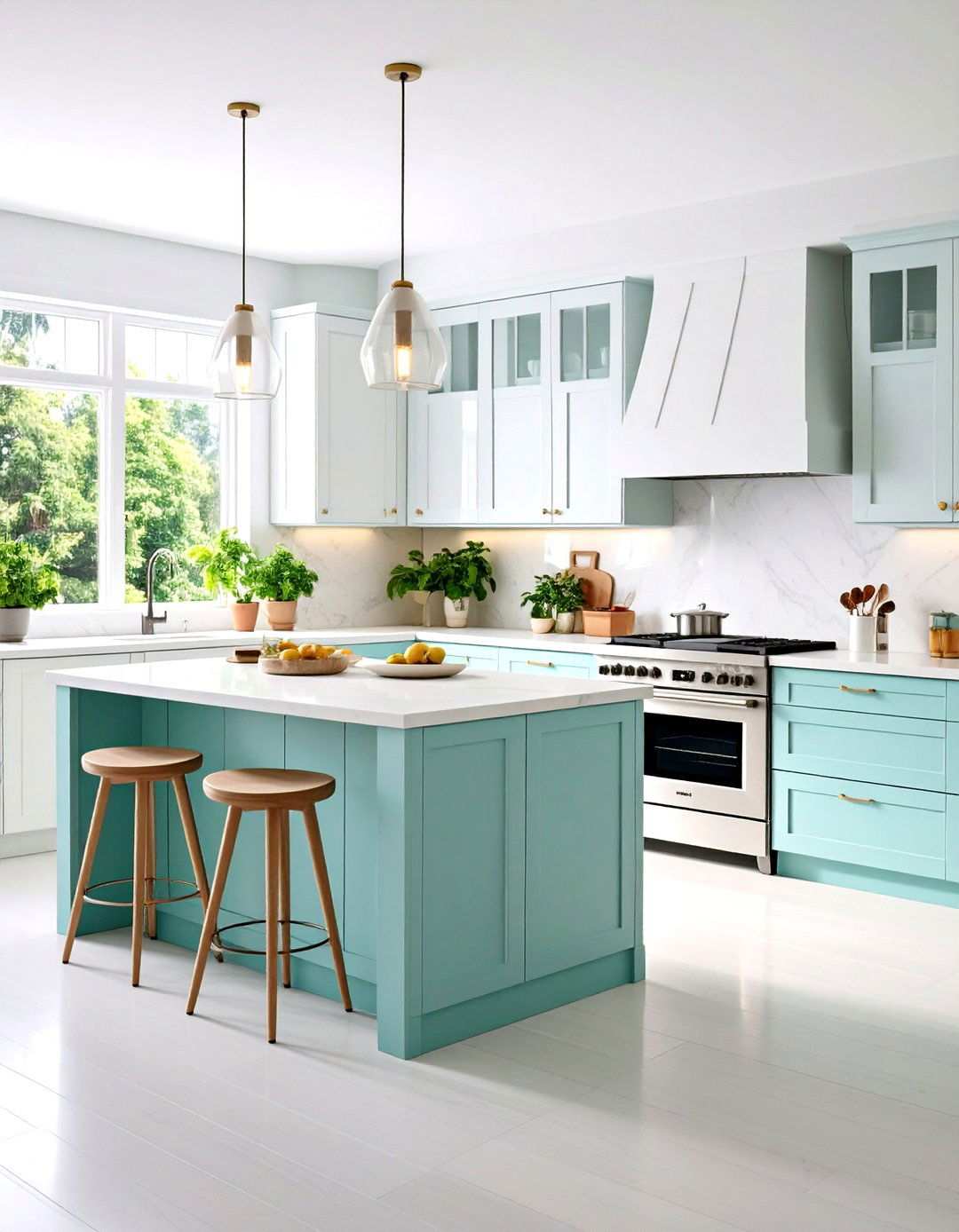
Transform challenging corner areas into functional storage zones with specialized systems designed for difficult angles and depths. Lazy Susan mechanisms provide easy access to items stored in corner base cabinets, eliminating the problem of traditional corner storage black holes. Magic corner systems utilize swinging shelves that bring corner contents into accessible areas outside the cabinet frame. Consider diagonal corner drawers that maximize storage while providing straight-ahead access to contents. Upper corner cabinets benefit from rotating shelf systems or specialized corner carousel units. Alternatively, leave corners open with floating shelves that create display areas for decorative items or frequently used dishes. By implementing these innovative solutions, you can prove that minimalist design is not about wasting space, but rather about finding better ways to utilize challenging areas effectively.
21. Thoughtful Pendant Lighting Solutions
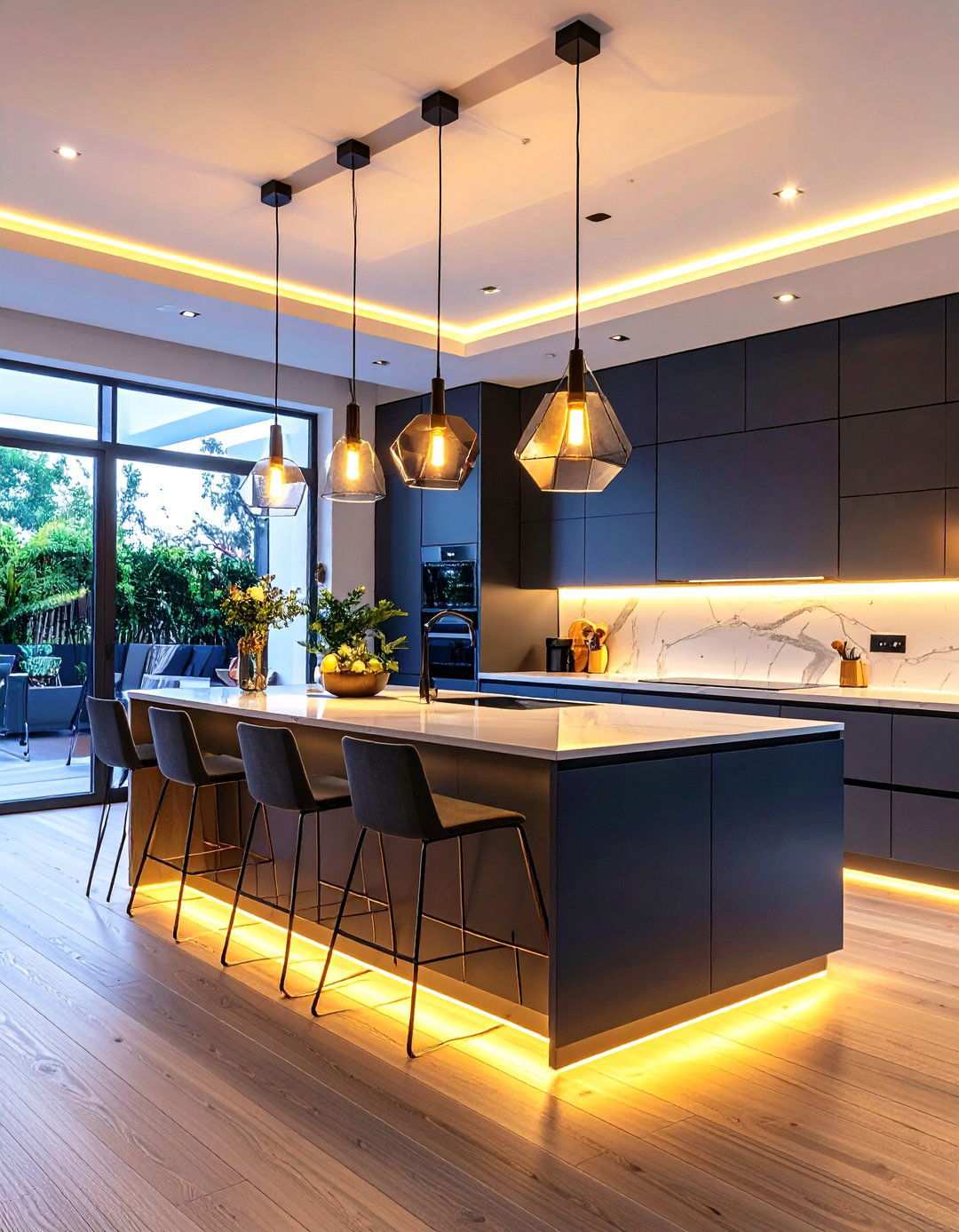
Pendant fixtures can significantly enhance a kitchen space while maintaining its clean aesthetic. By selecting carefully considered pendant lights, homeowners can achieve both task lighting and decorative interest without overwhelming the space. Opt for geometric forms crafted from simple materials, such as glass spheres, metal cylinders, or natural wood shapes, which blend harmoniously with architectural elements. A single oversized pendant above an island can create a striking focal point without cluttering sight lines with multiple fixtures. Alternatively, linear pendant systems can provide even task lighting over long counters or breakfast bars. Adjustable-height pendants offer versatility, adapting to different activities and ceiling heights. To create an inviting atmosphere, consider warm light temperatures between 2700K and 3000K, which complement natural materials beautifully. Furthermore, dimming capabilities enable lighting levels to transition seamlessly from bright task illumination during cooking to soft ambient light during entertaining. The key to successful pendant lighting is selecting fixtures that blend discreetly into the overall design while delivering excellent functional illumination.
22. Seamless Integration of Dining Spaces
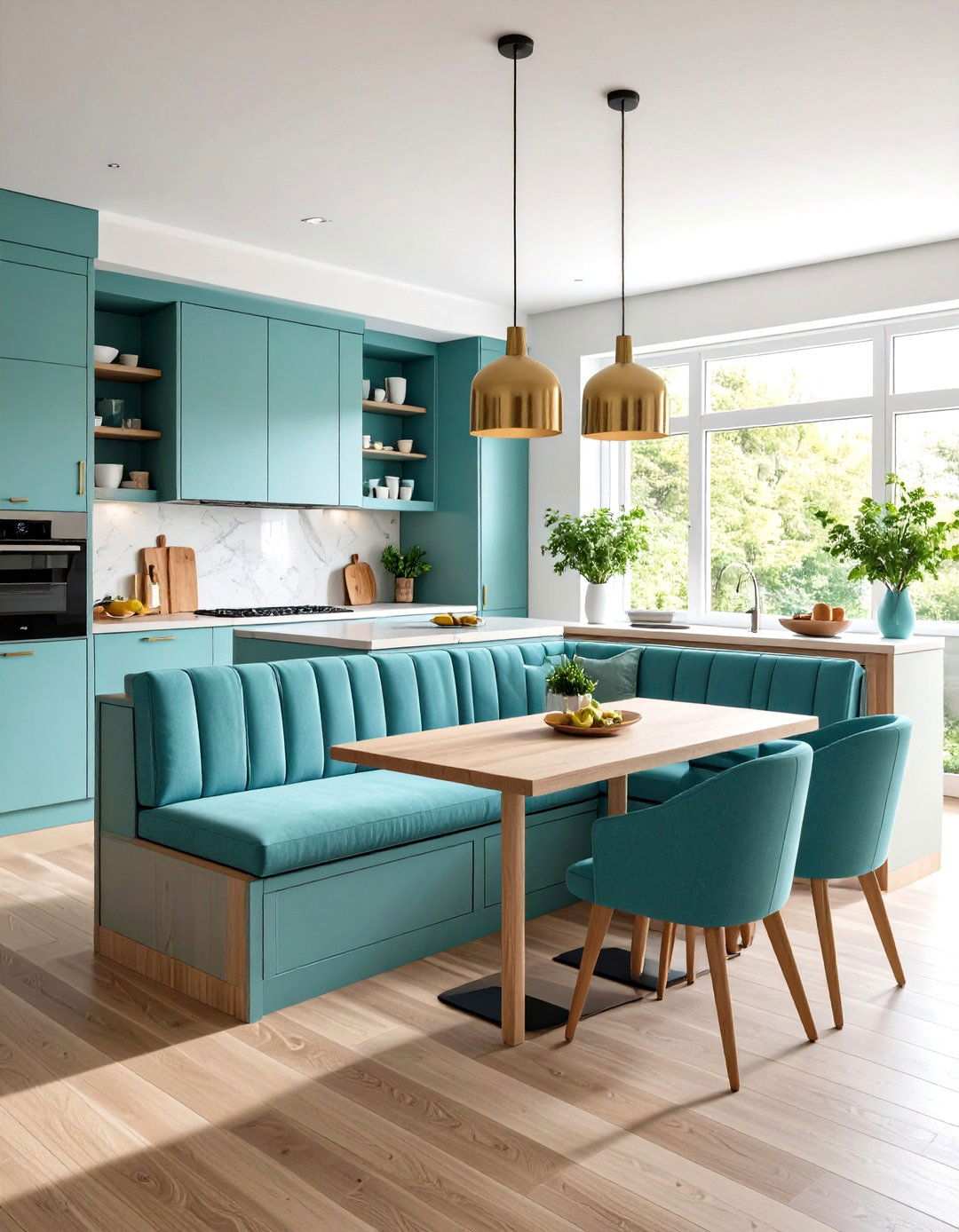
To create a harmonious kitchen layout, consider integrating dining spaces with built-in banquettes, window seats, or peninsula extensions. By doing so, homeowners can eliminate the need for separate furniture pieces, maintaining a clean and streamlined design. Custom banquettes with hidden storage beneath seats not only maximize functionality but also maintain clean lines throughout the space. Window seat areas with integrated tables create cozy breakfast nooks that take full advantage of natural light and views. Alternatively, peninsula seating extends counter heights to bar level, providing a casual dining area without requiring additional floor space. For a minimalist look, consider bench seating with neutral-colored cushions that complement the overall color scheme. Built-in solutions create custom proportions that fit specific spaces perfectly, maintaining visual continuity with surrounding cabinetry. These areas become natural gathering spots that enhance the social aspects of kitchen design without cluttering layouts with movable furniture.
23. Streamlined Technology Integration
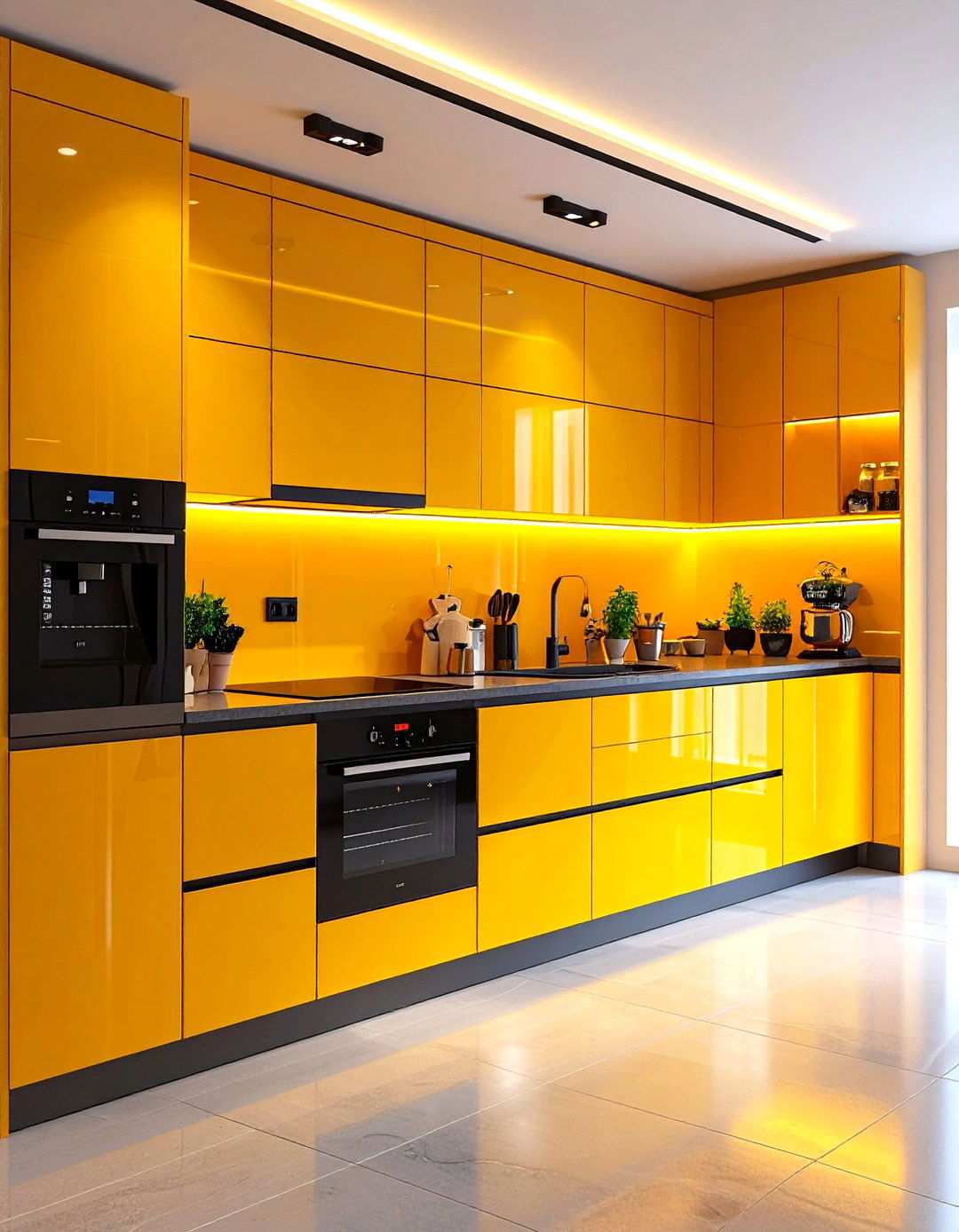
Minimize visual clutter in minimalist kitchens by discreetly incorporating technology through clever design elements. Concealed charging stations, integrated sound systems, and smart appliance controls elevate functionality without compromising the clean aesthetic. Portable power outlets in kitchen islands supply power for small appliances while maintaining unobstructed countertops when not in use. Integrated tablet docks in backsplashes or cabinet ends keep recipes accessible while keeping devices charged. Smart home controls integrated into wall switches eliminate standalone control panels that can disrupt the visual flow of clean walls. Consider appliances with Wi-Fi connectivity that can be controlled remotely through smartphone apps, allowing for seamless integration with daily routines. Voice-controlled systems eliminate physical interfaces, enabling hands-free operation during cooking. Under-cabinet speakers provide music without compromising the streamlined appearance of minimalist kitchens. By harmonizing technology with minimalist design, homeowners can create spaces that are both functional and aesthetically pleasing.
24. Effortless Light Enhancement
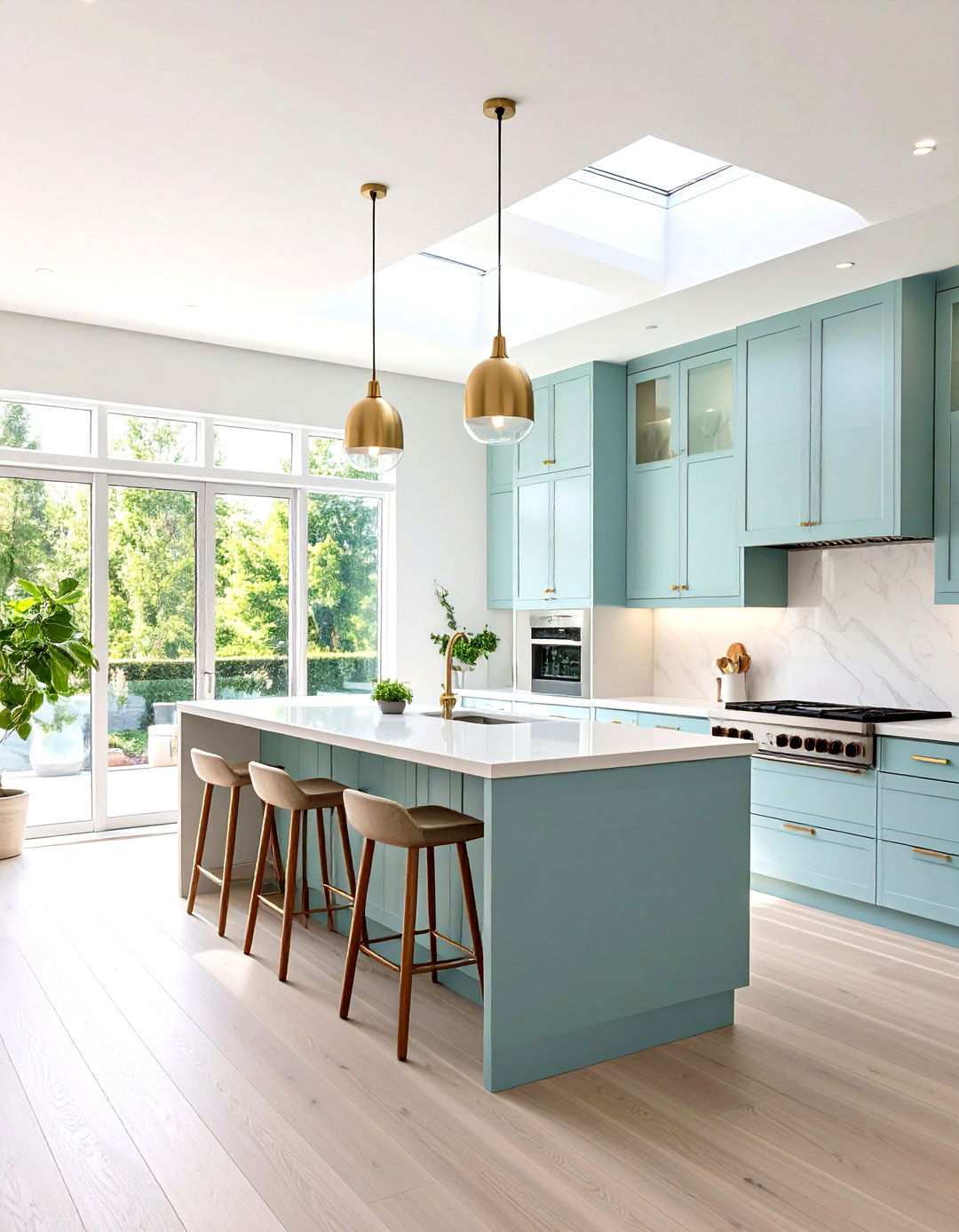
Leverage natural light sources to create bright, airy atmospheres in minimalist kitchens through strategic design choices. Thoughtfully placed windows, light-colored finishes, and reflective surfaces work together to minimize the need for artificial illumination. Large windows, skylights, or glass doors flood spaces with natural light while maintaining seamless connections to outdoor environments. Light-colored cabinet finishes and countertops strategically reflect natural light throughout spaces, reducing the reliance on artificial lighting during daylight hours. Consider removing upper cabinets from perimeter walls with windows to create an unobstructed flow of natural light. Glass backsplashes reflect light while maintaining ease of cleaning and visual lightness. Polished countertop finishes reflect more light than honed surfaces, naturally brightening work areas. Mirrors strategically placed reflect light and views while creating illusions of expanded space. By embracing natural light, homeowners can create kitchens that feel connected to the outdoors and reduce energy consumption through passive lighting strategies.