1. Elevating Sleeping Spaces: Loft Bedroom Designs with Integrated Storage
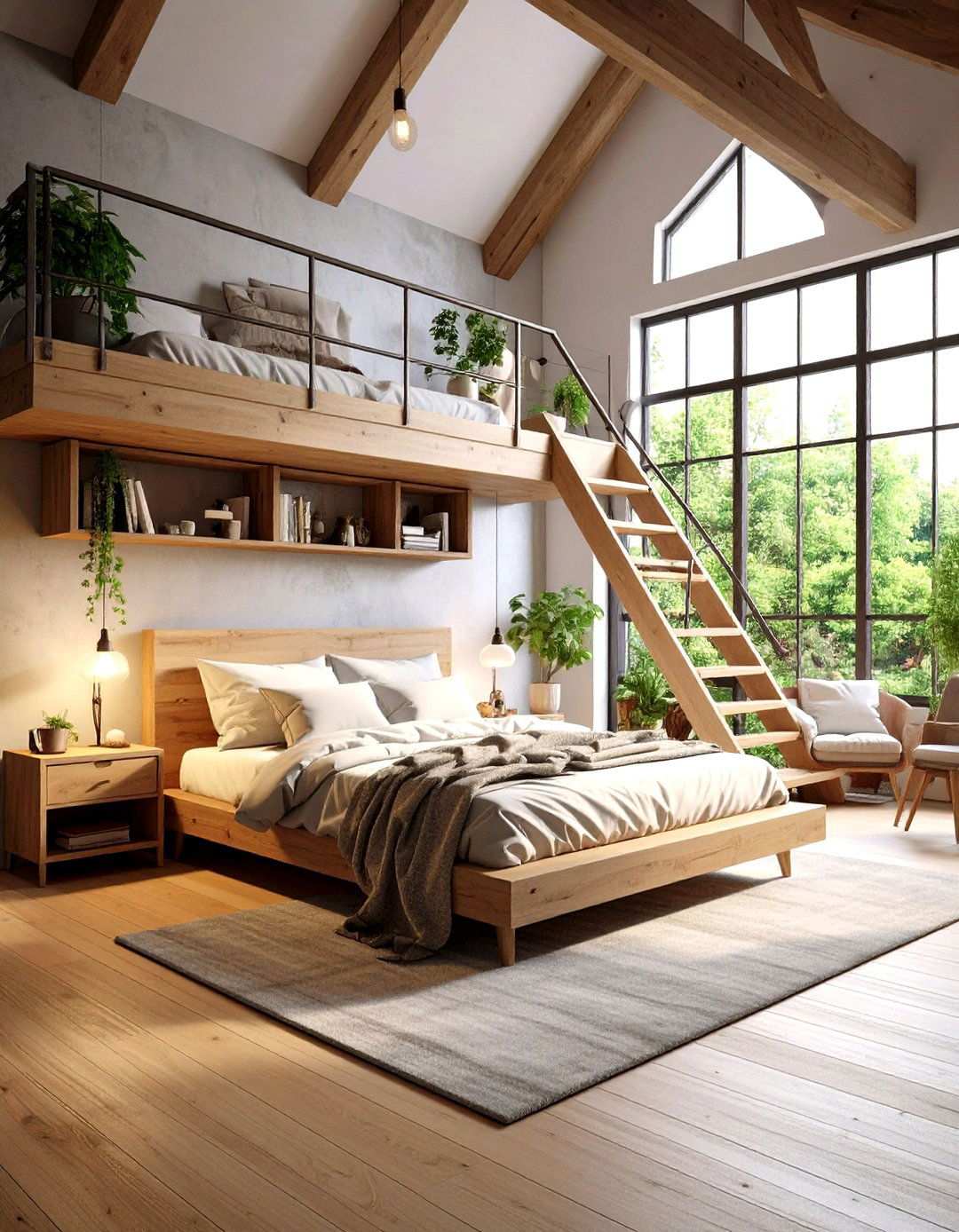
Intentional living is not just about the size of your home, but about embracing a design philosophy that optimizes every square inch. Loft bedroom designs, a hallmark of tiny house living, seamlessly blend comfort, functionality, and sustainability. By elevating the sleeping area, you create a serene retreat that not only saves floor space but also inspires a sense of calm. Thoughtful built-in storage solutions, such as drawers and compartments beneath the loft stairs, keep essentials organized and out of sight. Custom headboard designs, incorporating shelving for books and personal items, add a touch of personality to the space.

As an Amazon Associate I earn from qualifying purchases.
To ensure a restful night’s sleep, loft bedrooms often incorporate features like proper ventilation and skylights, which not only maintain privacy but also provide natural light. Safety is also a top priority, with sturdy railings and proper lighting that create secure access to the elevated sleeping quarters. By embracing this innovative design approach, you’ll discover a cozy retreat that’s both comfortable and efficient.
2. Efficient Kitchen Design: Maximizing Functionality in Small Spaces
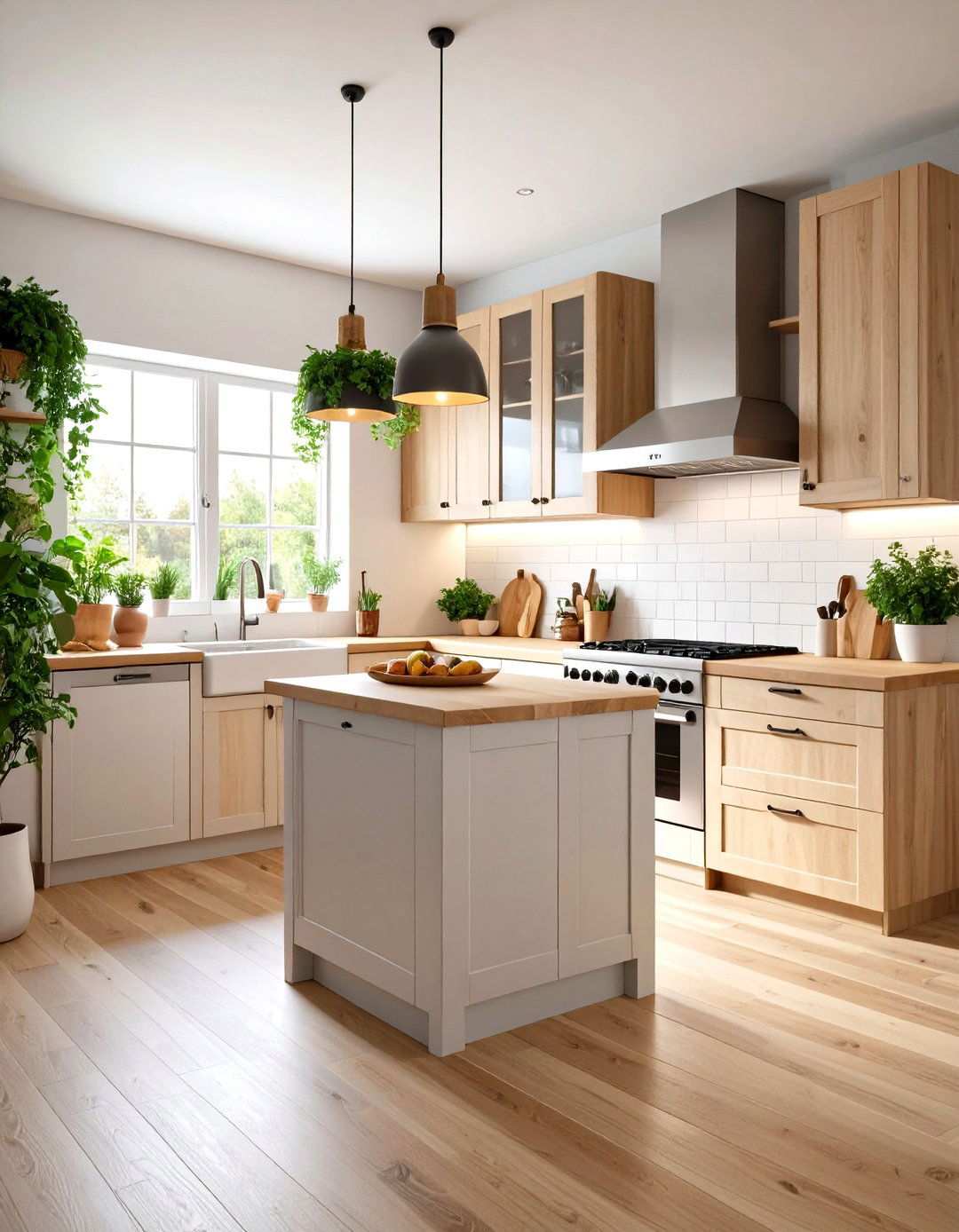
Compact living demands a thoughtful approach to kitchen design, where every inch counts. Galley-style kitchens excel in narrow spaces, thanks to their efficient workflow design. By utilizing pull-out storage racks beneath counters, you can keep pots and pans at the ready while freeing up valuable counter space. Overhead cabinets that reach ceiling height provide ample storage for infrequently used items, while islands on wheels offer additional prep space and storage when needed.
Fold-down dining tables, cleverly attached to walls, create space-saving meal areas that are perfect for cozy gatherings. Compact appliances, such as combination microwave-convection ovens and under-counter refrigerators, make the most of limited counter space. Hidden storage behind cabinet doors keeps small appliances organized and within reach, ensuring that everything has its designated place. By embracing a smart layout, you’ll unlock the full potential of your tiny kitchen, making it a haven for serious cooking enthusiasts.
3. Harmonious Living Spaces
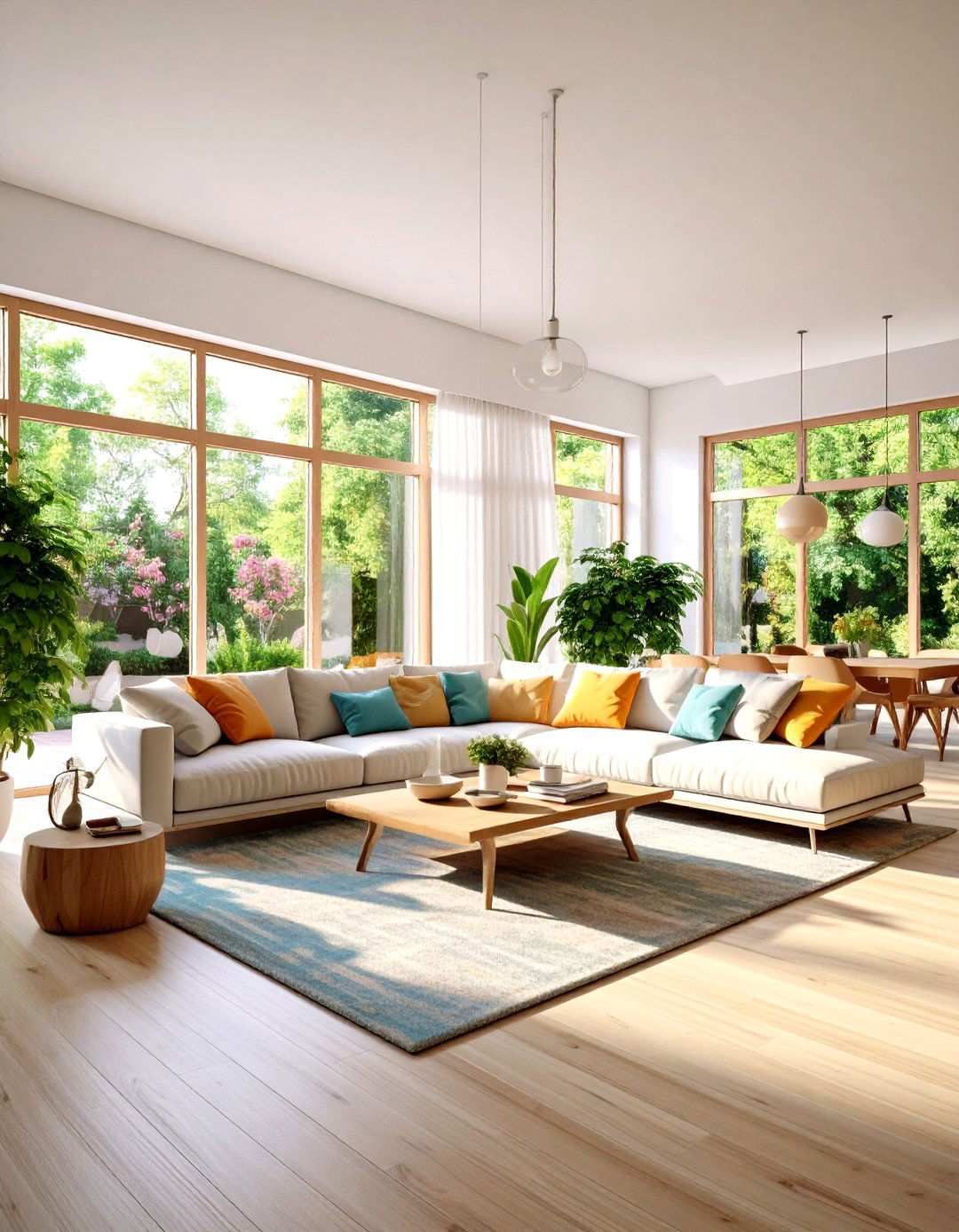
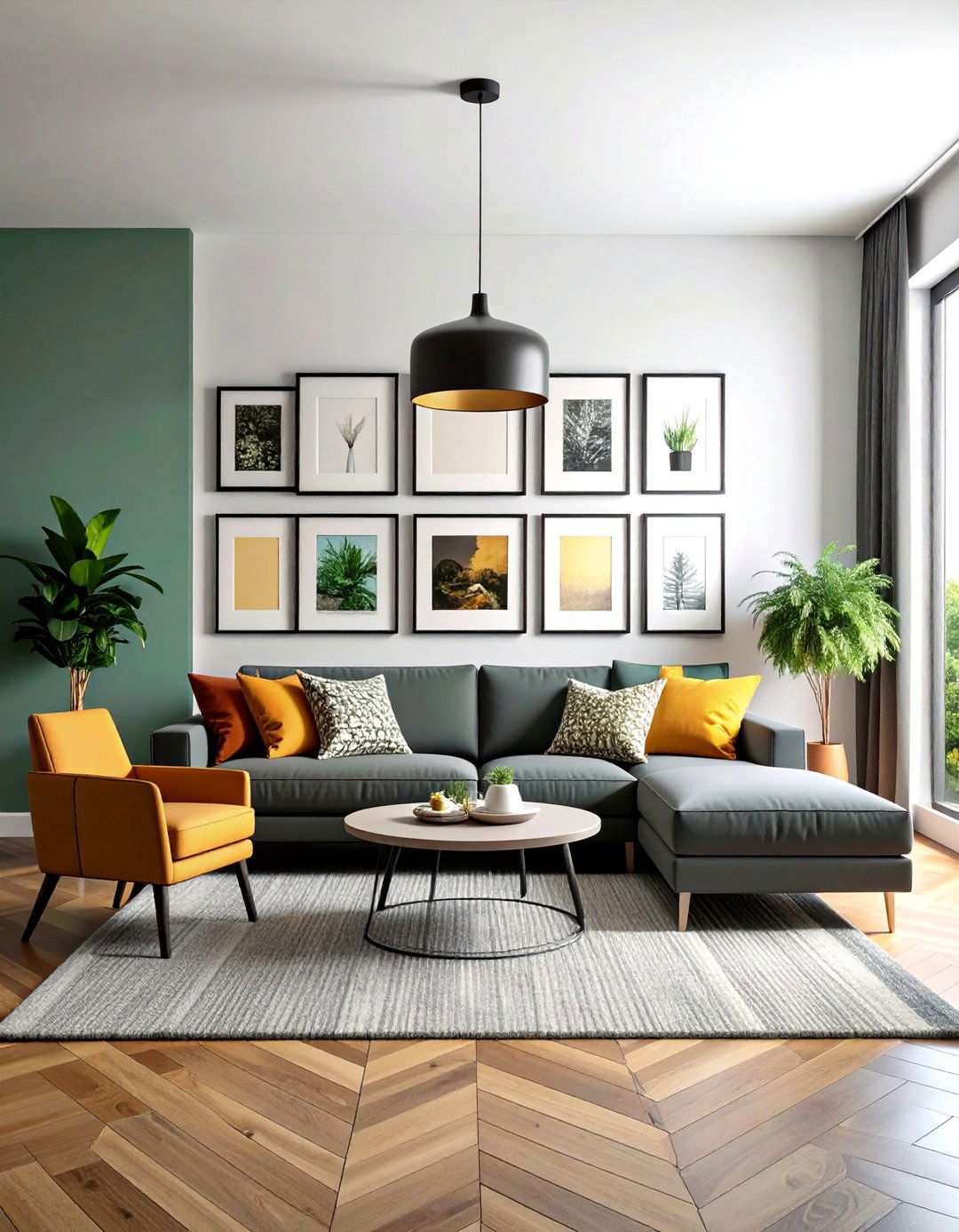
Designing open-plan living areas fosters a seamless flow between zones, making each space feel larger and more expansive. By eliminating walls, the combined living room, dining, and kitchen areas become a cohesive, airy expanse. Thoughtful furniture arrangements define distinct zones without the need for walls, incorporating multi-level ceiling designs to add visual interest and height. Abundant natural light pouring in through large windows enhances the sense of openness, while strategic furniture placement maintains a smooth traffic flow while providing separate functional areas. How would you utilize your combined living space? A unified color scheme ties together different zones, maintaining individual character and purpose while promoting harmony.
4. Expanding Your Living Envelope
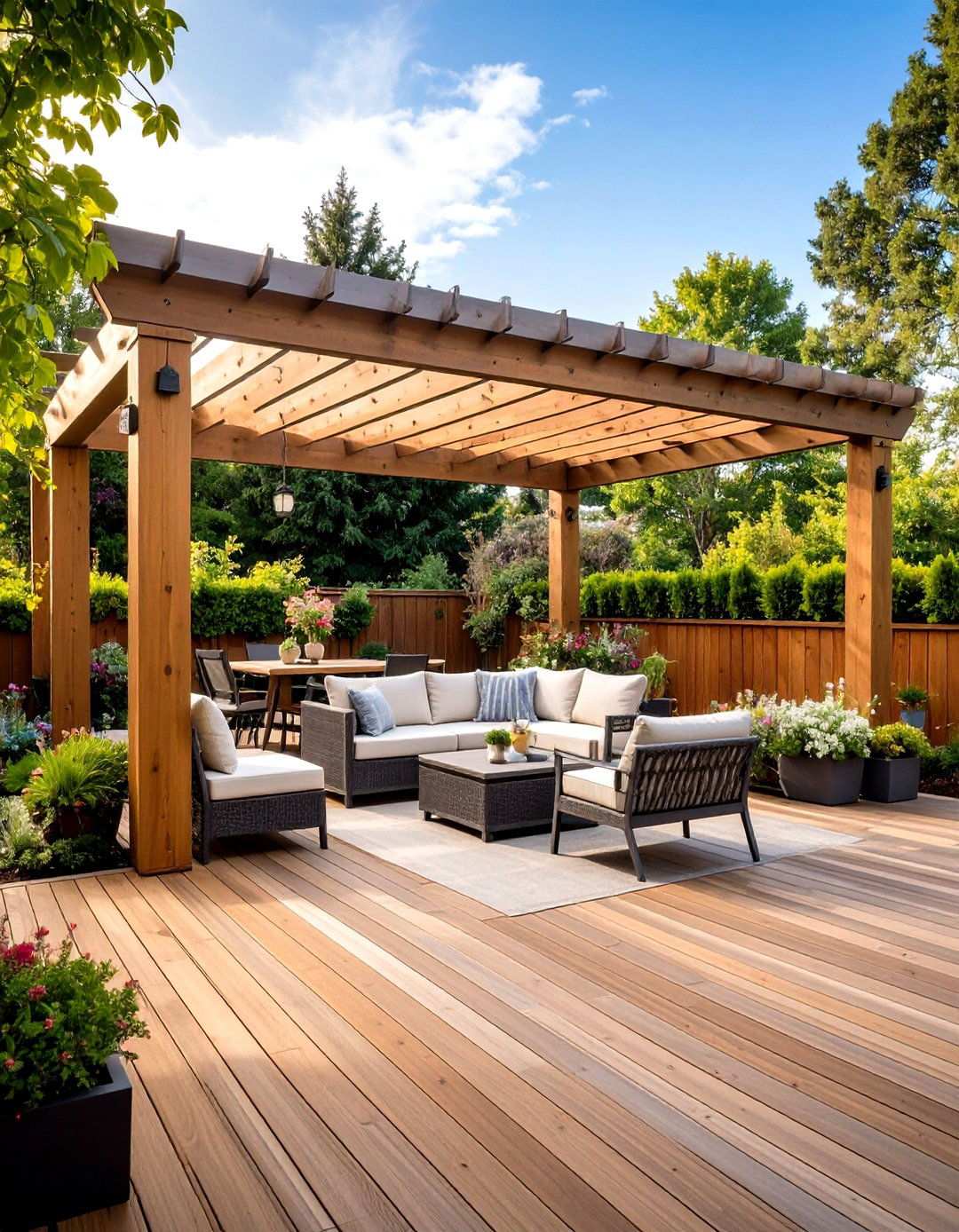
Outdoor living spaces offer a unique opportunity to extend your interior living areas beyond the confines of walls. Multi-level decks create distinct zones for dining, lounging, and entertaining, while retractable awnings provide shade and weather protection for year-round usability. Built-in seating with storage compartments enhances functionality and maintains clean lines, while outdoor kitchens with compact grills and prep areas extend cooking capabilities outside. Pergolas with climbing plants create natural shade and privacy screens, while weather-resistant materials ensure durability and aesthetic appeal throughout changing seasons. How would an extended outdoor living space impact your daily routines? This integration of indoor and outdoor living spaces can greatly enhance your overall quality of life.
5. Smart Living in Tiny Houses
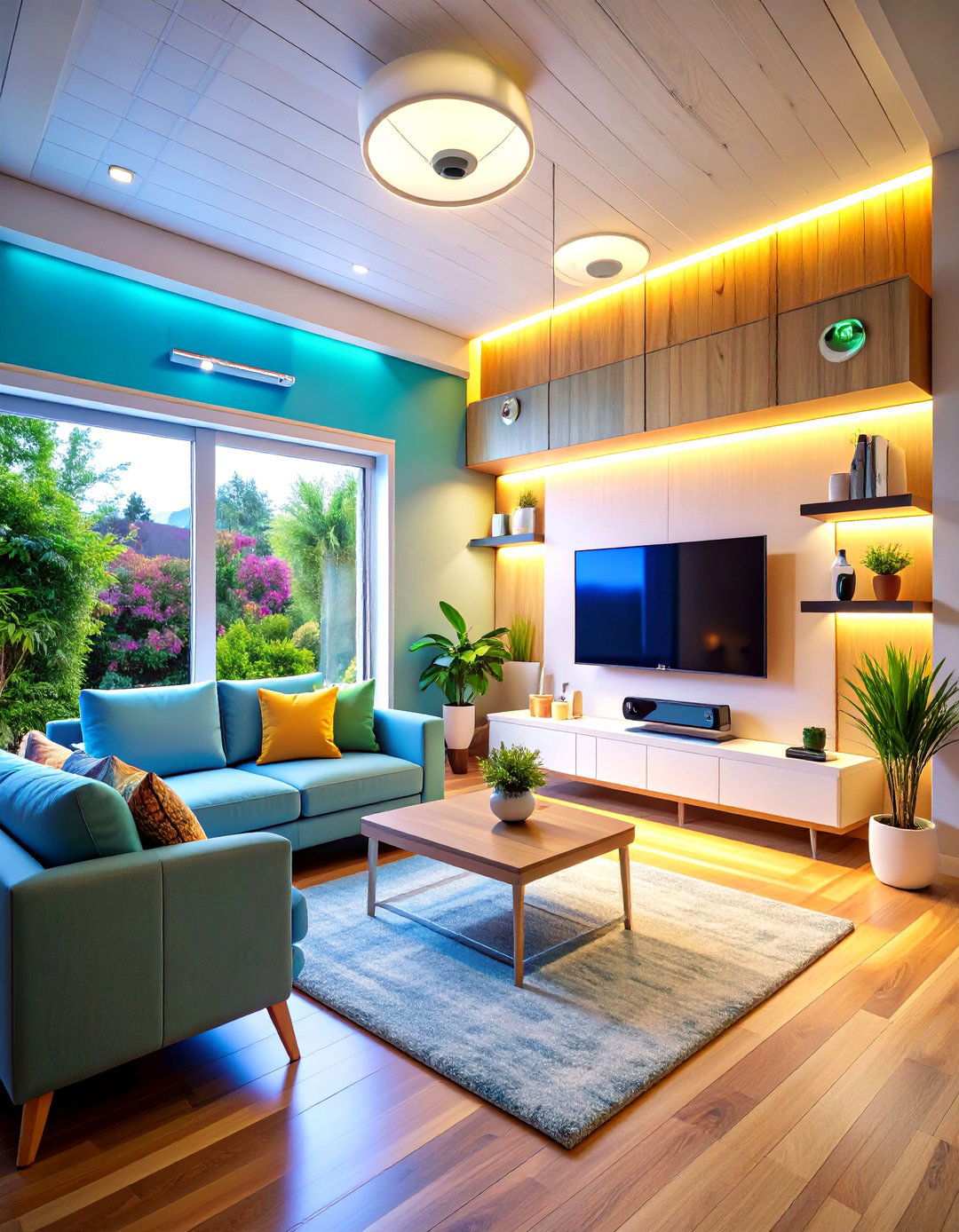
Incorporating cutting-edge technology into modern tiny houses offers enhanced convenience and efficiency. Automated lighting systems adjust throughout the day while minimizing energy consumption, while smart thermostats optimize heating and cooling for small spaces. Voice-controlled assistants simplify home management through simple commands, eliminating the need for complex interfaces. Compact home theaters with projectors eliminate bulky television requirements, providing a more streamlined living experience. Wireless charging stations integrate seamlessly into furniture and countertops, offering a clutter-free option for charging devices. Security systems monitor entry points while maintaining minimal visual impact, making them a discreet yet effective solution. Technology packages simplify installation and operation for non-technical homeowners seeking modern conveniences without unnecessary complexity.
6. Eco-Friendly Design Choices
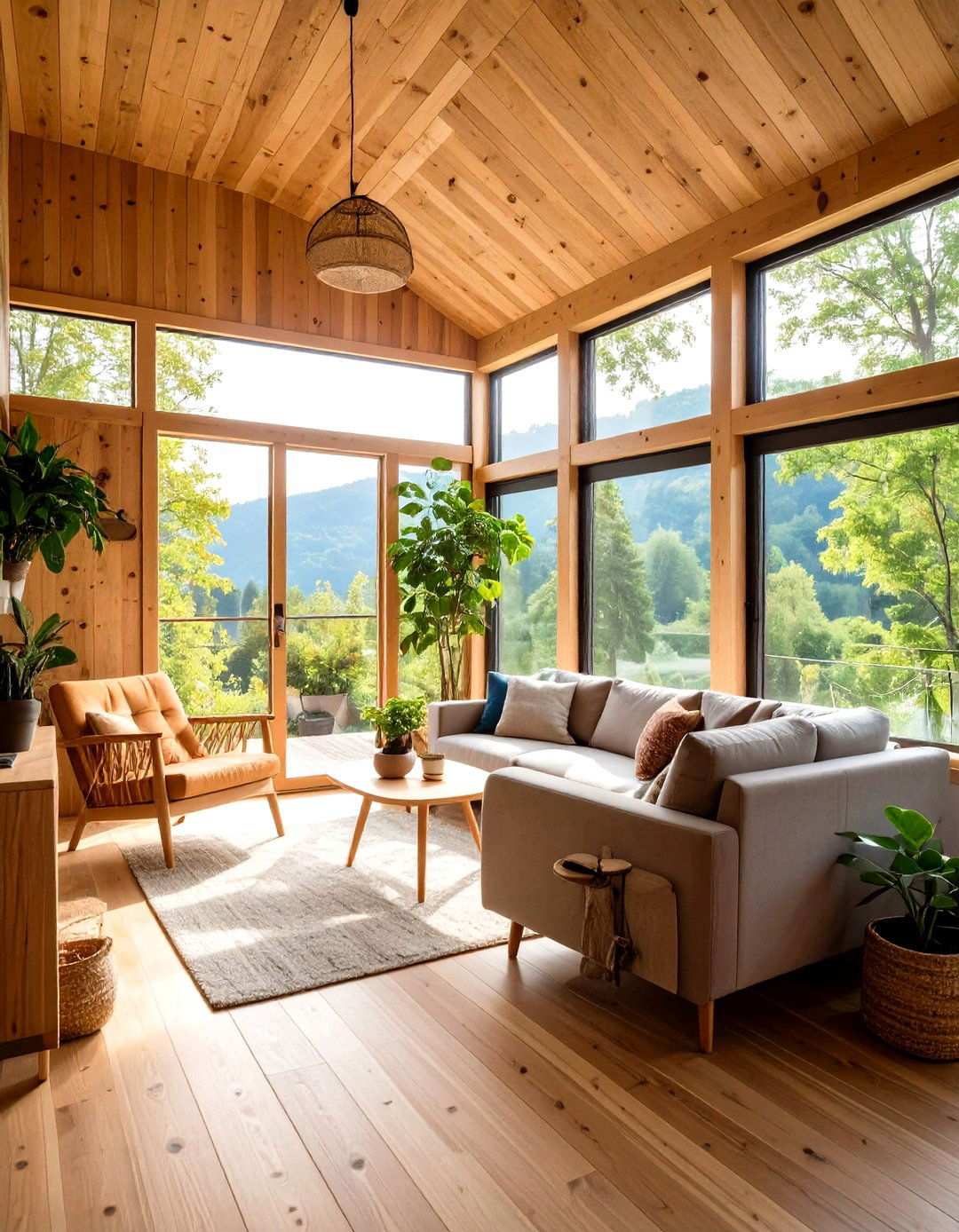
By embracing sustainable construction methods, homeowners can create environmentally responsible living spaces that minimize their ecological footprint. Reclaimed wood and recycled materials are excellent choices for adding industrial character and sustainability credentials to your home. Bamboo flooring provides durability while maintaining environmental responsibility, while recycled metal accents offer unique textures and a commitment to sustainability. Cork wall panels offer insulation properties and a distinctive aesthetic, while reclaimed barn wood creates rustic charm while preserving historical materials. Energy-efficient windows significantly reduce heating and cooling requirements, while solar panel installations provide off-grid capabilities for remote locations. Natural fiber insulation maintains comfortable temperatures while avoiding the use of harsh chemicals. What environmental impact would your material choices create? By prioritizing sustainable design choices, homeowners can contribute to both their own well-being and environmental conservation efforts.
7. Elevating Staircase Storage Potential
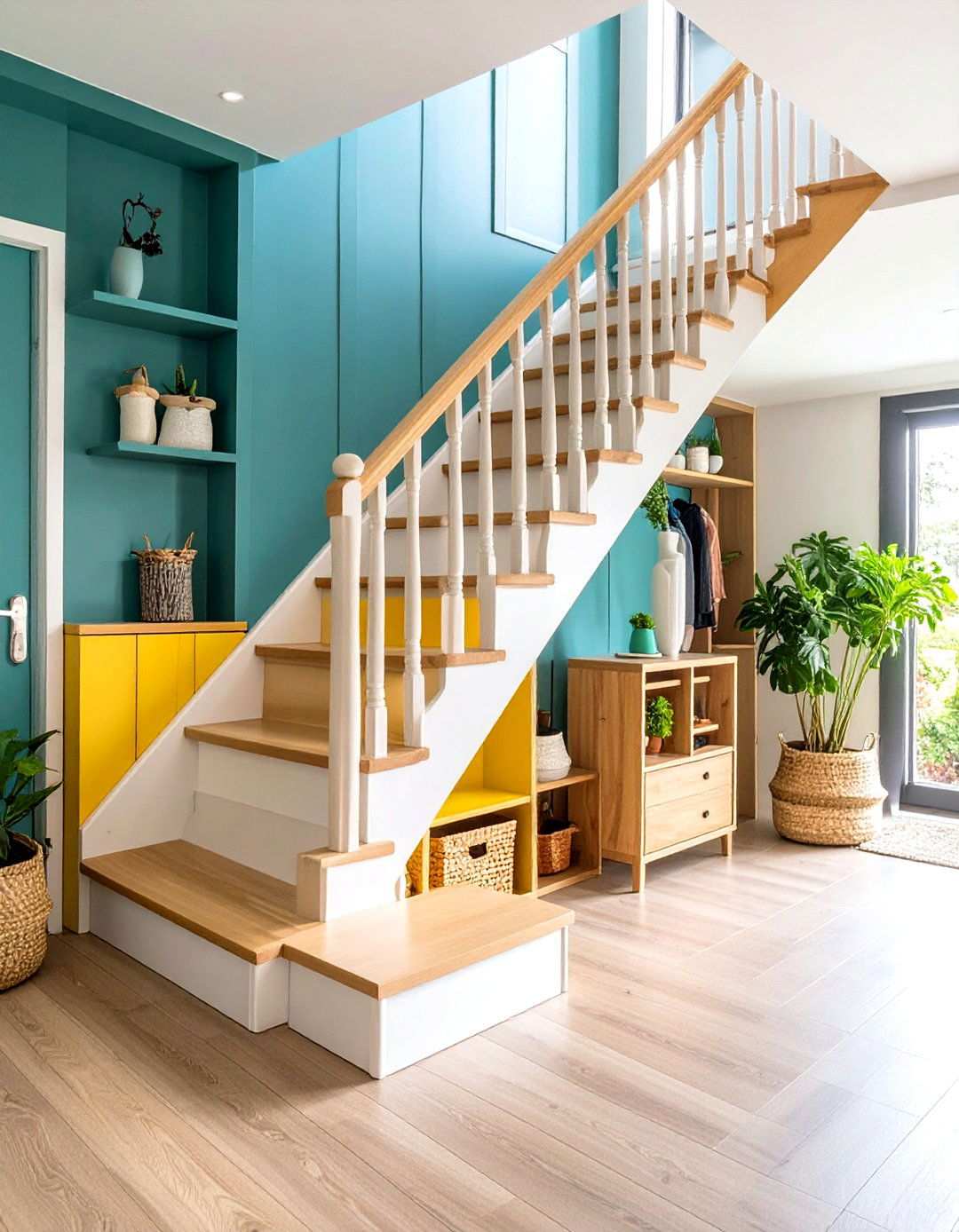
Unlock the full potential of staircase space by converting it into an efficient storage area through innovative design approaches. Built-in drawers under each step provide a well-organized storage solution for clothing and personal items, streamlining your living space. Open shelving units showcase books and decorative items while maintaining easy accessibility. Hidden closets behind staircase walls expertly maximize storage without compromising visual appeal. Pull-out organizers make it easy to access stored items in deep spaces, reducing clutter and increasing functionality. Custom shoe storage solutions keep footwear organized and easily accessible, further enhancing the staircase’s storage capabilities. Alternating tread designs not only save space but also ensure safety standards are met. Can your staircase become the primary storage hub, eliminating the need for additional furniture while maintaining architectural interest?
8. Flexible Daytime Living Spaces
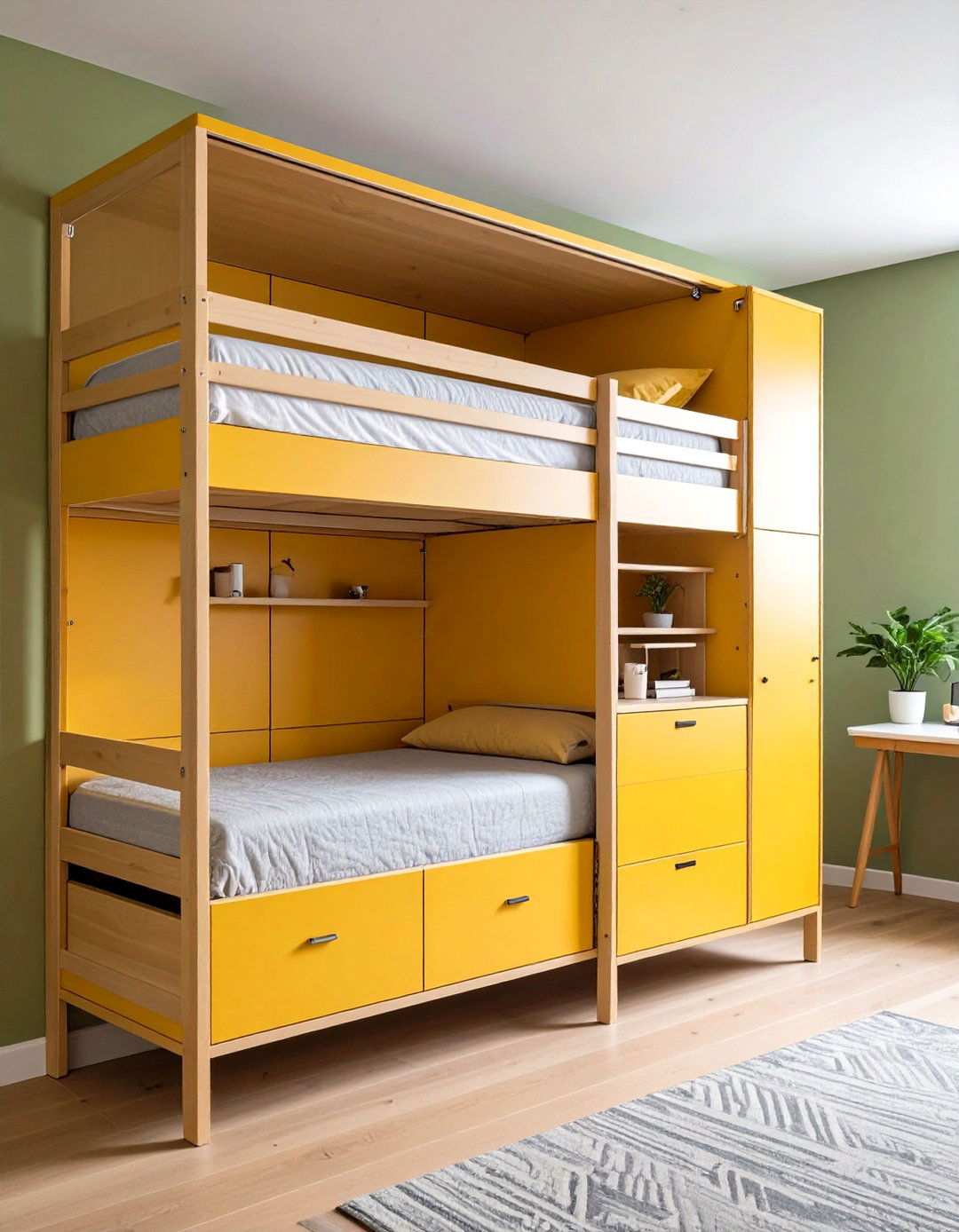
Maximize your home’s living space by incorporating fold-away sleeping solutions that seamlessly disappear when not in use. Wall-mounted beds offer instant bedroom-to-living room transformations throughout the day, creating a dynamic and versatile living area. Built-in desks that fold down from murphy bed frames add an extra layer of functionality, enabling you to work or relax in the same space. Sofa beds provide comfortable seating while offering guest sleeping options, further enhancing the living space’s flexibility. Storage compartments within bed frames keep bedding and personal items organized and out of sight. Hydraulic lifting mechanisms ensure easy operation for daily use, making it effortless to switch between sleeping and living modes. Custom cabinetry conceals folded beds while maintaining attractive wall treatments, creating a seamless visual flow.
9. Indoor Ecosystems and Vertical Gardens
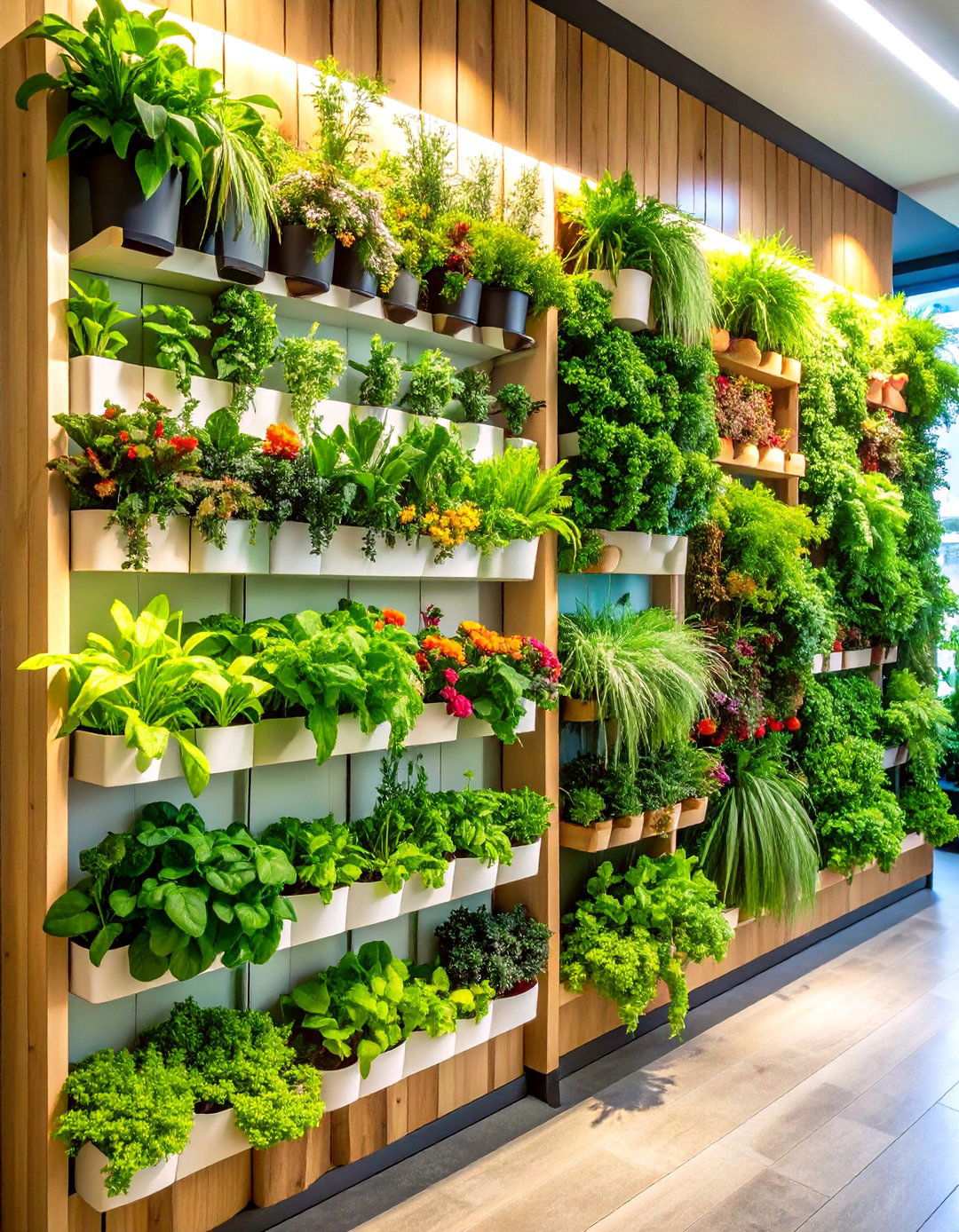
Bring the beauty of nature indoors by incorporating space-saving vertical planting systems that naturally purify the air. Living walls create stunning focal points while maximizing growing space efficiently, adding an extra dimension to your home’s aesthetic. Hydroponic systems eliminate the need for soil while maintaining healthy plant growth, further reducing space requirements. Herb gardens in kitchens provide fresh ingredients for cooking without the need for outdoor space, making meal preparation easier and more enjoyable. Modular planting systems adapt to different wall configurations and plant varieties, ensuring a personalized and flexible gardening experience. Automatic watering systems maintain plants while homeowners travel or work long hours, ensuring your indoor garden remains thriving and healthy. Natural light optimization ensures plant health in compact indoor environments, allowing you to enjoy the benefits of indoor gardening even in low-light spaces.
10. Efficient Workspace Solutions
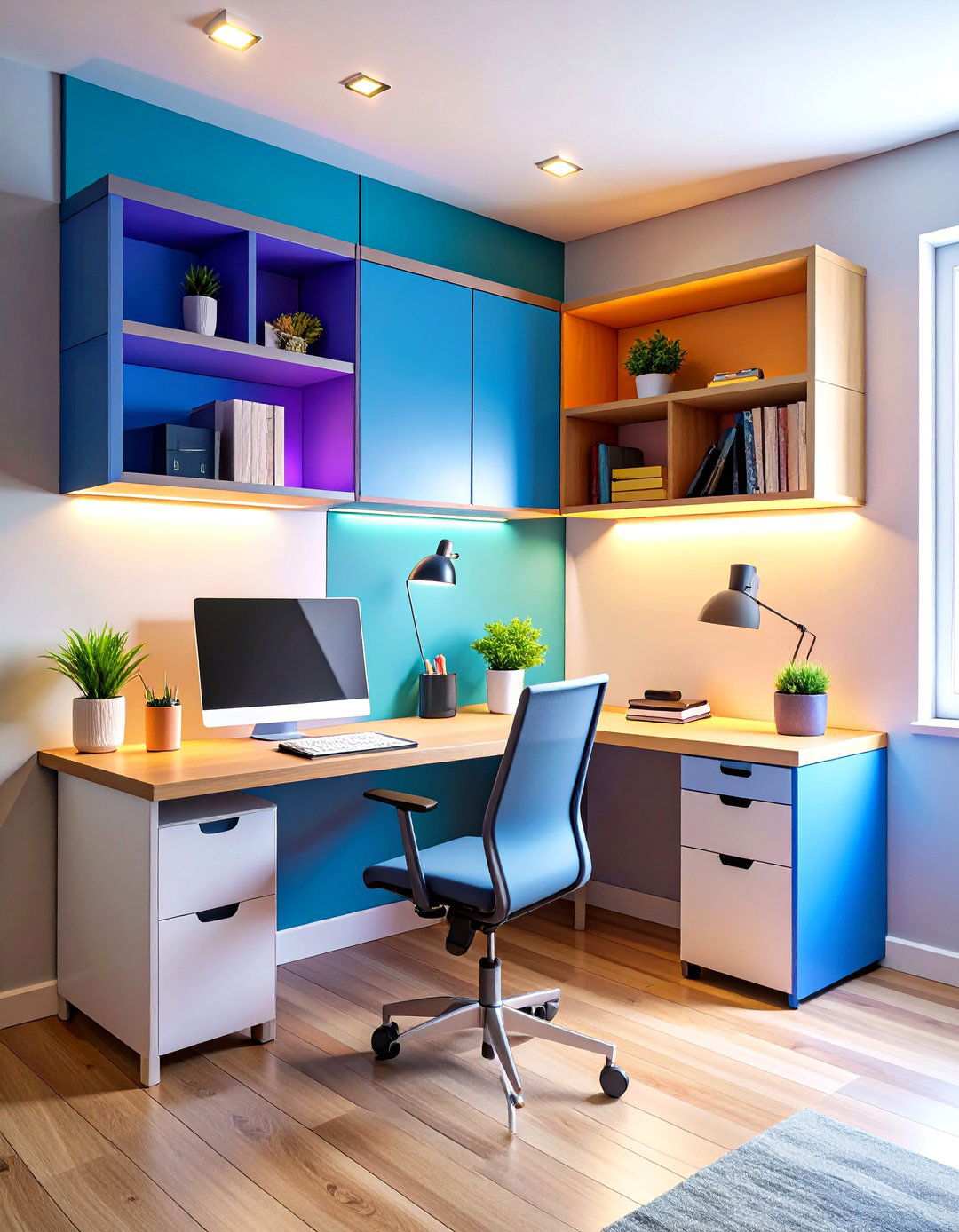
Optimize your tiny house office for seamless transitions between work and relaxation. Wall-mounted desks that fold down create a clean and organized workspace that vanishes when work hours are over. Hidden storage compartments keep essential documents and office supplies neatly organized, while maintaining an uncluttered living space. Adjustable height mechanisms enable comfortable standing and sitting arrangements, catering to individual preferences. Built-in charging stations and cable management systems ensure devices stay powered and organized, reducing visual clutter and making the most of available space. By incorporating natural lighting optimization and ergonomic considerations, you can minimize eye strain and maximize productivity during extended work sessions. This flexible workspace design allows for a variety of tasks to be accomplished, from responding to emails to planning projects, all within the comfort of your tiny house.
11. Streamlined Bathroom Design
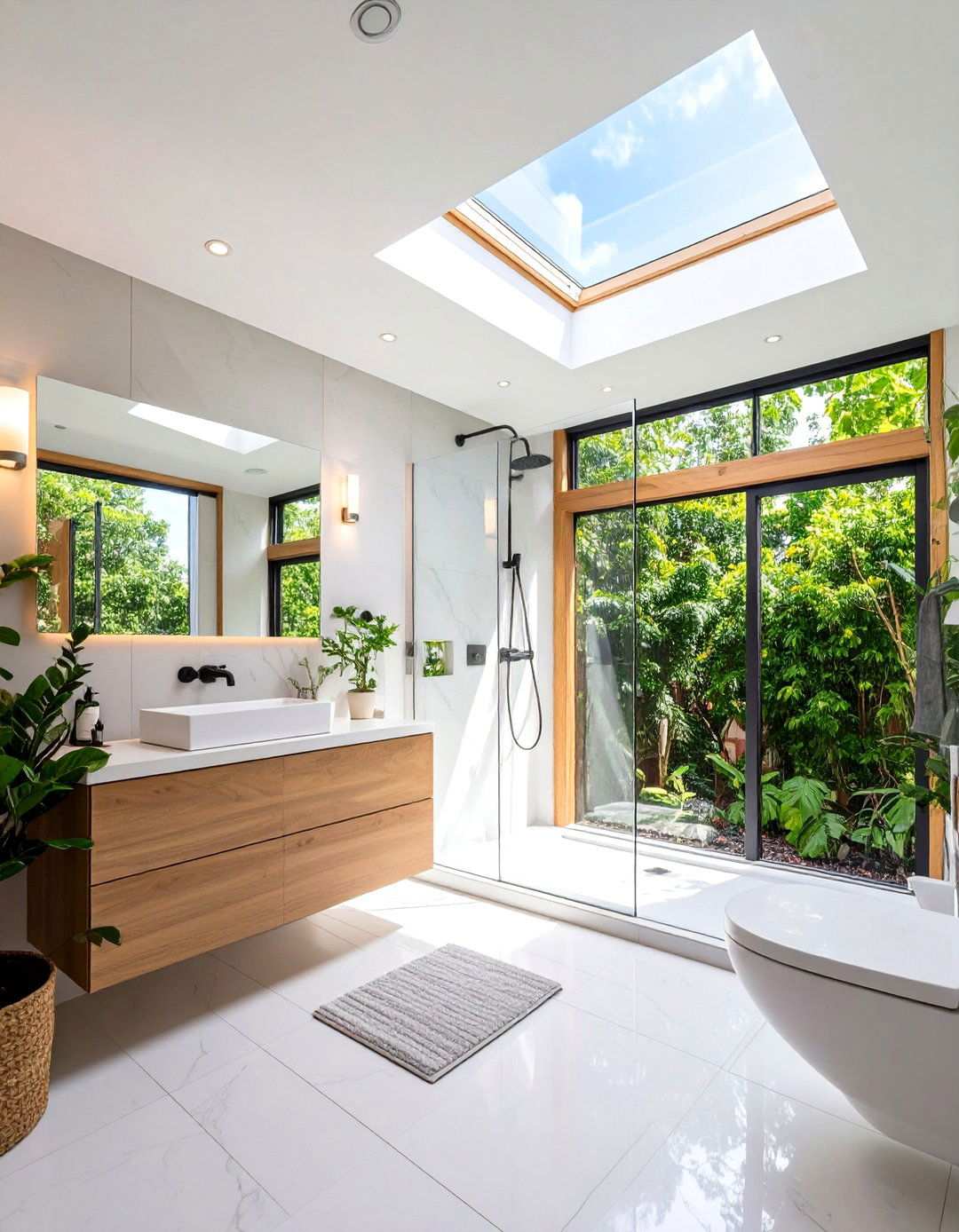
Make the most of limited bathroom space through thoughtful design choices. Corner showers cleverly utilize hard-to-reach areas while maintaining ample bathing space. Wall-mounted toilets free up floor space and simplify cleaning, creating a more streamlined bathroom experience. Floating vanities provide storage while maintaining an open, airy appearance, while medicine cabinets offer secure storage without taking up valuable space. Pocket doors eliminate the need for swing space, preserving floor space and ensuring a sense of openness. By installing skylights, you can bring in natural light without sacrificing precious wall space. Multi-functional fixtures serve multiple purposes, reducing clutter and complexity in the process. When it comes to tiny house bathrooms, a balance must be struck between luxury and space efficiency – what takes priority in your tiny house priorities?
12. Adaptable Furniture Solutions
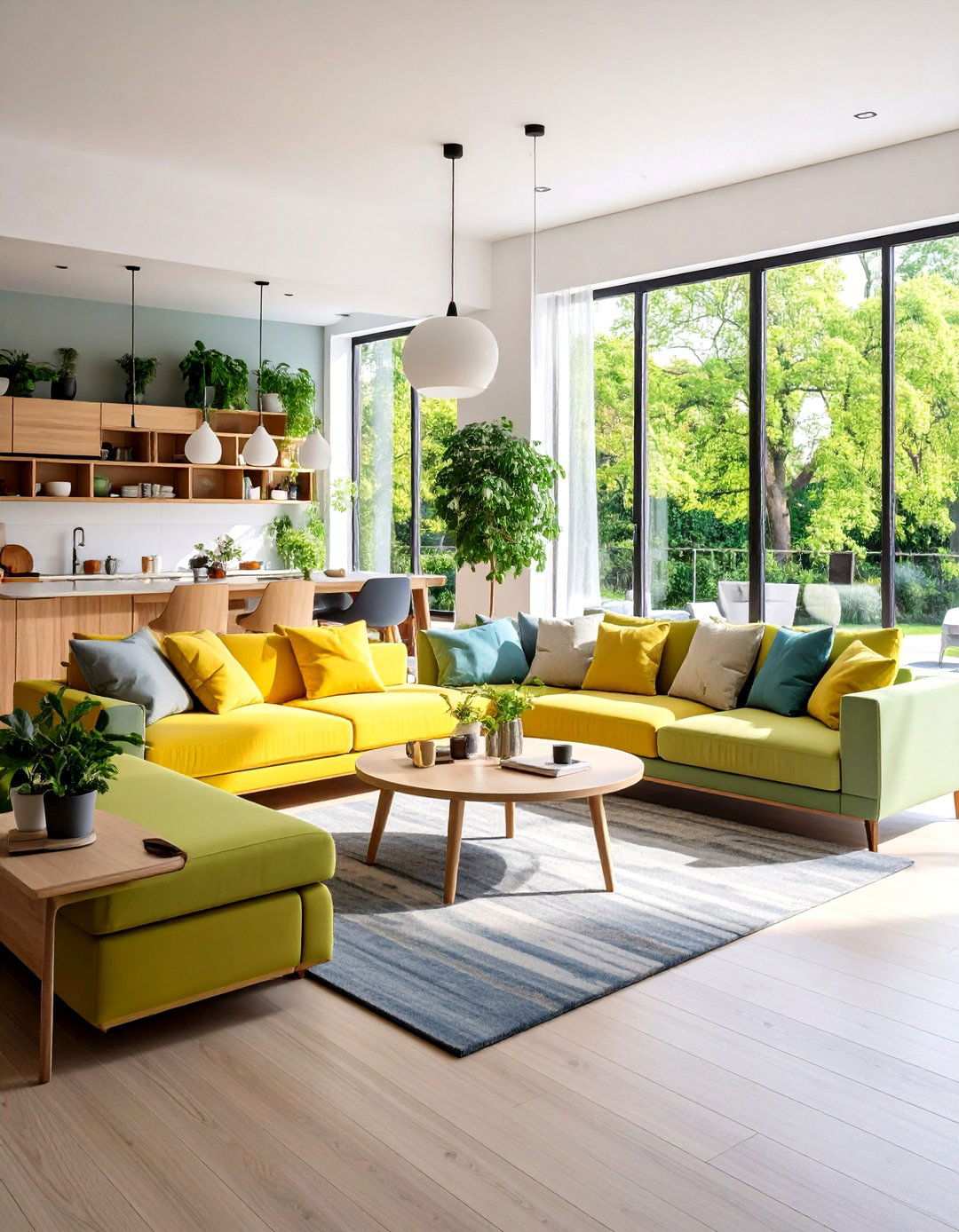
Invest in furniture that adapts to changing needs and space configurations. Sectional seating allows for effortless rearrangement to suit different entertaining and relaxation needs. Nesting tables provide surface space when needed, while compactly storing away to free up space when not required. Expandable dining tables accommodate varying guest numbers without committing to a fixed space, offering flexibility and convenience. Modular shelving systems adjust to different storage requirements and room configurations, while ottoman storage provides seating while keeping blankets and personal items organized. Furniture on wheels enables easy rearrangement for different activities and occasions, making it easy to respond to changing needs. Quality construction ensures durability despite frequent reconfiguration and daily use requirements, guaranteeing your furniture remains a reliable part of your tiny house setup.
13. Harnessing the Power of Natural Light
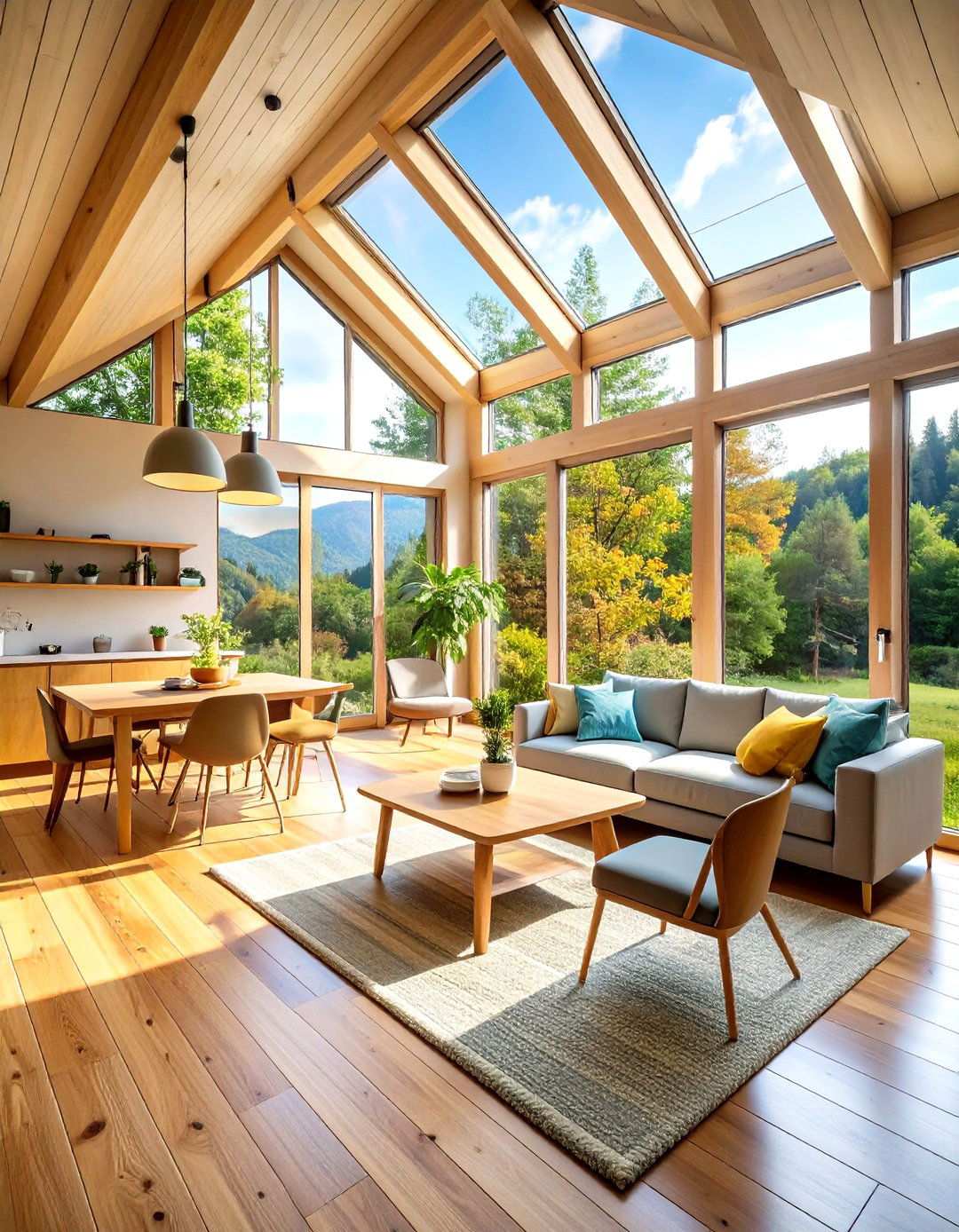
Strategic window placement and design can effectively illuminate compact spaces, creating a feeling of openness and airiness. By incorporating clerestory windows, homeowners can maintain a sense of seclusion while still allowing abundant natural light to flood the interior. Skylights, meanwhile, can eliminate the need for artificial lighting during the day, reducing energy consumption and creating a more sustainable living environment. Large sliding glass doors can seamlessly connect interior and exterior spaces, blurring the boundaries between indoors and outdoors. Light-colored surfaces can reflect natural light, amplifying its effects and creating a sense of brightness and airiness. By thoughtfully placing mirrors, homeowners can amplify available light while creating the illusion of larger spaces. With minimal window treatments, homeowners can maintain their desired level of privacy without sacrificing precious natural illumination. Could a more thoughtful approach to natural lighting reduce your dependence on artificial illumination and electricity? By optimizing solar gain, homeowners can ensure that their spaces receive the perfect balance of natural light and heat, minimizing the need for supplemental heating and cooling.
14. Repurposing Shipping Containers
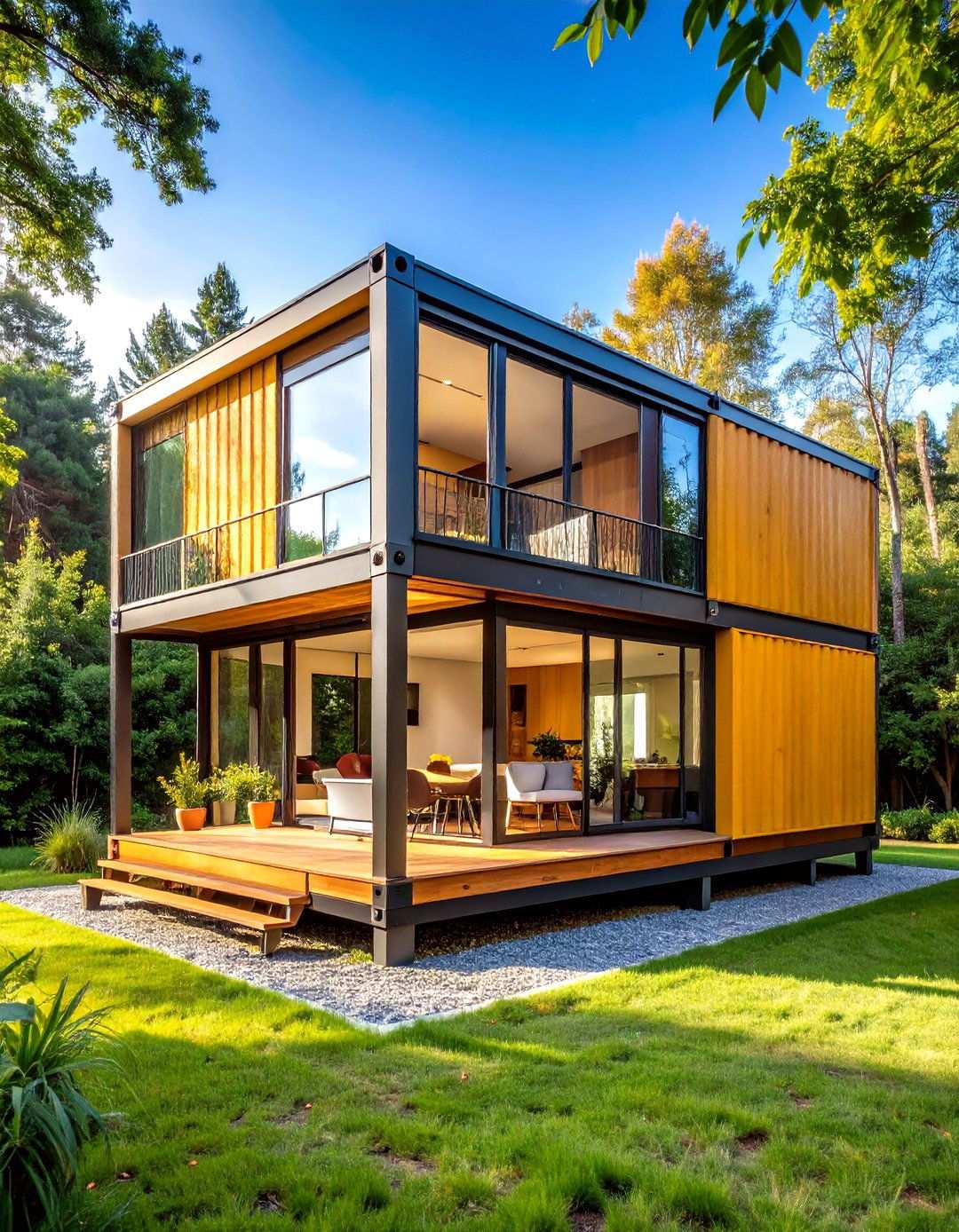
Transforming shipping containers into stylish, affordable tiny house alternatives can be a creative and cost-effective way to achieve homeownership. By embracing industrial aesthetics, homeowners can add unique character to their space while maintaining its structural integrity. Insulation systems can ensure that these spaces remain comfortable in all climates and weather conditions. The strategic installation of windows can bring natural light into formerly enclosed cargo spaces, creating a brighter and more inviting living area. Multi-container configurations can be used to create larger living areas, while maintaining the flexibility and modularity that defines these shipping containers. Exterior treatments can be used to disguise the industrial origins of these containers, creating a residential appearance that blends seamlessly into its surrounding environment. Interior finishes can then be used to transform the cargo space into a comfortable and welcoming home. With cost-effective construction, homeownership opportunities are now more accessible than ever for budget-conscious buyers. When repurposing shipping containers, what industrial elements will you choose to preserve versus disguise?
15. The Benefits of Tiny House Village Communities
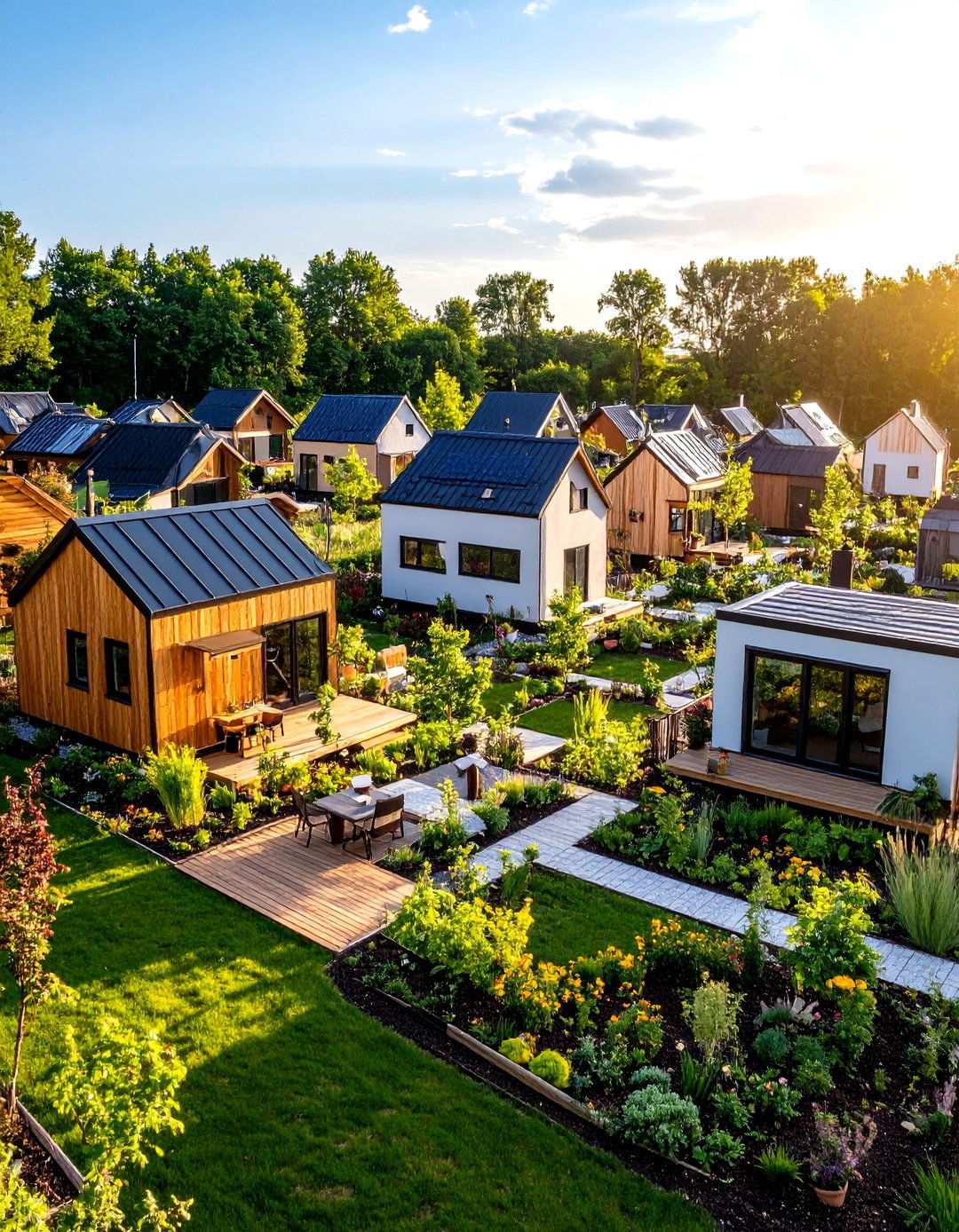
Consider the possibility of communal living arrangements, where shared resources can be used to reduce individual construction costs while providing luxury features. Shared amenities can create a sense of community and connection, while also reducing the environmental impact and monthly expenses associated with individual homeownership. Community gardens can provide fresh produce, while building relationships between neighbors. Tool libraries can eliminate the need for individual tool ownership, while maintaining project capabilities. Social gathering spaces can encourage interaction and socialization, while preserving individual privacy needs. Shared utilities can reduce individual environmental impact and monthly expenses, creating a more sustainable living environment. Collaborative maintenance can reduce individual workload, while building community connections and a sense of shared responsibility. Could shared resources enhance rather than compromise your independence? By master planning these communities, developers can ensure that individual homes are compatible with the community’s overall character and shared values, creating a harmonious and thriving community.
16. Achieving Energy Self-Sufficiency
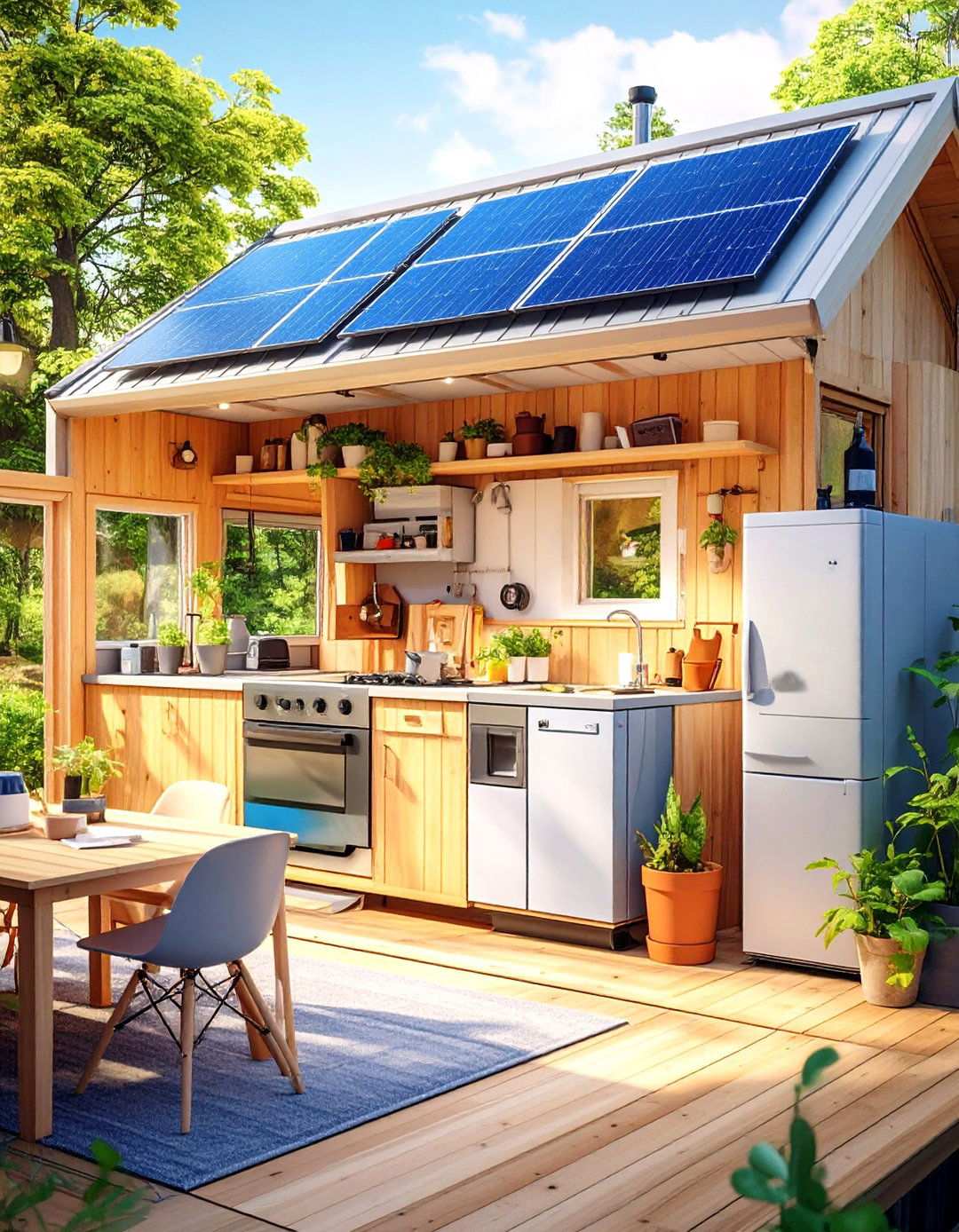
Renewable energy generation and efficient consumption systems enable off-grid energy independence, significantly reducing environmental impact. Solar panel arrays provide electricity, while battery storage systems ensure a steady power supply during periods of low sunlight and nighttime hours. Propane appliances help minimize electrical demands, while maintaining essential cooking and heating functions. Composting toilets eliminate the need for septic systems, producing valuable garden nutrients in the process. In suitable climates, rainwater collection systems offer water independence, supplemented by wind power in areas with suitable geography. Backup generators provide a secure energy source during extended weather events, while maintaining a minimal environmental footprint.
17. Adaptable Dining Spaces
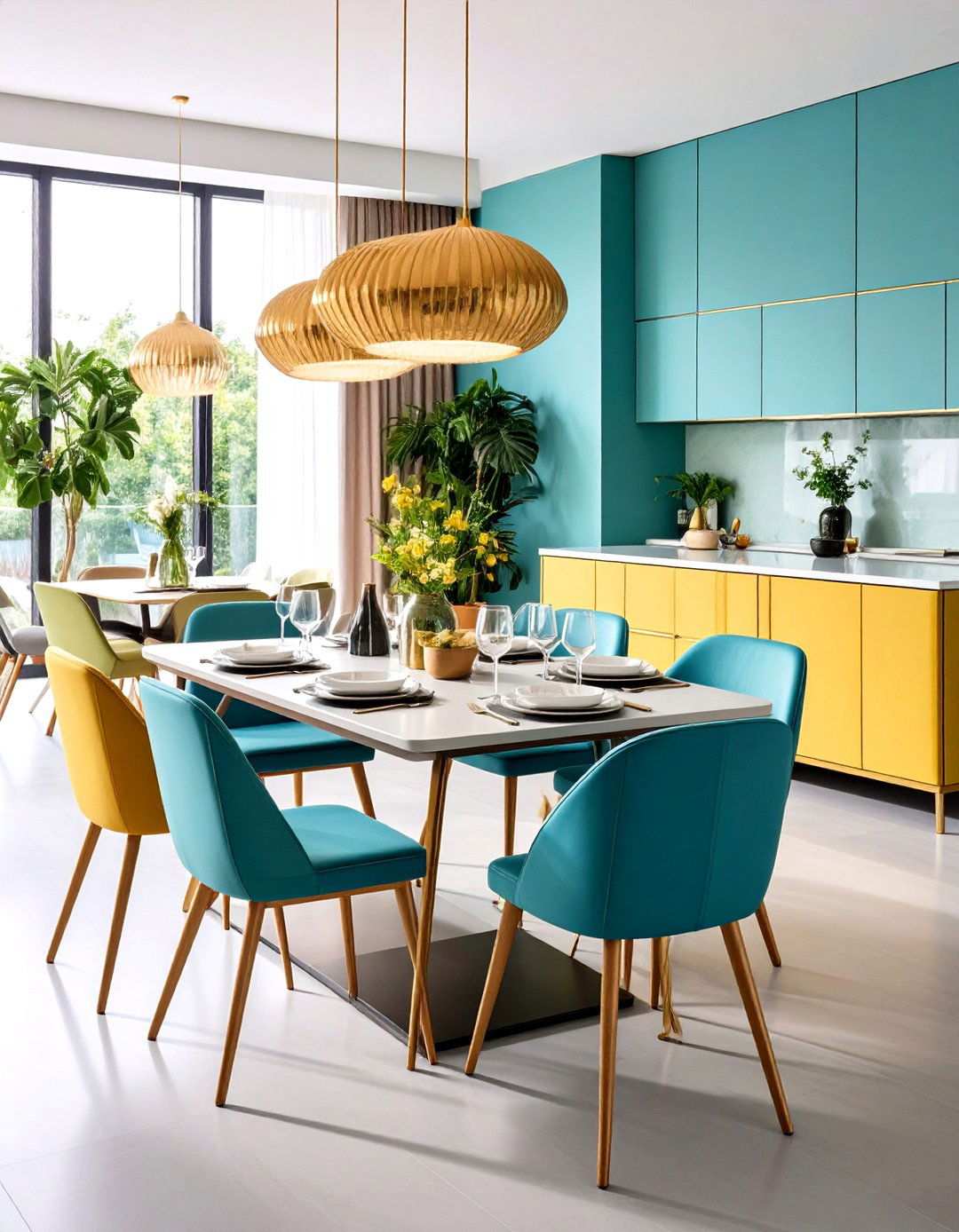
Flexible eating areas can be easily transformed to meet daily needs and entertaining requirements. Drop-leaf tables expand to accommodate meals, then fold against walls during non-dining hours, saving space. Bar-height seating provides casual dining while requiring minimal floor space, making it an ideal choice for tiny houses. Built-in banquettes offer seating and storage, maintaining a permanent placement while providing a sense of permanence. Outdoor dining extensions seamlessly connect interior and exterior entertaining spaces, creating a cohesive atmosphere. Counter-height surfaces serve multiple purposes throughout the day, including work, dining, and food preparation. Fold-out cutting boards extend counter space for food preparation activities, while also serving as a convenient work surface.
18. Optimizing Climate Control
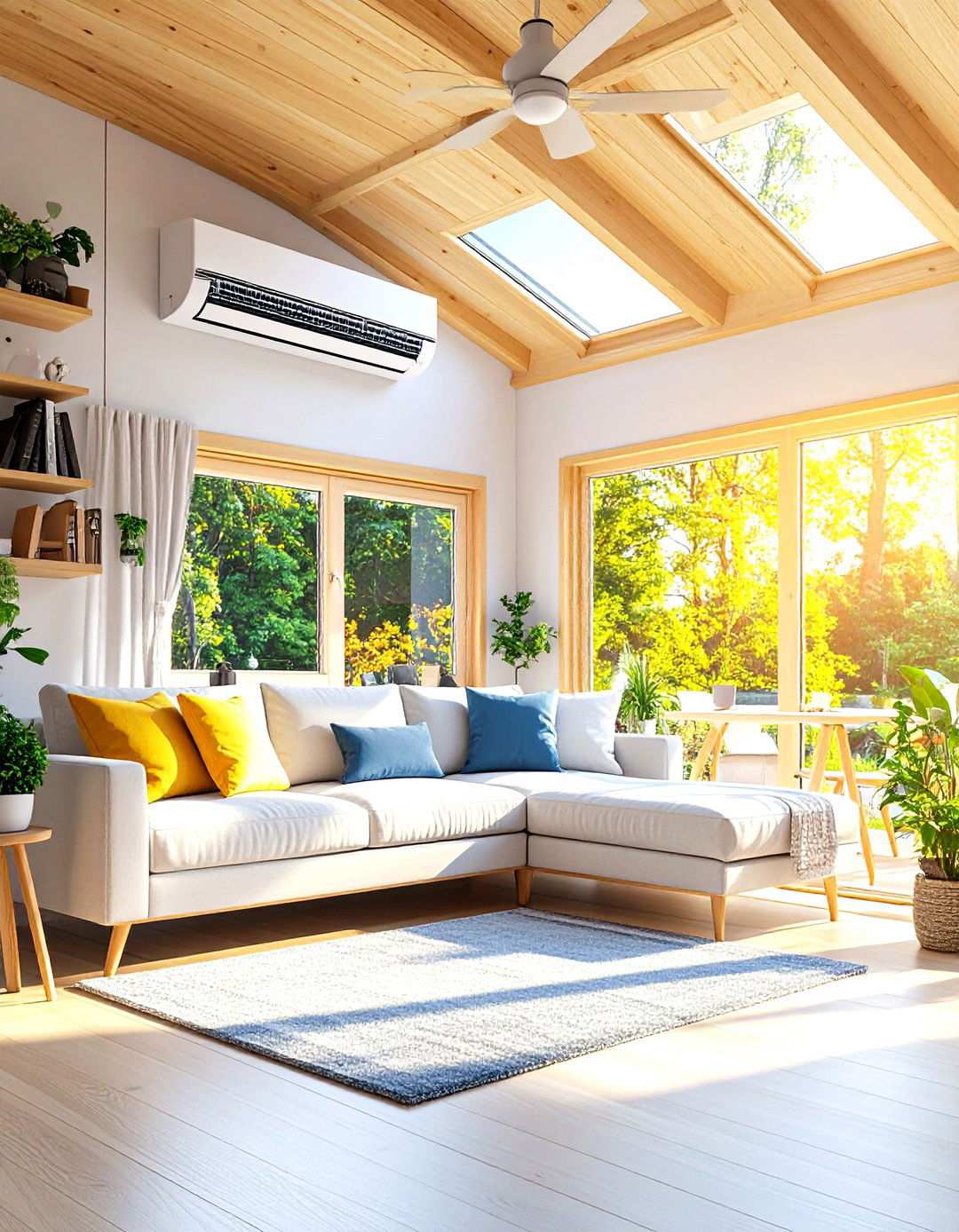
Efficient heating and cooling systems designed for small spaces maintain comfortable temperatures year-round, striking a balance between comfort and energy efficiency. Mini-split systems provide both heating and cooling without the need for ductwork, making them an ideal choice for tiny houses. Radiant floor heating distributes warmth evenly, saving valuable wall and ceiling space. Ceiling fans circulate air effectively, consuming minimal electricity while keeping spaces comfortable. Insulation strategies prevent heat loss, maintaining comfortable interior temperatures while minimizing energy consumption. Thermal window treatments regulate temperatures, providing privacy and light control while also reducing heat transfer. Efficient appliances reduce heat generation during summer months, helping to maintain a comfortable indoor climate.
19. Crafting Creative Storage Solutions
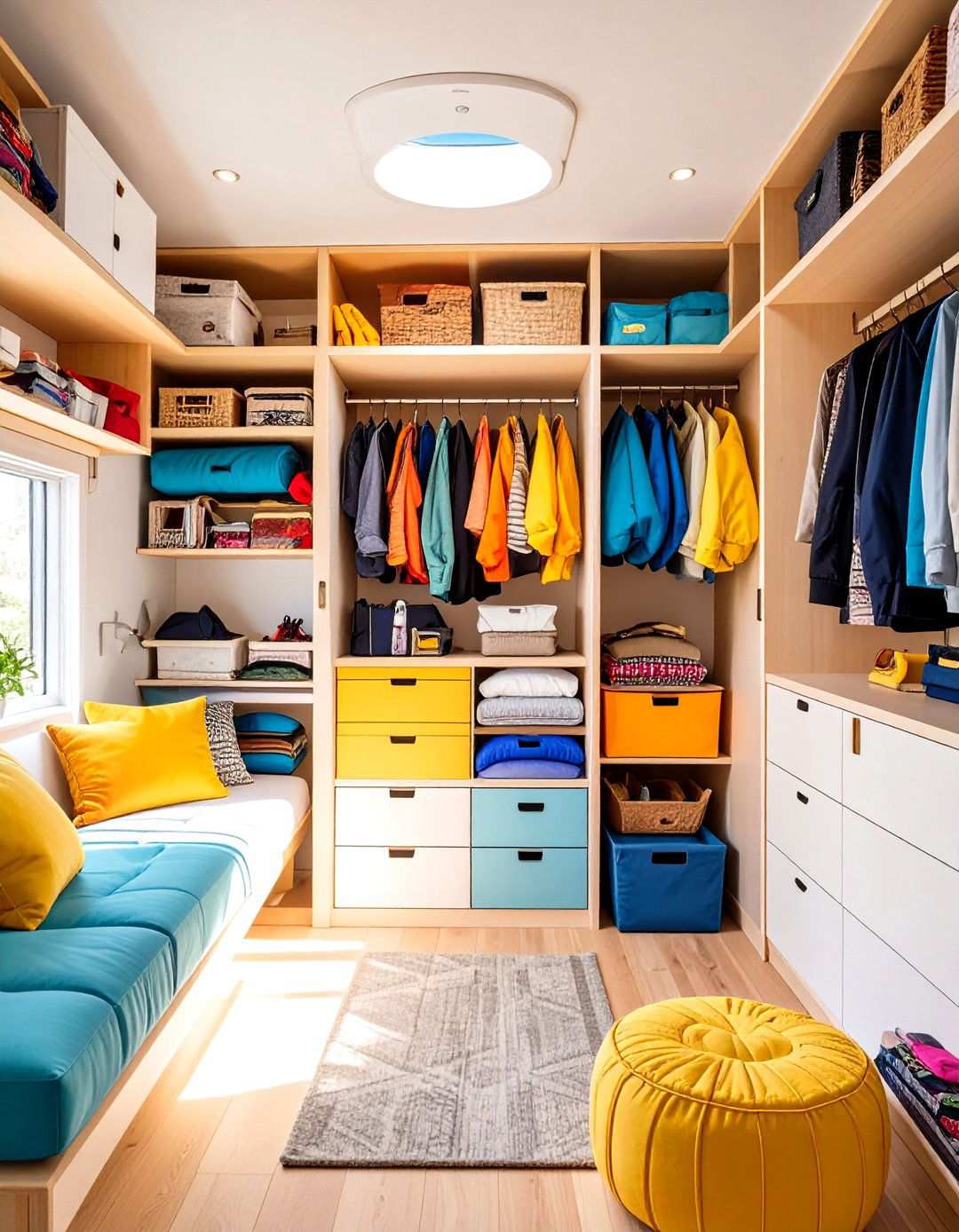
Revolutionize your tiny house design by harnessing innovative storage ideas that unlock hidden potential. Strategically placed under-floor compartments keep seasonal items concealed while still providing effortless access. By leveraging ceiling space, you can install storage units that make the most of overhead areas, perfect for stashing infrequently used items. The integration of hollow furniture pieces not only adds functional surfaces but also conceals storage compartments, ensuring that your living space remains clutter-free. Vacuum storage bags offer a space-saving solution for compressing seasonal clothing, while magnetic storage solutions make the most of metal surfaces for storing small items and tools. Roll-out storage solutions also enable easy access to hard-to-reach areas, eliminating the need for permanent modifications.
20. Mastering Rustic Cabin Aesthetics
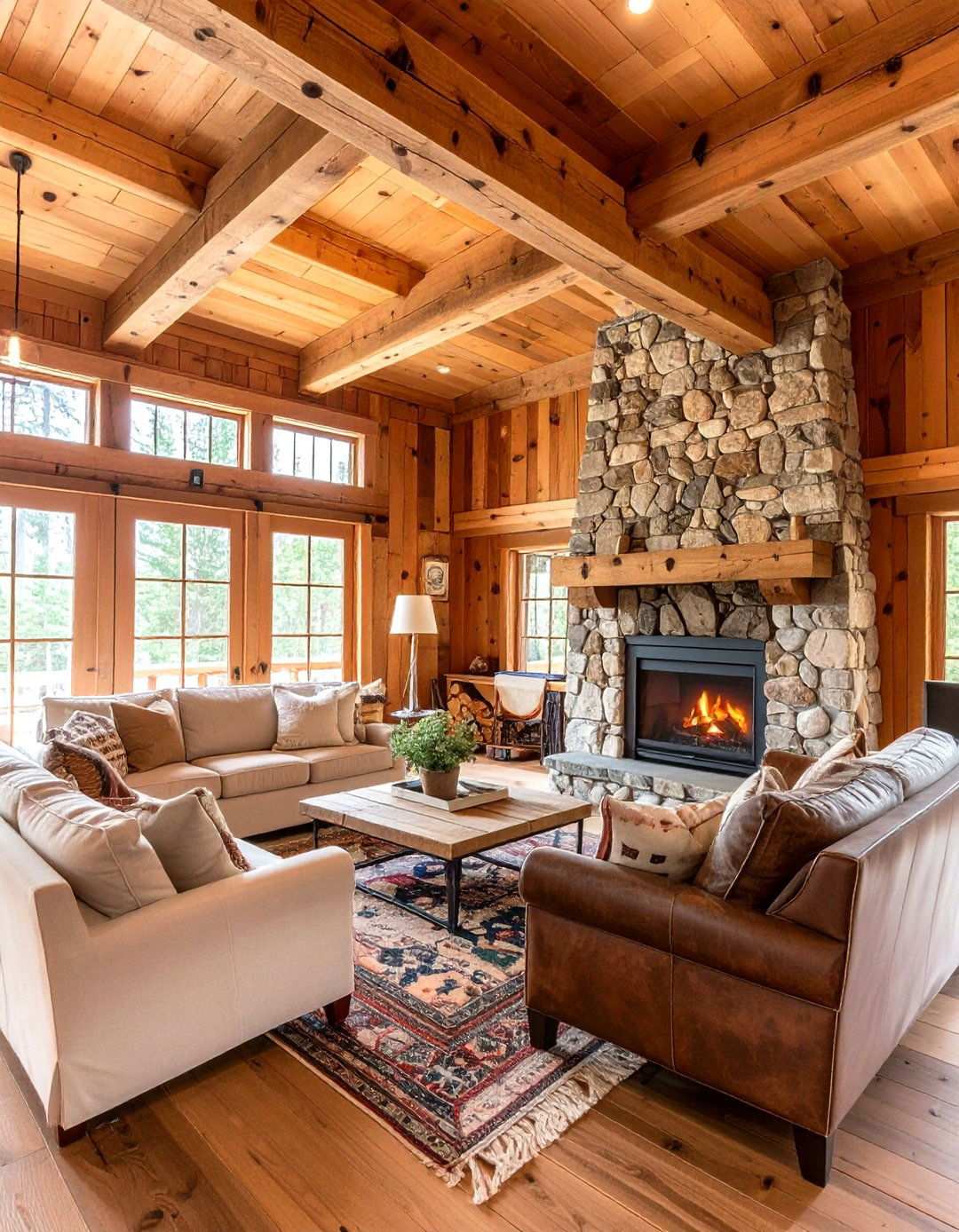
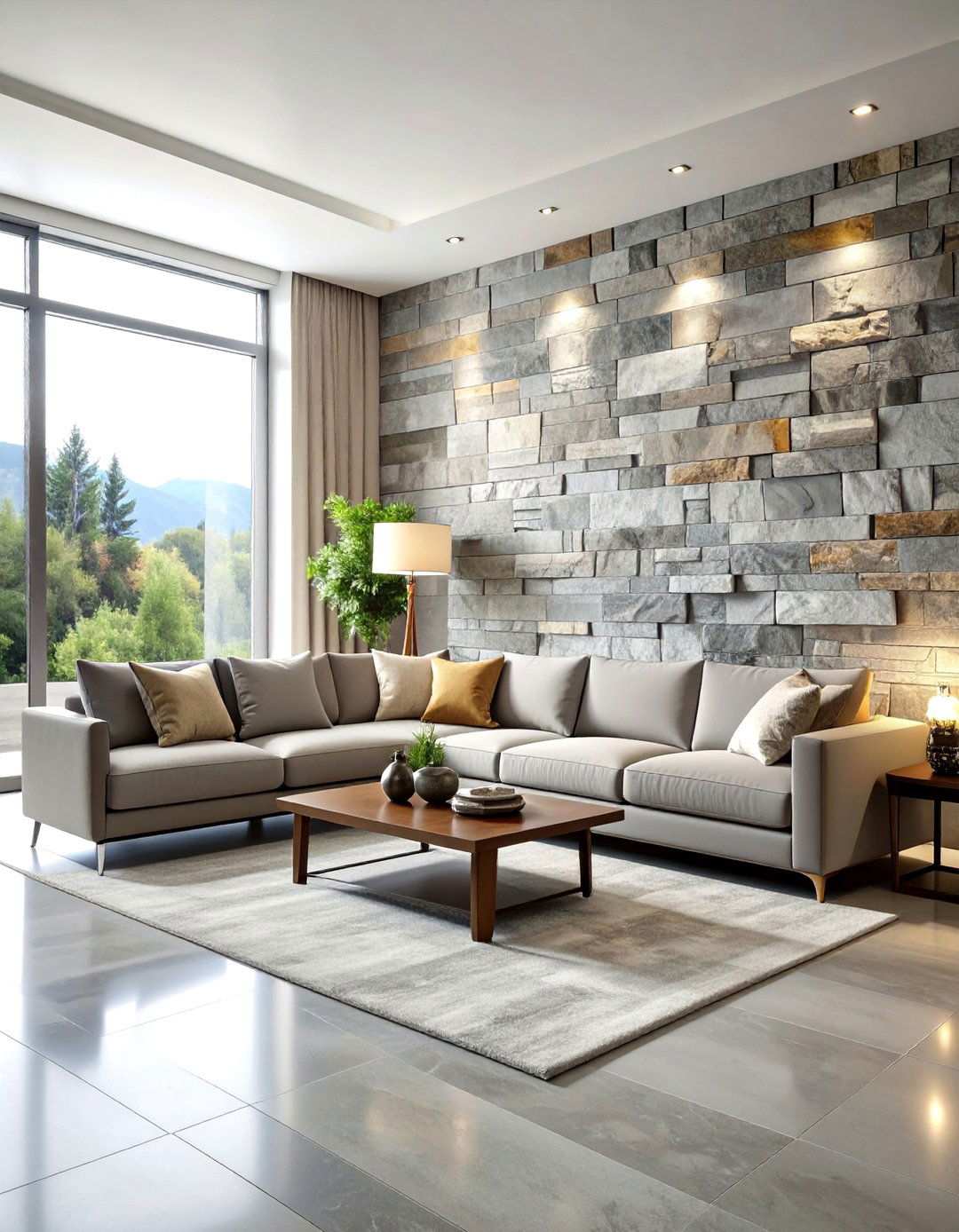
Embracing natural materials and textures can create a cozy, cabin-like ambiance in even the most compact spaces. Reclaimed wood paneling adds warmth and character, while stone accents create striking focal points that seamlessly connect interior and exterior elements. Exposed beam construction showcases the underlying structure of your tiny house, highlighting authentic architectural details that tell a story. Wood-burning stoves provide not only warmth but also a central gathering point for family and friends. Natural fiber textiles add comfort and authenticity to your space, while vintage accessories enhance the rustic theme while providing functional storage and decorative elements. By incorporating traditional building techniques into modern living, you can create a timeless aesthetic that meets contemporary comfort standards and expectations.
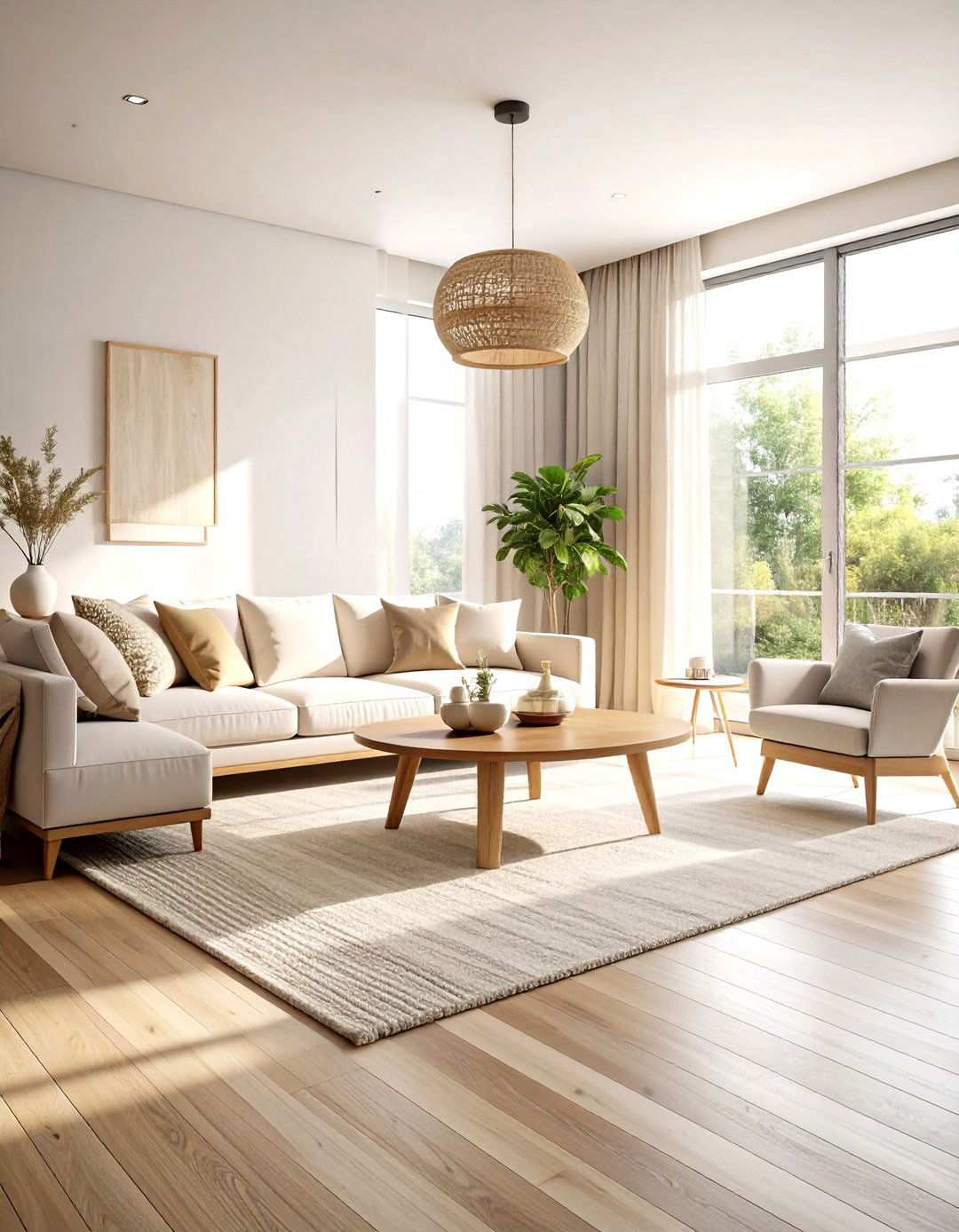
21. Designing Modern Minimalist Spaces
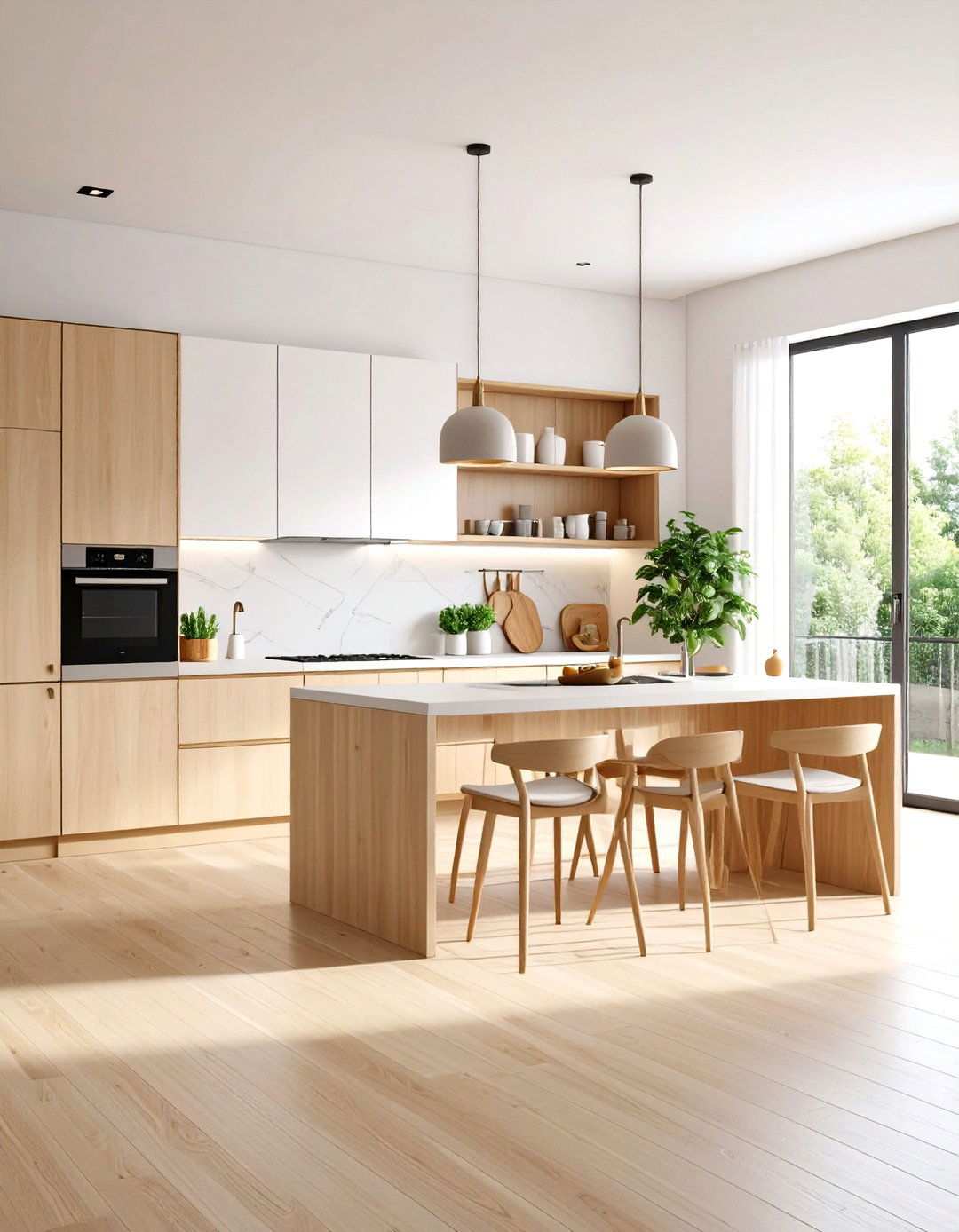
Achieving clean, uncluttered living areas requires thoughtful design choices and a careful selection of materials. Neutral color palettes can create the illusion of more space, while also contributing to a calming atmosphere. By incorporating built-in storage solutions, you can eliminate visible clutter and maintain essential functionality and organization. Sleek appliances blend seamlessly into your space, providing modern conveniences without compromising aesthetic appeal. Simple geometric forms create visual interest without overwhelming compact spaces, ensuring that your living area remains clutter-free and functional. Quality materials ensure durability, while minimalist design principles prioritize essential functions and eliminate excess possessions and complications from daily living routines.
22. Family-Friendly Layouts
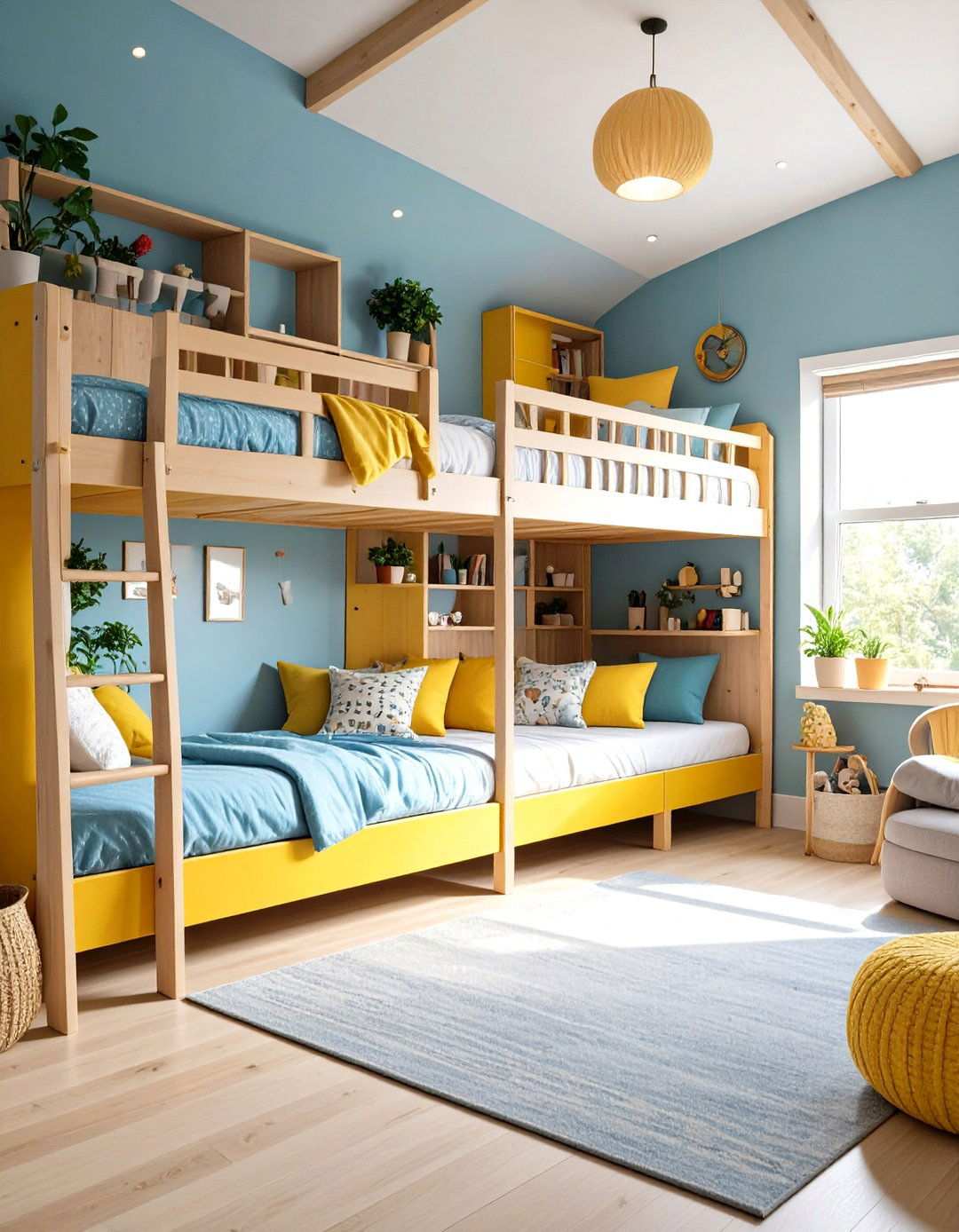
Craft living spaces that seamlessly integrate the needs of children and adults, while maintaining a stylish and functional atmosphere. Innovative bunk bed designs optimize sleeping areas, providing individualized territories for kids while conserving space. Built-in storage solutions keep play areas tidy and organized, ensuring a smooth transition between playtime and living space use. Safety features, such as rounded corners and secure railings, are integrated throughout the design to provide a secure environment for families. The selection of durable materials ensures that the space can withstand the active lifestyle of a growing family, while maintaining an attractive appearance. Additionally, flexible furniture adapts to changing family needs as children grow and develop. By incorporating educational elements, families can seamlessly integrate learning opportunities into their daily living spaces. What family-oriented activities would you prioritize in your compact living design? Strategically designed child-safe storage solutions secure hazardous items while maintaining accessibility for adults and daily household operations.
23. Tiny House on Wheels Mobility
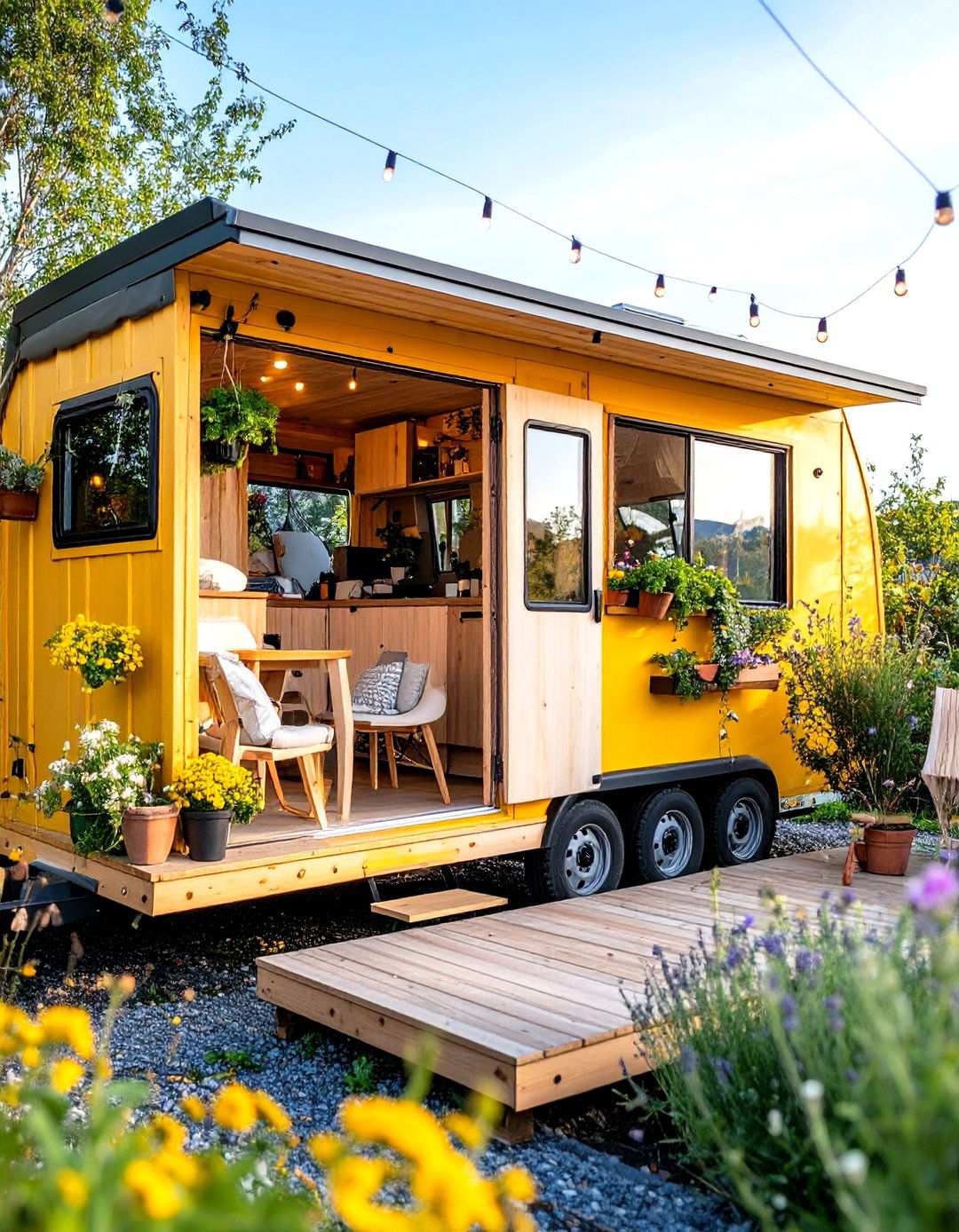
Design mobile tiny houses that offer the perfect balance of comfort and flexibility, allowing owners to travel while maintaining a sense of permanence. By utilizing lightweight materials, the overall weight of the tiny house is reduced, meeting road transportation requirements while minimizing environmental impact. Secure storage solutions prevent damage during travel, while maintaining organization and accessibility. Convenient utility connections facilitate quick setup at new locations and destinations, providing a sense of freedom and adventure. Slide-out sections can be expanded when parked, maximizing living space while maintaining road-legal dimensions. Level systems ensure a comfortable and functional living space, regardless of the parking surface conditions. Durable construction withstands the rigors of road travel, maintaining structural integrity and providing a sense of security. How often would you relocate your mobile tiny house in search of new experiences? Professional towing considerations are essential to ensure safe transportation, while maintaining home functionality and structural soundness throughout travel adventures.
24. Luxury Tiny House Features
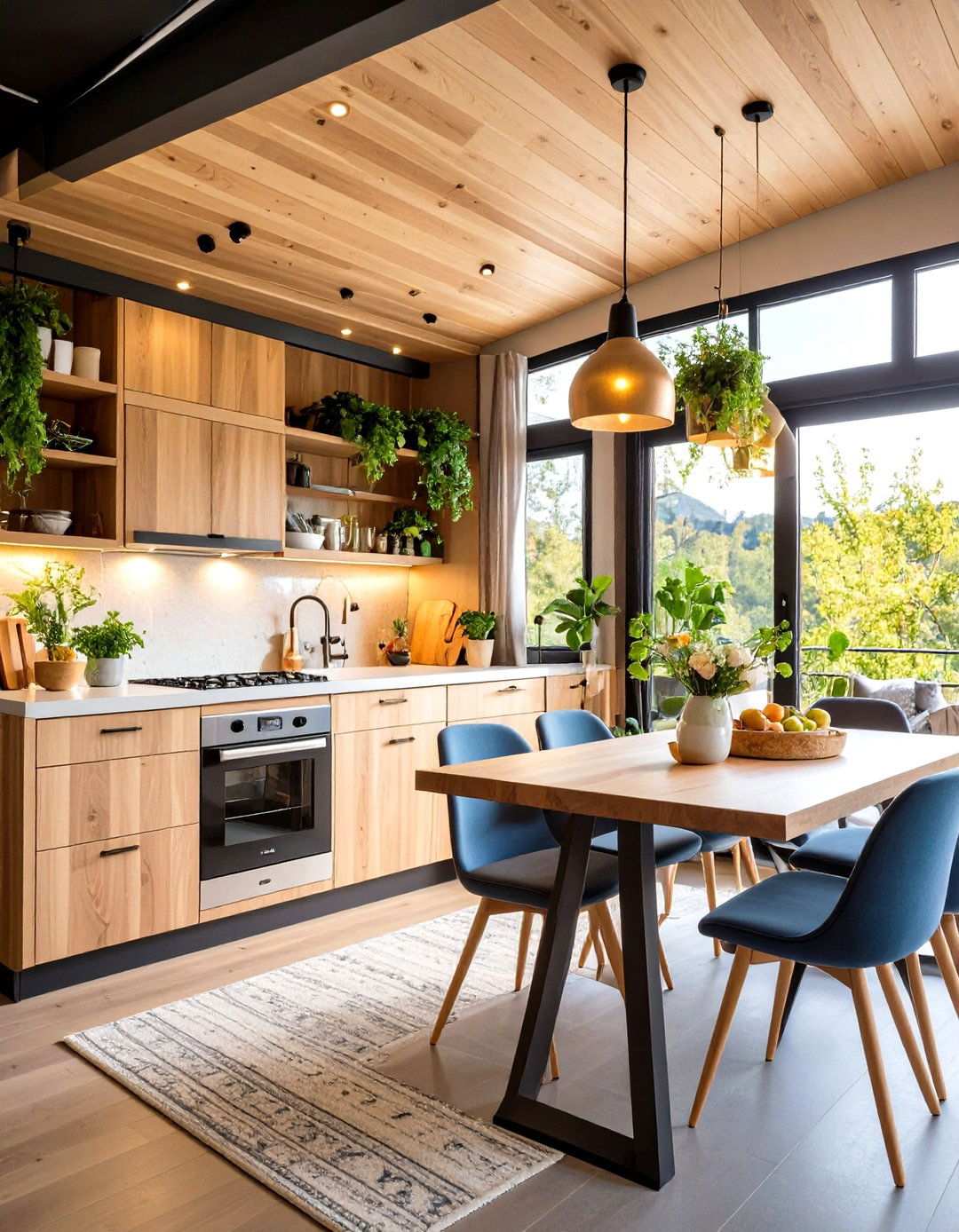
Incorporate high-end finishes and features that elevate the tiny house experience, creating a luxurious atmosphere within compact spaces. Premium appliances provide gourmet cooking capabilities, while maintaining space efficiency and versatility. Natural stone countertops create stunning surfaces that combine durability and beauty, adding an element of sophistication to the space. Custom millwork adds a touch of elegance while maximizing storage and functionality, creating a seamless transition between living areas. High-quality fixtures enhance daily experiences, while maintaining long-term value and aesthetic appeal. Smart home integration provides convenience and ease of use, while maintaining a user-friendly interface. Spa-like bathrooms create relaxation opportunities, maximizing limited square footage and providing a sense of serenity. What luxury features would you incorporate into your tiny house lifestyle, without compromising essential functionality? A thoughtful investment in quality materials ensures lasting satisfaction, while maintaining resale value and daily living enjoyment throughout ownership.