1. Cultivating Inner Peace through Intentional Design
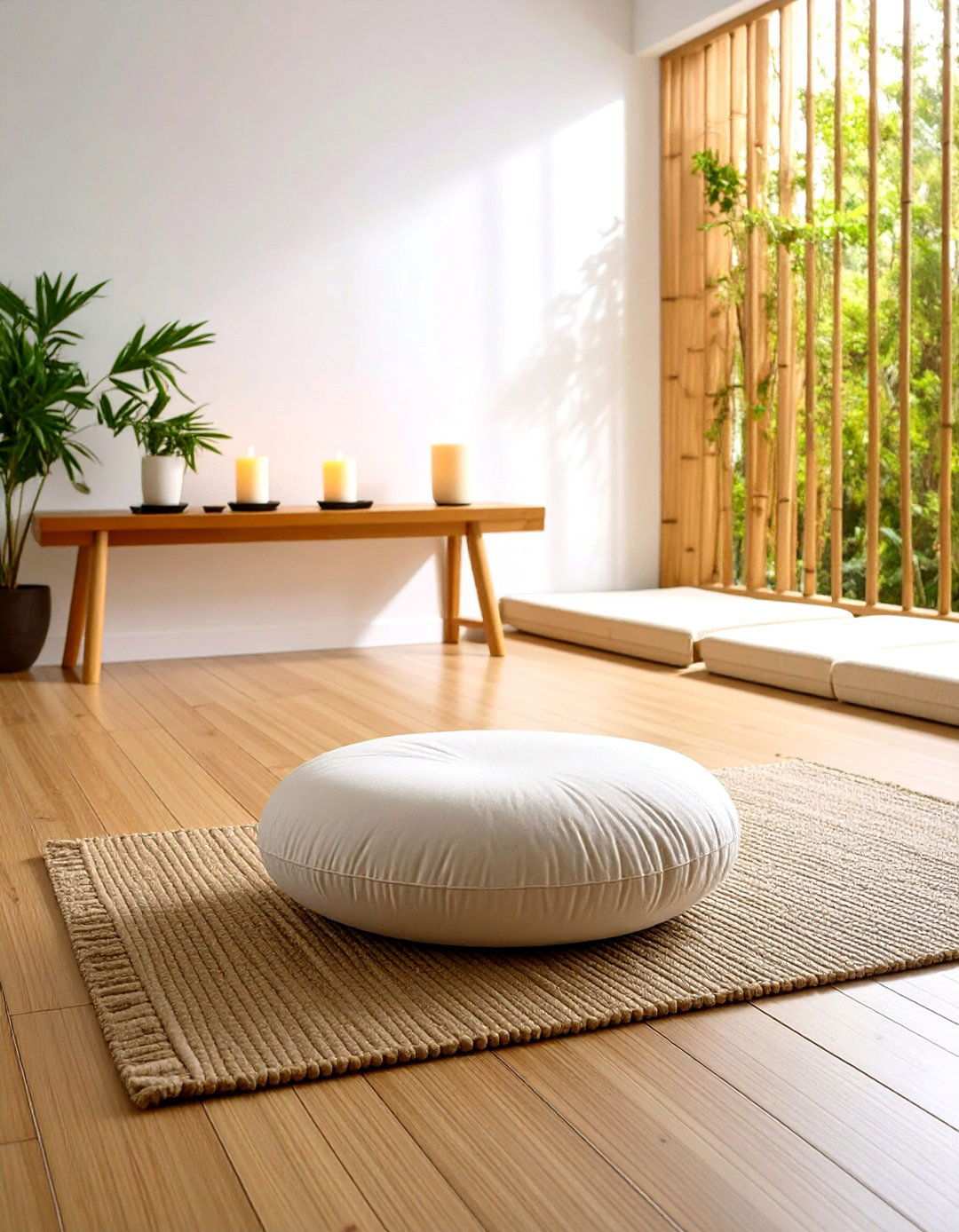
A dedicated meditation space is more than just a physical room; it’s an immersive experience that elevates your daily practice into a profound ritual. Envisioning a serene environment that resonates with your personal journey can profoundly impact the depth of your meditation practice and foster a consistent commitment to mindfulness. Modern meditation spaces have evolved to reflect diverse design philosophies, from sleek, distraction-free zones to vibrant, globally-inspired sanctuaries. At its core, a successful meditation space isn’t bound by rigid rules but rather embodies an intuitive understanding of what sparks inner peace.

As an Amazon Associate I earn from qualifying purchases.
Every element within your meditation space plays a vital role in cultivating a tranquil atmosphere that supports your mental well-being and daily wellness routine. From the subtle nuances of color psychology and lighting choices to the deliberate selection of furniture and aromatic elements, each component contributes to an environment that nurtures your meditation practice.
2. Fusing Global Influences with Mindful Practice
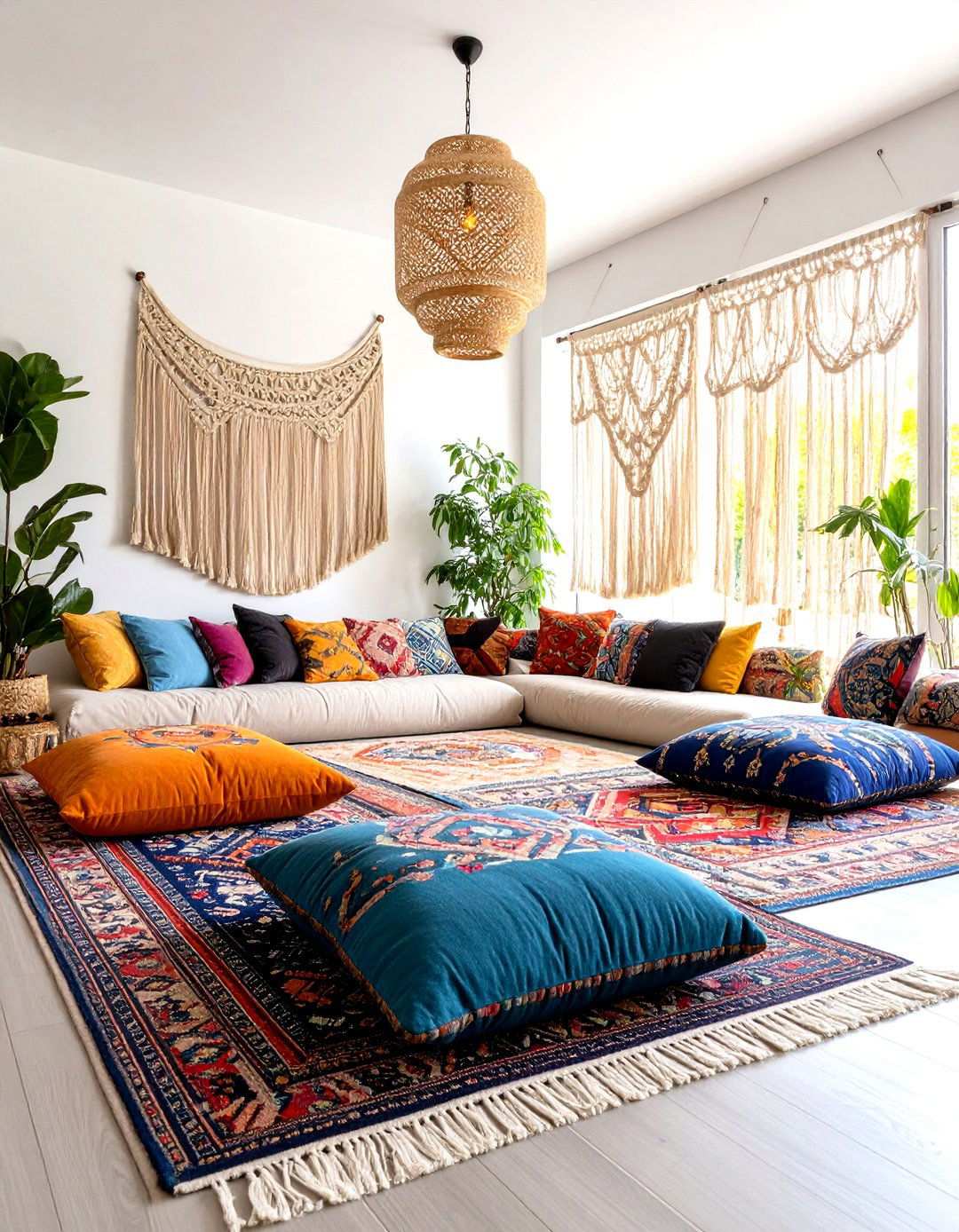
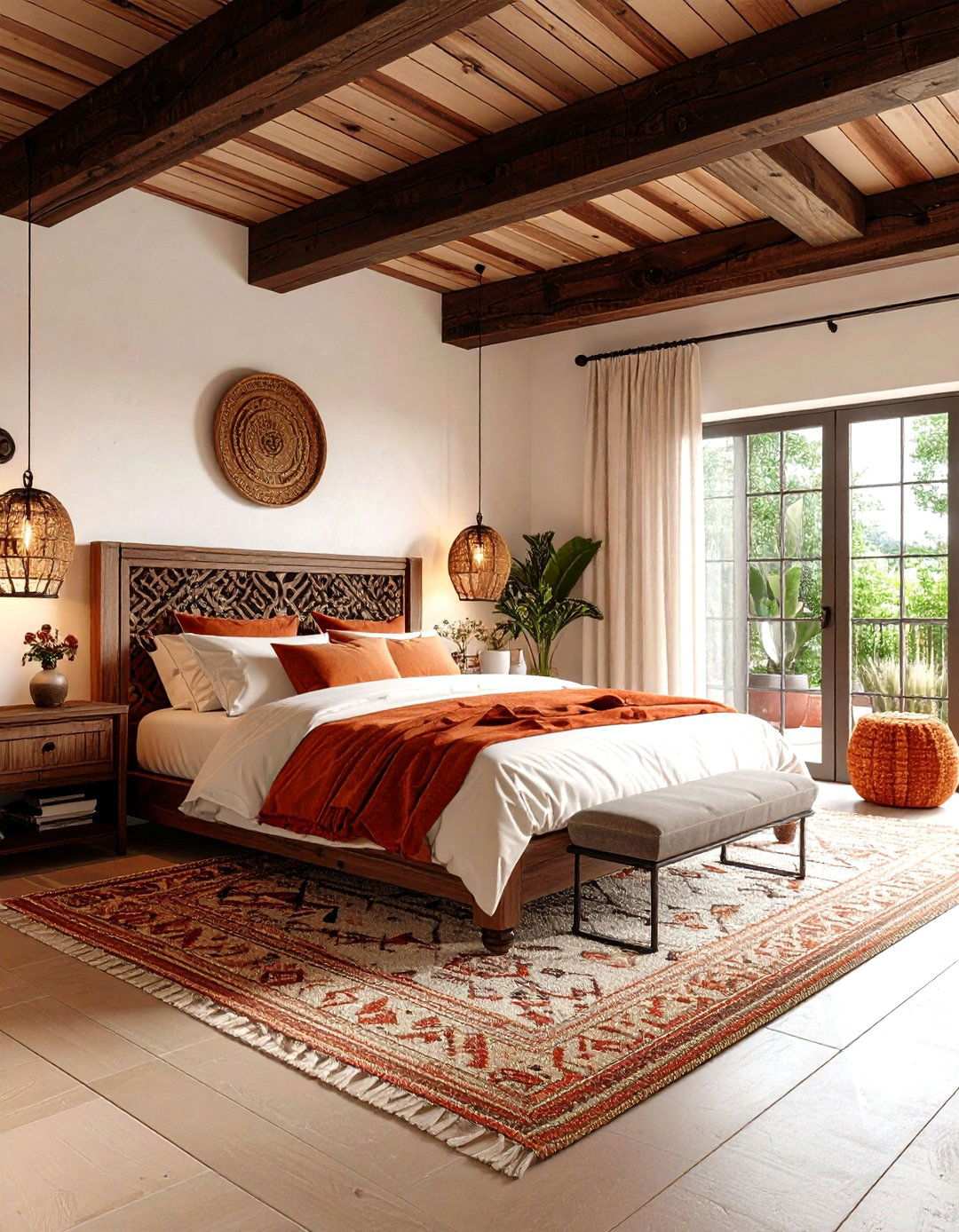
The intersection of global wanderlust and mindful practice yields a unique design philosophy that celebrates personal expression and spiritual exploration. This eclectic approach weaves together rich textures, vibrant patterns, and culturally-inspired artifacts from around the world, creating a space that is both a reflection of your travels and a haven for introspection. Warm, jewel-toned hues like deep purples, burnt oranges, and emerald greens envelop the space, fostering a cozy, artistic atmosphere that invites contemplation.
Floor cushions in varied patterns are scattered across layered rugs, while macramé wall hangings and beaded curtains add tactile depth to the space. Low wooden tables display crystals, prayer beads, and small Buddha statues collected from your travels, serving as poignant reminders of the world’s diversity and your connection to it. Soft string lights or pendant lanterns provide warm, ambient illumination, while plants in ceramic pots bring a touch of natural serenity to this vibrant space that embodies the beauty of mindful living.
3. Harmonious Woodlands Meditation Oasis
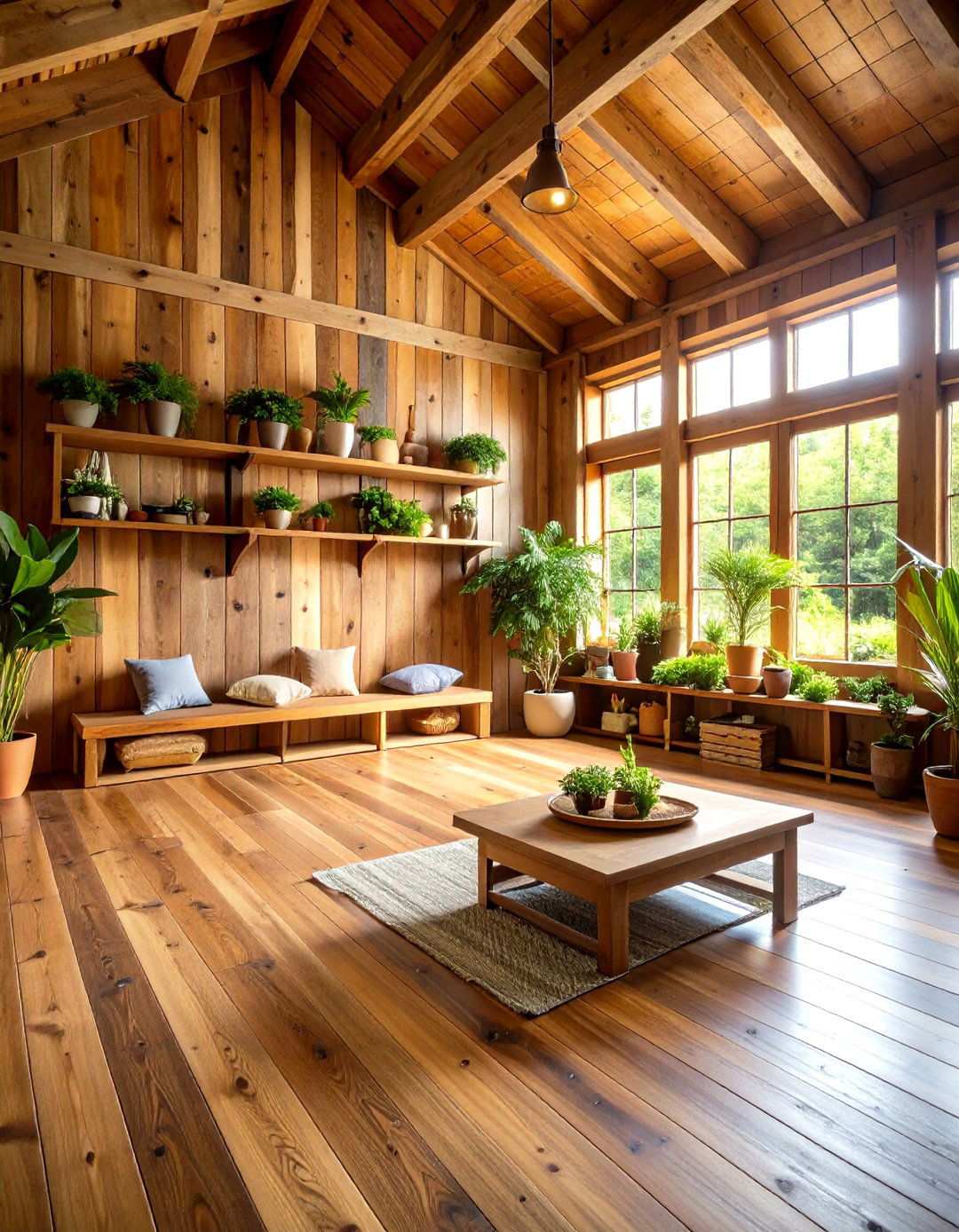
The profound impact of connecting with nature’s unadulterated splendor on meditation depth is undeniable. This design embodies the elegance of wood in its various forms – from reclaimed timbers to polished hardwood surfaces. The soothing ambiance created by rich honey and walnut tones immediately calms the nervous system, fostering a sense of grounding and tranquility. Handcrafted wooden meditation benches or tree stumps serve as inviting seating options, while live-edge shelving showcases small, thriving plants and natural stones. Expansive windows frame breathtaking views of gardens or trees, subtly blurring the boundary between indoors and outdoors. Plush wool throws in muted hues provide comfort, while the intricate patterns of the natural wood grain serve as contemplative focal points. Essential oil diffusers with cedar or sandalwood scents complete this serene, organic sanctuary.
4. Crystal Clarity Meditation Sanctuary
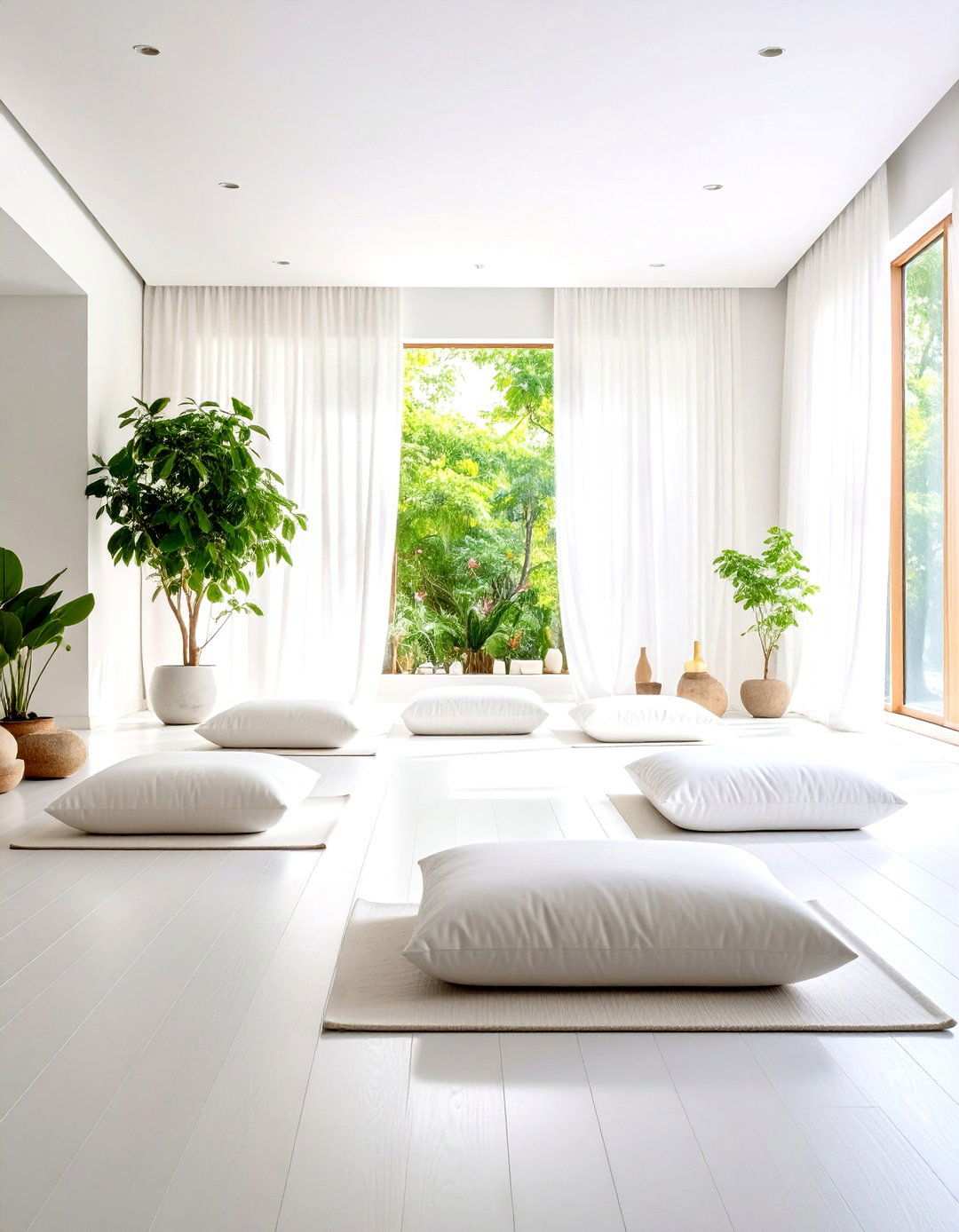
The concept of a pure white canvas as the ultimate backdrop for inner exploration warrants consideration. This monochromatic design leverages various shades of white and cream to establish an infinite sense of space and mental clarity. Soft white-painted walls provide a serene backdrop for white meditation cushions and flowing white drapes. Natural light becomes the primary design element, streaming through expansive windows and reflecting off polished white surfaces. Delicate textures distinguish elements – think white sheepskin rugs, linen fabrics, and ceramic vessels. A single, strategically placed green plant or small water feature adds the minimal color needed to prevent sterility. This pristine environment encourages the mind to release external concerns and focus intently on inner awareness and breathing patterns.
5. Panoramic Nature Meditation Nook
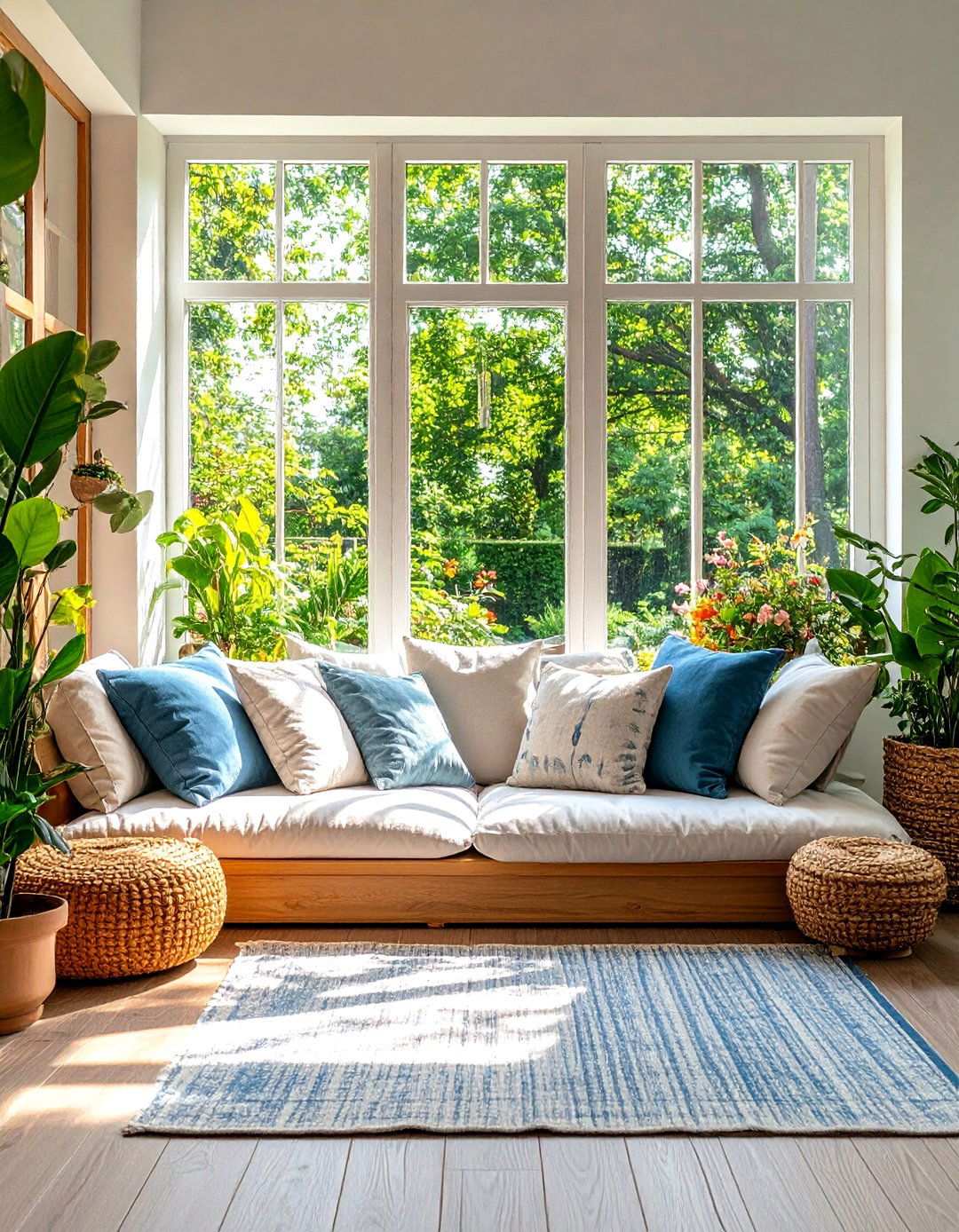
Why settle for artificial peace when nature provides the perfect meditation soundtrack? This design optimizes connection to outdoor spaces through strategic window placement and garden-facing orientation. A plush window seat becomes the primary meditation spot, offering panoramic views of lush greenery, vibrant flowers, or serene water features. Glass doors open to extend the space onto patios or decks during pleasant weather. Indoor plants mirror outdoor vegetation, creating seamless transitions between environments. Natural materials like wicker furniture and jute rugs complement the organic theme. The ever-changing seasons provide dynamic visual meditation, while fresh air circulation enhances the cleansing aspects of mindfulness practice.
6. Subterranean Sanctuaries for the Mind
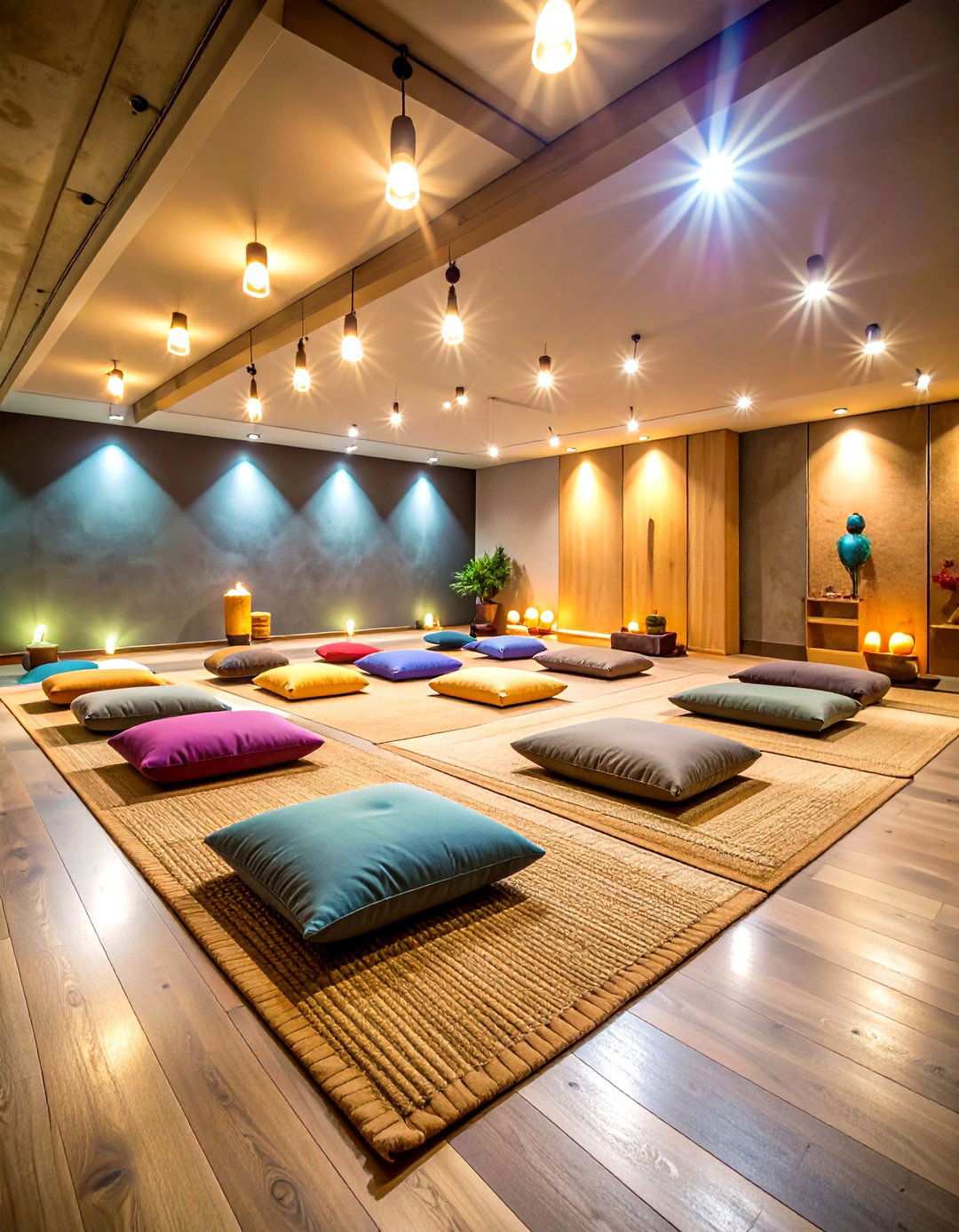
Unconventional spaces can be transformed into profound meditation retreats, inviting users to tap into elevated consciousness. By embracing the unique characteristics of underground areas, these sanctuaries can be tailored to foster deeper introspection and contemplation. Earthy tones such as terracotta and moss green create an immersive atmosphere, while thoughtfully designed lighting systems compensate for limited natural illumination. Strategically placed sound-absorbing materials, like plush area rugs and acoustic panels, ensure the utmost acoustic seclusion. The low ceiling height of these underground spaces can contribute to a sense of protection and enclosure, further facilitating the transition to a meditative state. To maintain a comfortable environment, dehumidifiers and space heaters are used in tandem, ensuring optimal temperatures throughout the year.
7. Closet Retreats for Inner Peace
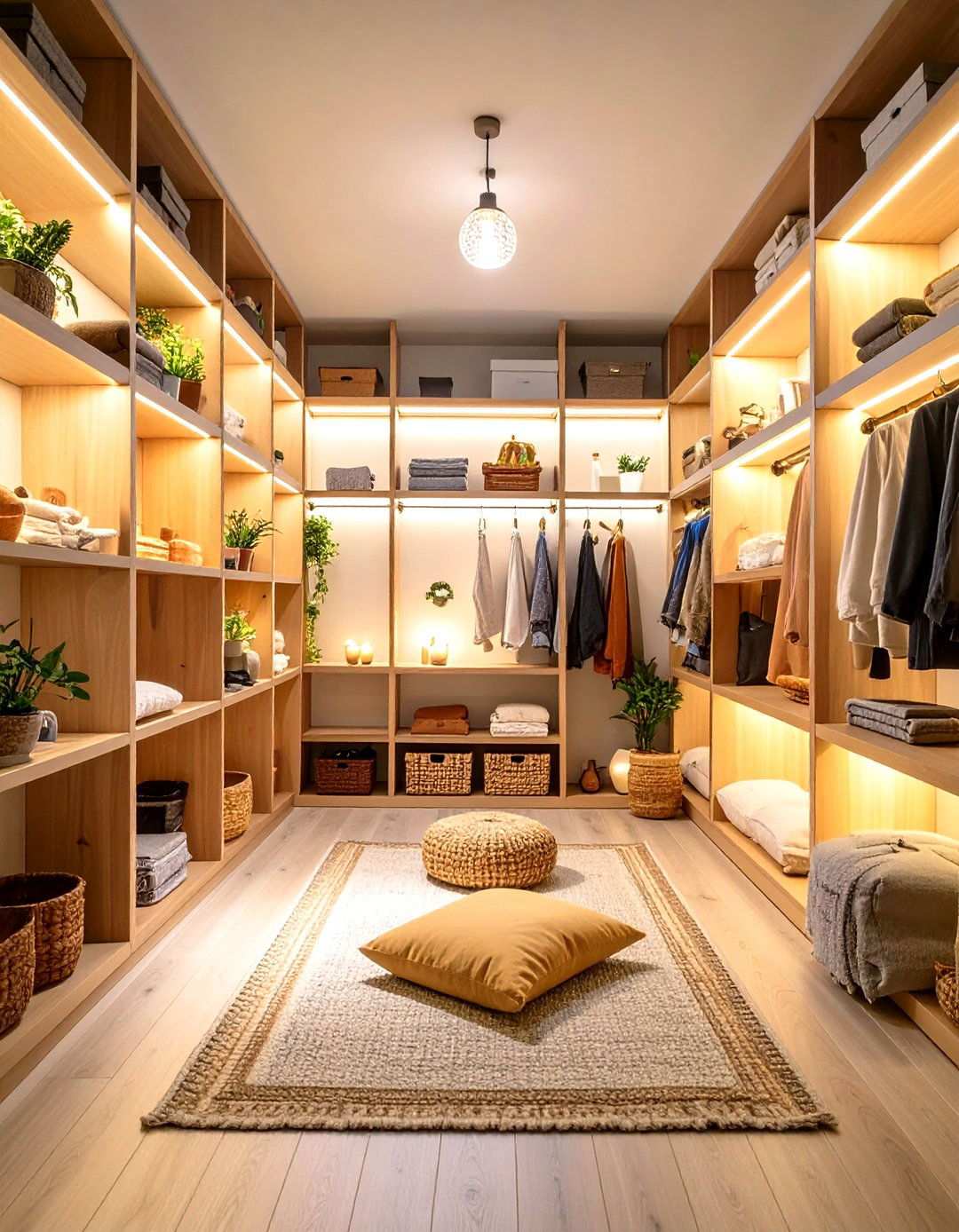
Luxury and intimacy are not mutually exclusive; in fact, they can be inextricably linked. This innovative approach repurposes underutilized closet space into a serene meditation sanctuary. By incorporating thoughtful design elements, such as built-in shelving for personal mementos and soft ambient lighting, these retreats become havens for quiet contemplation. A single meditation cushion can be seamlessly integrated into most walk-in spaces, surrounded by a soothing ambiance created by candles or small lamps. Organizers and storage units can be cleverly utilized to keep meditation supplies, like journals and essential oils, within easy reach. The private and enclosed nature of closet spaces offers a clear distinction from the rest of the household, allowing individuals to carve out dedicated time for self-reflection and meditation.
8. Morning Meditation Nooks
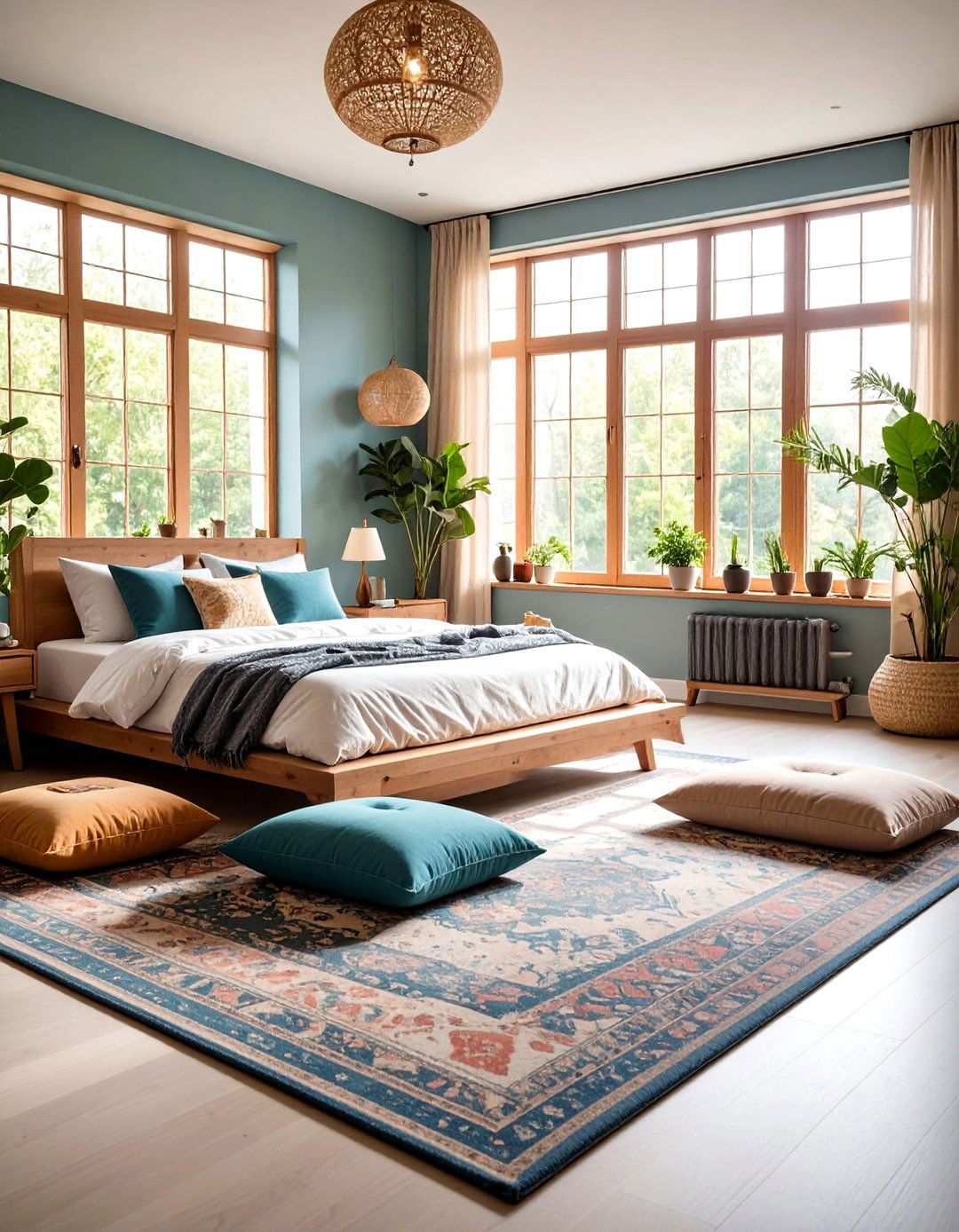
Establishing a consistent morning meditation practice can be as effortless as reaching for your morning coffee. This ingenious dual-purpose design seamlessly integrates a meditation corner into existing bedroom space. By defining a specific area with a small area rug, typically positioned near a window for natural light, individuals can create a sanctuary that blends seamlessly into their bedroom environment. Low-profile furniture, such as floor cushions or a meditation bench, ensures that the space remains unobtrusive, allowing individuals to maintain their bedroom functionality. By repurposing a bedside table as storage for meditation supplies, this design promotes a harmonious coexistence between meditation and daily routines. The proximity of the meditation nook to the bed also makes it an ideal location for early morning or bedtime meditation practices, helping to establish consistent daily routines that prioritize overall wellness.
9. Harmonizing with Home Life: A Meditation Corner
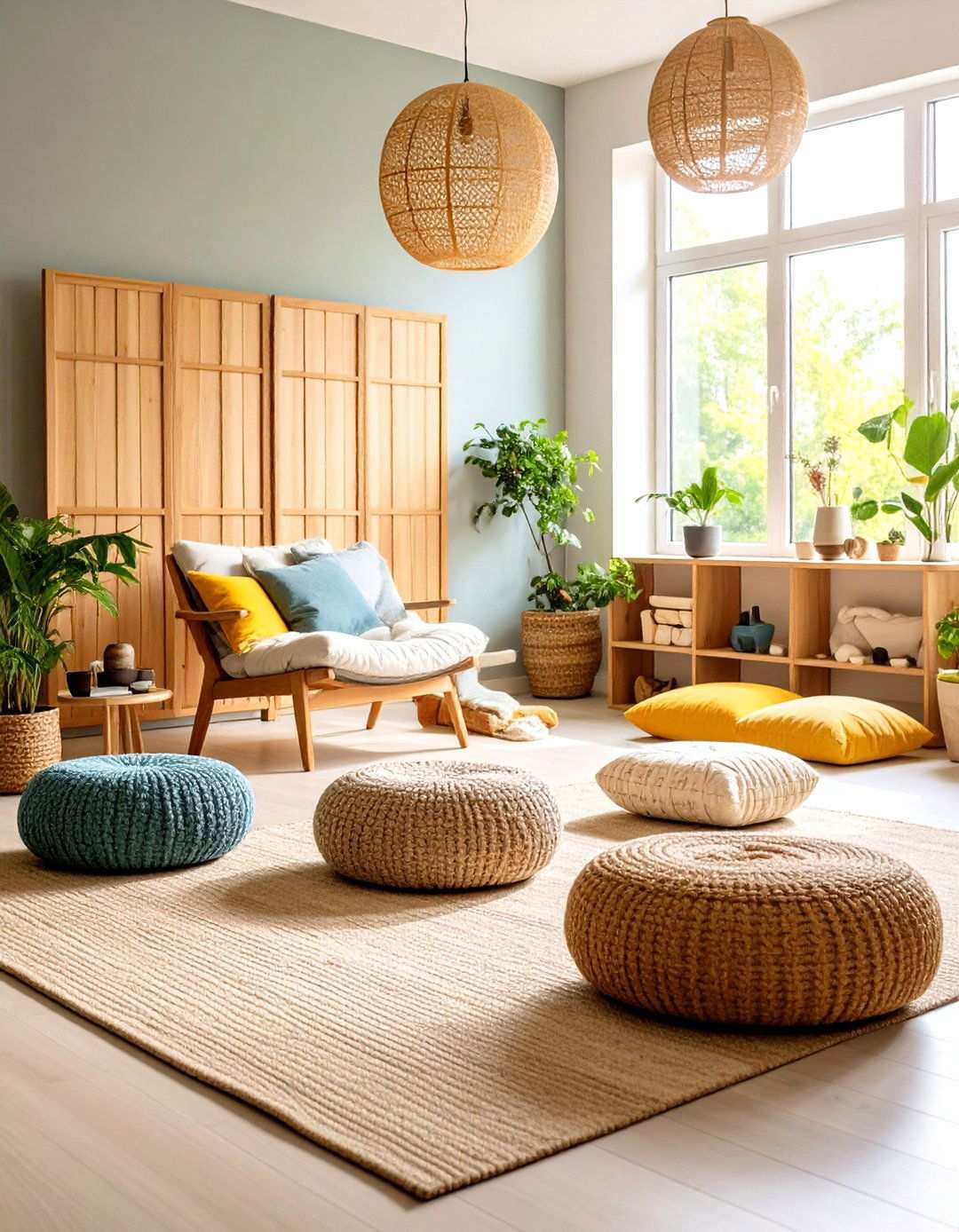
Transforming a bustling living room into a serene sanctuary is all about integration. By designating a meditation area within a busy space, you can carve out a peaceful retreat without sacrificing functionality. A versatile corner with a compact meditation cushion or chair can easily be rearranged when hosting guests. Portable room dividers or lush greenery create visual separation without altering the space’s architecture. Storage ottomans serve as dual-purpose seating and discreetly stash meditation essentials. Cozy throw blankets and pillows facilitate a seamless transition between meditation and relaxation modes. Strategically placed table lamps with dimmer switches enable a smooth evening practice. The key lies in teaching household members to respect meditation time, but the convenience of a shared space often outweighs any territorial compromises.
10. Basking in Nature's Calm: An Outdoor Meditation Sanctuary
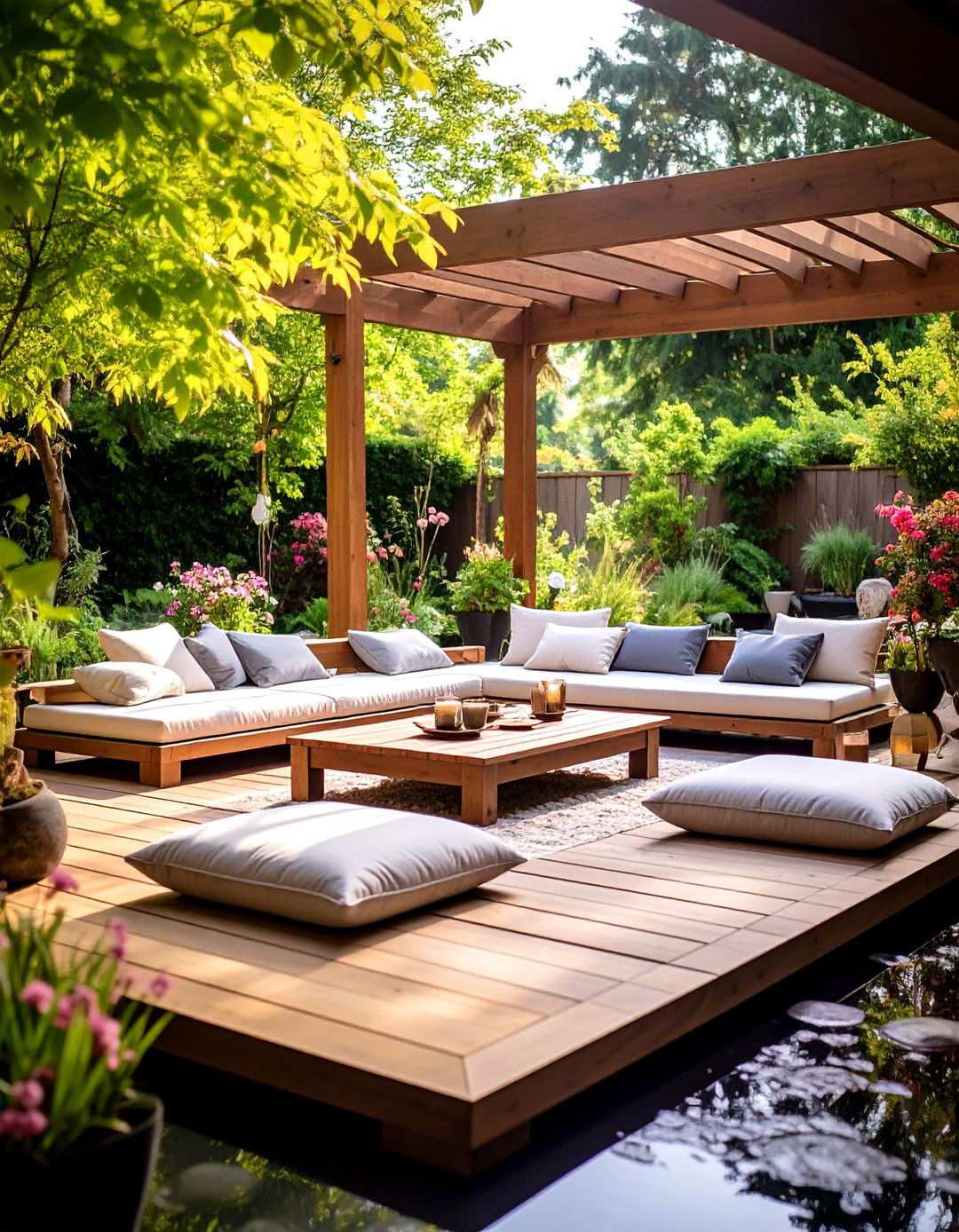
Does the fresh air of an outdoor setting amplify meditation’s benefits, elevating it beyond what indoor spaces can offer? A natural haven embracing the rhythms of the seasons can transform the meditation experience. A stable platform or deck provides a grounding spot for contemplation, surrounded by thoughtfully chosen plants that offer visual interest throughout the year. Gentle water features can mask urban noise while providing a soothing background melody. Weather-resistant cushions and blankets ensure a comfortable seating area, while overhead coverings like pergolas provide shade during the intense summer sun. The ever-changing natural environment – bird songs, rustling leaves, shifting cloud patterns – becomes an integral part of the meditation experience, rather than a distraction. Evening sessions under the stars create profound experiences that indoor spaces simply cannot replicate.
11. Elevating Your Practice: A Meditation Loft
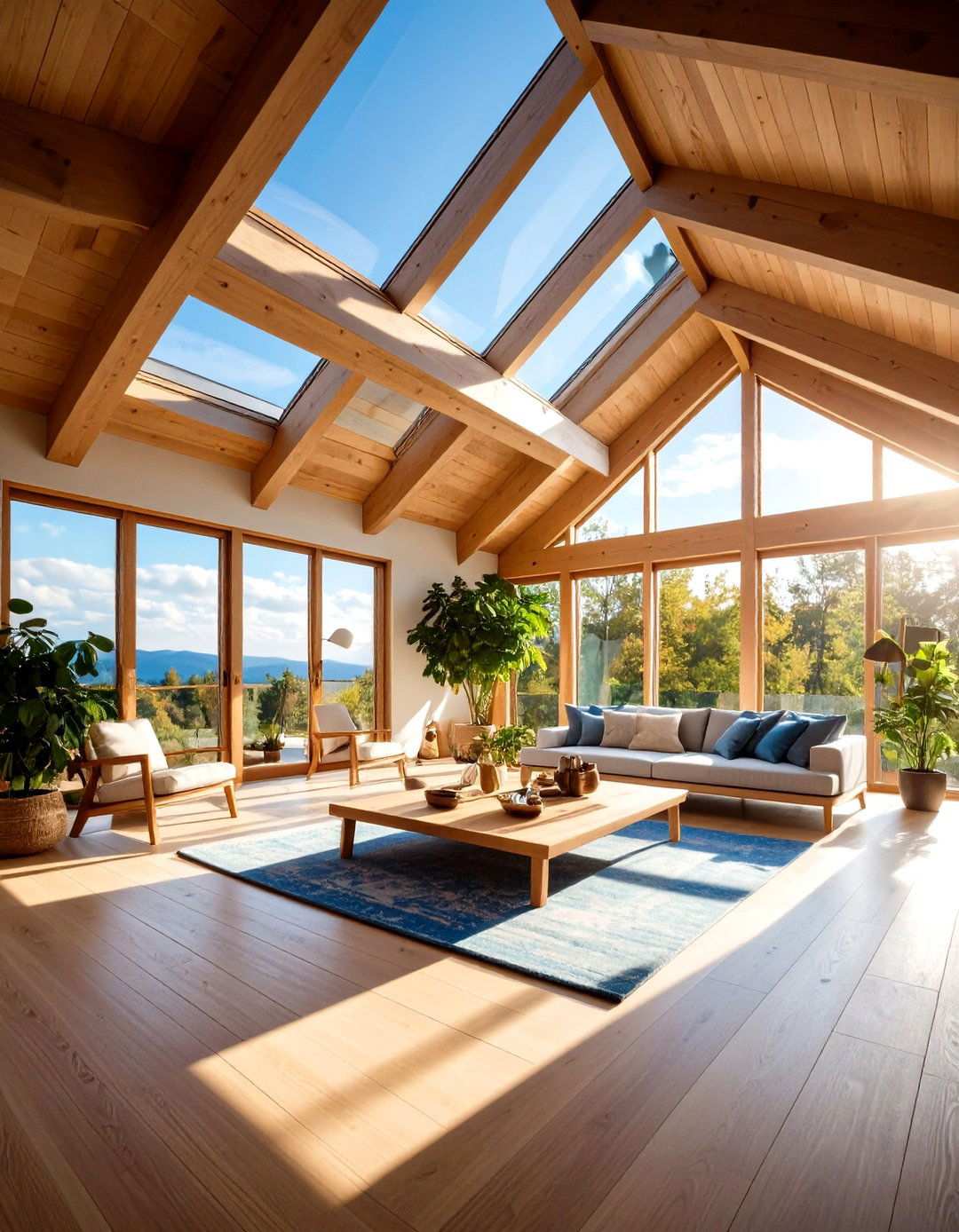
Can an elevated space literally elevate your meditation practice to new heights? By repurposing often-overlooked attic space, you can create a serene loft sanctuary. Slanted ceilings create a cozy, intimate atmosphere, while skylights provide dramatic natural lighting that changes throughout the day. Proper insulation ensures year-round comfort, while strategic ventilation prevents stuffiness. Low-profile furniture is specifically designed to accommodate slanted rooflines, with floor cushions and meditation benches working particularly well in these unique spaces. The elevation naturally separates you from household noise and activity. Storage built into the eaves keeps meditation supplies organized without cluttering the space. The distinctive architecture of attic spaces – exposed beams, interesting angles, and dormer windows – creates a character that makes meditation time feel special and separate from ordinary daily routines.
12. Serene Oceanic Sanctuary
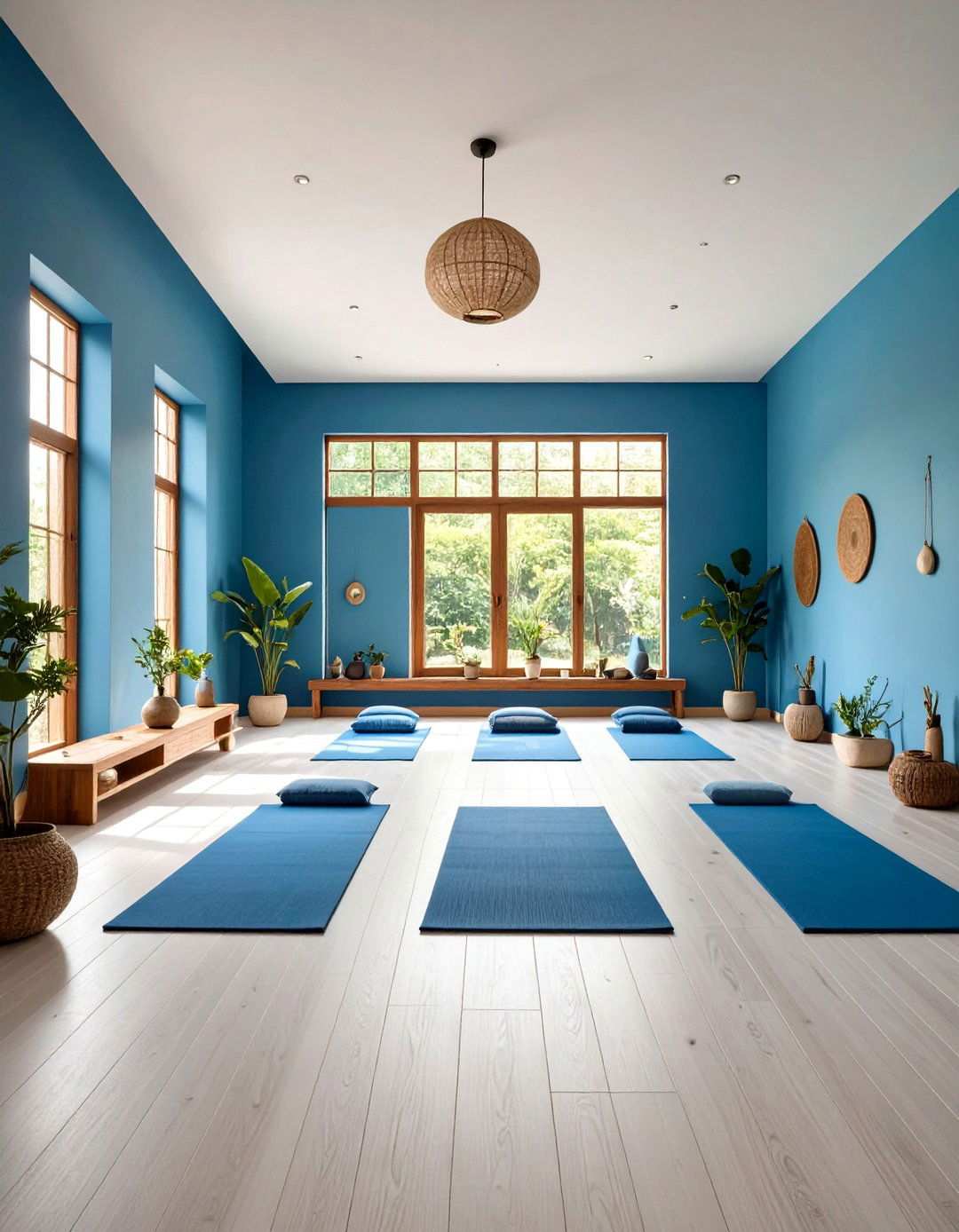
The calming effect of azure tones is deeply rooted in color psychology, profoundly influencing the depth of meditation when every surface of the room is bathed in soothing shades of blue. This monochromatic approach creates a sense of oceanic serenity that naturally slows the pace of breathing and heart rate. The foundation of the space is established by soft powder blue walls, while deeper navy accents in cushions and throws add a touch of visual depth. The incorporation of natural textures prevents the space from feeling cold, as seen in the use of white-washed wood floors, cream-colored rugs, and linen fabrics. Large windows maximize natural light, which makes blue tones appear fresh and vibrant rather than dark. The addition of a small water feature or aquarium enhances the aquatic theme while providing gentle sound therapy. By maintaining a consistent color palette, the mind can settle into meditative states more quickly, freed from the distraction of visual decision-making.
13. Natural Harmony Oasis
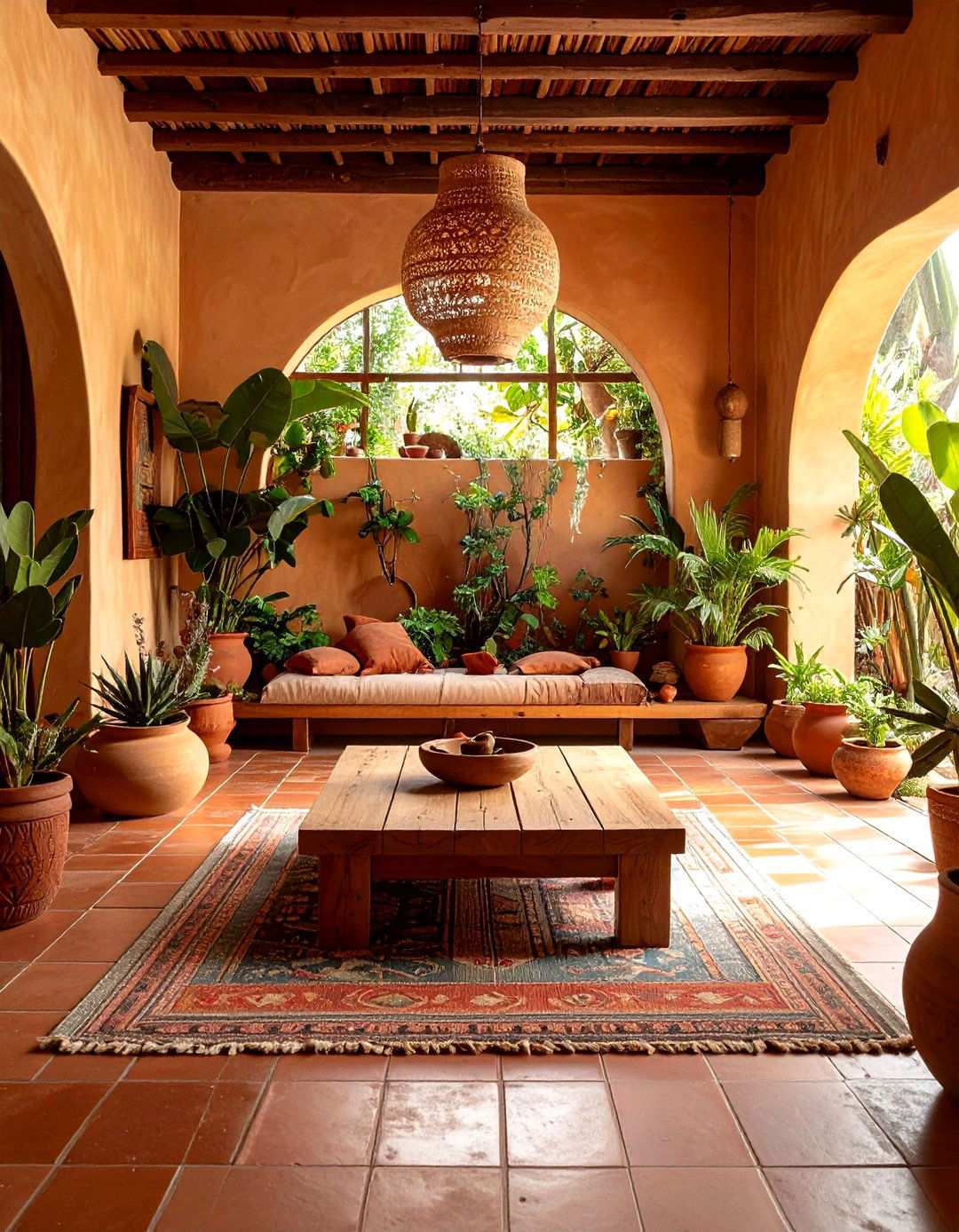
What happens when the grounding energy of forest floors and desert landscapes is infused into your meditation room? This natural palette combines warm browns, soft tans, and muted greens to create an atmosphere that immediately connects you to the stability of the earth. Terra cotta tiles or rich hardwood floors provide a warm foundation for the space, while walls in mushroom or sage tones complement rather than compete with natural elements. Furniture that emphasizes organic materials, such as wooden meditation benches, stone sculptures, and clay vessels for plants or water, adds depth and texture to the space. Textiles in hemp, linen, and wool provide comfort while maintaining the natural theme, encouraging the nervous system to relax and the mind to settle into contemplative states more easily. The consistent earth-based color scheme reduces mental stimulation, allowing the mind to focus on the present moment.
14. Illuminated Sanctuary of Inner Peace
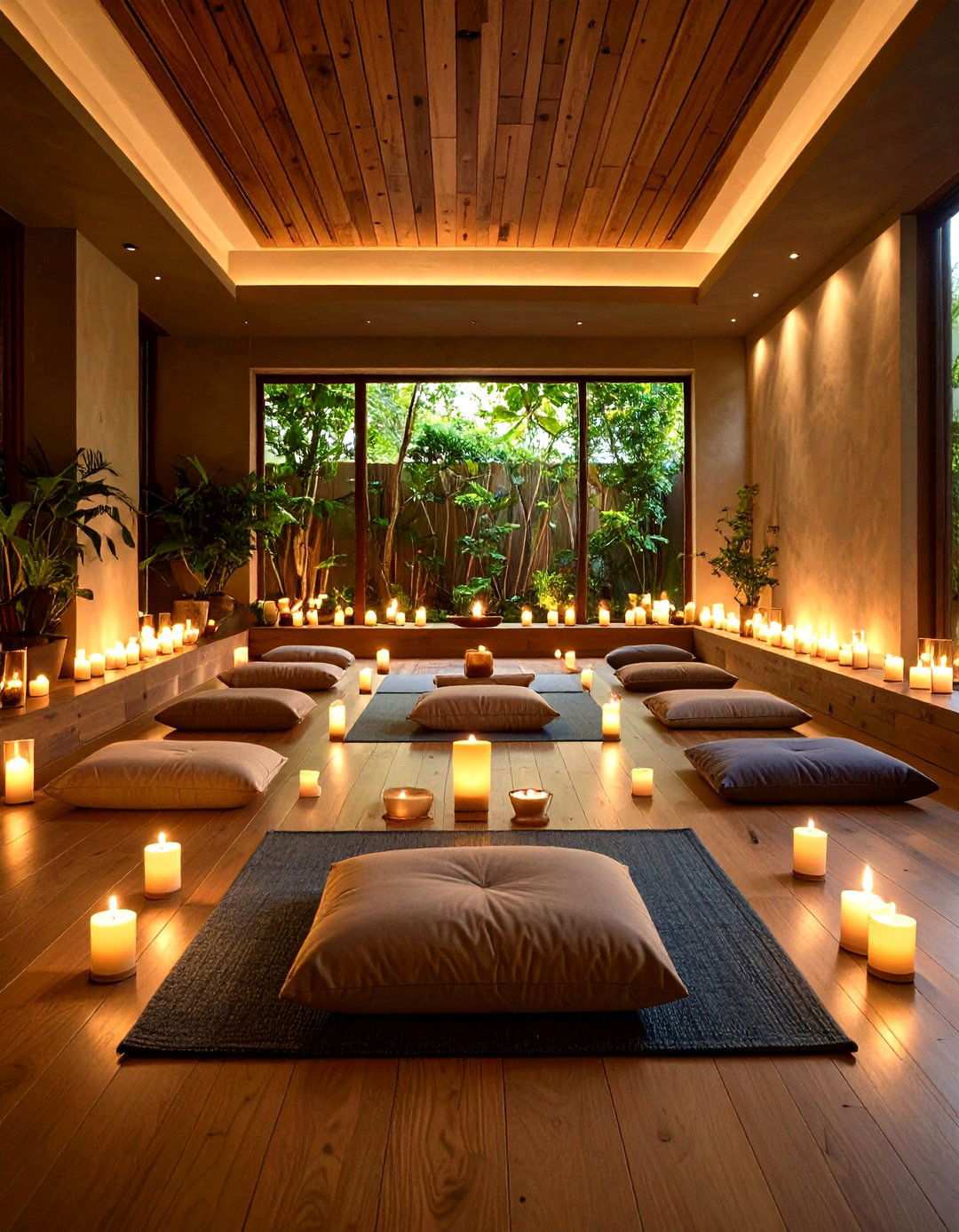
The flickering flames of candles can create a sacred ambiance that sets meditation time apart from ordinary daily activities. This atmospheric approach relies primarily on candles for lighting, creating a temple-like environment that calms the nervous system. Multiple candles at varying heights, including floor candles, table candles, and wall-mounted holders, provide gentle, warm illumination. Dark walls in deep purple or charcoal create dramatic contrast, while the soft light dances across surfaces, creating an ethereal atmosphere. Safety considerations, such as proper candle holders and fire-resistant surfaces, must be taken into account to ensure a safe and peaceful environment. The ritual of lighting candles signals the beginning of practice, while the hypnotic flame movement provides a natural focal point for concentration techniques. Scented candles with lavender or sandalwood enhance the sensory meditation experience, creating a deeper connection to the self.
15. Green Oasis Sanctuary for Mindfulness
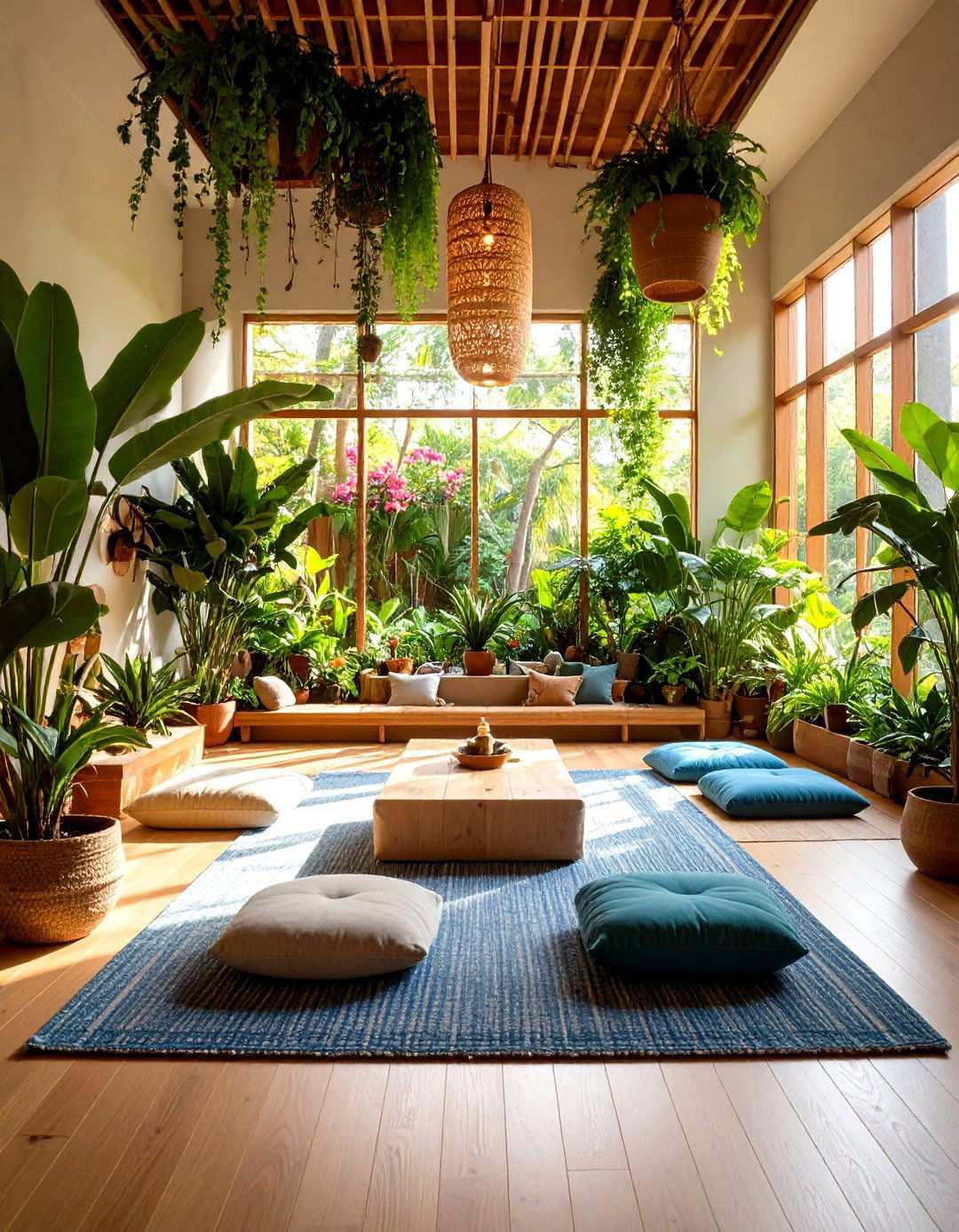
Surrounding oneself with lush greenery can elevate the life-enhancing benefits of meditation, transforming serene spaces into vibrant sanctuaries that purify the air while embracing natural beauty. Towering floor plants like fiddle leaf figs or monstera create striking vertical elements, while delicate hanging plants from handcrafted macramé holders add layers of intricate texture. Tiny succulents and air plants thrive on shelves and windowsills, requiring minimal care while making a significant visual impact. The harmonious marriage of natural light requirements for plants and meditation needs creates a symbiotic space design that nourishes both body and soul. The presence of living organisms infuses vitality and natural energy, calming the senses and fostering a deeper connection to the environment. Attending to plant care becomes a meditative activity that seamlessly integrates into daily routines, extending the practice of mindfulness into daily maintenance rituals.
16. Built-In Contemplative Nook
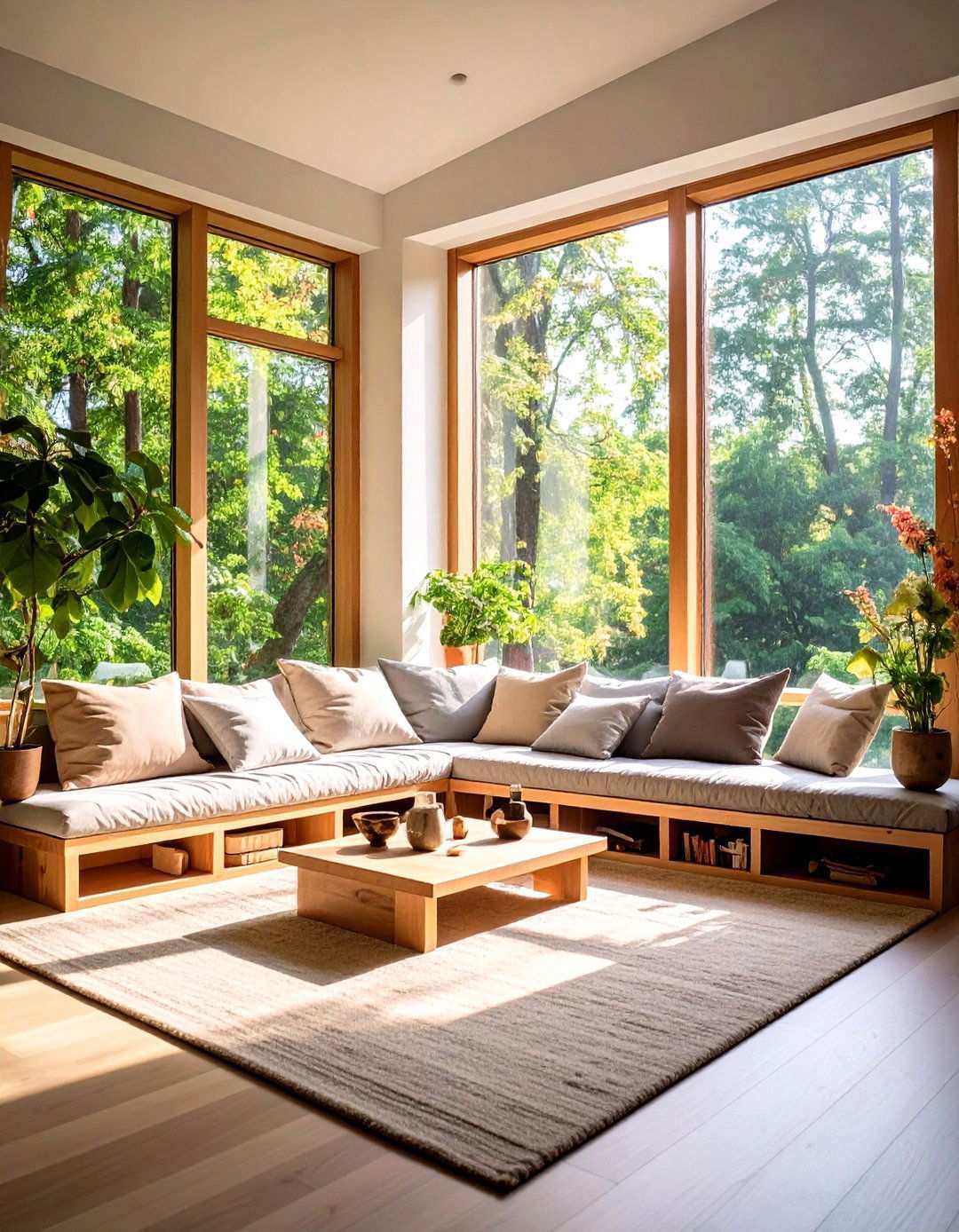
Why not repurpose existing architectural features to create the perfect meditation space? This clever approach transforms window seats into dedicated contemplative areas with minimal disruption to the existing layout. Plush cushions in soothing colors provide comfort for extended periods of sitting, while the elevated position offers unique perspectives on the outdoors. A storage compartment beneath the seat accommodates meditation supplies like cushions, blankets, and books, keeping everything within easy reach. As natural light streams through the windows, artificial lighting becomes unnecessary, allowing meditators to focus on their practice. The ever-changing outdoor views – whether gardens, streets, or sky – provide dynamic visual meditation, offering a new perspective with each passing day and season. Reading nooks can easily transition into meditation areas, making efficient use of existing architectural features while creating dedicated space for contemplation.
17. Sacred Space Design for Personal Meditation
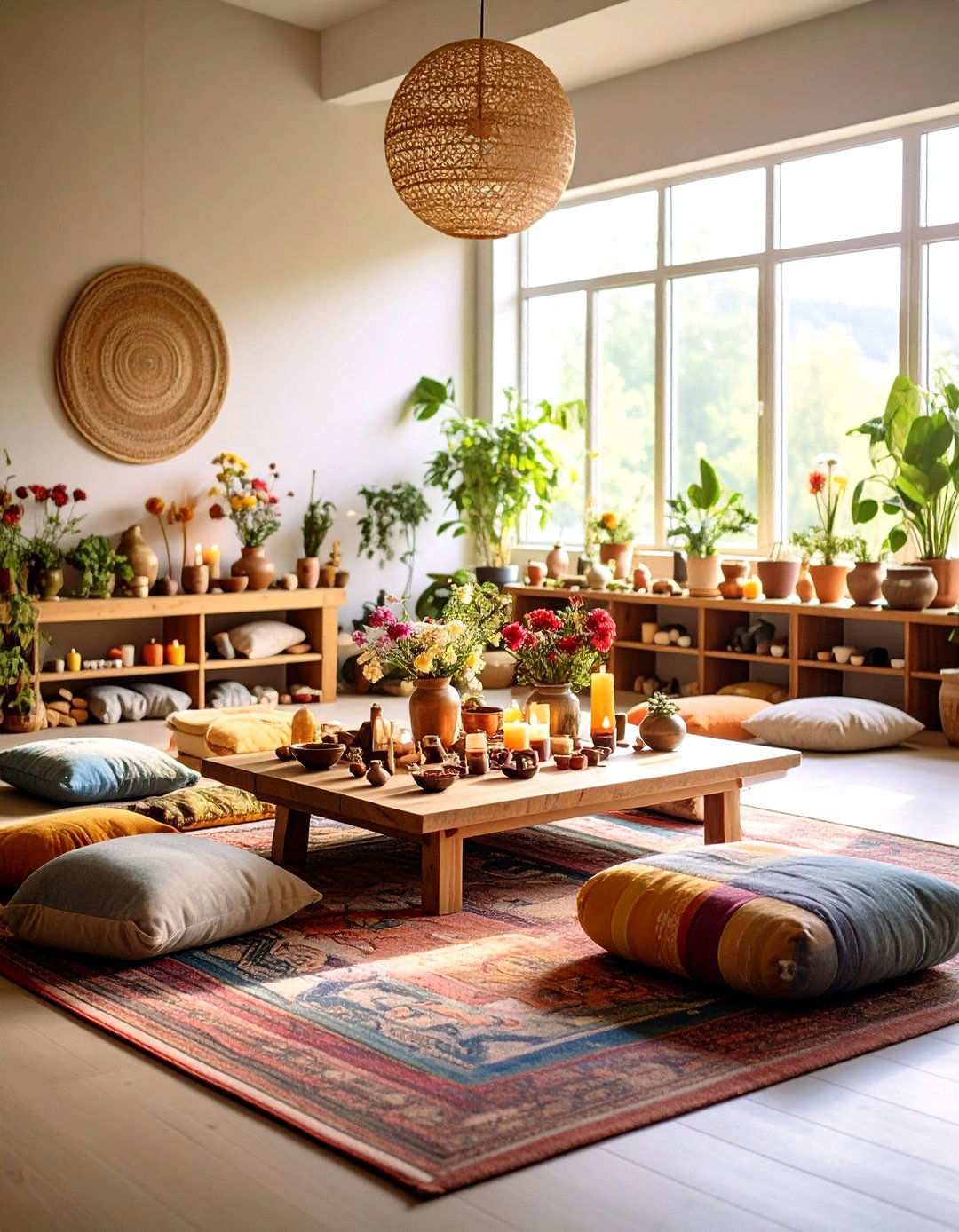
What transforms personal meditation into a sacred ritual through meaningful object arrangement? This spiritual approach centers the room around a carefully curated altar that holds items of personal or spiritual significance. The altar table becomes the room’s focal point, displaying photographs, statues, crystals, candles, and sacred texts that inspire contemplation and introspection. The seating area is designed to face the altar, creating a clear directional focus for meditation practice. Colors and decorations reflect spiritual traditions or personal beliefs, whether Buddhist, Christian, Hindu, or secular mindfulness approaches. As the seasons change or special occasions arise, the altar arrangement adapts, keeping the space dynamic and personally relevant. This design works particularly well for those who incorporate prayer, gratitude practice, or spiritual study into their meditation routine, creating a seamless integration between contemplative and devotional practices.
18. Embracing the Ground: A Floor-Focused Meditation Space
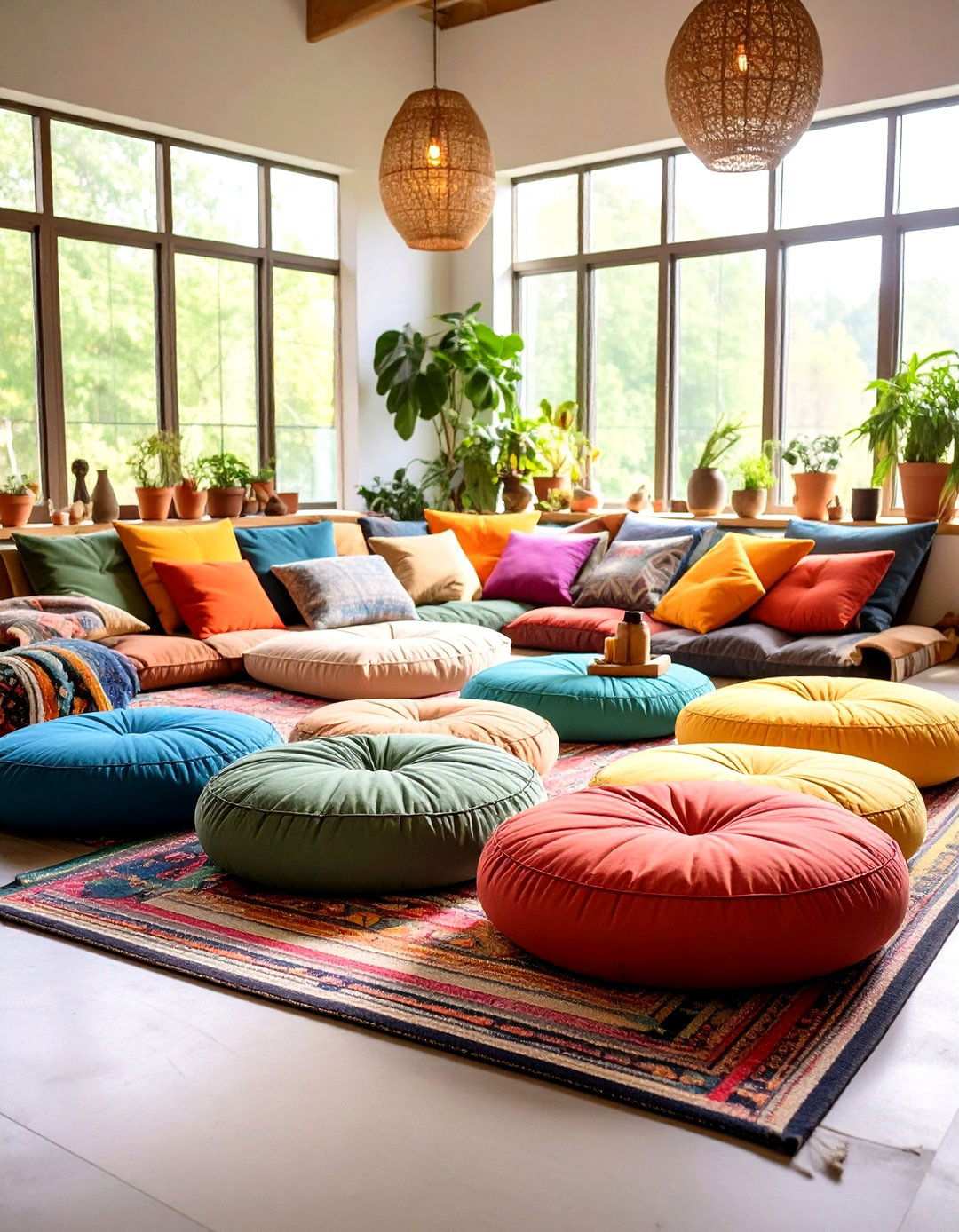
Ground-level seating can profoundly impact your relationship with gravity and grounding during meditation. By eschewing elevated furniture, this floor-focused design places various cushions, mats, and pillows directly on the floor, inviting different meditation postures. Cross-legged, kneeling, or lying down for body scan practices are all accommodated, allowing for a more organic and fluid experience. Layered rugs provide a soft and inviting surface, while floor-level tables hold essential items like tea, journals, or meditation supplies. The reduced height creates a sense of intimacy and connection to the earth, a feeling that many find stabilizing. The incorporation of floor baskets and low shelving maintains the horizontal emphasis, creating a space that feels grounded and unobtrusive. This design approach is particularly appealing to those drawn to traditional meditation postures and the sense of humility that floor seating naturally fosters.
19. The Power of Scent: A Multi-Sensory Meditation Experience
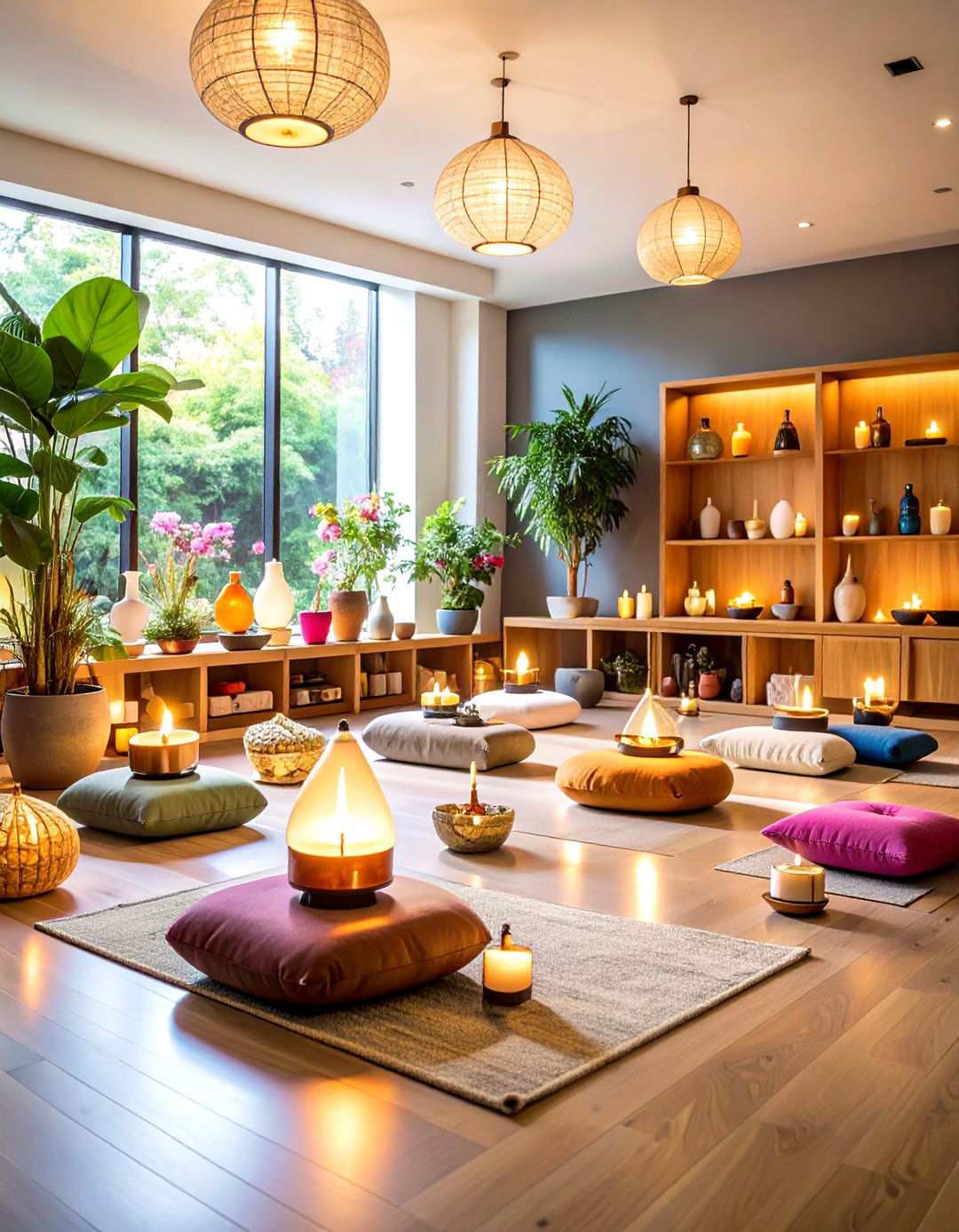
Scent can be a potent catalyst for deeper meditative states when every breath is infused with a carefully curated fragrance. This sensory-focused design integrates essential oil diffusers, incense holders, and aromatic plants to create layered fragrance experiences that support diverse meditation goals. Invigorating scents like peppermint and citrus can energize morning practice, while calming lavender and chamomile promote relaxation in the evening. Reed diffusers provide a subtle and continuous fragrance, while manual diffusers allow for precise scent control during specific sessions. Proper ventilation ensures that scents enhance rather than overwhelm the experience. Plants like jasmine, gardenia, or herbs contribute natural fragrance while purifying the air, creating a harmonious and balanced environment. Storage for various oils and incense keeps options organized and accessible, allowing for effortless exploration of different scents and their effects. By intentionally incorporating aromatherapy, this design transforms breathing, meditation’s foundation, into a multi-sensory experience that engages both body and mind.
20. Resonance and Healing: A Sound-Focused Meditation Studio
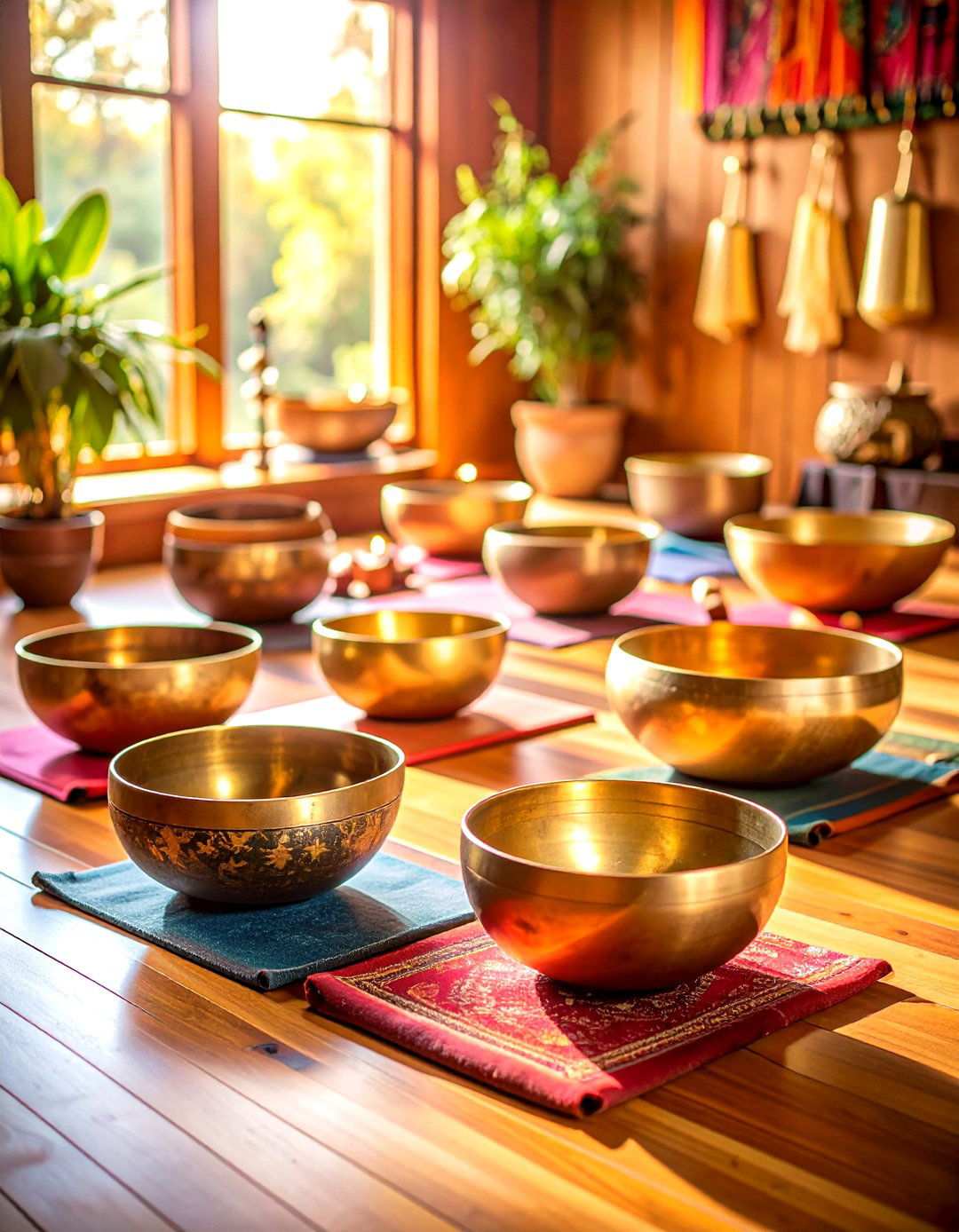
When your meditation space becomes an instrument for healing vibrations and acoustic therapy, the experience takes on a new dimension. This audio-focused design incorporates singing bowls, chimes, and acoustic elements that transform sound into meditation tools. Proper acoustics through sound-absorbing materials prevent echo while allowing clear tone resonance, creating an immersive and engaging environment. A dedicated area displays various instruments—Tibetan singing bowls, crystal bowls, rain sticks, and chimes—within easy reach of seating areas. Sound equipment for guided meditations or healing frequencies requires careful placement to avoid visual distraction, ensuring that the focus remains on the sound. The room’s acoustic properties become as important as visual elements, with materials and shapes chosen to enhance rather than muddy sound quality. This approach appeals to those who respond strongly to auditory meditation techniques or who practice sound healing for themselves or others, offering a rich and immersive experience that fosters deeper connection and understanding.
21. Fusing Wisdom and Mindfulness
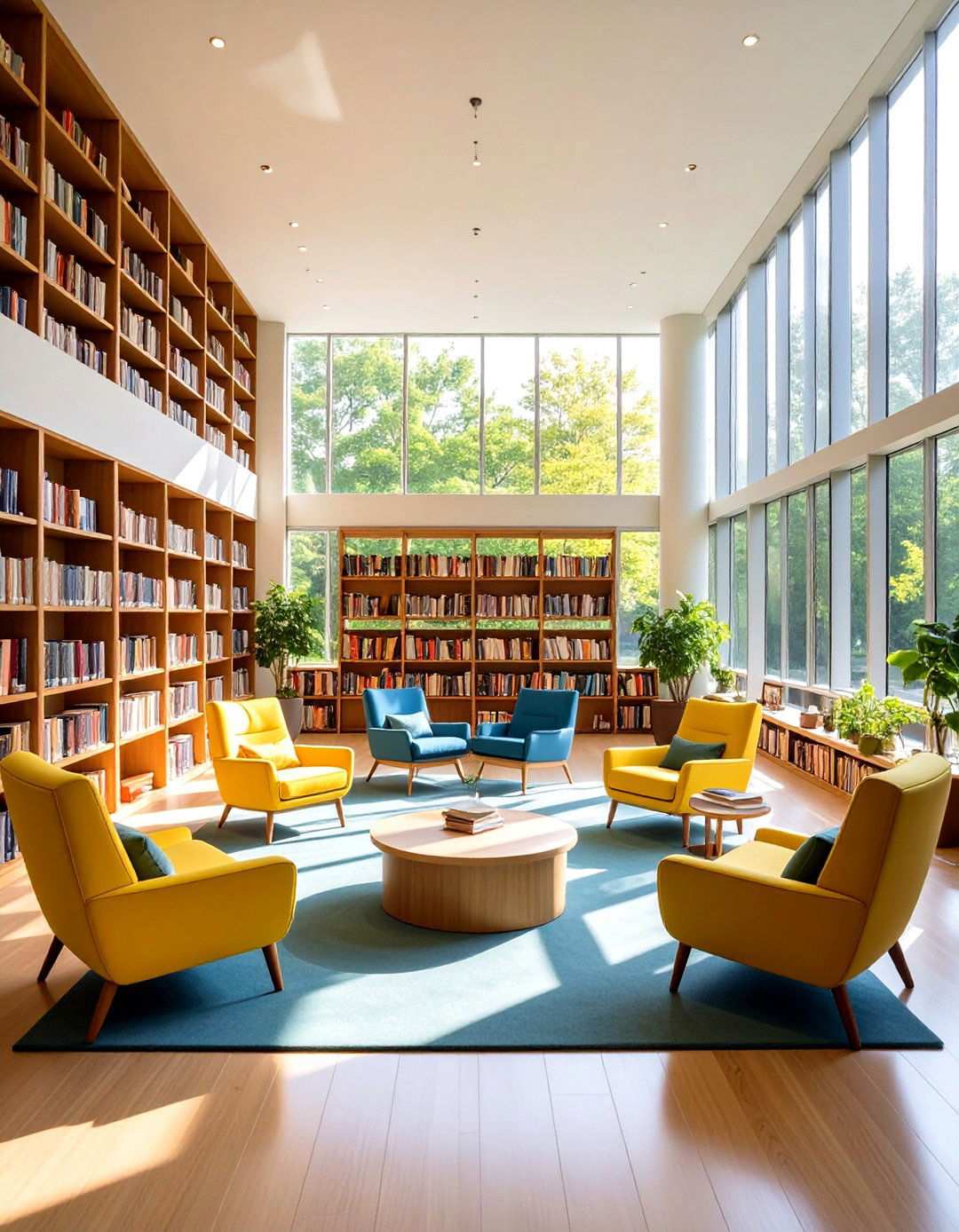
In a world where knowledge and introspection coexist, can the union of literature and contemplation foster an environment that transcends the ordinary? This innovative concept brings together meditation seating and a carefully curated selection of spiritual and philosophical texts that inspire contemplative practice. Floor-to-ceiling bookshelves showcase an array of texts on meditation, spirituality, philosophy, and wisdom traditions from diverse cultures. The seamless transition from comfortable reading chairs to meditation postures, paired with excellent lighting, supports both activities. Small tables hold journals for recording insights derived from reading and meditation sessions. The presence of accumulated wisdom creates a rich atmosphere of learning and growth that extends meditation beyond mere sitting practice. Book selection becomes a curatorial practice, with texts chosen specifically for their ability to deepen understanding of contemplative traditions. This design particularly resonates with individuals who combine study and meditation as complementary spiritual practices, fostering a harmonious balance between intellectual pursuit and introspection.
22. Unified Movement and Stillness
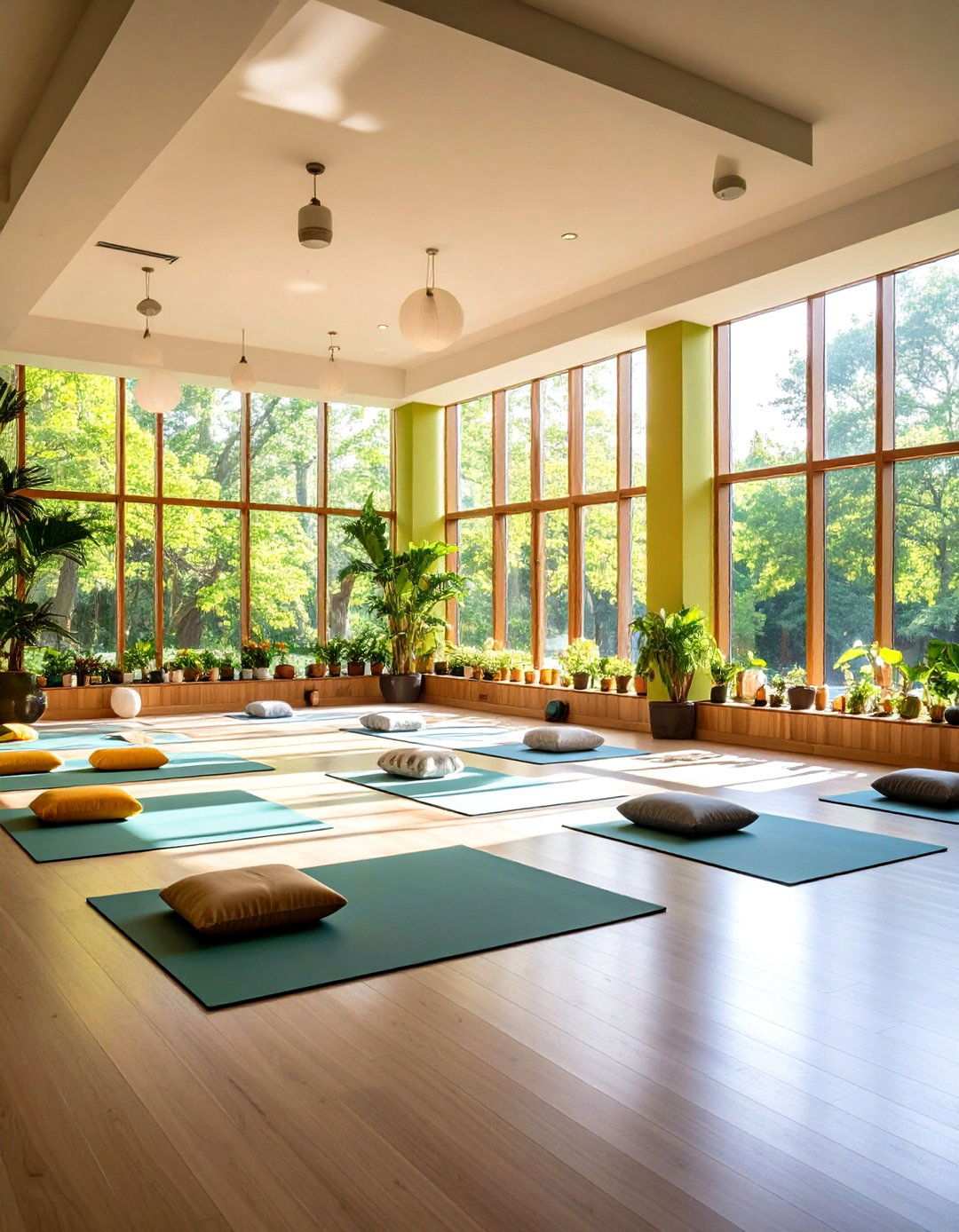
Why compartmentalize movement and stillness when both serve the same consciousness-expanding goals? This adaptable design seamlessly accommodates both yoga practice and seated meditation within the same space. Open floor areas allow for yoga sequences, while designated seating areas provide a peaceful environment for meditation practice. Mirrors can be covered during meditation to prevent distraction, then revealed for yoga alignment. Storage solutions thoughtfully hold both meditation cushions and yoga props, such as blocks, straps, and bolsters. The room transitions effortlessly between movement and stillness, supporting practitioners who view physical and mental practices as interconnected and integral to overall well-being. Proper flooring, typically yoga mats over hardwood, provides stability for both activities. This integrated approach appeals to those who appreciate the complementary nature of physical and mental cultivation, creating a unified space for holistic wellness practices.
23. Sacred Spaces for Meditation
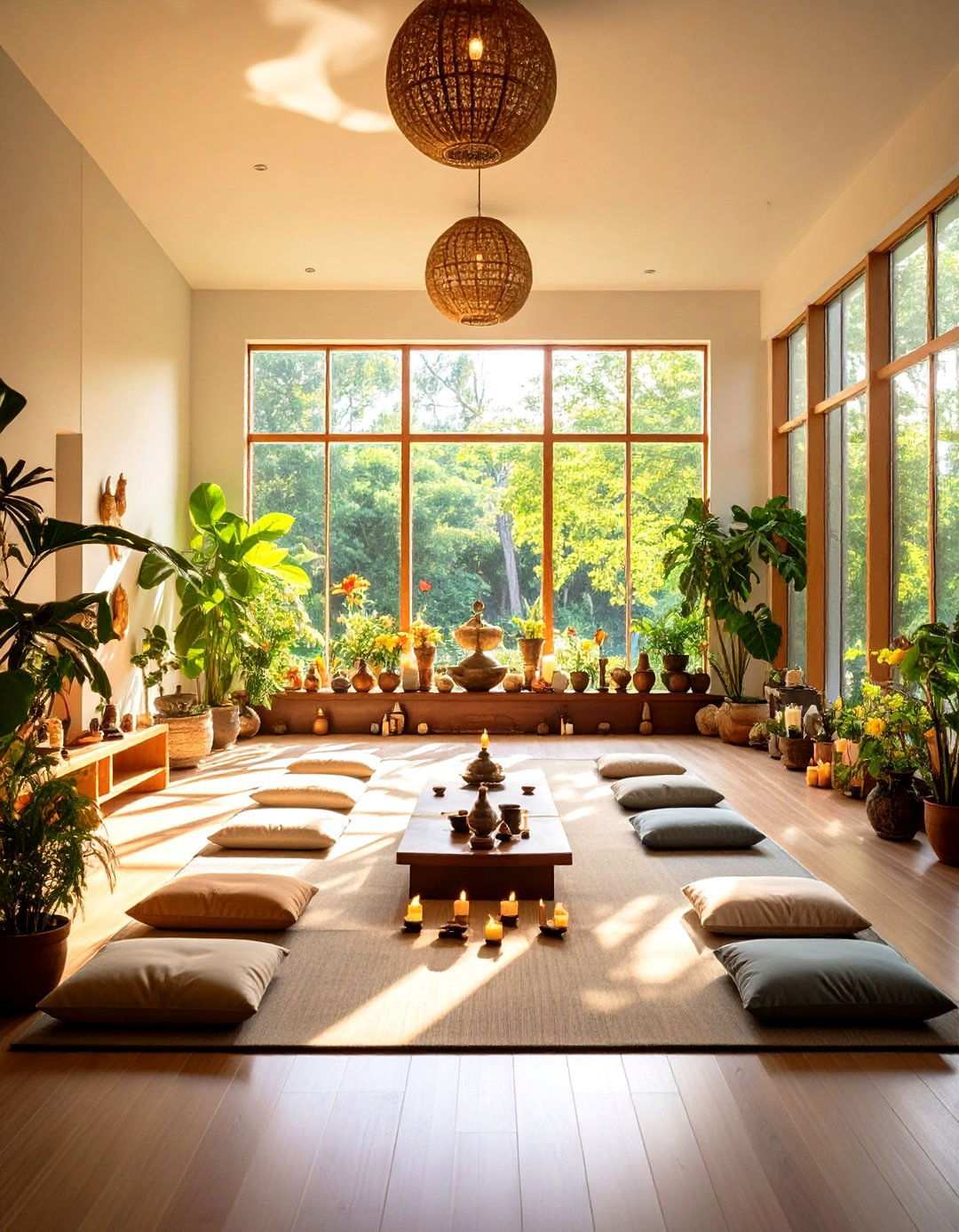
How can honoring specific religious traditions enhance meditation practice through familiar symbols and sacred elements? This faith-based approach incorporates elements from particular spiritual traditions, such as Christian, Buddhist, Hindu, Islamic, or other paths, to create a meditation space that honors established wisdom practices. Religious artwork, statuary, and symbols create visual connections to broader spiritual communities and teachings. Prayer beads, sacred texts, and traditional meditation tools reflect specific contemplative traditions. Colors and decorations align with the significance of each faith, whether saffron and gold for Buddhist spaces or earth tones for Native American traditions. This design serves those who view meditation as part of their established spiritual practice, creating continuity between personal contemplation and community worship.
24. Flexible Meditation Zones
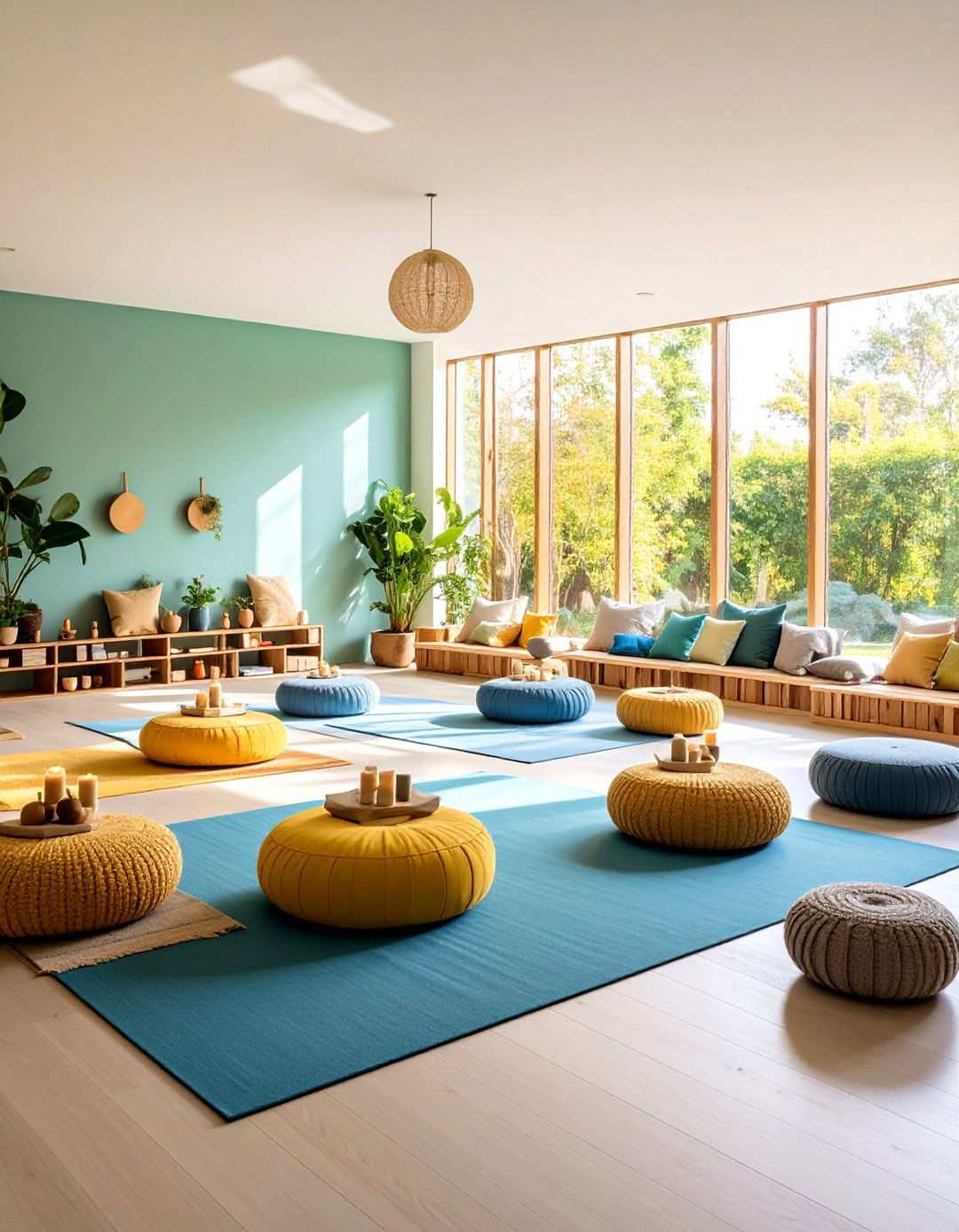
Innovative space-saving designs cater to the diverse needs of meditation enthusiasts who share living spaces with family members. To create functional meditation areas within multi-purpose rooms, adaptable layouts and clever furniture solutions are employed. Storage ottomans, for instance, conceal meditation tools, while collapsible screens provide temporary separation when needed. Moreover, portable meditation kits stored in baskets enable quick transformation of any room corner into a peaceful refuge. Thoughtfully selected lighting options further enhance the meditative ambiance without disrupting the room’s primary function. By coordinating schedules, family members ensure that meditation time remains a priority, even in shared spaces. Ultimately, this pragmatic approach highlights the significance of commitment over ideal conditions in maintaining a consistent meditation practice. By embracing creative storage and boundary solutions, individuals can cultivate mindfulness within the constraints of real-world living.