1. Maximalist Living Spaces Make a Bold Statement
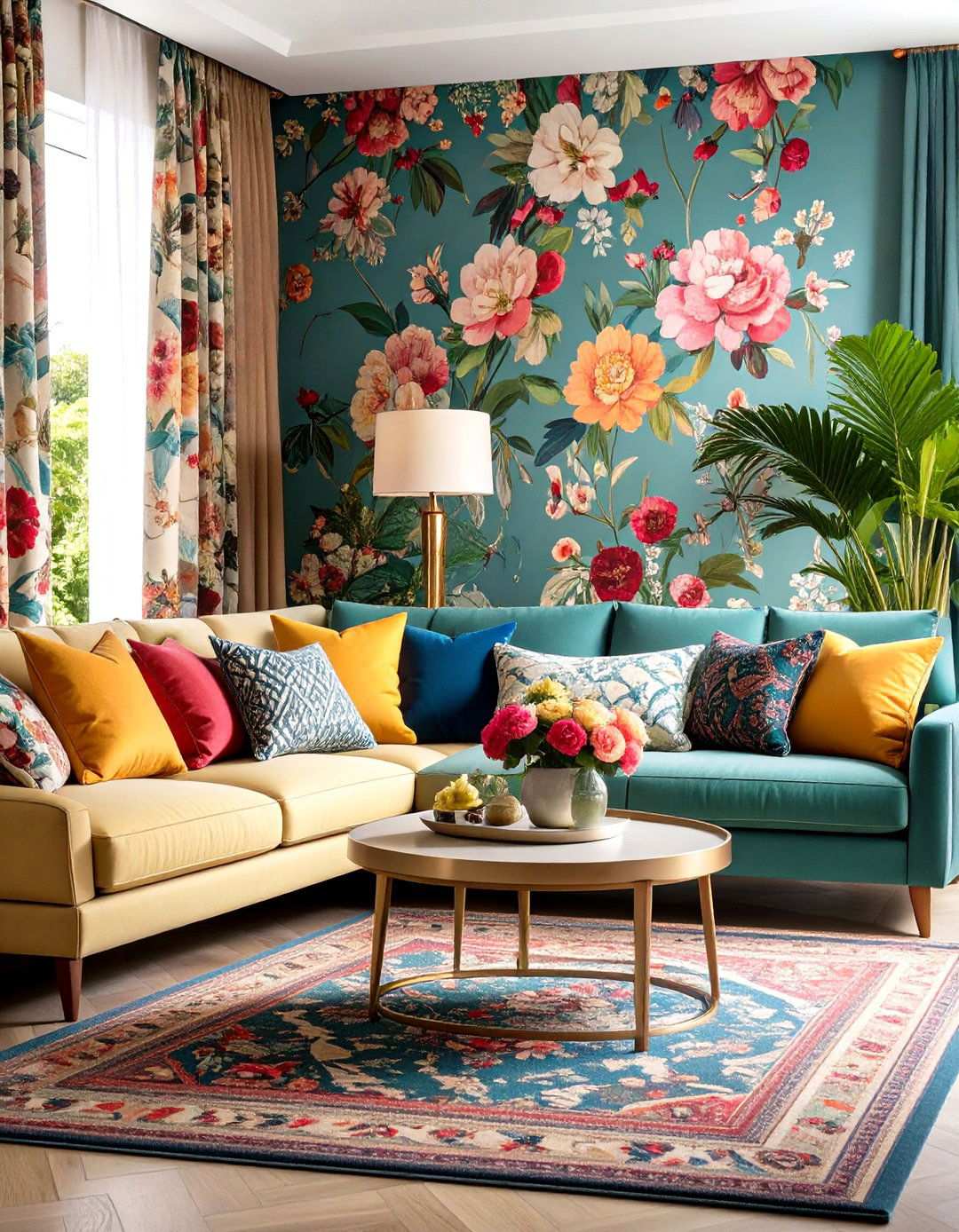
The allure of maximalist decor is on the rise in 2025, presenting a daring alternative to the years of minimalist simplicity that have dominated interior design trends. This vibrant aesthetic champions the “more is more” philosophy, urging homeowners to create rich tapestries of color, texture, and pattern that reflect their unique personalities and stories. Unlike the stark neutrality of minimalist spaces, maximalism embodies a tapestry of saturated jewel tones, clashing patterns, and eclectic furniture combinations that evoke a deep emotional connection with our living environments. As people increasingly seek solace and stimulation within the confines of their homes, maximalism offers a refreshing antidote to the sterile, monotonous spaces of the past.

As an Amazon Associate I earn from qualifying purchases.
Current maximalist movements are pushing the boundaries of creativity, with pattern drenching and color drenching emerging as two compelling trends. Pattern drenching involves layering multiple coordinating patterns across surfaces, fabrics, and furnishings to create immersive environments that captivate the senses. By combining seemingly disparate elements, such as floral wallpaper, geometric throw pillows, striped curtains, and paisley rugs in harmonious color families, homeowners can craft visually dynamic spaces that spark conversation and inspire imagination. The key to success lies in selecting patterns that share common hues while varying in scale and motif, resulting in a rich visual tapestry that energizes the entire room.
2. Elevating Interiors with Rich Jewel Tones

When emerald green, sapphire blue, and ruby red are expertly combined, the result is a sumptuous color palette that imbues spaces with undeniable luxury and drama. These vibrant hues, often associated with high-end finishes, share a common thread – their intense, saturated nature creates striking visual contrasts that elevate any room. To create a show-stopping atmosphere, begin by selecting a dominant jewel tone for statement pieces such as sofas or accent walls, then thoughtfully incorporate complementary hues through a variety of mediums, including accessories, artwork, and textiles. A harmonious blend of emerald velvet chairs, burgundy curtains, and navy blue rugs forms a sophisticated foundation, while golden yellow accents add a touch of warmth through lighting fixtures and decorative objects. The beauty of jewel tones lies in their ability to craft cozy, inviting spaces that are rich in visual interest. When paired with an abundance of natural light, these colors shine, showcasing their depth and complexity throughout the day.
3. Mastering Gallery Wall Maximalism
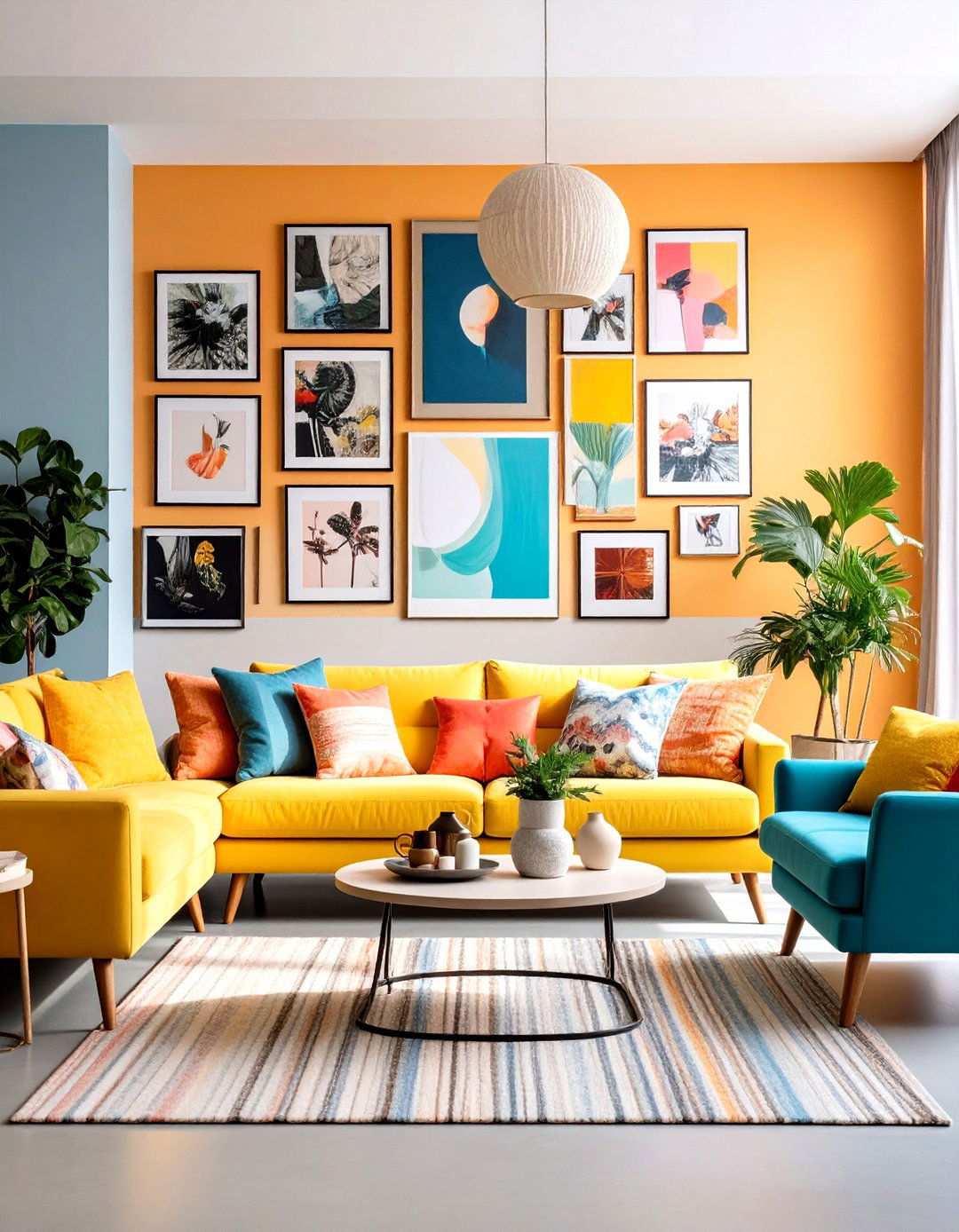
A single wall can be the crowning jewel of a maximalist home, serving as a dynamic reflection of one’s personality and style. Gallery walls provide the ultimate canvas for self-expression, allowing individuals to curate a unique collection of artwork, photographs, mirrors, and three-dimensional objects that tell a compelling narrative. In contrast to traditional symmetrical arrangements, maximalist gallery walls adopt an organic, layered approach, combining pieces of varying frame styles, sizes, and finishes to create a visually engaging and dynamic display. A curated selection of family photos, vintage prints, contemporary art, and quirky collectibles adds an eclectic touch, while maintaining some unifying elements – whether through color coordination, similar themes, or consistent frame materials – ensures the gallery wall remains cohesive. To maximize the impact of your gallery wall, consider extending it around corners or across entire room sections, creating an immersive art environment. Proper lighting is essential, as it highlights your carefully curated collection and adds depth through dramatic shadows.
4. Blended Elegance
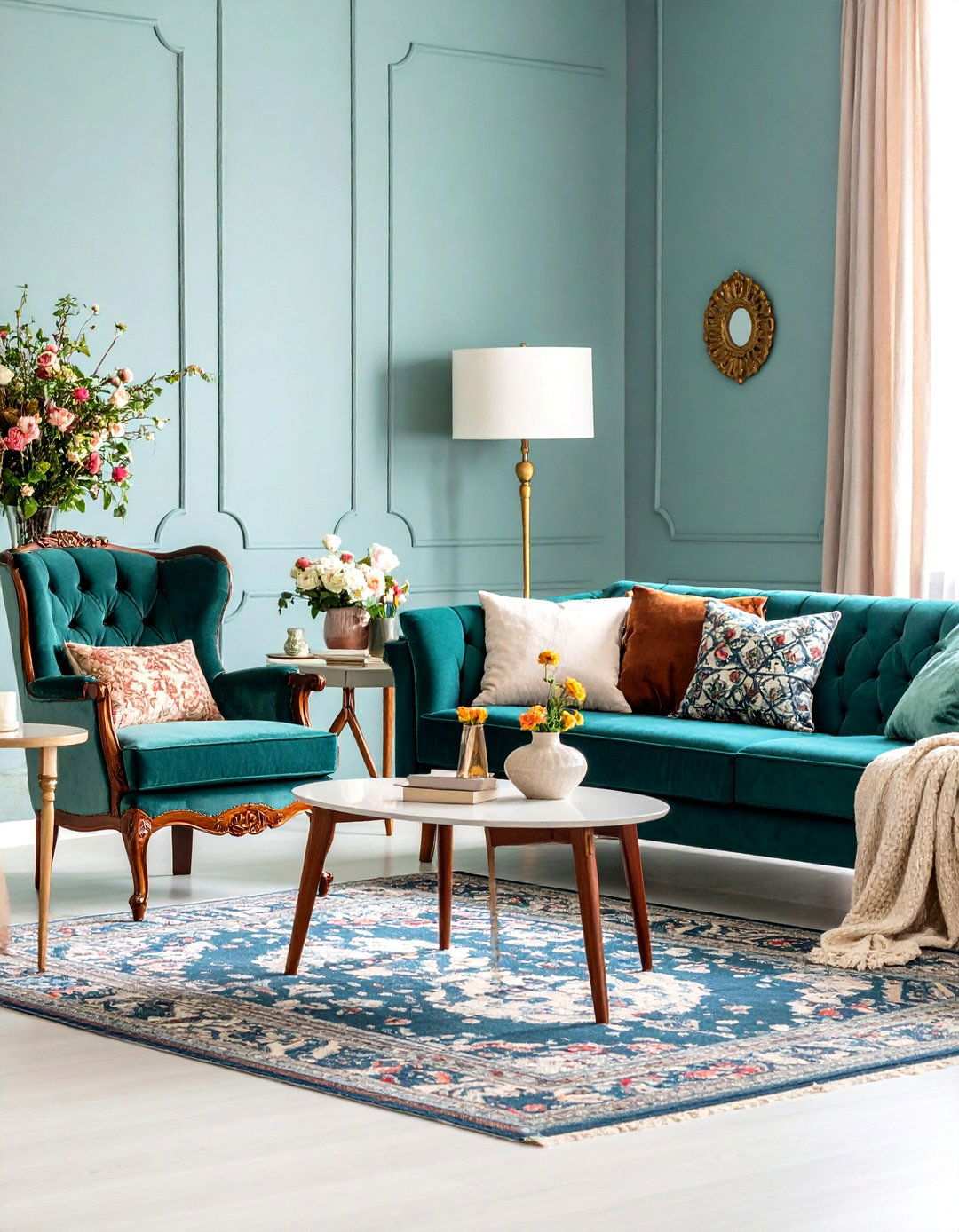
Achieving a harmonious balance between disparate furniture styles, such as Victorian antiques and contemporary designs, requires a thoughtful approach that balances contrasting elements. The unifying thread lies in identifying commonalities that transcend different eras, including shared wood tones, analogous colors, and proportional relationships. By pairing a sleek modern sofa with ornate vintage side tables or combining a rustic farmhouse dining table with modern acrylic chairs, you create a dynamic visual landscape that keeps the eye engaged. To tie these disparate pieces together, utilize textiles, rugs, and accessories that coordinate through color or pattern. When mixing furniture styles, remember to consider the room’s scale, ensuring that larger statement pieces don’t overwhelm smaller decorative elements. This approach allows you to curate a space that seamlessly integrates family heirlooms, flea market finds, and new purchases into a cohesive design that reflects your personal journey and aesthetic evolution.
5. Vibrant Retreats
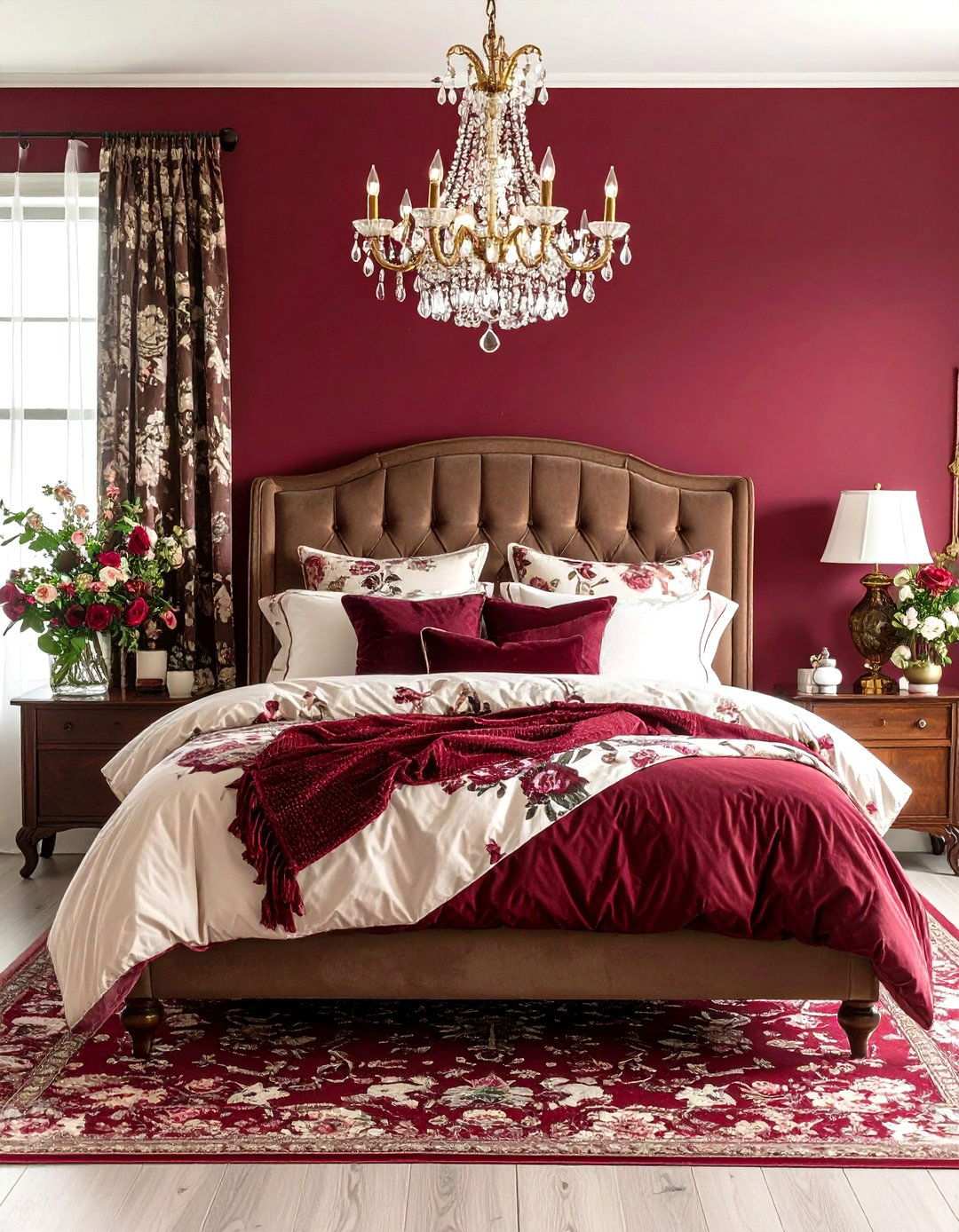
Why compromise on a dull, monotonous bedroom when you can create an immersive sanctuary that awakens the senses? Maximalist bedrooms embody a sense of layered opulence, incorporating bold patterns, rich colors, and tactile textures to create cozy, enveloping retreats that mirror your personality. Begin with statement bedding featuring vibrant floral or geometric patterns, then layer complementary throws, decorative pillows, and curtains in coordinating designs. To add depth and richness, mix different textures through velvet cushions, silk scarves, and woven blankets. Paint walls in deep, saturated colors like forest green or burgundy to create an intimate, cocoon-like atmosphere. Display personal collections, artwork, and photographs throughout the space to imbue it with a sense of uniqueness. To enhance the ambiance, consider installing dramatic lighting fixtures like ornate chandeliers or vintage table lamps, which will create a warm, romantic glow. The goal is to strike a balance between stimulation and restfulness, where every surface contributes to the overall sensory experience while maintaining functionality for daily use.
6. Vibrant Kitchen Transformations

Can you envision a kitchen that bursts with personality and character? Maximalist kitchen designs break free from traditional white cabinets, embracing bold color combinations that inject energy and excitement into cooking and entertaining spaces. To create a dramatic effect, consider pairing upper and lower cabinets in contrasting colors such as a rich navy blue and earthy forest green. Alternatively, opt for a bold, saturated single color like deep burgundy or bright teal. Elevate the visual impact by combining bold cabinetry with patterned backsplashes featuring intricate geometric tiles or lush floral motifs. Add pops of color through vibrant appliances, decorative dishes, and kitchen accessories displayed on open shelving, while maintaining functionality through carefully chosen color relationships. By adhering to the 60-30-10 color rule, you can balance dominant cabinet colors with secondary wall colors and accent details. Don’t forget to incorporate metallic finishes like brass or copper through hardware and lighting fixtures to add warmth and sophistication, resulting in a kitchen that feels more like a thoughtfully designed living space.
7. Textile Layering for Depth and Dimension
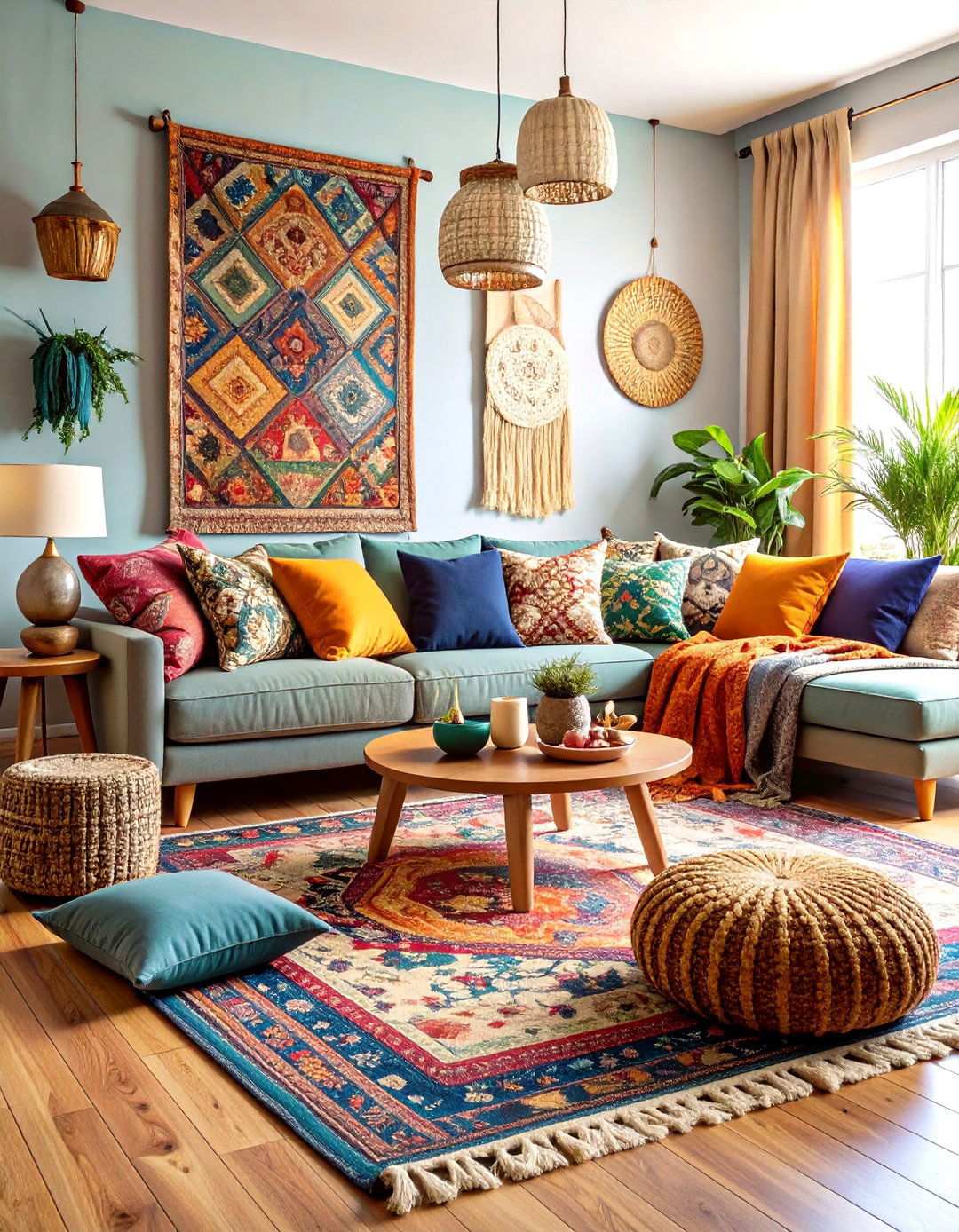
When you skillfully combine multiple rugs, throws, and cushions, the result is a rich, tactile environment that invites exploration and adds visual depth to any room. Begin with a large base rug that anchors the space, then layer smaller accent rugs with contrasting patterns or textures. Mix and match smooth silk cushions with nubby bouclé throws, or pair vintage Persian rugs with contemporary geometric designs. The key to success lies in varying scales, textures, and patterns while maintaining color harmony throughout the composition. To refresh the space seasonally, consider layering textiles in a way that allows you to easily add or remove elements. Mix cultural influences through global textiles like Moroccan poufs, Indian block-printed fabrics, and Scandinavian wool throws. This approach works particularly well in living rooms and bedrooms where comfort and coziness are top priorities. The layered effect creates a warm, inviting atmosphere that makes spaces feel collected and lived-in, rather than newly decorated.
8. Elevating Your Space with Statement Lighting Fixtures
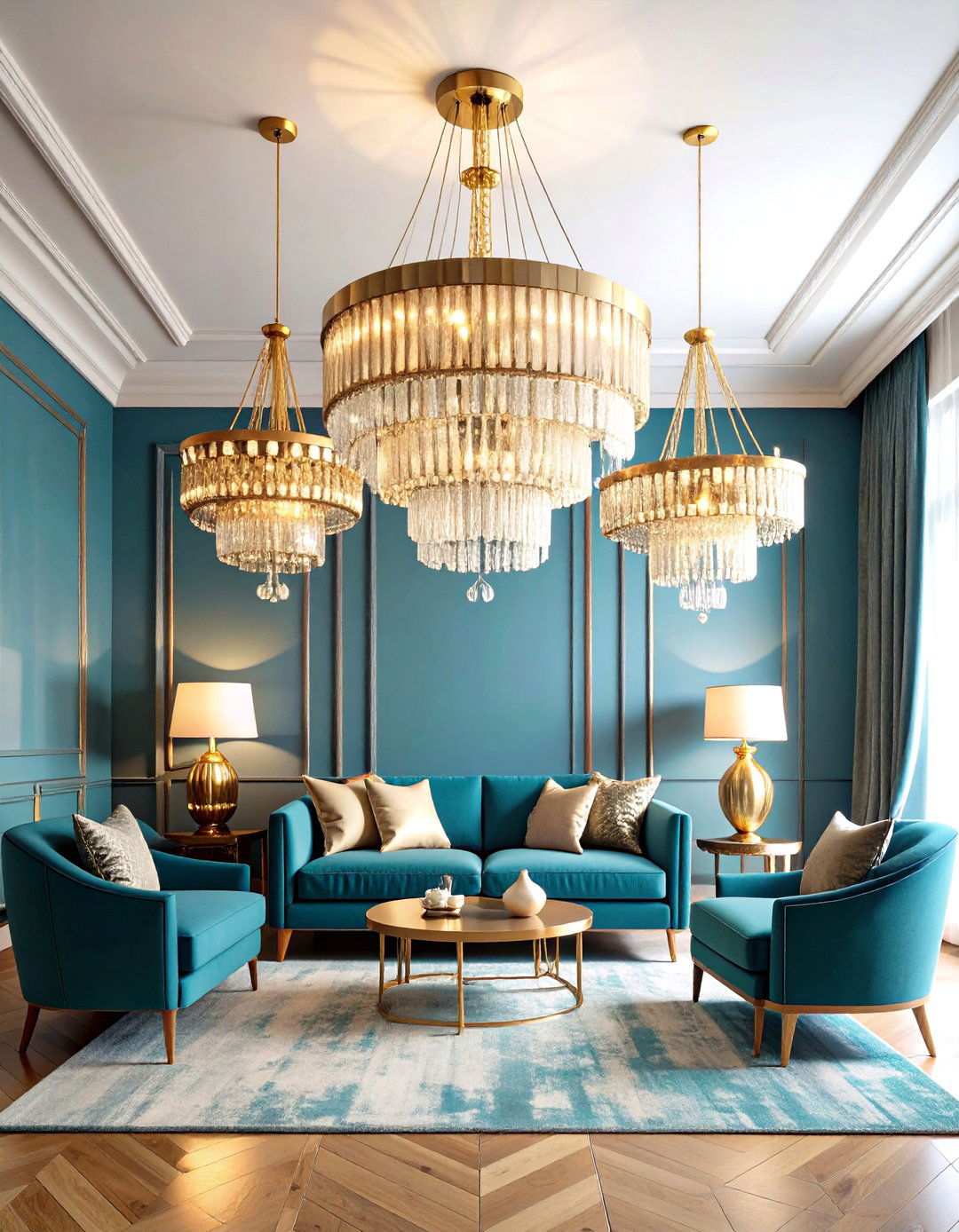
Maximalist lighting has the power to transform an ordinary space into an extraordinary one by incorporating dramatic fixtures that double as functional art pieces. By choosing oversized chandeliers, sculptural pendant lights, or ornate table lamps, you can create a visually stunning atmosphere that reflects your personal taste. To add depth and visual interest, layer multiple light sources at different heights, combining ambient ceiling fixtures with task lighting and accent pieces. Consider using unconventional materials like colored glass, carved wood, or artistic metalwork to introduce personality into your space. Mixing different lighting styles, such as pairing a modern geometric chandelier with vintage brass table lamps, can also create a unique and captivating look. The goal is to create lighting that not only provides practical illumination but also contributes to the overall maximalist aesthetic.
9. Transforming Small Bathrooms into Vibrant Retreats
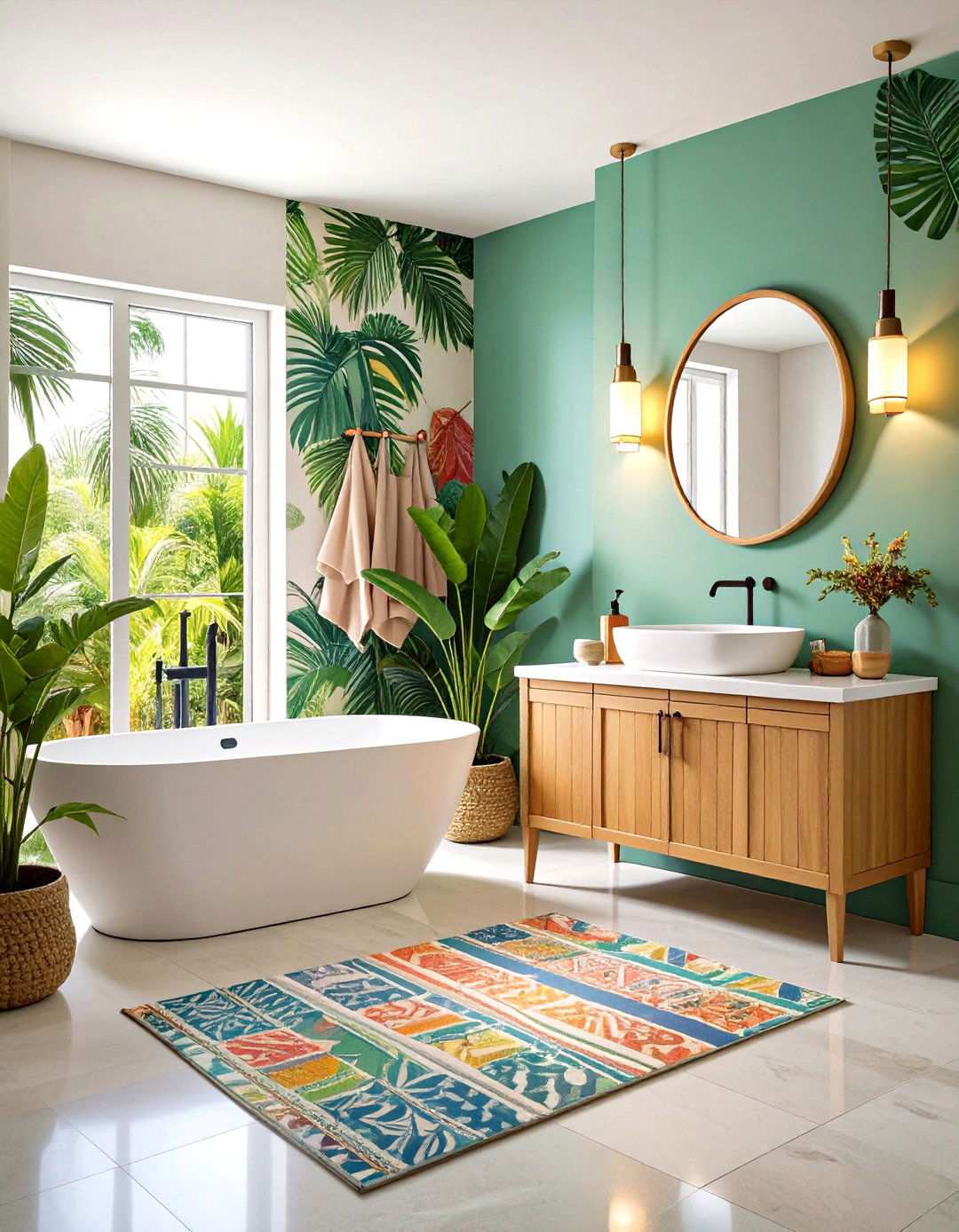
A small bathroom can indeed become a stunning jewel box of color and pattern, thanks to the principles of maximalist design. By incorporating bold wallpaper, colorful fixtures, and dramatic accessories, you can create a visually exciting space that rivals its larger counterparts. Start by choosing vibrant wallpapers with large-scale patterns like tropical florals or geometric designs, which can create an immersive environment that draws you in. Paint ceilings in unexpected colors to draw the eye upward and create the illusion of height, and consider installing colorful vanities in deep blues, forest greens, or even hot pink to make a bold statement. Mix patterned tiles with painted surfaces, combining subway tiles with decorative cement tiles for added visual texture. To add personality to your space, incorporate colorful towels, artwork, plants, and decorative objects that reflect your style. Vintage or antique fixtures can also add character and uniqueness to the space, as long as you balance bold design choices with practical functionality to ensure the space remains comfortable and usable. Proper ventilation becomes especially crucial in maximalist bathrooms to protect wallpaper and prevent moisture damage while maintaining the vibrant aesthetic.
10. Crafting Unique Furniture Ensembles
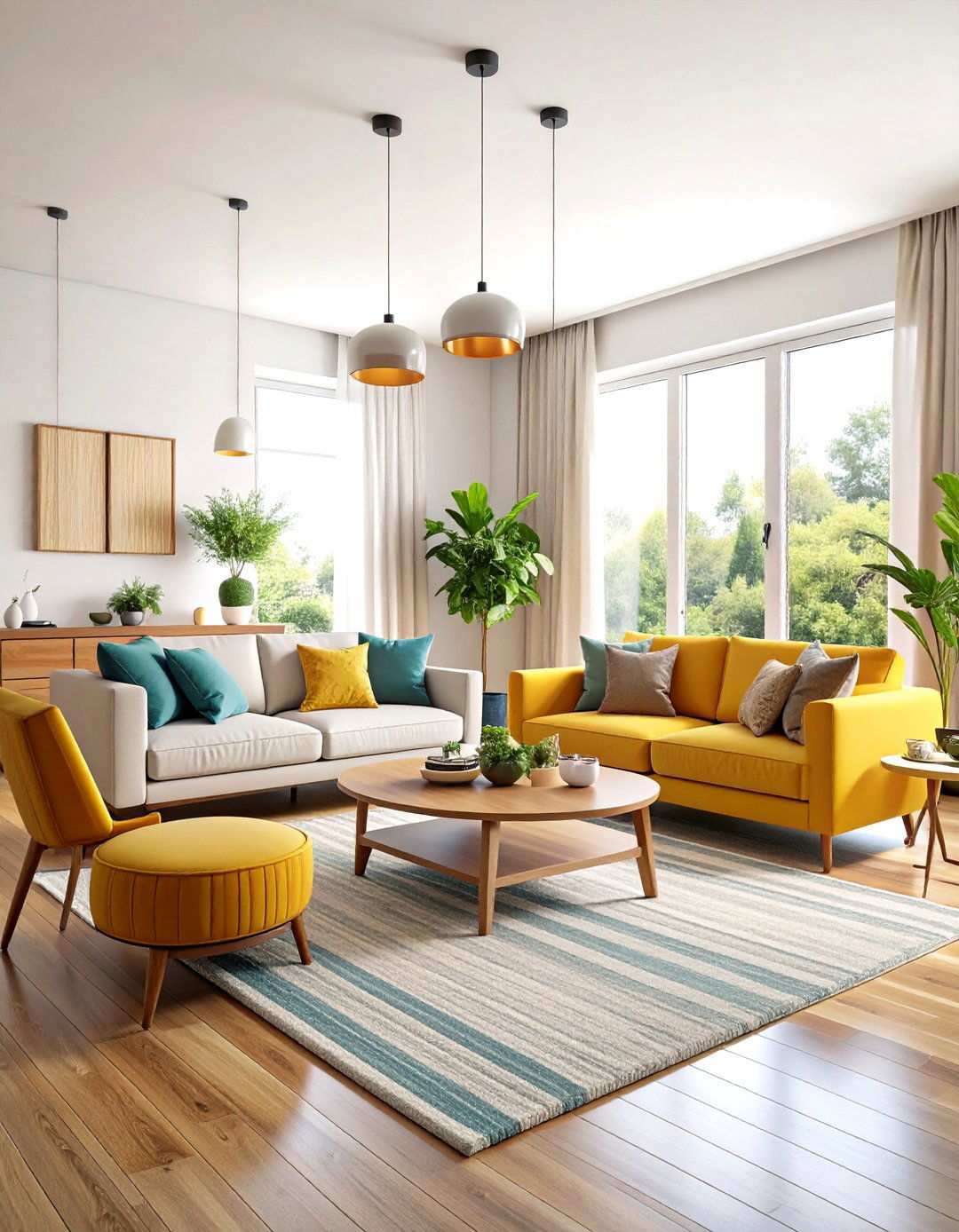
Breaking free from conventional furniture placement rules, creative arrangements can elevate maximalist aesthetics by fostering conversation and creating inviting seating areas. Embracing eclectic furniture ensembles, homeowners can create dynamic compositions that shun traditional layouts. By floating furniture pieces away from walls, individuals can craft cozy conversation nooks that encourage interaction and foster a sense of community. Combining seating heights and styles, such as low floor cushions with tall bar stools and traditional armchairs, adds depth and visual interest to the space. Defining multiple focal points throughout the room, rather than centering everything around a television or fireplace, allows each area to develop its own personality while maintaining overall cohesion. Area rugs can be employed to carve out distinct zones within larger spaces, promoting visual flow while maintaining organization. Unconventional pieces, like vintage trunks as coffee tables or bookcases as room dividers, can add an organic, lived-in touch to the space. This approach is particularly well-suited for open-plan homes, where defined zones help organize activities while maintaining visual flow throughout connected areas.
11. Making a Statement with Accent Walls
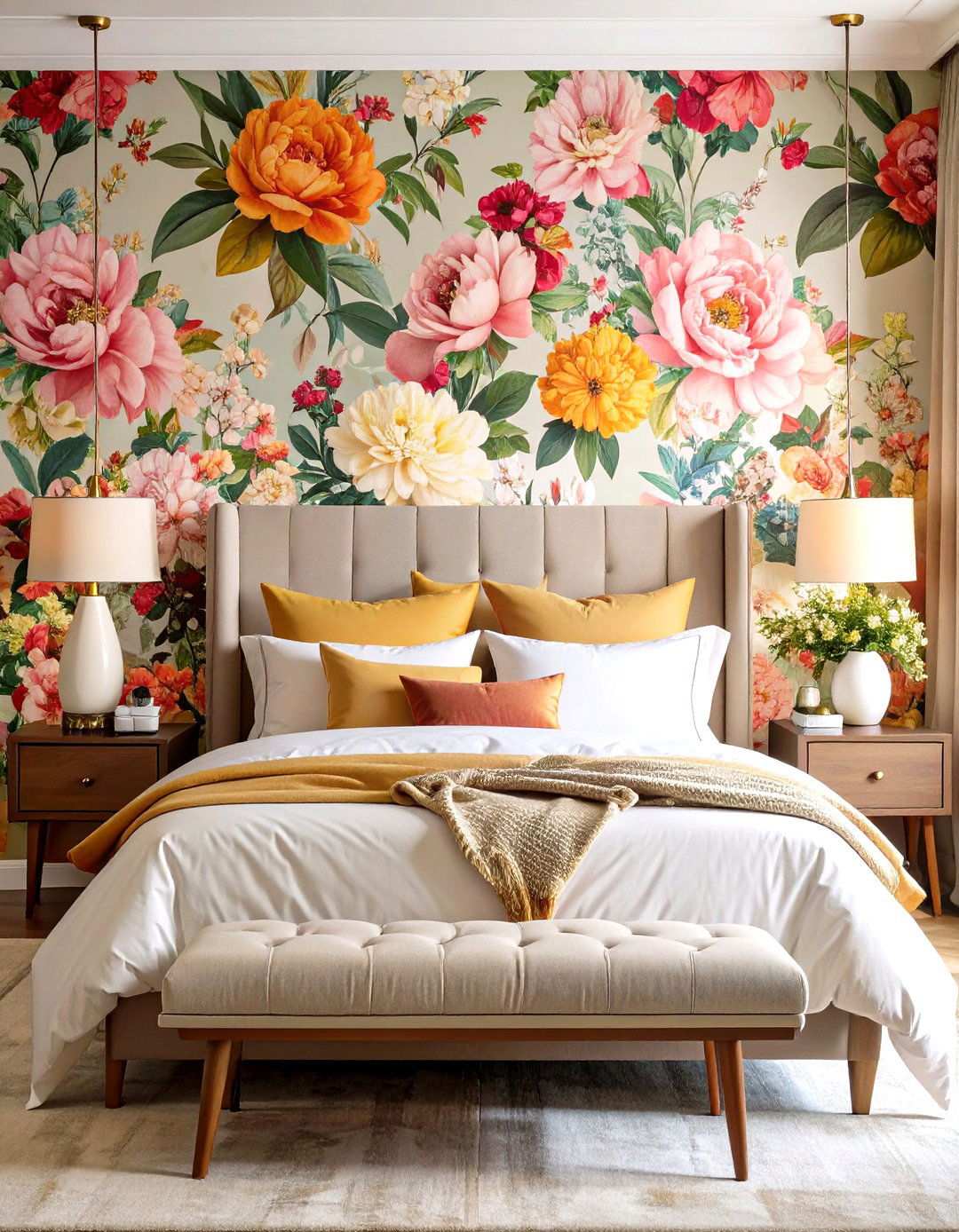
A single, dramatically papered wall can have a profound impact on the overall atmosphere of a space, serving as a powerful focal point that anchors maximalist designs while allowing other elements to coordinate rather than compete. Large-scale patterns, such as oversized florals, geometric designs, or tropical motifs, can create an immediate visual impact, drawing the eye and stimulating the senses. By incorporating metallic accents or textured papers, homeowners can add dimension and luxury to the space, elevating the overall aesthetic. The key lies in selecting papers that complement the existing color scheme while introducing new patterns and visual interest. Strategically positioning accent walls behind beds, sofas, or dining tables can create natural focal points that draw the eye. To balance bold wallpaper, homeowners can employ more subdued colors on remaining walls, allowing the patterned surface to command attention. Those seeking to push the boundaries of traditional wall applications can consider wallpapering ceilings, inside bookcases, or cabinet interiors for unexpected surprises. Quality installation becomes crucial for achieving professional results that enhance rather than detract from the maximalist vision, instantly transforming ordinary rooms into sophisticated, designer-worthy spaces.
12. Vibrant Kitchen Artistry

Maximalist kitchen designs transform the humble backsplash into a stunning focal point. By embracing bold patterns, vivid colors, and creative tile designs, you can turn your cooking space into a work of art. Daring combinations of hand-painted tiles, geometric cement tiles, and mosaic designs can add visual dynamism and energy to the space. Mixing different tile shapes and sizes creates added complexity and texture, while contrasting grout colors highlight intricate pattern details and amplify visual impact. Think beyond traditional materials and consider mirror tiles, metallic finishes, or striking glass panels that refract light and lend a touch of glamour. This is an ideal chance to introduce bold colors that might be overwhelming on larger surfaces. When selecting tiles, harmonize their hue with your cabinet colors and countertop materials to create a cohesive yet captivating color dialogue. Extend your decorative tile pattern beyond the traditional backsplash area to create a feature wall or accent detail that amplifies the maximalist kitchen aesthetic.
13. Harmonious Pattern Mosaic
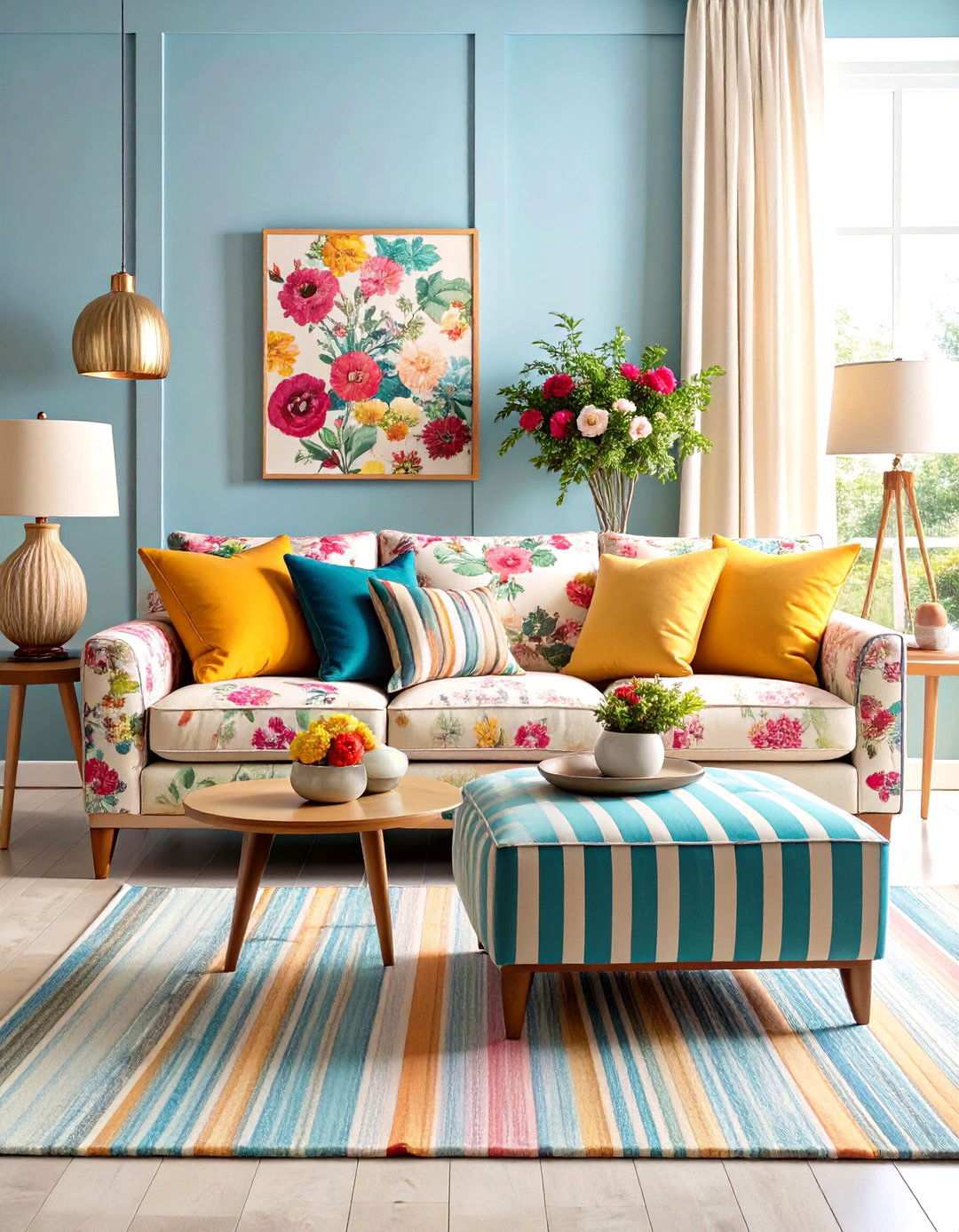
Can you successfully blend florals, stripes, and geometrics into a unified seating arrangement? Mixed pattern upholstery is a hallmark of maximalist interiors that celebrate visual complexity while exuding sophisticated charm. The key lies in establishing a common thread of color that ties disparate patterns together throughout the furniture grouping. Begin by selecting a dominant pattern for your largest piece, then choose supporting patterns in smaller scales that complement rather than compete. Combine organic patterns like florals with geometric designs, or pair traditional motifs with modern graphics to create an intriguing contrast. To add tactile interest alongside visual pattern, incorporate different fabric types like velvet, linen, and silk. Strategically use solid colors to provide visual respite between patterned pieces. This approach works particularly well in living rooms, where multiple seating pieces allow for pattern experimentation and creative freedom. When arranging your furniture, remember to consider pattern direction and scale relationships to create harmonious discord that feels intentional and refined.
14. Unleashing Ceiling Potential
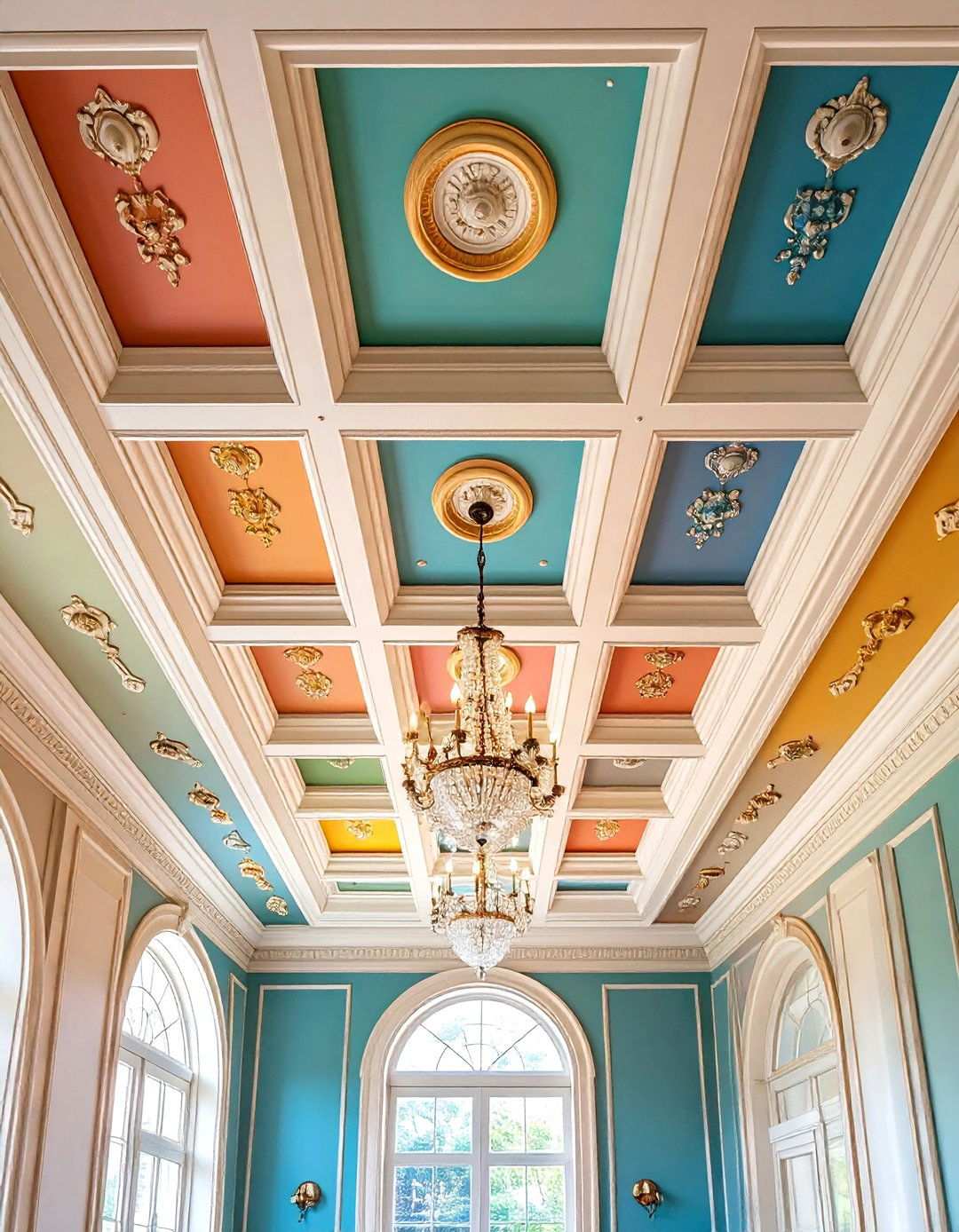
Maximalist spaces need statement pieces, and why not start from the top? By elevating ceilings to new heights, homeowners can create dynamic focal points that anchor their room’s design. Consider bold ceiling hues that harmonize with wall treatments, or introduce decorative wallpaper that extends the room’s narrative upward. Coffered ceilings, painted in contrasting colors, bring architectural interest and visual depth. Exposed beams can be revitalized with bright colors or stenciled patterns, adding a rustic touch to maximalist interiors. Softening the space, fabric installations like draped textiles or upholstered panels provide acoustic benefits and contribute to the overall design story. Decorative moldings and medallions, painted in metallic finishes or vibrant colors, infuse traditional elegance with maximalist flair. Suspended elements, such as hanging plants, artistic mobiles, or decorative lighting, draw the eye upward, creating an immersive experience. The key lies in ensuring ceiling treatments harmonize with wall and floor elements while introducing a sense of visual surprise. When executed thoughtfully, ceiling drama can make rooms feel more intimate and expertly designed, adding an unexpected layer of sophistication.
15. Reviving Vintage Finds

Forgotten furniture pieces can be reborn as maximalist masterpieces through the art of upcycling. This eco-friendly approach not only revitalizes old furniture but also injects personal creativity and environmental consciousness into the design. Start with solid wood pieces that offer a solid foundation for transformation, using paint, new hardware, and creative finishes to breathe new life into their tired forms. Bold color choices, such as electric blue, hot pink, or sunny yellow, can energize tired furniture and create statement pieces that reflect your personality. Mixing painting techniques like color blocking, ombre effects, or stenciled patterns adds visual interest and personality to each piece. Updating hardware with brass, copper, or colorful ceramic knobs and pulls enhances the maximalist aesthetic, while reupholstering seating pieces in vibrant fabrics with bold patterns coordinates with your room’s color scheme. Don’t be afraid to combine different finishing techniques on one piece, such as pairing painted bases with natural wood tops. The result is one-of-a-kind furniture that tells your story while contributing to sustainable design practices. These upcycled pieces often become conversation starters, adding character and authenticity to maximalist interiors.
16. Layered Rug Combinations
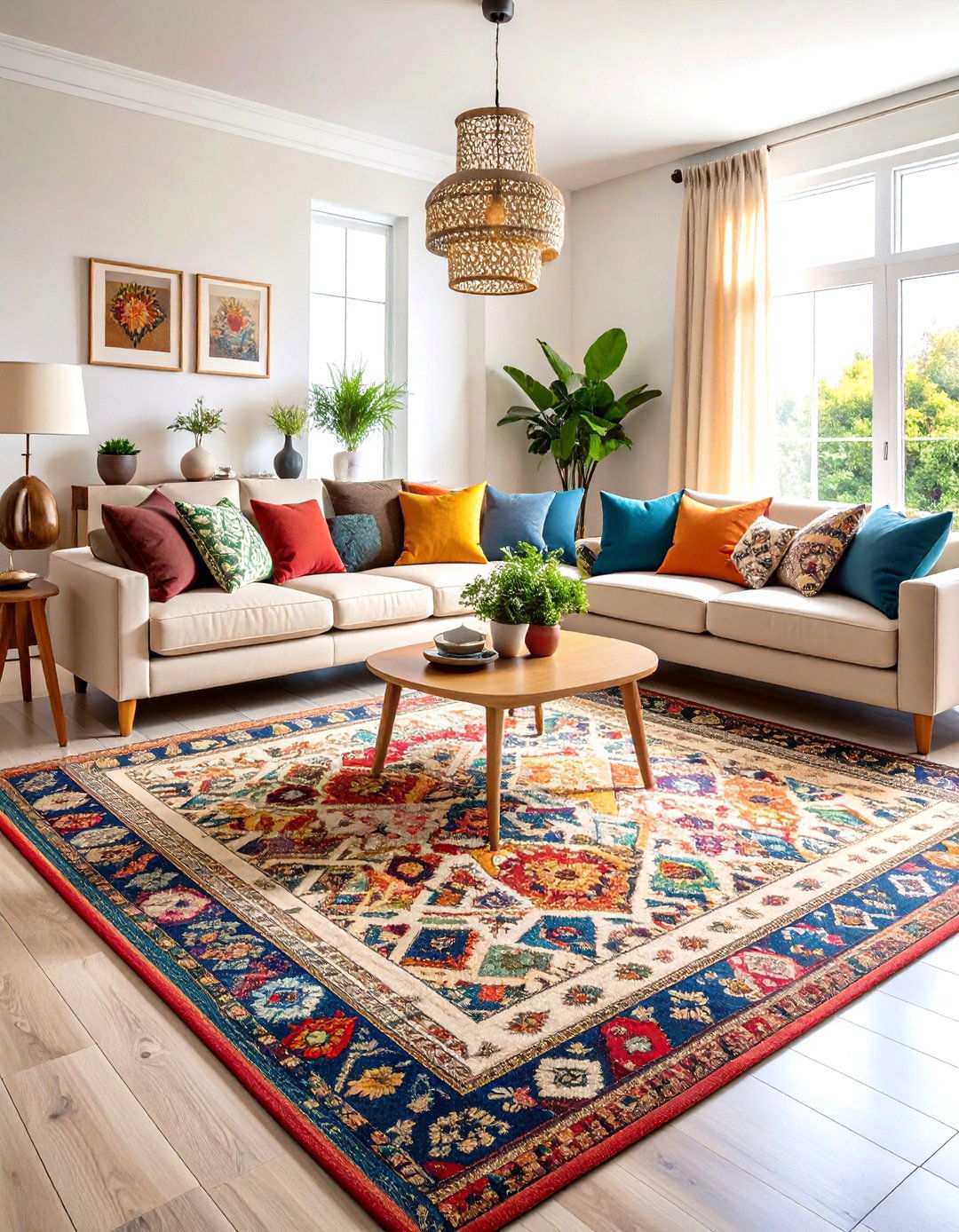
Layering multiple rugs creates a rich tapestry of textures, colors, and patterns, elevating the ambiance of a maximalist space. By incorporating a neutral base rug as a foundation, you can build upon it with smaller accent rugs featuring bold designs or contrasting textures. This technique is particularly effective when combining disparate rug styles, such as pairing traditional Persian motifs with modern geometric patterns or blending natural fiber rugs with plush wool pieces. To achieve a harmonious layered look, consider the interplay of colors, ensuring that the rugs share common hues while introducing a variety of patterns. The strategic use of different pile heights and textures adds a tactile dimension, further enhancing the visual complexity of the space. This approach is particularly suited to living rooms and bedrooms, where comfort and coziness take center stage. However, don’t forget to factor in the practical considerations of rug placement, taking care to avoid obstructing furniture legs and walking paths. When executed thoughtfully, layered rug combinations can not only enhance room functionality but also create a stunning visual impact that embodies the principles of maximalism.
17. Open Shelving Displays
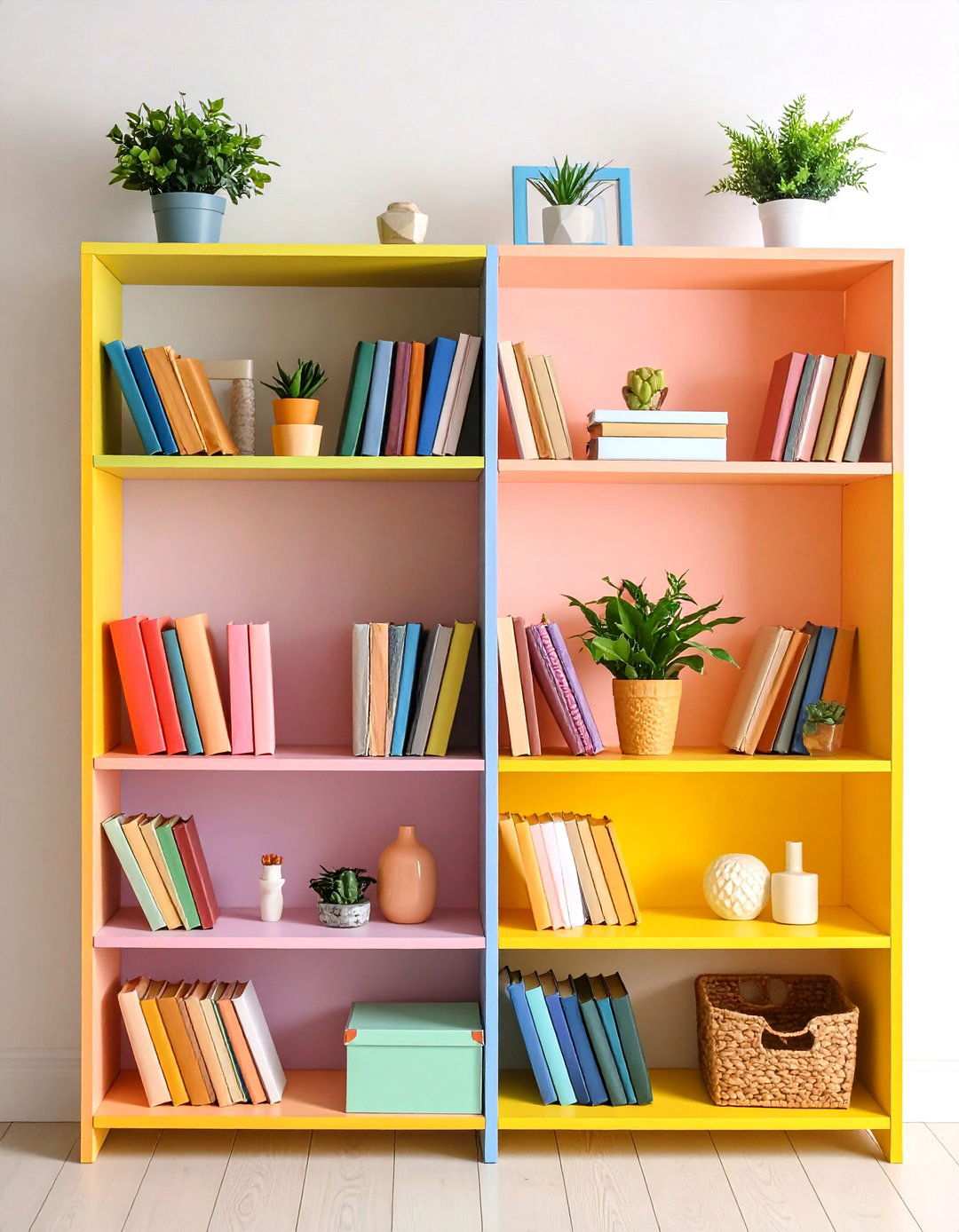
By repurposing open shelving into a curated exhibition space, you can transform functional storage into a dynamic display that showcases your personal collections and contributes to the overall aesthetic of the room. To create visually appealing compositions, mix books with decorative objects, plants, and artwork, and use the rule of odd numbers to group objects. Varying the heights and shapes of the items on display will add visual movement and interest, while considering color coordination that supports the room’s palette will allow individual pieces to shine. Displaying collections thematically or mixing unrelated objects can create an eclectic appeal that surprises and delights visitors. To further enhance the display, incorporate lighting elements such as small lamps or string lights that highlight special pieces and create ambiance. Avoid overcrowding the shelves, leaving breathing space for each item to be appreciated. To keep the arrangement fresh and engaging, consider rotating displays seasonally. By creating compositions that feel intentional rather than chaotic, you can showcase your personality and interests through well-styled open shelving, which becomes functional art that enhances the maximalist aesthetic while providing practical storage solutions.
18. Elevating Dining Room Ambiance
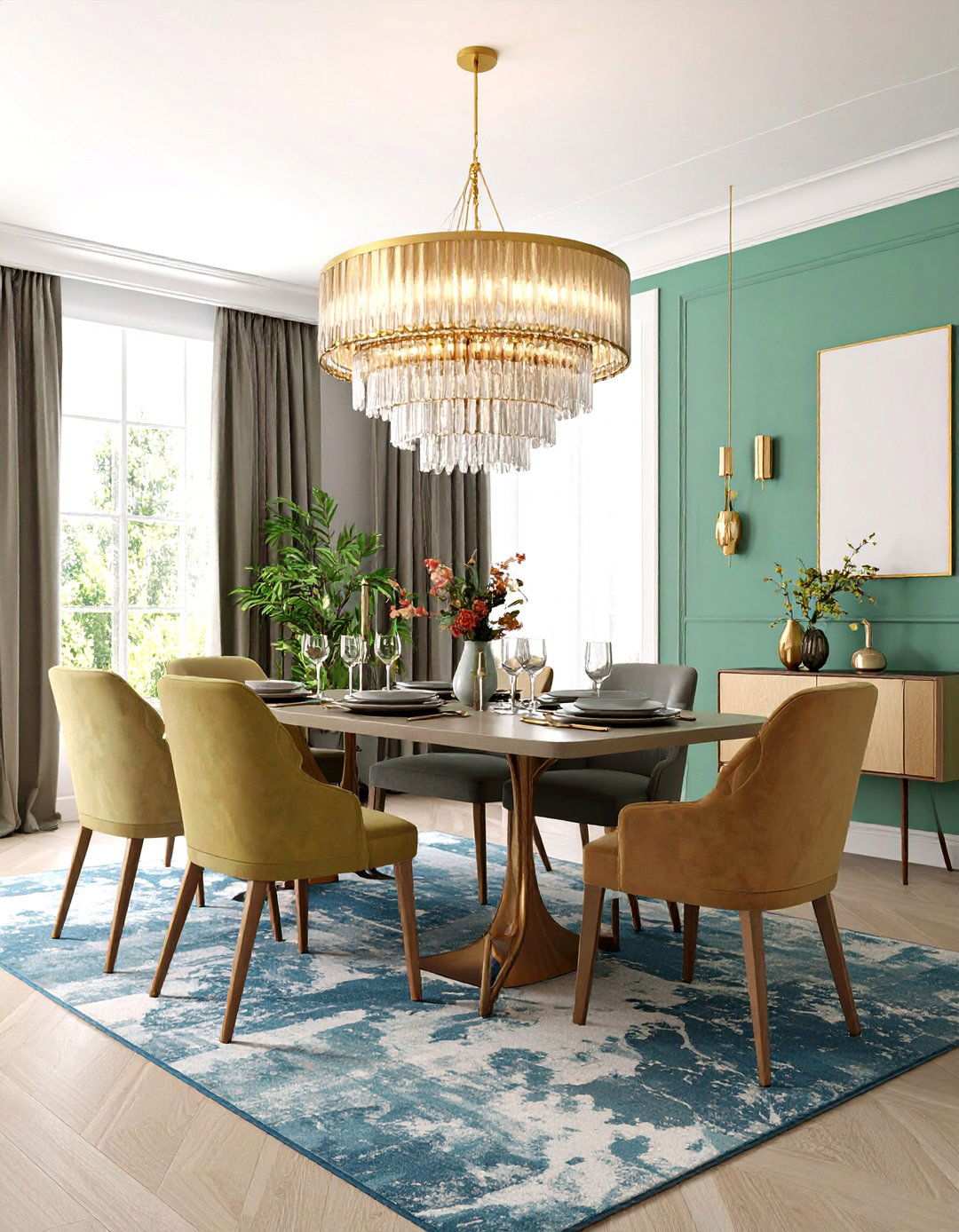
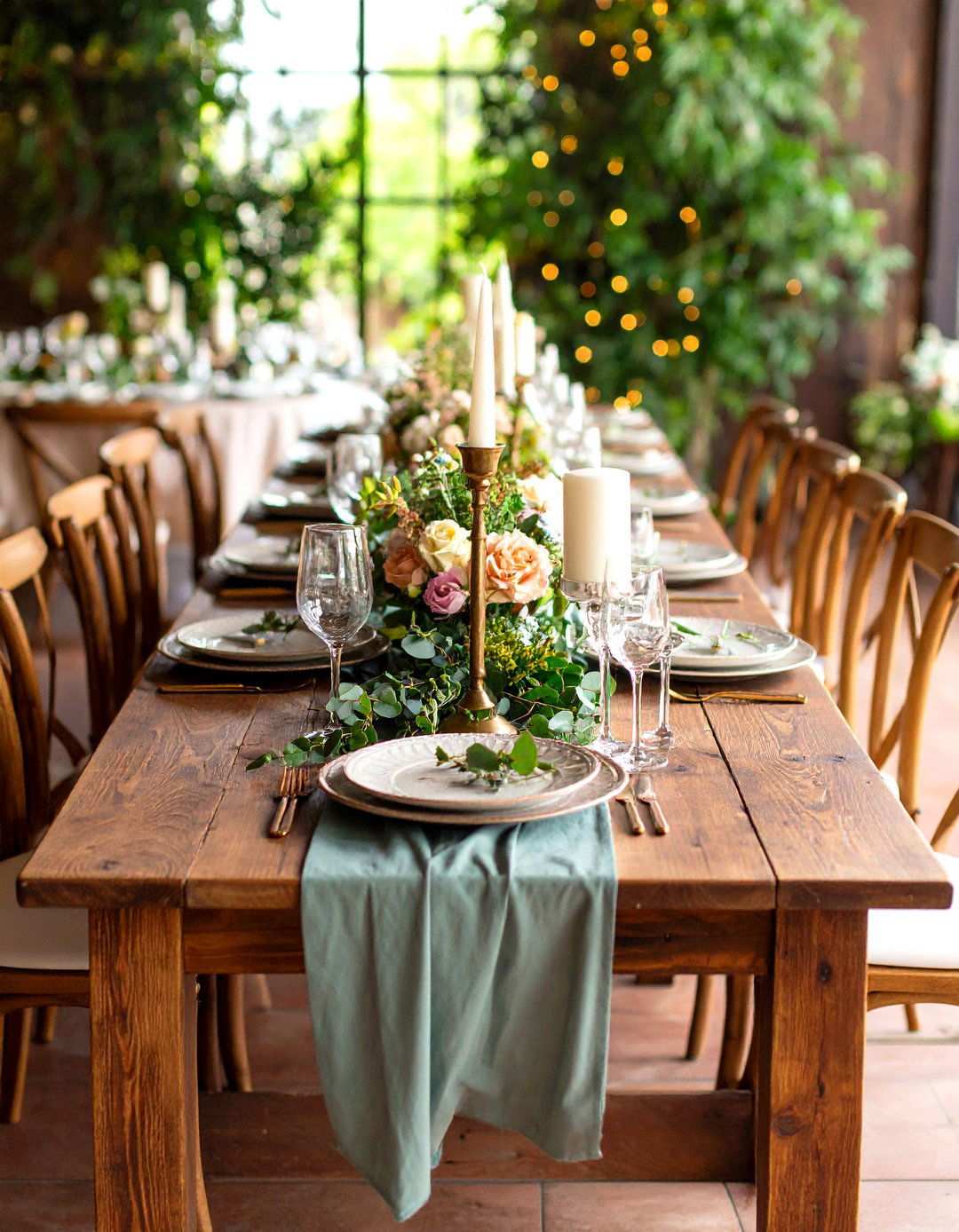
Transforming your dining room into a show-stopping space begins with embracing bold, eclectic style. Maximalist dining rooms are defined by their dramatic color schemes, oversized artwork, and creative furniture combinations. To set the tone, select a statement dining table that embodies your personal aesthetic, whether it’s a vintage farmhouse piece or a sleek, modern design. Mix and match dining chairs in different colors, materials, and shapes to create a visually striking and engaging atmosphere. Take your wall treatments to the next level with bold paint colors, large-scale wallpaper, or gallery wall installations that command attention. Dazzle with statement lighting fixtures, such as oversized chandeliers or artistic pendant lights, which provide both illumination and visual drama. To further enhance the maximalist aesthetic, incorporate table linens, centerpieces, and decorative objects that introduce additional colors and patterns. Consider incorporating unconventional elements like a vintage bar cart, decorative screens, or artistic mirrors to add personality and functionality to the space. The ultimate goal is to create an atmosphere where every meal feels like a special occasion, and your personal style and hospitality philosophy shine through.
19. Harnessing the Power of Texture
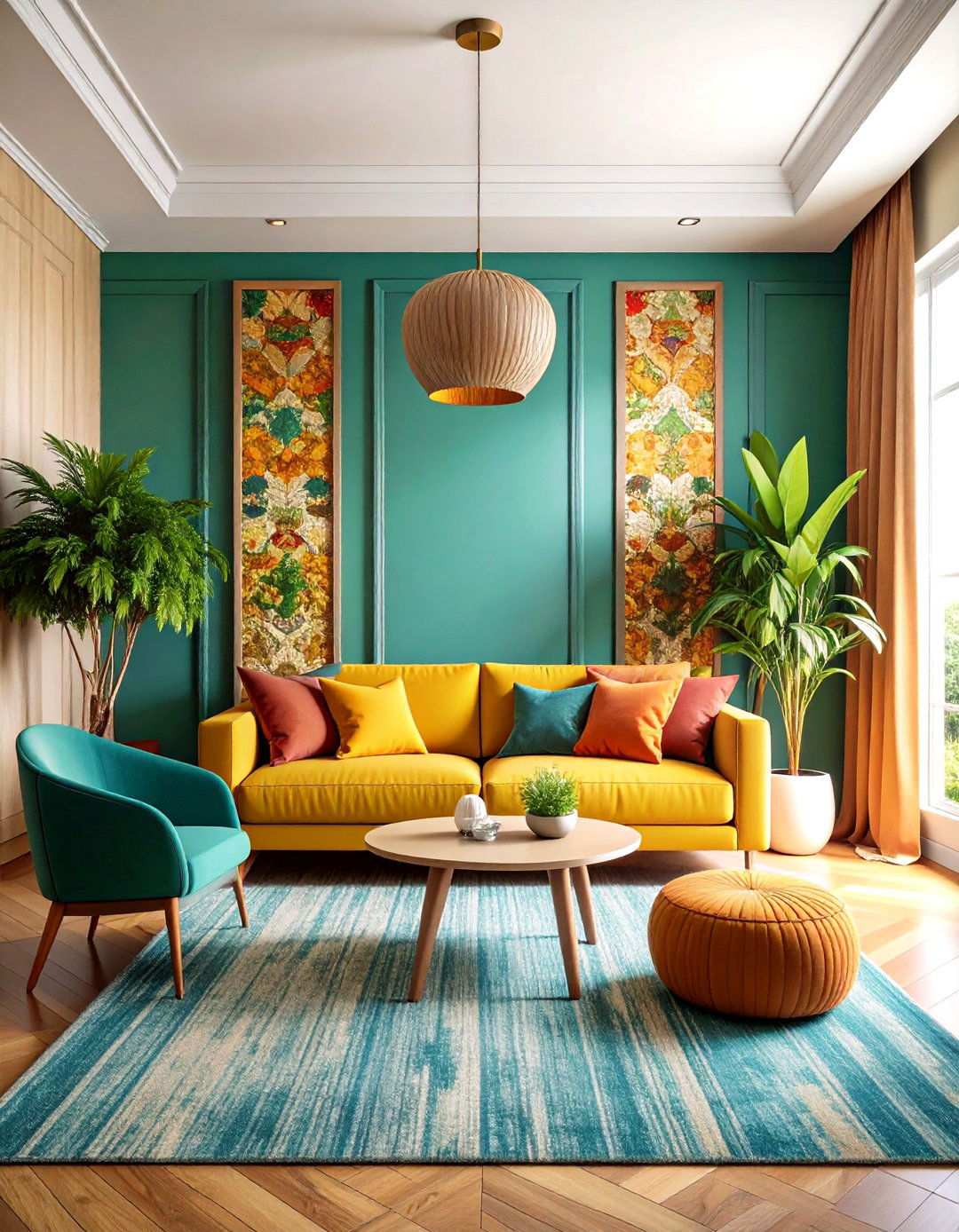
In a world of plain painted walls, texture is an untapped potential that can elevate your space to new heights. Textural maximalist wall treatments add depth, visual interest, and tactile richness to your room design by incorporating varied surfaces and materials. Consider incorporating grasscloth wallpaper, wood paneling, or decorative plaster techniques to introduce organic texture and warmth. Mix and match smooth and rough surfaces within the same room to create contrast and visual interest. Fabric wall coverings like stretched textiles or upholstered panels bring softness and acoustic benefits while introducing pattern and color. Architectural elements like wainscoting, board and batten, or decorative moldings painted in bold colors create traditional elegance with a maximalist twist. Take it to the next level with three-dimensional elements like carved panels, metal artwork, or hanging textiles that cast interesting shadows and create depth. The key to success lies in balancing different textures throughout the space to avoid overwhelming any single area. Textural walls work particularly well as accent features that complement rather than compete with other maximalist elements. Proper lighting becomes essential for highlighting textural details and creating dramatic visual effects throughout the day.
20. Unleashing Creativity in Maximalist Home Offices
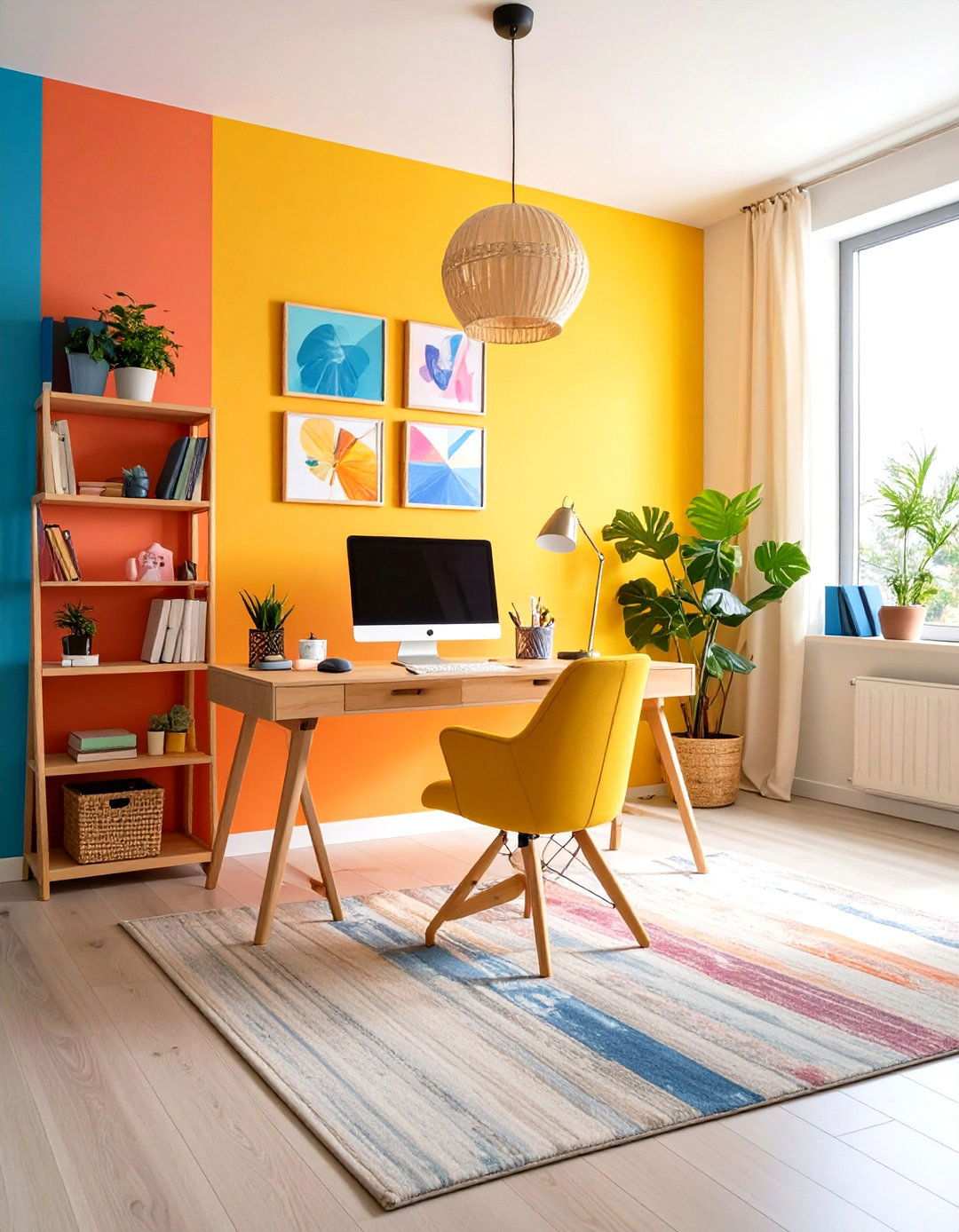
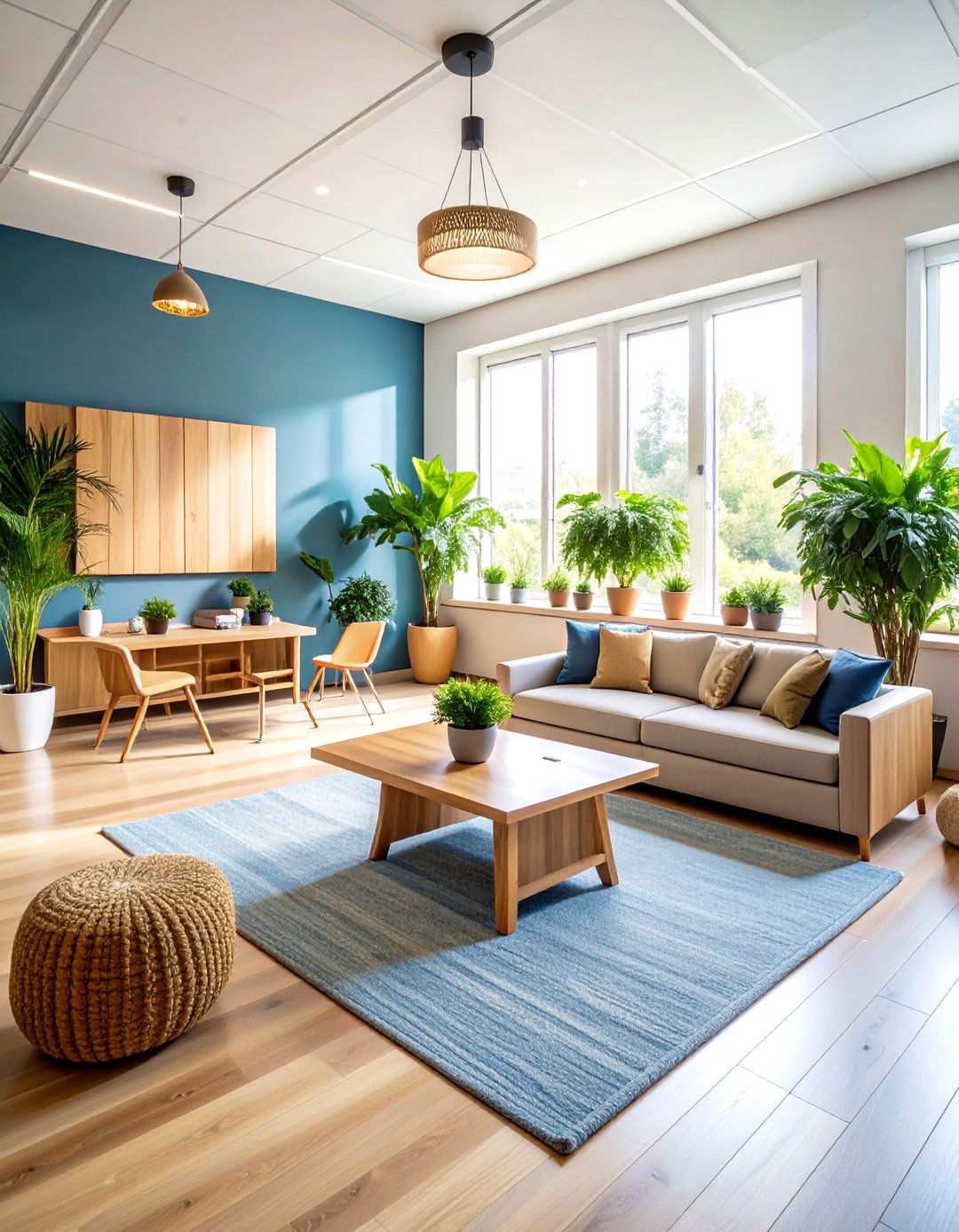
Can a workspace become a haven for inspiration through the deliberate application of maximalist design principles? Maximalist home offices shun mundane environments in favor of invigorating hues, thought-provoking artwork, and personalized collections that foster productivity and creativity. To create an energizing atmosphere, opt for bold wall colors or patterned wallpaper that complements rather than overwhelms work tasks. Design a gallery wall featuring artwork, motivational quotes, and personal photographs that reflect your goals and interests, allowing you to tap into their motivational potential. Use colorful storage solutions like vibrant bookshelves, decorative boxes, and patterned file cabinets that not only organize supplies but also contribute to the overall aesthetic. By incorporating dramatic lighting, you can provide both task illumination and atmospheric ambiance for various work modes, thereby enhancing the overall experience. Incorporating plants, decorative objects, and personal collections can help make the space feel uniquely yours. A statement desk or chair in bold colors or interesting materials can serve as a functional focal point, boosting motivation and focus. Ultimately, the key lies in creating an environment that stimulates creativity while maintaining organization and functionality, making a well-designed maximalist office a space you genuinely want to spend time in, which in turn, boosts productivity and job satisfaction.
21. Crafting a Memorable First Impression with Dramatic Entryways
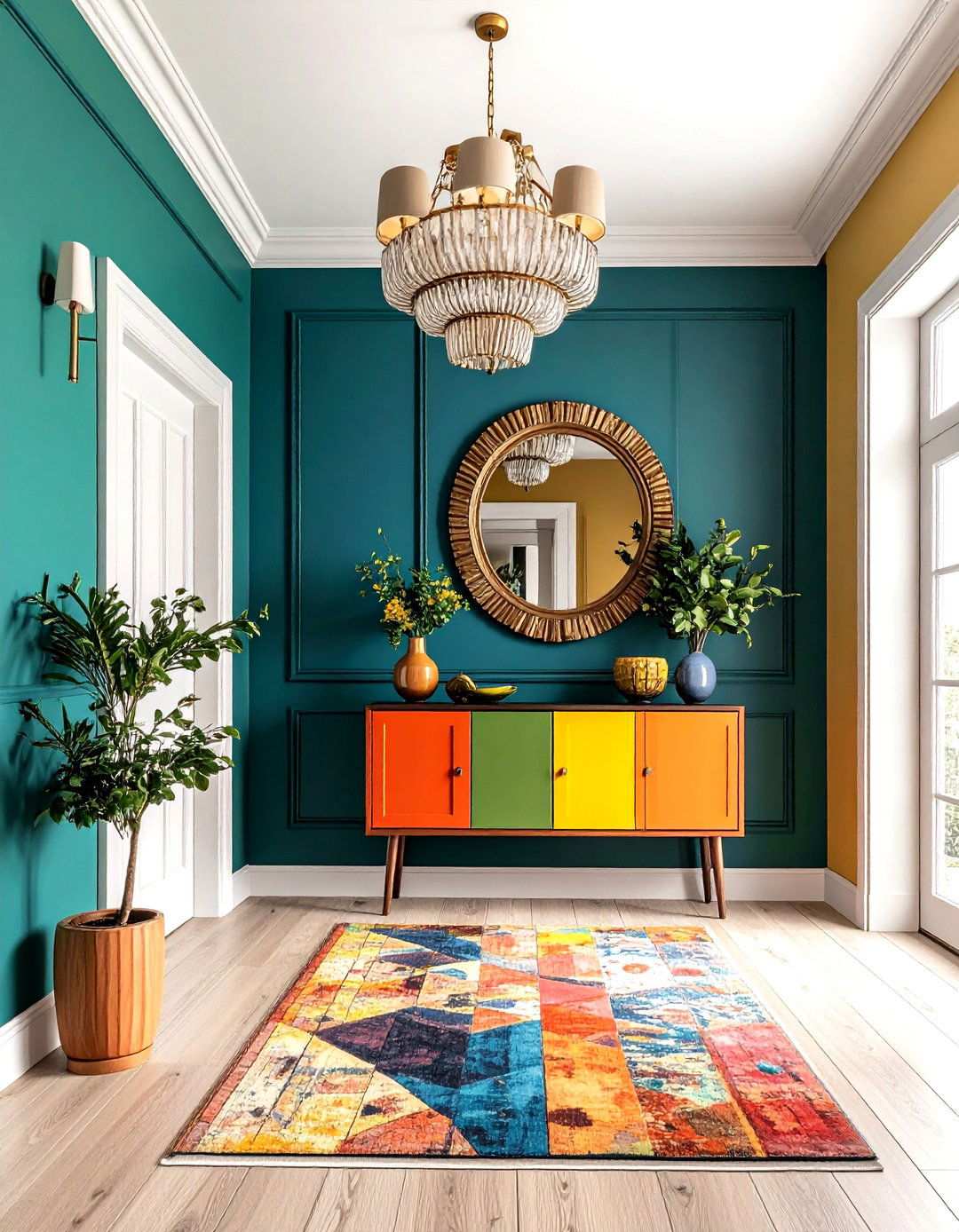
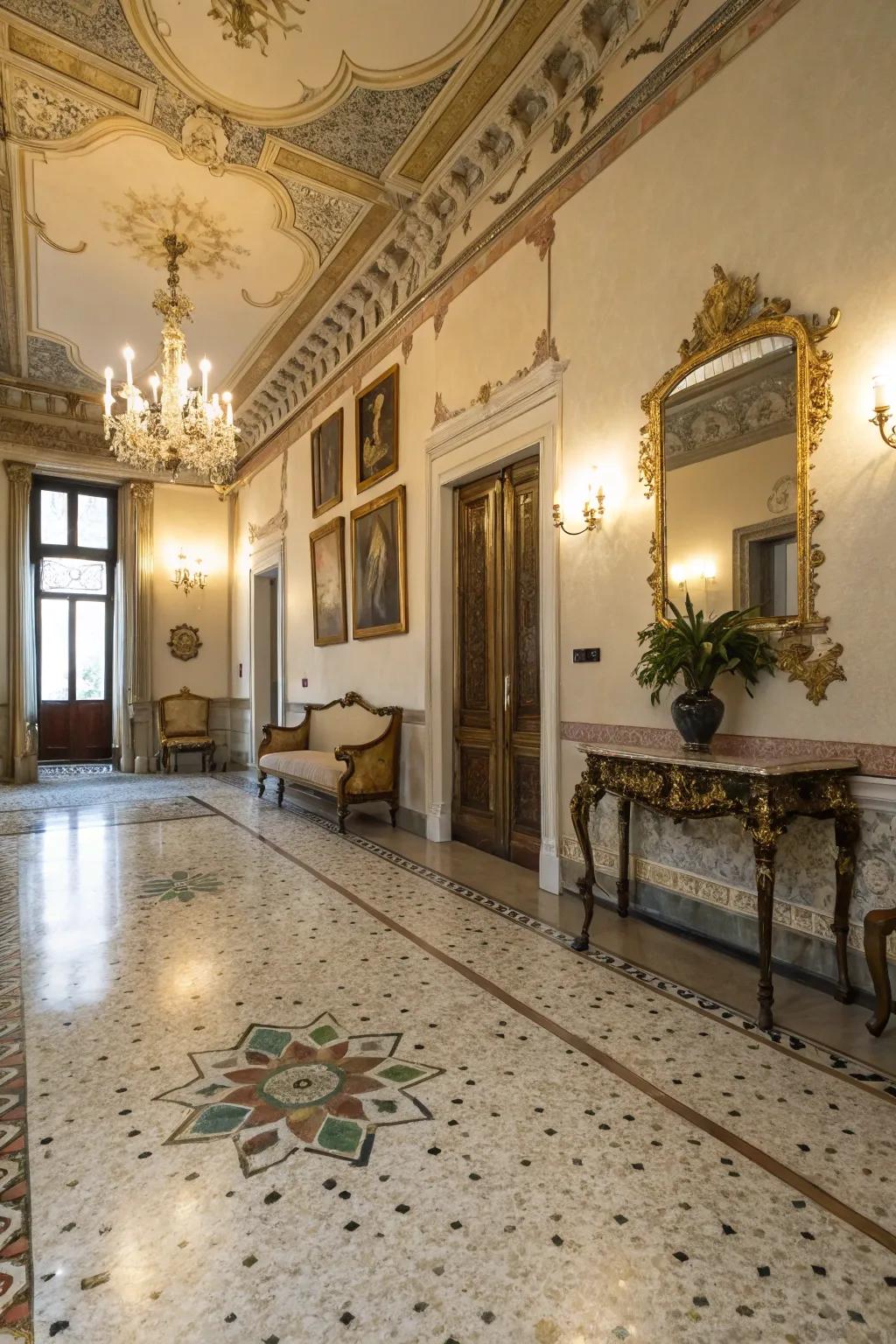
What story does your entryway convey about your home’s personality? A well-designed maximalist entryway has the power to create a lasting first impression through bold colors, dramatic lighting, and carefully curated displays that welcome guests while setting expectations for the rest of your home. To make a statement, choose bold paint colors, oversized wallpaper patterns, or artistic installations that command immediate attention and leave a lasting impression. Install dramatic lighting fixtures like chandeliers or pendant lights that create ambiance and showcase architectural features, thus adding depth to your space. By incorporating colorful console tables, artistic mirrors, and decorative storage solutions, you can create functional beauty that serves practical needs while contributing to the overall aesthetic. To keep the space fresh and interesting, consider displaying rotating artwork or seasonal decorations that cater to the tastes of both guests and family members. Finally, include seating elements like upholstered benches or vintage chairs in bold fabrics that provide function while adding color and pattern, thus creating a space that feels welcoming rather than overwhelming. A thoughtfully designed entryway sets the tone for memorable visits and daily homecomings, making a lasting impression on all who enter your home.
22. Vibrant Closet Design

Transforming closets into joyous spaces, colorful interiors turn mundane storage areas into energizing dressing rooms. By incorporating bold colors, creative organization, and whimsical elements, daily routines become a celebration. Paint closet walls in vibrant hues like hot coral, turquoise, or golden mustard that evoke happiness every time the doors open. Install colorful shelving units, patterned drawer inserts, and decorative storage boxes that merge functionality with beauty. Add personality through eye-catching wallpaper, eclectic artwork, or humorous decals that reflect your style and wit. Incorporate ambient lighting that highlights clothing while creating a cozy atmosphere with decorative fixtures or string lights. Consider incorporating seating elements like colorful ottomans or vintage armchairs that blend functionality with design flair. Strategically place mirrors to reflect light, create the illusion of space, and serve practical purposes. The ultimate goal is crafting a space that turns getting dressed into a delightful experience rather than a chore. A well-designed closet interior becomes a serene retreat that commences each day with color and joy.
23. Botanical Maximalism
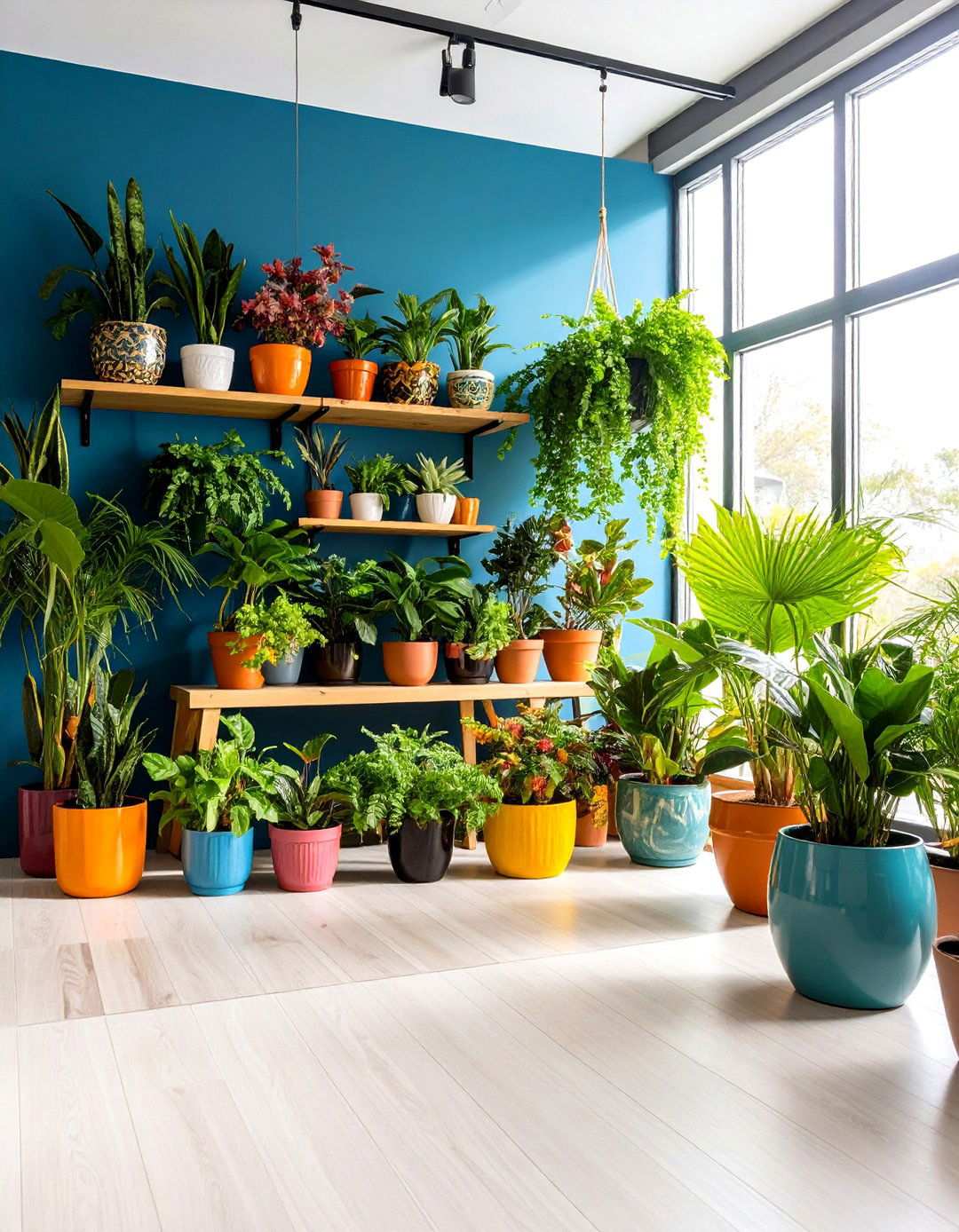
Incorporating plants as integral design elements, plant-forward maximalism brings together lush greenery, bold colors, and patterns to create living spaces that celebrate both natural beauty and design ingenuity. Choose plants with diverse foliage colors, textures, and sizes that harmonize with your room’s color palette while adding organic movement and life. Mix an assortment of plant containers, including brightly colored ceramic pots, vintage planters, and hanging baskets, that contribute to the overall aesthetic while housing your plant collection. Create plant groupings at various heights using plant stands, hanging installations, and floor placements that add visual layers and interest. Consider dramatic specimens like large fiddle leaf figs or bird of paradise plants that serve as living sculptures alongside smaller accent plants. Include flowering plants that introduce seasonal color changes and natural fragrance to enhance the sensory experience. The key is seamlessly integrating plants as design elements rather than afterthoughts, ensuring they elevate rather than compete with other maximalist features. Well-planned plant installations create environments that feel vibrant, dynamic, and constantly evolving while improving air quality and connecting inhabitants with nature.
24. Redefining Rooms with Purposeful Design
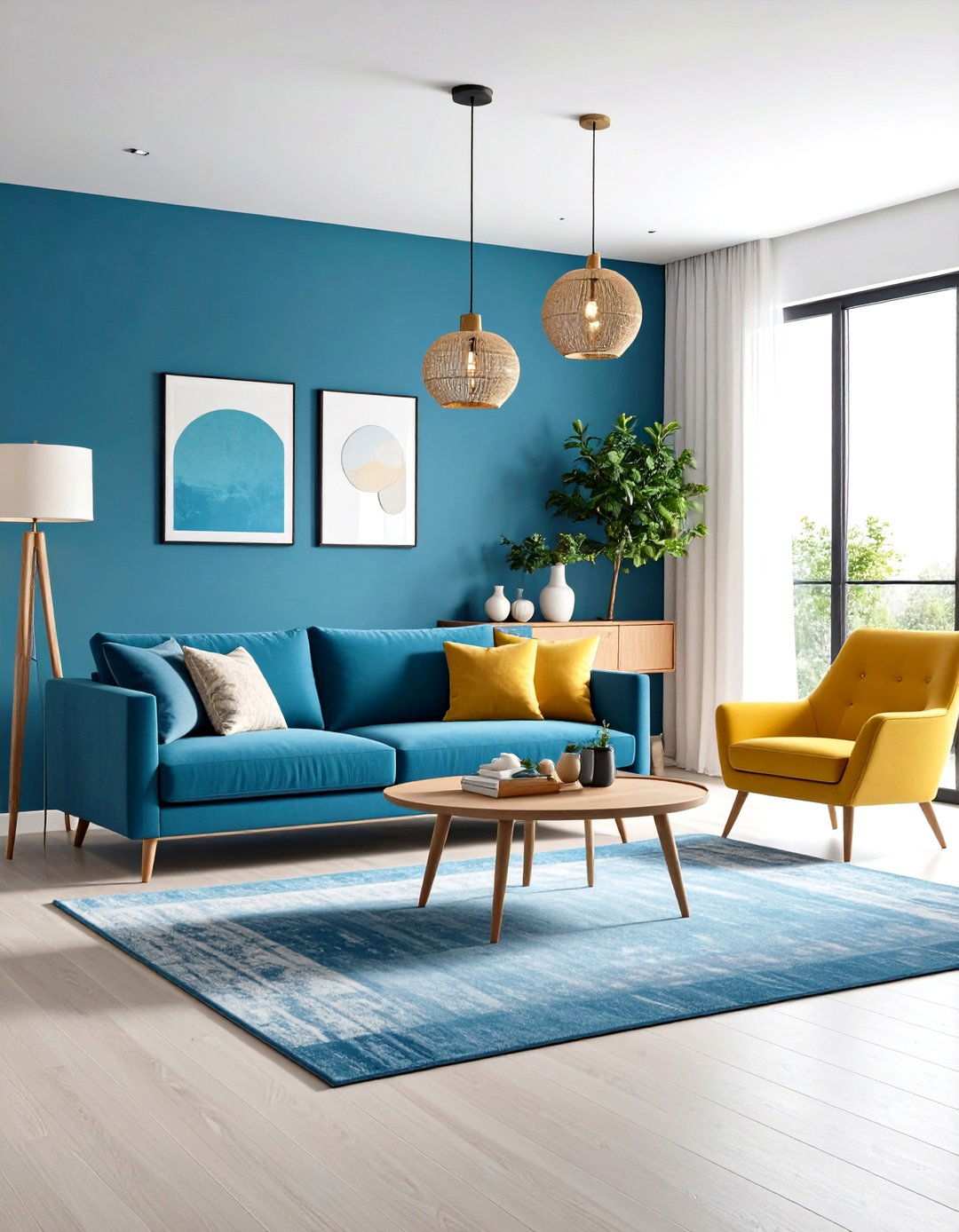
The traditional notion of assigning specific functions to individual rooms can be limiting. By embracing innovative design strategies, homeowners can create multi-functional spaces that seamlessly integrate various purposes. These areas not only showcase visual flair but also prioritize functionality, making them perfect for residents with diverse lifestyles. To achieve this, incorporate furniture that serves multiple functions, such as storage ottomans, adaptable dining tables, or clever desk-dining table combinations that can be reconfigured to meet changing needs.
When defining different zones within these dynamic spaces, utilize room dividers like decorative screens, bookshelves, or hanging textiles that not only separate areas but also contribute to the overall aesthetic. Strategically selecting furniture pieces, area rugs, lighting, and color palettes can create distinct zones that signal different functions while maintaining design continuity. Consider mobile elements like rolling carts, folding screens, and modular seating that can be rearranged to accommodate various activities. By doing so, homeowners can ensure each functional zone feels purposefully designed rather than hastily assembled. Effective storage solutions become crucial in these spaces, requiring creative approaches that conceal clutter while enhancing the maximalist aesthetic. Ultimately, well-designed multi-functional spaces demonstrate that even the smallest homes can accommodate diverse personalities and lifestyles without compromising style or comfort.