Creating a vegetable garden is not just about growing food, but nurturing a space that blends beauty and practicality. With the right layout, your garden can be both a feast for the eyes and the table.

As an Amazon Associate I earn from qualifying purchases.
Designing a vegetable garden involves thoughtful planning and creativity. A well-designed garden not only enhances your property’s aesthetic appeal but also offers a rewarding and sustainable way to grow your own food. From pathways to planting strategies, let’s explore some inspiring ideas to make your vegetable garden a vibrant and productive haven.
Pathways to Success
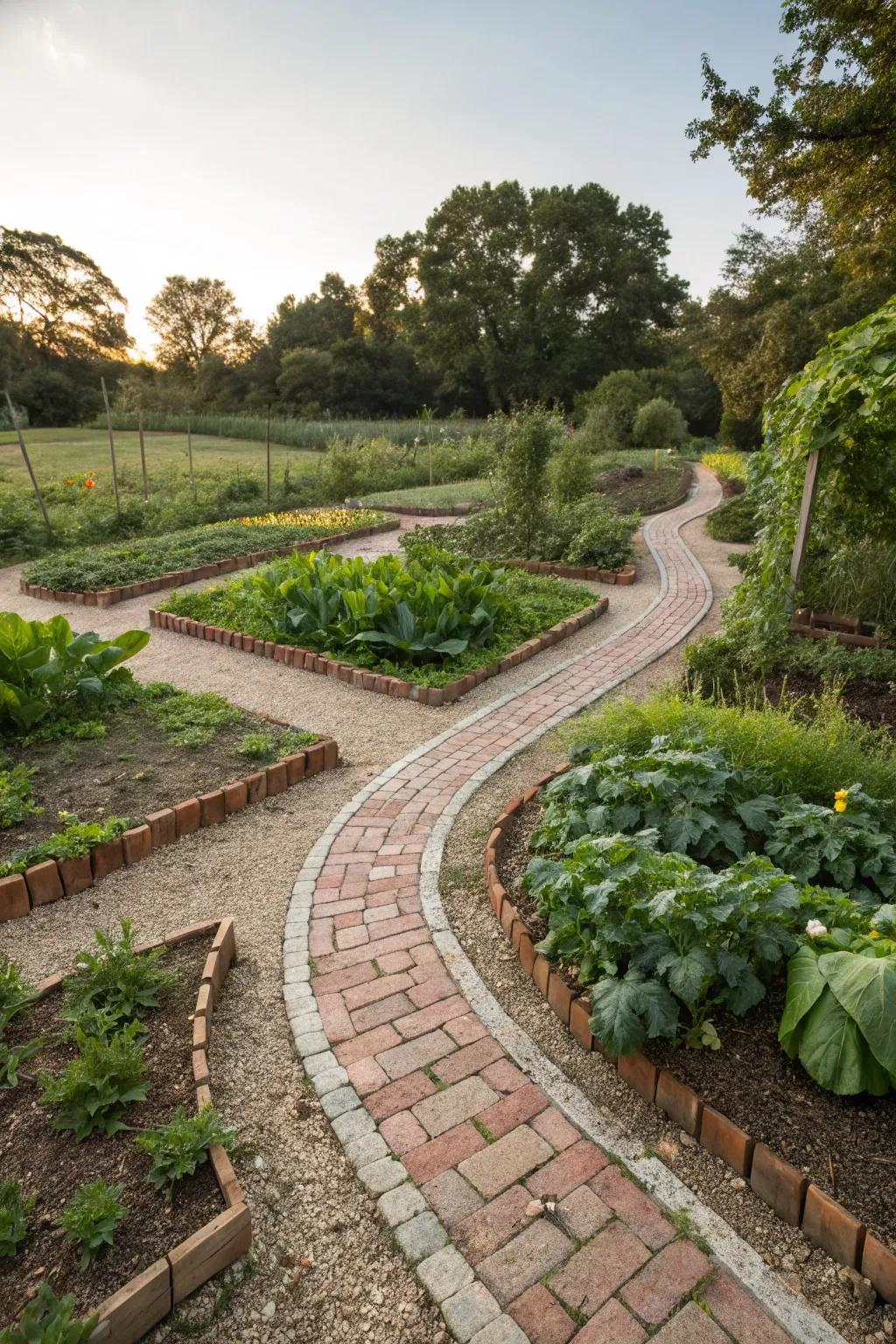
Creating pathways in your garden is a fantastic way to add both functionality and visual appeal. These paths make it much easier to navigate your garden, allowing you to tend to your plants without trampling them. Consider using materials like gravel or stepping stones to create a rustic and inviting atmosphere. I have found that well-defined pathways not only guide you through the garden but also protect the soil and plant roots.
Companion Planting Wonders

Companion planting involves strategically placing different plants together to benefit one another. This method can naturally enhance growth, deter pests, and even improve the flavor of your vegetables. I’ve found that interspersing flowers like marigolds among my vegetables not only adds beauty but also helps to keep unwanted insects away. It’s a natural and effective way to create a thriving and balanced garden ecosystem.
Shade Savvy

Don’t underestimate the potential of shaded areas in your garden. Many vegetables, especially leafy greens, thrive in partial shade. Plants like lettuce, spinach, and kale can flourish in areas that receive less direct sunlight. By utilizing these spots effectively, you can extend your growing season and create a more diverse and productive garden. Embrace the shade and discover the many vegetables that will thrive in these cooler environments.
Beginner’s Blueprint

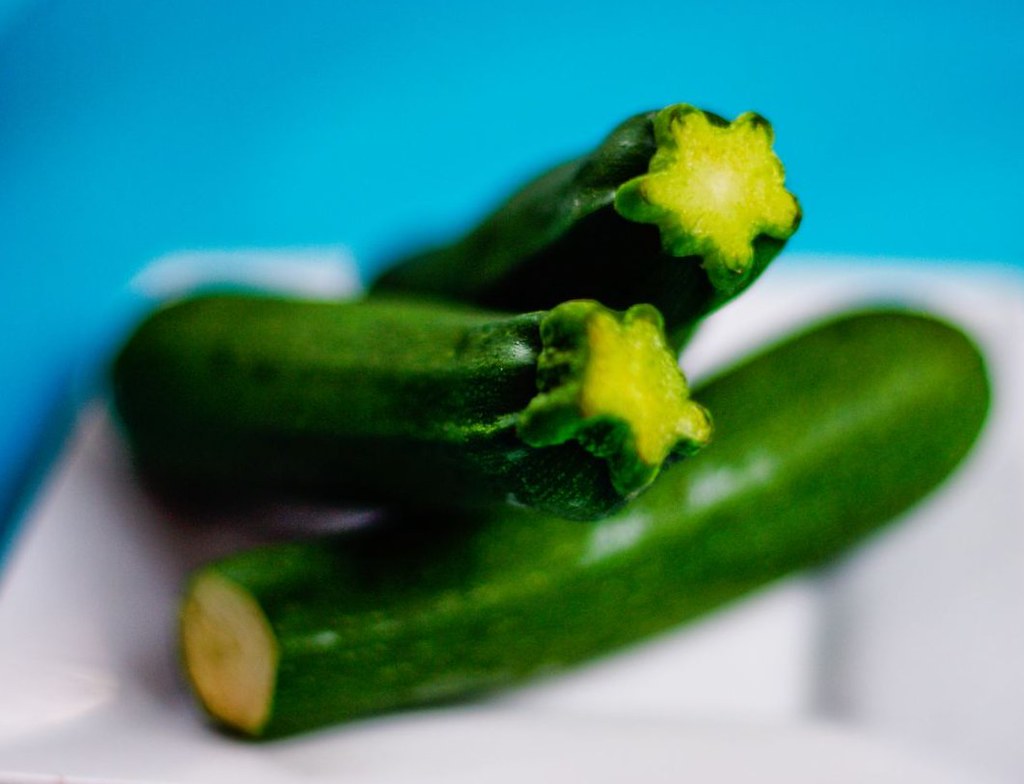
Starting a garden can seem daunting, but with a well-thought-out plan, it can be a rewarding experience. Begin with a simple layout, focusing on easy-to-grow vegetables like tomatoes, zucchini, and herbs. Creating a clear plan from the start will not only help you stay organized but also set the stage for a successful and enjoyable gardening journey. Remember to start small and gradually expand as you gain confidence and experience.
Square Foot Simplicity

Square foot gardening is an excellent method for maximizing space and organizing your planting. This technique involves dividing your garden into one-foot squares and planting specific numbers of plants in each square. It’s a fantastic way to manage smaller areas efficiently and ensures that you can grow a variety of crops without overcrowding. I’ve found it particularly useful for planning exactly where each vegetable will go, making the most of every inch.
Raised Bed Magic

Raised beds are a wonderful way to organize your vegetable garden and provide better soil control and drainage. They also make gardening more accessible, reducing the need for bending and kneeling. I love using raised beds because they keep the garden neat and structured while also allowing me to customize the soil for different types of vegetables. Plus, they can add an attractive element to your yard.
Functional Flow

A well-designed garden should make gardening tasks easier and more efficient. This means strategically positioning your beds, tools, and water sources to support your gardening activities. I’ve found that creating a layout that minimizes unnecessary steps and provides easy access to everything I need makes gardening a much more enjoyable and productive experience. Think about how you move through your garden and optimize the layout to suit your needs.
Perennial Patches

Consider creating a permanent plot for perennial vegetables like asparagus and strawberries. These plants will come back year after year, providing a continuous supply of your favorite produce. Setting aside a dedicated space for them ensures that they have the room they need to thrive and won’t be disturbed by annual planting. It’s a long-term investment in your garden’s delicious future, ensuring you have a reliable harvest each season.
Water-Wise Ideas

Easy access to water is essential for a thriving vegetable garden. Position your garden close to a water source to minimize the effort required for watering. I always plan my garden layout with this in mind, as it makes daily watering much easier and less time-consuming. Consider using soaker hoses or drip irrigation to efficiently deliver water directly to the plant roots, conserving water and promoting healthy growth.
Sun-Kissed Spots

Placing sun-loving vegetables in the right spots is crucial for their success. Vegetables like tomatoes, peppers, and cucumbers require at least 6 to 8 hours of sunlight per day to thrive. Make sure these plants are positioned in the sunniest areas of your garden to ensure they receive the light they need for optimal growth and fruit production. Proper sunlight exposure is key to a bountiful harvest.
Aesthetic Appeal

There’s no reason why a vegetable garden can’t be visually appealing. By using structured borders, neat rows, and carefully arranged plants, you can create a space that is both productive and beautiful. I like to add decorative elements like trellises, colorful plant markers, and attractive edging to enhance the garden’s overall aesthetic. A well-organized garden is a joy to behold and a source of pride.
Rustic Natural Elements

Adding natural elements like wooden planters, stone pathways, and rustic fencing can enhance the charm and character of your vegetable garden. These materials blend seamlessly with the outdoor setting and create a sense of warmth and authenticity. I find that incorporating natural elements not only adds visual appeal but also helps to ground the garden and create a more inviting space. It’s a wonderful way to connect with nature and bring a sense of tranquility to your garden.
Efficient Use of Space

Maximizing space is crucial, especially if you have a smaller garden. Experimenting with different configurations and layouts can help you create a garden that suits your space and yields the most produce. I’ve found that using vertical gardening techniques, such as trellises and hanging planters, is a great way to make the most of limited space. By thinking creatively about how you use your space, you can create a productive and abundant garden, even in a small area.
Colorful Companions

Combining vibrant flowers with vegetables not only helps with pest control but also adds a splash of color and beauty to your garden. Flowers like marigolds, nasturtiums, and zinnias attract beneficial insects and pollinators while deterring harmful pests. I love how the combination of flowers and vegetables creates a visually stunning and ecologically balanced garden. It’s like painting a beautiful landscape with nature’s palette, making your garden a true work of art.
Garden Gallery

Think of your garden as a living gallery, where each plant is a piece of art. Varying heights, textures, and colors can create a dynamic and visually appealing display that changes with each season. I enjoy arranging my plants in a way that showcases their unique qualities, creating a garden that is both productive and aesthetically pleasing. It’s a space where nature’s artistry is always on display, providing a source of inspiration and delight.
Vertical Victory

Using trellises and other supports for climbing plants is a fantastic way to maximize space and add an interesting vertical dimension to your garden. Plants like beans, peas, and cucumbers can be trained to grow upwards, saving valuable ground space and creating a lush, green wall. I’ve found that vertical gardening not only increases productivity but also adds a beautiful architectural element to the garden, making it both functional and visually appealing.