1. Transforming Outdoor Spaces with Lattice Fencing
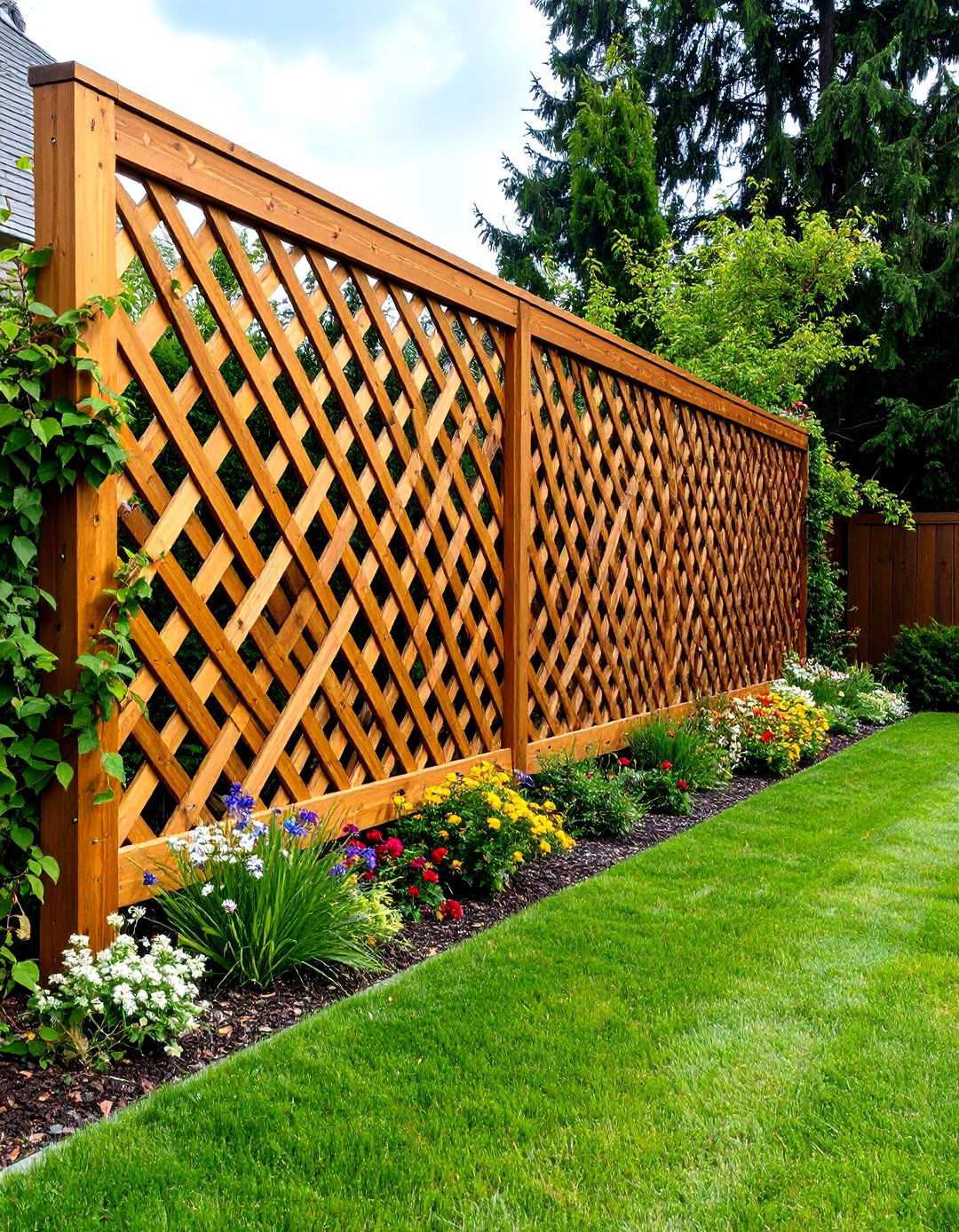
Lattice fencing stands out as a timeless design element that skillfully blends functionality with captivating visual appeal. Whether you’re seeking seclusion, plant support, or decorative enhancement, lattice offers a vast array of creative possibilities. This architectural feature boasts interwoven slats forming intricate patterns that allow sunlight to pass through while generating visual interest. From classic diamond configurations to modern square grids, lattice fencing seamlessly adapts to various landscaping styles while supporting climbing vegetation and defining outdoor boundaries with refined sophistication.

As an Amazon Associate I earn from qualifying purchases.
2. Balancing Privacy and Aesthetics with Diamond Lattice
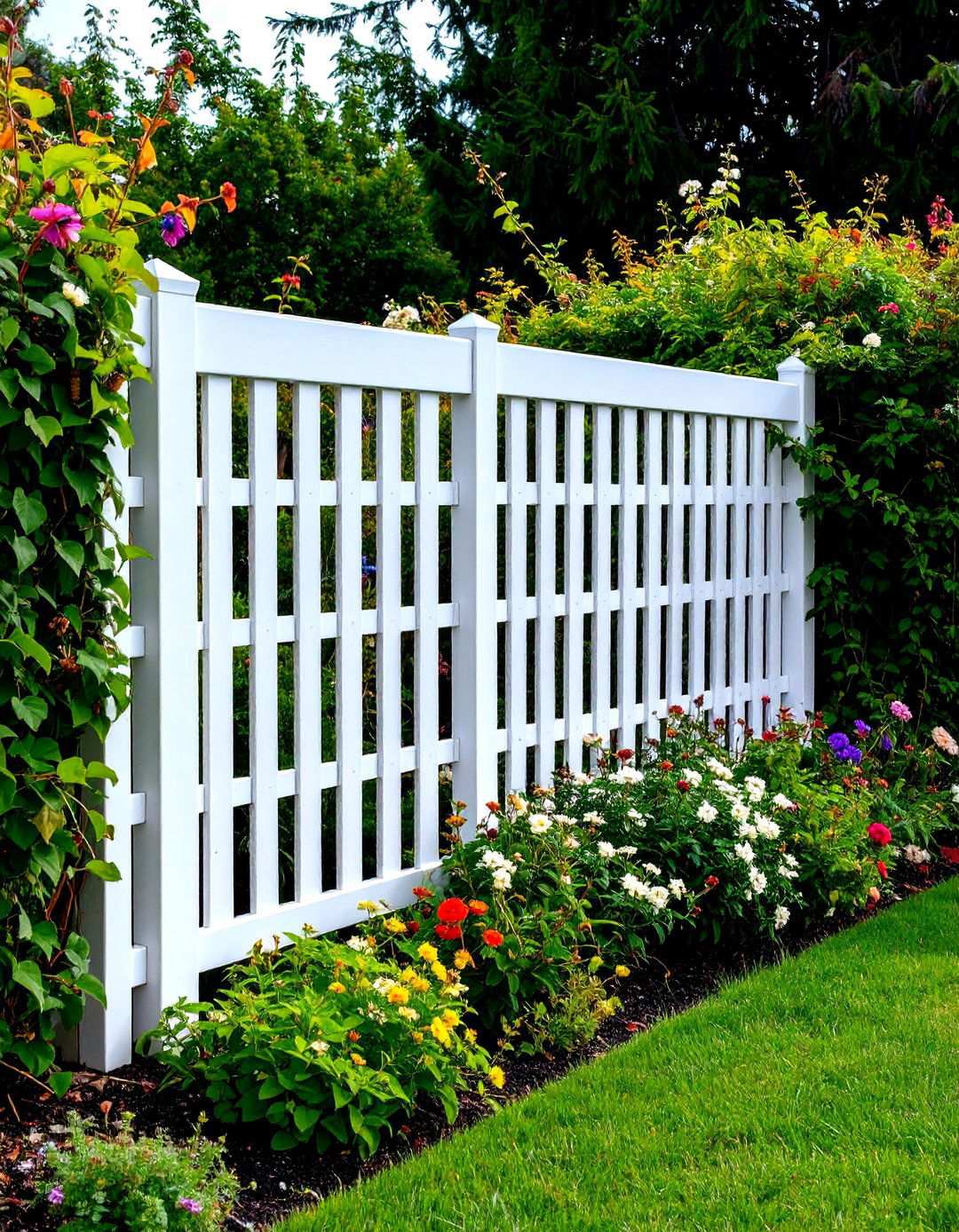
Diamond lattice patterns create a captivating visual effect through their diagonal weave design, which forms distinctive diamond-shaped openings that strike a balance between seclusion and light penetration. This traditional configuration offers reliable support for climbing plants while maintaining structural integrity through interconnected slat arrangements. The diagonal orientation creates a sense of depth and movement within the fence line, making spaces appear more expansive than traditional vertical designs. These screens work exceptionally well as property boundaries, garden dividers, or backdrop elements for outdoor living spaces. To ensure a professional appearance and optimal climbing plant support, it’s essential to pay close attention to pattern alignment during installation, maintaining consistent diamond proportions throughout the entire fence run.
3. Elevating Privacy with White Vinyl Lattice Enhancements
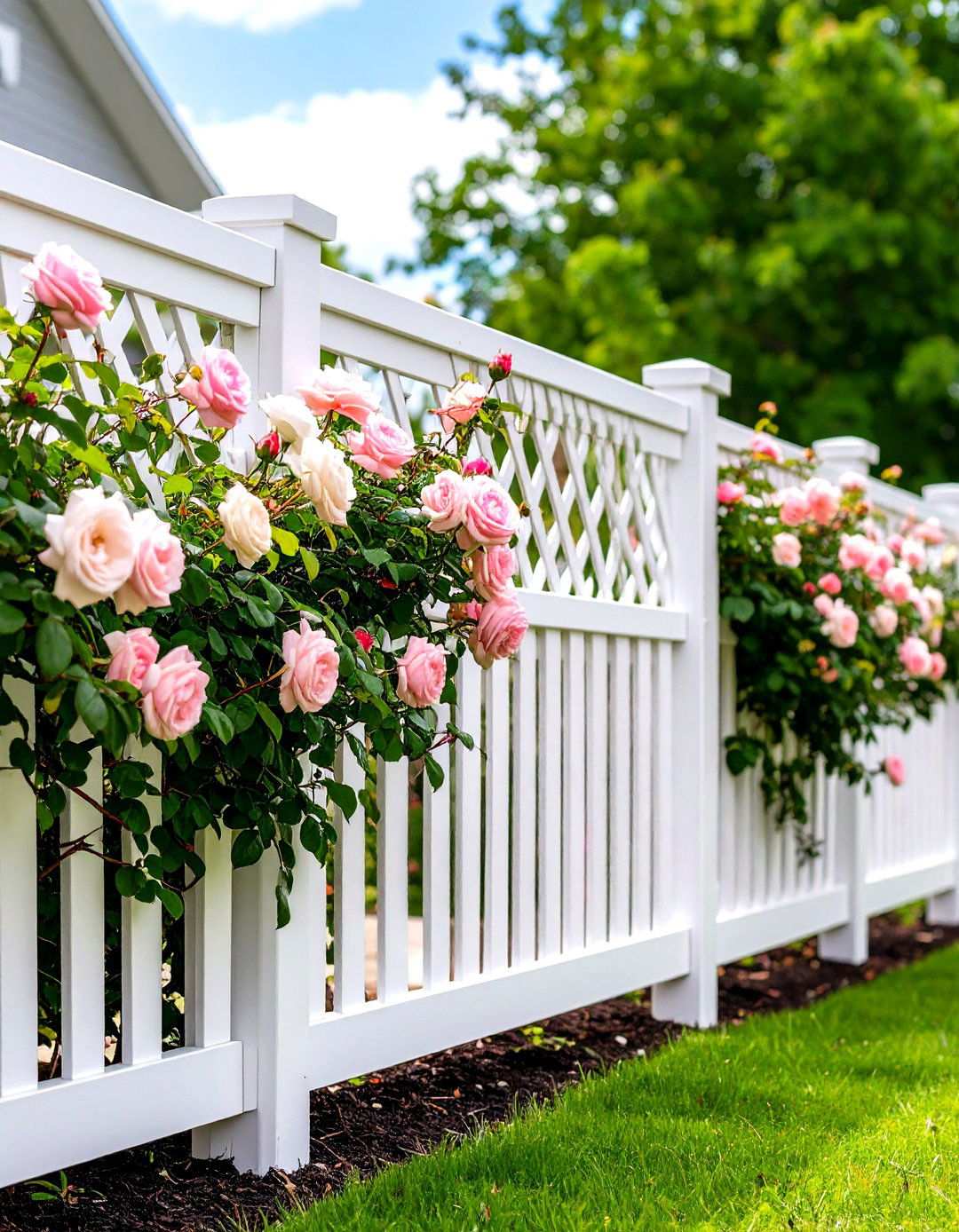
A stylish way to boost the height of existing privacy fences is through the use of white vinyl lattice toppers. These extensions not only maintain the low-maintenance benefits of synthetic materials but also ensure that they remain weather-resistant, fade-resistant, and impervious to cracking and rotting. When installed, these toppers effectively provide additional screening without creating overwhelming visual barriers that block out natural light entirely. The bright white finish boasts a reflective quality that showcases vibrant contrast against lush greenery and colorful blooms throughout the seasons. Secure mounting to existing fence structures, using the right hardware for vinyl materials, is essential for this approach. As a cost-effective solution, it offers a more budget-friendly alternative to replacing the entire fence, adding architectural interest, and showcasing climbing plant displays that soften the harsh lines of the fence.
4. Timeless Charm of Cedar Wood Diagonal Lattice Panels
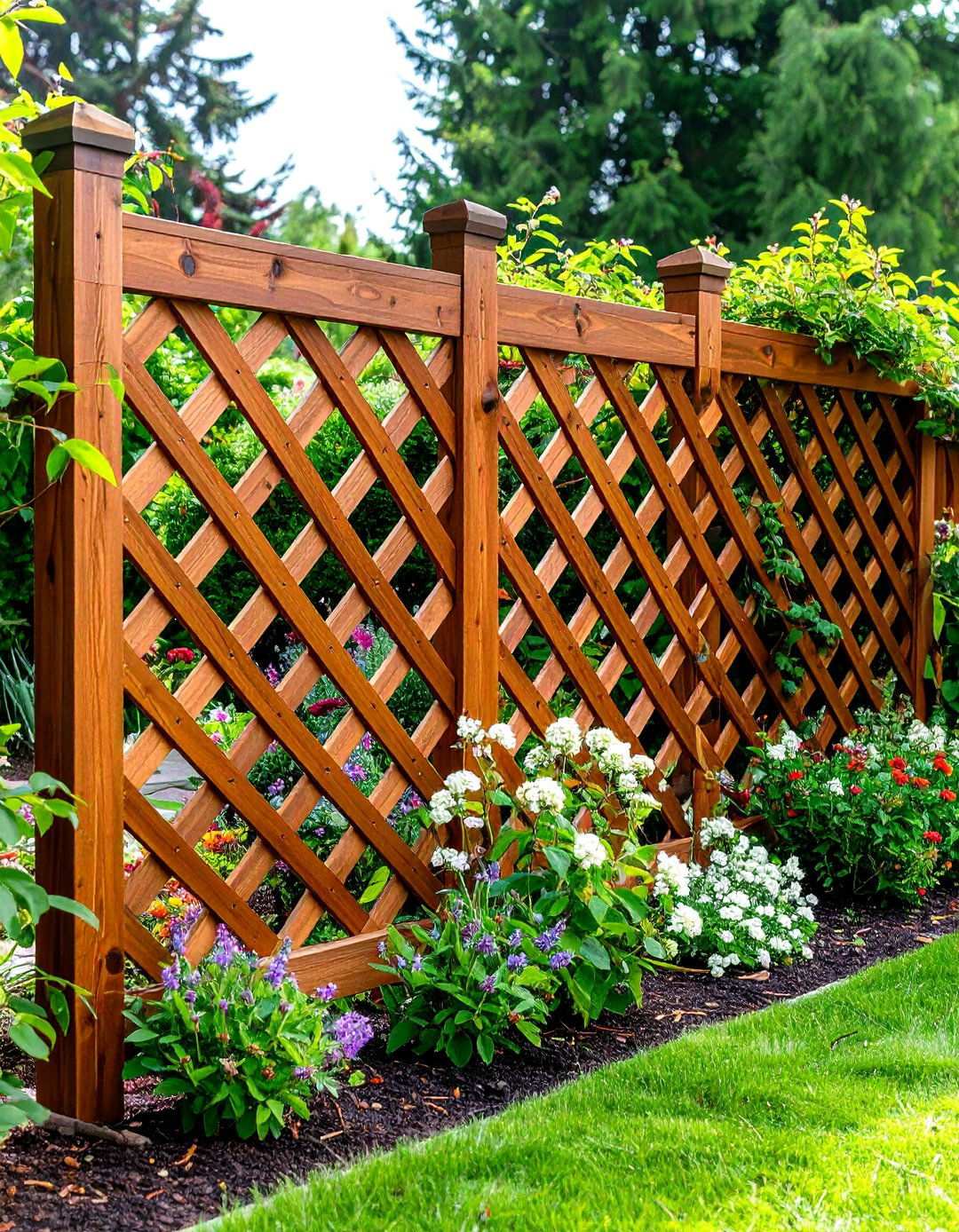
The natural beauty of cedar wood diagonal lattice panels provides a rich, rustic charm through its distinct wood grain patterns. Moreover, cedar’s natural resistance to insects, moisture, and decay eliminates the need for chemical treatment. The diagonal slat arrangement creates traditional diamond openings that perfectly support the growth of vigorous climbing plants while allowing for filtered sunlight passage. Cedar’s inherent oils offer natural weather protection, gradually developing a beautiful silver-gray patina over time when left untreated. These panels are particularly well-suited for cottage gardens, rustic landscapes, and traditional architectural settings that desire authentic wood aesthetics. To ensure proper installation, it’s crucial to provide adequate drainage beneath the panels and to perform periodic maintenance to preserve the structural integrity and natural beauty of the panels throughout the changing seasons.
5. Modern Metal Lattice Screens with Industrial Flair
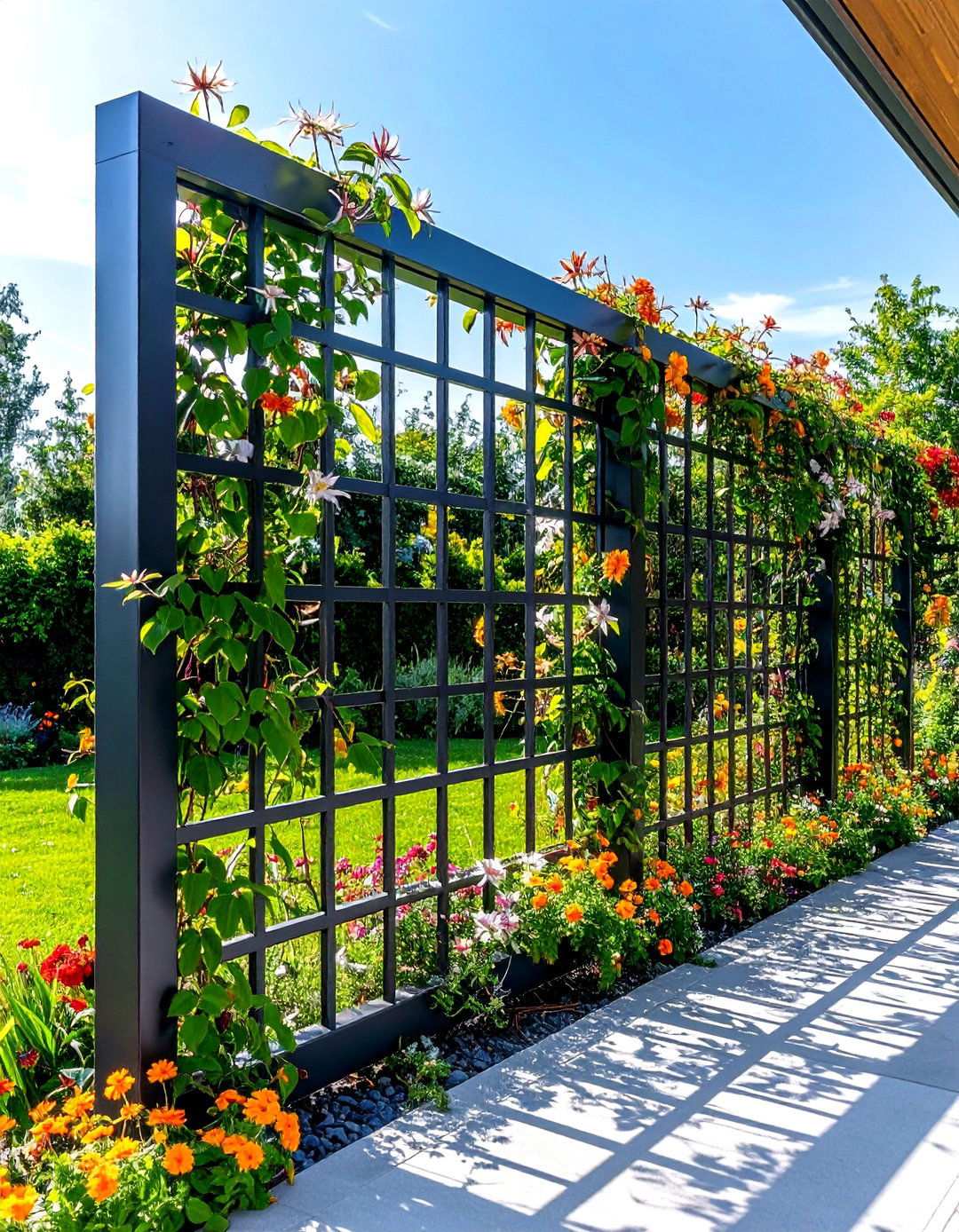
For those seeking a contemporary look, metal lattice screens offer an industrial aesthetic through their powder-coated aluminum or steel construction. These modern designs boast superior durability and weather resistance in challenging climates, thanks to the precise geometric patterns created through advanced laser cutting or welding techniques that ensure consistent opening sizes and structural integrity. The metal materials used in these screens support heavier climbing plants and decorative elements without sagging or structural failure over time. With their slim profile, they maximize visual transparency while providing necessary plant support and boundary definition. When installing metal lattice screens, it’s essential to use the right fastening systems designed for metal materials, taking into account the thermal expansion and contraction that occurs in varying temperature conditions throughout the seasons.
6. A New Era in Fencing: Composite Lattice Eco-Friendly Fences
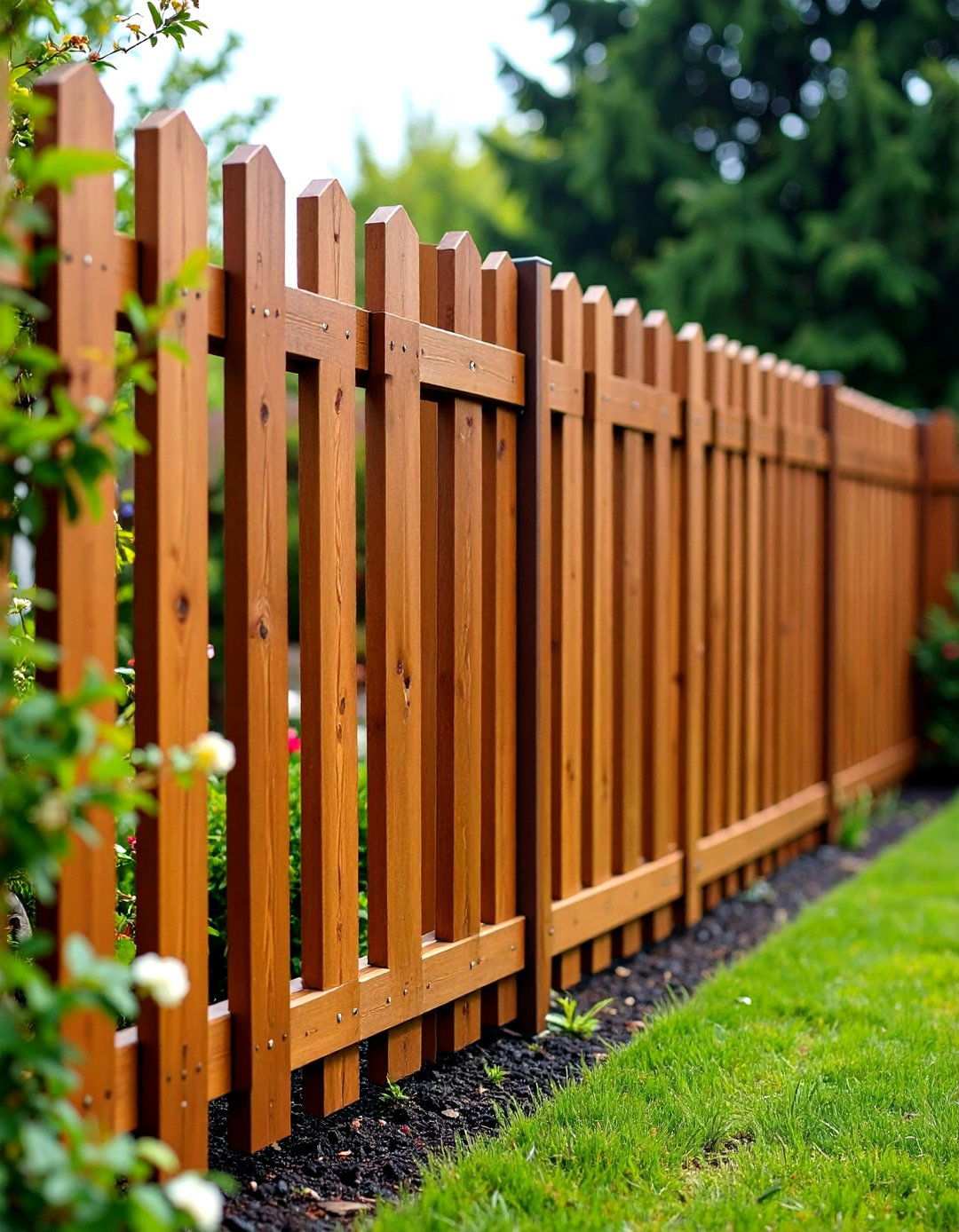
Sustainable fencing solutions now blend seamlessly with environmentally responsible practices, thanks to innovative composite lattice materials. By infusing recycled wood fibers with synthetic polymers, manufacturers have created a game-changing product that mirrors the appearance of natural wood without the maintenance burdens. This cutting-edge material boasts impressive durability, resisting fading, staining, cracking, and insect damage while consistently delivering top-notch structural performance in diverse weather conditions. What’s more, the manufacturing process allows for a wide range of color options and wood grain patterns, eliminating the need for ongoing painting or staining. Furthermore, composite lattice supports a variety of climbing plants while contributing to eco-friendly building practices by utilizing recycled content. Installation follows standard lattice procedures, utilizing specialized fasteners designed specifically for composite materials to ensure long-term structural integrity and aesthetic appeal in both residential and commercial applications.
7. Embracing Nature with Bamboo Natural Lattice Garden Screens
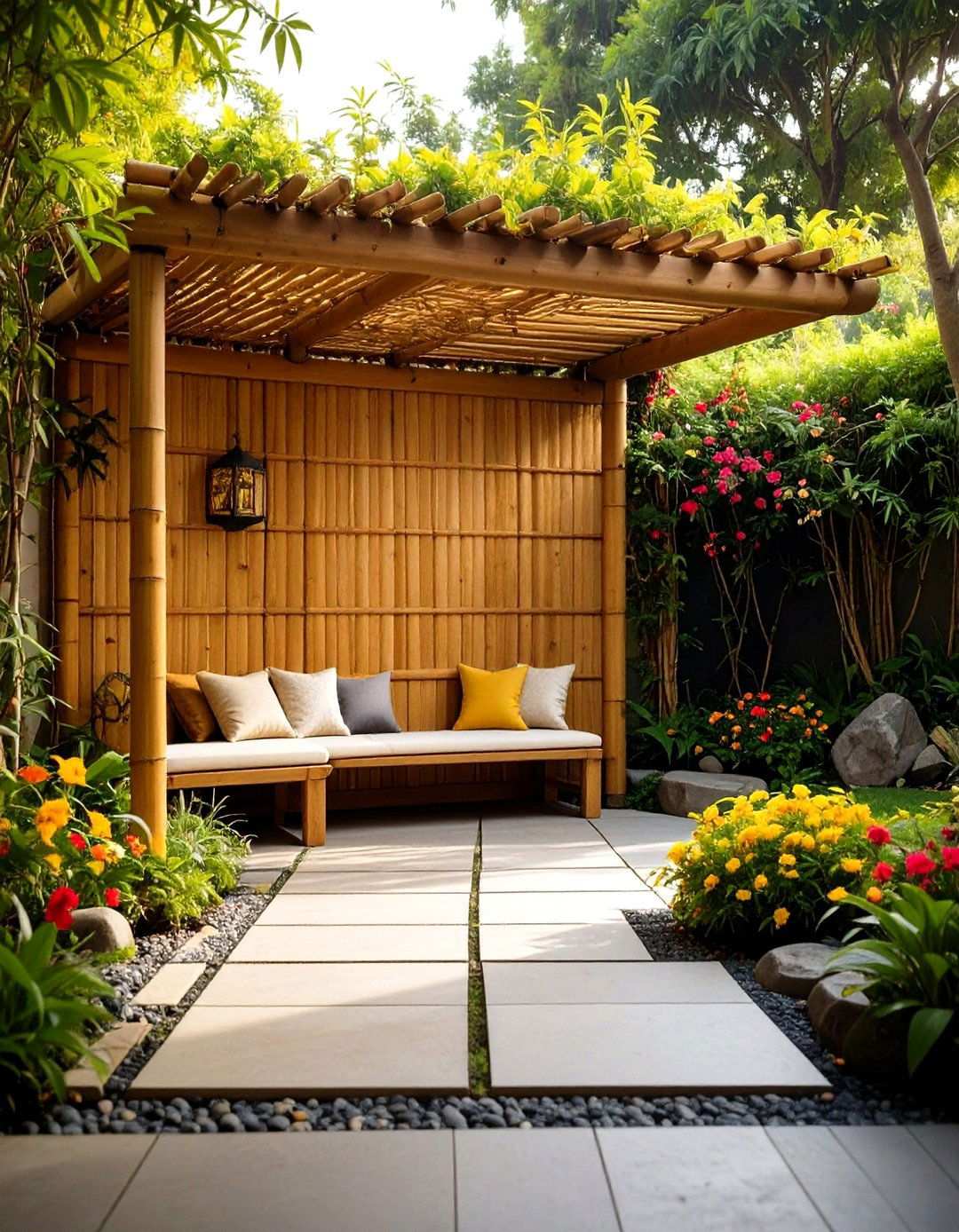
Rapidly renewable bamboo materials offer a unique opportunity for sustainable fencing solutions that combine breathtaking aesthetic qualities with natural weather resistance properties. The interwoven bamboo canes create intricate, organic patterns with varying opening sizes that support a diverse range of climbing plant varieties while maintaining structural flexibility. As natural bamboo develops an attractive weathered appearance over time, maintenance requirements are minimal, necessitating only periodic cleaning and occasional protective treatments. These screens are particularly well-suited for Asian-inspired gardens, tropical landscapes, and environmentally conscious design projects that seek to incorporate authentic natural materials. When installing bamboo lattice screens, it’s essential to consider proper spacing for natural material expansion and adequate drainage to prevent moisture retention that could compromise structural integrity.
8. Lattice Arbors: Elevating Garden Entrances
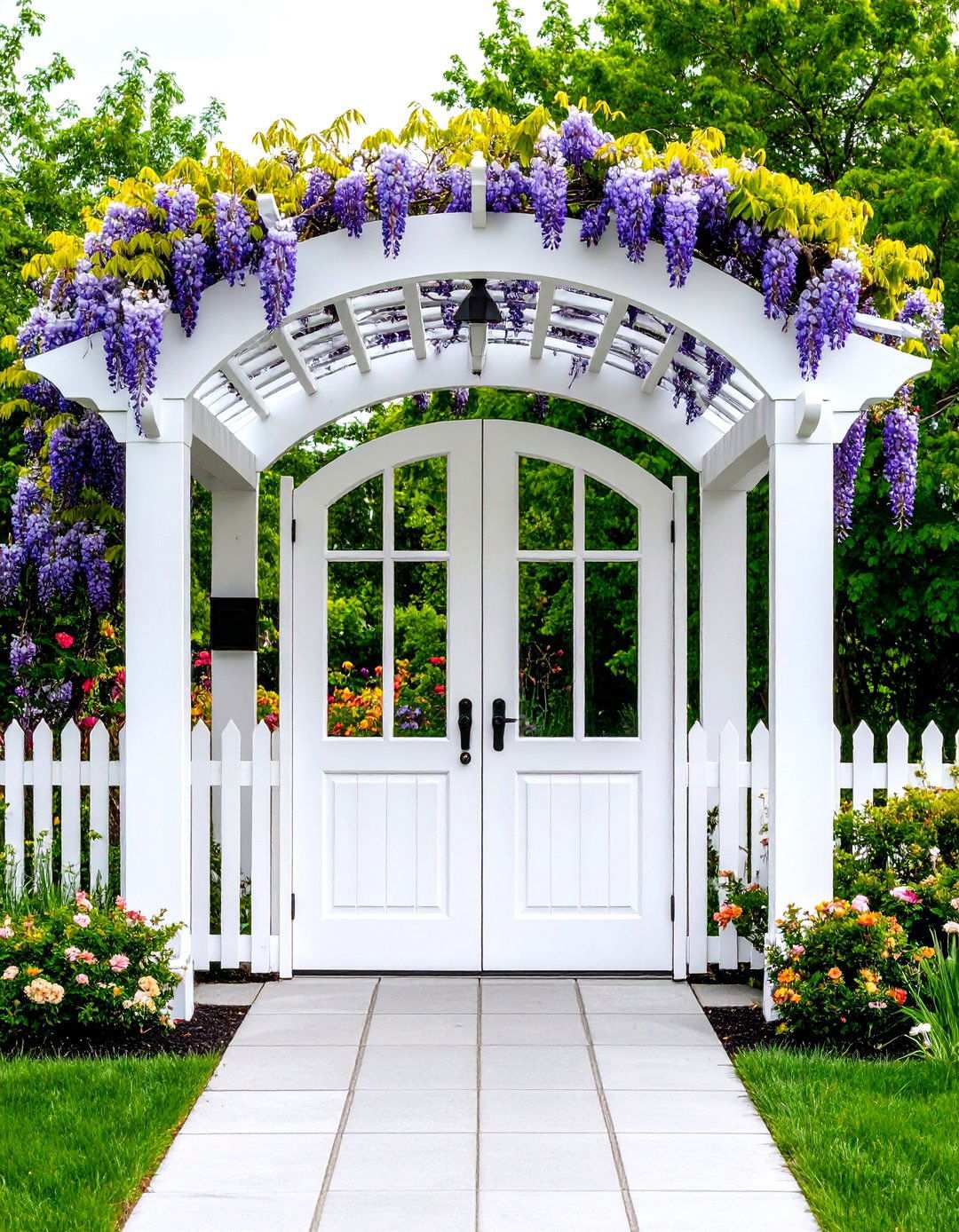
Lattice arbors have the power to transform garden entrances into stunning focal points through the use of curved or angular overhead structures that support flowering vines while defining transition spaces between different landscape areas. By combining vertical lattice panels with overhead frameworks, these architectural elements provide comprehensive plant support systems for vigorous climbing species. The three-dimensional design creates visual interest while offering practical benefits for garden organization and circulation patterns. To ensure visual balance and structural stability, construction demands careful attention to proportional relationships between height, width, and depth. Proper foundation preparation and post-installation care are also crucial to ensure long-term stability under plant loads and weather conditions throughout multiple growing seasons.
9. Elevating Relaxation: Hot Tub Enclosures
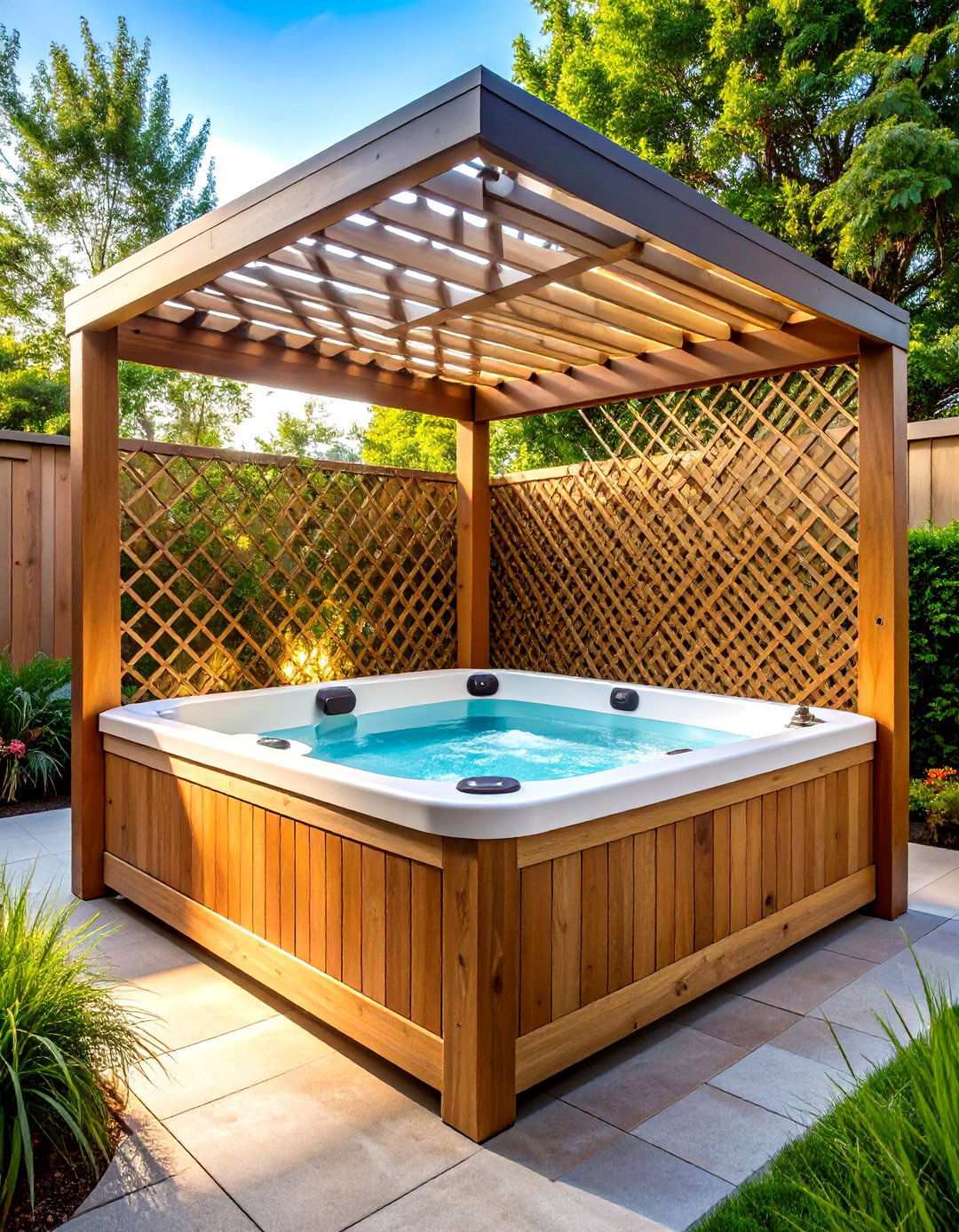
Crafting intimate relaxation spaces around hot tubs and spas requires strategic screening that balances sight line concealment with unobstructed air circulation for ultimate comfort and safety. By employing denser lattice patterns or double-layer configurations, these installations not only provide enhanced privacy but also avoid claustrophobic conditions that might detract from the relaxing experience. When it comes to withstanding the humid environment surrounding a hot tub, opting for moisture-resistant materials such as vinyl, composite, or treated wood becomes essential for long-lasting durability. Furthermore, designers and installers must carefully consider ventilation requirements, accessibility for maintenance, and compatibility with existing deck or patio structures to ensure a seamless integration. Compliance with local building codes and safety regulations can be ensured through professional installation, guaranteeing a safe and enjoyable spa experience for homeowners.
10. Sculpting Space: Curved Lattice Accent Walls
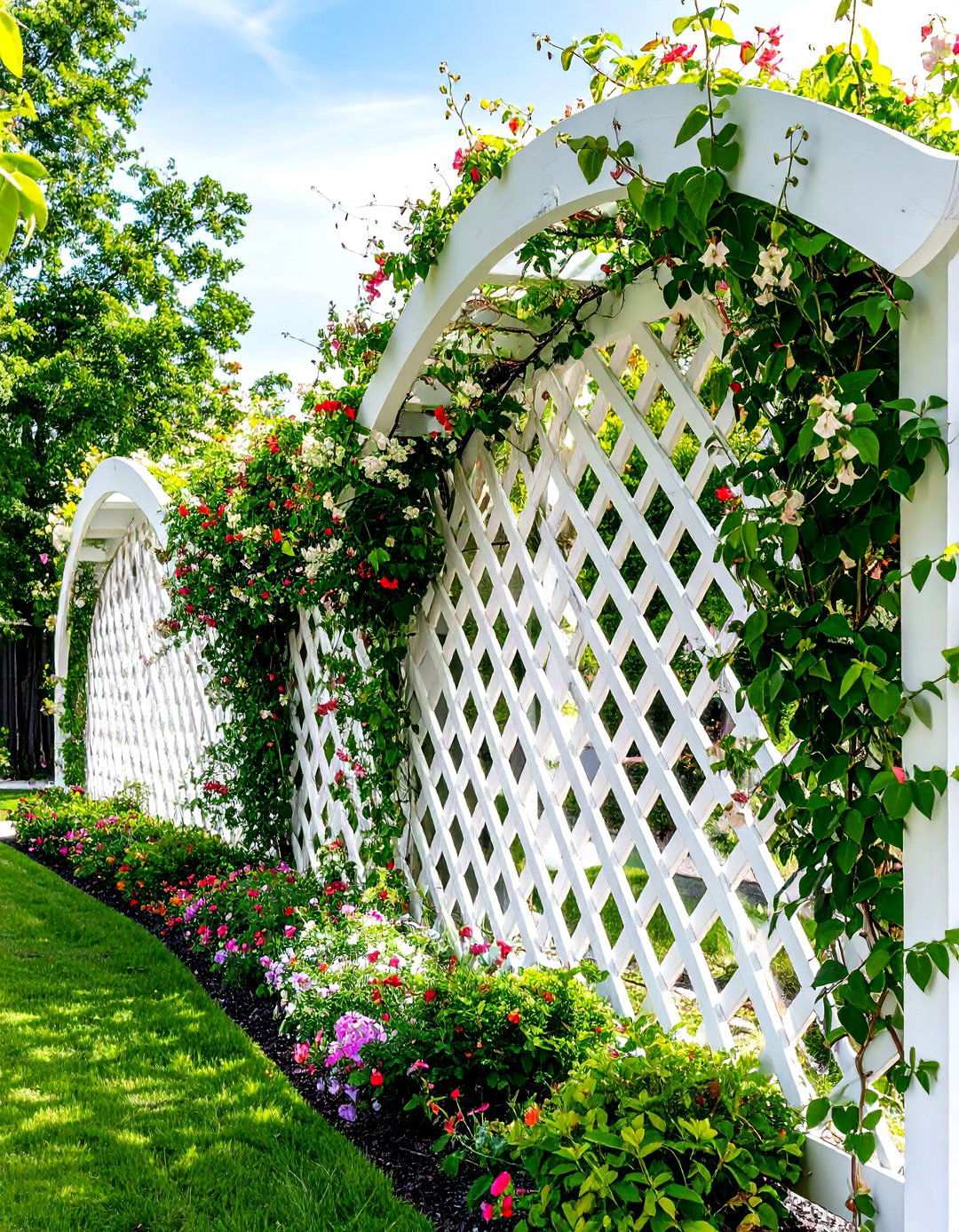
Curved lattice walls bring a touch of dynamism to any landscape through their gentle, flowing configurations, which skillfully soften geometric lines and offer flexible design solutions for complex landscape situations. To achieve these installations, specialized construction techniques are required, including the use of bent framework systems and carefully planned slat arrangements that maintain structural integrity throughout curved sections. As a result, the finished installation not only creates natural movement patterns that guide the eye but also supports climbing plants in unique, three-dimensional arrangements. The construction complexity of these installations necessitates the involvement of experienced installation teams familiar with curved fence techniques and the selection of materials that can accommodate flexibility requirements. Ultimately, a well-executed curved lattice accent wall provides a distinctive architectural element that elevates property value and aesthetic appeal.
11. Multifaceted Landscaping: Lattice Planter Box Combinations
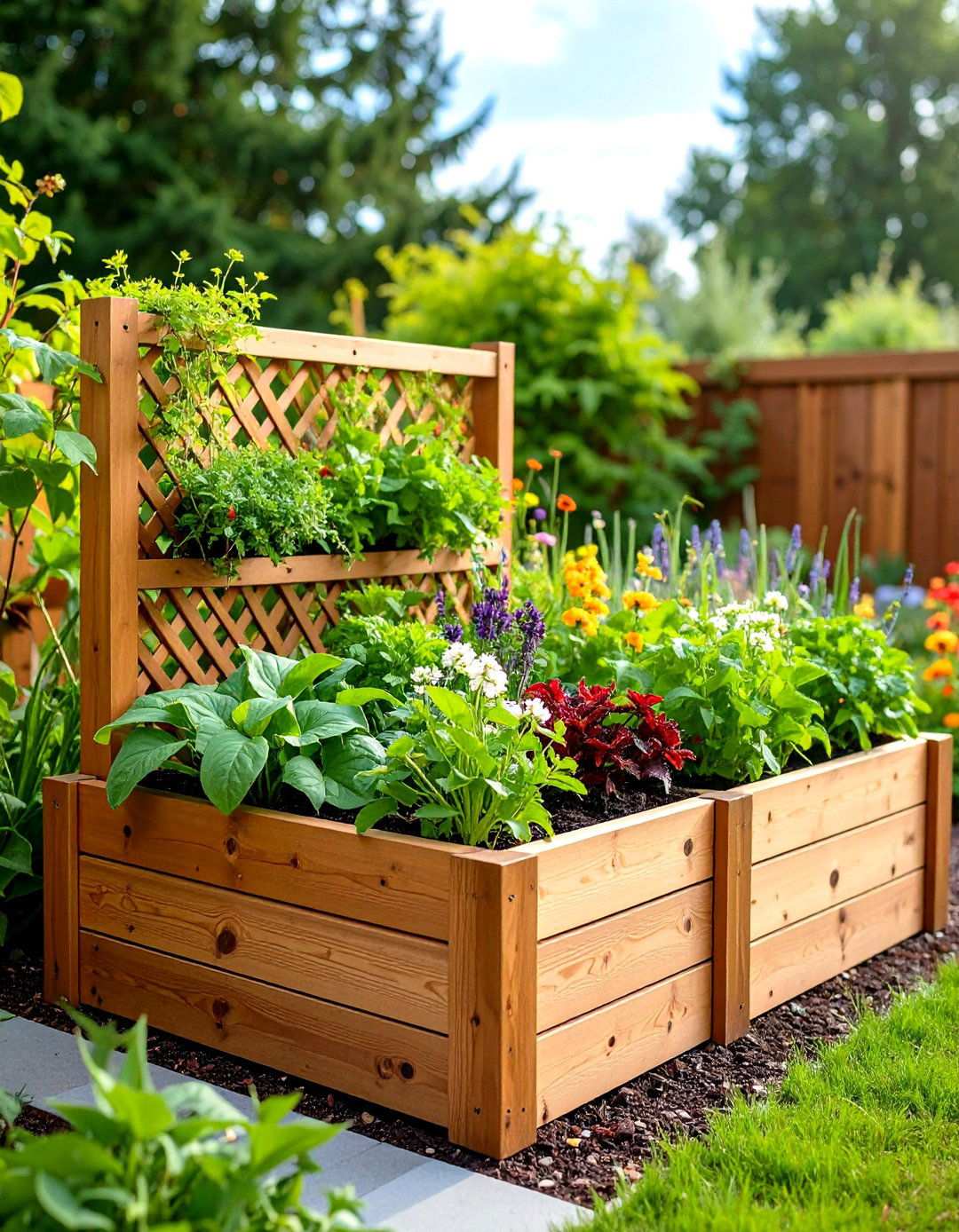
Lattice planter box combinations offer a unique opportunity to maximize vertical growing space while creating attractive boundary elements that serve multiple functional purposes within limited landscape areas. These systems typically feature built-in planting areas at the base, complemented by lattice panels that rise above to support climbing vegetation and provide screening. By combining these two elements, the dual-purpose design not only optimizes space utilization but also creates attractive transitions between different landscape zones. To ensure the longevity of these installations, construction requires the installation of proper drainage systems within planter areas and moisture barriers to protect lattice materials from soil contact. In terms of material selection, composite or vinyl options offer superior moisture resistance compared to traditional wood materials in soil-contact applications, making them ideal choices for these installations.
12. Elevating Spaces with Modern Black Vinyl Lattice Panels
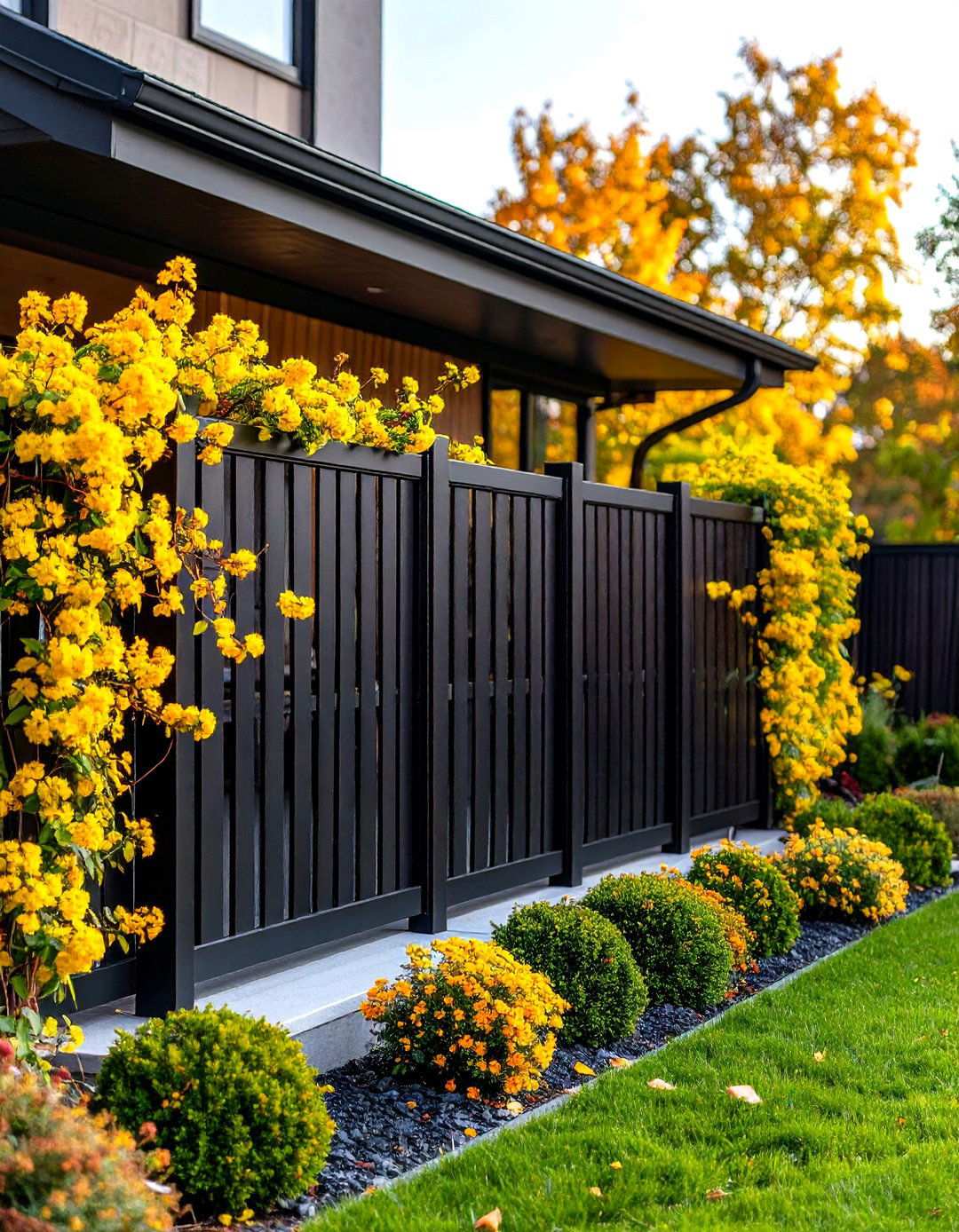
Modern black vinyl lattice panels inject a touch of sophistication into contemporary designs, leveraging bold color contrasts that beautifully complement vibrant flowering plants and lush foliage throughout the growing seasons. These striking panels create a sense of visual depth, while retaining the benefits of vinyl materials, including exceptional weather resistance, fade protection, and low maintenance requirements. Perfect for modern architectural settings and minimalist garden designs, these panels are ideal for making a strong visual statement. Installation involves following standard vinyl procedures, with careful consideration for thermal expansion – a crucial factor for dark-colored materials that absorb solar energy. As a result, the finished installation boasts a striking visual impact while supporting a diverse range of climbing plant varieties.
13. Harmonious Design: Lattice Fence Gates
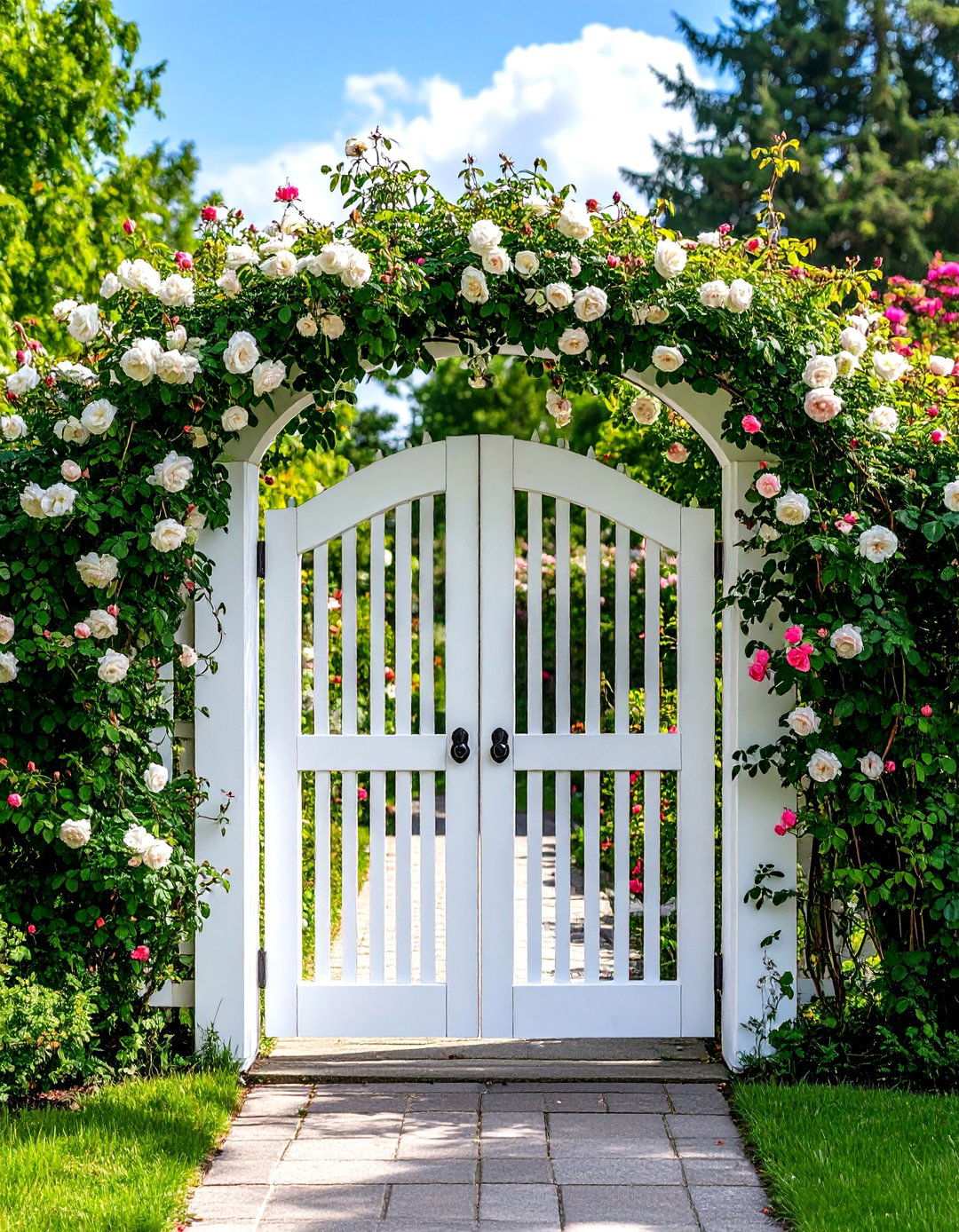
Lattice gates seamlessly blend decorative appeal with functional access requirements, thanks to carefully proportioned designs that maintain visual continuity while ensuring secure closure systems. These installations necessitate specialized hardware designed specifically for lattice materials, including hinges that distribute weight effectively and latching mechanisms tailored to the panel’s construction. Design considerations involve gate width limitations based on lattice material strength and support requirements for heavier hardware components. Proper construction guarantees smooth operation throughout seasonal weather changes, while maintaining security and aesthetic appeal. Professional installation becomes crucial for ensuring proper alignment, hardware selection, and long-term operational reliability in both residential and commercial applications.
14. Adding Texture with Herringbone Pattern Lattice Screens
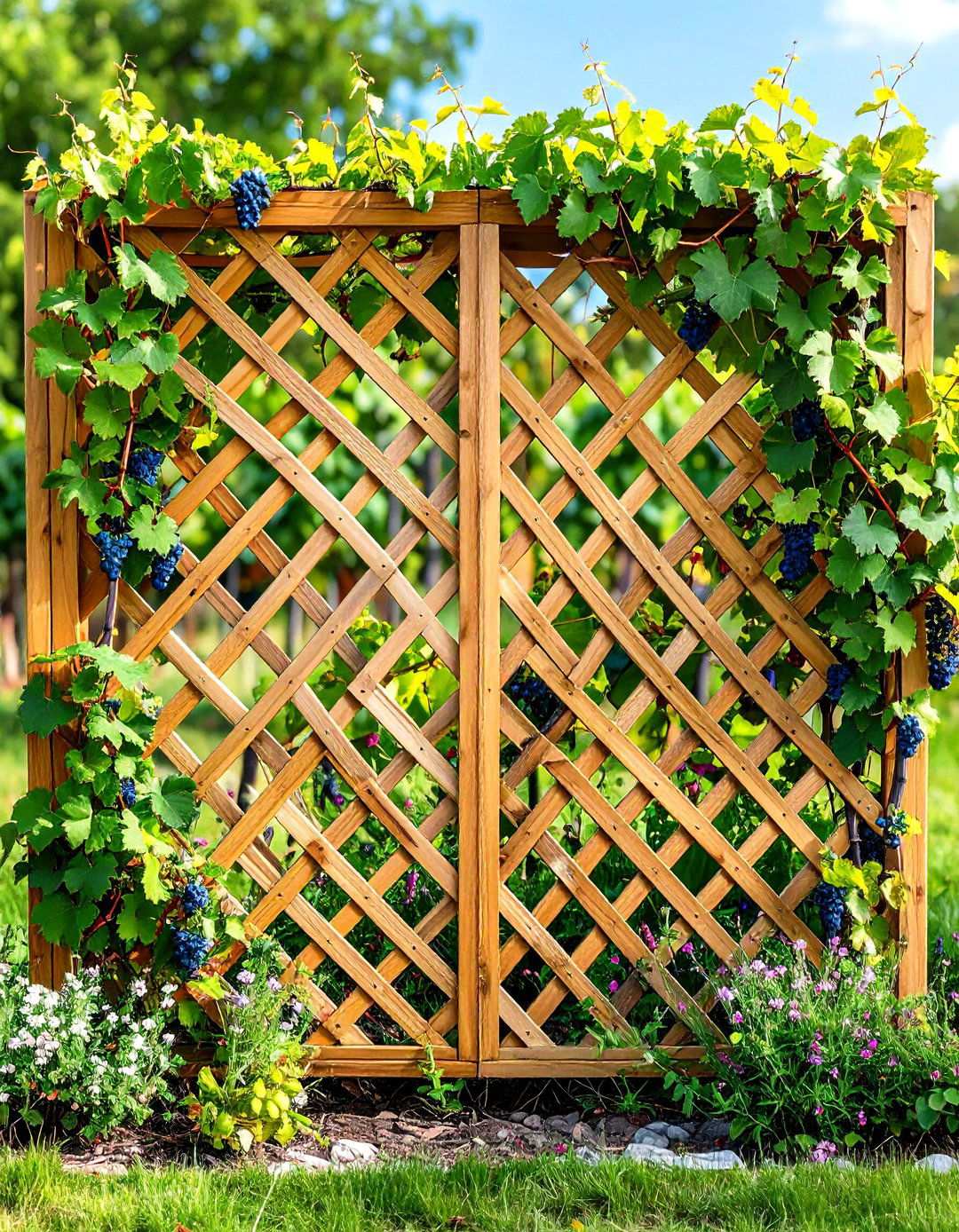
Herringbone lattice patterns create visually striking textures through alternating diagonal slat arrangements that form distinctive zigzag configurations, providing enhanced structural strength and unique aesthetic appeal. This intricate weaving pattern demands precise construction techniques to maintain consistent angles and spacing throughout the installation. The interlocking design offers superior plant support capabilities while creating interesting shadow patterns and visual depth that changes throughout daily light cycles. Construction complexity requires experienced installation teams familiar with advanced lattice techniques and the preparation of materials for angled connections. The finished installation provides distinctive architectural elements that enhance property character and provide excellent climbing plant support.
15. Solar-Lit Lattice Evening Spectacle
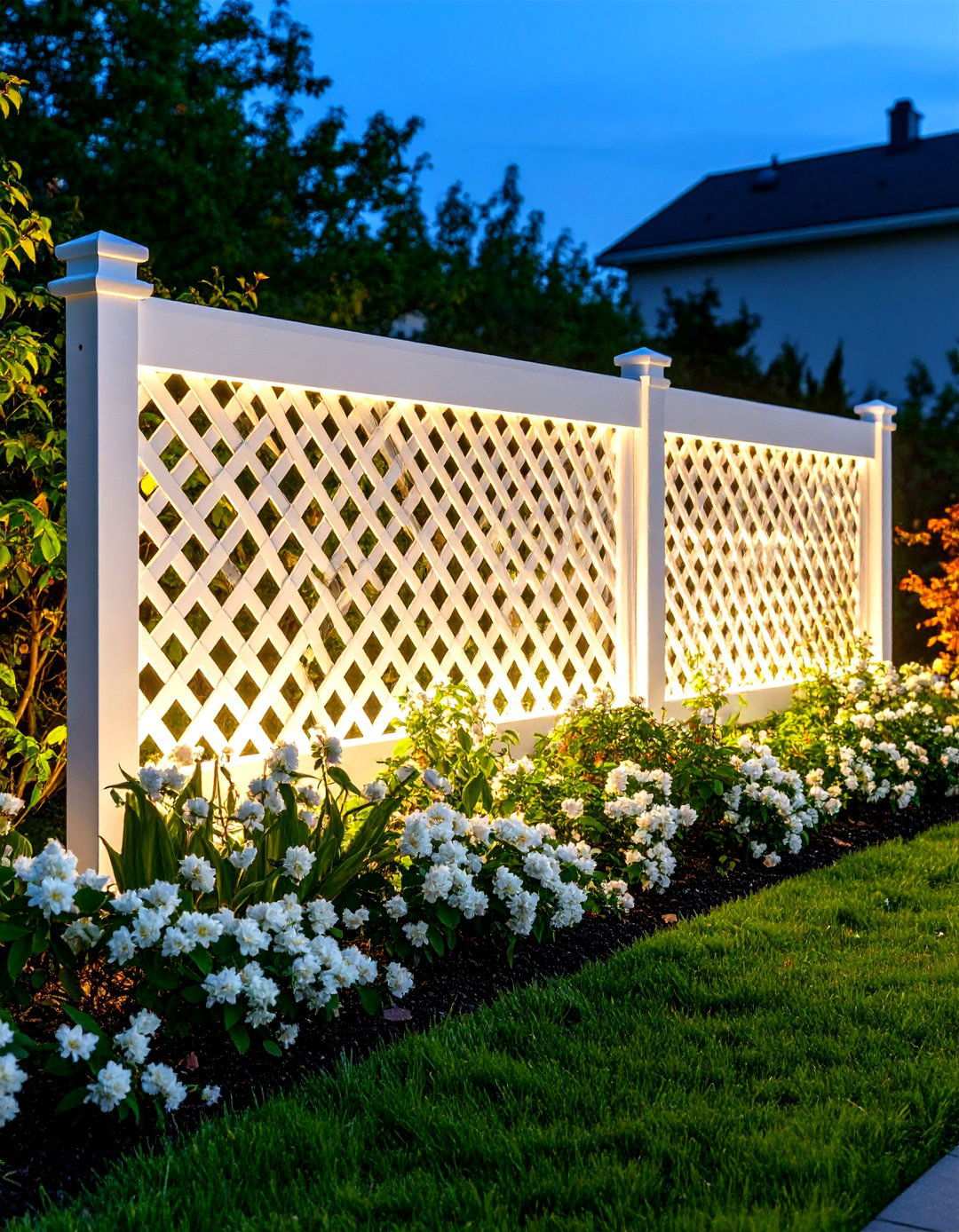
Integrating solar power into lattice installations elevates both form and function, combining aesthetic screening with sustainable lighting solutions. Embedded LED systems automatically illuminate during the evening hours, generating a dramatic display of light and shadow that highlights climbing plants and architectural features. This cutting-edge technology features weather-resistant solar collectors and discreetly integrated battery storage within the lattice framework, ensuring optimal performance and reliability throughout the seasons.
To create this stunning effect, it’s essential to plan carefully for optimal solar exposure and protect electrical components from the elements. A professional installation guarantees proper system integration, long-term reliability, and a harmonious blend of aesthetics and functionality.
16. Triple-Layer Lattice for Enhanced Privacy
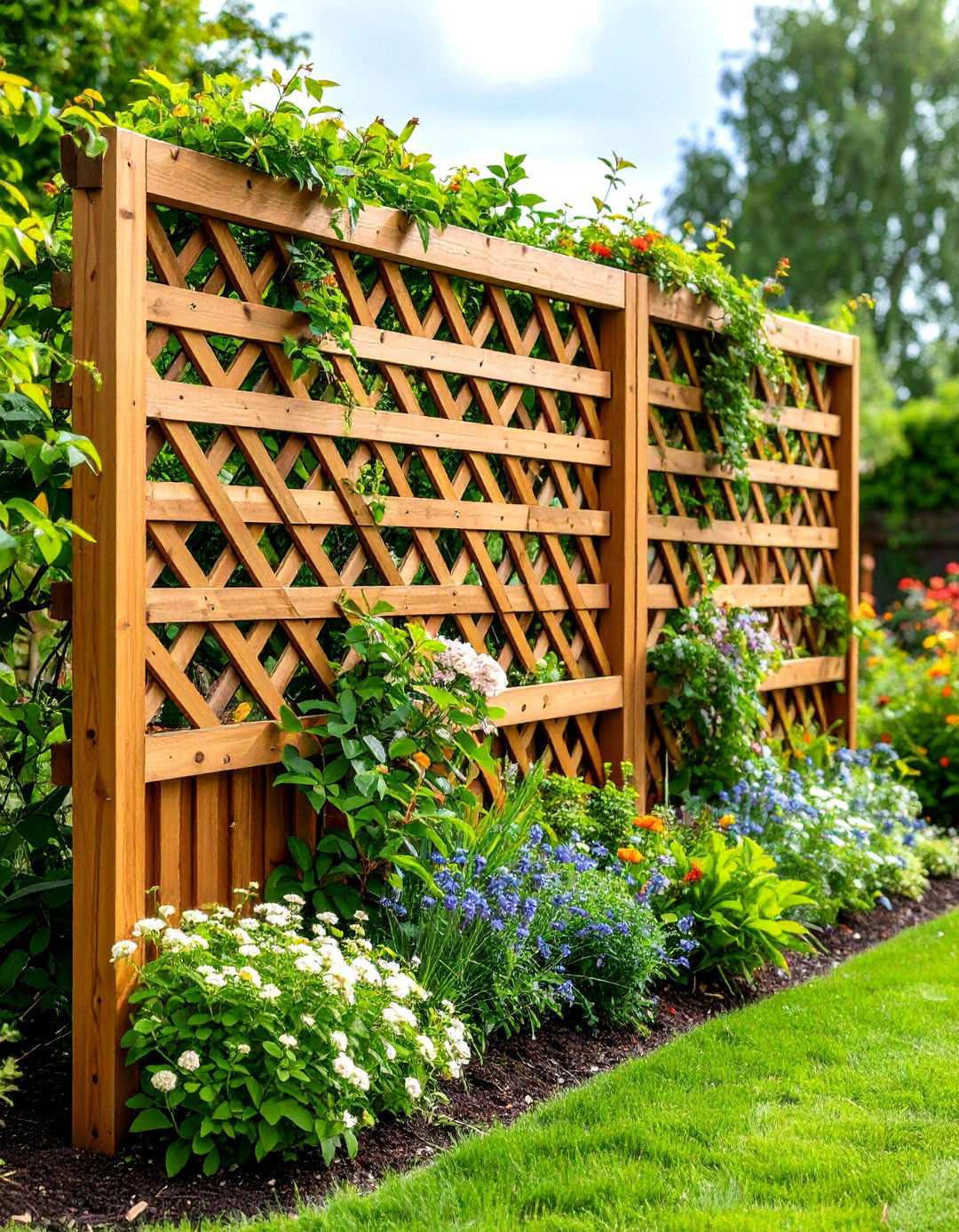
Triple-layer lattice configurations offer unparalleled privacy screening through overlapping panel arrangements that eliminate sightlines while allowing air circulation and filtered light passage. This advanced design typically features offset panel positioning, creating a solid visual barrier without complete light blockage. The construction of this system requires meticulous planning to support multiple panel layers and accommodate adequate spacing for plant growth between layers.
What’s more, the triple-layer system provides an excellent framework for climbing plants, with multiple attachment points supporting lush growth and dense screening. However, the installation complexity demands professional expertise to ensure proper structural support and weather resistance throughout the multi-layer system.
17. Rustic Fusion of Split-Rail and Lattice
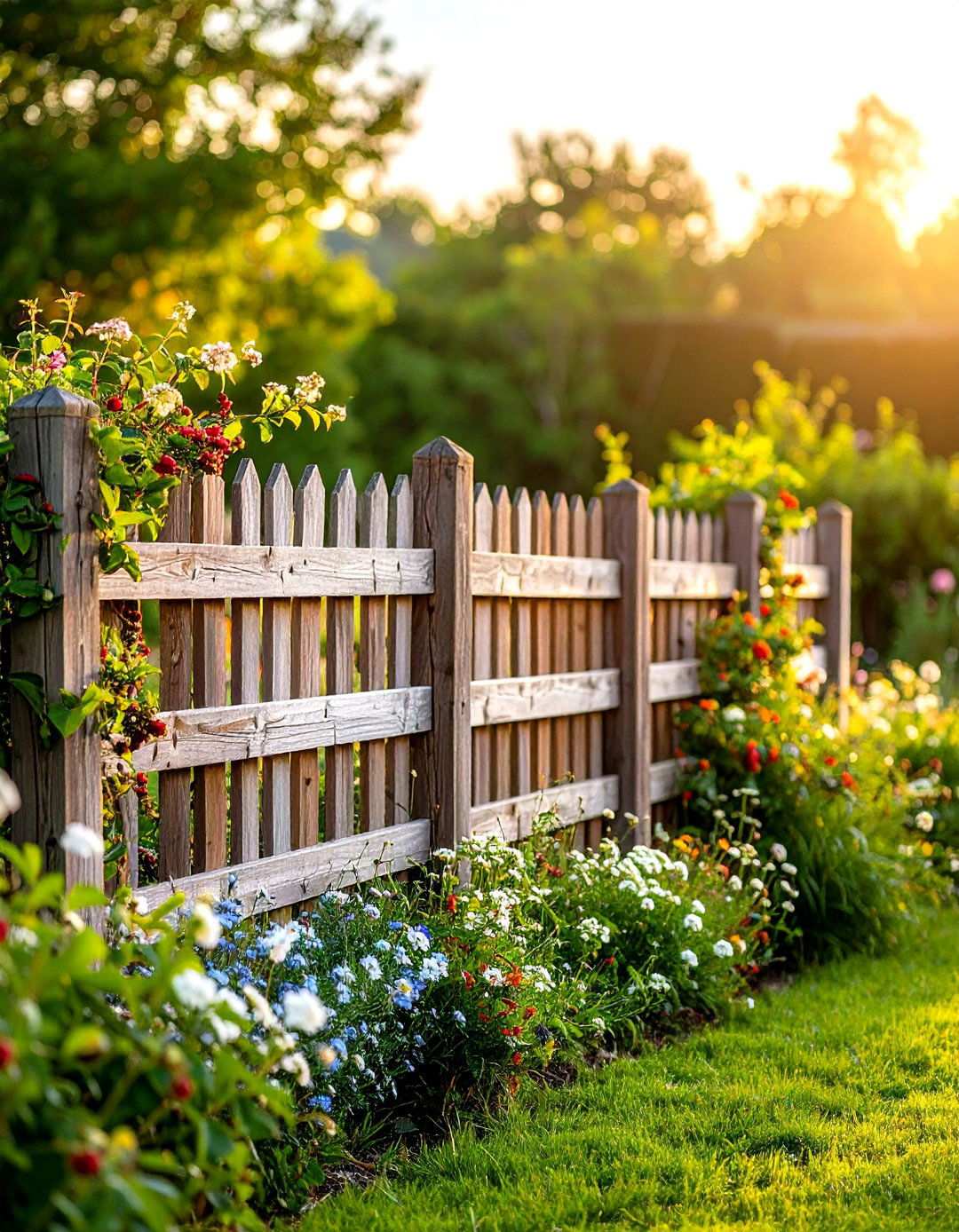
The integration of split-rail and lattice elements creates a unique blend of traditional aesthetics and modern functionality. This hybrid system typically features horizontal split rails with lattice panels filling spaces between rails, providing structural support and decorative appeal. The combination of materials, such as natural wood species, emphasizes the rustic character while offering practical benefits for garden organization.
For a successful installation, it’s crucial to select the right post size and spacing to support both framework components, ensuring long-term structural integrity and aesthetic appeal. This attention to detail guarantees a beautiful and functional hybrid system that complements both classic and modern garden designs.
18. Enhancing Pool Area Security with Lattice Screening
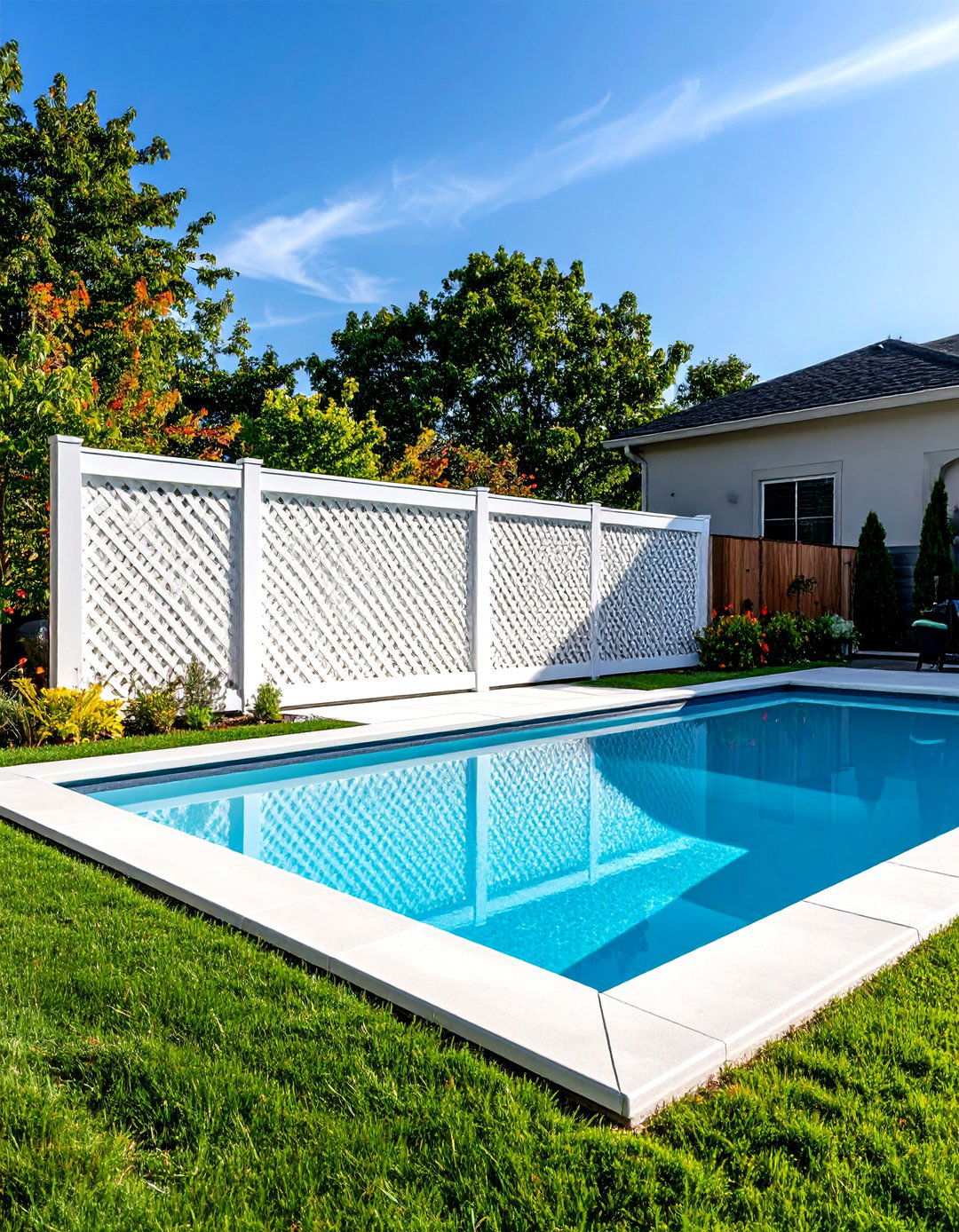
Specialized pool area lattice screening installations play a vital role in maintaining privacy and ensuring compliance with local swimming pool safety codes. These applications typically demand specific height requirements and narrow gap limitations to guarantee enhanced safety measures in aquatic environments. To withstand chemical exposure and intense sunlight reflection, material selection emphasizes chlorine resistance and UV protection, making them an ideal choice for pool surroundings. Installation must adhere to local building codes regarding pool barriers while incorporating attractive screening that elevates the overall pool area’s aesthetic appeal. By hiring professionals, pool owners can ensure safety compliance and long-term durability in challenging pool environment conditions.
19. Unleashing the Potential of Fan-Shaped Lattice Plant Supports
Fan-shaped lattice designs unlock the full potential of plant support by accommodating natural growth patterns while creating visually striking wall-mounted displays for climbing species. These installations typically mount against walls or existing structures, with spreading patterns that gently guide plant growth into desired shapes. The unique geometry provides optimal support distribution for flowering vines and fruit-bearing climbers that require structured training systems. To ensure stability and longevity, construction requires precise angle calculations and customized mounting systems designed for plant load distribution. When installing fan-shaped lattice plant supports, it’s essential to consider adequate clearance from mounting surfaces for air circulation and plant health, while also ensuring structural stability throughout the growing seasons.
20. Maximizing Vertical Growing Space with Lattice Garden Systems
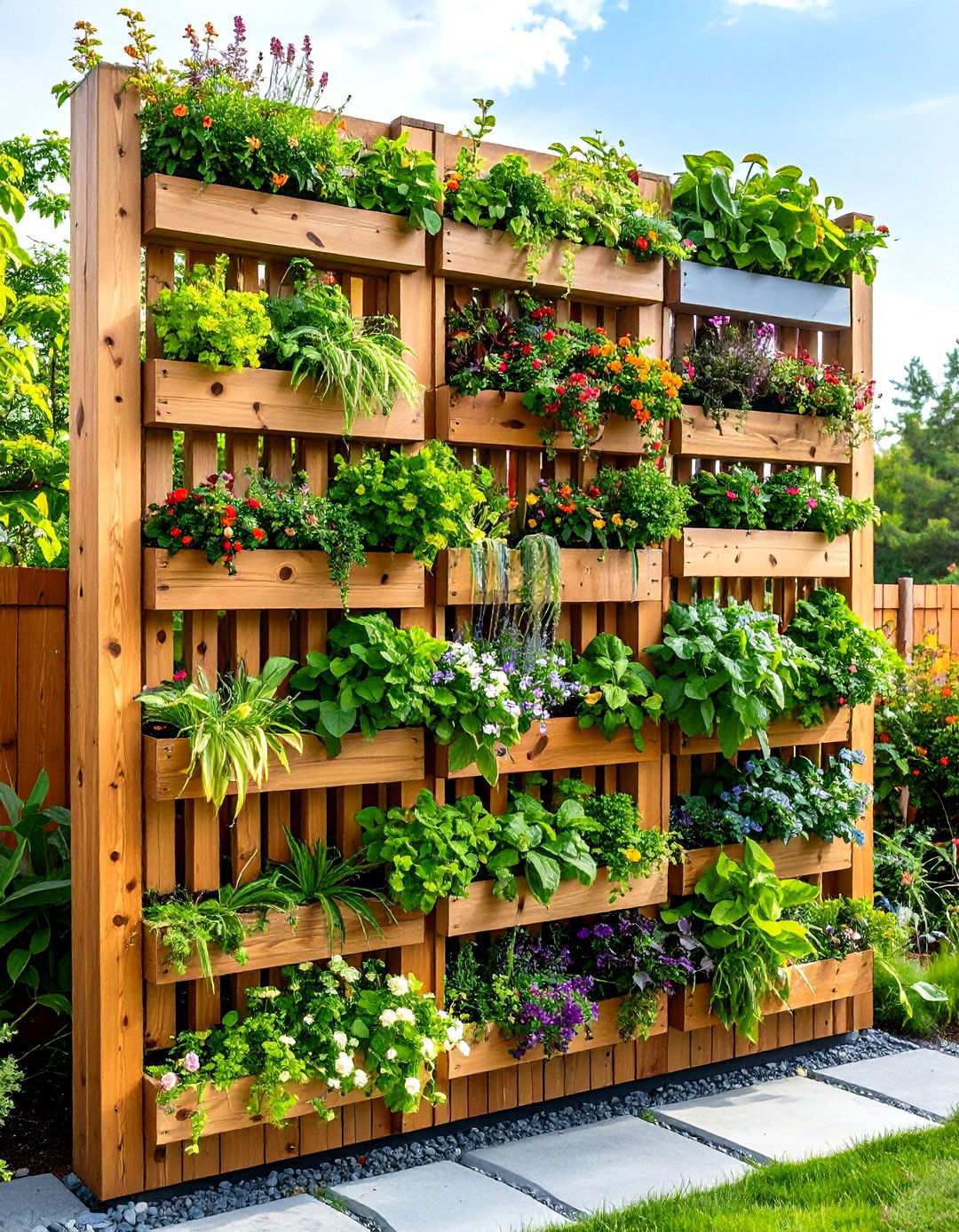
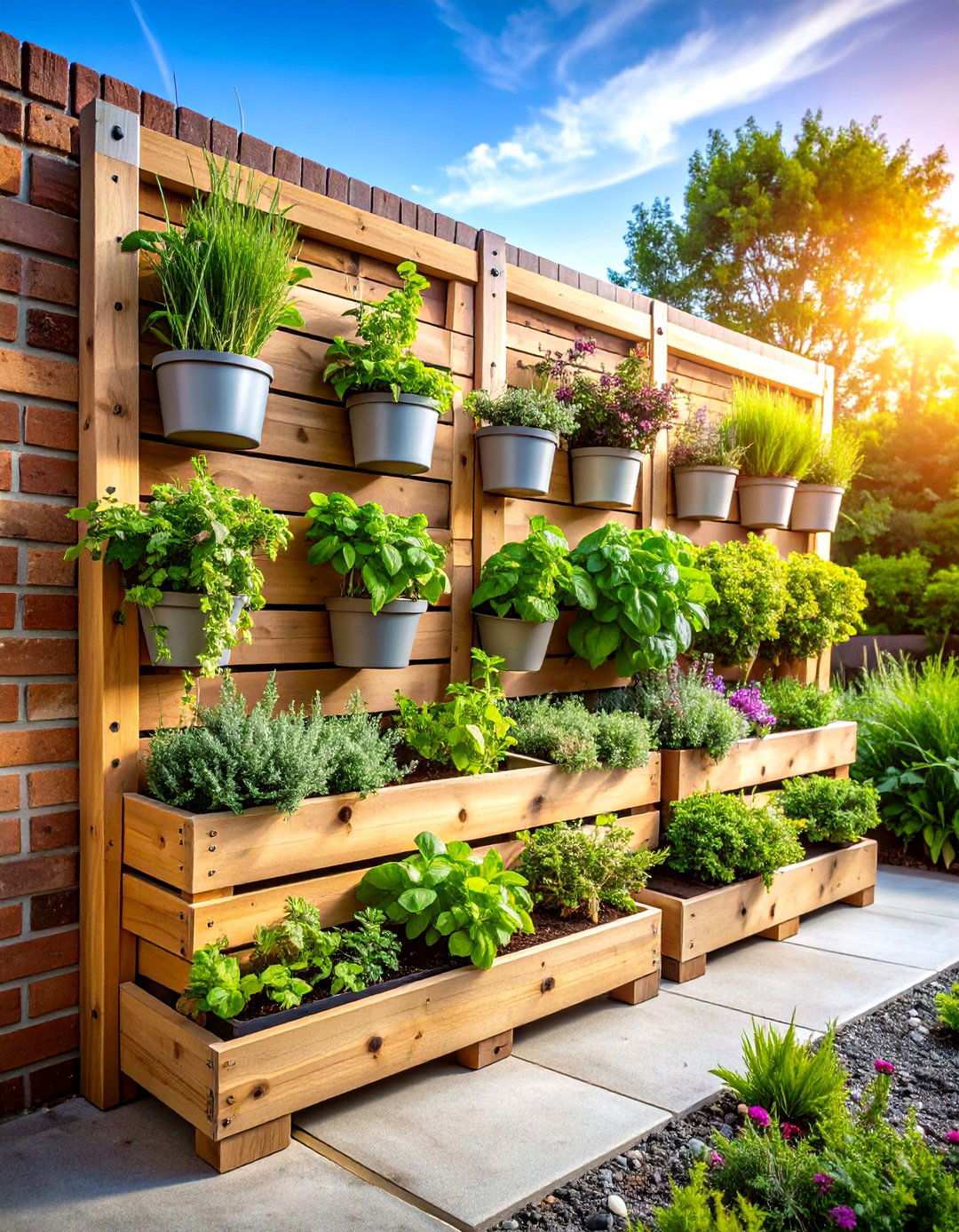
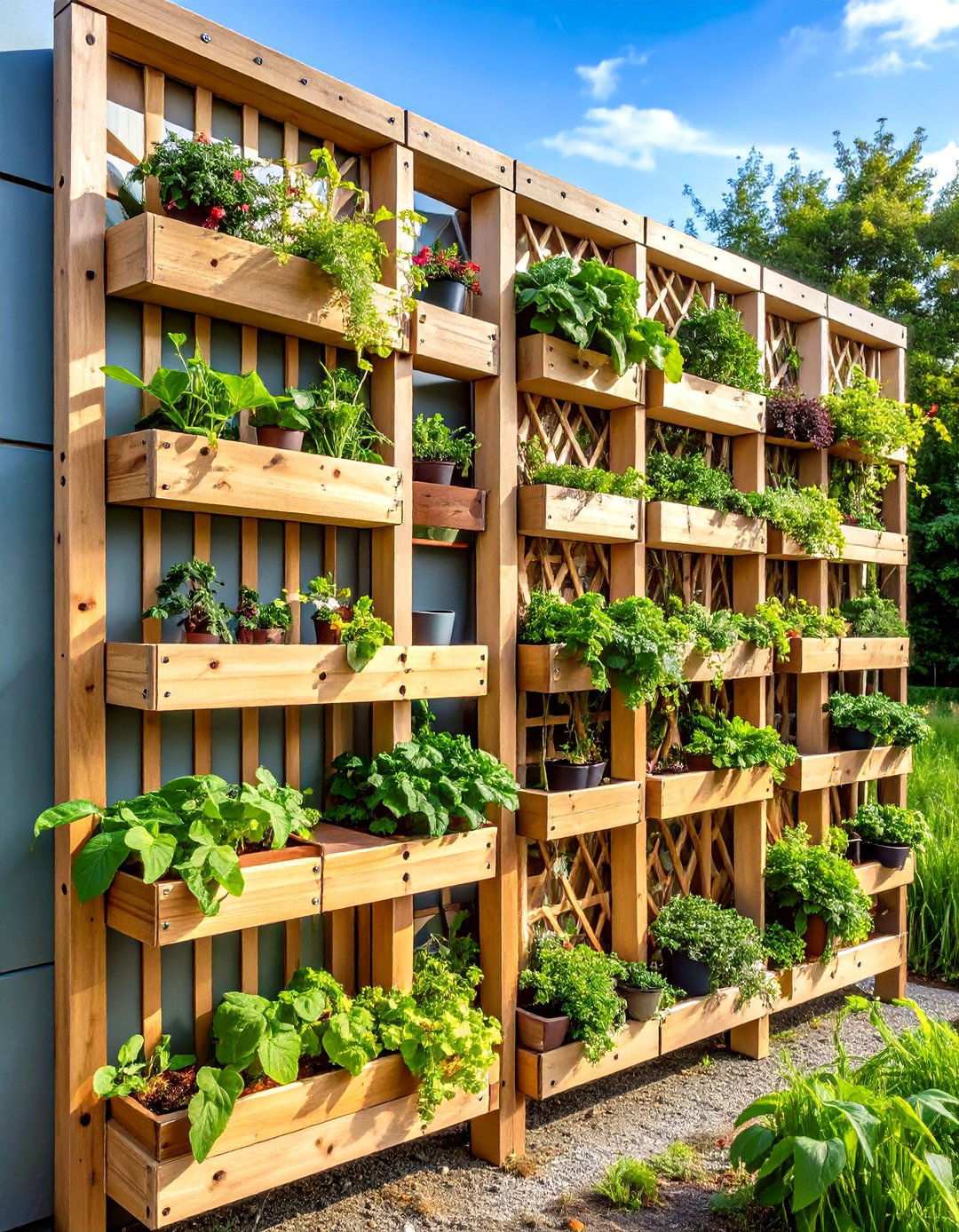
Vertical lattice garden systems revolutionize the way we approach urban gardening by maximizing growing space through multi-level configurations that support diverse plant varieties while creating living wall displays in limited horizontal areas. These installations typically feature integrated planting pockets or mounting systems for container plants throughout the lattice structure. The vertical arrangement provides excellent growing conditions while creating attractive green walls that enhance property aesthetics and environmental benefits. To guarantee optimal plant health, construction requires thoughtful drainage systems and irrigation considerations for multi-level plant care. When planning the installation of a vertical lattice garden system, it’s crucial to include weight distribution calculations and structural support requirements for fully planted systems while ensuring accessibility for ongoing plant maintenance and seasonal care requirements.
21. Timeless Weathered Gray Lattice Fences
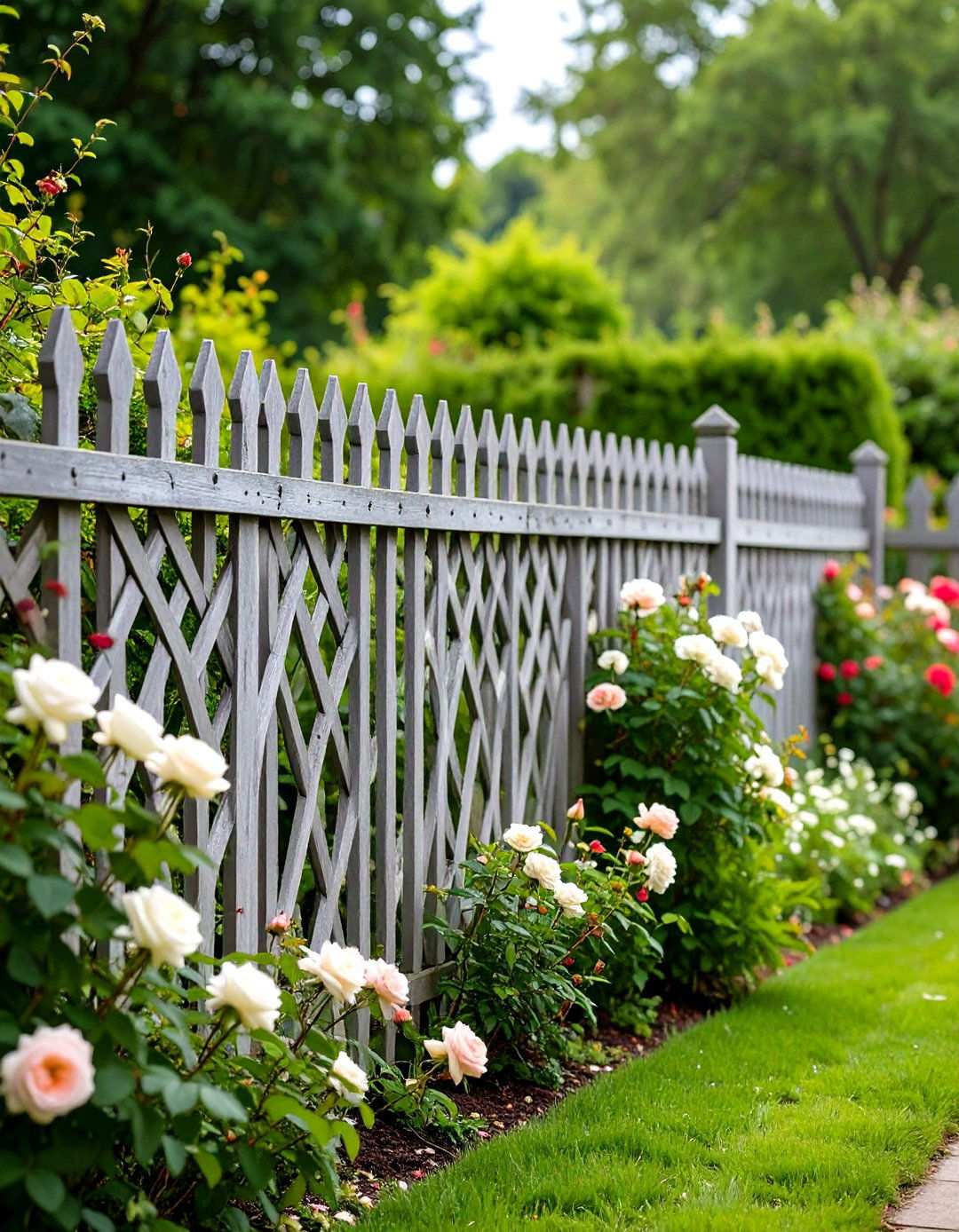
Weathered gray lattice fences evoke a sense of aged sophistication, thanks to innovative finishing techniques that replicate the authentic look of vintage weathering without the need for years of natural degradation. This timeless aesthetic is achieved through a specialized process that imparts an immediate rustic charm while maintaining the structural integrity and weather resistance that comes with premium materials. The versatile gray hue serves as a neutral backdrop, effortlessly complementing a diverse range of plant varieties and landscape color schemes as the seasons change. Available in pre-finished wood products and synthetic alternatives, these fences offer the perfect blend of rustic character and low-maintenance convenience. Standard installation procedures are followed, with careful attention to color consistency and proper sealing to ensure a long-lasting and visually stunning appearance in even the most exposed outdoor environments.
22. Lattice Pergola Systems: Elevating Outdoor Living Spaces
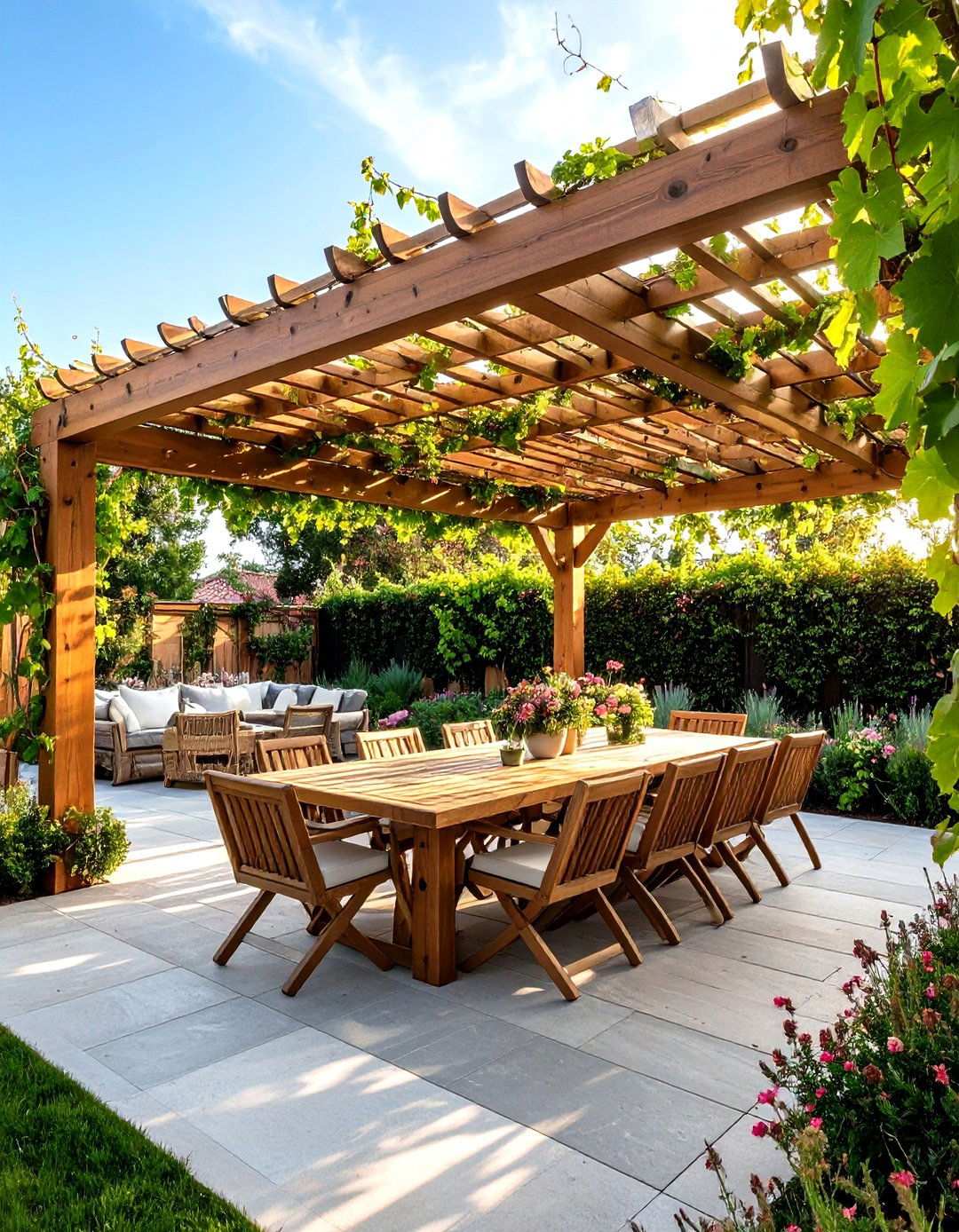
By combining lattice elements with overhead structures, homeowners can create expansive outdoor living areas that seamlessly integrate shade, privacy, and plant support within a unified design framework. However, these complex installations demand meticulous structural engineering to ensure they can withstand both overhead loads and the weight of climbing plants as they grow throughout the seasons. As a result, these systems provide multiple opportunities for showcasing diverse plant varieties while fostering comfortable outdoor spaces perfect for relaxation and entertainment. Due to the inherent complexity of such installations, professional installation teams with expertise in both pergola construction and lattice integration techniques are essential for achieving the desired results. When selecting materials, it is crucial to prioritize structural strength and weather resistance to ensure the lattice pergola system can withstand the rigors of multi-directional installations.
23. Miniature Lattice Borders for Gardens
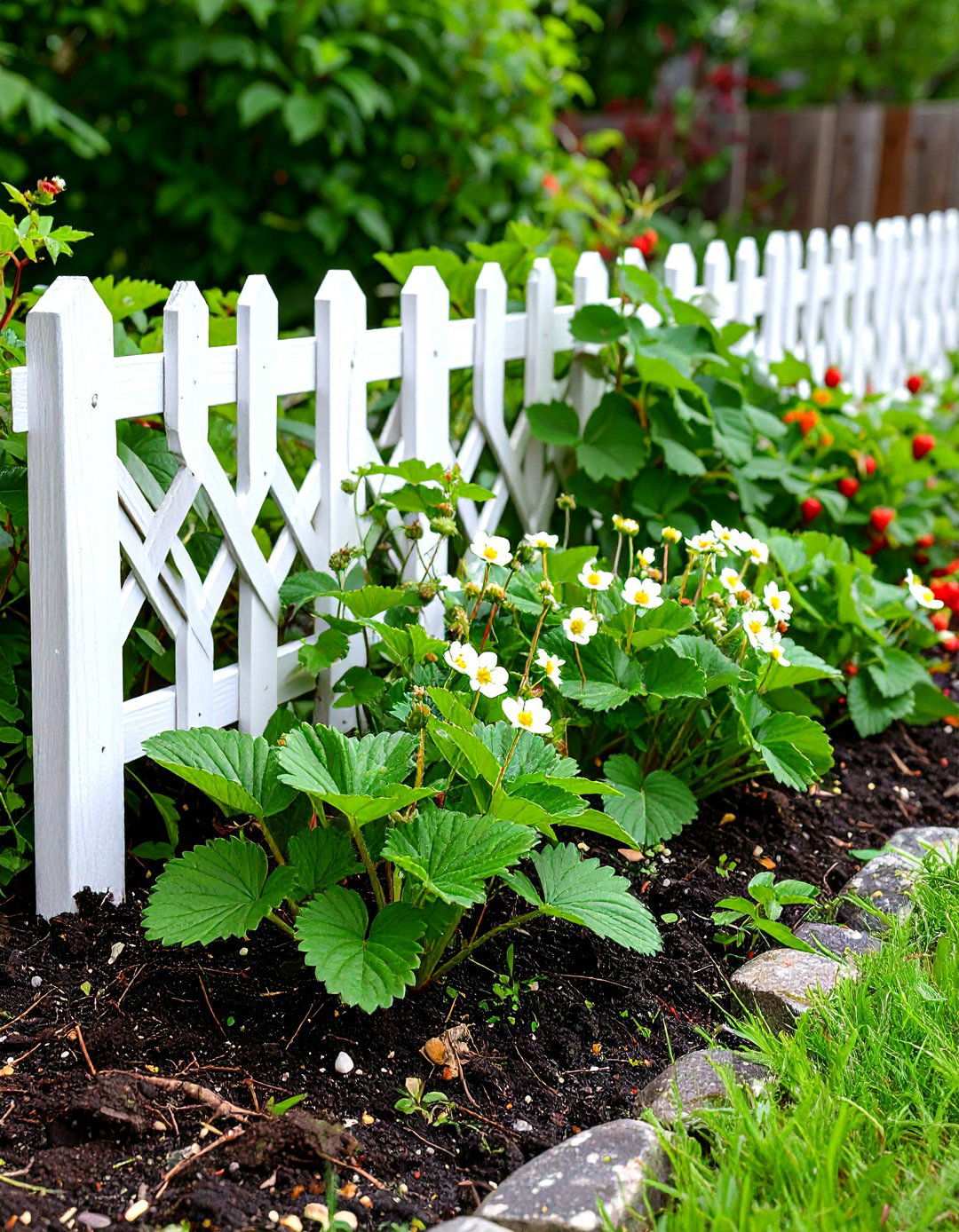
Miniature lattice borders have become an increasingly popular solution for defining garden areas while providing support for low-growing climbing plants and trailing varieties. These scaled-down versions of traditional lattice patterns are designed specifically for border applications and container garden integration, featuring reduced panel heights and smaller opening sizes to create a delicate yet eye-catching design. By incorporating miniature lattice borders into garden designs, homeowners can add both decorative appeal and functional plant training capabilities, streamlining garden organization and maintenance. To achieve this level of precision, construction requires meticulous cutting and fitting techniques to maintain pattern consistency at reduced scales. When installing miniature lattice borders, it is essential to ensure proper ground preparation and drainage to guarantee stability and longevity, while also maintaining the decorative appeal that these borders are known for throughout the seasons.
24. Evolving Lattice Architecture for Enhanced Ecosystems
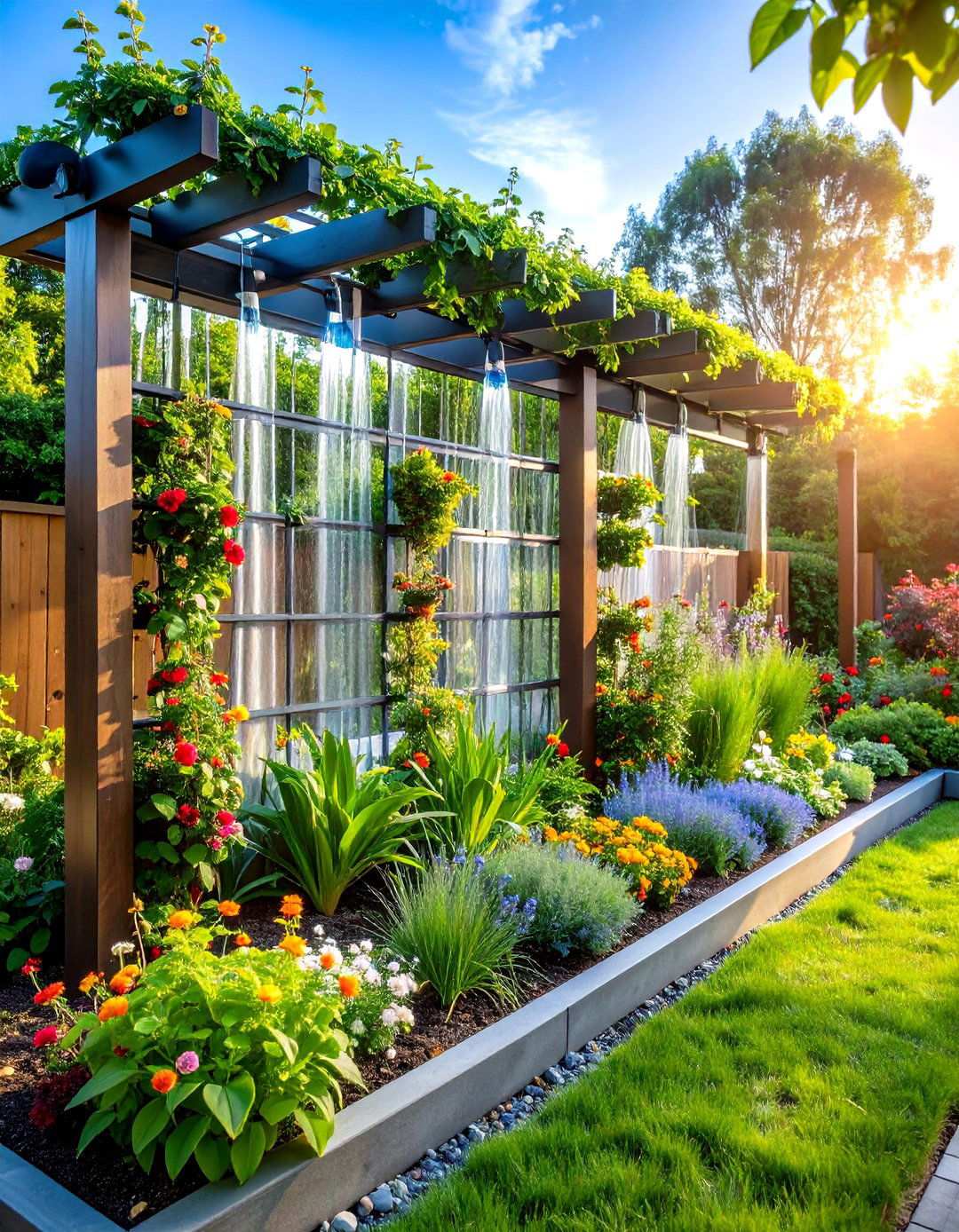
Elevated lattice systems seamlessly merge cutting-edge technology with timeless aesthetic appeal, leveraging sophisticated sensors, automated irrigation, and climate monitoring systems that fine-tune plant care and preservation. By expertly integrating subtle technology, these advanced installations discreetly monitor vital signs, such as soil moisture levels, ambient temperature fluctuations, and plant health indicators. This synergy of traditional craftsmanship and modern innovation enables automated care systems while preserving the lattice’s visual integrity, thanks to thoughtful component concealment within the structure. Realizing such installations demands a multidisciplinary approach, incorporating specialized knowledge in both classic lattice design and modern technology integration, including intricate electrical systems and connectivity requirements. Ultimately, the outcome is a sophisticated garden management system that seamlessly combines superior plant care capabilities with contemporary convenience features, yielding enhanced overall plant health outcomes.