1. Harmonious Kitchen Diner Spaces
Imagine a home where cooking, dining, and socializing harmoniously coexist. Today’s kitchen diners have transcended the traditional breakfast nook to become dynamic spaces that seamlessly integrate morning routines, family meals, and evening gatherings. According to the 2025 design trends, kitchen diners now prioritize versatility, natural textures, and innovative storage solutions that beautifully balance function and style. Whether you’re working with a compact galley layout or designing an expansive open-plan space, a well-conceived kitchen diner concept can revolutionize daily life for your family. Modern kitchen diners focus on flexible zones that adapt to various activities throughout the day, incorporating homework stations, entertaining areas, and everything in between. By creating distinct yet connected spaces that flow naturally, you can maintain their individual purposes while fostering an open, inviting atmosphere. Clever design choices like multi-level surfaces, integrated seating solutions, and strategic lighting help define these zones without compromising the warm, welcoming ambiance that makes kitchen diners so irresistible.

As an Amazon Associate I earn from qualifying purchases.
Open Plan Island Kitchen Diner
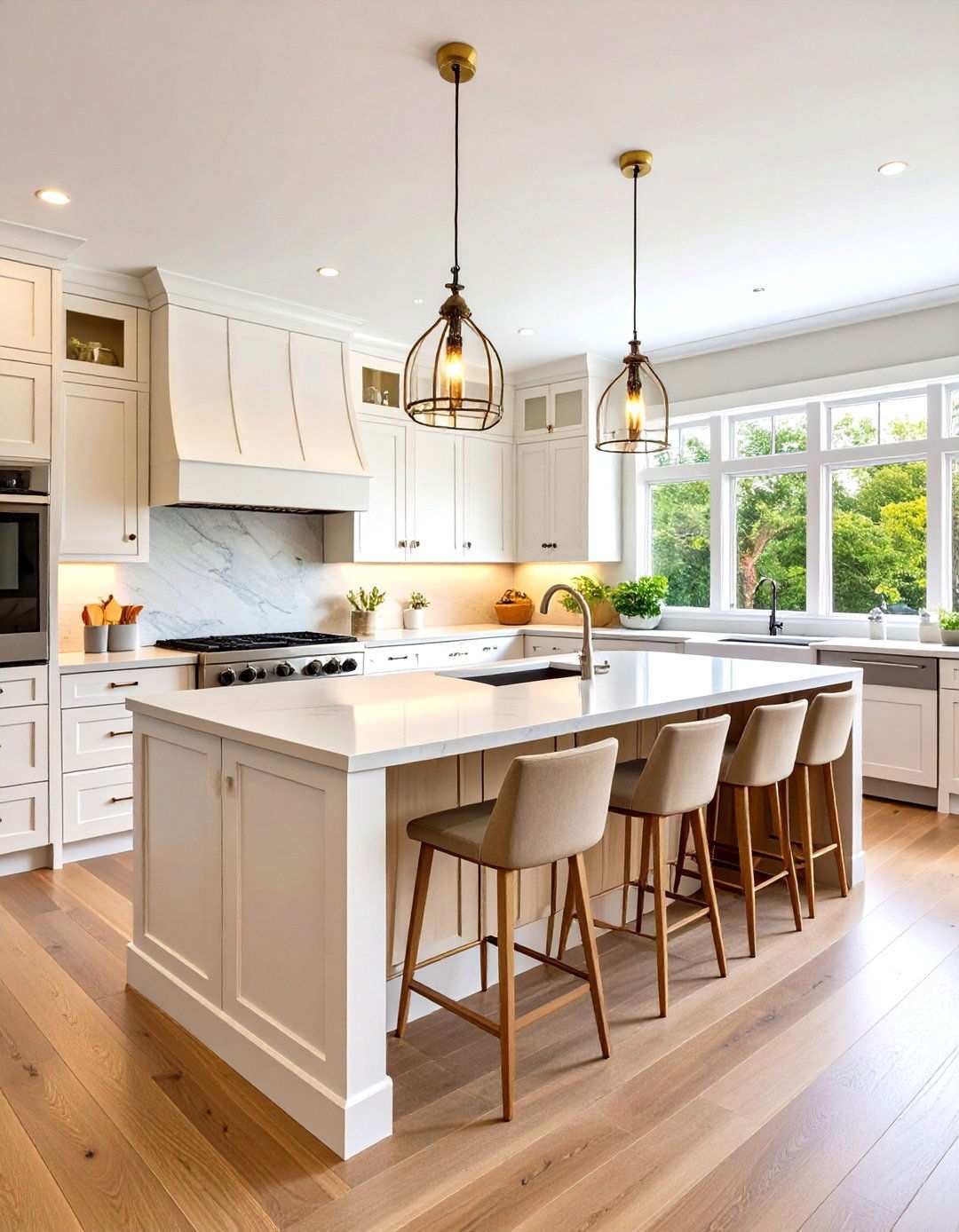
The open plan island kitchen diner achieves perfect harmony by placing a substantial kitchen island at its core, effectively bridging the gap between cooking and dining areas. This design features a spacious, multi-functional island with waterfall countertops, integrated seating for four to six people, and generous storage beneath. The surrounding space flows effortlessly between cooking, dining, and living areas, with the island serving as both a workspace and a breakfast bar. High-quality materials like quartz countertops and rich wood cabinetry create a sense of warmth, while pendant lighting suspended above the island provides both task lighting and ambient atmosphere. By positioning the cook at the heart of the action, the layout encourages social interaction, making every cooking session a vibrant, collaborative experience.
2. L-Shaped Kitchen Diner Layout Redefined
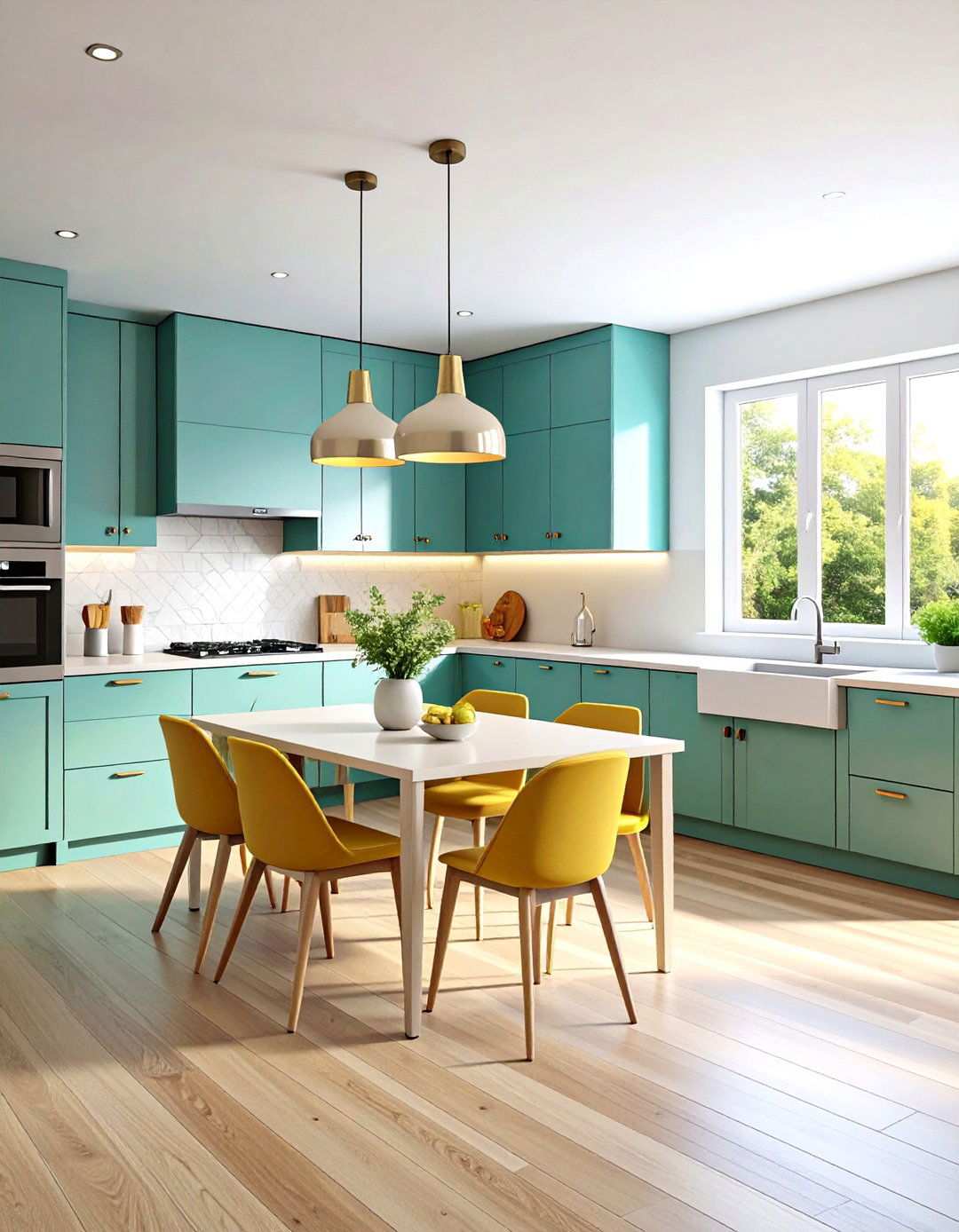
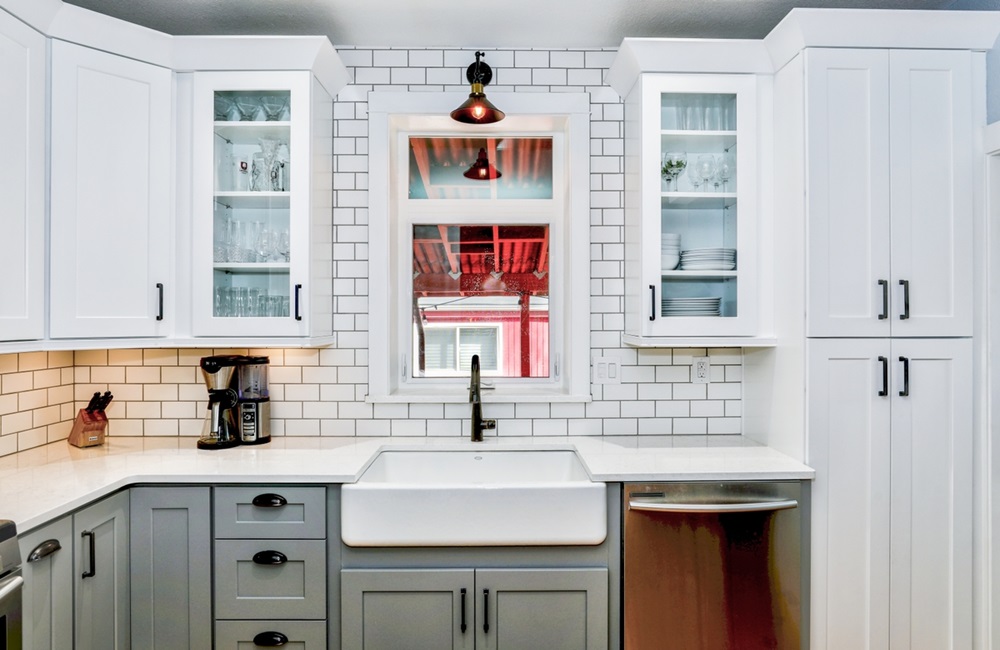
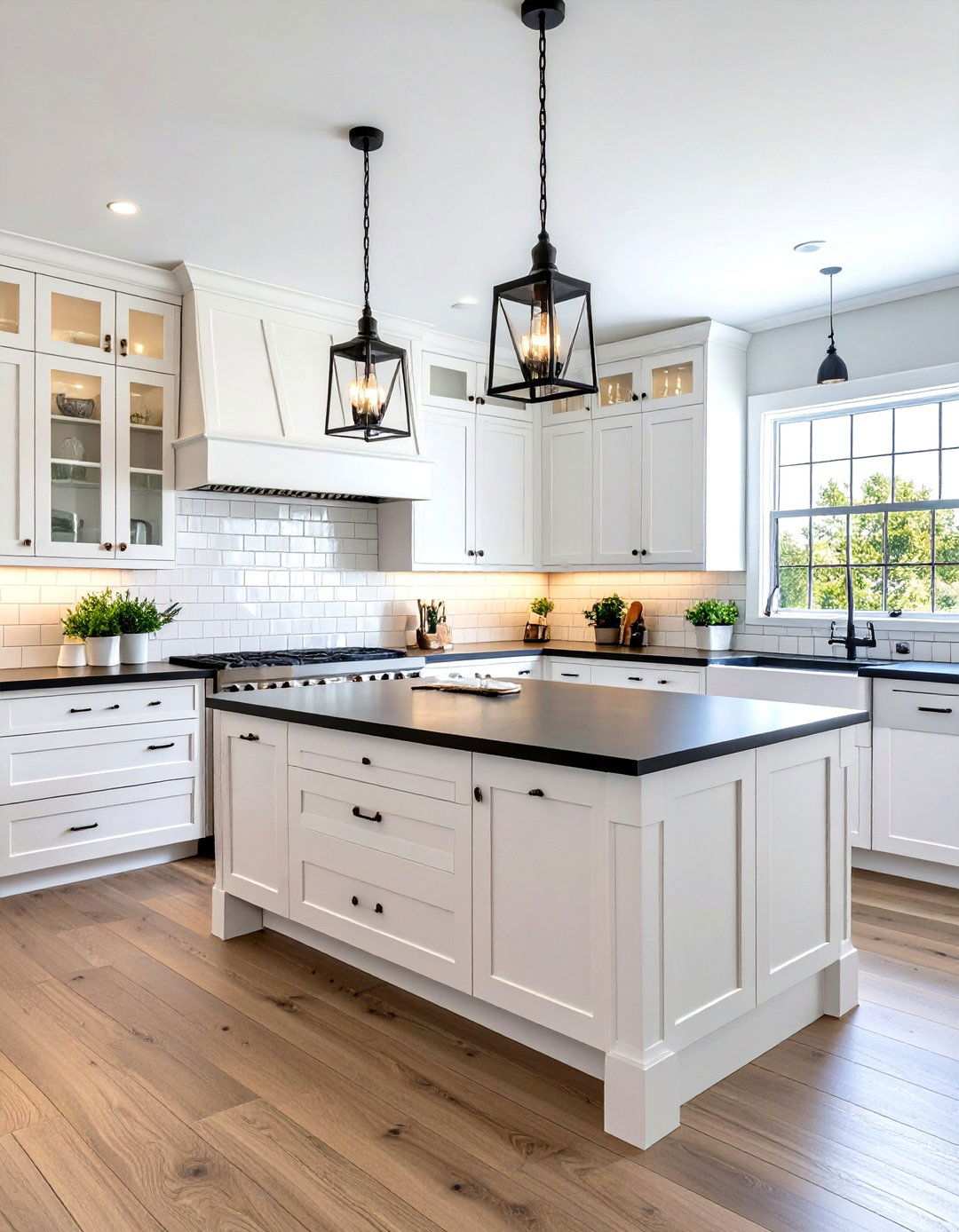
The L-shaped kitchen diner layout skillfully utilizes the corner space, while dividing the room into distinct zones for culinary activities and dining. This configuration positions kitchen cabinets and appliances along two perpendicular walls, freeing up the remaining space for a dining table and chairs. The corner area is often occupied by the sink or range, forming an efficient work triangle that streamlines meal preparation. This design works exceptionally well in square or rectangular rooms, offering ample storage capacity through upper and lower cabinets along both walls. The dining area typically features a round or rectangular table placed to maximize natural light from windows. Smart design considerations include corner storage solutions, under-cabinet lighting for task illumination, and coordinated materials that visually connect the kitchen and dining zones while maintaining their distinct functions.
3. Banquette Seating Kitchen Diner: A Space-Saving Solution
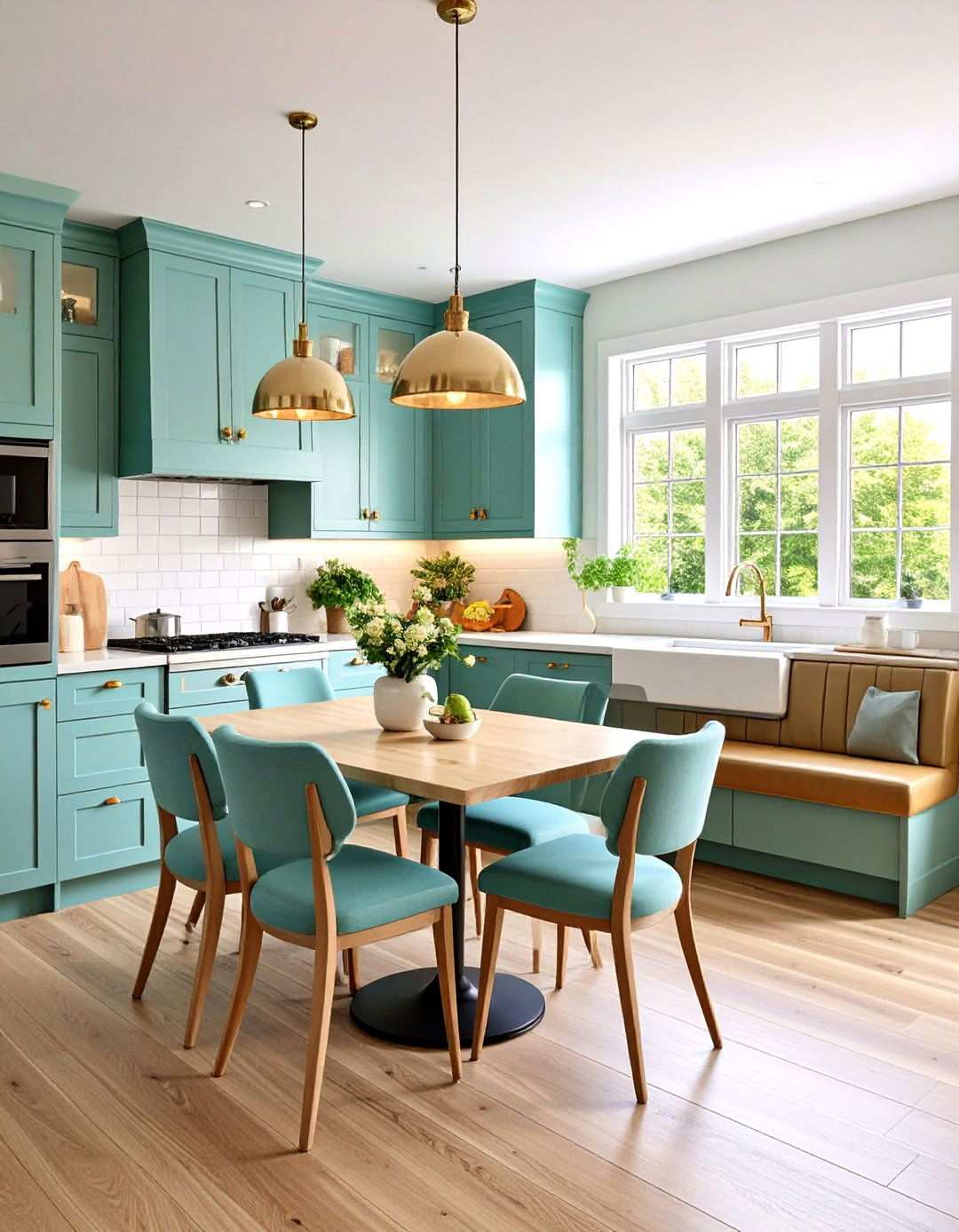
Built-in seating can be the key to maximizing comfort and space in your kitchen diner. Banquette seating creates an intimate, restaurant-style dining experience by incorporating upholstered bench seating along walls or within kitchen islands. This design typically features L-shaped or U-shaped built-in benches with plush cushions, paired with a dining table and additional chairs on the opposite side. The banquette often includes hidden storage beneath the seats for linens, tableware, or seasonal items. This arrangement can accommodate more people in less space compared to traditional dining chairs, making it an ideal choice for families or frequent entertainers. The upholstery introduces color, pattern, and texture to the kitchen, while the built-in nature creates a custom, high-end appearance. Windows positioned above banquette seating provide natural light and pleasant views during meals, creating a warm and inviting atmosphere.
4. Galley Kitchen Diner Extension: Maximizing Space and Efficiency
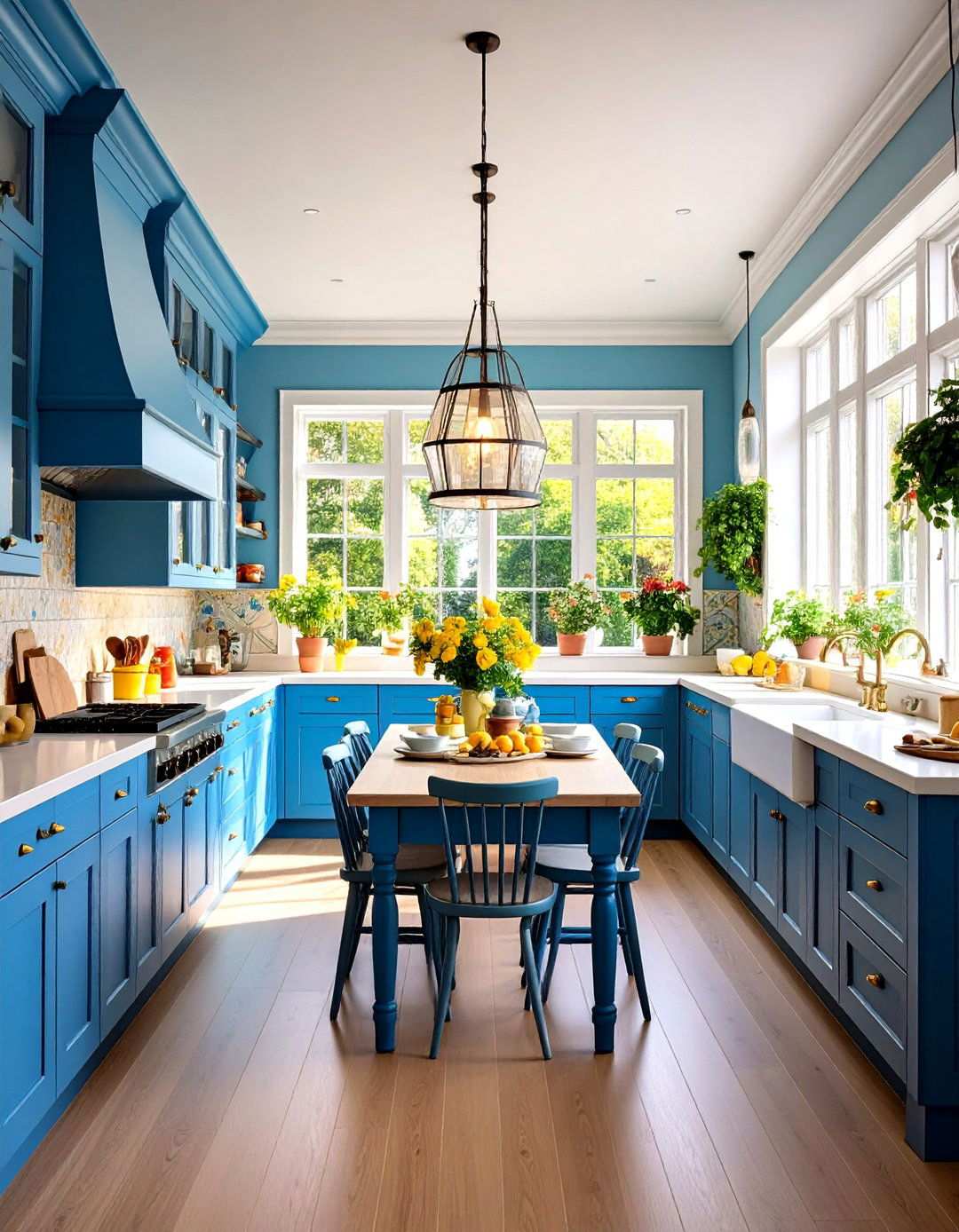
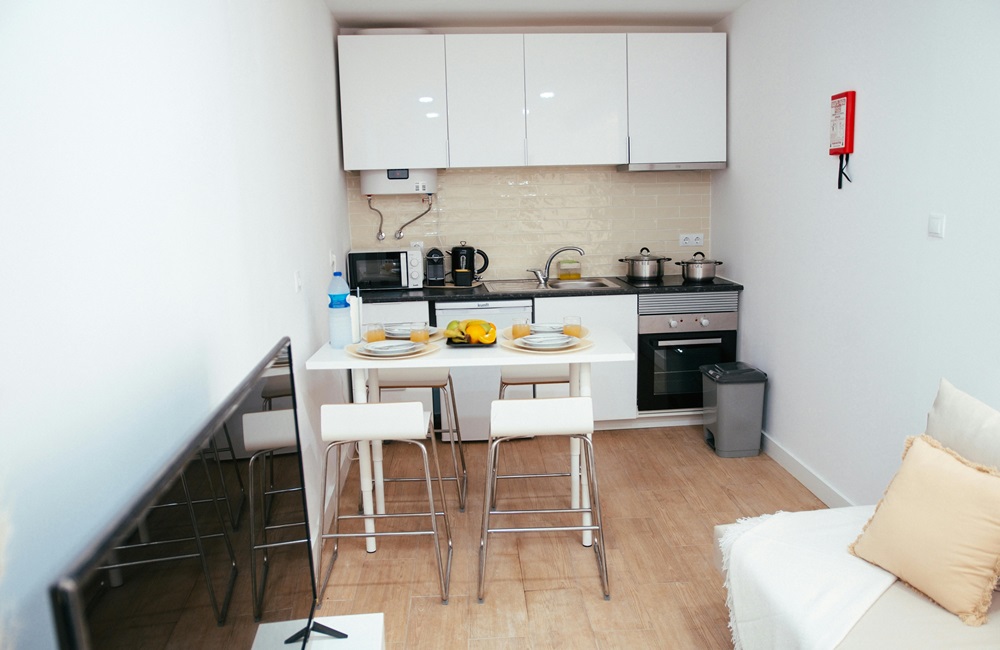
The galley kitchen diner extension transforms narrow kitchen spaces by extending into adjacent areas to create a linear cooking and dining arrangement. This design features parallel countertops and cabinetry along opposite walls, with the dining area positioned at one end of the galley layout. The extension often incorporates large windows or patio doors that flood the space with natural light and provide garden access. Modern galley diners maximize vertical storage with floor-to-ceiling cabinets and utilize every inch of available space through clever built-ins and pull-out organizers. The linear flow guides movement from food preparation through cooking to dining, creating an efficient workflow for daily meal routines. Strategic lighting includes under-cabinet task lighting in the kitchen area and statement pendant lights over the dining table to define separate zones within the connected space, enhancing both functionality and ambiance.
5. Peninsula Breakfast Bar Diner
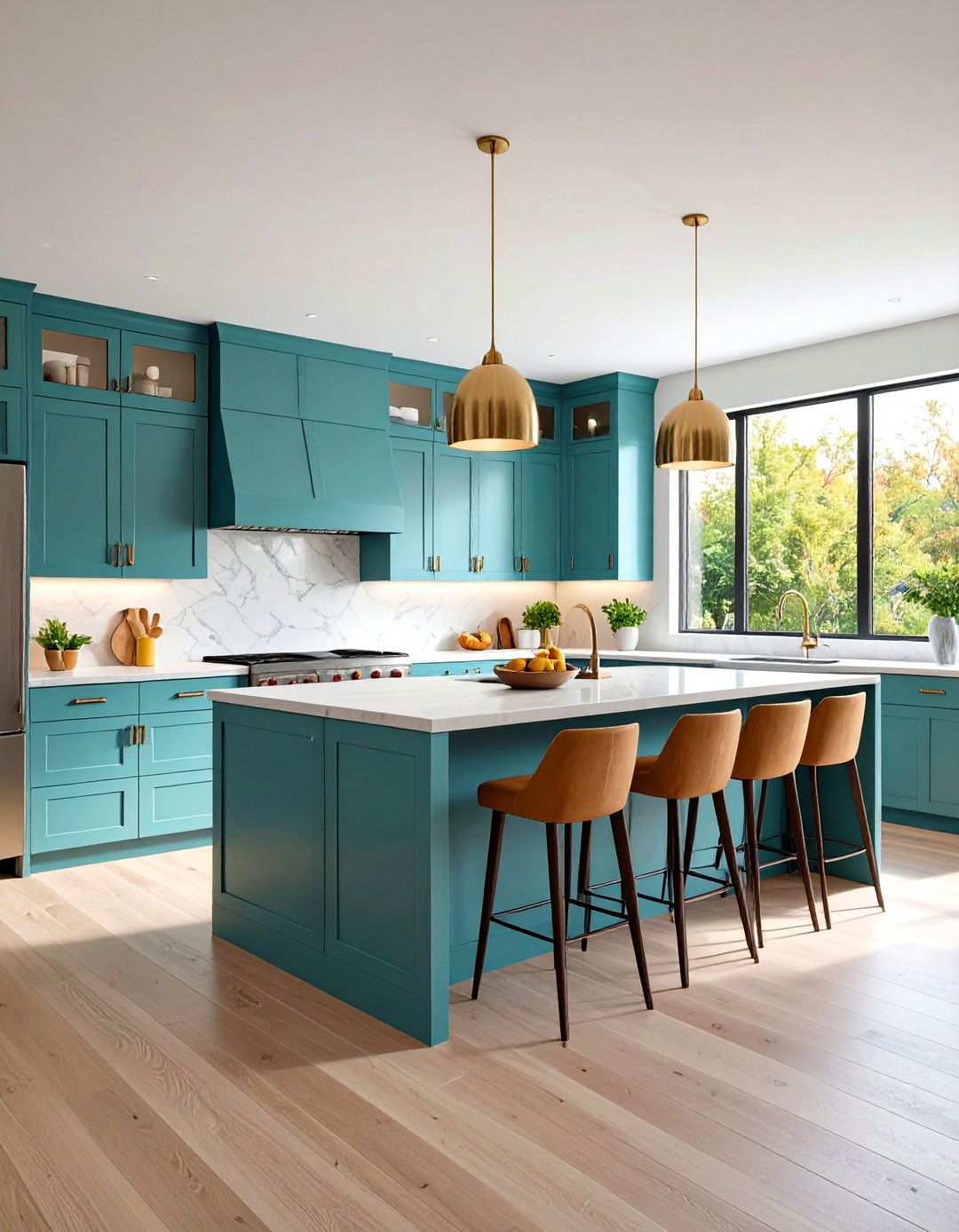
A well-designed peninsula layout is perfect for fostering conversation while maintaining kitchen efficiency, thanks to its adaptable nature. By extending cabinetry from one wall, this partial island configuration creates additional counter space and seating without fully enclosing the kitchen, offering a seamless blend of functionality and style. This three-sided setup provides bar-height seating along the extended counter, ideal for quick meals and casual conversations, while the peninsula often houses additional storage, small appliances, or even a second sink for beverage preparation. This design excels in kitchens with limited space for a full island but require extra workspace and seating. Furthermore, the breakfast bar height creates a visual barrier that screens kitchen mess from adjacent living areas, while maintaining an open, connected feel. Materials used for the peninsula typically match the main kitchen cabinetry, with the bar area featuring coordinating but distinct elements, such as different countertop materials or accent lighting that add visual interest.
6. Two-Tier Kitchen Island Diner
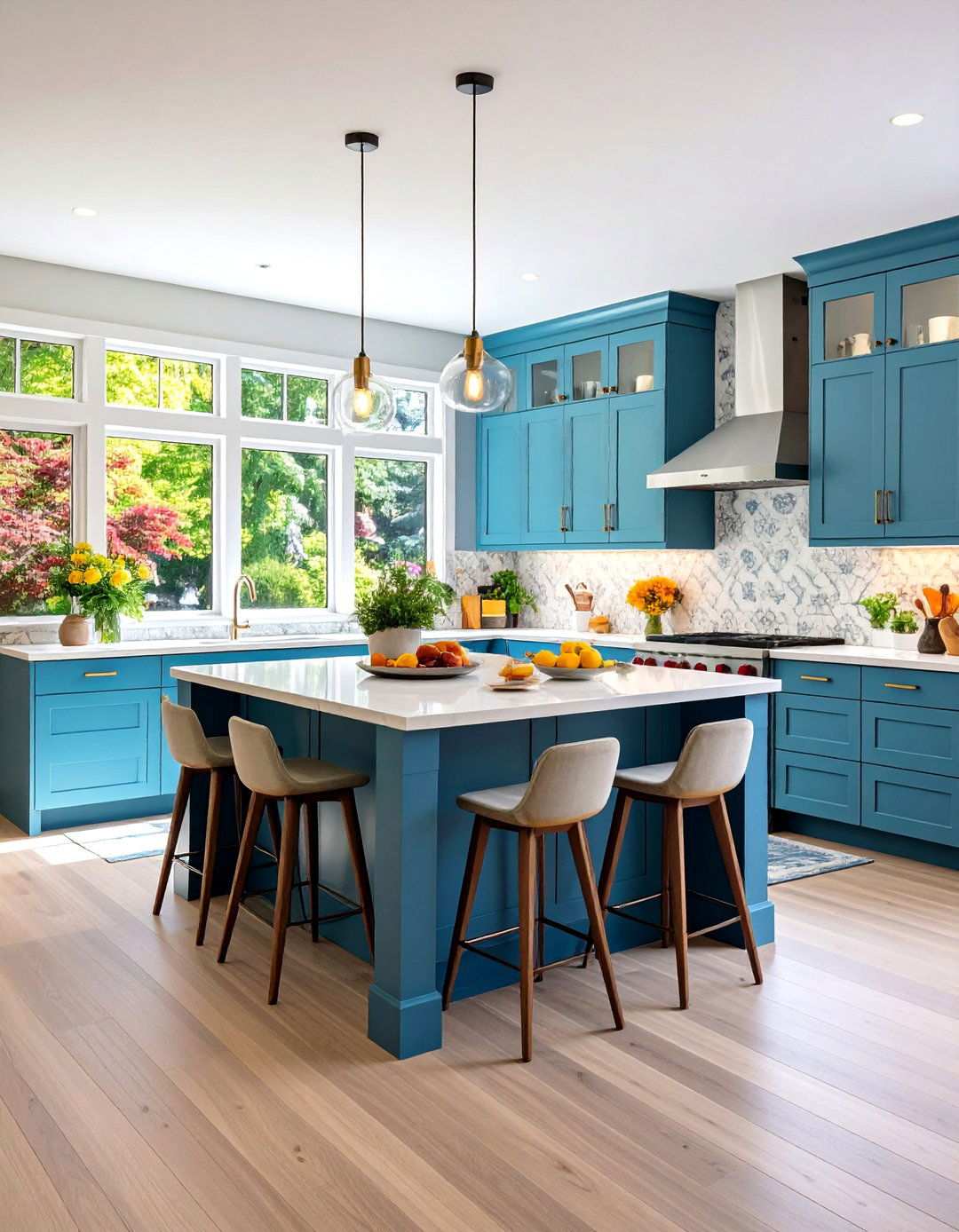
A two-tier kitchen island diner offers a versatile design that seamlessly combines food preparation and dining functions within a single central feature. This configuration typically includes a standard-height work surface for cooking tasks, accompanied by a raised bar-height section for casual dining and entertaining. The two levels create a natural separation between cooking activities and social gathering, allowing hosts to prepare meals while guests enjoy drinks and conversation at the elevated seating area. The lower tier often houses the cooktop, sink, or dishwasher, while the upper tier provides bar stool seating and sometimes additional storage. What’s more, this configuration maximizes the island’s functionality while maintaining clear sight lines throughout the space. The use of premium materials like marble, granite, or quartz creates beautiful contrasts between the two levels, while integrated lighting highlights both work and dining areas, elevating the overall aesthetic.
7. Scandinavian Style Kitchen Diner
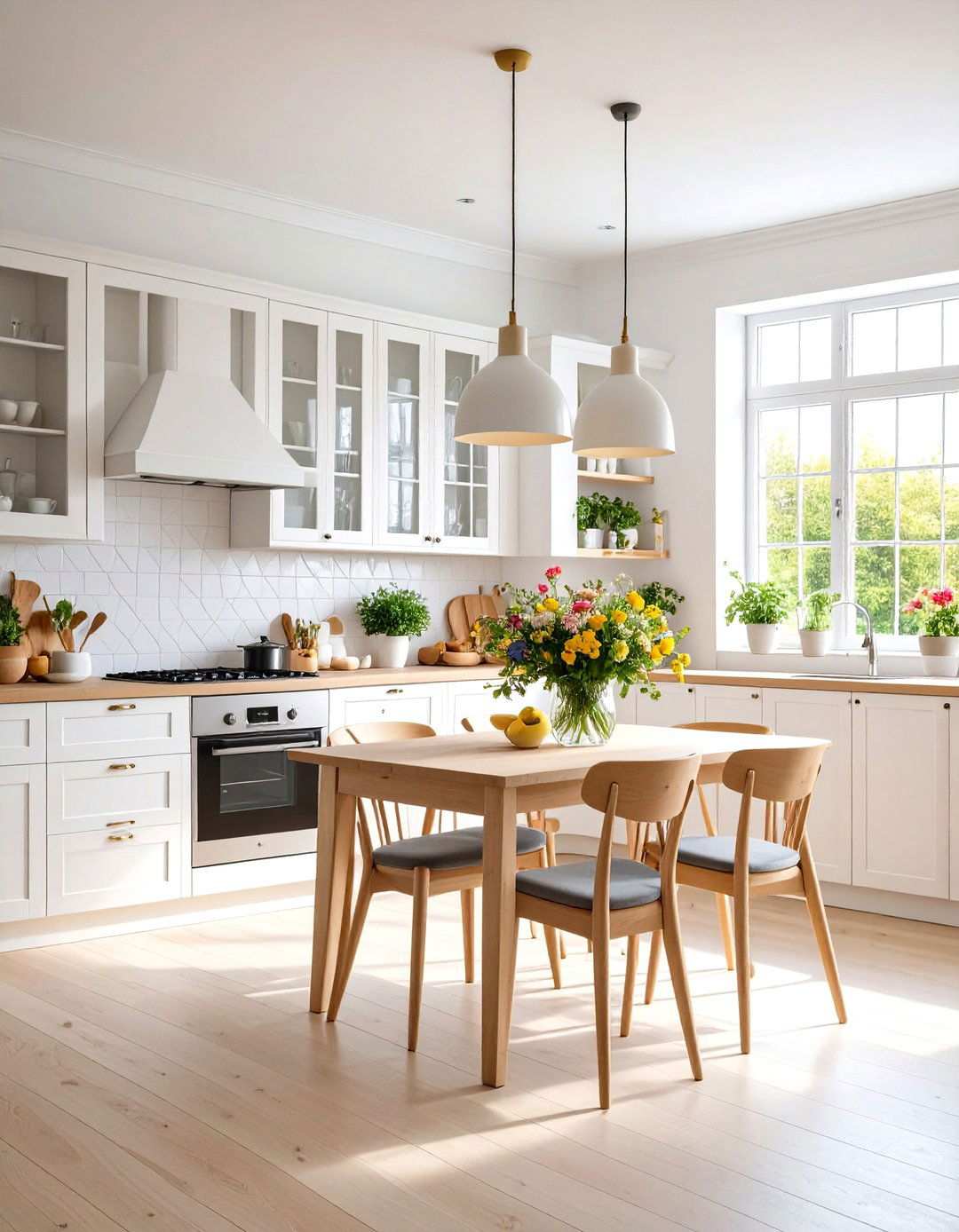
A Scandinavian style kitchen diner embodies minimalist aesthetics with light wood tones, white cabinetry, and clean lines that create a serene, uncluttered environment. This design features natural materials like pale oak or birch for flooring and cabinet fronts, paired with white or light gray painted surfaces for contrast. The dining area typically includes a simple wooden table with modern chairs in natural or white finishes, complemented by large windows that maximize natural light – a fundamental aspect of the Scandinavian aesthetic. Simple pendant lights or track lighting provide evening illumination, while storage solutions remain hidden behind smooth cabinet doors, maintaining the clean, organized appearance. Subtle touches of color appear through textiles, pottery, or small plants, but the overall palette remains neutral and calming, emphasizing functionality and comfort, and creating a kitchen diner that feels both sophisticated and welcoming.
8. The Urban Oasis: Industrial Modern Kitchen Diner
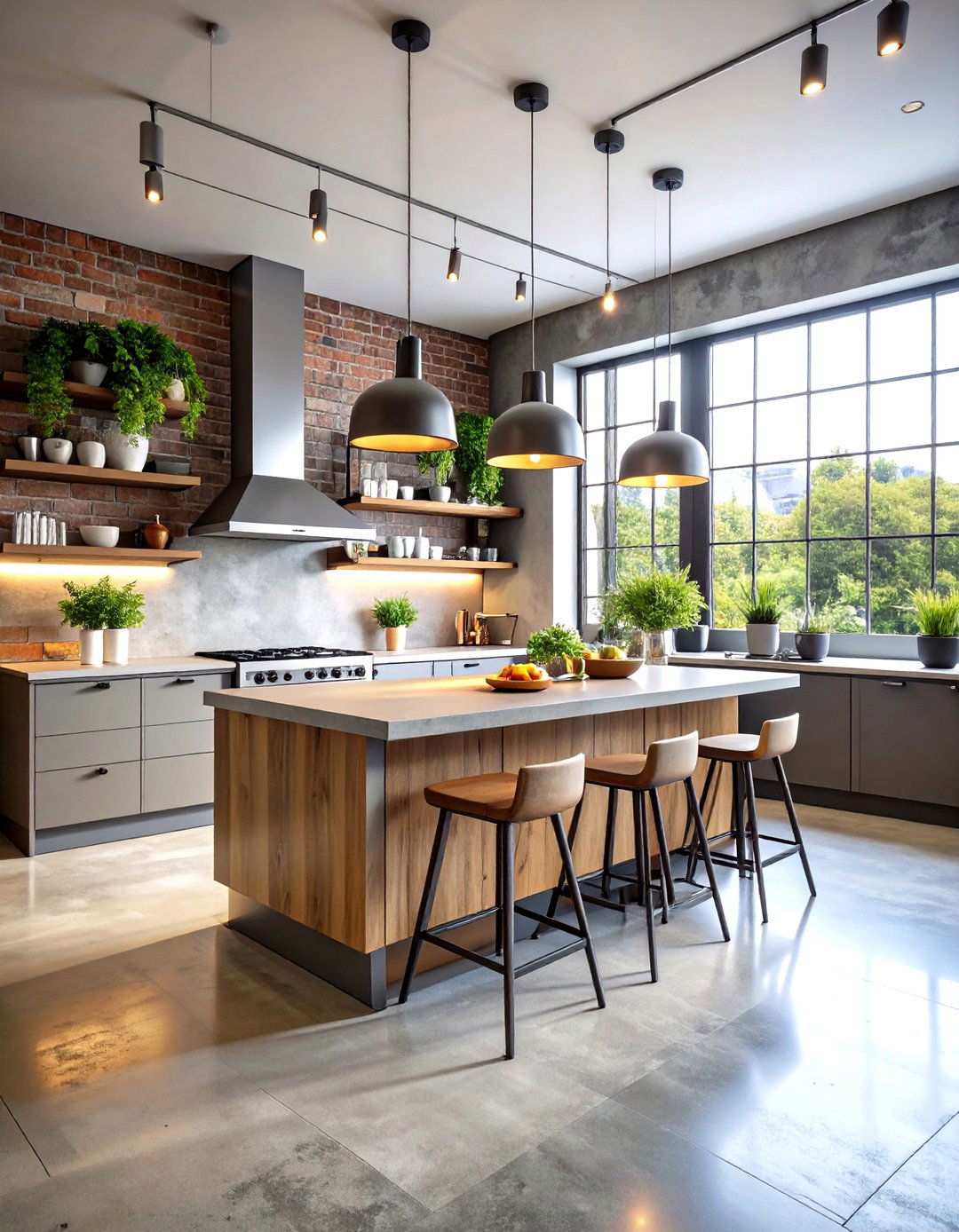
The fusion of rugged industrial elements and sleek contemporary design gives rise to the urban, sophisticated atmosphere of the industrial modern kitchen diner. Characterized by exposed brick, steel, and concrete, this style seamlessly blends raw materials with polished accents to create a unique and captivating space. Brick accent walls, stainless steel appliances, and concrete countertops form the foundation of this design, while metal bar stools with leather or wood seats add a touch of elegance. Open shelving crafted from reclaimed wood and metal brackets showcases dishware and kitchen accessories, while exposed ductwork or beams inject authentic industrial charm into the space. The dining area typically features a rustic wood table paired with modern metal chairs, generating an intriguing contrast of textures and styles. Abundant natural light pours in through large windows with black metal frames, while Edison bulb fixtures or track lighting further enhance the industrial aesthetic. The result is a harmonious blend of form and function, with surfaces that develop character and age beautifully over time.
9. Cozy Retreats: Cottage Style Kitchen Diner
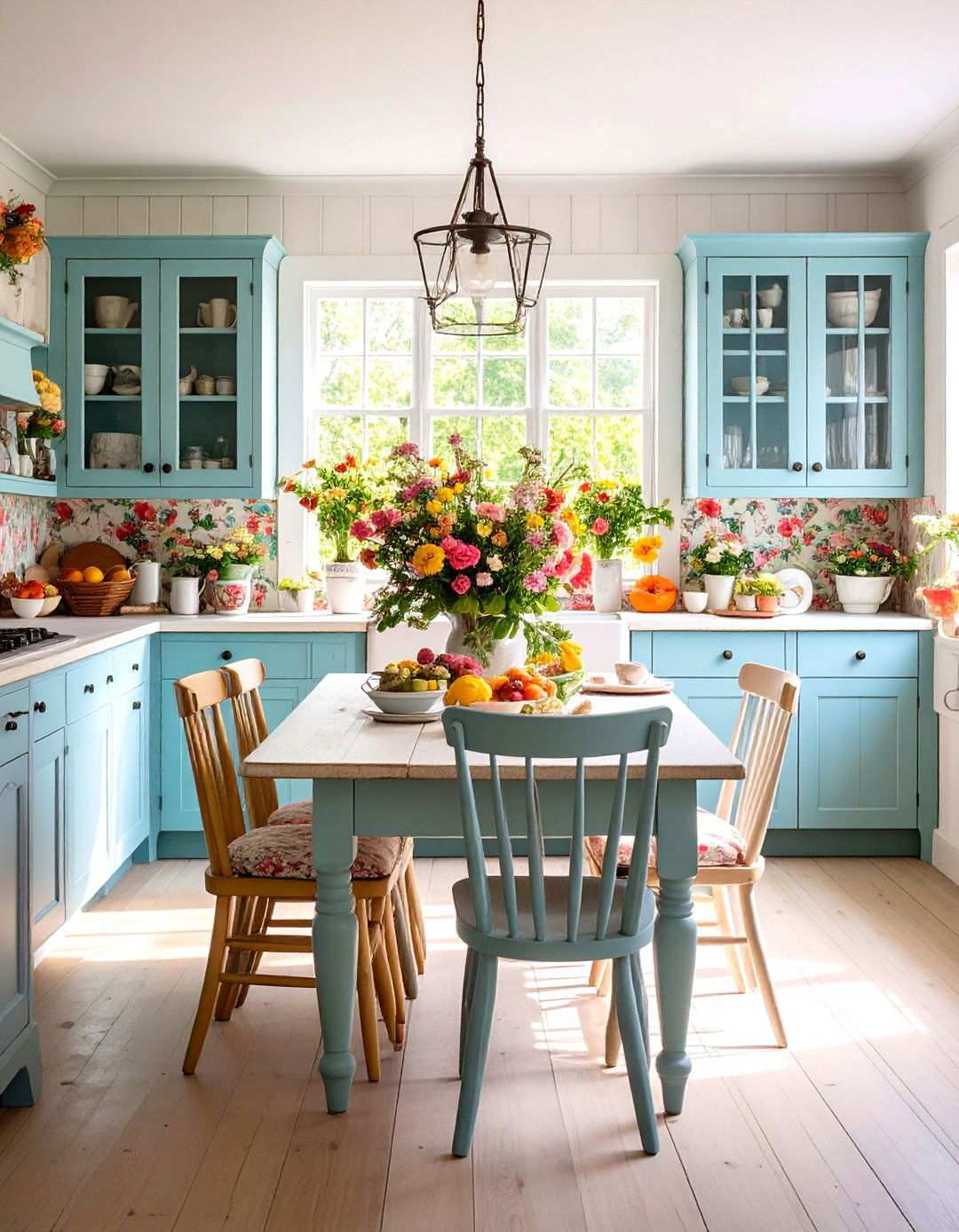
Imagine stepping into a warm and inviting space that evokes memories of idyllic country mornings and family gatherings around a well-loved table. The cottage style kitchen diner exudes warmth and charm through an array of vintage-inspired elements, soft colors, and traditional materials that feel both timeless and welcoming. This design often features painted wood cabinets in soothing shades of blue, green, or cream, paired with natural wood countertops or vintage-style tiles. The dining area typically includes a farmhouse table with mismatched chairs that appear to have been collected over time, giving the space a sense of character and history. Open shelving displays colorful pottery and vintage accessories, while traditional elements like beadboard wainscoting and mullioned windows add architectural interest to the space. The final touches are provided by floral patterns, gingham fabrics, and vintage lighting fixtures, which complete the cottage aesthetic. This style prioritizes comfort and personality over perfection, creating spaces that invite lingering over morning coffee or long family dinners filled with conversation and laughter.
10. Seamless Separation: Contemporary Glass Partition Diner
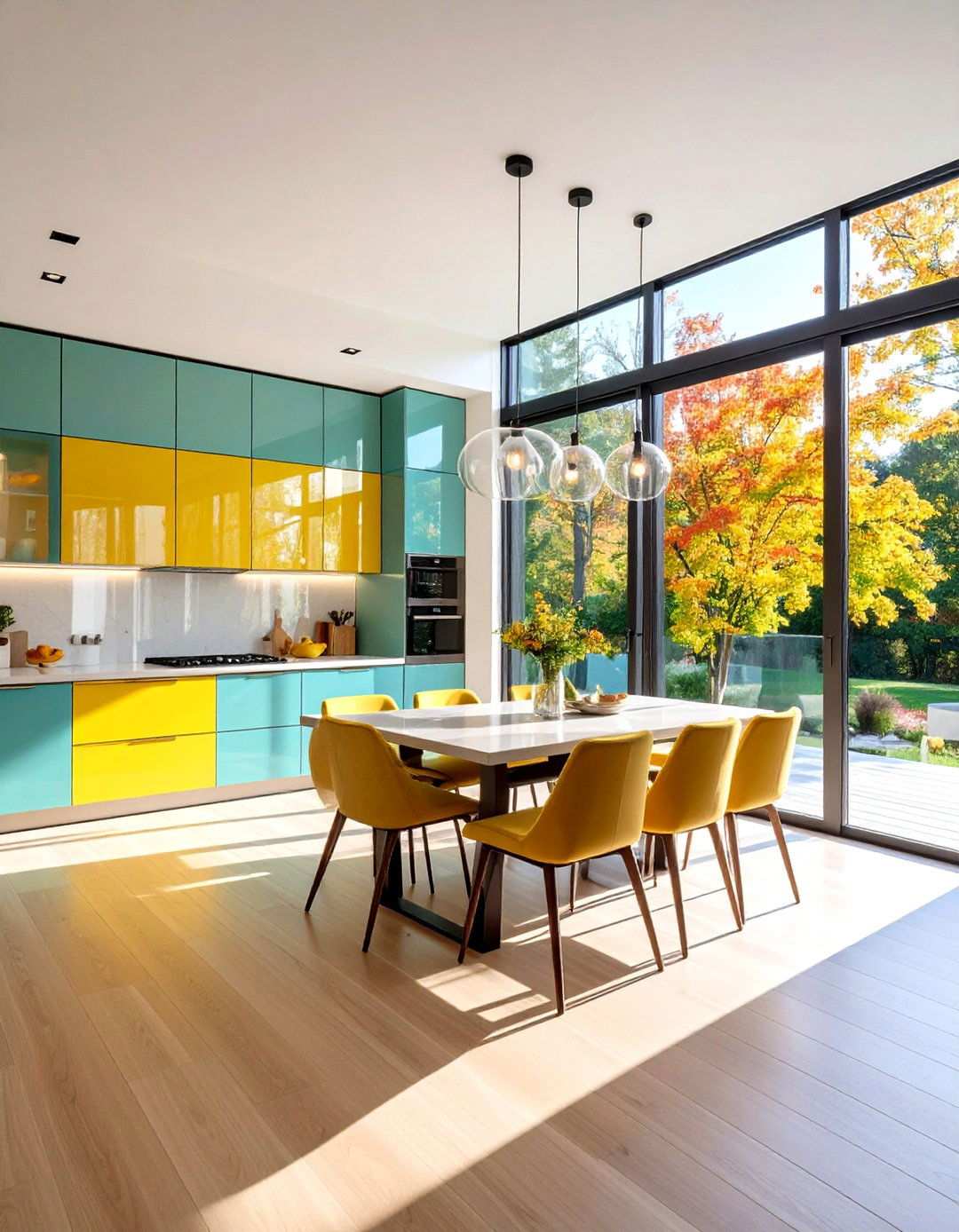
The contemporary glass partition diner offers a sleek and sophisticated solution for creating a seamless separation between cooking and dining areas. By incorporating transparent barriers, this design allows for a visual connection and natural light flow between spaces while maintaining a clear distinction between the two areas. Floor-to-ceiling glass panels, sliding glass doors, or half-height glass partitions can be opened or closed depending on the desired level of separation, providing flexibility in use. The glass elements contain cooking aromas and sounds when needed, while preserving the open feel of the space. A modern backdrop of handleless cabinets, stone countertops, and sleek appliances complements the glass features, creating a sophisticated and functional space. The dining area often features contemporary furniture with clean lines that enhance the modern aesthetic. Strategically placed lighting on both sides of the glass partitions ensures both areas remain well-lit and functional, making this approach ideal for both casual family meals and formal entertaining.
11. Elegant River-Flowing Kitchen Diner
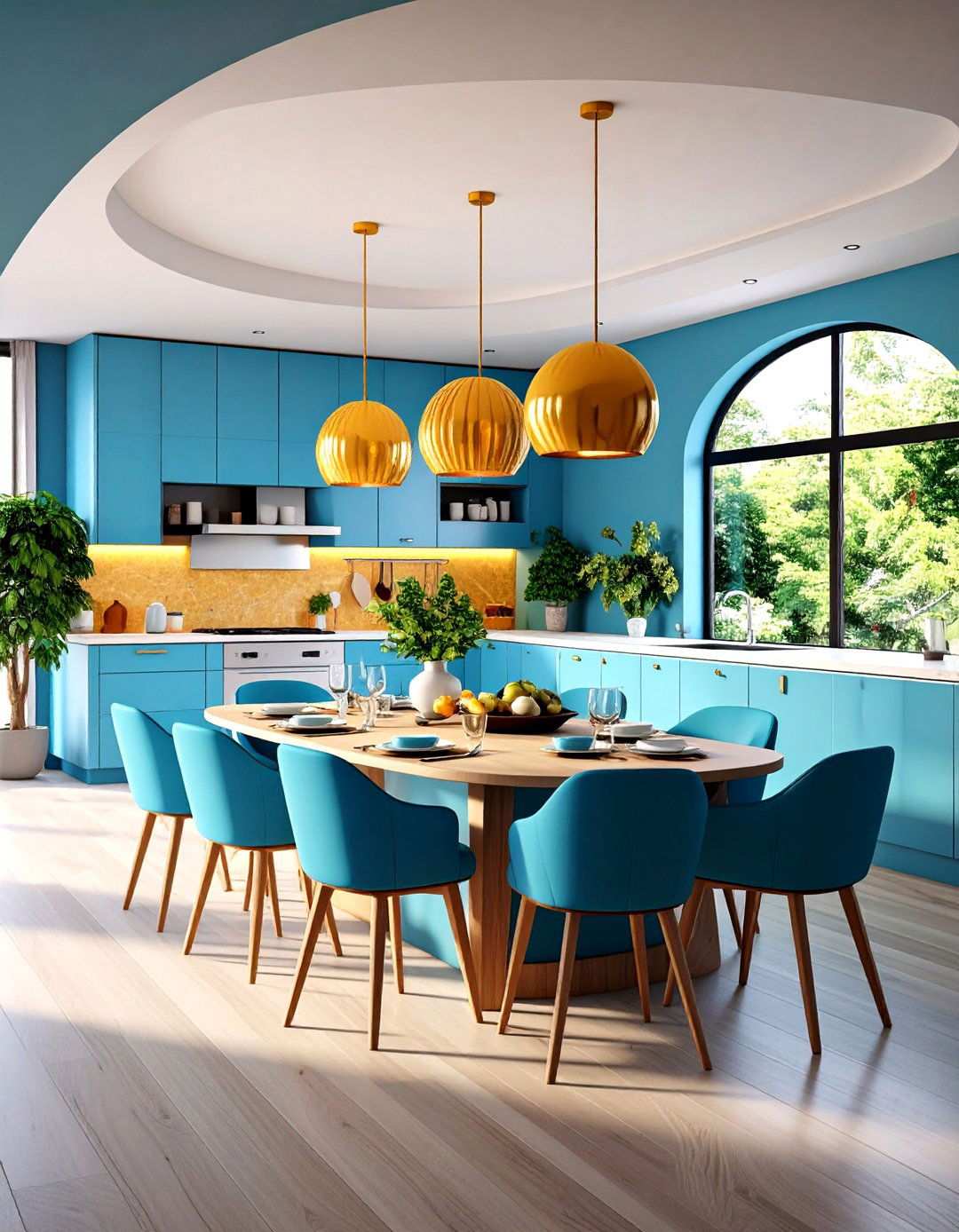
A kitchen island that flows like a meandering river can create inviting nooks and crannies where people naturally gather. The curved kitchen island diner boasts fluid, organic lines that soften the kitchen’s angular geometry, fostering a sense of ease and conversation. This design incorporates a curvaceous island with built-in seating that mirrors its shape, crafting an intimate dining atmosphere. The absence of sharp corners makes the space safer for children and improves traffic flow around the island. Waterfall countertops that conform to the curved edges add a striking visual element, complemented by custom-crafted curved cabinet doors and drawers that exude luxury appeal. The surrounding dining area typically harmonizes with the island’s curves through rounded tables or furniture featuring soft, organic lines. This design approach creates a warm, welcoming environment that feels more human and inviting than traditional box-like layouts.
12. Seamless Kitchen Diner Storage Solutions
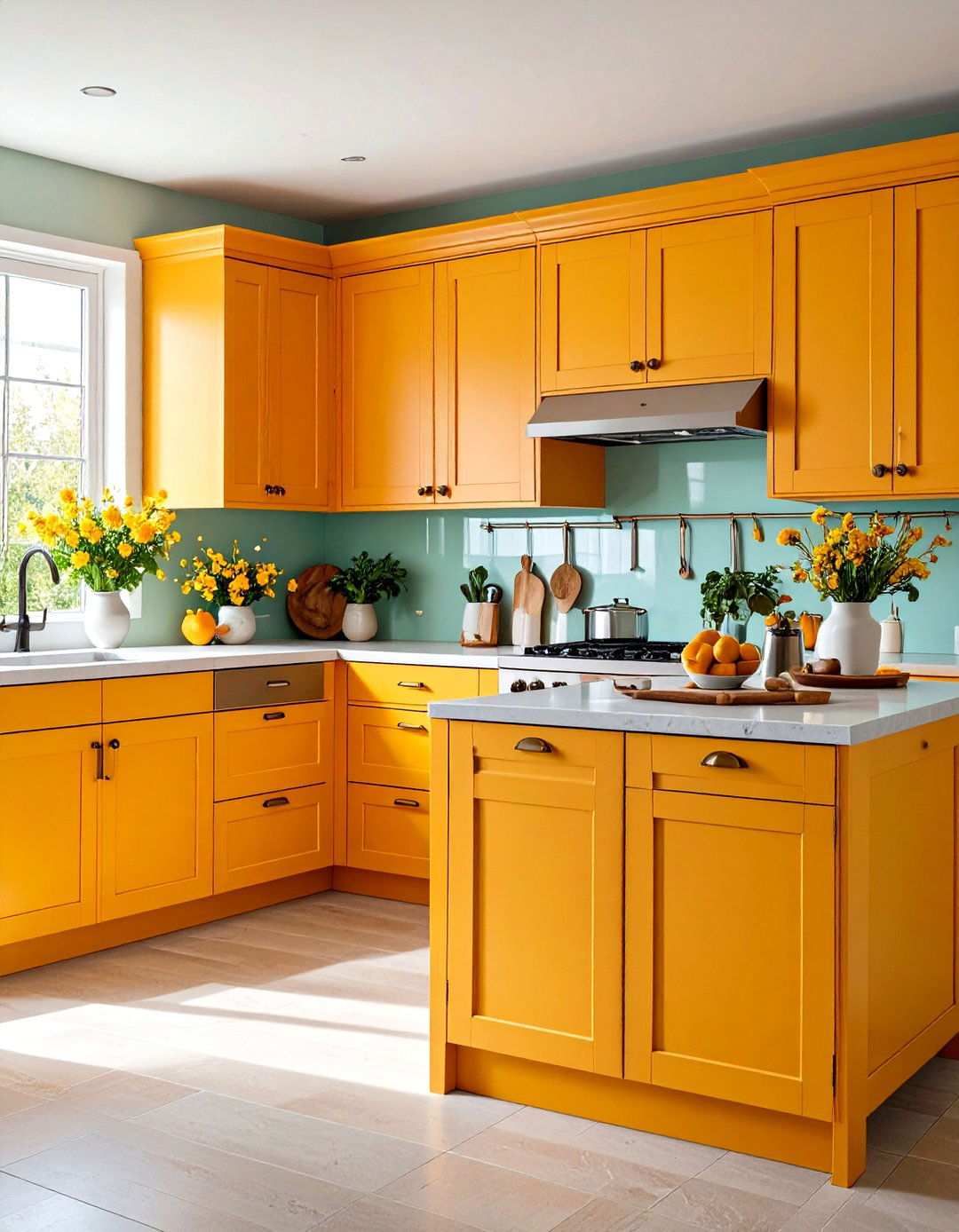
A well-designed kitchen diner can seamlessly integrate storage and functionality while maintaining a clean, uncluttered look. The hidden storage kitchen diner design cleverly conceals essential kitchen items and dining accessories behind sleek, unobtrusive surfaces. This approach incorporates hidden pantries, pull-out appliance garages, concealed spice racks, and integrated waste management systems that disappear behind seamless cabinet doors. The dining area features built-in storage benches, hidden wine storage, or cabinets disguised as decorative panels, creating a sense of openness and airiness. Innovative storage solutions, such as corner carousels, drawer organizers, and lift-up mechanisms, make accessing stored items effortless and efficient. This design philosophy creates a kitchen diner that appears spacious and organized, while secretly housing everything needed for cooking and entertaining. The result is a functional and visually appealing space that effortlessly balances form and function.
13. Harmonious Zones in the Modern Home
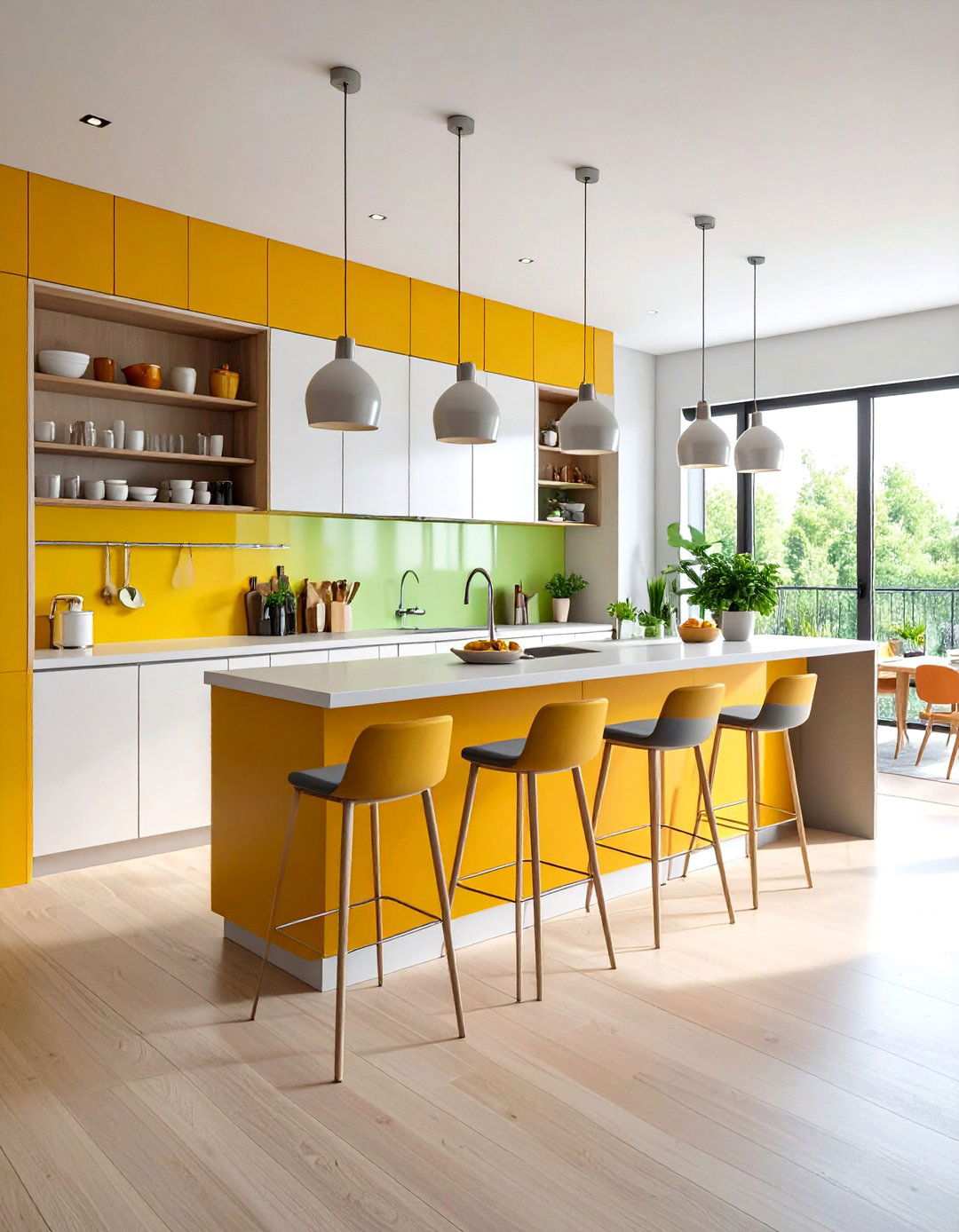
The multi-level breakfast bar diner is an exemplary design concept that fosters distinct zones through strategically varied counter heights, perfect for accommodating diverse activities from culinary preparation to casual dining and homework stations. By incorporating standard counter height for cooking tasks, bar height for quick meals and socializing, and sometimes a lower height surface for children’s activities or laptop work, this design creates a seamless transition between different functions while maintaining a visual connection throughout the space. The unique heights not only create natural division without walls but also allow family members to engage in different activities while remaining connected. Furthermore, the use of materials that vary between levels, such as butcher block for food prep and quartz for dining surfaces, emphasizes their distinct functions and adds an element of visual interest. Integrated storage at each level ensures that necessary items are always within easy reach, maximizing functionality in smaller spaces.
14. Capturing the Perfect Morning View
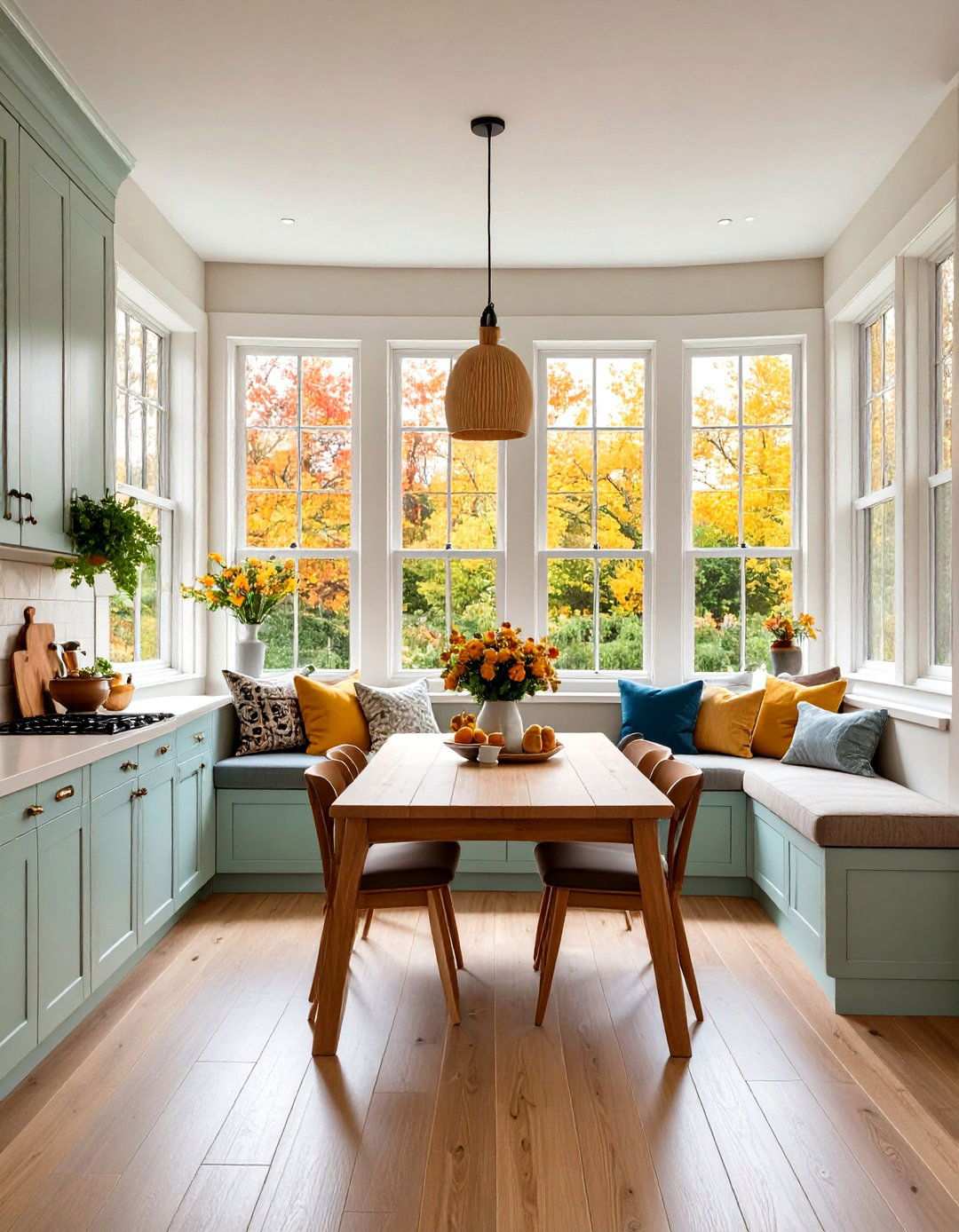
Imagine starting your day with a warm cup of coffee in a cozy nook that offers breathtaking views of the outdoors. The window seat kitchen diner is an innovative design that incorporates built-in seating positioned to take full advantage of natural light and outdoor views, creating an intimate dining space within the kitchen. This design often features a cushioned bench built into a bay window or along a window wall, accompanied by storage beneath the seat for linens, games, or seasonal items. A small table positioned in front of the window seat provides the perfect spot for casual meals, morning coffee, or afternoon tea. What’s more, the window seat area often includes built-in bookcases or shelving on either side, creating a cozy reading nook that doubles as a dining space. Soft cushions and throw pillows in coordinating fabrics add comfort and color to this special destination within the kitchen, which feels separate from cooking activities while remaining conveniently connected.
15. Blending Tradition and Modernity in the Kitchen Diner
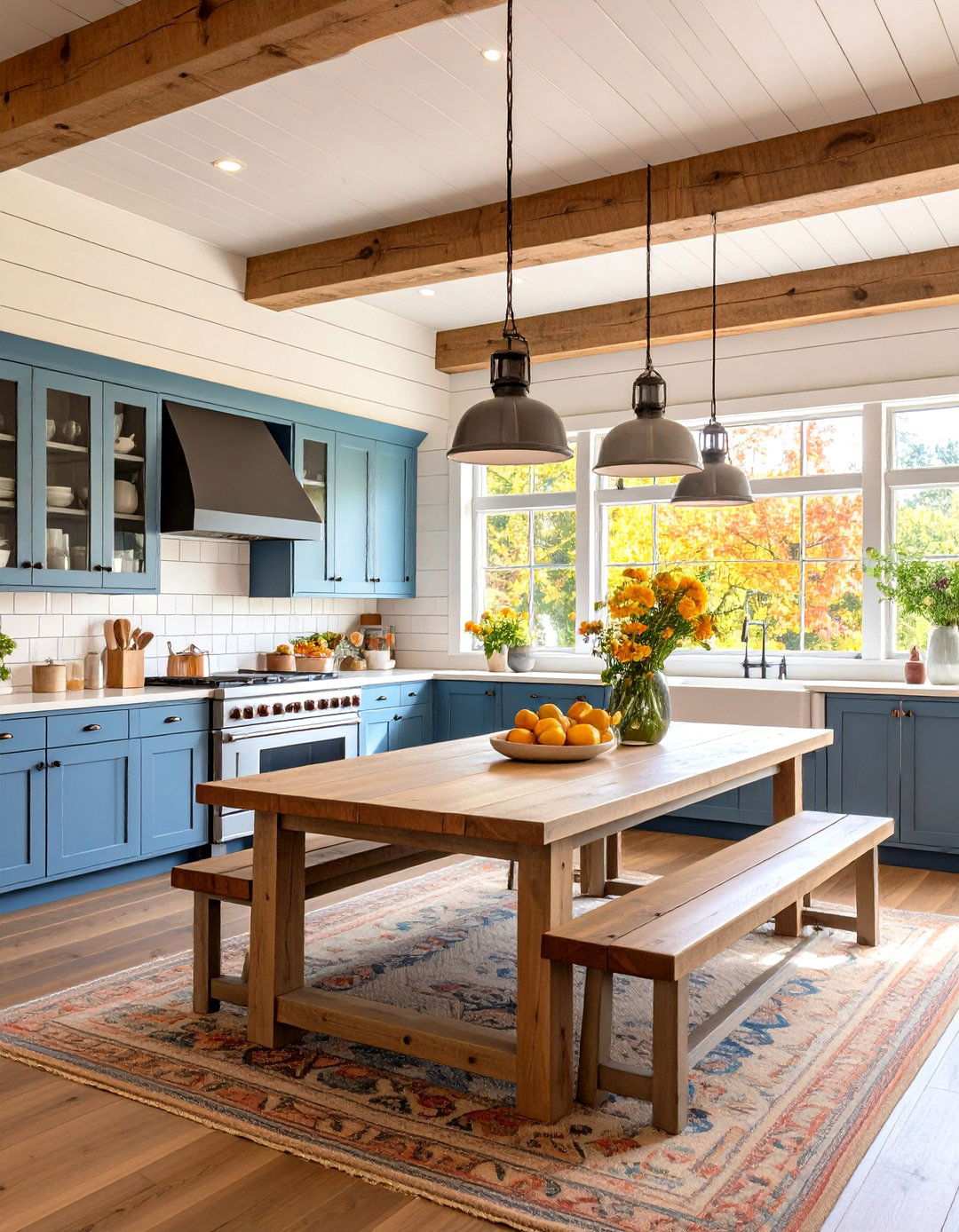
The farmhouse extension kitchen diner is a design that masterfully combines rustic charm with modern functionality through the use of natural materials, vintage-inspired fixtures, and expanded space that accommodates both daily family life and entertaining. This design often features reclaimed wood beams, shiplap walls, farmhouse sinks, and open shelving that displays vintage dishware and Mason jars. The dining area typically includes a large farmhouse table with bench seating and traditional Windsor chairs, while modern appliances are seamlessly integrated with the rustic aesthetic through panel-ready options and vintage-style designs. Large windows or French doors connect the space to outdoor areas, while vintage-inspired lighting fixtures like mason jar pendants or wrought iron chandeliers enhance the farmhouse atmosphere. This style skillfully balances old-world charm with contemporary convenience, creating a kitchen diner that feels both historically grounded and thoroughly modern in its functionality.
16. Urban Loft Kitchen Diner
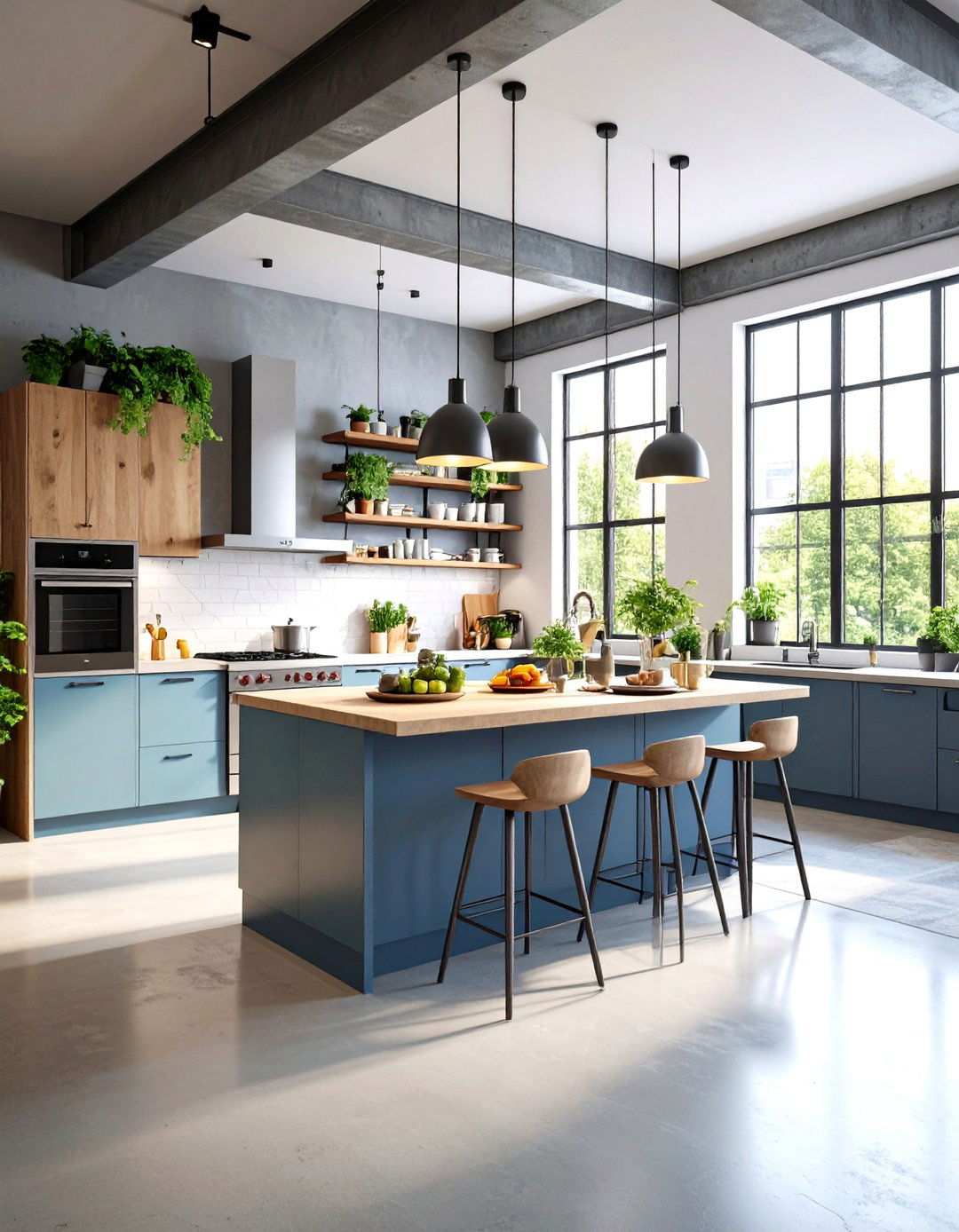
When it comes to creating a sophisticated metropolitan atmosphere, the urban loft kitchen diner stands out for its bold, industrial aesthetic. This design celebrates its heritage through the strategic use of exposed structural elements, soaring ceilings, and raw materials that exude a sense of rugged elegance. Exposed brick walls, concrete floors, and steel beams serve as a backdrop for large factory-style windows that flood the space with natural light, creating an inviting ambiance that’s perfect for cooking and entertaining. The kitchen itself is a masterclass in functionality, with professional-grade stainless steel appliances, concrete or butcher block countertops, and open shelving made from reclaimed wood and metal brackets that add a touch of industrial chic. The dining area is just as impressive, with a substantial table crafted from reclaimed materials paired with modern chairs or vintage factory stools that add a dash of nostalgia. Track lighting or suspended industrial fixtures provide both task and ambient lighting, further enhancing the loft aesthetic and creating a space that’s perfect for cooking, dining, and socializing.
17. Coastal Kitchen Diner
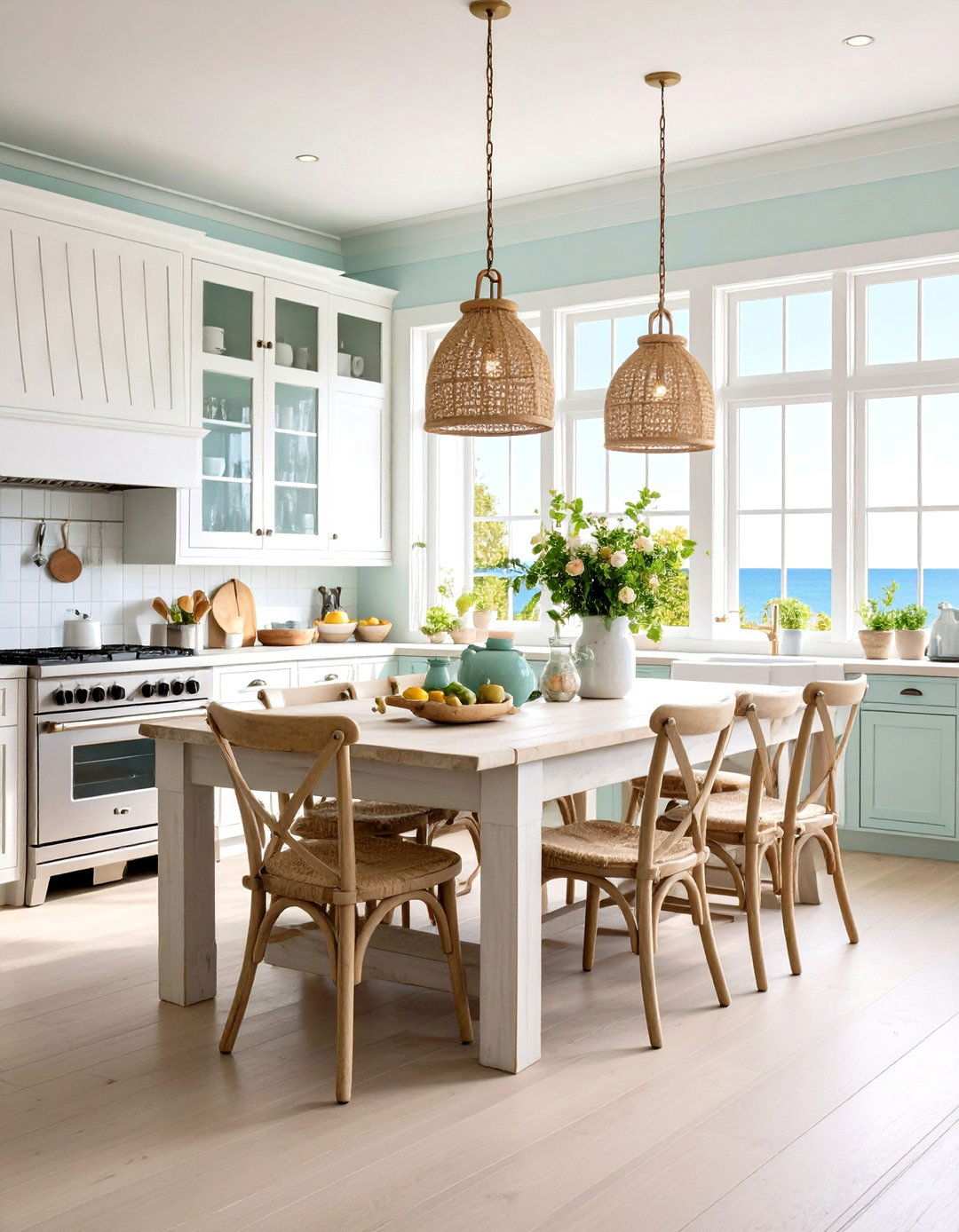
Imagine stepping into a kitchen diner that captures the essence of seaside living, where the calming atmosphere of the ocean and sandy beaches is transported into your daily cooking and dining routine. The coastal kitchen diner makes this a reality, incorporating light, airy colors and natural materials that evoke the feeling of ocean breezes and sun-kissed days. This design features white or pale blue cabinetry, natural wood accents, and countertops in materials like white quartz or light granite that add a touch of sophistication. The dining area is a masterclass in coastal chic, with weathered wood furniture, rope or wicker accents, and nautical-inspired accessories that add a dash of whimsy. Large windows maximize natural light and provide stunning views of outdoor spaces, while sheer curtains or natural fiber blinds filter harsh sunlight, creating a sense of calm and serenity. Color schemes that incorporate various shades of blue, white, and sandy beige, with coral or sea glass accents adding subtle color interest, complete the look, while natural materials like jute rugs, driftwood accessories, and sea grass baskets enhance the coastal theme while providing practical storage and comfort.
18. Smart Technology Kitchen Diner
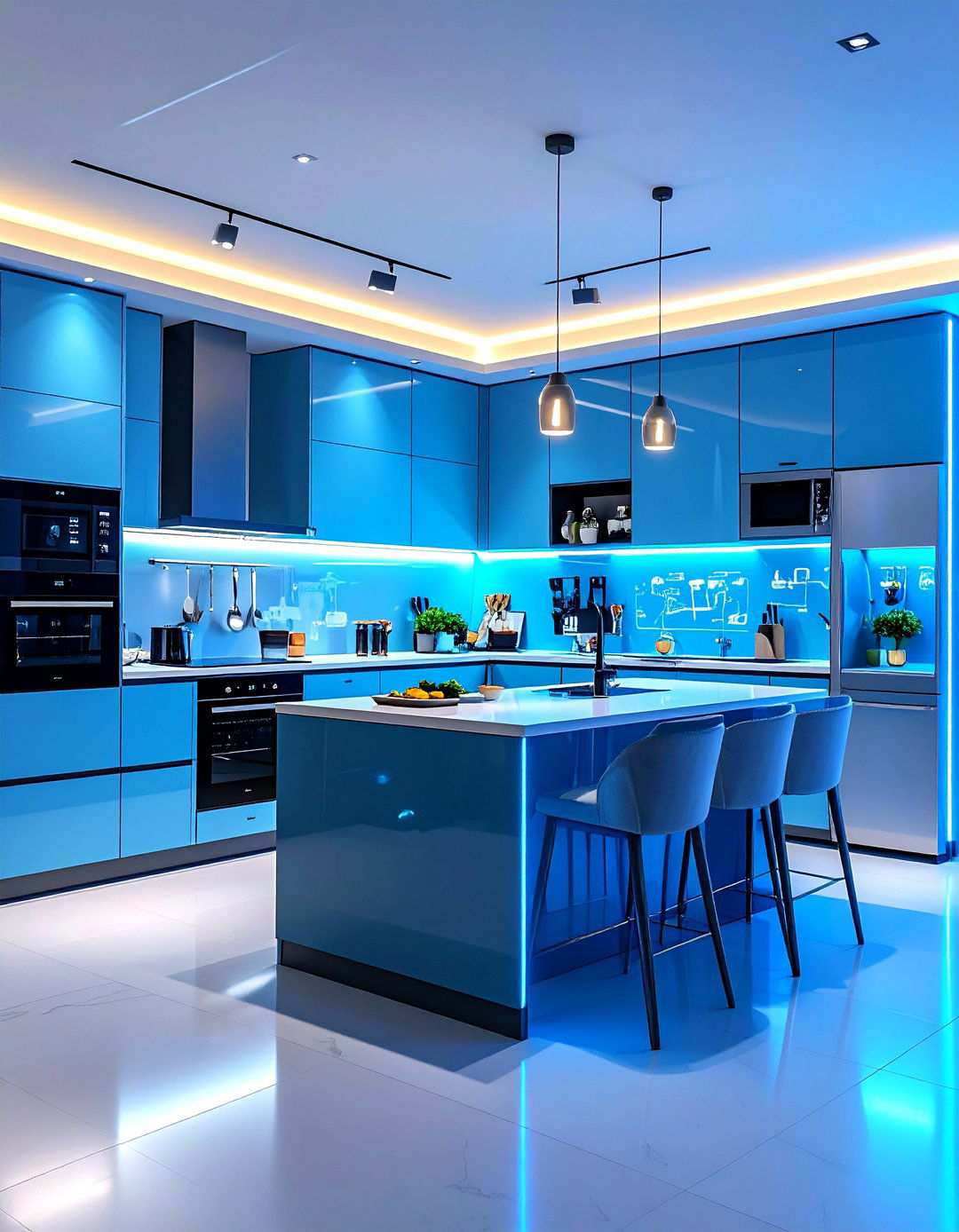
In today’s fast-paced world, the smart technology kitchen diner is the ultimate solution for those who crave a cooking and dining environment that’s efficient, convenient, and responsive to their needs. This cutting-edge design integrates automation and connectivity to create a space that’s tailored to modern lifestyle requirements. Smart appliances that can be controlled remotely, automated lighting systems that adjust throughout the day, and integrated sound systems for entertainment and communication are just a few of the features that make this kitchen diner a standout. The kitchen itself is a marvel of modern technology, with induction cooktops that offer precise temperature control, smart refrigerators with internal cameras and meal planning capabilities, and automated faucets with voice activation that make cooking and cleaning a breeze. The dining area is just as impressive, with motorized window treatments, smart thermostats for comfort control, and wireless charging stations built into tables or islands that provide a seamless and connected experience. By hiding cable management and wireless connectivity, this design maintains a clean and streamlined aesthetic while delivering full functionality, creating a kitchen diner that anticipates needs, simplifies daily routines, and adapts to changing requirements throughout the day.
19. Captivating Mediterranean Kitchen Diners
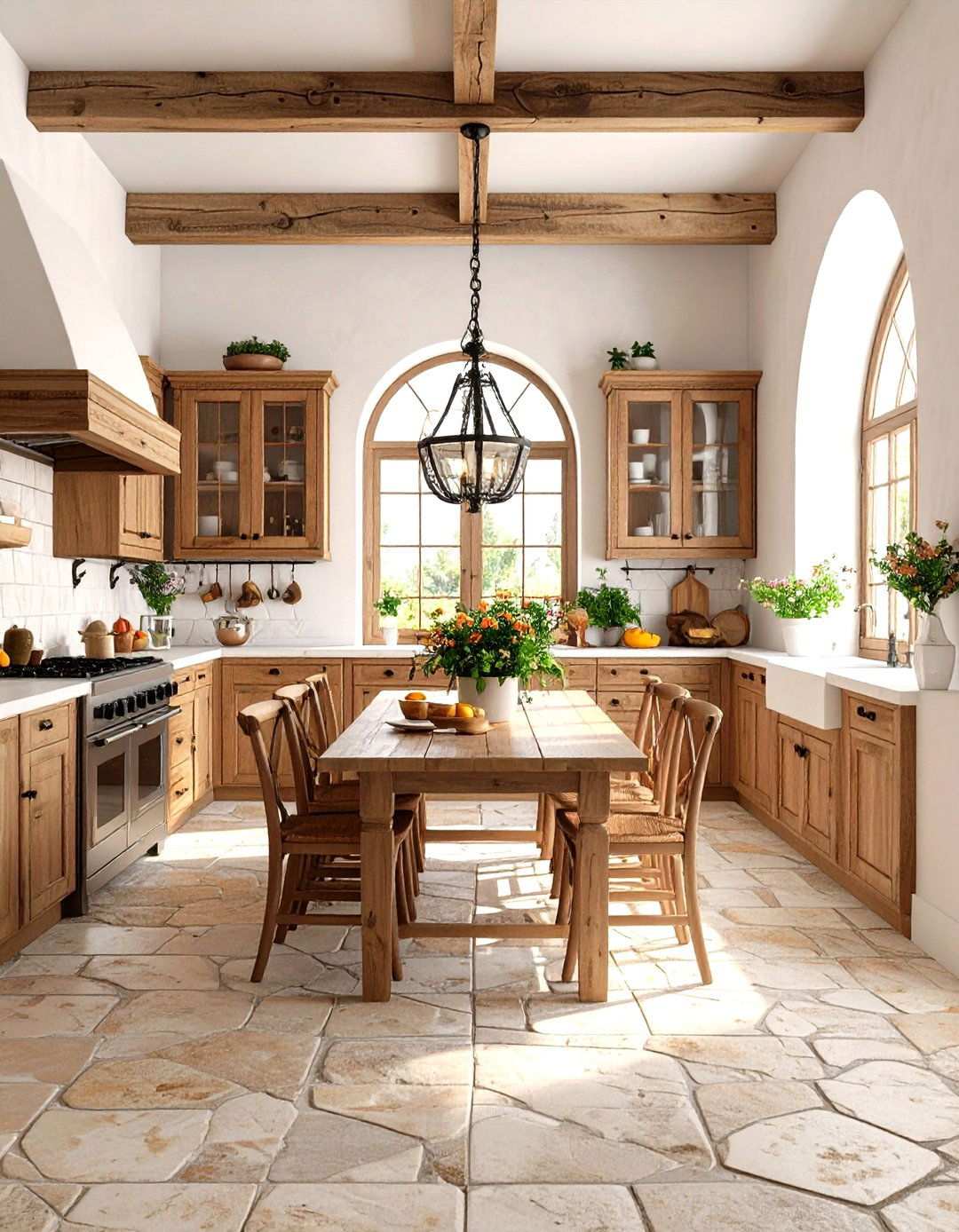
The essence of Mediterranean design is distilled in the warm, inviting kitchen diners that evoke the spirit of Southern European living. This design style celebrates natural materials, earthy tones, and architectural details that create an atmosphere of warmth and comfort. Characterized by natural stone or terra cotta tile floors, warm wood cabinetry, and countertops crafted from granite or natural stone, Mediterranean kitchen diners exude a sense of rustic elegance. The dining area often features a beautifully crafted wooden table with wrought iron accents and chairs upholstered in rich, sumptuous fabrics. Architectural elements like arched openings, exposed wood beams, and decorative tile backsplashes add a touch of authenticity, while wrought iron hardware, copper accents, and ceramic pottery contribute to the overall Mediterranean aesthetic.
20. The Beauty of Minimalism in Kitchen Diners
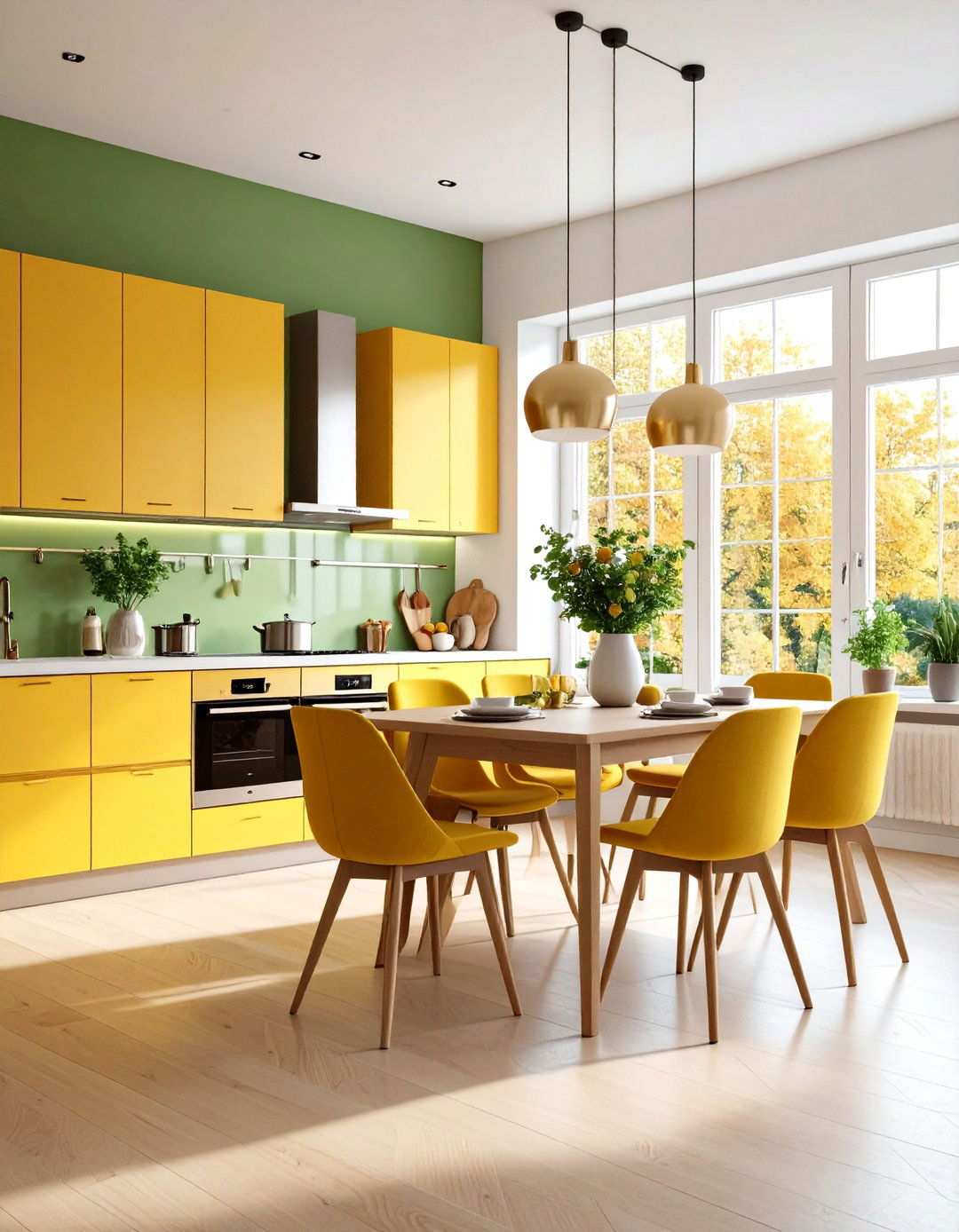
In a world where less is often more, the minimalist kitchen diner offers a serene and functional space that celebrates the power of simplicity. By focusing on clean lines, hidden storage, and carefully curated elements, this design style creates a sense of calm and tranquility. Handleless cabinets, integrated appliances, and seamless surfaces work together to eliminate visual clutter, while simple, well-crafted furniture with clean geometric lines and neutral colors add to the peaceful ambiance. Storage remains hidden behind smooth cabinet doors, allowing appliances to integrate seamlessly into the cabinetry. By relying on a palette of neutral tones like white, gray, and natural wood, minimalist kitchen diners maintain a sense of subtlety, with every element serving a purpose and no unnecessary decorative items cluttering surfaces or sight lines.
21. Reviving the Vintage Retro Style in Kitchen Diners
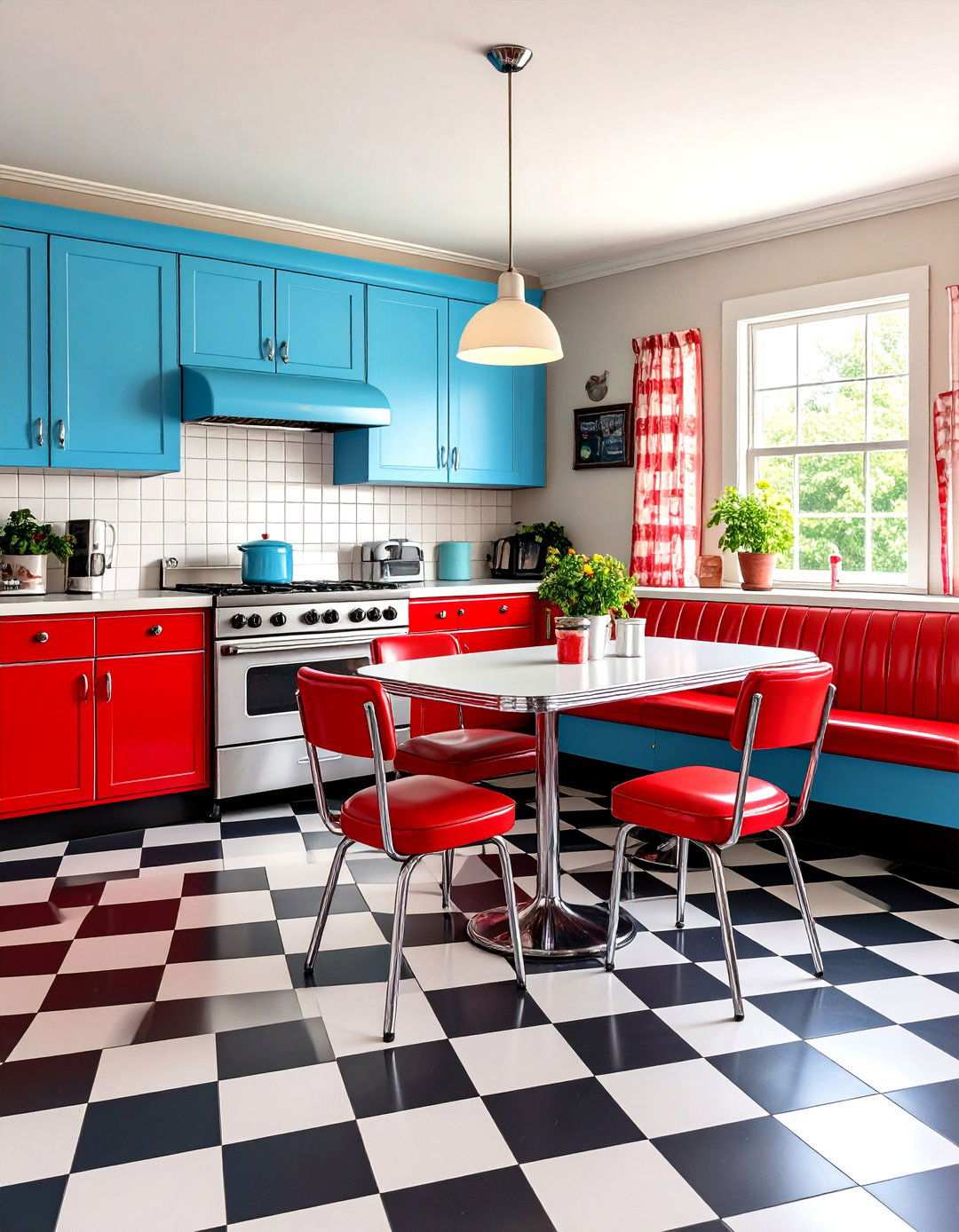
The vintage retro kitchen diner is a celebration of mid-century design, where bold colors, geometric patterns, and period-specific fixtures come together to create a fun and energetic atmosphere reminiscent of classic American diners. This design style features bright cabinet colors like turquoise, yellow, or red, paired with checkered floors and chrome accents that add a touch of nostalgia. The dining area often includes a Formica table with vinyl booth seating or chrome chairs with padded seats, while vintage appliances in period colors or modern appliances designed with retro styling maintain the authentic feel. Accessories like atomic-inspired light fixtures, vintage advertising signs, and colorful glassware complete the nostalgic atmosphere, while bold patterns in wallpaper, upholstery, or decorative accessories add visual excitement and maintain the cohesive retro theme.
22. Harmonious Blend of Indoor and Outdoor Spaces
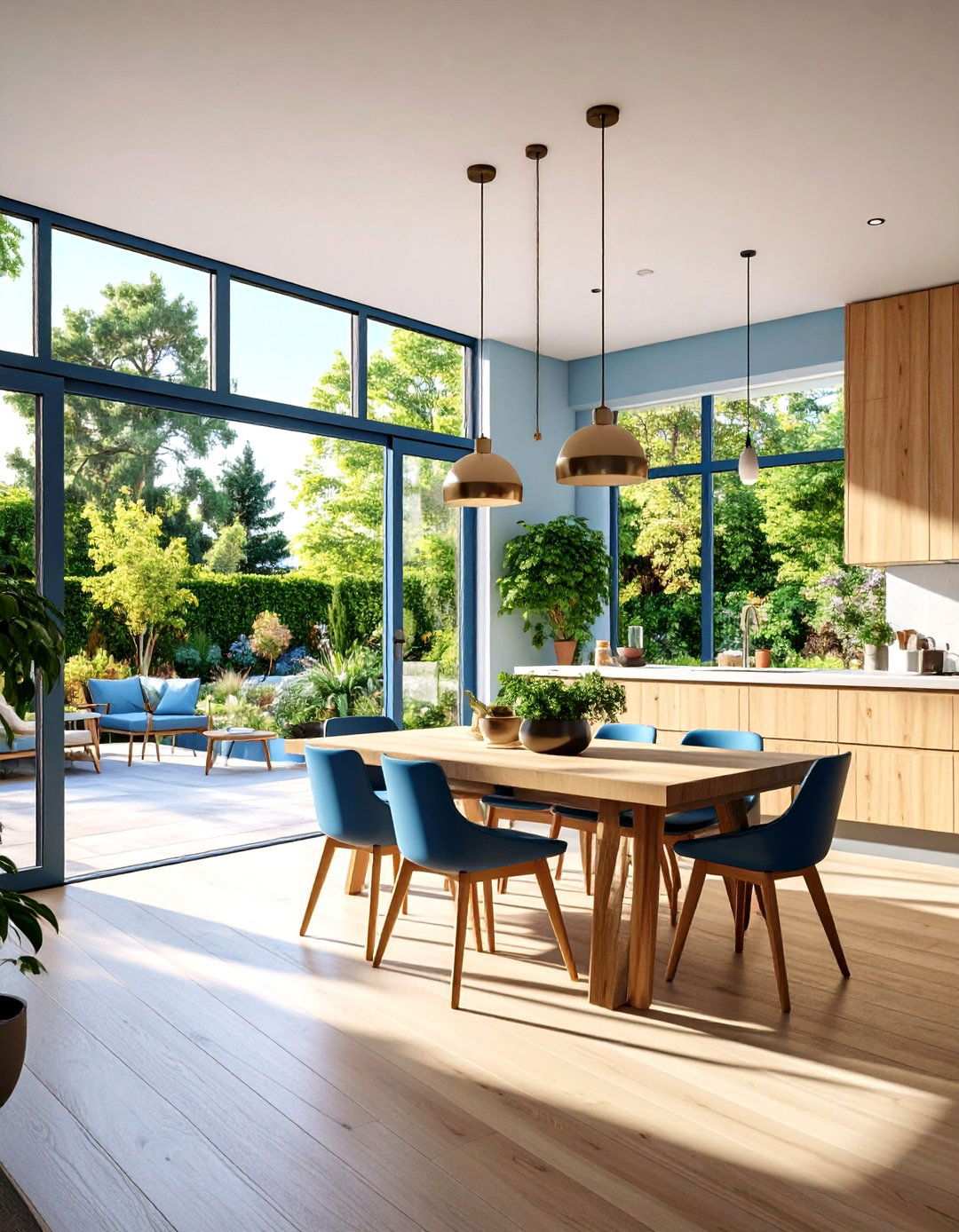
A seamless integration of indoor and outdoor living is the hallmark of the garden view kitchen diner design. By incorporating extensive glazing, natural materials, and thoughtful design elements, this space creates a harmonious blend of indoor and outdoor environments. One of the defining features of this design is the expansive window options, including sliding glass doors and folding glass walls that effortlessly open to patios, gardens, or outdoor dining areas. The kitchen’s natural materials, such as reclaimed wood countertops and stone backsplashes, bring the outdoors in, while potted plants add a touch of greenery to the space. The dining area is thoughtfully designed to take full advantage of the outdoor views, with seating positioned to maximize the visual connection to nature. With the thoughtful placement of trees or pergolas, natural lighting strategies can minimize the need for artificial lighting during the day, while solar shading keeps the space protected from the elements. This design creates a kitchen diner that feels attuned to the changing seasons and natural rhythms, while providing a comfortable retreat from the outdoors.
23. Artistic Expression in the Kitchen Diner
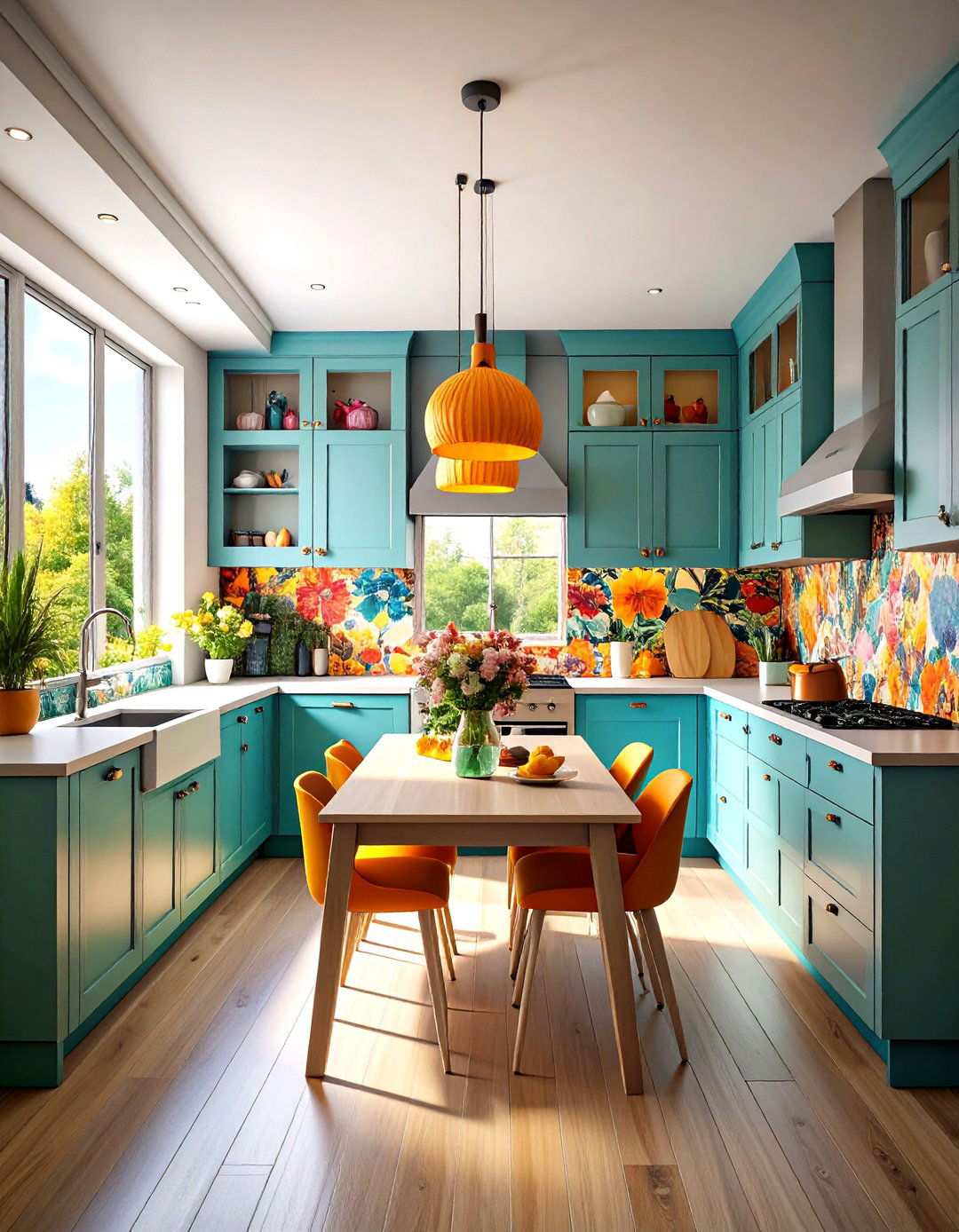
Why not turn your kitchen diner into a vibrant gallery showcasing your love of contemporary art and design? The contemporary art kitchen diner design elevates the space to a work of art, where artistic expression and creativity know no bounds. At the heart of this design is the bold use of color, sculptural elements, and carefully curated artwork that creates a visually striking atmosphere. Statement pieces, such as vibrant backsplashes, artistic light fixtures, or sculptural range hoods, take center stage as focal points in the space. The dining area features modern furniture with a touch of artistic flair, such as uniquely designed chairs or tables that double as functional sculpture. Gallery-style lighting highlights the artwork while providing task illumination, and bold accent colors complement the art collection. Clean, modern lines in cabinetry and appliances provide a neutral backdrop, allowing the artwork to take center stage and stimulate conversation and creativity. This design approach creates a kitchen diner that celebrates personal artistic tastes and inspires a sense of wonder and curiosity.
24. Revitalizing Family Spaces
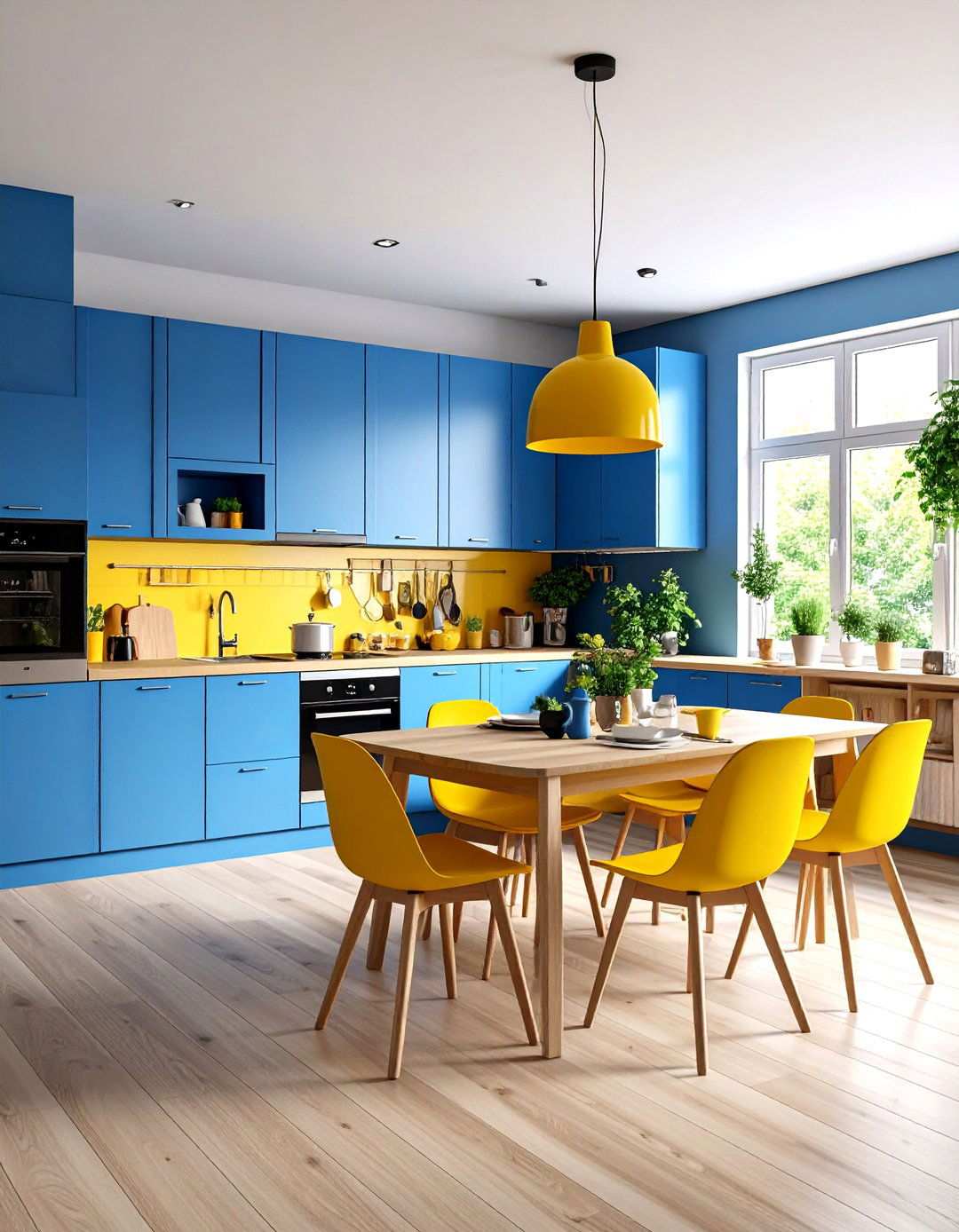
A well-designed family hub kitchen diner stands as a testament to the perfect blend of functionality and comfort, catering to the dynamic needs of busy family life. By incorporating adaptable spaces, robust materials, and clever organizational systems, this design expertly accommodates multiple activities simultaneously, fostering a seamless flow of daily routines and special occasions.
This thoughtful layout includes dedicated homework stations with built-in workspaces, promoting focused learning and productivity. The family communication center, equipped with calendars and message boards, facilitates open dialogue and ensures everyone stays connected. Meanwhile, flexible seating arrangements adapt to the ever-changing needs of family activities, from casual gatherings to lively playdates. In the kitchen, kid-friendly design elements such as lower storage for children’s dishes, easy-to-clean surfaces, and safety features empower little ones to participate in the cooking process. The dining area boasts expandable tables that effortlessly accommodate varying group sizes, complemented by storage for games, art supplies, and homework materials. The judicious use of durable, stain-resistant materials throughout this space ensures it can withstand the demands of active family life, making it an ideal hub for daily routines and life’s special moments.