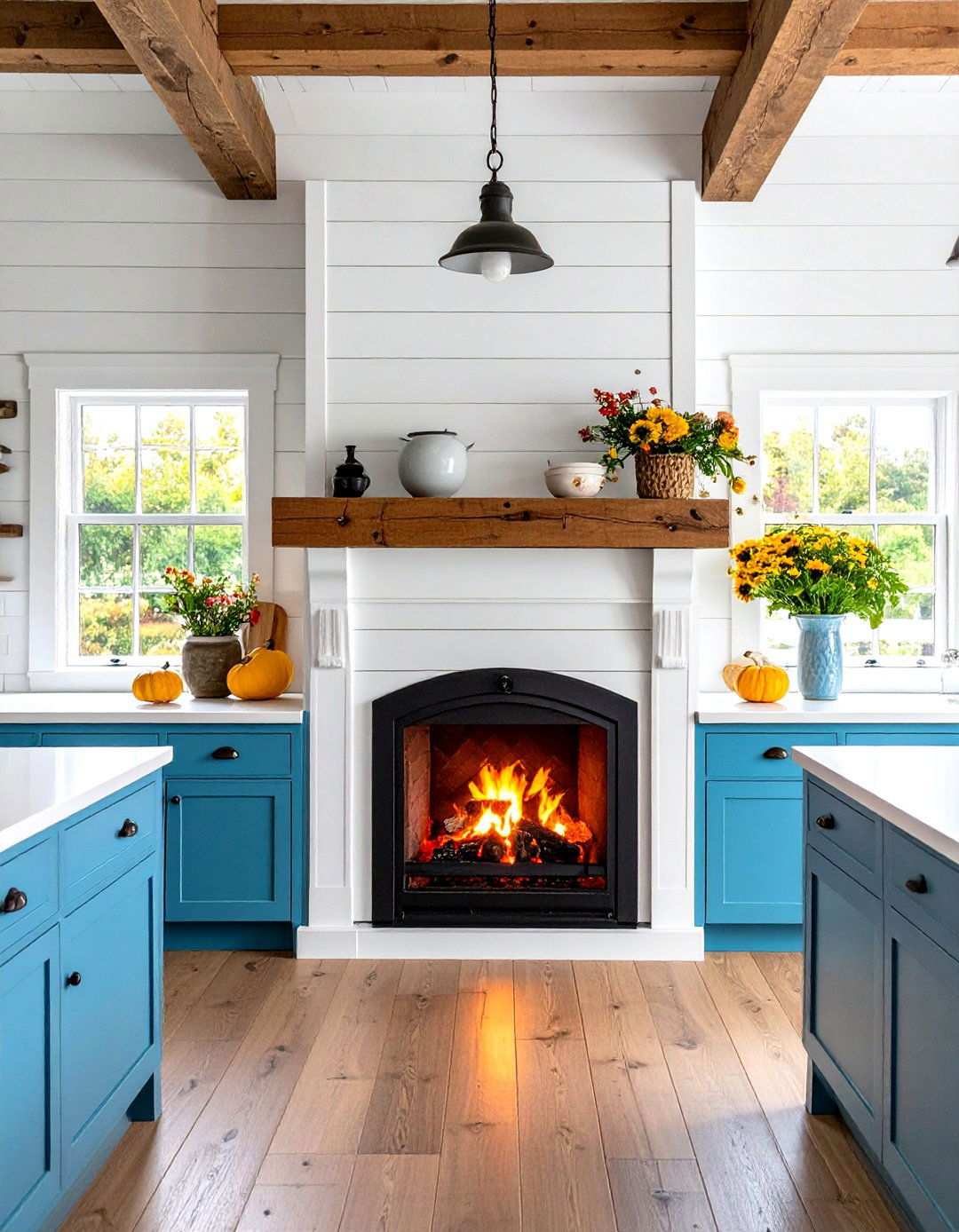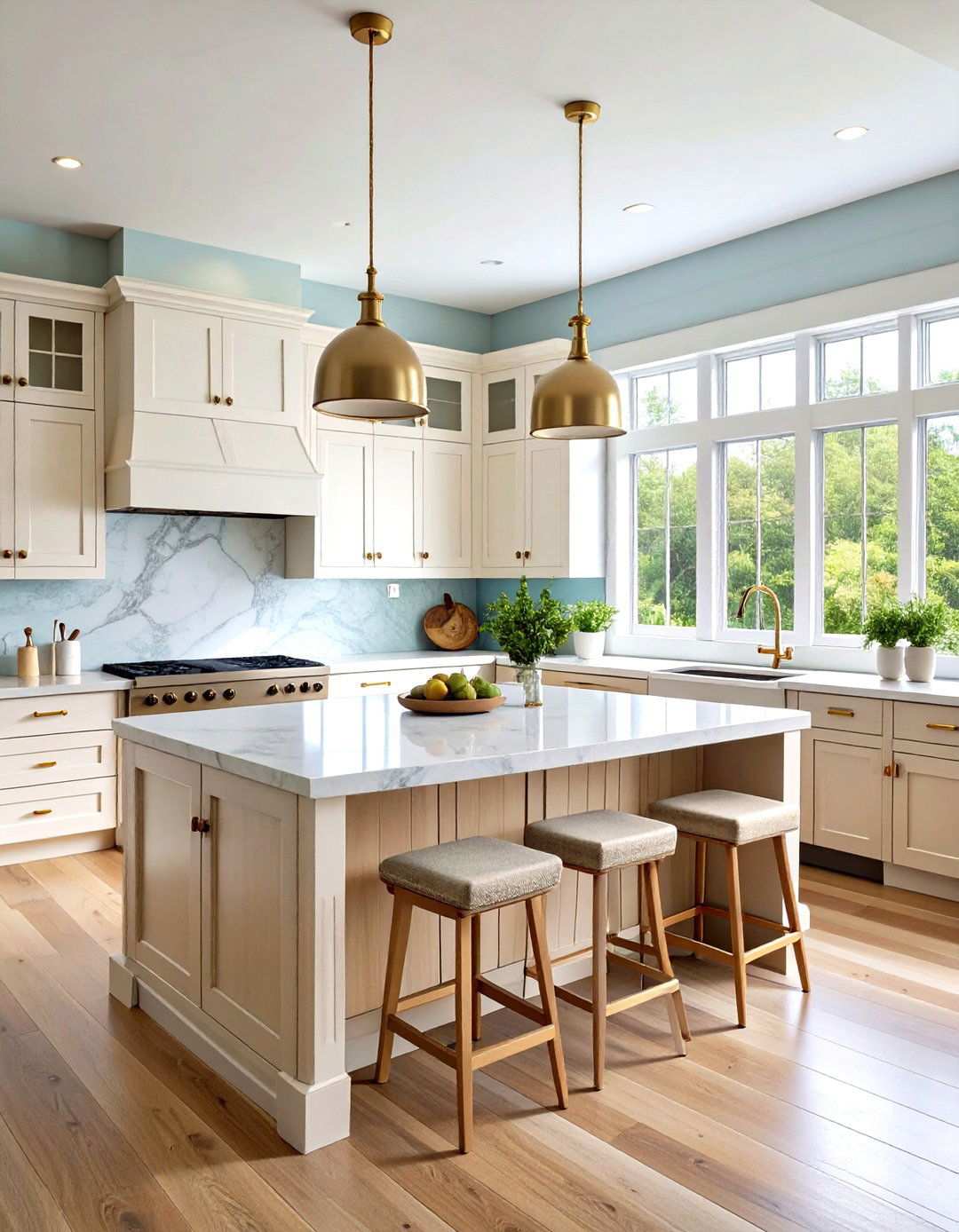
1. Elevating Office Kitchens through Streamlined Design
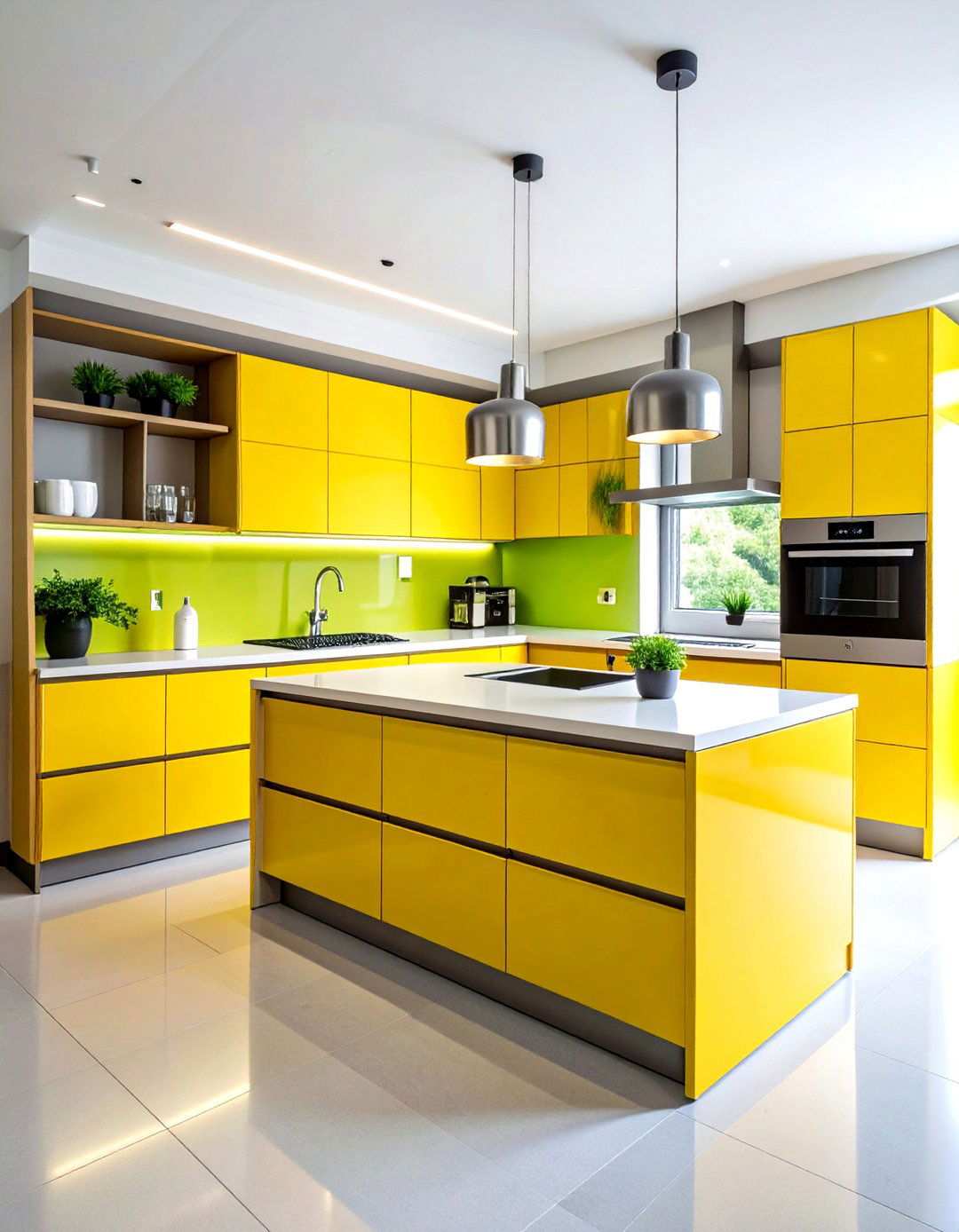
In today’s fast-paced workplace, kitchens have transformed from mere break rooms to vibrant community spaces that foster collaboration and boost employee morale. A well-designed office kitchen combines functionality with style, seamlessly integrating essential appliances and comfortable social areas where teams can gather, recharge, and spark creativity. By embracing cutting-edge design principles, organizations can create engaging culinary spaces that not only meet but exceed employee expectations. The right approach can transform ordinary break areas into inspiring destinations that employees genuinely enjoy using, driving increased productivity, stronger workplace relationships, and enhanced job satisfaction throughout the organization.

As an Amazon Associate I earn from qualifying purchases.
2. Harmonious Balance of Function and Form
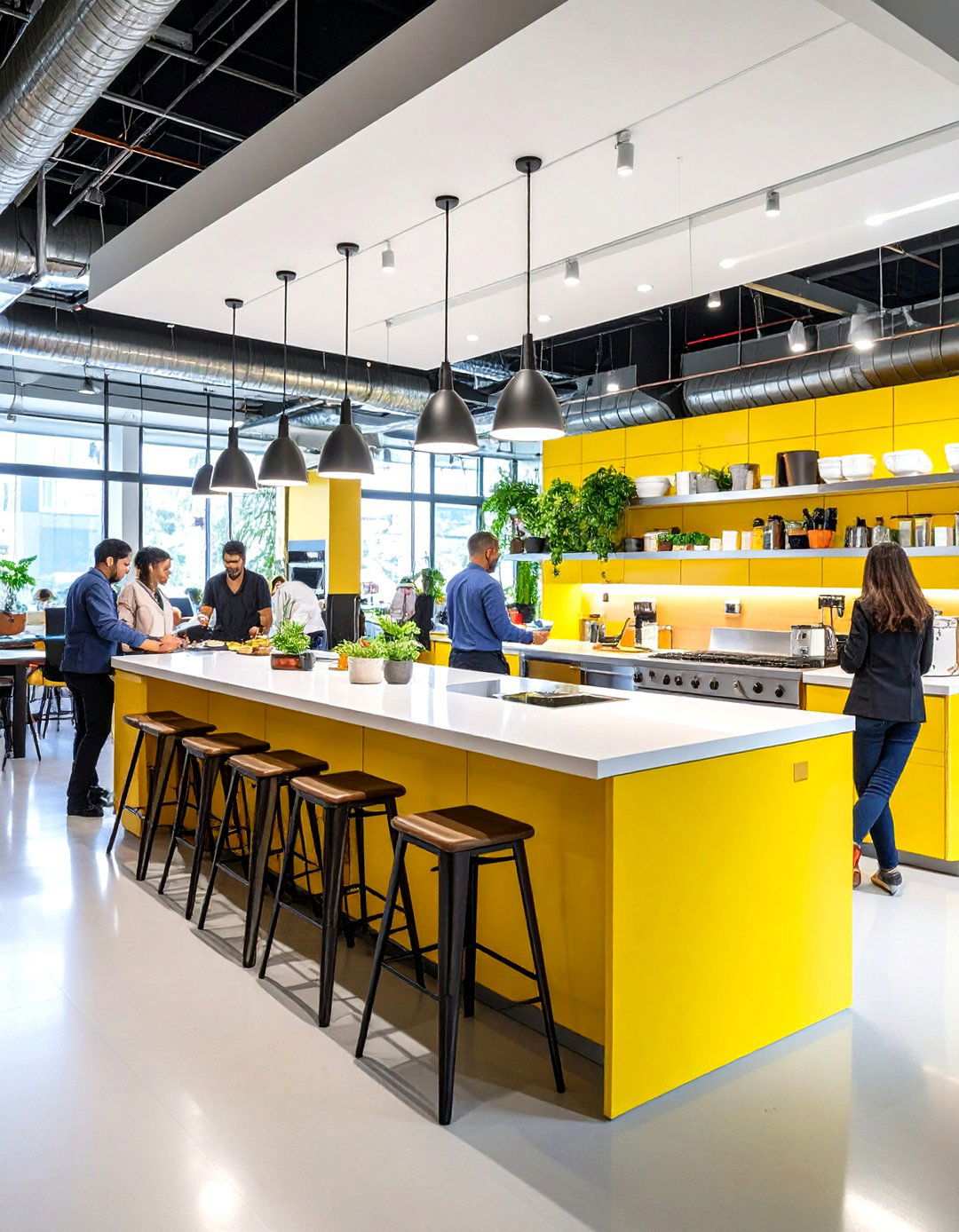
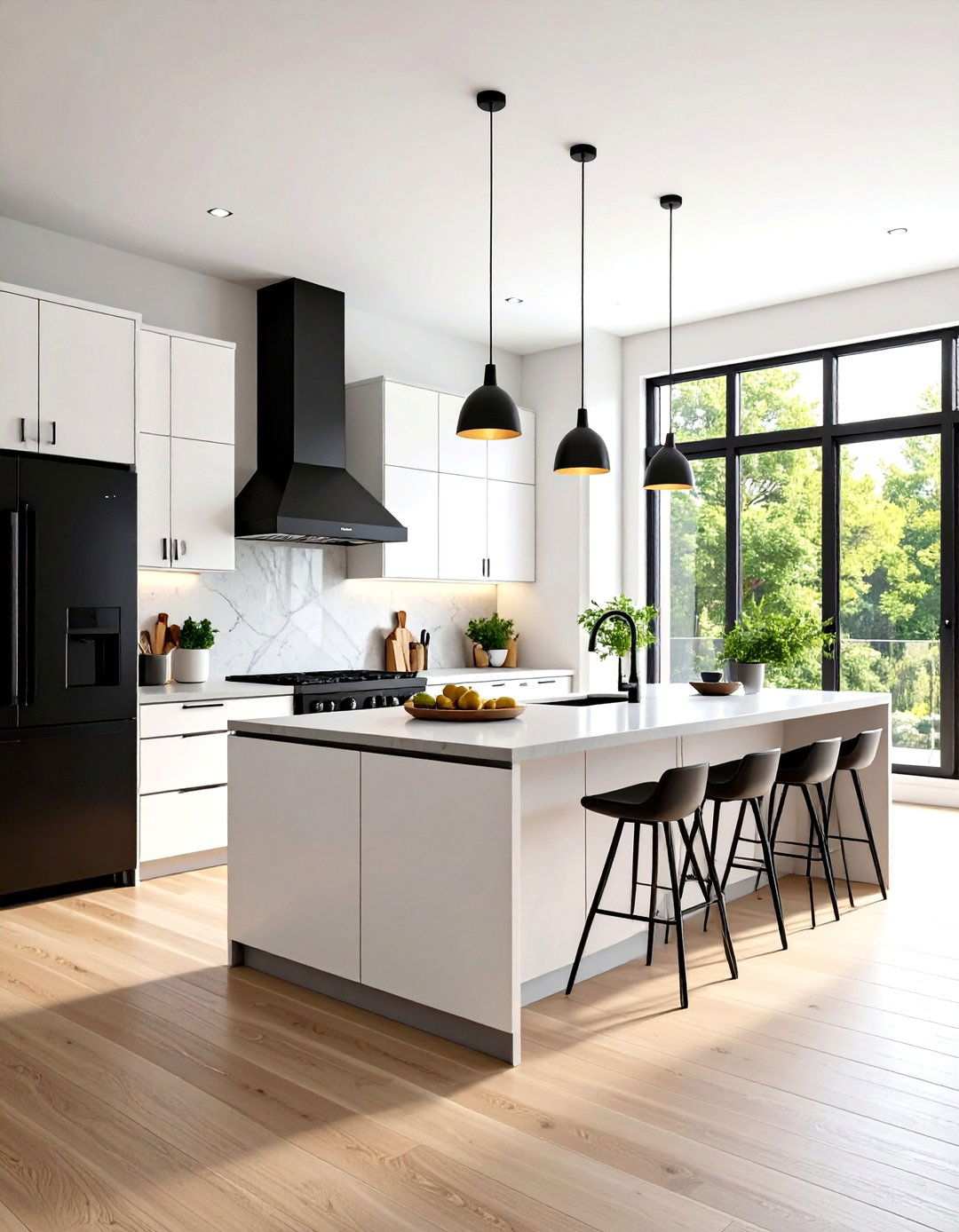
Effective office kitchen design requires striking a delicate balance between form and function. One approach to achieving this balance is through a minimalist open-plan design, characterized by sleek white cabinetry, handleless drawers, and integrated appliances that blend seamlessly into the overall aesthetic. The use of quartz countertops provides durability and low maintenance, while built-in microwaves and dishwashers maintain the streamlined appearance. Floor-to-ceiling storage keeps essentials organized without visual clutter, creating a clean and inviting atmosphere where employees feel comfortable gathering for meals or informal meetings. Strategic lighting through recessed ceiling fixtures and under-cabinet LED strips further enhances functionality, ensuring the space is both beautiful and efficient.
3. Collaborative Kitchen Island Workspace
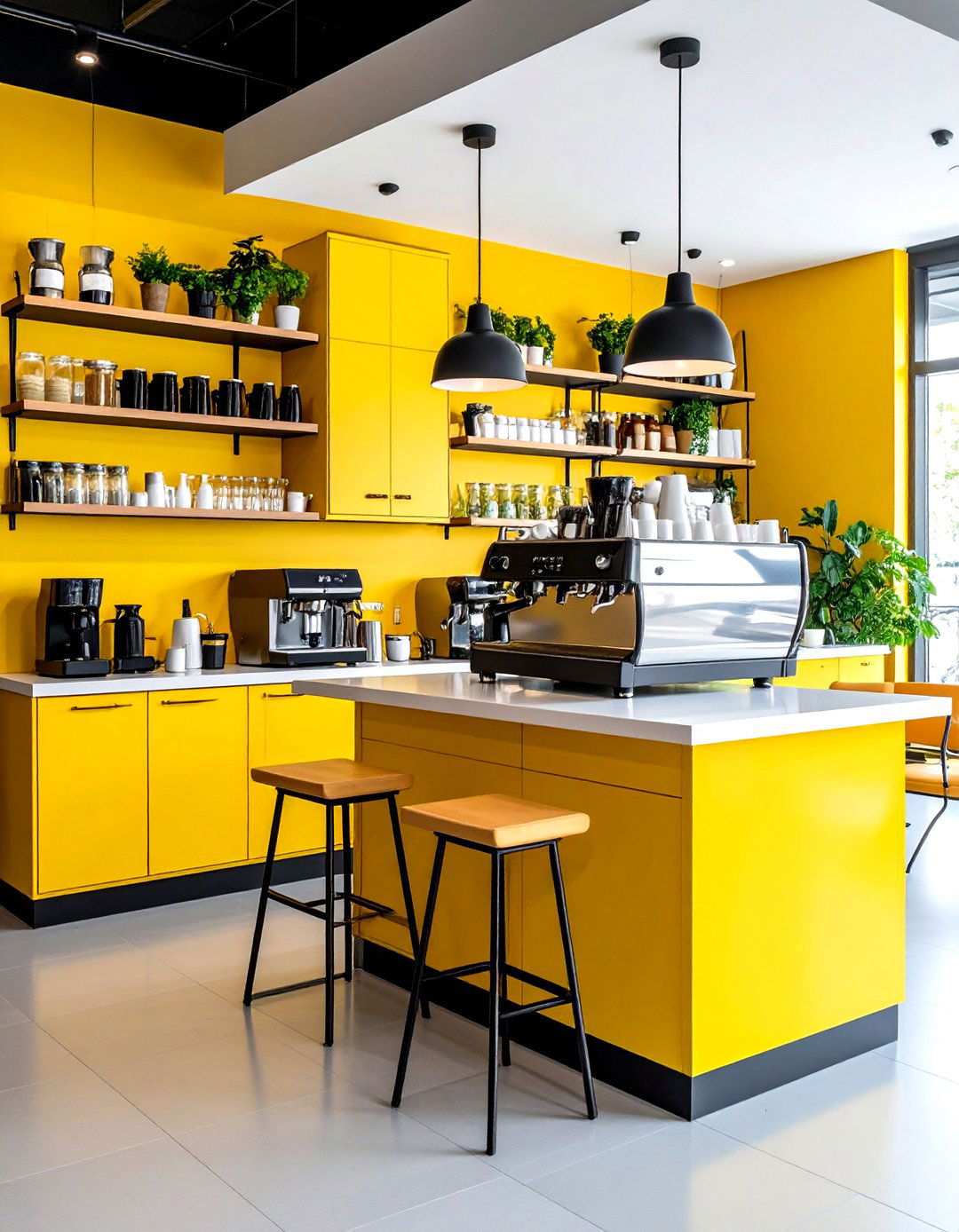
Position a large central island that serves multiple functions as both food preparation area and informal meeting space. The island features varying counter heights to accommodate standing discussions and seated dining. Built-in power outlets and USB charging stations enable mobile work sessions while employees enjoy meals. Ample storage within the island base houses communal supplies and equipment. Bar-height seating on one side encourages casual conversations and cross-departmental interactions. The design promotes spontaneous collaboration while providing practical workspace for food preparation. Strategic placement creates natural traffic patterns that encourage employees from different departments to intersect and engage in valuable informal exchanges.
Elevating the Coffee Experience
Design a premium coffee bar station that rivals the quality of local coffee shops, showcasing professional-grade espresso machines, pour-over equipment, and specialty brewing methods. Ample built-in shelving displays a curated selection of coffee beans, teas, and brewing accessories in stylish containers, while a nearby sink provides convenient water access and easy cleanup. Temperature-controlled storage ensures the freshness of dairy products and specialty syrups, while comfortable seating adjacent to the coffee bar creates a natural gathering spot for morning meetings and afternoon breaks. This inviting space fosters informal networking and team bonding among employees who share a passion for exceptional beverages.
4. Seamlessly Integrated Technology
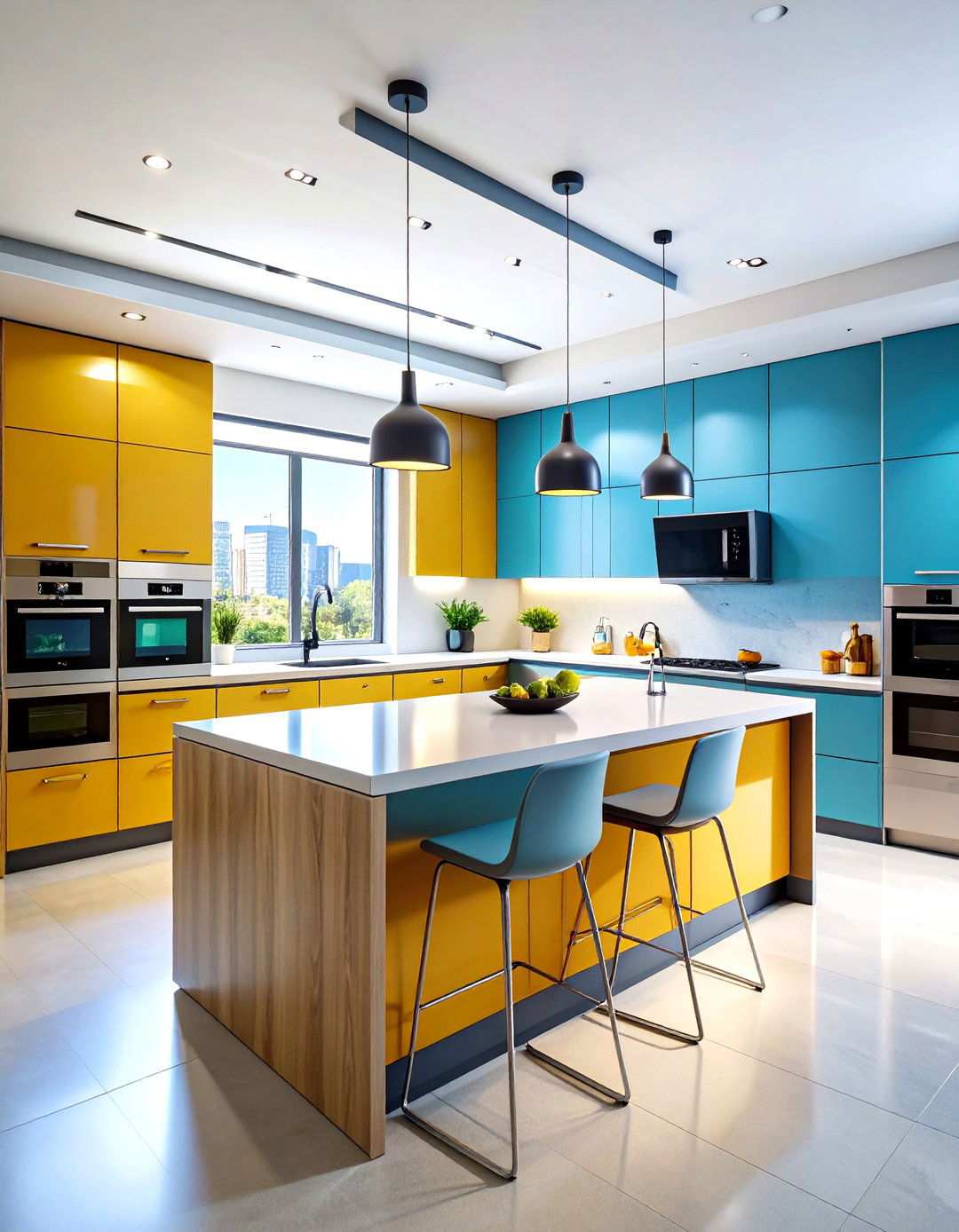
Incorporate cutting-edge appliances and connected devices to streamline kitchen operations and enhance the user experience. Smart refrigerators feature digital displays showcasing temperature settings, inventory management, and company announcements, keeping employees informed and connected. Voice-activated assistants empower employees to set timers, convert measurements, and access recipes with ease, while automated lighting systems adjust brightness based on occupancy and time of day. Digital ordering systems enable employees to request supplies or suggest menu items through mobile apps, streamlining kitchen operations and reducing maintenance requirements. Energy monitoring displays track consumption, promoting sustainability awareness and reducing operational costs.
5. Biophilic Wellness Oasis
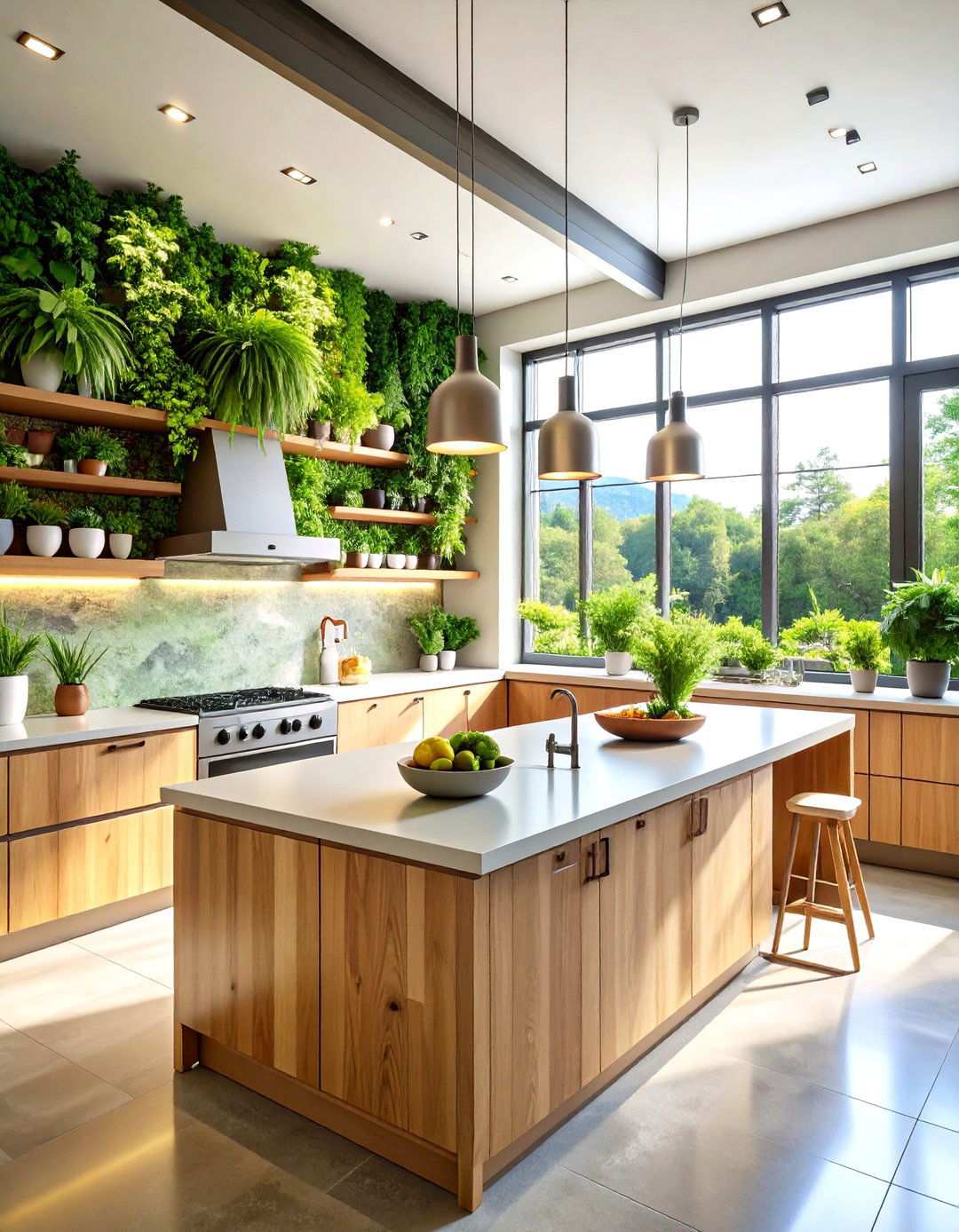
Integrate natural elements throughout the kitchen space to create a calming, health-focused environment that promotes employee wellbeing. Living walls or herb gardens not only provide fresh ingredients but also improve air quality, supporting a productive work environment. Natural wood surfaces and stone countertops add warmth and texture to the space, while large windows maximize natural light exposure, supporting circadian rhythms and employee wellbeing. Strategically placed indoor plants create visual interest and promote mental health benefits, while water features or natural materials like bamboo and cork contribute to the biophilic design. This approach demonstrates a company’s commitment to employee wellness, creating an inspiring space that encourages healthy eating habits and stress reduction.
6. Industrial Elegance in Kitchen Design
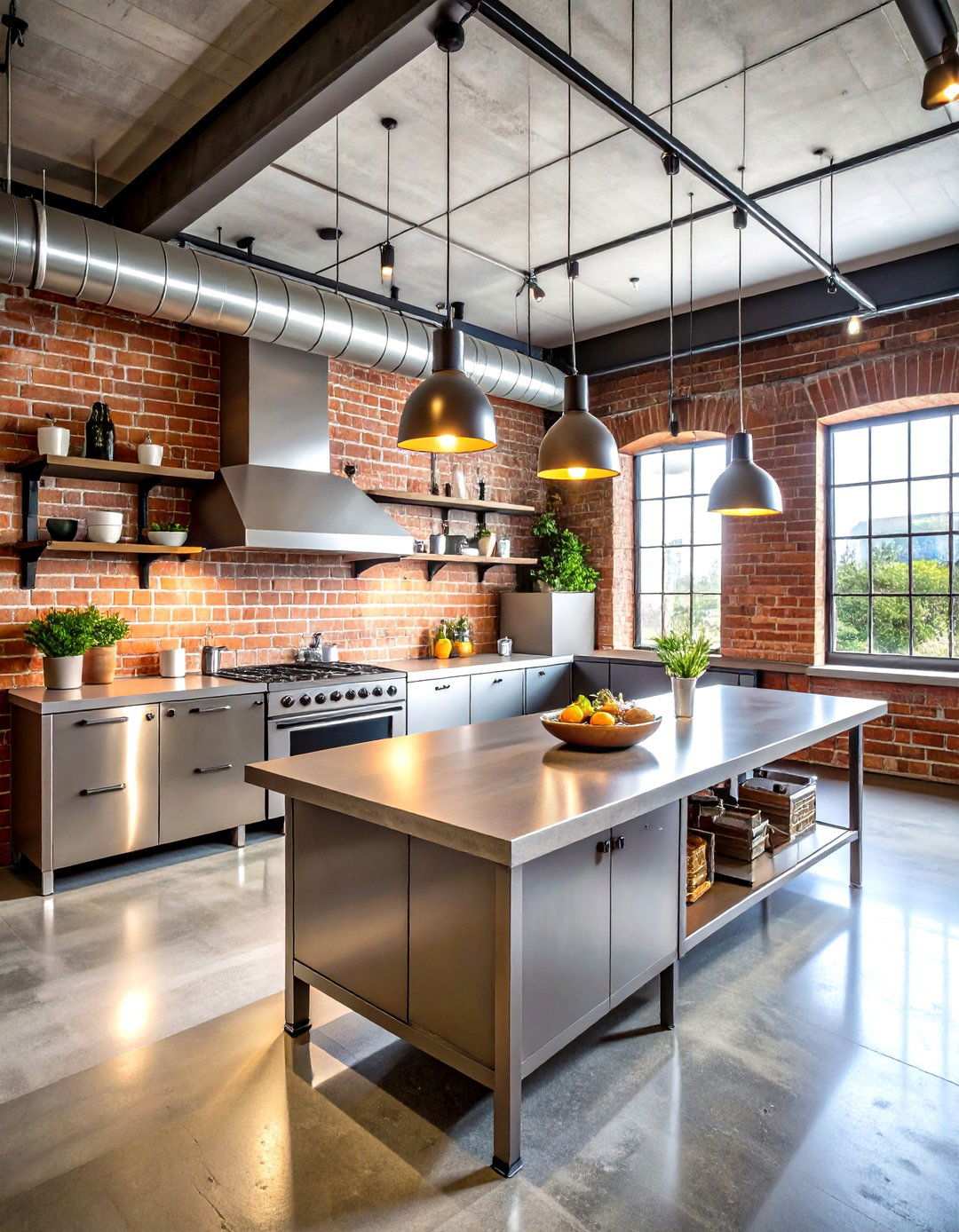
Unleash a bold, contemporary atmosphere by embracing raw materials and exposed elements, perfect for creative industries that crave an edgy aesthetic. Durable stainless steel appliances and surfaces take center stage, reinforcing the industrial look and feel. The incorporation of exposed brick walls, concrete countertops, and metal fixtures creates a visually striking texture that’s equal parts rugged and sophisticated. Open shelving with industrial pipe supports not only displays dishware and supplies but also serves a functional purpose, adding to the overall utilitarian charm. The warm glow of Edison bulb lighting fixtures adds a touch of warmth to the space, striking a balance between the rugged materials and the overall design. This design approach is particularly well-suited for tech companies, creative agencies, and startups looking to project innovation and authenticity through their workspace.
7. Adaptive Multi-Zone Kitchen Design
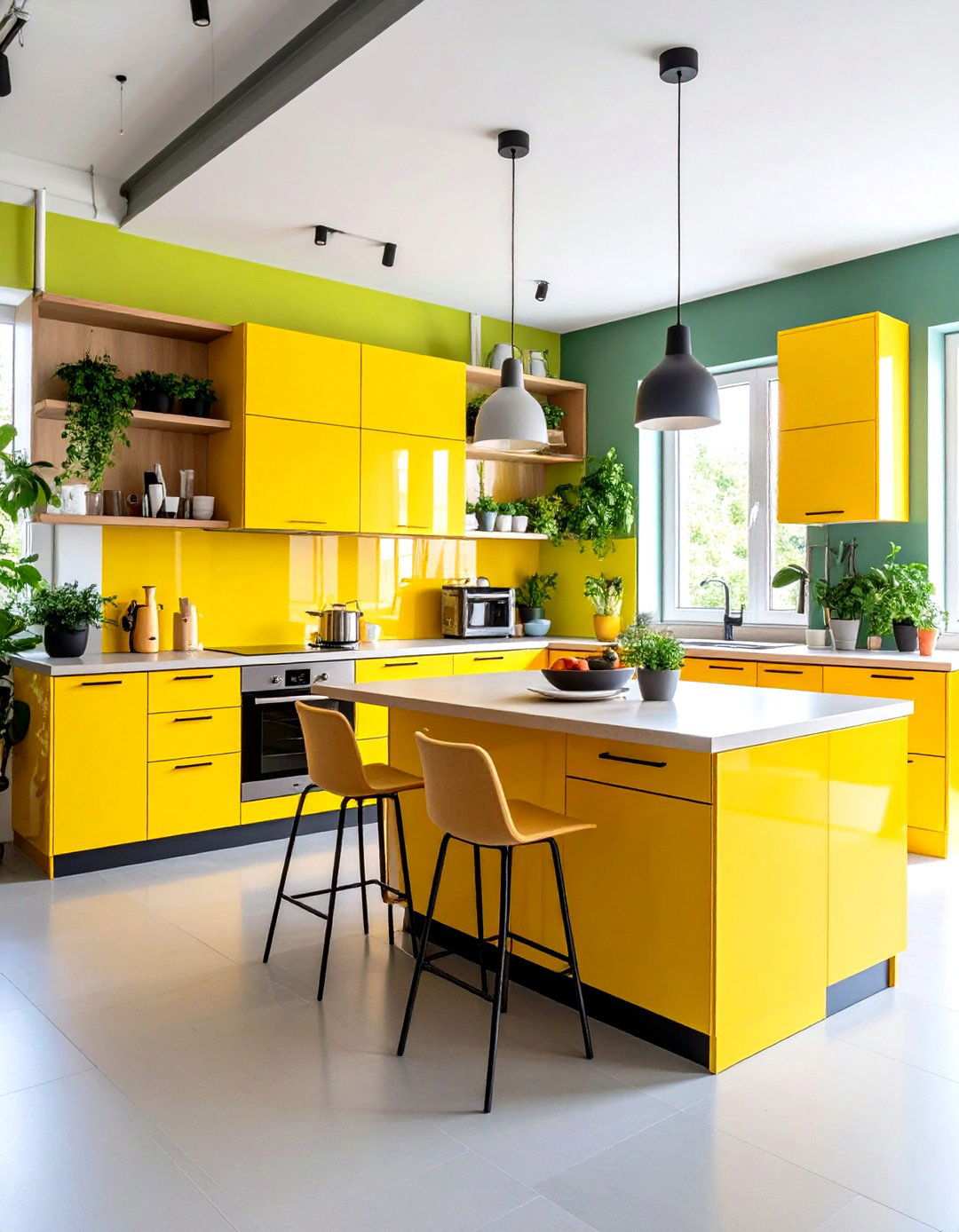
Design a kitchen that’s as versatile as it is functional by creating distinct zones that cater to various activities throughout the day. A quiet zone with plush seating provides a peaceful retreat for employees seeking a break from the hustle and bustle, while also accommodating impromptu one-on-one discussions. In contrast, an active zone near the appliances is perfect for food preparation and social cooking activities, fostering a sense of community and collaboration. A presentation area with wall-mounted displays enables seamless transitions between meetings, training sessions, and presentations. The inclusion of mobile furniture and modular seating arrangements allows for easy reconfiguration based on group sizes and activities, ensuring the kitchen remains a hub of productivity and collaboration. To maximize flexibility, storage solutions like rolling carts and stackable components are integrated, ensuring the kitchen remains a functional and efficient space that adapts to the needs of its users.
8. Eco-Friendly Kitchen Design for a Sustainable Future
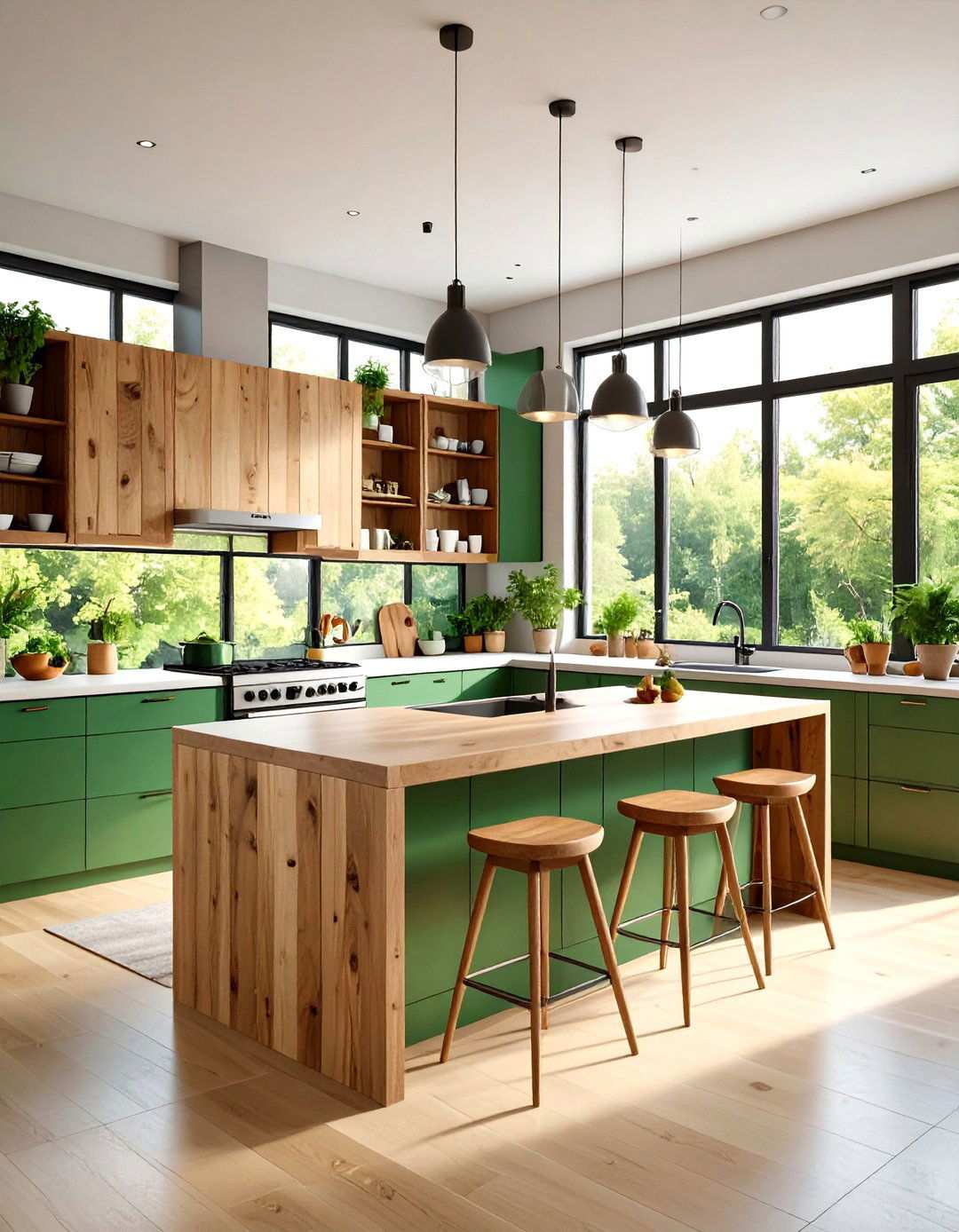
Create a kitchen that not only looks great but also contributes to a healthier environment by incorporating environmentally conscious materials and practices that align with corporate sustainability goals. Reclaimed wood cabinets and recycled glass countertops are just the beginning, serving as a testament to the company’s commitment to environmental responsibility. Energy-efficient appliances reduce electricity consumption and operational costs, while comprehensive recycling and composting stations with clear labeling encourage proper waste separation. The use of low-VOC paints and finishes maintains healthy indoor air quality, while water-saving fixtures and appliances minimize resource consumption. The incorporation of solar-powered elements or renewable energy integration takes the commitment to sustainability to the next level, showcasing the company’s dedication to reducing its carbon footprint. This approach not only appeals to environmentally conscious employees but also has the potential to qualify for green building certifications and reduce long-term operational expenses through resource efficiency.
9. Harmonious Brand Expression
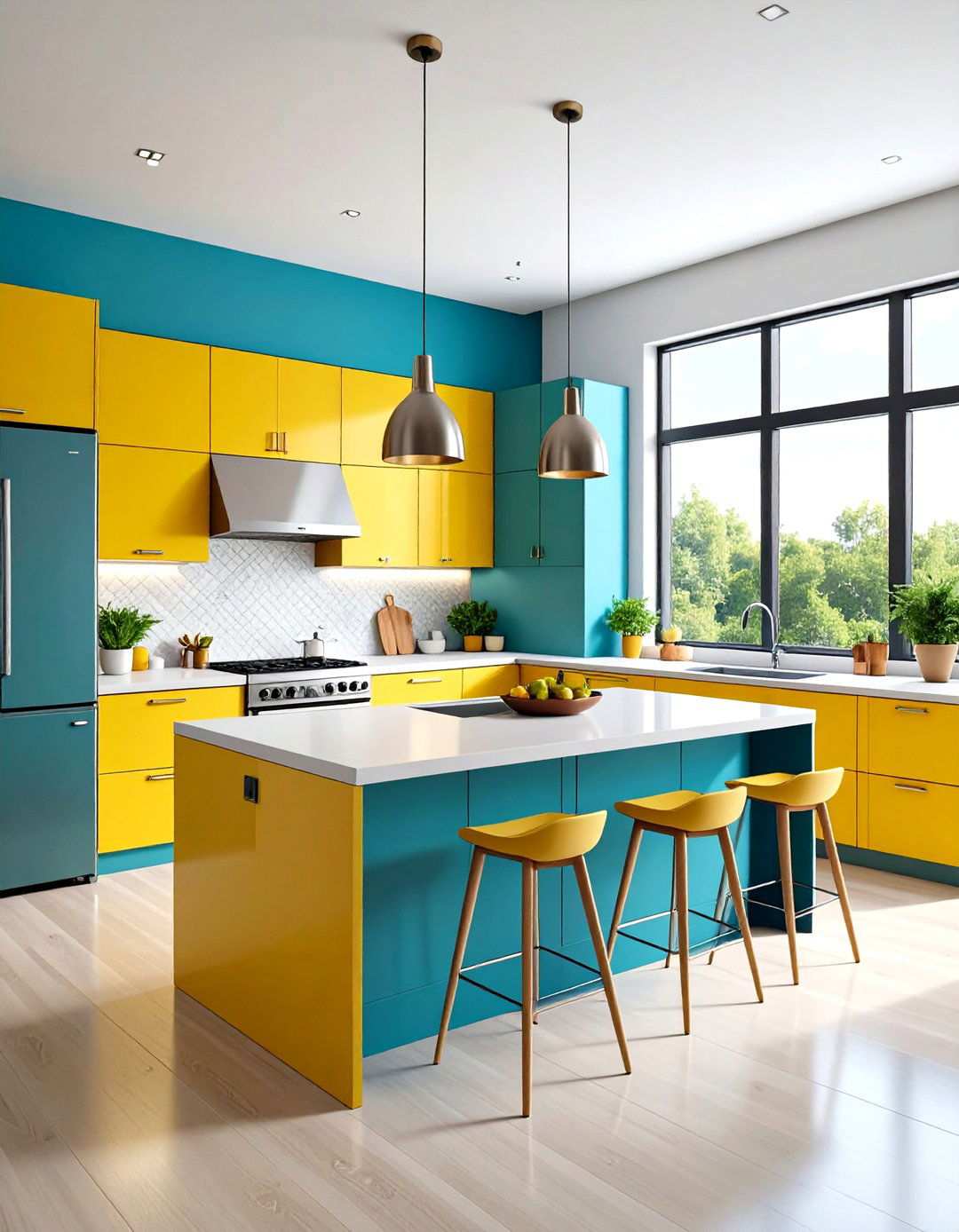
To seamlessly integrate the company’s personality into the kitchen design, incorporate brand elements, colors, and logos throughout the space. Custom cabinetry incorporates brand hues while maintaining a sleek, professional appearance. Subtle branding on signage and graphics adds visual interest without overwhelming the senses. Inspirational wall graphics, showcasing company values and mission statements, motivate employees every day. Unique custom lighting fixtures or design elements reflect the brand’s personality and industry focus. A curated selection of photography, highlighting company achievements and team moments, fosters personal connections. By embracing this cohesive design approach, companies can strengthen employee engagement with their culture and create Instagram-worthy spaces that showcase their corporate identity to visitors and potential recruits.
10. Fostering Healthy Habits
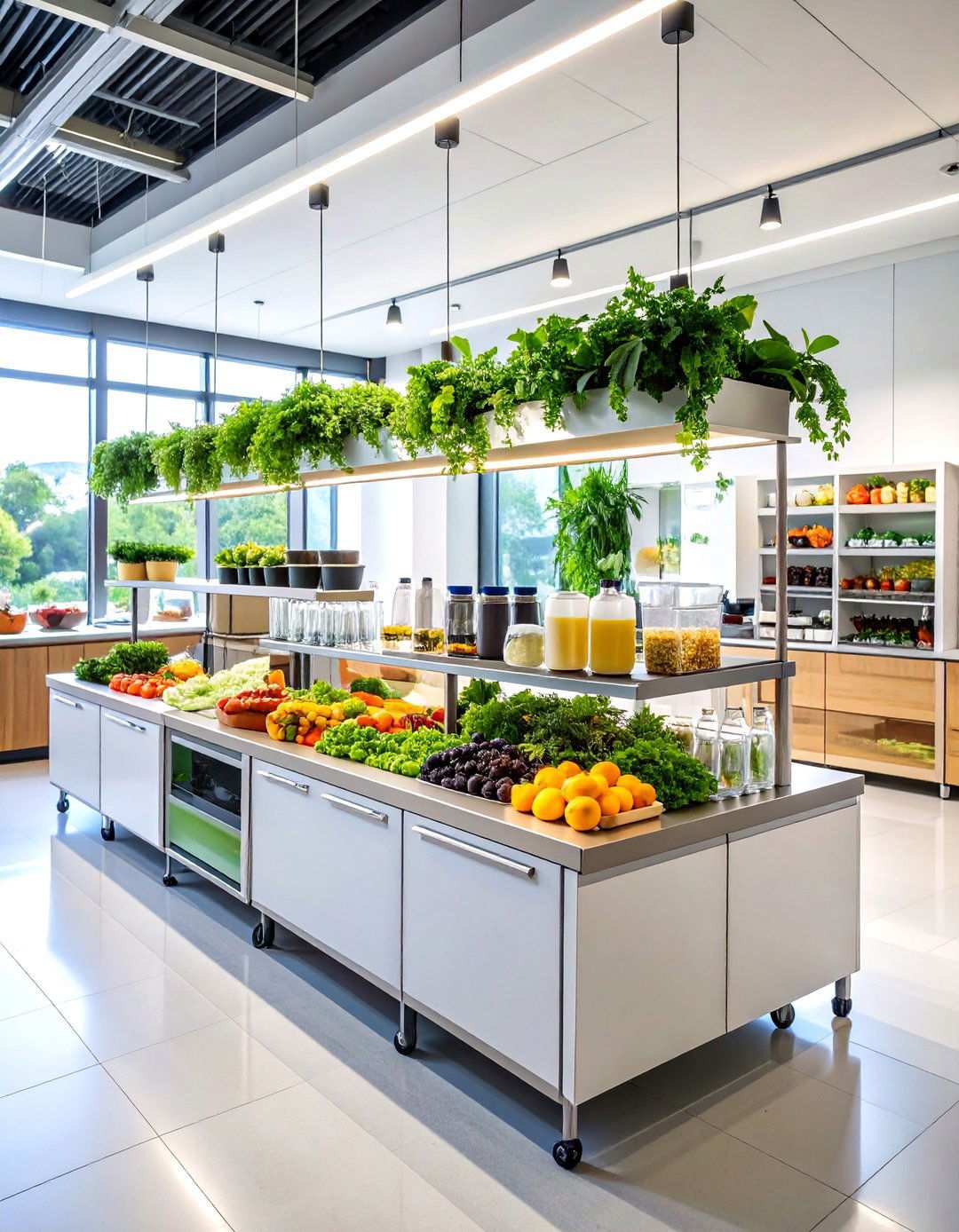
A well-designed kitchen can play a significant role in promoting healthy eating habits and employee wellness. To create a wellness-focused environment, incorporate thoughtful design elements and convenient amenities. Strategically placed hydration stations offer filtered water, fruit-infused options, and herbal teas, encouraging employees to stay hydrated throughout the day. Prominent displays of fresh fruit and healthy snack options make it easy for employees to make nutritious choices. Meal preparation areas with quality equipment support employees in preparing homemade meals. Educational materials about nutrition and wellness are tastefully integrated into the design, providing valuable resources for employees. By harnessing natural light and incorporating plants, companies can create an environment that supports mental health and stress reduction. This comprehensive approach demonstrates a company’s commitment to employee health, potentially reducing healthcare costs and sick days.
11. Maximizing Efficiency
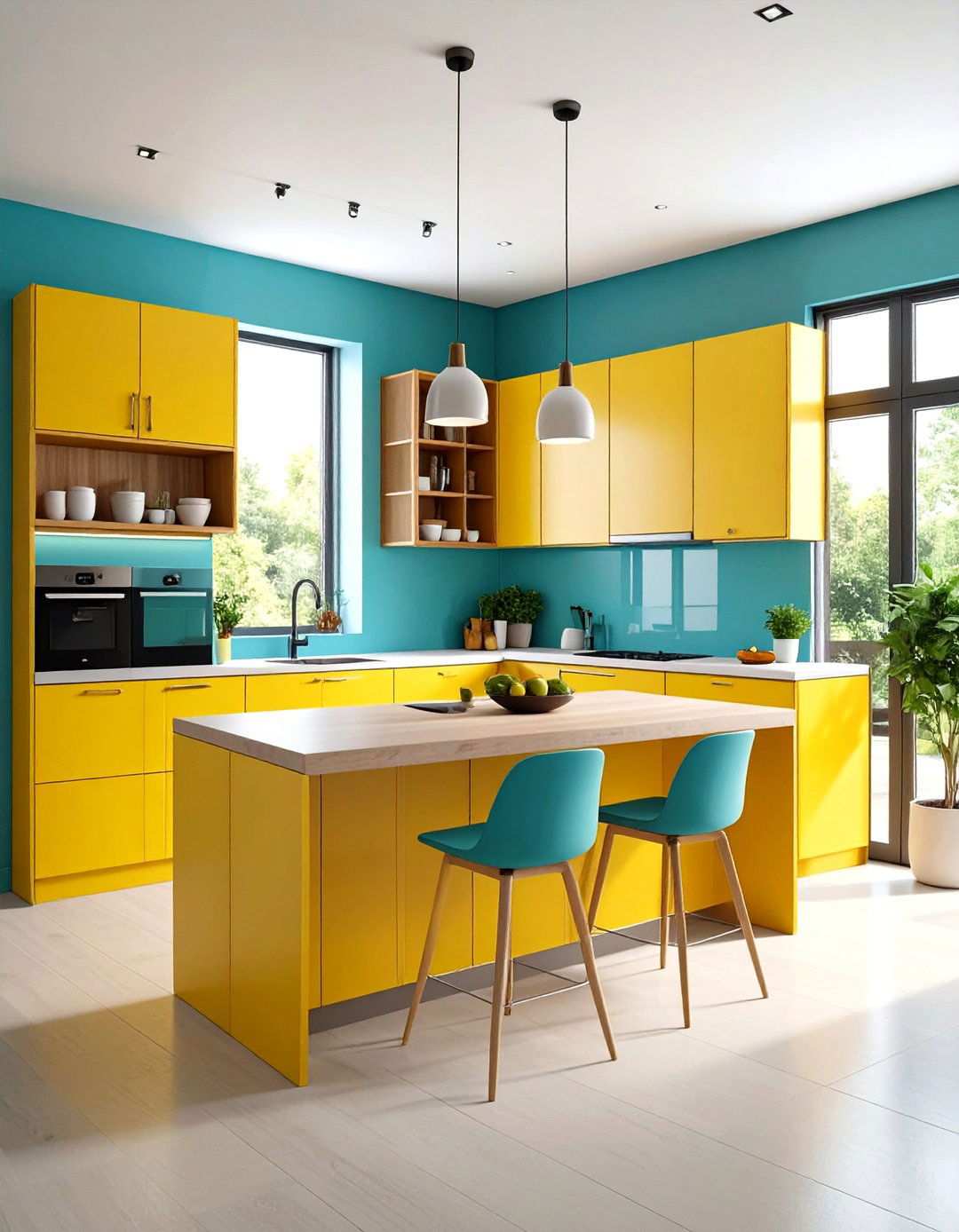
In small offices, maximizing functionality within limited square footage is crucial. To achieve this, implement clever space planning and multi-purpose features that optimize every inch of the kitchen. Vertical storage solutions make the most of wall space, keeping countertops clear for food preparation. Compact appliances provide full functionality without overwhelming the space. Fold-down surfaces and pull-out work areas expand capacity when needed, while magnetic strips and hooks on cabinet doors and walls offer additional tool storage. Rolling carts provide extra prep space and storage that can be easily moved as needed. Strategically placed mirrors create the illusion of expanded space, making even the smallest kitchens feel more spacious. By embracing this efficient design approach, companies can provide comprehensive kitchen facilities that meet employee needs without requiring extensive square footage or renovation budgets.
12. Harmonious Spaces for Unwinding
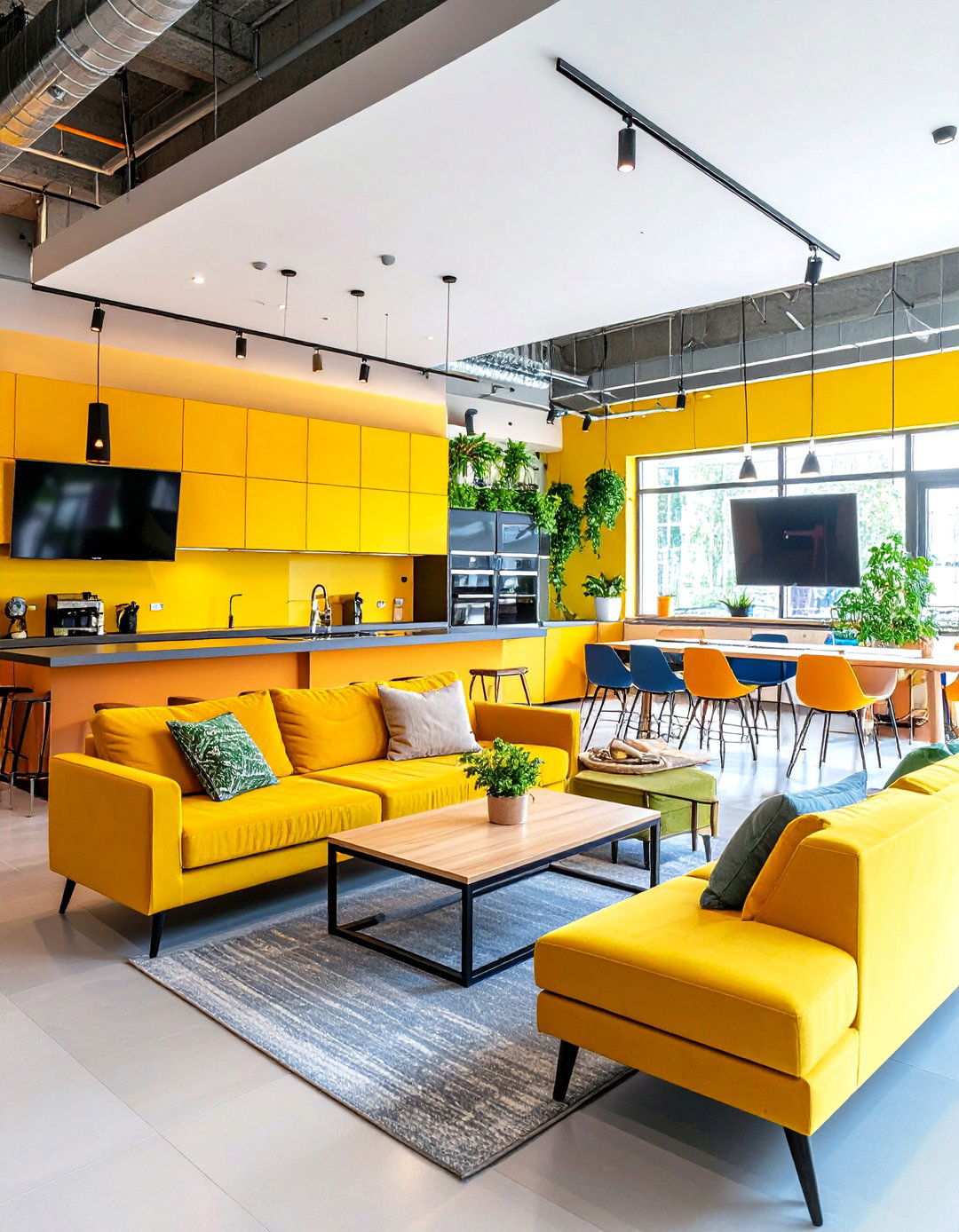
Craft a multifunctional kitchen area that seamlessly transitions into an entertainment zone where employees can socialize and relax outside work conversations. By incorporating comfortable lounge seating with coffee tables, you create separate conversation areas from food preparation zones, allowing for easy mingling and connection-building. A wall-mounted television or projection screen provides employees with opportunities to catch up on news or enjoy their favorite programs during breaks, fostering a sense of community. Meanwhile, games like table tennis, foosball, or board games serve as stress-relieving and team bonding activities. A small library or magazine rack offers employees quiet entertainment options, while ambient lighting creates a serene atmosphere that sets your workplace apart from traditional office environments. This thoughtful approach acknowledges that employee satisfaction extends beyond work tasks, supporting overall workplace happiness and retention.
13. Culinary Excellence Kitchen
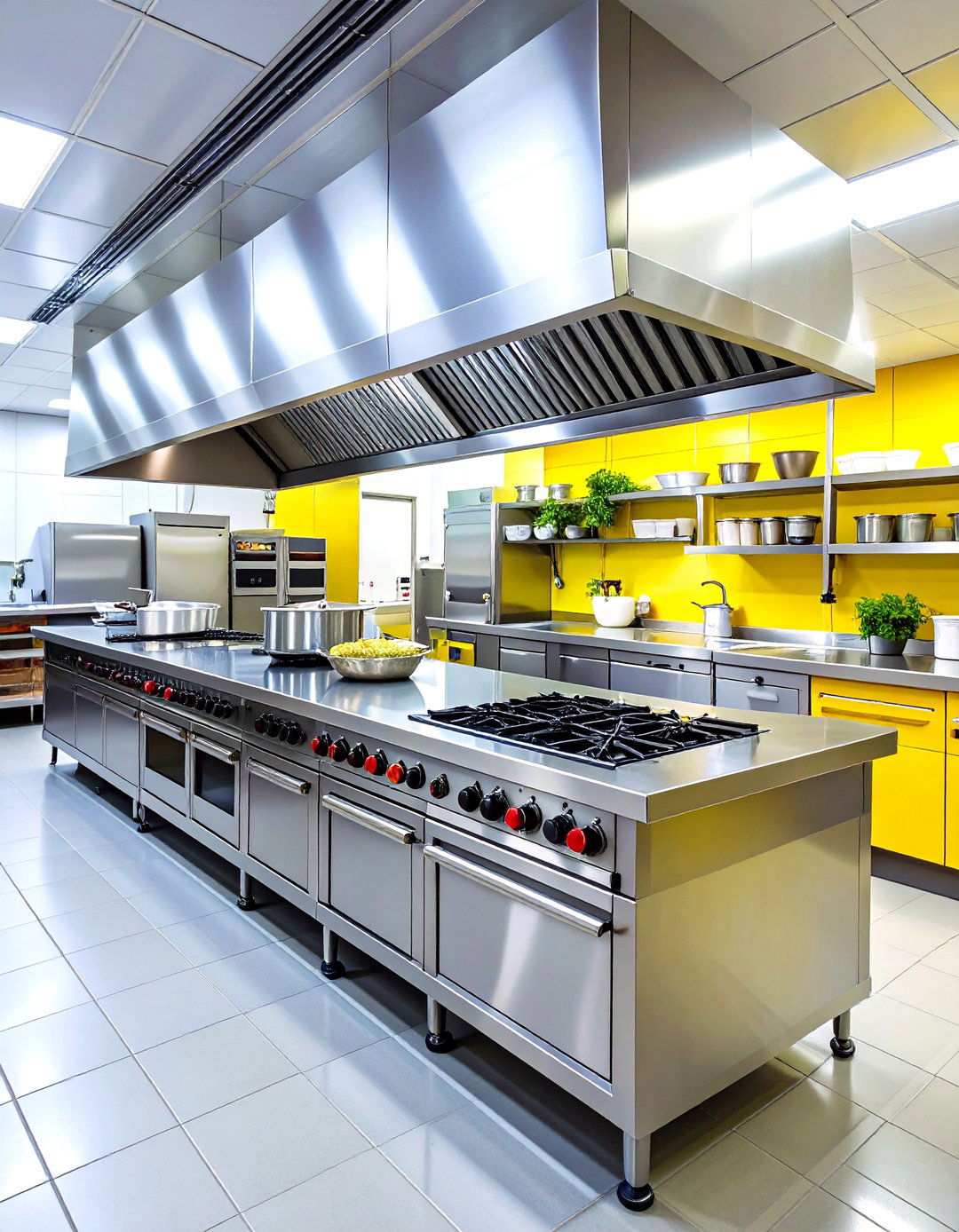
Install cutting-edge appliances and equipment that enable employees to tackle complex cooking projects and prepare for team events and catering. Commercial-style ranges with multiple burners and griddle surfaces provide ample space for large-scale cooking initiatives. Professional refrigeration with separate zones for different food types ensures optimal storage and preservation of ingredients. Heavy-duty ventilation systems effectively manage cooking odors and heat, maintaining a clean and healthy environment. Ample counter space with durable surfaces facilitates extensive food preparation, while professional-grade sinks with high-capacity garbage disposals simplify cleanup processes. By incorporating these elements, you cater to food-enthusiastic employees while transforming the kitchen into a hub for team-building activities, cooking competitions, and special events that strengthen workplace culture and relationships.
14. Minimalist Chic Aesthetic
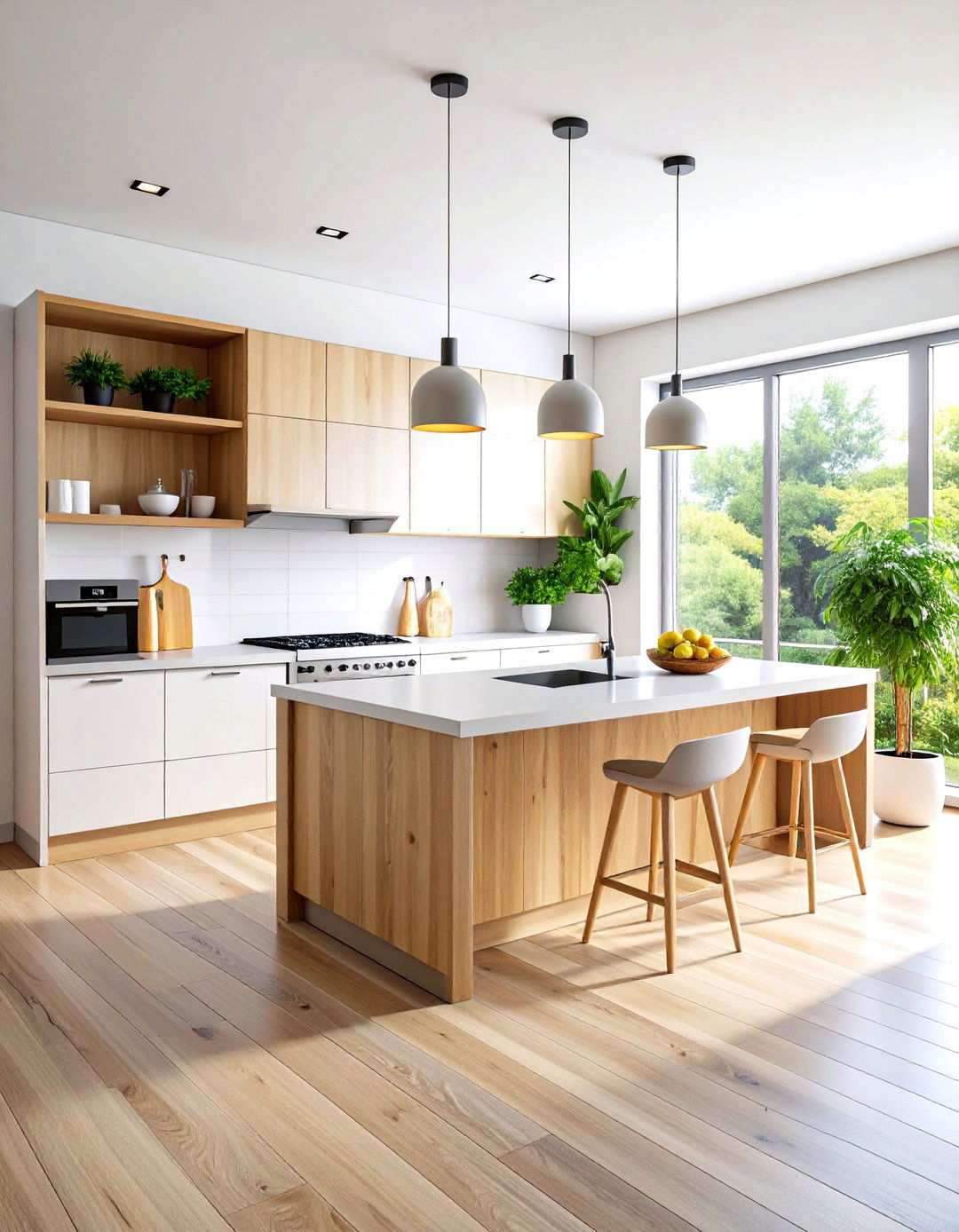
Draw inspiration from Scandinavian design principles, which emphasize light woods, clean lines, and functional beauty to create a calming and organized environment. Light oak or birch cabinetry adds warmth while maintaining a minimalist aesthetic, while white or light gray color schemes maximize natural light and create a sense of spaciousness. Simple hardware and handleless designs maintain clean visual lines, while natural textiles and neutral colors in seating areas add comfort without visual clutter. Efficient storage solutions keep surfaces clear and organized, while strategic lighting through pendant fixtures and natural sources creates an inviting ambiance. This design approach appeals to employees seeking calm, organized environments while projecting professionalism and attention to detail that reflects positively on company culture.
15. Elevating Pantry Storage Systems
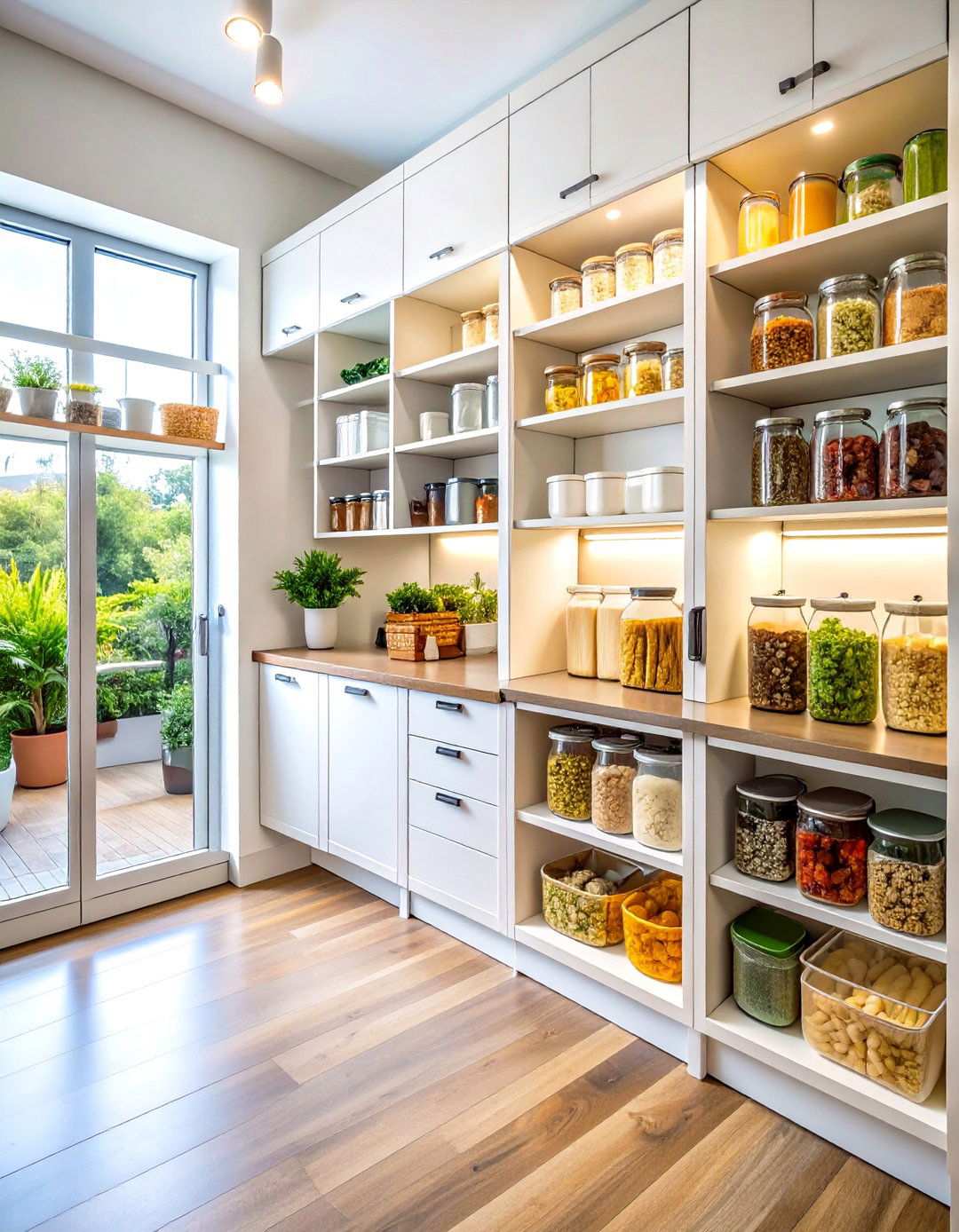
Elevate your kitchen’s pantry storage to create an accessible, organized space that showcases supplies while maintaining visual appeal. Glass-front cabinets and open shelving display dishes, glasses, and non-perishable items in an attractive and visually appealing manner. To maintain freshness and create visual consistency, clear containers can be used for bulk items like coffee beans, tea, and snacks. Implementing a comprehensive labeling system ensures easy identification and restocking of supplies. Incorporating pull-out drawers and lazy susans in corner areas maximizes storage accessibility and streamlines inventory management. By dedicating zones for different supply categories, restocking and inventory management become much more efficient. This transparent approach to storage creates an organized, professional-looking space while enabling easy monitoring of supply levels and reducing waste through improved visibility of available items.
16. Cultural Cuisine Zones
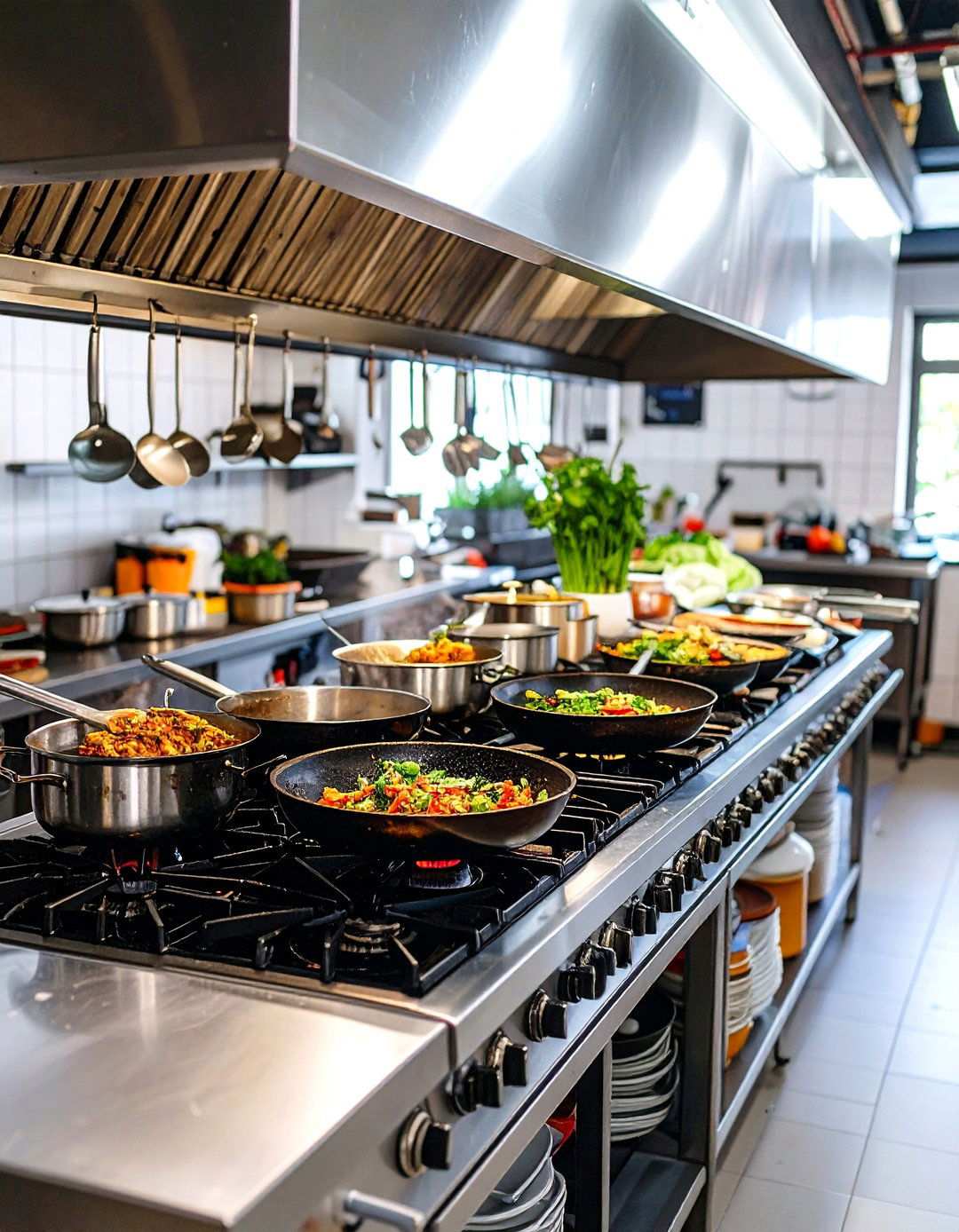
Designate specialized areas that reflect the diverse cultural backgrounds of employees while providing equipment for various international cooking styles. Wok stations with high-heat burners accommodate the unique cooking techniques of Asian cuisine. A dedicated storage system for spice collections from various cuisines showcases the diversity of international flavors. Rice cookers, pressure cookers, and other culture-specific appliances cater to the diverse cooking needs of employees. Designate dedicated preparation areas with the necessary tools for different cooking styles. Educational displays about various cuisines promote cultural awareness and appreciation among employees. This inclusive approach celebrates workplace diversity while providing practical cooking capabilities that help employees feel welcomed and valued. The design demonstrates a company’s commitment to inclusion while creating opportunities for cultural exchange and learning through shared cooking experiences.
17. Adaptable Kitchen Furniture
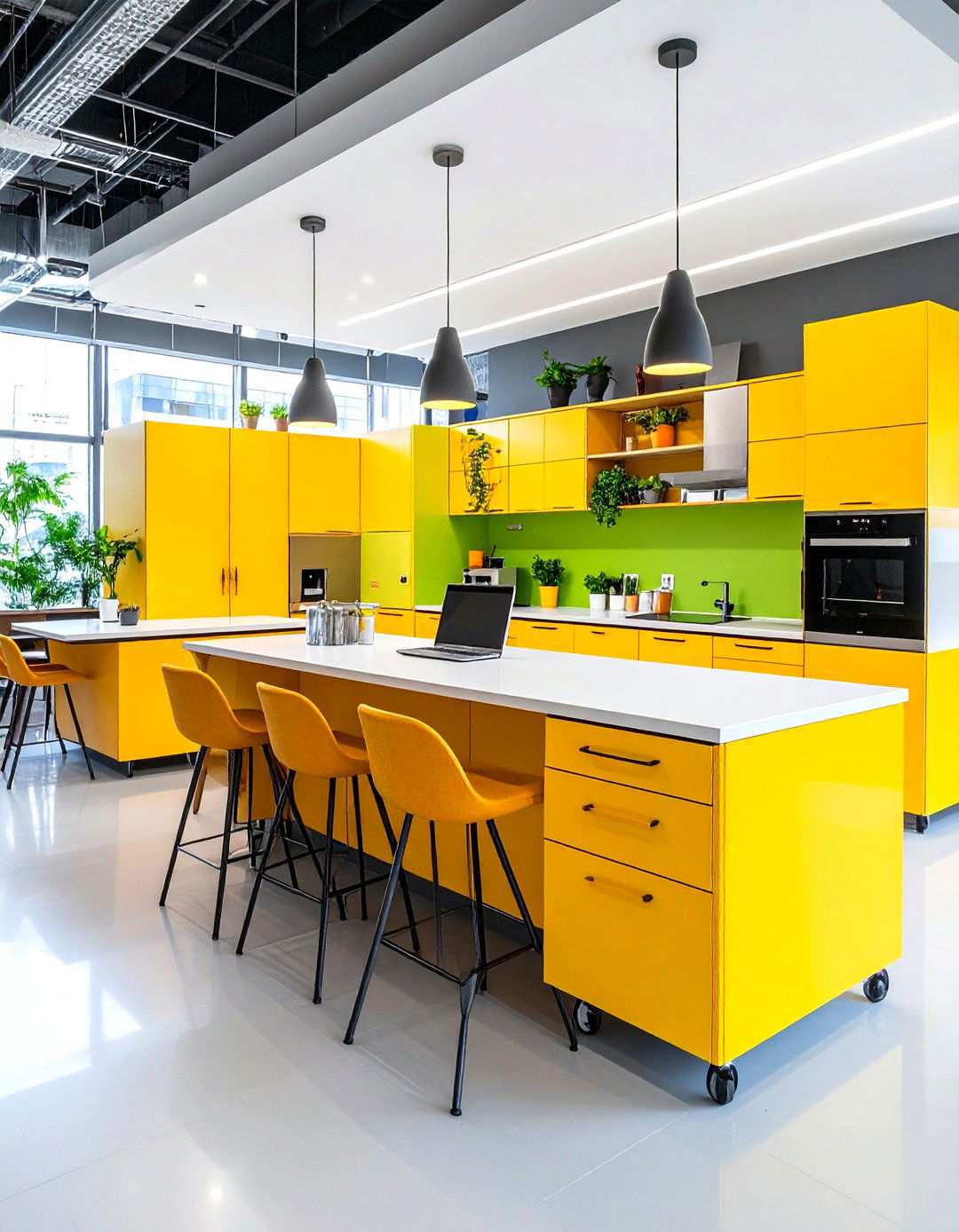
Incorporate furniture and fixtures on wheels that can be easily reconfigured to accommodate different group sizes and activities throughout the day. Mobile islands provide additional prep space and storage that can be positioned where needed most, enhancing the overall functionality of the kitchen. Mobile seating options enable quick setup changes for meetings, events, or social gatherings, making it easy to adapt to changing needs. Adjustable-height tables accommodate various activities from casual dining to standing meetings, providing flexibility and versatility. Stackable chairs and nested tables maximize storage efficiency when not in use, reducing clutter and optimizing space. Portable serving carts facilitate catering and special events, further enhancing the adaptability of the kitchen space. This flexible approach ensures the kitchen can adapt to changing needs while maximizing the utility of available space and accommodating both intimate gatherings and larger company events.
18. Designing for Cleanliness and Safety
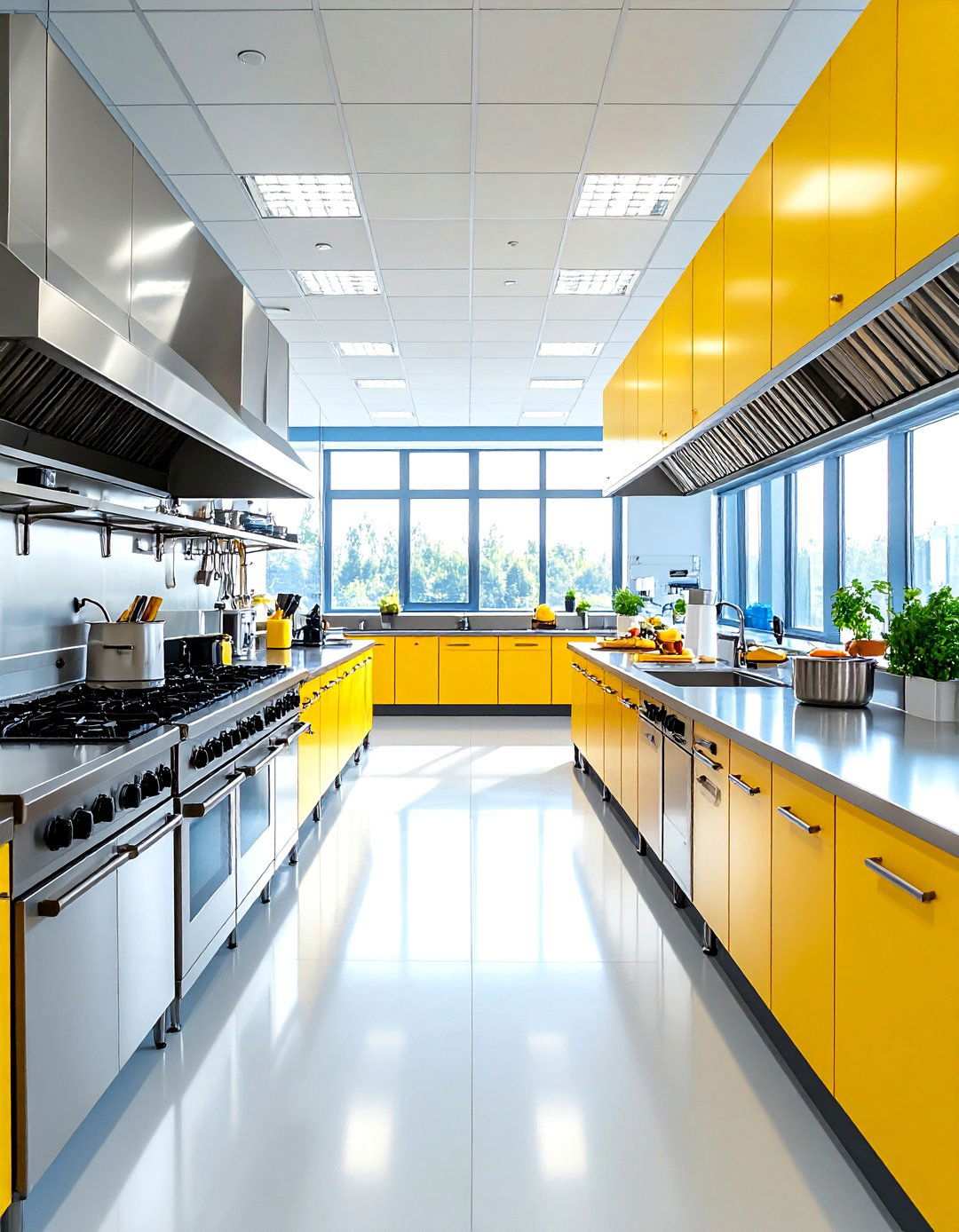
A thorough approach to hygiene and safety can be achieved through deliberate material selection and design features. By prioritizing cleanliness, food service areas can minimize the risk of contamination and ensure a healthy environment for employees. Non-slip surfaces made from materials such as quartz and stainless steel resist bacteria and facilitate effortless cleaning. Strategically placed hands-free faucets and soap dispensers reduce cross-contamination risks, while separate zones for raw and prepared foods prevent the spread of foodborne illnesses. Easy-to-clean floors with suitable drainage enable thorough sanitization, while adequate ventilation systems remove cooking odors and maintain air quality. Well-planned lighting eliminates shadows in food preparation areas, creating a safe and efficient workspace. This comprehensive approach not only protects employee health but also reduces liability risks and ensures compliance with health department regulations.
19. Blending Industrial Chic with Modern Functionality
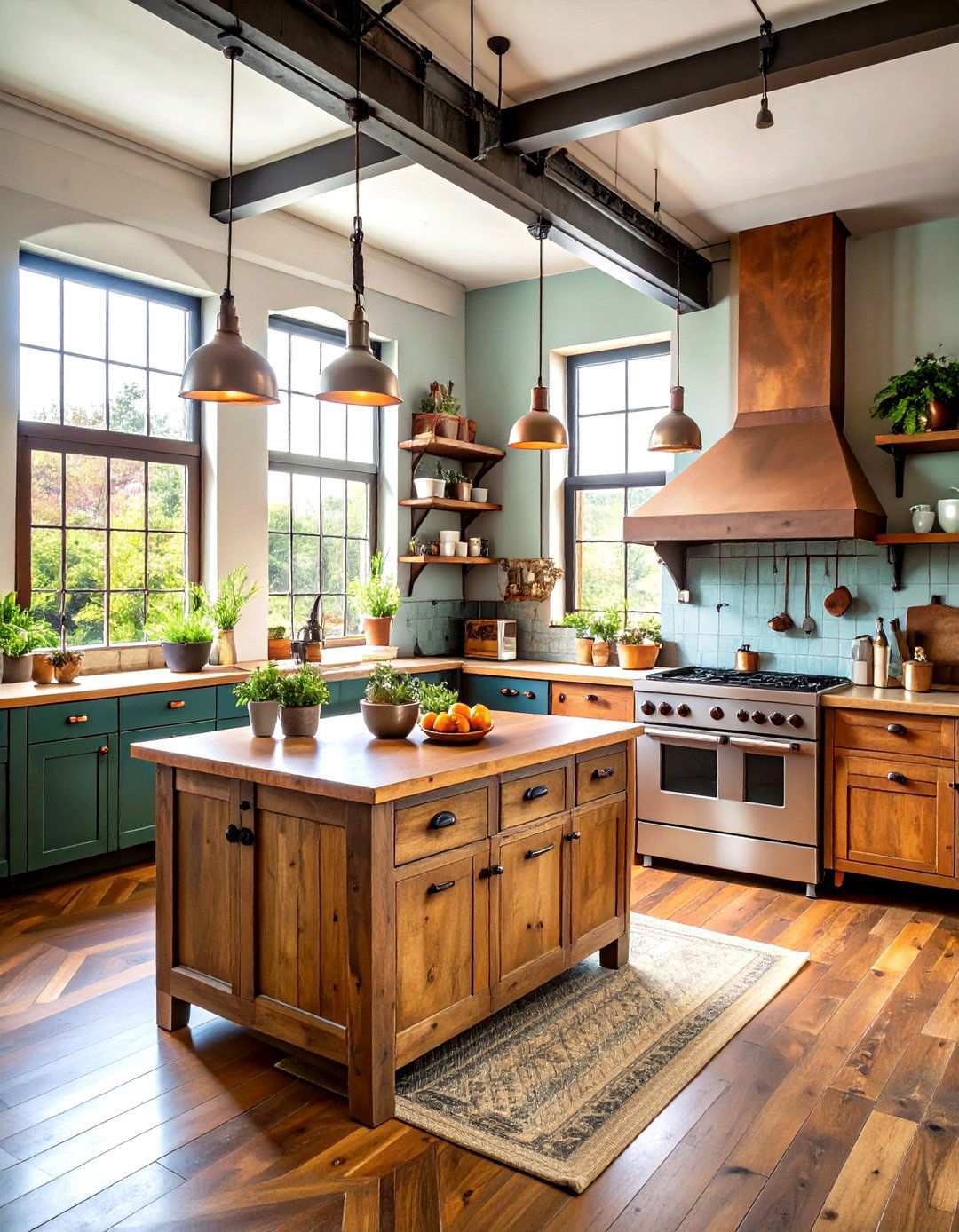
Designers can create a unique atmosphere by combining vintage aesthetics with modern functionality. This distinctive approach stands out from typical corporate environments and appeals to creative industries. Vintage-inspired appliances in bold colors like turquoise or olive green serve as focal points, adding a touch of nostalgia. Reclaimed wood shelving and butcher block countertops bring warmth and character to the space. Industrial fixtures like pendant lights with Edison bulbs create atmospheric lighting, while vintage signage and displays add personality without overwhelming the professional environment. A mix of materials, including copper, brass, and aged metals, creates visual interest and invites conversation. This approach facilitates employee interactions, creates memorable experiences for visitors and potential recruits, and inspires a sense of community.
20. Harnessing the Power of Natural Light
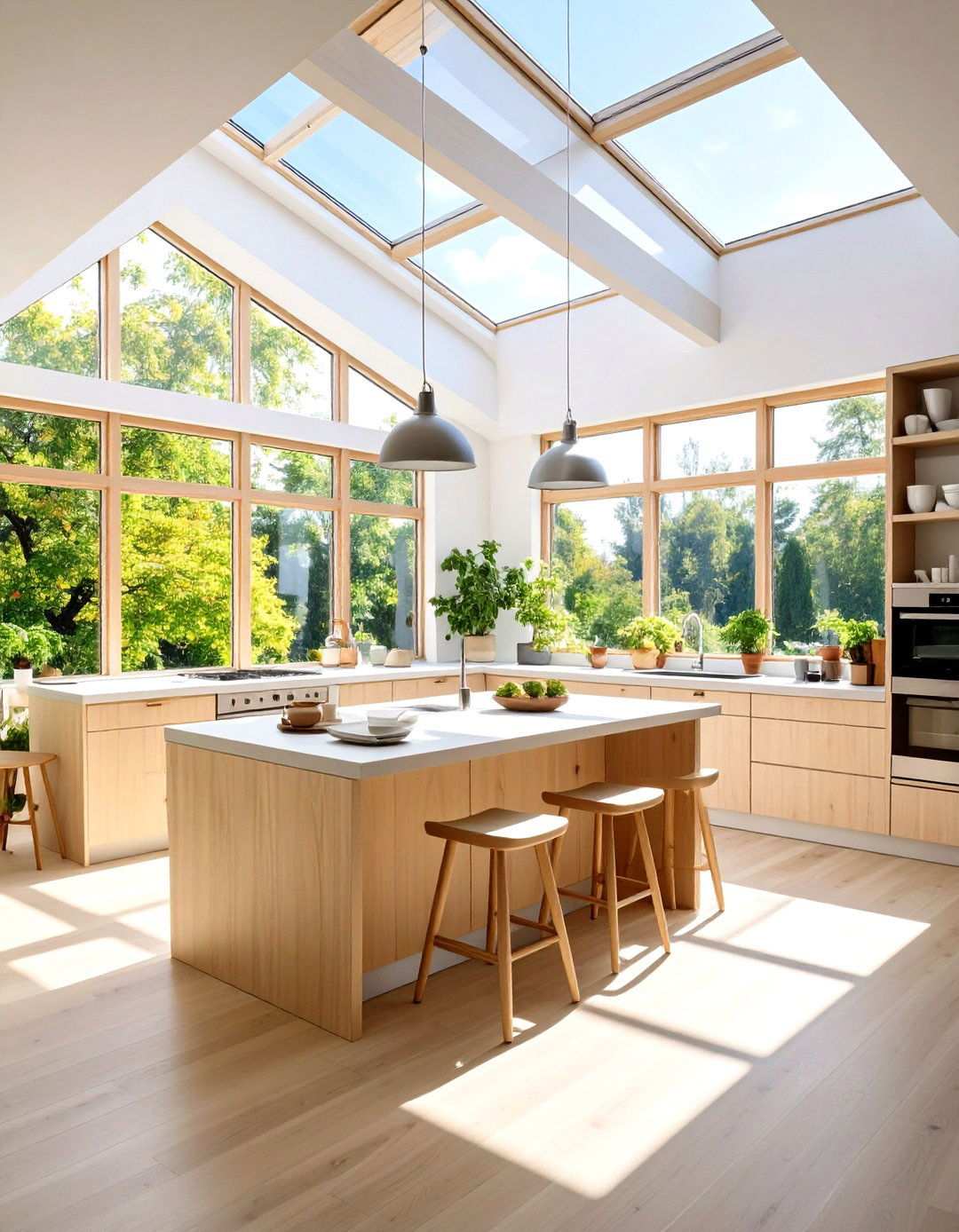
Designing the kitchen layout to optimize natural light exposure can have a significant impact on employee wellbeing and productivity. Large windows and skylights flood the space with daylight, reducing energy costs and creating a comfortable environment. Light-colored surfaces and materials reflect natural light throughout the space, while strategic mirror placement amplifies available light and creates spacious feelings. Task lighting under cabinets and over work areas ensures functionality during darker hours, and dimmable fixtures allow for adjustment based on activities and preferences. Light tubes or clerestory windows bring natural light to interior spaces, recognizing the importance of light in supporting circadian rhythms, mood, and productivity. By incorporating these design elements, food service areas can create appealing environments that employees genuinely enjoy using and that support their overall wellbeing.
21. Optimizing Employee Wellbeing through Thoughtful Design
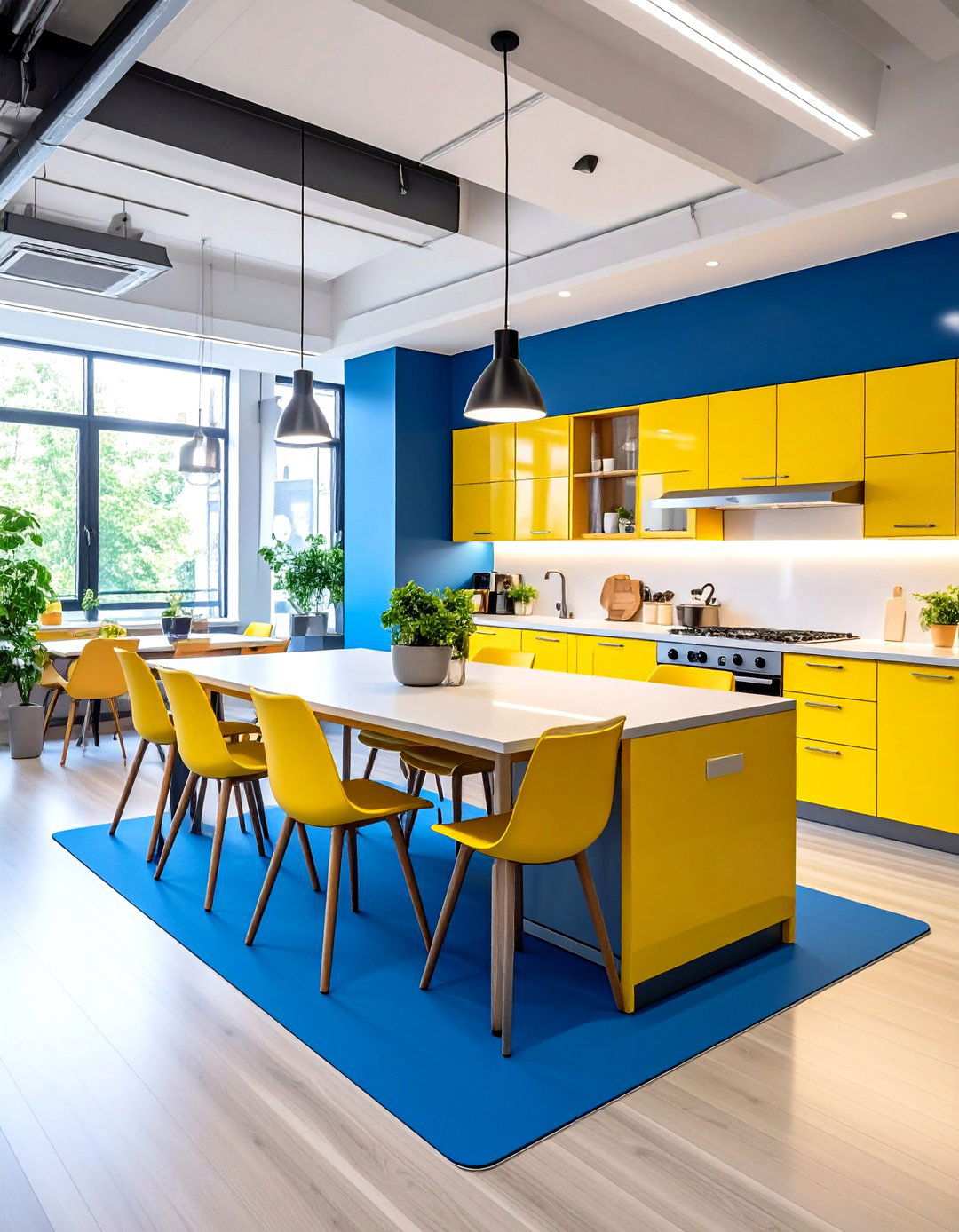
Employee physical comfort should be a top priority in the kitchen design. By incorporating thoughtful features that reduce strain and promote healthy posture, you can create a workspace that supports both productivity and employee wellbeing. Adjustable-height work surfaces cater to users of different statures and enable seamless transitions between sitting and standing work positions. Ergonomic seating with proper back support encourages longer conversations and fosters meaningful relationships. Anti-fatigue mats in standing areas minimize leg and back strain during food preparation, while easy-reach storage solutions eliminate the need for excessive stretching and bending. Adequate lighting reduces eye strain and enhances task visibility, further contributing to a healthier work environment. Rounded counter edges prevent pressure points and bruising, demonstrating a genuine concern for employee wellbeing.
22. Harnessing the Power of Color Psychology
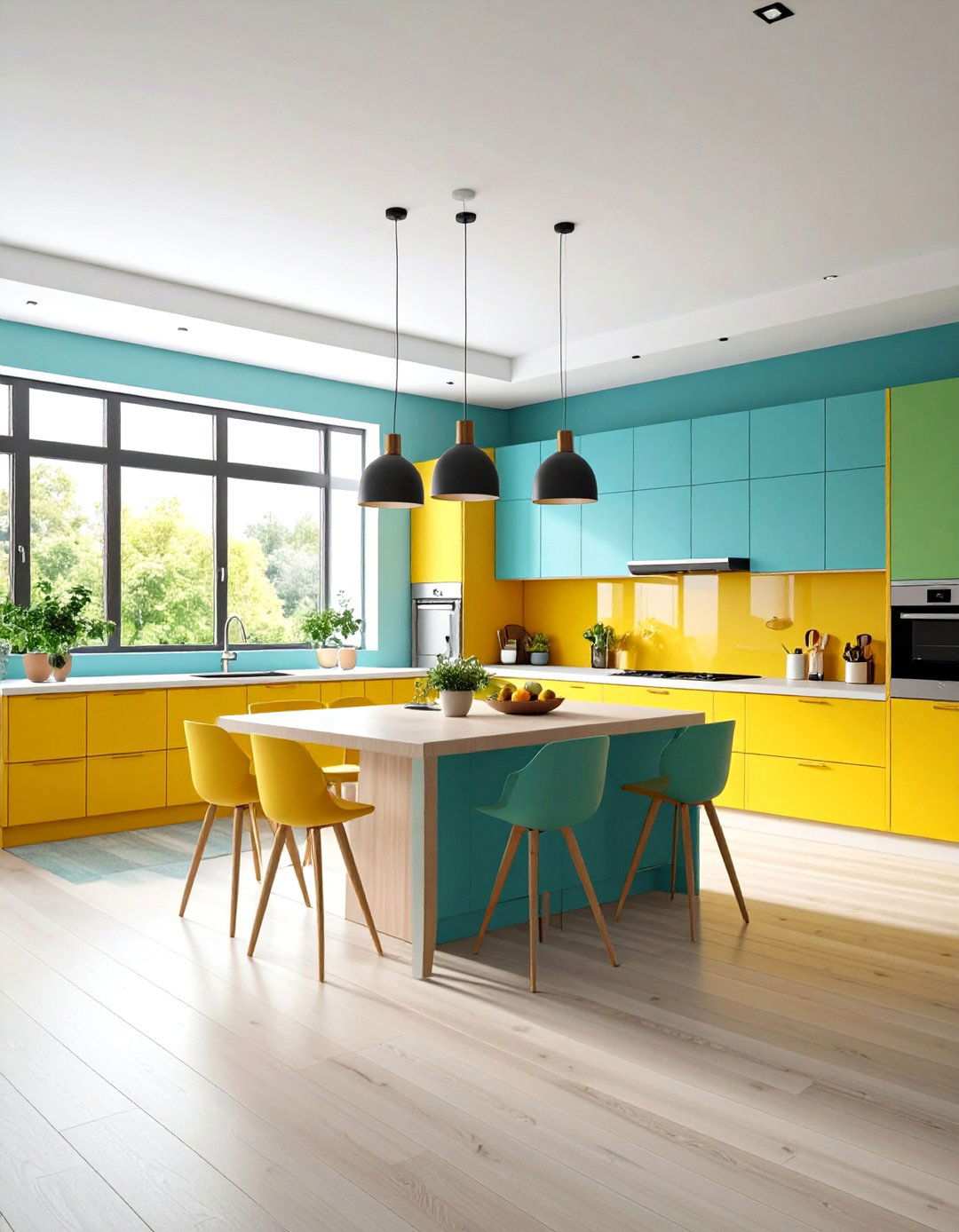
Strategic color choices can greatly impact the mood, appetite, and social interaction in the kitchen. By incorporating warm colors like soft oranges and yellows, you can stimulate appetite and create welcoming atmospheres that foster connection and community. Cool blues and greens, on the other hand, promote calm conversation and stress reduction, making them ideal for areas where relaxation is key. Neutral bases with colorful accents provide flexibility while maintaining a professional appearance that appeals to various tastes. Color-coded zones help organize different functional areas and supplies, streamlining workflow and minimizing confusion. Seasonal color changes through accessories and displays maintain visual interest throughout the year, keeping the space feeling fresh and dynamic. Natural material colors like wood tones provide grounding and warmth, creating a sense of comfort and coziness. By thoughtfully integrating color psychology, you can create environments that subconsciously support desired behaviors and emotional states.
23. Achieving Harmonious Acoustic Environments
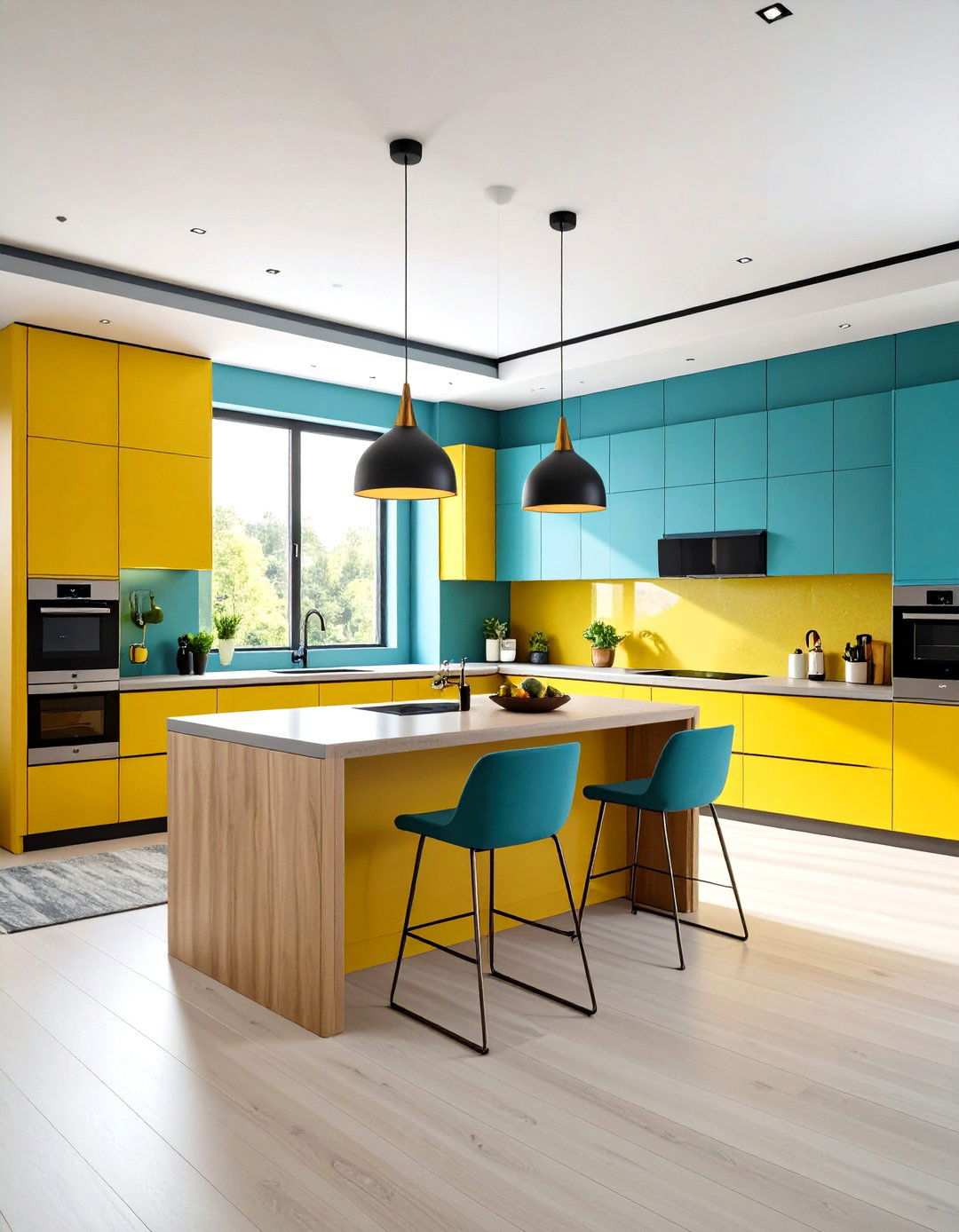
Effective sound management is crucial in creating comfortable acoustic environments that support both conversation and concentration within the kitchen space. Sound-absorbing materials like acoustic tiles or panels can be used to reduce noise bounce and create more intimate conversation zones. Soft furnishings including upholstered seating and window treatments help dampen ambient noise levels, while strategic placement of noisy appliances minimizes disruption to seating and conversation areas. Quiet-operation appliances reduce overall noise pollution in the workspace, creating a more peaceful atmosphere. Background music systems can mask office noise and create a pleasant ambiance, further enhancing the overall experience. Separate zones for different noise levels accommodate various preferences and activities, ensuring that the kitchen remains a pleasant environment for relaxation and conversation while preventing noise from disrupting adjacent work areas.
24. Forward-Thinking Infrastructure for Future Success
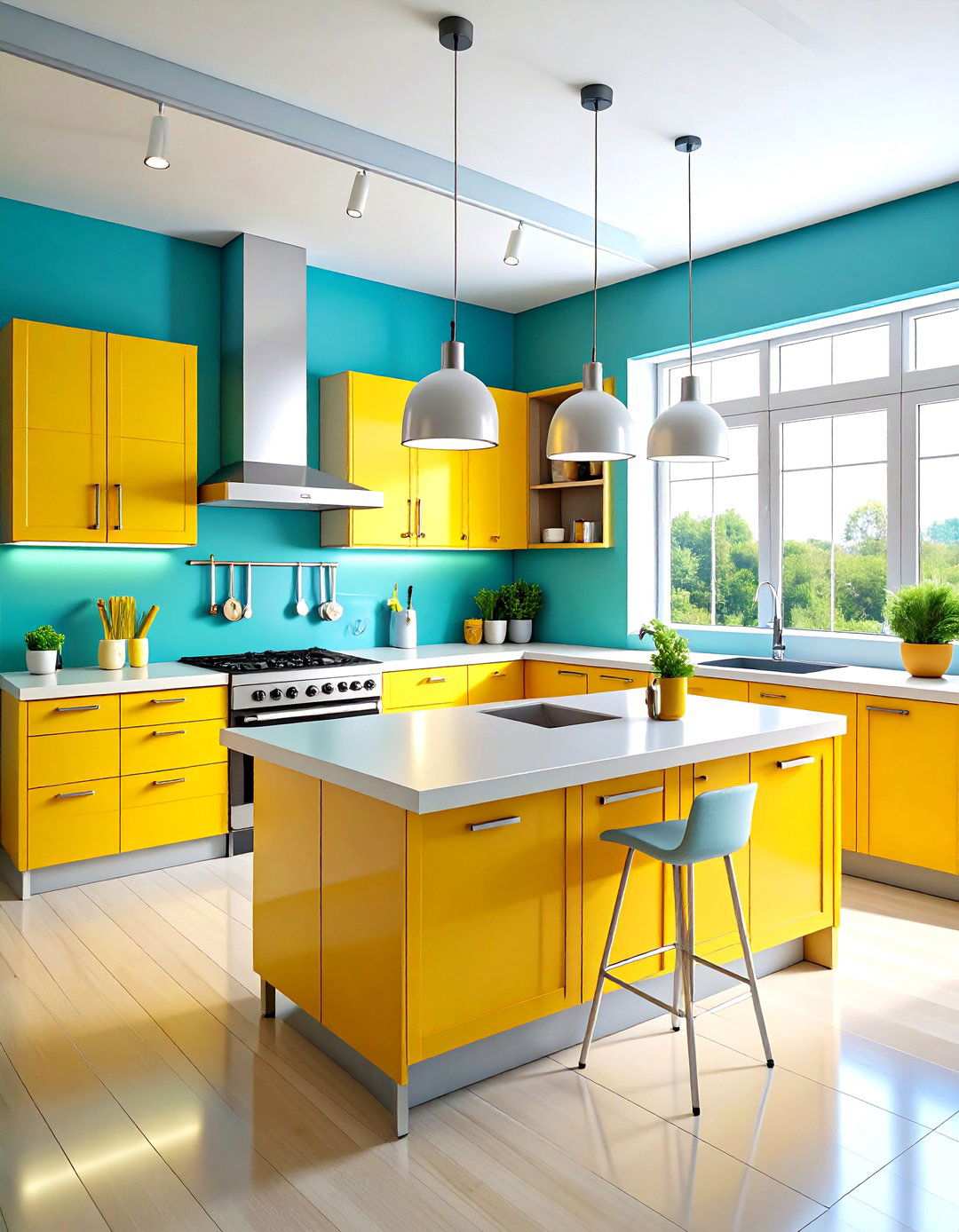
Craft a kitchen infrastructure that can seamlessly adapt to emerging technology advancements, shifting workforce dynamics, and evolving food service patterns. This involves strategically planning for the electrical and plumbing requirements of future appliances, as well as the reconfiguration needs of sinks and other fixtures. By incorporating modular cabinetry systems, kitchen designers can easily expand or reconfigure the space as demands change. The integration of technology conduits and wireless infrastructure lays the groundwork for the seamless incorporation of smart appliances in the future. Furthermore, scalable ventilation systems can be designed to accommodate increased cooking capacity, while universal design principles ensure that the kitchen remains accessible and inclusive for diverse users. By embracing this forward-thinking approach, kitchen designers can safeguard their investment while empowering the space to adapt to ever-changing workplace trends, technological breakthroughs, and evolving employee expectations.