1. Timeless Farmhouse Elegance with Soapstone
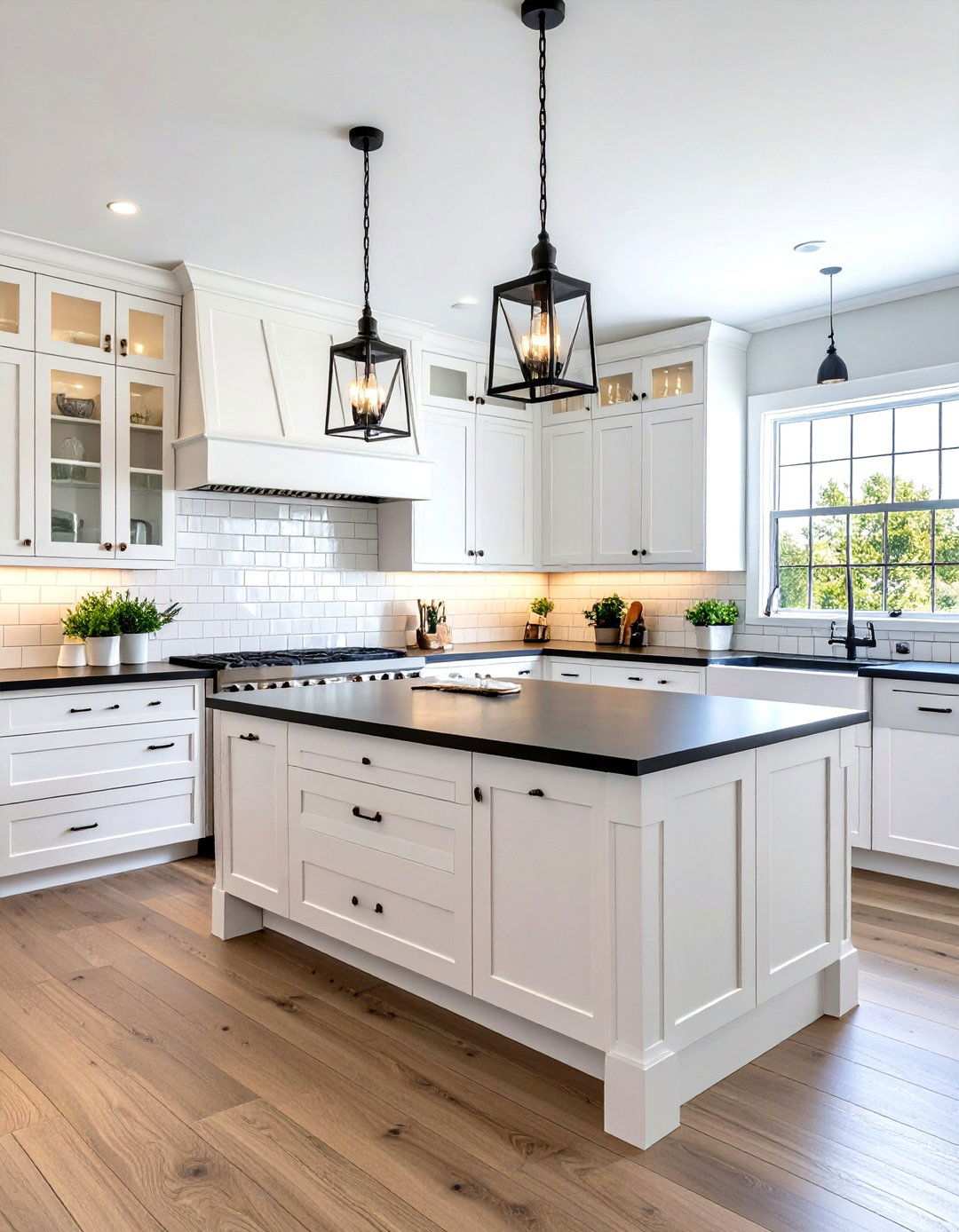
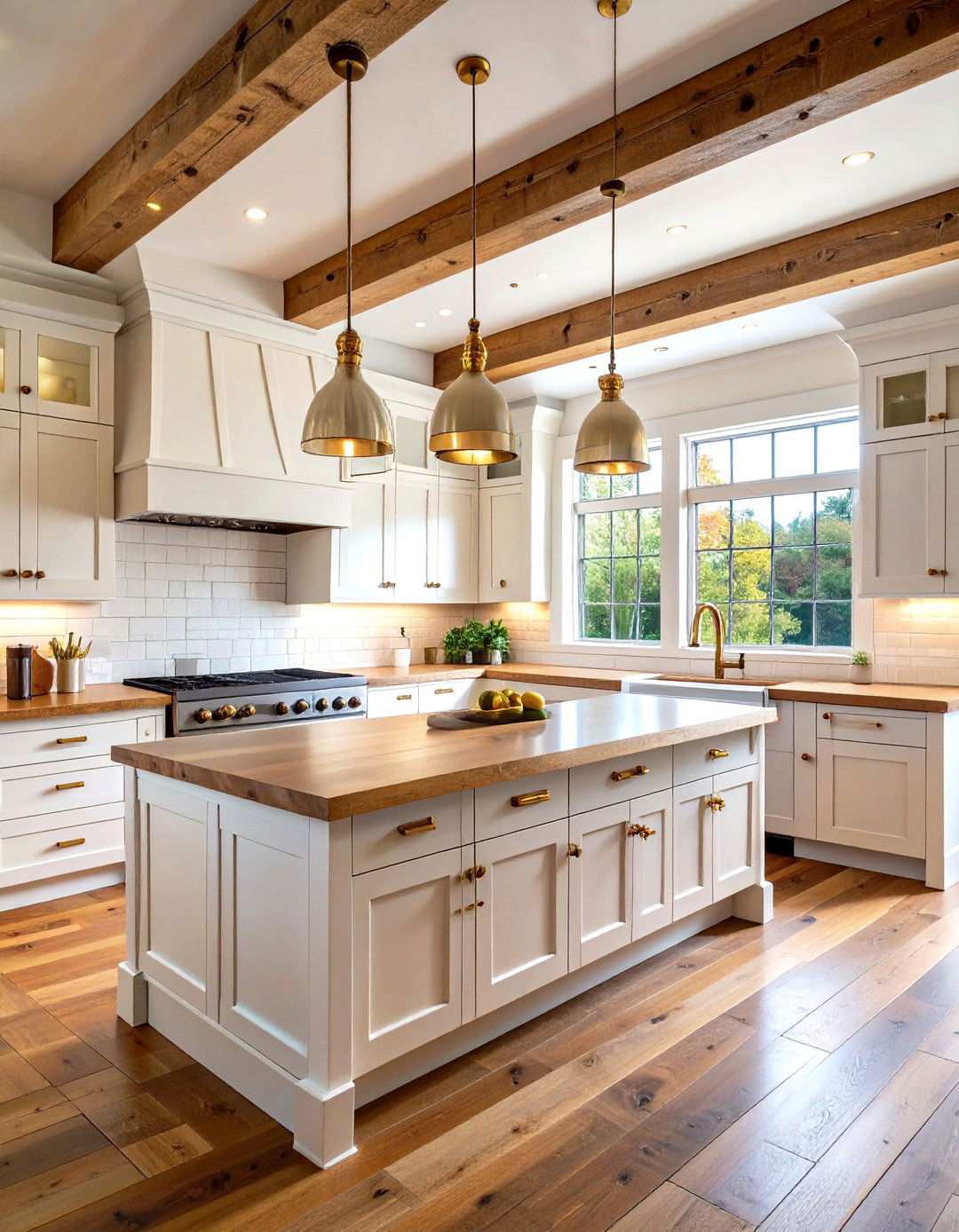
A beautifully designed farmhouse kitchen, featuring soapstone countertops as the focal point, embodies the perfect blend of rustic charm and enduring appeal. The distinctive patina of aged soapstone, characterized by its deep charcoal tones, creates a striking contrast when paired with crisp white shaker cabinets, while a subway tile backsplash expertly enhances the classic aesthetic. The warmth of natural wood floors, juxtaposed with the cool surface of the soapstone, generates a harmonious balance of visual elements throughout the space. Vintage-inspired hardware in rich brass or oil-rubbed bronze finishes beautifully complements the organic character of the soapstone, adding a touch of authenticity to the design. To reinforce the farmhouse atmosphere, open shelving is used to display a curated selection of ceramic dishware and mason jars, while large kitchen islands topped with thick soapstone slabs serve as inviting gathering points for family activities. Period-appropriate lighting fixtures, such as pendant lanterns or schoolhouse-style illumination, expertly complete the cohesive design scheme while providing functional workspace lighting throughout the kitchen.

As an Amazon Associate I earn from qualifying purchases.
2. Evolving Modernity: Soapstone Kitchen Islands
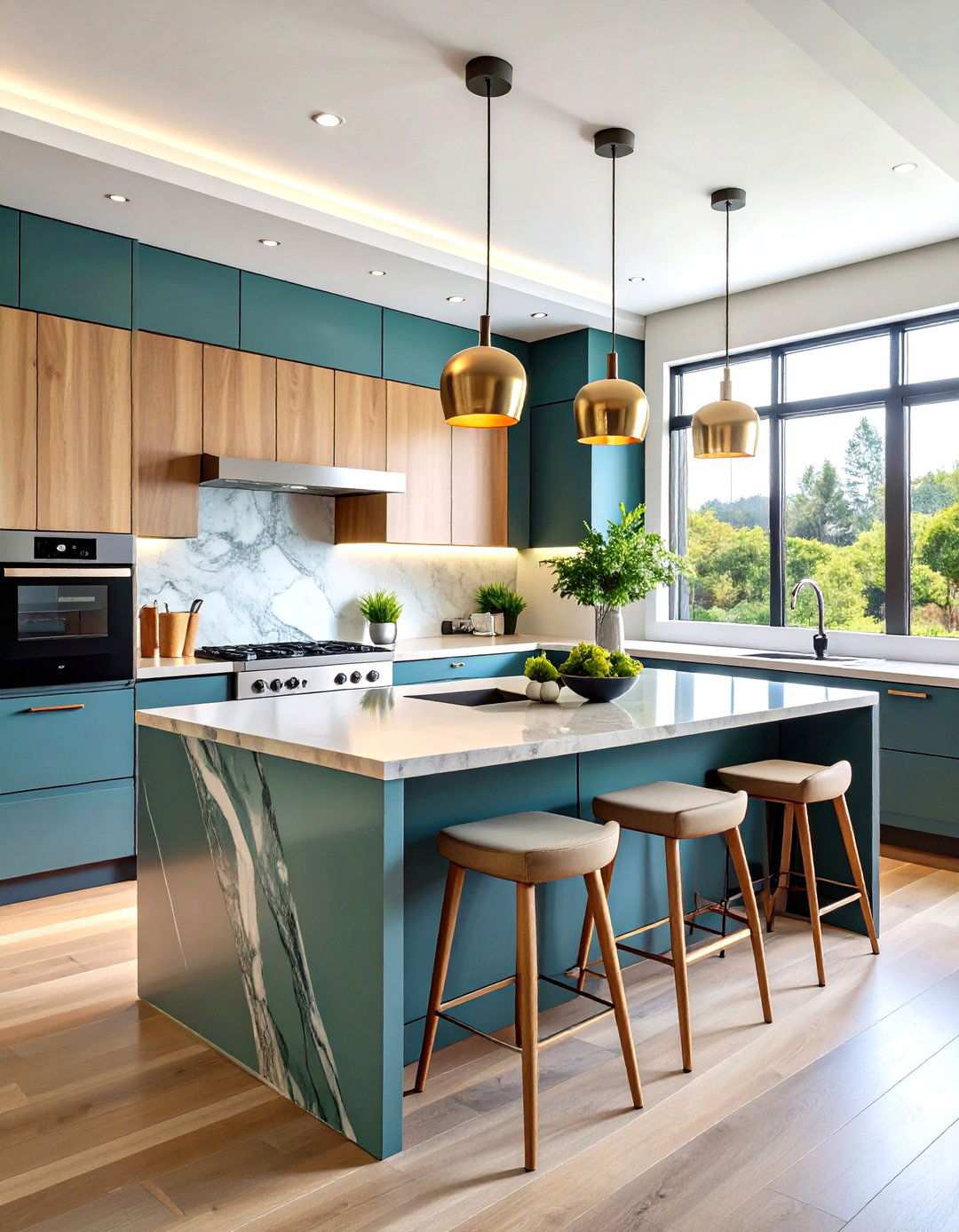
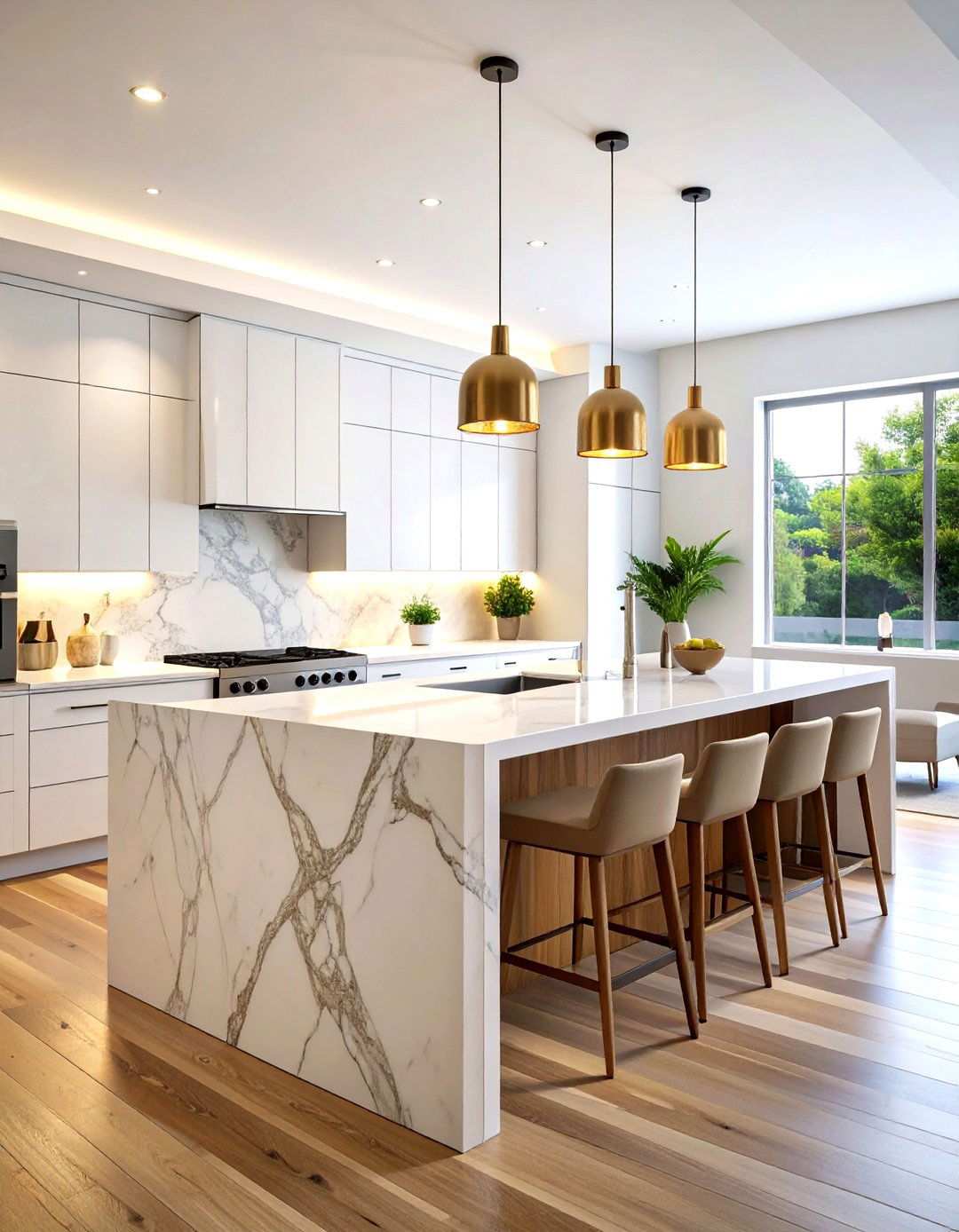
Sophisticated kitchen spaces can now seamlessly blend modern functionality with timeless aesthetics through the integration of soapstone countertops in contemporary kitchen islands. By combining the clean lines and uncluttered surfaces of sleek cabinetry in neutral tones with the smooth, honed finish of soapstone, homeowners can achieve a harmonious balance of form and function. The incorporation of waterfall edges on kitchen islands not only highlights the natural beauty of soapstone’s veining patterns but also contributes to a sense of geometric precision. Strategically placed pendant lighting suspended above the island creates focused task illumination while maintaining a visually unobtrusive design. Thoughtfully designed storage solutions within island cabinetry ensure that the streamlined aesthetic remains intact while functionality is maximized. The pairing of stainless steel appliances and fixtures with soapstone’s industrial undertones elevates the design to a level of sophistication. By emphasizing texture and form over decorative elements, a monochromatic color palette allows the inherent beauty of soapstone to take center stage. Casual dining spaces can be effortlessly incorporated through the use of simple metal stools at bar-height seating, thus preserving the modern character of the kitchen.
3. Timeless Elegance: Traditional Colonial Soapstone Kitchen Design
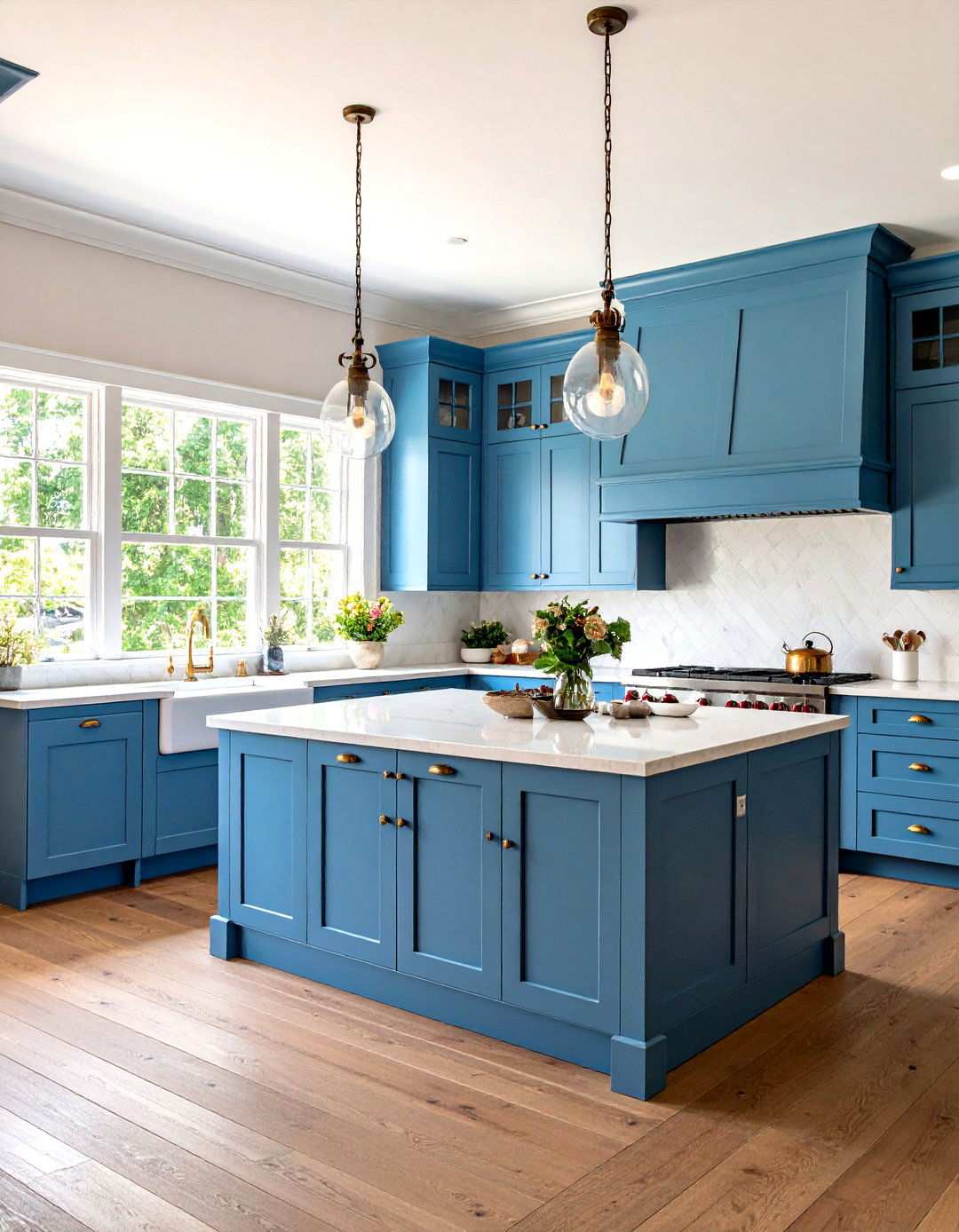
Kitchens that seamlessly blend historical authenticity with modern conveniences can be created by incorporating soapstone countertops in a traditional Colonial-inspired design. Classic white or cream-finished raised panel cabinet doors provide an elegant backdrop for the dark stone surfaces, thus paying homage to traditional architecture. The incorporation of sophisticated details such as crown molding and ornate trim further enhances the period-inspired aesthetic. Wide-plank hardwood flooring in warm oak or pine tones complements the earthy character of soapstone, creating a harmonious balance between the stone’s natural beauty and the flooring’s rustic charm. Metallic warmth is added to the space through the use of copper or brass hardware, which beautifully contrasts with the cool undertones of the soapstone. Large windows with traditional mullions flood the space with natural light, highlighting the subtle veining patterns in the soapstone. The seamless integration of apron-front sinks carved from matching soapstone creates a sense of continuity between countertops and fixtures. Traditional lighting fixtures, including chandeliers or candle-style sconces, further enhance the historical ambiance of the space. This design approach successfully creates kitchens that exude a timeless elegance while still meeting the needs of modern families.
4. Industrial Loft Soapstone Kitchen Style
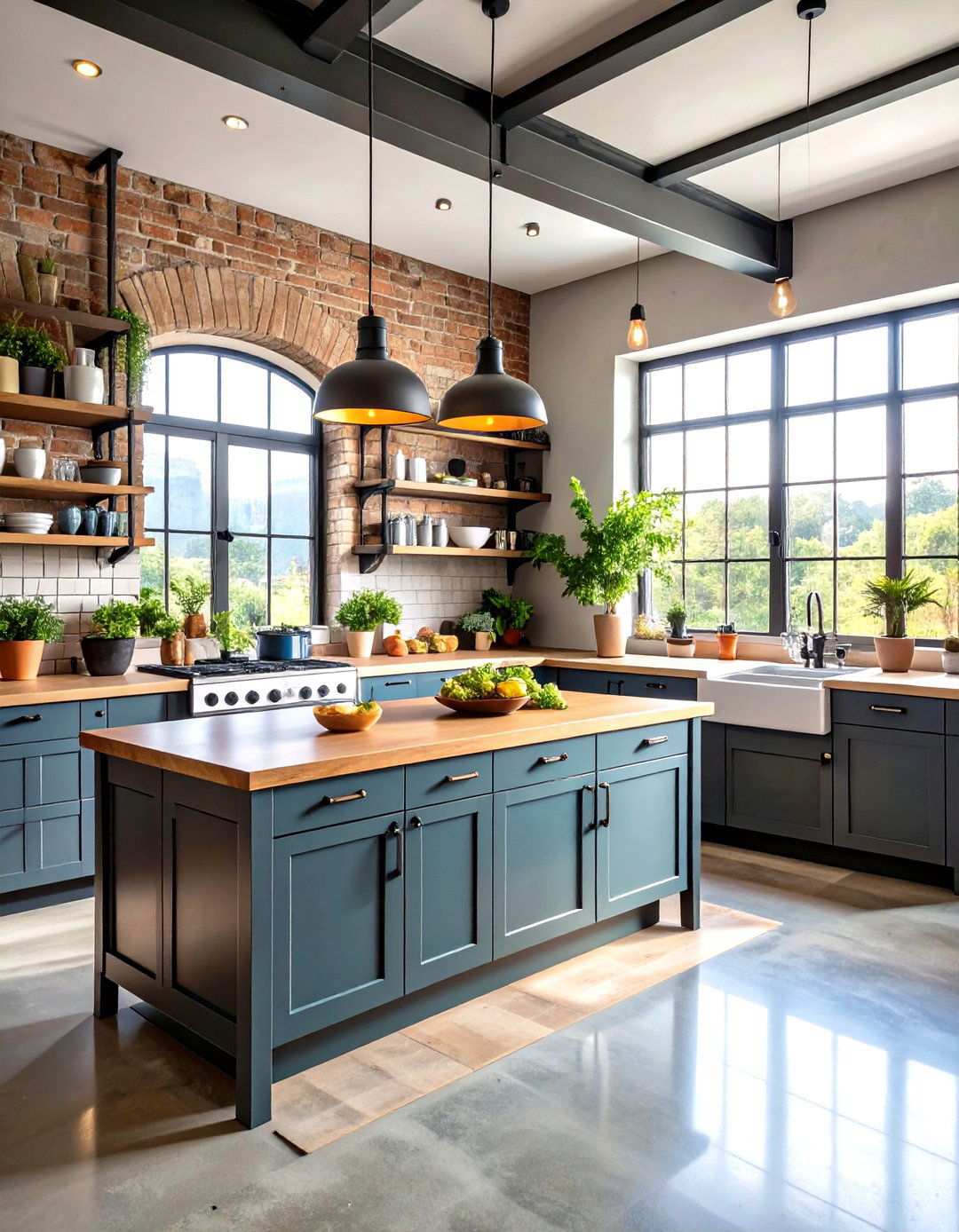
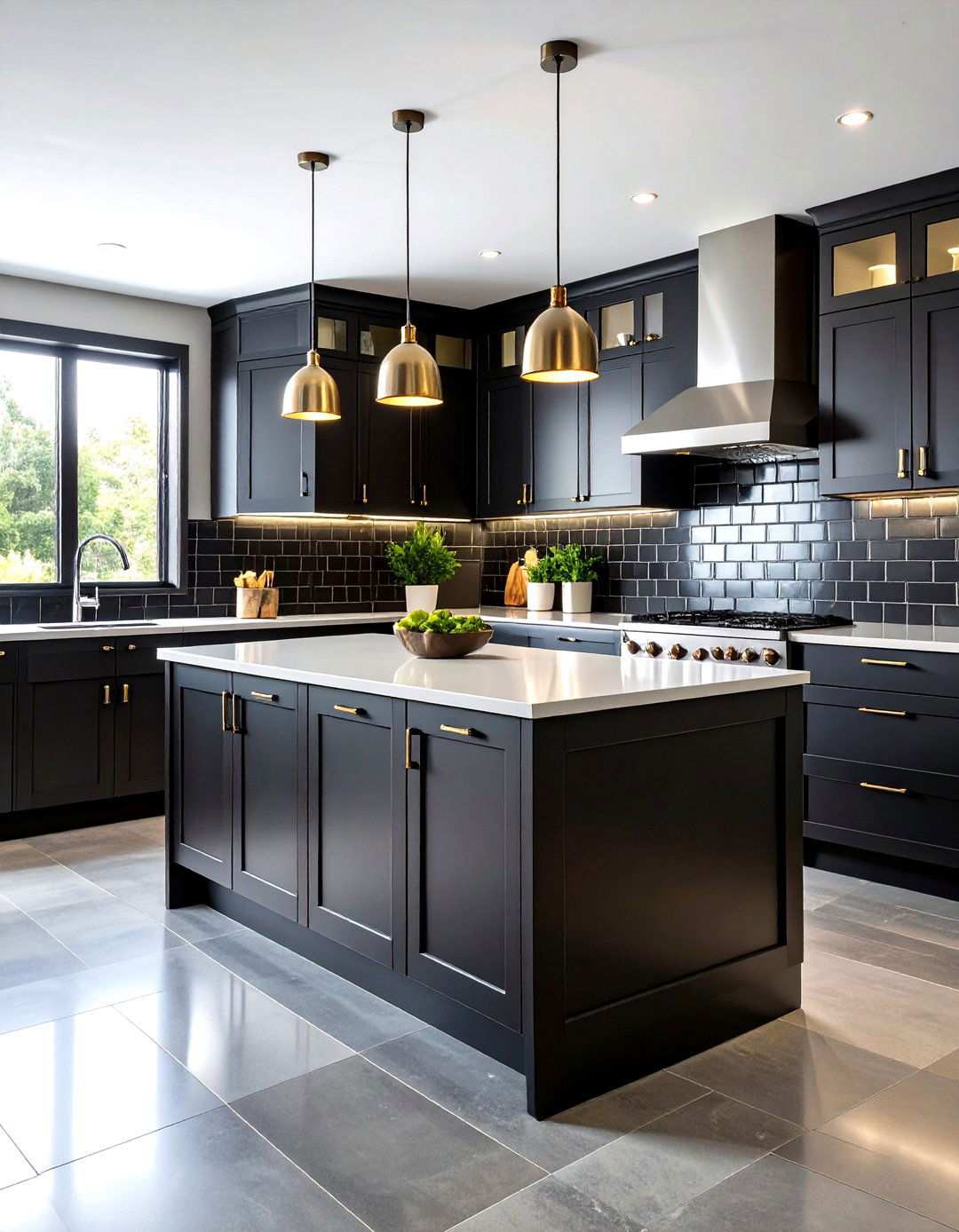
The fusion of industrial elements and soapstone countertops in modern kitchens creates a sophisticated urban aesthetic. By combining strategic materials and architectural features, these kitchens achieve a unique blend of raw, authentic style. Exposed brick walls, with their textured appearance, serve as an effective counterpoint to the smooth, sleek surface of soapstone. This juxtaposition amplifies the industrial vibe while drawing attention to the authentic character of the space. Black steel-framed windows and doors seamlessly complement soapstone’s natural patina, creating a harmonious balance of dark and light tones. Polished concrete floors, with their durable, low-maintenance finish, form a solid foundation that aligns perfectly with industrial design principles. Reclaimed wood or metal pipe shelving systems add an air of rustic charm, while still maintaining visual accessibility to kitchen essentials. Pendant lighting fixtures, featuring Edison bulbs or metal shades, provide task-oriented illumination with a touch of nostalgic flair. Stainless steel appliances seamlessly integrate into the industrial landscape, further enhancing the space’s raw beauty. Kitchen islands with soapstone tops and a metal framework serve as functional workstations, while their design reinforces the loft’s architectural character. This approach celebrates the honesty of materials and the beauty of functionality through intentional material selection.
5. Transitional Kitchen Soapstone Countertop Design
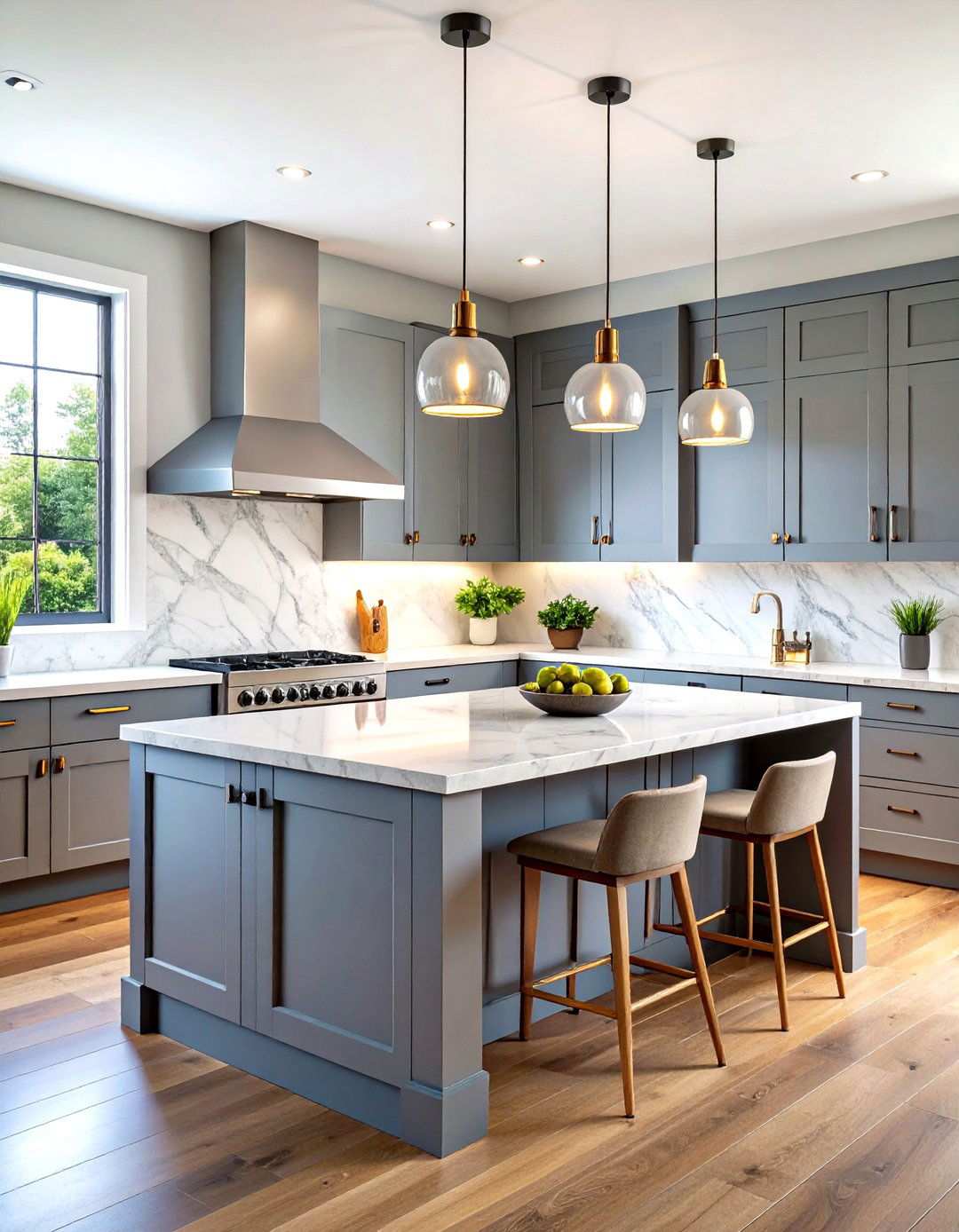
Transitional kitchen designs that incorporate soapstone countertops effectively bridge the gap between traditional and contemporary elements through thoughtful material selection and balanced proportions. By pairing soapstone with Shaker-style cabinets in soft gray or sage green finishes, homeowners create a neutral background that showcases the countertop’s dramatic veining. Mixed cabinet hardware, featuring a combination of brushed nickel and brass, adds visual interest without overwhelming the space. The addition of Carrara marble backsplashes provides a complementary natural stone texture, while maintaining a sense of sophisticated elegance. Hardwood flooring in medium tones adds warmth to the space, effectively balancing soapstone’s cool character. Kitchen islands featuring different cabinet colors create focal points, while maintaining design cohesion. Pendant lighting fixtures with transitional styling bridge modern function with traditional form, creating a seamless transition between past and present. Glass-front upper cabinets display dishware, while maintaining visual lightness and openness. This approach results in kitchens that feel both current and timeless, appealing to diverse design preferences while showcasing soapstone’s versatility and adaptability.
6. Scandinavian Style Soapstone Kitchen Design Philosophy
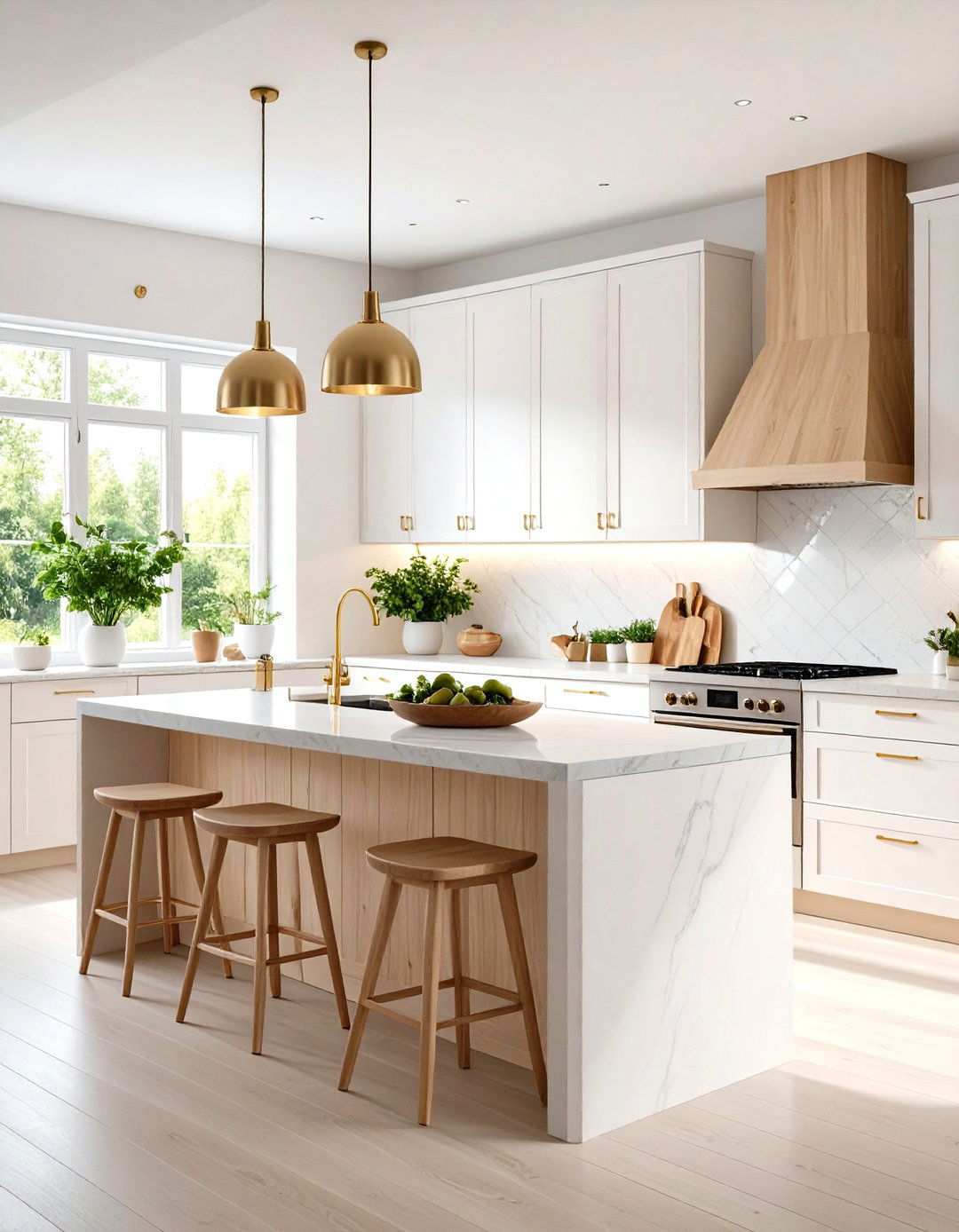
A harmonious blend of natural materials and functional simplicity defines Scandinavian-inspired kitchens with soapstone countertops. Light-hued wood cabinets in birch or pine finishes create an inviting contrast with the rich tones of soapstone. Walls painted in crisp white maximize natural light reflection, while the clean, uncluttered aesthetic characteristic of Nordic design remains uncompromised. Simple hardware in brushed stainless steel or matte black finishes subtly accents soapstone’s understated elegance. Open shelving showcases beautiful ceramics and glassware as functional pieces of art, adding a touch of visual interest to the space. Pendant lighting with clean, geometric forms provides task illumination without disrupting the calm atmosphere. Natural fiber textiles, such as linen dish towels and jute rugs, introduce tactile softness to the hard surfaces. Large windows frame the outdoors, emphasizing a connection to nature and further reinforcing the design philosophy’s emphasis on well-being and everyday beauty through mindful material selection.
7. Mediterranean-Inspired Soapstone Kitchen Theme
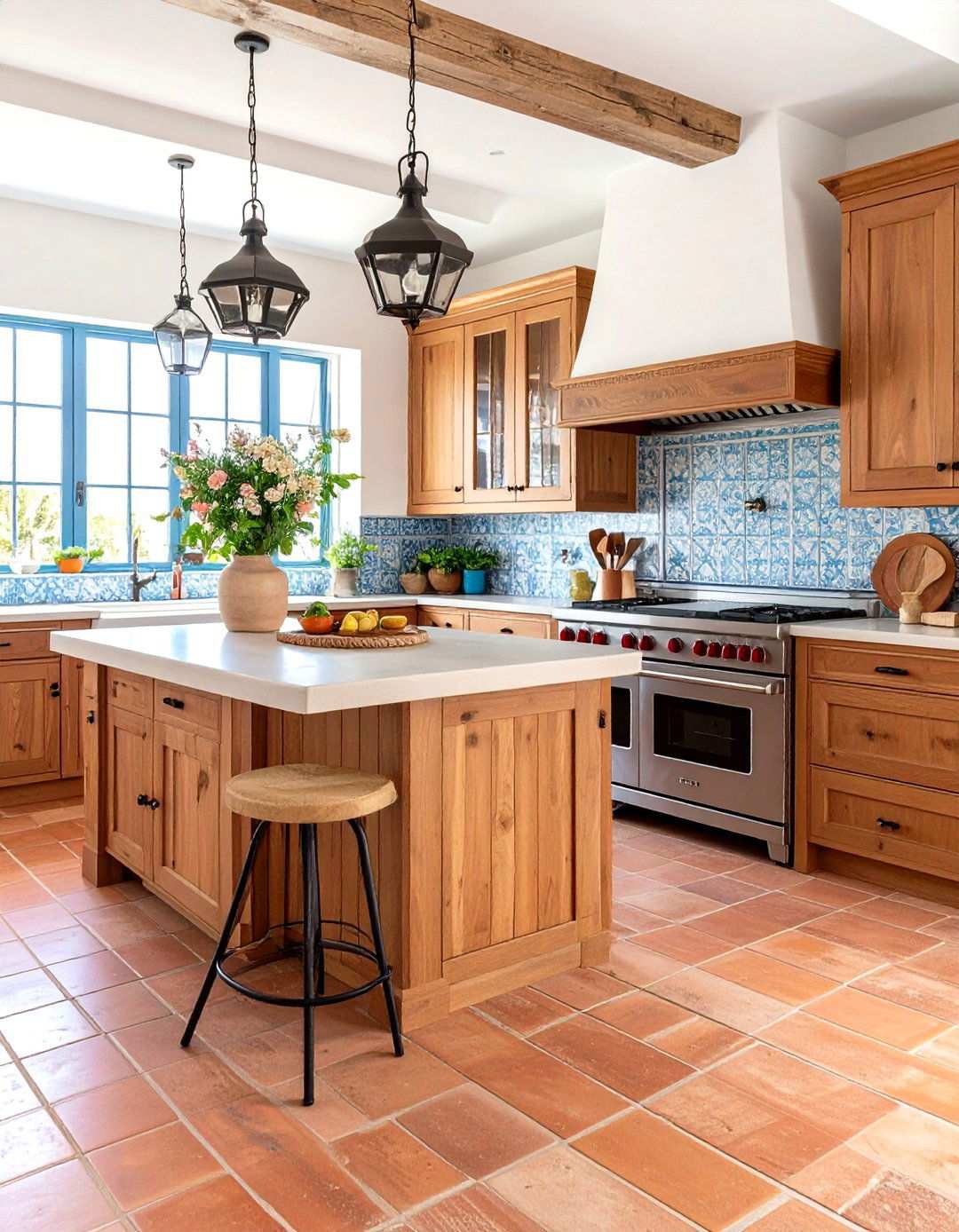
Mediterranean kitchen designs featuring soapstone countertops transport homeowners to the warmth and character of coastal European homes through the strategic use of rich textures and earthy materials. Terra cotta floor tiles provide an authentic foundation element that harmoniously complements soapstone’s natural origins. Warm-toned wood cabinets with raised panel doors pay homage to traditional Mediterranean craftsmanship, while hand-painted ceramic backsplash tiles in blues and whites create stunning focal points against the dark stone surfaces. Wrought iron hardware and light fixtures add authentic metallic elements, infusing the space with a touch of regional character. Arched doorways and niches provide architectural interest, carefully maintaining the Mediterranean theme. Open shelving displays colorful pottery and serving pieces as decorative elements, while large kitchen islands with thick soapstone tops serve as central preparation areas. Natural materials, including woven baskets and wooden cutting boards, further enhance the organic aesthetic of the space. This design approach skillfully balances the exotic and the comfortable, showcasing soapstone’s versatility across cultural design traditions.
8. Cozy Cottage Kitchen Design with Soapstone
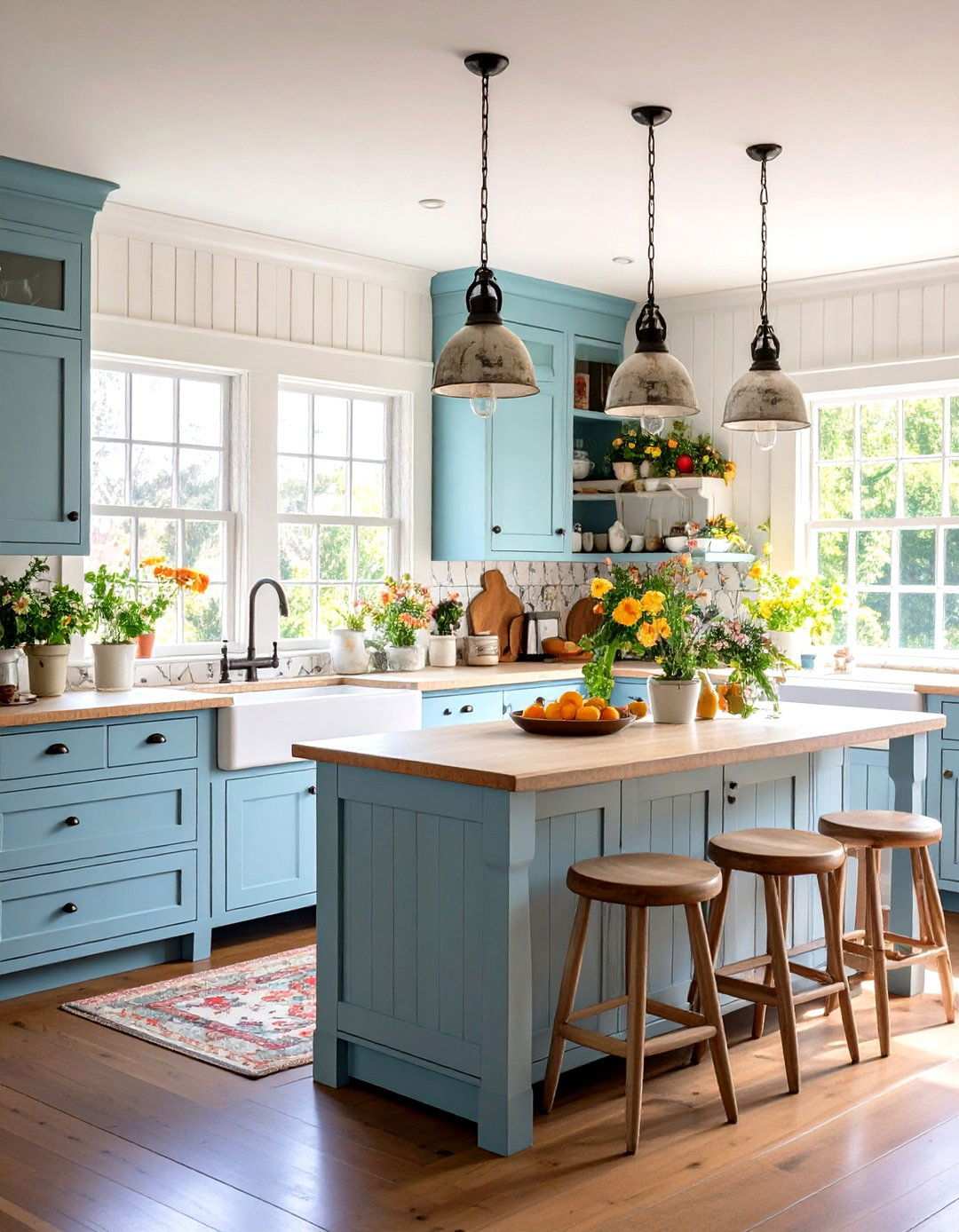
The enchanting charm of an English cottage kitchen, paired with soapstone countertops, gives rise to a warm and inviting space that honors traditional craftsmanship and the beauty of natural materials. The subtle textures of beadboard wainscoting and shiplap walls provide a rich backdrop that beautifully complements the smooth surfaces of soapstone. Soft, pastel-hued cabinets or creamy whites add gentle contrast to the darker stone elements, while vintage-inspired hardware in antique brass or pewter finishes infuses the space with an authentic, nostalgic ambiance. The traditional appeal of small-scale decorative tiles in subway or hexagonal patterns adds a touch of sophistication to backsplashes, while wide-plank floors with distressed finishes bring history and character to the design. The seamless integration of farmhouse sinks into soapstone countertops creates functional workstations that blend beautifully with the surrounding environment. Window treatments in natural fabrics frame breathtaking garden views while maintaining a sense of seclusion. This design celebrates the beauty of imperfection and the comfort of a lived-in space, allowing the natural aging process of soapstone to add to the cottage’s authentic charm over time.
9. Modern Open Concept Kitchen with Soapstone
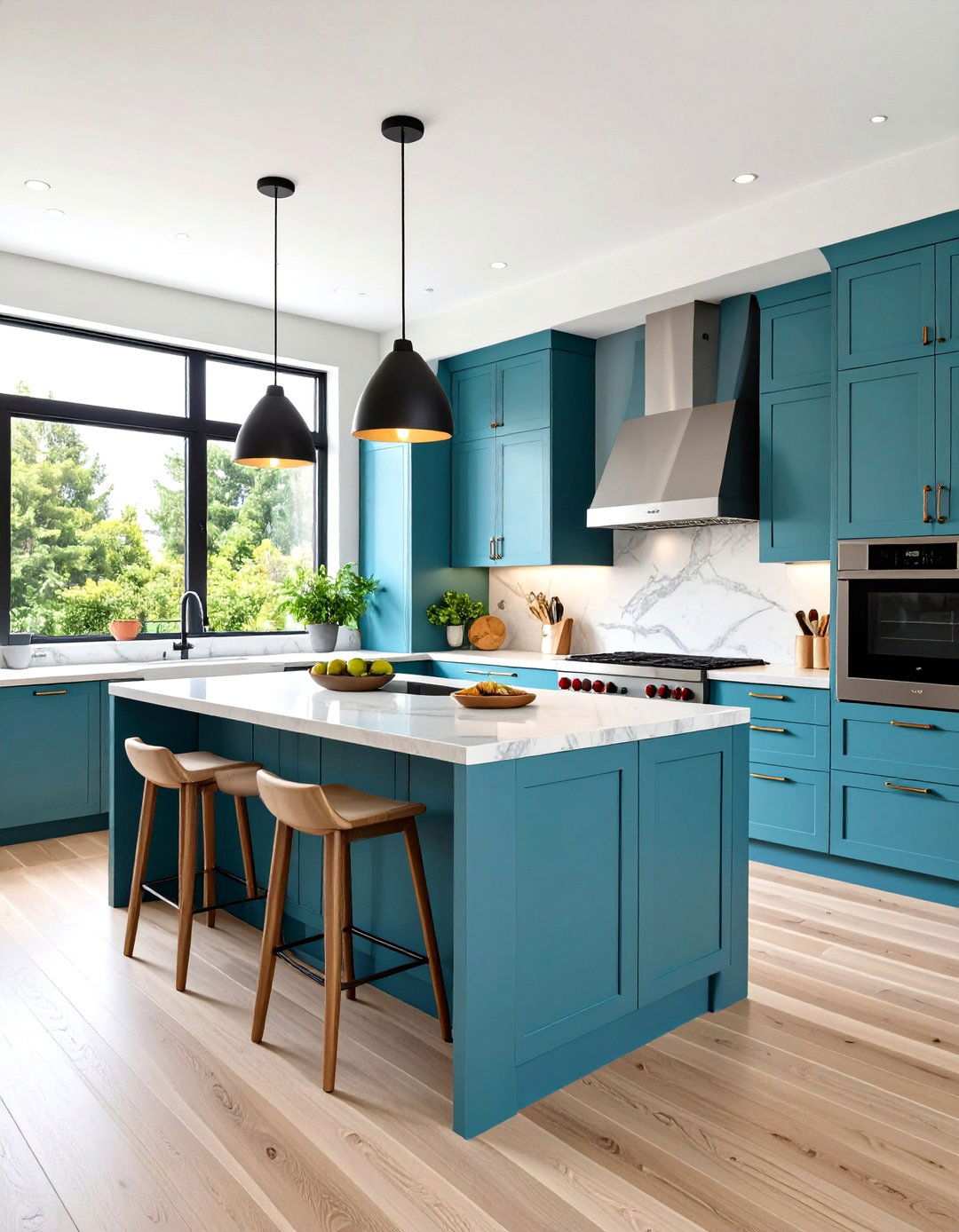
In contemporary open concept kitchens, soapstone countertops play a starring role in creating fluid transitions between cooking, dining, and living spaces through thoughtful material selection. A large kitchen island topped with a striking soapstone slab serves as a natural room divider while maintaining visual continuity. Flat-panel cabinets in high-gloss finishes expertly reflect light, drawing attention to the beautiful texture of soapstone. Integrated appliances maintain a clean, streamlined appearance throughout the open floor plan. Pendant lighting above the island not only provides task illumination but also adds a sculptural element to the space. Floor-to-ceiling windows maximize natural light penetration across multiple functional zones, while consistent flooring materials unite separate areas and allow soapstone countertops to define the kitchen’s boundaries. Bar-height seating facilitates effortless interaction between the kitchen and living spaces, showcasing soapstone as both a functional work surface and an aesthetic anchor in expansive, modern homes.
10. Mountain Retreats: A Perfect Fit for Soapstone Kitchens
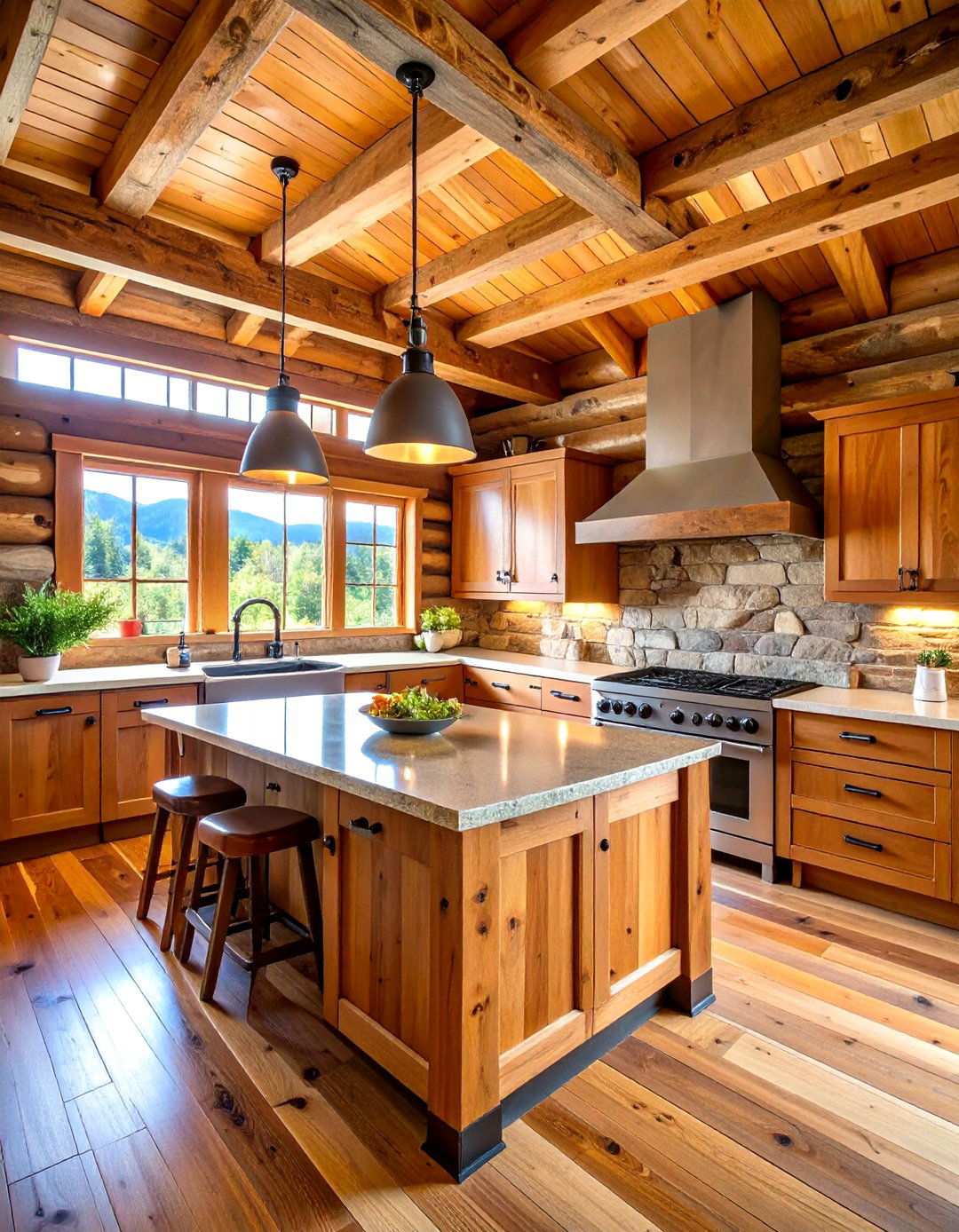
Nature-driven mountain cabin kitchens, often featuring soapstone countertops, seamlessly blend into their surroundings by incorporating authentic regional design elements. Walls adorned with reclaimed log cabin wood or panels provide a textured backdrop that beautifully complements the earthy essence of soapstone. Local stone or brick accents bring a sense of place, reinforcing the connection to the natural environment. Cast iron hardware and fixtures add to the rustic charm, while wood-burning ranges or high-end appliances cater to cooking needs while remaining period-accurate. Generous kitchen islands with substantial soapstone tops make food preparation for gatherings a breeze. Exposed wooden beams support the cabin’s architecture while framing the kitchen space. The warmth of natural fiber rugs and textiles adds a cozy touch to the stone and wood surfaces. Regional character is further enhanced by ambient lighting fixtures like antler chandeliers or wrought iron lighting. This design beautifully celebrates soapstone’s rural heritage, creating inviting spaces that perfectly suit mountain living.
11. Reviving Victorian Elegance with Soapstone Kitchens
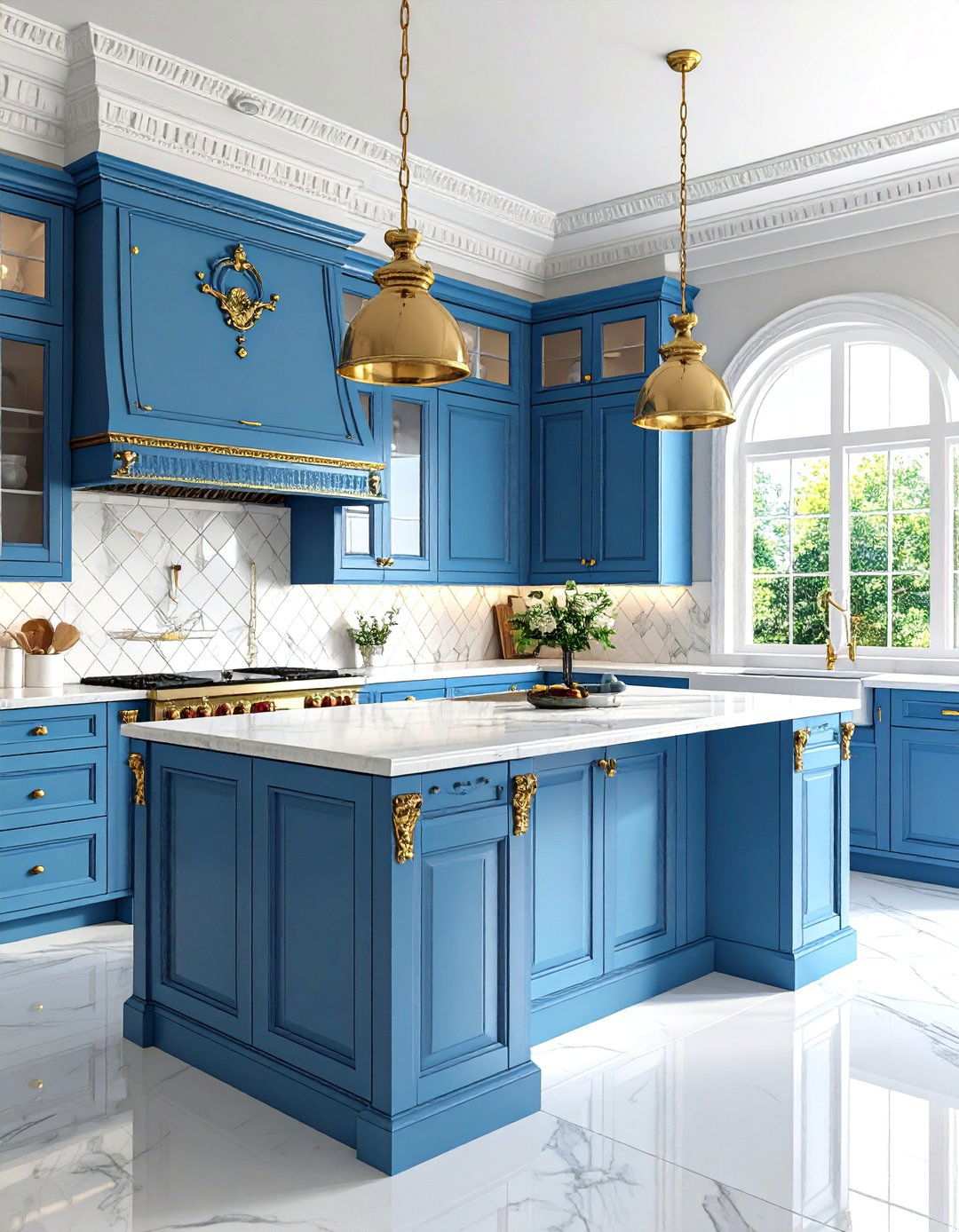
Kitchens inspired by the Victorian era, with soapstone countertops at their core, pay homage to historical authenticity through the incorporation of period-specific materials and ornate decorative elements. Intricate cabinet details, including raised panels, crown molding, and decorative brackets, reflect the craftsmanship of the 19th century. Rich wood finishes in mahogany or walnut tones provide a sophisticated backdrop for soapstone’s distinctive dark patina. Ornate hardware in brass or copper finishes adds a touch of metallic warmth and historical accuracy. The addition of detailed tile backsplashes featuring geometric or floral patterns creates stunning focal points. High ceilings provide ample space for pendant lighting with period glass shades. Butler’s pantries and specialized storage solutions reflect the Victorian era’s emphasis on household management. Soapstone accessories like cutting boards and trivets maintain a sense of material continuity. This design approach masterfully blends historical accuracy with modern conveniences, celebrating soapstone’s enduring presence in American homes.
12. Art Deco Revival in Modern Soapstone Kitchens
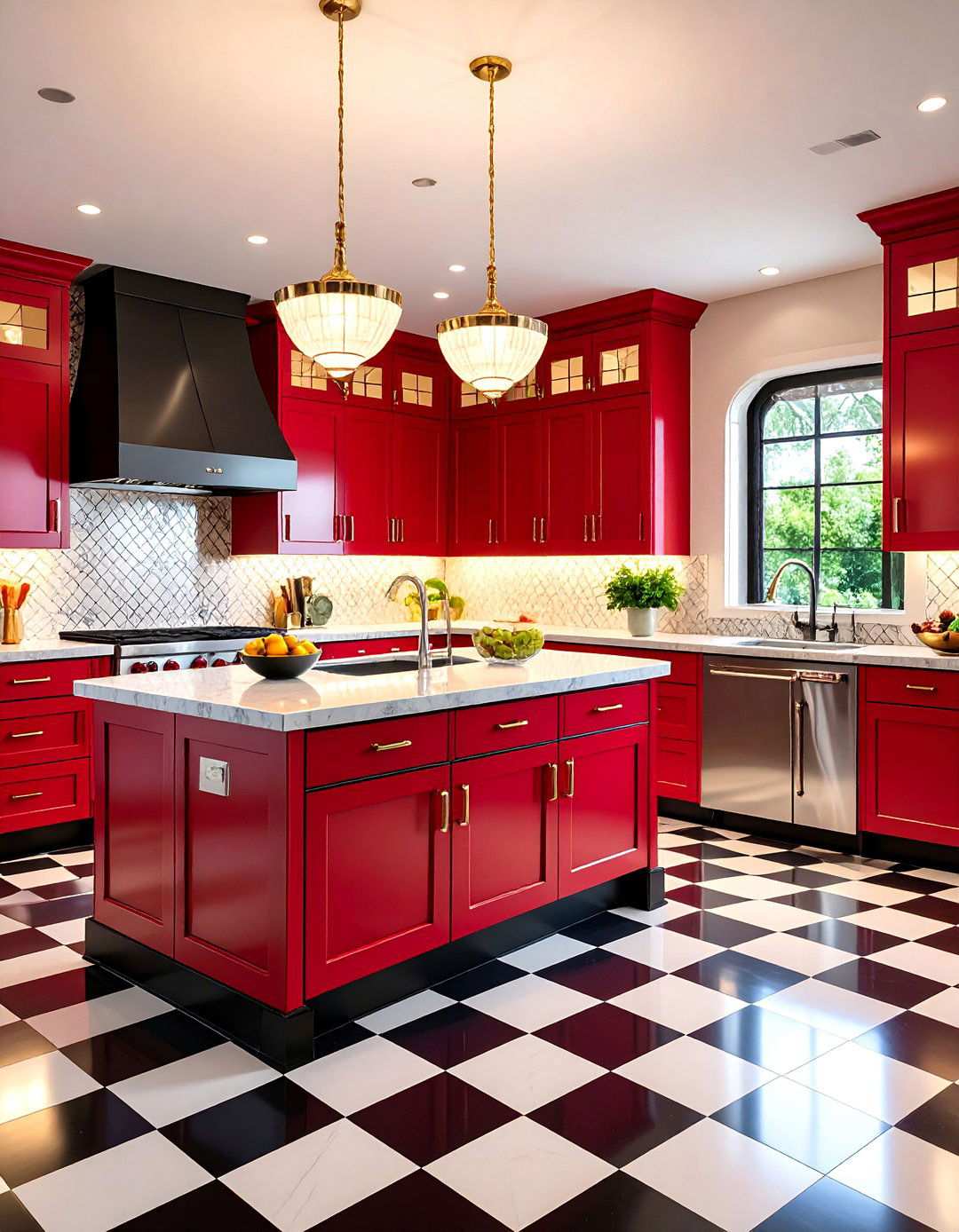
The allure of Art Deco kitchens with soapstone countertops lies in their ability to seamlessly blend the glamour of the 1920s with the practicality of modern living. By combining geometric patterns and luxurious materials, homeowners can create a sophisticated space that pays homage to the era’s distinctive aesthetic. Glossy black cabinets paired with chrome hardware create a striking contrast that highlights soapstone’s natural texture, while geometric backsplash tiles in black and white patterns add a touch of period flair. Streamlined cabinet designs emphasize horizontal lines and smooth surfaces, complemented by chrome or stainless steel appliances that add a modern twist to the metallic accent elements. Pendant lighting featuring frosted glass shades provides warm and inviting illumination, while black and white checkered floors reference classic Art Deco patterns and maintain a timeless appeal. Kitchen islands with waterfall edges showcase soapstone’s natural veining as decorative elements, while bar areas with chrome stools create sophisticated entertaining spaces that celebrate the beauty of soapstone in both traditional and modernist contexts.
13. Evoking French Country Charm in Soapstone Kitchen Designs
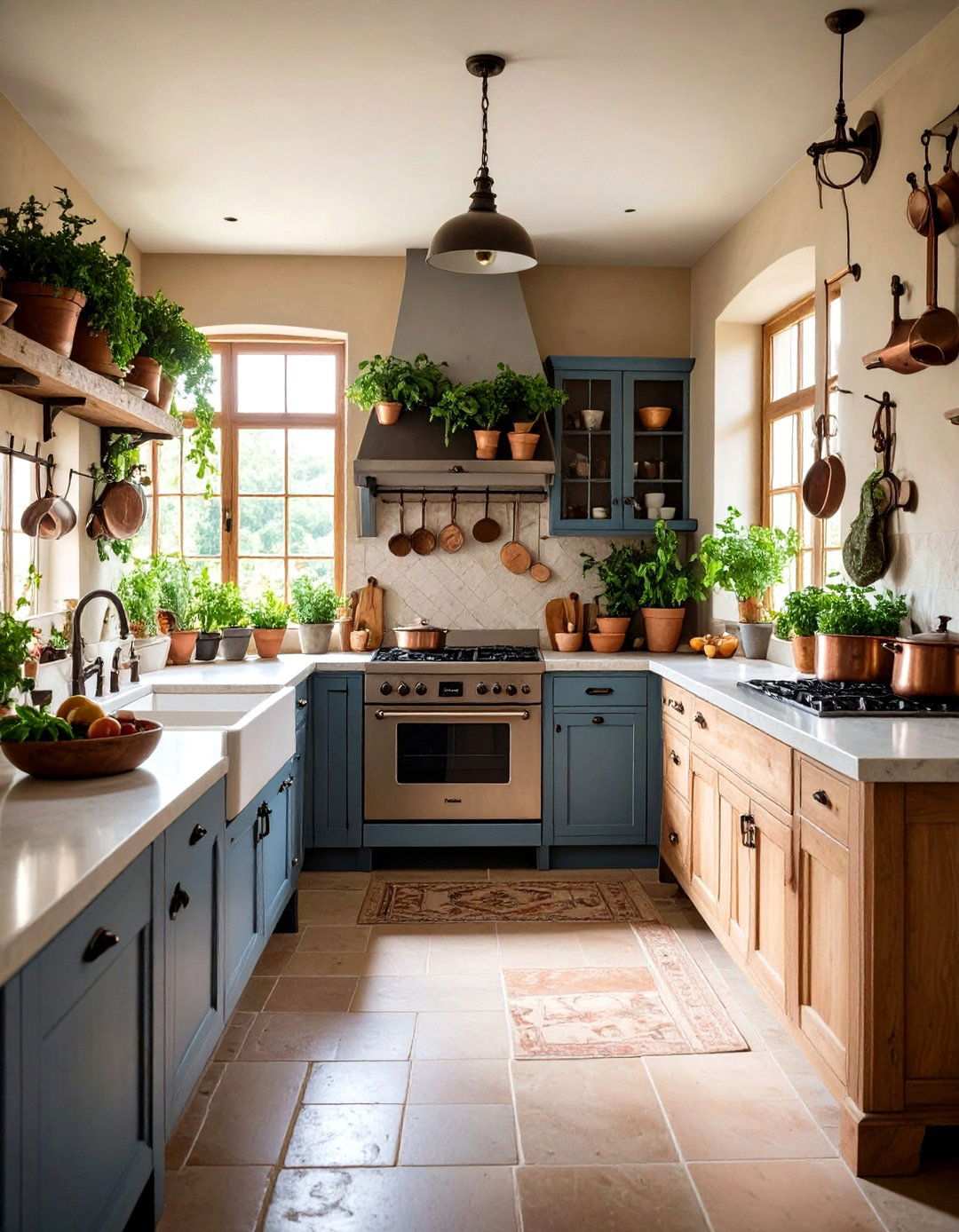
French country kitchens featuring soapstone countertops are inspired by the rustic elegance of provincial homes, where warm materials and traditional craftsmanship come together to create a cozy atmosphere. Distressed wood cabinets in cream or sage green finishes provide a charming background for dark stone surfaces, while hand-forged iron hardware adds an artisanal touch that complements soapstone’s natural origins. Natural stone floors in limestone or travertine create a cohesive material palette that is reminiscent of traditional French country homes. Copper pots and accessories add a touch of warmth and nostalgia, referencing the traditional French cooking methods that are deeply ingrained in the culture. Large farmhouse tables complement kitchen islands with matching soapstone tops, while herb gardens displayed in ceramic pots enhance the connection to traditional cooking methods. Vintage-inspired lighting fixtures, including wrought iron chandeliers, provide ambient illumination that adds to the warm and inviting atmosphere. Open shelving displays provincial pottery and serving pieces as functional decoration, creating a kitchen that feels both sophisticated and comfortable. By celebrating soapstone’s European heritage through authentic material combinations, homeowners can create a French country kitchen that exudes warmth and character.
14. Harmonious Convergence of Mid-Century Modern and Soapstone
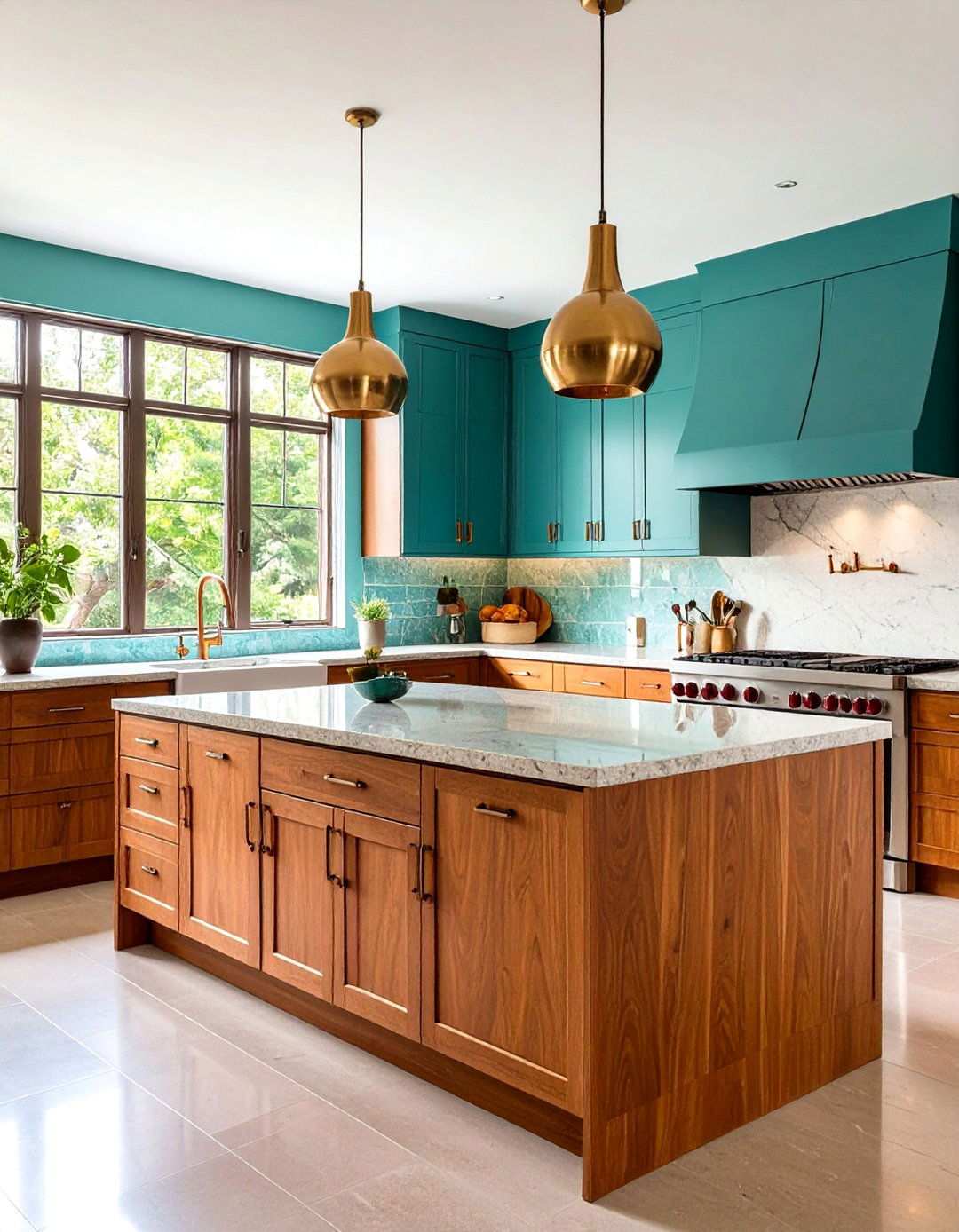
A thoughtful fusion of mid-century modern design principles with soapstone countertops results in kitchens that exude a unique blend of period authenticity and contemporary functionality. The use of flat-panel cabinets in rich wood tones creates a striking visual contrast with the organic character of soapstone, thereby maintaining the essence of mid-century modern architecture. Integrated appliances seamlessly blend into the design, preserving the streamlined aesthetic characteristic of this design era. Meanwhile, large windows with minimal frames expertly balance indoor-outdoor connections, while pendant lighting with geometric forms adds a touch of period flair. Bar-height counters facilitate casual dining areas while maintaining an open sight line, creating a sense of fluidity in the space. Furthermore, the incorporation of natural materials such as wood and stone nods to mid-century’s emphasis on honest construction, while a carefully curated color palette featuring earth tones and accent colors pays homage to period preferences. Additionally, kitchen islands with slender soapstone profiles maintain proportional relationships with existing architecture, beautifully exemplifying the thoughtful integration of design elements. This design approach masterfully celebrates both soapstone’s natural beauty and mid-century design principles.
15. Coastal Tranquility with Soapstone Kitchens
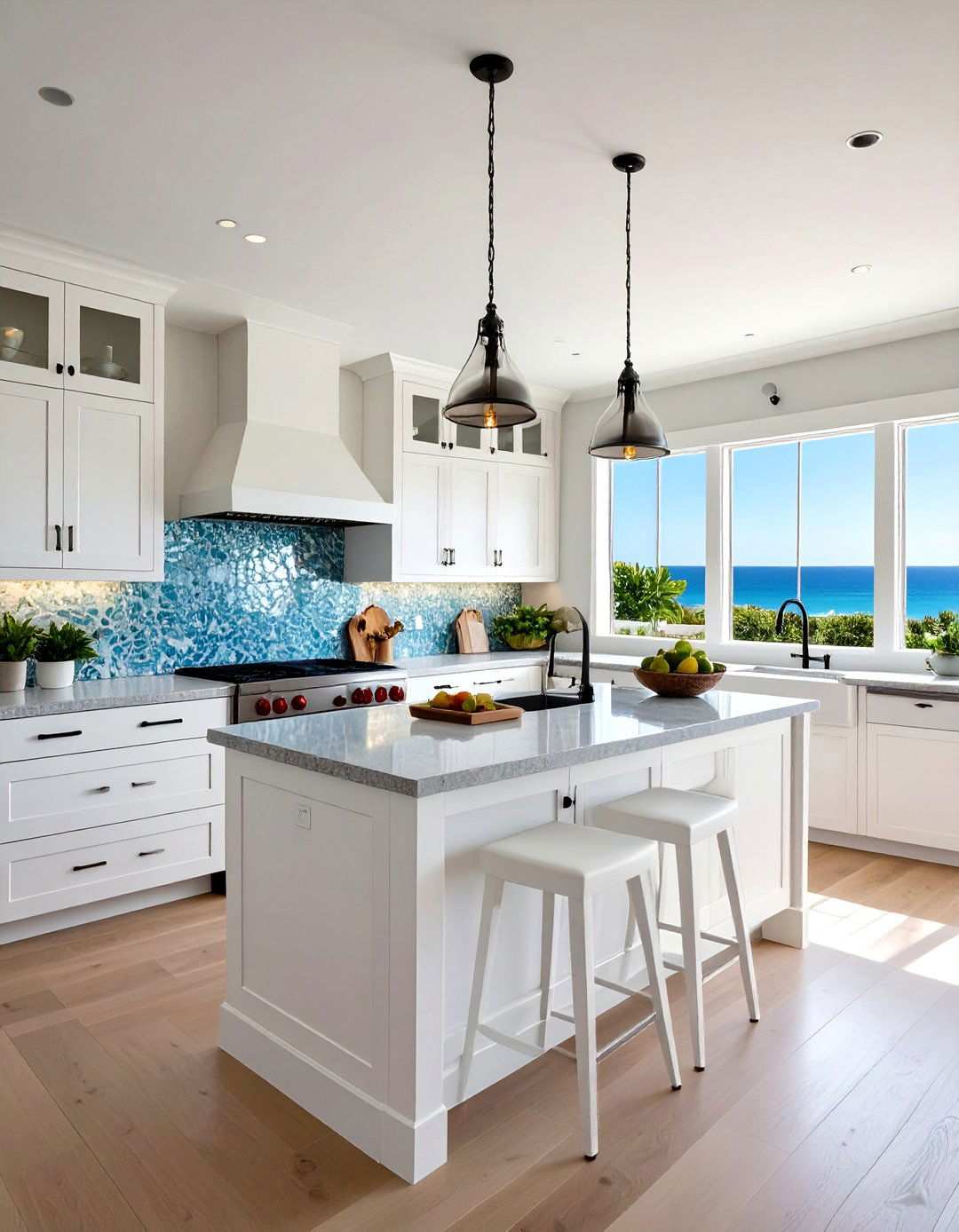
Coastal kitchens that incorporate soapstone countertops are designed to evoke the serene ambiance of a seaside retreat. Weathered textures and ocean-inspired color palettes work in tandem to transport the senses to a tranquil beachside setting. Whitewashed or painted wood cabinets serve as a nod to beach cottage traditions, providing a neutral backdrop for the dark stone surfaces. The use of subway tile backsplashes in sea glass colors creates a visually soothing focal point, while natural fiber rugs and window treatments add a soft, tactile element to the space. Driftwood accessories and nautical hardware thoughtfully enhance the maritime theme, while large windows frame stunning water views and maximize natural light penetration. Kitchen islands with substantial soapstone tops serve as welcoming gathering spaces for coastal entertaining, and pendant lighting with rope or wicker details beautifully reinforces the seaside aesthetic. Moreover, open shelving displays a curated selection of sea glass collections and coastal pottery, further solidifying the design’s coastal charm. This design approach skillfully creates kitchens that exude relaxation and comfort, while thoughtfully celebrating soapstone’s natural character through the strategic incorporation of coastal-inspired material combinations.
16. Industrial Chic Soapstone Kitchen Concept
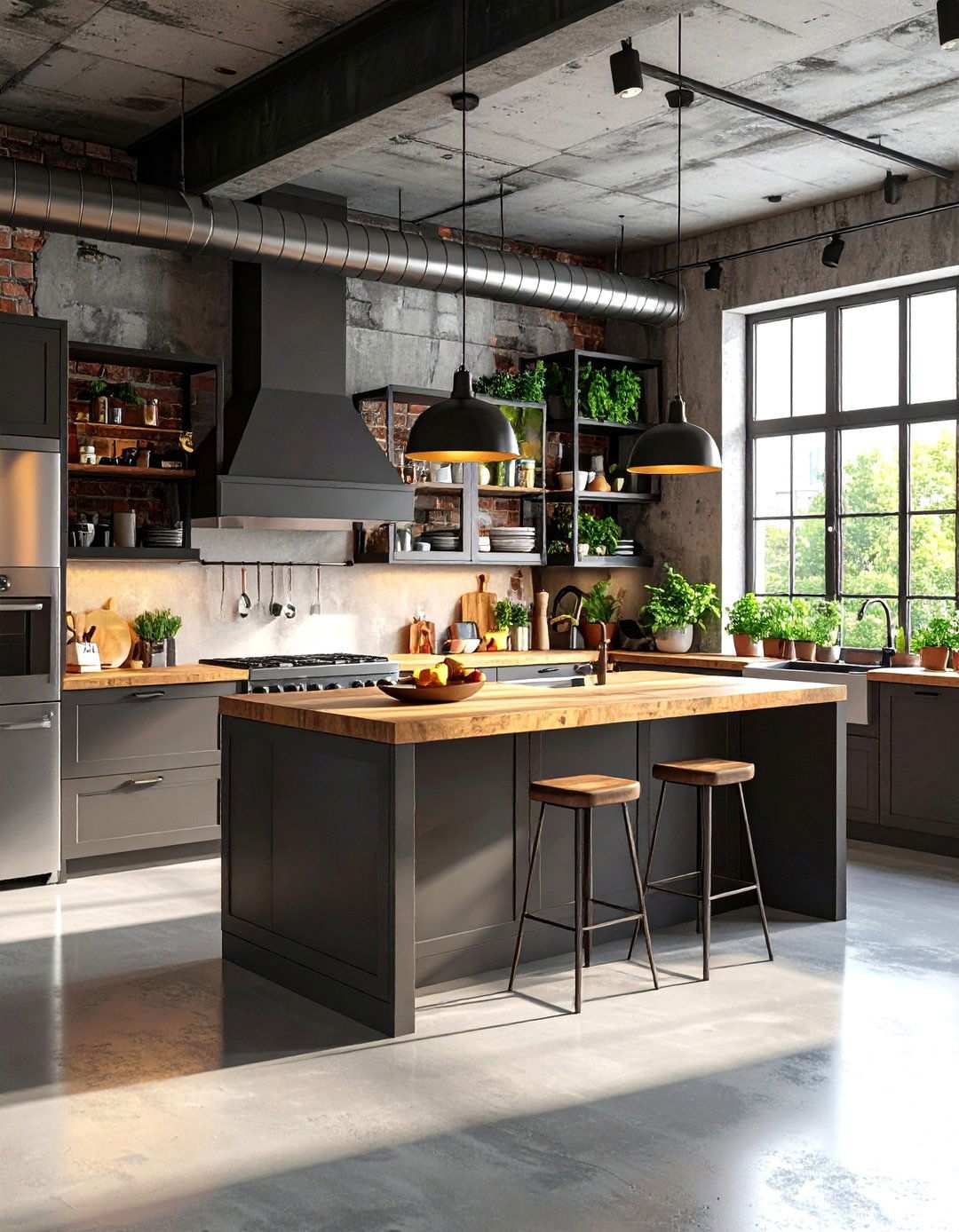
Efficient design and industrial materials come together in urban loft kitchens featuring soapstone countertops, perfectly suited for limited spaces. Concrete floors provide a durable foundation that harmonizes with the natural texture of soapstone, while exposed ductwork and pipes add an edgy touch to the space. The combination of metal, glass, and concrete creates a striking visual effect, making compact kitchens feel more spacious. Track lighting systems offer flexible illumination, ensuring that every corner of the kitchen receives the right amount of light. Kitchen islands on wheels provide added functionality and soapstone work surfaces, allowing for seamless workflow. Stainless steel appliances seamlessly integrate into the industrial aesthetic, while open shelving constructed from metal pipes and reclaimed wood adds a touch of rustic charm. Large windows maximize natural light penetration, making the space feel even more spacious.
17. Heritage-Inspired Soapstone Kitchen Design
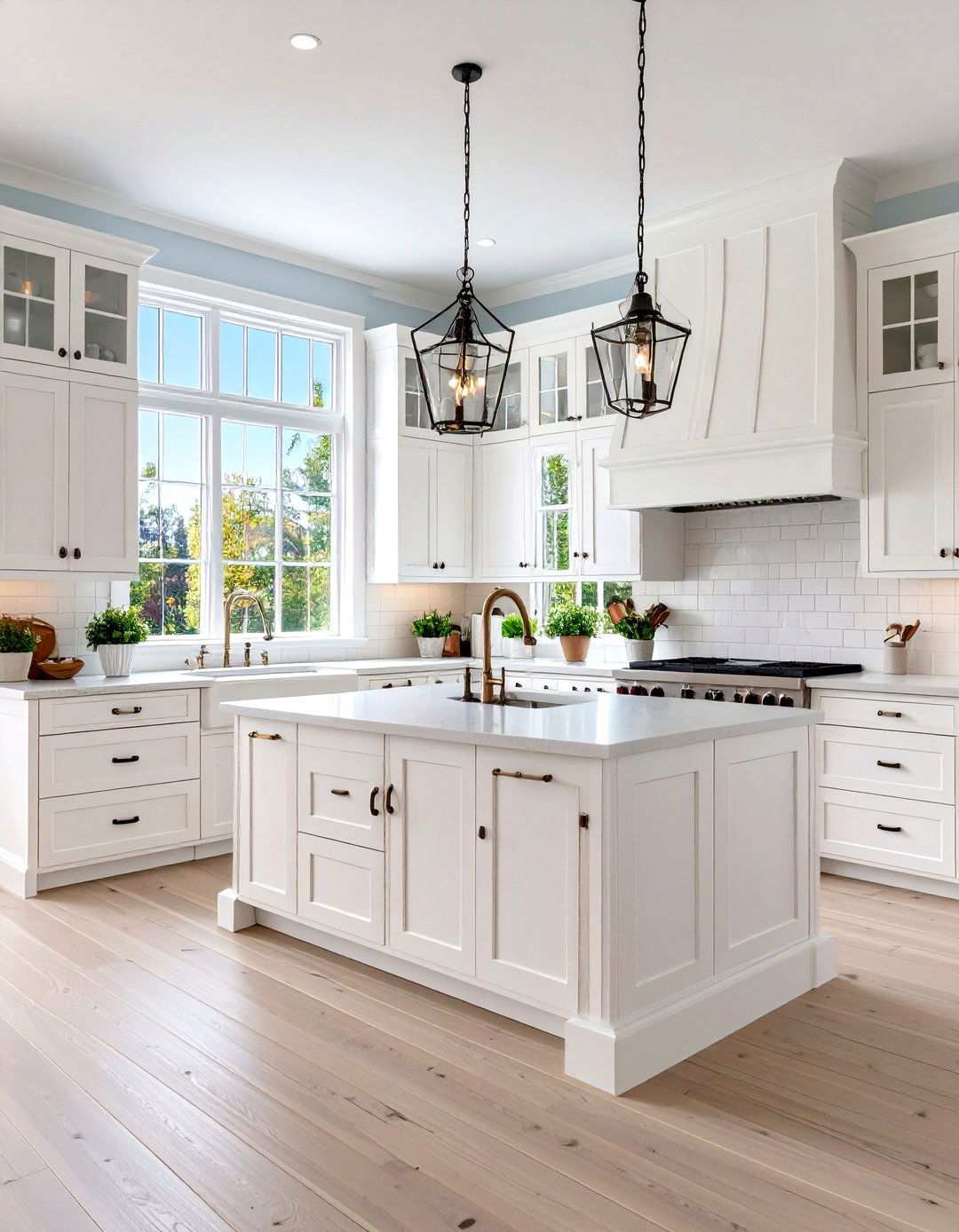
Traditional New England kitchens with soapstone countertops pay homage to regional heritage by embracing authentic materials and timeless design principles. White painted cabinets with raised panel doors evoke the classic craftsmanship of colonial-era kitchens, providing a beautiful backdrop for the dark stone surfaces. The addition of wide-plank pine floors warms up the space, adding a sense of history and tradition. Brick or fieldstone accents bring the outdoors in, connecting the kitchen to the region’s enduring building traditions. Pewter or antique brass hardware adds a touch of elegance, while large hearth areas accommodate wood-burning or professional ranges. Hand-hewn wooden beams frame the kitchen space, paying tribute to traditional construction methods. Copper accessories and cookware nod to historical cooking methods, while window treatments in natural fabrics frame garden views and maintain a sense of seclusion. This design celebrates soapstone’s long history in New England homes, creating a warm and inviting space for modern family life.
18. Modern Farmhouse Soapstone Kitchen Style
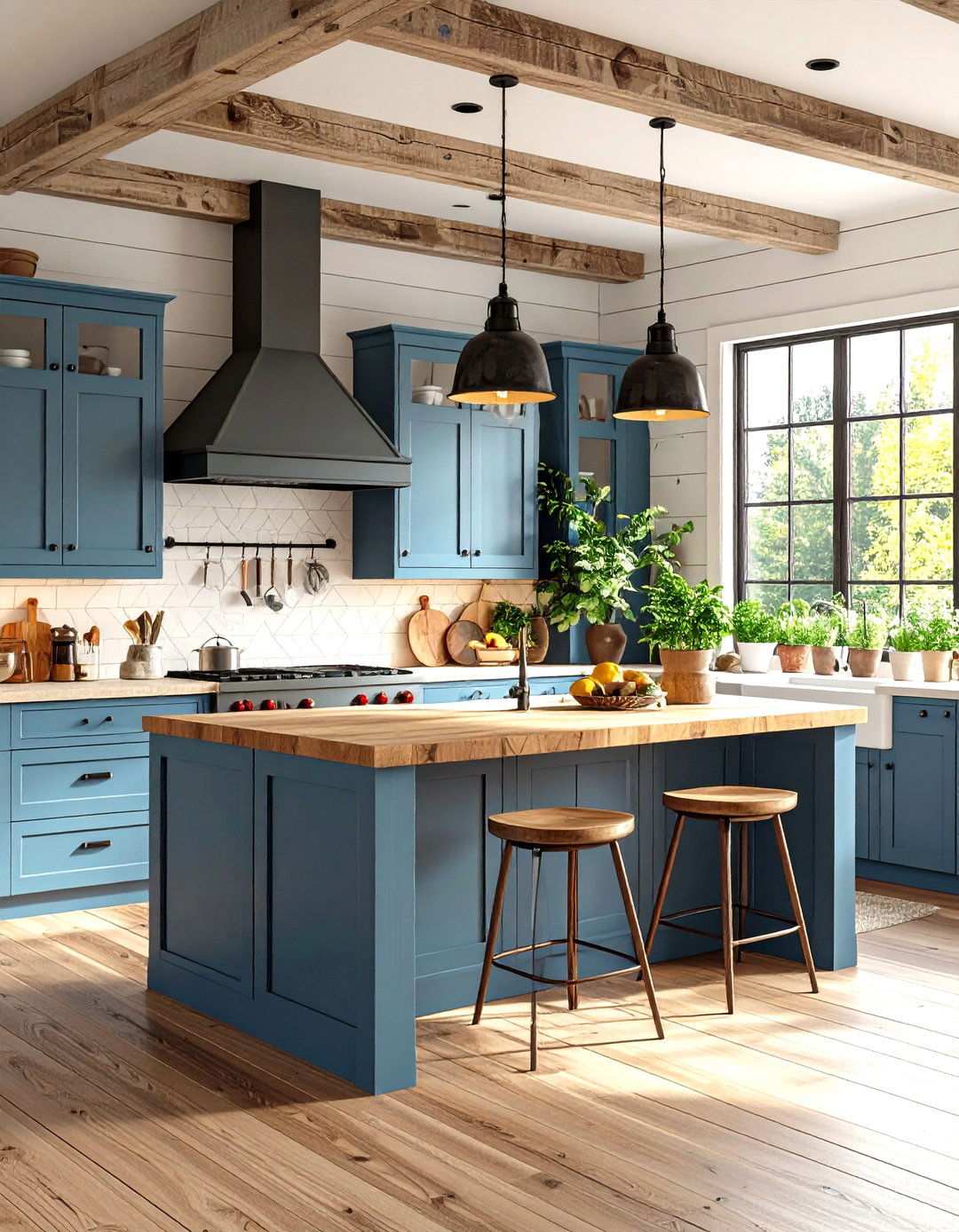
When merging rustic charm with contemporary functionality, modern farmhouse kitchens often turn to soapstone countertops as a unifying element. Strategically combining materials allows for a harmonious blend of textures and finishes that enhance the overall aesthetic. Shiplap walls, for instance, provide a textured backdrop that beautifully complements soapstone’s smooth surfaces, lending an authentic touch to the space. Additionally, the mix of painted and stained wood finishes in the cabinets creates a visually appealing contrast without overwhelming the senses. The incorporation of large kitchen islands with thick soapstone tops serves as a central hub for family activities, fostering a sense of community within the kitchen. Pendant lighting with an industrial edge bridges traditional and contemporary design elements, creating a seamless transition between old and new. Subway tile backsplashes provide a classic foundation for modern appliances, while hardwood floors with wide planks add warmth and coziness to the space. The use of barn doors and sliding hardware nods to agricultural architecture, while also maximizing space. Open shelving displays a thoughtful blend of vintage dishes and modern cookware, showcasing the versatility of soapstone through intentional design.
19. Luxury Estate Soapstone Kitchen Design
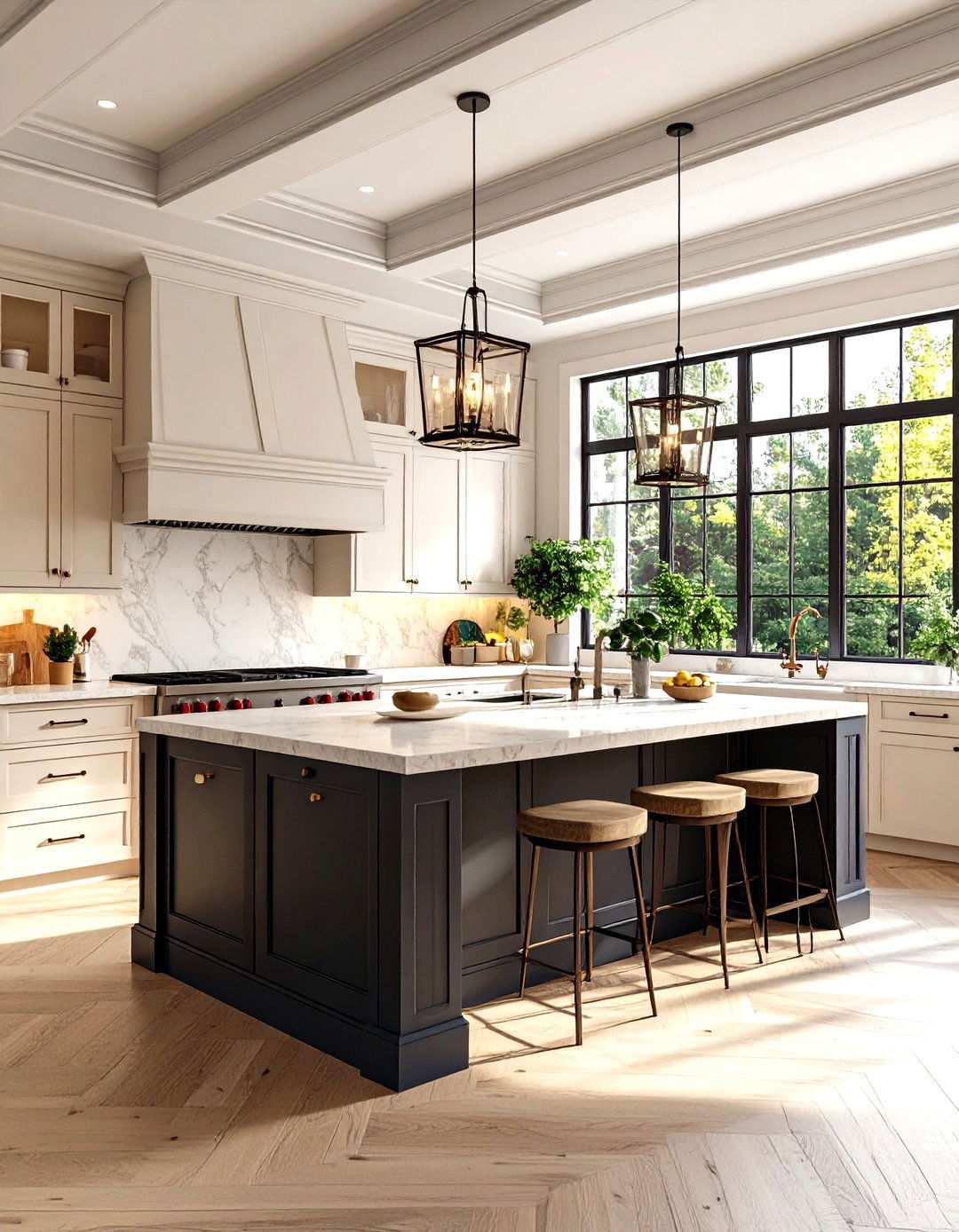
Luxury estate kitchens with soapstone countertops present a sophisticated culinary experience through the masterful integration of premium materials and custom craftsmanship. By incorporating multiple kitchen islands with distinct soapstone finishes, designers create specialized work areas for the serious cook. Professional-grade appliances are seamlessly integrated into custom cabinetry, maintaining a cohesive aesthetic while catering to the demands of gourmet cooking. Coffered ceilings add an architectural touch, accommodating pendant lighting systems and creating a sense of grandeur. Walk-in pantries with matching soapstone surfaces extend the material consistency throughout service areas, reinforcing the luxurious feel of the space. Custom range hoods in coordinating materials create dramatic focal points, drawing the eye to the heart of the kitchen. Heated floors provide unparalleled comfort during extended cooking sessions, while wine storage areas with climate control cater to the serious wine collector. Butler’s pantries with prep sinks facilitate entertaining while maintaining kitchen organization, demonstrating the soapstone’s compatibility with luxury finishes and its ability to create functional spaces for gourmet cooking and elegant entertaining.
20. Eclectic Bohemian Enclaves of Expression
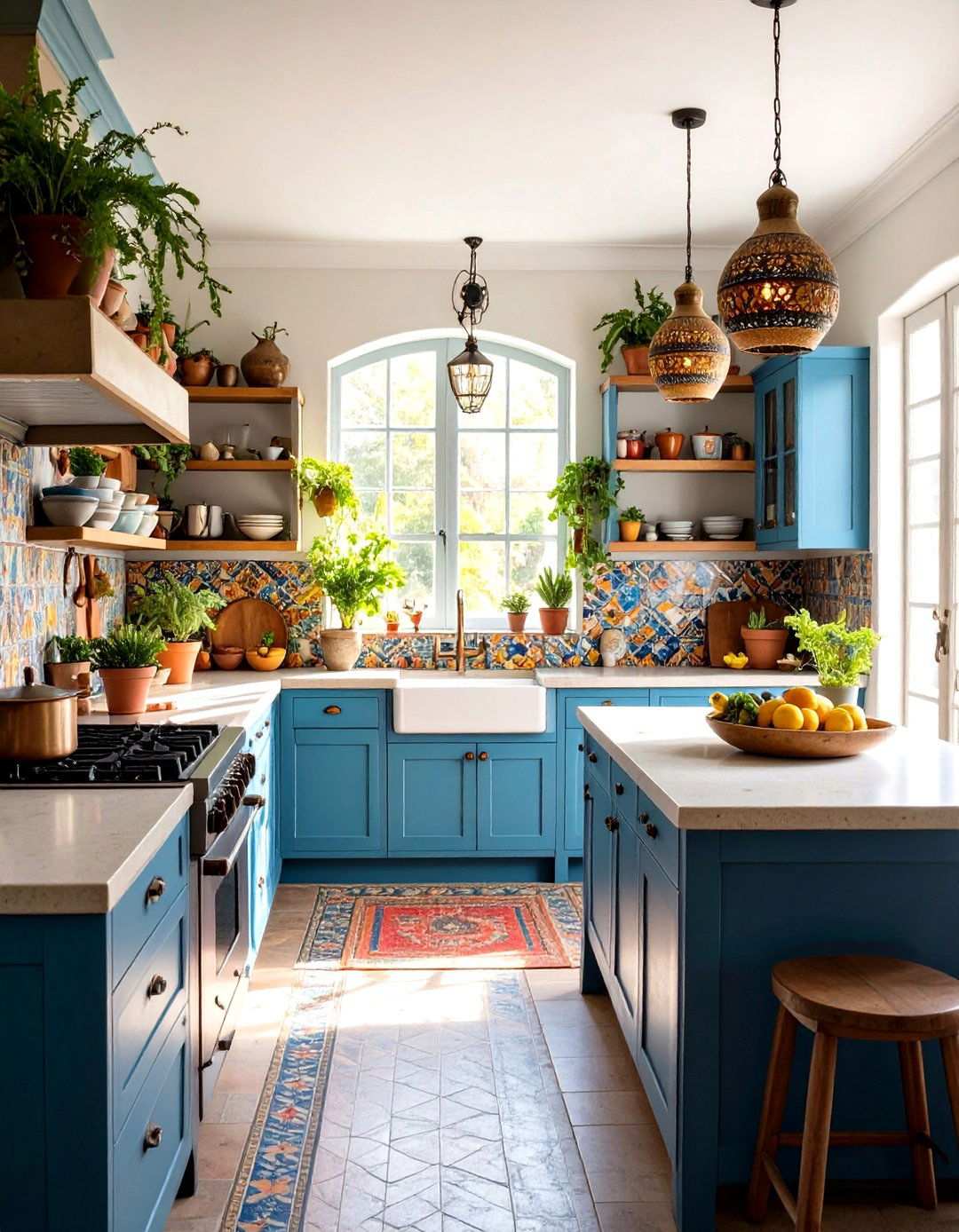
Eclectic bohemian kitchens with soapstone countertops embody a world of creative freedom, blending diverse materials and global influences to craft a truly unique space. A kaleidoscope of mosaic backsplashes adds dynamic focal points against the neutral backdrop of soapstone, creating a visual dialogue that invites exploration. The juxtaposition of mixed cabinet styles and finishes generates a sense of visual interest, while maintaining a high level of functional efficiency. Vintage and antique accessories serve as nods to different cultures and time periods, adding a layer of depth and narrative to the space. Pendant lighting with diverse styles and materials contributes a touch of personality without overwhelming the surroundings. Open shelving showcases curated collections of pottery, baskets, and artwork from a variety of sources, injecting a sense of global wanderlust into the kitchen. Colorful rugs and textiles bring warmth and pattern to hard surfaces, while plants and herbs in varied containers amplify the organic atmosphere. Kitchen islands with soapstone tops serve as central gathering points, accommodating both casual seating and culinary preparation. This design approach celebrates individuality and creativity, allowing soapstone’s natural character to ground the diverse elements through consistent material presence.
21. Serene Oases of Minimalism
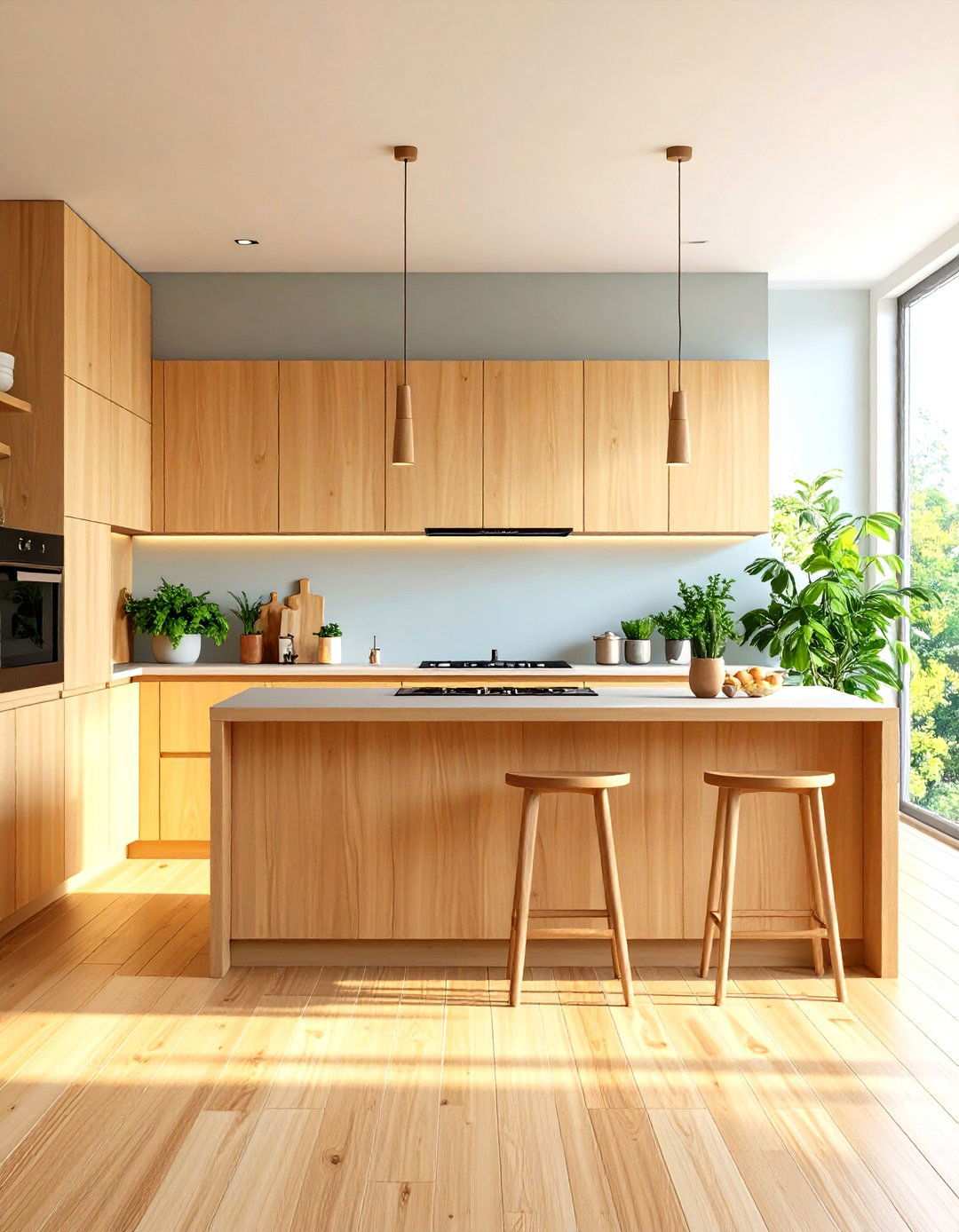
Zen-inspired minimalist kitchens with soapstone countertops create tranquil culinary havens through a thoughtful integration of simplified forms and natural materials. Warm contrasts are achieved through the use of light wood cabinets in bamboo or maple finishes, which provide a soothing counterpoint to soapstone’s cool character. Hidden storage solutions maintain uncluttered surfaces while maximizing functionality, creating a sense of seamless flow. Integrated appliances preserve clean sight lines throughout the space, allowing the eye to roam freely. Natural lighting through skylights or large windows eliminates the need for excessive artificial illumination, bathing the space in a warm, inviting glow. Single-color palettes emphasize texture and form over decoration, creating a sense of visual calm. Kitchen islands with thin soapstone profiles maintain proportional relationships with surrounding elements, adding a touch of understated elegance. Live plants provide the sole decorative elements, enhancing air quality while creating a sense of serenity. Stone or bamboo floors create cohesive natural material palettes, tying the space together through a shared sense of organic simplicity. This design philosophy celebrates soapstone’s inherent beauty through restraint and mindful selection, creating kitchens that promote tranquility and focused cooking experiences.
22. Southern Heritage Reimagined in Soapstone Kitchen Design
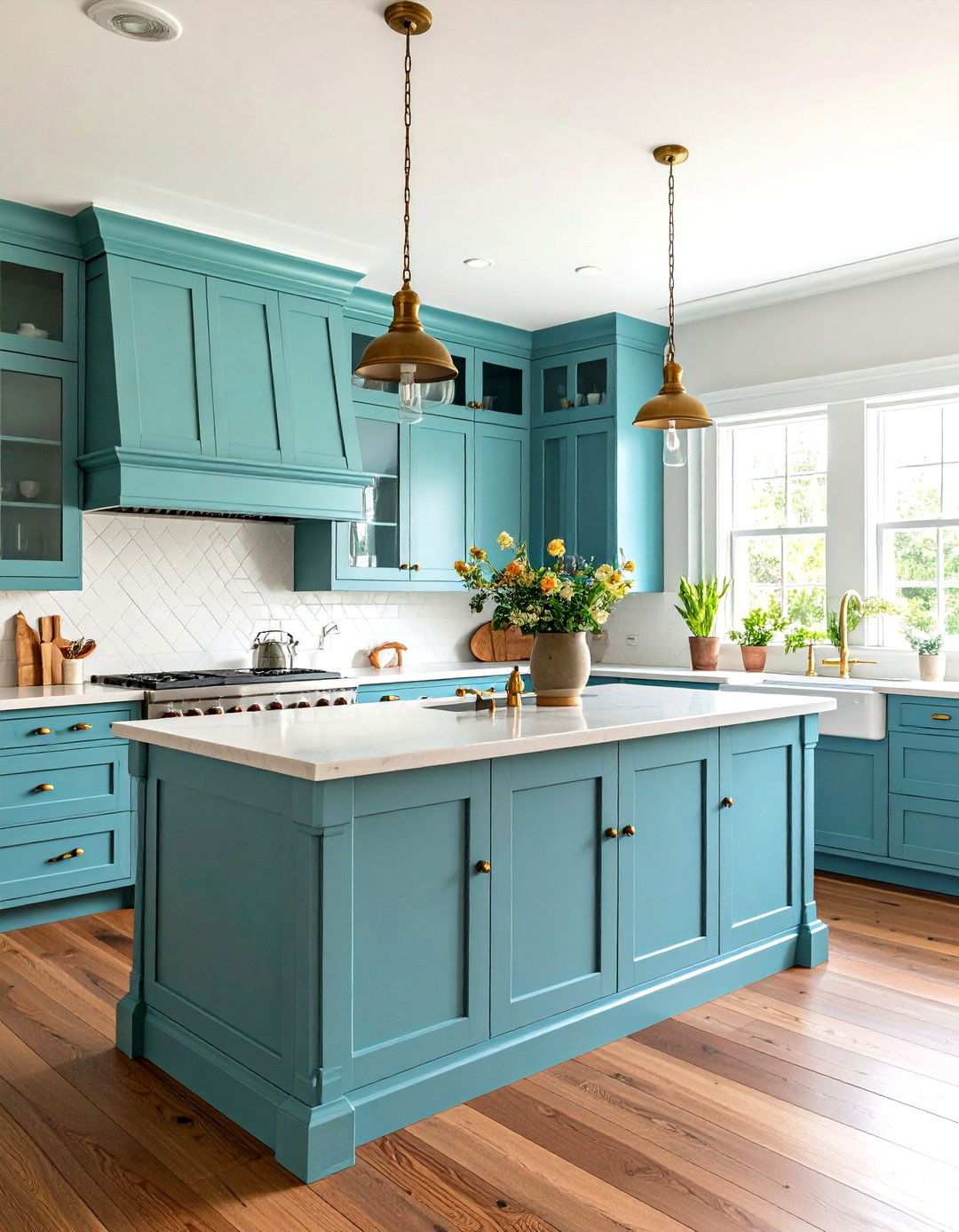
The quintessential charm of Southern traditional kitchens is expertly woven into soapstone countertops, capturing the essence of regional hospitality through the thoughtful selection of materials and generous proportions. Soft blues or greens on painted cabinets serve as a gentle backdrop for the dark stone surfaces, subtly paying homage to traditional color preferences. The incorporation of beadboard details and crown molding adds a touch of architectural interest reminiscent of classic Southern homes. A large kitchen island with a thick soapstone top becomes the epicenter of family gatherings, accommodating extensive food preparation and serving needs. Professional ranges and ample counter space cater to serious cooking enthusiasts, while plantation shutters frame windows, regulating light and maintaining seclusion. The warmth and historical authenticity of heart pine floors add depth to the space, while copper or brass accessories nod to traditional Southern cooking methods. Generous pantries and storage areas accommodate bulk cooking and entertaining supplies, underscoring the design’s commitment to supporting Southern hospitality traditions.
23. Blending Tradition and Modernity in Soapstone Kitchen Design
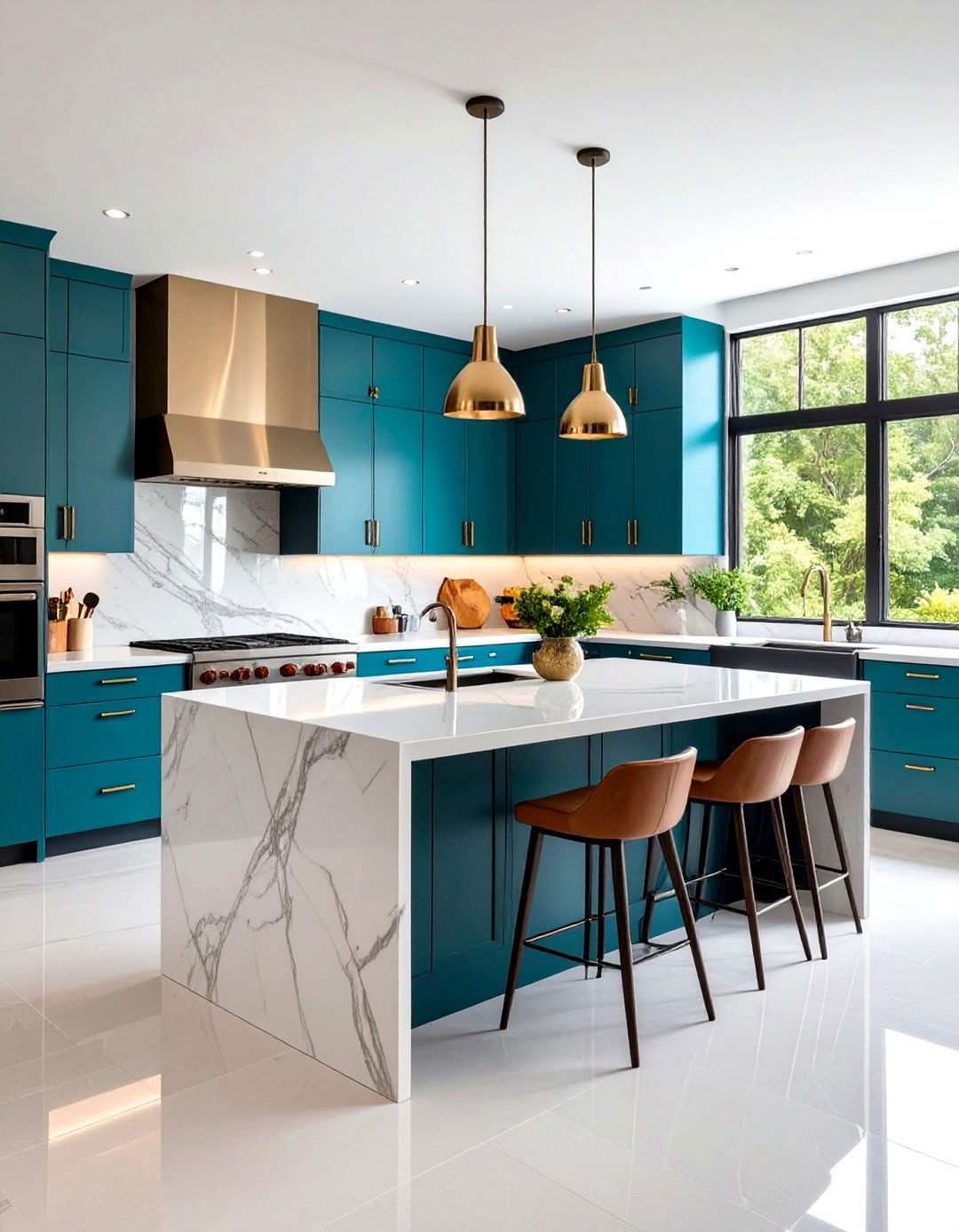
Contemporary transitional kitchens with soapstone countertops strike a perfect balance between sophistication and practicality through the deliberate selection of materials and thoughtful proportional relationships. A striking visual effect is achieved through the combination of two-toned cabinets, which maintains design cohesion while introducing an element of surprise. The judicious pairing of quartz and soapstone surfaces provides functional variety while maintaining aesthetic continuity, creating a seamless transition between different design elements. Integrated lighting systems tastefully illuminate work areas, avoiding visual distractions. Large format tiles create seamless backsplash surfaces that beautifully complement soapstone’s natural character. Kitchen islands with distinct materials and heights offer specialized work zones, catering to diverse cooking needs. Professional appliances are seamlessly integrated into custom cabinetry, creating a cohesive and streamlined look. Mixed metal finishes add a touch of visual interest without overwhelming the space. Open and closed storage combinations maintain organization while showcasing carefully selected items, allowing soapstone’s natural beauty to enhance sophisticated kitchen environments through thoughtful integration.
24. Reviving Mid-Century Charm with Soapstone Kitchen Design
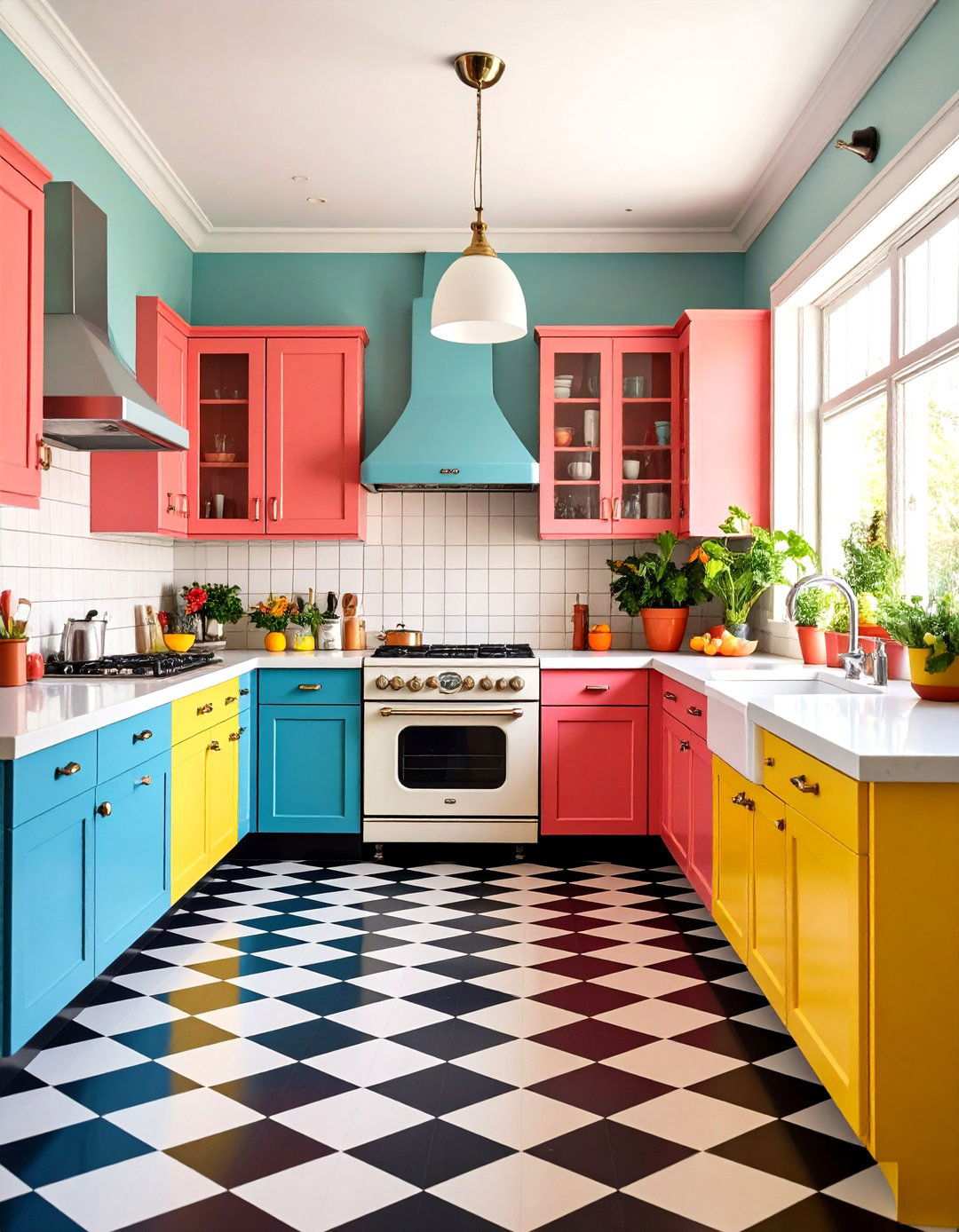
Mid-century modern kitchens featuring soapstone countertops revive the nostalgia of the past through a thoughtful blend of period-specific colors and authentic materials. Timeless cabinet finishes in vibrant hues, such as turquoise or sunny yellow, provide a cheerful backdrop for the neutral tones of soapstone, creating a visually appealing contrast. Modern functionality is seamlessly integrated with period-inspired chrome hardware and appliances, ensuring that these kitchens remain as practical as they are stylish. Classic checkered floors add a touch of nostalgia, complementing the solid surfaces of soapstone with their geometric patterns. Pendant lighting fixtures adorned with colorful glass shades inject personality into the space while providing efficient task lighting. Vinyl or fabric banquettes, reminiscent of bygone eras, establish cozy dining areas that exude period authenticity. The judicious combination of Formica and soapstone – a nod to the material mixing practices of the past – adds to the kitchen’s nostalgic charm. Furthermore, the use of atomic or boomerang patterned backsplash tiles, a staple of mid-century design, injects a sense of retro flair. Open shelving units showcase an assortment of colorful dinnerware and period accessories, creating a visually striking display that celebrates both the historical use of soapstone and the optimistic spirit of mid-century design.