1. Budget-Friendly Retaining Walls for Sloped Landscapes
When it comes to transforming uneven terrain into a vibrant outdoor space, budget-conscious homeowners can create effective retaining walls without breaking the bank. By leveraging cost-effective materials and simple DIY techniques, you can turn sloped areas into functional garden zones, stabilize embankments, and add visual charm to your outdoor oasis. From rustic wooden accents to durable masonry blocks, a variety of affordable options exist for landscaping projects of all scopes.

As an Amazon Associate I earn from qualifying purchases.
2. DIY Retaining Wall Materials for Every Budget
Several budget-friendly retaining wall materials are worth exploring, each offering distinct advantages and aesthetic appeal. For instance, pressure-treated landscape timbers are a beginner-friendly choice that can enhance outdoor spaces with their warm, natural appearance. These rectangular wooden posts are relatively inexpensive, costing between $12-15 per square foot, and require minimal specialized tools for installation. When stacked horizontally and secured with galvanized spikes or rebar, pressure-treated timber retaining walls can last 15-20 years, making them an excellent budget solution for garden terracing and slope stabilization projects.
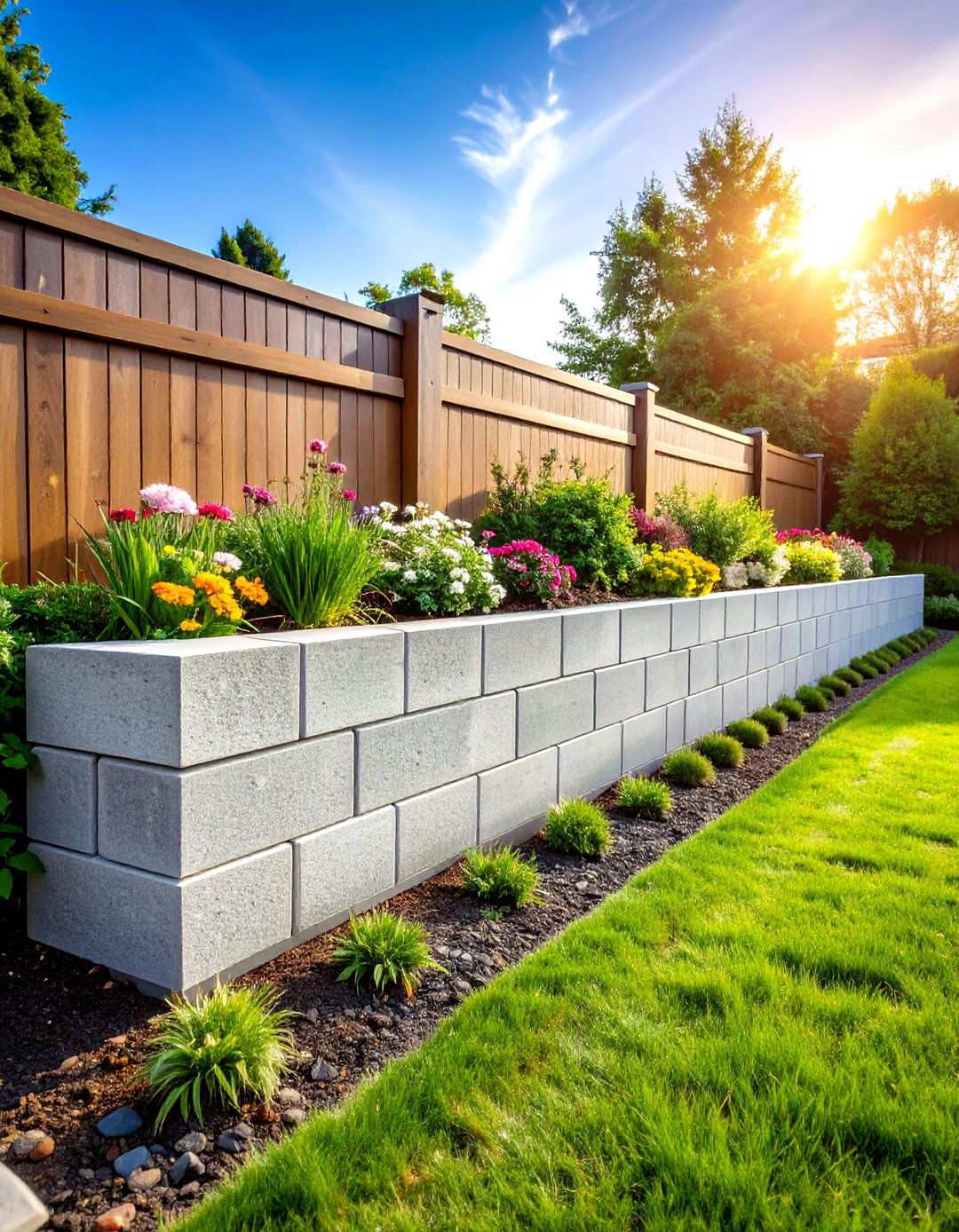
Concrete cinder blocks, on the other hand, offer exceptional value and durability for DIY retaining wall construction at approximately $1-3 per block. These hollow masonry units stack easily without mortar for smaller walls, creating strong gravity-based structures that are perfect for amateur builders. With their uniform size and weight, cinder blocks provide consistent building blocks that can be easily handled and finished with various materials, such as paint, stucco, or stone veneer, to enhance aesthetic appeal. Their 50-100 year lifespan, resistance to insects, rot, and weather, make cinder blocks a highly cost-effective option that requires proper foundation preparation and drainage systems for long-term stability and performance.
3. Sustainable Tire Walls for Landscape Boundaries
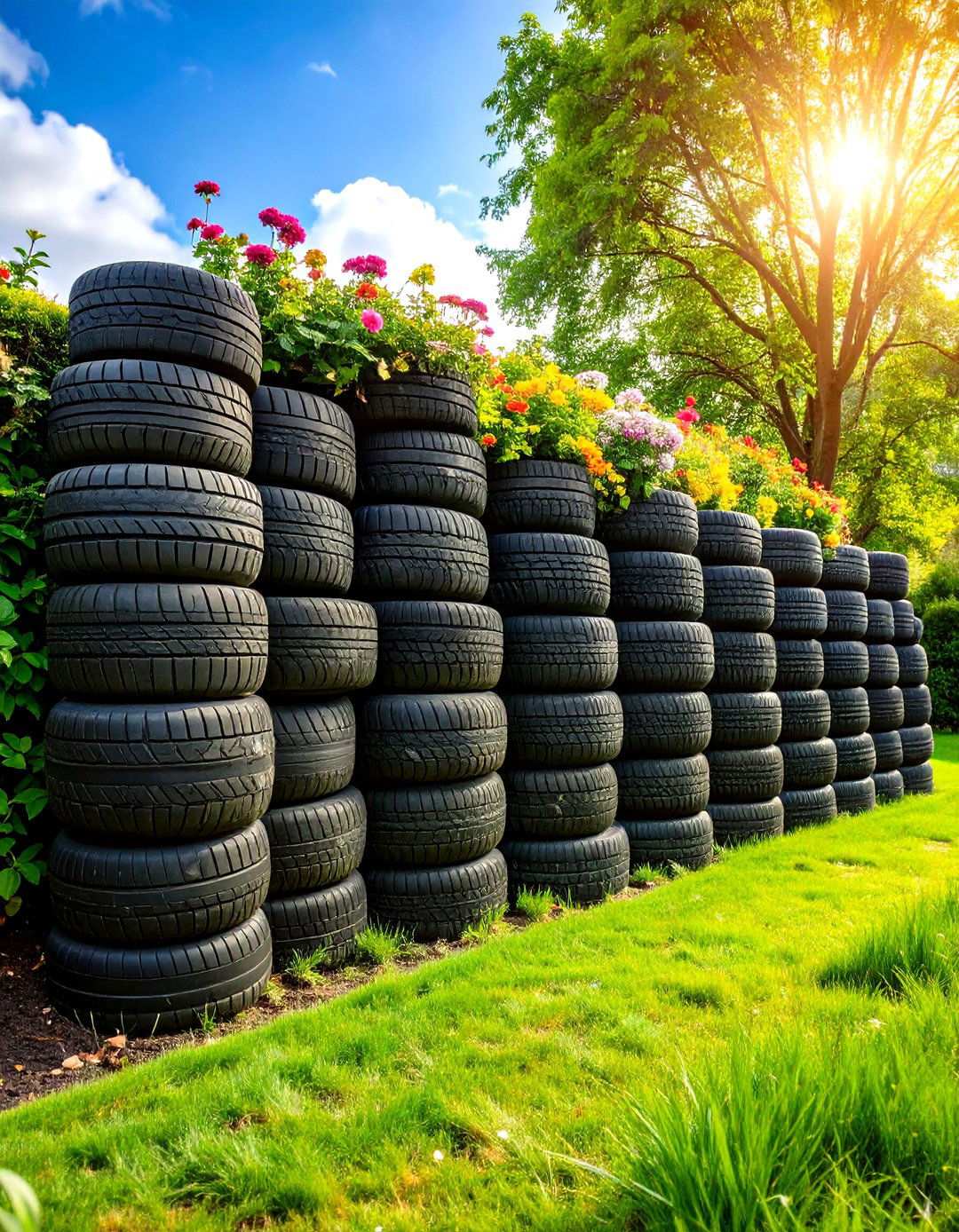
A creative approach to landscape design incorporates repurposed automotive tires as a cost-effective and eco-friendly retaining wall solution, ranging from $1.80 to $40 per tire. These versatile rubber structures exhibit impressive durability, withstand weathering, and ensure excellent drainage, ultimately producing remarkably robust walls when filled and stacked correctly. The process involves filling tires with compacted soil, sand, or gravel, followed by stacking them in a pyramid formation to achieve stability. The inherent flexibility of tires allows them to adapt to ground movement without sustaining damage. To enhance their appearance, tire walls can be finished with stucco, cement plaster, or left natural for planting purposes. By effectively recycling waste materials, this innovative method produces functional landscape structures that seamlessly integrate into garden environments, facilitated by proper drainage and vegetation.
4. Timeless Natural Stone Dry-Stack Retaining Walls
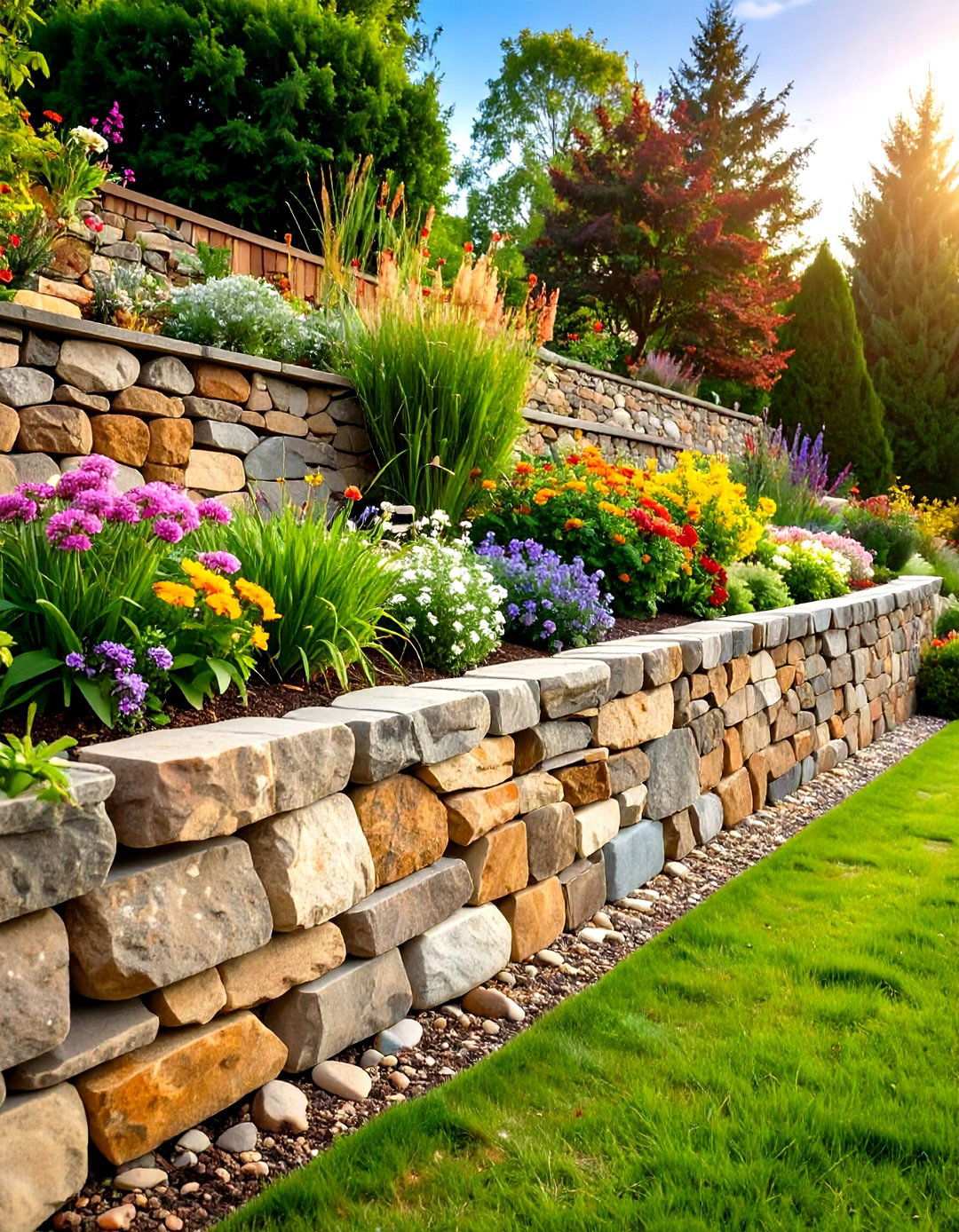
Locally sourced natural stone creates visually stunning, long-lasting retaining walls using materials often readily available on-site at no cost. Fieldstone, river rock, or quarried stone can be dry-stacked without mortar to construct walls up to three feet high. This traditional building technique relies on the careful selection of stones, ensuring proper fitting and gravitational stability. Each stone should be chosen for its unique shape and size to create interlocking joints that resist movement and provide a sturdy foundation. The organic, irregular appearance of natural stone perfectly complements garden settings, while the gaps between stones offer natural drainage and opportunities for trailing plants or moss growth. When constructed with proper batter and drainage, dry-stack stone walls can last for centuries with minimal maintenance requirements.
5. Modular Gabion Wire Cage Retaining Walls
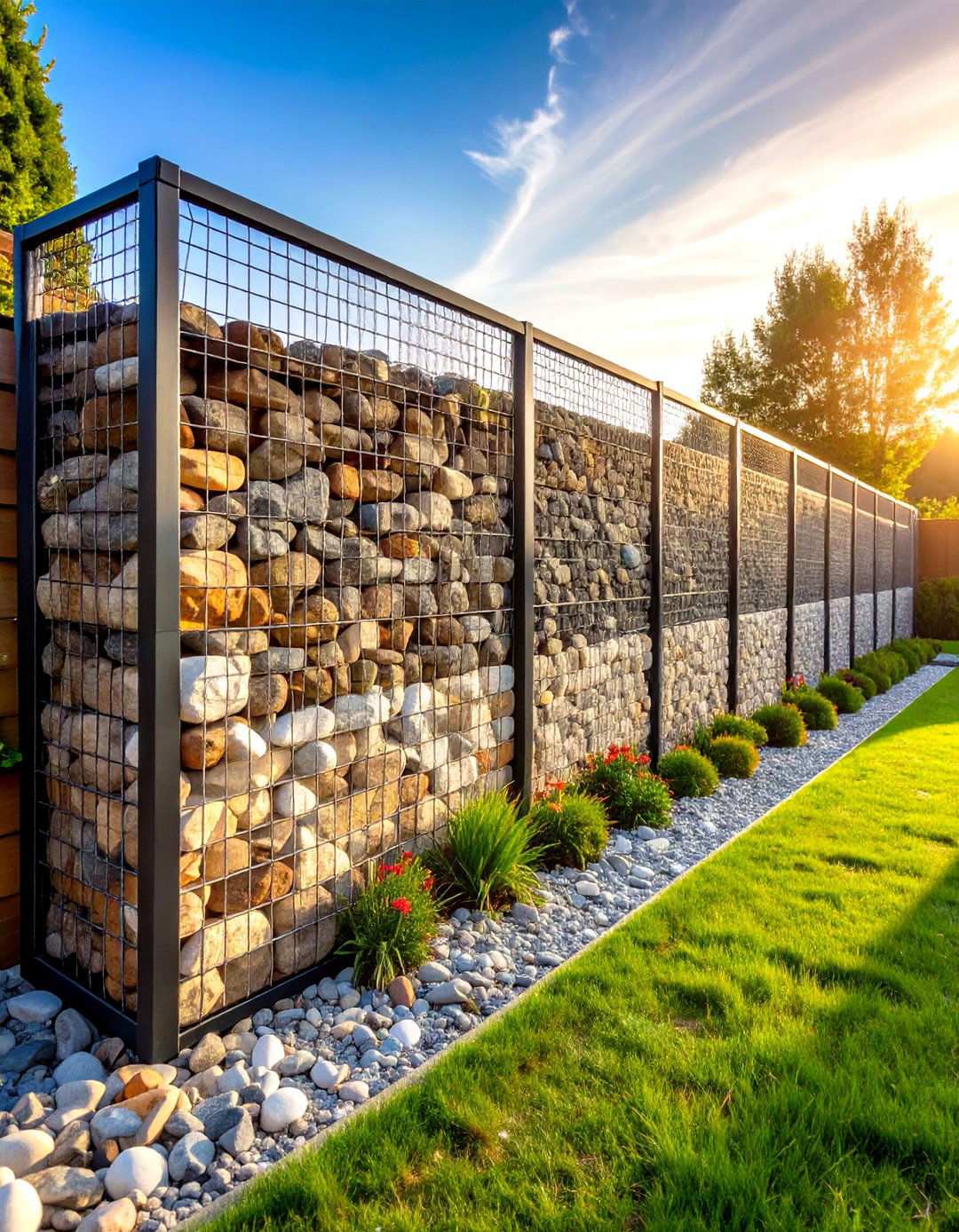
Gabion walls comprise rectangular wire cages filled with stones, rocks, or recycled concrete, producing cost-effective retaining structures for $10 to $40 per square foot. These modular systems require no specialized construction skills or mortar, making them ideal for DIY projects. The wire baskets can be purchased pre-made or constructed from welded wire mesh and filled with locally available stone materials. Gabions provide excellent natural drainage and can accommodate ground movement without failure. As vegetation grows through the stone fill, their industrial appearance softens over time, producing a unique texture. These walls work particularly well in modern landscape designs or natural settings where rugged textures are desired, with multiple basket sizes allowing for varied wall heights and configurations.
6. Constructing a Durable Railroad Tie Retaining Wall
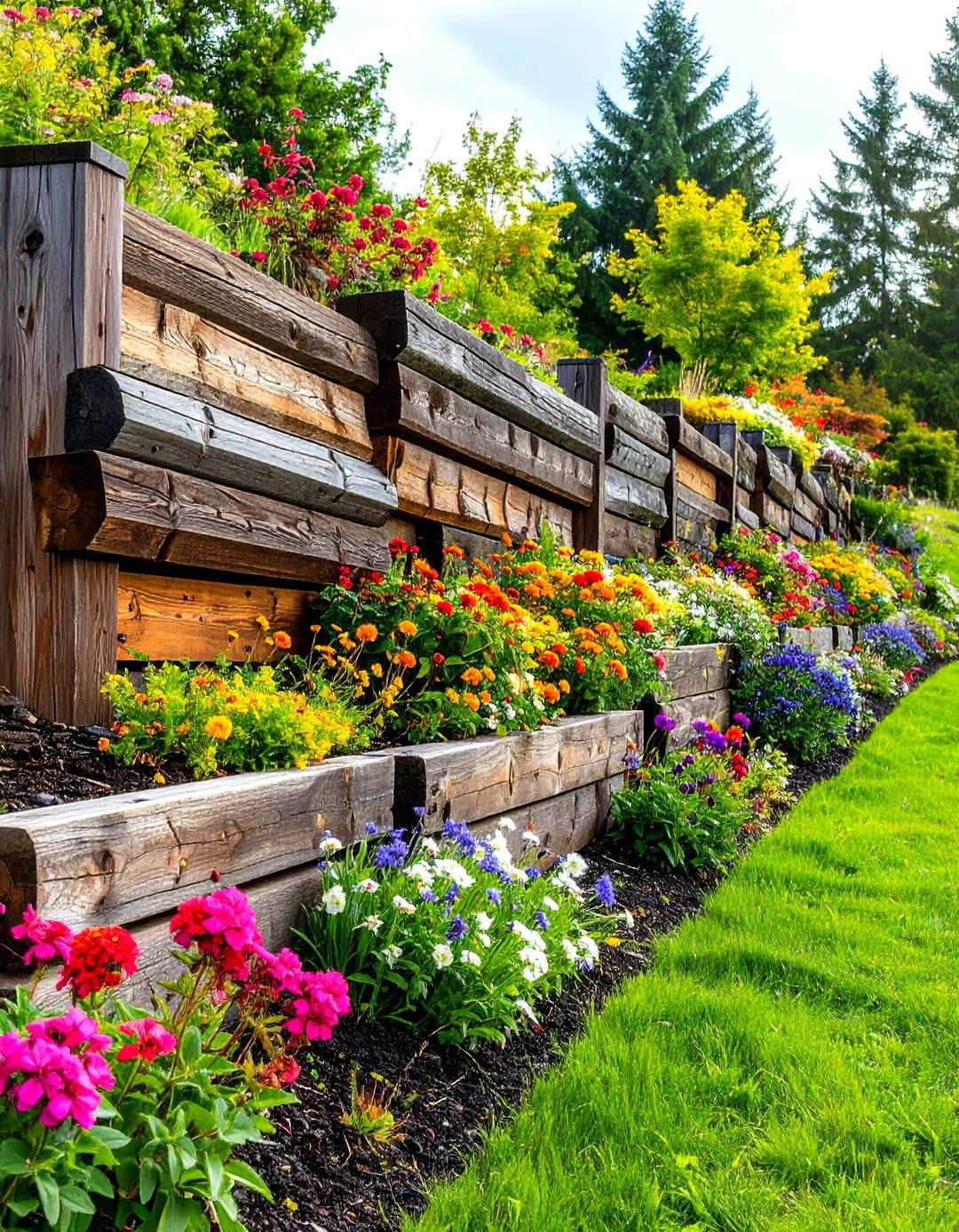
Railroad ties serve as a cost-effective and visually appealing option for building retaining walls, priced between $15-25 per tie, offering an authentic touch and a proven track record of durability. Originally designed to support railway tracks, these massive wooden beams have undergone a treatment process that grants them natural resistance to decay and insects. Installing railroad ties involves stacking them horizontally and securing them with galvanized spikes or threaded rods. Their substantial weight lends inherent stability, making construction planning simpler due to their uniform dimensions. Railroad ties are especially well-suited for country or industrial-style landscapes, adding an instant rustic charm to outdoor spaces. Adequate drainage behind the wall is crucial to prevent water pressure buildup. The lifespan of railroad tie retaining walls varies from 15-30 years, depending on environmental conditions.
7. Sustainable Bamboo Panel Retaining Walls
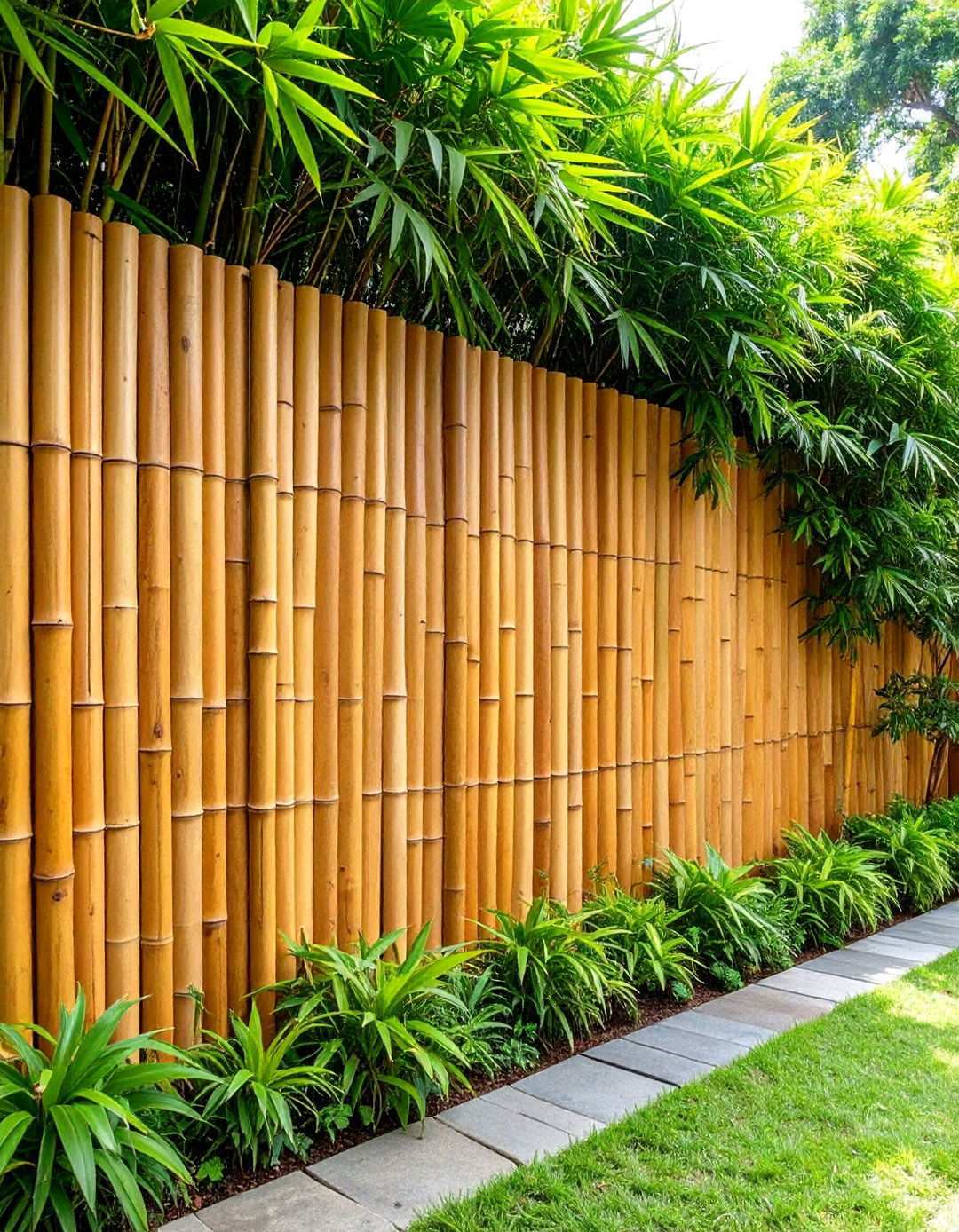
Bamboo offers a highly eco-friendly and visually striking retaining wall solution, particularly suited for Asian-inspired or tropical garden designs. By installing bamboo panels or individual poles vertically against a framework, homeowners can create a natural screen while gently managing slopes. This sustainable material is significantly more budget-friendly than traditional hardwoods while providing comparable strength and flexibility. Bamboo’s natural resistance to insects and moisture makes it an ideal choice for outdoor applications. To enhance its aesthetic appeal, bamboo can be stained or left to weather to an attractive silver-gray color. Securing bamboo panels to treated lumber posts set in concrete footings is a straightforward installation process. Proper spacing allows for adequate drainage while maintaining the structural integrity of the wall. Bamboo walls seamlessly integrate with water features and exotic plantings, creating a harmonious outdoor space.
8. Economical Sandbag Retaining Walls
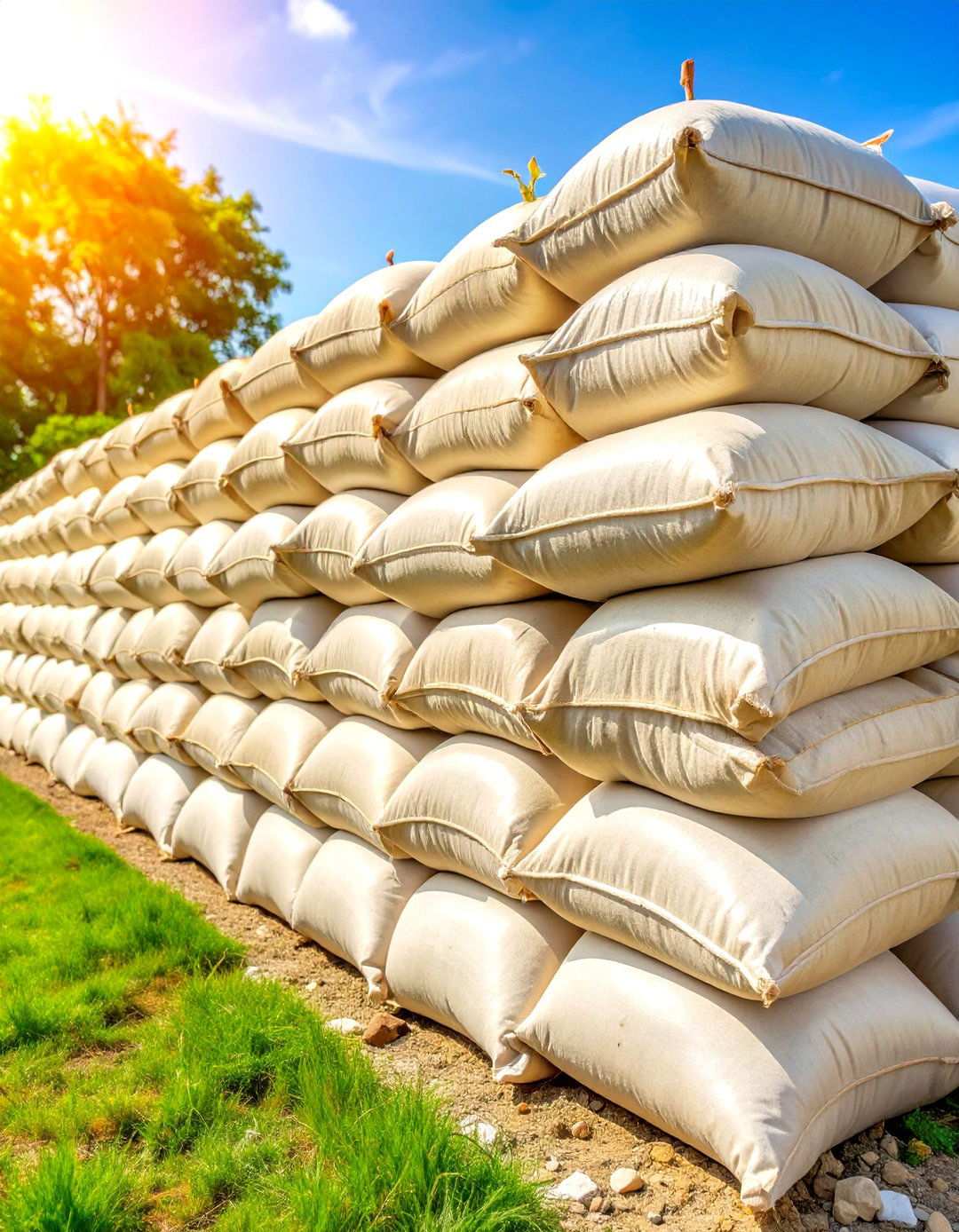
Sandbags provide an affordable and versatile option for temporary or semi-permanent retaining walls, requiring only sand, bags, and labor to construct. High-strength polypropylene sandbags can withstand exposure to the elements for 5-10 years when properly installed and protected from UV damage with a stucco coating. Constructing a sandbag wall involves filling bags two-thirds full, then stacking them in a pyramid formation with each layer offset like bricks. The flexible nature of sandbags allows them to conform to irregular terrain and settle without cracking. Adequate drainage behind the wall is essential to prevent hydrostatic pressure buildup. This method is particularly well-suited for emergency slope stabilization or temporary landscape modifications. By adding wire mesh and cement plaster, homeowners can transform sandbag walls into permanent structures that resemble conventional masonry construction.
9. Engineered Solutions for Retaining Walls
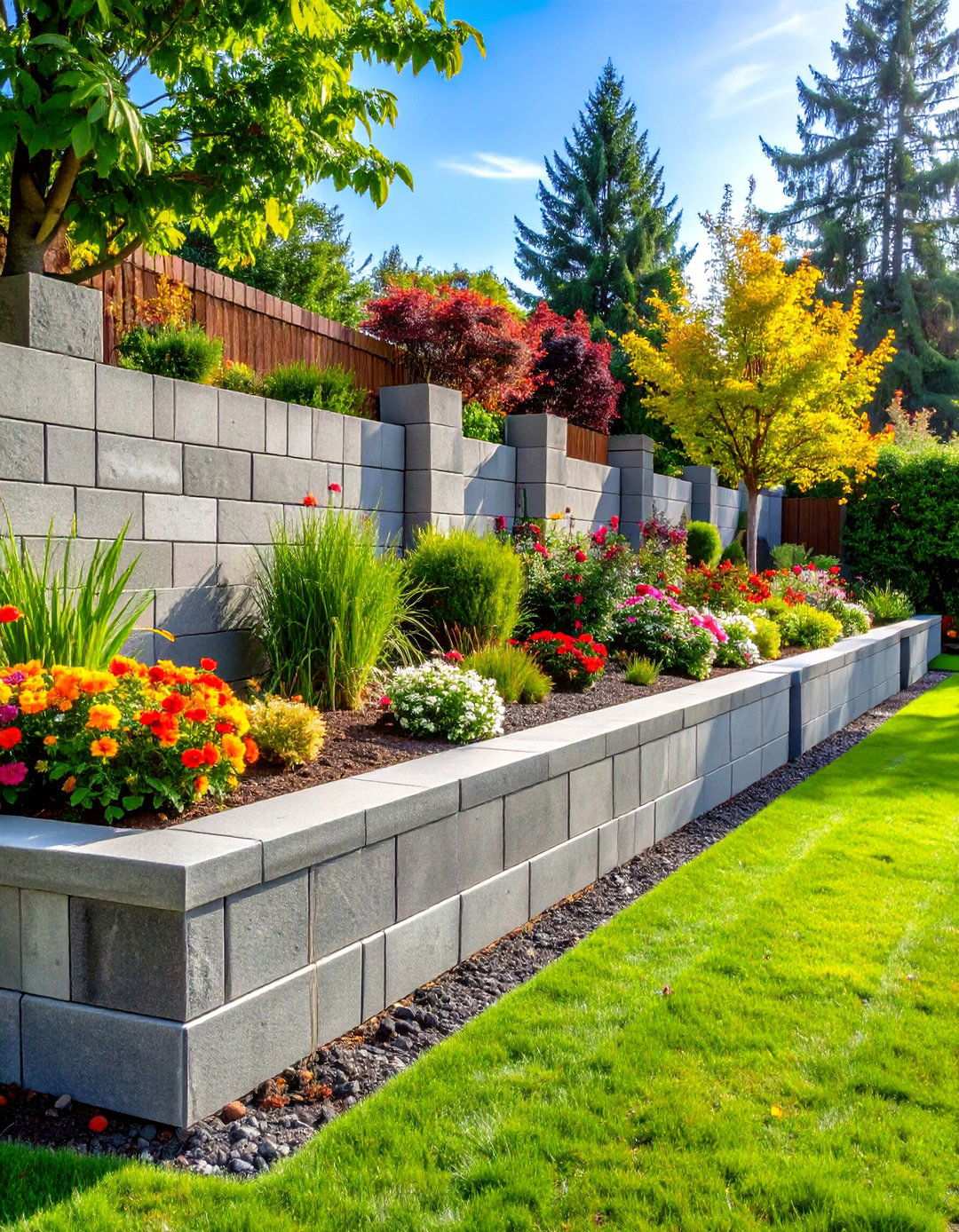
Interlocking concrete block systems revolutionize retaining wall construction by incorporating intelligent design features that guarantee precise alignment and stability. These specialized blocks typically range from $2 to $10 each and boast connection systems that dispense with the need for mortar, thereby delivering unparalleled structural integrity. The standardized dimensions and integrated setback of these blocks ensure the automatic creation of properly battered walls. Furthermore, many interlocking systems feature pinning options for enhanced reinforcement in taller applications. With a wide range of surface textures and colors available, these blocks can seamlessly integrate into various landscape designs. Installation necessitates only basic tools and follows straightforward stacking procedures, making them an attractive option for DIY enthusiasts. To ensure long-term performance, it’s essential to prepare the base properly and include a geotextile fabric behind the wall. These systems often come with matching cap stones to create a polished, professional finish.
10. Sustainable Brick Solutions for Retaining Walls
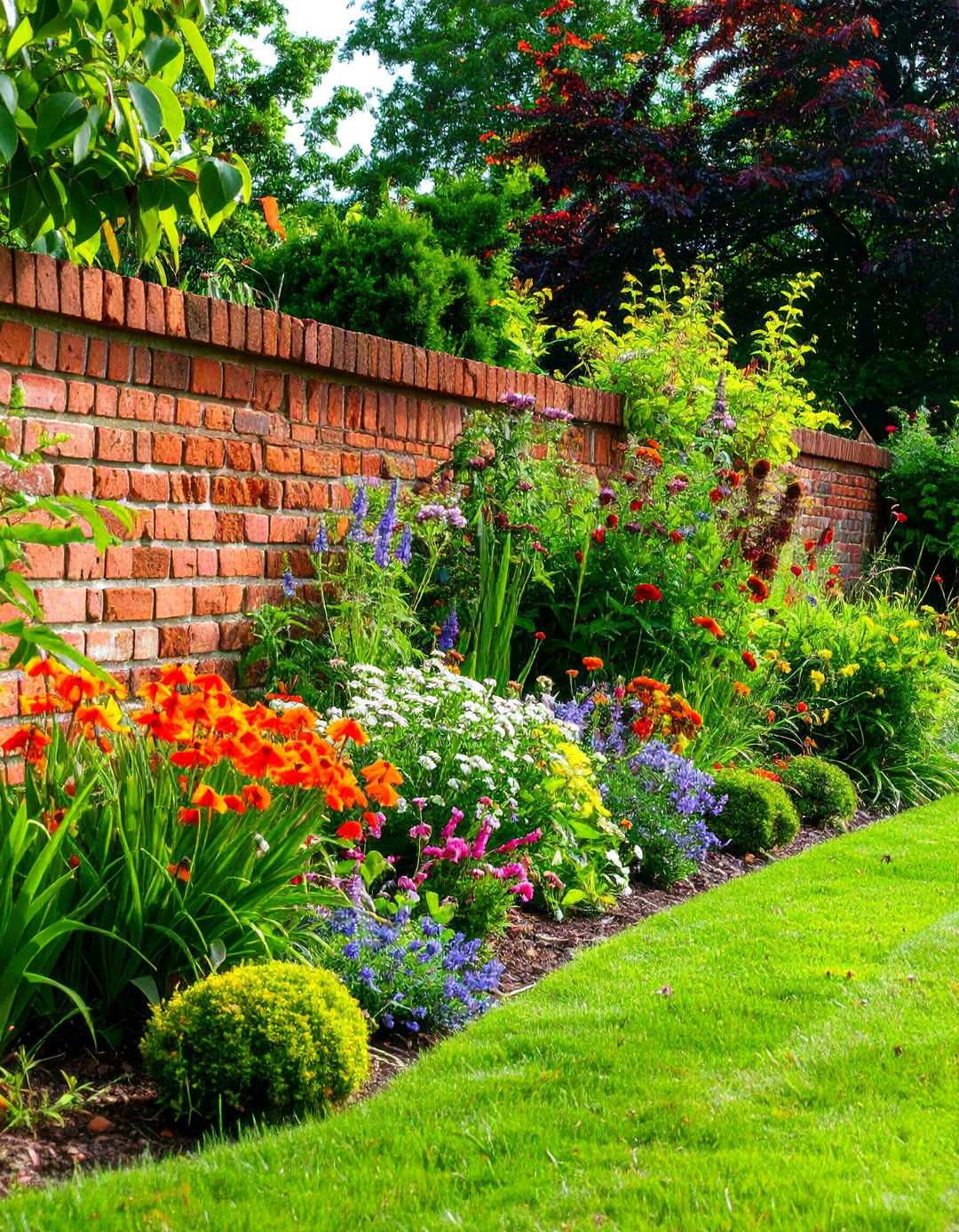
Reclaimed bricks offer a unique blend of character and affordability for retaining wall construction, with prices ranging from $2 per square foot when sourced from demolition sites or salvage yards. These weathered materials bring an instant sense of history and charm to landscape projects, making them a popular choice among homeowners. Brick retaining walls can be constructed using mortar for permanent installation or dry-stacked for lower, temporary walls. The uniform size of bricks simplifies the construction process and creates clean, geometric lines in garden designs. Reclaimed bricks often feature interesting variations in color and texture, adding visual interest to the landscape. To prevent frost damage and water pressure problems, it’s crucial to ensure proper drainage behind brick walls. When installed with adequate footings by professionals, brick retaining walls can last over 100 years with minimal maintenance required.
11. Unconventional Straw Bale Solutions for Retaining Walls
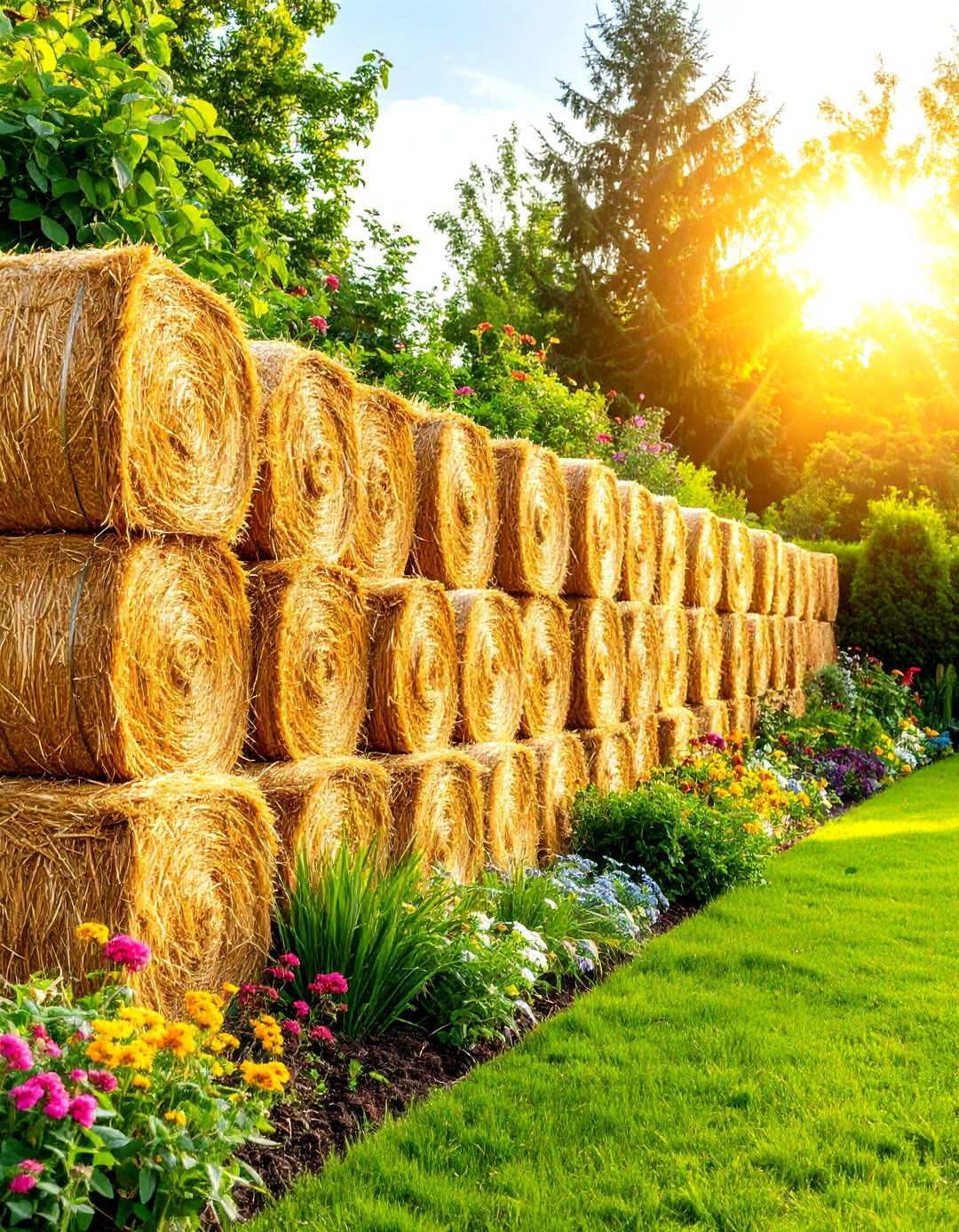
Straw bales offer an innovative yet effective retaining wall material for gentle slopes in suitable climates. These compressed bundles of wheat, rice, or barley straw cost between $3 and $5 per bale and can be used to create substantial walls when properly stacked and secured. Straw bale construction requires careful consideration to prevent moisture damage through proper site drainage and roof overhangs or stucco coating. This method works particularly well in dry climates and provides excellent insulation properties. Bales can be shaped with chainsaws for custom fitting and accept various stucco finishes for weather protection. Steel reinforcing rods or wooden stakes are used to secure the bales in position. This natural building technique creates thick, organic-looking walls that seamlessly integrate with permaculture and sustainable landscape designs.
12. Plastic Bottle Retaining Walls: Creative Reuse at Its Best
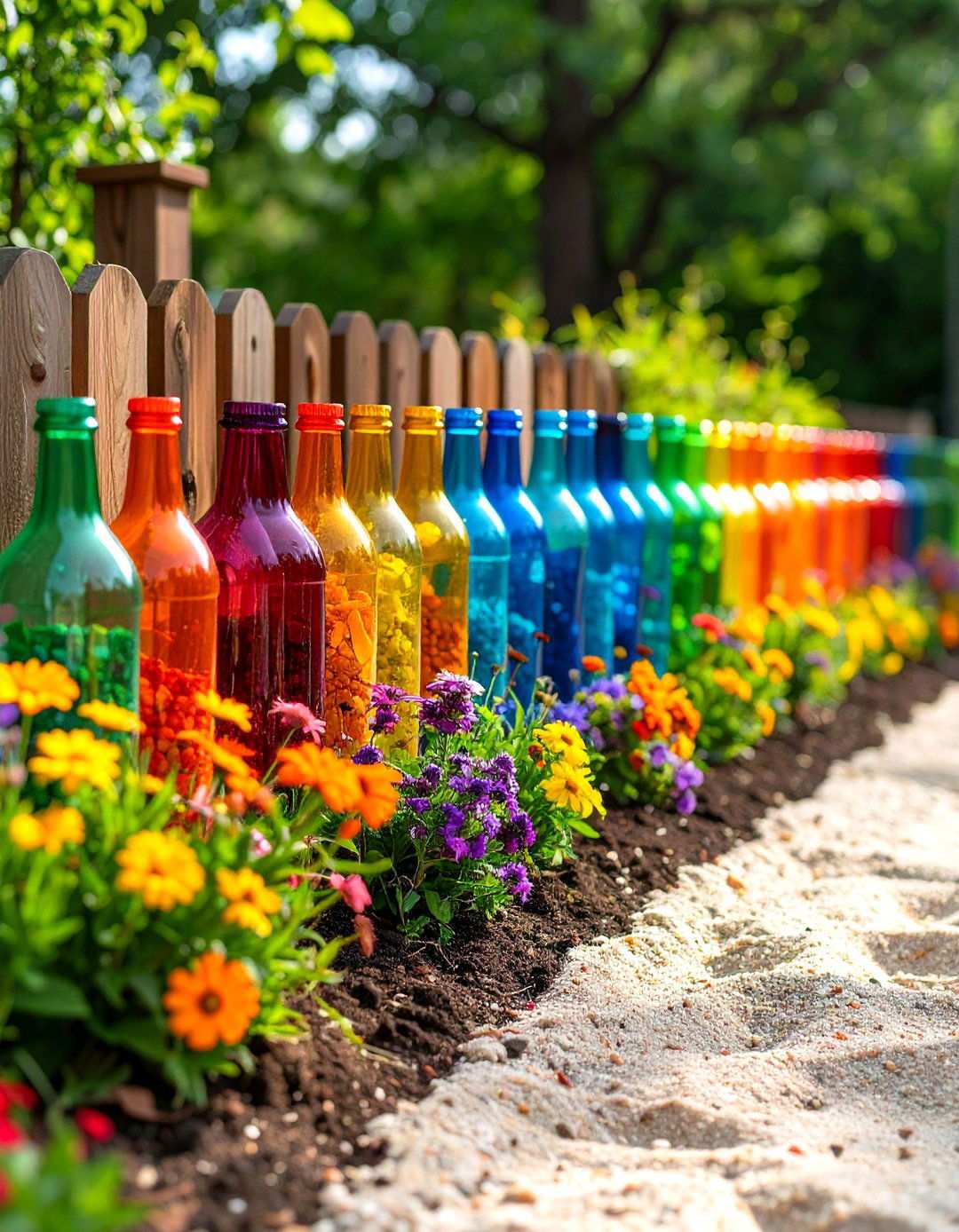
Repurposed plastic bottles filled with sand or soil give rise to vibrant, one-of-a-kind retaining walls that defy material costs. Specifically designed for their uniform dimensions and robust structural integrity when filled, two-liter soda bottles prove an ideal choice. By filling bottles to capacity and then arranging them like interlocking bricks, secured with mortar or concrete, a visually striking structure comes to life. For added texture, bottles can be oriented with necks facing outward, while inward-facing orientations yield smoother surfaces. This eco-friendly approach not only breathes new life into discarded waste but also creates functional landscape features that can be tailored to suit diverse artistic visions. To further enhance their aesthetic appeal, bottles can be painted or left in their original colors. With proper drainage and periodic maintenance, these walls can withstand the test of time, making them particularly suitable for children’s garden areas and artistic landscape installations that celebrate creativity and self-expression.
13. Flagstone Retaining Walls: A Mid-Tier Solution with Unparalleled Beauty
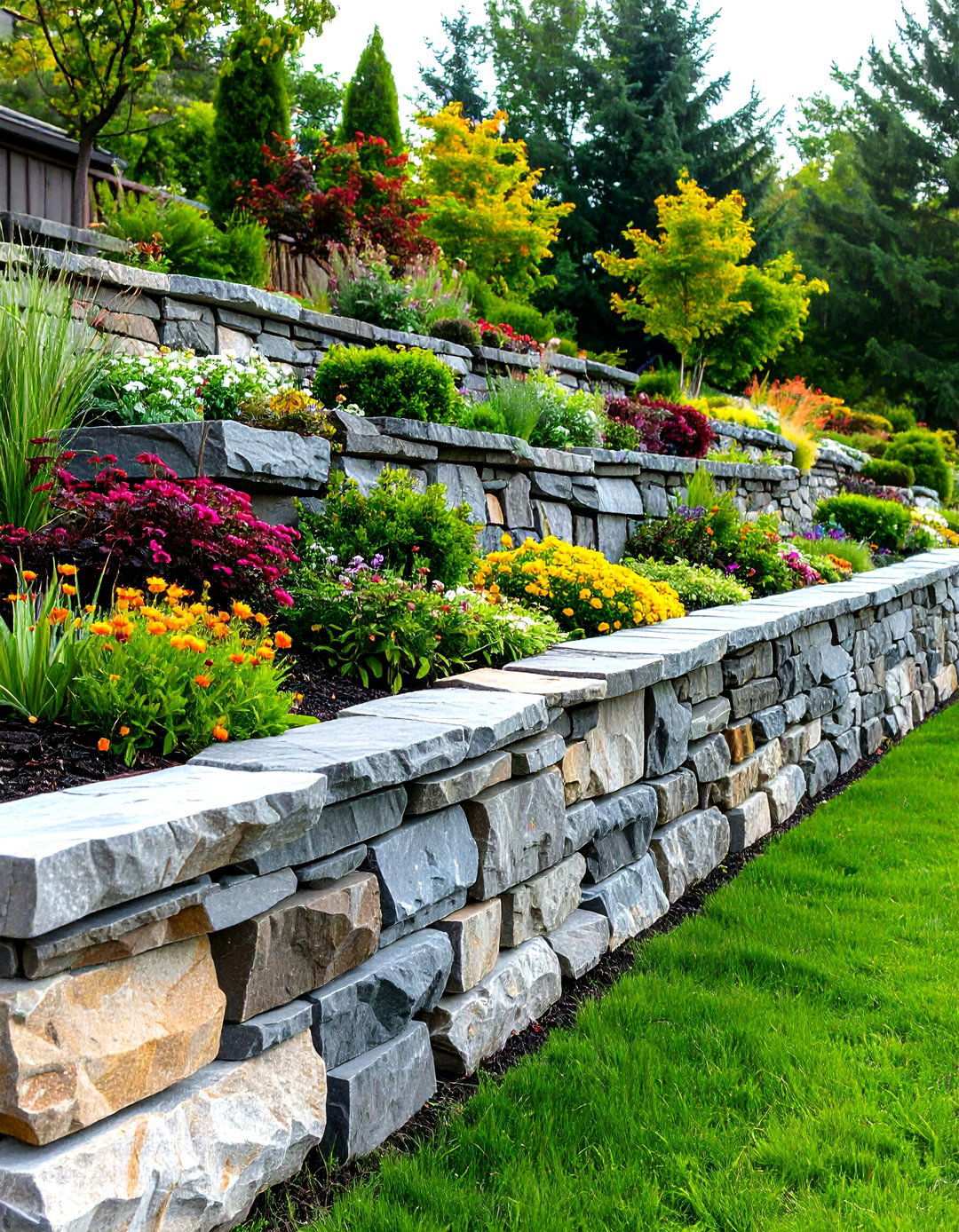
Flagstone stands out as an attractive, mid-range option for retaining walls, offering a perfect blend of natural stone’s visual allure and the practicality of easier handling compared to massive boulders. These flat, sedimentary stones can be stacked without mortar or secured with it, depending on the desired height of the wall. Flagstone’s natural, layered appearance creates horizontal lines that harmonize beautifully with various landscape styles. The abundance of color and texture variations available across different stone types allows homeowners to craft a look that’s uniquely their own. By selecting stones that are suitable in weight and stability for the intended wall height, the beauty of flagstone can be fully realized. Not only do flagstone walls offer natural drainage opportunities, but they also provide a chance to incorporate plantings between the stones, creating an integrated landscape effect. When sourced locally, flagstone costs remain reasonable, and the added benefit of supporting regional quarries is a welcome bonus. By employing professional installation techniques, the requirements for proper batter and foundation can be met with confidence.
14. Willow Branch Retaining Walls: The Power of Living Engineering
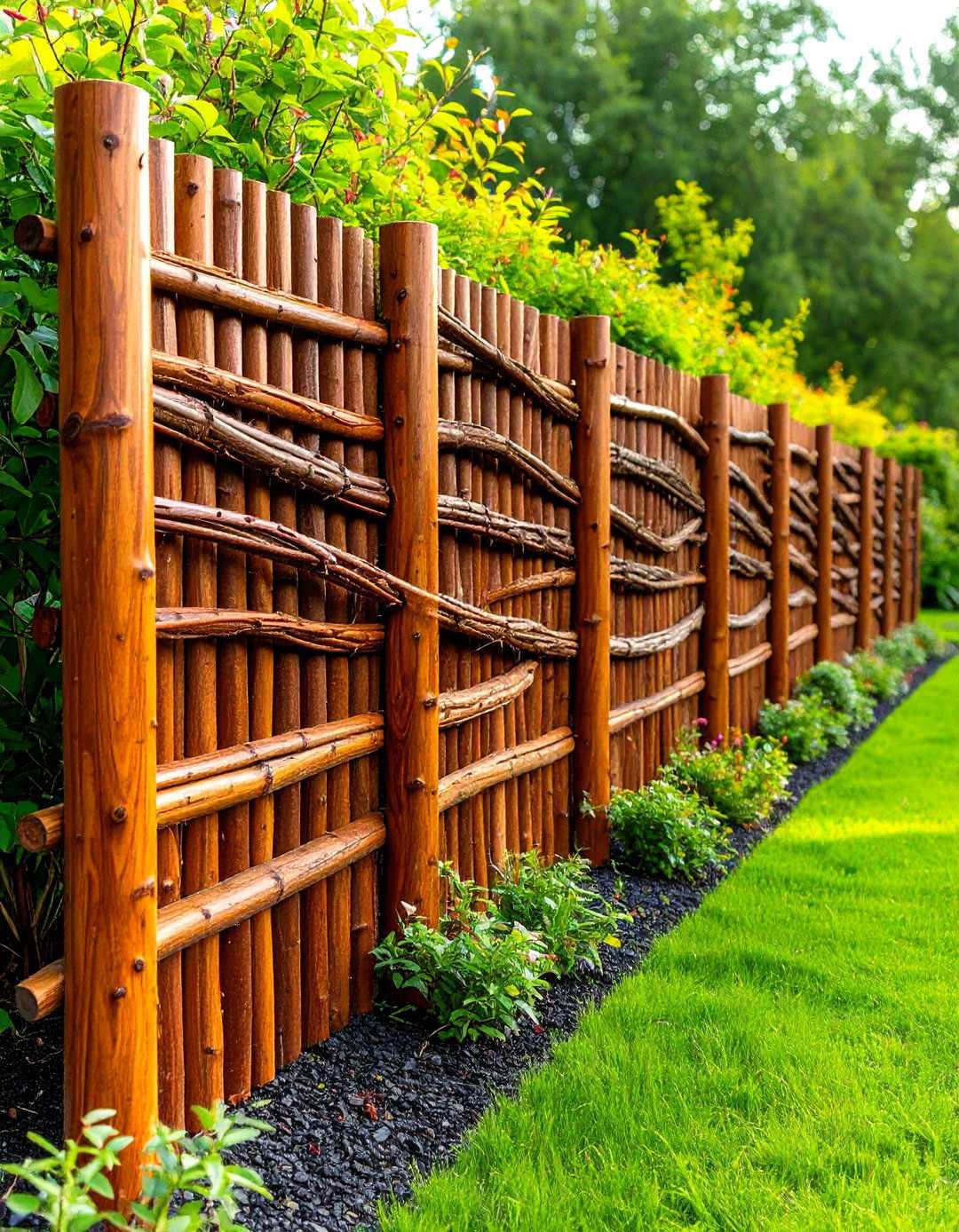
Living willow branches give rise to distinctive, eco-friendly retaining walls that grow stronger over time as the roots establish and spread. Harvesting fresh willow cuttings locally can be done at little to no cost and can be woven between metal or wooden posts to create flexible barriers. This ancient technique, known as living engineering, demands that the branches be soaked before installation to enhance flexibility and rooting success. As the woven willow gradually develops into a living wall system, it not only manages soil erosion but also provides a habitat for wildlife. Regular watering during the establishment phase ensures successful root development. Willow walls work best for gentle slopes and temporary installations, where their unique organic appearance can seamlessly integrate with informal garden designs. Annual maintenance involves trimming growth and replacing failed sections as needed, ensuring the continued health and beauty of these remarkable structures.
15. Reinforced Concrete Solutions for Retaining Walls
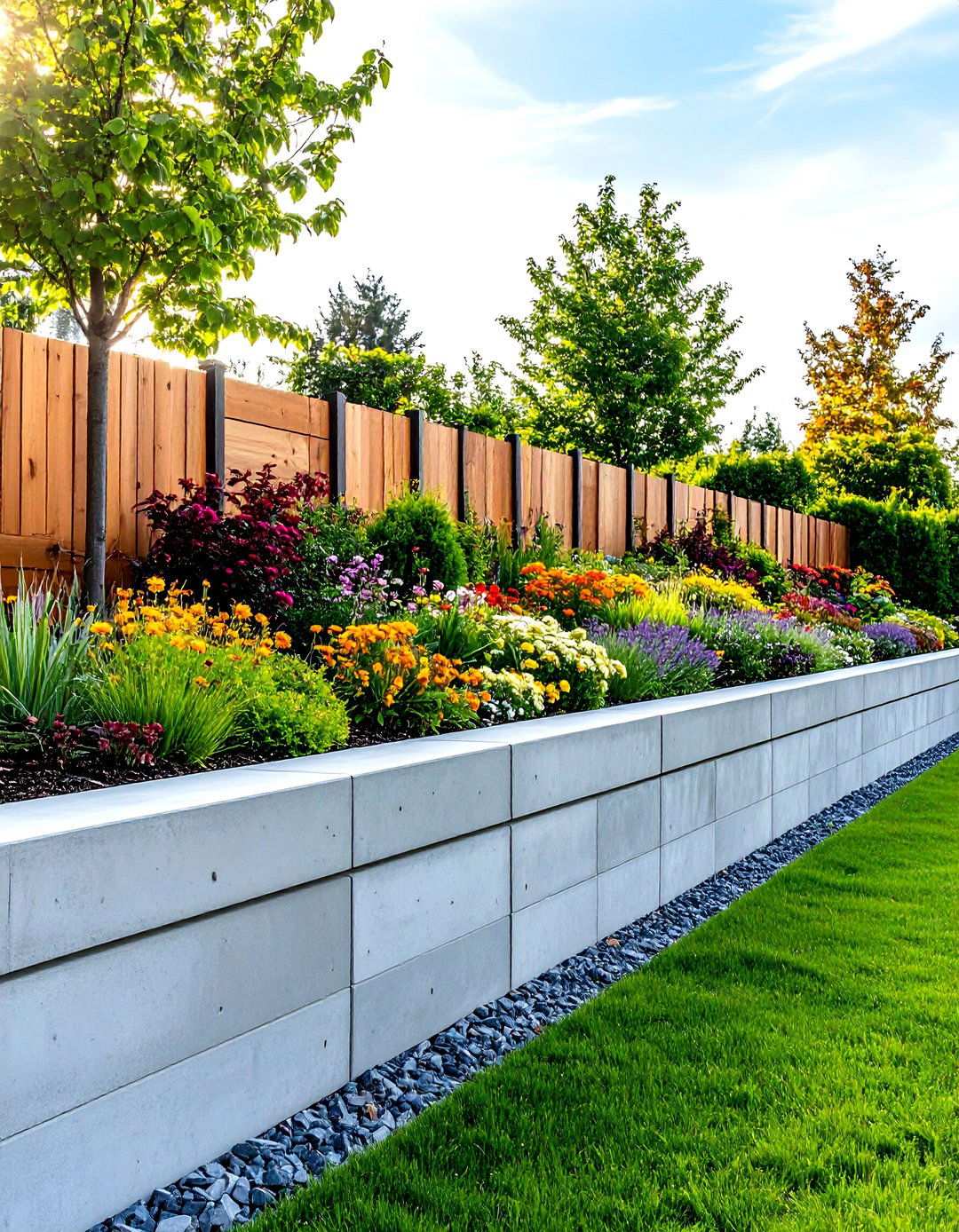
Pre-cast concrete planks have revolutionized the landscape design industry by providing a durable and low-maintenance alternative to traditional timber. These long-lasting concrete sleepers typically measure 8 feet in length and cost between $25-45 each, making them an economical choice for substantial retaining power. Installation involves strategically placing vertical support posts and sliding sleepers into position horizontally, resulting in a robust structure that resists the effects of weather and rot. Available in various surface textures and colors, concrete sleepers seamlessly integrate with modern landscape designs that demand minimal upkeep. Effective drainage systems behind the walls prevent hydrostatic pressure issues, while the modular design of sleeper systems allows for easy adjustments and future modifications, extending the lifespan of the structure to 50+ years with minimal upkeep required.
16. Dynamic Terracing with Timber Retaining Walls
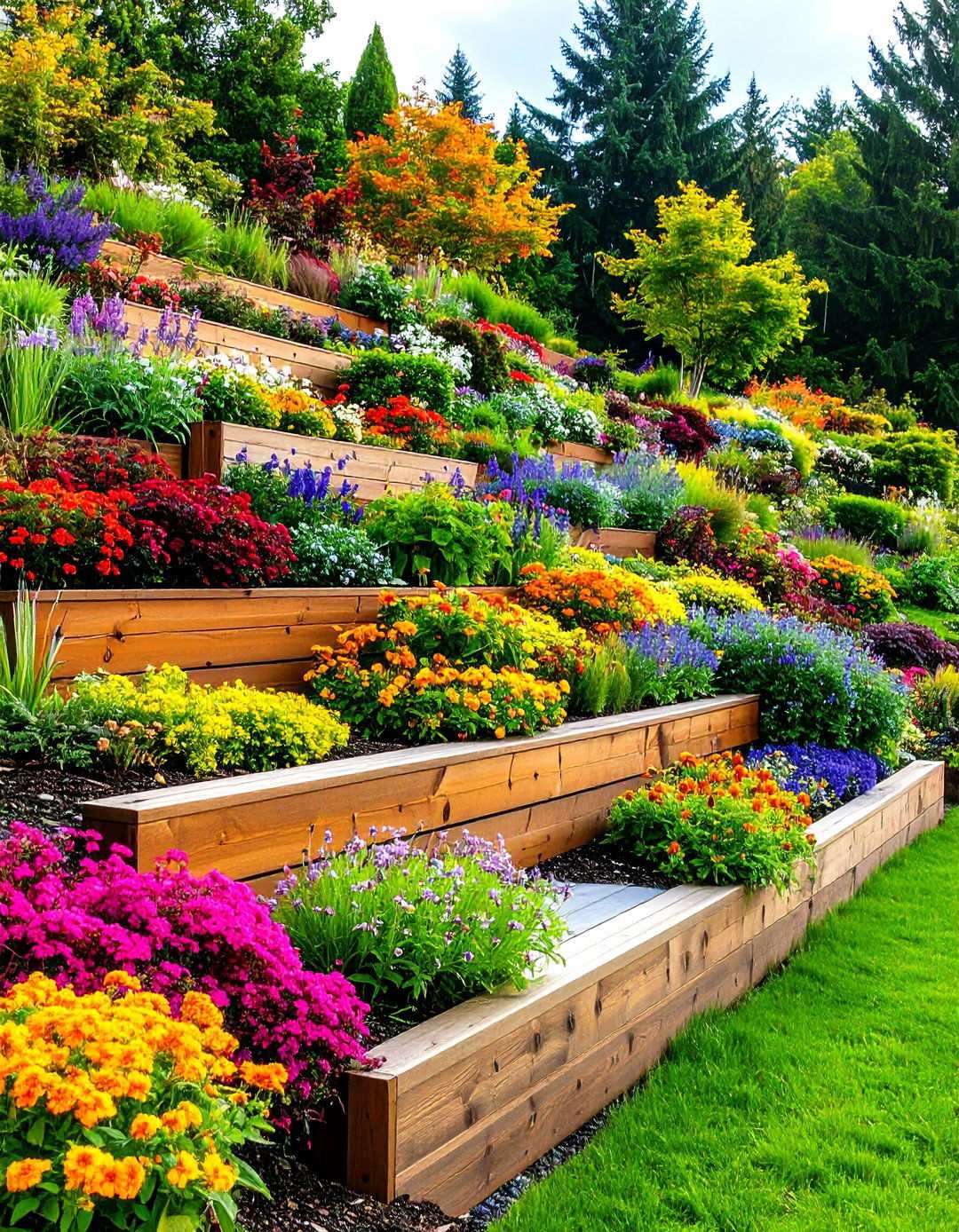
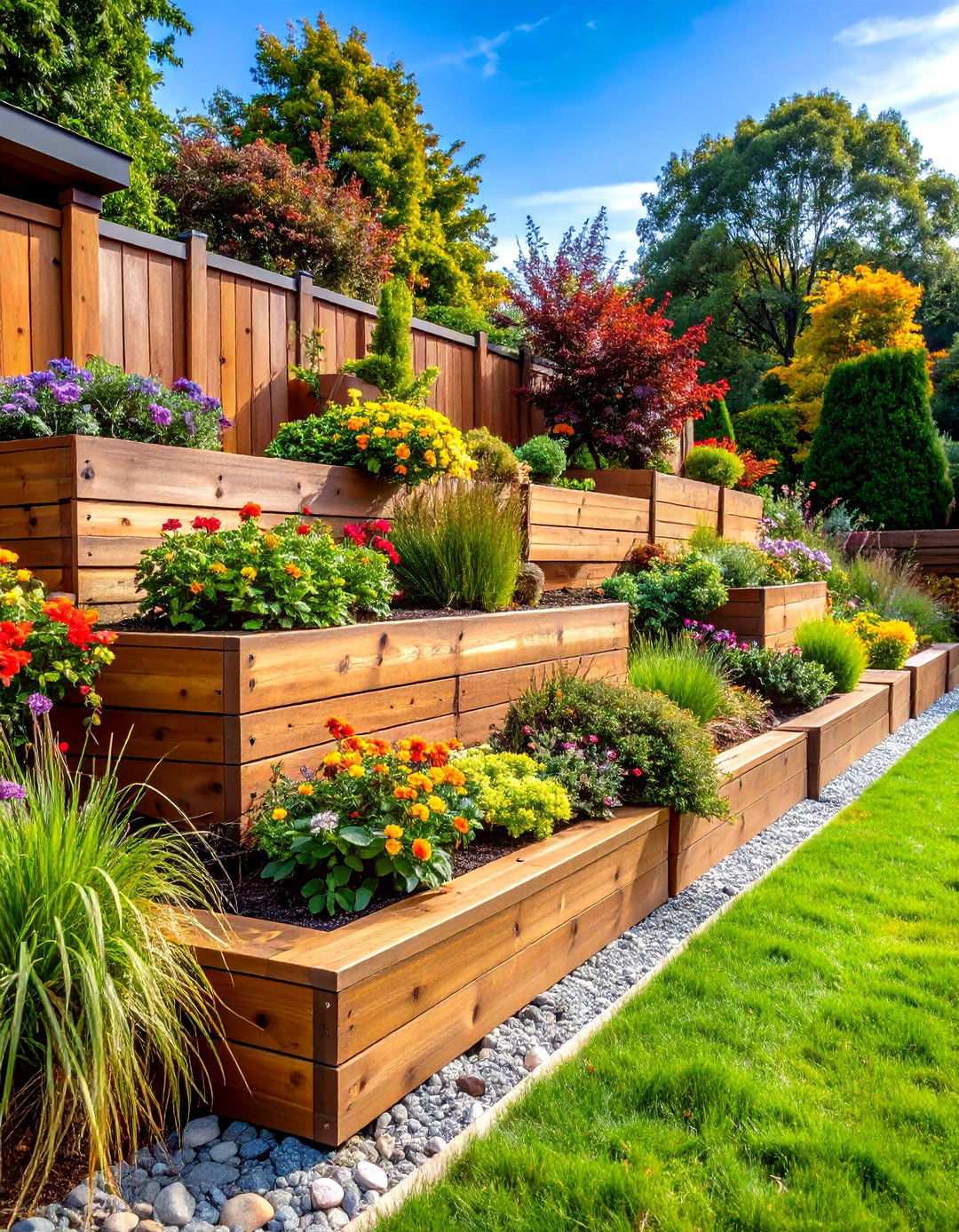
A striking terraced design using landscape timbers offers a unique solution for managing steep slopes while minimizing the structural demands of individual wall sections. By dividing the slope into multiple smaller walls, the weight is distributed evenly, improving overall stability. Lower walls provide support for upper terraces, creating a harmonious balance between structural integrity and aesthetic appeal. Each tier can be designed to showcase a distinct planting theme, resulting in a diverse and dynamic garden environment within the same space. The cost-effectiveness of this approach lies in the reduced requirements for robust foundations and materials, making it an attractive option for gardeners on a budget. The terraced design also allows for multiple planting opportunities, easier maintenance access, and effective erosion control, making it particularly suitable for vegetable gardens, herb spirals, and ornamental displays that demand different soil conditions.
17. Modern Metal Solutions for Retaining Walls
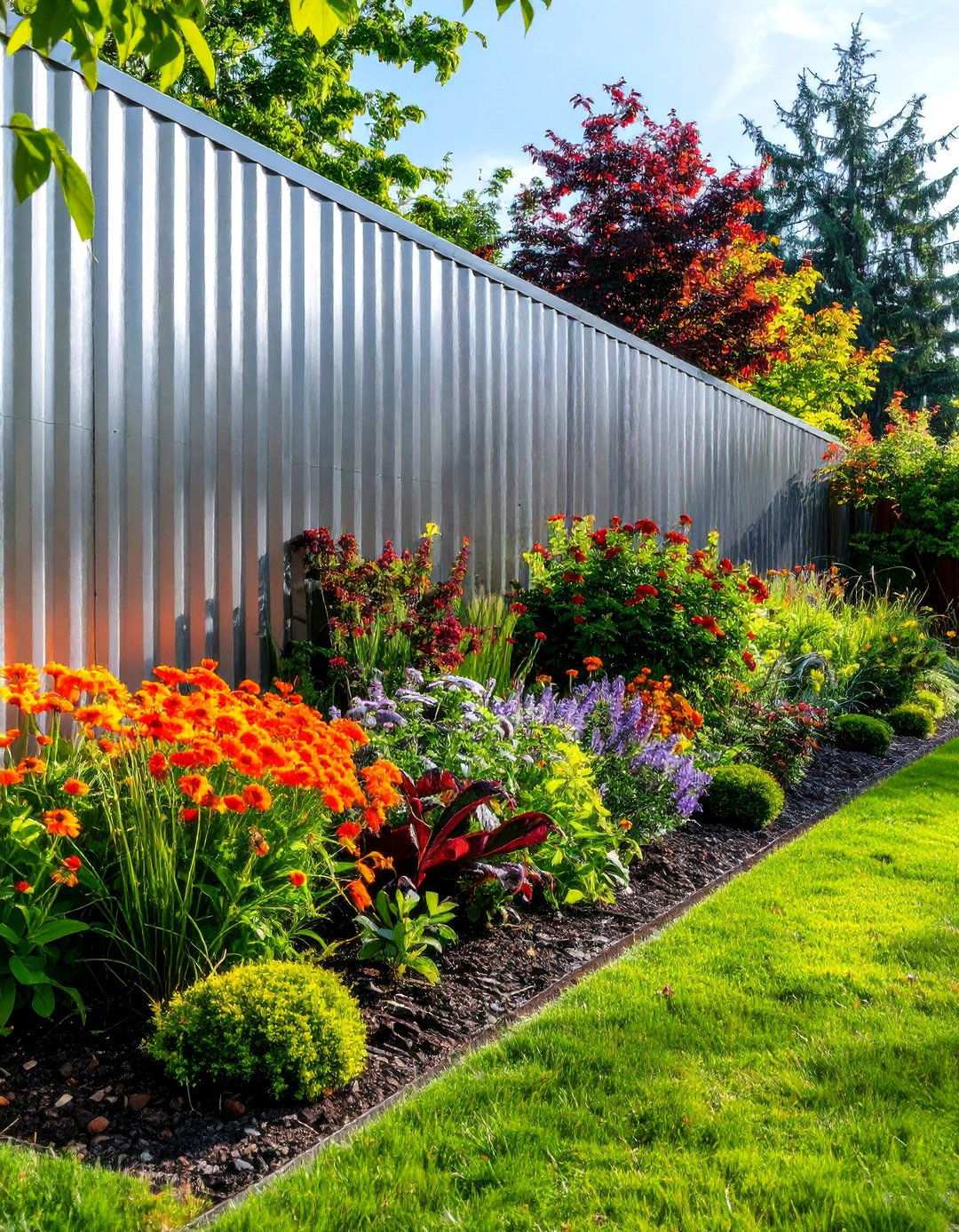
Galvanized or painted steel panels have gained popularity as a striking and durable option for modern landscape designs, providing an industrial-style retaining wall at a moderate cost. These corrugated metal sheets offer clean lines and a contemporary aesthetic, while resisting corrosion and ensuring longevity. Installation involves setting posts and securing panels vertically or horizontally, depending on the desired design. Metal panels can be used as facing materials over existing structures or as standalone walls for gentle slopes, offering a versatile solution for various landscape designs. The material’s flexibility allows for creative artistic treatments, including laser cutting, painting, or weathering techniques. Effective drainage systems behind metal walls prevent corrosion and structural problems, making this approach suitable for urban gardens, commercial landscapes, and modern residential designs. By harnessing the reflective properties of metal, gardeners can strategically enhance lighting effects or create visual interest, adding a new dimension to their landscape design.
18. Innovative Earthbag Retaining Wall Solutions
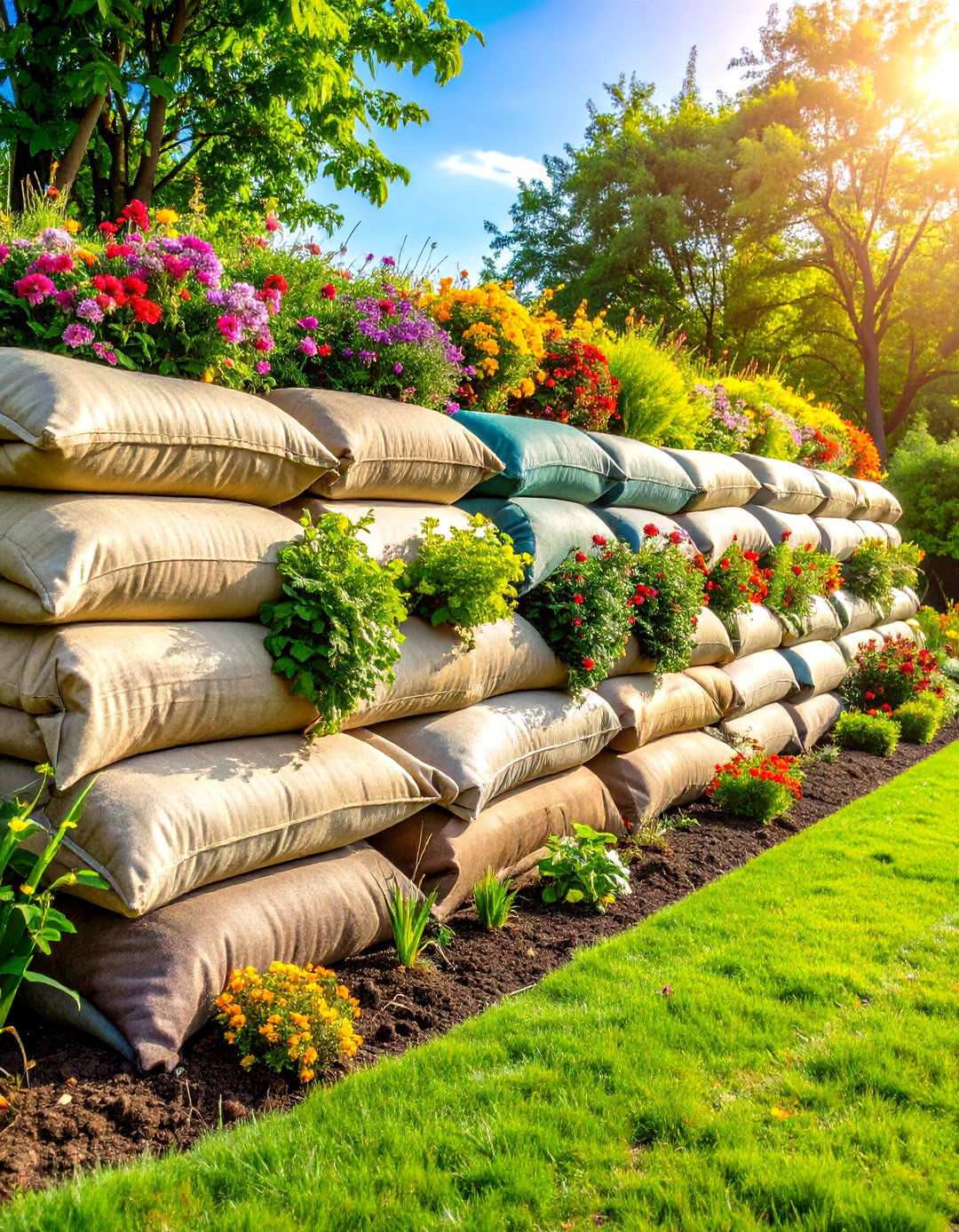
Innovative earthbag retaining walls seamlessly integrate with natural landscapes, utilizing geotextile fabric tubes filled with soil to create strong, flexible structures. By leveraging on-site soil, these polypropylene or burlap bags significantly reduce material costs, ranging from $1 to $3 each. As the bags are stacked like oversized sandbags, they allow for vegetation growth through the permeable fabric, adapting well to curved walls and irregular terrain while providing excellent drainage characteristics. Earthbag construction requires minimal specialized skills and can accommodate various soil types, ensuring that the technique remains accessible to a wide range of builders. Proper compaction during filling is crucial for structural integrity, and these walls often improve with age as vegetation establishes and root systems strengthen the structure.
19. Glass Block Retaining Walls for Unique Landscapes
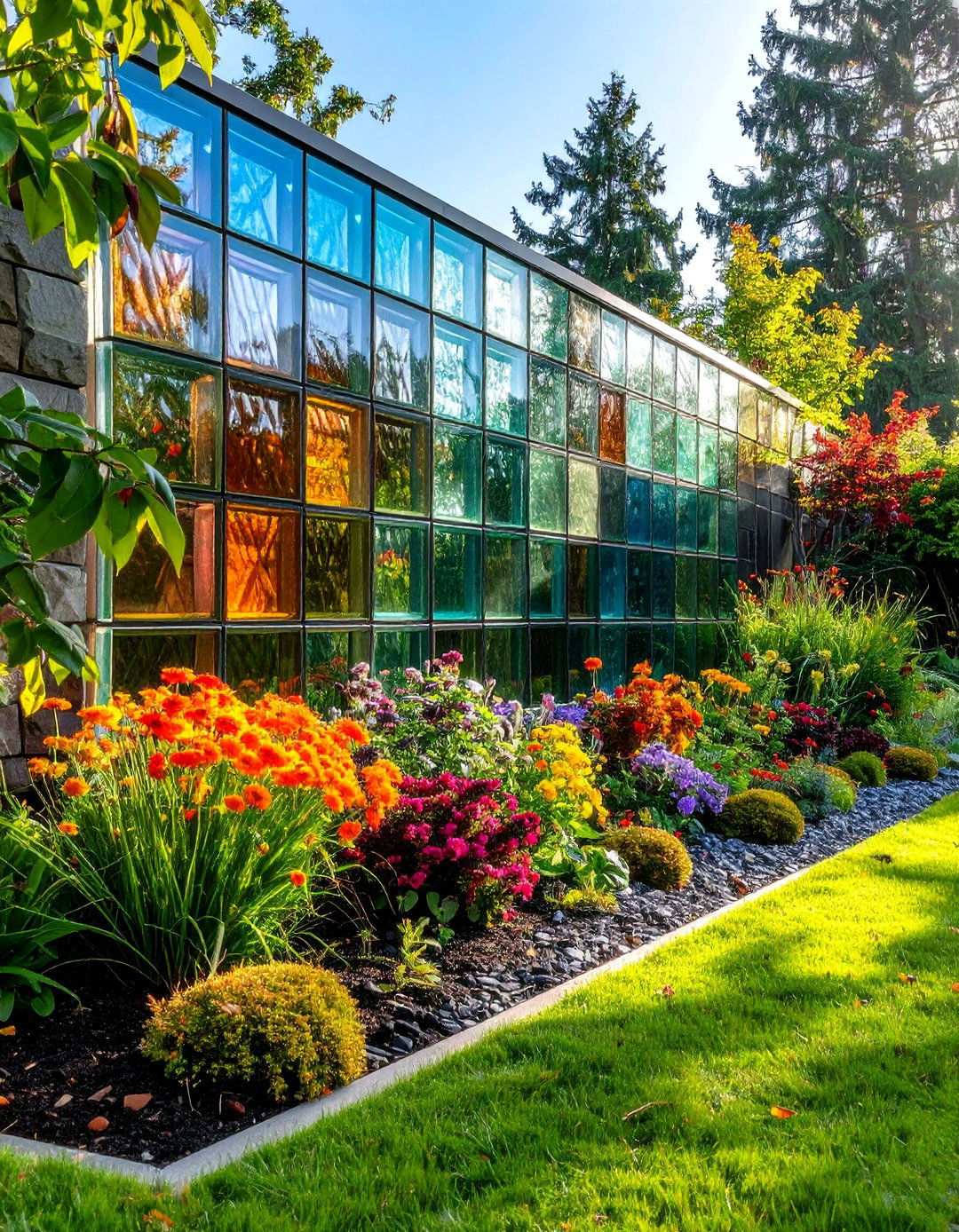
Recycled glass blocks offer a unique opportunity to create retaining walls that incorporate light and color into landscape designs, providing a distinctive aesthetic. By mortaring these hollow masonry units together like traditional blocks, homeowners can enhance lighting effects and create translucent qualities that add depth to their outdoor spaces. Glass blocks work particularly well for decorative accent walls or privacy screens in urban settings, where a touch of elegance is desired. While the material requires careful handling during installation, the long-lasting beauty of these walls makes them an attractive option for contemporary gardens. With various colors and textures available, homeowners can match their glass block retaining walls to different design themes. Proper drainage and frost protection are essential for longevity in changing weather conditions, making this approach suitable for a wide range of climates.
20. Timeless Rammed Earth Retaining Walls
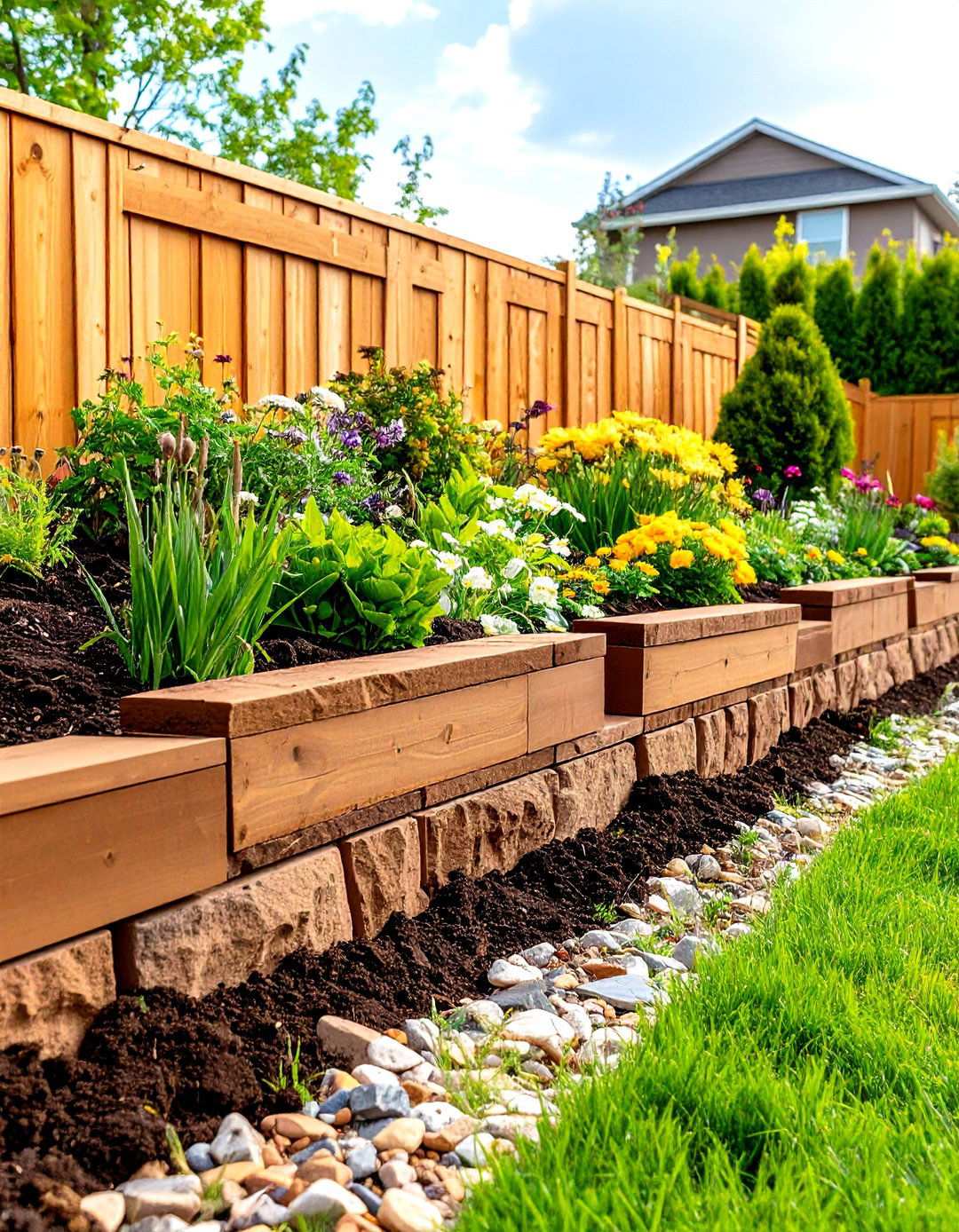
Rammed earth construction creates durable, attractive retaining walls using local soil mixed with stabilizing agents like cement or lime. This ancient technique involves compacting moistened earth mixture in forms to create solid walls with beautiful natural textures, providing a unique and timeless aesthetic. By leveraging on-site soil, material costs remain extremely low, making rammed earth a cost-effective option for many builders. The thermal mass properties of rammed earth provide climate benefits, while the natural colors complement outdoor environments, creating a seamless transition between the wall and its surroundings. Construction requires temporary forms and manual or pneumatic compaction equipment, but the end result is well worth the effort. With various soil additives available to modify color and strength characteristics, builders can tailor their rammed earth walls to meet their specific needs. Proper curing and protection during construction ensure optimal strength development, and rammed earth walls can last centuries when properly designed and constructed.
21. Pallet Wood Retaining Wall
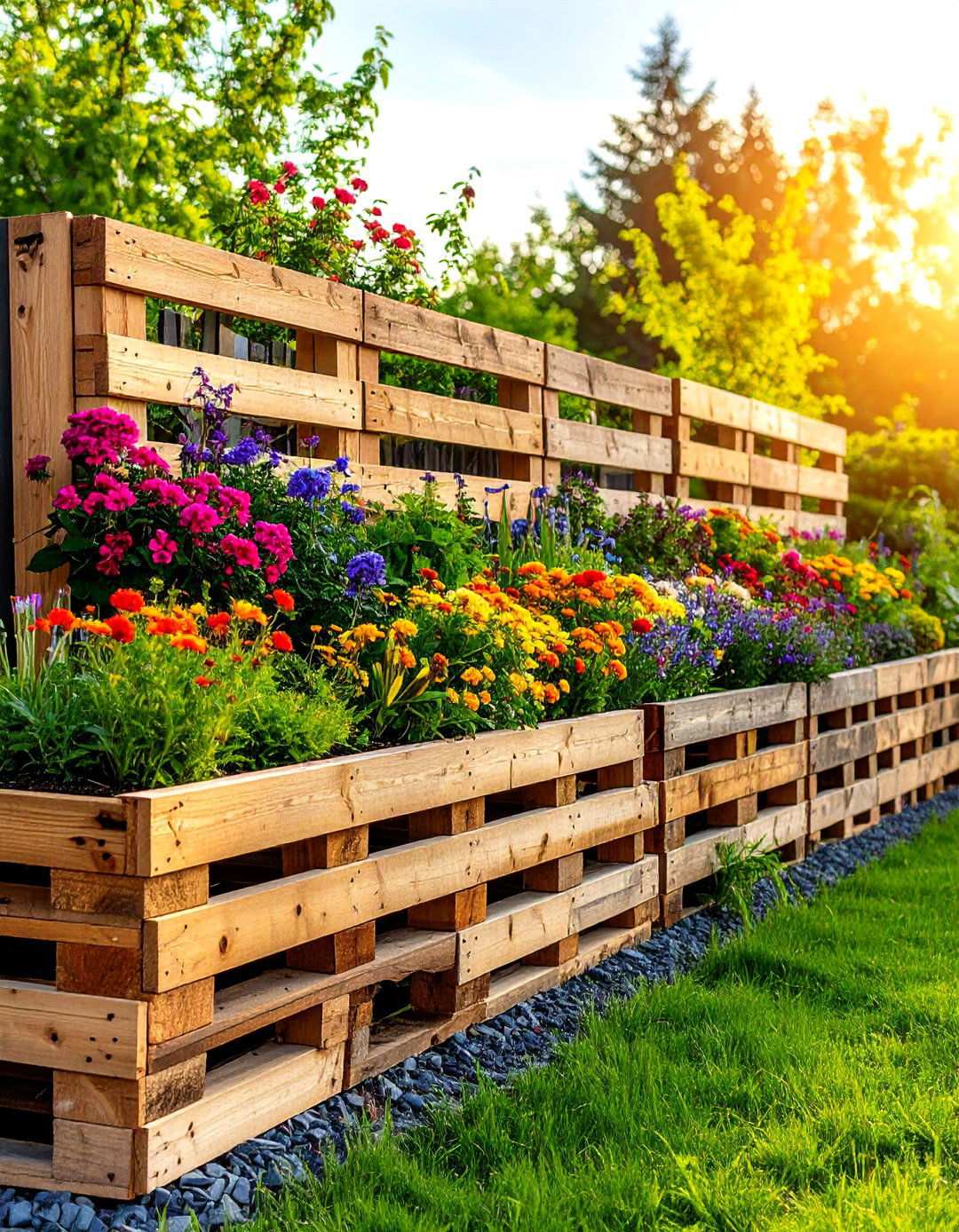
Transforming discarded wooden pallets into rustic retaining walls has become a popular choice for informal garden settings. By repurposing standard shipping pallets, individuals can create functional soil retention systems that require minimal materials. The gaps between pallet slats allow for natural drainage while also enabling creative planting opportunities. This cost-effective approach is ideal for temporary installations or budget-conscious projects that demand swift solutions. With proper treatment using wood preservatives, the lifespan of these structures can be extended in outdoor applications. The industrial aesthetic of pallets complements urban gardens and modern landscape designs. By experimenting with different modification techniques, individuals can tailor pallet walls to suit their specific needs. By repurposing shipping materials, this approach effectively creates functional landscape elements while minimizing waste.
22. Mortarless Stone Retaining Wall
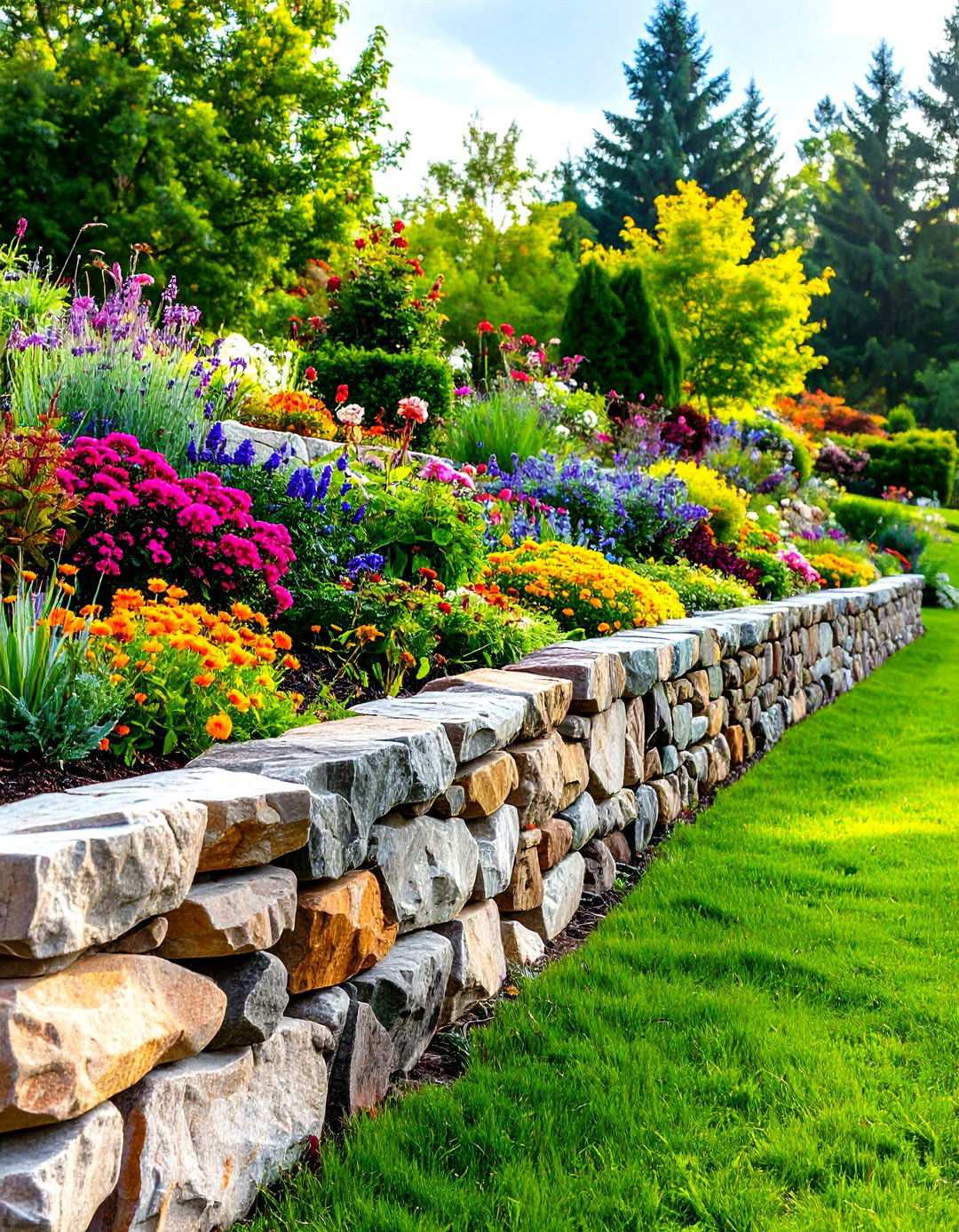
Crafting beautiful, long-lasting retaining walls through mortarless stone construction requires careful stone selection and fitting techniques. This dry-stack method relies on gravity and friction between stones to provide structural stability, eliminating the need for binding materials. By choosing stones that are adequately sized, shaped, and weighted, individuals can ensure the structural integrity of their walls. While patience and skill are necessary for effective stone fitting, the rewards are well worth the effort – these walls can last for centuries. Natural drainage occurs through the joints between stones, effectively eliminating hydrostatic pressure concerns. From formal cut stone to informal fieldstone, various stone types offer distinct aesthetic effects that can seamlessly integrate with garden environments. By adhering to proper foundation requirements and batter, individuals can ensure their walls remain structurally sound. This ancient technique requires minimal ongoing maintenance, with occasional stone repositioning after settlement being the only necessary upkeep.
23. Tire and Concrete Hybrid Retaining Wall
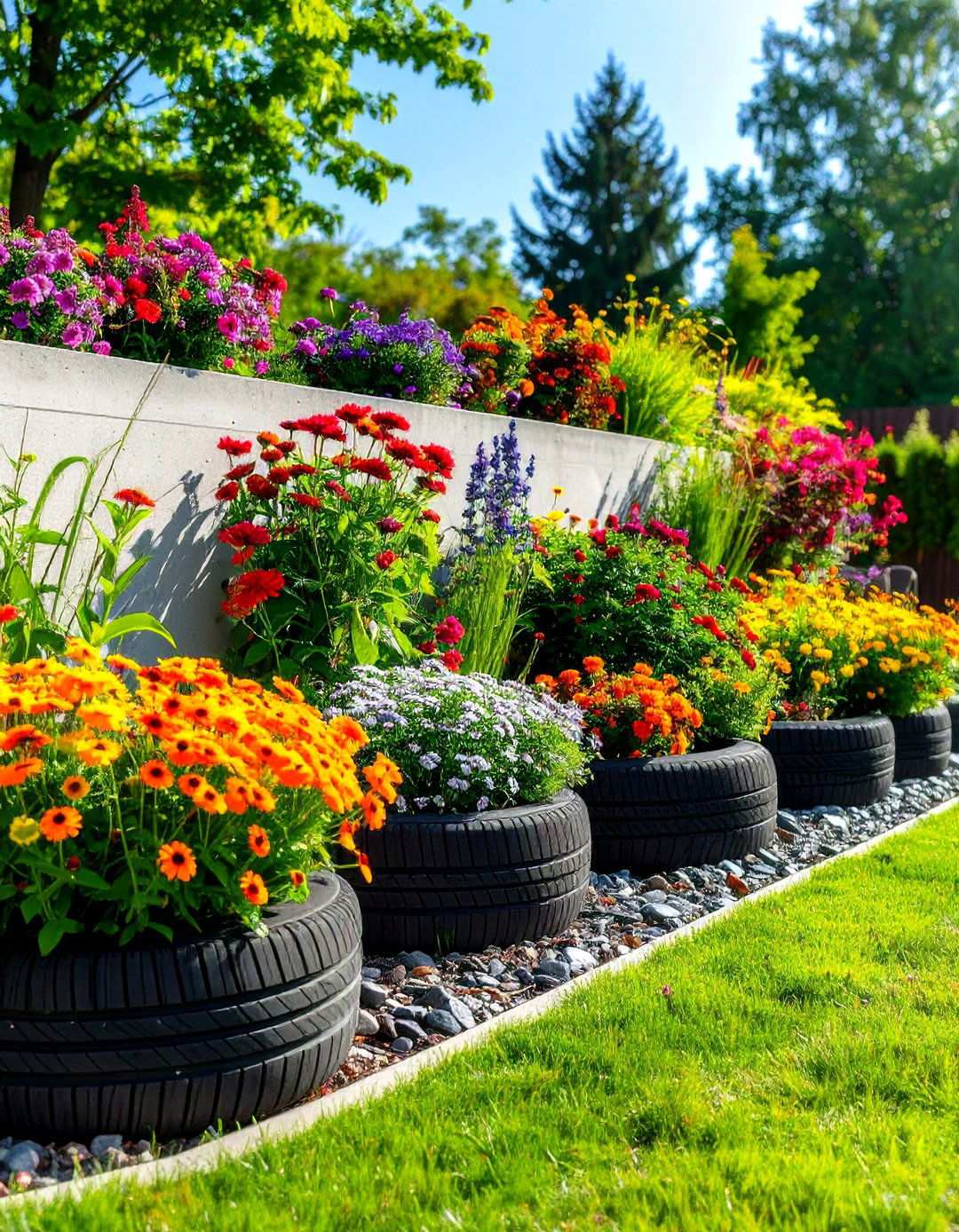
Combining recycled tires with concrete has emerged as a cost-effective solution for creating robust retaining walls that maximize the benefits of both materials. Tires provide flexible, durable forms while concrete adds structural strength and a finished appearance. By stacking tires, filling them with concrete, and often incorporating rebar reinforcement, individuals can construct substantial retaining capacity. The outer faces can be finished with stucco or other materials to conceal the tire structure, creating a visually appealing surface. This hybrid approach effectively utilizes waste materials while providing substantial retaining capacity. The method is particularly well-suited for high-load applications that necessitate engineered solutions. Proper drainage is essential to prevent hydrostatic pressure buildup behind the wall. By experimenting with various finishing techniques, individuals can create attractive surfaces that disguise the tire construction, while the combination of materials offers longevity and strength at reasonable construction costs.
24. Streamlined Modular Block Retaining Wall Solutions
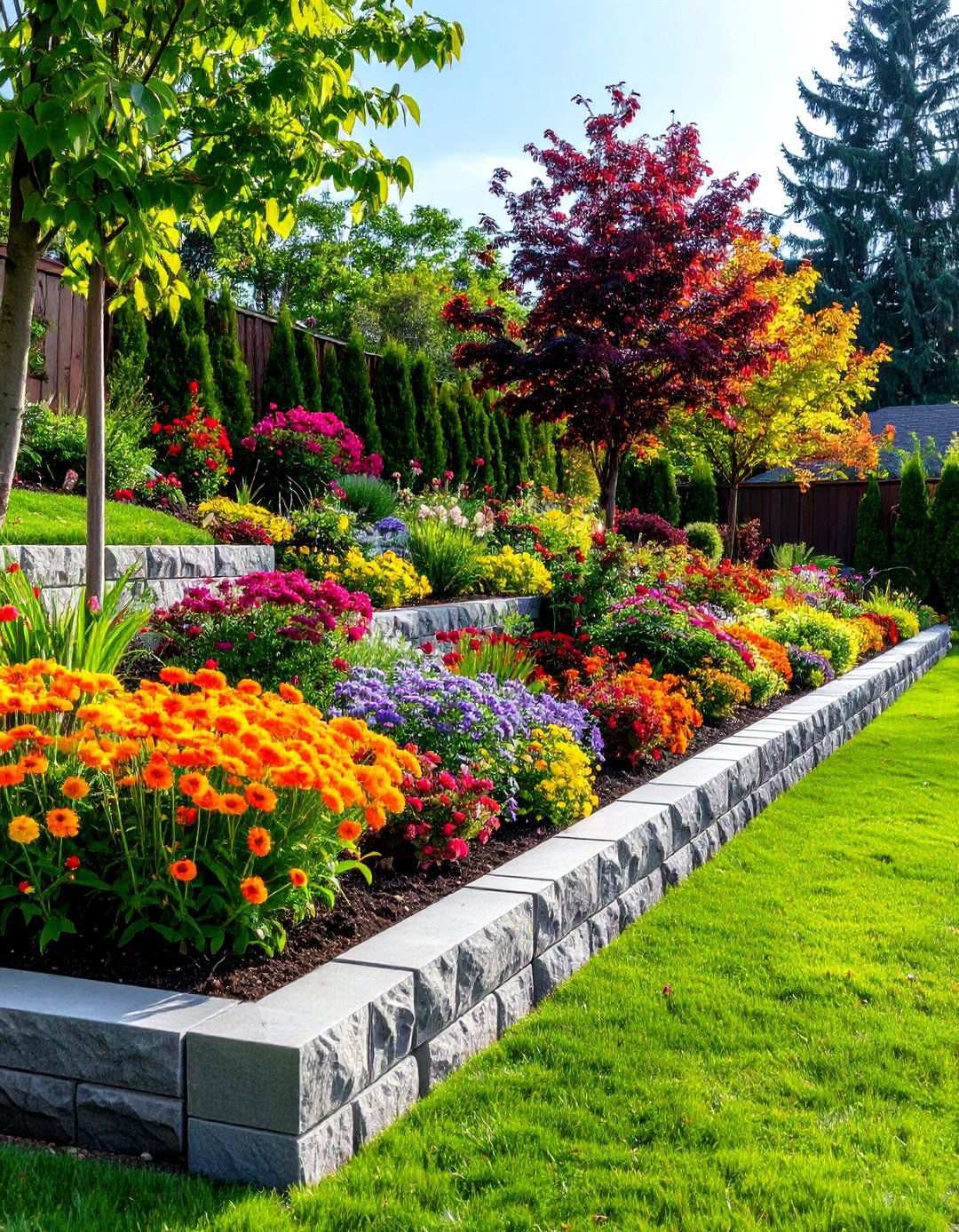
Cutting-edge modular block systems have revolutionized DIY retaining wall installation by leveraging precision manufacturing and intelligent interlocking design features. These pre-fabricated concrete blocks typically fall within a budget-friendly price range of $3-8 each and boast integral connection methods that guarantee the adherence to optimal construction techniques. By leveraging uniform dimensions and built-in features, DIY enthusiasts can bypass the guesswork often associated with wall construction, while still achieving professional-grade results.
Thanks to their versatility, modular block systems are available in a diverse range of surface textures and colors, making it easy to tailor them to different landscape styles. Most comprehensive packages come equipped with matching cap stones and corner units, which further streamline the installation process. Engineered to provide adequate drainage and structural capacity, these systems cater to various intended applications. Furthermore, installation requires only basic tools and adheres to the manufacturer’s specifications. To ensure the success of DIY projects, many modular block systems come with technical support and installation guides.