1. Transforming Garden Edges with Creative Recycling
By repurposing discarded materials, gardeners can craft visually striking borders that not only minimize waste but also foster a sense of eco-consciousness. A treasure trove of recycled materials, ranging from repurposed glass to reclaimed wood, presents endless opportunities to define garden spaces with unique textures and colors. Each material contributes its distinct characteristics, allowing homeowners to infuse their outdoor areas with personality and flair while embracing sustainability. Moreover, the cost-effectiveness of these alternatives encourages creative experimentation, making it easier to personalize garden styles and create bespoke landscape features.

As an Amazon Associate I earn from qualifying purchases.
2. Artful Wine Bottle Edging and the Beauty of Reclaimed Materials
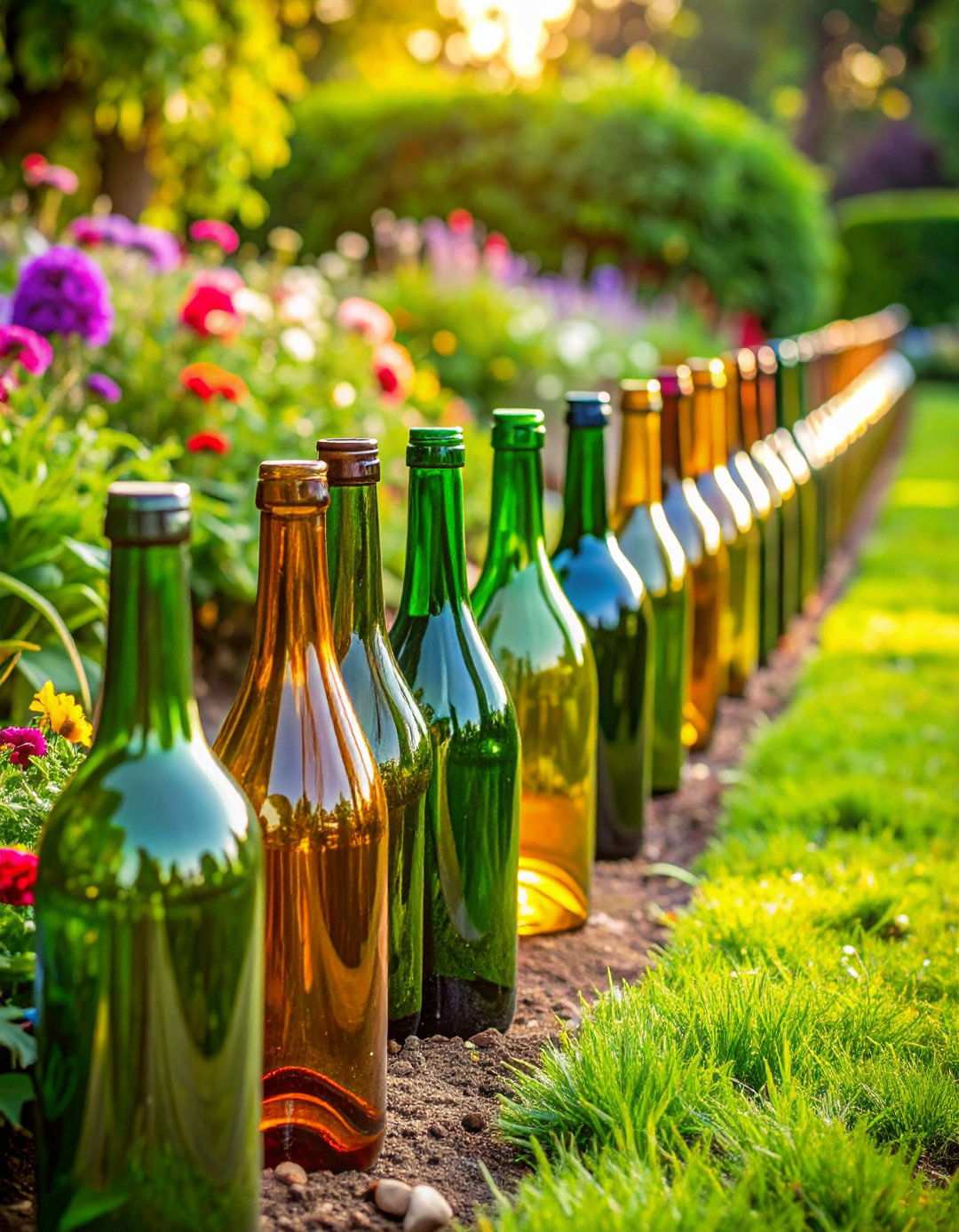
One innovative technique for incorporating recycled materials into garden design involves upcycling wine bottles. By carefully placing empty bottles neck-down into the soil, gardeners can create vibrant borders that radiate color and light as the sun moves across the day. The diverse glass hues from various wine varieties produce a stunning mosaic effect along garden paths and beds. To add an element of artistic expression, bottles can be arranged in intricate patterns or mixed randomly to create a one-of-a-kind visual display. However, it’s essential to secure the bottles firmly to prevent them from shifting due to wind or accidental contact. This approach works particularly well around delicate herb gardens, curved pathways, and flower beds where traditional rigid materials might be impractical.
3. The Timeless Charm of Reclaimed Brick Edging
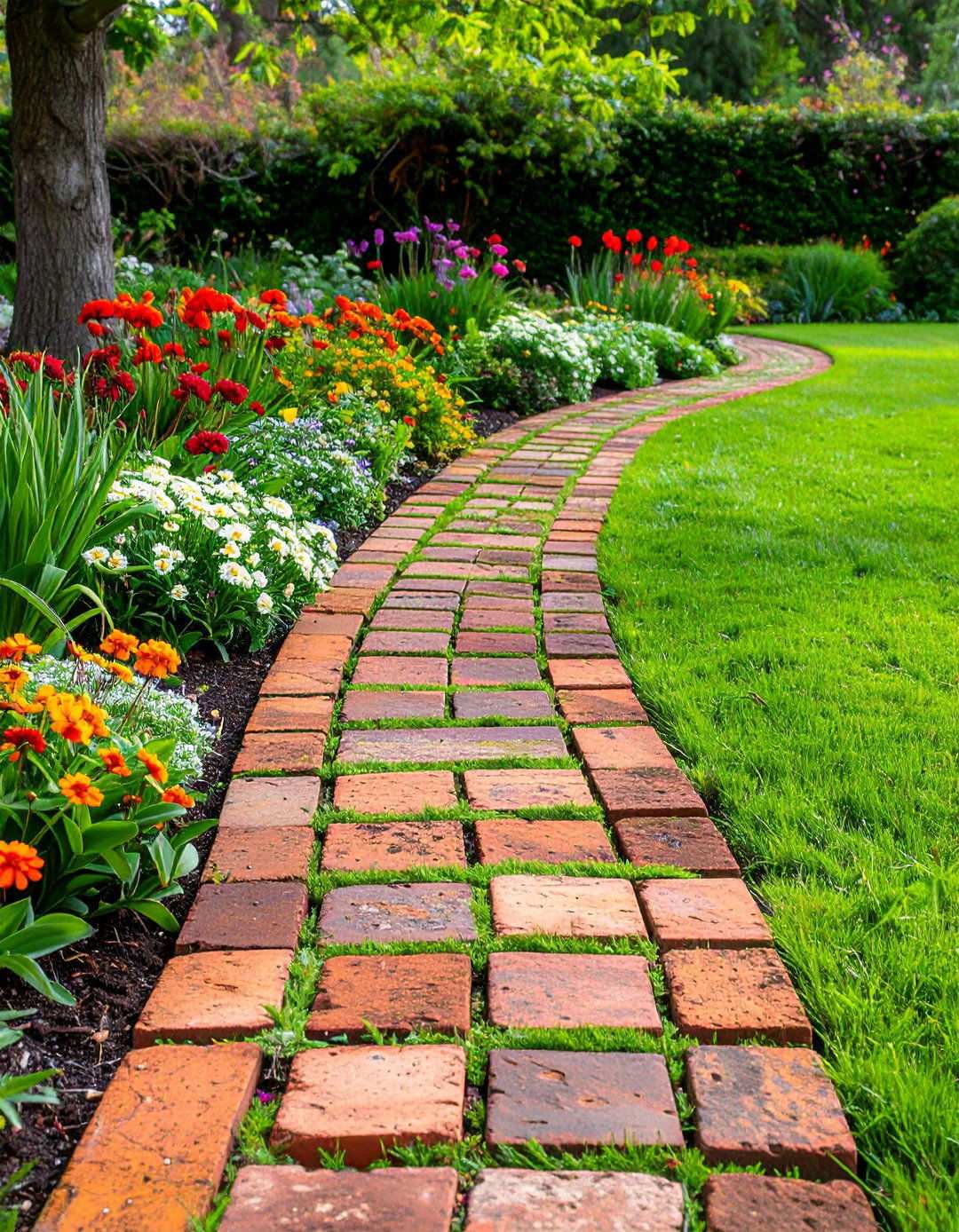
Salvaged bricks from construction sites or demolished buildings possess a timeless elegance that cannot be replicated by new materials. When incorporated into garden design, these recycled bricks bring a rich patina and authentic character that enhances the overall aesthetic of the space. To create a distinctive border, bricks can be arranged in a variety of patterns, from straightforward lines to more intricate herringbone designs or stacked at varying heights for added visual interest. By combining different brick colors and textures, gardeners can craft unique designs that complement a range of garden styles, from cottage gardens to formal landscapes and traditional home exteriors. Furthermore, the durability of reclaimed bricks ensures they can withstand the rigors of weather extremes and seasonal changes.
Reimagining Pallet Wood as Garden Borders
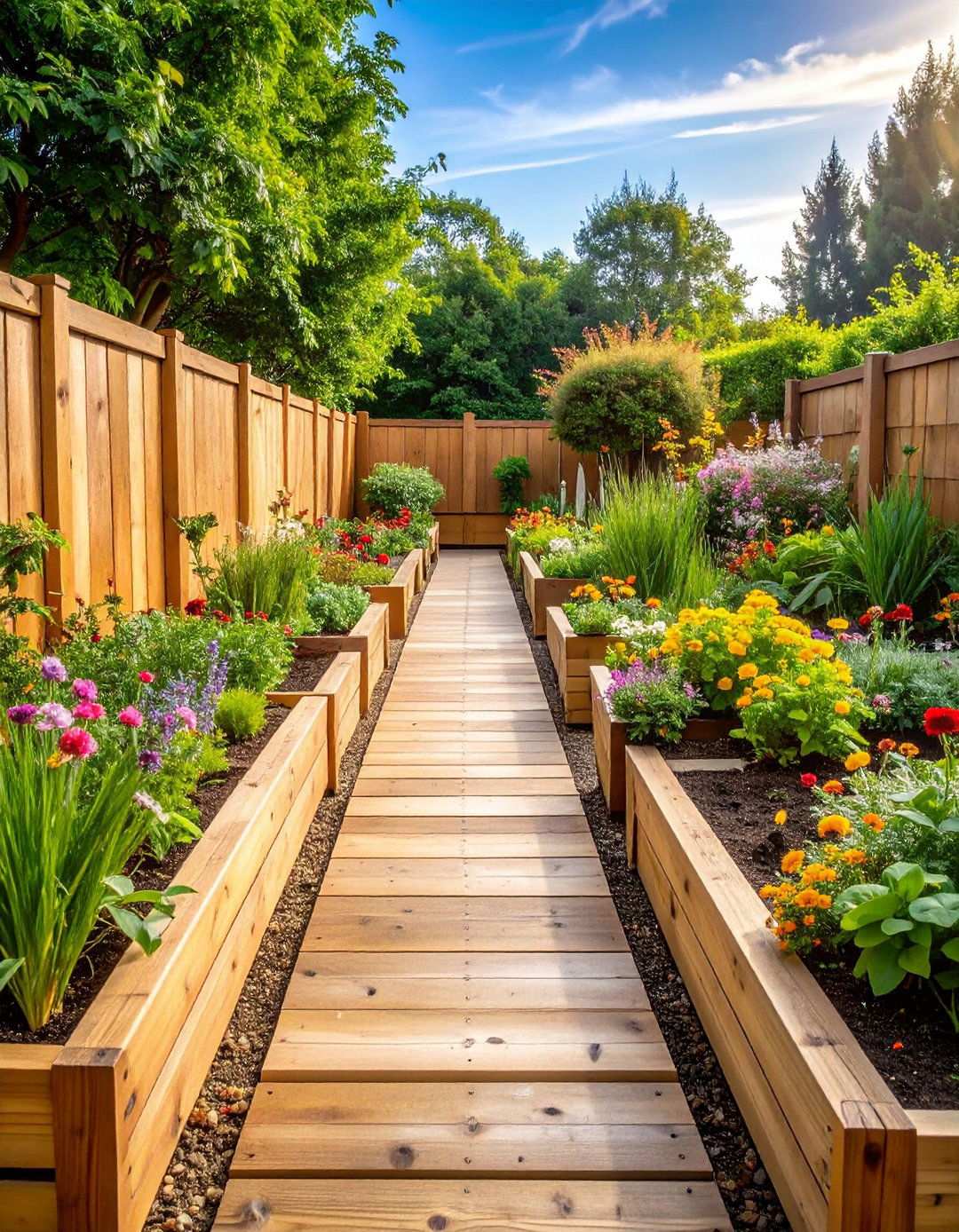
Pallet wood, once destined for the landfill, now finds new life as rustic garden edging, perfectly suited for informal landscapes and vegetable gardens. Disassembled and cut into uniform lengths, the wood can be arranged vertically or horizontally around garden beds, creating a unique texture and visual warmth. The natural weathered wood appearance adds a touch of character to any garden, while the various wood tones create a cozy ambiance. To ensure durability, pallet wood should be thoroughly cleaned, sanded, and sealed with an outdoor wood preservative. This versatile edging option works exceptionally well for raised bed construction and can be painted to match the garden’s theme, making it an ideal choice for beginning gardeners who value ease of installation and customization for curved beds or irregular shapes.
4. Transforming Discarded Tires into Colorful Edging
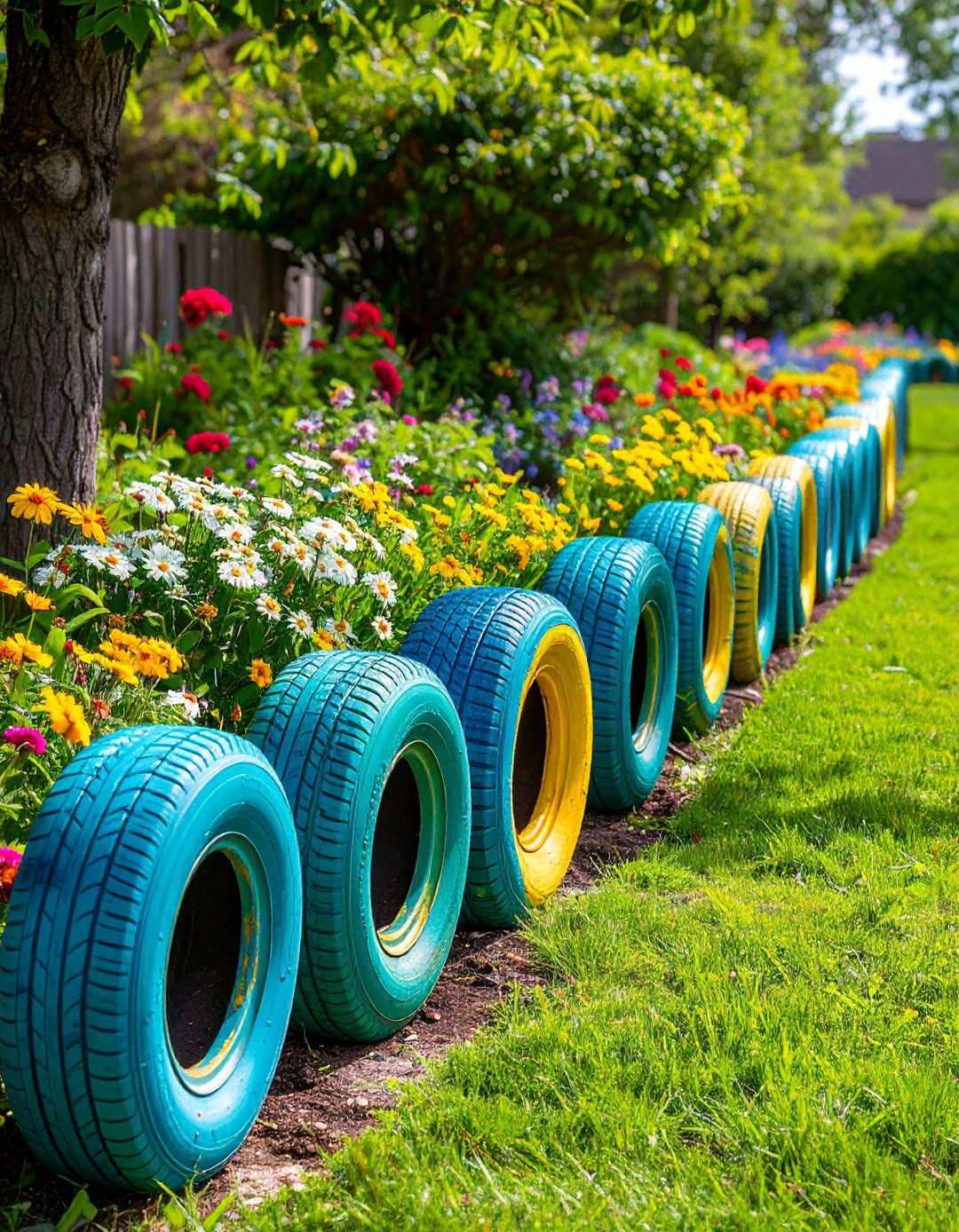
Abandoned tires take on a new lease on life when repurposed as vibrant garden borders, cut into rings and painted with weather-resistant colors that harmonize with surrounding plantings. Whole tires can be arranged along garden perimeters or cut in half for lower profile edging, providing a creative and eco-friendly solution. The rubber material’s ability to retain soil effectively, combined with its excellent weather resistance and longevity, makes it an attractive option for gardeners. Bright colors like turquoise, yellow, or coral add a playful touch to garden accents, while earth tones blend seamlessly with landscape elements. Tire edging is particularly well-suited for children’s gardens, vegetable plots, and casual landscape designs, where a touch of whimsy and creativity is desired. For added stability, the circular shapes can be partially buried and filled with soil for additional planting space within the tire rings.
5. Reusing Concrete Block Waste as Modern Edging
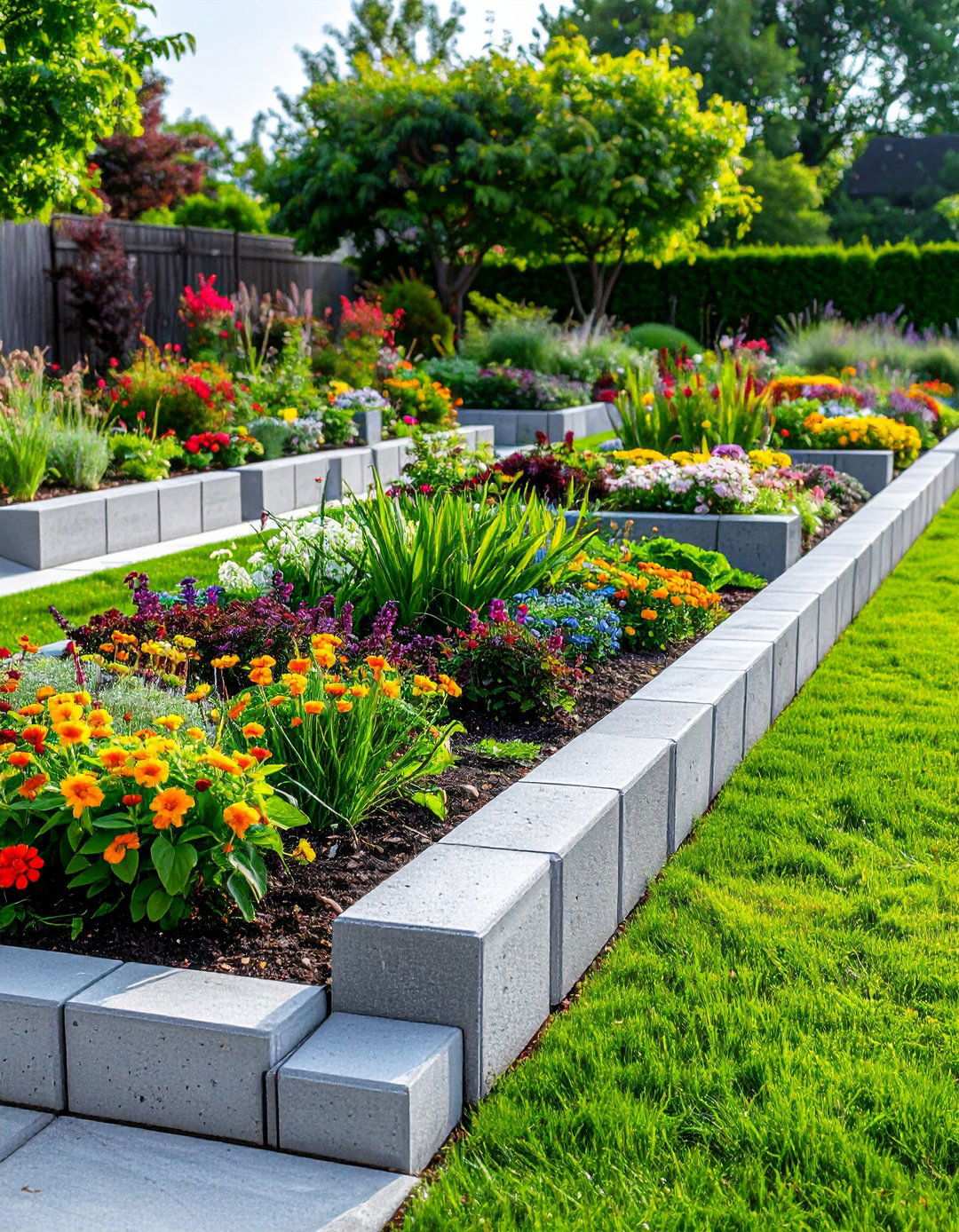
Demolition projects often yield a wealth of materials, including cinder blocks and concrete masonry units that can be repurposed as modern, geometric garden edging with exceptional structural integrity. These blocks can be stacked to varying heights, arranged in straight lines, or configured around curved beds, offering a high degree of flexibility and customization. The hollow centers of the blocks provide opportunities for additional plantings or decorative elements like colored stones, further enhancing their visual appeal. Concrete blocks can be painted or stained to create customized appearances that coordinate with architectural features, making them a versatile choice for contemporary landscapes. This edging style works particularly well for containing mulch and soil, while the substantial weight of the blocks ensures stability without the need for additional anchoring, even in sloped areas where lighter materials might shift over time.
6. Vibrant Glass Bottle Landscaping Accents
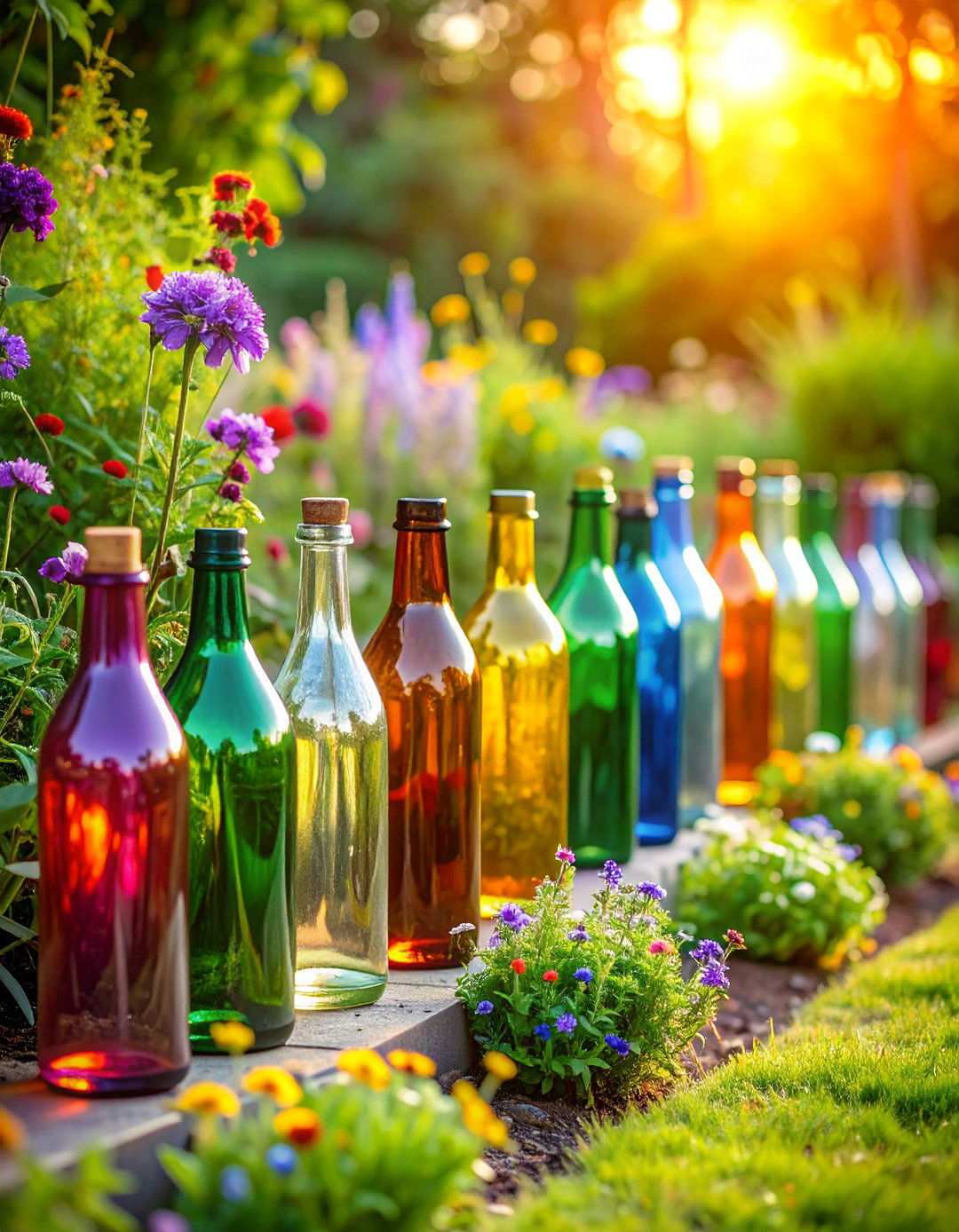
A mesmerizing mosaic effect is achieved by combining glass containers from diverse sources, creating a captivating garden edging that dances with light and adds a touch of glamour to outdoor designs. This creative approach brings together a selection of bottles in various sizes, shapes, and colors, carefully arranged in artistic patterns along garden boundaries. By incorporating beer bottles, soda bottles, and jars, designers can introduce textural variety within the border, while the transparent and translucent materials allow for a kaleidoscope of light effects throughout the day. To ensure stability, a trench is dug deep enough to anchor the bottles securely, while maintaining a consistent height above ground. This edging style is particularly well-suited for informal gardens where artistic expression takes center stage.
7. Distinctive Slate Tile Garden Borders
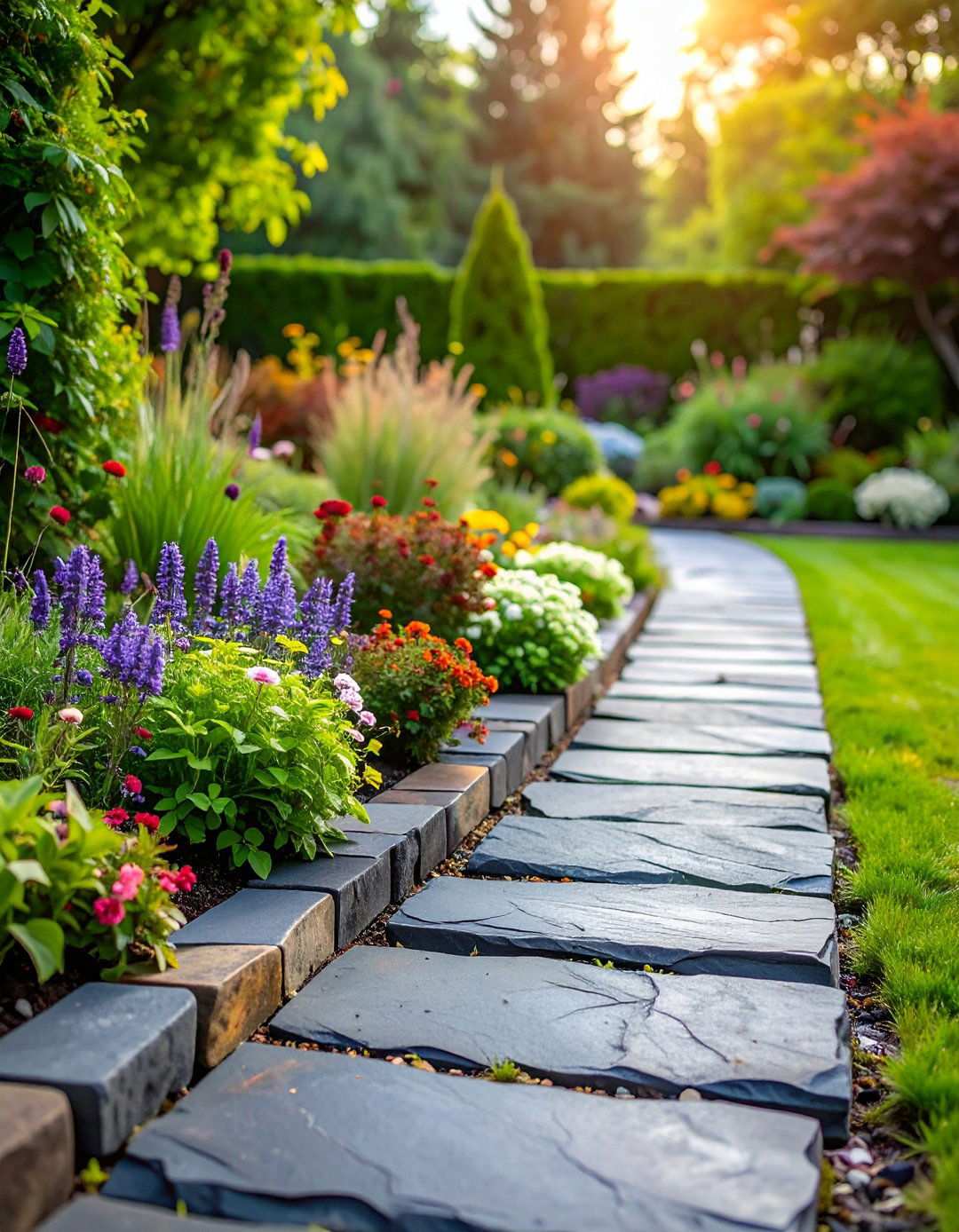
Reclaimed slate from old roofing projects offers an elegant and weather-resistant garden edging option, characterized by naturally varied colors and sophisticated textures. This versatile material can be arranged vertically for a modern appearance or laid horizontally for a more traditional look. The slate’s natural cleavage planes create intriguing surface textures that complement both contemporary and historic landscape designs, adding depth and visual interest to outdoor spaces. With its exceptional durability, slate ensures decades of reliable performance, unaffected by weather exposure. Designers can mix different slate colors, including gray, green, purple, and black, to create unique and artistic arrangements. To achieve a seamless installation, a stable base is created, and the tiles are positioned with consistent spacing. This edging material is particularly effective in formal gardens, zen spaces, and architectural landscapes where refined materials are valued.
8. Organic Log Border Designs
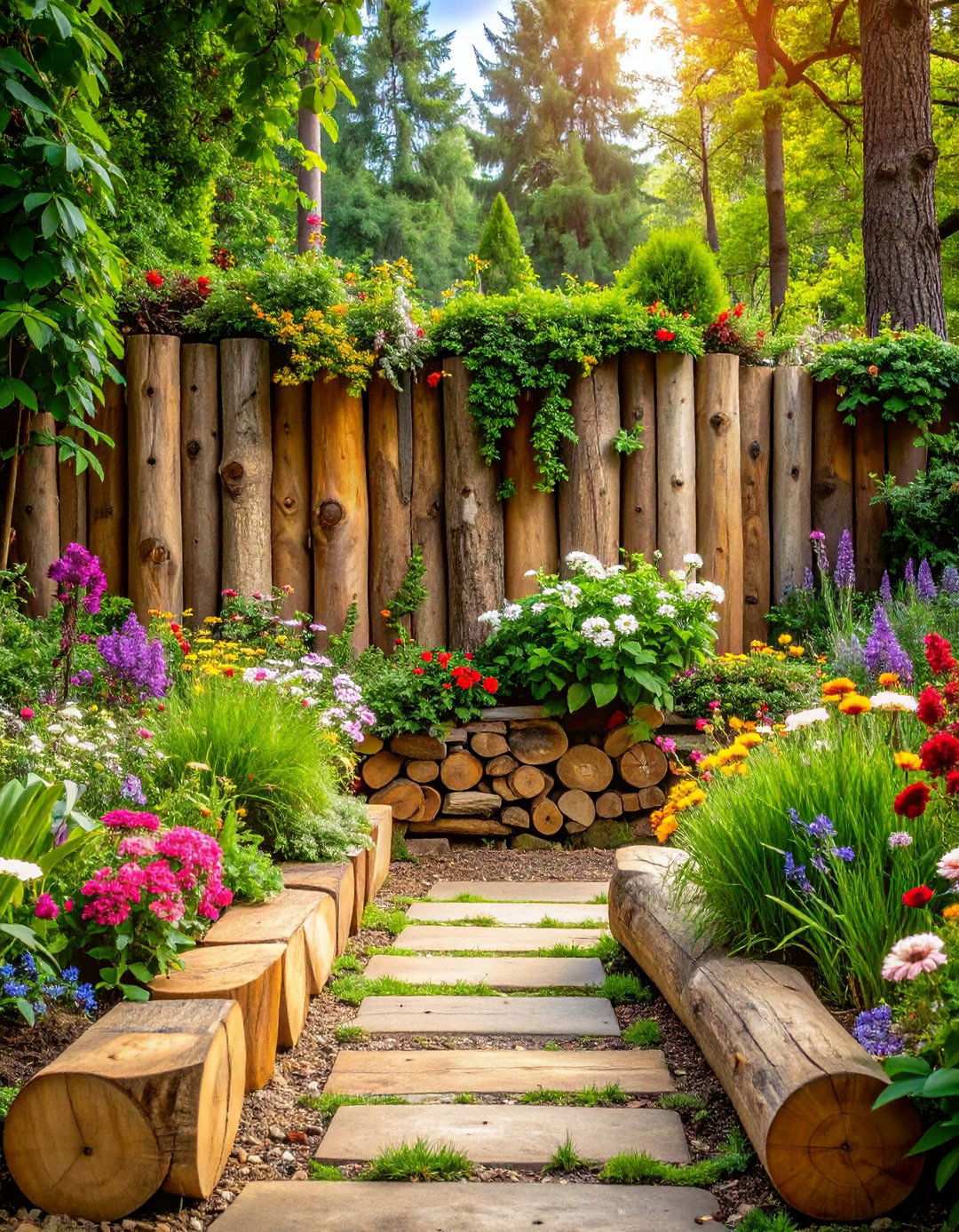
Fallen branches and trunk sections from tree removal projects provide a natural and effortless garden edging solution that harmoniously blends with organic landscape themes. These wooden elements can be arranged horizontally along garden perimeters or positioned vertically for a fence-like appearance, adding a touch of rustic charm to outdoor spaces. The natural bark textures and wood grain patterns introduce authentic character to the design, while varying log sizes create dynamic, undulating borders that follow the natural terrain contours. This edging style is ideally suited for woodland gardens, naturalized landscapes, and areas where formal materials would appear incongruous. As the logs gradually weather and blend into the surrounding environment, they provide years of effective border definition and soil containment, creating a seamless transition between the garden and its surroundings.
9. Reclaimed Concrete Urban Edging
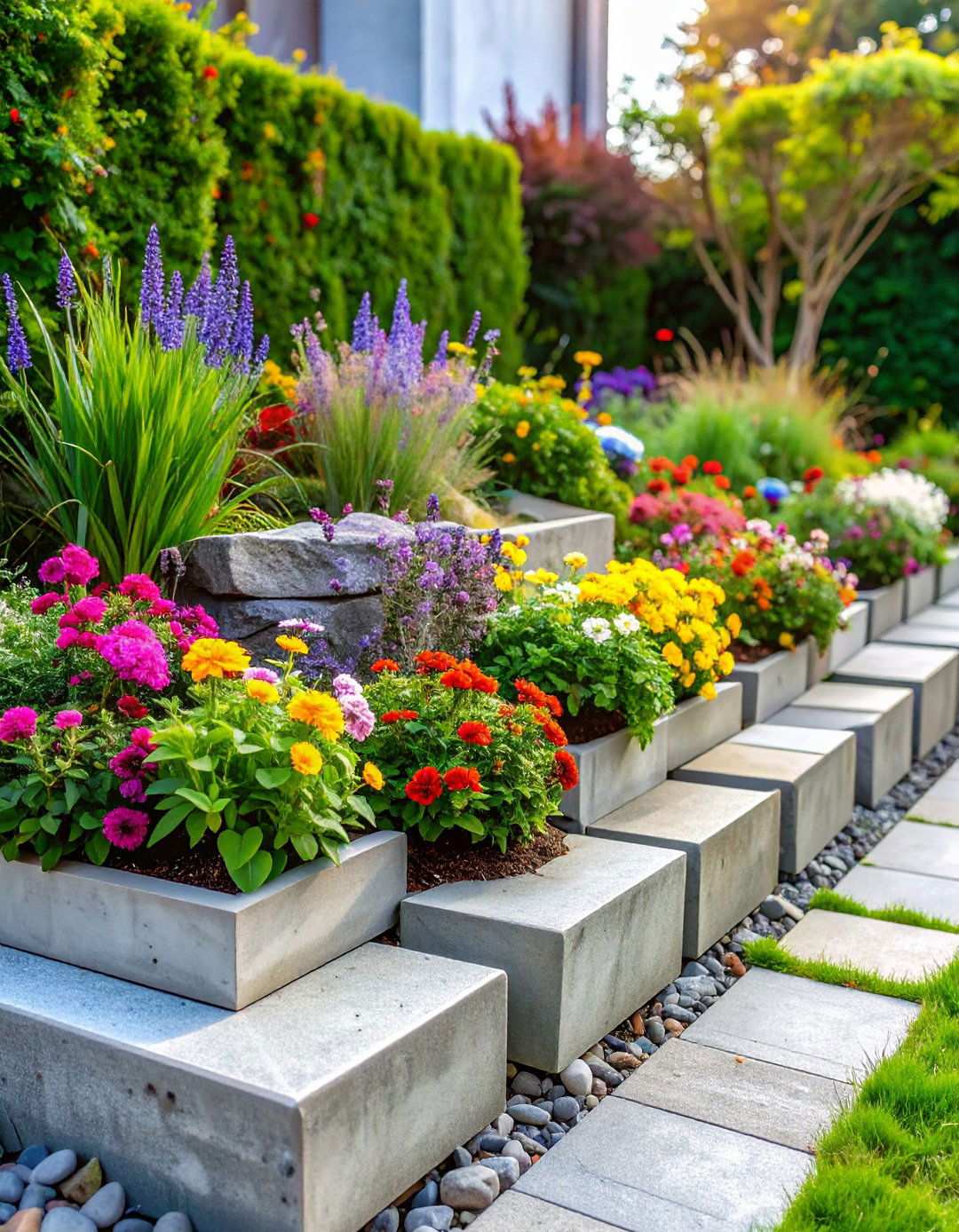
Transformed concrete sidewalks, driveways, and foundations offer a modern and trendy border solution when broken into usable pieces and carefully arranged. This innovative urban edging style, created from repurposed concrete fragments, adds an industrial touch to contemporary landscape designs. Thick slabs can be stacked to form substantial borders, while smaller fragments work perfectly for low-profile applications. The neutral gray hue of the concrete serves as a versatile backdrop for vibrant plantings, while the irregular shapes introduce dynamic textural elements. Concrete pieces can be refinished or repainted for unique, customized appearances. This edging method boasts exceptional durability and can be adapted to fit curved garden shapes and irregular spaces. The substantial weight ensures stability without requiring additional anchors.
10. Distinctive Roof Tile Border Accents
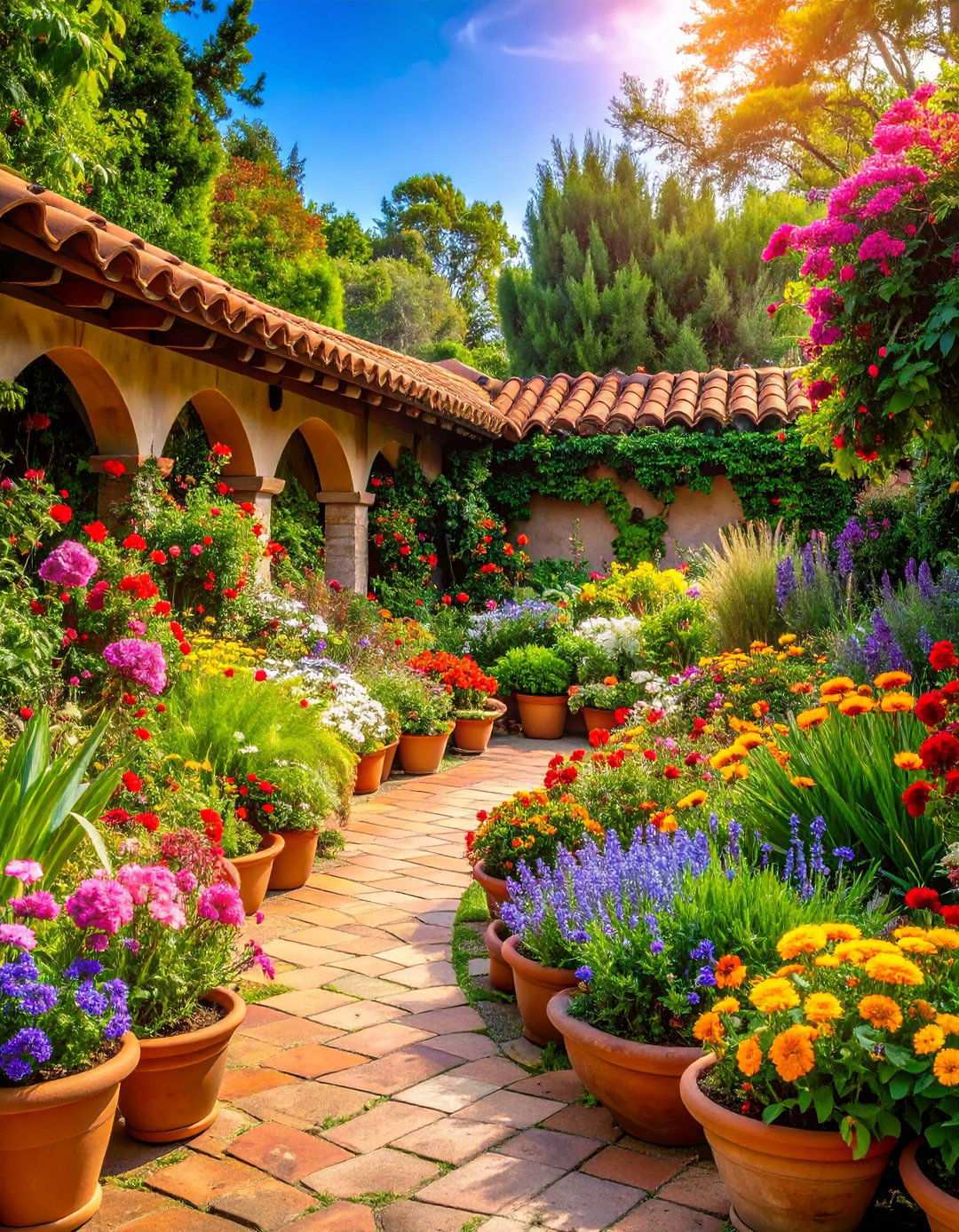
Rescued clay tiles from roof replacements offer a unique opportunity to create beautiful, long-lasting garden edging with a rich, Old World charm. These curved tiles can be arranged in intricate patterns to produce scalloped borders with a Mediterranean or Spanish colonial flair. The warm, earthy tones of the tiles complement the colors of warm-season plantings while creating striking contrast against lush green foliage. Tiles can be positioned with their traditional side up for a classic appearance or inverted for a unique visual effect. This edging style is particularly well-suited for herb gardens, drought-tolerant landscapes, and courtyard spaces. The curved shapes of the tiles naturally accommodate gentle curves, while the fired clay material provides decades of reliable performance, resistant to freeze-thaw cycles and UV exposure.
11. Repurposed Metal Bed Frame Linear Edging
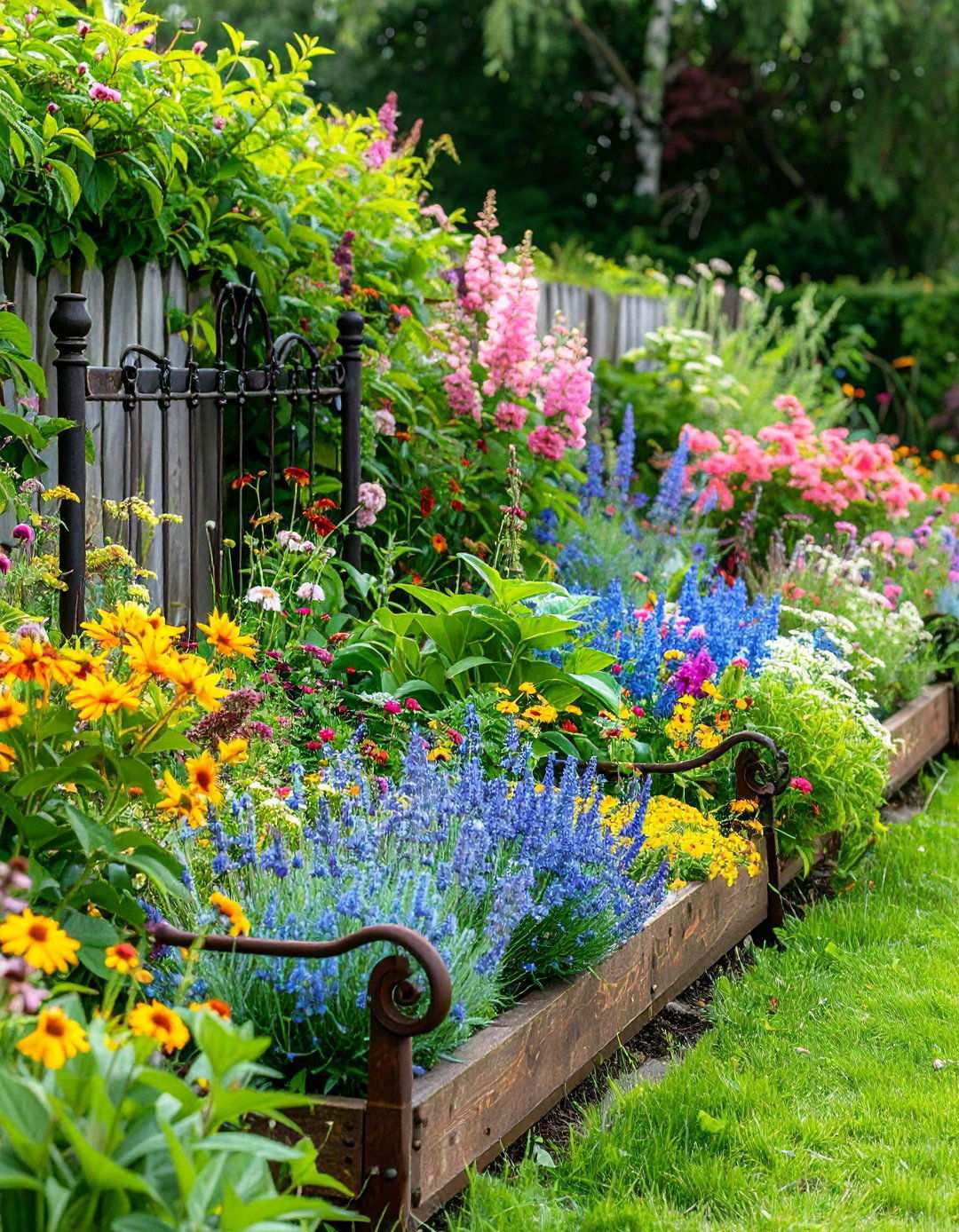
Discarded bed frames offer a sturdy and vintage-inspired linear garden edging solution when cut into suitable sections. Iron and steel frames can be positioned vertically to create a fence-like appearance or horizontally for low borders. The metal material accepts a range of paint finishes, allowing for customized colors that harmonize with landscape themes. Ornate headboards and footboards can be integrated into garden boundaries to create decorative focal points. This edging style is well-suited for cottage gardens, vintage-themed landscapes, and areas where unique character is desired. The substantial construction ensures long-term durability and stability. Metal bed frames can be combined with other reclaimed materials to create eclectic border designs that reflect personal creativity and environmental awareness.
12. Whimsical Plate Edging
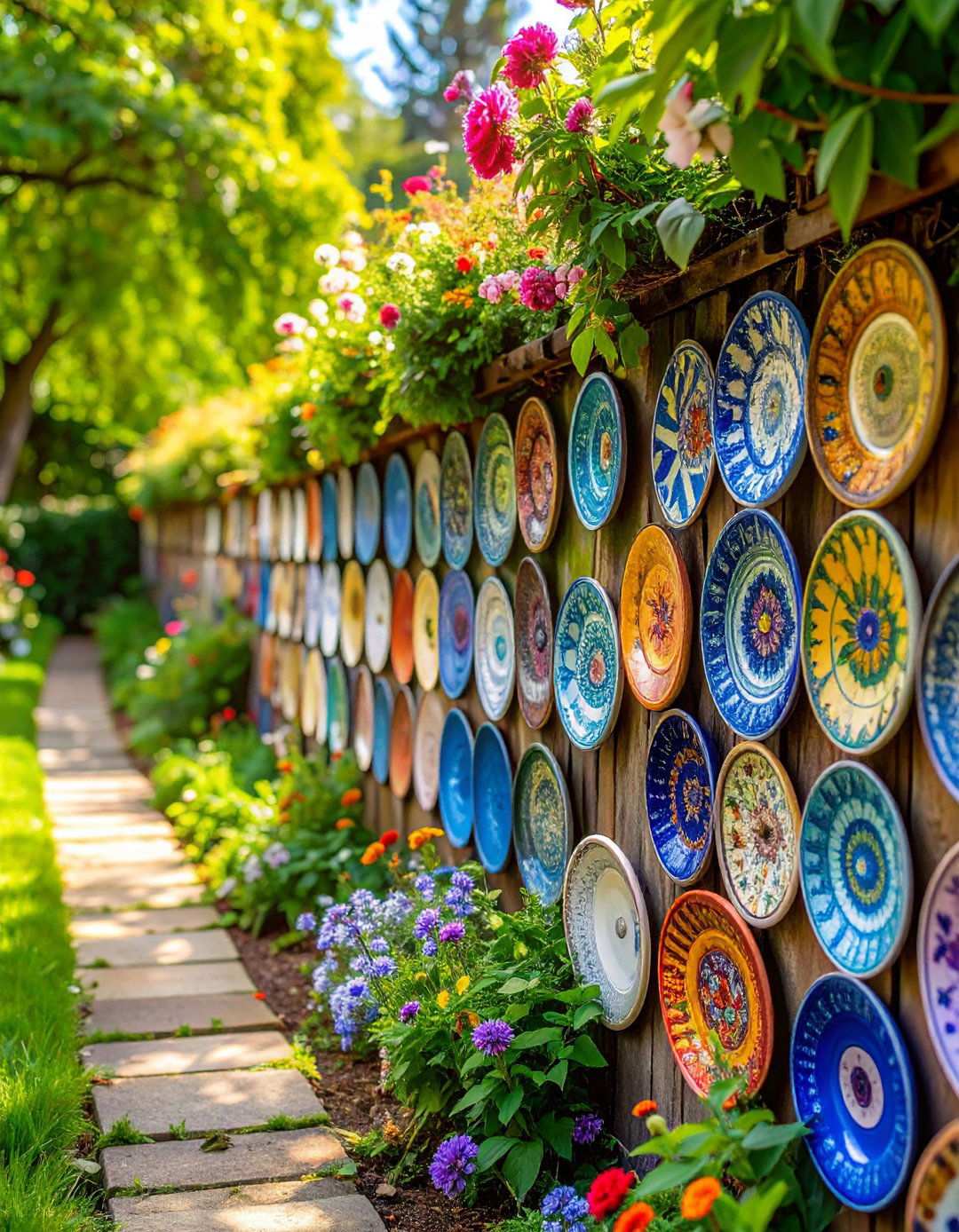
To infuse your landscape design with a sense of playfulness, consider repurposing vintage china plates as a unique edging solution. By partially burying plates vertically, you can create scalloped borders featuring a variety of patterns and colors. The eclectic mix of plate sizes and designs contributes to a charming, cottage-garden aesthetic. This approach works particularly well in herb gardens, flower borders, and areas where whimsical elements are desired. The long-lasting ceramic materials provide excellent weather resistance and can be arranged to accommodate gentle curves, adding light and visual interest to your garden spaces. When installing, simply dig shallow trenches, position the plates with consistent spacing, and ensure stability against wind and accidental contact.
13. Colorful Can Edging
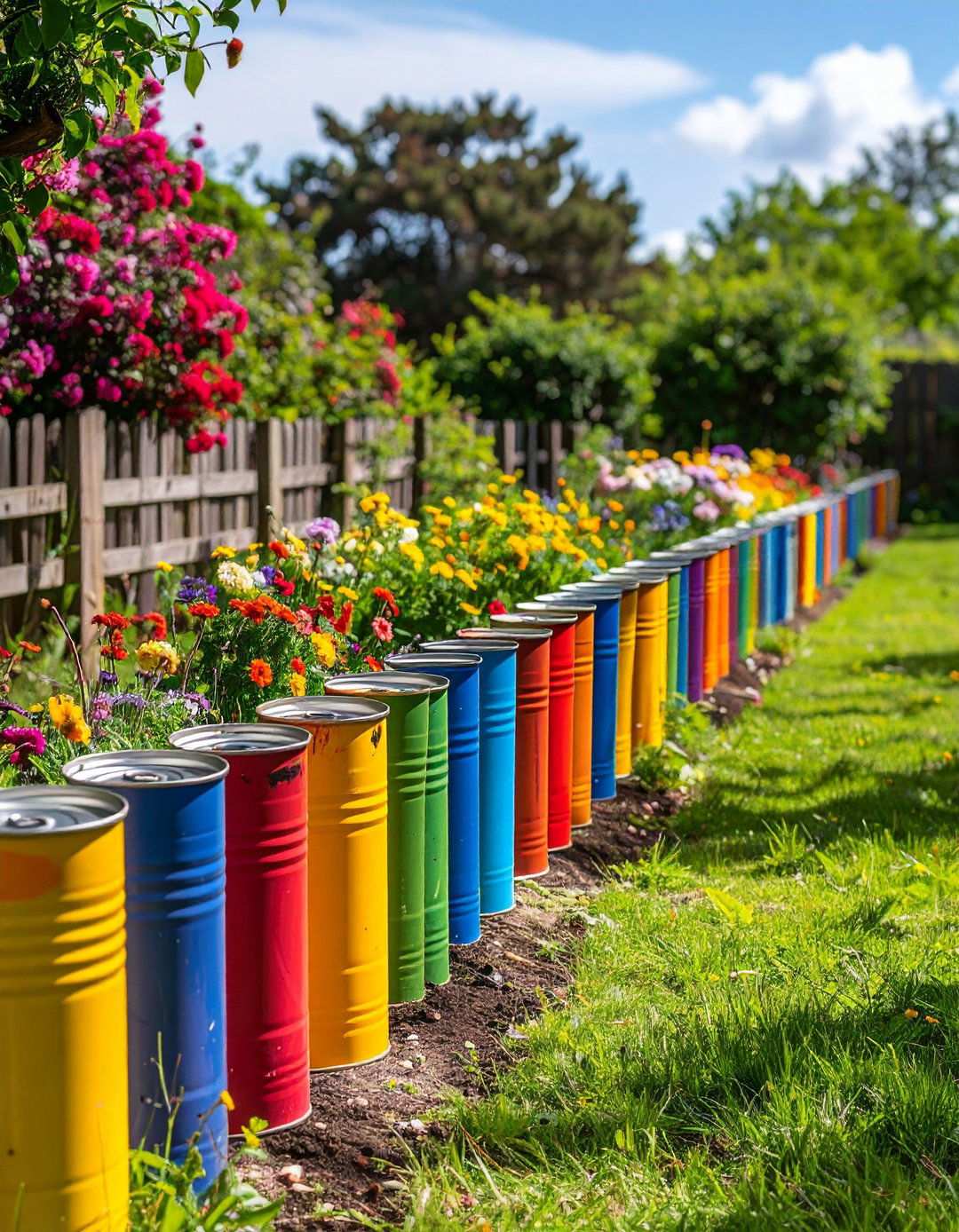
Transform empty food cans into vibrant garden edging by painting them with weather-resistant finishes and arranging them along your garden boundaries. The varied can sizes create textural interest, while custom paint colors can be coordinated with your garden theme and seasonal plantings. For a uniform appearance, position the cylindrical cans vertically, or create a dynamic visual effect by angling them. To prevent water accumulation, drill drainage holes in the cans. This edging style is well-suited for vegetable gardens, children’s spaces, and casual landscape areas. The lightweight material makes installation a breeze, and the painted finishes provide years of attractive appearance. To add a seasonal touch, use multiple color schemes to create borders that change throughout the growing year.
14. Bottle Barrier Landscaping
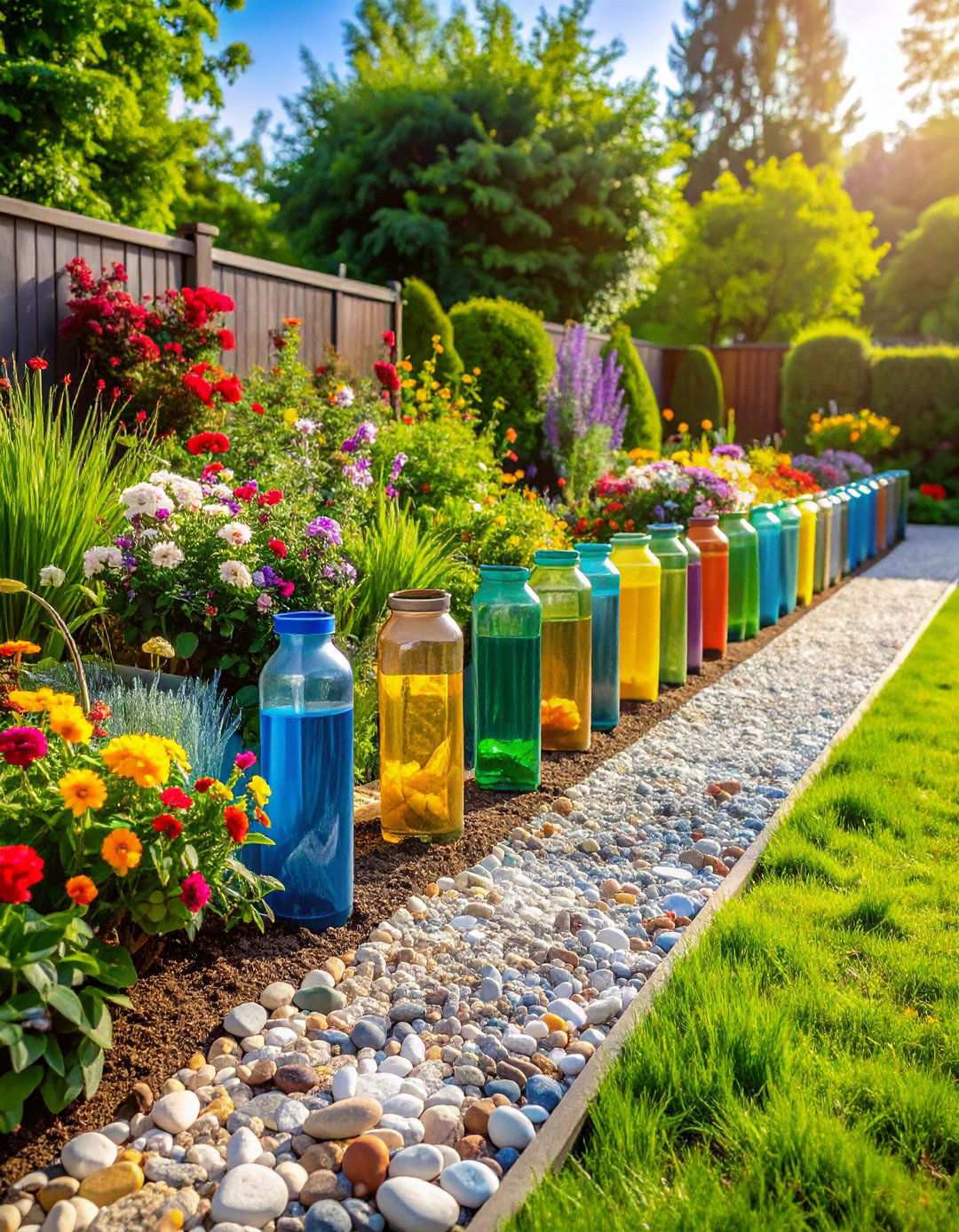
Give new life to household waste by repurposing plastic containers as effective garden edging. Large bottles can be filled with sand or stones for added stability and weight. The diverse bottle sizes and colors contribute to an eclectic appearance, while clear containers showcase colorful fill materials. This edging method is ideal for temporary installations or seasonal gardens where permanent materials are unnecessary. The plastic material resists weather damage and can be painted for customized appearances. To install, dig shallow trenches for bottle placement, ensuring consistent height above ground. By choosing this approach, you demonstrate creative recycling while providing practical garden definition at a minimal cost.
15. Revitalizing Railroad Tie Edging for Gardens
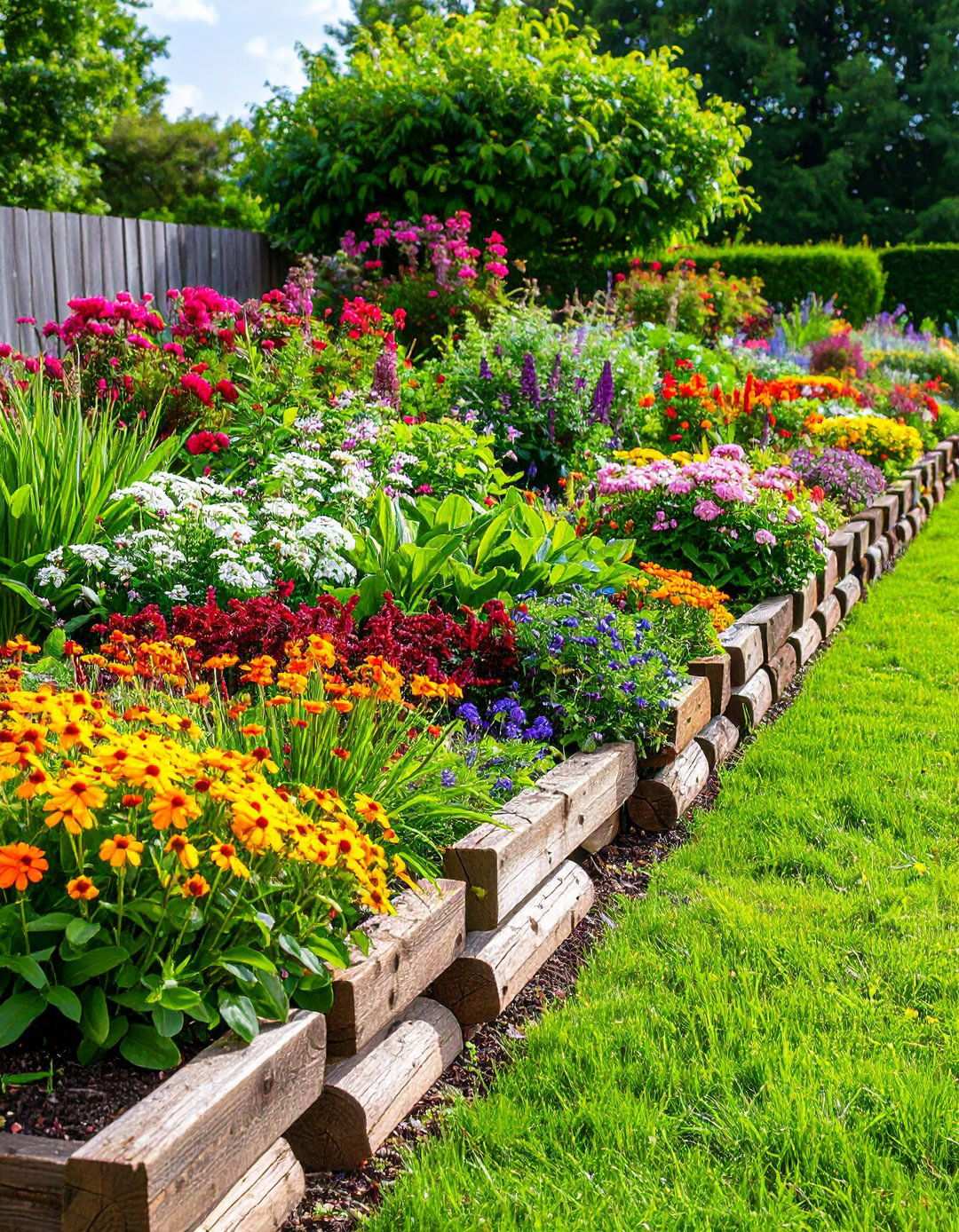
Transforming salvaged railroad ties and landscape timbers into garden borders is a creative way to infuse rustic industrial character into natural landscape designs. These sturdy wooden elements serve as raised beds while defining garden boundaries with geometric precision. The substantial size ensures optimal soil retention, and their weight makes them perfect for seating areas along garden perimeters. To achieve increased height or continuous borders, railroad ties can be stacked or arranged end-to-end, respectively. The distressed wood appearance lends authentic character, while the treated material remains resistant to decay and insect damage. This style is particularly well-suited for large-scale installations, utility gardens, and areas where substantial borders are a necessity. With the right equipment for handling heavy materials, the installation process yields exceptionally durable garden infrastructure.
16. Antique Fence Panel Borders: Aesthetic Revival
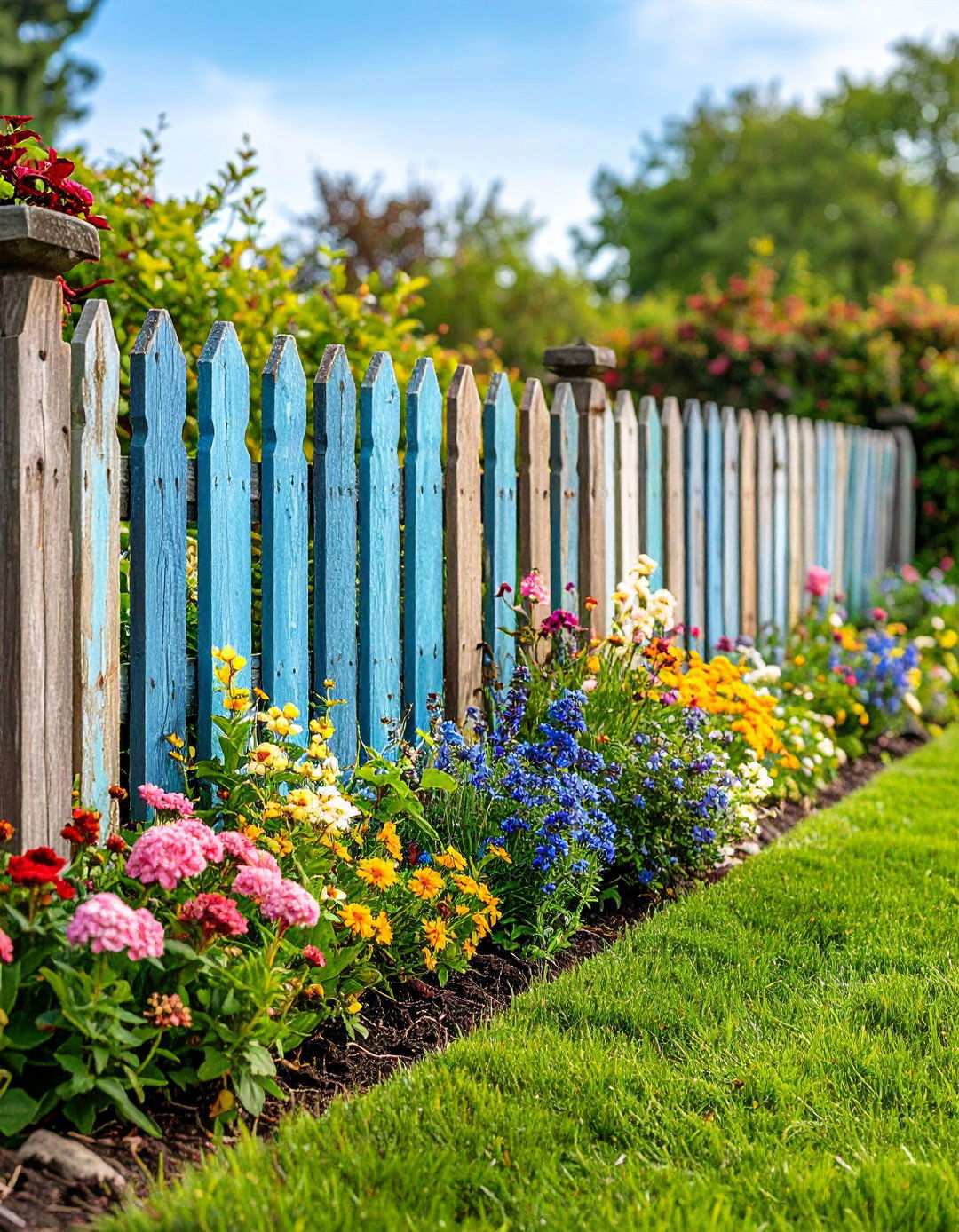
By repurposing salvaged fencing materials, gardeners can create decorative edging with historic character and architectural interest that elevates traditional landscape designs. Picket sections, wrought iron panels, and wooden slat fencing can be transformed into reduced-height garden borders, offering a range of styles and materials for creative combinations that reflect personal taste. Ornate metalwork adds an air of elegance, while weathered wood contributes rustic charm. This approach works particularly well for cottage gardens, historic properties, and areas where architectural consistency is a priority. The linear nature of fence materials naturally accommodates straight borders, while sections can be angled to guide visitors through the garden. Regular maintenance preserves the appearance and extends the service life of these unique borders.
17. Upside-Down Terracotta Pot Edging for a Mediterranean Vibe
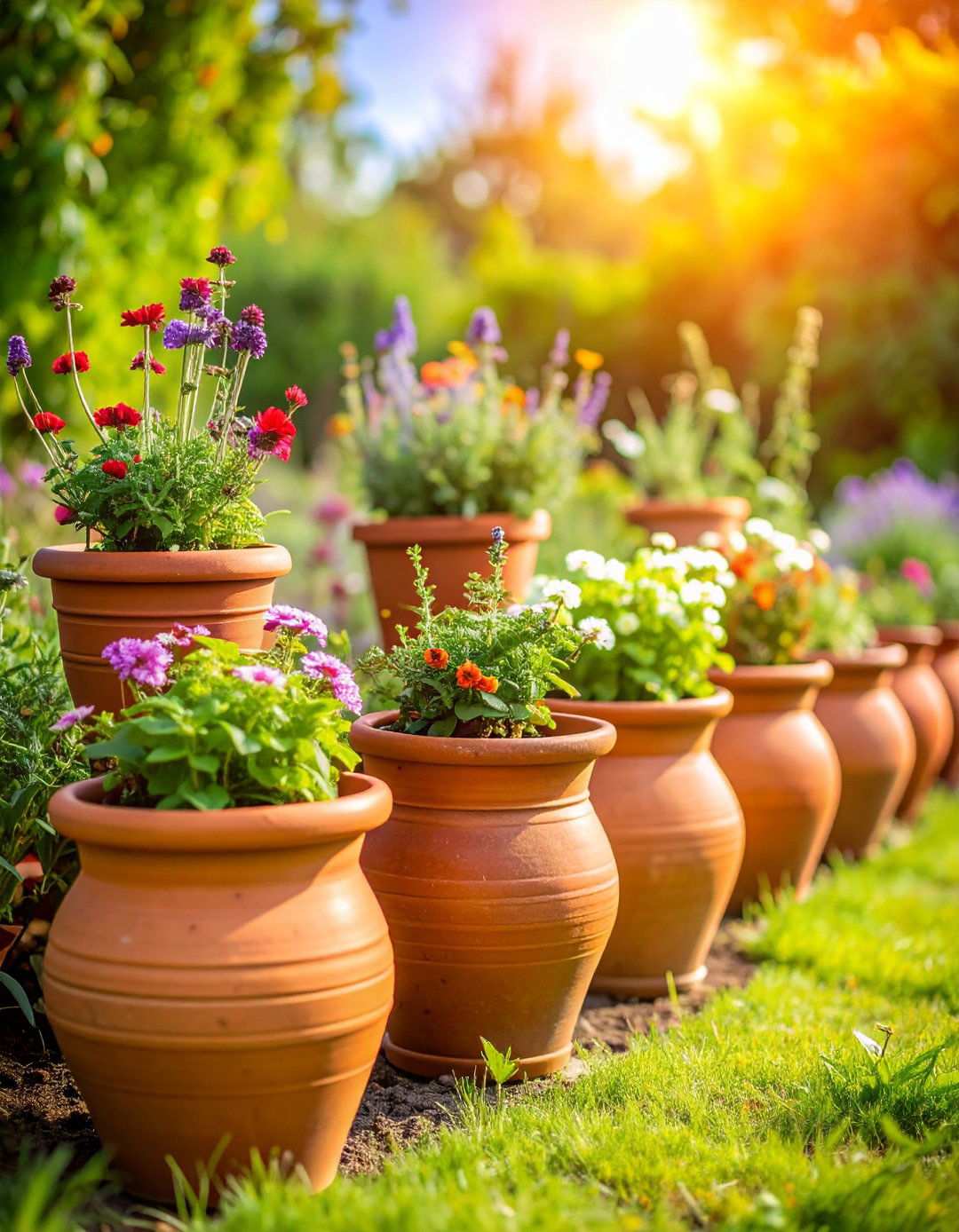
Upside-down clay pots create uniform garden borders with a distinct Mediterranean character and natural terra cotta coloring that complements most plantings. The varied pot sizes contribute to a dynamic appearance, while the curved shapes provide gentle visual transitions. This edging method allows for easy seasonal changes by replacing pots with different sizes or colors. The clay material offers excellent weather resistance and ages beautifully with natural patina development. Empty pots can be filled with soil for additional planting opportunities or left hollow for a decorative effect. This approach is well-suited for herb gardens, container plantings, and areas where temporary borders are beneficial. Installation involves simply positioning pots along desired boundaries with minimal ground preparation required.
18. Harmonious Garden Edging with Natural Elements
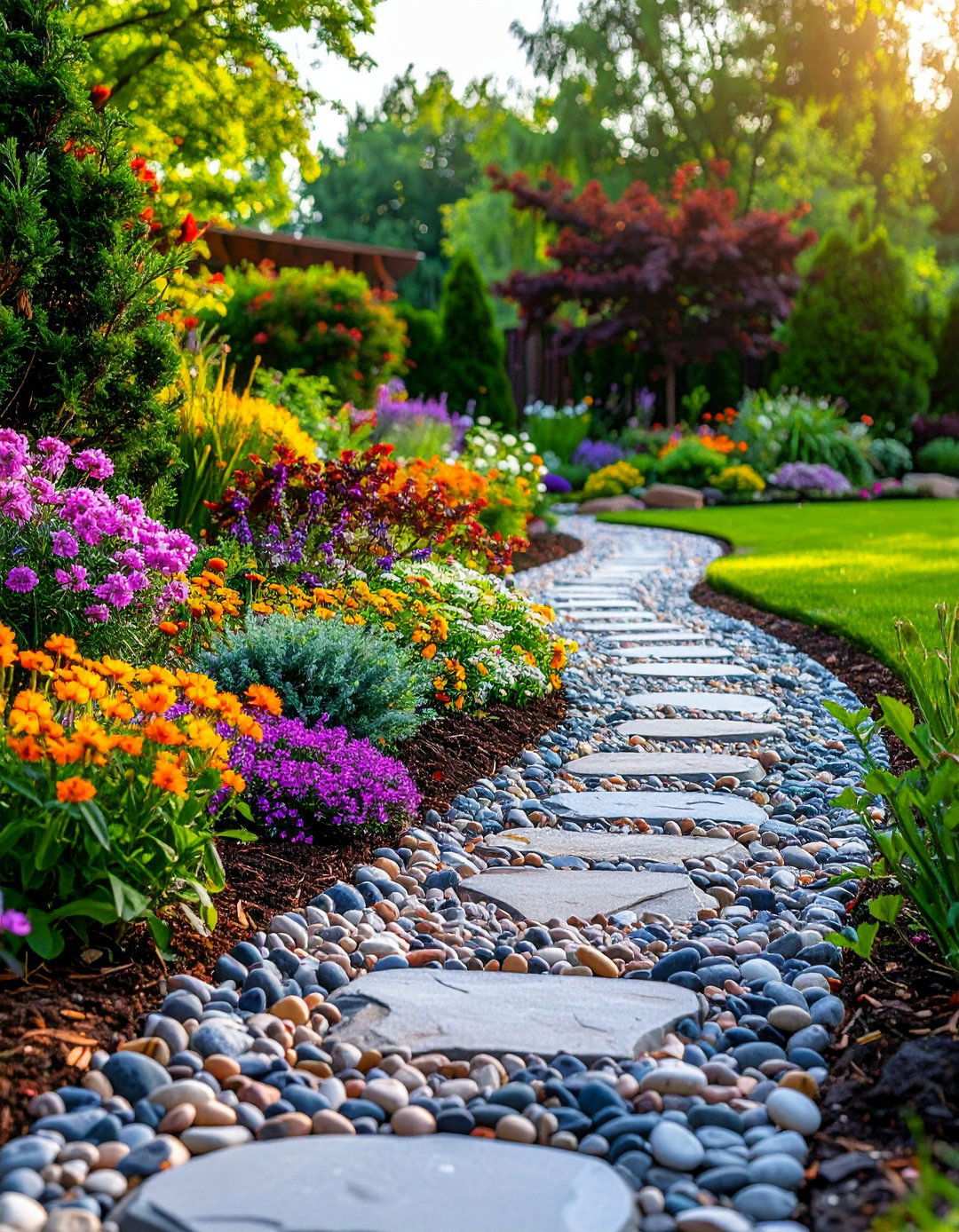
Nature’s palette of stones and reclaimed gravel creates a seamless fusion with the landscape, offering superior drainage properties in the process. A diverse assortment of stone sizes and hues adds depth and visual interest, effortlessly adapting to curved border lines. By combining river rocks, beach stones, and crushed concrete, gardeners can craft one-of-a-kind appearances that perfectly complement their outdoor spaces. This organic edging solution excels in naturalized gardens, xeriscapes, and areas where traditional materials wouldn’t be an apt fit. The porous nature of this edging method prevents water accumulation, while simultaneously providing effective weed suppression benefits. For long-term stability, installation involves creating shallow trenches and placing stones atop landscaping fabric. Regular upkeep involves occasional stone rearrangement and weed removal to maintain the garden’s natural charm.
19. Modern Garden Edging with Sustainable Rubber
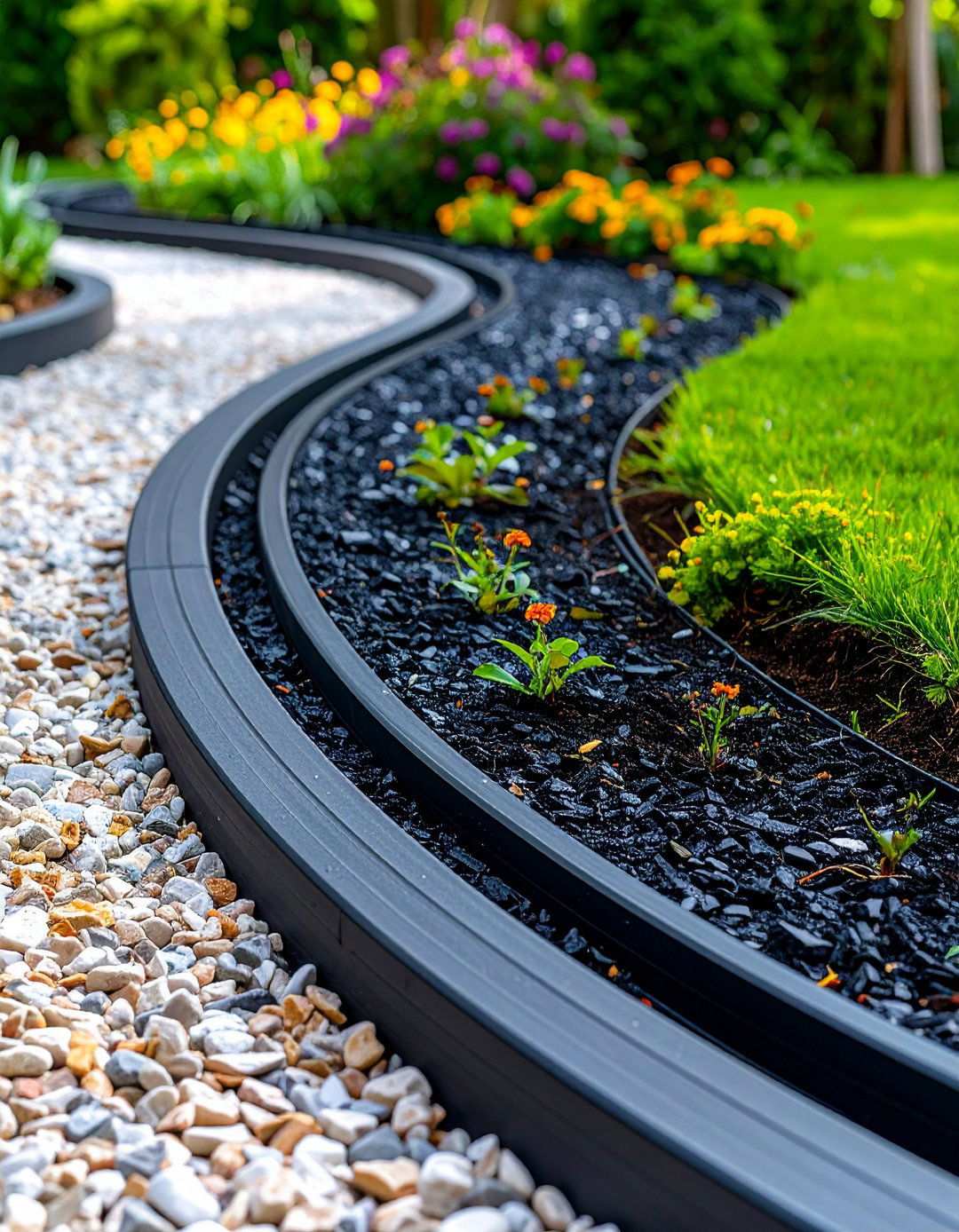
Processed tire rubber gives rise to flexible, long-lasting garden edging that effortlessly accommodates curved boundaries. This eco-friendly material is crafted from recycled tires, thereby minimizing waste and offering substantial environmental benefits. A sleek, black finish provides a versatile backdrop for vibrant plantings, while its supple nature makes it an ideal choice for wrapping around irregular shapes. Rubber edging boasts exceptional resistance to freeze-thaw damage, UV degradation, and mechanical damage from lawn equipment. As such, it’s an excellent solution for contemporary landscapes, play areas, and safety-sensitive locations where the material’s cushioning properties are a valuable asset. Installation involves creating shallow trenches and securing the rubber edging with landscape spikes to ensure long-term stability and a consistent appearance.
20. Vibrant Ceramic Mosaic Garden Borders
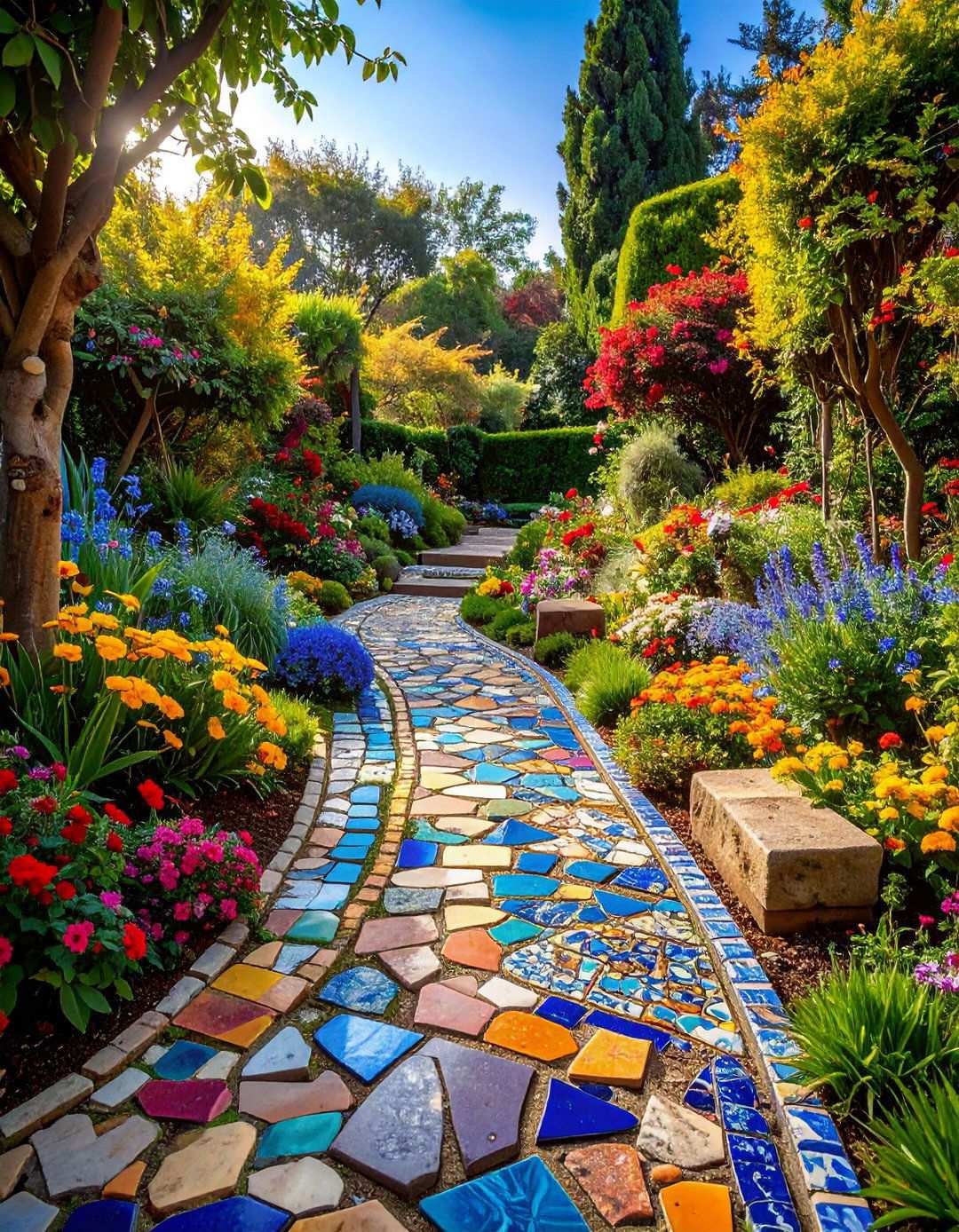
Discarded bathroom and kitchen tiles take on a new life as vibrant, artistic garden borders with colorful mosaic patterns that imbue Mediterranean flair to landscape designs. Broken tile pieces can be arranged in intricate patterns or random configurations, while grout joints provide a polished finish. A diverse assortment of tile colors, textures, and sizes gives rise to unique artistic expressions that reflect the gardener’s personal style. This creative edging method excels in small garden areas, patios, and locations where decorative elements are a top priority. The ceramic material boasts exceptional weather resistance and low maintenance requirements. For a professional appearance, installation involves creating a stable base material and carefully positioning tile pieces with suitable spacing. Regular cleaning maintains the appearance, while occasional grout repair ensures the edging remains durable and visually appealing.
21. Versatile Gabion Stone Baskets
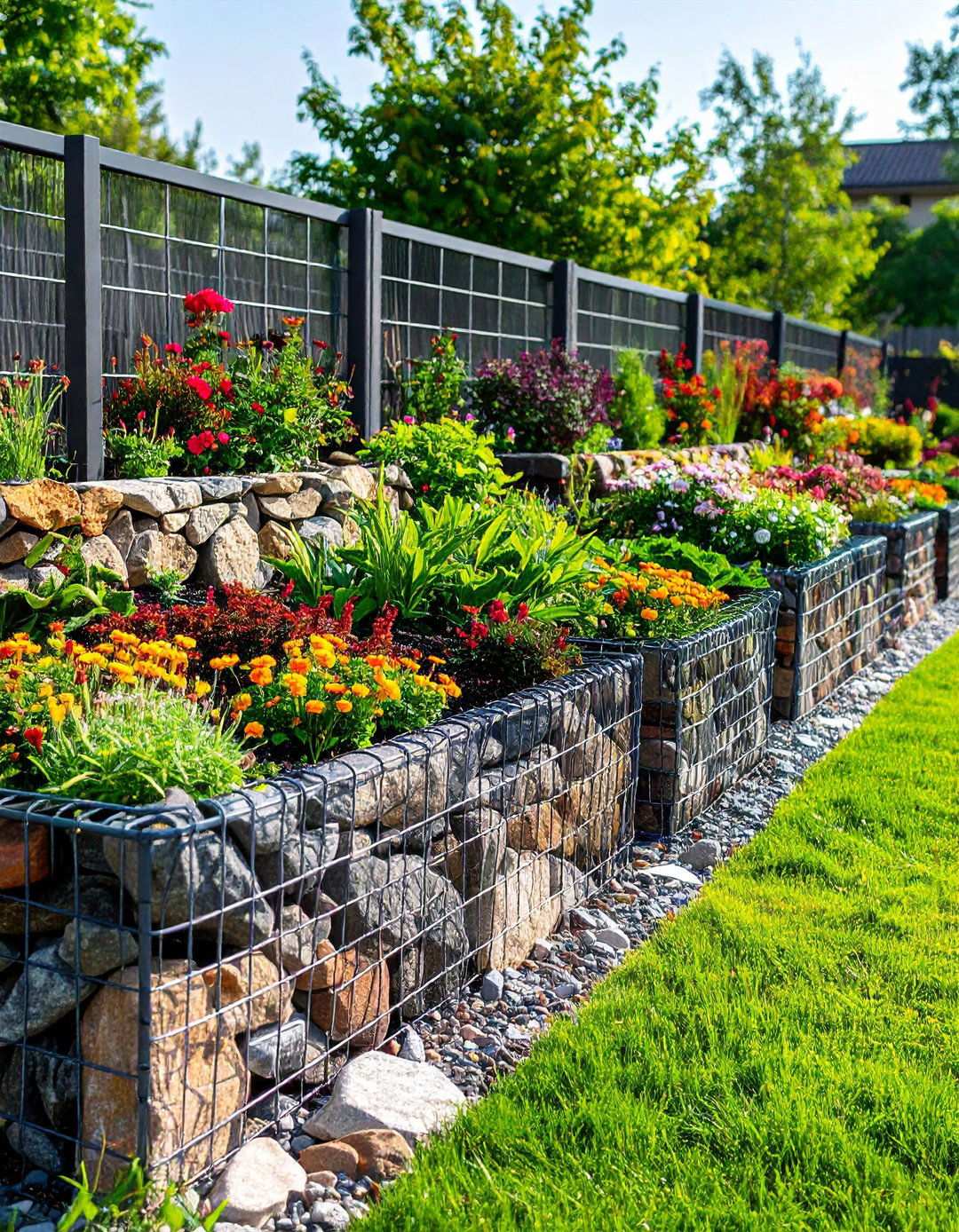
Modern garden edging takes on an industrial character with the use of wire mesh containers filled with a mix of recycled stones and concrete pieces. These modular systems not only provide structural integrity but also allow for partial vegetation growth, creating a softened appearance. By stacking the containers for varying heights, you can achieve a dynamic look while maintaining a uniform aesthetic. The mesh construction enables the use of mixed fill materials, including broken concrete, stone rubble, and decorative rocks, adding textural variety to the containers. This edging approach is particularly well-suited for contemporary landscapes, erosion control applications, and areas where substantial borders are required. Moreover, the permeable construction offers excellent drainage, while the weight ensures stability on slopes. Installation involves positioning wire forms and filling with selected materials while maintaining a consistent appearance and proper compaction.
22. Creative Kitchen Colander Planter Borders
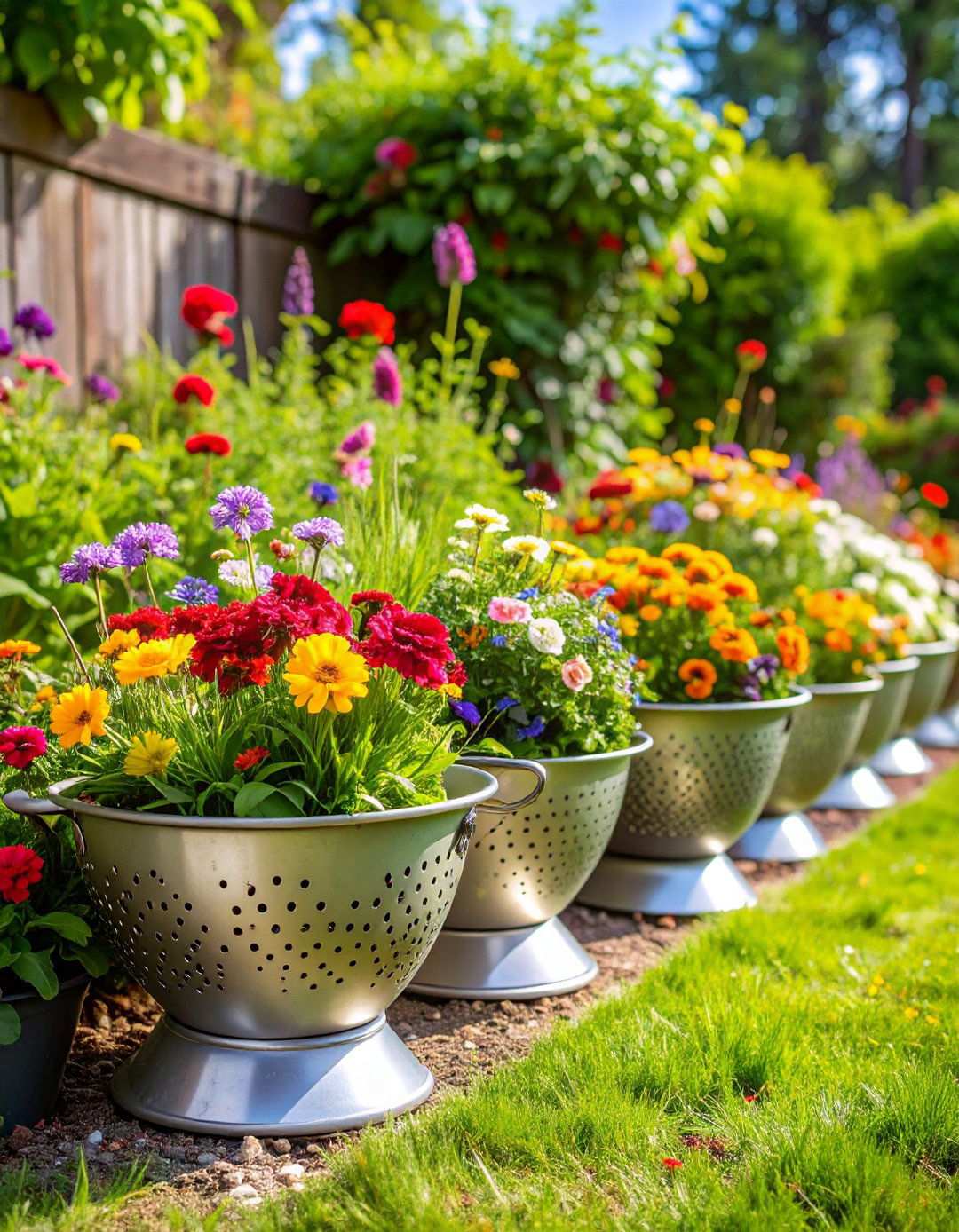
Repurposed metal colanders can add a unique touch to garden edging by combining functional borders with additional planting opportunities for herbs and small flowers. The perforated bottoms of the colanders provide excellent drainage, while the handles offer easy repositioning for seasonal changes. A variety of sizes can contribute to a dynamic appearance, and the stainless steel construction ensures weather resistance. This edging method is particularly well-suited for herb gardens, kitchen gardens, and areas where portable borders are beneficial. What’s more, the containers can be filled with colorful annuals or trailing plants that spill over the edges for a softened appearance. Installation is straightforward, requiring only the positioning of the colanders along desired boundaries with minimal ground preparation, while ensuring stability and appropriate spacing for visual balance.
23. Natural Reclaimed Wood Shingle Edging
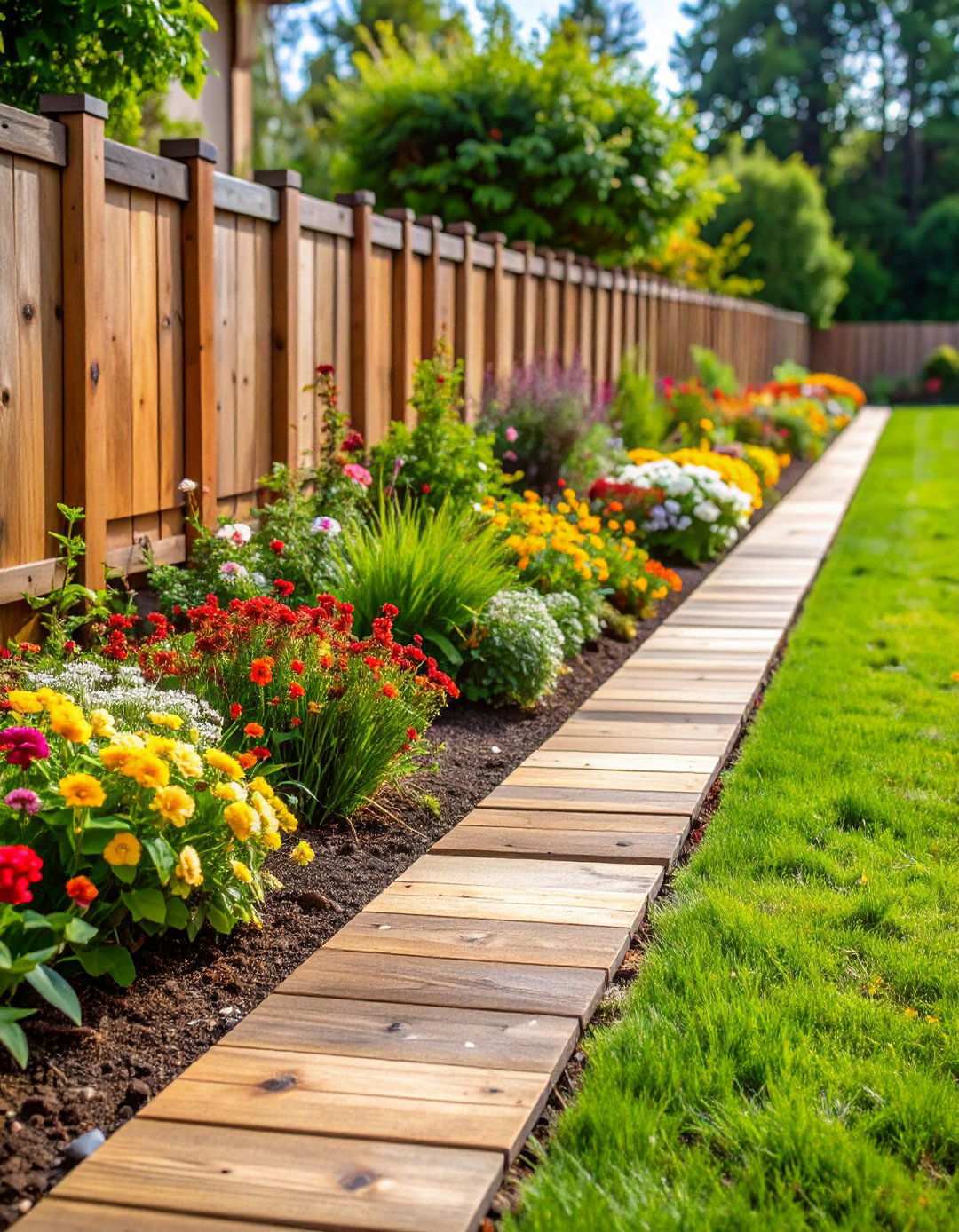
Salvaged cedar shingles and wooden shake materials can be used to create textured garden borders with a natural, weathered appearance that complements cottage-style landscapes. These thin wooden pieces can be positioned vertically for a fence-like appearance or overlapped for scalloped effects, adding visual interest to the garden. The natural cedar resistance to decay ensures longevity, while the varied wood tones add visual warmth. This edging approach is well-suited for informal gardens, woodland settings, and areas where natural materials are preferred. On top of that, the lightweight construction makes installation straightforward, while the modular nature allows for easy repair and replacement. Individual shingles can be stained or painted for customized appearances while maintaining the natural wood character that enhances organic garden themes.
24. Contemporary Metal Edging Solutions
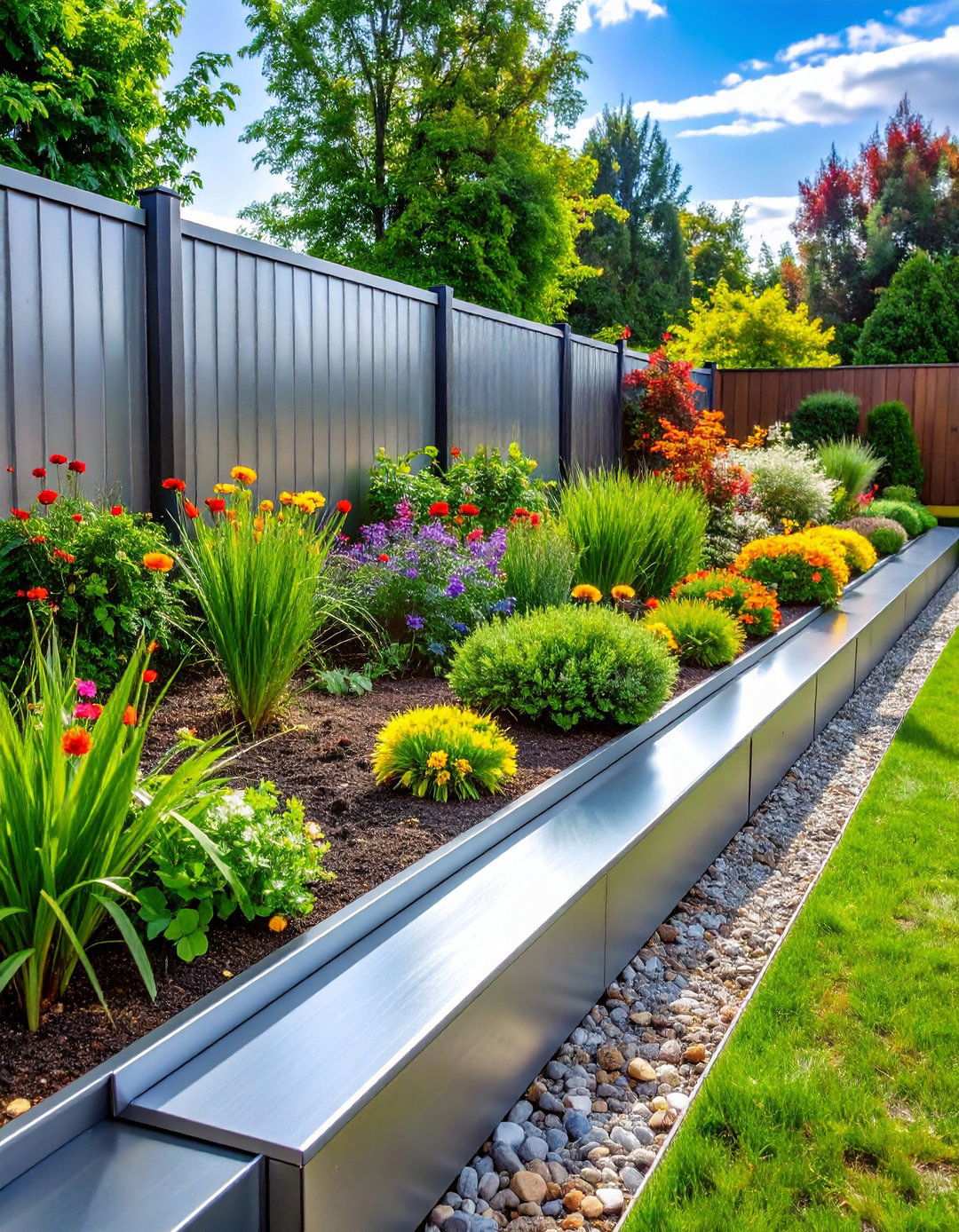
Modern landscape designs can be elevated with repurposed aluminum and steel sheets, creating sleek linear garden edging that exudes a contemporary industrial aesthetic. Thin metal materials can be artfully shaped to produce gentle curves, ensuring effective soil retention and eliminating weed growth. The versatility of metal edging extends to its finish, as it can be painted to match specific color palettes, while natural weathering yields a unique, attractive patina over time. This method is particularly well-suited for geometric garden designs, contemporary installations, and areas where a minimalist approach is desired. The buried portion of the system provides stability, while the exposed edge creates a clean visual separation between lawn and planting areas. For a polished appearance, installation involves carefully excavating trenches and positioning metal sheets with consistent height and spacing.