1. Timeless Elegance in Modern Interiors
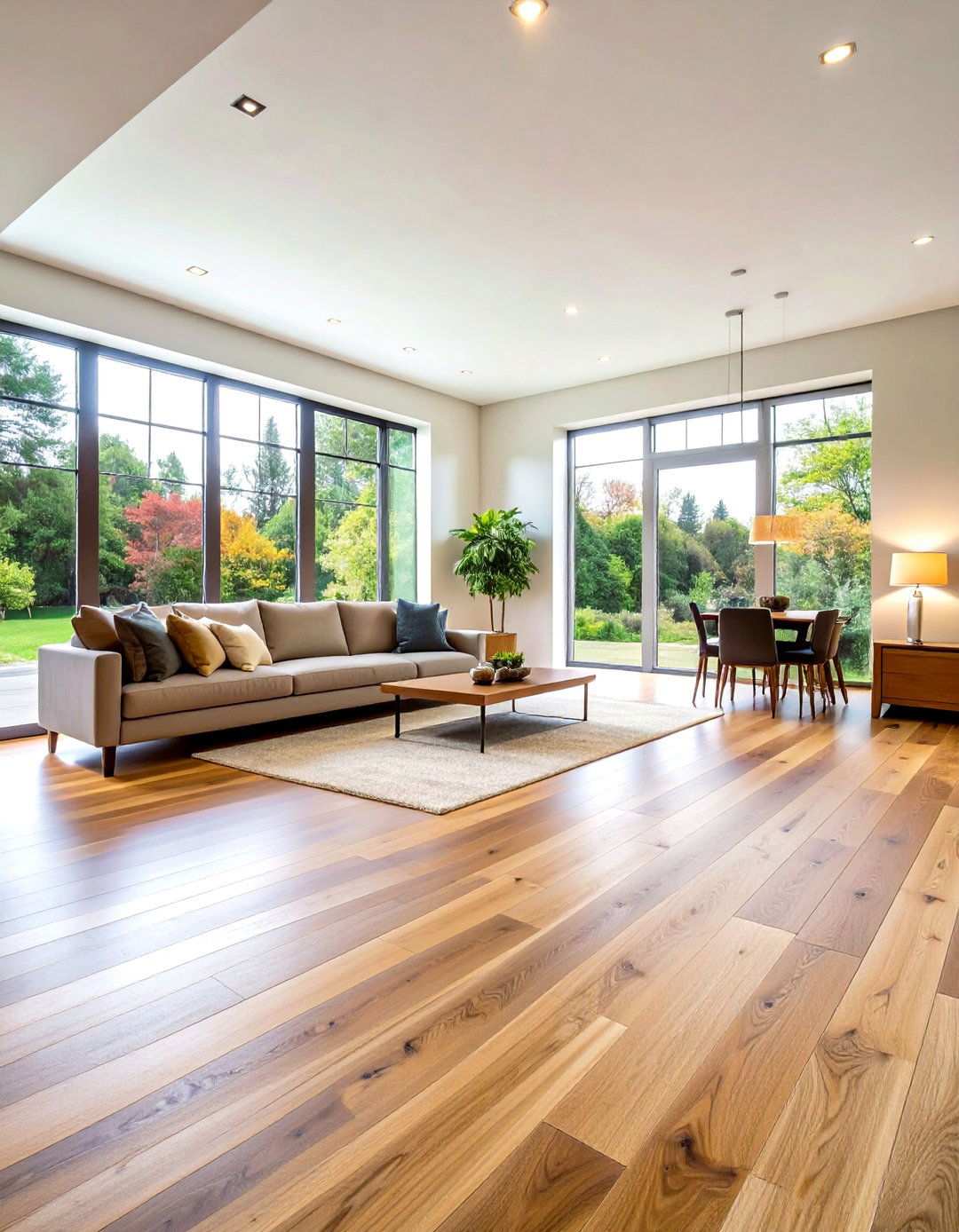
Wood has long been a cornerstone of interior design, bringing an unparalleled warmth and natural beauty that instantly transforms any space into a haven of comfort. From minimalist Scandinavian chic to rustic farmhouse charm, wooden elements offer endless possibilities for creating stunning interiors that seamlessly combine functionality with visual appeal. The incredible versatility of wood enables it to effortlessly complement a wide range of design styles, whether you’re drawn to the sleek lines of contemporary spaces or the character-rich details of traditional homes. Today’s wooden interior design trends prioritize sustainability while celebrating the unique grain patterns, rich textures, and timeless durability that only natural wood can provide. By incorporating wooden elements, you can create statement pieces, functional furniture, or subtle accents that elevate the overall atmosphere of your living spaces.

As an Amazon Associate I earn from qualifying purchases.
2. Harmonious Balance in Rustic Living Spaces
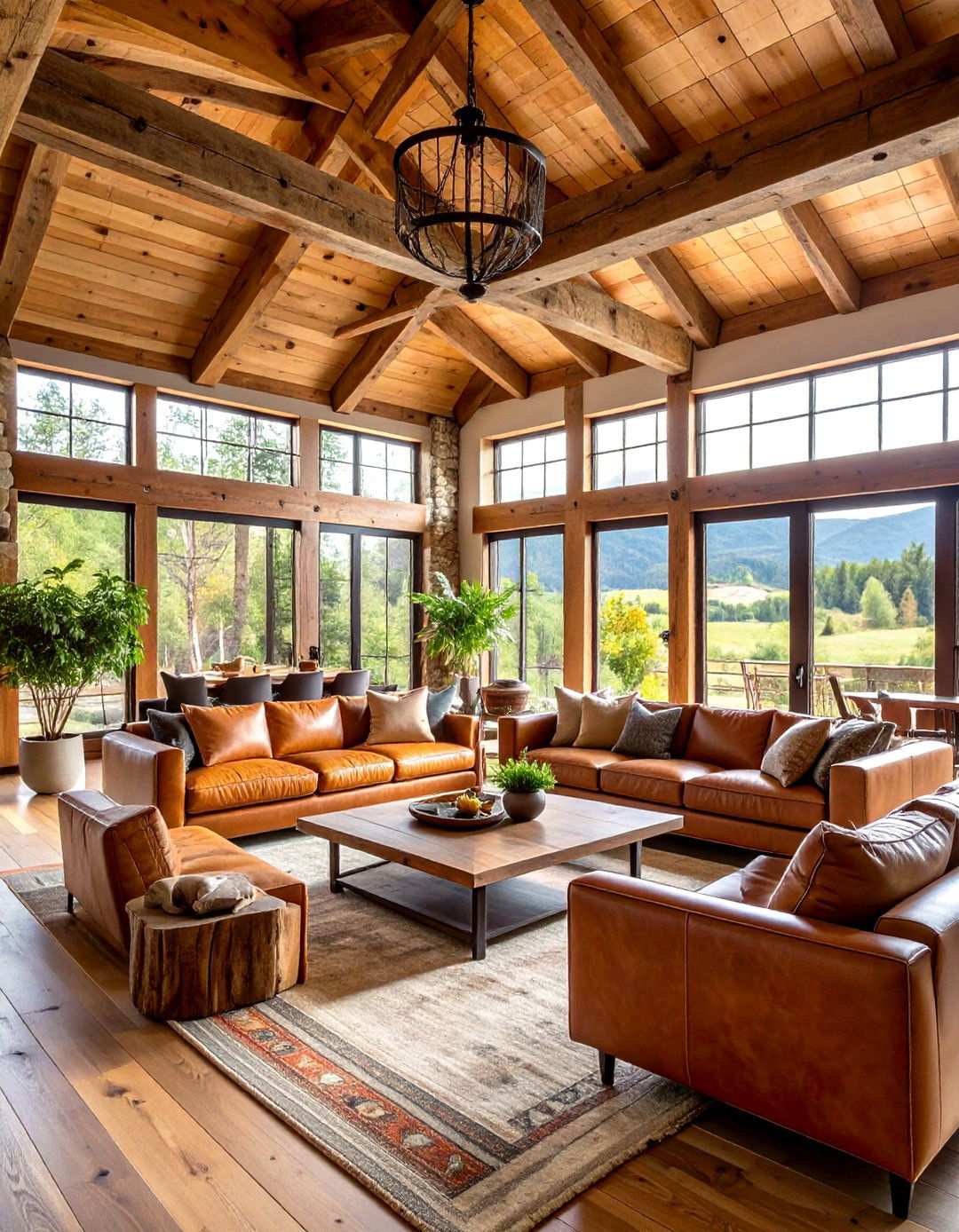
To create a contemporary rustic sanctuary in your living room, merge weathered wood elements with sleek modern furnishings. Exposed wooden beams across the ceiling become dramatic focal points that maintain the room’s architectural integrity while adding a touch of rustic charm. Pair distressed wood coffee tables with clean-lined sofas in neutral fabrics to strike the perfect balance between old and new. A stone accent wall complements exposed wood beautifully, introducing texture and visual interest into the space. Large windows frame these natural materials perfectly, allowing abundant light to highlight wood grains and create dynamic shadows throughout the day. This design approach celebrates the beauty of imperfection and authenticity while embracing modern comfort.
3. Scandinavian Minimalist Bedrooms
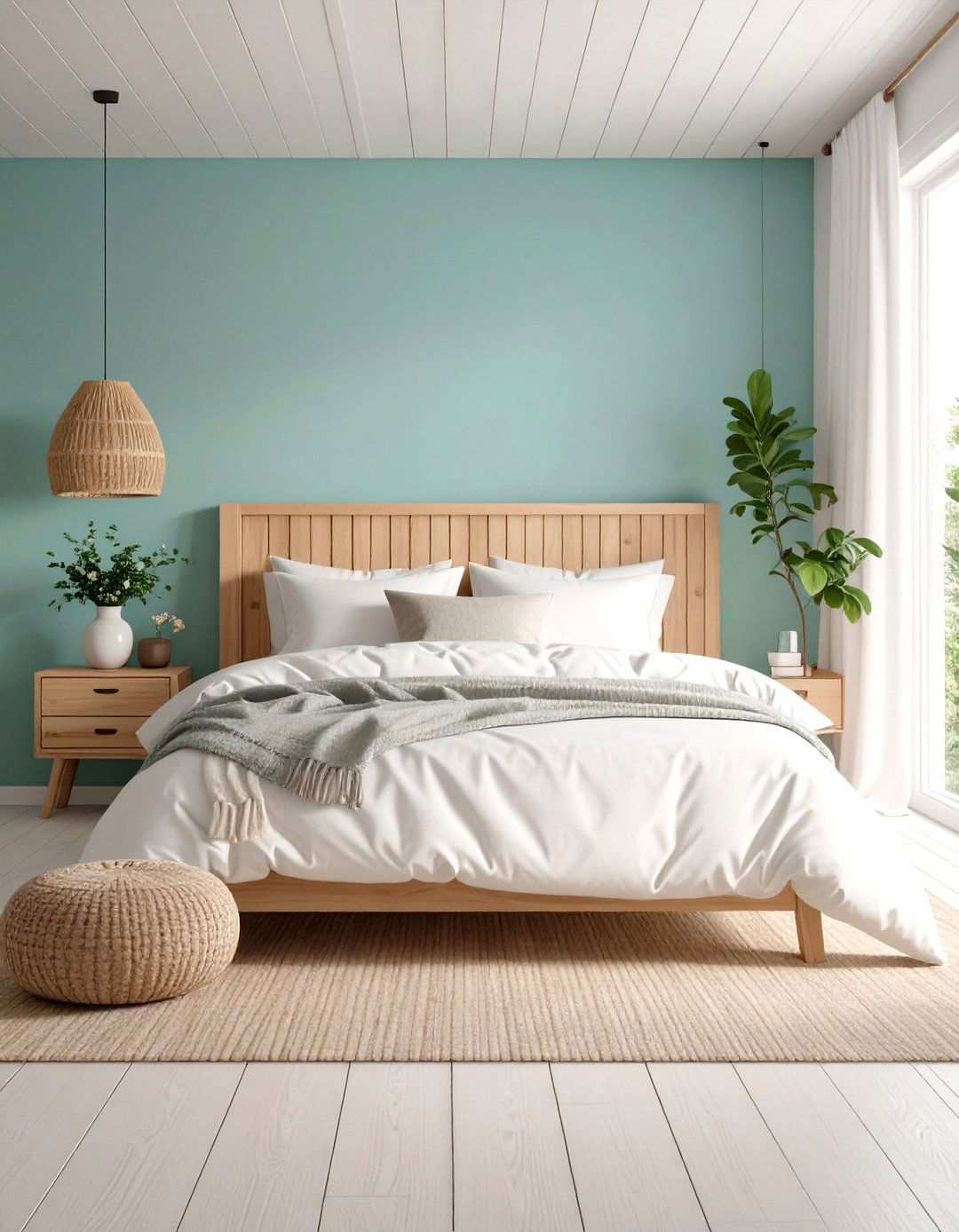
Create serene sleeping spaces using light-colored woods like birch, pine, or ash combined with crisp white walls and minimal furnishings. Simple wooden bed frames with clean lines serve as understated focal points while maintaining the uncluttered aesthetic essential to Nordic design. Built-in wooden storage solutions maximize functionality without compromising visual simplicity. Natural light plays a crucial role, so position wooden furniture to complement large windows and skylights. Incorporate soft textiles in muted tones to add warmth without overwhelming the peaceful atmosphere. These bedrooms emphasize the beauty of natural materials while promoting rest and tranquility through thoughtful, uncomplicated design choices.
Merging Industrial Vibes with Reclaimed Wood Kitchens
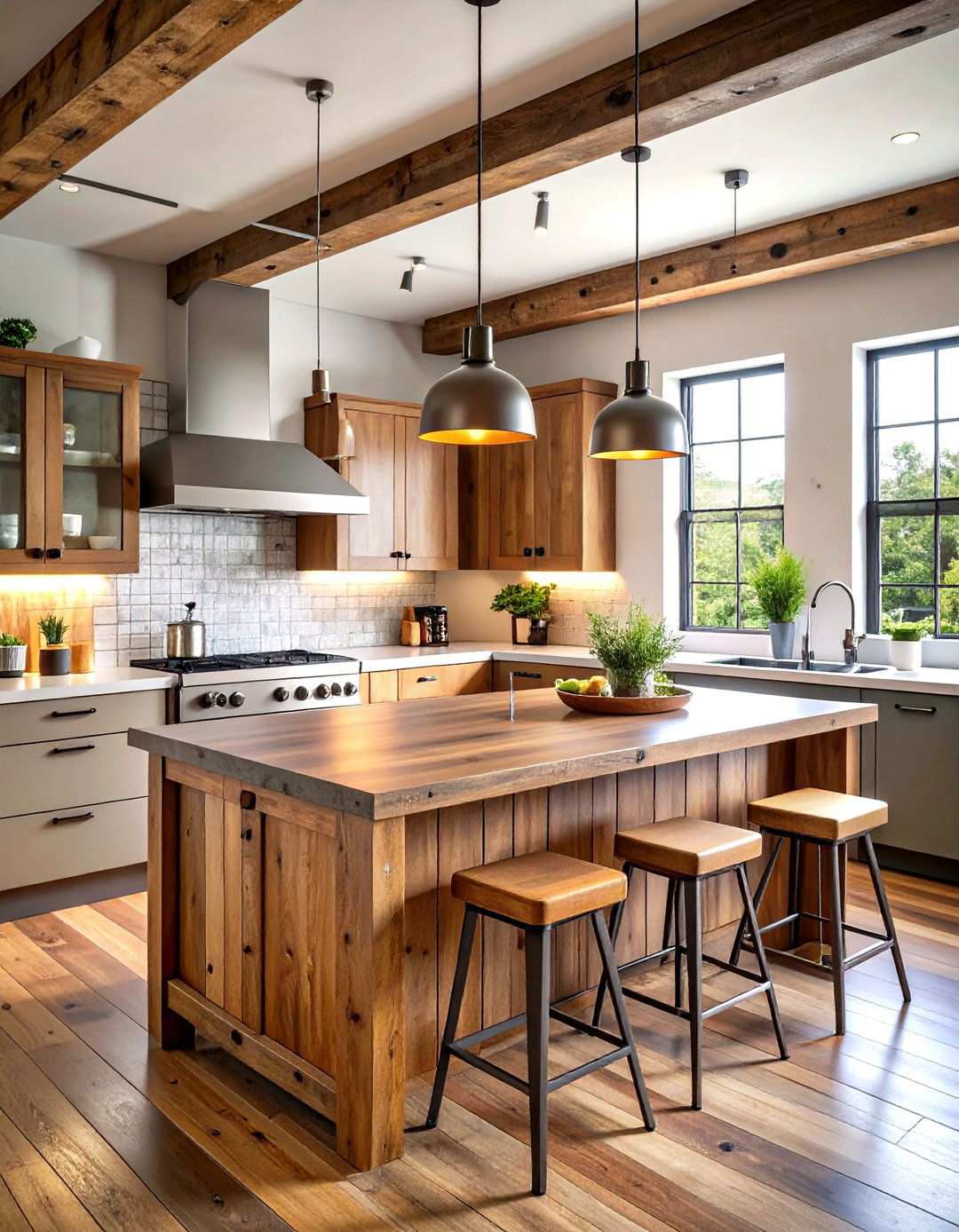
Industrial design and reclaimed wood elements come together seamlessly to create kitchens that seamlessly blend warmth and edginess. Kitchen islands crafted from weathered barn wood create striking visual contrasts against the sleekness of stainless steel appliances and concrete countertops. Exposed steel beams work in perfect harmony with salvaged wood shelving to turn dishes and cookware into functional art pieces. Thick reclaimed planks used for open shelving add storage while showcasing the wood’s natural character and storied past. Metal bar stools with wooden seats strike a balance between the industrial aesthetic and comfort, creating spaces that feel both refined and approachable – ideal for modern family gatherings and casual get-togethers.
4. Adding Dimension with Wooden Accent Walls
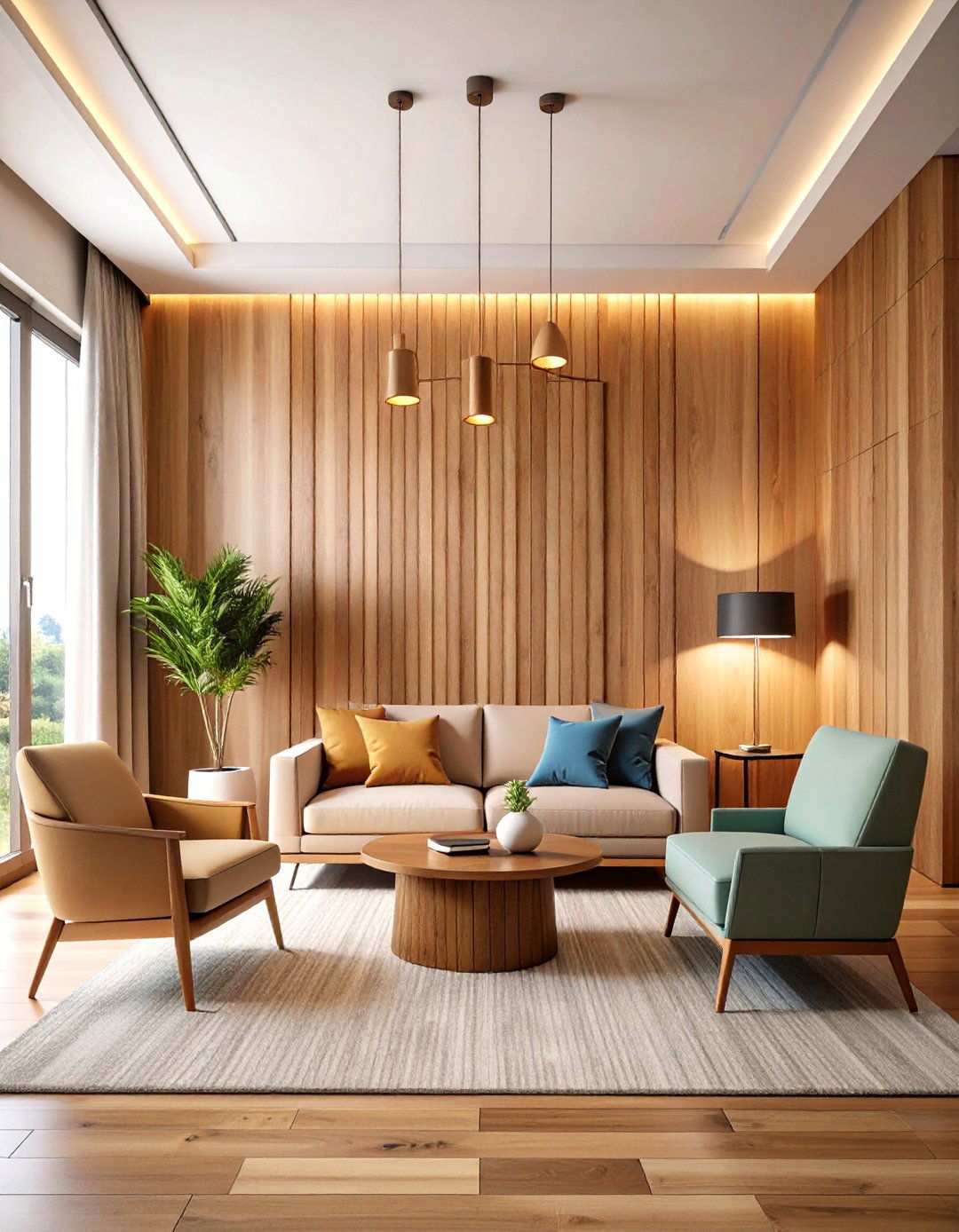
Wooden accent walls can make bold statements in modern interiors, adding depth and character to spaces. Strategically placed vertical wood planks in mid-tone finishes create a sense of height while bringing warmth to otherwise neutral environments. Mixing different wood species or finishes within the same wall creates subtle pattern variations that catch the light beautifully throughout the day. These features can be positioned behind beds, dining areas, or seating arrangements to define spaces without requiring additional furniture. The key to success lies in maintaining clean lines and consistent spacing between planks. Contemporary wooden walls work exceptionally well with minimalist furniture and artwork, creating sophisticated backdrops that enhance rather than compete with other design elements.
5. Crafting Inviting Farmhouse Cottage Dining Rooms
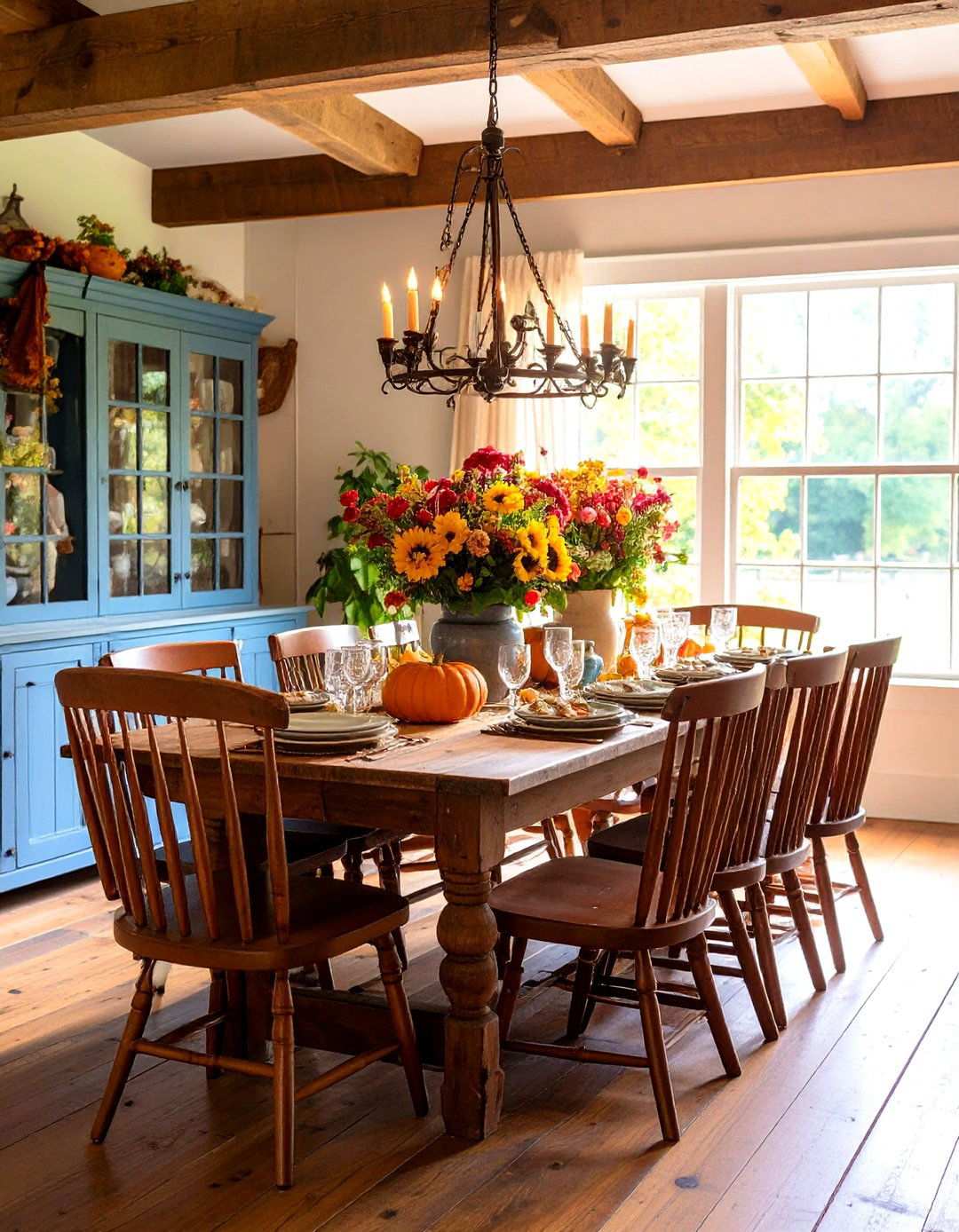
Designing inviting dining spaces involves blending farmhouse practicality with cottage charm through carefully selected wooden elements. Large harvest tables crafted from thick reclaimed planks become gathering places for family meals and celebrations. Windsor chairs or painted wooden seating add comfortable, authentic touches while maintaining the relaxed atmosphere essential to this style. Exposed ceiling beams create architectural interest and provide mounting points for pendant lighting. Built-in wooden hutches display cherished dishware while offering practical storage solutions. By mixing painted and natural wood finishes, you can create spaces that feel collected over time rather than decorated all at once, emerging with a warm, lived-in feeling.
6. Harmonious Wood Accents
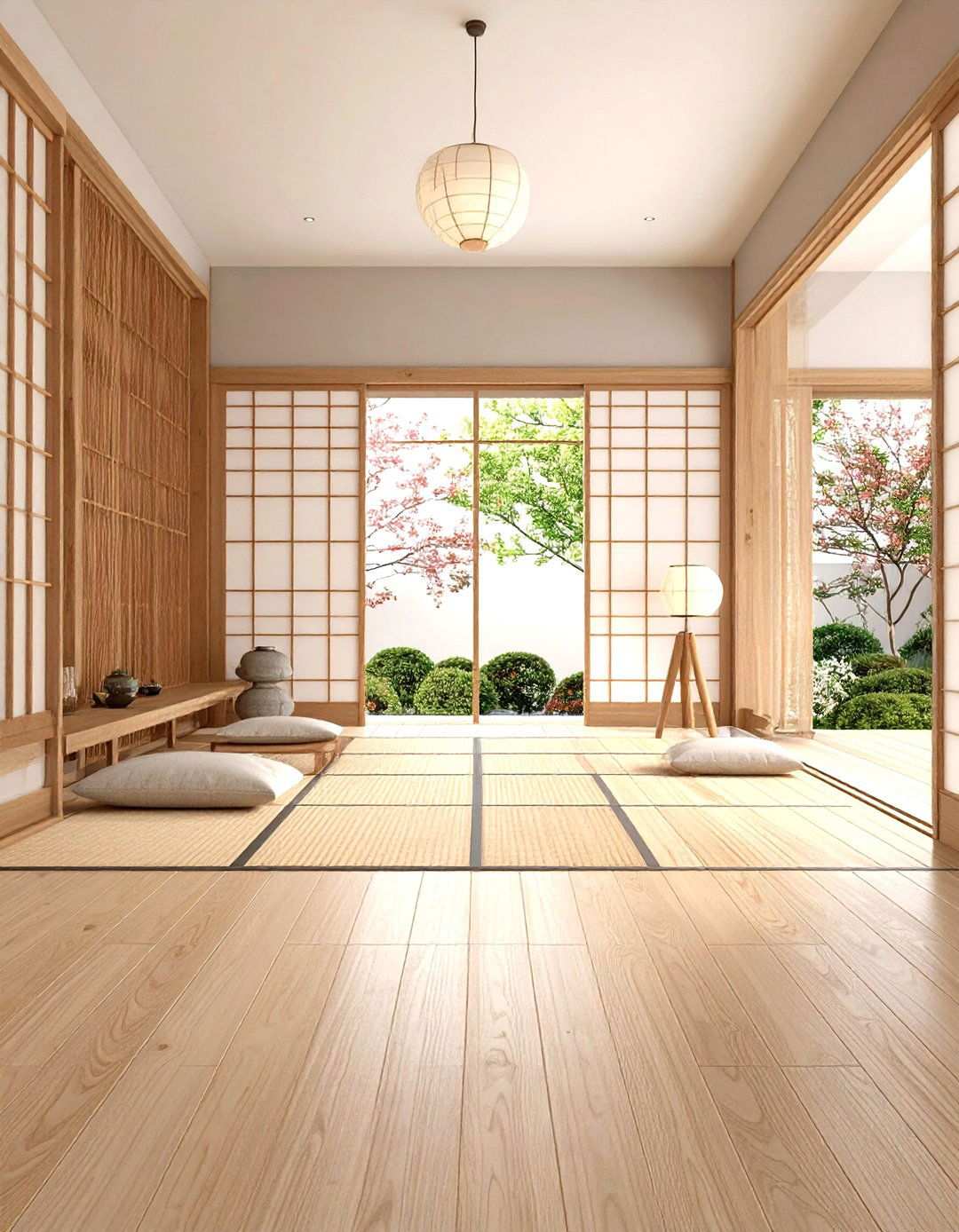
By embracing the minimalist spirit of Japanese design, you can create peaceful and calming interiors that cultivate a sense of mindfulness. Light-hued wood floors, reminiscent of bamboo, provide the perfect foundation for sliding wooden partitions and room dividers. Low-profile, geometric-shaped wooden furniture maintains an uncluttered aesthetic while serving functional purposes. The natural beauty of wood grain takes center stage, with painted finishes taking a backseat to the inherent elegance of the material. Built-in wooden storage solutions cleverly conceal clutter while maintaining visual harmony, emphasizing horizontal lines and seamless connections between indoor and outdoor spaces. As a result, these serene interiors foster contemplation and relaxation through deliberate material choices.
7. Mid-Century Wooden Masterpieces
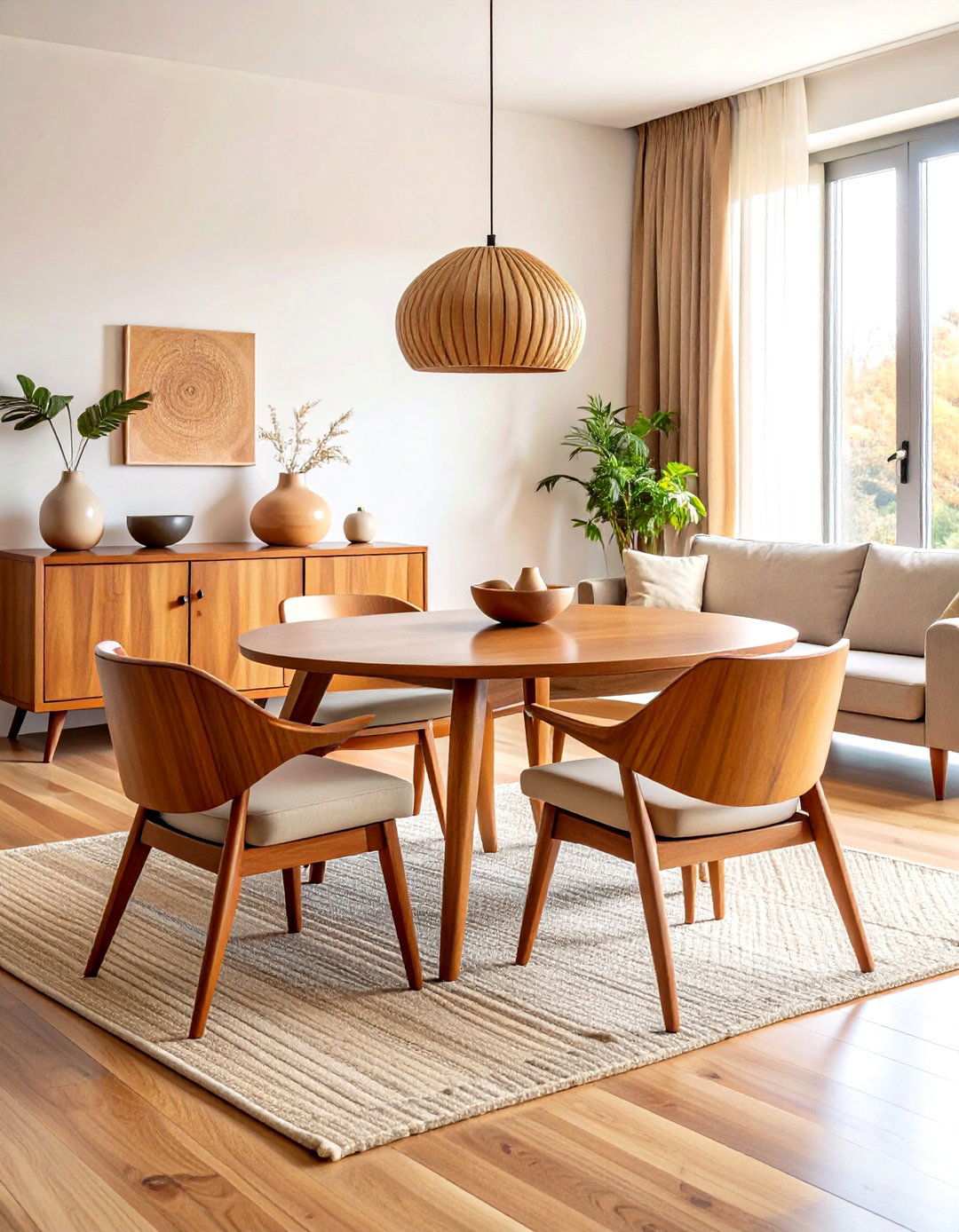
Elevate your space with iconic mid-century wooden furniture pieces that embody the era’s focus on meticulous craftsmanship and aesthetic sophistication. Walnut dining tables with tapered legs make striking focal points, while adhering to the period’s characteristic proportions. Teak sideboards and credenzas double as display platforms for decorative objects, offering ample storage solutions. Wooden lounge chairs with curved silhouettes bring comfort and visual appeal to living areas. The deep, rich tones of these wood species beautifully complement the geometric patterns and vibrant colors characteristic of mid-century design. These timeless pieces seamlessly integrate into contemporary settings, demonstrating that superior craftsmanship and thoughtful design remain relevant despite shifting trends.
8. Cozy Wood Accents for the Bathroom
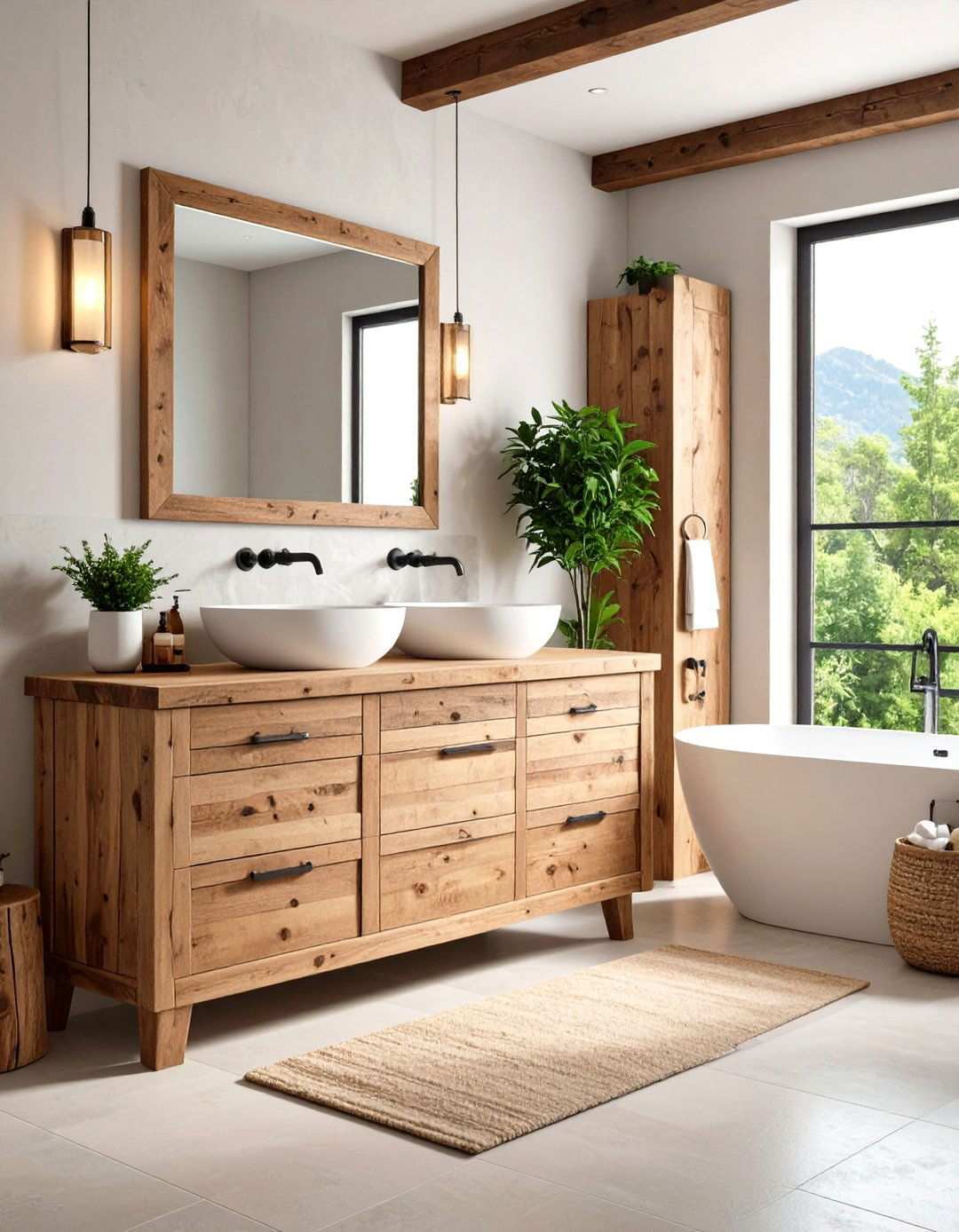
Bathrooms can become tranquil retreats by incorporating reclaimed wood vanities that infuse warmth into traditionally sterile spaces. Thick wooden slabs with live edges create one-of-a-kind vanity tops that showcase natural beauty while providing functional counter space. Pairing these organic forms with modern fixtures achieves a perfect balance between rustic charm and contemporary functionality. Wooden medicine cabinets and storage solutions maintain the aesthetic while addressing essential needs. Stone or tile backsplashes beautifully complement wood while protecting walls from moisture. The striking contrast between smooth modern plumbing fixtures and textured wood surfaces creates visual interest that transforms routine activities into more enjoyable experiences.
9. Elevating Open Spaces with Exposed Wooden Ceilings
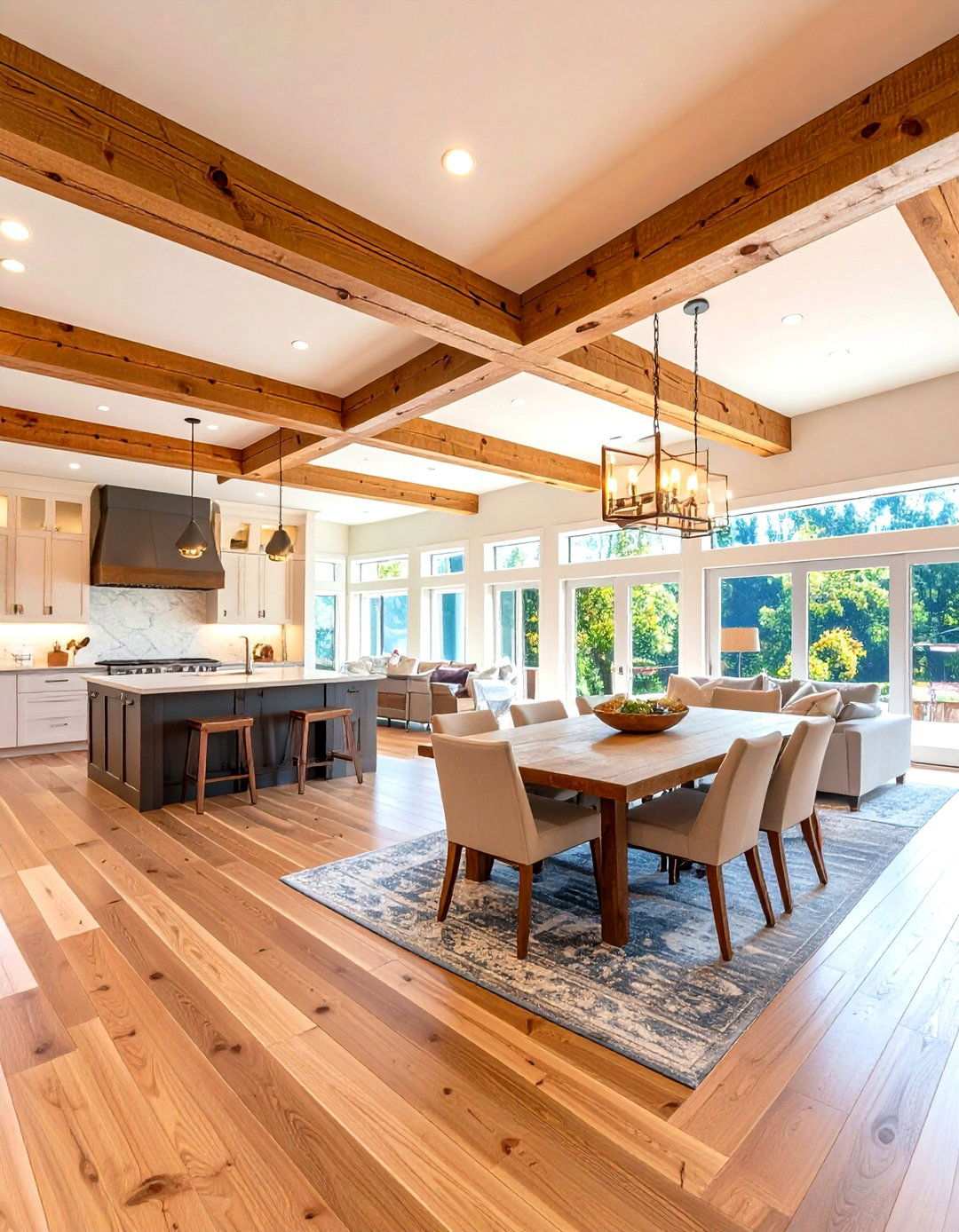
Achieve striking architectural effects by incorporating exposed wooden ceiling treatments that seamlessly blend functionality with visual drama. Strategically placed reclaimed beams inject structure and visual weight into open floor plans, while maintaining unobstructed sight lines throughout connected areas. The judicious use of tongue-and-groove wooden planks between beams introduces a tactile quality, imbuing the space with warmth and character. This design approach proves particularly effective in expansive great rooms where living, dining, and kitchen areas flow together harmoniously. The wooden ceiling elements effectively define distinct zones without the need for physical barriers, allowing for a fluid and flexible layout. Moreover, varying wood finishes can subtly distinguish between functional areas while maintaining overall cohesion, thereby creating a sense of visual continuity.
10. Bringing the Coast Home with Driftwood Accents
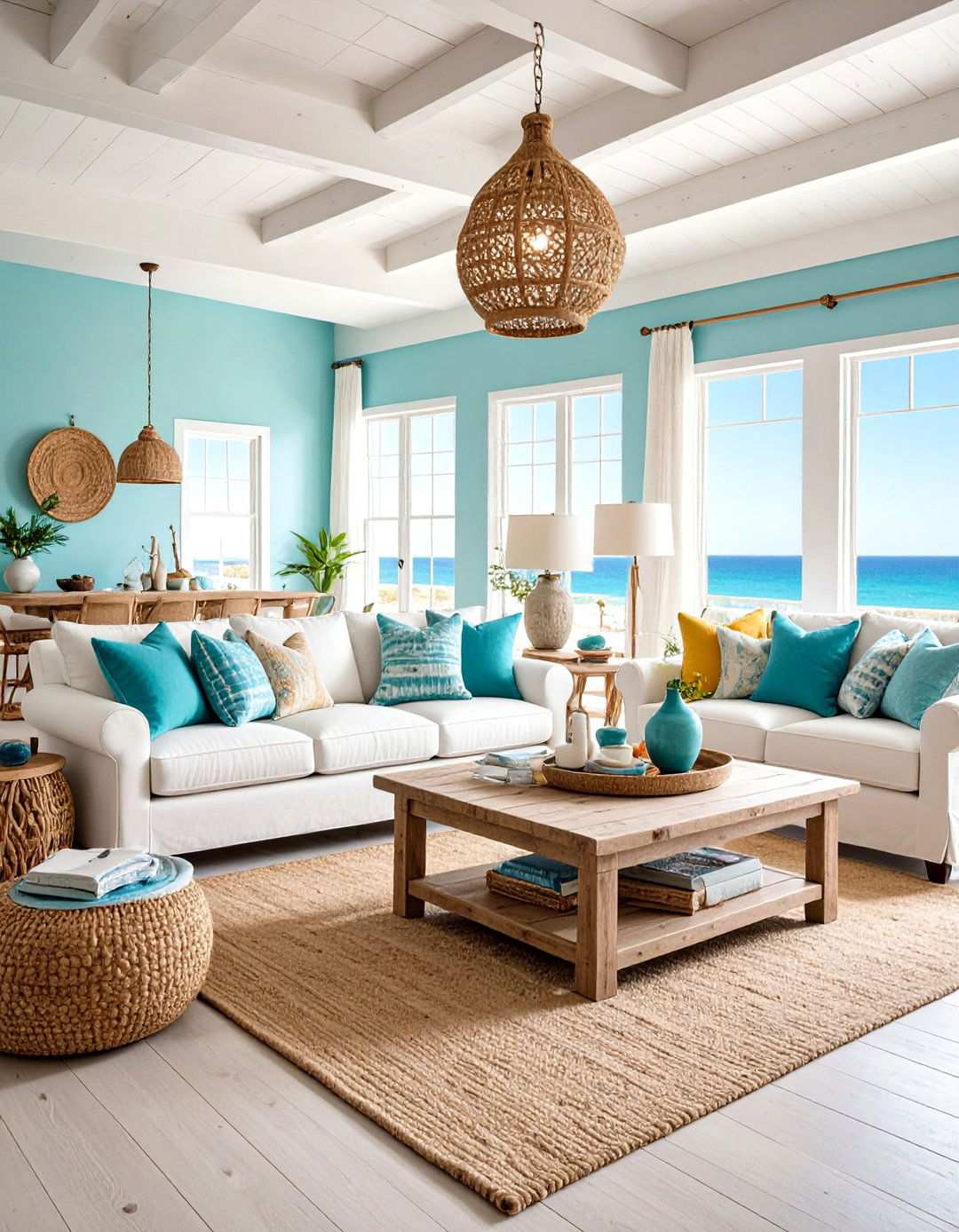
Transport the serenity of the seaside into your home through the thoughtfully curated use of driftwood and weathered wood accessories that evoke the essence of ocean breezes and sandy shores. Driftwood pieces can be repurposed as one-of-a-kind coffee tables or display stands for coastal-themed decorations, adding a touch of organic charm to your space. Whitewashed or sun-bleached wooden furniture helps to maintain the relaxed, casual atmosphere that is synonymous with coastal design. Wooden shelving crafted from reclaimed pier planks provides a beautiful display for shells, nautical artifacts, and beachy accessories, while rope details and sailing-inspired hardware complement the aged wood beautifully. These elements work in harmony to create spaces that feel like sophisticated beach houses, perfect for those seeking refuge from urban environments through thoughtful interior design choices.
11. Creative Space Definition through Wooden Screens and Dividers
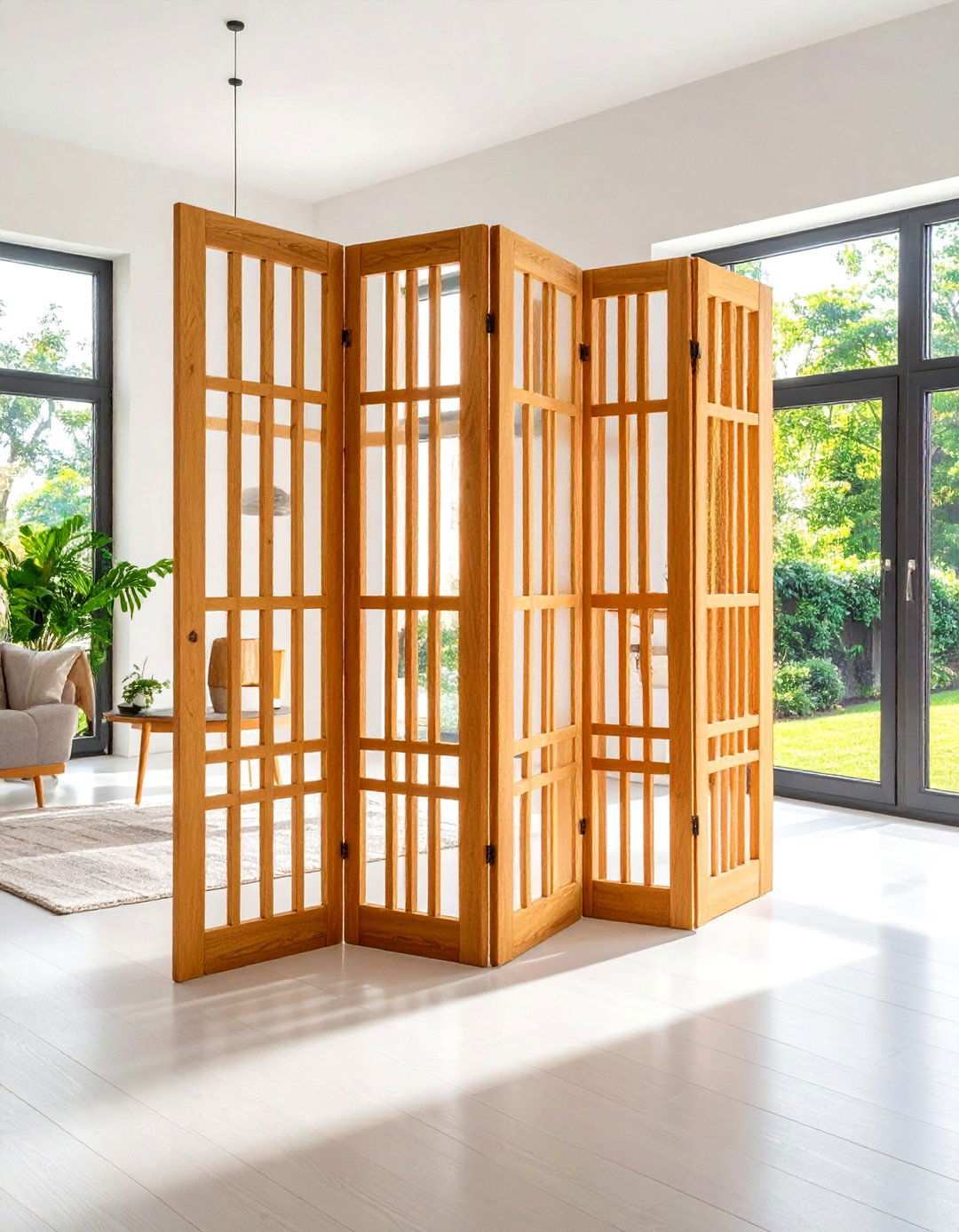
Define spaces with creativity and style using wooden screens and dividers that strike a balance between maintaining open sight lines and providing much-needed privacy and visual interest. Geometric wooden panels can serve as modern focal points while fulfilling practical functions in studio apartments or open-plan homes. Traditional Japanese-inspired screens with wooden frames and natural materials add a touch of cultural depth to contemporary spaces, creating a unique and intriguing aesthetic. Sliding barn-style doors crafted from reclaimed wood offer a flexible solution for separating rooms when needed, proving particularly effective in converted lofts or contemporary homes where traditional walls might feel too restrictive. By selecting designs that complement existing architectural elements while serving multiple purposes effectively and beautifully, homeowners can create spaces that are both functional and visually appealing.
12. Elevating Wooden Staircases with Creative Flair
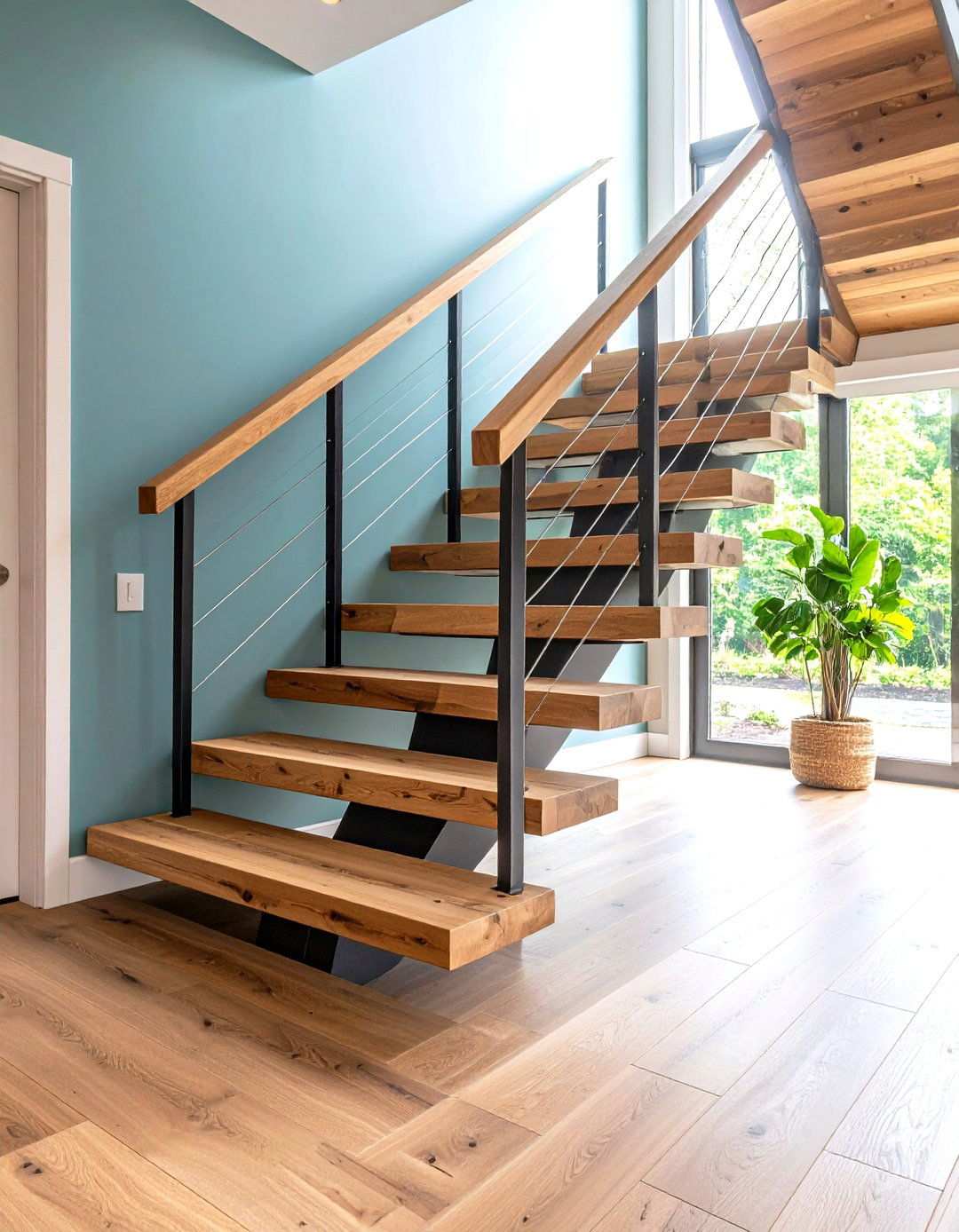
Reimagining utilitarian staircases as striking architectural elements requires innovative approaches that blend aesthetics and functionality. By combining reclaimed wood treads with sleek modern metal railings, homeowners can strike a harmonious balance between rustic charm and cutting-edge safety standards. The illusion of weightlessness is achieved through floating wooden steps with concealed supports, while fine craftsmanship and attention to detail take center stage. Under-stair storage solutions expertly optimize space, maintaining clean lines and architectural integrity. Wooden handrails bring warmth to metal structures, providing both comfort and grip security. Strategic lighting installations highlight the beauty of wood grain and ensure safe passage through clever illumination. When approached with creativity and technical expertise, functional elements can indeed make a profound design statement.
13. Maximizing Space with Custom Wooden Storage Solutions
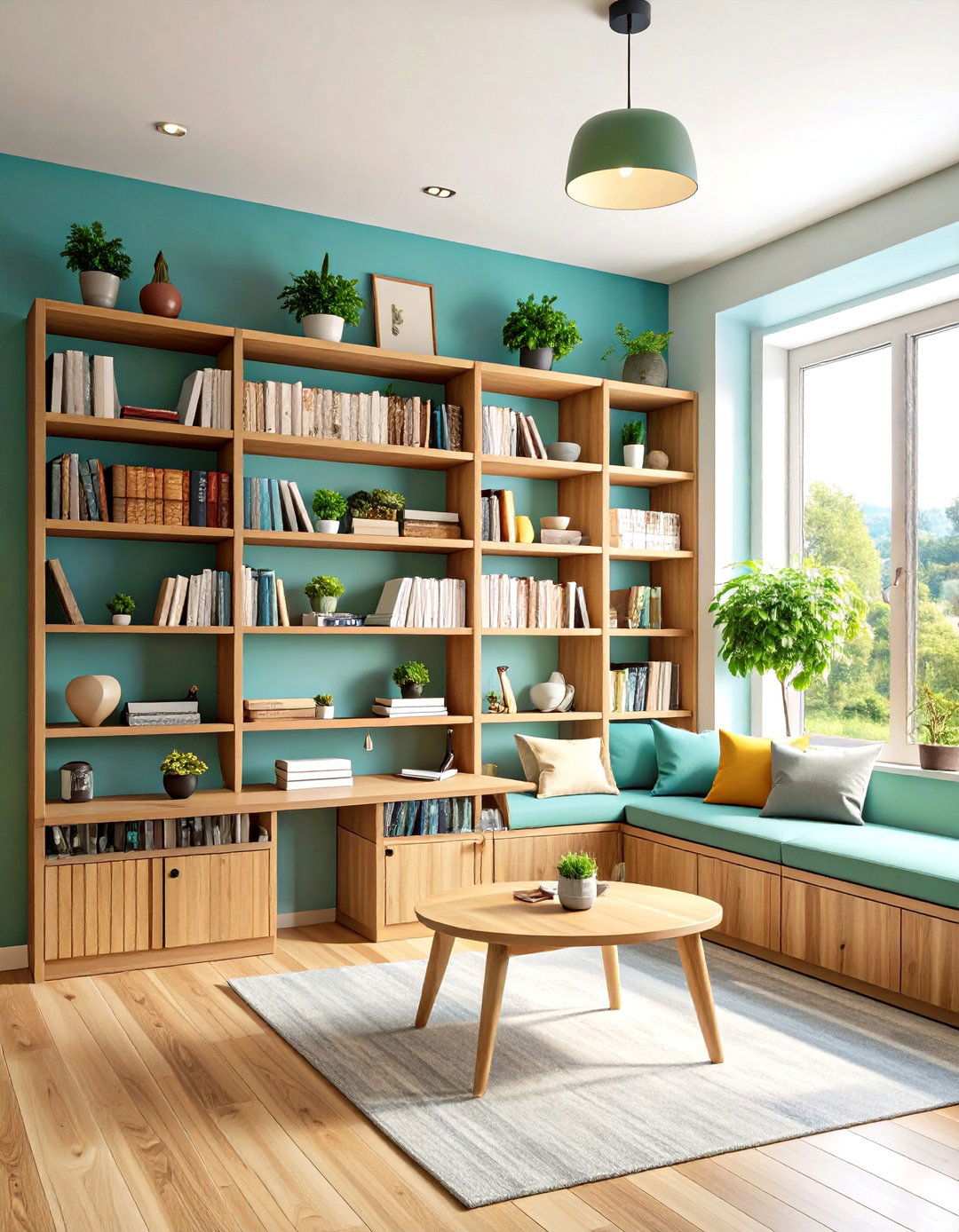
Efficient space planning is key, and bespoke wooden storage solutions can help achieve this through seamless integration with existing architecture. Floor-to-ceiling built-in shelving creates an atmosphere akin to a sophisticated library, perfect for showcasing cherished books, artwork, and personal collections. Window seats with integrated storage combine comfort and functionality while harnessing the warmth and light of the surrounding environment. Wooden closet systems with adjustable shelving adapt to changing needs, maintaining visual consistency throughout the home. Built-in desks and work surfaces provide dedicated spaces for productivity without encroaching on valuable floor space. These expertly crafted solutions blend seamlessly into the surroundings, creating a cohesive and professionally executed interior design that exudes thoughtfulness and attention to detail.
14. Wood and Light: A Perfect Harmony
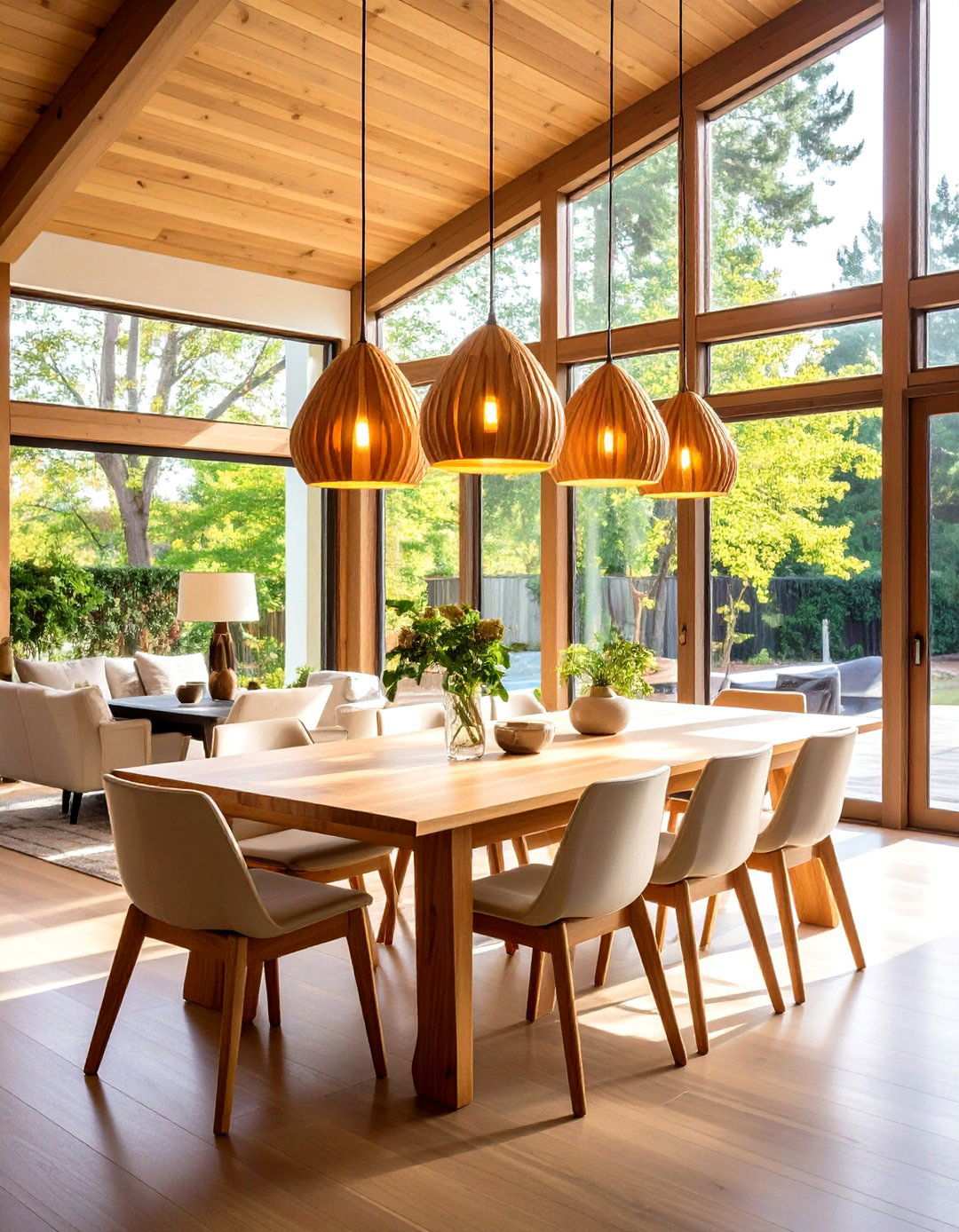
Wooden lighting fixtures can elevate spaces from mere functionality to beautiful works of art. Pendant lights crafted from intricately turned wood or geometric wooden forms add a touch of sculptural elegance above dining tables or kitchen islands. Wooden table lamps with unique grain patterns transform into captivating decorative elements during the day and mood-setters after dark. Floor lamps that incorporate wooden elements bridge the gap between furniture and lighting, serving dual purposes in smaller spaces. The warm tones of wood complement LED bulb technology perfectly, creating inviting and cozy atmospheres throughout the home. By harnessing the beauty of wood and clever illumination, these fixtures demonstrate how lighting can transcend mere functionality and become a true design statement.
15. Crafting a Kitchen Hub: Wooden Island Designs
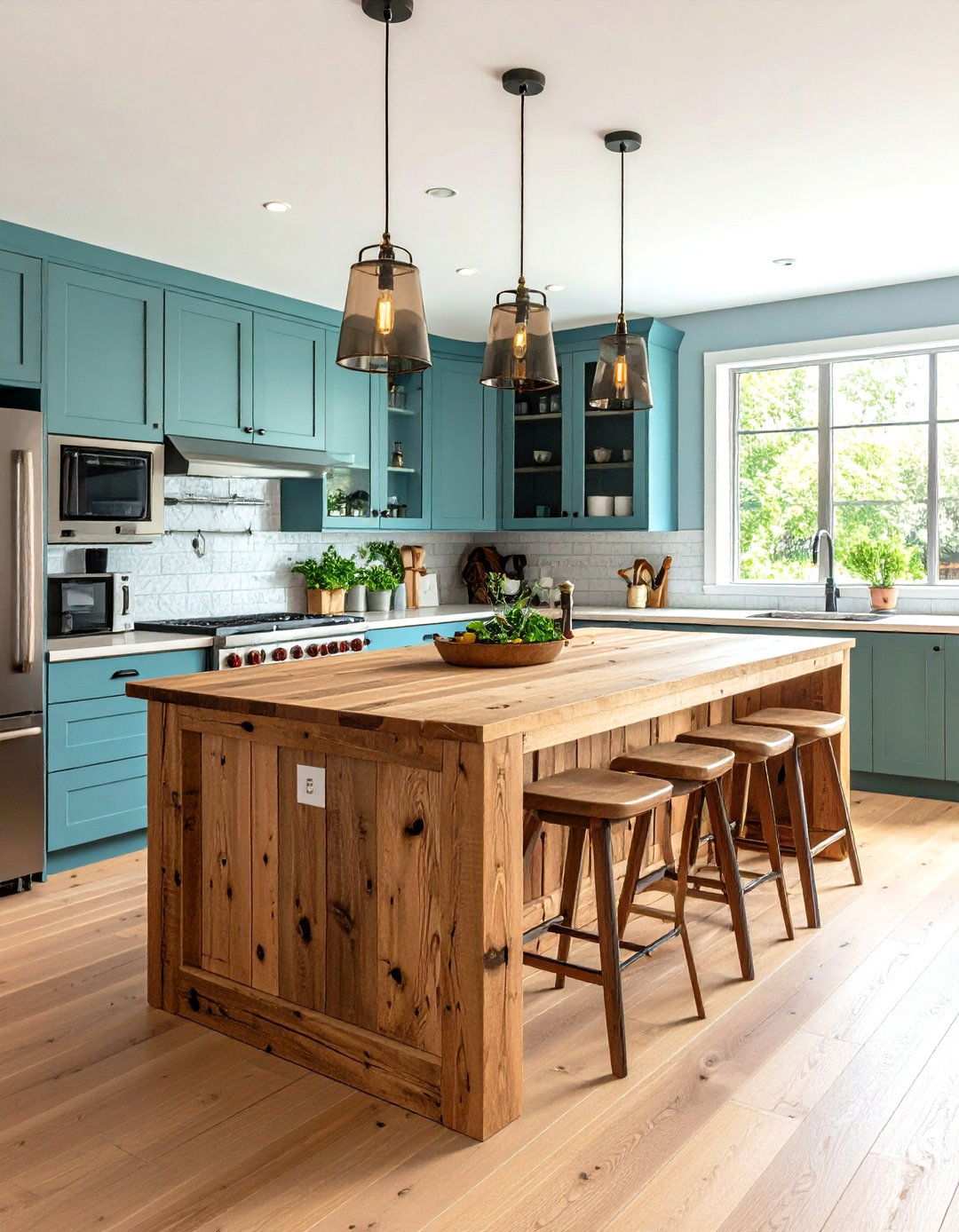
Turn your kitchen into a vibrant social space with a stunning wooden island that seamlessly blends functionality and style. Butcher block surfaces provide a durable work area perfect for food preparation and add warmth to contemporary kitchen designs, while reclaimed barn wood bases create a striking visual anchor that beautifully contrasts with modern appliances and sleek upper cabinets. Built-in seating areas transform islands into inviting casual dining spots, ideal for quick meals or homework sessions. To maximize storage and maintain clean sight lines, incorporate storage solutions directly into island designs. These substantial pieces often become the heart of kitchen activity, proving that functional elements can make bold design statements when crafted with attention to both form and function.
16. Turning Floors into Art: Wooden Patterns and Inlays
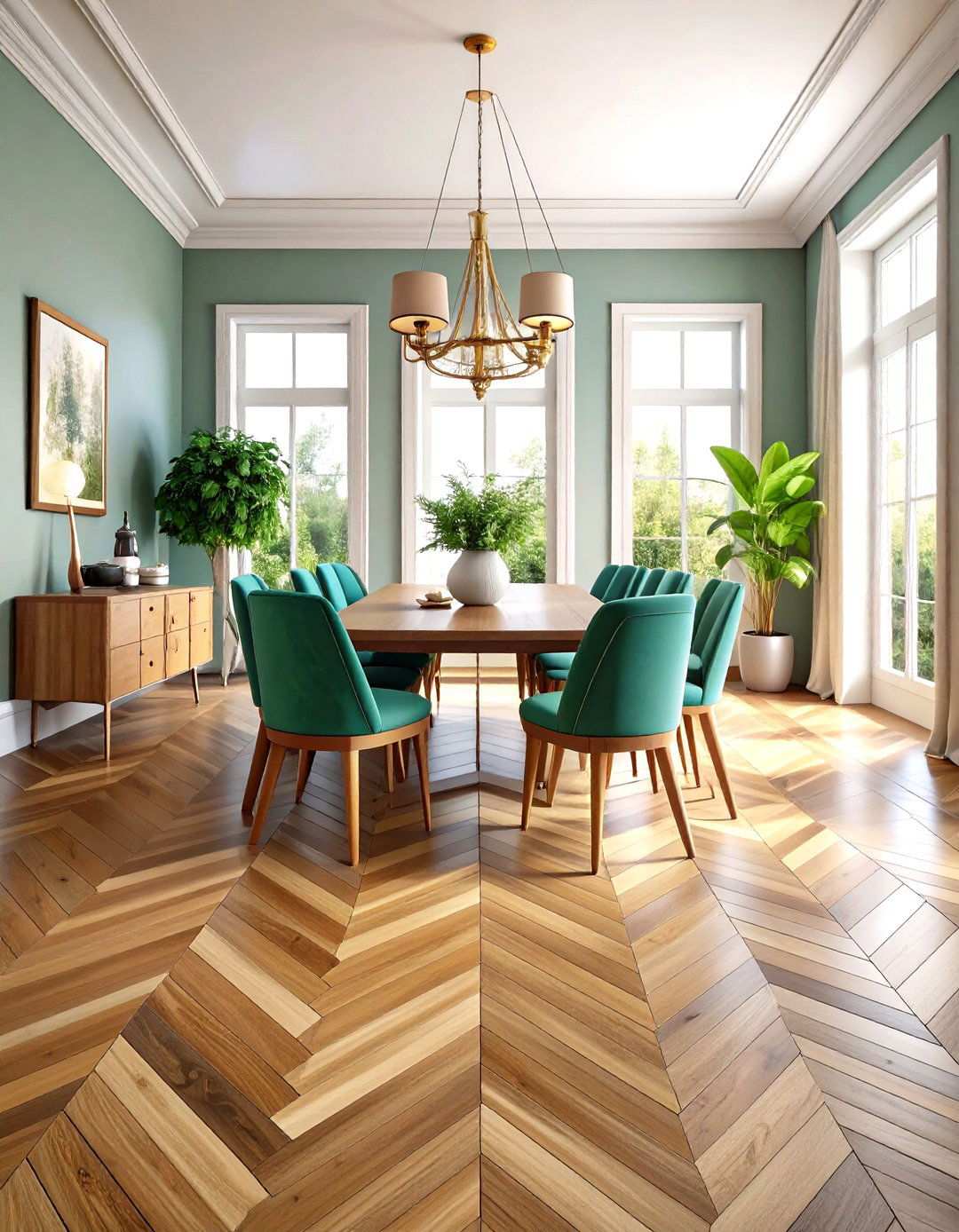
Elevate your home’s foundation with creative wooden flooring patterns and inlay techniques that transform ordinary floors into stunning works of art. Herringbone and chevron patterns add visual movement while maintaining classic appeal that transcends trend cycles, making them perfect for formal dining rooms or entryways where first impressions matter most. Border inlays using contrasting wood species create elegant frames that beautifully define room perimeters. By using mixed-width planks in varying finishes, you can create organic patterns reminiscent of aged European installations. Proper installation is crucial for achieving professional results that withstand daily wear and maintain their stunning appearance. Investing in quality craftsmanship pays dividends through increased home value and enhanced daily enjoyment.
17. Creating a Warm and Inviting Ambiance: Wooden Fireplace Surrounds and Mantels
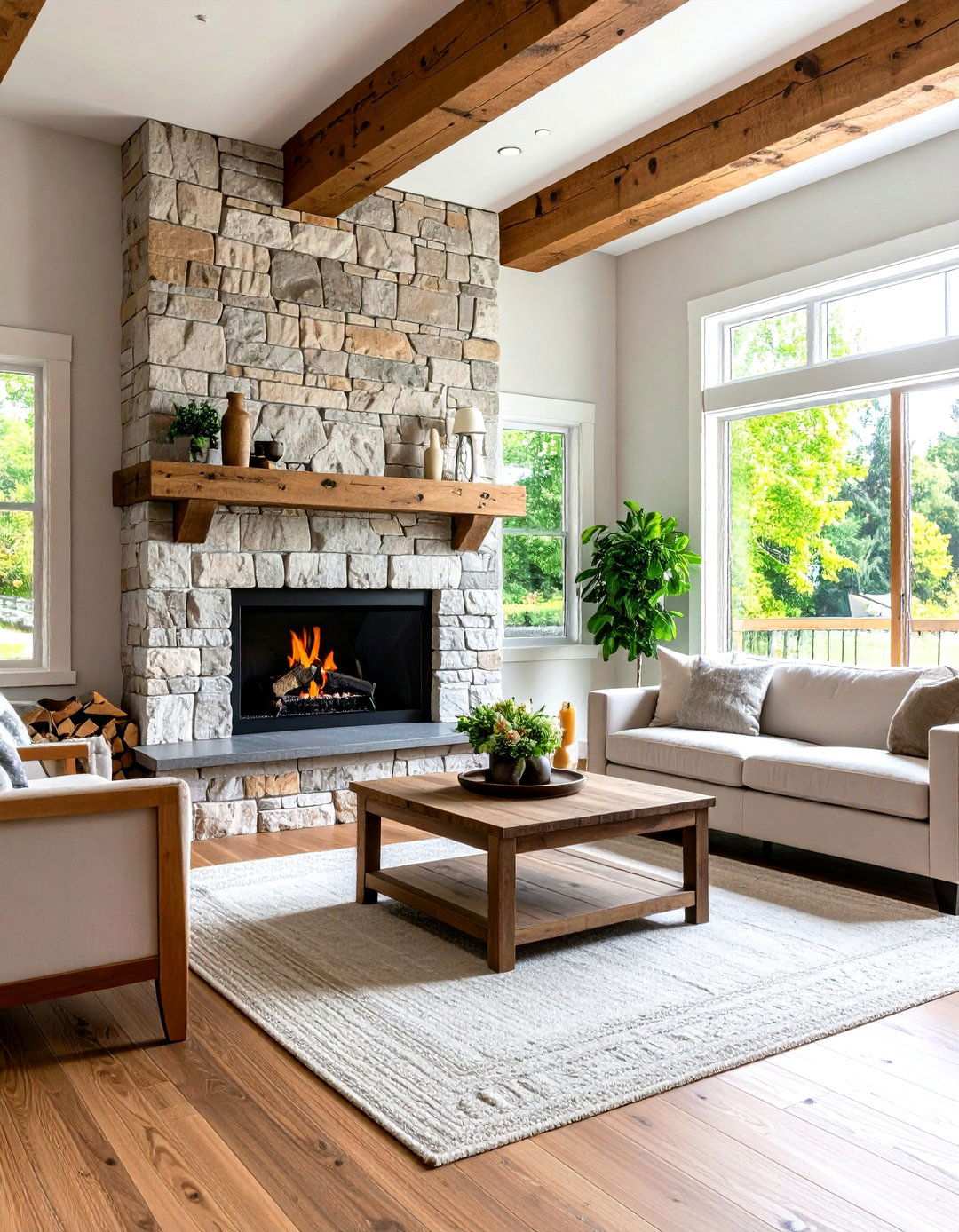
Transform your fireplace area into a commanding focal point with a custom wooden surround that masterfully blends architectural detail with natural warmth. Reclaimed beam mantels provide substantial shelving for seasonal decorations while showcasing wood’s natural character and history. Built-in wooden storage for firewood becomes a decorative display when arranged thoughtfully around fireplace openings. Wooden panels extending to ceiling height create dramatic backdrops for artwork and accessories. The combination of wood and stone creates timeless appeal that works beautifully in both traditional and contemporary settings. These installations often serve as the visual anchor for entire rooms, making material selection and craftsmanship particularly important for achieving desired aesthetic and functional goals.
18. Harmonious Indoor-Outdoor Transitions Made Possible with Wood
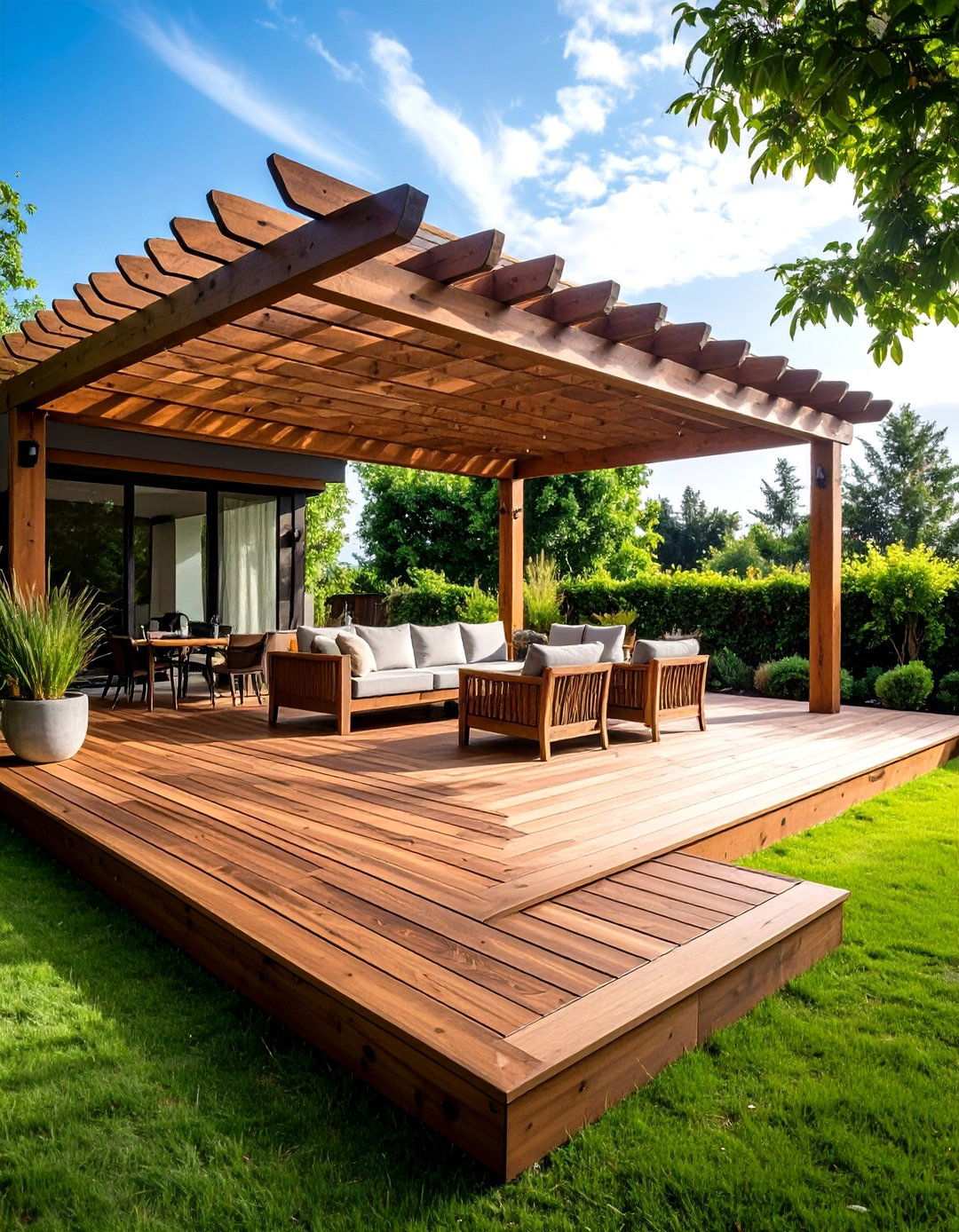
When blending the comfort of indoor spaces with the beauty of outdoor environments, wood emerges as an ideal material choice. Wooden decks and patios, designed to seamlessly transition between interior and exterior areas, become the perfect haven for relaxation and entertainment. The durability and natural beauty of Ipe or teak decking ensure a weather-resistant surface that not only withstands the elements but also develops a unique patina over time. This process preserves the slip-resistant properties essential for safety, allowing homeowners to enjoy their outdoor spaces without compromise. Additionally, built-in wooden seating areas create inviting gathering spaces that feel like outdoor living rooms, perfect for socializing or unwinding amidst nature’s splendor. The integration of pergolas and overhead structures adds a touch of elegance, defining individual outdoor rooms within a larger landscape setting. Meanwhile, wooden planters and garden elements expertly blend landscaping with architectural design, resulting in a seamless extension of indoor living spaces. By thoughtfully incorporating these elements, homeowners can significantly expand their usable living area while creating an environment that rivals indoor spaces in terms of comfort and style.
19. Effortless Bedroom Organization with Wooden Storage Solutions
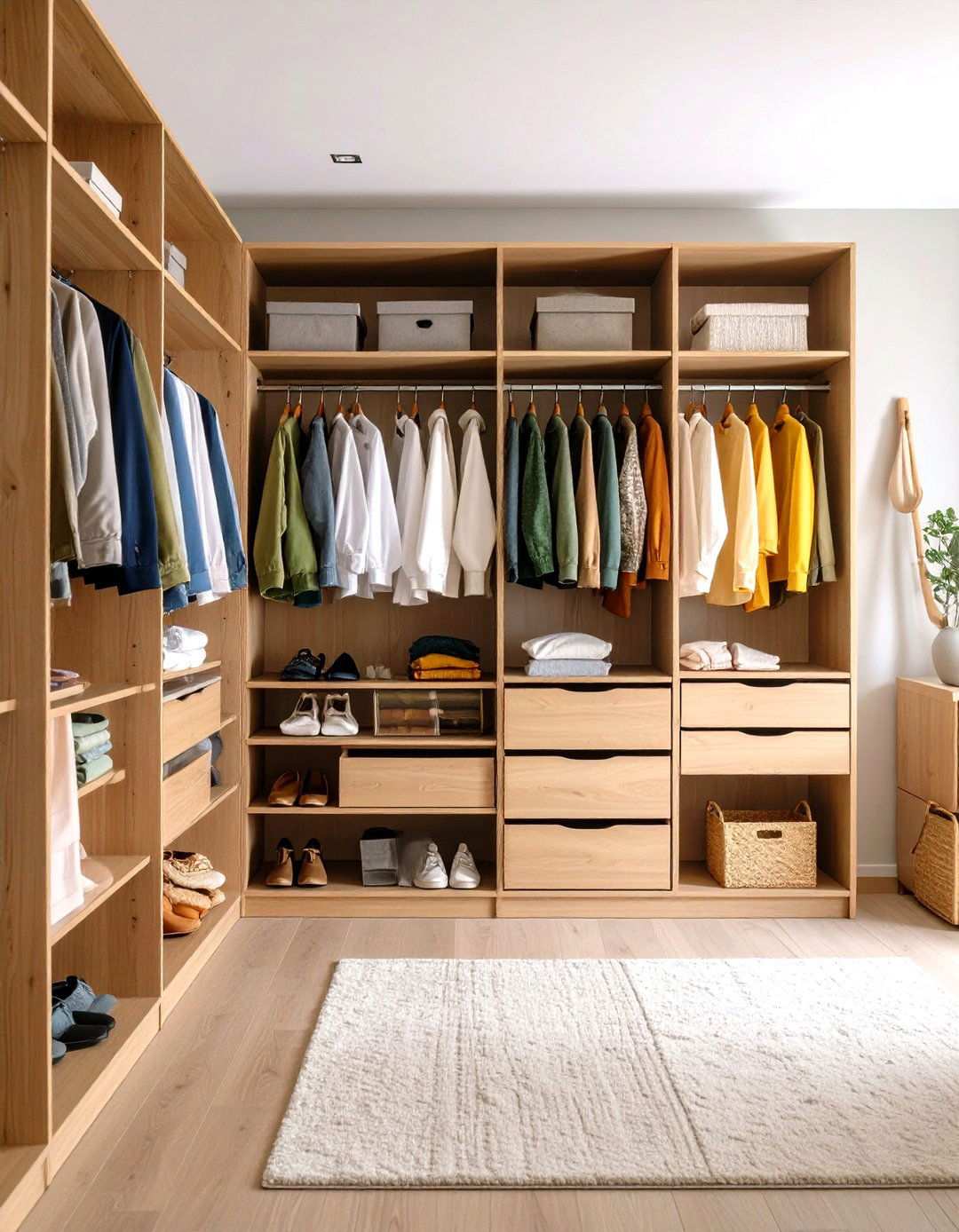
Transform sleeping quarters into serene retreats with custom wooden storage solutions that optimize functionality without compromising on aesthetics. By incorporating walk-in closets with wooden shelving systems, homeowners can enjoy a boutique-like experience for daily dressing routines. The built-in wardrobes featuring sliding wooden doors maintain a clean, unobtrusive appearance while providing ample storage for clothing and accessories. Furthermore, under-bed storage solutions crafted from matching wood species ensure visual consistency, effectively utilizing often-wasted space to maintain a clutter-free environment. Wooden jewelry storage and dressing areas provide dedicated spaces for personal care routines, making it easier to maintain a sense of calm and relaxation in the bedroom. These solutions prove particularly valuable in smaller bedrooms, where space efficiency becomes crucial for creating a peaceful atmosphere conducive to quality rest and relaxation.
20. Elevating Interior Spaces with Reclaimed Wood Installations
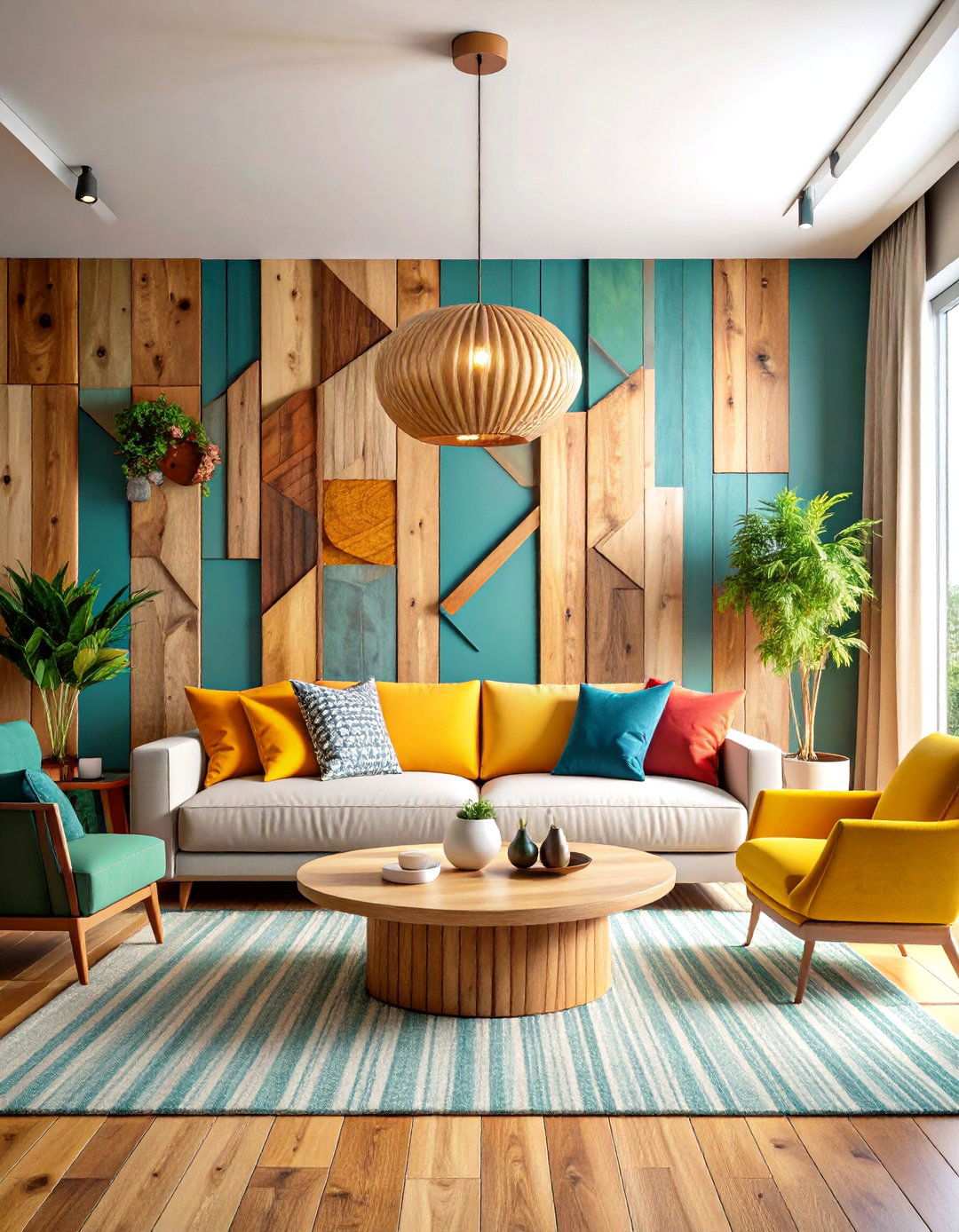
Add a touch of artistic flair to interior spaces with stunning wooden wall installations that serve as both conversation starters and decorative focal points. By arranging reclaimed wood in geometric patterns, homeowners can add texture and visual interest without requiring additional furniture or floor space. Weathered planks with varying finishes create abstract compositions that change appearance throughout the day as lighting shifts, adding an extra layer of depth and intrigue. Three-dimensional wooden sculptures provide dramatic focal points that work particularly well in minimalist spaces where fewer elements carry greater visual weight. These installations showcase wood’s versatility as both a structural material and artistic medium. To achieve a cohesive design, the key lies in striking a balance between composition and existing architectural elements, allowing the installations to enhance rather than overwhelm the interior space.
21. Crafting a Productive Workspace with Wood
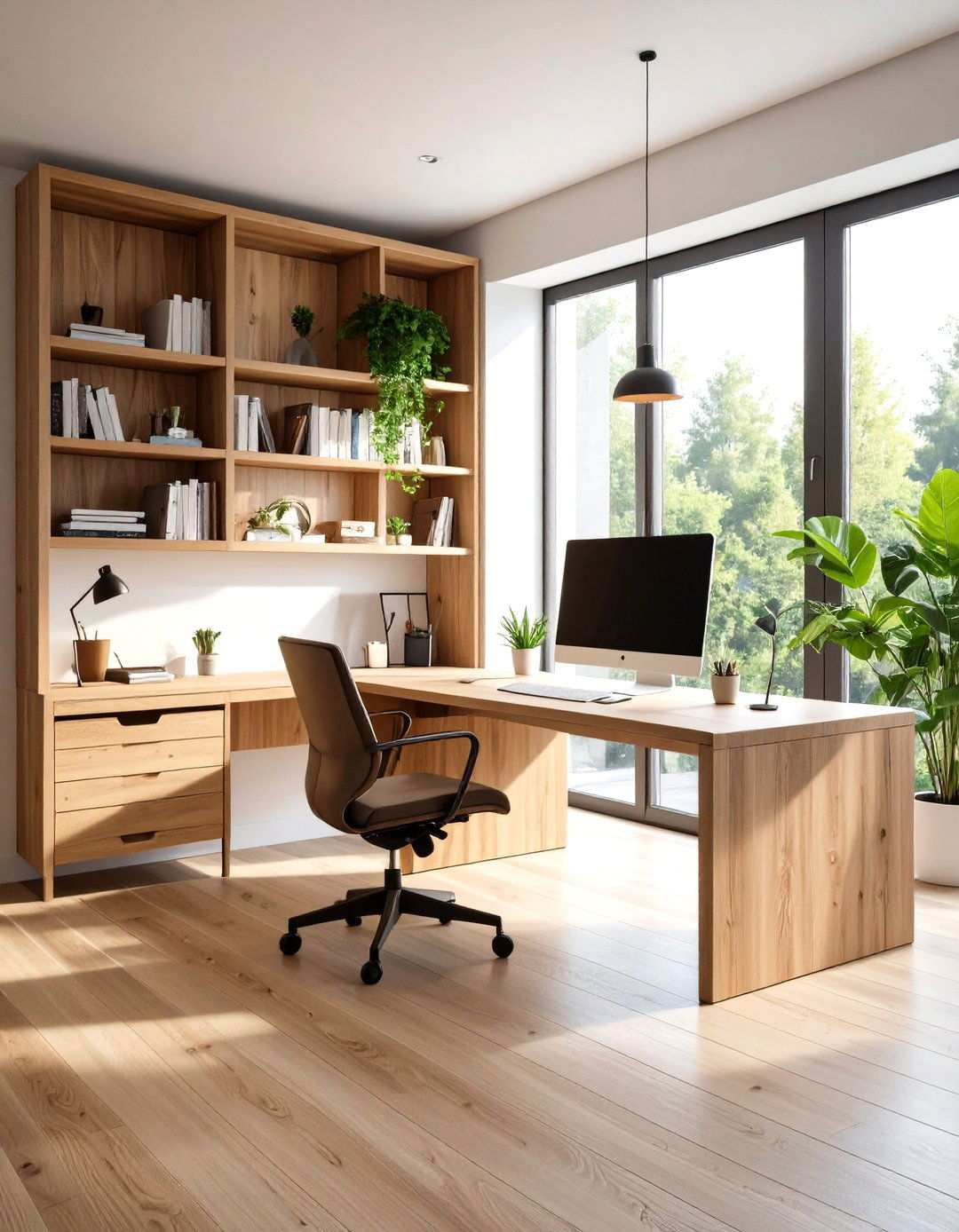
Elevate your home office to a professional haven by incorporating wooden elements that strike a perfect balance between residential comfort and professional ambiance. By seamlessly integrating built-in wooden desks with storage, you can optimize efficiency without compromising on clean sight lines essential for focus and concentration. Wooden shelving systems not only showcase your collection of books and supplies but also add a touch of architectural elegance to an otherwise utilitarian space. The strategic placement of wooden filing cabinets and storage solutions ensures both aesthetic consistency and practical organizational needs are met. As a result, the warm tones of wood create a more inviting work environment, encouraging longer periods of comfortable productivity. This harmonious blend of professional requirements and residential design standards is particularly well-suited to home settings where family lifestyle needs must be seamlessly integrated.
22. Embracing Sustainable Bamboo for a Greener Interior
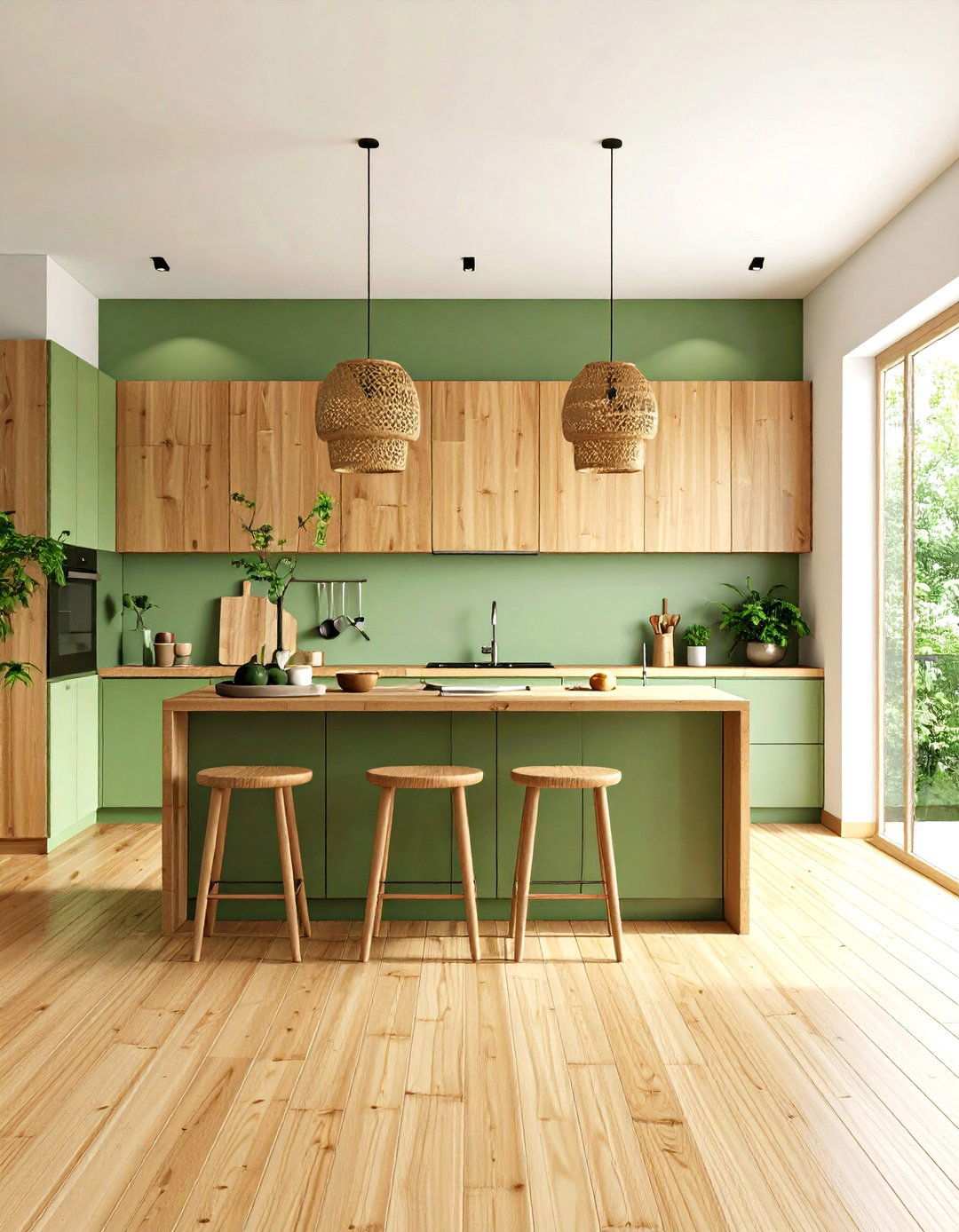
Incorporate the rapidly renewable resource of bamboo into your interior design to prioritize environmental responsibility without sacrificing aesthetic appeal or functional performance. Bamboo flooring offers a durable surface with unique grain patterns that beautifully complement both contemporary and traditional design approaches. Bamboo cabinetry and furniture showcase the material’s remarkable strength and workability while supporting sustainable forestry practices. The light, consistent coloring of bamboo creates a bright, optimistic atmosphere perfect for kitchens and bathrooms where cleanliness and hygiene remain top priorities. By incorporating bamboo window treatments and room dividers, you can maintain a connection to natural light while ensuring a sense of seclusion. These thoughtful applications demonstrate how environmental consciousness and beautiful design can coexist successfully in modern interior projects.
23. Transforming Bathrooms into Luxurious Retreats with Wood
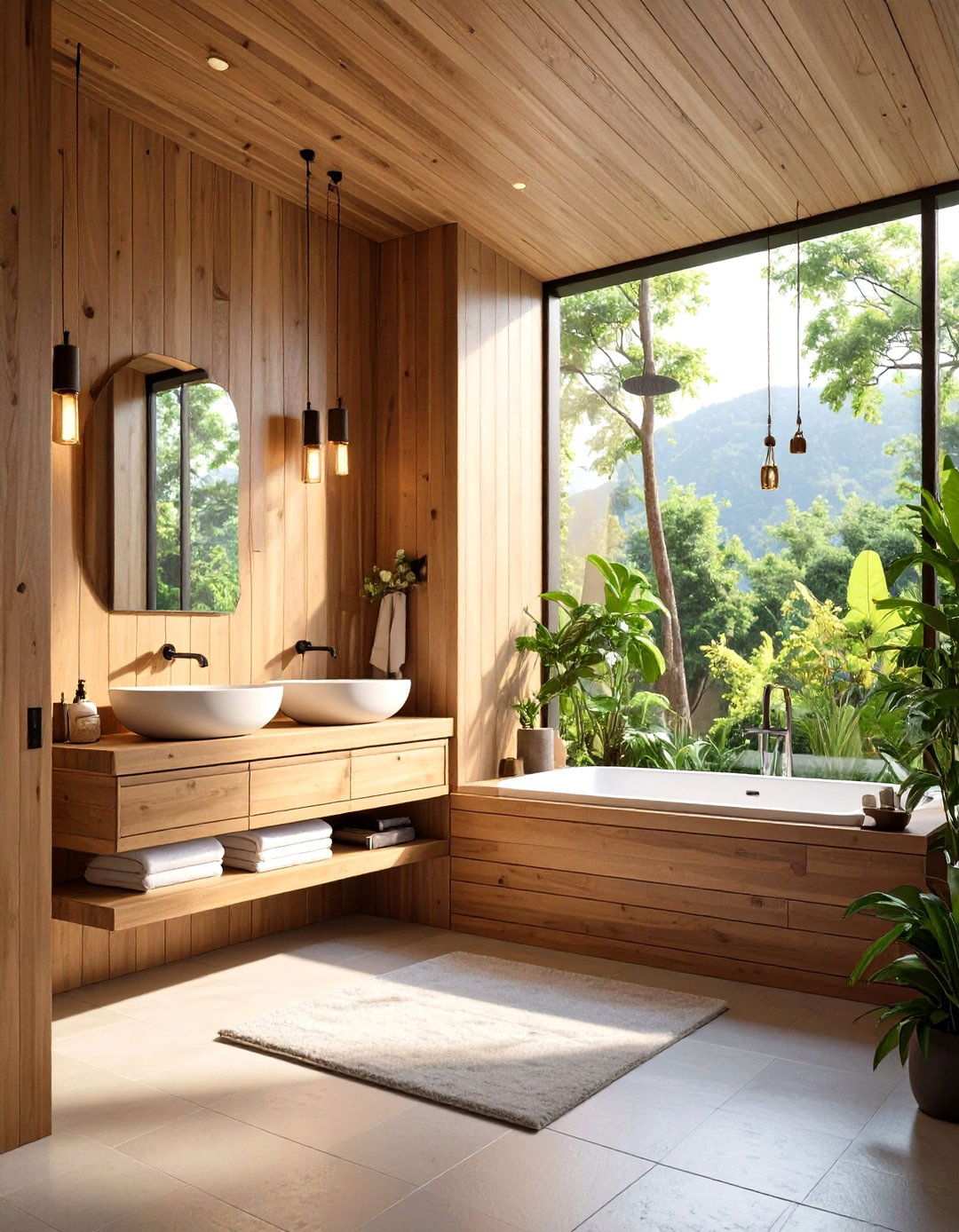
Unlock the potential of your bathroom and create a rejuvenating sanctuary by thoughtfully incorporating wooden elements that evoke the serenity of a spa. Teak shower benches and accessories not only provide practical seating but also maintain water resistance essential in humid environments. Wooden soaking tub surrounds create a stunning focal point that encourages relaxation and stress relief after a long day. By incorporating built-in wooden storage, you can keep towels and bath products organized while maintaining the serene atmosphere essential for personal wellness routines. Moreover, certain wood species boast natural antimicrobial properties, making them an ideal choice for bathroom applications when properly sealed and maintained. These retreats provide daily opportunities for self-care and relaxation without requiring the expense of spa visits or elaborate vacation plans.
24. Harmonizing Contrasts in Wood Species Design
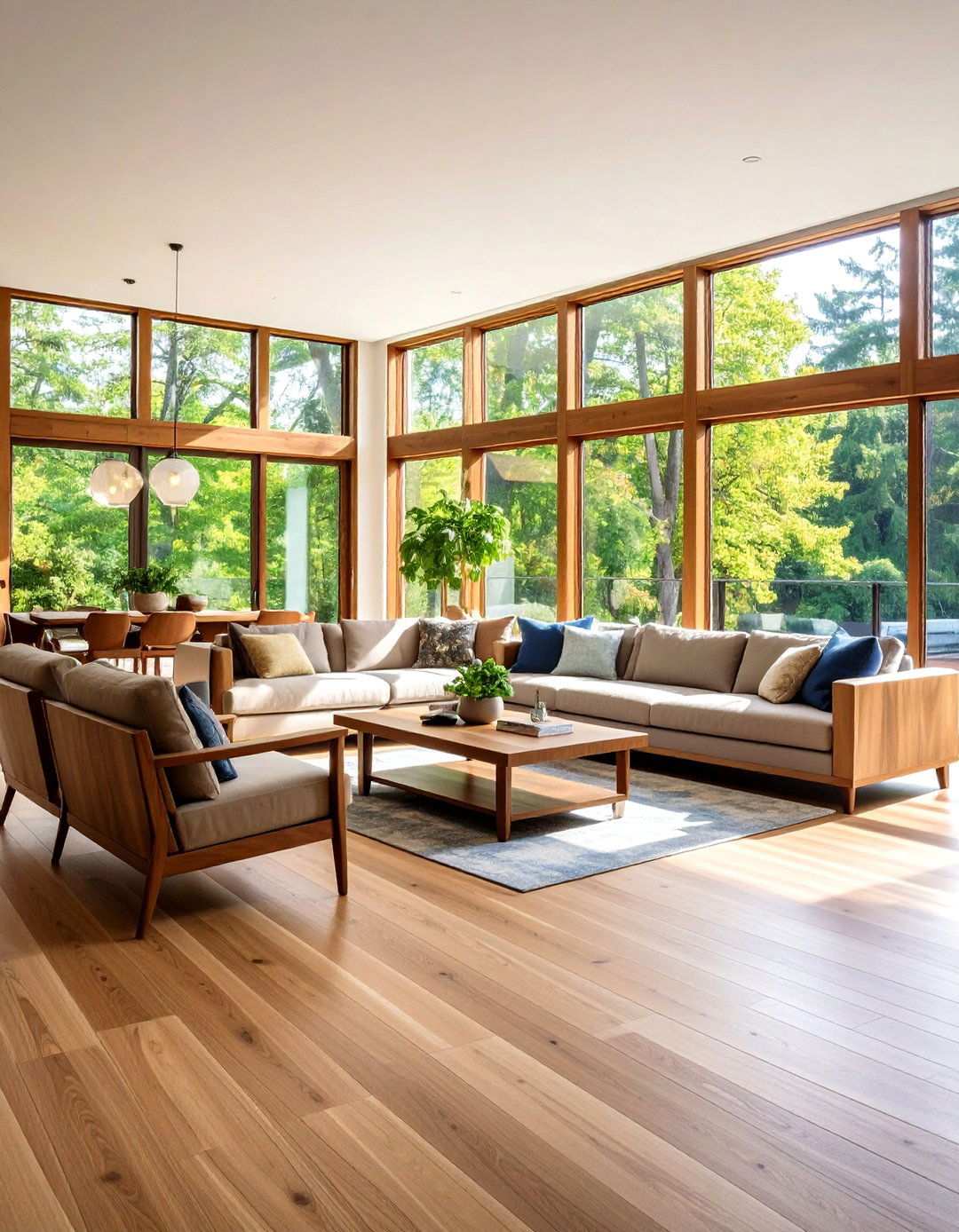
A well-crafted interior can be achieved by skillfully combining different wood species to create a visually appealing and cohesive space. The judicious pairing of contrasting wood tones, such as light oak flooring with darker walnut furniture, can effectively define functional areas within open floor plans, fostering a sense of organization and flow. In mixed wood kitchen designs, incorporating various species for islands, cabinetry, and accents can add a layer of complexity, resulting in a collected and curated aesthetic rather than a coordinated or uniform look. The secret to successfully combining multiple wood species lies in maintaining a consistent undertone while varying grain patterns and color intensities, thereby creating a harmonious composition that feels balanced and refined. When executed thoughtfully, mixed wood designs can produce rich, sophisticated interiors that exude a sense of intentionality and effortless elegance.