1. Bringing Ecological Balance to Your Outdoor Space
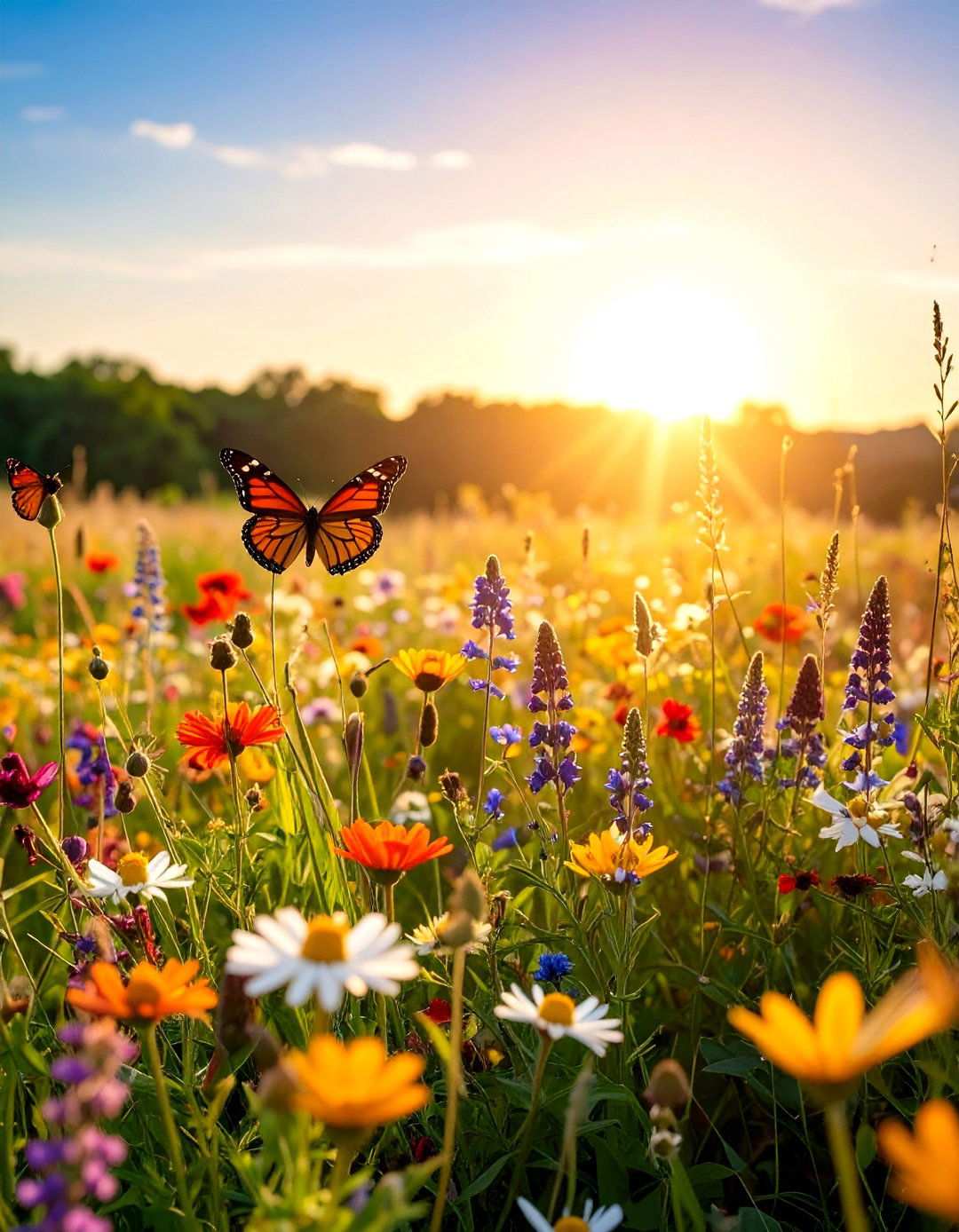
Transform your landscape into an ecological haven by cultivating a native wildflower meadow that celebrates regional flora and supports local pollinators. To create this dynamic ecosystem, select indigenous wildflowers suited to your climate zone, blending early bloomers like Virginia bluebells and white wood asters for spring color with black-eyed Susans and purple coneflowers for summer interest. By planting seeds in autumn, you’ll establish a natural spring display that requires minimal watering once established. This low-maintenance approach not only reduces lawn maintenance requirements but also creates habitat for beneficial insects, birds, and butterflies.

As an Amazon Associate I earn from qualifying purchases.
2. Harmonizing Traditional and Modern Design Elements
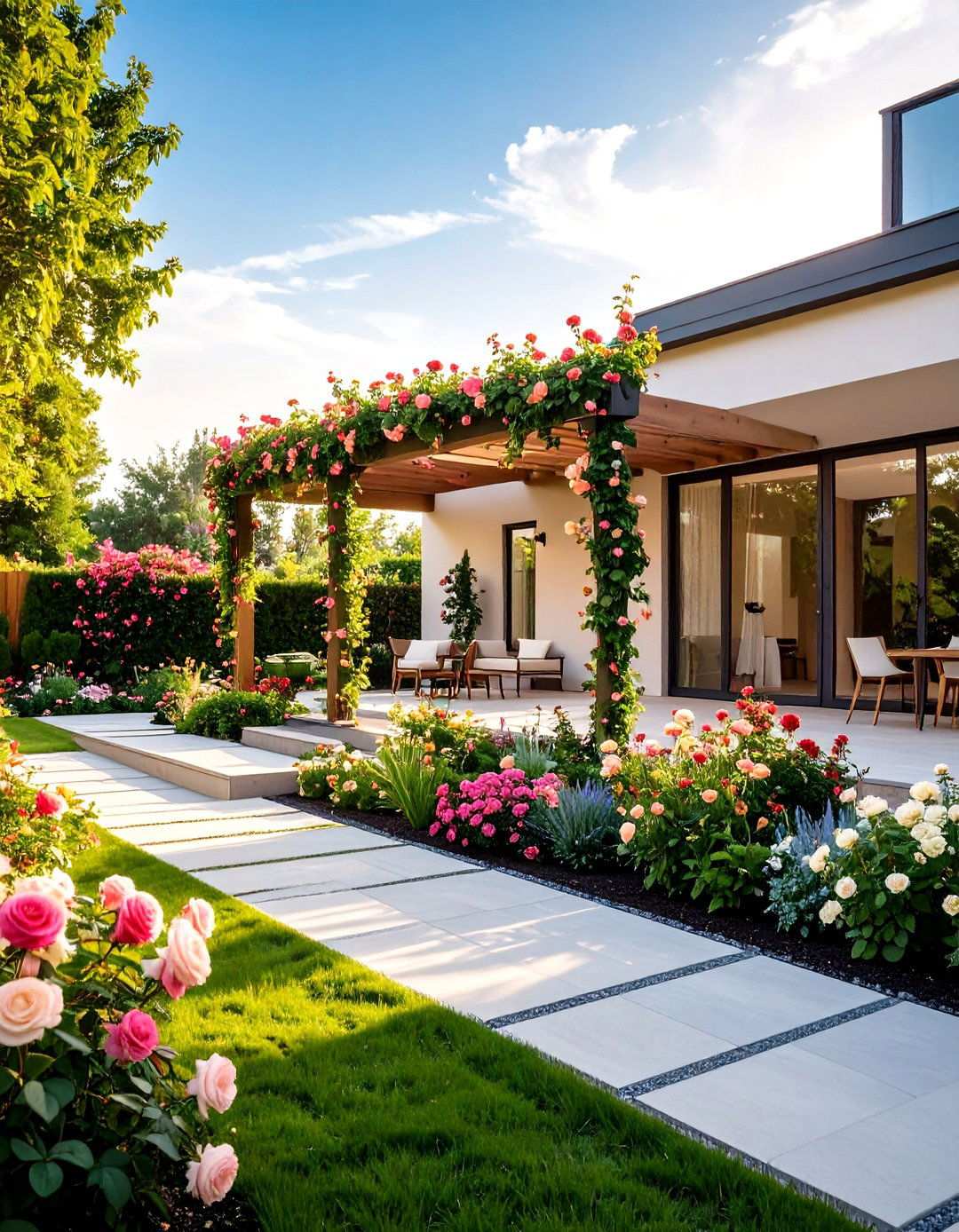
Combine the classic beauty of a cottage garden with the clean lines of modern design by incorporating structured elements. Blend traditional favorites like hollyhocks, delphiniums, and climbing roses with contemporary materials such as sleek planters and geometric pathways. To create visual impact, group plants in repetitive patterns of three to five specimens rather than single plantings. Integrate modern outdoor furniture and lighting fixtures to bridge the gap between old and new aesthetics. By adding structural elements like modern pergolas or sleek fencing, you can define spaces while maintaining the cottage garden’s characteristic overflowing abundance. This approach delivers timeless charm with updated functionality for contemporary living.
3. Maximizing Productivity in Small Spaces
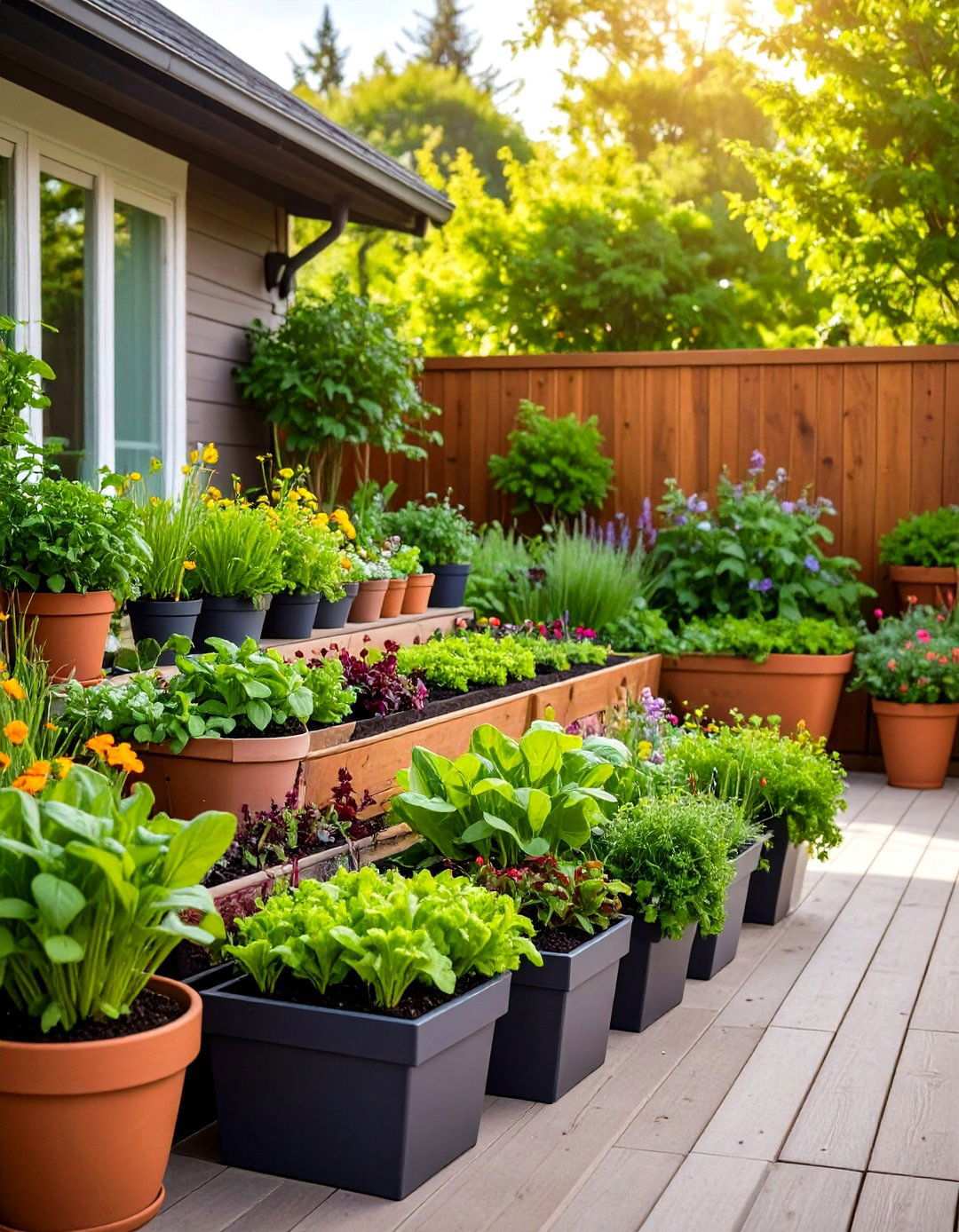
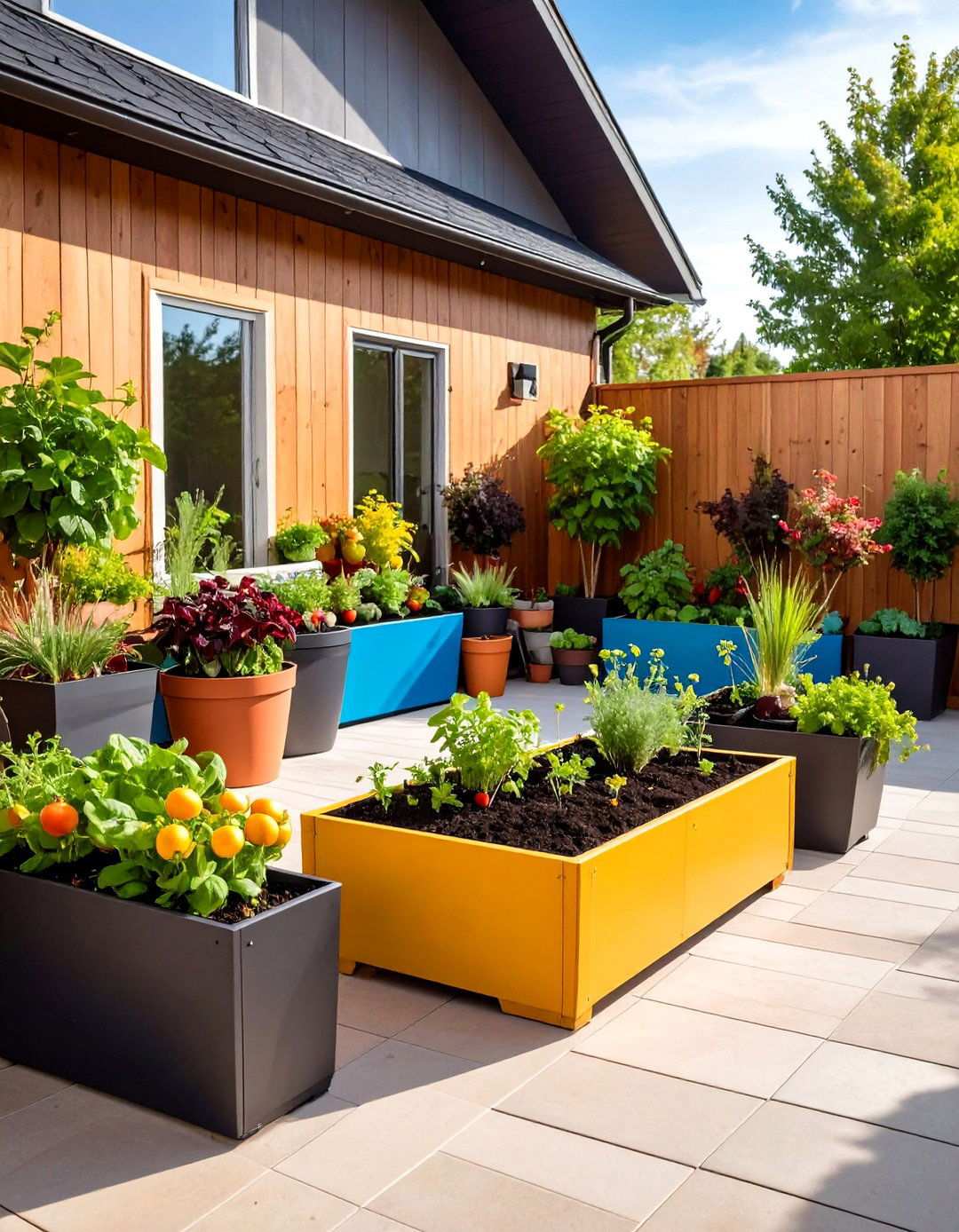
Create a thriving spring container garden by selecting cool-season vegetables and aromatic herbs that thrive in portable planters. For vegetables like lettuce, spinach, and radishes, choose containers at least 12 inches deep, while herbs like thyme, chives, and parsley adapt to smaller pots. Use high-quality potting mix enriched with compost to ensure proper drainage and nutrition. Position containers in locations receiving 6-8 hours of sunlight daily, grouping them for easy maintenance and visual appeal. By planting cool-weather crops like peas and carrots in early spring and succession planting every two weeks, you can enjoy continuous harvests from your kitchen doorstep. This approach maximizes small spaces while providing fresh ingredients at your fingertips.
4. Pollinator Paradise Spring Border
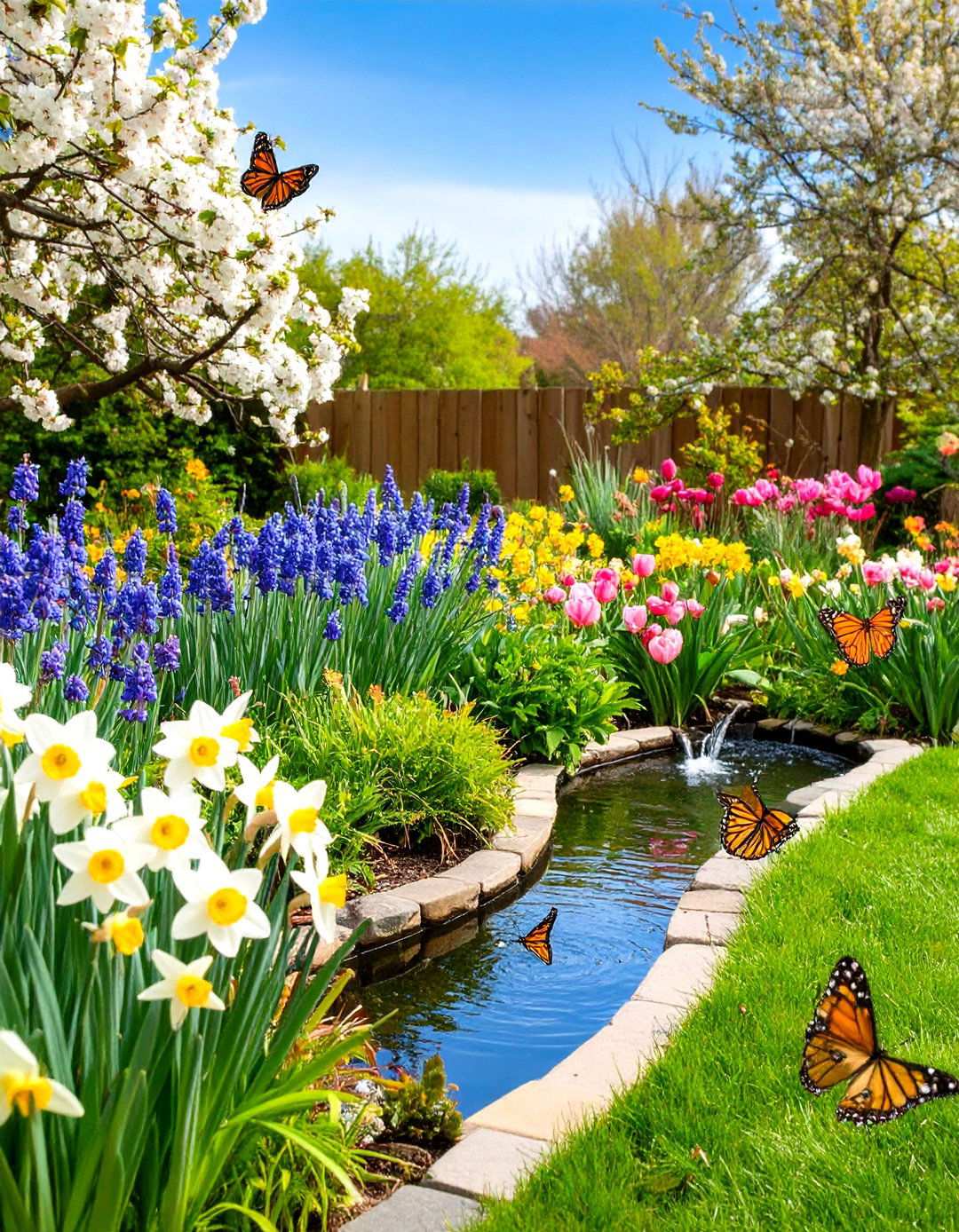
To create a vibrant pollinator haven that kicks off the growing season, carefully curate an array of early-blooming plants that offer essential nectar sources for bees and butterflies. Combine the beauty of spring bulbs, such as crocuses and grape hyacinth, with perennials like lungwort, hellebores, and early-flowering native azaleas. Don’t forget to include fruit trees like cherry or apple, which not only provide an abundance of spring blossoms to support pollinators but also yield edible rewards later in the season. Add shallow water sources, such as birdbaths or small fountains, to complete the haven and provide landing pads for pollinators. To maintain a safe environment, plant in dense groupings and steer clear of pesticides. By doing so, you’ll create a sanctuary that not only delights the senses but also nurtures biodiversity and bolsters the broader ecosystem.
5. Shade Garden Spring Sanctuary
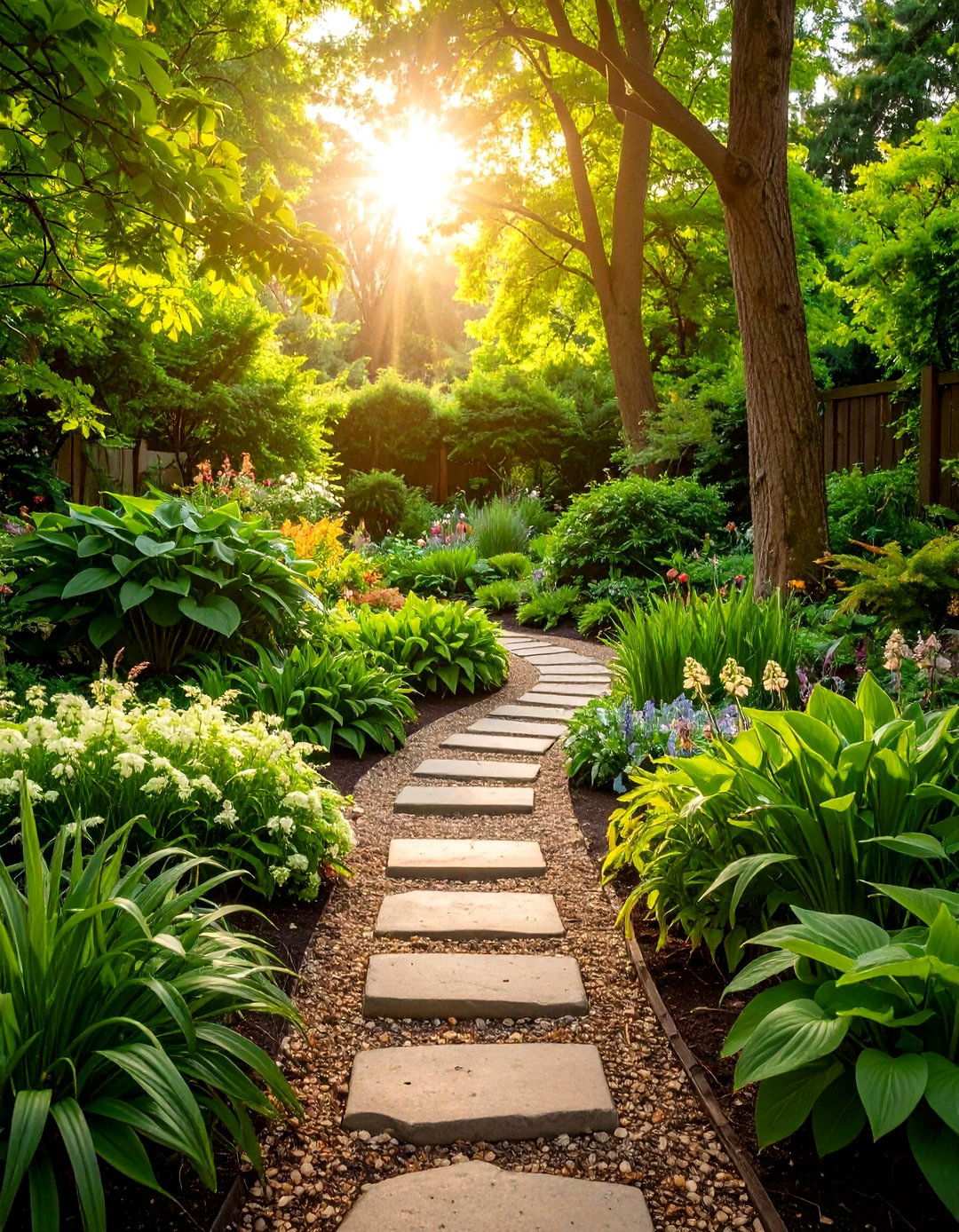
Transform underutilized shaded areas into lush spring oases by selecting a diverse array of plants that thrive in low-light conditions, offering a kaleidoscope of textures and colors. Begin by featuring early-blooming bulbs like snowdrops and winter aconite, which naturally colonize under deciduous trees, followed by hellebores and coral bells that provide an extended display of color. Incorporate ferns, hostas, and heuchera for added textural variety and long-season appeal. Add flowering shrubs like pieris and rhododendrons that bloom before the tree canopies leaf out, creating a breathtaking display. To encourage exploration and contemplation, create pathways using natural materials like bark mulch or stepping stones. This thoughtful approach maximizes the potential of challenging growing areas, creating serene spaces that invite relaxation and peaceful reflection throughout the growing season.
6. Three-Season Perennial Border
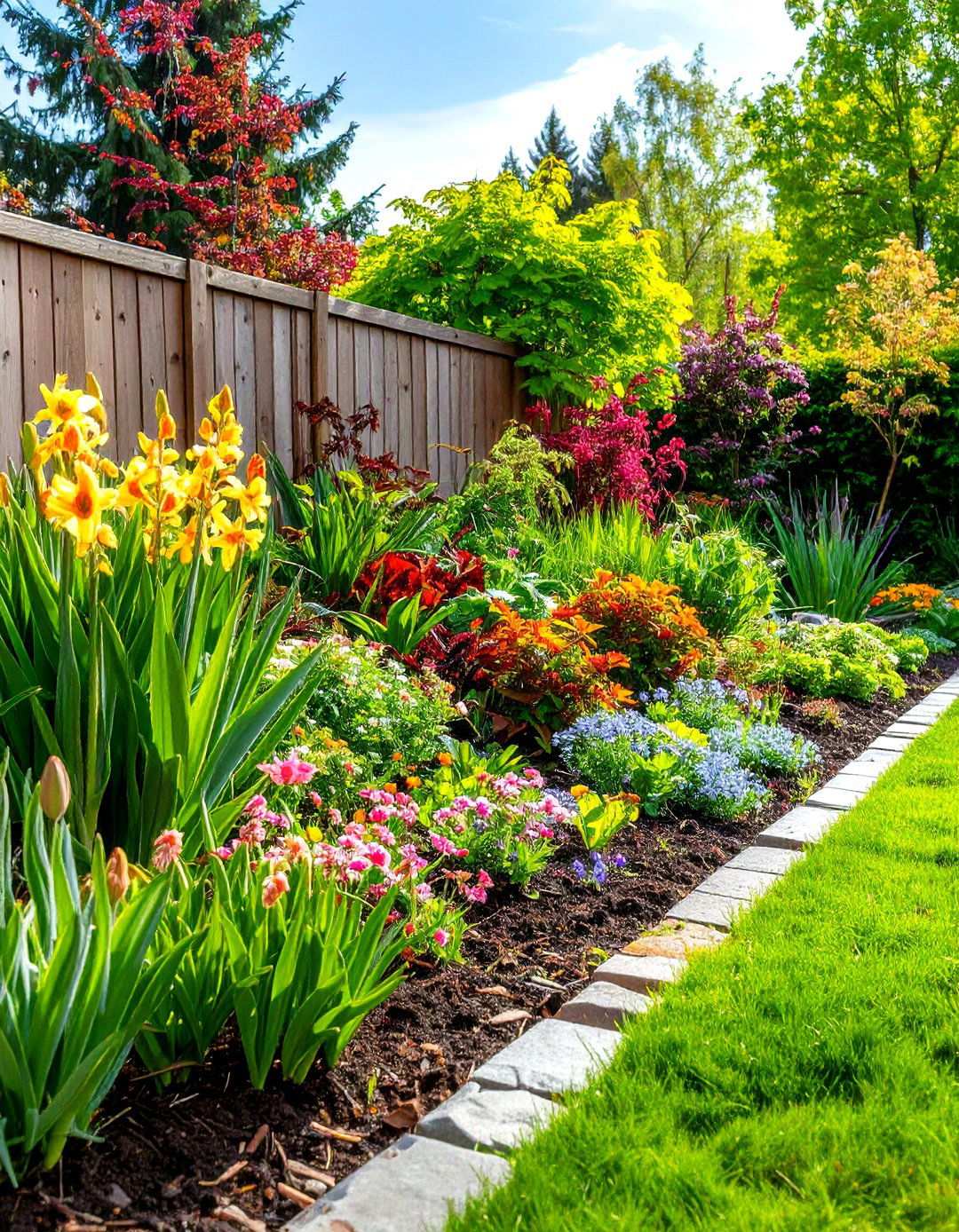
Craft a perennial border that showcases continuous interest from early spring to autumn by carefully selecting a diverse array of plants with staggered bloom times and complementary growth habits. Begin by planting spring bulbs like tulips and daffodils among emerging perennials such as peonies and bearded iris. Include summer performers like coneflowers and bee balm, transitioning to fall favorites like asters and sedum. To create visual depth and structural interest, vary plant heights from ground-hugging creeping phlox to towering joe-pye weed. Don’t forget to incorporate ornamental grasses for movement and winter texture. By employing this strategic planting approach, you’ll create a garden that remains alluring throughout multiple seasons, requiring minimal annual replanting once established.
7. Scentual Delights on the Garden Path
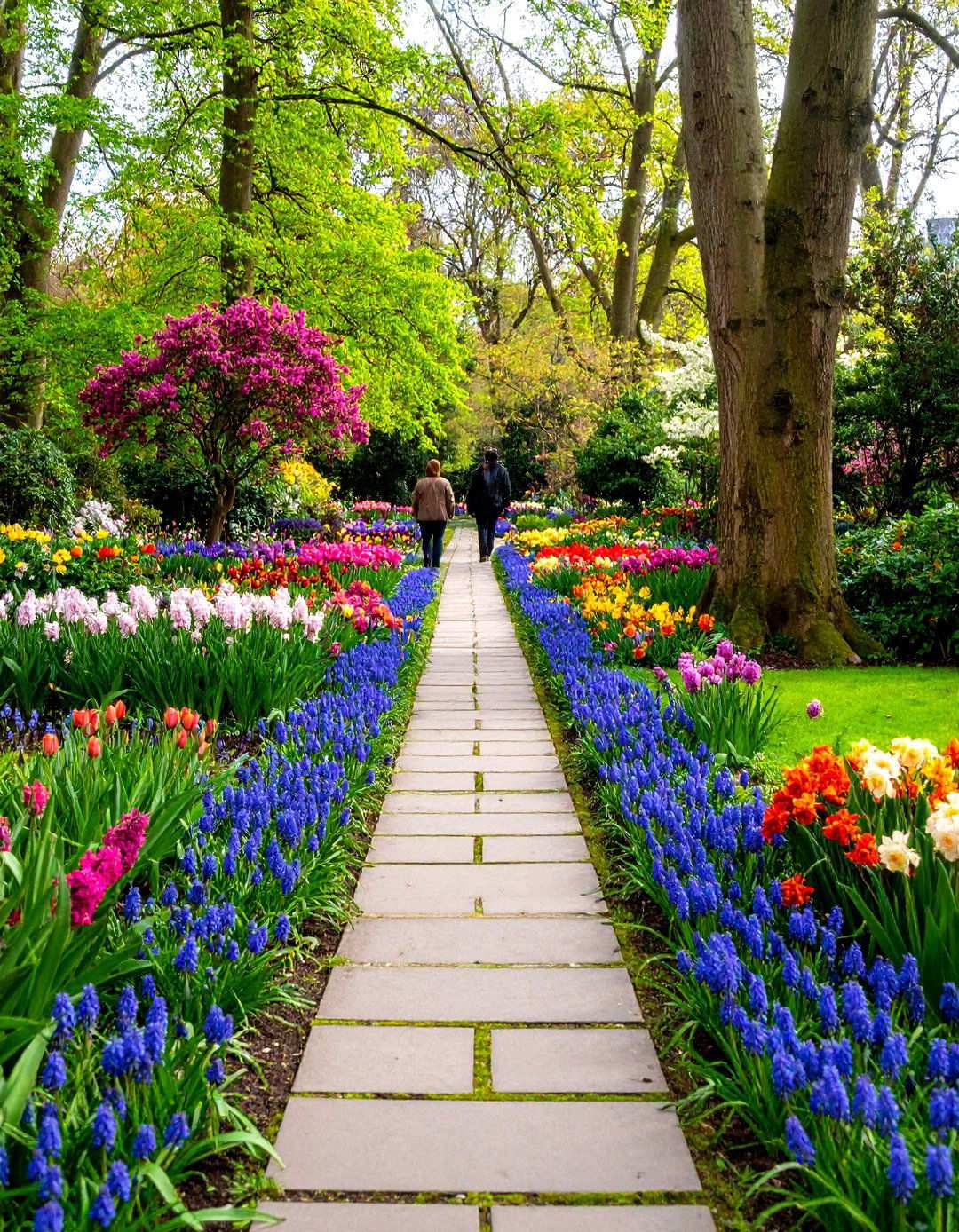
Craft an immersive experience by weaving fragrant spring-blooming plants into your garden’s pathway system, engaging visitors on multiple sensory levels. Strategically position aromatic plants like lilacs and flowering quince near walkways to unleash their perfume, while incorporating fragrant bulbs such as hyacinth and lily-of-the-valley for an early-season burst of scent. Brush against herbs like lavender and rosemary to release their fragrance, and include night-blooming plants like evening primrose to extend the sensory experience into the evening hours. Balance these sensory elements with natural pathway materials like flagstone or gravel, which complement the garden’s informal style. By doing so, you transform garden navigation into a memorable sensory journey that elevates the overall garden experience.
8. A Cut Above: Spring Cutting Garden Design
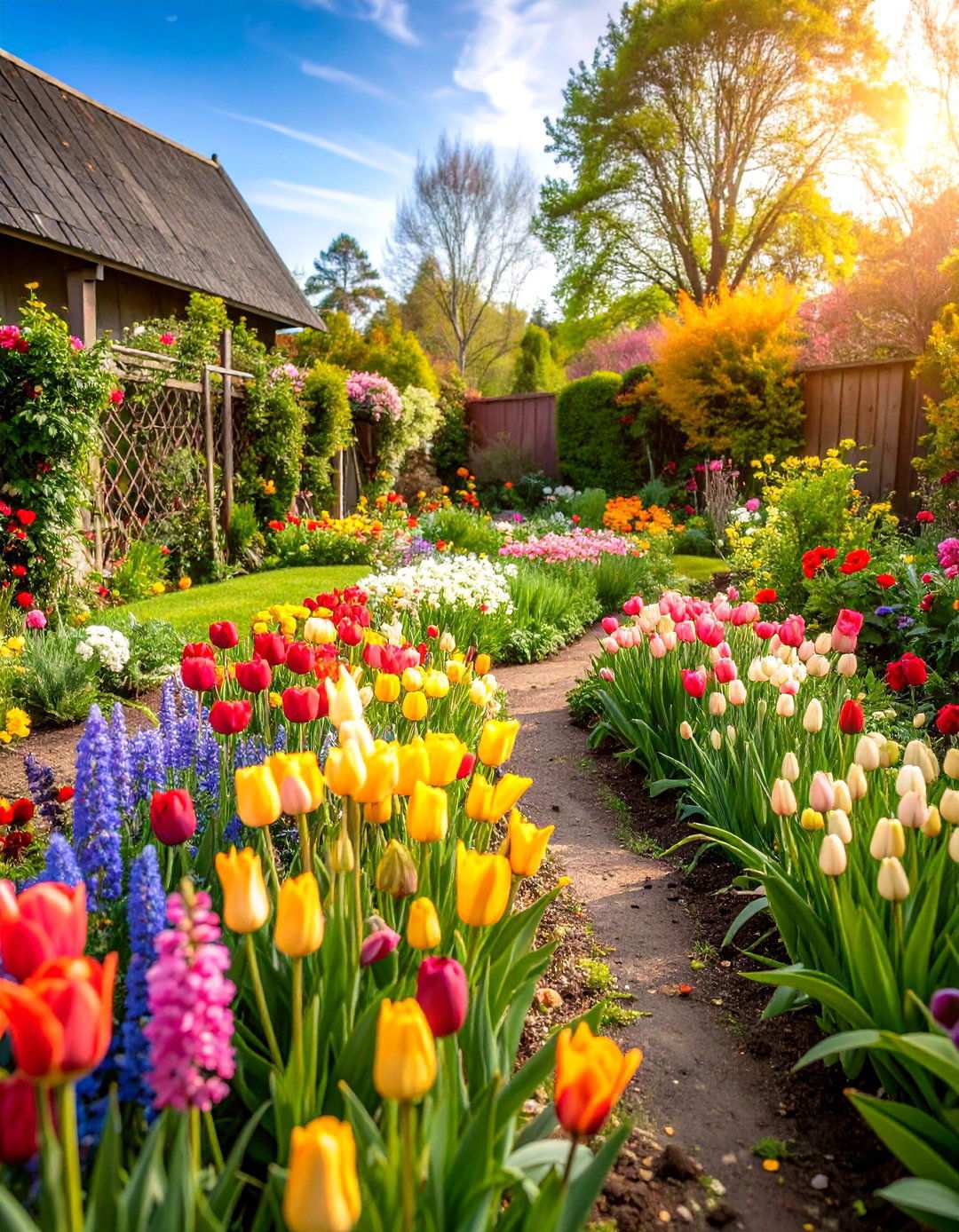
Create a dedicated cutting garden where flowers are carefully chosen for their aesthetic and harvesting potential, providing a steady supply of blooms for indoor arrangements throughout the spring season. Plant rows of tulips, daffodils, and ranunculus for an early cutting season, followed by sweet peas, larkspur, and Canterbury bells for a continued supply of fresh flowers. Incorporate foliage plants like dusty miller and decorative grasses to add textural elements and fillers to bouquets. Design beds in accessible rows or blocks to streamline harvesting without damaging surrounding plants. Add trellises for climbing varieties like clematis and sweet peas, which provide vertical interest and additional cutting material. This practical approach ensures a constant supply of fresh flowers for indoor enjoyment while maintaining visually appealing garden displays throughout the season.
9. Simplicity Reigns in the Modern Minimalist Spring Garden
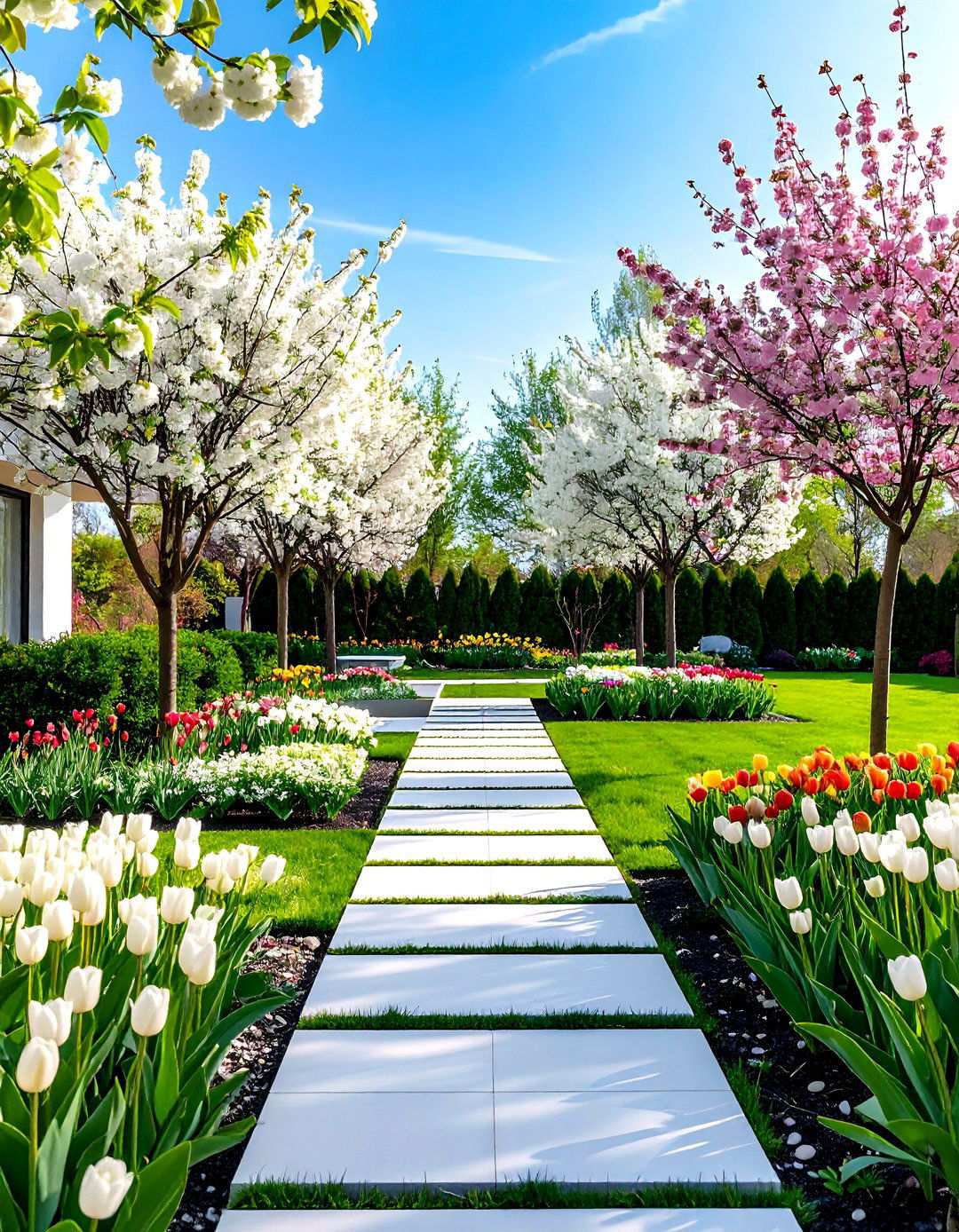
Embracing contemporary garden design, create clean, uncluttered spaces that highlight selected plants through repetition and thoughtful placement rather than overwhelming variety. Choose a limited palette of spring-blooming plants like ornamental cherry trees, white tulips, and architectural grasses, repeating them throughout the space to achieve a cohesive look. Define edges with geometric planting beds bordered by contemporary materials like cor-ten steel or concrete. Incorporate modern hardscaping elements such as linear water features or sculptural elements as focal points, which add visual interest without overwhelming the space. By employing generous spacing between plants, you emphasize individual specimens and create serene, meditative spaces that reflect the minimalist aesthetic. This approach is well-suited to contemporary architecture, demonstrating that sometimes, less truly is more in garden design.
10. Elevating Spring Plantings with Vertical Gardens
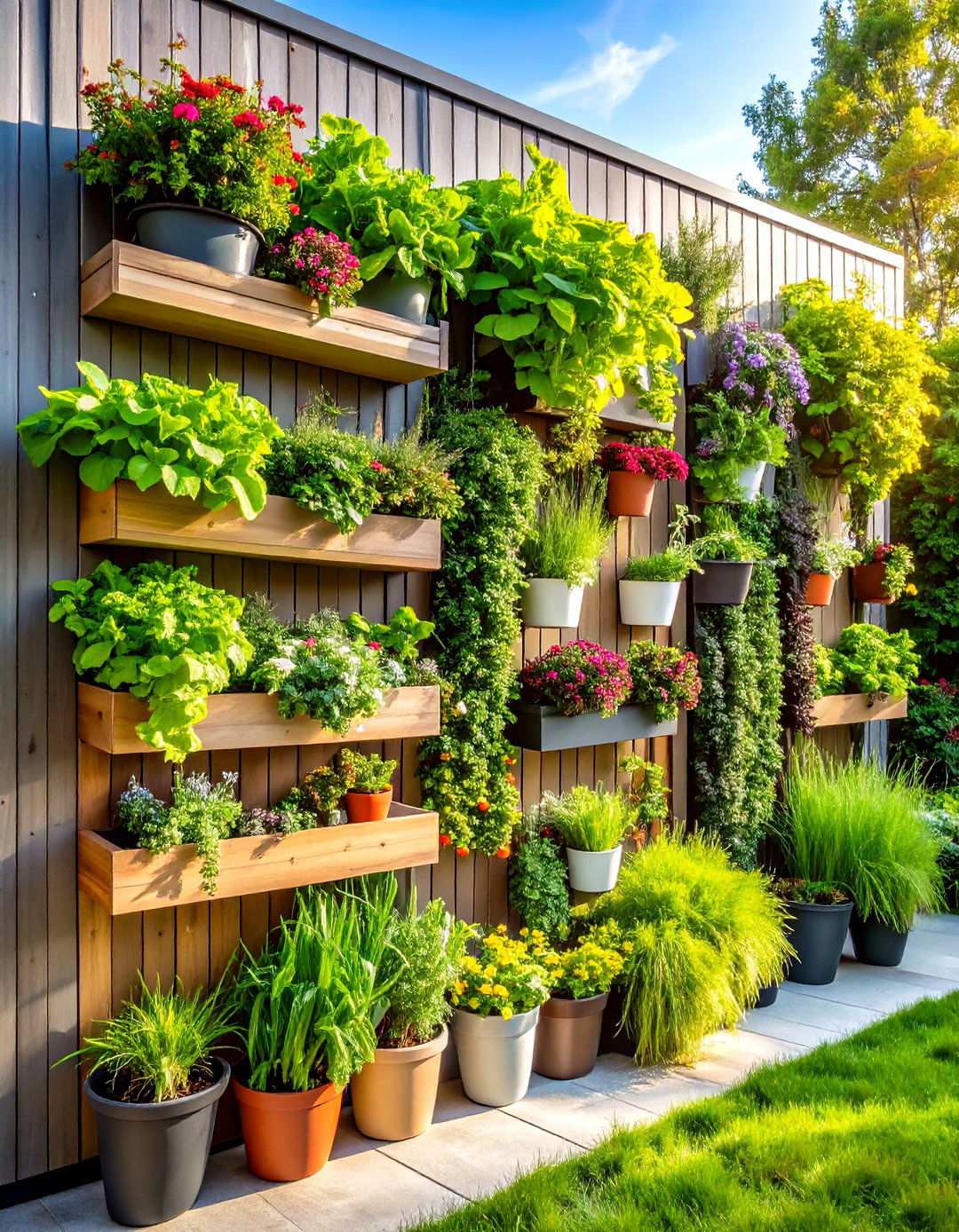
Unlock the full potential of limited spaces by designing innovative, space-saving vertical growing systems that bring together a diverse array of spring plants. By incorporating tiered planters, wall-mounted containers, or hanging basket systems, gardeners can showcase trailing varieties like nasturtiums and creeping jenny alongside upright selections. By strategically placing cool-season vegetables like lettuce and herbs in upper tiers, where they receive optimal sunlight, and shade-tolerant plants in lower levels, gardeners can create thriving ecosystems. Adding flowering vines like sweet peas that climb support structures creates living screens for added privacy. To ensure the structural stability of these space-efficient systems, use lightweight containers and high-quality potting mix. This approach demonstrates that small areas can support surprisingly productive and beautiful spring gardens.
11. Revitalizing Rocky Slopes with Spring Rock Garden Design
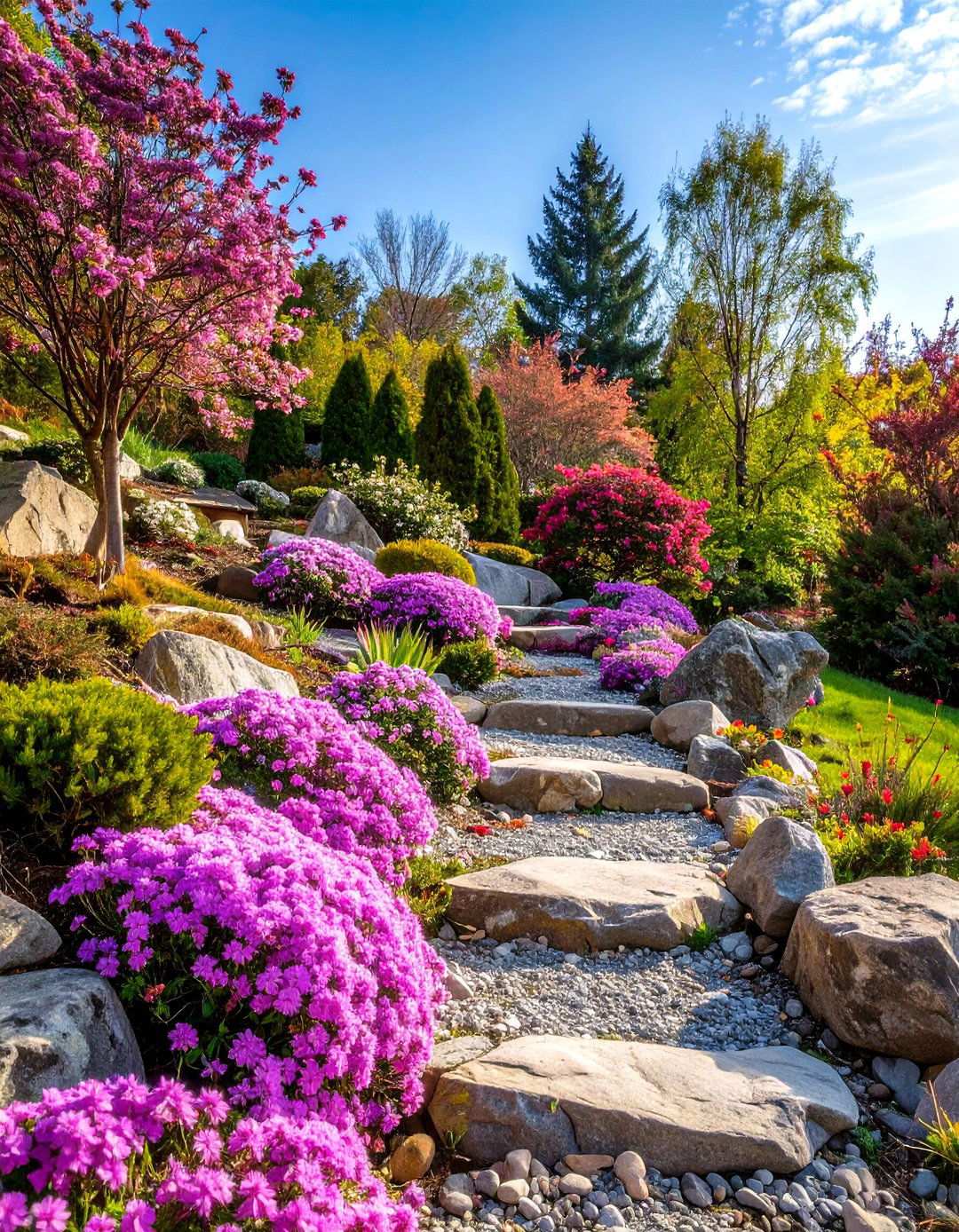
Transform challenging slopes or rocky areas into breathtaking spring displays by selecting plants that thrive in well-drained conditions and varied elevations. Alpine plants like creeping phlox, candytuft, and rock cress cascade over stones, providing colorful spring blooms and natural beauty. By incorporating spring-blooming bulbs such as species tulips and grape hyacinth, gardeners can create naturalized displays in rocky crevices. Adding structural elements like dwarf conifers and ornamental grasses provides year-round interest and textural contrast. The use of natural stone pathways complements the rocky theme, while also providing easy access for maintenance. This approach not only solves drainage problems but also creates unique garden features that showcase specialized plants in their ideal growing conditions.
12. Integrating Edible Landscapes for a Dual-Purpose Spring Garden
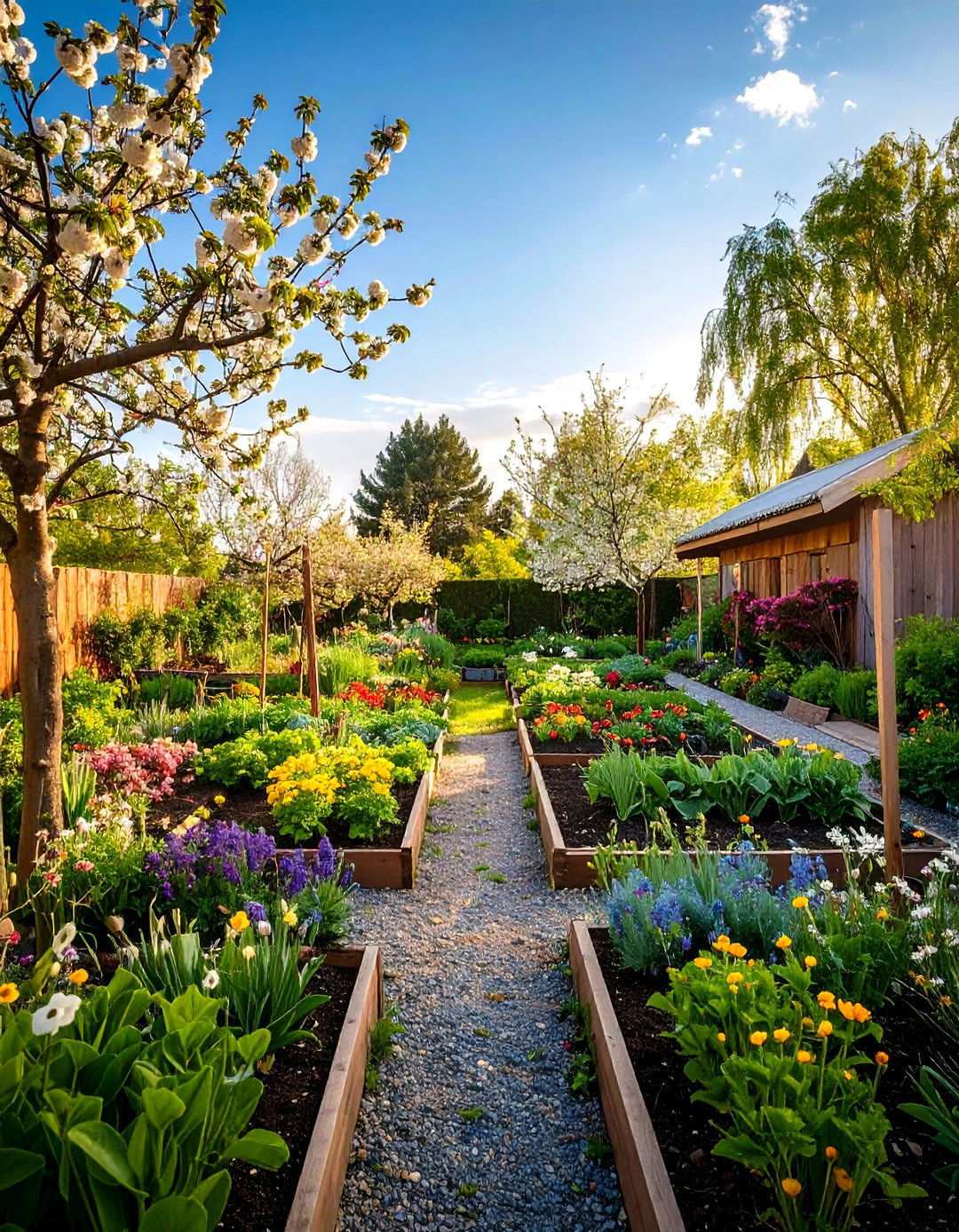
Blending food production with ornamental gardening creates a harmonious and productive space that provides sustenance and beauty throughout the spring season. By featuring fruit trees like dwarf apple or cherry varieties that offer spectacular spring blossoms followed by edible harvests, gardeners can create a bountiful and attractive landscape. Underplanting with edible flowers like violas, nasturtiums, and calendula adds a pop of color to salads while also brightening up the garden. Including attractive vegetable varieties such as purple kale, rainbow chard, and decorative lettuces in mixed borders alongside traditional ornamentals creates a visually appealing display. Adding herb sections featuring rosemary, sage, and other aromatic plants serves culinary purposes while contributing to garden fragrance and texture. This dual-purpose approach maximizes garden productivity while maintaining aesthetic appeal.
13. Harmonizing Woodland and Open Spaces
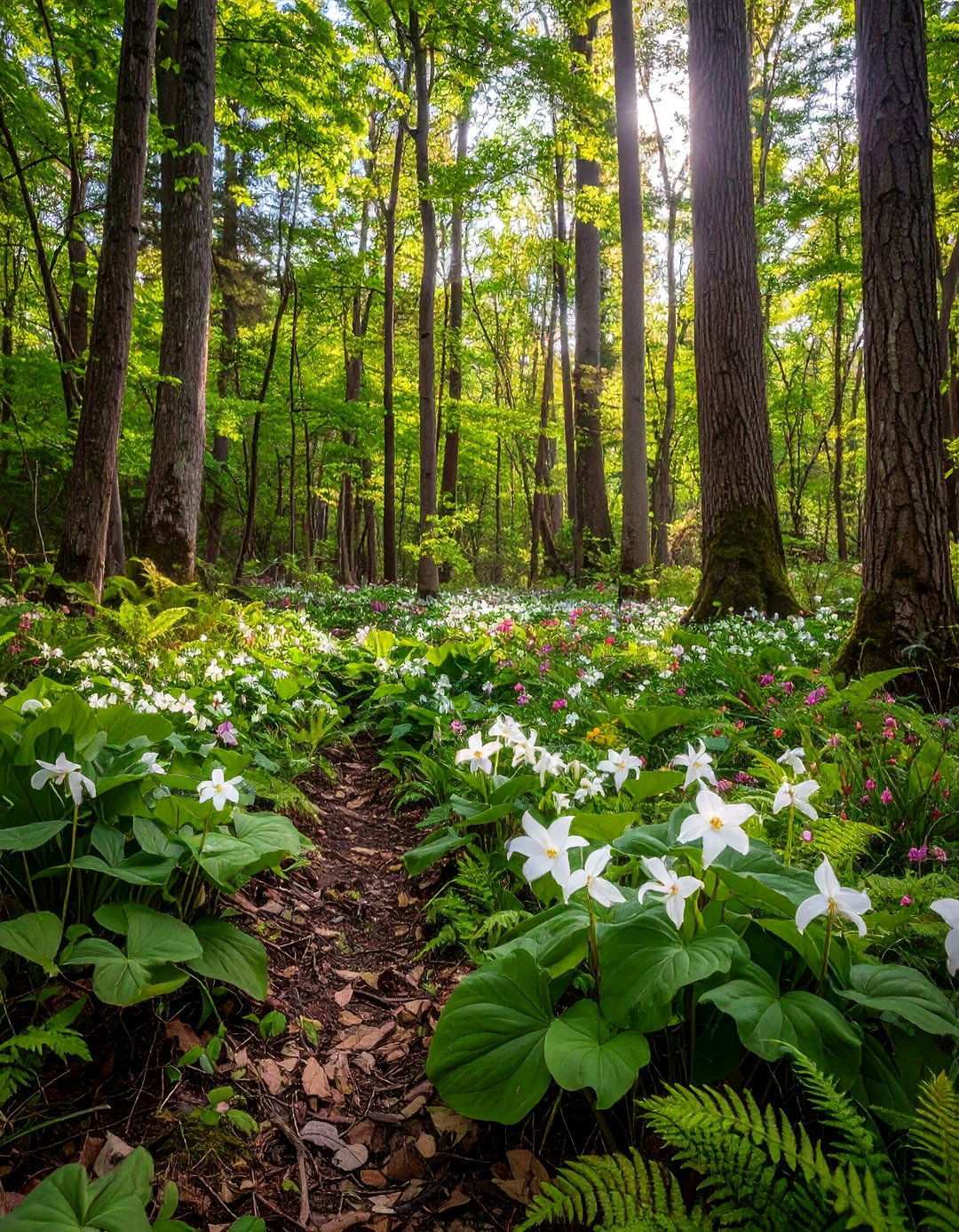
Craft seamless transitions between wooded areas and open spaces by cultivating a diverse range of plantings that effortlessly bridge the gap between these two distinct environments. To achieve this, opt for native plants that excel in dappled shade and rich, organic soil, such as the understated elegance of trillium, the vibrant beauty of bloodroot, and the quirky charm of Jack-in-the-pulpit. Complement these woodland dwellers with flowering shrubs like redbud and serviceberry, which not only provide a burst of color in the spring but also serve as a vital food source for local wildlife. To add depth and texture, incorporate ferns and native sedges that thrive throughout the growing season, their delicate fronds swaying gently in the breeze. Create meandering pathways using natural materials like bark mulch or fallen leaves to maintain the woodland ambiance while providing easy access. By embracing the unique characteristics of your regional ecology, you can create a truly immersive garden experience that seamlessly integrates with its surroundings.
14. Water Features and Wildlife Havens
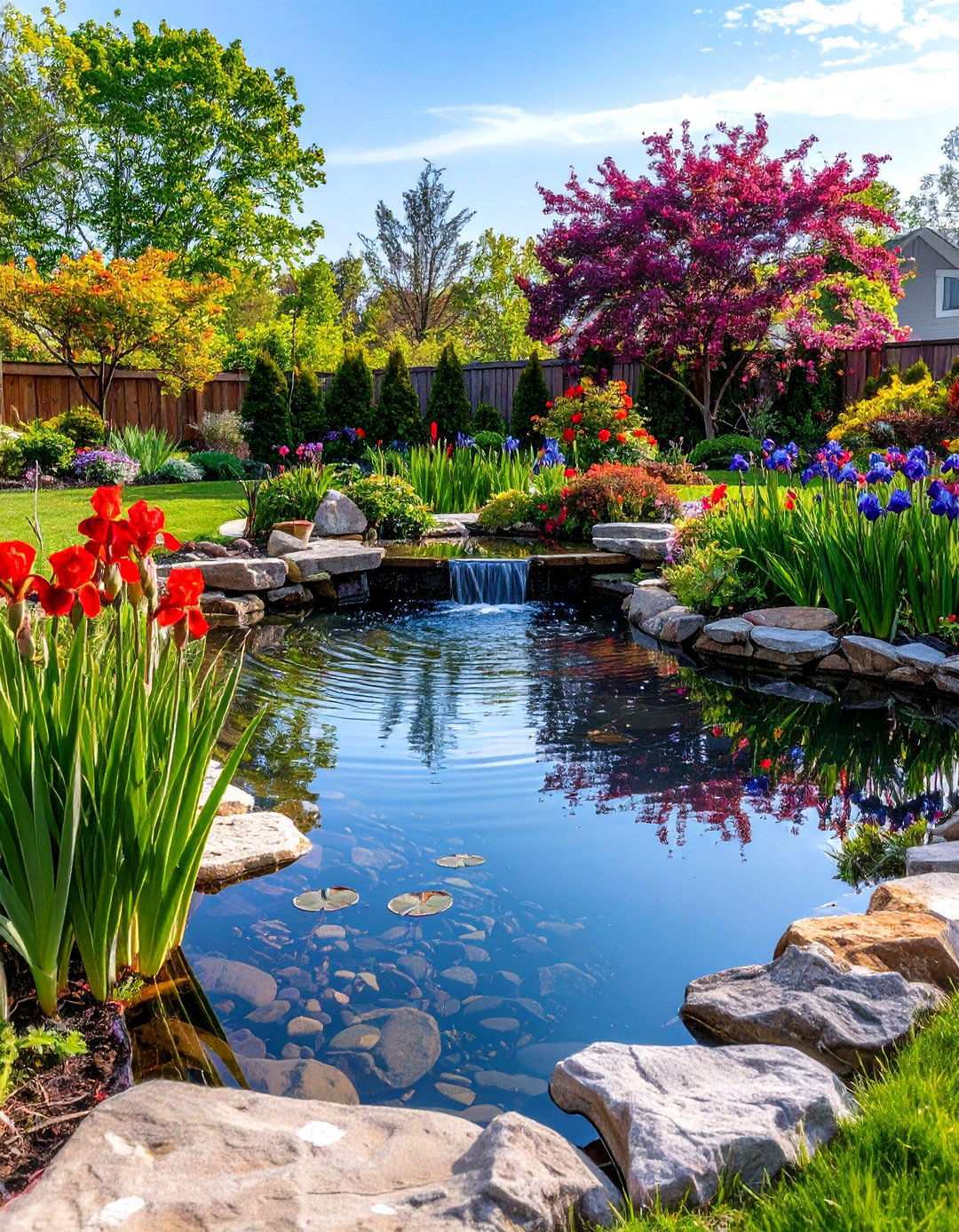
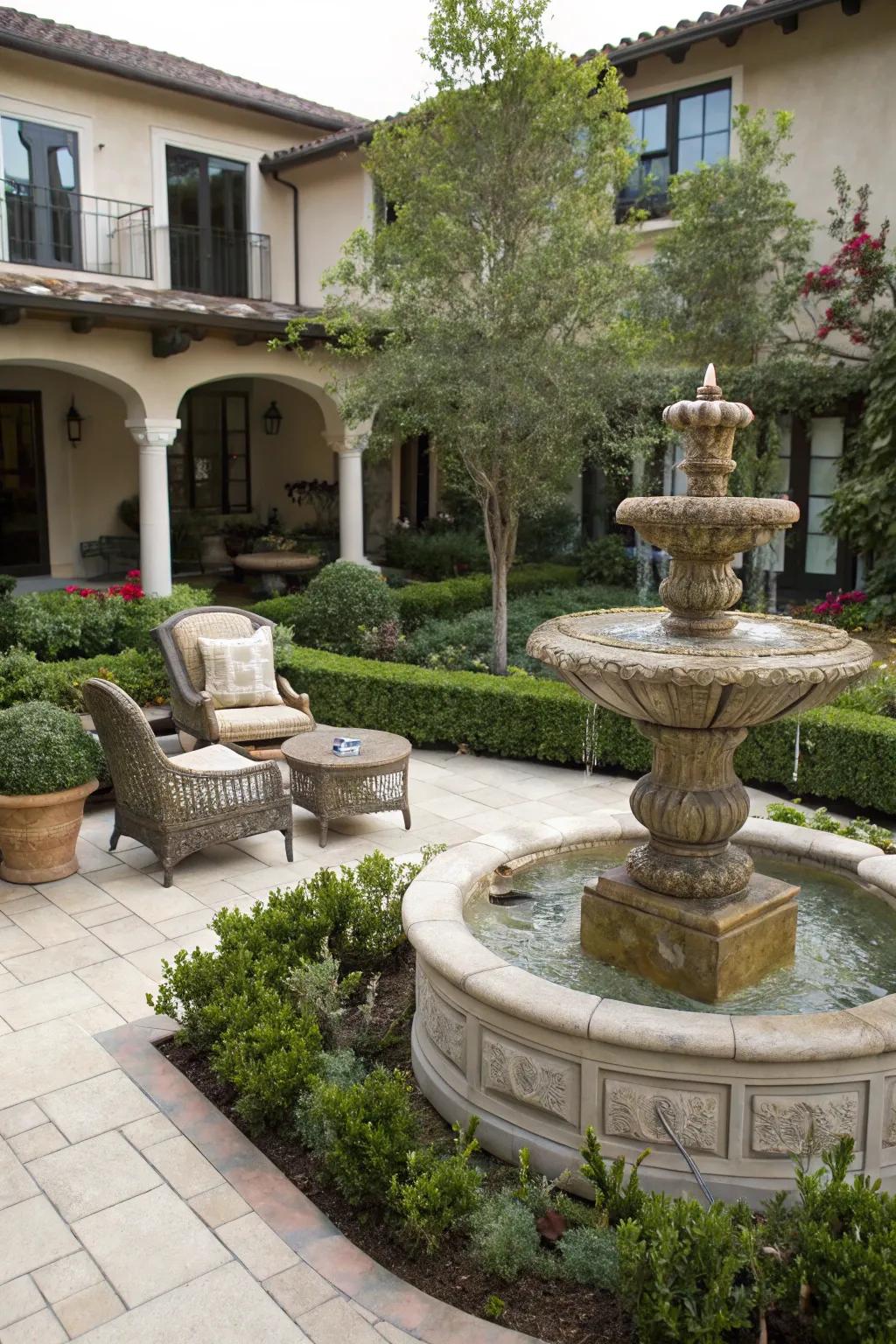
Incorporate water elements that not only enhance the visual appeal of your spring garden but also create a thriving habitat for beneficial wildlife and a soothing soundtrack for relaxation. Consider installing small ponds, fountains, or stream features surrounded by a tapestry of moisture-loving plants like cardinal flower, astilbe, and Japanese primrose. Add a sprinkle of early-blooming bog plants like marsh marigold and skunk cabbage, which bring a touch of whimsy and uniqueness to your garden. For added vertical interest, incorporate marginal plants like cattails and water iris, which also support the intricate balance of aquatic ecosystems. To further enhance the water feature’s ecosystem, consider incorporating rainfall collection systems that harness spring precipitation for garden irrigation during drier periods. By doing so, you’ll create a captivating focal point that not only enriches the overall garden ecosystem but also supports diverse plant communities and wildlife habitats.
15. Succession Planting Strategies for Continuous Harvests
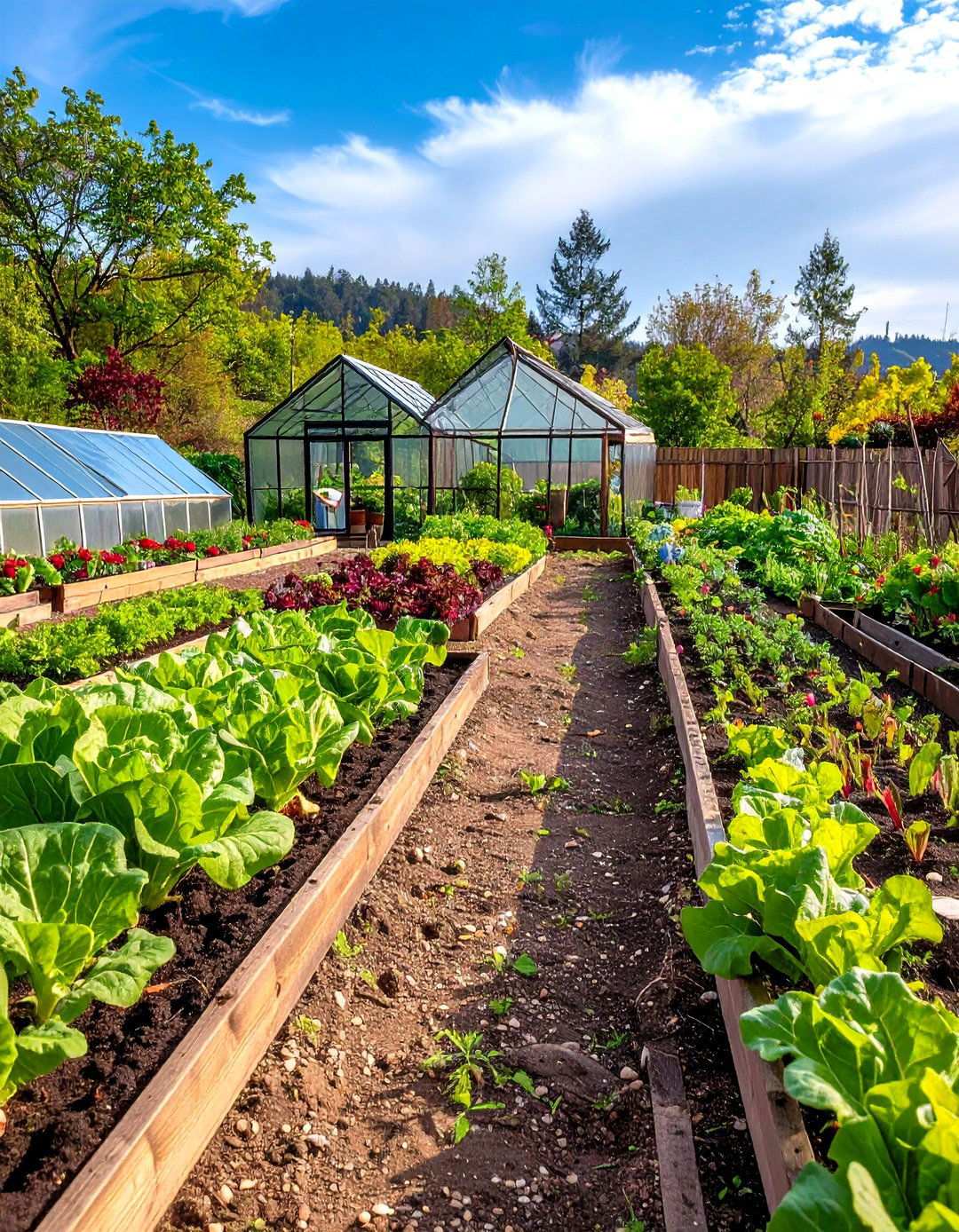
Maximize your growing space and extend the harvest season by implementing succession planting techniques that ensure a continuous supply of fresh produce throughout the spring. Begin by planting quick-maturing crops like radishes and lettuce every two weeks, interplanting with slower-growing vegetables like carrots and beets to create a diverse and resilient garden. To extend the growing season and protect tender plants from late spring frosts, make use of row covers and cold frames. Companion planting is also a valuable strategy, as it allows you to make the most of your space while fostering a supportive environment for your crops. Finally, plan for crop rotation to maintain soil health, prevent pest and disease buildup, and ensure a bountiful harvest. By adopting this intensive approach, even the smallest gardens can provide an abundance of fresh produce throughout the spring growing season.
16. Radiant Bloom: Embracing the Spirit of the Mediterranean
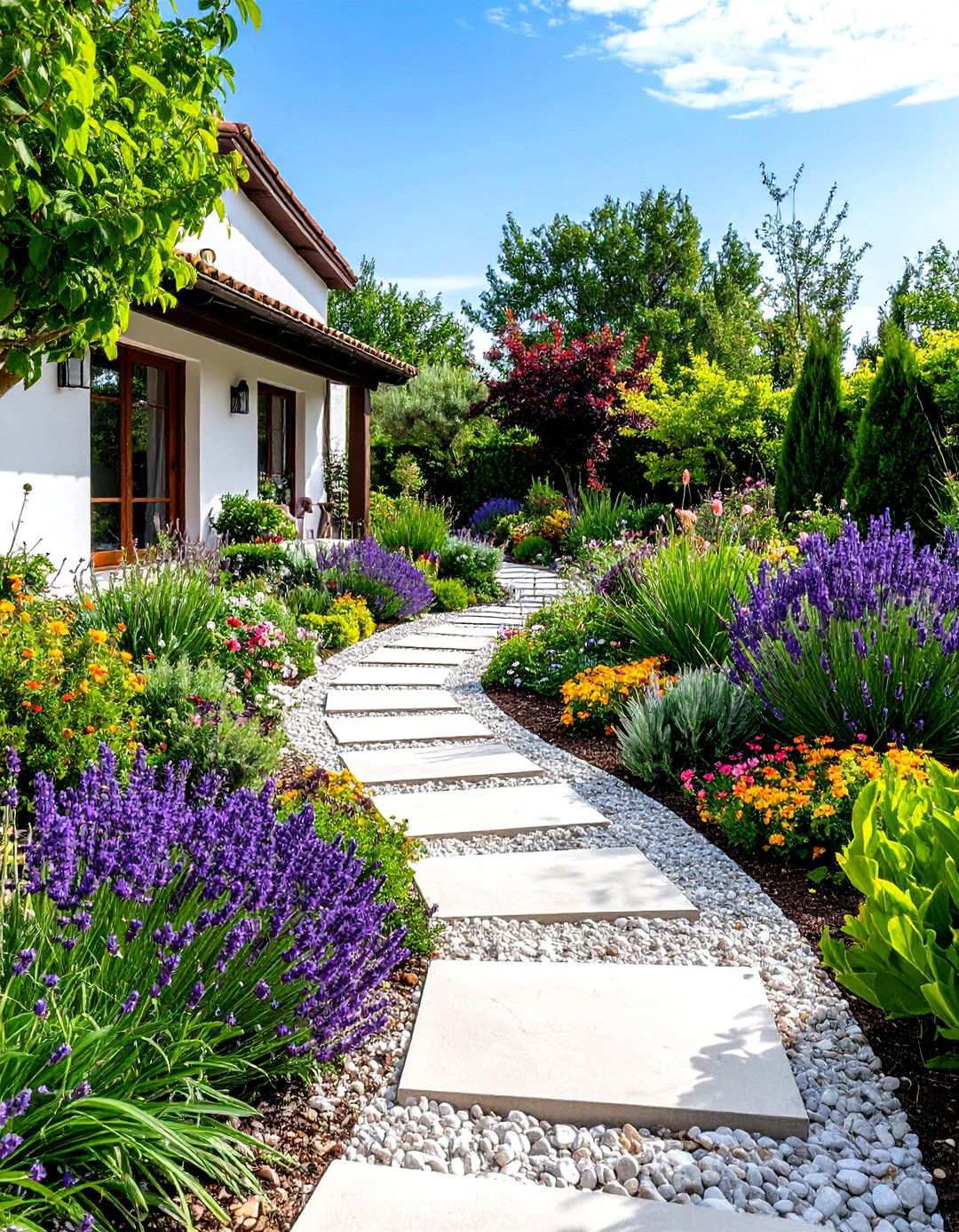
Craft captivating gardens that evoke the warmth and essence of the Mediterranean region, where drought-tolerant plants come alive with vibrant spring colors and require minimal watering once established. Draw inspiration from fragrant herbs like rosemary and lavender, which not only tantalize the senses with their aromatic foliage but also display attractive flowers. Integrate bulbs such as alliums and species tulips, which thrive in well-drained conditions and naturalize effortlessly. Add architectural plants like yucca and agave, which bring a touch of modern sophistication and structural interest to the space. Gravel mulches and stone pathways harmonize perfectly with the Mediterranean aesthetic while providing superior drainage. Incorporating olive trees or other Mediterranean trees adds authenticity and creates a lush canopy, setting the tone for a truly distinctive garden theme that aligns with sustainable gardening practices in suitable climates.
17. Whimsical World of Discovery: Spring Children's Garden
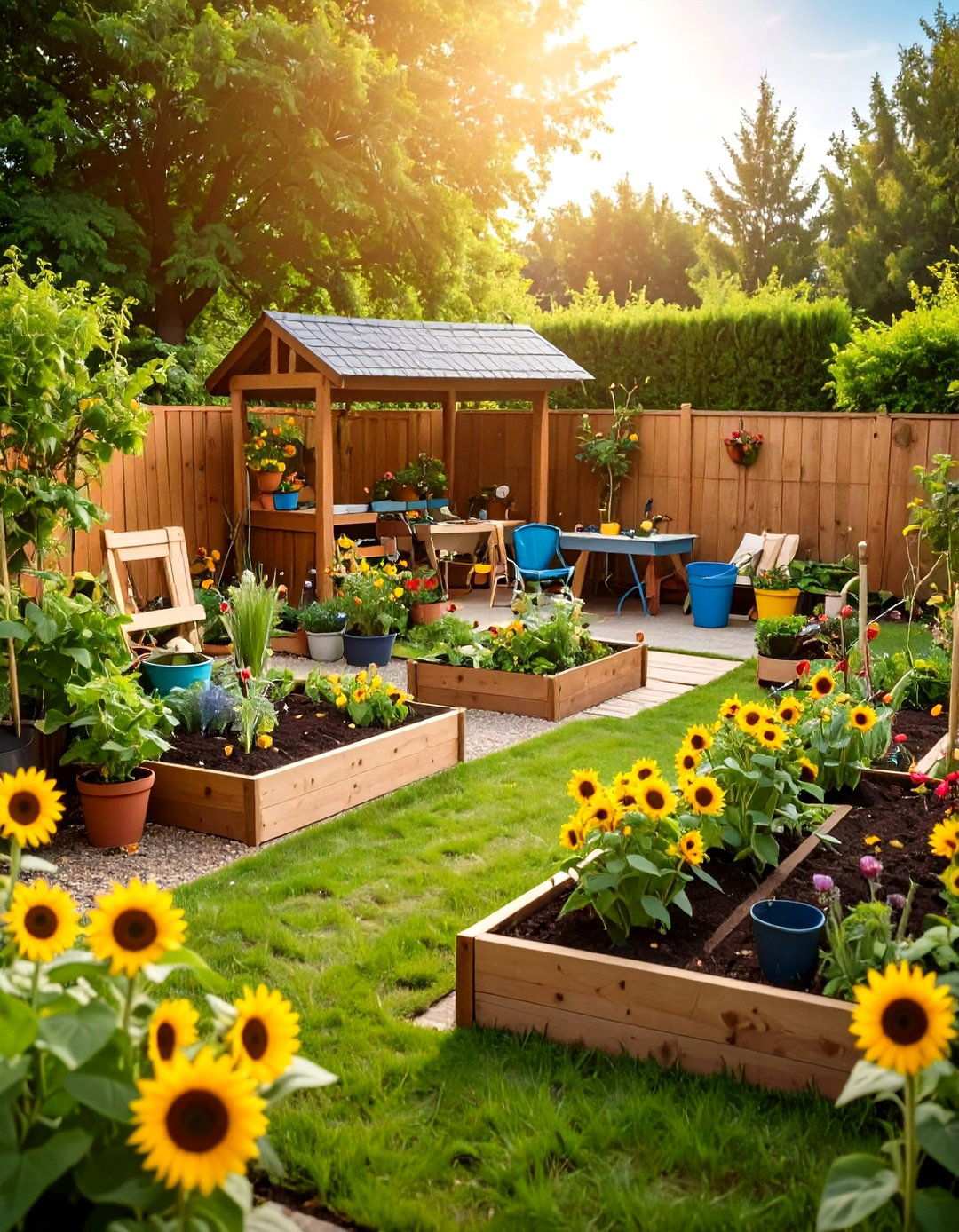
Design enchanted spaces that invite children to explore, learn, and grow alongside them, fostering a deep appreciation for the natural world and its rhythms. Create raised beds at child-friendly heights, filled with a variety of easy-to-grow, quick-producing plants like sunflowers, beans, and cherry tomatoes, which will captivate young minds and encourage hands-on involvement. Include sensory plants like lamb’s ear, mint, and ornamental grasses, which beckon children to touch and explore, sparking their curiosity and creativity. Butterfly gardens featuring plants like butterfly weed and bee balm become a delight for observation, as children watch and learn from the colorful visitors that visit these gardens. By installing child-sized tools and seating areas, you encourage active participation in garden maintenance, making the experience even more engaging and meaningful. Incorporate educational elements like plant labels and garden journals, which allow children to record their observations and develop their gardening skills, ultimately fostering a lifelong passion for gardening and a deeper connection with nature.
18. Heartland Heritage: Prairie Style Spring Garden
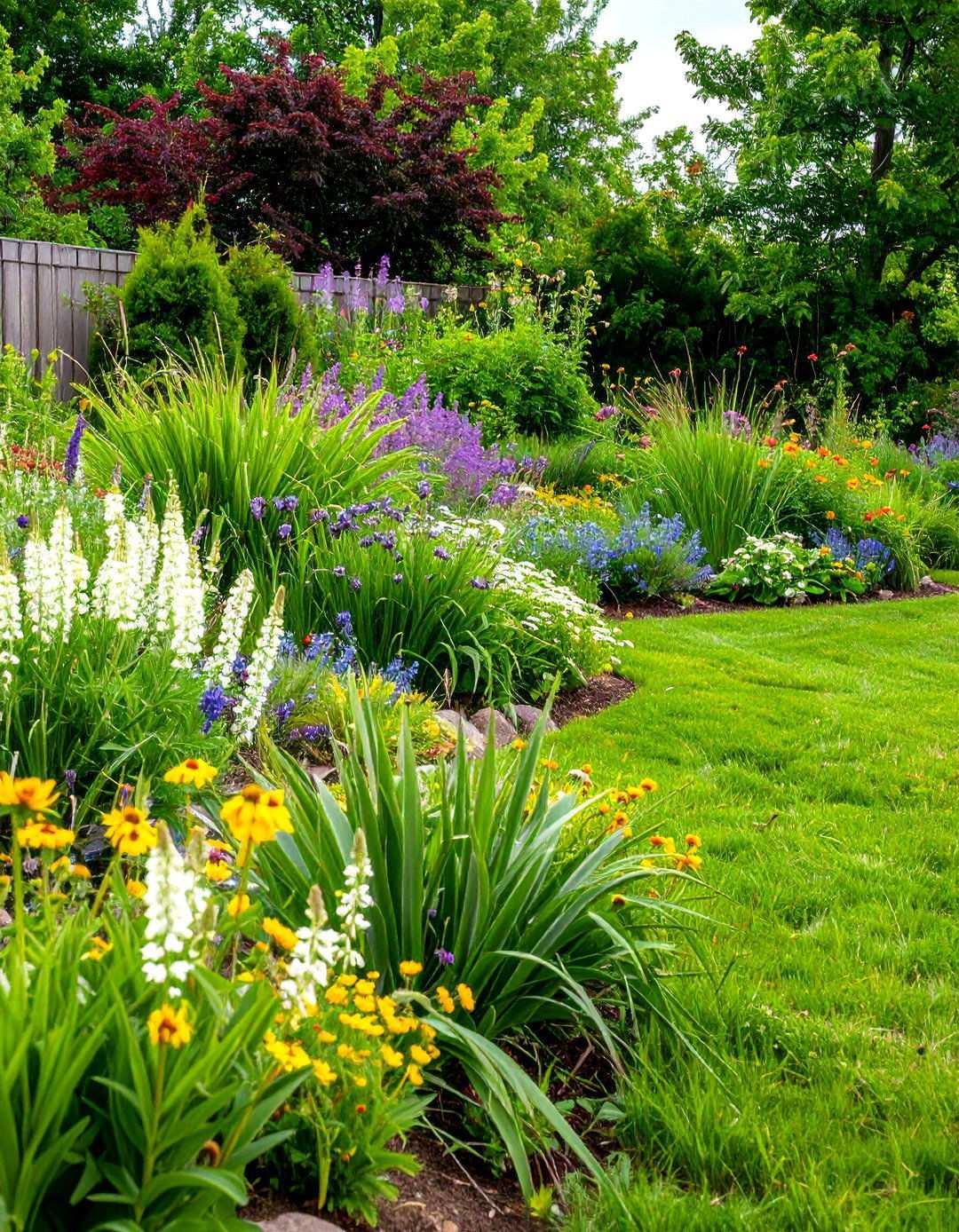
Celebrate the beauty and diversity of native grasslands by creating gardens that showcase regional prairie plants, providing much-needed habitat for specialized wildlife species. Select native grasses like buffalo grass, blue grama, and prairie dropseed, which form the foundation of these seasonal landscapes with their unique textures. Incorporate spring-blooming prairie wildflowers such as pasque flower, prairie smoke, and wild bergamot, which burst forth with vibrant colors, adding an extra layer of visual interest. Structural plants like compass plant and big bluestem bring dramatic vertical elements, adding a touch of drama and sophistication to the space. By implementing prescribed burning or selective cutting, you can maintain the delicate balance of prairie conditions and prevent woody plant encroachment, creating a thriving ecosystem that supports the conservation of threatened grassland ecosystems and their associated wildlife species. This approach not only results in a unique garden character but also makes a significant contribution to the preservation of these remarkable ecosystems.
19. Enchanting Twilight Oasis
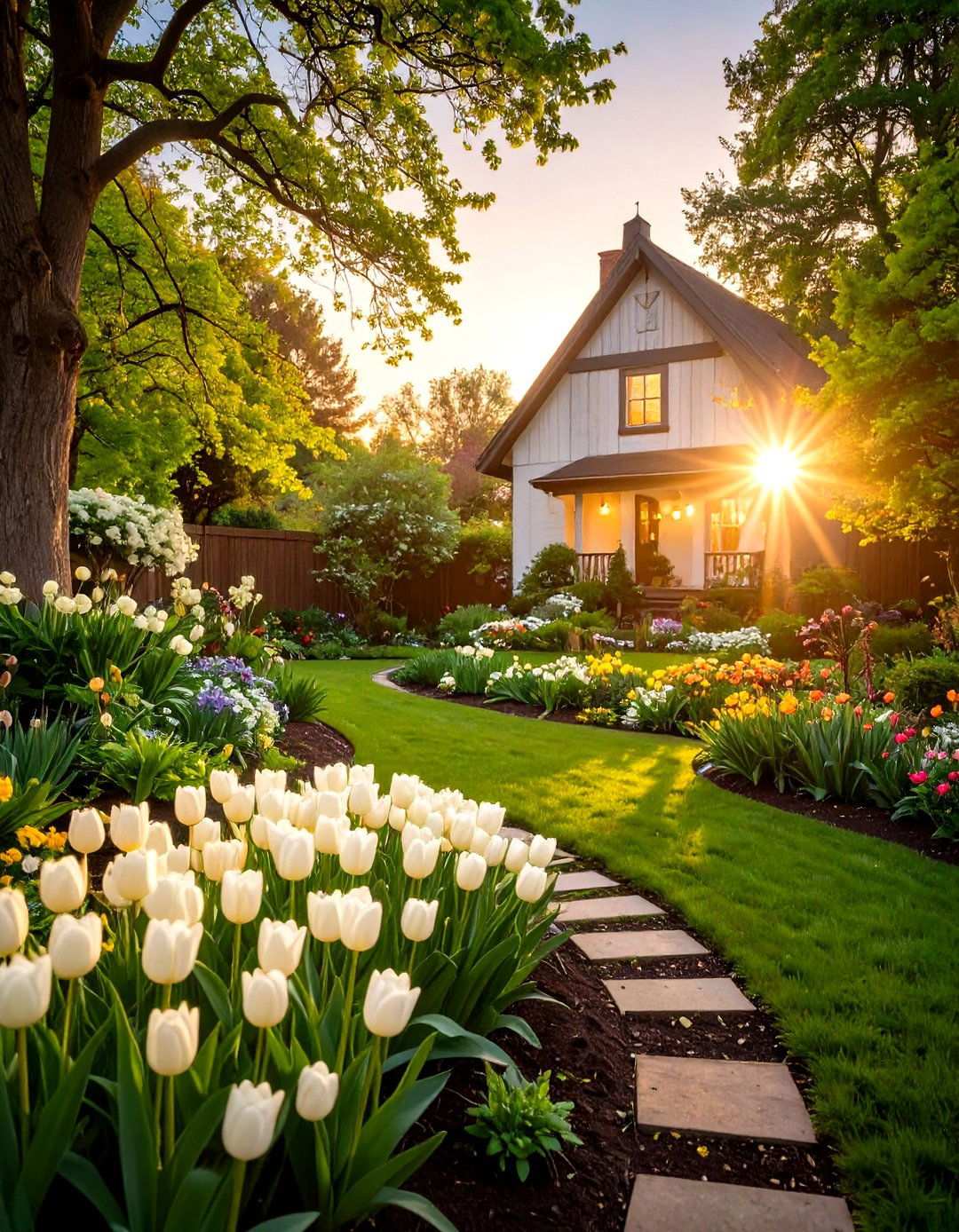
Design gardens that come alive in the evening by selecting plants that thrive during twilight hours and incorporating subtle lighting that enhances their beauty. Consider using plants with luminous petals, such as white tulips and pale daffodils, which shine like beacons in the fading light. Add fragrant plants like evening primrose and dame’s rocket, whose sweet scents fill the air as the sun sets. Strategically place comfortable seating areas to invite relaxation and contemplation, allowing you to fully appreciate the serenity of your evening garden. By extending your garden’s usage beyond daylight hours, you can create an intimate and romantic outdoor space perfect for evening strolls and entertainment.
20. Seasonal Container Arrangements
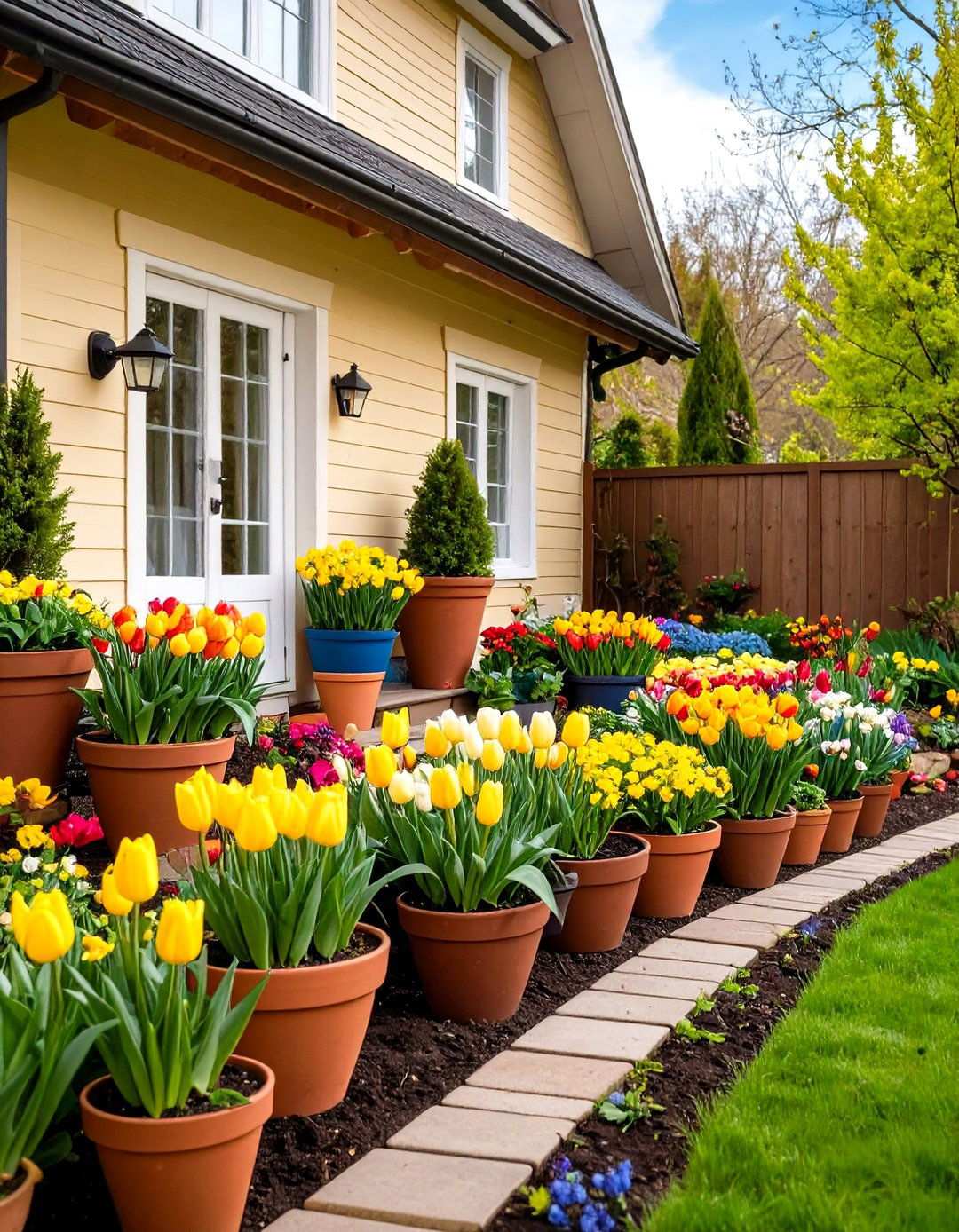
Create vibrant container displays that showcase the beauty of spring by carefully selecting and layering bulbs in a harmonious sequence. Begin with early-blooming crocuses near the surface, followed by mid-season daffodils in the middle, and late-blooming tulips at the bottom. Add trailing plants like ivy or creeping jenny to cascade over container edges, creating a captivating visual effect. Use durable, weather-resistant containers that complement your garden’s architecture and provide ample growing space. Position these displays in prominent locations where they can be fully appreciated, providing a stunning spring color display that evolves throughout the season. By incorporating these seasonal containers, you can add flexibility to your garden design and easily transition to summer plantings.
21. Heritage Garden Revival
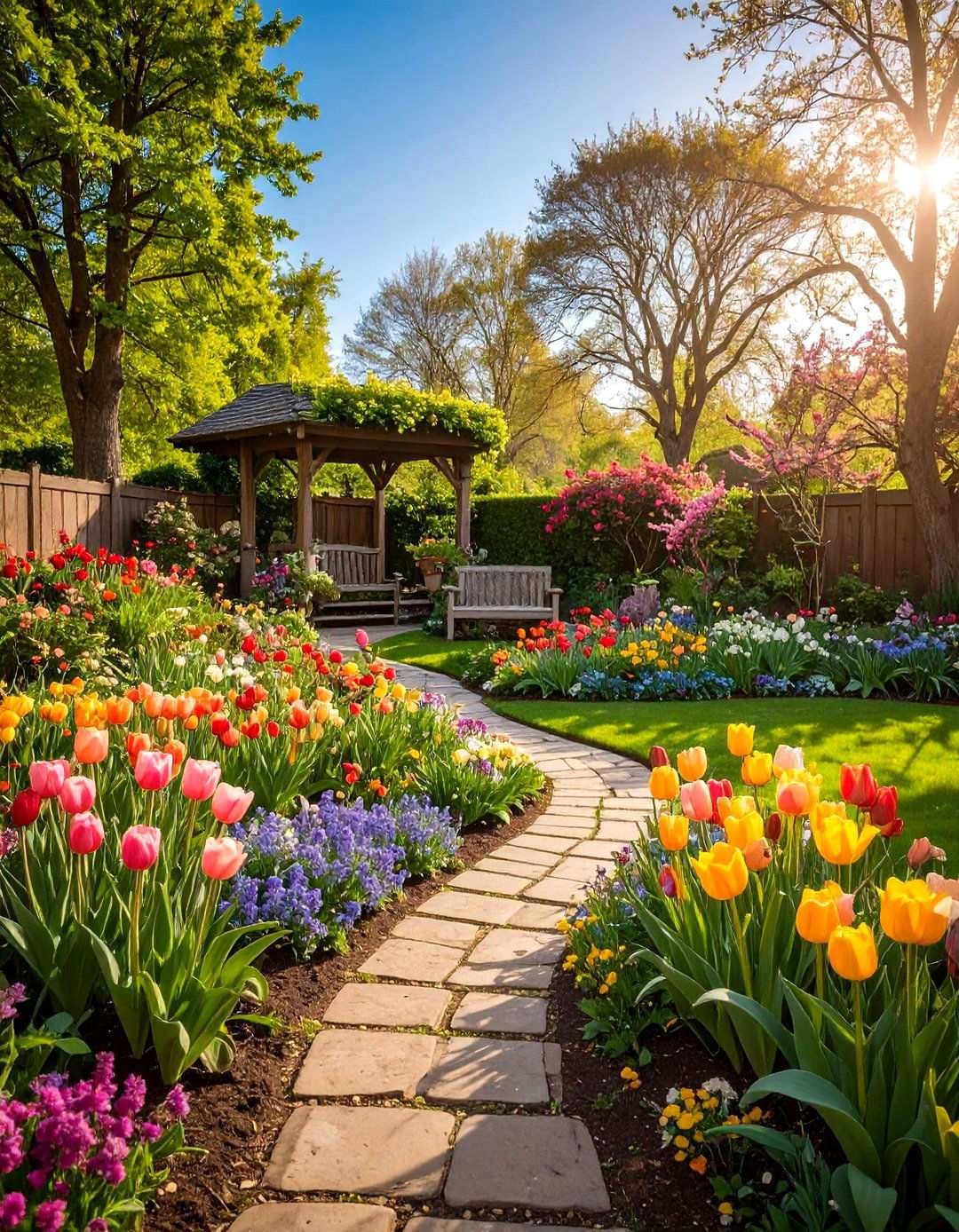
Pay tribute to the past by creating a garden that celebrates the rich history of horticulture. Choose open-pollinated heirloom varieties like cottage tulips, antique roses, and heritage fruit trees, which have been cherished for generations. Incorporate traditional design elements, such as picket fencing and vintage garden ornaments, to evoke a sense of nostalgia and connection to historical gardening traditions. To preserve the genetic diversity of rare cultivars, save seeds from annual varieties and maintain a collection of heirloom seeds. By embracing horticultural heritage, you can create a unique and captivating garden that not only honors the past but also inspires a deeper appreciation for traditional gardening wisdom.
22. Revitalizing Therapeutic Garden Spaces
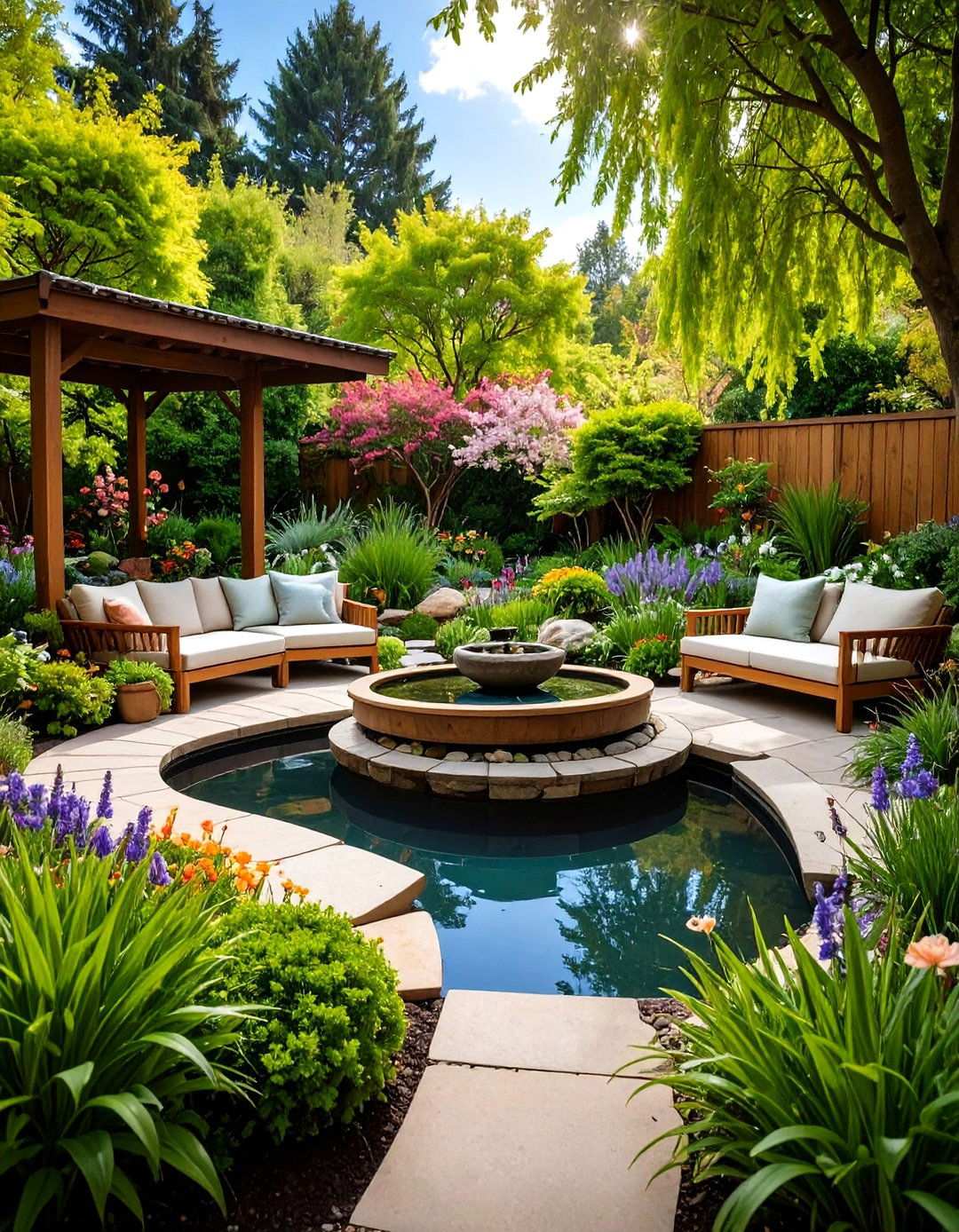
Craft gardens that nurture both physical and mental well-being through harmonious interactions with select plants and carefully orchestrated garden elements. Incorporate fragrant herbs such as rosemary, lavender, and lemon balm that yield aromatherapy benefits with minimal upkeep. Design navigable pathways and elevated beds that cater to visitors with mobility constraints, ensuring equal access to these therapeutic areas. Strategically position comfortable seating zones to facilitate serene contemplation and unobstructed garden views. Incorporate water features that produce soothing sounds, while also serving as focal points for meditation and relaxation. By incorporating plants with varied textures and forms, visitors can engage their senses through gentle exploration, fostering a deeper connection with nature. This holistic approach yields gardens that foster healing and wellness, offering an enriching experience for all visitors.
23. Establishing Comprehensive Wildlife Habitat Gardens
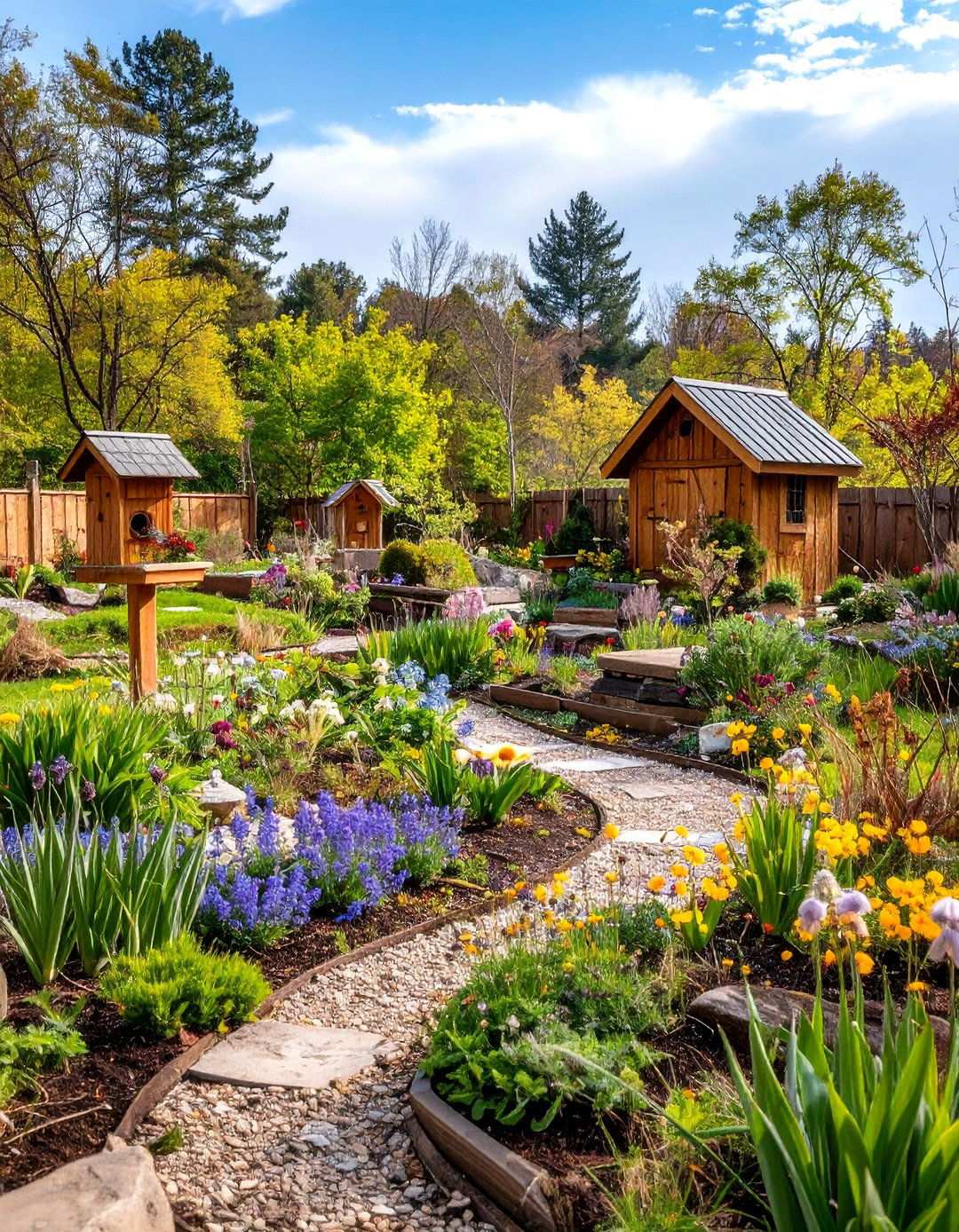
Create thriving ecosystems that provide sustenance, shelter, and nesting sites for diverse animal species throughout the spring season. By cultivating native trees and shrubs such as dogwood, elderberry, and native cherries, you support the local insect population while offering birds a place to nest. Incorporate early-blooming flowers that offer nectar for emerging butterflies and pollinators. Add natural features like brush piles, rock walls, and hollow logs that provide a safe haven for beneficial insects and small animals. Install birdhouses and bat boxes to encourage beneficial species to establish residence in the garden. By avoiding pesticides and chemical fertilizers, you safeguard wildlife populations and create a haven that supports biodiversity. This approach offers endless opportunities for wildlife observation and education, making it an invaluable resource for enthusiasts and educators alike.
24. Optimizing Microclimates for Enhanced Gardening Success
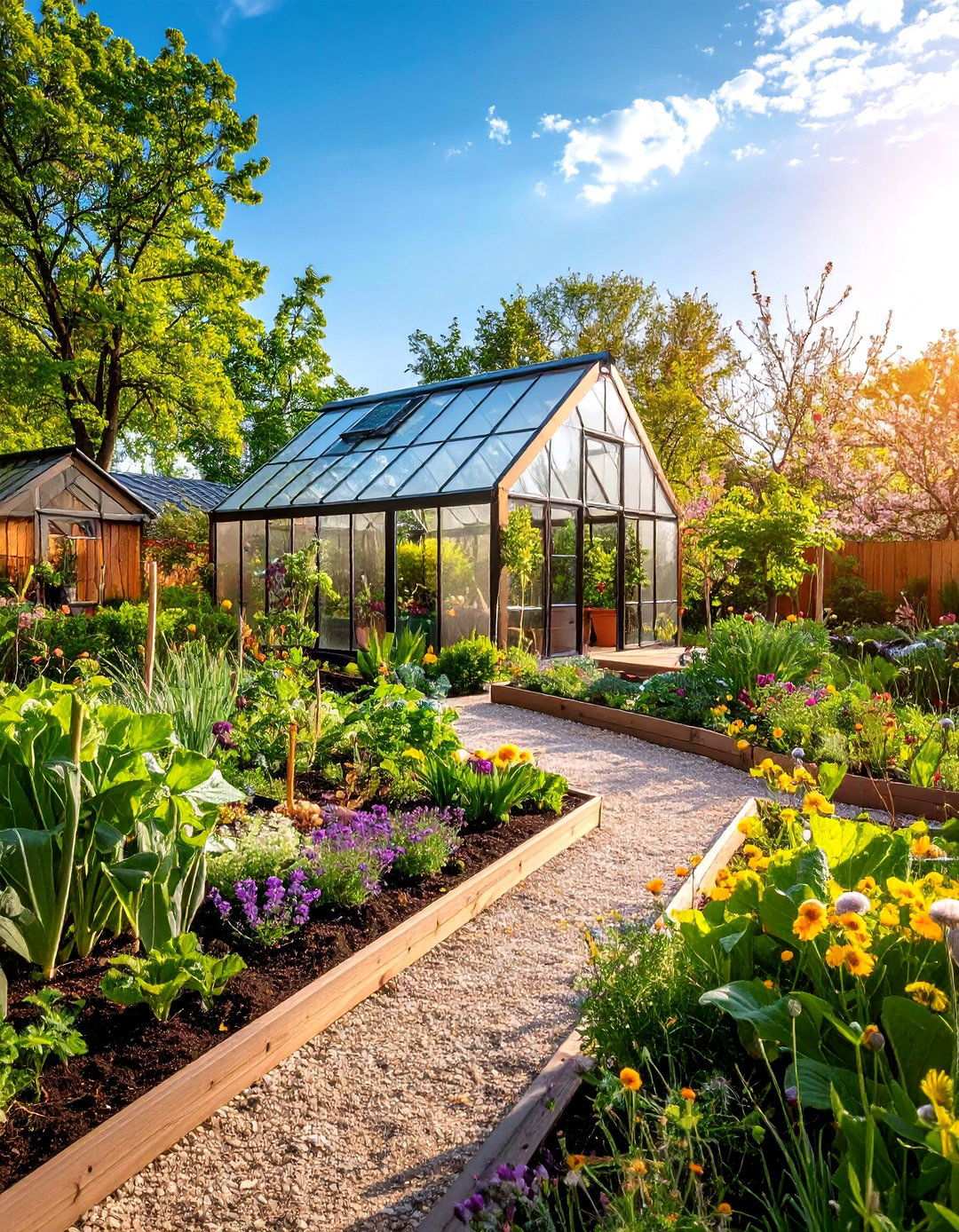
Unlock the full potential of your garden by creating and harnessing microclimates that extend the growing season while protecting delicate plants from adverse weather conditions. Strategically position heat-loving plants near south-facing walls, which collect and radiate solar energy to provide a boost of warmth. Utilize cold frames, row covers, and windbreaks to shield sensitive plants from late spring frosts and harsh winds. Create sheltered areas using existing structures or planted screens that moderate temperature extremes. Incorporate thermal mass elements like stones or water features that stabilize temperature fluctuations. By selecting plant varieties adapted to local climate conditions, you can experiment with marginally hardy species in protected locations, expanding your plant palette options through environmental modification. This thoughtfully designed approach ensures gardening success and maximizes the potential of your garden space.