
1. Grounding Your Sanctuary with Authentic Tatami Flooring
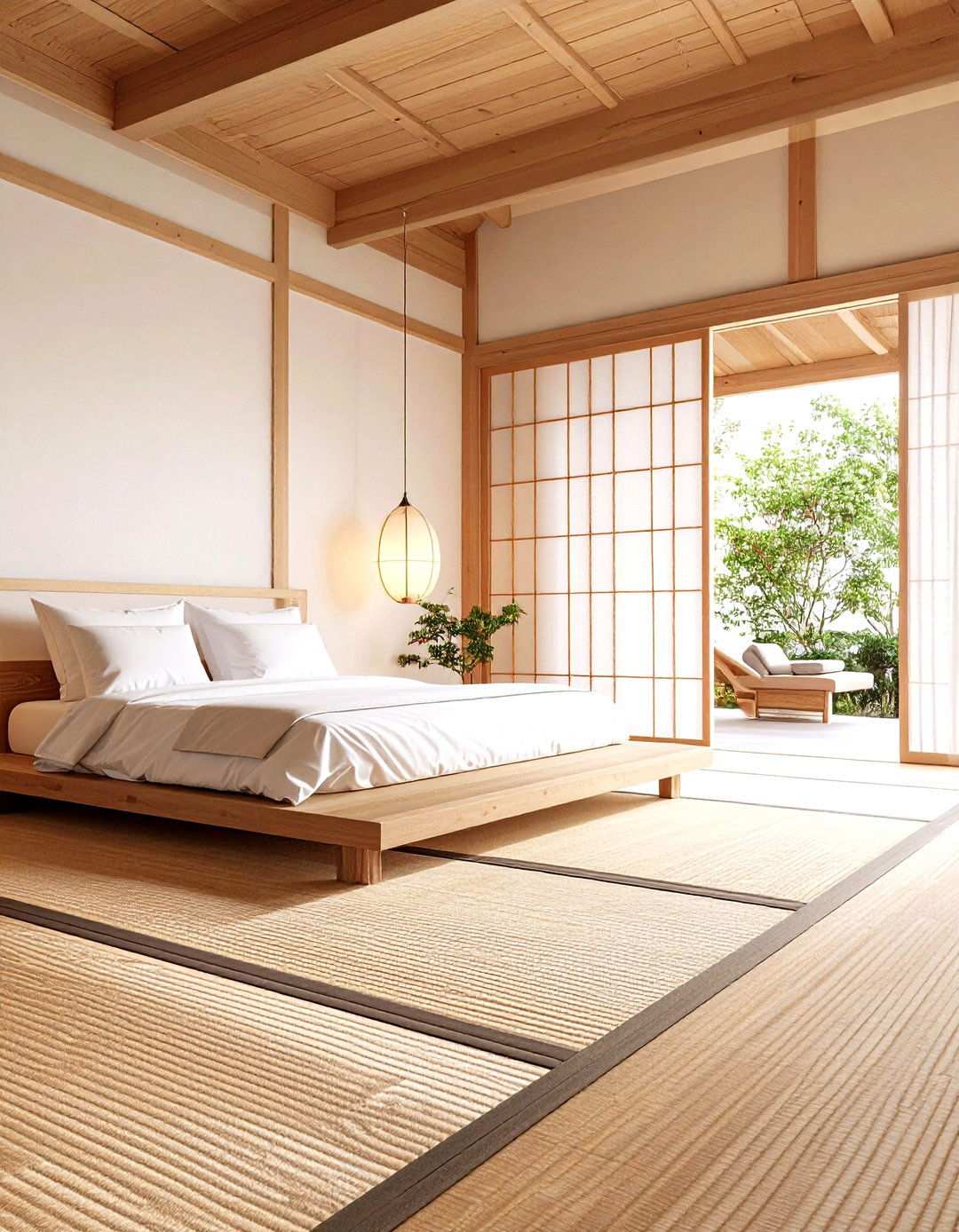
Japanese bedrooms owe their serene ambiance to the subtle yet profound impact of traditional tatami mat flooring. This ancient foundation, woven from natural fibers, invites you to walk barefoot on a surface that bears witness to centuries of craftsmanship. The tactile experience of tatami mats, crafted from compressed rice straw topped with rush grass, envelops your senses with a soft yet firm surface that promotes deep relaxation. Each mat measures approximately six feet by three feet, allowing for flexible room arrangements based on traditional Japanese proportions that harmonize with nature’s rhythms.

As an Amazon Associate I earn from qualifying purchases.
Tatami mats breathe with the seasons, regulating humidity and maintaining optimal sleeping conditions. Their distinctive earthy scent, reminiscent of the great outdoors, fosters a strong connection to the natural world. Authentic tatami requires careful maintenance, but the rewards are immense: unmatched authenticity and comfort that synthetic alternatives can only aspire to replicate.
2. Embracing Simplicity with Low-Profile Platform Bed Design
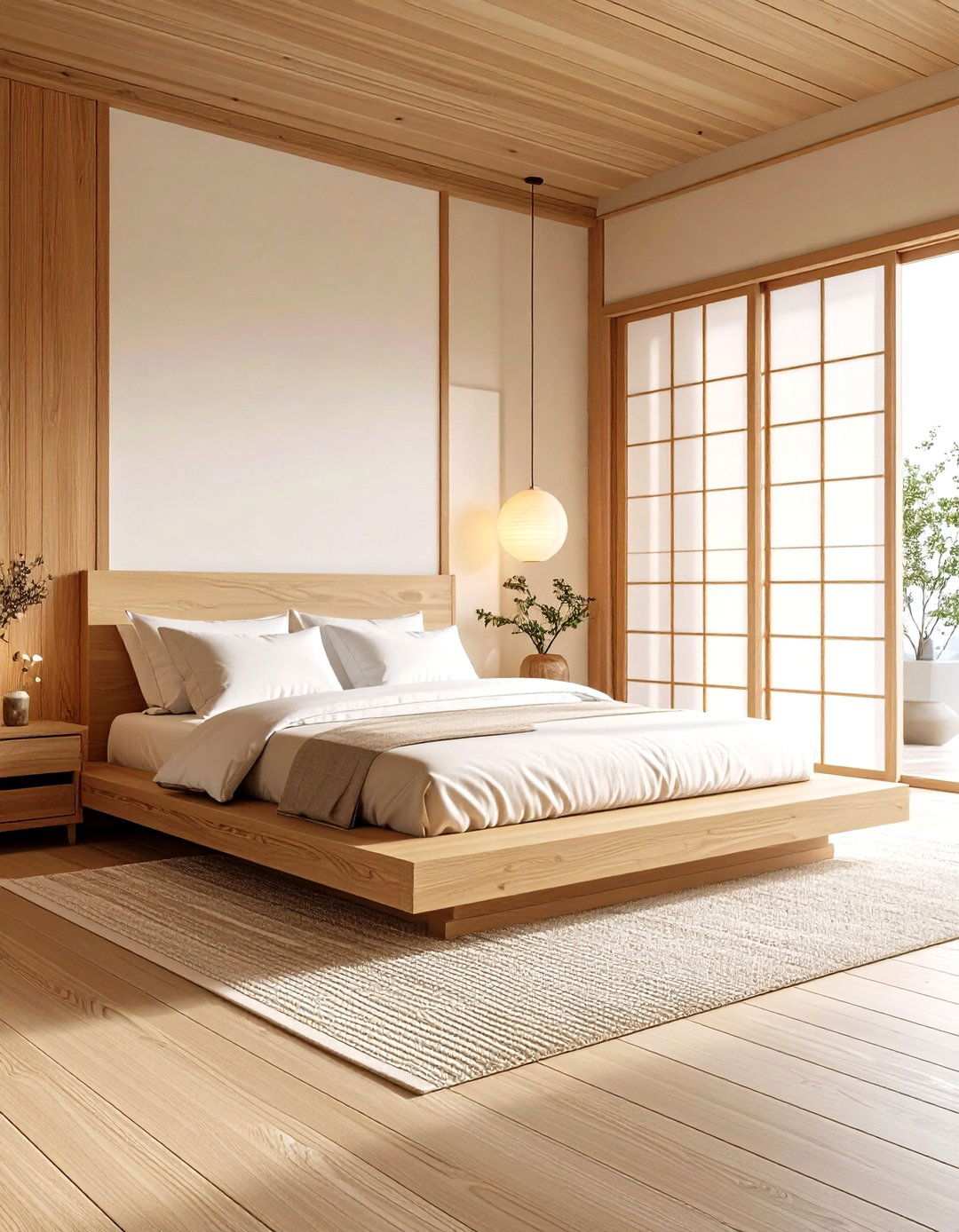
The centerpiece of Japanese bedroom aesthetics is often a platform bed positioned close to the ground, promoting better sleep quality through its understated elegance. Crafted from natural cedar, oak, or bamboo, these minimalist wooden frames eliminate unnecessary height and visual bulk, creating an intimate sleeping environment that feels grounded and secure. This traditional design preference for furniture that maintains a connection with the earth is beautifully realized in low-profile platform beds, showcasing beautiful wood grain without ornate details or excessive decoration.
To maintain organization while preserving the minimalist aesthetic, storage drawers can be integrated beneath the platform. This fundamental piece anchors your entire bedroom design, offering a clean and serene sleeping space that embodies the essence of Japanese bedroom design. By embracing simplicity and traditional craftsmanship, you can create a bedroom that embodies the profound connection between indoors and outdoors, fostering a deep sense of tranquility and peace.
3. Shoji Screen Room Dividers
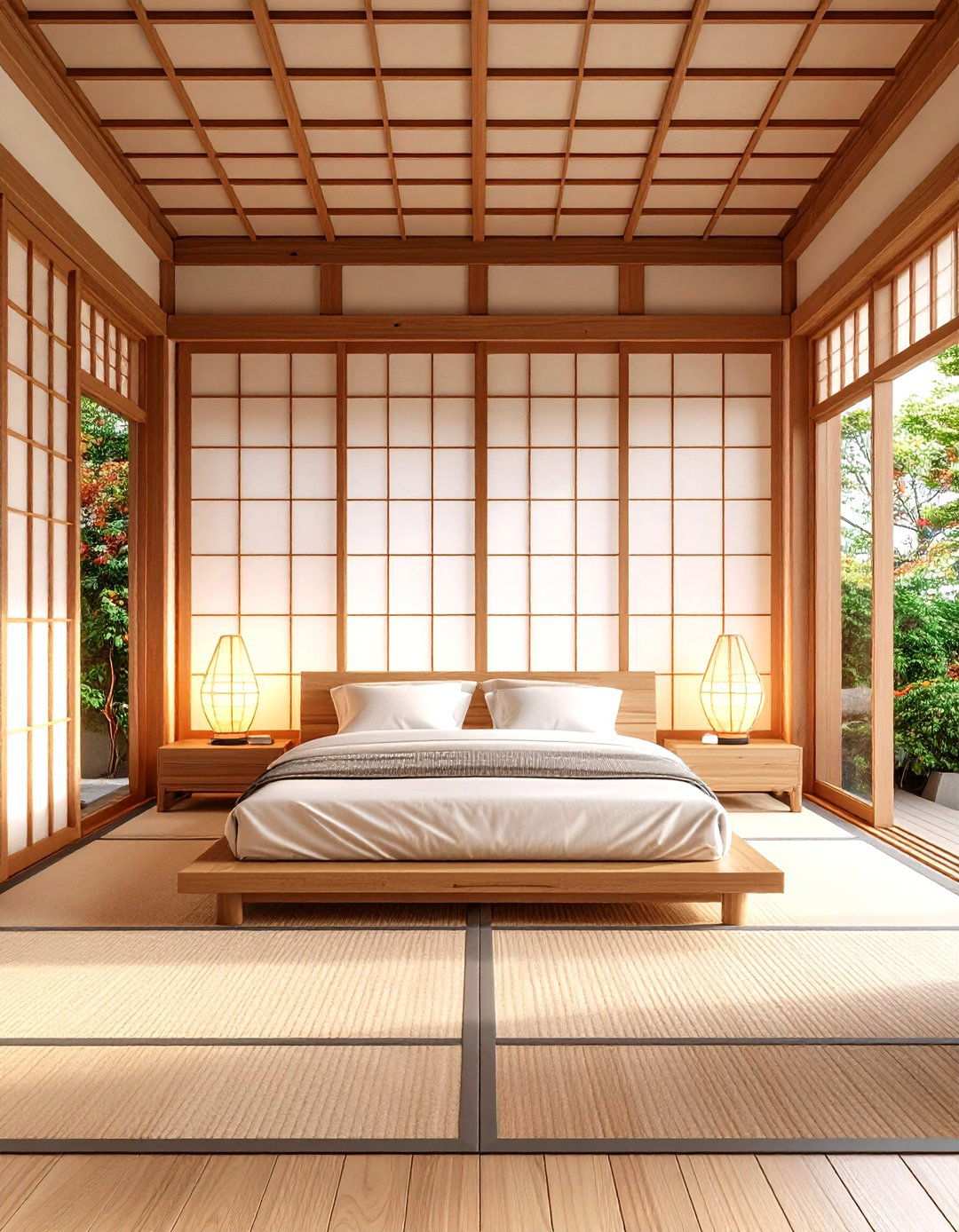
Experience the versatility of shoji screens, which seamlessly blend functionality with the gentle allure of natural light. These delicate, translucent barriers create a harmonious balance between openness and seclusion, allowing the space to breathe while maintaining a sense of intimacy. Skilled artisans craft authentic shoji using washi paper masterfully stretched over intricately designed wooden latticework, generating captivating geometric patterns that dance across the room as the day progresses. The innovative track system enables effortless reconfiguration, effortlessly expanding or contracting the space to suit various needs, from convivial gatherings to peaceful retreats. Contemporary interpretations may incorporate frosted glass or synthetic materials, preserving the essence of shoji while elevating durability. The soft diffusion of light through shoji imbues the atmosphere with an ethereal quality, transforming the space with the changing light of day.
4. Natural Wood Wall Paneling
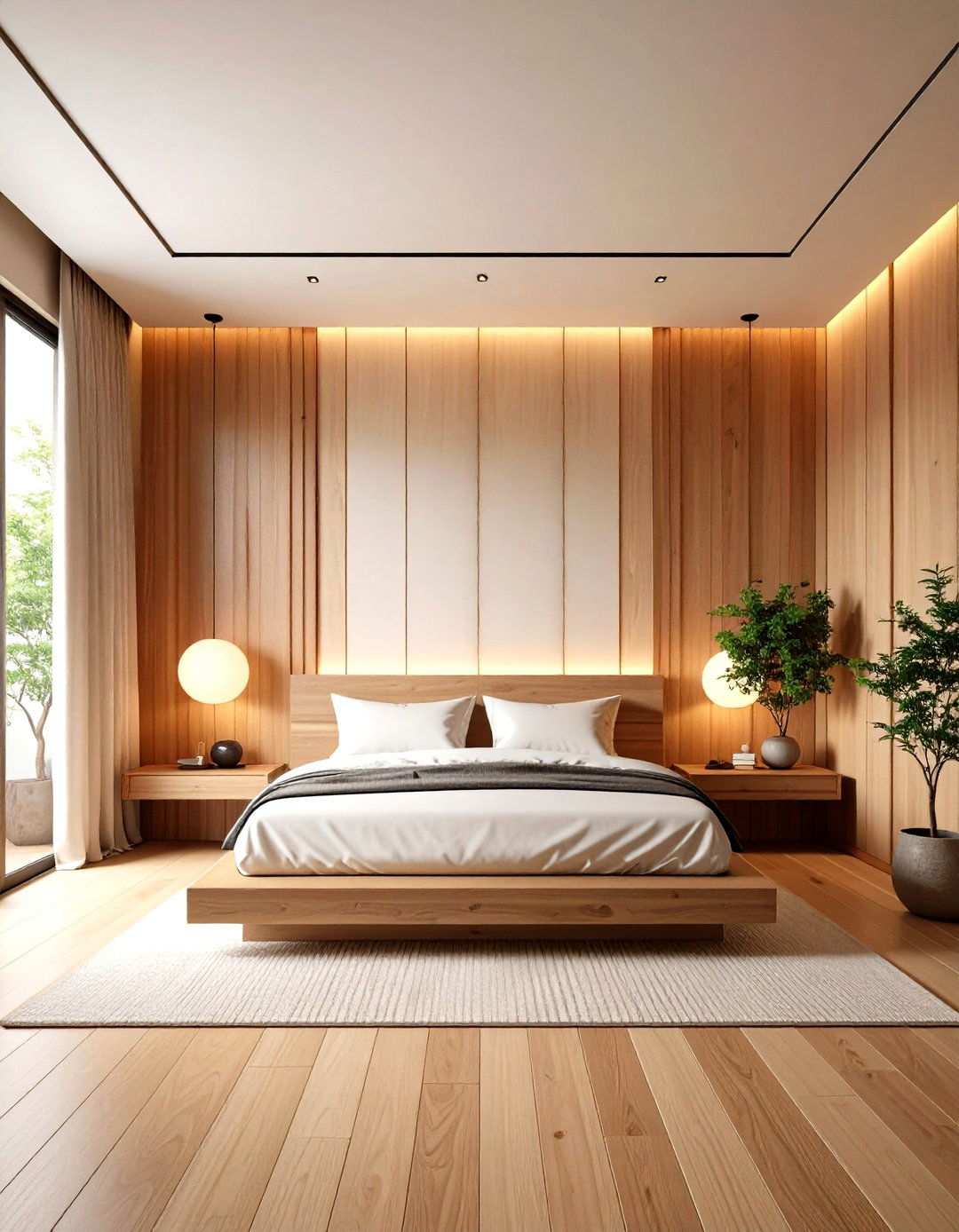
Infuse your bedroom with the soothing essence of nature through the incorporation of natural wood paneling, which artfully showcases the intricate beauty of grain patterns and textures. By strategically arranging vertical cedar planks, horizontal bamboo strips, or mixed-grain arrangements, you can create visual interest without disrupting the serene ambiance. The organic variations in wood tone and texture forge a deep connection between your bedroom and the surrounding environment, evoking the tranquility of forest glades. Unadorned or minimally treated wood develops a captivating patina over time, embracing the wabi-sabi philosophy of finding elegance in the natural aging process. Lighter woods, such as maple or birch, bring warmth and brightness to the space, while deeper tones like walnut or cherry create a cozy, inviting atmosphere. By placing the paneling strategically behind the bed, you can create a stunning natural headboard that requires no additional embellishments.
5. Neutral Earth-Tone Color Palette
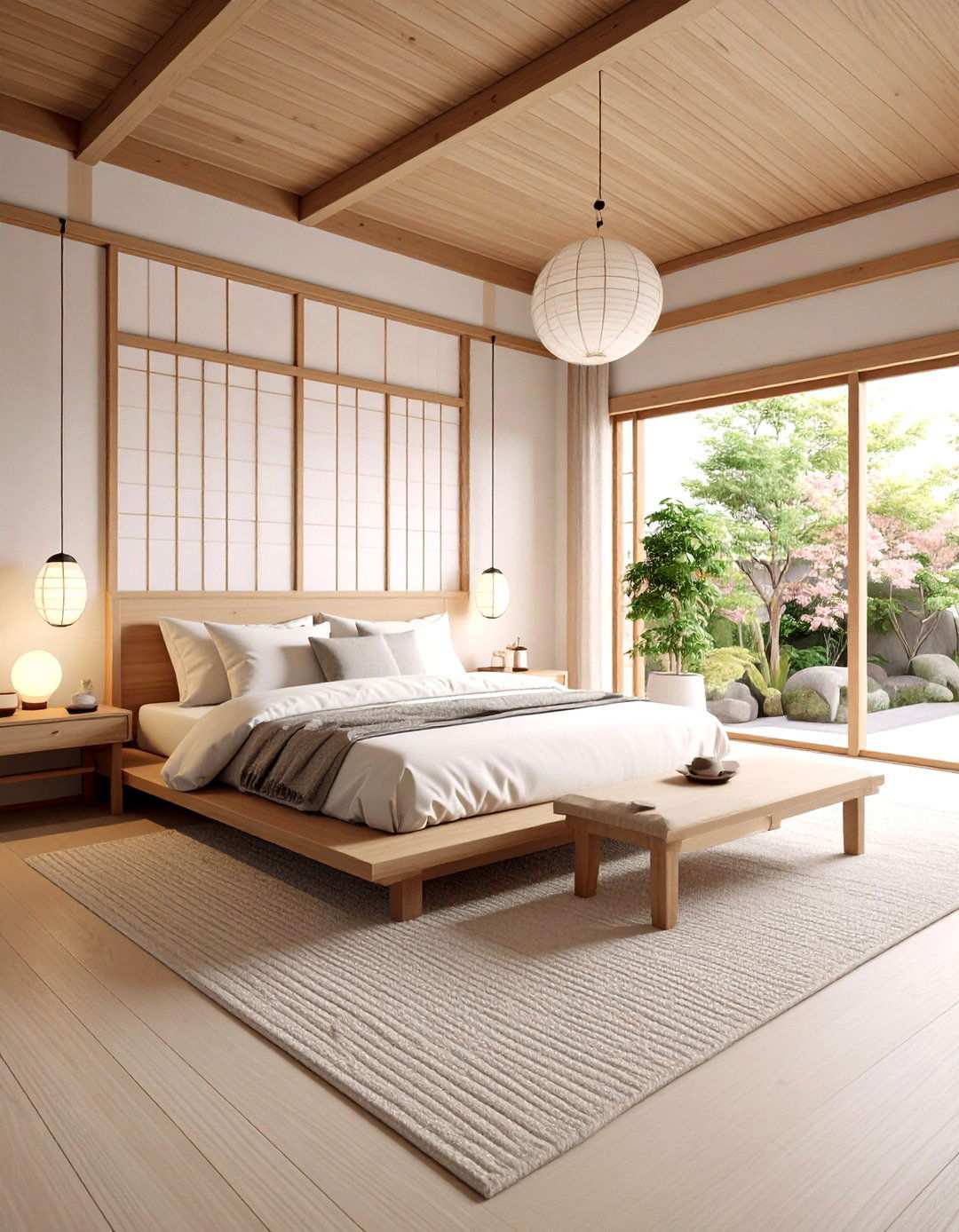
Can a thoughtfully chosen color scheme actually enhance your sleep quality and mental well-being? Japanese design principles emphasize the use of nature-inspired neutral tones to cultivate a sense of psychological comfort and visual harmony within the bedroom. Soft whites, warm beiges, gentle grays, and muted greens provide the foundation for a calming atmosphere, allowing natural materials and textures to take center stage. These soothing colors subtly reduce visual stimulation before bedtime, while creating a timeless backdrop that never feels outdated or overwhelming. Delicate variations within the neutral range add depth and interest without introducing jarring contrasts. By employing a restrained palette, the space remains attuned to the subtle changes in natural light throughout the seasons, ensuring that the room’s mood evolves in harmony with the rhythms of nature.
6. Soft Ambient Lighting from Traditional Paper Lanterns
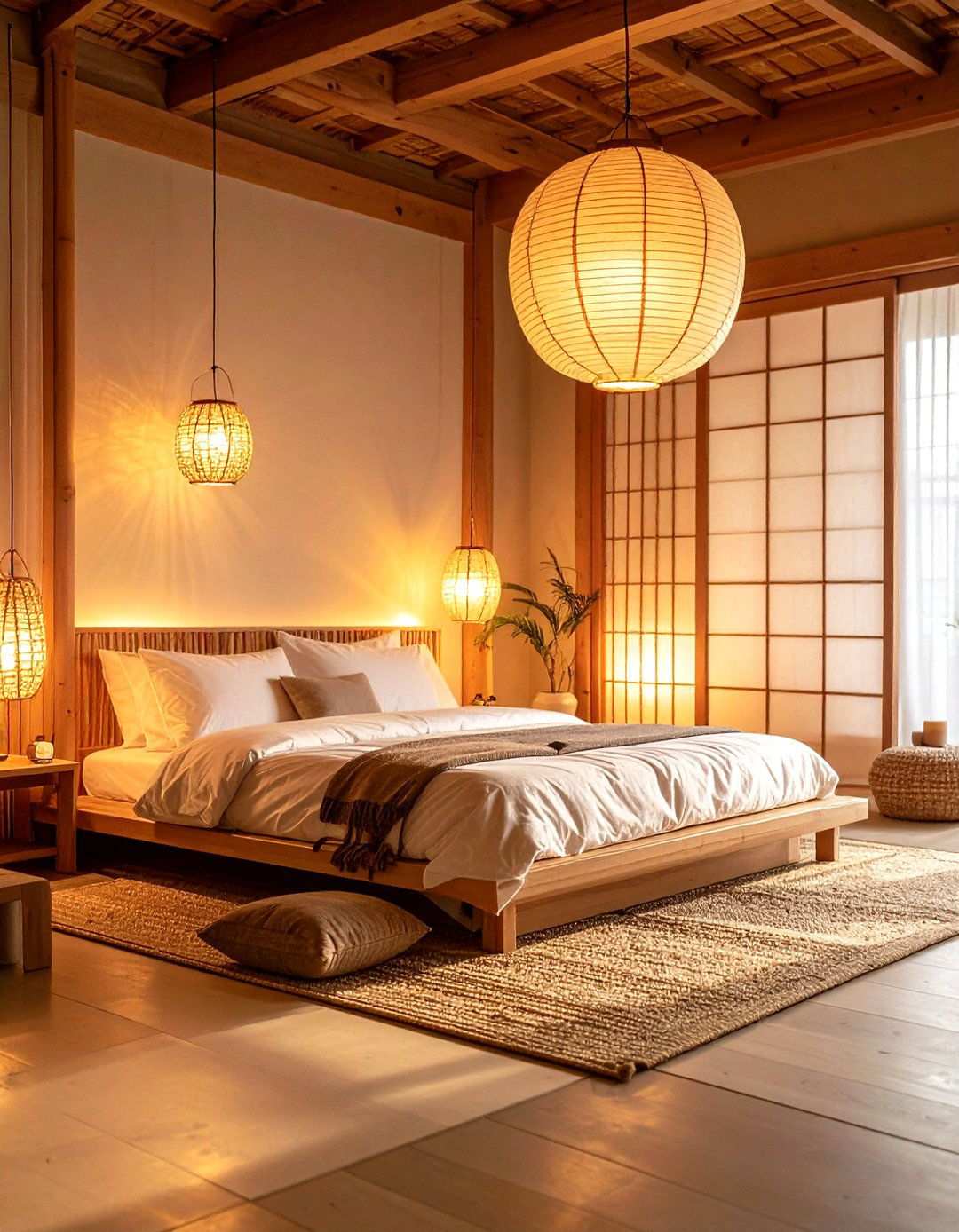
Soft, warm light emanating from traditional paper lanterns is the perfect way to create a serene ambiance in a Japanese bedroom, fostering relaxation and calmness. Artisanal paper lanterns, crafted from delicate rice paper and sturdy bamboo frames, beautifully diffuse light while incorporating authentic cultural elements into the space. The versatility of hanging lanterns allows for varying heights, generating visual interest and layered illumination that adds depth to the room. Table-mounted versions provide a soft, even reading light that replaces the harsh glow of conventional lamps, creating a cozy atmosphere that signals the mind to unwind and prepare for restful sleep. The use of modern LED bulbs not only offers energy efficiency but also maintains the traditional warm glow that makes these fixtures so appealing.
7. Maximizing Minimalist Storage in Japanese Bedrooms
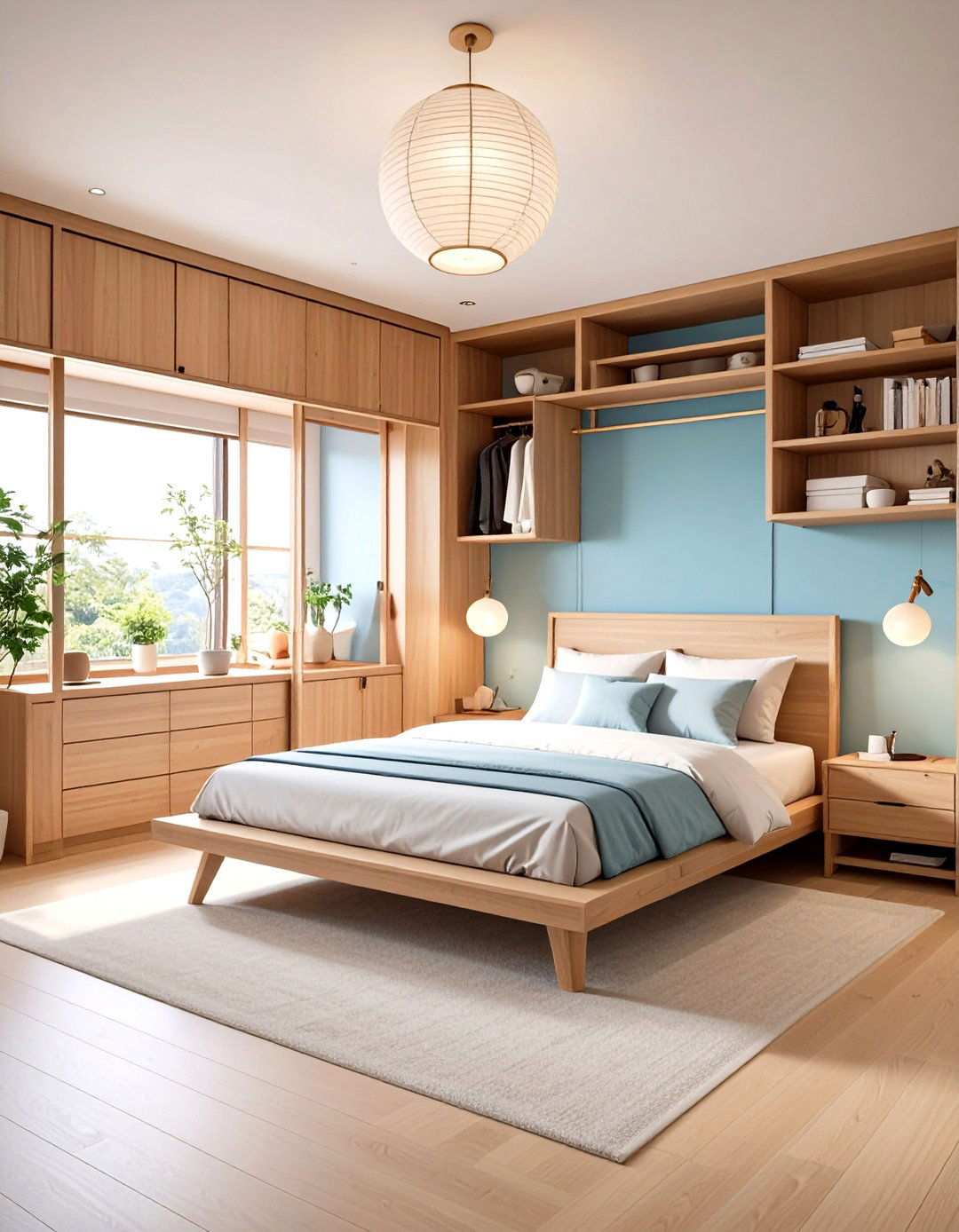
Achieving a clutter-free bedroom while storing essential items is a challenge many people face, but Japanese design has mastered this balance through thoughtful, built-in storage solutions. Low wooden cabinets with sliding doors expertly conceal clothing and personal items while serving as elegant display surfaces for carefully curated decorative objects. Platform beds with integrated drawers optimize storage without added bulk, creating a seamless visual experience. Wall-mounted floating shelves display essential items while maintaining the airy feeling of the room. Traditional tansu chests showcase stunning craftsmanship while providing ample storage capacity, and the key to choosing the right pieces lies in their ability to serve multiple functions while upholding the principles of simplicity and natural beauty.
8. Bringing Nature Indoors with Thoughtful Plant Placement
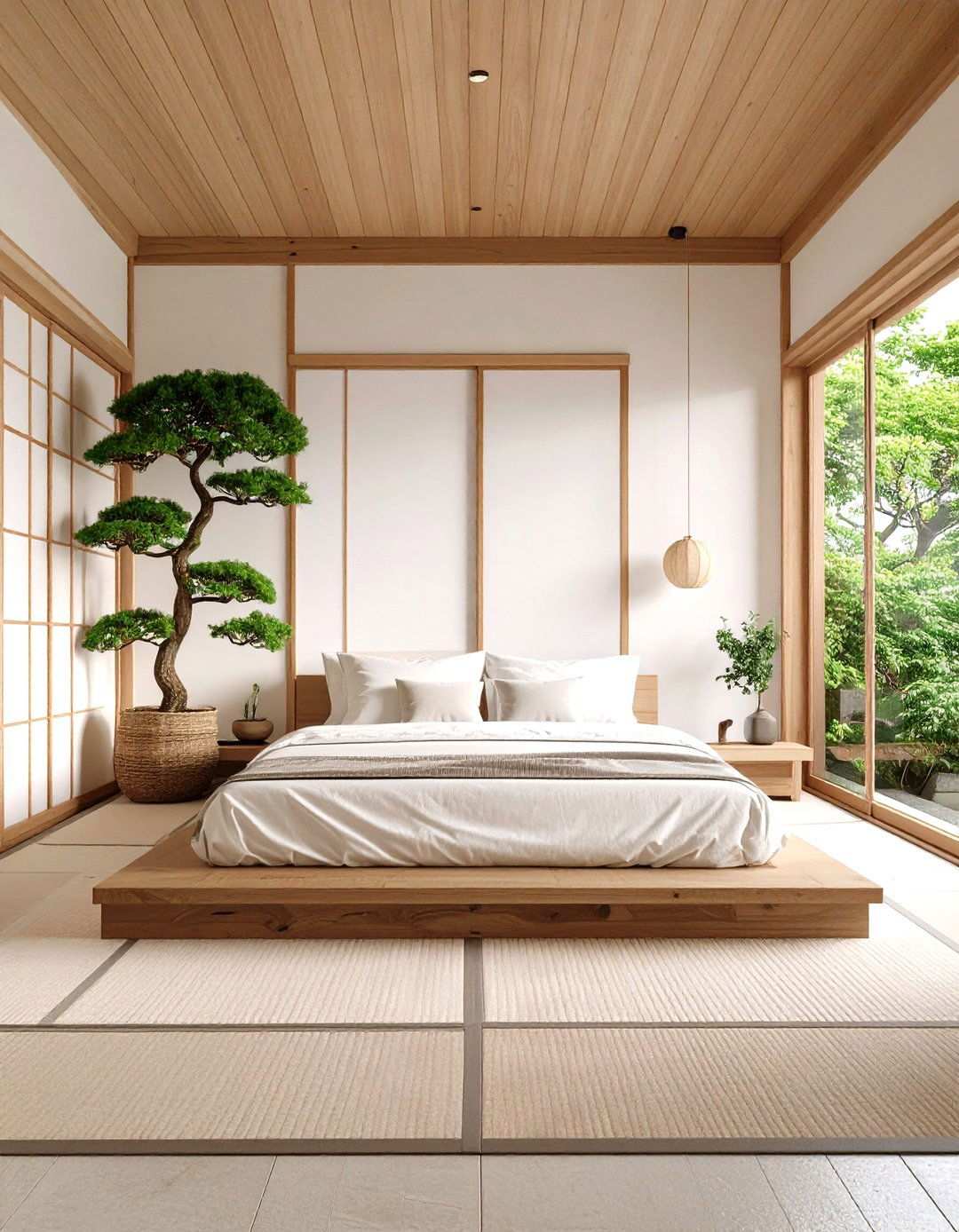
Incorporating living plants into a Japanese bedroom not only enhances air quality and adds subtle color accents but also fosters vital connections with nature. Bonsai trees, placed on low tables, embody the serene Japanese art of mindful cultivation, requiring minimal space and attention. Bamboo arrangements in simple ceramic vessels add vertical interest without disrupting the room’s minimalist aesthetic. Small potted ferns or moss gardens create enchanting micro-landscapes that invite contemplation and introspection. Low-maintenance plants like snake plants or peace lilies provide air purification benefits, and the key to successful plant placement lies in selecting species with clean, architectural forms that harmonize with the room’s serene atmosphere, rather than competing with it. Strategic placement near windows maximizes natural light while creating beautiful silhouettes that add depth to the space.
9. Reviving Traditional Luxury with Natural Fiber Bedding
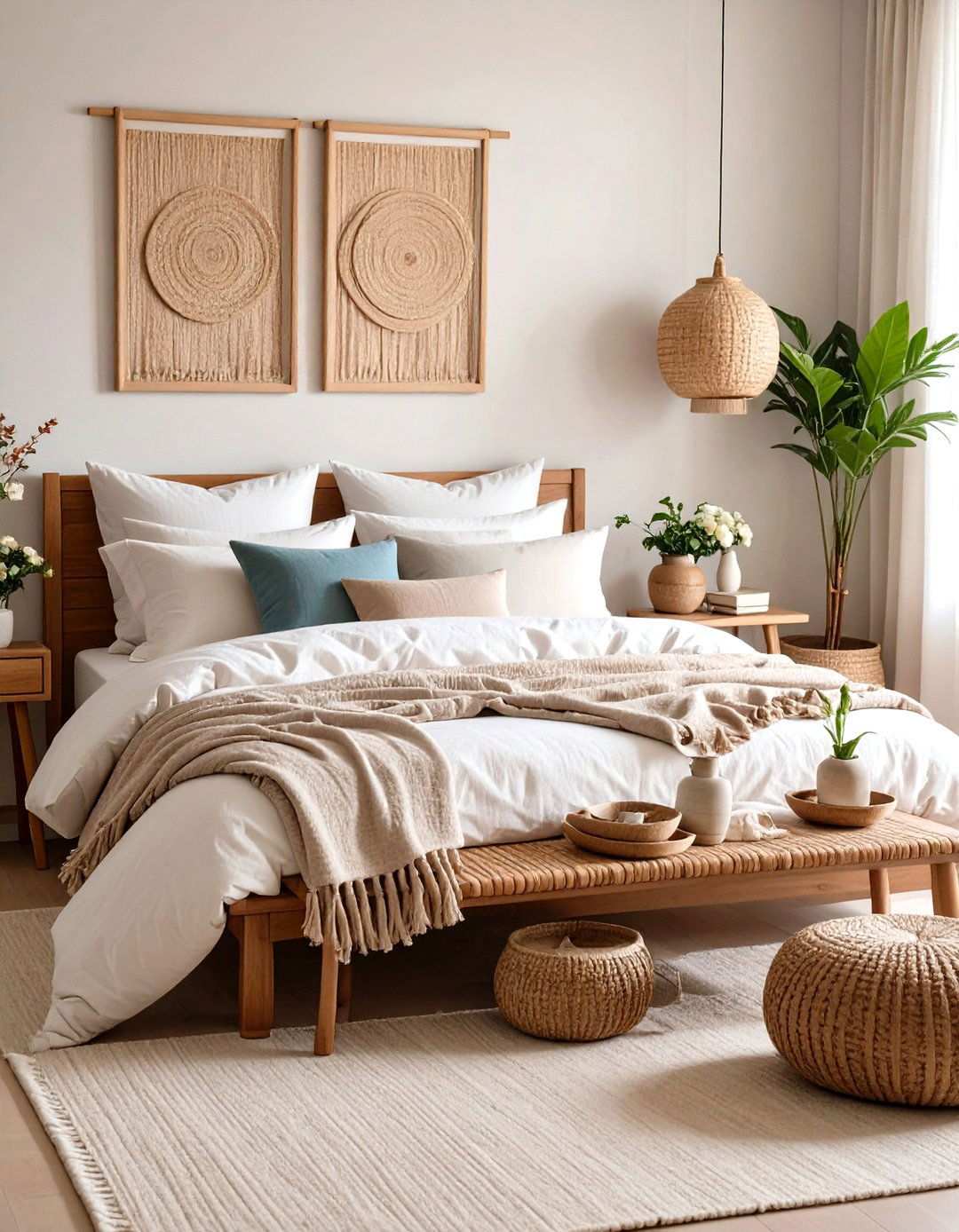
Experience the transformative power of bedding crafted from organic materials that embody the essence of sustainable practices. The allure of pure linen sheets lies in their exceptional breathability and natural temperature regulation, which, over time, develops a rich, lived-in texture. Organic cotton, renowned for its softness and ease of care, avoids the synthetic chemicals that can disrupt sleep quality. Hemp blends stand out for their durability and natural antimicrobial properties, while wool-filled comforters seamlessly regulate temperature, offering a level of fluffiness that synthetic alternatives often struggle to match. The understated beauty of traditional Japanese bedding colors allows the natural textures to take center stage, providing visual interest that evolves with age, much like the wabi-sabi appreciation for natural patina and wear.
10. Elevating Design with Bamboo Accent Elements
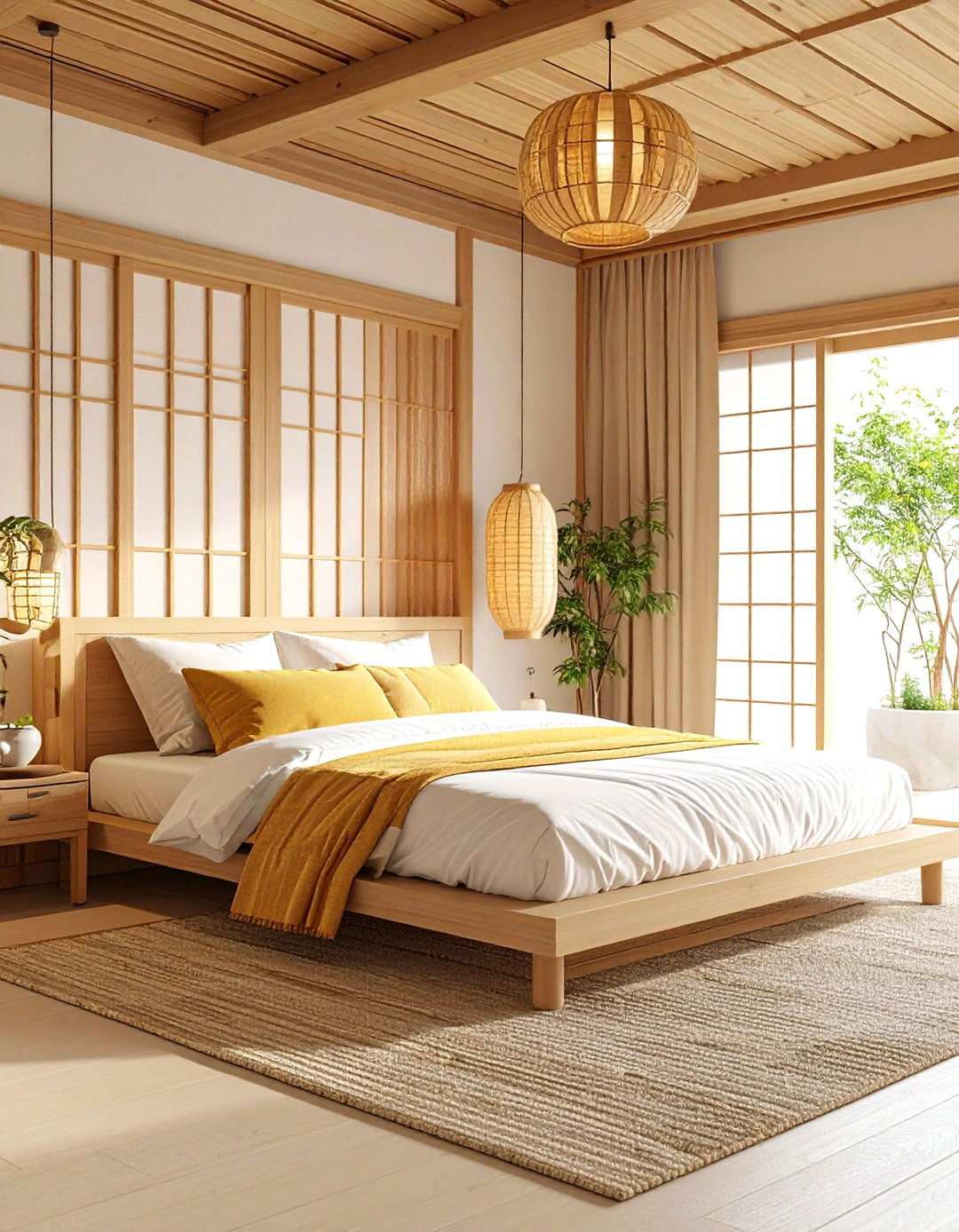
Bamboo’s incredible versatility and rapid-growth environmental benefits make it the perfect sustainable material to add natural beauty and functionality to your bedroom design. Floor lamps crafted from split bamboo create intricate shadow patterns while providing task lighting, while window blinds filter harsh sunlight, maintaining privacy and airflow. Small decorative vessels made from bamboo hold flowers or serve as minimalist sculpture, showcasing the material’s unique aesthetic. Bamboo flooring offers durability and natural beauty, while remaining comfortable underfoot. Its natural golden color complements neutral palettes, and the smooth texture provides a pleasant tactile experience. As a fast-regenerating material, bamboo is an environmentally conscious choice that aligns with Japanese values of harmony with nature.
11. Seamless Storage Solutions with Sliding Closet Door Systems

Replace conventional hinged doors with elegant sliding panels that save space and add authentic Japanese architectural elements to your bedroom. Custom shoji-style doors use traditional paper-covered frames to conceal clothing storage while filtering light from adjacent rooms, creating a sense of continuity. Modern interpretations of this design might use frosted glass or fabric panels for increased durability while maintaining the essential sliding function. Track systems can accommodate multiple panels that stack neatly when opened, maximizing closet access. The clean lines and geometric patterns of sliding doors complement minimalist furniture while providing necessary privacy. Hardware selection becomes crucial, with traditional wooden pulls maintaining authenticity, while contemporary metal options offer durability. These systems transform necessary storage into beautiful architectural features that harmonize with your bedroom’s design.
12. Unconventional Seating Solutions
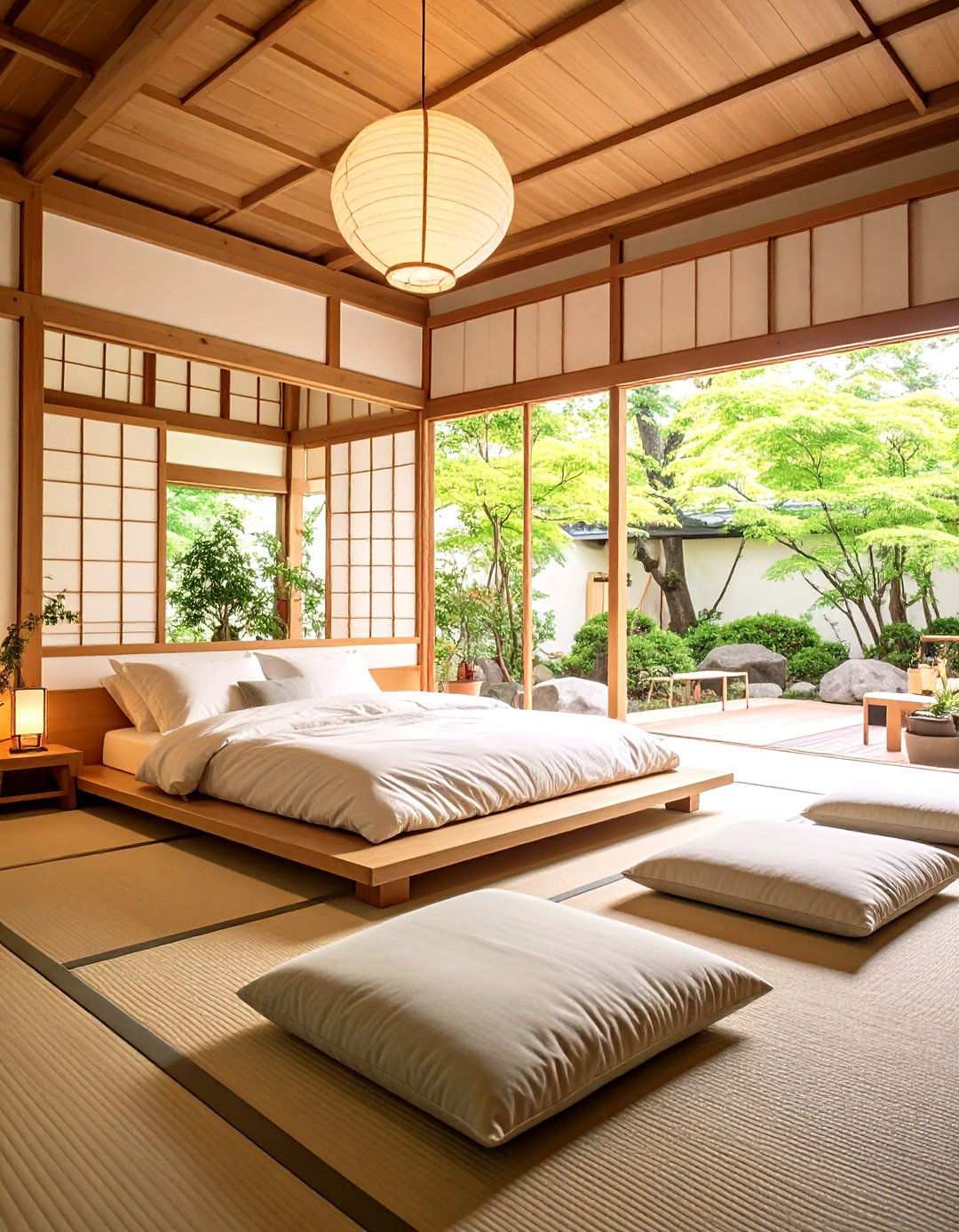
Japanese floor cushions, known as zabuton, redefine the concept of comfort in a bedroom, creating an intimate atmosphere that encourages relaxation and contemplation. Filled with natural materials such as buckwheat hulls, these traditional cushions provide firm support while molding to the body’s contours. Modern alternatives made from memory foam offer a familiar sense of comfort while maintaining the authentic appearance of traditional Japanese design. By arranging these cushions around a low table, the space transforms into an inviting setting for tea ceremonies, quiet reading, or meaningful conversations. The removable nature of these cushions allows for effortless room reconfiguration to suit various activities or cleaning needs. Neutral-toned fabric covers complement the overall aesthetic while ensuring low-maintenance upkeep. As a result, this seating option fosters a more intentional, slower pace of living that promotes a serene bedroom environment.
13. Bringing Nature Indoors
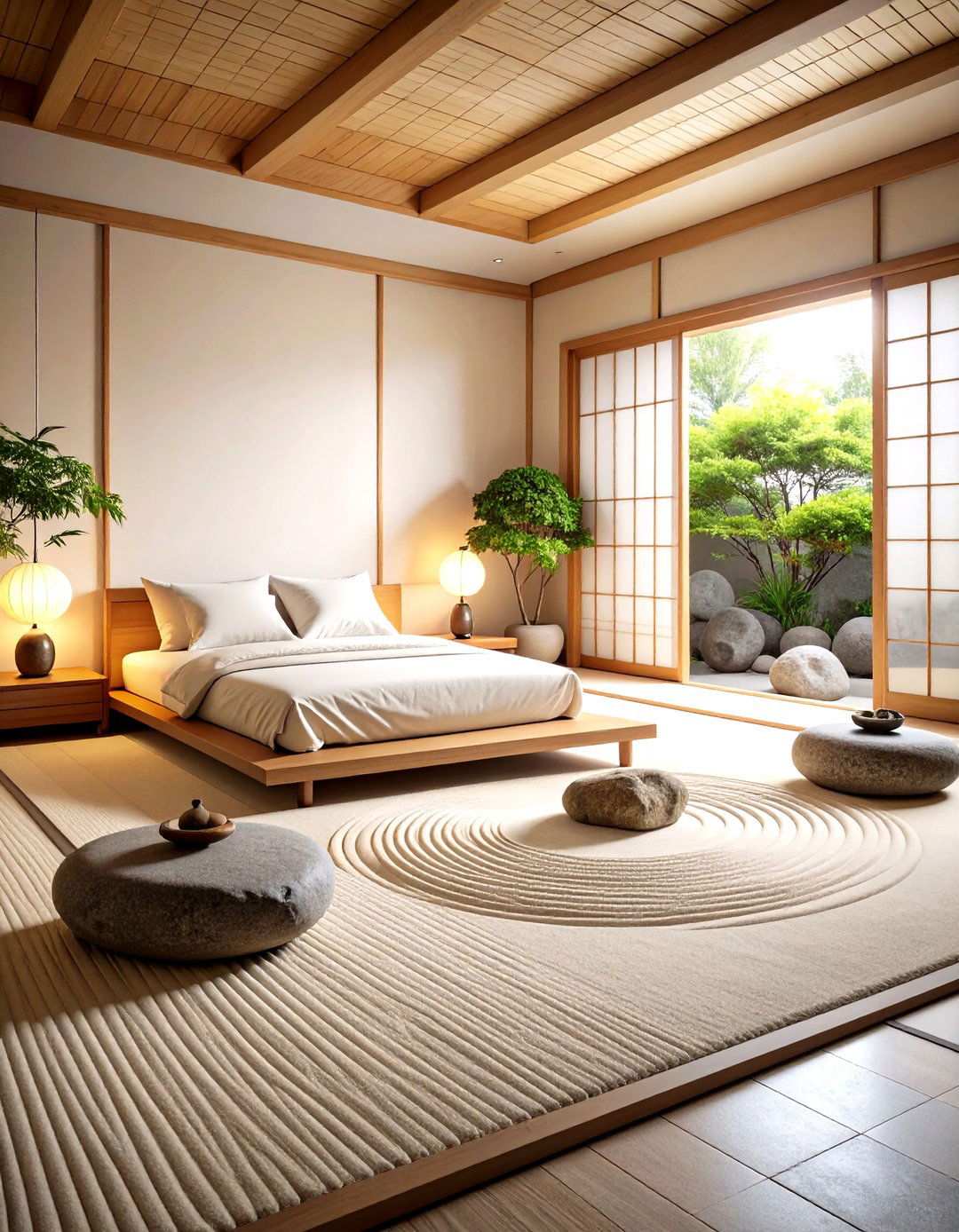
To create a sense of connection to the outdoors, incorporate thoughtfully chosen stones into your bedroom design. A small, carefully curated zen garden, featuring raked sand and strategically placed rocks, serves as a meditation focal point while requiring minimal upkeep. River stones arranged in shallow wooden bowls invite tactile exploration, allowing you to mindfully engage with the natural world. Stone-topped side tables showcase the beauty of natural geological patterns, providing a sense of durability and permanence. By placing stone arrangements at floor level, you can define different areas within the bedroom while maintaining a sense of visual flow. To achieve a harmonious look, select stones that complement rather than compete with other natural materials, adding a sense of stability to the otherwise soft, organic bedroom environment.
14. The Allure of Traditional Japanese Paper
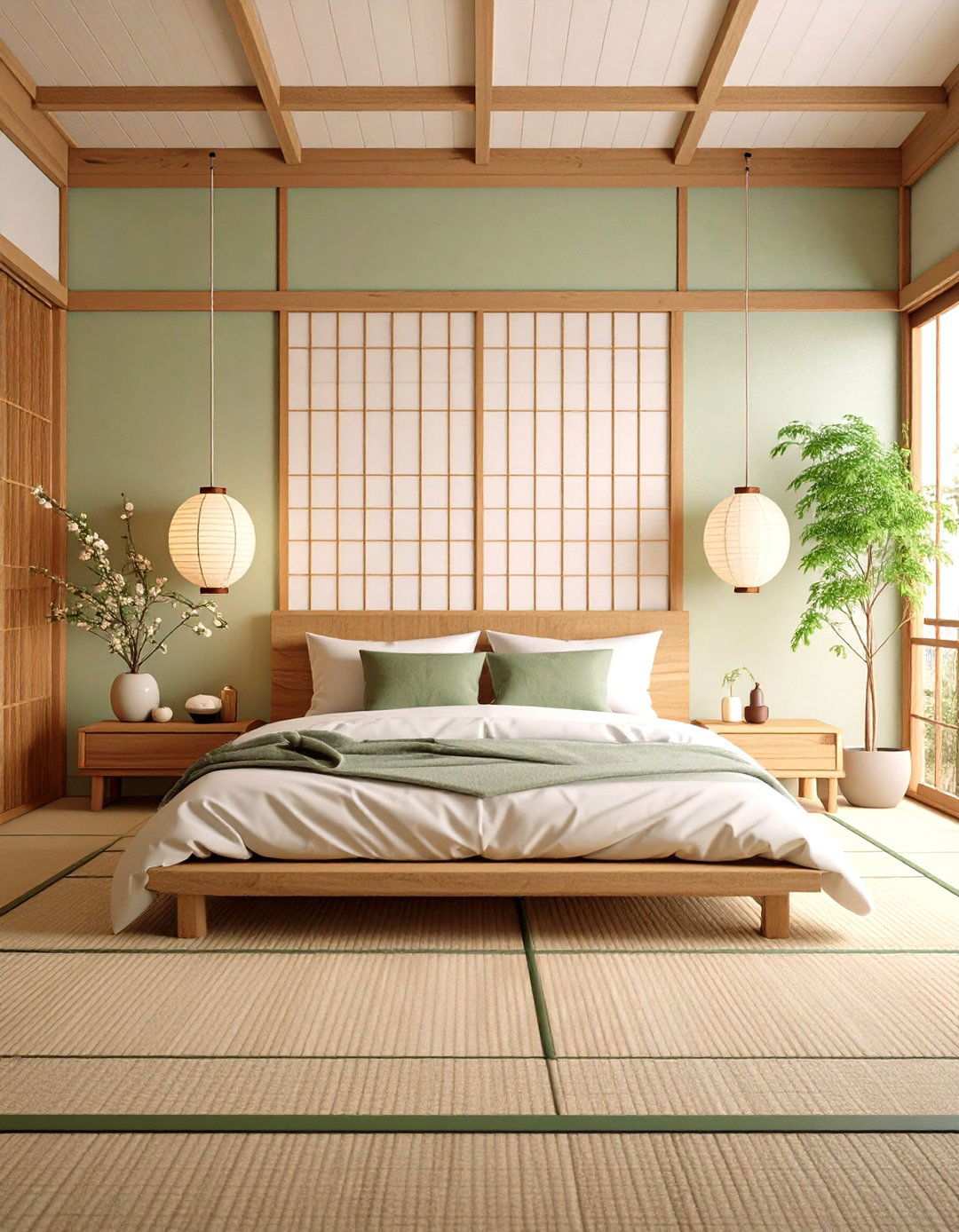
Experience the understated luxury of handmade washi paper in your bedroom, bringing a touch of traditional Japanese craftsmanship to your space. Wasahi paper wall coverings add texture and visual interest, subtly enhancing the neutral color palette that defines Japanese design. Handmade papers feature natural fiber patterns that create a gentle, soothing visual movement, avoiding busy patterns or harsh contrasts. As the light catches and reflects off the slightly irregular surface, the walls come alive with a sense of movement and life. Traditional mounting techniques ensure seamless installations that highlight the paper’s natural beauty, while modern washi papers offer increased durability without sacrificing their authentic appearance and texture. Over time, the natural aging process imbues the paper with a beautiful patina, embodying the principles of wabi-sabi – finding beauty in the imperfections and changes that occur with time.
Exposing the Beauty of Wooden Ceiling Beams
Elevate your bedroom’s ambiance by showcasing the intrinsic charm of exposed wooden ceiling beams. By embracing the natural beauty of wood beams, you can infuse your space with an authentic Japanese aesthetic. The visual appeal of horizontal lines overhead not only creates a sense of psychological comfort but also expands the perceived room width. In traditional Japanese construction, the emphasis is on precise joinery, eliminating metal fasteners in favor of intricate wooden connections that add character to the space. The interplay of light and dark wood tones creates a captivating ambiance, with lighter tones brightening the space and darker beams fostering cozy intimacy. The subtle texture of natural grain patterns provides a dynamic decorative element that evolves with the changing light conditions throughout the day. This architectural feature not only enhances visual appeal but also requires minimal maintenance once properly installed.
Displaying Timeless Wisdom through Traditional Calligraphy
Transform your bedroom walls into thought-provoking galleries that inspire daily reflection and mindfulness. Consider showcasing meaningful Japanese calligraphy, featuring inspirational phrases or nature poetry that resonate with your personal values. The striking contrast of black ink on natural paper or silk against neutral walls creates a visually striking display that exudes cultural authenticity. Proper mounting in wooden frames or traditional scroll format ensures the artwork’s preservation while allowing for easy seasonal rotation. For a modern twist, incorporate contemporary interpretations that feature favorite quotes or personal mottos rendered in beautiful Japanese brush techniques. The vertical orientation of hanging scrolls harmoniously complements the clean lines of Japanese architecture, creating focal points that encourage contemplation and personal growth.
Harnessing the Power of Natural Air Circulation Systems
Create a restful sleep environment by harnessing the benefits of passive ventilation systems that eliminate the need for noisy mechanical air conditioning. Traditional Japanese architecture maximizes cross-ventilation through strategic window placement and clever use of interior opening panels. Shoji screens not only facilitate air movement between rooms but also maintain privacy and visual separation. Ceiling fans with wooden blades provide gentle air circulation while reinforcing the natural material theme of your space. When placing windows, consider capturing prevailing breezes while maintaining privacy through strategic landscaping or screening elements. By embracing this approach, you can create sleeping environments that breathe naturally with seasonal changes, providing comfortable temperatures year-round. This approach not only reduces energy consumption but also preserves the peaceful quiet essential for quality rest.
18. Harmonious Fusion of Natural and Geometric Elements
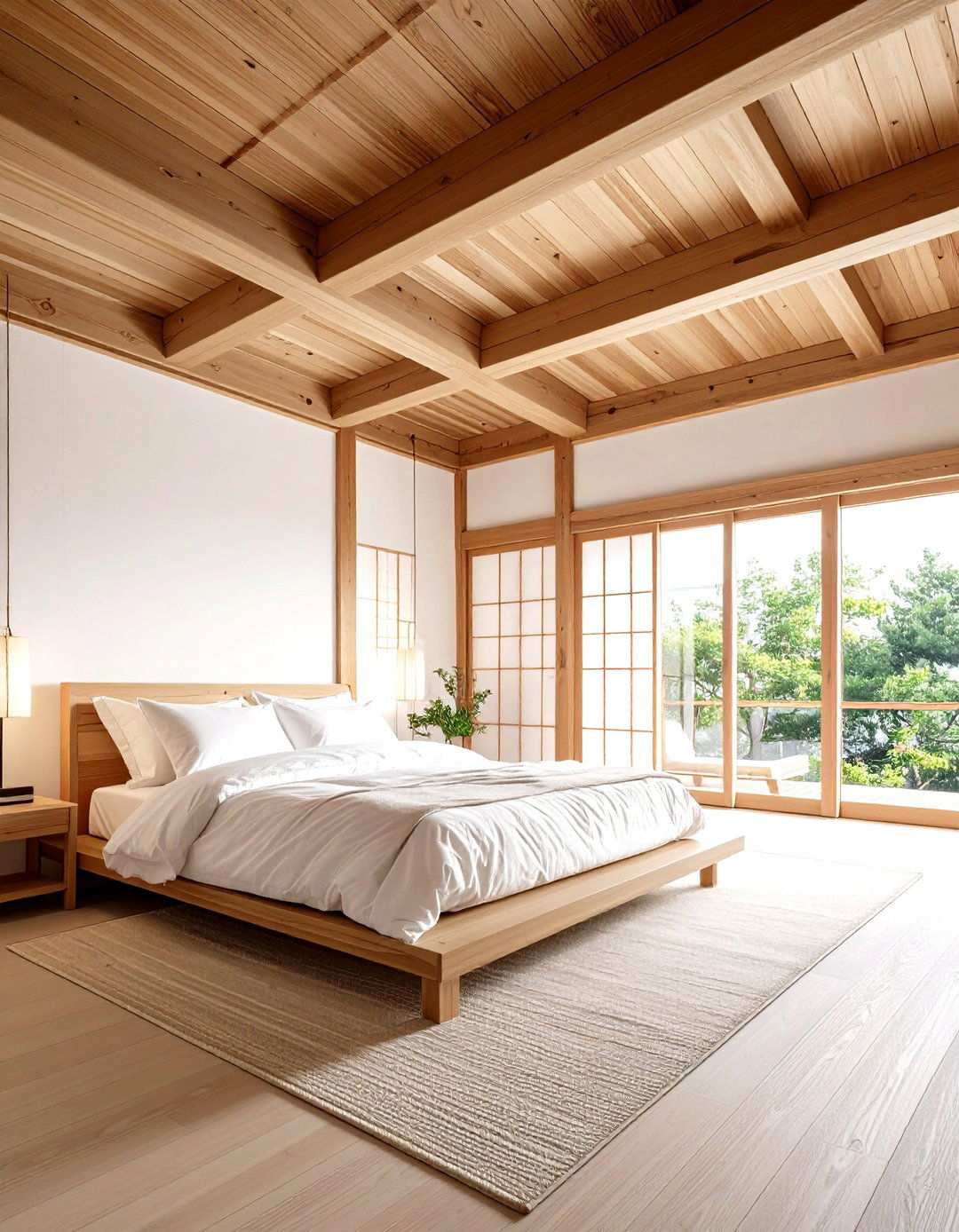
Traditional Japanese design often finds a striking balance between geometric precision and the soft, organic shapes found in nature. How can furniture and decorative elements with fluid, natural curves enhance this visual equilibrium? Organic forms, reminiscent of river stones, tree branches, or the shapes of natural formations, introduce a soothing contrast to the clean lines that dominate Japanese interiors. The sculptural interest of curved pottery vessels also serves to meet functional storage needs, while naturally shaped wooden bowls or trays bring a touch of the forest indoors while maintaining their practical utility. Live-edge wooden furniture showcases the intricate patterns of a tree’s natural growth, providing necessary surfaces for daily activities. By striking a balance between these organic elements and geometric ones, the space remains visually interesting without overwhelming the peaceful atmosphere. These natural forms serve as a reminder of the beauty found in the unpredictable patterns of nature.
19. Creating a Sanctuary for Mindfulness
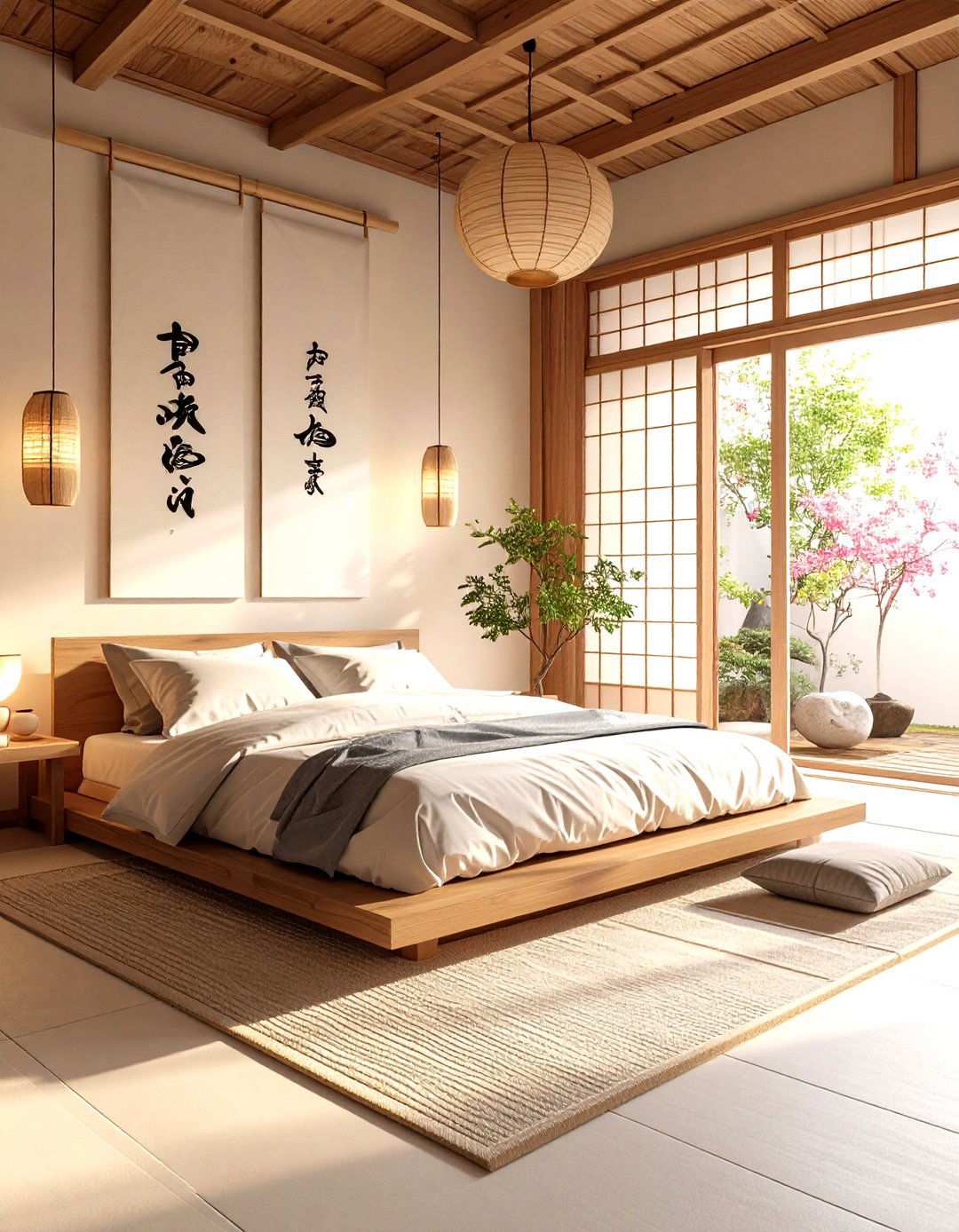
Designating a specific area within your bedroom for daily meditation practice can be a powerful way to cultivate mental clarity and emotional balance. What better way to create a sacred space than with a simple zabuton cushion placed on traditional tatami matting? This authentic Japanese element provides comfortable seating while setting the tone for a peaceful atmosphere. A small altar table, meanwhile, can be used to display meaningful objects such as stones, flowers, or incense, without resorting to religious iconography that might conflict with personal beliefs. The natural lighting from nearby windows creates optimal conditions for morning meditation, while maintaining a connection to the daily light cycles. Sound considerations also become crucial, with soft materials helping to absorb external noise while maintaining the quiet necessary for contemplative practice. By creating a dedicated space for meditation, you can encourage consistent habits that improve sleep quality and overall well-being.
20. Embracing the Natural Rhythm of the Seasons
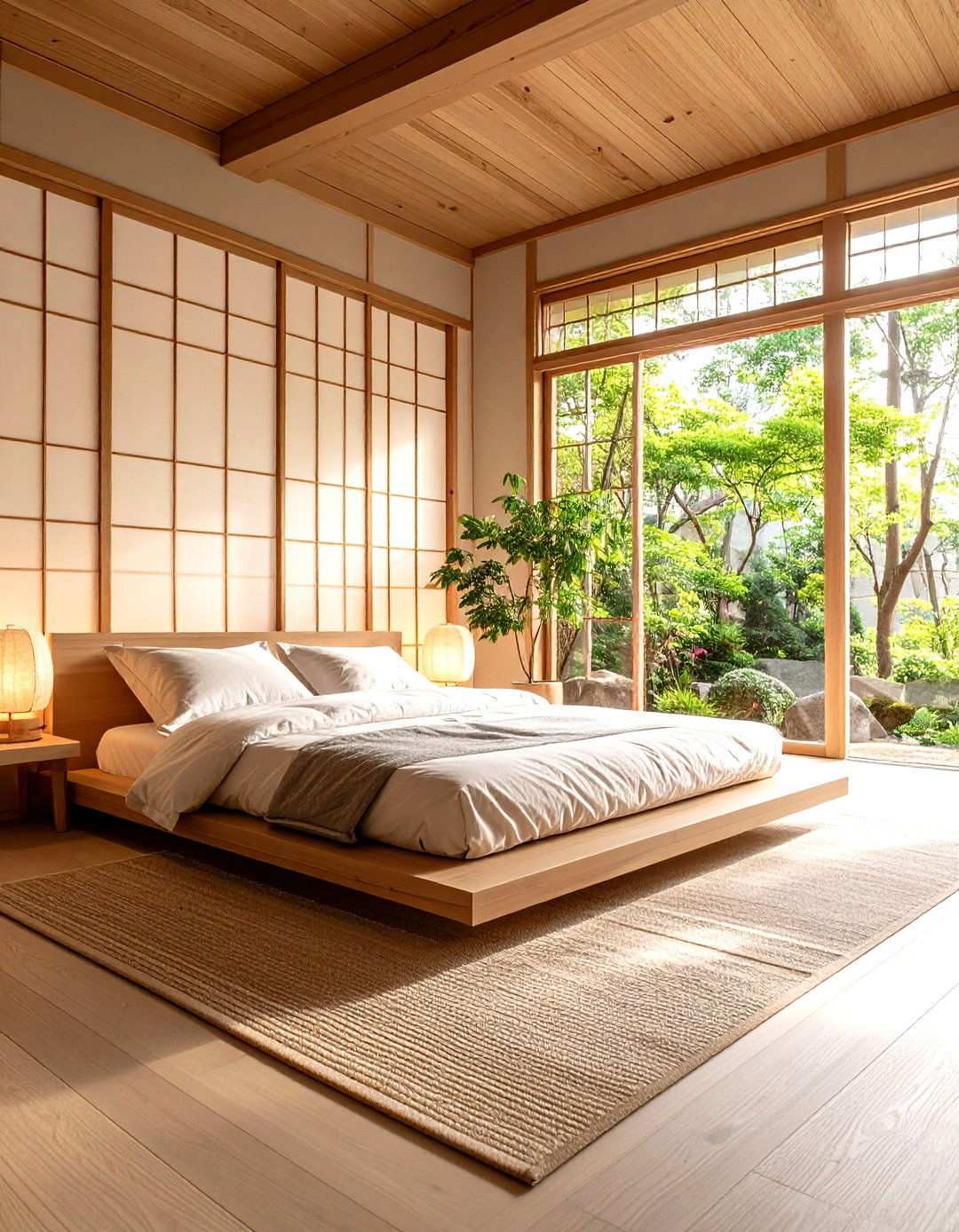
Can your bedroom design celebrate the natural rhythm of changing seasons while still honoring timeless Japanese aesthetic principles? The key lies in making subtle changes to textiles, flower arrangements, and decorative objects that keep the space feeling fresh and relevant. For example, spring might feature delicate cherry blossom branches and lighter fabrics, while autumn brings the rich colors of maple leaves and warmer textures. The traditional art of ikebana flower arrangements provides a beautiful way to add temporary beauty to the space, with weekly changes maintaining visual interest through natural variation. Seasonal bedding changes, meanwhile, can provide comfort adaptation while maintaining neutral color schemes. By embracing the natural cycles of the seasons, you can encourage mindful observation while preventing design stagnation.
21. Harmonizing with Water Elements
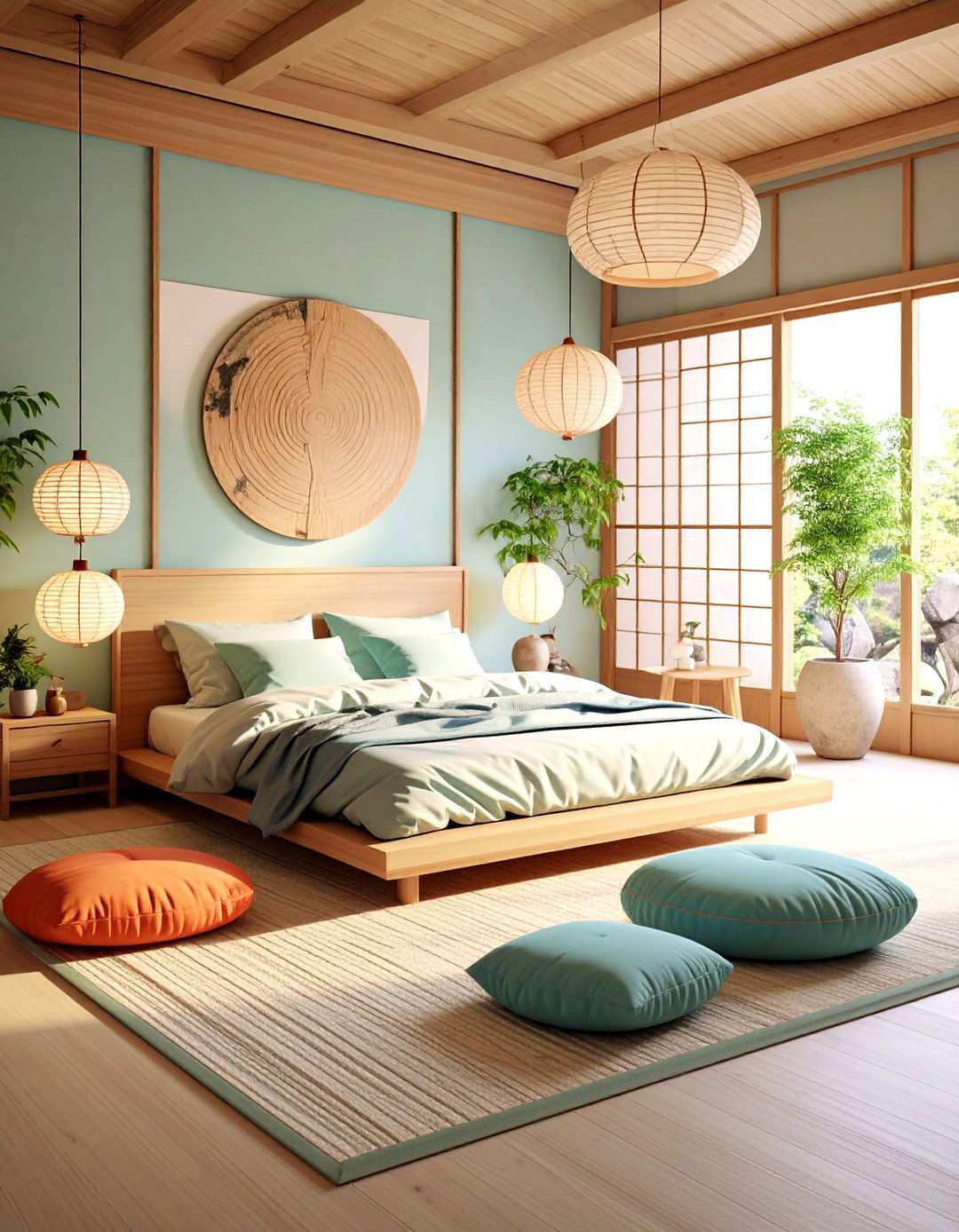
To cultivate serenity within your Japanese bedroom sanctuary, carefully selected water features can create a soothing ambiance that addresses the stresses of urban living. Tabletop fountains, for instance, produce gentle trickling sounds that mask city noise while dispersing negative ions, thereby enhancing air quality. Traditional bamboo water features, known as shishi-odoshi, create a mesmerizing rhythm that echoes the passage of time, while infusing your space with authentic cultural undertones. The benefits of increased humidity are multifaceted, as it not only improves comfort during dry seasons but also supports respiratory health. Furthermore, water vessel displays featuring floating flowers or stones can be transformed into temporary art installations, offering a captivating visual experience that evolves with each passing day. To strike a balance, it is essential to choose water features that are in harmony with the peaceful atmosphere of your bedroom, without overwhelming it.
22. Cherishing Handcrafted Pottery
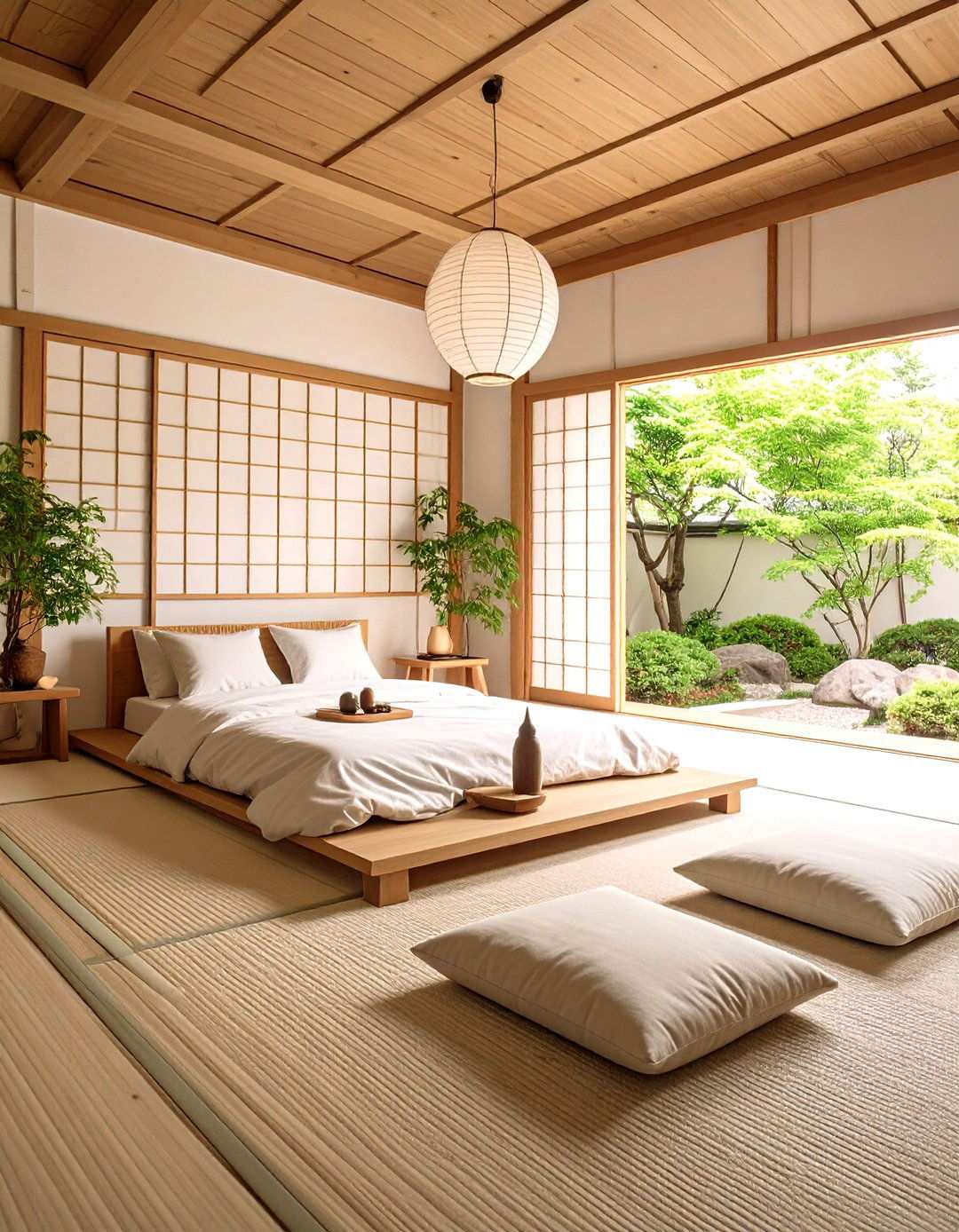
For those who appreciate the beauty of imperfection and the stories that are woven into the creation of handmade objects, traditional Japanese pottery offers a profound source of inspiration. Characterized by unconventional glazes and asymmetrical forms, these pieces embody the principles of wabi-sabi, a concept that celebrates the beauty of imperfection. Not only do ceramic vessels provide functional storage and display opportunities, but they can also hold fresh flowers, store small personal items, or serve as sculptural pieces that add a touch of organic beauty to your space. The unique surface patterns created through traditional raku firing techniques make each piece an irreplaceable work of art. Contemporary pottery that draws inspiration from Japanese traditions offers accessible options while maintaining the authenticity of the aesthetic principles. The earthy tones and natural textures of these pieces complement other organic materials, adding a warm and human touch to even the most minimalist of spaces. By rotating displayed pieces regularly, you can keep your bedroom feeling fresh and build a deeper appreciation for the traditional craftsmanship that goes into creating these unique pieces.
23. Regulating Temperature through Passive Systems
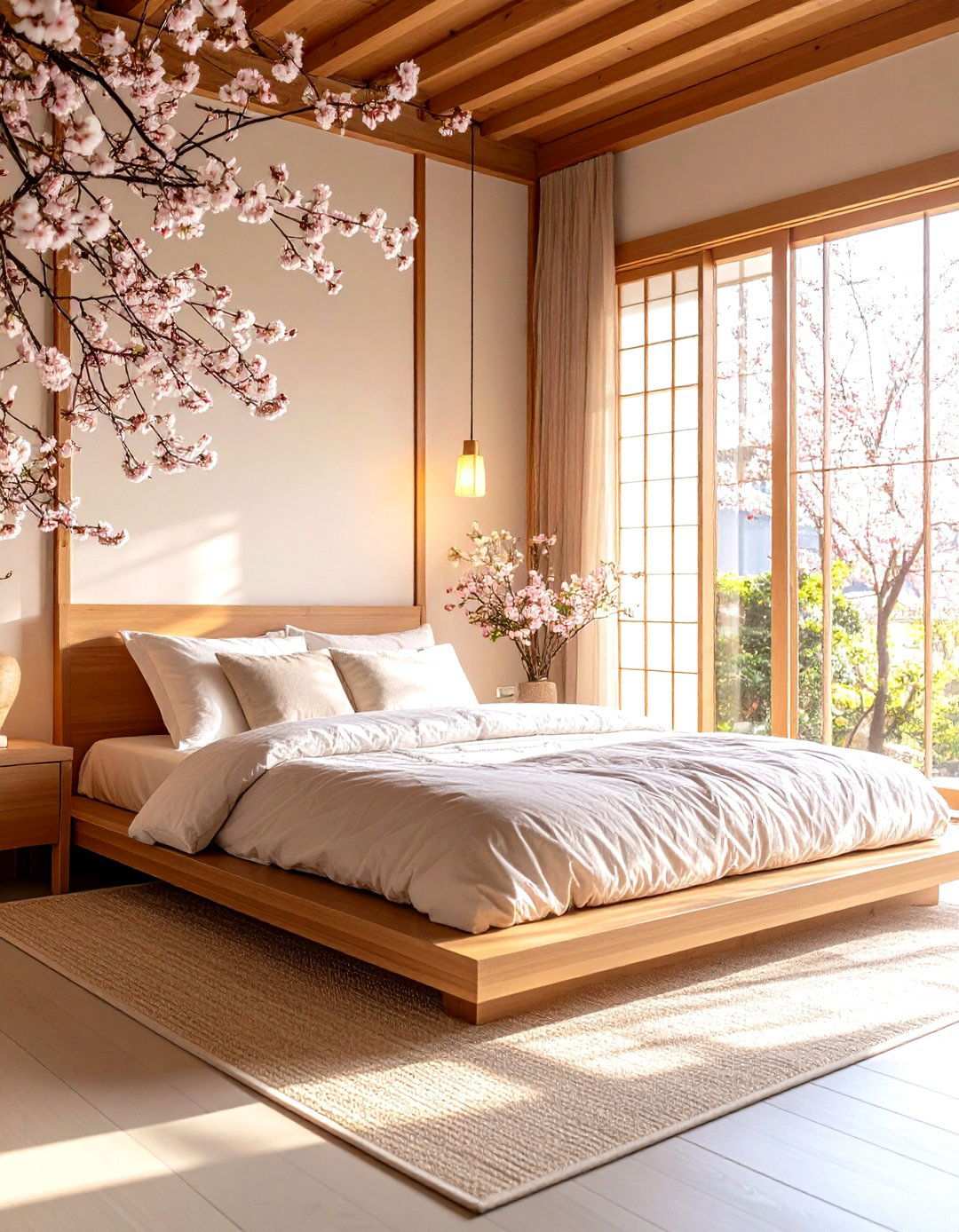
To create a naturally comfortable sleeping environment, it is essential to work with the rhythms of nature rather than against them, thereby reducing energy consumption and improving rest quality. Traditional Japanese architecture has long maximized natural cooling through strategic shading, cross-ventilation, and thermal mass integration. In modern times, this approach can be adapted by incorporating radiant floor heating systems that provide gentle warmth without the dryness associated with forced air. Insulation strategies should focus on maintaining a comfortable temperature range while allowing for natural humidity regulation. By carefully controlling solar gain through window treatments, you can create a sleeping environment that remains comfortable throughout the year, while also maintaining a connection to the natural temperature rhythms. This approach eliminates the need for noisy mechanical systems, which can disrupt peaceful sleep, and reduces the environmental impact associated with energy consumption.
24. Elevate Your Sleep Sanctuary
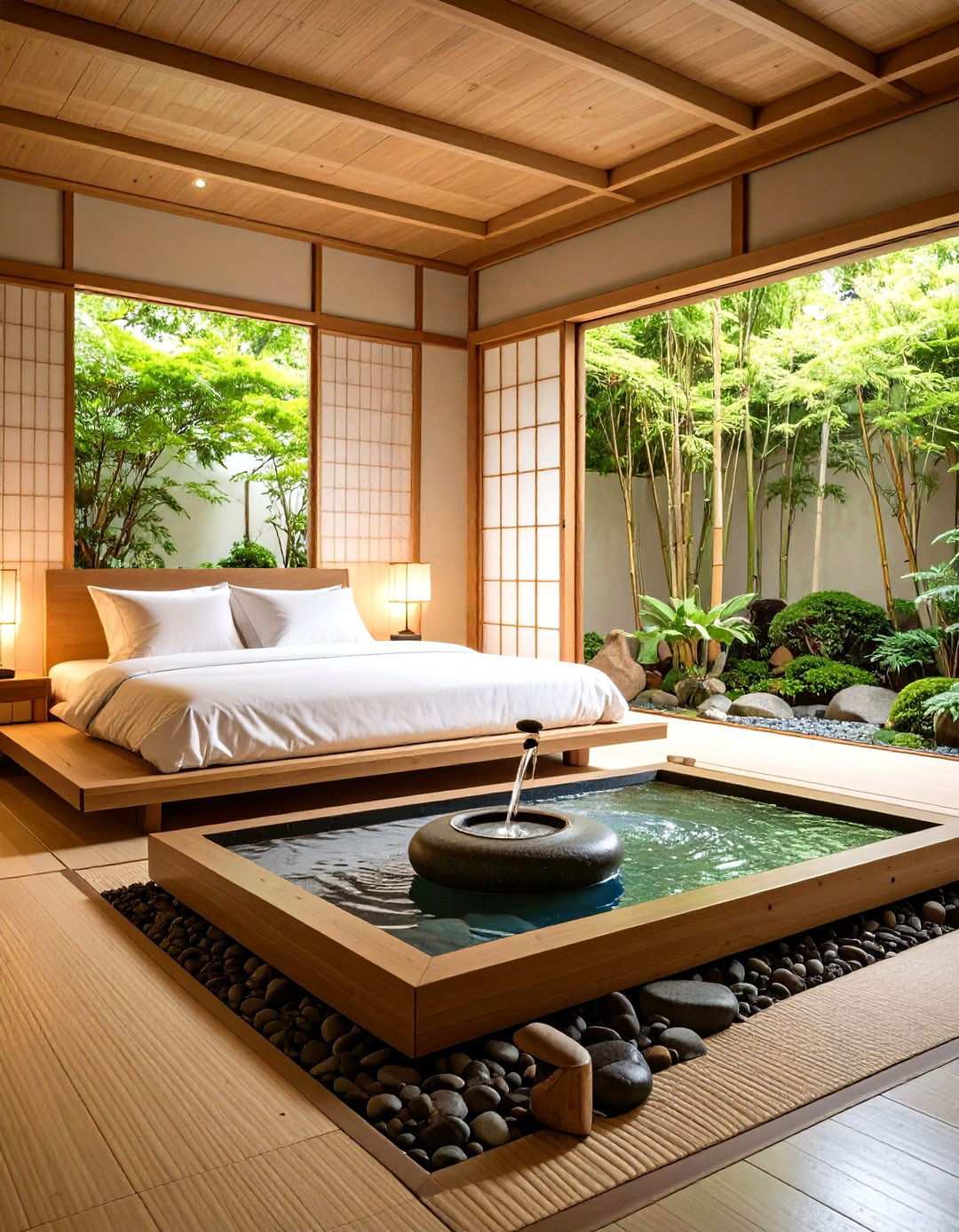
Indulge in a serene bedroom ambiance with expertly curated aromatic plants that seamlessly blend natural fragrance with soothing effects, ultimately enhancing relaxation and sleep quality. By thoughtfully selecting plants with subtle yet captivating aromas, you can create a tranquil atmosphere that fosters restful sleep. Lavender plants are a timeless choice, offering an array of benefits while demanding minimal maintenance and boasting stunning purple flowers. Alternatively, consider training jasmine vines around windows to release a gentle, evening fragrance that promotes relaxation.
To further enrich your sleep sanctuary, consider cultivating small herb gardens featuring herbs like mint, chamomile, or lemon balm. These practical additions not only provide natural scents but also contribute to the overall ambiance of your bedroom. The key to success lies in selecting plants with understated, non-overpowering fragrances that harmonize with the peaceful atmosphere, rather than competing with it. Drawing inspiration from traditional Japanese gardens, you can create a living, breathing space that evolves with the seasons, offering a natural form of aromatherapy. By incorporating these elements into your daily routine, you can establish mindful rituals while reaping the long-term rewards of enhanced sensory experiences.