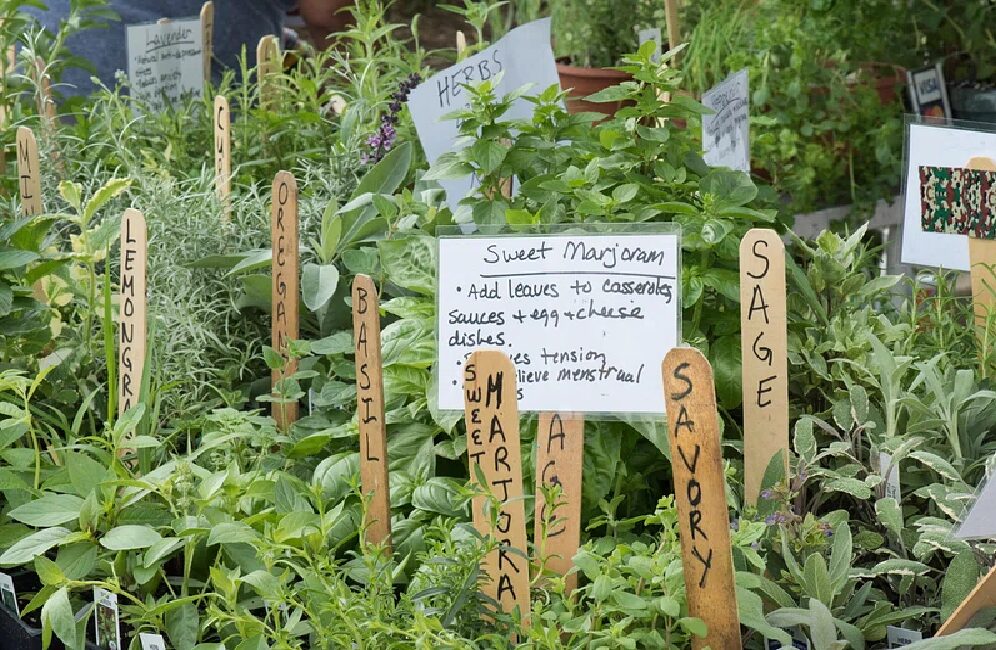
1. Elevated Herb Gardening for the Modern Home
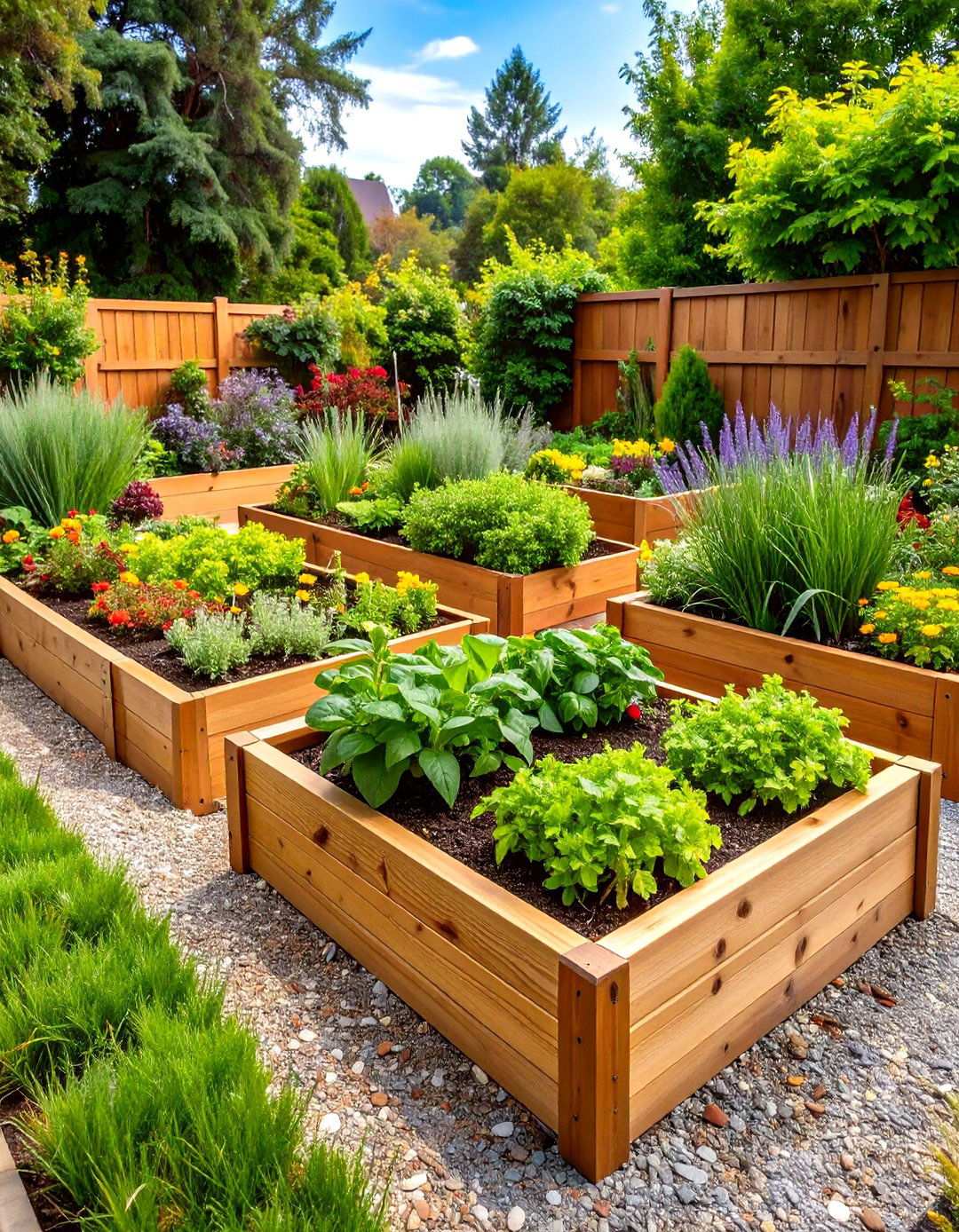
Elevate your culinary experience with expertly designed raised bed gardens tailored to your unique space and skill level, whether you’re a seasoned gardener or just starting out. By repurposing traditional cottage garden layouts, modern herbal gardens bring forth a plethora of creative possibilities, from maximizing limited space to crafting breathtaking visual displays. A well-curated collection of diverse herb garden concepts is presented here, merging functionality with beauty to ensure you discover the perfect solution for your home, lifestyle, and gardening aspirations.

As an Amazon Associate I earn from qualifying purchases.
2. Innovative Vertical Pallet Herb Gardens
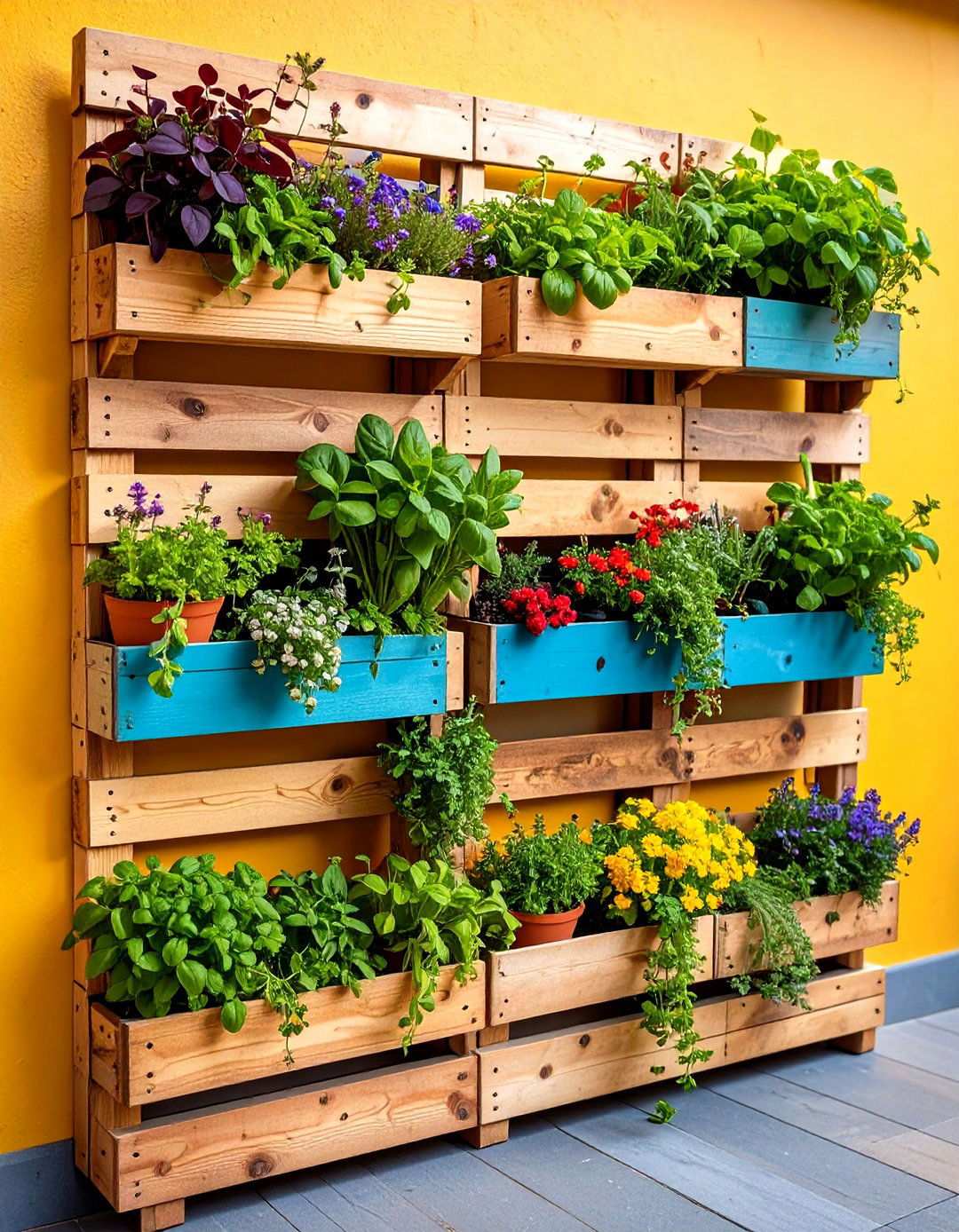
Unleash your creativity with space-saving vertical herb gardens crafted from repurposed wooden pallets, ideal for small patios or urban areas. By treating pallets to a vertical makeover against walls or fences, individual pockets filled with potting soil can be created for a thriving array of herbs. This innovative design cleverly accommodates both trailing varieties and upright growers, such as oregano and basil, while its rustic aesthetic effortlessly complements modern and farmhouse decor styles. To further enhance your vertical garden, consider incorporating drip irrigation systems or adding LED grow lights for shaded areas, making this sustainable approach an attractive choice for any urban gardener.
3. Whimsical Spiral Herb Gardens for the Gardening Enthusiast
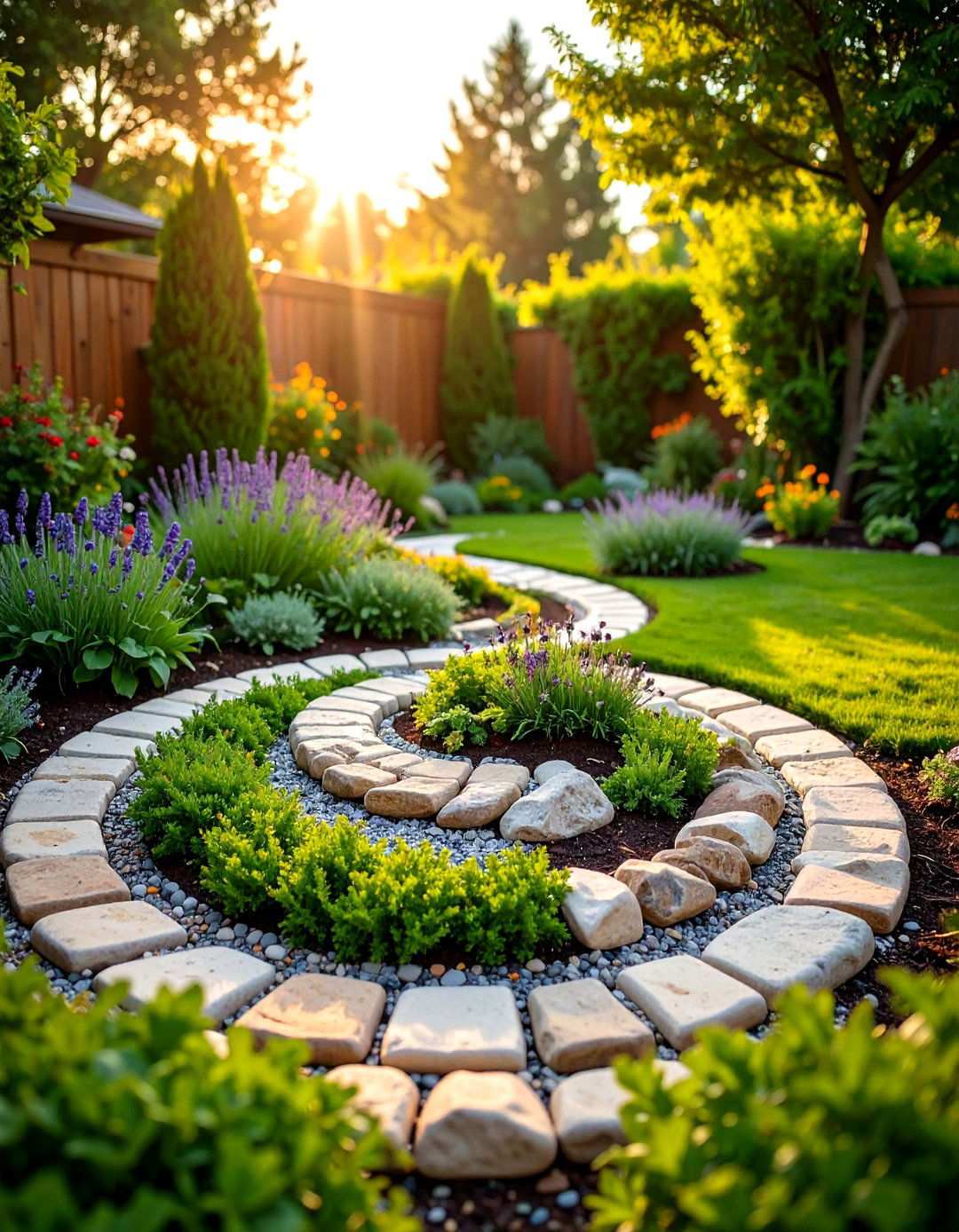
Create an enchanting spiral herb garden by arranging stones or bricks in an ascending circular design, inspired by permaculture principles. This unique structure naturally provides different microclimates, allowing you to plant a variety of herbs that thrive in distinct conditions. By planting sun-loving Mediterranean herbs like lavender and sage at the sunny top and moisture-loving herbs like parsley and chives in the shadier bottom, you’ll be able to enjoy a lush, thriving garden with minimal water usage. The spiral design, approximately four feet wide at the base and rising to three feet high, serves as both a functional garden and a striking landscape feature, sure to captivate all who behold it.
4. Harmonious Container Herb Garden Ensemble
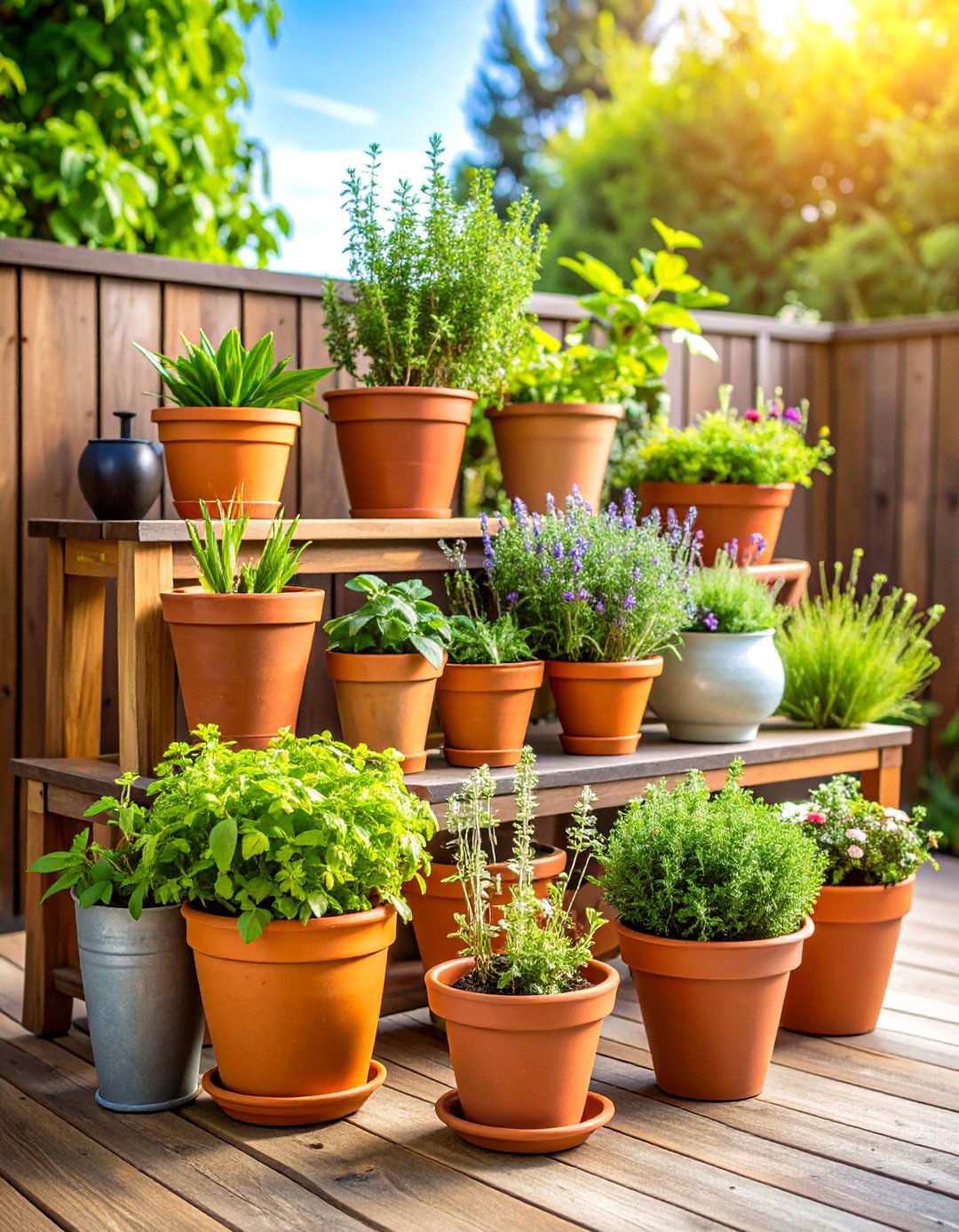
By combining various-sized pots, planters, and decorative vessels on patios, decks, or terracotta, ceramic, and metal containers of different heights, you can create a visually appealing container herb garden that invites flexibility and ease in plant rotation. This adaptable setup allows you to place Mediterranean varieties in well-draining terracotta pots while keeping moisture-loving herbs in larger ceramic planters with wheels for effortless repositioning to follow sunlight. This portable approach is ideal for renters or those who want to bring herbs indoors during harsh weather conditions, making it a perfect solution for indoor-outdoor herb gardening.
5. Window-Perched Indoor Herb Oasis
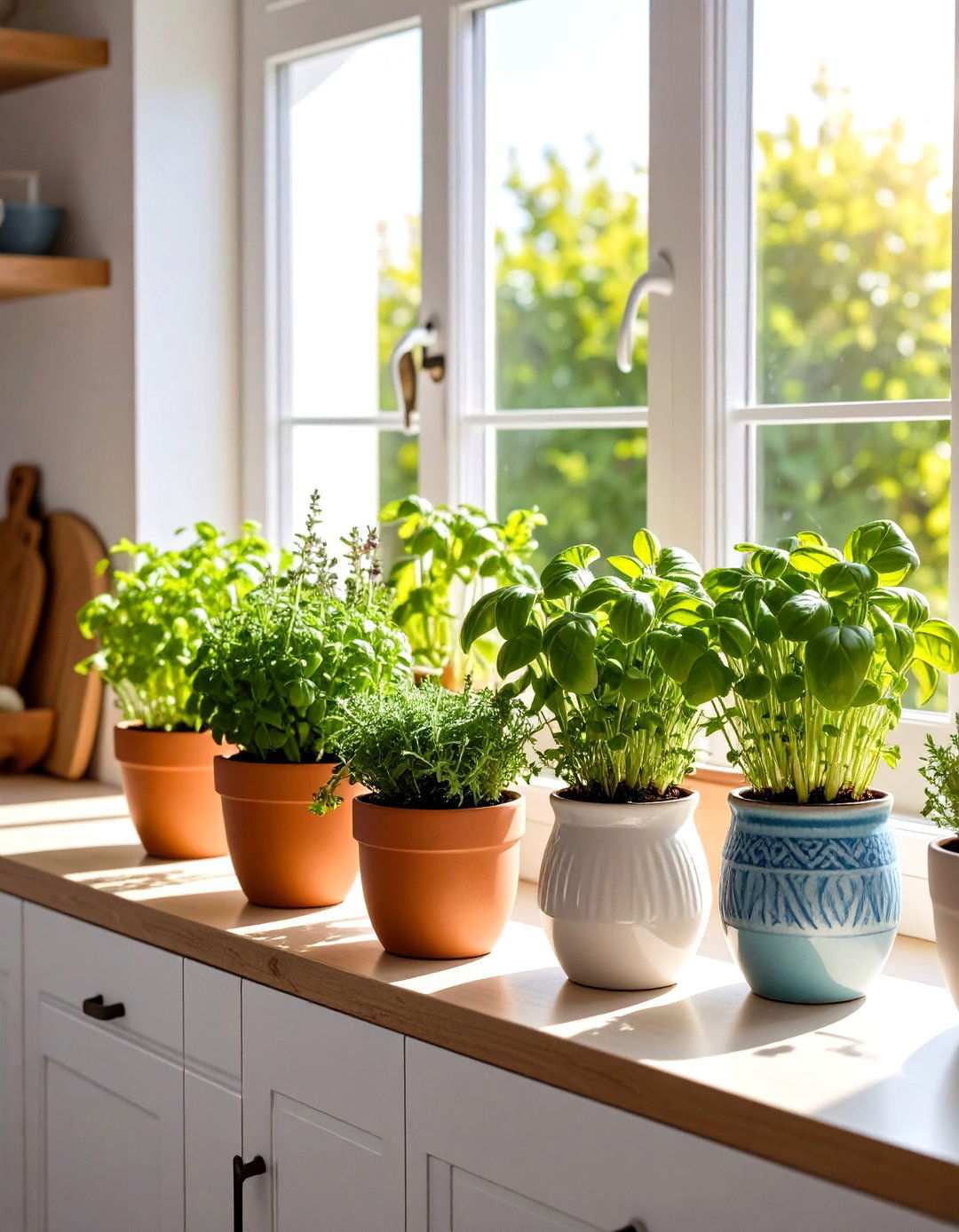
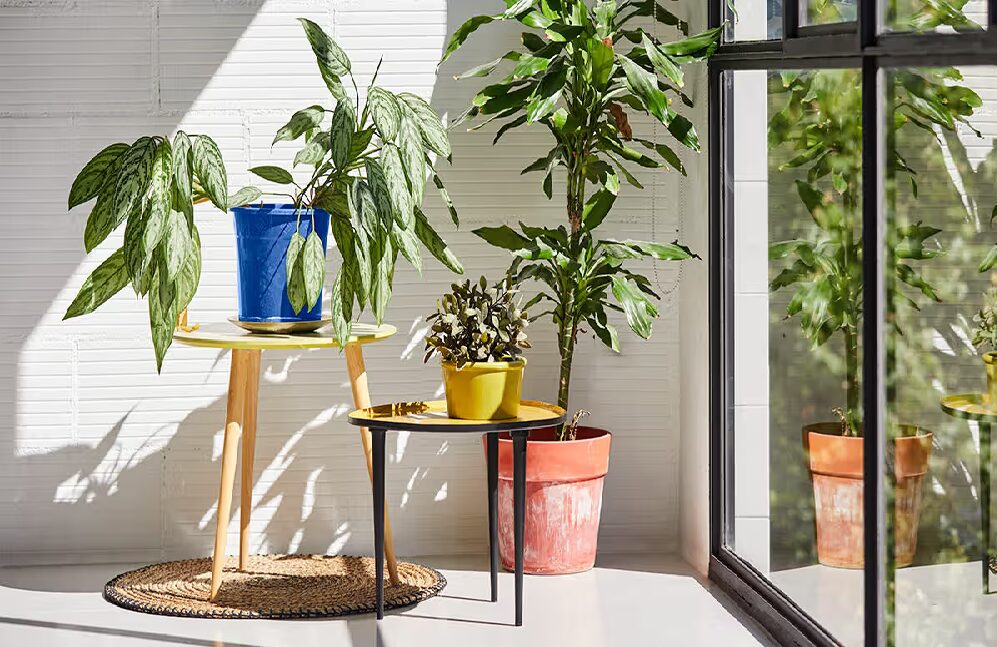
Establishing a convenient indoor herb garden directly on kitchen windowsills is a great way to maximize vertical growing space. By using compact containers and hanging narrow shelving systems or tiered plant stands, you can create a lush and thriving herb garden that makes the most of available light. Compact herb varieties like dwarf basil, small-leaf oregano, and chives that thrive in matching ceramic or metal planters add a touch of elegance to your kitchen workspace. With the addition of drainage trays and under-cabinet LED grow lights, you can enjoy fresh herbs year-round, even during the winter months.
6. Whimsical Medicinal Herb Sanctuary
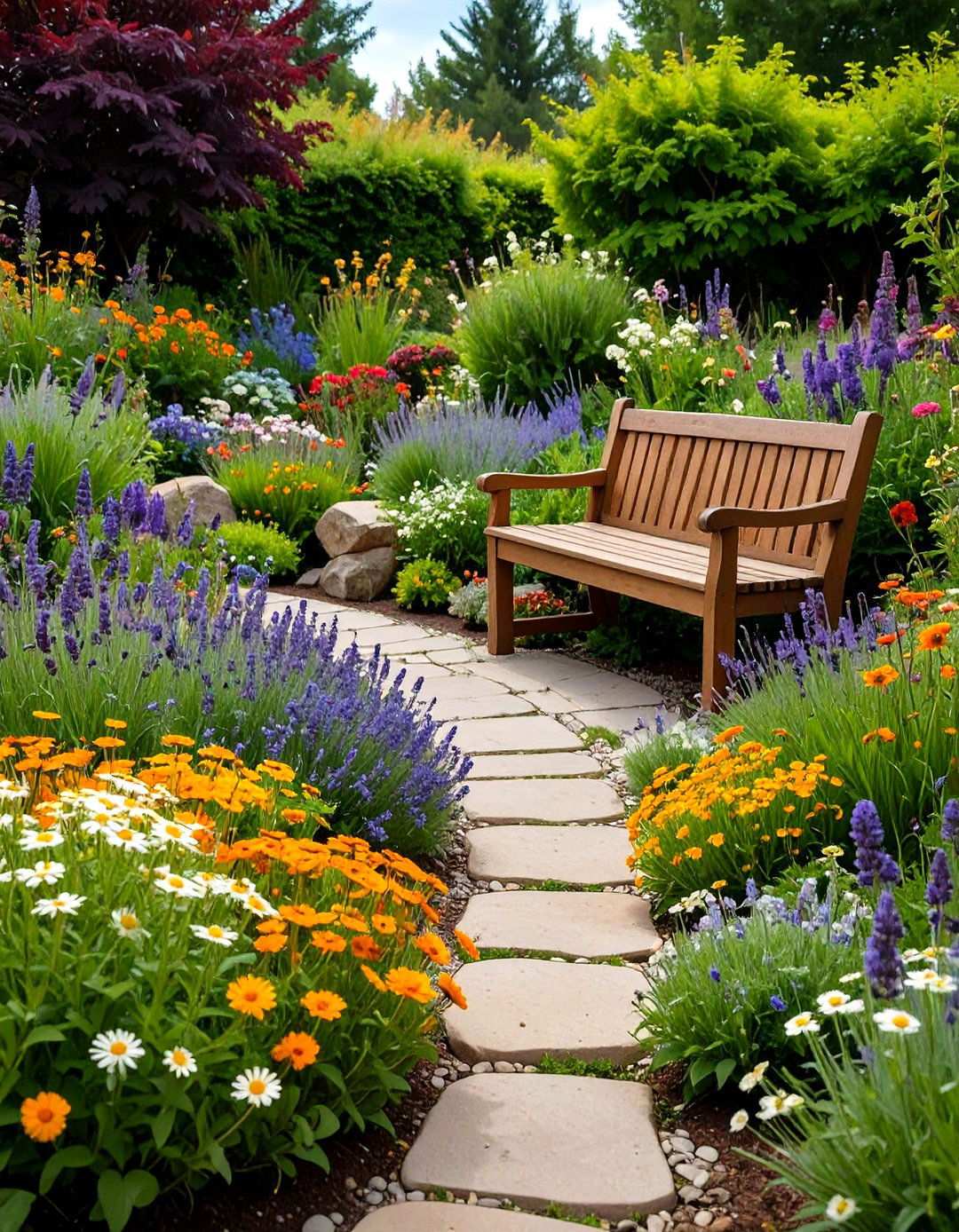
Creating a dedicated medicinal herb garden is a thoughtful way to cultivate a space that promotes healing and wellness. By arranging healing plants in calming, therapeutic curved pathways through beds containing chamomile, echinacea, lavender, lemon balm, and calendula, you can create a peaceful retreat that invites contemplation and meditation. Organize your garden by the therapeutic properties of each herb, and consider incorporating comfortable seating areas surrounded by aromatic herbs that promote relaxation. Using natural materials like river rocks for borders and cedar mulch for informational plant markers, you can create a serene and inviting space that serves as both a medicine cabinet and a peaceful retreat.
7. Elegant French Potager Herb Masterpiece
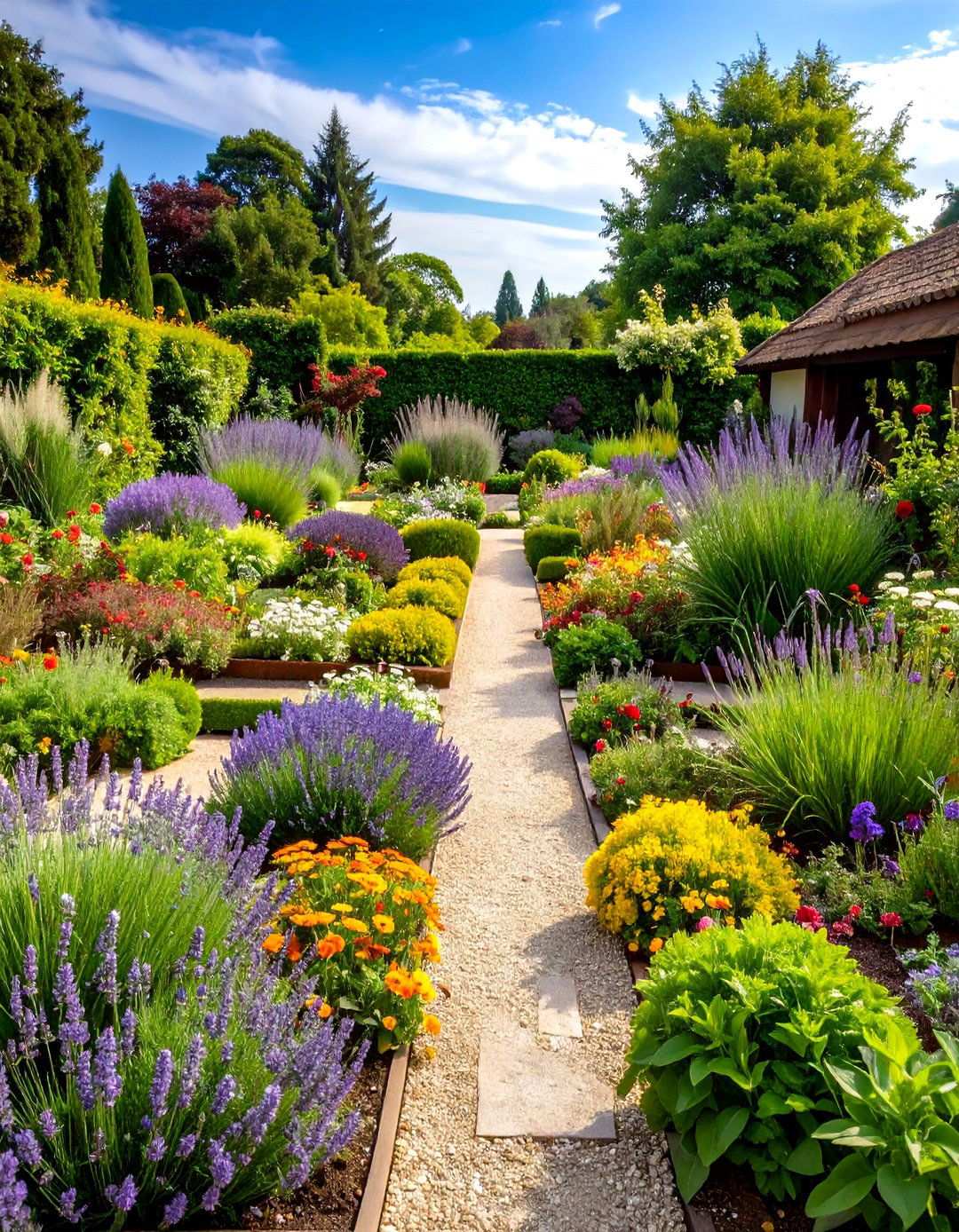
Designing an elegant French potager that combines herbs with vegetables in geometric patterns inspired by classical European symmetrical beds is a great way to create a sophisticated outdoor space. By bordering your beds with low hedges of lavender or germander and intersecting them with gravel or brick pathways, you can create a beautiful and functional culinary herb garden. Interplant culinary herbs like tarragon, chervil, and French thyme alongside compact vegetables, and consider adding a central focal point such as a sundial or small formal statue to elevate your herb gardening to an art form. This traditional potager aesthetic combines functionality with beauty, making it a perfect choice for anyone looking to create a stunning outdoor space that produces abundant harvests.
8. Hanging Basket Herb Garden Display
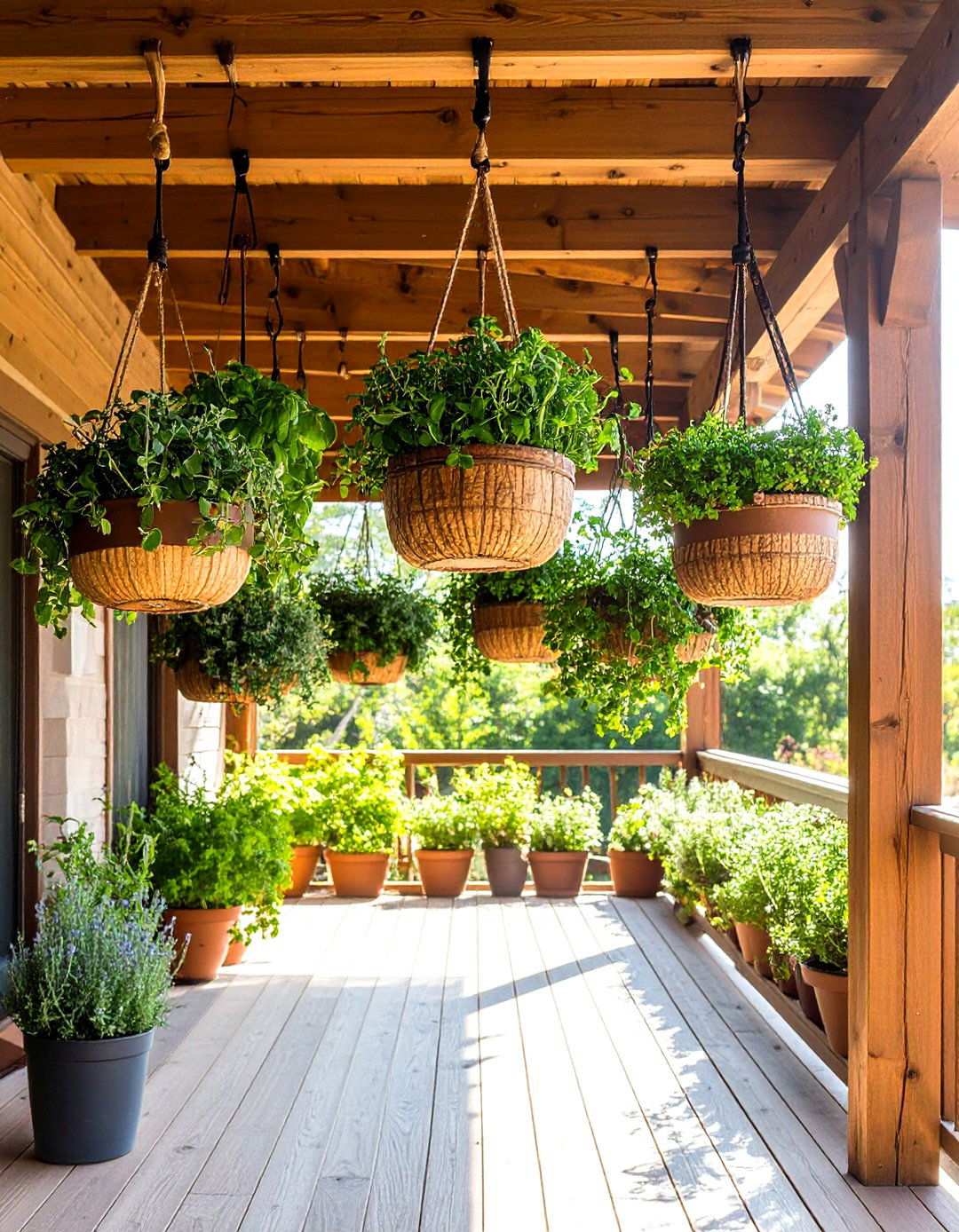
Elevate your outdoor space by utilizing hanging baskets suspended from pergolas, porches, or fences to create a stunning herb garden display. By incorporating trailing varieties such as oregano, thyme, and rosemary, you can add visual interest to your overhead space while filling coconut fiber liners or well-draining basket inserts with upright herbs like basil and cilantro. By placing baskets at varying heights, you can create a layered effect and ensure adequate light, maximizing your growing space while creating an attractive canopy of edible plants perfect for covered outdoor dining areas.
9. Rock Garden Mediterranean Herb Theme
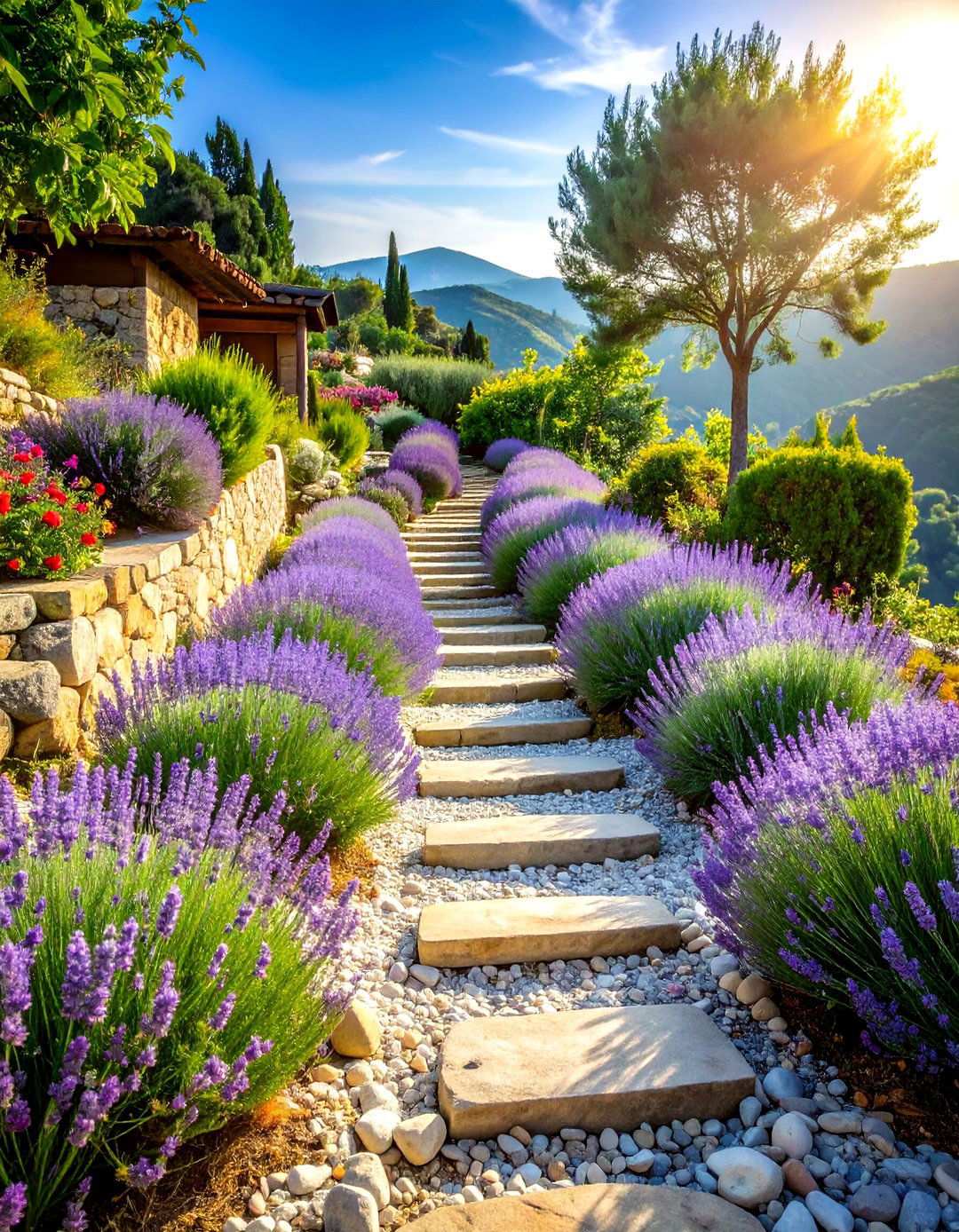
Create a low-maintenance, drought-tolerant herb garden inspired by the Mediterranean landscape using natural stone landscaping and gravel terraced stone walls or scattered boulder arrangements. By incorporating heat-loving herbs like lavender, rosemary, and sage, you can mimic the natural landscape of the Mediterranean region. Adding decomposed granite or pea gravel pathways between plantings creates a visually striking design that thrives in sunny, well-drained locations. For a finishing touch, incorporate Mediterranean architectural elements like clay pots or weathered wood planters to create a stunning landscape feature that requires minimal irrigation once established.
10. Hydroponic Indoor Herb System
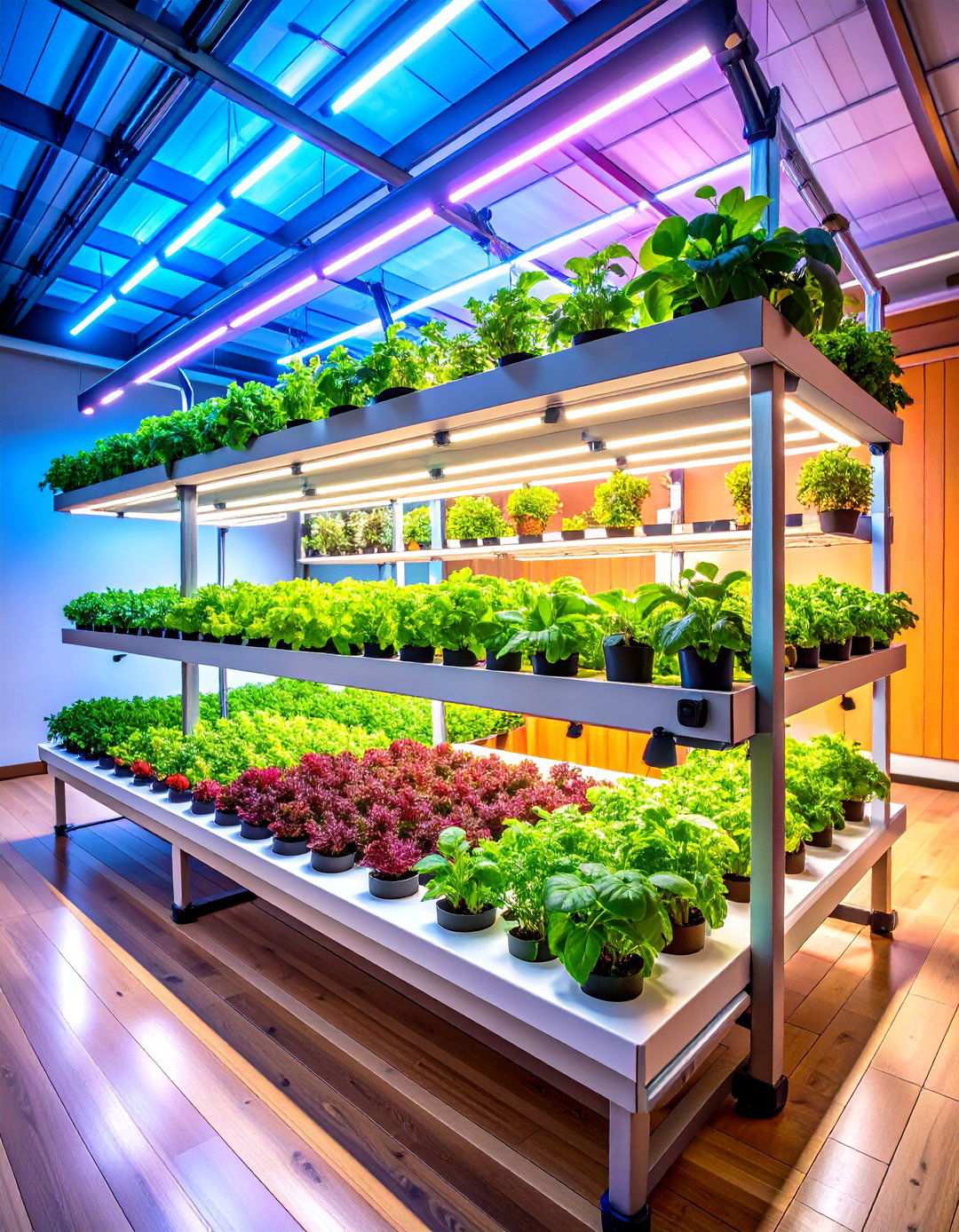
Experience the benefits of year-round indoor growing with a modern hydroponic herb garden system. By using nutrient-rich water solutions instead of traditional soil, you can create an optimal growing environment for fast-producing herbs like basil, cilantro, lettuce, and watercress. Utilize LED grow lights, air pumps, and automatic timers to ensure optimal plant growth. This soil-free method produces faster growth rates and higher yields while eliminating pest and disease issues common in traditional gardening methods. Regular pH and nutrient level checks will help you maximize productivity in this high-tech gardening approach.
11. Companion Planting Herb Garden Layout
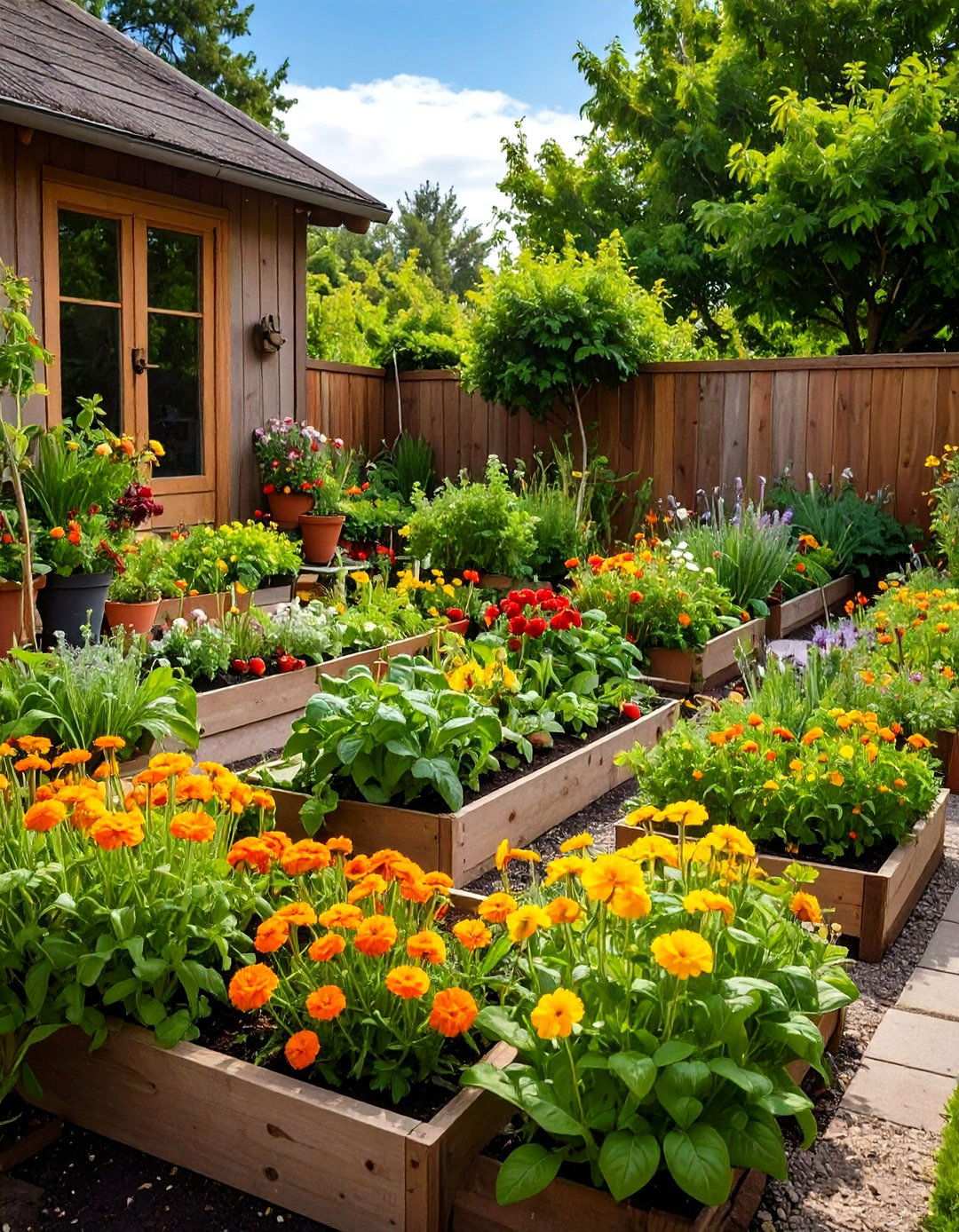
Design a companion planting herb garden that utilizes natural plant relationships to promote healthier plants, increased yields, and reduced need for chemical interventions. By strategically planting herbs that benefit each other, such as basil near tomatoes, rosemary with beans, and marigolds throughout beds, you can create a balanced ecosystem. Tall herbs like dill can provide shade for heat-sensitive cilantro, while ground-covering thyme suppresses weeds around taller beneficial flowering herbs like calendula and borage, attracting pollinators and promoting ecological balance. This natural approach to plant partnerships will help you create a thriving and sustainable herb garden.
12. Elevating Herb Gardens with Tiered Bed Designs
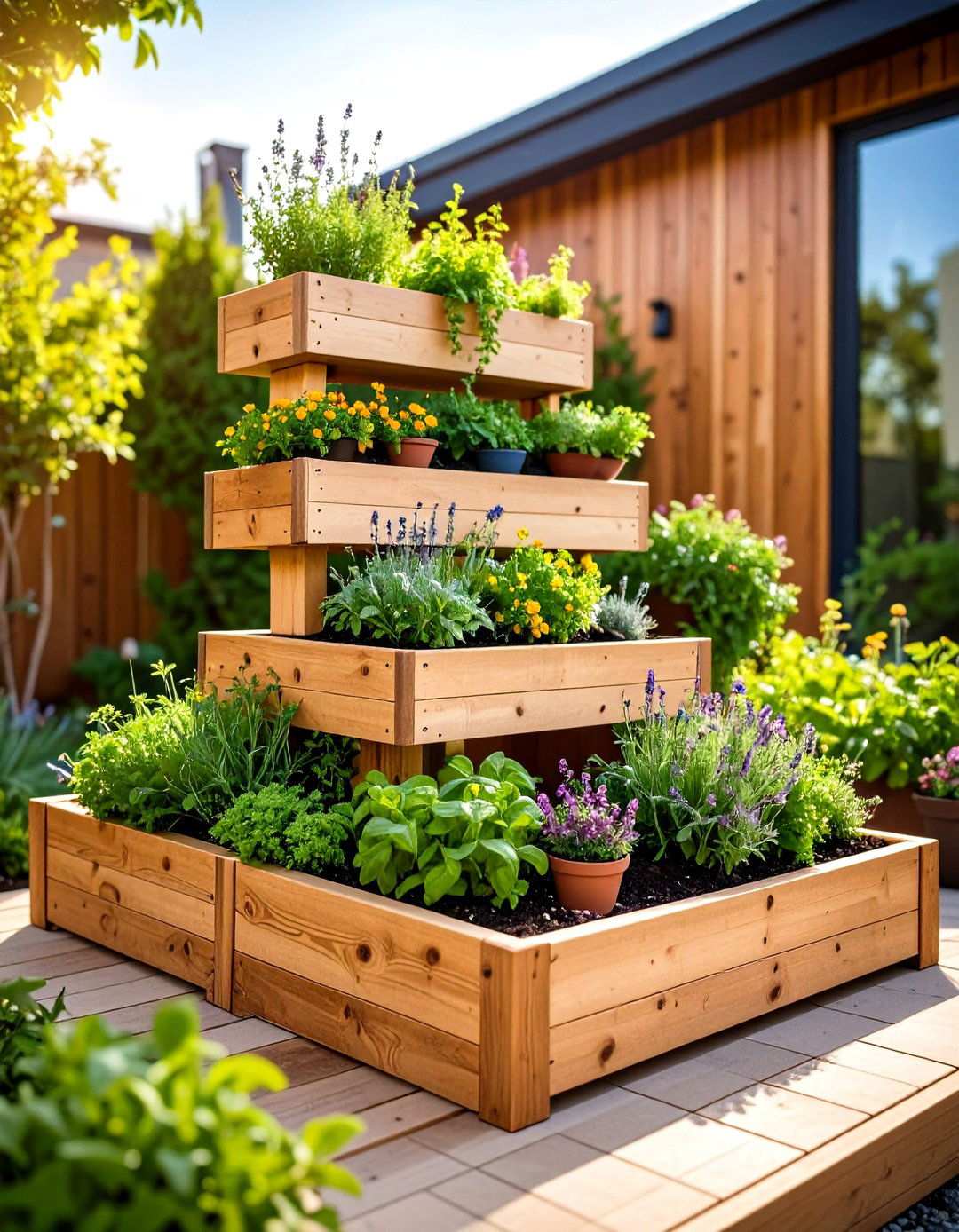
Design multi-level garden beds using tiered wooden or stone structures to create distinct growing zones for various herbs. Each level, approximately 12 inches high, allows herbs to be organized by height, water needs, or culinary purposes. Upright growers like basil and parsley thrive on lower levels, while cascading herbs such as thyme and oregano cascade down from upper tiers, creating an attractive stepped appearance and improving drainage. This tiered approach simplifies harvesting and makes it more accessible for home gardeners.
13. Exploring Culinary Herb Zones
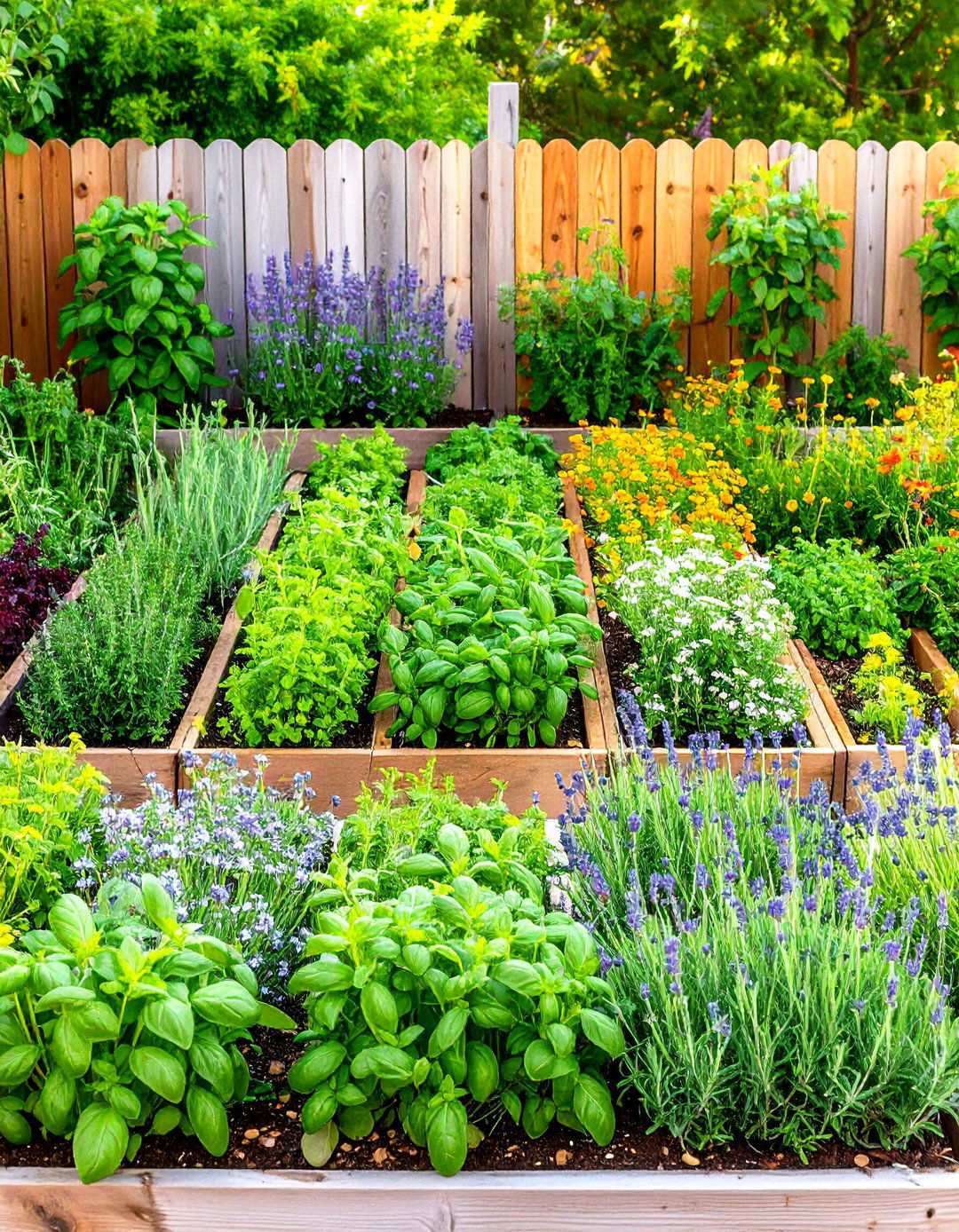
Divide your herb garden into distinct sections representing different cooking styles and flavors. Separate areas for Italian herbs, featuring basil, oregano, and rosemary, help home cooks easily locate specific herbs while learning about international cuisines and expanding their culinary repertoire. Mexican and Asian sections, showcasing cilantro, epazote, and Thai basil, among others, add an extra layer of organization to your garden. Decorative borders or pathways define each themed area, and weatherproof labels ensure that you can identify both common and botanical names of your herbs.
14. Year-Round Herb Production in a Greenhouse
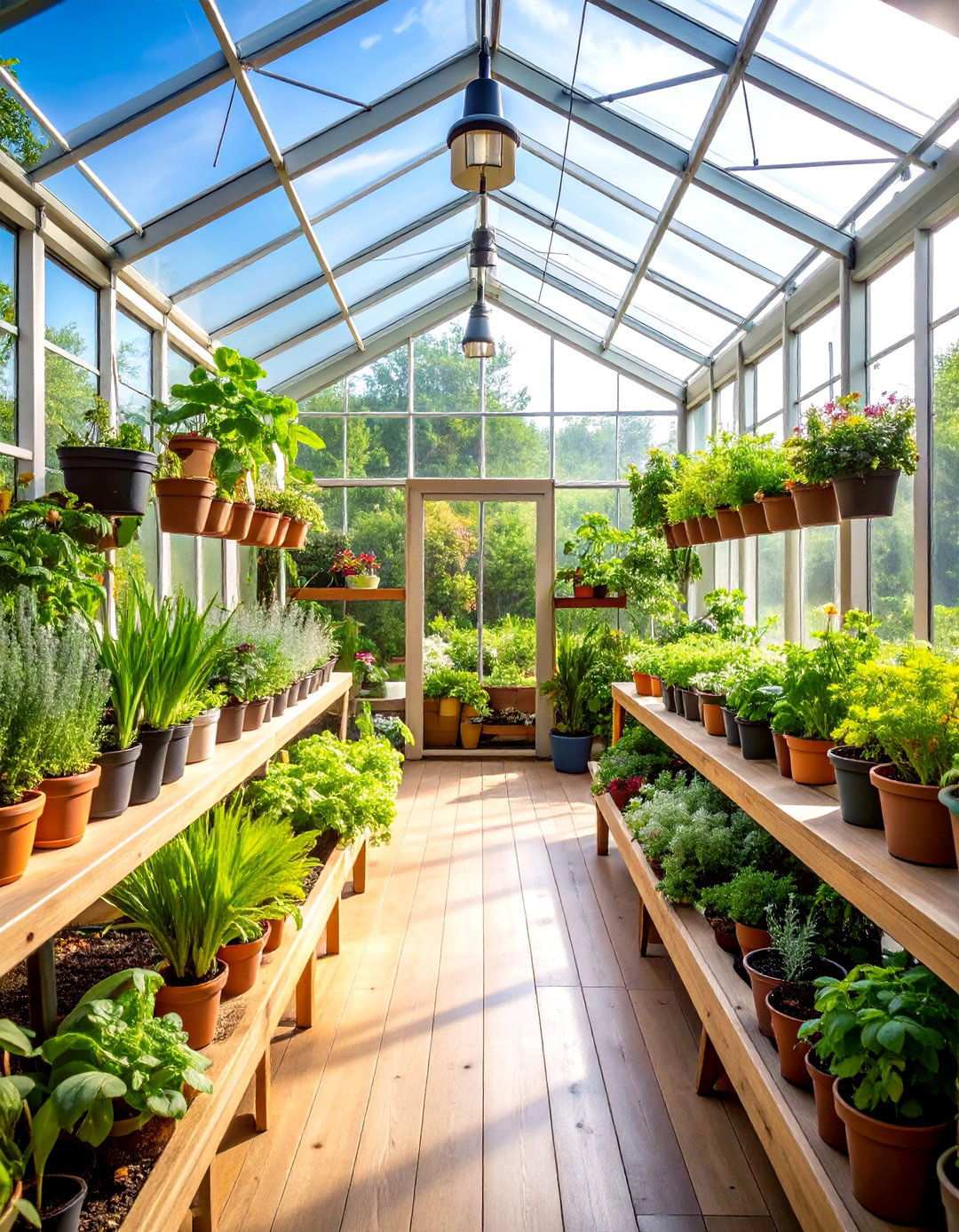
Establish a controlled environment greenhouse herb garden for year-round production by regulating temperature and humidity. Comfortable working heights, drainage systems, automated misting, and exhaust fans create optimal conditions for temperature-sensitive herbs like basil and cilantro. Propagation areas for starting herbs from seeds or cuttings and dedicated sections for different growth stages provide a protected environment for exotic herbs. This setup extends growing seasons, increases yields, and allows for year-round gardening activities, regardless of external weather conditions.
15. Mobile Herb Gardens for Easy Repositioning
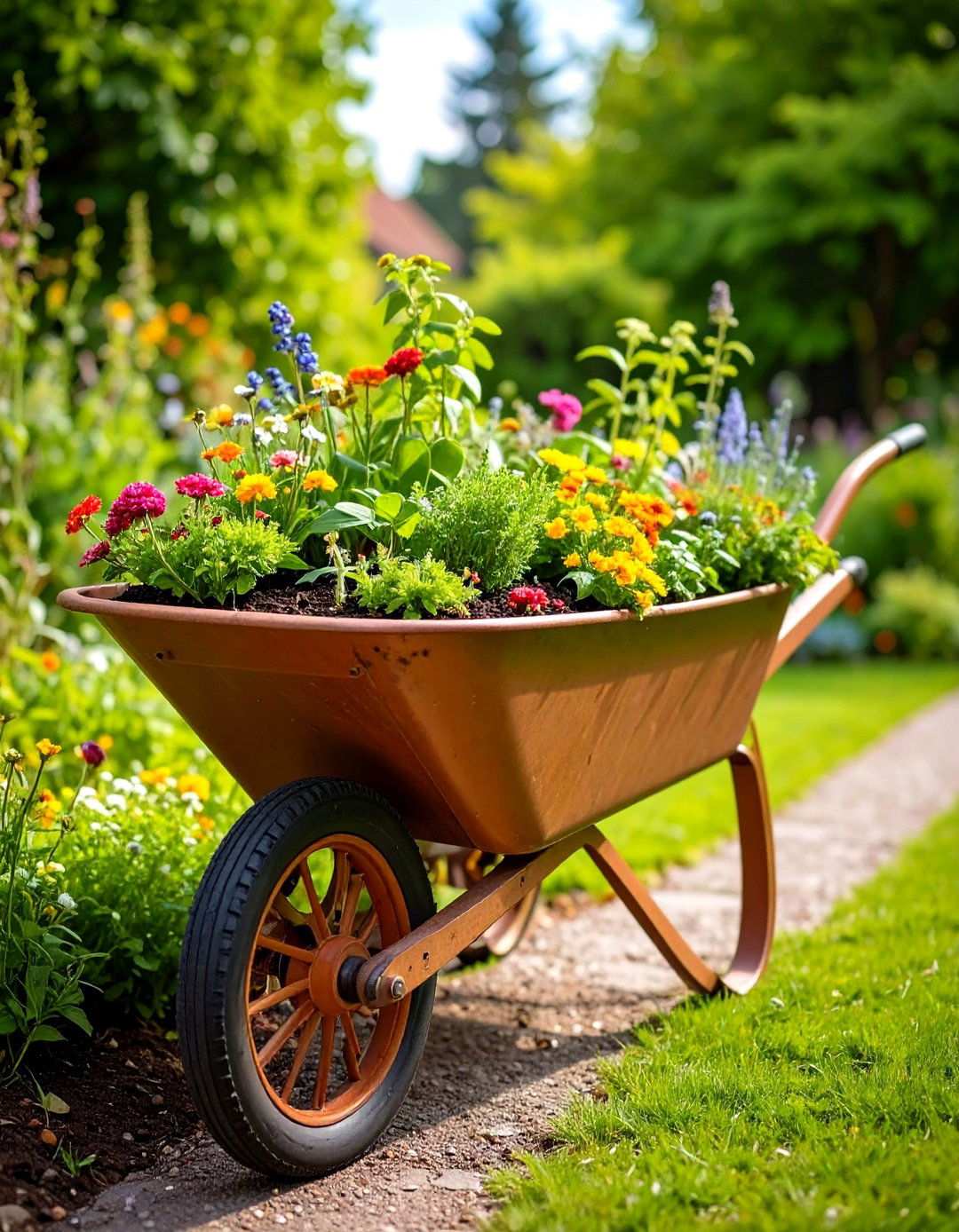
Create portable herb gardens using vintage wheelbarrows, garden carts, or custom-built mobile planters that can be easily repositioned to follow optimal sunlight and drainage conditions. Drainage holes in the bottom and a lining of landscape fabric ensure healthy root growth. Compact varieties that won’t become top-heavy during transport are ideal for this mobile approach. Consider adding caster wheels to larger containers for effortless mobility and flexible garden management, allowing you to move your herbs closer to kitchen doors during peak cooking seasons or relocate them to protected areas during severe weather conditions.
16. Elevating the Vertical with Herb Garden Trellises
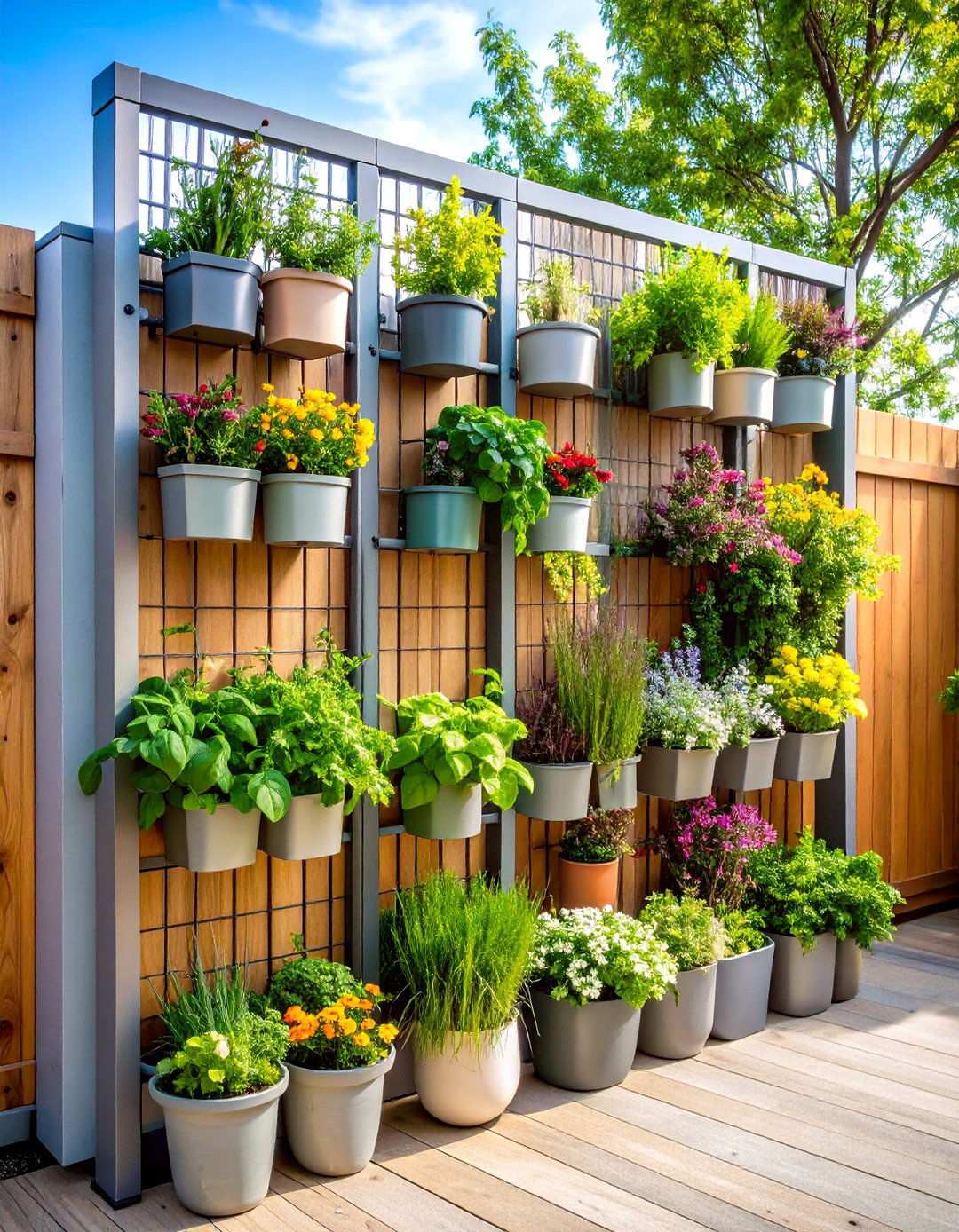
Elevate your urban gardening experience by incorporating vertical trellis systems or living wall frameworks that cater to climbing and vining herb varieties. These structures can be mounted on walls or freestanding frames, utilizing small planters or pockets to showcase a diverse range of herbs. By embracing compact plants like thyme and incorporating vining herbs such as hops, grape leaves, or climbing nasturtiums, you can create a stunning visual display while maximizing limited space. This innovative approach not only adds aesthetic appeal but also contributes to a more efficient use of resources, reducing the urban heat island effect and transforming bland walls into thriving growing surfaces.
17. Mastering Seasonal Succession in Herb Gardens
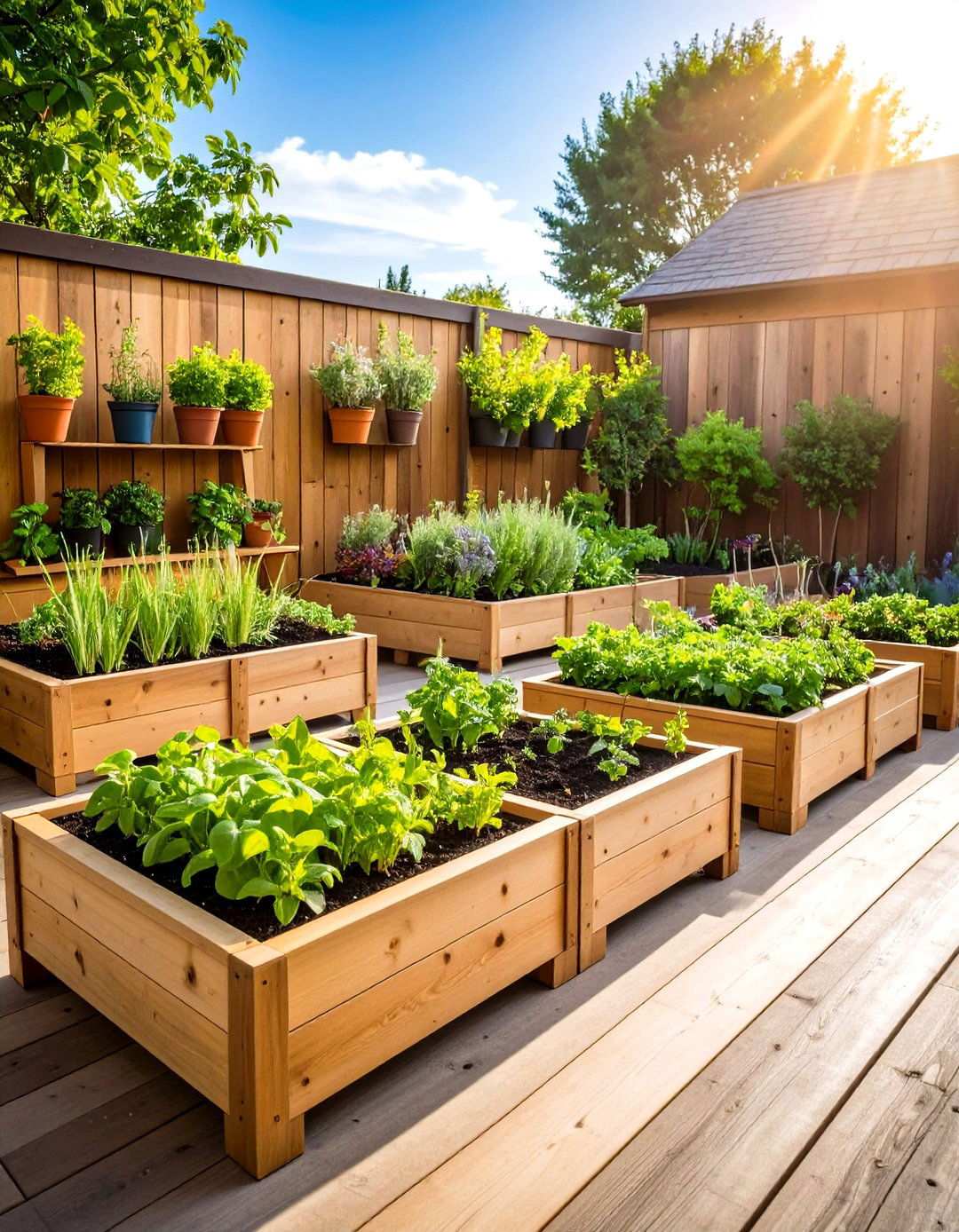
Plan your herb garden with a strategic seasonal succession approach that ensures a continuous harvest throughout the growing cycle. By dedicating multiple small beds or container sections to fast-growing herbs like cilantro, dill, and arugula, you can replant every 2-3 weeks to enjoy a constant supply of quick-producing annuals. Meanwhile, slower-developing perennials like cold-hardy varieties will provide a steady supply of fresh herbs during extended fall and early spring growing seasons. This systematic approach demands careful planning but yields rewarding results, allowing gardeners to enjoy abundant harvests that extend beyond traditional growing seasons.
18. Whimsical Cottage Garden Herb Borders
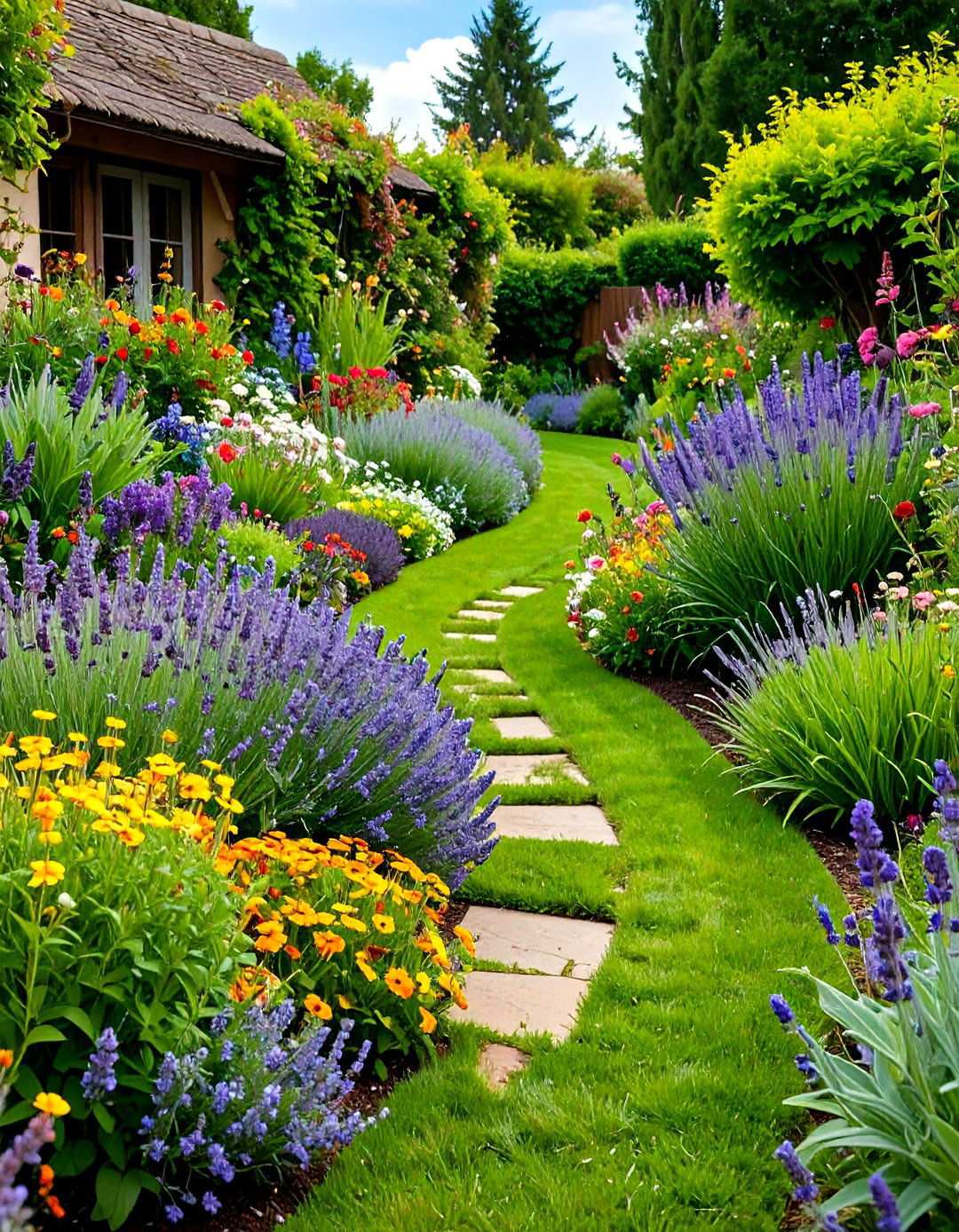
Design your herb garden with an informal cottage-style approach by blending culinary and ornamental herbs with flowers in a relaxed, naturalistic setting. Traditional cottage herbs like lavender, sage, and thyme pair beautifully with flowering companions such as roses, hollyhocks, and sweet plants. As these plants self-seed and intermingle naturally, maintain a loose organization by height and incorporate meandering grass or mulch pathways through the plantings. Add rustic elements like weathered wood borders or vintage garden tools to complete the charming, unstructured aesthetic characteristic of traditional English cottage gardens.
19. Harnessing Water Efficiency with Hydrogel Herb Gardens
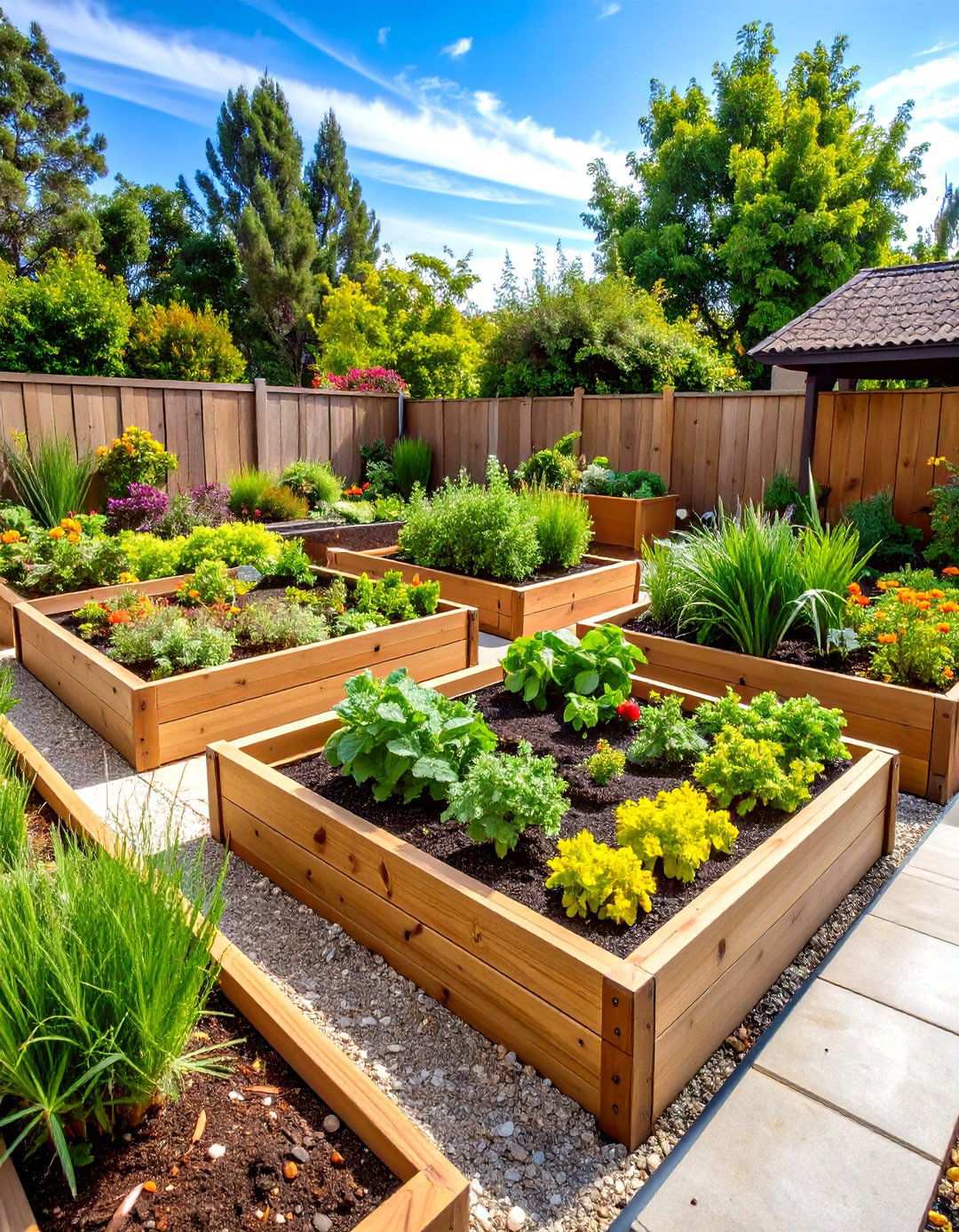
Implement a water-efficient herb gardening system using hydrogel crystals and moisture-retention techniques perfect for drought-prone regions or water-conscious gardeners. By incorporating water-absorbing gel crystals into soil amendments, you can create reservoirs that slowly release moisture to plant roots during dry spells. Combine this approach with mulching, drip irrigation, and drought-tolerant herb varieties like lavender, rosemary, and group plants by water requirements for efficient irrigation. This sustainable approach reduces water consumption while maintaining healthy herb production, making it an ideal solution for xerophytic gardening and regions with water restrictions.
20. Whimsical Herb Gardens for Young Minds
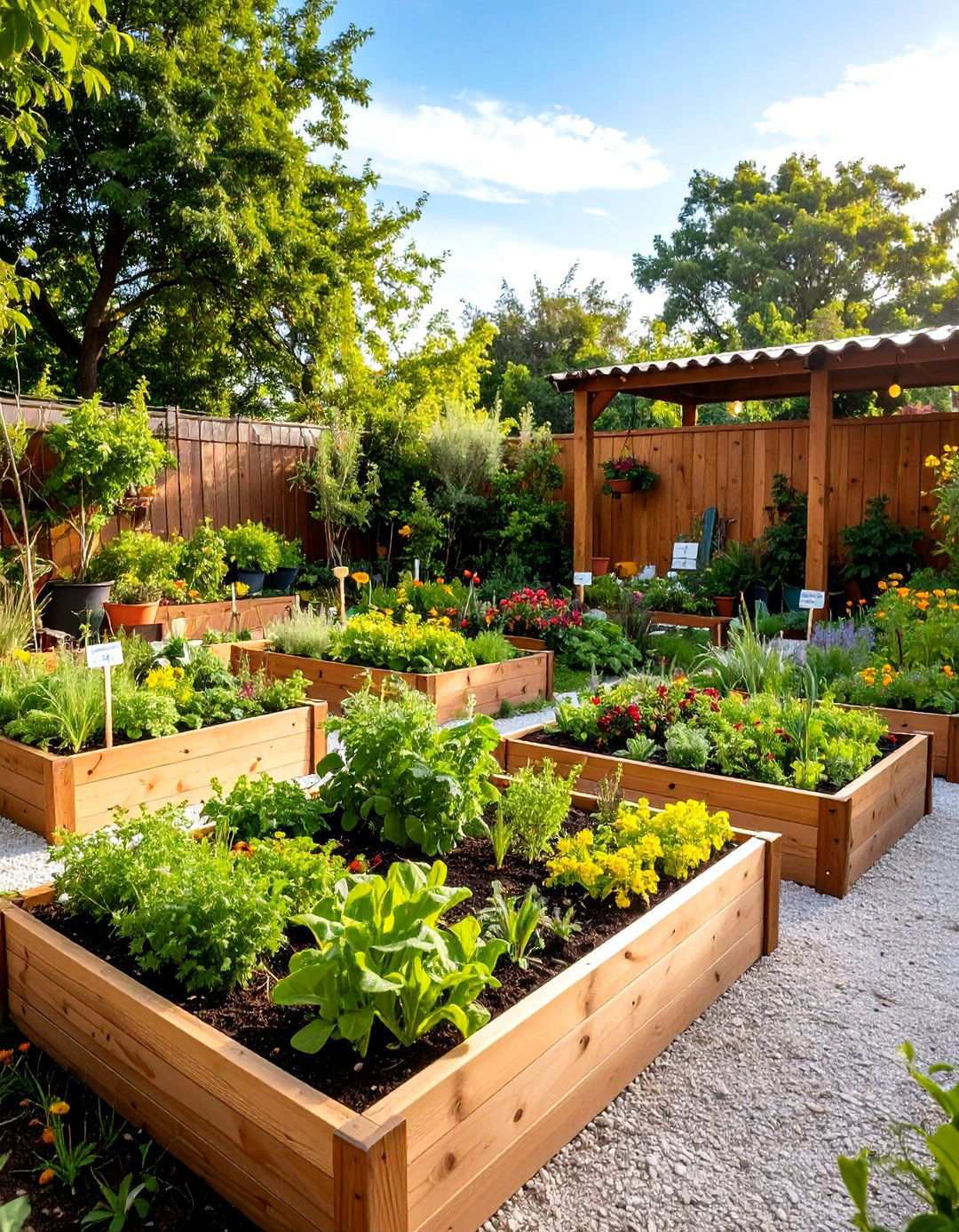
Bring learning and imagination to life with engaging herb gardens designed specifically for children’s involvement in gardening. Utilize child-height raised beds or container gardens that feature easy-to-grow, fast-germinating herbs like basil, cilantro, and mint, which offer immediate gratification and vibrant plant markers with colorful illustrations and simple descriptions, measurement tools for tracking growth, and designated spaces for garden journals or observation notebooks. By incorporating sensory elements and aromatic varieties, kids can develop a deeper appreciation for nature and plan harvesting projects that connect garden produce to cooking. This hands-on approach fosters a sense of responsibility, teaches science concepts, and encourages healthy eating habits through interactive gardening experiences.
21. Rainwater Harvesting Systems for Herb Gardens
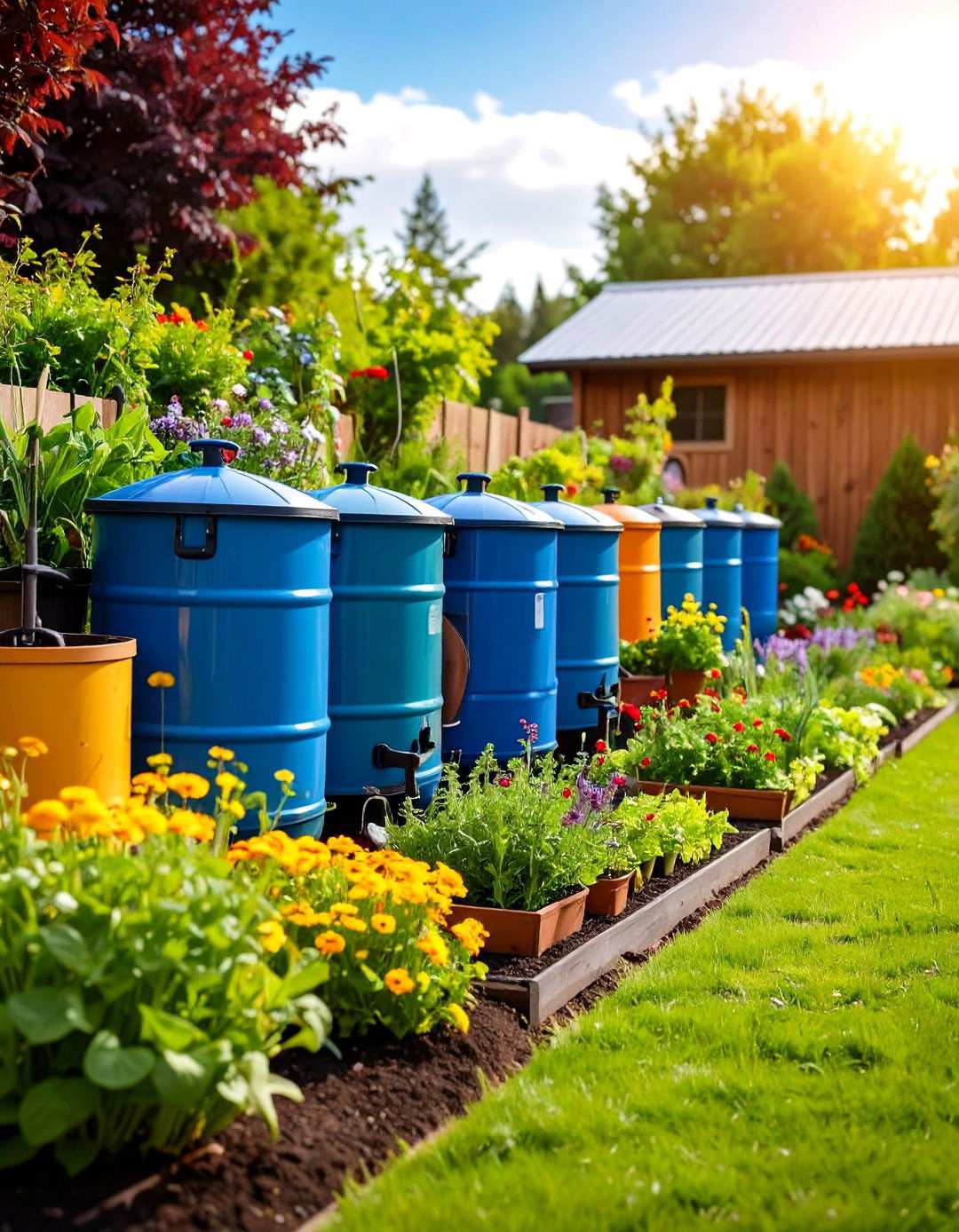
Integrate herb gardens with rainwater collection and irrigation systems to achieve sustainable water management and improved plant health. Design a guttering and downspout system that directs roof runoff to storage barrels or cisterns connected to drip irrigation networks serving the herb garden. This allows you to harness natural water flow patterns and create swales or berms that capture and direct precipitation to planted overflow systems for excess water management and filtration methods. An eco-friendly approach like this reduces municipal water usage while providing herbs with naturally soft, chemical-free irrigation, ideal for organic growing methods.
22. Classic Parterre Herb Gardens with Geometric Designs
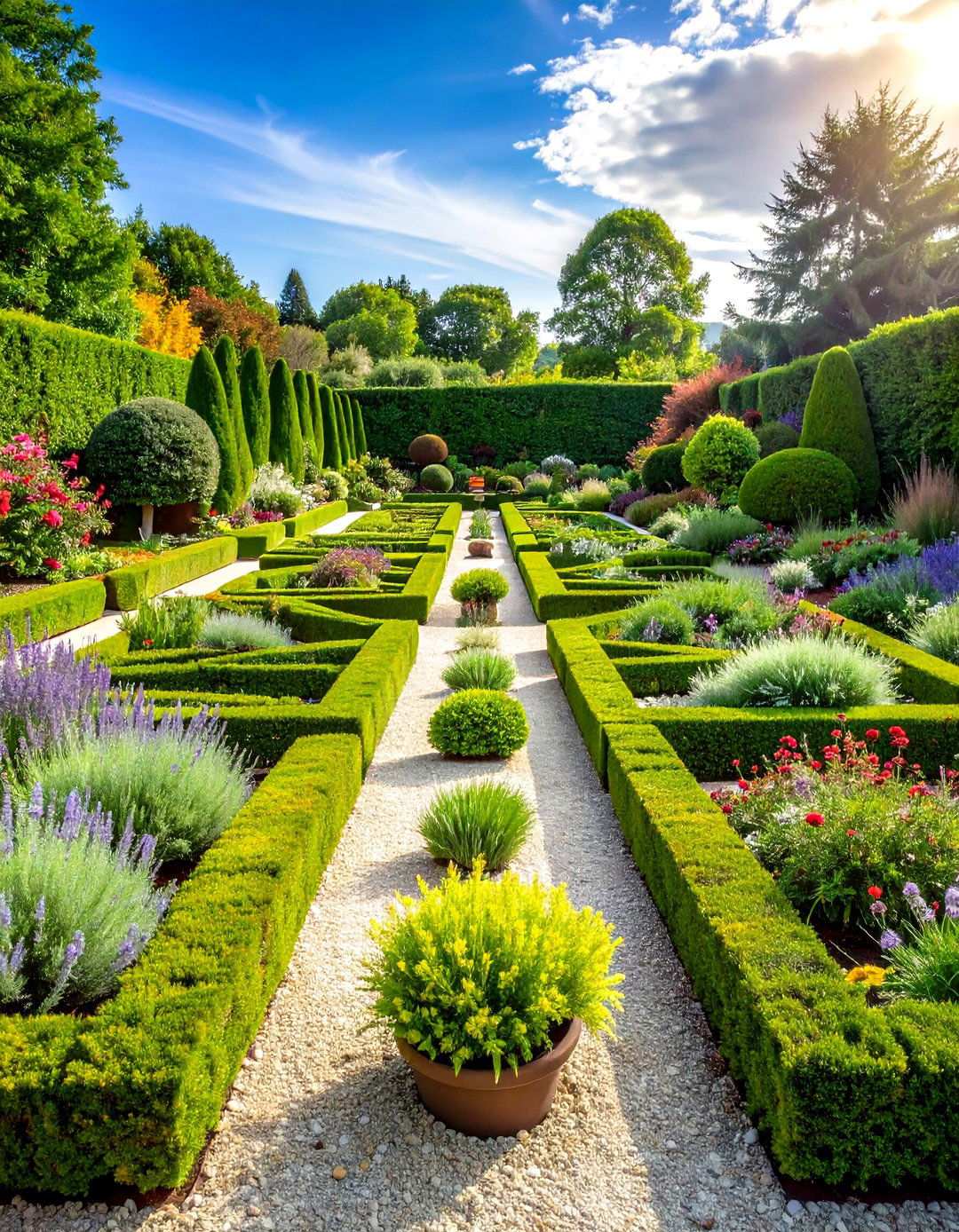
Inspired by classical garden designs, construct formal geometric herb gardens that feature intricate patterns created with low-growing herbs and decorative compact herbs like germander, santolina, or dwarf lavender. These living geometric shapes, knots, or maze-like patterns can be maintained through regular pattern sections with contrasting colored herbs or decorative mulches. Surround the garden with gravel or brick pathways for clean central focal points such as fountains, sundials, or specimen plants. A sophisticated approach like this creates stunning landscape features that require dedicated maintenance but provide exceptional visual impact and historical garden connection.
23. Elevated Herb Gardens under a Pergola Canopy
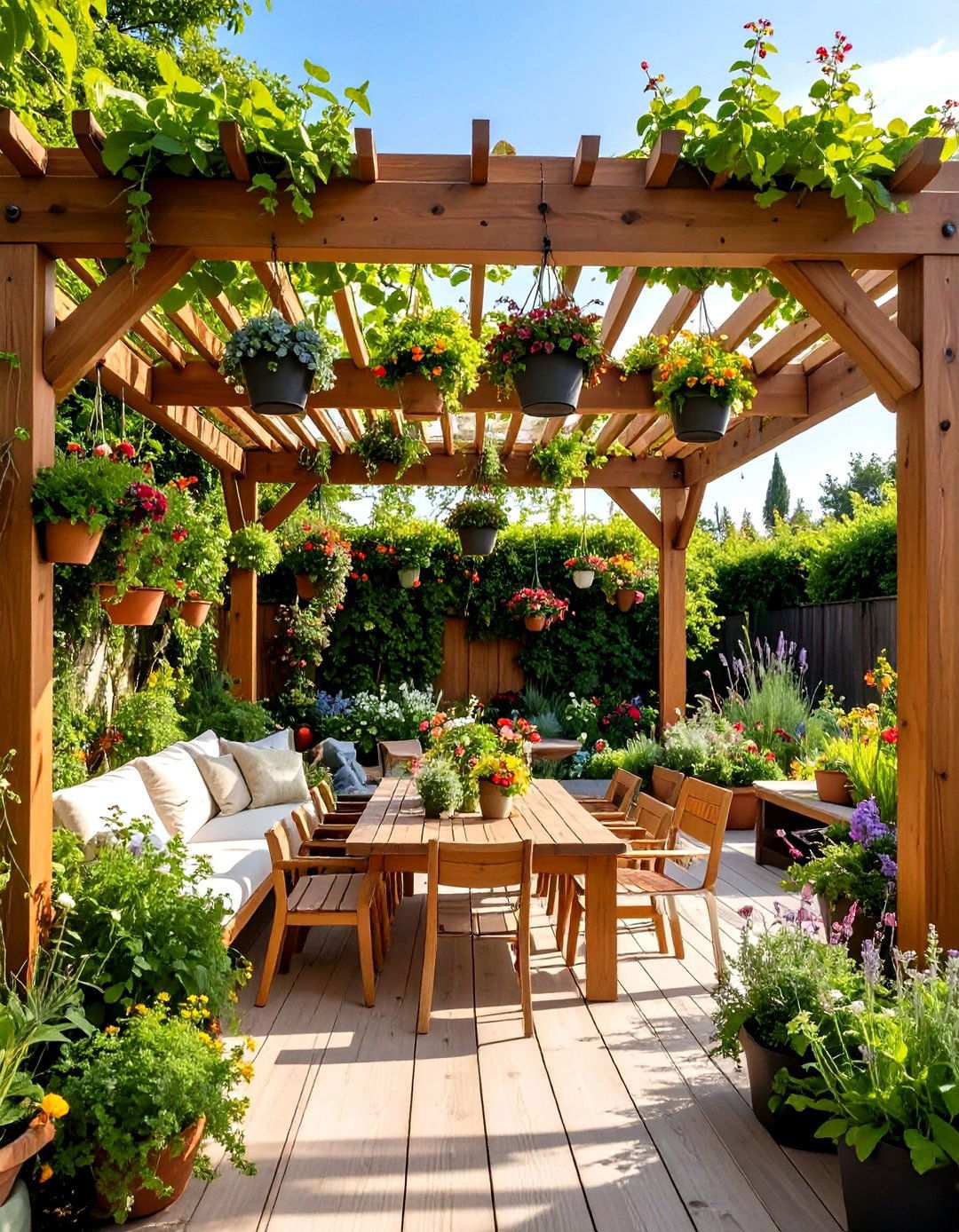
Transform pergola structures into thriving herb gardens by incorporating hanging planters, climbing vines, and overhead growing baskets containing trailing herbs like oregano and thyme. Train climbing varieties like hops or grape vines up support beams while ensuring adequate spacing for air irrigation systems with timer controls for consistent watering. Position seating areas below for harvesting convenience and enjoy the aromatic herbs and natural cooling effects. This garden approach maximizes vertical space while creating comfortable outdoor living areas.
24. Window Box Herb Garden Collection
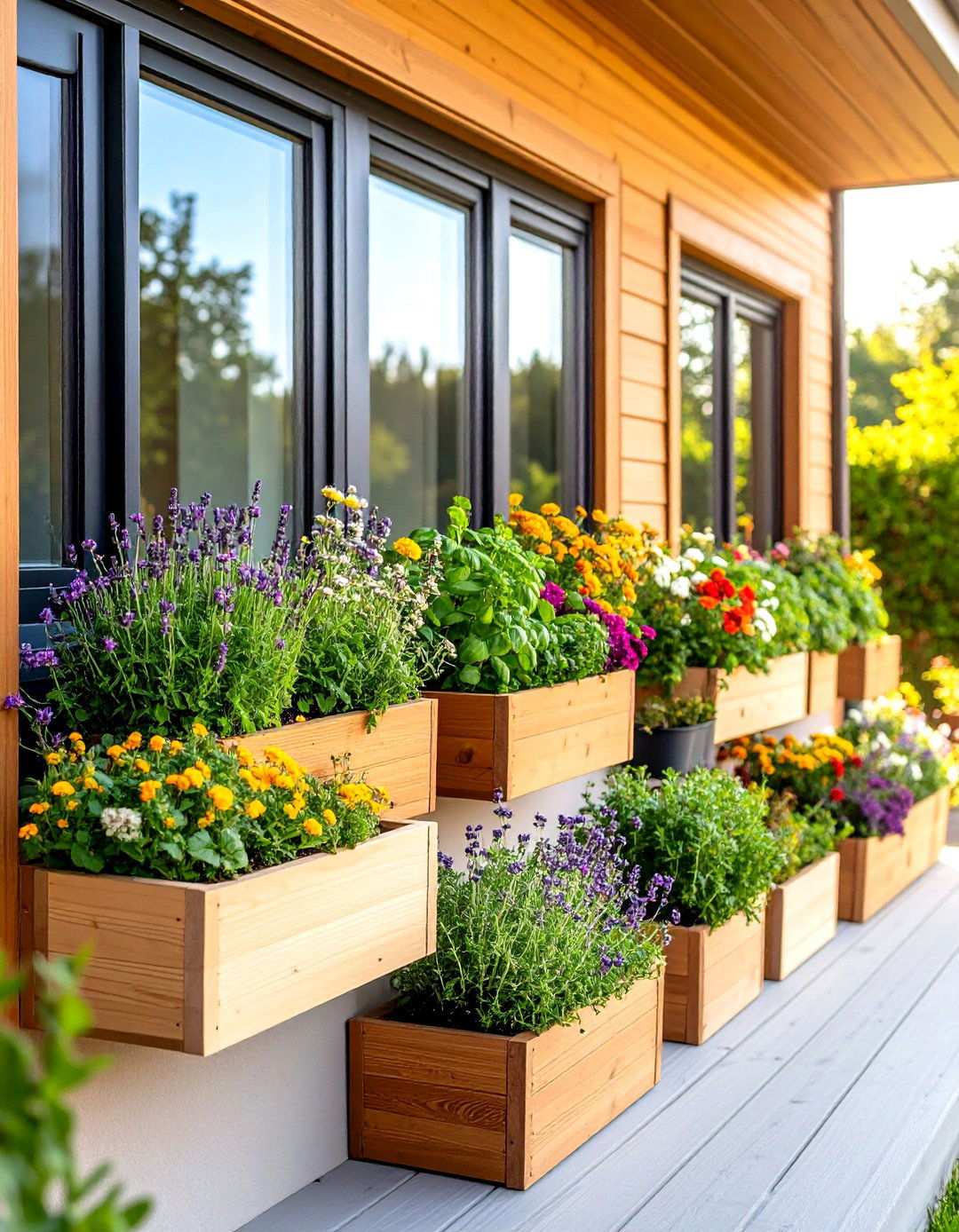
Harmonizing multiple window box herb gardens creates visually appealing displays that grant effortless access to fresh, fragrant herbs while boosting a home’s curb appeal with weather-resistant window boxes equipped with reliable drainage systems securely attached to window sills or compact herb varieties that thrive in shallow root environments, thereby promoting effortless plant maintenance.