1. Timeless Flagstone Pathways
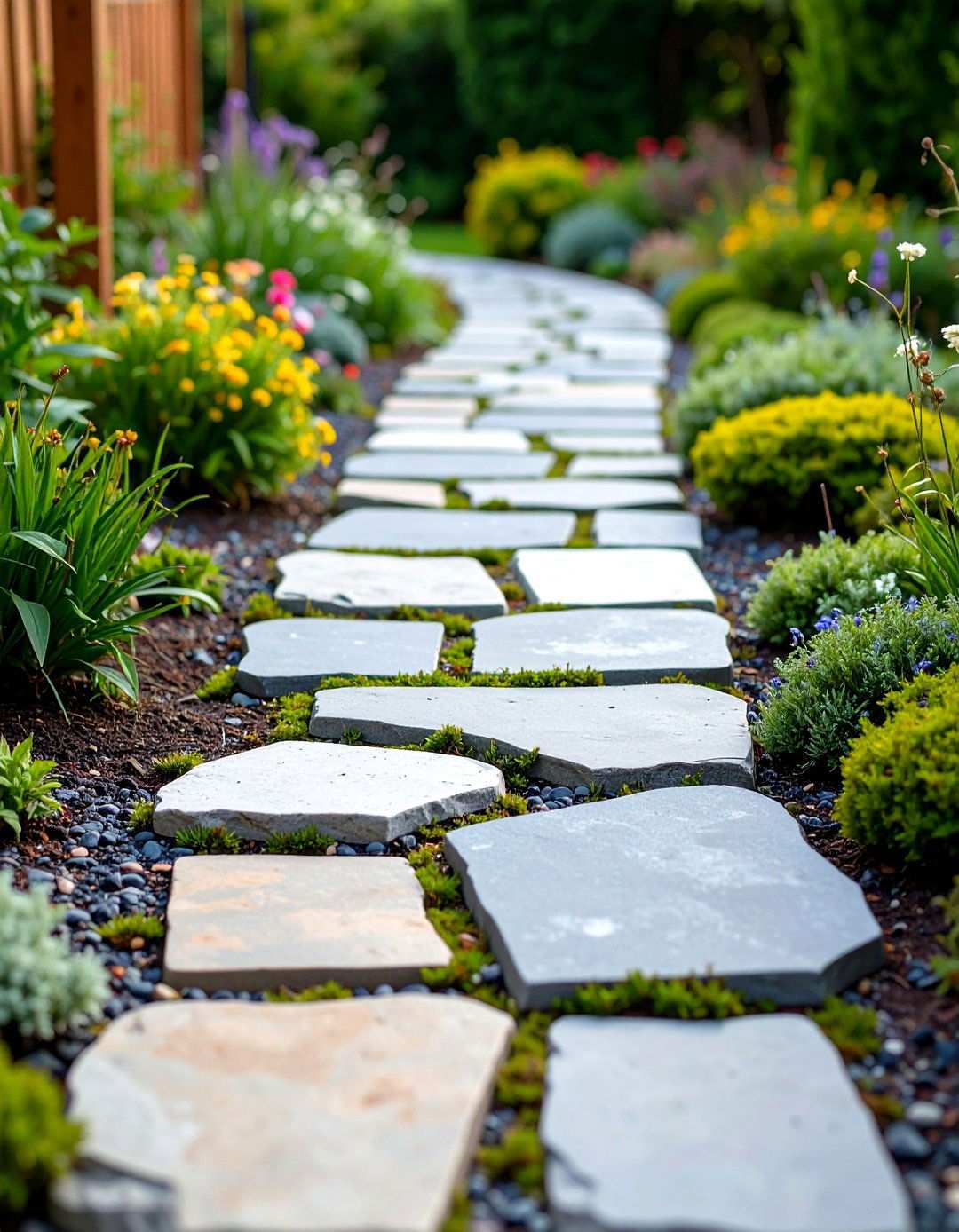
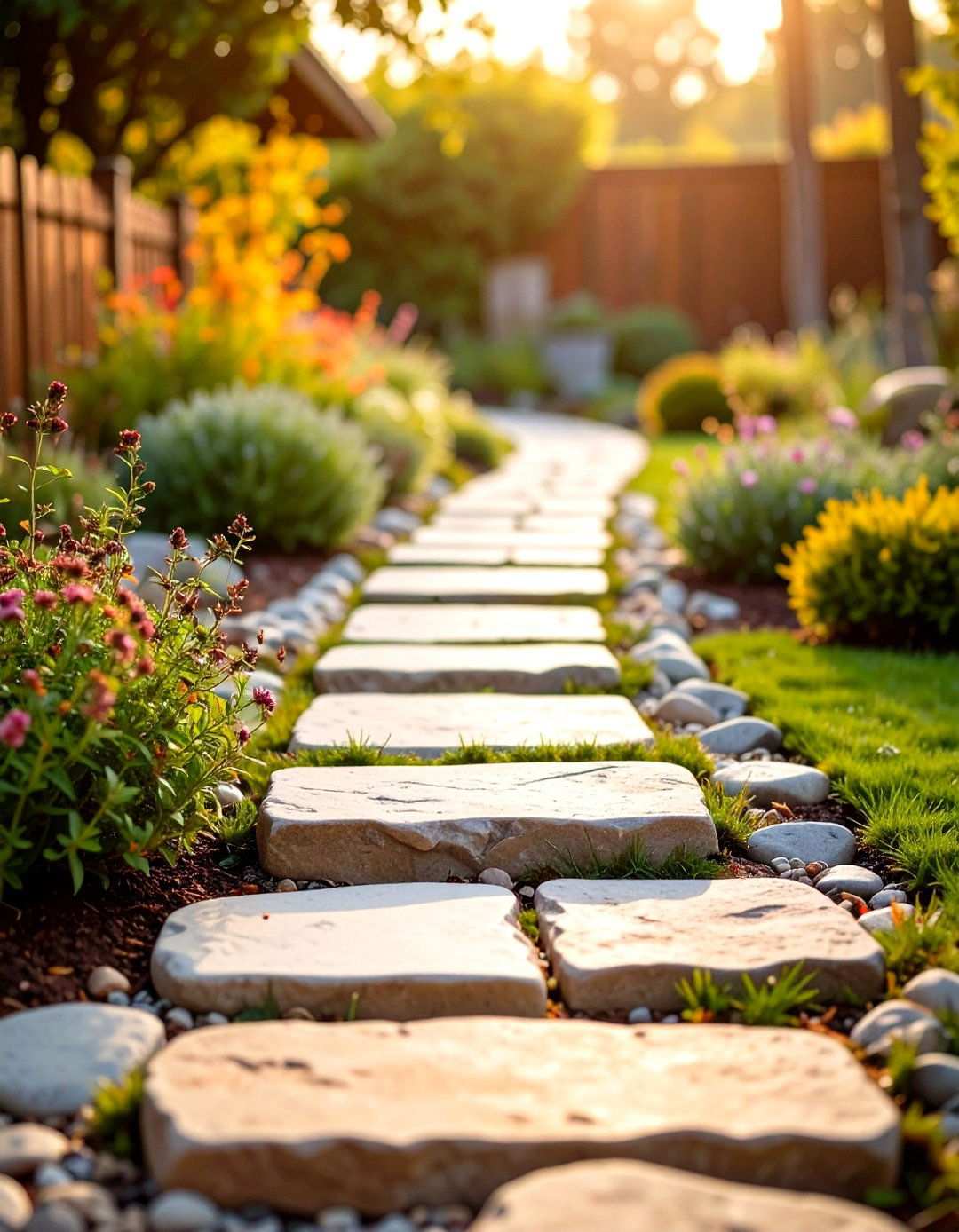
Flagstone walkways seamlessly integrate into outdoor spaces, inviting visitors to meander through gardens with effortless ease. This classic design features unevenly shaped flat stones carefully arranged to create a meandering path that echoes the natural world. The inherent variations in flagstone pieces – in terms of color and texture – add a captivating visual element while harmonizing with surrounding foliage. To install, flat stones are placed directly on level ground, with gaps filled by an assortment of decorative materials such as moss, low-growing ground cover plants, or decorative gravel. This intentional spacing allows for natural drainage and creates opportunities for creative landscaping between stones. This approach is particularly well-suited for cottage gardens, woodland settings, or landscapes where a relaxed atmosphere is desired for both aesthetic appeal and practical foot traffic.

As an Amazon Associate I earn from qualifying purchases.
The organic appearance of flagstone walkways creates a sense of continuity with the surrounding environment, allowing them to blend in seamlessly with the landscape. When carefully designed and installed, these pathways can become a focal point in the garden, drawing visitors’ eyes to specific features and creating a sense of visual interest. By embracing the natural beauty of flagstone, homeowners can create a unique and inviting walkway that adds character to their outdoor space.
2. Weathered Wood Plank Walkways
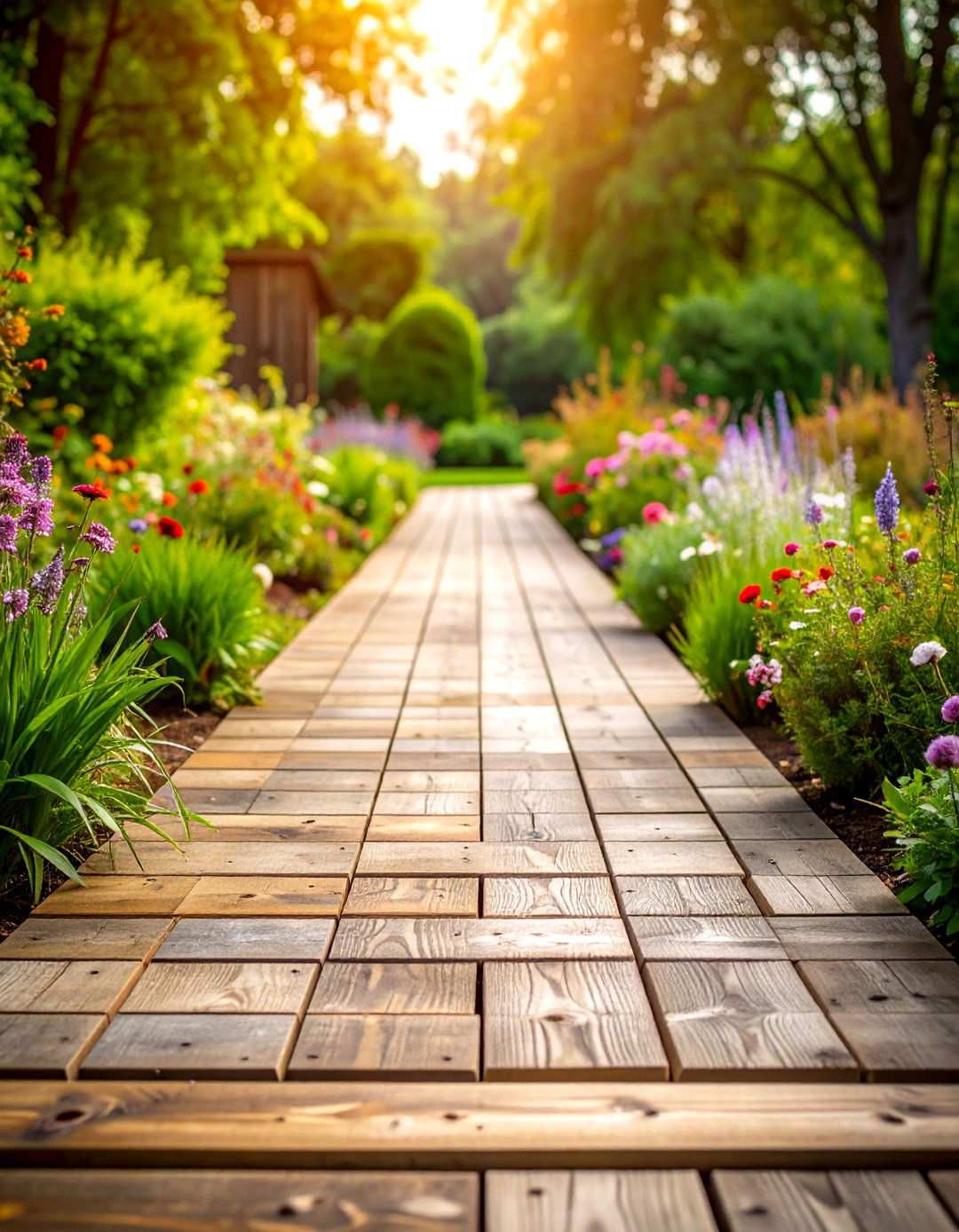
Weathered wood pathways bring a touch of rustic charm to any outdoor setting, instantly transforming the space into a welcoming and inviting area. Using reclaimed materials such as barn wood, old fence boards, or salvaged deck planking, these walkways offer a sustainable and unique aesthetic that’s full of character. The planks are typically arranged parallel to the walking direction and secured with landscape pins or built on a simple frame system, creating a sturdy and long-lasting path. As the wood weathers over time, it develops a silvery-gray patina that complements surrounding vegetation, adding depth and visual interest to the landscape. These walkways work exceptionally well in cottage gardens, farmhouse landscapes, or naturalistic settings where the goal is creating warm and approachable paths that blend seamlessly into the surrounding environment.
3. Captivating River Rock Pathways
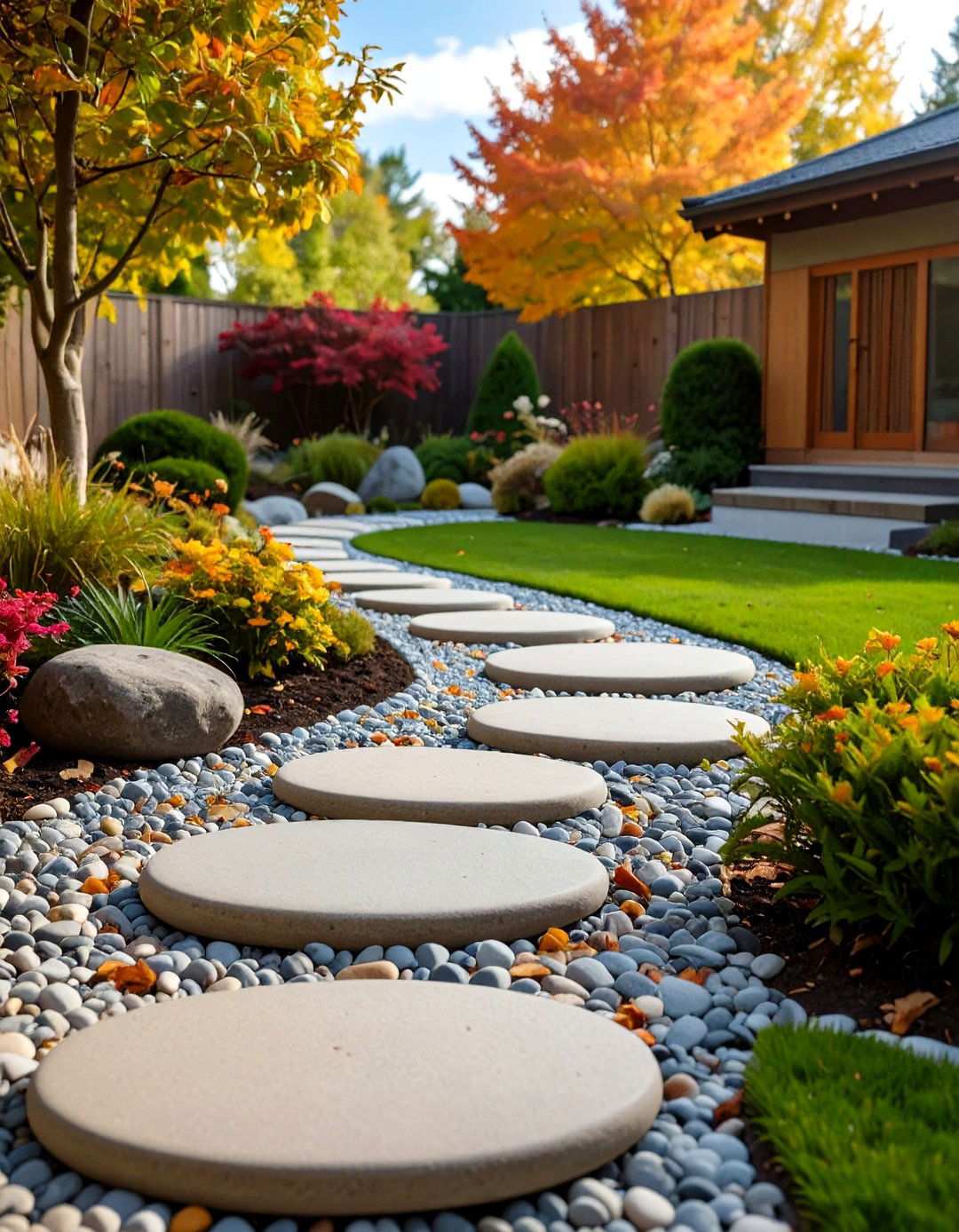
Nature-inspired river rock pathways transport you to tranquil creek beds, bringing soothing elements to arid landscapes. These rounded stones, available in various sizes, are carefully arranged to create inviting walking surfaces. Strategically placed gaps between rocks can be filled with pebbles, decorative gravel, or carefully chosen ground cover plants that soften the overall aesthetic. River rocks come in a diverse range of natural colors, allowing homeowners to create customized color schemes that harmoniously blend with their surroundings. This walkway style is particularly well-suited for zen gardens, desert landscapes, or any setting where the goal is to create peaceful, contemplative pathways that encourage mindful movement through outdoor spaces.
4. Simple Elegance with Pea Gravel Garden Pathways
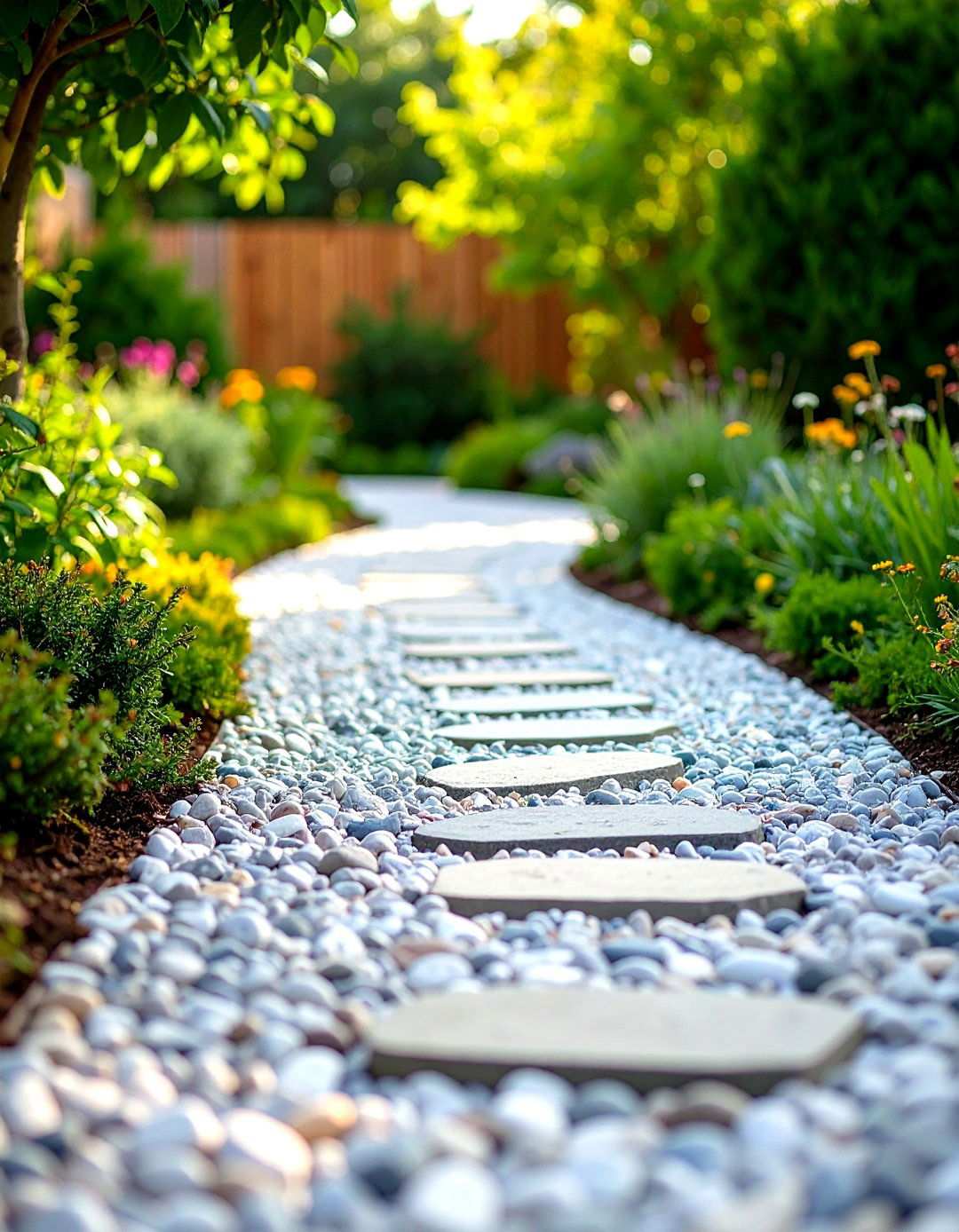
For garden pathway design, sometimes the simplest approach yields the most striking results. Pea gravel offers an incredibly versatile and budget-friendly option for creating natural walkways that complement a wide variety of landscape styles. These small, rounded stones provide excellent drainage while creating stable walking surfaces that offer a pleasant crunch underfoot. The neutral colors of pea gravel work seamlessly with colorful plantings and hardscape elements, making it an ideal choice for gardeners seeking a low-maintenance pathway solution. Installation is relatively straightforward, requiring minimal excavation, landscape fabric for weed prevention, and edging materials to contain the gravel. This pathway type adapts easily to curves, slopes, and irregular shapes, making it perfect for meandering garden routes that reward exploration.
5. Log Slice Woodland Walkways: A Celebration of Nature
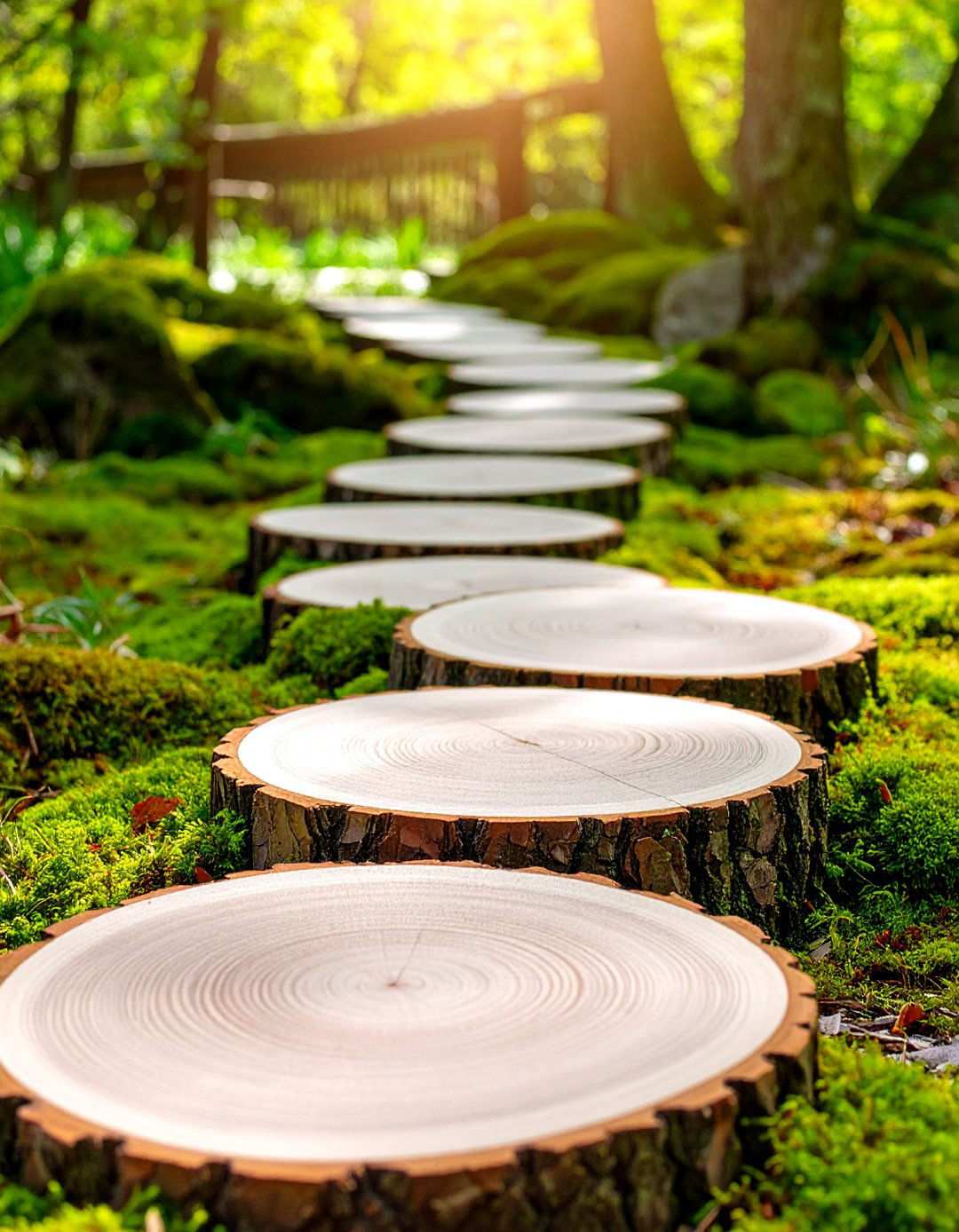
Transform fallen trees into charming walkway elements that showcase the natural beauty of wood while providing stable footing through garden areas. Cross-cut log slices, typically two to three inches thick, create rustic stepping stones with distinctive growth ring patterns that add visual texture to pathways. These natural rounds work particularly well in woodland gardens, shade areas, or any landscape design emphasizing organic materials and sustainable practices. When installing log slice walkways, it’s essential to level the ground, add a sand base for stability, and arrange the slices with adequate spacing for comfortable walking. The gaps between slices can accommodate moss, small ferns, or other shade-loving ground covers that enhance the forest-floor aesthetic. As the walkway ages, it develops rich patinas and attracts beneficial insects and soil organisms, creating a thriving ecosystem.
6. Coastal Charm with Crushed Shells
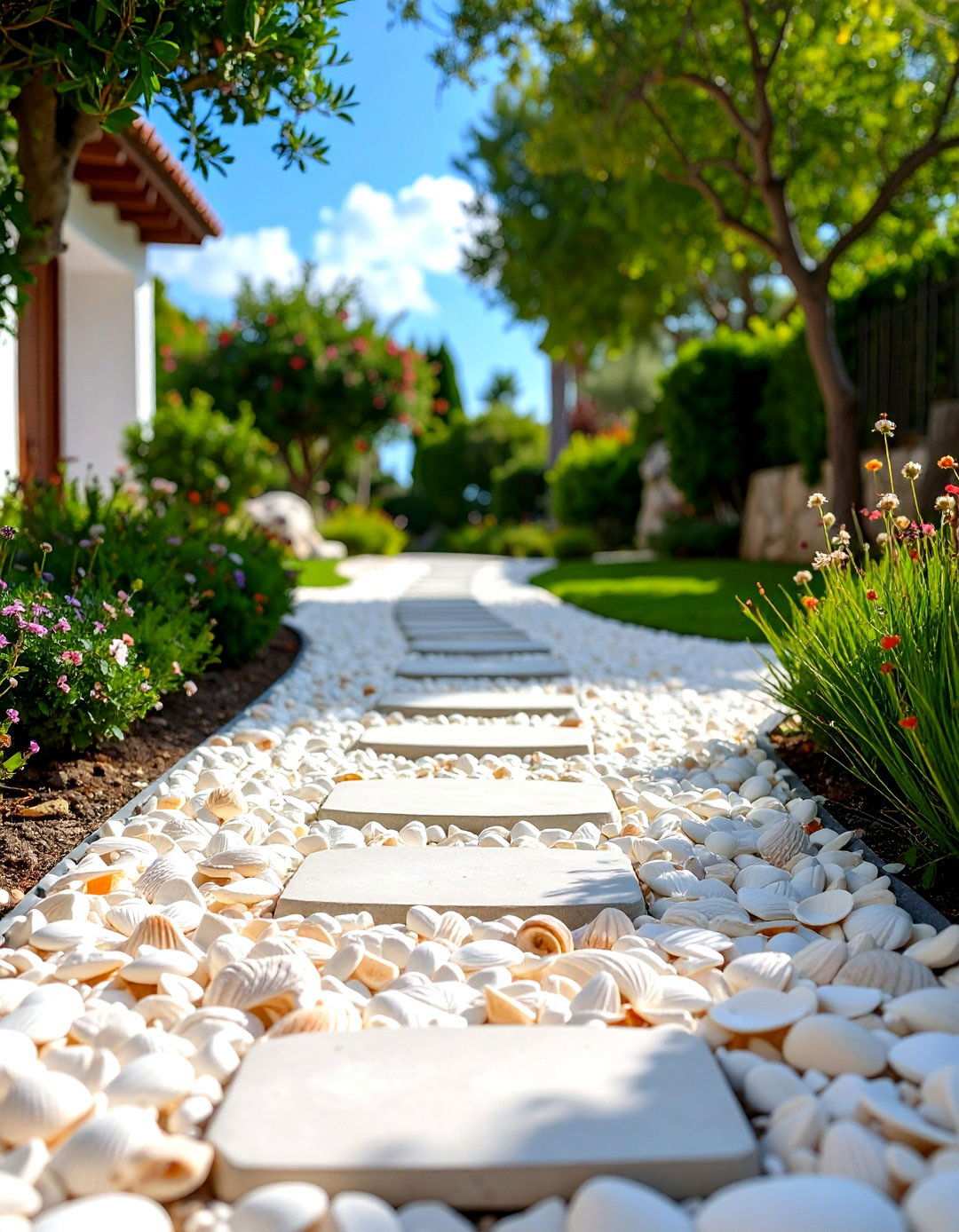
Incorporating crushed oyster shells into garden pathways offers an enticing blend of coastal charm and practical functionality. As a natural, porous material, crushed shells facilitate water drainage, discourage pests, and add a visually appealing texture to both formal and informal landscape designs. Moreover, the light colors of crushed shells reflect sunlight, resulting in pathways that remain cooler than their darker counterparts during hot weather. Installation involves adhering to similar principles as gravel pathways, necessitating proper edging and periodic replenishment to maintain the pathway’s aesthetic appeal. Crushed shells are particularly well-suited for Mediterranean-style gardens, beachside landscapes, and any setting where a relaxed, vacation-inspired ambiance is desired. Over time, the shells gradually break down, enriching the surrounding soil with calcium while continuing to function as a durable pathway material.
7. Sophisticated Walkways with Bluestone
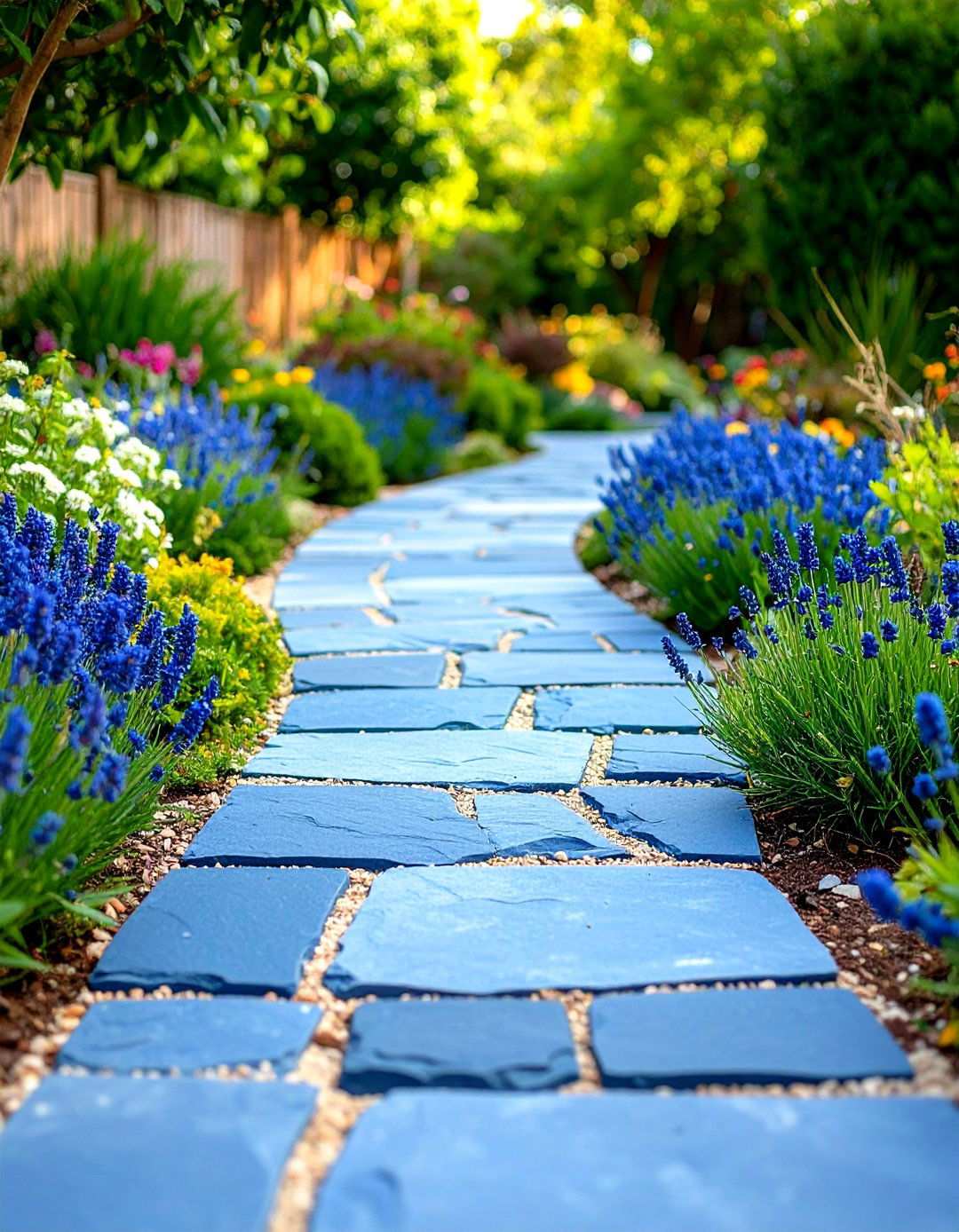
Bluestone pathways bring a sense of elegance and sophistication to both formal and informal garden settings. This versatile sedimentary stone features subtle color variations, ranging from blue-gray to tan, which provide a neutral background that highlights surrounding plantings without drawing attention away from them. Bluestone can be cut into precise geometric shapes or left in its natural, irregular form, depending on the desired aesthetic effect. The smooth surface of bluestone pathways offers a comfortable walking experience, while its dense composition ensures long-lasting performance in all weather conditions. When installing bluestone pathways, it’s essential to create level sand beds and fill joints with sand, polymeric sand, or ground cover plants. Bluestone pathways are particularly effective in traditional gardens, contemporary landscapes, and any design where timeless elegance and minimal maintenance are primary considerations.
8. Inviting Woodland Trails with Bark Mulch
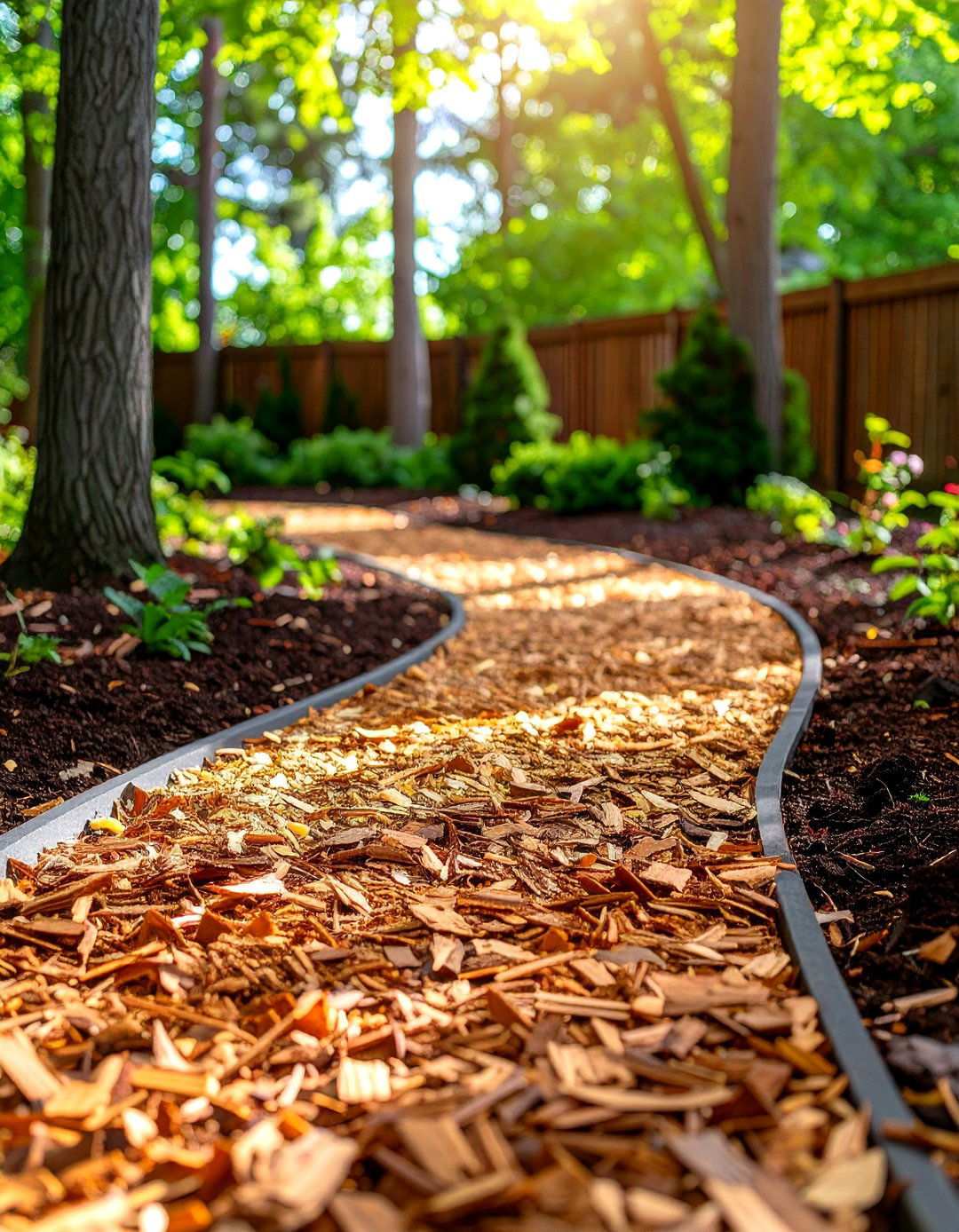
Soft bark mulch creates inviting pathways that replicate the natural forest floor while providing a comfortable walking surface through garden areas. Various bark types offer diverse textures and colors, ranging from fine-shredded cedar to chunky pine bark nuggets, allowing for customized appearances that complement specific landscape themes. These organic materials decompose slowly, enriching the surrounding soil while maintaining pathway integrity for several years. To install bark mulch pathways, it’s necessary to clear the pathway area, add landscape fabric for weed suppression, and spread the mulch to three-inch depths. The natural browns and reddish tones of bark mulch provide a warm backdrop for colorful flowers and foliage. This pathway type is particularly well-suited for shade gardens, woodland settings, and naturalistic landscapes where the goal is creating soft, informal routes that encourage leisurely exploration.
9. Elegant Limestone Block Walkways
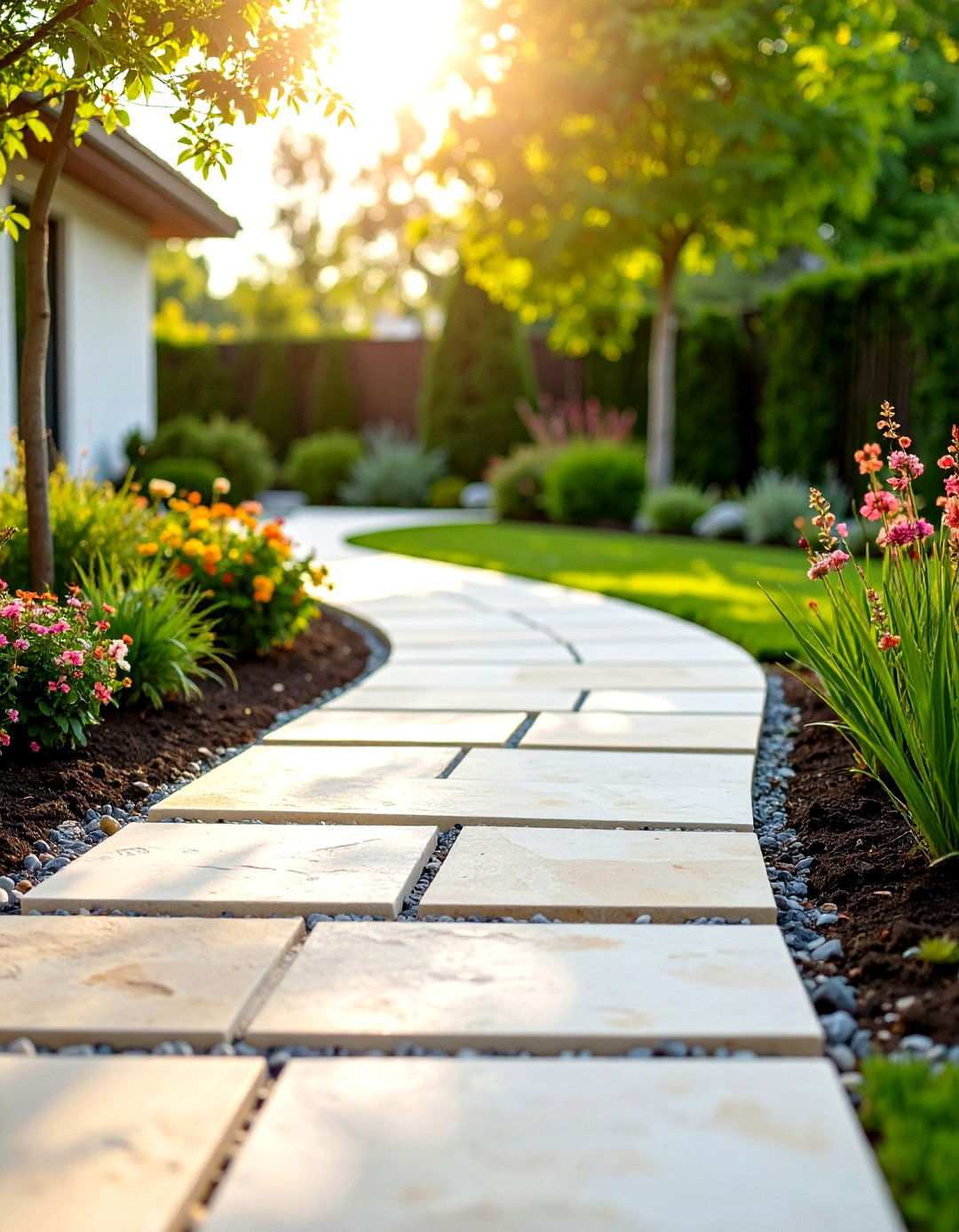
Limestone block pathways exude refinement and sophistication, elevating both modern and traditional landscape designs with their warm and inviting aesthetic. The inherent consistency of this sedimentary stone, accompanied by subtle variations, ensures a visually cohesive appearance that prevents monotonous effects. Moreover, limestone’s naturally textured surface offers secure footing in wet conditions, making it an ideal choice for high-traffic areas and regions prone to rainfall. The relatively soft composition of this stone allows for effortless cutting and shaping, facilitating the creation of curved or custom-fit pathways around landscape features. Installation involves preparing a stable base and using sand or mortar joints, depending on the desired level of formality. As a result, limestone pathways mature beautifully over time, developing attractive patinas while maintaining their structural integrity. This appealing material works exceptionally well in formal courtyards, Mediterranean gardens, or any landscape requiring elegant, long-lasting pathways.
10. Timeless Cedar Plank Garden Boardwalks
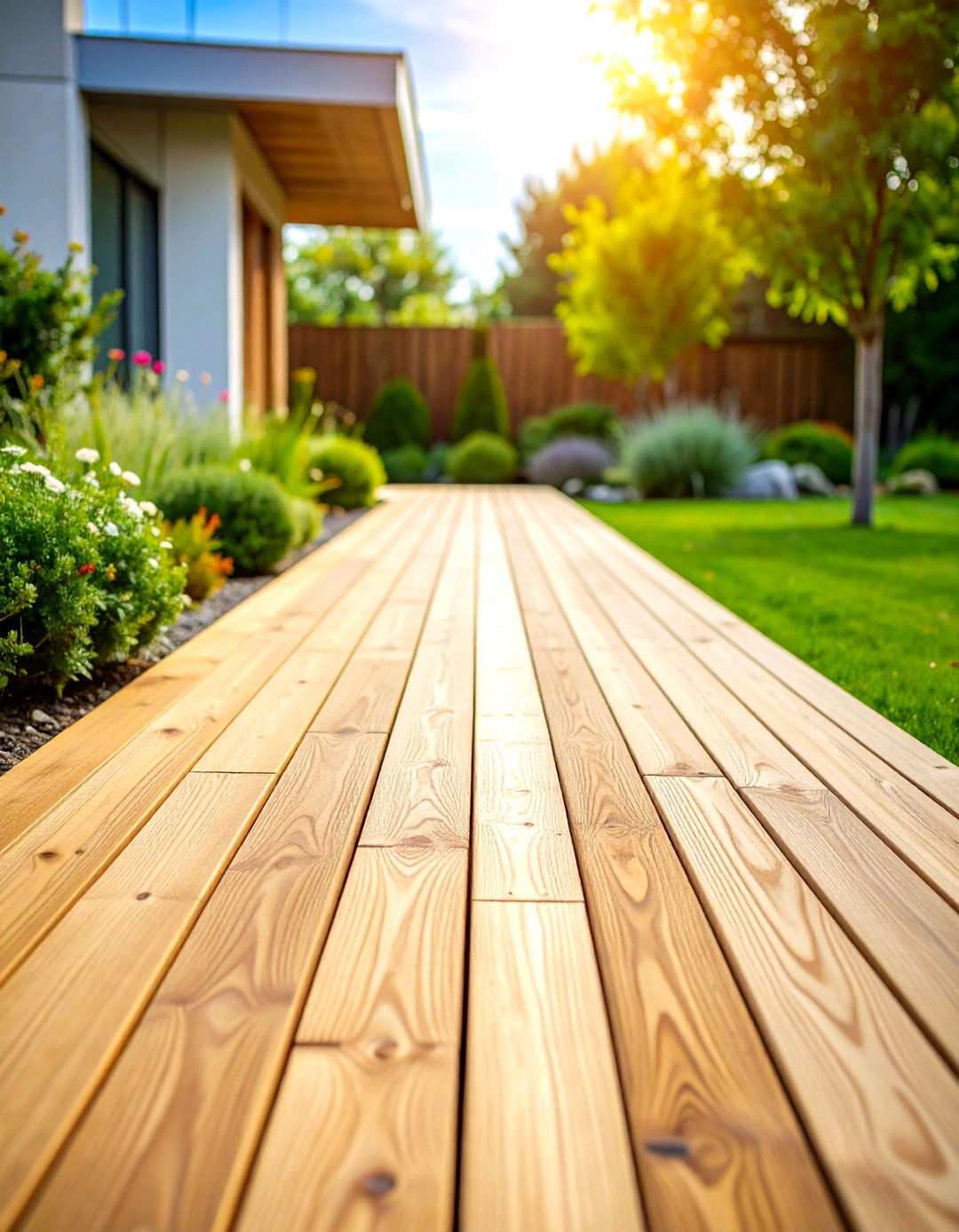
Cedar plank walkways bring a natural, organic beauty to garden landscapes while requiring minimal maintenance. The aromatic properties of cedar wood provide protection against insects and decay, making it an excellent choice for outdoor applications in various climate conditions. These boardwalks can be constructed as elevated walkways over wet areas or installed flush with ground level for seamless integration with surrounding landscapes. The light color and straight grain of the wood create clean, contemporary appearances that complement both modern and traditional garden designs. Installation involves creating proper drainage, using corrosion-resistant fasteners, and applying occasional sealers to maintain the wood’s natural color. Cedar pathways work particularly well in Japanese-inspired gardens, contemporary landscapes, or any setting where natural materials and low maintenance are priorities.
11. Unique Mixed Stone Mosaic Paths
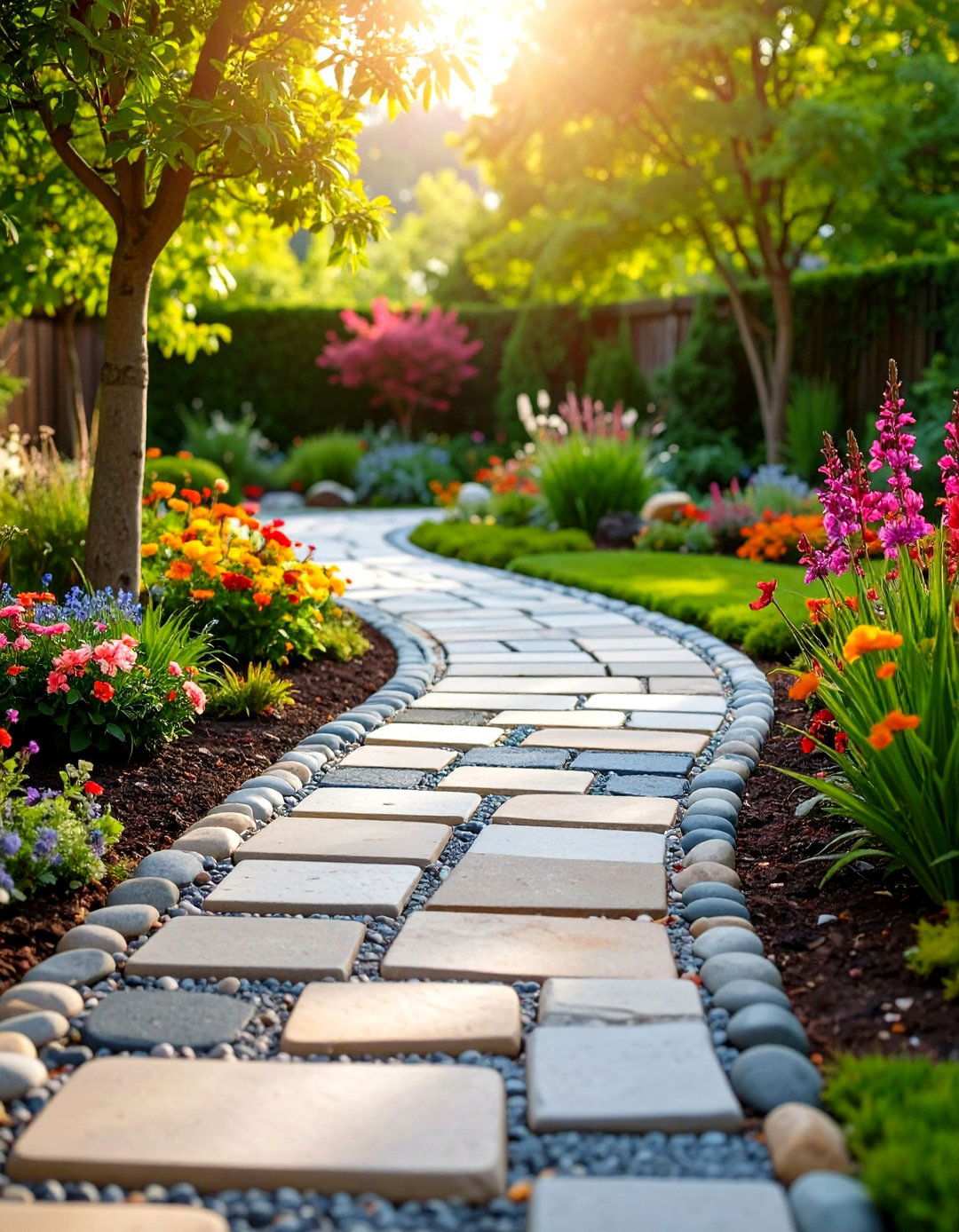
Mixed stone pathways are visually striking and functional art installations within garden landscapes, incorporating a variety of stone types to create dynamic visual interest. These designs might feature flagstone with river rocks, limestone with slate accents, or colored stones arranged in patterns or random compositions. The contrasting textures, colors, and shapes of the stones create a captivating visual experience while maintaining a practical walking surface. Planning these pathways requires careful consideration of color harmonies, size relationships, and installation techniques for different materials. The results are truly unique walkways that reflect personal style and artistic vision, making them ideal as focal points in formal gardens, artistic landscapes, or any setting where creative expression enhances the outdoor living experience.
12. Bamboo Roll-Out Walkways
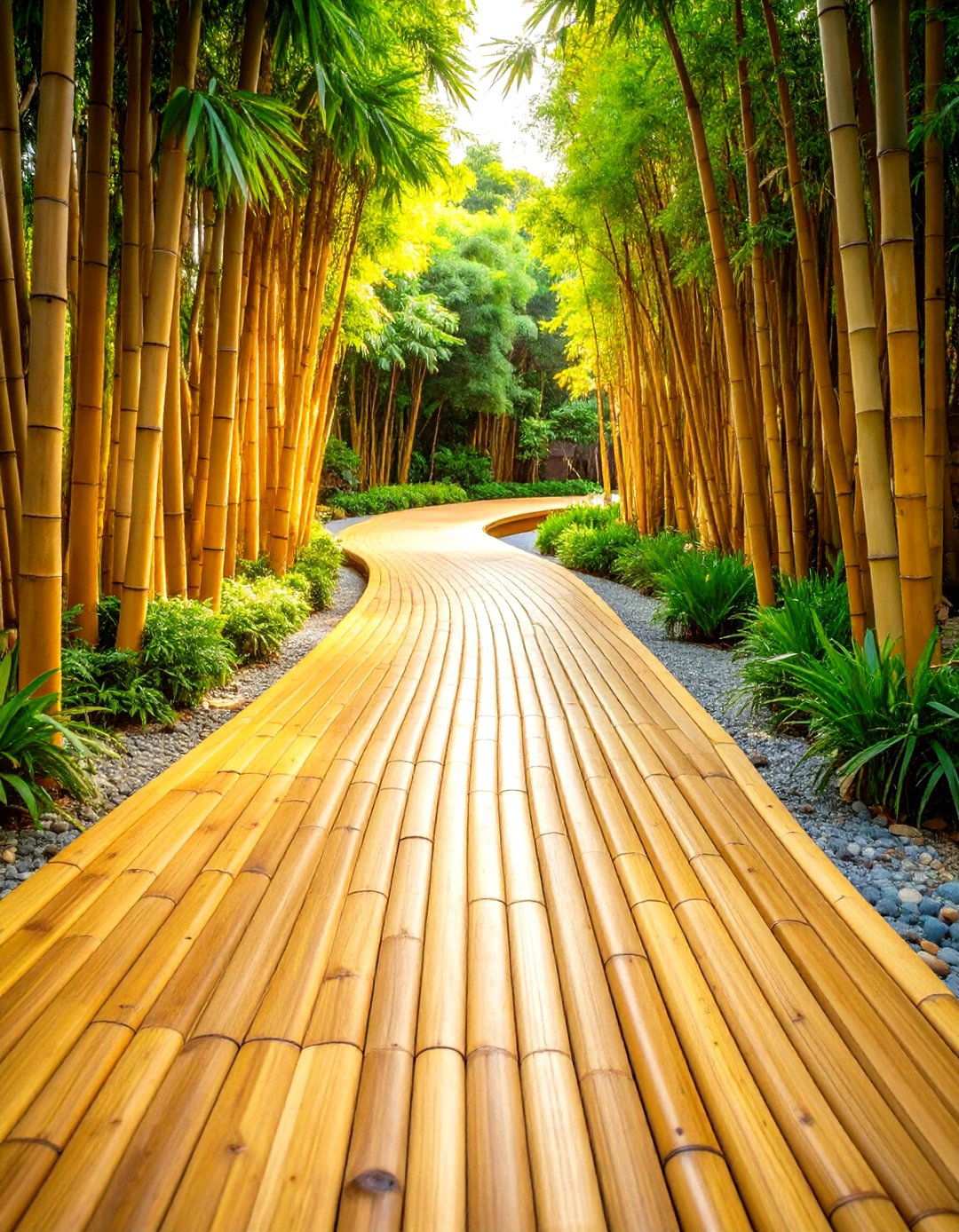
Bamboo pathways bring a touch of tropical elegance to garden spaces, marrying sustainable design with eco-friendly alternatives to traditional pathway materials. By rolling out pre-manufactured strips over prepared surfaces, gardeners can create instant pathways that adapt to curves and irregular shapes with ease. The natural golden tones and linear textures of bamboo add visual warmth to outdoor spaces, while its durability ensures long-lasting performance in even the most demanding conditions. This flexibility makes bamboo walkways an ideal choice for temporary installations or seasonal pathway changes, requiring minimal ground preparation and proper drainage for optimal longevity. Bamboo pathways are particularly well-suited to Asian-inspired gardens, tropical landscapes, or contemporary designs that prioritize sustainability and natural materials. The clean lines and organic texture of these pathways complement various plantings while providing practical routes through garden areas.
13. Decomposed Granite Pathways
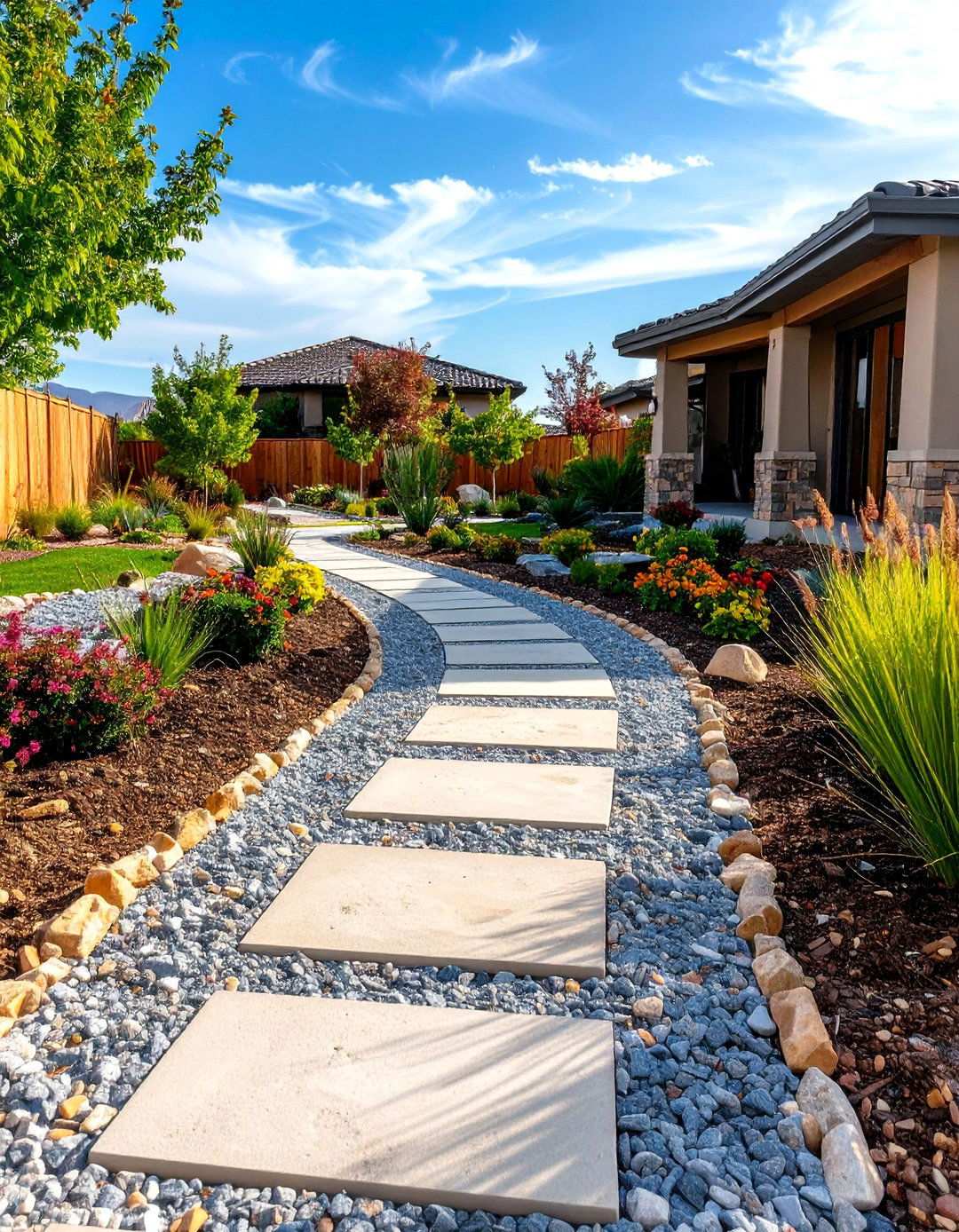
Decomposed granite pathways offer a natural, low-maintenance solution for garden navigation, requiring minimal upkeep once properly installed. This finely crushed material packs tightly when wetted and compacted, creating surfaces firm enough for wheelchairs and garden carts while maintaining permeable drainage characteristics. Decomposed granite comes in a range of natural colors, from gray and tan to reddish hues, allowing gardeners to coordinate with existing hardscape elements and architectural features. Proper grading, compaction, and edging are essential to prevent material migration and ensure a stable surface. The finished pathways provide clean, contemporary appearances that work well in modern landscapes, desert gardens, or any setting where long-lasting, low-maintenance pathways are desired. Regular maintenance involves occasional watering and re-compacting to maintain optimal surface conditions and prevent weed establishment in high-use areas.
14. Natural Fieldstone Pathways
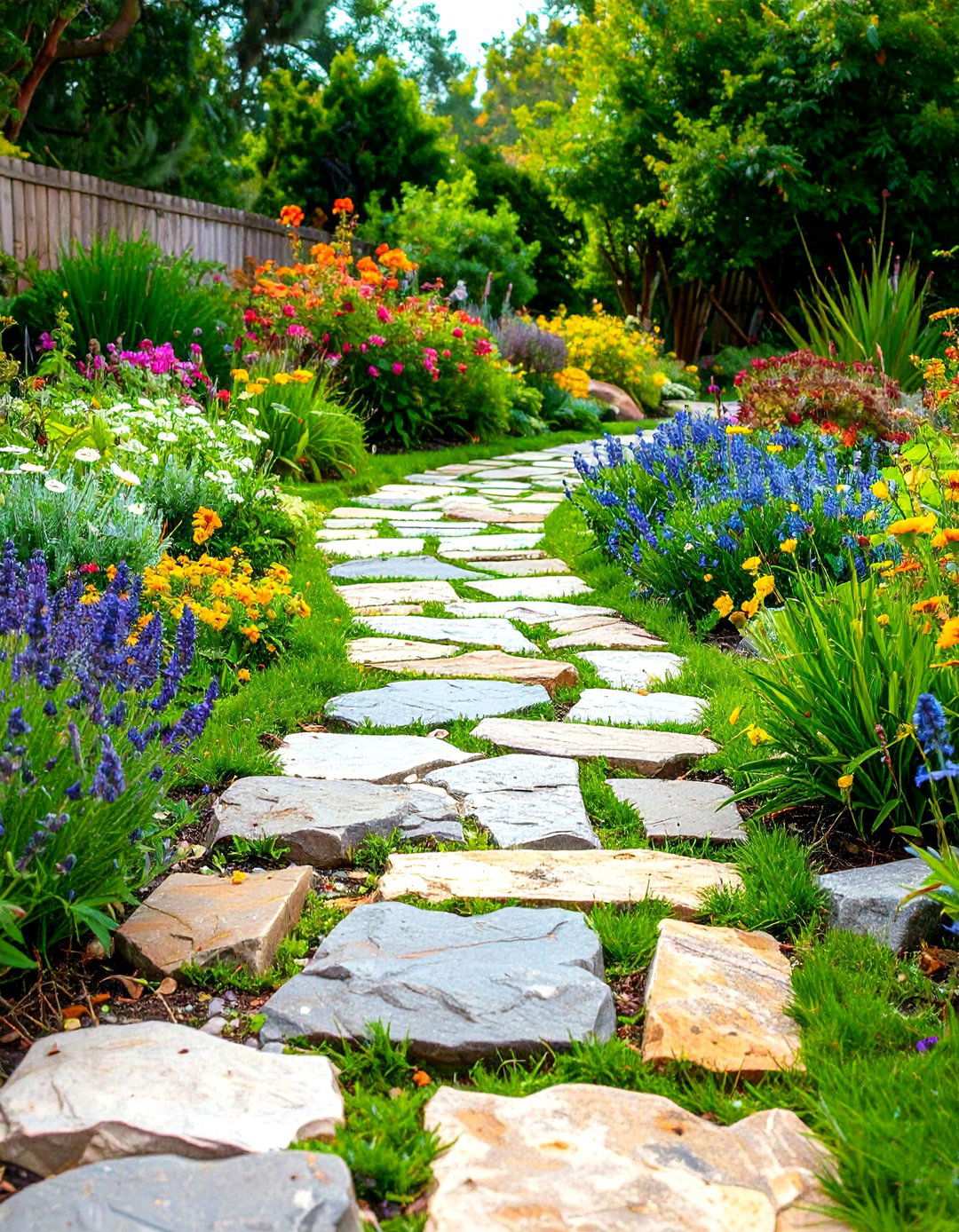
Locally sourced fieldstones create distinctive, regionally inspired walkways that provide durable, weather-resistant surfaces for garden navigation. These irregularly shaped stones offer natural color variations and interesting textures that complement native plantings and regional architectural styles, adding depth and character to outdoor spaces. Fieldstones can be fitted together like puzzle pieces or installed with deliberate gaps for ground cover plantings, allowing gardeners to create unique pathways that reflect their artistic vision. Installation requires patience and skill in fitting irregular shapes, but the results provide one-of-a-kind walkways that integrate seamlessly with natural landscapes. This approach is particularly well-suited to naturalistic gardens, regional landscape designs, or any setting where authentic local materials enhance the connection between built and natural environments.
15. Embracing Nature's Pathways
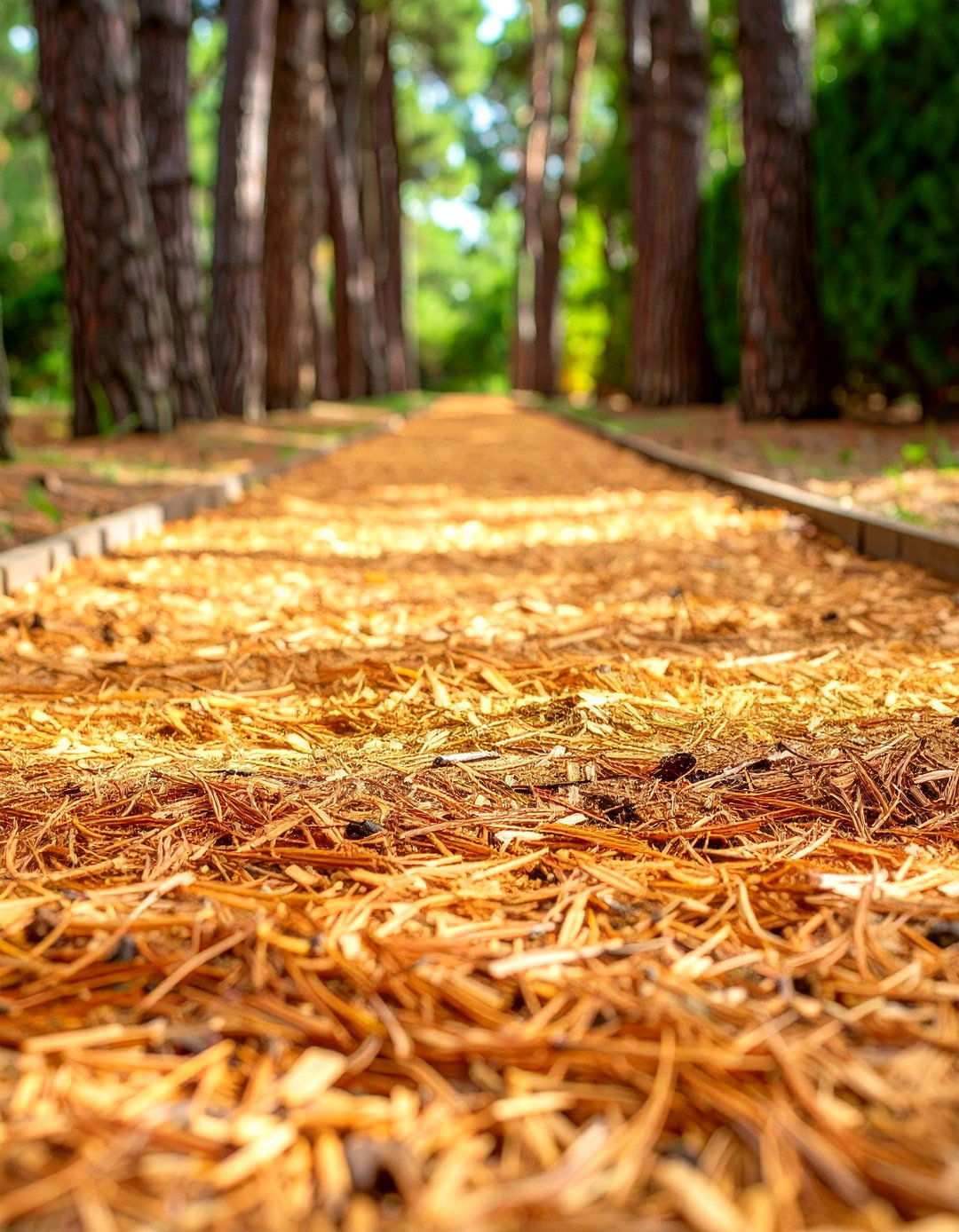
Soft, organic pathways crafted from aromatic pine needles bring a touch of the forest floor to cultivated garden spaces. These natural pathways provide a sense of connection to the outdoors, while also serving as practical routes through planted areas. The pine straw’s excellent drainage properties and natural weed suppression abilities make it an ideal choice for acid-loving plant gardens, woodland settings, or naturalistic landscapes. The material’s reddish-brown color creates a warm visual backdrop that highlights green foliage and colorful flowers effectively. As the pine straw decomposes naturally, it requires periodic replenishment, but the process is relatively effortless. This organic material’s light weight makes it easy to install and modify, allowing for seasonal pathway adjustments or experimental route changes.
16. Timeless Elegance of Cobblestone Pathways
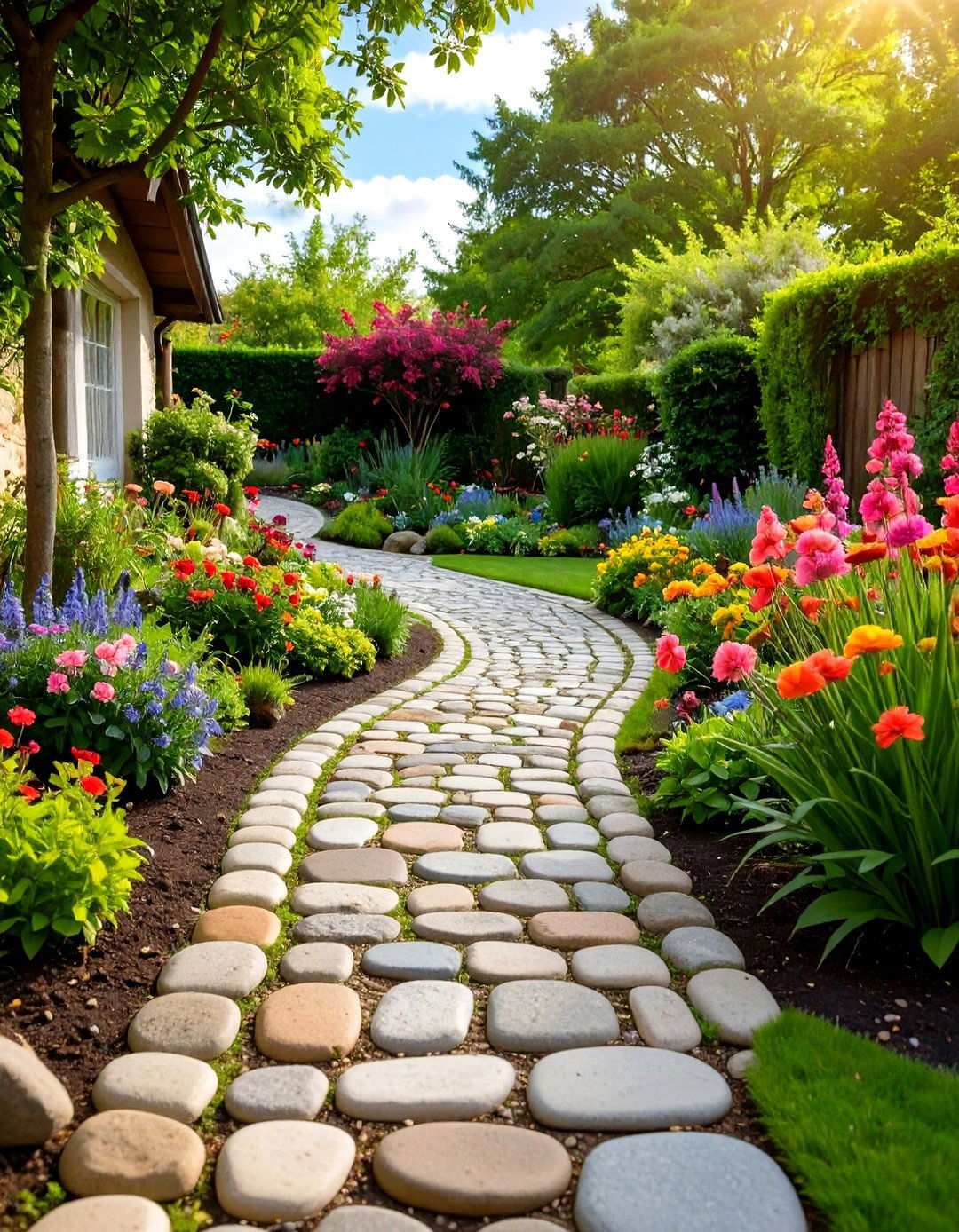
Traditional cobblestones have been a staple in garden landscapes for centuries, bringing a sense of history and enduring beauty to contemporary gardens. These rounded stones, often gathered from riverbeds or beaches, provide a unique texture and natural color variation that only improves with age. To ensure a comfortable walking surface and proper drainage, cobblestone installation requires careful attention to grading and base preparation. The stones can be set tightly together for a formal appearance or spaced apart with ground cover plantings for a softer effect. This pathway type is particularly well-suited for historical garden restorations, cottage landscapes, or any setting where authentic materials and time-tested durability are a priority. The investment in quality cobblestone installation pays dividends through minimal maintenance requirements and increasing beauty over time.
17. Wood Chip Mulch Trails: A Budget-Friendly Option
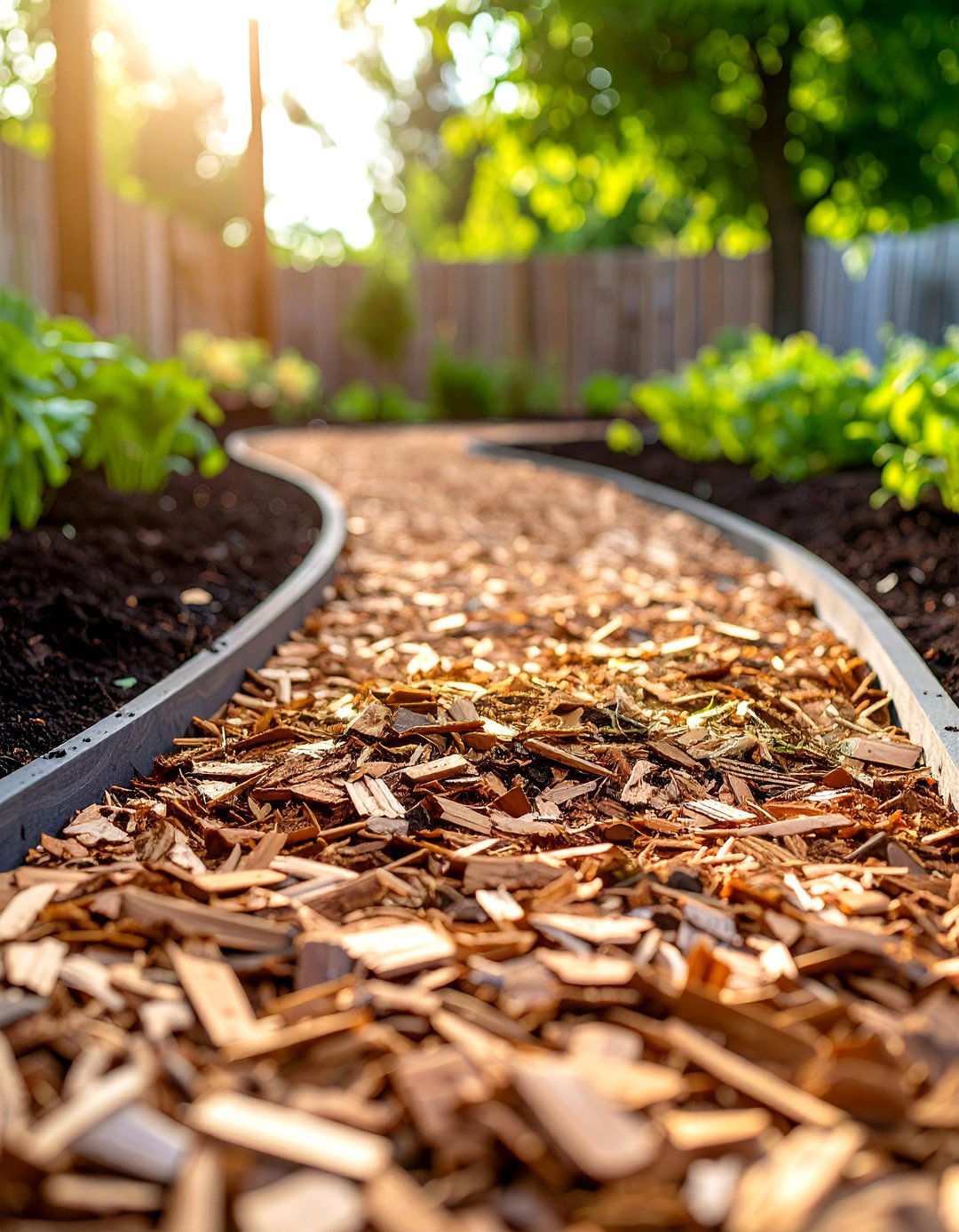
Fresh wood chips create economical pathways that provide soft walking surfaces while contributing organic matter to surrounding soil as they decompose naturally. These materials are often provided free by local tree service companies, making them a budget-friendly option for extensive pathway systems. Wood chips offer excellent weed suppression, moisture retention, and comfortable footing for garden work and casual strolling. The material’s natural brown colors complement virtually any planting scheme while providing neutral backgrounds for colorful flowers and foliage. Installation involves spreading four-inch layers over cleared pathways, with annual replenishment to maintain appearance and function. Wood chip pathways work particularly well in vegetable gardens, informal landscapes, or any setting where practicality and economy are primary considerations. As the chips decompose, they improve soil structure and fertility in adjacent planting areas.
18. Elegant Slate Stepping Stones for Timeless Appeal
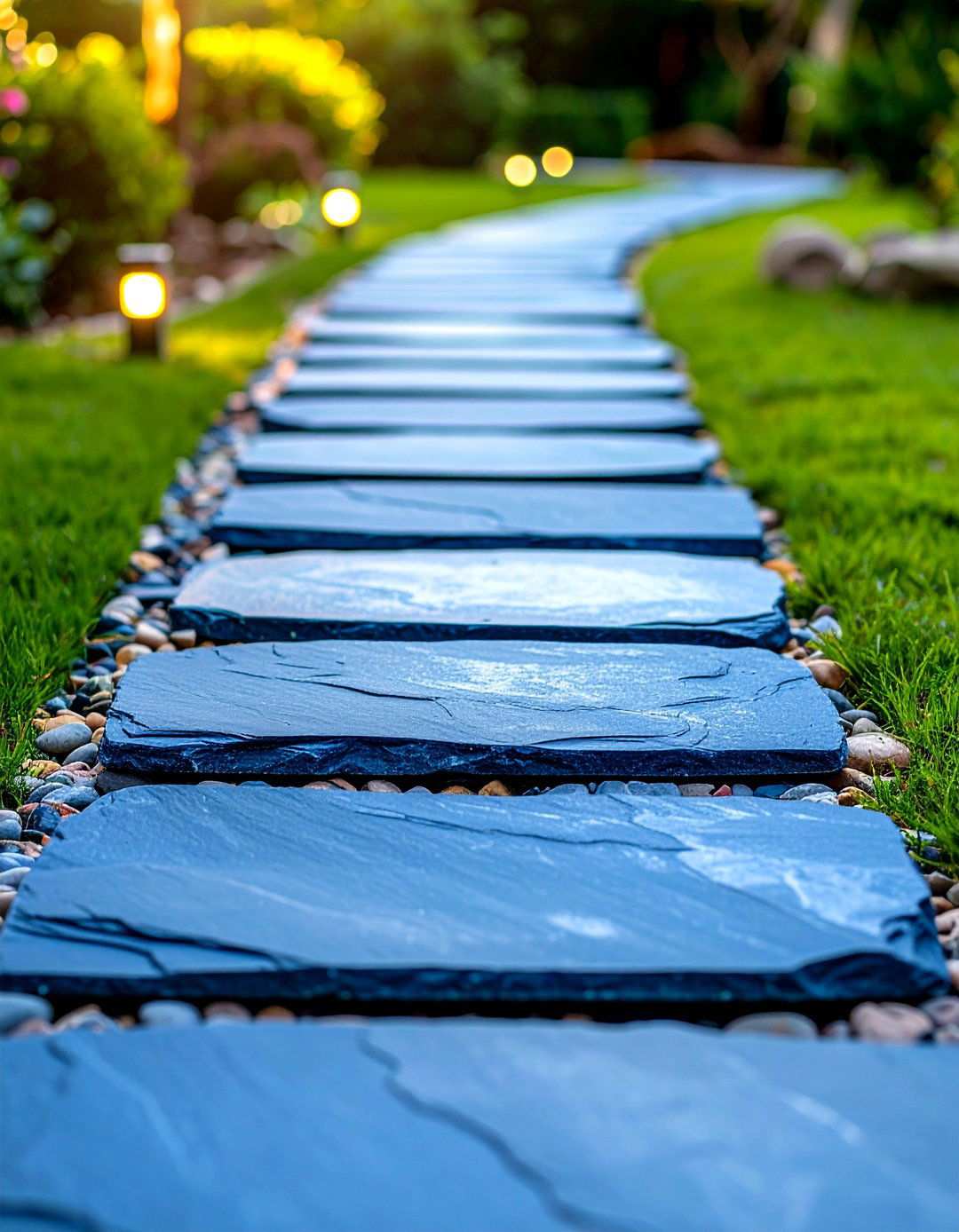
Slate’s refined texture and subtle color variations bring a sophisticated touch to garden landscapes, making it an excellent choice for weather-resistant pathways. This metamorphic rock often features an attractive palette of blue-gray, green, or purple hues, paired with a naturally smooth surface that remains slip-resistant even when wet. The slender profile of slate makes it perfect for flush installations that seamlessly integrate with lawn areas or ground cover plantings. By choosing between regular geometric shapes or natural irregular forms, homeowners can achieve a unique aesthetic effect. The installation process involves creating level sand beds and filling joints with sand, gravel, or plants, ensuring a long-lasting and visually appealing pathway. In formal gardens, contemporary landscapes, or designs emphasizing refined materials and minimal maintenance, slate pathways shine as a superior choice, offering decades of service with minimal upkeep.
19. Artful Combinations of Gravel and Stepping Stones
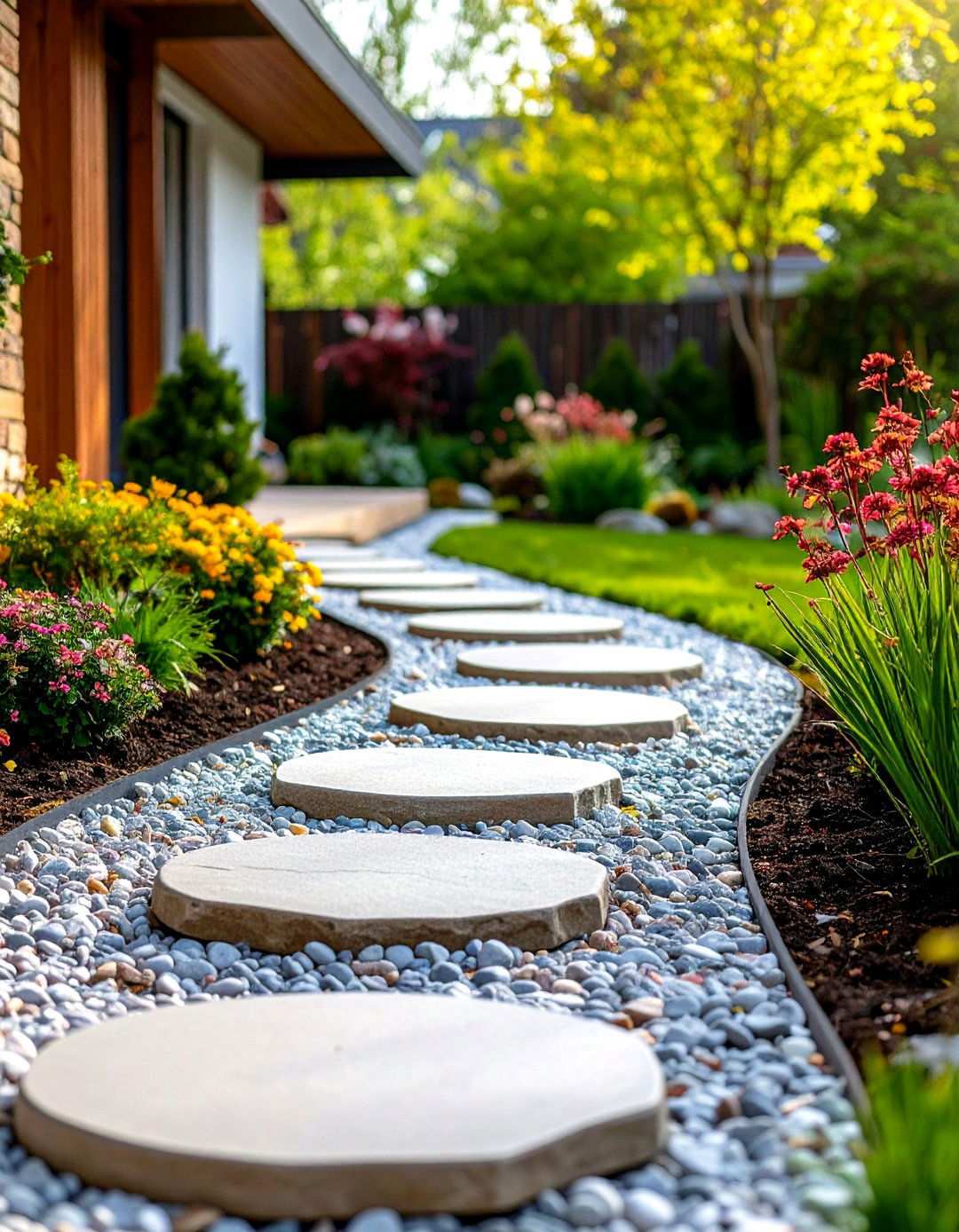
By thoughtfully combining loose gravel with strategically placed stepping stones, gardeners can create captivating pathways that blend visual interest with practical functionality. This approach allows for a high degree of creative freedom while maintaining a comfortable walking experience through garden areas. The stepping stones provide a stable footing, while the surrounding gravel offers superior drainage, weed suppression, and a cohesive visual flow. To achieve a specific aesthetic, various stone types can be paired with different gravel colors and textures. The installation process begins with placing stepping stones, followed by filling the surrounding areas with gravel to desired depths. This pathway style adapts well to both formal and informal settings, accommodating diverse landscape designs and maintenance preferences. With its ease of modification and seasonal adjustments, the gravel and stepping stone combination offers long-lasting functionality and beauty.
20. Dramatic Natural Boulder Pathways for Unforgettable Landscapes
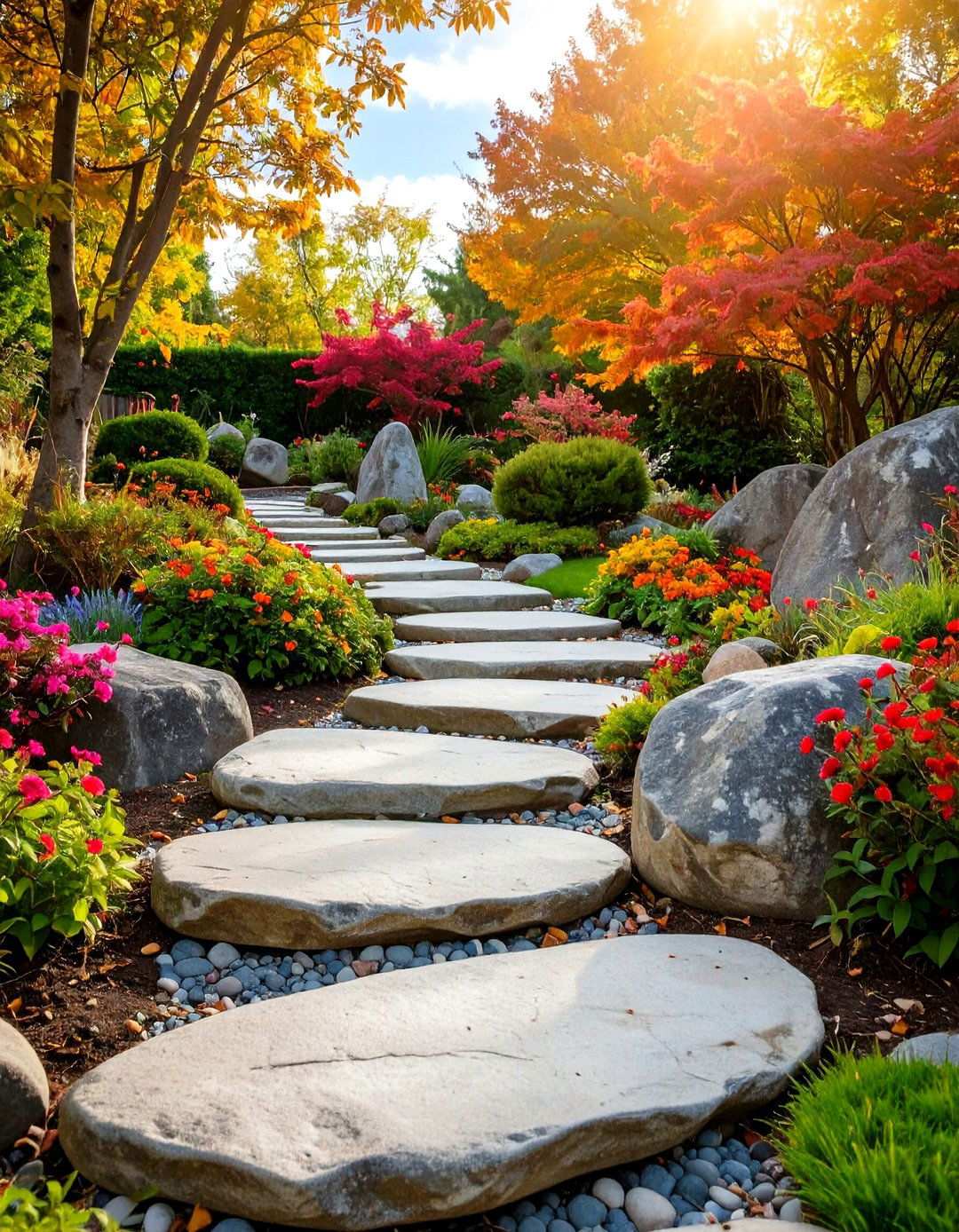
Large, natural boulders make striking stepping stones that bring sculptural elements to garden pathways while providing stable surfaces for navigation. These substantial stones serve as bold statements in landscape compositions while functioning as pathway markers and seating areas. Careful planning is essential for boulder placement to ensure comfortable walking and visual balance within the surrounding landscape. The stones’ natural weathering patterns and color variations add authentic geological interest to cultivated garden spaces. The installation process requires proper positioning for stability and drainage, sometimes necessitating heavy equipment for larger specimens. In rock gardens, alpine settings, or any landscape where dramatic natural elements enhance the overall design theme, boulder pathways work particularly well, offering decades of maintenance-free service and increasing integration with surrounding plantings.
21. Mastering the Art of Crushed Stone Aggregate Paths
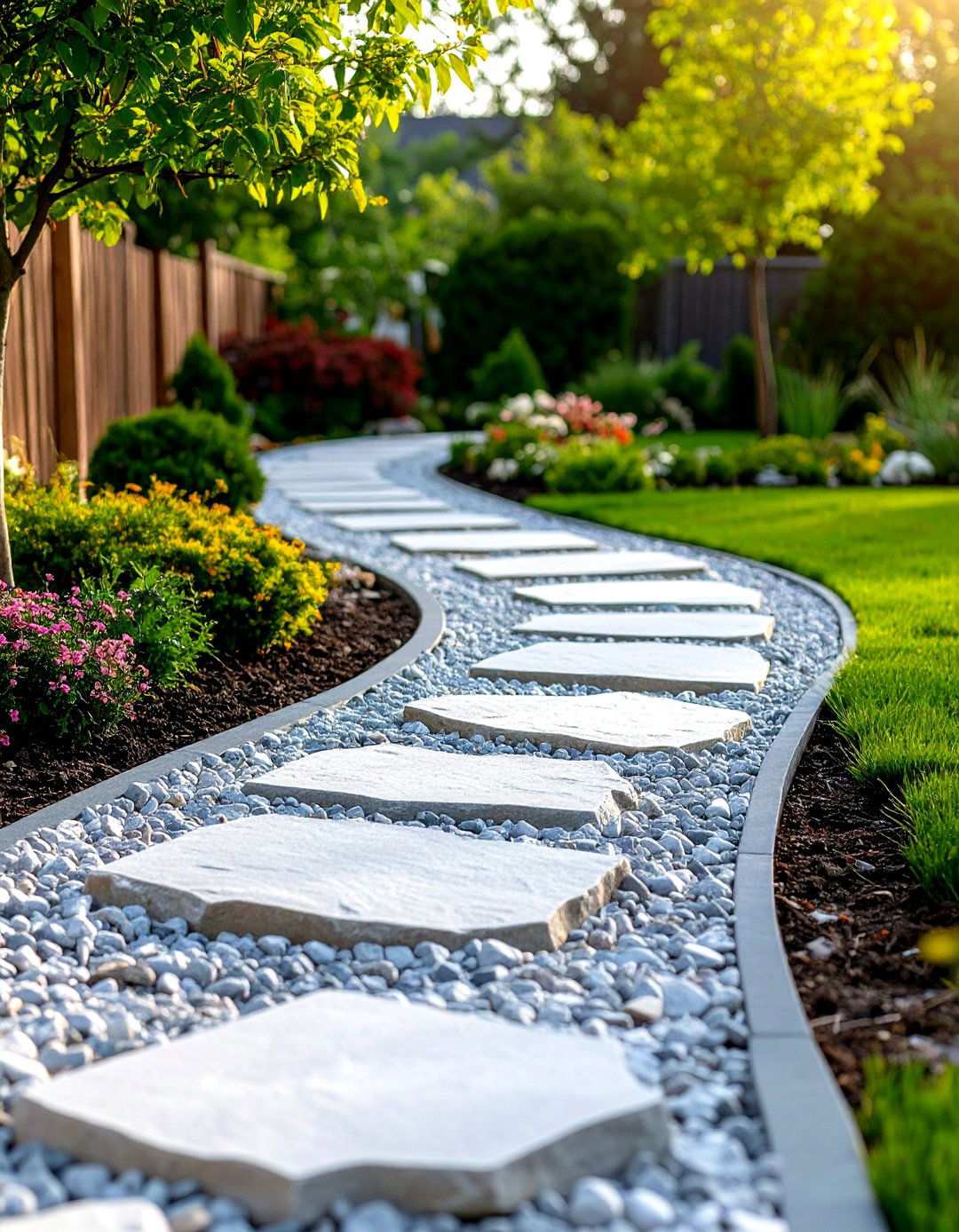
When it comes to designing pathways that can withstand both pedestrian and wheeled traffic, crushed stone aggregates prove to be an ideal choice. The key to their success lies in their precisely graded composition, which allows them to lock together when compacted, creating stable surfaces that resist shifting and rutting. By offering a range of stone types with varying colors and textures, from gray limestone to reddish sandstone, gardeners can coordinate their pathways with architectural and landscape elements. Installing crushed stone aggregate paths requires a thoughtful approach, involving proper grading, compaction, and edging to achieve optimal performance and longevity. As a result, these pathways are particularly well-suited for utilitarian areas, formal gardens, or any setting where durability and low maintenance are top priorities. What’s more, they provide a stable surface that can accommodate garden carts, wheelchairs, and maintenance equipment, while also serving as a beautiful backdrop for border plantings and garden features.
22. Bringing Whimsy to Garden Paths with Moss and Stone
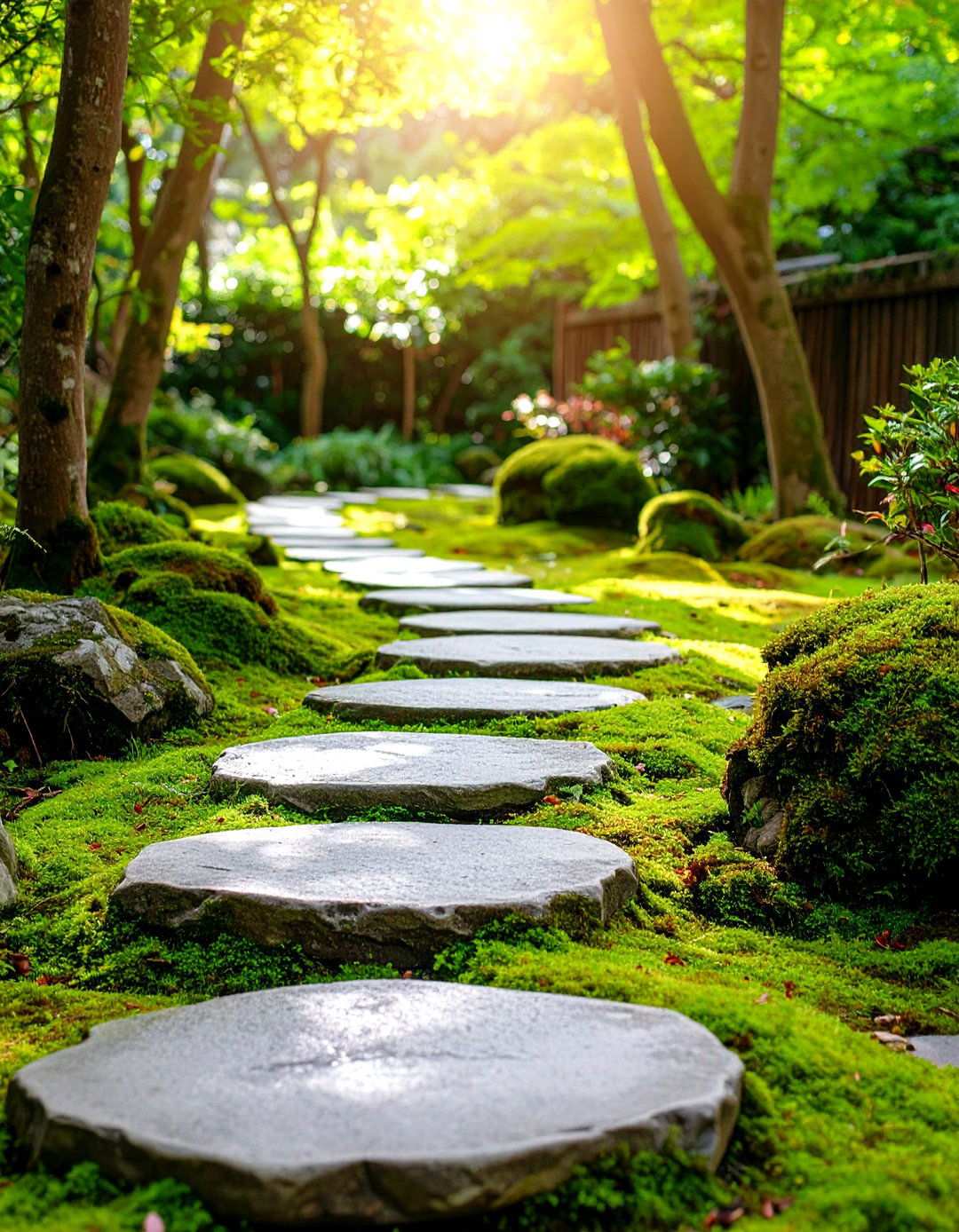
For those looking to add a touch of magic to their garden paths, combining stone surfaces with encouraged moss growth is an enchanting solution. As moss naturally colonizes stone surfaces in humid, shaded conditions, it creates soft green carpets that enhance the natural beauty of the stones. This approach works particularly well with flagstone, slate, or other smooth stone surfaces that provide suitable growing conditions for various moss species. To encourage moss growth, gardeners must maintain optimal moisture levels and avoid chemical treatments that might inhibit natural colonization. As the moss coverage develops, the pathways require minimal maintenance while providing increasingly beautiful surfaces that are a true marvel of nature. This technique is especially well-suited for woodland gardens, Japanese-inspired landscapes, or any shaded setting where creating mystical, forest-like atmospheres enhances the garden experience and provides unique visual interest.
23. Revolutionizing Pathway Design with Recycled Concrete Systems
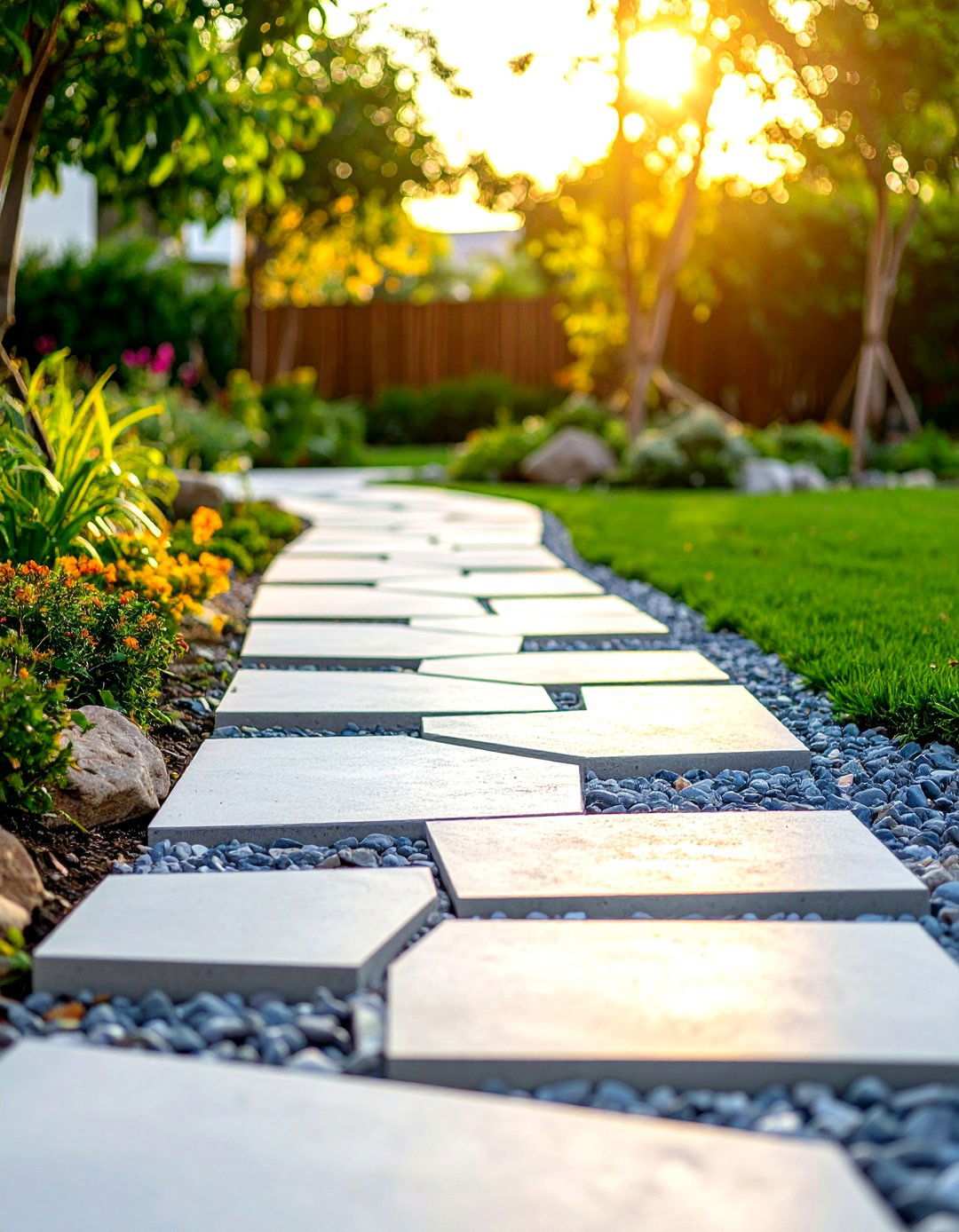
In recent years, broken concrete pieces have been transformed into unique pathways that demonstrate sustainable reuse while providing durable walking surfaces through garden areas. This innovative approach transforms construction waste into attractive landscape features, often referred to as “urbanite” in sustainable landscape design. The irregular shapes and exposed aggregate surfaces of broken concrete provide interesting textures and natural color variations, making them an attractive choice for gardeners seeking unique design solutions. To install a recycled concrete pathway system, gardeners must fit the pieces together like puzzles, filling gaps with sand, gravel, or ground cover plants. As a result, these pathways work well in contemporary gardens, urban landscapes, or any setting where creative recycling and resource conservation are important values. Beyond this, the material’s durability ensures long-lasting pathways, while its availability and low cost make extensive installations economically feasible for budget-conscious gardeners.
24. Harmonious Unions of Shell and Pebble
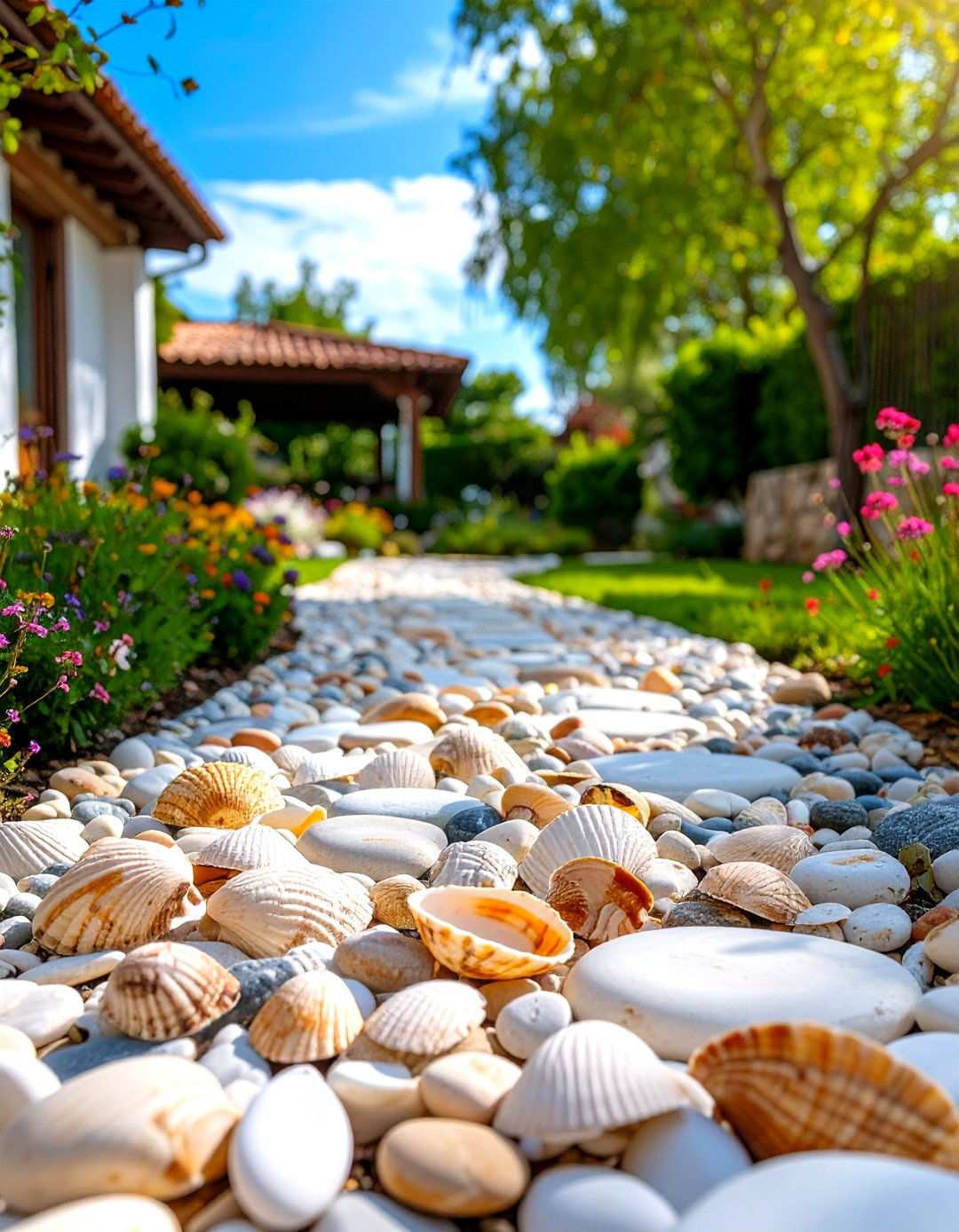
Beach-inspired pathways can seamlessly blend into inland garden settings through the creative combination of various shell types with thoughtfully selected pebbles. These captivating pairings can be achieved by mixing crushed oyster shells with smooth river pebbles or pairing whole shells with sea glass fragments for an added sense of sparkle. The light hues of these natural materials not only reflect sunlight, but also contribute to a cooler pathway surface during hot weather while ensuring excellent drainage characteristics. Installation follows established gravel pathway guidelines, requiring proper edging and occasional upkeep to maintain the desired appearance. As the shells gradually weather and break down, they release calcium into the surrounding soil, while the pathway remains intact. This approach is particularly effective in Mediterranean-style gardens, cottage landscapes, or any setting where a relaxed, vacation-inspired ambiance elevates outdoor living experiences. The unique textures and natural origins of these materials make for a compelling and conversation-worthy pathway feature that adds character to any garden design.