1. Elevating Outdoor Spaces with Hardscaping Expertise
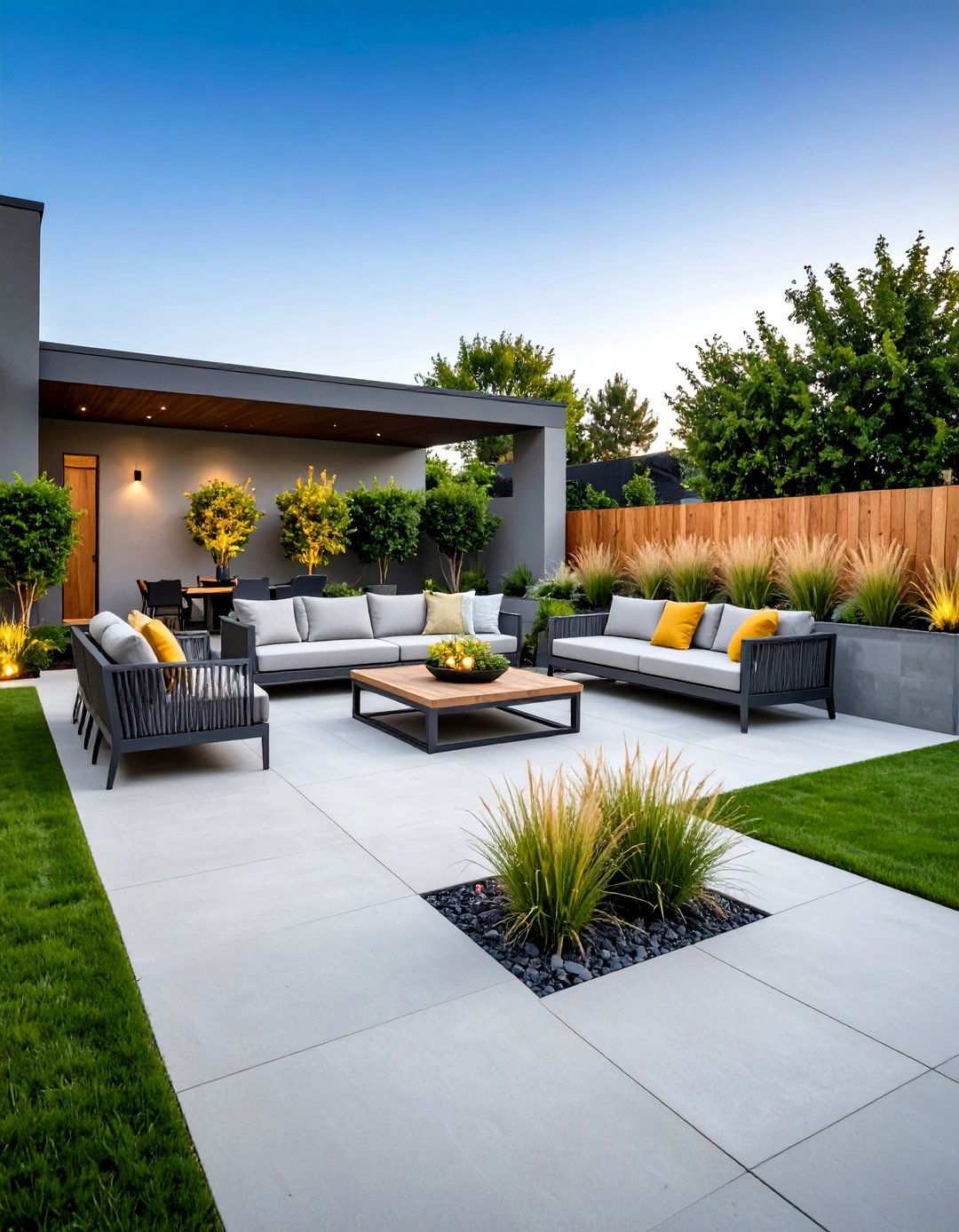
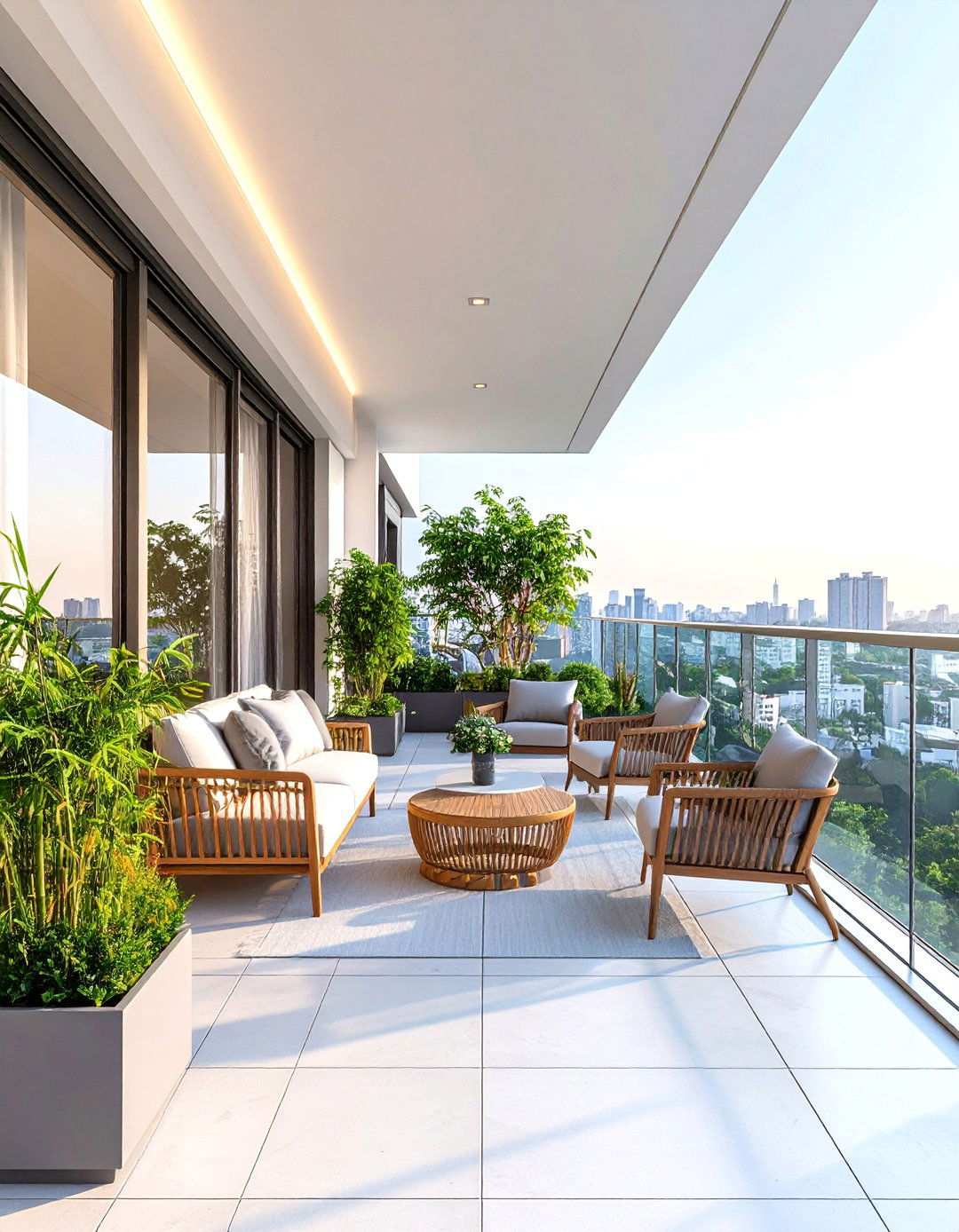
Beyond the allure of lush gardens, hardscaping plays a vital role in transforming your property into a breathtaking oasis. By incorporating durable, non-living elements, you can create a harmonious balance of structure, functionality, and timeless beauty. Patios, walkways, retaining walls, fire features, and outdoor living areas not only enhance your home’s value but also significantly reduce maintenance requirements. As a testament to its versatility, modern hardscape design seamlessly integrates sustainability, innovative materials, and indoor-outdoor living spaces. Whether you’re working with a compact yard or expansive property, hardscape elements can be tailored to create distinct zones for dining, entertaining, and relaxation. From cutting-edge concrete installations to traditional stone features, each hardscape design tells a unique story while addressing practical challenges like drainage, erosion control, and space optimization.

As an Amazon Associate I earn from qualifying purchases.
The key to a successful hardscape design lies in selecting materials and designs that not only reflect your lifestyle but also harmonize with your home’s architecture and natural surroundings. By making informed choices, you can create an outdoor space that is both beautiful and functional. Hardscaping offers endless possibilities for customization, from sleek and modern to rustic and natural. With a little creativity and planning, you can unlock the full potential of your outdoor space and enjoy it for years to come.
2. Crafting Intimate Gatherings with Natural Stone
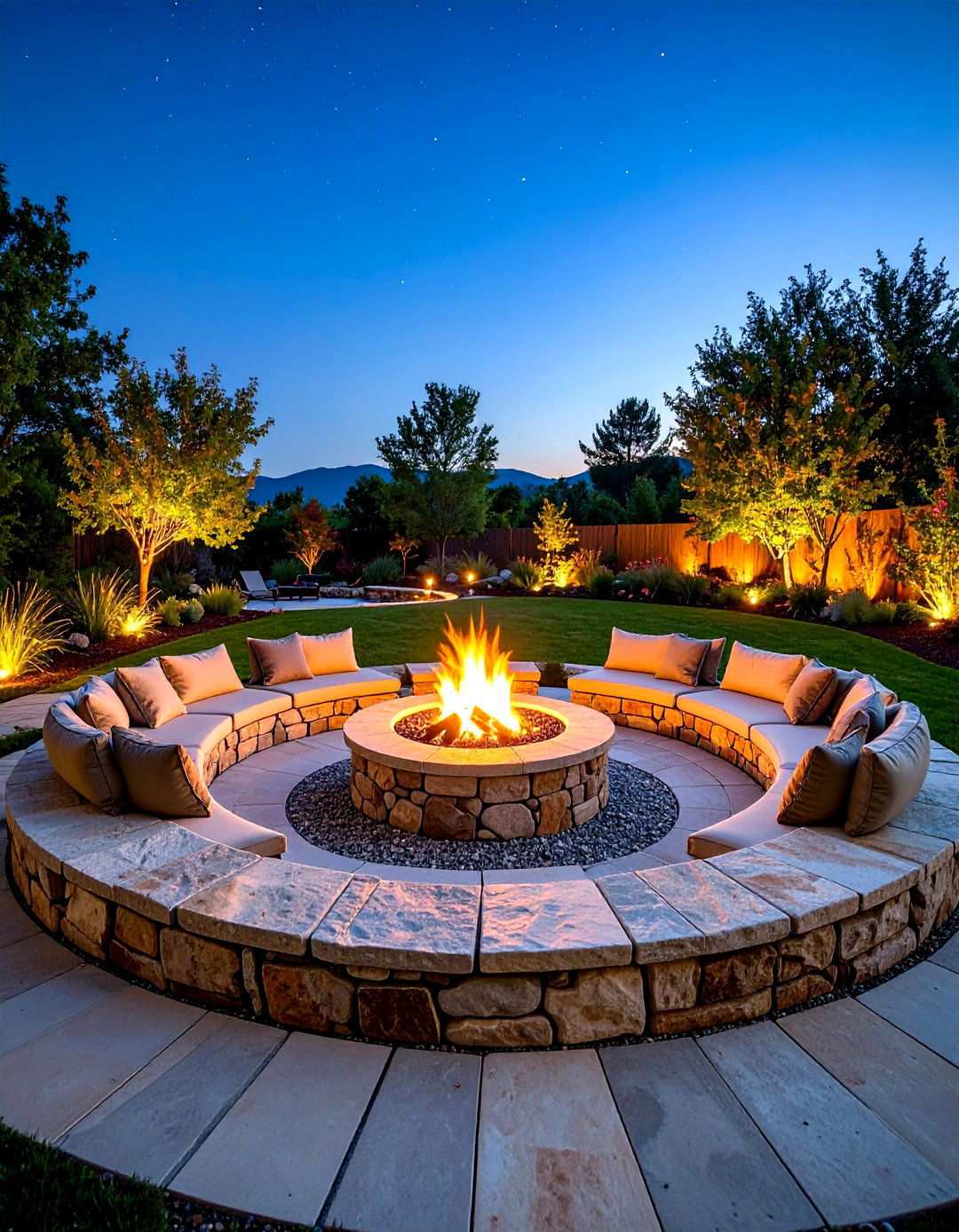
Imagine gathering around a crackling fire on a starry night, surrounded by loved ones and the soothing sounds of nature. To create this magical atmosphere, consider designing a natural stone fire pit gathering circle. This inviting space can be achieved by using locally sourced flagstone with built-in stone benches radiating from a central fire pit. The circular design encourages conversation and connection, making it an ideal spot for family gatherings and social events. Decorative gravel pathways leading to the fire circle create clear access routes while maintaining the natural aesthetic. To enhance the comfort and ambiance of the space, incorporate weather-resistant cushions and throw pillows, transforming the stone seating into cozy lounging areas perfect for extended outdoor enjoyment throughout multiple seasons.
3. Elevating Outdoor Spaces with Terraced Retaining Walls
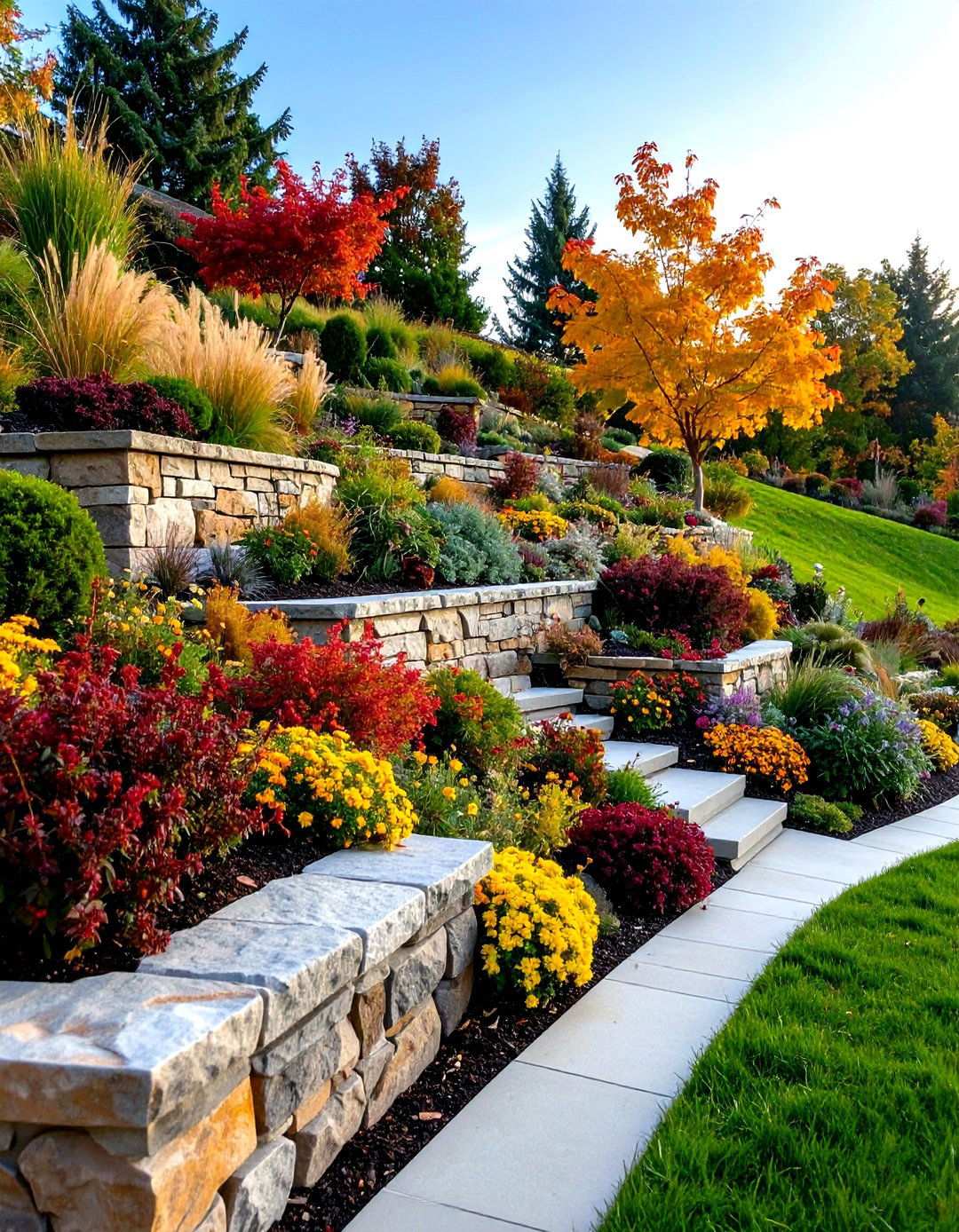
Unlock the full potential of your sloping terrain by transforming it into a series of tiered outdoor rooms, each with its own unique atmosphere and purpose. To achieve this, consider constructing retaining walls using interlocking concrete blocks or natural stone materials, which not only provide structural stability but also add a touch of elegance to your landscape design. By creating distinct elevation changes, you’ll be able to designate each terrace level for a specific activity, such as an upper-level dining area or a lower garden space. To further enhance the ambiance, incorporate integrated lighting within wall caps that shine a spotlight on architectural features and pathways during the evening hours. This clever design not only maximizes usable space but also effectively controls erosion and manages water drainage. By planting each terrace with vegetation that thrives at different elevations, you’ll create a stunning layered landscape effect that showcases your hillside property’s natural beauty.
4. Crafting the Ultimate Outdoor Kitchen Oasis
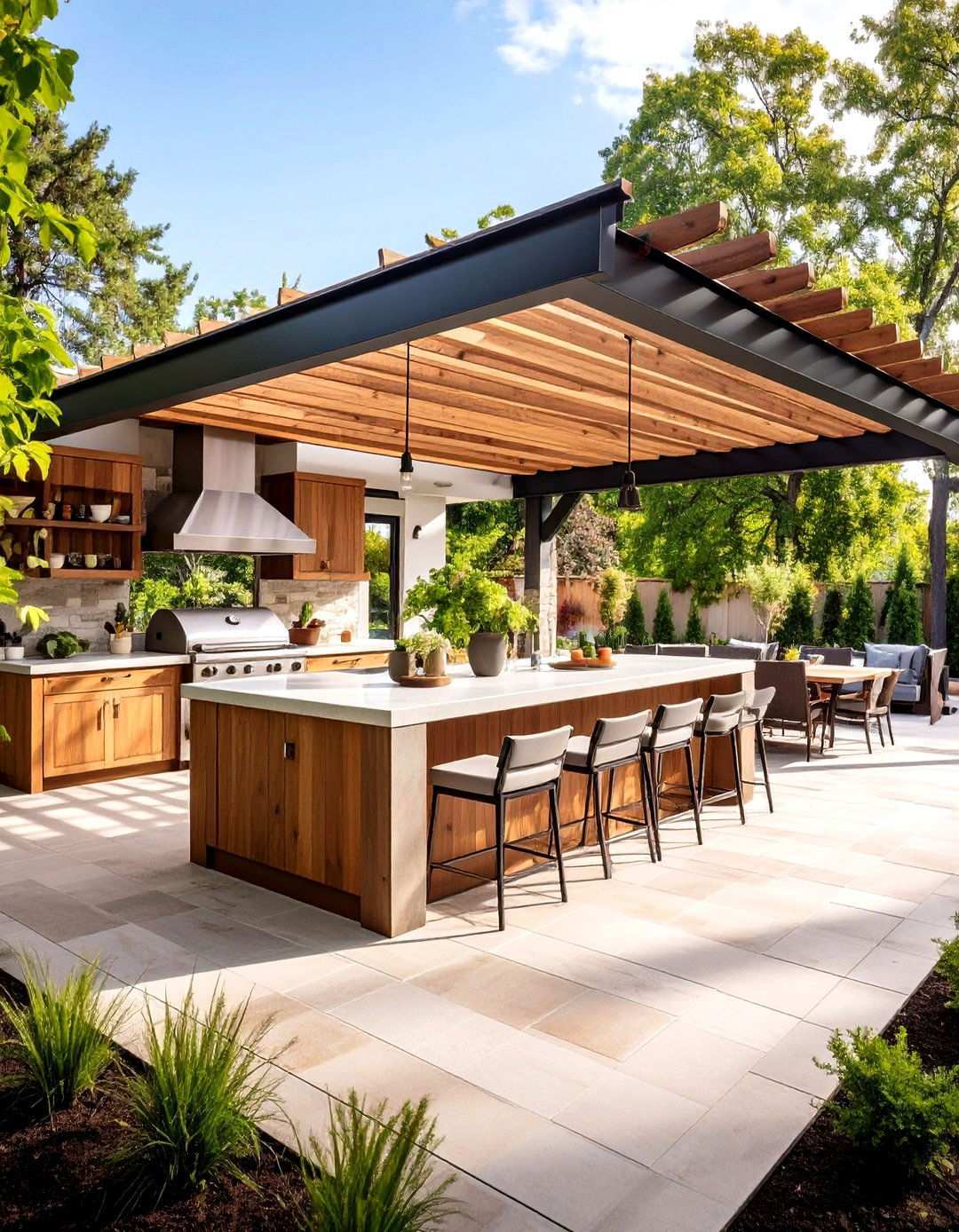
When it comes to designing an outdoor kitchen, the possibilities are endless, but the key to creating a functional and inviting space lies in selecting the right materials and features. A great starting point is to incorporate durable stone countertops, weather-resistant cabinetry, and high-performance cooking appliances that can withstand the elements while delivering exceptional performance. The kitchen island is the unsung hero of this setup, providing ample preparation areas and hidden storage for outdoor entertaining essentials. To create a sense of community, include built-in seating along peninsula counters, perfect for casual dining and conversation. Take your outdoor kitchen to the next level by incorporating overhead pergola structures that provide shade during cooking while supporting ambient lighting and cooling fans. Choose materials like stainless steel appliances and natural stone surfaces that exude sophistication and style, and complete the space with adjacent dining areas featuring weather-resistant furniture that complements your kitchen design elements.
5. Greening Your Driveway with Permeable Pavers
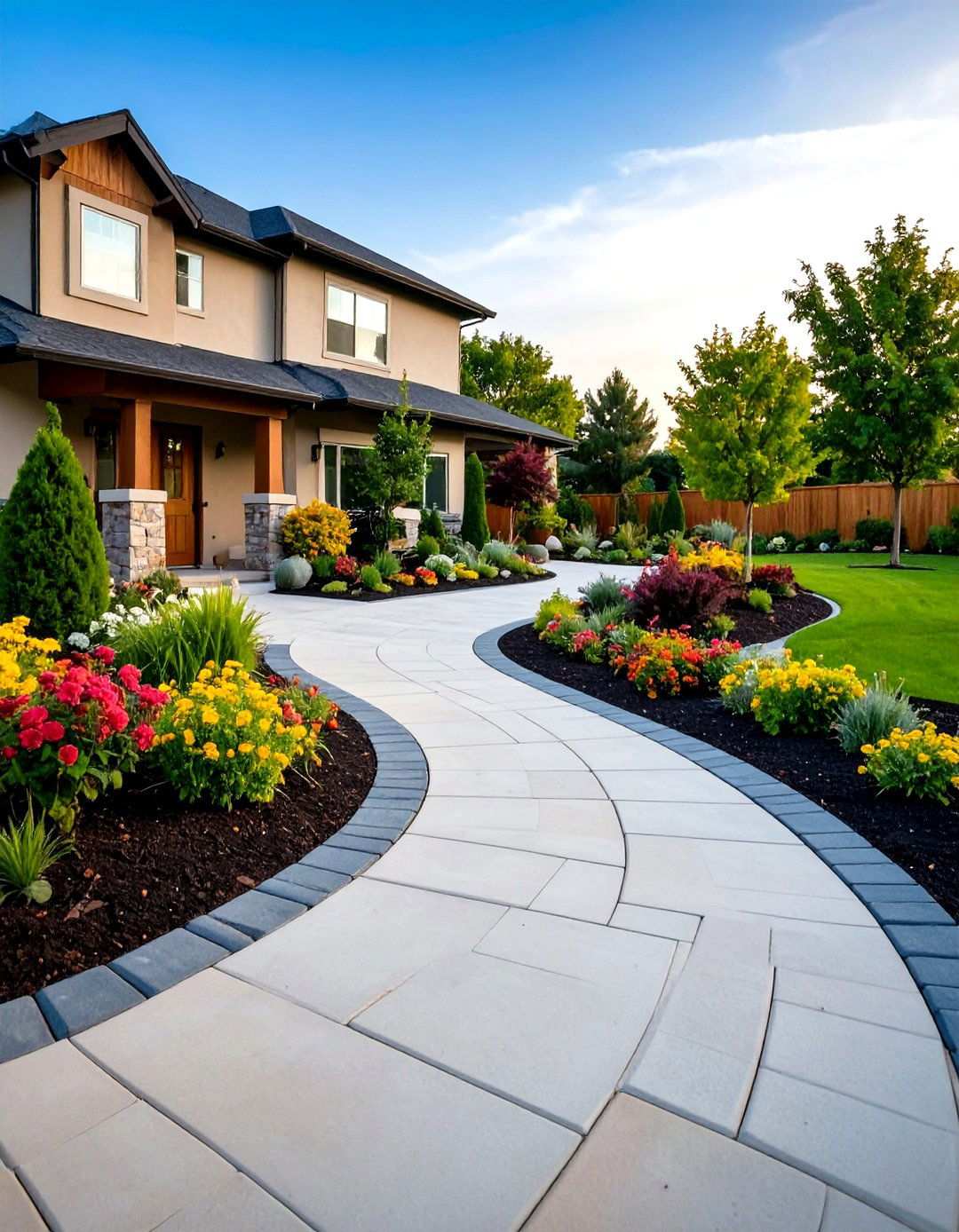
Why not turn your driveway into a beacon of sustainability while elevating your home’s curb appeal? By installing permeable pavers, you’ll be able to harness the power of rainwater infiltration while providing a sturdy surface for vehicle support. To create a durable and visually appealing system, choose interlocking concrete pavers with specialized joint materials that promote drainage while preventing weed growth. Add a touch of personality to your driveway design by incorporating alternating paver colors or decorative border patterns that harmonize with your home’s architectural style. Not only will this permeable system reduce stormwater runoff, but it will also filter pollutants naturally through the paving structure. To break up large paved areas and add seasonal color and texture to your property’s entrance, integrate landscape strips within the driveway design, creating a seamless transition between your home and the outdoors.
6. Designing a Peaceful Mediterranean Oasis
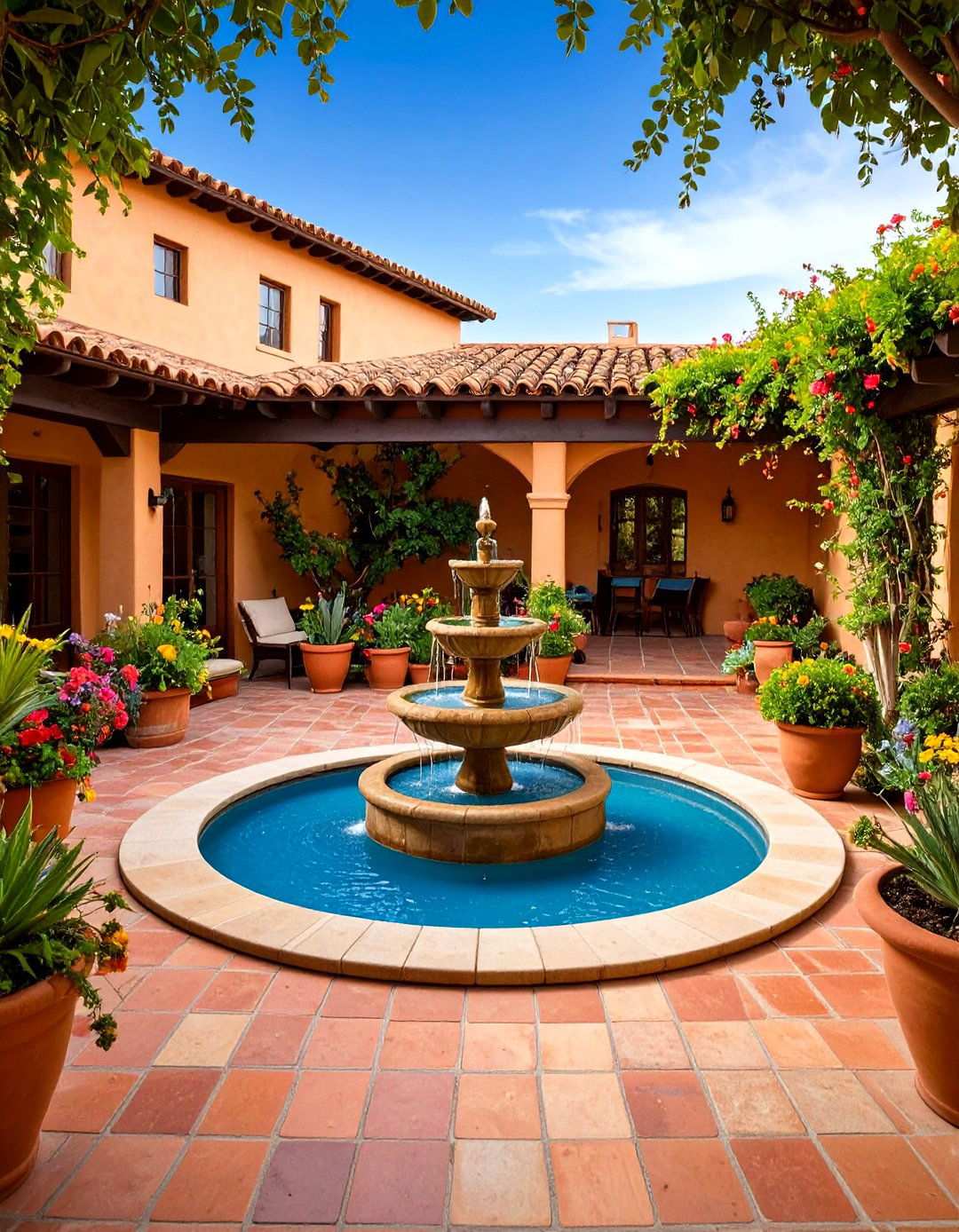
Craft a secluded retreat by incorporating Mediterranean-inspired elements such as terracotta, gently flowing fountains, and cozy seating nooks. At the heart of this serene space, a multi-tiered water feature constructed from natural stone or decorative concrete provides a soothing ambiance. To complement the fountain, surround it with porous paving materials like decomposed granite or small pebbles that allow for effortless drainage. Add raised planters filled with Mediterranean-style drought-tolerant plants that bring the beauty of the region’s landscapes to your outdoor space. Above all, overhead structures such as pergolas or shade sails offer relief from the intense sun while maintaining the airy, open feel characteristic of Mediterranean outdoor spaces.
7. Linear Pathways for a Modern Landscape
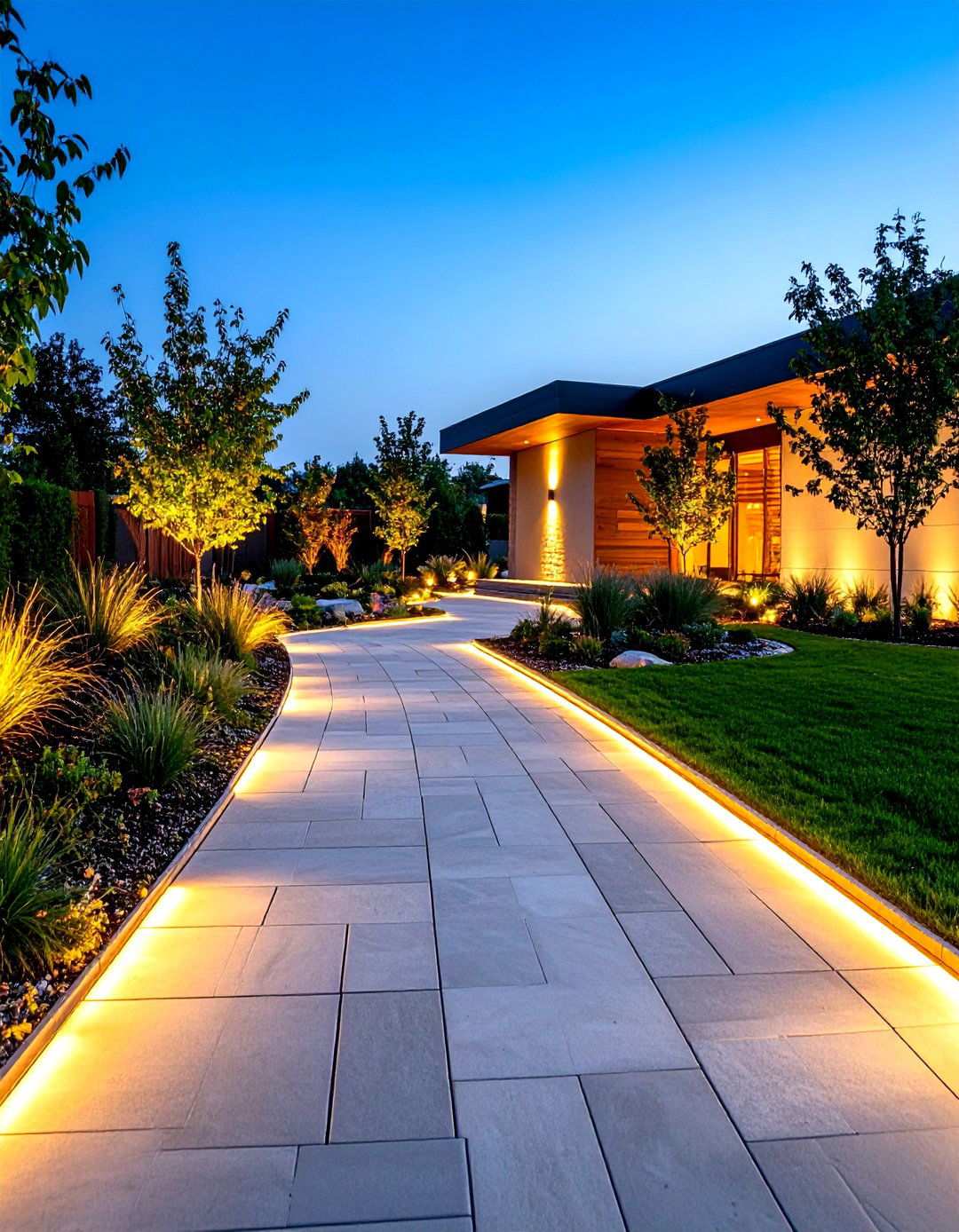
Create striking pathways by arranging oversized rectangular pavers in a running bond pattern that emphasizes the length and direction of your landscape. These linear installations guide movement through your outdoor space while providing clean, architectural lines that beautifully complement modern home designs. Choose materials with a smooth finish in neutral colors that harmonize with your home’s exterior palette. To enhance safety and ambiance, integrate LED strip lighting along walkway edges, and flank the pathways with ornamental grasses or low-maintenance plantings that soften the hard edges while maintaining a contemporary aesthetic. Include occasional wider areas that accommodate seating or decorative elements without disrupting the linear flow of the pathways.
8. Organically Placed Boulder Retaining Walls
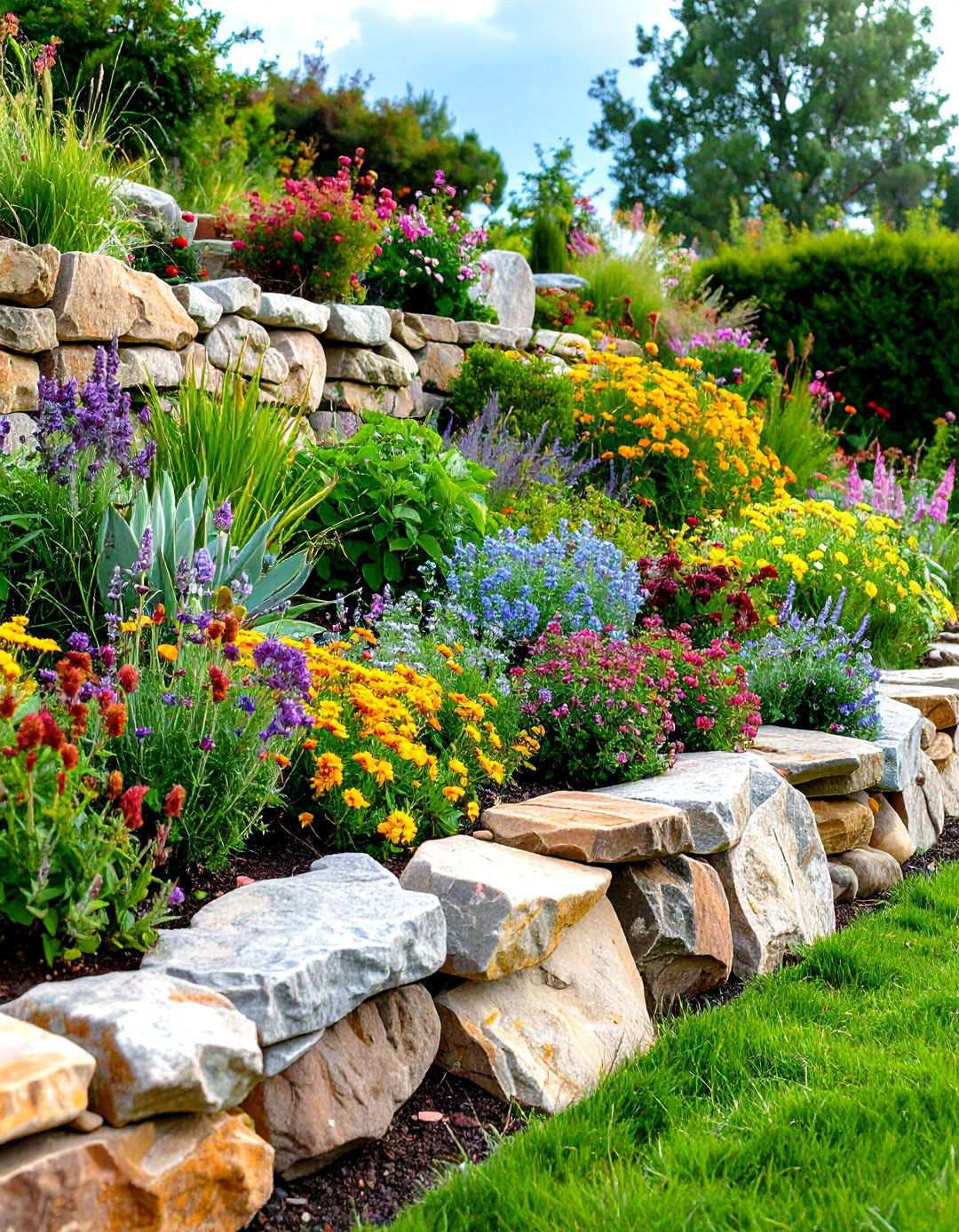
Emphasize natural beauty by using large boulders and fieldstone to create functional retaining structures that appear organically placed within your landscape. These walls not only provide necessary soil retention but also establish informal seating areas and planting pockets throughout sloped terrain. To seamlessly blend with your regional geology and existing landscape features, choose locally quarried stone materials. Incorporate planting crevices between stones to accommodate rock garden plants and trailing species that soften the wall’s appearance. The irregular placement of boulders creates visual interest while providing habitat for beneficial insects and small wildlife. To ensure long-term structural stability and prevent water damage, include integrated drainage behind the walls.
9. Raised Garden Bed Hardscape Integration
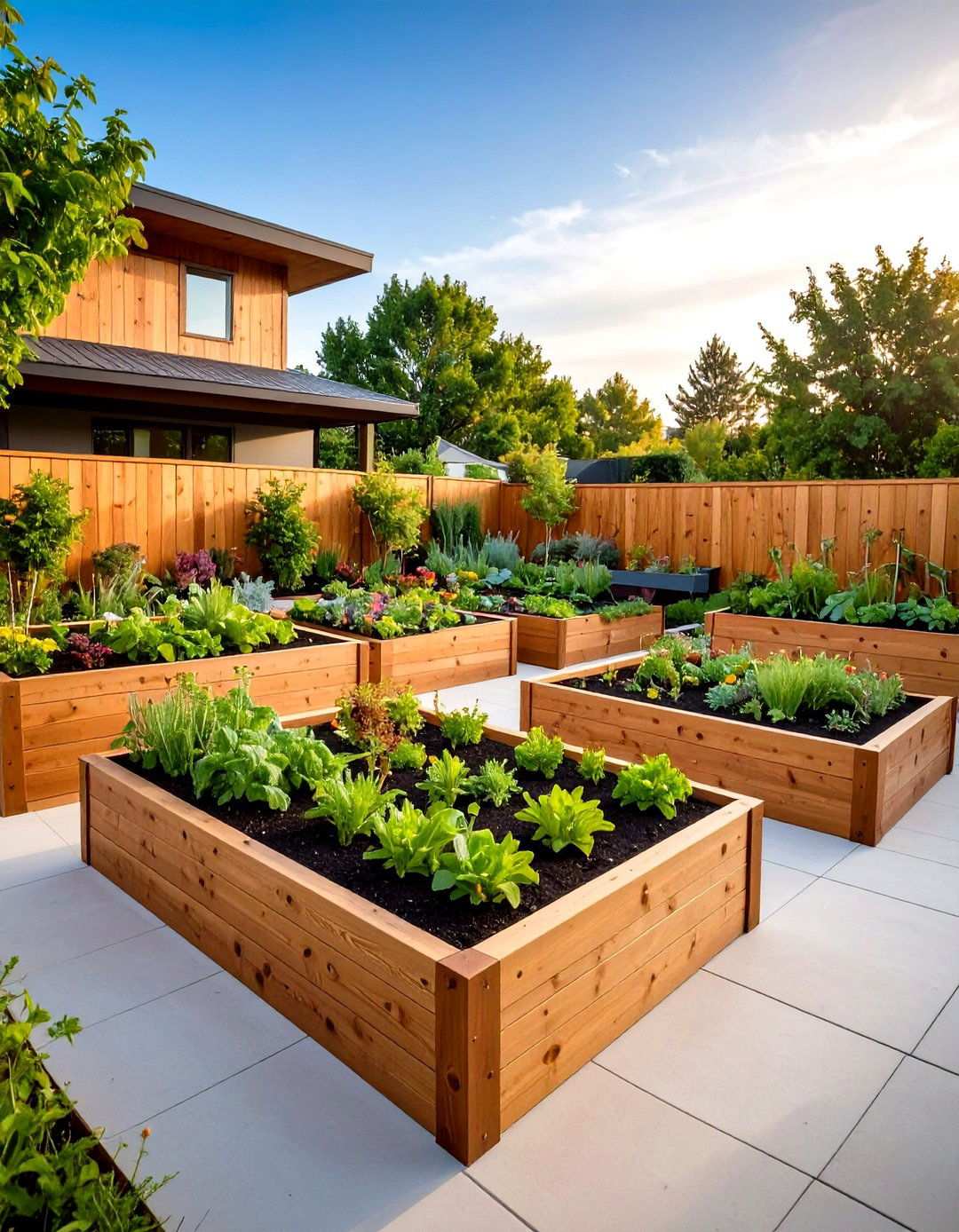
Elevate your vegetable gardens to new heights by marrying functionality with stunning architecture. Construct raised growing areas using an assortment of materials, including cedar timber, concrete blocks, or natural stone, to create optimized growing conditions and organized garden spaces. Thoughtfully design beds at heights that minimize strain during planting and maintenance activities, providing an ergonomic gardening experience. Furthermore, incorporate built-in irrigation systems and decorative mulch surfaces to maintain consistent moisture levels while suppressing weed growth. Strategically connect multiple beds with hardscape pathways that ensure clean access, regardless of the weather. The carefully designed hardscapes maximize growing space while creating visually appealing focal points that elevate your overall landscape composition.
10. Stamped Concrete Pool Deck
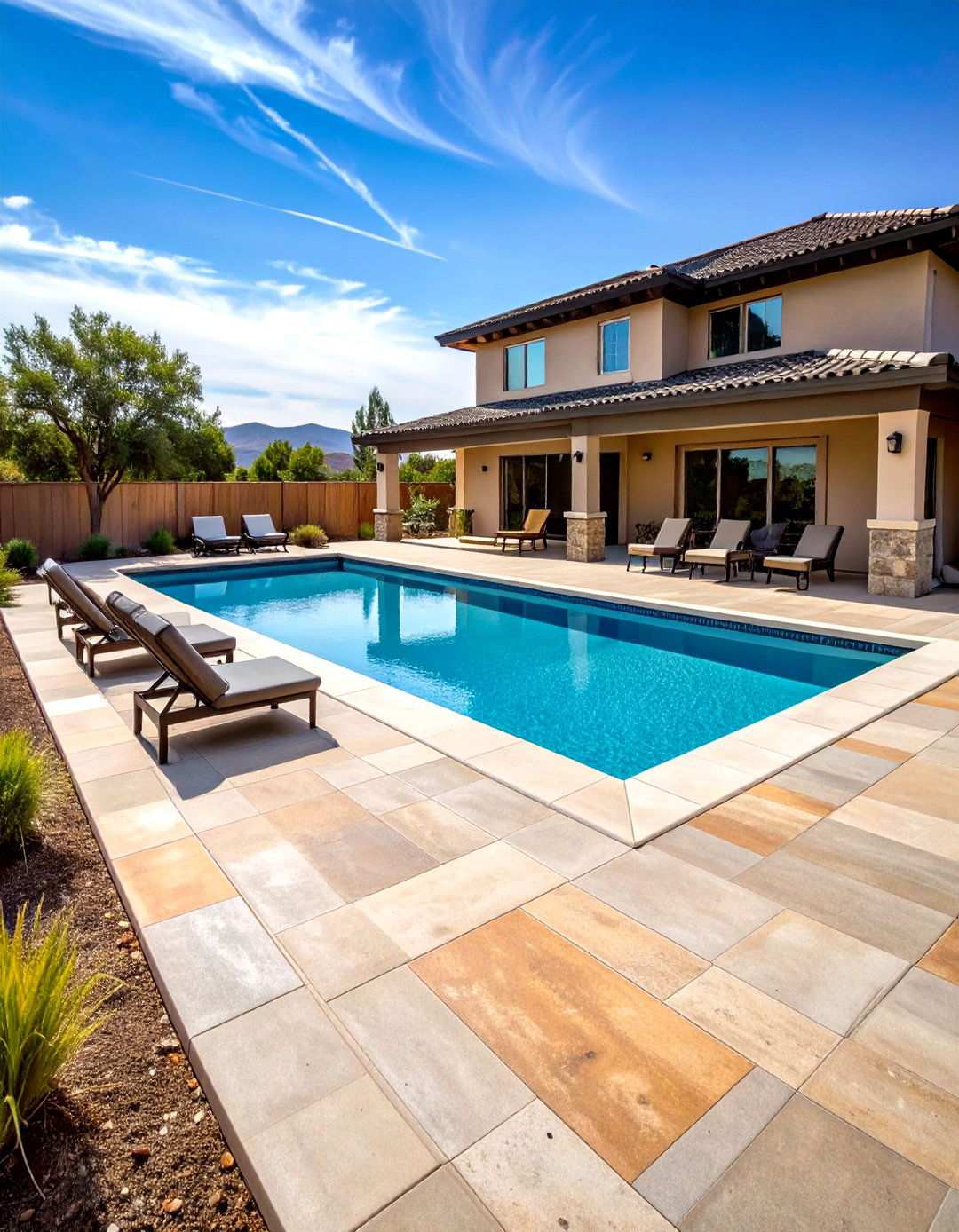
Revolutionize your pool surroundings with decorative concrete techniques that capture the essence of natural stone textures while providing a slip-resistant surface for water activities. Select stamping patterns and colors that harmonize with your home’s architecture, creating a seamless transition between indoor and outdoor spaces. Include integrated seating areas and planters that offer convenience and seclusion around your pool perimeter. Apply specialized sealers that protect against the detrimental effects of chlorine and UV fading while maintaining easy cleaning requirements. The seamless concrete surface eliminates trip hazards while accommodating pool furniture and equipment, creating a safe and inviting environment. To complete the look, incorporate decorative borders and accent areas that define different functional zones around your swimming area.
11. Pergola-Covered Outdoor Dining Room
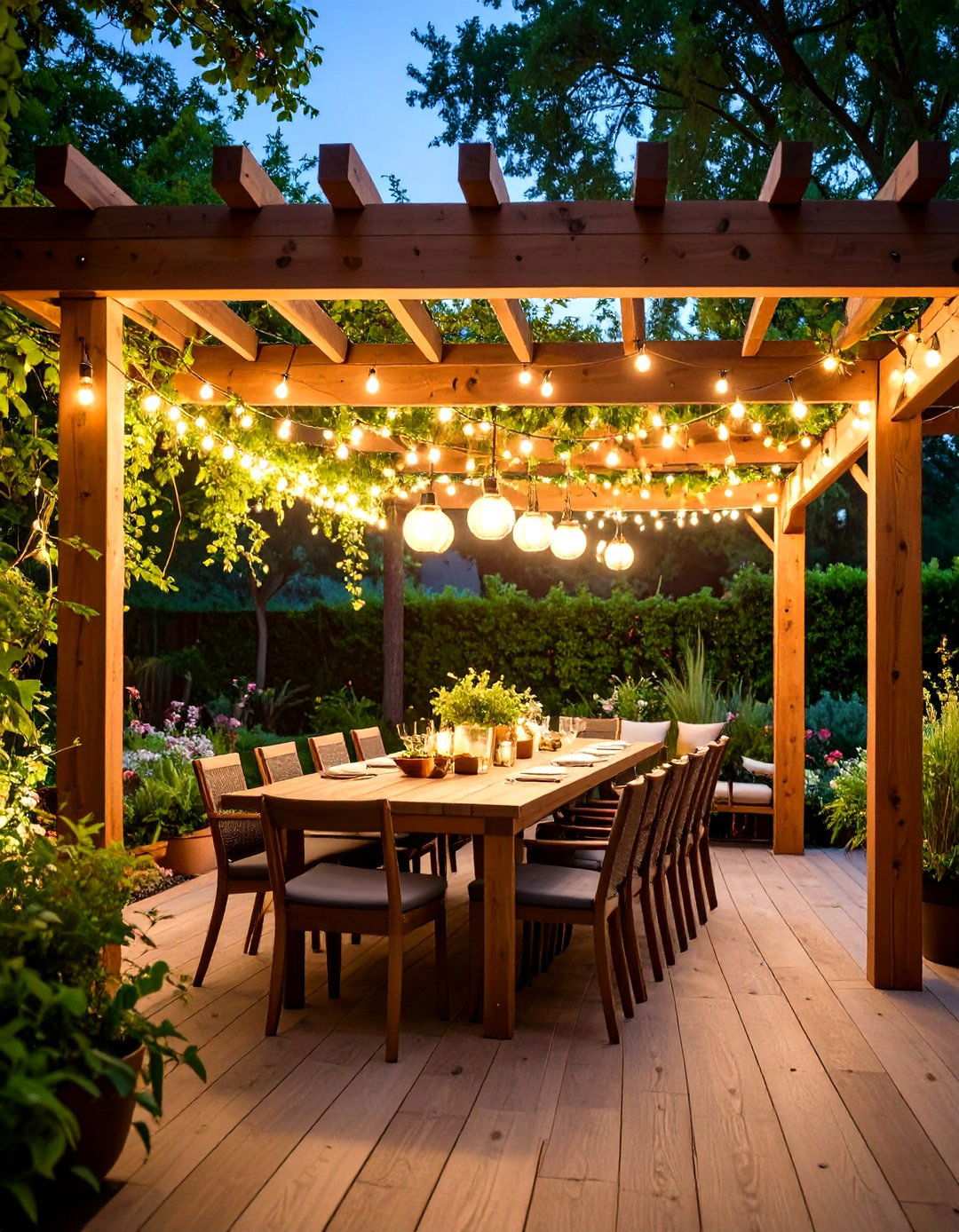
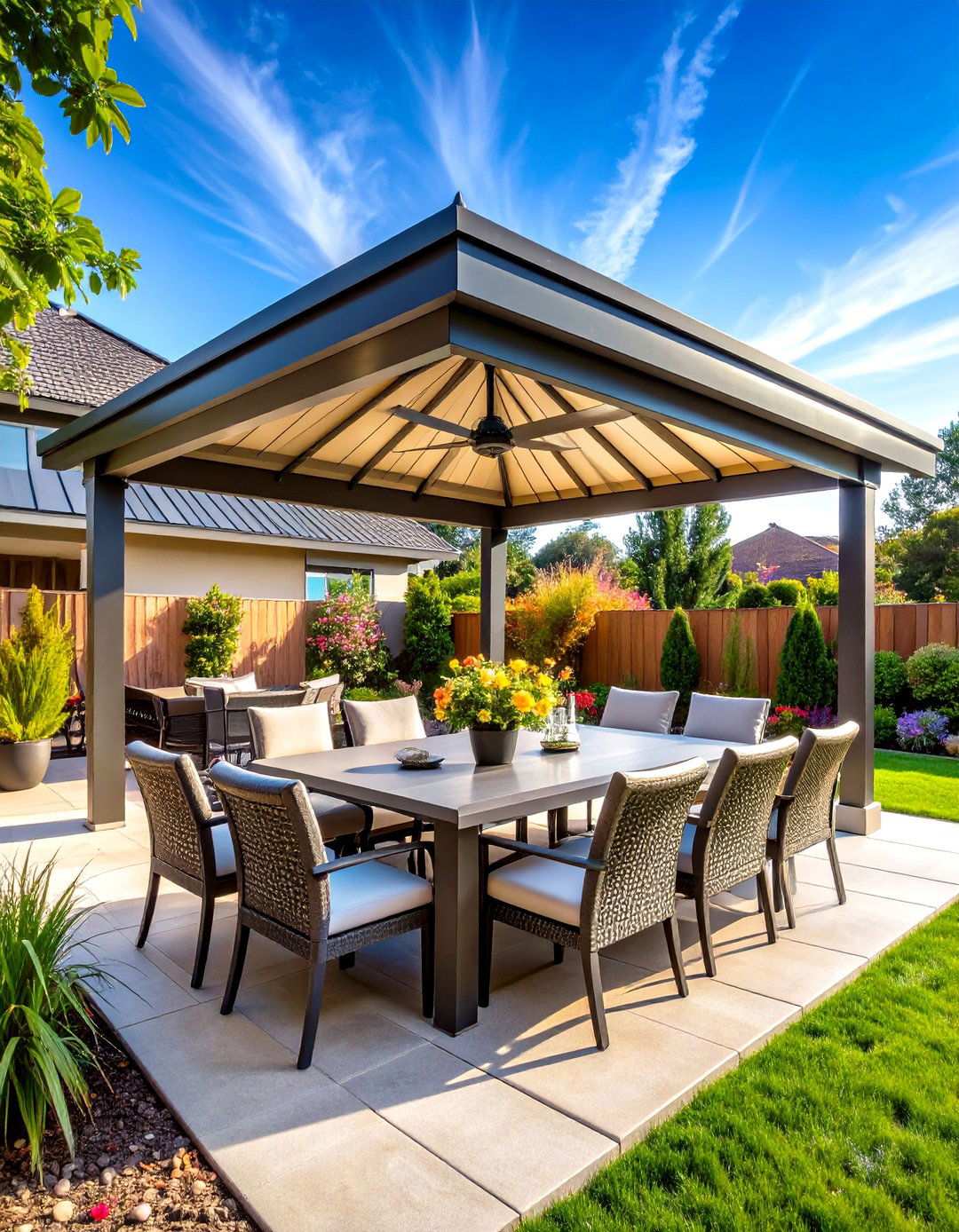
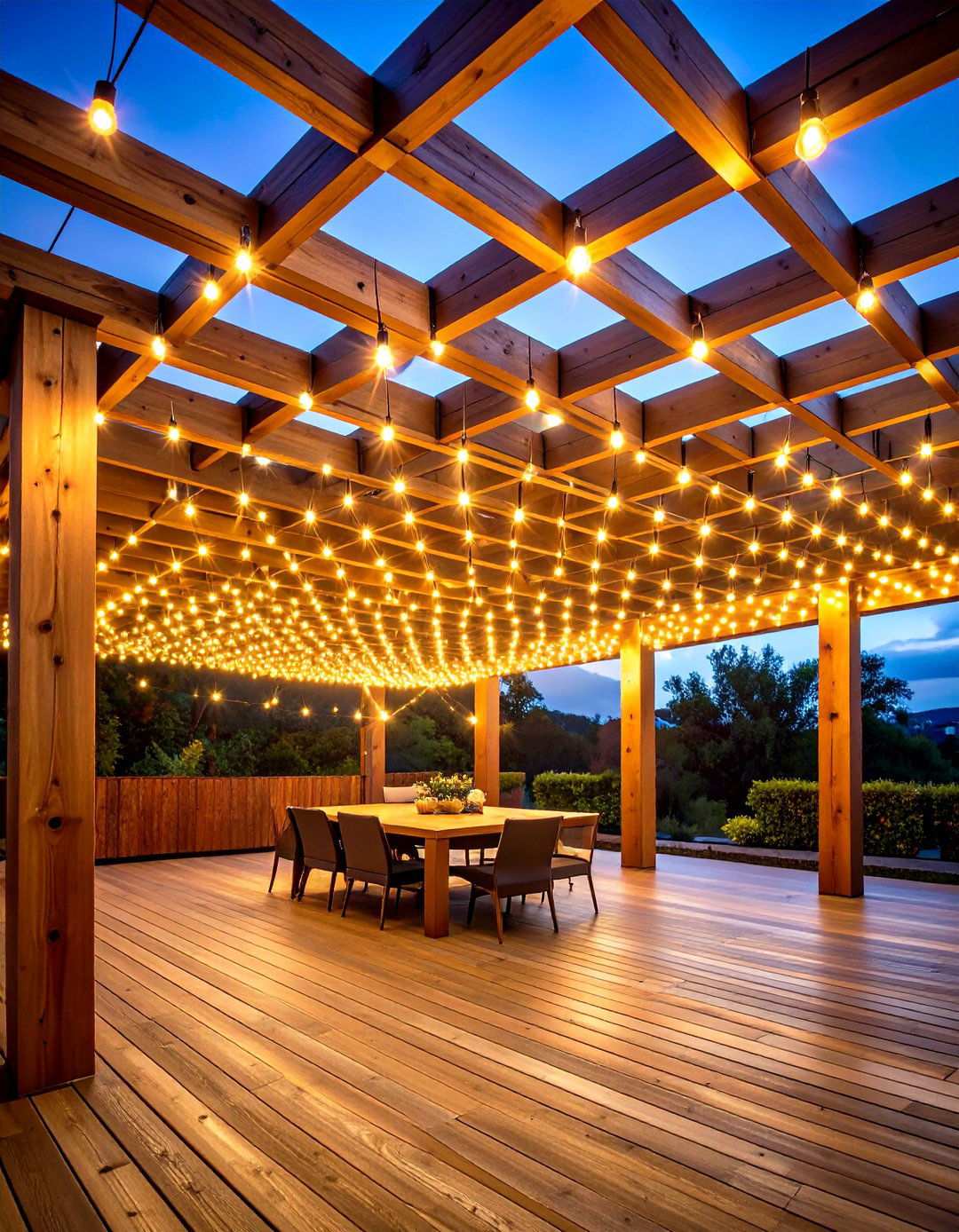
Create an enchanting al fresco dining experience beneath a custom pergola structure that provides filtered shade and architectural definition. Choose materials that complement your home’s design, such as cedar, aluminum, or steel, and support climbing plants or retractable canopies. Ensure adequate space for dining tables, serving areas, and comfortable circulation around furniture. Install overhead lighting fixtures and ceiling fans that extend usability during evening hours and warm weather, creating an inviting ambiance. The pergola framework provides mounting points for seasonal decorations, outdoor speakers, or heating elements, adding a touch of sophistication to your outdoor space. By carefully coordinating the structure’s proportions with surrounding landscape elements, you can create harmonious outdoor room proportions that feel suitably scaled.
12. Harmonious Oasis Design
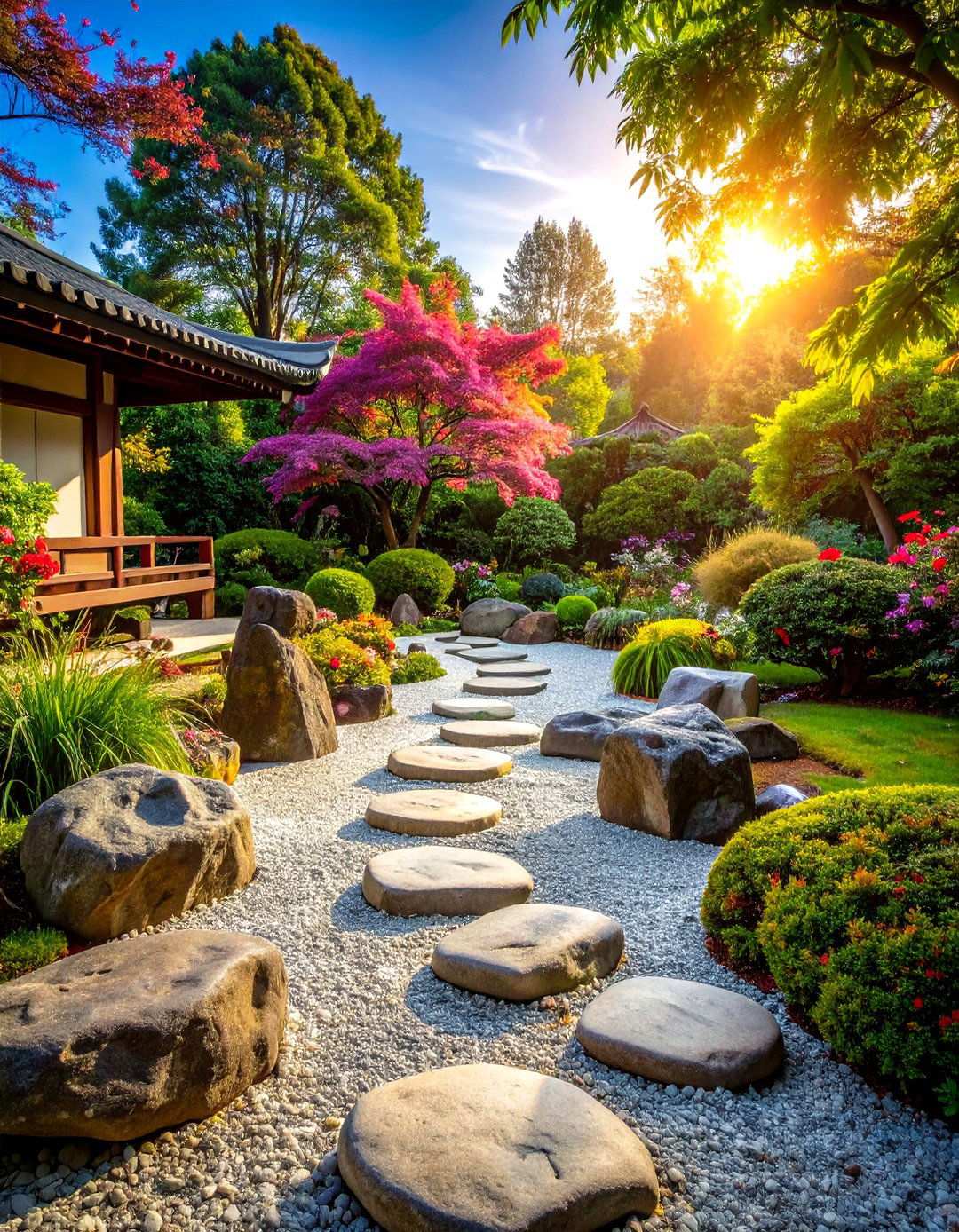
Craft a serene retreat amidst the chaos of daily life by blending the soothing elements of nature with carefully orchestrated landscape features. By incorporating strategically placed boulders, exquisitely raked gravel surfaces, and understated planting schemes, you can create an atmosphere conducive to relaxation and introspection. Select stones that boast unique textures and colors to serve as focal points within a thoughtfully simplified landscape composition. Incorporate curved pathways made from stepping stones or boardwalk materials to guide visitors through the space while maintaining a tranquil ambiance. The gravel areas not only provide low-maintenance ground cover but also allow for effortless pattern creation and upkeep. The subtle addition of small fountains or reflecting pools can enhance the peaceful environment without overpowering the serene setting.
13. Whimsical Flagstone Journey
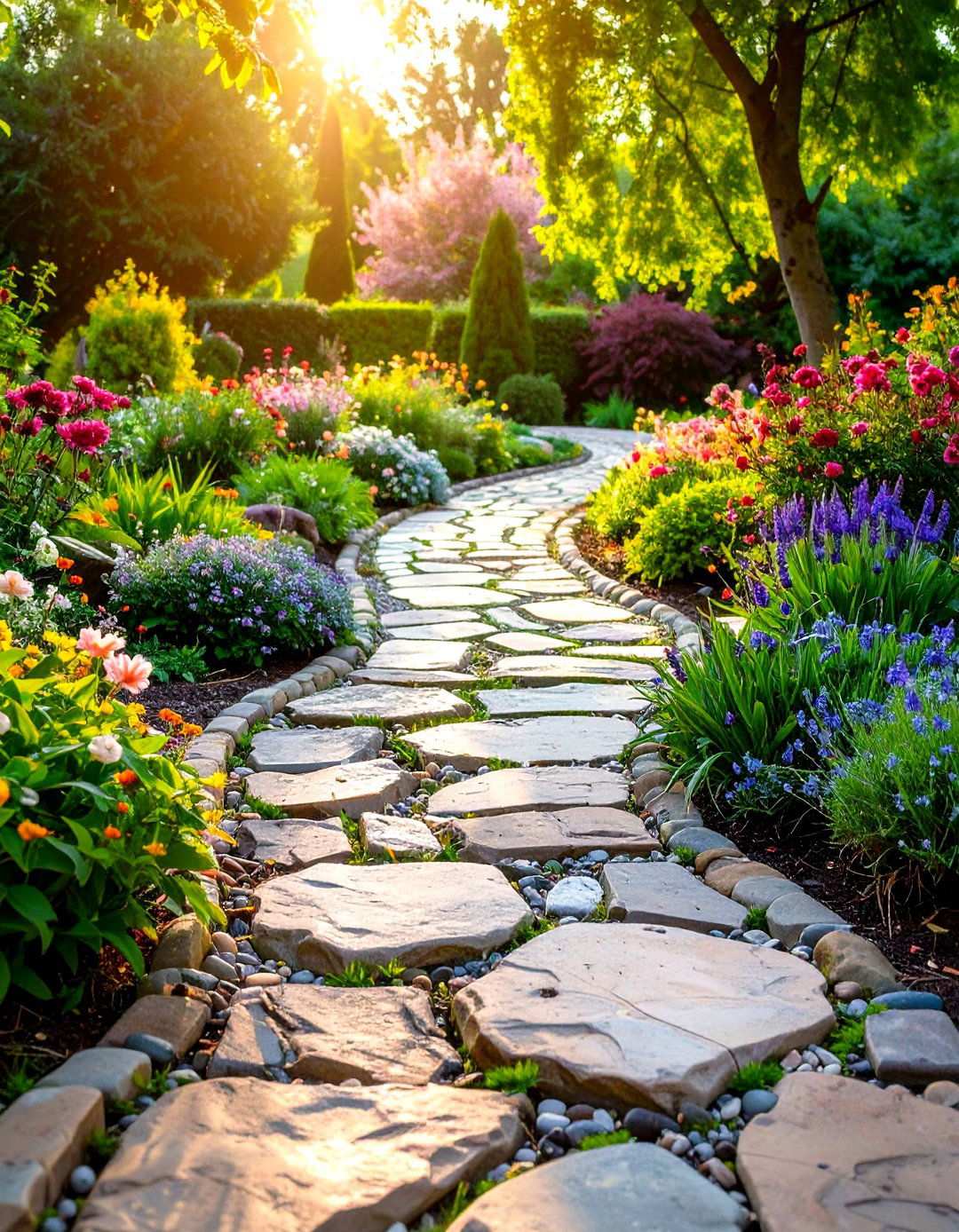
Conjure up an enchanting route through your landscape by employing irregularly shaped flagstone pieces that artfully follow natural contours and invite leisurely exploration. This organic approach not only provides functional pathways but also maintains an informal, cottage-garden aesthetic throughout your property. Opt for locally sourced stone materials that harmoniously complement your regional landscape character while offering durable walking surfaces. Include wider areas for occasional seating or decorative plantings that create pause points along the journey, inviting visitors to pause and appreciate the surroundings. By planting low-growing species between stones, you can soften edges and add seasonal interest and vibrant colors to the landscape. The meandering design thoughtfully accommodates existing trees and landscape features while creating opportunities for surprise views and intimate garden spaces.
14. Timeless Brick Revival
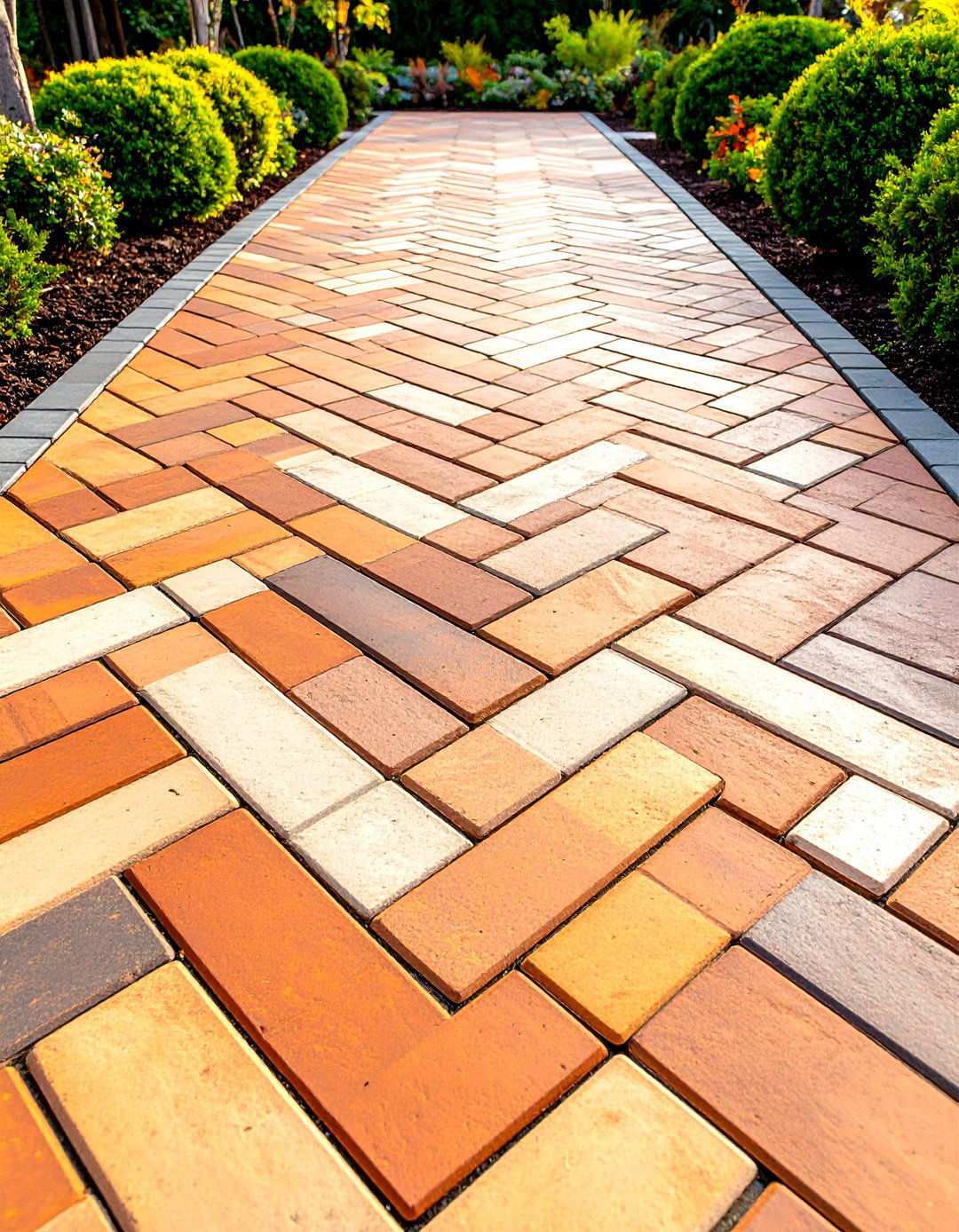
Pay homage to traditional craftsmanship while providing modern functionality through the meticulous restoration or installation of brick paving systems. Select materials that authentically reflect your home’s historical period while meeting contemporary performance requirements for durability and maintenance. Incorporate decorative patterns like herringbone, basket weave, or running bond to create visual interest while maintaining classic appeal. Ensure proper edge restraints and joint materials that prevent shifting while allowing for thermal expansion. The warm, inviting brick tones complement most architectural styles while providing slip-resistant surfaces for pedestrian traffic. By incorporating integrated lighting and landscape elements, you can enhance the historical character while providing modern safety and security features.
15. Blending Functionality with Aesthetics in Industrial Design
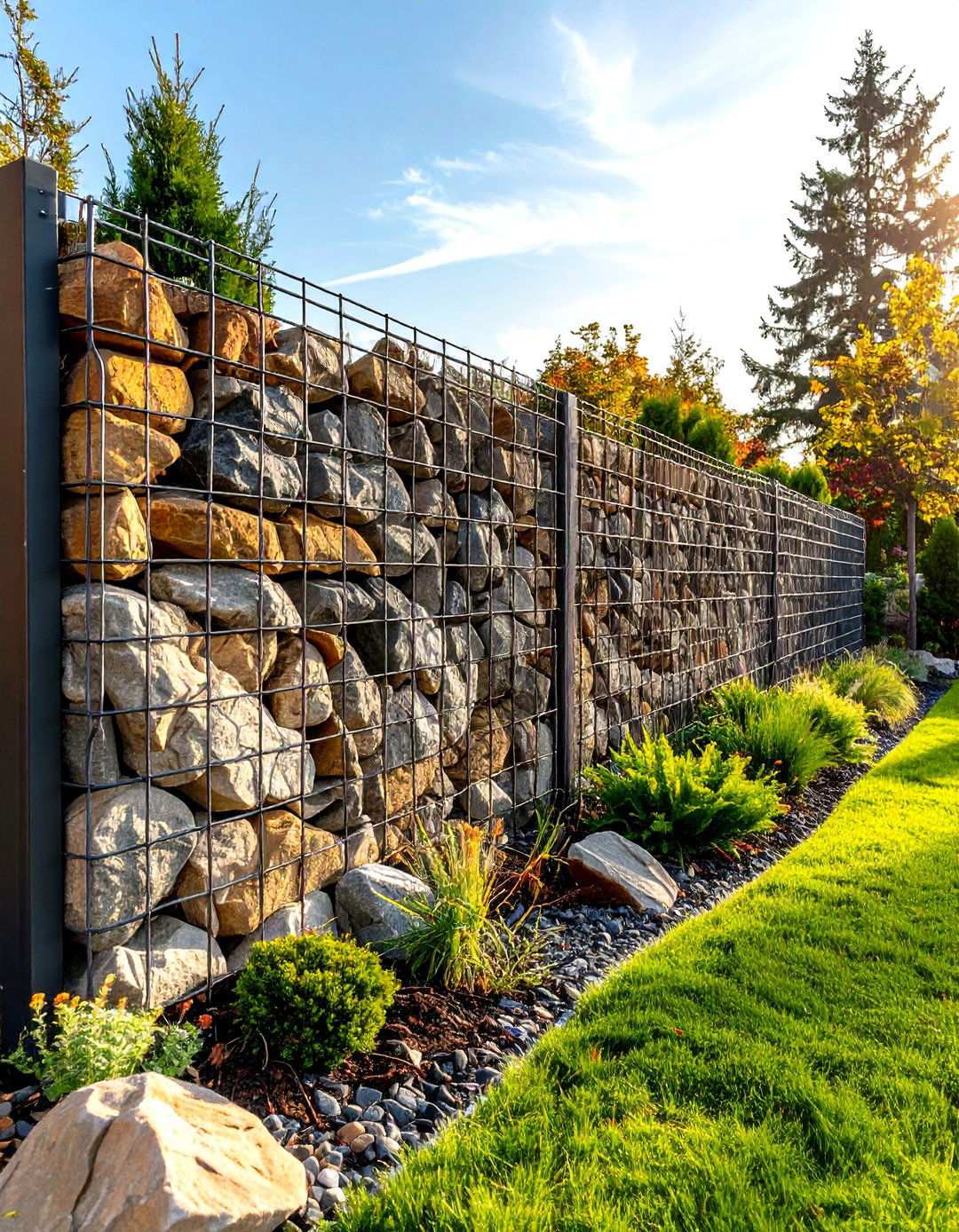
Industrial materials can be repurposed to create striking residential landscape features that transcend functionality. A modern retaining wall constructed from wire mesh containers filled with decorative stone not only provides structural strength but also introduces unique textural elements that enhance the landscape’s visual appeal. By selecting stone fillings that harmonize with the color palette, you can achieve interesting scale variations within the wire framework, resulting in a visually appealing contrast. These walls offer excellent drainage characteristics, accommodating different height requirements and curved configurations, while their modular construction allows for creative combinations and future modifications as your landscape needs evolve over time. Integrating planters and seating areas can soften the industrial aesthetic while maintaining the modern design character, creating a harmonious balance between function and form.
16. Natural Elegance in Decomposed Granite Pathways
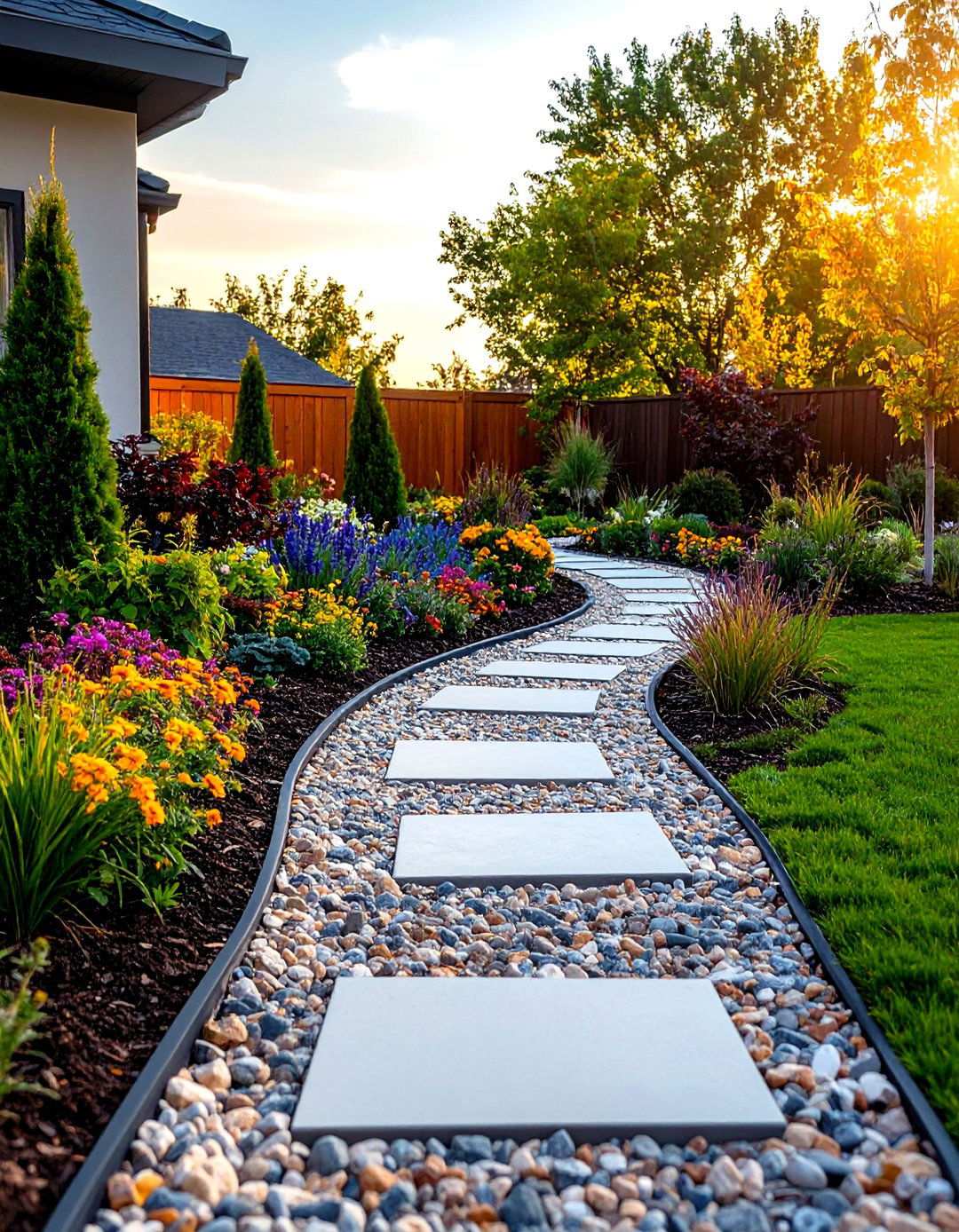
Establishing walkways using compacted decomposed granite creates naturally appearing paths that provide firm walking surfaces while maintaining permeable characteristics for environmental sustainability. This material choice offers excellent value while creating informal pathways that complement both contemporary and traditional landscape designs. To contain the pathway and prevent material migration into adjacent planting areas, incorporate steel or concrete edging materials. The neutral earth tones of decomposed granite coordinate well with most color palettes, providing a consistent appearance throughout different seasons. Adding occasional stepping stones or decorative elements can create visual interest while maintaining the pathway’s informal character. Regular maintenance ensures optimal compaction and appearance, while preventing weed intrusion and extending the lifespan of the pathway.
17. Crafting Cozy Outdoor Living Spaces with Fireplaces
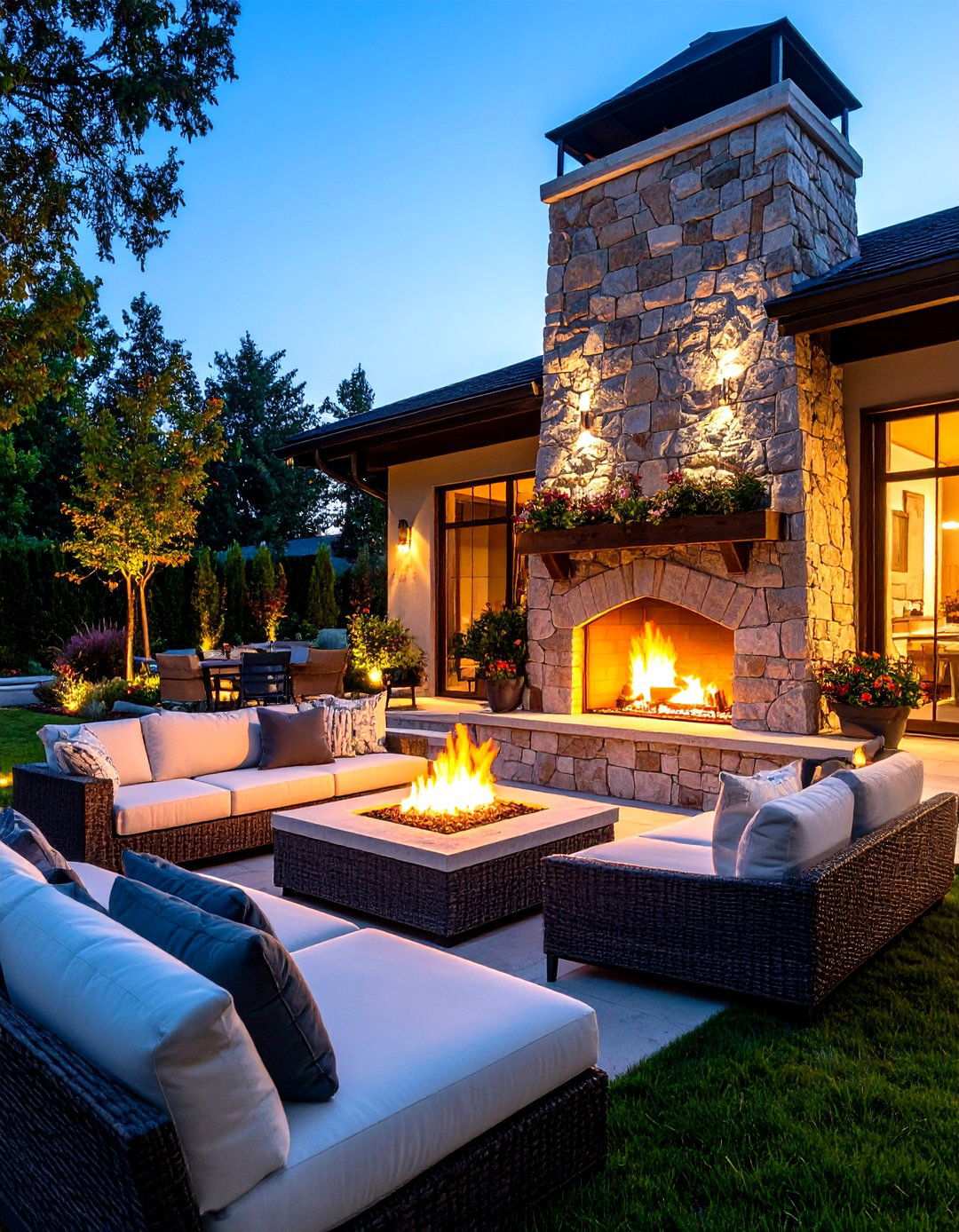
Designing sophisticated entertainment areas centered around impressive fireplace structures can anchor outdoor living spaces with warmth and dramatic focal points. When choosing materials like natural stone, brick, or stucco, consider how they will complement your home’s architecture while providing weather-resistant performance. Include comfortable seating arrangements that accommodate different group sizes while maintaining appropriate distances from the fire source. Incorporating storage areas for firewood, cooking utensils, and outdoor entertaining accessories within the fireplace design can enhance functionality and convenience. Overhead structures or adjacent windscreens can enhance comfort during adverse weather conditions while maintaining the open-air feeling. Completing the space with ambient lighting and decorative elements can create inviting atmospheres for year-round outdoor enjoyment.
18. Crafting a Drought-Resistant Oasis with Gravel and Architecture
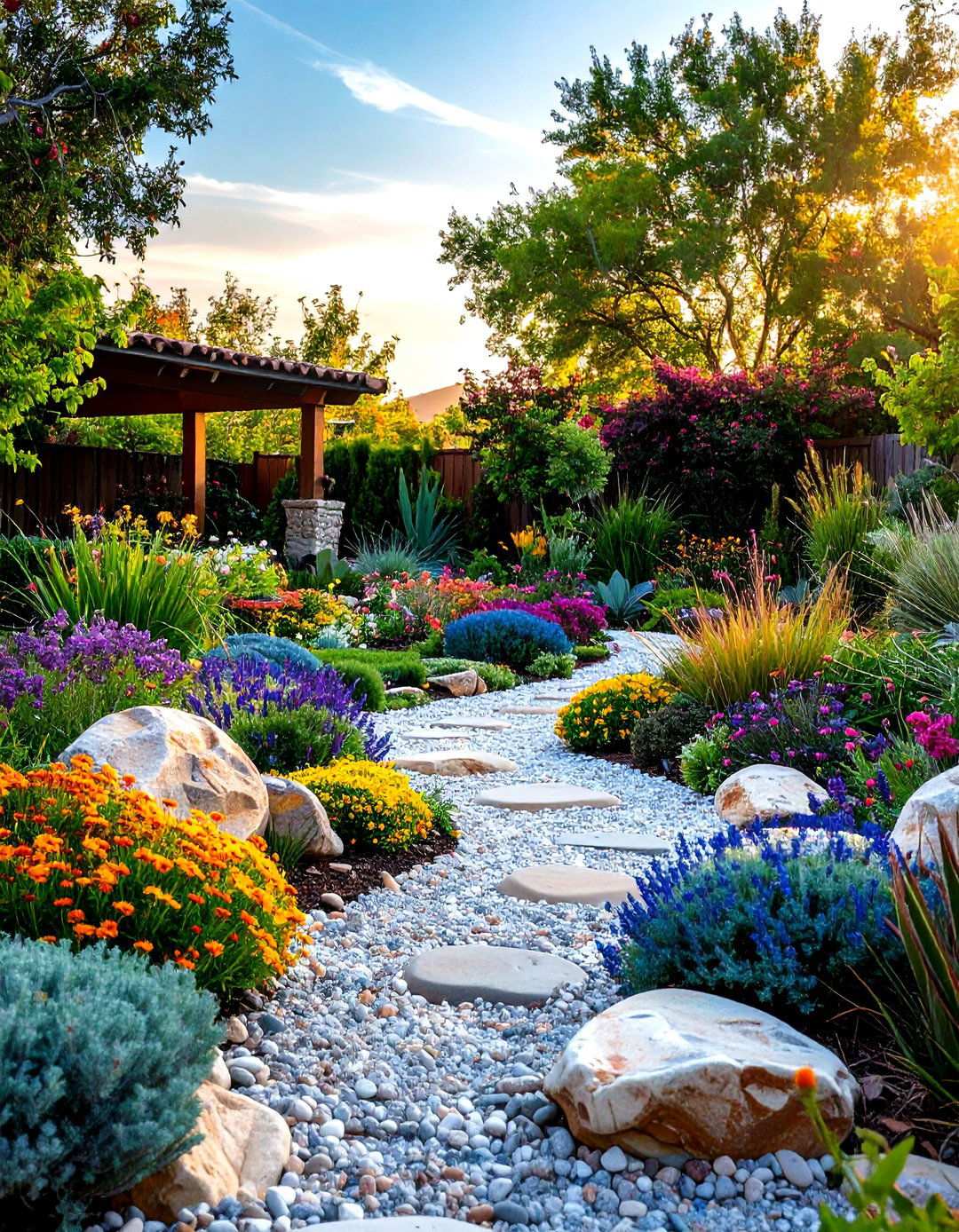
Imagine a landscape design that combines the beauty of decorative gravel surfaces with the functionality of drought-tolerant architecture. By incorporating visually appealing gravel colors and sizes, you can create a consistent background for seasonal plantings, while also reducing water requirements and lawn care responsibilities in suitable climate zones. This low-maintenance approach allows you to focus on the finer details of your landscape design, such as incorporating accent stones and boulders that double as habitats for beneficial insects and small wildlife. With a carefully curated selection of architectural plants and sculptural elements, you can add depth and visual interest to your design. By incorporating subtle elevation changes and curved borders, you can create a sense of movement and fluidity, while maintaining the simplicity of a gravel garden.
19. Harmonizing Sound and Visuals: The Art of Tiered Water Features
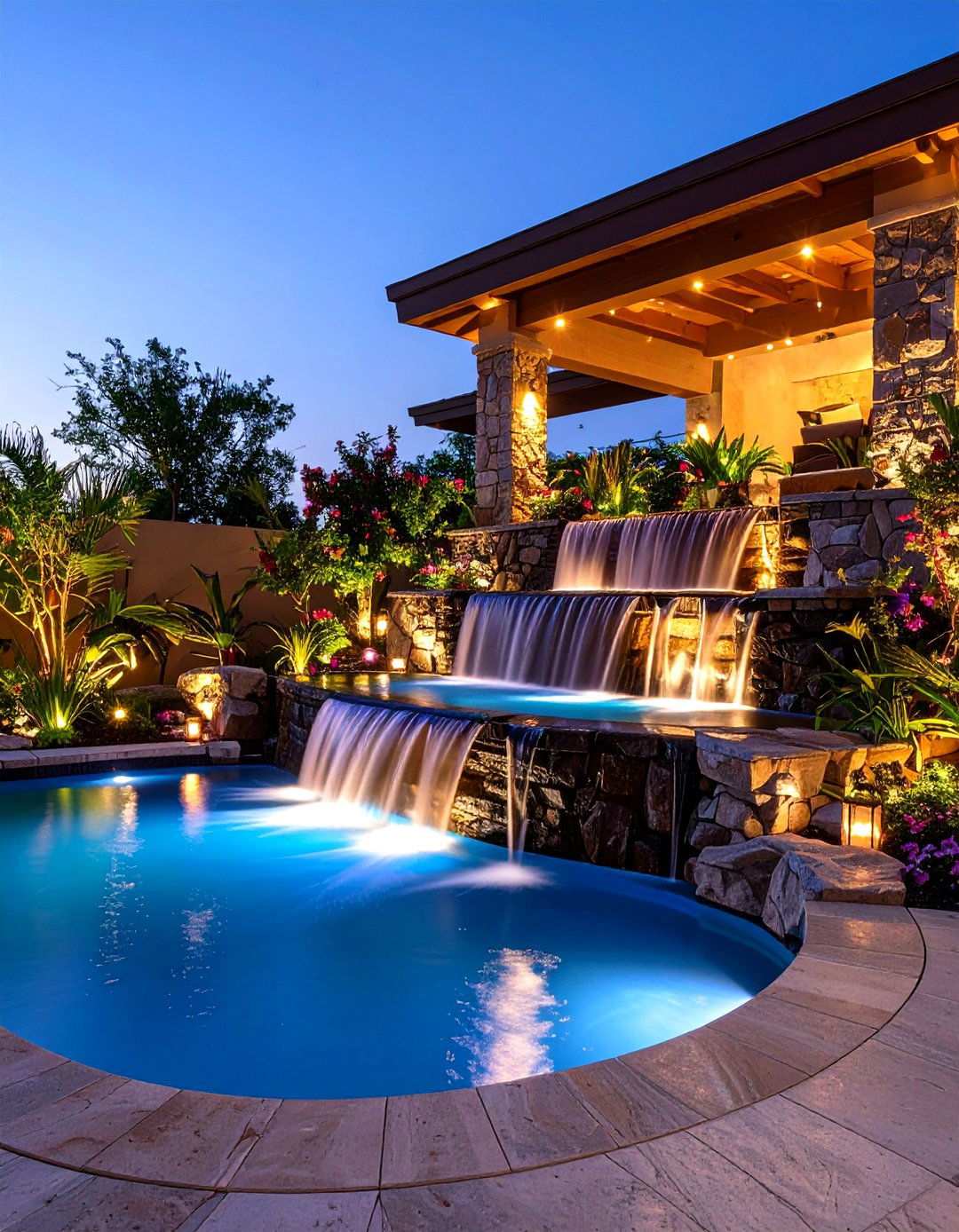
Transform your outdoor space into a serene retreat by incorporating multi-level water features that create soothing background sounds and stunning visual focal points. Constructed from natural stone or precast concrete elements, these features can withstand the elements while maintaining their attractive appearances. By incorporating energy-efficient pumping systems and LED lighting, you can highlight the movement of water during evening hours, creating a truly enchanting experience. The cascading design of these features also provides opportunities for aquatic plants to thrive, creating humidity zones that benefit surrounding vegetation. By positioning these features to maximize visibility from indoor spaces and ensuring proper electrical and plumbing access for maintenance, you can create a seamless integration with your home’s interior. Finally, include seating areas nearby to encourage quiet contemplation and relaxation.
20. Elevating Your Outdoor Living Space with Modern Composite Decks
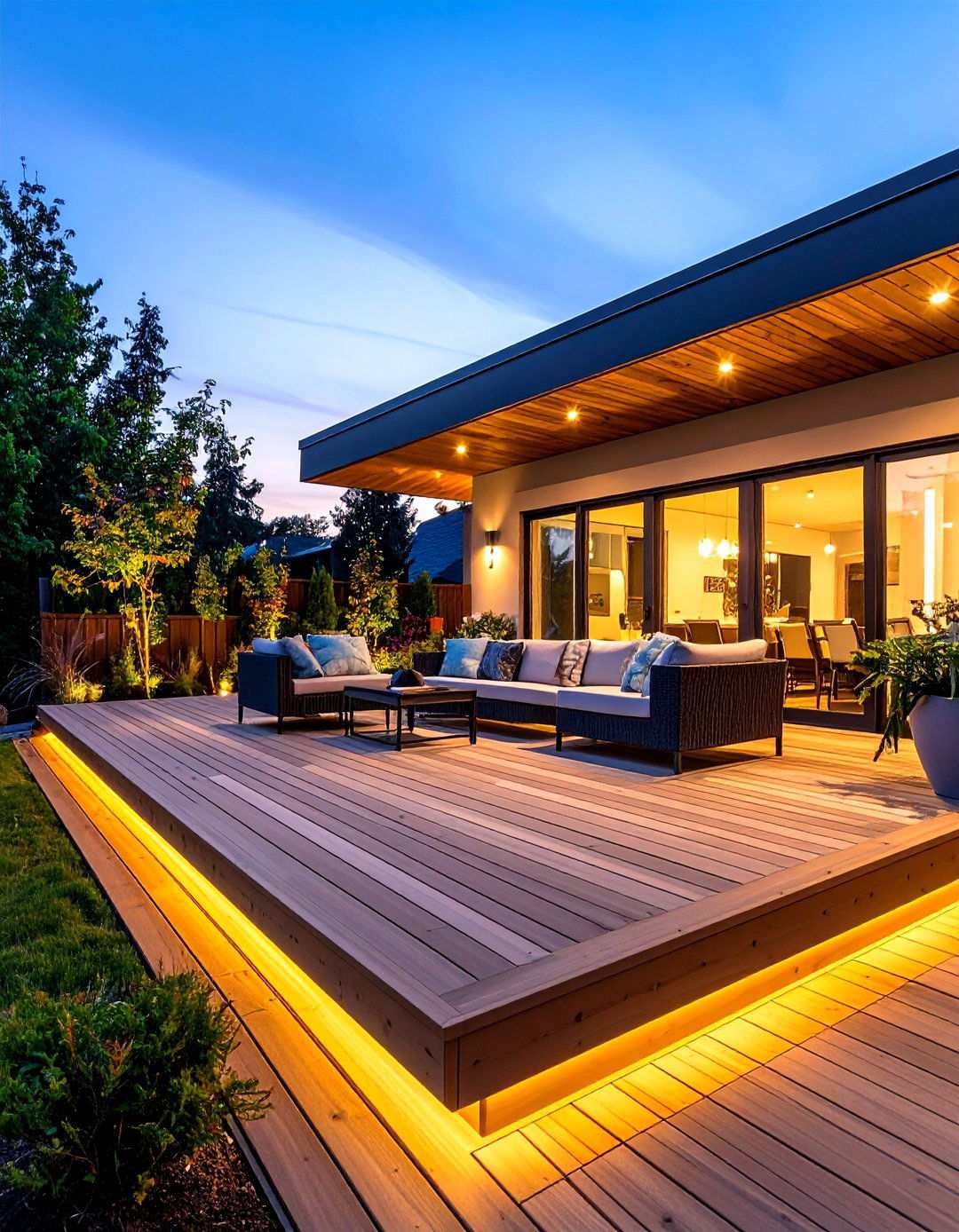
Elevate your outdoor living space with the help of composite decking materials that offer the aesthetic appeal of natural wood without the maintenance requirements. By choosing colors and textures that coordinate with your home’s exterior, you can create a seamless transition between indoors and outdoors. Incorporate integrated lighting systems and built-in seating to maximize functionality, while maintaining clean design lines. The elevated design of these platforms accommodates uneven terrain, providing excellent drainage and air circulation beneath the structure. To create a sense of separation and connection to the surrounding landscape, consider adding privacy screens or pergola structures. Finally, include storage solutions and electrical access to support outdoor entertaining and seasonal equipment needs.
21. Harmonious Pool Design Integration
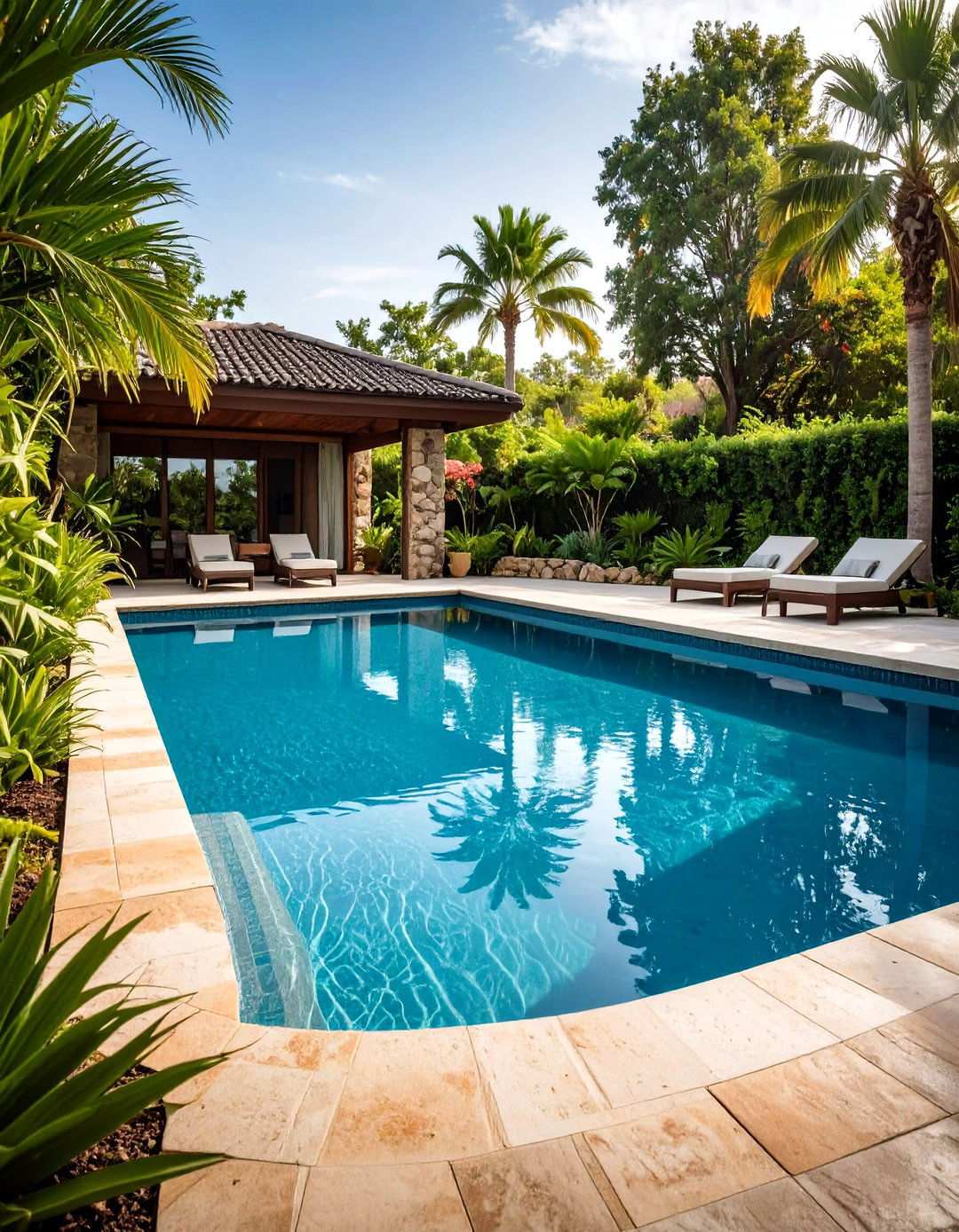
Elevate traditional pool designs by incorporating natural stone coping and beach entries, seamlessly merging with the surrounding landscape. Select stone materials that harmonize with your local geology, providing a comfortable surface for poolside activities. Varying depths and curved configurations can be achieved, mimicking natural water bodies while catering to diverse swimming and recreation preferences. This design approach not only supports aquatic plants but also enables the use of biological filtration systems, significantly reducing chemical requirements. To complete the look, incorporate adjacent seating and sunbathing areas using the same stone materials, maintaining design continuity. Subtle lighting and water features can be added to enhance the natural ambiance while ensuring safety and security during evening hours.
22. Modern Garden Accents with Decorative Blocks
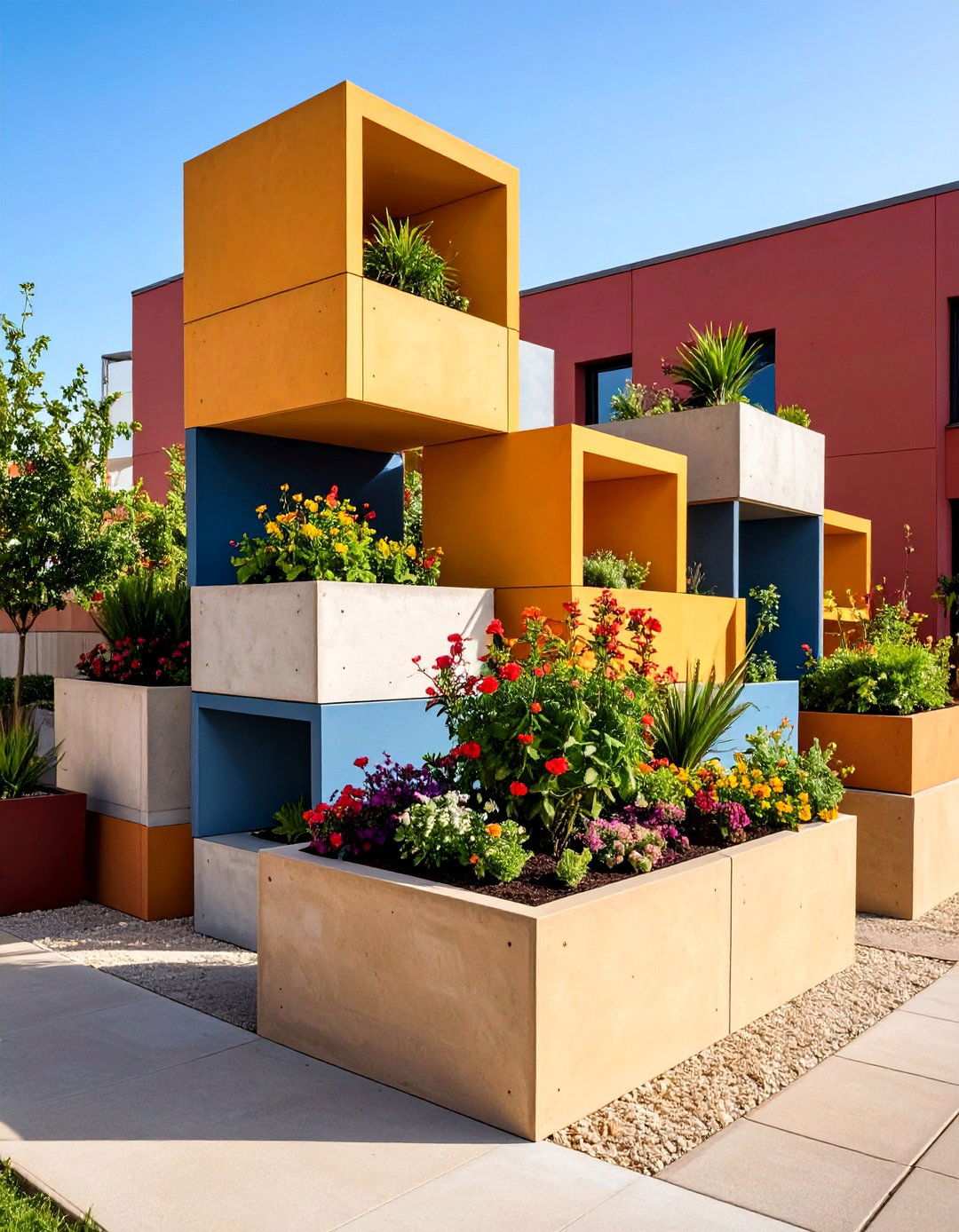
Combine functionality with contemporary style in your garden design by incorporating decorative concrete blocks into planters. These geometric planters offer substantial growing volume while creating architectural elements within your landscape. Choose block colors and textures that complement your hardscape palette, ensuring adequate drainage for healthy plant growth. Varying heights and configurations can be achieved, creating visual interest while accommodating different plant sizes and growing requirements. The modular construction of these planters allows for future modifications and seasonal arrangements, maintaining design flexibility. To optimize growing conditions, fill planters with appropriate soil mixtures and irrigation systems, minimizing maintenance requirements.
23. Sleek Metal Edging for Contemporary Borders
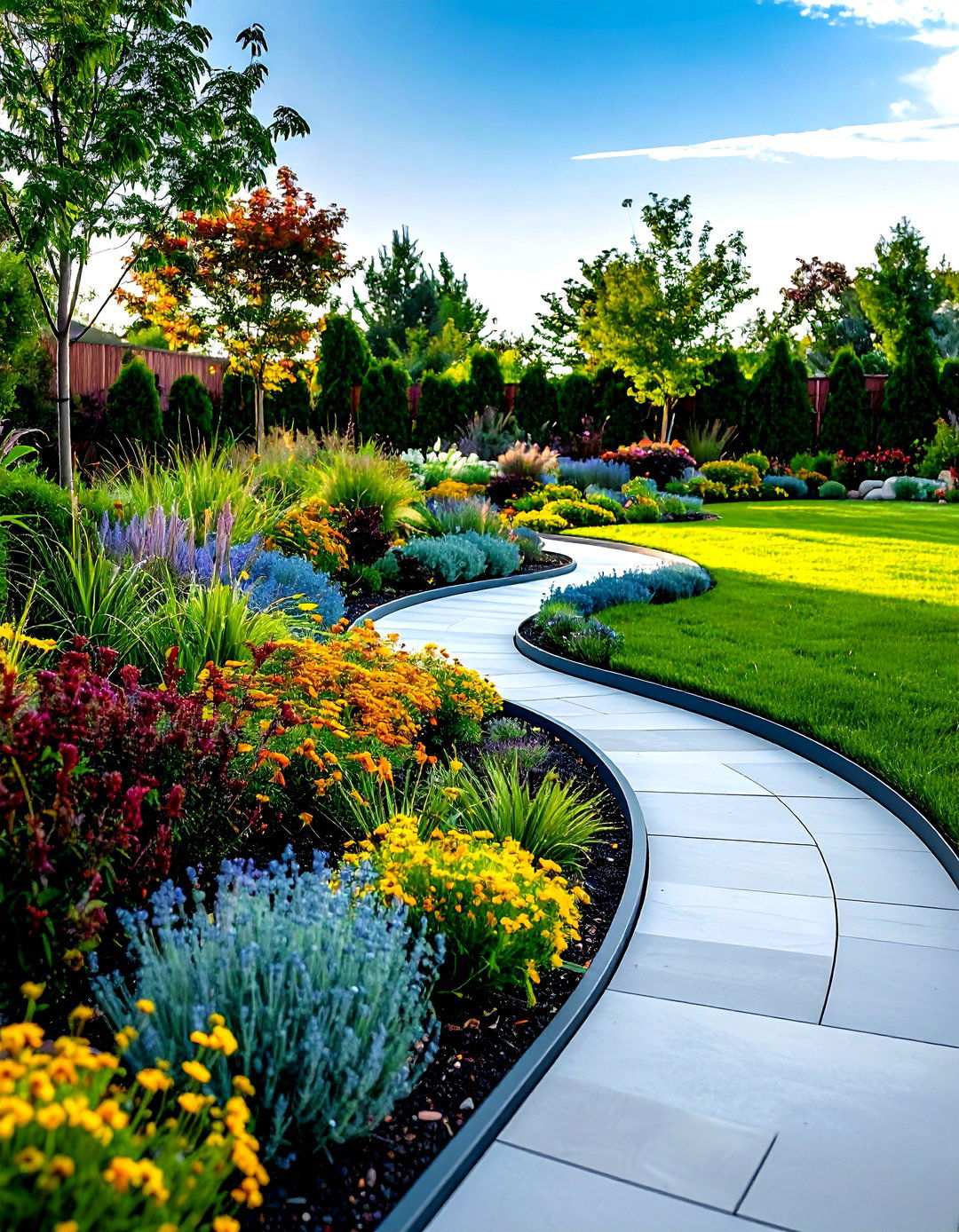
Define landscape areas using clean metal edging systems, providing permanent borders with minimal visual impact on your overall design composition. Choose materials like corten steel or aluminum, which develop attractive patinas over time, while offering decades of reliable performance. Include gentle curves and straight lines that complement your landscape geometry, preventing grass encroachment into planting beds. The narrow profile of these edging systems maximizes planting space while providing clean maintenance edges for lawn care equipment. Install at appropriate depths that accommodate root barriers, allowing for seasonal soil movement. This contemporary aesthetic coordinates with modern architectural styles while providing functional separation between different landscape zones.
24. Elevating Outdoor Ambiance
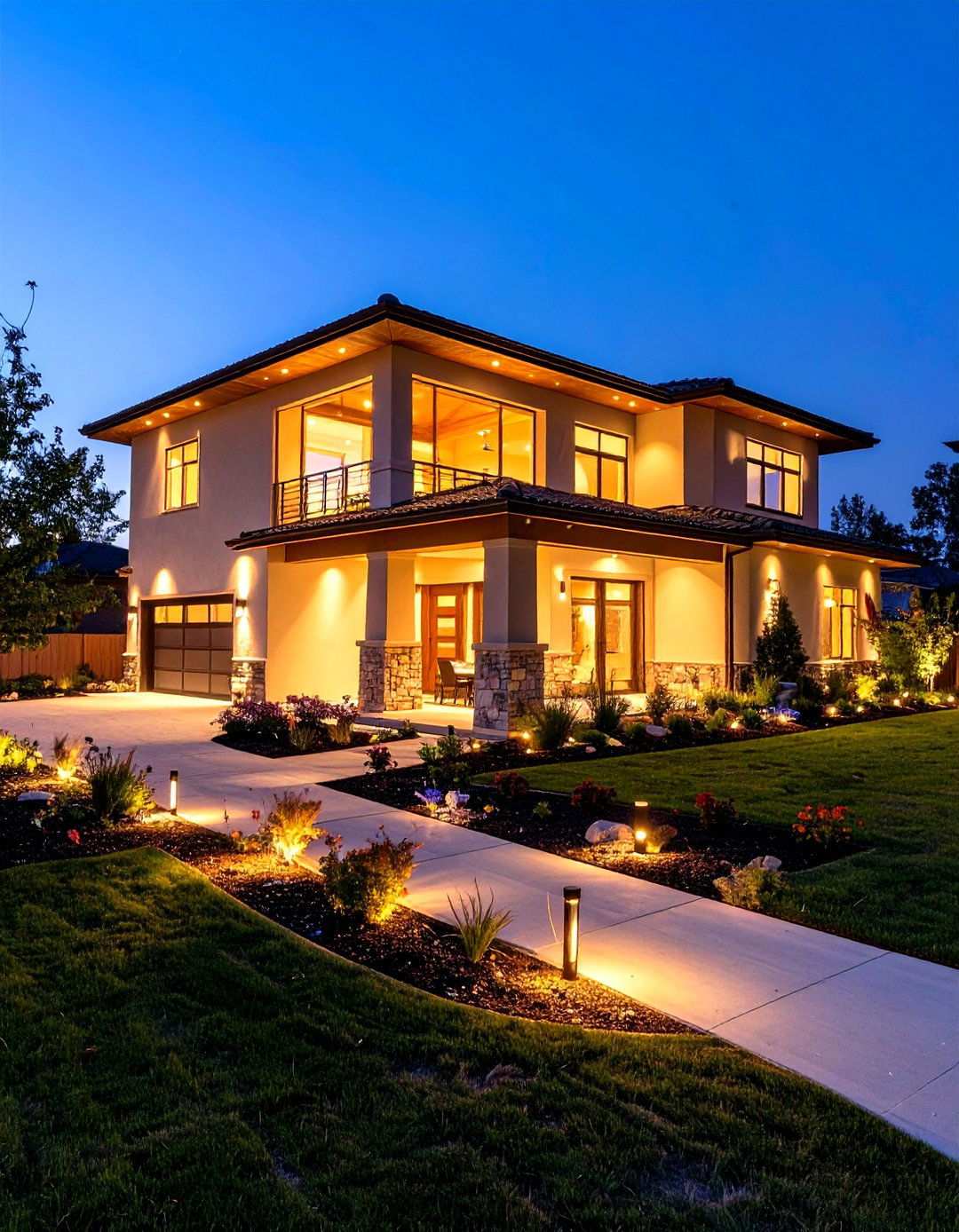
Craft captivating evening scenes by thoughtfully positioning light fixtures to not only boost safety but also showcase your outdoor landscape investments in all their glory after sunset. Opt for energy-efficient LED fixtures, which offer a range of color temperatures and control options to suit diverse occasions. A well-designed lighting system should incorporate pathway lighting, accent lighting, and ambient lighting to create a multi-layered illumination effect throughout your outdoor areas. Install weather-resistant wiring systems and controls to ensure dependable performance while providing effortless operation. By focusing on architectural features and providing sufficient illumination for secure navigation during evening hours, your outdoor spaces can truly shine. Furthermore, integrating smart home technology can enable automated scheduling and remote control capabilities, elevating your outdoor experience to new heights.