1. Timeless Elegance in Wood
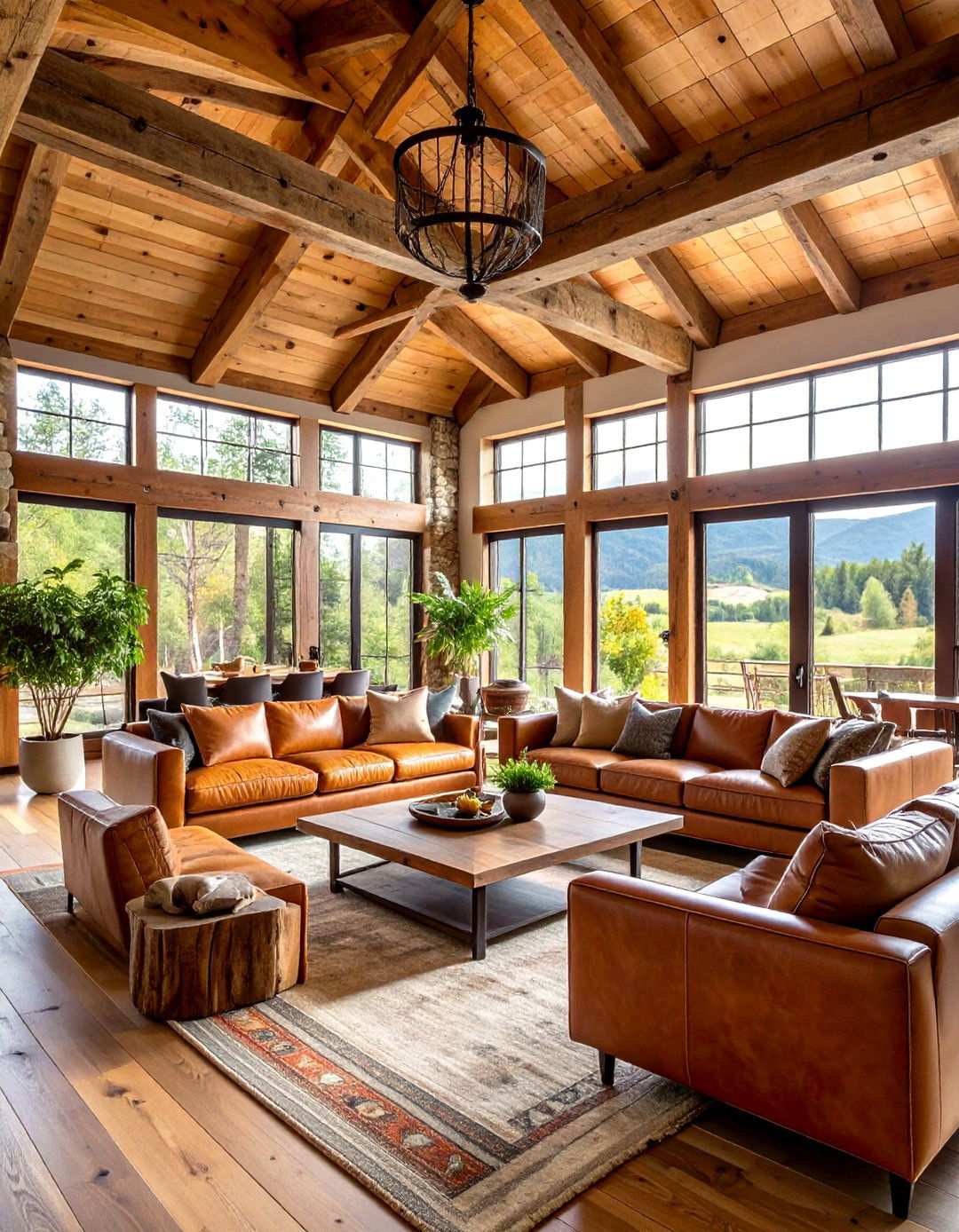
Wood continues to captivate interior designers with its unparalleled warmth and natural beauty, transforming any space into a cozy retreat. From modern, sleek spaces to traditional, character-filled homes, wooden elements offer endless possibilities for creating harmonious interiors that balance functionality with aesthetic appeal. The versatility of wood enables it to seamlessly complement various design styles, whether you’re drawn to the clean lines of contemporary spaces or the rich details of classic homes. The latest trends in modern wooden interior design emphasize sustainability while celebrating the unique grain patterns, rich textures, and timeless durability that only natural wood can provide. By incorporating wooden elements, homeowners can create statement pieces, functional furniture, or subtle accents that elevate the overall atmosphere of their living spaces.

As an Amazon Associate I earn from qualifying purchases.
2. Harmonious Fusion of Wood and Minimalism
To create a serene living room, combine weathered wood elements with sleek modern furnishings, striking a perfect balance between old and new. Raw wooden beams across the ceiling create striking focal points while maintaining the room’s architectural integrity. Pair distressed wood coffee tables with clean-lined sofas in neutral fabrics to achieve a harmonious blend of contrasting styles. Stone accent walls complement exposed wood beautifully, adding texture and visual interest to the space. Large windows frame these natural materials perfectly, allowing abundant light to highlight wood grains and create dynamic shadows throughout the day. This design approach celebrates the beauty of imperfection and authenticity while embracing modern comfort and relaxation.
3. Scandinavian Minimalist Bedrooms
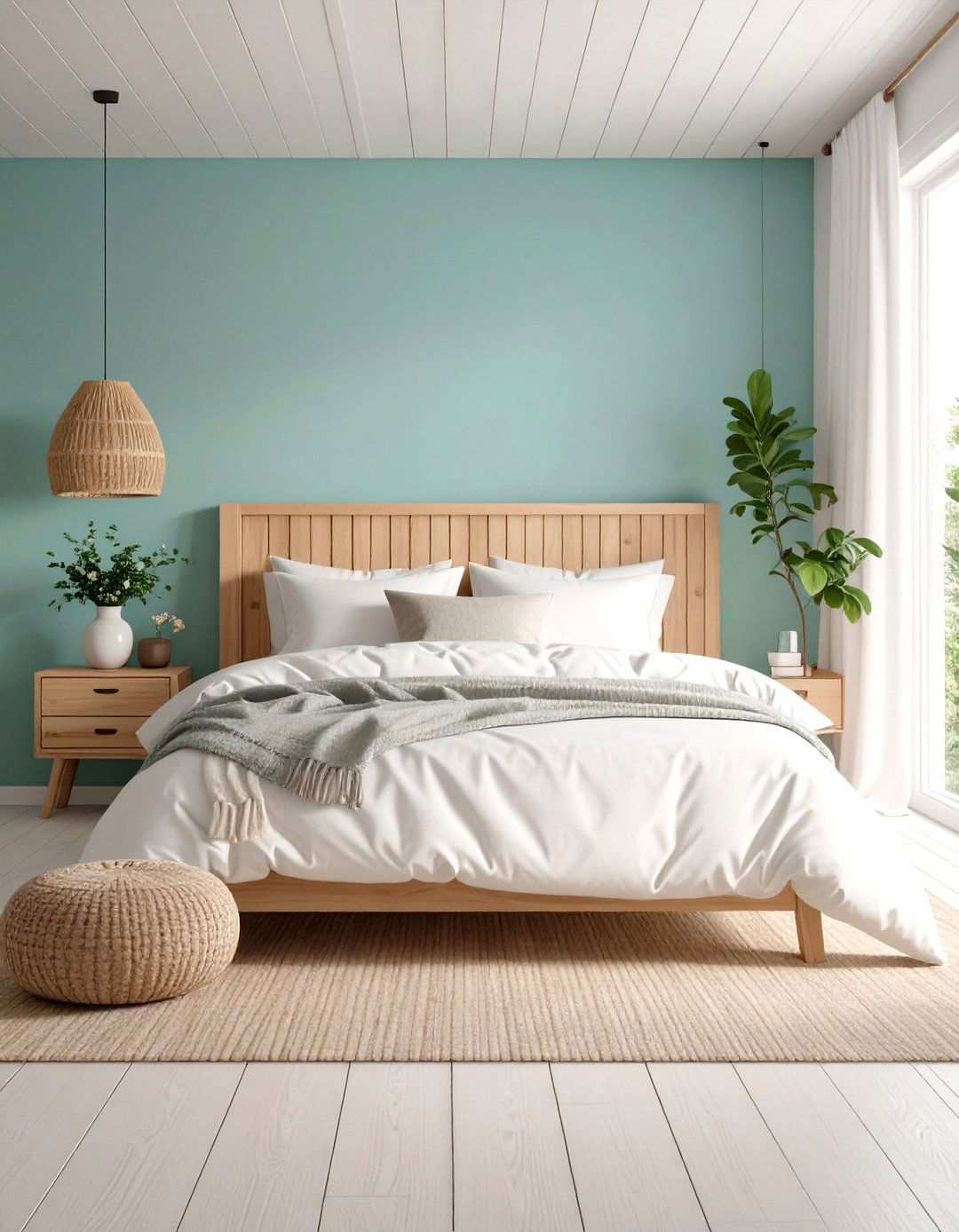
Create serene sleeping spaces using light-colored woods like birch, pine, or ash combined with crisp white walls and minimal furnishings. Simple wooden bed frames with clean lines serve as understated focal points while maintaining the uncluttered aesthetic essential to Nordic design. Built-in wooden storage solutions maximize functionality without compromising visual simplicity. Natural light plays a crucial role, so position wooden furniture to complement large windows and skylights. Incorporate soft textiles in muted tones to add warmth without overwhelming the peaceful atmosphere. These bedrooms emphasize the beauty of natural materials while promoting rest and tranquility through thoughtful, uncomplicated design choices.
Harmonizing Industrial and Rustic Styles
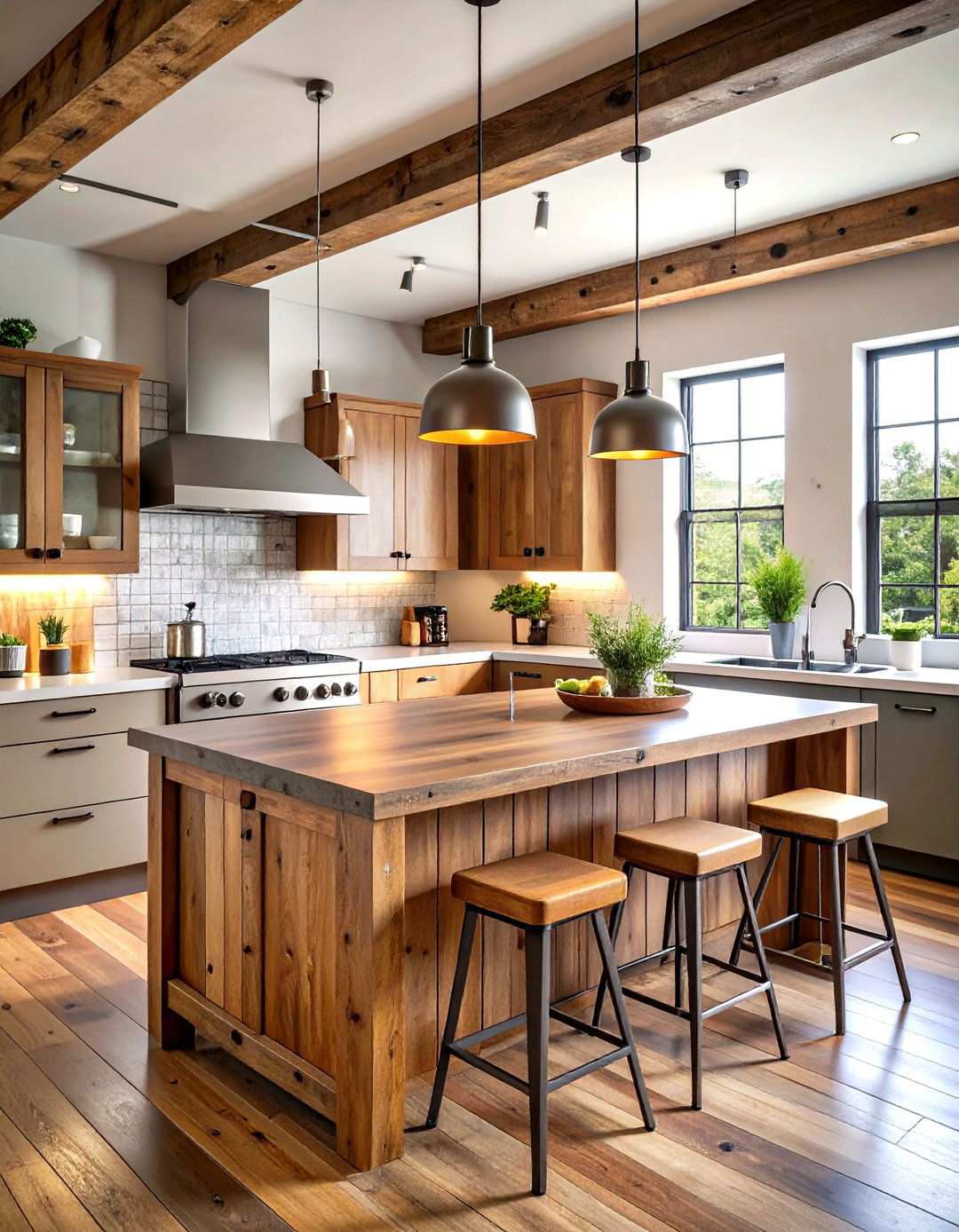
The juxtaposition of industrial design elements with reclaimed wood produces kitchens that masterfully blend edge and warmth. An eye-catching weathered barn wood kitchen island creates a striking visual contrast with sleek stainless steel appliances and concrete countertops. Exposed steel beams complement salvaged wood shelving to showcase cookware and dishes as unique decorative pieces. Thick reclaimed planks used for open shelving provide ample storage while displaying the wood’s organic character and rich history. Metal bar stools with wooden seats seamlessly integrate comfort into the industrial aesthetic. This thoughtful combination yields spaces that are at once refined and inviting, ideal for modern family gatherings and casual entertaining.
4. Accentuating Modern Interiors with Wooden Features
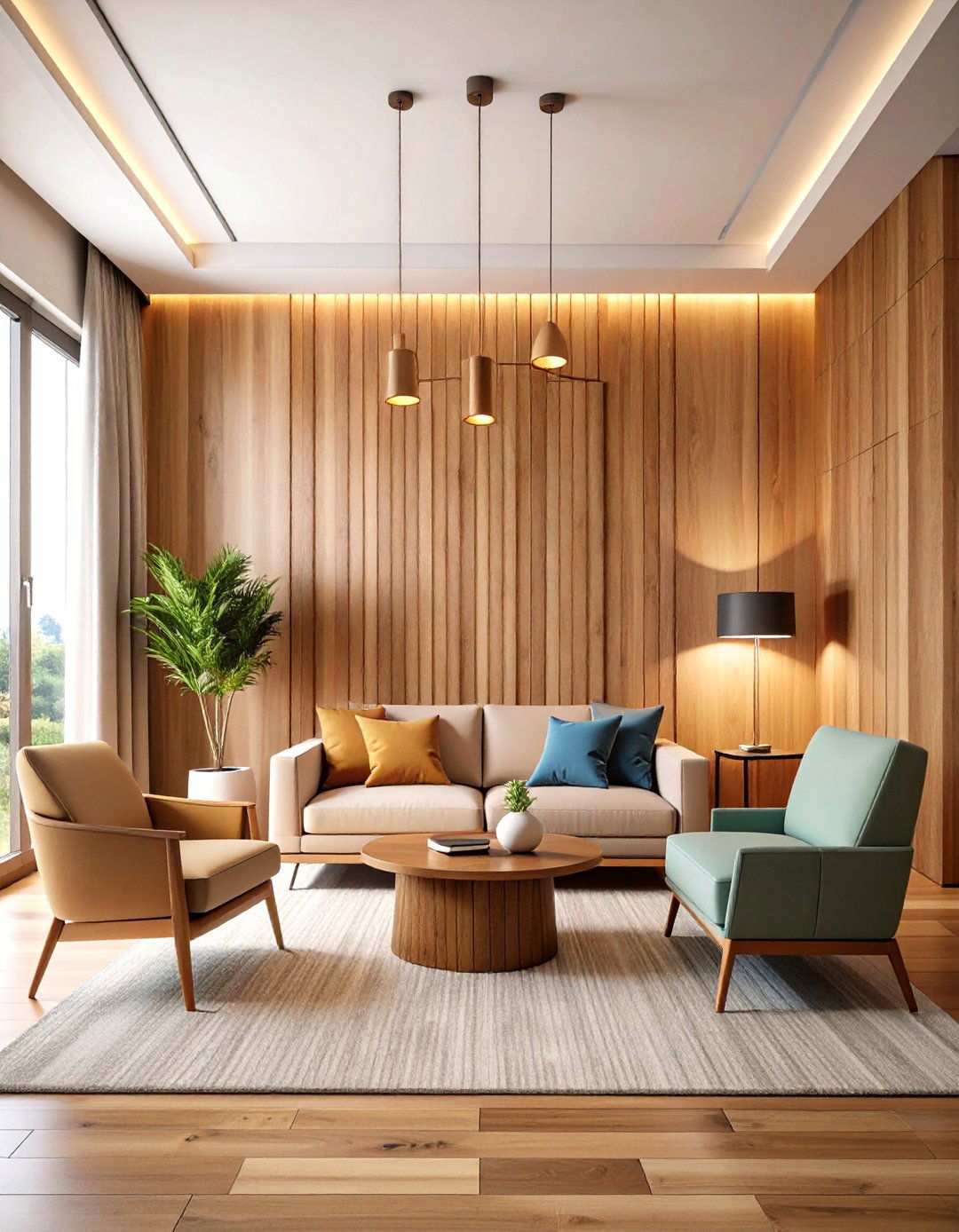
Thoughtfully placed wooden accent walls can significantly enhance modern interiors, imbuing them with depth and character. Vertical wood planks in nuanced mid-tone finishes create an illusion of increased height while adding a touch of warmth to otherwise neutral spaces. To add visual interest, alternate between different wood species or finishes within the same wall, allowing subtle pattern variations to catch the light beautifully throughout the day. Strategically position these features behind beds, dining areas, or seating arrangements to define spaces without relying on additional furniture. The key to success lies in maintaining clean, uncluttered lines and consistent spacing between planks. When paired with minimalist furniture and artwork, contemporary wooden walls create sophisticated backdrops that harmonize rather than compete with other design elements.
5. Crafting Inviting Dining Spaces with Farmhouse Charm
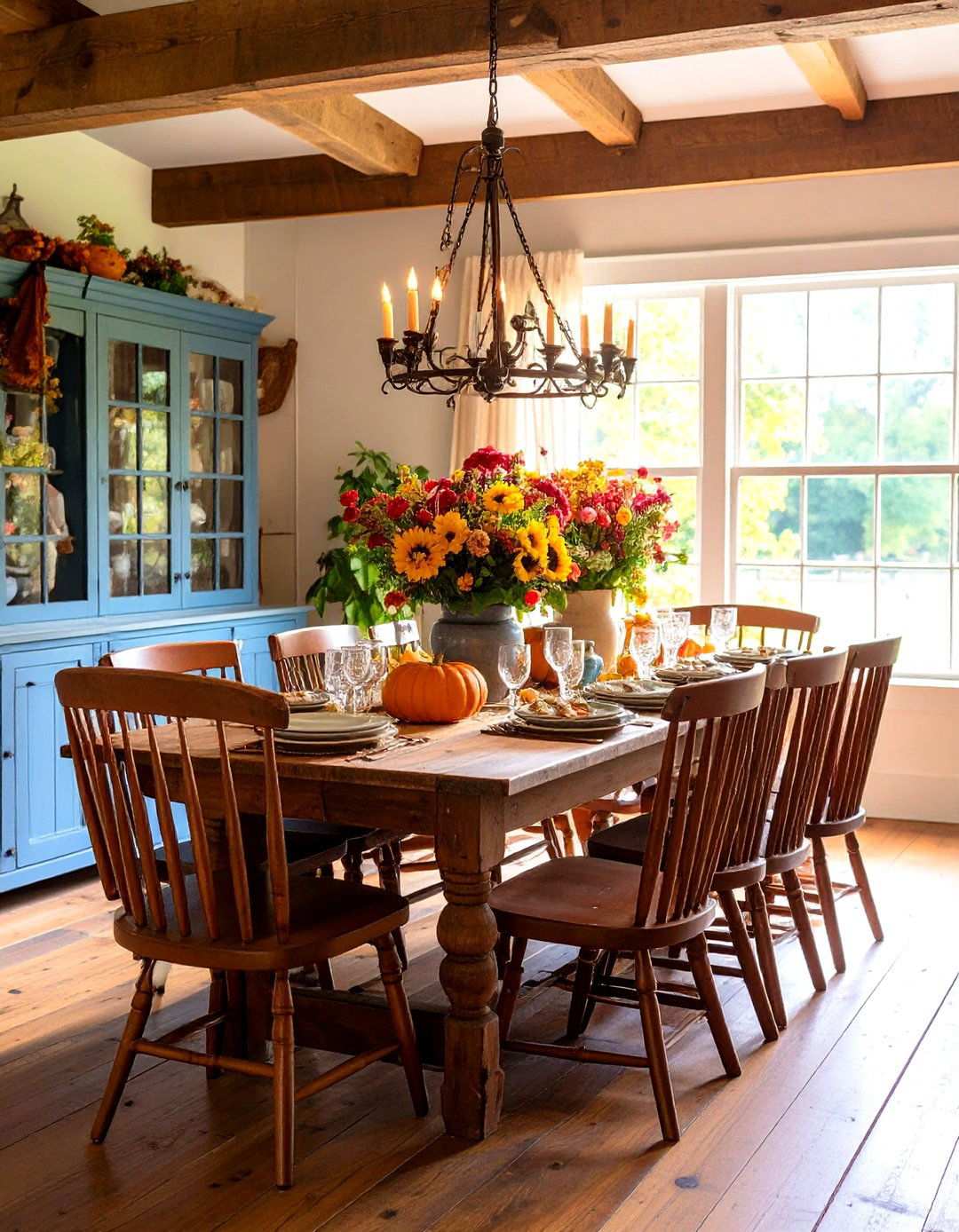
Designing inviting dining spaces that seamlessly blend farmhouse practicality with cottage charm requires a thoughtful approach to wooden elements. Large harvest tables crafted from thick, weathered planks serve as the focal point for family meals and celebrations. Windsor chairs or painted wooden seating add authentic, comfortable touches while maintaining the relaxed atmosphere essential to this style. Exposed ceiling beams create architectural interest and provide ideal mounting points for pendant lighting. Built-in wooden hutches display cherished dishware while offering practical storage solutions. By mixing painted and natural wood finishes, the warm, lived-in feeling emerges, creating spaces that feel collected over time rather than decorated all at once.
6. Harmonious Wood Accents in Japanese-Inspired Interiors
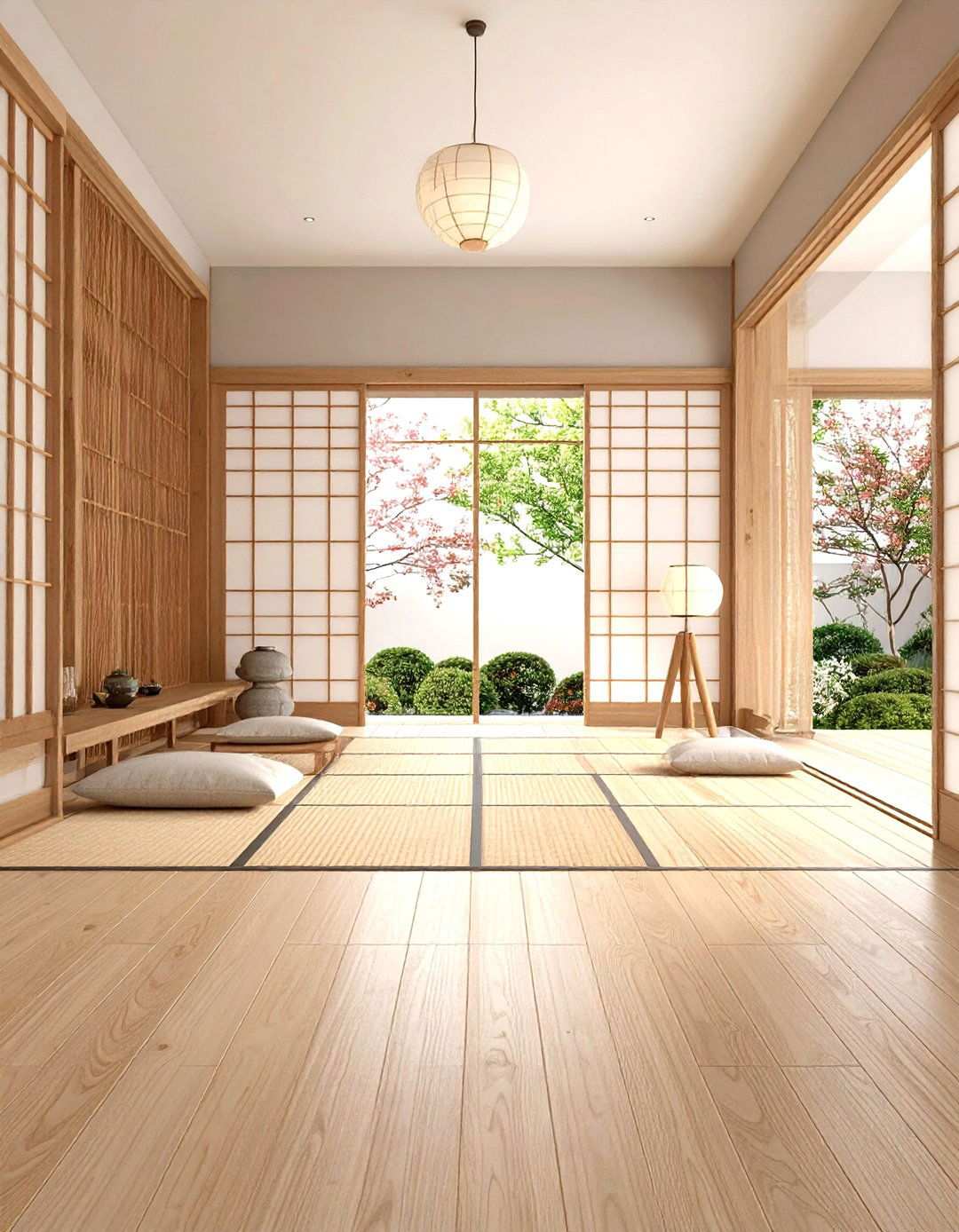
To cultivate a serene atmosphere, Japanese-inspired wood elements can be seamlessly integrated into interior design. Light-hued wood floors or bamboo surfaces create a neutral backdrop that complements sliding wooden partitions and room dividers. The understated elegance of low-profile wooden furniture with minimalist lines underscores the importance of simplicity in Japanese aesthetics. Natural wood grain takes precedence over painted finishes, allowing the wood’s inherent character to shine through. Built-in wooden storage solutions maintain visual cohesion by concealing clutter. These spaces prioritize horizontal lines and open floor plans, fostering a sense of fluidity between indoor and outdoor environments. The result is a calming ambiance that invites contemplation and relaxation through deliberate material choices.
7. Timeless Elegance of Mid-Century Modern Wood Furniture
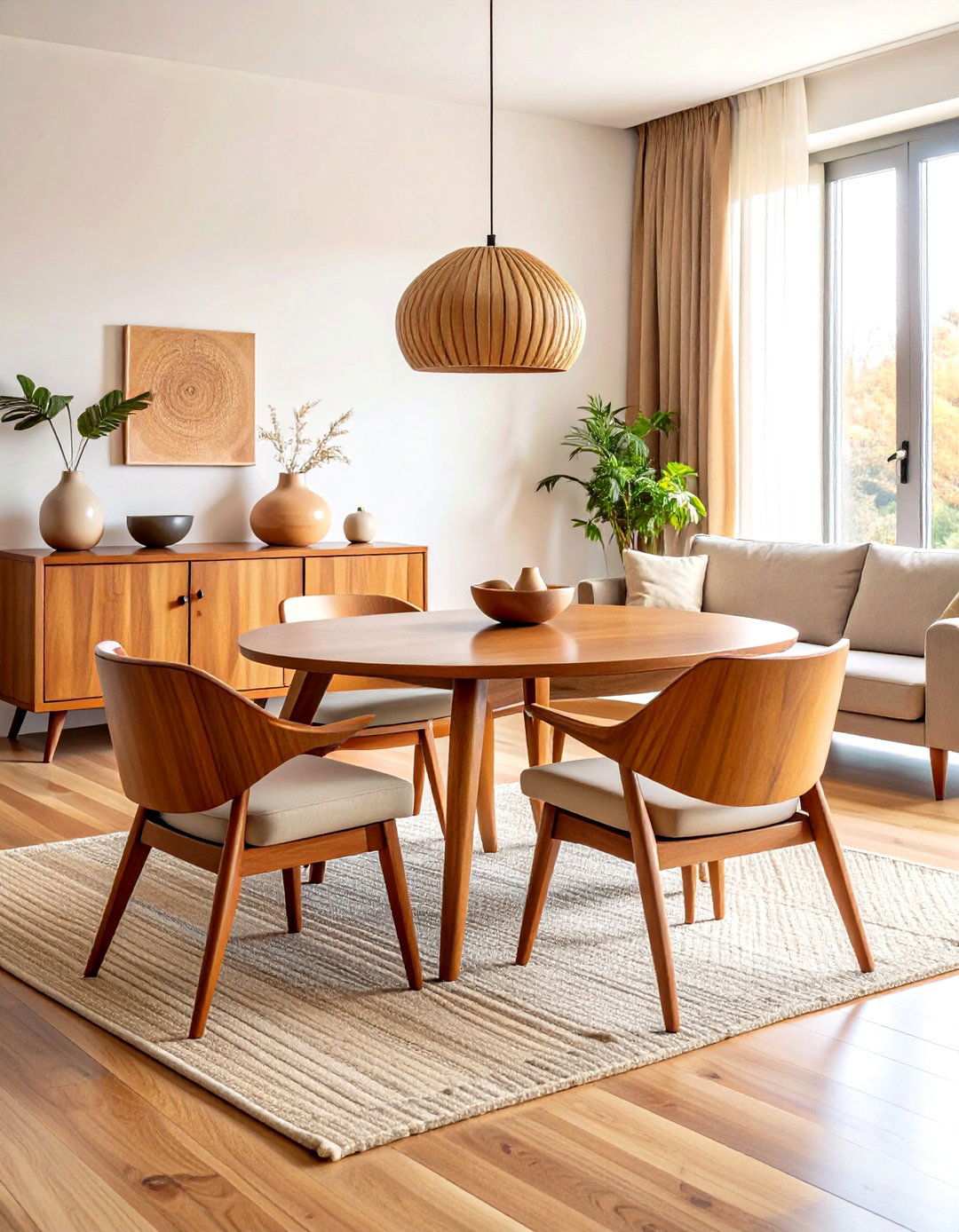
Iconic mid-century wooden furniture pieces can be incorporated into modern spaces to celebrate the era’s emphasis on craftsmanship and functional beauty. Walnut dining tables with tapered legs create striking focal points that evoke the period’s distinctive proportions. Teak credenzas and sideboards offer storage solutions that double as display platforms for decorative objects, highlighting the versatility of mid-century design. Wooden lounge chairs with curved forms add comfort and visual intrigue to living spaces. The rich, warm tones of these wood species beautifully complement the geometric patterns and bold colors characteristic of mid-century design. These timeless pieces demonstrate that high-quality craftsmanship and thoughtful design remain enduringly relevant.
8. Cozy Ambiance of Rustic Bathroom Vanities
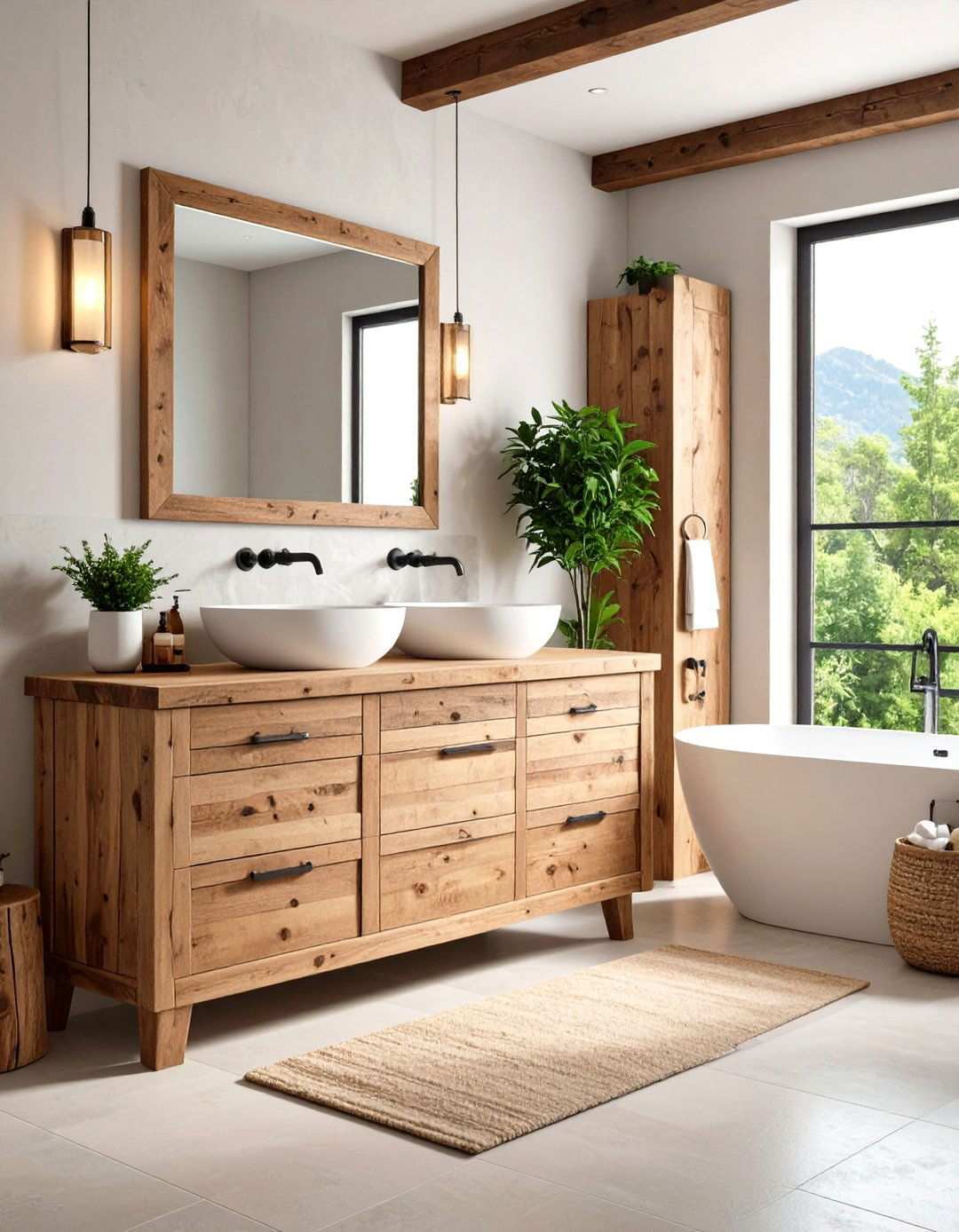
Rustic bathroom vanities made from reclaimed wood can be used to transform bathrooms into inviting spas. Thick wooden slabs with live edges create unique vanity tops that showcase natural beauty while providing ample counter space. Pairing these organic forms with modern fixtures achieves a harmonious balance between rustic charm and contemporary functionality. Wooden medicine cabinets and storage solutions maintain the aesthetic while addressing practical needs. Stone or tile backsplashes complement wood beautifully while protecting walls from moisture. The juxtaposition of smooth modern plumbing fixtures and textured wood surfaces creates visual interest that elevates routine activities into more enjoyable experiences.
9. Elevating Spaces with Exposed Wooden Ceiling Designs
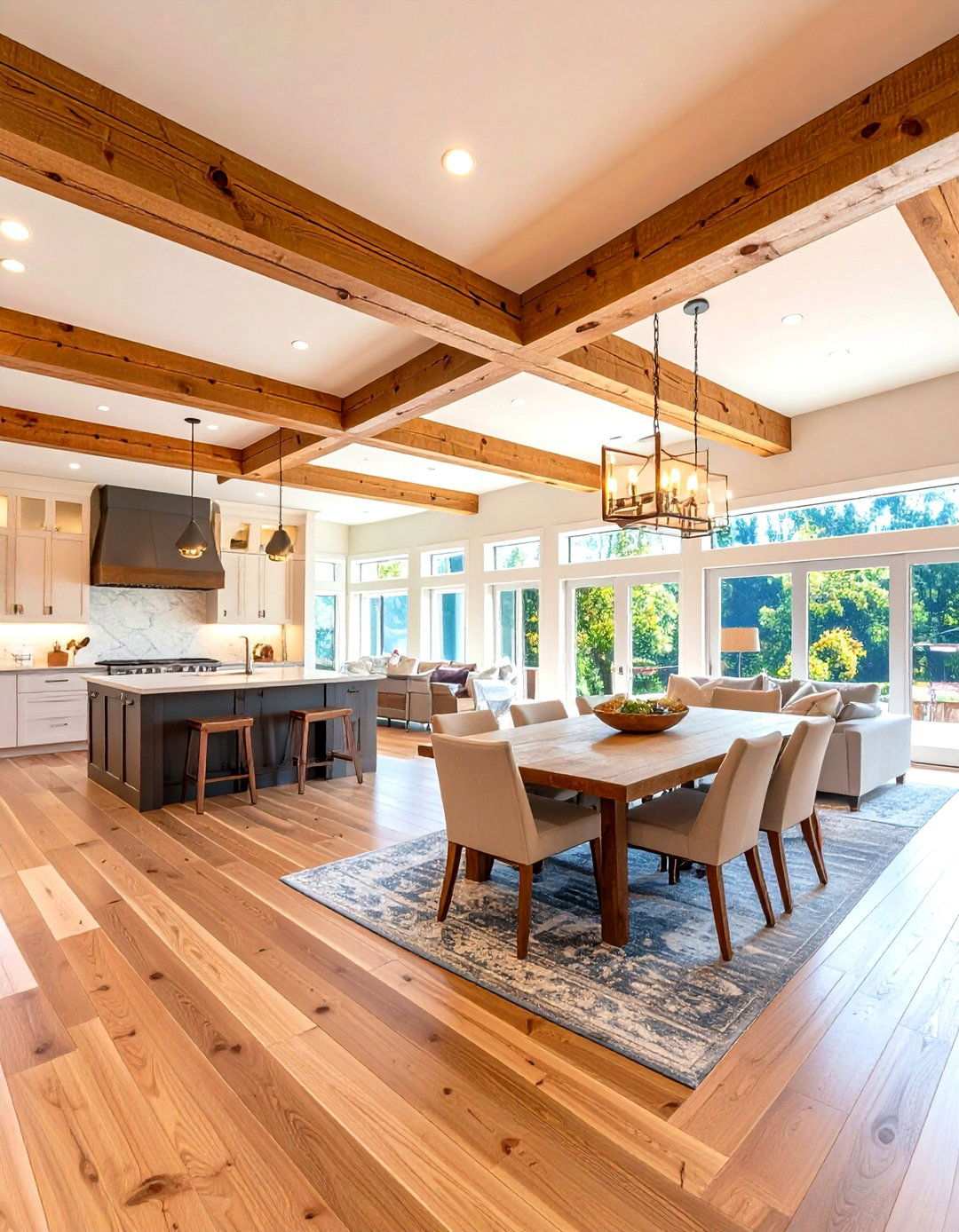
Transform open floor plans into visually stunning spaces by incorporating exposed wooden ceiling treatments that create distinct areas within expansive rooms. Strategically placed reclaimed beams add a touch of sophistication and visual balance, while maintaining unobstructed sight lines throughout the connected areas. The installation of tongue-and-groove wooden planks between beams introduces a tactile element, imbuing the space with warmth and character. This design approach is particularly effective in great rooms, where living, dining, and kitchen areas flow together seamlessly. By incorporating wooden ceiling elements, it’s possible to define distinct zones without resorting to physical barriers, allowing for a seamless transition between different functional areas. Furthermore, the judicious use of various wood finishes can subtly distinguish between zones, while maintaining an overall sense of cohesion. Proper lighting plays a crucial role in highlighting the wood grain and creating an ambient atmosphere throughout these expanded spaces.
10. Capturing Coastal Charm with Driftwood Decor Elements
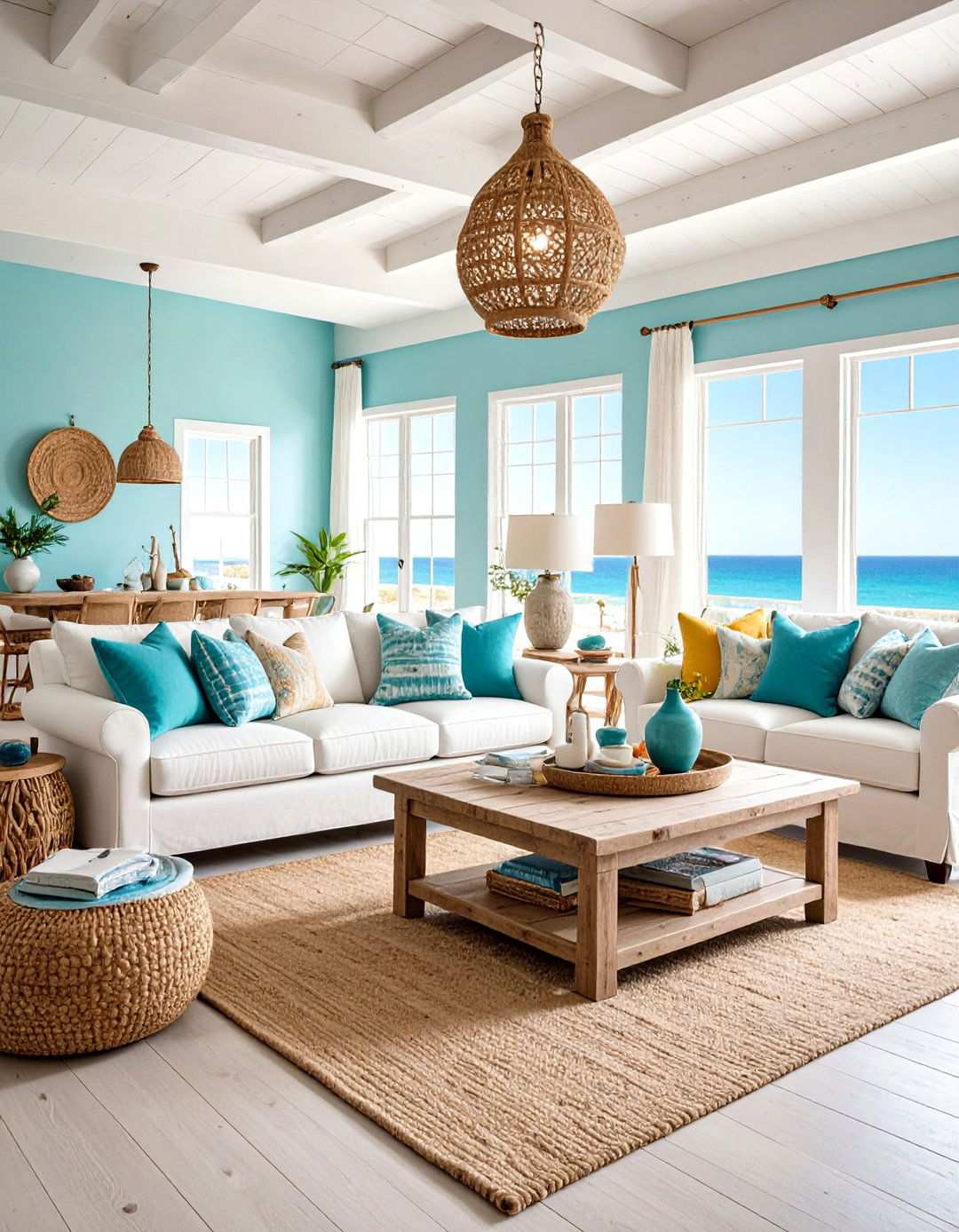
Bring the serenity of the seaside indoors by thoughtfully incorporating driftwood and weathered wood accessories that evoke the essence of ocean breezes and sandy shores. Uniquely sculpted driftwood pieces can serve as striking coffee tables or display stands for coastal-themed decorations. Whitewashed or sun-bleached wooden furniture maintains the casual, relaxed atmosphere that is quintessential to coastal design. Reclaimed pier planks used to create wooden shelving displays an array of shells, nautical artifacts, and beachy accessories, while rope details and sailing-inspired hardware complement the aged wood beautifully. These carefully curated elements work in harmony to create spaces that feel like sophisticated beach houses, providing a tranquil retreat from urban environments through thoughtful interior design choices.
11. Creative Solutions with Wooden Room Dividers and Screens
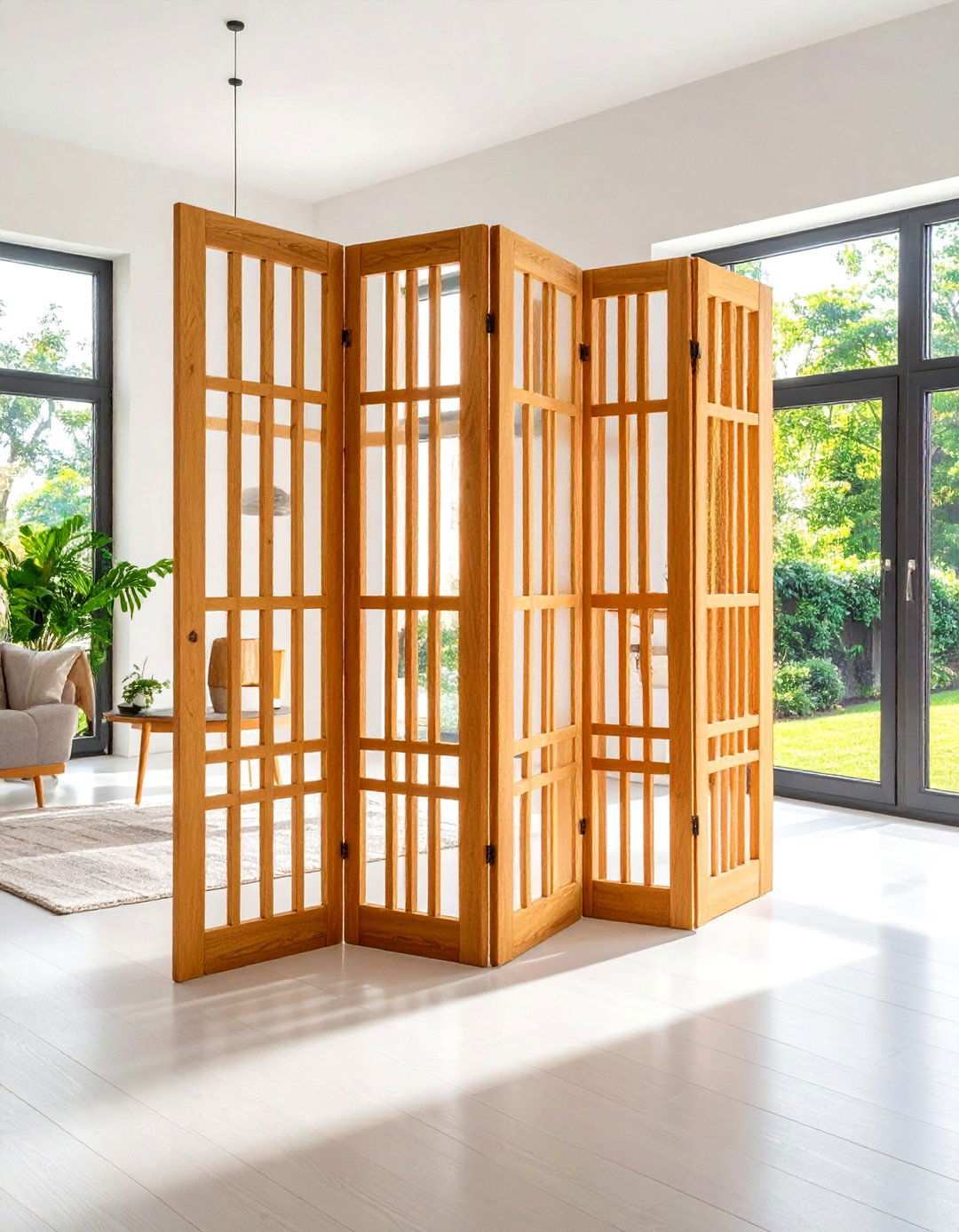
Define spaces in a creative and functional manner by incorporating wooden screens and dividers that maintain open sight lines while providing privacy and visual interest. Geometric wooden panels can create modern focal points while serving practical purposes in studio apartments or open-plan homes. Traditional Japanese-inspired screens with wooden frames and natural materials add a touch of cultural depth to contemporary spaces. Sliding barn-style doors crafted from reclaimed wood offer flexible separation between rooms when needed, making them a popular choice for converted lofts or contemporary homes where traditional walls might feel too restrictive. The key to effective design lies in choosing solutions that complement existing architectural elements while serving multiple purposes effectively and beautifully.
12. Elevating Wooden Staircases
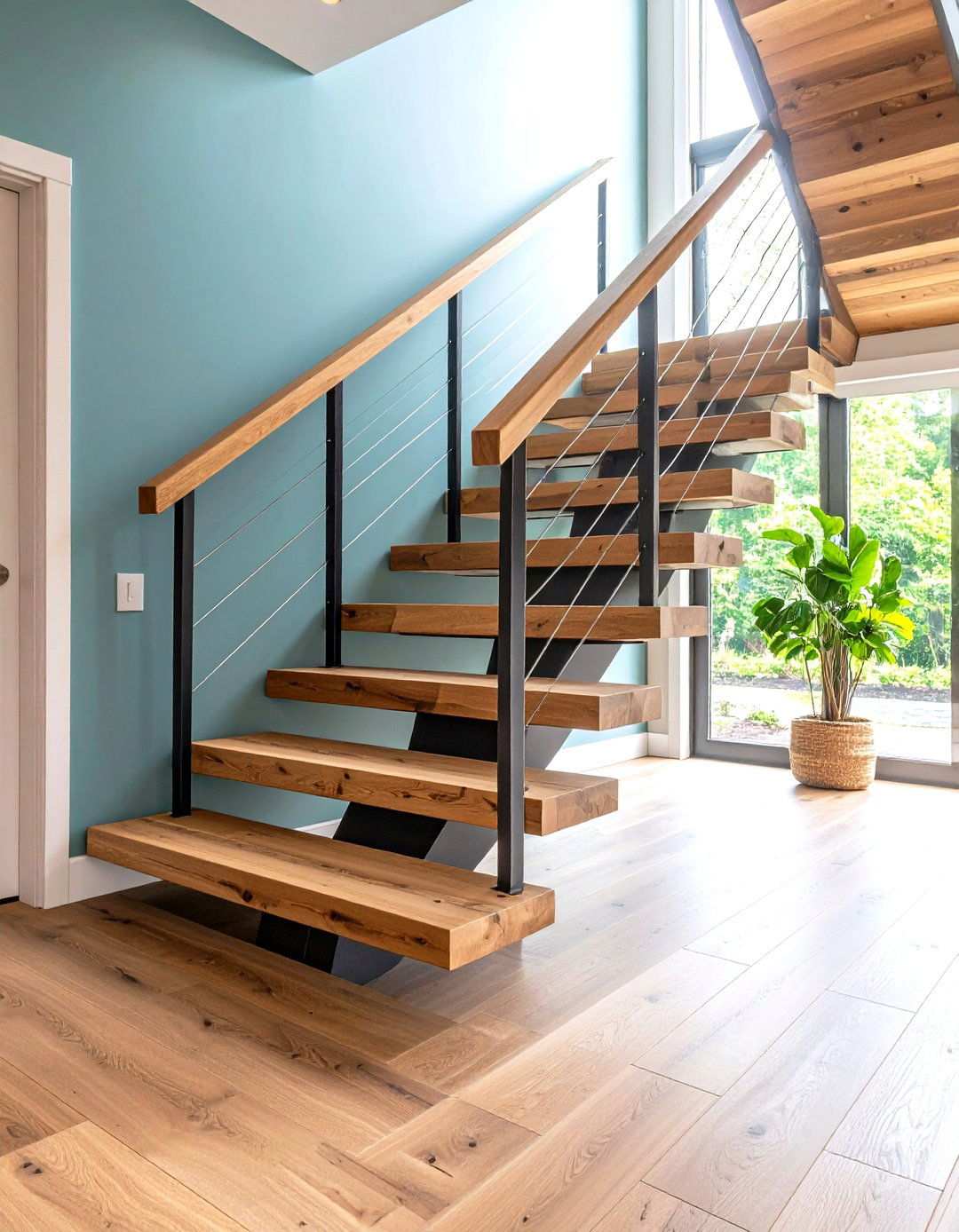
Transform ordinary staircases into showstopping architectural elements by incorporating creative wooden treatments that marry functionality with breathtaking beauty. The juxtaposition of reclaimed wood treads and modern metal railings strikes a perfect balance between rustic character and contemporary safety standards. Suspended wooden steps with concealed supports appear to float, boasting exquisite craftsmanship and attention to detail. Under-stair storage solutions optimize space while maintaining a clean, streamlined aesthetic that respects architectural integrity. Wooden handrails warm up metal structures while providing secure grip surfaces. Innovative lighting installations accentuate wood grain, ensuring both safety and visual appeal during navigation. By embracing creativity and expertise, functional elements can be transformed into major design statements.
13. Seamless Wooden Storage Integration
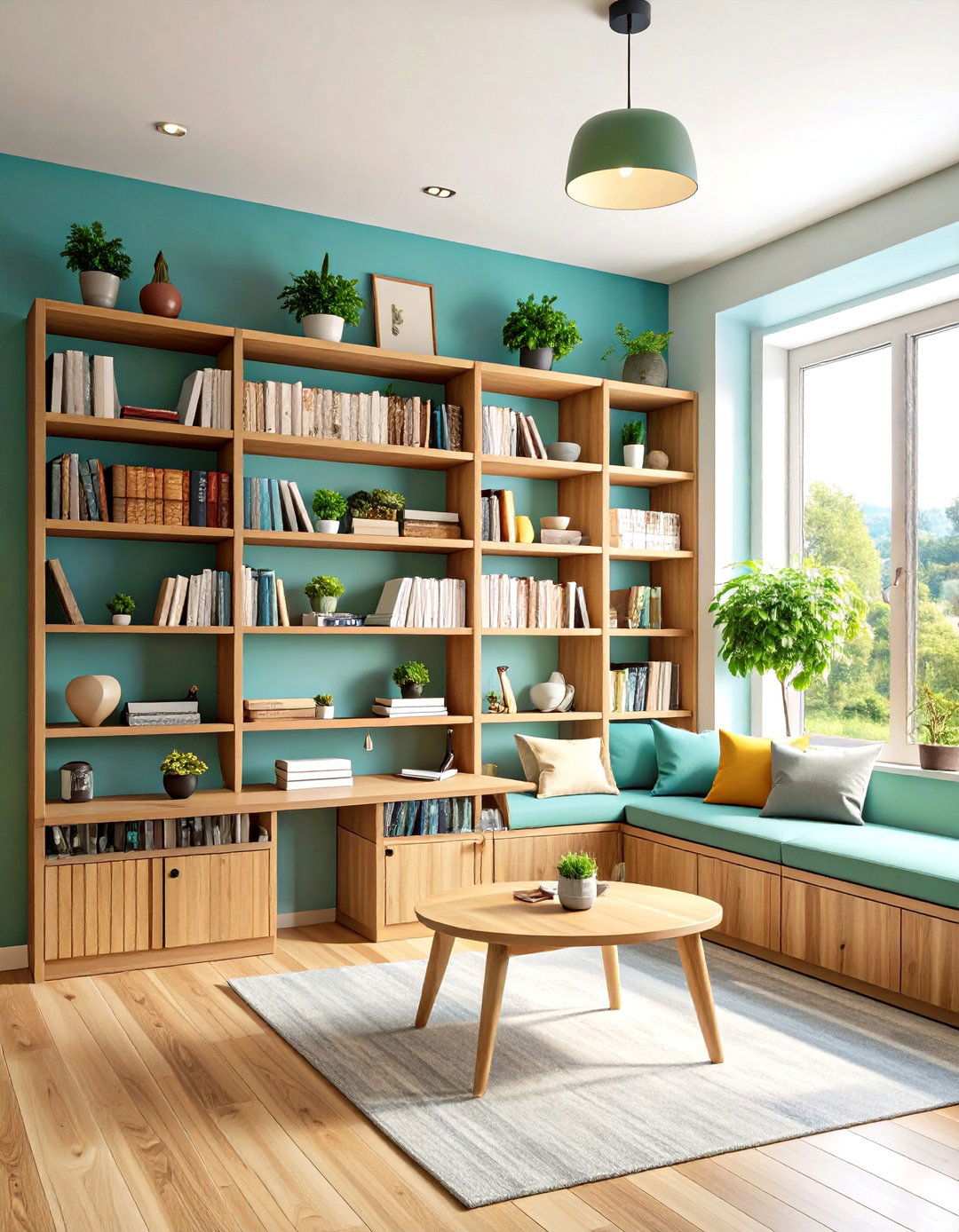
Maximize space efficiency through bespoke wooden storage solutions that blend harmoniously with existing architecture, providing a thoughtful approach to organization. Custom floor-to-ceiling shelving creates library-like environments perfect for showcasing treasured books, artwork, and personal collections. Window seats with integrated storage combine comfort and functionality, capitalizing on natural light. Wooden closet systems with adjustable shelving adapt to changing needs, maintaining a consistent visual language throughout homes. Built-in desks and work surfaces create dedicated spaces for productivity without occupying additional floor space. These solutions feel like integral architectural features rather than added furniture, cultivating cohesive interiors that exude thoughtful planning and professional execution.
14. Wooden Lighting Fixtures as Art
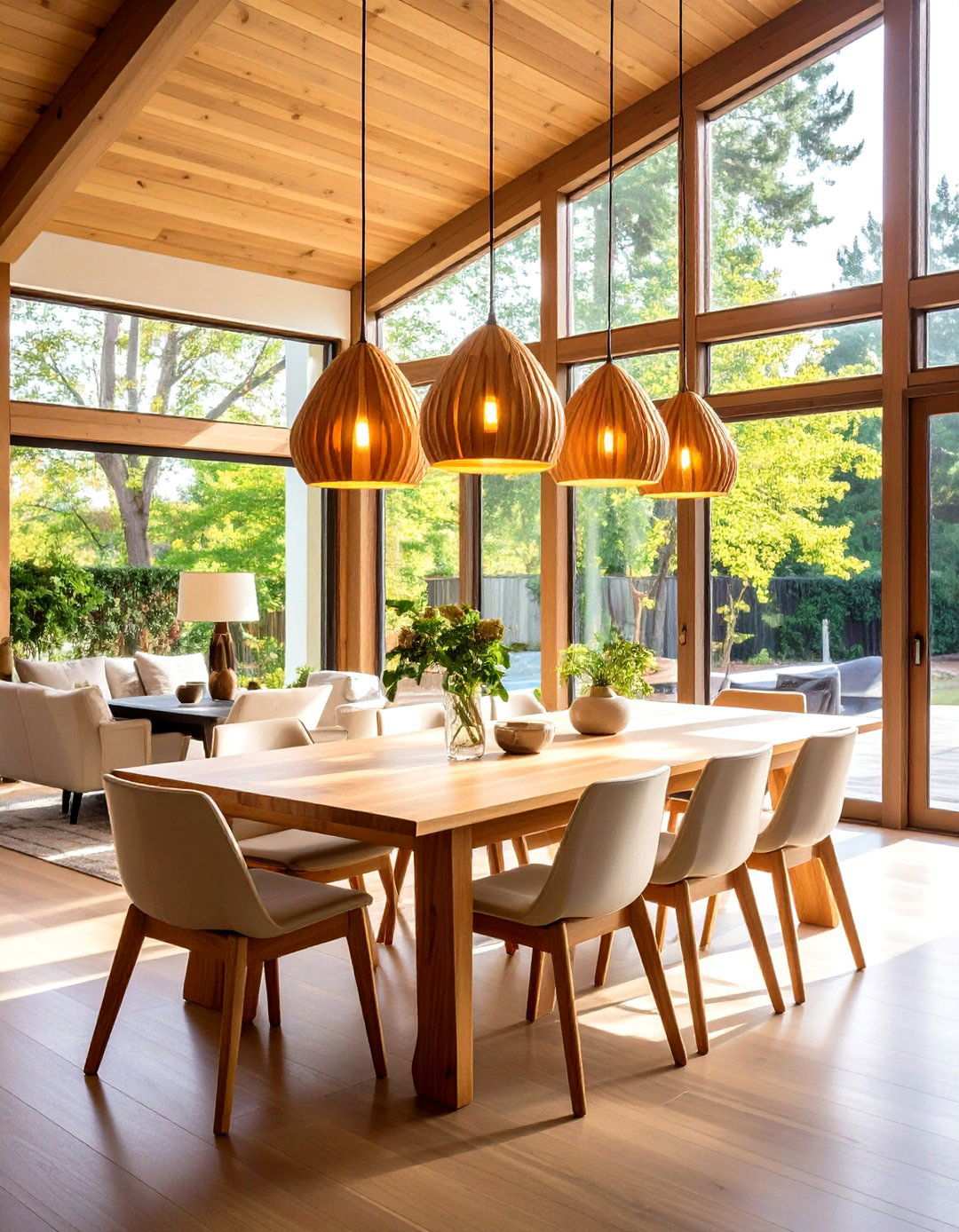
Illuminate spaces with style and sophistication using wooden light fixtures that serve as functional art pieces while providing essential task and ambient lighting. Pendant lights crafted from intricately turned wood or geometric wooden forms add sculptural interest above dining tables or kitchen islands. Wooden table lamps with unique grain patterns become decorative elements during the day and mood creators at night. Floor lamps incorporating wooden elements bridge the gap between furniture and lighting, serving multiple purposes in smaller spaces. The warm tones of wood perfectly complement LED bulb technology, creating inviting atmospheres throughout homes. These fixtures demonstrate how lighting can transcend mere illumination, enhancing interior spaces with style and elegance.
15. Captivating Wooden Kitchen Islands
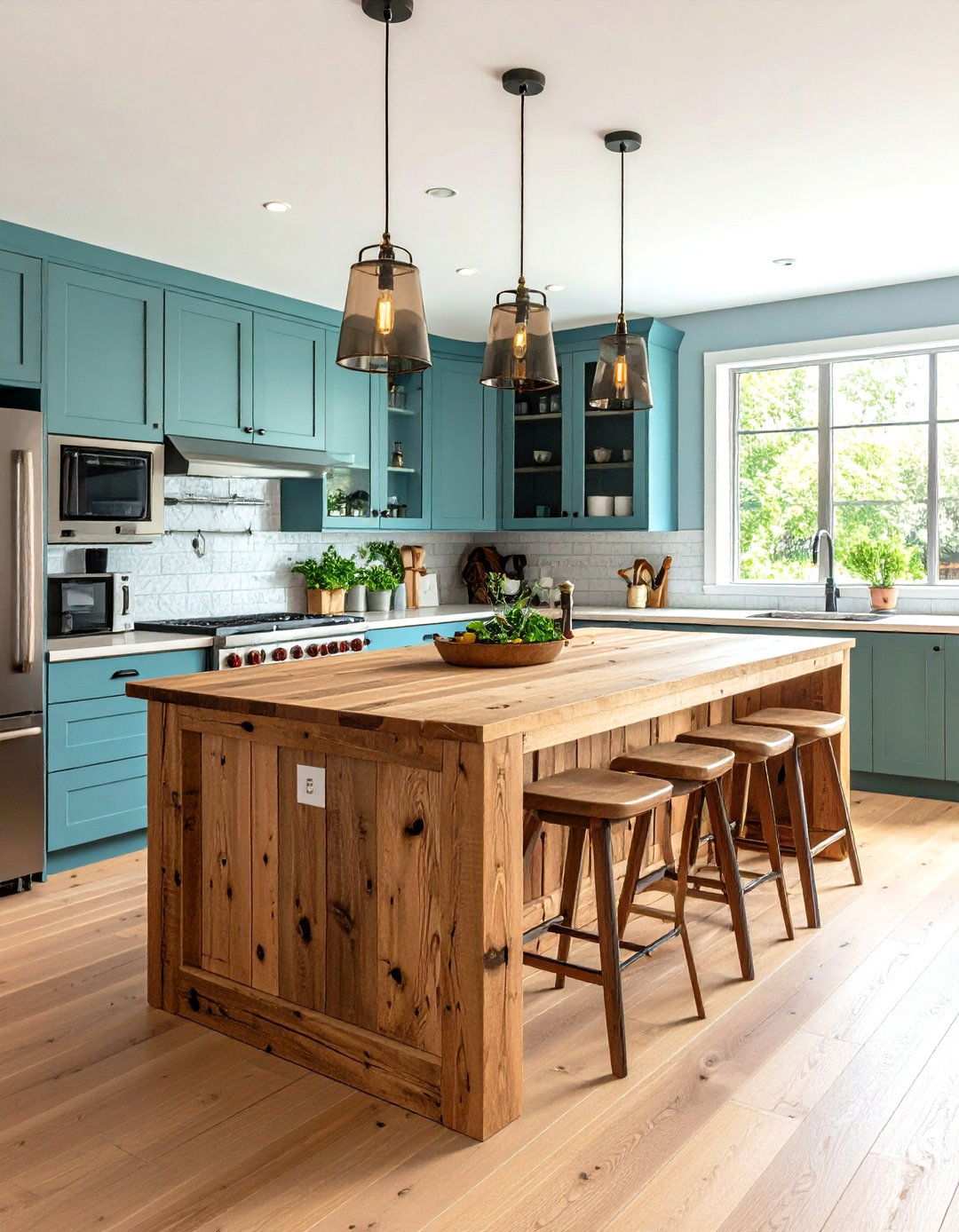
Elevate kitchen functionality with beautifully crafted wooden islands that seamlessly merge workspace efficiency with design flair. Butcher block surfaces provide a durable and versatile work area, perfect for food preparation, while adding warmth to modern kitchen designs. Reclaimed barn wood bases serve as striking visual anchors, creating a beautiful contrast with sleek upper cabinets and cutting-edge appliances. Integrated seating areas transform islands into cozy dining spots ideal for quick meals or homework sessions, fostering a sense of community within the kitchen space. By incorporating thoughtful storage solutions, island designs maximize organization while maintaining a clean and clutter-free aesthetic. As a result, these substantial kitchen fixtures often become the hub of kitchen activity, demonstrating that functional elements can also serve as striking design statements when designed with attention to both form and function.
16. Unconventional Wooden Flooring Designs
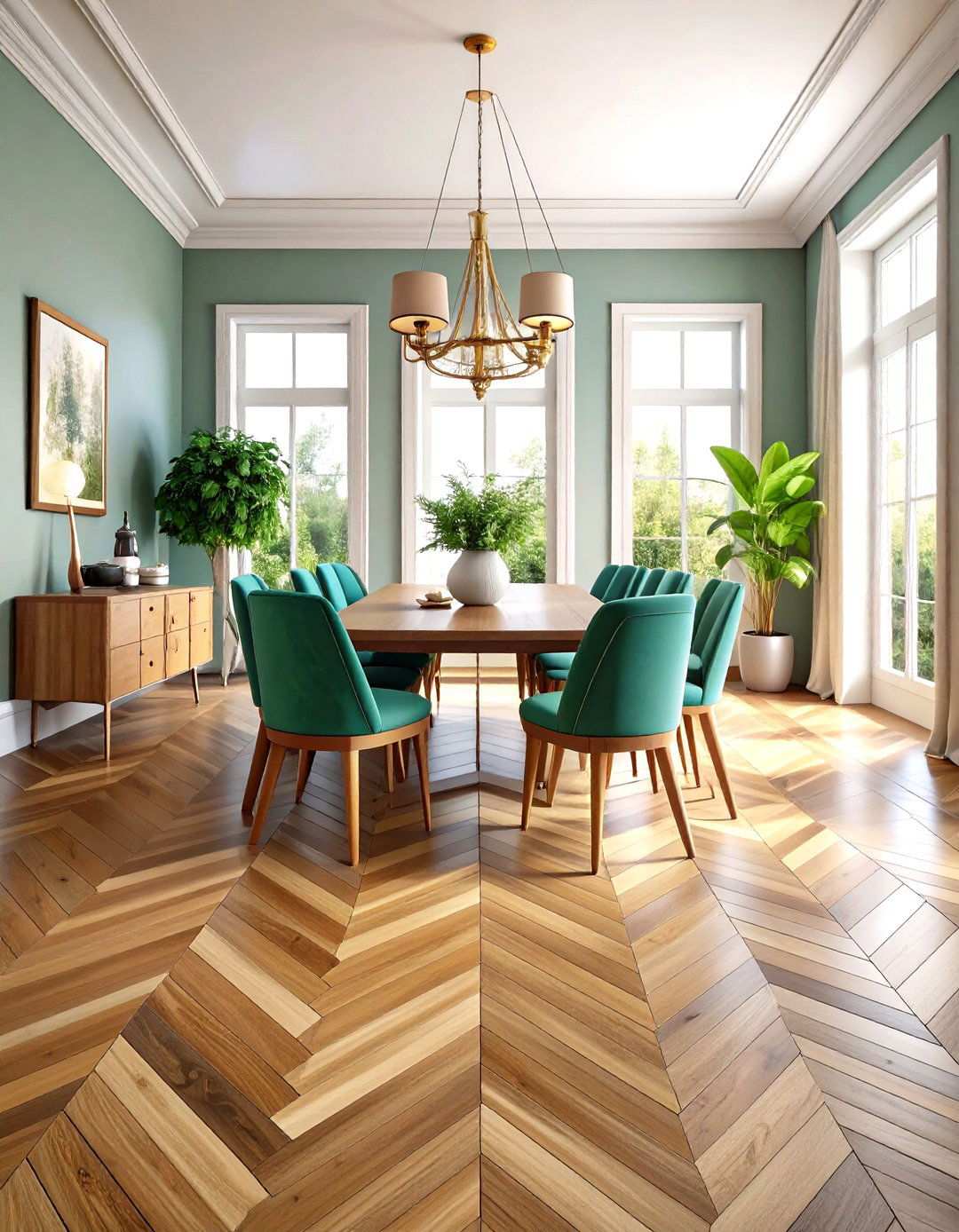
Take standard wooden floors to the next level with innovative pattern and inlay techniques that transform the foundation into an artistic statement. Herringbone and chevron patterns add visual dynamism while maintaining a classic appeal that stands the test of time, defying fleeting trends. Border inlays featuring contrasting wood species create elegant frames that beautifully define room perimeters. Mixed-width planks in various finishes create organic patterns reminiscent of aged European installations, adding a touch of sophistication to formal dining rooms or entryways where first impressions are crucial. To achieve professional results that withstand daily wear, proper installation becomes essential, and the investment in quality craftsmanship pays dividends through increased home value and daily enjoyment.
17. Sophisticated Wooden Fireplace Surrounds and Mantels
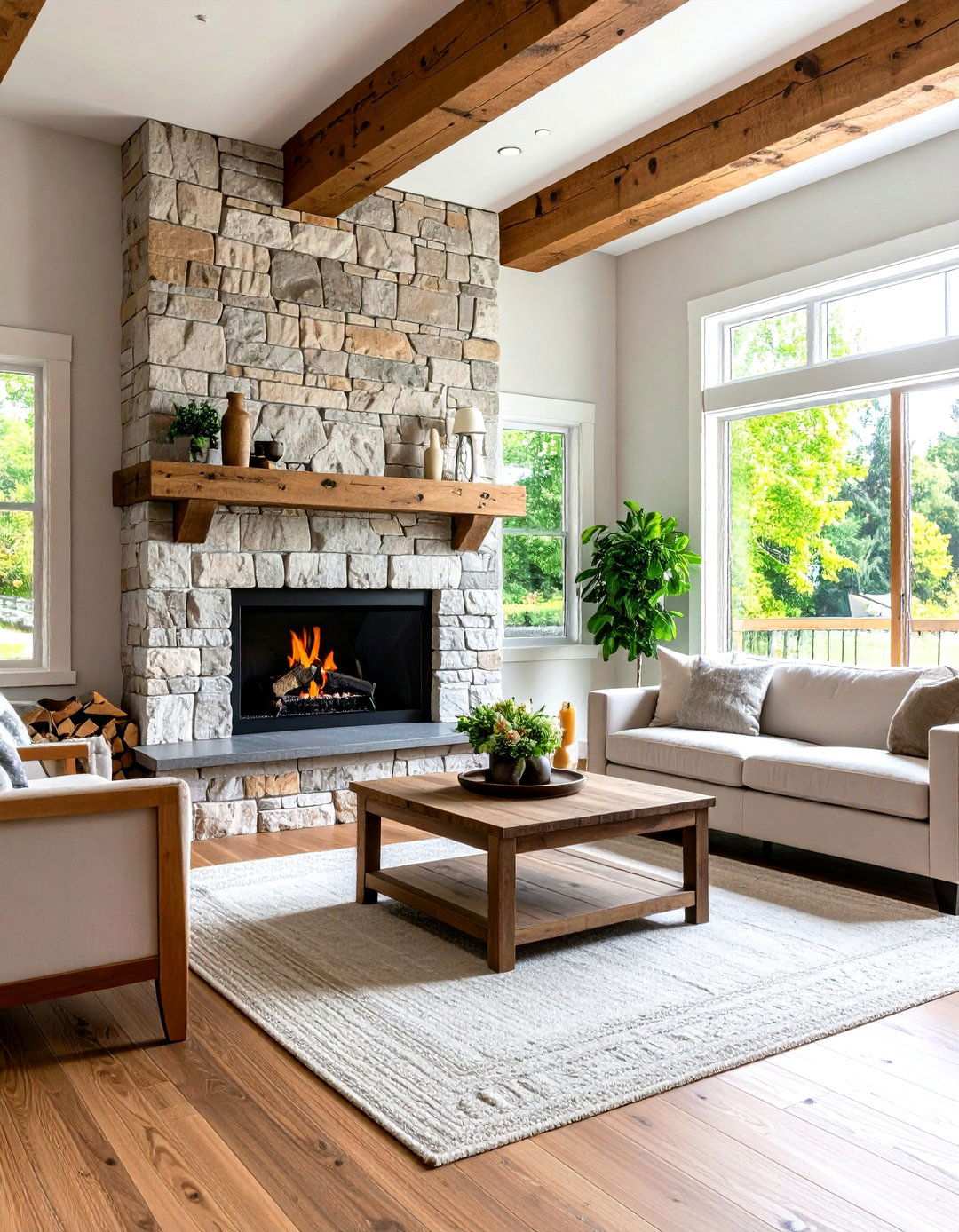
Transform fireplace areas into captivating focal points through bespoke wooden surrounds that masterfully blend architectural detail with natural warmth. Reclaimed beam mantels provide substantial shelving for seasonal decorations, showcasing wood’s natural character and history. Strategically arranged wooden storage for firewood becomes a decorative display, adding visual interest to the fireplace area. Wooden panels extending to ceiling height create dramatic backdrops for artwork and accessories, while the combination of wood and stone creates a timeless appeal that works in both traditional and contemporary settings. These installations often serve as the visual anchor for entire rooms, making material selection and craftsmanship particularly important for achieving desired aesthetic and functional goals.
18. Elevating Outdoor Living Spaces with Wooden Decks and Patios
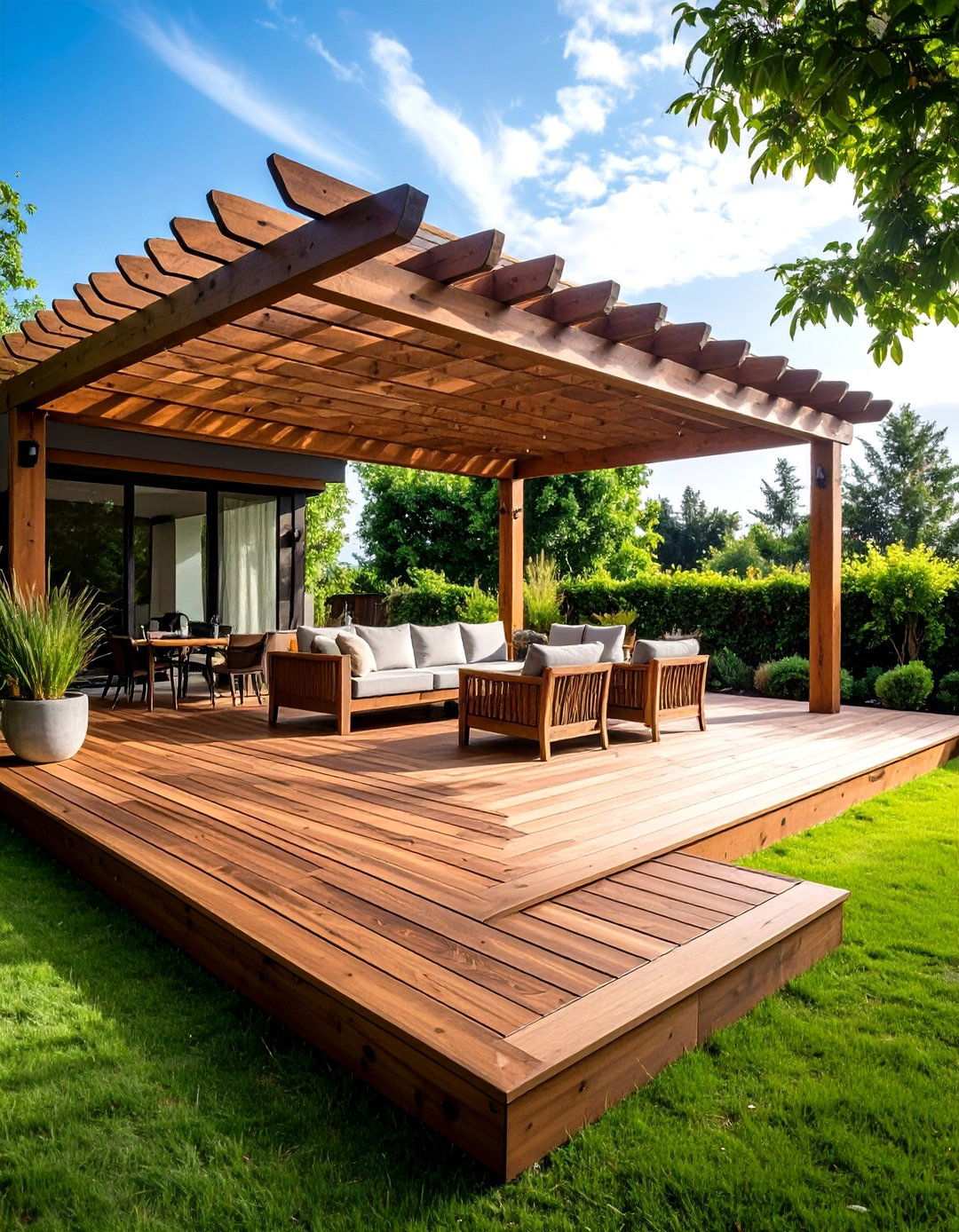
Transform your outdoor areas into seamless extensions of your indoor lifestyle by incorporating wooden deck and patio designs that blur the line between interior and exterior living spaces. Exotic hardwoods like Ipe and teak offer weather-resistant surfaces that develop a beautiful patina over time while maintaining essential slip-resistant properties for enhanced safety. Built-in wooden seating areas create inviting gathering spaces that resemble outdoor living rooms, perfect for hosting or unwinding in the midst of nature. Strategically placed pergolas and overhead structures provide welcome shade while defining separate outdoor areas within larger landscape settings. Integration of wooden planters and garden elements seamlessly merges landscaping with architecture, expanding usable living space and offering opportunities to connect with nature from the comfort of thoughtfully designed outdoor spaces that rival their indoor counterparts in comfort and style.
19. Streamlining Bedroom Organization with Custom Wooden Storage Solutions
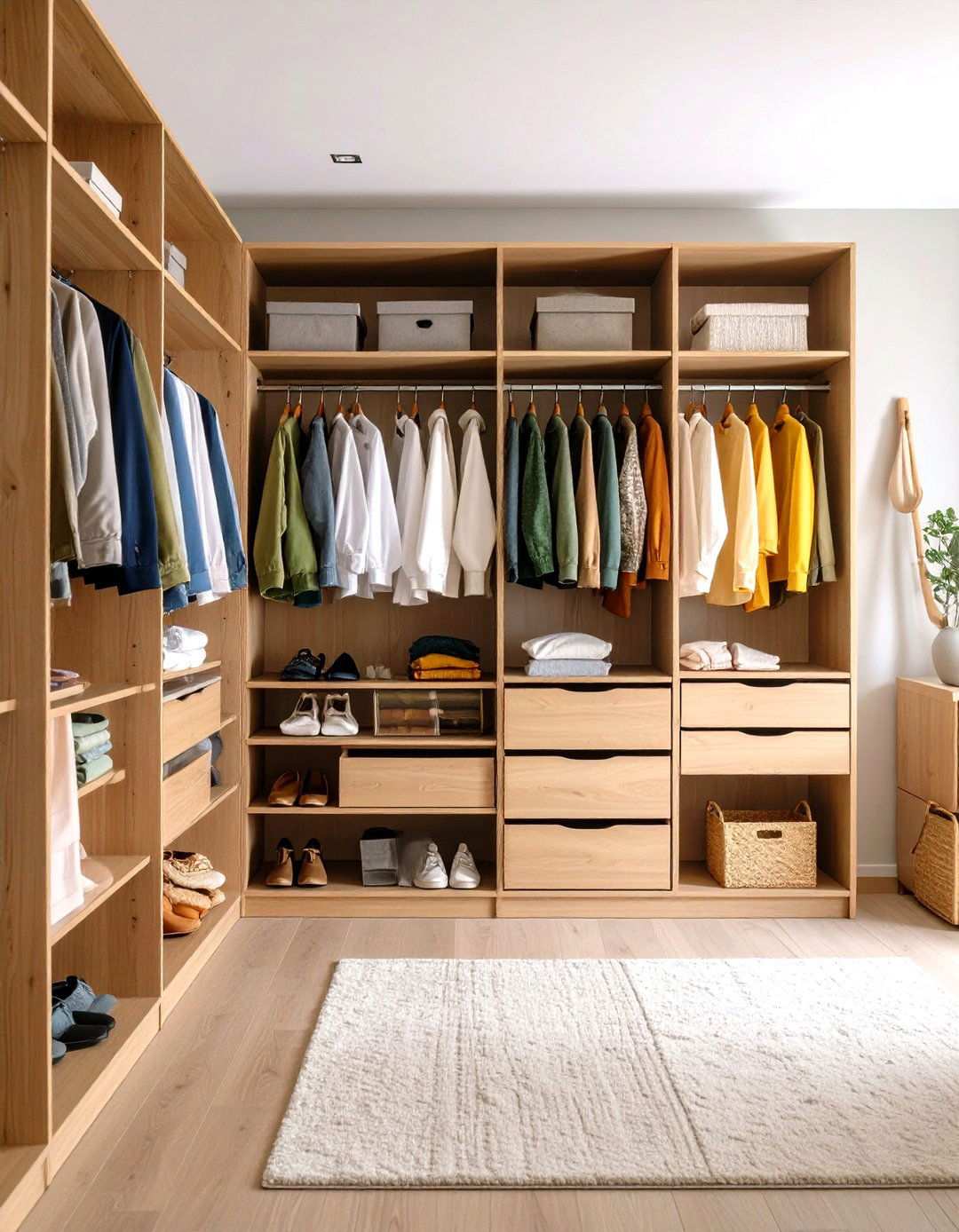
Maximize the efficiency of sleeping spaces through bespoke wooden storage systems that prioritize functionality while maintaining a serene bedroom atmosphere. Walk-in closets equipped with custom wooden shelving systems provide a high-end dressing experience for daily routines. Built-in wardrobes featuring sliding wooden doors maintain unobstructed sight lines while offering ample storage for clothing and accessories. Under-bed storage solutions crafted from matching wood species ensure visual consistency while effectively utilizing often-wasted space. Wooden jewelry storage areas and dressing stations create dedicated spaces for personal care routines. These solutions prove particularly effective in smaller bedrooms where space efficiency becomes crucial for maintaining a peaceful, clutter-free environment essential for quality rest and relaxation.
20. Artistic Wooden Installations: Elevating Interior Spaces with Reclaimed Wood
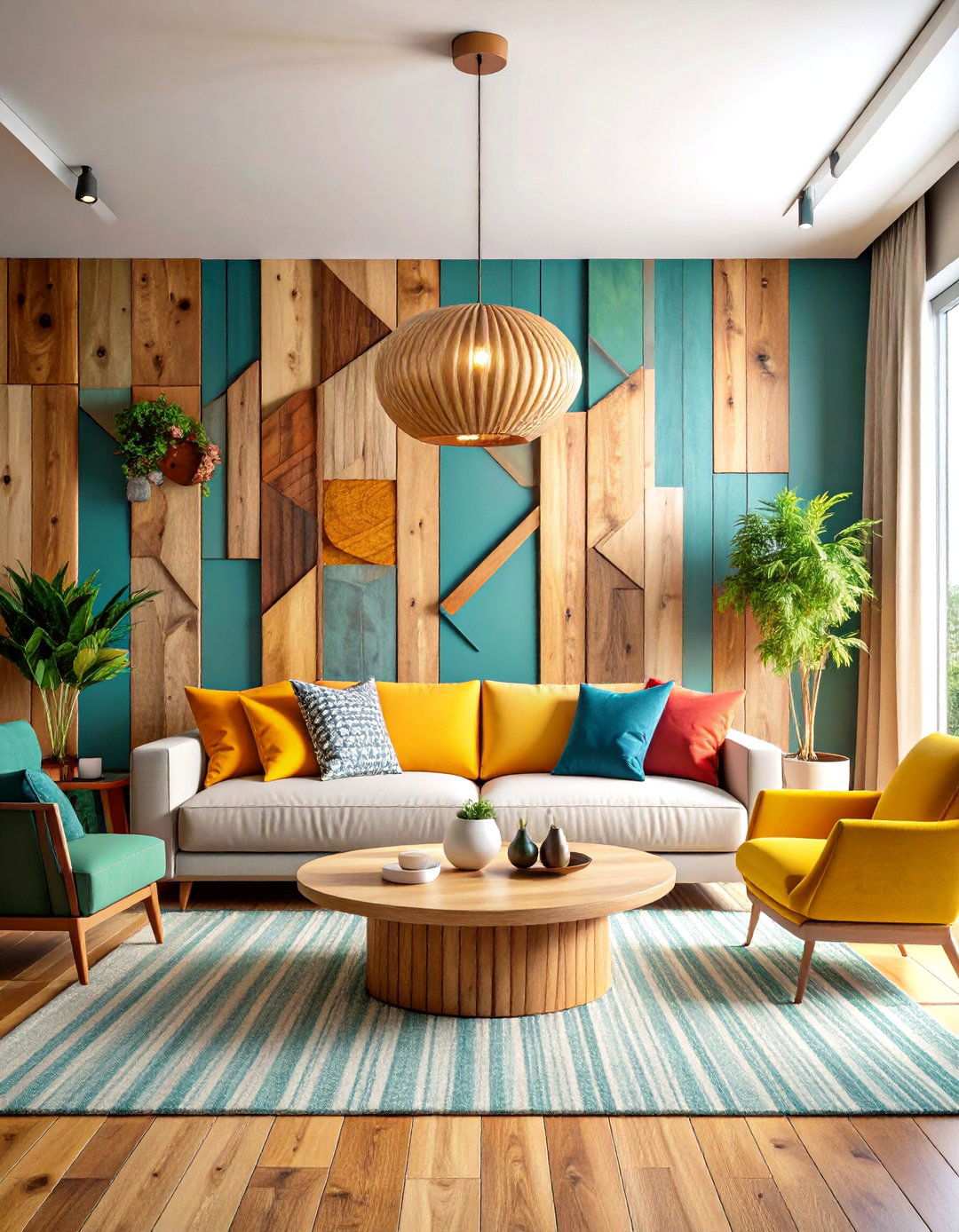
Create striking focal points through artistic wooden wall installations that serve as both decorative elements and conversation starters. Geometric patterns crafted from reclaimed wood add texture and visual interest without requiring additional furniture or floor space. Weathered planks with varying finishes create abstract compositions that change appearance throughout the day as lighting conditions shift. Three-dimensional wooden sculptures provide dramatic focal points that work particularly well in minimalist spaces where fewer elements carry greater visual weight. These installations demonstrate the versatility of wood as both a structural material and a creative medium. The key to success lies in striking a balance between composition and existing architectural elements to create cohesive designs that elevate rather than overwhelm interior spaces.
21. Elevating Home Office Productivity
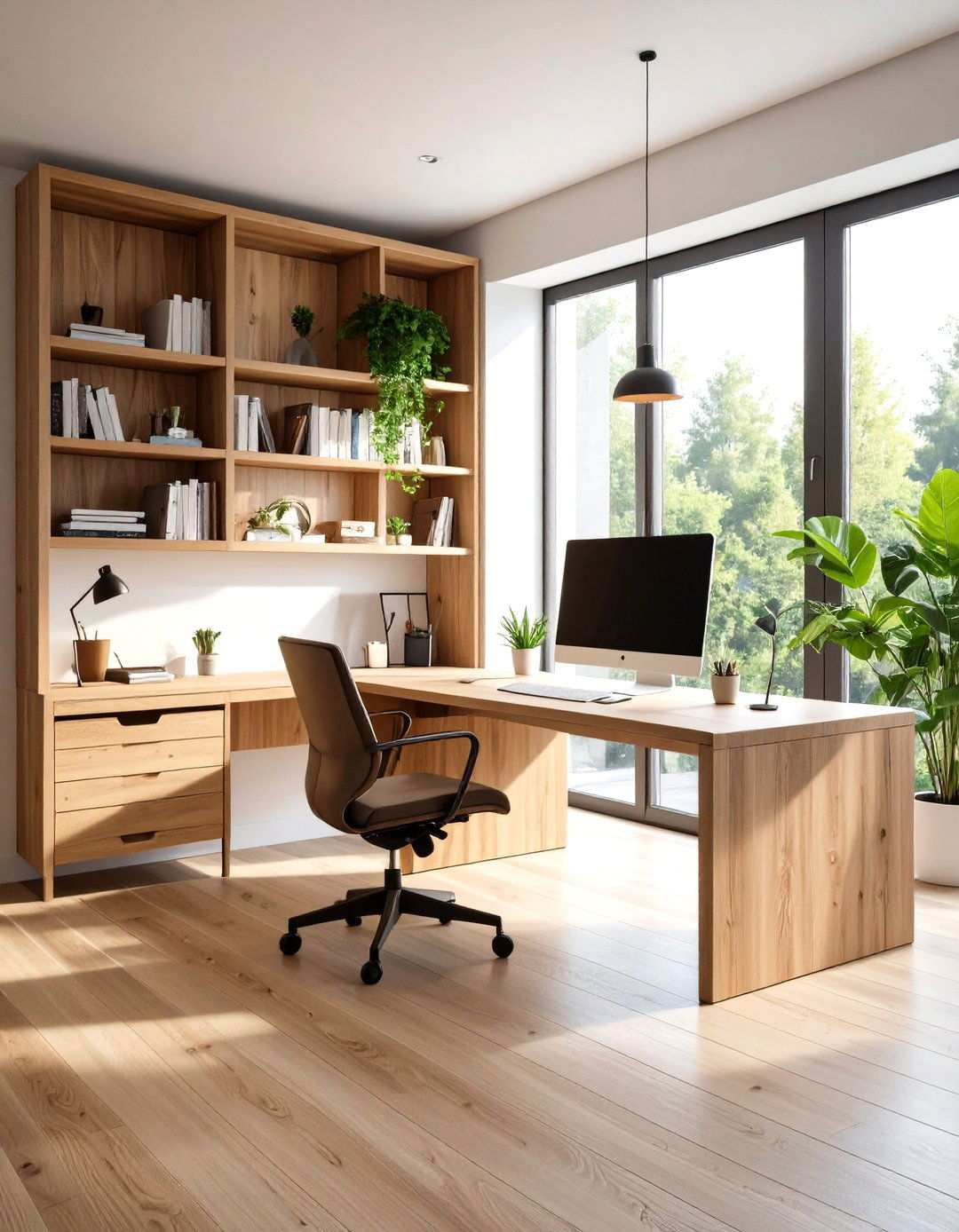
Boost the effectiveness of your home workspace by incorporating wooden elements that foster a professional atmosphere while retaining residential warmth and comfort. Strategically designed wooden desks with integrated storage ensure efficient workflow and maintain unobstructed sight lines, crucial for focus and concentration. Wooden shelving systems not only display essential items but also add visual interest to spaces that might otherwise feel utilitarian. Wooden storage solutions and filing cabinets harmonize with the aesthetic while addressing practical organizational needs. The warm tones of wood create a more inviting work environment, encouraging extended periods of comfortable productivity that seamlessly integrate professional requirements with residential design and lifestyle needs.
22. Sustainable Bamboo Interior Design Strategies
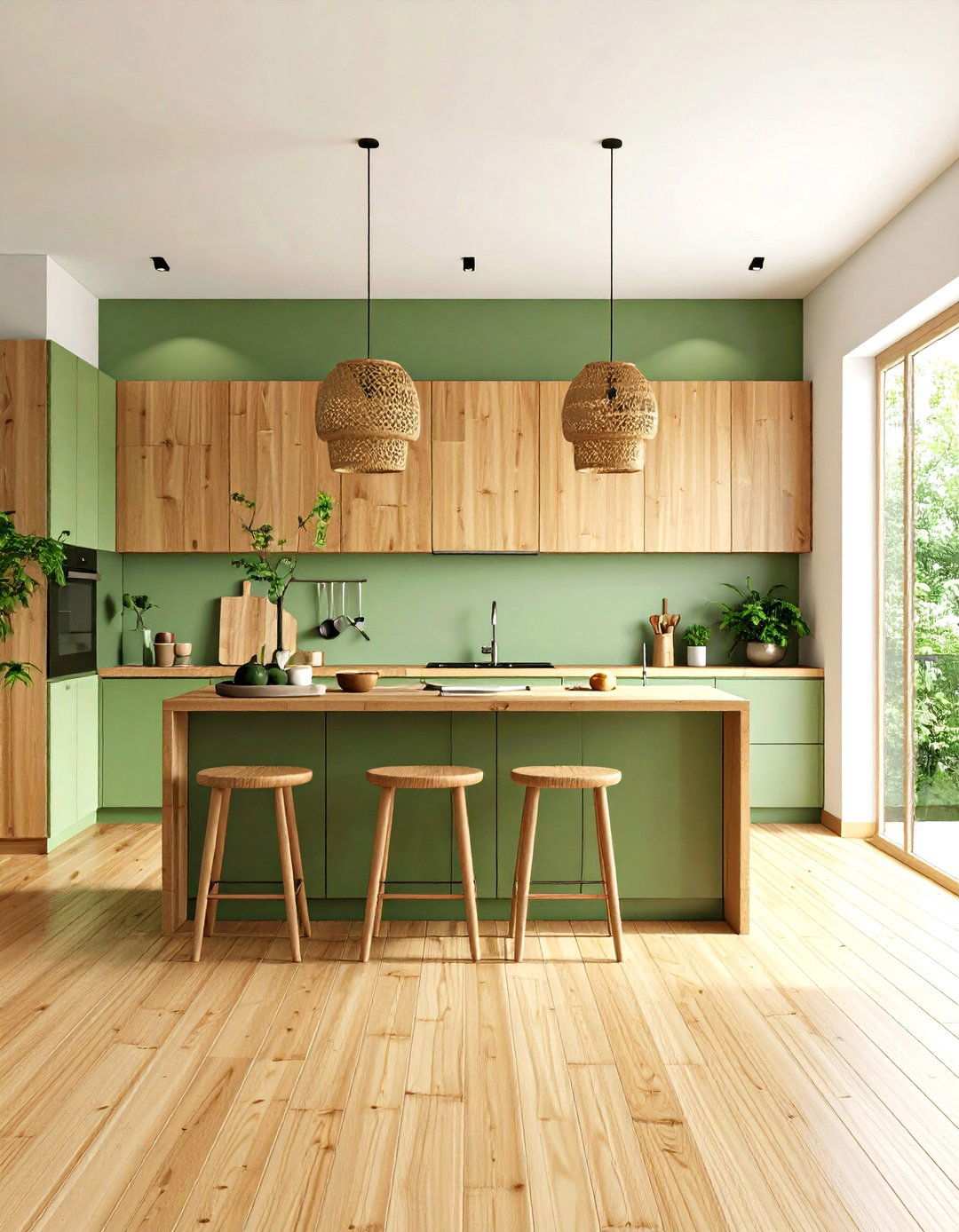
Integrate rapidly renewable bamboo into interior projects that prioritize environmental responsibility without compromising on aesthetic appeal or functional performance. Bamboo flooring boasts durable surfaces with unique grain patterns that complement diverse design approaches, from modern to traditional. Bamboo cabinetry and furniture showcase the material’s robustness and workability while supporting sustainable forestry practices. The light, consistent coloring of bamboo creates bright, optimistic atmospheres ideally suited for kitchens and bathrooms, where cleanliness and hygiene remain paramount. Bamboo window treatments and room dividers provide a balance between privacy and connection to natural light. By incorporating bamboo into your design, you can successfully merge environmental consciousness with beautiful and functional interior spaces.
23. Transforming Bathrooms into Spa-Like Retreats
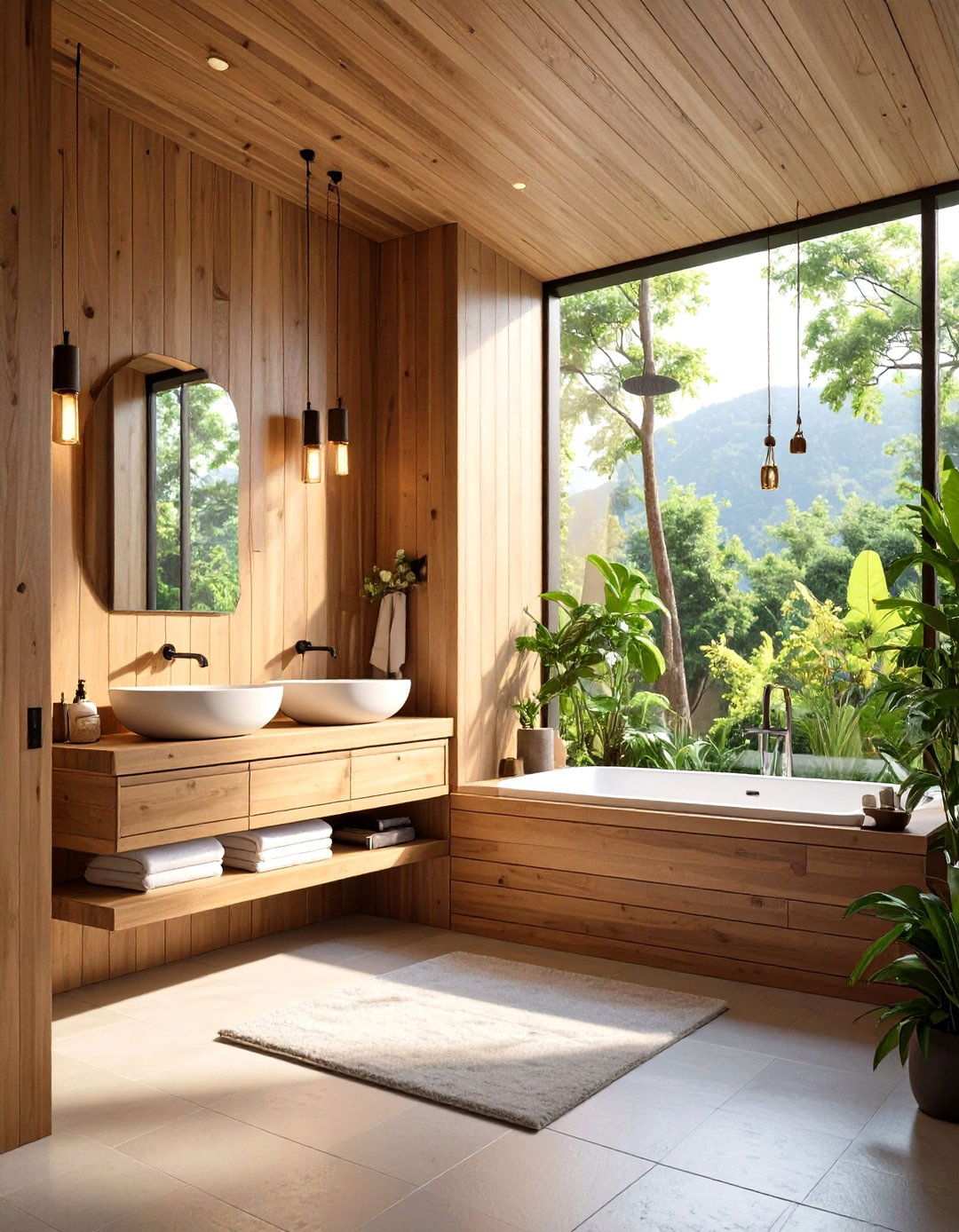
Create rejuvenating spa experiences at home by thoughtfully incorporating wooden elements that transform ordinary bathrooms into serene sanctuaries. Teak shower benches and accessories provide practical seating while maintaining water resistance, essential in humid environments. Wooden soaking tub surrounds create focal points that encourage relaxation and stress relief after long days. Built-in wooden storage keeps towels and bath products organized while maintaining the serene atmosphere essential for personal wellness routines. The natural antimicrobial properties of certain wood species make them ideal for bathroom applications when properly sealed and maintained. These retreats provide daily opportunities for self-care and relaxation without requiring expensive spa visits or elaborate vacation plans.
24. Mastering the Art of Wood Species Merging
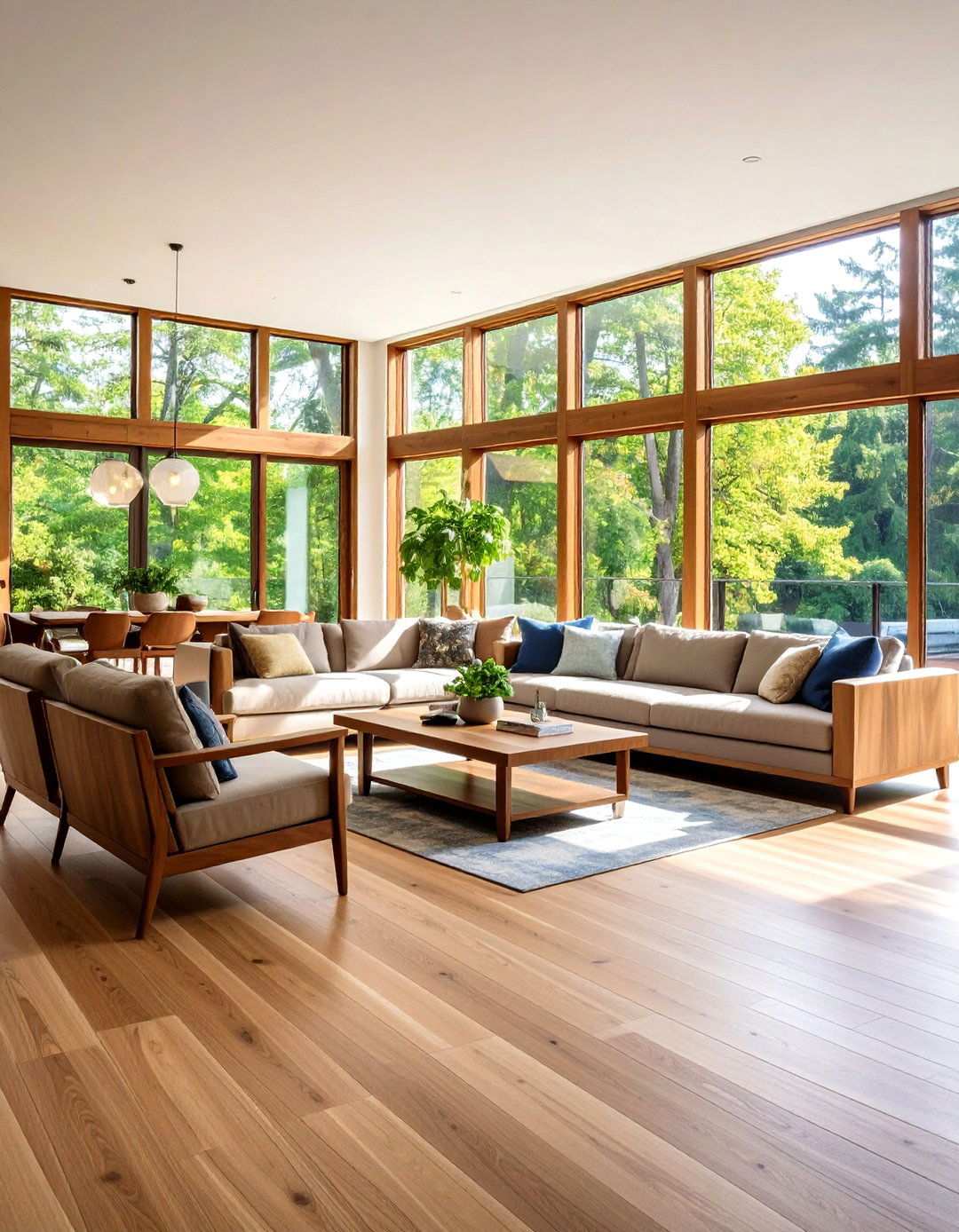
Elevating interior design involves thoughtfully combining various wood species to create visually appealing contrasts that foster a sense of purpose within open-plan spaces. A harmonious marriage of light oak flooring and darker walnut furniture, for instance, generates a striking visual dynamic that distinguishes functional areas. By integrating different wood species in kitchen designs – think islands, cabinetry, and accents – designers can craft layered, complex spaces that exude a sense of curated sophistication rather than forced coordination.
The success of such approaches hinges on striking a delicate balance between consistency and variation. By maintaining a cohesive undertone while strategically incorporating diverse grain patterns and color intensities, designers can create rich, harmonious compositions that appear both intentional and effortlessly refined. When executed with precision, mixed wood designs yield interiors that are at once sophisticated and welcoming.