Your mailbox is one of the first things people see from the street, yet it’s often the least considered part of the front yard. A simple, well-planned planting or small hardscape around the mailbox can completely change the first impression of your home. The best mailbox landscaping is practical, easy to maintain, and sized to your strip of turf or curb bed. It should frame the mailbox, guide the eye toward your front door, and survive the inevitable splash of road grit and summer heat. Below you’ll find ideas that balance color, structure, and durability—without relying on ornamental grasses—so your mailbox area looks polished year-round and never feels like an afterthought.

As an Amazon Associate I earn from qualifying purchases.
Create a Mini Flower Bed Island
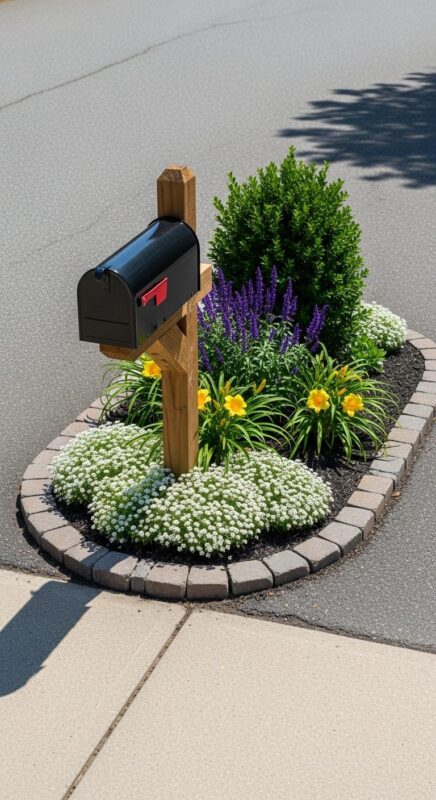
Turn your mailbox into a destination by carving out a small flower bed “island” around it. Think in layers: a simple evergreen anchor (like a compact boxwood) behind the post, medium-height bloomers (salvia, coneflower, or daylily) in the middle, and a crisp edging of low groundcovers or annuals at the front. Keep the footprint proportionate—usually a circle or oval 3–5 feet wide works on most streetscapes. Use a deep edge or paver ring so mulch doesn’t spill onto the sidewalk.
Add Evergreen Structure for All-Season Shape
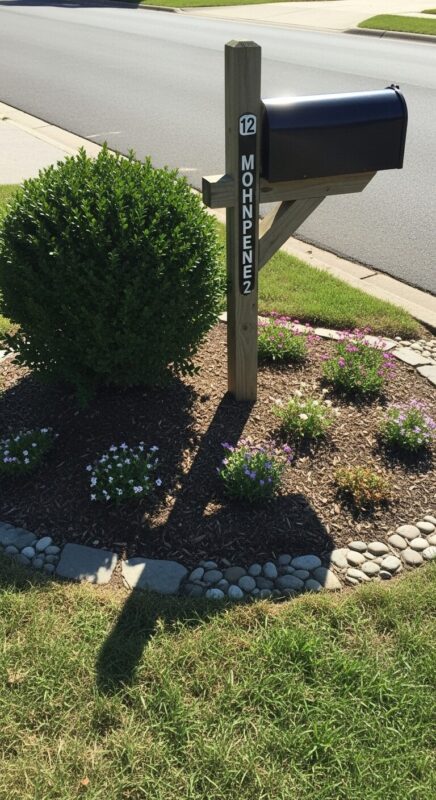
Seasonal flowers fade, but an evergreen gives your mailbox bed backbone in winter. Small, slow-growing options—dwarf boxwood, compact yaupon holly, or little-leaf privet kept clipped—stay neat and handle road spray. Place a single evergreen slightly off-center behind the post to avoid a stiff “target” look. Hem the rest of the bed with perennials so the evergreen reads like a focal point rather than a hedge.
Use Color-Themed Perennials That Repeat Your Front Door
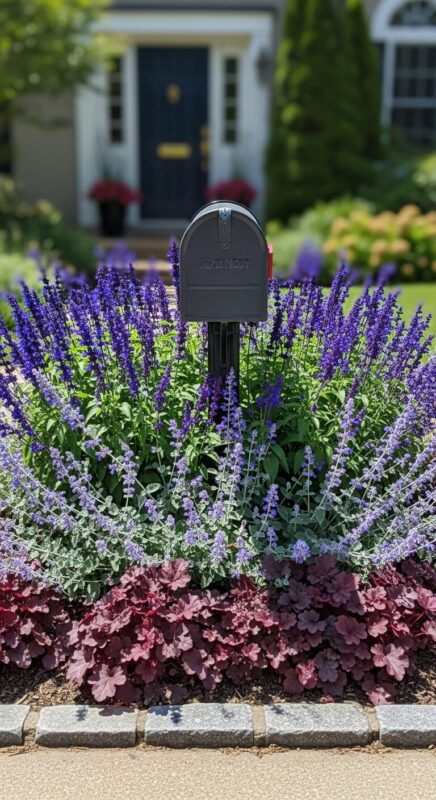
Tie your mailbox to the house by repeating a front-door color in blooms or foliage. If your door is navy, echo it with blue salvia or catmint; for a red door, try scarlet geraniums (annuals) or red bee balm; for a chartreuse door, weave in lime heuchera. Keep the palette tight—two main flower colors plus green—and let foliage textures carry interest between peak bloom times.
Build a Neat Rock Border with Mulch Management
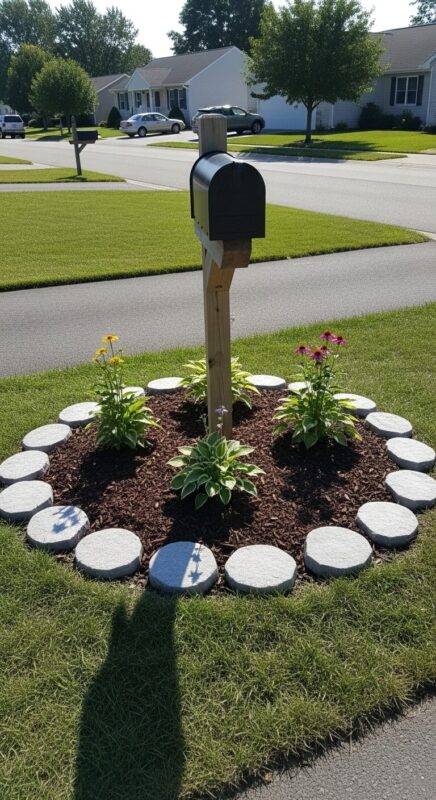
A clean border is half the battle on a sloped verge. Dry-stack small, flat stones or install a low soldier-course of brick to hold mulch in place and prevent runoff onto the pavement. Choose mulch that matches your home’s tones—dark brown for traditional, black for modern—and refresh annually. The hard edge protects plants from feet and tires, too.
Plant Low, Tough Groundcovers at the Front Edge
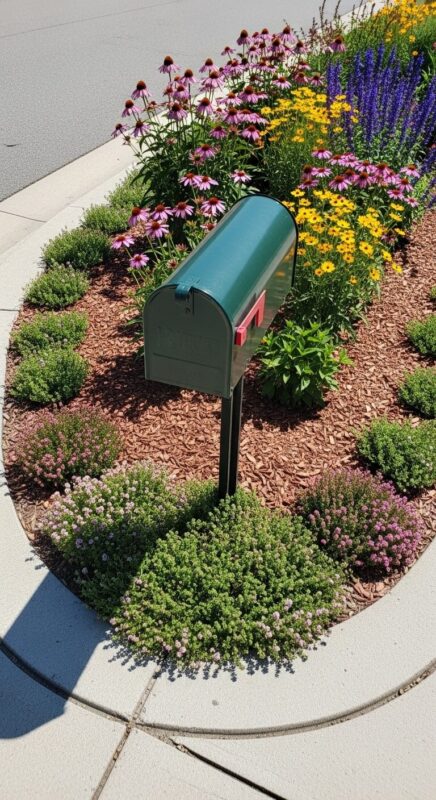
Road-side edges take abuse from heat and splash. Use durable groundcovers that won’t flop into the street—creeping thyme, sedum, ajuga, or dwarf mondo (if climate-suitable). They knit soil, deter weeds, and keep the bed looking finished between blooms. Plant them tight at the front curve; step back to ensure they won’t obstruct postal access.
Pair the Mailbox with a Mini Shrub Trio
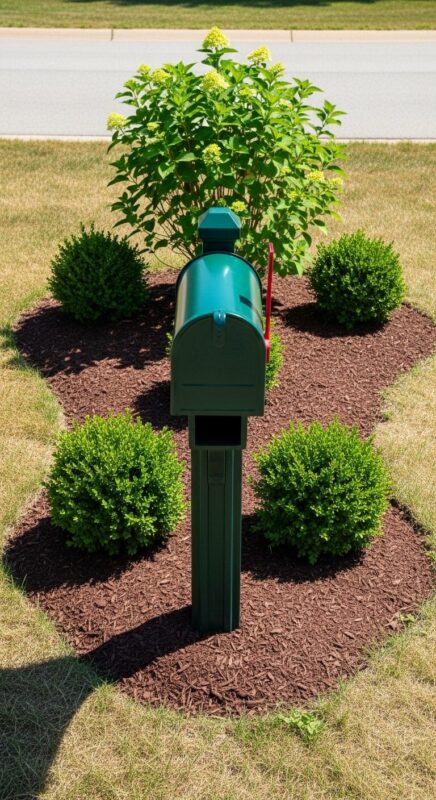
Groups of three deliver balance without symmetry. Pick shrubs that won’t outgrow the spot—dwarf spirea, compact hydrangea (like ‘Bobo’), or small barberry (where permitted) for color. Arrange one behind the post and two staggered toward the street side, leaving room for seasonal color in pockets between. This creates a substantial look that reads “landscaped,” not “stuck some flowers here.”
Install a Simple Paver Apron for Mower-Friendly Edges
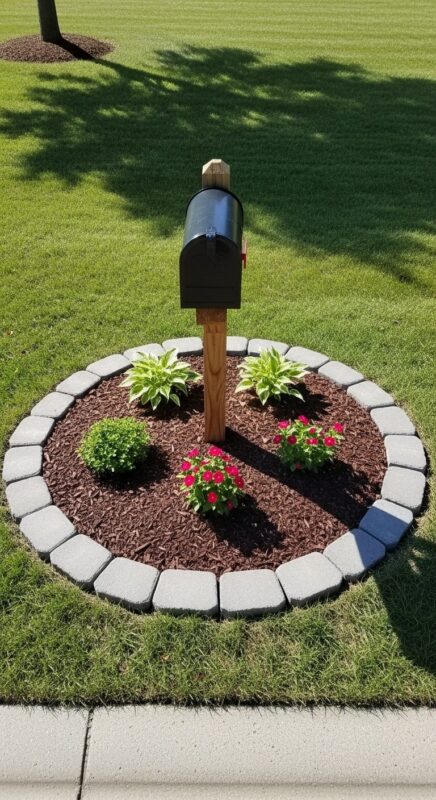
If trimming around a mailbox bed drives you crazy, set a paver “apron” flush with lawn grade around the perimeter. It becomes a clean mowing strip, reduces edge flop, and gives the planting a crisp outline. Keep the curve gentle so a mower can follow it; a 24–30 inch-wide apron works well for most beds.
Choose Fragrant, Pollinator-Friendly Blooms
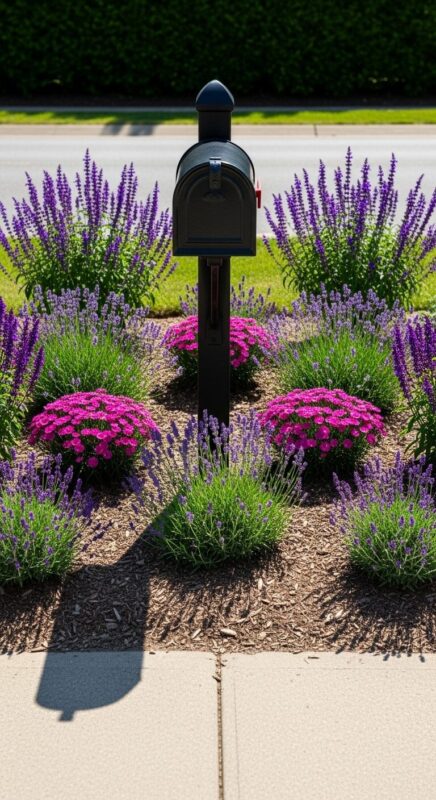
Make checking the mail a sensory moment with lavender, bee balm, or scented dianthus (choose varieties suited to your zone). Tuck in milkweed or salvia to support butterflies and bees. Keep taller stems behind the post so the door opens freely. This approach turns a small spot into a miniature habitat without looking wild.
Add a Compact Seasonal Bulb Drift
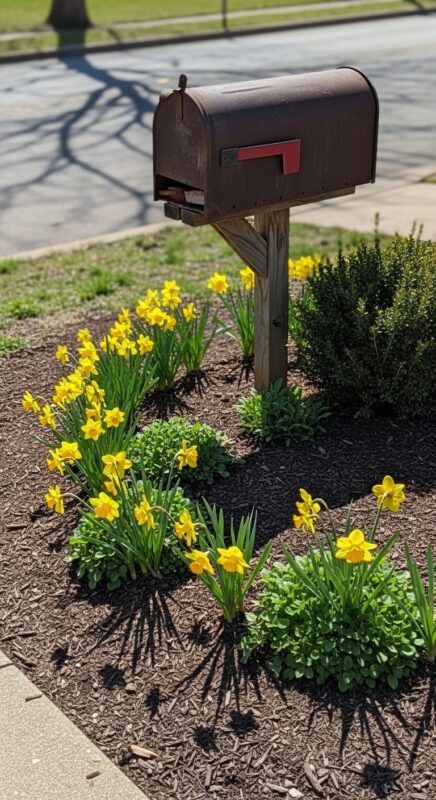
For spring pop, plant a brief, cheerful drift of bulbs—daffodils, tulips (if deer aren’t an issue), or grape hyacinths—between your evergreens and perennials. After blooming, their foliage blends into the bed while summer plants take over. This keeps the mailbox lively at the start of the season without extra maintenance.
Anchor with a Decorative Boulder (Scaled Correctly)
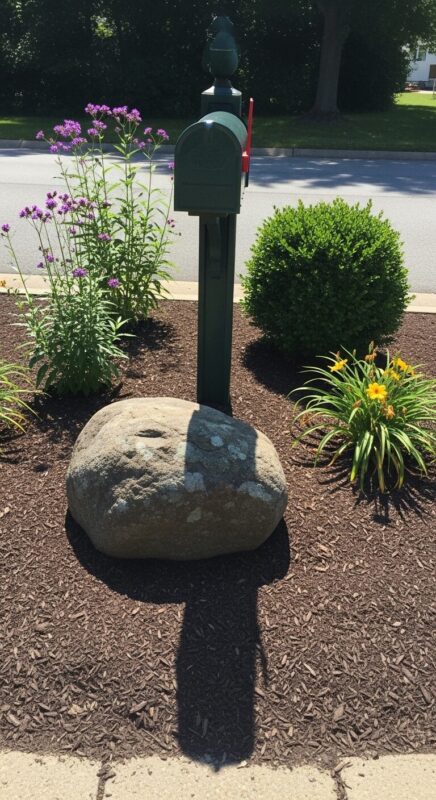
A single, well-chosen boulder grounds a small planting. Aim for one rock roughly the size of a carry-on suitcase, set partially below grade so it looks “planted,” not perched. Position it opposite your evergreen to create visual balance and a natural perch for seasonal pots if you like.
Upgrade the Post and Box for Cohesion
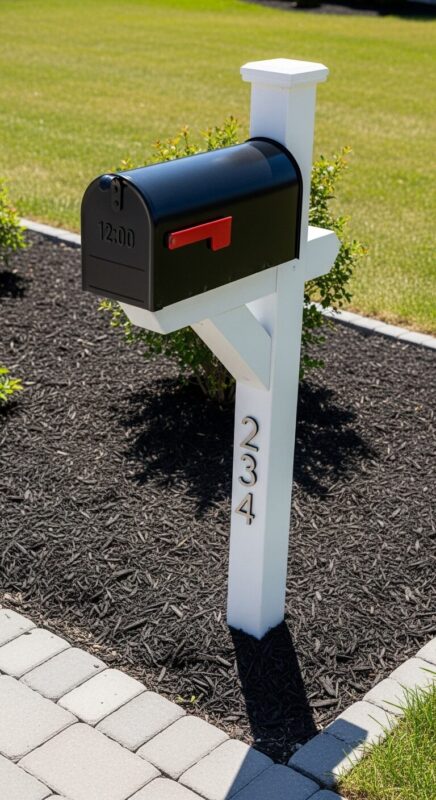
Sometimes the landscaping looks off because the mailbox itself is tired. Replace a rickety 4×4 with a solid post that matches your home’s trim color or front door. Consider a metal box with clean lines, integrated newspaper shelf, or simple house numbers on the post. Fresh hardware instantly elevates the entire vignette and gives the plantings context.
Incorporate Discreet Solar Path Lights
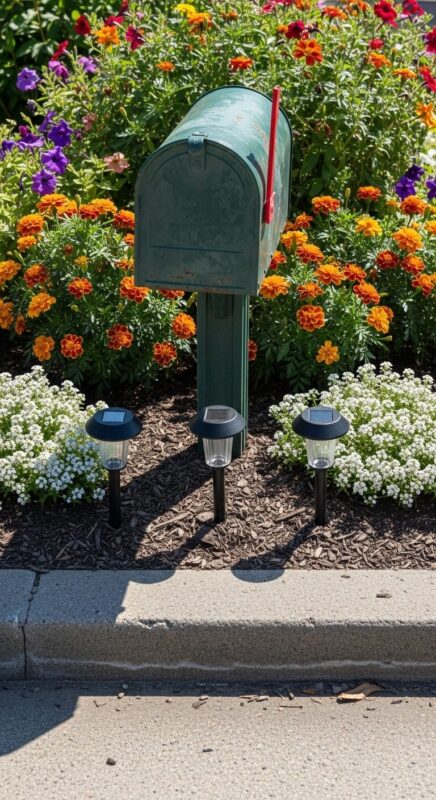
Two or three low solar lights placed just inside the border add safety and a finished look after dark without overwhelming the street. Choose fixtures with a warm color temperature and low profile so they disappear by day. Space them evenly, but leave the front edge clear so they’re not grazed by passersby or mail delivery.
Add a Small Trellis for a Climbing Accent
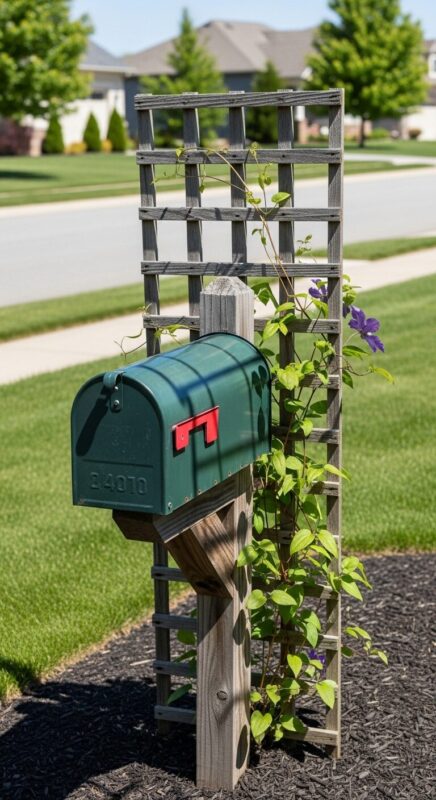
If your mailbox sits near a fence or has a sturdy post bracket, a slim trellis with a restrained climber—clematis or star jasmine—adds height and seasonal interest without dominating the view. Keep climbers away from the hinge and door, training them up and away so postal access stays clear. A painted trellis matching the box or post unifies the elements.
Use Heuchera, Hosta, and Ferns for Shade Situations
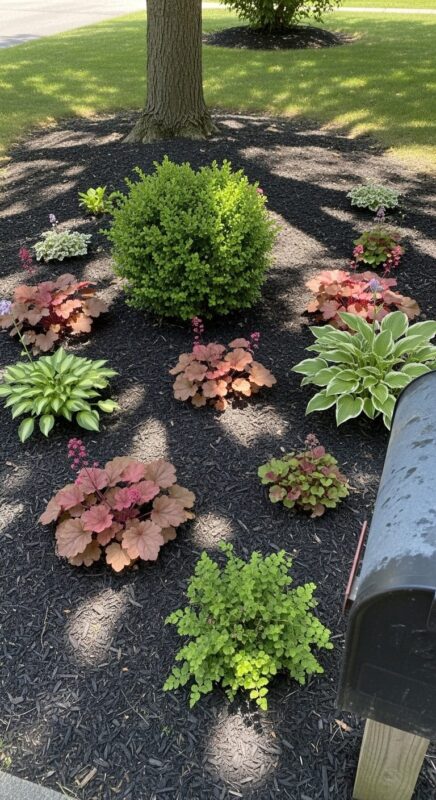
If trees cast shade over your mailbox, lean into foliage. Heuchera (coral bells) brings color in leaves, hosta provides bold texture, and compact ferns fill gaps. Add a small evergreen for winter presence and a white-flower perennial (like astilbe) for brightness. Keep edges clean with brick or steel edging so leaves don’t creep onto the walkway.
Make a Mailbox-Plus-Planter Combo
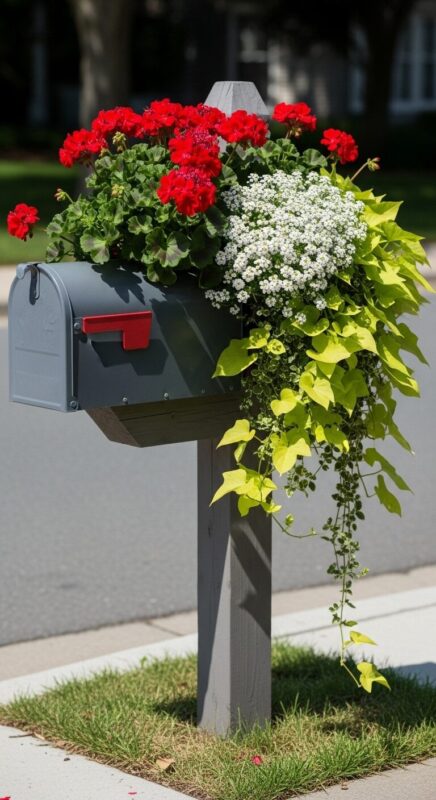
If your curb strip is tiny, integrate a planter box beneath or beside the post. A sturdy, weatherproof planter filled with compact annuals or herbs gives you color without enlarging the footprint. Use trailing varieties (sweet potato vine, calibrachoa) sparingly to avoid blocking the door. This is a great solution for HOA neighborhoods with narrow verges.
Keep It Low Near the Road for Sightlines
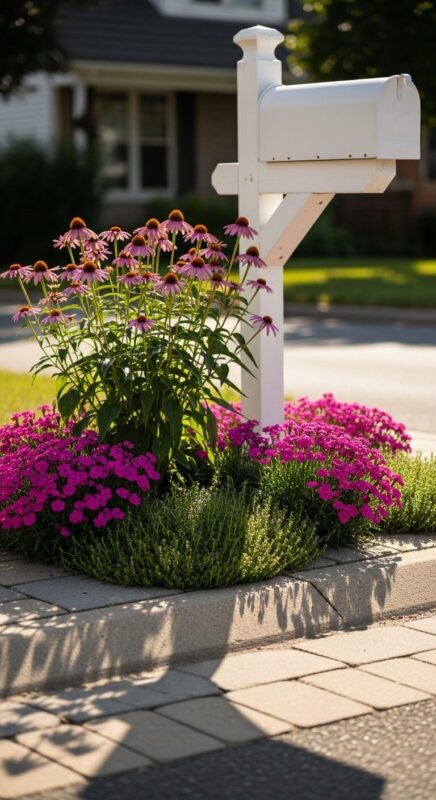
Safety first: plant the highest elements behind the post and keep front edges low so drivers and pedestrians have clear views. Use shorter perennials toward the curb (dianthus, sedum, creeping thyme) and mid-height bloomers behind. This stepped height creates depth without encroaching on the path or street.
Choose a Calm, Two-Mulch Strategy
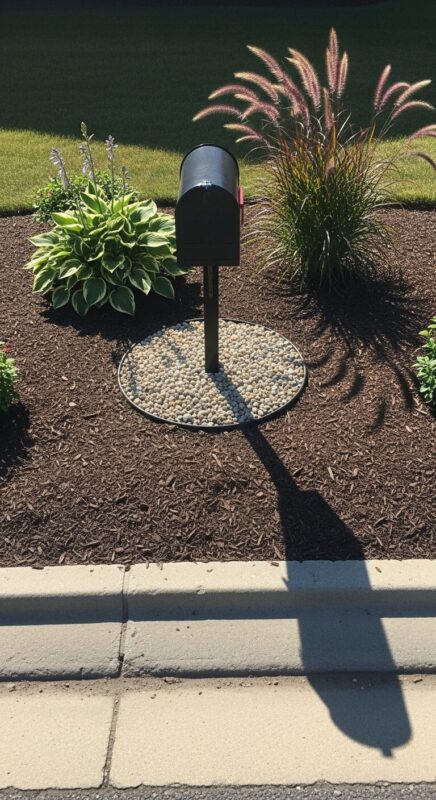
Mulch color sets the mood. Use one primary mulch inside the bed and a contrasting material only as a narrow accent if needed—for instance, a slender ring of light pea gravel directly at the post base to catch drips and keep soil off hardware, with dark mulch everywhere else. This keeps the eye on plants and mailbox rather than a jumble of textures.
Add Subtle House Numbers and a Single Accent
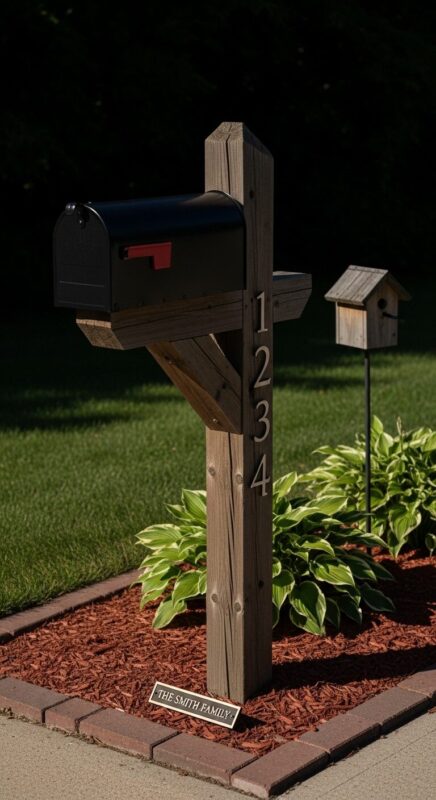
A tasteful set of house numbers on the post or a small plaque staked within the bed adds function and polish. Resist piling on ornaments. One accent—like a modest birdhouse on a separate, short stake behind the planting—can be charming if it doesn’t clutter access. Less truly reads as more at the scale of a mailbox.
Plan for Easy Maintenance From the Start
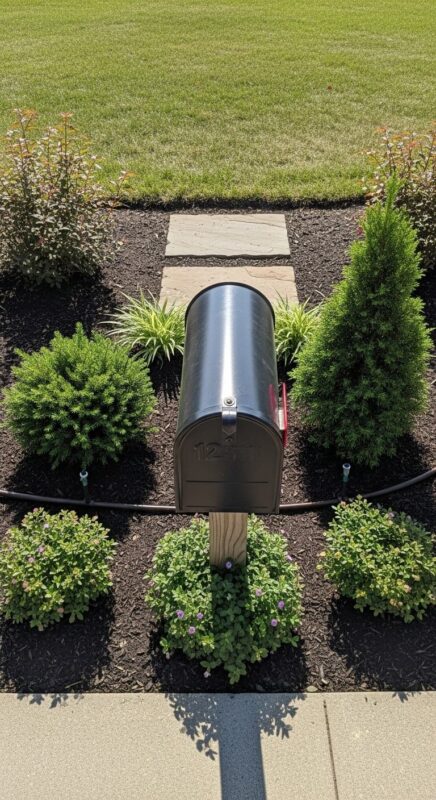
Design with upkeep in mind so the bed stays crisp. Leave a small stepping stone at the back for pruning access, install drip irrigation or a simple soaker ring on a timer, and choose plant varieties that top out below the mailbox door. A spring refresh—edge, top up mulch, light fertilizer—keeps everything sharp with minimal effort.