1. Unveiling the Art of Culinary Innovation
The transformation of a restaurant space into an unforgettable dining destination begins with innovative interior design concepts that captivate guests and elevate their culinary experience. Contemporary restaurant design has transcended mere aesthetics to create immersive environments that engage multiple senses, while also ensuring operational efficiency. Today’s successful establishments blend form with function, incorporating elements like natural materials, cutting-edge lighting systems, and flexible layouts that adapt to changing customer needs throughout the day. Effective design choices can significantly impact customer satisfaction, brand recognition, and ultimately, a restaurant’s bottom line. From incorporating elements that connect diners to nature to showcasing culinary artistry, modern restaurant design prioritizes transparency, sustainability, and authentic experiences that resonate with today’s discerning diners seeking memorable moments beyond exceptional food.

As an Amazon Associate I earn from qualifying purchases.
2. Bringing the Kitchen to Center Stage
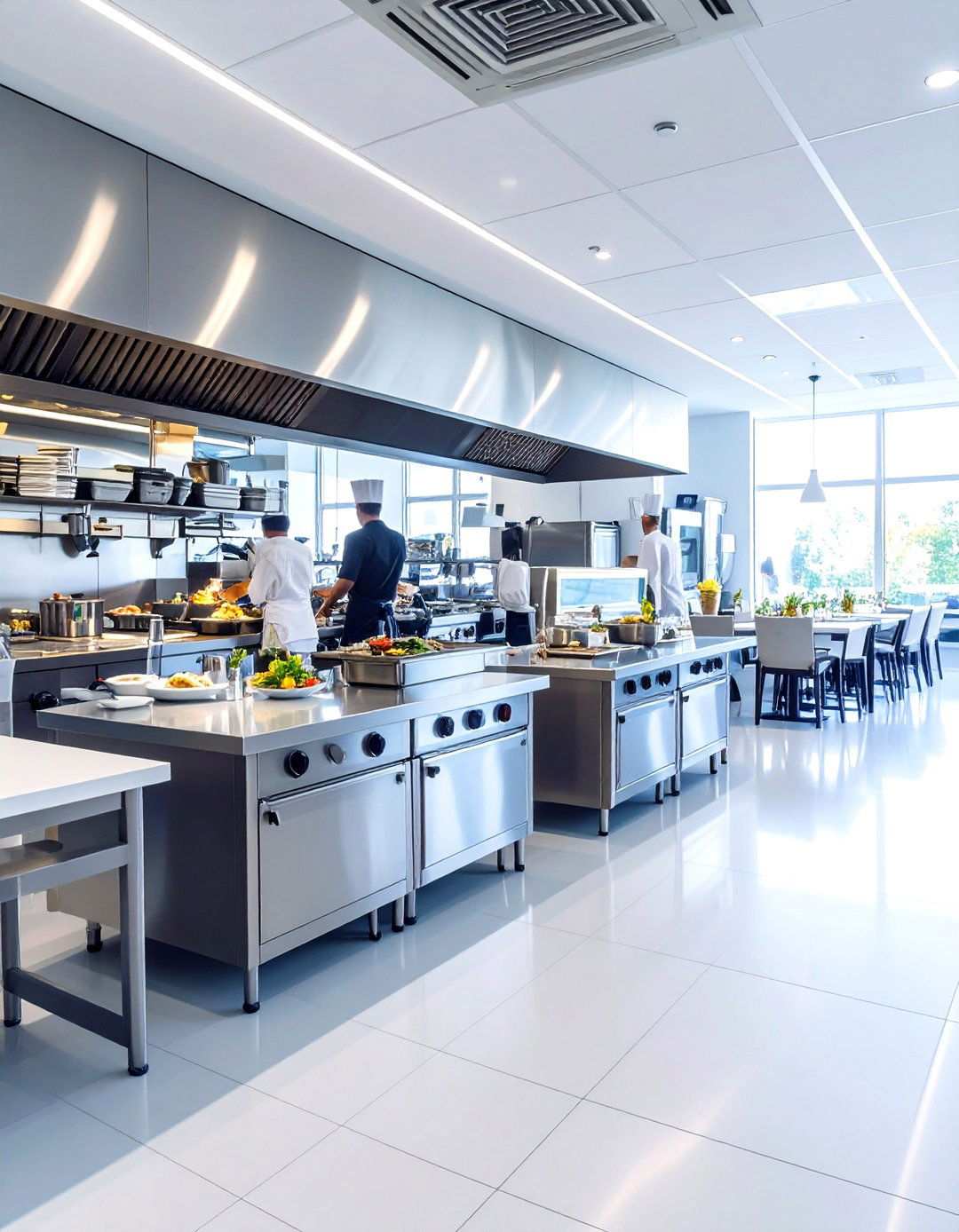
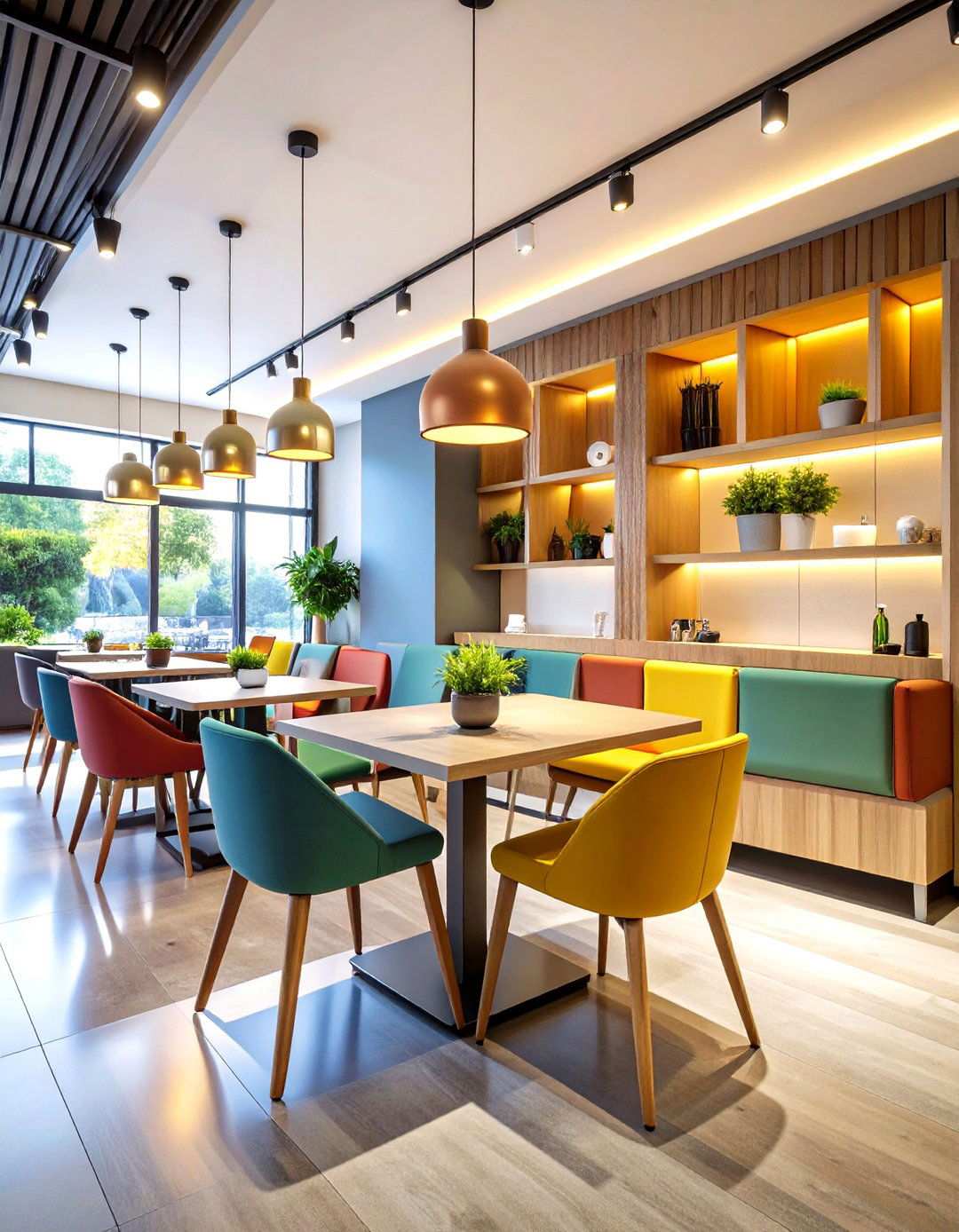
Imagine witnessing culinary mastery unfold before your eyes, rather than being hidden behind closed doors. Open kitchen designs transform food preparation into live entertainment, allowing diners to connect with the artistry that goes into every dish. This transparent approach builds trust through visibility while creating an engaging atmosphere that stimulates multiple senses. Strategic placement of cooking stations, combined with thoughtful lighting and ventilation systems, turns the kitchen into a focal point rather than a distraction. Glass partitions can control noise and aromas while maintaining a visual connection. The result is an immersive dining experience where guests feel connected to their meal’s creation, fostering a deeper appreciation for the ingredients and craftsmanship that goes into every dish served.
3. Creating a Sanctuary in the City
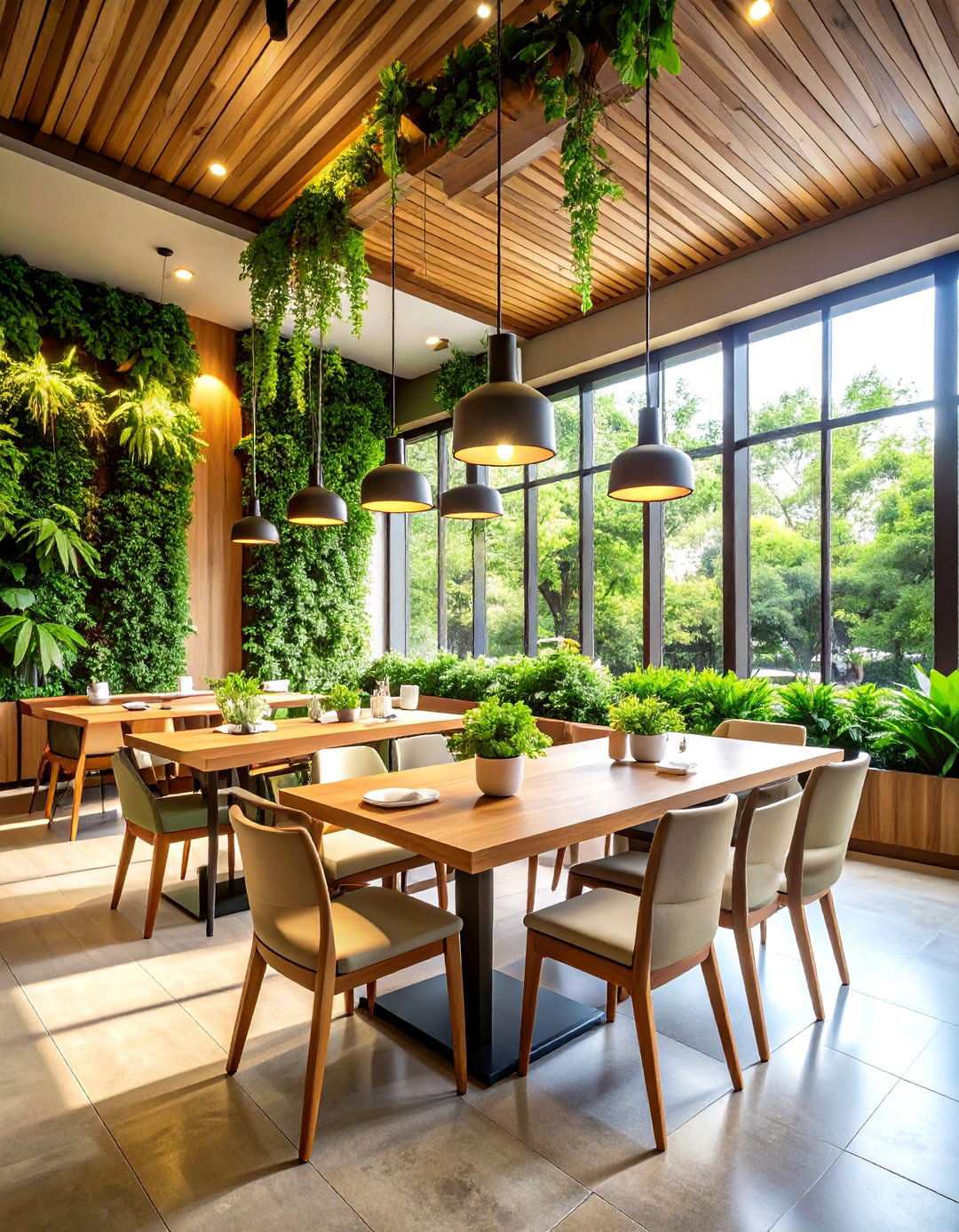
Can you envision dining amidst lush greenery that purifies the air while soothing your senses? Biophilic restaurant design incorporates living plants, natural materials, and organic shapes to create spaces that honor our innate connection to nature. Vertical gardens serve as living walls, while potted plants create natural partitions between dining areas. Natural wood, stone surfaces, and flowing water features complete this earth-inspired environment. Strategic placement of skylights and large windows maximizes natural light exposure, reducing energy consumption while enhancing the organic atmosphere. This design approach not only creates Instagram-worthy spaces but also promotes customer wellbeing through improved air quality and stress reduction. The result is a dining sanctuary that feels like an urban oasis, encouraging longer visits and repeat customers.
Evolving Restaurant Spaces
Envision a restaurant that can seamlessly shift from an intimate evening setting to a lively gathering space within mere hours. Modular design systems empower restaurants to reimagine their spaces according to the time of day, season, or special events. By incorporating moveable partitions, versatile furniture, and adaptable serving stations, these establishments can easily adjust their layouts to cater to varying group sizes and event types without the need for significant renovations. This flexibility not only maximizes revenue potential but also allows restaurant owners to optimize their space utilization and profitability. Furthermore, smart lighting systems can instantly transform the ambiance from bright and energetic for lunch service to warm and inviting for dinner. This adaptability resonates with modern diners seeking diverse experiences while enabling restaurants to make the most of their space.
4. Harmonious Integration of Technology
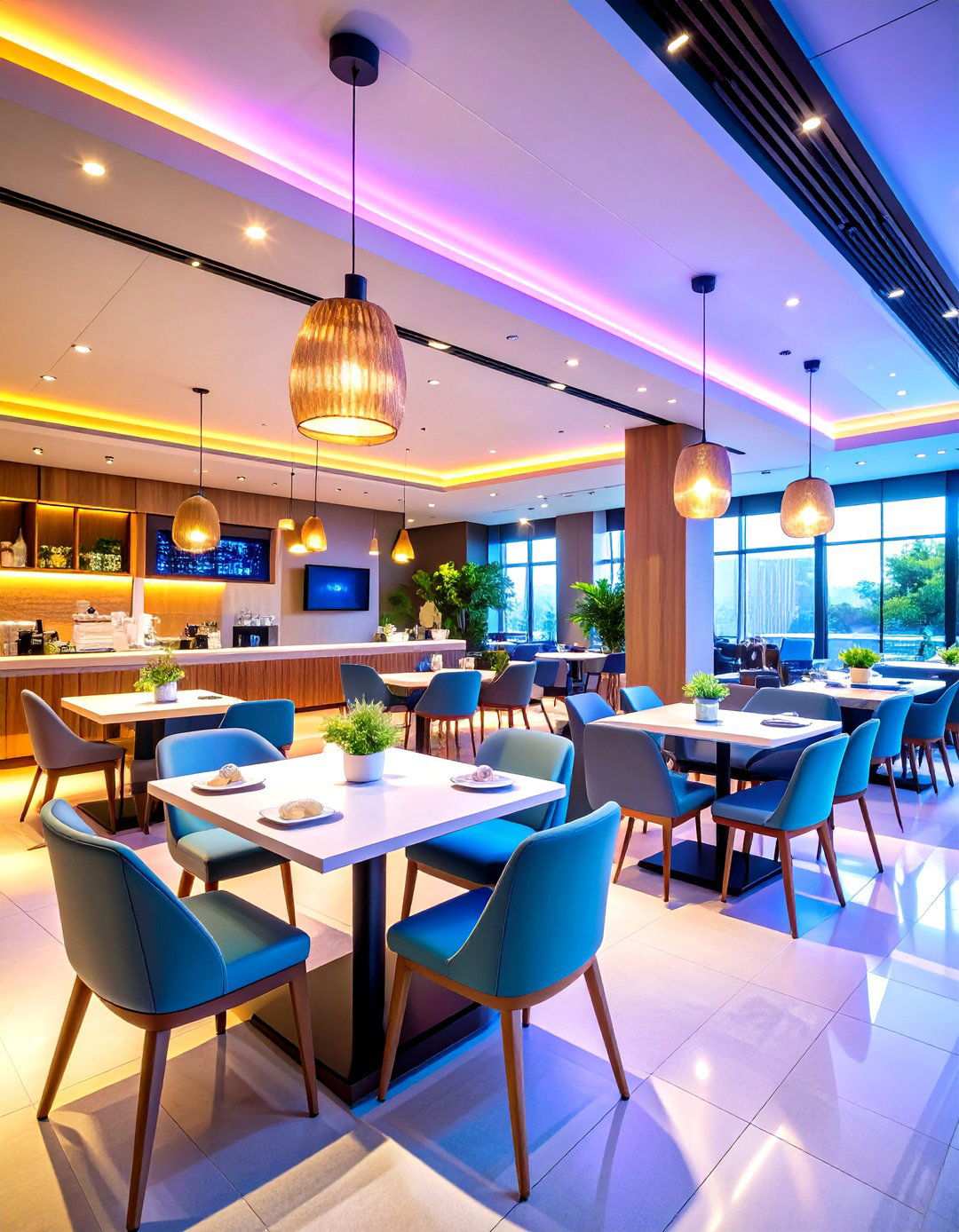
Imagine a dining experience where technology subtly enhances the atmosphere rather than disrupting it. Smart restaurant design cleverly integrates digital elements, such as interactive menu displays, wireless charging stations, and app-controlled lighting, without overwhelming the space’s aesthetic appeal. Digital menu boards not only reduce printing costs but also enable real-time updates for seasonal specials or sold-out items. Self-service kiosks streamline ordering processes during peak hours, while QR codes provide contactless menu access, allowing guests to navigate the menu seamlessly. By employing hidden cable management systems, technology remains discreet, maintaining clean visual lines. Additionally, smart climate control adjusts to occupancy levels, and integrated sound systems adjust volume based on ambient noise, ensuring a smooth and intuitive experience. The key to success lies in making technology feel invisible, supporting operations while preserving the warm and welcoming atmosphere that keeps guests returning for human connection alongside technological convenience.
5. A Timeless Revival of Retro Appeal
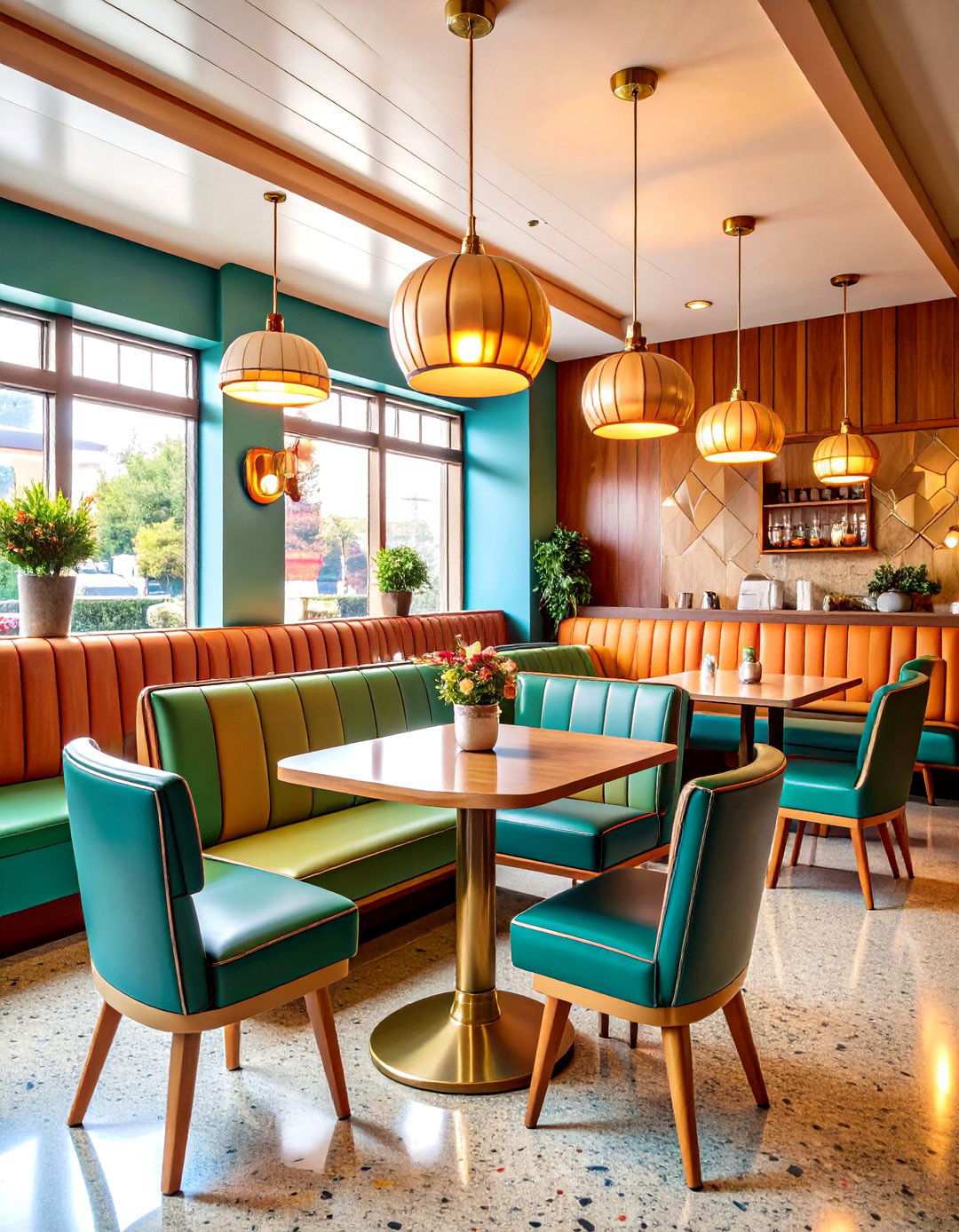
Take a step back in time and recall the playful energy of classic American diners with their bold colors and vibrant accents. Mid-century design revival brings nostalgic elements into contemporary restaurant spaces through geometric patterns, warm wood tones, and bold accent colors. Curved booth seating, terrazzo flooring, and brass fixtures create authentic period appeal while meeting modern comfort standards. Hand-drawn signage and vintage-inspired typography add personality without feeling outdated. The color palette combines warm oranges, deep greens, and rich browns with strategic pops of bright accent colors. This aesthetic creates emotional connections through familiar design elements while offering the sophistication today’s diners expect. The result is a space that feels both timeless and current, appealing to multiple generations seeking comfort and authenticity in their dining experiences.
6. Industrial Elegance with Soothing Touches
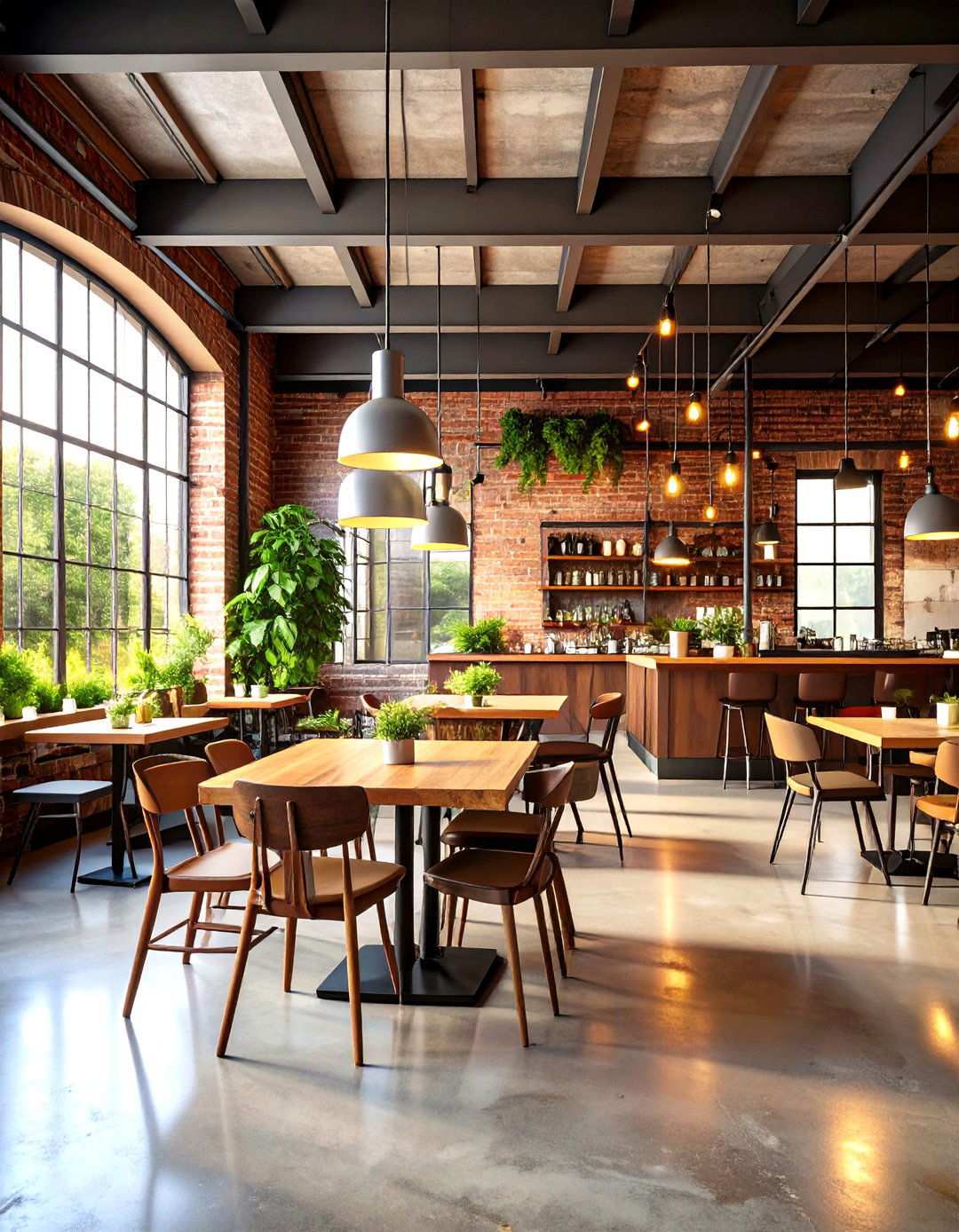
Can a juxtaposition of raw, industrial elements and soothing accents create a captivating dining atmosphere? By blending the rugged beauty of exposed brick and steel beams with warm lighting and organic textures, urban spaces can transform into inviting, sophisticated environments. Deep-colored painted walls, polished concrete floors with plush area rugs, and metal fixtures offset by wooden furniture create a visually striking contrast that celebrates the beauty of diverse materials. Soft, warm lighting from Edison bulb chandeliers and pendant lights humanizes the industrial framework, making it feel more approachable and welcoming. Adding greenery and leather seating brings an organic touch to the space, inviting diners to linger over conversations. This design style is particularly well-suited to converted warehouses or urban areas where the architecture naturally lends itself to this aesthetic. Thoughtful details like acoustic panels disguised as art installations and strategically placed soft furnishings ensure a comfortable atmosphere that encourages relaxed conversations.
7. Coastal Oasis in the City
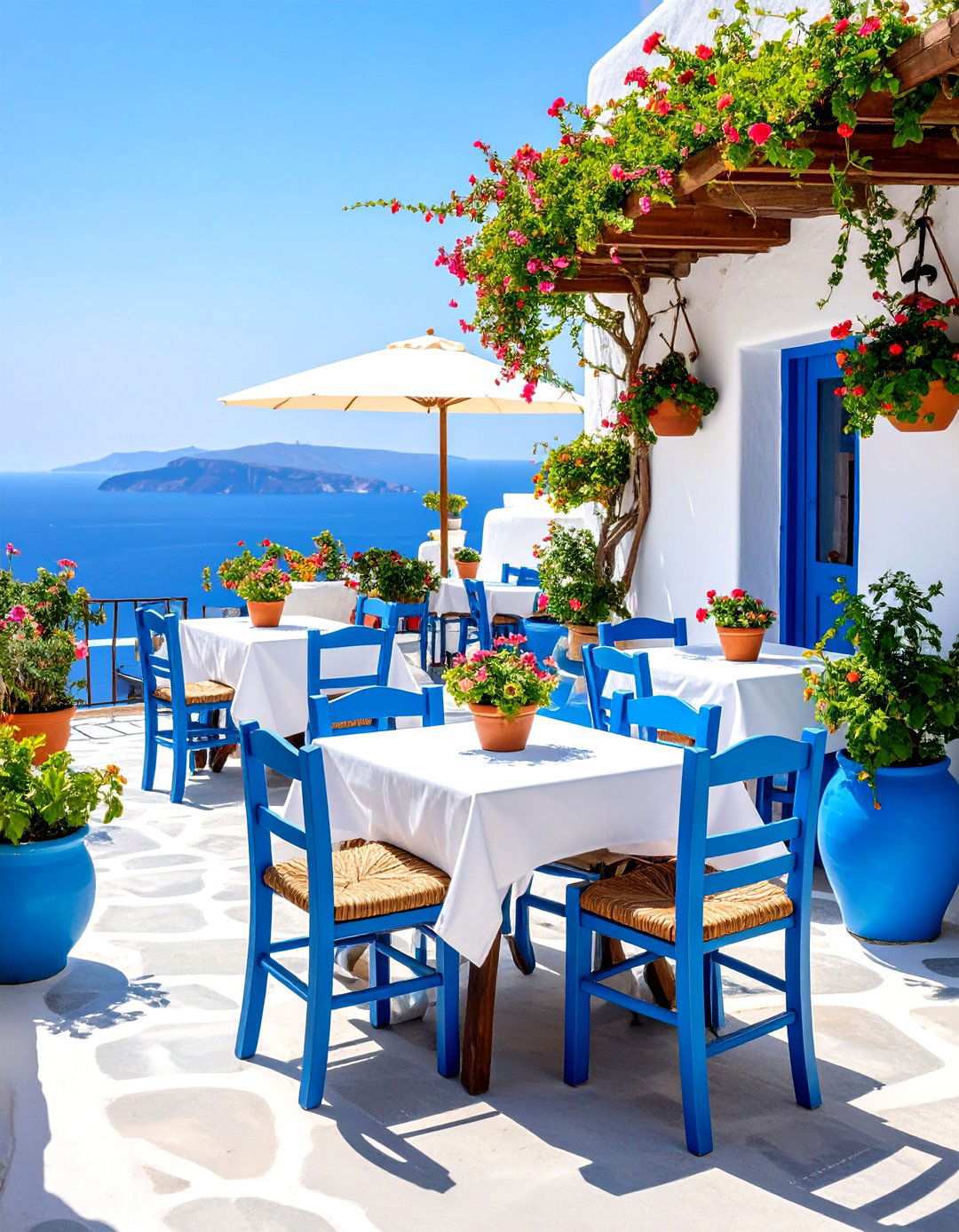
Imagine stepping into your restaurant and feeling like you’re strolling along the Mediterranean coast. This design theme brings the essence of a seaside villa to urban spaces, incorporating elements that evoke the calming tranquility of the ocean. White-washed walls, natural stone accents, and soothing blue color palettes create a sense of serenity and relaxation. Woven textures through basket light fixtures, rope details, and linen fabrics add to the authentic coastal atmosphere, transporting diners to a more laid-back, sun-kissed environment. Wooden furniture and terracotta planters filled with herbs nod to the region’s culinary traditions, while large windows maximize natural light and outdoor terraces with pergolas extend the dining space. The subtle sound of water features, such as fountains or tile work, further enhances the Mediterranean courtyard ambiance. This design theme particularly resonates with health-conscious diners who appreciate the fresh, wholesome ingredients characteristic of Mediterranean cuisine.
8. Shared Tablespaces for Connection
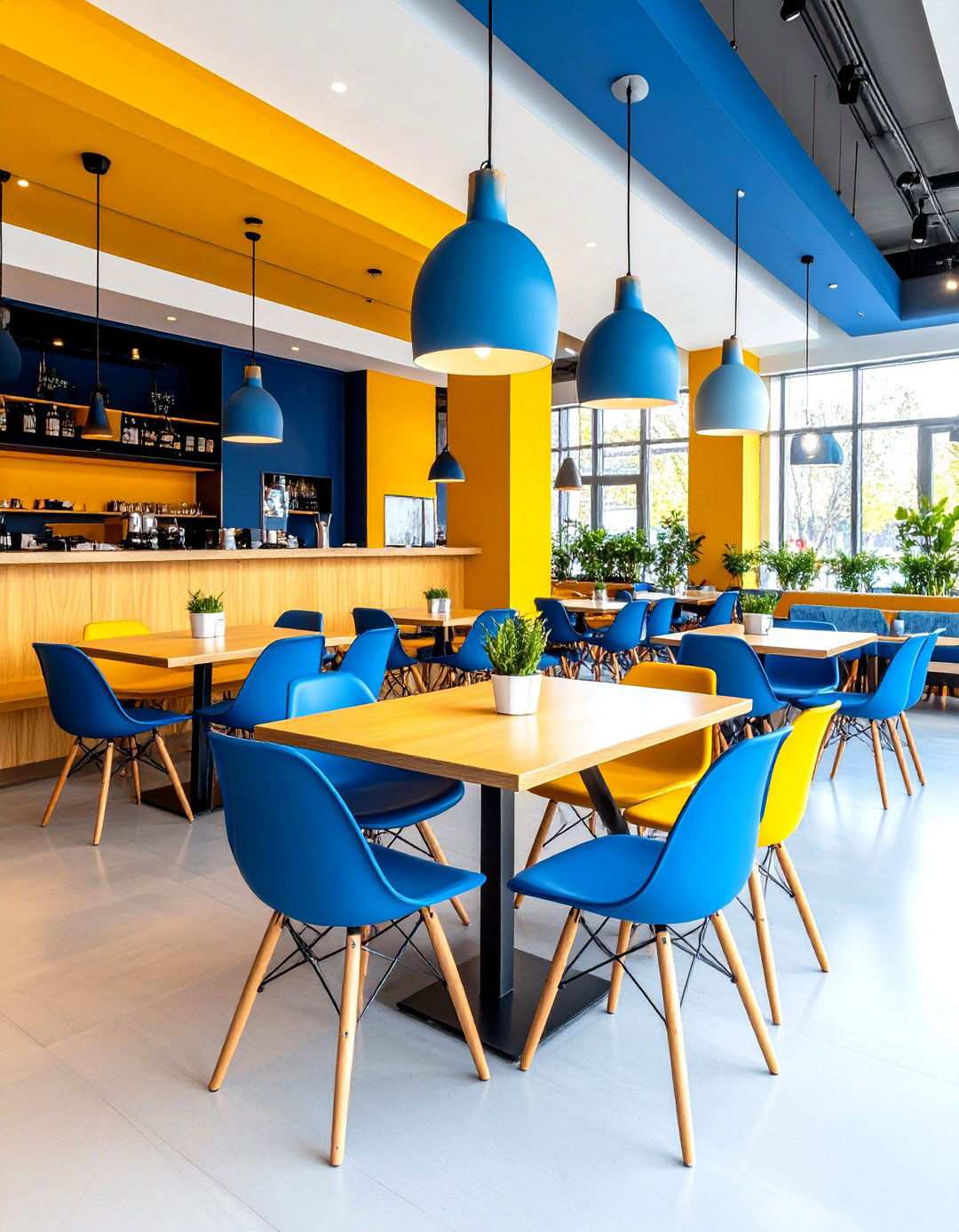
Why dine alone when you can forge connections with fellow food enthusiasts? Strategically placing large, central communal tables creates opportunities for social interaction and accommodates varying group sizes efficiently. This design approach is particularly well-suited to casual dining concepts, breweries, and farm-to-table restaurants where community connection aligns with brand values. Bench seating and bar-height tables encourage conversation between strangers while prioritizing comfort for extended dining sessions. Placing these gathering spaces near open kitchens or windows provides entertainment and natural light, further enhancing the communal atmosphere. To balance communal spaces with options for more private dining, thoughtful spacing and sight lines are essential. This approach appeals to solo diners seeking social interaction, business travelers wanting local connections, and friend groups looking for relaxed environments where new conversations can naturally develop through shared dining experiences.
9. Elevating the Restroom Experience
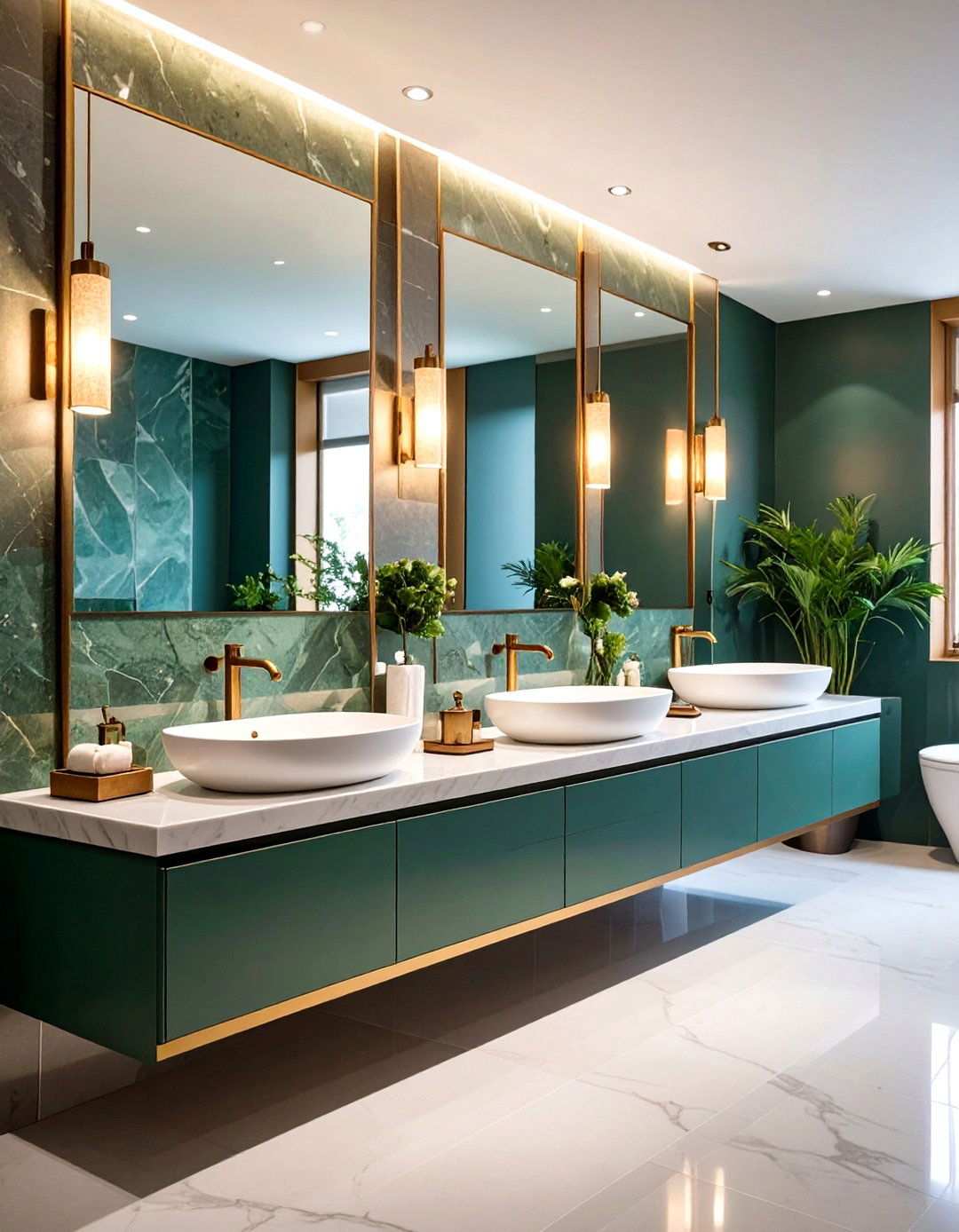
When designing luxury bathroom spaces, restaurants demonstrate their commitment to excellence by incorporating premium elements that leave a lasting impression on guests. Sophisticated lighting, designer fixtures, and floating vanities all contribute to an atmosphere that reflects the highest standards of quality. By incorporating natural stone surfaces, premium hand soaps, and fresh flowers or plants, restaurants can elevate the bathroom experience beyond mere functionality, creating a space that’s truly memorable. Effective lighting design not only flatters users but also ensures functionality for grooming needs, while smart features like automatic fixtures reduce maintenance and suggest a strong focus on hygiene standards. This attention to detail can have a profound impact on customer perceptions of food quality and service standards, often influencing their decision to return.
10. Weaving Local Culture into Restaurant Design
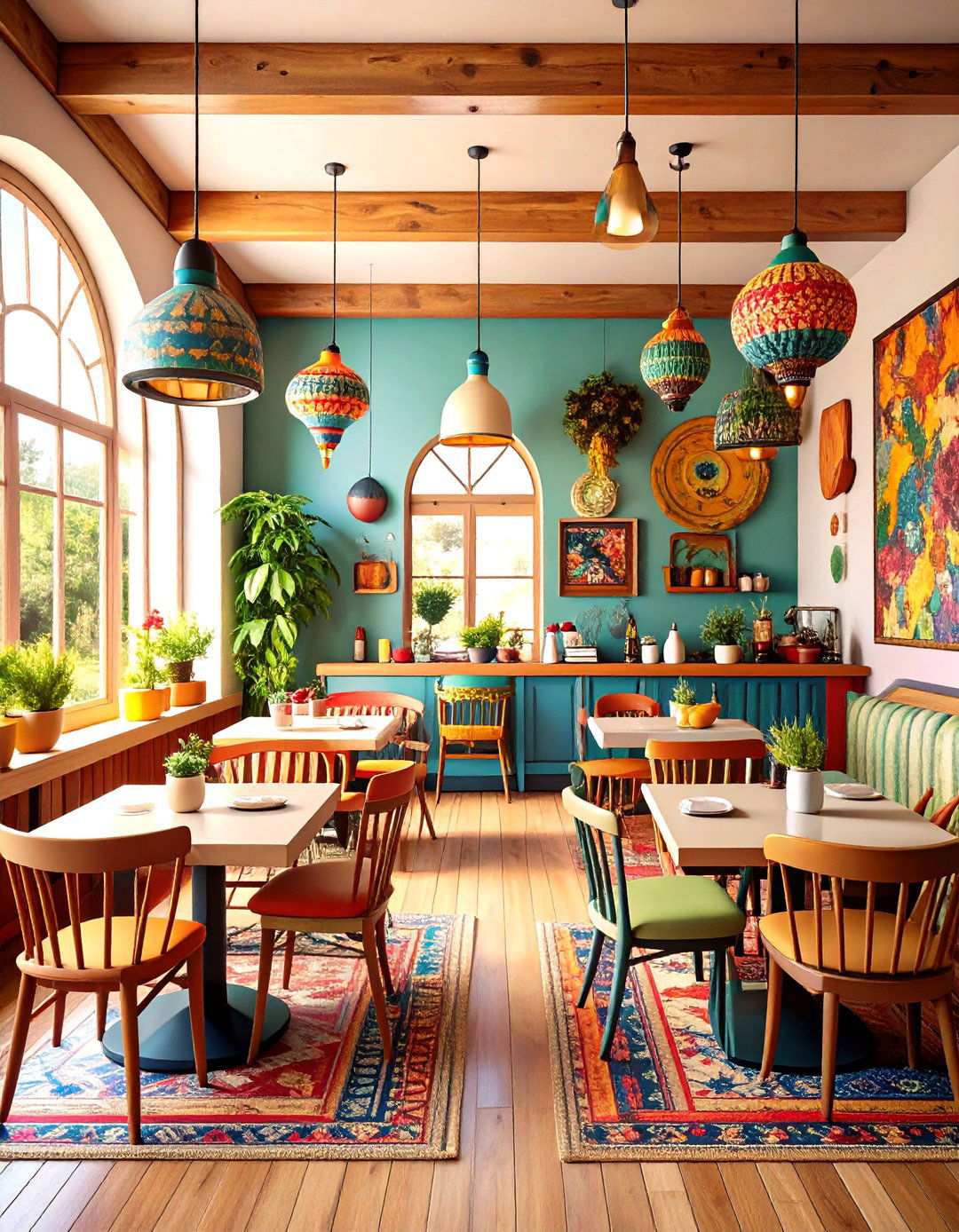
A restaurant’s design can be more than just aesthetics – it can also tell the story of the neighborhood it serves. By incorporating locally-inspired elements, restaurants can celebrate regional culture and create a sense of place that resonates with guests. This might involve reclaimed wood from local barns, artwork by regional artists, or color schemes inspired by local landmarks. Historical photographs, vintage maps, or cultural artifacts can add depth and authenticity to the design, while local suppliers for furniture and decor support community businesses and ensure an authentic look. For tourists seeking an authentic local experience, this approach is especially appealing, while for residents, it’s a way to feel proud of their community’s character. As a result, restaurants that celebrate local identity often become community gathering places where residents feel a strong sense of ownership and loyalty, leading to positive word-of-mouth promotion within the community.
11. Multi-Zone Themed Dining
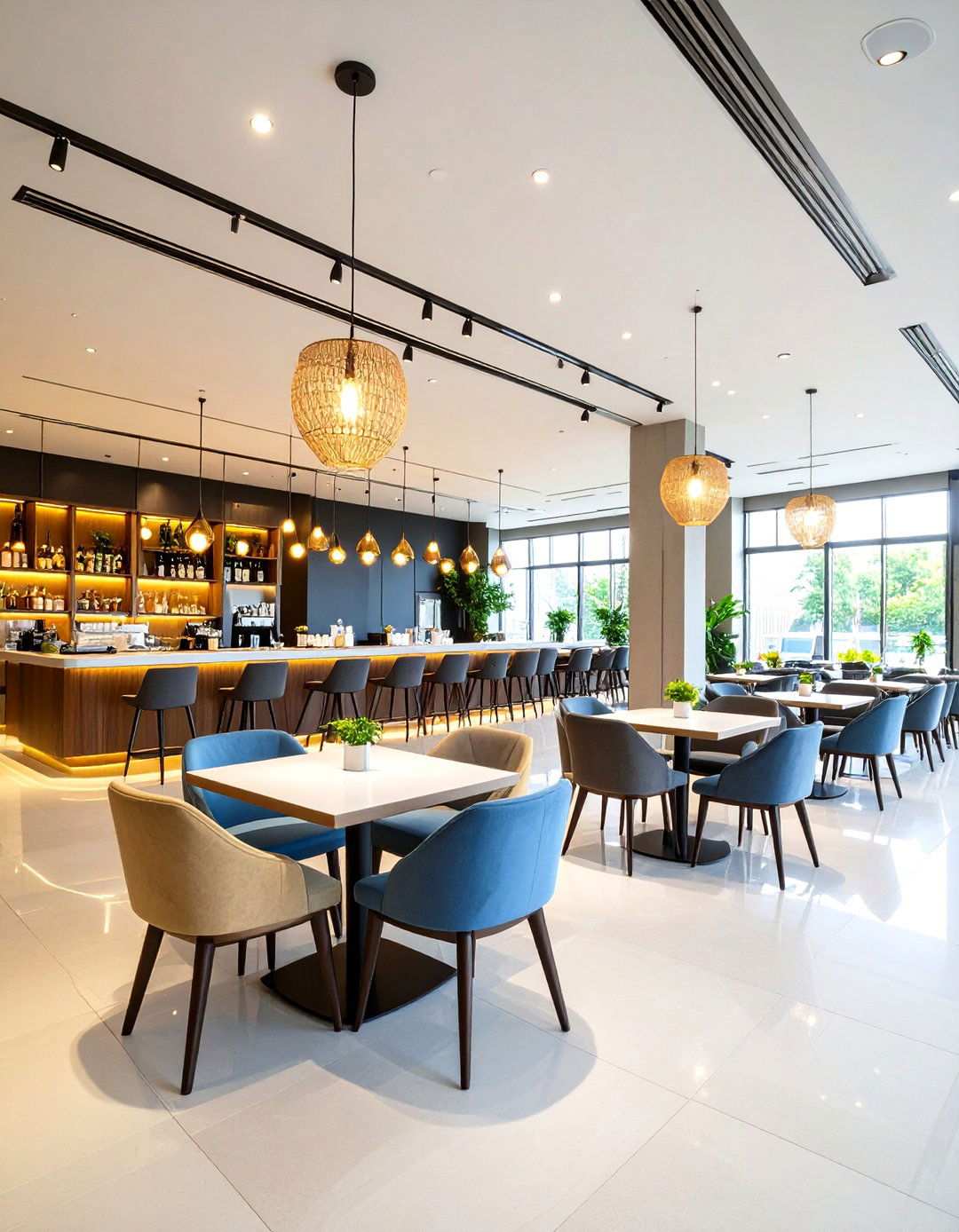
One restaurant can successfully blend multiple distinct experiences within a single space, thanks to thoughtfully designed multi-themed areas. By dividing the restaurant into separate zones, each with its unique aesthetic, establishments can cater to diverse tastes and preferences. A contemporary bar area might feature vibrant colors and upbeat music, seamlessly transitioning into a sophisticated dining room with subdued lighting and plush seating. Each zone showcases a cohesive design language, reflected in elements like flooring, color accents, and furniture, while expressing distinct personalities through creative lighting and decor. This innovative approach allows restaurants to accommodate varying dining needs, from business lunches to romantic dinners or casual gatherings with friends. By incorporating strategic sight lines and sound management, restaurants can create distinct zones without compromising on operational efficiency, ensuring smooth staff movement and seamless service delivery.
12. Eco-Friendly Restaurant Design
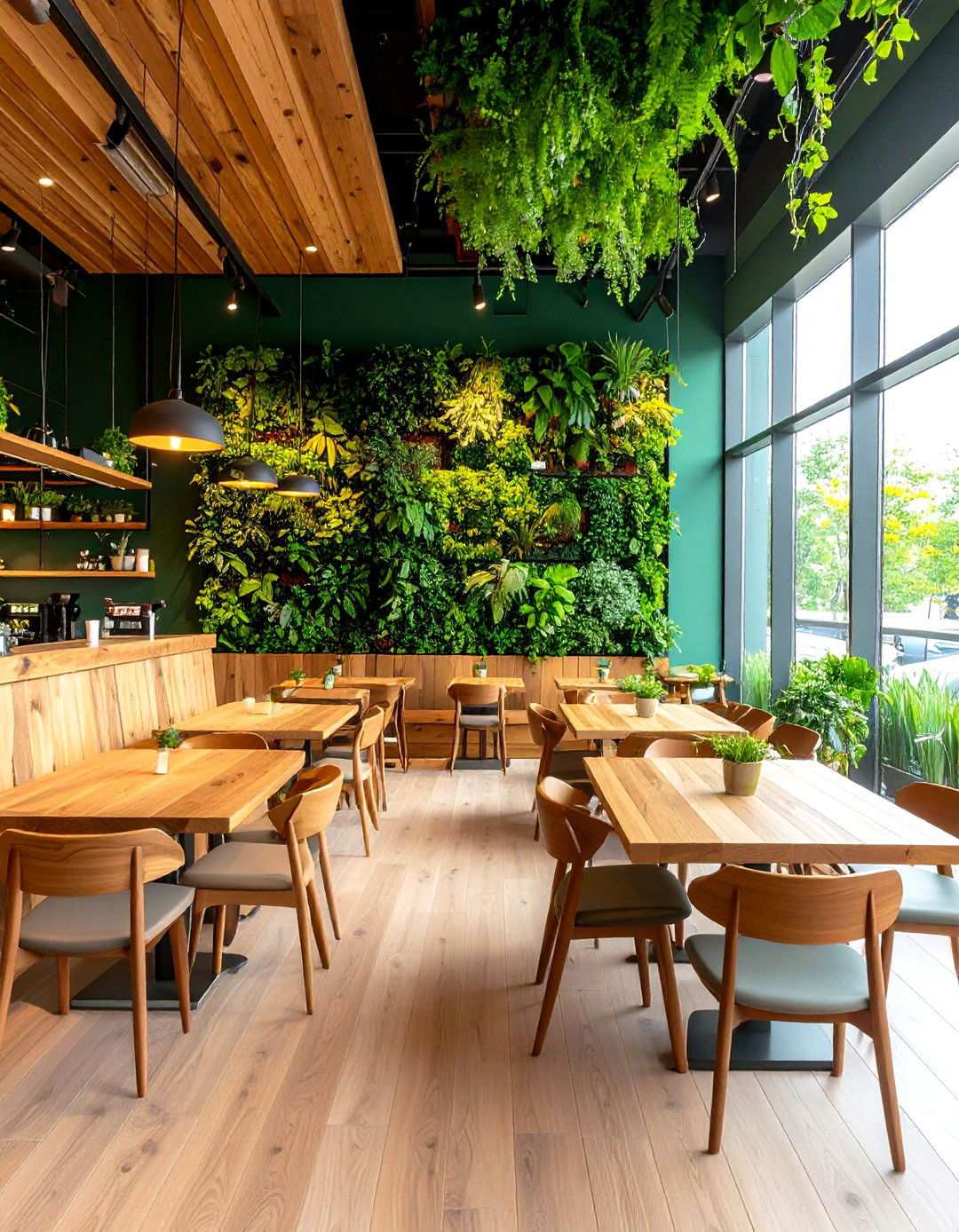
Restaurants can demonstrate their commitment to environmental responsibility while crafting stunning dining spaces that resonate with eco-conscious diners. By embracing sustainable design principles, establishments can minimize their ecological footprint and create unique atmospheres that reflect their values. Reclaimed materials, energy-efficient systems, and locally-sourced furnishings are just a few examples of the eco-friendly design elements that can be incorporated into restaurant spaces. Repurposed architectural features, living walls, and herb gardens not only add character to the space but also contribute to a more sustainable environment. Energy-efficient lighting and smart climate controls help reduce operational costs and minimize environmental impact. Innovative water-saving fixtures and composting systems further demonstrate a comprehensive commitment to sustainability. By celebrating natural imperfections and honest materials, eco-friendly restaurant design can create warm, authentic atmospheres that feel deeply connected to environmental values, resonating with customers and staff who share these values.
13. Curated Seclusion for an Elevated Dining Experience
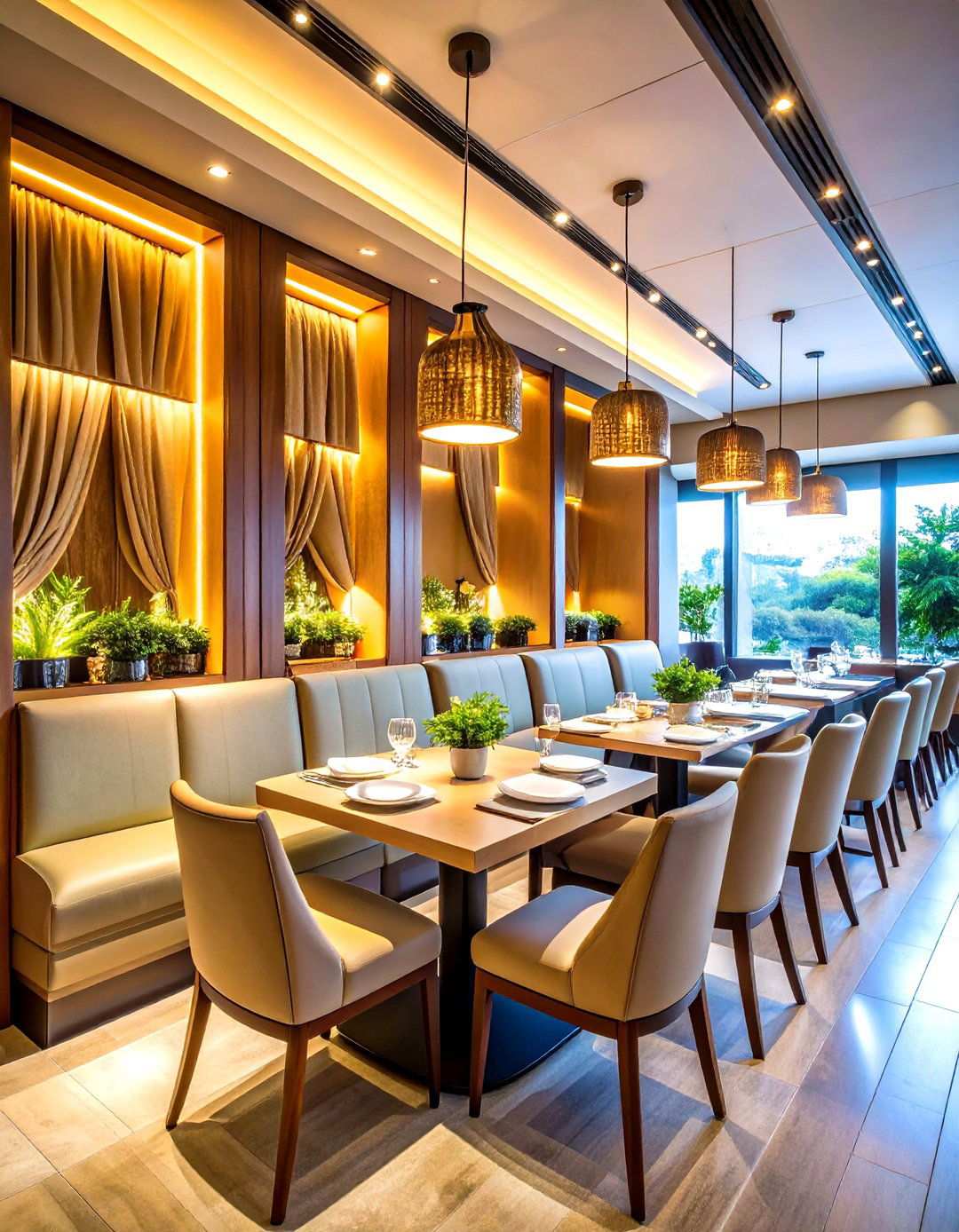
Guests crave unique spaces where they can engage in private conversations while still being immersed in the restaurant’s vibrant atmosphere. To cater to this desire, restaurants can create secluded areas within their larger spaces, such as private dining pods or booths with higher backs, curtains, or partial walls. These intimate settings are particularly well-suited for business meetings, romantic dinners, or small celebrations that require a level of seclusion without complete isolation. To elevate the experience, design elements like individual lighting controls, sound-dampening materials, and dedicated service stations can be incorporated to create an exclusive ambiance. Furthermore, flexible partition systems enable pods to be combined to accommodate larger groups when needed, while minimizing the space’s footprint. The key challenge lies in striking a balance between providing a private experience and maintaining operational efficiency, ensuring servers can deliver attentive service without disrupting the intimate atmosphere. As a result, these spaces can command premium pricing while offering improved revenue per seat and attracting customers seeking distinctive dining experiences or business entertainment venues.
14. Cultural Fusion Through Rotating Art Exhibitions
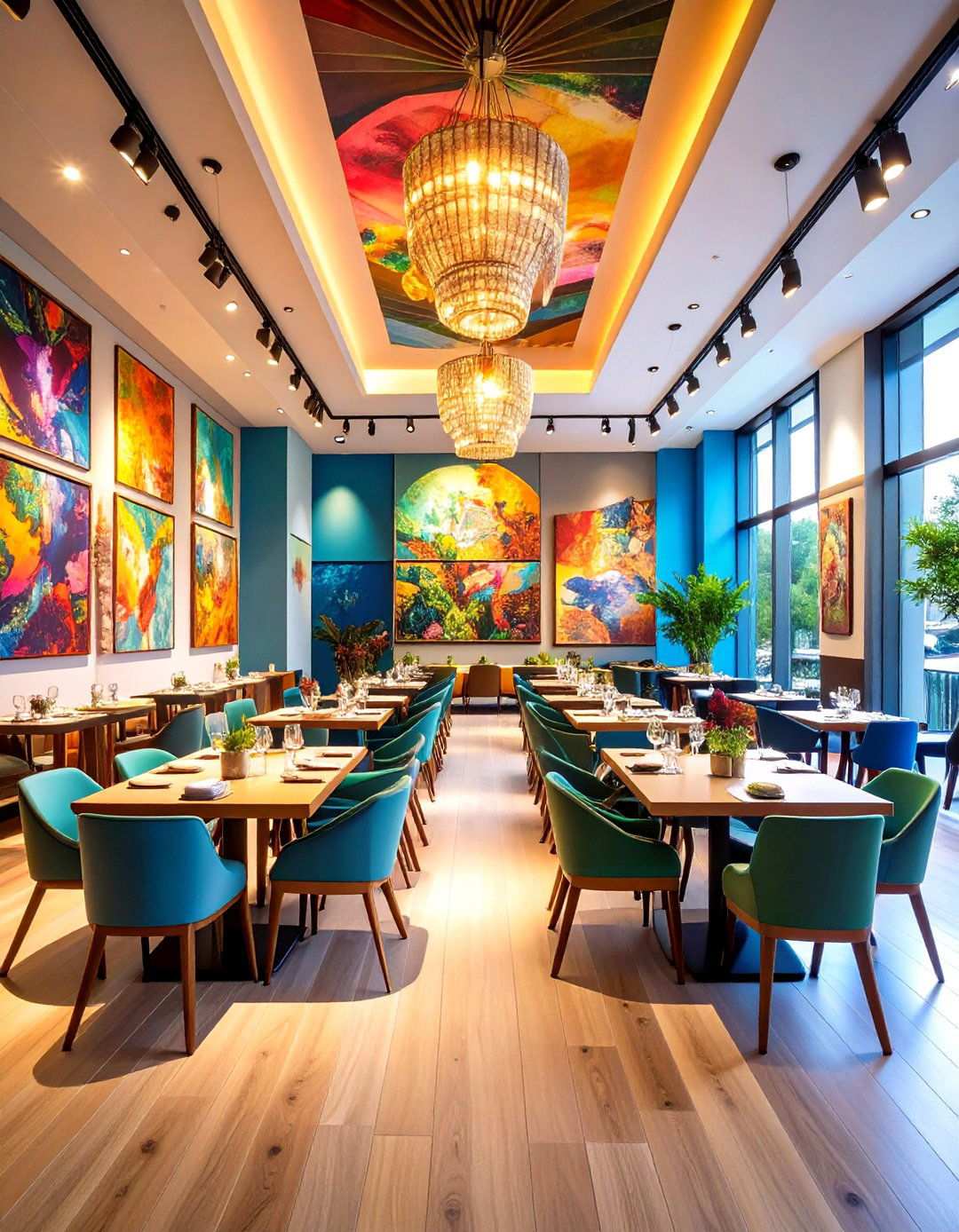
Imagine creating a unique dining experience where the walls of your restaurant tell stories through an ever-changing array of local artwork. Gallery-style dining spaces can be designed to feature carefully curated exhibitions, dynamic lighting systems, and flexible hanging systems that can accommodate a diverse range of artistic expressions. By adopting this approach, restaurants can create immersive environments that offer new visual experiences with each visit while supporting local artistic communities. The incorporation of track lighting and gallery walls provides a professional presentation standard, while comfortable seating allows guests to engage in extended contemplation of both art and cuisine. Regular artist receptions or special events can build community connections and generate additional revenue streams. The key to this concept lies in striking a delicate balance between showcasing the artwork and ensuring it enhances rather than overwhelms the dining experience. This unique approach appeals to diners who value cultural stimulation alongside culinary satisfaction, creating a distinct positioning within competitive restaurant markets.
15. Harmonious Soundscapes
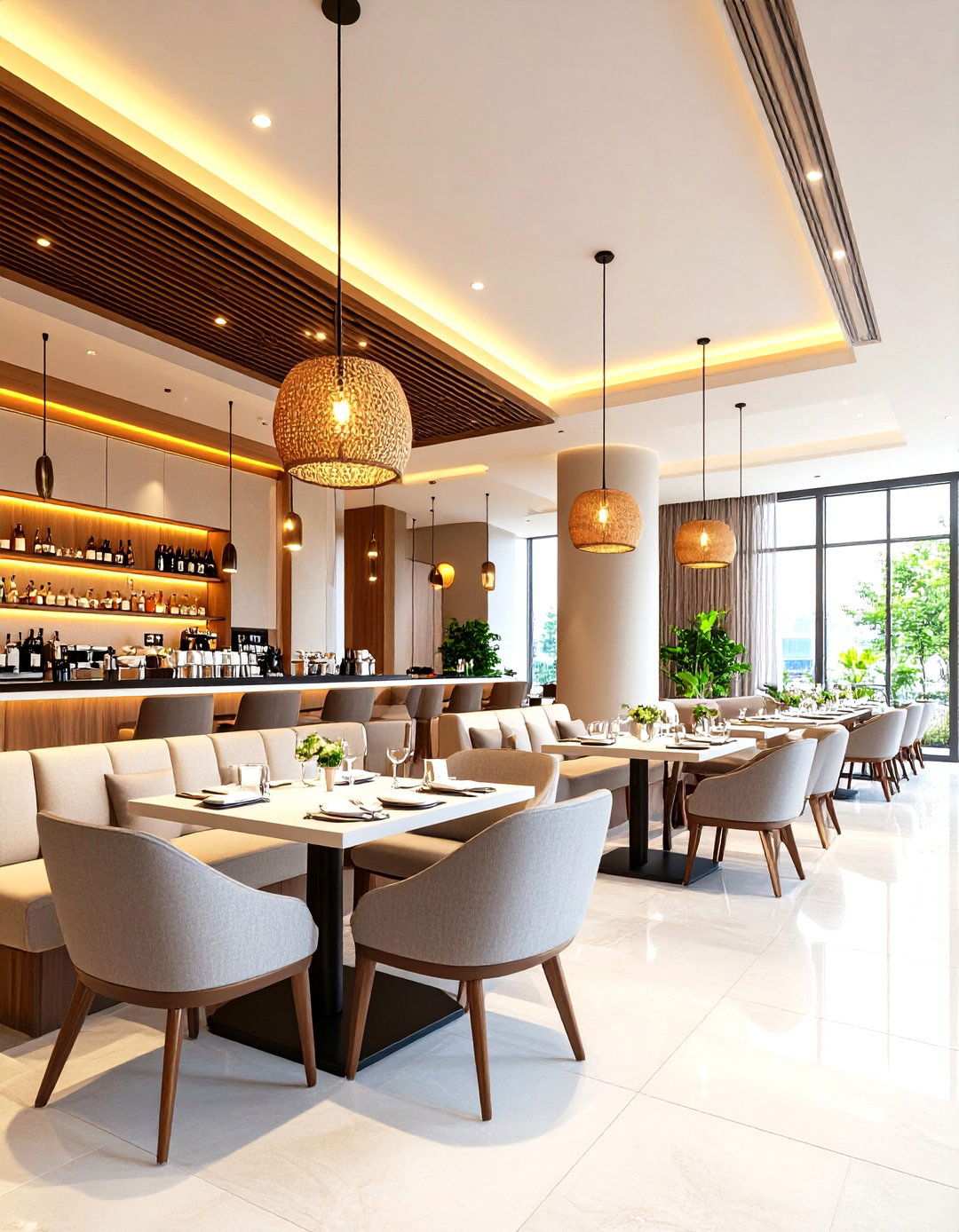
A key aspect of restaurant design involves mitigating the challenges of noisy environments, where conversation can be a struggle. By incorporating strategic acoustic design elements, establishments can create spaces that foster comfortable and engaging dining experiences. Strategically placed sound-absorbing materials, such as fabric panels disguised as artwork, carpeted flooring, and ceiling treatments, can reduce sound reflection while maintaining visual appeal. Additionally, relocating noisy equipment and implementing sound masking systems, like water features or background music, can effectively control noise levels. Booth seating and physical barriers can also help contain sound within designated areas, ensuring a seamless experience for patrons. Effective acoustic design requires collaboration between architects, acoustic engineers, and interior designers to achieve optimal results. As a result, restaurants with exceptional acoustics often experience increased customer satisfaction, extended visit durations, and higher average spending per table, as guests feel inclined to linger and enjoy their meal.
16. Sustainable Elegance
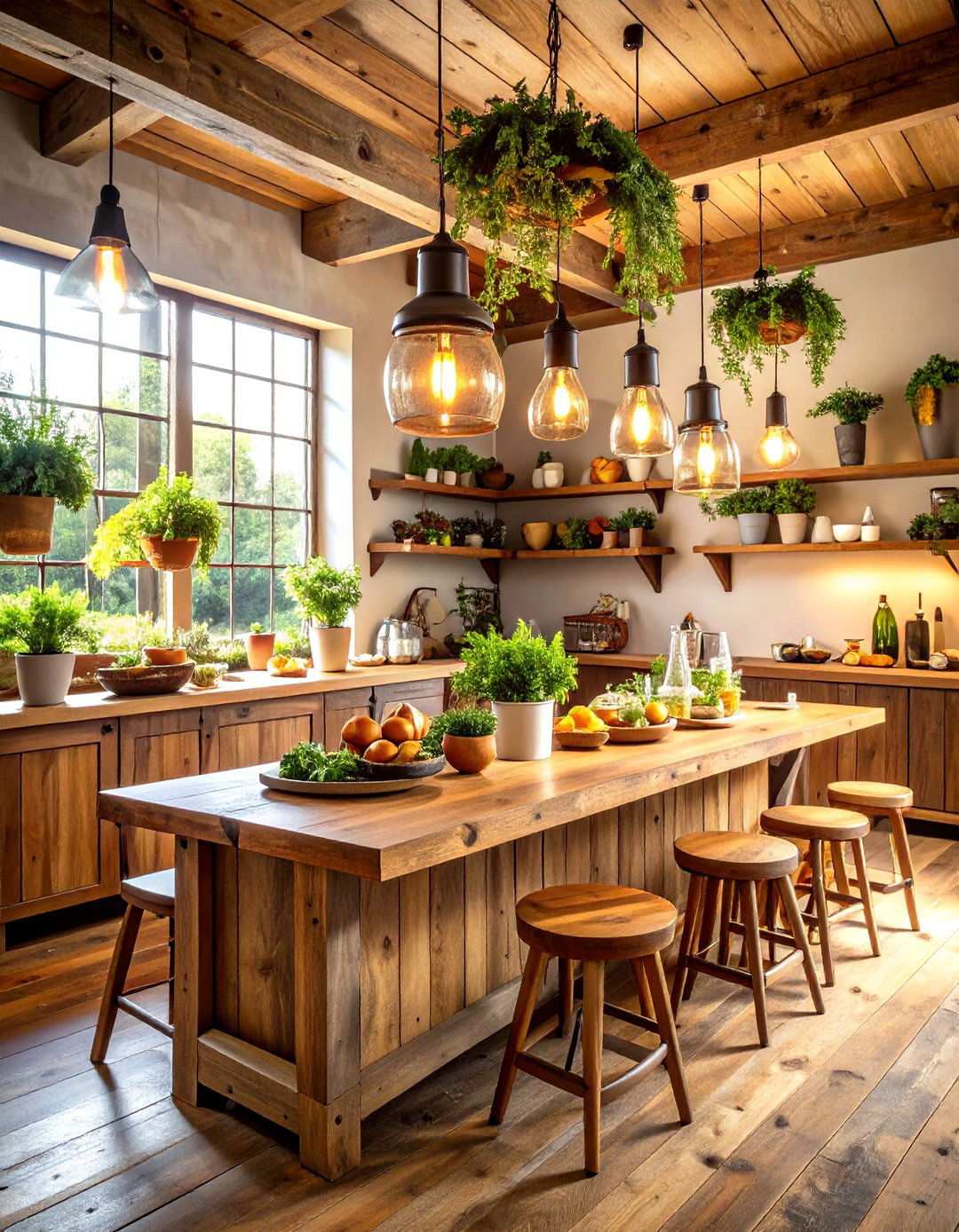
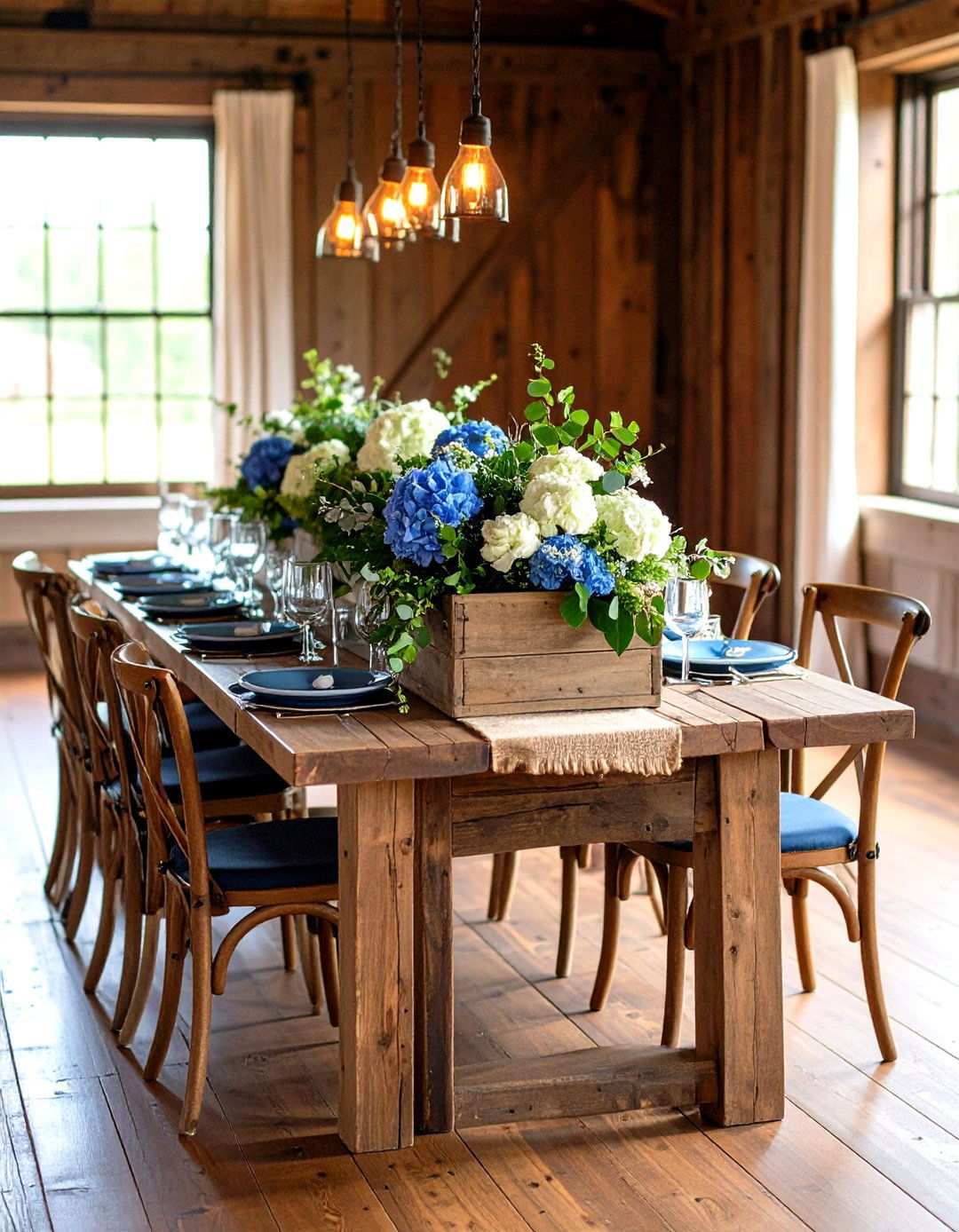
Design elements can play a pivotal role in reinforcing a restaurant’s commitment to using fresh, local ingredients and sustainable farming practices. Rustic elegance, for instance, combines weathered wood surfaces, vintage farming tools as decorative elements, and herb gardens that subtly highlight agricultural connections while maintaining a refined dining atmosphere. The incorporation of mason jar lighting fixtures, barn door elements, and reclaimed furniture can create an authentic farm atmosphere without compromising comfort or functionality. Chalkboard menus showcase seasonal ingredients, emphasizing the dynamic nature of farm-sourced cuisine. Natural fiber textiles, stone accents, and live edge wood tables bring organic textures that complement the presentation of farm-fresh food. Display cases for local products or visible partnerships with nearby farms through windows further reinforce the farm-to-table narrative, attracting health-conscious diners interested in food sourcing and creating inviting atmospheres that encourage leisurely meals and conversation about sustainable eating practices.
17. Vintage Industrial Steampunk Revival
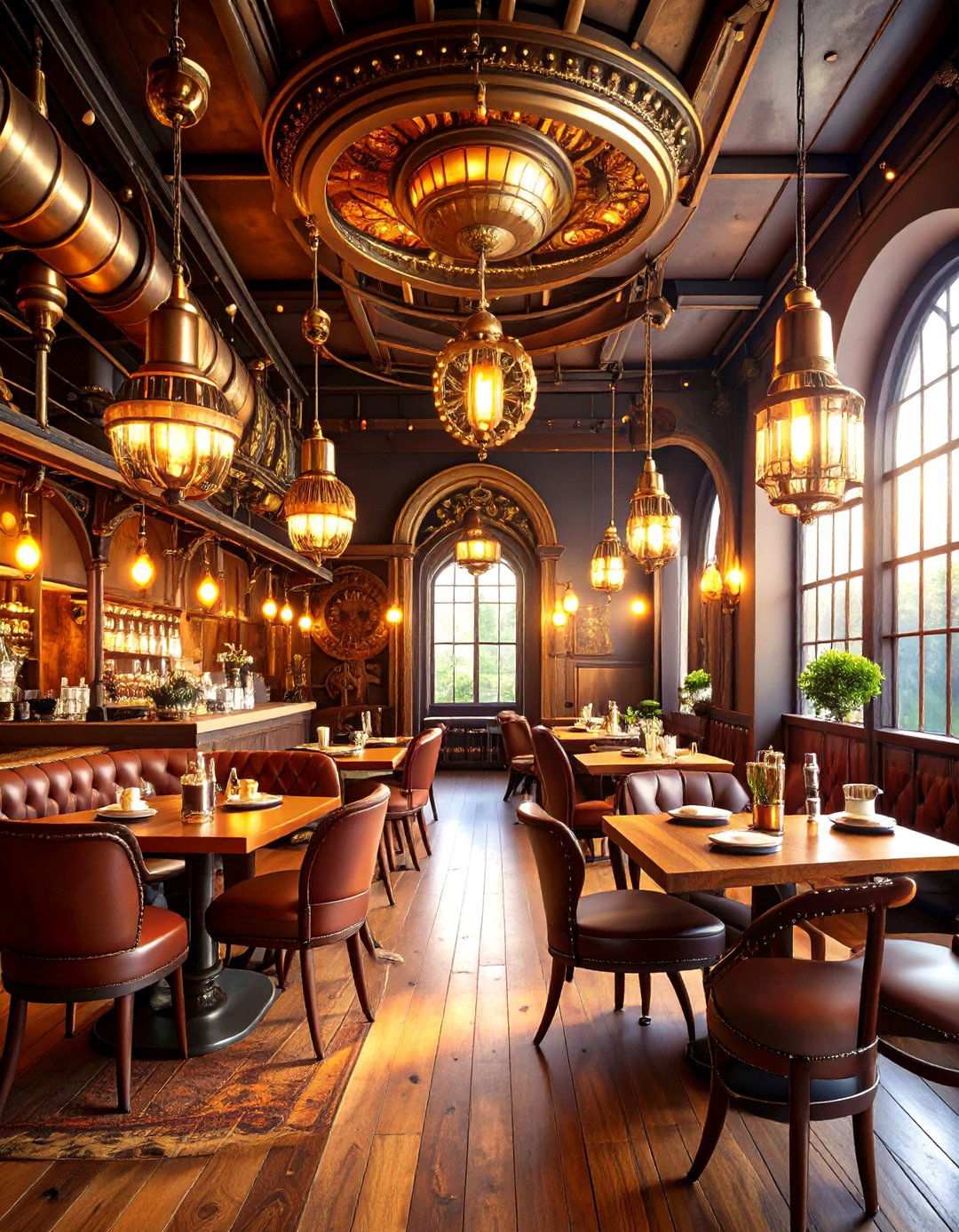
Transforming Victorian-era machinery into captivating restaurant design elements invites a wealth of storytelling opportunities. Steampunk-inspired interiors successfully blend vintage industrial elements with elegant brass accents, exposed gears, and warm Edison bulb lighting to create immersive, theatrical dining environments that captivate the imagination. Copper piping, vintage gauges, and mechanical components not only become ornate features but also maintain their functional purposes, striking a perfect balance between aesthetics and practicality. Plush leather seating, rich dark wood surfaces, and dramatic lighting come together to craft enigmatic, sophisticated atmospheres that perfectly complement cocktail programs and upscale dining experiences. The style’s versatility makes it particularly well-suited for gastropubs, whiskey bars, or restaurants celebrating artisanal food preparation and craftsmanship. However, designers must carefully balance theatrical elements with everyday dining needs and ensure mechanical features don’t overwhelm conversation or food presentation. This aesthetic has a magnetic appeal for diners seeking unique, Instagram-worthy experiences while also captivating those intrigued by industrial history and innovative design approaches that celebrate both form and function.
18. The Power of Minimalist Zen Simplicity
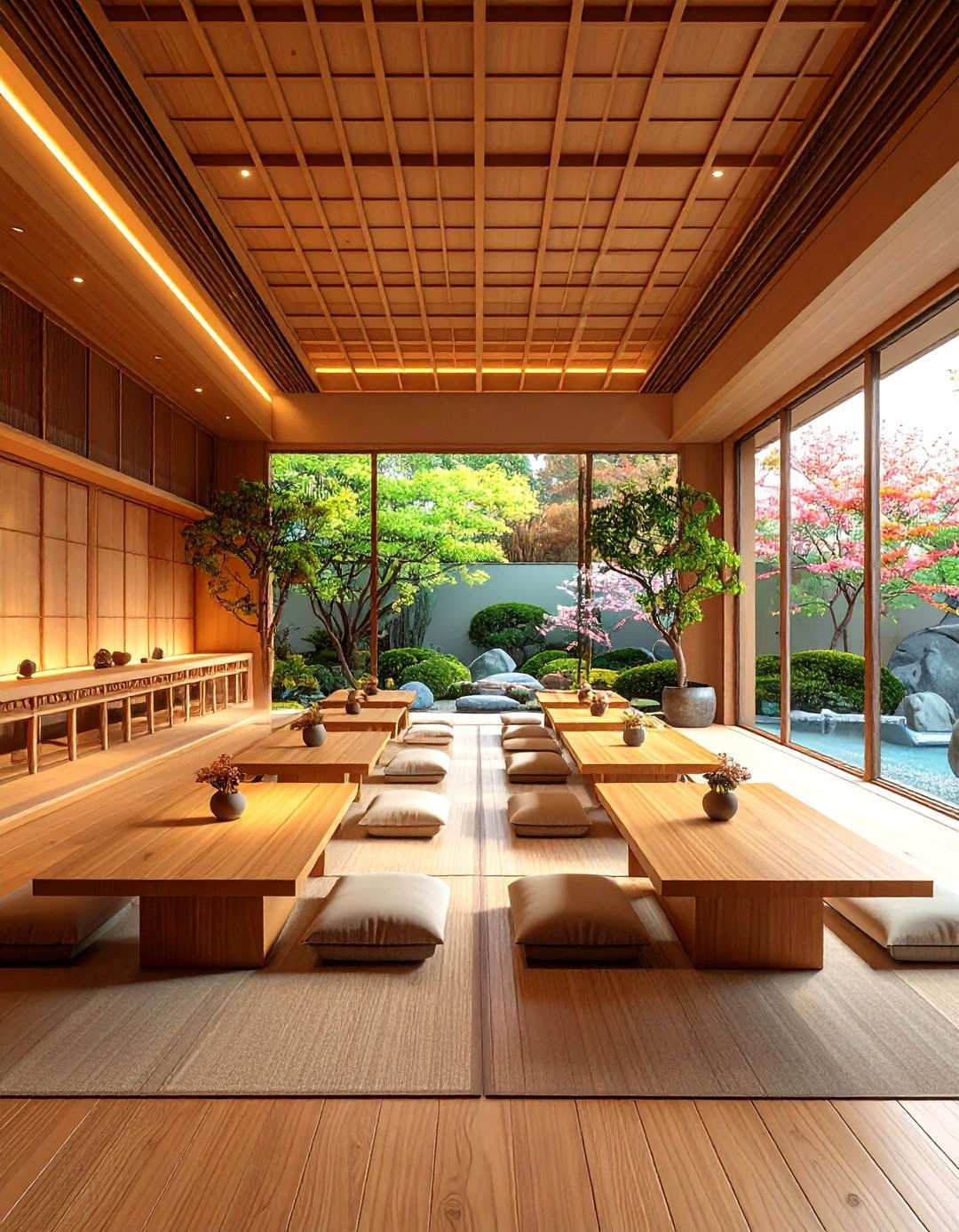
Can the art of simplicity create even more impactful dining experiences than elaborate decoration? The minimalist design philosophy focuses on clean lines, neutral color palettes, and uncluttered spaces that put the spotlight on culinary artistry. By incorporating natural materials like pale wood, stone, and linen, designers can create soothing environments that minimize visual distractions and allow the beauty of the food to take center stage. Strategic lighting highlights architectural features and food presentation while maintaining a subtle yet sophisticated ambiance. The absence of unnecessary decoration fosters peaceful atmospheres that encourage mindful eating and conversation. This approach is particularly well-suited for fine dining concepts, sushi restaurants, or health-focused cuisine where food quality and presentation are the primary attractions. Nevertheless, designers face the challenge of infusing warmth and personality within minimalist frameworks without sacrificing the sense of welcoming space. To achieve success, exceptional attention to material quality, proportions, and lighting design is essential, allowing designers to craft sophisticated simplicity that elevates rather than diminishes the dining experience.
19. Culinary Escapes with a Twist
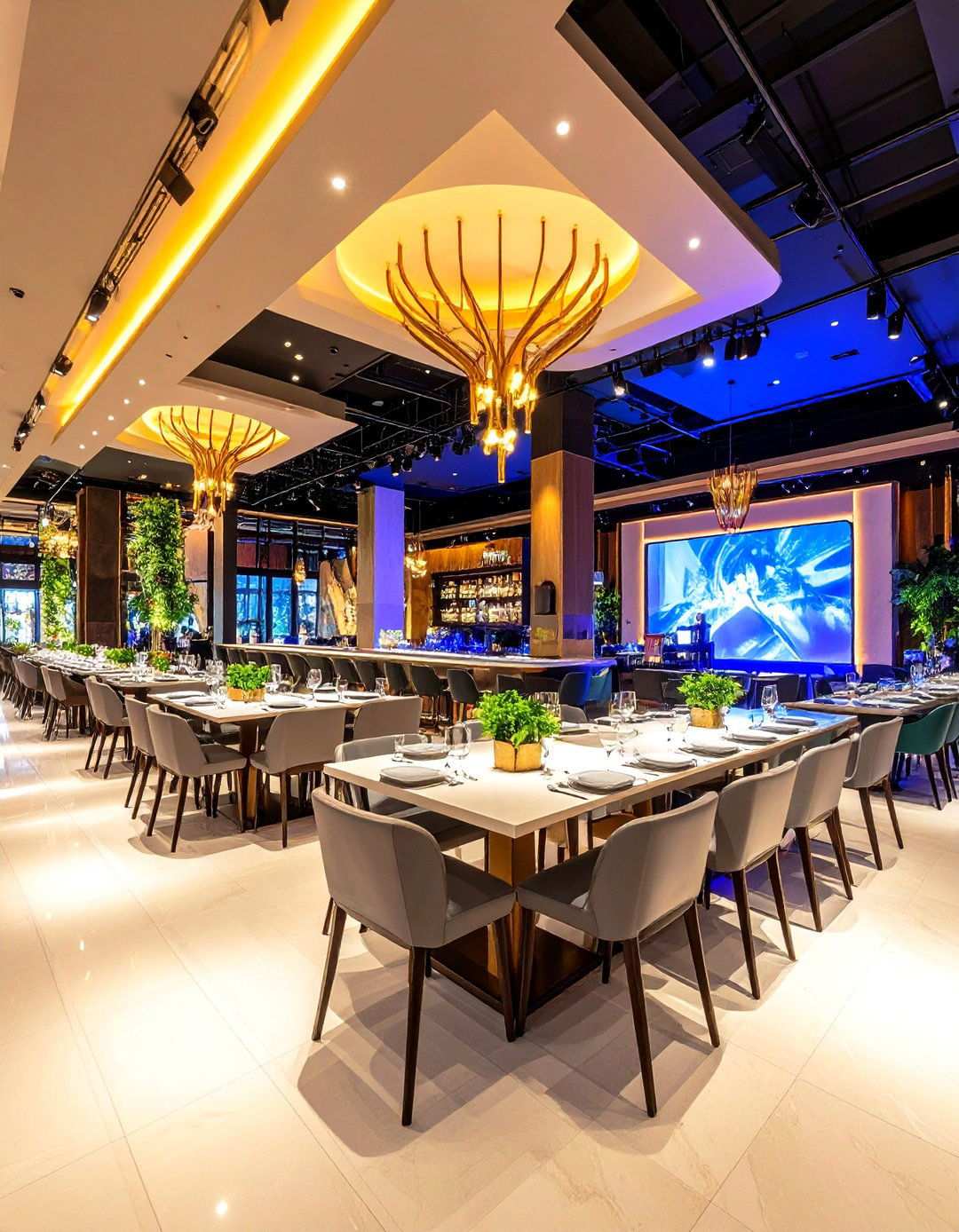
Dining can be more than just a meal; it’s an experience that lingers long after the last bite. By combining exceptional cuisine with engaging entertainment, restaurants can create an immersive atmosphere that captivates guests from start to finish. Live cooking demonstrations, interactive bar programs, and performance spaces elevate dining to a whole new level, making it an event to remember. Chef’s table experiences, tableside preparation stations, and show-stopping cocktail programs with dynamic presentations create an unforgettable experience that sets the stage for repeat visits. Game areas, live music stages, and interactive technology installations add an extra layer of excitement, ensuring that guests stay engaged while enjoying high-quality food and service. Effective design requires careful planning to balance dining and entertainment spaces, ensuring a seamless experience that meets the evolving needs of discerning diners.
20. Ever-Changing Environments
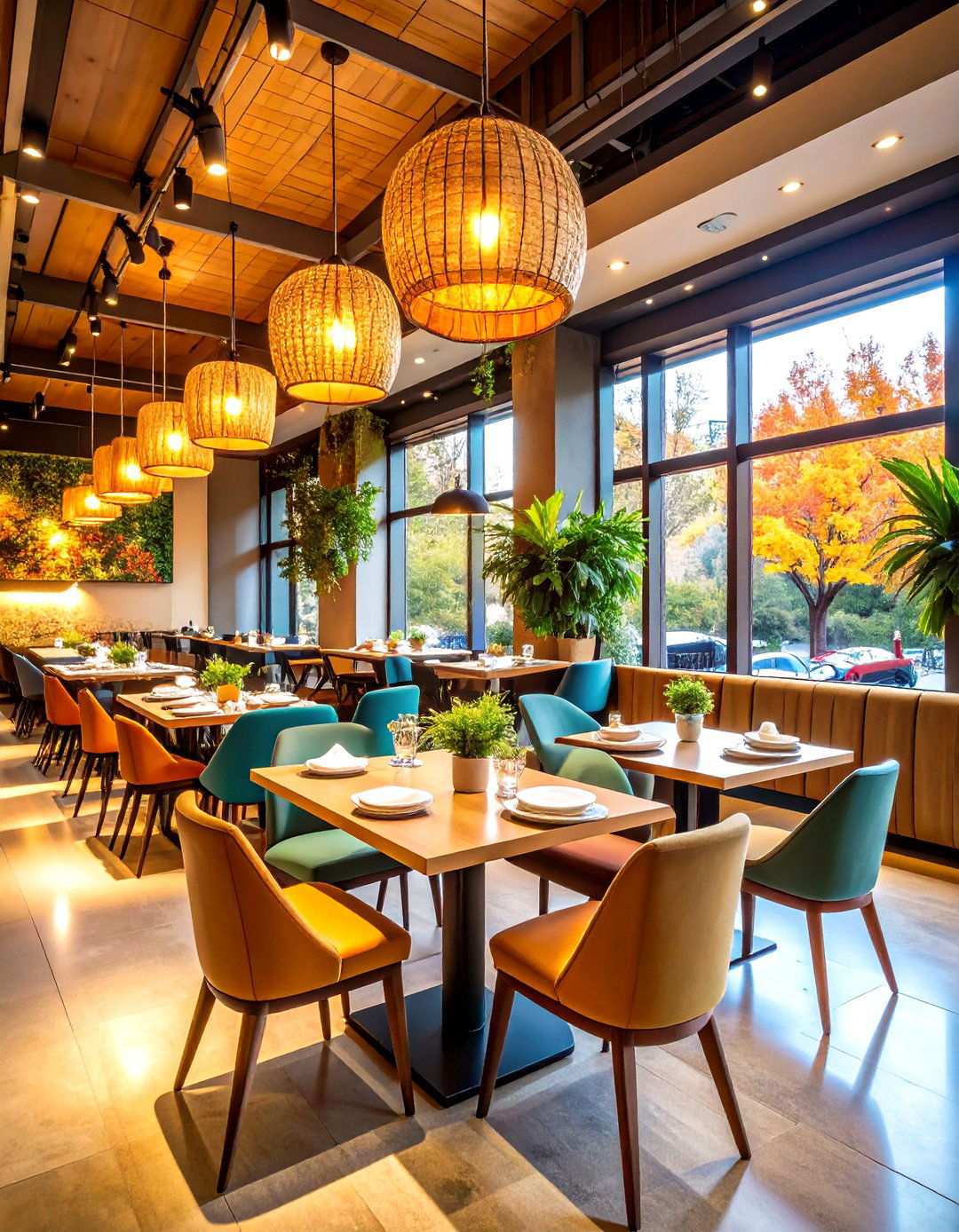
Restaurants can transform their ambiance with the seasons, creating a dynamic and exciting atmosphere that keeps customers coming back for more. Seasonal design systems feature modular elements, changeable textiles, and adaptable lighting that allow for dramatic transformations throughout the year. By incorporating removable wall coverings, interchangeable artwork, and seasonal plant displays, restaurants can refresh their look and feel with each new season. Lighting systems that adjust color temperature and intensity can shift from vibrant summer hues to warm winter tones, setting the mood for the changing seasons. Furniture arrangements that adapt to seasonal crowd patterns prioritize comfort and revenue potential, while storage systems for seasonal elements and quick-change capabilities minimize disruption during transitions. This approach not only keeps regular customers engaged but also attracts new guests curious about the latest seasonal changes, generating publicity and social media buzz along the way.
21. Reviving Heritage Craftsmanship in Modern Eats
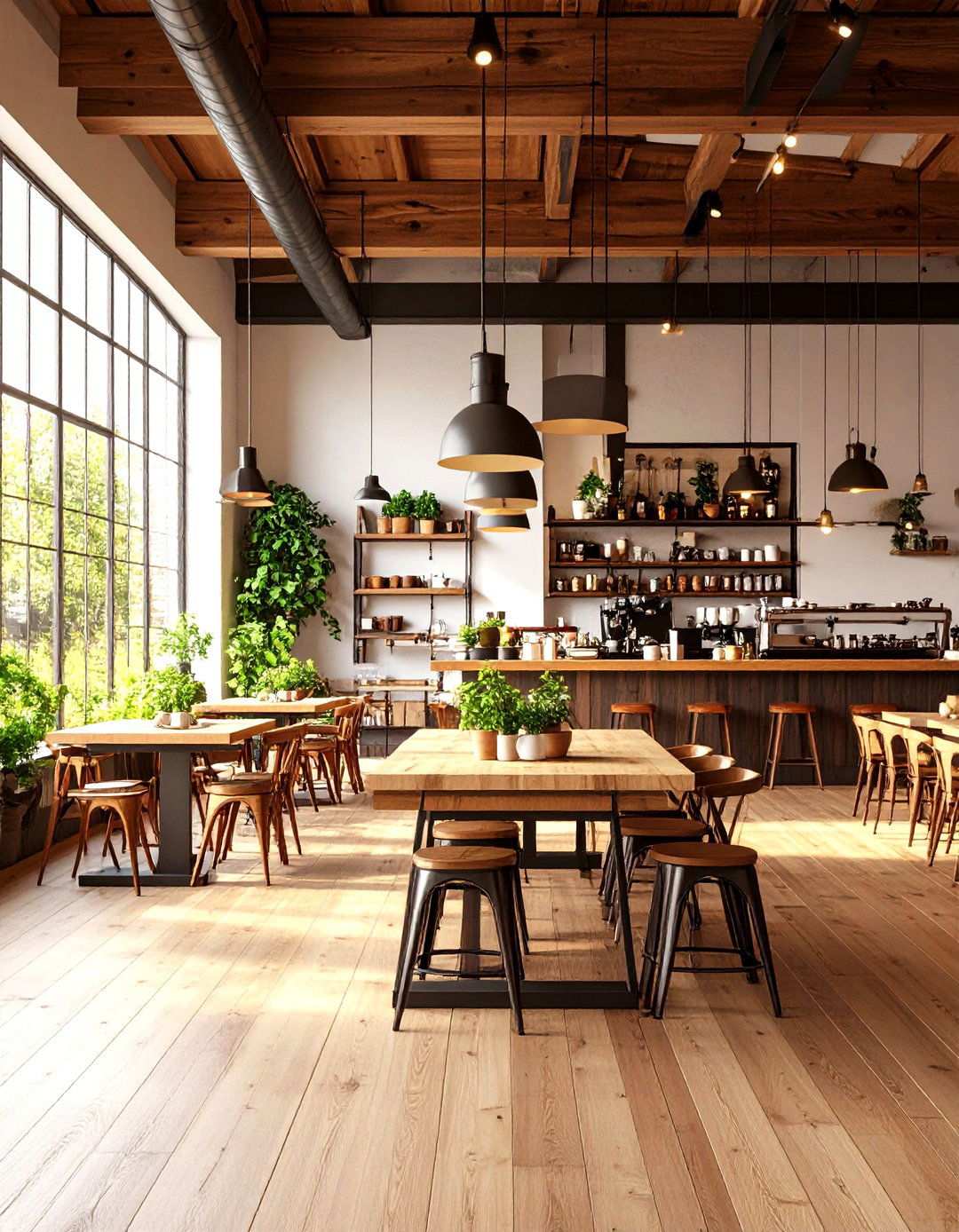
Can your restaurant bridge the gap between traditional craftsmanship and contemporary cuisine? By incorporating workshop-inspired design, you can showcase artisanal skills through creative displays and interactive experiences that leave a lasting impression on diners. Exposed craft stations, tool displays, and work surfaces that suggest hands-on creation invite customers to engage with the culinary process. Butcher block tables, vintage tool collections, and demonstration areas for bread making or pasta preparation foster a connection between diners and food craft traditions. The perfect blend of industrial lighting, concrete floors, and metal accents creates an authentic workshop atmosphere while ensuring dining comfort. Display areas for house-made products and ingredient processing visible to guests reinforce the artisanal positioning, making it an ideal design choice for restaurants emphasizing handmade elements, craft beverages, or traditional cooking techniques. This design appeals to diners interested in food provenance and craft culture while offering a unique opportunity to educate customers about cooking processes. To strike the right balance, consider working elements and sanitary requirements, and schedule craft demonstrations thoughtfully to avoid distractions and enhance the dining experience.
22. Elevating Dining Experiences with Rooftop Escapes
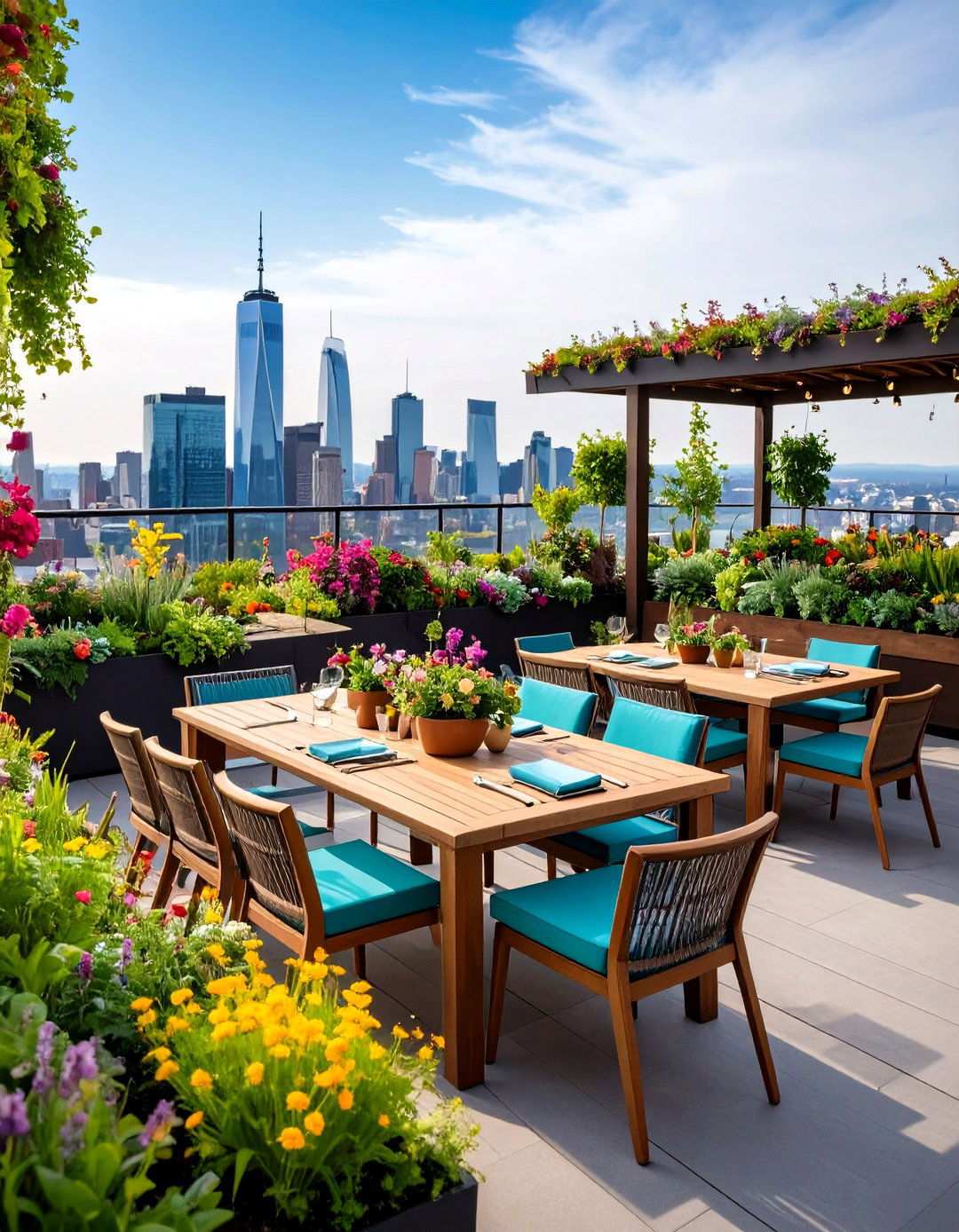
How can elevated dining spaces transport guests above the urban chaos and create an unforgettable escape experience? By incorporating weather protection systems, wind barriers, and heating elements, rooftop design extends outdoor dining seasons while maximizing breathtaking city views. The addition of planters, vertical growing systems, and herb gardens creates a serene green oasis atmosphere that contrasts dramatically with the urban surroundings. Retractable canopies, glass windscreens, and outdoor heating allow for year-round operation in varying climates, ensuring a consistent and comfortable experience for diners. Strategic lighting creates a magical ambiance in the evenings, while respecting neighboring buildings. Weather-resistant furniture and materials guarantee durability while maintaining comfort and style. To make the most of this premium dining experience, balance open-air freedom with practical considerations like noise ordinances, weather protection, and structural requirements. Rooftop venues often command a premium price while offering unique experiences unavailable in traditional ground-level restaurants, attracting special occasion diners and creating distinctive marketing opportunities through spectacular views and Instagram-worthy settings.
23. Harmonious Cultural Convergence
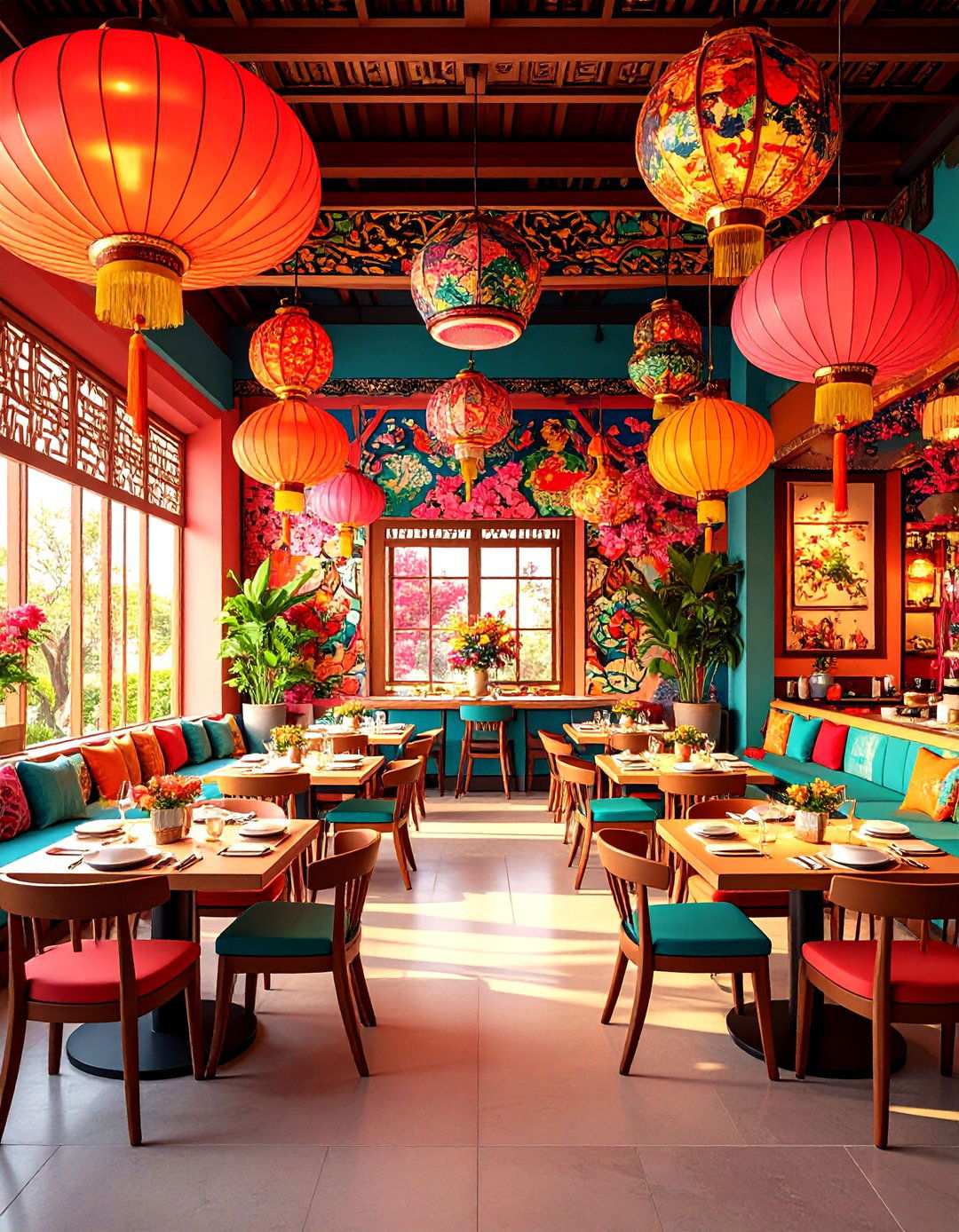
When diverse culinary influences come together in a fusion of design traditions, the result is a unique space that showcases the beauty of cultural collaboration. Effective fusion restaurants require a thoughtful approach to blending multiple cultural aesthetics, creating an environment that honors the traditions represented in the cuisine without sacrificing cohesion. By identifying common elements like material choices, color principles, or spatial concepts, designers can strike a balance between diversity and unity. This approach demands research and sensitivity to avoid cultural appropriation, instead striving for respectful homage to the traditions that inspire the cuisine. The ultimate goal is to create a distinctive identity that reflects the chef’s culinary vision, while also respecting the cultural heritage of the source traditions. By doing so, fusion restaurants can attract adventurous diners eager to explore new cultural experiences and establish a unique market position.
24. The Art of Exclusive Hospitality
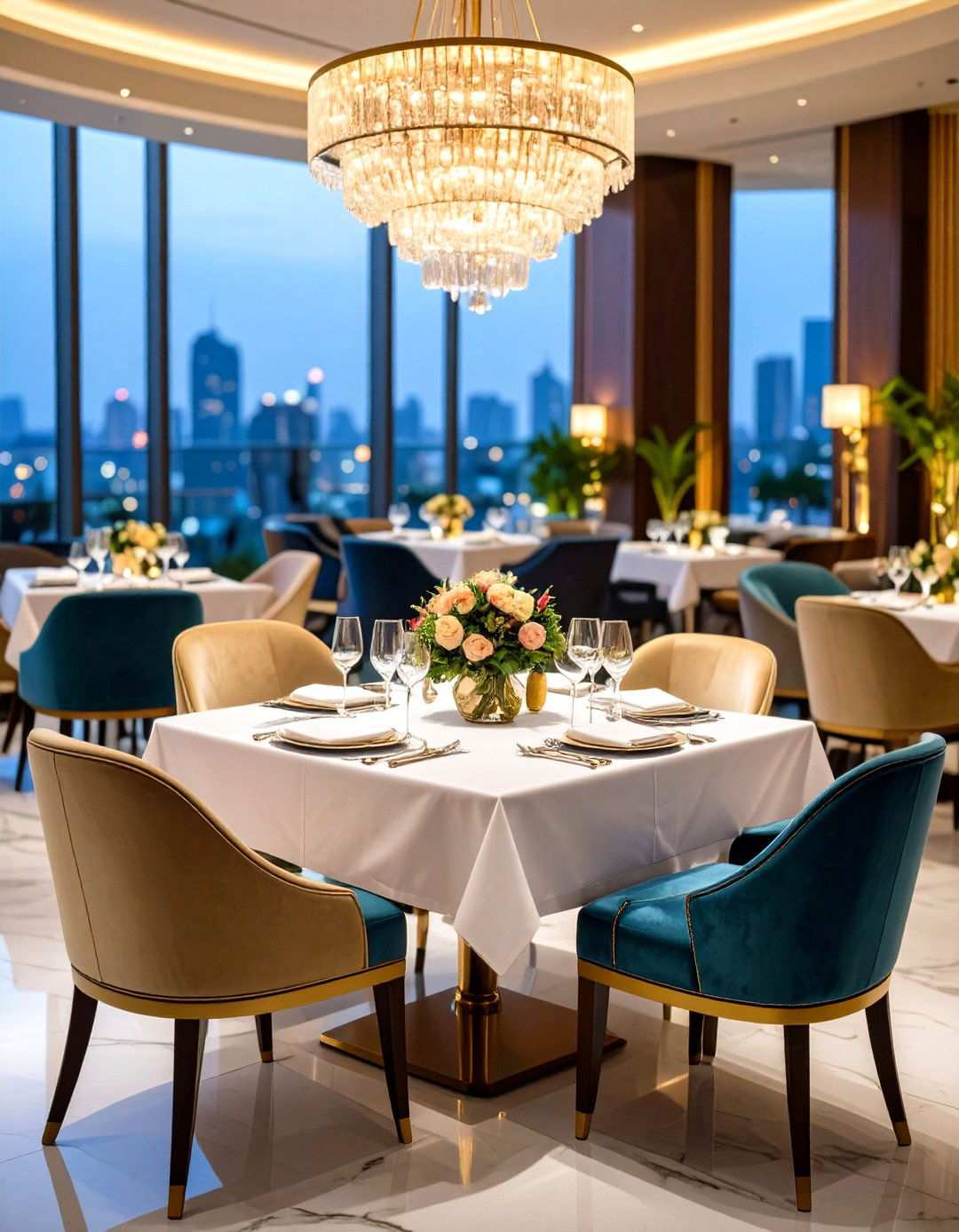
Creating an exclusive experience that makes every guest feel like a VIP member is a hallmark of luxury lounge design. Rich materials, sophisticated lighting, and premium furnishings come together to evoke a sense of refinement and exclusivity. Velvet seating, marble surfaces, and crystal lighting fixtures create an opulent atmosphere without resorting to ostentation. Private seating areas, premium service stations, and exclusive amenities like coat check or cigar storage enhance the luxury experience, while sound systems and climate control that respond to individual preferences demonstrate a commitment to comfort and attention to detail. By striking a balance between luxury and approachability, designers can create a space that feels welcoming to all guests, while also delivering exceptional service standards. This approach is particularly well-suited to high-end cocktail programs, wine bars, and fine dining concepts, where premium pricing is matched by exceptional experiences. Marketing campaigns emphasize the exclusivity and special treatment offered, attracting celebration diners and business entertainment while building loyalty through consistent luxury experiences.