1. Creating a Focal Point with Trees
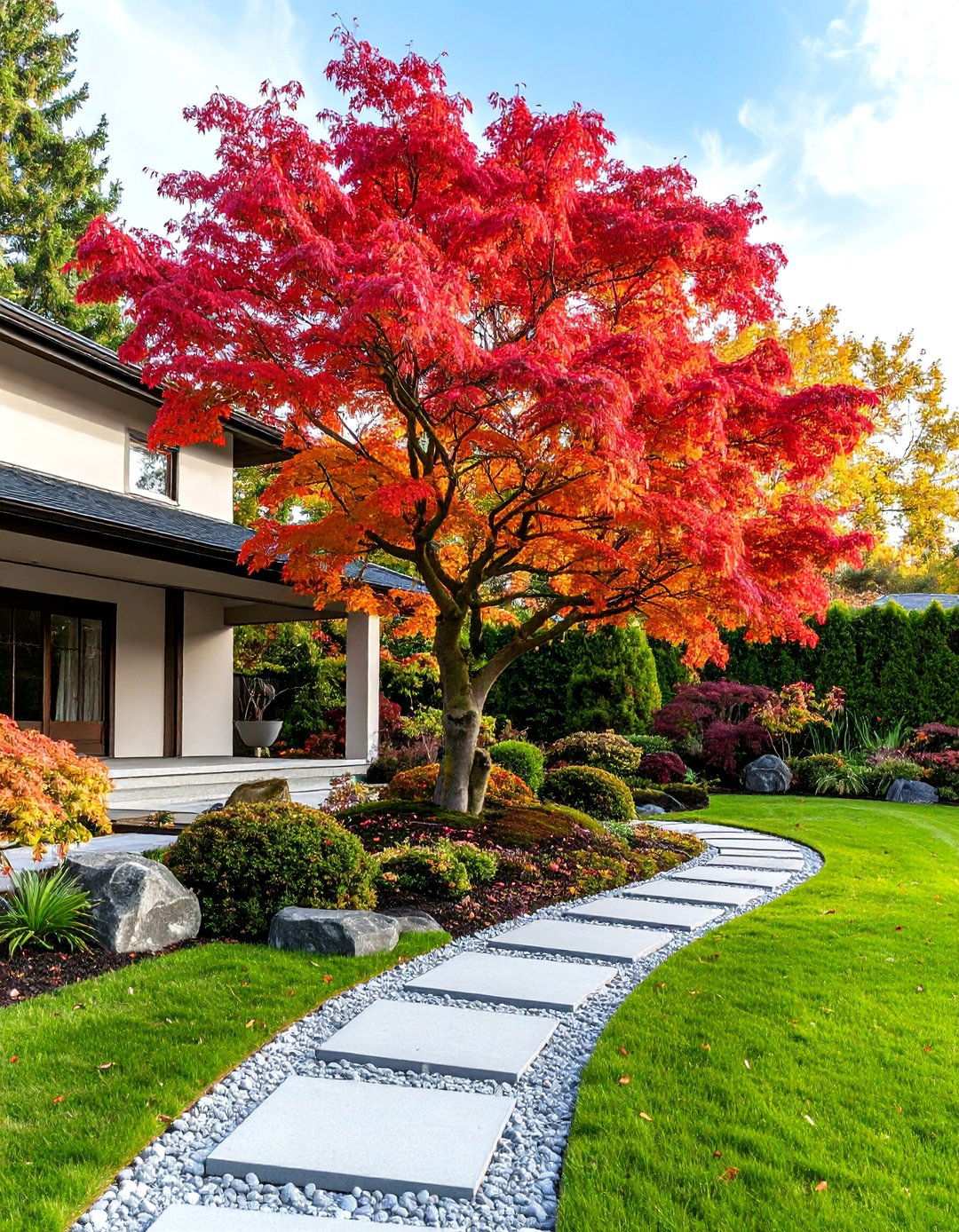
To transform your outdoor space into a breathtaking landscape, consider selecting a show-stopping tree as the crowning feature of your garden. This majestic specimen should boast exceptional characteristics, such as vibrant fall colors, striking bark patterns, or unique branching structures that captivate attention throughout the seasons. Strategically position your focal tree where it can be admired from various vantage points, particularly from indoor living spaces and primary pathways. Many homeowners appreciate Japanese maples for their sculptural forms, paperbark birches for their striking white bark, or flowering dogwoods for their seasonal blooms. Surround the base of your focal tree with understory plantings that harmonize with its natural beauty, rather than competing for attention. This singular approach instantly creates a visually striking effect while establishing a strong foundation for your overall landscape design that draws visitors deeper into your outdoor space.

As an Amazon Associate I earn from qualifying purchases.
2. The Allure of Multi-Stemmed Tree Clusters
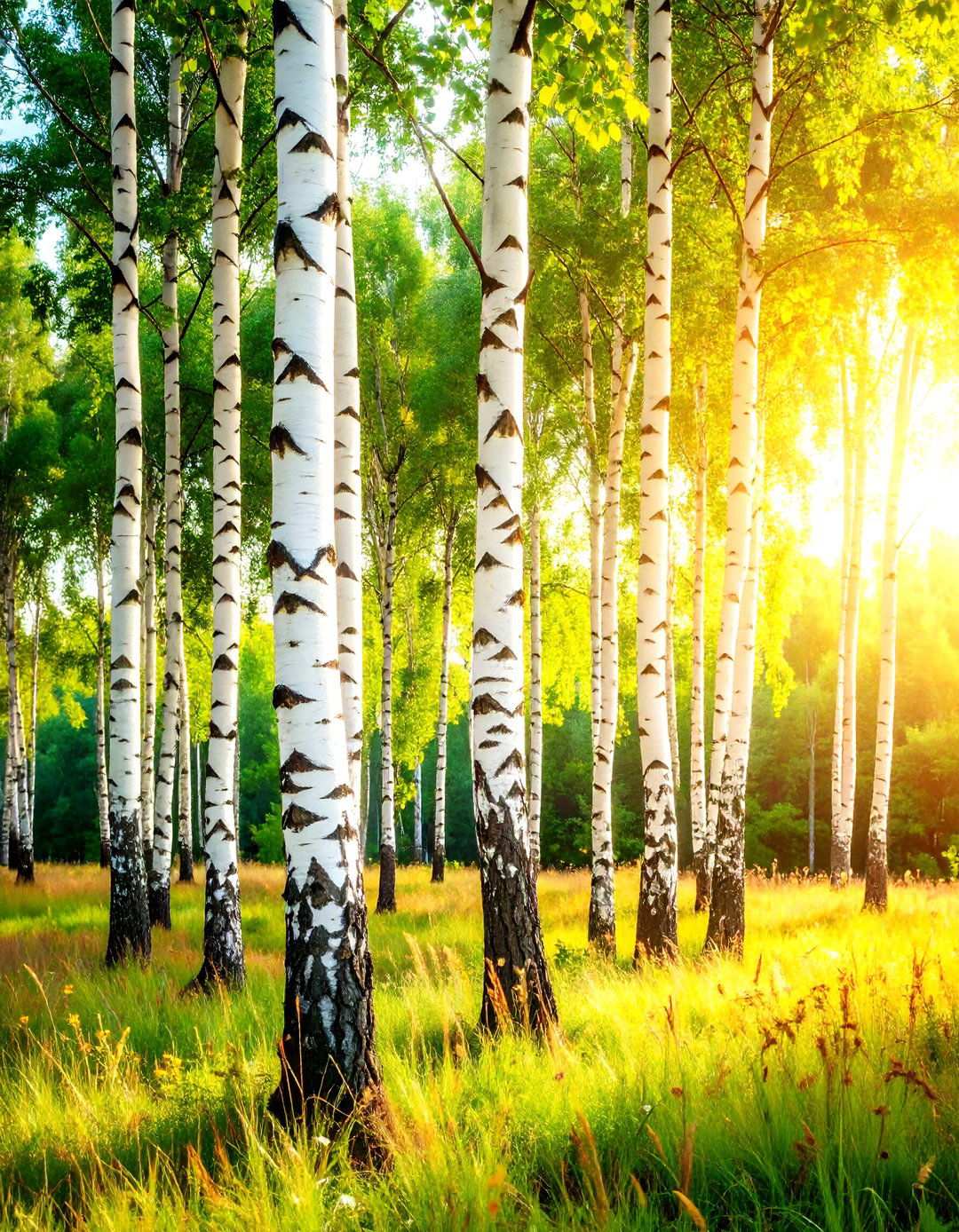
For a modern woodland ambiance, consider grouping multi-stemmed trees in strategic arrangements that evoke the essence of natural forest environments. This tactic works particularly well with birches, serviceberries, or ornamental cherries that develop multiple trunks from their base. Space individual trees close enough to create unified canopies while allowing each specimen room for healthy development. The resulting grove effect provides substantial privacy screening while filtering harsh sunlight into gentle, dappled patterns perfect for understory plantings. Multi-stemmed arrangements offer year-round architectural interest, particularly during winter months when bare branches create intricate silhouettes against the sky. Underplant with native groundcovers or shade-tolerant perennials that thrive in the filtered light conditions, establishing sustainable plant communities that require minimal maintenance while maximizing visual impact throughout your landscape.
3. Tree Border Edging Systems
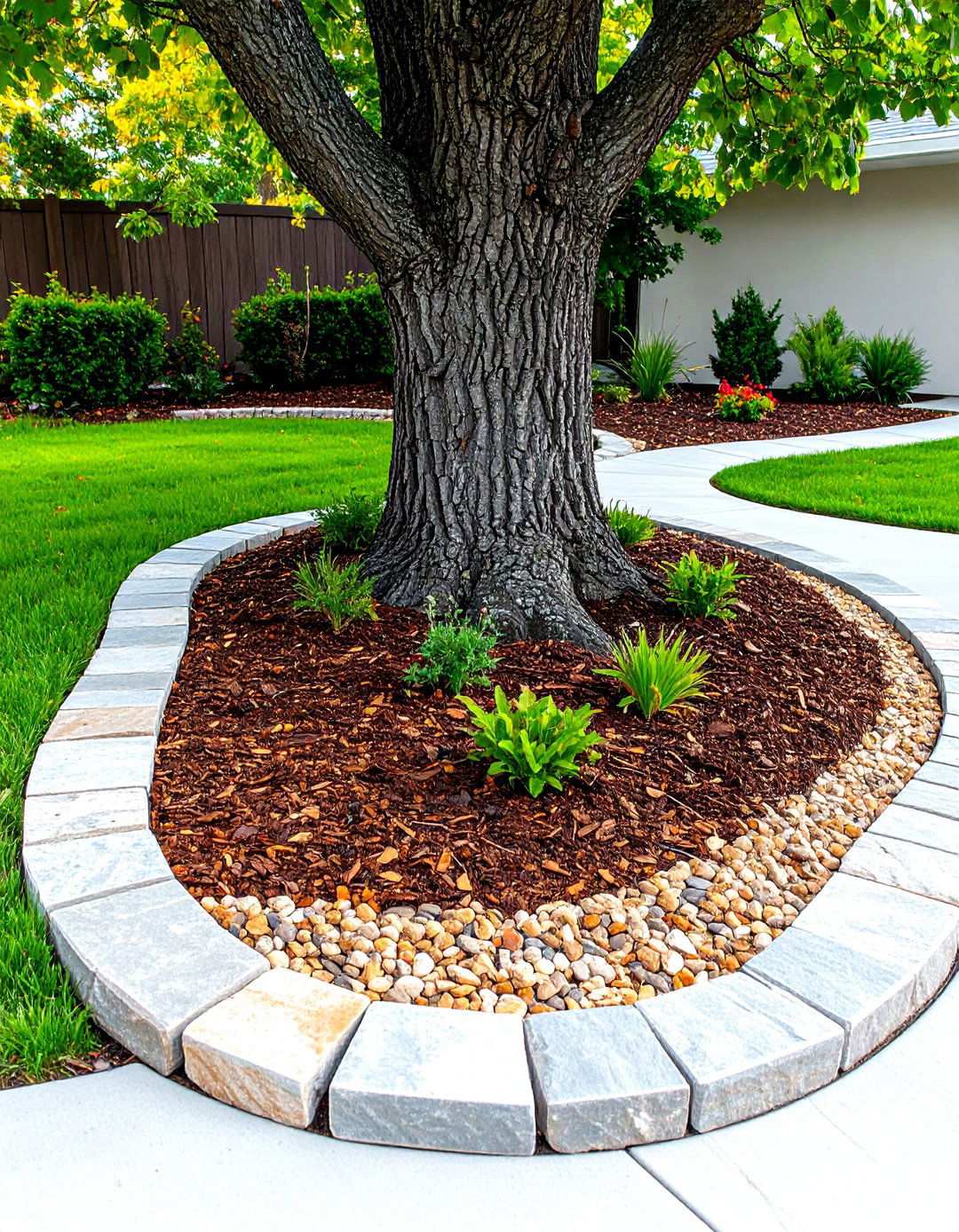
Define your landscape’s visual hierarchy by establishing clear boundaries around existing trees. This structured approach not only protects tree root zones from lawn damage but also creates organized planting beds that elevate your property’s aesthetic appeal. Consider using earthy materials like fieldstone, brick, or reclaimed timber to construct unique border shapes that mirror each tree’s distinctive character. These defined edges safeguard against mower damage, minimize grass root competition, and allow for thoughtful plantings that thrive in designated zones. Supplement bordered areas with suitable mulch, low-maintenance plants, or decorative stone, carefully balancing design flair with practical maintenance considerations. The end result is a cohesive landscape design that showcases professional quality while promoting optimal tree health.
4. Shade Garden Sanctuaries
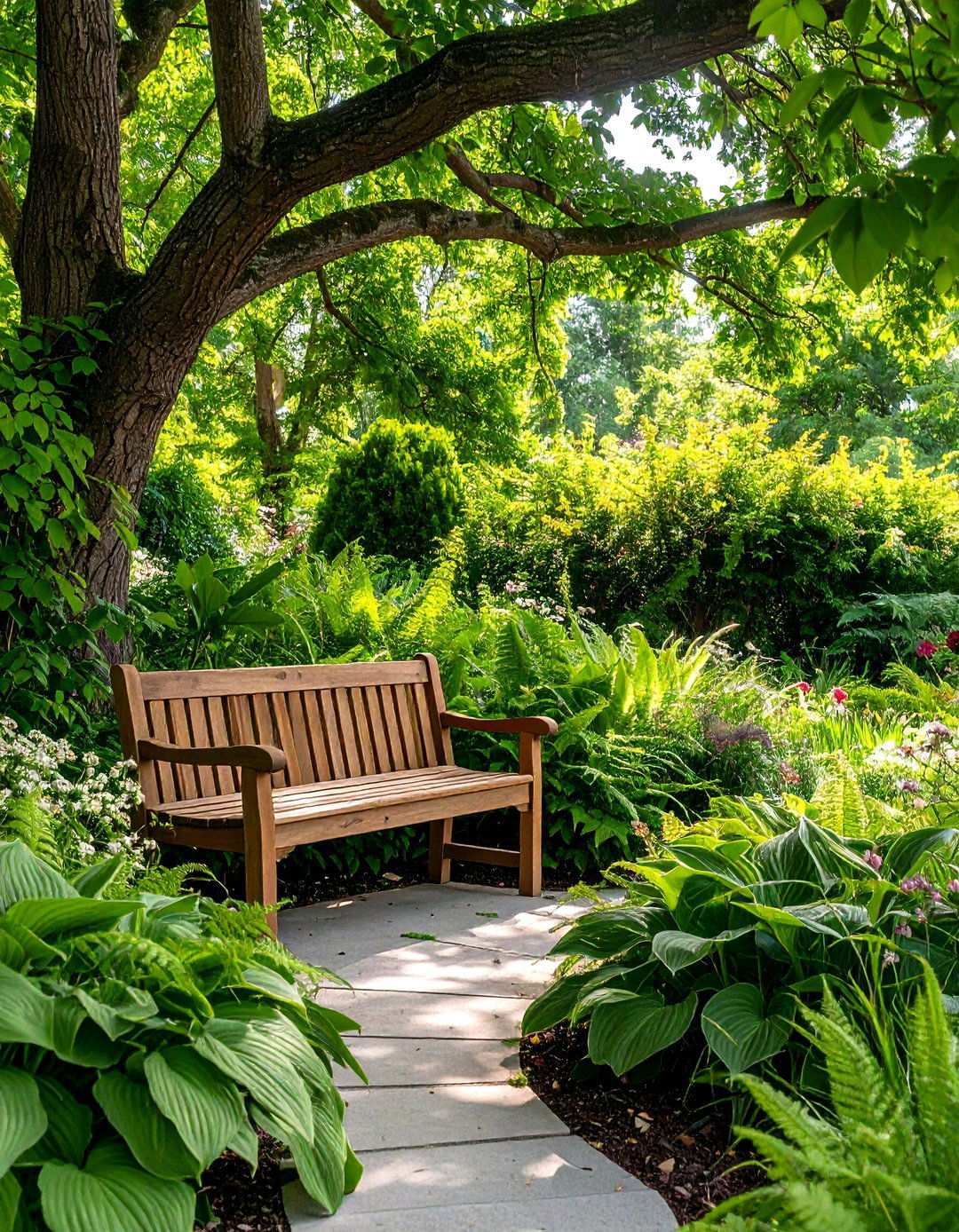
Turn underutilized shaded areas beneath established trees into serene garden oases that celebrate the beauty of filtered light. Rather than battling natural shade patterns, opt for a more harmonious approach by selecting plants specifically attuned to low-light environments. Develop layered compositions using shade-loving shrubs, perennials, and groundcovers, each contributing a unique texture and height to the overall tapestry of green foliage. Integrate inviting seating elements like benches or plush armchairs, encouraging relaxation within these naturally air-conditioned spaces. Add visual interest through a diverse array of plant varieties featuring striking variegated leaves, intriguing textures, or subtle flowers that enliven shadowy corners. For extended usability, consider installing subtle lighting elements that highlight architectural plant forms, making these shade sanctuaries invaluable outdoor retreats during hot summer months.
5. Native Tree Ecosystems
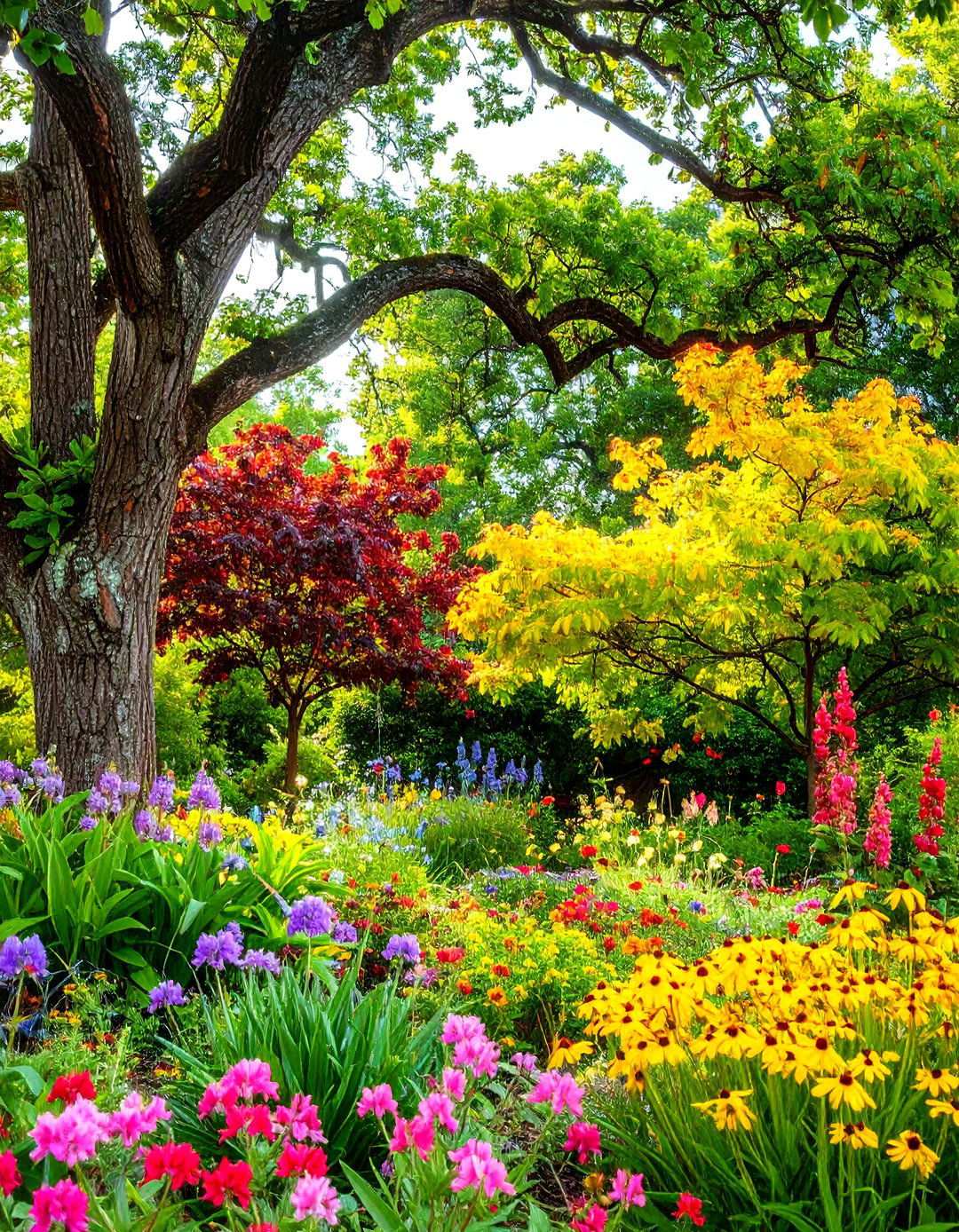
Crafting landscapes that thrive in harmony with nature begins with native tree species. By incorporating plants that have evolved in your local climate and soil conditions, you can create low-maintenance ecosystems that support indigenous wildlife and preserve regional character. Study the historical presence of trees in your area, factoring in mature size, growth patterns, and seasonal characteristics that complement your site conditions. Trees that are native to your region typically demand less water, fertilization, and pest control once established, making them a shrewd long-term investment for homeowners with busy schedules. Establish diverse plantings that incorporate understory natives, ensuring a complete ecosystem from ground level to canopy. These natural communities provide essential habitat for local birds, beneficial insects, and other wildlife, while showcasing environmental stewardship. Your native tree landscape becomes a vibrant display of regional natural heritage, offering exceptional beauty that evolves with the seasons and weather.
6. Evergreen Privacy Screens
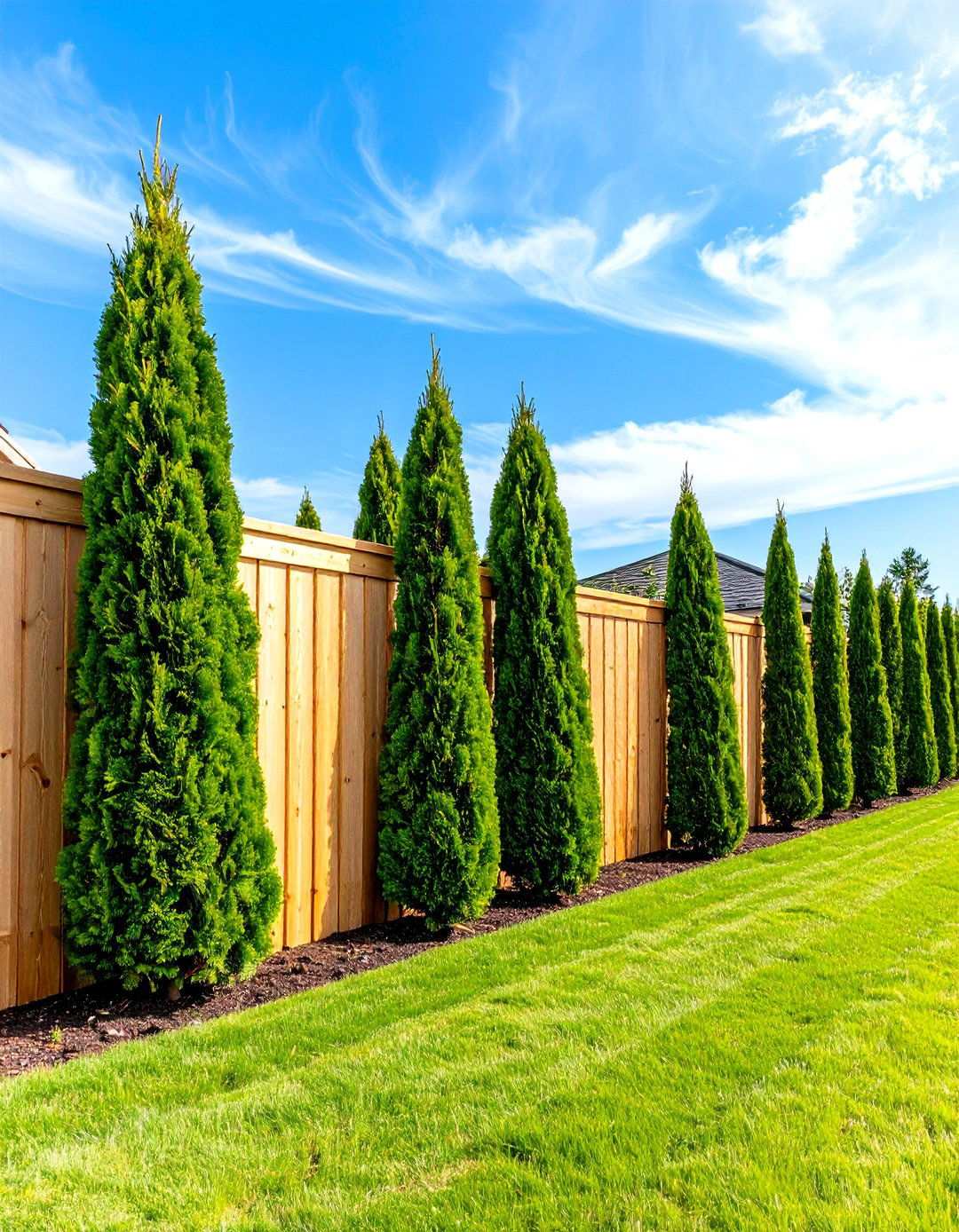
Strategic placement of evergreen trees can create natural barriers that provide year-round screening from neighboring properties or unsightly views. Fast-growing varieties like arborvitae, Leyland cypress, or eastern red cedar develop dense foliage quickly while maintaining attractive forms throughout their lifespan. Plan spacing carefully to achieve desired screening density while allowing for adequate room for mature growth without overcrowding. Varying heights and textures by mixing different evergreen species creates more visually appealing compositions than single-variety plantings. These living walls provide effective windbreak protection, reduce noise pollution, and create private outdoor spaces perfect for relaxation and entertaining. When planning evergreen screens, it’s essential to maintain proper spacing from property lines to avoid potential conflicts with neighbors as trees mature. Well-designed evergreen screens become valuable long-term assets that significantly enhance property privacy and value, while requiring minimal ongoing maintenance compared to traditional fencing solutions.
7. Ornamental Flowering Trees
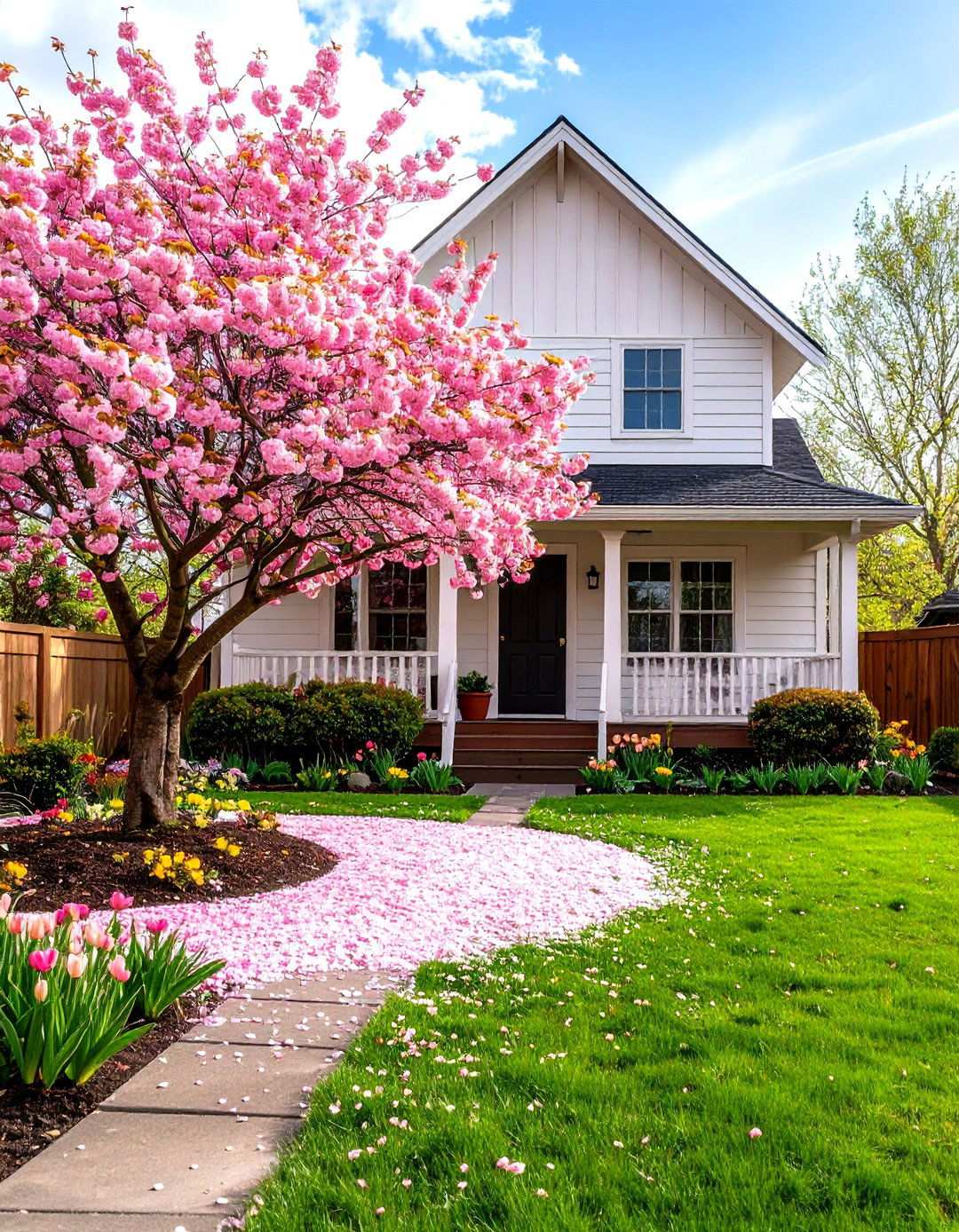
Transform your landscape with ornamental flowering trees that burst into vibrant displays during the spring and summer months. By selecting varieties with staggered bloom times, you can prolong the flowering seasons, creating a beautiful and dynamic color progression from early spring to late summer. Consider incorporating flowering crabapples, ornamental cherries, redbuds, or magnolias, each offering unique flower colors, forms, and timing to create diverse seasonal interest. Strategically position these trees to showcase their blooms from indoor living spaces as well as outdoor gathering areas, enhancing the overall aesthetic appeal of your landscape. Many of these trees also provide additional benefits like attractive fall foliage, interesting bark patterns, or colorful fruits, extending their value beyond the blooming periods. By underplanting with bulbs and early perennials that complement the flowering displays, you can add ground-level interest and create memorable landscape moments that mark seasonal changes. These celebratory plantings will provide a lifetime of photography opportunities for family memories.
8. Tree-Lined Pathway Designs
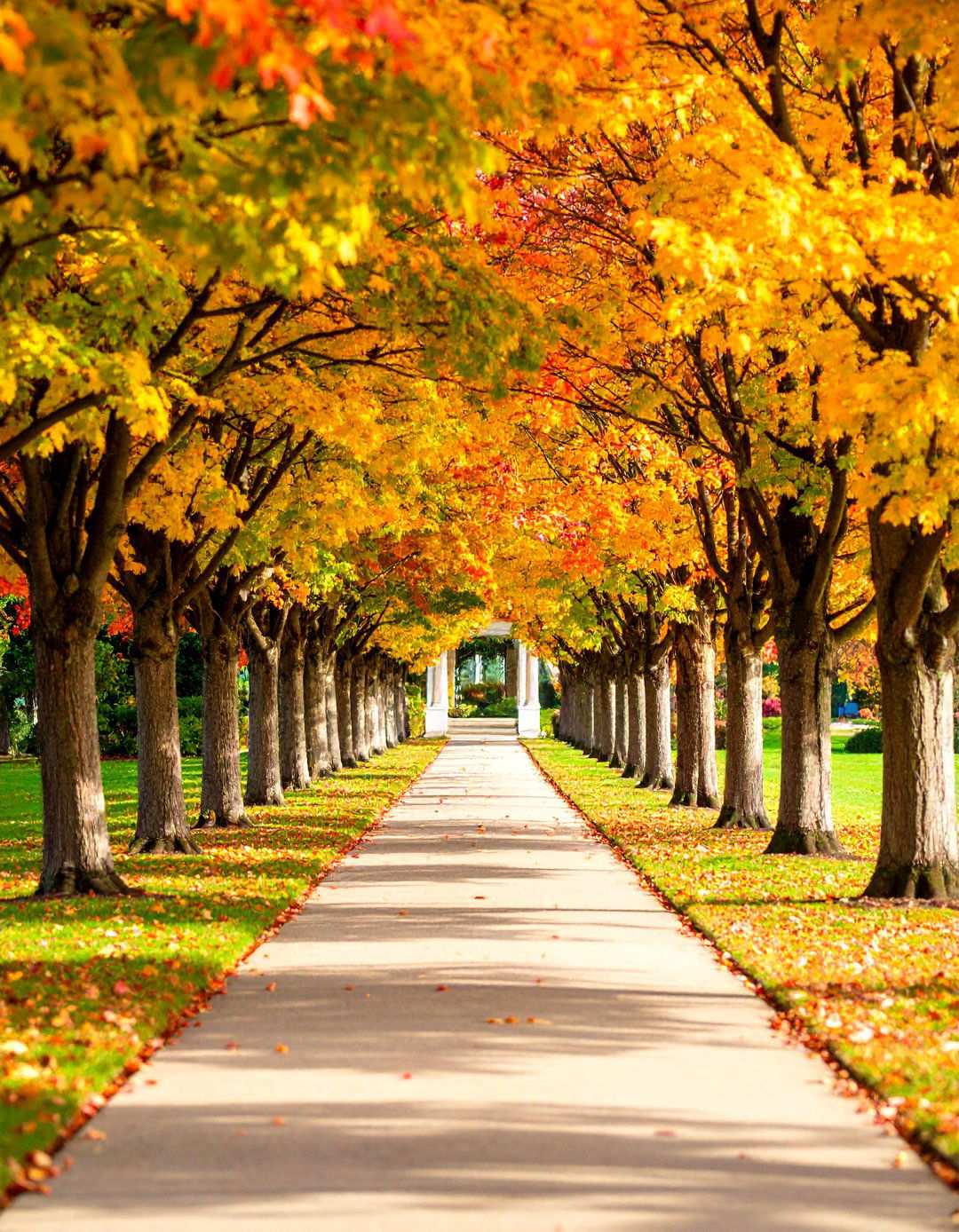
Create a sense of drama and anticipation by guiding visitors through your landscape with carefully placed trees that define circulation routes and create formal or informal corridor effects. This timeless design technique works beautifully along driveways, main walkways, or garden paths, where repeated tree plantings establish a sense of rhythm and movement through outdoor spaces. To achieve a cohesive look, choose uniform species for formal allées or mix complementary varieties for more relaxed, naturalistic approaches. When selecting mature sizes, carefully consider adequate clearance for pedestrian and vehicle traffic while providing the desired canopy coverage. Tree-lined pathways create a sense of destination while framing views of house facades, garden features, or distant landscape elements, providing evolving beauty throughout the years. By incorporating these linear arrangements, you can establish a strong structural framework for your overall landscape design, while also enhancing the natural character of larger properties.
9. Design Flexibility through Container Tree Gardens
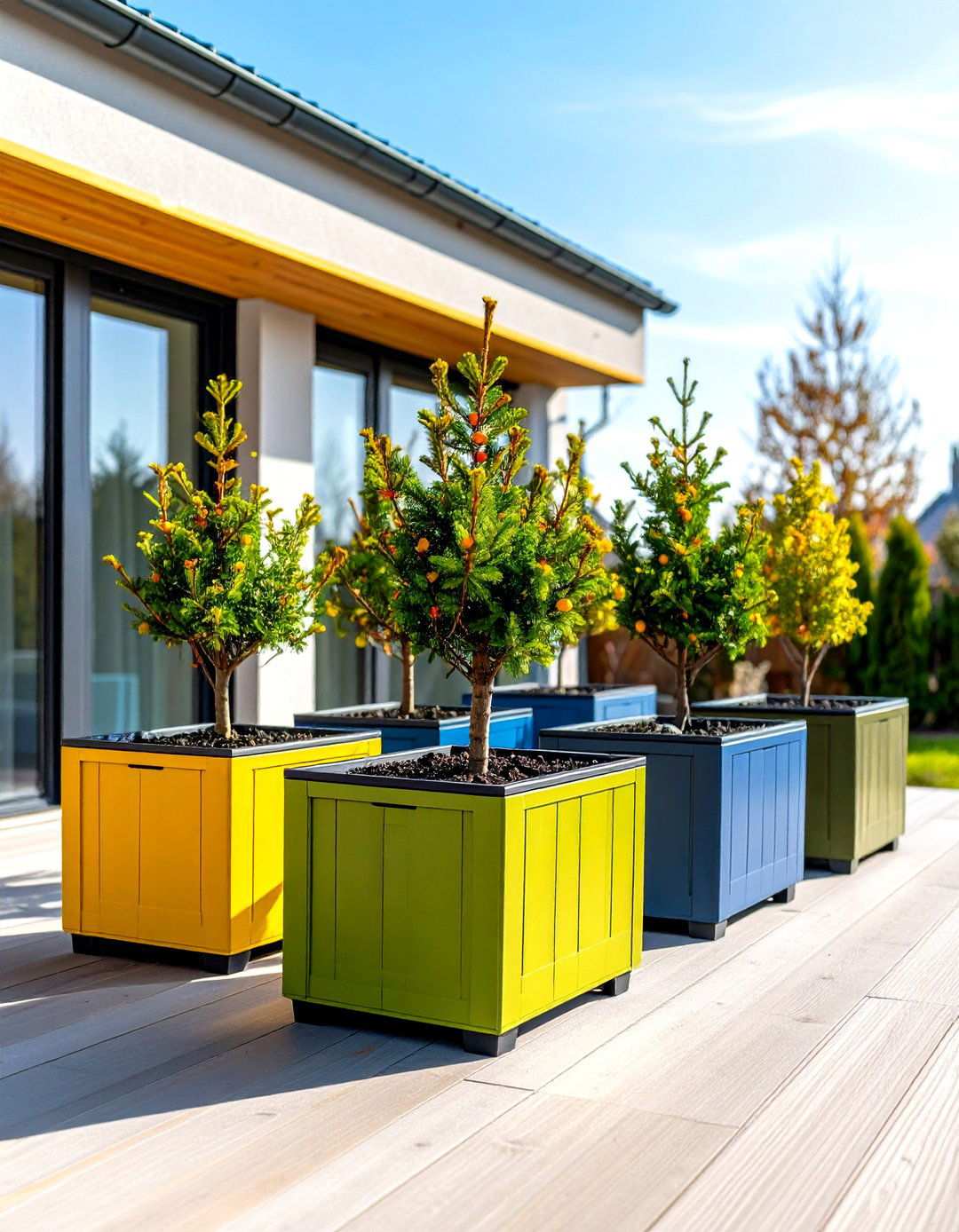
By leveraging container-grown trees, you can unlock a world of creative possibilities for your landscape design. This adaptable approach is particularly well-suited for renters, those with limited outdoor space, or individuals seeking to experiment with tree placement before making a permanent commitment. When selecting containers, opt for sizes that balance root space with portability, ensuring that your trees can be easily relocated as needed. Consider dwarf or compact varieties, such as Japanese maples, small fruit trees, or ornamental species that thrive in container culture. Choose containers that not only complement your design aesthetic but also provide adequate drainage and insulation to safeguard root health. Container trees can be a stunning addition to patios, decks, or urban balconies where permanent planting is not feasible. They also make excellent accent pieces for special events or seasonal decorating, offering a unique way to enhance your outdoor living spaces.
10. The Art of Pollarded Tree Features
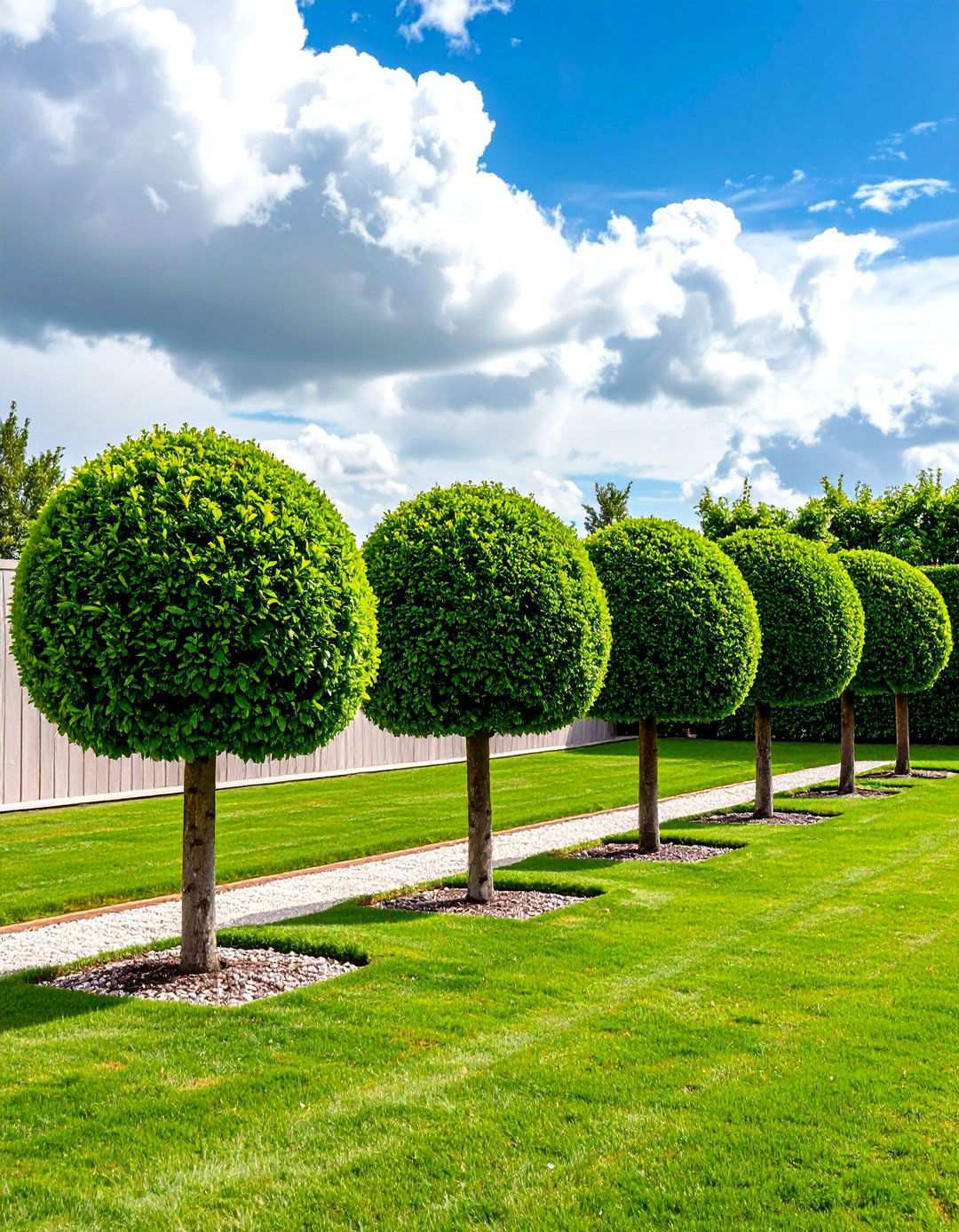
Pollarded trees can be a powerful design element, adding a touch of sophistication and visual interest to your landscape. This ancient technique involves regular pruning to maintain a distinctive, rounded crown, creating a striking architectural feature that offers year-round appeal. When executed correctly, pollarded trees can showcase their beauty in the winter months, with bare branching patterns creating bold silhouettes against buildings or the sky. Traditional species like London plane trees, lindens, or willows respond exceptionally well to pollarding, maintaining healthy growth patterns while displaying the unique characteristics of this technique. To maximize the benefits of pollarded trees, consider hiring a professional to ensure proper installation and maintenance, as this will help you reap the rewards of this unique design element. By incorporating pollarded trees into your landscape, you can create a focal point that establishes immediate sophistication and offers practical benefits like controlled sizing and increased flowering or fruiting in certain species.
11. Fruitful Design Elements
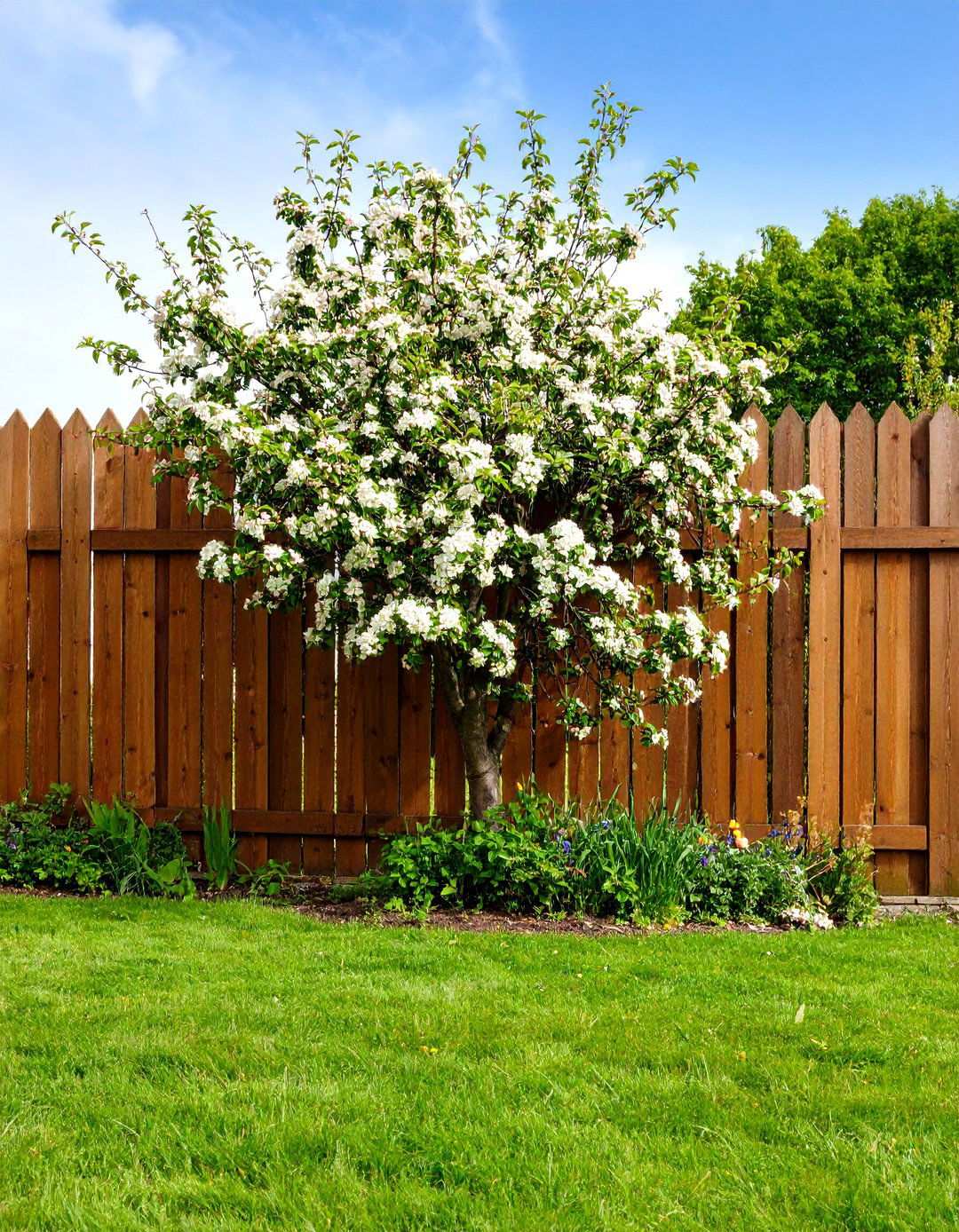
Enhance the visual appeal and functionality of your landscape by incorporating fruit-producing trees that provide a dynamic combination of seasonal interest and edible harvests. Modern horticultural techniques and dwarf varieties make it possible to grow a wide range of fruits in even the most limited spaces, while still maintaining a visually pleasing landscape design. When selecting fruit trees, consider factors such as climate zone, ornamental value, and fruit quality, opting for varieties like apple, pear, or cherry that excel in these areas. Place fruit trees in locations that receive sufficient sunlight, allowing them to contribute to the overall design composition through their unique forms, vibrant blooms, or striking foliage displays. Many fruit trees offer multiple seasons of interest, from their initial flowering periods to the harvest time and autumn color changes, making them a valuable addition to any landscape. To further enhance the beauty and functionality of your fruit trees, incorporate supporting plants that complement their requirements while providing contrasting textures and colors. By embracing edible landscaping, you can cultivate sustainable practices while enjoying a fresh supply of ingredients for cooking and preserving, and deepen the connection between your outdoor space and daily life.
12. Windbreak Strategies for a Comfortable Outdoor Environment
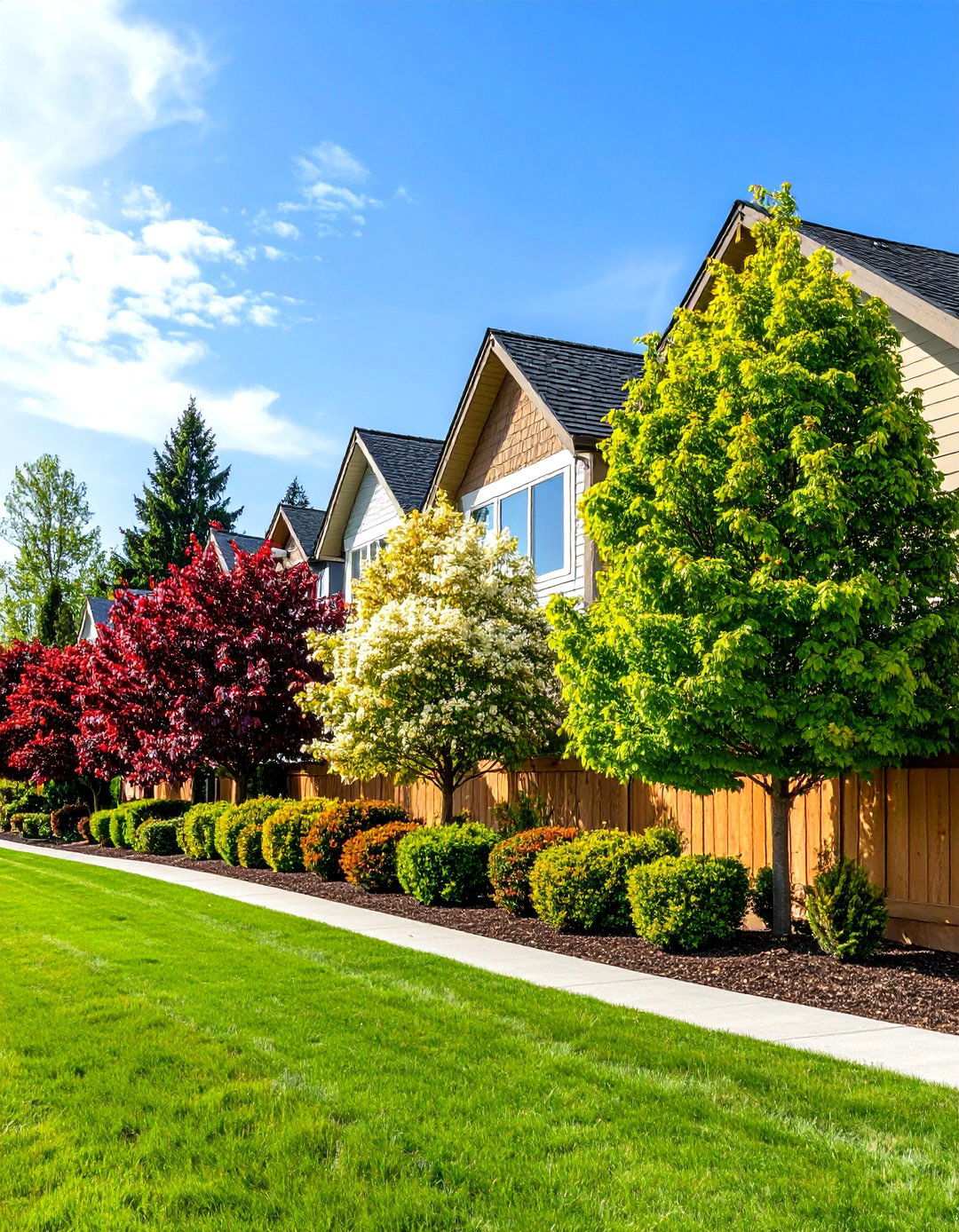
Create a more comfortable and energy-efficient outdoor space by establishing strategic windbreak plantings that protect your property from harsh winds and reduce energy costs. Design your windbreak by layering a combination of evergreen and deciduous trees that provide year-round protection while adapting to seasonal wind patterns. Position the tallest trees on the windward side, with progressively shorter specimens toward the protected areas, to create an efficient and effective wind deflection system without generating turbulent downdrafts. Consider using species like spruce, pine, or fir for the primary windbreak function, supplemented with hardwood varieties that offer additional benefits such as fall color or wildlife habitat. Proper spacing between trees allows for individual growth while maintaining effective wind reduction throughout the barrier length. By designing a well-planned windbreak, you can significantly reduce heating costs and create sheltered outdoor spaces that are usable even during harsh weather conditions. These functional plantings also provide valuable benefits such as privacy screening and wildlife habitat, while adding substantial landscape value through their practical contributions to outdoor comfort and energy efficiency.
13. Crafting a Year-Round Landscape Tapestry
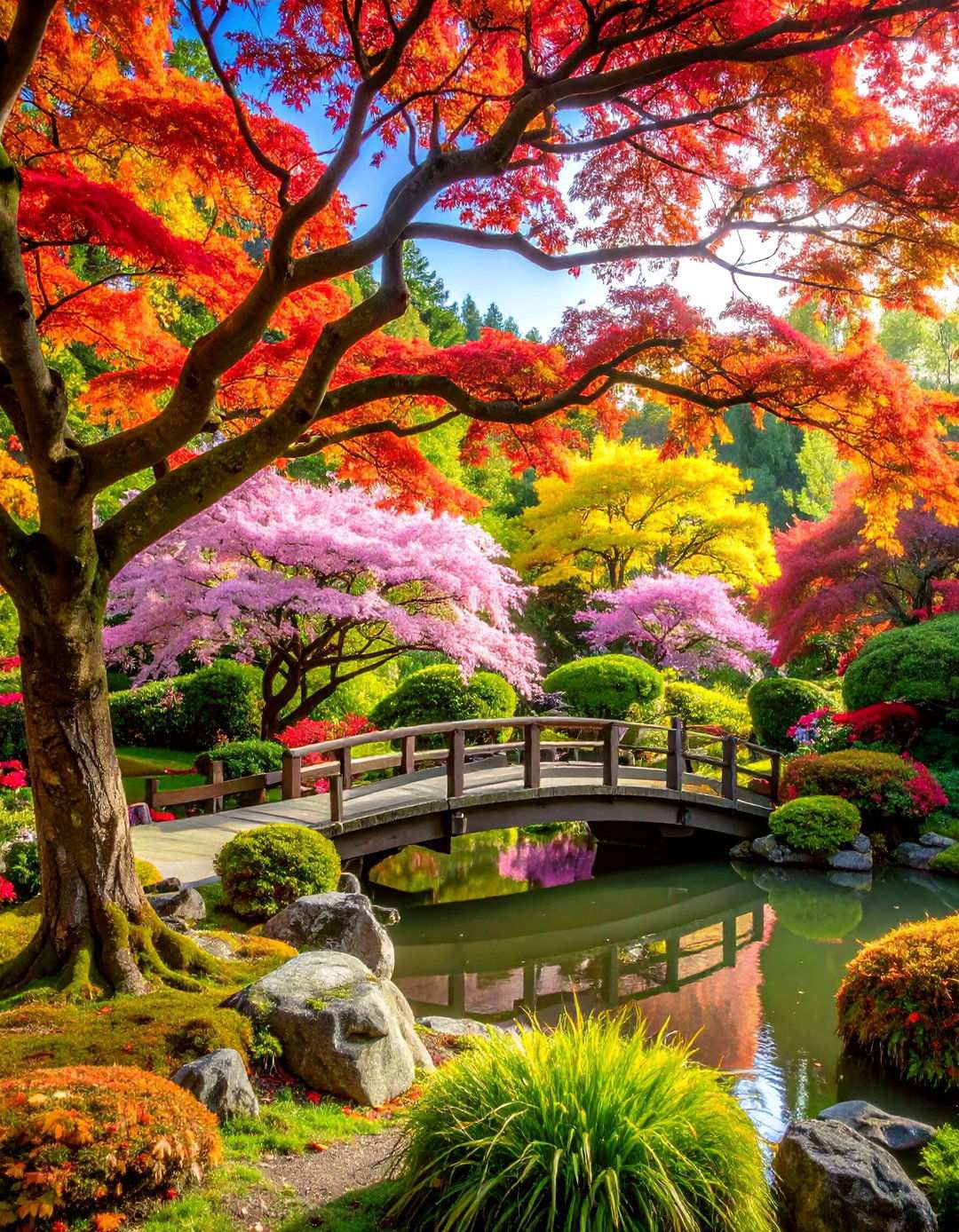
Elevate your outdoor space with trees that transform with the seasons, captivating your senses throughout the year. By thoughtfully selecting varieties that bloom, provide shade, showcase vibrant colors, and display striking bark or berries, you can create a dynamic landscape that evolves with the changing weather. Combine early spring bloomers like redbud or serviceberry with summer shade providers like maples or oaks, and pair them with winter bark interest from birches or cherries. Strategically placing these trees allows each specimen’s peak season to complement its neighbors, generating an ever-changing visual feast. Document your trees’ seasonal transformations through photography to develop a deeper understanding of their annual cycles and identify opportunities to enhance your landscape with additional plantings. This thoughtful approach yields landscapes that reward close observation while providing a constantly shifting outdoor experience that keeps your garden fresh and engaging throughout the seasons.
14. Cultivating Resilient Landscapes with Drought-Tolerant Trees
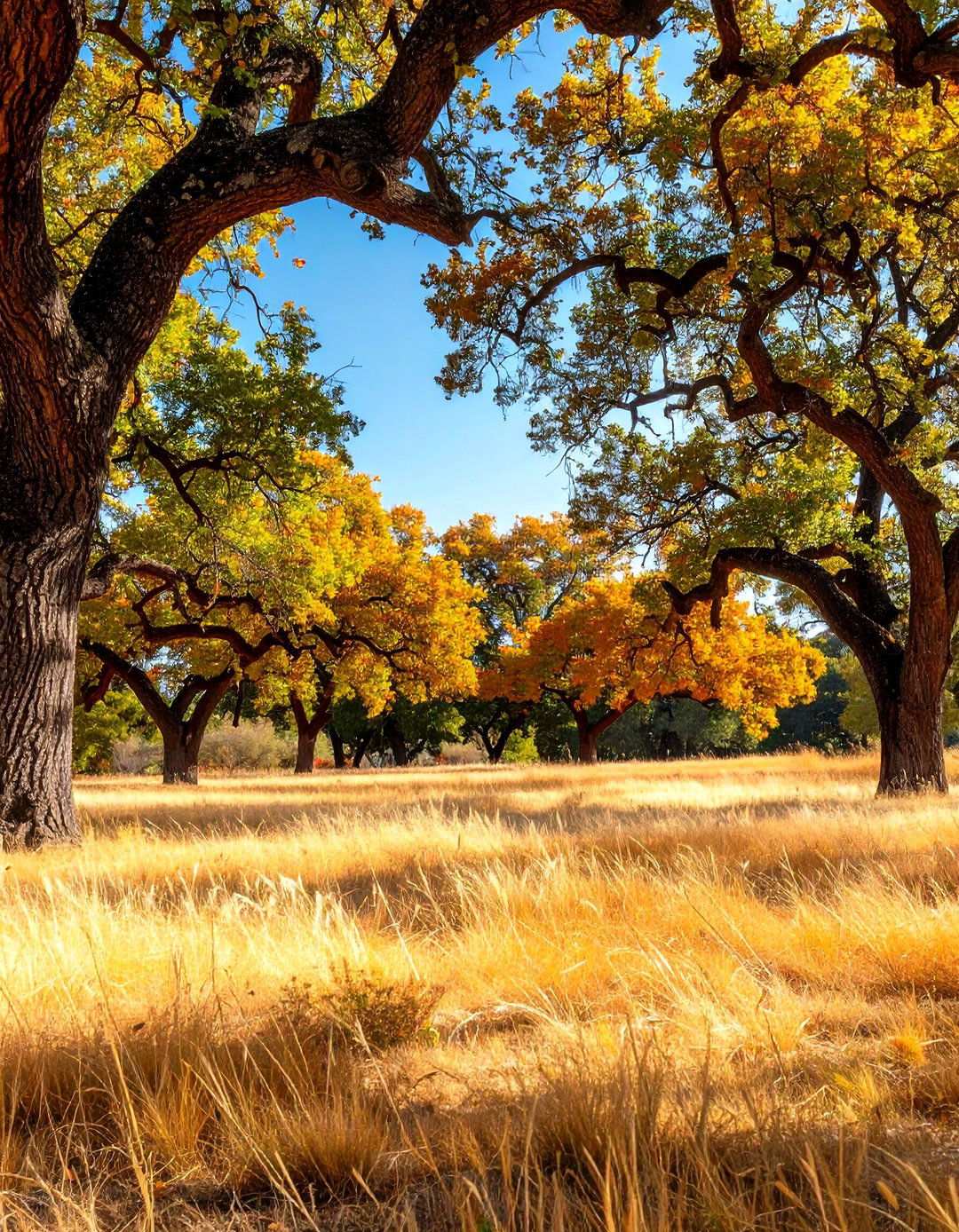
Design sustainable outdoor spaces that thrive with minimal water usage by incorporating drought-resistant tree species that deliver exceptional ornamental value, even in challenging climate conditions. Research native and adapted tree varieties suitable for your region’s rainfall patterns, considering factors such as soil type, sun exposure, and mature tree requirements. Popular drought-tolerant options include Texas red oak, golden rain tree, Chinese pistache, or Mediterranean species like olive trees in suitable climates. These selections typically develop deep root systems that tap into natural groundwater, reducing the need for frequent supplemental watering once mature. When designing your drought-resistant landscape, consider spacing that optimizes water efficiency while emphasizing strategic placement and complementary plantings. By embracing drought-tolerant species, you not only demonstrate environmental responsibility but also reduce long-term maintenance costs and water consumption. Many of these species offer additional benefits, such as striking bark, attractive foliage, or seasonal color changes, that enhance their landscape value beyond their water-saving attributes.
15. Captivating Tree Silhouettes at Night
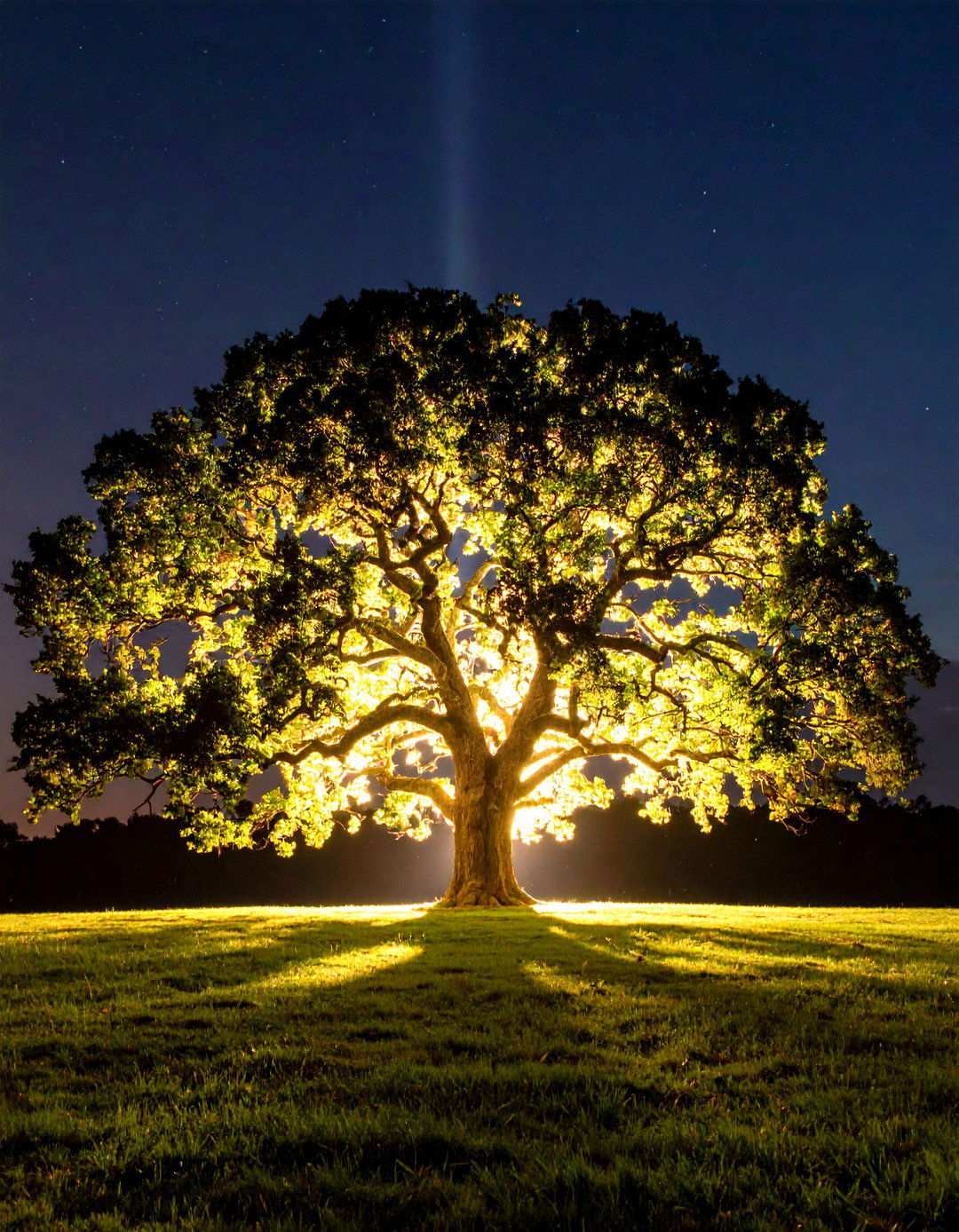
Unleash the magic of your landscape’s nighttime ambiance by installing sophisticated uplighting systems that transform magnificent trees into striking focal points during evening hours. By carefully positioning LED fixtures at tree bases, you can create dramatic silhouettes, accentuate interesting bark patterns, and extend the usability of your outdoor living spaces well beyond daylight hours. Consider experimenting with different lighting angles to produce a range of effects, from subtle accent highlighting to bold dramatic statements, depending on your desired ambiance. Complement natural tree tones with warm color temperatures while ensuring adequate illumination for safety and security purposes. A well-designed tree lighting system not only increases property values but also creates an attractive nighttime curb appeal that showcases your landscape investments. To further enhance your outdoor entertainment areas, install timer controls and dimming capabilities that allow for flexible lighting management for different occasions. By entrusting a professional with the installation, you can ensure proper fixture placement, electrical safety, and a maximized visual impact.
16. Long-Term Landscape Sustainability through Tree Succession
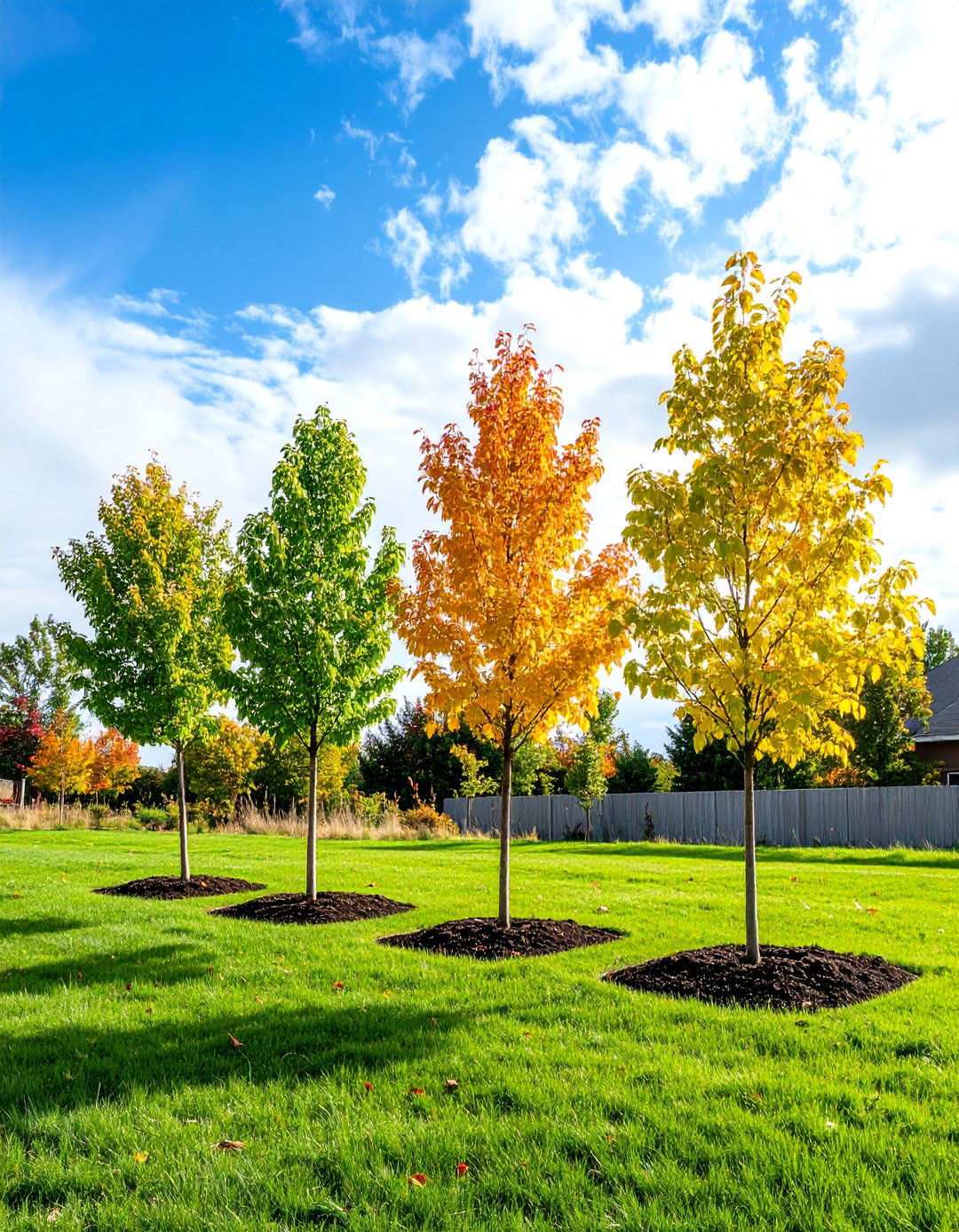
To ensure the long-term sustainability of your landscape, consider implementing tree succession systems that guarantee continuous canopy coverage as older specimens reach maturity and eventually decline. This forward-thinking approach involves planting younger trees near mature specimens that will gradually assume primary landscape roles as established trees age beyond their prime years. When designing succession plantings, take into account growth rates, mature sizes, and lifespan expectations to maintain landscape character while accommodating natural tree lifecycles. Fast-growing species can provide interim coverage while slower-growing, longer-lived varieties develop into permanent landscape features over time. By embracing succession planning, you can prevent sudden landscape gaps when mature trees require removal due to storm damage, disease, or natural aging processes. This strategy also allows for gradual landscape evolution rather than dramatic changes that disrupt established outdoor living patterns. To effectively manage your tree succession system, document your planting plans and maintain records of tree ages, health status, and replacement schedules to guide future landscape management decisions that preserve your outdoor investment value.
17. Mastering Terrain with Tree Species
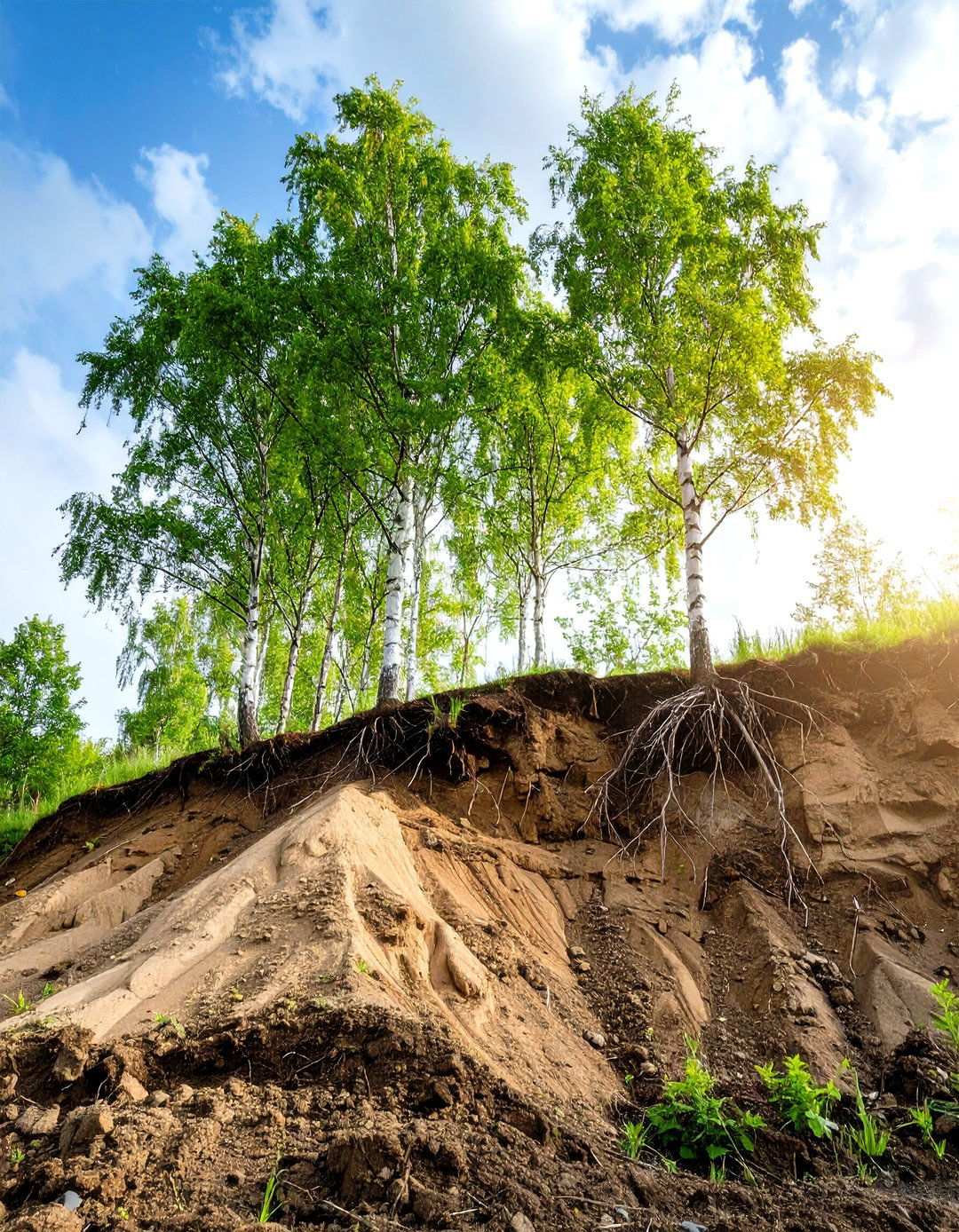
Effective management of challenging sloped terrain can be achieved through the strategic incorporation of deep-rooted tree species that offer a dual benefit of erosion control and attractive landscape design. Trees boasting extensive fibrous root systems excel at binding soil particles, while their canopies effectively intercept rainfall, reducing surface runoff velocity. A range of species, including willows, poplars, and native varieties adapted to regional soil and climate conditions, can be utilized to establish quickly and provide long-term slope stability. Plantings should be designed in staggered patterns that maximize soil coverage while creating natural-looking arrangements, as opposed to rigid geometric formations. By combining tree plantings with suitable groundcover plants, additional root structure and surface protection can be achieved between tree specimens. These functional landscapes not only prevent costly erosion damage but also add visual interest to previously problematic areas, making them an attractive feature. Ensuring the correct species selection and placement techniques are employed guarantees successful establishment and immediate erosion protection during tree development periods. In severe slope conditions or areas near structures requiring specialized stabilization approaches, professional consultation may be advisable.
18. Building Wildlife Corridors through Tree Selection
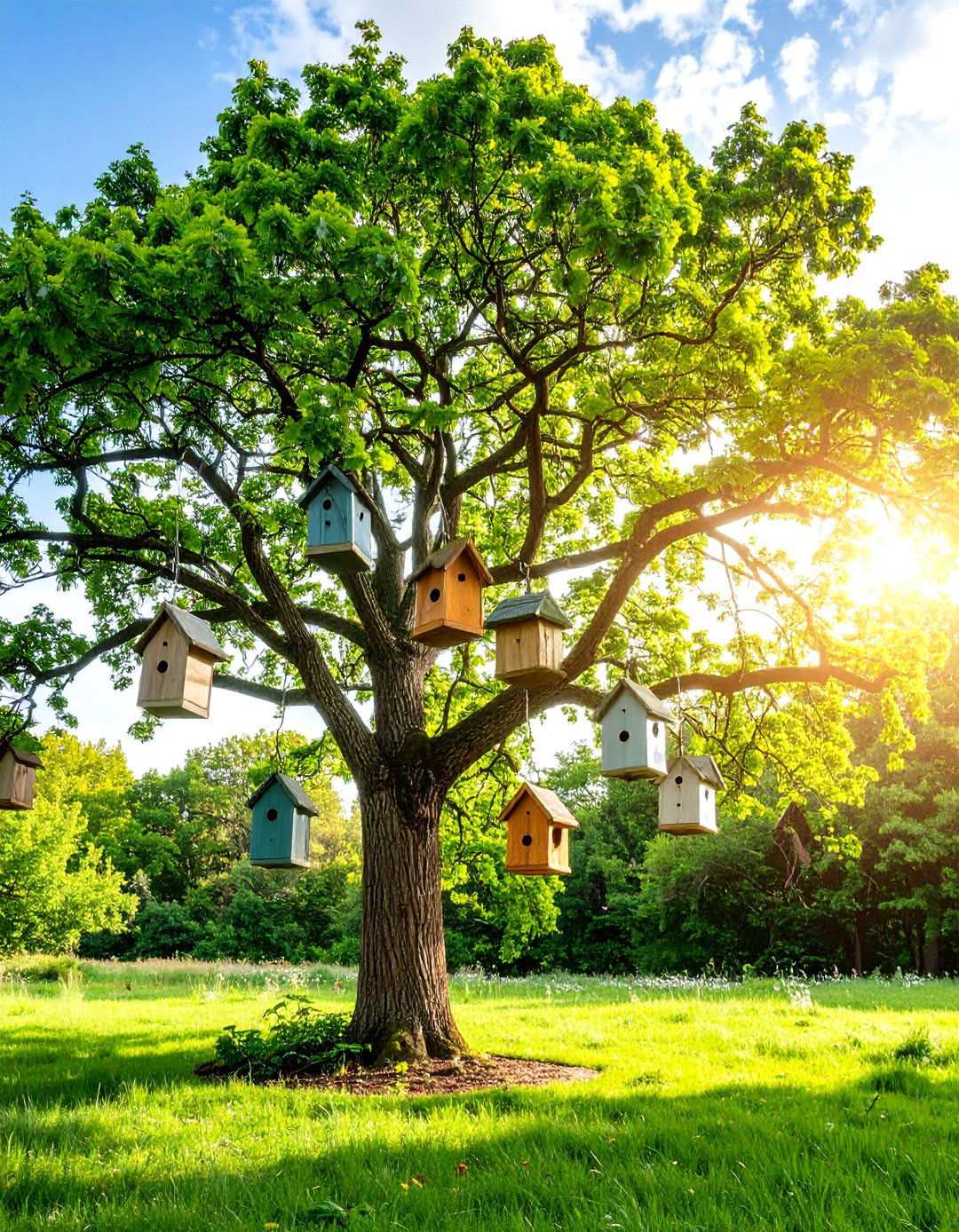
Creating thriving ecosystem corridors is possible by selecting tree species that provide essential food sources, nesting sites, and shelter for local wildlife populations, catering to their changing seasonal needs. Researching native trees that support indigenous bird species, beneficial insects, and small mammals contributes to regional biodiversity conservation efforts. Species like oak trees, which produce acorns, berry-producing varieties like elderberry or serviceberry, and seed-producing species that sustain wildlife during winter months, can be considered. Designing layered plantings that include canopy trees, understory species, and shrub layers creates diverse habitat niches for different wildlife species. Positioning these wildlife-supporting trees in a way that allows for observation from indoor viewing areas while maintaining a safe distance from high-traffic outdoor spaces can be a rewarding experience. These ecological landscapes not only provide educational opportunities for children but also demonstrate environmental stewardship values. Native wildlife habitat plantings typically require less maintenance than ornamental landscapes, offering a unique seasonal interest through animal activities and natural ecosystem processes.
19. Harmonious Fusion of Trees and Rock Formations
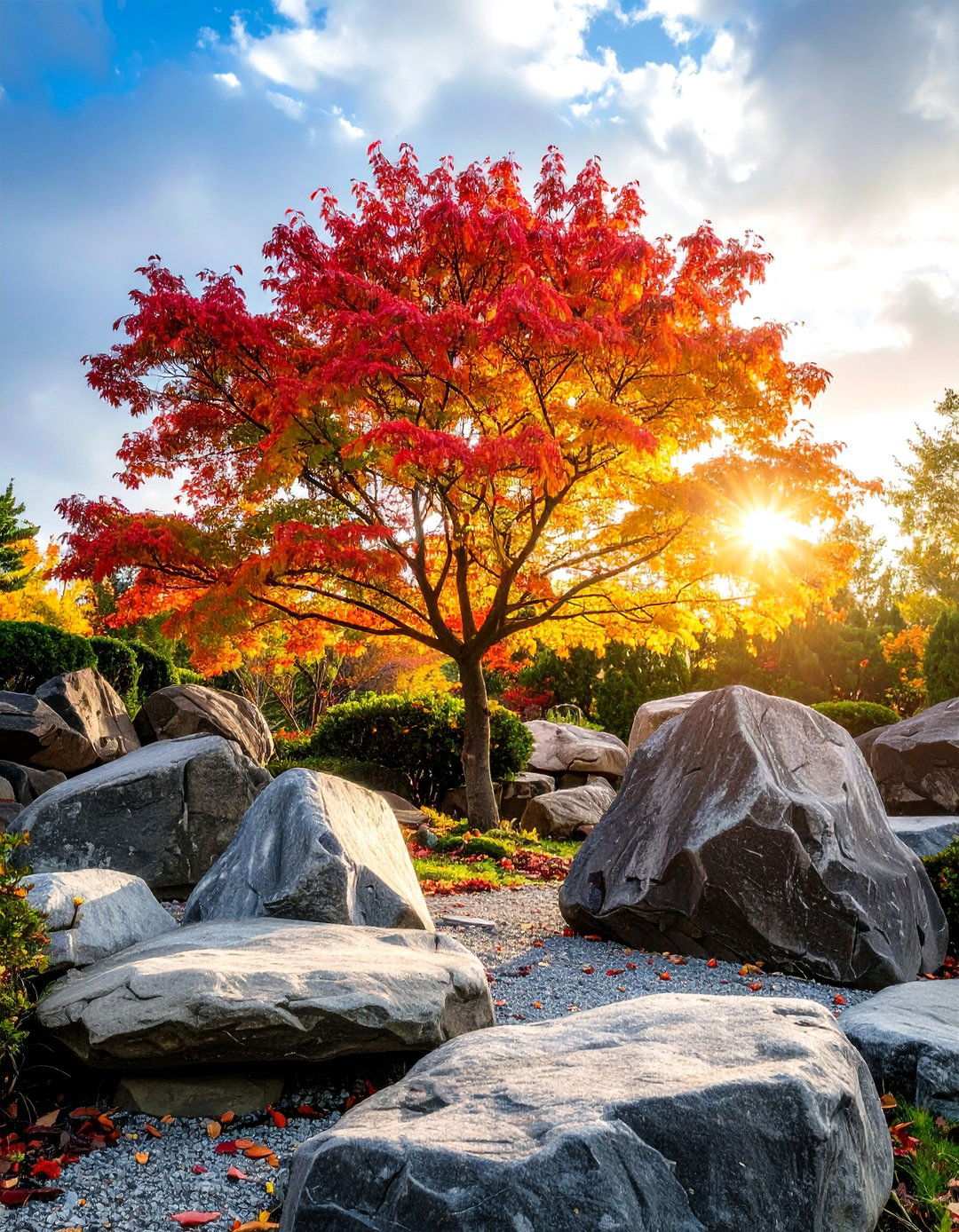
Designing landscapes that bring trees and rock formations together in a strategic and visually appealing way can result in stunning compositions that celebrate the unique qualities of both elements. This design approach is particularly effective for specimen trees that benefit from improved drainage and can create focal points enhanced by complementary stone features. By placing boulders or rock groupings in a way that appears natural, it is possible to provide practical benefits like root protection, erosion control, and moisture retention around tree bases, while also adding visual interest to the landscape. When selecting trees, consider those with interesting bark patterns or unique forms that contrast beautifully with stone textures and colors, creating year-round visual interest even during dormant seasons. To ensure that these natural combinations blend seamlessly into the surrounding landscape, use native stone materials that complement your regional character while avoiding artificial arrangements that appear forced or uncomfortable. By combining trees and rock formations in a thoughtful and intentional way, it is possible to create low-maintenance landscape features that improve with age as trees mature and rocks weather naturally.
20. Creating Intimate Outdoor Spaces with Trees
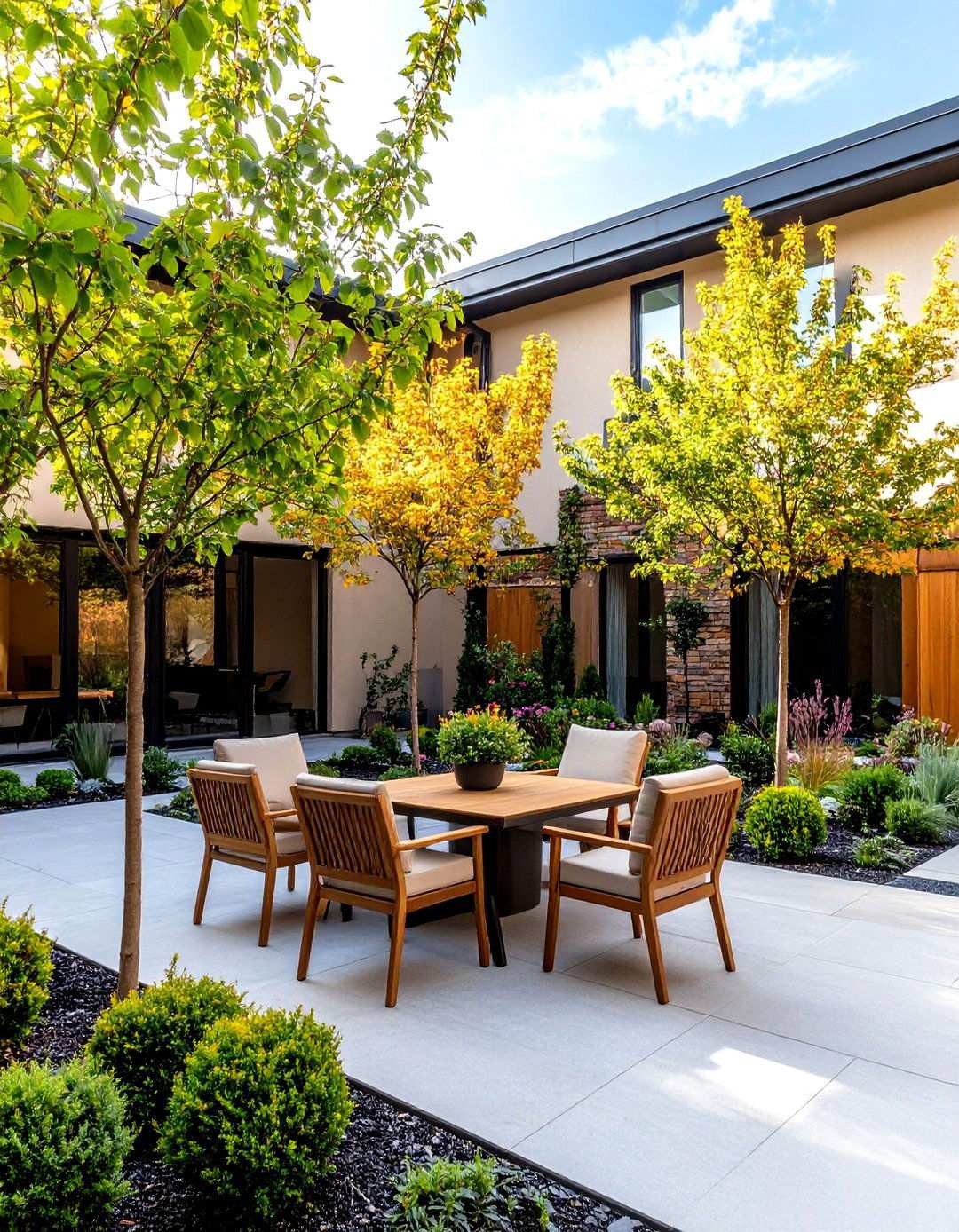
By strategically arranging trees in configurations that create natural walls and ceiling effects, it is possible to establish intimate outdoor rooms that provide a sense of seclusion and privacy. This approach transforms larger properties into a series of smaller, more manageable outdoor spaces with distinct characters and functions, each with its own unique charm and appeal. When selecting tree varieties, consider those with mature sizes that provide desired levels of privacy without overwhelming smaller spaces or blocking beneficial views and breezes. To add depth and interest to these outdoor rooms, consider combining evergreen species for year-round screening with deciduous varieties that offer seasonal interest through foliage changes and winter branch patterns. By positioning trees to frame seating areas, dining spaces, or meditation zones while maintaining adequate clearance for comfortable furniture arrangement and pedestrian circulation, it is possible to create sheltered and protected areas that provide psychological comfort and a sense of enclosure. This design approach works particularly well in suburban settings where traditional privacy fencing may be restricted or undesirable for aesthetic reasons.
21. Harmonizing Trees with Building Foundation
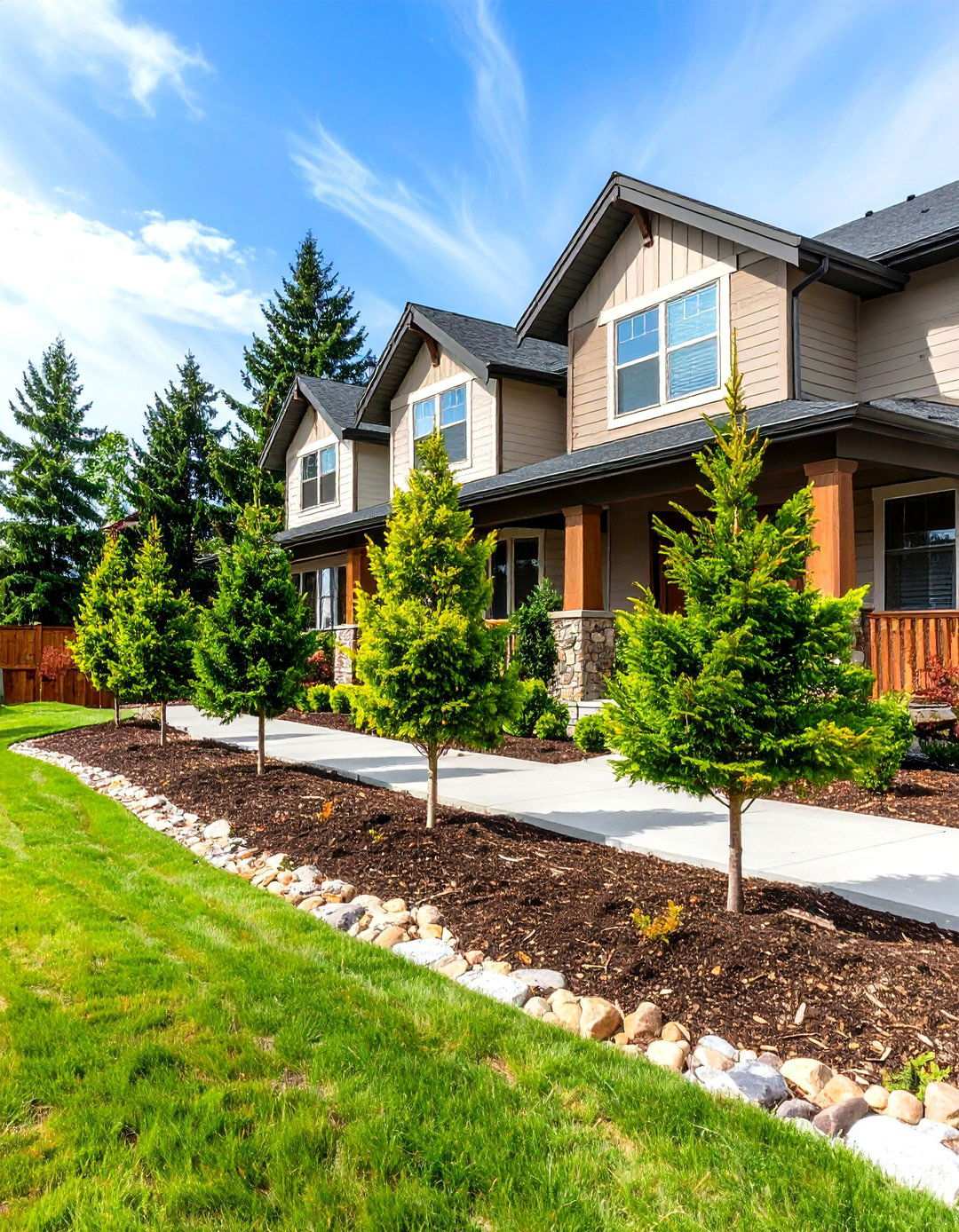
When designing the landscape around your home’s foundation, consider incorporating trees to complement its architectural features and provide functional benefits like energy efficiency and weather protection. To avoid overwhelming building facades, select tree varieties that mature in proportion to the structure’s scale, steering clear of utility lines, roof systems, and structural components. For year-round screening and windbreak protection, opt for evergreen species, while deciduous trees offer seasonal shade during summer months and allow winter solar gain when their leaves drop. Carefully plan tree spacing to accommodate mature tree spreads and ensure proper clearances from structures for safety and maintenance access. By integrating trees into foundation landscape designs, you can create a seamless transition between building architecture and surrounding landscape elements, softening harsh building lines with natural forms and textures. Strategic tree plantings near main entry areas also provide opportunities for seasonal color and interest, enhancing overall curb appeal significantly.
22. Formal Tree Allée Arrangements
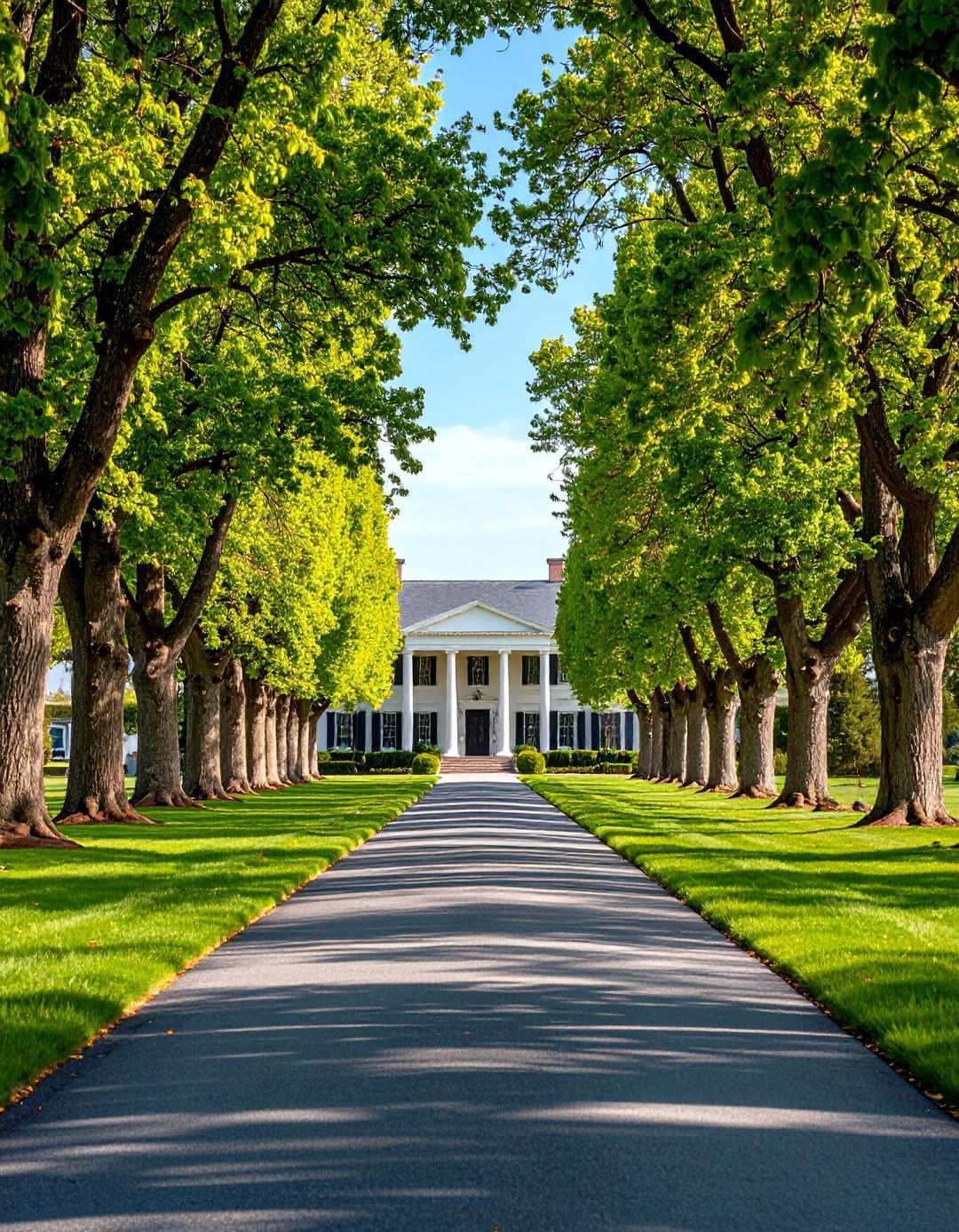
To create a grand landscape statement, consider using formal tree allées to establish impressive approaches to homes, gardens, or outdoor entertainment areas through disciplined linear arrangements. This classical design technique involves planting matching tree species in parallel rows to frame pathways, driveways, or sight lines with formal elegance and timeless appeal. By selecting uniform specimens with consistent growth habits and maintaining regular spacing intervals, you can create rhythmic visual patterns that accommodate mature canopy development. Species like London plane trees, lindens, or maples respond well to pruning and maintain attractive forms throughout their lifespan. However, formal allées require a long-term commitment to regular maintenance, including pruning, spacing adjustments, and replacing damaged specimens to preserve their intended visual impact. On larger properties, these impressive arrangements can work best, as scale relationships support grand gestures without overwhelming surrounding landscape elements. To ensure the long-term success of your formal allée, consider consulting with a professional designer to select the right species and spacing for maximum dramatic impact throughout its intended lifespan.
23. Synergistic Tree Integration
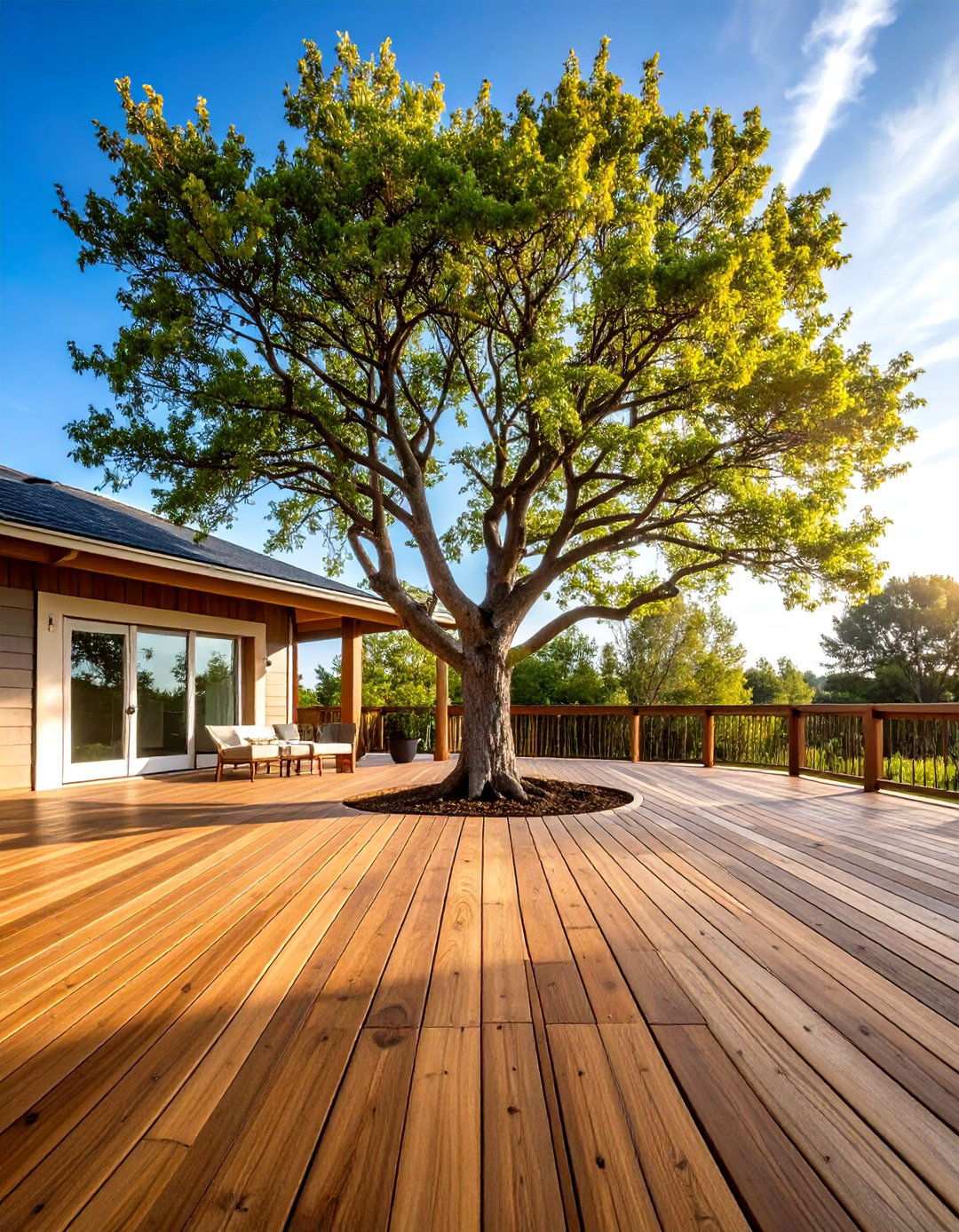
By seamlessly incorporating mature trees into deck and patio designs, homeowners can create enchanting outdoor living spaces that celebrate the natural beauty of their surroundings. This approach demands thoughtful planning during construction to ensure adequate space for tree growth and protect root systems from potential damage. Designers can create visually appealing transitions between hardscape materials and natural bark textures by carefully spacing deck openings and incorporating elevated platform designs that minimize root zone disturbance. These integrated designs provide instant shade and ambiance, which would take years to establish through new tree plantings. To maintain tree health and deck functionality, regular monitoring and periodic adjustments are essential. Collaborating with professionals during the design phase can prevent future conflicts between tree expansion and structural components, ultimately maximizing both tree health and deck performance throughout their shared lifespan.
24. Transforming Shaded Spaces
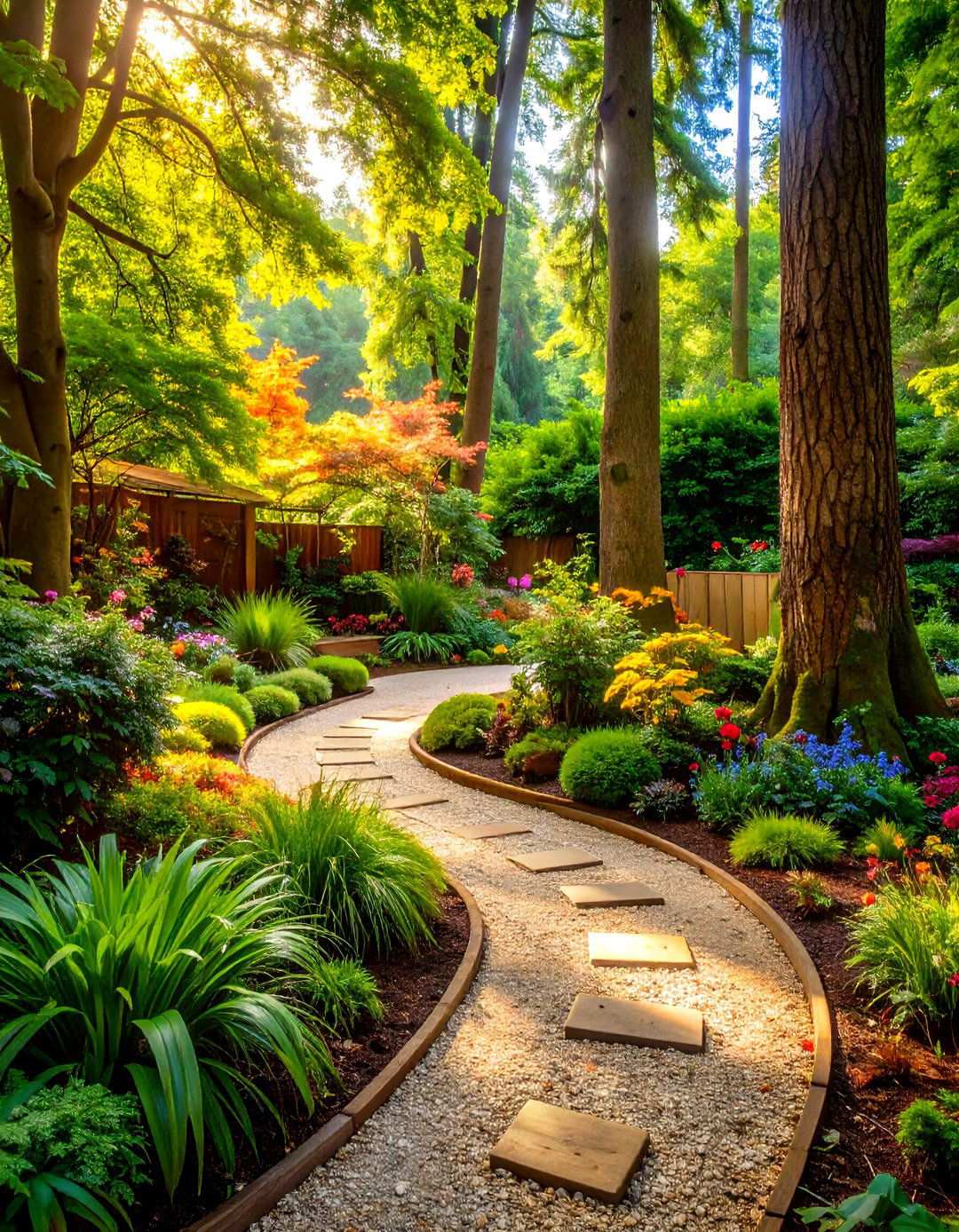
Developing lush understory gardens beneath established tree canopies can elevate the landscape potential of challenging shaded areas, transforming them into sophisticated planting compositions that showcase shade-adapted plants. This layered approach creates intricate ecosystem relationships and demonstrates advanced gardening techniques that pay homage to natural forest structures. To create these unique plant communities, research and select plant combinations that thrive in specific shade and soil conditions present beneath your existing trees, while avoiding species that compete aggressively with tree root systems. Design understory gardens using principles of color, texture, and seasonal interest, creating captivating compositions despite limited sunlight availability. Incorporating inviting pathways, seating elements, or decorative features can encourage exploration and appreciation of these specialized plant communities. Understory gardens require careful planning and establishment techniques, but reward homeowners with low-maintenance landscapes that provide year-round interest through foliage textures, subtle flower displays, and natural woodland character, fostering a deeper connection between outdoor spaces and broader natural environments.