1. Timeless Harmony in Transitional Design
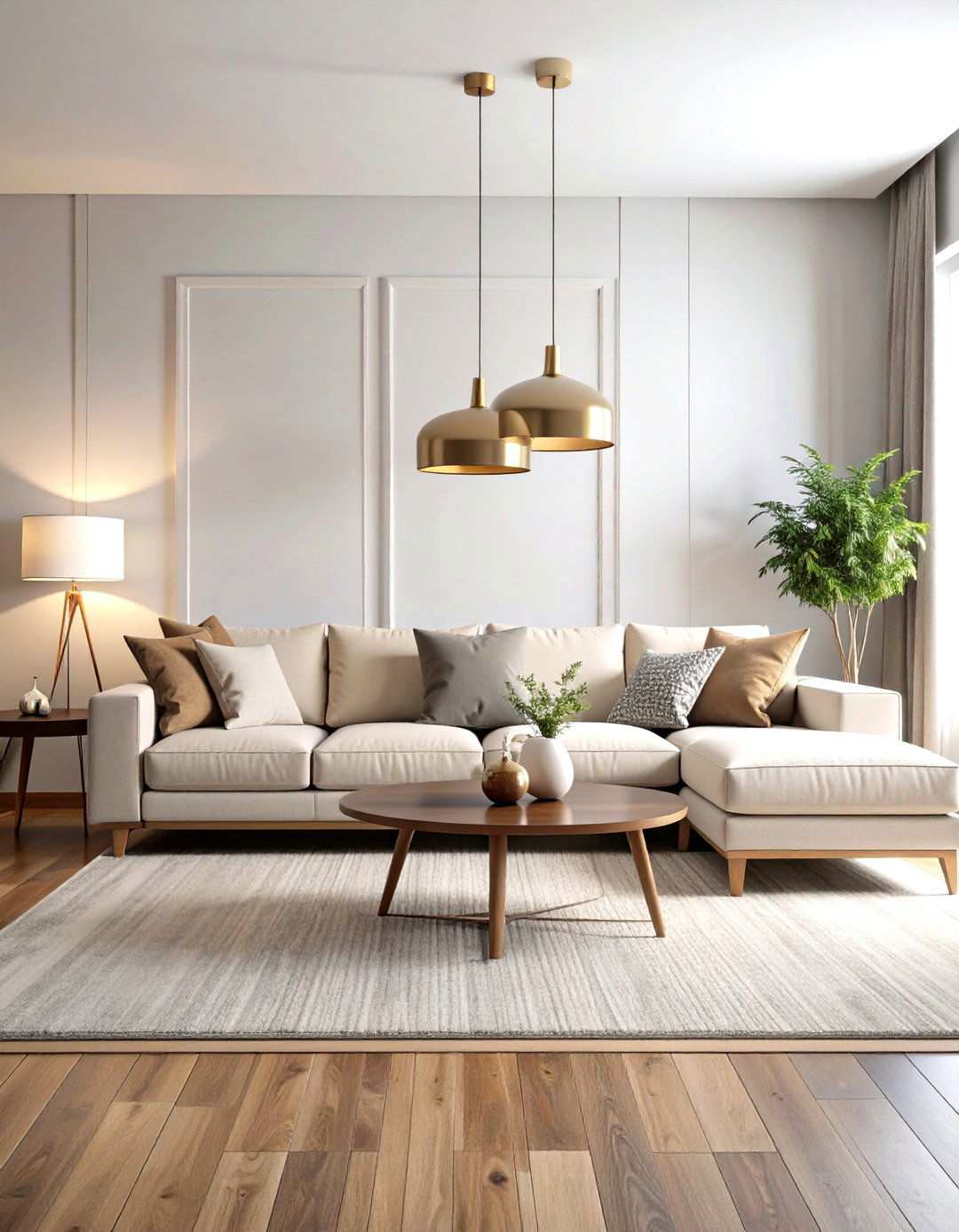
Transitional living rooms masterfully balance the elegance of the past with the sophistication of the present. This captivating fusion of classic and modern elements creates a seamless, inviting atmosphere that effortlessly blends comfort and style. When you opt for a transitional design, you’re not limited to a single trend – instead, you can evolve with the times while maintaining an enduring aesthetic that transcends fleeting fads. From the natural warmth of wood accents paired with crisp white walls to the sleek sophistication of mixed metals against neutral upholstery, the possibilities for creating your ideal living space are limitless.

As an Amazon Associate I earn from qualifying purchases.
2. Building a Solid Foundation with Neutral Hues
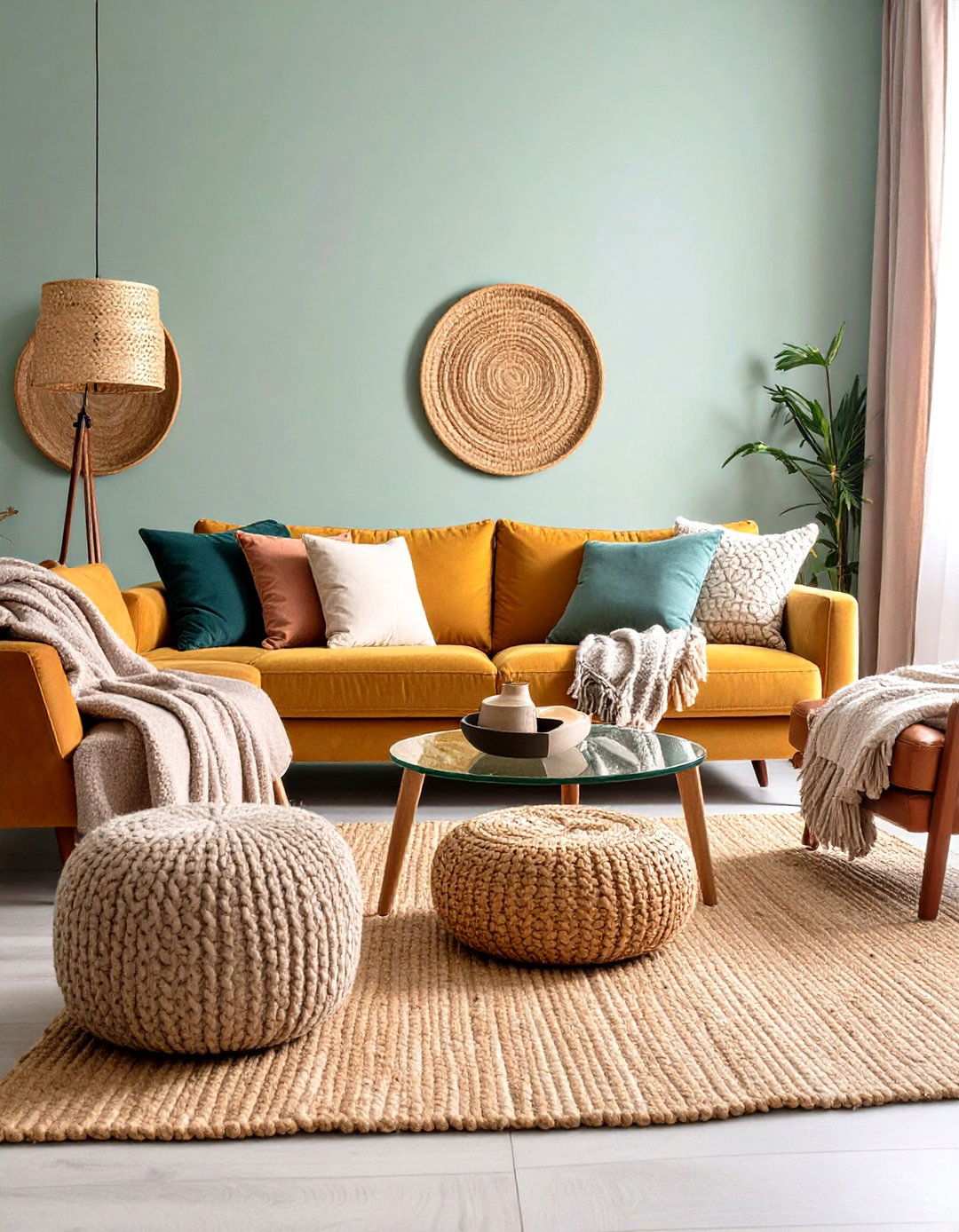
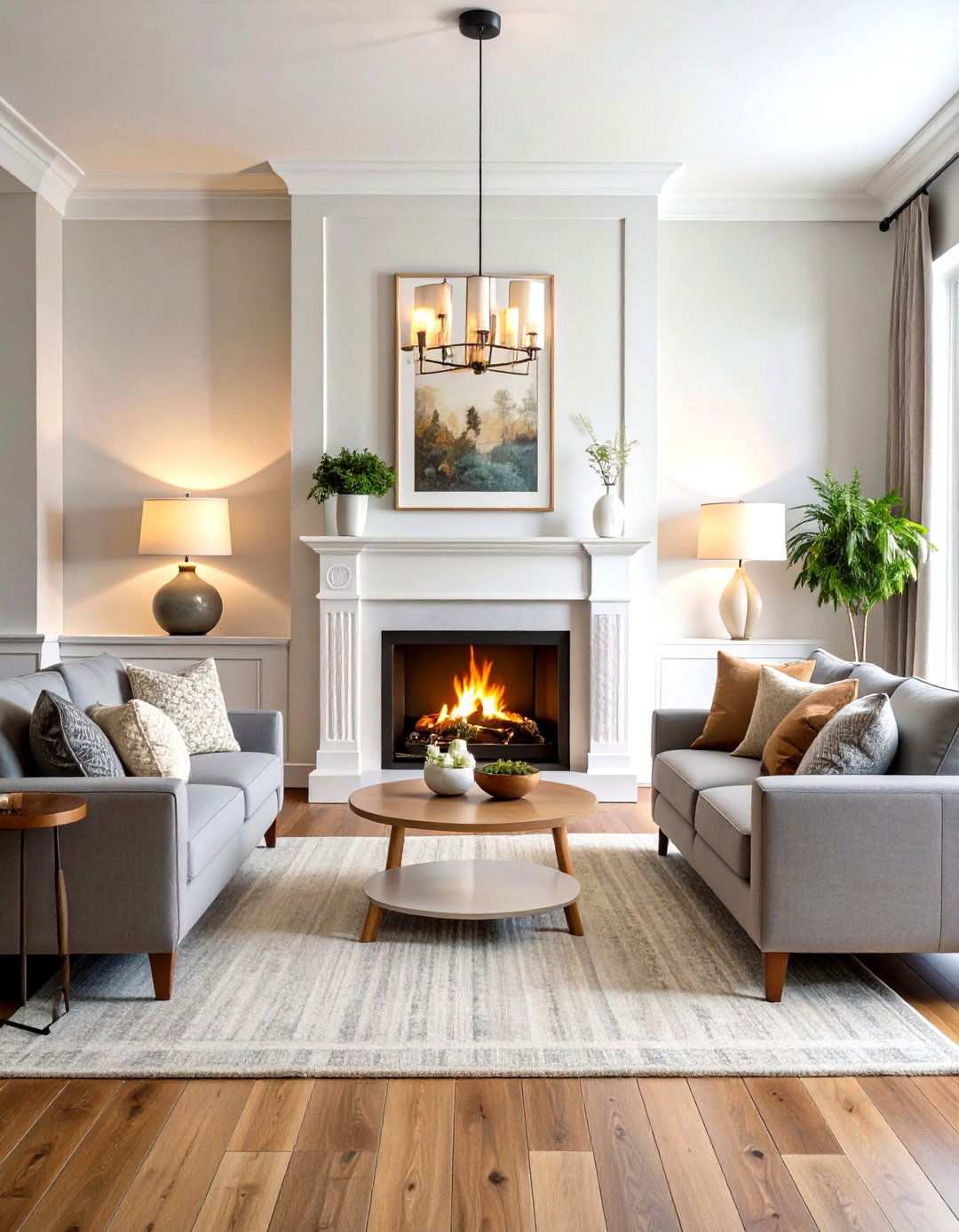
The backbone of successful transitional design lies in a thoughtfully curated neutral color palette. Beige, taupe, gray, and ivory tones provide a serene backdrop that lets furniture and accessories take center stage. To create a sophisticated neutral scheme, consider painting walls in a warm, soothing white or a soft, muted gray. Then, layer in plush cream-colored sectional seating with linen throw pillows to add depth and texture. The key to elevating a neutral palette from bland to sophisticated lies in incorporating subtle contrast through darker wood accents and metallic lighting fixtures. This timeless approach ensures your living room remains stylish and adaptable, providing the perfect canvas for seasonal updates and transformations.
3. Mixed Texture Living Room
Texture plays a vital role in transitional design, combining smooth surfaces with rich, tactile elements to create a visually appealing and inviting atmosphere. Layer a plush velvet sofa with nubby linen pillows, then add a jute area rug beneath a sleek glass coffee table to add depth and visual interest. To create a sense of balance and harmony, focus on contrasting textures like smooth leather chairs paired with a rough-hewn wood console. The interplay between polished metal lamp bases and soft chenille throws adds sophistication and prevents the neutral palette from feeling flat. This thoughtful layering of textures creates a comfortable, lived-in feel that defines transitional style while maintaining a sense of refinement and elegance.
4. A Great Approach to Layering Textures and Patterns
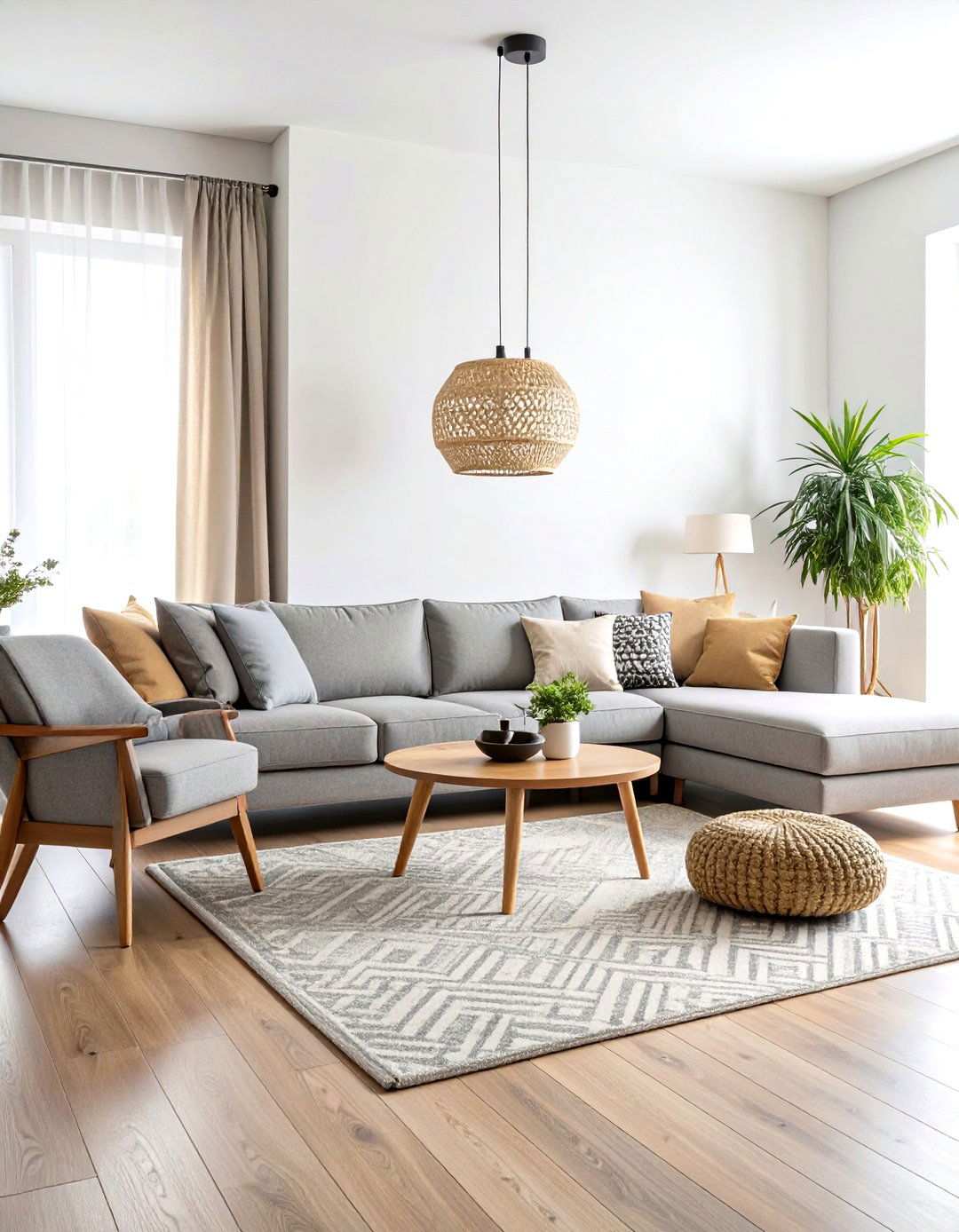
When it comes to creating a visually appealing and inviting living space, texture and pattern layering are essential components of transitional design. By combining smooth surfaces with rich, tactile elements, you can add depth and visual interest to your room. To achieve this, consider pairing a plush velvet sofa with nubby linen pillows, then add a jute area rug beneath a sleek glass coffee table. This thoughtful approach to texture and pattern layering creates a comfortable, lived-in feel that defines transitional style while maintaining a sense of refinement and elegance.
Centralizing the Fireplace as a Living Room Hub
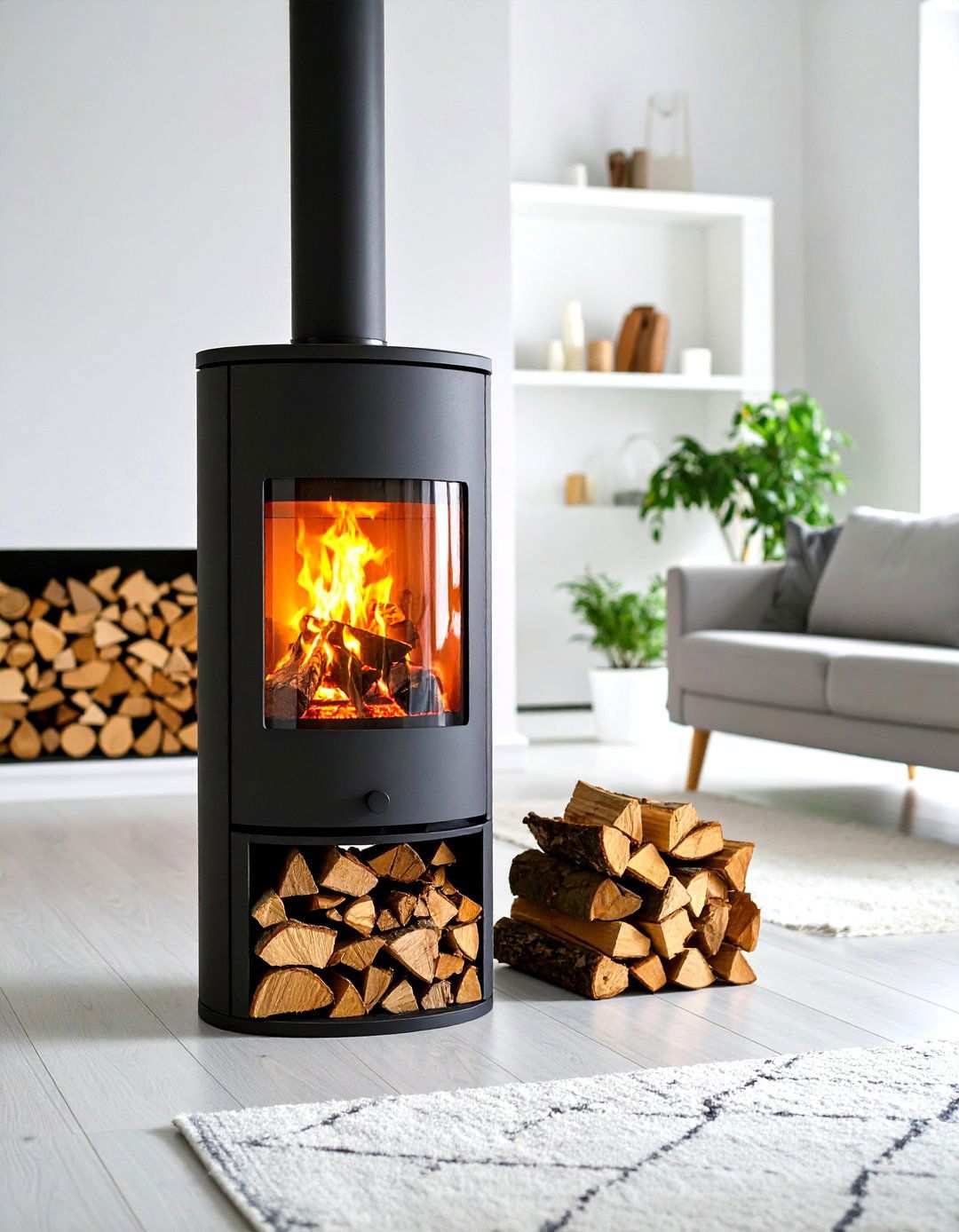
Design a living room around a captivating fireplace that effortlessly blends traditional and modern elements. A crisp white mantel with clean lines paired with built-in cabinetry achieves a seamless, cohesive look. Place a plush sectional perpendicular to the fireplace, fostering an intimate conversation area while maintaining the room’s natural flow. Which fireplace materials complement transitional design best? Pair classic brick with sleek steel accents or choose natural stone alongside a minimalist wood mantel. Adorn the mantel with contemporary artwork and flank the fireplace with matching table lamps to create a balanced, symmetrical arrangement that exudes both elegance and warmth.
Strategic Sectional Layout for a Harmonious Living Room
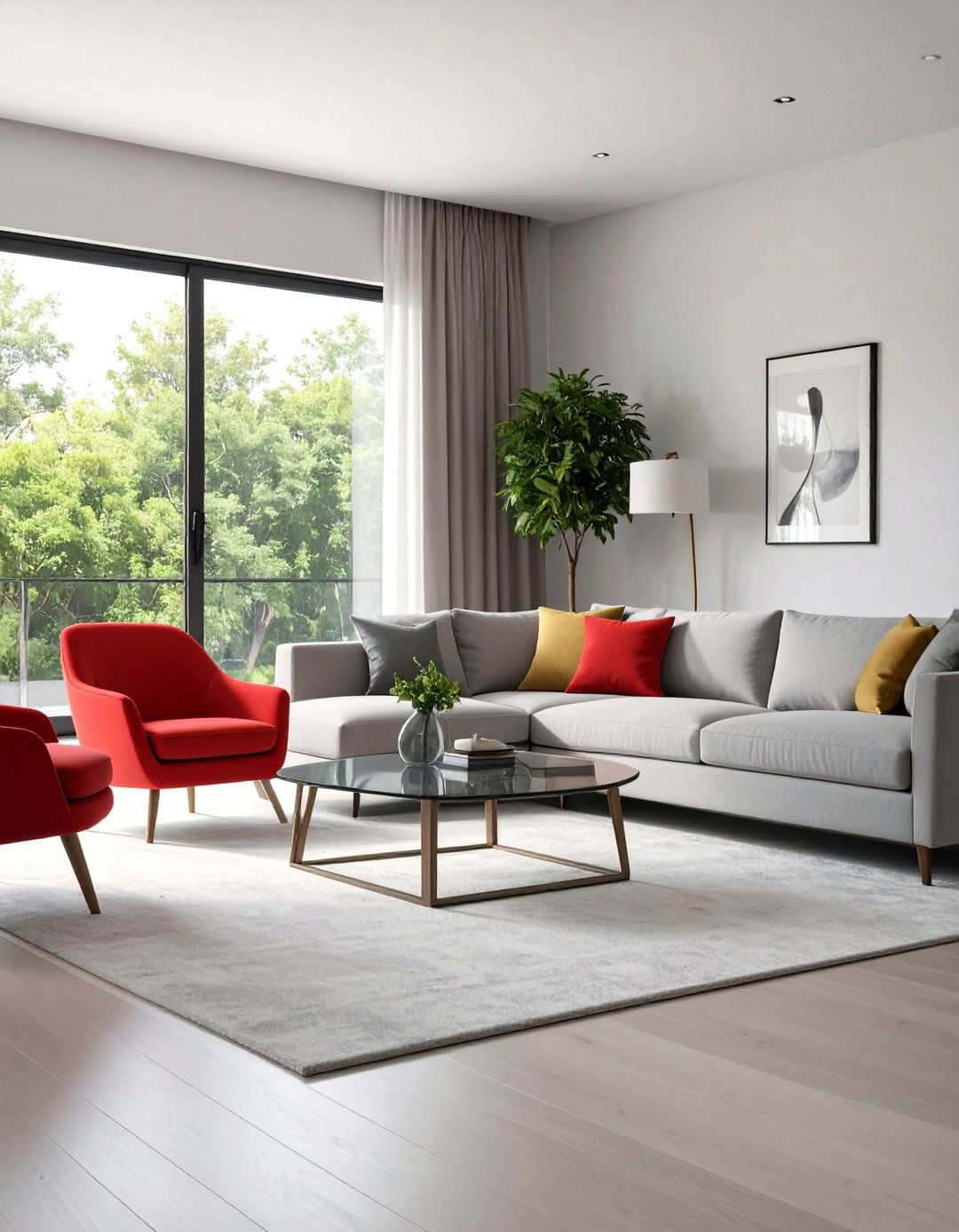
Neutral-toned sectionals in large, plush fabrics provide the perfect foundation for transitional family rooms. Choose an L-shaped sectional in soft gray linen and complement it with structured accent chairs in coordinating tones. How can you prevent a large sectional from dominating the space? Counterbalance the substantial seating with a delicate glass coffee table and streamlined side tables. The key to a harmonious arrangement lies in blending the sectional’s casual comfort with more refined elements like a tailored ottoman or a geometric area rug. This thoughtfully designed space invites both cozy family gatherings and sophisticated entertaining.
5. Embracing the Timeless Elegance of Natural Materials
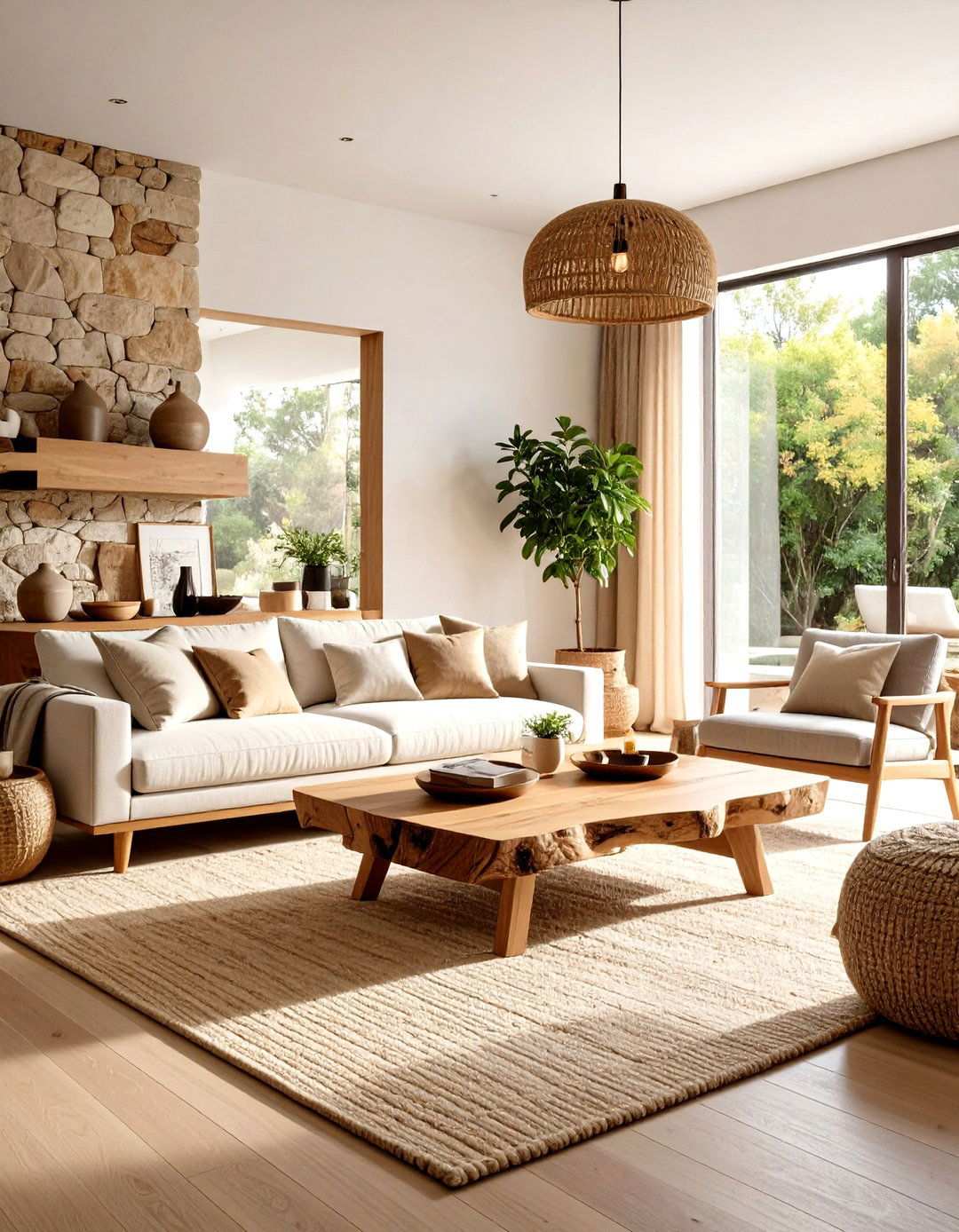
Sophisticated transitional living spaces are defined by the warmth and character of natural materials. Combine wood furniture with visible grain patterns, stone, and leather elements to create a timeless appeal. Feature a live-edge wood coffee table surrounded by linen-upholstered seating and a natural fiber rug. What’s the secret to seamlessly blending rustic and refined elements? Pair rough stone accent walls with polished marble side tables or combine a reclaimed wood console with sleek metal hardware. The organic textures and neutral tones create a grounding presence that connects the space to nature while maintaining contemporary sophistication.
6. Mastering Transitional Lighting with a Layered Approach
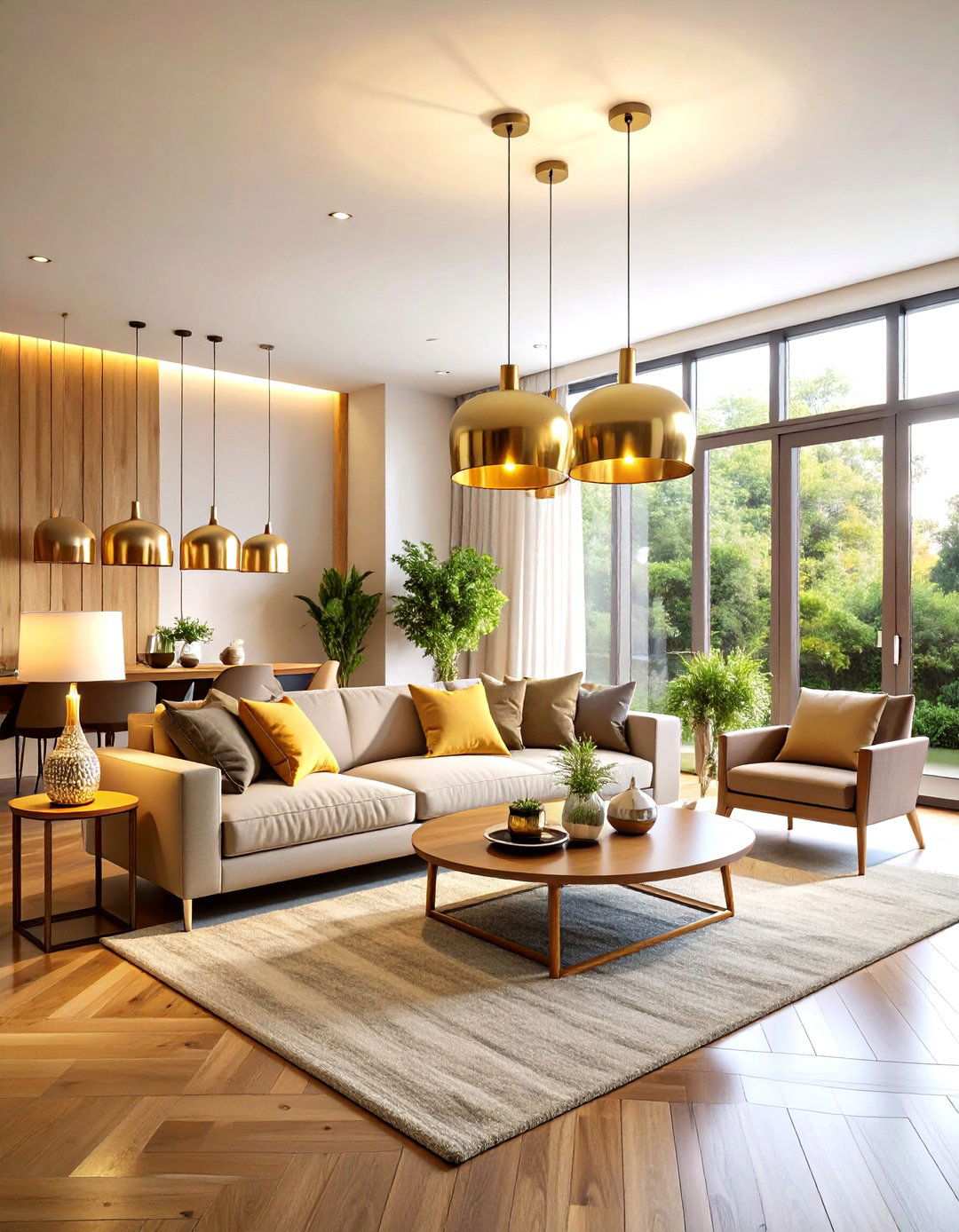
Combine traditional and contemporary lighting fixtures to create a cohesive and inviting atmosphere in your living space. Mix table lamps with modern chandeliers and contemporary floor lamps for balanced illumination. Install a statement pendant light above the seating area, then add classic brass table lamps on side tables. How can you create a warm and inviting ambiance without sacrificing functionality? Layer overhead lighting with task lighting and accent lights, using dimmer switches to control the mood throughout the day. The combination of warm metal finishes and clean-lined shades ensures intentional and thoughtful lighting that enhances both daytime and evening activities, creating a cohesive glow that enhances the space.
7. Elevating the Subtlety of Color Accent Living Room
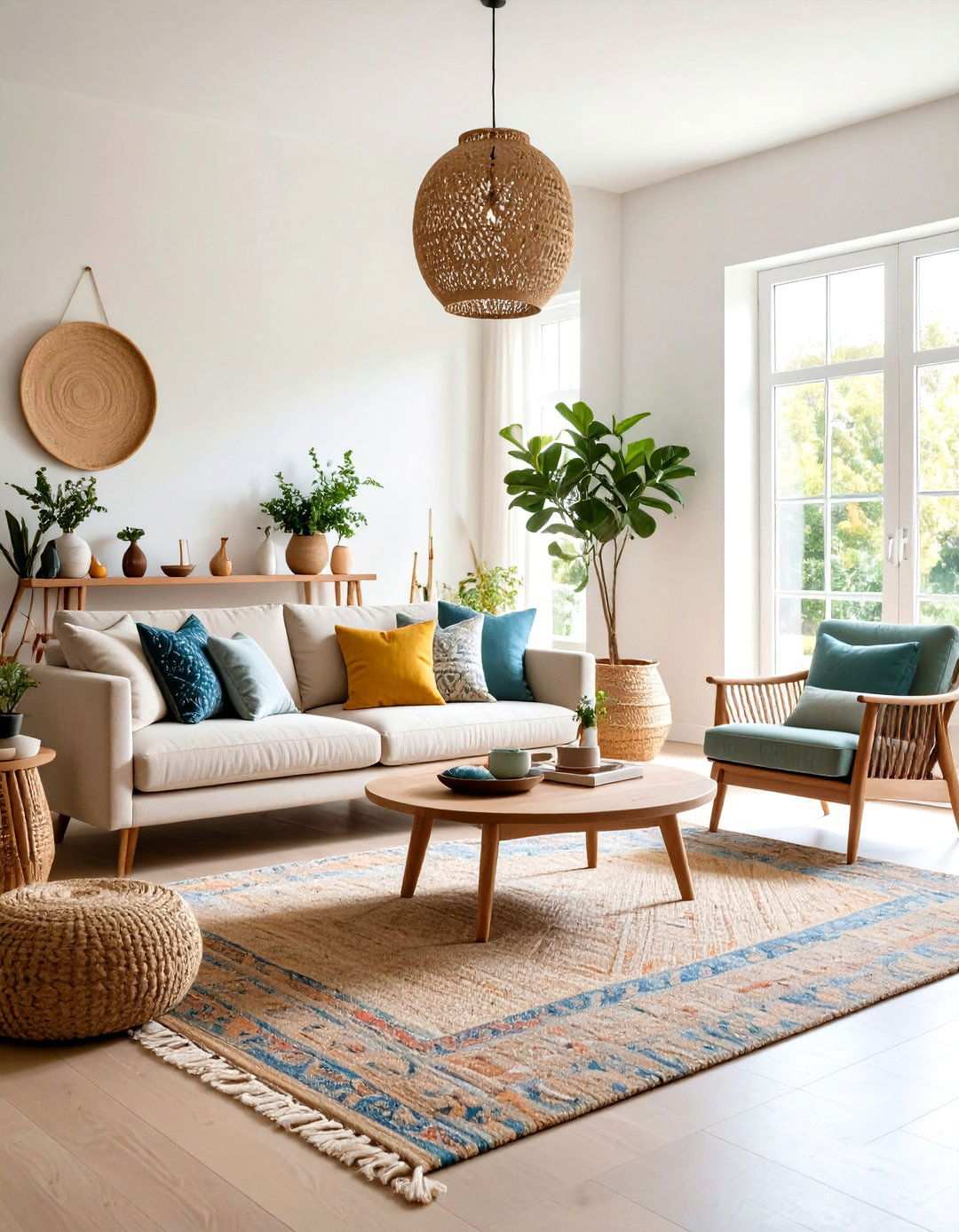
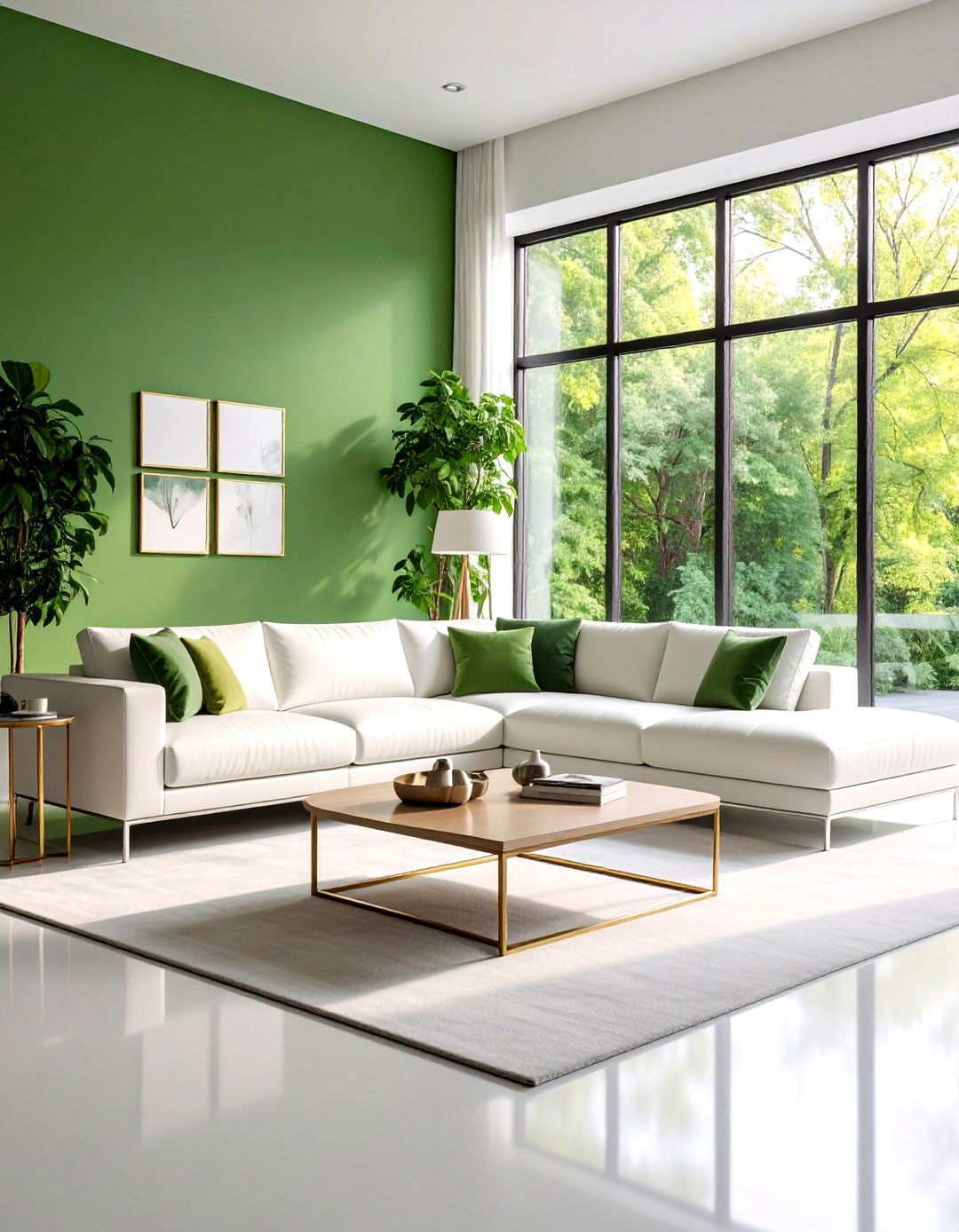
In transitional design, neutral hues reign supreme, but strategic color placements can add a much-needed dash of personality and visual interest. A bold color’s potency is best harnessed as an accent in throw pillows, artwork, or decorative pieces, thereby infusing depth without overwhelming the space. Consider adopting a soft blue or sage green as your accent color, incorporating it through throw pillows, a single accent chair, or artwork. When aiming to maximize the impact of color, consider placing a vibrant area rug that ties together the neutral furniture, or create interest with a collection of ceramic vases in varying heights. By adopting this restrained approach to color, you can create a space that feels fresh and contemporary while maintaining the serene quality that makes transitional rooms so captivating.
8. Harmonizing Open Concept Living Room Spaces
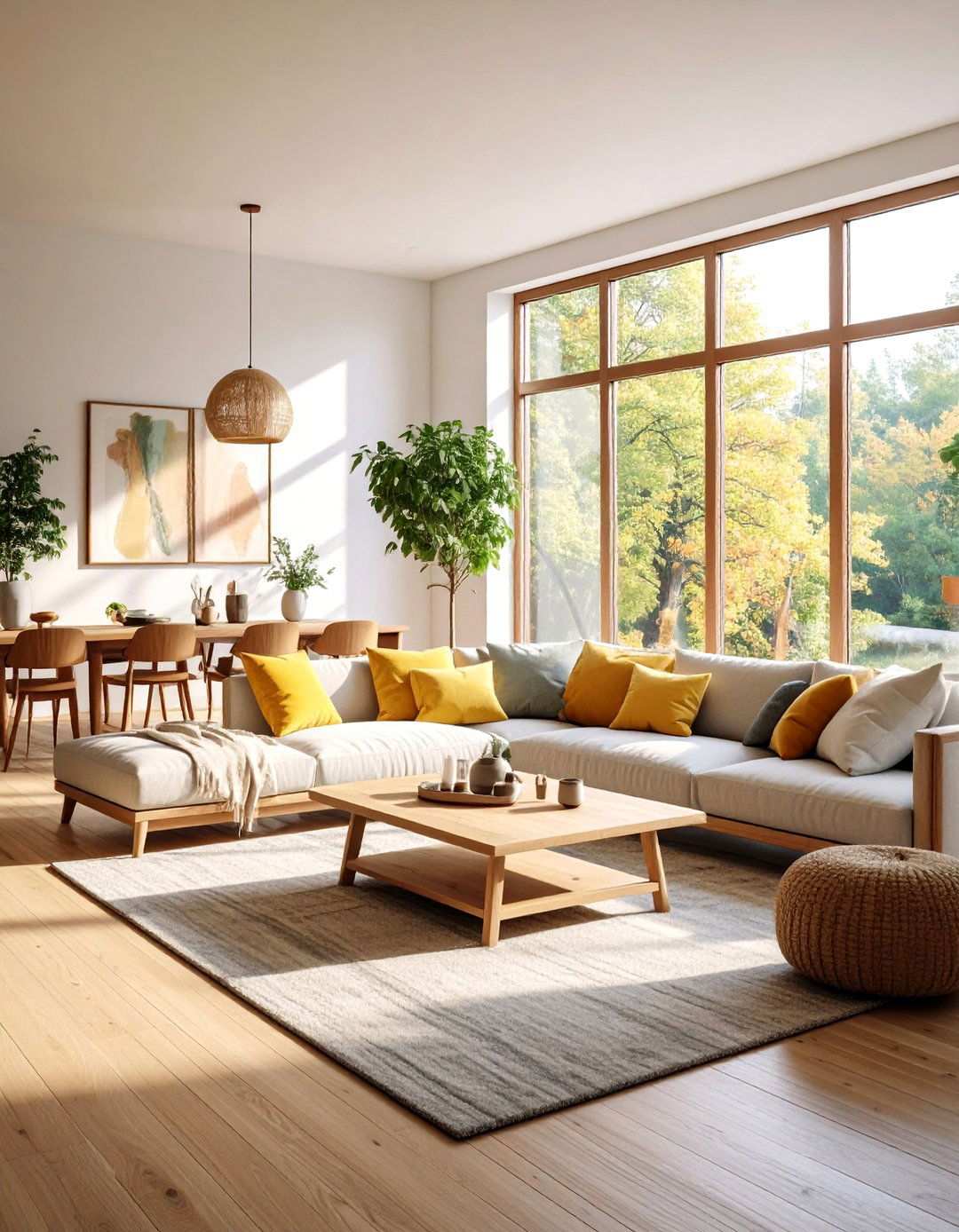
Open floor plans and transitional design are a match made in heaven, creating airy and uncluttered environments that feel expansive. A key principle of defining a living area within an open space is using furniture placement rather than walls to create separation. Position a console table behind your sofa to create a visual distinction between the living and dining areas while maintaining a seamless flow. To maintain cohesion across connected spaces, it’s essential to use consistent materials and colors throughout the open layout, such as matching wood finishes or repeating a signature fabric pattern. By striking a balance between distinct zones and visual flow, you can allow natural light to permeate freely while meeting the functional needs of each area.
9. Crafting Custom Built-Ins for Maximum Storage and Style
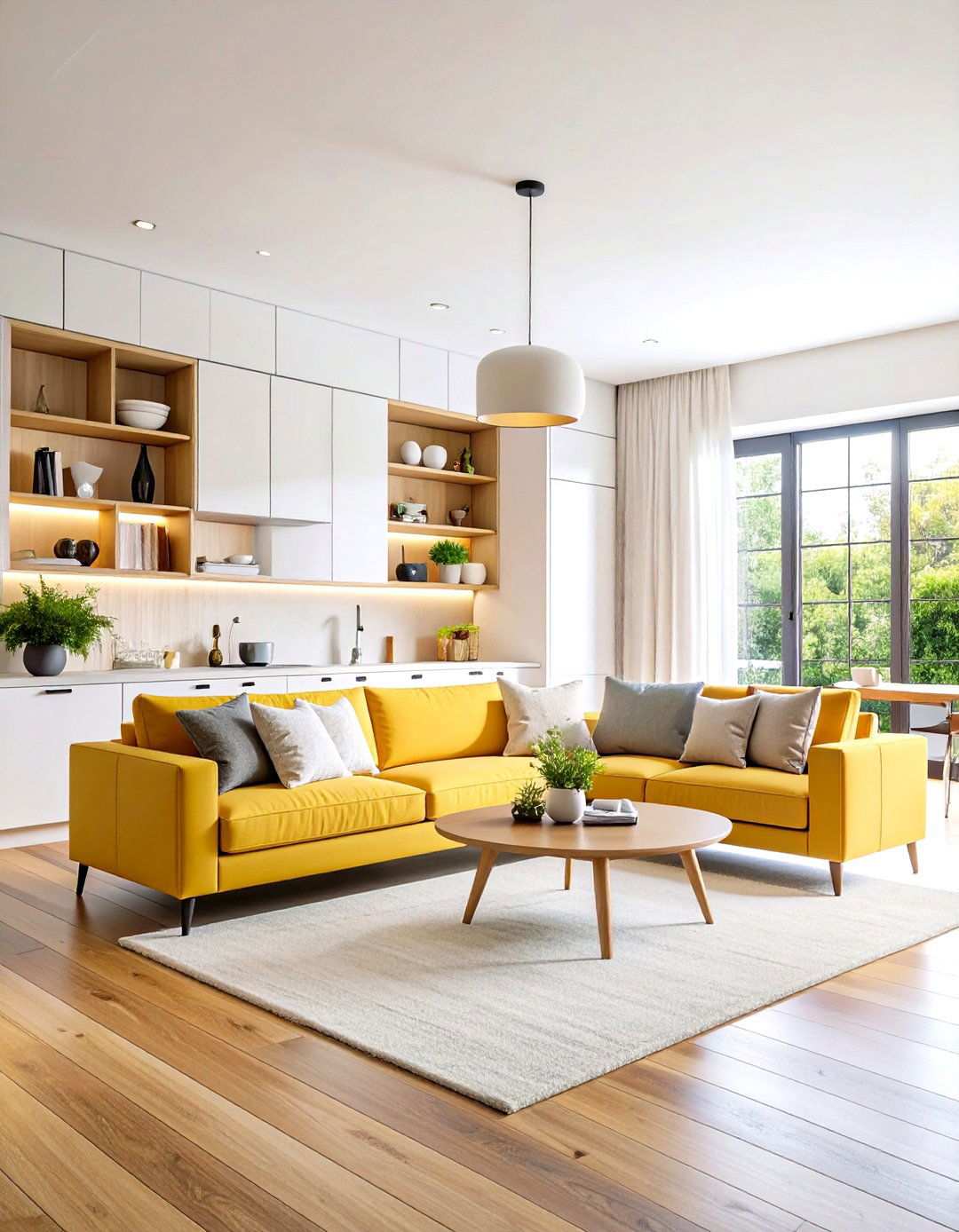
Custom built-ins flanking fireplaces or entertainment centers offer the perfect blend of storage and architectural interest. Design floor-to-ceiling cabinetry in crisp white with adjustable shelving for books, decorative objects, and media equipment. What sets custom built-ins apart from generic storage solutions? It’s the incorporation of a mix of open shelving and closed storage, along with varying shelf heights to accommodate different objects. Adding interior lighting to highlight displayed items and choosing hardware that coordinates with other metals in the room will elevate the built-ins from mere storage to a polished, finished look. These architectural elements not only maximize storage but also support the streamlined aesthetic of transitional design.
10. Blending Traditional and Modern Furniture for a Unique Vibe
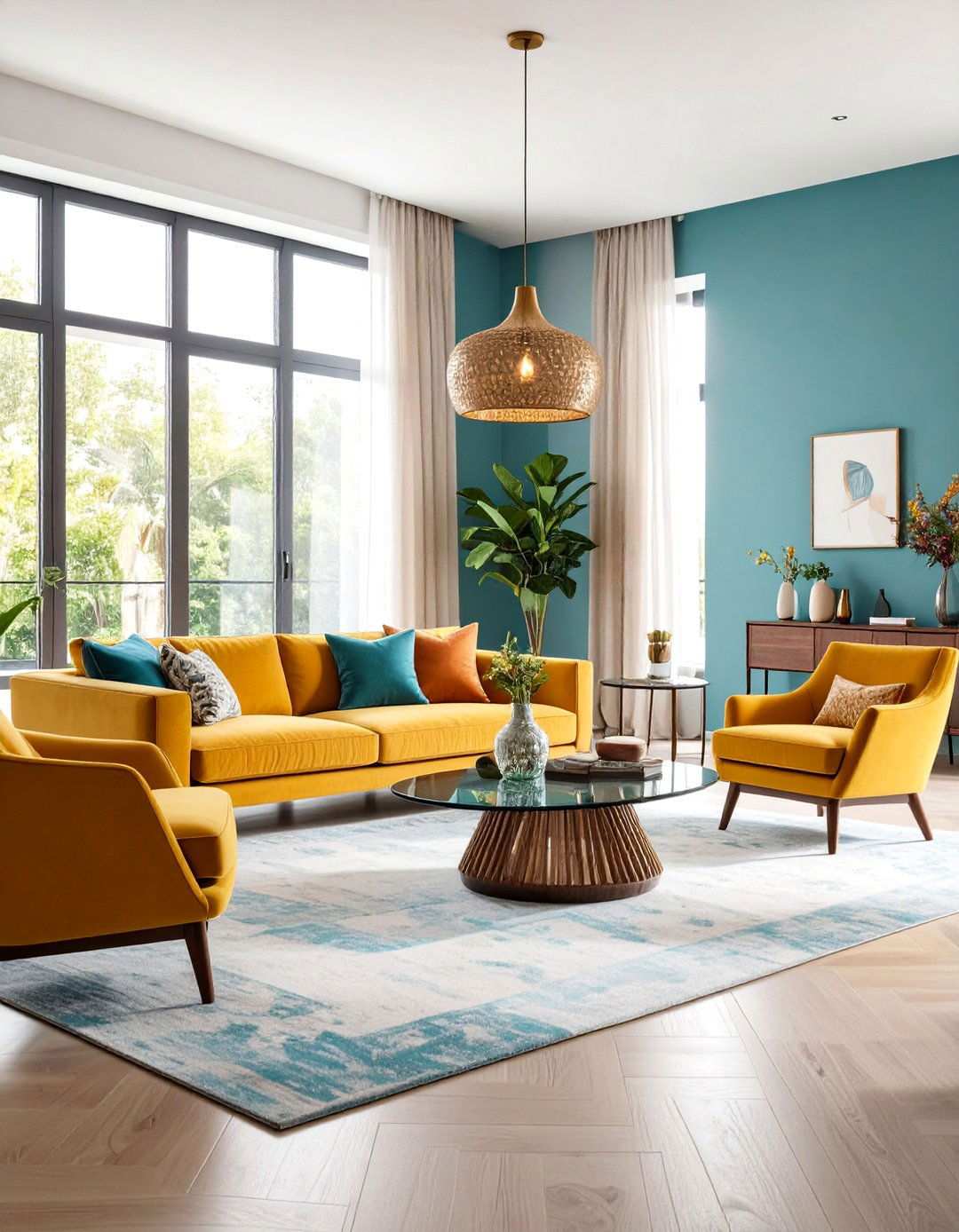
Transitional spaces excel at combining curved traditional furniture with straight-lined contemporary pieces, creating a unique and captivating atmosphere. Pair a classic rolled-arm sofa with a sleek glass coffee table and modern accent chairs to achieve a harmonious blend of styles. When mixing different furniture styles, the key to balance lies in focusing on proportion and scale, ensuring that each piece complements rather than competes with others. By finding common elements like similar wood tones or repeated shapes that create visual connections, you can thoughtfully combine pieces that feel collected over time rather than purchased all at once, adding character and sophistication to your living room.
11. Harmonious Fabric Blend Living Room
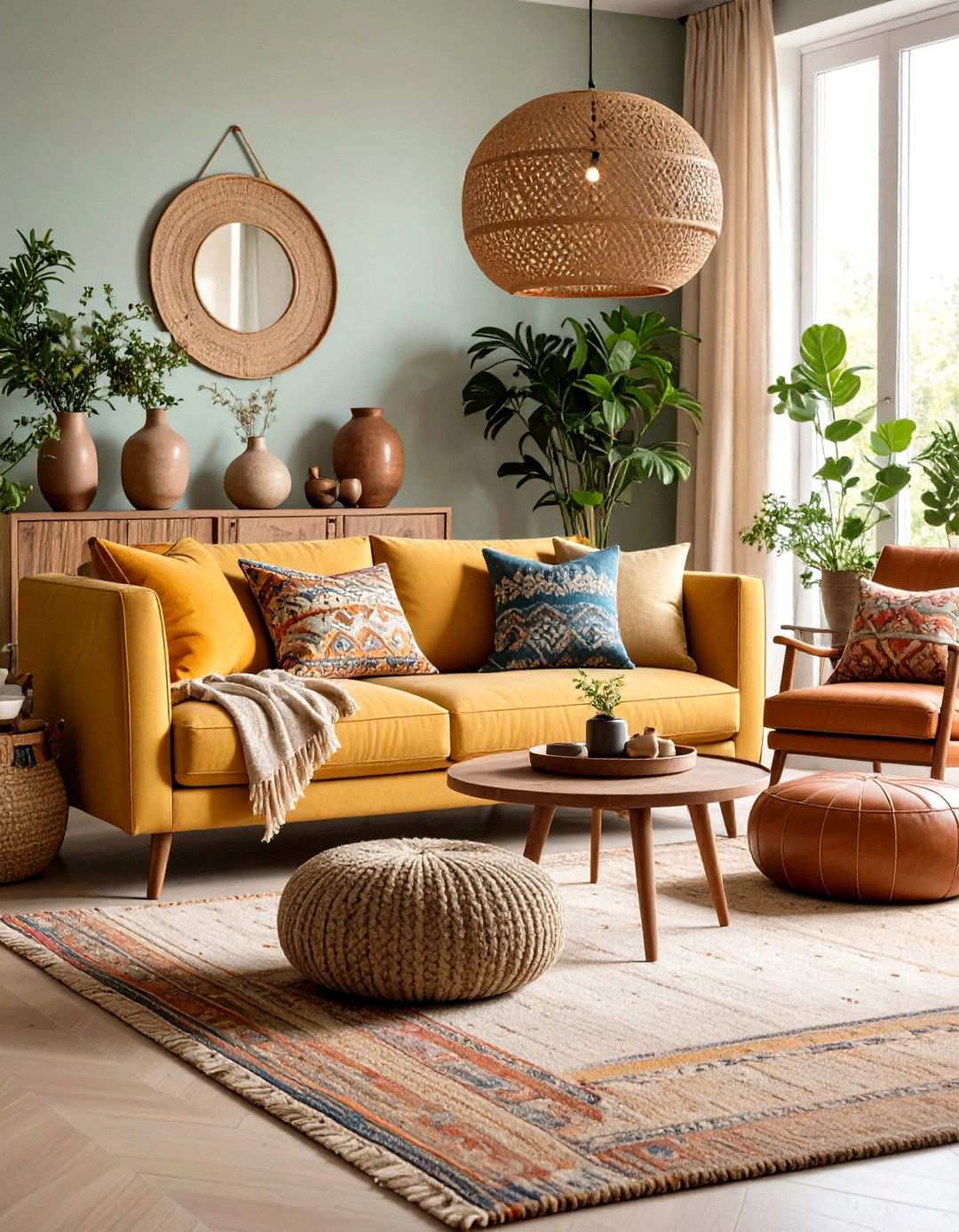
The transitional style allows for a wide range of fabric possibilities, enabling a harmonious coexistence of graphic patterns and textured solids. To create a visually appealing space, pair a solid linen sofa with throw pillows featuring geometric or subtle floral designs. Achieving a cohesive look while incorporating various textures and patterns hinges on maintaining a consistent color story. When selecting fabrics, prioritize those that feel substantial and well-made, as high-quality materials are essential to capturing the refined essence of transitional interiors.
12. Sophisticated Metal Mix Living Room
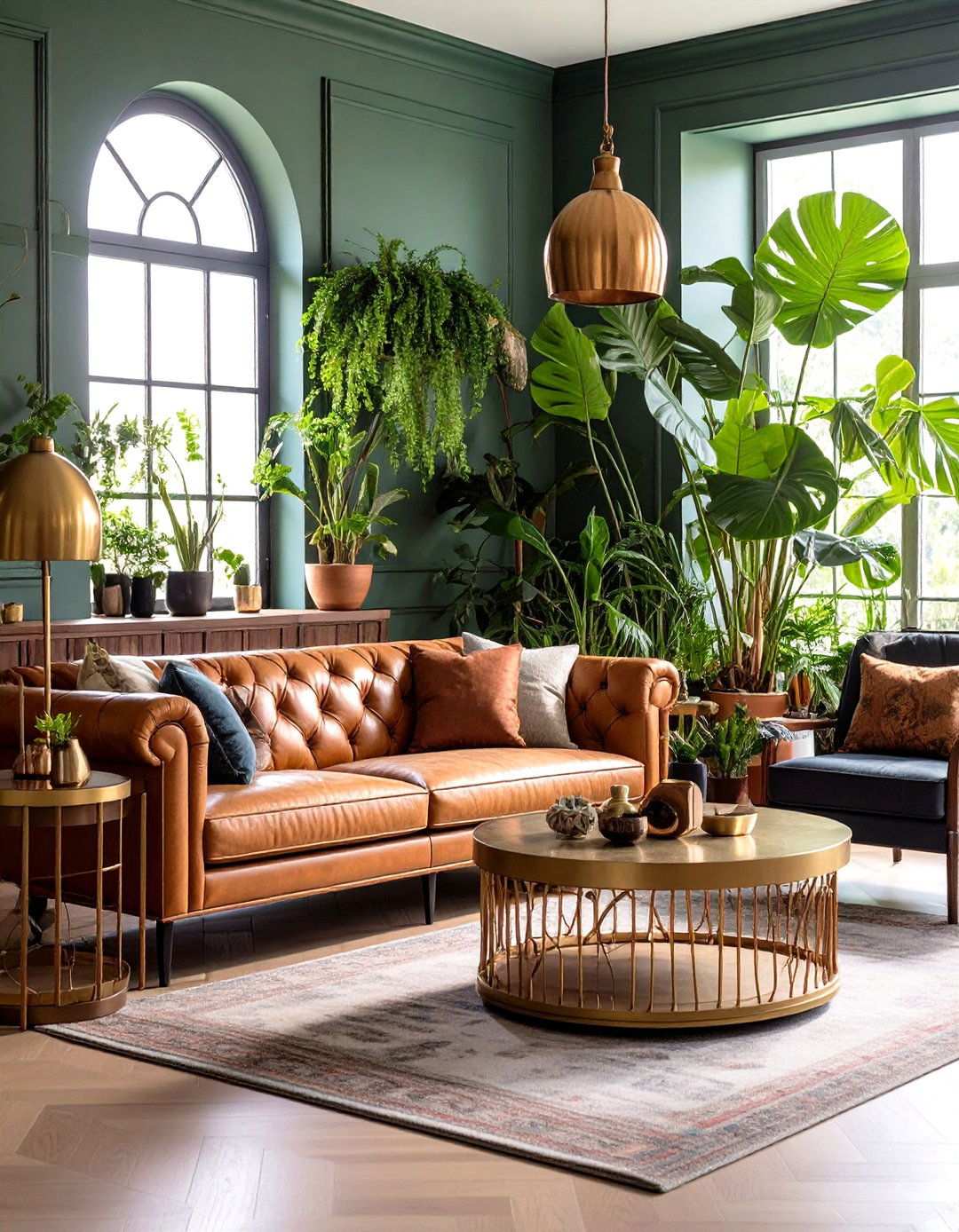
Metallic finishes in brass, nickel, or bronze bring a touch of contemporary sophistication to traditional elements. To create a sophisticated look, incorporate mixed metals through lighting fixtures, picture frames, and decorative accessories rather than striving for uniformity. Balancing metal finishes is the key to achieving visual interest without appearing chaotic. Consider starting with one dominant metal as your primary finish and then adding touches of a second metal in smaller doses. For instance, feature brass table lamps as your main metal and complement them with bronze picture frames and copper planters as accents. This approach yields a sophisticated restraint that defines transitional style.
13. Earthy Stone Accent Living Room
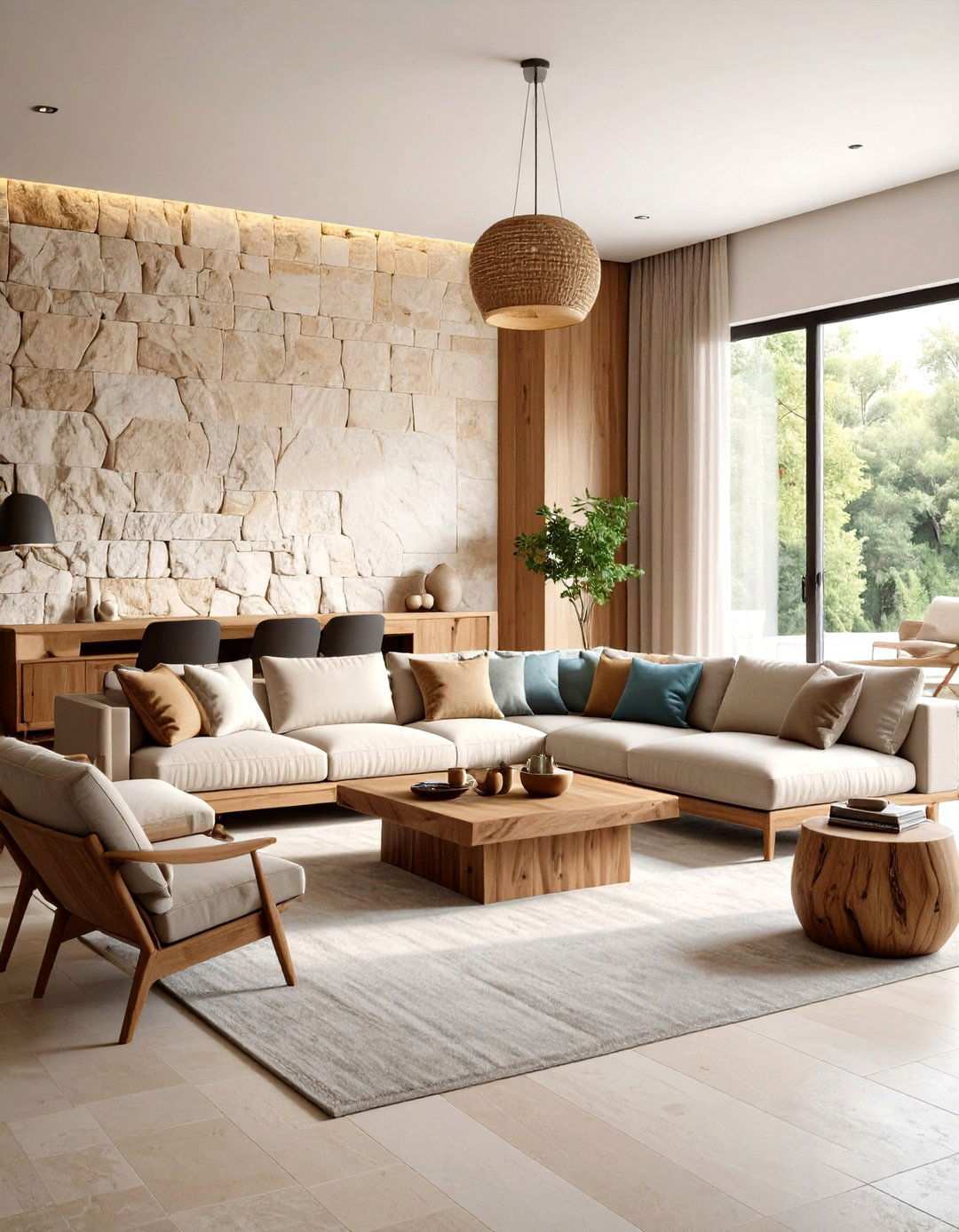
Natural stone elements can bring a sense of earthy sophistication to transitional living spaces. A stone fireplace paired with a neutral surround can create a striking focal point. To pair stone with other elements, consider a limestone or travertine accent wall behind your sofa, paired with warm wood furniture and soft textiles. Avoiding the feeling of rustic coldness in stone features requires striking a balance between natural textures and refined finishes. To achieve this, incorporate polished surfaces like marble side tables or glass accessories to contrast with the rough stone. This blend creates a perfect harmony of natural and refined elements. Choose stones in neutral tones that complement your overall color palette to ensure the natural element enhances rather than dominates your carefully curated space.
14. Timeless Wood Element Living Room
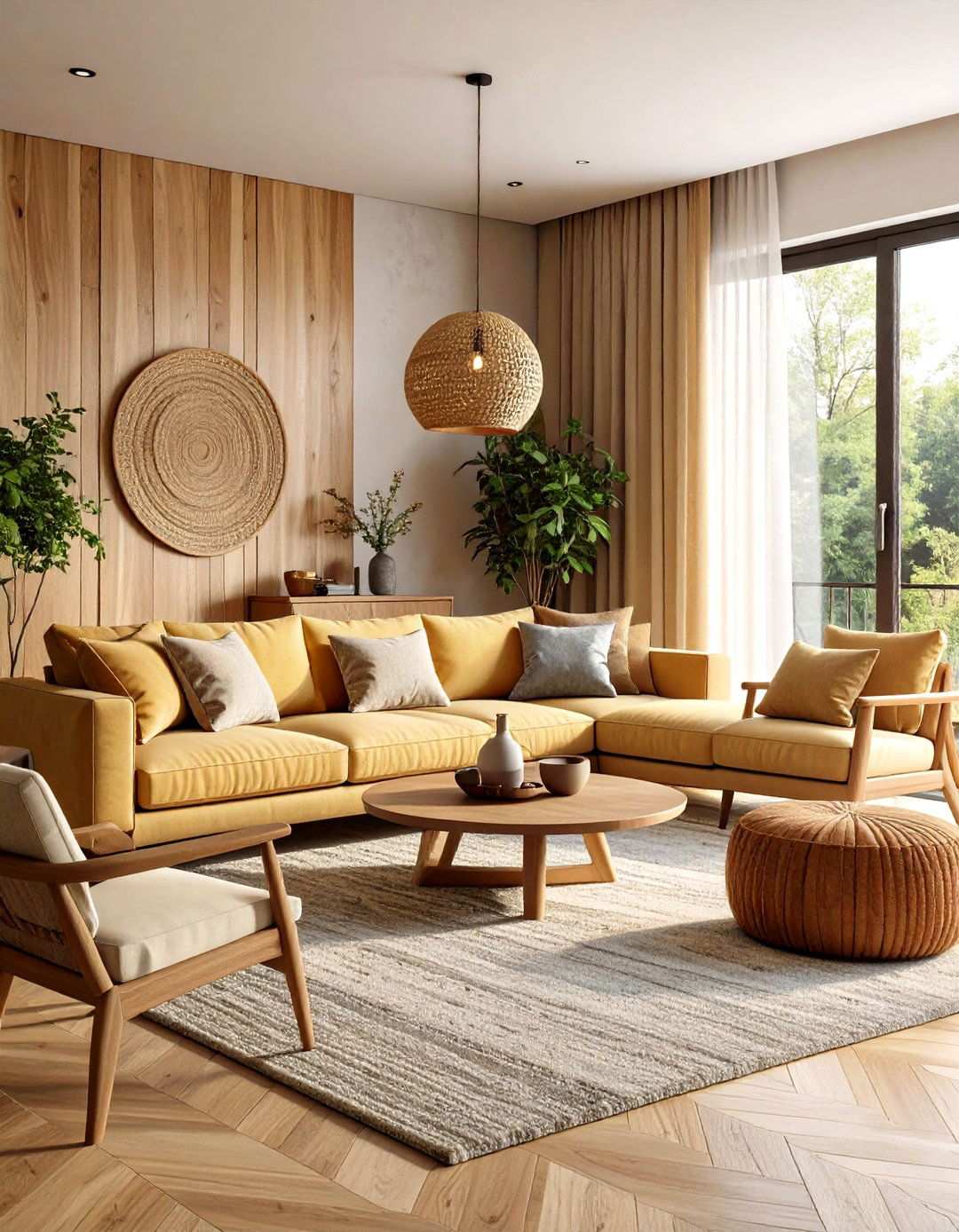
Wood furniture and timber floors work seamlessly in both modern and traditional decor, making them an excellent choice for transitional rooms. To create a welcoming atmosphere, feature rich walnut or oak pieces with visible grain patterns and balance them with lighter painted furniture and soft textiles. When selecting wood tones, medium-toned woods like cherry or maple provide a warm and inviting feel without overwhelming neutral palettes. To maintain harmony, mix wood species subtly through different furniture pieces by using similar stain tones or natural finishes. The organic warmth of wood creates a timeless appeal that never goes out of style while making contemporary furniture feel less austere.
15. Elevating Transitions through Glass Elements
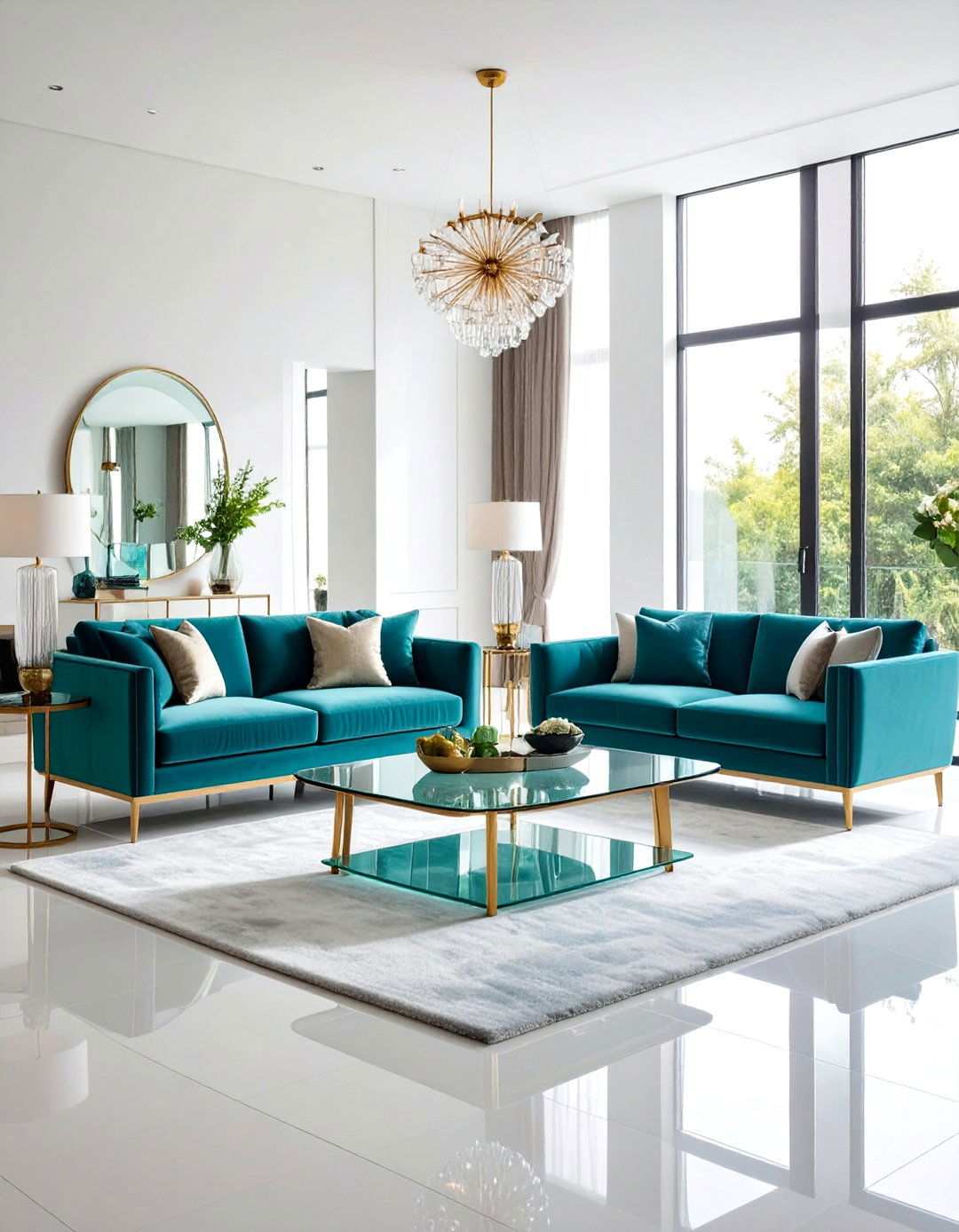
Glass can be a powerful tool in achieving a seamless, transitional design in the living room. By thoughtfully incorporating glass elements into the space, you can create a sense of visual flow and continuity that fosters an inviting atmosphere. Glass coffee tables and crystal table lamps can be paired with mirrored accents to enhance the clean, uncluttered aesthetic. One of the main benefits of using glass in transitional design is its ability to add visual interest while maintaining a sleek appearance. By strategically placing glass elements throughout the space, you can create a sense of airiness and openness, particularly in rooms where a sense of transition is key. Glass hurricane lanterns can be used for ambient lighting, while glass-front cabinets can display cherished objects in a way that maintains the streamlined appearance of the room. When incorporating glass into your design, it’s essential to use it thoughtfully and intentionally, ensuring each piece serves a purpose and contributes to the overall aesthetic.
16. Crafting a Harmonious Furniture Arrangement
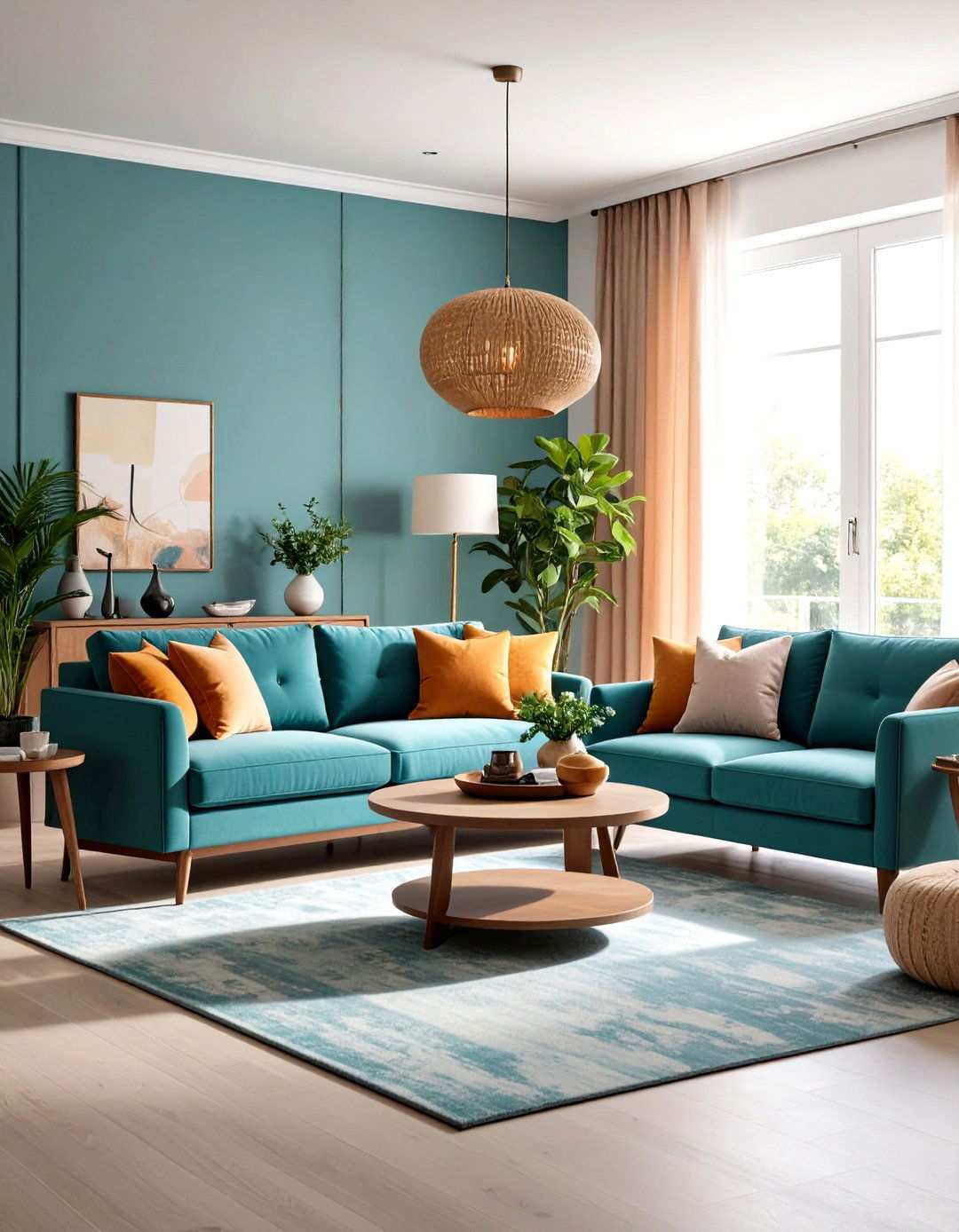
When designing the layout of your living room, it’s essential to strike a balance between comfort and function. By thoughtfully arranging seating, you can create spaces that encourage interaction and intimacy, while also allowing for ease of movement. One effective way to create a harmonious furniture arrangement is to incorporate a mix of seating options, such as a sofa, chairs, and an ottoman, arranged around a central coffee table. This setup allows for multiple conversation areas and creates a sense of visual interest. The key to a successful furniture arrangement is finding a balance between symmetry and proportion, which can help create a sense of calm and sophistication. By angling chairs slightly toward each other, you can encourage conversation and create a sense of warmth and connection. Additionally, incorporating a mix of seating heights can add visual interest and create a sense of depth in the room.
17. Elevating Your Window Treatments
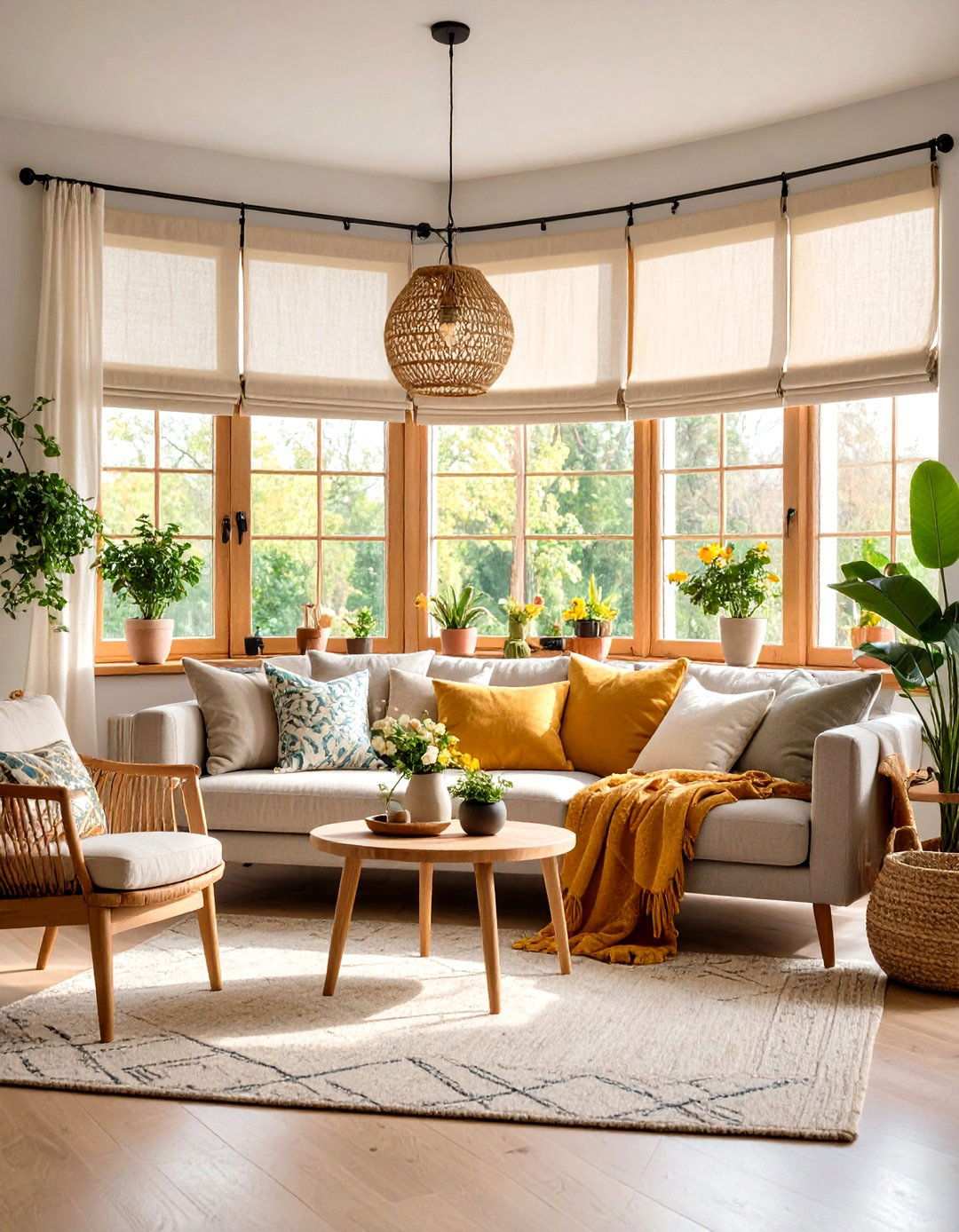
Window treatments can play a crucial role in enhancing the overall aesthetic of your transitional living room design. When selecting treatments, it’s essential to choose options that complement the clean, uncluttered aesthetic of the space. Light, neutral fabrics in simple styles can create a sense of calm and serenity, while also providing ample light control and privacy. Linen or cotton panels in crisp white or soft gray can be hung from sleek metal rods to create a sense of height and visual interest. When choosing window treatments, it’s essential to consider the balance between form and function. While treatments should provide ample light control and privacy, they should also feel integral to the room’s design rather than an afterthought. By layering sheer panels with heavier drapes or choosing Roman shades in natural fabrics, you can create a sense of depth and visual interest that elevates the overall aesthetic of the room.
18. Selecting Flooring that Supports Transitional Design
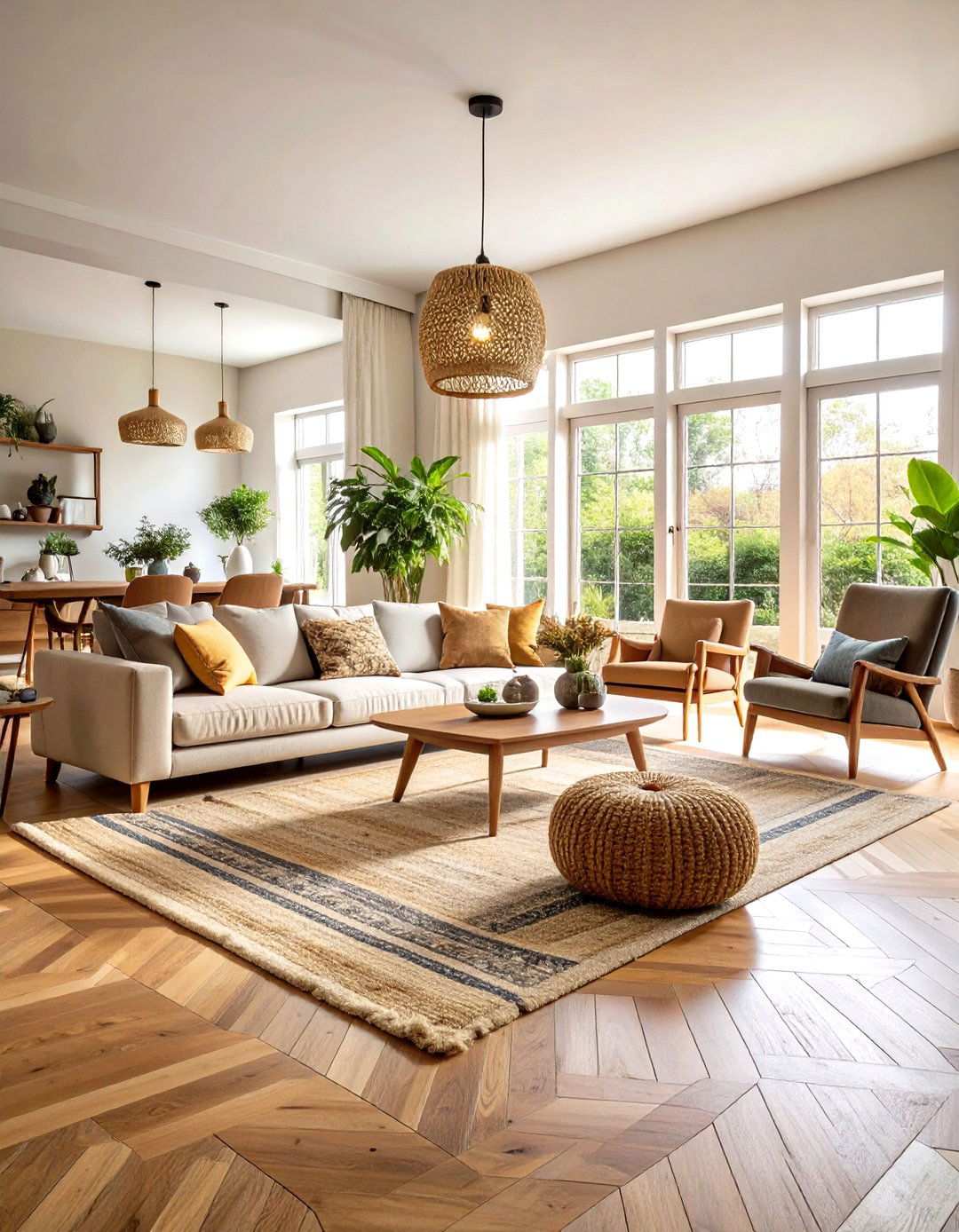
When selecting flooring for your transitional living room, it’s essential to choose materials that work in harmony with the space’s clean, uncluttered aesthetic. Traditional hardwood flooring can be a beautiful choice, providing warmth and timeless appeal. Medium-toned oak or maple with subtle grain patterns can create a sense of visual interest, while also feeling substantial and well-crafted. To add depth and texture to the space, consider layering neutral area rugs in natural fibers like jute or wool. These rugs can help define seating areas and add a sense of softness and warmth to the space. When choosing flooring materials, it’s essential to consider the overall aesthetic of the room and select options that feel substantial and well-crafted. By incorporating natural materials like wood, stone, or high-quality luxury vinyl, you can create a sense of continuity and flow that supports the transitional design of the space.
19. Elevating Ambiance with Wall Treatments
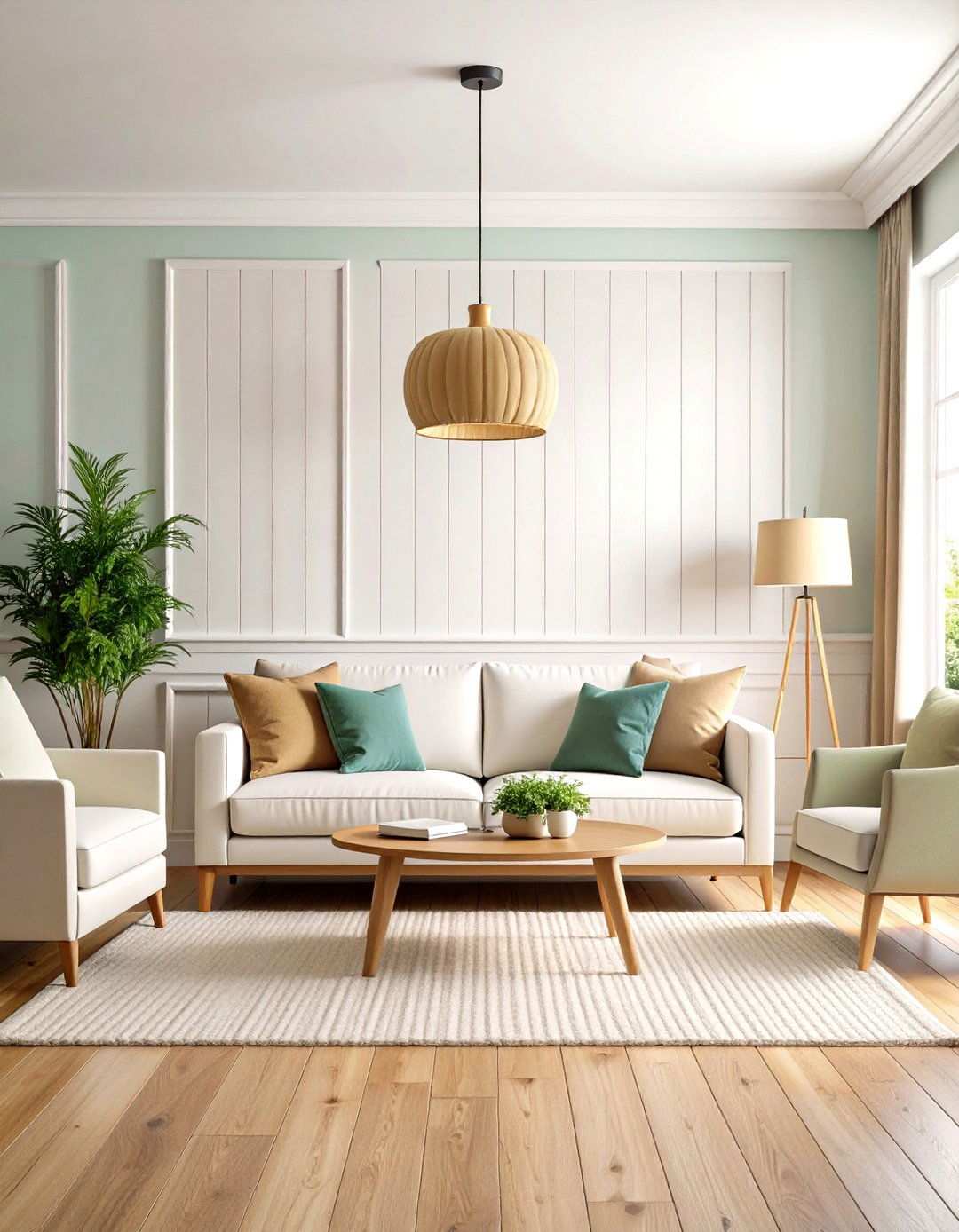
Elevate the visual appeal of your living room with carefully chosen wall treatments that add depth without overwhelming the space. Board and batten wainscoting, paired with a neutral wall color above, creates a harmonious balance of textures and tones. To strike the perfect balance between architectural detail and clean lines, opt for wainscoting and wall paneling that incorporate traditional elements in a modern way. This approach works seamlessly with contemporary furnishings, while simple profiles and restraint from ornate moldings maintain the sophisticated essence of transitional style. Alternatively, create a striking accent wall using natural materials like reclaimed wood or stone, pairing it with smooth, painted surfaces elsewhere in the room to create a sense of visual contrast.
20. Streamlining Storage Solutions
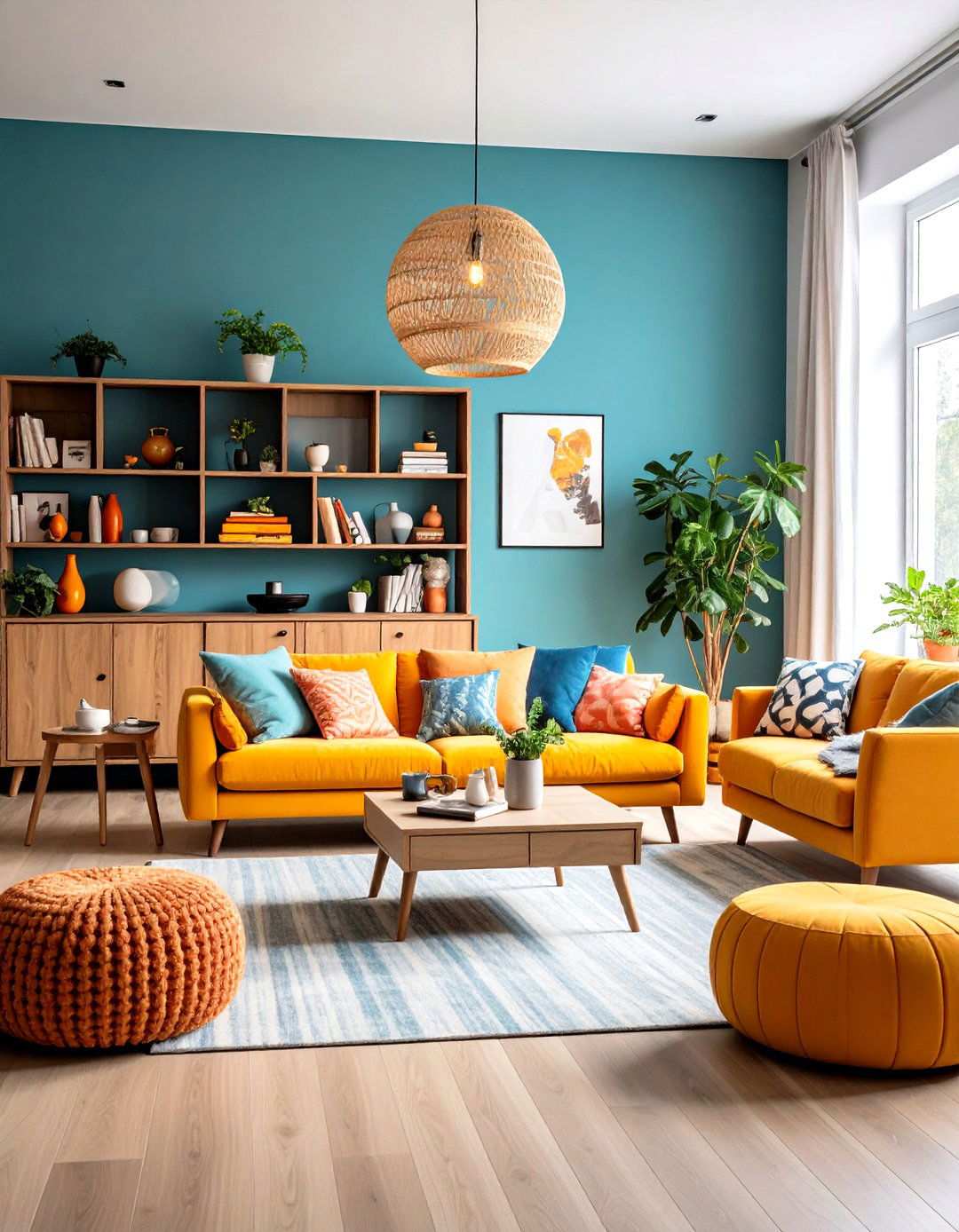
Streamline your living room’s storage needs with clever solutions that preserve the clean, uncluttered aesthetic essential to transitional design. Built-in cabinets, bookcases, and entertainment centers serve not only as storage units but also as architectural features that add visual interest. To maximize storage potential, choose furniture pieces that serve double duty, such as ottomans with hidden storage or coffee tables with drawers. By focusing on concealed storage and simple hardware, you can maintain clean lines and keep everyday items organized, leaving your carefully curated decorative objects on display to enhance your overall design.
21. Artistic Display in Transitional Spaces
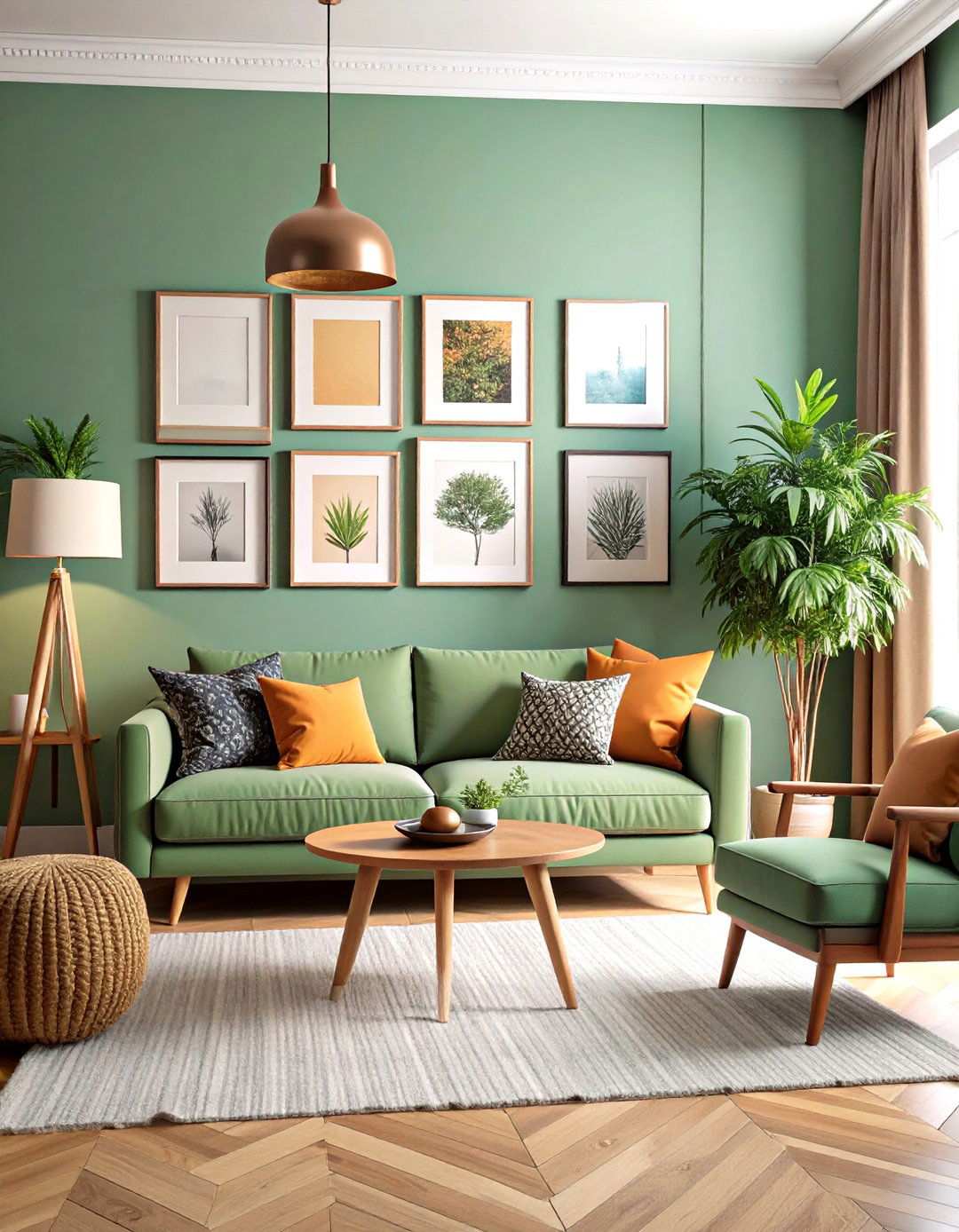
Gallery walls with coordinated frames showcase personal style while presenting a sophisticated display of artistic expression. To create a curated collection, use similar frame styles in consistent finishes, mixing photography, prints, and paintings to tell a story. When it comes to displaying art in transitional spaces, the key is finding visual balance rather than perfect symmetry. Choose pieces that complement your neutral palette while adding personality, and consider a single large statement piece above the sofa or a gallery wall that tells a story. The ultimate goal is selecting artwork that feels intentional and personal while supporting the overall color scheme and sophisticated aesthetic of your transitional living room.
22. Crafting a Comfort Zone
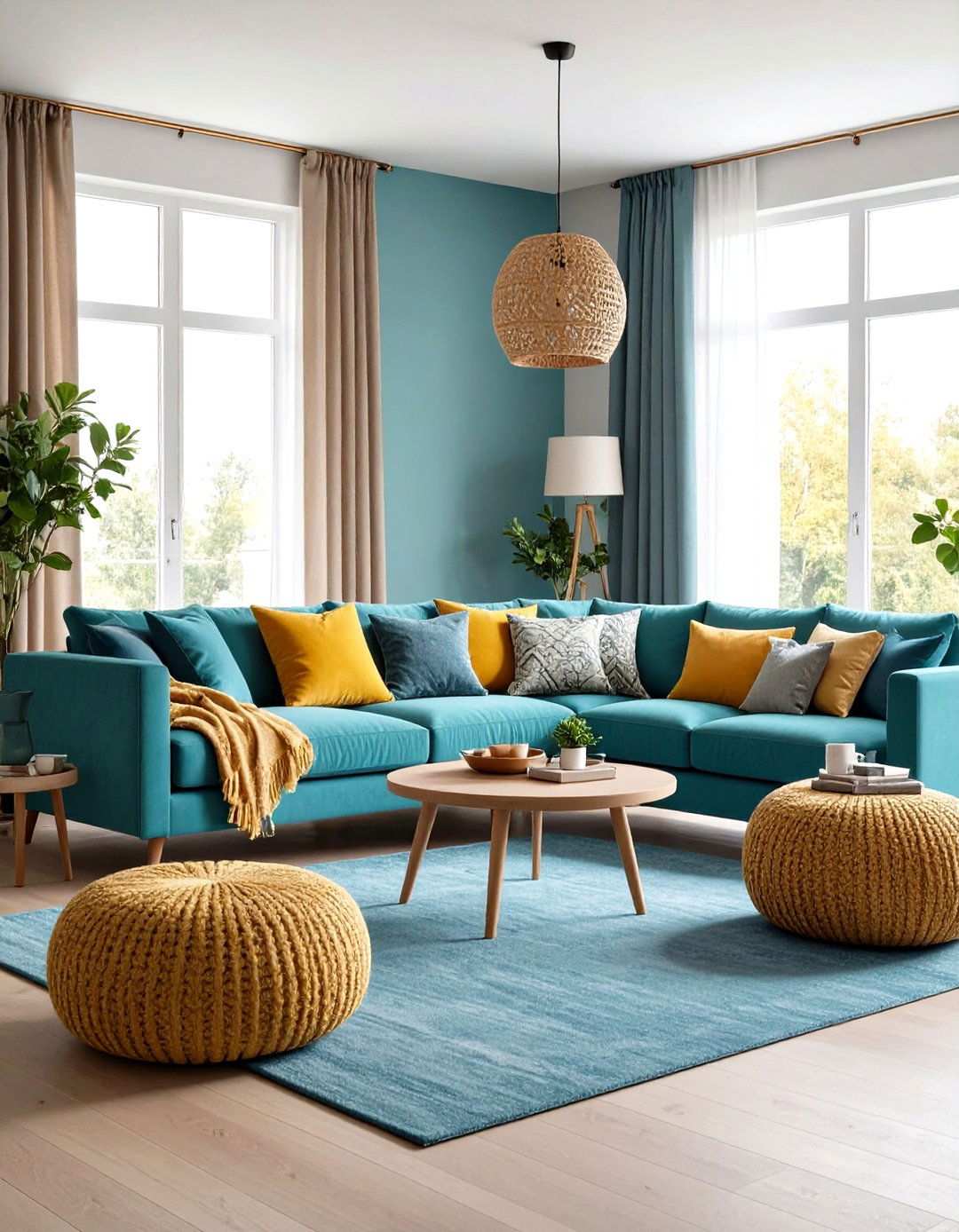
Design your living room as the ultimate comfort zone without sacrificing style by choosing seating that’s ample but not overwhelming. Generous cushions and soft, inviting fabrics create a cozy atmosphere, while layering soft throws and pillows in coordinating neutrals adds an extra layer of comfort. To create a living room that’s truly comfortable without sacrificing polish, focus on quality upholstery fabrics that feel luxurious to the touch. Ensure adequate seating for your family’s needs, and balance comfort with formality by incorporating personal touches like family photos or cherished books that make the space feel lived-in and loved. This approach to transitional design creates spaces that welcome relaxation while looking polished enough for entertaining.
23. Elevating Entertainment in Your Living Room
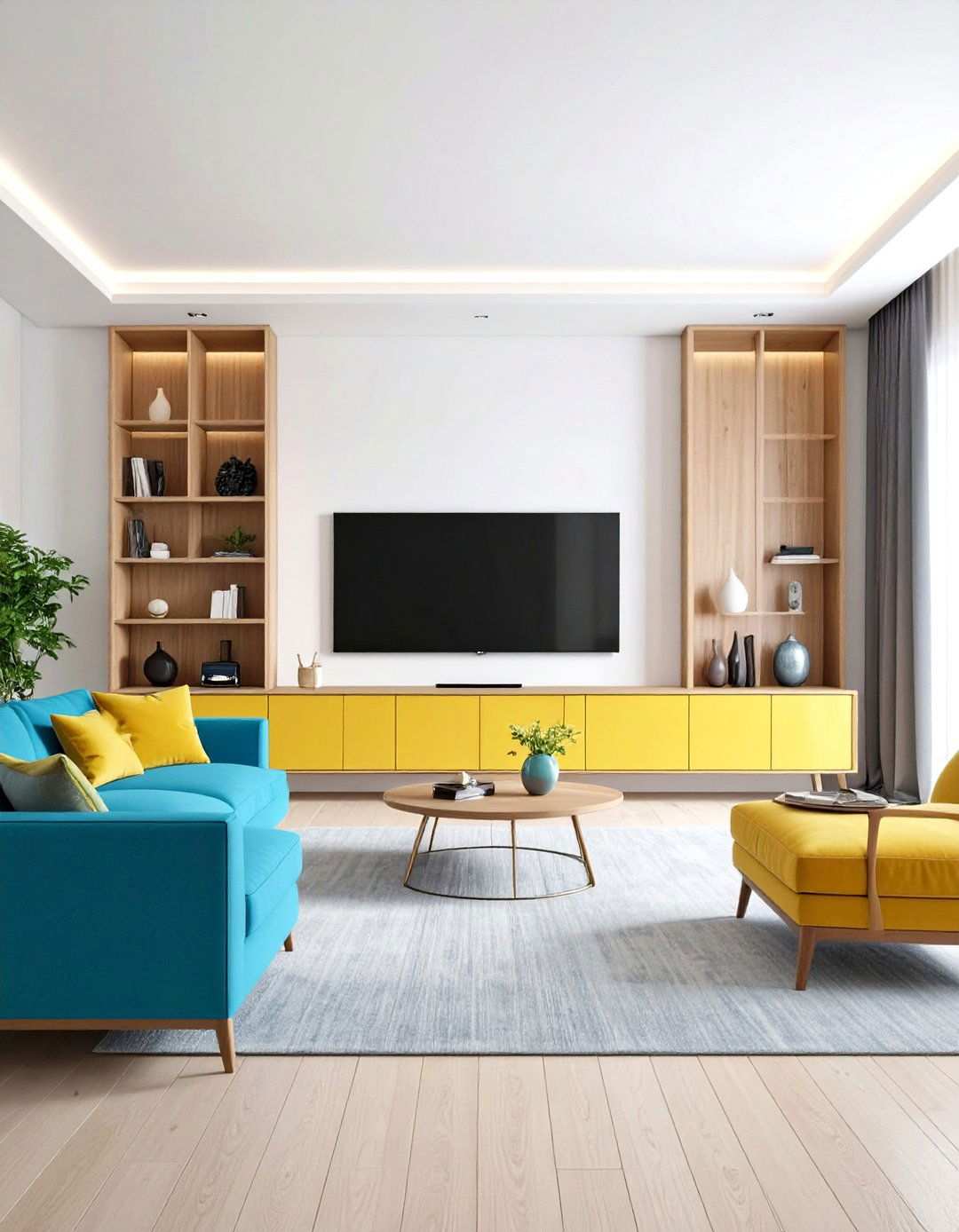
Crafting a sophisticated entertainment area is all about harmoniously merging modern technology with timeless design. To achieve this balance, select media consoles that exude clean lines and offer ample storage for electronics and accessories, effectively streamlining the space. By mounting the television at eye level and skillfully concealing wiring, you’ll create a seamless visual flow that prioritizes aesthetics over functionality. As you incorporate cutting-edge technology into your classic design, consider furniture pieces with finishes that complement the room’s overall design, and opt for built-in solutions that discreetly hide equipment when not in use. This thoughtful approach allows the entertainment space to blend harmoniously with the room’s design, rather than dominating it.
24. Seasonal Flexibility in Your Living Room
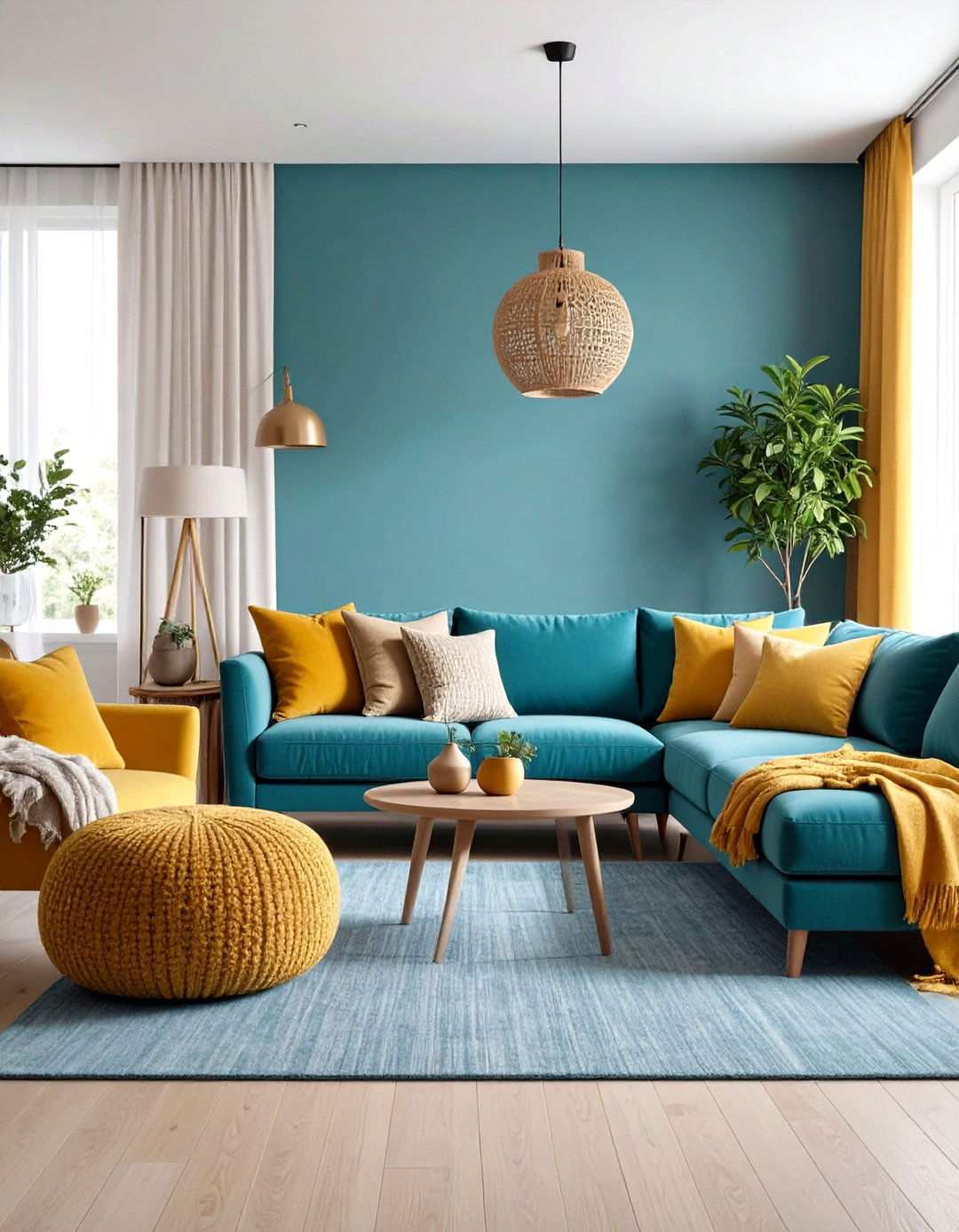
Design a transitional living room that effortlessly adapts to changing seasons by striking a balance between timeless and trendy elements. Start by investing in traditional furniture pieces that serve as a solid foundation, then use contemporary accessories to reflect the latest trends. By incorporating permanent, neutral-toned elements, you’ll create a versatile backdrop for seasonal updates. Add seasonal interest through pillows, throws, and decorative objects, allowing you to easily refresh the space as trends evolve. This adaptable approach not only saves you from costly renovations but also ensures your transitional living room remains sophisticated and stylish, effortlessly evolving over time to stay relevant without sacrificing its timeless appeal.