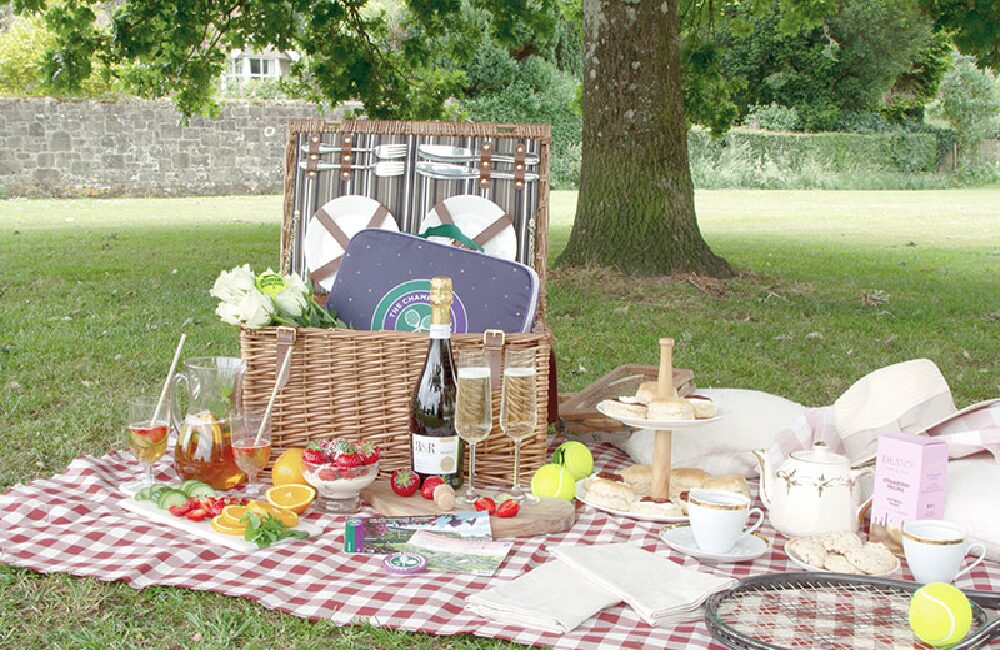
In today’s unpredictable world, preparing your household for possible food and supply shortages is more important than ever. One of the best ways to get ahead is by purchasing essential items in bulk—especially when they’re on sale.

As an Amazon Associate I earn from qualifying purchases.
Over the past few months, I’ve received many questions from readers about what to stock up on, how much to buy, and the smartest ways to do it. To make things easier, I’ve put together this guide on 15 items you should consider buying in bulk right now.
Why Buying in Bulk Makes Sense
For families living in rural or high-cost areas, bulk shopping can make a significant difference. Larger packages usually cost less per unit, and manufacturers often pass savings along to customers.
Bulk buying also:
- Reduces packaging waste.
- Cuts down on frequent shopping trips.
- Helps you stay prepared for emergencies.
If you’re lucky enough to have a bulk food store nearby, you can bring reusable containers and purchase just what you need. Otherwise, wholesale retailers like Costco or Sam’s Club are great options.
Where to Buy in Bulk
Most supermarkets now carry bulk packs of everyday staples, but the selection is often limited. Warehouse clubs offer more variety, while online options like Amazon provide convenience for those who don’t live near a big store.
In our household, we combine strategies: we check sales flyers, order online when prices are good, and occasionally purchase directly from local farmers or warehouse sales. On top of that, we grow and preserve much of our own food to reduce reliance on grocery stores.
Smart Bulk Buying Tips
- Focus on items your family uses regularly.
- Avoid buying large amounts of food you may not finish before it expires.
- Try a pantry or freezer challenge once a year to rotate older stock.
- Watch for sales during times of inflation—stores often discount to move products.
15 Items Worth Buying in Bulk
Here’s a practical list of food and household supplies that make sense to stockpile.
1. Paper Products
Household paper goods like toilet paper, tissues, and paper towels are used daily and rarely go bad, which makes them ideal for bulk buying. Large packs often cost significantly less per roll compared to small packages, and they’re convenient to have on hand so you don’t run out unexpectedly.
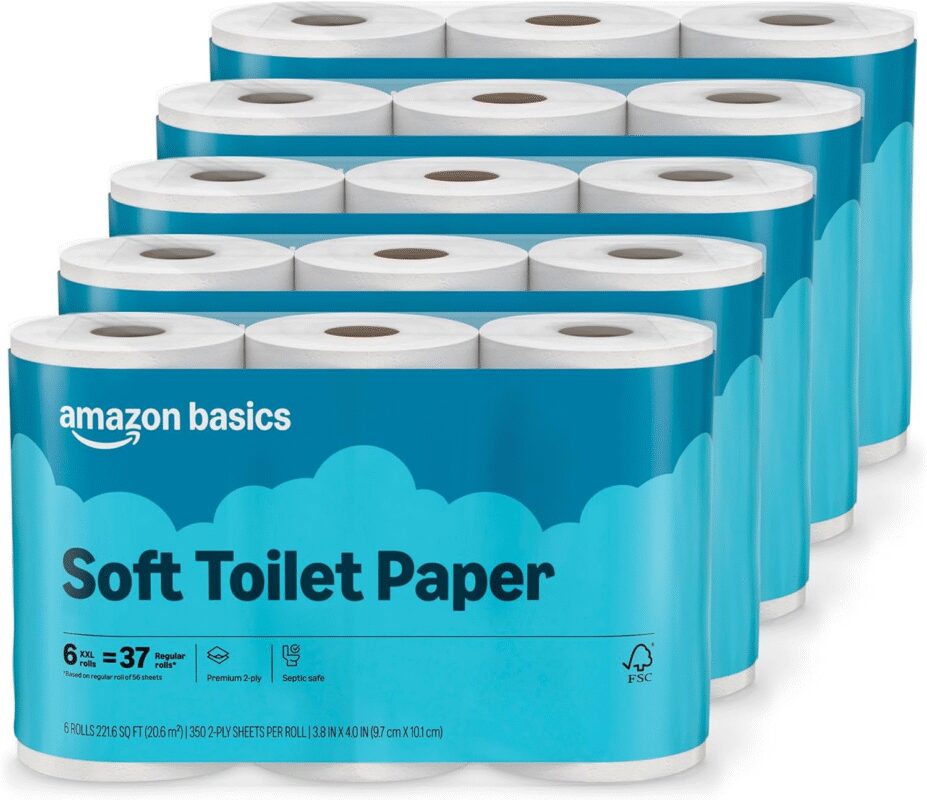
Storage Tip: Keep paper products in a cool, dry space to avoid moisture damage. A sealed storage bin in your basement, garage, or utility room works well.
Eco-Friendly Alternatives: If you want to reduce waste, consider switching to reusable options like cloth napkins, beeswax wraps, or washable cleaning rags for some tasks. These won’t replace everything but can stretch your supplies further.
2. Cleaning Supplies
Whether you prefer natural solutions or store-bought cleaners, buying in bulk helps save money over time. Basic items like white vinegar, baking soda, and citric acid can be used on their own or combined to create effective homemade cleaning products.
Why Bulk Matters: Household cleaners often come in small bottles that add up quickly in price. By buying large refill containers or core ingredients, you can clean more for less money.
DIY Option: Mix vinegar with water for an all-purpose cleaner, or combine baking soda and lemon juice to tackle tough stains.
3. Bottled Water
Clean water is the most essential supply to have on hand. Even if your home has a reliable water source, keeping a stash of bottled water ensures you’re ready for short-term emergencies such as storms, plumbing issues, or power outages that affect filtration systems.
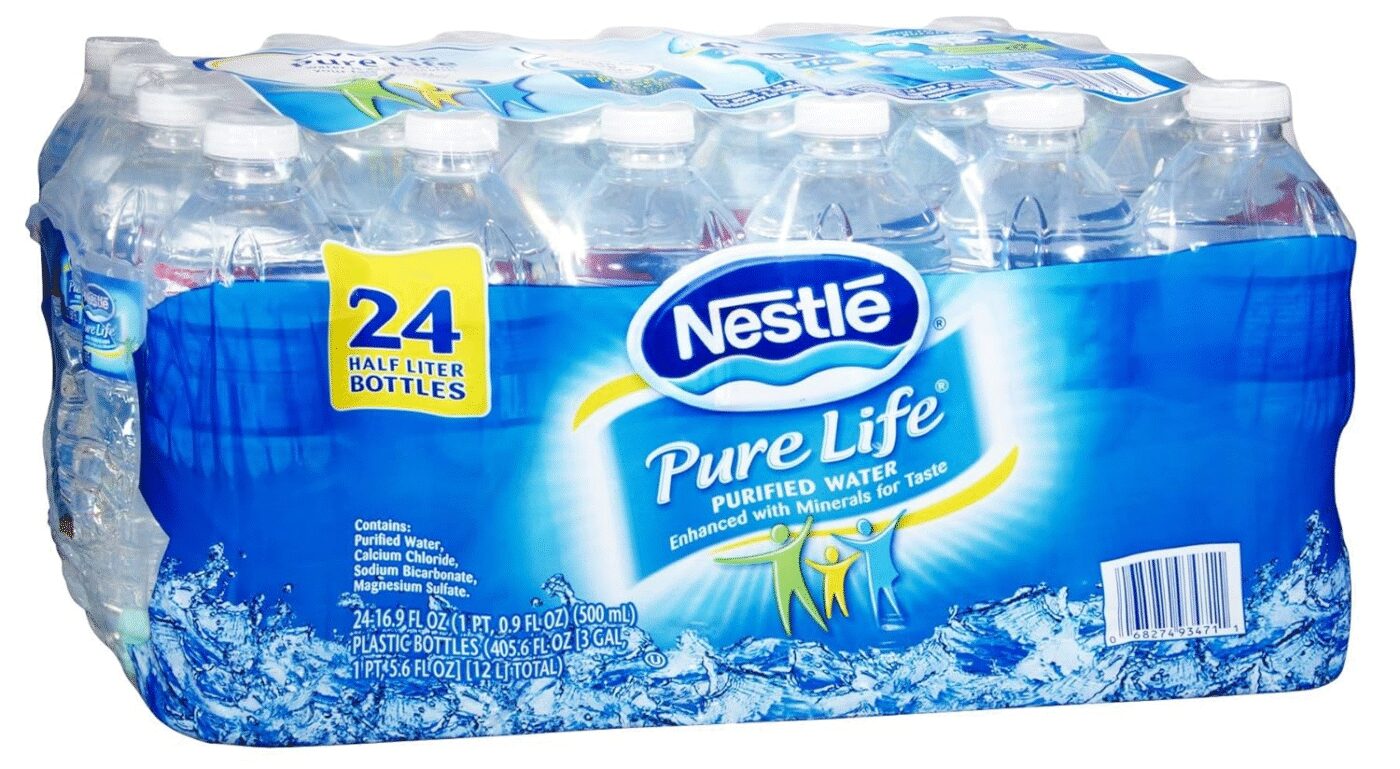
How Much to Store: A common guideline is one gallon of water per person per day for at least three days, though more is always better if space allows.
Extra Tip: If bottled water storage isn’t practical, invest in a high-quality water filter or purification tablets as a backup.
4. Medications
If someone in your household takes prescription medications, it’s wise to discuss safe bulk options with your pharmacist. Even if extra prescriptions aren’t possible, you can still stock up on over-the-counter essentials like pain relievers, allergy medication, and first-aid supplies.
Important Reminder: Always check expiration dates and rotate your supply to keep everything fresh. Store medications in a cool, dry place away from direct sunlight.
5. Herbs and Natural Remedies
Herbs and natural remedies serve multiple purposes—they add flavor to meals and can be used for simple wellness support. Dried herbs, teas, and essential oils are available in bulk at health stores, or you can grow your own and dehydrate them for year-round use.
Example: Basil, thyme, and oregano can be dried easily at home. Chamomile or peppermint tea can be bought in bulk bags at a fraction of the cost of individual packets.
6. Pet Food
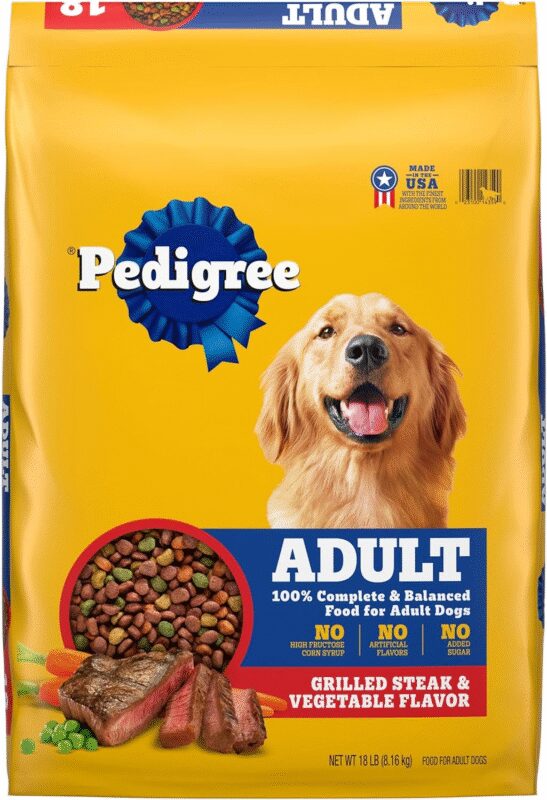
Pets are part of the family, and keeping them fed is just as important as stocking up for yourself. Buying dry kibble or canned food in bulk not only saves money but also ensures you don’t run out suddenly.
Storage Tip: Transfer dry food into airtight containers to keep it fresh and prevent pests. If you live in a hot climate, avoid storing pet food in garages where temperatures can rise too high.
7. Hygiene Products
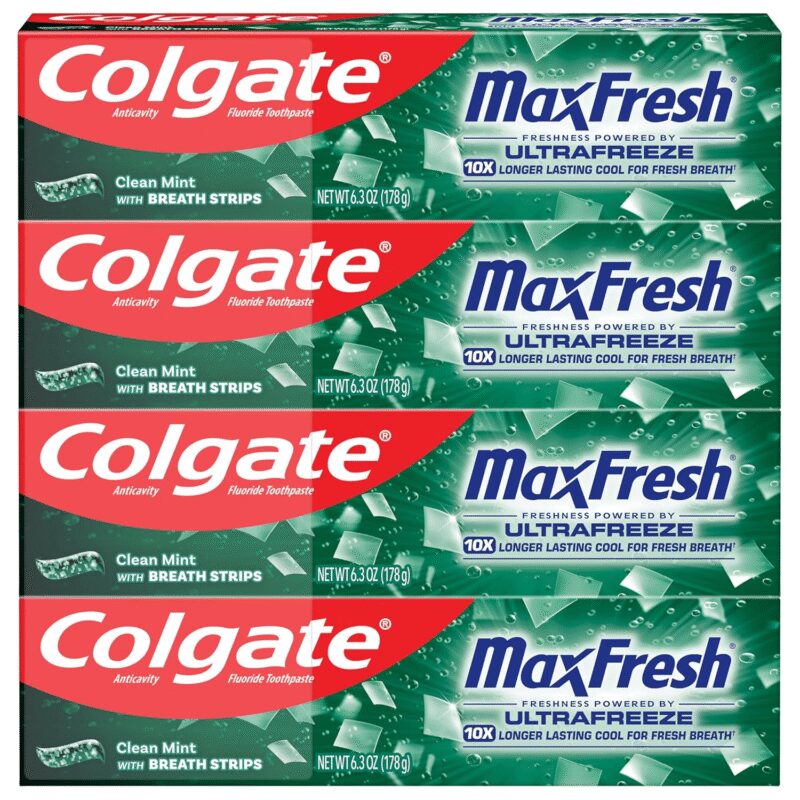
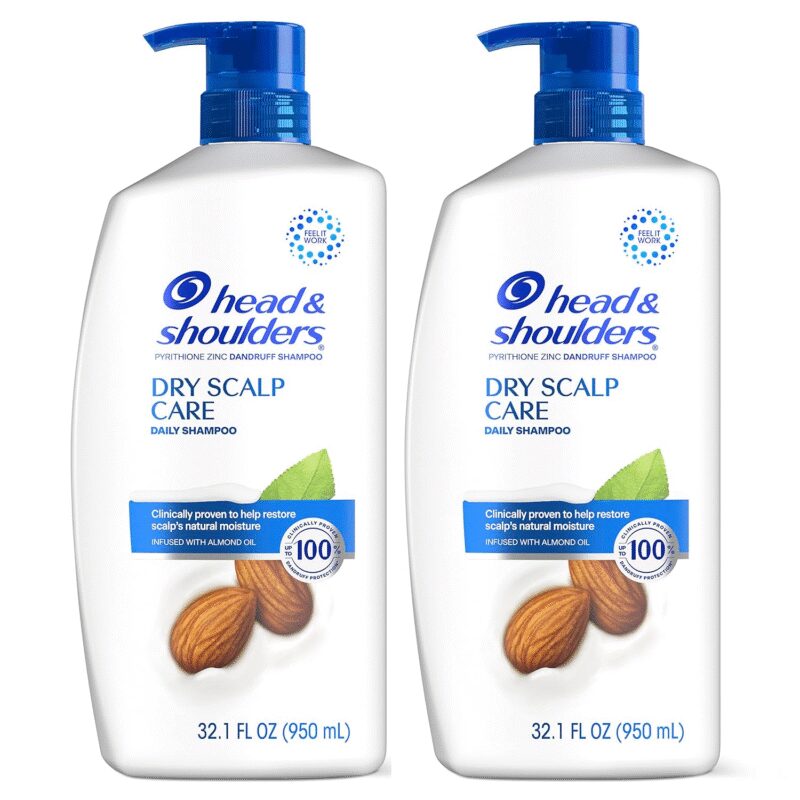
Everyday personal care items like toothpaste, soap, shampoo, deodorant, and feminine hygiene products are worth purchasing in bulk. These products are used daily, have long shelf lives, and buying them in large quantities can save significant money over time.
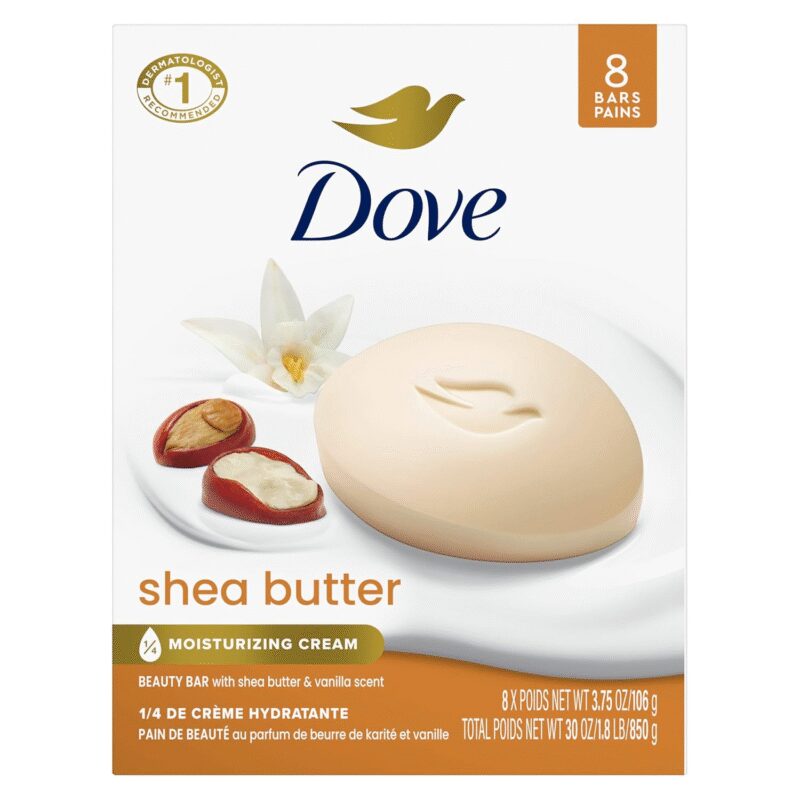
Eco-Friendly Alternatives: Consider switching to reusable menstrual cups, cloth pads, or homemade soaps to reduce ongoing costs and plastic waste.
8. Meat and Protein
Protein-rich foods are often the most expensive part of a grocery bill. Buying family-sized packs of meat, chicken, or fish and freezing portions for later use is one of the best ways to save money.
Extra Savings: If possible, purchase directly from a local farmer or butcher. You’ll often get fresher products at lower prices than grocery stores.
Storage Tip: Use a vacuum sealer or freezer-safe bags to extend shelf life and prevent freezer burn.
9. Herbs and Spices
Buying small spice jars adds up quickly. Instead, purchase your favorite herbs and spices in bulk bags or larger containers. Not only do you save money, but you’ll also always have the ingredients you need on hand for cooking.
Extra Tip: If you cook often, consider growing herbs like parsley, basil, and rosemary at home. Dry them for later use, or freeze them in olive oil cubes for soups and stews.
10. Rice and Beans
Few pantry staples are as versatile as rice, beans, lentils, and other legumes. They’re inexpensive, last for years when stored correctly, and can form the base of countless meals.
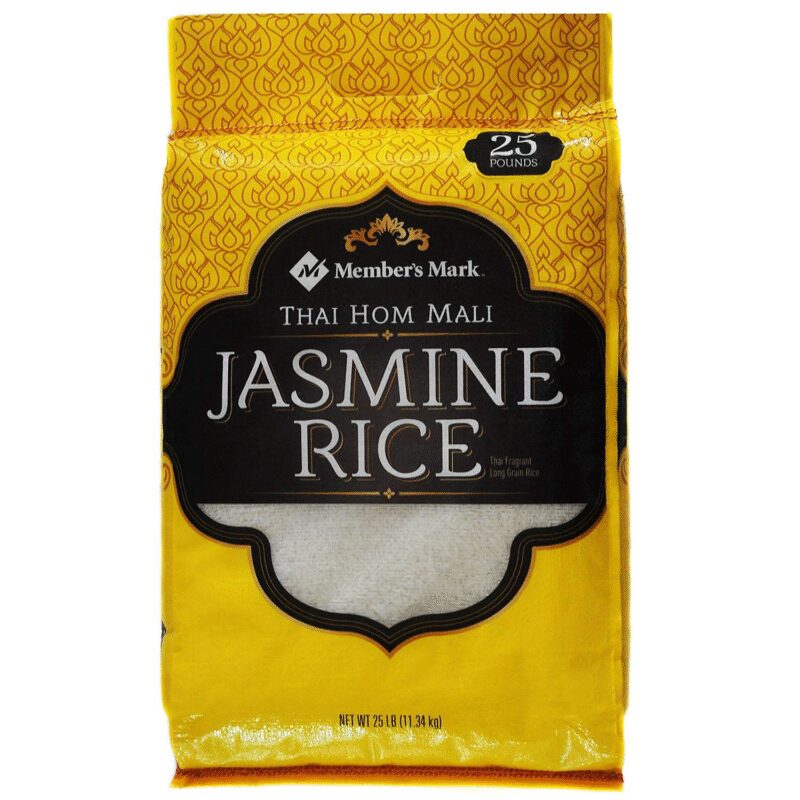
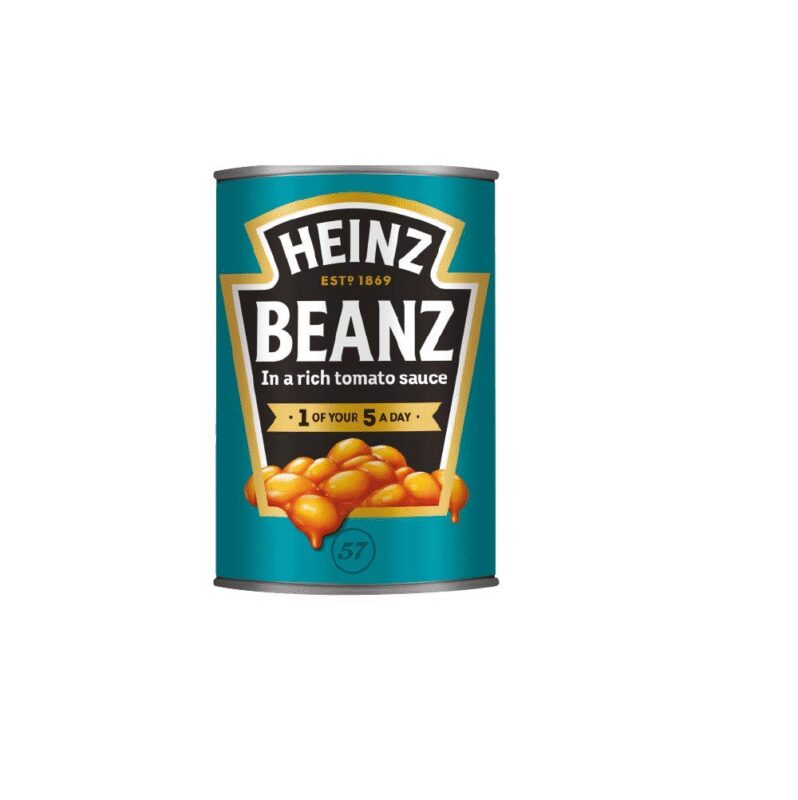
Why Bulk Matters: A 20-pound bag of rice or beans often costs less per serving than a small package, and these foods provide protein, fiber, and energy at a low price point.
Storage Tip: Keep them in airtight containers, mylar bags, or food-grade buckets to protect against pests and moisture.
11. Flour
Flour is a must-have for anyone who bakes. Buying in bulk can save money, especially if you regularly make bread, muffins, or pancakes at home.
Storage Tip: Flour can spoil if not stored properly. Keep it in the freezer for long-term storage or in sealed containers in a cool, dark place.
12. Sugar and Sweeteners
Sugar, honey, and molasses are pantry staples with long shelf lives. They’re essential for baking, preserving fruit, and sweetening drinks.
Alternative Options: If you’re looking for natural sweeteners, consider growing stevia or keeping honey from local sources. Buying large containers of honey is often more cost-effective than smaller jars.
13. Canned Goods
Canned vegetables, fruits, beans, and soups are some of the easiest bulk buys for any pantry. They’re affordable, convenient, and typically last several years.
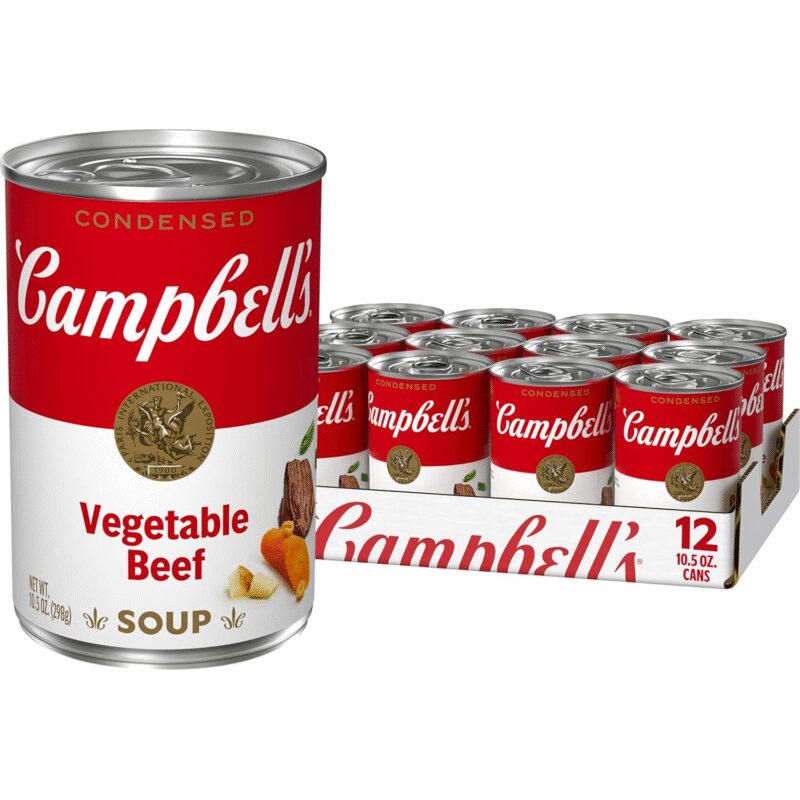
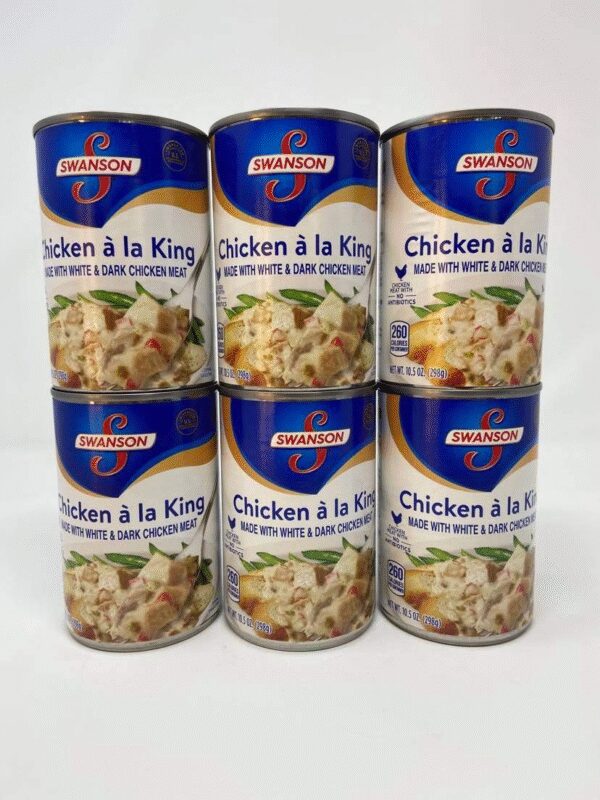
Extra Tip: Watch out for high sodium levels in some store brands, and choose low-sodium or no-salt options when possible.
Homemade Option: If you have a garden, consider canning your own produce. This not only saves money but also ensures you know exactly what goes into your food.
14. Flashlights and Batteries
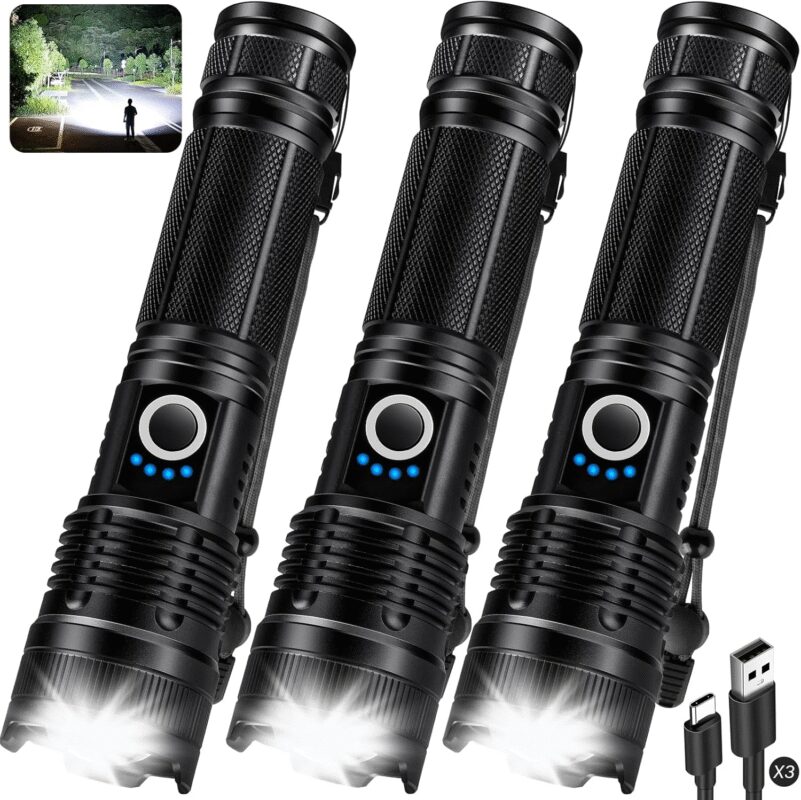
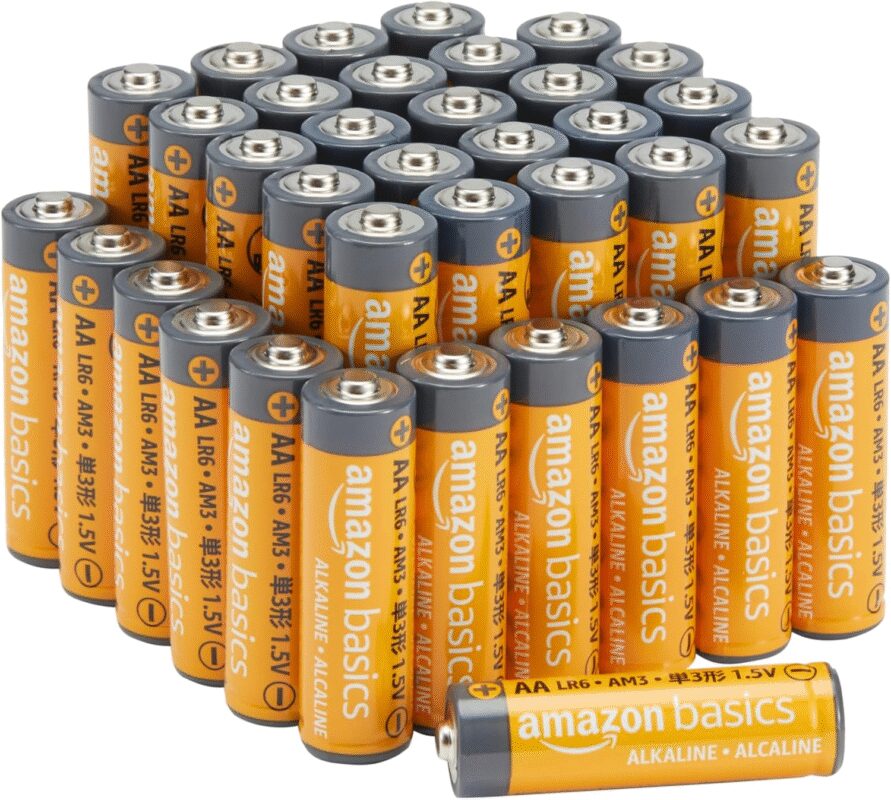
Emergencies often come without warning, and a flashlight can make all the difference during a power outage. Stock up on flashlights, lanterns, batteries, matches, and lighters so you’re never left in the dark.
Extra Tip: Rechargeable batteries and solar-powered lanterns are a great long-term investment to cut down on repeated costs.
15. Personal Care Items
Lotions, shampoos, conditioners, and other personal care products often go on sale in bulk packs. Buying larger containers reduces packaging waste and saves money in the long run.
DIY Option: If you enjoy making things at home, try making soap, bath salts, or lip balm. This not only stretches your budget but also gives you control over the ingredients.
Final Thoughts
Building a bulk stockpile doesn’t mean panic buying. It’s about making smart choices that save money, reduce waste, and keep your household prepared for everyday needs as well as unexpected situations.
Start with the essentials your family uses most often, buy when sales are available, and store items properly to maximize their shelf life. With a little planning, you can create a well-stocked pantry and home that gives you peace of mind no matter what comes your way.