1. Urban Oasis Makeover: Unlocking Patio Potential
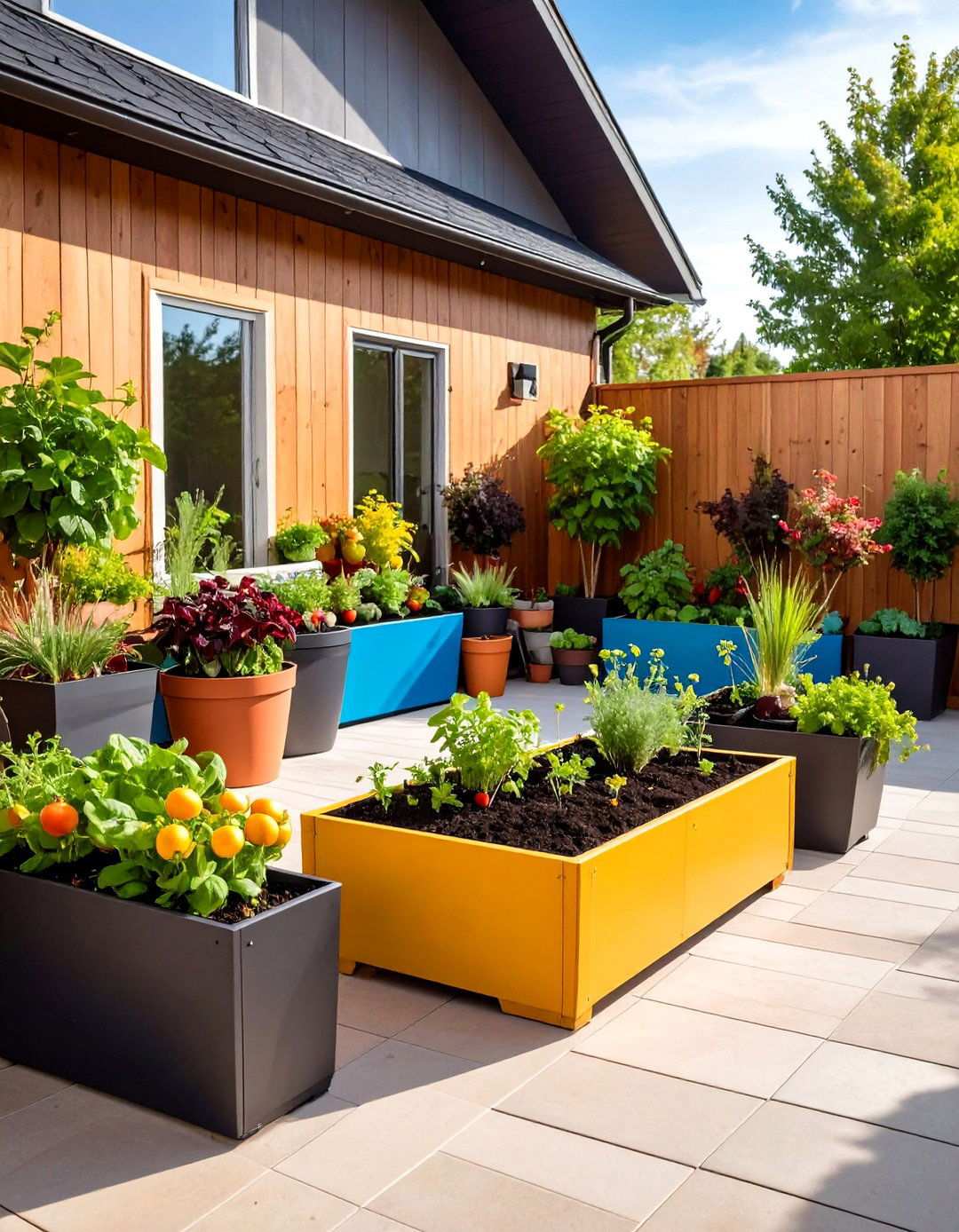
Urban gardening offers a world of possibilities for city dwellers, turning even the smallest of spaces into vibrant havens of growth and tranquility. Whether you’re blessed with a spacious balcony, a rooftop perch, or a simple windowsill, the potential for transforming your outdoor area into a thriving sanctuary is limitless. By embracing the unique challenges of urban living, such as limited space and weight restrictions, innovative gardening solutions can maximize every available inch, providing a connection to nature, improved air quality, and a sense of calm amidst the concrete jungle.

As an Amazon Associate I earn from qualifying purchases.
Container gardens are a versatile and creative way to transform your patio or deck into a productive growing space, utilizing portable planters of varying sizes and materials to cater to your specific needs. This adaptable approach allows for complete control over soil quality, drainage, and plant placement, while cleverly accommodating weight restrictions that often plague urban settings. By selecting the right containers, you can create a visually stunning arrangement that not only showcases your green thumb but also adds a pop of color and texture to your outdoor space. Lighter materials like fiberglass, plastic, or composite not only reduce overall weight but also provide a durable and weather-resistant solution. With self-watering containers, maintenance is a breeze, and your plants will thank you for the consistent moisture levels during the sweltering summer months. To ensure your patio remains protected, choose containers with proper drainage holes and saucers to prevent water damage to the surfaces underneath, and easily rearrange your setup to accommodate the changing seasons.
2. Elevating Urban Spaces with Innovative Green Systems
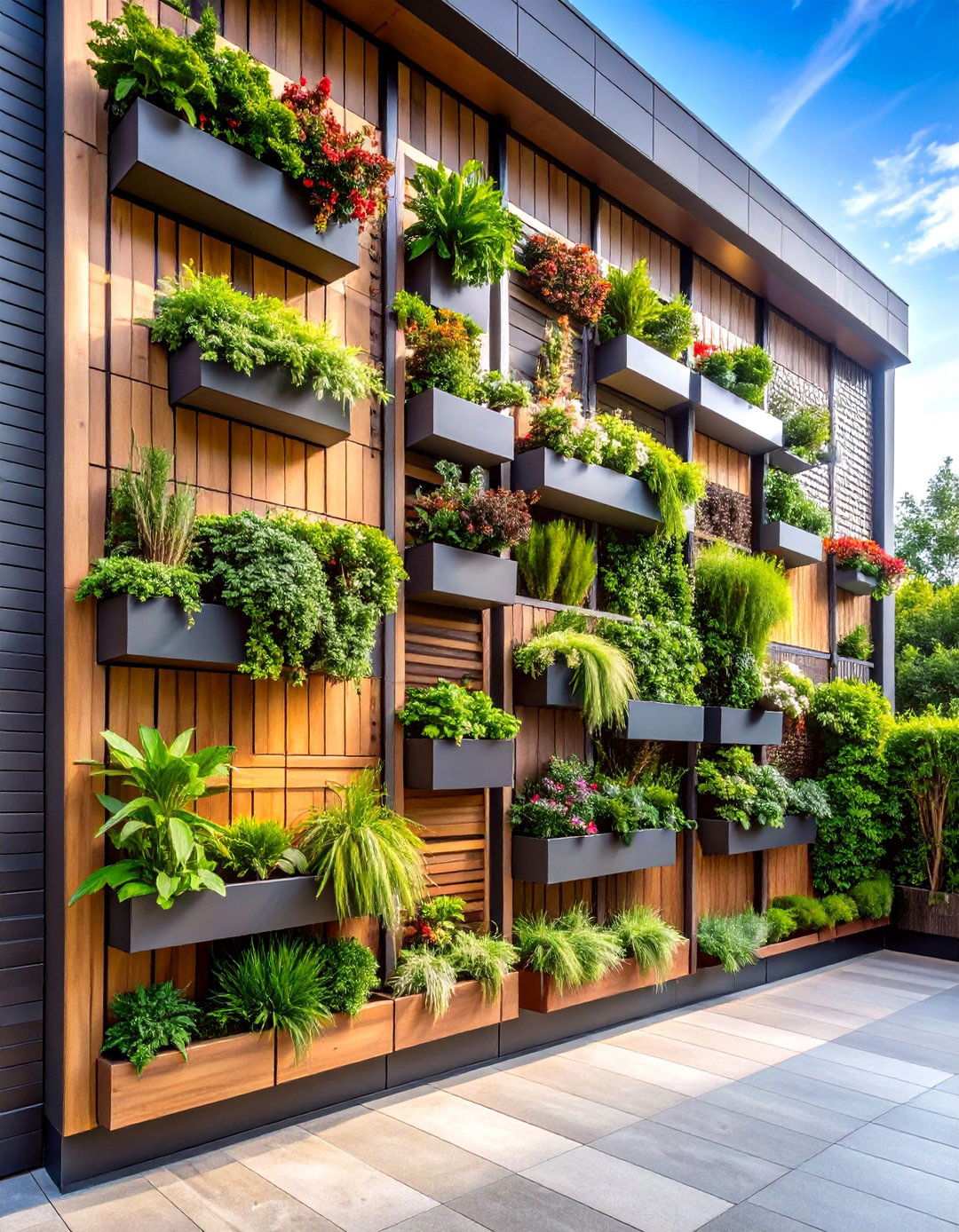
Urban landscapes often struggle to accommodate lush vegetation due to limited floor space, but vertical wall garden systems offer a compelling solution. By leveraging vertical surfaces, these installations can support diverse plant collections, creating breathtaking green backdrops that add visual appeal to any space. Modular panels, pocket planters, or trellis systems provide the backbone for these systems, allowing for a wide range of plant varieties to thrive from floor to ceiling. To ensure optimal growth, automated irrigation systems distribute water evenly, while proper drainage mechanisms prevent root rot and structural damage. Compact plant selection focuses on species with similar light and water requirements, such as delicate ferns, fragrant herbs, robust succulents, and trailing flowers. Crucially, structural support is designed to handle the combined weight of soil, plants, and water, while also ensuring adequate airflow behind the growing medium. LED grow lights supplement natural lighting in areas with limited sunlight, enhancing the overall aesthetic and promoting healthy plant growth. Regular maintenance, including pruning, fertilizing, and seasonal plant replacement, is essential to maintaining the system’s visual appeal. These innovative systems prove particularly effective in urban environments, providing a versatile solution for privacy screening, noise reduction, and creating dramatic focal points in small spaces.
3. Maximizing Rooftop Potential with Container Farming
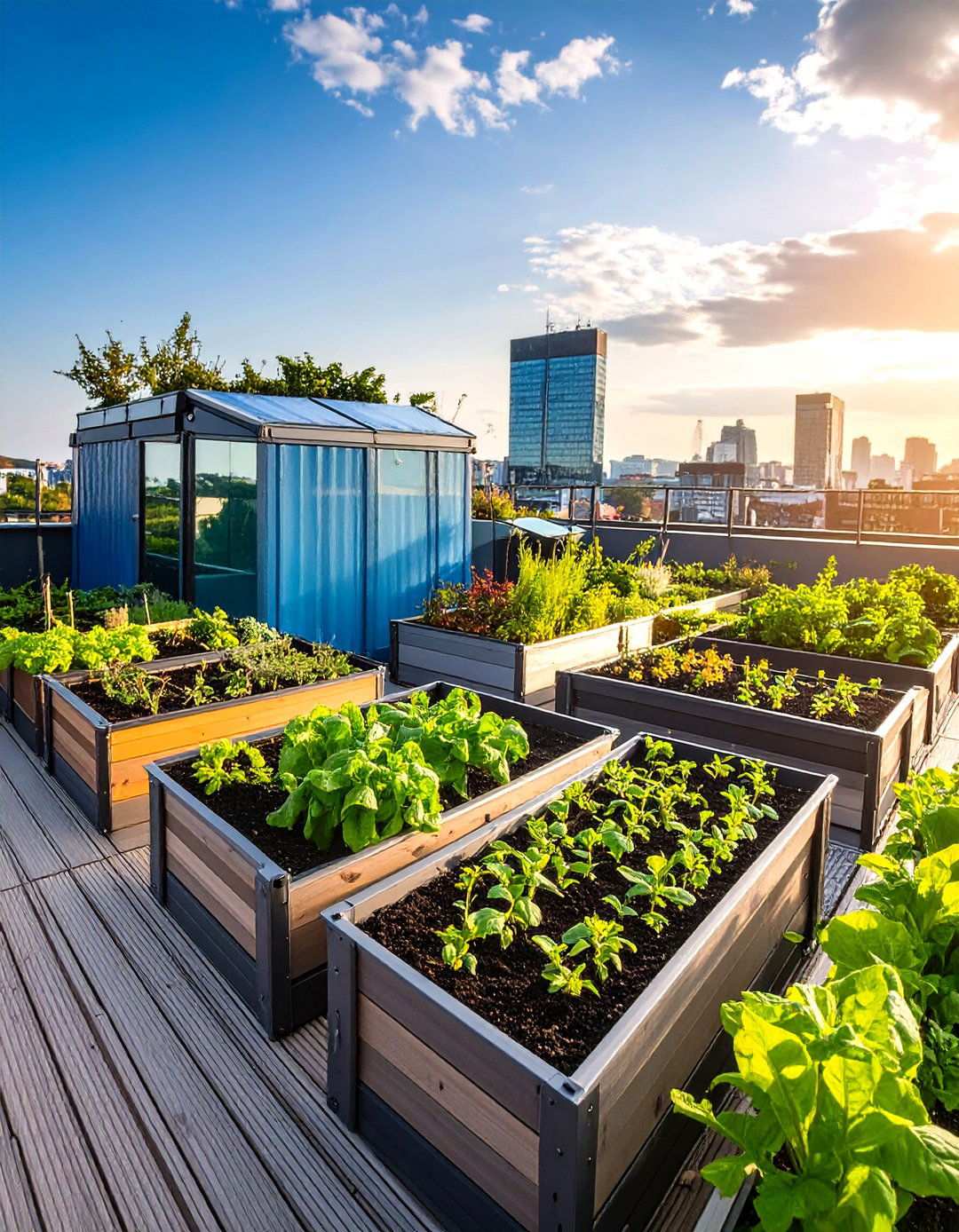
Rooftop gardens are a game-changer for cities, transforming underutilized space into thriving growing areas. By selecting durable, weather-resistant containers and raised bed systems, rooftop gardeners can create productive environments that yield fresh produce and beautiful blooms. Prior to installation, a thorough structural assessment ensures the roof can support the added weight of soil, plants, water, and gardening equipment. To mitigate the impact of harsh urban winds, strategically placed screens or plantings protect tender vegetables from damage. Lightweight growing media and containers reduce the structural load while maintaining excellent drainage and root development. To cope with the intense sunlight and drying conditions common on rooftops, automated irrigation systems or drought-tolerant plant selections are employed. Dwarf fruit trees, herbs, vegetables, and flowers thrive in these conditions with careful variety selection. Storage solutions for tools, fertilizers, and seasonal equipment keep everything organized and easily accessible. These elevated gardens offer a unique vantage point, providing breathtaking city views while producing fresh produce and creating peaceful retreat spaces above the urban hustle. Regular maintenance, including checking irrigation systems and protecting plants during extreme weather events, is crucial to the success of these rooftop garden systems.
4. Balcony Hanging Garden
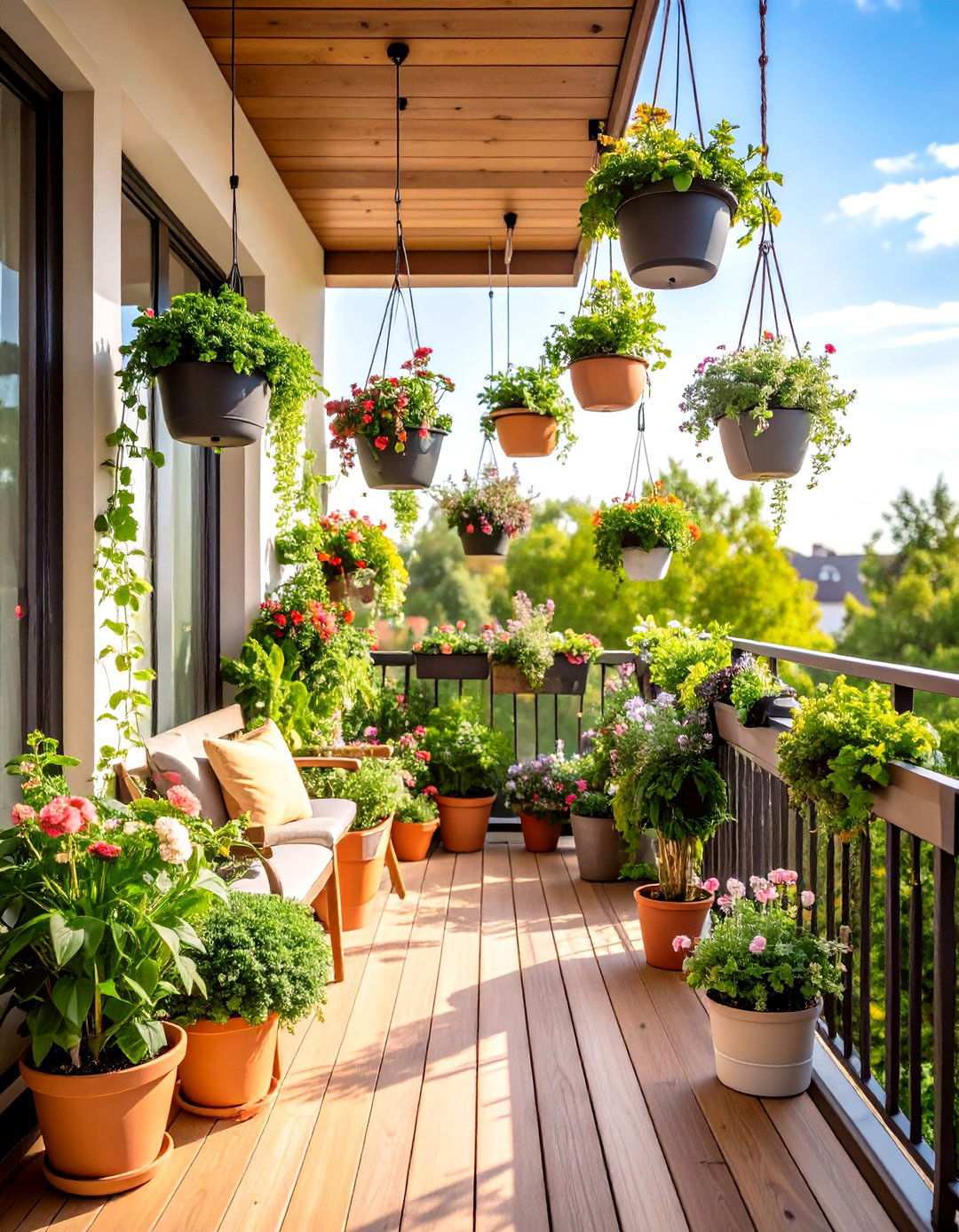
Innovative use of suspended planters unlocks the full potential of balcony space by cleverly combining hanging baskets, wall-mounted containers, and ceiling hooks. By strategically distributing weight across multiple hanging points, the risk of structural stress is minimized while creating visually appealing layered planting displays. Plants with a natural tendency to trail, such as strawberries, cherry tomatoes, and flowering varieties, bring both beauty and productivity to compact arrangements. The incorporation of pulley systems allows for effortless raising and lowering of heavy planters, making maintenance and seasonal protection a breeze. Self-watering planters further reduce daily maintenance, ensuring consistent moisture for healthy plant growth. When considering wind resistance, secure mounting hardware and a thoughtful selection of plants become essential to prevent damage during adverse weather conditions. To keep displays interesting and accommodate varying growing requirements throughout the year, seasonal rotation is a great approach. This method is particularly well-suited for renters who cannot make permanent modifications to their living spaces. To maintain productive and attractive displays, regular deadheading, pruning, and fertilizing are essential throughout the growing seasons.
5. Window Box Herb Collection
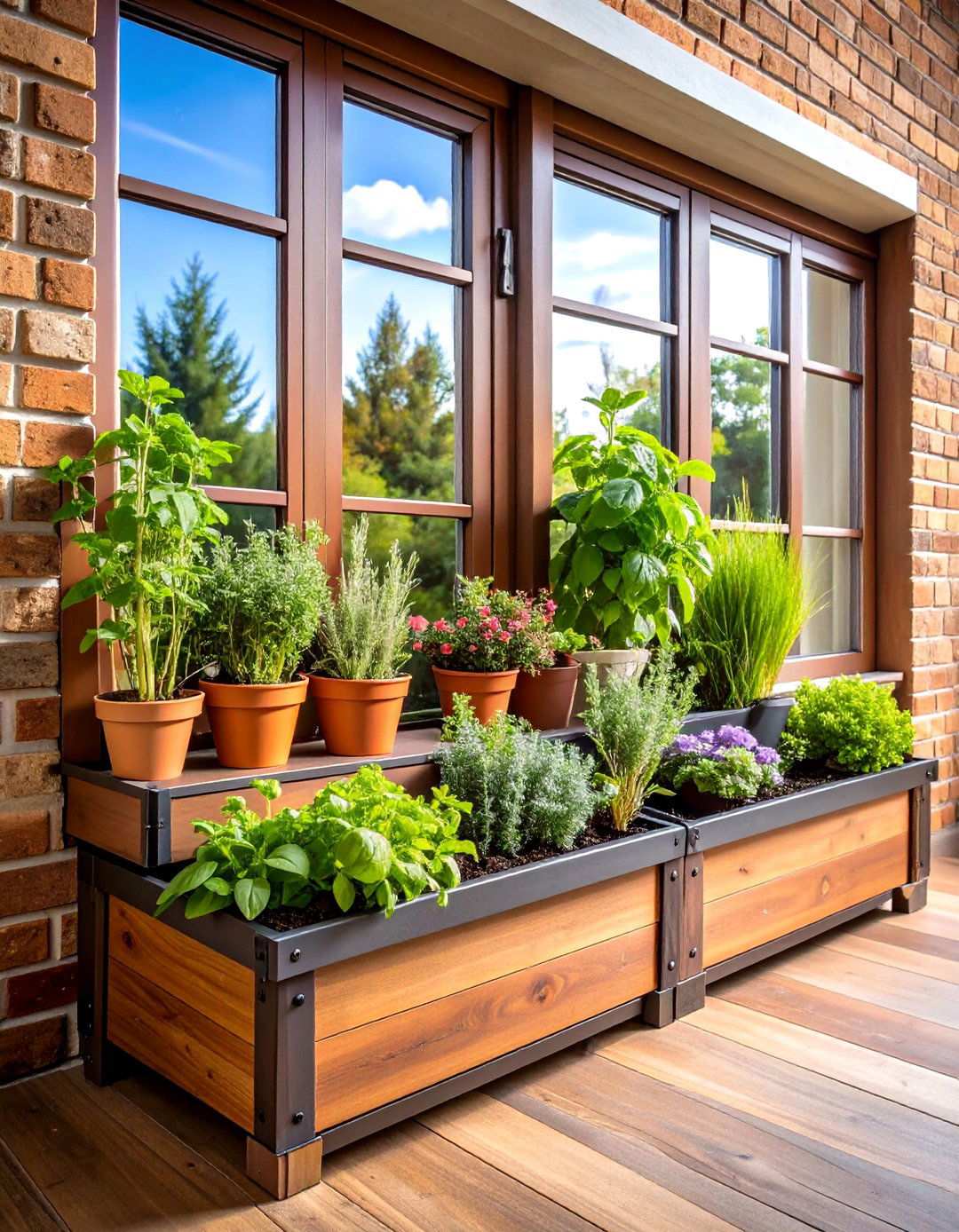
Window boxes provide a convenient and accessible way to grow a variety of fresh cooking herbs, adding a charming touch to urban homes and apartments. These narrow planters can be secured to windowsills, railings, or walls using adjustable brackets that cater to different mounting surfaces. When selecting herbs, popular culinary favorites like basil, oregano, thyme, rosemary, and parsley thrive in the confined root spaces provided. Proper drainage is crucial to prevent water damage to building exteriors while maintaining optimal soil moisture for herb production. To ensure continuous harvests throughout growing seasons, succession planting involves replacing mature plants with new seedlings. The orientation of the window determines the most suitable herb varieties, with sun-loving Mediterranean herbs excelling in south-facing exposures. Built-in water reservoirs or drip irrigation systems significantly reduce maintenance requirements for busy urban dwellers. These installations not only provide instant access to fresh ingredients but also create beautiful green accents visible from both inside and outside homes. Regular harvesting encourages continued growth and prevents herbs from becoming woody or going to seed prematurely.
6. Nurturing Urban Harvests
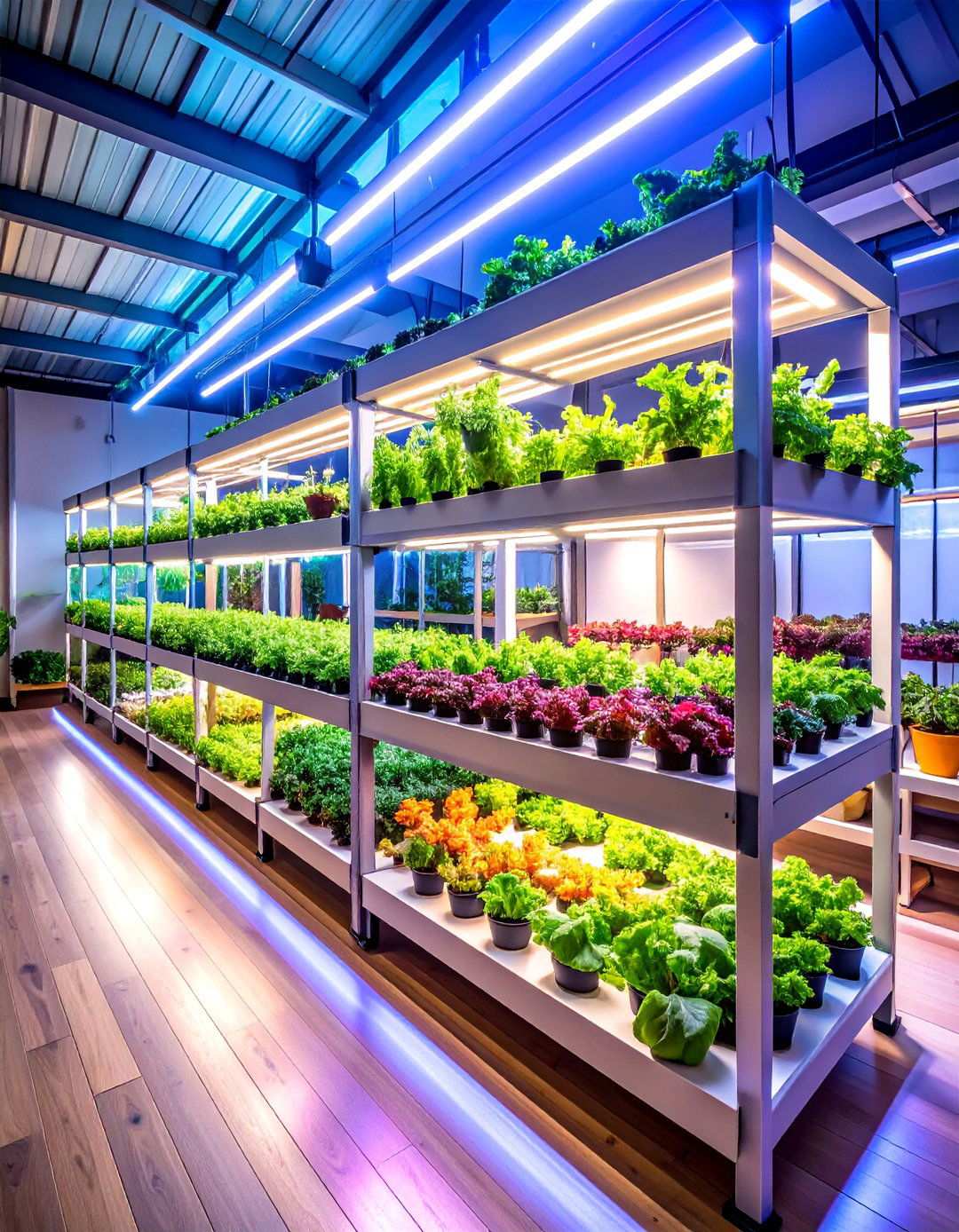
By harnessing the power of hydroponics, urban gardeners can reap a bountiful harvest all year round, regardless of the vagaries of outdoor weather. This innovative approach to plant cultivation relies on nutrient-rich water solutions rather than traditional soil, providing a high degree of control over plant nutrition, pH levels, and growing conditions. The absence of soil allows for the installation of LED grow lights, which can be adjusted to mimic natural sunlight, making it possible to set up hydroponic systems in even the most unlikely of locations – from basements and spare rooms to any indoor space with electrical access. To minimize the need for daily maintenance, automated systems can be integrated to monitor and adjust nutrient levels, water circulation, and lighting schedules. As a result, leafy greens, herbs, and small fruiting plants can thrive in these controlled environments, enjoying accelerated growth rates compared to traditional soil gardening. By maximizing space efficiency through the use of vertical towers or horizontal trays, urban gardeners can produce a substantial amount of fresh produce in even the most limited of square footage, while also enjoying easy access for harvesting. Furthermore, air pumps play a crucial role in providing essential oxygenation to root systems, preventing the buildup of stagnant water conditions. By adopting a hydroponic system, gardeners can enjoy the benefits of pesticide-free produce year-round, as well as create an attractive indoor focal point that showcases their green thumb. The initial investment in a hydroponic system is more than offset by the reduced grocery bills and elimination of weather-related crop failures.
7. Maximizing Vertical Potential
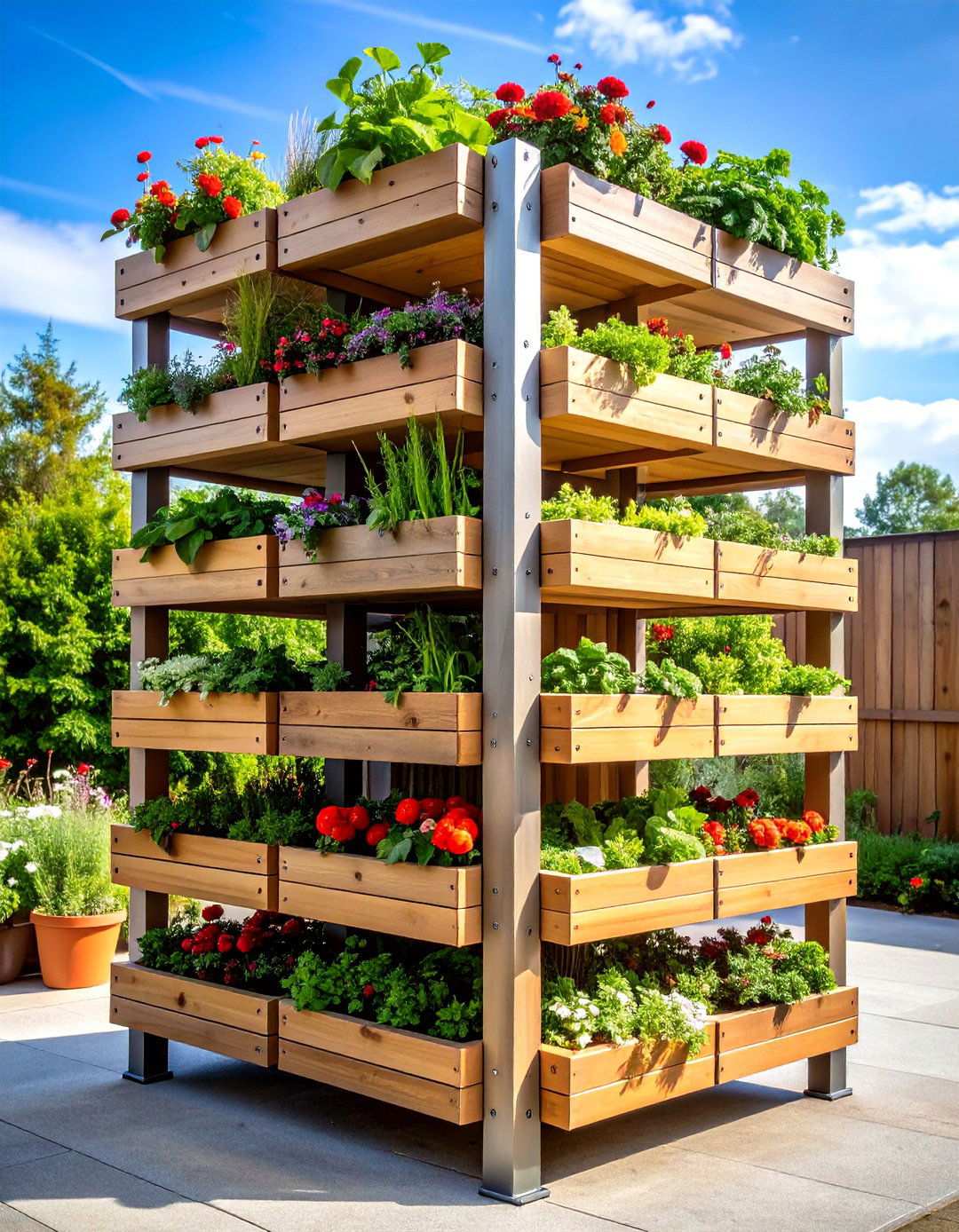
Tiered planting systems offer a highly efficient way to maximize growing capacity in minimal floor space, by stacking containers or specialized tower planters in a vertical arrangement. Each level of the tower provides independent growing space, while sharing water and nutrients through the use of gravity-fed irrigation systems. By carefully selecting the types of plants to be grown on each tier, gardeners can create a diverse and thriving ecosystem, with sun-loving crops placed on the top tiers and shade-tolerant varieties in lower positions. Strawberries, lettuce, herbs, and flowers are just a few examples of the many types of plants that can be grown in these compact systems. To ensure equal sun exposure for all plants, rotating towers can be used, making maintenance tasks easily accessible from all angles. The use of lightweight materials and modular construction allows for easy relocation and reconfiguration of the tower as needs change throughout the seasons. Built-in water reservoirs and overflow systems ensure that plants receive the proper hydration they need without waste or mess. Whether used indoors or outdoors, these space-saving solutions can provide impressive yields from even the smallest of footprints, making them an attractive option for gardeners of all skill levels. Regular rotation of plants and cleaning of irrigation components is essential to maintaining healthy growing conditions and preventing disease buildup in the system.
8. Railing-Mounted Garden
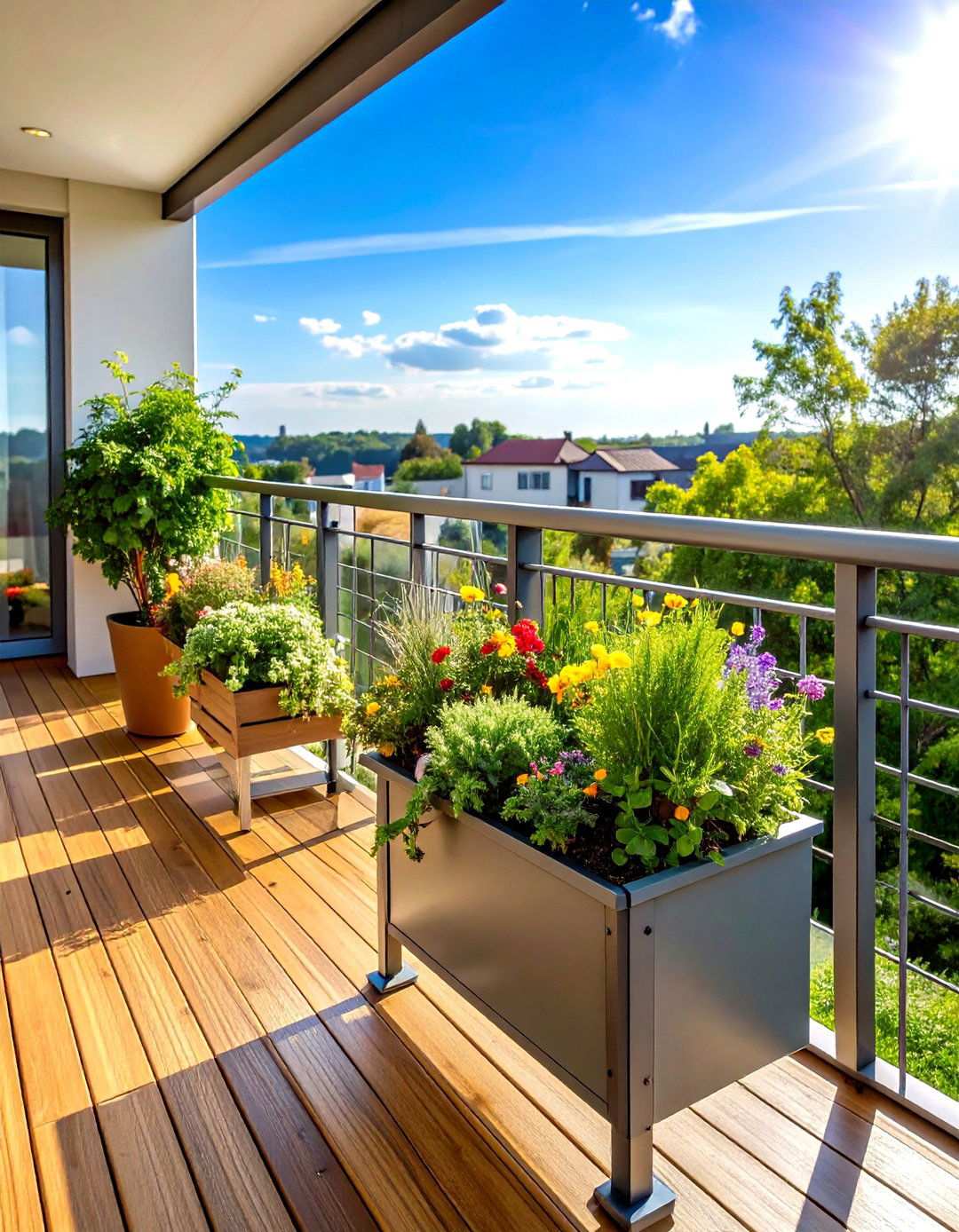
Railings on decks and balconies serve as prime locations for customized planters that optimize available space without encroaching on valuable floor area. Versatile mounting brackets can be adjusted to accommodate a range of railing widths and styles, securing various container sizes in place. By elevating plants to eye level, these planters promote improved drainage and air circulation, making maintenance and harvesting a breeze. Compact and trailing plants flourish in these setups, including cherry tomatoes, herbs, small peppers, and cascading flowers. When exposed to strong winds, it’s essential to opt for sturdy mounting systems and thoughtfully select plants that can withstand harsh conditions. Incorporating self-watering features and wind guards minimizes daily maintenance needs and protects plants from damage during storms. Seasonal plantings ensure displays remain visually appealing year-round while catering to diverse growing requirements. Railing-mounted gardens are particularly well-suited for renters or situations where permanent modifications are not feasible. Regular inspections guarantee that mounting hardware remains secure and plants receive adequate water and nutrients despite increased wind exposure and sun intensity.
9. Pocket Garden Wall
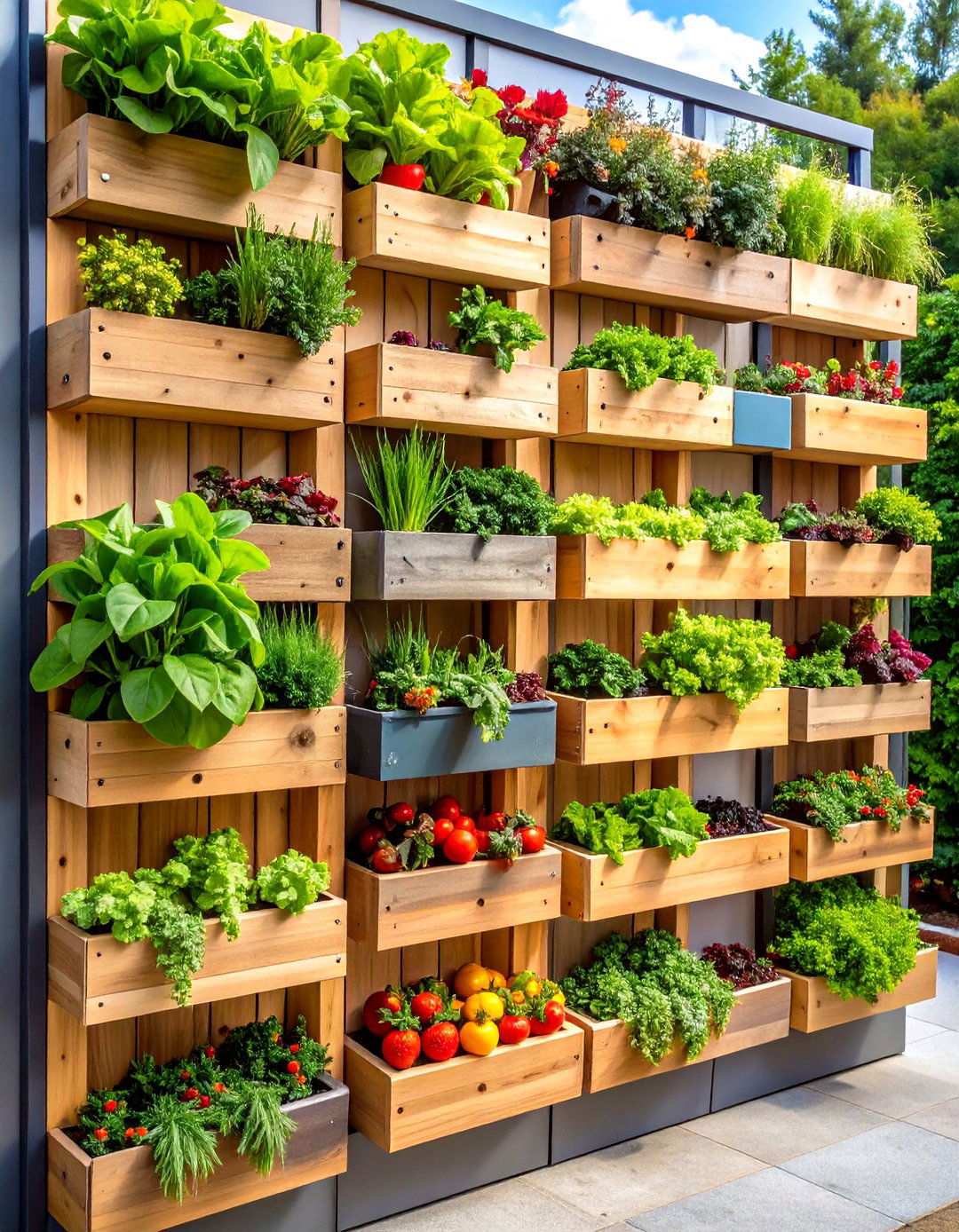
Fabric and plastic pocket planters enable instant vertical gardens to be created on walls, fences, or freestanding structures through the use of multiple compact growing compartments. These flexible systems allow for a wide range of plant sizes while providing ample space for root development and excellent drainage. Installation requires minimal tools and entails no permanent modifications to existing structures, making them an ideal choice for renters. Plants like herbs, lettuces, strawberries, and small flowering varieties thrive in the confined root systems found in these planters. Even irrigation distribution throughout all pockets prevents overflow and water waste, while a modular design facilitates easy expansion or reconfiguration as gardening experience and space requirements evolve. UV-resistant materials ensure that outdoor installations remain durable and attractive throughout the seasons. These lightweight systems can be easily relocated or protected seasonally to optimize growing conditions. Regular fertilizing and crop rotation maintain soil health and prevent pest buildup in the confined growing spaces. Companion planting in adjacent pockets fosters beneficial relationships between different plant varieties.
10. Versatile Mobile Raised Bed Garden Systems
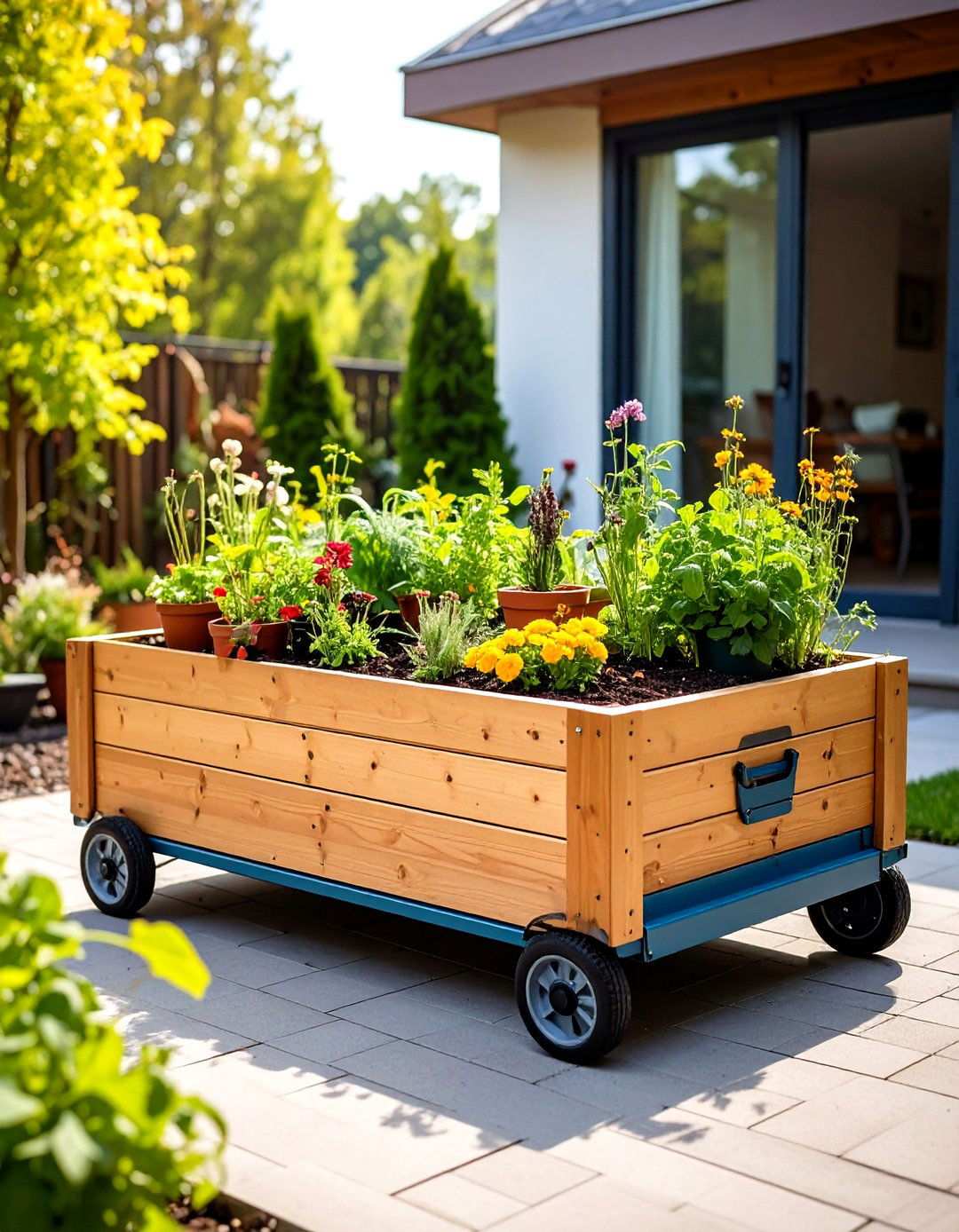
Portable raised bed gardens have revolutionized the way people grow their own fruits and vegetables. Equipped with built-in casters or wheels, these mobile systems allow for effortless repositioning without disrupting plant roots or soil quality. The deeper soil depth accommodates a wider range of crops, including larger vegetables like tomatoes, peppers, and root crops, while ensuring excellent drainage and soil quality control. Protective covers can be easily removed or adjusted to shield tender plants from harsh weather conditions, extending the growing season. Height adjustments make gardening more comfortable, reducing strain from bending and kneeling. Modular construction enables the connection of multiple beds for larger growing areas or separate units for specialized plant requirements. Convenient built-in tool storage and water reservoirs provide quick access to essential gardening supplies. These systems work beautifully on concrete patios, driveways, or any level surface with adequate drainage. Regular soil amendments and crop rotation maintain soil fertility, prevent disease buildup, and ensure a thriving garden. With the right weather protection features, urban gardeners can enjoy year-round growing in even the harshest climates.
11. Vertical Trellis Systems for Climbing Plants
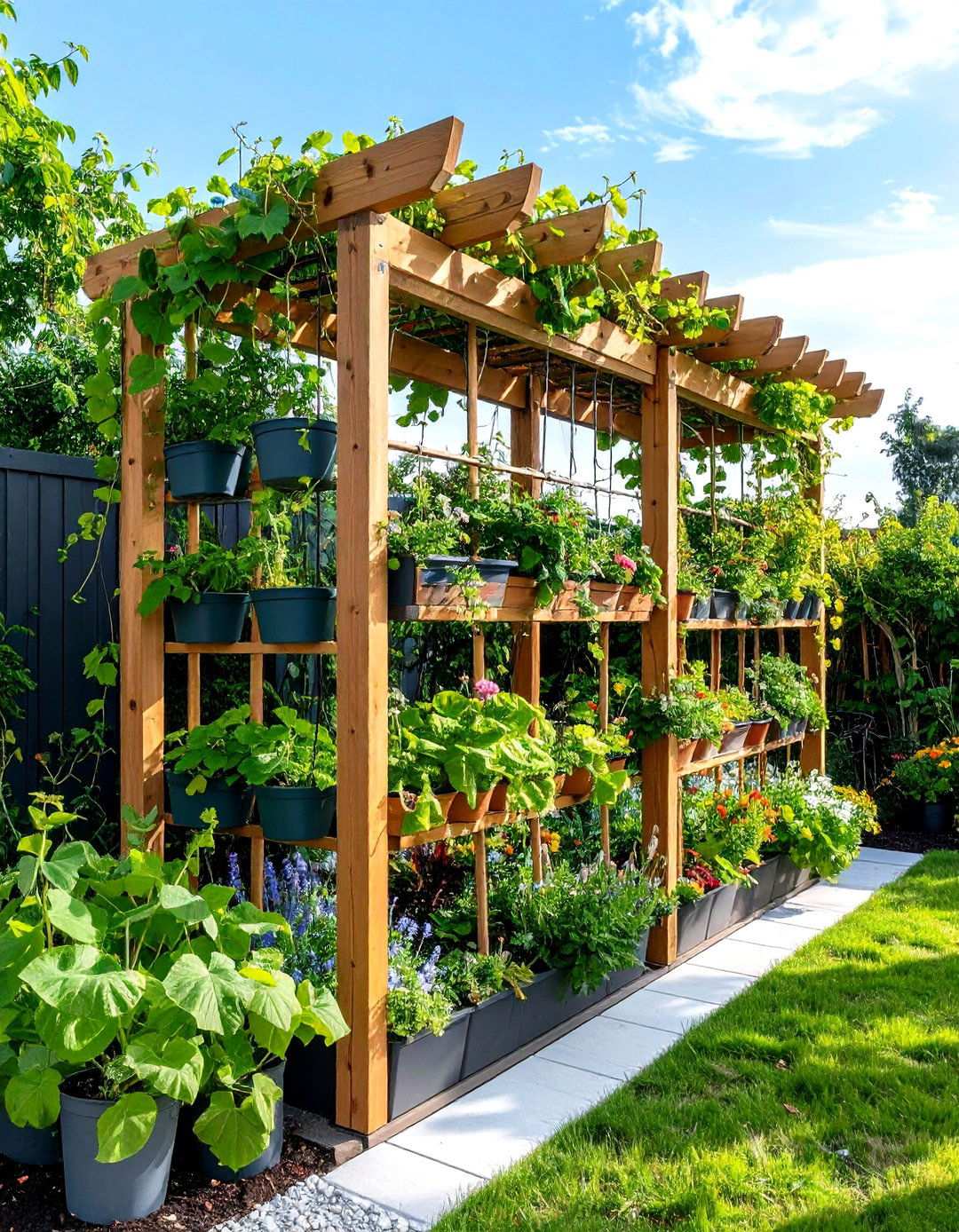
Vertical trellis systems have become a popular choice for urban gardeners seeking to maximize space and create beautiful, productive growing walls. By training vines upward, these structures allow for the efficient use of valuable ground space while providing a natural privacy screen. Sturdy support systems, such as bean poles, cucumber frames, and tomato cages, are designed to handle heavy fruiting vines while maintaining easy access for harvesting. Flowering vines like morning glories and sweet peas create stunning seasonal displays while attracting beneficial pollinators to urban gardens. The modular design of trellis panels enables easy reconfiguration and expansion as garden needs evolve throughout the seasons. Weather-resistant materials ensure the structural integrity of these systems, providing reliable plant support in windy conditions and storms. Integrated planters at the base of the trellis provide root space while maintaining a clean and organized appearance. These installations can be used as temporary seasonal features or permanent garden structures. Regular pruning and training guide plant growth, maintaining structural integrity and preventing overcrowding. Companion planting at the base of the trellis maximizes space utilization while creating beneficial growing relationships between plants.
12. Innovative Succulent Displays
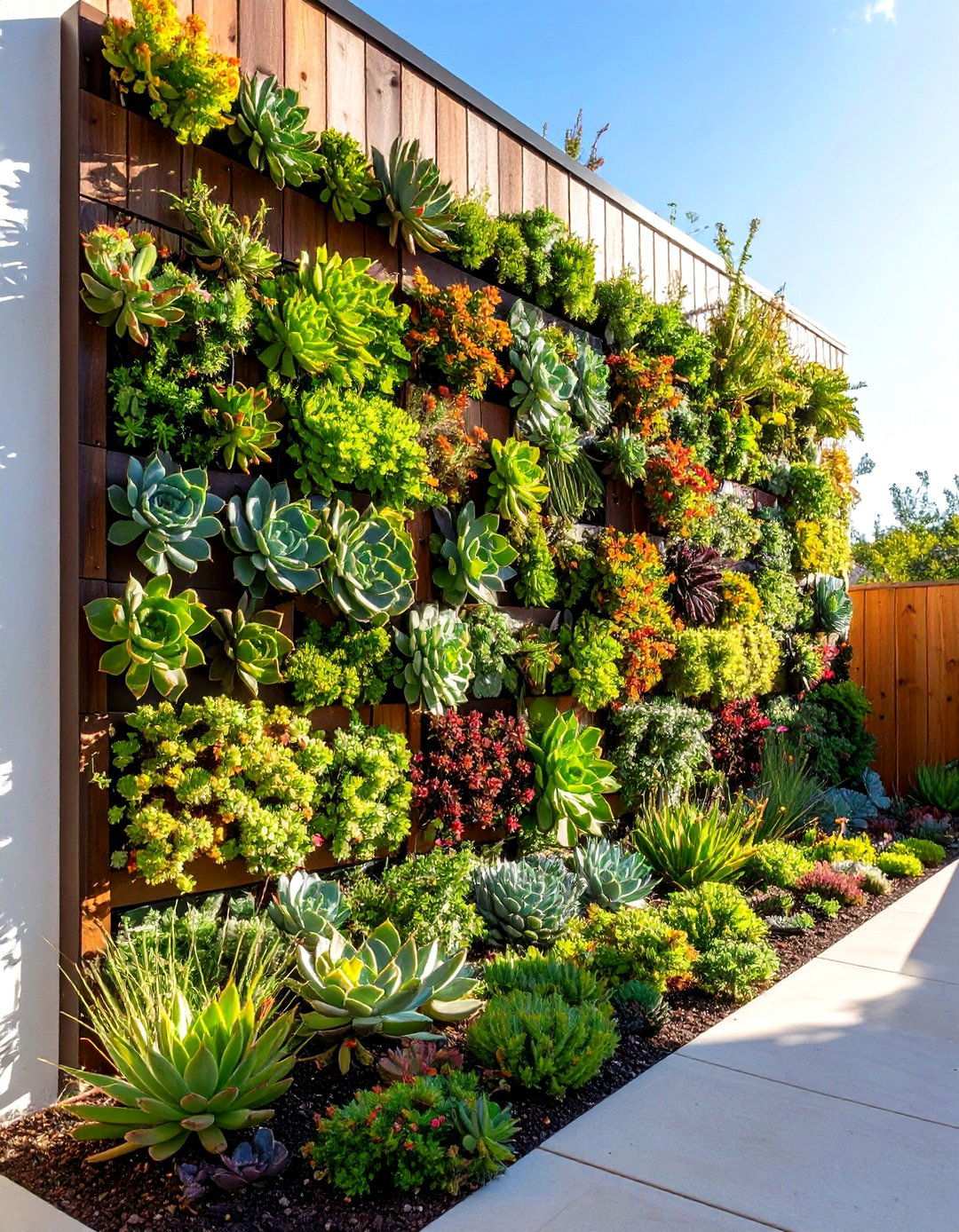
Thriving succulent walls offer an attractive solution for urban spaces with limited water needs. By utilizing specialized planting systems with excellent drainage, these installations prevent root rot and promote healthy growth in a variety of succulent species. Echeveria, sedum, and architectural succulents provide an array of colors, textures, and forms, while modular panels enable creative design and easy plant replacement. Minimal irrigation requirements make succulent walls an ideal choice for vacation homes or busy lifestyles with irregular maintenance schedules. UV-resistant mounting systems protect the plants from harsh urban sunlight and ensure structural integrity, while seasonal color changes and flowering periods provide year-round visual interest. These installations thrive particularly well in Mediterranean climates or areas with consistent temperatures, although regular inspection for pests and occasional fertilizing are necessary to maintain healthy growth and attractive appearances. In colder climates, winter protection may be essential to prevent freeze damage to tender succulent varieties.
13. Apartment Herb Gardens
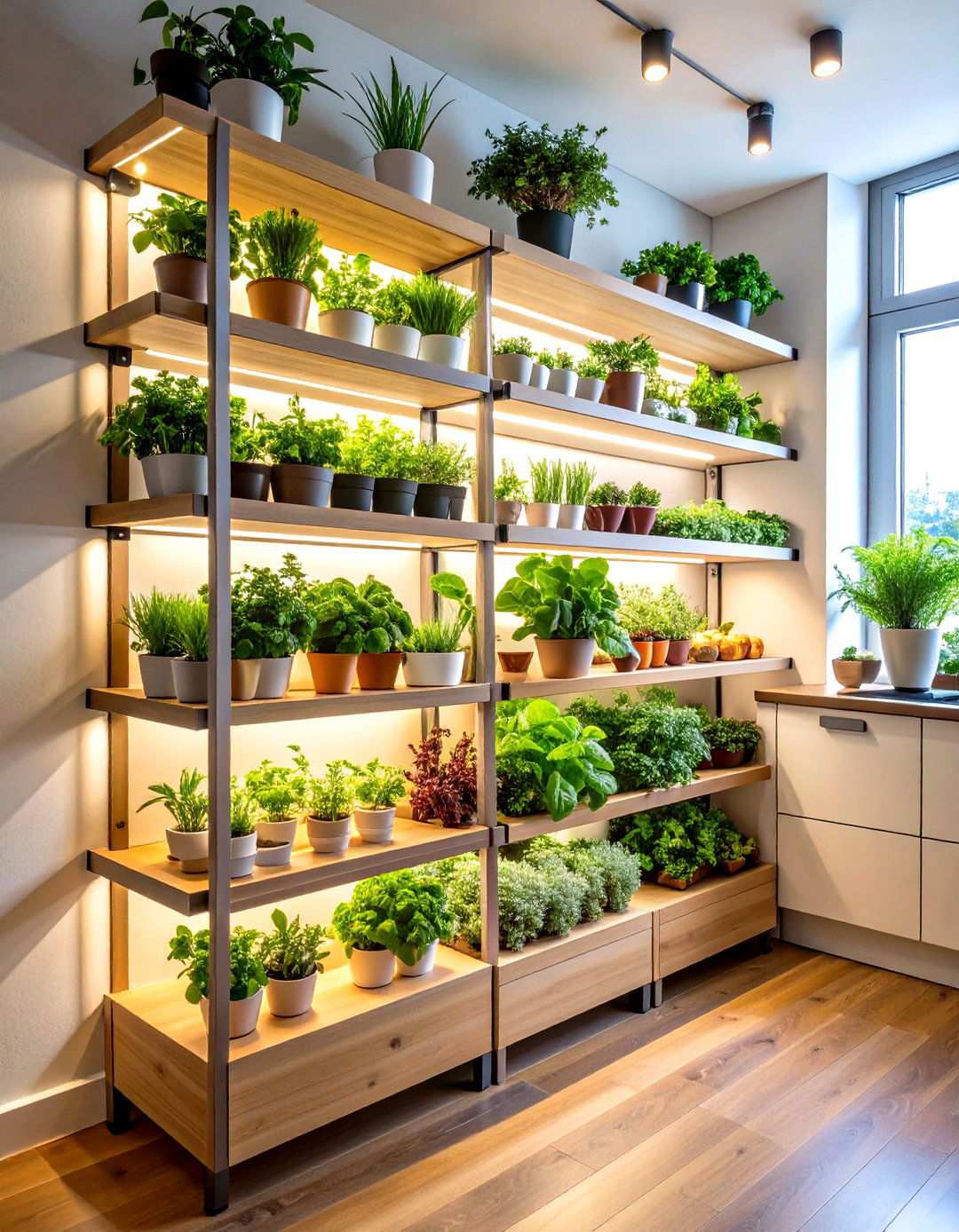
Utilizing indoor spaces to grow fresh herbs is a great option for urban apartment dwellers. These compact growing systems often employ tiered shelving, hanging planters, or countertop gardens to optimize production in limited areas. LED grow lights supplement natural light during winter months or in lower-light locations, while self-watering systems and humidity trays create ideal growing conditions with minimal daily maintenance. Many herb enthusiasts favor growing culinary favorites like basil, cilantro, parsley, chives, and mint, which provide immediate cooking benefits and fresh ingredients for daily meals. Aesthetically pleasing containers and display systems integrate seamlessly with kitchen décor while providing functional growing space. Regular harvesting encourages continued growth and provides a steady supply of fresh herbs, while succession planting ensures continuous harvests by starting new plants before mature ones decline. Companion plantings create beneficial growing relationships while maximizing space utilization in confined growing areas, ultimately requiring minimal investment while providing significant savings on grocery herb purchases.
14. Urban Oasis on a Fire Escape
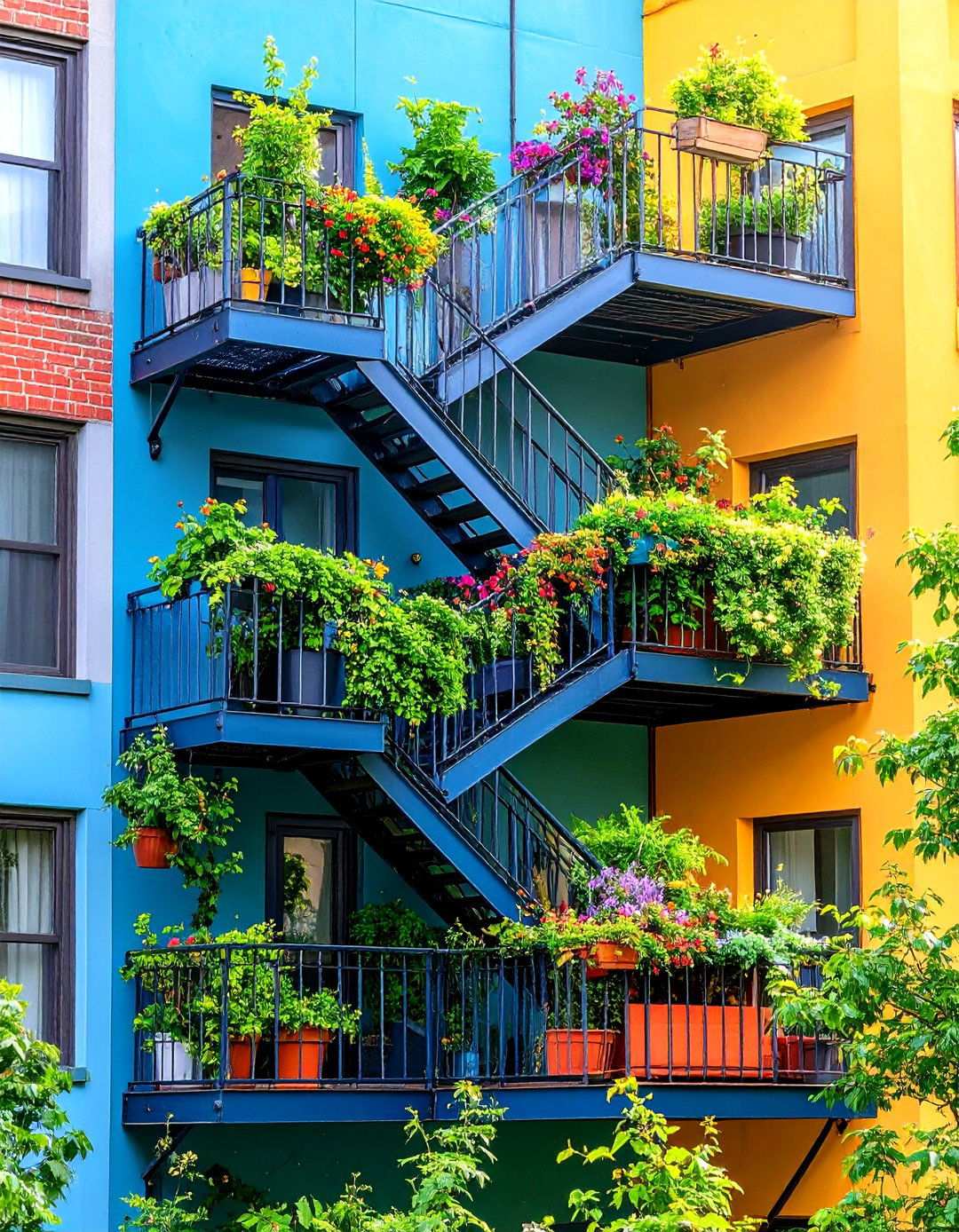
Innovative fire escape platforms have transformed the way people think about container gardening in urban settings. Not only do these installations provide a safe and accessible means of emergency egress, but they also offer a unique opportunity to cultivate a thriving garden while adhering to building codes and regulations. The use of lightweight containers and secure mounting systems ensures that the garden doesn’t compromise the integrity of the building’s emergency exit requirements. To ensure the garden’s resilience, plant selection focuses on wind-resistant varieties that can thrive in harsh urban environments, where air pollution and temperature extremes are a common occurrence. Non-slip surfaces and secure attachment methods are essential to prevent containers from falling during inclement weather, safeguarding both the garden and the occupants of the building. By choosing drought-tolerant plants, gardeners can minimize maintenance requirements, even during periods of irregular care or extended vacations. Seasonal displays add a pop of color and interest to the garden, while accommodating the varying growing requirements of different plants throughout the year. Before installation, building management approval is obtained to ensure compliance with safety regulations and lease agreements. These fire escape gardens not only provide a productive growing space but also enhance urban views and air quality, creating a more pleasant living environment. Regular inspections are necessary to guarantee that all mounting hardware remains secure and the plants continue to thrive despite the challenging conditions.
15. Collaborative Green Spaces
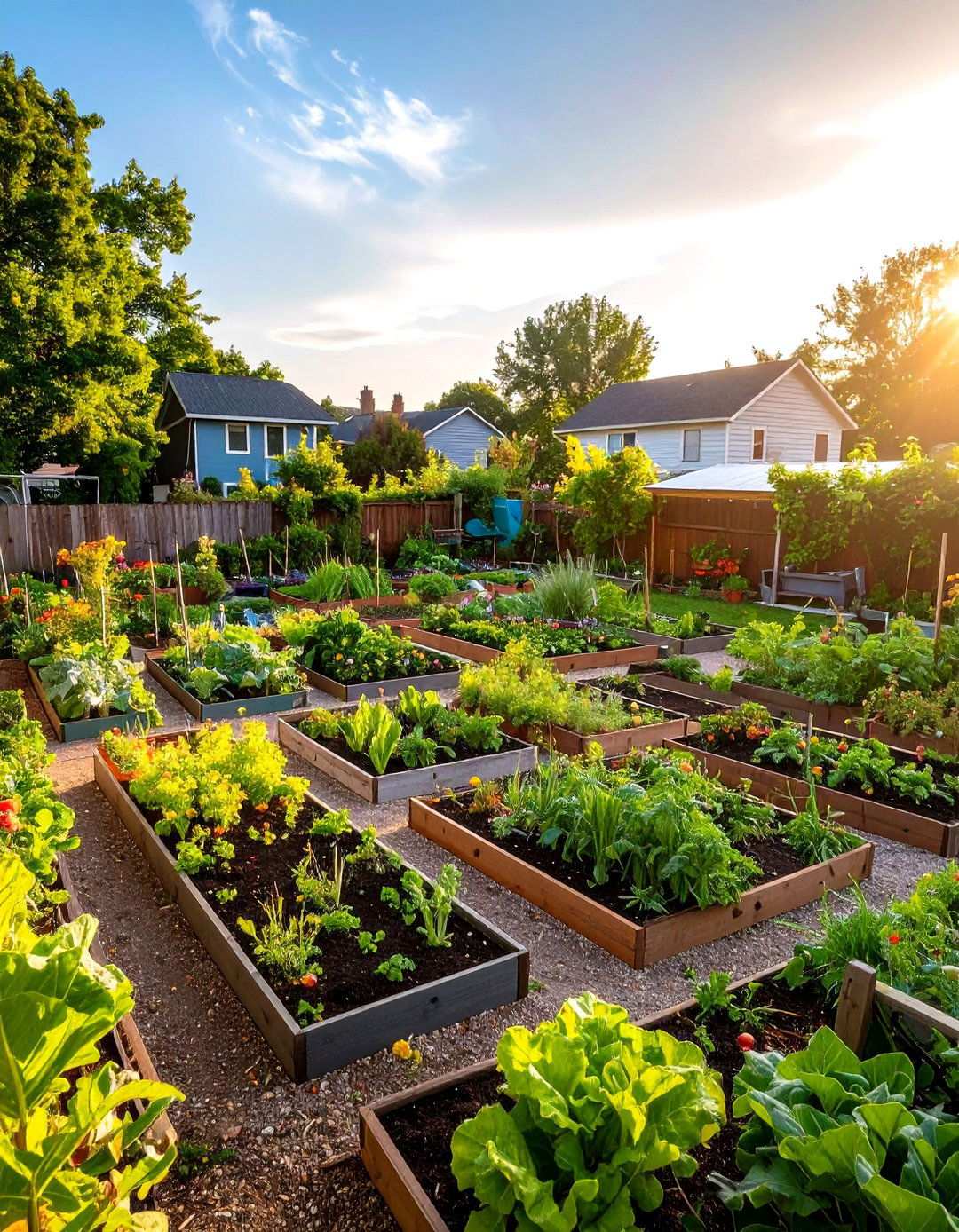
Shared community garden plots have become an essential resource for urban residents without private outdoor space, offering a unique opportunity to engage in productive gardening activities. These installations typically divide larger areas into individual plots, allowing residents to cultivate their own gardens while sharing common resources such as water, tools, and composting facilities. By implementing intensive planting methods and vertical growing techniques within assigned space limitations, plot planning maximizes production, making the most of the available growing space. Companion planting and crop rotation are employed to maintain soil health and prevent pest buildup, creating diverse plant communities that promote ecological balance. Seasonal meetings and educational programs not only build gardening skills but also foster neighborhood connections and community engagement. Tool sharing and group purchasing reduce individual costs, providing access to specialized equipment and bulk materials. Children’s areas and educational plots offer learning opportunities, encouraging family participation in gardening activities and promoting a sense of community. Gathering areas for social events and harvest celebrations strengthen community bonds, while regular volunteer days maintain common areas and build relationships between gardeners from diverse backgrounds. Waiting lists and membership requirements ensure committed participation, maintaining plot productivity and community standards.
16. Repurposing Shipping Containers for Year-Round Food Production
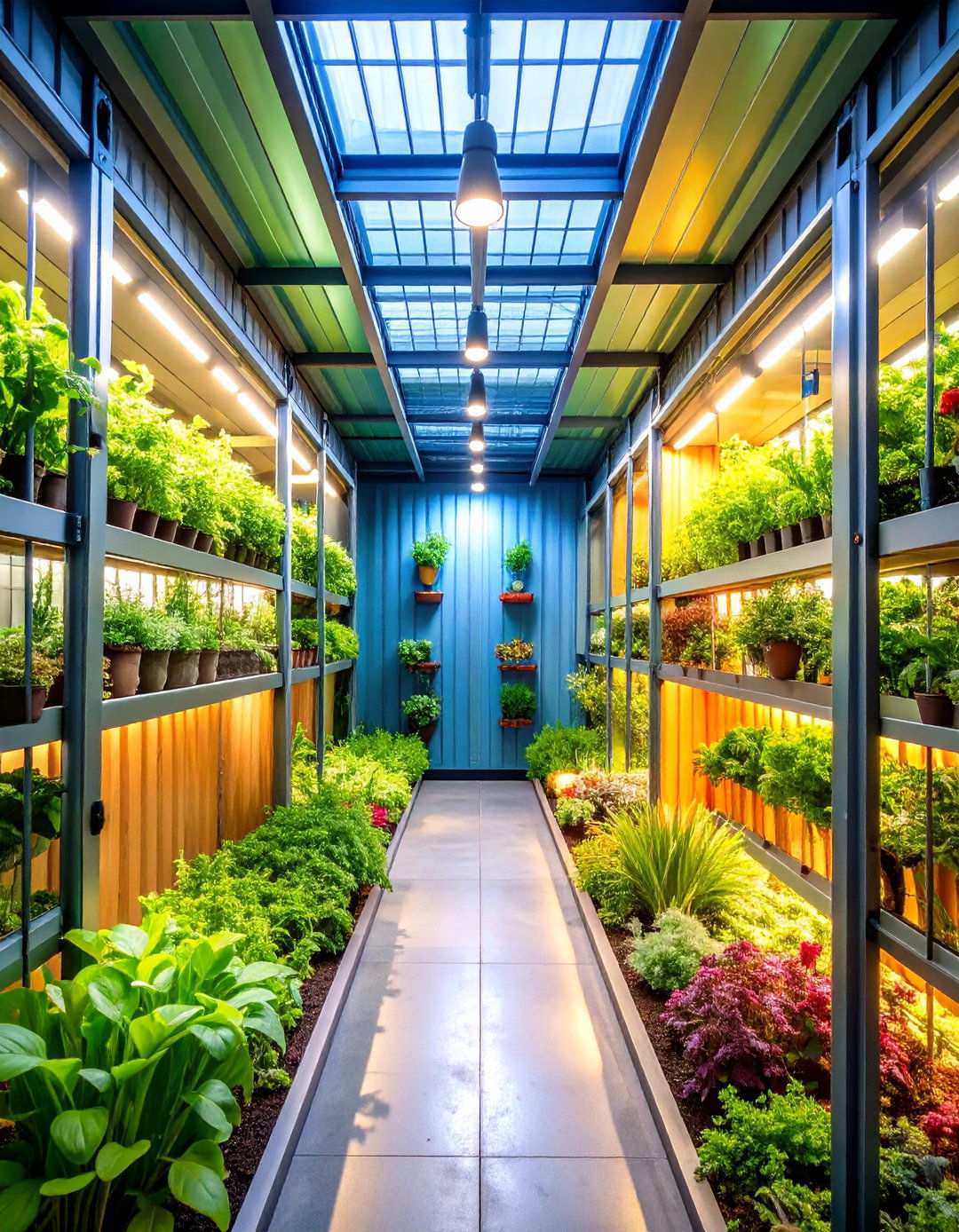
Transformed shipping containers have emerged as ideal platforms for cultivating fresh produce throughout the year. These innovative installations harness the power of hydroponic and soil-based systems to create climate-controlled environments that optimize growing conditions. Vertical growing systems and LED lighting maximize space utilization, while insulation and ventilation systems regulate temperatures and minimize energy consumption. Automated irrigation and nutrient delivery systems ensure precise plant care with minimal daily maintenance requirements. Multiple growing zones within single containers cater to diverse plant types and growing needs, ensuring simultaneous production of multiple crops. Advanced security features safeguard valuable equipment and harvests in urban settings, providing peace of mind for property owners. By producing commercial quantities of fresh produce while occupying minimal urban space, these systems have become an attractive solution for urban food production. Furthermore, professional installation ensures that electrical, plumbing, and ventilation systems meet local building codes and safety regulations. Regular monitoring and maintenance of environmental conditions and equipment guarantee optimal growing conditions and system longevity. Integration with renewable energy systems not only reduces operating costs but also enhances the environmental sustainability of urban food production.
17. Vertical Gardening with Ladder Planters
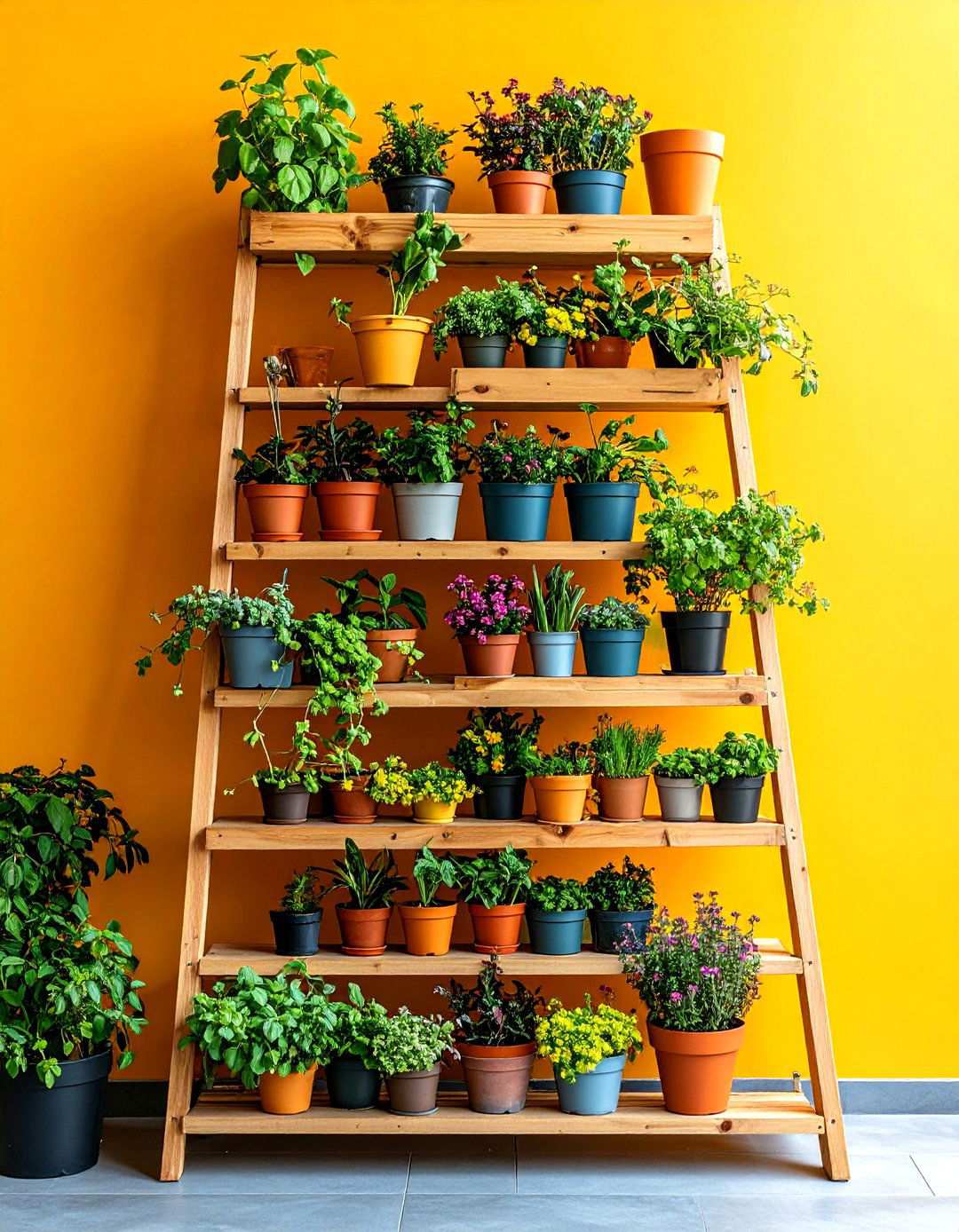
Repurposed or custom-built ladder structures have become a popular choice for creating visually appealing vertical gardens. By utilizing the rungs as natural shelves for container plants, these installations maximize growing space in compact urban areas. Plant selection is carefully tailored to address varying light requirements, with sun-loving varieties positioned on top rungs and shade-tolerant plants below. Weather-resistant treatments and materials ensure the structural integrity of these installations, providing reliable support for plants throughout the seasons. The modular design of these ladder planters allows for easy reconfiguration and seasonal changes, maintaining an attractive display year-round. To prevent structural stress and ensure ladder stability, lightweight containers are used in conjunction with proper weight distribution. These installations are equally suitable for both indoor and outdoor spaces, providing unique focal points for urban gardens. Regular maintenance involves inspecting the structural integrity and adjusting plant arrangements for optimal growing conditions. Seasonal decorations and plant changes keep displays interesting, while accommodating diverse growing requirements. The strategic use of creative lighting enhances evening displays, providing additional growing light for shade-tolerant plants.
18. Reinventing Vertical Space with Pallet Gardens
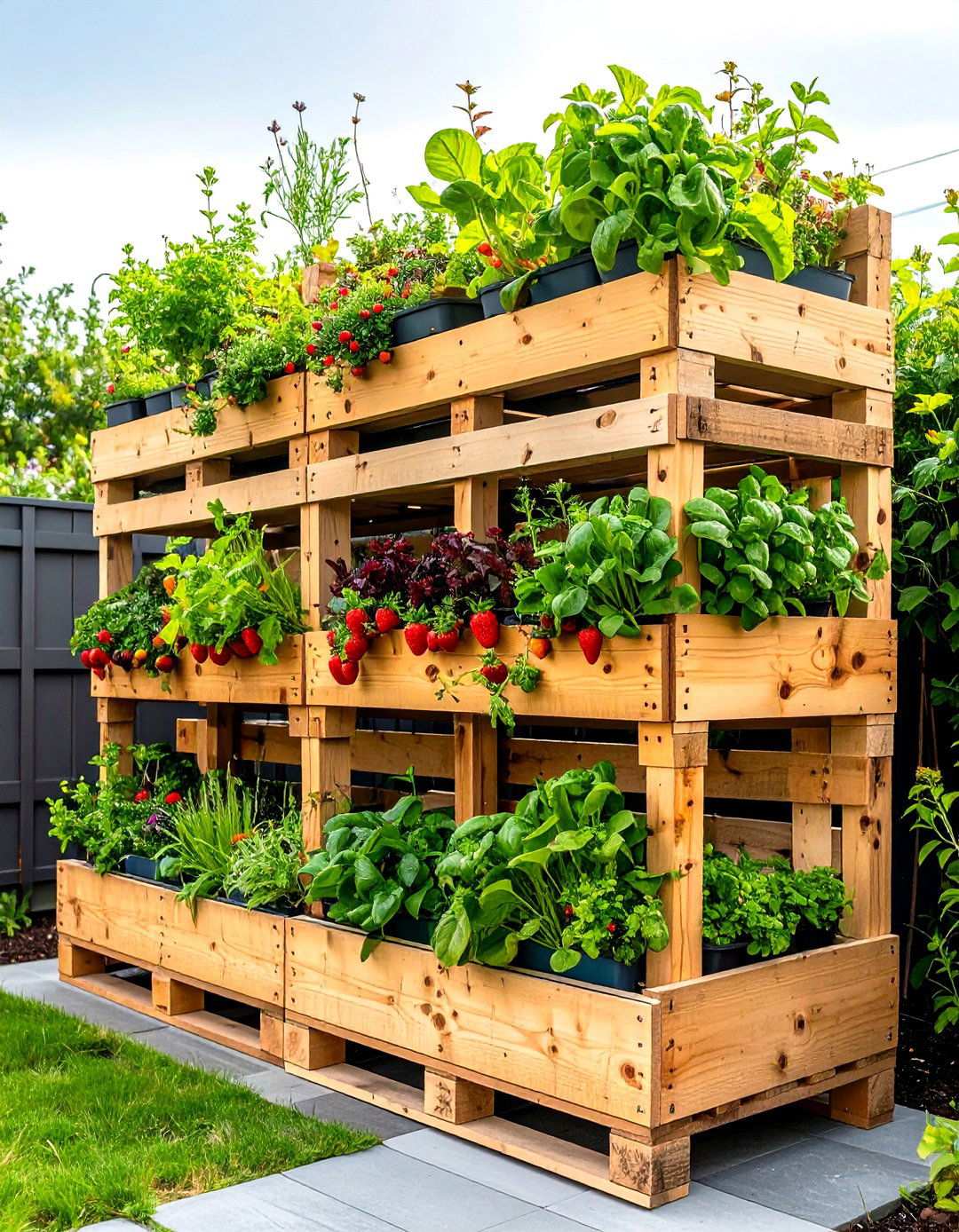
Upcycling wooden pallets into creative vertical gardening solutions has become an attractive option for urban gardeners on a budget. The unique designs not only add visual appeal to outdoor spaces but also provide an efficient way to grow a variety of plants in compact areas. By utilizing pallets as planting walls or raised beds, gardeners can create self-sustaining ecosystems that minimize soil loss and ensure proper drainage. Heat-treated pallets offer a safe and durable solution for outdoor installations, while landscape fabric or geotextile linings help to contain soil and promote healthy root growth. The modular design of these systems allows for easy connection and separation of pallets, making them ideal for both beginners and experienced gardeners. By incorporating herbs, lettuces, strawberries, and flowers with shallow root systems, gardeners can enjoy impressive yields while minimizing maintenance. Regular upkeep involves inspecting the structural integrity of the pallets and replacing worn components as needed, ensuring the longevity of these eco-friendly growing systems.
19. Smart Watering Solutions for Container Gardens
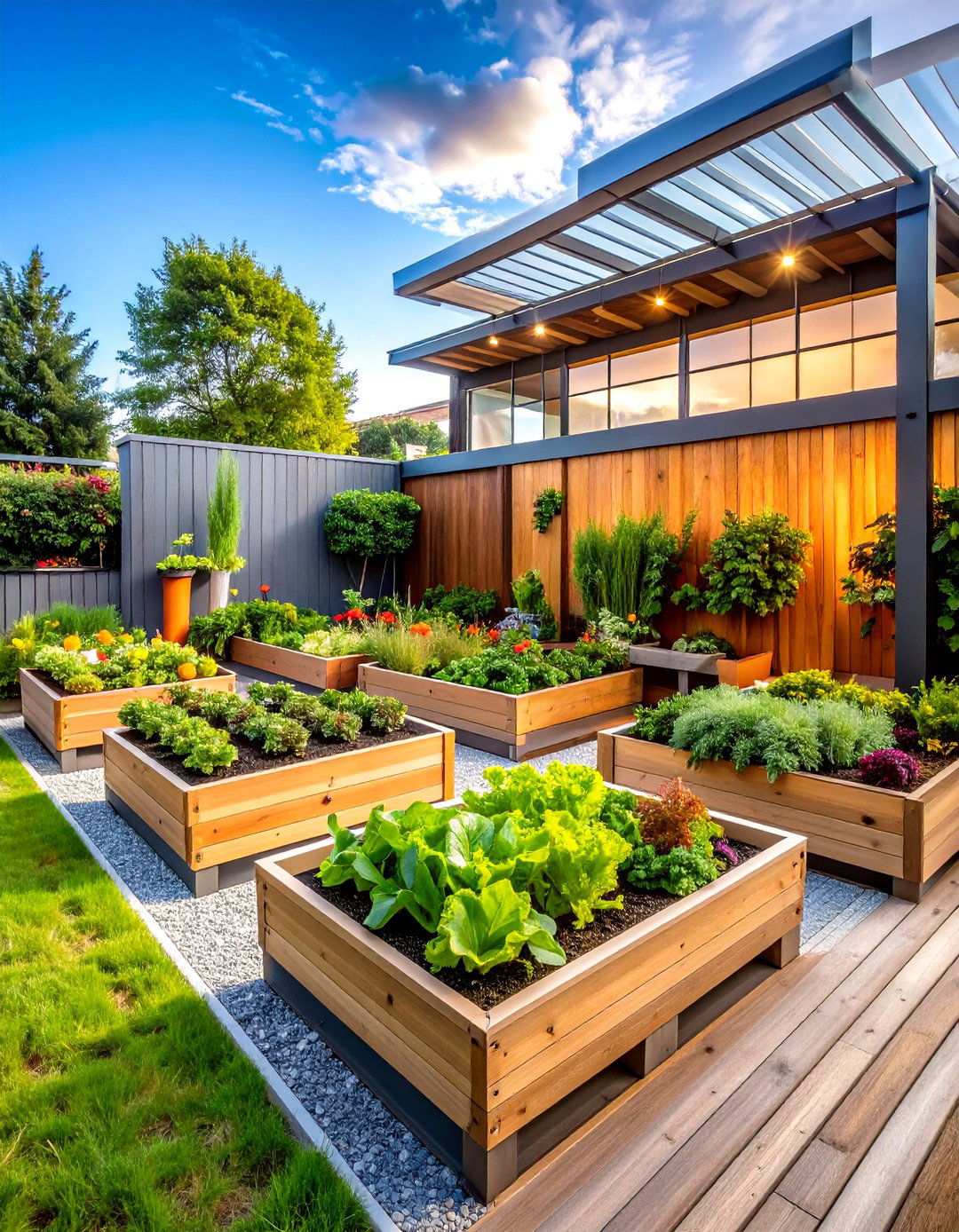
Advanced container gardening systems have revolutionized the way gardeners care for their plants, providing a reliable source of moisture and reducing daily maintenance. By incorporating built-in water reservoirs, these installations ensure that plants receive consistent hydration, even during periods of drought or busy schedules. The wicking system delivers water directly to the root zones, preventing overwatering and root rot, while the large capacity reservoir reduces the need for frequent refilling. Water level indicators provide a clear visual cue when refilling is necessary, minimizing water waste and ensuring efficient delivery systems. These systems are particularly well-suited for deep-rooted vegetables and water-hungry plants that require consistent moisture levels. The use of UV-resistant materials ensures that these installations remain attractive and functional throughout the seasons, while drainage overflow systems prevent waterlogging and maintain optimal soil moisture levels. By monitoring the water system and making seasonal adjustments, gardeners can enjoy optimal results and reduce common watering mistakes.
20. Miniature Greenhouse Setup
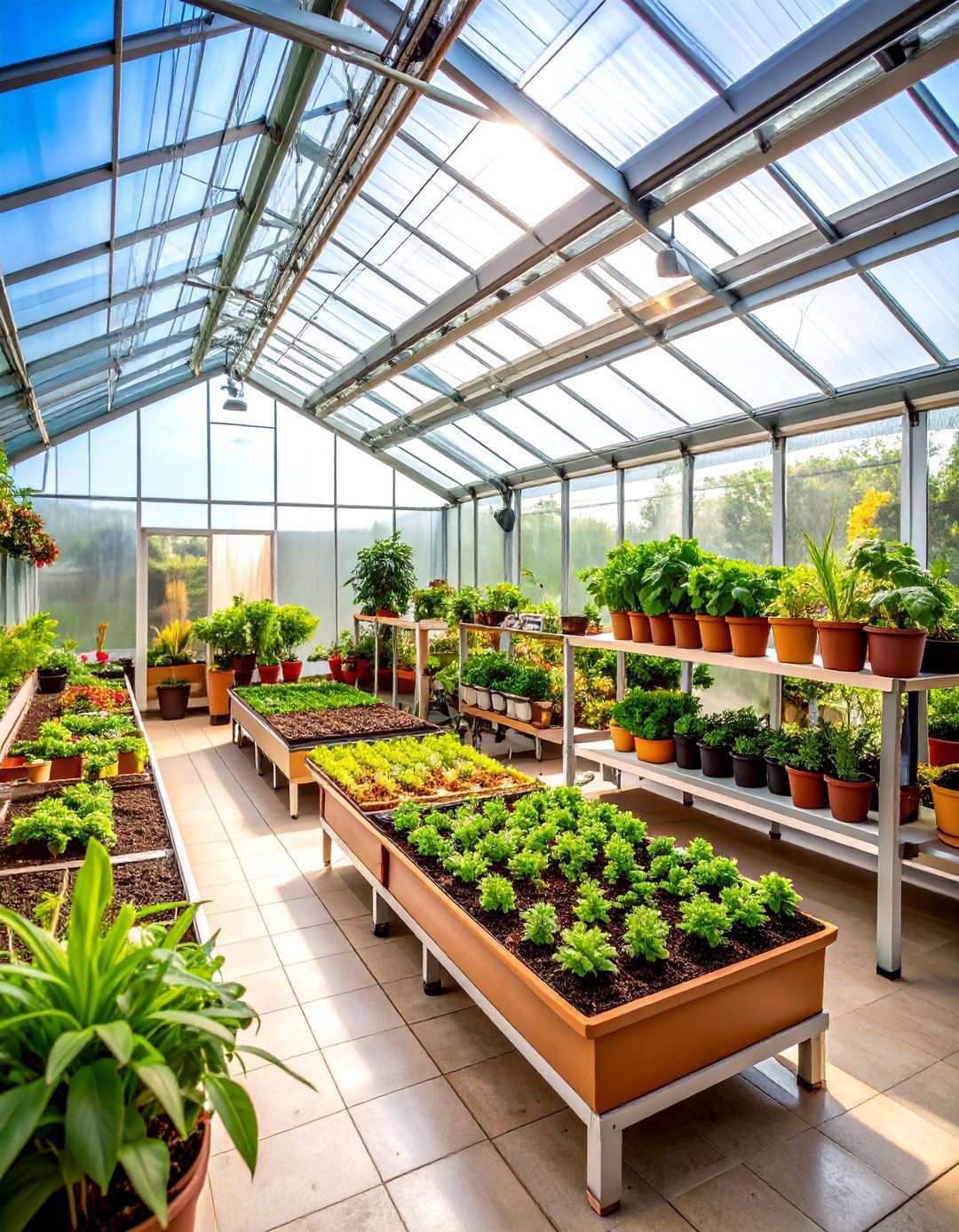
A compact greenhouse setup offers a haven for delicate plants, extending the growing season in harsh urban environments through carefully controlled conditions. By incorporating clear materials and ventilation systems, these installations maintain optimal temperatures while safeguarding plants from the elements, including wind, pollution, and extreme weather. The incorporation of automatic vent openers and heating systems ensures consistent growing conditions while minimizing energy consumption and everyday maintenance. Thoughtfully designed shelving systems optimize growing capacity while providing a neatly organized storage space for tools, supplies, and seasonal equipment. These structures are ideal for seed starting, winter growing, and protecting tender plants during challenging weather periods. A well-designed electrical system provides power for heating, ventilation, and supplemental lighting during the winter months, while foundation systems guarantee structural stability while preventing moisture problems. A notable application for these installations is year-round herb production and winter salad growing in cold climates. To maintain peak performance, regular maintenance involves cleaning glazing materials and inspecting heating and ventilation systems. Furthermore, integrating with rainwater collection systems offers a sustainable irrigation solution while reducing water costs.
21. Hanging Basket Collection
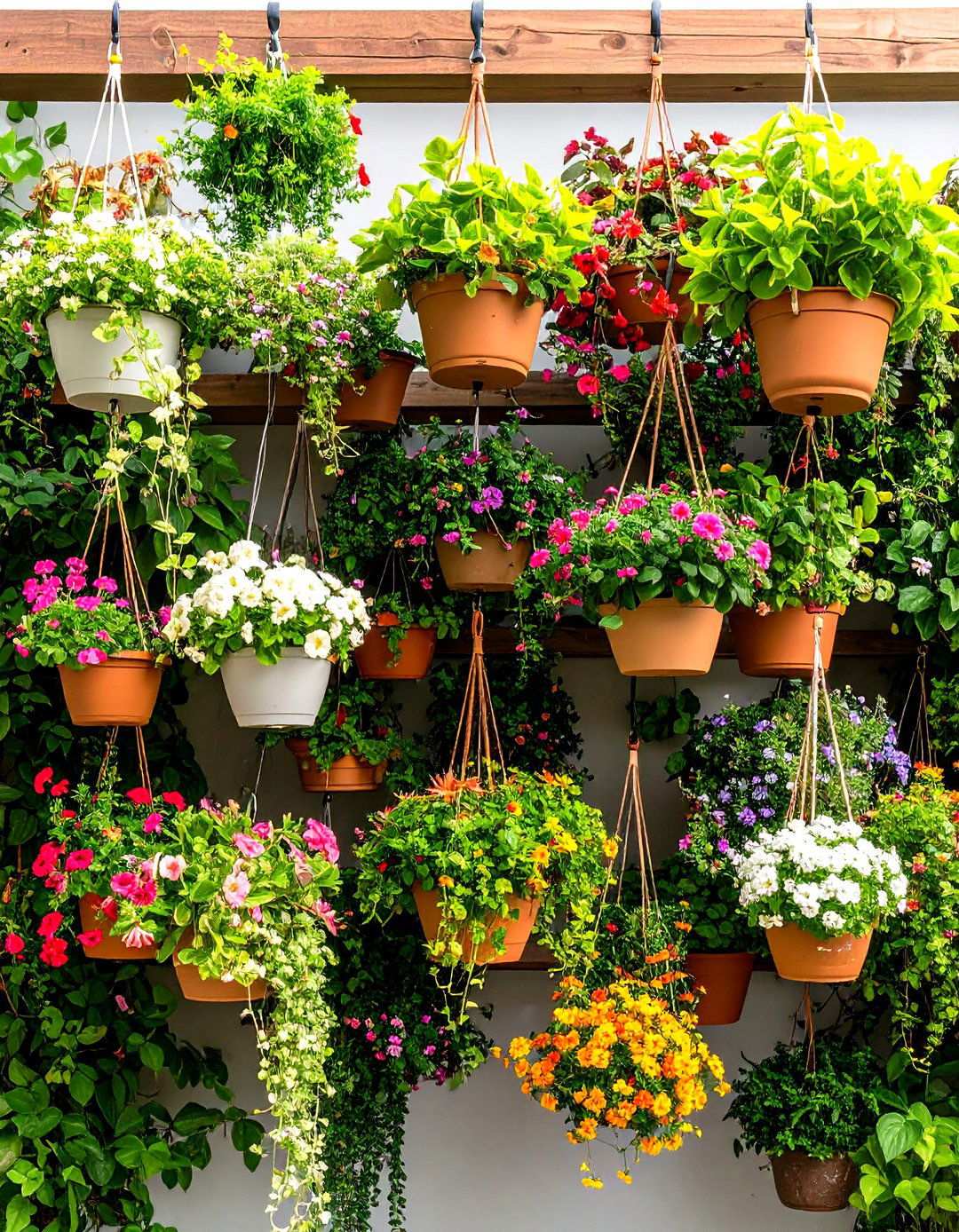
Suspended planters create a striking overhead growing display that maximizes vertical space utilization in urban gardens and patios. These installations utilize pulley systems and adjustable hangers to facilitate easy maintenance access while creating layered growing environments. The selection of trailing varieties, such as strawberries, cherry tomatoes, and cascading flowers, adds both beauty and productivity to the display. A key feature of these installations is the weight distribution across multiple hanging points, which prevents structural stress while ensuring safety during wind storms. Self-watering systems and drip trays protect surfaces below while maintaining consistent moisture levels for healthy plant growth. Seasonal rotation keeps displays visually appealing while accommodating different growing requirements throughout the year. Creative arrangements using various container sizes and heights create dynamic visual interest while optimizing growing capacity. These installations are particularly well-suited for annual flowers and herbs that benefit from excellent drainage and air circulation. Regular deadheading and pruning maintain attractive appearances while encouraging continued flowering and production. Effective winter storage systems protect containers and hardware, thereby extending system longevity.
22. Blossoming Cuisine
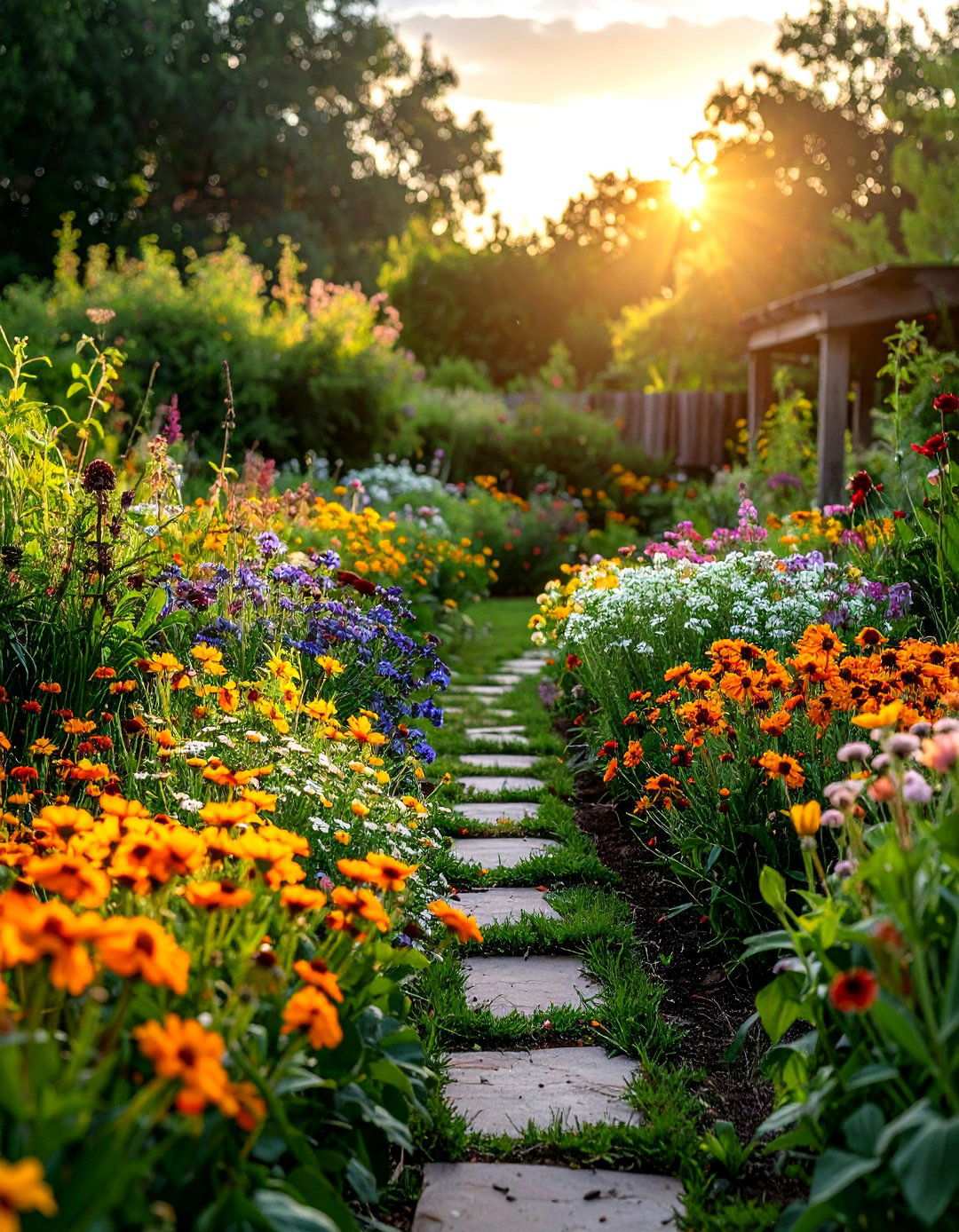
Gardeners can now indulge in the dual delight of aesthetics and edibility by cultivating ornamental food gardens that cleverly combine flowering plants offering visual appeal and culinary ingredients. By expertly combining plants such as nasturtiums, calendulas, violas, and herb flowers, these installations not only add color and vibrancy to the garden but also open up a world of creative possibilities in the kitchen. Companion planting allows for the cultivation of beneficial relationships among plants, while also attracting essential pollinators that play a vital role in urban food production. By implementing succession planting, gardeners can enjoy a continuous display of blooms and regular harvests of edible flowers throughout the growing season. The versatility of these gardens makes them an ideal choice for small spaces, where every plant must work towards multiple goals. Careful planning and attention to color coordination and seasonal displays ensure that the garden remains visually appealing while providing an array of culinary ingredients. Regular harvesting encourages the plants to continue flowering, providing unique ingredients for salads, garnishes, and herbal teas. Moreover, these installations not only attract beneficial insects but also provide a habitat for urban wildlife and pollinators, while offering an educational opportunity for children and adults to explore diverse food possibilities and encourage adventurous cooking. When integrated with traditional vegetable gardens, these installations create productive and beautiful growing spaces that serve multiple purposes.
23. Water-Conscious Vertical Gardens
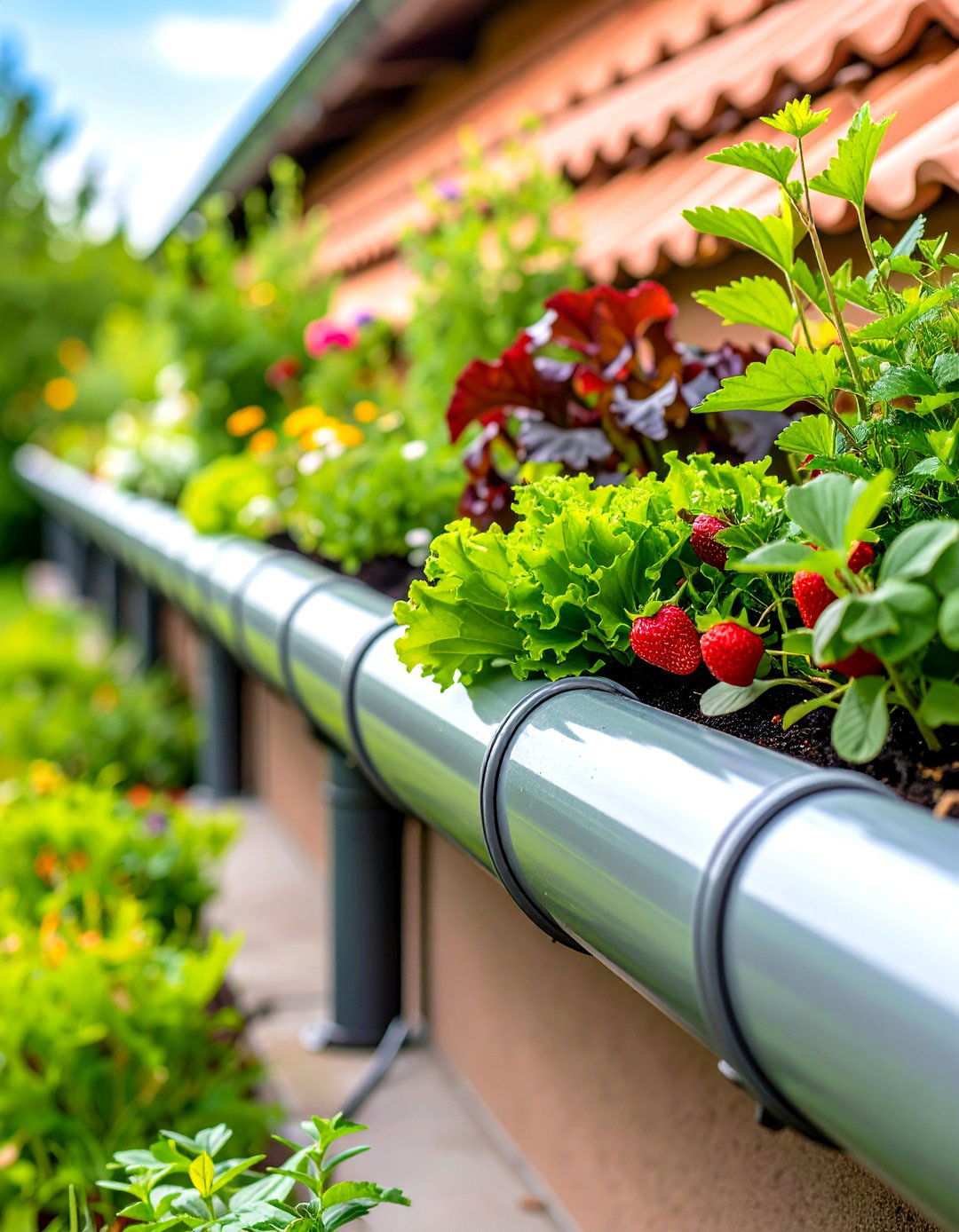
Repurposed or new guttering systems can be repurposed to create efficient linear growing areas for shallow-rooted plants, making them ideal for vertical gardens with horizontal mounting on walls or freestanding structures. These installations offer excellent drainage while accommodating a wide range of shallow-rooted plants such as lettuce, herbs, strawberries, and small flowers in organized growing rows. By carefully angling the guttering system, gardeners can ensure proper water flow while preventing stagnant conditions that can lead to root rot and pest problems. End caps and drainage holes control water flow while preventing soil loss during heavy watering or rain events. These systems are particularly well-suited for succession planting and continuous harvests of salad crops throughout the growing season. The modular design of these systems allows for easy expansion and reconfiguration while maintaining efficient growing arrangements. By adjusting the mounting height, gardeners can ensure comfortable maintenance while maximizing sun exposure for optimal plant growth. These installations require minimal soil volume while providing impressive growing capacity in compact urban spaces. Regular cleaning prevents clogs, ensuring proper drainage and healthy growing conditions. By creatively arranging multiple levels, gardeners can create dramatic growing walls that maximize production in limited space.
24. Evolving Garden Landscapes with Tiered Steps
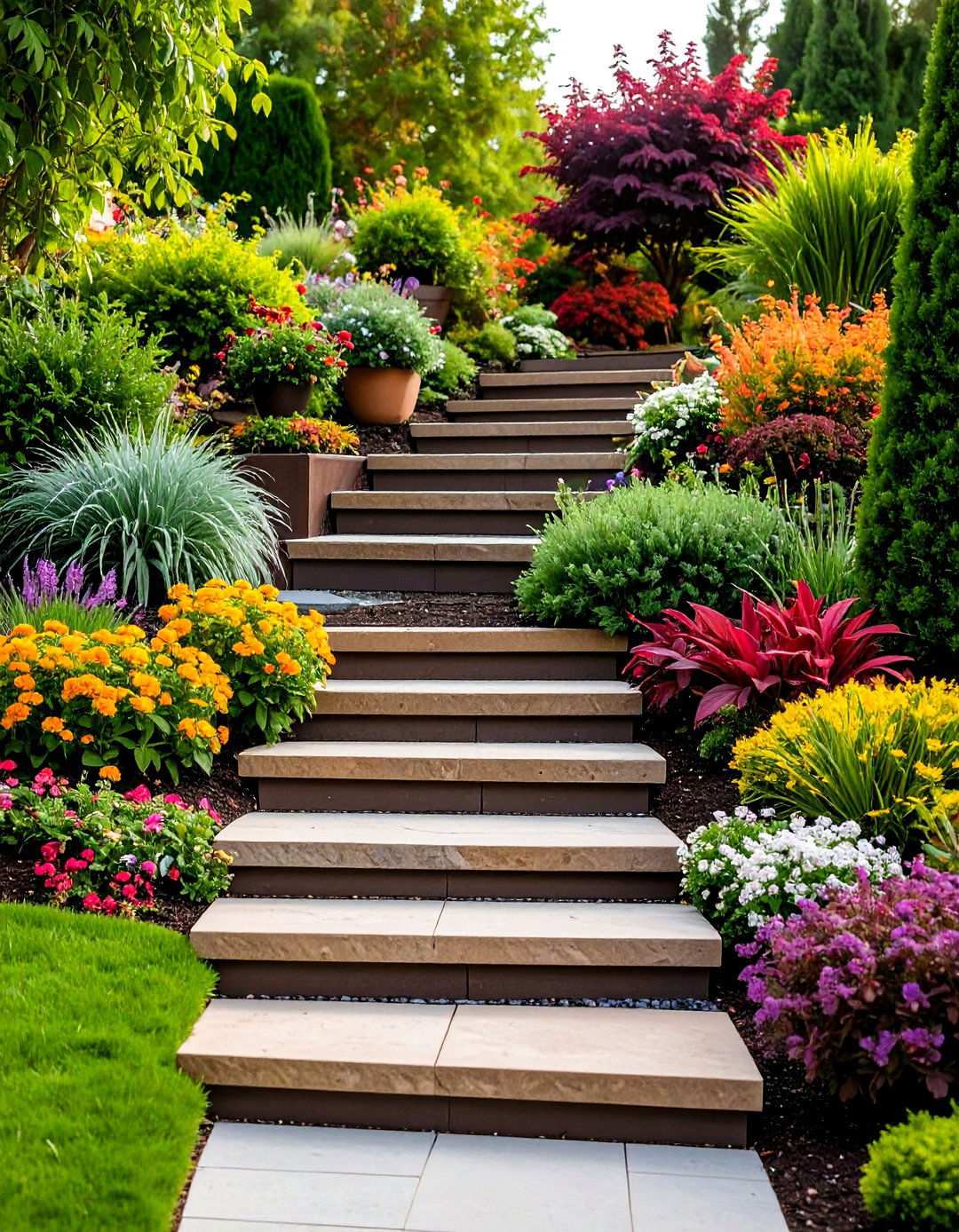
Tiered garden steps represent a masterful approach to maximizing space in sloping landscapes. By harnessing the power of layered elevation changes and retaining structures, homeowners can create captivating visual focal points that not only draw the eye but also cater to diverse plant requirements. Strategic placement of different plants on various levels allows for optimal sun and water exposure, resulting in lush, thriving greenery.
The materials used for construction – such as natural stone, timber, or composite materials – not only provide a durable framework but also contribute significantly to the overall aesthetic appeal of the garden. Built-in irrigation systems play a crucial role in maintaining soil stability, preventing erosion, and ensuring even water distribution. This thoughtful approach even extends to plant selection, where varying levels are used to create a dynamic visual experience that meets different growing requirements and maintenance needs.
These dynamic systems prove especially effective for urban lots with challenging topography or for small gardens seeking to create a dramatic statement. Effective drainage systems prevent water accumulation, directing excess to designated areas, while regular maintenance ensures the structural integrity of the tiered steps remains uncompromised. By adjusting plant arrangements and implementing seasonal plantings, homeowners can enjoy year-round interest and accommodate varying climate requirements. The integration of lighting systems adds an extra layer of allure to these captivating landscapes, extending garden enjoyment well into the evening hours.