1. Timeless Elegance of Spanish Style Windows
For centuries, the architectural traditions of Spain have captivated homeowners worldwide with their warm, inviting, and character-rich designs. These distinctive window styles, shaped by the country’s rich colonial heritage, seamlessly blend practical functionality with elegant aesthetics. From the airy, natural ventilation of tall French casement windows to the ornate wrought iron grilles that add both security and visual flair, Spanish style windows offer a wealth of opportunities for homeowners to imbue their properties with authentic character. Each window style serves a specific purpose while maintaining the cohesive design language that defines Spanish colonial, Mediterranean, and Mission Revival architecture. Featuring natural materials, earthy color palettes, and meticulous craftsmanship details, these windows beautifully reflect the cultural heritage of Spain’s building traditions. Whether you’re restoring a historic Spanish colonial home or incorporating Spanish elements into a contemporary design, understanding the various window styles and their applications will help you create spaces that honor this beloved architectural legacy while meeting modern performance standards.

As an Amazon Associate I earn from qualifying purchases.
French casement windows are a hallmark of authentic Spanish colonial architecture, characterized by their tall, slender proportions and distinctive outward-swinging operation. These windows typically consist of two hinged sashes that open from the center without a central mullion, allowing for optimal ventilation and seamless indoor-outdoor connections. The colonial grid patterns that divide each sash into horizontal rectangular panes create an unmistakable visual signature that sets Spanish style apart from other traditional architectural movements. This emphasis on horizontal lines harmonizes perfectly with the clean lines and geometric simplicity of Spanish colonial facades. Modern versions of these windows maintain these proportional relationships while incorporating cutting-edge energy-efficient glazing and weatherstripping. Traditionally, the frames appear in dark brown wood stains or neutral earth tones that beautifully complement stucco exterior walls and terra cotta roof tiles.
2. Elegant Curves for Timeless Elegance
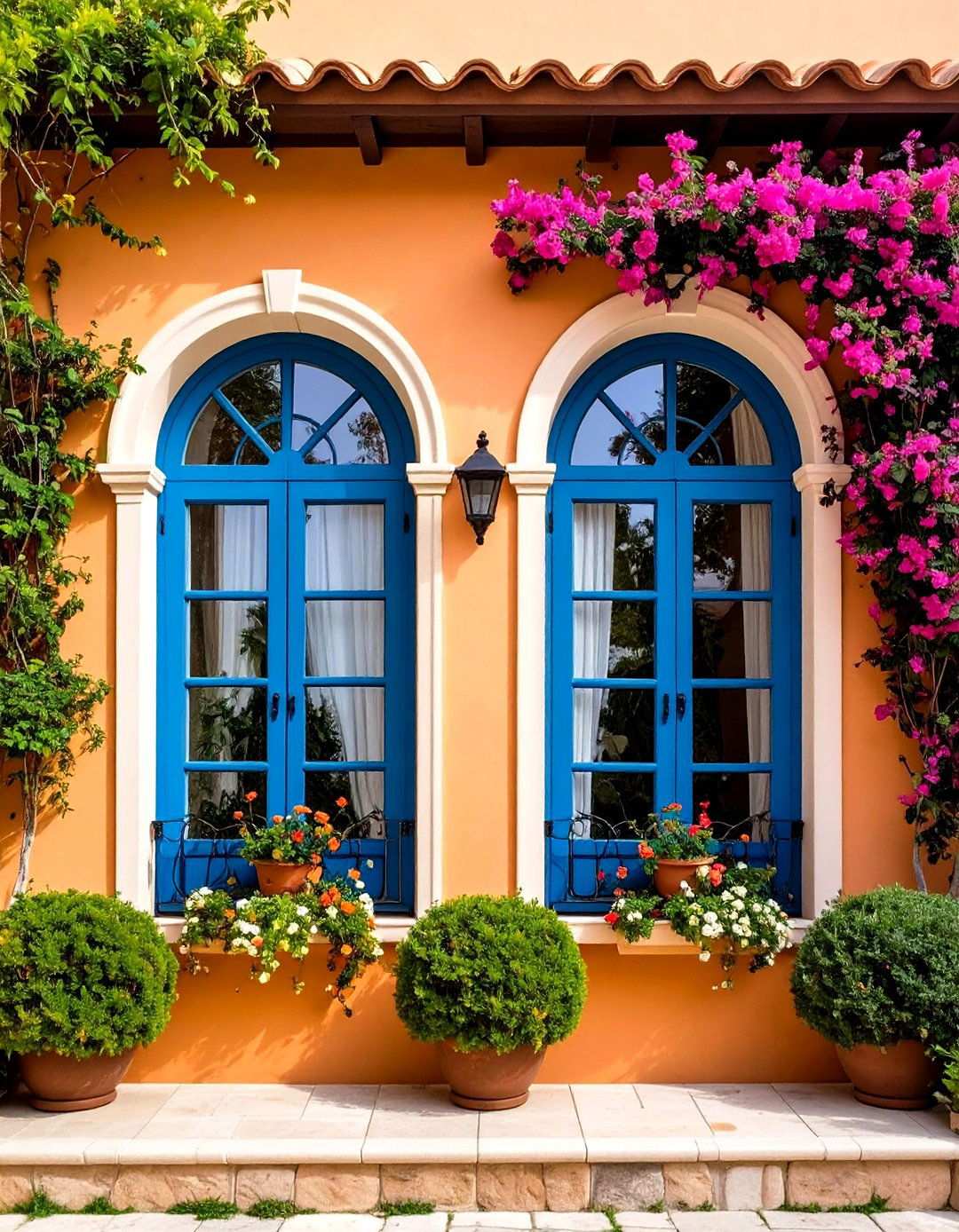
Incorporating arched casement windows into a Spanish colonial home design adds a touch of sophisticated charm, effortlessly blending functionality with aesthetic appeal. These windows feature a versatile design that combines a traditional rectangular base with a delicate arch, creating a beautiful synergy between form and function. By merging the curved top section with the operational lower portion, arched casements provide unparalleled ventilation control and natural light, while emphasizing the classic, romantic character often associated with Spanish architecture. These windows are particularly effective as accent pieces, drawing attention to prominent facades or creating a striking contrast with standard rectangular windows. The curved top allows for various grid patterns, from simple, unadorned glass to intricate muntins that mirror the curved shape.
3. Artistic Wrought Iron Grilles for Enhanced Security and Beauty
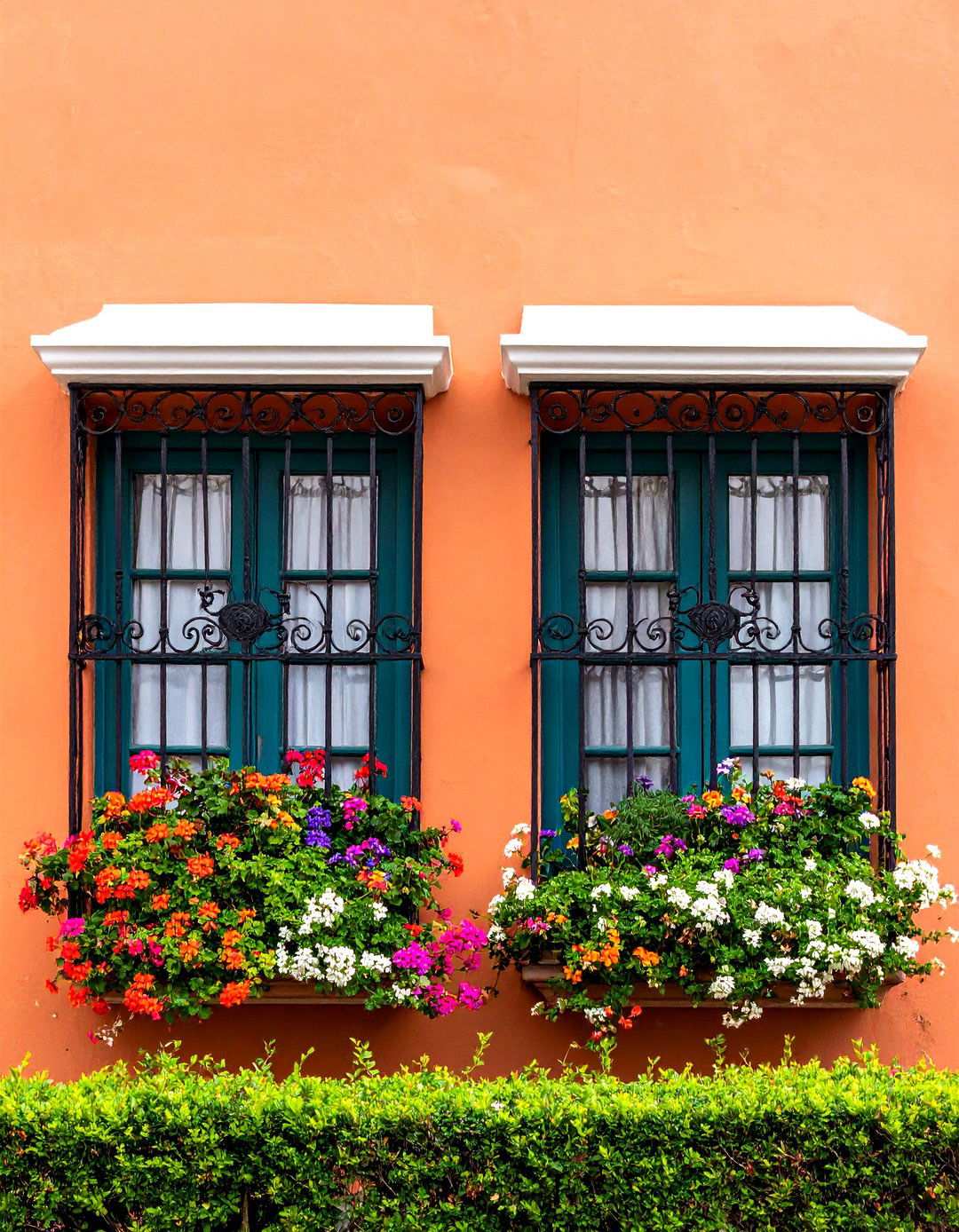
A defining characteristic of traditional Spanish windows is the incorporation of elaborate wrought iron grilles, which not only provide a secure barrier but also elevate the architectural appeal of the facade. These hand-forged elements showcase intricate scrollwork, geometric patterns, and artistic flourishes, skillfully transforming functional security measures into stunning visual highlights. Classic designs often feature circular medallions, twisted bars, and floral motifs that pay homage to Spanish metalworking traditions. The natural patina finish or black powder coating on the ironwork develops a beautiful patina over time, adding a sense of warmth and character to the windows. Installation options range from surface-mounted grilles that sit proudly above the window frame to integrated designs that seamlessly blend with the facade. Modern fabrication techniques enable the creation of custom patterns while maintaining authentic proportions and styling, making these grilles an excellent choice for ground-floor windows or multi-panel compositions.
4. Timeless Double-Hung Windows for Authentic Spanish Style
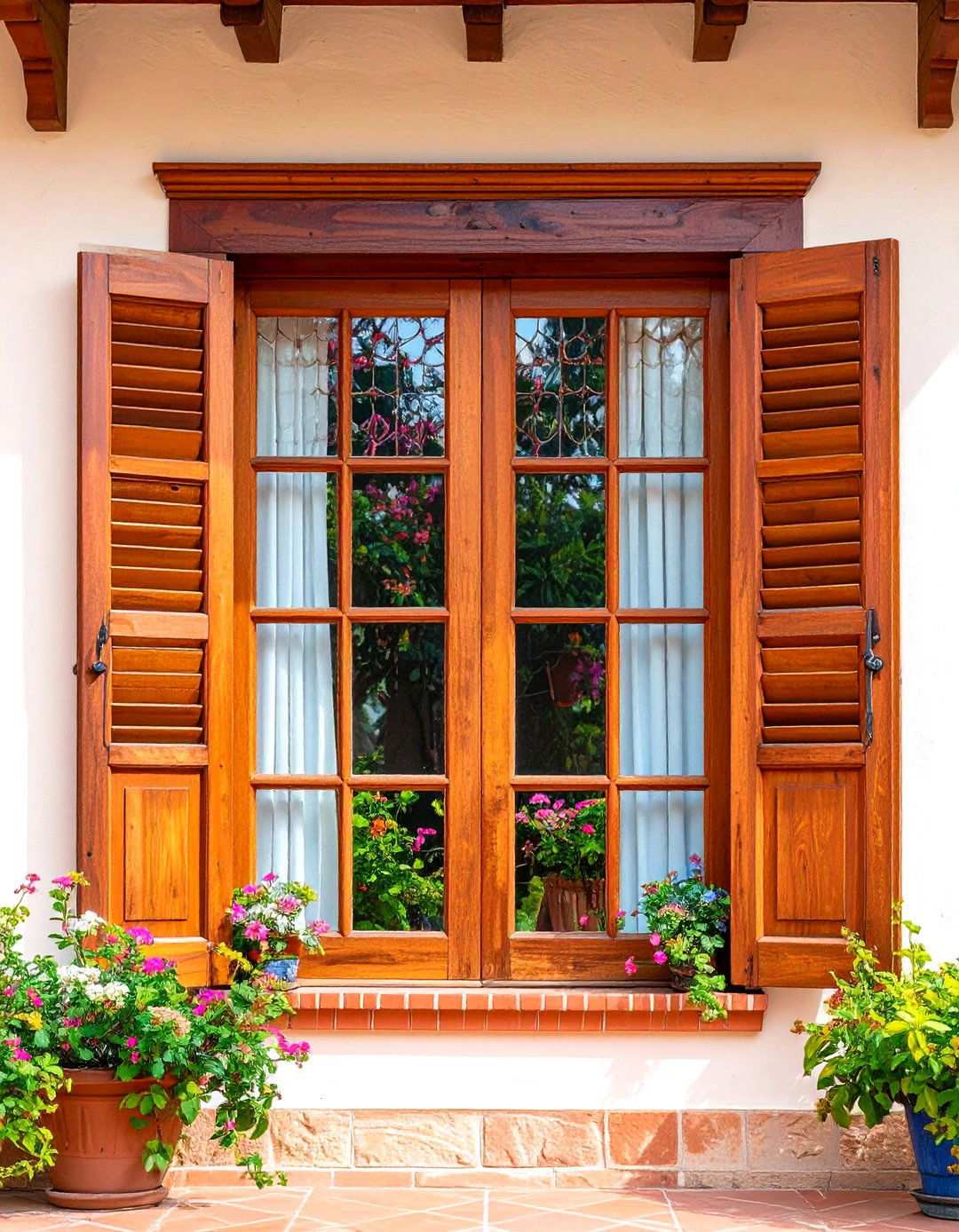
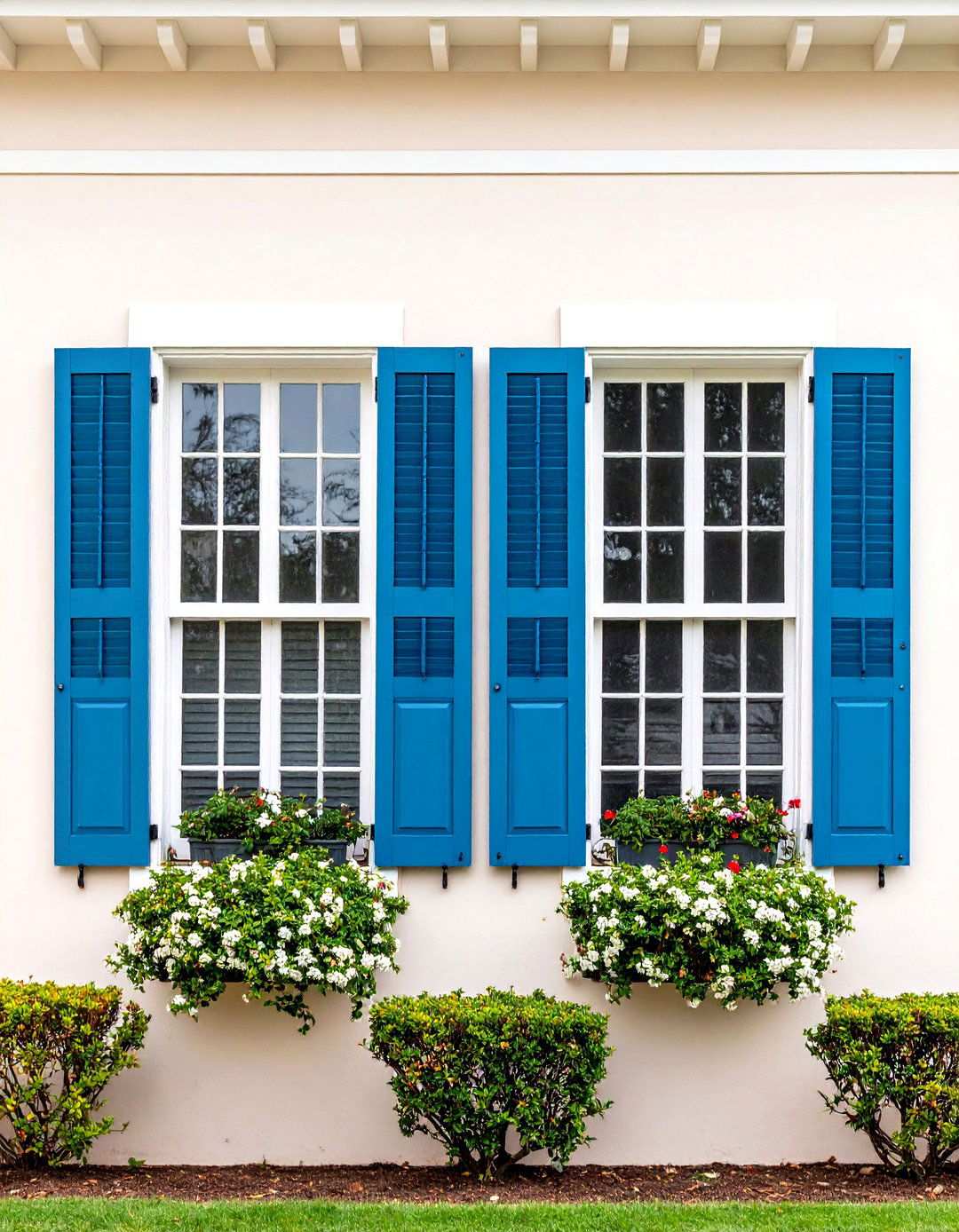
For a more understated yet authentic approach to Spanish colonial design, double-hung windows offer a compelling option that prioritizes proportional relationships and grid configurations. These vertically sliding windows feature colonial-style grilles that typically divide the upper sash into square or rectangular panes, while leaving the lower sash less divided or completely clear. The key to successfully integrating double-hung windows into a Spanish colonial home lies in selecting frame materials and colors that harmoniously complement the overall architectural scheme. Dark-stained wood frames provide the most authentic appearance, although modern vinyl and fiberglass options in earth-tone finishes offer practical alternatives. By aligning the grid patterns vertically and horizontally, homeowners can create balanced, symmetrical compositions that support the home’s clean aesthetic, rather than competing with more ornate architectural elements.
5. Elegant Circular Accents in Spanish Colonial Architecture
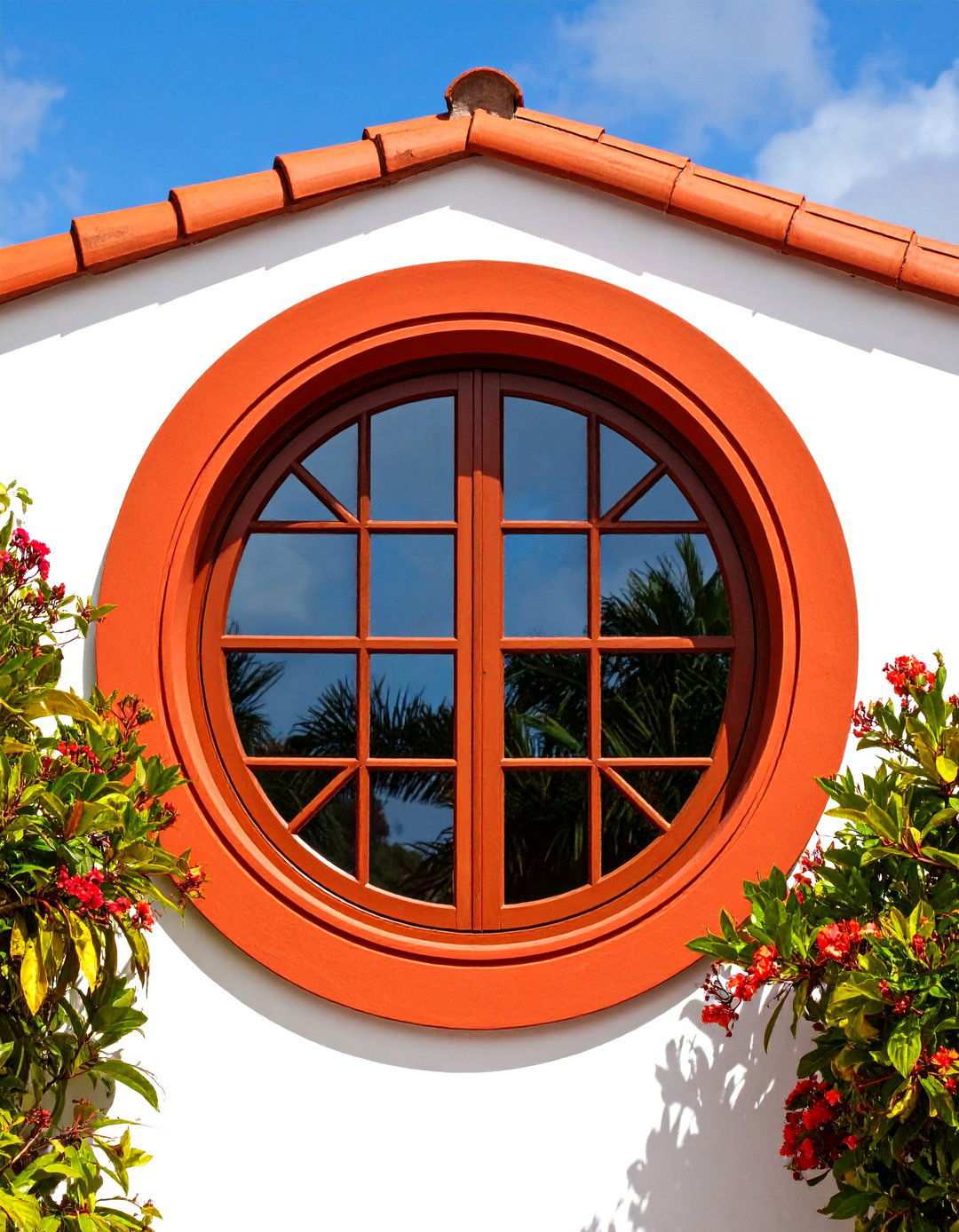
Circular windows serve as striking visual elements that disrupt the linear geometry of Spanish colonial facades, infusing them with perfect geometric forms that add depth and visual interest. Often appearing as fixed picture windows, these specialty windows focus on their decorative aspect rather than functionality. Placed above doorways, in gable ends, or as part of larger window compositions, round windows create a beautiful balance of simplicity and elegance. Traditional installations feature minimalist frames without grilles, allowing the unadulterated circular form to command maximum visual impact. Conversely, some designs incorporate intricate patterns of radiating spokes or concentric circle grids that pay homage to Spanish tile motifs. The frames typically blend seamlessly with other window trim colors, frequently appearing in dark brown wood tones or neutral earth colors that complement the surrounding architecture. The installation of circular windows requires thoughtful consideration of interior space planning, as they create unique interior light patterns and viewing angles that enhance the overall aesthetic.
6. Geometric Sophistication in Quatrefoil Windows
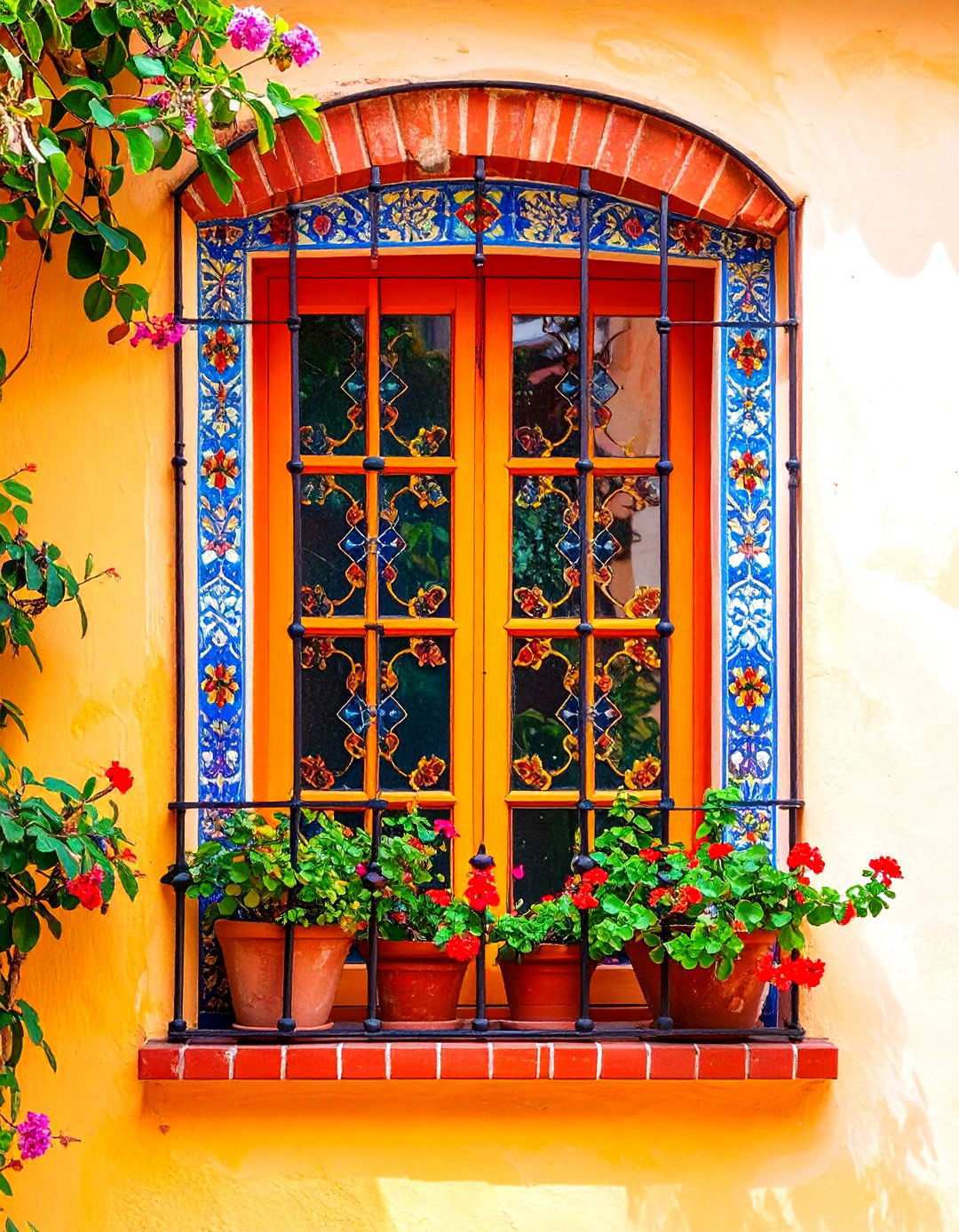
Quatrefoil windows bring a touch of refined geometric beauty to Spanish colonial architecture through their distinctive four-lobed clover shape, which draws inspiration from Gothic and Moorish architectural traditions. Typically functioning as fixed picture windows, these specialty windows focus on decorative purposes while adding unique character to facades. The quatrefoil form creates captivating interior light patterns and provides distinctive exterior visual appeal without overpowering the overall architectural composition. Installation locations often include upper story gables, courtyard walls, or as accent elements within larger window groupings. Frame construction demands specialized fabrication techniques to accommodate the curved segments and precise geometric relationships, requiring a high degree of craftsmanship. Traditional finishes emphasize earth tones and natural materials that harmonize with stucco walls and tile roofing, creating a seamless blend with the surrounding environment. Some designs incorporate internal grillwork that follows the quatrefoil form, adding additional visual complexity while maintaining the window’s essential geometric character.
7. Picture Windows: Harmonious Balance of Function and Form
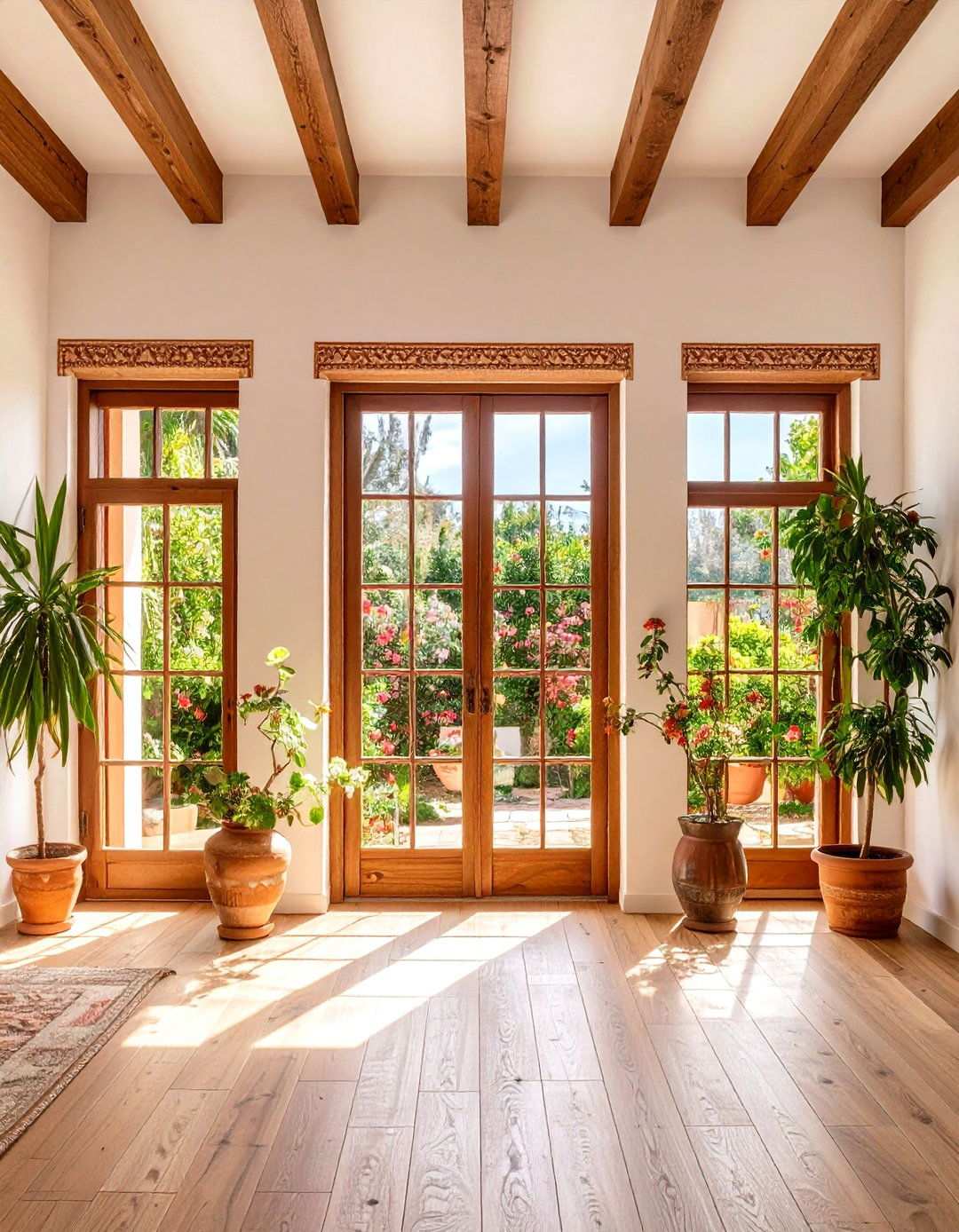
Picture windows in Spanish colonial homes play a pivotal role in balancing modern functionality with traditional aesthetic principles, all while maximizing natural light and stunning views. To achieve this harmonious balance, designers carefully craft decorative surrounds that complement the home’s overall design language. These fixed windows often feature substantial frames, which serve as the perfect canvas for decorative elements such as carved wooden lintels, terra cotta tile accents, or stucco moldings that echo the home’s architectural heritage. By thoughtfully pairing modern functionality with timeless design principles, picture windows become an integral part of the home’s visual identity. The frames themselves are often finished in darker earth tones, providing a striking contrast to the light-colored stucco walls and adding a sense of visual weight to the overall design.
8. Transom Windows: Elevating Architectural Sophistication
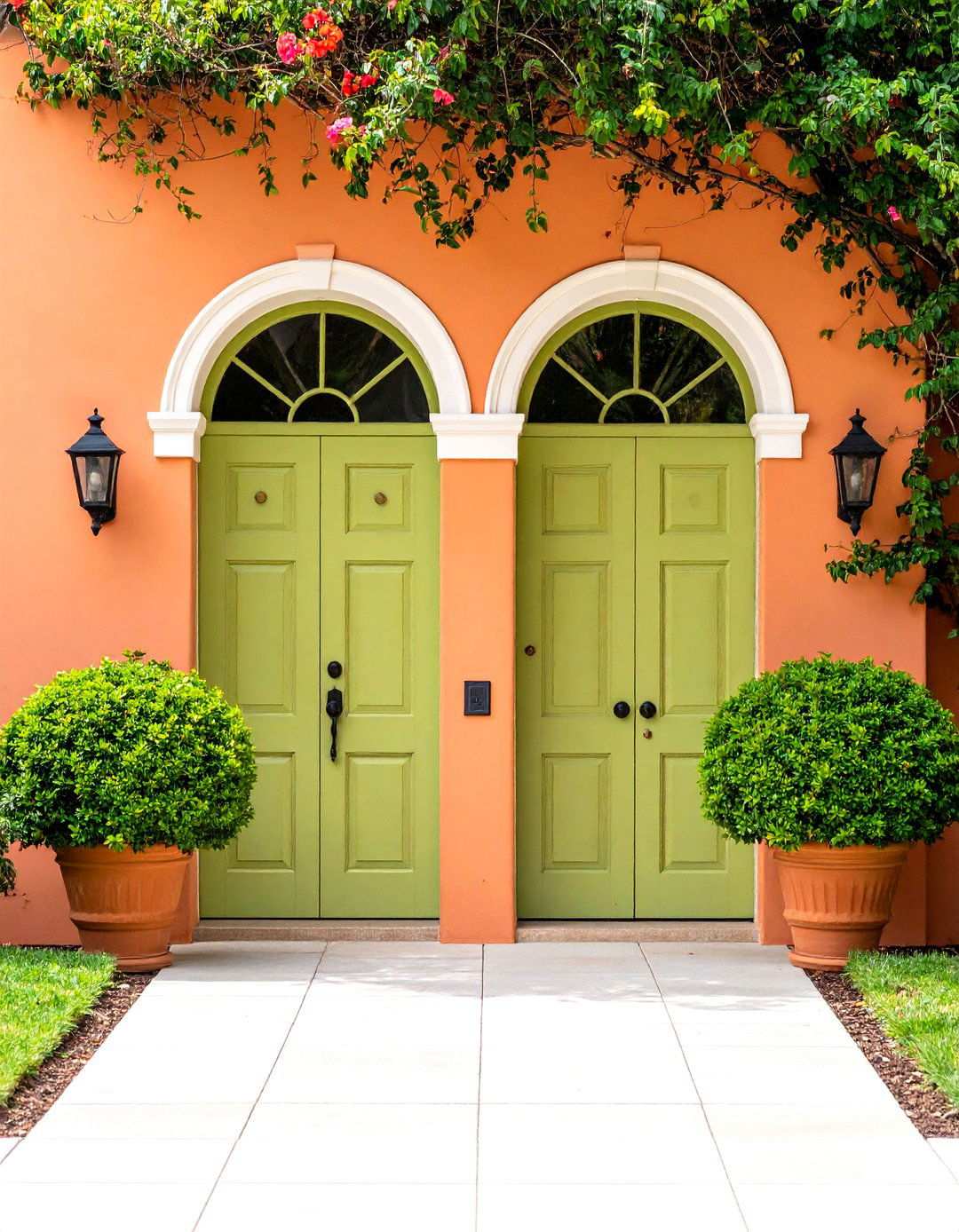
Transom windows are a masterful way to create seamless transitions between interior and exterior spaces, adding a touch of architectural sophistication to Spanish colonial door and window compositions. Typically situated above primary entries, French doors, or large window openings, transom windows expertly provide additional natural light without compromising privacy or security. Traditional transom designs are characterized by simple rectangular forms and subtle grid patterns that beautifully complement the main opening below. For those seeking a more decorative alternative, arched transoms offer a stunning solution that showcases the curved elements so characteristic of Spanish colonial design. A key consideration in designing transom windows is striking a harmonious balance between the transom and the main opening, achieved by meticulously matching frame materials and finishes to adjacent elements. From fixed to hinged to louvered configurations, the operation options available cater to a range of ventilation requirements and architectural preferences.
9. Embracing Mediterranean Proportions with Bay Windows
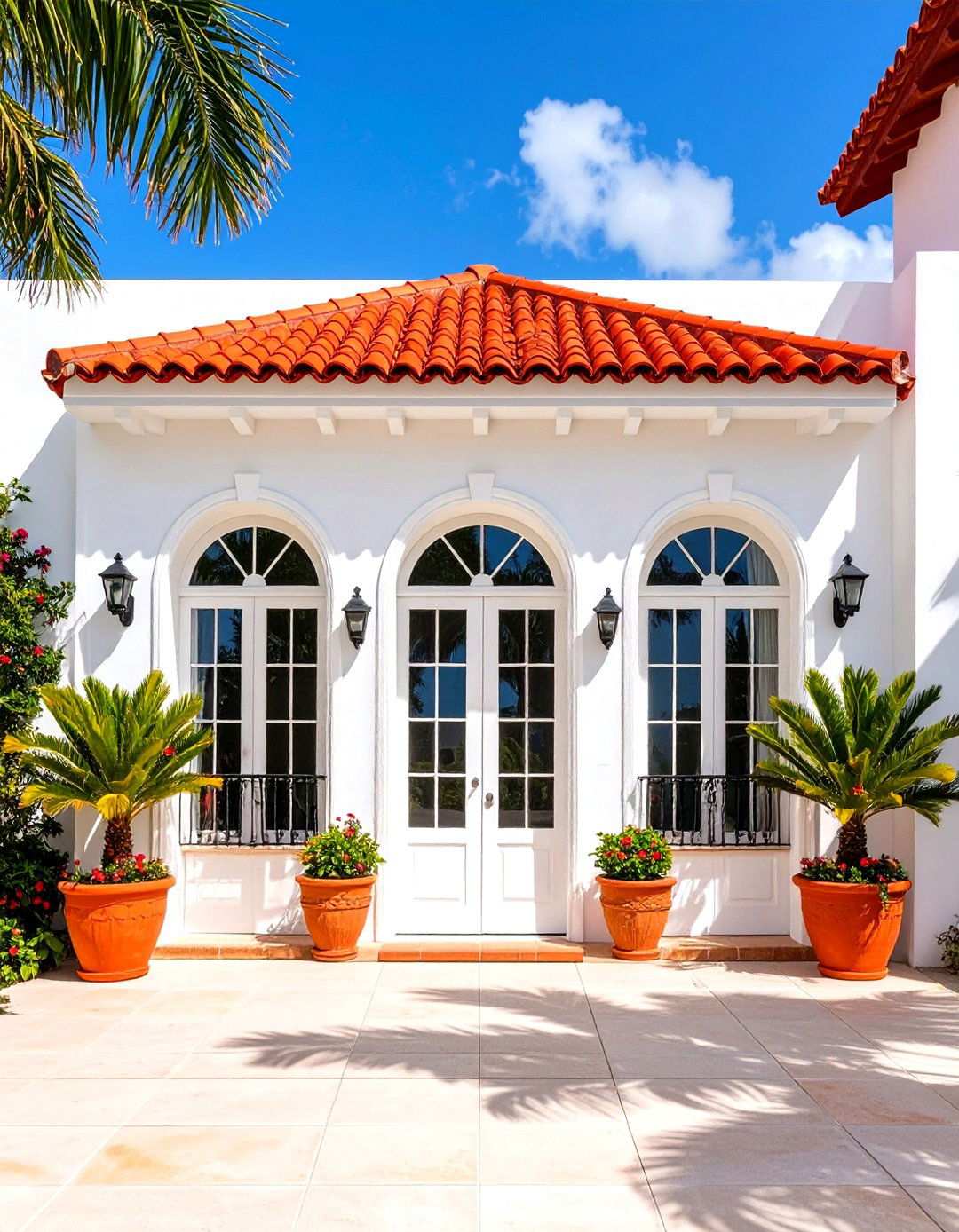
Mediterranean-style bay windows are a staple of Spanish colonial architecture, effortlessly blending interior and exterior spaces while emphasizing the importance of connections between the two. This design element typically consists of three or more individual windows, strategically arranged to create a semicircular or polygonal silhouette that extends beyond the main facade. By emphasizing horizontal proportions and clean geometric relationships, traditional Spanish colonial bay windows eschew ornate Victorian-era detailing in favor of a more understated aesthetic. Within these bay assemblies, casement or double-hung windows often feature colonial grid patterns, while roof treatments above the bay windows harmonize with the main house roofing materials, often incorporating red tile or matching architectural elements. To further enhance the functionality of these expanded spaces, interior window seats or built-in furniture can be incorporated, carefully selected to maintain the overall architectural character through thoughtful material choices and proportional relationships.
10. Traditional Proportions through Narrow Vertical Windows
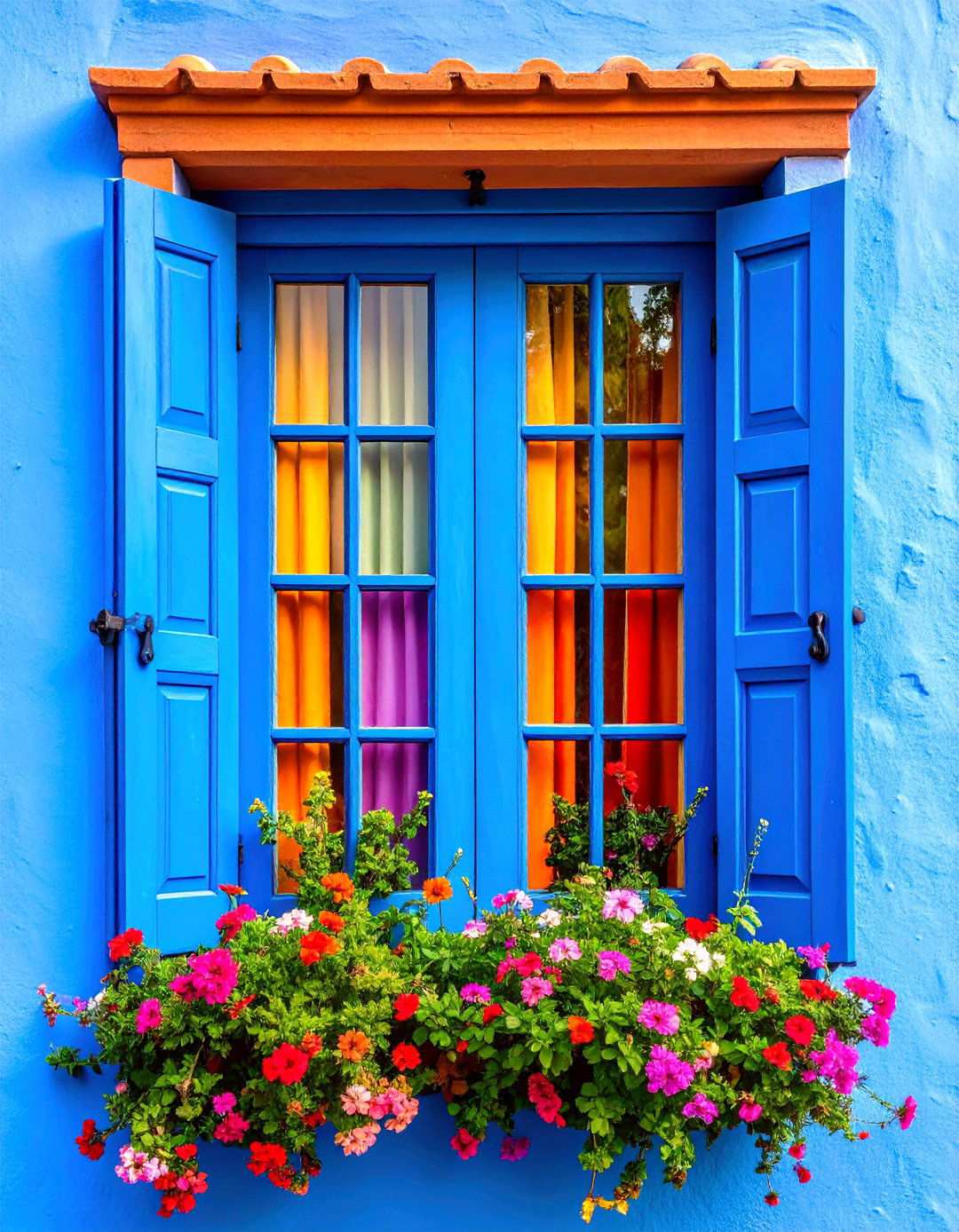
Narrow vertical windows are a hallmark of authentic Spanish colonial architecture, where smaller openings played a crucial role in maintaining interior comfort in warm climates while still providing ample natural light. These slender windows typically take the form of tall rectangular panes that emphasize vertical lines and create a sense of rhythm across building facades. To achieve desired light levels while preserving individual window authenticity, traditional installations often group multiple narrow windows together. Frame construction in these instances emphasizes substantial proportions relative to the glazed area, creating a visual balance that offsets the narrow opening size. Casement or double-hung designs with minimal or no grid patterns are commonly employed to avoid overwhelming the limited glazed area, while exterior shutters work particularly well with narrow windows, providing traditional sun protection and enhancing the architectural character through judicious color and material contrasts.
11. Crafting Harmonious Window Combinations
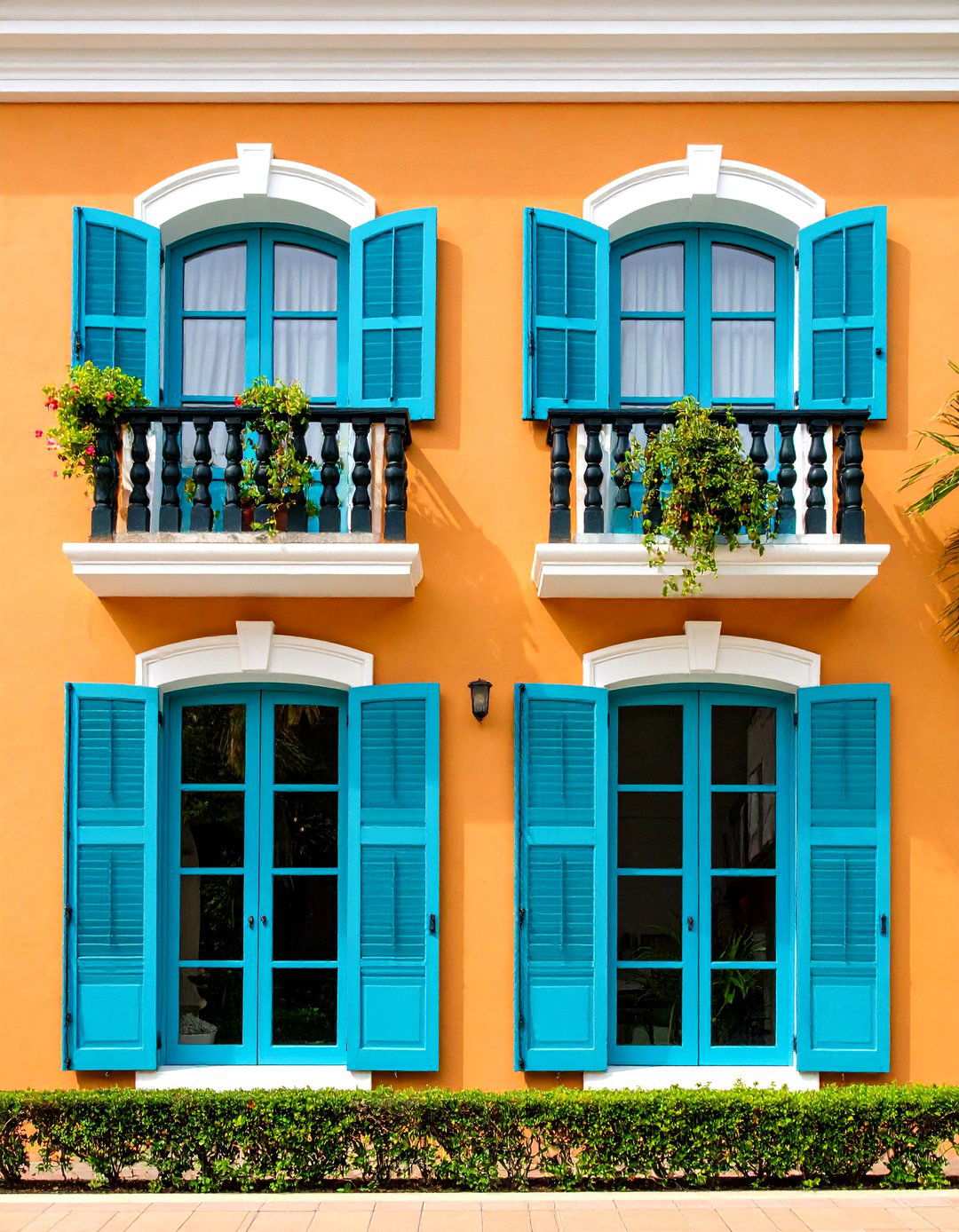
When arranging windows, Spanish colonial design principles are expertly woven together to create visually striking architectural compositions that harmoniously balance natural light and interior functionality. This is achieved by thoughtfully combining primary windows with narrower sidelights, or arranging multiple windows in symmetrical patterns that emphasize the facade’s geometric structure. Effective groupings consistently employ matching frame materials, colors, and grid patterns while allowing individual windows to maintain their functional integrity. Arched windows often serve as central focal points within larger groupings, with rectangular windows providing flanking support and visual equilibrium. The precise spacing between individual windows requires careful consideration to strike a balance between architectural authenticity and interior livability. Exterior treatments such as continuous lintels, shared decorative surrounds, or unified shutter systems can seamlessly integrate separate windows into cohesive architectural compositions that elevate rather than detract from the overall facade design.
12. Authentic Spanish Character through Interior Plantation Shutters
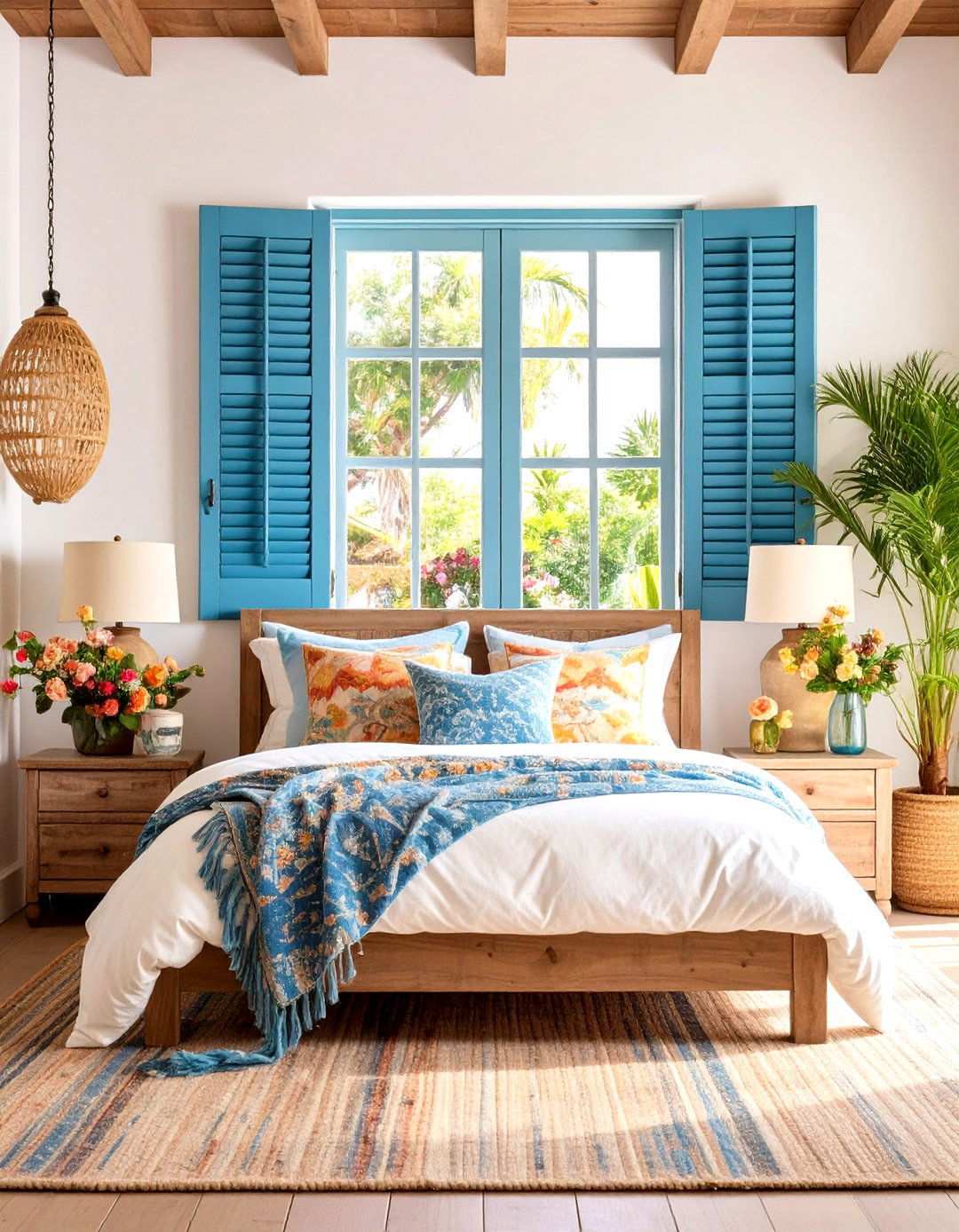
Interior plantation shutters embody the authentic Spanish colonial aesthetic, offering exceptional light control, privacy, and architectural character that complements the style’s emphasis on natural materials and master craftsmanship. These hinged panels feature horizontal slats that can be adjusted to regulate light and airflow while preserving views and ventilation options. Traditional Spanish colonial shutters showcase natural wood construction in warm, earthy tones that harmonize with exposed ceiling beams and other interior architectural elements. Panel configurations should thoughtfully complement window proportions, with taller windows accommodating multiple tiers for enhanced operational convenience. Louvre sizes typically range from medium to wide configurations that provide substantial visual weight, consistent with Spanish colonial’s preference for bold, simple forms. Hardware elements including hinges, latches, and adjustment mechanisms should reflect the style’s affinity for wrought iron or dark metal finishes that enhance the overall design vocabulary.
13. Exterior Wooden Shutters with Distressed Charm
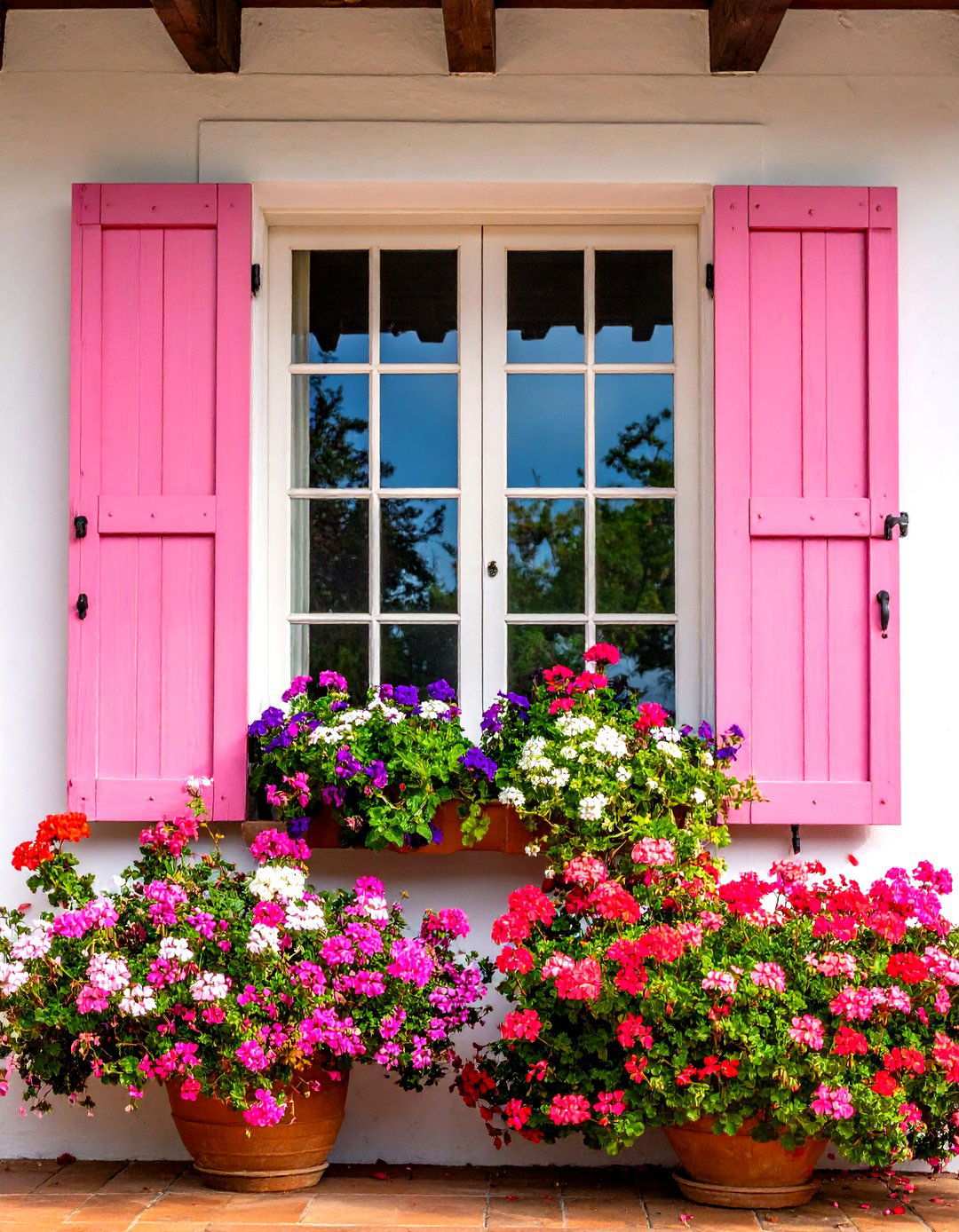
Exterior wooden shutters not only pay homage to the practical aspects of Spanish colonial architecture but also infuse a period charm into modern facades. Originally designed to provide protection from the elements and add visual interest, these functional elements now serve as a testament to the style’s rich heritage. Traditional board-and-batten construction or raised panel configurations evoke a sense of grandeur, perfectly complementing the style’s bold geometric character. The weathered patinas developed by natural wood species like cedar and pine only add to their architectural appeal, making them a standout feature in any facade composition. To maintain authenticity, hardware elements should be crafted using traditional wrought iron techniques, featuring strap hinges, slide bolts, and decorative latches that exude a sense of nostalgia. When it comes to color, natural wood tones, earth-based stains, and painted finishes in complementary hues are the way to go, allowing the shutters to blend seamlessly into the surrounding architecture.
14. Stained Glass Accent Windows with a Touch of Elegance
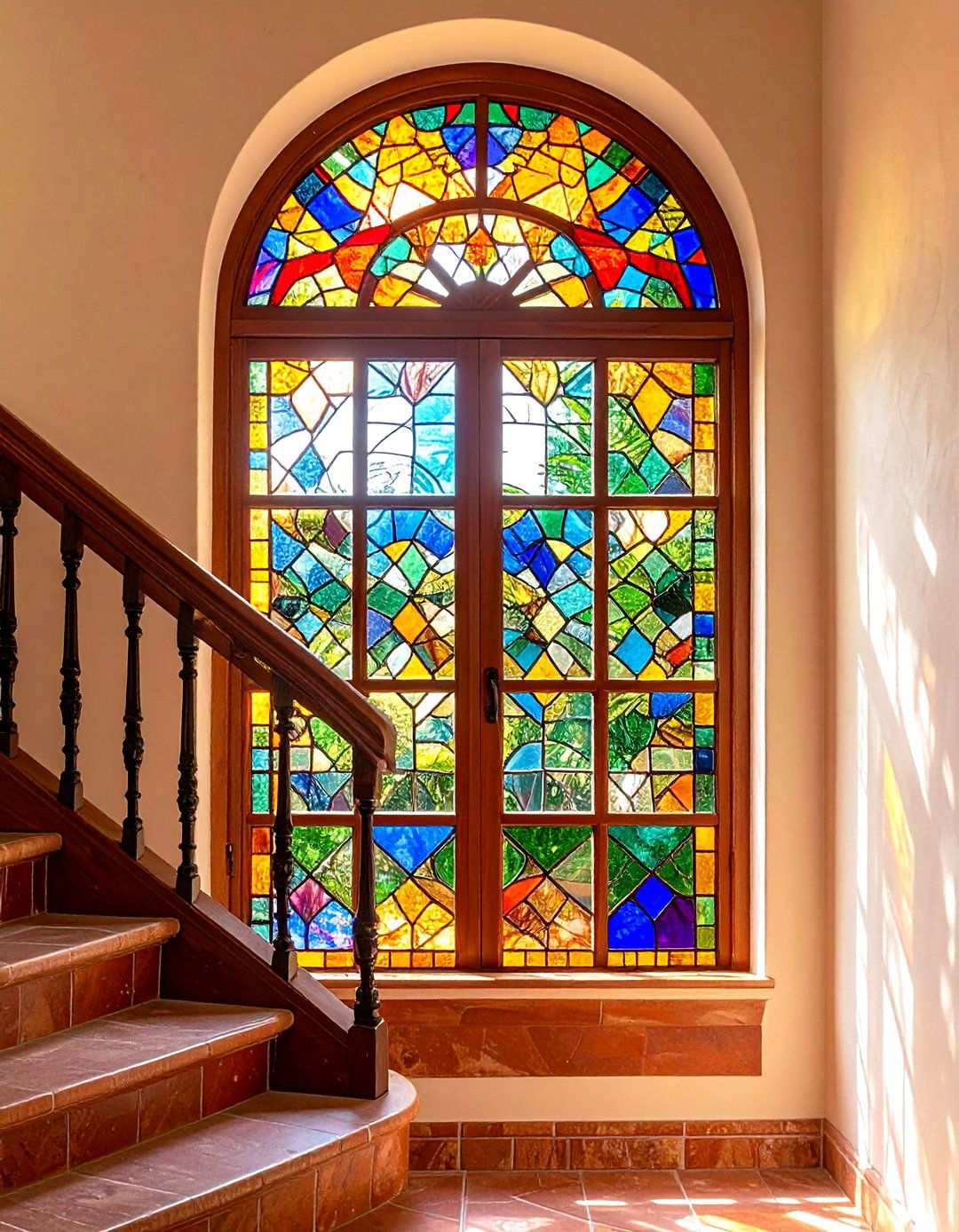
Stained glass windows bring a touch of sophistication and artistic flair to Spanish colonial interiors, expertly bridging the style’s Mediterranean and Moorish influences. When strategically placed in upper story locations, stairwell landings, or as accent features within larger window compositions, these decorative elements can truly shine without overwhelming the space. Traditional patterns often draw inspiration from Spanish tile work and decorative arts traditions, incorporating geometric motifs, stylized floral designs, or abstract compositions. To ensure a harmonious design outcome, color palettes should focus on earth tones, warm jewel colors, and natural hues that complement rather than compete with the surrounding architecture. Frame construction should be cohesive with adjacent window elements, providing structural support for the artistic glazing while maintaining a seamless visual transition. By carefully considering both interior lighting effects and exterior architectural integration, homeowners can achieve a truly stunning design outcome that showcases the beauty of stained glass windows.
15. Harmonious Balance of Tradition and Innovation
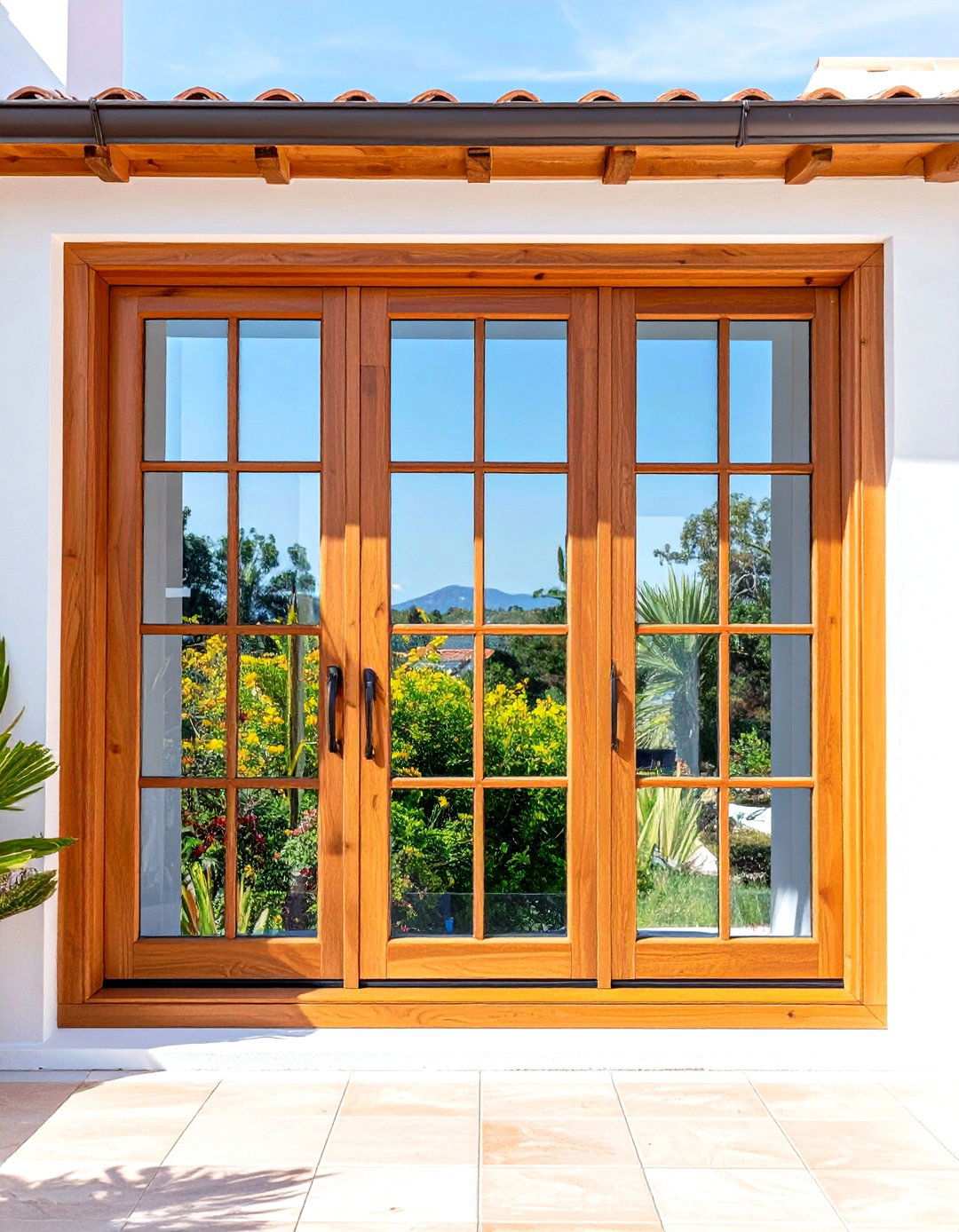
Spanish colonial windows have successfully bridged the gap between heritage design principles and modern performance standards by focusing on material selection, construction techniques, and proportional relationships that pay homage to historical precedents. Modern window frames crafted from vinyl, fiberglass, and aluminum can replicate the traditional wood aesthetic while offering superior energy efficiency, increased durability, and reduced maintenance needs. By integrating low-e glazing, insulated frame construction, and advanced weatherstripping systems, these windows can significantly enhance thermal performance without compromising their authentic visual appeal. Additionally, grid patterns can be strategically applied between glazing layers or used as removable interior elements to simplify cleaning and maintain a traditional appearance. Furthermore, color options now include factory-applied finishes that replicate wood staining or painting, eliminating the need for ongoing maintenance. By combining these innovative features with professional installation, homeowners can ensure optimal performance, longevity, and adherence to essential Spanish colonial design principles.
16. Decorative Arches and Tile Accents
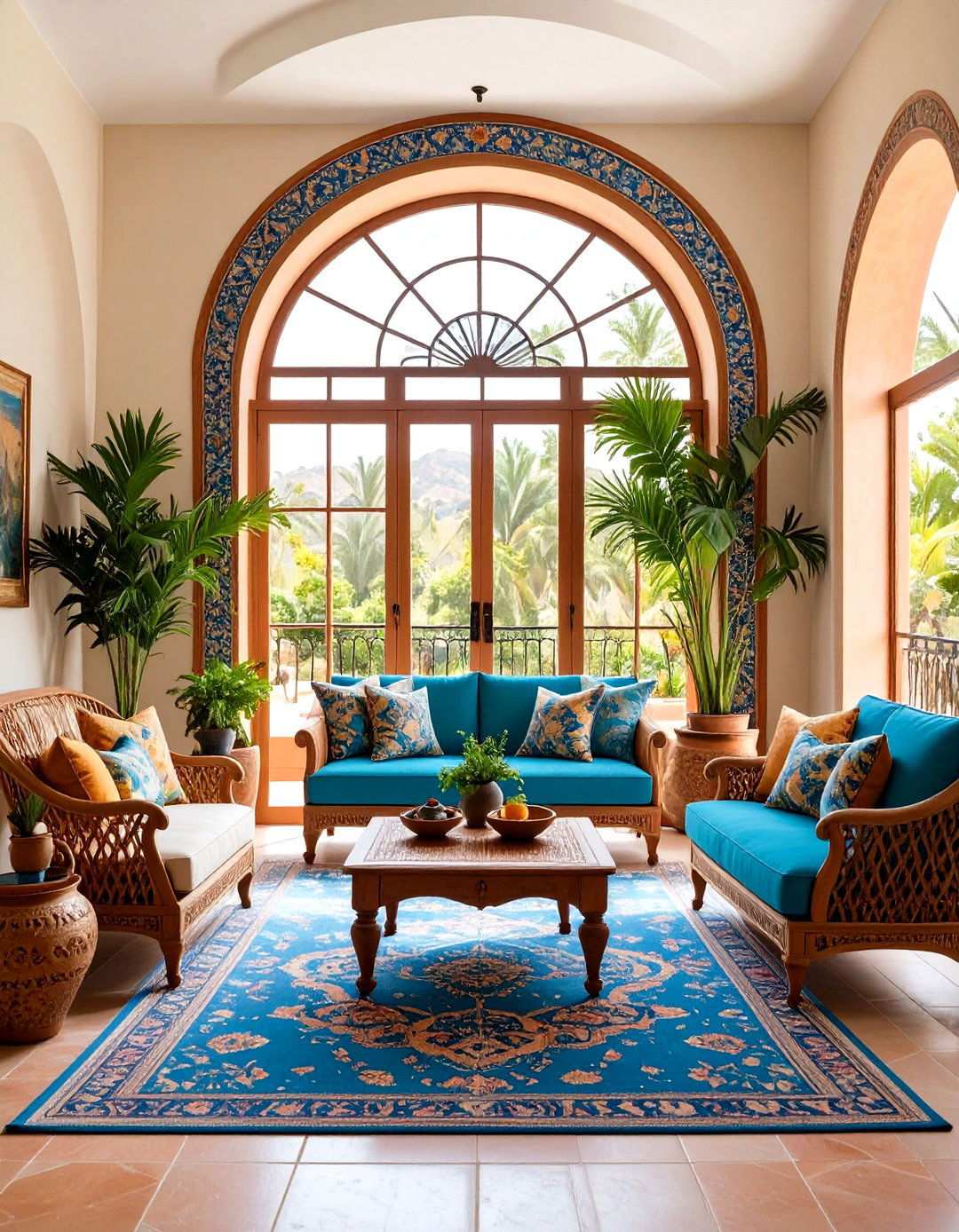
Arched picture windows adorned with decorative terra cotta or ceramic tile accents have become a hallmark of Spanish colonial architecture, emphasizing the style’s connection to Mediterranean building traditions. These large fixed windows showcase stunning views and natural light while maintaining an authentic design character through their curved forms and traditional material accents. The tile work typically appears as decorative lintels, surrounds, or accent bands that echo roofing materials and create visual connections between the window and the overall architectural composition. To accommodate the curved glazing requirements and the additional weight and attachment needs of decorative tile elements, frame construction must be carefully considered. Traditional color palettes feature earth tones, warm terra cotta hues, and natural clay colors that harmonize with stucco walls and complement the overall facade composition. When it comes to interior treatments, these windows’ prominent architectural role should be acknowledged while providing suitable light control and privacy options when needed.
17. Exuding Authenticity: Hardware Details in Spanish Colonial Casement Windows
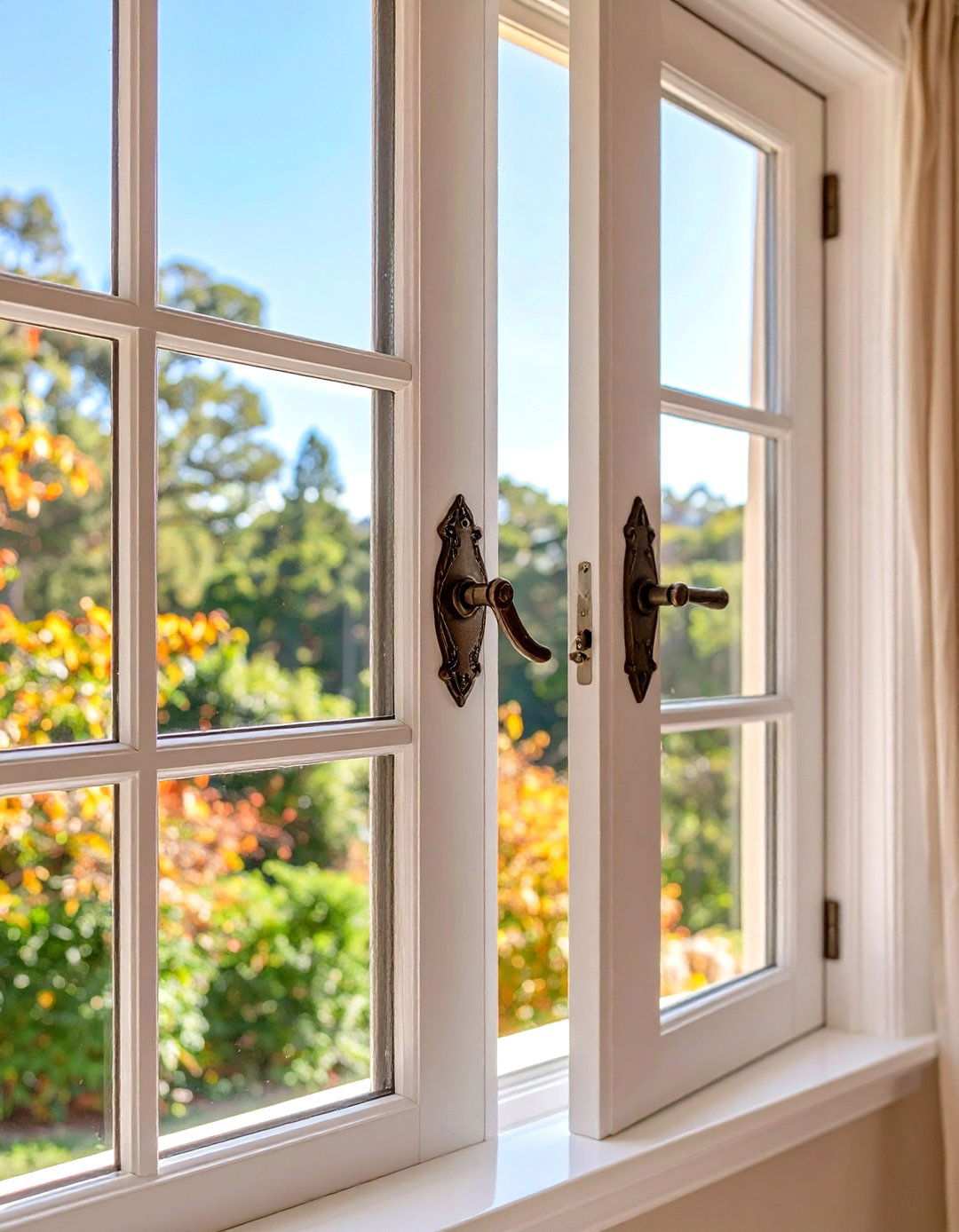
Spanish colonial casement windows exude a rich sense of history and tradition, largely due to the prominent role of hardware elements in their design. Wrought iron hinges, stays, and latching mechanisms are carefully crafted to evoke the style’s connection to time-honored metalworking techniques. These substantial components add visual interest through their robust proportions and sophisticated finishes, drawing attention to the intricate details that make each window a masterpiece. The extended strap hinges, which traverse frame surfaces, create striking geometric accents while providing essential structural support for larger window sashes. Furthermore, lever handles and sliding stays offer intuitive operation while maintaining a period-perfect appearance and functionality. To achieve harmony with the surrounding architecture, surface-mounted hardware must be proportioned thoughtfully to window size and scale, avoiding overly delicate details that might compromise the style’s emphasis on bold, substantial forms. Available finish options include black iron, natural patina, or dark bronze treatments that weather attractively while providing long-lasting durability and architectural authenticity.
18. Twin Casement Window Configurations: A Perfect Harmony of Form and Function
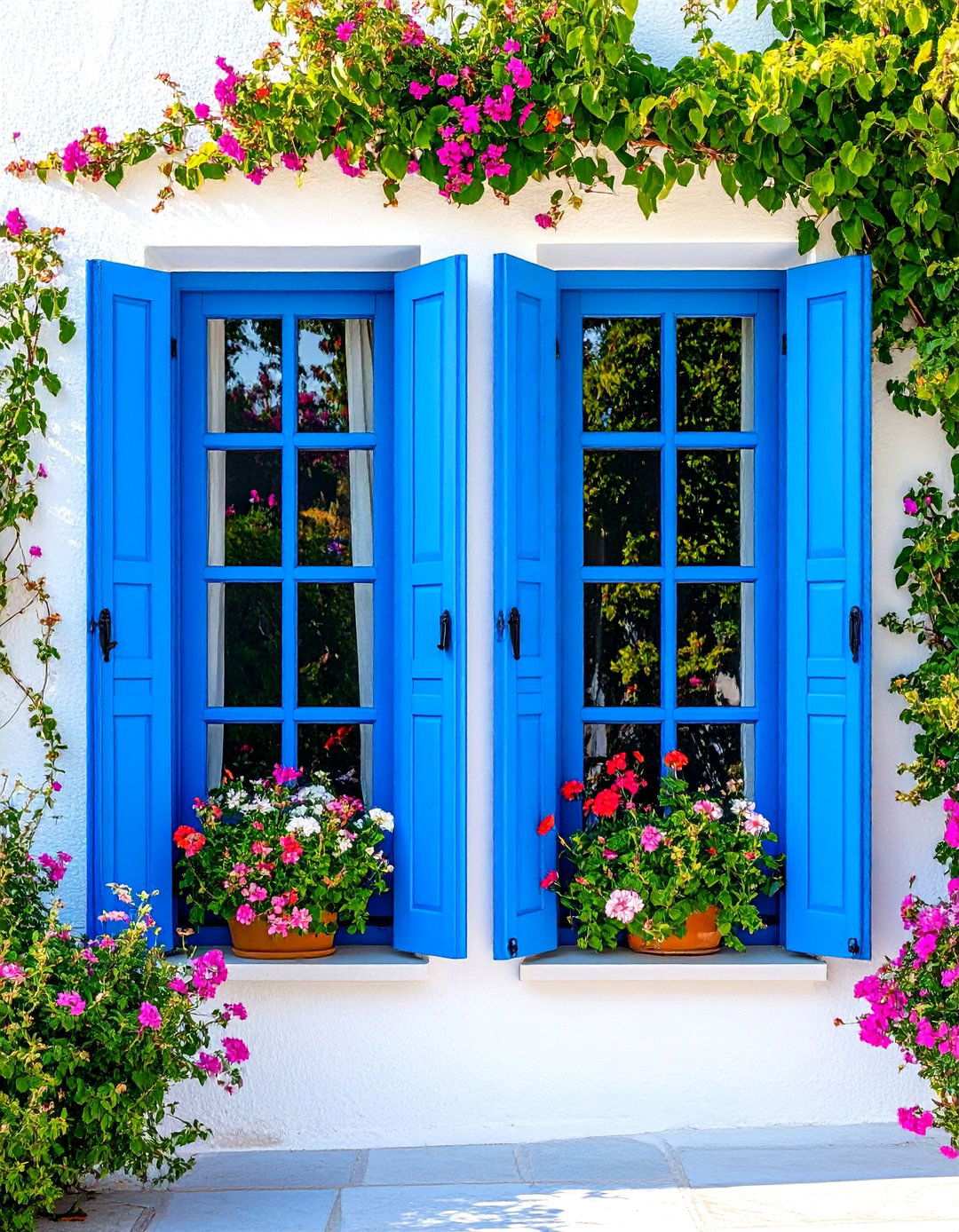
Twin casement windows offer a unique blend of increased ventilation and natural light, all while maintaining the authentic proportions of traditional Spanish colonial design. These paired casement sashes operate independently, allowing for flexible ventilation control and maintenance access while creating symmetrical compositions that showcase the style’s geometric organization principles. The frame construction typically features substantial central mullions that provide structural support while creating visual separation between the operating sashes. To achieve visual continuity and architectural harmony, grid patterns should be carefully coordinated across both sashes. Hardware elements, including hinges, stays, and latching mechanisms, should be duplicated on both sashes while maintaining consistent spacing and proportional relationships. When it comes to installation, consideration must be given to providing adequate structural support for the increased weight and operational requirements of paired casement sashes, while also ensuring proper weathersealing and long-term durability.
19. Mediterranean-Style Large Format Windows
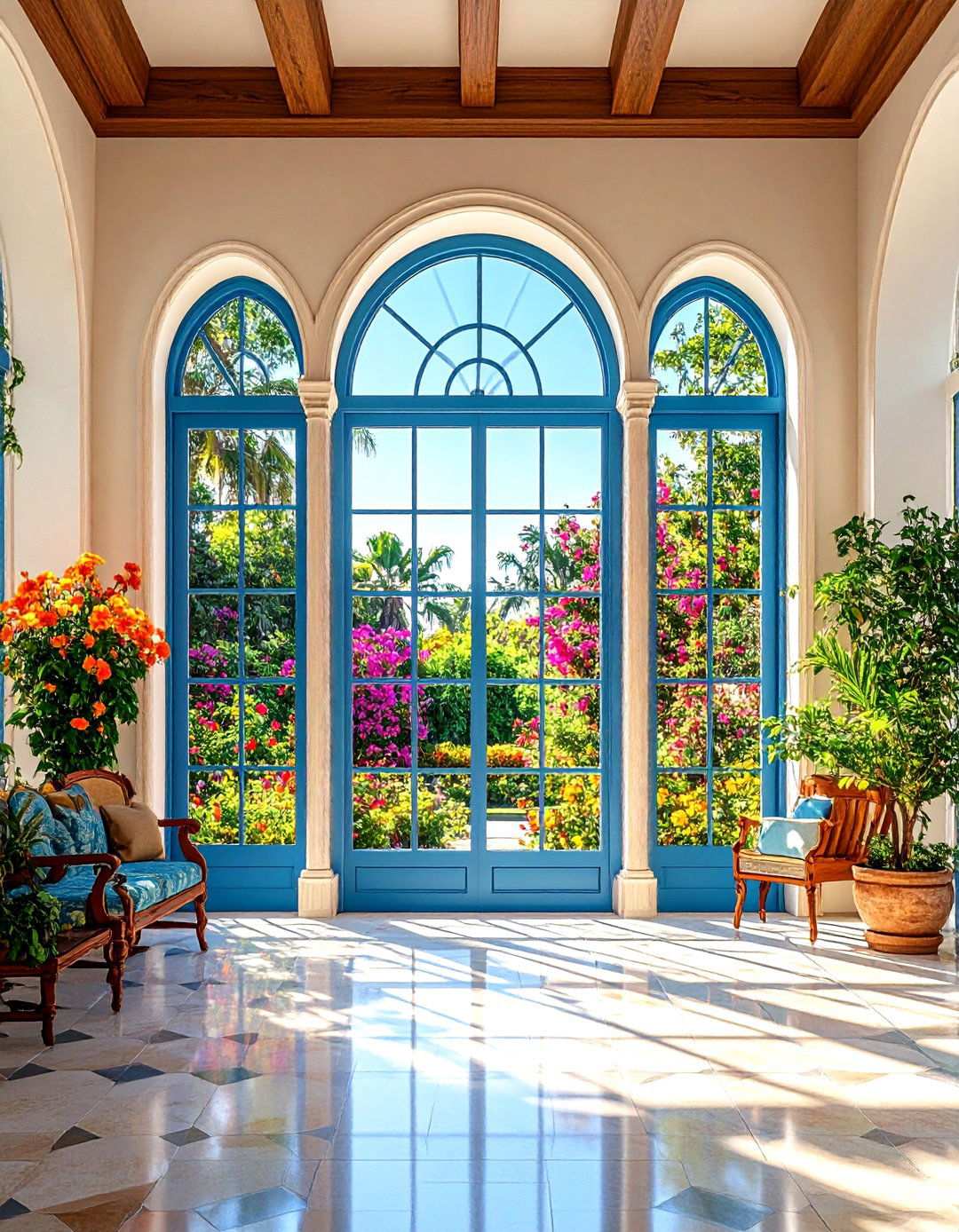
Mediterranean-style large format windows for Spanish colonial applications achieve a harmonious balance between expansive glazing and traditional design principles by carefully considering the proportional relationships and architectural integration of these features. These substantial windows typically feature fixed or minimally operational configurations that prioritize views and natural light while maintaining a connection to historical precedents. Frame construction must provide robust structural support for large glazing areas while maintaining visual proportions that harmonize with surrounding architectural elements. Effective grid patterns should be substantial enough to provide a clear visual scale while avoiding overly intricate or complex configurations. Color and material choices should emphasize continuity with other facade elements while acknowledging the prominent architectural role of these windows. Interior treatments become crucial with large format windows, requiring solutions that provide a balance of privacy and light control while complementing the dramatic scale and architectural significance of these features.
20. Traditional Small Window Proportions
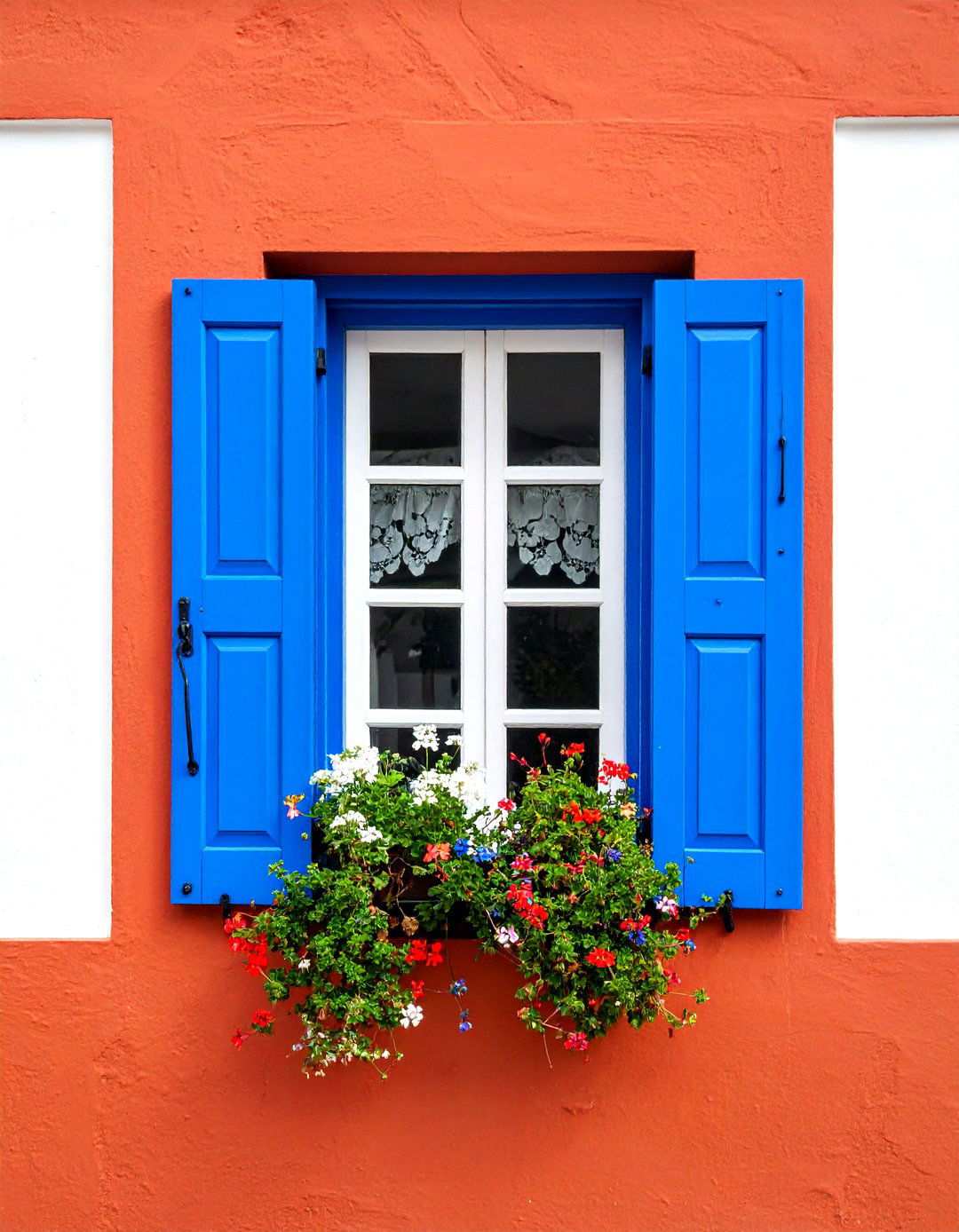
Traditional small windows in Spanish colonial buildings reflect authentic building practices where limited glazing helped maintain interior comfort in warm climates while providing essential natural light and ventilation. These modest openings typically feature substantial frame-to-glass ratios that create a visual weight and architectural character that is in line with the style’s emphasis on solid masonry construction and bold geometric forms. A common operational configuration in small windows is simple casement or double-hung designs that maximize the limited opening area while maintaining traditional functionality. A well-designed grid pattern should be minimal or absent to avoid overwhelming the restricted glazed area while maintaining clear sight lines and maximum light transmission. Exterior shutters work particularly well with small windows, providing traditional sun control while adding color and texture contrasts that enhance the overall architectural composition. Interior treatments should acknowledge the limited light levels while complementing the intimate scale and traditional character of these authentic window proportions.
21. Refurbished Wood Window Frames as a Sustainable Choice
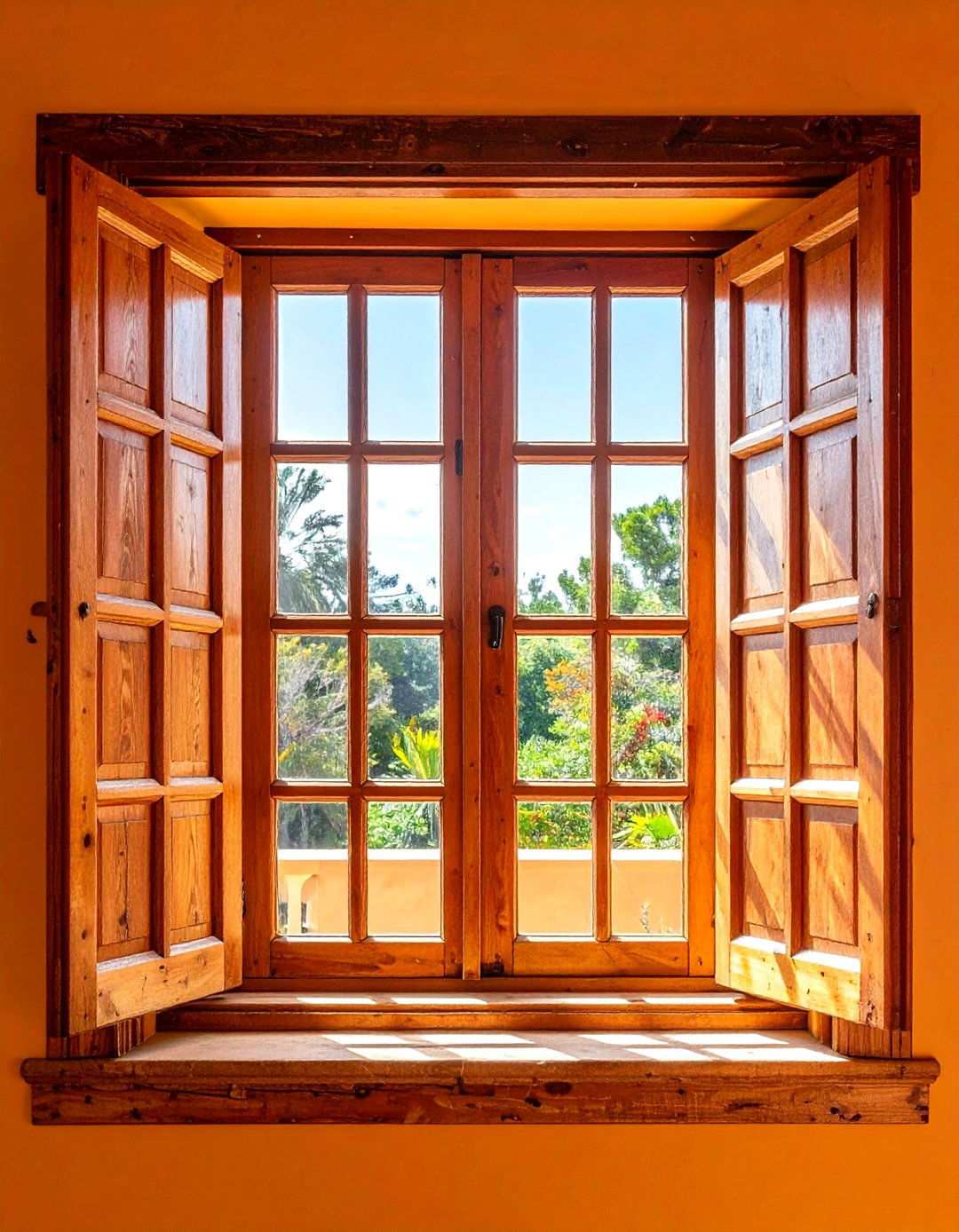
For those seeking an eco-friendly approach to Spanish colonial renovations, refurbished wood window frames offer a compelling option. Characterized by their weathered appearance, natural patina, and ties to traditional craftsmanship, these frames bring a unique sense of authenticity to the renovation process. The distinctive color variations and surface textures resulting from exposure to diverse climate conditions cannot be replicated through artificial aging methods, making each piece a genuine testament to the passage of time. Each frame showcases individual characteristics, including color nuances, grain patterns, and natural weathering effects that contribute to an old-world aesthetic. Effective integration requires accommodating the inherent dimensional variations and structural characteristics of refurbished materials while ensuring optimal performance and longevity. In terms of finishing, clear protective coatings are often preferred to preserve the natural patina while providing weather protection and durability. When selecting hardware, a traditional forged iron or aged bronze finish is often the most suitable choice, as it harmonizes with the weathered wood appearance while delivering reliable functional performance.
22. Window Treatments that Emphasize Timeless Elegance
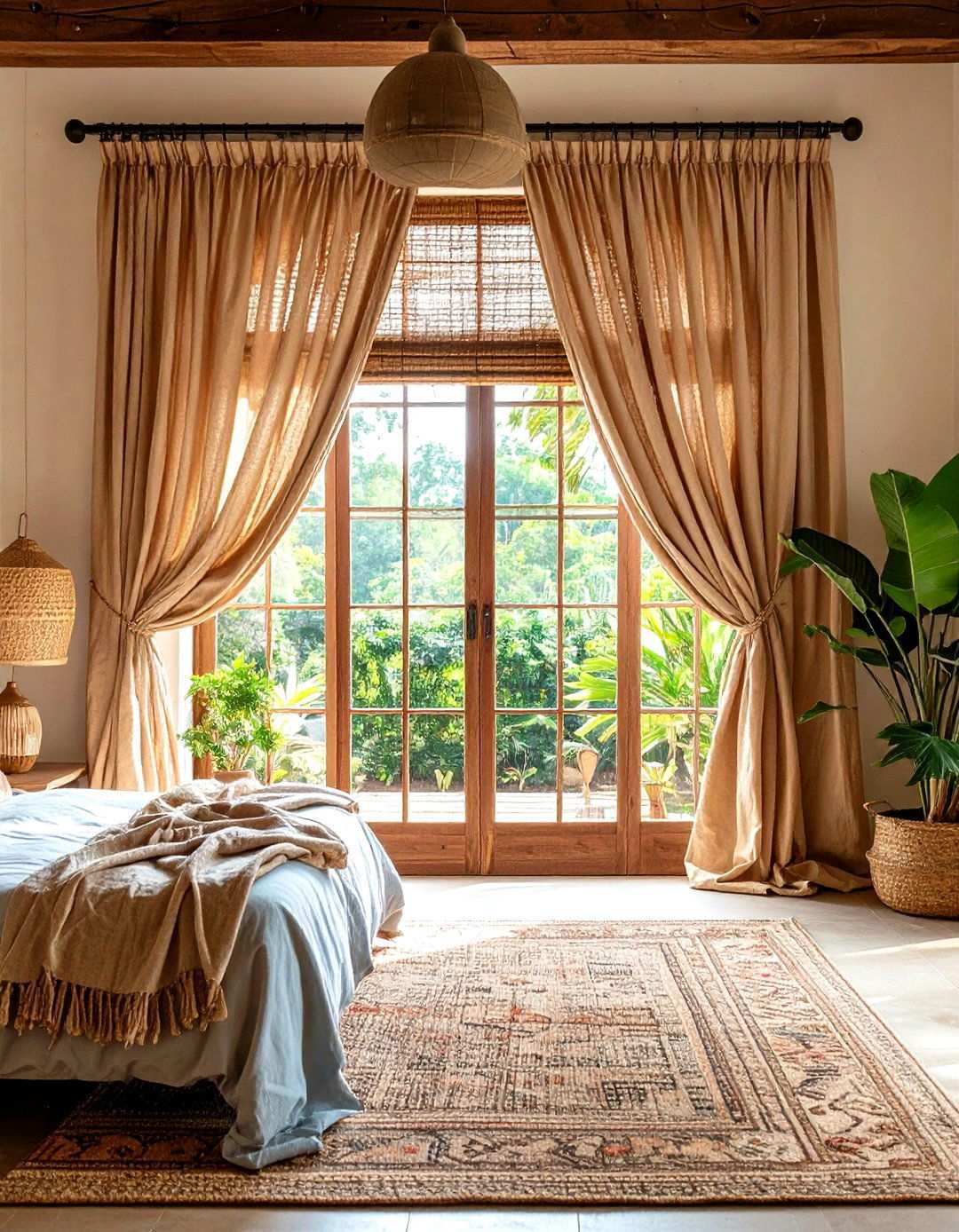
In Spanish colonial design, window treatments play a pivotal role in maintaining the visual harmony of the space. By focusing on natural materials, muted color palettes, and simple geometric forms, these treatments subtly enhance the architectural elements rather than overshadowing them. Linen and cotton fabrics in earthy tones bring a soft, tactile quality to the space while maintaining a balance of visual weight and color relationships. Woven wood blinds, bamboo shades, and natural fiber treatments all echo the style’s emphasis on organic materials and traditional craftsmanship. When selecting hardware, attention to detail is crucial, with wrought iron or dark bronze finishes being the preferred choice to coordinate with other architectural details. The strategic combination of shutters with fabric elements offers the flexibility to tailor light control and privacy options to the space’s specific needs, while maintaining an authentic character. Ultimately, color coordination should prioritize warm earth tones, natural fiber colors, and muted accents to support rather than dominate the overall interior design composition.
23. Architectural Expressions of Bow Windows with Curved Glass
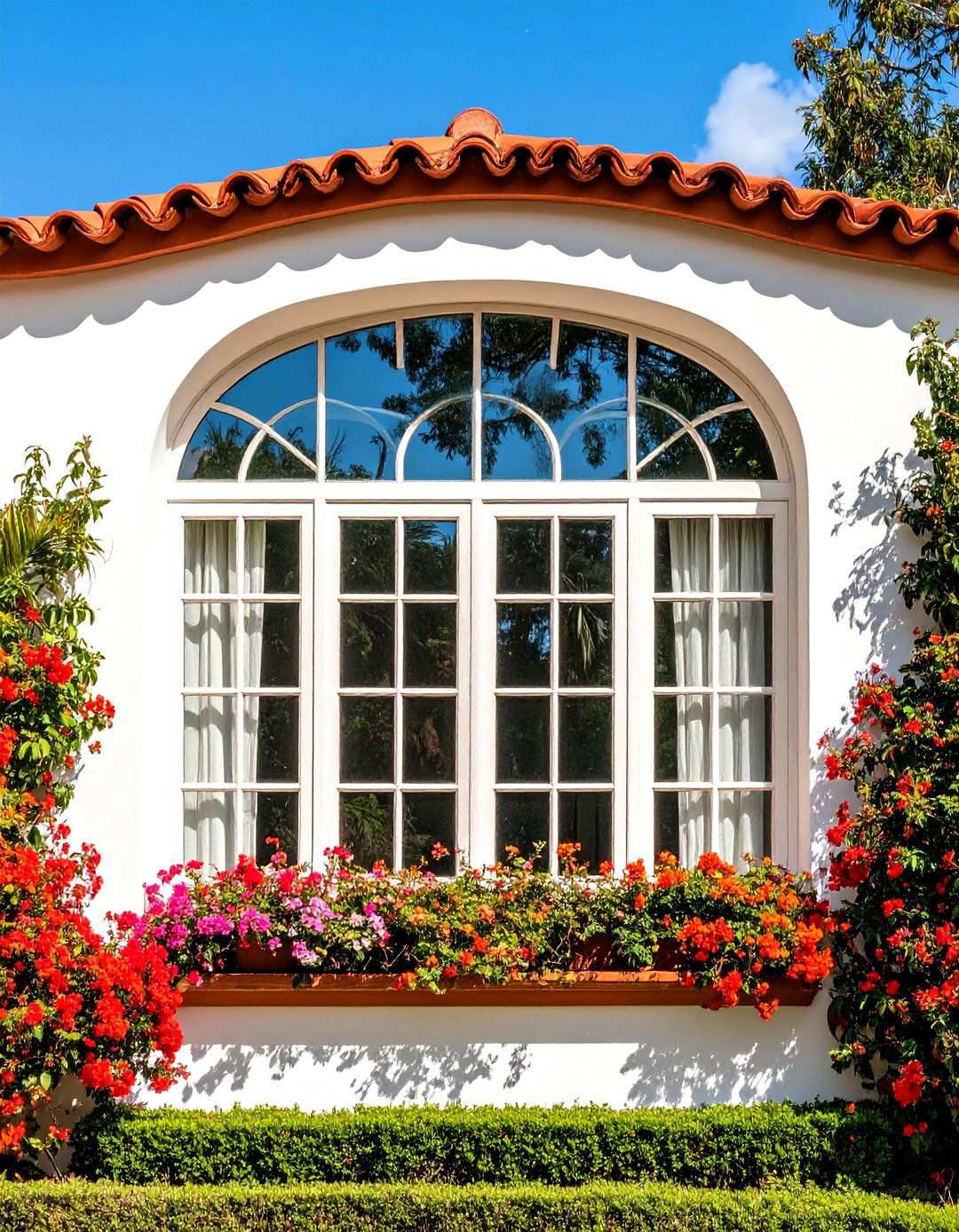
Bow windows masterfully create sweeping, curved projections that harmonize interior spaces with the outdoors, upholding the essence of Spanish colonial design by thoughtfully balancing proportional relationships and material consistency. Typically, these intricate assemblages feature four or more individual windows arranged in gentle curves, extending beyond the main facade to expand interior spaces and provide breathtaking views. The fabrication process for bow window frames demands specialized techniques to accommodate curved configurations while safeguarding weatherproofing and structural integrity. Individual window configurations within bow assemblies often incorporate casement or double-hung designs with coordinated grid patterns, fostering visual continuity across the curved composition. Roof treatments should seamlessly complement the main house’s architectural style, offering suitable protection from the elements and ensuring a cohesive visual appearance. Meanwhile, interior finishing should thoughtfully acknowledge the expanded space opportunities, maintaining a connection to the overall design themes through material choices, color coordination, and proportional relationships that promote effective architectural integration.
24. Contemporary Spanish Colonial Windows with Smart Technology Integration
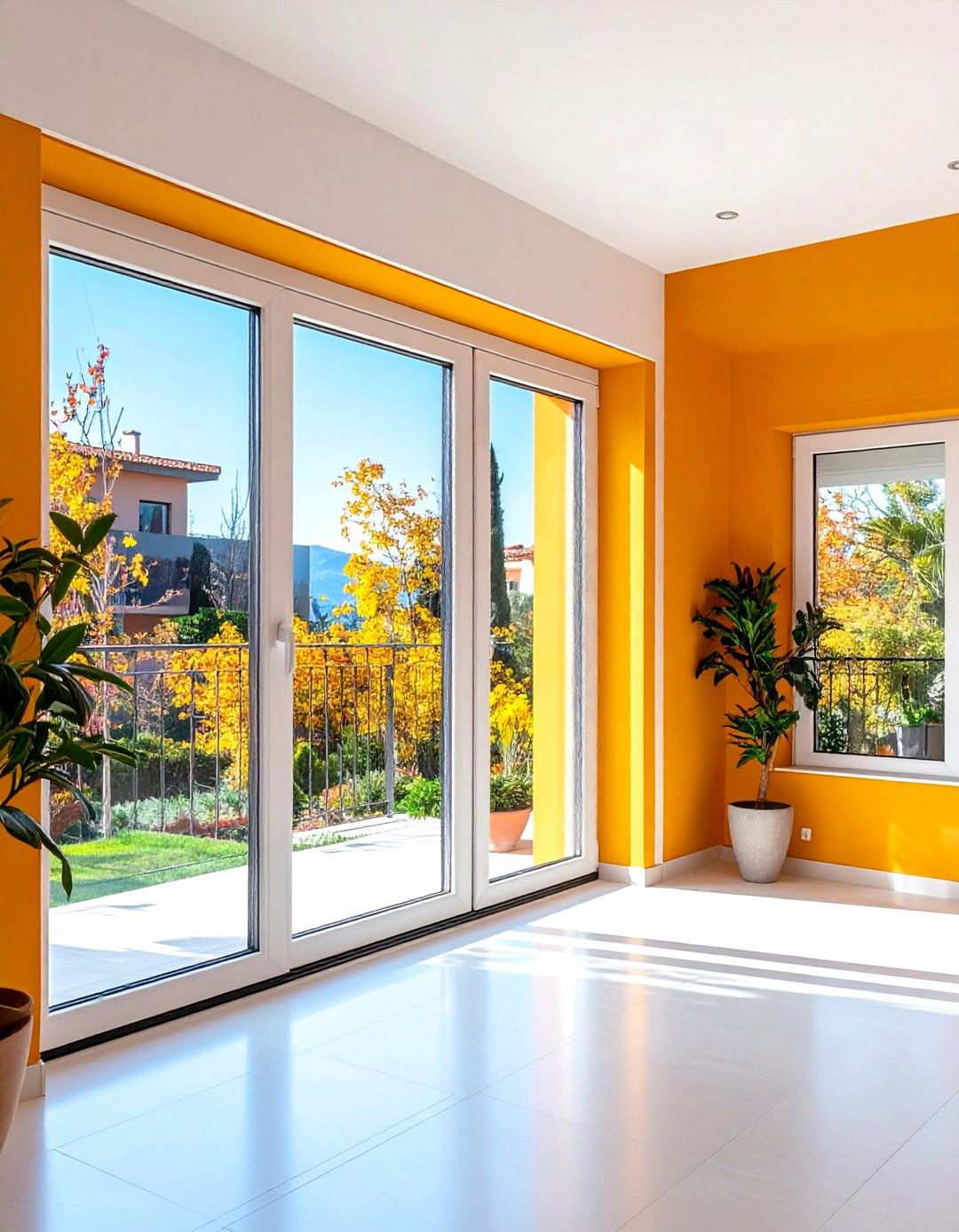
Modern interpretations of Spanish colonial windows successfully blend traditional design principles with cutting-edge technology through the discreet installation of automated systems, security features, and climate control elements. These innovations significantly enhance functionality without compromising the authentic appearance of the windows. Smart glass technology can provide variable levels of privacy and light control while maintaining clear sight lines and traditional proportions. Automated operators for casement and awning windows offer improved accessibility and convenience, using traditional hardware appearances that preserve the architectural character of the windows. Integrated security systems can monitor window operation and environmental conditions, maintaining visual continuity with historical design precedents. Energy management systems can optimize natural ventilation and light control through programmable operation schedules that work harmoniously with traditional window configurations. To ensure a seamless integration of modern functionality with traditional architecture, installation techniques should focus on discreet integration that preserves the authentic appearance while providing modern convenience features that enhance rather than detract from the overall architectural experience.