1. Evolving Landscapes: A Harmonious Blend of Form and Function
Modern outdoor design has transcended traditional boundaries, embracing cutting-edge principles that harmonize aesthetics with practicality. By embracing sustainable practices, multifunctional designs, and innovative materials, homeowners can create captivating landscapes that cater to diverse needs. Today’s discerning individuals seek outdoor spaces that not only provide a tranquil atmosphere for relaxation but also serve as vibrant social hubs, fostering connections with nature while minimizing environmental impact. Whether you’re limited by a small urban patio or blessed with a spacious backyard, these forward-thinking design approaches will empower you to craft outdoor oases that boost property value, nurture local ecosystems, and offer year-round enjoyment for your loved ones.

As an Amazon Associate I earn from qualifying purchases.
2. Zen Masterpieces: Elegant Minimalism in Landscape Design
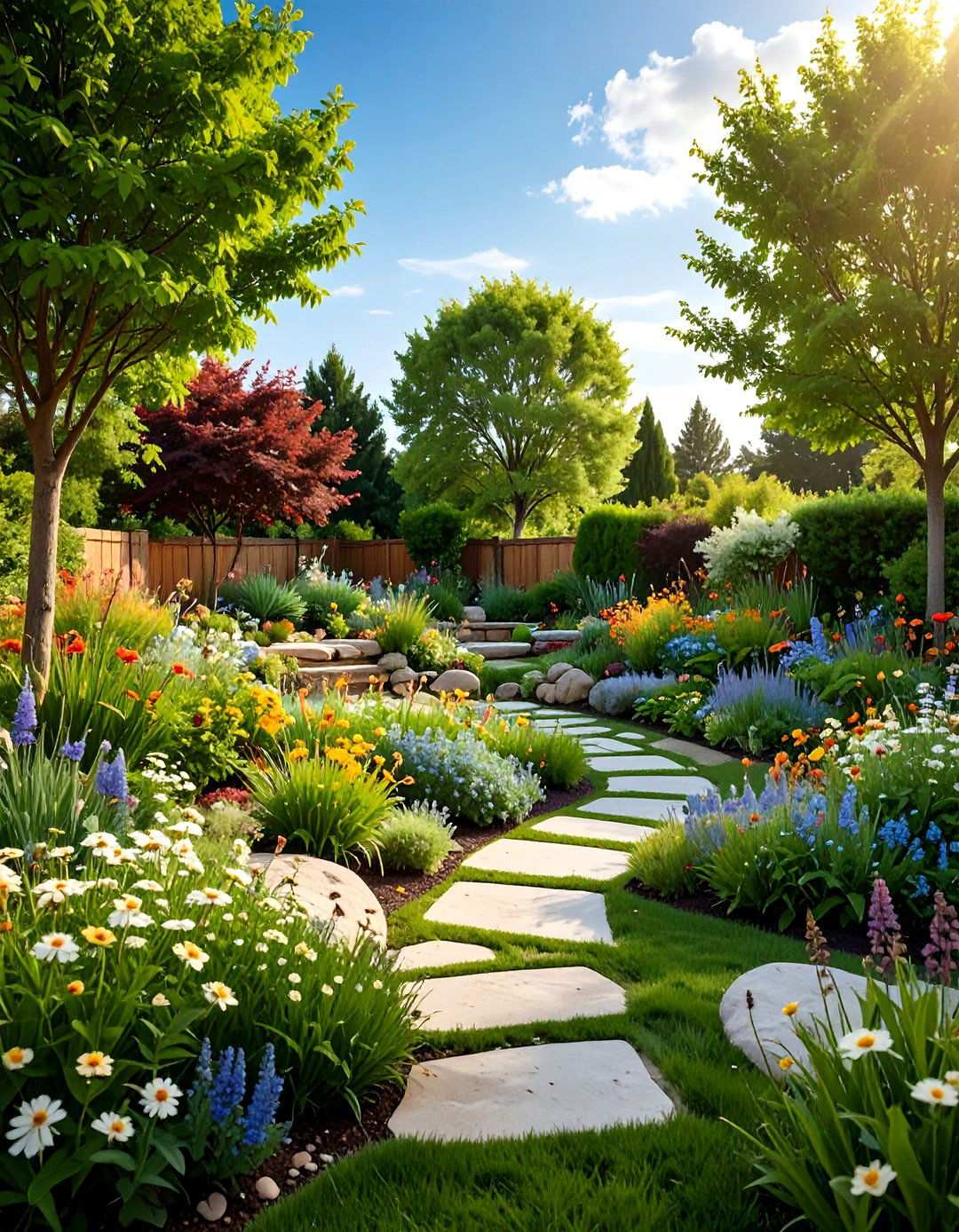
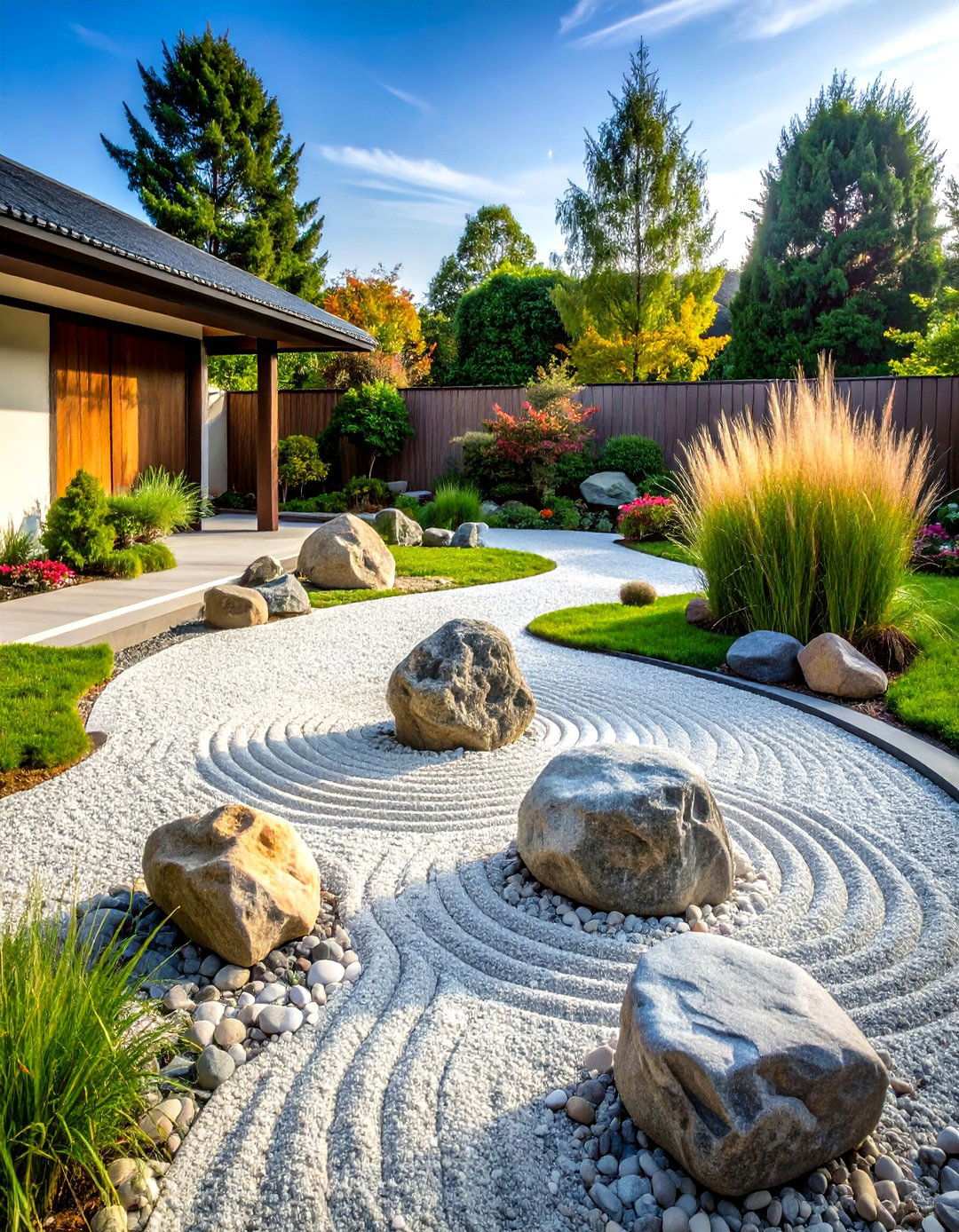
A minimalist zen garden design elevates your outdoor sanctuary to an unparalleled level of serenity, using deliberate geometric forms, neutral gravel surfaces, and strategically placed boulders. This design philosophy exudes simplicity, carefully selecting drought-tolerant plants such as ornamental grasses, succulents, and sculptural agave species arranged in thoughtfully designed asymmetrical patterns. The foundation of this design typically features decomposed granite pathways, concrete pavers in varying sizes, and smooth river rocks that add visual depth without overpowering the space. The allure of this low-maintenance approach lies in its ability to provide peaceful outdoor retreats without constant upkeep, while its timeless aesthetic seamlessly integrates with contemporary architecture, offering a calming escape from daily stress.
3. Sustainable Native Ecosystems: A Thriving Connection to Nature
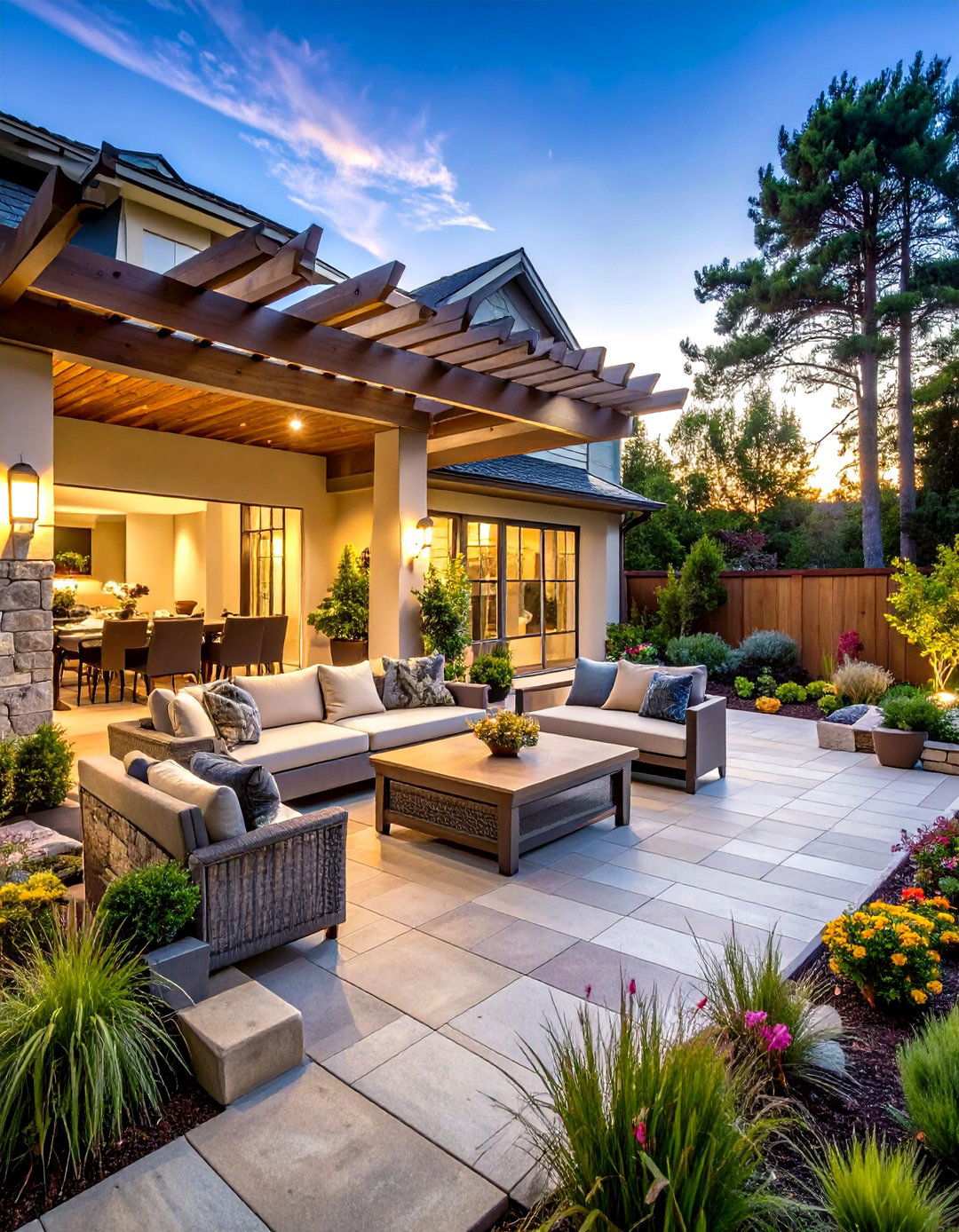
Native plant landscaping forges a powerful connection between your outdoor space and the local environment, while drastically reducing water consumption and maintenance demands. This comprehensive approach incorporates indigenous trees, shrubs, and perennials that naturally adapt to your regional climate conditions, requiring minimal irrigation once established. By layering different plant heights and textures, from groundcover natives like wild strawberry to mid-level shrubs such as serviceberry, topped with canopy trees that provide shade and habitat, you can create a dynamic, ever-changing landscape that celebrates your local ecosystem. Imagine stepping into your backyard and being surrounded by the vibrant songs of birds, the hum of native bees, and the dance of butterflies among seasonal wildflowers. This sustainable approach not only reduces your environmental footprint but also creates a thriving ecosystem that’s a true reflection of your connection to nature.
Elevating Outdoor Living Spaces
Carefully crafted outdoor living spaces dissolve the boundaries between cozy indoor retreats and nature’s splendor through skillfully designed outdoor elements. Stone or composite decking seamlessly integrates interior areas, paired with built-in seating walls and plush outdoor cushions that define conversation zones. Rugs, pergolas, and shade structures provide respite from the elements, while climbing plants like jasmine or clematis create organic ceiling treatments. Smart lighting solutions, including string lights and pathway illumination, extend the usability of these spaces into the evening hours. By investing in a sophisticated outdoor room, you can create the perfect setting for intimate gatherings, family dinners, and peaceful solo moments amidst thoughtfully curated plantings.
4. Maximizing Vertical Space with Living Walls
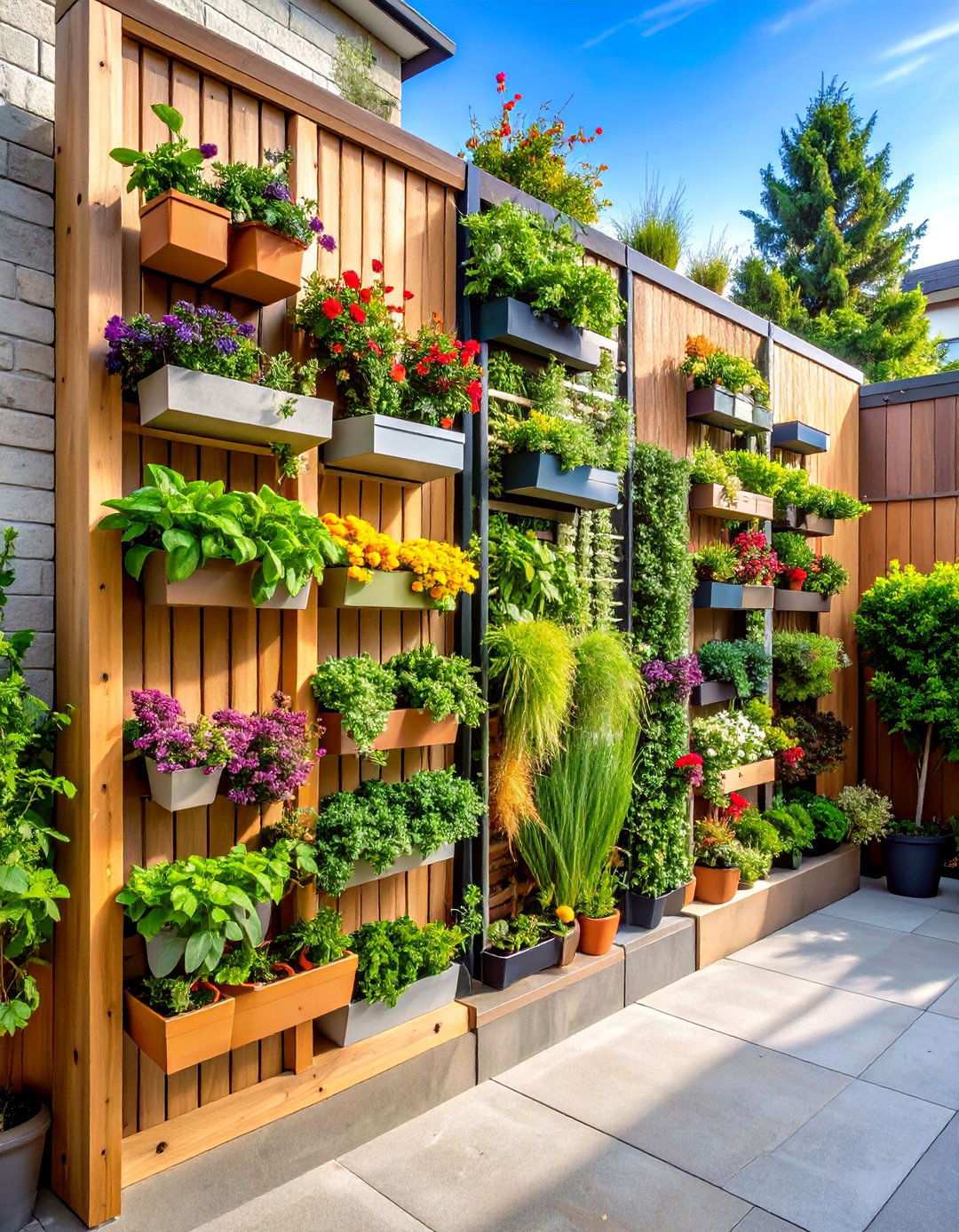
Living walls revolutionize the way we think about compact areas by harnessing innovative planting systems that transform blank spaces into vibrant living art. This space-efficient design employs modular pocket planters, trellis frameworks, or built-in shelf systems to support a diverse array of herbs, vegetables, flowering plants, and foliage. The installation process involves securely mounting support structures and incorporating efficient drip irrigation systems that ensure consistent moisture delivery to all levels. Materials can range from repurposed pallets for budget-friendly projects to cutting-edge hydroponic panels for high-tech installations. Imagine having fresh herbs at your fingertips or a stunning succulent display greeting visitors at your entrance. Living walls prove that even limited square footage doesn’t restrict your gardening ambitions.
5. Embracing Mediterranean Landscapes
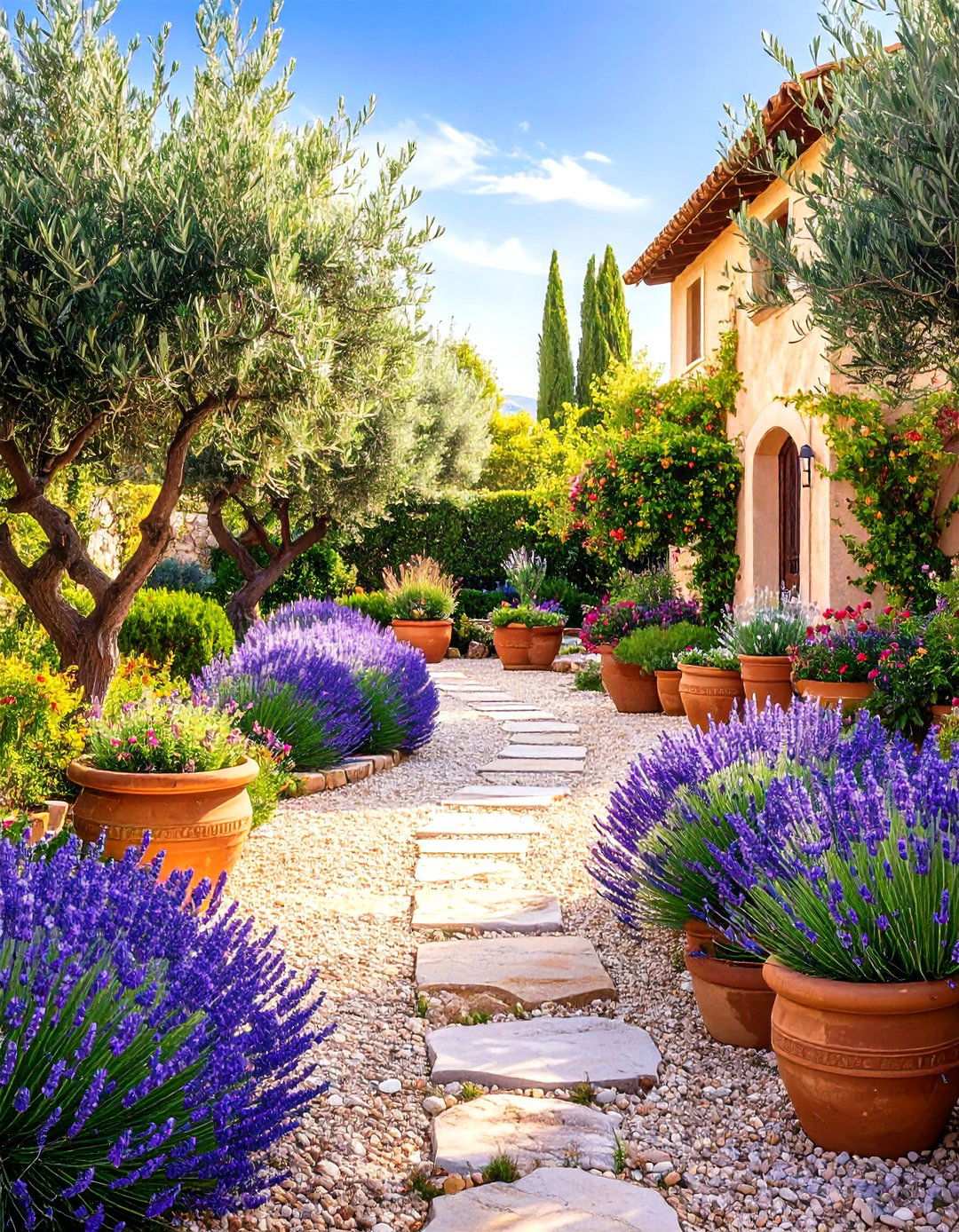
Mediterranean-style landscapes evoke the essence of coastal regions through drought-resistant plants, warm color palettes, and rustic hardscape materials that thrive in arid conditions. This design philosophy incorporates olive trees, lavender masses, rosemary hedges, and ornamental grasses arranged around gravel pathways and natural stone retaining walls. Terra cotta containers filled with herbs and succulents add pops of color, while pergolas draped with grapevines create shaded dining areas that exude European courtyard charm. The plant selections not only endure but flourish during dry spells, often producing aromatic foliage and vibrant blooms that attract beneficial insects. By adopting this water-conscious approach, you can transform your maintenance routine while creating an outdoor space that transports you to sunny Mediterranean hillsides with every visit.
6. Modern Oasis Water Features
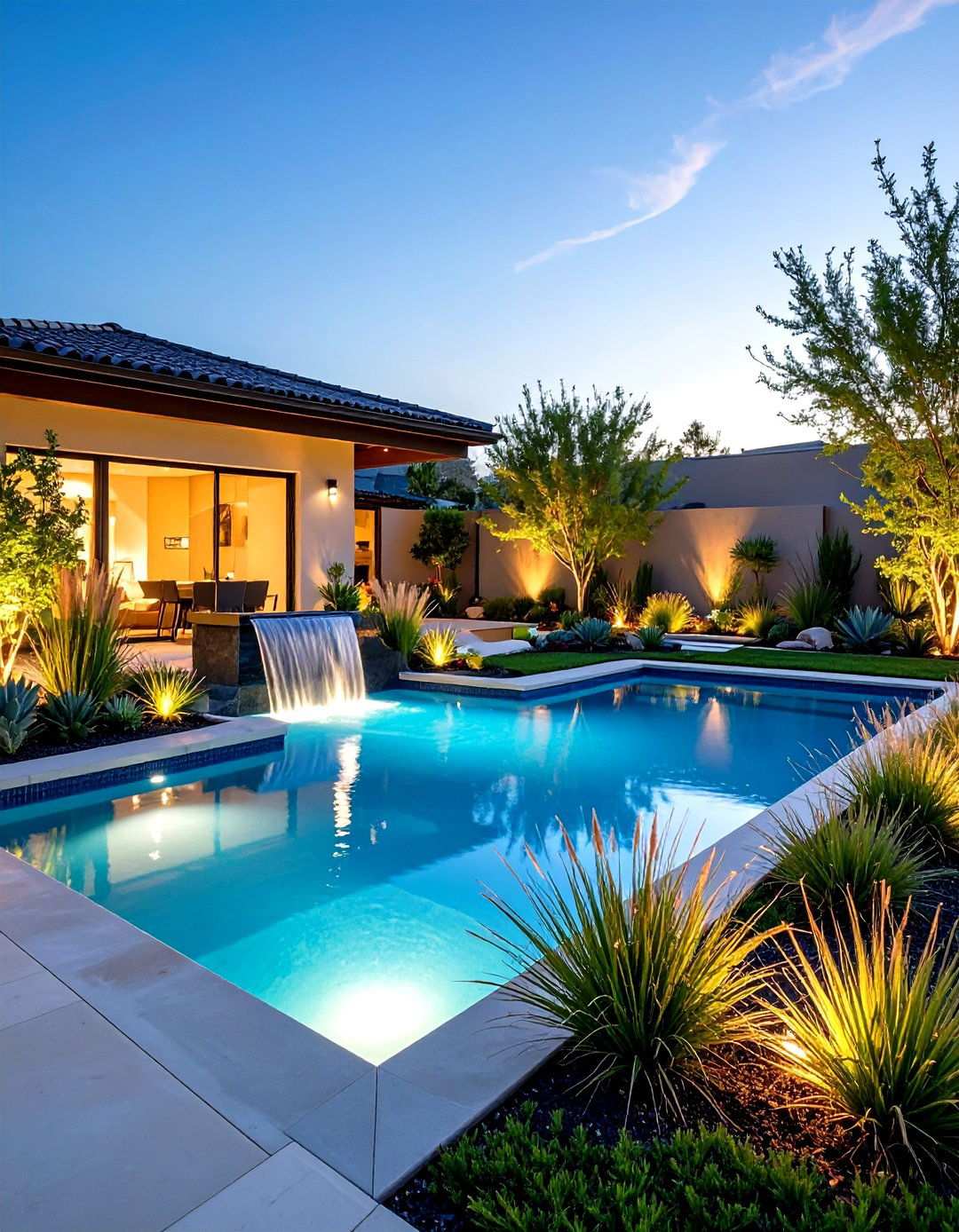
Sleek water features have become the epitome of modern landscape design, providing an oasis of serenity in the midst of bustling environments. These sophisticated installations seamlessly integrate fountains, reflecting pools, and cascading water walls crafted from materials like corten steel, polished concrete, and natural stone that harmonize with architectural elements. The adjacent plantings emphasize minimalist elegance through ornamental grasses, architectural succulents, and specimen trees that create striking silhouettes against the water’s surface. Strategically placed lighting transforms these features into captivating evening spectacles, with underwater illumination and accent spotlights creating an enchanting ambiance. Advanced circulation systems maintain optimal water quality, while programmable controls enable seasonal adjustments to ensure a perfect balance.
7. Whimsical Wildlife Habitats
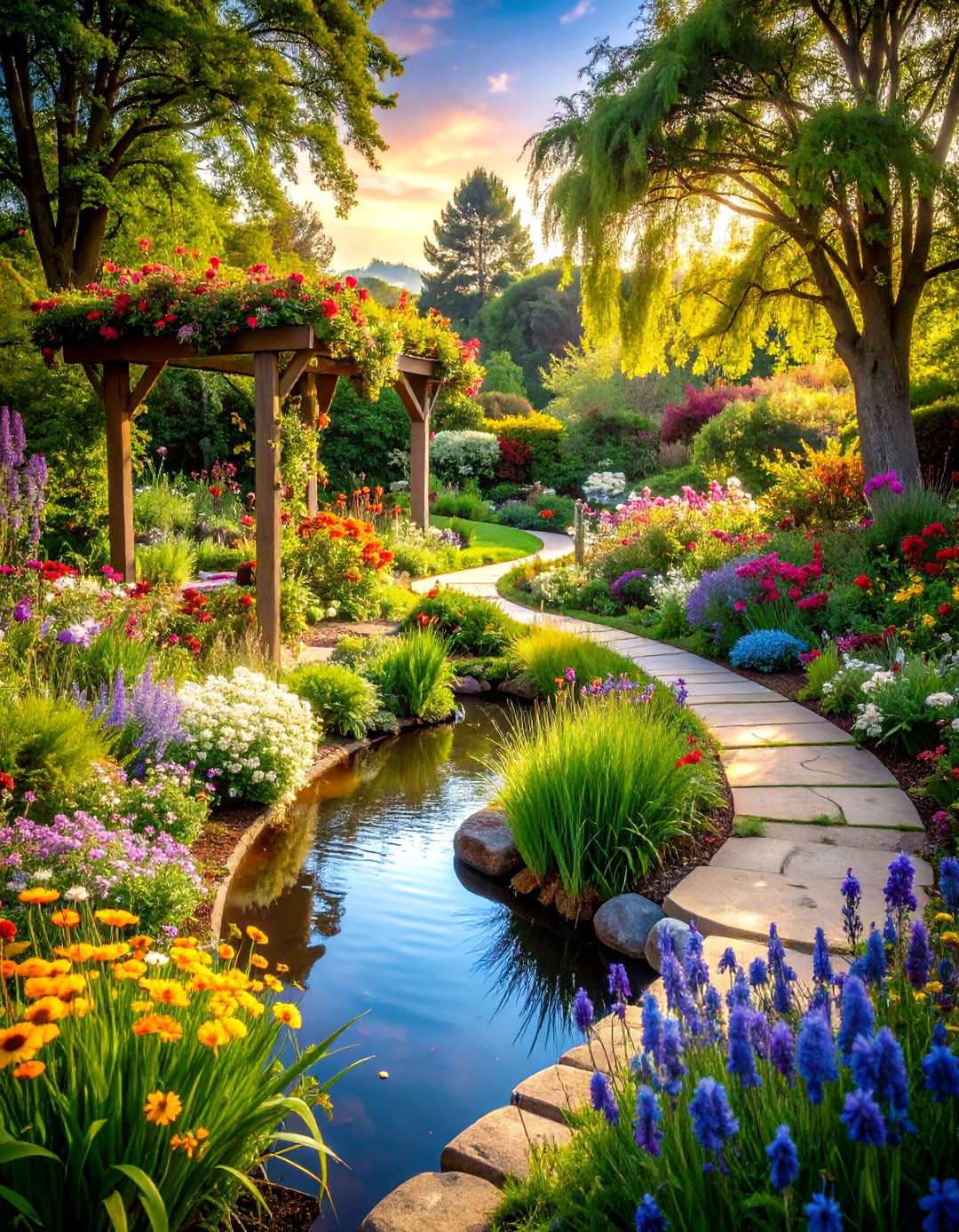
Romantic cottage garden habitats have long been cherished for their enchanting blend of natural charm and ecological functionality. These organic designs feature layered plantings that provide a constant source of sustenance and shelter for birds, butterflies, and beneficial insects throughout the seasons. The winding pathways lined with perennial borders containing bee balm, coneflowers, black-eyed susans, and native wildflowers create a succession of vibrant blooms from spring to fall. Informal hedges of elderberry and viburnum offer crucial nesting sites and winter berries, while shallow water features provide essential drinking opportunities for wildlife visitors. The garden’s rustic charm is further accentuated by arbors supporting climbing roses and clematis, with meandering stone pathways that invite exploration and discovery, fostering a deep connection with nature.
8. Elevating Outdoor Spaces with Modern Hardscapes
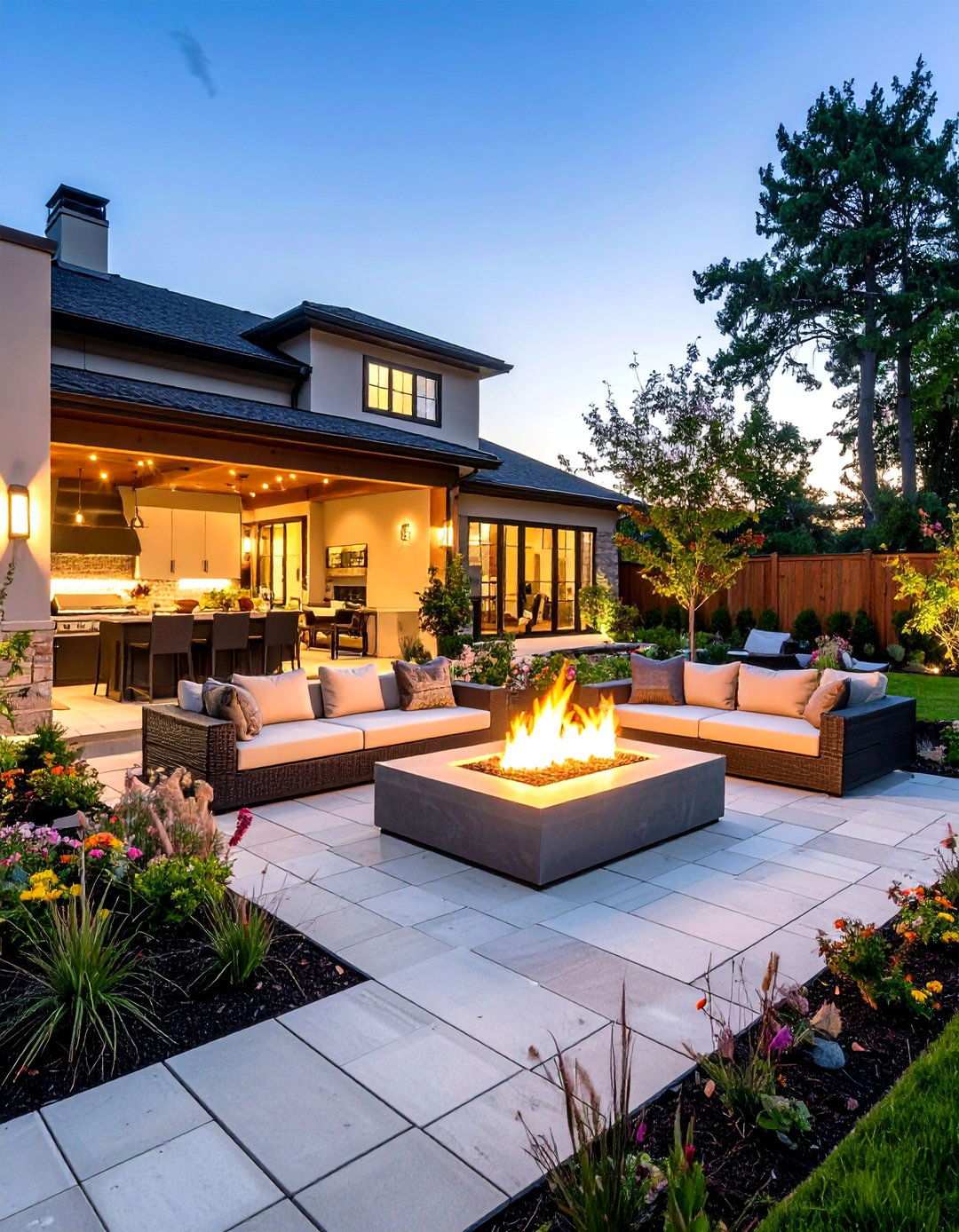
Elegant modern hardscapes take center stage in outdoor entertaining areas, combining clean lines, durable materials, and creative textures to create the perfect setting for culinary gatherings and warm social connections. This versatile design style brings together large-format pavers or concrete slabs arranged in geometric patterns, complemented by built-in seating walls, fire features, and outdoor kitchen elements crafted from matching stone or concrete materials. To add visual interest, steel planters filled with statement plants like succulents or ornamental grasses provide striking vertical accents with minimal upkeep required. The neutral color palette allows furniture and seasonal decor to take center stage, while integrated lighting systems highlight key features and create a warm ambiance for evening gatherings. Just imagine hosting enchanting dinner parties where guests congregate around sleek fire bowls while savoring gourmet meals from your custom outdoor kitchen – isn’t this the kind of functional luxury that turns ordinary evenings into unforgettable experiences?
9. Woodland Oasis: Transforming Low-Light Areas with Natural Elegance
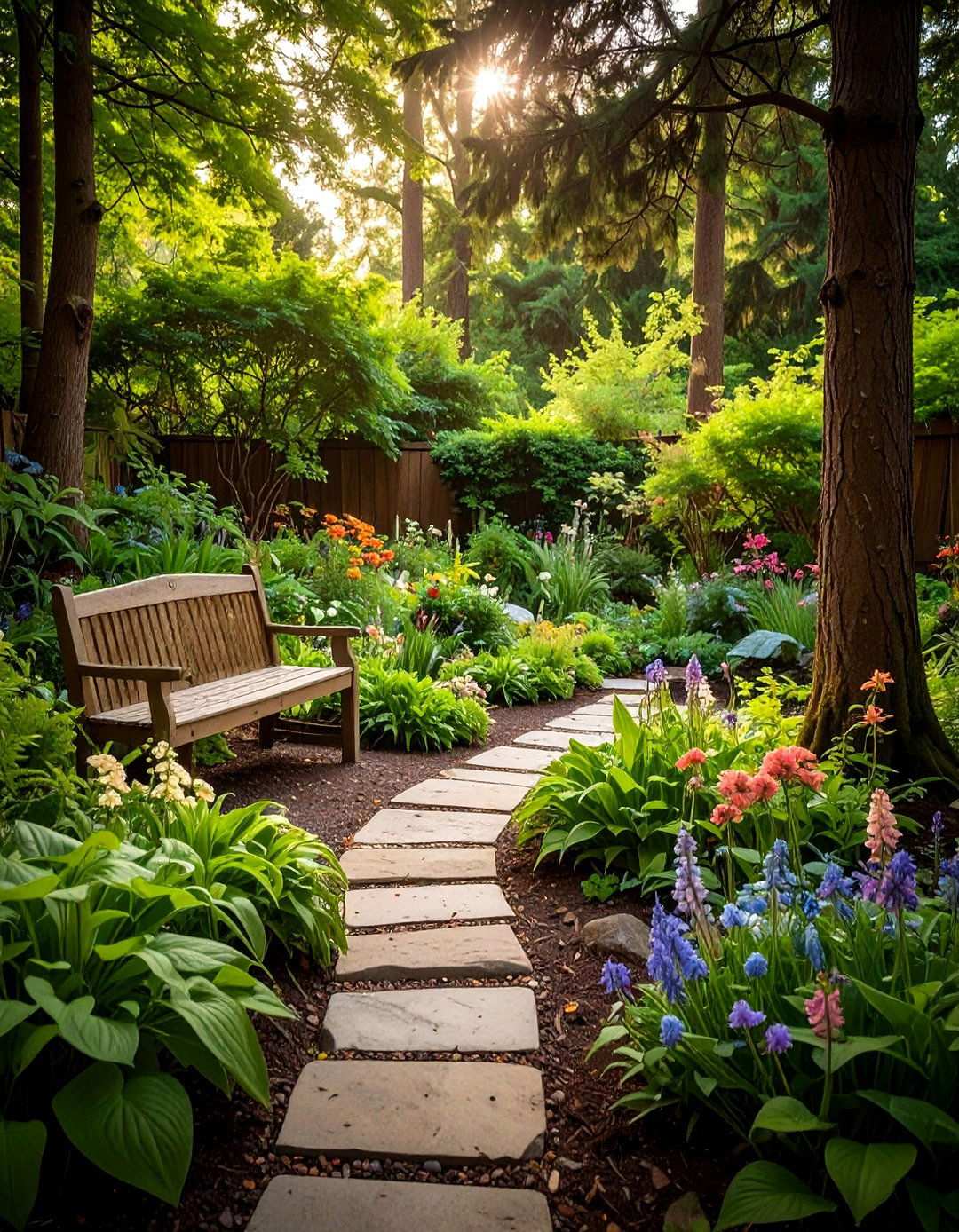
Woodland shade gardens are a masterclass in transforming challenging low-light areas into serene retreats by thoughtfully selecting forest understory plants and natural materials that harmonize with existing mature trees. This design approach layers different textures and foliage colors using plants like hostas, ferns, astilbe, and native wildflowers like trillium and bloodroot that thrive in dappled sunlight conditions. Winding natural stone pathways lead visitors through the lush plantings, culminating in secluded seating areas perfectly positioned to capture filtered light and woodland views. Mulched planting beds using natural materials like shredded leaves or bark chips retain soil moisture while suppressing weeds. The result is a peaceful sanctuary that celebrates the natural beauty of established trees, inviting you to unwind and reconnect with nature’s soothing rhythms – what if you could recreate that restorative forest experience in your own backyard?
10. Elevating Landscapes: Terraced Slope Garden Designs
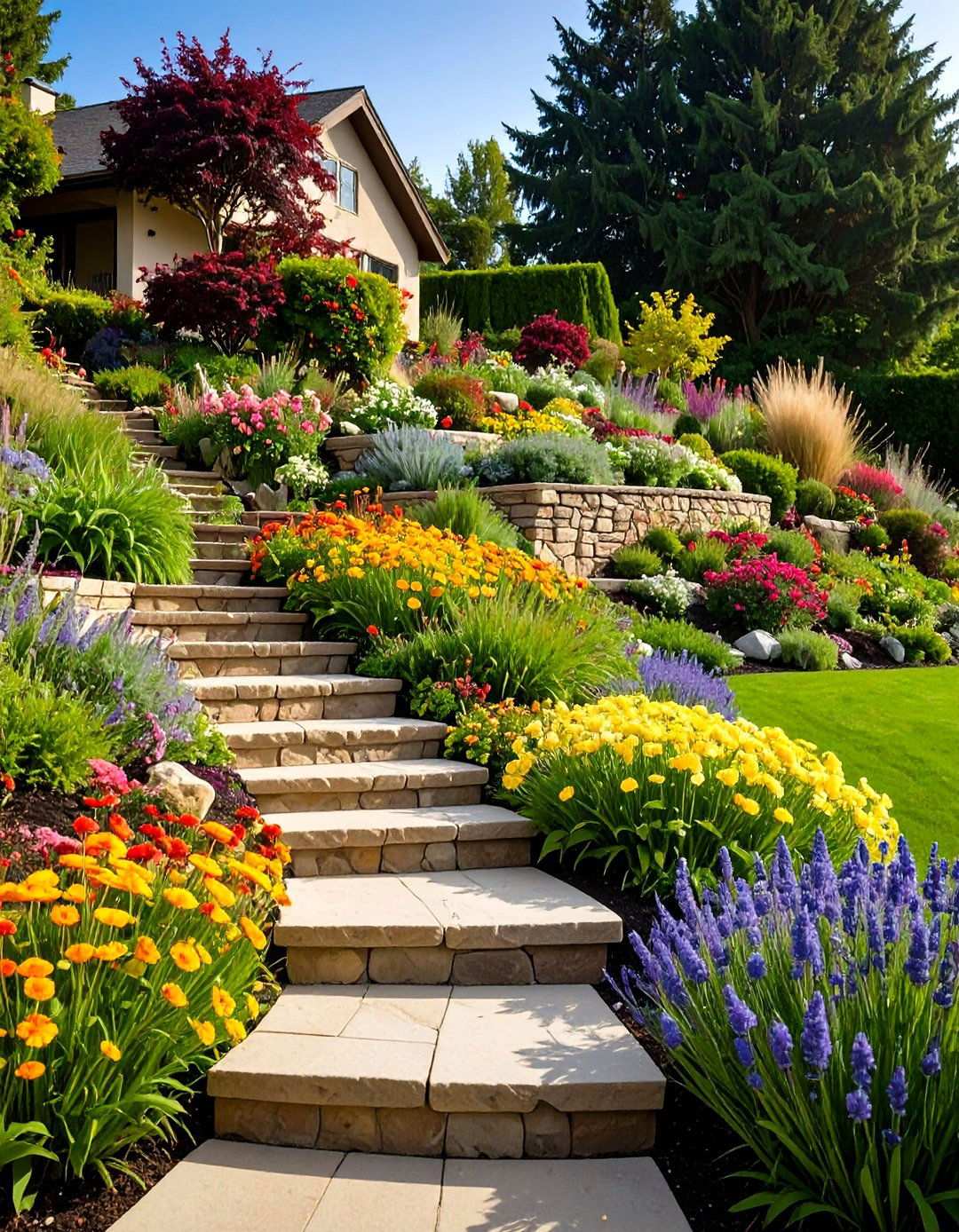
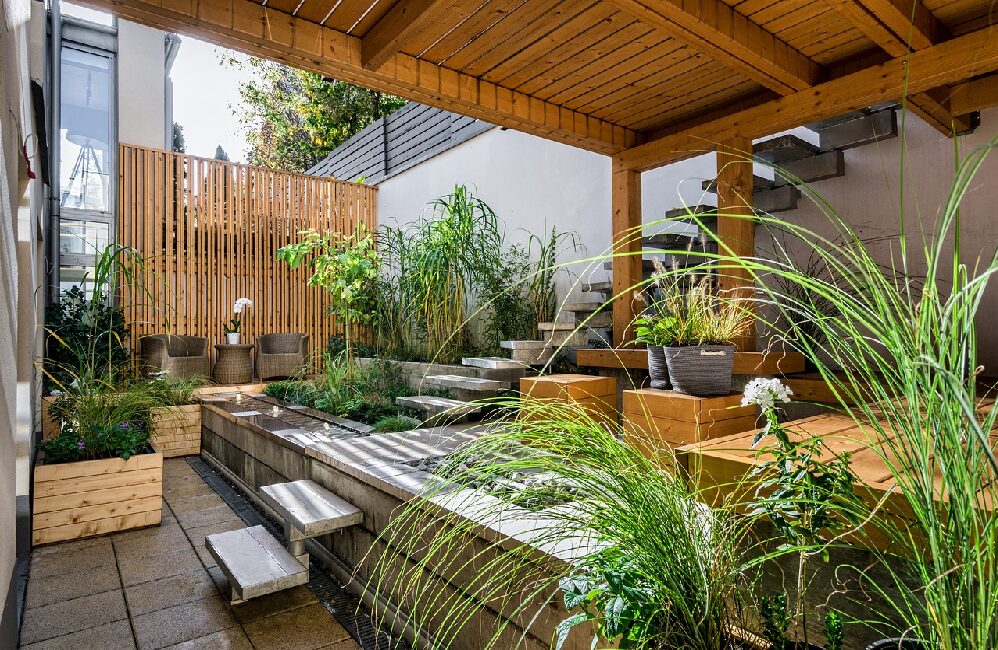
By repurposing challenging hillside areas, terraced slope gardens forge stunning multilevel landscapes where engineering and artistry merge. This innovative approach employs natural stone or segmental block walls to create distinct planting zones, each tailored to its unique sun exposure and drainage characteristics. The layered terraces cater to diverse functions, from vegetable gardens and herb spirals on upper tiers to perennial borders and groundcover masses on lower slopes. Strategically integrated steps and pathways facilitate safe access between levels while incorporating artistic elements like built-in planters and lighting features. Thoughtful plant selections feature deep-rooted shrubs and ornamental grasses that reinforce soil stability, turning what was once a troublesome slope into a breathtaking garden feature that adds visual interest to your neighborhood.
11. Escaping to a Tropical Oasis: Landscape Design Themes
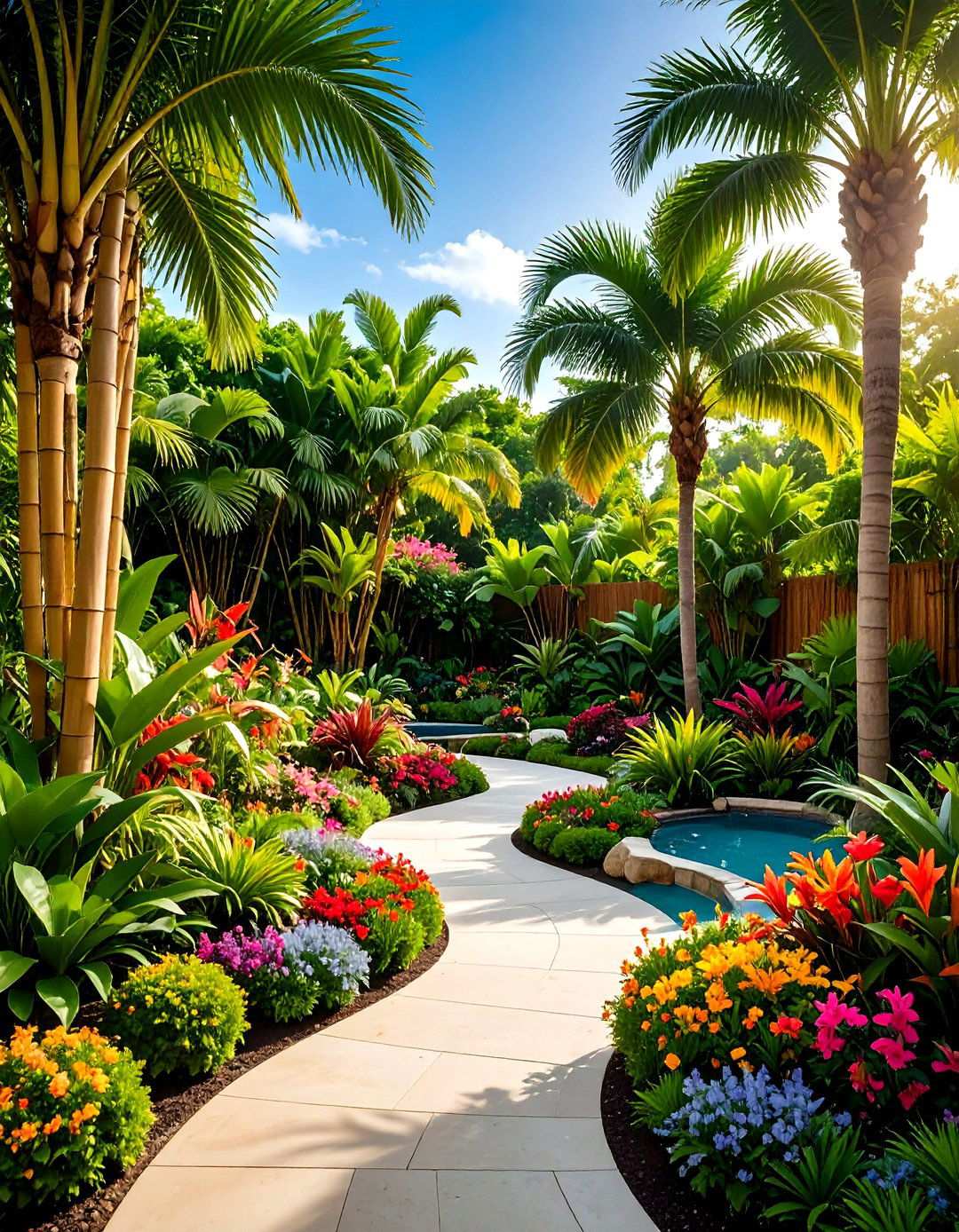
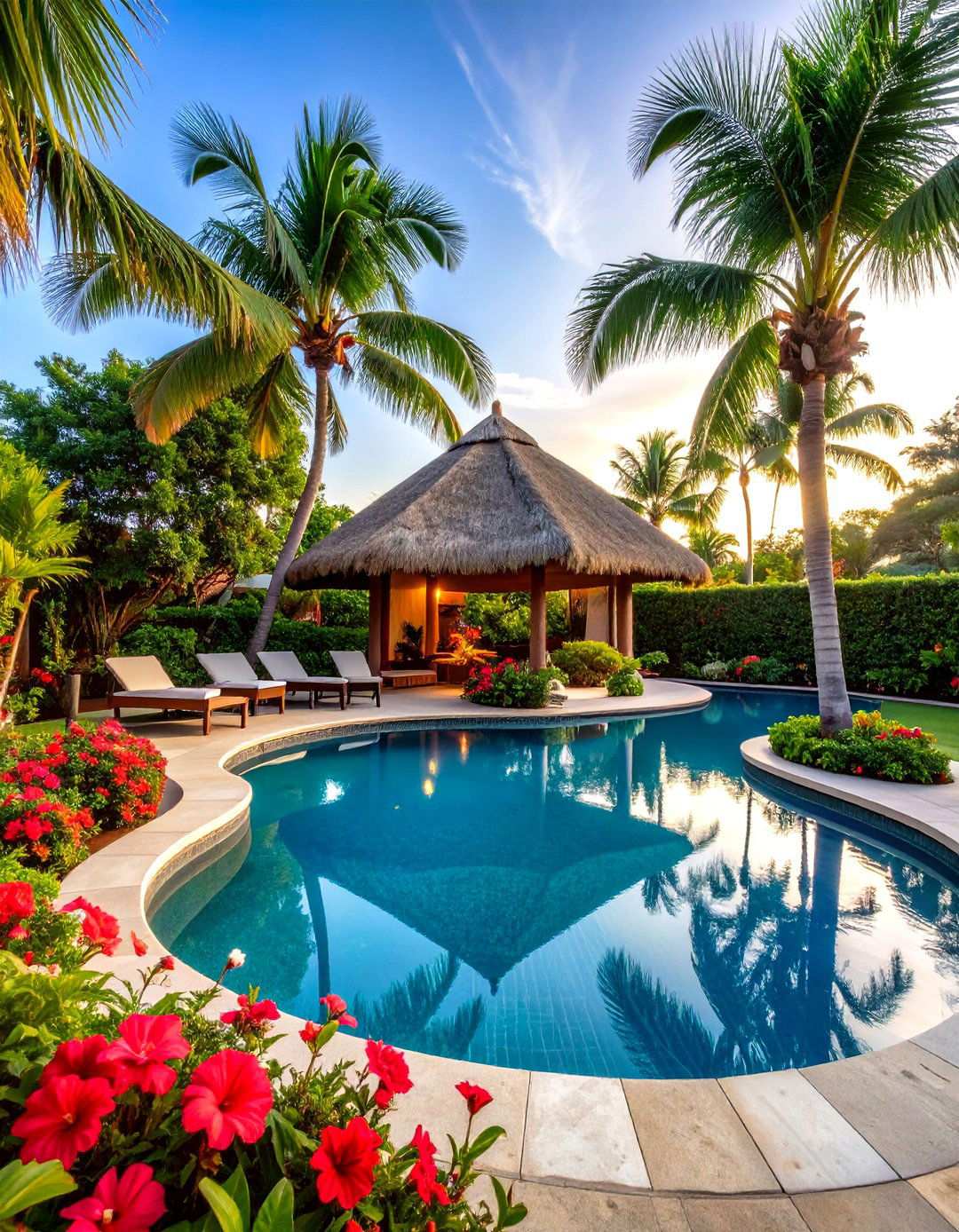
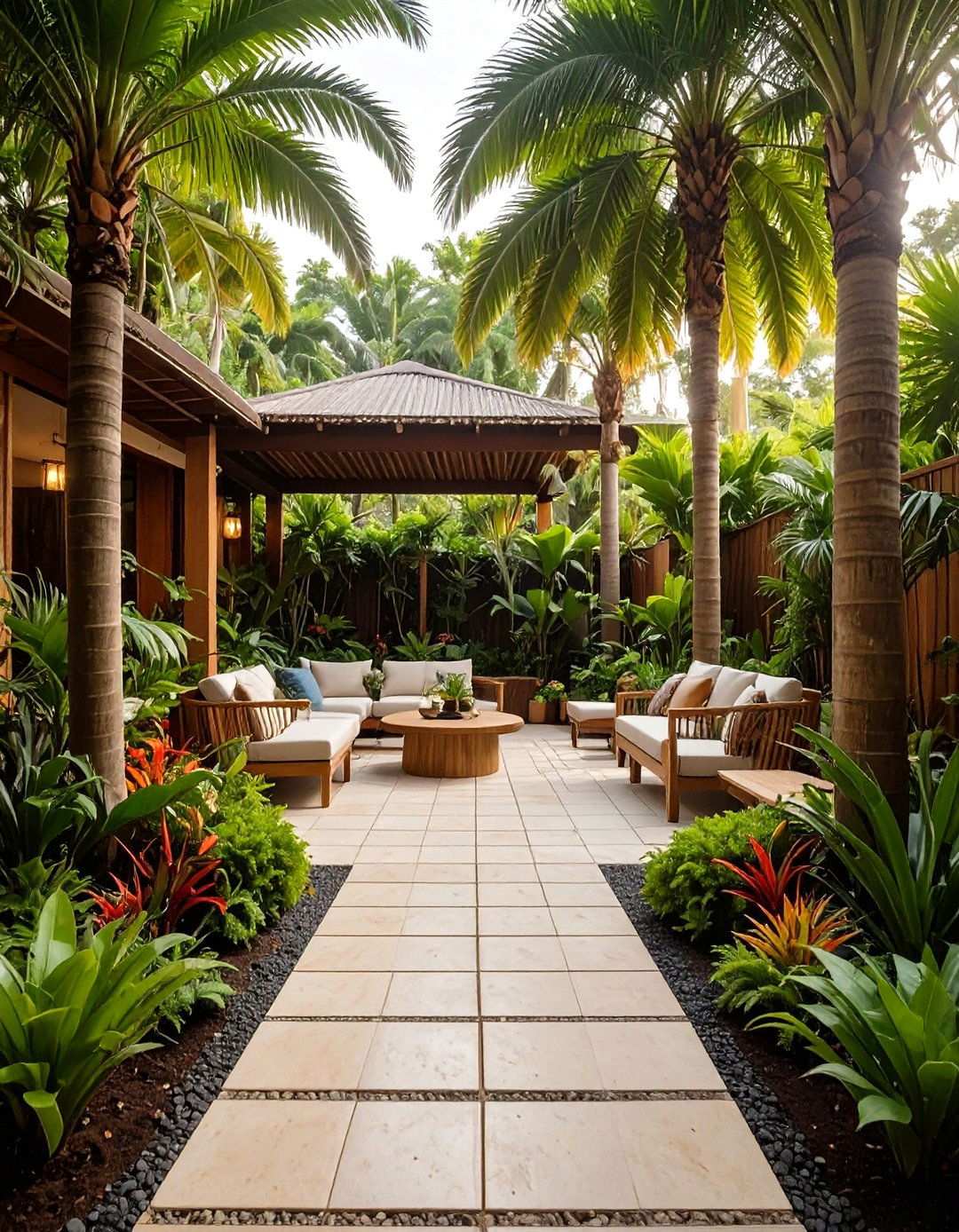
Tropical landscape themes transport you to a serene resort-like atmosphere, replete with bold foliage plants, vibrant flower colors, and materials reminiscent of warm climate destinations. By incorporating large-leafed plants like elephant ears, banana trees, and palm species arranged around natural stone water features and bamboo screening elements, this immersive design strategy creates an exotic ambiance. Bright flowering plants such as hibiscus, bougainvillea, and bird of paradise provide a kaleidoscope of colors, while lush groundcover plants foster a jungle-like density. The hardscape elements, featuring natural materials like teak decking, stone pavers, and bamboo fencing, reinforce the tropical aesthetic. The strategic placement of outdoor fans and misting systems can further enhance comfort during hot weather, allowing you to step into your backyard and experience the tranquility of a luxurious tropical resort, complete with soothing water features and the visual drama of exotic plantings.
12. Serene Oases Inspired by Japanese Design
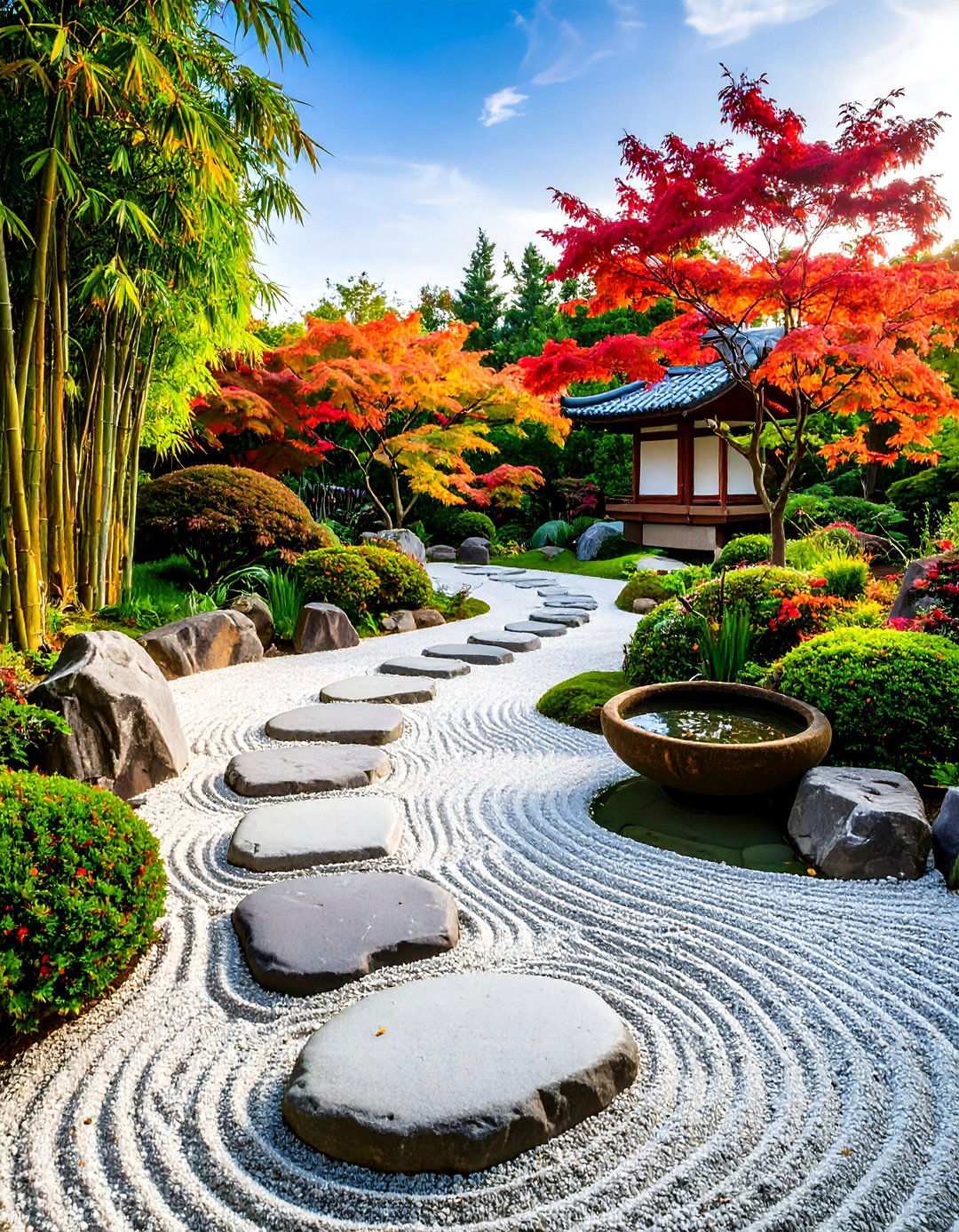
Japanese garden aesthetics create tranquil spaces by thoughtfully balancing natural elements and human intervention. A meditative approach to landscaping incorporates carefully raked gravel areas, strategically placed stepping stones, and a selection of low-maintenance plants such as Japanese maples, bamboo, and moss, which transform with the seasons. This harmonious blend of natural beauty and subtle design elements often includes water features like koi ponds or simple stone basins, as well as architectural highlights like rustic bridges or moon gates. The emphasis lies in showcasing subtle color variations and textures rather than vibrant floral displays. Traditional materials like weathered wood, natural stone, and gravel are employed to create surfaces that mature over time, radiating a sense of timeless elegance. When immersed in a thoughtfully designed garden space, one cannot help but feel a profound sense of serenity, reminding us to appreciate the beauty in simplicity and the fleeting nature of life.
13. Integrating Fruitful Beauty into Your Landscape
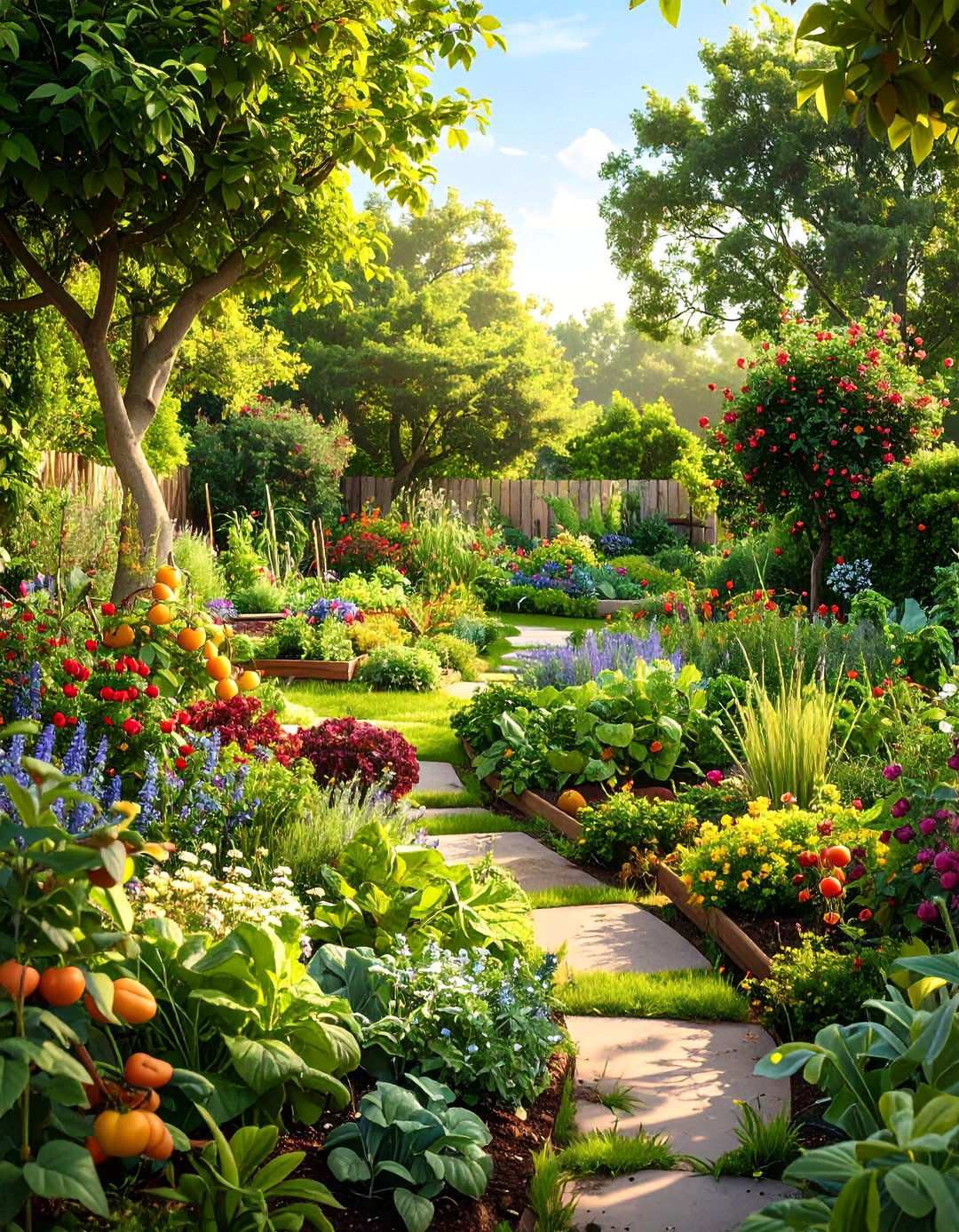
Edible landscape design seamlessly merges food production with ornamental garden settings through the strategic placement of fruit trees, berry bushes, vegetable gardens, and herb borders. This harmonious approach creates a visually appealing and productive space that offers a range of harvest opportunities while maintaining a beautiful aesthetic. By layering different plant heights to mimic natural forest ecosystems, edible landscapes feature canopy trees like apples and pears providing structural elements, understory shrubs such as blueberries and currants offering mid-level interest, and groundcover herbs and vegetables completing the ecosystem. Raised bed systems organize annual crops, while permanent plantings provide long-term structure and seasonal interest. The use of attractive support structures like arbors and trellises displays climbing vegetables and fruits as works of art, effortlessly blurring the line between form and function. As you step out into your garden, imagine harvesting fresh salads, picking tree-ripened fruit, and gathering aromatic herbs just steps from your kitchen door, while your neighbors admire what appears to be a stunning ornamental landscape.
14. Reviving the Wild: Prairie Meadow Landscapes
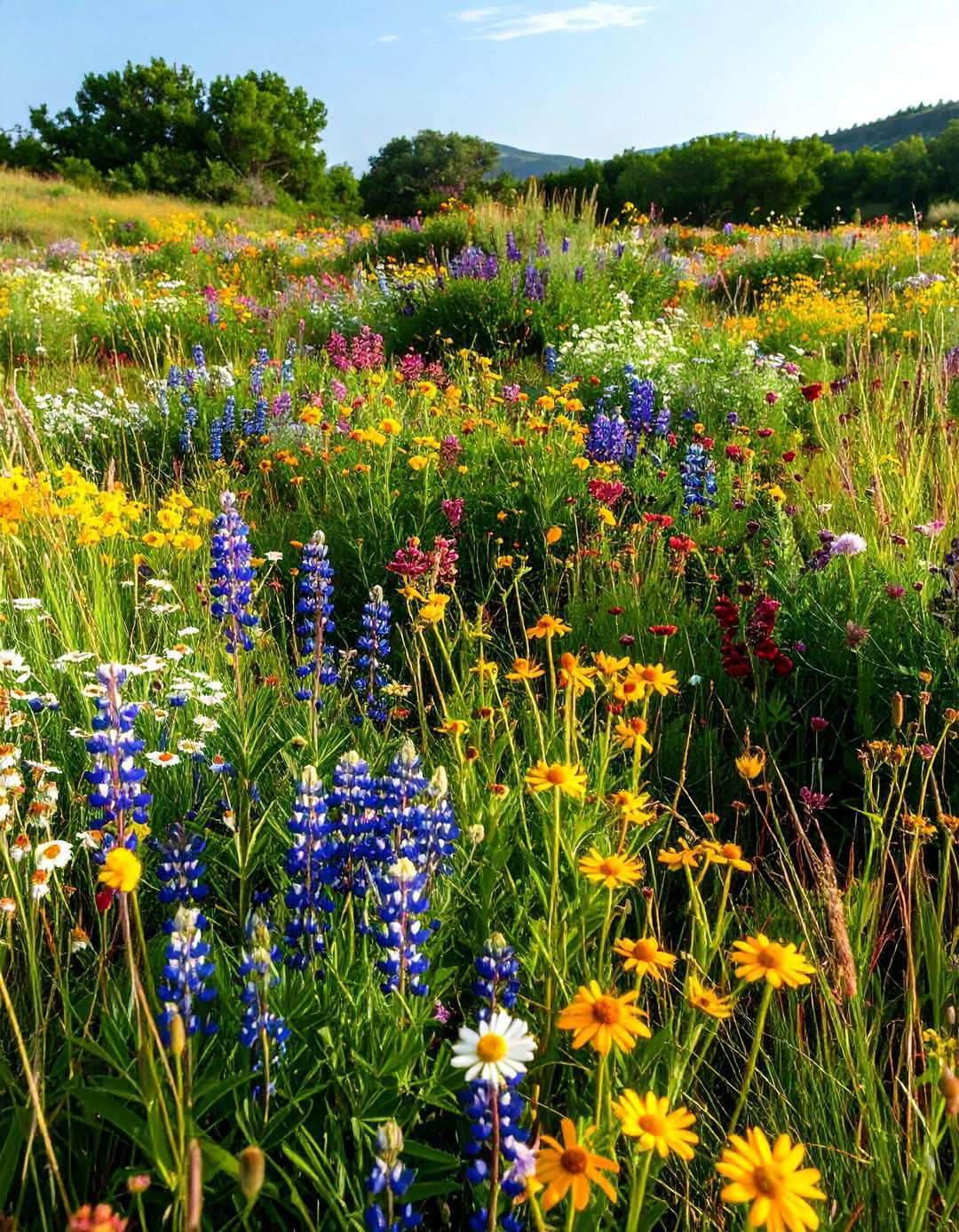
Prairie meadow landscapes offer a captivating escape, echoing the untamed beauty of native grasslands through expertly curated combinations of ornamental grasses and wildflowers that provide a constant visual tapestry while nurturing local wildlife populations. This naturalistic approach sets its foundation with native bunch grasses, such as little bluestem and buffalo grass, harmoniously intertwined with flowering perennials like purple coneflower, blazing star, and black-eyed susan that bloom in a vibrant seasonal succession. The design subtly mimics natural plant communities, embracing flowing drifts that replace formal arrangements and create movement and texture that dances with the wind and weather conditions. By incorporating annual mowing or controlled burning, garden maintenance maintains plant health and prevents woody invasion, yielding a thriving landscape that supports local bird and butterfly populations while minimizing water and chemical inputs. Imagine the enchanting scene of morning dew gently glistening on grass seed heads, and butterflies flitting about among wildflowers that have coevolved with local wildlife for centuries.
15. Modern Masterpieces: Contemporary Sculptural Gardens
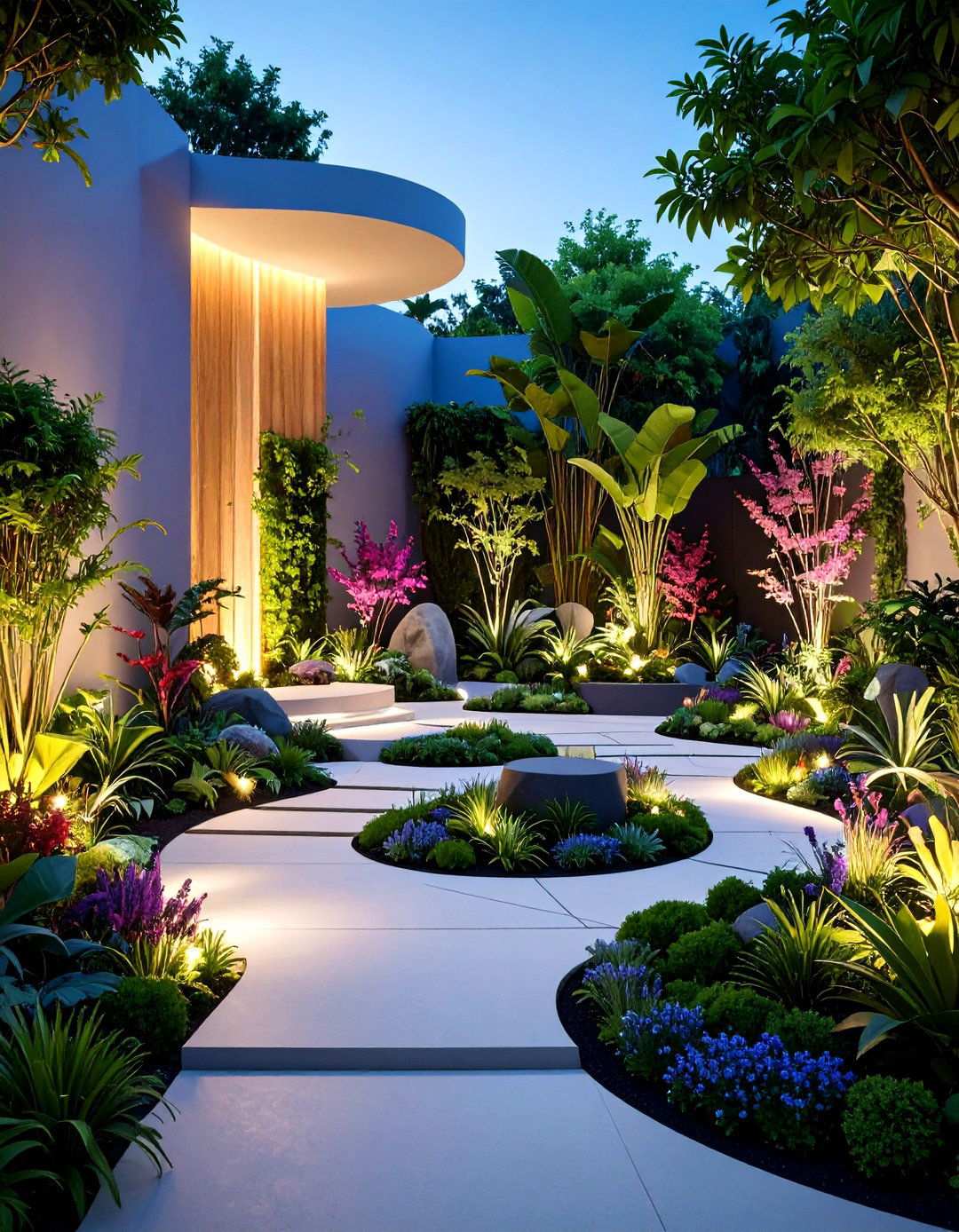
Contemporary sculptural gardens seamlessly merge artistic expression with plant design, skillfully integrating modern art pieces, architectural plants, and geometric hardscape elements to create immersive outdoor galleries for daily appreciation. This sophisticated approach transforms the landscape into a vibrant canvas for three-dimensional art installations, whether bespoke sculptures or DIY projects crafted from materials like metal, stone, or repurposed elements artfully arranged among thoughtfully selected plants that showcase striking architectural qualities. The plant palette prioritizes form over flower, emphasizing specimens like agaves, ornamental grasses, and topiary shapes that offer consistent visual impact throughout the seasons. Strategic lighting design plays a pivotal role in illuminating both sculptural elements and plant forms during evening hours, while clean-lined pathways and minimalist seating areas allow art and plants to take center stage. Envision transforming your outdoor space into a captivating art exhibition where seasonal plant changes and rotating sculpture displays keep the visual experience fresh and engaging year-round.
16. Elevating Outdoor Spaces with Gravel Gardens
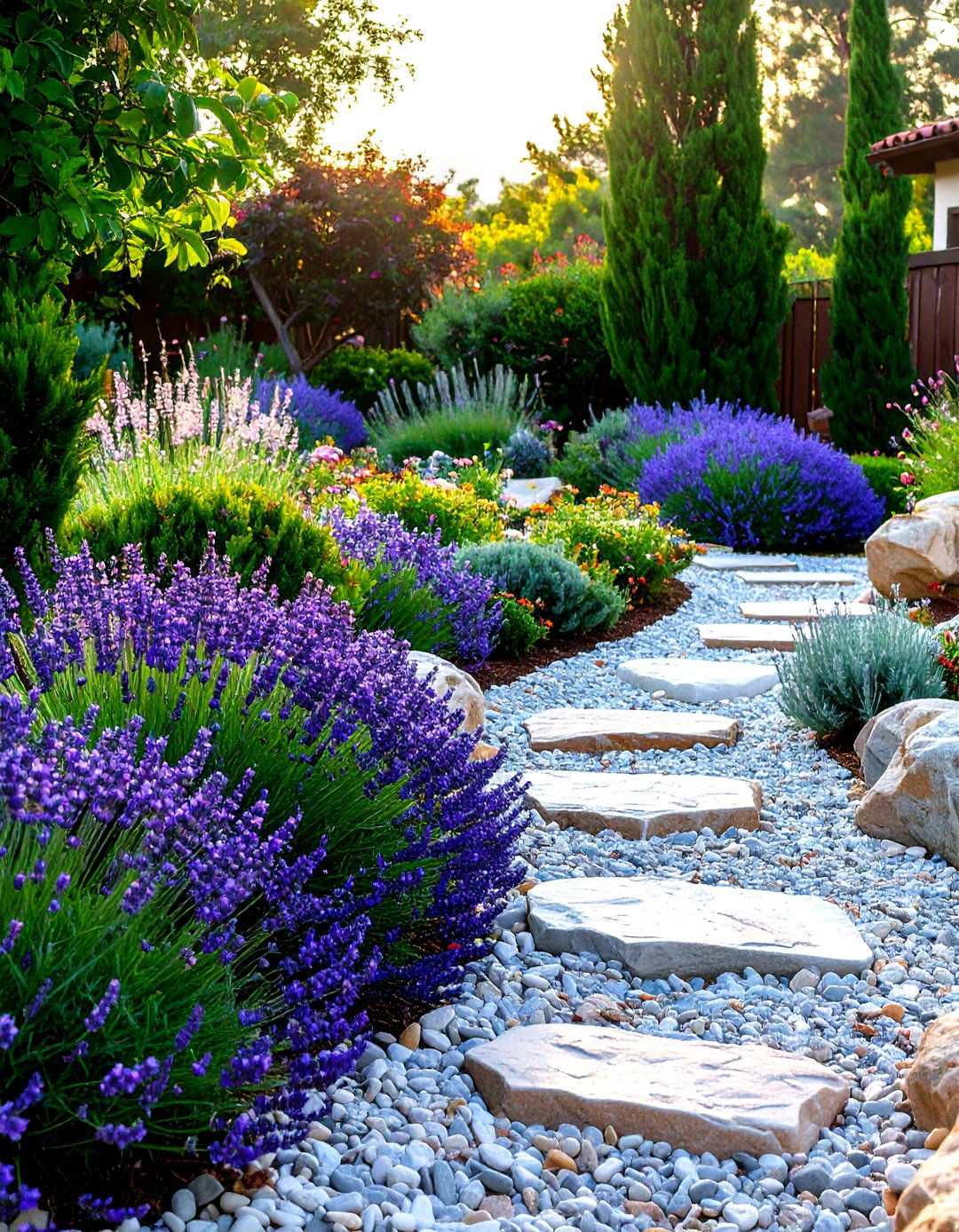
Elevate your outdoor areas with a water-conscious approach that blends drought-tolerant plants with carefully chosen stone materials, resulting in low-maintenance landscapes that exude a Mediterranean charm. This thoughtful design methodology leverages different grades and colors of gravel as both mulch and design elements, providing exceptional drainage for plants adapted to arid conditions while creating visually striking textural contrasts. By incorporating lavender masses, ornamental grasses, succulents, and silver-leafed perennials, arranged in naturalistic drifts that echo the flowing lines of gravel surfaces, you’ll create a dynamic landscape that complements its surroundings. Strategically positioned boulders or architectural plants serve as focal points, while permeable pathways made from stepping stones or larger pavers enable effortless navigation through planted areas. The end result showcases a landscape that requires minimal irrigation once established, yet remains visually engaging throughout the year.
17. Unlocking Potential in Small Urban Spaces
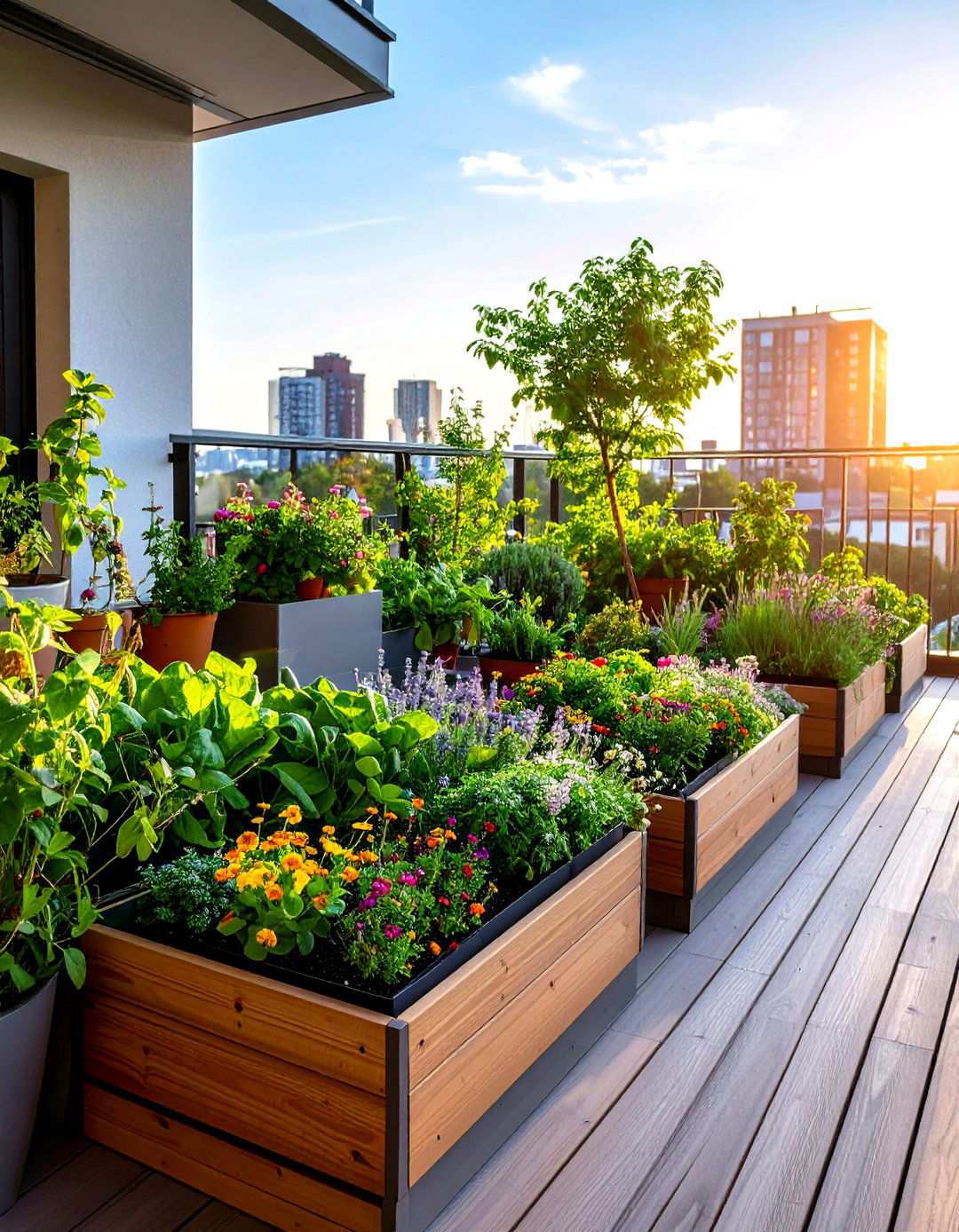
Container gardens offer a creative solution for maximizing limited urban spaces, allowing you to adapt to changing needs and seasonal preferences while providing opportunities for both food production and ornamental display. By utilizing containers of varying sizes and materials, from large ceramic pots anchoring seating areas to smaller planters creating vertical displays on railings and walls, you can create a flexible and dynamic outdoor space. The plant selections combine practical herbs and vegetables with ornamental flowers and foliage plants that provide a constant visual interest throughout the growing seasons. Modular systems enable easy rearrangement for optimal sun exposure or entertainment purposes, while wheeled planters allow for movement for seasonal protection or space reconfiguration. By incorporating automatic irrigation systems, you’ll simplify maintenance and ensure consistent plant health, transforming a basic balcony or small patio into a lush garden retreat where fresh herbs season your meals, flowers brighten your days, and portable planters let you redesign your space whenever inspiration strikes.
18. Harmonious Water Management through Ecological Design
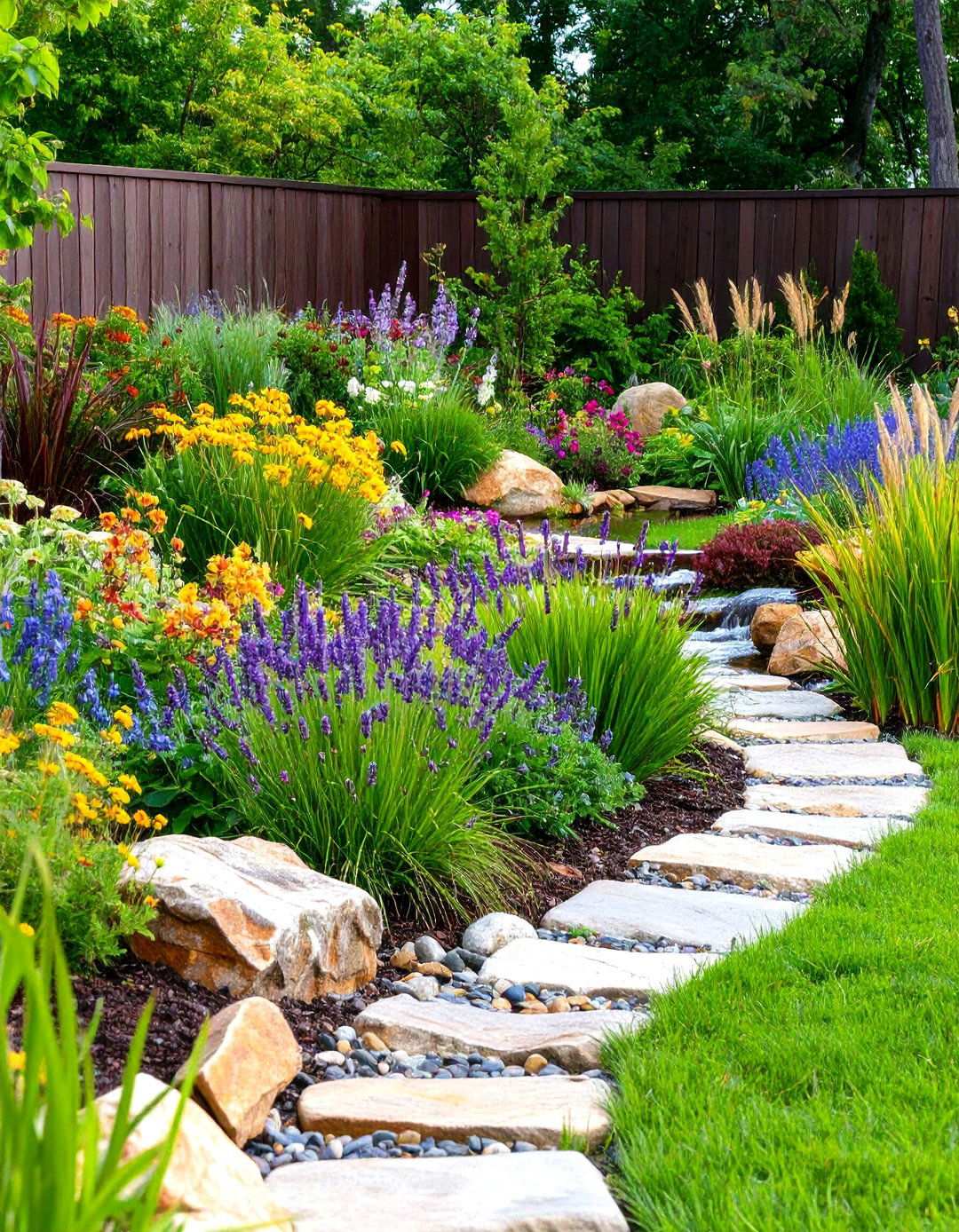
Ecological landscaping has become increasingly popular for its dual benefits of environmental stewardship and aesthetic appeal. A rain garden is a prime example of this approach, combining stormwater management with a beautifully designed landscape feature. By crafting shallow depressions and planting native perennials and grasses, homeowners can effectively filter stormwater runoff, mitigating erosion and pollution. This thoughtful design approach considers the unique needs of various plant species, incorporating moisture-loving plants like cardinal flower and blue flag iris in low areas, while transitioning to drought-tolerant natives like purple coneflower on higher edges. To enhance the design’s functionality, natural stone borders and pathways provide access while directing water flow. As the seasons change and weather patterns shift, rain gardens evolve into dynamic landscapes that not only support local wildlife but also demonstrate a homeowner’s commitment to environmental responsibility.
19. Timeless Charm through Layered Perennial Border Design
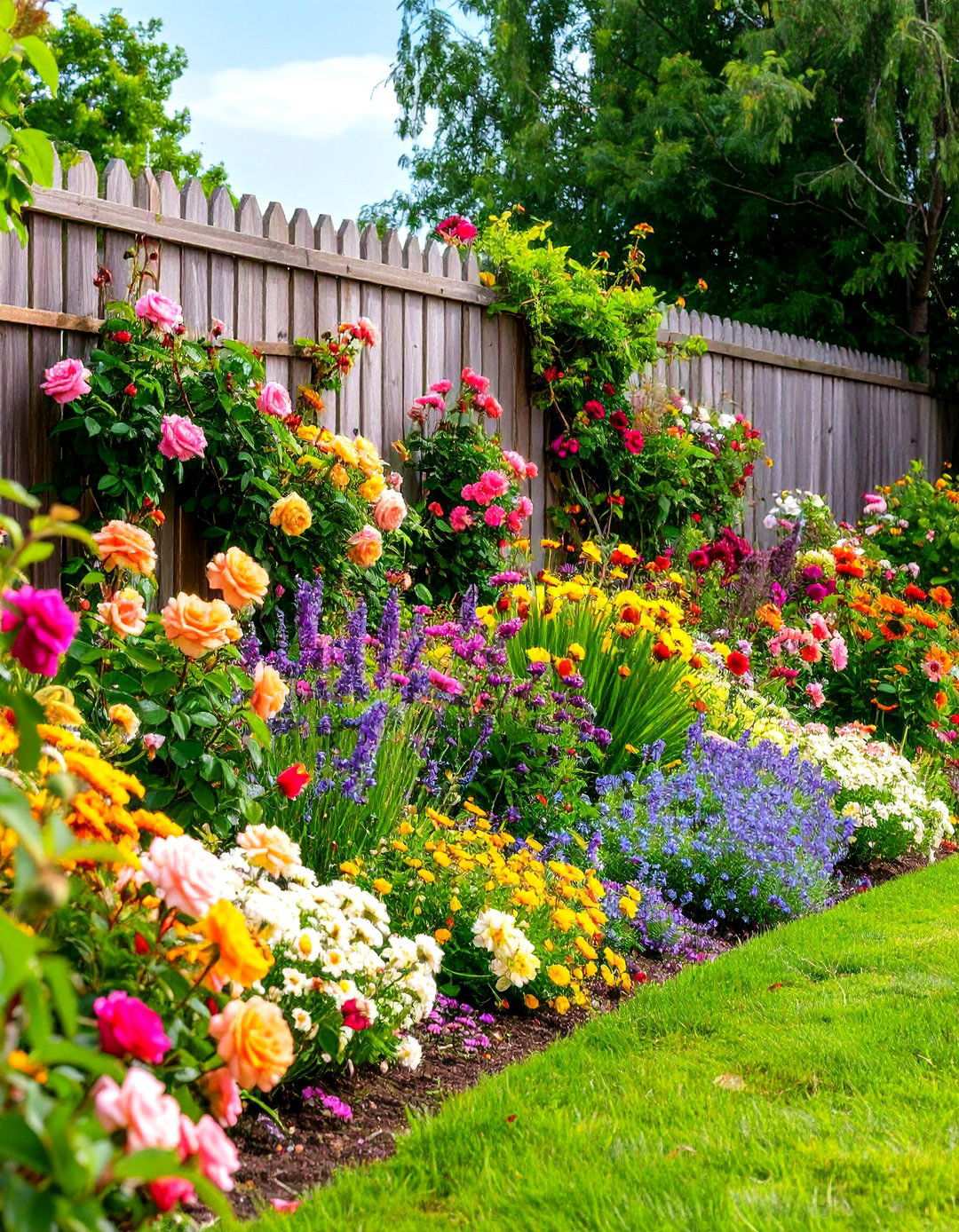
For those seeking to create a garden that exudes a sense of rustic charm, cottage-style perennial borders offer a winning approach. By layering plants of varying heights, textures, and bloom times, gardeners can craft informal arrangements that provide a continuous display of color and fragrance throughout the growing seasons. This classic design method encourages the natural evolution of the garden, as plants are allowed to self-seed and naturalize within the design framework. Consider pairing tall delphiniums and hollyhocks in back rows, mid-height roses and peonies in center positions, and low-growing catmint and lamb’s ear along front edges. Climbing roses and clematis trained on rustic supports add a touch of whimsy, while herbs like lavender and rosemary provide a fragrant and culinary dimension to the garden. As you wander through a cottage garden, you can’t help but feel transported to a simpler time, when gardens overflowed with flowers grown as much for their beauty as for their practical uses.
20. Modern Fire Feature Gathering Space
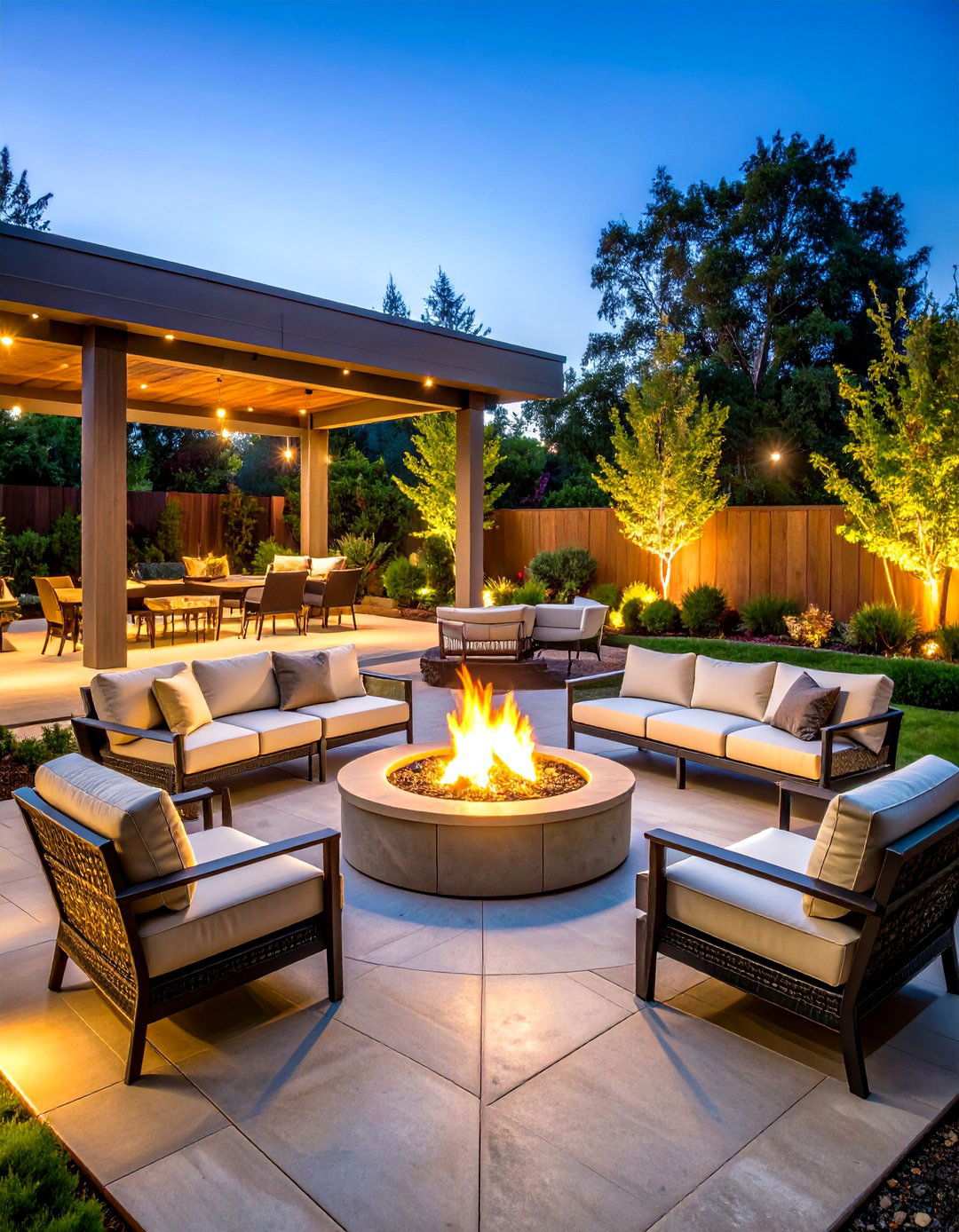
Envision an outdoor space where warmth, comfort, and connection come together seamlessly, fostering unforgettable moments with loved ones. This vision can be achieved through the strategic incorporation of modern fire features, carefully designed to become the epicenter of social gatherings and evening relaxation. By selecting materials such as corten steel, natural stone, or concrete, you can create a cohesive landscape design that beautifully complements your fire element, providing a cozy ambiance during the cooler seasons. The surrounding seating area offers a range of options, from plush stone benches to modular furniture arrangements, allowing you to adapt to different group sizes and entertainment styles. To further enhance the allure of your outdoor space, evergreen structure and winter-interest plants are incorporated, while strategic lighting highlights key landscape elements, maintaining the enchanting atmosphere created by the flickering flames. Imagine gathering with friends and family on crisp autumn evenings, sharing stories and creating lasting memories amidst the warmth and glow of your thoughtfully designed outdoor living space.
21. Butterfly and Pollinator Haven Garden
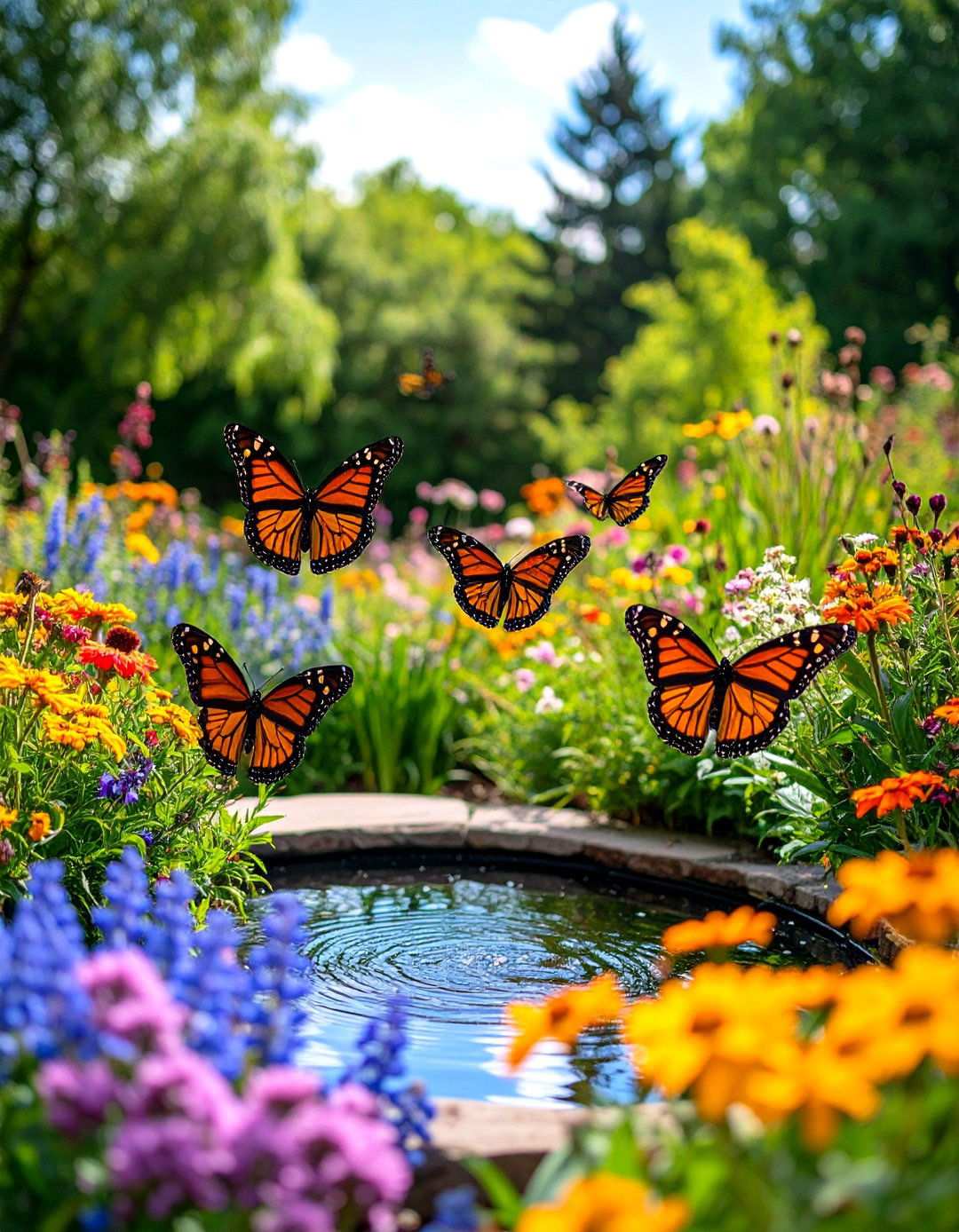
Imagine a vibrant ecosystem teeming with life, where beneficial insects thrive and flourish in a haven of color and activity. This conservation-minded approach to gardening involves strategically selecting plants that provide essential resources, such as nectar sources, host plants for larvae, and habitat features throughout the growing seasons. By incorporating native flowering perennials like bee balm, joe-pye weed, and asters in large, sweeping drifts, you can create a thriving environment that supports pollinator populations. To ensure continuous nectar availability, the design incorporates plants with different bloom times, while also including host plants like milkweed for monarch butterflies and dill for swallowtail caterpillars. Shallow water features and bare soil areas provide additional habitat needs, and pesticide-free maintenance practices safeguard the well-being of these beneficial insects. The resulting garden is a haven of activity, buzzing with colorful butterflies, busy bees, and other pollinators, providing a unique opportunity for education and enjoyment for both children and adults. By taking an active role in supporting struggling pollinator populations, you can create a thriving garden that enriches your life and the lives of those around you.
22. Seasonal Interest Four-Season Garden
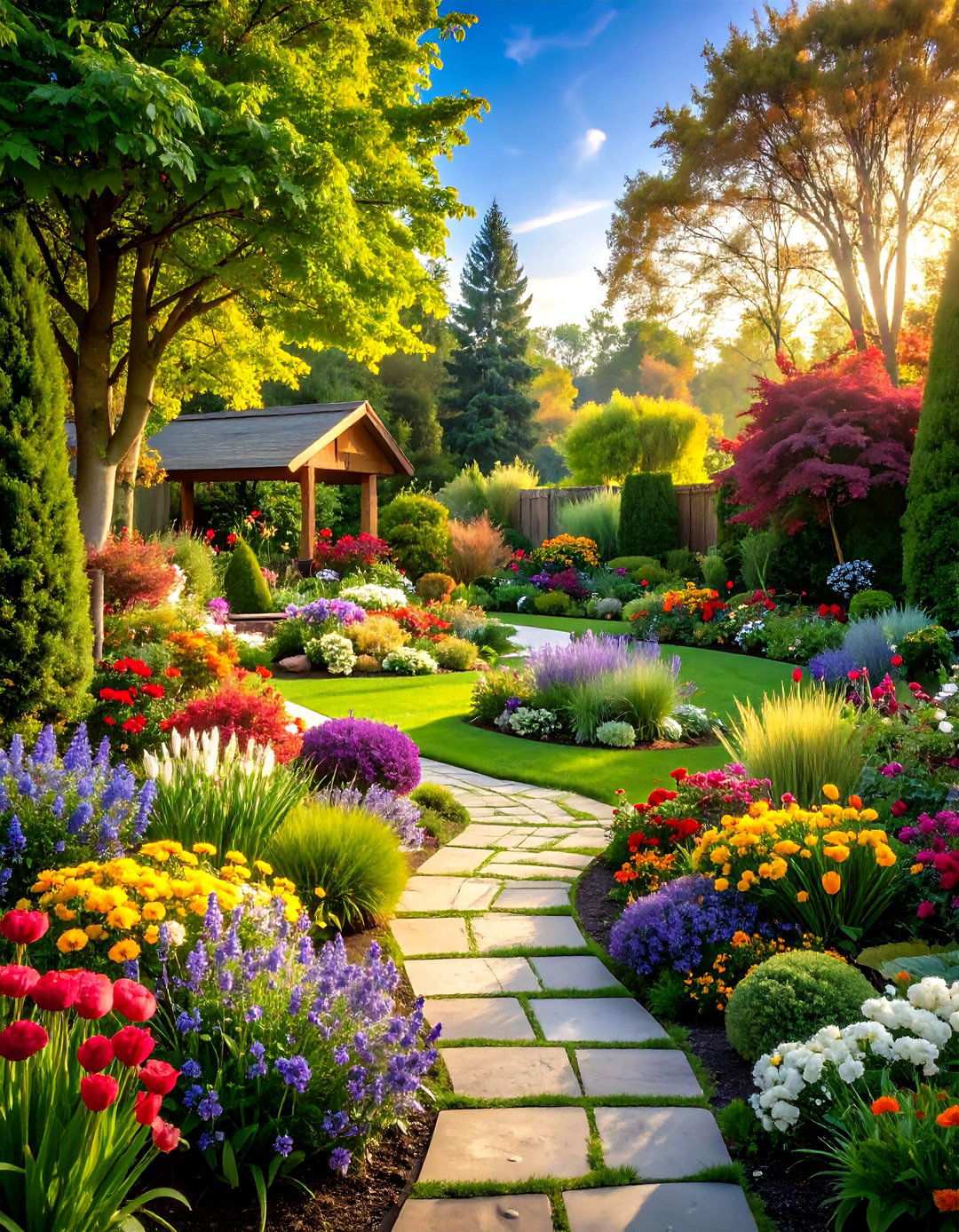
Year-round beauty in the landscape is within reach, thanks to four-season garden designs that thoughtfully layer different types of visual appeal. By incorporating a variety of plants and design elements, these gardens break free from the monotony of a single-season look, instead offering a constantly evolving display of color, texture, and interest. From the vibrant blooms of spring and summer to the striking foliage of autumn and the elegant silhouettes of winter, four-season gardens provide a dynamic and engaging outdoor experience that’s sure to delight. By combining hardscape elements like pathways and water features with seasonal plantings, these gardens create a sense of continuity and cohesion, even as the plants themselves change with the seasons. Strategically placed plants with interesting berries, bark textures, and persistent seed heads add an extra layer of visual interest, ensuring that the garden remains beautiful even during the dormant winter months. Imagine gazing out your window at any time of year and seeing a landscape that’s always in bloom, whether it’s a carpet of colorful spring bulbs pushing through the snow, a summer flower border in full vibrancy, a stunning autumn display of foliage, or a serene winter landscape bathed in frost and snow.
23. Contemporary Geometric Pattern Design
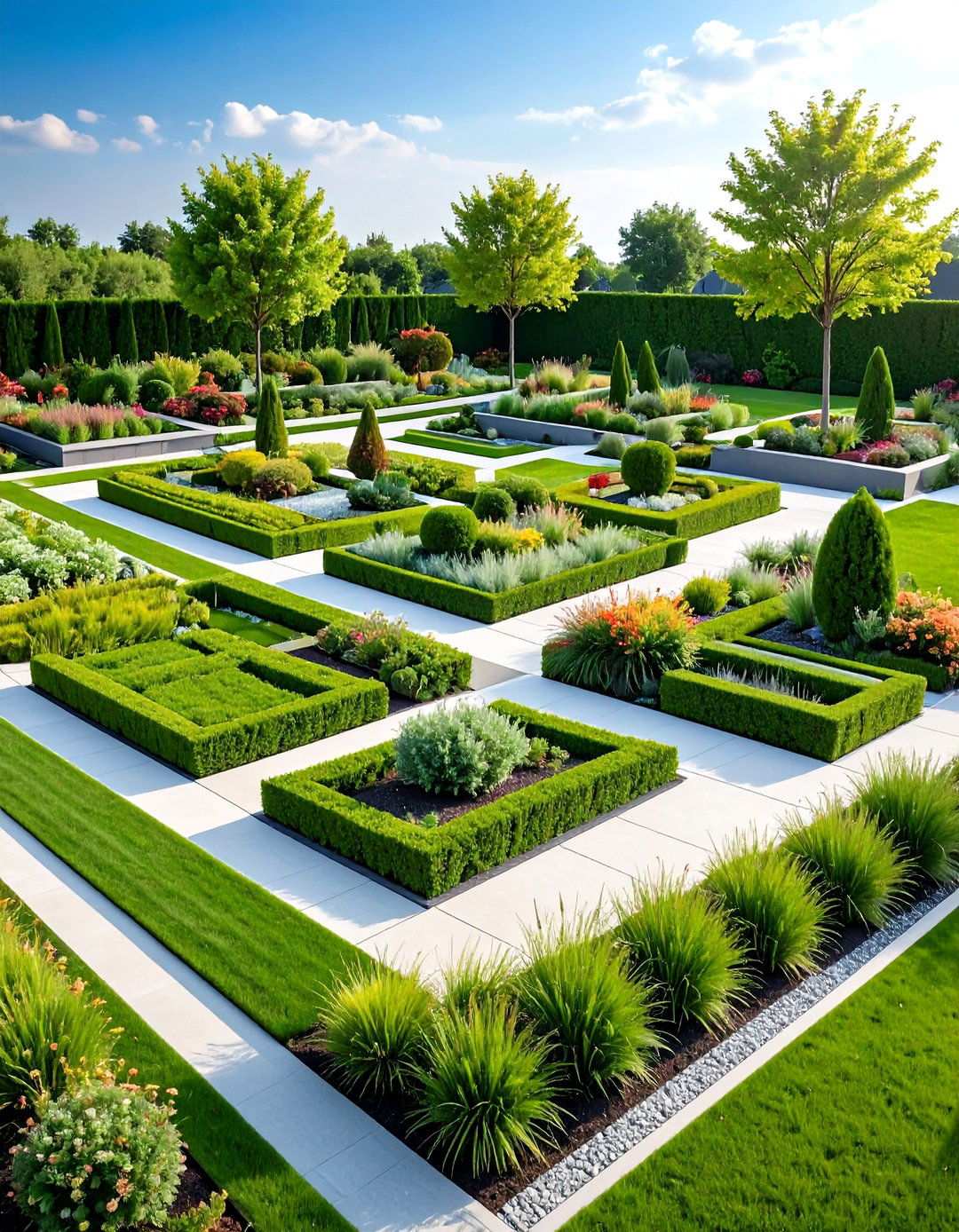
Geometric pattern gardens offer a sophisticated and visually striking way to create an outdoor space that complements modern architectural styles. By repeating shapes, lines, and plant groupings, these gardens emphasize order and visual rhythm, resulting in a cohesive and harmonious design. This structured approach often features ornamental grasses, evergreen shrubs, or perennial masses arranged in geometric configurations like squares, rectangles, or flowing curves, which create a sense of visual movement and unity. The hardscape foundation, typically consisting of linear pathways, rectangular planting beds, and regular spacing, reinforces the geometric theme, while materials like steel edging and concrete pavers provide clean, defined lines that enhance the overall design. By focusing on form and texture over elaborate flower displays, these gardens maintain their impact throughout the seasons, providing a timeless and elegant look that’s perfect for contemporary homes. Strategic lighting can emphasize the geometric patterns during evening hours, while accent plants add seasonal color within the structured framework, creating a truly sophisticated outdoor space that rivals the design principles found in contemporary architecture and interior design.
24. Desert Oasis Design: A Vision of Enduring Flair
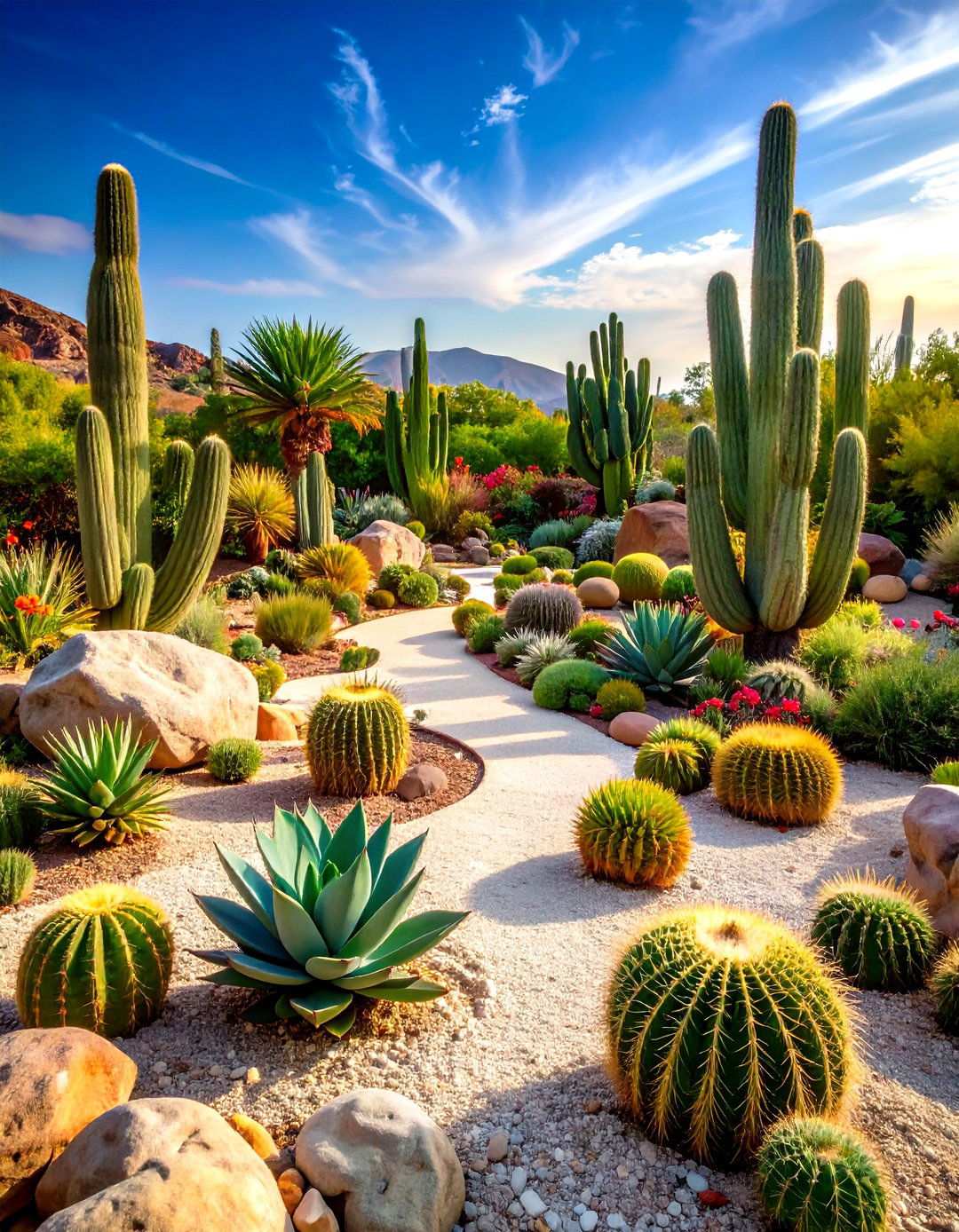
Envision landscapes that exude the captivating essence of arid climates, where artistic arrangements of cacti, succulents, and drought-hardy shrubs come together in a harmonious blend of striking forms and vibrant blooms. This water-efficient approach revolutionizes garden design, focusing on the inherent beauty of plant shapes rather than lush foliage, thereby creating a visually stunning impact. By incorporating distinctive specimens like barrel cacti, agaves, and prickly pear amidst decorative gravels and boulder accents, gardeners can replicate the natural desert environment’s rugged yet mesmerizing charm. The palette is characterized by a palette of silvery, blue-green, and rich burgundy hues, punctuated by the dazzling display of seasonal flowers that burst forth on many desert plants. Meandering pathways crafted from decomposed granite or flagstone seamlessly integrate with the natural ambiance, while strategically raised planting areas guarantee optimal drainage, a crucial element for the well-being of succulents. As day yields to night, accent lighting can be employed to accentuate the sculptural qualities of specimen plants, thereby elevating the landscape’s visual interest. By embracing water-conscious design, gardeners can cultivate a truly unique and captivating landscape that not only thrives during drought conditions but also showcases the most intriguing and architecturally striking plants available, dispelling the notion that water-wise design must be dull.