1. Sage Green Siding and Black Trim: A Timeless Combination
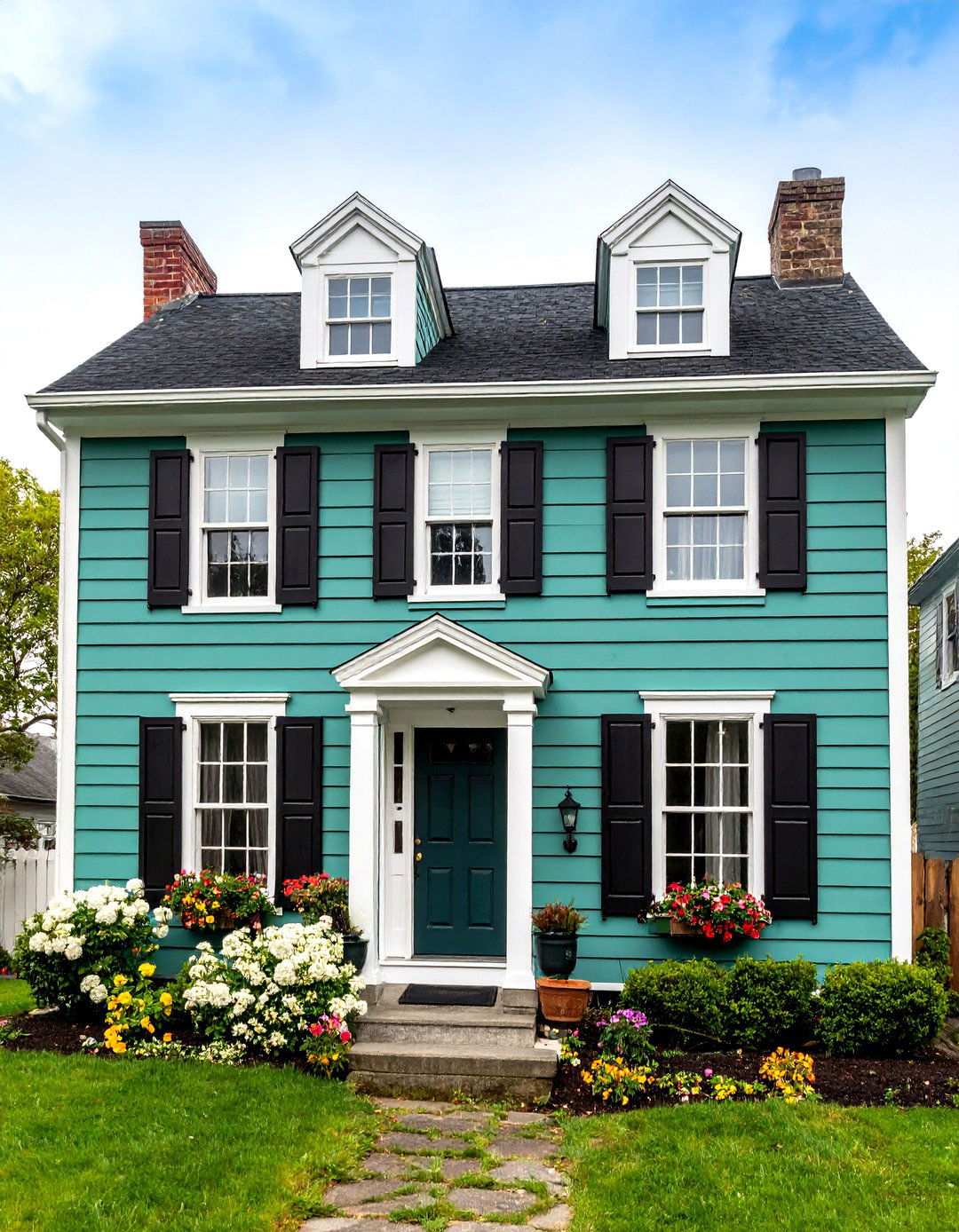
Homeowners seeking a sophisticated yet approachable exterior color palette have long been drawn to the captivating combination of sage green houses with black trim. This pairing strikes an ideal balance between the soothing tranquility of nature and the bold definition of architecture. Sage green, with its gentle gray undertones and earthy warmth, provides a calming backdrop that harmonizes beautifully with various landscape settings. The addition of black trim introduces striking contrast that enhances architectural details while maintaining an elegant, refined appearance. Whether you prefer traditional colonial symmetry, modern farmhouse charm, or contemporary clean lines, sage green siding paired with black accents offers remarkable versatility across different home styles. This color combination works exceptionally well with natural materials like stone and wood, creating layers of visual interest that make houses feel both custom-designed and thoughtfully curated. The enduring popularity of this palette stems from its ability to feel both current and timeless, ensuring your exterior design choice will remain appealing for years to come.

As an Amazon Associate I earn from qualifying purchases.
2. Elevating Colonial Charm with Sage Green and Black Shutters
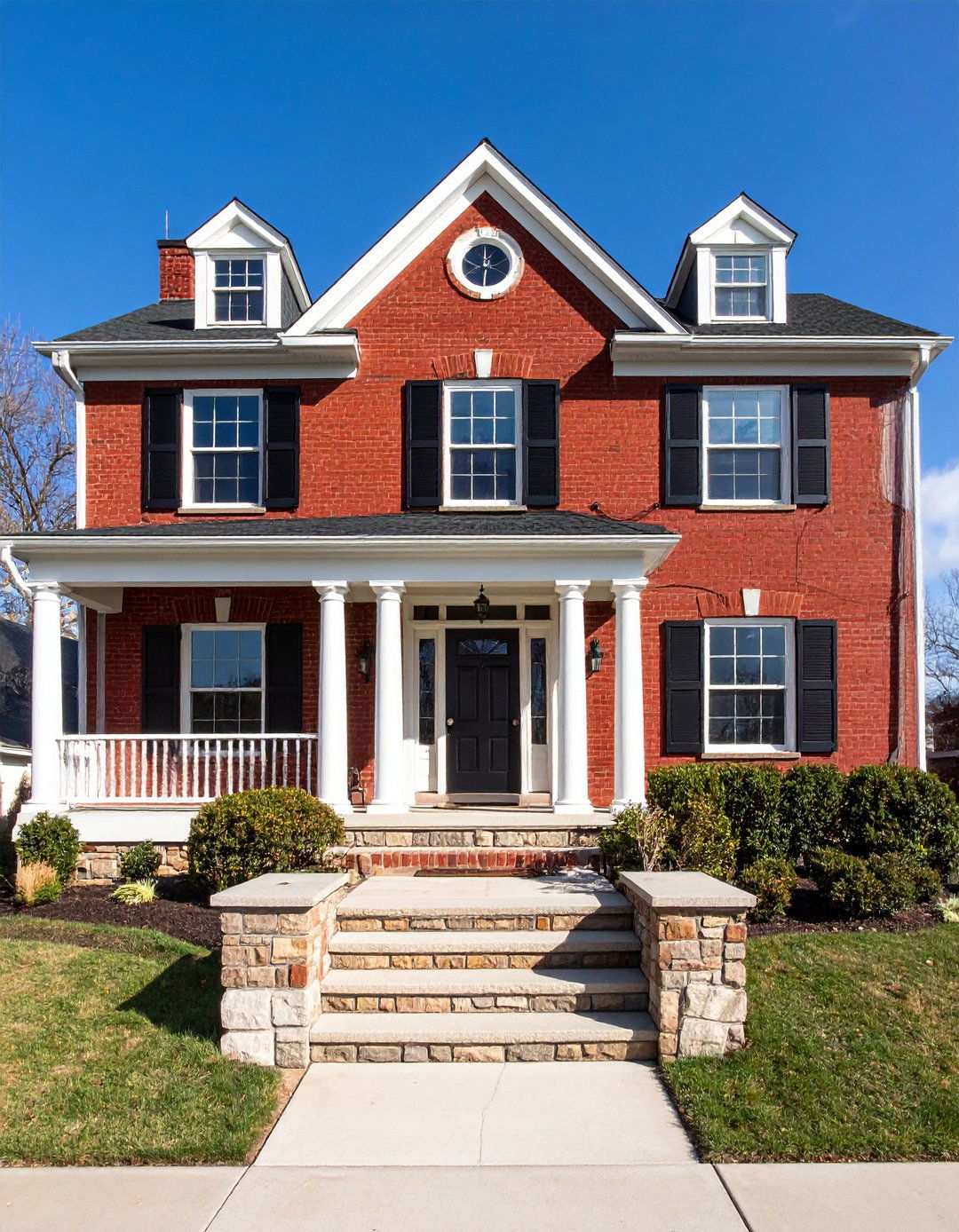
Colonial-style homes showcase their symmetrical elegance beautifully when painted in sage green with crisp black shutters framing each window. The measured window placement characteristic of colonial architecture becomes even more pronounced with this color contrast, creating a refined and welcoming appearance. If you’re looking to update your colonial home’s color scheme while honoring its historical roots, black shutters against sage green siding provide the perfect solution. By emphasizing the home’s balanced proportions and classic charm, this combination is sure to delight both you and your neighbors. The horizontal lap siding typical of colonial designs pairs naturally with this palette, while white trim around windows and doors can add additional brightness. This combination works particularly well when complemented by a darker roof and traditional front door, creating a cohesive look that feels both authentic and updated for modern living.
3. Modern Farmhouse Black Trim Coordination
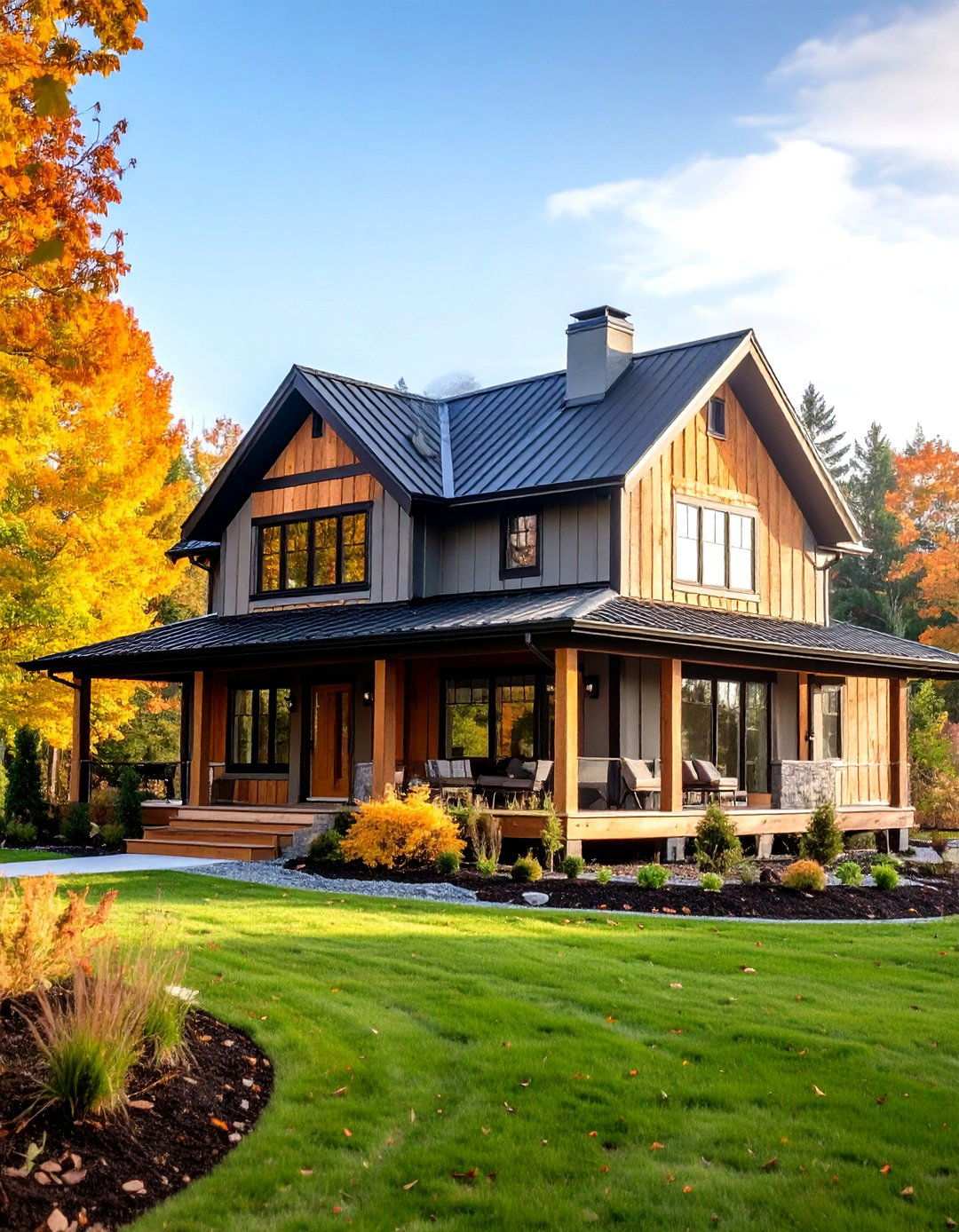
Modern farmhouse exteriors also thrive with the sage green and black trim combination, which highlights their clean lines and classic architectural features. The soft green tone gives contemporary farmhouse designs a fresh, approachable feel while black trim on rooflines, window frames, and door surrounds creates balanced contrast that defines structural elements. Can you envision transforming your farmhouse exterior into a showstopping design that neighbors will admire? Black trim beautifully emphasizes the geometric patterns often found in modern farmhouse architecture, from board and batten accents to metal roofing details. This pairing works especially well when combined with natural wood elements like front doors or porch posts, creating warmth and texture that prevents the color scheme from feeling too stark or cold.
Sage Green Elegance: Crafting Timeless Beauty in Craftsman Bungalows
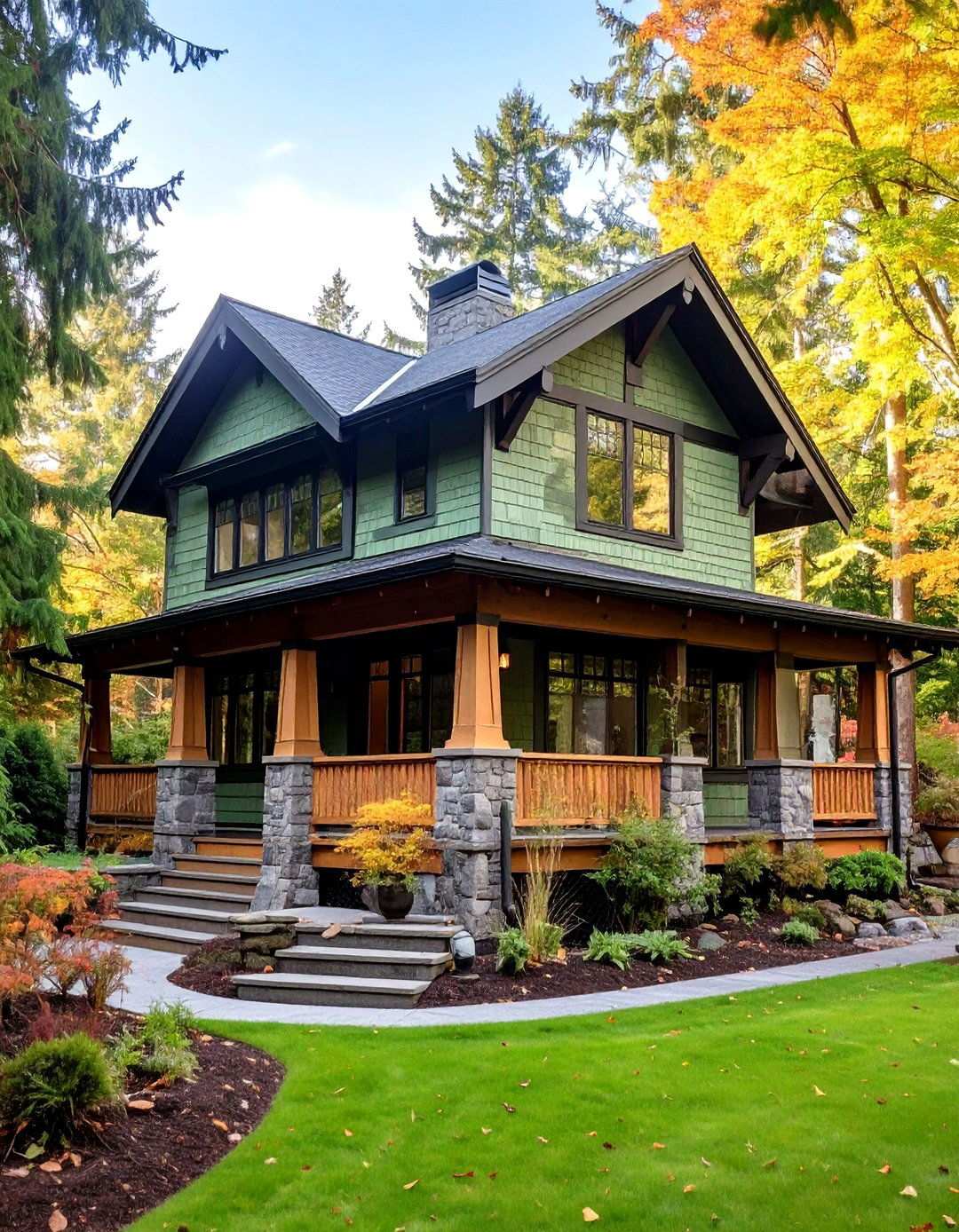
For craftsman bungalows, the perfect marriage of sage green siding and black window frames is a match made in heaven. This harmonious pairing beautifully showcases the attention to detail and connection to natural surroundings that define craftsman design. The earthy green tone creates a soothing backdrop that complements the exposed structural elements and natural materials characteristic of this style, while black window frames add visual weight and definition to the home’s architectural features. What sets craftsman homes apart is their ability to strike a balance between elegance and approachability. The strategic use of black trim enhances tapered columns, exposed rafter tails, and decorative brackets without overpowering the home’s organic character. This color combination also pairs exquisitely with stone foundations, wood trim details, and copper accents, resulting in a cohesive design that exudes sophistication and warmth.
4. Whimsical Victorian Charm: Sage Green and Black Architectural Trim Unite
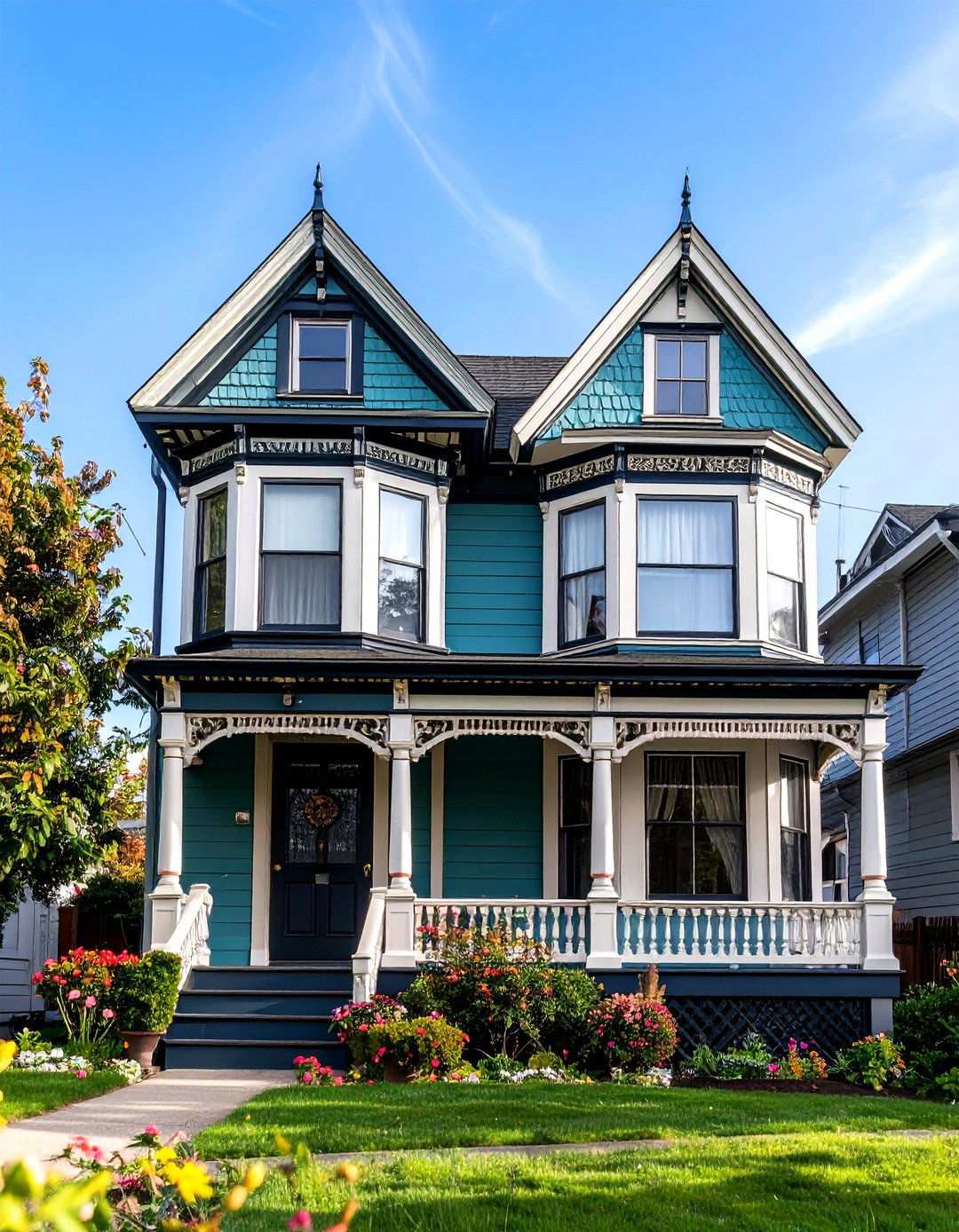
Victorian homes are the epitome of ornate details and whimsical character, making them a perfect canvas for sage green and black architectural trim. The gentle green hue provides an ideal backdrop for intricate gingerbread trim, bay windows, and multiple rooflines that define Victorian design. What makes Victorian homes so receptive to bold color combinations is their inherent complexity, which benefits from contrast that creates a visual hierarchy of elements. Black trim on window surrounds, corner boards, and decorative moldings not only emphasizes the craftsmanship but also unifies the overall composition with the sage green siding. This palette works particularly well when a slightly blue-tinted sage is chosen, adding a touch of brightness that complements white trim details and maintains the playful spirit of Victorian architecture.
5. Sage Green Minimalism: Elevating Contemporary Exteriors with Black Window Systems
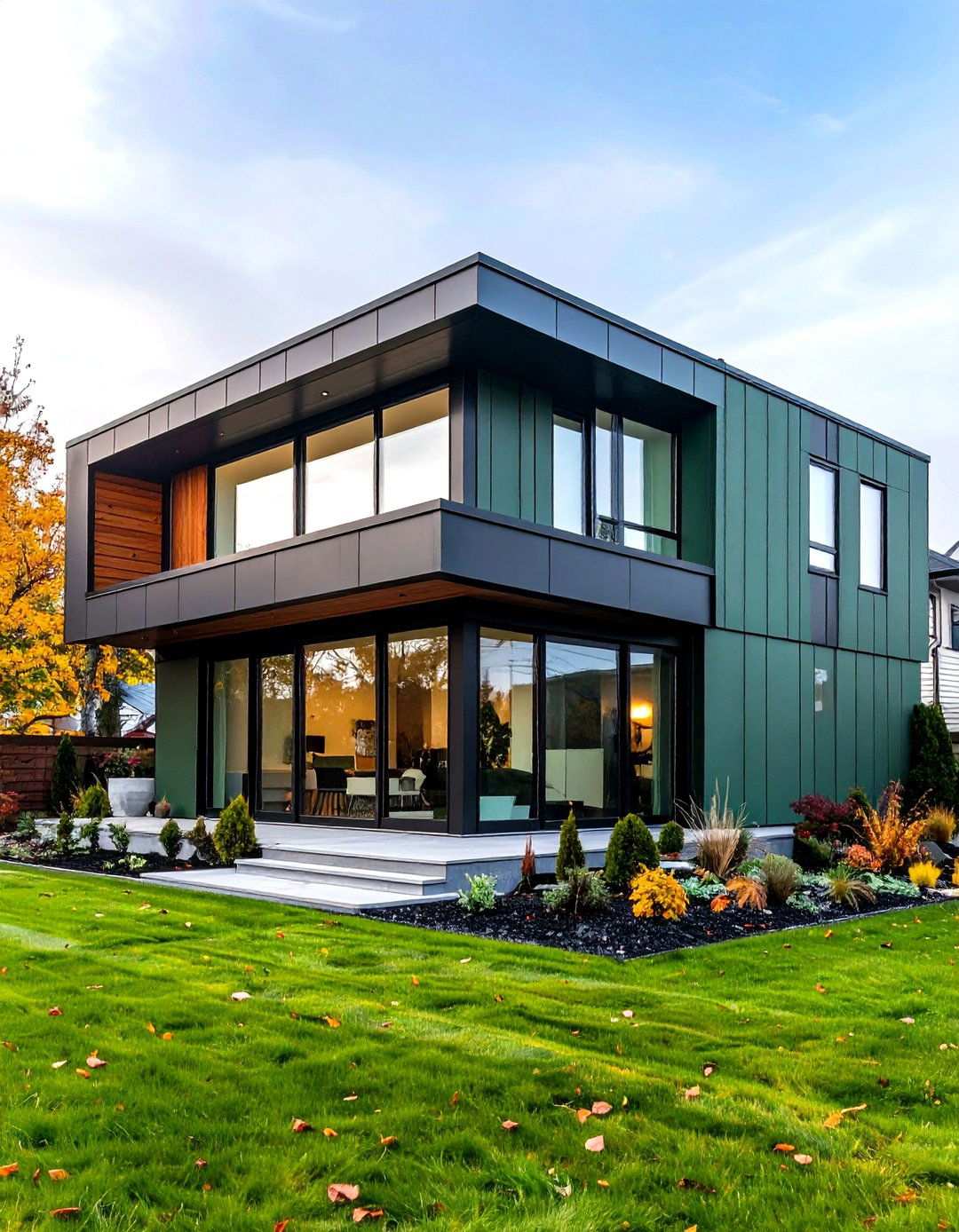
In contemporary design, sage green siding paired with black window systems creates a sleek and minimalist exterior that exudes modern sophistication. The clean lines and geometric forms of contemporary architecture provide the perfect canvas for this timeless color combination. What’s more, sage green adds a touch of organic warmth to modern exteriors, while black window frames create dramatic focal points that emphasize views and natural light. This pairing works exceptionally well with large picture windows, sliding glass doors, and floor-to-ceiling fenestration typical of contemporary design, resulting in an exterior that feels current, sophisticated, and deeply connected to its surroundings.
6. Captivating Cottage Charm With Sage Green and Black Accents
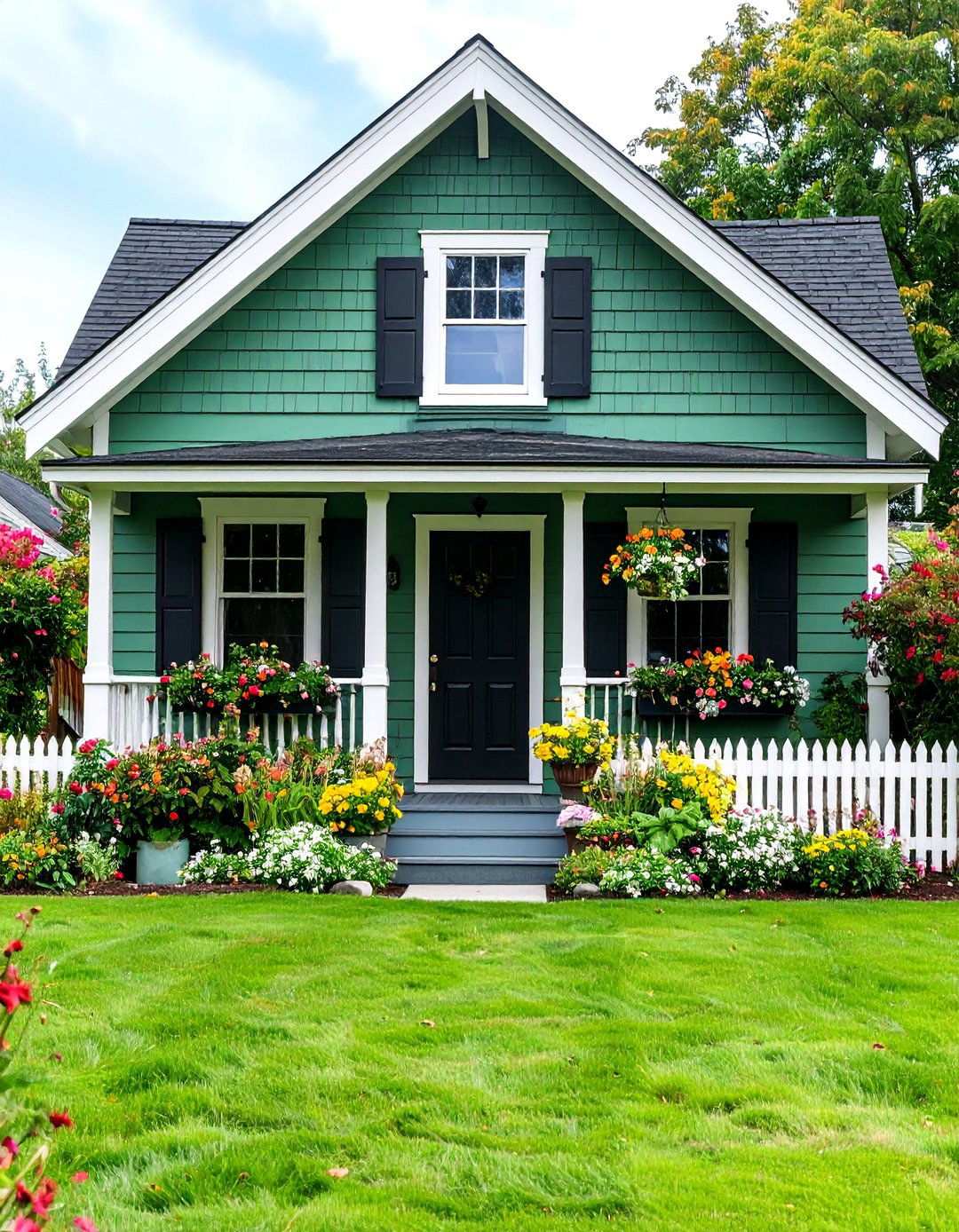
The instant charm of a cottage exterior is elevated when sage green siding is paired with a striking black front door that serves as a stunning focal point. Soft green hues create a serene backdrop that complements the cozy, intimate scale characteristic of cottage architecture. What sets a humble cottage apart from a whimsical storybook retreat that captures hearts and imagination? The bold combination of sage green and black creates a captivating visual impact while maintaining the peaceful, approachable character that makes cottages so endearing. This harmonious pairing works beautifully with cottage details like window boxes, picket fences, and garden plantings, creating a cohesive design that strikes the perfect balance between charm and sophistication. The black door can be further enhanced with decorative hardware, seasonal wreaths, or flanking planters to create a welcoming entrance that makes a lasting impression.
7. Horizontal Proportions of Ranch Homes in Sage Green and Black
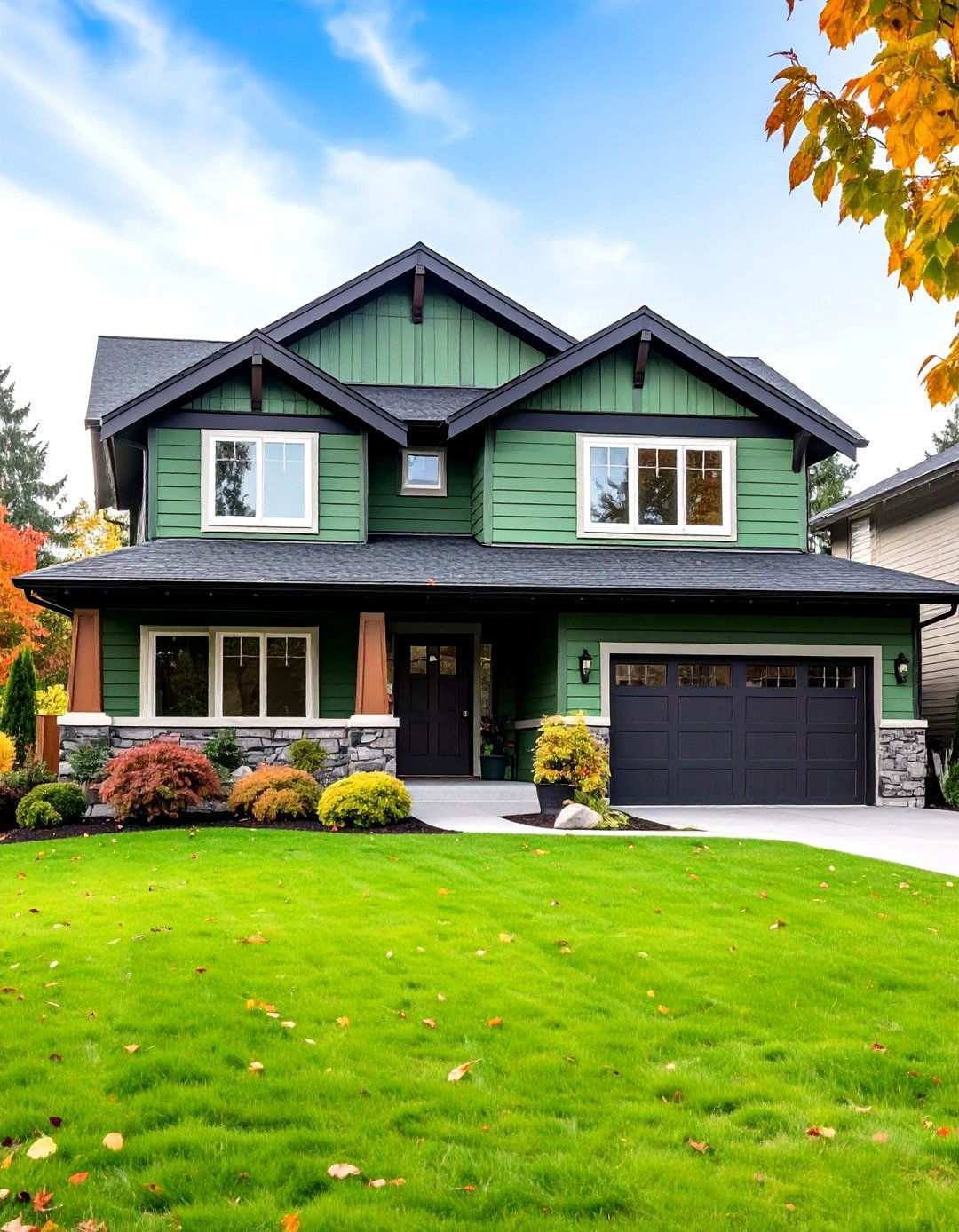
Ranch homes showcase their natural horizontal proportions beautifully when sage green siding is combined with black roofline details that emphasize their low-profile silhouette. The earthy green tone helps ranch houses blend harmoniously with landscape settings while black trim along eaves and fascia boards provides definition and visual weight. Does your ranch home require an update that celebrates rather than contradicts its horizontal emphasis? Black roofline details create strong horizontal lines that complement the ranch style’s natural proportions while adding sophisticated contrast to the gentle sage backdrop. This color combination works particularly well when extended to garage doors, window trim, and other architectural elements, creating a unified appearance that makes the home feel intentionally designed rather than simply painted. By incorporating black roofline details, you can create a cohesive look that enhances the ranch style’s horizontal emphasis.
8. Textured Elegance of Sage Green and Black Board and Batten
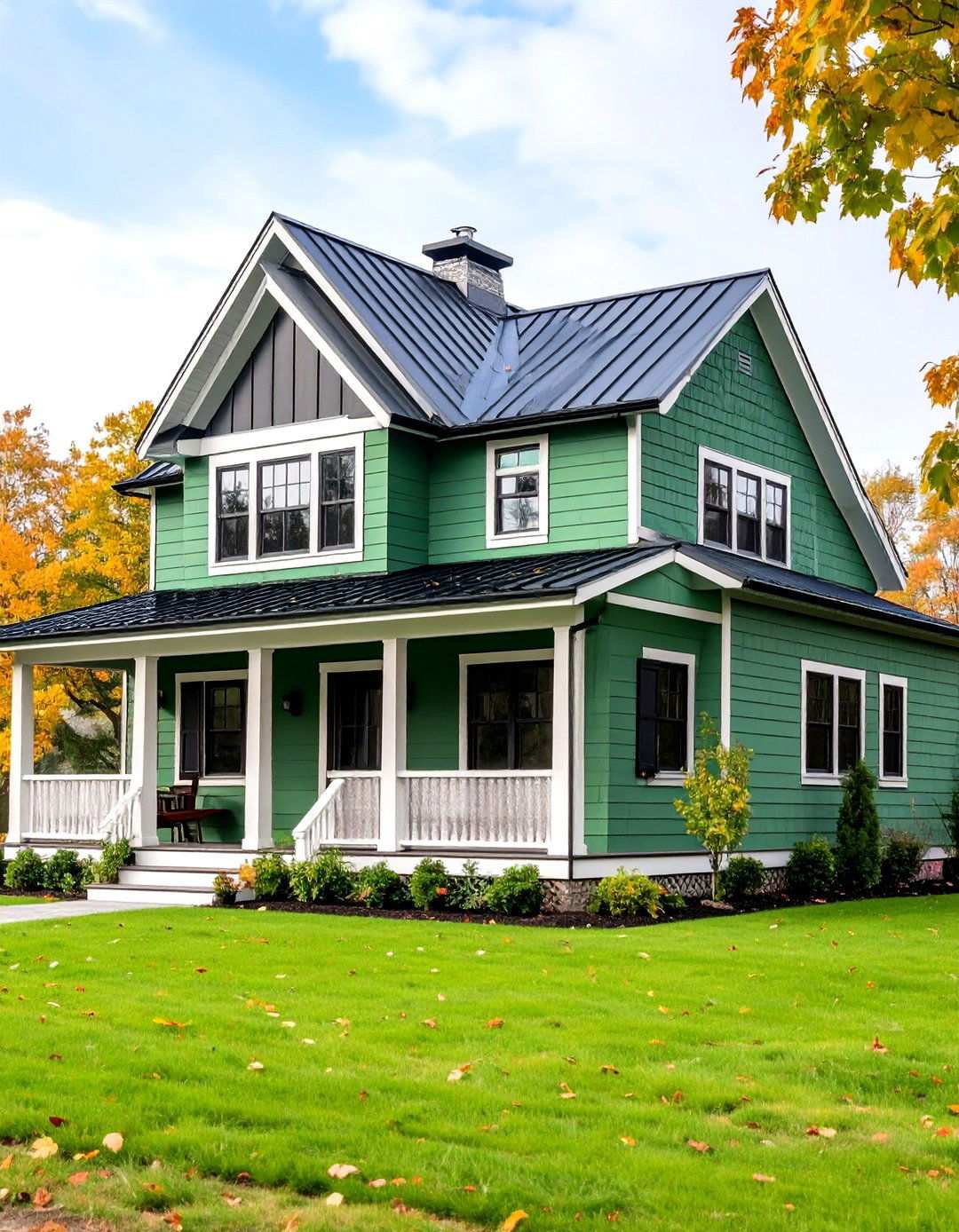
Mixed siding textures create exceptional visual interest when sage green lap siding is combined with black board and batten accents in gable areas or architectural features. This approach adds depth and dimension to exterior walls while maintaining color harmony throughout the design. Can mixing siding styles create a custom appearance that sets your home apart from standard suburban designs? The contrast between horizontal lap siding and vertical board and batten creates dynamic visual texture, while the sage and black color combination unifies the different materials. This technique works particularly well on farmhouse, craftsman, and transitional home styles where varied textures enhance architectural character. The black board and batten sections can highlight dormers, shed roofs, or entrance areas, creating focal points that add a touch of sophistication to the overall design. By incorporating mixed siding textures, you can create a unique and visually appealing exterior that showcases your home’s personality.
9. Sage Green Shake Siding Harmonizes with Black Accents
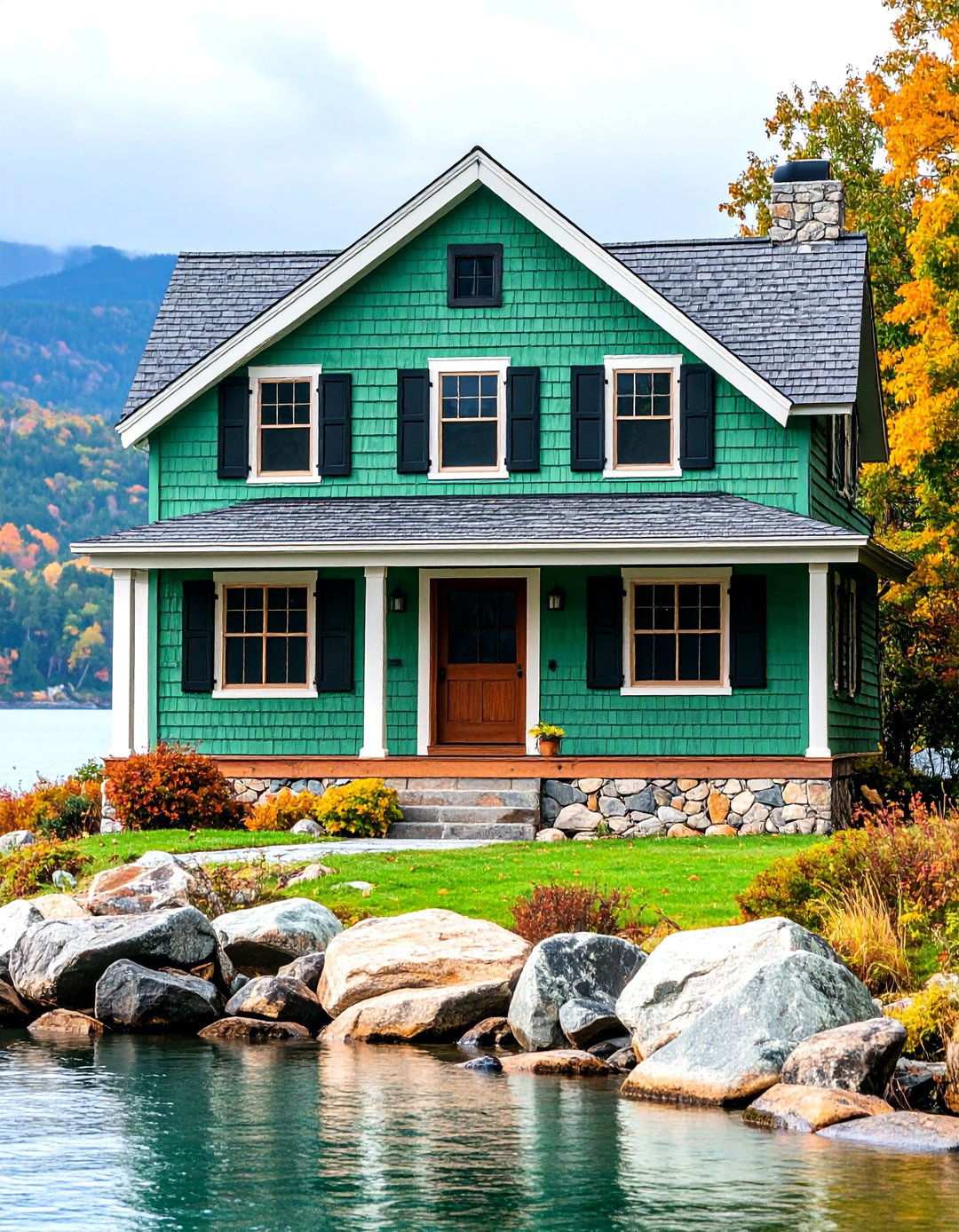
Cedar shake siding’s unique texture pairs exquisitely with sage green hues and black accents, creating an inviting ambiance that resonates with wooded and lakeside settings. This organic blend helps the home seamlessly integrate into its surroundings, while still exuding a sophisticated charm. The undulating pattern of shake siding imbues visual interest, while the soothing sage tone harmonizes with the natural environment. The strategic placement of black accents, such as shutters, trim, and hardware, adds a touch of drama and definition to the design. This captivating combination can be further enhanced by incorporating natural stone foundations, copper gutters, or wood trim details, which reinforce the connection to the outdoors and add a sense of rustic sophistication.
10. Sage Green Stucco Elegance with Black Metal Accents
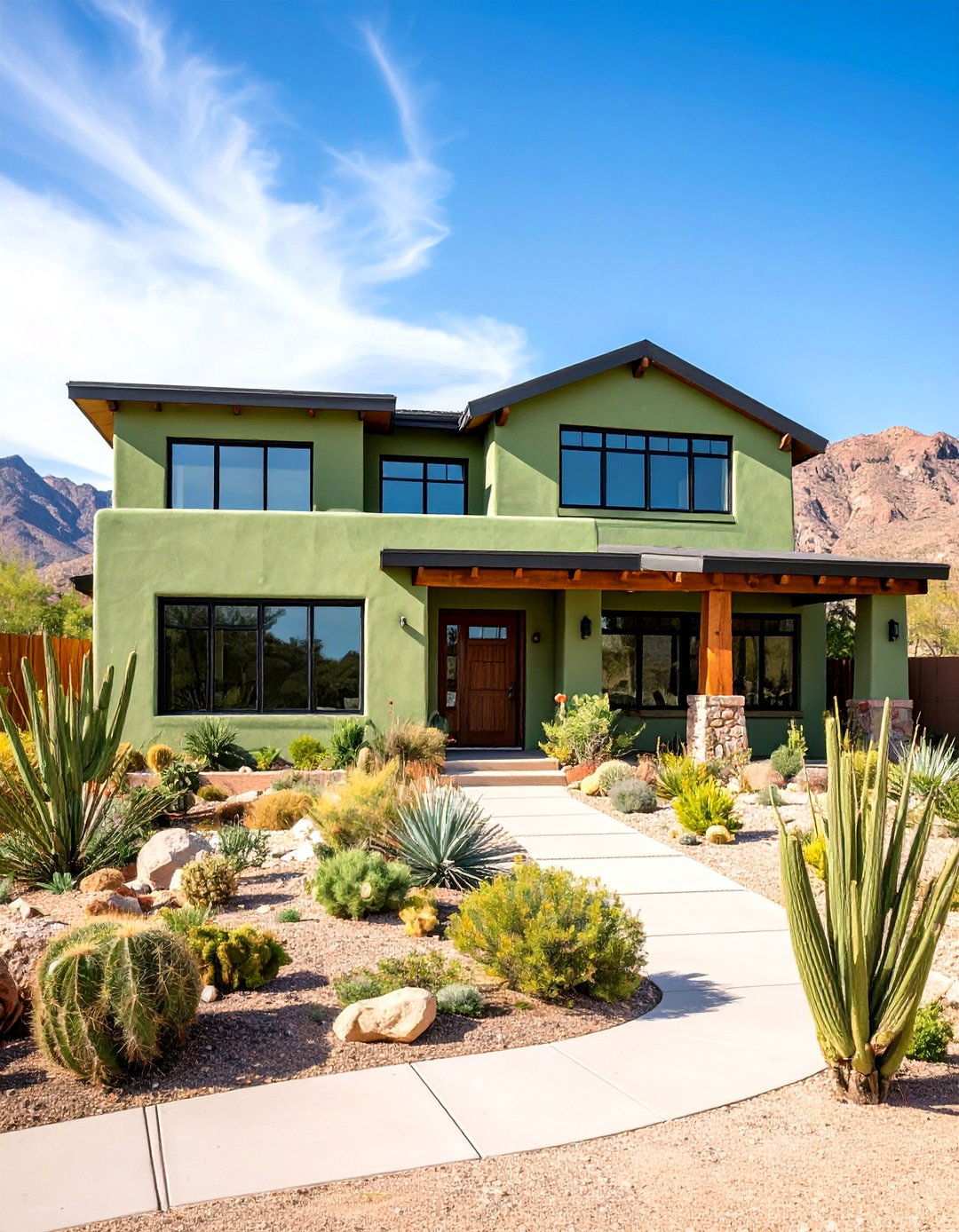
Sage green stucco exteriors achieve a striking balance of modernity and elegance when paired with sleek black metal trim. The smooth stucco surface provides a clean canvas for the soft green color, while black metal details inject a touch of industrial chic and precision. To elevate a stucco home’s design, black metal trim around windows, doors, and architectural features creates a sharp, modern silhouette that emphasizes the clean lines of stucco construction. This thought-provoking combination works particularly well in southwestern, contemporary, and modern farmhouse designs, where the juxtaposition of organic color and industrial materials generates compelling visual tension. To maintain the sophisticated, unified appearance, sage green stucco can be complemented by integrated planters, outdoor lighting, or decorative panels that add a touch of whimsy and personality.
11. Sage Green Two-Tone Exteriors with Black Accentuation
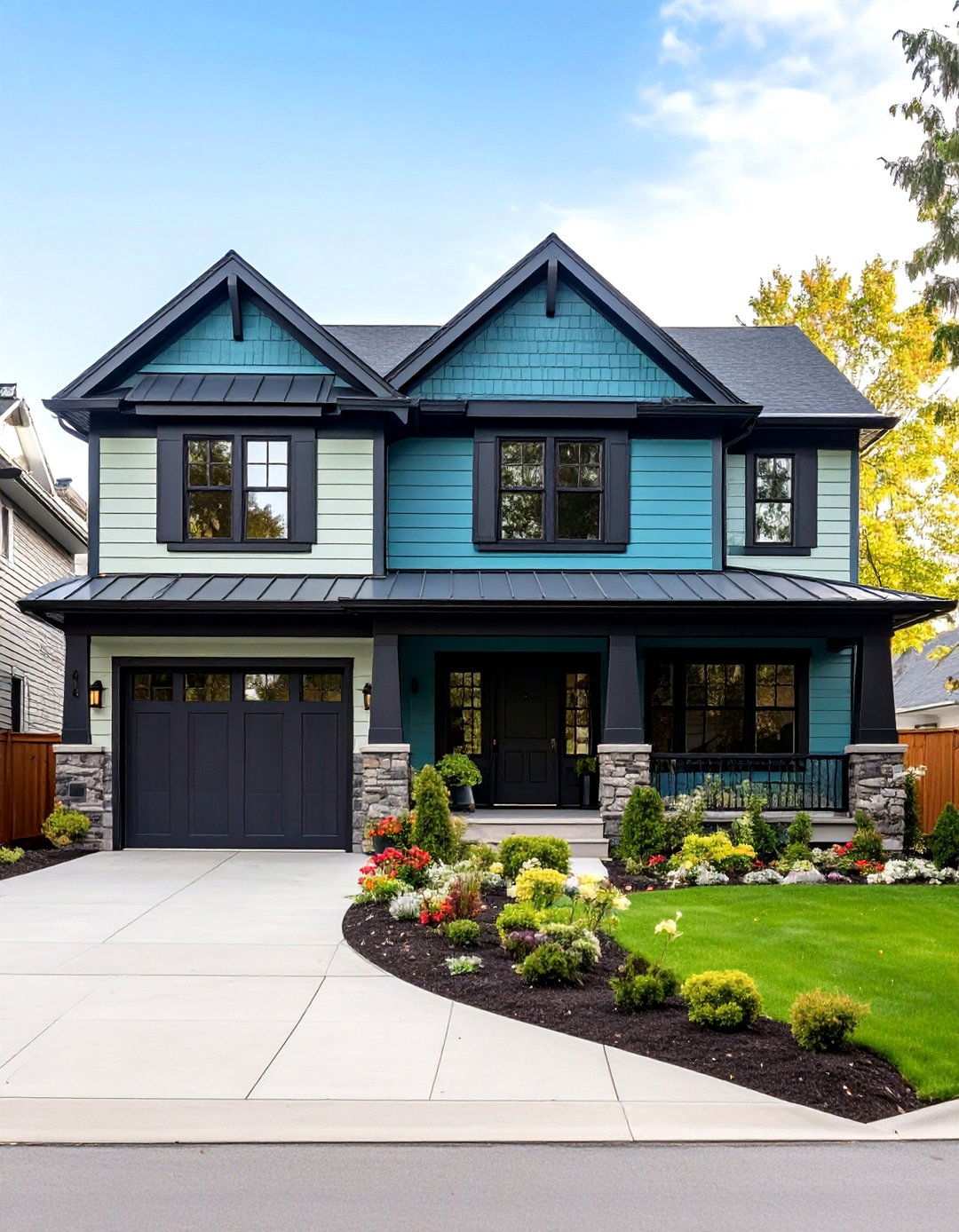
Multi-level homes can benefit from two-tone sage green schemes, where varying shades create a nuanced visual layering effect enhanced by black accentuation throughout the design. By employing lighter sage hues on upper levels and deeper green tones on lower sections, natural color gradation is accentuated, emphasizing architectural forms. The key to a cohesive two-tone exterior lies in careful color selection and strategic placement. Black trim elements unify the disparate green tones while creating definition between levels and architectural features. This effective approach works exceptionally well on colonial, victorian, and craftsman homes, where multiple roof lines and varied wall planes provide natural divisions for color changes. The black accents can be thoughtfully placed on window trim, shutters, doors, and decorative elements, creating visual continuity throughout the complex exterior composition.
12. Sage Green Siding with Timeless Elegance
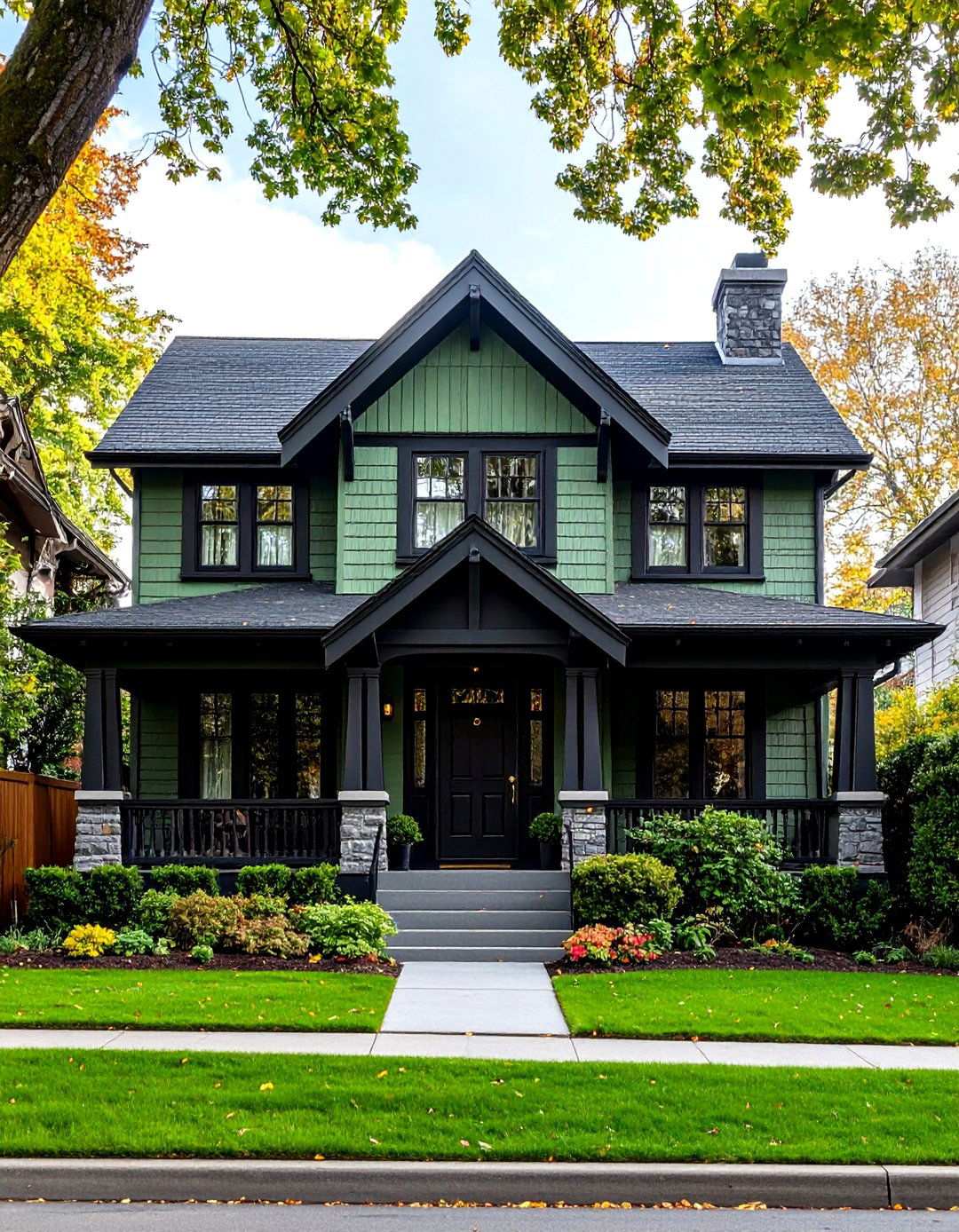
Creating a lasting impression at your front door requires a thoughtful balance of style and sophistication. Sage green siding, when paired with a sophisticated black front door and warm brass hardware, achieves this harmony beautifully. The result is an elegant entrance that exudes warmth, inviting visitors to step inside. But does your front entrance truly reflect your personal style, or could it be improved to make a more lasting impression? The sage green backdrop provides the perfect canvas for the black door to take center stage, while the brass hardware adds a touch of luxury that keeps the scheme from feeling cold. This palette is particularly well-suited to traditional, transitional, and craftsman homes, where the entrance serves as a statement architectural feature. To complete the look, consider adding brass accents like porch lights, door knockers, or house numbers, which will create a cohesive, high-end appearance that speaks to quality and attention to detail.
13. Sage Green and Black: A Sophisticated Combination
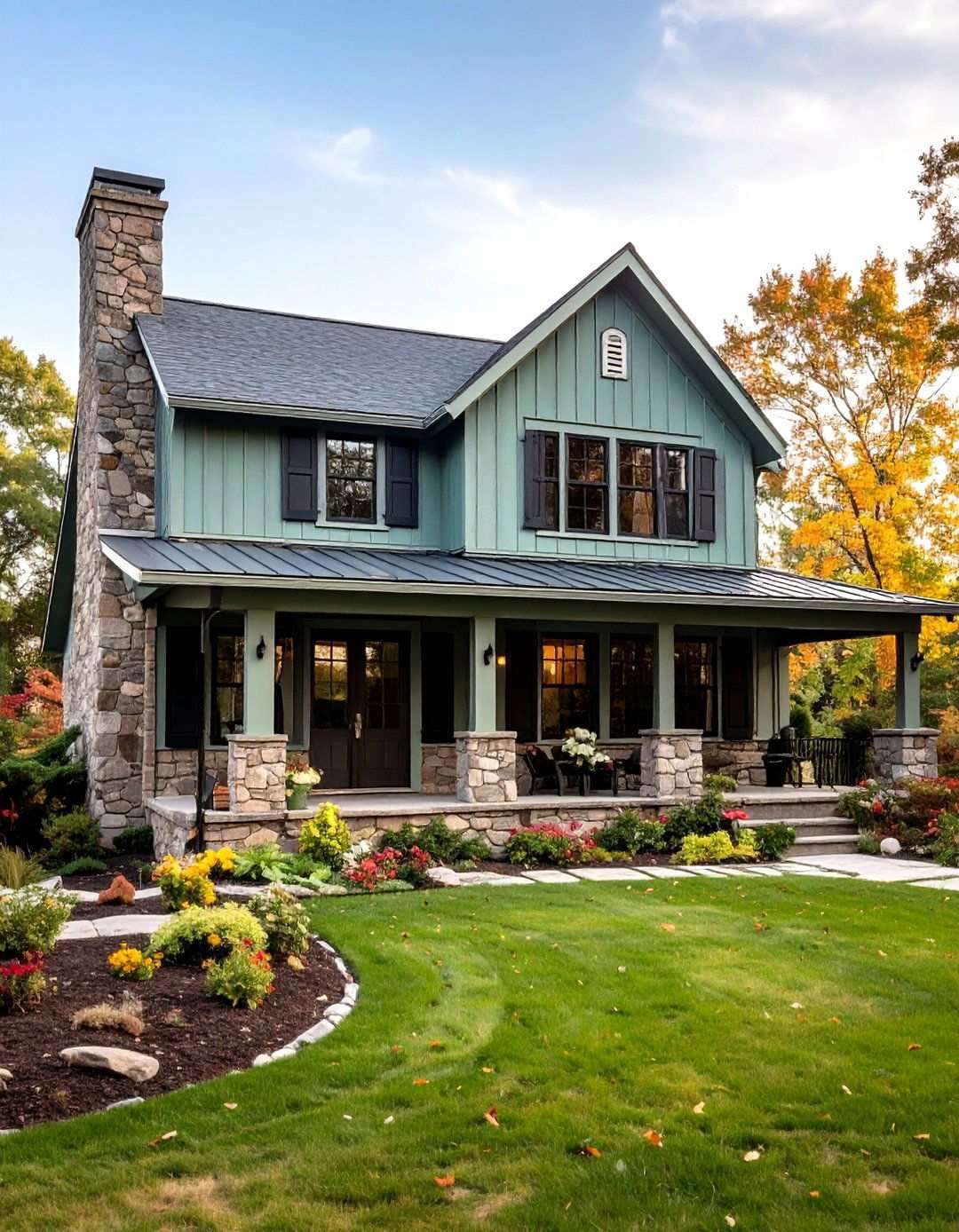
When sage green siding is paired with black shutters and natural stone accents, the result is a visually striking combination that adds depth and texture to your exterior design. The natural stone elements bring a sense of earthiness, while the black shutters provide a dramatic pop of contrast against the soft green backdrop. By combining natural materials with painted surfaces, you can create a unified look that’s both timeless and sophisticated. Natural stone foundations, chimneys, or accent walls can introduce organic texture and color variation that complements the sage green, while the black shutters add necessary contrast and architectural definition. This combination works beautifully on cottage, craftsman, and transitional homes, where mixed materials create a sense of character and sophistication. What’s more, the natural stone can pick up colors from the surrounding landscape, creating a sense of connection to the site while maintaining a distinct architectural presence.
14. Sage Green and the Warmth of Nature
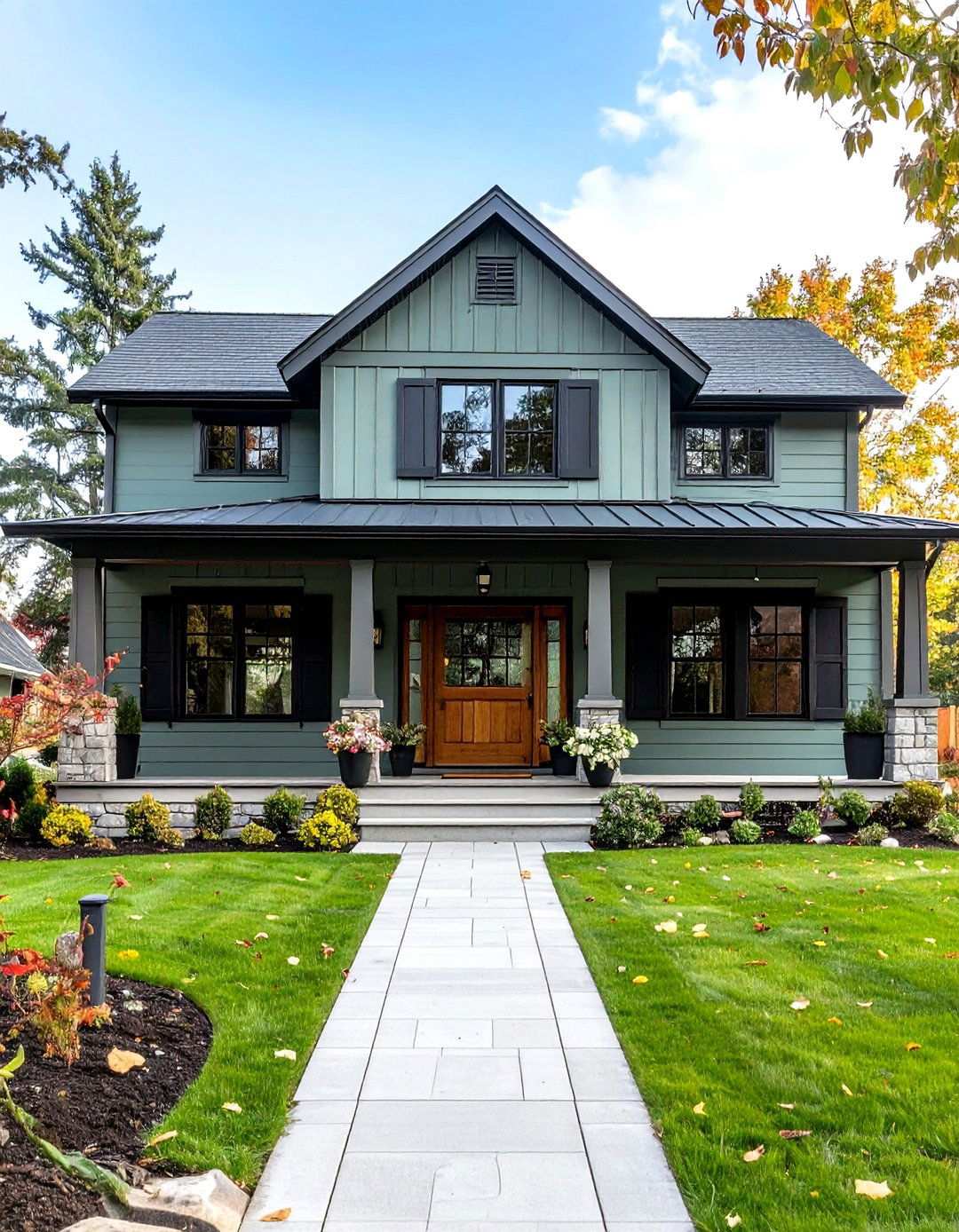
Sage green siding, paired with black trim and natural cedar elements, creates a warm and inviting exterior design that’s full of texture and character. The combination of painted and natural materials achieves a sophisticated balance between refined and rustic elements, perfect for creating a sense of warmth and welcome. But what role do natural wood accents play in softening contemporary color schemes, while maintaining architectural sophistication? Cedar shutters, doors, or decorative panels can introduce warm brown tones that bridge the sage green and black color scheme, adding textural interest and natural character to the design. This palette is particularly well-suited to farmhouse, craftsman, and mountain homes, where the connection to natural materials reinforces the architectural theme. As the cedar elements develop a beautiful patina over time, they’ll enhance rather than detract from the overall appearance, creating a look that’s both timeless and elegant.
15. Sage Green Home Harmony With Black Garage Door Accents
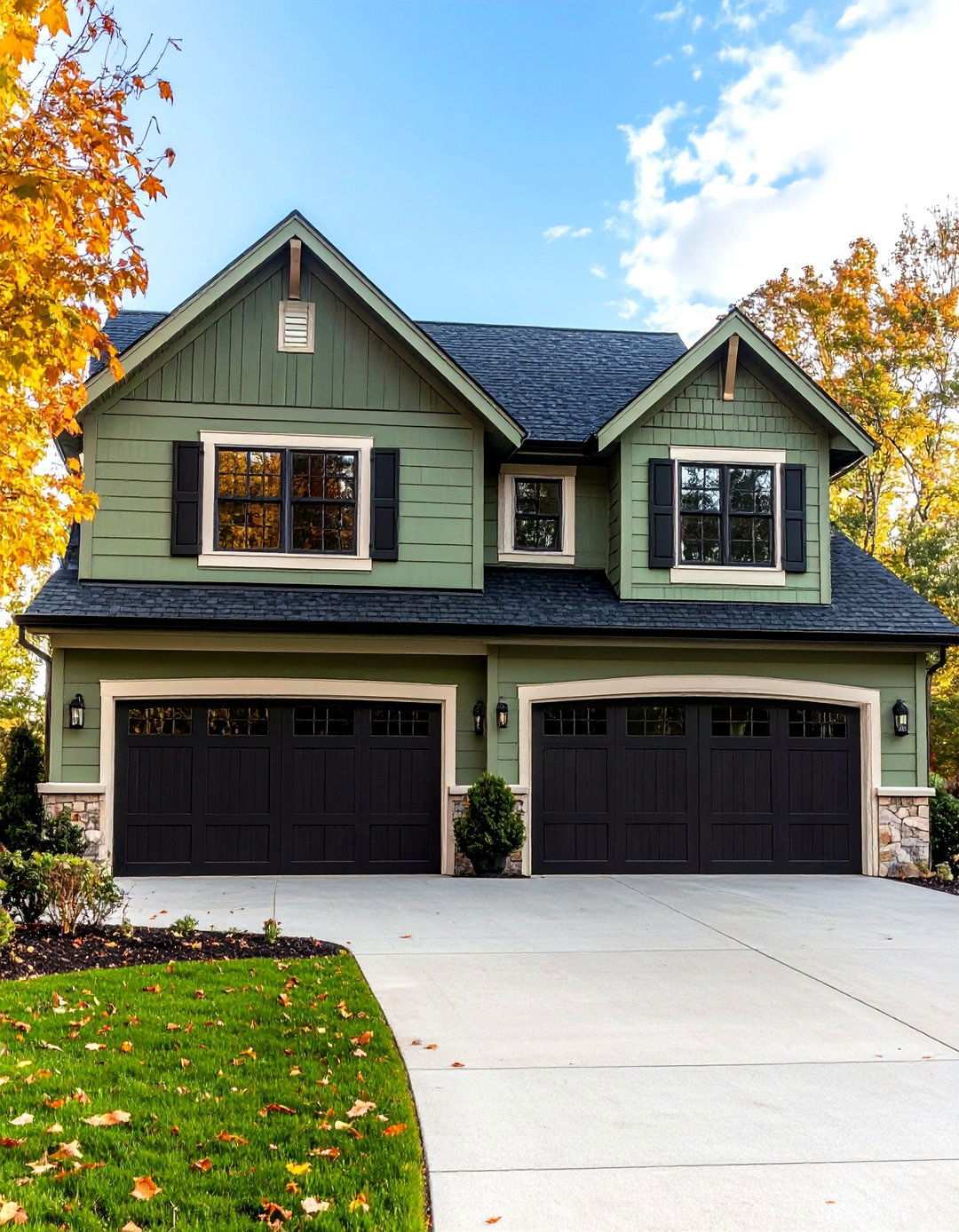
The unification of exterior design is achievable when sage green house siding is paired with black garage doors, creating a cohesive color scheme that flows effortlessly. The striking visual presence of garage doors necessitates thoughtful color coordination to achieve a balanced overall appearance. How can garage doors elevate the aesthetic appeal of your home’s exterior while maintaining their functional purpose? The bold contrast of black garage doors against sage green siding creates a sophisticated and intentional look that stands out from mere afterthoughts. This harmonious combination is particularly effective when garage doors feature windows, decorative hardware, or panel details that mirror architectural elements found elsewhere on the house. Extending the black color to other trim elements creates a sense of visual unity, seamlessly integrating the garage into the main house structure.
16. Sage Green Siding With Black Porch Accents and Structural Elements
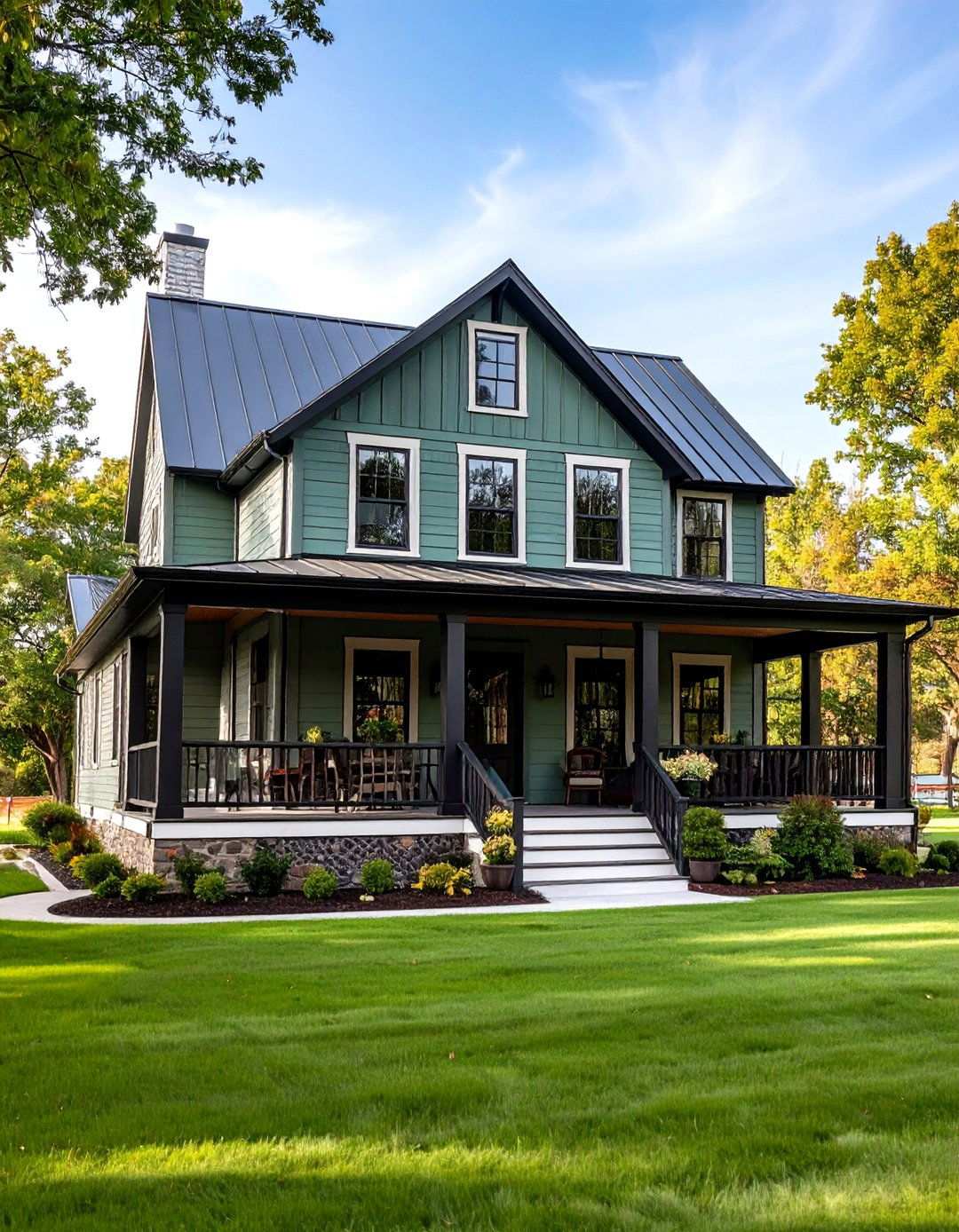
The creation of architectural definition is made possible when sage green siding serves as a backdrop for black porch railings and columns, emphasizing entrance areas and outdoor living spaces. This striking contrast helps establish a clear distinction between interior and exterior spaces while maintaining a cohesive color palette. Does your porch area feel like a natural extension of your house while possessing its own distinct character and welcoming charm? Black railings and columns create strong visual lines that provide structure and safety while adding a touch of sophistication to the soft sage backdrop. This combination is particularly well-suited for farmhouse, colonial, and craftsman home styles, where covered porches play a significant role in both architectural and social aspects. Enhancing the black elements with decorative brackets, newel post caps, or integrated lighting adds both functional and visual interest to the design.
17. Sage Green Home Elegance With Black Window Box Accents
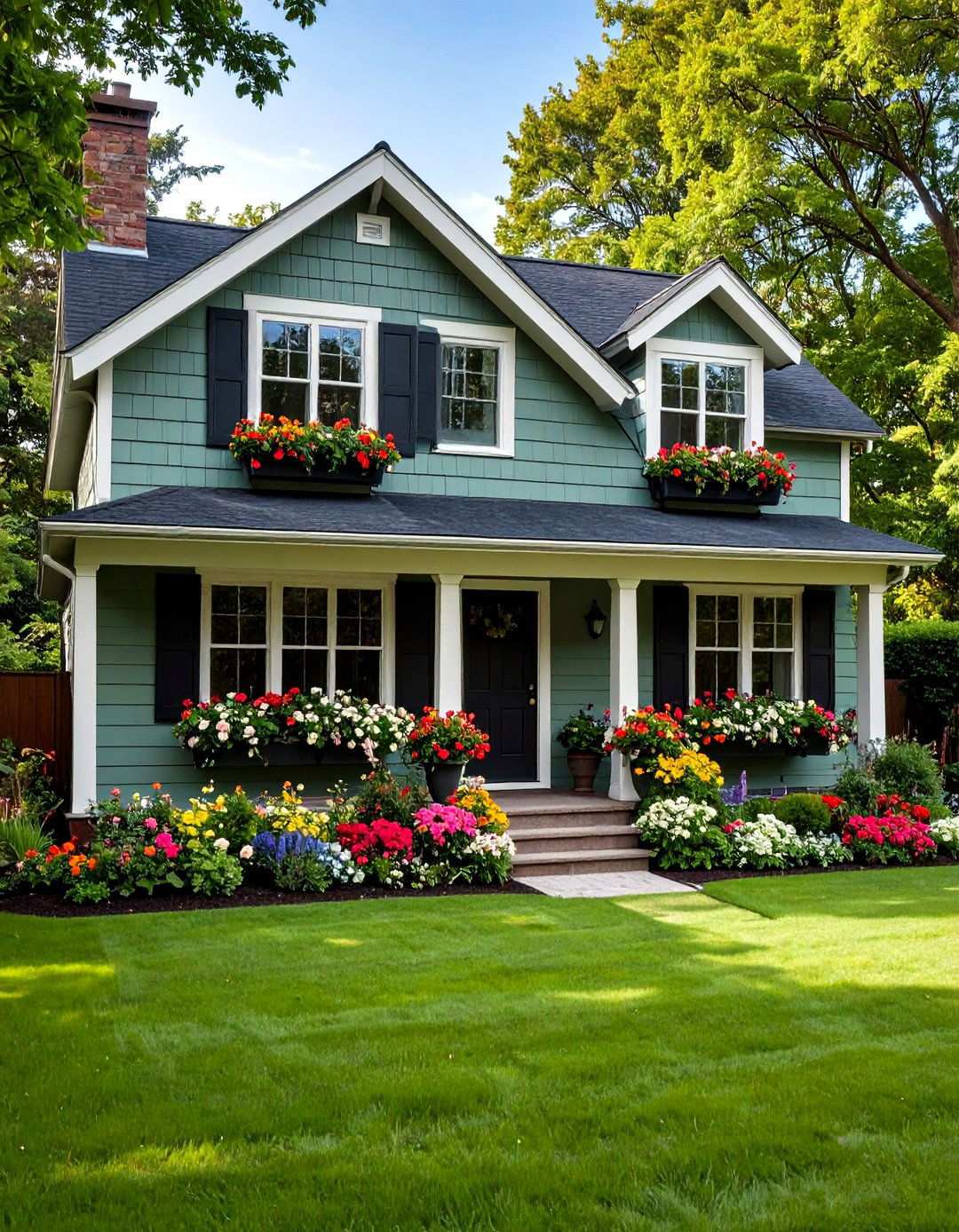
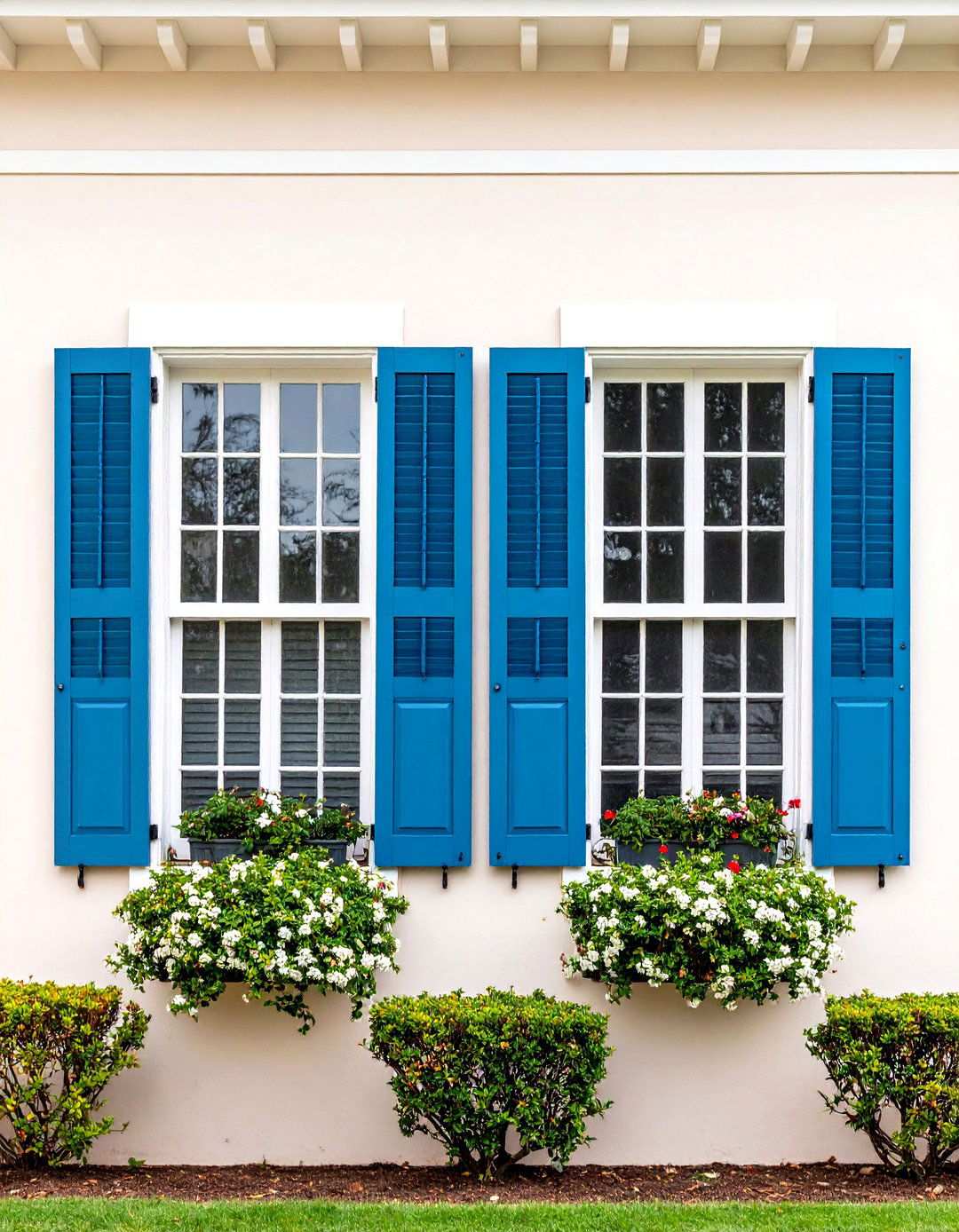
The addition of charming details is achieved when sage green house siding is paired with black window boxes, providing opportunities for seasonal color displays and garden integration. The structured black boxes create organized planting areas while adding architectural punctuation to window compositions. Can window boxes transform ordinary windows into focal points that change with seasons while maintaining year-round structural appeal? Black window boxes against sage green siding create a dramatic contrast that frames plantings while adding visual weight and importance at window locations. This approach is particularly effective on cottage, farmhouse, and traditional home styles, where garden integration enhances the overall architectural character. Planting the boxes with herbs, flowers, or seasonal displays introduces changing color and texture while maintaining the sophisticated sage and black color foundation.
18. Integrating Sage Green with Black Roof and Trim for a Cohesive Look
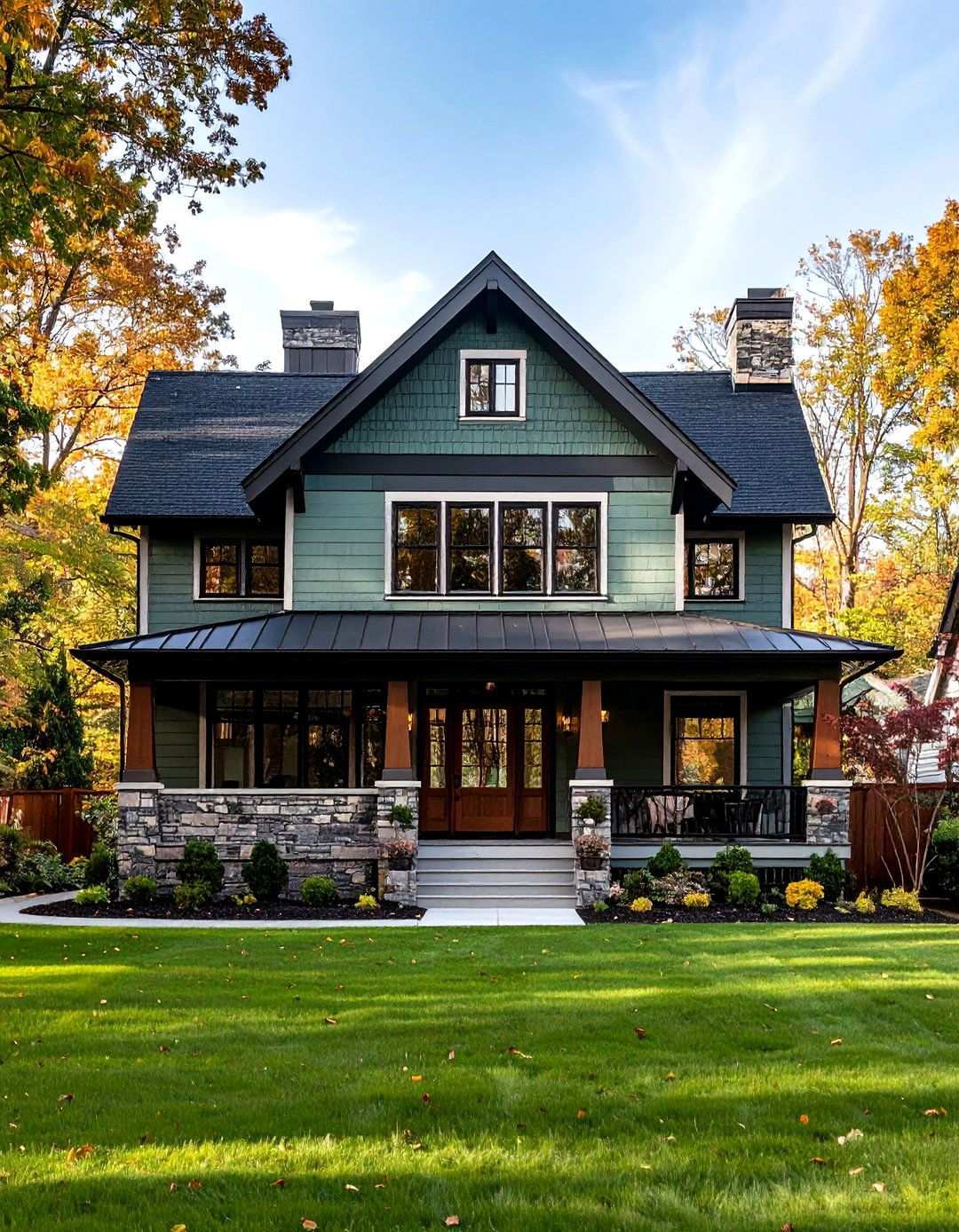
A well-designed exterior space is not just about individual elements, but also about how they work together in harmony. When sage green house siding is complemented by black roofing materials and trim, a sophisticated and unified appearance is created. The dark roof serves as a visual anchor, grounding the composition, while black trim throughout adds definition and contrast. What sets expertly designed exterior color schemes apart from haphazard combinations is the thoughtful coordination of all visible elements. Black roofing creates strong horizontal lines that provide a sense of balance, while matching trim elements maintain consistent visual weight and definition. This approach is particularly effective on contemporary, farmhouse, and craftsman home styles, where clean lines and material coordination create an intentional, sophisticated look. Even utilitarian components like gutters, downspouts, and flashing details can maintain color consistency, further enhancing the overall design.
19. Elevating Sage Green with Black Outdoor Lighting for Dramatic Effect
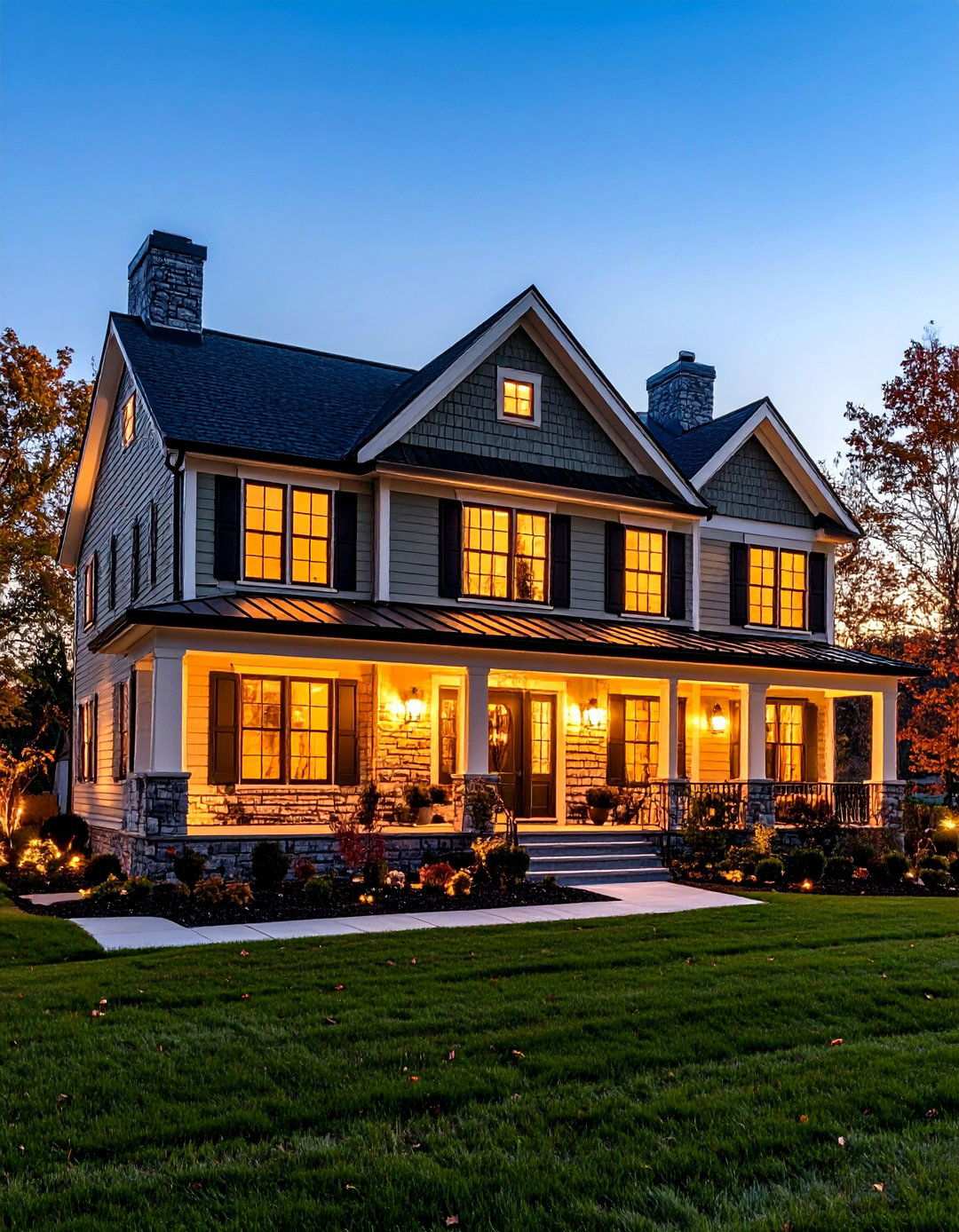
As the sun sets, a sage green house can transform into an even more captivating sight with the addition of black outdoor lighting fixtures. These fixtures not only provide necessary illumination but also serve as architectural details that enhance the home’s curb appeal. How can outdoor lighting be used to elevate your home’s architecture while also providing practical illumination that extends usability into the evening hours? The combination of black lighting fixtures against sage green siding creates a striking contrast during the day, while at night, the fixtures recede into the background, allowing the light itself to become the focal point. This pairing works particularly well when fixtures echo the architectural details found elsewhere on the house, creating a sense of visual continuity and intentional design coordination. By incorporating wall sconces, pendant lights, and landscape fixtures, you can create layered illumination and enhance your home’s evening curb appeal.
20. Sage Green Siding With Black Decorative Architectural Elements
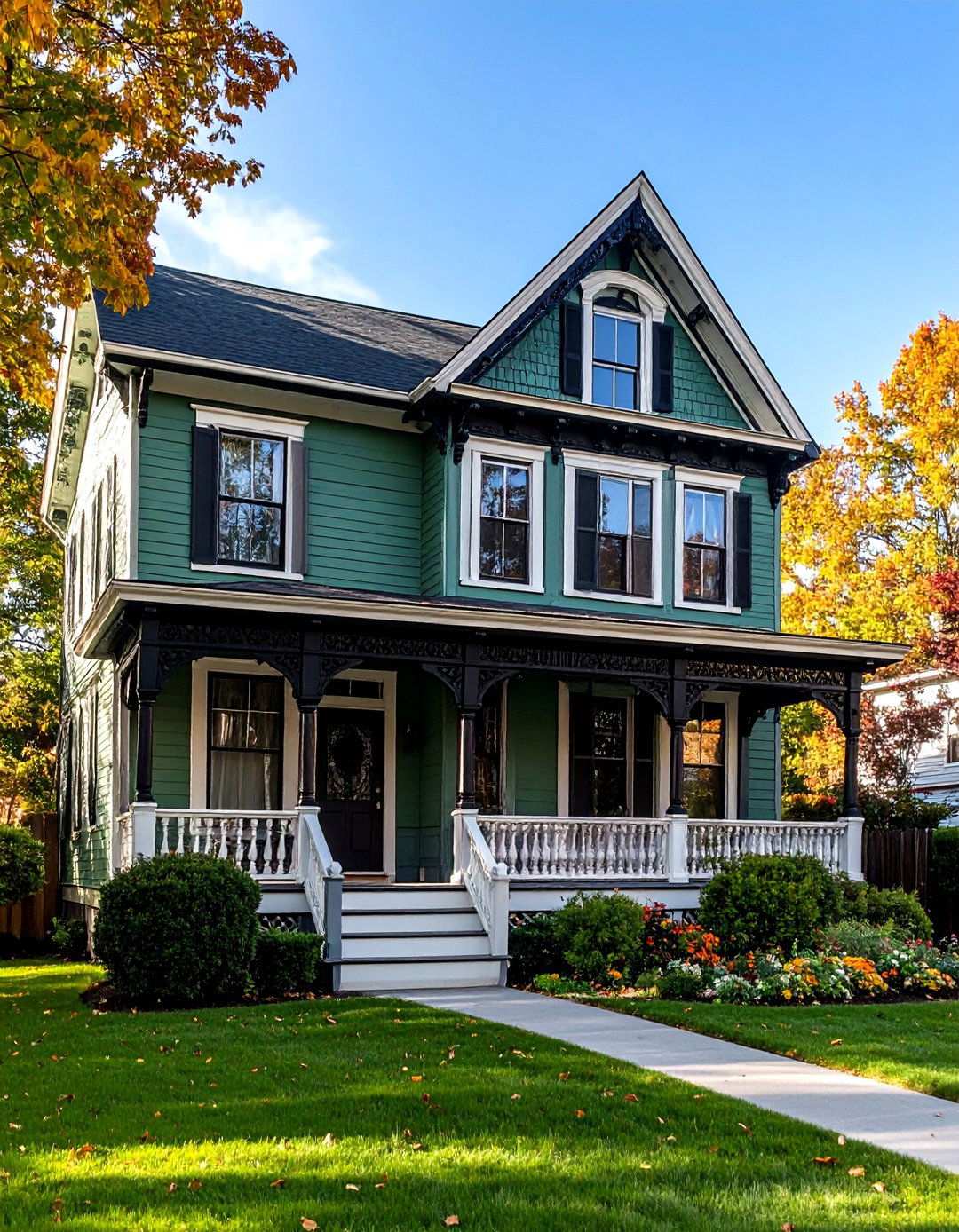
When sage green siding serves as the backdrop for black decorative architectural elements, such as brackets, corbels, and trim details, a distinctive character emerges that showcases visual interest and craftsmanship appeal. These focal points not only draw attention but also maintain overall color harmony throughout the design. By incorporating black decorative elements, homeowners can elevate simple house forms into distinctive architecture that reflects their personal style and attention to detail. This approach creates a sophisticated contrast that emphasizes craftsmanship and architectural character while maintaining a unified color palette. As a result, this style works exceptionally well on craftsman, Victorian, and farmhouse home styles, where decorative details significantly contribute to overall architectural appeal. The black elements can include gable brackets, porch details, and window trim that create a visual rhythm and sophisticated layering throughout the exterior composition.
21. Sage Green House With Black Foundation and Base Trim
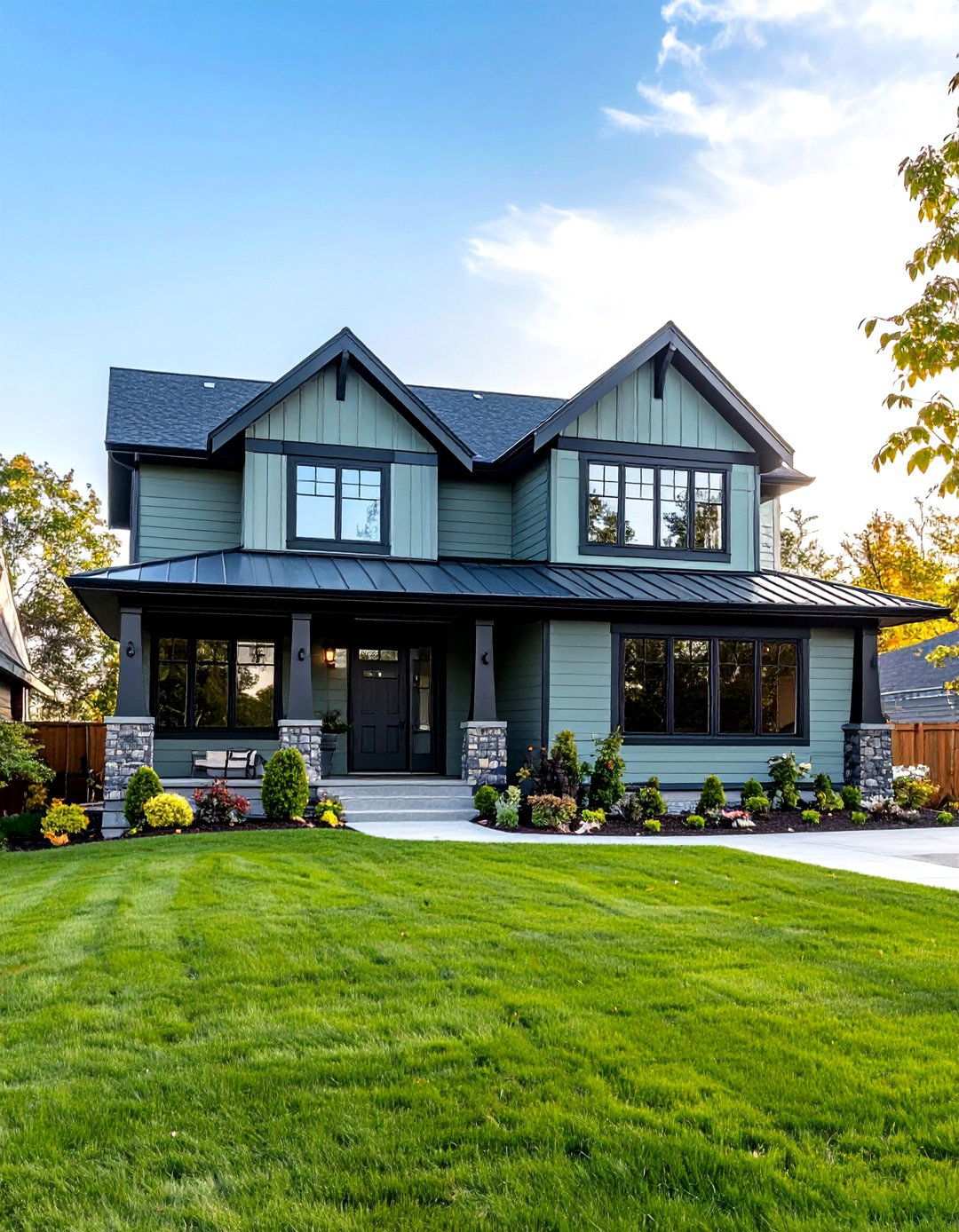
A grounded design develops when sage green house siding is anchored with black foundation and base trim elements that create visual weight and structural definition at ground level. The dark base provides stability while maintaining color coordination with other black accent elements, creating a sense of balance and harmony. Homeowners can achieve a well-coordinated look by incorporating black foundation and base trim, which creates strong horizontal lines that provide visual foundation for the lighter sage green siding. This approach works particularly well on two-story homes, where the dark base helps balance the visual weight of upper levels. The black base can include foundation walls, wainscoting, or trim boards that create a sophisticated transition between the house and landscape while maintaining architectural definition.
22. Sage Green Exterior With Black Dormer and Gable Accents
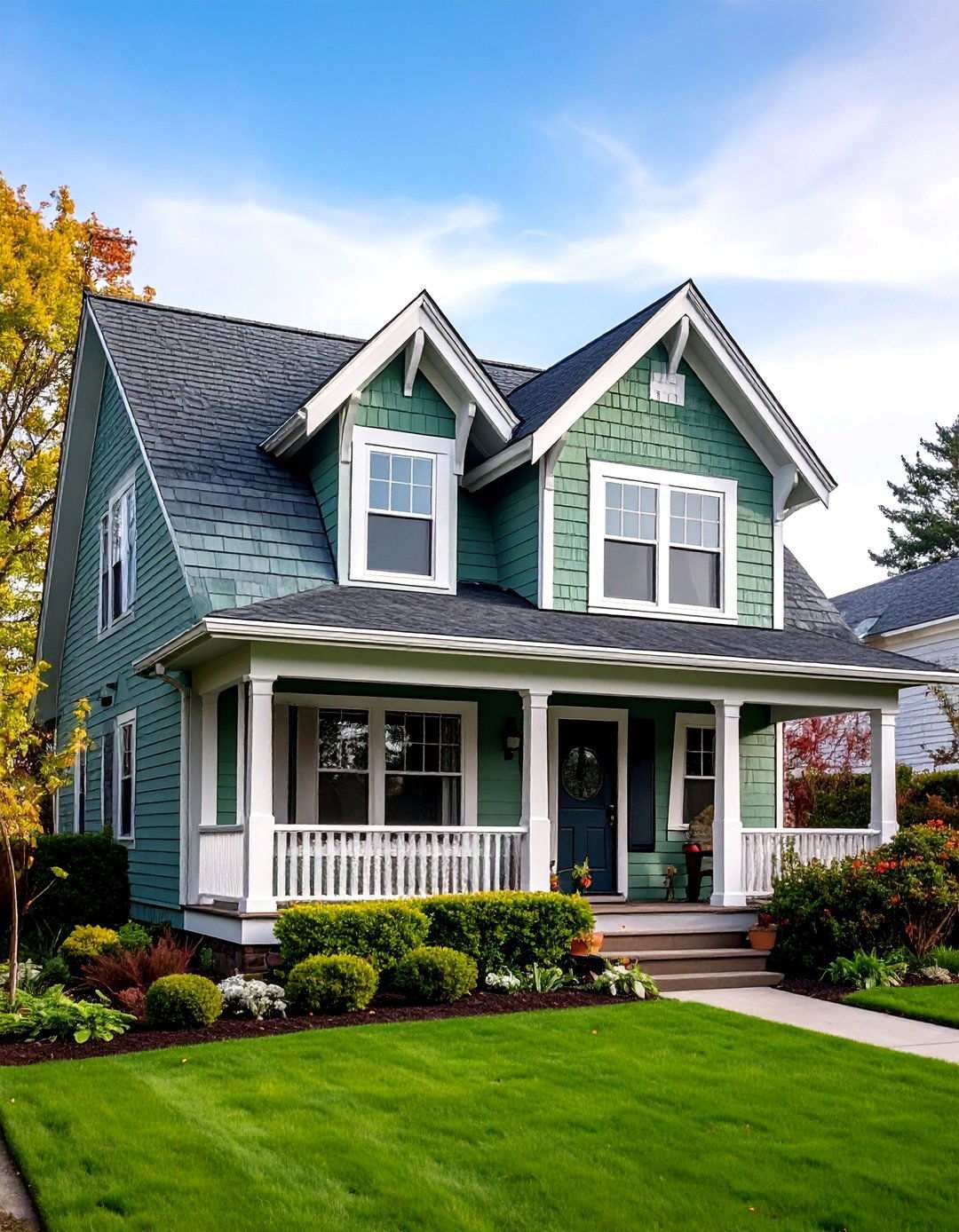
Architectural emphasis develops when sage green house siding is enhanced with black dormer and gable accents that highlight roof line variations and upper level features, creating a sense of visual interest and complexity. These accents not only draw attention to the roof line but also maintain color harmony throughout complex roof forms. By incorporating black accents on dormers and gables, homeowners can create definition and contrast that emphasizes these architectural features while maintaining overall sage green color dominance. This approach works exceptionally well on colonial, cape cod, and craftsman home styles, where varied roof lines create opportunities for strategic color placement. The black accents can include window trim, siding panels, or decorative elements that create visual hierarchy and sophisticated layering in complex roof compositions.
23. Sage Green House With Black Architectural Elements That Make a Statement
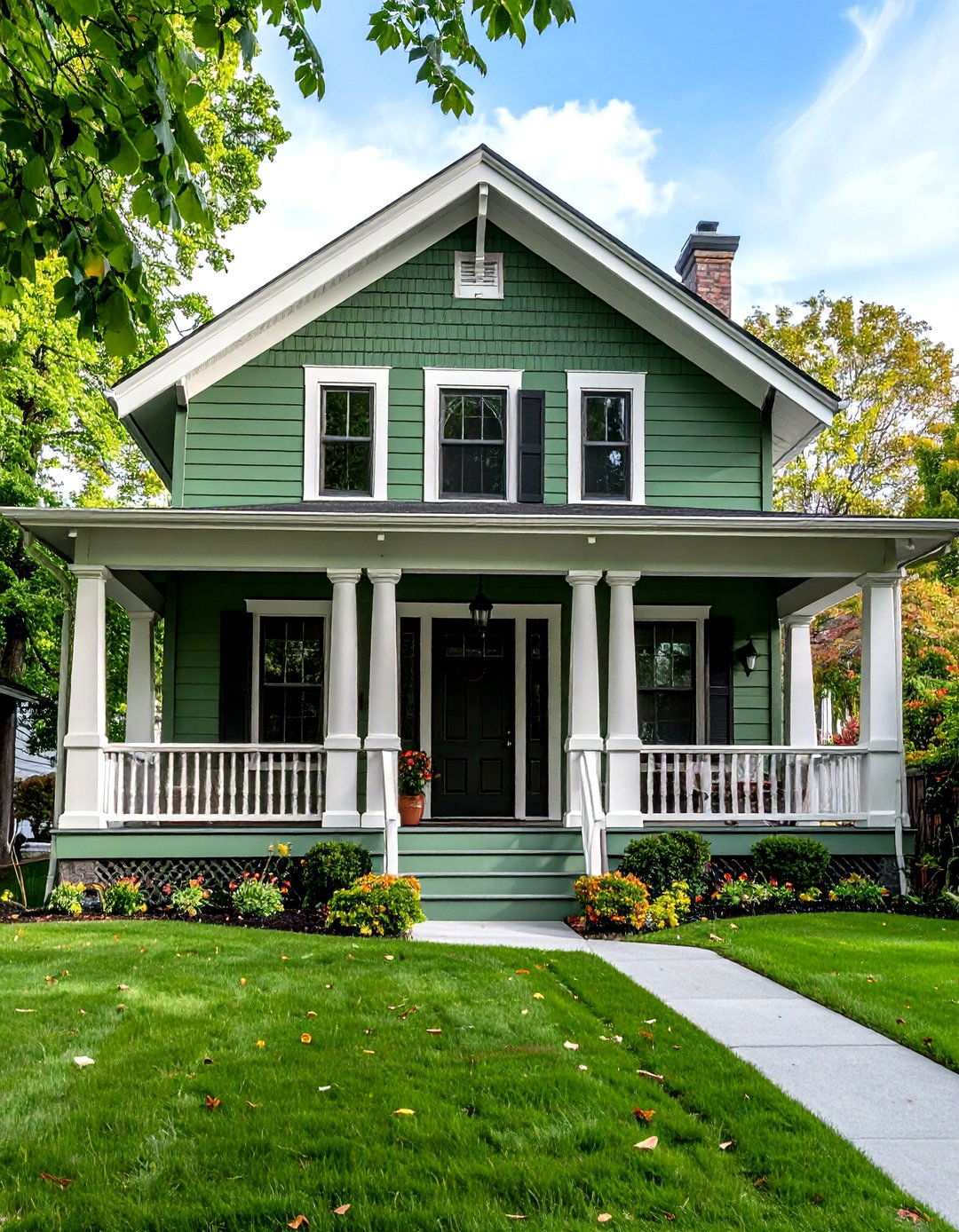
The interplay between sage green house siding and black architectural elements gives rise to a striking visual contrast that elevates the structural significance of the design. By incorporating black columns and posts, homeowners can balance functional needs with aesthetic appeal, creating a harmonious balance between form and function. The dramatic vertical emphasis provided by the dark elements serves as a perfect example of how structural features can be transformed into decorative focal points that enhance the overall architectural character of a home. This approach is particularly well-suited to traditional home styles like craftsman, colonial, and farmhouse, where the incorporation of covered porches and structural expression plays a pivotal role in defining the architectural identity. The versatility of black architectural elements allows for a range of design possibilities, from tapered columns to square posts and decorative pilasters, which can be used to create sophisticated entrance sequences and outdoor room definition.
24. Sage Green Siding That Blends Seamlessly With Black Landscape Elements
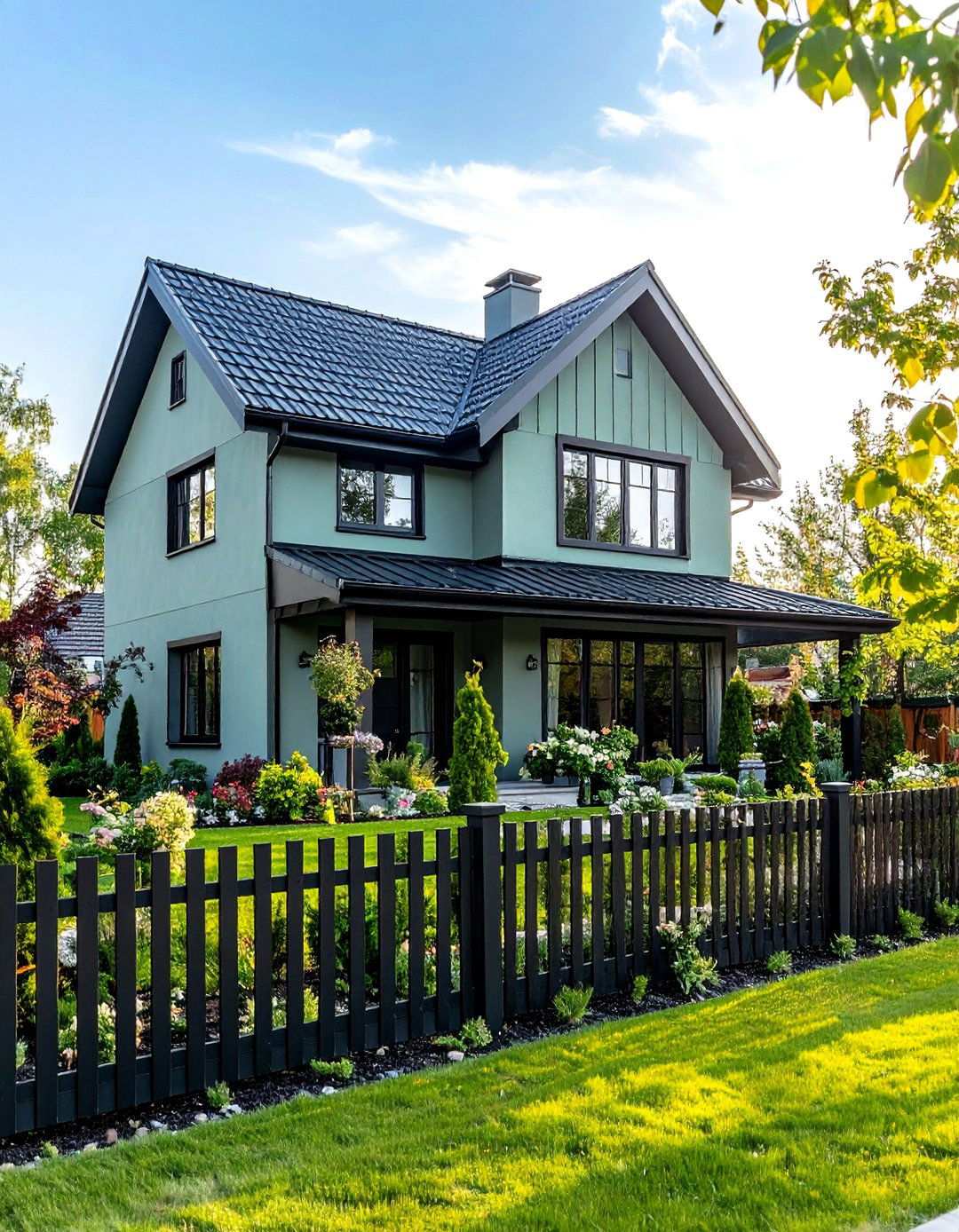
When sage green house siding is extended through black landscape integration elements, a cohesive and harmonious design emerges. By incorporating black fencing, planters, and hardscape features, homeowners can create a seamless transition between interior and exterior spaces, bridging the gap between architecture and landscape. This approach not only maintains a consistent color vocabulary but also provides a sense of continuity and flow, making the outdoor environment feel intentionally designed and connected to the house. The black landscape elements can be used in conjunction with natural materials like stone and wood to create a sophisticated and harmonious visual language that bridges the architectural and landscape design vocabularies. By incorporating elements like garden gates, retaining walls, and outdoor furniture, homeowners can create sophisticated outdoor rooms that maintain a visual connection to the house architecture, thereby enhancing the overall design cohesion.