1. Serene Oasis Retreats
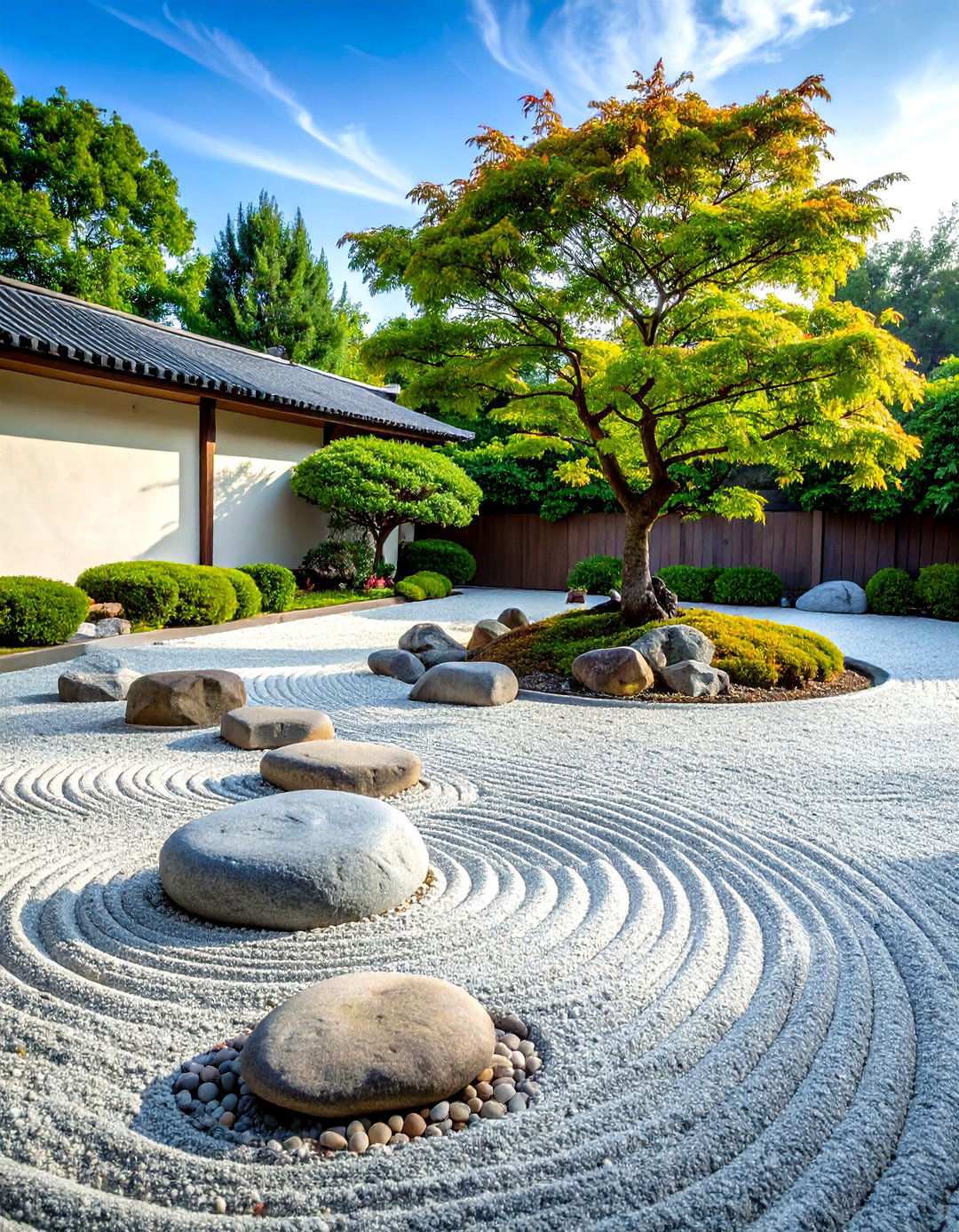
Imagine transforming your outdoor space into a captivating retreat that fosters relaxation and tranquility. Rock landscaping offers a wealth of possibilities, from calming zen gardens to dramatic desert landscapes, catering to various styles and environmental demands. With its natural charm and functional benefits, rock landscaping can be tailored to harmonize with modern homes, traditional cottages, and contemporary minimalist designs alike. Whether you’re addressing challenging terrain, water conservation concerns, or seeking a distinctive focal point, rock landscaping creates enduring beauty that improves over time while minimizing long-term maintenance and water consumption.

As an Amazon Associate I earn from qualifying purchases.
2. Arid Masterpieces: Desert Xeriscaping Designs
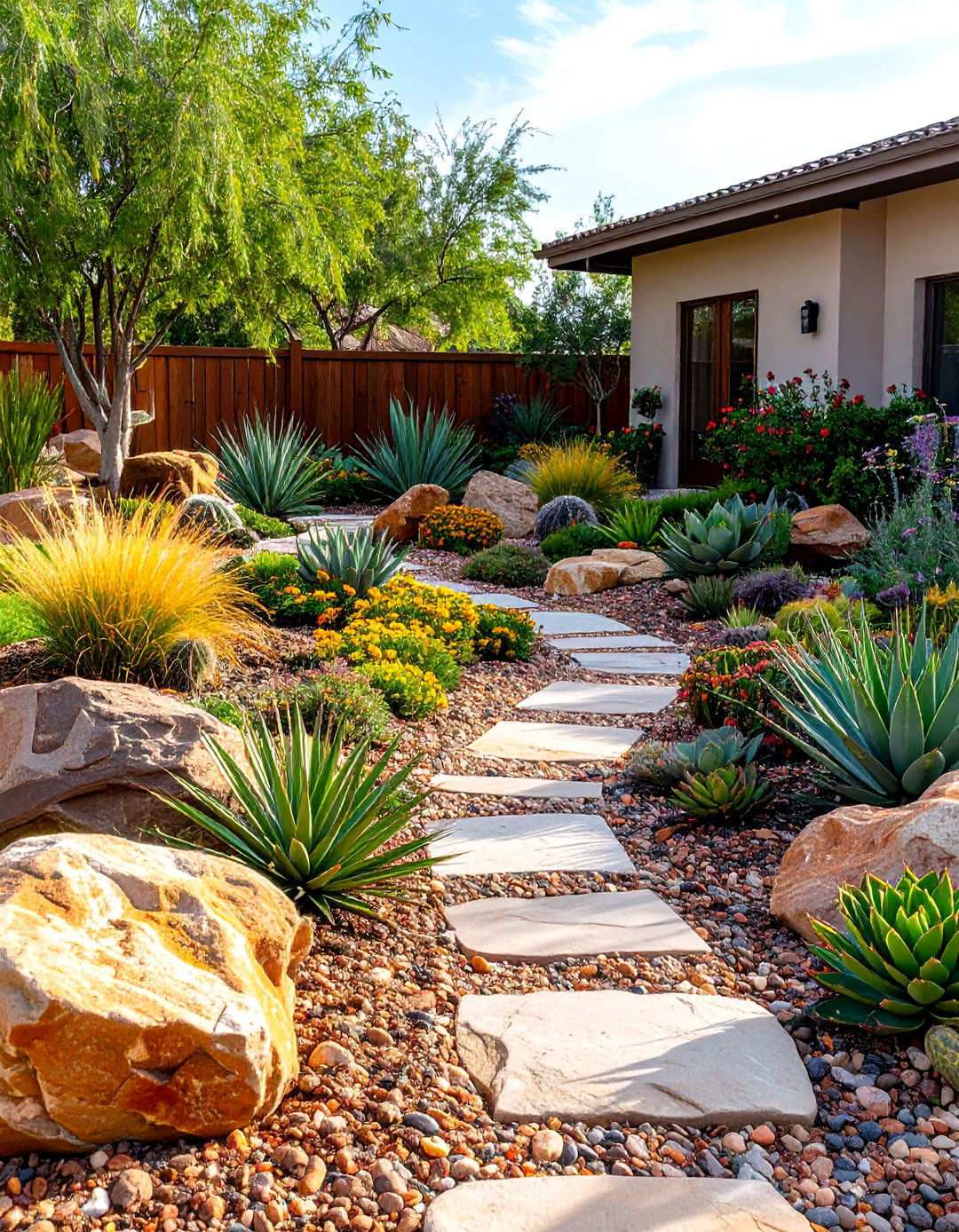
Desert xeriscaping is a game-changer for water-conscious homeowners, converting traditional lawns into breathtaking landscapes that celebrate arid beauty while preserving precious water resources. This innovative approach combines vibrant decomposed granite, weathered boulders, and striking architectural cacti to create visually stunning compositions that thrive in extreme conditions. By layering diverse rock sizes – from fine gravel to large statement boulders – you can add depth and texture to the space. Incorporate drought-resistant succulents, native grasses, and flowering desert shrubs among rock formations for dynamic seasonal color changes. This eco-friendly approach can reduce irrigation needs by as much as seventy percent, yielding landscapes that become increasingly beautiful as plants mature and adapt naturally.
3. Mastering the Art of Terraced Hillside Rock Gardens
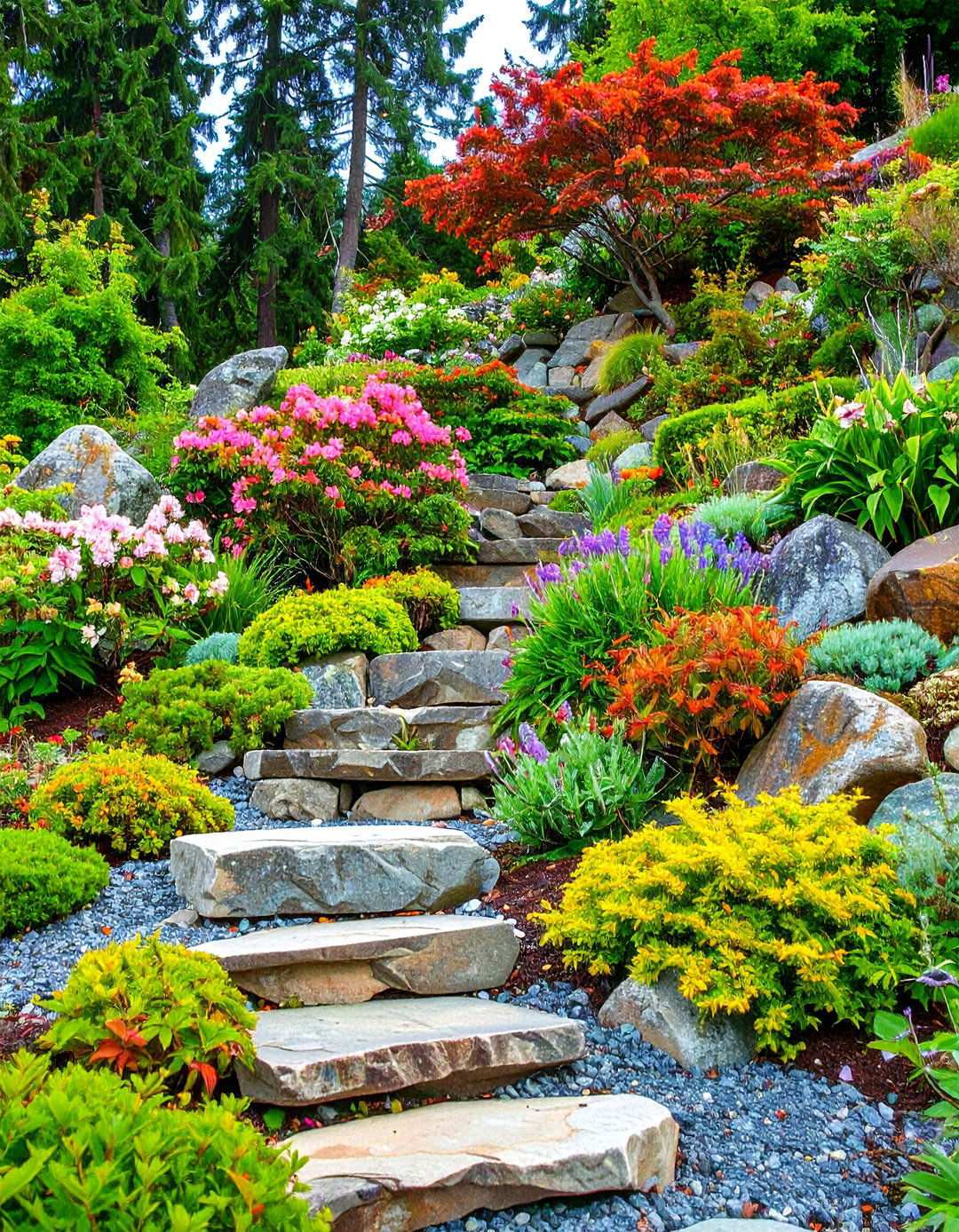
The rugged contours of a hillside present a thrilling canvas for creating visually striking terraced rock gardens that transform challenging terrain into breathtaking multi-level landscapes. Strategically constructed natural stone retaining walls at varying heights create planting pockets that safeguard against erosion while showcasing an impressive array of plant collections. Each tier offers distinct microclimates, enabling gardeners to cultivate alpine varieties in upper areas and moisture-loving plants in lower sections where water naturally collects. By incorporating curved pathways between levels using flat stepping stones, you can create an immersive journey through your garden while providing convenient access for maintenance. These ingenious terraced designs successfully maximize planting space while commanding attention from multiple viewing angles.
4. Modern Minimalist Rock Gardens: Embracing Clean Lines
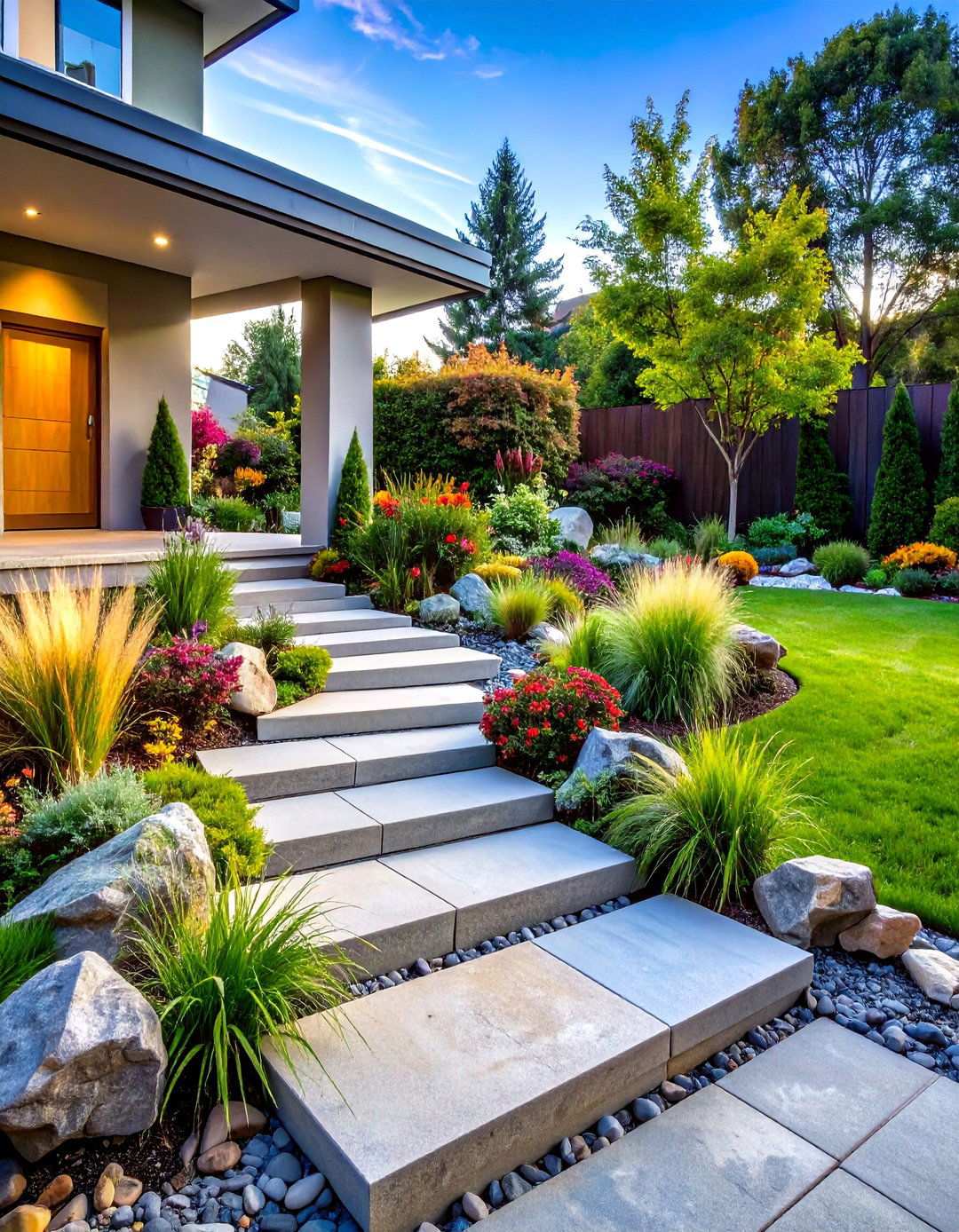
Contemporary minimalist rock gardens embody a sophisticated aesthetic, characterized by clean geometric lines and thoughtful spacing to create refined outdoor environments that harmonize with modern architecture. By employing large format rectangular stones or smooth river rocks arranged in precise patterns, you can accentuate negative space and geometric relationships between elements. Incorporating architectural plants like ornamental grasses or sculptural agaves positioned at strategic intervals amplifies visual impact. These designs rely on the quality and placement of materials rather than plant quantity, yielding serene spaces that feel organized and intentional. A restrained color palette typically features gray stones, white gravel, and vibrant green foliage, resulting in timeless elegance that beautifully complements contemporary home exteriors.
5. Capturing the Essence of Alpine Mountain Rock Gardens
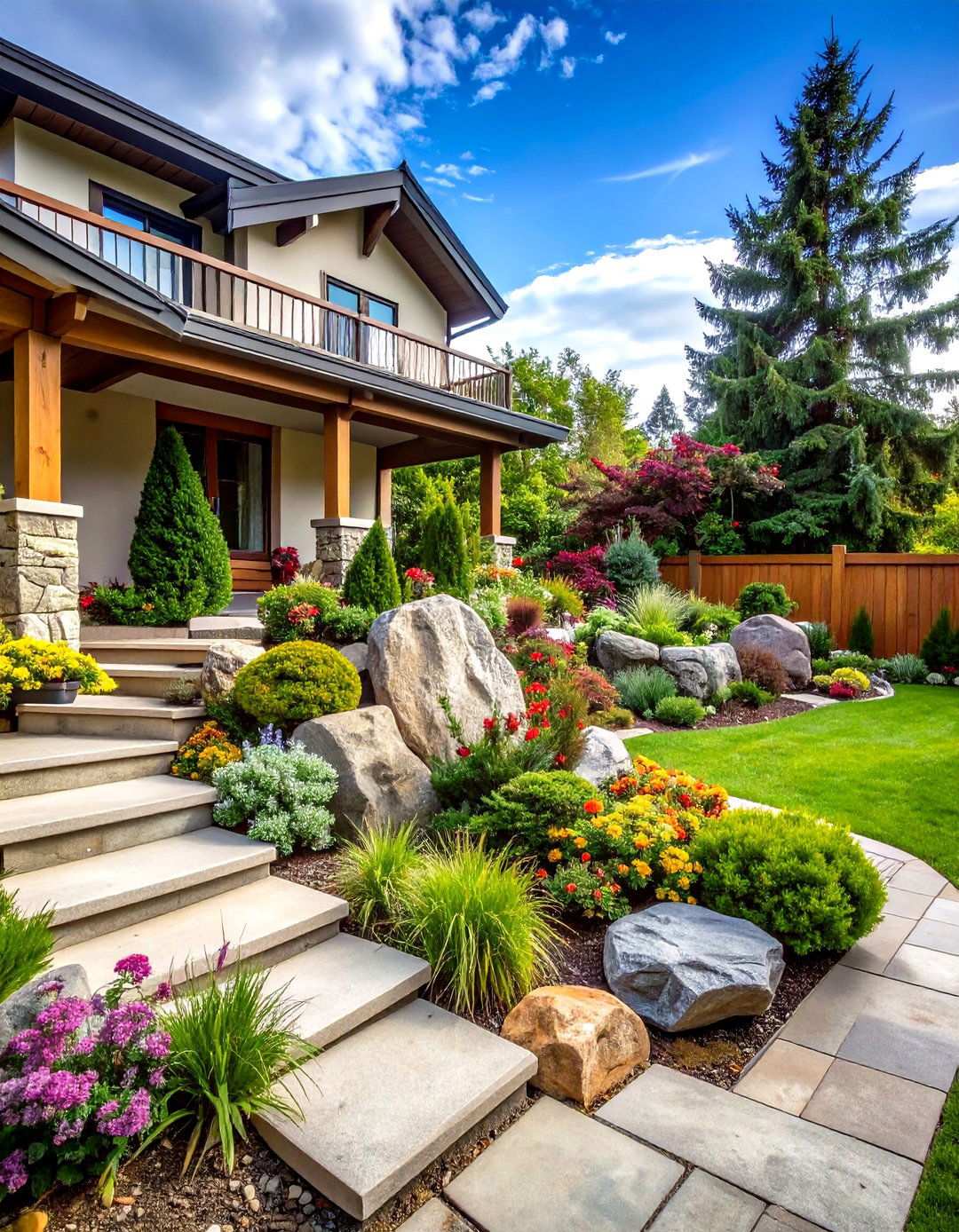
Imagine recreating the enchanting scenery of a mountain meadow in your own backyard space. Alpine rock gardens successfully recreate high-altitude environments using carefully selected stones and specialized plants that thrive in well-draining, rocky conditions. By constructing elevated areas using large boulders and smaller stones, you can create natural-looking outcroppings that mirror mountain formations. Plant compact perennials, dwarf conifers, and alpine flowers that naturally occur at higher elevations, creating authentic mountain garden environments. These hardy plants require minimal water once established and provide spectacular seasonal displays. The sharp drainage provided by rocky soil prevents root rot while encouraging strong, resilient plant growth patterns that mirror their natural mountain habitat conditions.
6. Harmonizing Water and Stone
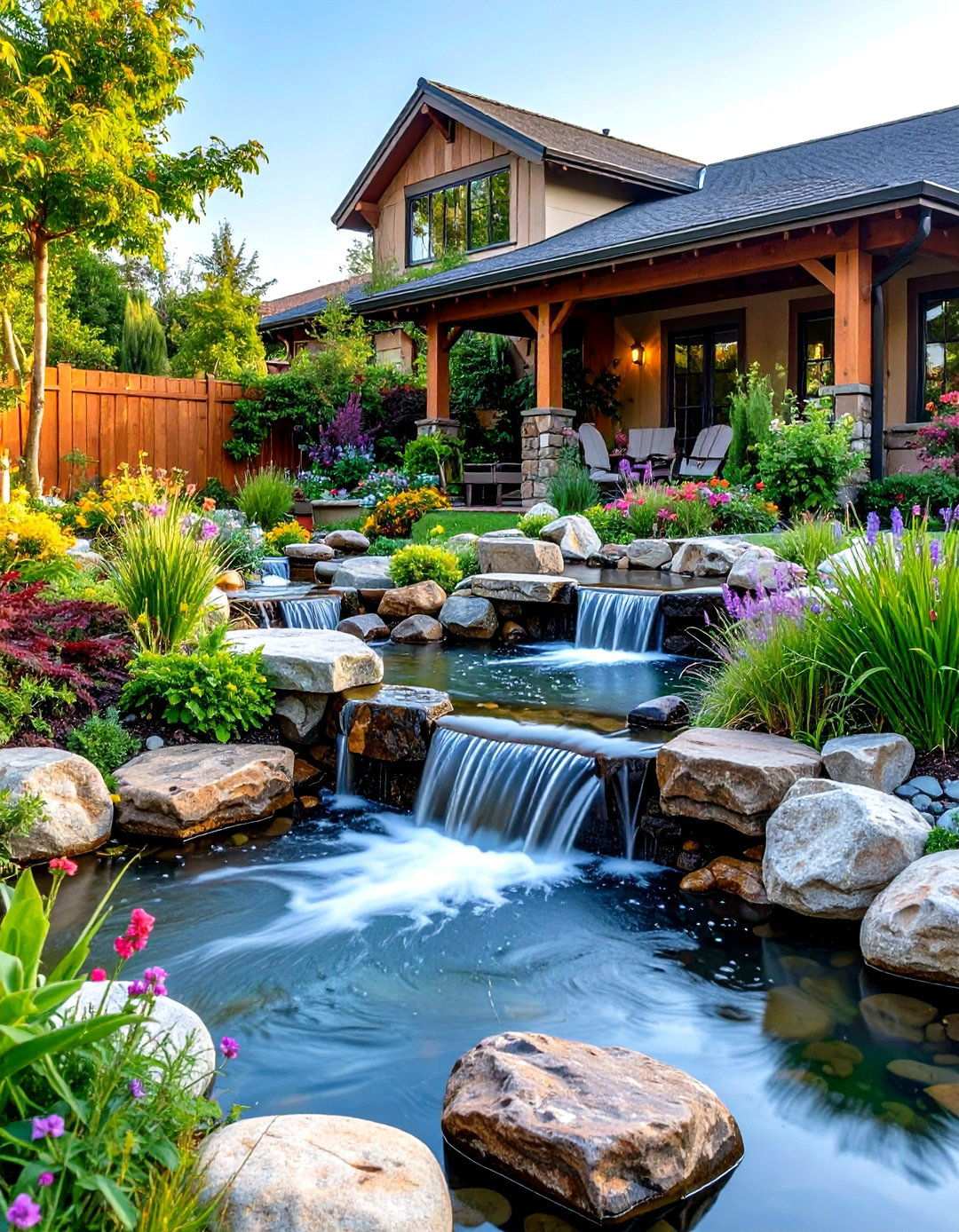
Sensory landscapes come alive when the gentle hum of flowing water harmonizes with the rugged beauty of natural stone formations. By combining these elements, you can create dynamic spaces that engage multiple senses and provide respite from the heat. Imagine designing a tranquil oasis where the soothing sounds of a meandering stream mingle with the warmth of natural stone. This synergy can be achieved by strategically placing river rocks of varying sizes to create shallow pools and gentle waterfalls that attract wildlife. Incorporate larger boulders to direct water flow and create natural seating areas perfect for contemplation and relaxation. As you plant moisture-loving ferns, hostas, and flowering perennials near water features, transition to drought-tolerant species in drier areas to create diverse microclimates that support a variety of plant communities. The result is a year-round tapestry of visual and auditory interest that transforms your outdoor space.
7. Capturing the Essence of the Mediterranean
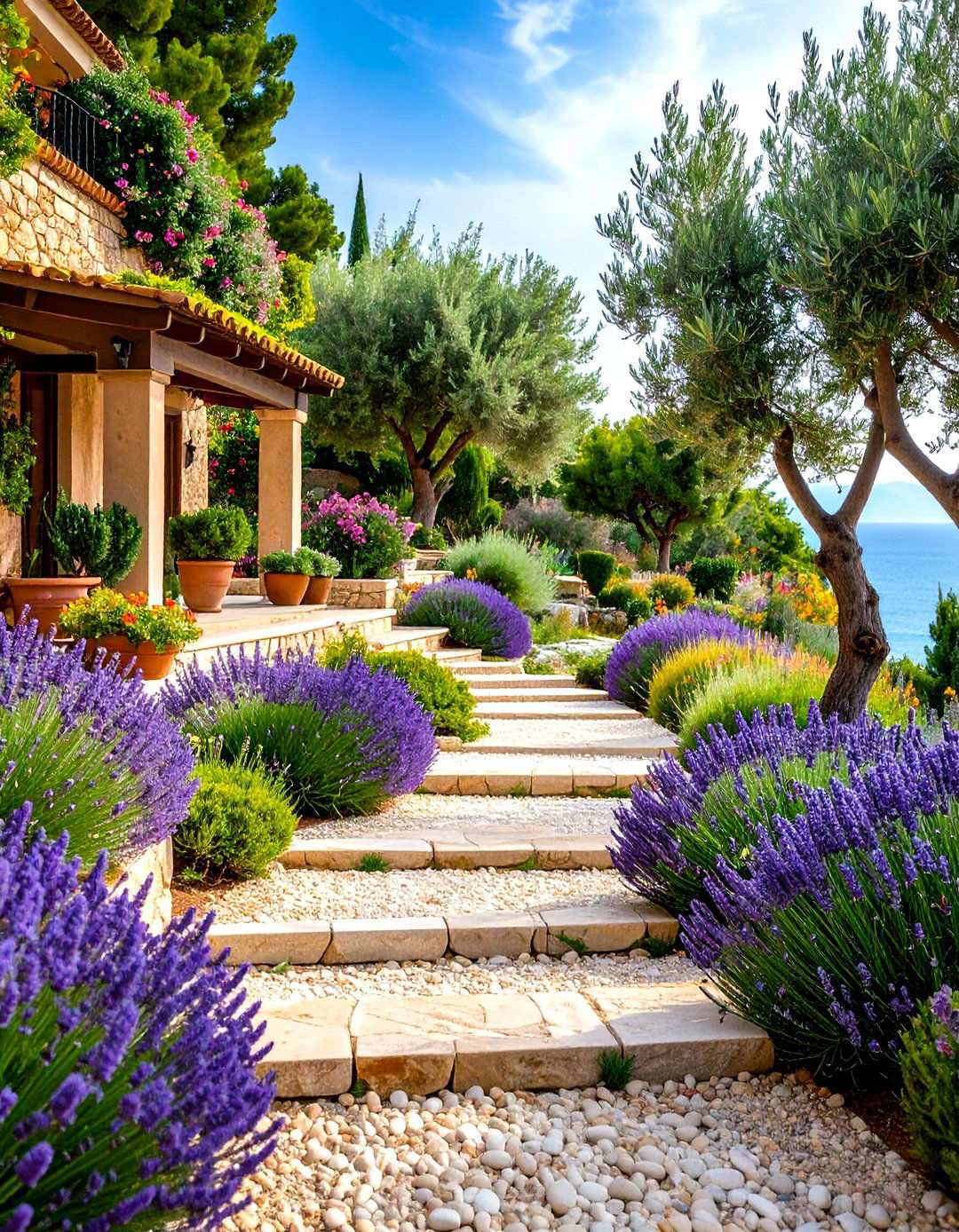
Inspired by the relaxed sophistication of coastal regions, Mediterranean rock gardens bring a touch of warm, sun-kissed elegance to your landscape. By combining warm-toned stones, aromatic herbs, and silvery-leafed plants that thrive in sunny conditions, you can create an authentic Mediterranean atmosphere that’s perfect for entertaining and relaxation. Imagine creating terraced planting areas using weathered limestone or sandstone, punctuated by olive trees, lavender, and rosemary. The result is a fragrant outdoor space that invites you to linger and enjoy the simple pleasures of life. To complete the look, use gravel paths and crushed stone mulches in warm tones like terra cotta and golden beige, which complement the overall design palette and add depth to the landscape. These gardens not only provide culinary herbs but also evoke memories of seaside vacations and Mediterranean countryside charm.
8. Geometric Patterns in Modern Landscapes
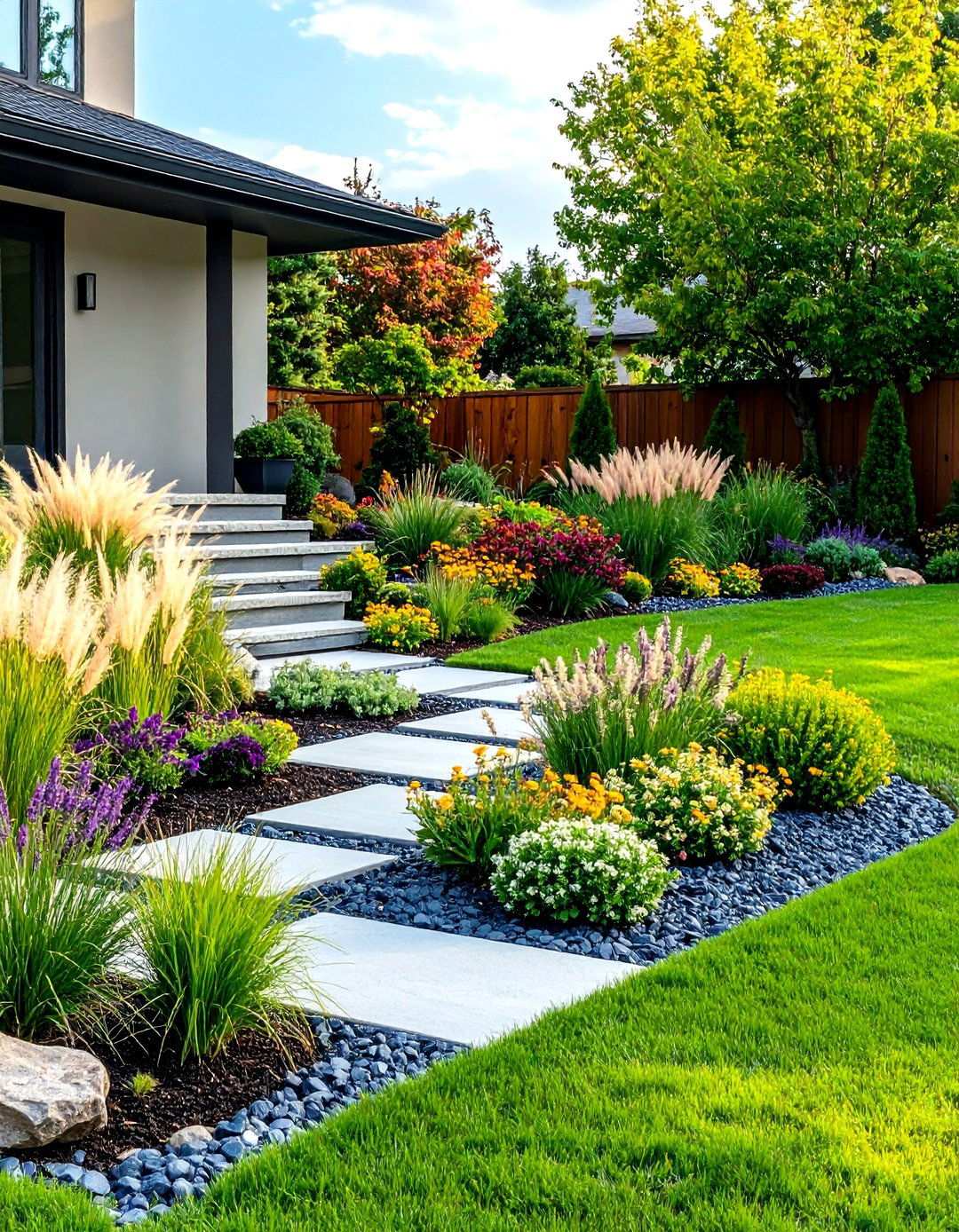
Bold geometric patterns created using contrasting rock colors and textures can transform your outdoor space into a striking work of art while providing practical garden solutions. By designing angular planting beds using dark basalt and light-colored limestone or white quartz, you can create checkerboard or striped patterns that complement modern architecture. Fill geometric sections with ornamental grasses, architectural succulents, or single-species plantings to maximize visual impact and design coherence. These patterns work particularly well in front yards where they create strong curb appeal and neighborhood distinction. The graphic quality of geometric rock gardens provides year-round structure and visual interest, even during dormant seasons when plant material provides minimal color.
9. Harmonious Blend: Uniting Stone and Garden
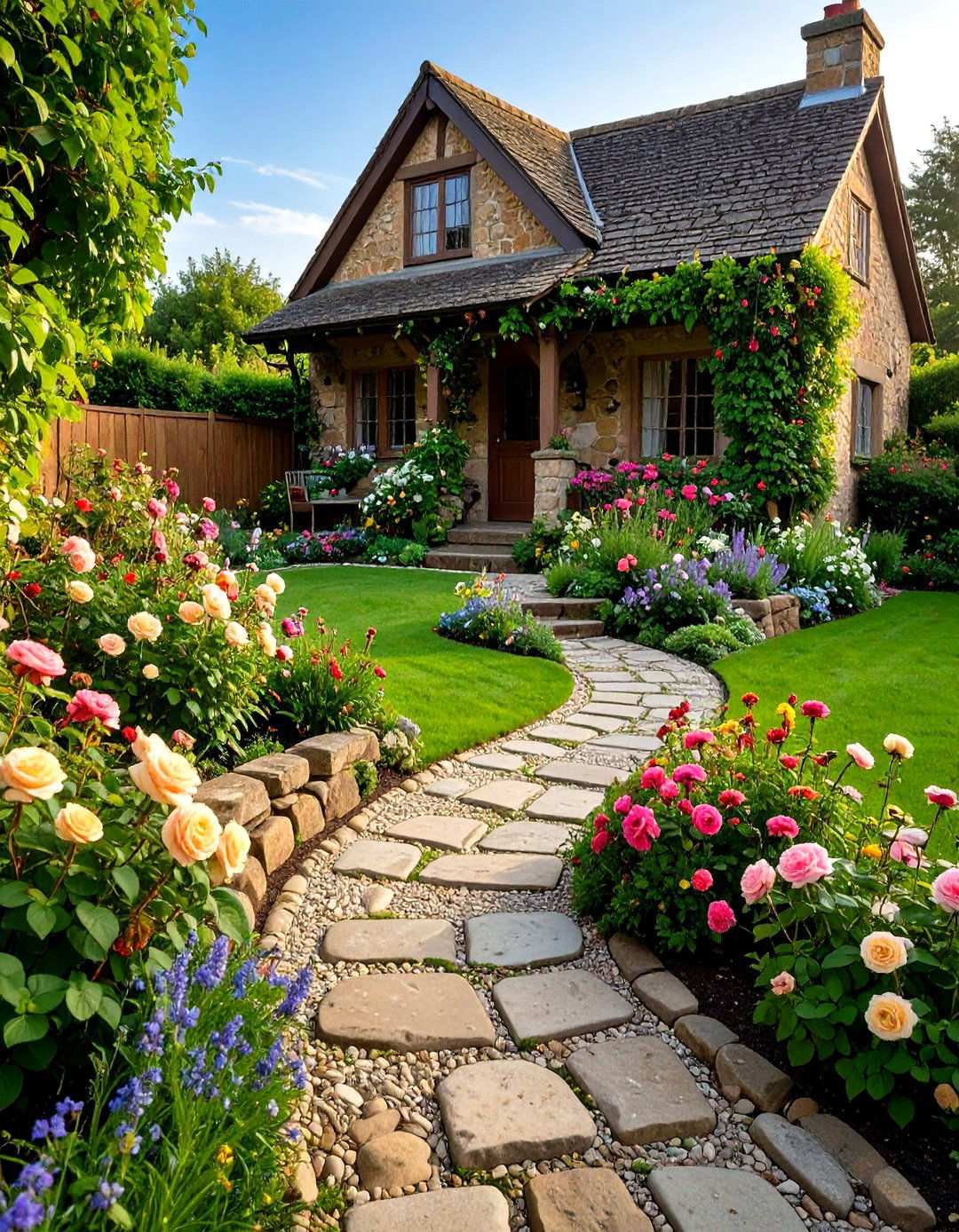
When it comes to capturing the enchanting essence of cottage garden style, integrating natural stone elements can be a game-changer. By incorporating weathered fieldstone walls, meandering gravel pathways, and stone edging, you can strike the perfect balance between structure and informality. The beauty of natural stone lies in its ability to develop a beautiful patina over time, imbuing the garden with a timeless, aged appearance. To amplify this effect, plant climbing roses, perennial flowers, and treasured cottage garden favorites around stone features, allowing them to spill naturally over edges and through cracks. This organic approach will infuse your garden with an authentic, carefree charm that perfectly captures the essence of traditional cottage garden style.
10. Outdoor Gallery Design: Blending Art and Nature
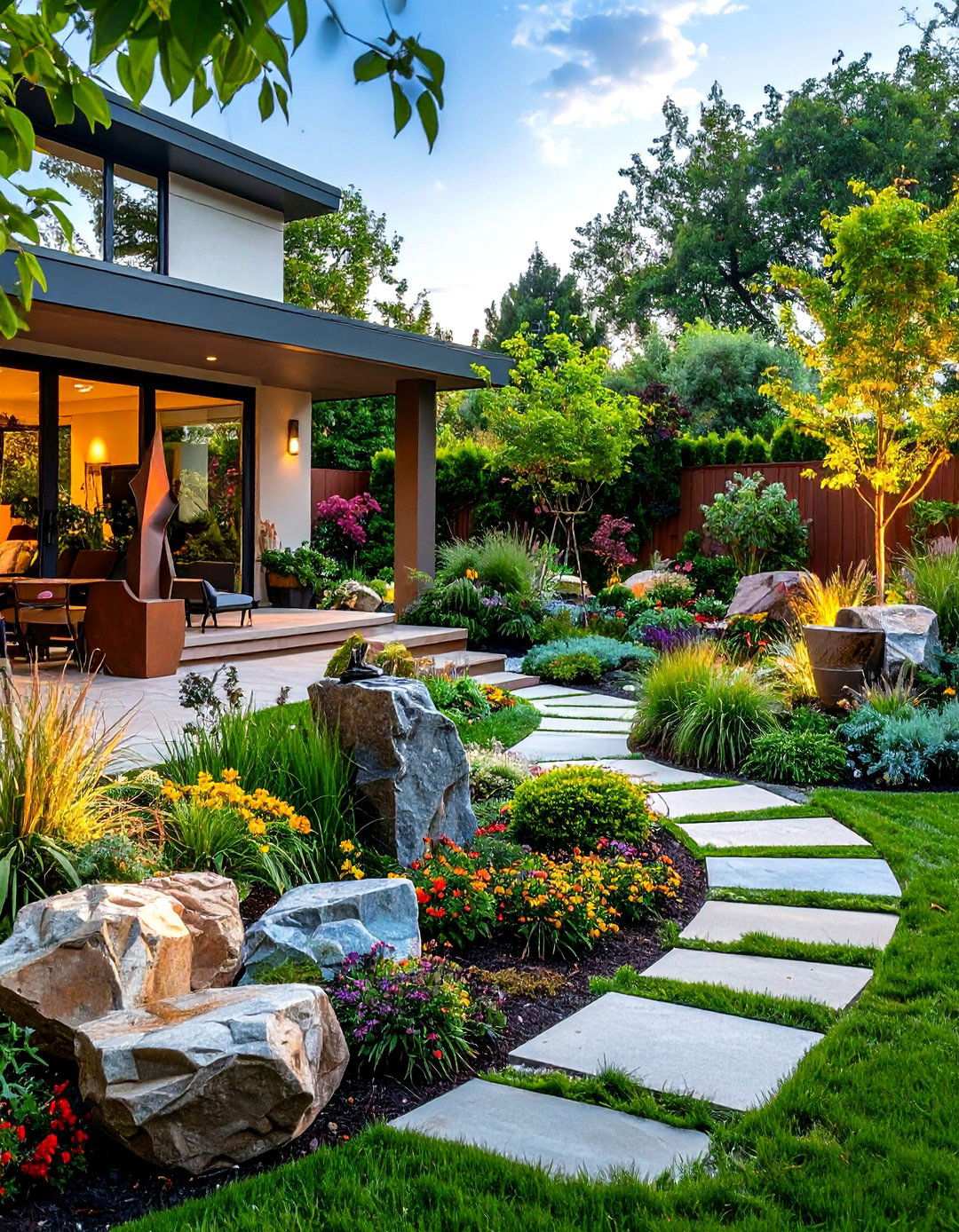
Transform your outdoor space into a captivating gallery by thoughtfully integrating sculptural elements with carefully selected stones and harmonious plantings. Position modern metal sculptures, elegantly carved stone pieces, or kinetic wind art amidst larger boulder groupings, fostering dynamic relationships between natural and crafted elements. To create a stunning backdrop for your art, design planting schemes that provide seasonal interest throughout the year, while ensuring the sculptural elements remain the focal points. Use neutral-toned gravel and stone mulches to subtly complement the artistic pieces without overpowering them. By thoughtfully blending natural beauty and human creativity, you’ll create sophisticated outdoor environments that spark conversation and elevate your landscape’s artistic value.
11. Water-Smart Succulent Displays: Rock Garden Masterpiece
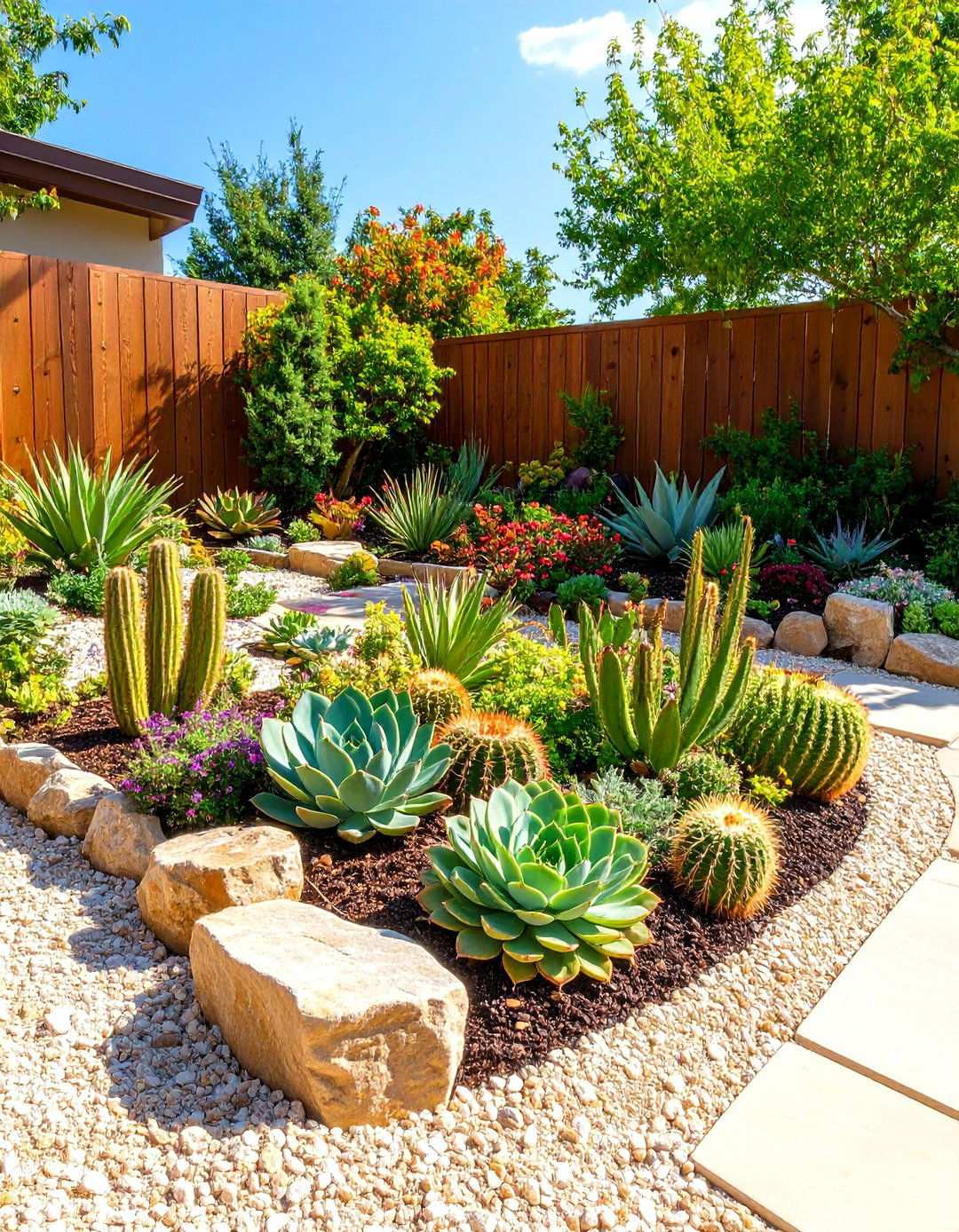
Showcase your succulent collection in a striking rock garden designed to highlight their architectural beauty while providing optimal growing conditions for long-term success. Create raised planting areas with exceptional drainage using coarse gravel and decomposed granite, safeguarding your succulents from root rot, a common issue in traditional gardens. Arrange your succulents according to size, color, and texture, using rocks as natural dividers between different species and varieties. These living sculptures will provide year-round interest with minimal water requirements, making them an ideal choice for sustainable landscape design. The captivating combination of sculptural plants and natural stone will create contemporary landscapes that celebrate the beauty of adaptation and resilience in nature’s most resourceful plants.
12. River Rock Pathways: Harmonizing Nature and Function
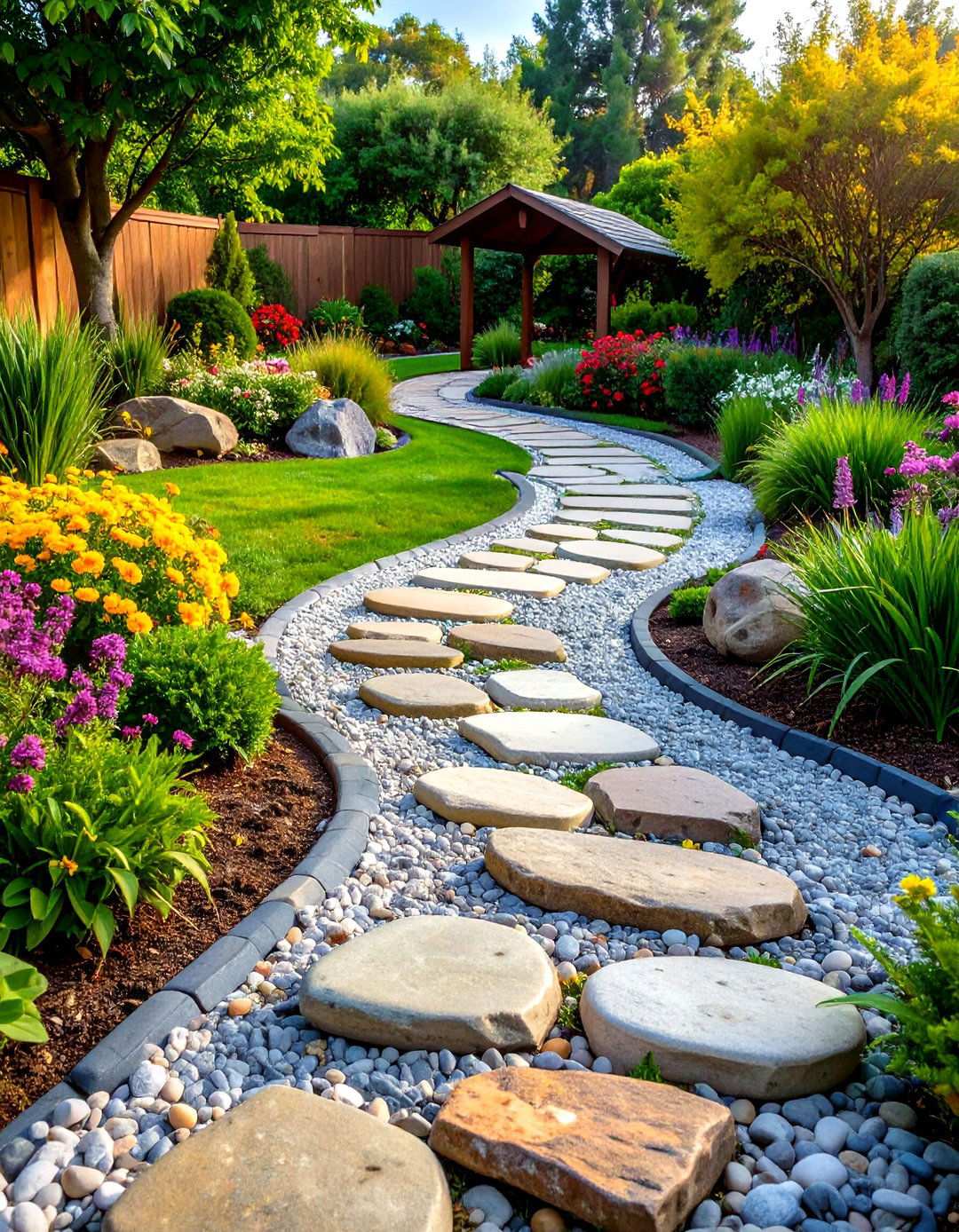
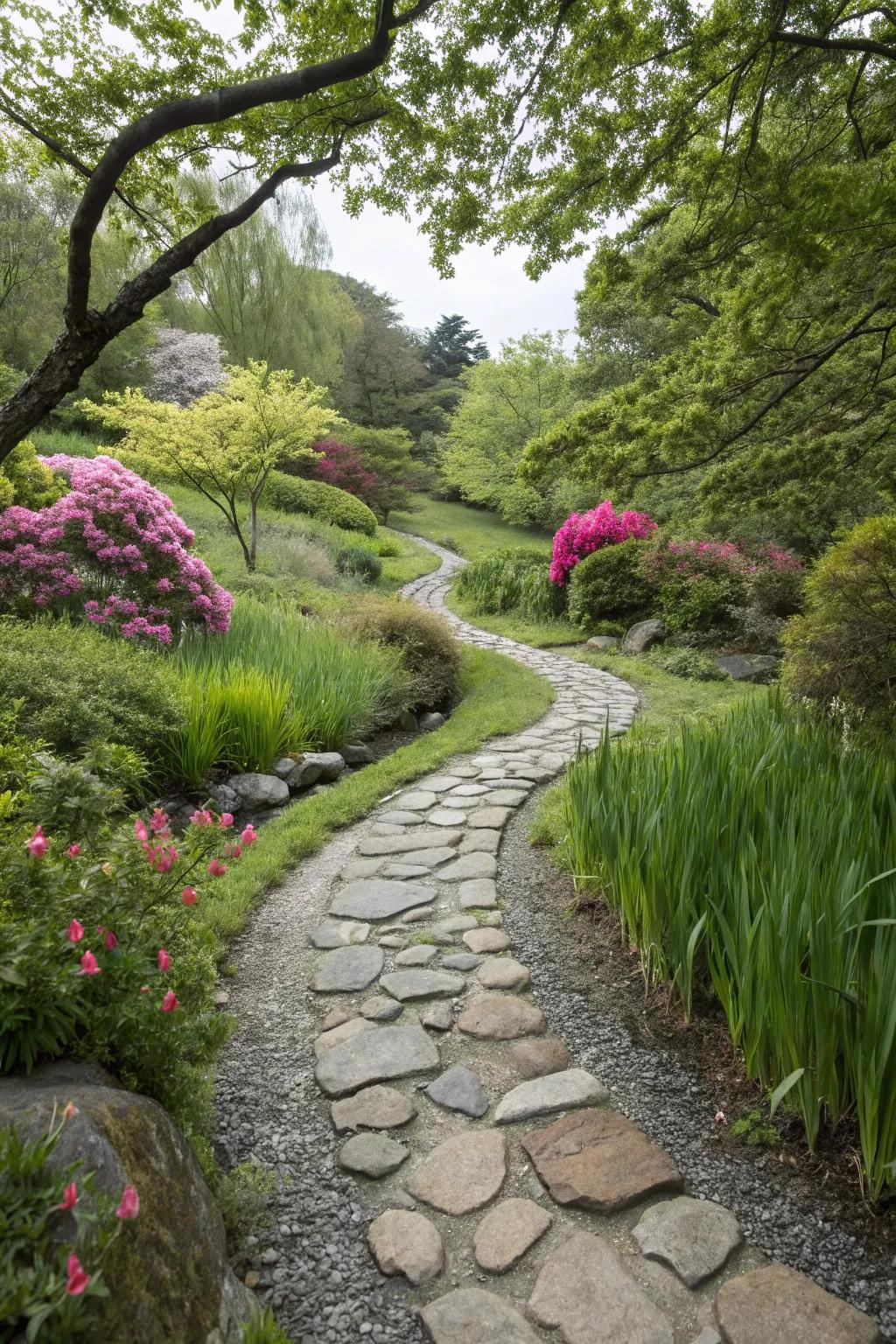
By incorporating river rocks of varying sizes into your landscape design, you can create a seamless transition between different garden areas while guiding visitors through your outdoor space. Strategically place larger river rocks as stepping stones through planted areas, filling the gaps with smaller pebbles to create stable and attractive pathways that can handle foot traffic with ease. The organic shapes and gentle curves of river rock pathways encourage leisurely exploration, making them an ideal choice for connecting different garden areas.
To further enhance the visual appeal of your river rock pathways, consider bordering them with drought-tolerant plantings or decorative grasses that add seasonal color and texture changes throughout the growing season. The smooth surfaces and rounded edges of river rocks provide a safe and comfortable walking surface, while their natural beauty creates a sense of visual flow throughout your landscape design.
13. Boulder Arrangement Focal Points: Creating Timeless Landscapes
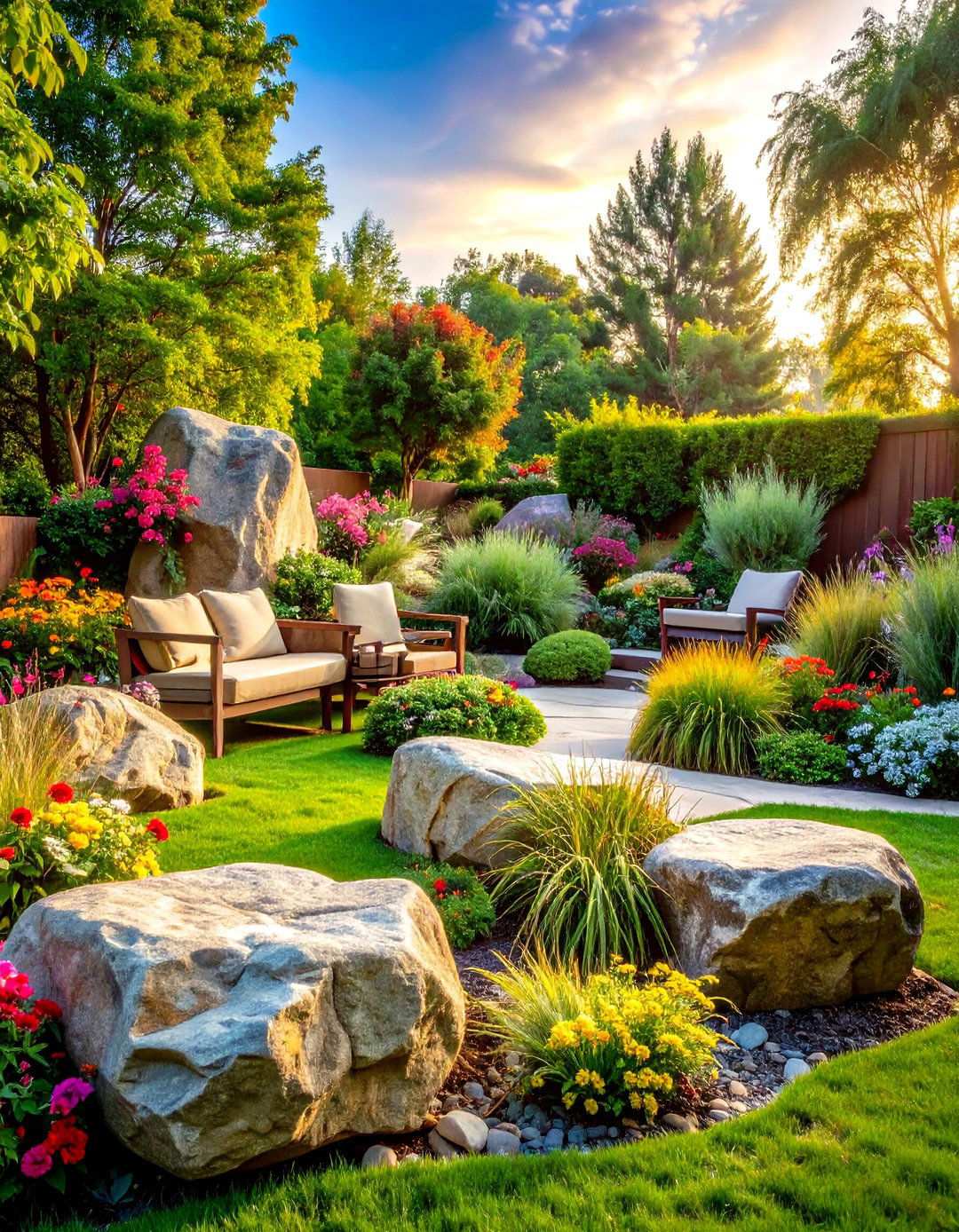
Boulder placement is a powerful tool in landscape design, capable of creating dramatic focal points that anchor your outdoor space while providing natural seating areas. To create a sense of authenticity, select boulders with unique shapes, colors, and textures, and position them in odd-numbered groupings that appear naturally occurring rather than deliberately placed. Consider partially burying larger boulders to create a weathered appearance that suggests they’ve been part of the landscape for decades.
Surrounding boulder groupings with complementary plantings can enhance their natural beauty, rather than hiding it. These dramatic elements provide structure and permanence, creating gathering spaces for contemplation and social interaction. Well-placed boulders become generational landscape features that improve with age and weathering, making them a valuable addition to your outdoor space.
14. Gravel Courtyards: Transforming Underutilized Spaces
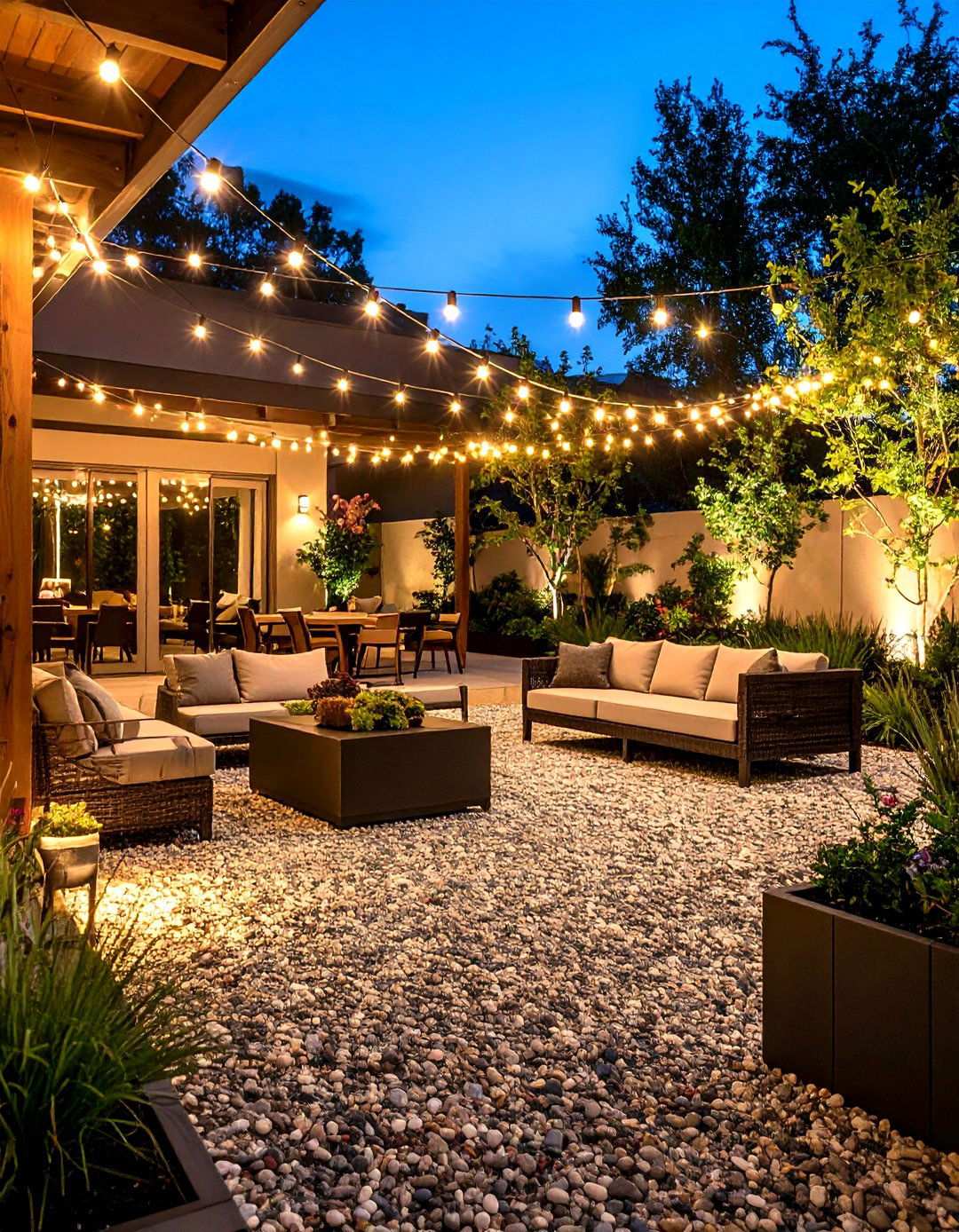
Underutilized areas can be transformed into sophisticated outdoor entertainment spaces using decorative gravel surfaces, strategic lighting, and comfortable seating arrangements surrounded by drought-tolerant plantings. Choose gravel colors and textures that complement your home’s architecture, providing a stable surface for outdoor furniture and foot traffic. Create defined seating areas using larger stones or low retaining walls, incorporating built-in planters for herbs and flowering plants that add fragrance and beauty.
These low-maintenance surfaces require minimal upkeep, providing excellent drainage and dust control. To extend the usability of your gravel courtyard into the evening hours, consider adding string lights, lanterns, or uplighting, creating magical outdoor spaces perfect for dining, entertaining, and relaxation throughout multiple seasons.
15. Nurturing Local Landscapes through Regional Design
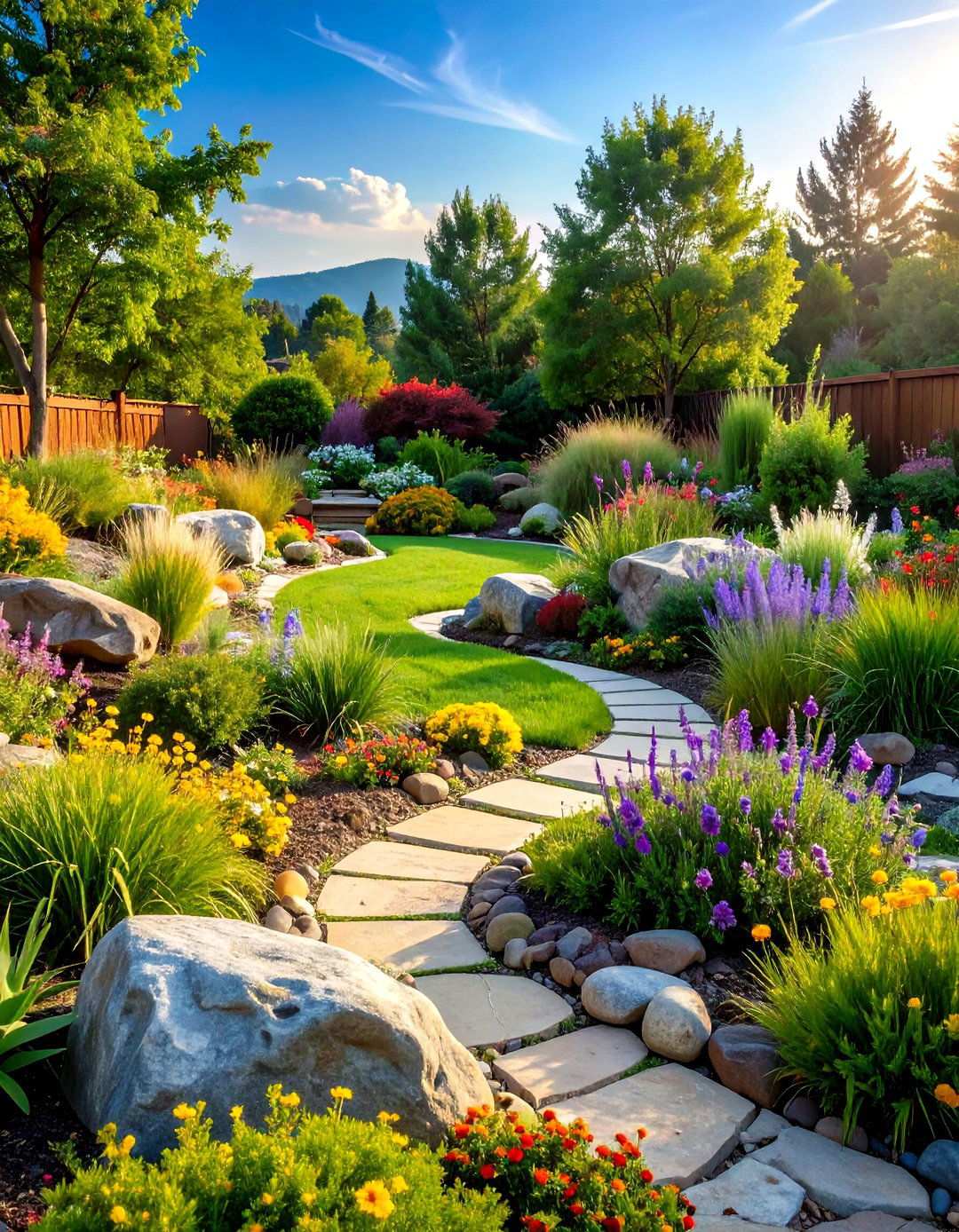
By embracing the unique characteristics of your area through thoughtful landscape design, you can forge a deeper connection with your local environment. Native plant rock gardens offer a compelling approach to recreating local ecosystems, using indigenous plants and regional stone materials that require minimal inputs while supporting thriving local wildlife populations. To create authentic regional landscapes, research your area’s natural plant communities and geological formations to guide plant and stone selections that reflect the distinct character of your region. These sustainable landscapes not only require less water, fertilizer, and pest control but also provide a haven for birds, beneficial insects, and other wildlife. By preserving regional identity and cultural landscape traditions, native designs also significantly reduce maintenance requirements, resulting in beautiful, regionally appropriate landscapes that honor place-based design principles and environmental stewardship.
16. Transforming Problematic Slopes into Breathtaking Landscapes
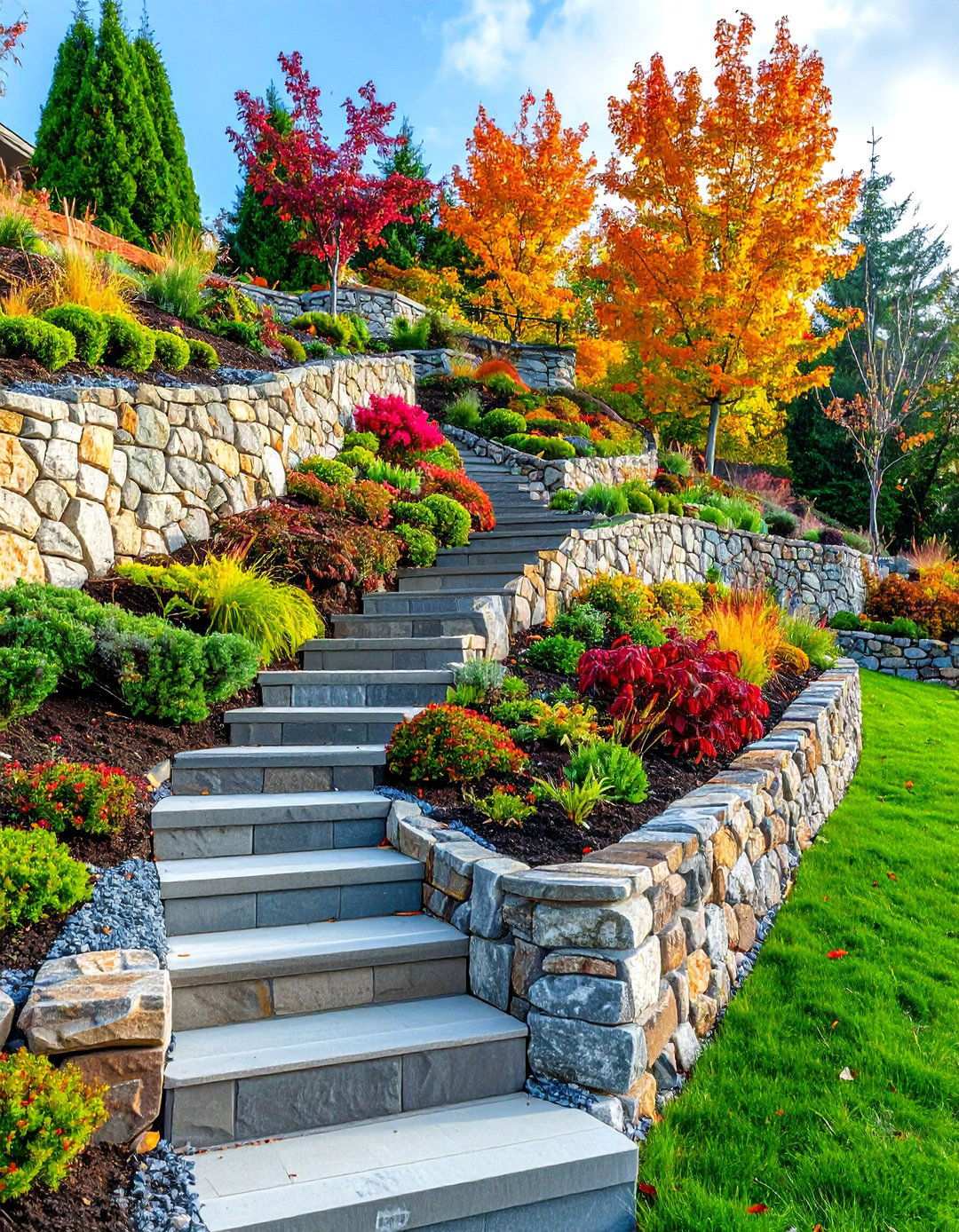
Unleash the full potential of your property by converting problematic slopes into functional, beautiful landscapes that not only prevent erosion but also create dramatic multi-level garden displays. By building retaining walls using natural stone or concrete blocks, you can create planting pockets that hold soil while providing optimal drainage for different plant types. Select deep-rooted plants, ornamental grasses, and groundcovers that bind soil naturally while adding seasonal interest and color throughout the year. These practical solutions address drainage and erosion issues while opening up opportunities for creative landscaping that would be impossible on flat terrain. The result is functional beauty that not only solves problems but also enhances property value and visual appeal significantly over time.
17. Portable Rock Garden Collections for Small Spaces
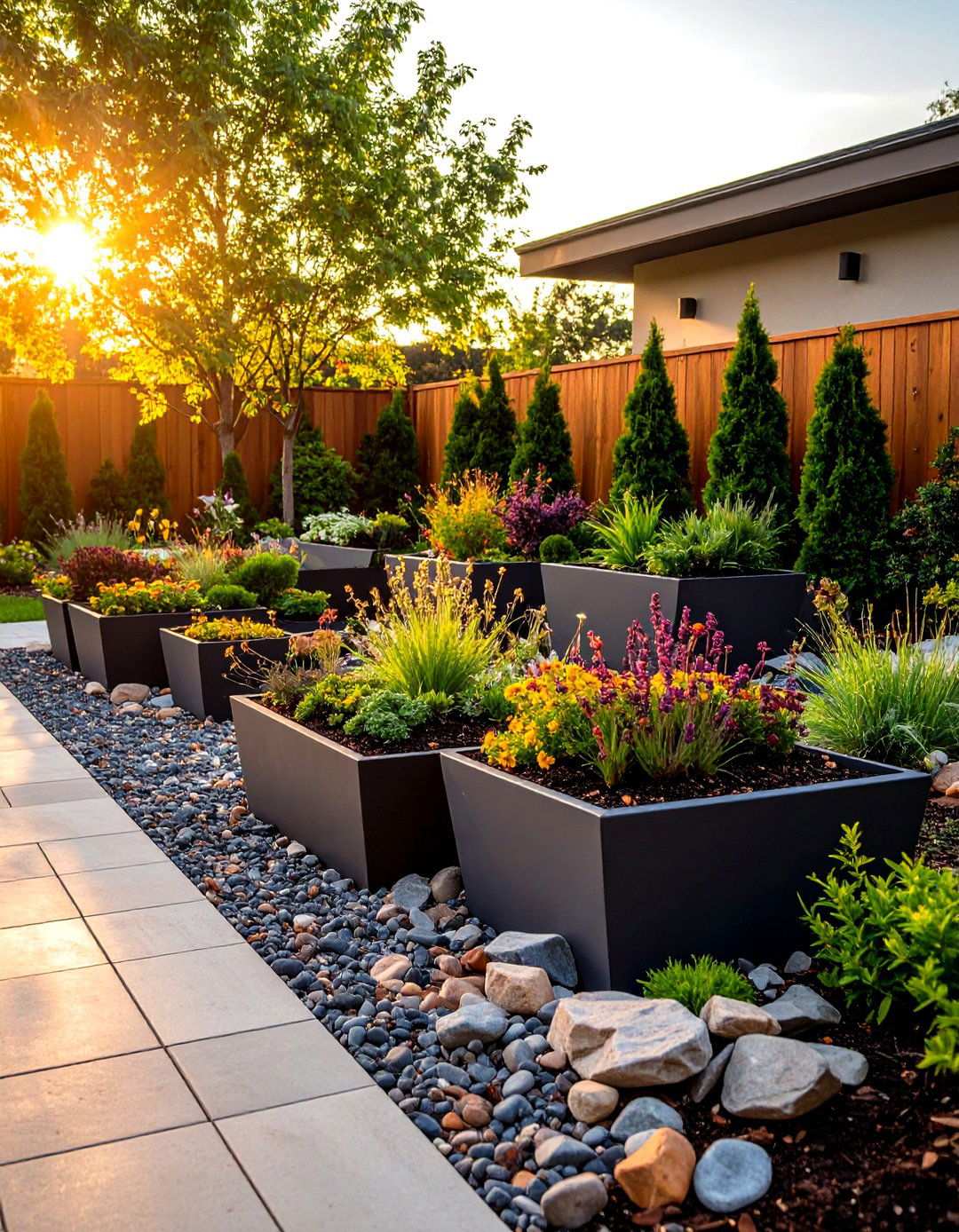
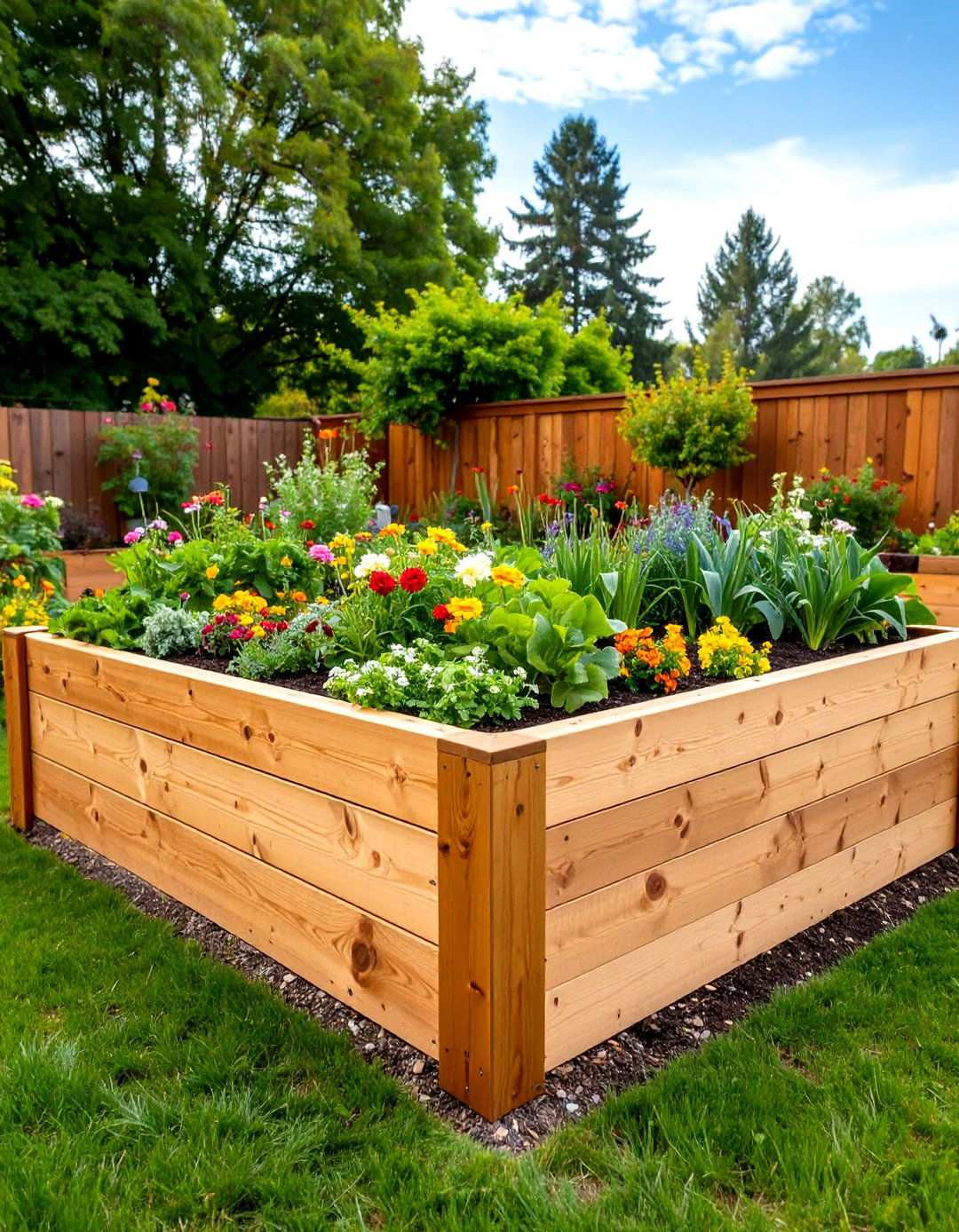
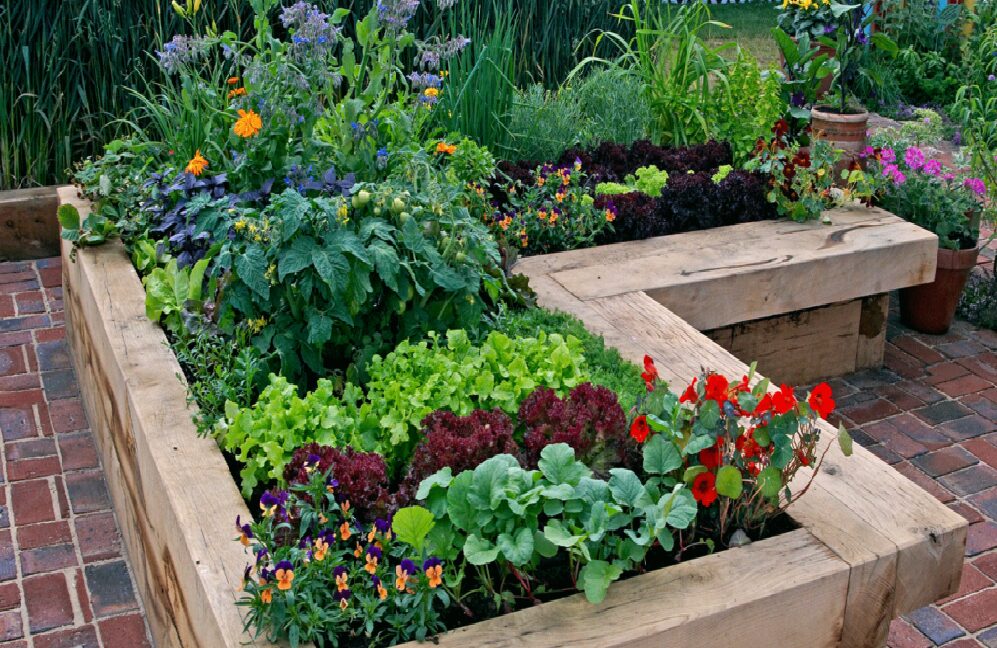
Bring the beauty of rock gardens to small spaces by creating portable displays using large containers, hypertufa planters, or raised beds. These flexible solutions allow you to experiment with different plant combinations while providing optimal growing conditions, making them perfect for patios, decks, or rental properties where permanent landscaping isn’t possible or practical. By layering drainage materials, quality potting mix, and decorative stones, you can create miniature landscapes that capture the essence of larger rock gardens in manageable formats. These versatile displays enable precise control over soil conditions, drainage, and plant placement while providing opportunities to change displays seasonally. The result is a flexible solution that brings rock garden beauty to small spaces while allowing for easy maintenance and seasonal plant rotation for continuous interest.
18. Harmonious Evolution of Gardens
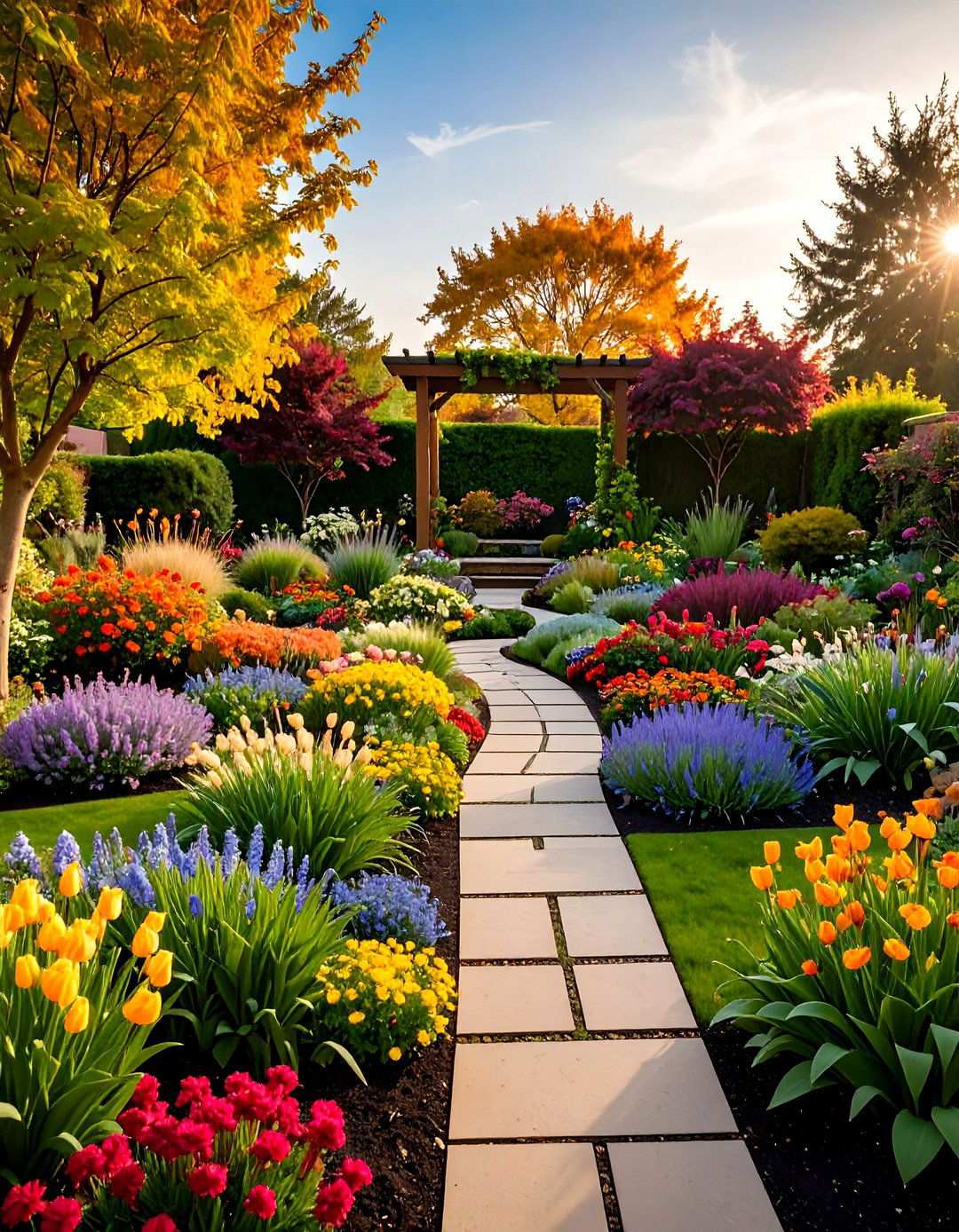
To craft visually striking rock gardens, blend plants with varying seasonal peak periods, thereby ensuring an engaging visual experience across diverse weather and growing conditions. This technique leverages spring bulbs, summer perennials, fall foliage plants, and winter-interest specimens to create dynamic landscapes that continuously evolve throughout the year, while maintaining a structural foundation through strategically placed stone elements. By incorporating evergreen shrubs and ornamental grasses that provide winter structure when other plants are dormant, you can create landscapes with enduring visual appeal. Furthermore, incorporating plants with unique bark, berries, or architectural forms adds visual interest even in the absence of leaves or flowers, resulting in an ever-changing tapestry of colors and textures.
19. Architectural Stone Wall Landscapes
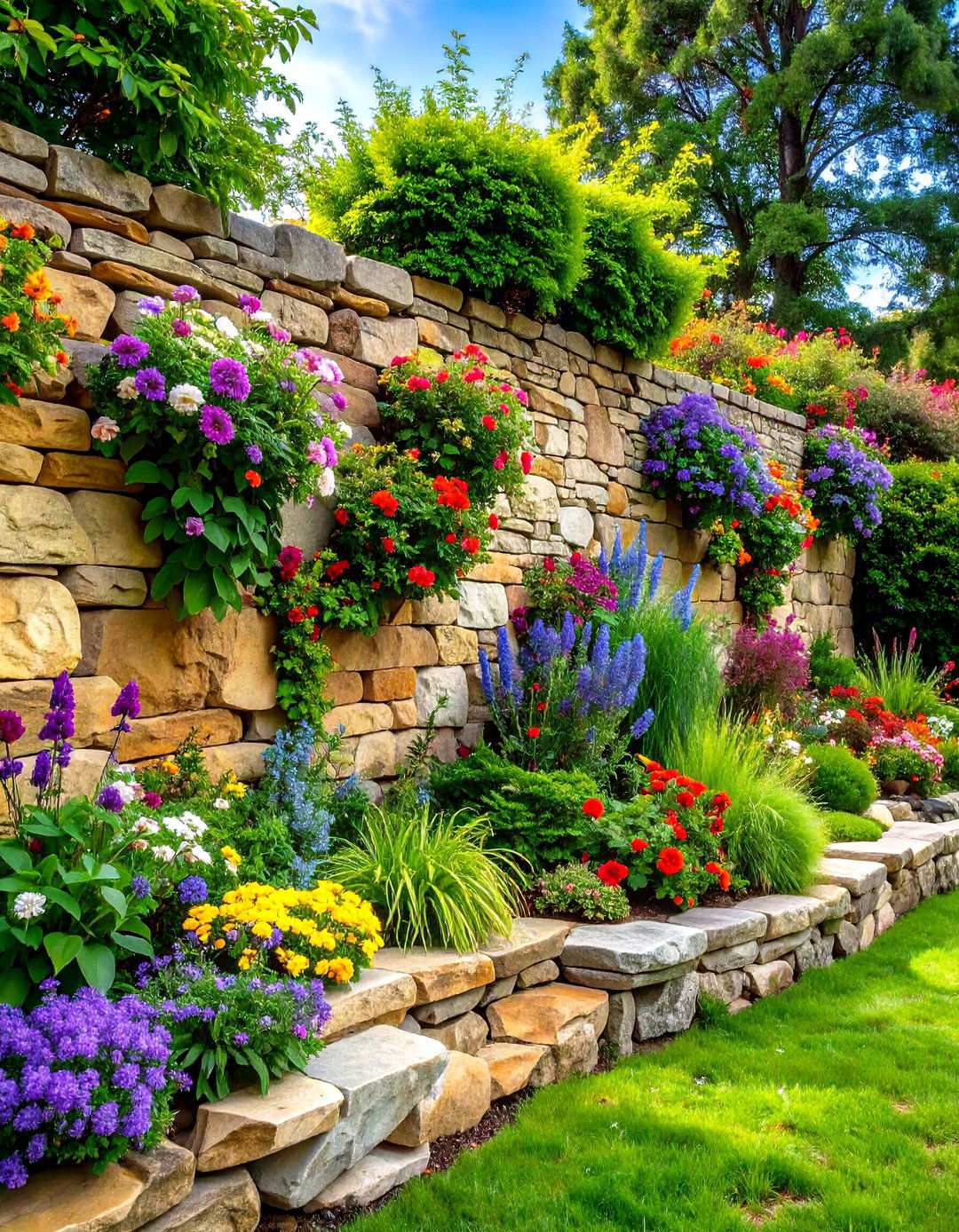
Artistic stone walls not only demarcate garden boundaries but also serve as retaining structures and sculptural elements that introduce vertical interest, while providing opportunities for planting between cracks and crevices. Opt for natural stone varieties that develop a rich patina over time, as they weather beautifully in response to the elements and seasonal fluctuations. Design walls with varied heights and gentle curves that follow the natural contours of the terrain, creating intimate garden rooms and microclimates that foster a sense of serenity. Plant trailing sedums, native ferns, and other rock-loving species in wall crevices, allowing them to create a living tapestry that softens the edges of the wall while providing a haven for beneficial insects. As these functional art pieces mature, they develop authentic, time-tested landscape character through the development of patinas and thriving plant communities.
20. Simulating Natural Water Features
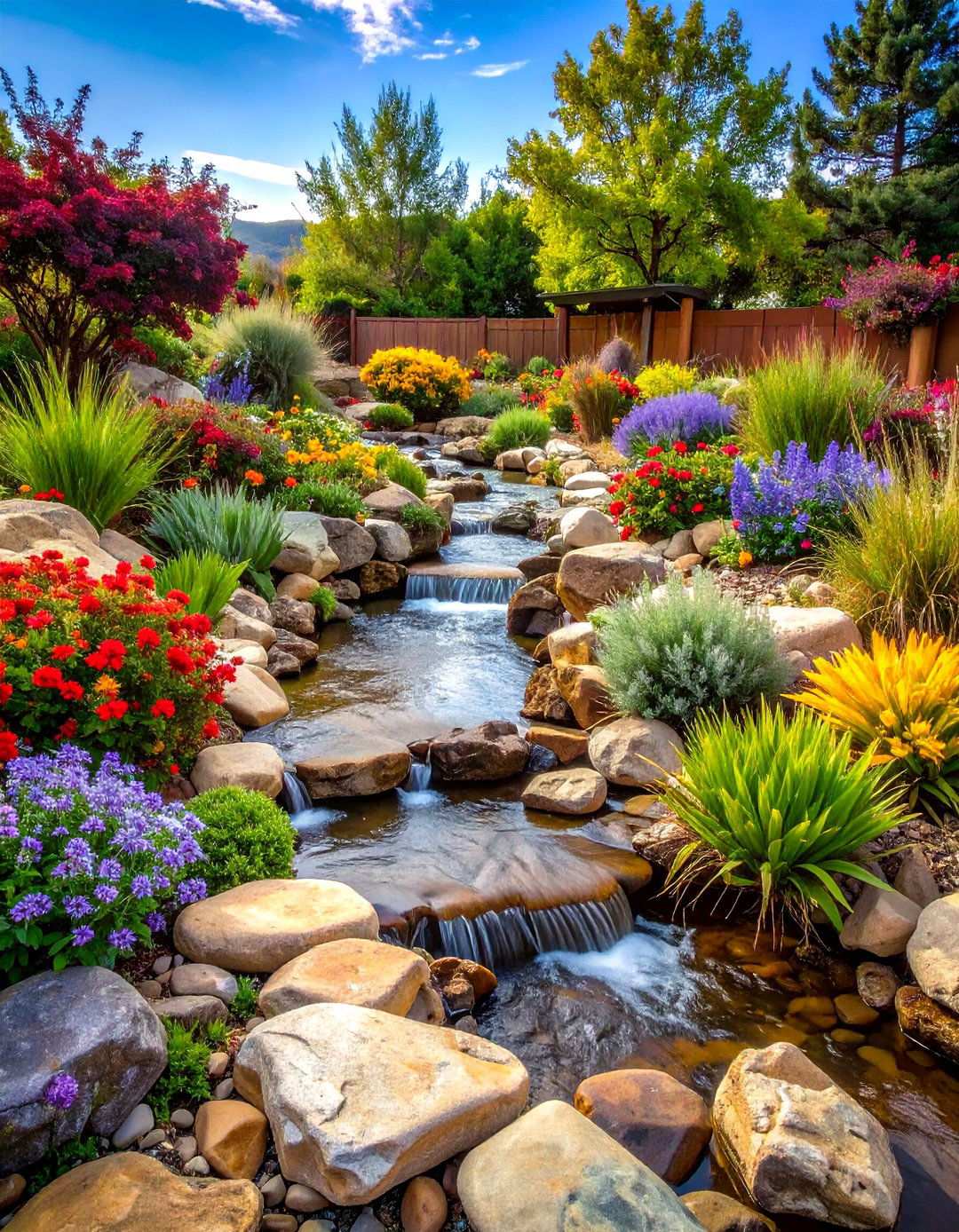
Mimic the appearance of seasonal water flow by strategically arranging rocks and drought-tolerant plants that evoke natural stream beds without necessitating permanent water features. Design meandering courses using a diverse range of rock sizes, from large boulders to fine gravel, thereby creating realistic stream bed formations that can accommodate actual water flow during heavy rainfall. Plant drought-tolerant grasses and perennials along the edges, allowing them to thrive in both dry conditions and occasional water flow, and replicate natural riparian vegetation patterns. These designs provide both effective drainage solutions and dynamic landscape features that suggest movement and seasonal change, ultimately resulting in natural-looking landscape elements that function practically while offering visual interest and wildlife habitat benefits.
21. Harmonious Balance in Japanese-Inspired Rock Gardens
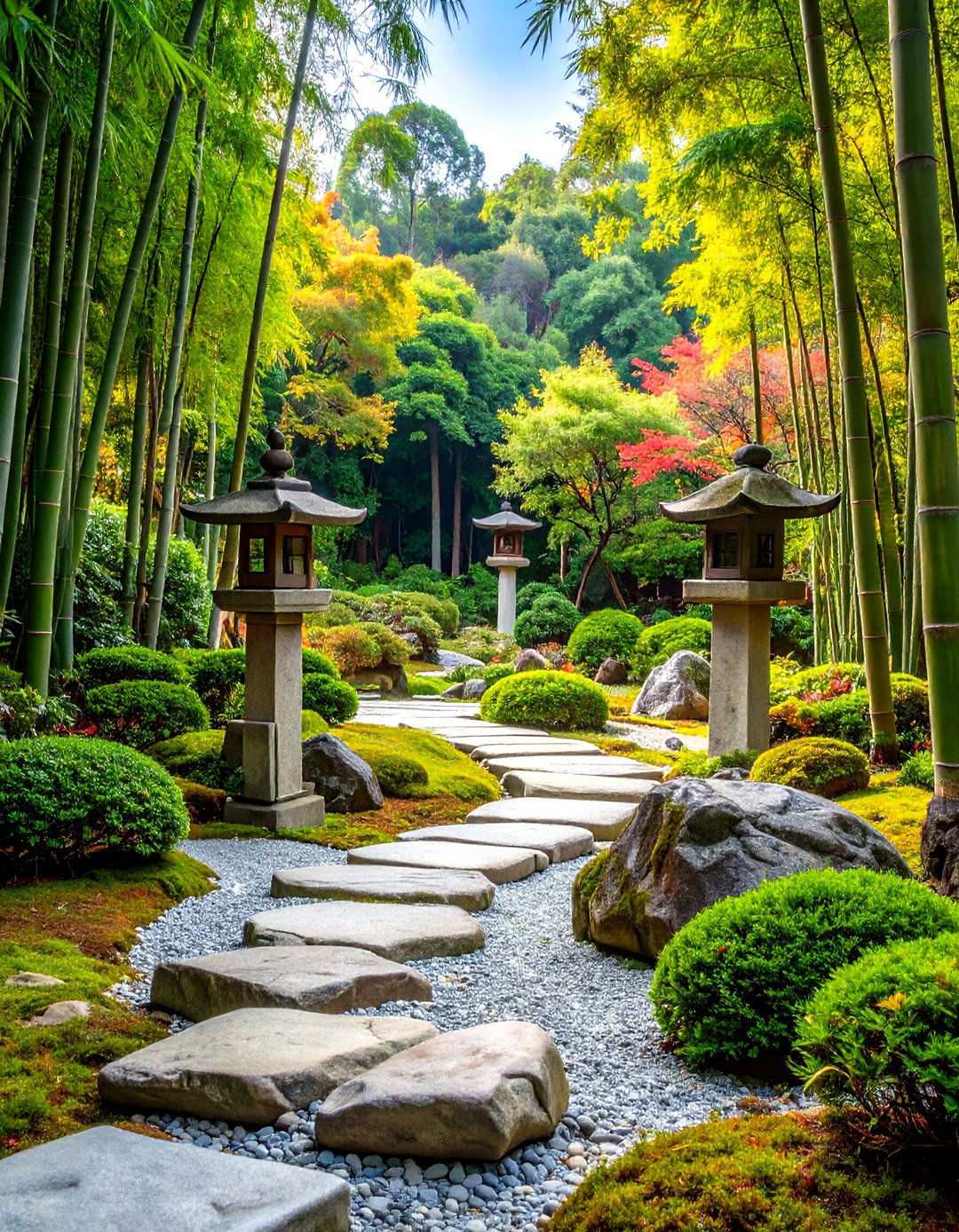
Japanese-inspired rock gardens achieve a sense of serenity by thoughtfully placing stones, plants, and water elements to create spaces for contemplation and mindfulness. By incorporating distant views through borrowed scenery, garden designers can craft intimate foreground compositions that showcase carefully selected rocks and specimen plants. The incorporation of traditional elements like stone lanterns, bamboo, and pruned evergreens adds cultural authenticity and structure to the landscape, while also embracing the beauty of imperfection and natural aging processes. As these gardens evolve over time, they become even more meaningful and stunning, offering the perfect setting for meditation, tea ceremonies, or quiet reflection amidst the chaos of modern life.
22. Seamless Transitions Between Indoor and Outdoor Living
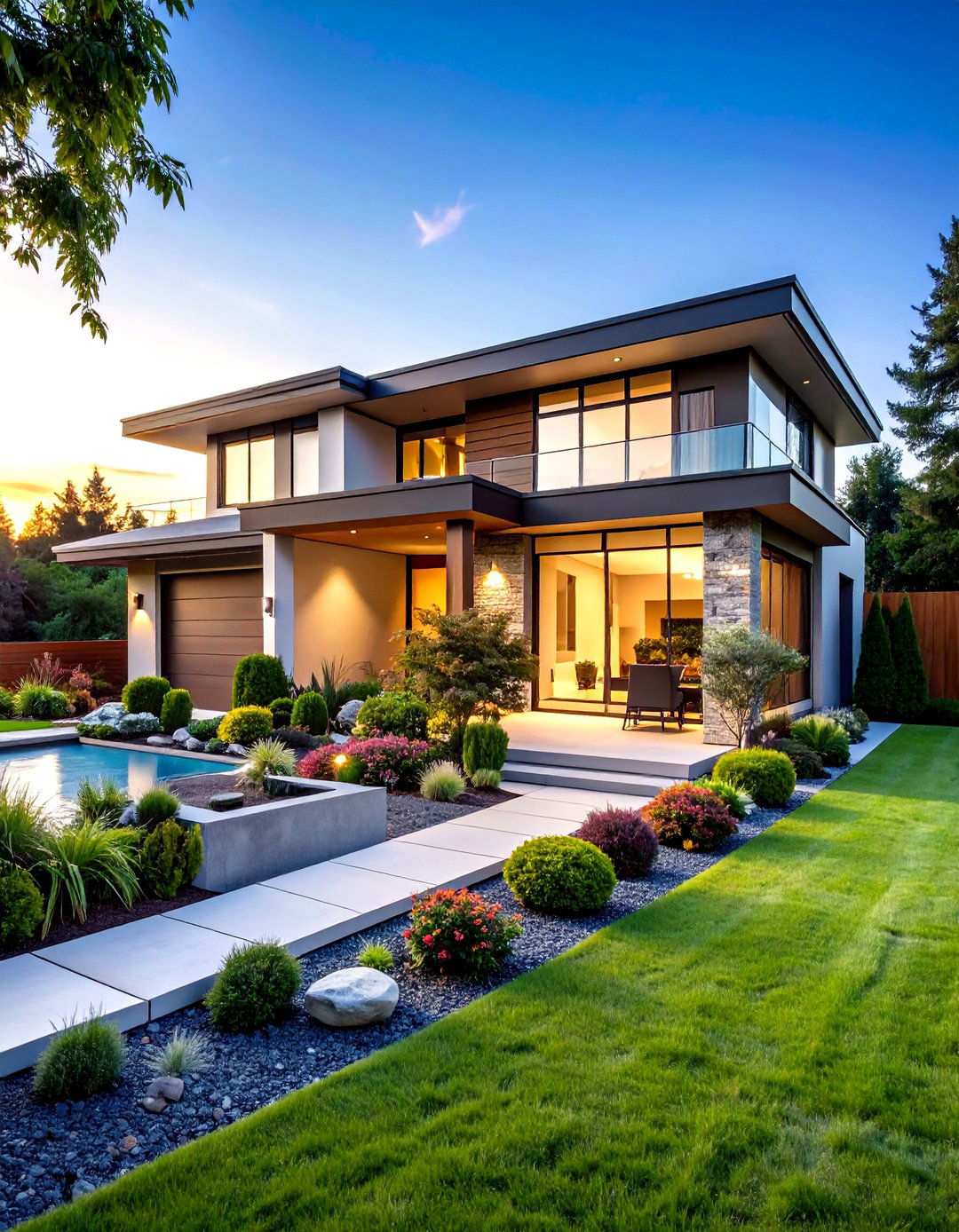
Rock landscaping can elevate contemporary home designs by creating fluid transitions between indoor and outdoor spaces. Modern integration designs rely on clean lines, monochromatic color schemes, and architectural plant selections that harmonize with building materials and design aesthetics. By choosing stones and aggregates that mirror interior flooring or exterior cladding materials, garden designers can create a sense of visual continuity between the house and landscape. Geometric planting beds and precise rock placement can also reflect architectural proportions and building lines, resulting in sophisticated designs that enhance property value while providing low-maintenance outdoor environments that cater to modern lifestyles and architectural sensibilities.
23. Designing Rock Gardens that Support Local Wildlife
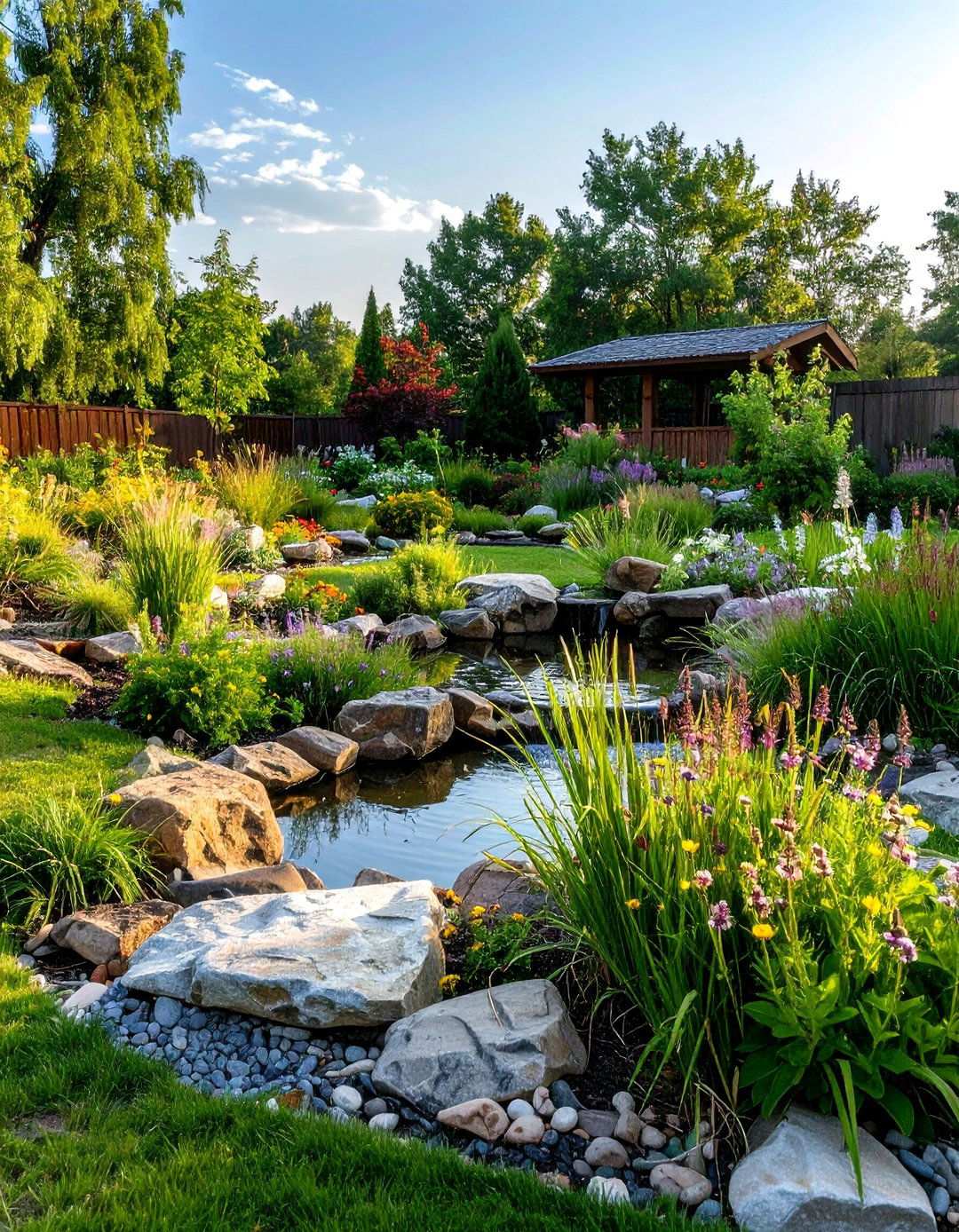
A well-designed rock garden can not only be a beautiful landscape feature but also a haven for local wildlife populations. By incorporating native plants that provide nectar, seeds, and berries throughout different seasons, garden designers can support birds, butterflies, and beneficial insects year-round. Rock piles and loose stone walls can offer hiding places for beneficial creatures like lizards and ground-dwelling birds, while shallow water features or rain collection areas can provide drinking water for wildlife visitors. These ecological designs create living landscapes that contribute to local ecosystem health while offering educational opportunities and wildlife viewing experiences, ultimately resulting in beautiful gardens that provide endless entertainment through wildlife observation.
24. Effortless Oasis Gardens
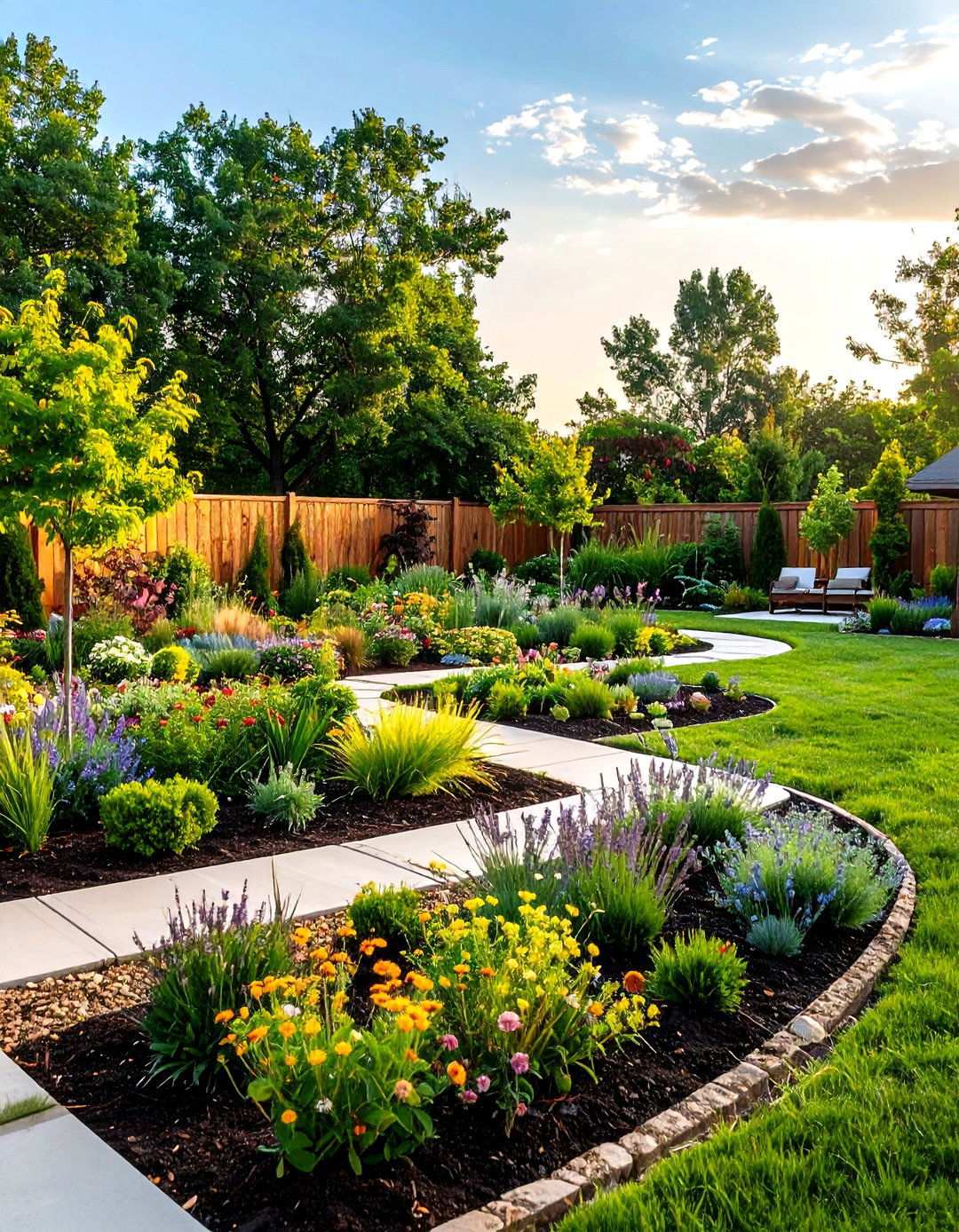
A well-designed low-maintenance garden is the epitome of serene elegance, seamlessly blending drought-tolerant plants, cutting-edge irrigation systems, and thoughtful mulching techniques to create breathtaking landscapes that thrive with minimal upkeep. By choosing plants renowned for their robust health, low-pruning needs, and innate pest resistance, gardeners can substantially reduce maintenance tasks. Installing drip irrigation systems and intelligent timers not only ensures efficient watering but also helps conserve precious water resources. Additionally, selecting stone materials and plants that mature beautifully over time eliminates the need for frequent replacements or renovations, allowing homeowners to reap long-term benefits without sacrificing aesthetic appeal. These thoughtful designs are perfect for those with demanding schedules, seniors, or property owners who frequently travel, as they prioritize minimal maintenance for optimal landscape enjoyment and longevity.