1. Elevating Your Outdoor Space with Timeless Wood Frame Design
Creating a thriving outdoor growing area has never been simpler, thanks to the versatility of raised garden bed designs. These elevated gardening systems offer numerous benefits over traditional ground-level gardening, including superior soil control, efficient drainage, enhanced accessibility, and extended growing seasons. Whether you have a spacious backyard or a compact patio, raised garden beds can unlock your full growing potential while adding visual appeal to your outdoor space. From traditional wooden frames to cutting-edge self-watering systems, the diverse range of materials and configurations available ensures there’s a perfect solution for every gardener’s needs and preferences. The beauty of raised garden beds lies in their adaptability – they can accommodate various plant types, fit different space constraints, and harmonize with diverse gardening styles. Modern gardeners are embracing these elevated growing systems for their practicality and aesthetic appeal, crafting stunning outdoor spaces that yield fresh herbs, vegetables, and flowers throughout the growing season.

As an Amazon Associate I earn from qualifying purchases.
Cedar Wood Frame Garden Beds
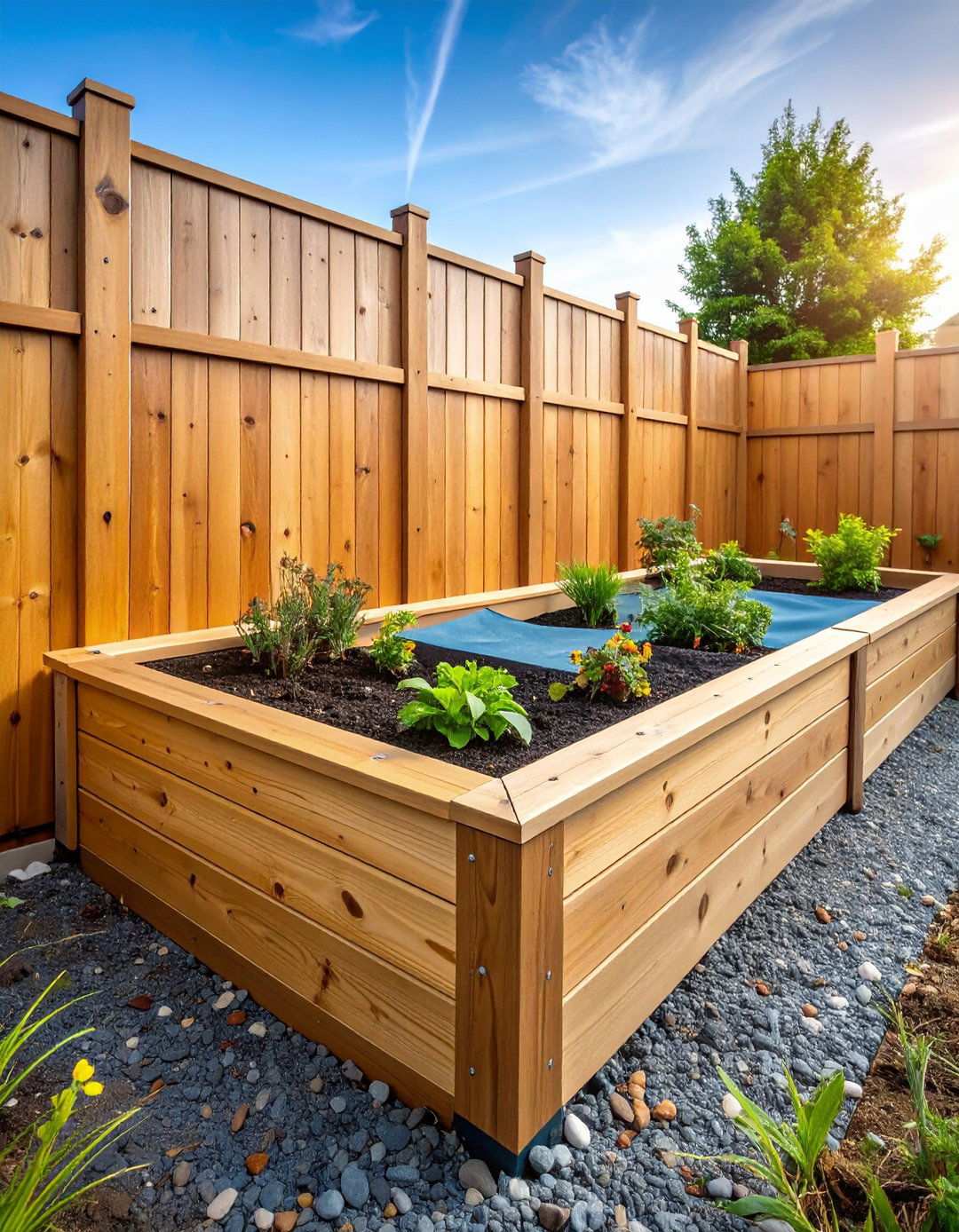
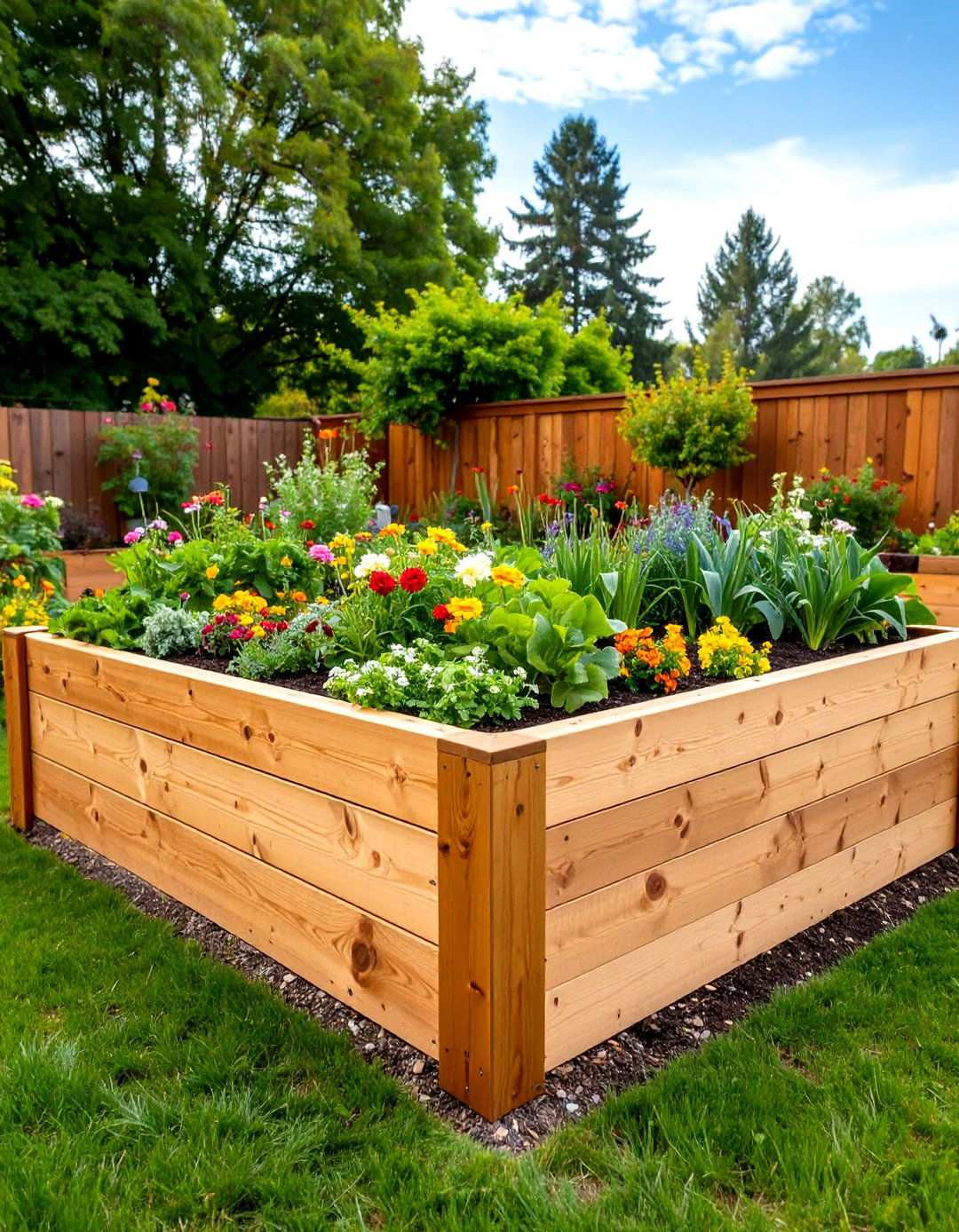
Seeking a classic, naturally beautiful raised bed that stands the test of time? Cedar wood frames embody exceptional durability and innate resistance to rot, insects, and weathering without requiring chemical treatments. The warm, honey-colored wood creates an attractive backdrop for vibrant vegetables and flowers while seamlessly blending with most landscape designs. These beds typically feature straightforward rectangular construction with corner posts and horizontal boards, making them accessible for DIY construction. Cedar’s natural oils safeguard against decay while providing a secure growing environment for edible crops. The smooth finish prevents splinters and creates inviting seating edges around the garden perimeter. Standard cedar beds range from 12 to 24 inches in height, offering ample root space for most vegetables while maintaining effortless access for planting and harvesting activities throughout the growing season.
2. Timeless Allure of Natural Stone for Garden Design
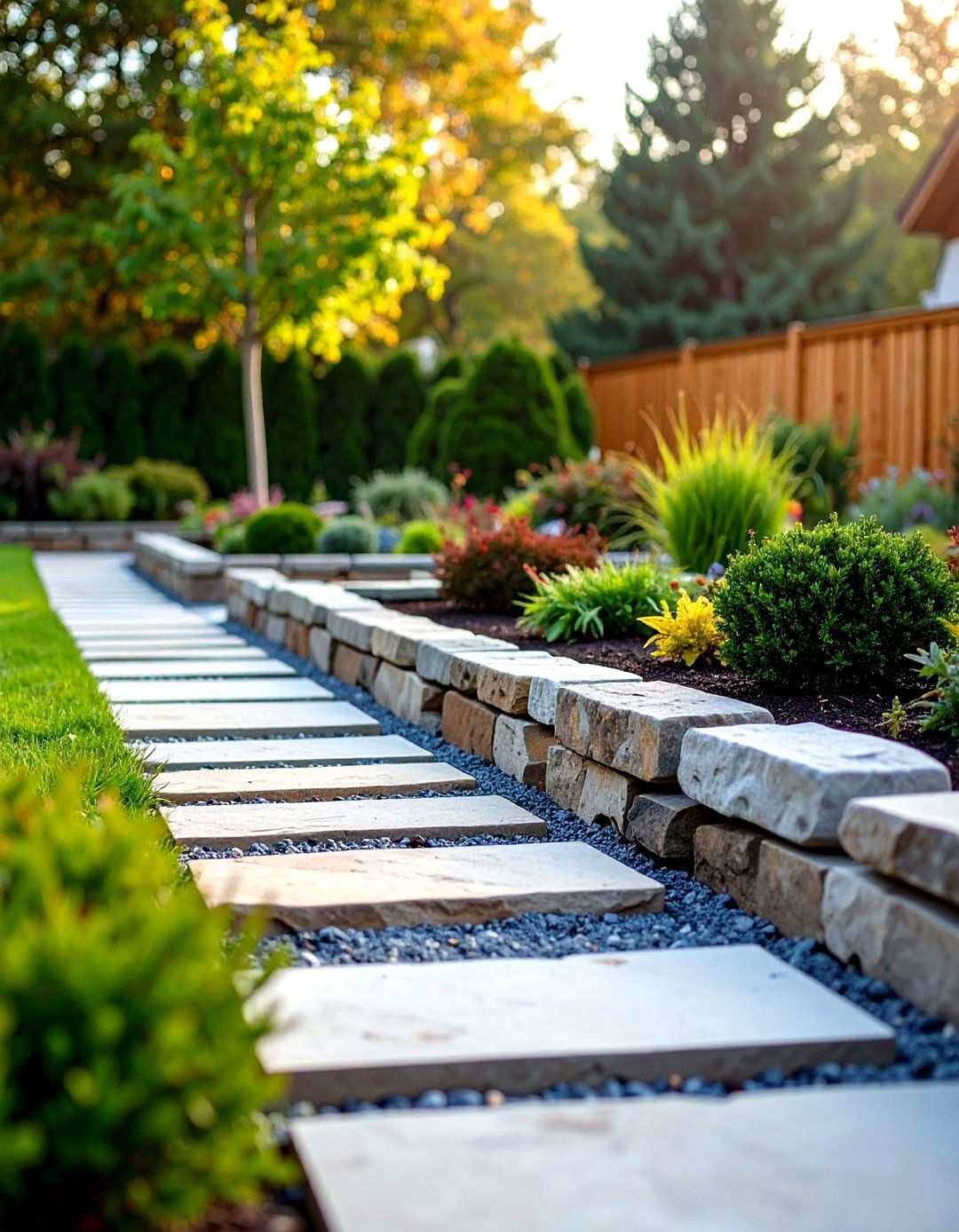
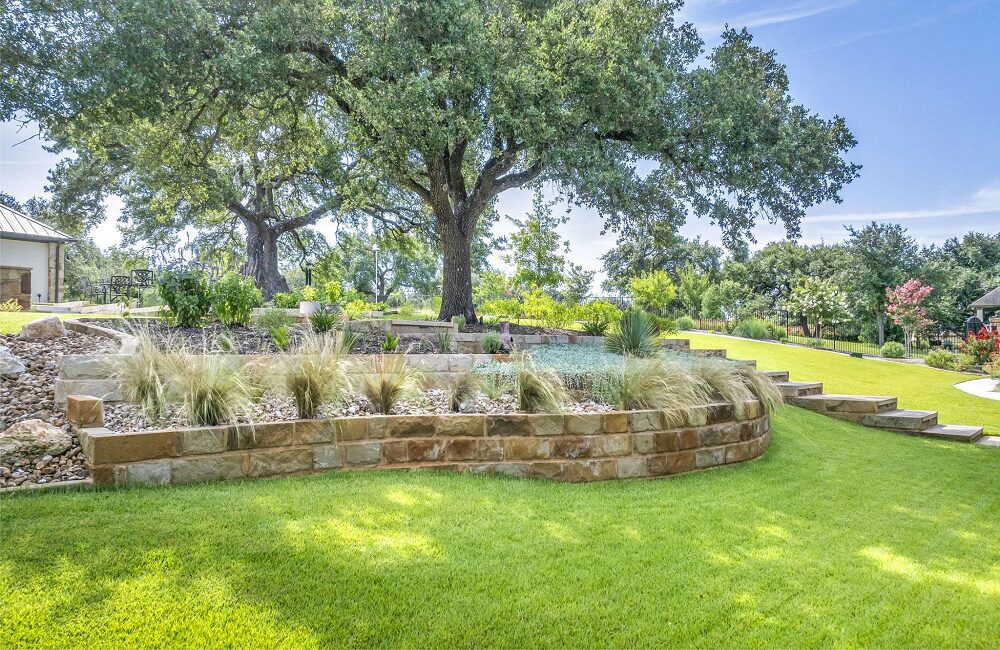
For homeowners seeking a unique and long-lasting raised garden bed, natural stone is an excellent choice. The durability and aesthetic appeal of stone raised beds only improve with time, as they weather naturally into stunning landscape features. Locally sourced fieldstones, flagstones, or quarried rocks are stacked without mortar to create flexible and well-draining structures. The irregular shapes and natural textures of these beds provide habitat for beneficial insects and promote microclimate variations within the growing space. Furthermore, stone beds excel at retaining soil warmth during cool weather and offer excellent drainage during heavy rainfall periods. By allowing air circulation and water infiltration while preventing soil erosion, these beds create an ideal environment for Mediterranean herbs, alpine plants, and drought-tolerant vegetables.
3. Classic Elegance of Brick Raised Garden Beds
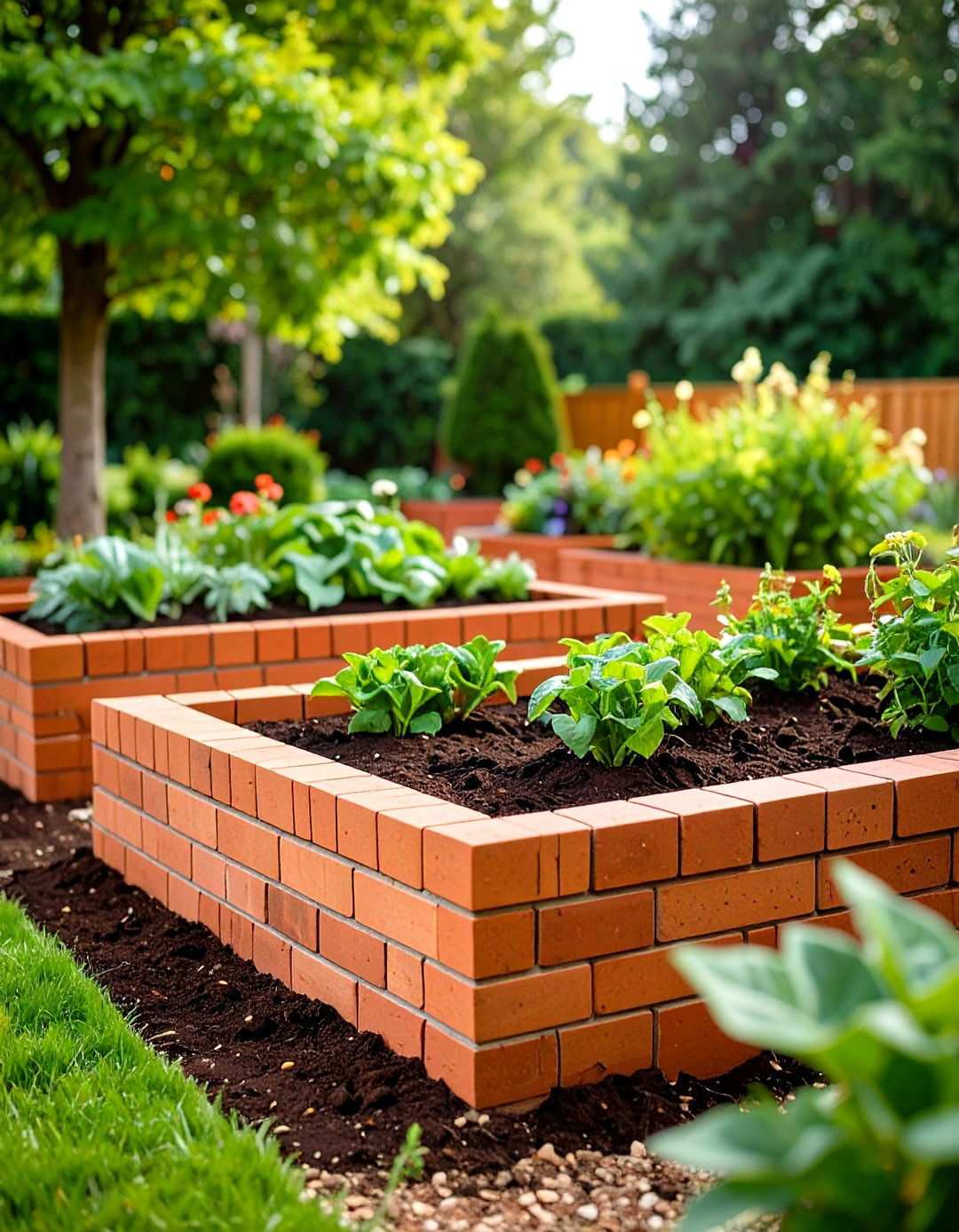
A well-designed brick raised garden bed can add a touch of sophistication to traditional home architecture. The durability and attractive appearance of brick beds make them an excellent choice for gardeners who value precision and a professional finish. With the option to build with or without mortar, these beds can be tailored to suit various needs and styles. The thermal mass of brick helps regulate soil temperature, while the gaps provide natural drainage and air circulation. Red clay bricks, in particular, create warm and inviting garden spaces that work well with colonial, Victorian, or cottage garden styles. By varying the height from single-brick borders to multi-course walls, gardeners can create flexible and accessible spaces that cater to different plant requirements and visitor needs.
4. Industrial Chic of Galvanized Steel Raised Beds
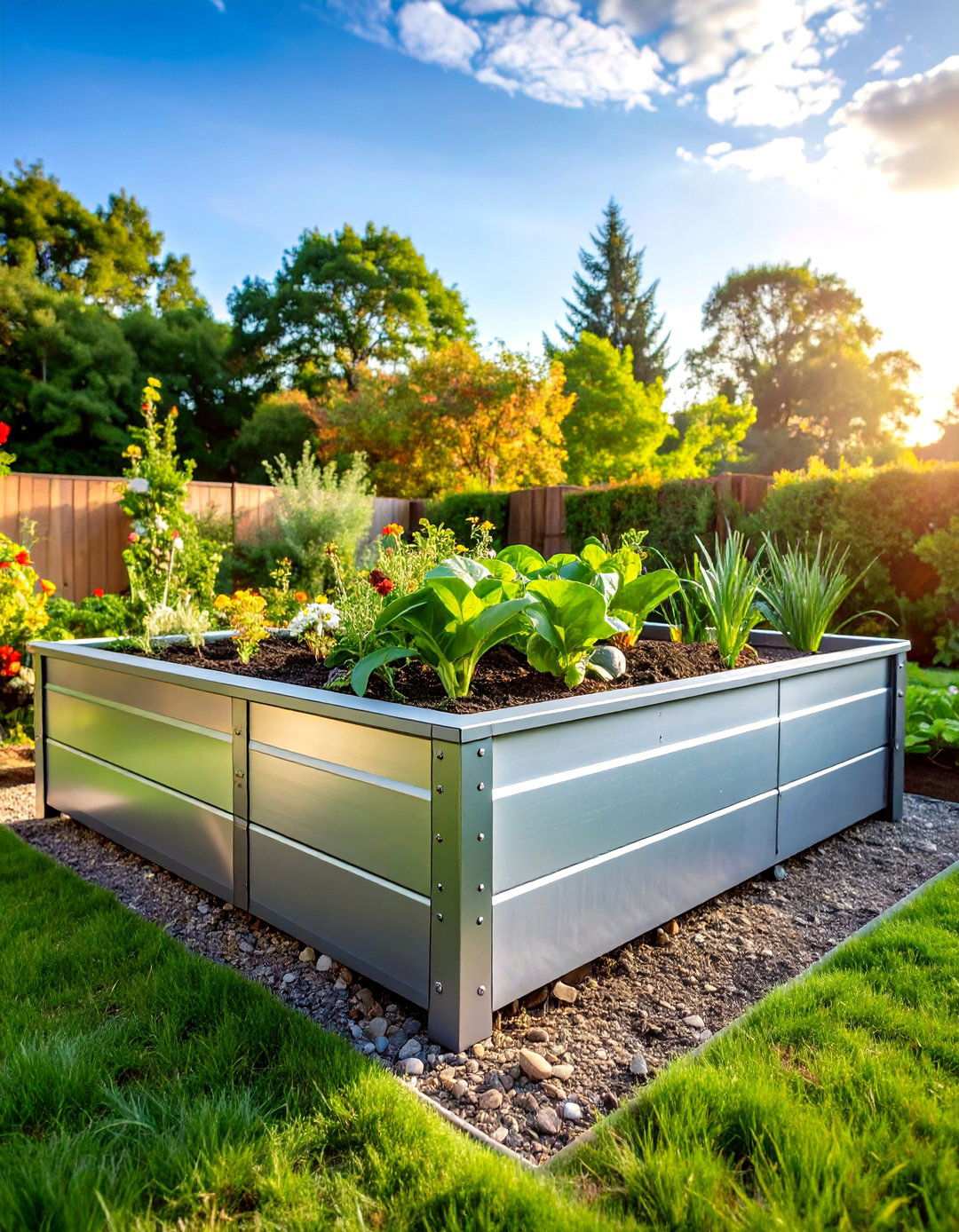
For those seeking a modern and low-maintenance garden bed, galvanized steel is an attractive option. These sleek and contemporary beds boast superior durability and a neutral backdrop that highlights plant colors and textures. The zinc coating prevents rust and corrosion, while the modular panels connect easily without special tools, making assembly a breeze for gardeners of all skill levels. The thin profile of these beds maximizes growing space while maintaining structural integrity under soil and water weight. Steel beds heat up quickly in spring for earlier planting and maintain consistent soil temperatures throughout the growing season. With various heights and configurations available, these beds are ideal for modern landscapes, urban environments, and minimalist garden designs where clean lines and functionality take precedence.
5. Crafting Concrete Block Garden Spaces
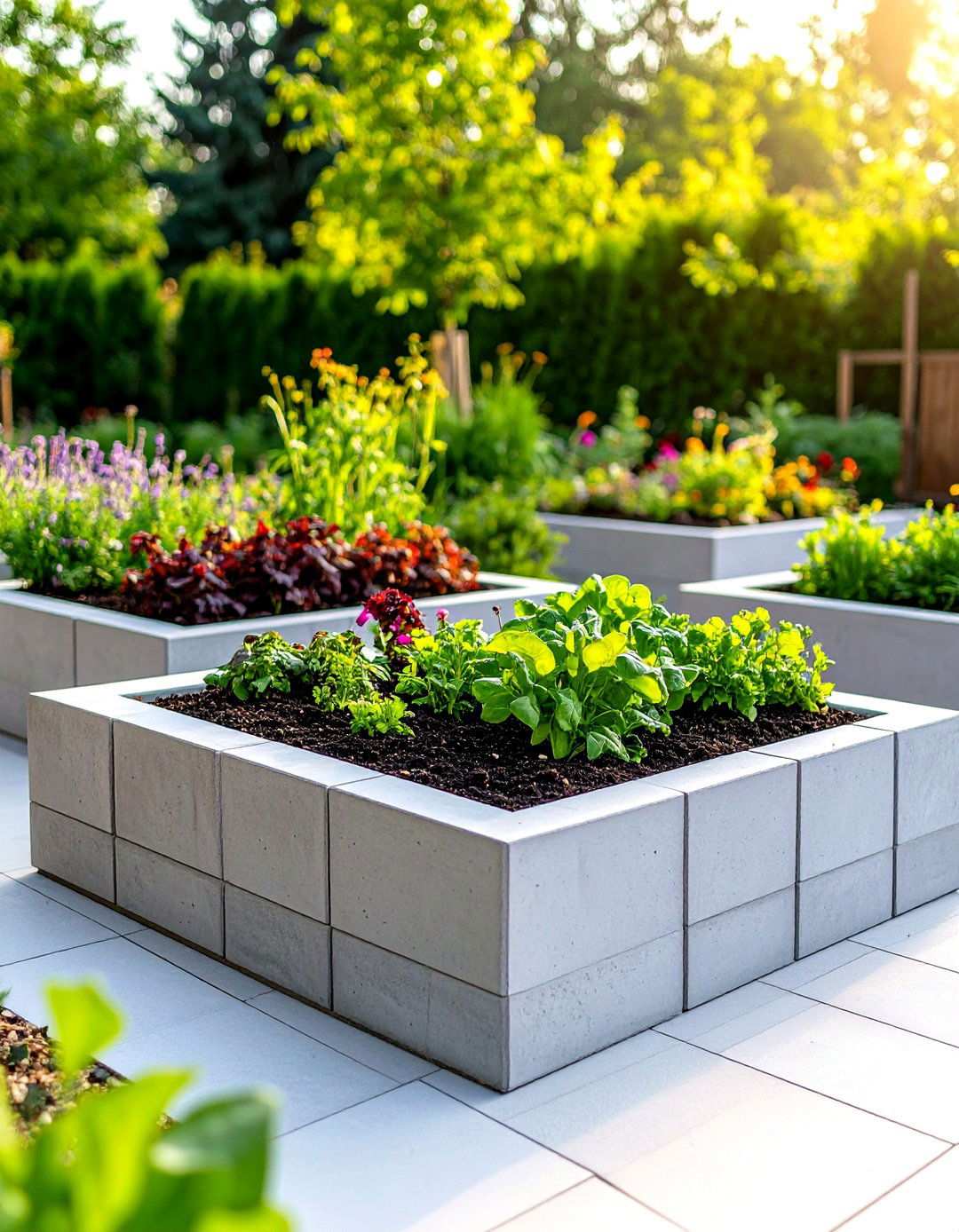
For a budget-friendly solution that provides excellent stability and flexibility for your garden area, consider concrete block beds. These modular structures consist of stackable units that create strong, permanent frameworks. By filling the hollow cores with concrete or planting trailing herbs and flowers, you can add visual appeal and strength to your garden beds. Concrete block beds are ideal for retaining slopes, creating terraced gardens, or building large areas for substantial vegetable plants. The thermal mass helps regulate soil temperature, and the porous concrete allows for moisture exchange with the surrounding soil. This versatility enables you to create interesting geometric patterns, incorporate curves and corners, and maximize growing space in challenging areas. The neutral gray color of the blocks complements most plant choices, providing a structured appearance that works well in contemporary garden designs.
6. Unlocking the Potential of Keyhole Garden Designs
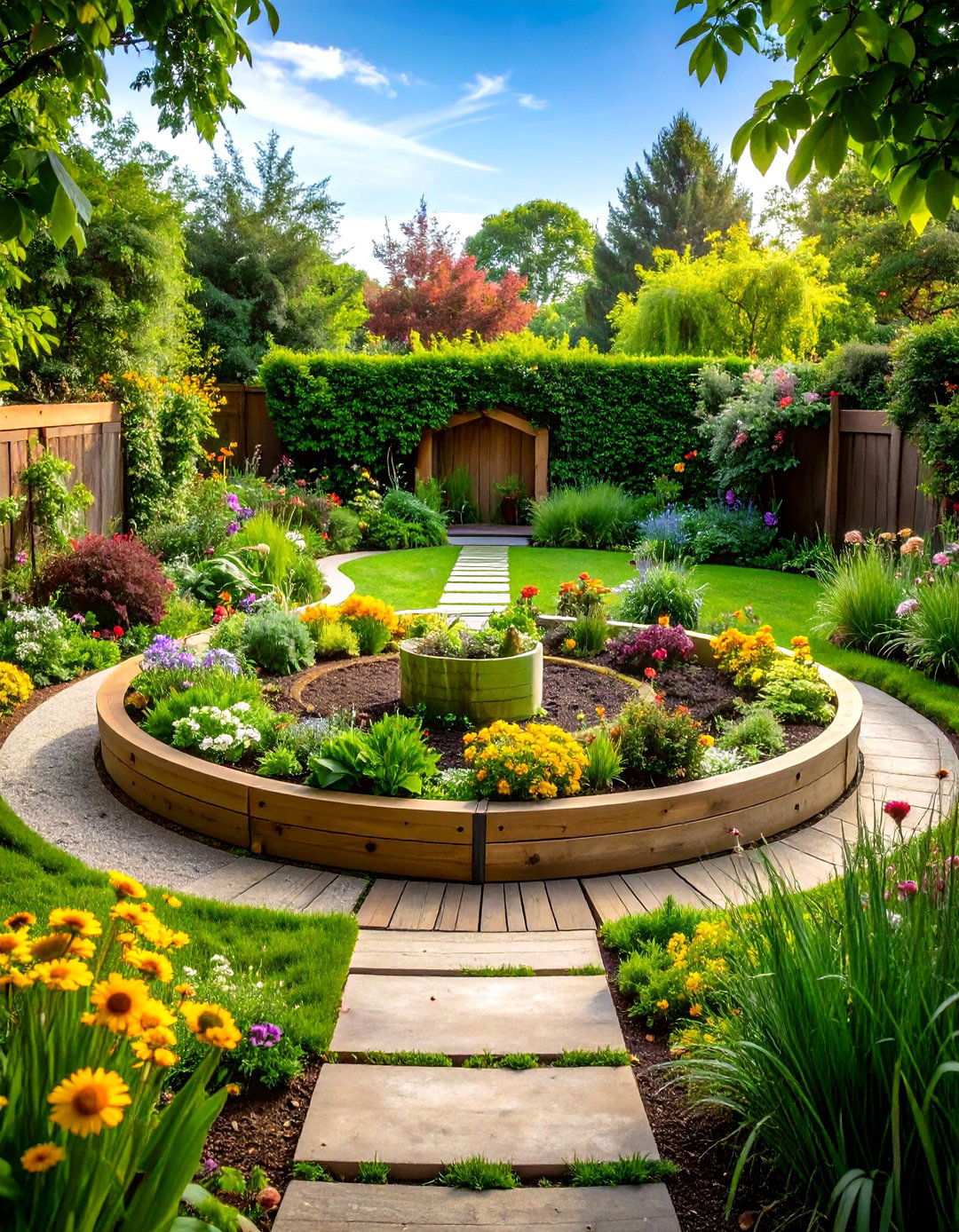
If you’re looking for a space-efficient solution that combines composting and growing in one integrated system, keyhole gardens are an attractive option. This innovative design features a central composting basket accessible through a keyhole-shaped pathway, making maintenance and harvesting effortless. The circular raised bed maximizes growing space while providing continuous nutrient cycling through the central compost core. By placing kitchen scraps and garden waste directly in the center, you can create a natural system that feeds surrounding plants through water and nutrient distribution. The curved shape of keyhole gardens creates more edge space than rectangular beds, offering diverse microclimates for different plant types. Traditional keyhole gardens typically measure six to eight feet in diameter, with waist-high walls for comfortable access. The integrated watering and feeding system reduces maintenance while naturally improving soil fertility. This design is particularly well-suited for permaculture gardens and sustainable growing systems that prioritize resource efficiency.
7. Elevating Vertical Gardening with Tiered Beds
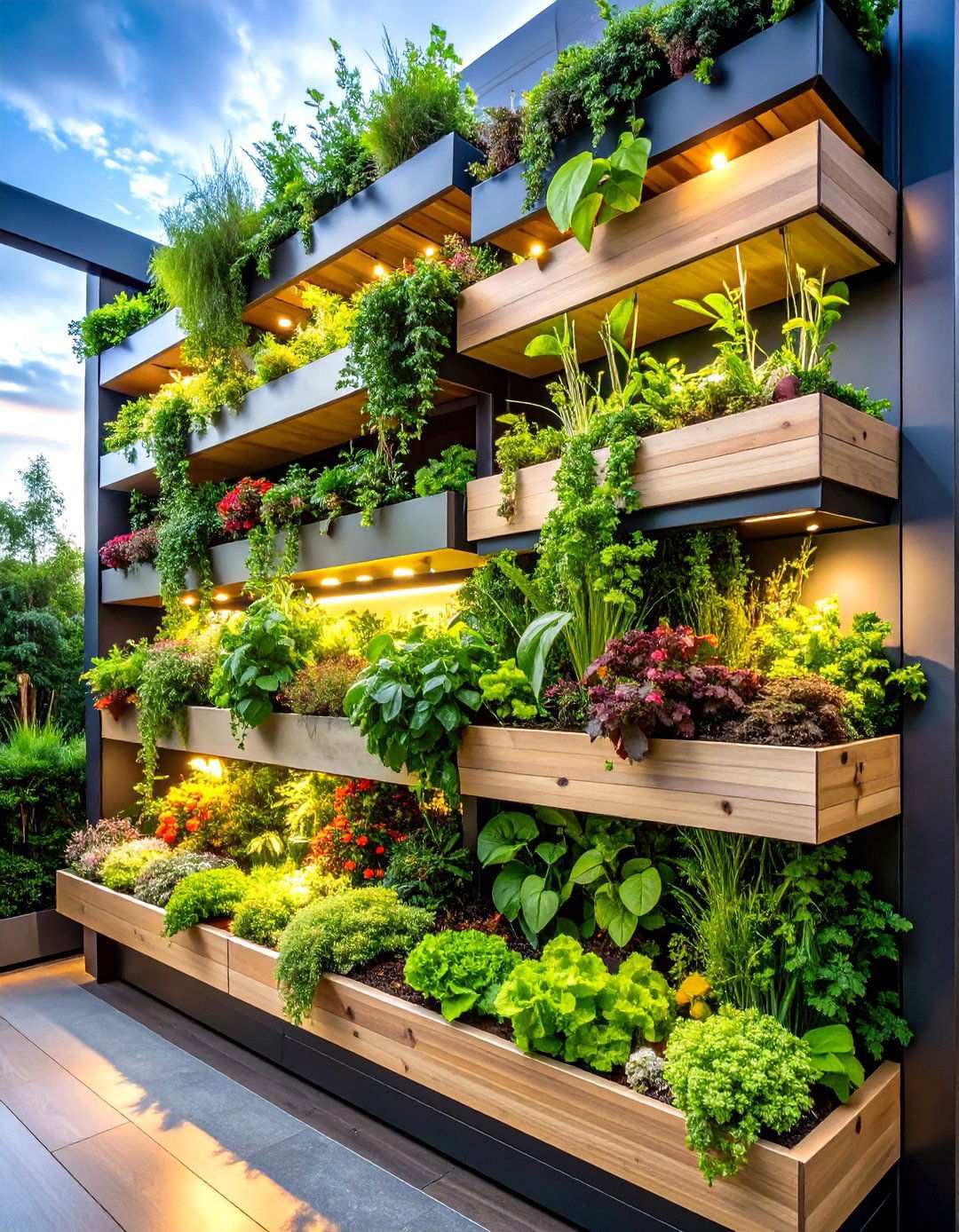
If you’re looking to maximize production in your limited garden space, vertical growing may be the solution. Tiered garden beds create multiple growing levels that significantly increase planting area while creating visually striking displays. By utilizing gravity for natural water distribution from upper to lower levels, these stepped structures provide different sun exposures for various plant types. The vertical arrangement allows for succession planting and companion gardening, with trailing plants cascading down from upper tiers. Different levels can accommodate plants with varying root depths and space requirements, from shallow-rooted herbs on top to deep-rooted vegetables below. Tiered beds work well against walls, fences, or as standalone features that create privacy screens and windbreaks. The terraced design prevents soil erosion, and the microclimates created extend growing seasons and accommodate diverse plant needs in a compact footprint.
8. Reconfigurable Garden Platforms
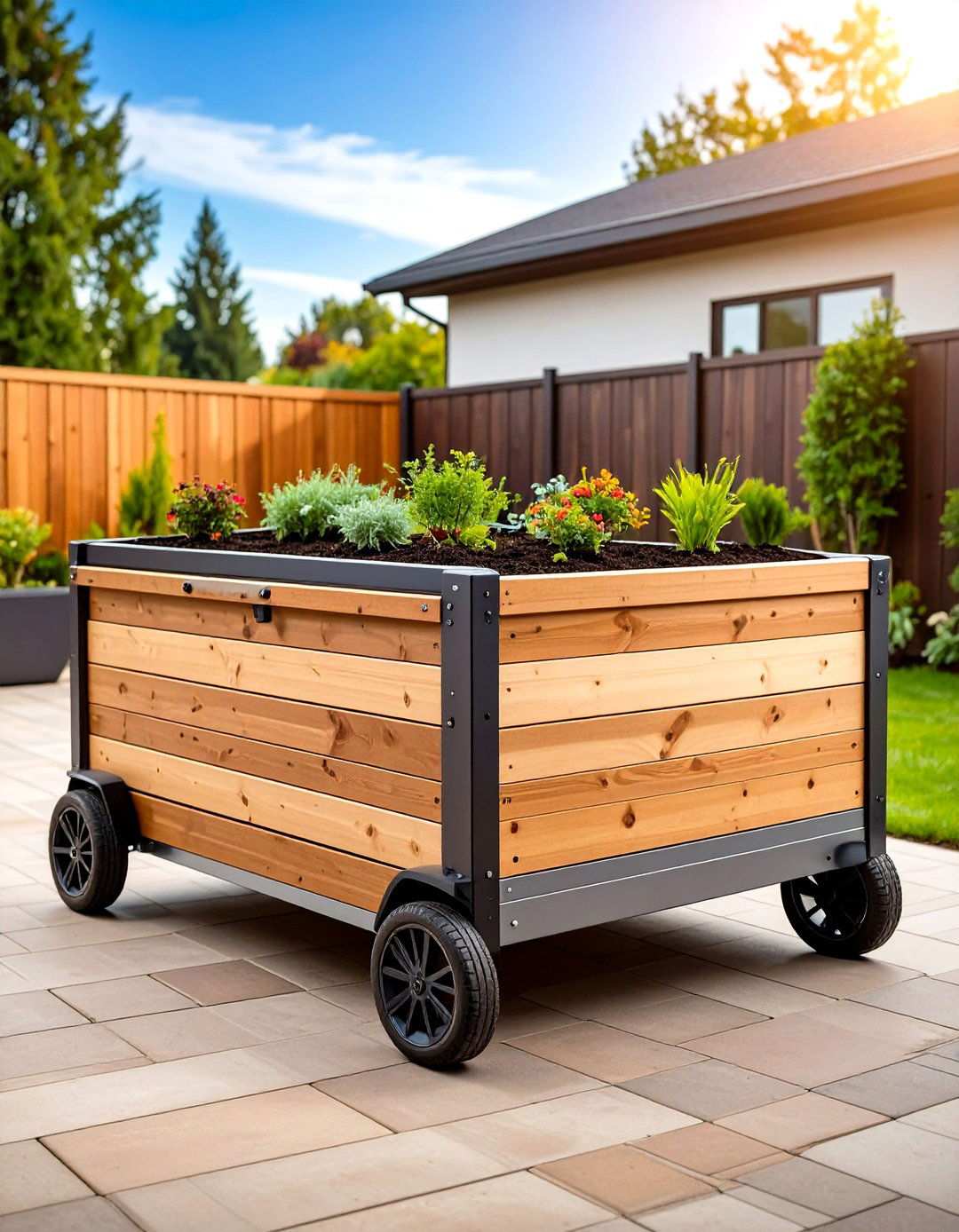
Gardeners seeking flexibility to adjust their growing spaces for optimal sun exposure or seasonal storage needs can opt for mobile garden beds featuring heavy-duty wheels or casters. These elevated planters offer the perfect solution for deck and patio growing, where seasonal changes require repositioning for best growing conditions. By incorporating mobility, gardeners can easily rotate crops, store plants during winter, and optimize sun exposure throughout the day. Many mobile beds come equipped with locking wheels for stability during the growing season and built-in storage shelves for garden tools and supplies. The elevated design also reduces physical strain, providing a comfortable working height for all gardening activities. This feature is particularly beneficial for renters who cannot install permanent structures or gardeners who want to experiment with different growing locations to find optimal conditions.
9. Elevated Garden Surfaces
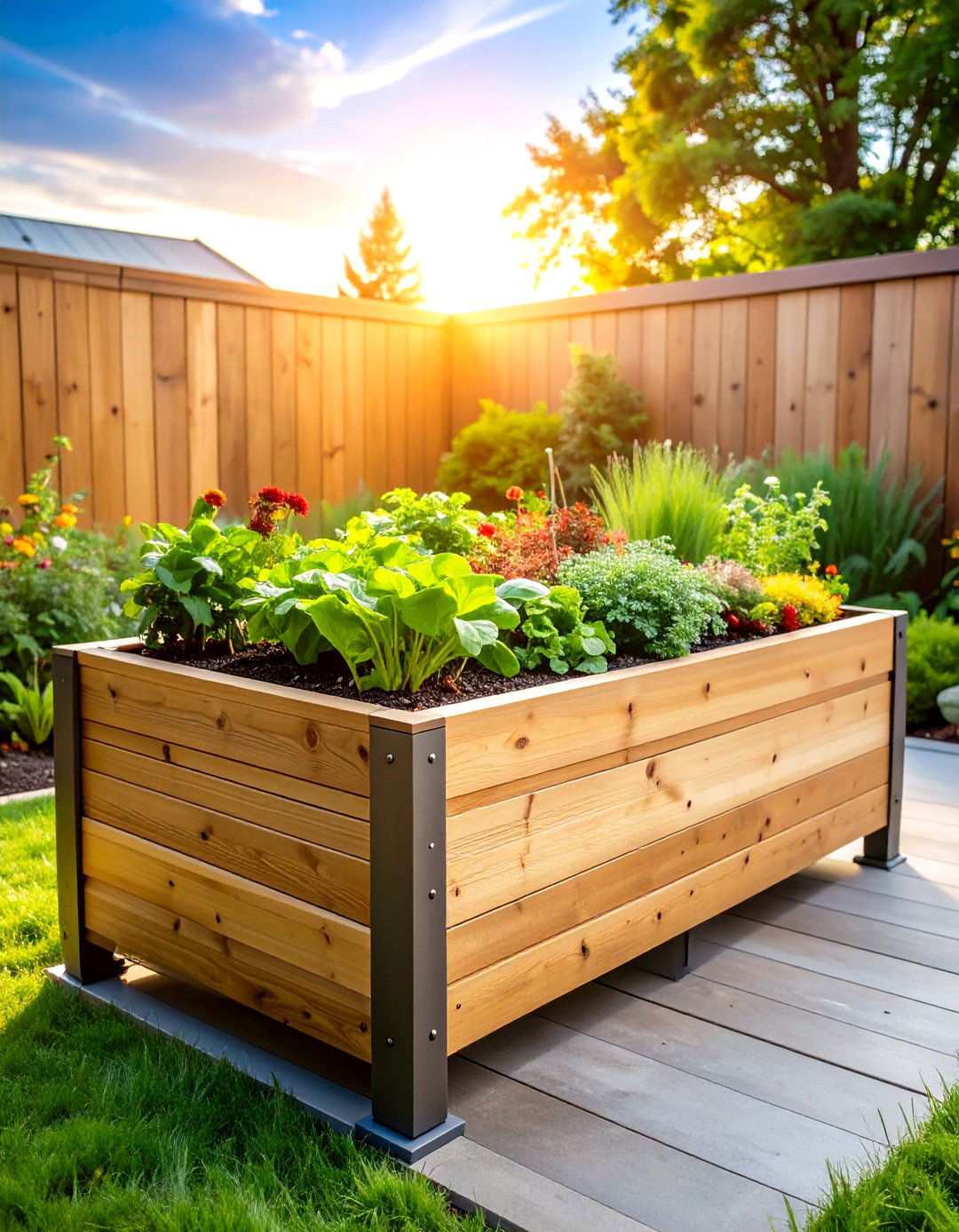
Individuals seeking a gardening solution that minimizes physical strain and provides optimal growing conditions can opt for elevated garden beds. These structures raise the growing surface to waist-high levels, making gardening more accessible for people with mobility limitations or back problems. Typically standing between 30 to 36 inches high, elevated beds feature sturdy leg systems or solid base construction. The elevated design enhances soil aeration and drainage while allowing gardeners to easily monitor and care for plants at eye level. Many elevated beds also incorporate storage areas beneath the growing surface for tools, potting supplies, and garden equipment. The height of these beds also deters many ground-dwelling pests and promotes better air circulation around plants. As a result, these beds are ideal for elderly gardeners, wheelchair users, or anyone who wants to garden without physical strain from bending or kneeling during maintenance activities.
10. Angular Growing Zones
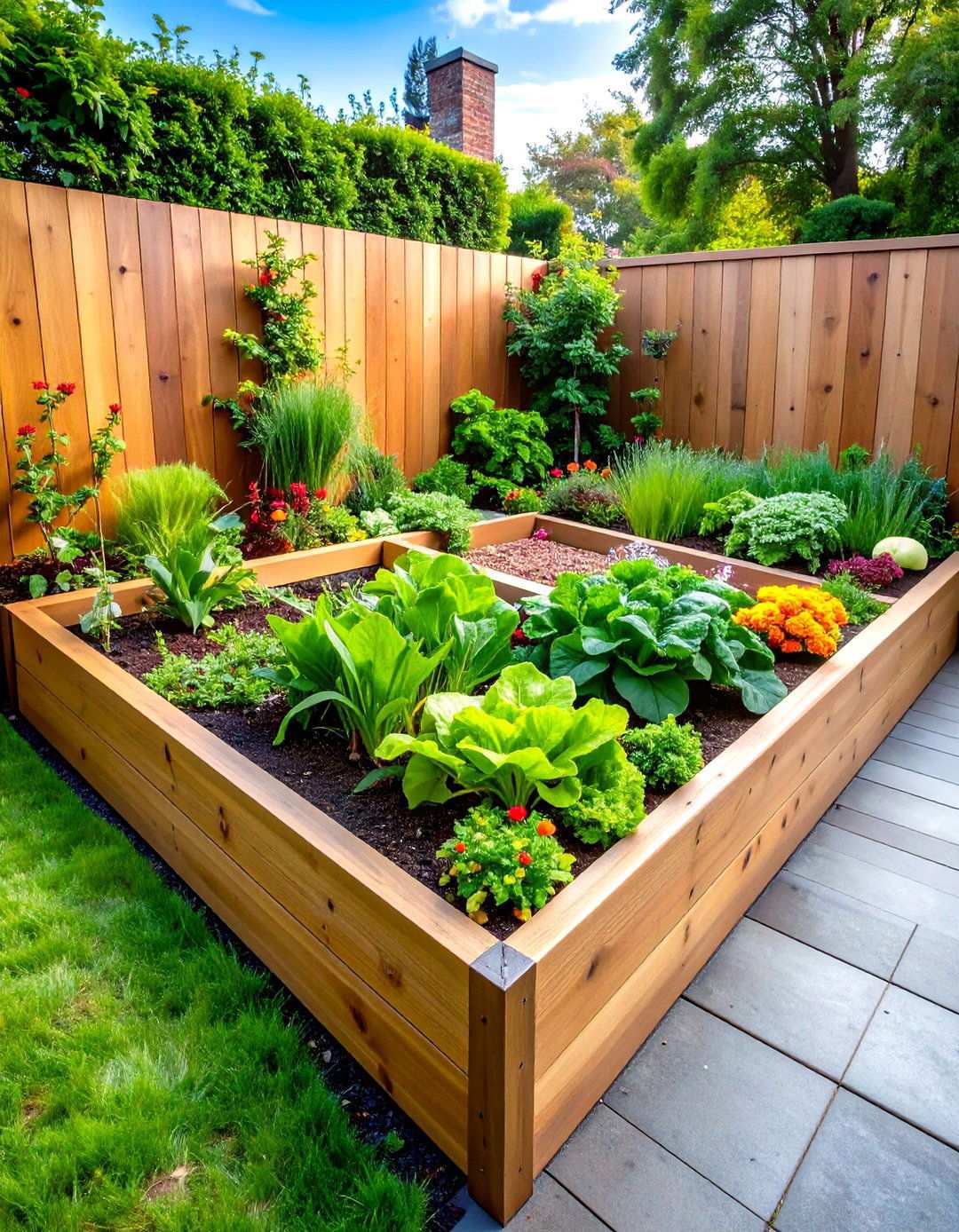
To maximize growing space in corner areas and create visually appealing landscape transitions, consider using L-shaped garden beds. These angular designs fit perfectly into corner spaces, creating an efficient use of area that would otherwise remain unused. The extended growing length of L-shaped beds maintains easy access from multiple sides for comfortable maintenance and harvesting. This configuration works well for separating different garden zones or creating natural borders between lawn and landscape areas. Corner beds can accommodate a variety of plant heights by positioning taller varieties at the back corner and shorter ones along the accessible edges. The shape of these beds also allows for companion planting and succession growing, creating visual interest through varied plant heights and textures. As a result, L-shaped beds are particularly well-suited for formal garden designs where geometric shapes complement architectural elements and create structured, organized growing spaces that maximize available area.
11. Harmonious Circular Garden Enclaves
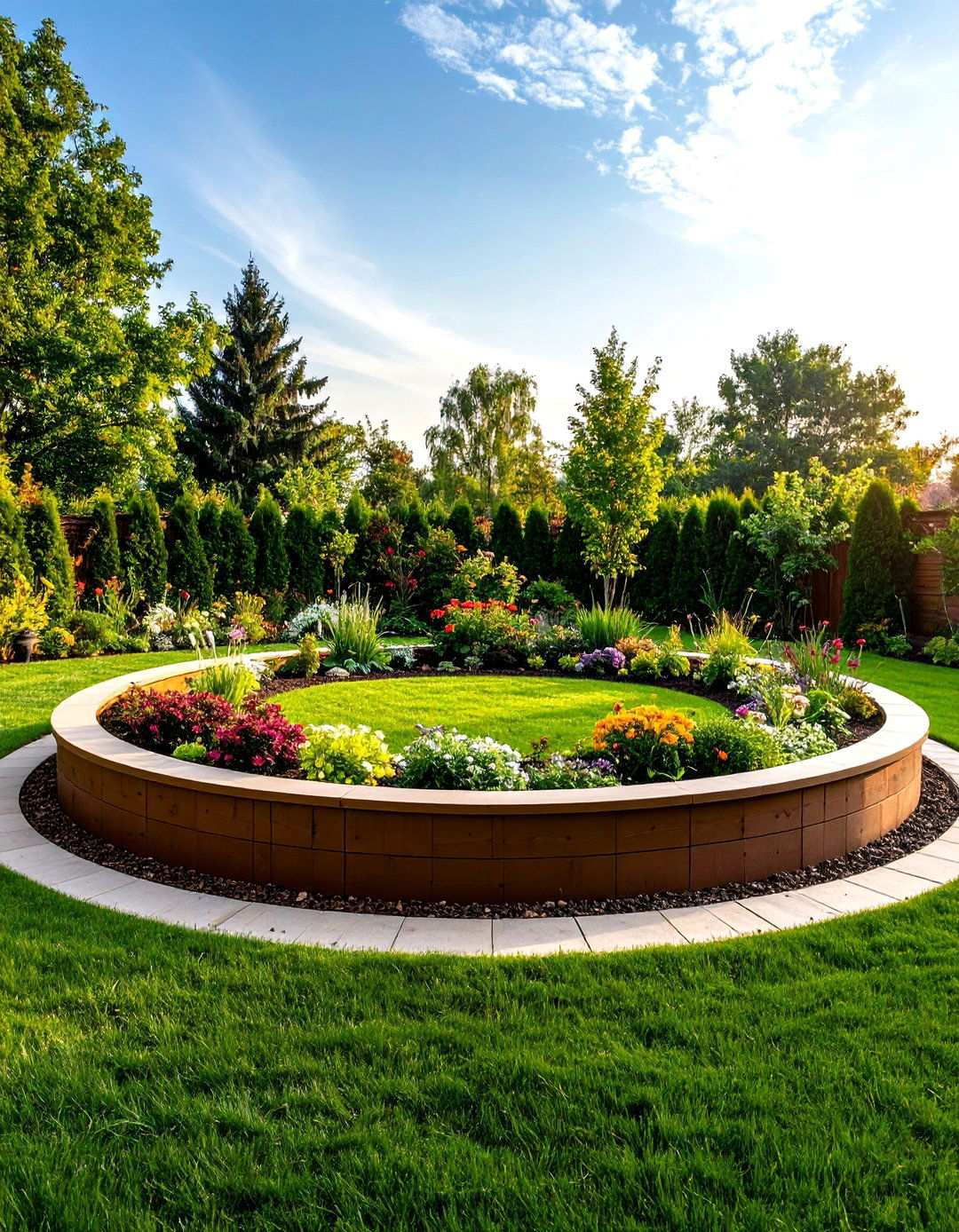
Creating a captivating focal point garden that draws the eye and provides unfettered growing access is a rewarding endeavor. Circular garden beds stand out for their distinctive aesthetic appeal, courtesy of their curved lines that harmoniously blend with harder landscape elements and foster inviting gathering spaces. The symmetrical shape grants equal access from every angle, effectively eliminating sharp corners that can impede planting and maintenance efforts. These circular beds excel as statement features in lawn areas or as fluid transitions between disparate garden zones. As you wander through the garden, the curved design intuitively guides foot traffic while crafting secluded growing spaces that feel enclosed and secure. Circular beds are well-suited for implementing radiating planting patterns, with taller plants situated in the center giving way to shorter varieties along the perimeter. This design lends itself beautifully to herb spirals, cutting gardens, or decorative plantings that thrive on the symmetrical growing arrangement and effortless access from all directions.
12. Timeless Rectangular Garden Frameworks
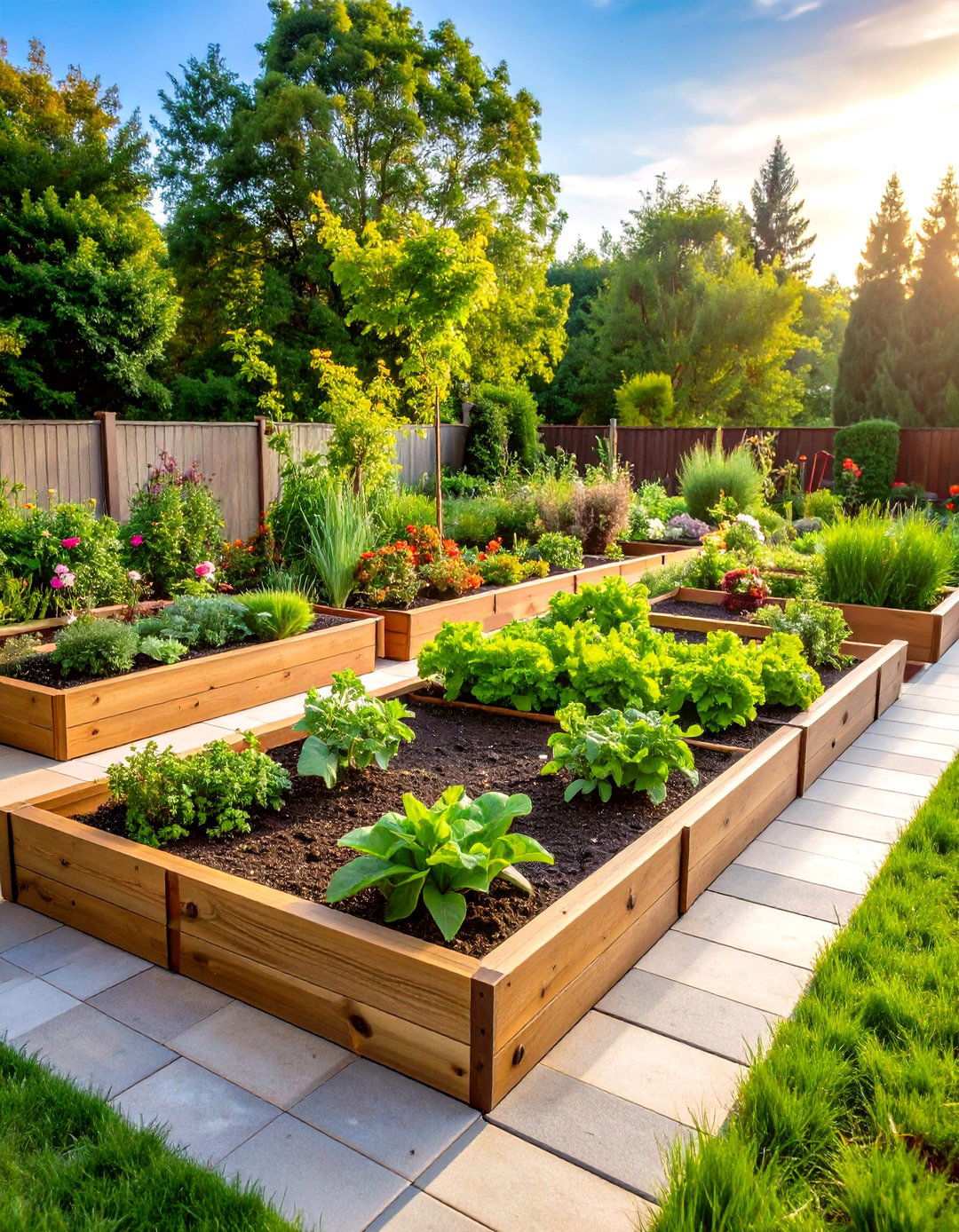
For those seeking a classic, unadorned design that optimizes growing space with minimal construction complexity, rectangular beds are an excellent choice. These traditional shapes offer the most efficient use of space, featuring straight lines that accommodate row planting and systematic garden organization. Rectangular beds seamlessly integrate with grid-based planting systems like square foot gardening, providing crystal-clear sight lines for garden monitoring and maintenance. The straightforward format simplifies construction with readily available lumber dimensions and ensures a uniform appearance when multiple beds are installed. These beds are ideal for intensive planting methods while maintaining comfortable access paths for maintenance and harvesting activities. With rectangular beds, you can opt for small 4×4 foot squares or longer 4×12 foot rectangles, offering flexibility for diverse space requirements and gardening objectives while maintaining practical accessibility.
13. Harmonious Balance in U-Shaped Garden Layouts
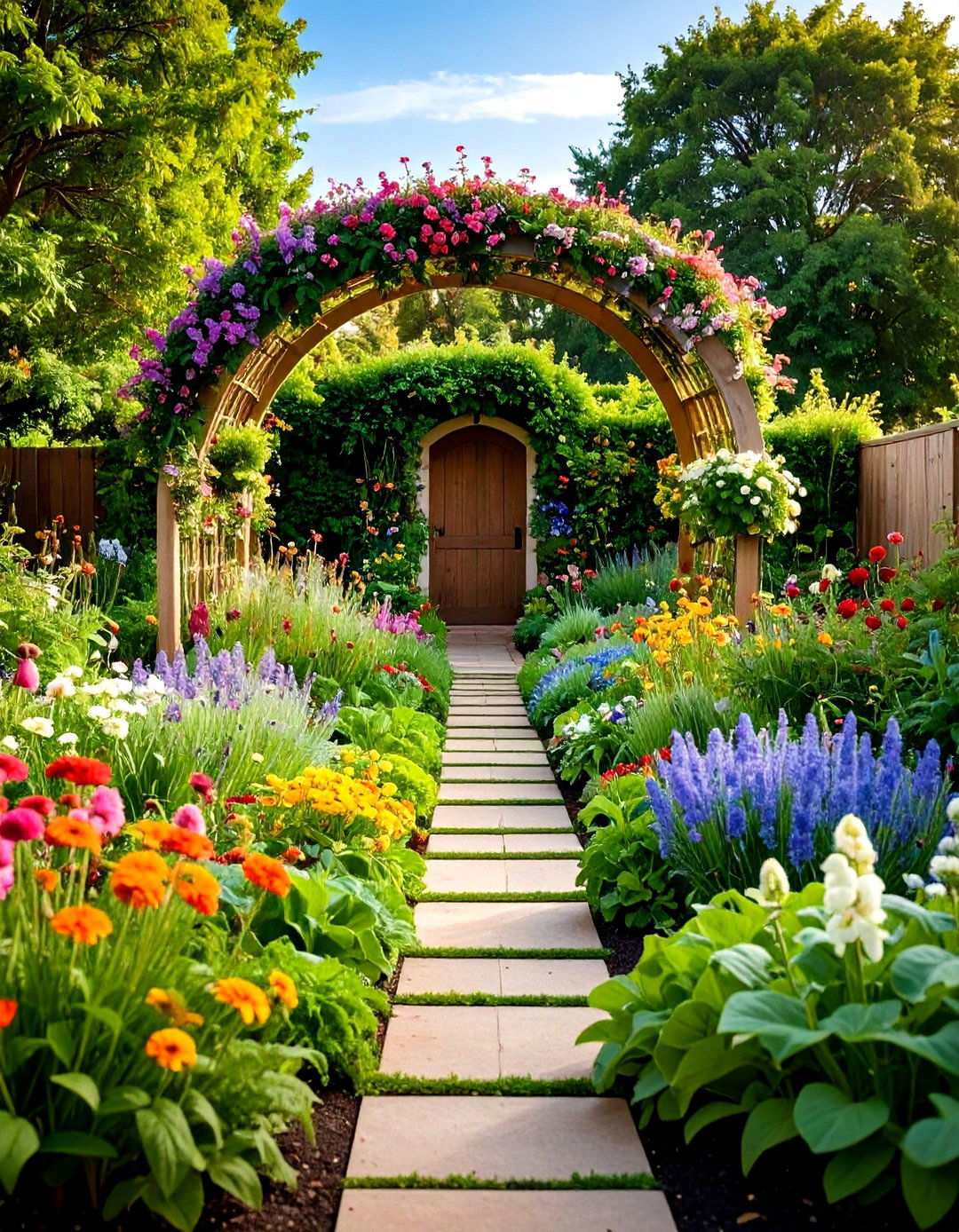
Achieving the perfect blend of space and accessibility in your garden is a tantalizing prospect. U-shaped beds offer an appealing solution, providing secure growing areas with effortless access from the open end. This configuration optimizes planting space within the sheltered center, while the shape naturally fosters microclimates with varying sun exposures and wind protection. As a result, U-shaped beds are ideal for herb gardens, cutting gardens, or vegetable plots where frequent harvesting demands easy access to all plants. By making efficient use of space, these beds not only serve functional purposes but also create visually appealing landscape features that can double as natural borders or screens. Moreover, the enclosed atmosphere provides a cozy and private growing environment, shielding plants from harsh winds while maintaining an intimate ambiance. These beds are particularly well-suited for small gardens where space efficiency and accessibility take center stage, all while maintaining an attractive appearance and high productive capacity.
14. Reimagining Garden Beds from Repurposed Pallet Wood
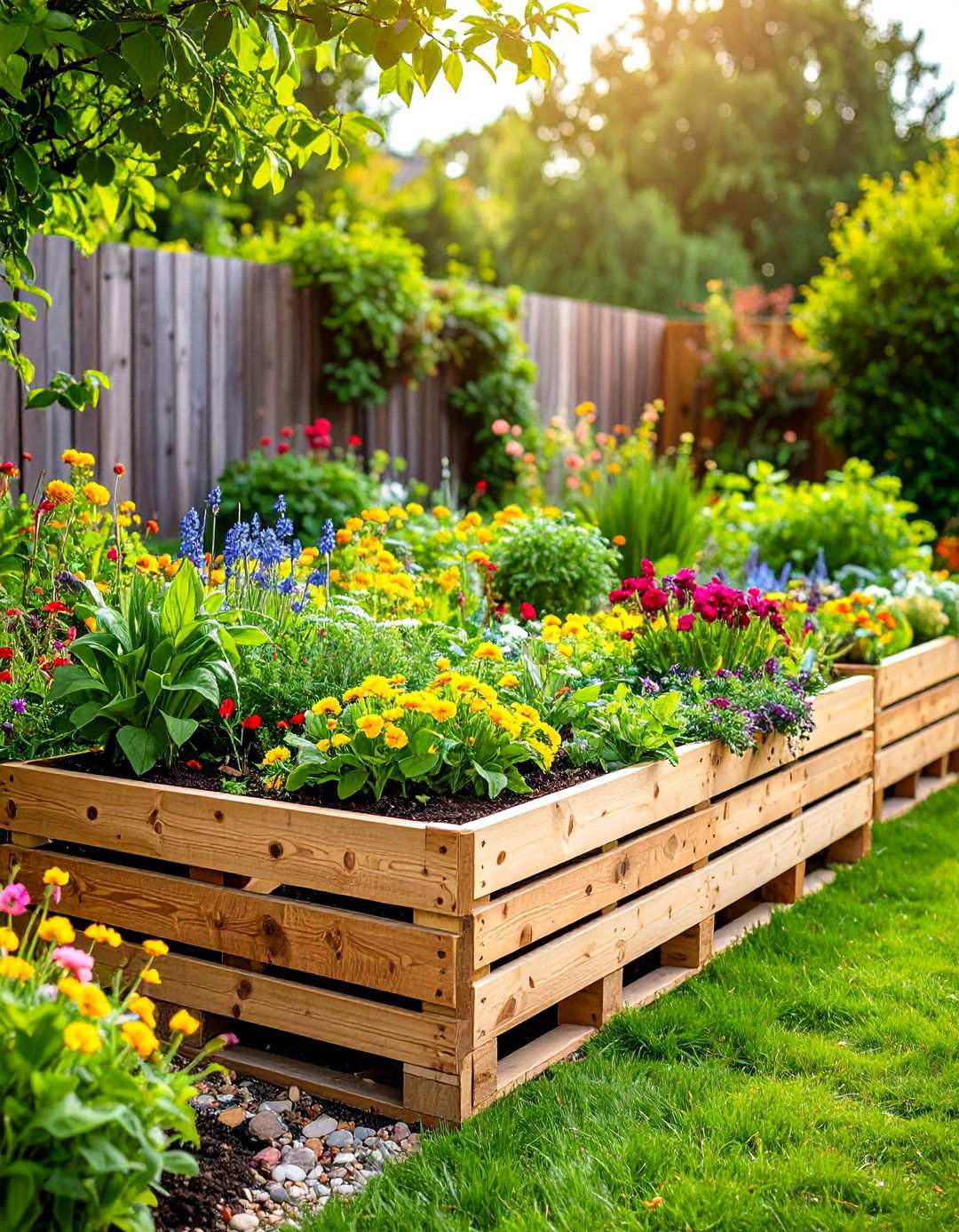
For those looking to create functional raised garden beds without breaking the bank, repurposing wooden pallets offers an innovative and eco-friendly approach. By utilizing reclaimed materials, pallet wood beds not only reduce waste but also provide a rustic, farmhouse-inspired aesthetic that can elevate the charm of any outdoor space. The slat construction of these beds allows for excellent drainage and air circulation, while the sturdy framework ensures that the soil weight is adequately supported. With minimal tools required for construction, pallet beds offer an opportunity for creative customization and artistic expression, making them an ideal choice for starting gardeners who wish to experiment with raised bed growing without significant investment. Furthermore, the rough wood texture of these beds creates a habitat for beneficial insects, naturally weathering over time to seamlessly blend with the surrounding environment. However, it is essential to exercise caution and use only heat-treated pallets to avoid contaminating the soil with chemicals. Pallet beds are well-suited for a variety of plants, including flowers, herbs, and vegetables, in casual garden settings.
15. Corten Steel Weathering Garden Beds
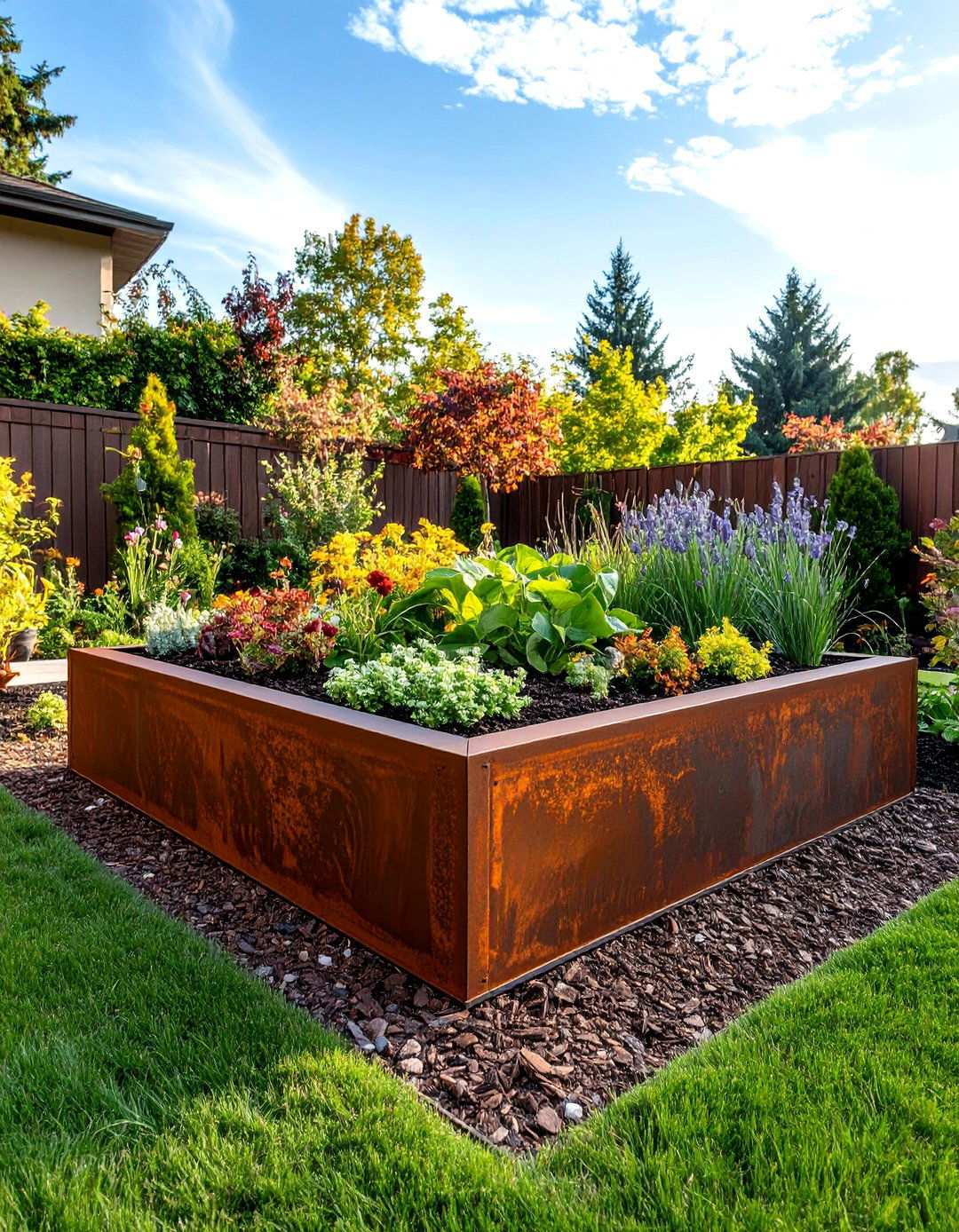
For those seeking a contemporary garden bed with a dynamic personality, Corten steel weathering beds are an attractive option. Initially appearing raw, these steel beds transform over time into vibrant, earth-toned masterpieces, thanks to a natural weathering process that not only protects against corrosion but also creates a unique patina. This aesthetic transformation complements the natural landscape while exuding a modern, sophisticated vibe. By combining durability with minimal maintenance, Corten steel beds have become a favorite among gardeners. The sleek steel profile optimizes growing space without sacrificing structural integrity, making it an excellent choice for contemporary, industrial, or modern landscape designs. Furthermore, Corten steel’s heat retention properties extend the growing season, creating a stunning contrast with lush greenery and colorful blooms throughout the year.
16. Composite Material Garden Beds
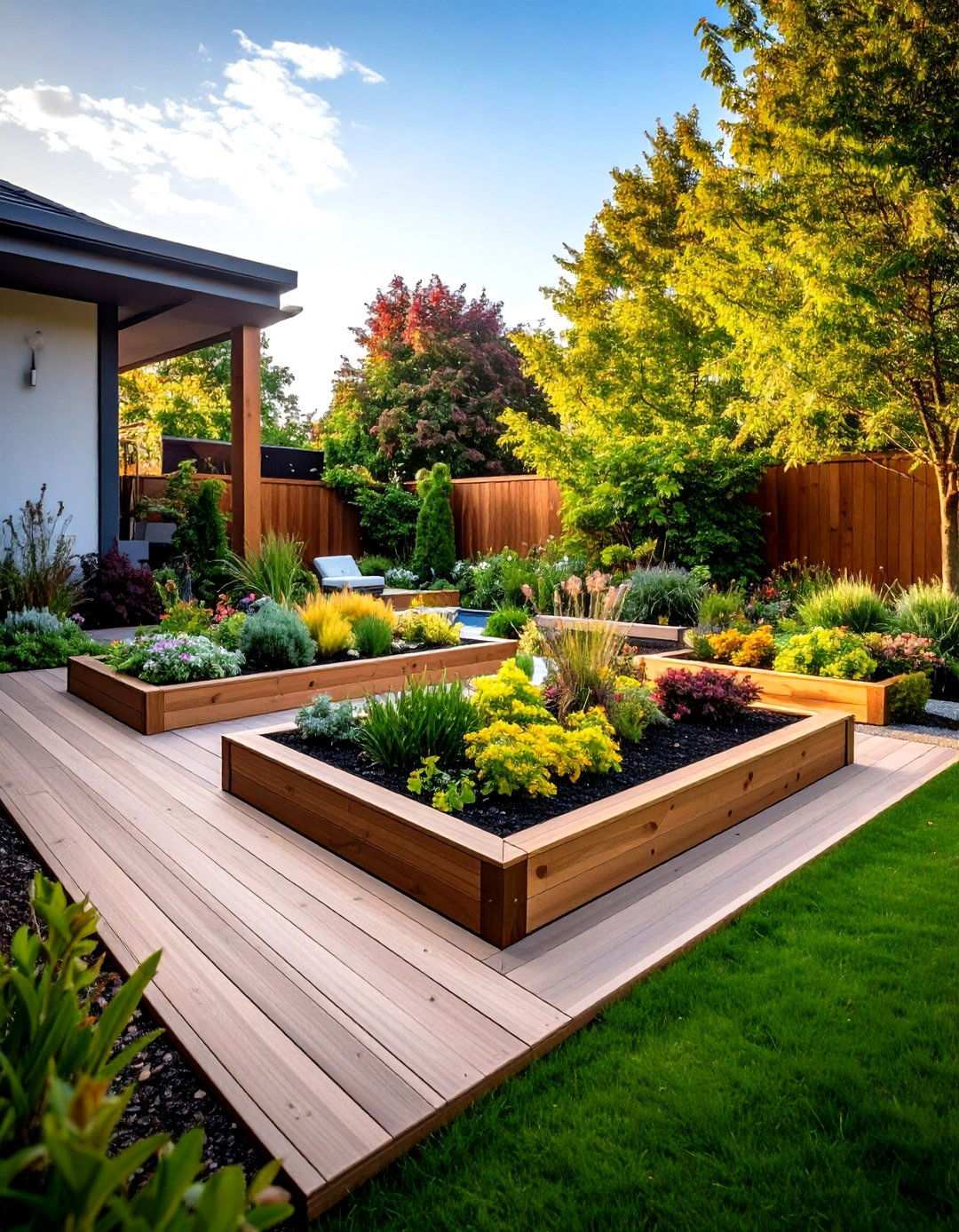
For gardeners desiring a hassle-free experience, composite material beds are an excellent option. By combining recycled plastic and wood fibers, these beds mimic the appearance of natural wood while boasting superior durability and weather resistance. Unlike traditional wood, composite boards require minimal maintenance, with occasional cleaning being the only necessary care. Available in a range of colors and textures, these boards seamlessly integrate into various landscape styles while providing a safe haven for edible crops. The composite material’s exceptional resistance to splitting, cracking, and fading ensures structural integrity even in extreme weather conditions. What’s more, its eco-friendly composition diverts waste from landfills, making it an environmentally conscious choice for gardeners seeking a durable, low-maintenance growing system.
17. Unleashing the Power of Automated Gardening
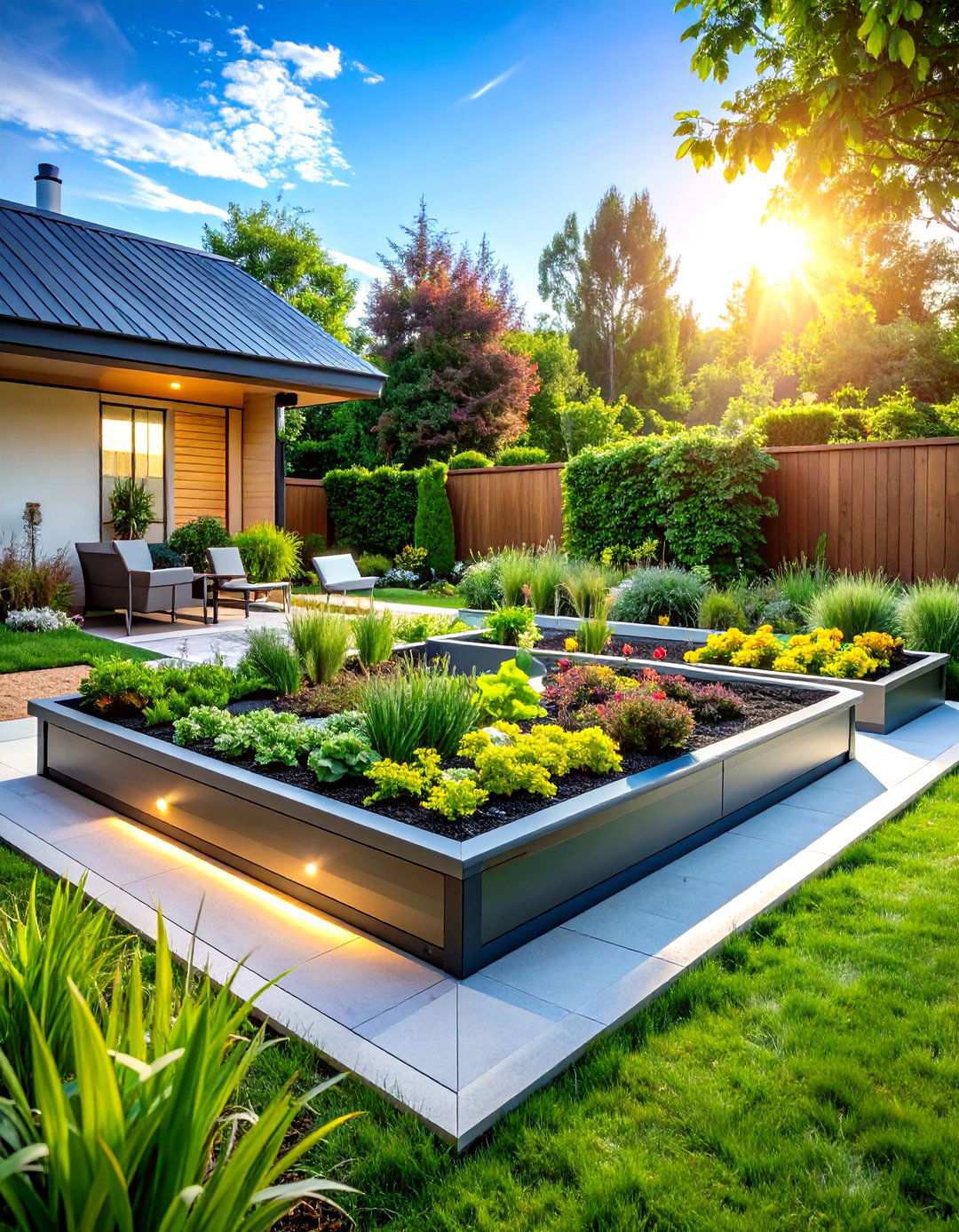
Automated watering technology has the potential to revolutionize your gardening experience, ensuring consistent moisture levels for optimal plant growth and minimizing the hassle of manual watering. Self-watering garden beds incorporate built-in reservoir systems that utilize wicking action or drip irrigation to provide a steady supply of water, reducing the frequency of watering and preventing both drought stress and overwatering that can harm plant roots. This innovative technology is particularly beneficial for busy gardeners or those who travel frequently during the growing season, as it eliminates the need for constant monitoring and maintenance. Many self-watering systems come equipped with water level indicators that notify gardeners when refilling is necessary, ensuring continued operation and optimal plant health. By providing consistent moisture levels, these beds enhance plant productivity and reduce water waste through efficient delivery systems, making them ideal for container gardening, patio growing, or areas where water access is limited but consistent moisture is essential. Furthermore, self-watering beds are particularly suited for moisture-loving plants like tomatoes, cucumbers, and leafy greens that thrive in environments with steady water availability.
18. Maximizing Growing Potential in Small Spaces
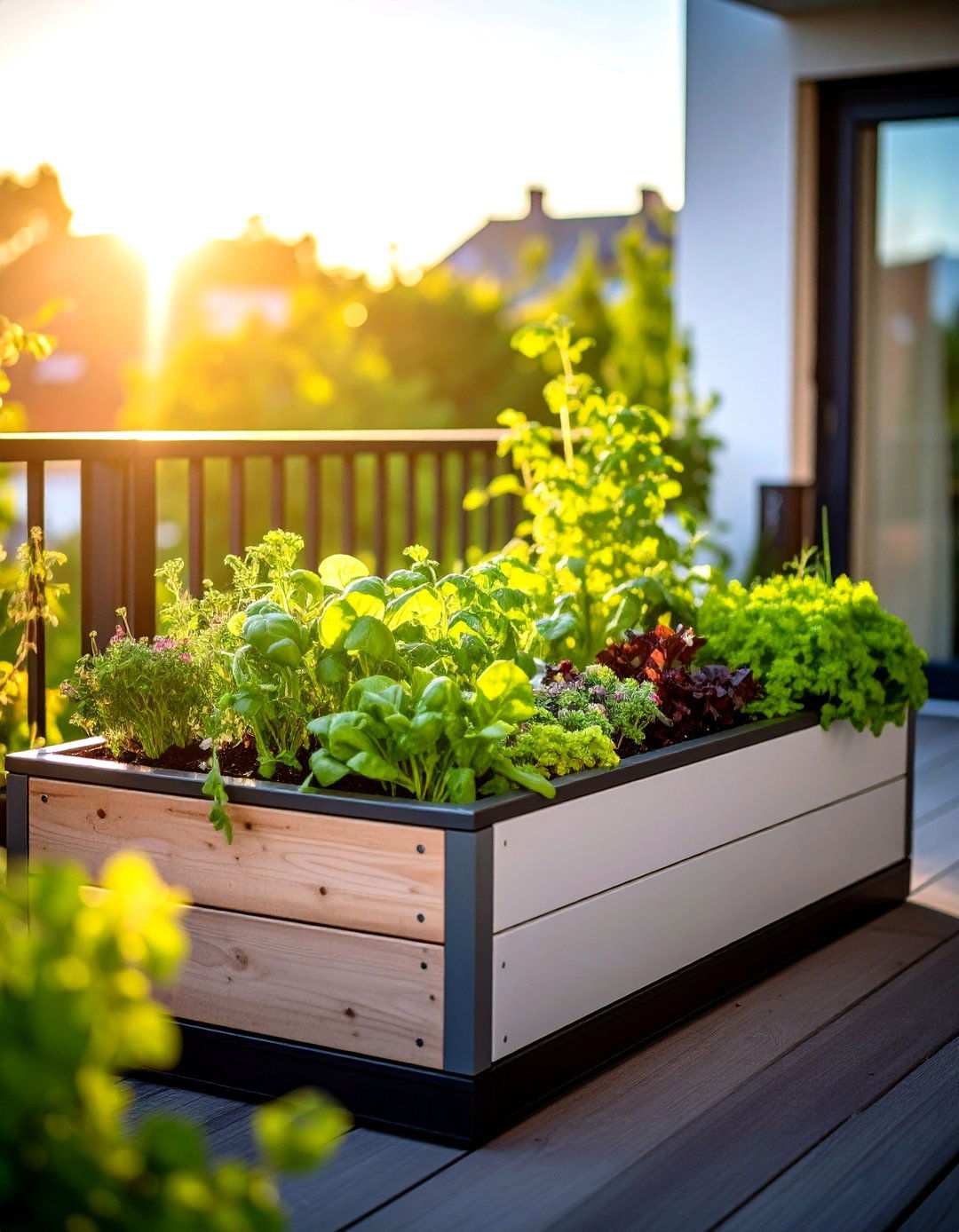
For gardeners looking to start small or optimize growing potential in extremely limited spaces like balconies or small patios, mini container garden beds offer a compact yet effective solution. These small-scale beds provide all the benefits of larger systems, making them perfect for herb gardens, salad greens, or experimental growing. Mini raised beds are ideal for apartment dwellers or beginning gardeners who want to develop their skills before expanding to larger growing areas. The compact size of these beds allows for easy arrangement in groups to create larger growing areas or individual movement for optimal growing conditions. Mini beds are particularly well-suited for intensive planting methods like square foot gardening, where every inch of space is utilized efficiently. The small size also makes soil filling and seasonal changes more manageable, allowing gardeners to experiment with different growing methods and plant varieties. As an introduction to raised bed gardening, mini beds accommodate space limitations and budget constraints that might prevent larger garden installations, providing a flexible and accessible solution for gardeners of all levels.
19. Modular Expandable Garden Systems
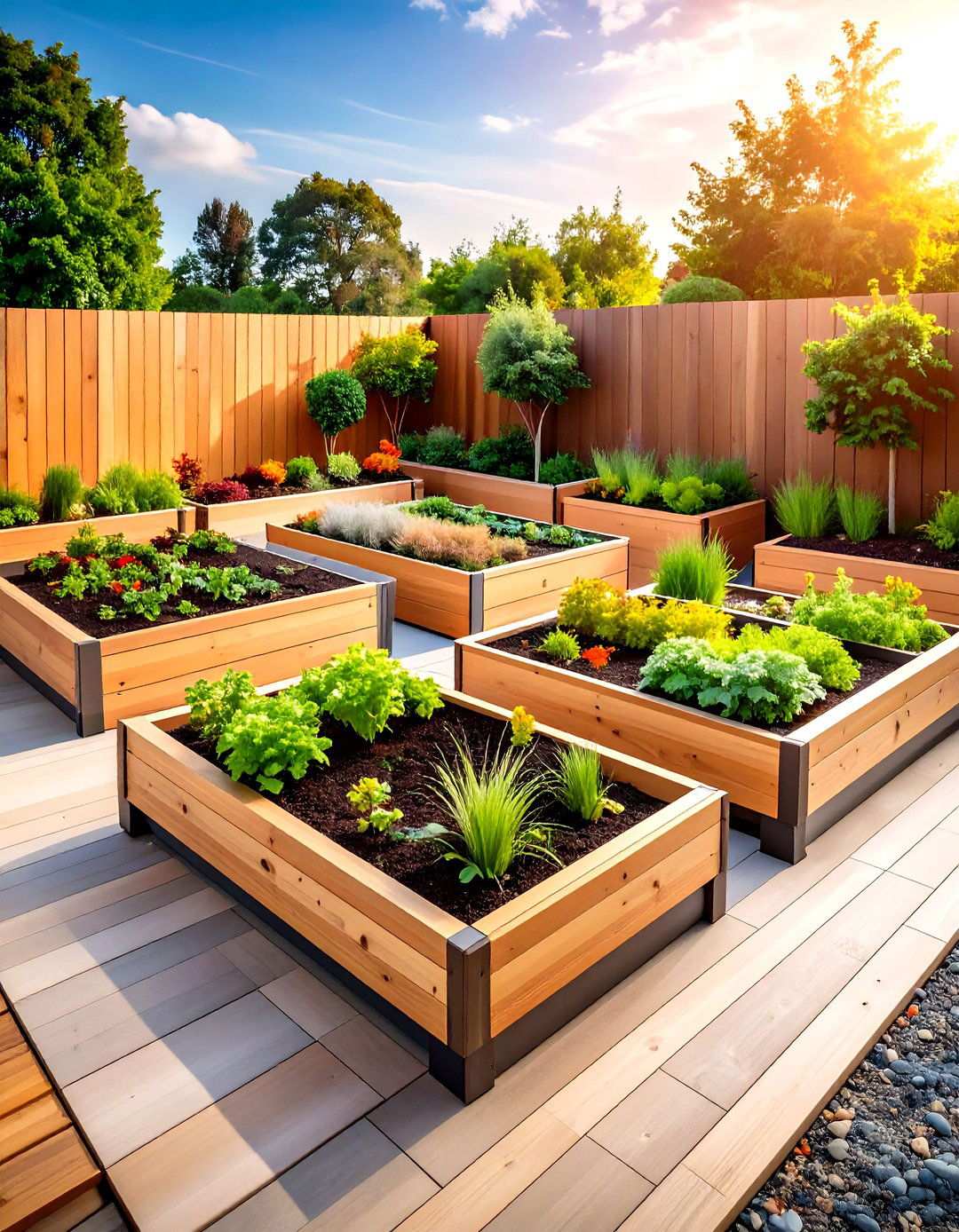
For gardeners seeking adaptability and flexibility, modular beds offer a solution that evolves alongside changing needs and available space. By featuring interlocking panels or connectable sections, these systems enable gardeners to expand and reconfigure their growing areas as skills and space requirements develop. This approach allows for seamless seasonal changes, crop rotation, and garden redesign without the need for complete reconstruction. The standardized components ensure seamless integration when adding new sections, maintaining a consistent appearance throughout the garden. Modular design also enables gardeners to create unique shapes and configurations that can adapt to irregular spaces or changing landscape requirements over time. This makes modular systems particularly suitable for renters who may need to relocate their gardens or homeowners who want to expand their growing capacity gradually. The component-based construction streamlines replacement of damaged sections while allowing for seasonal customization to meet different growing requirements throughout the year. Investing in quality modular systems yields long-term benefits through flexibility and adaptability.
20. Half-Barrel Planter Garden Beds
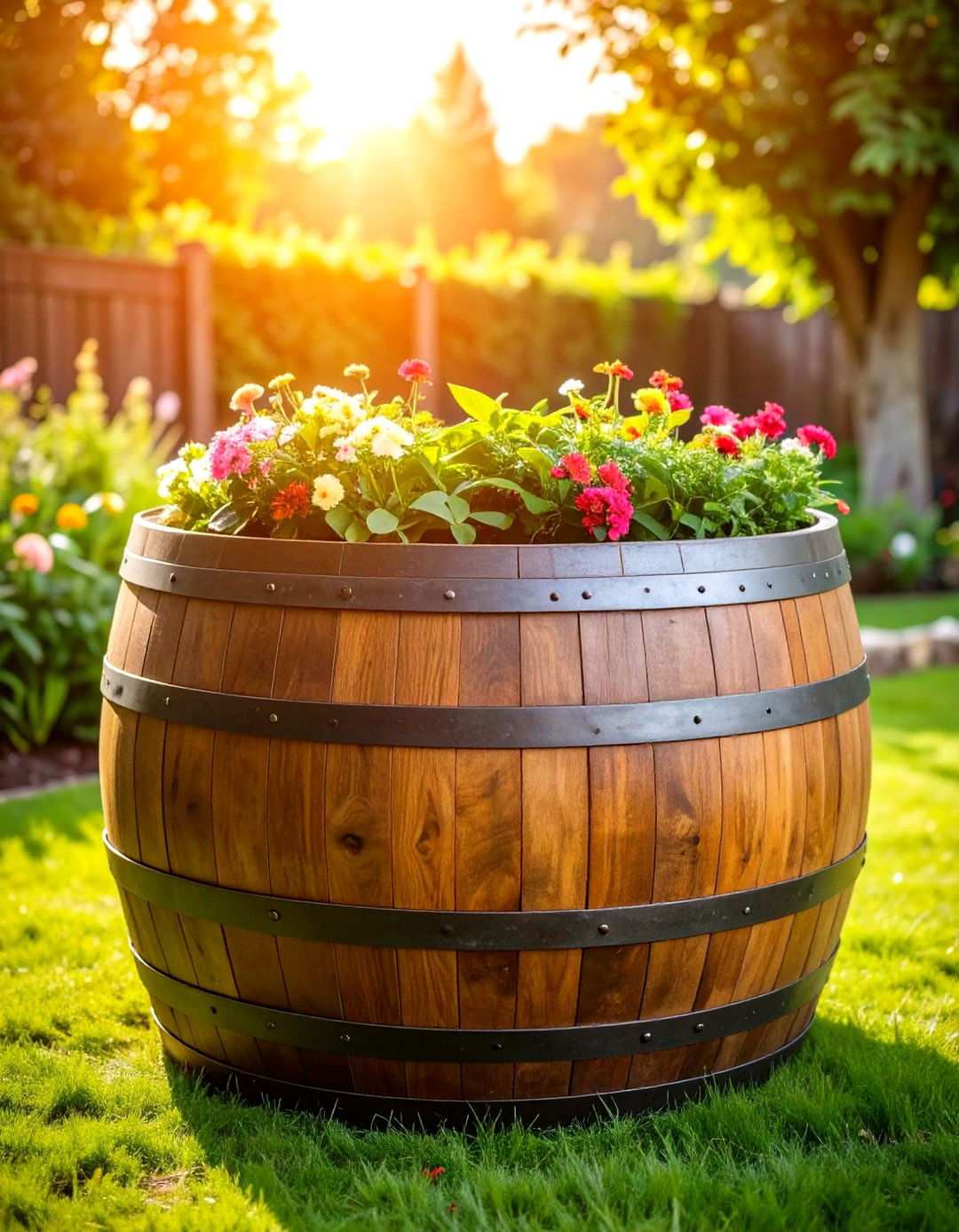
Repurposed whiskey or wine barrels can add a touch of rustic charm to your garden while providing functional growing space. Half-barrel planters offer deep growing capacity with their curved lines, which can complement a range of landscape designs from cottage to farmhouse or rustic styles. The oak construction provides natural rot resistance, weathering to a beautiful gray tone that seamlessly blends with outdoor environments. These containers are particularly well-suited for deep-rooted vegetables, herbs, or small fruit plants that benefit from the generous soil volume. The circular shape maximizes growing space efficiency while creating attractive focal points in garden designs or patio arrangements. To prevent waterlogging, drainage holes must be added, while landscape fabric prevents soil loss through the bottom openings. Half-barrel planters can be used individually or in groups to create larger growing areas, and their mobility makes them ideal for seasonal rearrangement or winter storage needs. The rustic appearance of these planters complements natural garden settings while providing versatile functional growing capacity.
21. Elevating Your Garden with Industrial Chic
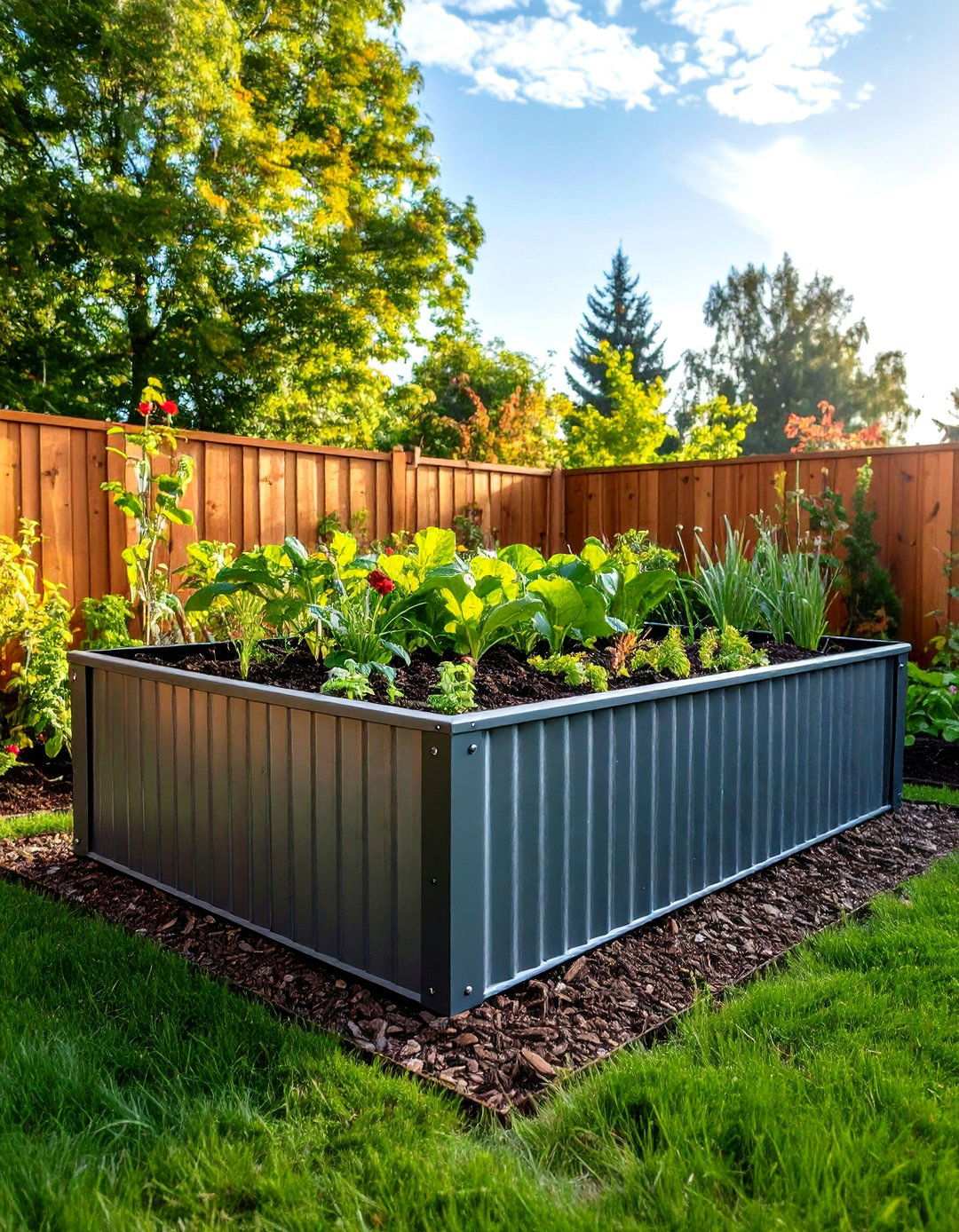
For those who appreciate a dash of industrial flair with the added benefits of durability and ease of installation, corrugated metal garden beds offer a compelling solution. This material boasts a lightweight yet remarkably strong construction, perfect for crafting modern, utilitarian landscapes. The distinctive ribbed surface not only adds visual appeal but also provides additional structural support against soil pressure and environmental stresses. As the soil warms up quickly in spring, these beds enable early planting and maintain consistent soil temperatures throughout the growing season. Corrugated metal’s inherent resistance to rot, insects, and weather damage means minimal upkeep over the long term. Moreover, the panels can be easily cut to custom lengths to suit specific space requirements, making assembly a breeze with basic tools. The galvanized coating prevents rust while offering a neutral color palette that effortlessly complements diverse plant choices and landscape styles, making it an attractive option for modern, minimalist, or industrial designs where functionality and durability take center stage.
22. Revamping Stock Tanks into Spacious Gardens
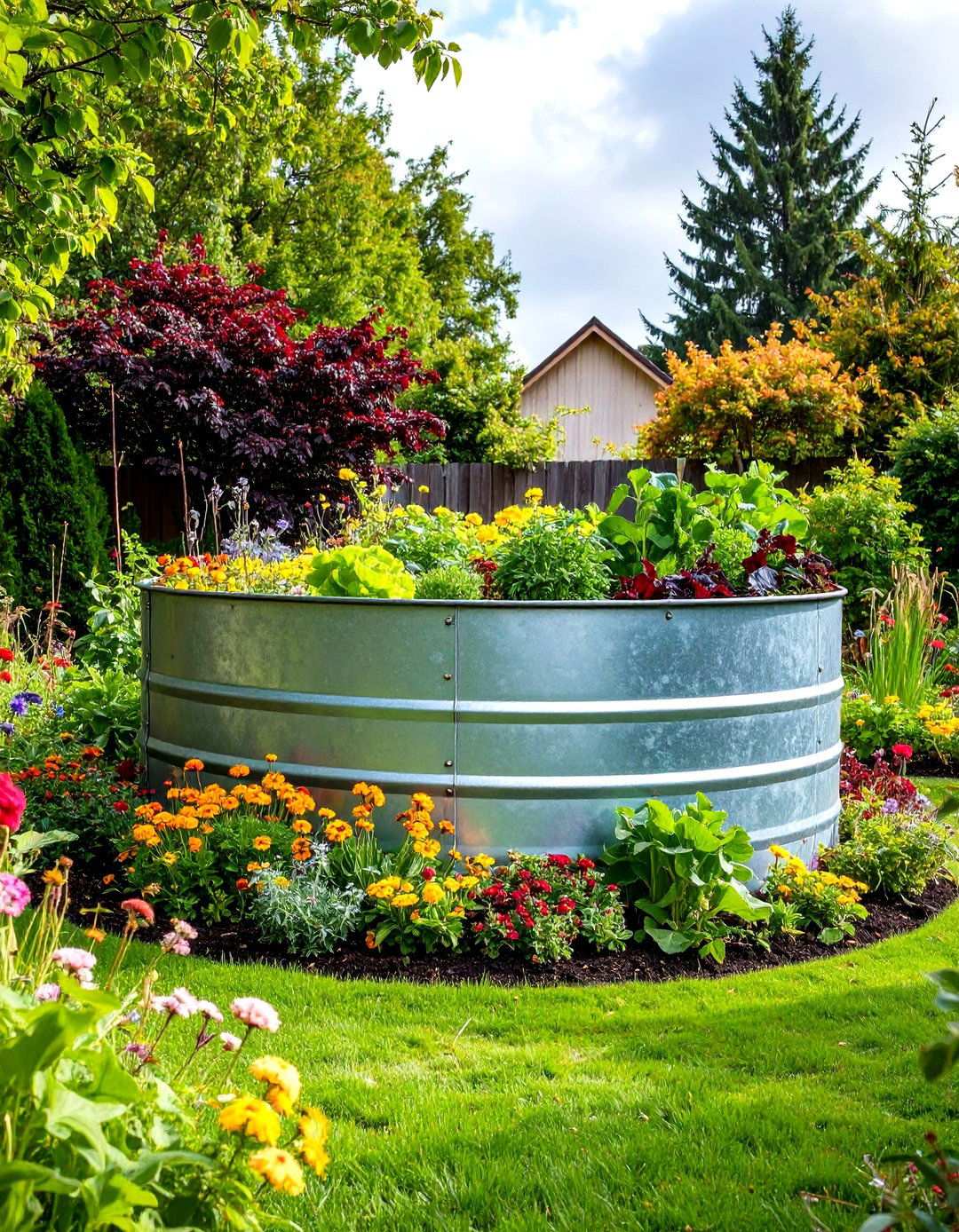
Have you ever considered transforming galvanized stock tanks into expansive raised garden beds that boast instant installation capabilities? These pre-formed metal containers offer a wealth of benefits, including excellent drainage and weather resistance, all built into their design. Stock tanks are available in a wide range of sizes, from compact circular models to substantial oval configurations, making them suitable for various space requirements and plant selections. The galvanized coating ensures long-term rust resistance, while the tank’s deep sides provide ample soil capacity for root development, making it ideal for large vegetable plants, herb gardens, or mixed plantings. Installation is a relatively effortless process, requiring only a simple positioning and possibly the addition of drainage holes for specific growing needs. The industrial appearance of these tanks blends seamlessly into modern, farmhouse, or utilitarian landscape designs, while their practical growing solutions make them a versatile choice. Whether positioned individually or grouped to create larger growing areas, these beds remain mobile, allowing for seasonal adjustments with ease.
23. Elevating Vertical Gardens with Integrated Trellis Systems
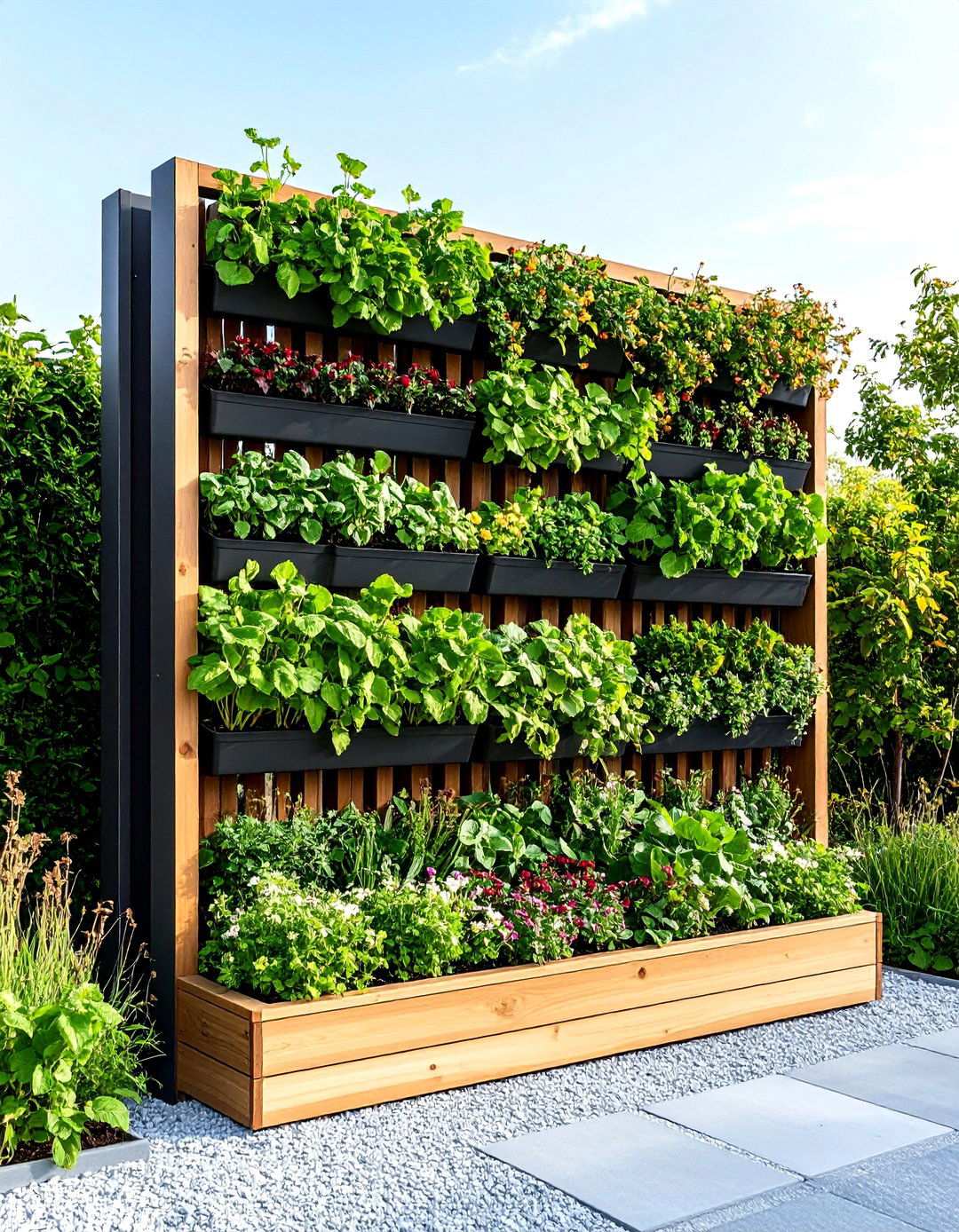
Beneath the surface of innovative gardening lies a powerful design solution: integrated trellis systems that seamlessly merge functionality with aesthetics. By incorporating permanent or removable support structures directly into garden beds, these systems empower gardeners to create visually stunning vertical displays that showcase the beauty of climbing plants. Ideal for versatile vegetables like beans, peas, cucumbers, tomatoes, and flowering vines, these systems not only optimize growth and productivity but also redefine the boundaries of garden design. With a focus on three-dimensional plant arrangement, the integrated design masterfully combines functionality with visual appeal, producing a cohesive and captivating landscape that adapts with the seasons. Support structures range from classic lattice panels to artistic metalwork, offering a perfect blend of form and function. As the seasons evolve, these structures continue to provide benefits such as wind protection, seasonal interest, and even serve as natural privacy screens, transforming these beds into striking focal points that seamlessly integrate practicality with artistry.
24. Seasonal Extensibility through Greenhouse Cover Systems
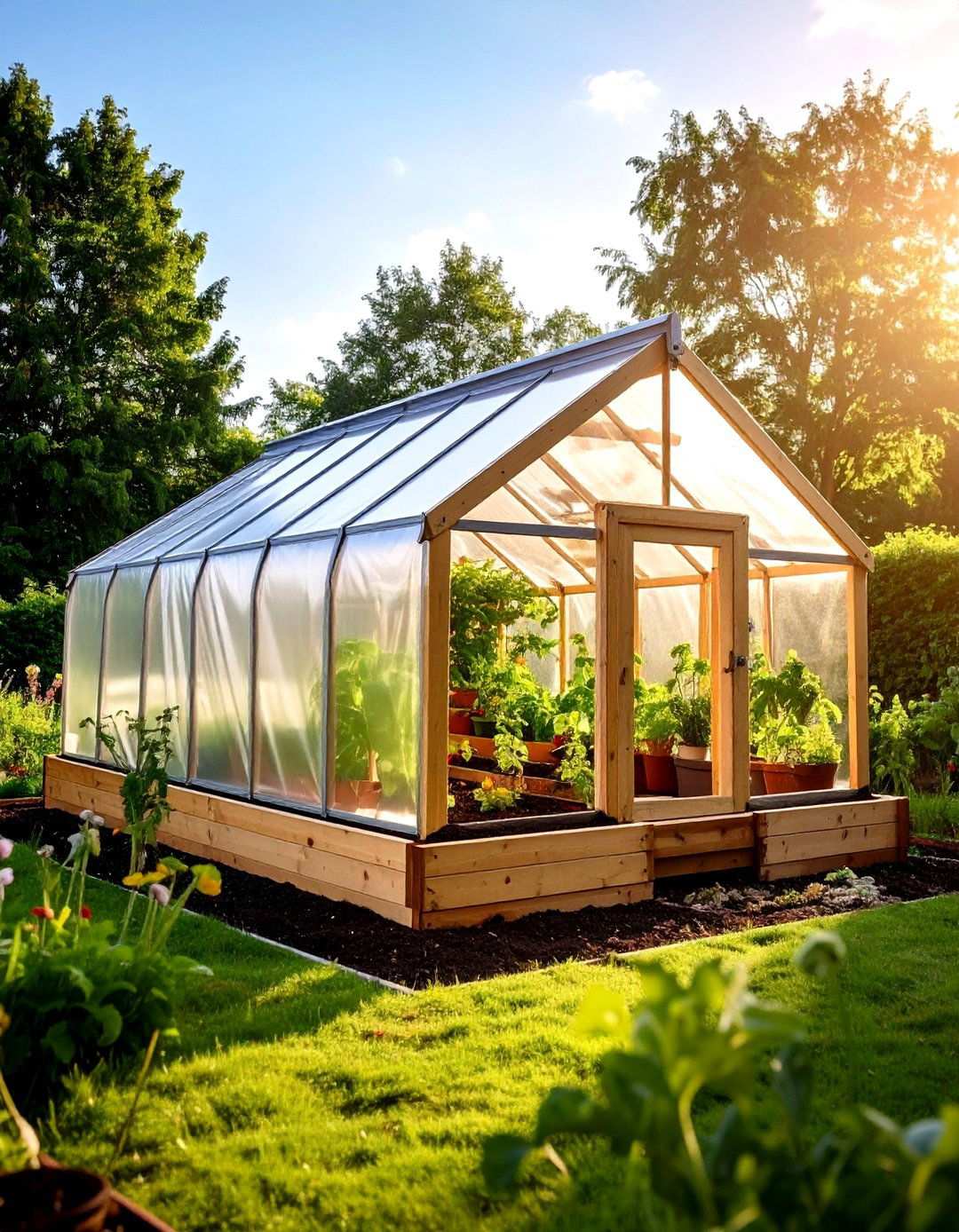
As the quest for year-round cultivation gains momentum, gardeners are turning to innovative solutions that safeguard their plants from the unpredictable forces of nature. Greenhouse cover systems are revolutionizing the way we grow by marrying raised bed benefits with cutting-edge season extension technology. By incorporating removable structures that shield plants from harsh weather conditions and pests, these systems are redefining the parameters of productivity and plant protection. From simple plastic tunnels to sophisticated automated systems with temperature and ventilation controls, the possibilities are endless. By safeguarding plants from wind, hail, and extreme temperatures, gardeners can push the boundaries of their growing season, extending the harvest period well into winter months. Furthermore, the enclosed environment provides a shield against pests, while maintaining optimal humidity and temperature conditions for optimal plant growth. By merging the advantages of raised bed soil with environmental protection, these systems are empowering gardeners to maximize their yields while minimizing crop losses and pest-related damage, ultimately transforming their gardens into thriving ecosystems that thrive throughout the seasons.