1. Elevated Edges: Maximizing Space with Fence-Line Gardens
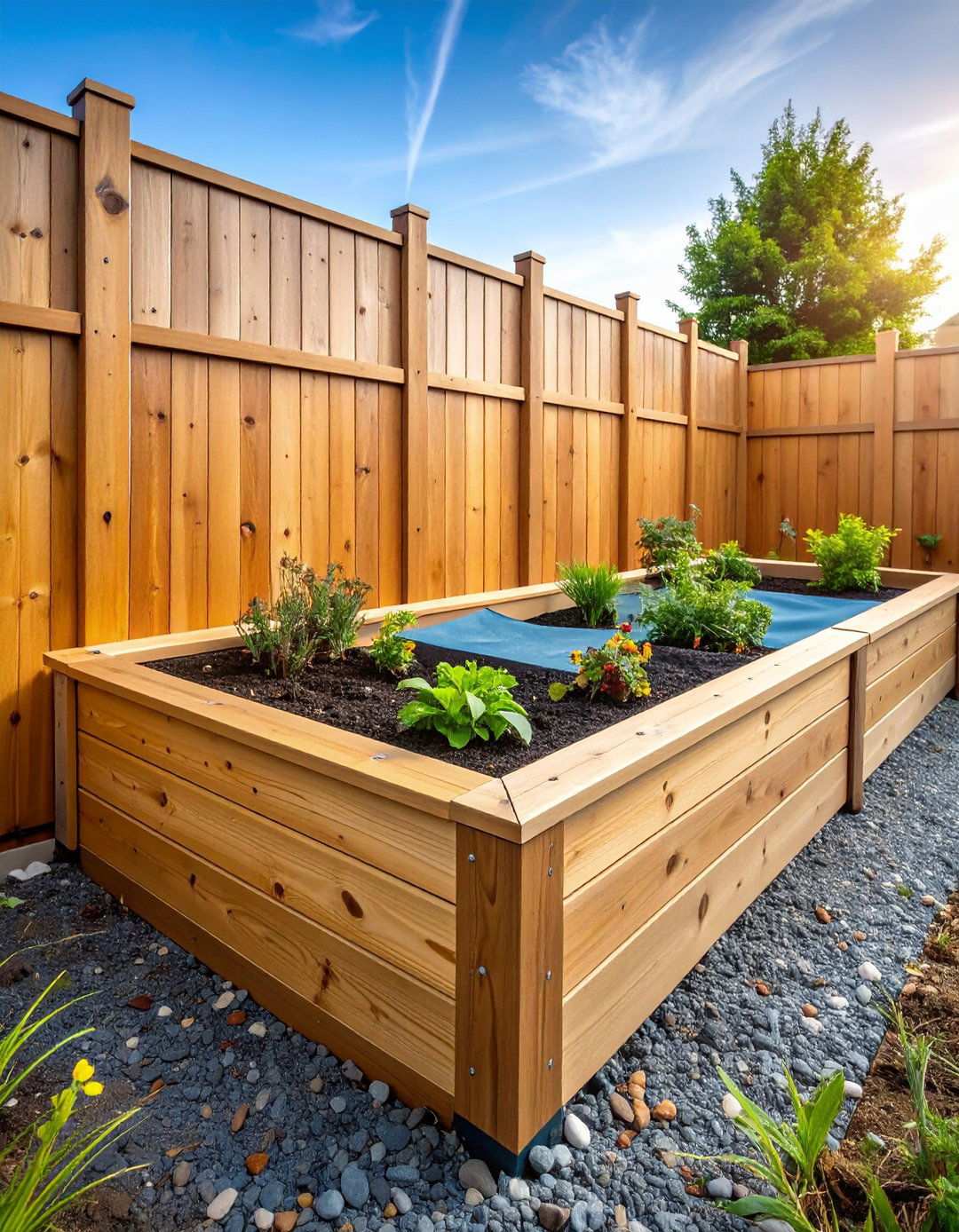
By strategically incorporating raised garden beds along fence lines, homeowners can unlock new potential for their outdoor spaces while infusing a sense of order and visual appeal. These expertly placed installations serve as a natural haven for climbing plants, clearly define property boundaries, and create distinct garden zones. Moreover, fence-line gardens provide a unique chance to incorporate vertical gardening techniques, enhance privacy, and optimize water management. Whether it’s a cedar construction or a concrete block system, these designs cater to various budgets, skill levels, and gardening aspirations while transforming underutilized fence-adjacent areas into thriving growing environments.

As an Amazon Associate I earn from qualifying purchases.
2. Harmonious Integration: Cedar Plank and Privacy Fence Combination
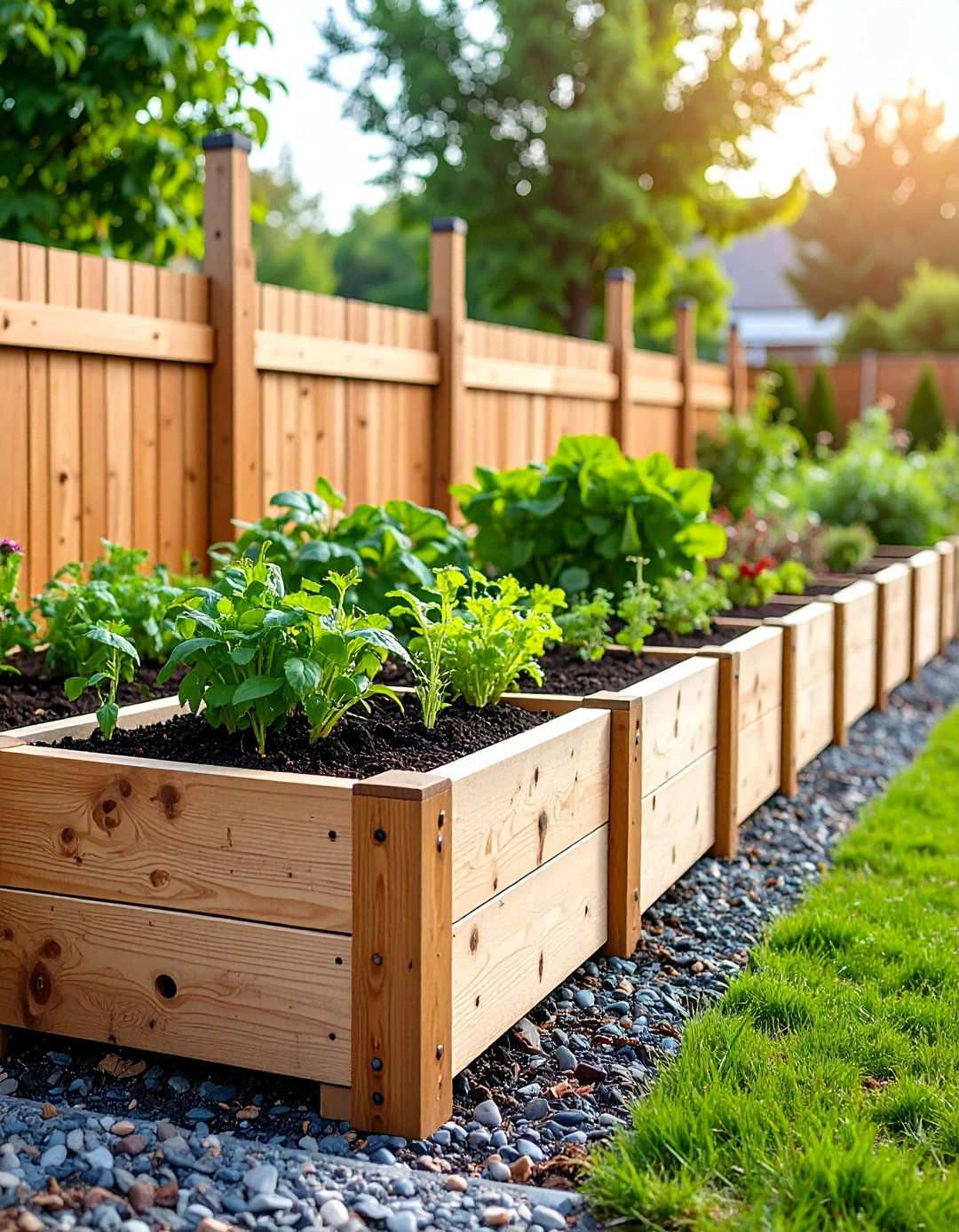
A seamless blend of style and functionality is achieved with cedar plank raised beds that seamlessly merge with a private extension fence system. This innovative design employs naturally rot-resistant cedar boards arranged in two or three levels high against the existing fence line. The fence extension comprises vertical cedar slats that ascend from the bed, effectively creating a dual-purpose growing space and additional screening. Corner posts provide the structural foundation while serving as mounting points for the fence extension. To prevent weed growth and ensure proper drainage, interior landscape fabric is utilized. This approach is particularly well-suited for herb gardens, leafy greens, and compact vegetables that greatly benefit from the windbreak protection provided by the fence extension.
3. Concrete Block and Built-In Trellis System: A Versatile Solution
Concrete blocks offer a durable and versatile option for fence-line raised beds that incorporate integrated trellis systems. By stacking standard 8x8x16-inch blocks two rows high, parallel to the fence, and strategically leaving gaps for drainage, homeowners can create a robust and long-lasting structure. Inserting metal conduit or rebar through the block holes enables the creation of permanent trellis posts that extend upward to support climbing plants. The hollow blocks can be used to house additional plantings like herbs or flowers, adding an extra layer of vertical growth. To ensure proper drainage, fill the gaps between blocks and fence with gravel, then line with landscape fabric before adding quality soil. This system excels for growing pole beans, peas, cucumbers, and climbing flowers that require sturdy vertical support.
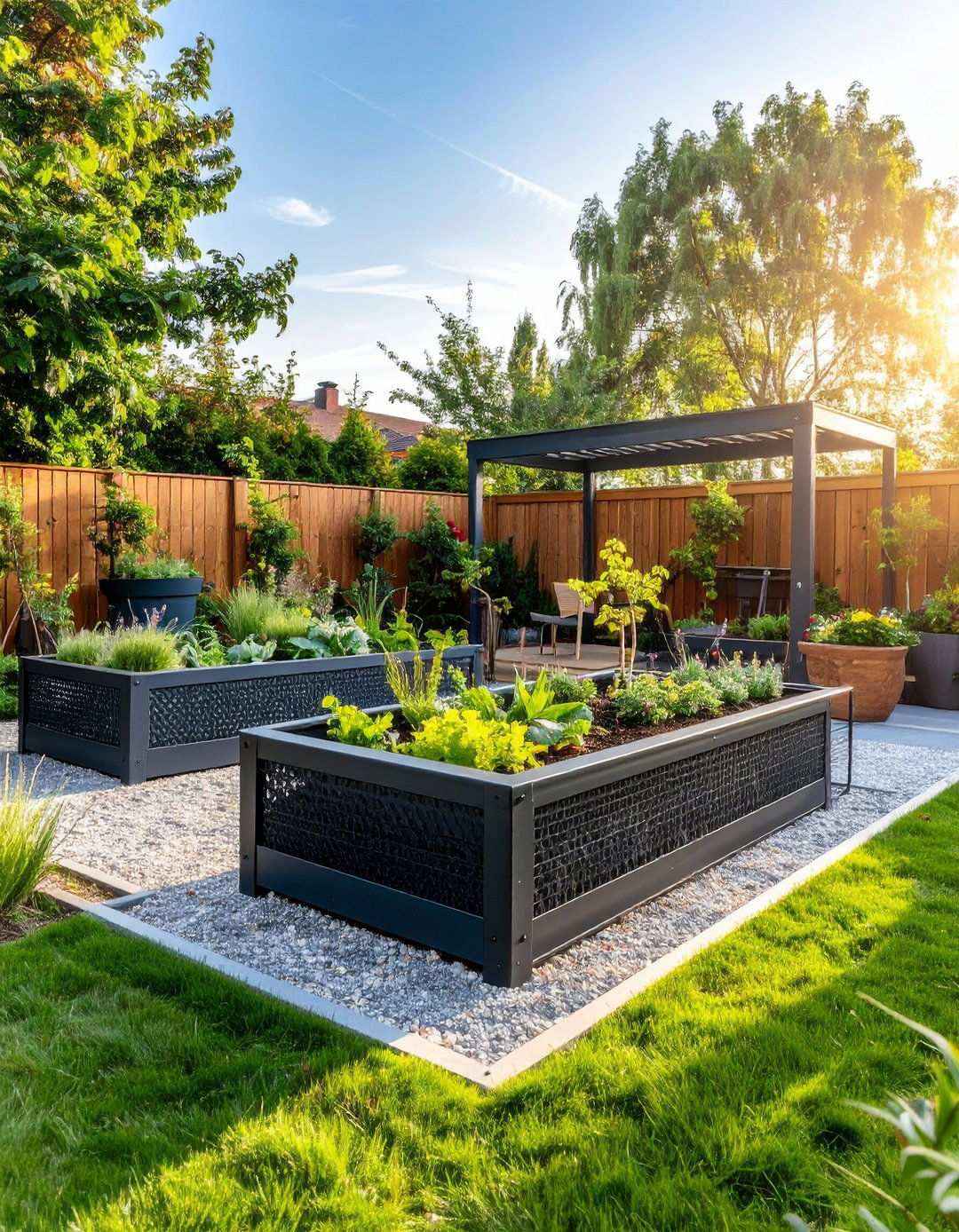
Modern Steel Raised Beds with Integrated Mesh Panels
Galvanized steel planters have become a popular choice for homeowners seeking a sleek, durable aesthetic along fence lines. These contemporary planters not only withstand harsh weather conditions but also serve as an effective deterrent against pests. To create additional growing space, simply attach wire mesh or hardware cloth to the fence side, perfect for training smaller climbing plants or providing support for plant ties. The clean lines and precise geometric shapes of these metal planters significantly enhance property aesthetics. Moreover, interior drainage systems prevent water accumulation, maintaining healthy soil conditions. Whether you’re cultivating a vegetable garden, ornamental plantings, or a vibrant herb-flower combination, galvanized steel raised beds offer an ideal solution with their clean appearance and excellent drainage capabilities.
4. Multi-Tiered Gardens with Natural Stone Retaining Blocks
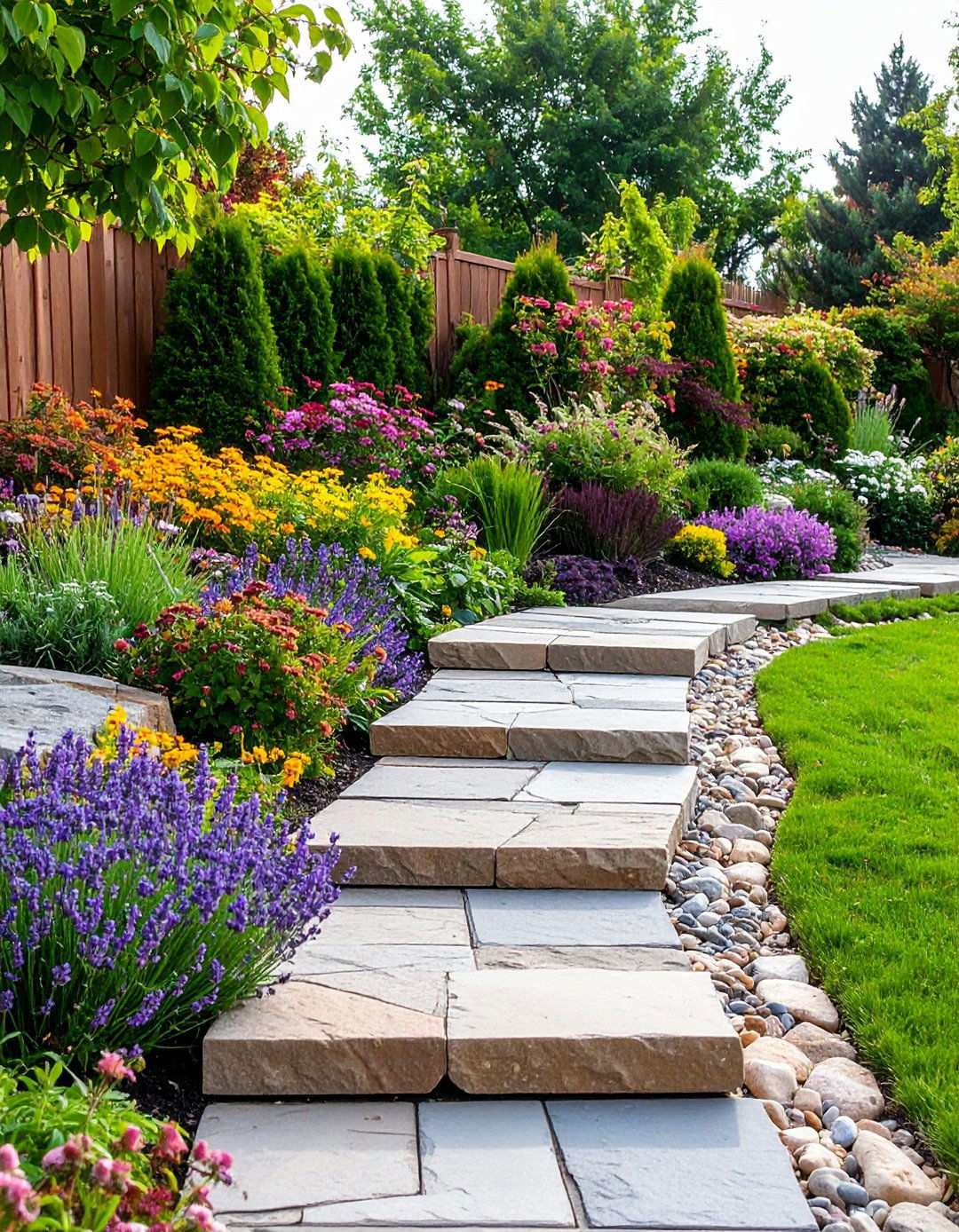
Sloped fence lines present a unique opportunity to maximize growing space with a stunning terraced garden design. By utilizing natural stone or concrete retaining blocks, you can create a visually striking feature that makes the most of your outdoor space. Start by building multiple levels, beginning with the tallest section against the fence and stepping down toward the yard. This tiered approach allows for varying plant heights and sun requirements, from towering tomatoes in the back rows to low-growing herbs in the front sections. To create inviting garden seating areas, incorporate flat capstones that provide a comfortable spot for maintenance and relaxation. What’s more, install drip irrigation between levels for efficient watering, ensuring your plants receive the right amount of moisture. This design is particularly well-suited for properties with natural slopes, offering a dramatic visual impact while providing an extensive area for diverse plant collections.
5. Rustic Wood Raised Beds with Chicken Wire Trellises
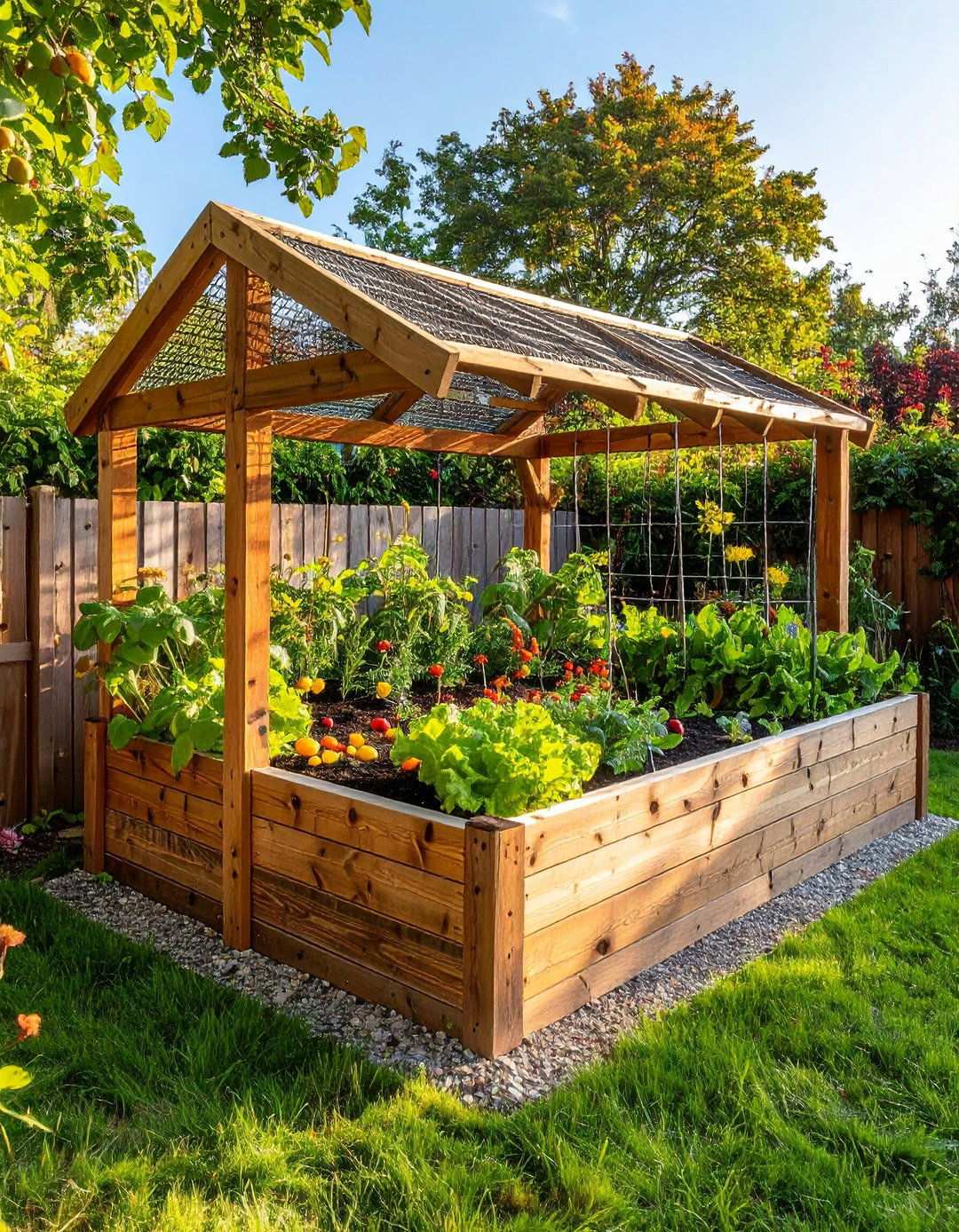
For a charming, budget-friendly approach to garden design, consider building raised beds using reclaimed barnwood or weathered lumber. This rustic aesthetic adds a touch of character to garden spaces, and the thick, aged boards used for sidewalls maintain their weathered patina over time. To create a trellis system for climbing plants, attach chicken wire or welded wire mesh to wooden frames mounted on the fence. This approach not only repurposes materials but also provides an effective growing space for annual vegetables and flowers. To suppress weeds and maintain healthy soil conditions, line the beds with cardboard or landscape fabric, then fill with organic soil amendments. The rustic charm of these raised beds complements cottage gardens, farmhouse landscapes, and informal growing spaces where natural aging and patina enhance visual appeal.
6. Streamlined Raised Bed with Integrated Hydration System
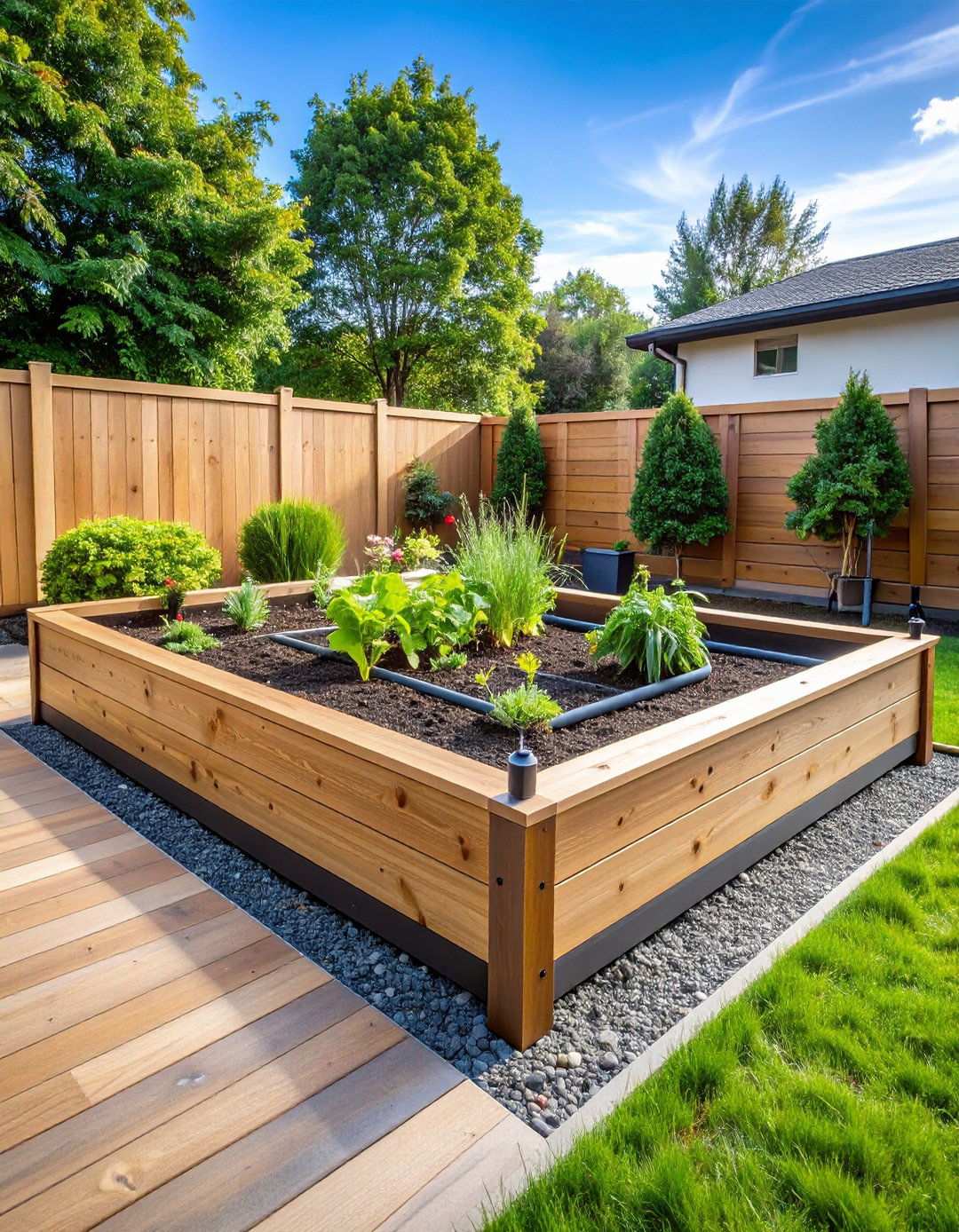
Efficient fence-line gardening is made possible with composite lumber raised beds featuring built-in irrigation systems. These eco-friendly composites, crafted from recycled plastic and wood, boast impressive durability and a natural appearance. Conceal water lines by installing drip irrigation tubing along the fence side, seamlessly integrating them into the bed structure. Time-saving features like automated watering schedules, courtesy of timers and moisture sensors, ensure optimal soil moisture levels. The versatility of composite materials allows for precise construction and a consistent appearance over time. Additionally, interior drainage layers prevent water accumulation, promoting healthy soil conditions. This innovative system is ideal for busy gardeners seeking low-maintenance growing spaces, particularly for herbs and compact vegetables that thrive in consistent moisture environments.
7. Corner Raised Bed with Arched Trellis Design
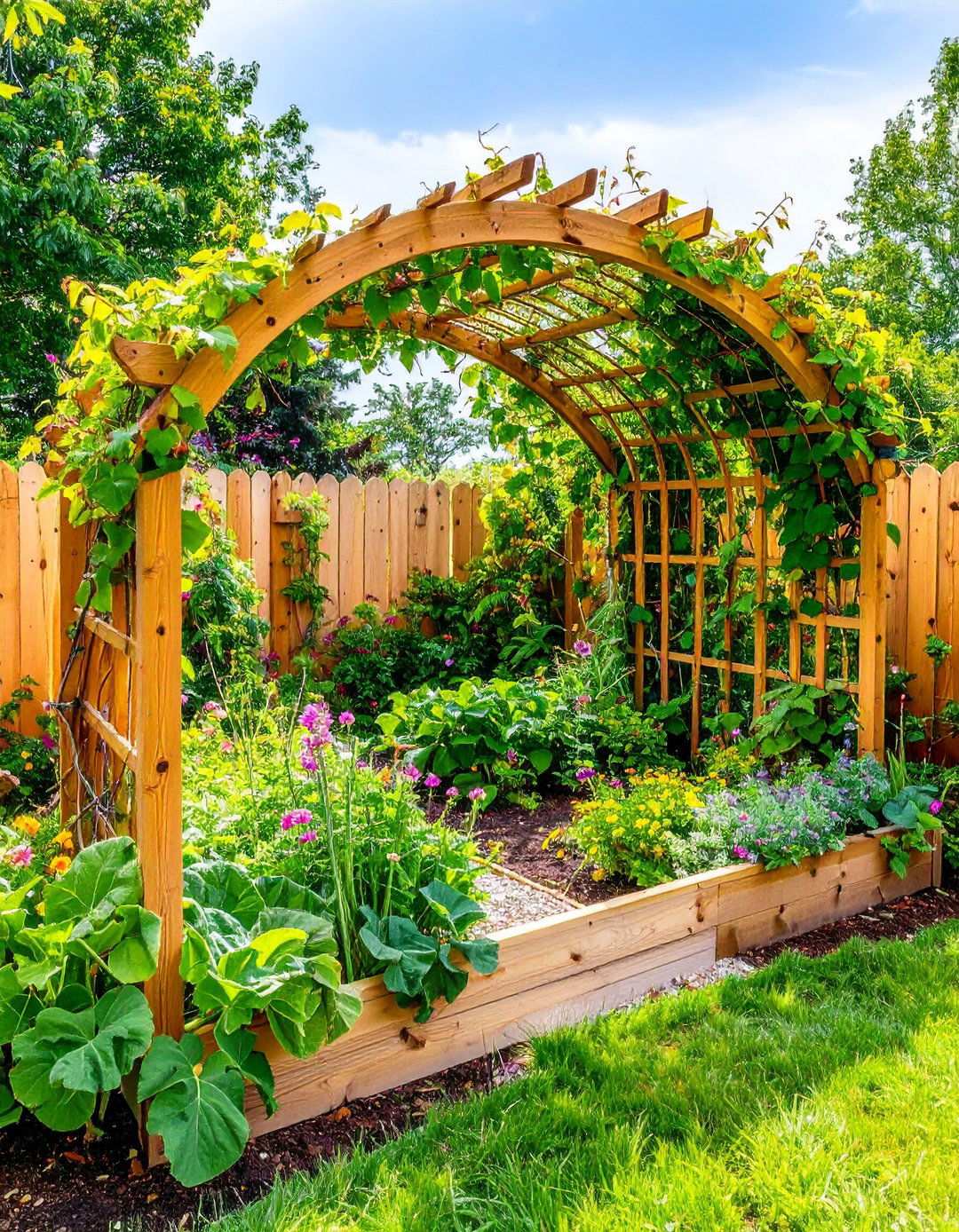
Maximizing corner spaces where two fence lines meet, L-shaped raised beds create visually striking growing areas with the added feature of overhead arch trellises. Construct the L-configuration using durable materials like cedar or composite, varying heights to add visual interest and cater to diverse plant requirements. Install arches using cattle panel or wire mesh, spanning between the raised bed arms to create tunnels for climbing plants like beans, cucumbers, or flowering vines. This space-efficient design not only provides substantial growing area but also offers vertical support. The interior pathways facilitate easy access for planting, maintenance, and harvesting, while the arch creates an attractive entrance effect and defines garden rooms within larger landscape designs.
8. Narrow Raised Bed with Fruit Tree Espalier Support
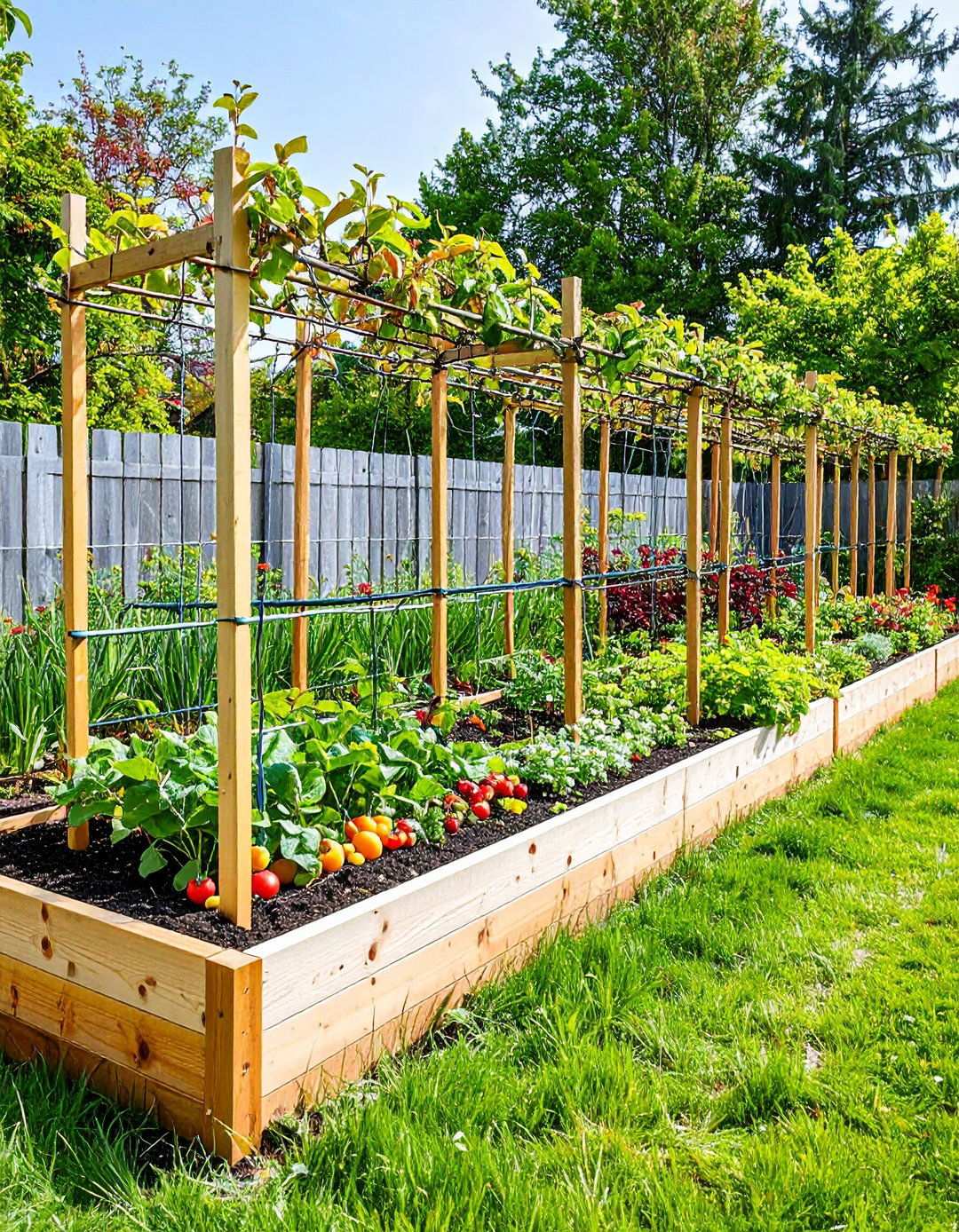
Transforming fence lines into productive orchards, narrow raised beds specifically designed for espaliered fruit trees make the most of compact footprints. Build beds with a width of 18-24 inches and a depth of 12-18 inches, providing ample root space without overwhelming available yard area. Install horizontal wire supports attached to fence posts at 12-inch intervals to train fruit tree branches in flat, decorative patterns. This technique works exceptionally well for apples, pears, and stone fruits that can be trained flat against vertical surfaces. Underplant with shallow-rooted herbs or flowers that complement the fruit trees, creating a thriving ecosystem. This design maximizes fruit production in minimal space, while also providing attractive living fence decorations that offer seasonal interest and food production.
9. Adaptive Garden Layout with Rollable Plant Supports
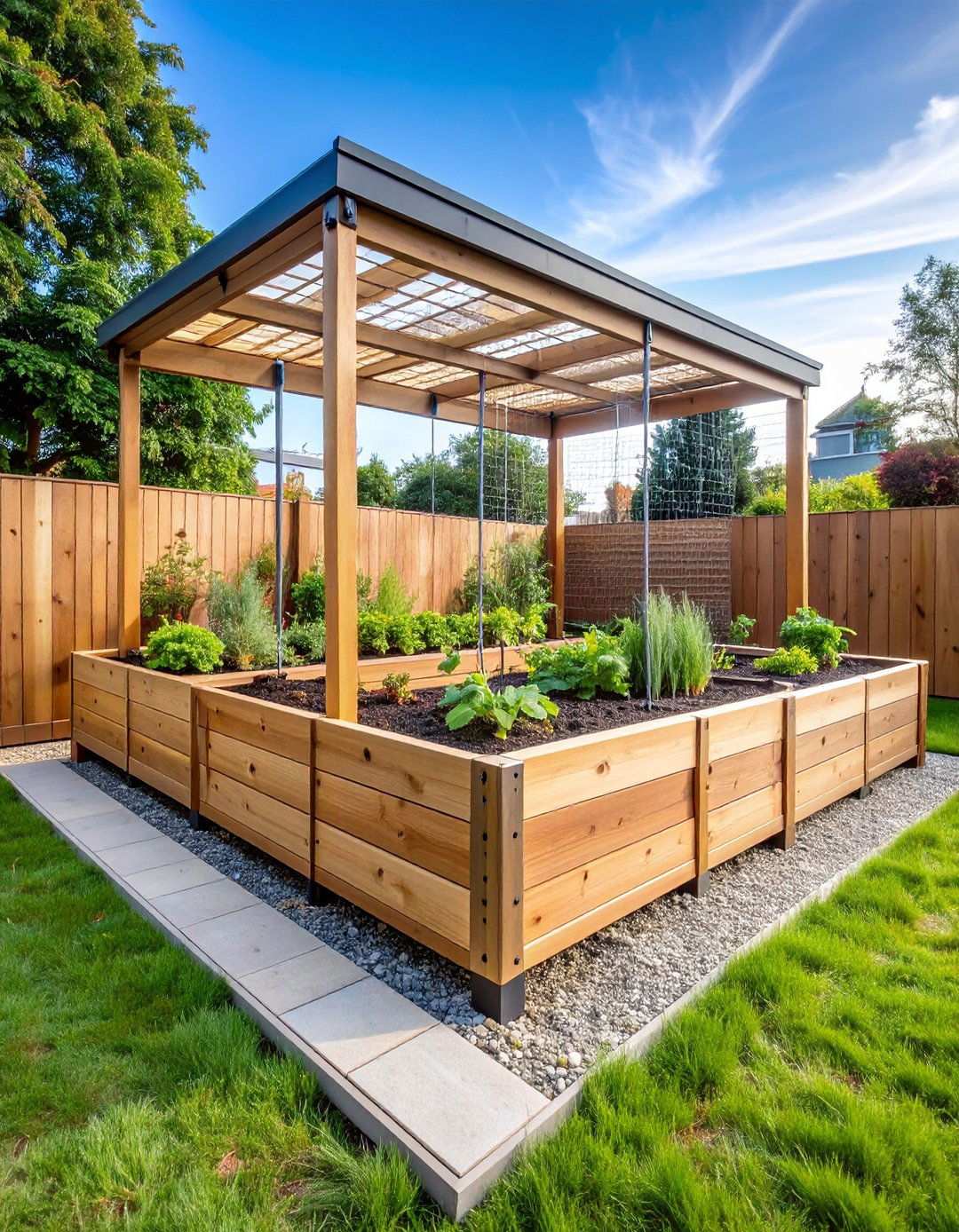
For optimal seasonal growing, consider incorporating a rolling plant support system into your permanent fence-line raised beds. These versatile structures enable flexible growing options for various vegetables and climbing plants. Construct standard raised beds from durable materials like cedar or composite boards, then attach rolling wire panels or trellises that glide along tracks mounted to the fence. By repositioning plant supports based on changing needs, sun angles, or crop rotations, you’ll enhance garden flexibility and efficiency. Secure supports in place during growing seasons and storm events using lockable positions, ensuring worry-free gardening. This design excels for gardeners who enjoy experimenting with new growing systems and maximizing production through strategic plant support placement.
10. Climate-Resilient Double-Wall Raised Bed
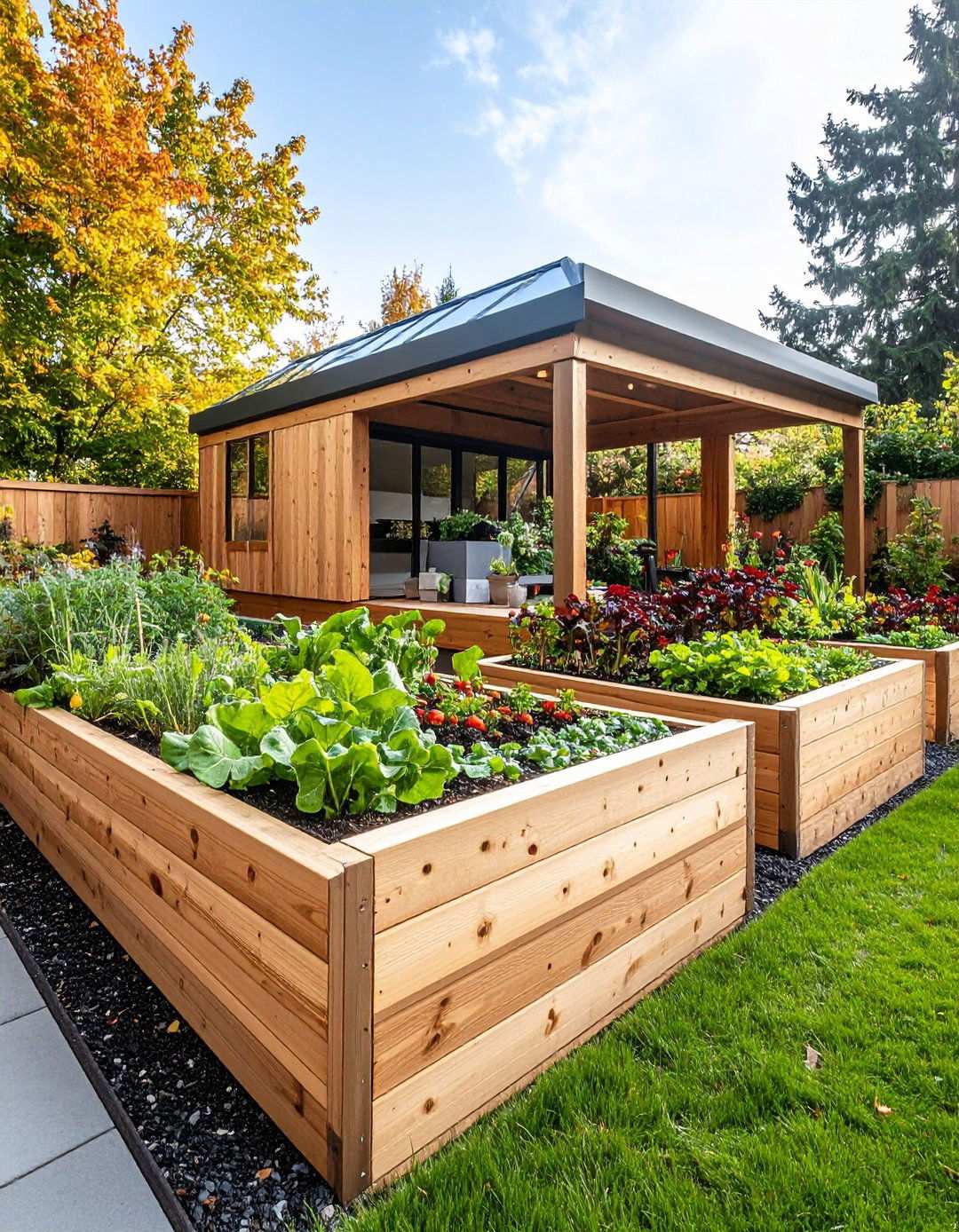
Elevate your growing season with climate-resilient double-wall raised beds that create insulated environments along fence lines. Construct inner and outer walls from weather-resistant materials like cedar or composite boards, filling the gap with insulating materials such as straw, leaves, or foam boards. This thermal mass effectively regulates soil temperatures, keeping roots cooler in summer and warmer in winter. To further extend the growing season, install removable tops or cold frames. The insulated design is particularly beneficial for root vegetables, herbs, and greens that thrive in stable temperatures. Ensure optimal performance by incorporating drainage systems between walls to prevent moisture accumulation while maintaining insulation effectiveness.
11. Functional Raised Bed with Integrated Storage Solutions
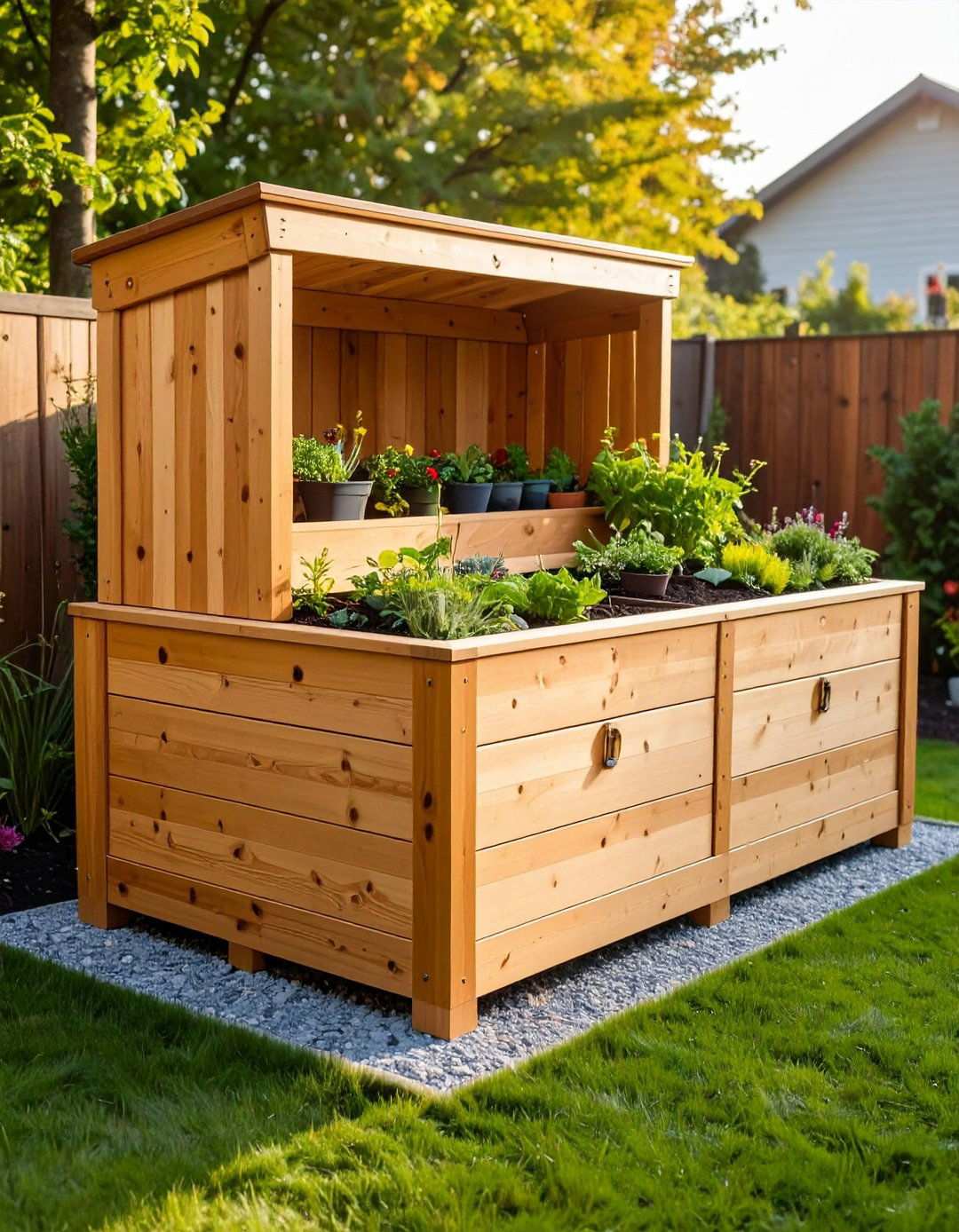
Maximize garden functionality and maintain a clean, minimalist aesthetic by incorporating built-in storage compartments into your raised beds. Design beds with hinged lids or removable panels that reveal storage spaces for essential gardening supplies, including tools, fertilizers, seeds, and maintenance equipment. Construct storage compartments using weather-resistant materials like cedar or composite lumber for long-term durability. Include internal dividers for efficient organization and ventilation to prevent moisture accumulation. Strategically position storage access away from fence sides to facilitate easy maintenance and keep tools conveniently located near growing areas. This design is ideal for small-space gardeners who require effective storage solutions without compromising growing area or requiring separate storage structures that detract from the landscape’s aesthetic appeal.
12. Artistic Curves: Enhancing Property Aesthetics with Curved Raised Beds
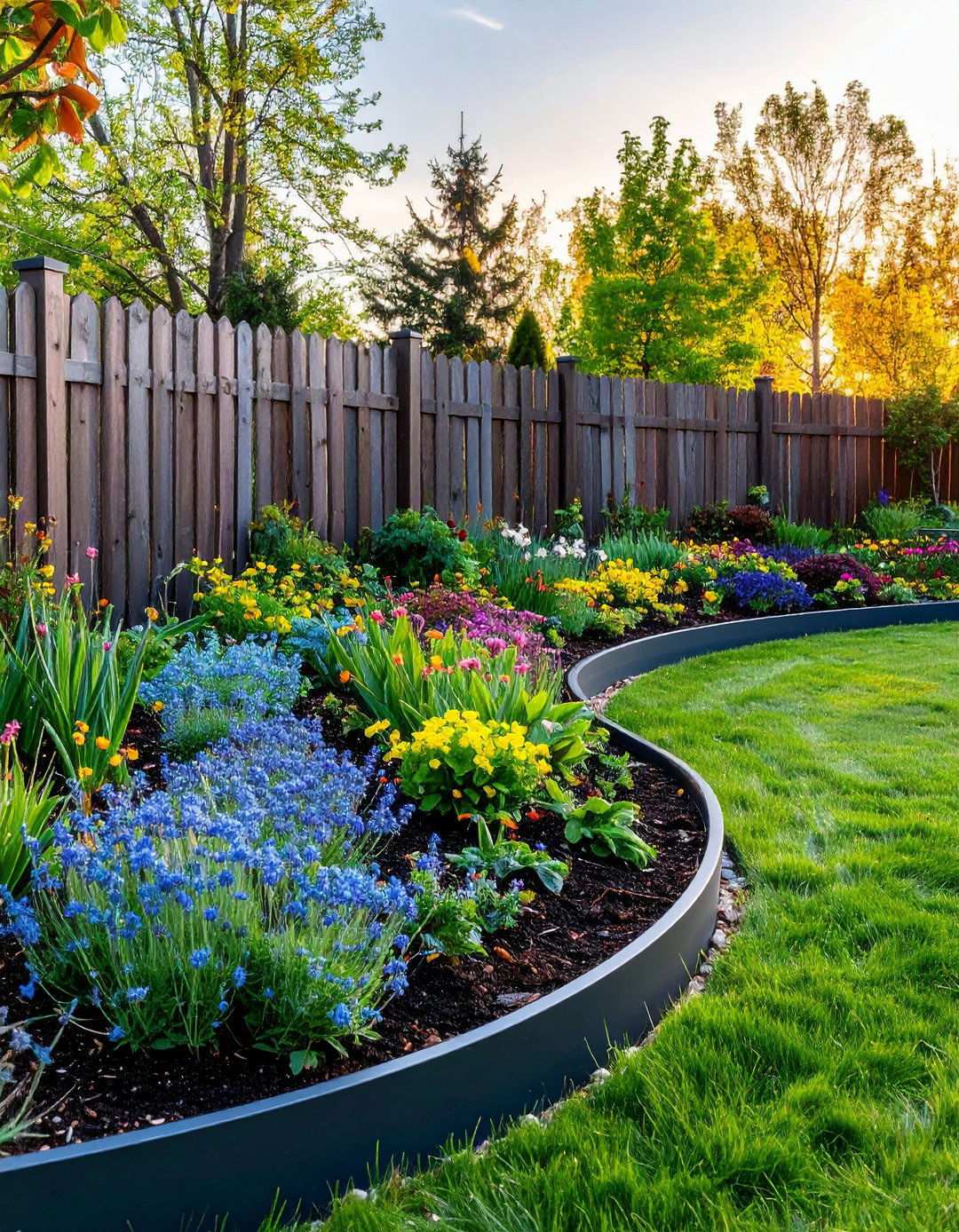
By embracing curved raised bed designs, homeowners can create visually striking landscapes that harmoniously blend with serpentine fence lines. The use of flexible materials such as steel edging or curved composite boards allows for the creation of fluid curves that mirror fence contours or contrast with straight fence lines, adding a touch of elegance to the overall design. To maximize growing space, vary bed widths along the curves to accommodate different plant sizes, incorporating broader sections for larger plants and narrower areas for herbs or decorative elements. This approach not only creates natural pathways and inviting viewing angles but also breaks up monotonous fence-line appearances, adding a sense of dynamism to the property. As a result, curved raised beds prove particularly effective for ornamental gardens, mixed plantings, and landscapes where artistic elements play a pivotal role in enhancing property aesthetics while providing functional growing space for diverse plant collections.
13. Maximizing Vertical Space: Integrating Tower Gardens with Fence Posts
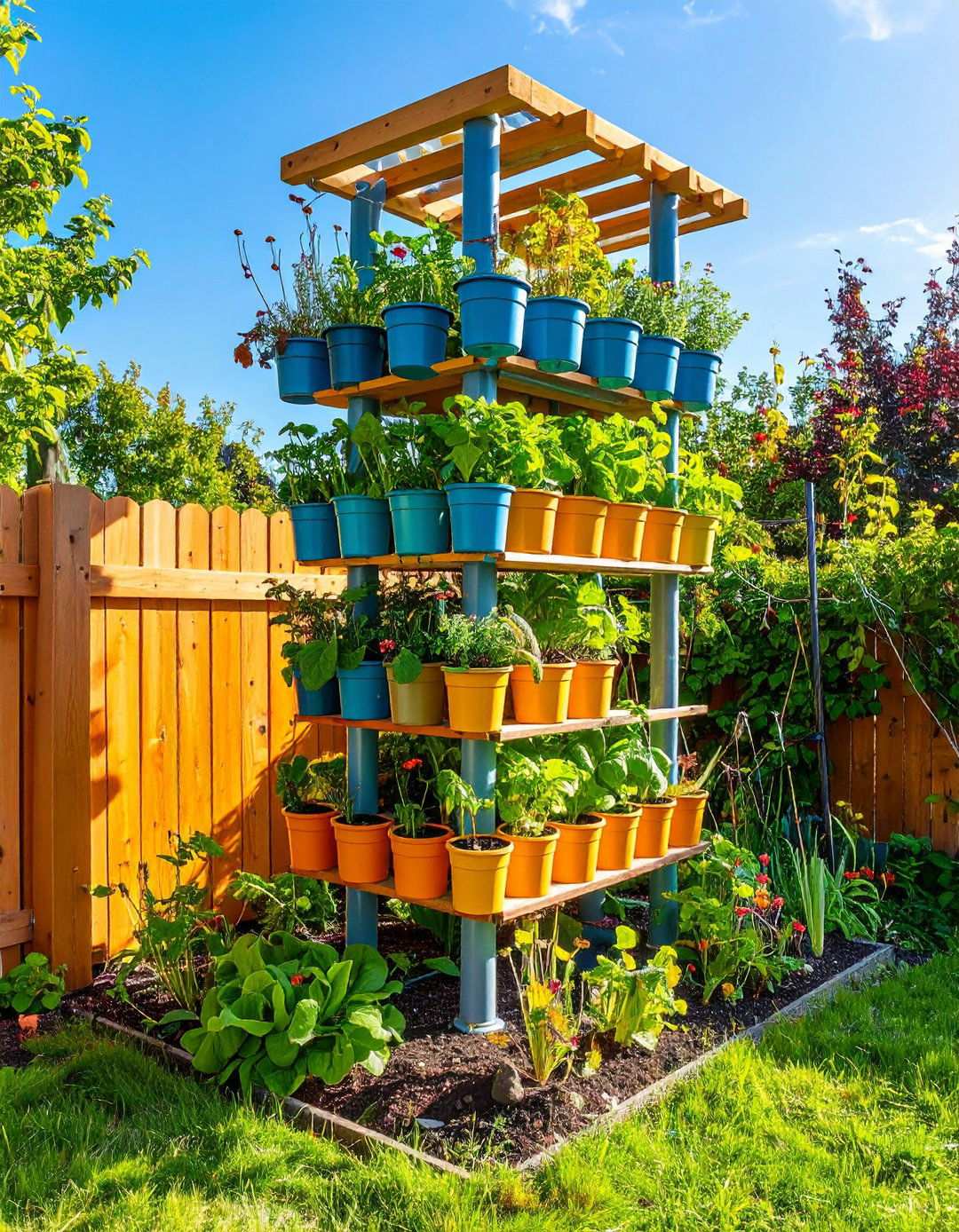
Tower gardens attached to fence posts represent a space-efficient solution for maximizing growing space without sprawling horizontally. By installing cylindrical growing towers, strawberry planters, or stacked container systems directly onto existing fence posts or dedicated support posts, gardeners can create upward-expanding gardens that thrive in compact spaces. Materials such as PVC pipe with growing holes, stacked planters, or wire mesh cylinders filled with growing medium offer versatile options for building these space-saving designs. What’s more, this approach works exceptionally well for compact plants like herbs, strawberries, lettuce, and other varieties that excel in vertical growing conditions. To ensure optimal plant growth, include irrigation systems that distribute water evenly throughout the tower, providing adequate moisture for all plants.
14. Sustainable Gardening: Harnessing Solar Power for Automated Raised Beds
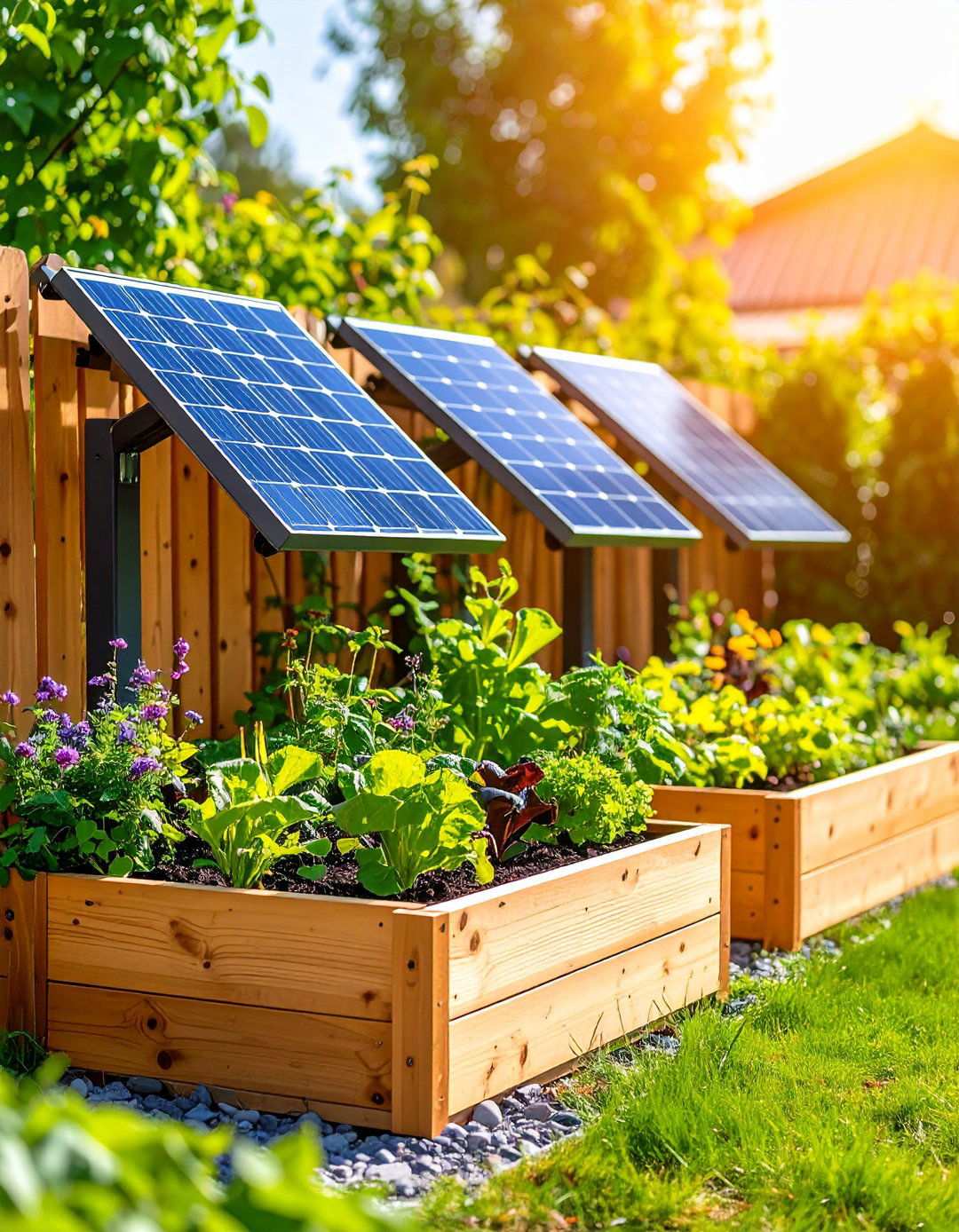
Solar-powered raised beds incorporate cutting-edge technology to create automated watering, lighting, and monitoring systems, elevating the gardening experience along fence installations. By installing small solar panels on fence-mounted brackets, gardeners can power drip irrigation timers, LED growing lights for season extension, and soil moisture monitoring systems. Weather-resistant controllers and sensors optimize growing conditions automatically, ensuring plants receive the precise care they need. Furthermore, battery backup systems guarantee consistent operation during cloudy periods, providing a reliable and efficient gardening solution. This sustainable design appeals to gardeners seeking to minimize manual maintenance while maximizing plant growth through precision care schedules, ultimately reducing resource consumption and labor requirements for maintaining productive garden spaces.
15. Raised Bed with Integrated Composting System
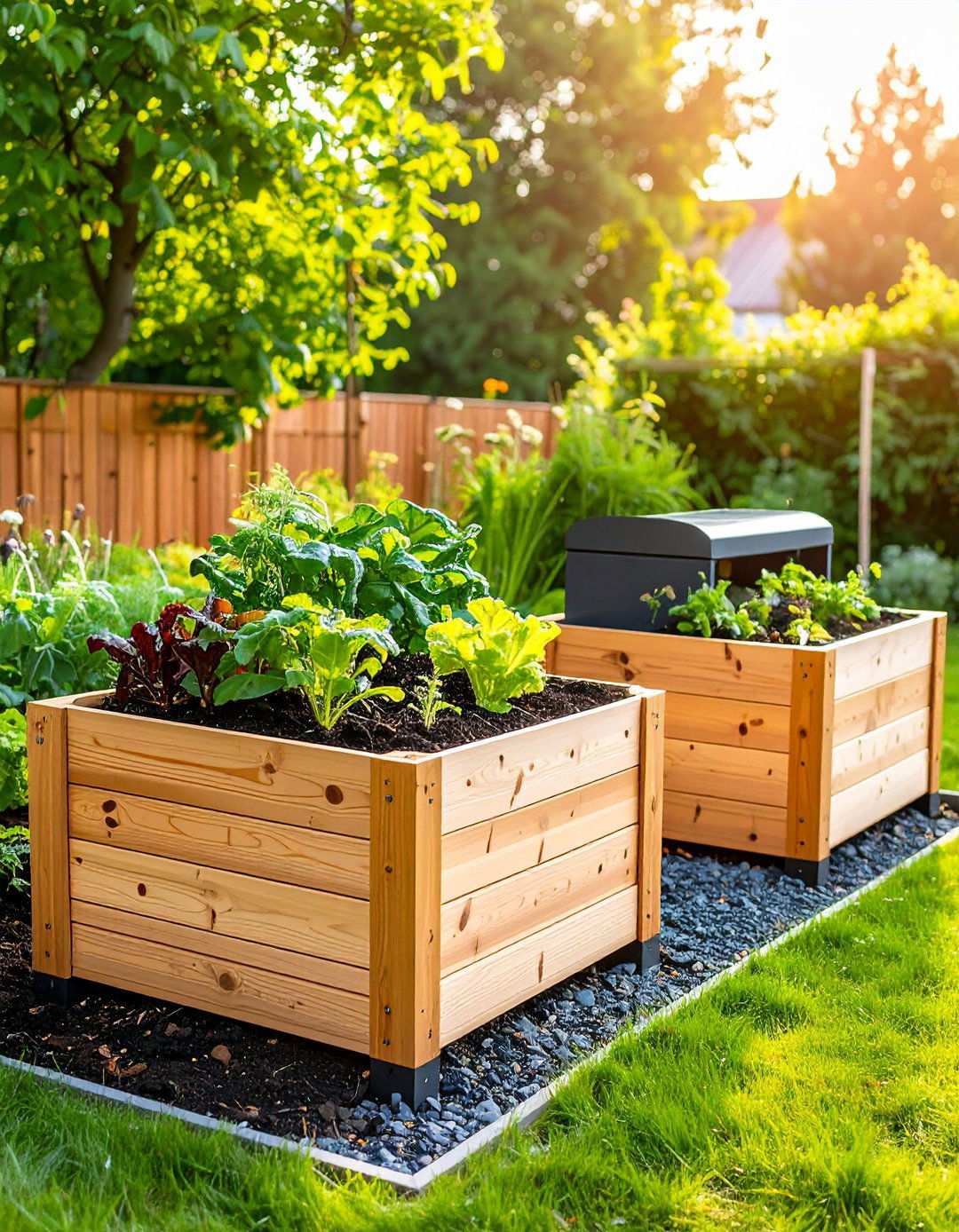
Crafting raised beds with integrated composting systems enables gardeners to create thriving ecosystems that continuously recycle organic matter and enrich soil quality. These self-sustaining systems typically comprise three sections: two active composting chambers and one growing bed. As compost matures, the materials are rotated within the system to maintain optimal nutrient cycling. Thoughtfully designed removable panels provide easy access to composting sections while preserving a visually appealing fence-line appearance. To ensure healthy composting, incorporate essential ventilation and drainage systems that prevent unpleasant odors and pest issues. By seamlessly integrating composting into the garden, gardeners can significantly reduce waste disposal needs while cultivating rich, organic growing mediums that promote robust plant growth and minimize reliance on purchased fertilizers and soil amendments.
16. Raised Bed with Removable Seasonal Covers
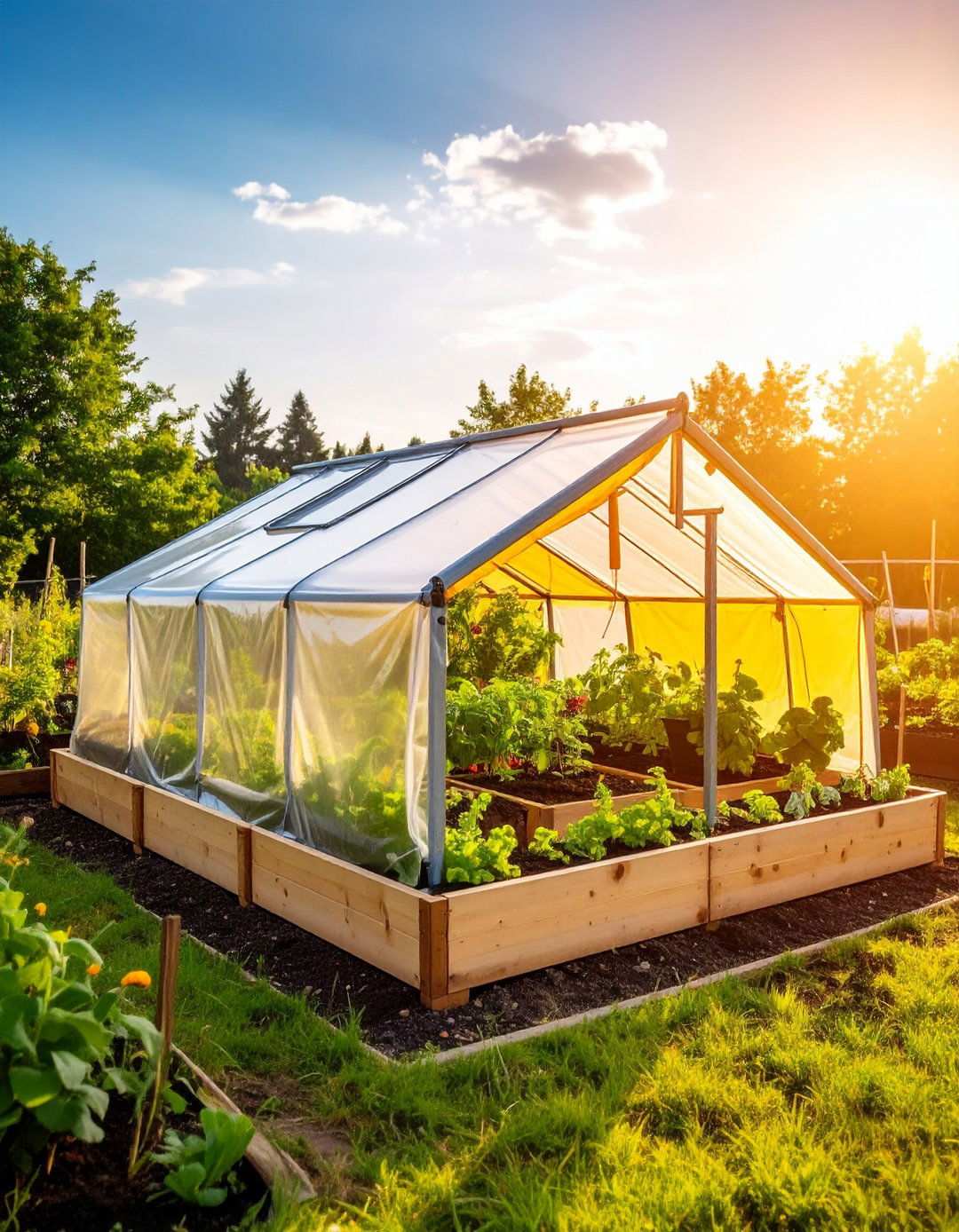
Adaptable raised beds with removable seasonal covers empower gardeners to create versatile growing environments that thrive year-round. These innovative beds incorporate mounting systems for cold frames, hoop houses, shade cloths, or insect protection covers, allowing for seamless seasonal transitions to accommodate changing crop requirements and weather conditions. Lightweight materials and simple attachment methods make it effortless to switch between different cover options. Additionally, well-designed ventilation systems and adjustable openings facilitate precise temperature and humidity control. This dynamic approach not only extends the growing season but also provides pest management options without the need for permanent installations, ensuring successful year-round gardening in varying climate conditions while maintaining an attractive fence-line appearance.
17. Narrow Deep Raised Bed for Root Vegetables
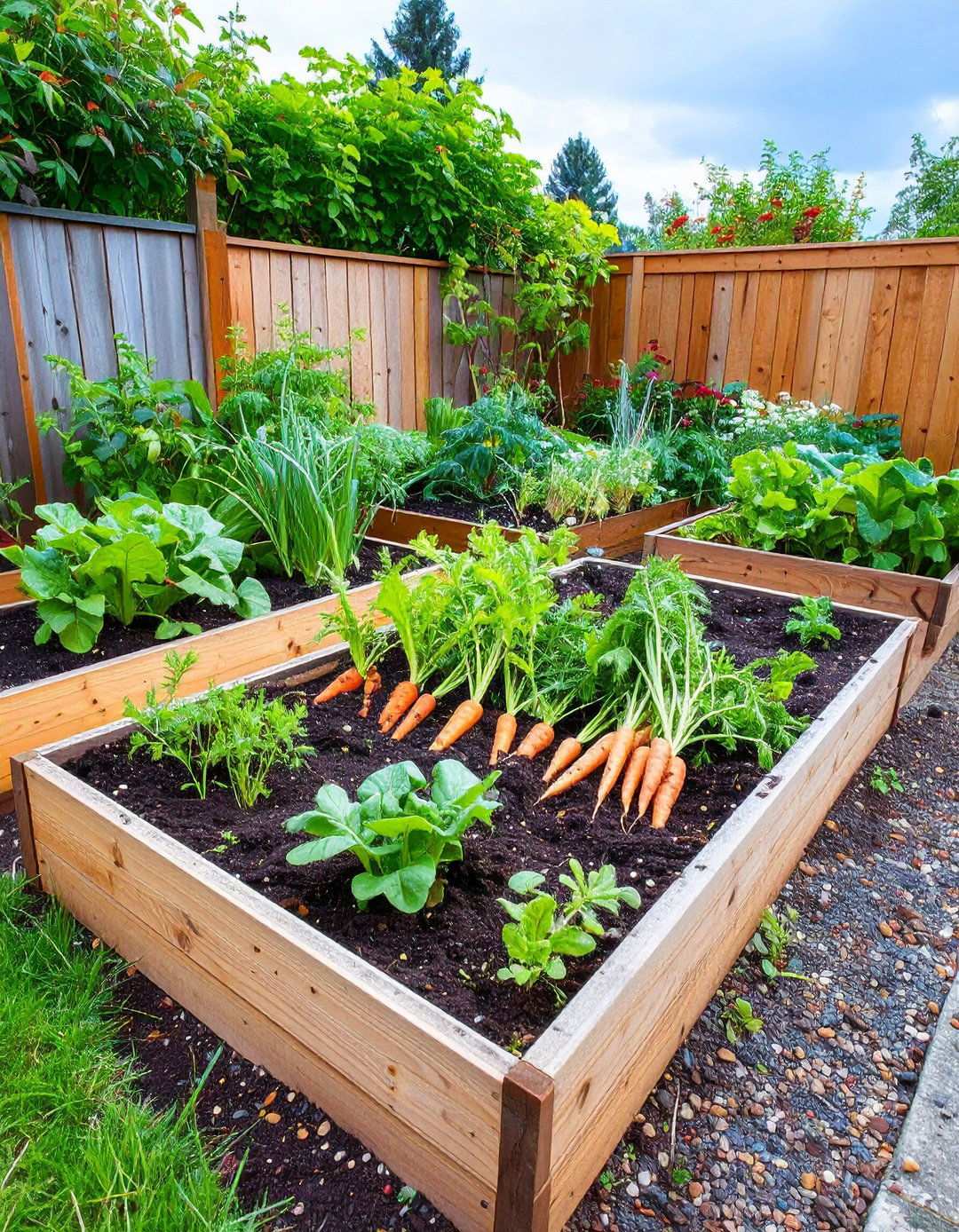
Precision-designed narrow deep raised beds are specifically tailored for cultivating root vegetables like carrots, parsnips, and beets, maximizing production along fence lines. These beds typically measure 12-18 inches in width but boast an impressive 18-24 inches of depth, providing an extensive root zone for optimal development while minimizing surface footprint. To support the needs of deep-rooted crops, the soil preparation involves using loose, organic-rich growing mediums that encourage long, straight root growth. Companion plantings of shallow-rooted herbs or greens can also be incorporated to utilize the upper soil levels without competing with the root crops. By optimizing growing conditions for root vegetables within narrow spaces, gardeners can maximize production and efficiently utilize the available space along fence lines where traditional garden beds might be too wide.
18. Elevating Vertical Gardens with Cascading Plant Design
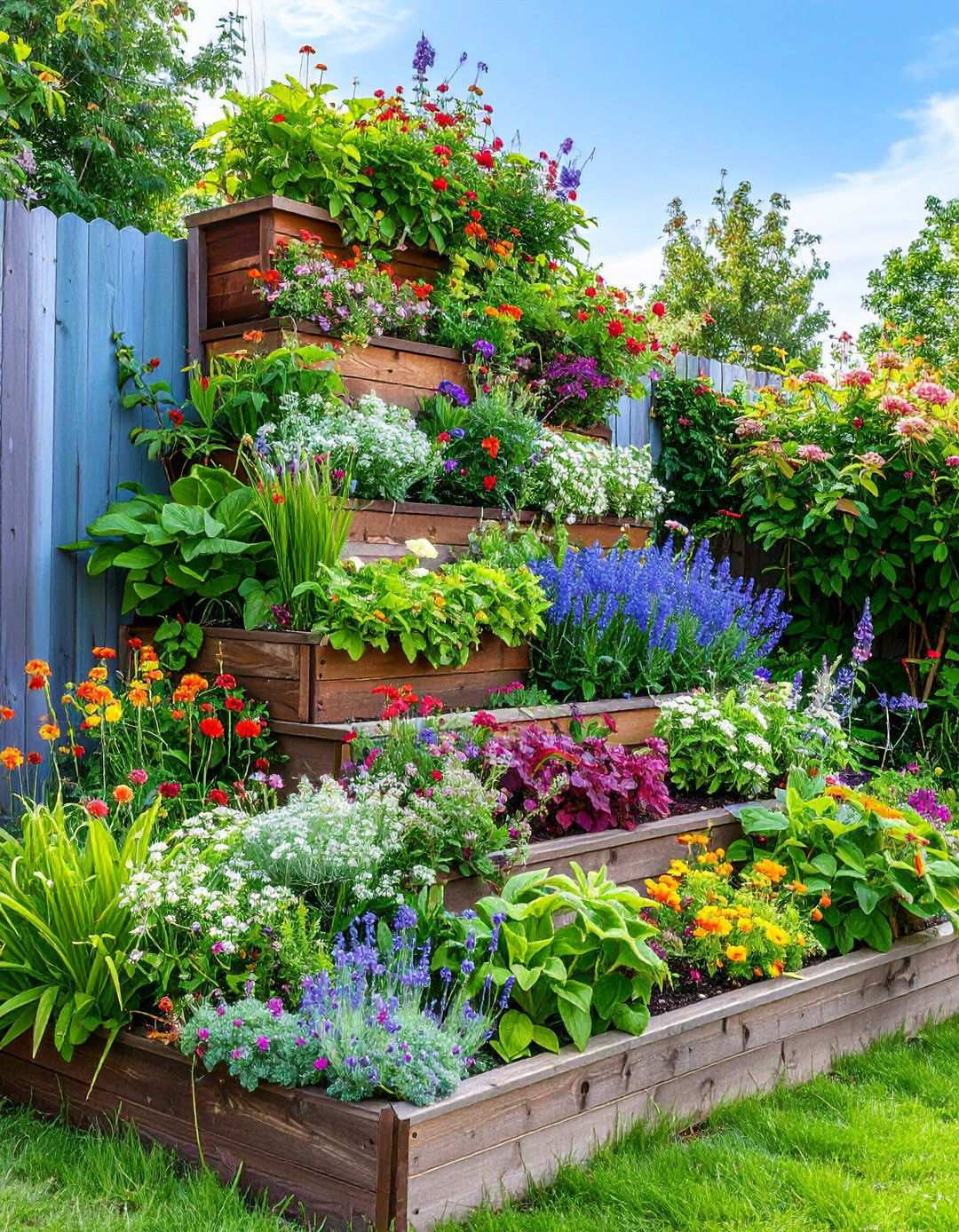
To create an eye-catching focal point along fence lines, consider constructing tiered raised beds with a cascading plant design. This visually appealing approach involves building multiple levels of varying heights and depths, starting with the tallest section against the fence and gradually decreasing in height towards the yard. Each tier should be approximately 6-8 inches lower than the previous one, allowing for a dynamic display of plants at different stages of growth. By strategically placing tall crops like tomatoes or corn in the back rows, medium-height plants like peppers or herbs in the middle tiers, and trailing or compact plants in the front sections, you can maximize growing space while ensuring all plants receive adequate sunlight. To further enhance this design, incorporate integrated watering systems that cascade from level to level, conserving water while promoting even distribution throughout the tiered system.
19. Raised Beds with Integrated Seating and Multi-Functional Design
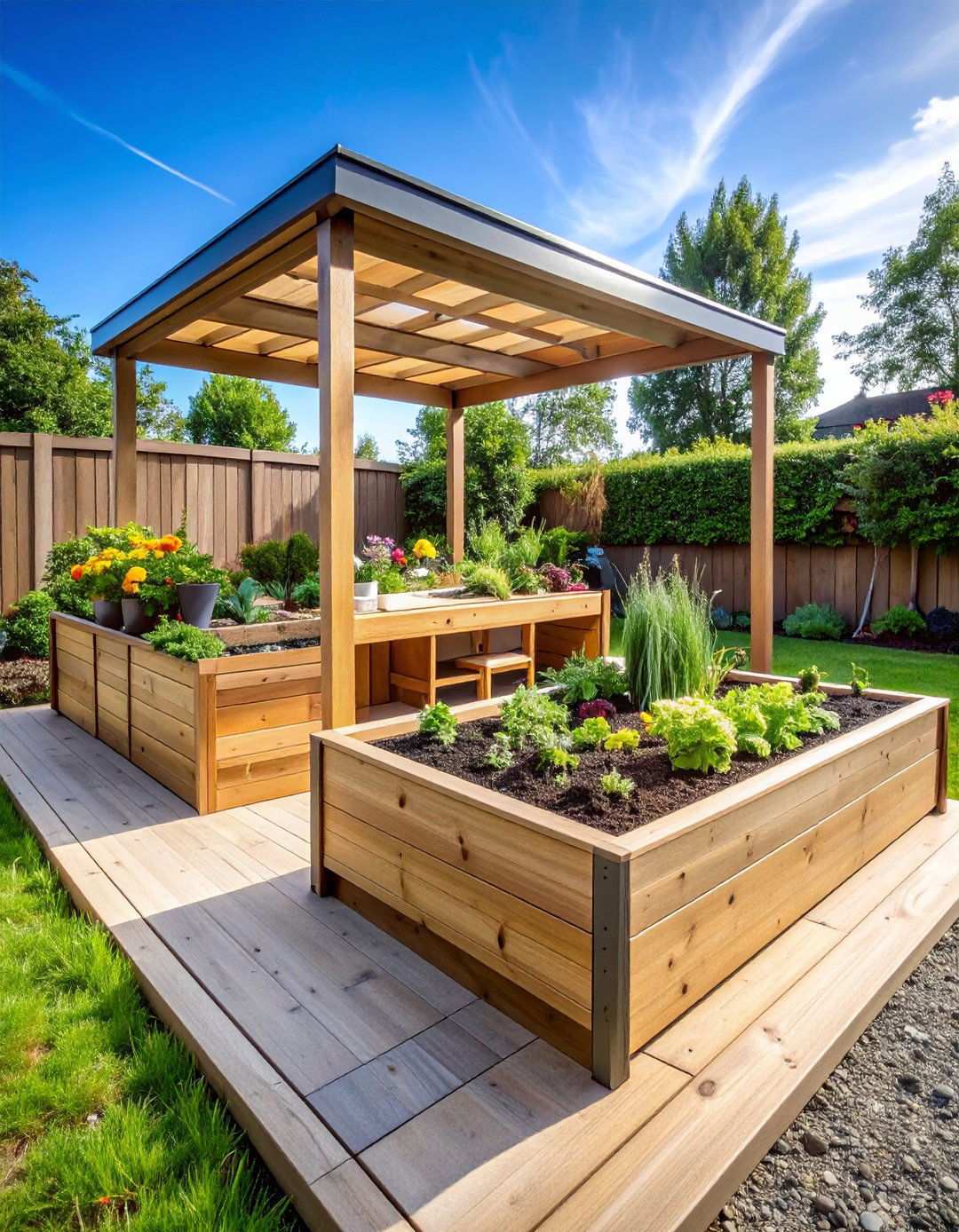
For a more practical and comfortable gardening experience, consider designing raised beds with built-in seating and work surfaces. By incorporating wide bed edges made from flat boards or stone caps, you can create inviting garden maintenance areas while maximizing fence-line functionality. Add fold-down work surfaces or permanent potting areas for convenient plant care, seed starting, and harvest processing. When selecting materials, opt for weather-resistant options that can withstand outdoor conditions, while also providing comfortable working heights. To optimize storage, incorporate interior storage beneath seating areas for tools and supplies. This thoughtfully designed space not only reduces strain during garden maintenance but also creates a welcoming outdoor area that combines productive growing with comfortable workspaces – ideal for gardeners with mobility considerations or those who spend a significant amount of time maintaining their gardens.
20. Raised Beds with Integrated Pest Protection Systems
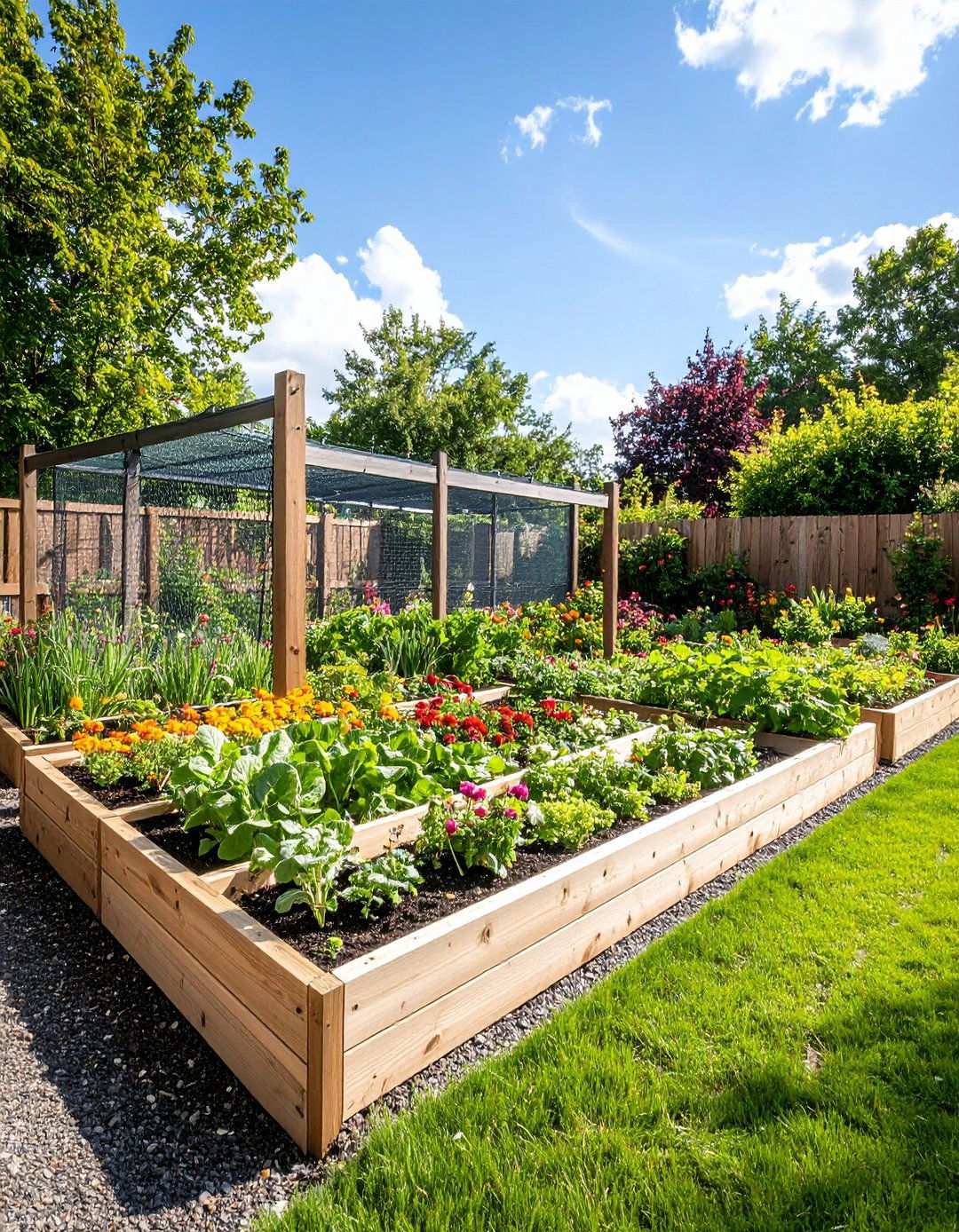
Protect your garden investments from deer and pests with raised beds featuring integrated protection systems. These secure growing environments can be achieved by installing posts within or around beds to support removable or permanent barrier systems, including wire mesh, netting, or solid barriers. Design the system with easy access gates or removable sections for effortless garden maintenance and harvesting. Additionally, include tops or covers for complete protection when needed for vulnerable crops or seedlings. By combining functionality with aesthetics, you can create attractive protection systems that complement your landscape design. This strategic approach ensures successful crop production in areas with significant pest pressure while maintaining organized, visually appealing fence-line growing spaces that safeguard your investments in plants and growing infrastructure.
21. Hydroponic Raised Bed Innovation with Reservoir Systems
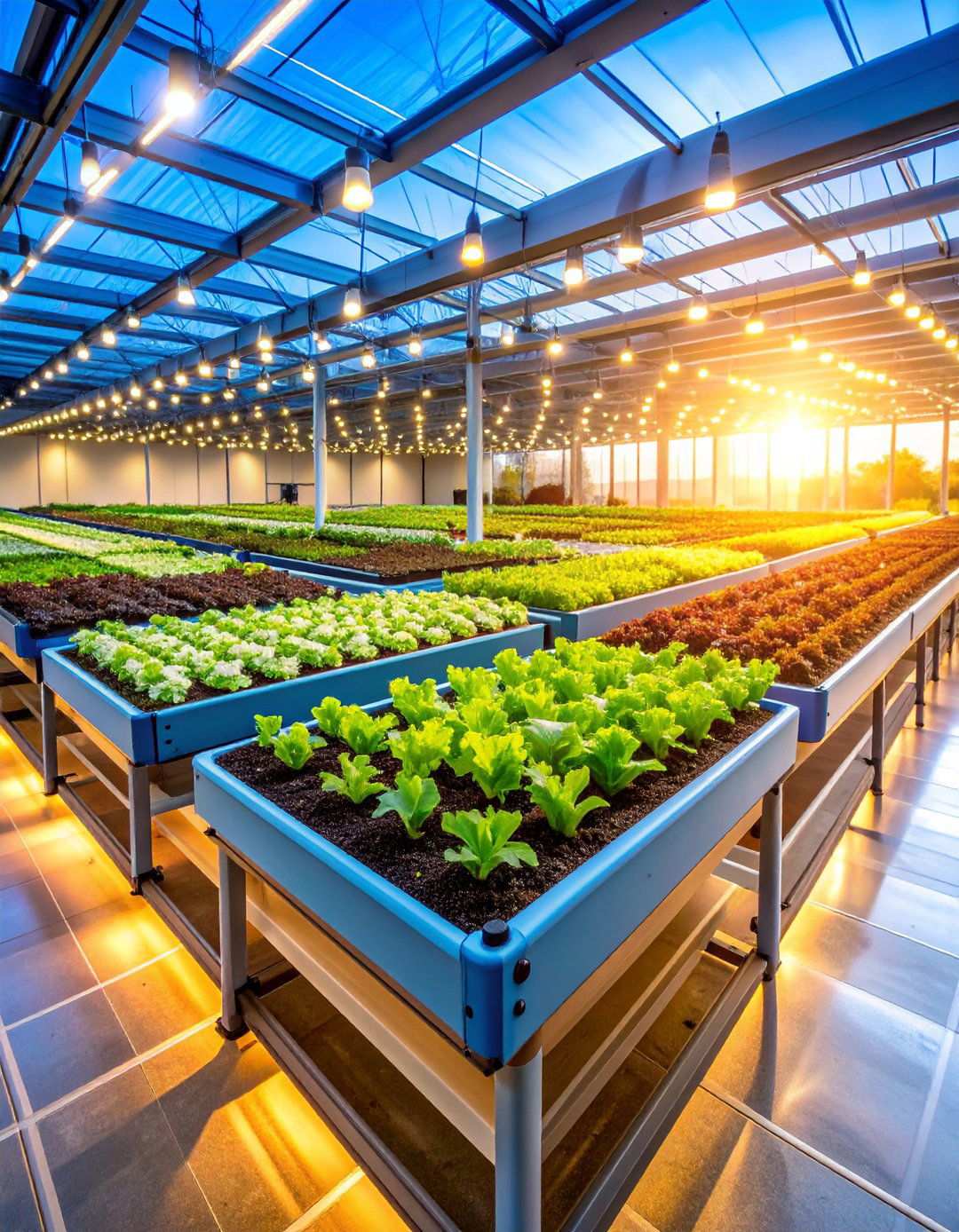
By integrating hydroponic systems into raised bed designs along fence lines, gardeners can enjoy precise growing control and water conservation through recirculating nutrient solutions. This innovative approach involves building beds with waterproof liners and integrated reservoir systems that collect and recycle nutrient solutions. Utilizing growing mediums like expanded clay or perlite allows for optimal plant root support while enabling nutrient flow. The incorporation of pumps and distribution systems powered by solar panels or electrical connections enables automatic operation, streamlining the growing process. This cutting-edge method produces exceptional yields in compact spaces while conserving water and providing precise nutrition control. Furthermore, the soil-free approach eliminates weeding and many pest issues, resulting in clean, healthy crops with minimal space requirements, making it an ideal solution for intensive fence-line production systems.
22. Herb Garden Specialization in Raised Beds
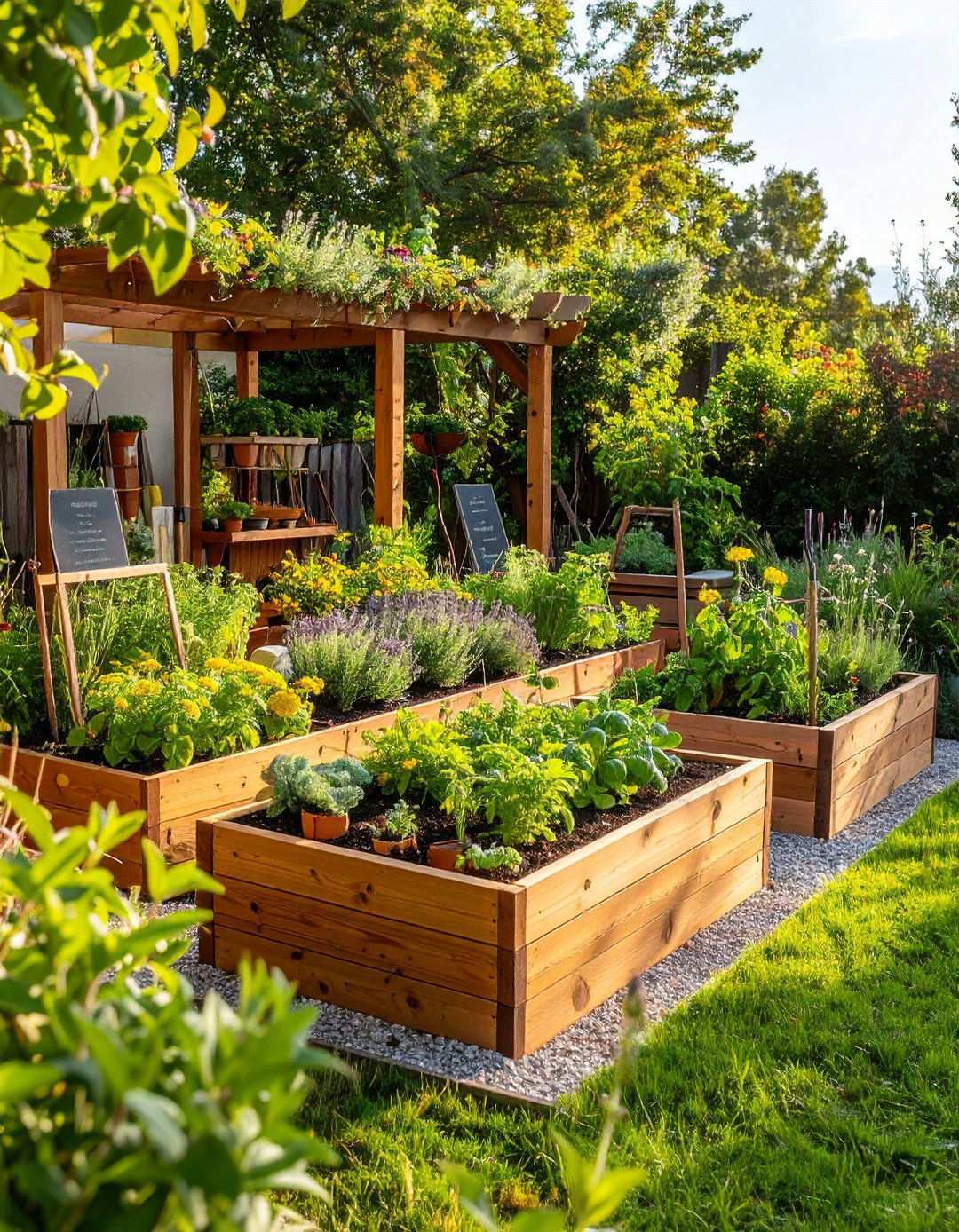
Specialized herb gardens in raised beds along fence lines create organized growing spaces for medicinal and culinary plant collections. By designing beds with distinct sections for various herb categories, such as Mediterranean herbs requiring excellent drainage and moisture-loving herbs like mint and parsley, gardeners can optimize growing conditions. Including identification systems and harvesting tools storage facilitates convenient maintenance and encourages companion planting principles to group herbs with similar growing requirements. This thoughtful approach creates attractive combinations of textures, colors, and fragrances, while also making it easy to identify, harvest, and preserve herb crops. As a result, aromatic fence-line gardens can provide both practical benefits and sensory appeal throughout growing seasons.
23. Raised Bed Efficiency with Integrated Drip Irrigation and Mulch Systems
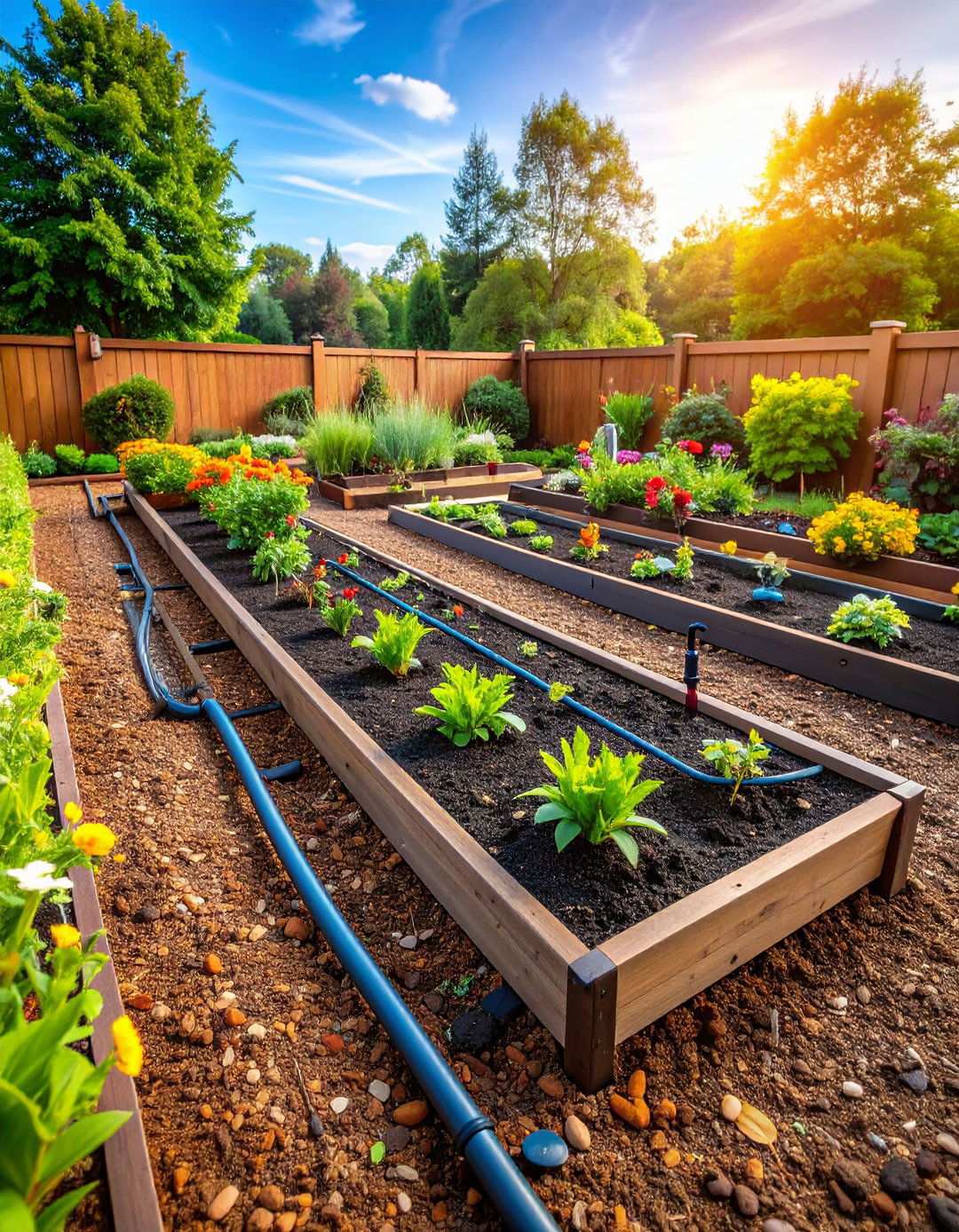
Advanced raised beds featuring integrated drip irrigation and automated mulch distribution create low-maintenance growing systems along fence lines. By installing buried irrigation lines with surface emitters positioned for optimal water distribution to plant root zones, gardeners can ensure consistent moisture levels. Including automated timers and soil moisture sensors enables precise watering schedules, reducing manual watering requirements. The design of pathways and borders to accommodate organic mulch materials like straw, wood chips, or compost not only suppresses weeds but also conserves soil moisture. This efficient approach optimizes growing conditions through consistent moisture and temperature regulation, supporting productive gardens with minimal maintenance time while conserving water and reducing organic waste through mulch recycling programs that promote sustainable gardening practices.
24. Adaptable Raised Beds for Dynamic Gardening
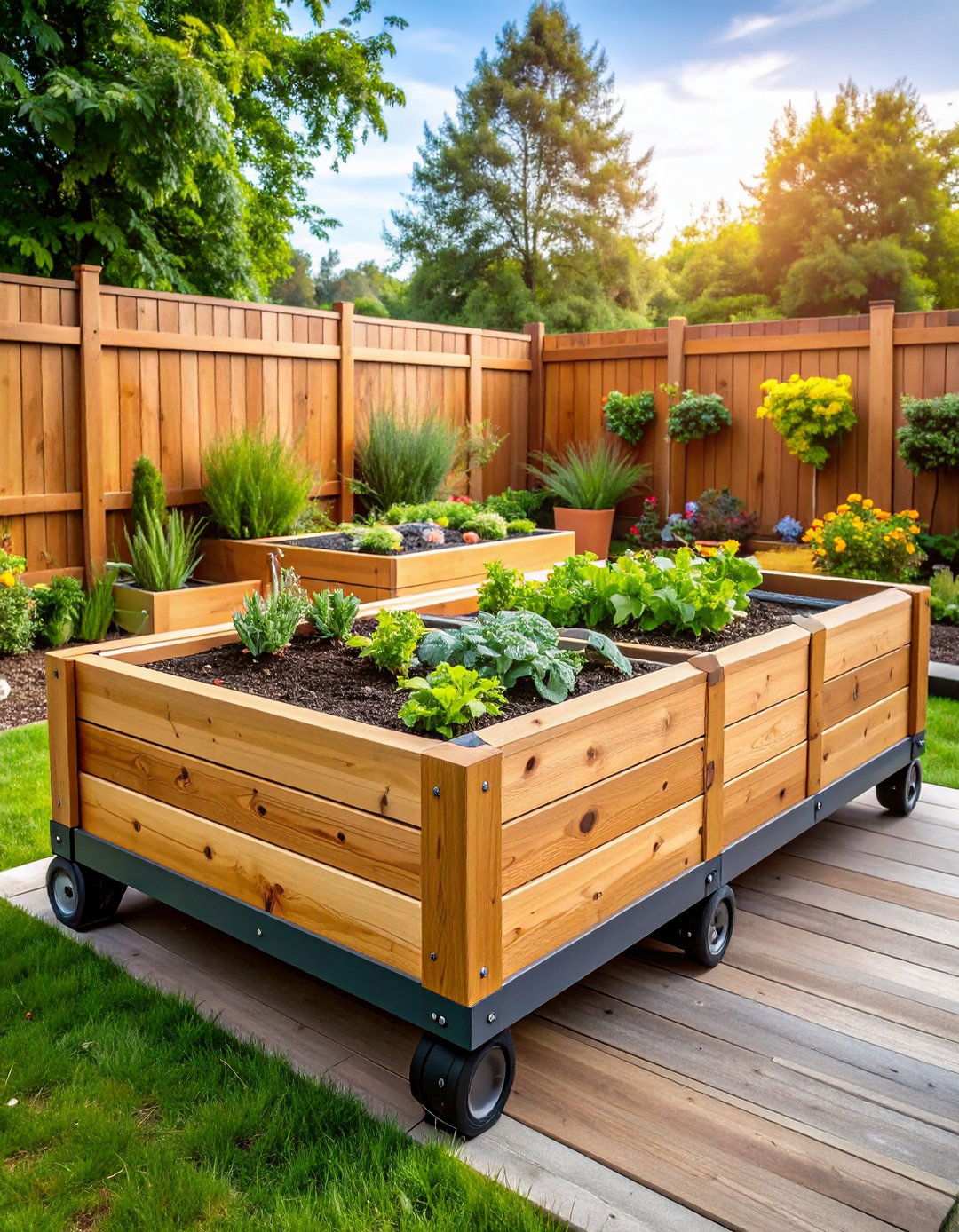
Innovative gardening solutions often require flexibility to accommodate changing seasonal conditions and shifting garden layouts. A mobile raised bed on wheels with fence-mount supports offers a practical approach to dynamic gardening. By leveraging cedar or composite materials, these beds can be built to be lightweight yet robust, allowing for easy repositioning along fence lines.
This adaptable design enables gardeners to optimize sun exposure throughout the seasons, access different water sources, and relocate beds to sheltered areas during severe weather. The fold-down or removable supports provide additional stability when positioned along fence lines, ensuring a secure growing space. Whether you’re a renter, experimental gardener, or simply looking for a flexible gardening solution, this innovative design caters to diverse needs and circumstances, making it an attractive option for those who value adaptability in their garden layouts.