1. Vintage Rustic Charm: The Timeless Red Barn Aesthetic
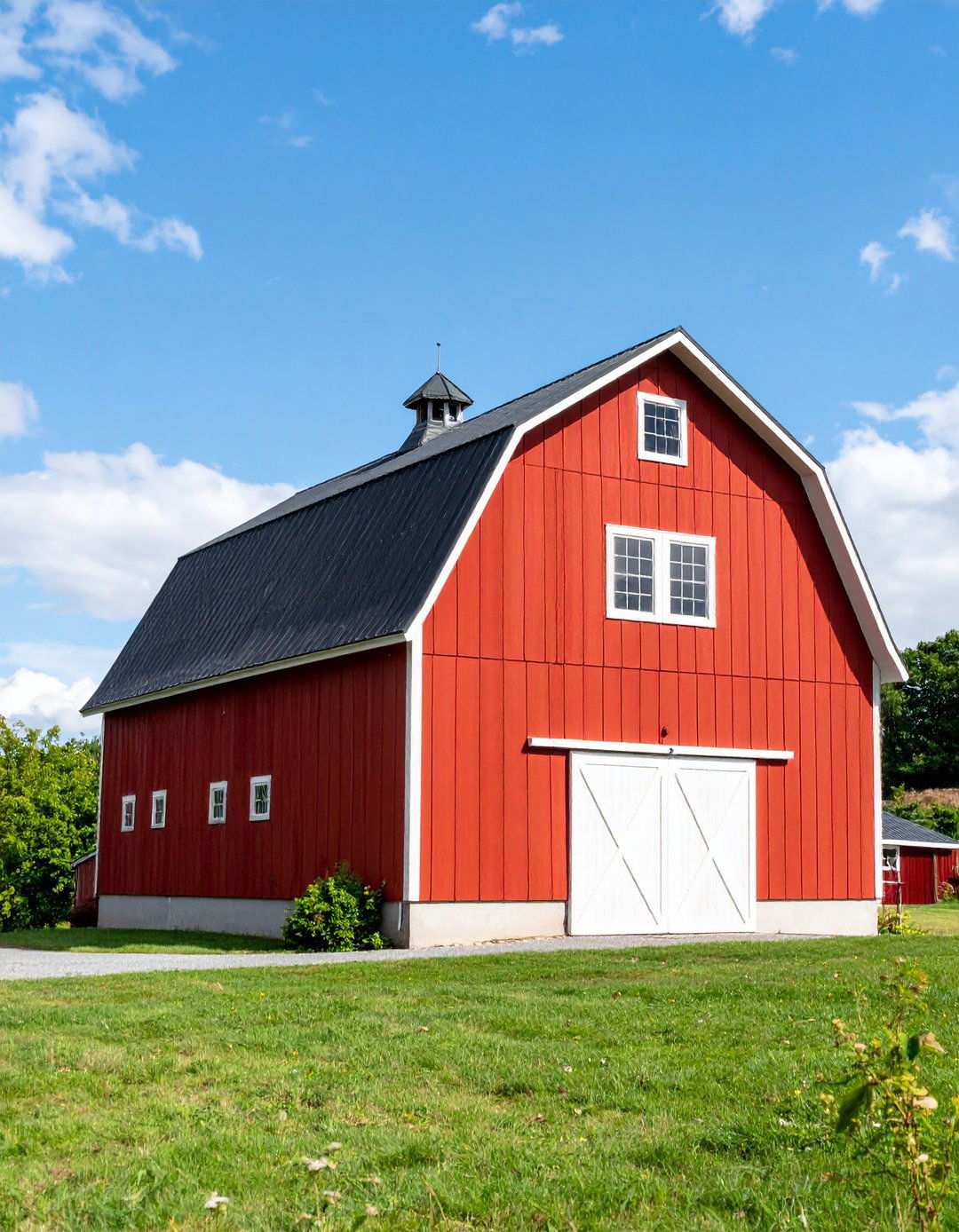
The classic red barn exterior remains a beloved design choice for pole barns, effortlessly blending the authenticity of agricultural heritage with undeniable visual allure. This enduring aesthetic is characterized by rich, vibrant red metal siding paired with crisp white trim around windows, doors, and rooflines, conjuring the quintessential essence of a rustic barn. The bold contrast between the deep red exterior and darker roof materials like charcoal gray or black metal roofing creates a striking visual effect, accentuating the building’s architectural lines and adding depth to its design.

As an Amazon Associate I earn from qualifying purchases.
By incorporating traditional barn doors – whether functional or decorative – homeowners can add authentic character and whimsy to their pole barn design. The addition of cupolas not only provides essential ventilation but also introduces visual interest, drawing the eye upwards and creating a sense of verticality. The juxtaposition of white window frames against the warm red siding produces a clean, crisp appearance that photographs beautifully and remains charming across the seasons. To further enhance the design, consider incorporating stone or concrete foundations visible above ground level, adding visual weight and authenticity to the overall aesthetic. This design approach is particularly well-suited to rural settings and appeals to homeowners seeking a genuine connection to America’s agricultural past.
2. Modern Farmhouse White Exterior
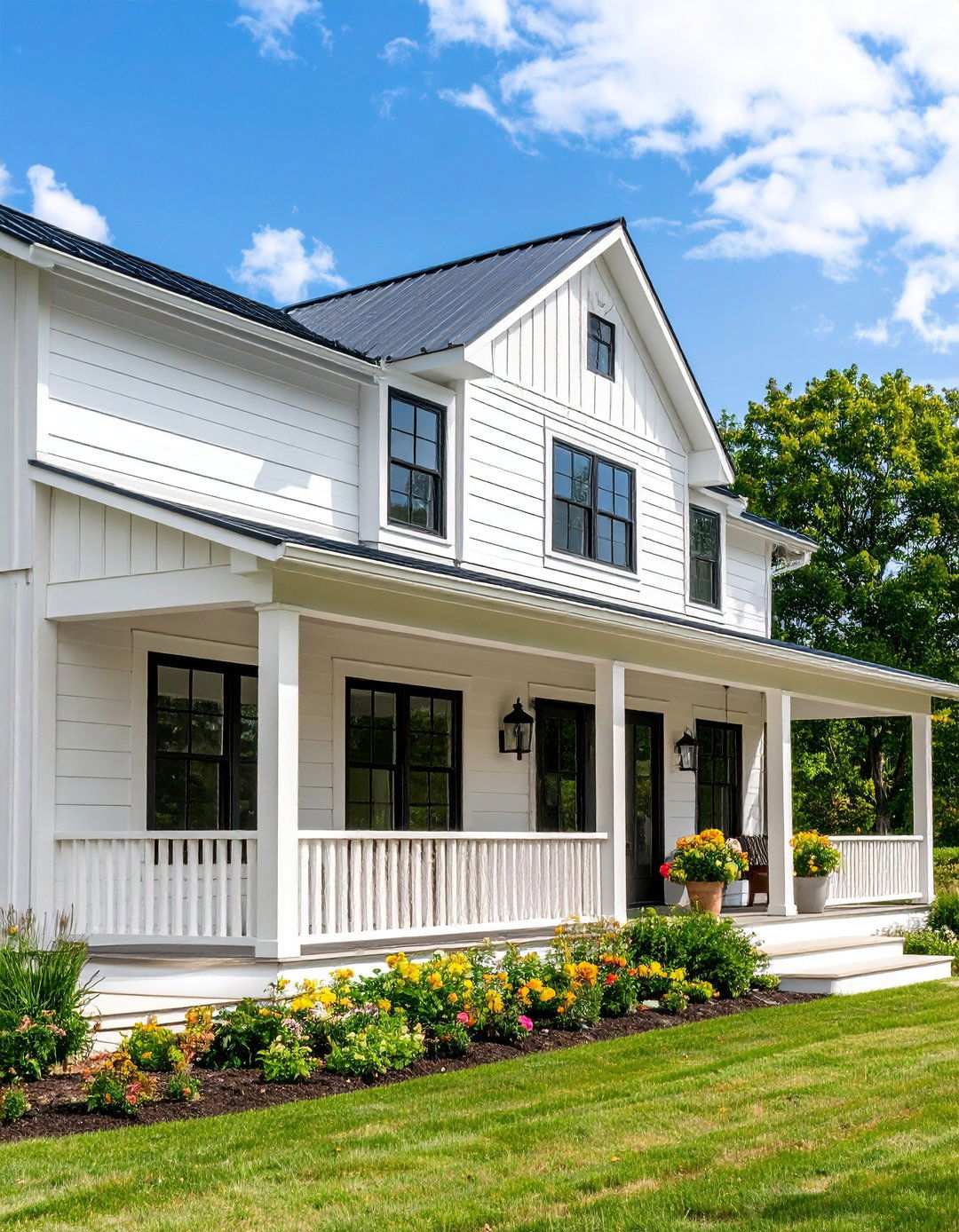
The modern farmhouse aesthetic often incorporates a crisp white exterior, which effortlessly merges contemporary sophistication with rustic, vintage elements. This timeless color scheme creates a clean canvas, allowing architectural features such as wraparound porches, black window frames, and dark metal roofing to take center stage. The reflective properties of white also help to reflect heat, subsequently increasing energy efficiency while maintaining a fresh and airy appearance that seamlessly blends with any landscape. A key characteristic of modern farmhouse exteriors is the deliberate incorporation of mixed materials, including stone foundations, wood beam accents, and metal details, which adds visual texture and depth. By incorporating large windows with black frames, homeowners can create striking geometric patterns against the white siding, flooding the interior with natural light and preserving the open, airy feeling of a traditional barn. Nestled among rolling hills or wooded areas, white exteriors provide a beautiful contrast against the natural green landscape, giving the structure a sense of floating effortlessly within its surroundings while maintaining the coveted elegance of a farmhouse.
3. Black Steel Contemporary Design
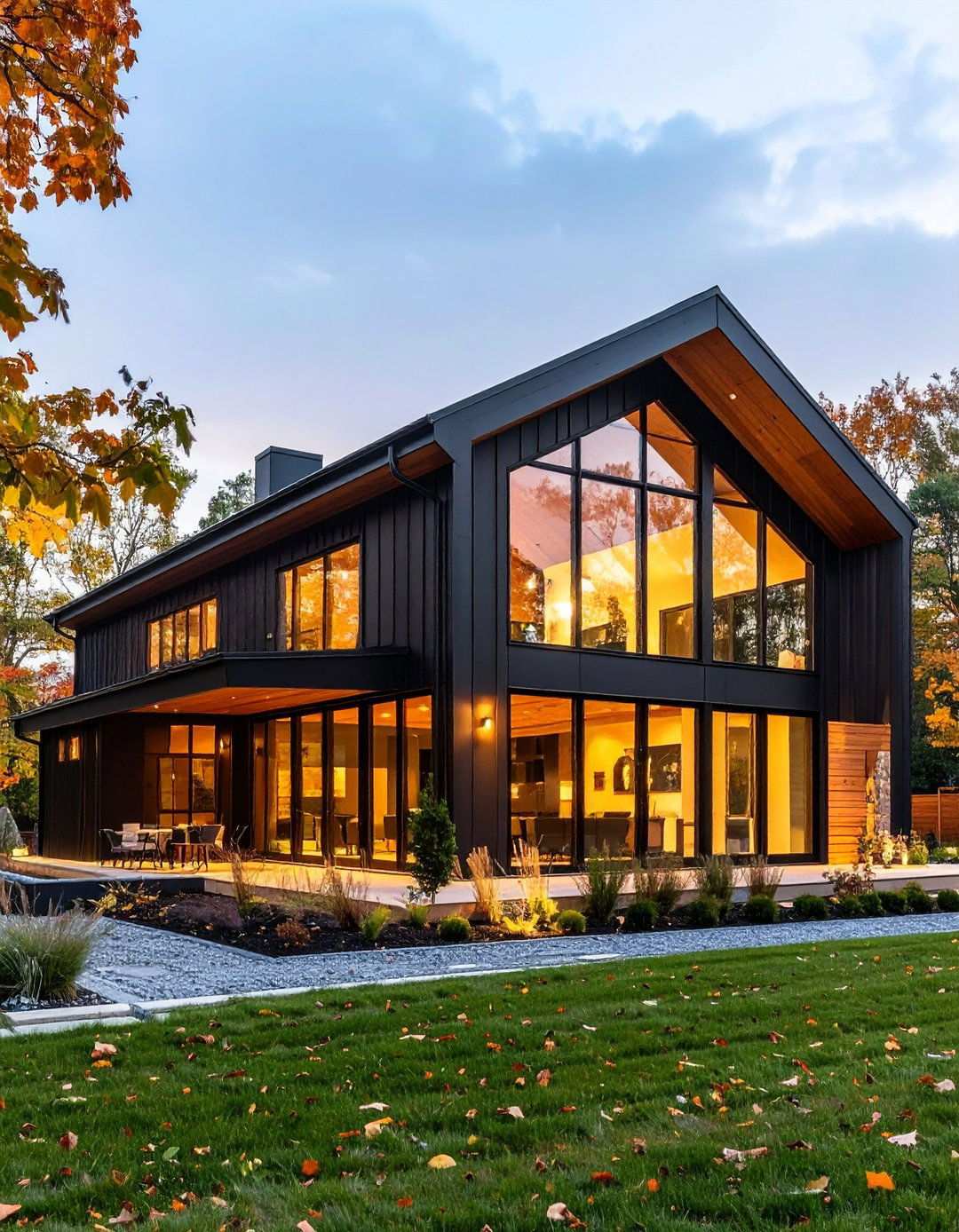
Bold black steel exteriors create a powerful design statement, embracing the industrial aesthetic trend while offering a sophisticated, modern appearance. This striking color scheme works beautifully with warm wood accents, large glass windows, and strategic lighting elements to create a dramatic evening appeal. Homeowners seeking modern elegance and functionality will appreciate the benefits of steel construction and post-frame building methods, which black exteriors perfectly complement. The versatility of black exteriors also makes them an ideal choice for pairing with natural materials like stone, wood, and concrete, creating compelling contrasts that highlight architectural details and landscape features. By incorporating large windows with black frames, homeowners can create seamless indoor-outdoor connections, while the dark exterior recedes visually, allowing landscaping and terrain features to take center stage. While maintenance considerations, such as regular cleaning to prevent dust accumulation, are essential for dark exteriors, modern paint technologies offer excellent durability and fade resistance. Strategic placement of outdoor lighting becomes crucial with dark exteriors, creating beautiful nighttime ambiance while ensuring safe navigation around the property.
4. Timeless Board and Batten Exteriors
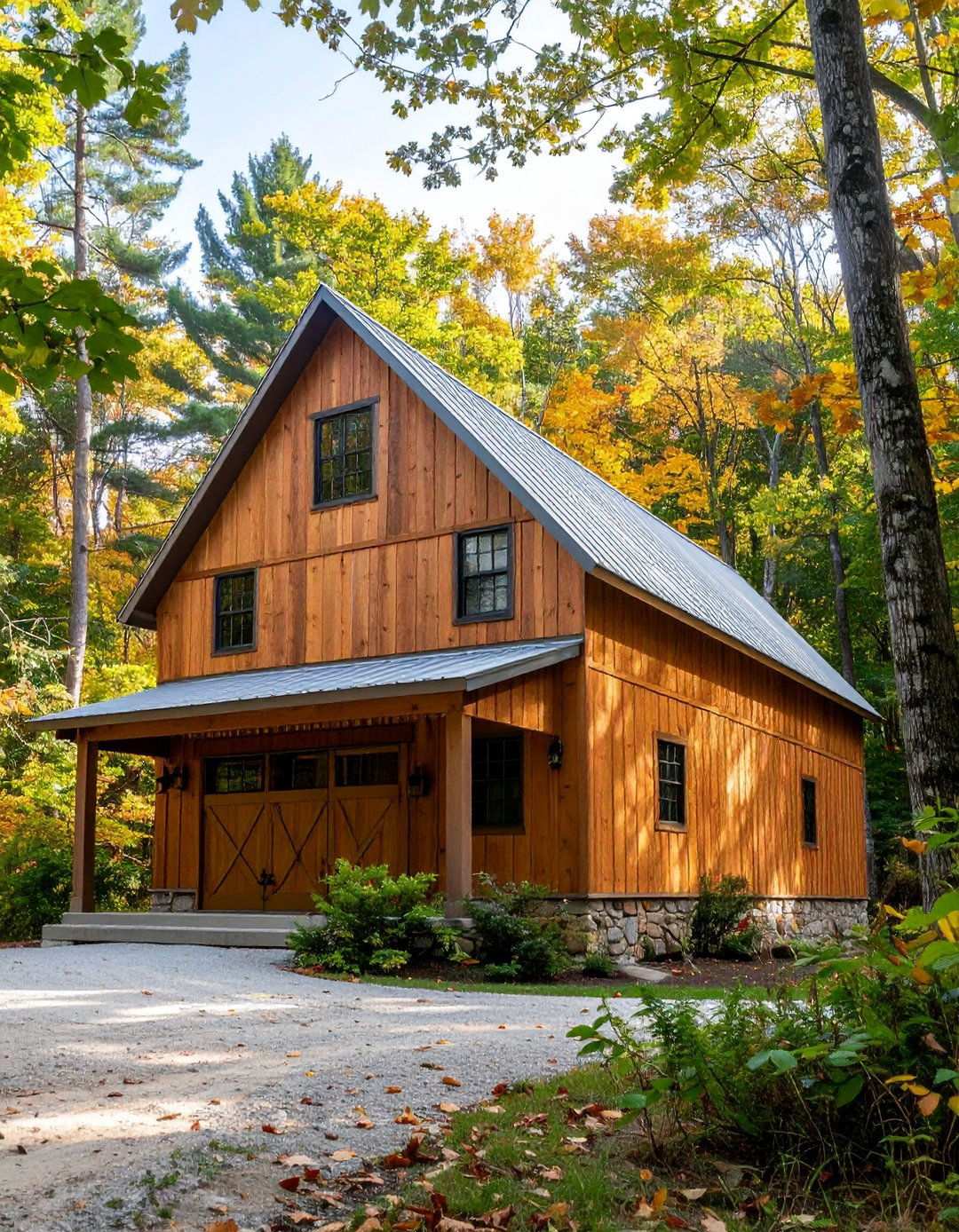
Board and batten siding embodies a classic rustic aesthetic, harkening back to traditional barn construction while delivering superior weather protection and visual appeal. This distinctive vertical siding style showcases wide boards with narrow strips covering the seams, generating a strong emphasis on the building’s vertical lines and architectural proportions. Contemporary board and batten options now offer steel versions that mimic the authentic wood appearance without the maintenance concerns associated with wood, such as rot, insects, or weathering. A wide range of color options is available, from natural wood tones to bold, painted finishes in barn red, forest green, or contemporary grays and blacks. The vertical orientation not only makes buildings appear taller but also enhances water shedding characteristics, ensuring long-term durability. Board and batten siding works particularly well with gambrel or gable roof styles, amplifying the traditional barn silhouette. For added visual interest and architectural flair, consider combining board and batten with stone wainscoting or horizontal lap siding to break up large wall surfaces.
5. Cozy Weathered Wood Retreats
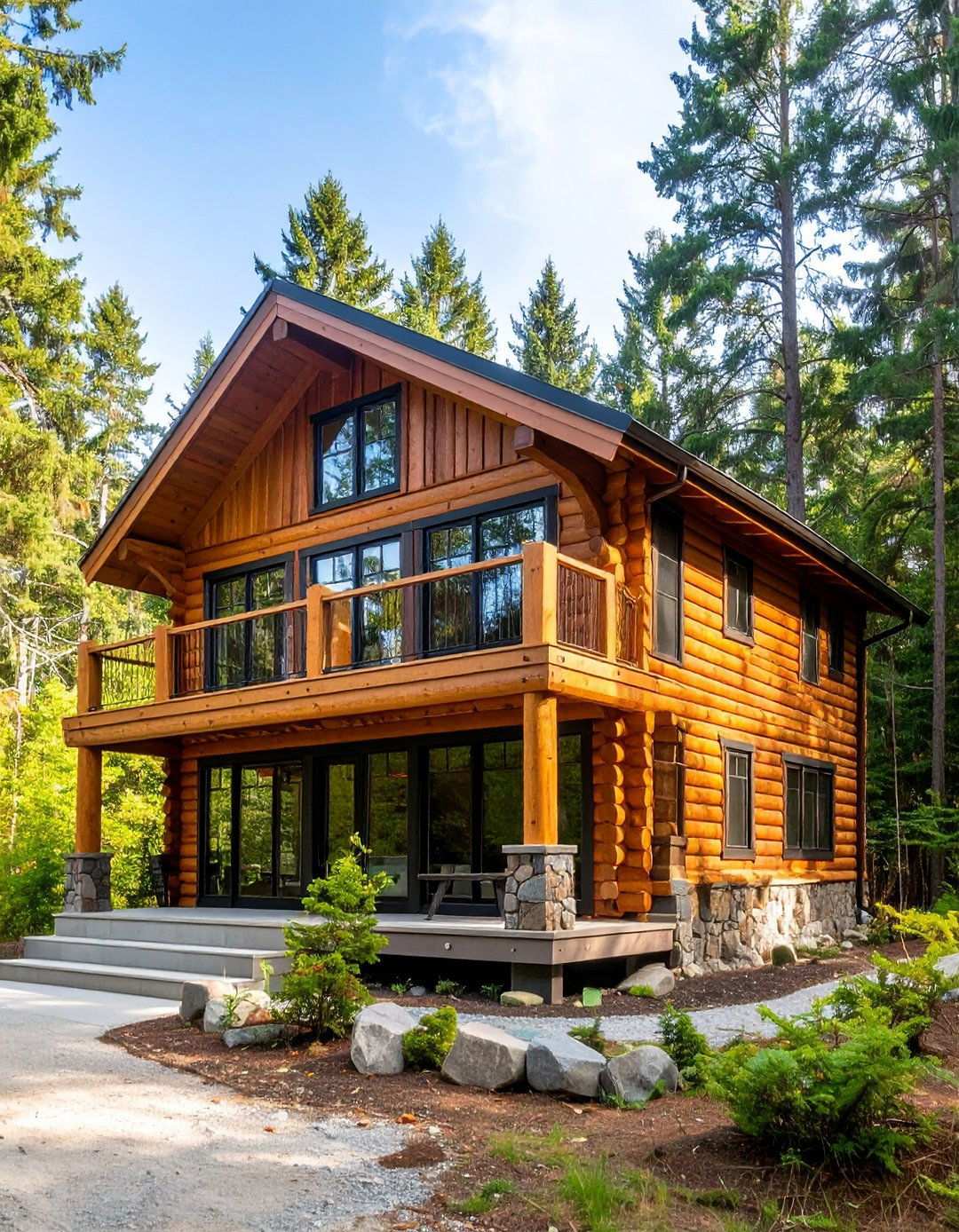
Weathered wood exteriors create inviting cabin-style barndominiums that celebrate natural materials and organic textures for a welcoming, rustic ambiance. This design approach utilizes horizontal log siding or wood-look steel products that replicate authentic timber construction while providing superior durability and weather resistance. The natural wood grain patterns and earth-tone colors used in this style help buildings seamlessly integrate with forested or rural settings, creating structures that feel deeply connected to their surroundings. Weathered wood exteriors pair beautifully with stone foundations, metal roofing in earth tones, and large windows that showcase interior warmth and comfort. This design approach is perfect for homeowners seeking the authentic cabin experience without the high maintenance requirements of traditional log construction. Modern steel products now offer authentic wood grain textures in a variety of colors, including pine, cedar, walnut, and barnwood gray. For those who envision cozy evenings by the fireplace, weathered wood exteriors create the perfect cabin atmosphere while offering the spacious interiors and energy efficiency of modern pole barn construction.
6. Masterful Mosaics of Stone and Steel
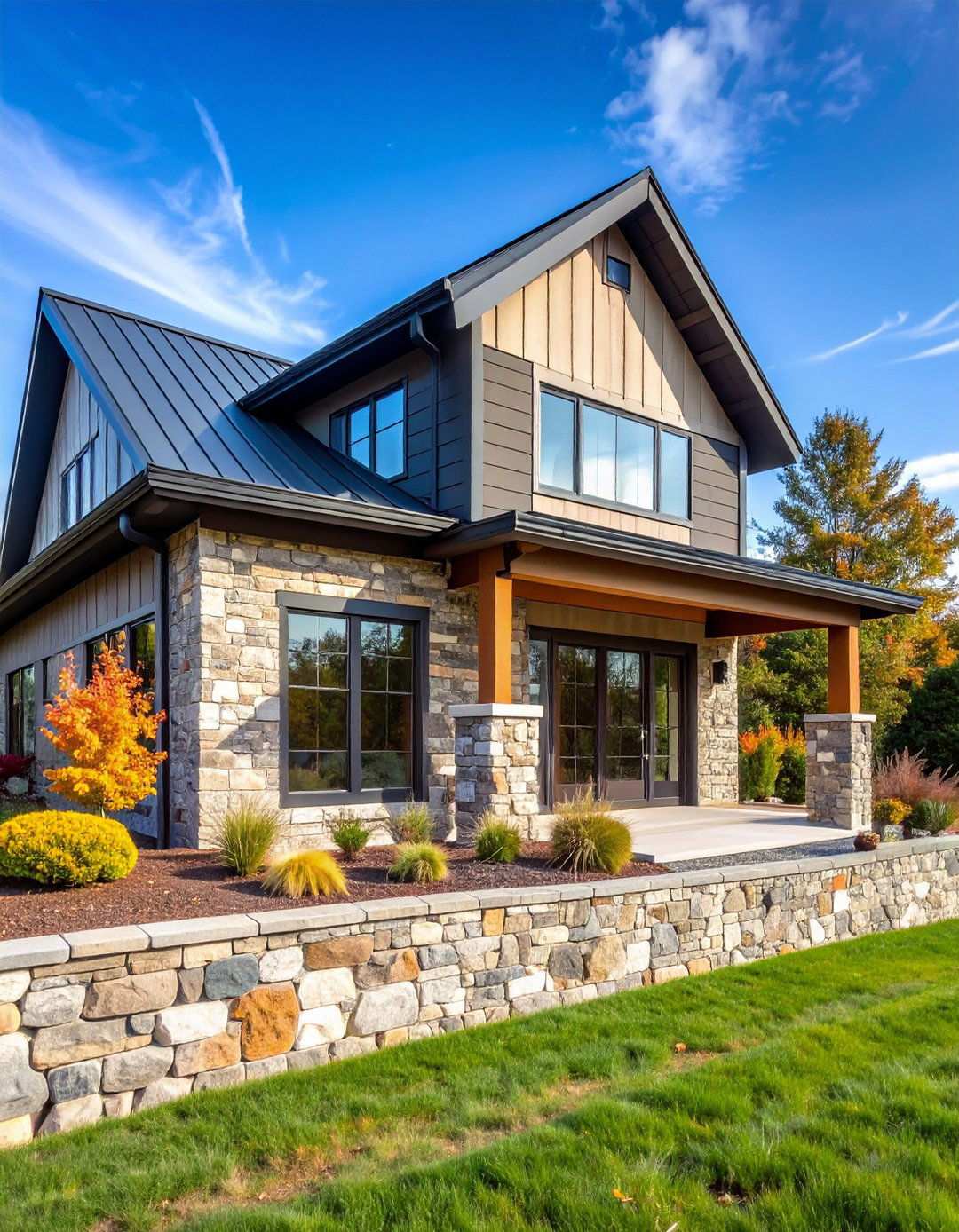
Crafting an exterior that seamlessly integrates stone and steel elements, barndominium designs can achieve an unparalleled level of sophistication and visual appeal. The strategic incorporation of stone wainscoting or accent walls provides a striking contrast to smooth metal siding, imbuing the structure with a grounded, substantial presence within its surroundings. This harmonious blend works particularly well with earth-toned metal siding colors that elegantly complement natural stone selections, such as fieldstone, limestone, or manufactured stone veneer options. Stone elements can elegantly extend from the foundation level to wainscot height, typically spanning three to four feet, before transitioning to metal siding for the remaining wall height. The synergy between stone and steel provides optimal protection against the elements while introducing visual interest that prevents large wall surfaces from appearing monotonous. To maximize impact while controlling costs, consider using stone strategically around entry areas, corners, or accent walls. With its effortless maintenance requirements and unparalleled timeless appeal, natural stone can significantly boost property value and enhance curb appeal.
7. Authentic Barn Profiles: The Timeless Gambrel Roof
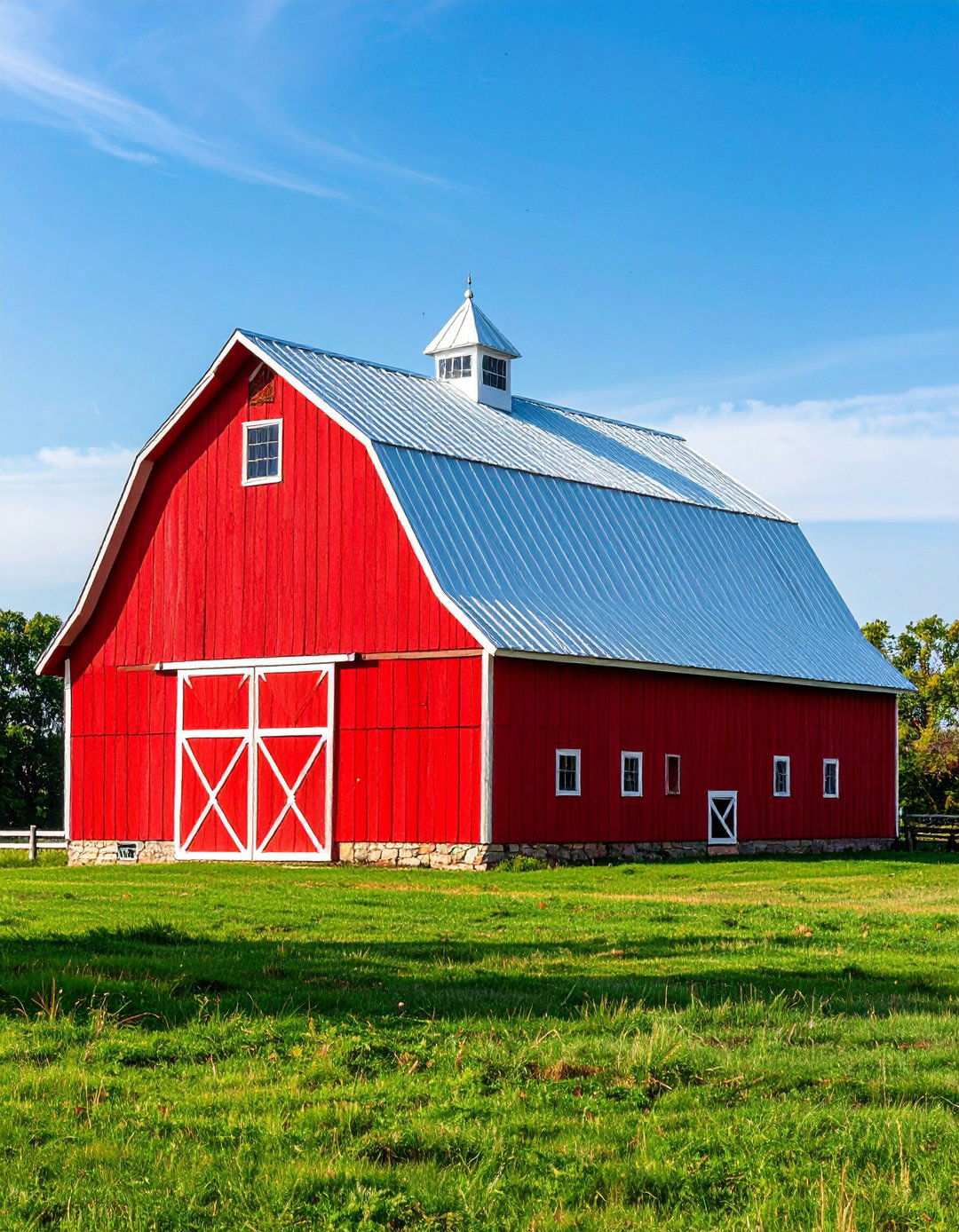
Gambrel roofs have an unmistakable charm, effortlessly combining functionality and aesthetic appeal to create distinctly recognizable barn profiles that maximize interior space while honoring authentic agricultural architectural heritage. This distinctive roof style features two slopes on each side, with the lower section steeper than the upper portion, providing generous loft space for second floors or storage areas. Gambrel designs work exceptionally well with traditional color schemes, such as red siding paired with crisp white trim, resulting in classic barn aesthetics that never falter in their allure. The roof style boasts excellent snow-shedding characteristics in northern climates, while its dramatic interior ceiling heights make spaces feel larger and more open. Traditional gambrel barns often feature hay loft doors or decorative elements at the peak, adding both functional and aesthetic interest to the facade. Metal roofing in standing seam or agricultural panel styles perfectly complements the traditional roofline, offering modern durability and weather protection. For those seeking maximum interior space without expanding the building footprint, gambrel roofs offer an exceptional solution, delivering efficient square footage while maintaining the beloved barn silhouette.
8. Elevating Design with Two-Level Profiles
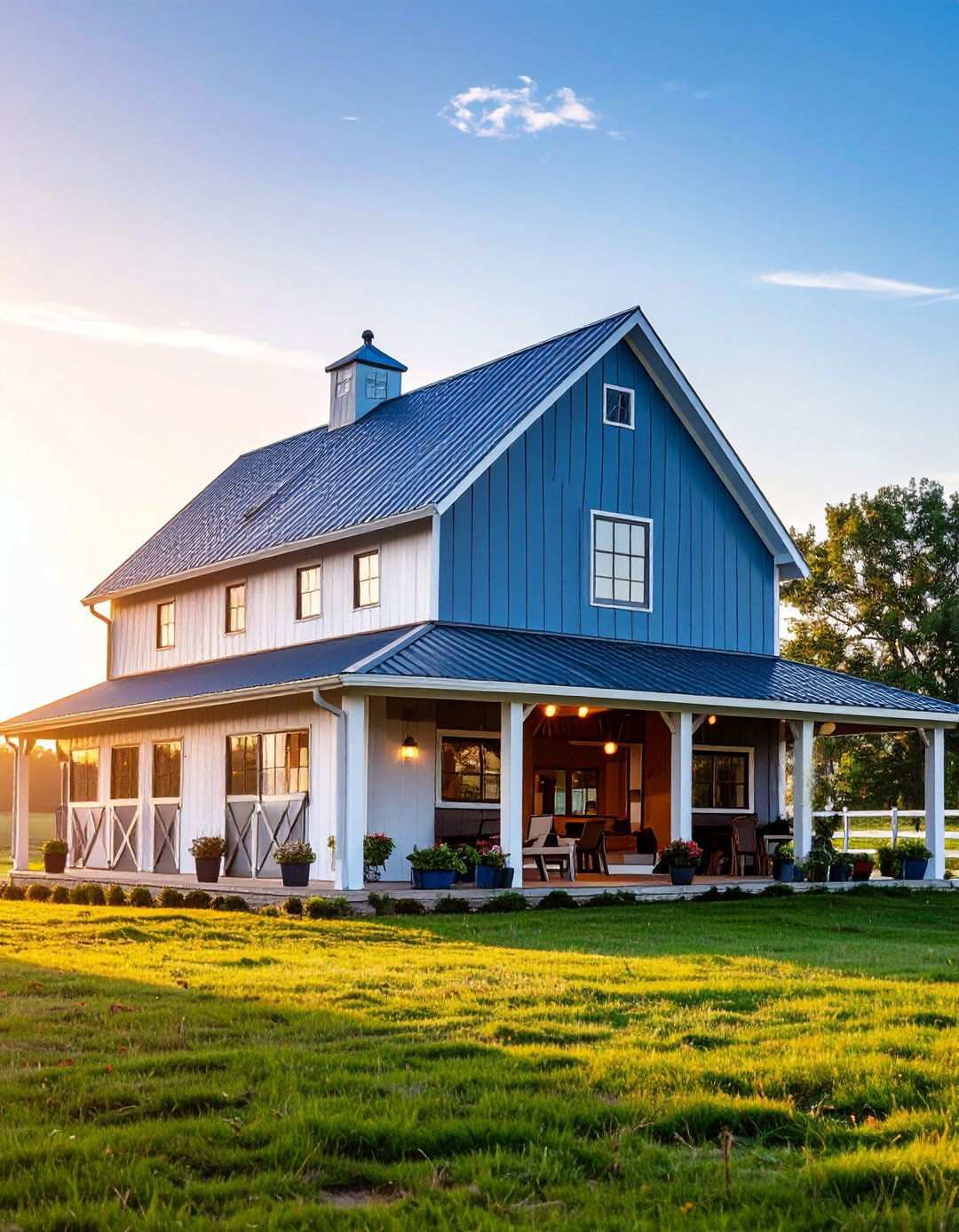
Incorporating a raised center section is a hallmark of monitor style exteriors, which create unique two-level profiles that are ideal for barns housing stables, workshops, or additional living spaces. The elevated center allows for clerestory windows that flood the interior with natural light, while the lower side sections can serve various purposes, from housing livestock to storing equipment. This design results in intriguing rooflines and shadows that add depth and visual appeal to large barn structures. Monitor barns are particularly well-suited for equestrian facilities, where the raised center provides an indoor riding arena with stables along the sides. Commercial applications also benefit from this design, as natural lighting reduces electrical costs and creates pleasant working environments.
9. Industrial Chic with Metal Corrugated Siding
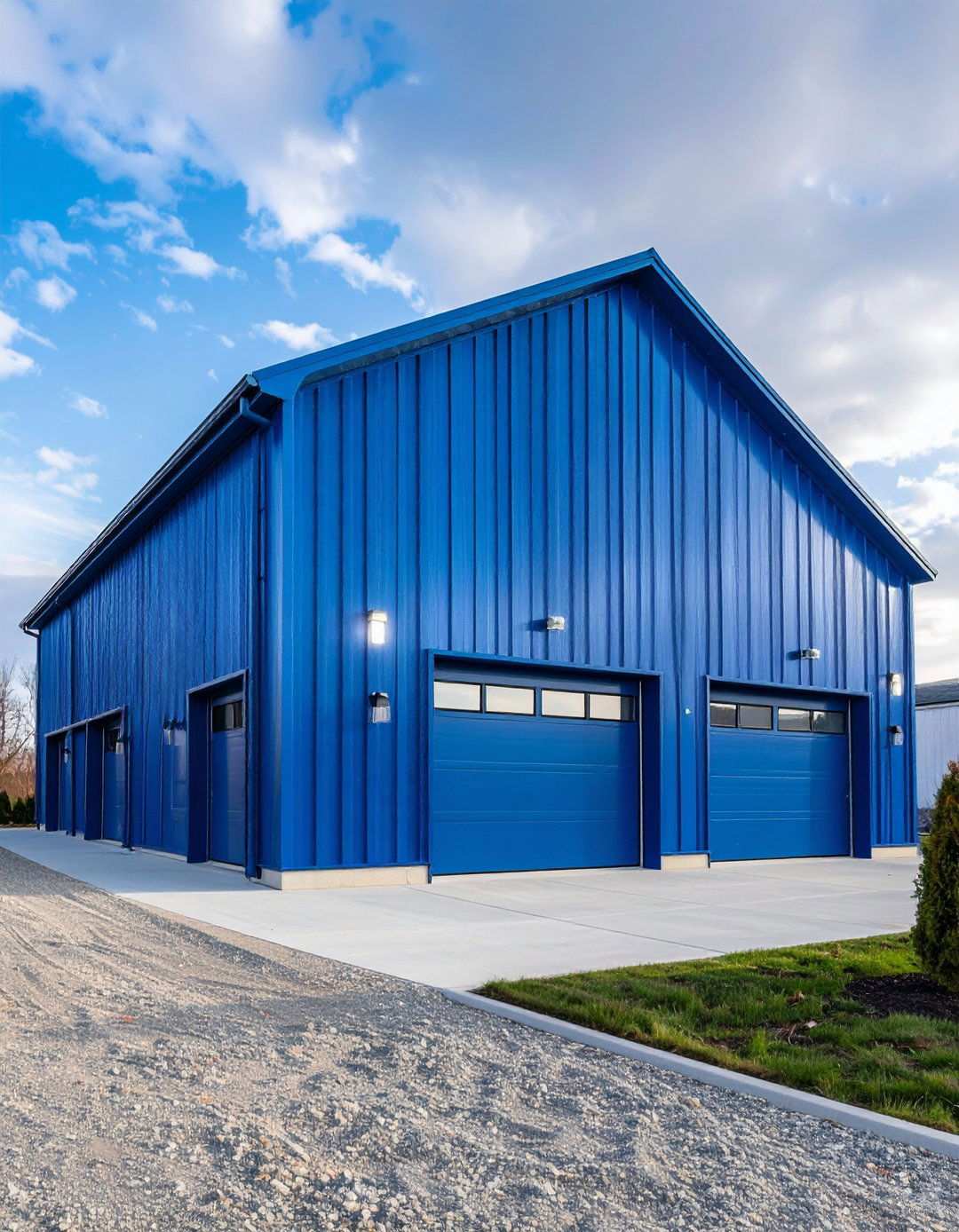
Corrugated metal siding creates striking industrial exteriors that celebrate the functional beauty of agricultural and commercial architecture. The distinctive ribbed pattern adds visual texture and dynamic shadow lines that change throughout the day, creating a unique appearance under various lighting conditions. Corrugated siding provides excellent weather protection while offering cost-effective coverage for large wall surfaces typical of pole barn construction. Color options range from galvanized finishes that evoke an authentic industrial appearance to painted options in contemporary colors like charcoal, forest green, or barn red for more refined aesthetics. The corrugated pattern helps conceal minor imperfections while providing structural strength and rigidity that performs well in high-wind areas. This siding style pairs well with exposed steel framing elements, large sliding doors, and minimal trim for clean, functional appearances, making it an excellent choice for those who appreciate honest materials and straightforward design.
10. Embracing Country Charm with Wraparound Porches
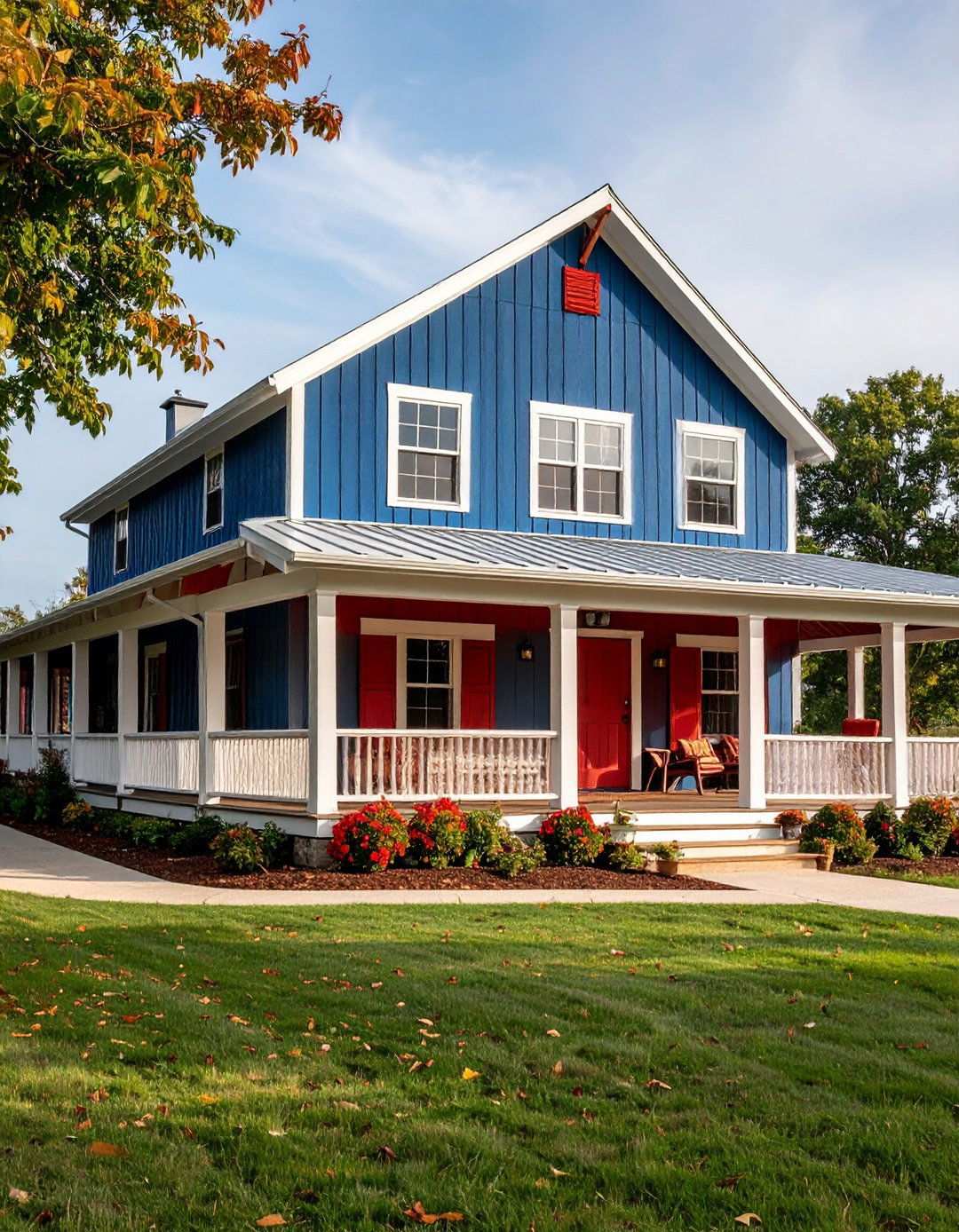
Wraparound porches seamlessly integrate simple barn structures into inviting country homes, blending outdoor living and traditional hospitality. These expansive covered spaces extend living areas outdoors while providing weather protection, creating strong horizontal lines that harmonize with the vertical emphasis of barn architecture. Porch designs can incorporate various roofing styles, from shed roofs to gabled sections, which add architectural interest and create defined outdoor rooms for diverse activities. Support columns range from minimalist wood posts to decorative options that enhance the country aesthetic without overwhelming the barn’s clean lines. Porch railings can incorporate traditional picket styles, cable systems, or simple horizontal rails that maintain open sight lines. Ceiling fans, lighting fixtures, and furniture arrangements come together to create comfortable outdoor living spaces that significantly extend the building’s functionality. Morning coffee, evening relaxation, or entertainment with friends all benefit from the protected outdoor spaces that wraparound porches provide, while enhancing curb appeal and property value.
11. The Timeless Appeal of Gable Roofs
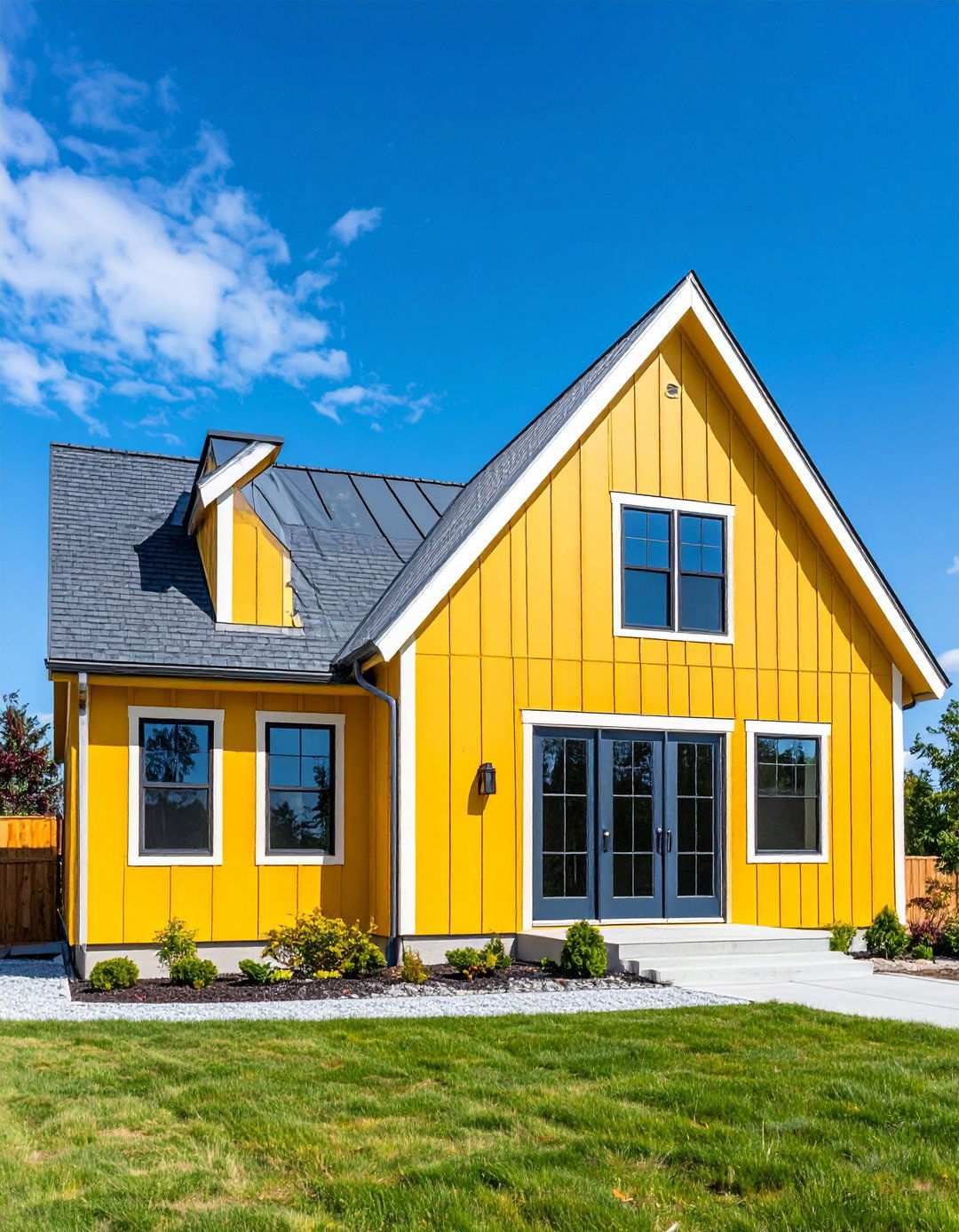
Gable roofs offer enduring simplicity and cost-effectiveness for pole barn exteriors, providing excellent weather protection and classic architectural appeal. The triangular roofline creates clean geometric shapes that work well with both traditional and contemporary exterior treatments. Gable roofs effectively shed water and snow while allowing for various pitch options that influence both aesthetics and interior volume. Steeper pitches create more dramatic appearances and additional loft space, while lower pitches provide more contemporary profiles. This roof style accommodates various siding materials, from traditional board and batten to modern metal panels, creating versatile design foundations. Gable ends can feature decorative elements like barn vents, windows, or timber frame details that add visual interest without compromising structural integrity. The simplicity of gable construction often translates to lower building costs while maintaining excellent performance characteristics. Gable roofs also accommodate various roofing materials, from metal to asphalt shingles, providing flexibility in achieving desired aesthetics while meeting budget constraints and performance requirements.
12. Lean-To Addition Functional Design
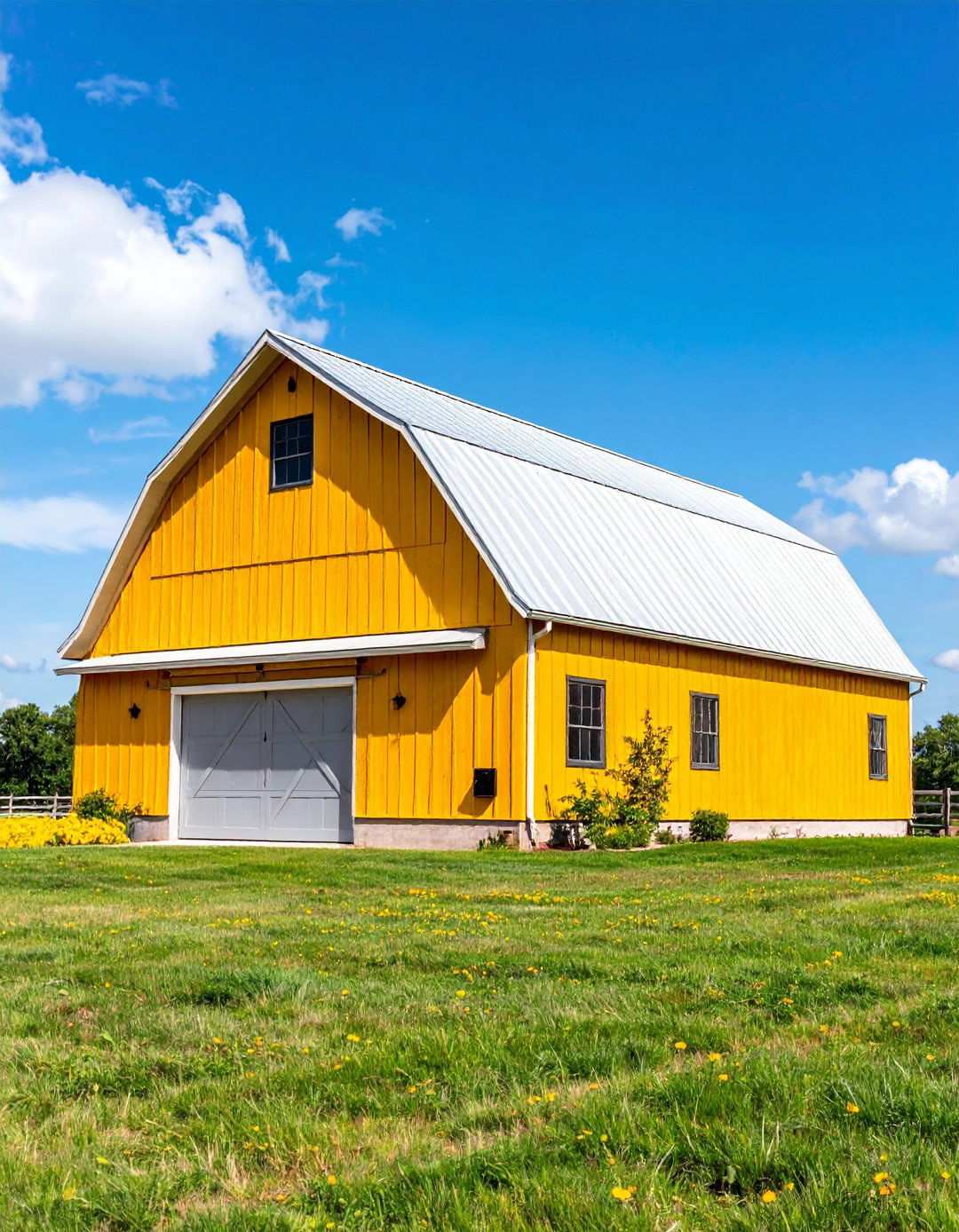
Pole barn extensions that incorporate lean-to designs seamlessly blend practicality with aesthetic appeal, making them a popular choice for expanding usable space without breaking the bank. By attaching a single-slope addition to the main structure’s sidewall, property owners can create functional areas for equipment storage, workshops, or additional covered space, all without the need for complex roofing systems. Lean-to additions are particularly well-suited for agricultural applications, where tractors, implements, and feed storage require weather protection without the need for a fully enclosed building. The unique roofline and shadows created by lean-to sections add visual interest to the overall design, while the ability to feature different siding materials or colors allows property owners to distinguish between functional areas while maintaining design unity. Whether open or enclosed, lean-to additions offer a flexible and cost-effective solution for expanding building functionality while maintaining the timeless appeal of pole barn construction.
13. Cupola and Ventilation Features
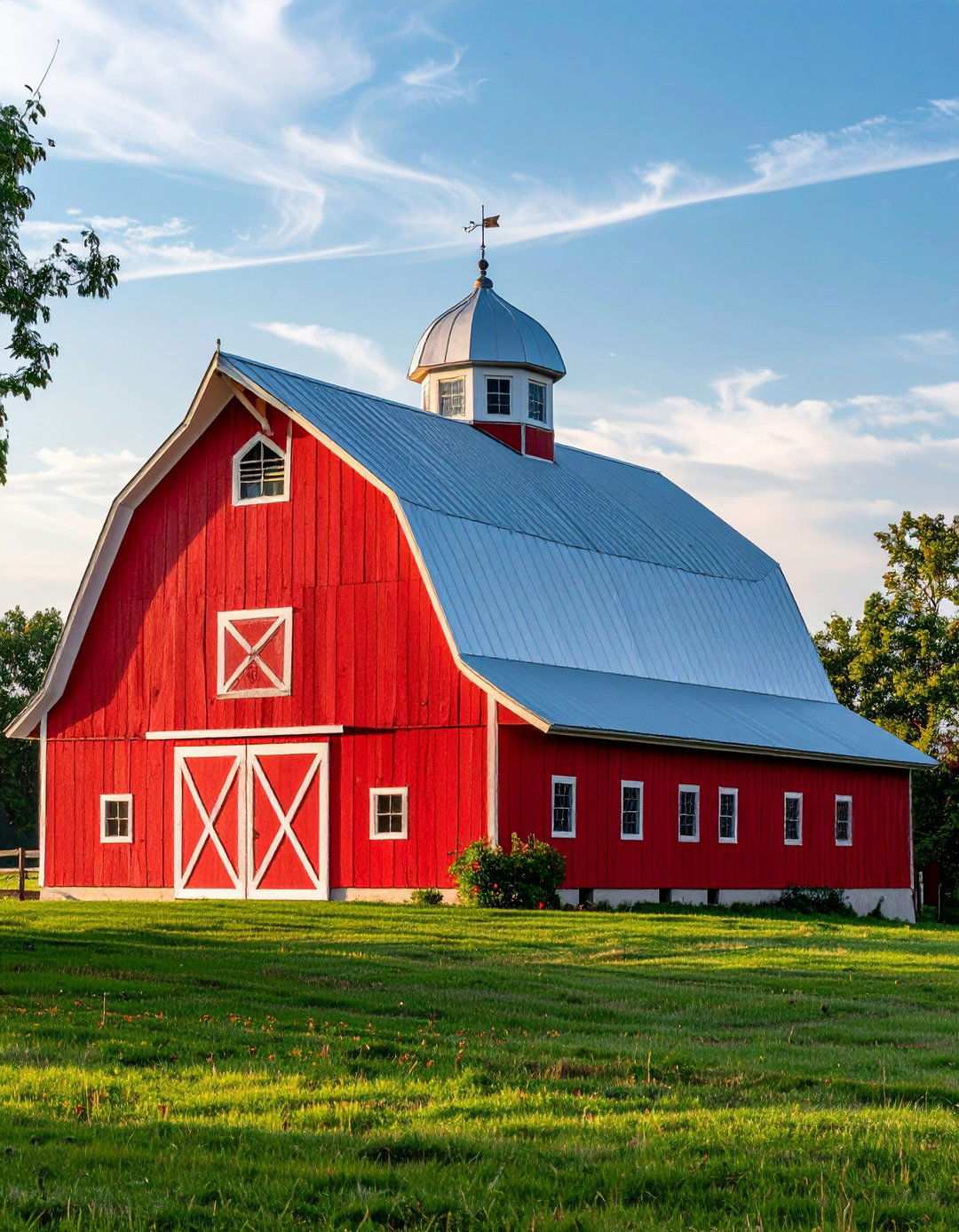
The addition of a cupola to a pole barn or barndominium exterior not only enhances the building’s architectural character but also provides essential ventilation, contributing to improved interior comfort and reduced cooling costs. These small, roofed structures atop the main roof create striking focal points that draw the eye upwards, emphasizing the building’s vertical proportions and traditional barn aesthetic. From a functional perspective, cupolas play a crucial role in air circulation, allowing hot air to escape through the building’s highest point. Decorative cupolas can be customized with a range of features, including weathervanes, finials, or lighting elements that add an extra layer of visual interest to the exterior design. Cupola designs vary from simple square structures to elaborate octagonal versions with windows and detailed trim work, with size proportions typically relating to the main building dimensions for optimal visual balance. By incorporating LED lighting within cupolas, property owners can create dramatic evening effects that showcase the building’s distinctive roofline, while modern cupolas often include mechanically operated vents for enhanced climate control without compromising traditional aesthetic appeal.
14. Elevating the Entrance with Dramatic Rooflines
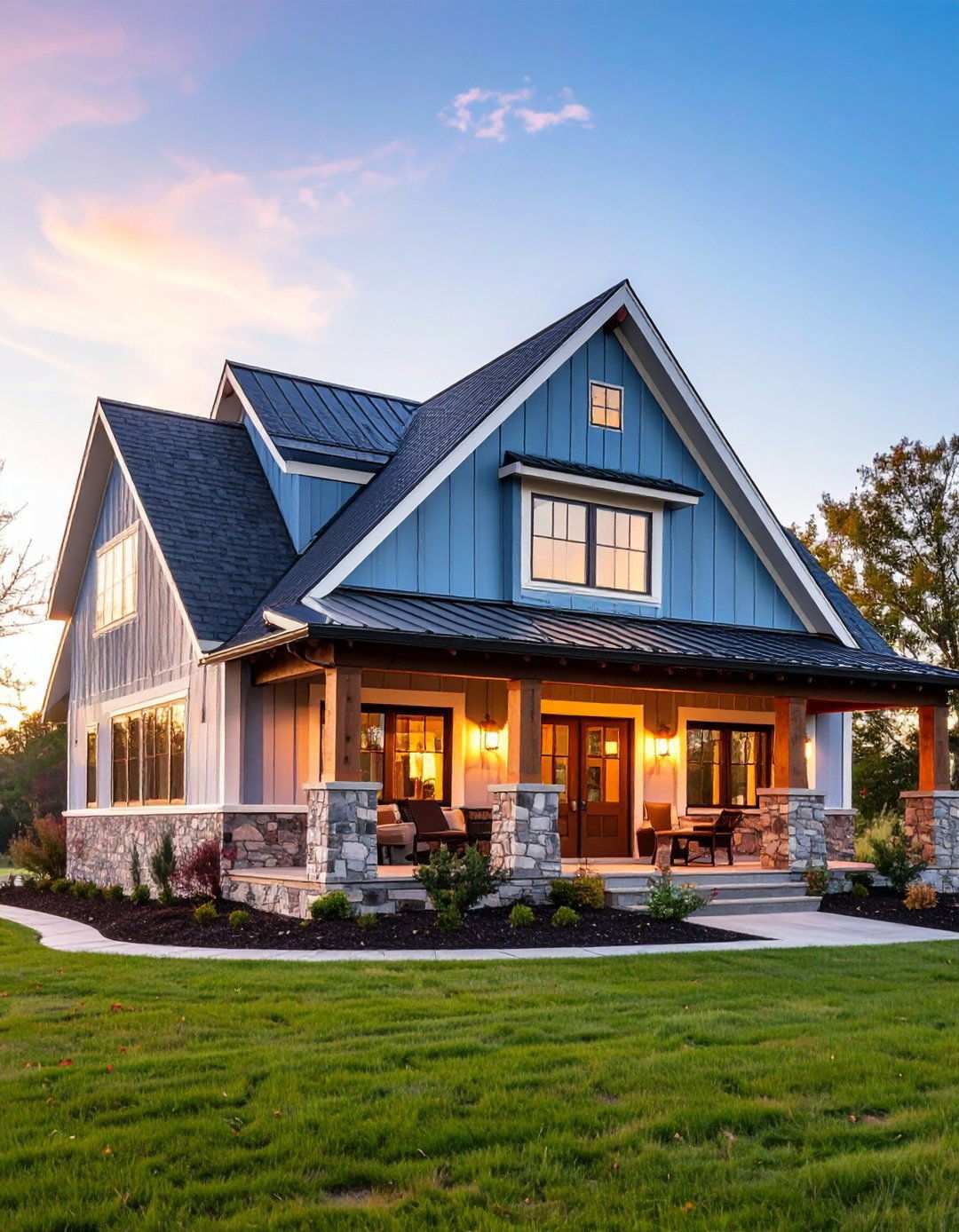
Dramatic rooflines can elevate the entrance and primary facade of a building, creating a striking visual impact that sets the tone for the entire structure. By extending the ridge beyond the supporting walls, these designs emphasize specific wall sections, add visual weight, and create covered areas that provide essential weather protection for entries and outdoor spaces. This architectural element works particularly well with barndominiums, where enhanced architectural detail and visual complexity can elevate the residential character. The extended roofline creates dynamic shadow patterns and emphasizes horizontal lines, which balance the structure’s proportions and create a sense of cohesion. To further emphasize this feature, consider incorporating different roofing materials or colors that highlight the architectural accent while maintaining design unity. Flying gables can also frame large windows or sliding doors, providing additional weather protection and visual emphasis. By combining these elements with stone or wood accents, you can create entry features that establish clear hierarchies between public and private spaces, making a lasting first impression.
15. Redefining Contemporary Aesthetics with Shed Roofs
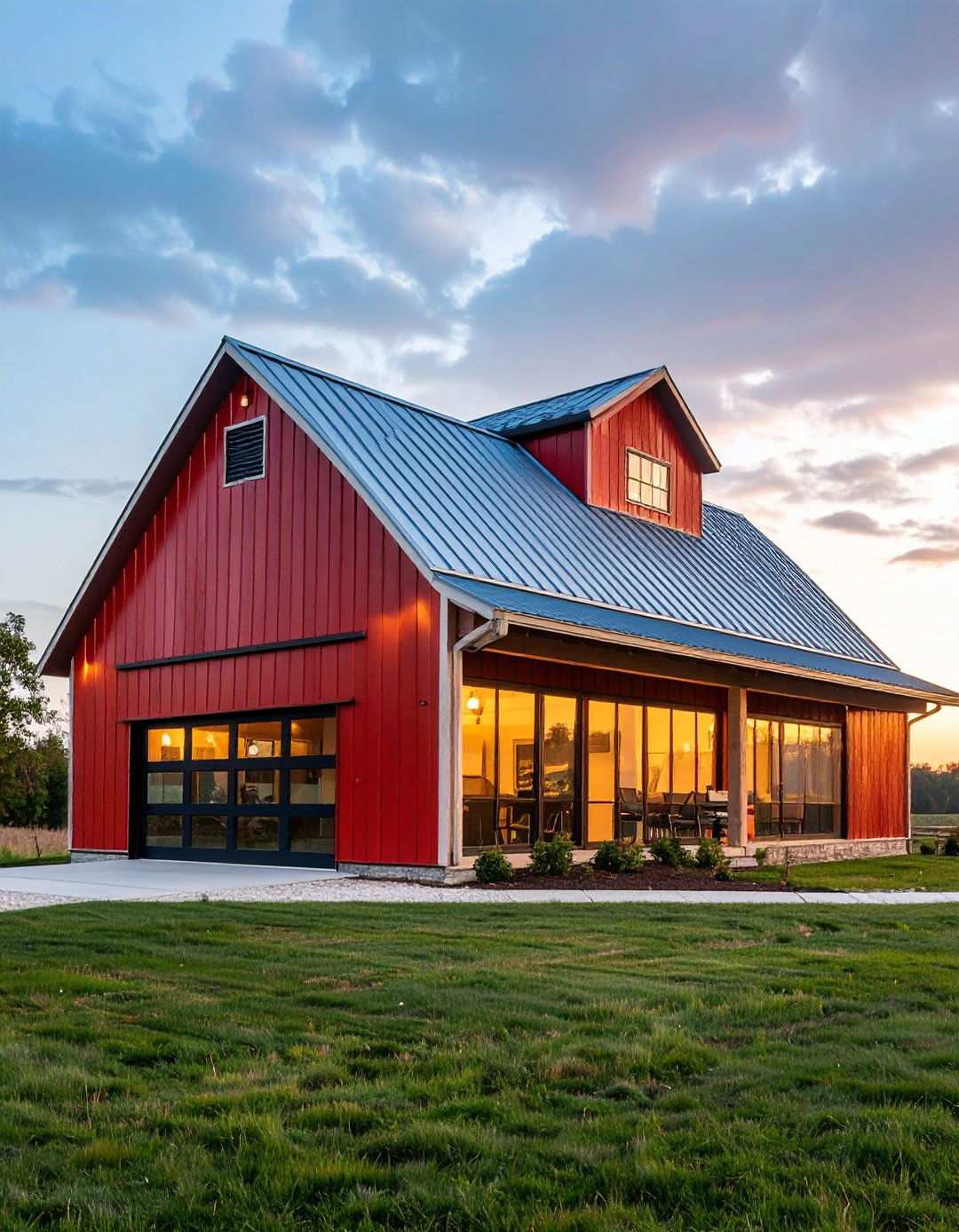
Shed roofs redefine contemporary aesthetics with their clean, modern lines and single-slope designs that depart from traditional barn profiles. This roofing style has evolved from simple outbuilding applications to sophisticated architectural statements that suit modern barndominiums and progressive pole barn designs. The single slope allows for creative interior volumes while accommodating innovative building technologies, such as solar panels. Contemporary shed roof designs often feature steep pitches that create dramatic interior ceiling heights and provide excellent weather protection. To maximize natural lighting, large windows can incorporate clerestory designs that balance privacy and weather resistance. Shed roofs work particularly well with horizontal siding patterns that emphasize the building’s contemporary character. This roofing style accommodates various materials, from standing seam metal to modern membrane systems, which provide superior weather protection. By selecting contrasting color schemes or sophisticated monochromatic appearances, you can emphasize the roof’s dramatic slope or maintain a cohesive aesthetic. As you weigh the importance of contemporary design character versus traditional barn aesthetics, remember that shed roofs deliver decidedly modern appearances while maintaining pole barn construction advantages.
16. Balancing Material Diversity for Unique Designs
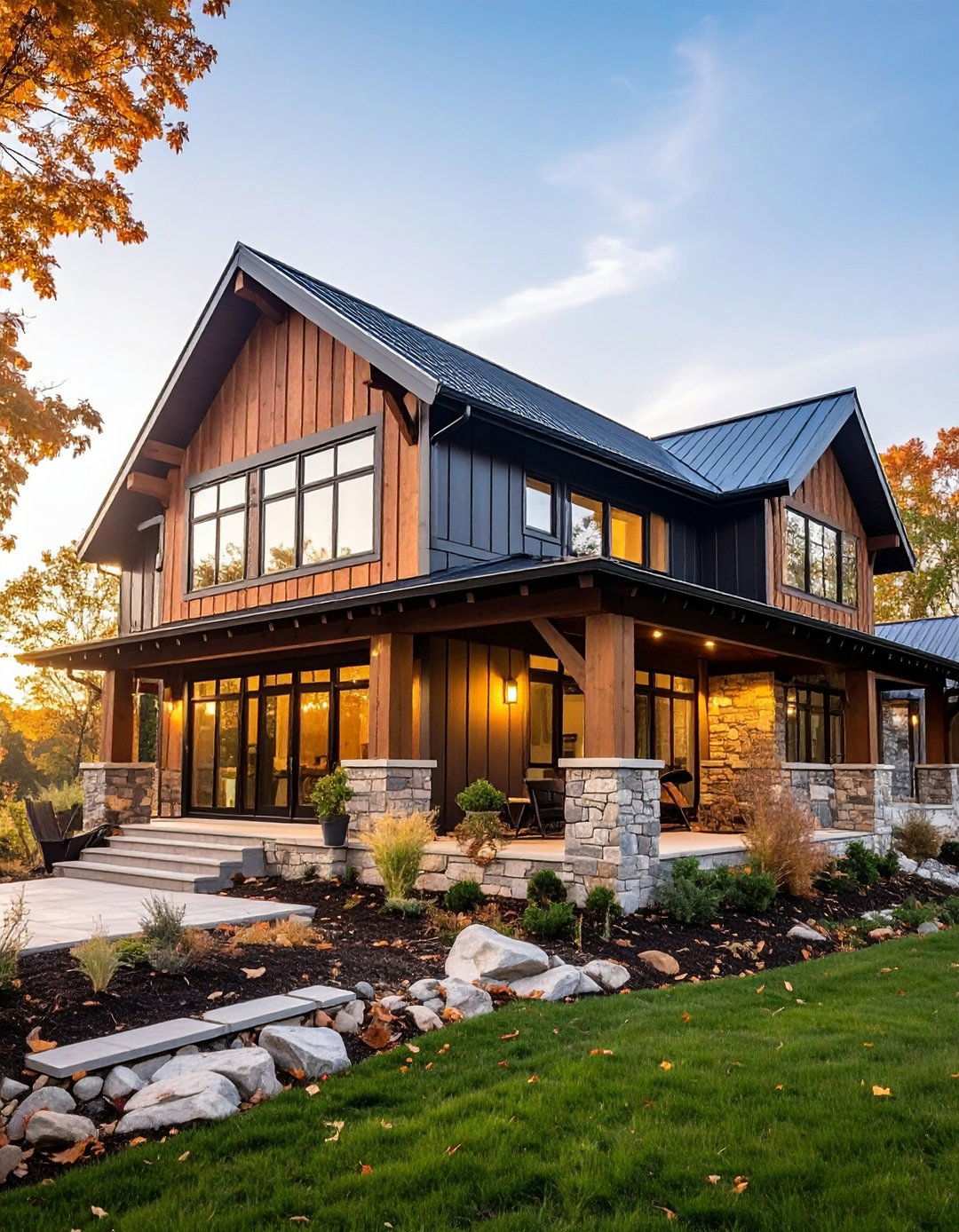
When it comes to modern home exteriors, integrating various textures and materials is a key strategy for creating visually striking and architecturally complex designs. By combining steel siding with stone accents, wood elements with metal panels, or brick features with corrugated materials, homeowners can achieve a dynamic exterior composition that showcases their unique style. The secret to pulling off this look lies in striking a balance between different materials and ensuring each one contributes to the overall aesthetic rather than causing visual dissonance. Organic materials like stone and wood bring a warm, natural texture that can soften the industrial feel of metal siding, adding significant depth and permanence to the design. To maintain a clean, intentional appearance, transition lines between materials should follow logical architectural features such as windows, doors, or structural elements. When combining multiple materials, achieving a neutral color palette becomes crucial, allowing the textures of the materials to take center stage and provide a primary visual interest. By carefully selecting and placing materials, homeowners can highlight specific building areas like entries, foundation levels, or accent walls while maintaining design unity.
17. The Timeless Appeal of Dark Earth Tones
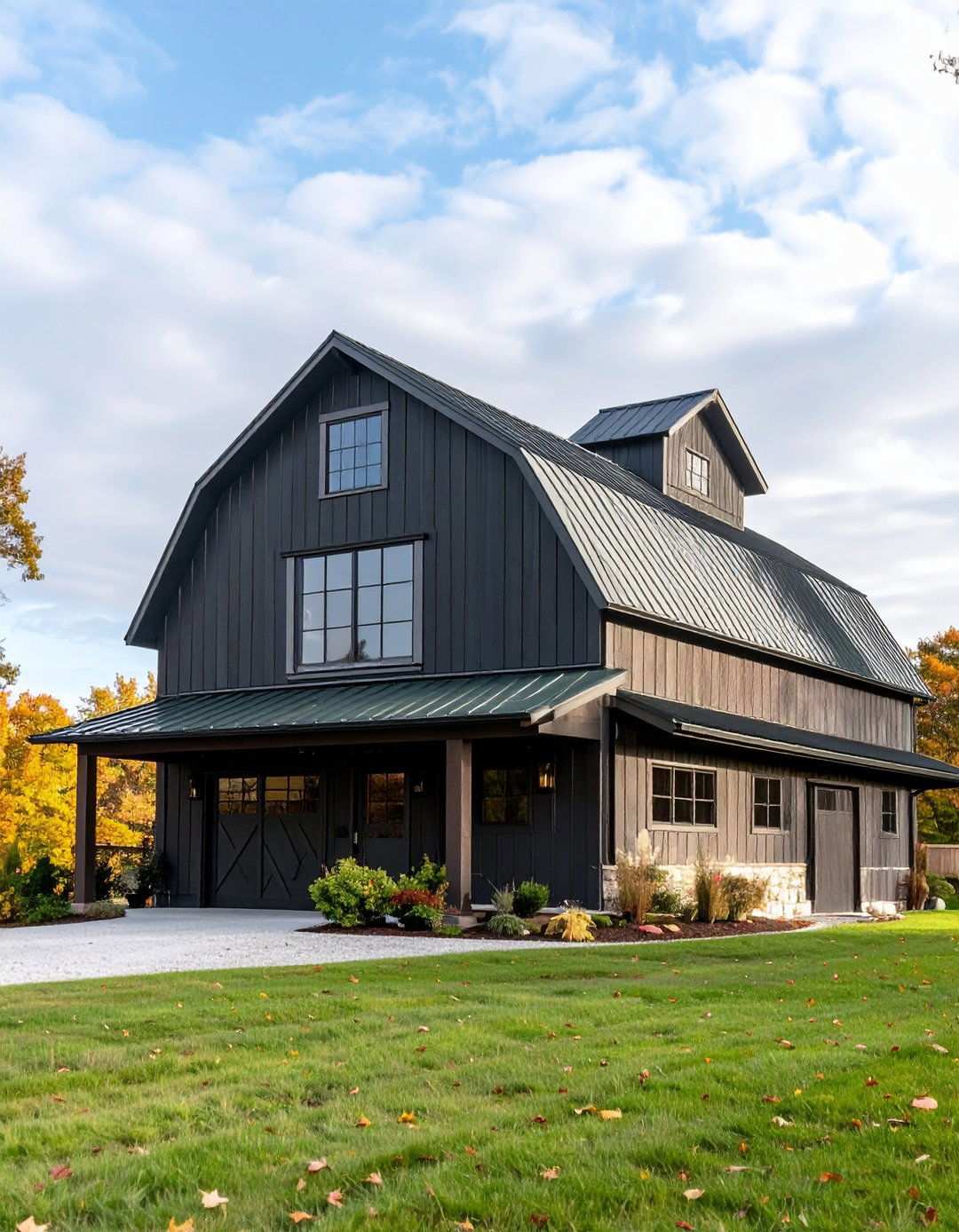
For those seeking to create a contemporary aesthetic that blends seamlessly with its surroundings, dark earth tone exteriors are an attractive option. By incorporating colors like charcoal gray, forest green, dark brown, or matte black, homeowners can ground their building within its site while maintaining a modern character. Earth tones pair exceptionally well with natural landscape materials like stone, wood, and plantings, further enhancing the building’s integration with its surroundings. One of the notable benefits of dark exteriors is their excellent fade resistance and ability to hide dirt and weather staining, making them a low-maintenance option. As night falls, the dramatic contrast between the dark exterior and interior lighting creates a striking visual effect, making the building appear to glow from within. To add visual interest and prevent the exterior from appearing monotonous, accent materials like natural wood trim or stone elements can be used to introduce textural contrast. Ultimately, dark earth tones offer a timeless appeal that ages gracefully, making them an excellent choice for homeowners who value a sophisticated and low-maintenance exterior design.
18. Elevating Architectural Features
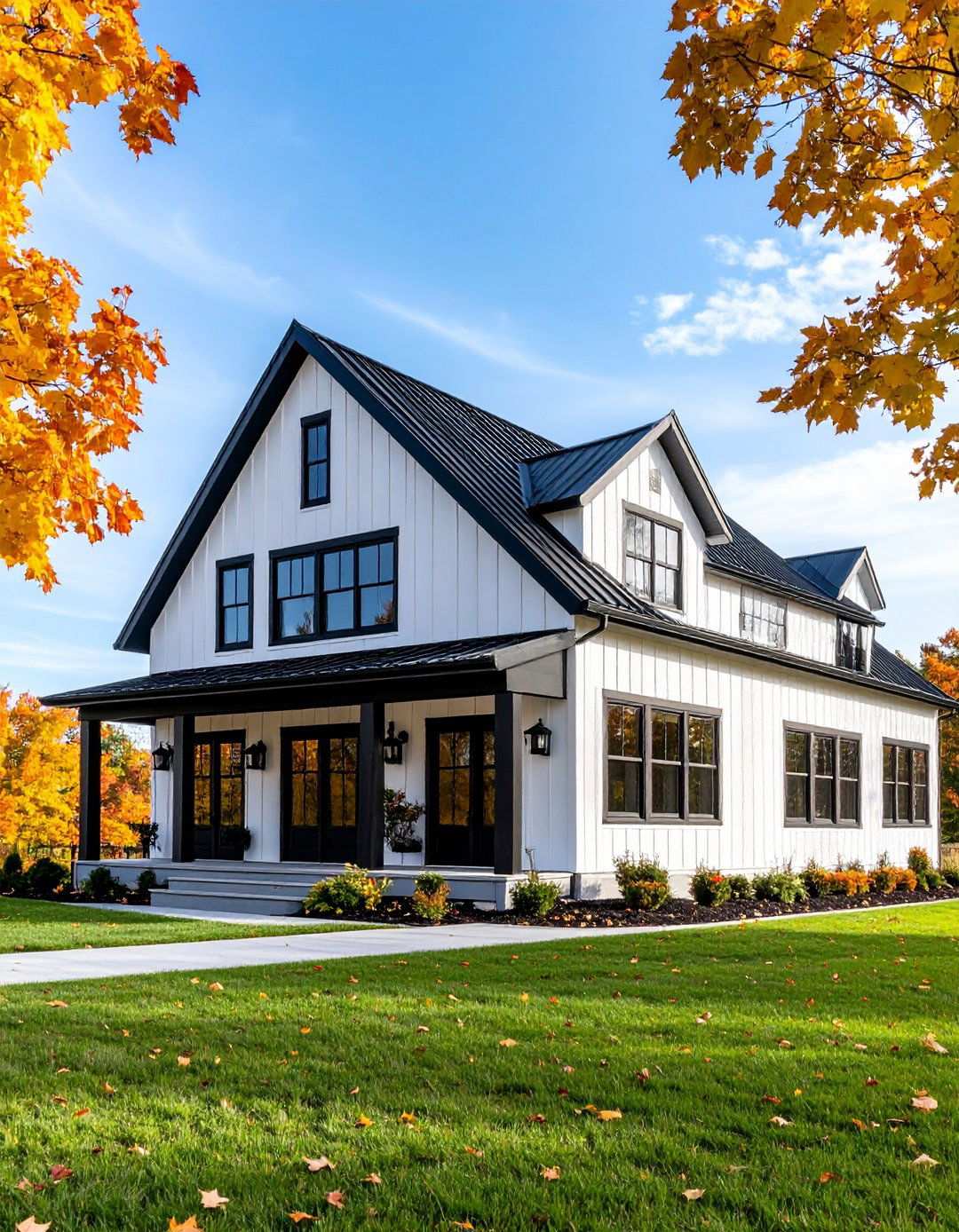
Effective use of color can dramatically elevate a building’s exterior design by emphasizing its architectural features through bold, high contrast relationships. This approach involves pairing seemingly disparate colors to create striking visual effects, such as the juxtaposition of white walls and black trim or dark siding with vibrant accent colors. The result is a building that stands out in its surroundings while highlighting specific design elements like windows, doors, and rooflines. For instance, the classic farmhouse aesthetic of white exteriors with black roofing and trim creates a timeless look that photographs beautifully across various seasons. Conversely, dark siding paired with white or light-colored accents produces a contemporary appearance that accentuates geometric patterns and architectural lines. When implementing high contrast color schemes, it’s essential to carefully select colors to avoid overwhelming the building’s proportions or creating overly busy appearances. Trim colors, window frames, and door selections become crucial accent elements that either enhance or detract from the overall composition. By considering the interplay between contrast levels and landscape settings, homeowners can determine whether bold appearances align with their long-term aesthetic preferences.
19. Enhancing Energy Efficiency
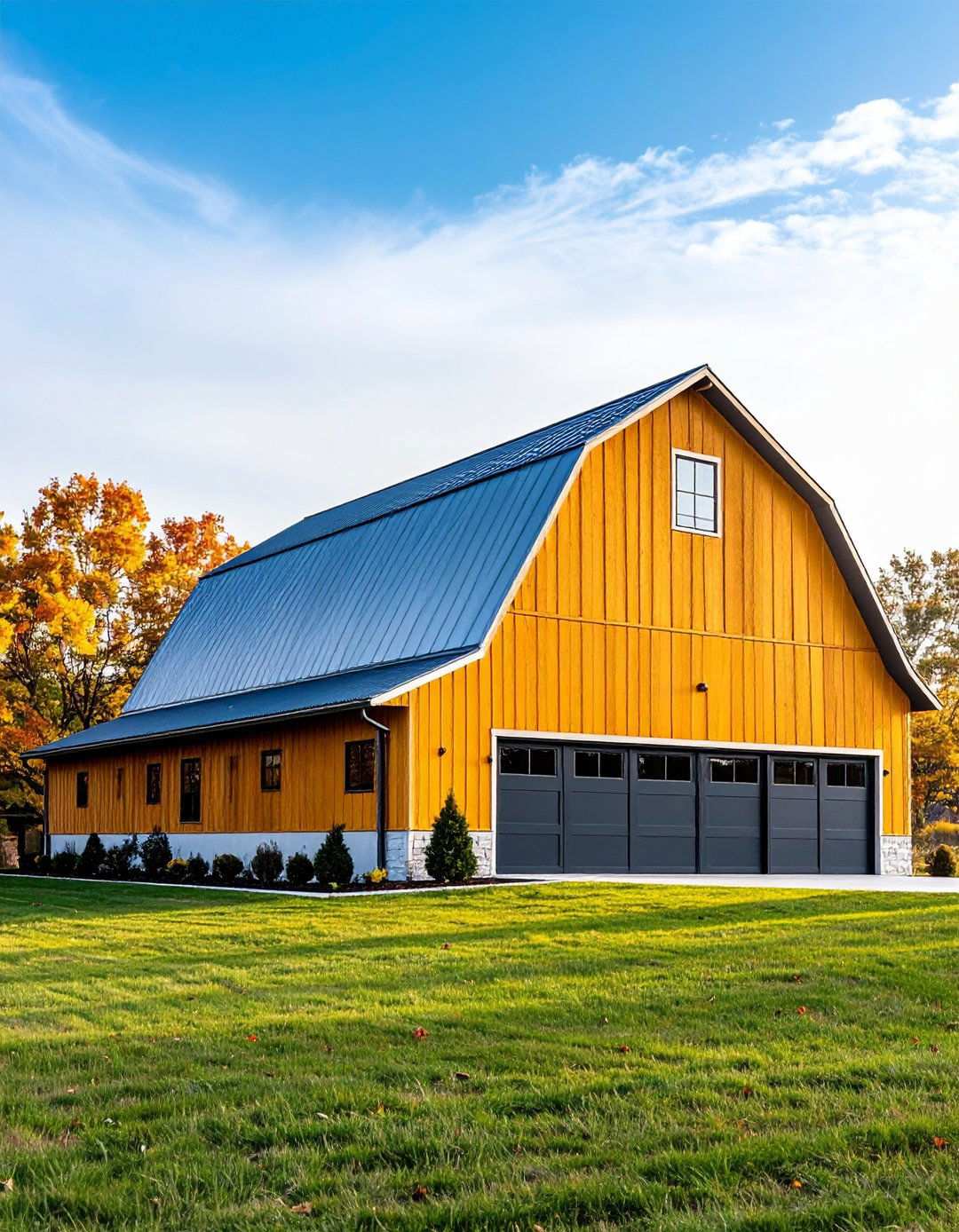
Insulated panel exteriors offer a winning combination of energy efficiency and clean, contemporary aesthetics, making them an ideal choice for both residential and commercial pole barn applications. These panels integrate structural support, insulation, and exterior finishes into a single, streamlined component that simplifies construction while maximizing thermal performance. By eliminating thermal bridging, insulated panels create smooth wall surfaces that significantly reduce energy costs compared to traditional construction methods. The aesthetic flexibility of insulated panels lies in their color and texture options, which include smooth finishes, woodgrain patterns, and various surface treatments that cater to diverse design preferences. The panel system delivers superior performance characteristics, including tighter building envelopes that enhance interior comfort while reducing heating and cooling costs substantially. Installation of insulated panels typically proceeds faster than traditional siding applications, providing superior weather resistance and durability. The clean, geometric patterns created by the panel joints emphasize the building’s contemporary character while ensuring long-term performance. When evaluating building project priorities, homeowners must weigh the importance of energy efficiency against initial construction costs. Insulated panels deliver exceptional thermal performance and sophisticated exterior aesthetics that suit modern barndominium and pole barn applications perfectly.
20. Vertical Metal Panel Systems
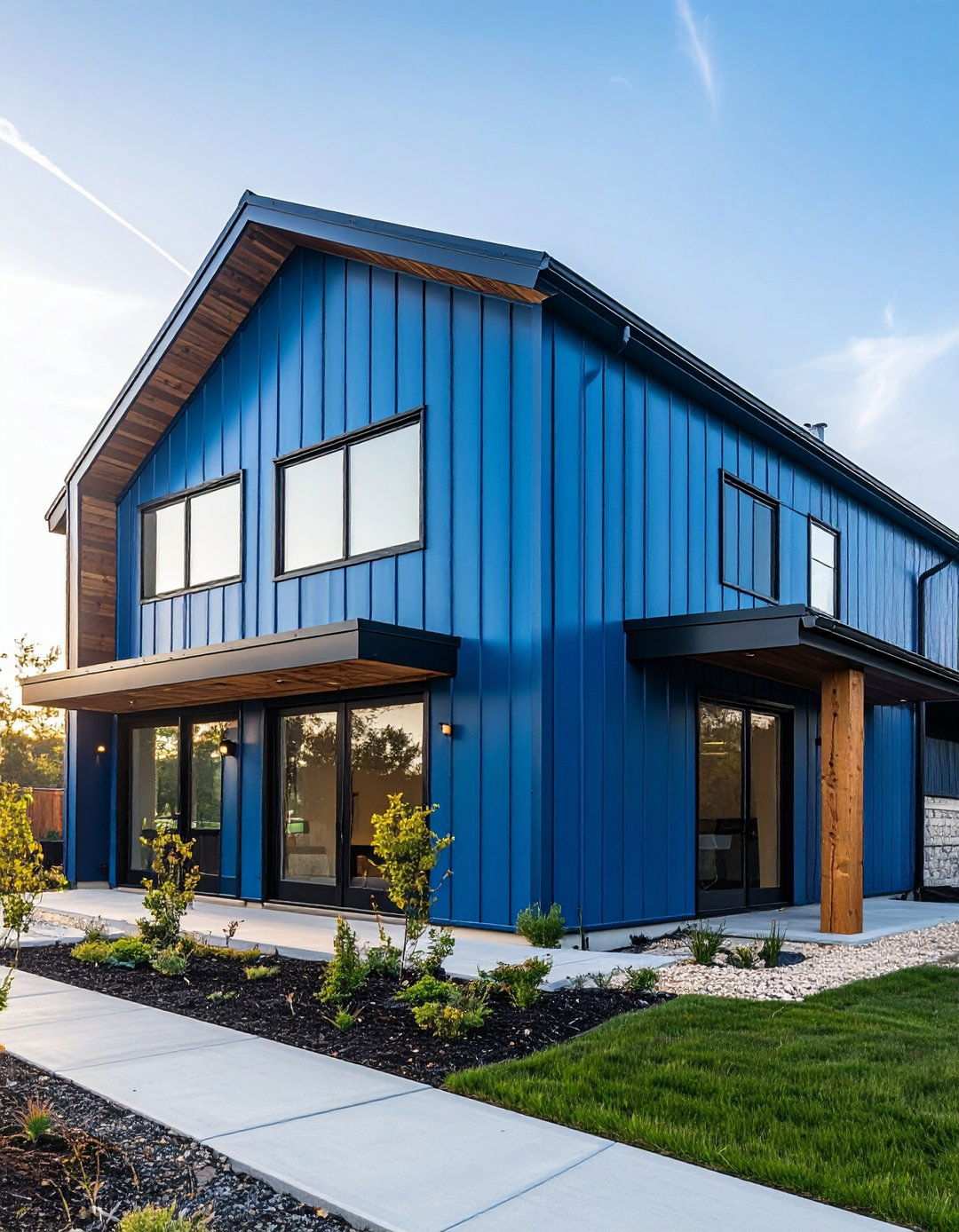
Vertical metal panel systems forge a strong connection between architecture and functionality, creating a sense of grandeur while offering exceptional protection from the elements and a sleek, contemporary aesthetic. By employing a vertical orientation, buildings appear taller and more imposing, with changing shadow patterns throughout the day adding a dynamic visual dimension. The diverse range of profiles available in panel systems, from subtle ribs to pronounced corrugations, not only provides varying aesthetic personalities but also maintains superior structural integrity. Furthermore, color options encompass both durable, painted finishes and natural metal patinas that develop a timeless, weathered appearance over time. Vertical panels accommodate a variety of fastening systems, from exposed screws that evoke an industrial charm to concealed clips that yield a sleek, sophisticated look. Installation typically proceeds with remarkable efficiency, offering superior weather resistance compared to horizontal siding options. The system’s seamless integration of panel lengths, which can extend from foundation to roofline without horizontal joints, creates clean, uninterrupted wall surfaces. Vertical panels work exceptionally well with contemporary architectural details, such as large windows, steel framing elements, and minimalist trim applications. When it comes to design choices, do you prefer the striking geometric character that vertical panels provide or the more traditional look of horizontal siding?
21. Sliding Door Feature Walls
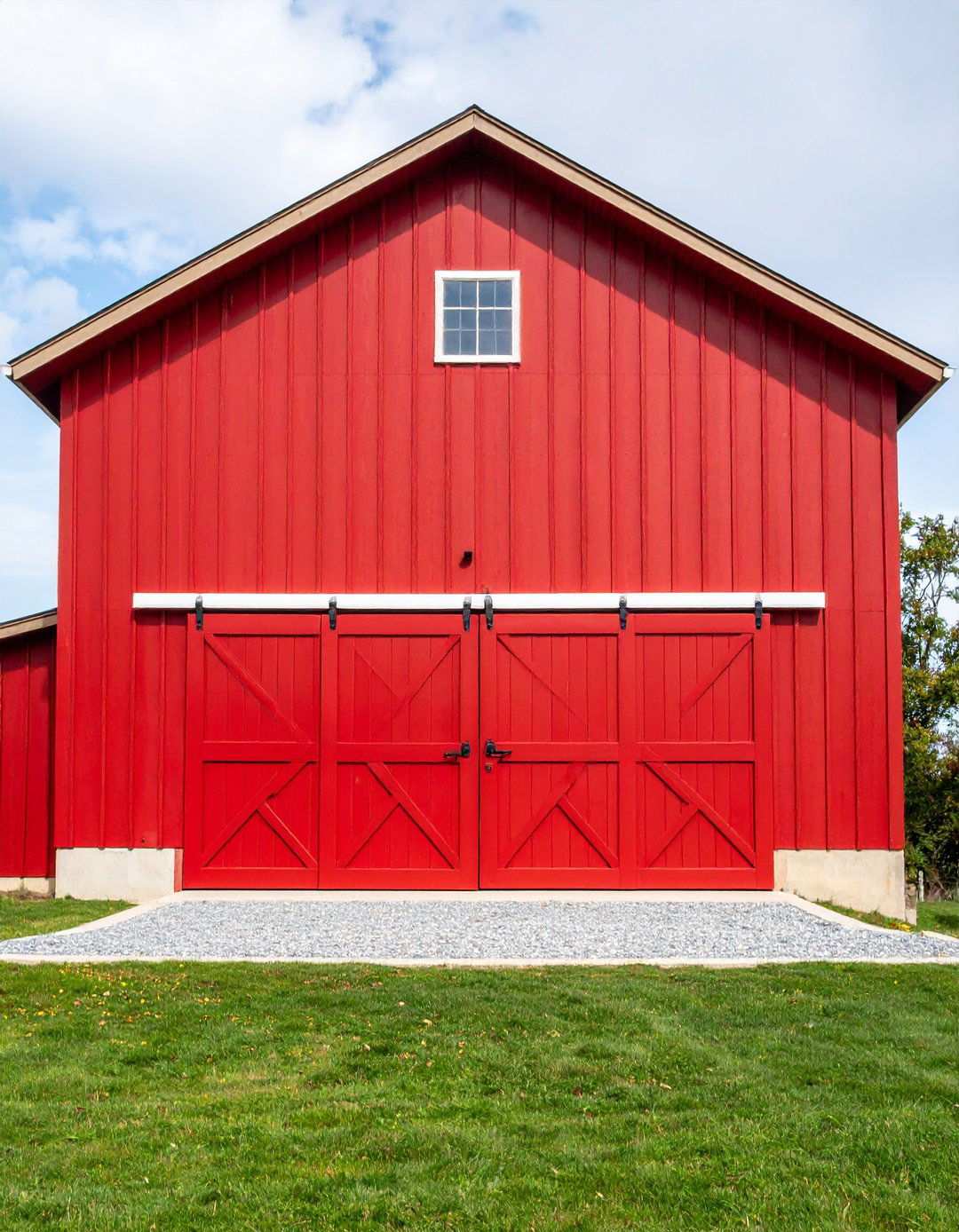
Large sliding doors serve as showstopping exterior features that honor the agricultural heritage of the barn while catering to the demands of modern living. These expansive openings can accommodate a range of equipment, vehicles, or create seamless indoor-outdoor connections for entertaining and daily use. Traditional barn door hardware is transformed into decorative elements that enhance the authentic, rustic character while ensuring reliable operation for frequent use. Door materials range from classic wood to modern steel panels that harmonize with the building’s exterior design scheme. Multiple door configurations, including bi-parting designs, single large panels, and stacked arrangements, provide various opening options to suit different weather conditions and functional requirements. Door colors can either blend seamlessly with the building exterior or provide contrasting accents that highlight these functional elements. Effective weather sealing becomes a crucial consideration for doors that separate conditioned interior spaces from the outdoors. When it comes to your building’s primary functions, how important is easy equipment access versus energy efficiency? Large sliding doors offer unmatched opening sizes while creating distinctive architectural features that pay tribute to the pole barn’s rich heritage.
22. Enhancing Grounding with Stone Accents
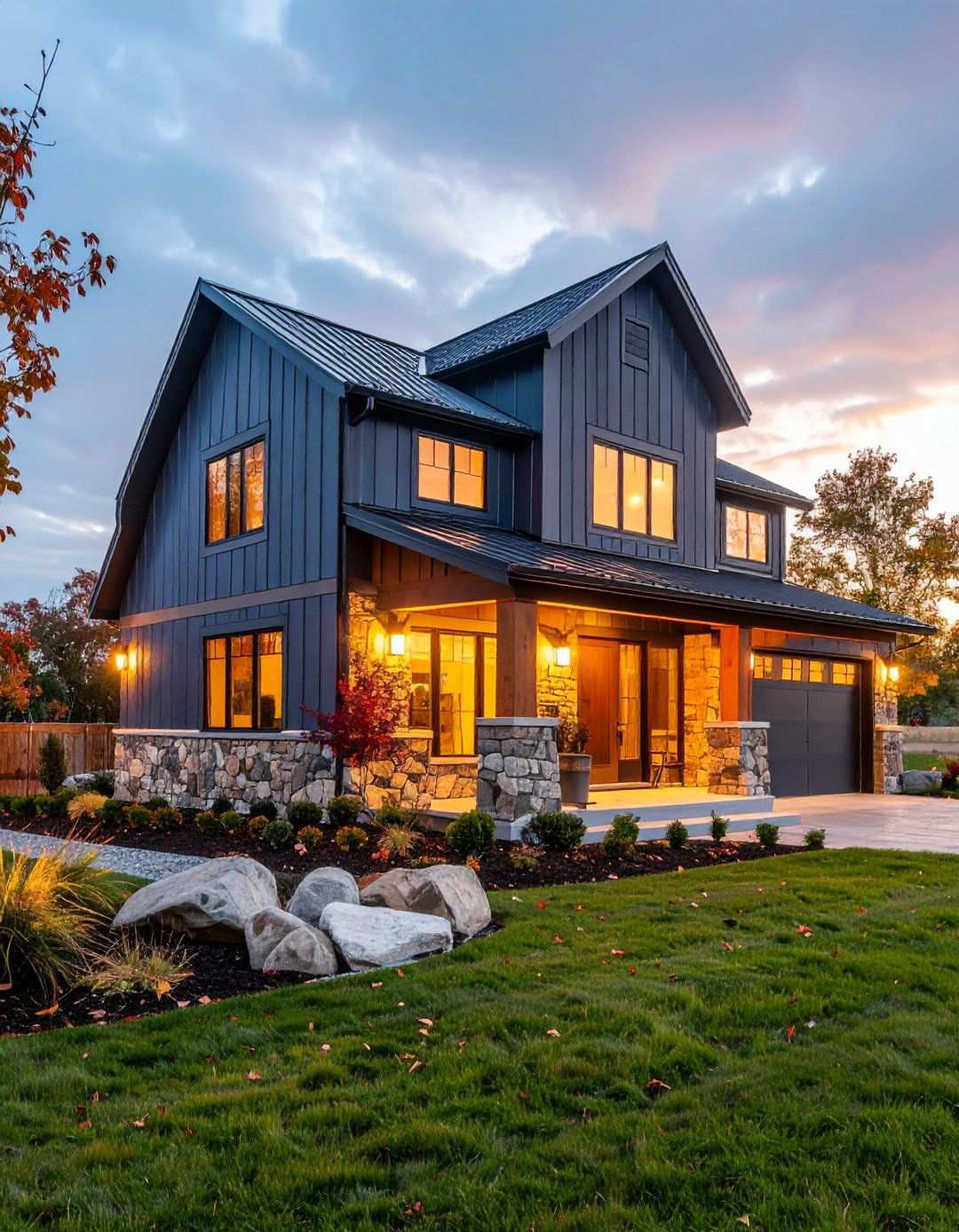
A thoughtful combination of stone foundation accents can elevate the presence of pole barn structures, creating a harmonious marriage between the building and its surroundings. These visual elements not only provide a natural material contrast but also infuse the structure with a sense of durability and refinement. Foundation treatments can be designed to span from grade level to wainscot height, typically three to four feet, before seamlessly integrating with siding materials to optimize material usage. When it comes to natural stone options, regional varieties such as fieldstone and limestone can help connect buildings to local geological characteristics, imbuing them with authentic regional character. Alternatively, manufactured stone veneer offers a consistent appearance and streamlined installation process while still providing the visual benefits of natural stone at a reduced cost. By incorporating stone accents, particularly with earth-tone siding colors, pole barn structures can create a cohesive visual identity that avoids visual conflicts. Moreover, foundation stones offer superior weather protection with minimal maintenance requirements compared to painted surfaces that necessitate periodic renewal.
23. Elevating Exterior Design with Dormer Windows
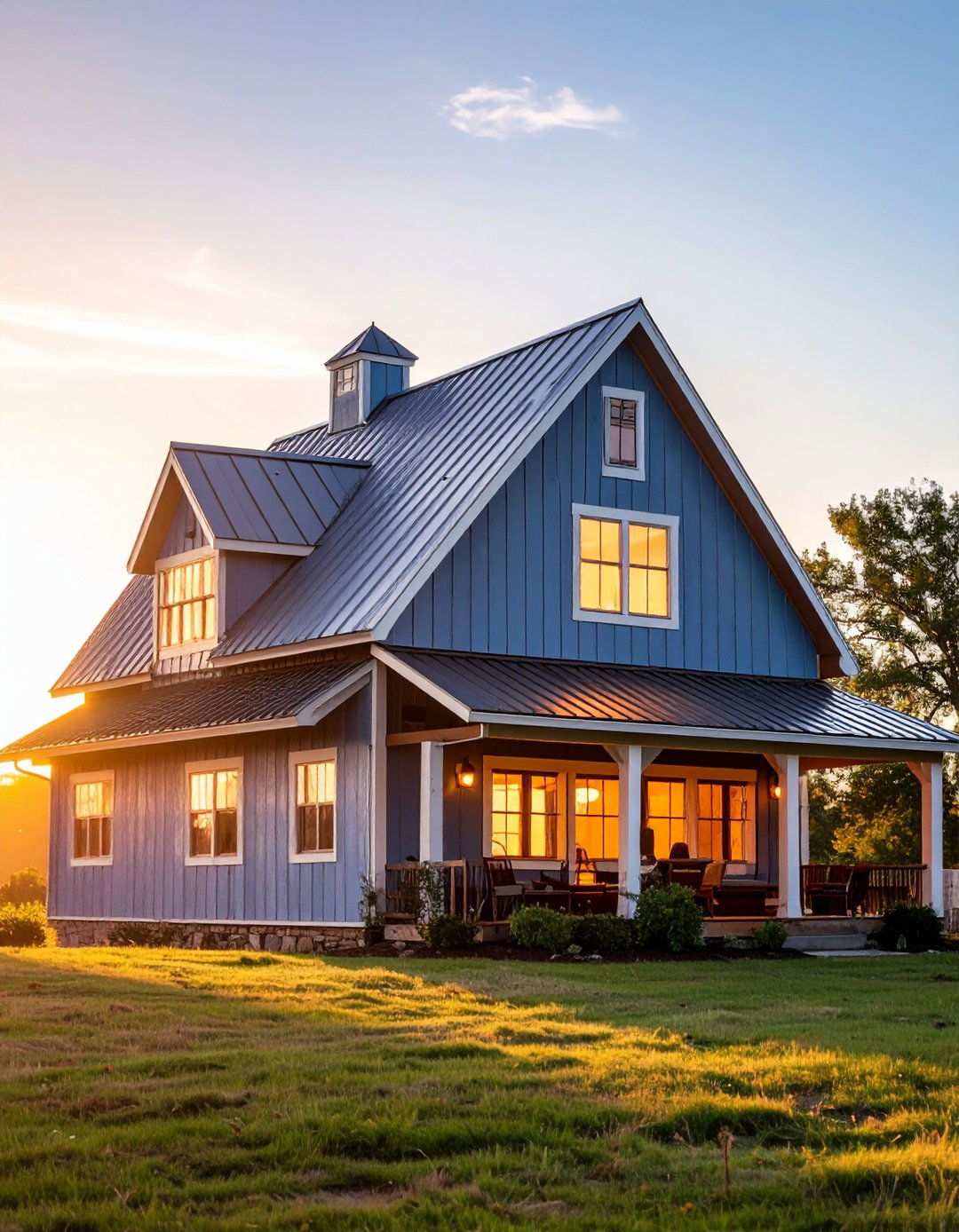
Dormer windows are a compelling way to introduce natural lighting into loft spaces while adding a touch of sophistication to simple rooflines. These projecting structures not only break up large roof surfaces but also create distinctive building profiles that significantly enhance curb appeal. Dormer designs can range from straightforward shed-roof types to elaborate gabled versions featuring decorative trim work that meticulously matches the building’s overall aesthetic character. When it comes to window arrangements within dormers, architects can opt for single large windows, multiple smaller units, or combinations that balance optimal lighting with weather resistance. Furthermore, dormer siding can either harmonize with the main building or provide contrasting materials to highlight these architectural features. However, proper flashing and weatherproofing become crucial for long-term performance, necessitating skilled installation for reliable weather protection. The strategic placement of dormers must also consider both exterior appearance and interior functionality, requiring careful coordination with loft layouts and structural considerations.
24. Elevating Outdoor Living Experiences
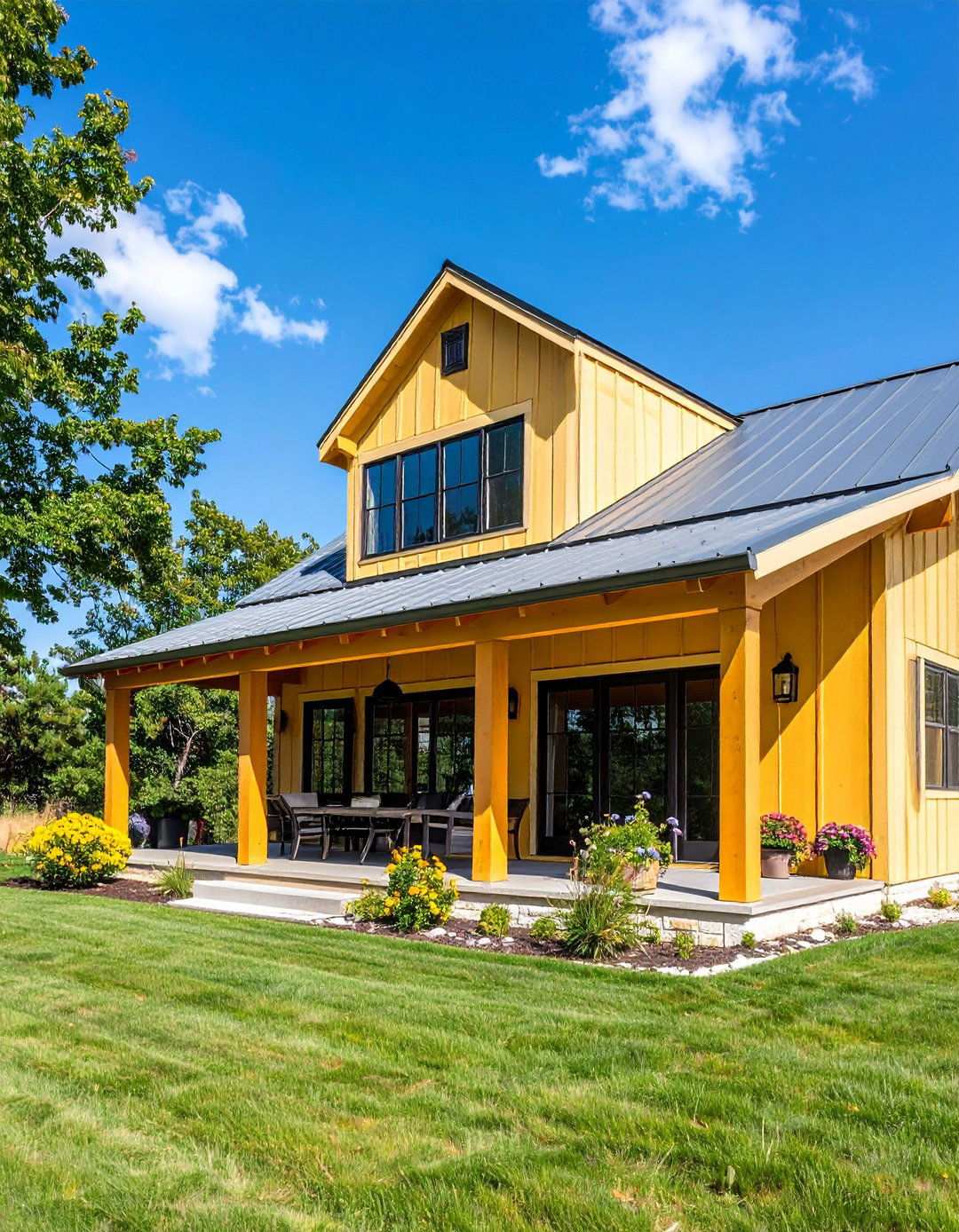
Well-designed porch overhangs unlock the full potential of outdoor living spaces, blending functionality with comfort while shielding against harsh weather conditions. By extending the building’s footprint, these covered areas can seamlessly integrate various architectural elements, from straightforward shed-style roofs to more intricate gabled designs that harmonize with the main structure’s character. Typically spanning eight to twelve feet in depth, overhangs strike a balance between providing sufficient weather protection and maintaining an aesthetically pleasing scale relative to the building.
Support systems can be achieved through sleek posts, elegantly ornate columns, or robust structural timber framing, which not only provide the necessary structural support but also elevate the building’s visual appeal. Flooring options range from durable concrete slabs to beautifully crafted wood decking, carefully chosen to complement the building’s overarching design philosophy. Ceiling treatments can either showcase exposed framing for a rustic, homespun charm or opt for refined surfaces for a more sophisticated ambiance. Furthermore, electrical systems often incorporate practical features like outlets, lighting fixtures, and ceiling fans, creating inviting outdoor spaces suitable for diverse weather conditions. What’s more, generous overhangs can serve as versatile outdoor rooms, expanding living areas while safeguarding entries and outdoor equipment storage from the elements.